Beneteau
867 Results
Bénéteau – Technical and Historical Guide
ABOUT THIS BOAT BRAND
Bénéteau is a French boat manufacturer renowned for its large scale production of sailing yachts and powerboats, with origins dating back to 1884 when Benjamin Bénéteau began building sailing trawlers in Saint-Gilles-Croix-de-Vie on France’s Atlantic coast. Evolving from traditional fishing craft to series-produced pleasure boats in the 1960s and 1970s, Bénéteau has become one of the world’s leading yacht builders by volume, with thousands of boats launched each year across multiple ranges. Now a flagship brand within the publicly listed Groupe Beneteau, the company is recognized for industrialized boatbuilding paired with naval-architect driven design, exemplified by its Oceanis cruising sailboats and Flyer and Antares power lines. Its long history, global dealer network, and consistent presence in major boat shows and international markets have made Bénéteau a reference name and trusted benchmark in the modern marine industry.
Specializing in sail and engine-powered coastal and blue water boats, Bénéteau targets a wide spectrum of owners from family cruisers and first-time sailors to experienced offshore passagemakers and performance-oriented racers. The brand’s key product families include Oceanis cruising sailboats, First performance sailing yachts, and Swift Trawler long-range powerboats, complemented by Antares and Flyer outboard models for inshore and near offshore use. Many designs have been developed in collaboration with renowned naval architects such as Berret-Racoupeau, Finot-Conq, and Pininfarina for styling, resulting in hull forms optimized for sea-keeping and efficiency. Across the line, typical technical features include carefully engineered hull sections for stability, integrated swim platforms, efficient deck layouts for short-handed sailing, spacious and modular interiors, and modern electronic navigation and engine management systems. This specialization in industrially produced yet thoughtfully engineered cruising and sport boats has made Bénéteau a preferred choice for owners seeking reliable, well documented, and widely supported production yachts for both everyday coastal cruising and extended offshore passages.
WHAT MAKES THIS BOAT BRAND SPECIAL?
Bénéteau stands out by blending French design heritage with advanced marine engineering across its sailing yachts and powerboats, from the Oceanis and First lines to the Antares and Swift Trawler ranges. The brand’s hulls are carefully optimized for efficiency and stability, using variable deadrise, pronounced chines, and fine entries that soften the ride while keeping the boat dry and predictable in a seaway. Bénéteau construction combines infused fiberglass laminates, structural grids, and carefully engineered weight distribution to deliver responsive handling and reassuring seaworthiness, whether you are coastal cruising, passagemaking, or day boating with family. Thoughtful layouts maximize space and light, with wide cockpits, secure side decks, modular seating, and practical stowage that make Bénéteau boats easy to live aboard, simple to handle short-handed, and enjoyable for both new boaters and experienced skippers.
From its modern production facilities in France and around the world, Bénéteau leverages more than a century of boatbuilding experience and a team of skilled naval architects, engineers, and craftspeople to achieve consistent quality on every hull. The brand is known for pairing premium gelcoats, marine-grade cores, robust hardware, and carefully selected interior woods and fabrics with industrial-level quality control that aligns with leading international standards such as CE certification and ABYC-compliant systems where applicable. Bénéteau supports its models with competitive warranties and an extensive global dealer and service network, giving owners confidence long after delivery. Attention to detail in joinery, systems installation, and ergonomics results in boats that feel solid underfoot, age gracefully, and hold their value, which is why Bénéteau is frequently praised by owners for reliability, comfort, and smart design, firmly positioning the brand as a benchmark for versatile, family-friendly cruising yachts and powerboats.
WHAT DIFFERENT TYPES OF BOATS DOES THIS BOAT BRAND BUILD?
Bénéteau is a globally recognized boat builder offering a wide range of powerboats and sailing yachts designed for leisure cruising, performance, and comfortable living on the water. Within its portfolio, Bénéteau produces outboard-powered boats in the small to mid-size range as well as larger inboard-powered models aimed at extended cruising and premium comfort. The brand’s lineup spans from compact coastal cruisers and versatile dayboats up to substantial cruising yachts engineered for offshore passages and bluewater adventures. Bénéteau’s main categories include family cruisers, performance cruisers, flybridge yachts, express cruisers, and sailing yachts focused on both ease of handling and rewarding performance. Across the range, the brand emphasizes innovative layouts, efficient hull designs, and practical onboard amenities. Below are the types of boats and models Bénéteau builds, along with their key characteristics and uses:
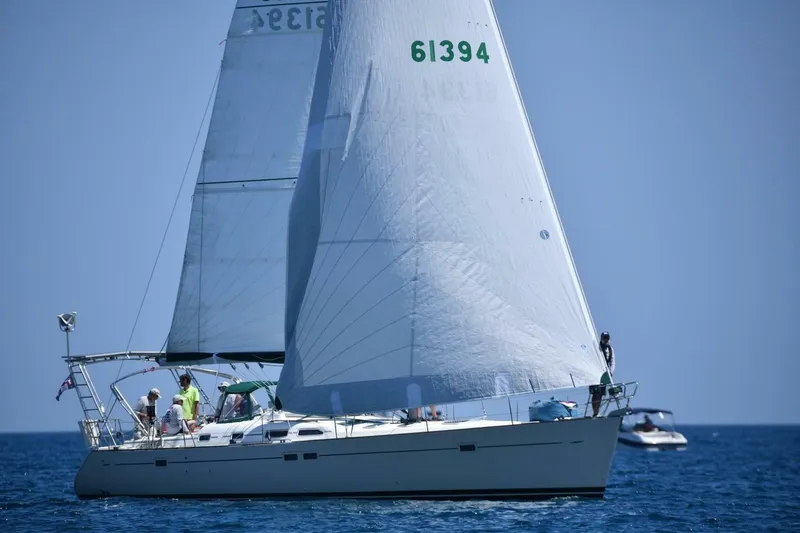
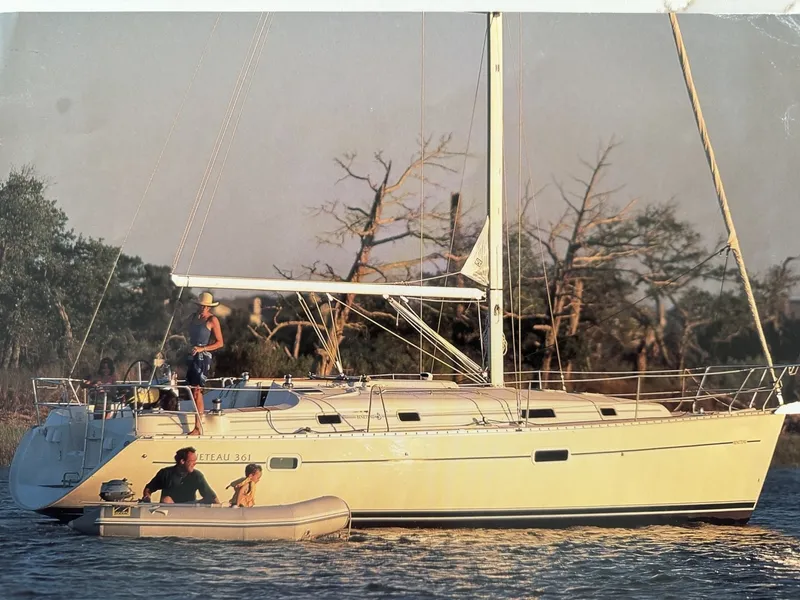
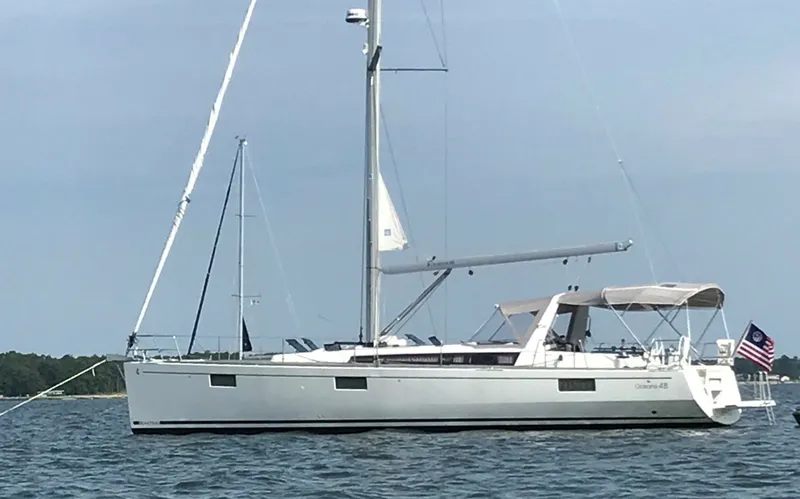
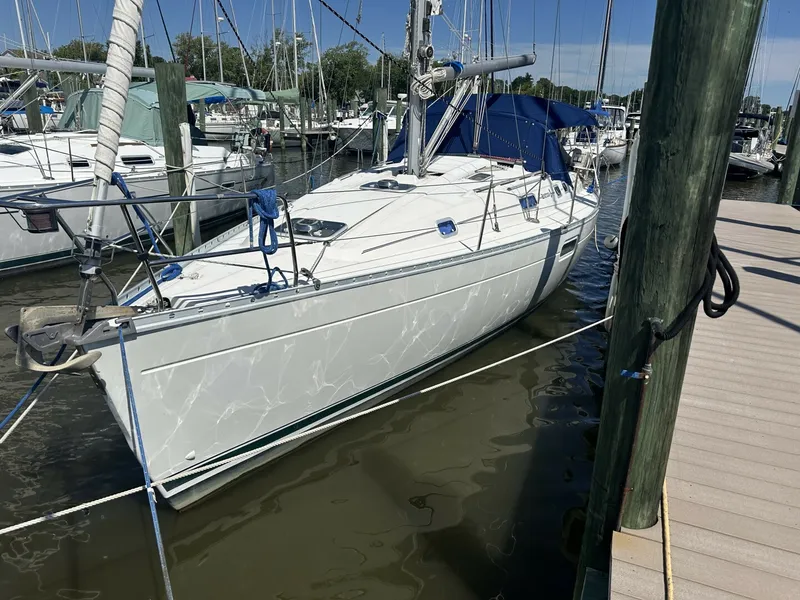
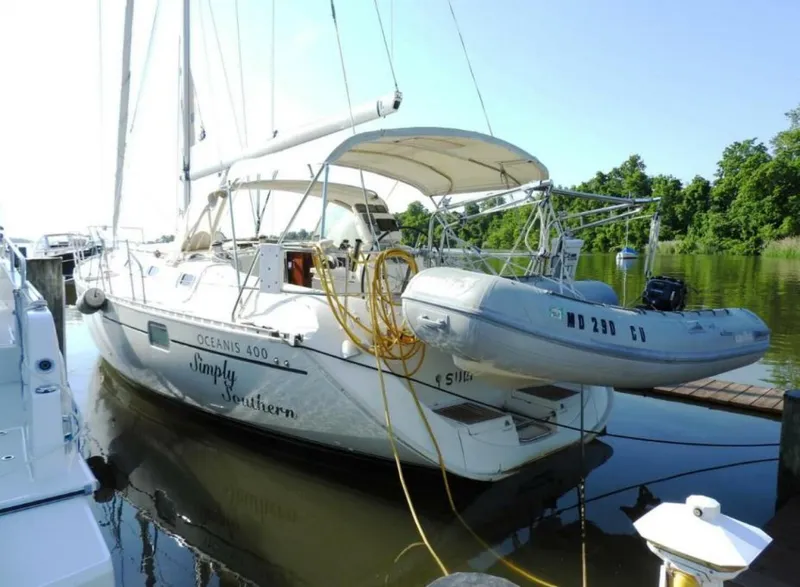
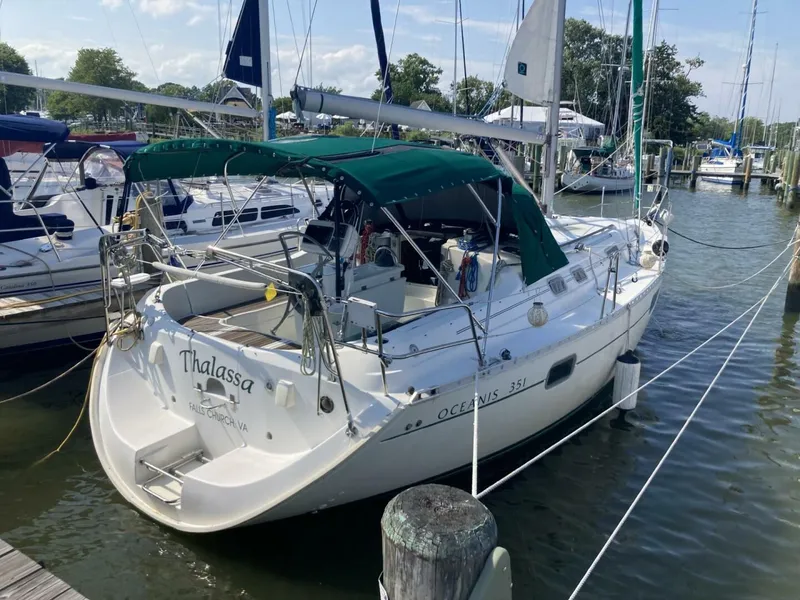
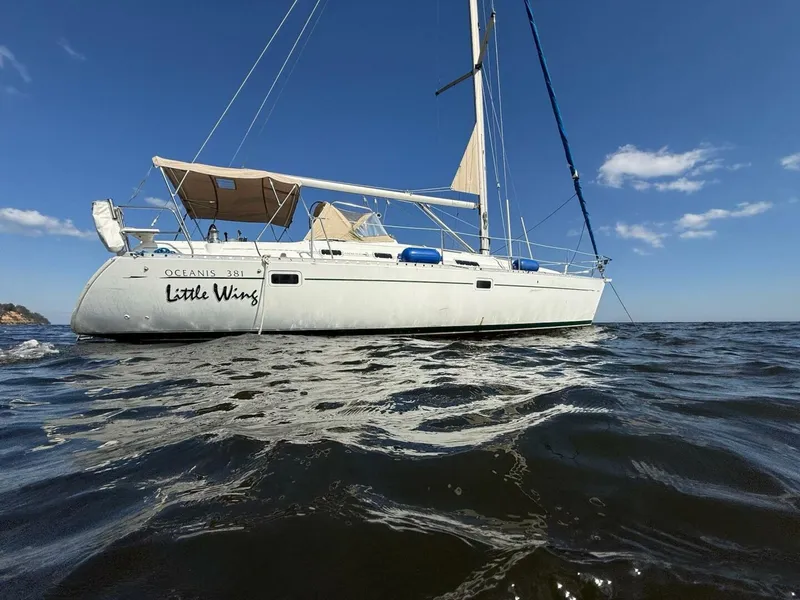
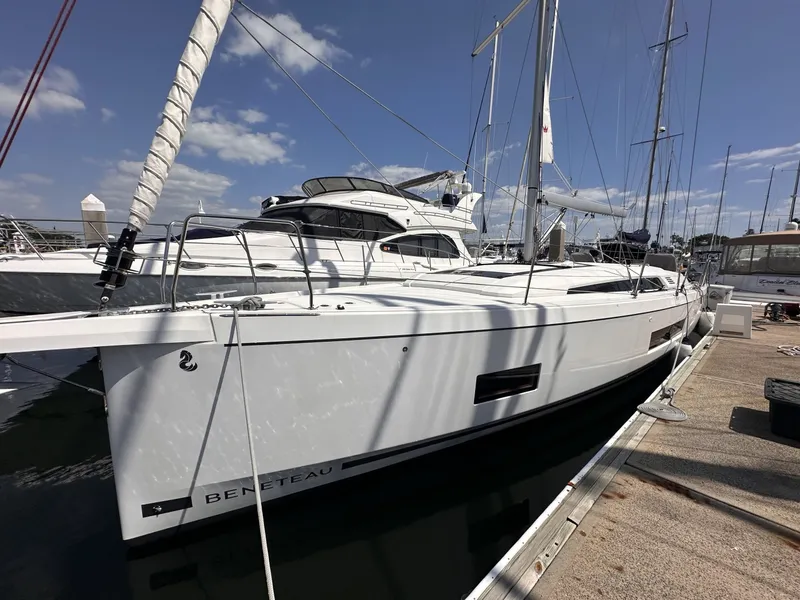
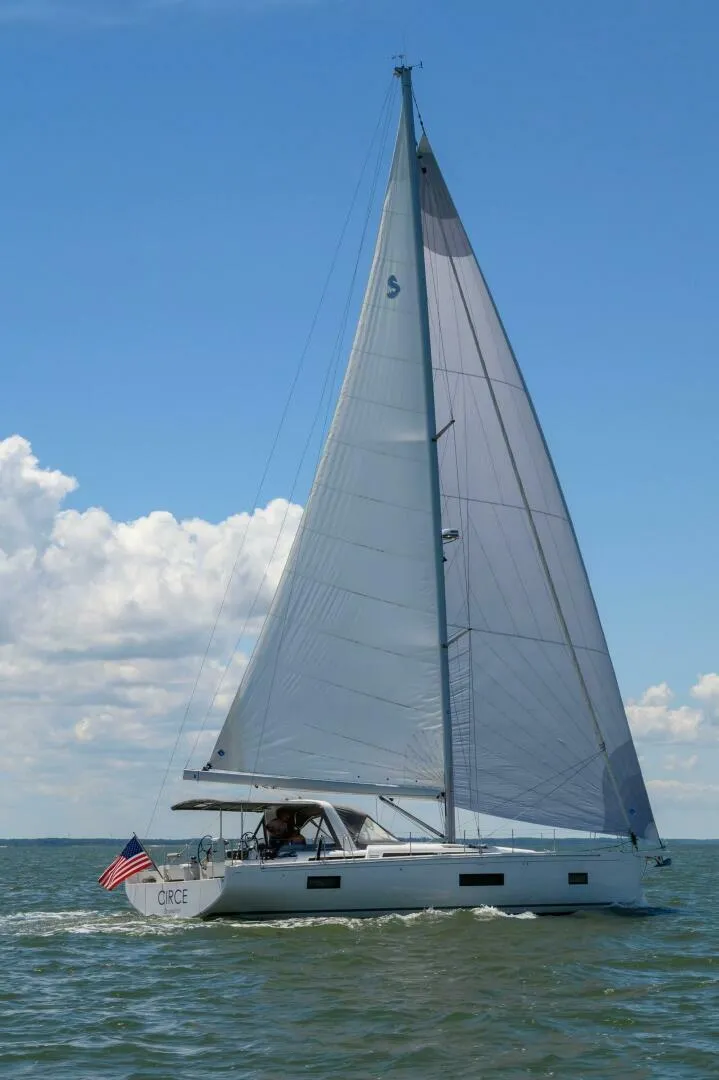
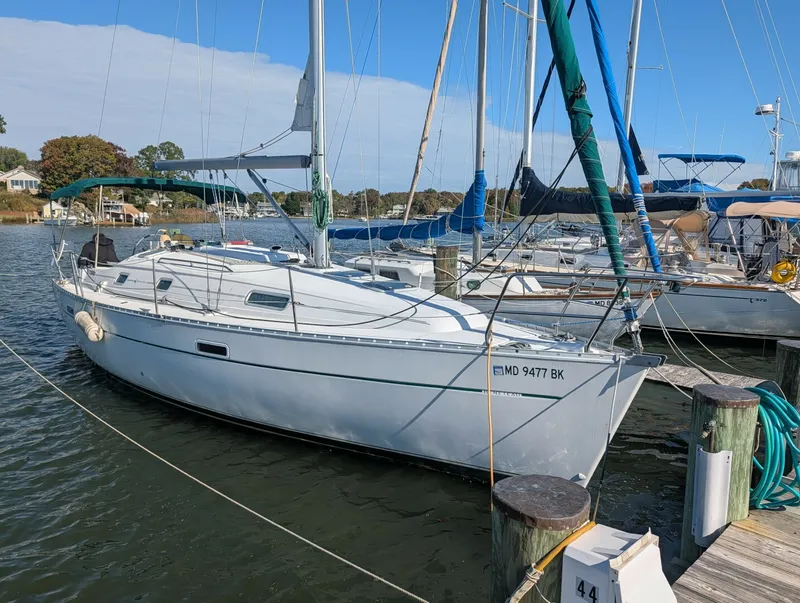
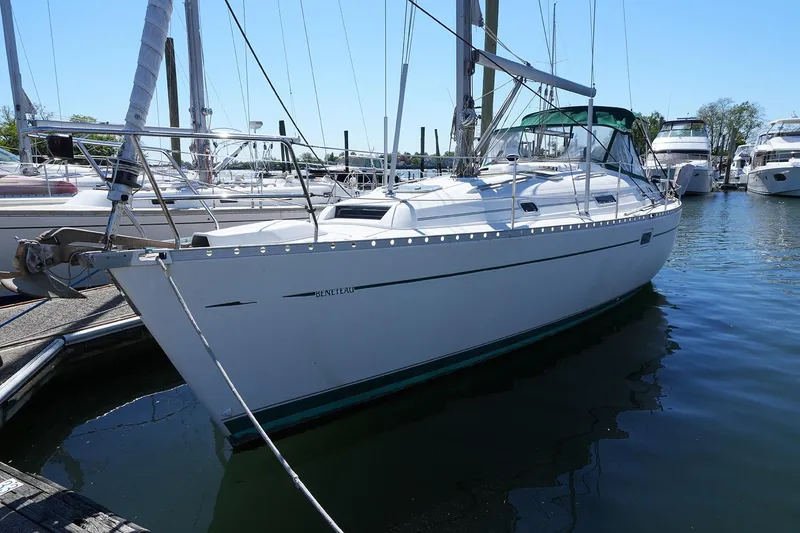
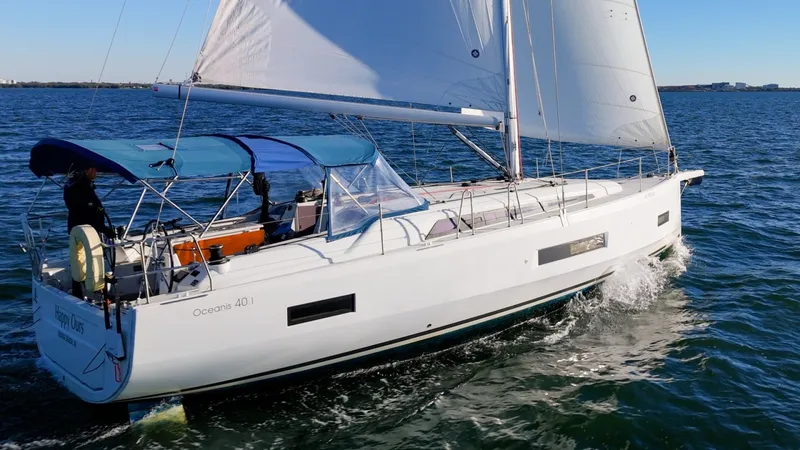
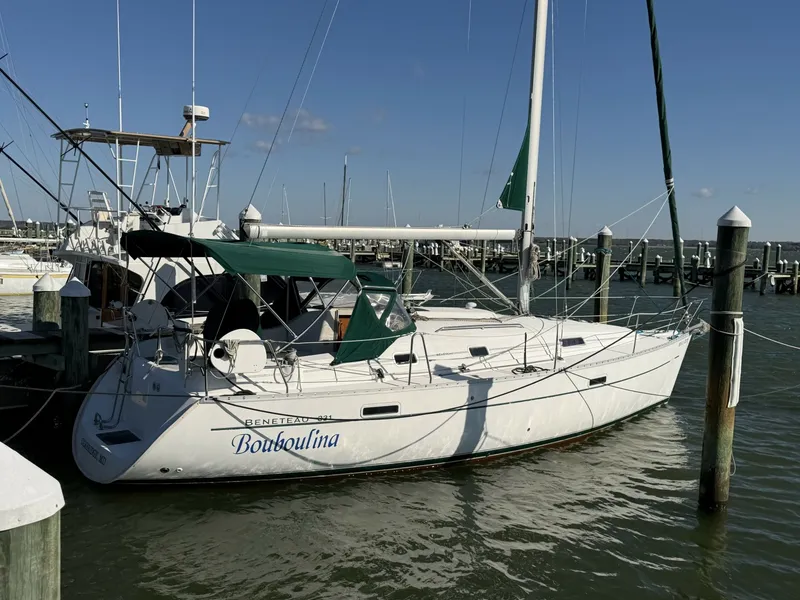
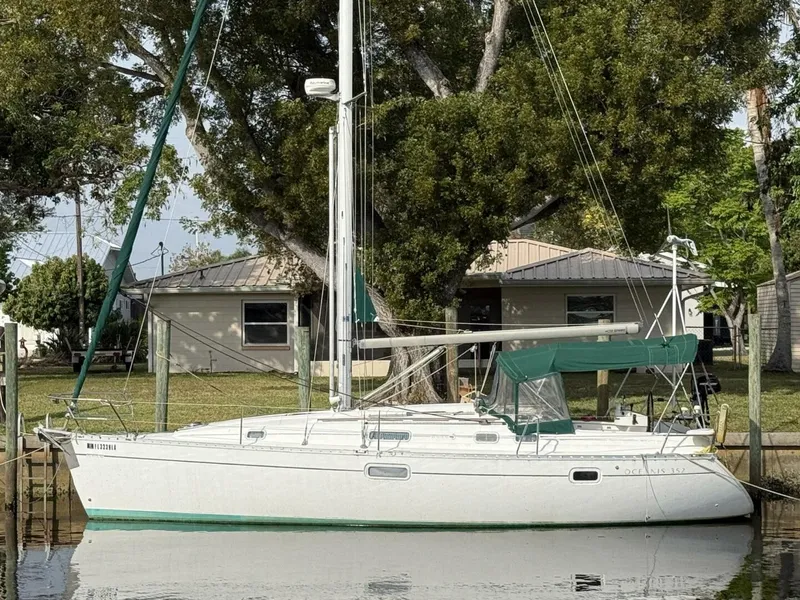
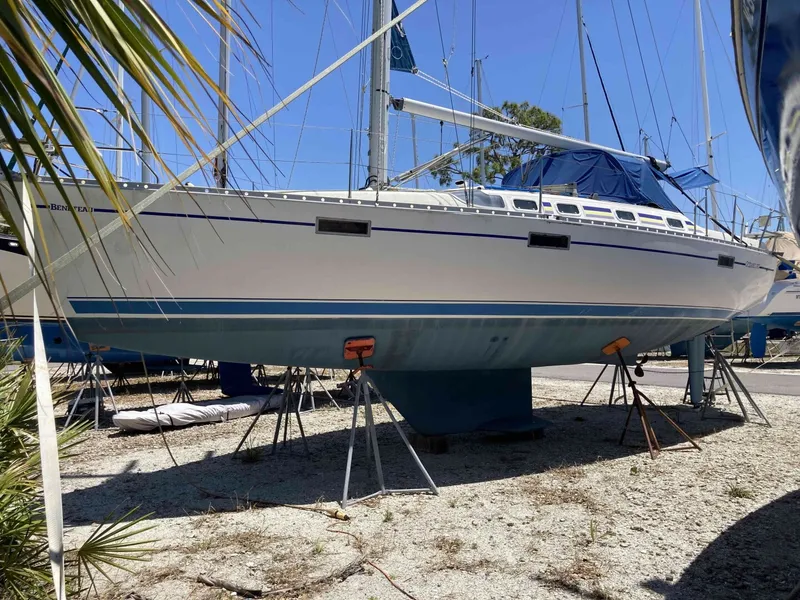
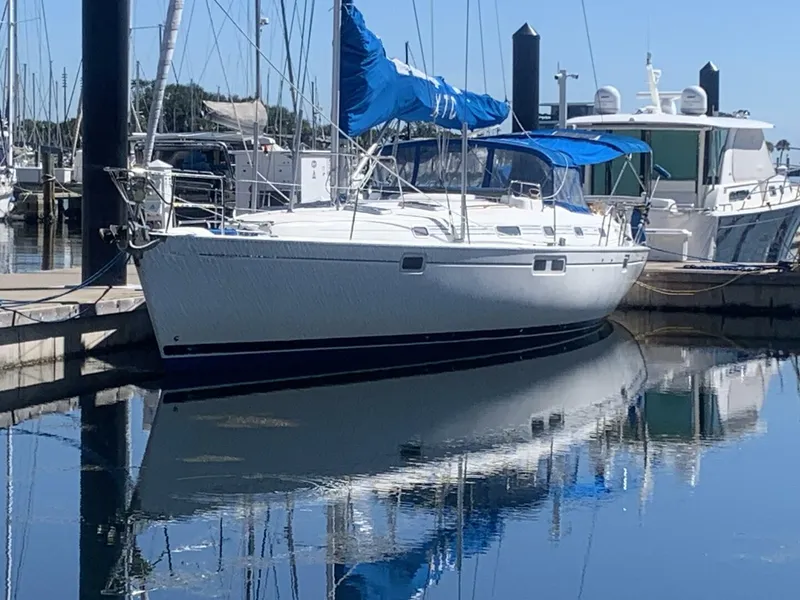
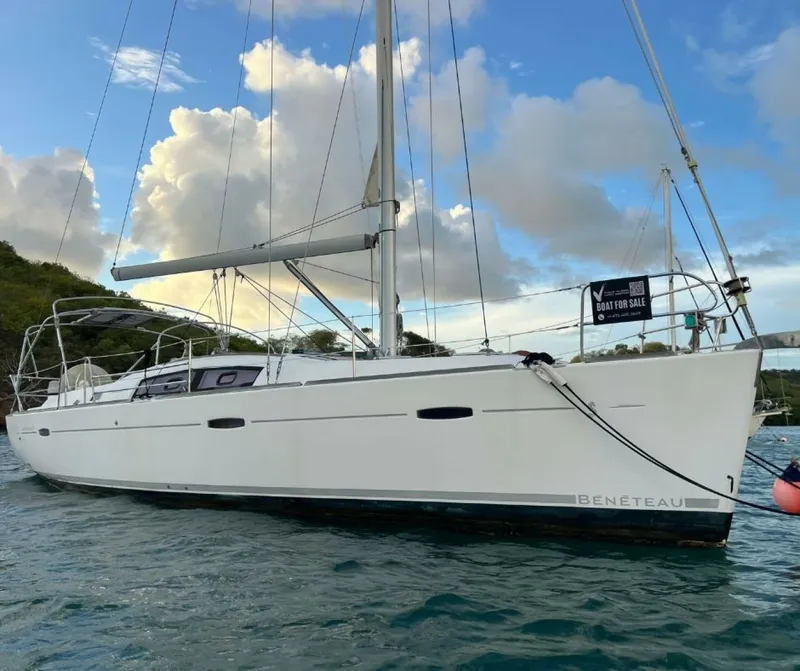
• (Sailing yachts – Oceanis & Oceanis Yacht cruising monohulls) Bénéteau’s Oceanis family is its core cruising‑sailboat line, running from compact 31 ft pocket cruisers up through 50‑plus‑foot passagemakers and Oceanis Yacht flagships around 55–60 ft. Current Oceanis monohulls include the Oceanis 30.1 (31’3’’ LOA), 34.1 (35’4’’), 37.1 (39’2’’), 40.1 (42’3’’), 47/47.1 (approx. 47’11’’), 51/52 (around 52–53’5’’) and Oceanis Yacht models above these sizes. These beamy, twin‑rudder hulls with hard chines and multiple keel options (shallow, deep, and in some cases lifting) are optimized for family cruising, charter, and blue‑water passagemaking. Typical specs run from about 9.5–16.3 m LOA and beams of roughly 3.0–4.8 m, with inboard diesels from roughly 21–110 HP and fuel tanks around 34–200 L. Interiors emphasize bright, voluminous layouts with two to five cabins, large cockpits, and easy‑handling rigs with options like in‑mast furling and self‑tacking jibs, making Oceanis a benchmark in production cruising sailboats.
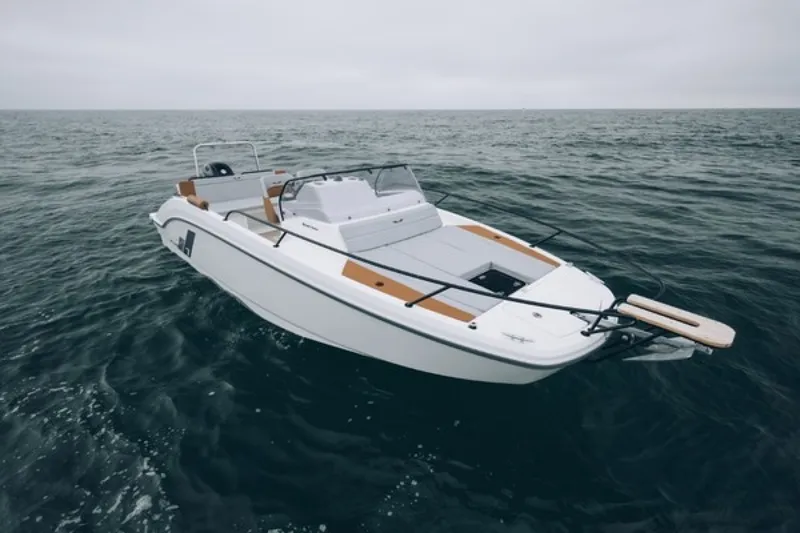
• (Outboard dayboats – Flyer series (SUNdeck / SPACEdeck)) The Flyer range comprises outboard‑powered dayboats in the roughly 21–30 ft segment, offered in bowrider/center‑console oriented SPACEdeck versions and walkaround/cuddy‑cabin SUNdeck versions. Core current sizes include Flyer 7, 8, 9 and 10, each available in different deck layouts to target sandbar hopping, watersports, and near‑shore fishing. Typical examples like the Flyer 8 SUNdeck (26’10’’ LOA, 8’4’’ beam) and Flyer 9 SPACEdeck/SUNdeck (about 29’10’’ LOA, 9’10’’ beam) illustrate the line’s beamy, Air Step–influenced planing hulls, shallow outboard draft (roughly 0.5–0.9 m), fuel capacities in the 300–575 L range, and single or twin outboards from about 250 up to 500 HP. These boats emphasize modular cockpits, convertible sunpads, optional T‑tops, and compact cabins with berths and heads on larger models, serving as versatile dayboats for families and active boaters.
• (Outboard wheelhouse cruisers – Antares series) Bénéteau’s Antares outboard series are trailerable to mid‑size enclosed wheelhouse cruisers aimed at protected‑water and light offshore cruising and fishing. Typical models include the Antares 7, 8, 9 and 11, spanning roughly 7–11 m (23–36 ft) in length. For example, the Antares 8 is about 27’ LOA with a 9’2’’ beam, 0.6–0.8 m draft, a 74 US gal (280 L) fuel tank and single outboard up to 250 HP, while the Antares 11 stretches to around 36’7’’ LOA with an 11’6’’ beam, twin 106 US gal (400 L) fuel tanks and twin outboards up to around 2 × 300 HP. These planing hulls combine sheltered wheelhouses, convertible saloons, and cabins for overnighting with large cockpits that can be configured for cruising or fishing, making them popular in cooler‑climate and year‑round boating markets.
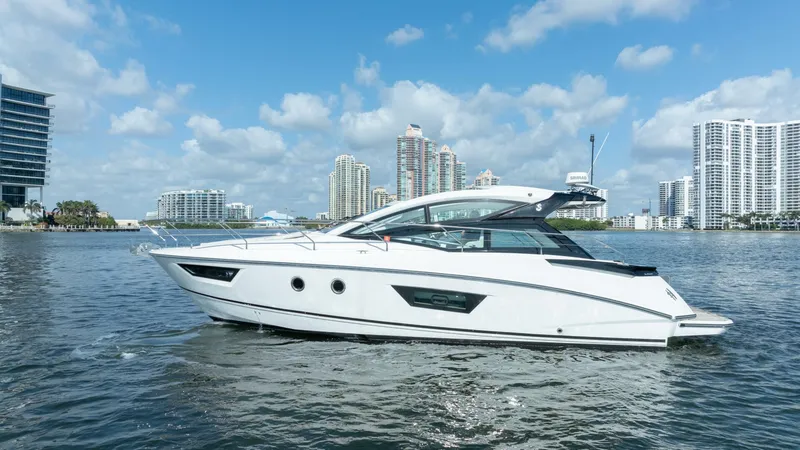
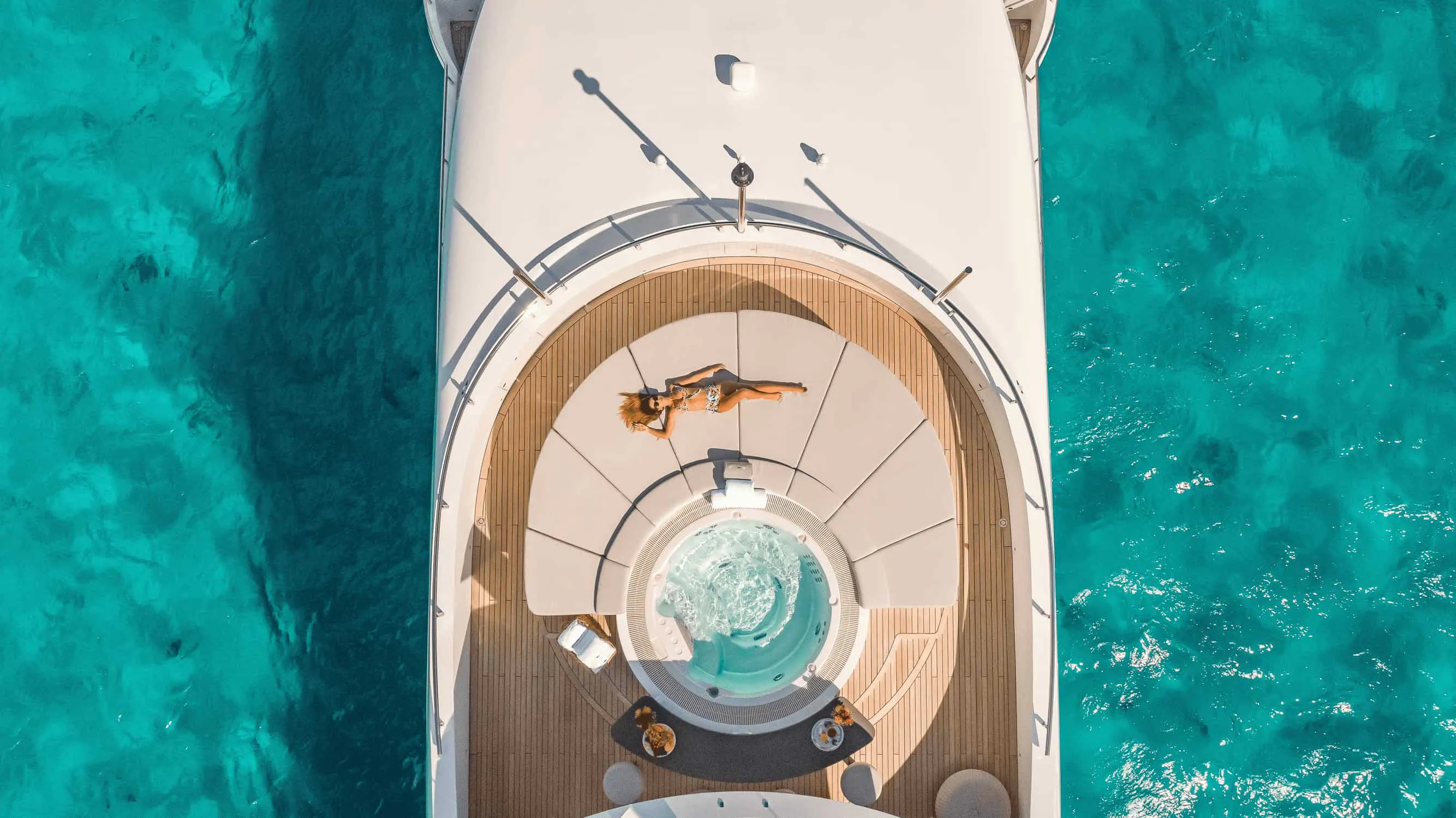
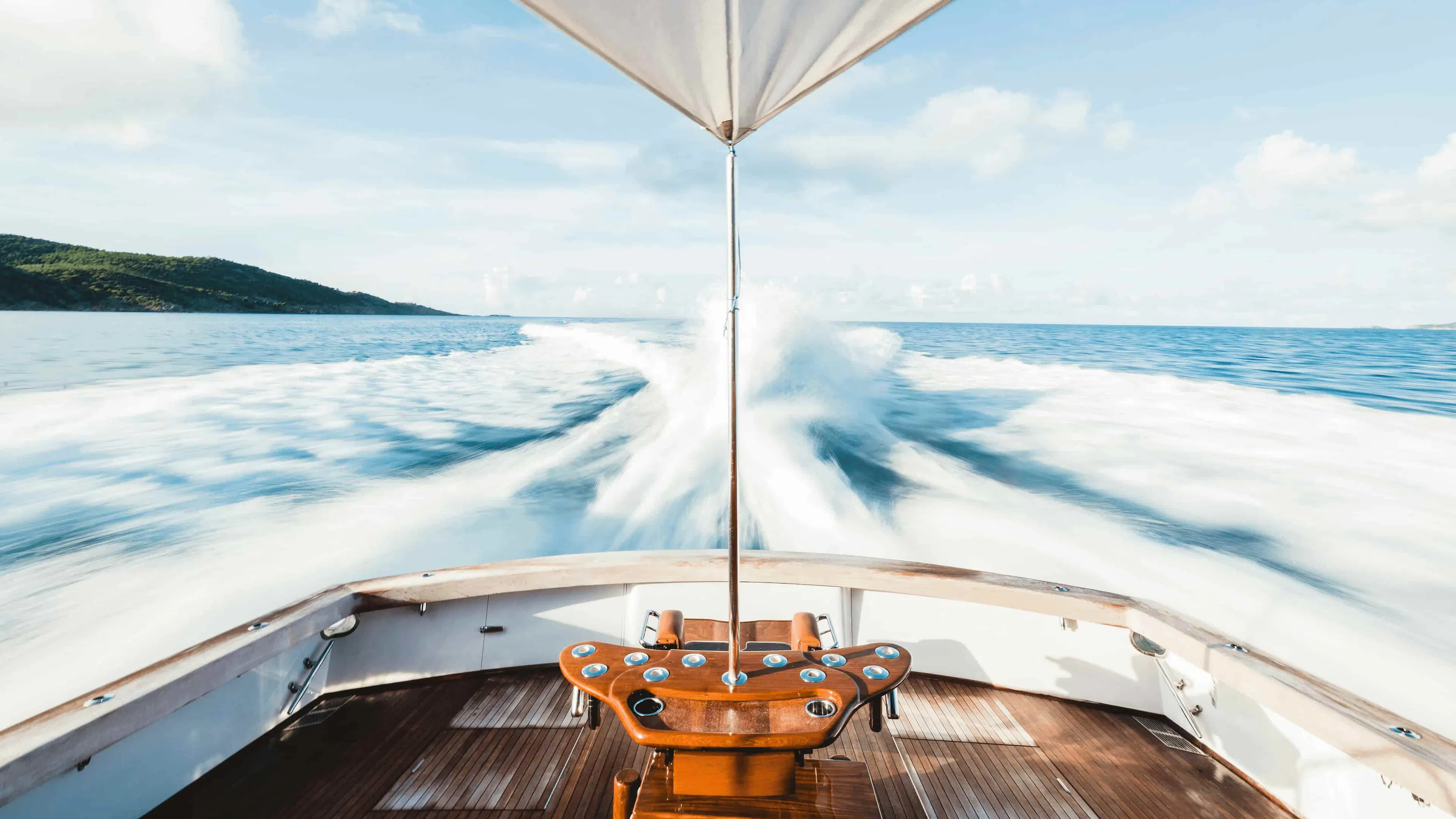
• (Inboard power cruisers & trawlers – Gran Turismo, Swift Trawler, Grand Trawler) Bénéteau’s inboard power segment is split between sporty Gran Turismo express cruisers and long‑range trawlers. Gran Turismo models such as the GT 32, 36, 41 and 45 (roughly low‑30s to mid‑40s ft) are hardtop sport cruisers with planing or stepped hulls, twin sterndrive or inboard diesels generally in the 2 × 250–380 HP range, and fuel capacities in the 900–1,000 L bracket, designed for fast coastal cruising and weekend trips. The Swift Trawler line (e.g., ST 35, 41, 48) uses efficient semi‑displacement hulls, LOAs from mid‑30s to high‑40s ft, beams around 4–4.5 m, and large fuel tanks (often 1,100+ L) with twin diesels around 270–425 HP for economical passagemaking, Great Loop and canal cruising. At the top end, the Grand Trawler 62 is a full‑displacement, long‑range yacht of about 62’2’’ LOA and 17’10’’ beam with twin 730 HP diesels and over 1,000 US gal of fuel, offering multiple cabins, a vast flybridge, and hotel‑style comfort for extended liveaboard and blue‑water voyaging.
HOW ARE THESE BOATS BUILT?
Bénéteau hulls and decks are engineered as composite sandwich structures that balance strength, weight and long-term durability. Most [BRAND] boat construction begins with a high-quality ISO-NPG gelcoat in the mold, followed by a skin coat designed to resist osmosis. Bénéteau uses specially formulated vinyl ester resins across critical hull and deck laminates, supplemented on select yachts with advanced recyclable Elium resin to enhance structural performance and sustainability. Depending on model and loading requirements, hulls combine biaxial and unidirectional E-glass reinforcements with carefully specified end-grain balsa or PVC foam cores, with solid glass in high-impact areas such as keel floors, thru‑hull zones and chines. A molded structural grid and longitudinal stringer system is chemically bonded and glass‑tabbed into the hull to distribute rig, engine and slamming loads, minimizing flex and improving seakeeping. Transverse frames, collision bulkheads and locally reinforced chainplate and keel attachment zones provide additional safety margins that exceed many small-craft design rules such as ISO 12215. Bénéteau integrates foam and cavity flotation where applicable, in accordance with international and U.S. requirements, to support positive flotation and improved impact resistance. Hulls and decks are produced using a combination of hand lay‑up, resin infusion and injection molding, which controls glass-to-resin ratios, reduces voids and delivers consistent laminate quality. The hull‑to‑deck joint is typically chemically bonded with structural adhesives, mechanically fastened on a close spacing with stainless steel fasteners, and then glass‑tabbed or capped, creating a stiff, watertight monocoque structure that supports long-term offshore durability and clean handling characteristics for how Bénéteau boats are built.
Above the waterline, [BRAND] boat construction focuses on robust hardware, systems integration and finish quality that align with leading global standards. Exterior hardware is specified in marine‑grade 316L stainless steel for cleats, rails and pulpits, with anodized aluminum or stainless deck fittings and through‑bolted backing plates in high-load areas to withstand real offshore usage. Electrical systems are engineered to ABYC and ISO requirements, with tinned marine‑grade wiring, heat‑shrink terminations, properly sized overcurrent protection and organized distribution panels to simplify serviceability. Fuel, fresh water and sanitation plumbing are routed using marine‑rated hoses, double clamps on critical connections and components selected to comply with ABYC, CE and applicable NMMA certification guidelines. Interior construction combines precision CNC‑cut bulkheads and furniture modules with advanced laminates and marine plywoods, topped with UV‑stable vinyls, high‑density foams and woven fabrics that resist mildew and abrasion for long-lasting upholstery. Across its global production network, Bénéteau leverages CAD, finite element analysis and CNC tooling to optimize scantlings, while using controlled hand lay‑up, infusion and injection processes where each technique delivers the best strength‑to‑weight and cosmetic result. Every boat passes through documented quality control gates, including laminate checks, structural and tank pressure tests, systems commissioning and extended sea trials, ensuring that Bénéteau boat construction consistently meets or exceeds prevailing industry benchmarks. Backed by competitive structural and component warranties that reflect the brand’s confidence in its build processes, the overall philosophy behind how Bénéteau boats are built is to deliver accessible, high‑volume production yachts and powerboats with engineering discipline, safety margins and durability typically associated with more bespoke yards, without sacrificing performance, comfort or long-term value.
WHERE ARE THESE BOATS BUILT?
Bénéteau boats are primarily built in France at a network of dedicated Groupe Beneteau manufacturing sites centered around Saint‑Gilles‑Croix‑de‑Vie in the Vendée region, with additional Bénéteau production carried out at specialized group facilities in Cholet and other nearby Vendée towns, as well as at the large Groupe Beneteau Italia yard in Monfalcone, Italy for yachts from about 60 feet and above. Operating as part of Groupe Beneteau, which runs 16 boatbuilding production sites worldwide and employs more than 6,500 people, the Bénéteau brand leverages these integrated facilities alongside composite and cabinetmaking workshops in Vendée and select outboard and trawler lines built in Poland to serve global demand. The historic Saint‑Gilles‑Croix‑de‑Vie hub alone encompasses multiple plants including the La Begaudière site, whose recent 13,000 square meter expansion supports several assembly lines and around 250 on‑site employees, within a broader regional workforce of more than 5,000 people in Vendée. Together, these manufacturing centers form a concentrated industrial base where Bénéteau sailing yachts, trawlers and powerboats are built under the same group quality systems that also support sister brands such as Jeanneau, Lagoon and Prestige.
Production of Bénéteau boats in Saint‑Gilles‑Croix‑de‑Vie dates back to the company’s origins in 1884, when Benjamin Bénéteau began building sailing trawlers on this Atlantic coast, and over time the brand’s industrial organization has grown into five main factories across Vendée dedicated to hull molding, structural assembly, deck fitting and finishing. In the 1980s Bénéteau added international capacity with the Marion, South Carolina plant opening in 1986 to build cruising sailboats for North America, and later integrated Polish facilities through the acquisition of Delphia Yachts to support outboard and trawler production, while larger motor and sailing yachts migrated to the Monfalcone yard, which was restructured as Groupe Beneteau Italia in 2022 as a multi‑brand site focused on units of 60 feet and above. Within Vendée, the La Begaudière plant built in 1981 has been progressively modernized and was expanded by 13,000 square meters in a 2019 to 2020 project that added two new production lines so the facility can assemble larger sailboats and motorboats up to about 70 feet, while maintaining continuous boatbuilding operations throughout the construction phase. Across the French sites, production is organized into specialized shops for GRP molding, carpentry, electrical and plumbing pre‑installation, deck hardware fitting and final assembly, with a 27,000 square meter cabinetmaking workshop in Vendée supplying interior joinery and furniture to Bénéteau lines and other Groupe Beneteau brands. Boats built in these facilities benefit from direct access to the Atlantic via Saint‑Gilles‑Croix‑de‑Vie and other coastal launch points, which simplifies sea trials, commissioning and export logistics to dealer networks in Europe, North America and beyond.
Quality control for Bénéteau boats is embedded throughout the manufacturing flow at these group facilities, beginning with incoming inspection of composite materials, woods and systems components, followed by in‑process checks at each station on the hull molding, structural bonding, systems installation and interior fit‑out lines. The main French and Italian production centers operate under Groupe Beneteau’s unified industrial standards, which are aligned with ISO‑type quality management frameworks and European recreational craft regulations, and every finished boat undergoes detailed conformity inspections, electrical and plumbing tests, tank pressure checks and dockside functional testing before launch. At coastal plants such as Saint‑Gilles‑Croix‑de‑Vie and Monfalcone, Bénéteau models are then put through sea trials to verify propulsion performance, handling and onboard systems under load, with any non‑conformities feeding back into continuous improvement programs managed across the group. Shared R&D resources and composite expertise flow between Bénéteau and sister brands like Jeanneau and Prestige, allowing innovations in resin infusion, structural grids, soundproofing or digital on‑board systems to be industrialized once and then duplicated across multiple product lines in the same facilities for consistent build quality. Because the brand’s core sailboat and trawler ranges are concentrated in this tightly controlled network of Groupe Beneteau plants rather than dispersed contractors, Bénéteau can maintain uniform production standards and traceability from raw material batch to finished hull.
In summary, today’s Bénéteau boats are built within a concentrated industrial network anchored in Saint‑Gilles‑Croix‑de‑Vie and greater Vendée, with complementary manufacturing capacity in Monfalcone and group plants in Poland, all operated directly by Groupe Beneteau rather than licensed yards. This integrated production model combines long‑standing local boatbuilding skills and a large, experienced workforce with continuously updated facilities, expanded assembly lines and shared group engineering resources. Bénéteau’s commitment to keeping its manufacturing inside this tightly managed network of Groupe Beneteau facilities underpins the brand’s promise of consistent quality, innovation and reliability in every boat that leaves its yards worldwide.
WHAT IS THE BIGGEST BOAT OF THIS BRAND BUILT TODAY?
The largest Bénéteau model in production today is the Grand Trawler 62, the flagship of the Bénéteau power lineup and a long‑range cruising yacht first unveiled around 2021. The Grand Trawler 62 has a length overall (LOA) of 62’2’’ (18.95 m) and a generous beam of 17’10’’ (5.45 m), creating exceptional volume for a flybridge trawler yacht. Built on a full‑displacement hull developed for efficient passagemaking, the Grand Trawler 62 is powered by twin inboard MAN i6 diesels, with a maximum engine rating of 2 x 730 HP. This configuration delivers a top speed of about 20 knots and a comfortable long‑range cruising speed around 9 to 16 knots, giving owners the choice between efficient passagemaking and faster coastal runs when needed. With fuel capacity of 2 x 511 US gallons (1,022 gallons total), the largest Bénéteau model is engineered for serious offshore range, while its hull design and naval architecture focus on stability, comfort, and predictable handling in a wide range of sea states.
The Bénéteau Grand Trawler 62 is purpose built for extended cruising and liveaboard comfort, positioning Bénéteau’s flagship as an ideal yacht for long coastal passages, the Great Loop, and blue‑water adventures. While not a center console or dedicated sportfish, the Grand Trawler 62’s broad aft cockpit and hydraulic swim platform can be adapted for casual offshore fishing, tender operations, and water sports, with abundant deck space for portable rod holders and gear. Inside, the largest Bénéteau model offers multiple layouts with 3 or 4 cabins plus a crew cabin, a spacious salon with panoramic windows, a full‑featured galley, and at least three heads with separate showers, giving owners true motor yacht amenities. The flybridge and enclosed wheelhouse provide excellent helm visibility and integrated navigation electronics, including large multifunction displays, autopilot, bow and stern thruster controls, and joystick‑style low‑speed handling where equipped. Deep storage lockers, generous tankage, and thoughtfully placed handholds underscore its passagemaker role, while features like a “terrace on the sea” cockpit, wide side decks, and a large foredeck lounge elevate onboard living. Taken together, the Grand Trawler 62 stands at the top of the Bénéteau range as Bénéteau’s flagship and the ultimate expression of the brand’s cruising capability today.
WHAT IS THE SMALLEST BOAT OF THIS BRAND BUILT TODAY?
The smallest model in Bénéteau's current lineup is the Flyer 6 SPACEdeck, a compact outboard dayboat measuring about 19 feet 7 inches in overall length (5.96 m) with a beam of roughly 7 feet 5 inches (2.26 m), a dry weight in the neighborhood of 2,650 pounds, and a light, trailer‑friendly footprint that makes it easy to tow with a suitably rated midsize SUV or half‑ton pickup, store at home, and launch at a wide variety of ramps without needing a large marina slip; positioned as an accessible, entry‑level center console for day boating, sandbar hopping, and nearshore cruising, the Flyer 6 SPACEdeck gives new and experienced boaters an affordable gateway into the Bénéteau ownership experience while keeping towing weights, storage needs, and running costs under practical control for typical trailer boat use.
The Bénéteau Flyer 6 SPACEdeck is a compact center console style dayboat with an open deck layout built around a central helm, a forward seating area in the bow that can be used for lounging or casting, and an aft cockpit with a bench that can be folded or converted to open up space, giving the Flyer 6 SPACEdeck the flexibility to carry a crew for cruising or to clear the deck for fishing and watersports; capacity is generally ideal for about 6 people to ride comfortably even though some layouts and certifications allow more, and construction follows Bénéteau’s modern GRP build practices with an efficient planing hull that incorporates the brand’s Air Step style thinking on many models to promote quick acceleration and a soft ride in typical coastal chop, backed by self‑bailing decks and practical hardware for safe family boating, while fuel capacity of around 26 gallons supports a full day of coastal cruising or lake running with a typical outboard in the 115 to 140 horsepower range, which is also the maximum recommended rating on many packages for the Flyer 6 SPACEdeck and allows the boat to reach brisk speeds for watersports and fast runs between anchorages without burning fuel like a much larger offshore hull; with its light weight and efficient hull form, owners can expect easy planing and fuel‑efficient cruise speeds that work well for exploring bays, rivers, and nearshore waters, and the boat’s multipurpose features, including convertible seating, integrated storage under seats and in the console, and open deck space that can transition from family picnic mode to fishing platform in minutes, all position the Flyer 6 SPACEdeck as a high‑value, trailerable all‑rounder for new boaters looking for their first real powerboat as well as experienced skippers who want a simple, low‑maintenance runabout for day cruising, sandbar rafting, and casual inshore angling.
HOW MUCH DO THESE BOATS COST?
Bénéteau is one of the largest global sail and power boat builders, and its official pricing is presented primarily in euro “from” figures on beneteau.com, with final U.S. dollar numbers determined by local dealers. At the small-boat end of the current range, one of the most compact models is the Oceanis 30.1, a trailerable cruising sailboat that Bénéteau lists at “From 104,900 € (VAT excluded)” as a recommended retail price for the base specification, which at recent exchange rates works out to roughly $112,000 to $118,000 before adding U.S. freight, commissioning, duty, and options. In the real world, current market listings for nearly new Oceanis 30.1 examples equipped for coastal cruising, including 2021 to 2024 boats, are generally priced around $160,000 to $200,000 in the U.S. market, with some European dealer stock boats advertised the equivalent of roughly $150,000 to $185,000 depending on tax status and included equipment, so actual market price levels tend to sit well above the bare factory MSRP once options and delivery costs are factored in.
Moving into the mid-range, popular Bénéteau sailboats such as the Oceanis 34.1 illustrate how official MSRP compares with practical purchase pricing. While Bénéteau promotes a limited “Ready to Sail” Oceanis 34.1 package at €177,669.60 including VAT in France, that promotional price corresponds to a fully specified boat with engine, keel, and sail packs rather than the absolute base configuration, and other dealer listings for new Oceanis 34.1 inventory show asking prices between about €162,000 and €210,000 including tax, which converts to a rough span of around $175,000 to $230,000 for new boats depending on specification and tax status. In current market listings, new and very recent Oceanis 34.1 models are typically advertised between about $215,000 and $260,000 equivalent in Europe and the U.S., while lightly used boats are often offered in the $190,000 to $230,000 band, indicating that real-world market prices for well-equipped boats end up modestly above any base MSRP yet still show a noticeable but not extreme discount once the boat is a year or two old.
On the power side, Bénéteau’s premium express cruisers highlight the upper end of the brand’s pricing spectrum, particularly the Gran Turismo line. The Gran Turismo 41, for example, is officially listed on the Bénéteau site at “From 418,000 € (VAT excluded)” which equates to roughly $445,000 to $470,000 as a factory recommended retail base price, while the larger Gran Turismo 45 carries a published starting point of 609,800 € ex VAT, translating to about $640,000 to $670,000 before adding U.S. freight, prep, and dealer options. In today’s marketplace, new or in-stock Gran Turismo 41 and Gran Turismo 45 models that are actually fitted out with common option packages, electronics, climate control, and upgraded engines are generally priced from the low $600,000s into the mid $800,000s in U.S. dollar terms, with late-model used GT 45s often advertised in the $550,000 to $620,000 range and some GT 41s trending lower depending on hours, location, and equipment, so the gap between the theoretical euro MSRP and real market pricing widens noticeably as size and option complexity increase.
Taken together, current Bénéteau pricing spans from official euro MSRPs around 104,900 € ex VAT for the compact Oceanis 30.1, through approximately 160,000 € to 180,000 € including VAT offers on mid-size cruisers such as the Oceanis 34.1, and up to 418,000 € ex VAT for the Gran Turismo 41 and about 609,800 € ex VAT for the Gran Turismo 45, which convert to a broad official range of roughly $110,000 to the mid $600,000s before regional charges. In real-world U.S. and European markets, typical asking prices for these same boats show that smaller sailboats like the Oceanis 30.1 commonly trade between about $160,000 and $200,000, mid-size Oceanis 34.1 cruisers are generally listed from roughly $190,000 to $260,000 depending on age and configuration, and premium Gran Turismo models are currently marketed from around the low $600,000s for equipped GT 41s to roughly $800,000 to $850,000 for new GT 45s, with late-model GT 45s often closer to the high $500,000s or low $600,000s. Buyers should also budget for additional non-MSRP costs such as ocean freight, inland transport, commissioning, bottom paint, electronics, dealer prep fees, and local taxes that are not captured in the euro “from” prices, and it is common to see a 15 to 30 percent spread between base MSRP and realistic delivered cost on larger, option-heavy models, as well as 10 to 30 percent depreciation in the first few years reflected in market price trends. Market prices vary by location, condition, model year, and dealer.
WHAT OTHER STYLES OF BOATS DO THEY MAKE?
Bénéteau today builds a broad portfolio of powerboats and sailing yachts, so when you ask what other styles of boats they make beyond a specific model, you are really looking at a family that spans outboard weekenders, inboard cruising powerboats and performance oriented sailing boats, all sharing a focus on seaworthy hulls, clever use of space and user friendly systems. On the power side, the Antares range covers versatile outboard powered family boats and fishing boats ideal as coastal cruisers and weekenders, while the Flyer line delivers sporty day boat and bowrider style layouts with open cockpits tailored to water sports and summer day cruising. Moving up in size and luxury, the Gran Turismo series brings express cruiser styling with hardtop and sportfly options suited to fast family cruising, and the Swift Trawler and Grand Trawler lines focus on long range passagemaking with efficient hulls, generous flybridges and liveaboard comfort. On the sailing side, Bénéteau produces the Oceanis and Oceanis Yacht ranges as blue water cruising sailboats and family boats, along with the First and First SE performance and sportboat lines and the Sense cruising concepts in some markets, creating a spectrum that runs from trailer friendly small sportboats to substantial offshore cruising yachts, all tied together by contemporary French design, thoughtful ergonomics and an emphasis on making time on the water easier for both new owners and experienced skippers.
Looking back, Bénéteau has experimented with and refined many different styles of boats over the decades, and a number of notable ranges and models now live on mainly in the brand’s heritage pages and the brokerage market. In motorboats, older Gran Turismo express cruisers such as the Gran Turismo 34, 38, 44 and 49, early Swift Trawlers like the Swift Trawler 30, 34, 42, 44, 47 and 50, and previous Antares inboard models including the Antares 32 and Antares 42 helped define Bénéteau’s reputation for practical yet stylish cruising layouts with options like twin engines, flybridge configurations and comfortable cabins for extended weekends or coastal passages. The Barracuda series brought a pilothouse fishing boat style with walkaround decks that appealed to serious anglers, while Monte Carlo powerboats, ranging from models like the Monte Carlo 32 and Monte Carlo 37 up to Monte Carlo 5, 6 and the Monte Carlo 52, gave Bénéteau a strong footing in the high end flybridge cruiser segment. On the sailing side, long running lines such as the First performance cruisers, earlier generations of Oceanis, the Figaro one design offshore racers and the original Sense range introduced many sailors to Bénéteau’s blend of performance and cruising comfort. Although many specific generations and model numbers are now out of production, these boats still circulate widely on the used market, and they contribute heavily to the brand’s heritage in categories like walkaround style fishers, express cruisers, cruising sailboats and performance race boats.
Even with such a varied catalog, Bénéteau does not try to be everything to everyone, and there are clear segments the brand itself does not directly pursue, such as dedicated pontoon boats, pure tow focused ski and wake boats, or ultra large custom superyachts, leaving those highly specialized niches to other builders while Bénéteau concentrates on production powerboats and sailing yachts from compact dayboats to serious cruising yachts. Their focus remains on seaworthy family boats, fishing friendly layouts, performance cruisers and passagemaking trawlers rather than flat deck party platforms or tournament level wake surf machines, and although the wider corporate group includes other marques that push into luxury yacht territory, the Bénéteau name stays closely associated with accessible, series built boats for coastal cruising, offshore sailing and long distance motor yachting. That focus shows up in the way an Antares outboard, a Flyer day boat, a Gran Turismo express cruiser, a Swift Trawler or an Oceanis cruising sailboat all share practical deck plans, robust construction and equipment choices aligned with real world cruising and family use rather than purely entertainment driven design.
Taken together, Bénéteau is best known for its core families of Antares weekenders and fishing boats, Flyer day boats, Gran Turismo express cruisers, Swift Trawler and Grand Trawler long range motor yachts and its Oceanis, Oceanis Yacht, First and Sense sailing boats, and this mix has positioned the brand as a go to name for both power and sail in the mainstream cruising and performance cruising categories. Over time the lineup has evolved, with some historic styles like earlier Barracuda pilothouse models or certain Monte Carlo flybridge cruisers giving way to new generations of Gran Turismo sports cruisers, refined Swift Trawler layouts and updated First performance designs, and there are ongoing signs of innovation in the form of more versatile deck plans, hybrid style crossovers between fishing boat and family boat roles and fresh takes on blue water cruisers. By staying focused on these strengths rather than chasing every niche, Bénéteau can continue to refine hull designs, deck ergonomics and interior layouts within the boat styles that define its identity, making each new Antares, Flyer, Gran Turismo, Swift Trawler, Grand Trawler, Oceanis or First a little more capable and enjoyable for the owners who rely on the brand for safe, comfortable time on the water.
WHAT KINDS OF ENGINES DO THESE BOATS USE?
Bénéteau builds both outboard and inboard powered boats, and the engine setup depends heavily on the range and intended use, with outboard models like the Antares outboard, Barracuda and Flyer designed around modern four-stroke outboards for ease of maintenance, shallow draft and maximum cockpit space, while inboard powered lines such as the Gran Turismo, Swift Trawler and many Oceanis and First sailing yachts use diesel inboards for long range efficiency, weight distribution and bluewater reliability. Their outboard cabin cruisers and sport fisher models typically run single engines on the smaller hulls and twin outboards on larger, offshore focused boats, giving owners a mix of economical cruising and redundancy offshore, whereas the inboard powerboats and trawlers are generally offered with twin diesels for better maneuverability and safety on extended passages, and the sailing models carry a single auxiliary inboard diesel sized to push the hull efficiently in all weather. Overall, the brand is not exclusive to any one propulsion type but rather matches outboard, sterndrive or shaft driven diesel propulsion to the mission of each series, from sporty dayboats to passagemaking trawlers and cruising sailboats.
Across the Bénéteau lineup, horsepower spans from modest auxiliary engines on compact sailboats to powerful twin diesel packages on larger trawlers and express cruisers. Smaller outboard powered models in the Antares and Flyer ranges under roughly 23 feet are commonly rigged with single outboards in the 115 to 200 horsepower range that deliver an efficient cruise in the mid 20 knot bracket with top speeds that can edge into the 30 knot zone depending on load and sea state, while mid sized Barracuda and Antares outboards in the 23 to 27 foot range often step up to 200 to 300 horsepower singles or twin 150 setups for heavier offshore use. Moving up, boats like the Gran Turismo and Swift Trawler series in the low to mid 40 foot range are typically specified with twin diesel inboards around 300 horsepower each, as seen on the Swift Trawler 41 Fly that is rated for a maximum of two 320 horsepower Yanmar 8LV320 engines, a configuration that provides comfortable displacement speed cruising plus the ability to run in the high teens or low 20 knot range when conditions and fuel planning allow. Larger Oceanis cruising sailboats and First performance cruisers generally carry single diesels between about 30 and 80 horsepower, such as Volvo Penta diesels in the 80 horsepower class on mid 40 footers, giving dependable 6 to 8 knot cruising under power without sacrificing range.
When it comes to preferred engine brands, Bénéteau has an exclusive global partnership with Suzuki Marine for its outboard powered ranges, and since 2013 has packaged Suzuki four stroke outboards from small portable sizes up through advanced V6 models as the standard engine choice on Antares outboards, Barracuda and Flyer boats, ensuring that hulls and fuel systems are tuned around Suzuki’s electronically controlled four stroke outboard technology and that buyers receive a fully integrated package including engine, controls and factory rigging. For their inboard powerboats such as the Gran Turismo and Swift Trawler series Bénéteau works closely with Volvo Penta, using efficient common rail diesel inboards and sterndrives including traditional shaft drive and Volvo’s drive systems, while many Trawlers and inboard models are also offered with Yanmar marine diesels, like the twin Yanmar 8LV320 installation on the Swift Trawler 41 Fly that combines compact size with strong midrange torque. On the sailing side, numerous First and Oceanis yachts have long been fitted with inboard diesels from Yanmar or Volvo Penta as standard equipment, reflecting the brand’s focus on proven marine diesel technology, and regional dealers may occasionally offer alternative engine options, but the core packages are factory engineered with matched engines, controls and wiring looms to simplify commissioning and warranty support.
From a technology and performance standpoint, Bénéteau’s engine choices are designed to complement hull designs such as the Air Step planing hulls on Gran Turismo models that improve efficiency and acceleration, so when paired with modern common rail diesels and digital controls the result is strong hole shot performance, responsive throttle and improved fuel efficiency at cruise. On the outboard side, Suzuki four stroke outboards bring electronic fuel injection, available digital throttle and shift and multi function engine displays that integrate with the boat’s helm electronics to simplify monitoring, while twin outboard configurations on larger Antares, Flyer or Barracuda models can be paired with advanced steering and trim systems that make docking and low speed maneuvering more intuitive even for newer boaters. Inboard powered Swift Trawlers and Gran Turismo yachts benefit from features offered by Volvo Penta and Yanmar including electronic engine management, optional joystick style docking systems on certain drive configurations, and clean running diesel technology that reduces emissions and noise at displacement speeds, which is a major plus on long passages. For sailors, compact inboard diesels on Oceanis and First yachts provide reliable auxiliary power with straightforward maintenance, generous alternator output for onboard systems and the ability to motor into a seaway efficiently, and for all of these segments the use of tilt up outboards or protected inboard shafts helps maintain access to shallow water and hauling, lowers maintenance relative to older gasoline inboards, and aligns Bénéteau’s propulsion strategy with its mission to offer practical, seaworthy and efficient boats for cruising families, anglers and performance minded sailors alike.
WHY BUY THIS BRAND OVER A COMPETITIVE BRAND?
Bénéteau emphasizes advanced hull technology and proven construction methods across its powerboat and sailing ranges, positioning the brand strongly when customers compare build quality of Bénéteau boats to other production builders. On its Flyer day boats, for example, Bénéteau uses its latest generation AirStep hull concept, which channels air under the running surface to create a “cushion of air” that increases speed, improves comfort, and reduces fuel consumption, while a slender bow helps the boat lift and cut through choppy water, resulting in responsive handling that has been proven in real conditions on lakes, rivers, and coastal seas. The brand highlights careful attention to seaworthiness and safe behavior in very choppy waters, with high freeboards and protective pulpits on models like the Flyer 8 SPACEdeck contributing to security when moving around the deck offshore, and fully flush deck plans that facilitate safe circulation during active use such as sport fishing or water sports. Bénéteau also underlines its long experience in naval architecture and industrial boatbuilding, with in-house design teams and well-known external designers shaping hulls and structures for durability, weight control, and long-term reliability, which helps explain why many boaters evaluating Bénéteau vs other fishing boats and family cruisers place value on its engineering pedigree as a large, established yard rather than a small niche builder.
From a features perspective, Bénéteau boats vs competitors often stand out for how much standard functionality is built into layouts that are intentionally dual-purpose. The Flyer range, positioned as “the best of day boating,” is designed so one boat can adapt to fishing, water sports, sunbathing, and family cruising, with many models offered in SUNdeck and SPACEdeck versions that let buyers choose between more cabin space or more open deck area without losing core amenities. On the Flyer 8 SPACEdeck, for instance, the cabin is laid out with a marine head, space for a refrigerator, and a small child’s berth, while topside the fully flush deck plan, convertible forward lounge that becomes a large sun pad, and modular cockpit with pivoting bolster seats and optional fishing station allow owners to move seamlessly from casting to shared meals to cruising. Similarly, the Flyer 9 SPACEdeck, which earned the “European Powerboat of the Year” title in 2021 in the 27 to 32 foot category, features an opening side platform, U shaped cockpit seating, and a foredeck optimized for comfortable seating and sunbathing, illustrating how Bénéteau integrates practical storage, sociable seating, and fish or watersports friendly spaces into one design so customers do not need to choose between a pure fishing platform and a pure family day boat when they ask why choose Bénéteau.
Across its powerboat lines, Bénéteau consistently blends utility with comfort so owners can use one boat for both serious activity and relaxed cruising. The Flyer family is marketed as doing “anything you want it to,” and that promise is visible in details like the Smart Walkaround concept on certain SUNdeck models, where an enlarged, recessed port side walkway makes it easier and safer to reach the forward sunpad while also enabling a bigger cabin below, or the modular salons on SPACEdeck versions that can be arranged for dining, sunbathing, or open deck space for gear. Combined with ergonomic helm stations, quality upholstery and trim, and options such as T tops, sunshades, and fishing modules, the result is a platform where fishability meets comfort for family and friends, whether you choose a compact Flyer 8 or the larger Flyer 9. This same philosophy extends into other Bénéteau ranges such as Antares outboard cruisers and larger inboard models, which pair practical cockpits and secure side decks with bright, comfortable cabins, so buyers comparing Bénéteau vs other fishing boats and crossover day boats can realistically plan to tow wakeboards, host sunset drinks, and head offshore to fish from a single, versatile hull instead of maintaining separate specialized boats.
Bénéteau’s value proposition over competing brands is also reinforced by its global reputation, industry recognition, and support framework. As one of the world’s largest boatbuilders, the company brings more than a century of continuous production experience and a broad dealer and service network, which supports long term parts availability and ownership confidence for American buyers as well as international customers. The brand and its U S affiliate have earned NMMA Marine Industry Customer Satisfaction Index awards in categories such as sailboats, inboard express cruisers, motor yachts, and trawlers, indicating independently measured customer satisfaction with Bénéteau products and ownership, and models like the Flyer 9 SPACEdeck have received major product awards that help underpin resale appeal. Bénéteau publishes organized owner support resources and offers warranties that are competitive for its market segments, and it positions its boats as delivering a carefully balanced mix of performance, comfort, and equipment at pricing that reflects industrial scale efficiencies rather than bespoke one off construction. For buyers deciding between Bénéteau boats vs competitors, this combination of proven hull technology, multi use layouts, recognized product quality, and the backing of a long established, award winning builder provides a compelling reason to choose Bénéteau for dependable, long term boating enjoyment and value retention, rather than simply chasing the lowest initial price or a niche premium badge.
WHAT IS THE MOST POPULAR MODEL OF THIS BRAND BEING BUILT TODAY?
Within the current Bénéteau lineup, the Flyer 10, measuring 9.95 meters in length overall, stands out as the flagship of the Flyer dayboat range and one of the brand’s most prominently featured and heavily promoted powerboats. Bénéteau describes the Flyer 10 explicitly as the “flagship of the range,” and its position on the website with options to book sea trials, configure the model, and access dedicated brochures and special Pilot Edition information indicates that it sits in the commercial sweet spot for their dayboat family. Conceived as a large outboard dayboat that “conceals a real live-aboard powerboat,” the Flyer 10 is presented as a versatile express-cruiser style platform with open-deck dayboat ergonomics, aimed at both coastal cruising and multipurpose leisure use, making it a widely featured cornerstone of Bénéteau’s contemporary motorboat offering rather than a niche or low-volume specialty model.
The Bénéteau Flyer 10 has a length overall of 9.95 meters with a beam of approximately 3.35 meters, and is designed around a beamy, stable hull form with generous cockpit and foredeck areas that prioritize usable space on deck. While full technical data such as draft, fuel capacity, and certified passenger capacity are detailed in the boat’s brochure rather than the summary page, the official description emphasizes its liveaboard potential with two double berths, a fully equipped bathroom with separate shower, and abundant storage integrated into both the cockpit and cabin areas. Standard and highlighted features include a large, modular cockpit that can be converted into an expansive sunbathing area, a foredeck sunpad, and a helm protected by a sleek windscreen with bolster seating, giving it the comfort of an express cruiser while retaining the agility and open feel of a dayboat. The model is offered with outboard power up to a total of 600 horsepower, delivering performance in the mid 30 knot range depending on load and conditions, and it is available in a regular version and a visually distinctive Pilot Edition that adds unique hull décor, upholstery, and equipment, effectively giving buyers configuration choices that tailor the Flyer 10 to different style and usage preferences.
The typical buyer for the Bénéteau Flyer 10 is a boater seeking a single platform that can serve as both a fast, fun dayboat and a capable weekender, often a family or cruising couple who entertain friends but still value comfortable accommodations below. Bénéteau highlights that the boat offers four distinct living spaces, which allows it to balance social day use and overnighting, making it attractive to a broad segment of owners who want to combine coastal day trips, watersports, and occasional cruising without moving up to a full-size cabin cruiser. Convertible cockpit seating that turns into a large sundeck, the protected helm and companion seating, and the integral foredeck sunpad all contribute to this dual-purpose nature, while the interior berths and separate shower room support short cruises and nights aboard. By presenting the Flyer 10 as a dayboat that “conceals a real live-aboard powerboat,” Bénéteau clearly positions it as a multipurpose cornerstone of the Flyer range, designed to satisfy both lifestyle-oriented owners and more practical-minded buyers who need one boat to do it all.
Current website tools for the Flyer 10 allow prospective owners to configure the boat, request offers, and book sea trials directly, signaling that it remains an active, strategically important model in Bénéteau’s production and dealer inventory. The introduction of the Flyer 10 Pilot Edition, prominently featured alongside the standard version, shows ongoing investment and refreshment of this size and style, with special colors, graphics, and equipment packages aimed at keeping the model visually current and commercially competitive. As the flagship of the Flyer range and a focal point in Bénéteau’s dayboat marketing materials, the Flyer 10 clearly represents a significant part of the brand’s identity in the sporty outboard segment, occupying a price point and feature set that resonates with a large audience seeking both performance and comfort. This blend of express-cruiser amenities, open-deck versatility, and strong factory support helps explain why the Flyer 10’s size and concept have become a signature offering for Bénéteau among contemporary powerboat buyers.
WHAT IS THE HISTORY OF THIS BOAT BRAND AND COMPANY?
The story of Bénéteau boats begins in 1884 in the Atlantic fishing village of Saint Gilles Croix de Vie in the Vendée region of western France, when young shipwright Benjamin Bénéteau opened his own yard to build fast, seaworthy fishing boats that could be first back to port and secure the best prices for their catch, a performance driven purpose that would become central to the brand’s identity over the next 140 years, and from the outset his focus on speed, safety and reliability in working sail and early powered craft reflected both the harsh conditions of the Bay of Biscay and the demands of professional fishermen who depended on their boats for their livelihood, while the family name itself, given to the yard and later to the boats, became synonymous in the region with craftsmanship and innovation as Benjamin experimented with new hull forms and rigs to improve passage times and seakeeping, gradually expanding production from small local orders to a broader clientele of coastal operators who recognized the advantages of his designs and helped establish the young yard as a respected specialist in robust, performance oriented working boats crafted in wood in the heart of Vendée.
Over the following decades the Bénéteau yard evolved from a regional builder of fishing craft into the core of what would eventually become Groupe Beneteau, passing through generations of family stewardship and steadily widening its scope from professional boats into leisure craft as recreational sailing expanded in the twentieth century, with Benjamin’s descendants embracing series production techniques and new materials such as fiberglass to make ownership more accessible and to respond to a growing international demand for coastal cruisers and family oriented sailing yachts, and as the company grew it retained its roots in Vendée while adding additional production capacity in France to support a broader model range that spanned traditional monohull sailboats and emerging powerboat segments, laying the industrial and commercial foundations for the multi brand group that would later encompass numerous marks and market niches, even as the historical Bénéteau line continued to embody the founding values of seakeeping, performance and practical layouts drawn from generations of professional fishing heritage.
Entering the late twentieth and early twenty first centuries, Bénéteau’s transformation accelerated as the family company evolved into Groupe Beneteau, a structured industrial and commercial organization that positioned the Bénéteau brand at the heart of a much wider portfolio, and the group invested in modern production methods, digital design tools and advanced hull technologies while extending its presence well beyond France, establishing and then expanding manufacturing sites in countries such as the United States, Poland, Italy, Portugal and Tunisia to support a comprehensive offering of sailing and motoring models including monohulls and, through other group brands, multihulls, all aligned with the corporate mission of bringing dreams to water and providing tailored experiences for different styles of boating and different regions, and during this period the Bénéteau name became closely associated with innovation in series boatbuilding, with continuous refreshes of sailing yacht and powerboat lines and the integration of new onboard systems and comfort features that mirrored the group’s broader emphasis on user experience and industrial efficiency.
In the most recent chapter of its history Bénéteau has continued to benefit from Groupe Beneteau’s strategic shift upmarket and its sustained program of innovation, with the group celebrating its 140th anniversary in 2024 by unveiling a host of new models across its boat division and highlighting the enduring values of passion, transmission, conquest and audacity that have guided the family business from Benjamin Bénéteau’s first fishing boats in Saint Gilles Croix de Vie to today’s globally distributed fleets, while the industrial footprint has been refined into 16 production sites worldwide and the range has expanded to more than 135 boat models across nine brands, supported by record consolidated revenues in 2023 and a continued focus on improving profitability, environmental responsibility and onboard experience, and as part of this ecosystem the Bénéteau brand today stands as one of the pillars of a world leading group that serves both owners and occasional users through boats and related services, its long heritage of craftsmanship and innovation underpinning customer trust and giving the marque a strong platform as Groupe Beneteau pursues its roadmap toward 2025 and its broader ambition to lead the ecological and experiential transformation of the boating industry.
AWARDS AND RECOGNITIONS
From its early years on the international stage Bénéteau has built a reputation for award winning yacht design and innovation, beginning with models such as the Bénéteau 323 which was named Boat of the Year at the 2004 Oslo Boat Show and helped cement the French builder’s profile among performance cruisers. As the range expanded, larger cruising yachts followed suit, with the Oceanis 49 receiving Cruising World’s 2007 Boat of the Year award in the Best Full Size Production Cruiser category for its blend of blue water capability and comfortable interior layout. A decade later Bénéteau’s focus on innovative onboard living paid off again when the Sense 55 collected multiple top titles for the 2013 model year, including Sail Magazine’s Best Boat award and Cruising World’s Boat of the Year Import Boat of the Year and Best Full Size Cruiser Over 50 Feet, with judges highlighting its easy salon to cockpit transition, large swim platform and multihull like feel. Beyond complete boats the brand’s technology also drew high level design recognition, notably when the Sea Drive Concept developed with Peugeot won the French Design Institute’s Janus de la Prospective in 2018 for its forward looking helm ergonomics and integration of Bénéteau’s Ship Control software, underlining the yard’s reputation for pushing user focused marine innovation.
Bénéteau’s commitment to owner experience has been validated over many years through the National Marine Manufacturers Association’s Marine Industry Customer Satisfaction Index program, where the company’s American arm has consistently appeared among the manufacturers honored. In 2014 NMMA named Bénéteau USA a CSI Award recipient in the Sailboats category, recognizing high satisfaction scores from nearly sixty thousand surveyed new boat owners across the industry, and in 2015 the brand repeated that performance while also earning CSI honors in Inboard Express Cruisers Motor Yachts and Trawlers, affirming that both its sailboat and powerboat customers reported strong satisfaction with product quality and dealer service. The CSI program measures post purchase feedback on areas such as overall product, engine and systems reliability, delivery condition and ongoing service support, and manufacturers must exceed NMMA’s established satisfaction thresholds to qualify, so Bénéteau’s multi category recognition speaks to a broad base of loyal owners whose experiences align with the brand’s quality and support promises.
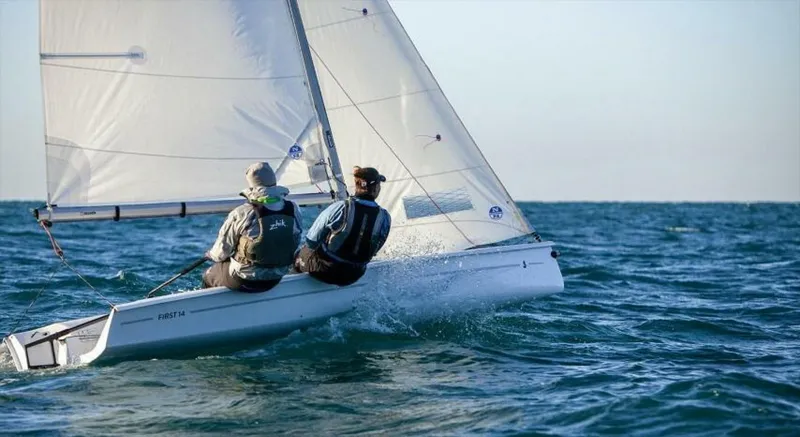
In recent years Bénéteau has continued to collect high profile international awards, underscoring the depth of its current sailing yacht portfolio and reinforcing its standing with both juries and readers. In 2018 the foiling Figaro Bénéteau 3 swept a series of American accolades, taking the under 35 feet category at Newport for New Products, being named best sailboat of the Newport International Boat Show and then receiving Sailing World’s prestigious Boat of the Year title, a trio of awards that validated the boat’s cutting edge offshore one design concept. The momentum carried into the cruising range when the Oceanis 30.1 was judged Best Performance Cruiser for 2020 in Cruising World’s Boat of the Year competition, praised for delivering lively handling in a compact dual wheel platform. In 2021 the First 27 added to the brand’s haul by winning Cruising World’s 2022 Boat of the Year award as Best Pocket Cruiser Day Sailor and capturing Voile Magazine’s Voilier de l’Année 2022 readers’ choice title, while the First 36 earned European Yacht of the Year in the Performance Cruiser category at Boot Düsseldorf 2023 and also Sailing World’s 2023 Boat of the Year, highlighting its balance of race capable performance and family cruising comfort. Most recently the new First 30 extended this run by winning Voile Magazine’s Voilier de l’Année 2026 overall French Boat of the Year award, following the same distinction previously given to the First 36 and confirming the strength of Bénéteau’s latest generation of performance cruisers.
Taken together these awards and customer satisfaction distinctions paint a clear picture of Bénéteau as a shipyard that reliably combines innovative design with solid build quality and attentive after sales support, across both sailing yachts and powerboat segments. Recognition ranging from European and American Boat of the Year titles to design institute honors for helm and systems innovation demonstrates that the brand is respected by professional juries, technical journalists and readers for advancing comfort, ergonomics and performance on the water, while repeat NMMA CSI awards in multiple categories show that these advances translate into positive long term ownership experiences. For prospective buyers this history of verified independent accolades is a reassuring signal that Bénéteau models are not only attractive in brochures and at boat shows but also deliver the handling, liveaboard functionality and dealer backing that keep owners satisfied over time, reinforcing the brand’s reputation as a benchmark for modern production cruising and performance boats and supporting strong buyer confidence in both new and pre owned Bénéteau yachts.