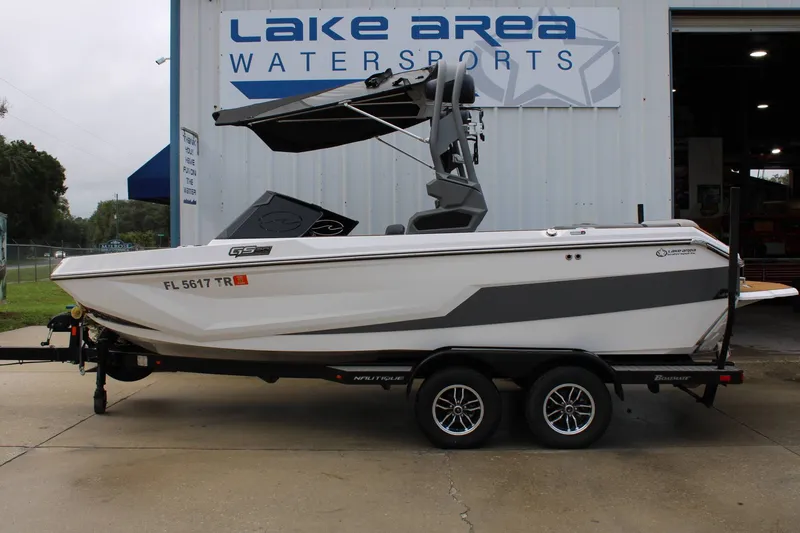
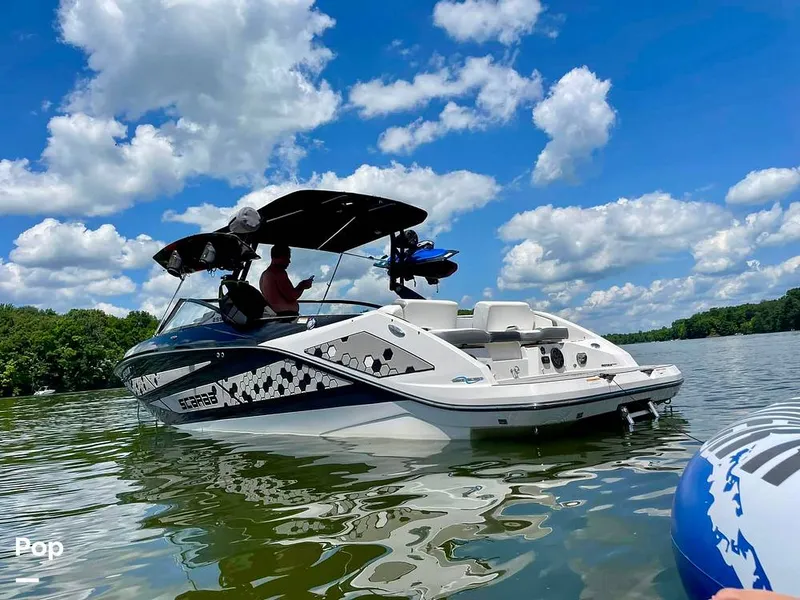
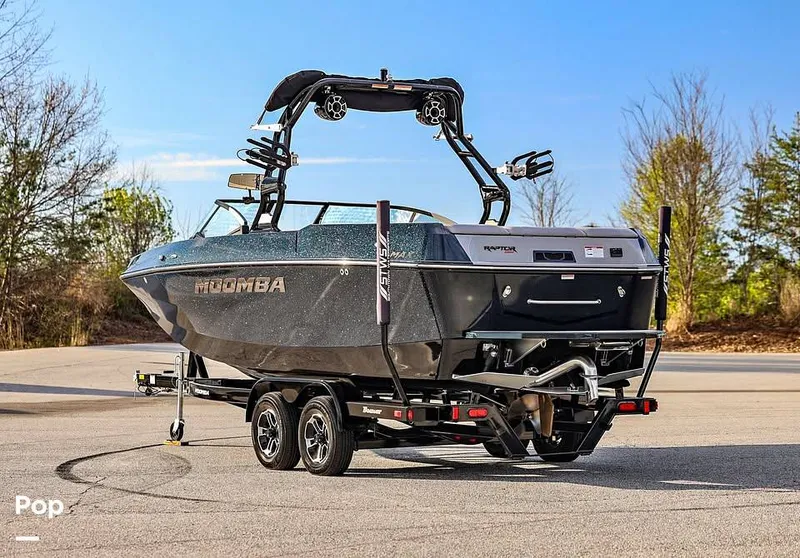
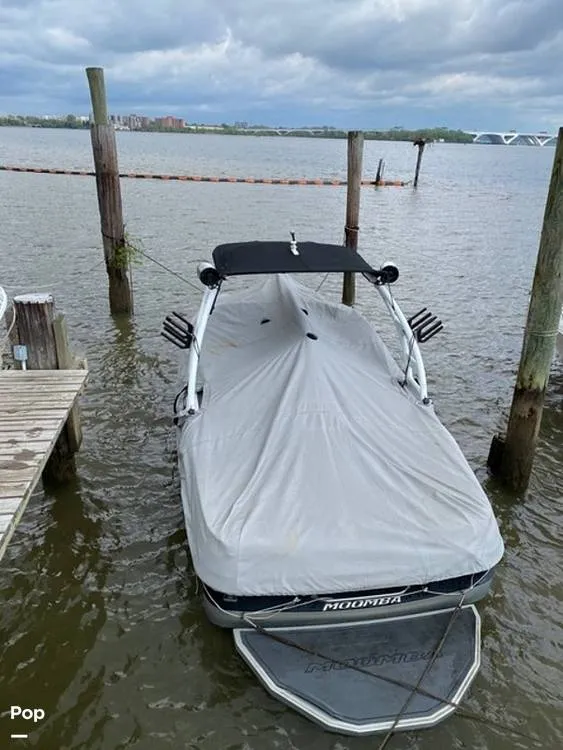
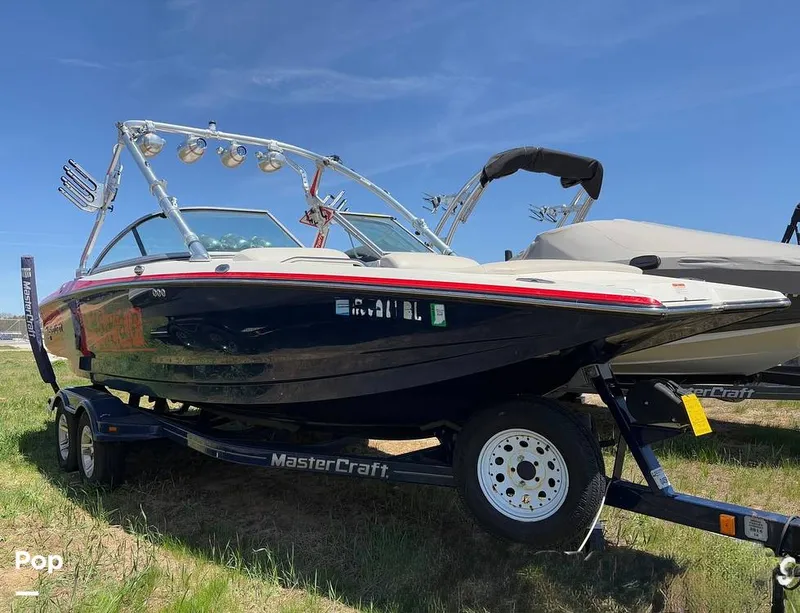
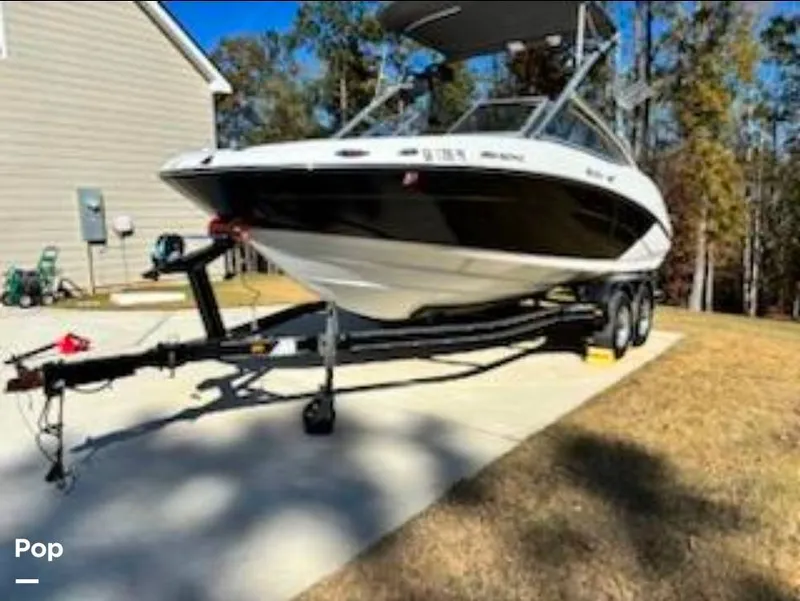
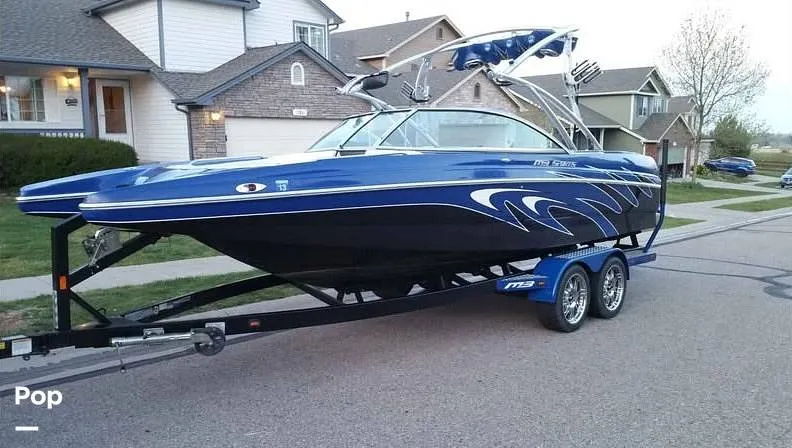
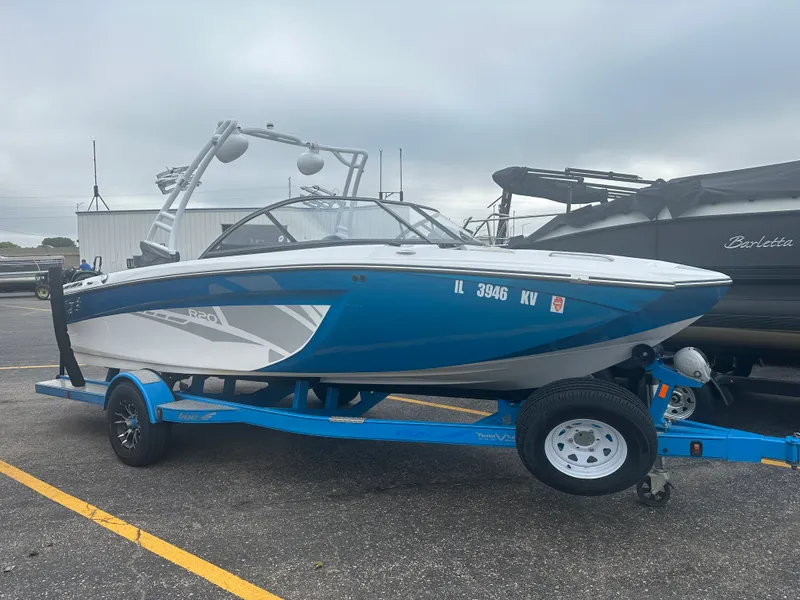
Ski and Wakeboard
Searching boats for you...
Boating · Buyer’s Guide
Is a Ski and Wakeboard Boat the Right Choice for You?
Written by: MarineSource Team | Estimated read time: 12 min read
There’s a unique thrill in the air when you step aboard a ski and wakeboard boat. The hum of a powerful engine, the sleek design cutting through the water, and the anticipation of carving waves or launching into the air with a wakeboard create an electrifying boating experience. Whether you’re a seasoned rider or a weekend enthusiast, these boats are designed to deliver adrenaline-fueled fun on the water.
Wake and ski boats have soared in popularity among water sports lovers for their specialized features and performance. They blend speed, power, and stability to create the perfect platform for wakeboarding, water skiing, and other tow sports. But like any specialized vessel, they come with trade-offs in terms of space, versatility, and maintenance that are worth considering before you buy.
What is a Ski and Wakeboard Boat?
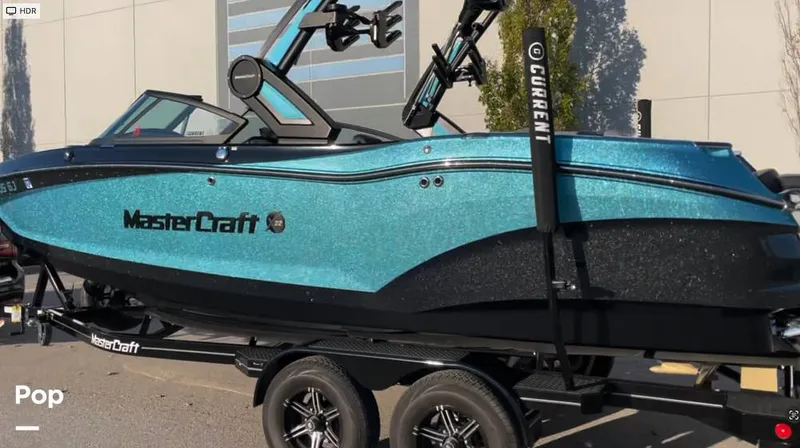
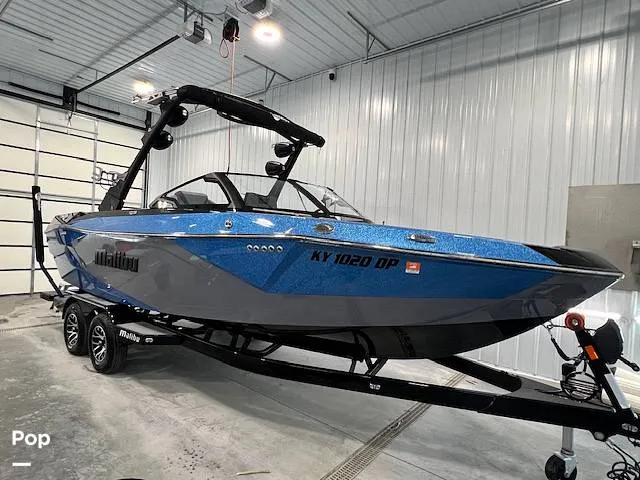
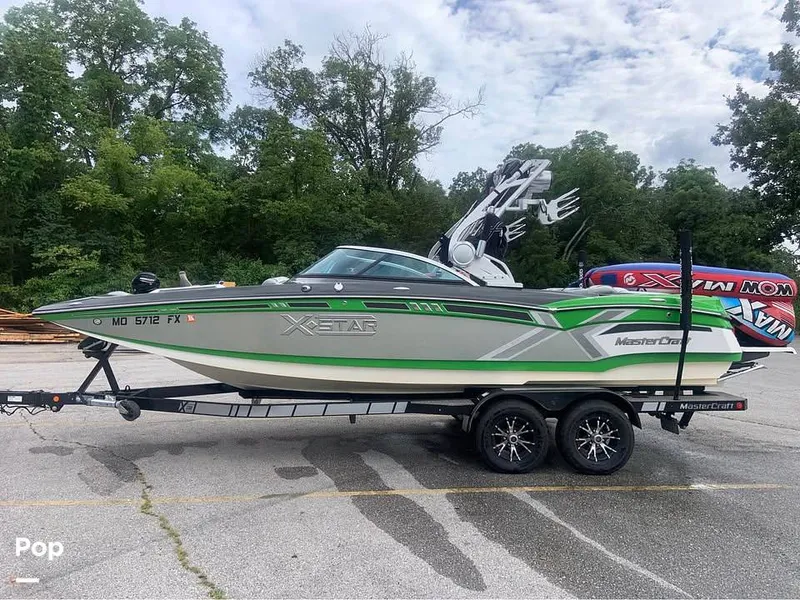
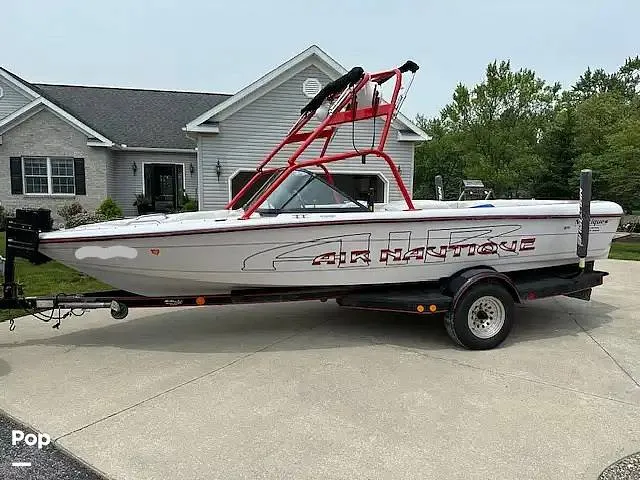
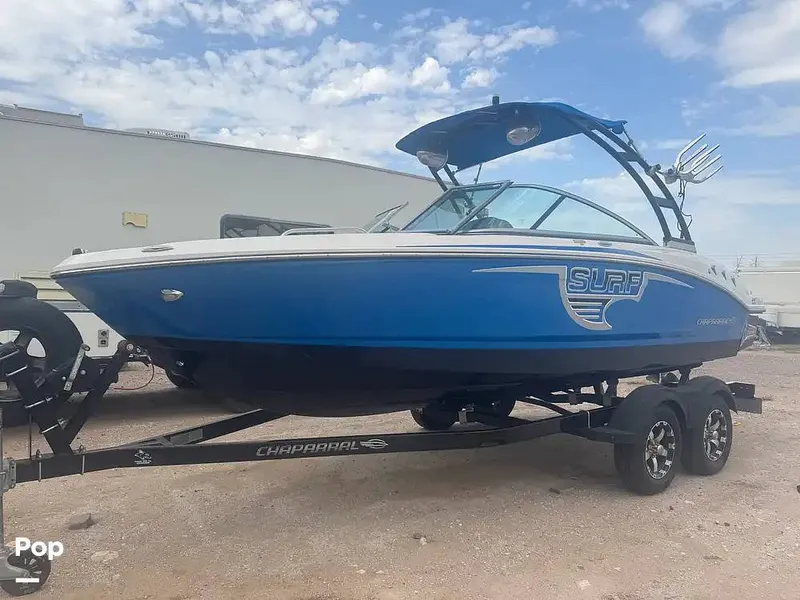
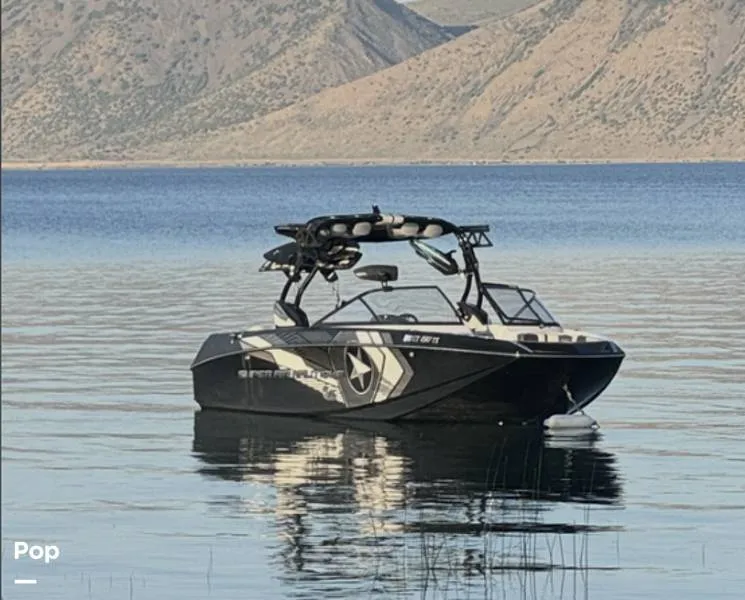
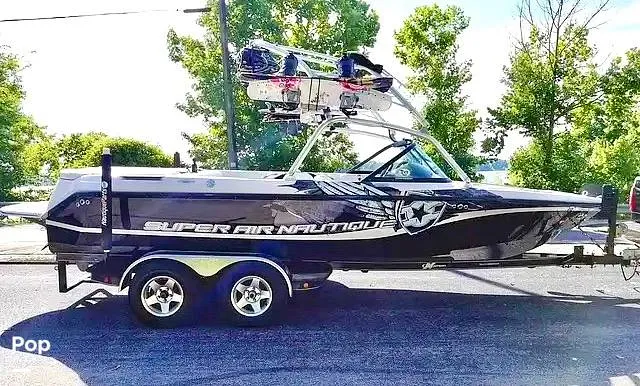
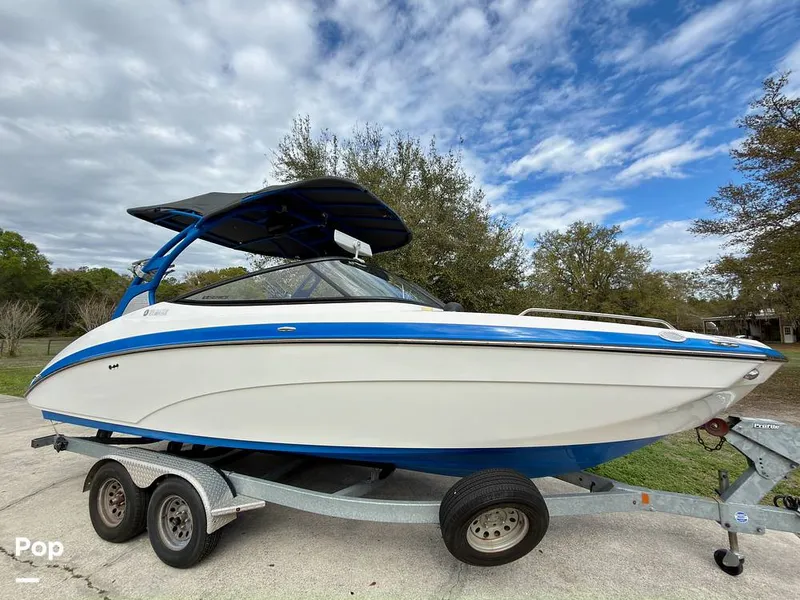
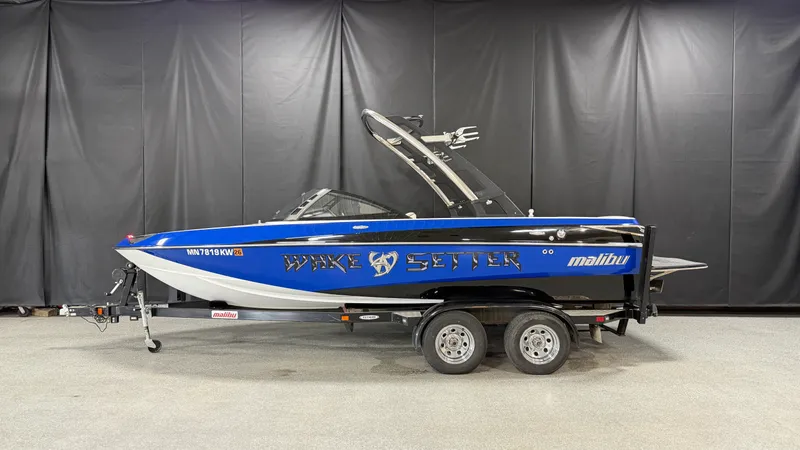
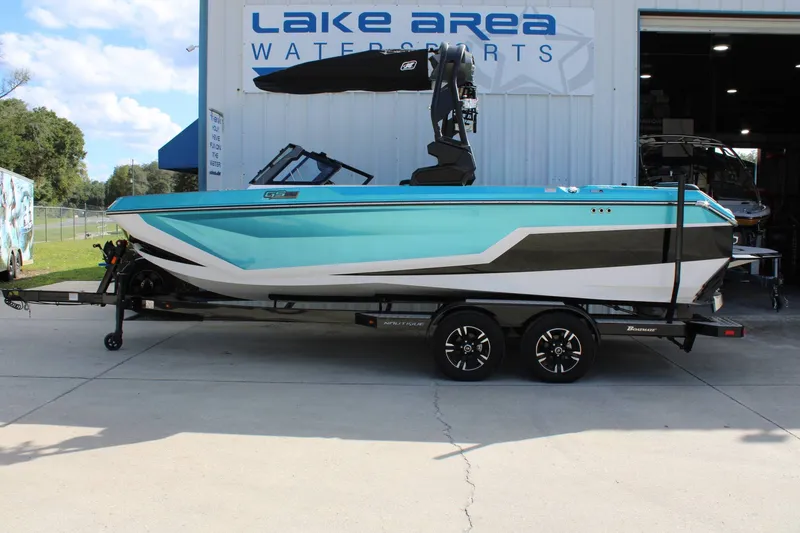
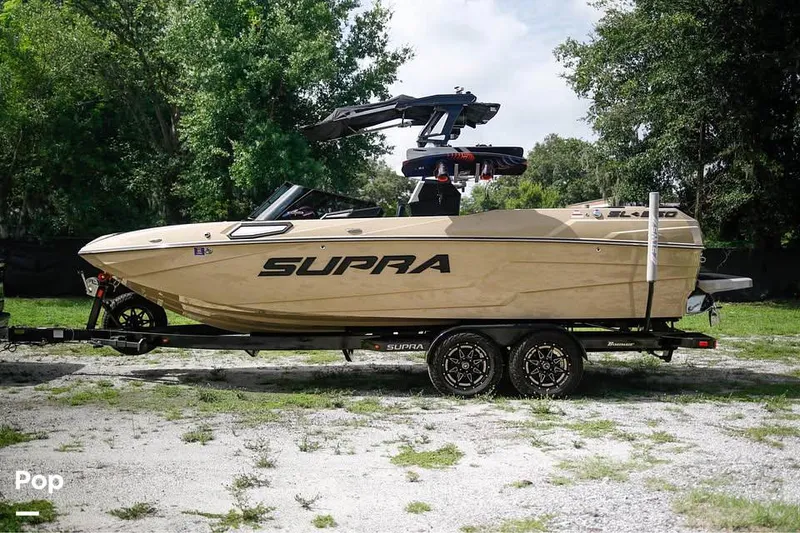
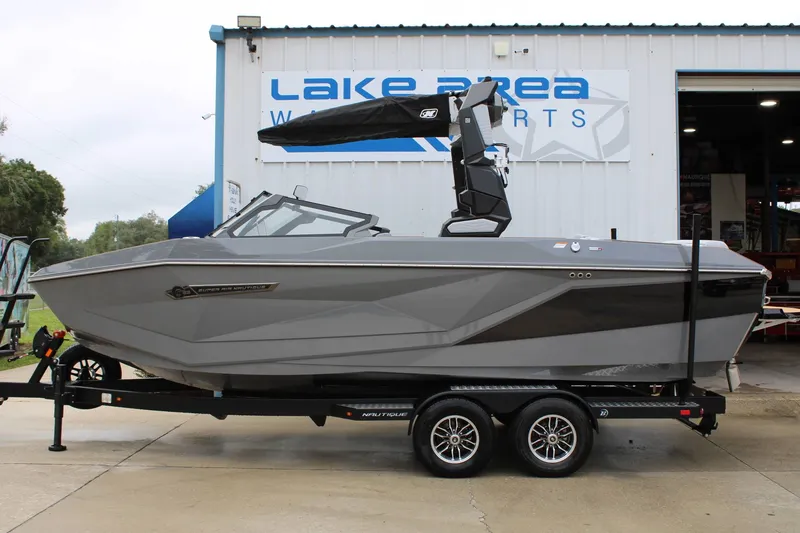
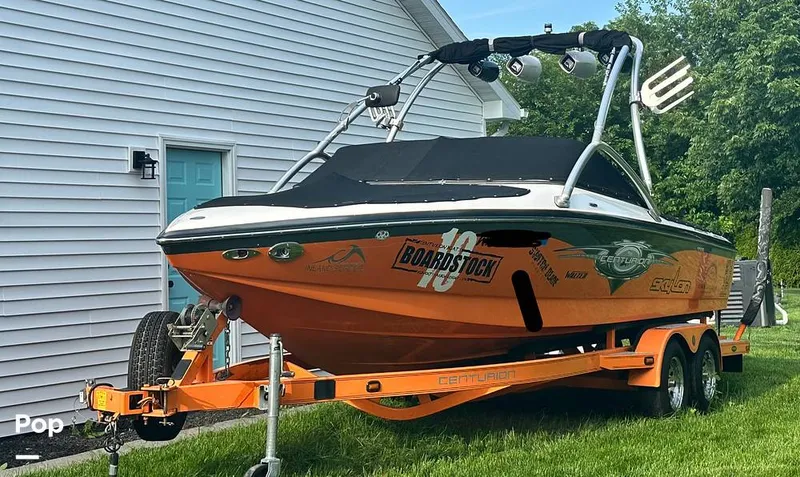
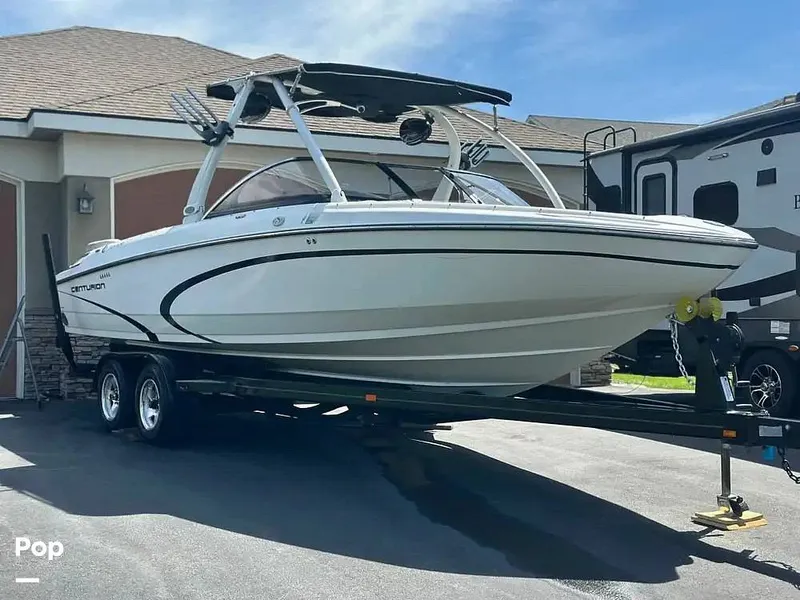
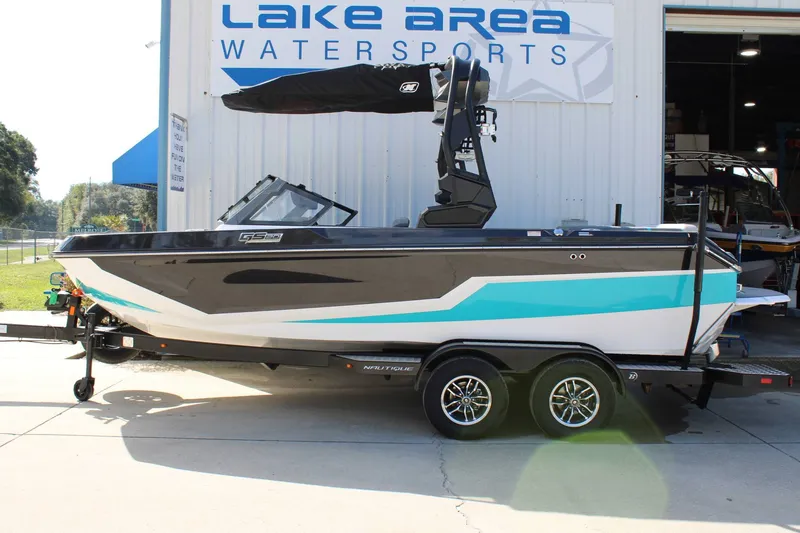
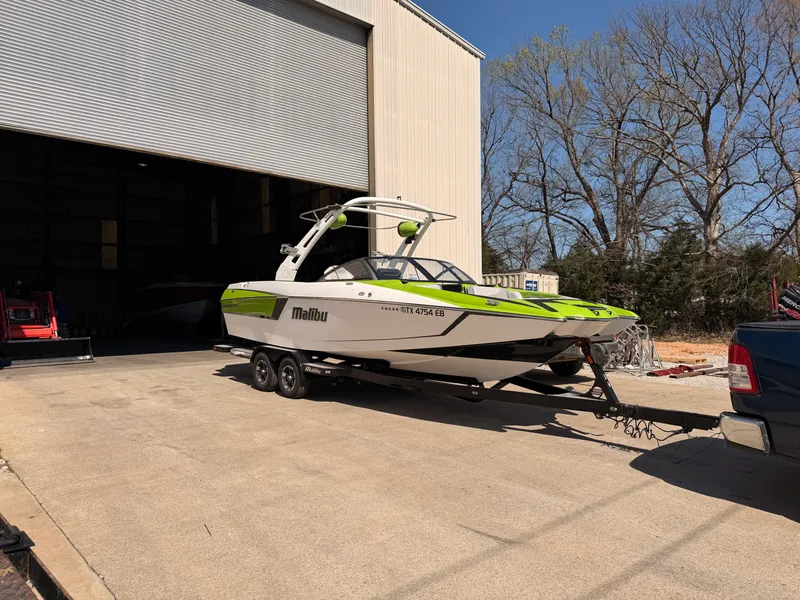
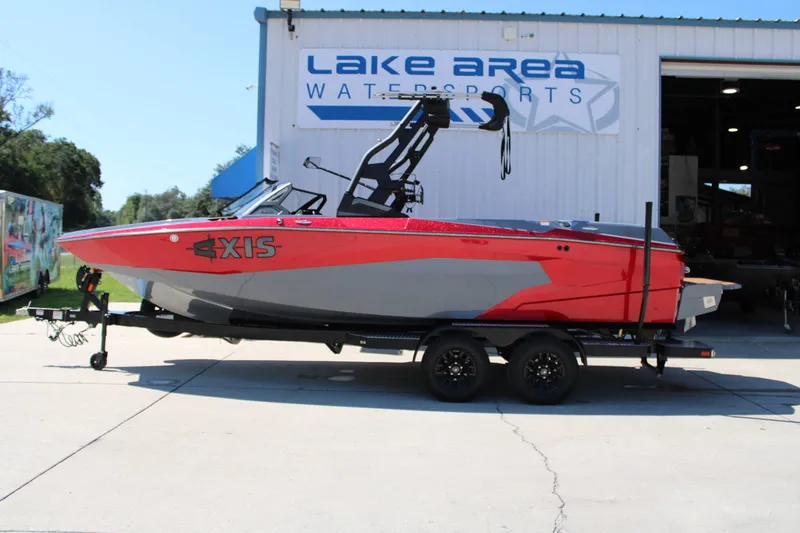
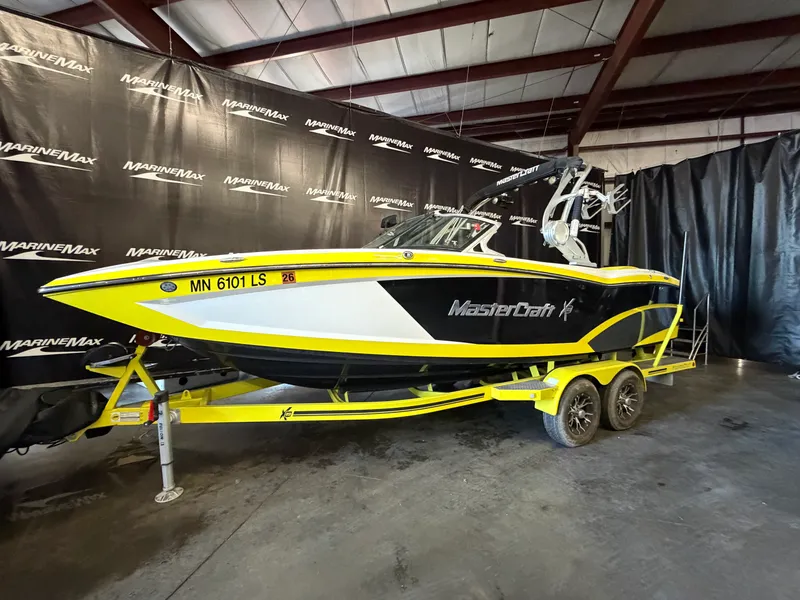
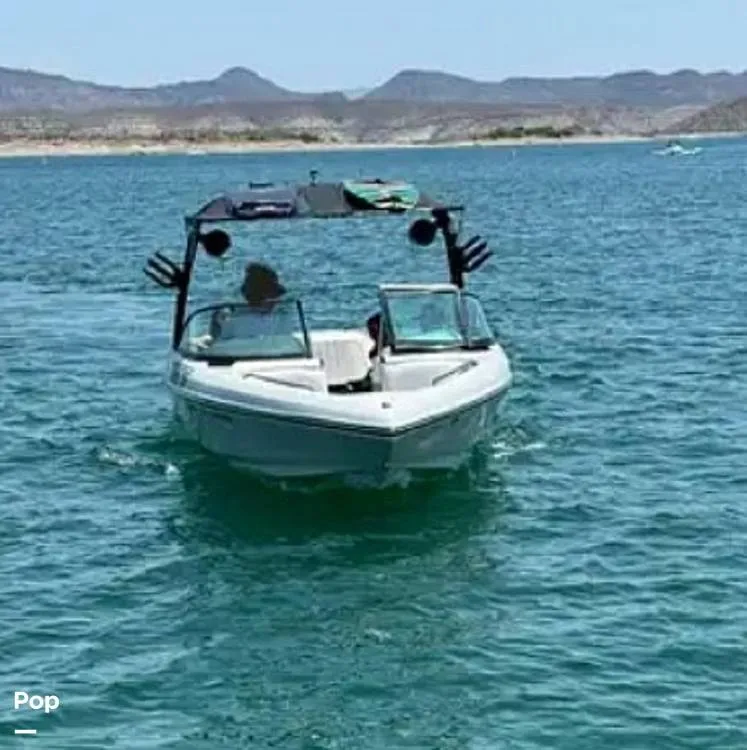
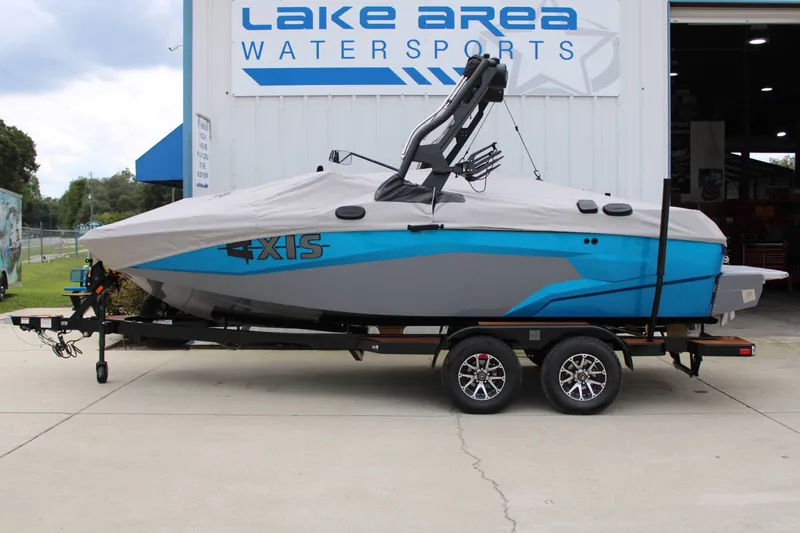
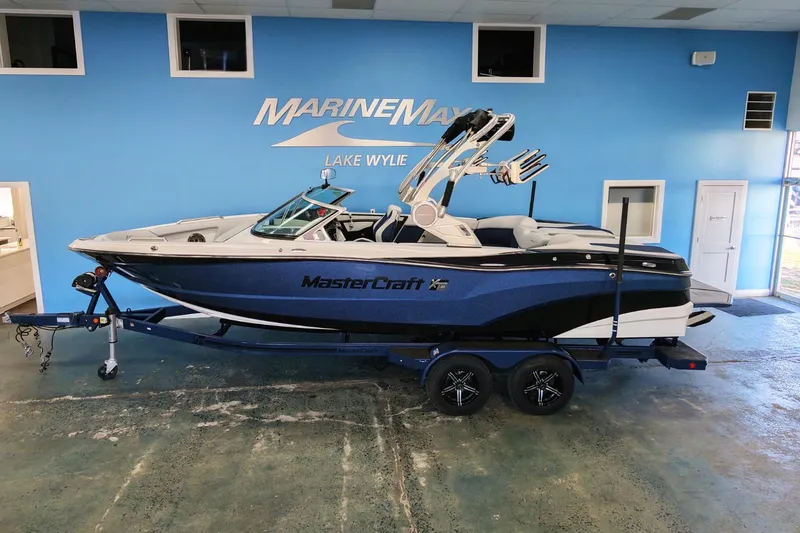
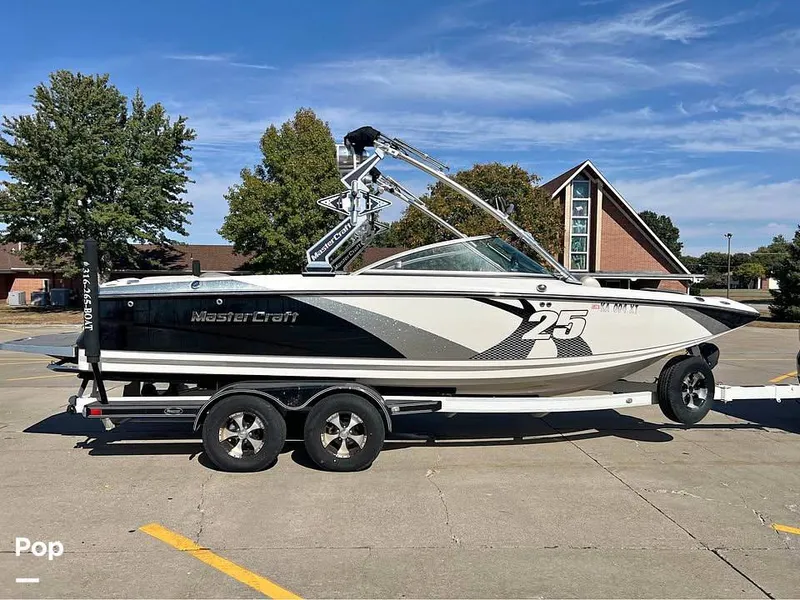
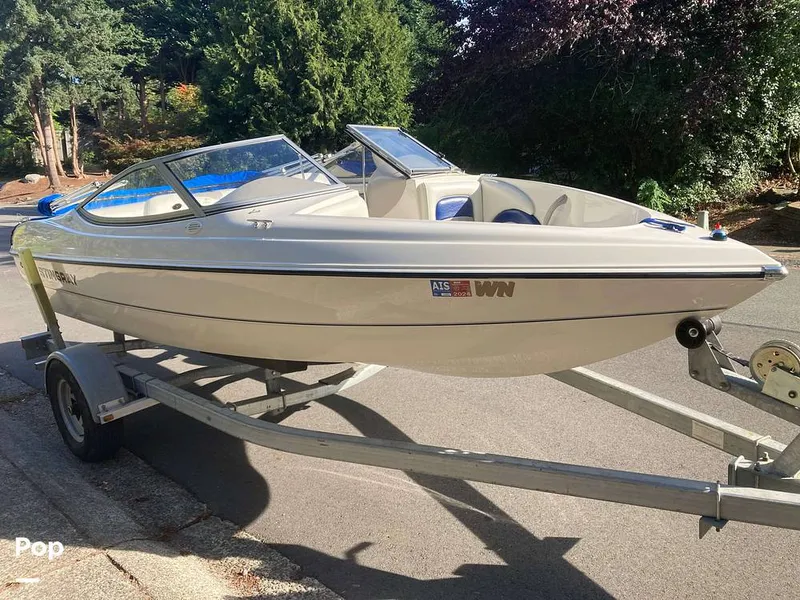
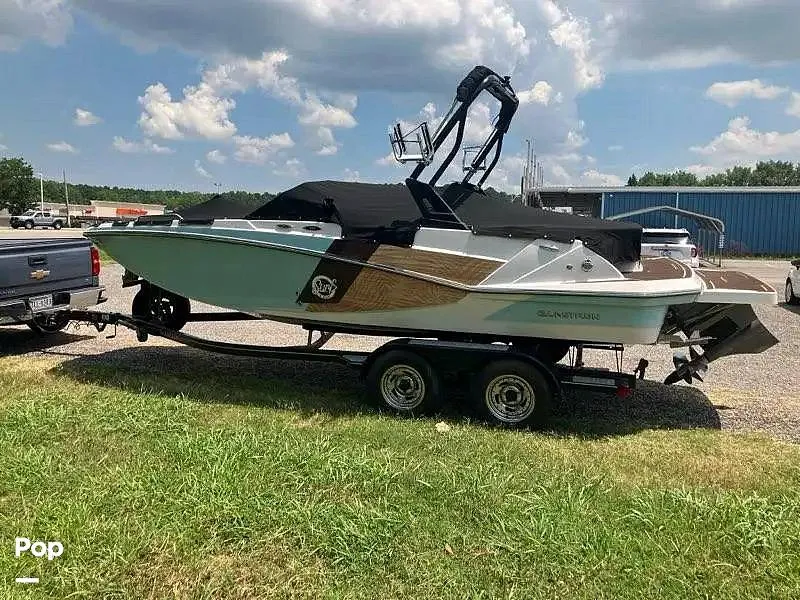
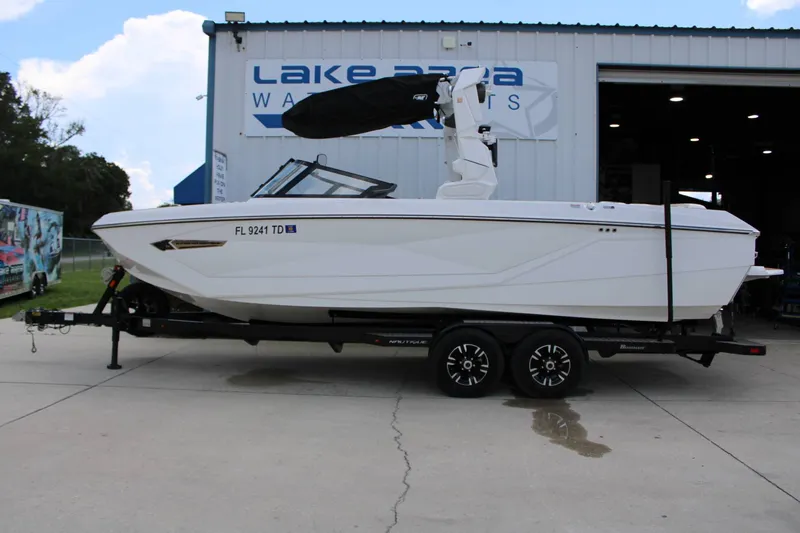
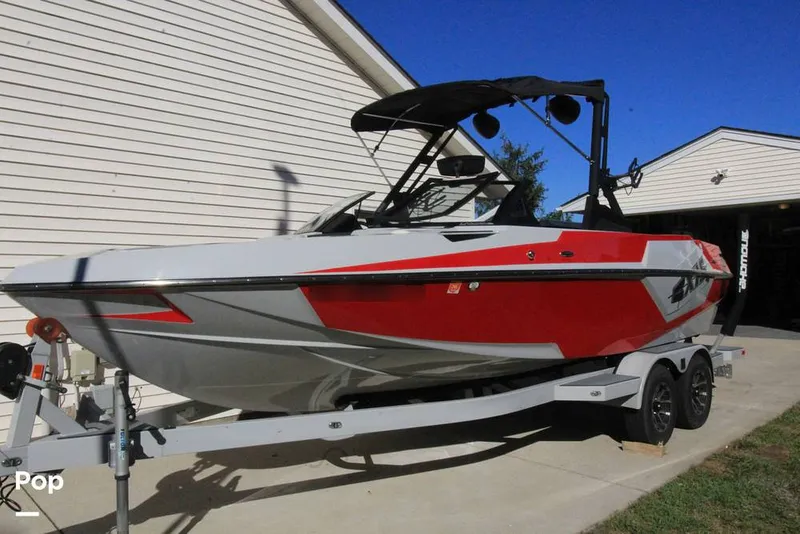
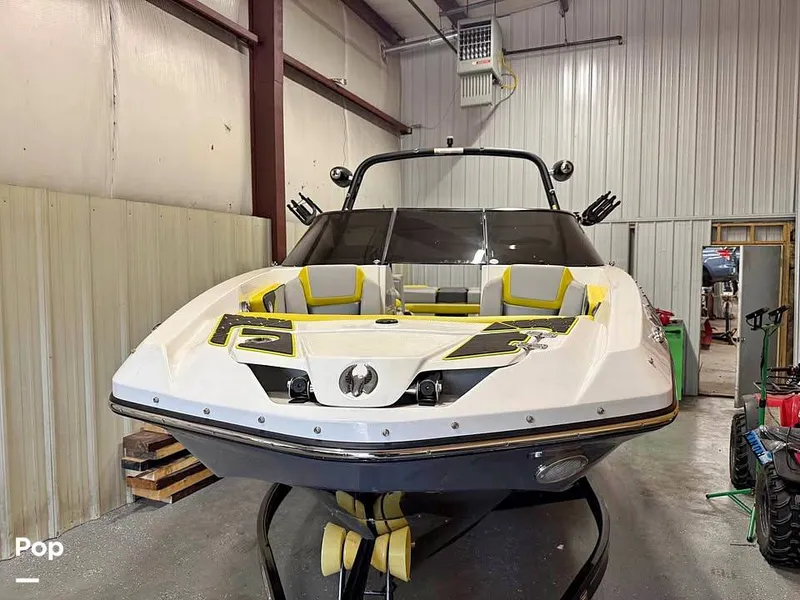
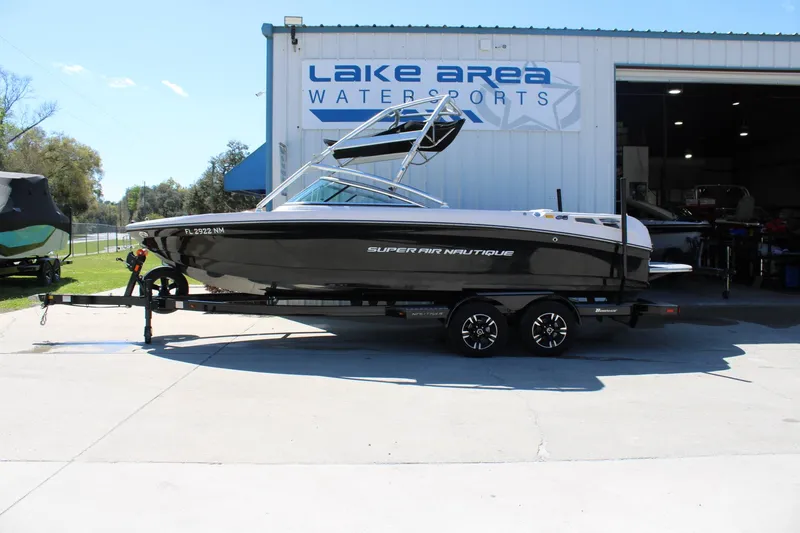
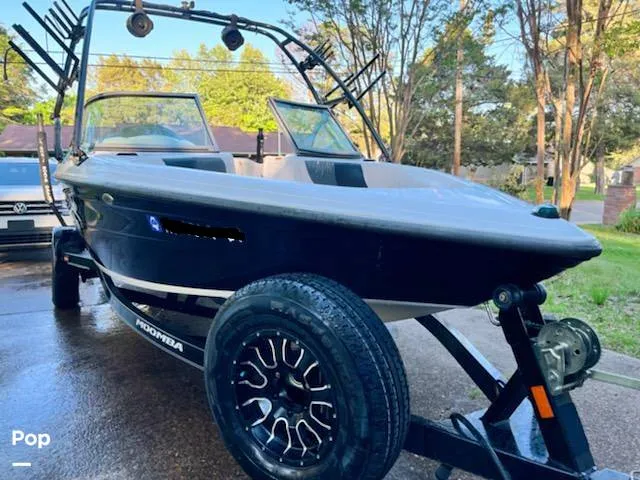
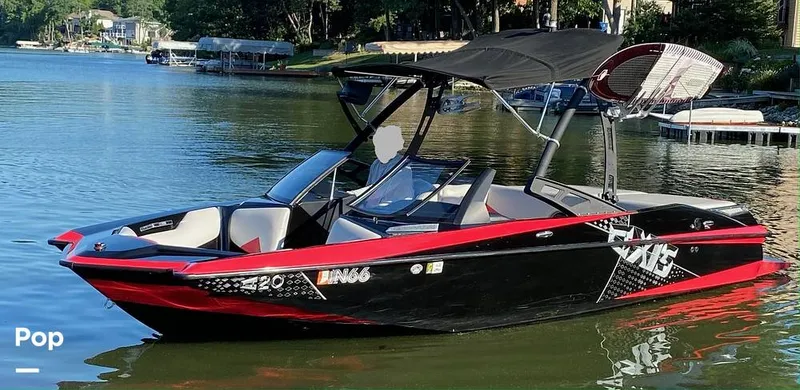
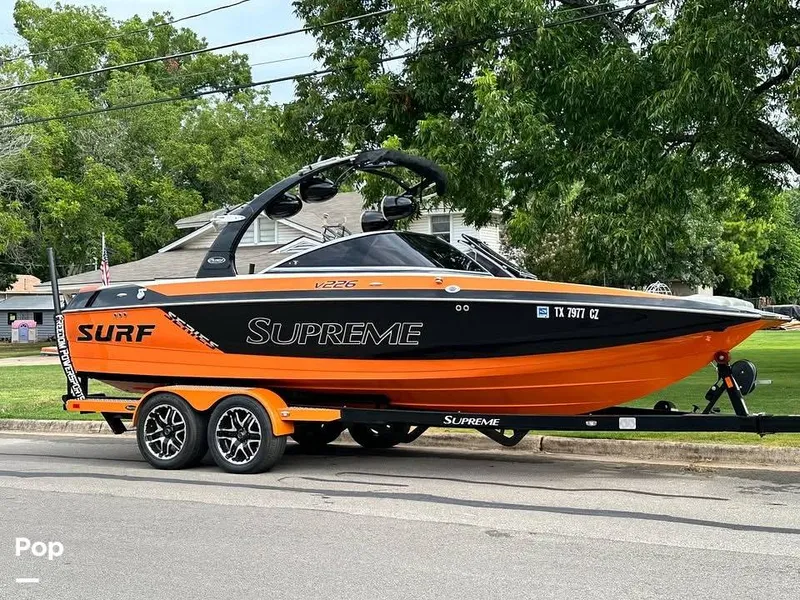
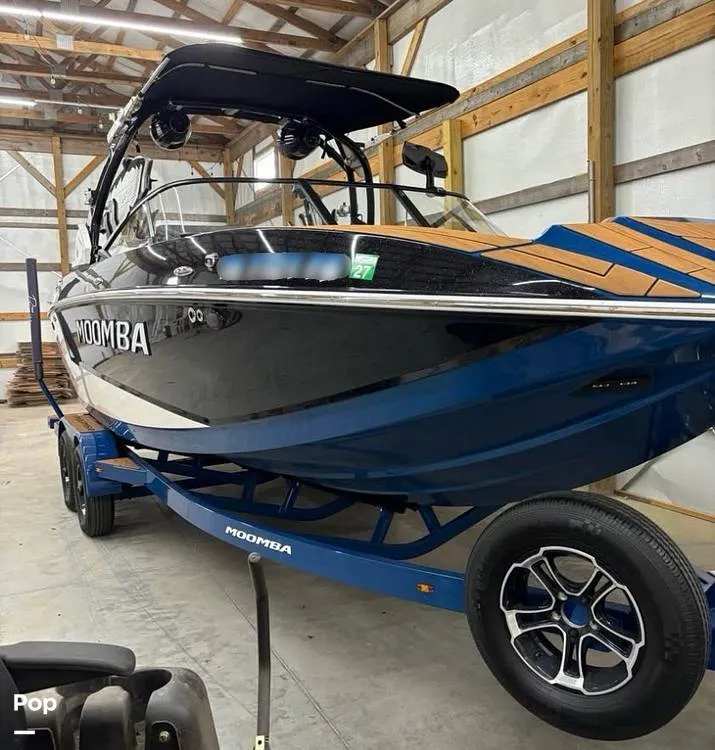
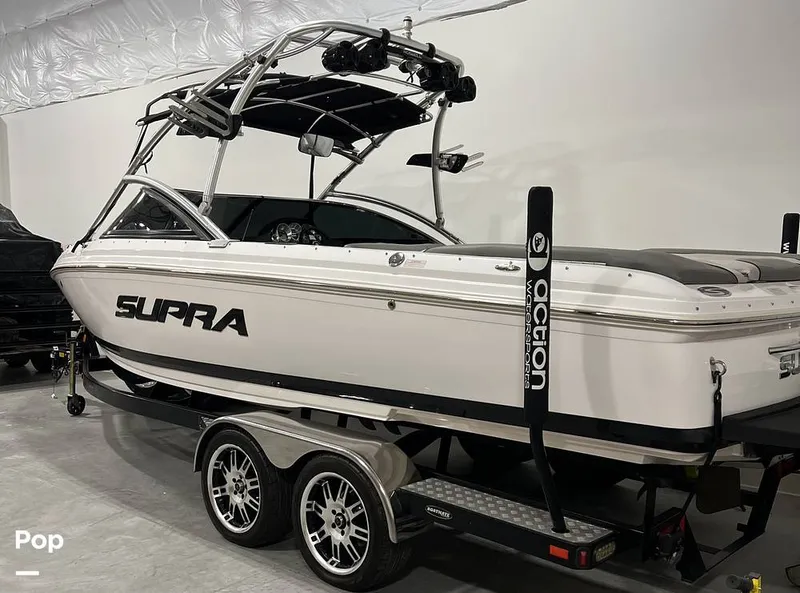
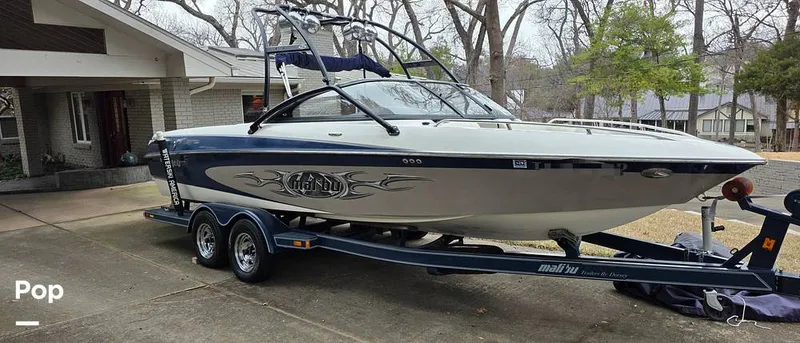
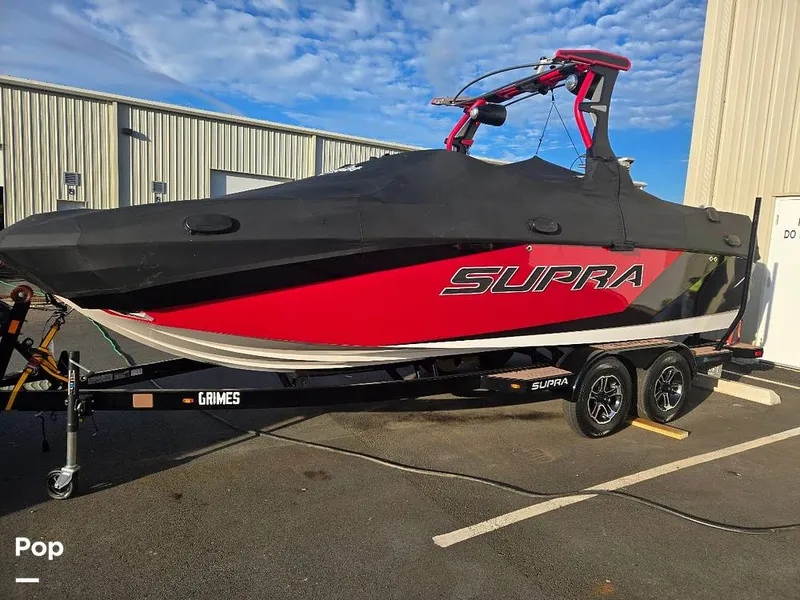
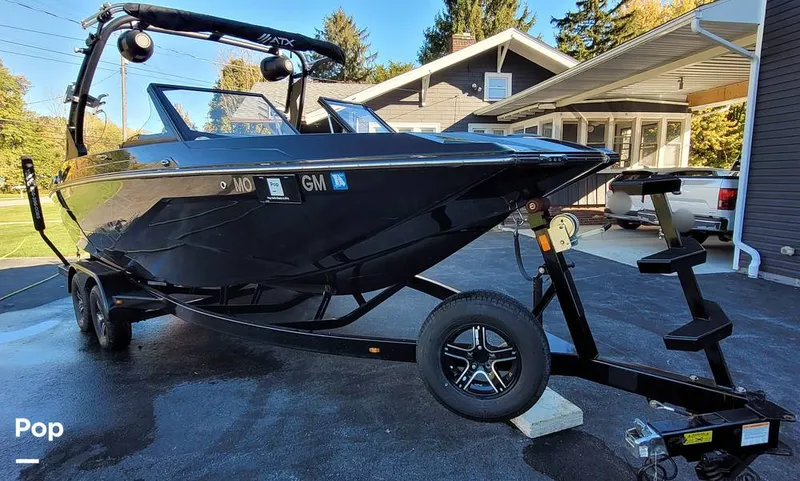
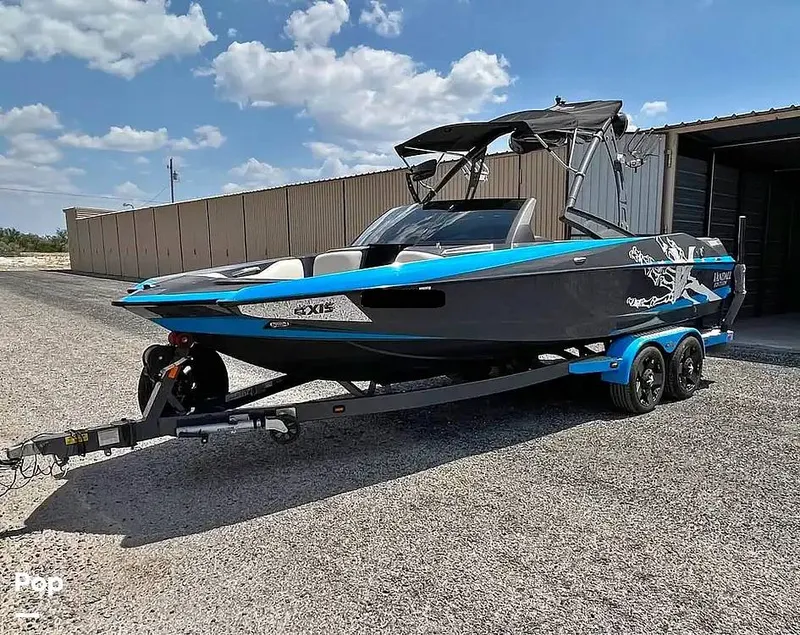
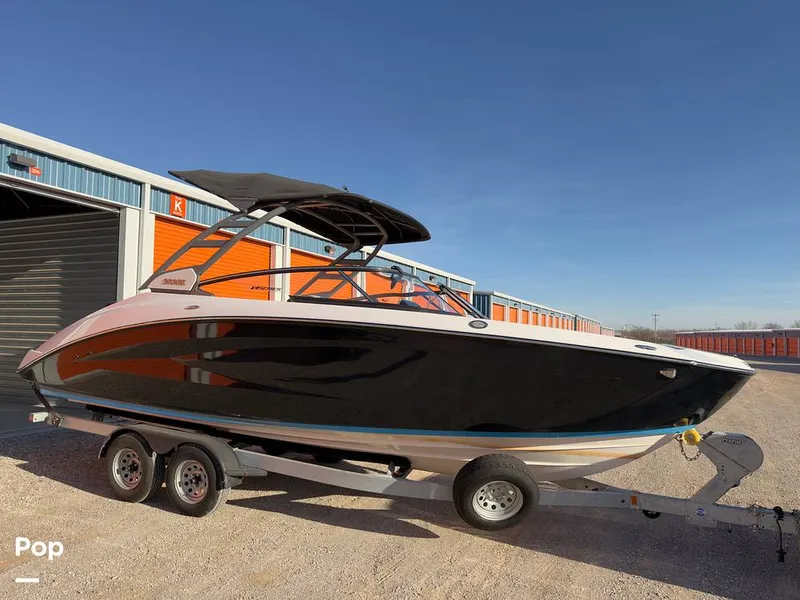
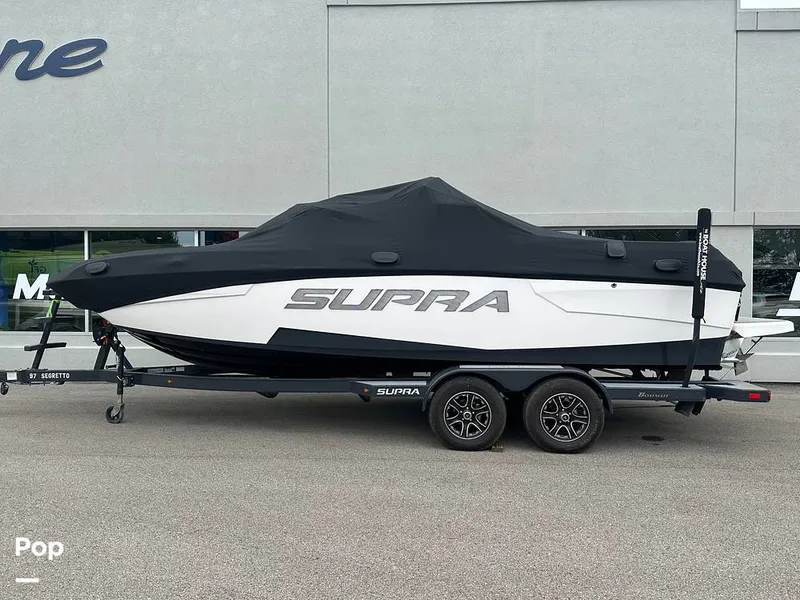
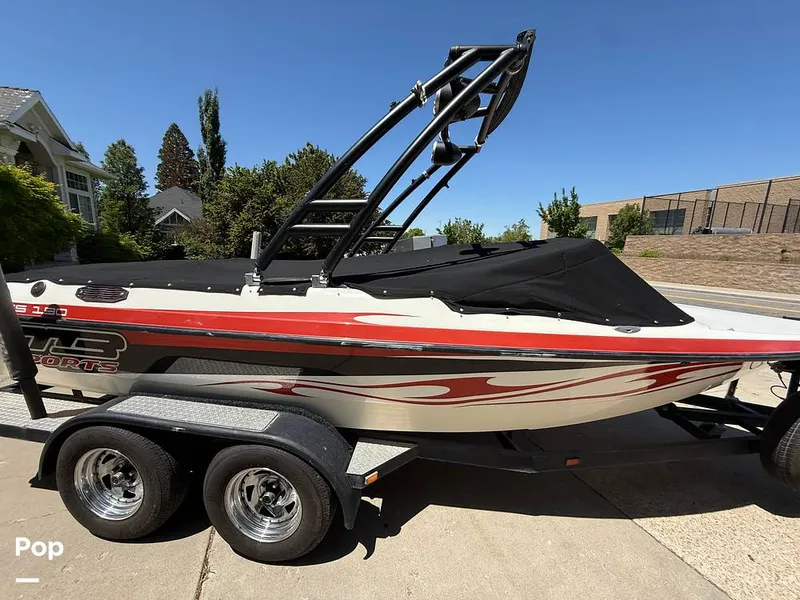
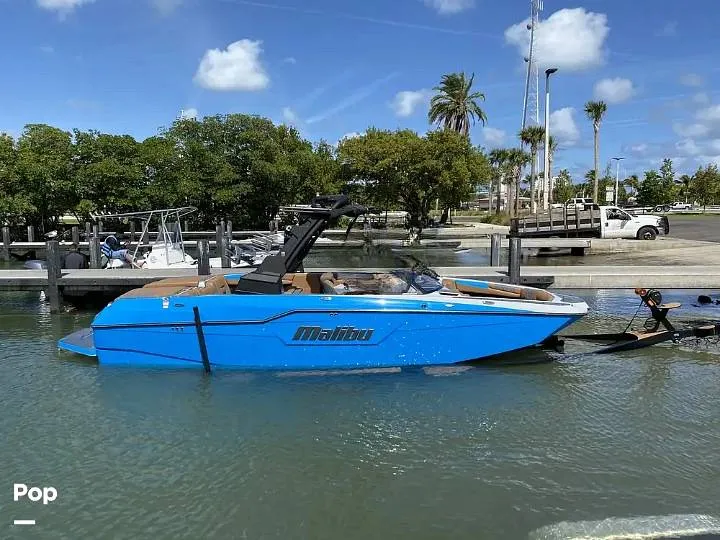
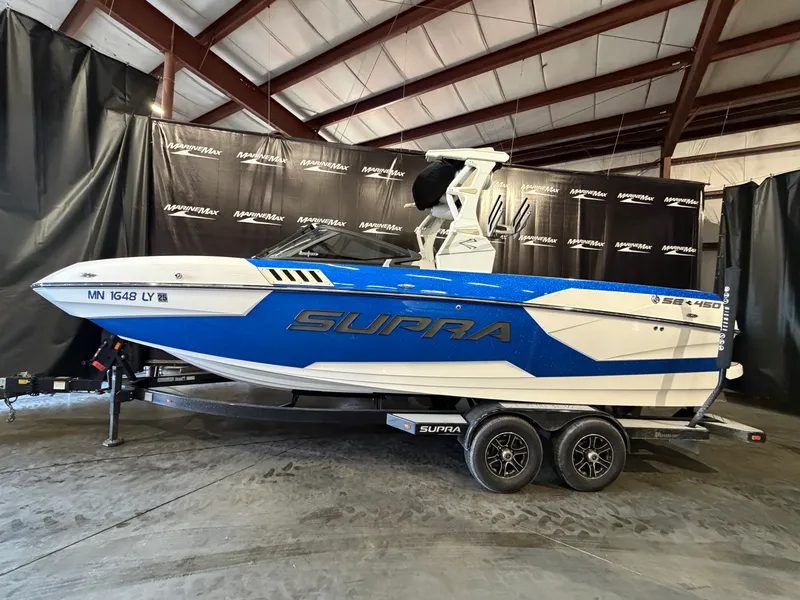
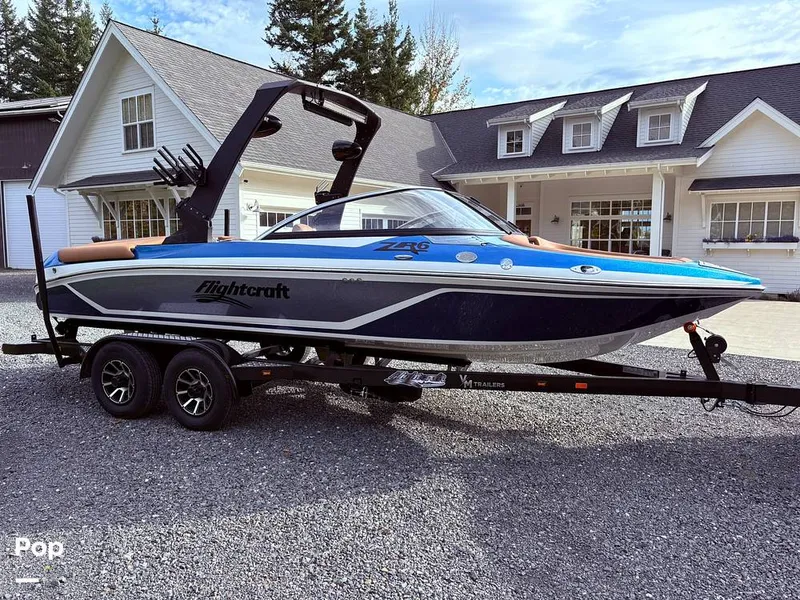
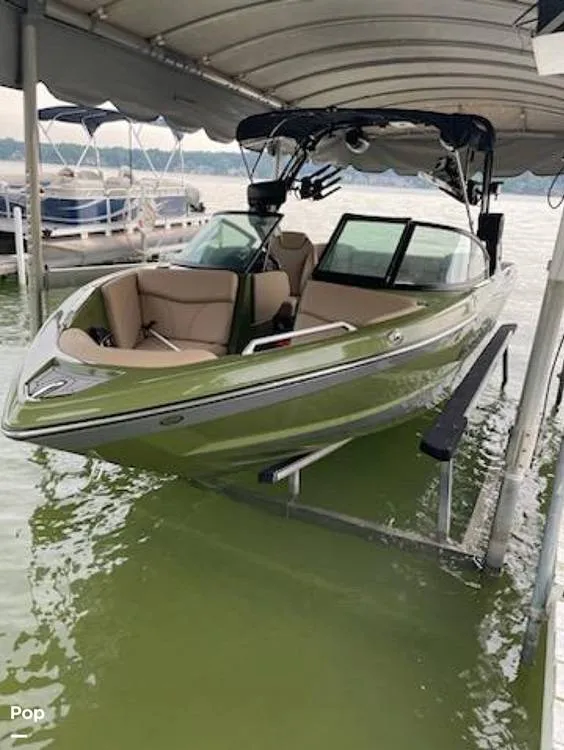
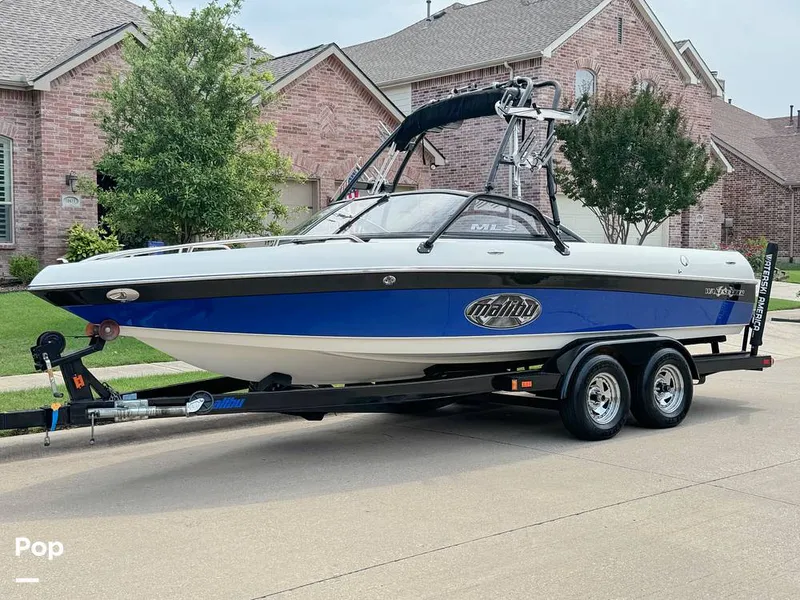
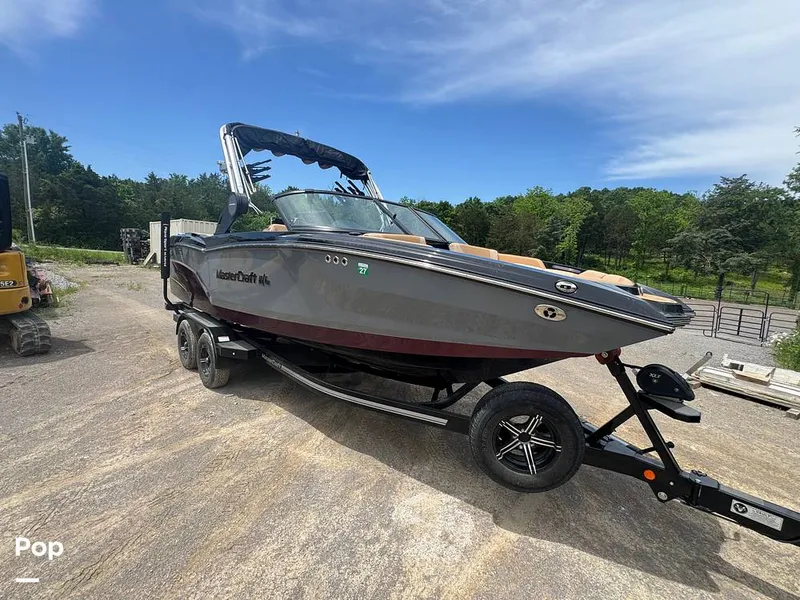
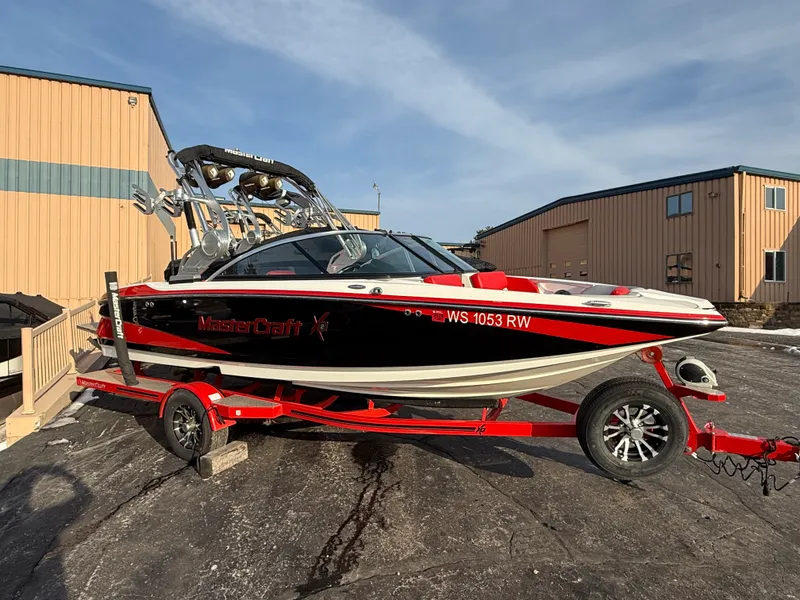
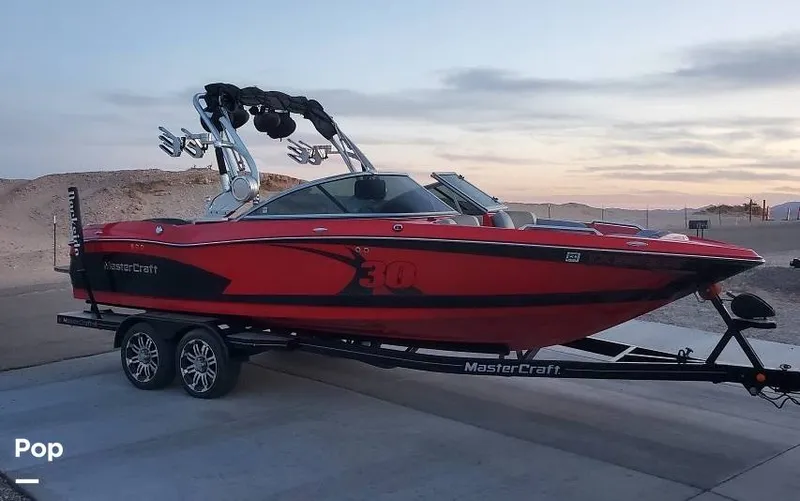
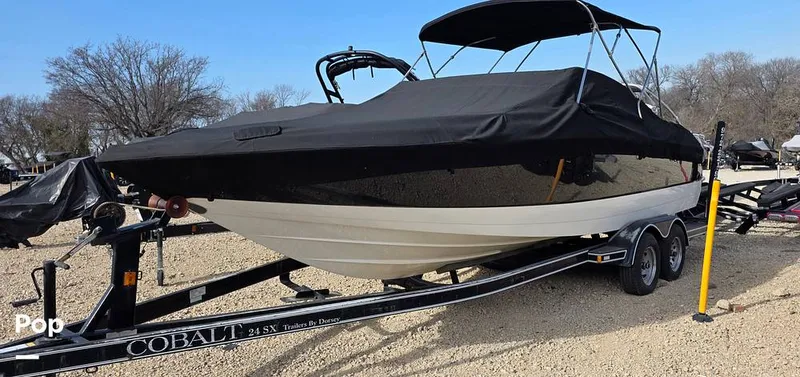
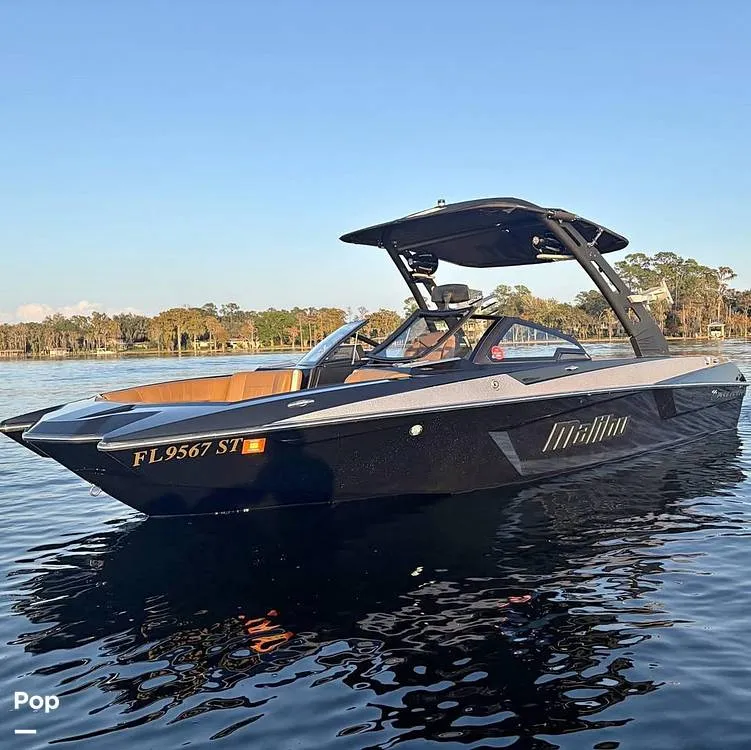
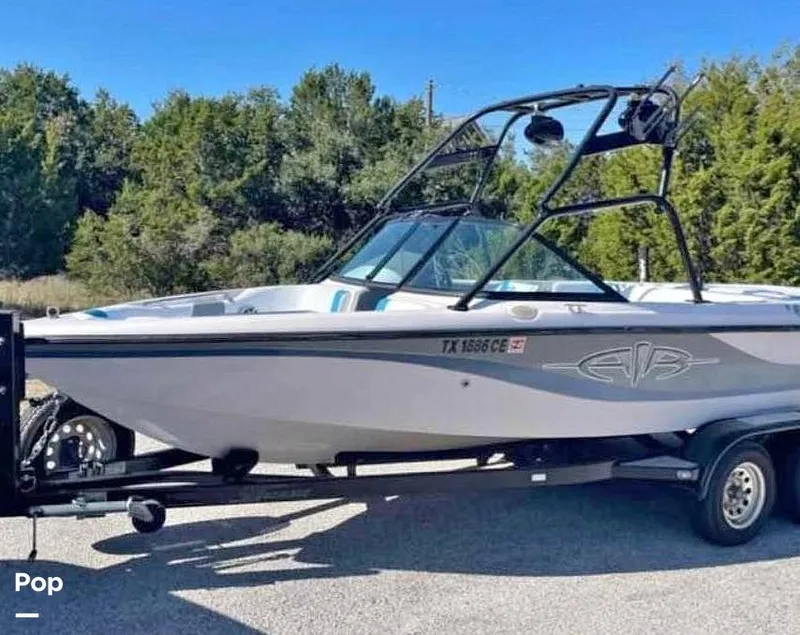
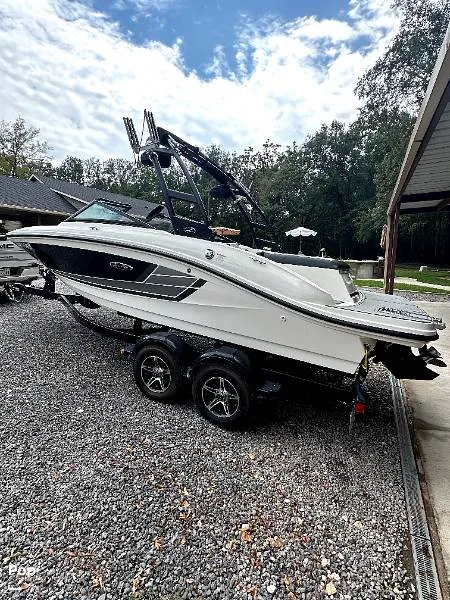
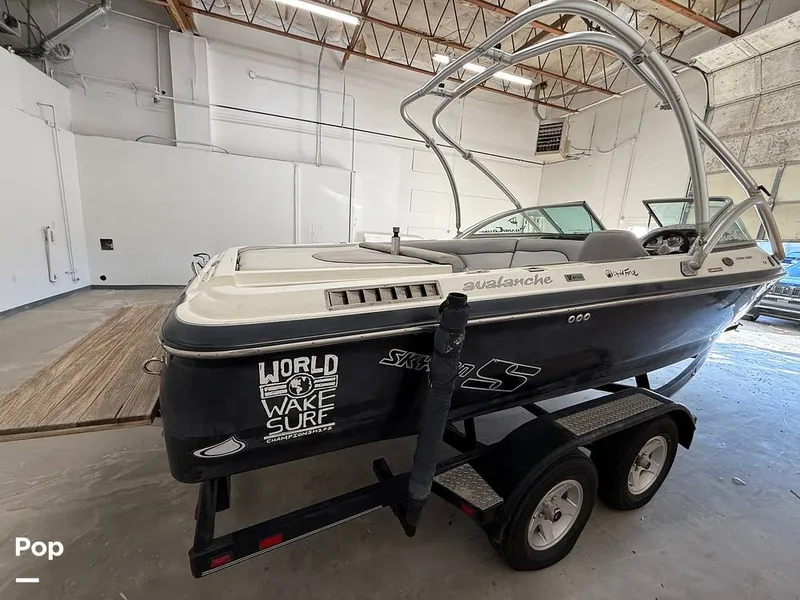
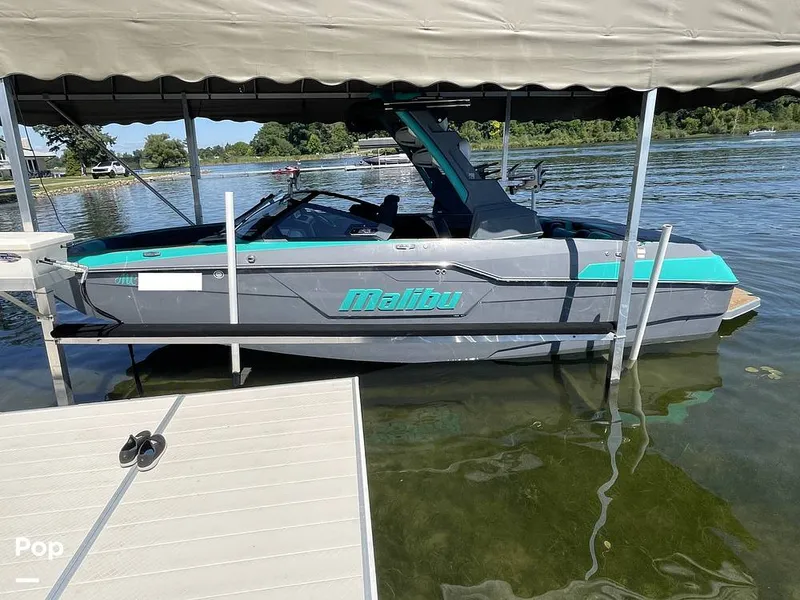
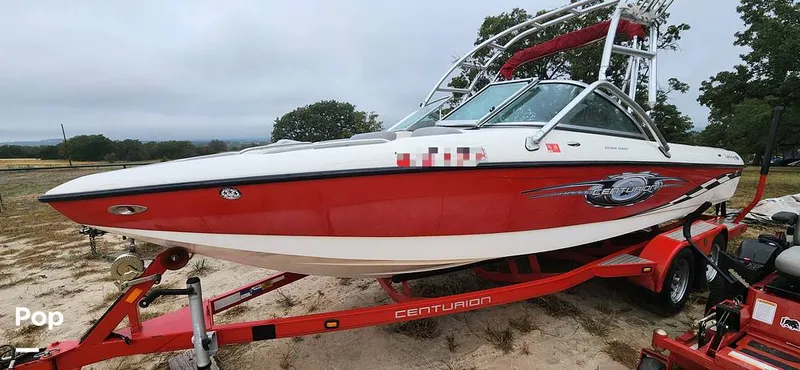
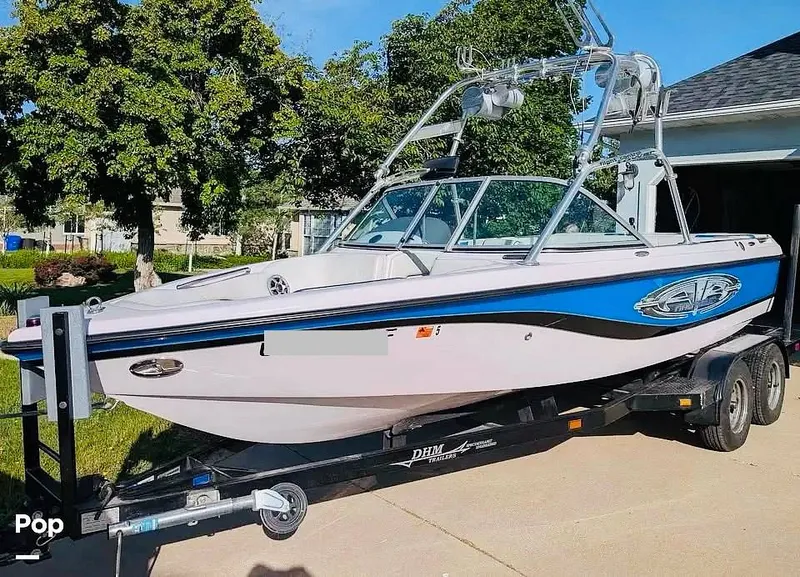
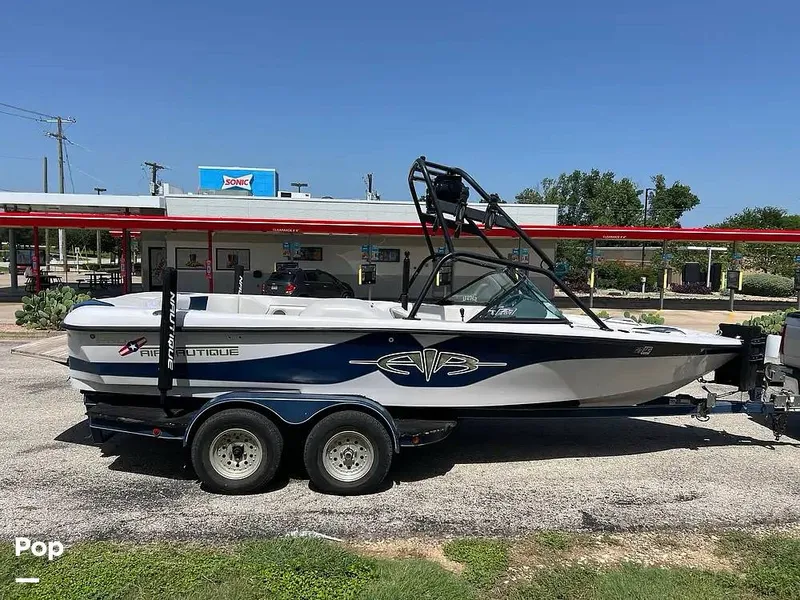
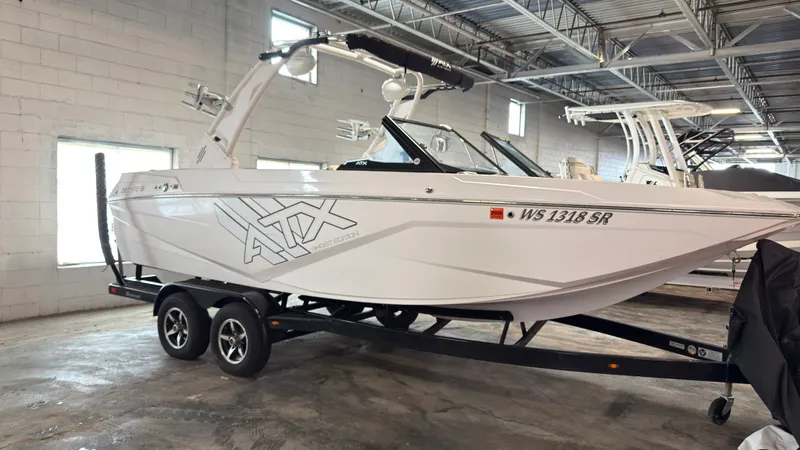
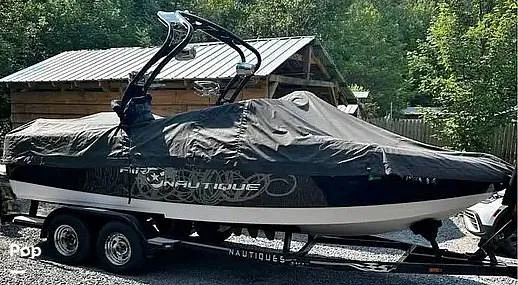
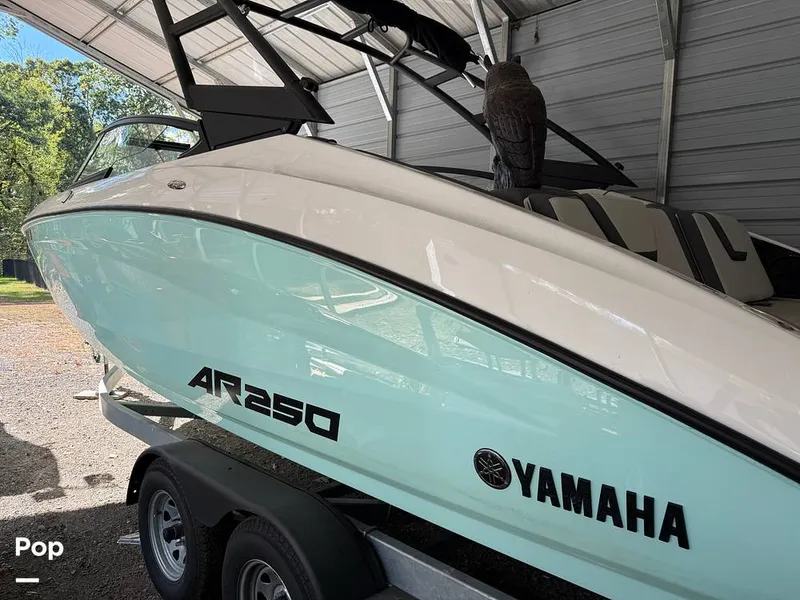
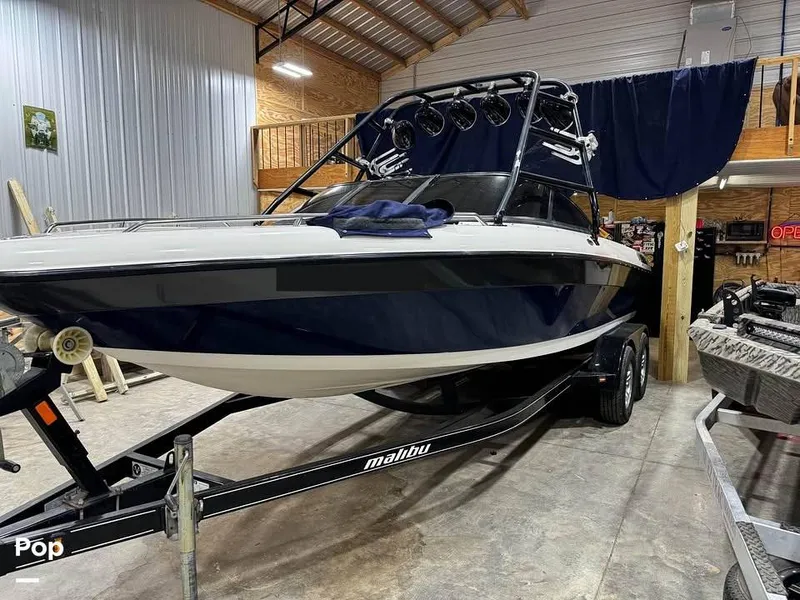
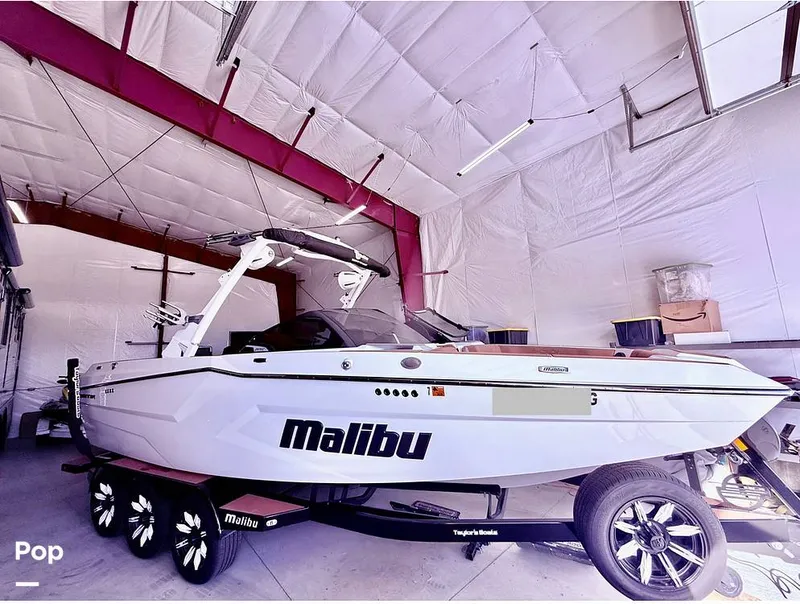
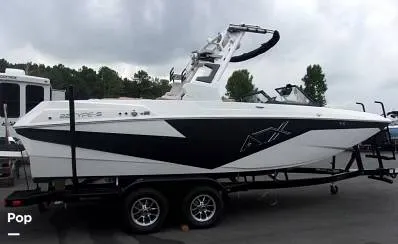
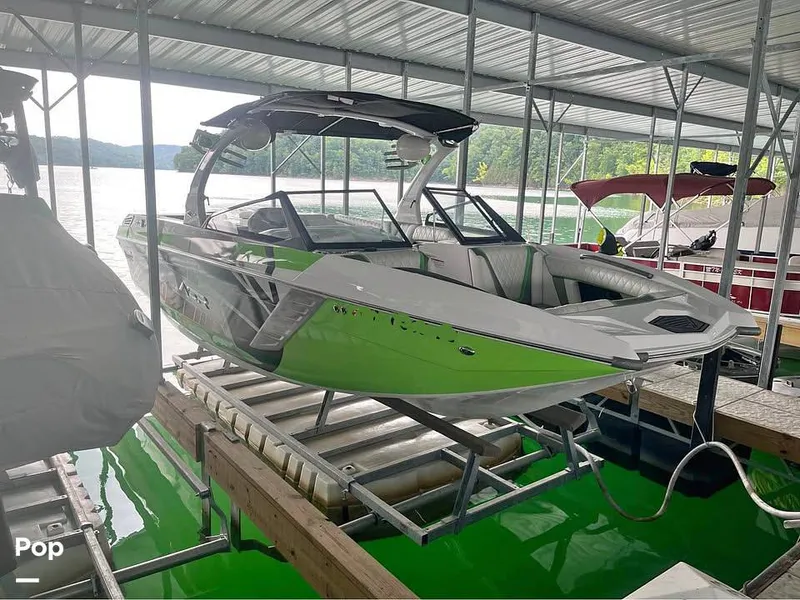
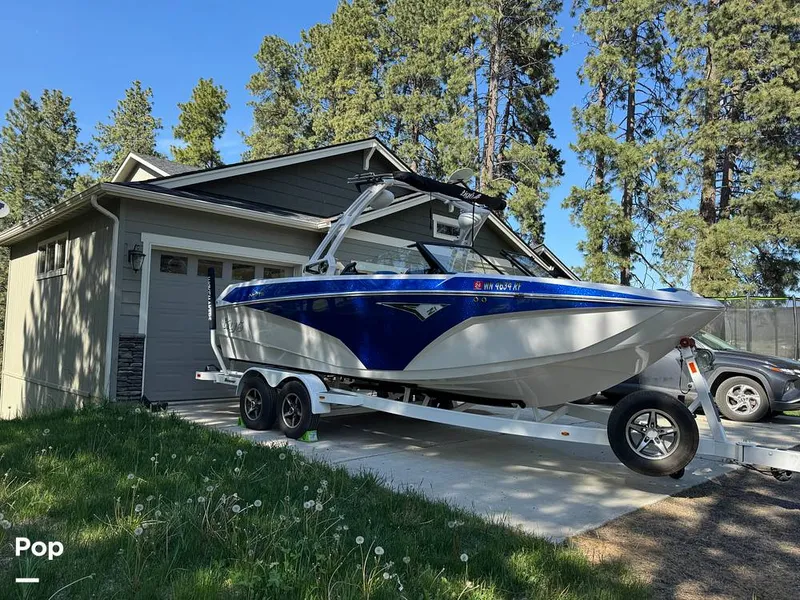
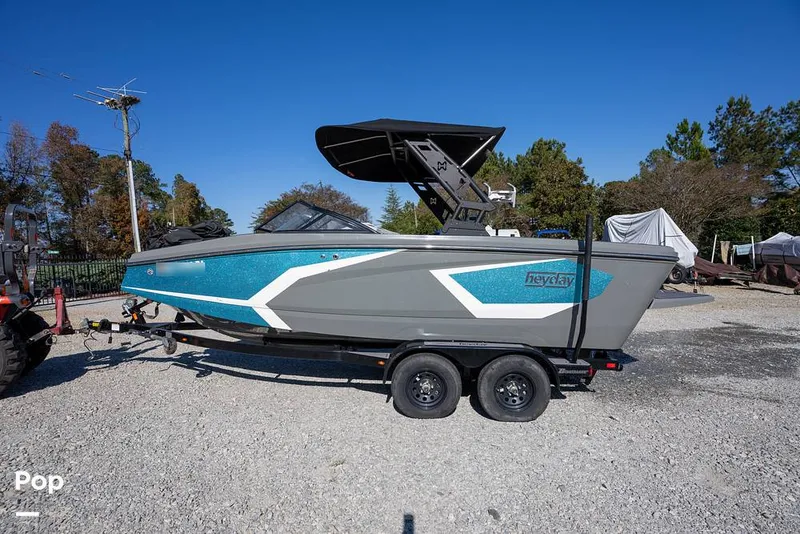
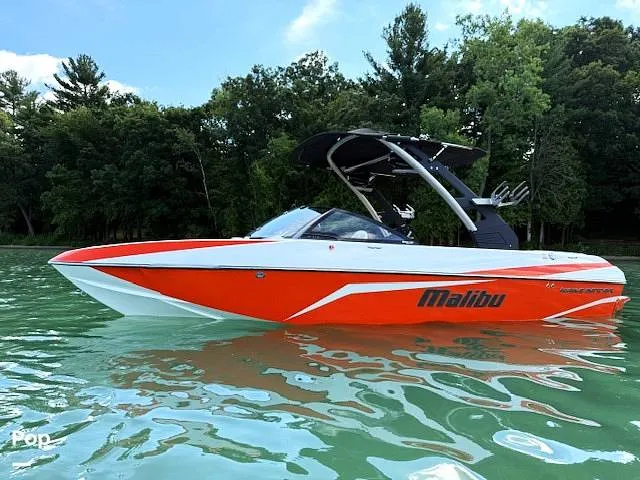
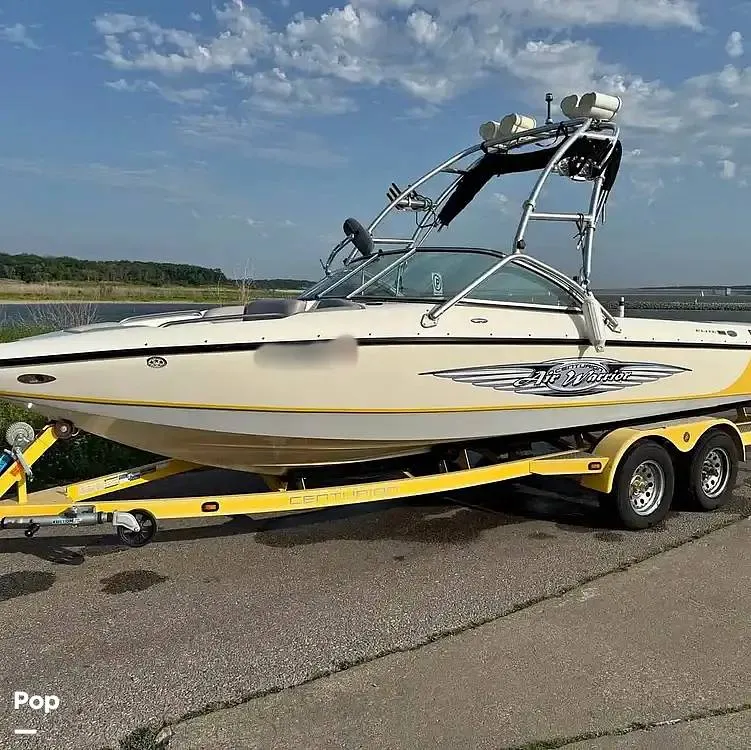
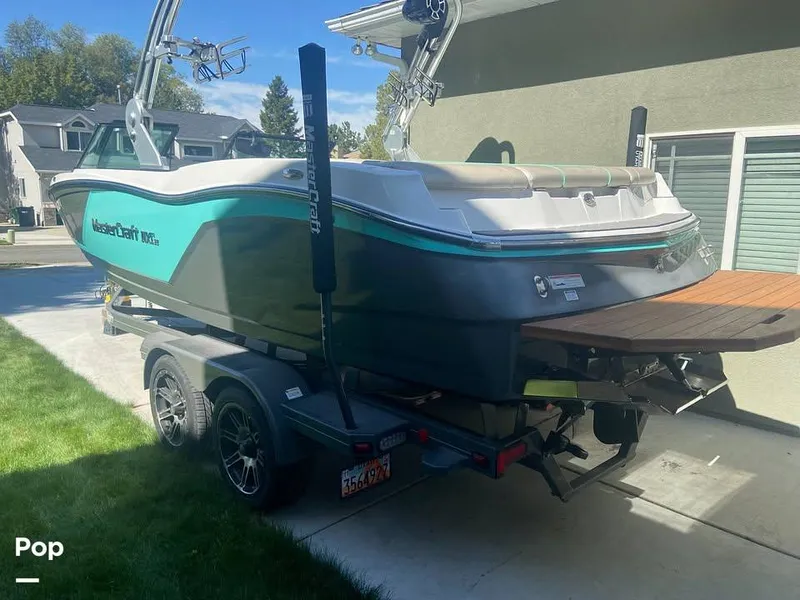
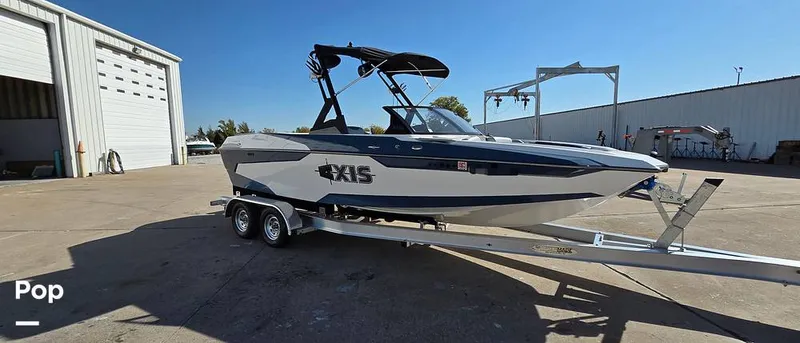
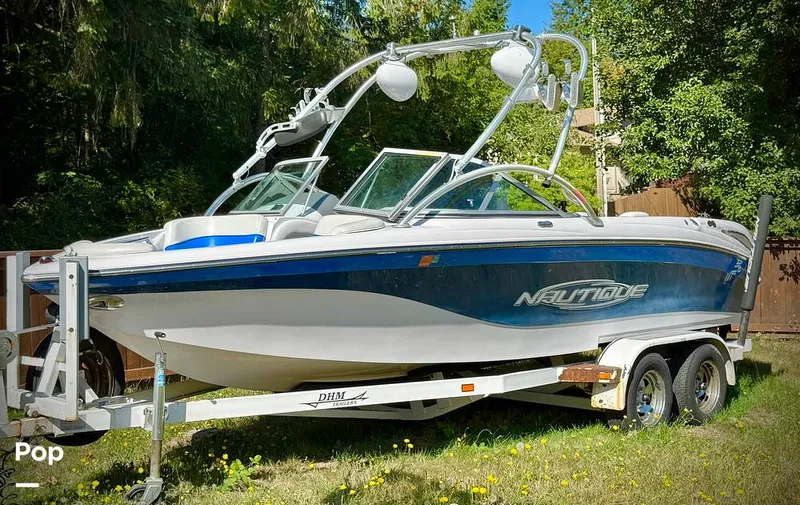
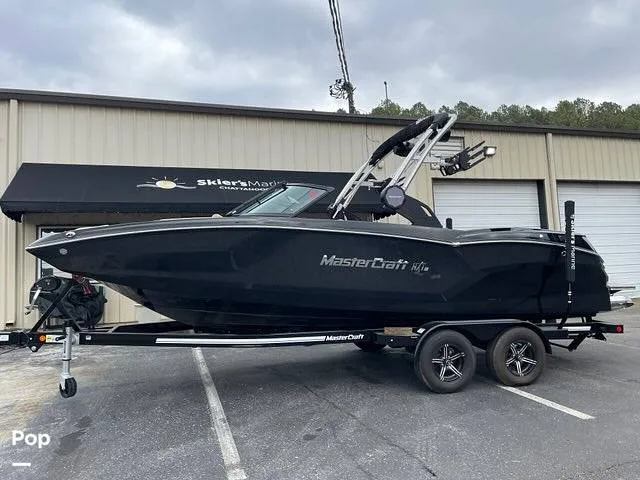
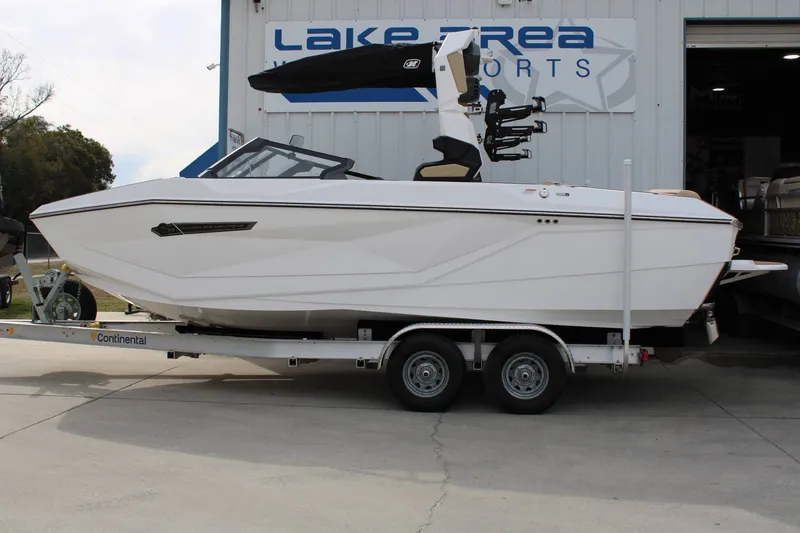
A ski and wakeboard boat is a type of inboard powerboat specifically engineered to pull riders for waterskiing, wakeboarding, wakesurfing, and other tow sports. Unlike traditional runabouts or fishing boats, these craft are designed to shape and control the wake behind the boat for predictable, sport-specific performance.
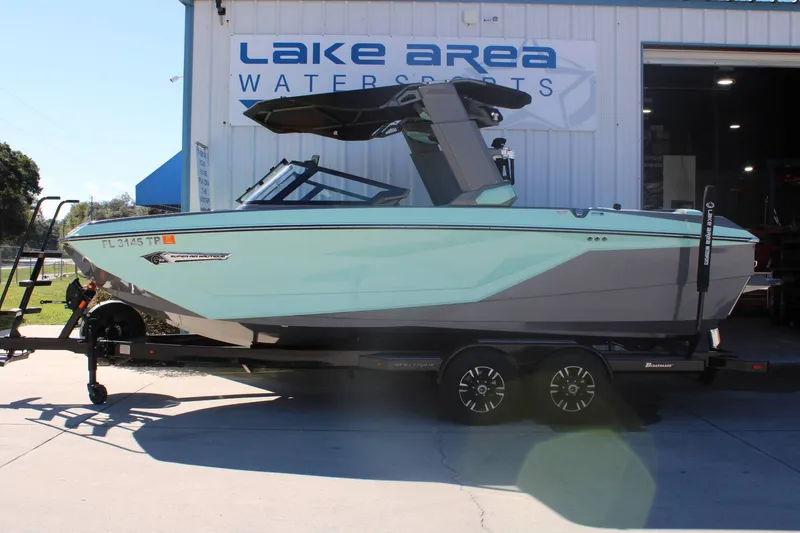
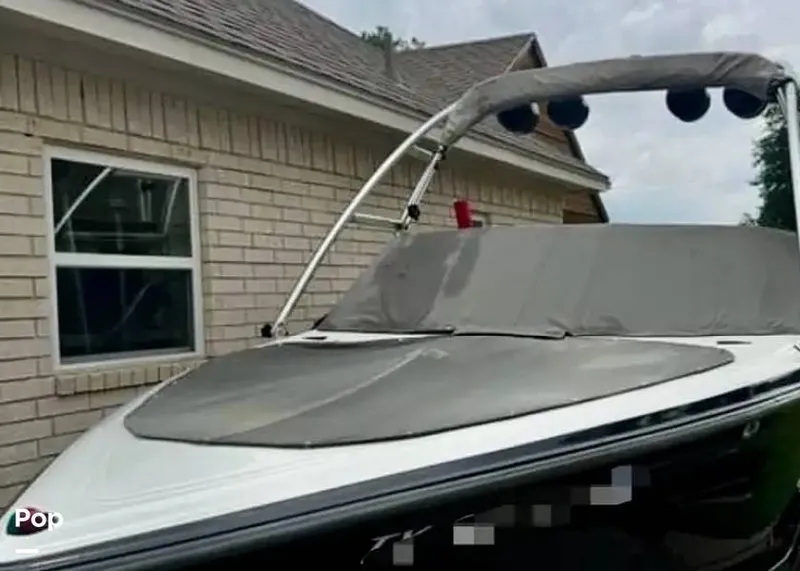
Classic ski boats focused on producing a small, clean wake at higher speeds for slalom skiing. As wakeboarding and wakesurfing grew, hull designs evolved to carry more ballast and ride deeper in the water, creating larger, more sculpted wakes at lower speeds. Towers or pylons elevate the tow point to give riders more upward lift, and sophisticated wake-shaping hardware fine-tunes the wave.
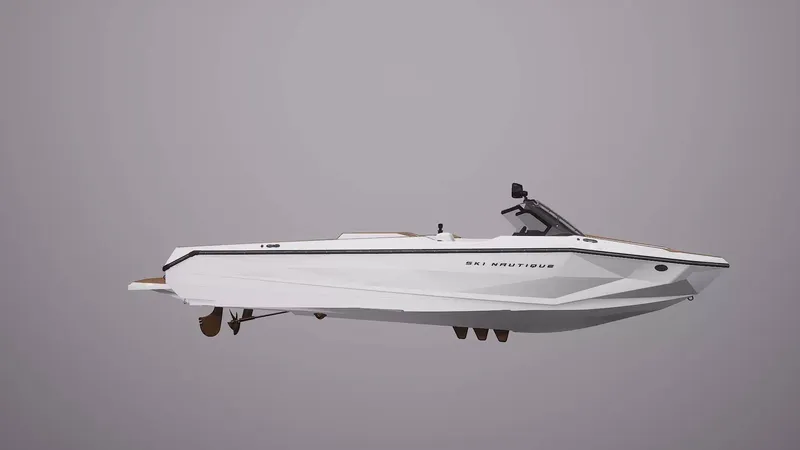
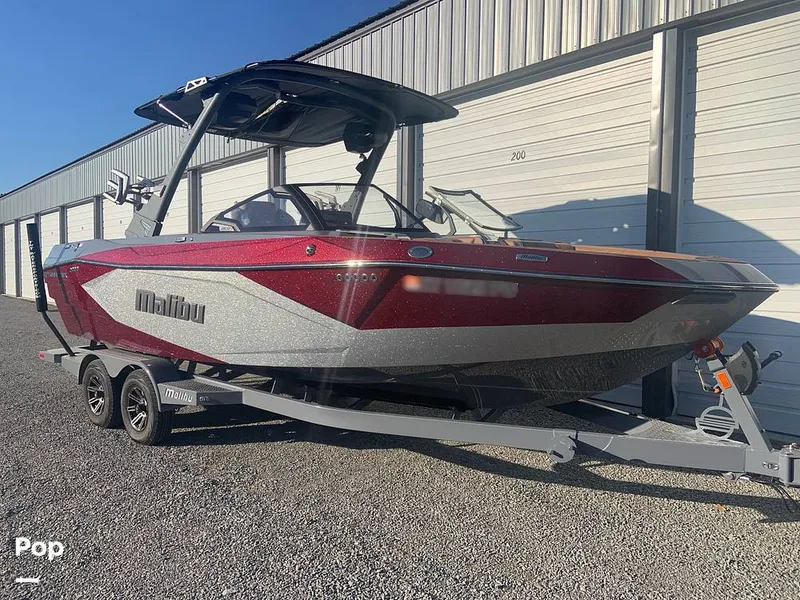
Modern ski and wakeboard boats typically feature powerful inboard engines, purpose-built hulls, multiple ballast tanks, surf systems, and digital control screens that let the driver quickly adjust speed, ballast, and wave shape for different riders and activities.
Pros of Owning a Ski and Wakeboard Boat
1. Outstanding tow-sport performance
Ski and wakeboard boats are the gold standard for tow sports. Their inboard powertrains, precise speed control, and specialized hulls create consistent wakes that let riders progress faster and ride more safely.
Preset rider profiles, cruise control, and integrated surf systems make it easy to deliver the same pull every time, whether you’re teaching beginners or supporting advanced riders working on new tricks.
2. Social, passenger‑friendly layout
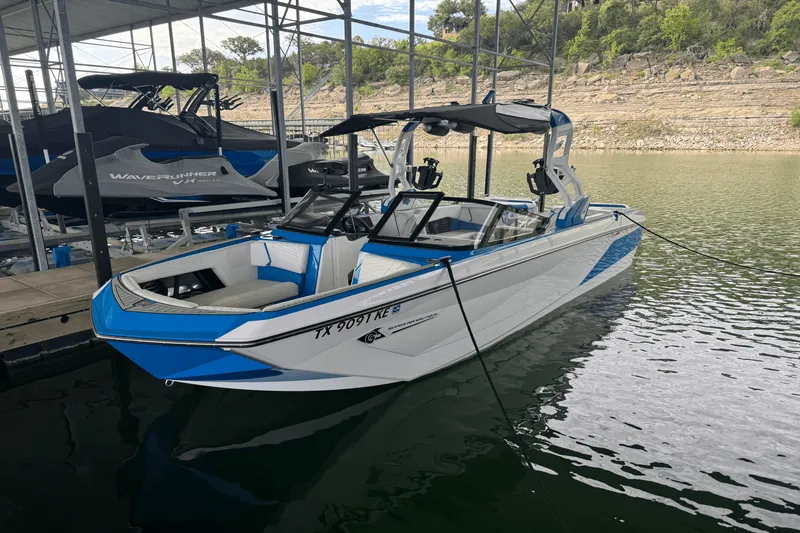
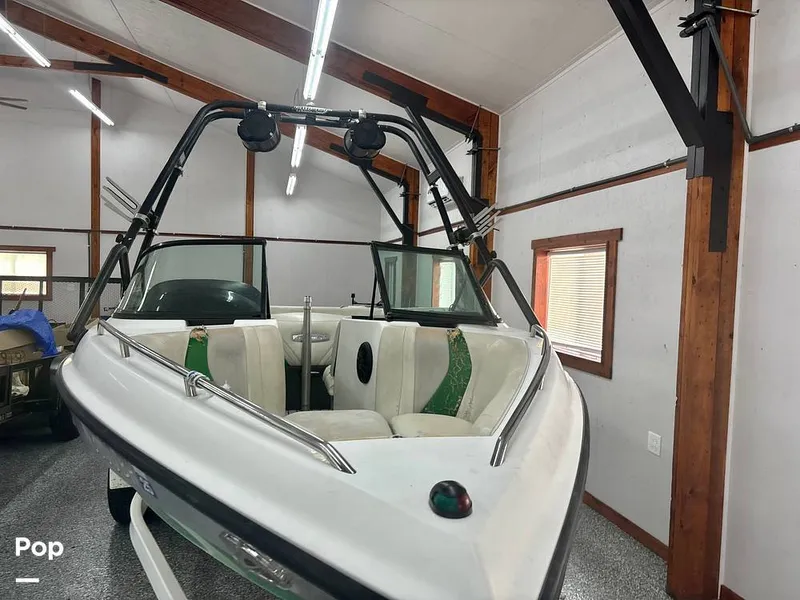
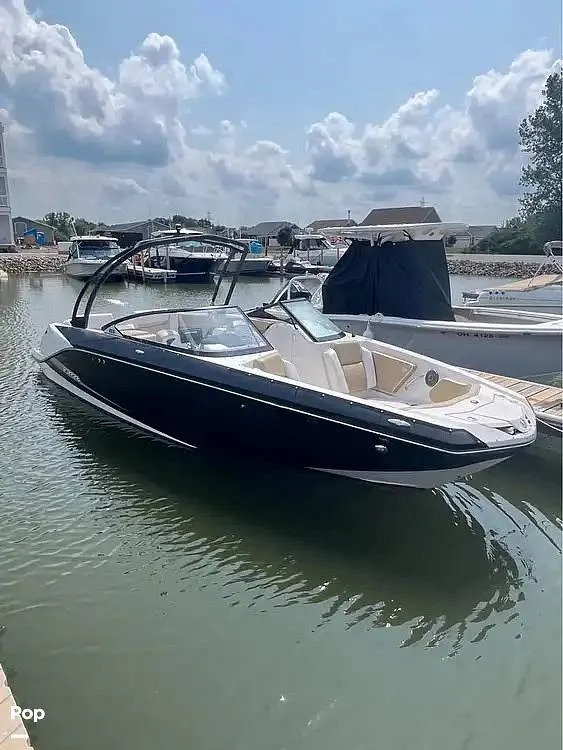
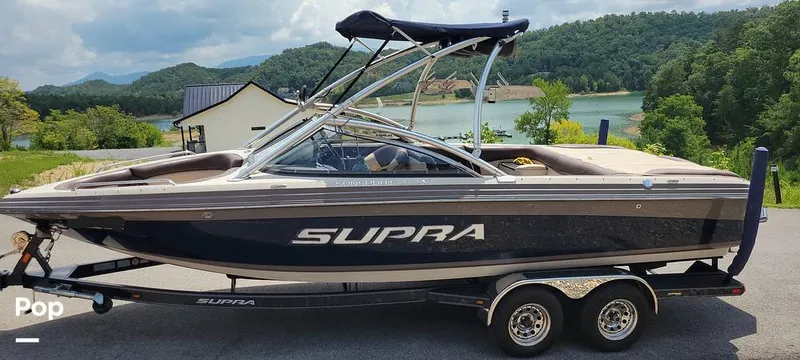
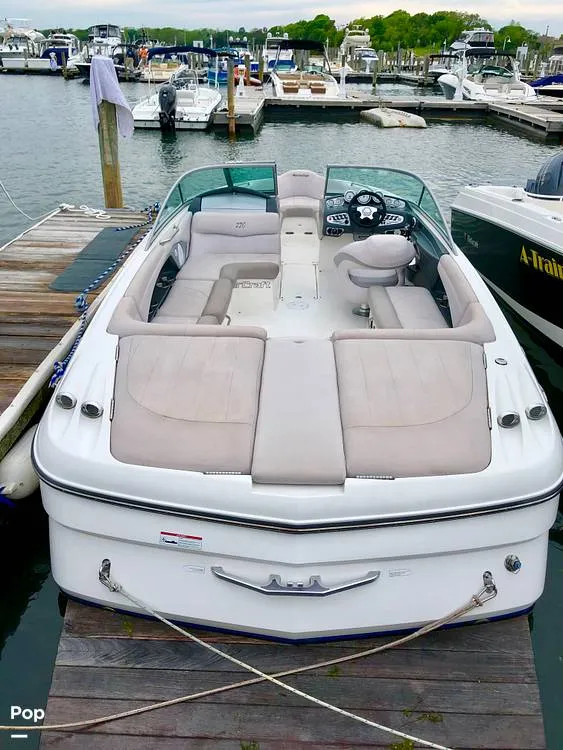
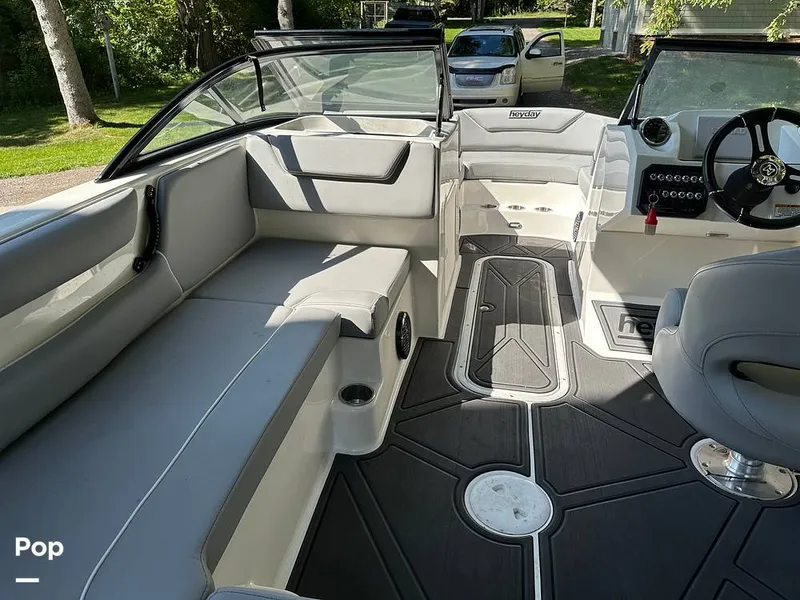
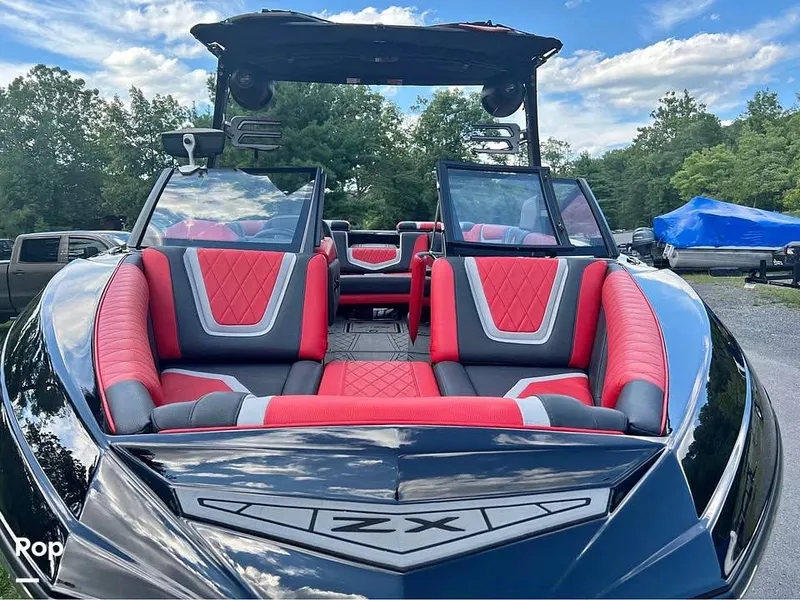
Most ski and wake boats are designed around a wraparound cockpit with plenty of cushioned seating, rear-facing lounges, and open transom walk-throughs. This setup keeps the crew facing the action and makes it easy to talk, spot riders, and swap turns.
Deep, secure seating and thoughtful storage for boards, vests, and lines mean families and groups can spend full days on the water comfortably without feeling cramped.
3. Strong low‑speed handling and control
Inboard propulsion and well-balanced hulls give these boats excellent low-speed maneuverability. Tracking in a straight line while towing is smoother than with many stern‑drive or outboard setups, which is reassuring for new drivers.
Features like speed control, bow thrusters on larger models, and well-placed sightlines from the helm reduce driver workload when picking up riders, docking, or operating in tight marinas.
4. Purpose-built durability for watersports
Ski and wakeboard boats are built to withstand repeated hard turns, fast accelerations, and heavy loads. Reinforced stringer systems, quality gelcoat, and rugged towers are meant for frequent use throughout the season.
Hardware such as board racks, ballast pumps, and heavy-duty tow points are designed specifically for watersports, so you are less likely to be improvising or adding fragile aftermarket solutions.
5. Tech-forward features and customization
Modern models often include customizable digital dashboards, rider profiles, premium sound systems, underwater lighting, and app connectivity. These touches elevate the experience for riders and passengers alike.
Adjustable ballast, trim plates, and surf gates allow you to dial in the wake or wave for beginners, kids, or advanced riders at the touch of a button, making one boat suitable for a wide range of skill levels.
Cons of Owning a Ski and Wakeboard Boat
1. Higher purchase price than general‑purpose boats
Dedicated ski and wakeboard boats tend to cost significantly more than comparable-sized bowriders or basic runabouts. The specialized hulls, inboard engines, ballast systems, and electronics all add to the sticker price.
Premium brands and top-tier surf systems push prices higher still, which can be a barrier if you are unsure how often you will actually use the boat for tow sports.
- The Silver Lining: Well-maintained, name-brand wake boats often hold value better than many general-purpose boats, so a portion of that higher upfront cost can be recouped at resale.
2. Increased fuel consumption during watersports
Running heavily ballasted at tow-sport speeds uses more fuel than casual cruising in a lighter boat. Long surf sessions with a full crew can noticeably increase operating costs over a season.
Planing off repeatedly for rider after rider also adds up, especially on smaller lakes where runs are short and you are throttling up and down frequently.
- The Silver Lining: Careful trip planning, using eco or fuel‑management modes when available, and emptying ballast for transit runs can substantially reduce overall fuel use.
3. Storage and trailering demands
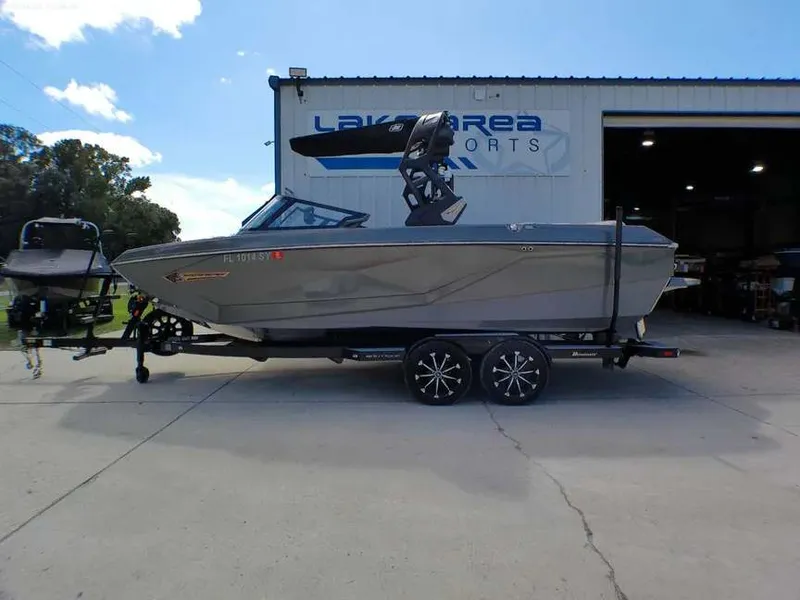
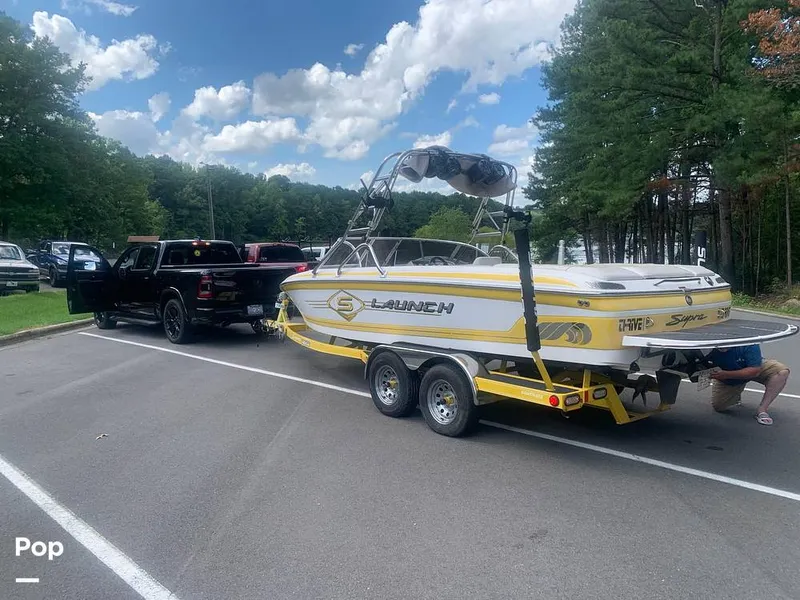
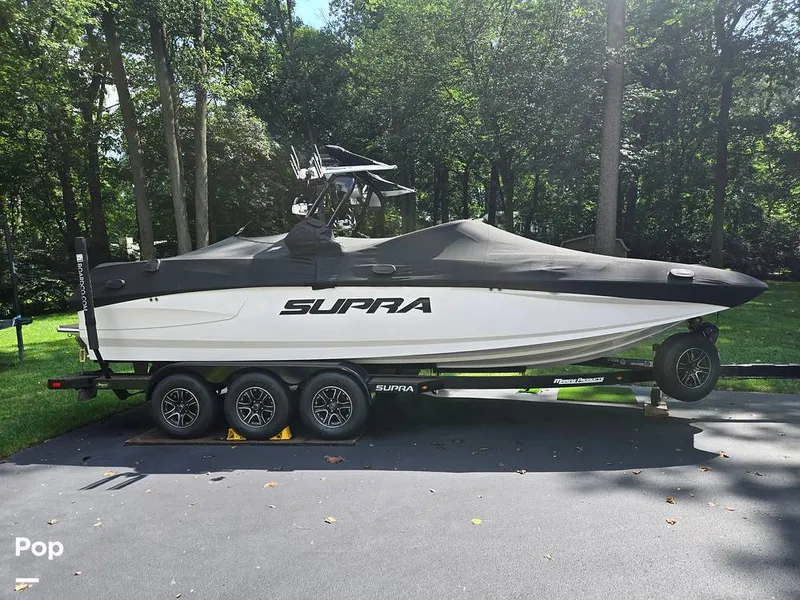
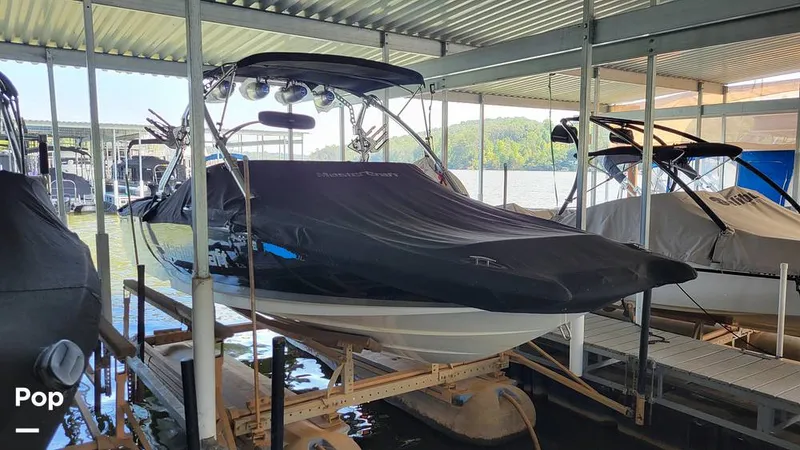
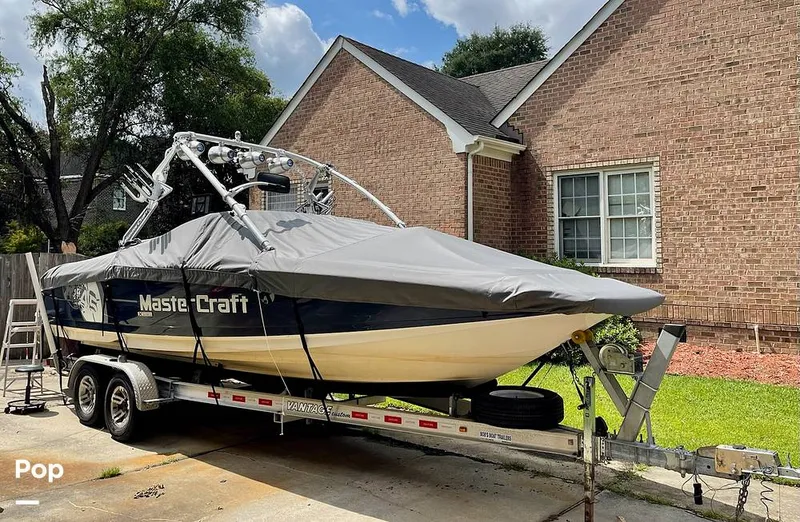
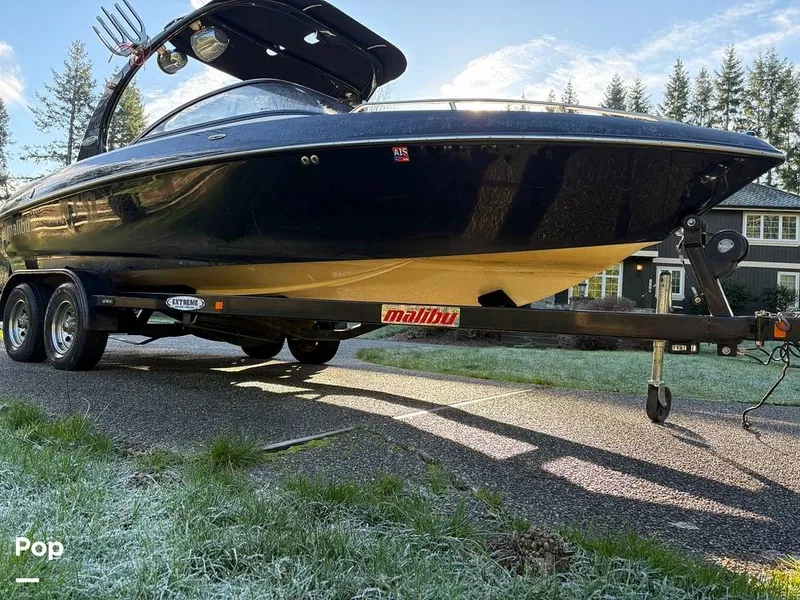
Wake boats are often tall because of towers and biminis, and some are wide or heavy enough to make storage and trailering more complicated. Standard residential garages may be too small, and low bridges or tree branches can be a concern.
On the trailer, tongue weight and overall load may push the limits of smaller SUVs, requiring you to upgrade to a more capable tow vehicle.
- The Silver Lining: Folding towers, swing‑away trailer tongues, and indoor rack storage at marinas can significantly reduce storage headaches and keep the boat secure and protected.
4. Less comfortable in rough or open water
Most ski and wakeboard boats are optimized for relatively calm lakes and rivers. Their hulls prioritize wake shape over offshore wave-taming ability, so running in big chop or open bays can be wet and fatiguing.
If your home waters are frequently windy or exposed, you may find that there are days when conditions simply are not enjoyable for this style of boat.
- The Silver Lining: Choosing your boating location and schedule around calmer conditions—and throttling back when chop builds—can keep most outings safe and enjoyable.
5. Specialized systems add complexity
Ballast tanks, pumps, actuators, surf gates, and advanced electronics add complexity compared with simpler outboard runabouts. When something fails, it may require brand‑specific parts or dealer service.
This can mean higher long‑term service costs and occasional downtime during peak season if you do not have quick access to a qualified technician.
- The Silver Lining: Many manufacturers now offer strong warranties, dealer service plans, and robust owner communities that share maintenance tips and troubleshooting advice, easing the learning curve.
Performance Considerations
Most ski and wake boats are designed with crews of 8–14 people in mind, depending on length and layout. Wraparound seating, transom walk‑throughs, and gunnel storage allow you to bring friends, family, boards, and gear without feeling overloaded when weight is distributed properly.
That said, a full load of passengers plus ballast can push the boat deep into the water. Manufacturers specify maximum capacity, and you may need to reduce ballast or adjust passenger distribution to maintain safe freeboard and performance when riding with a big crew.
Ski and wakeboard boats are most at home in protected waters. Their hulls track very well in straight lines for towing, but the relatively low bow profile and wide beam can make them pound and throw spray when the wind picks up.
In strong winds or heavy chop, safe operation is still possible if you slow down, trim your course to take waves at an angle when feasible, and avoid overloading the bow. However, if rough-water capability is a top priority, a deeper‑V offshore or multi‑purpose boat may be a better fit.
Ownership and Logistics
Beyond the purchase price, long‑term ownership costs include fuel, routine engine service, winterization, hull care, and maintenance of ballast, surf systems, and electronics. Annual costs can be higher than for a simpler outboard due to the added systems and inboard drivetrain.
You should also account for storage or marina fees, registration, taxes where applicable, and higher-than-average insurance premiums relative to basic runabouts, especially on newer high‑value models.
Well-known wake and ski brands with modern surf systems typically enjoy strong demand on the used market. Enthusiasts actively seek clean, well-maintained boats, which can support relatively high resale values for the first several years.
Resale is strongest for popular sizes and configurations with up‑to‑date features. Older boats with obsolete tech or neglected maintenance can depreciate more quickly, so keeping service records and updating key components when needed helps preserve value.
Many 20–23 foot wake boats, once you factor in the trailer, fuel, and gear, fall in the 5,000–7,000 pound range. This is within the capabilities of many half‑ton pickups and some larger SUVs, but smaller crossovers and mid‑size vehicles can be under‑spec’d.
Larger models exceeding 23–24 feet, or heavily optioned boats, may nudge into territory where a full‑size truck with robust towing capacity is strongly recommended for safety, braking performance, and drivetrain longevity.
Is a Ski and Wakeboard Boat the Right Choice for You?
A ski and wakeboard boat is a highly specialized tool for people who truly love tow sports. It delivers an unmatched combination of wake performance, social layout, and watersports-focused technology that general‑purpose boats struggle to match.
In return, you accept higher purchase and operating costs, more complex systems, and a design biased toward calmer waters rather than all‑weather versatility. The fit comes down to how often you will actually use the boat for riding and how important those peak watersports days are to your overall boating experience.
You'll love it if:
- You or your family ride frequently—wakeboarding, wakesurfing, or skiing are central to how you plan to use the boat.
- You want consistent, controllable wakes and waves that help riders progress safely and quickly.
- You value a social cockpit layout that keeps everyone facing the action and makes full‑day outings enjoyable.
- You are comfortable budgeting for higher fuel use, storage, and maintenance in exchange for premium performance.
- You primarily boat on lakes, reservoirs, or protected rivers where conditions are usually calm to moderate.
It might be challenging if:
- You mainly want a boat for casual cruising, fishing, or anchoring to relax and are only occasionally interested in tow sports.
- You boat in rough, open, or very windy waters where a deeper‑V or offshore‑style hull would be more appropriate.
- You have tight storage constraints or a tow vehicle with limited towing capacity.
- You are looking for the absolute lowest possible purchase price and minimal maintenance complexity.
- You prefer very open deck space for lounging or fishing rather than a cockpit dominated by wraparound seating and sport‑specific hardware.
If wakeboarding, wakesurfing, and skiing are the highlights of your time on the water, a ski and wakeboard boat can be an exceptional investment that turns every outing into a focused, high-energy experience. If your priorities lean more toward all-around utility, offshore comfort, or tight budget discipline, you may be better served by a more general‑purpose design and reserving dedicated wake boats for rentals or shared ownership.