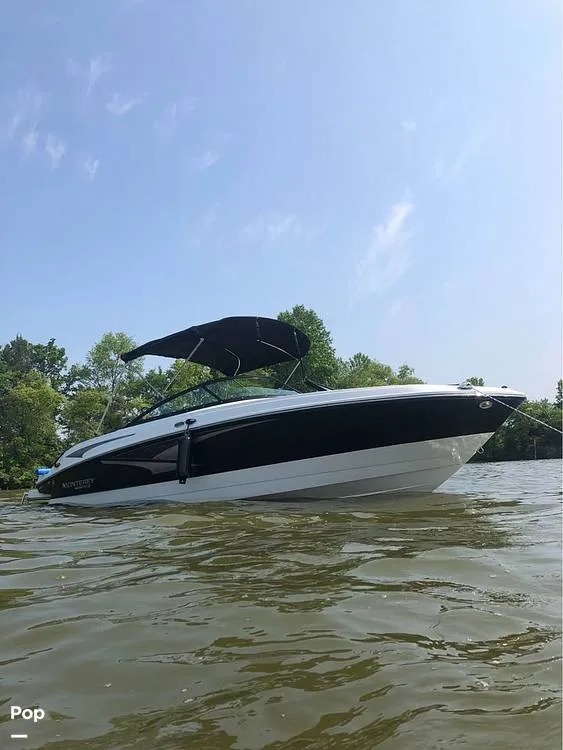
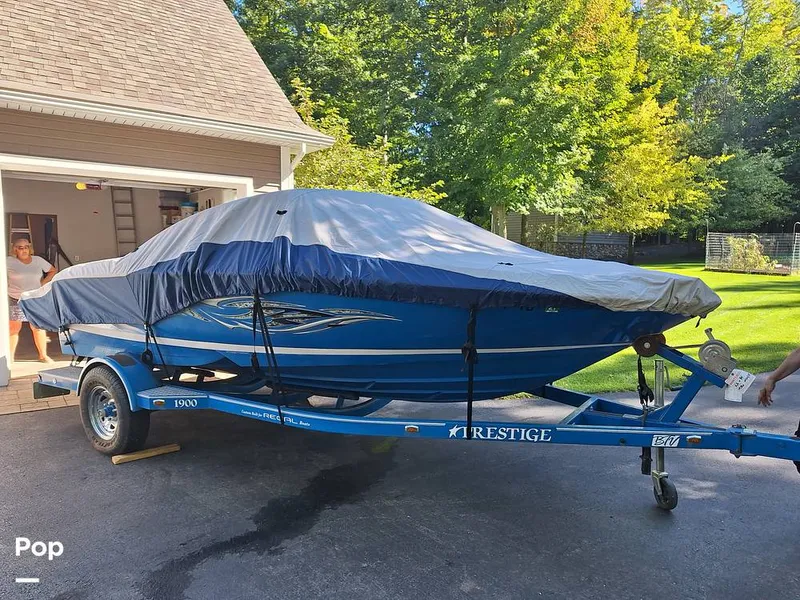
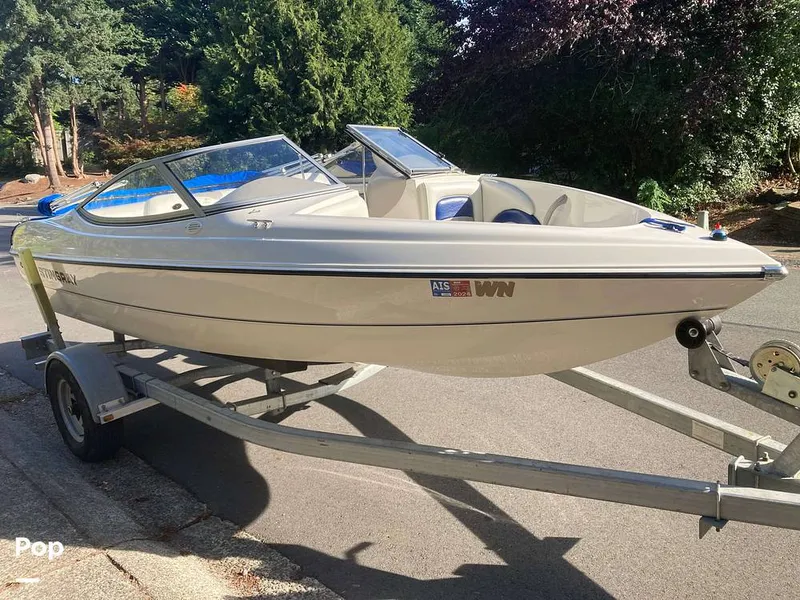
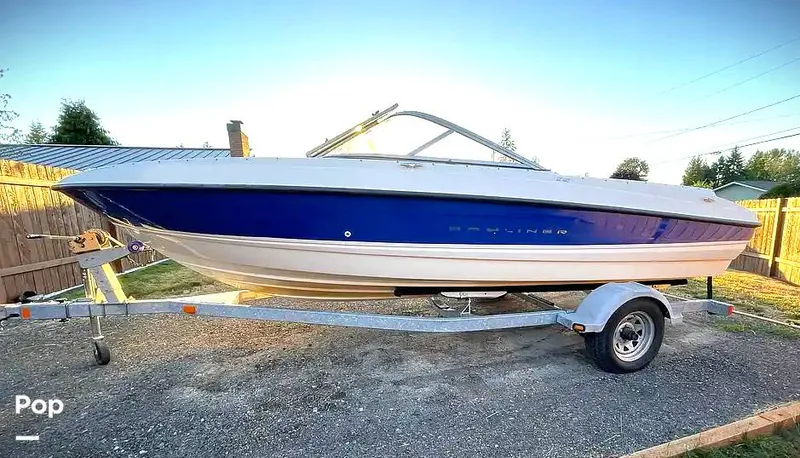
Runabout
Searching boats for you...
Boating · Buyer’s Guide
Is a Runabout Boat the Right Choice for You?
Written by: MarineSource Team | Estimated read time: 12 min read
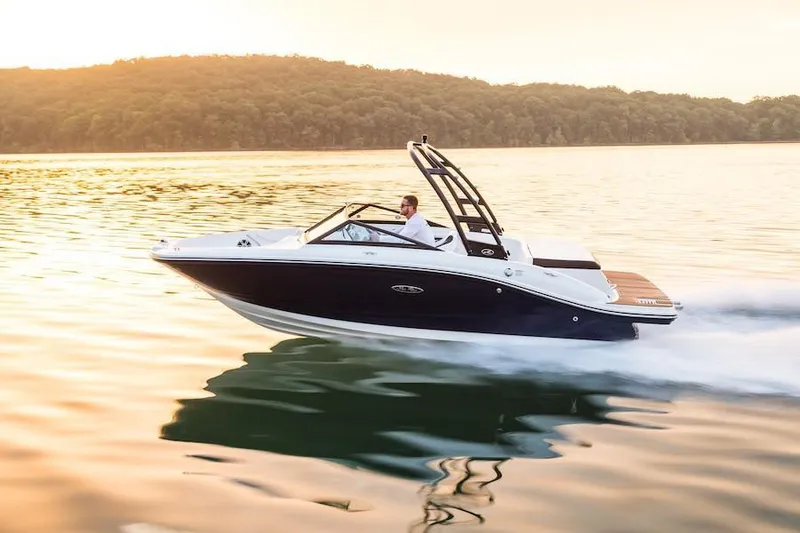
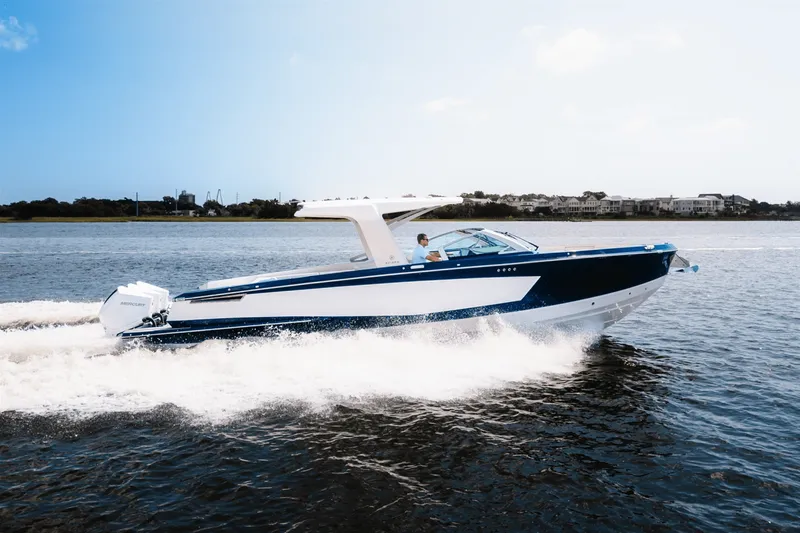
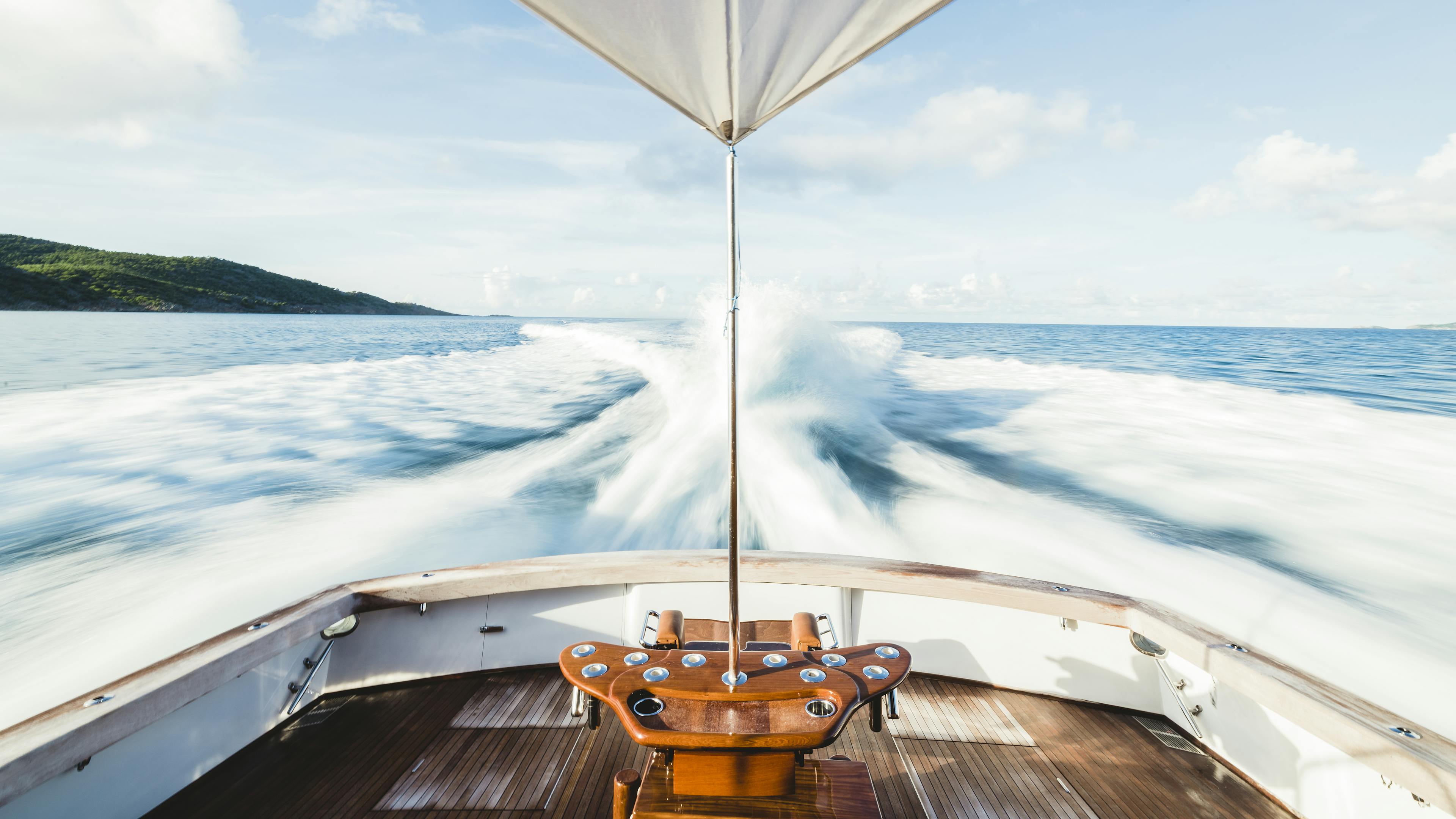
Imagine the wind in your hair as you glide across the water on a sleek, agile runabout boat. The sun reflects off the waves, and the hum of the engine blends with the laughter of friends and family on board. Runabout boats offer an exhilarating mix of speed, style, and versatility that makes every outing feel like a mini adventure.
Runabouts have long been a favorite for boating enthusiasts who crave a boat that can do it all—from water sports and day cruising to fishing and exploring hidden coves. Their compact size and responsive handling invite both novice and experienced boaters to enjoy the water with confidence and ease.
Despite their popularity, runabout boats come with trade-offs that every potential owner should consider. While they excel in performance and maneuverability, they may offer less cabin space and storage compared to larger vessels. Understanding these nuances will help you decide if a runabout boat fits your lifestyle and boating goals.
What is a Runabout Boat?
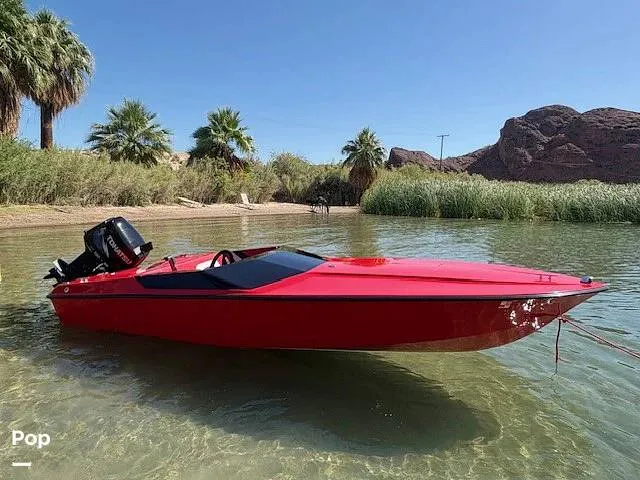
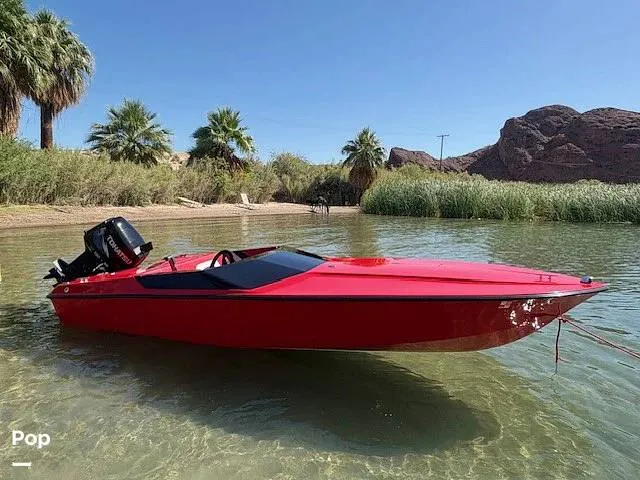
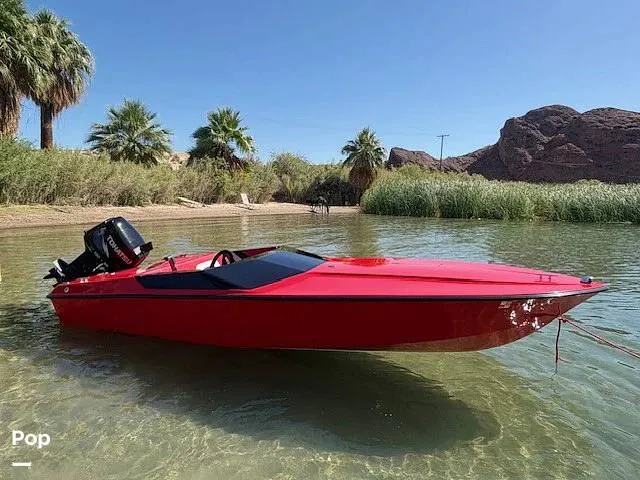
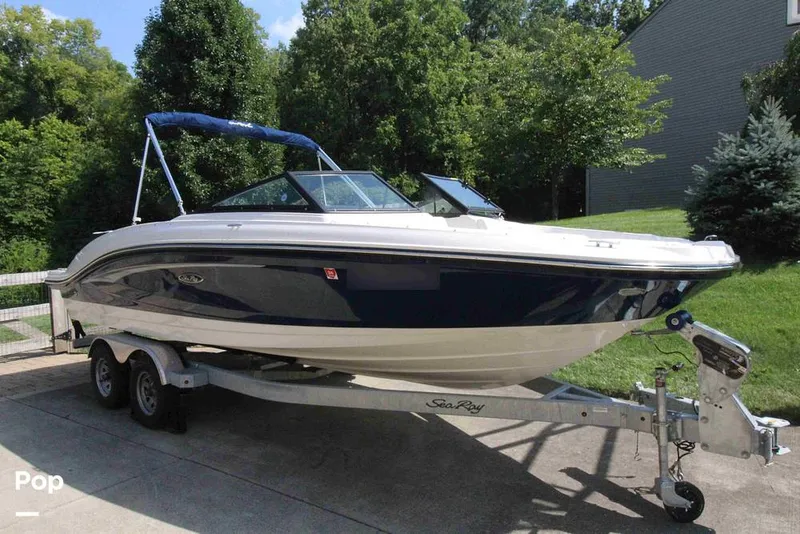
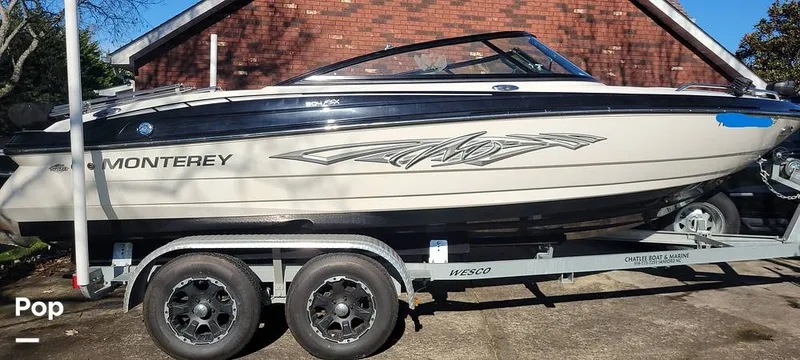
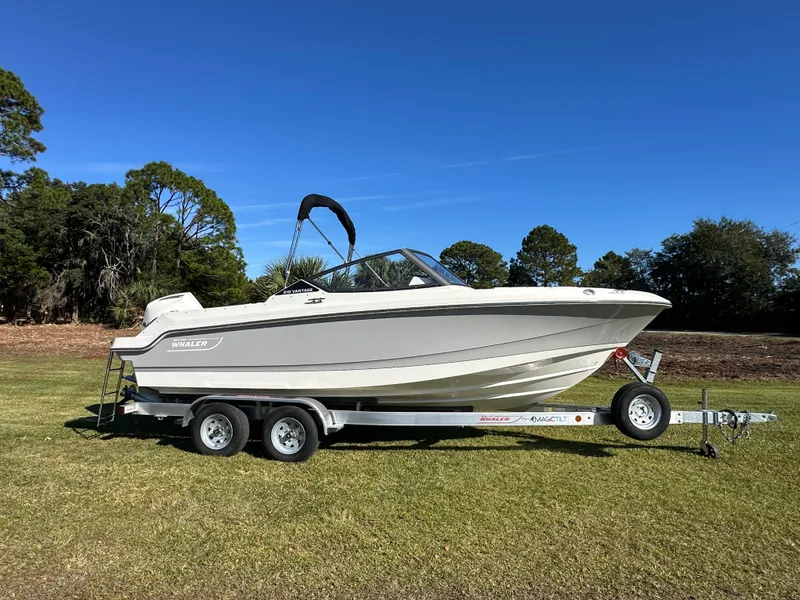
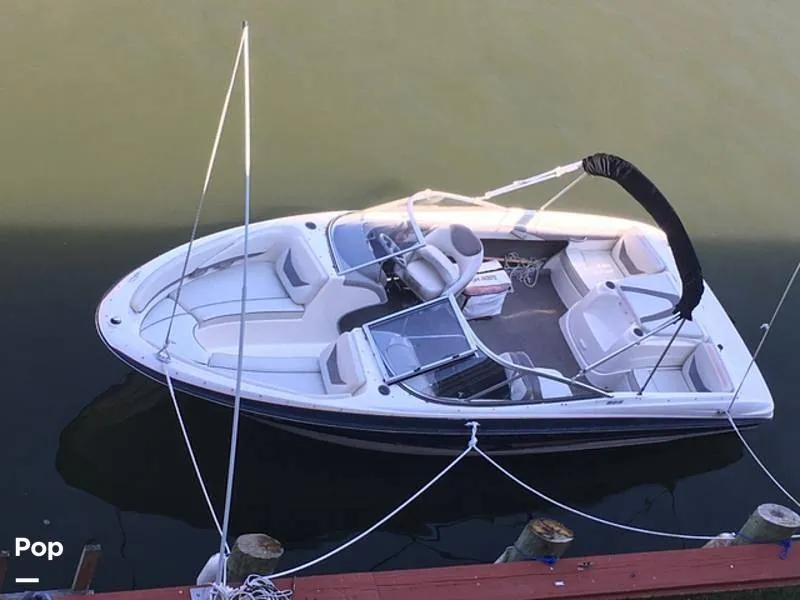
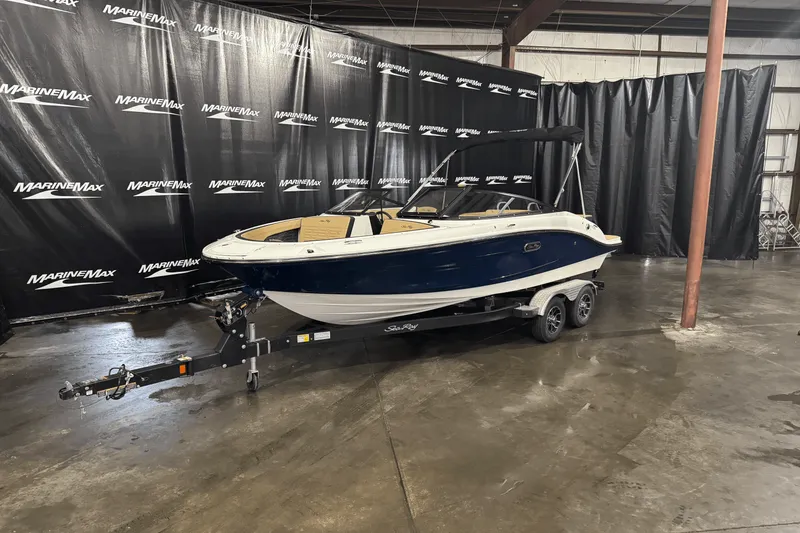
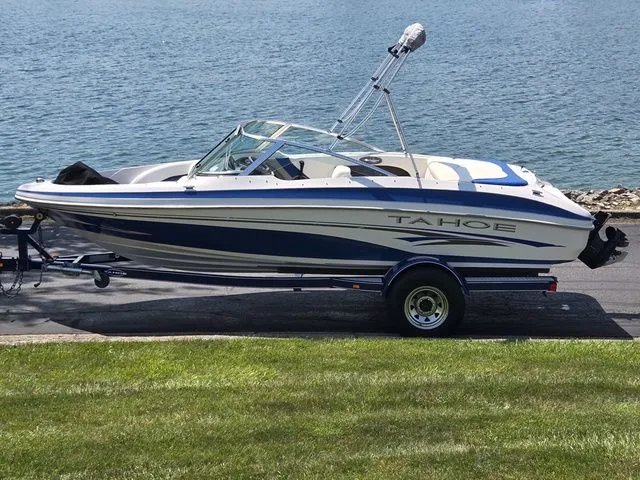
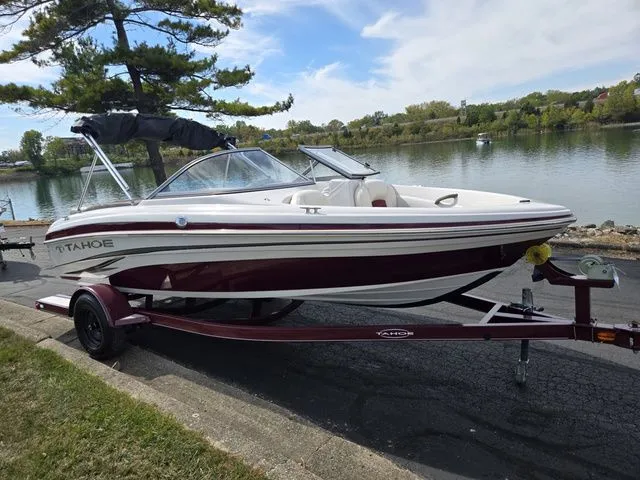
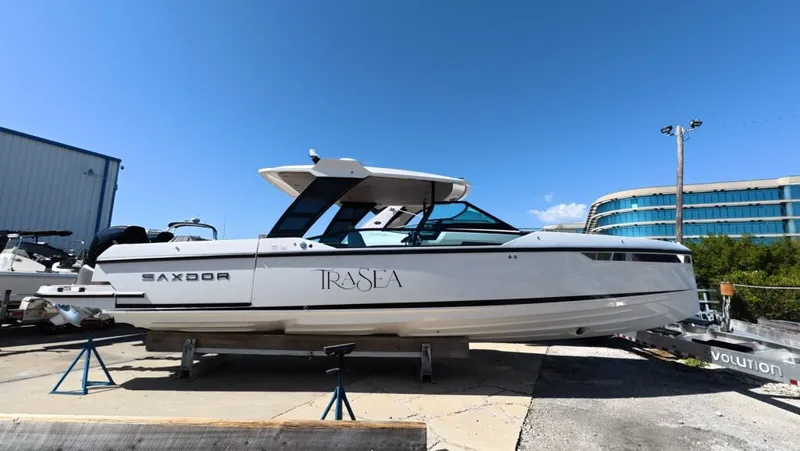
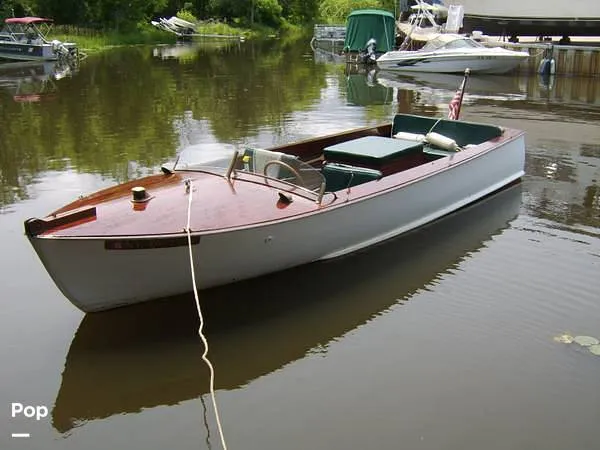
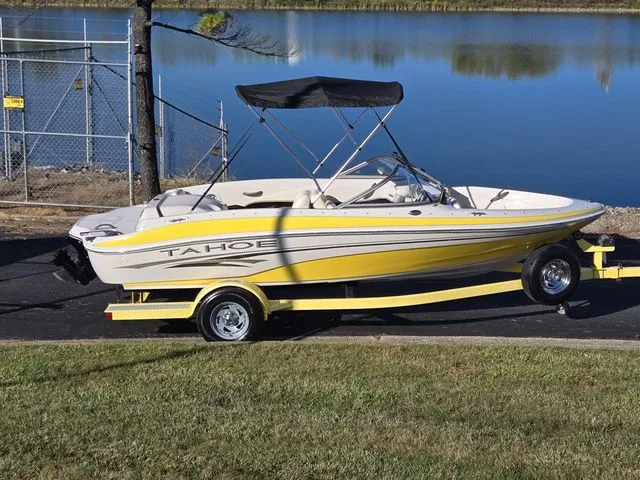
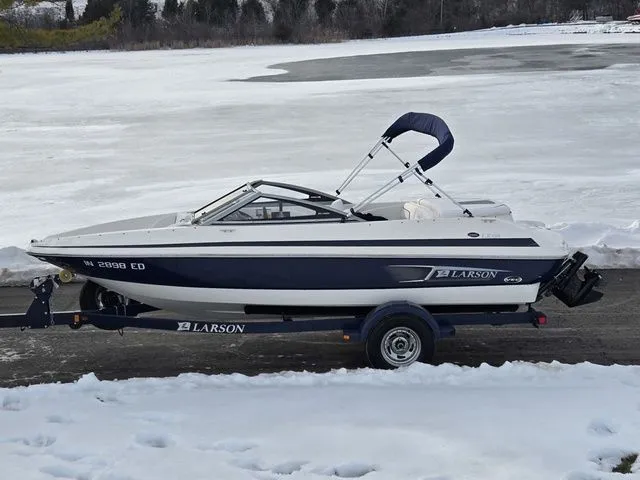
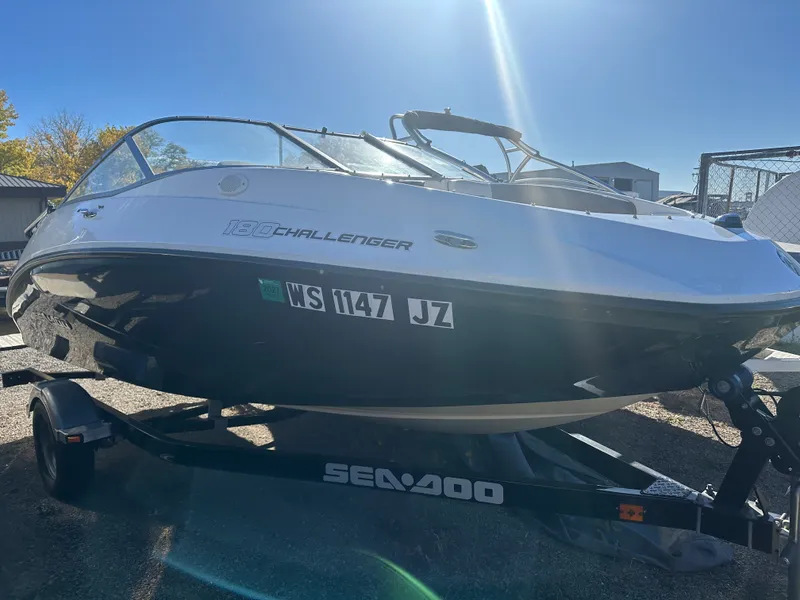
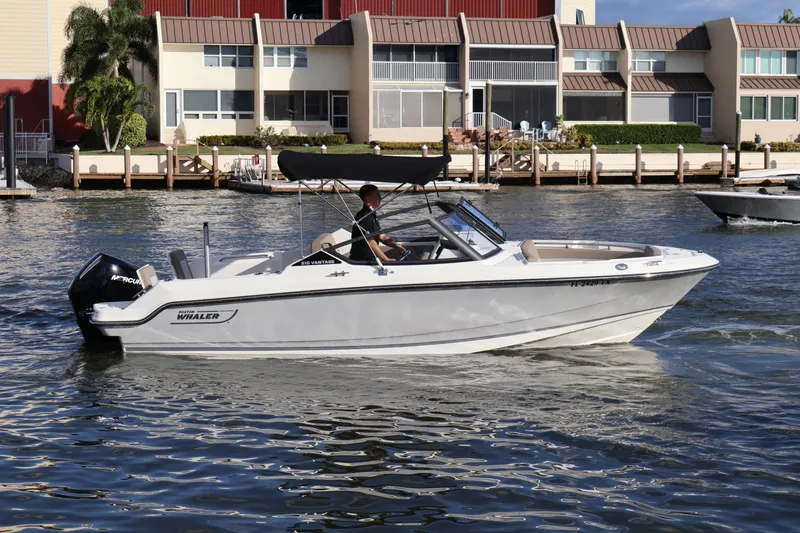
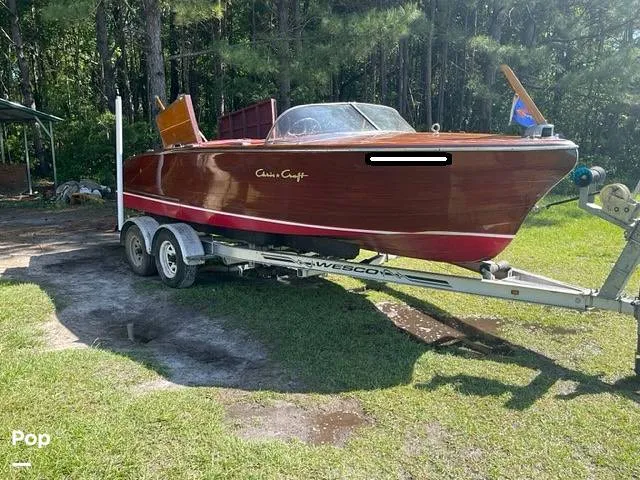
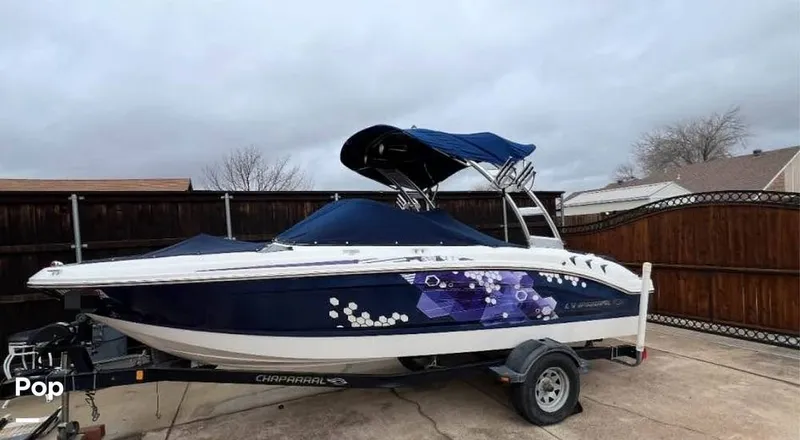
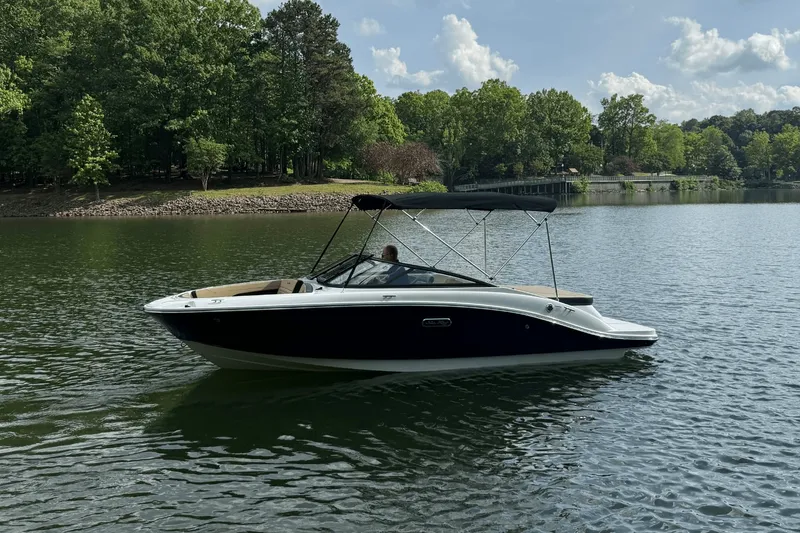
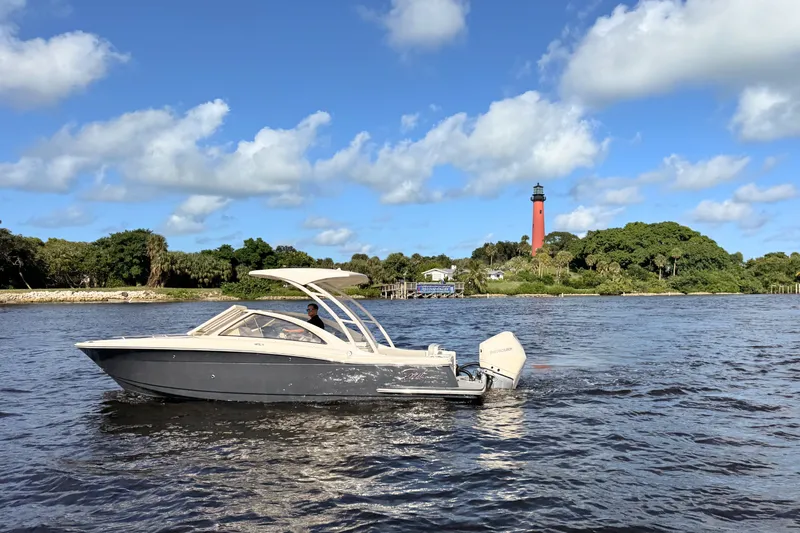
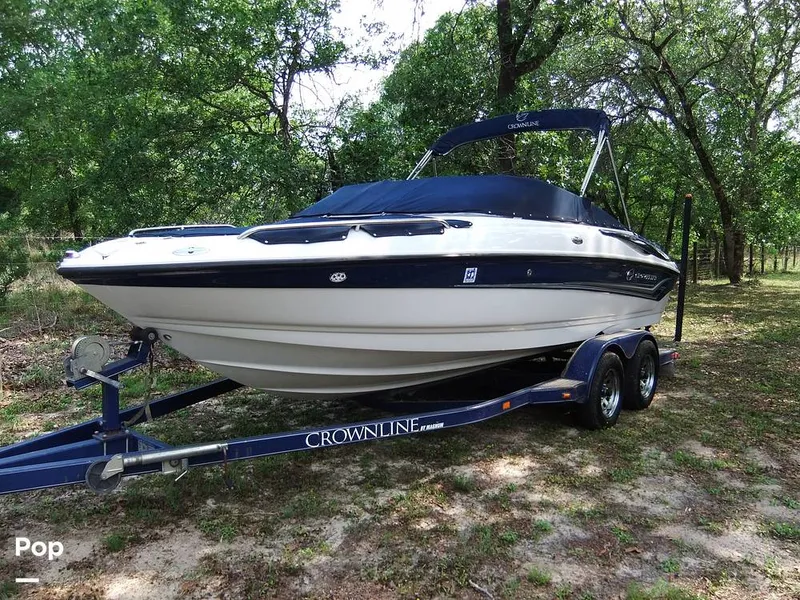
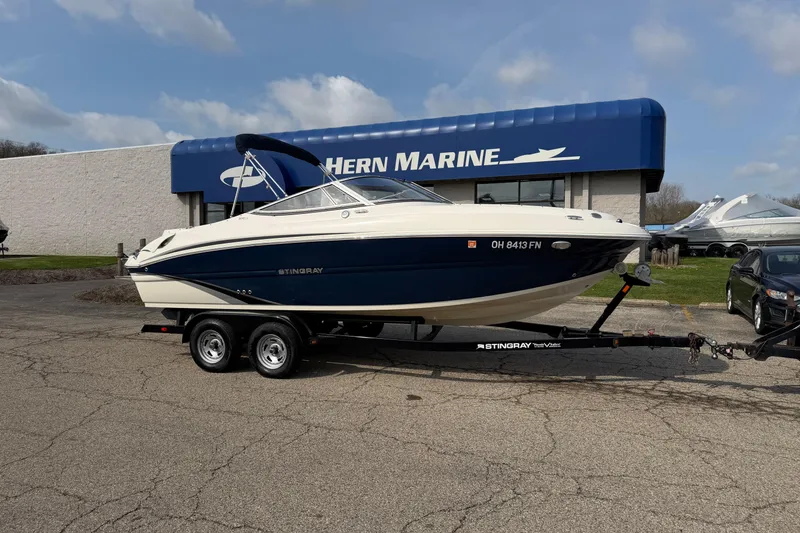
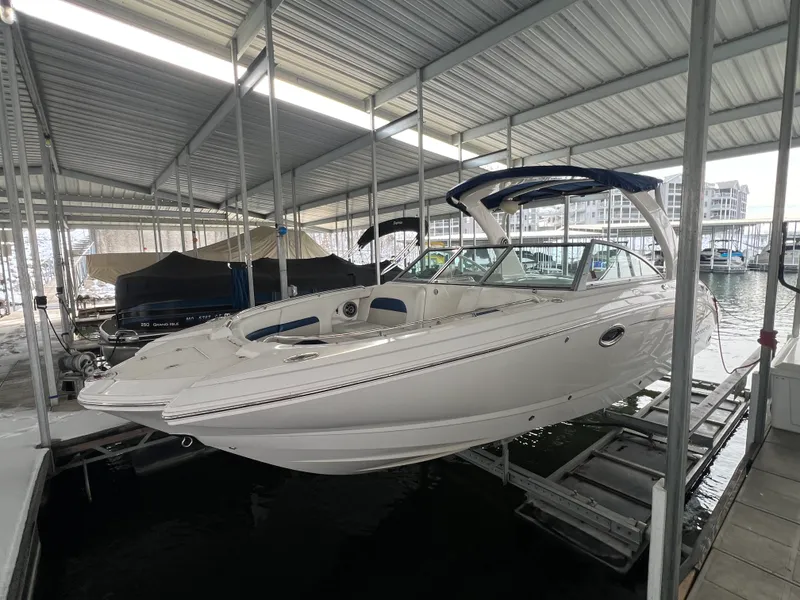
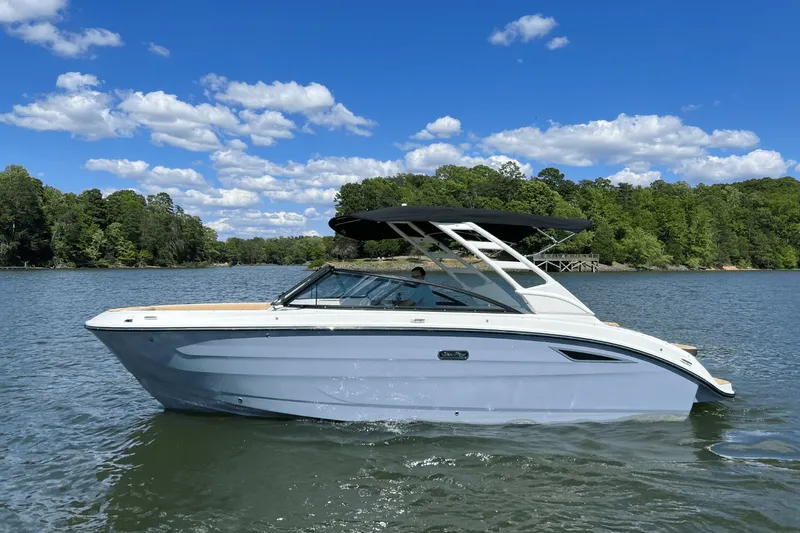
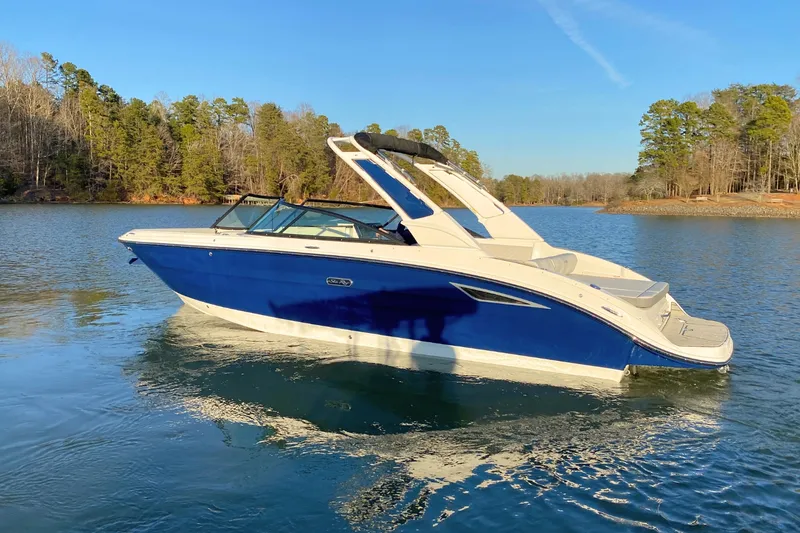
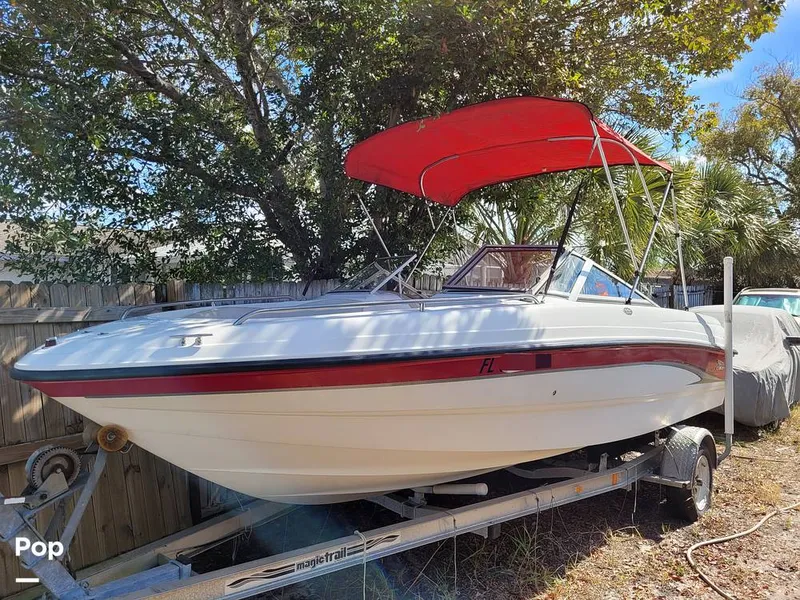
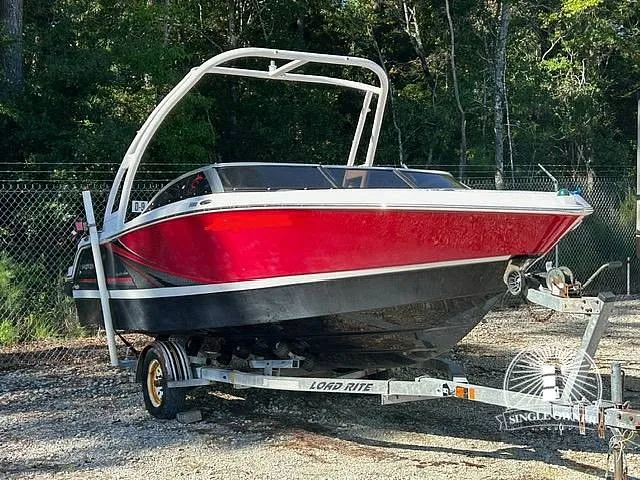
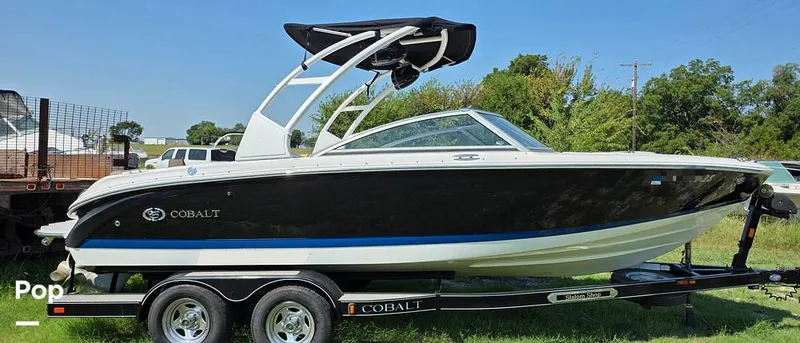
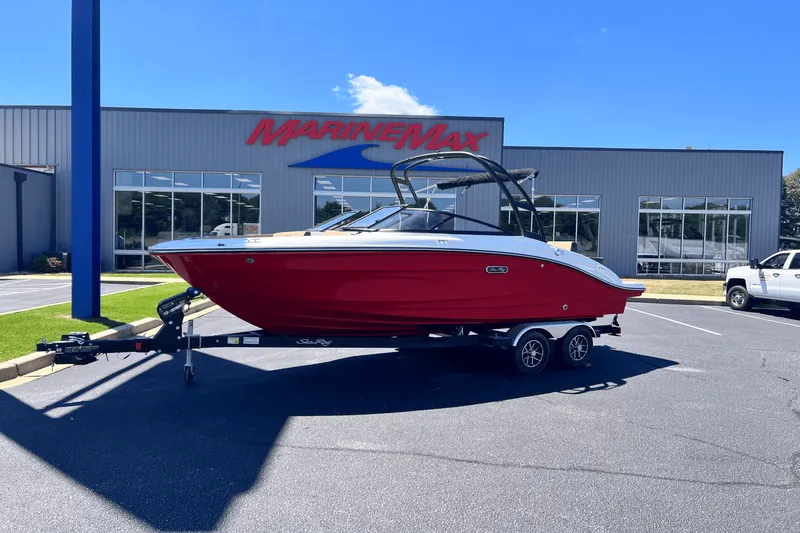
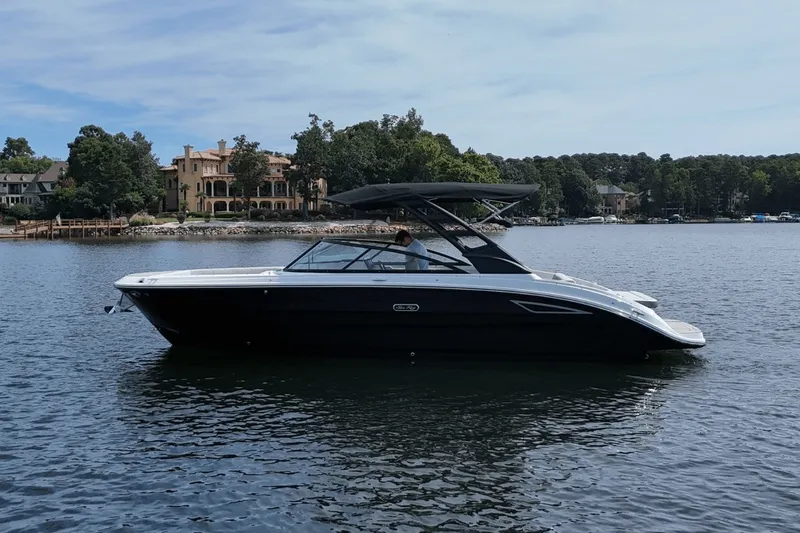
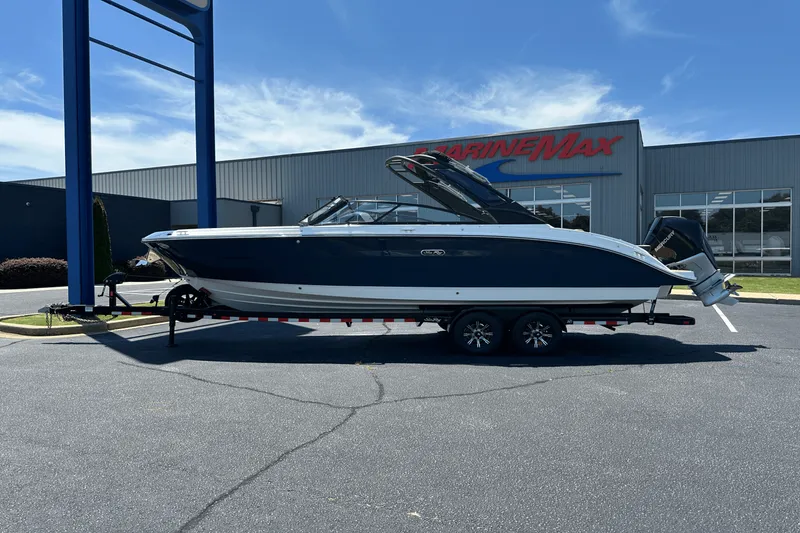
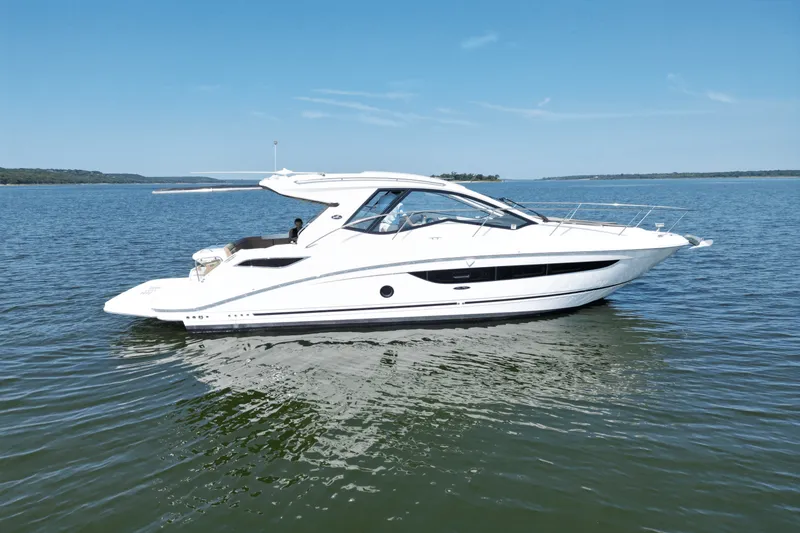
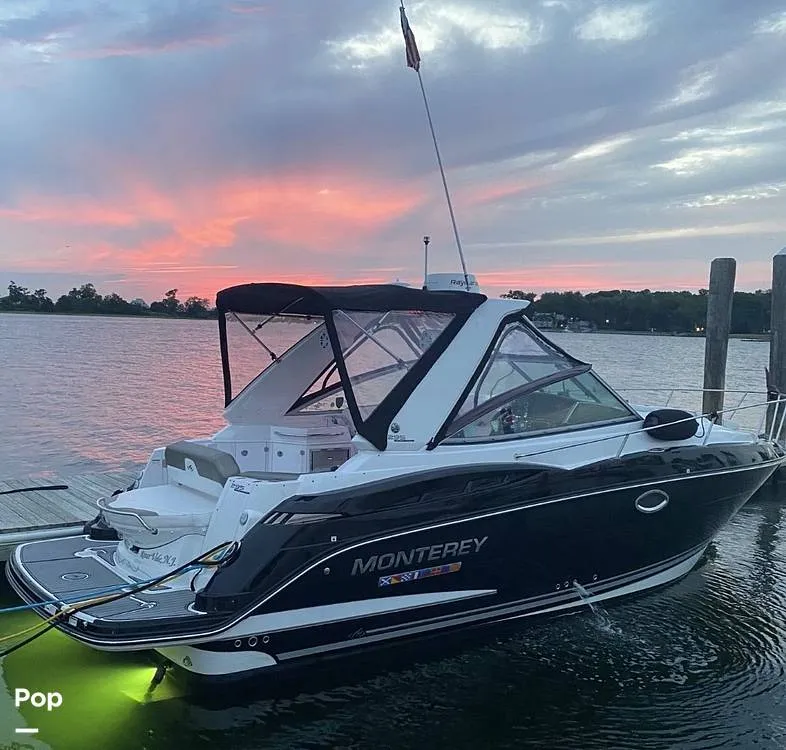
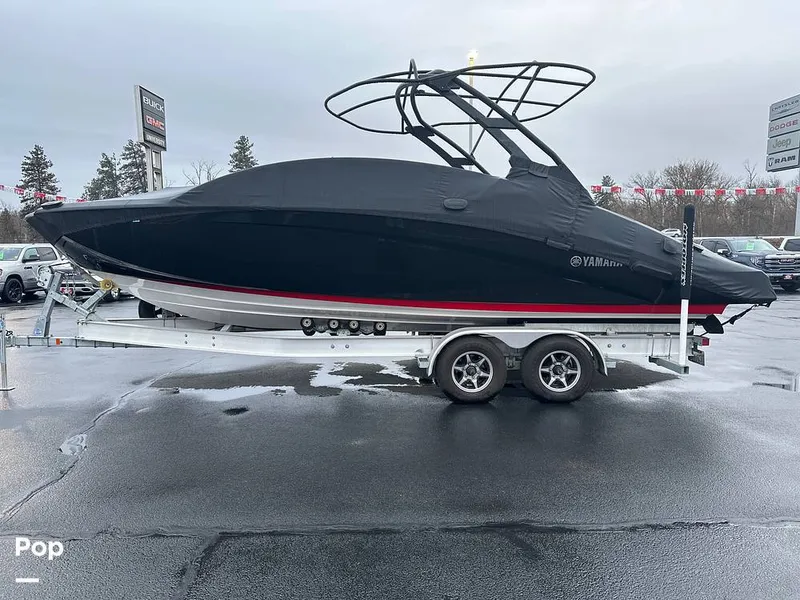
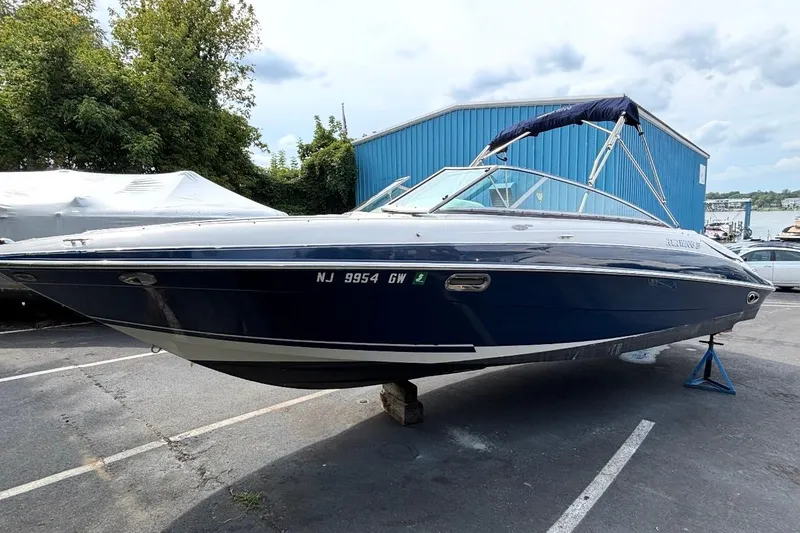
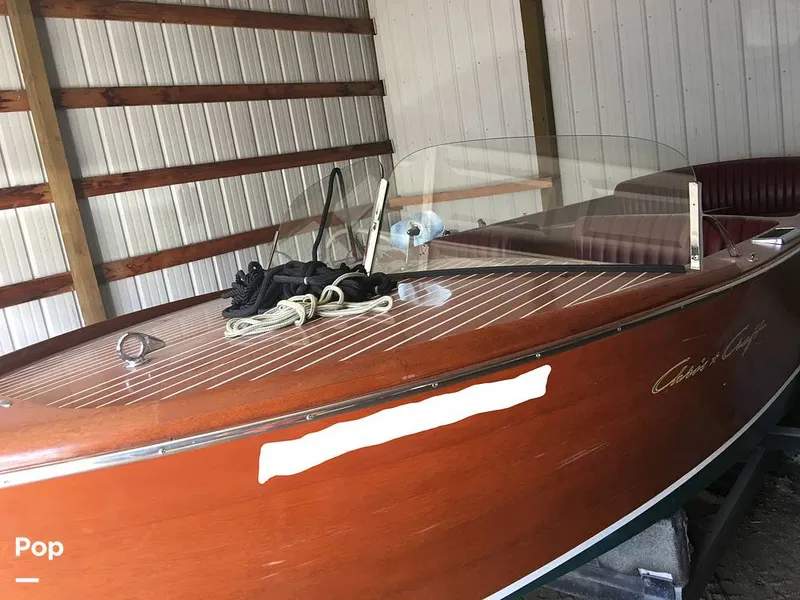
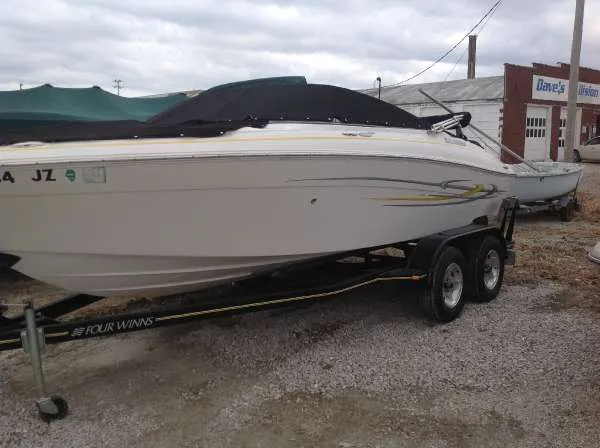
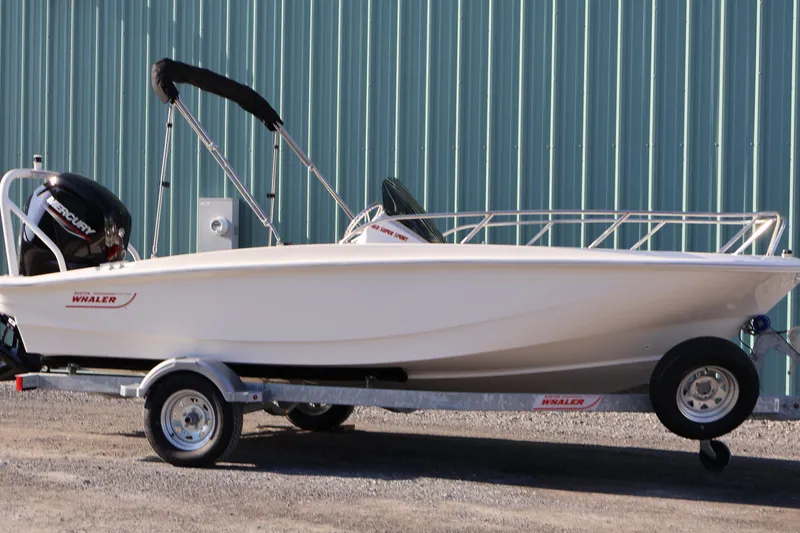
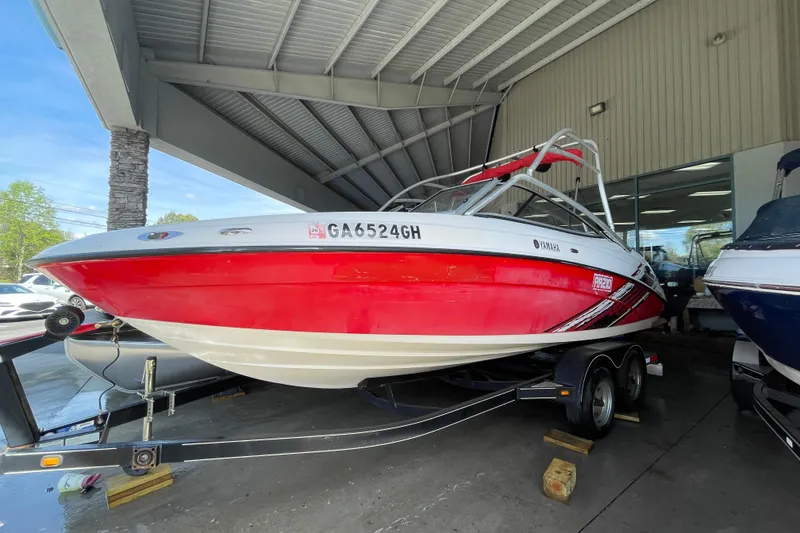
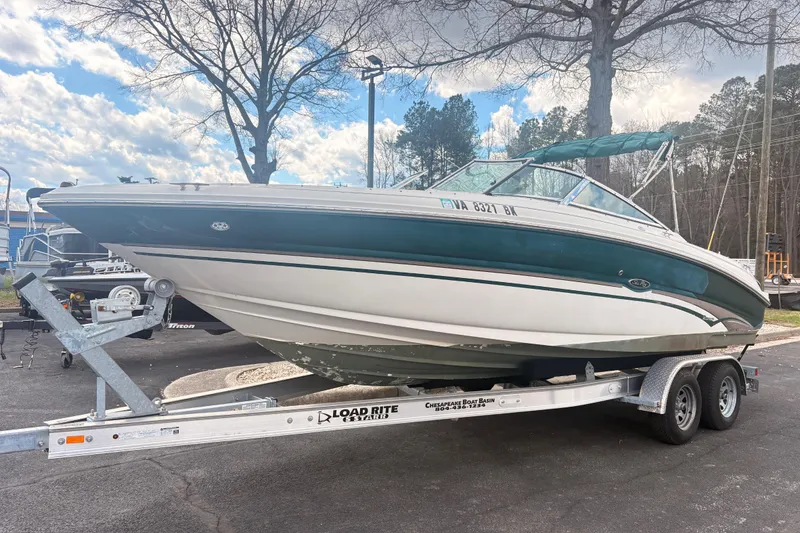
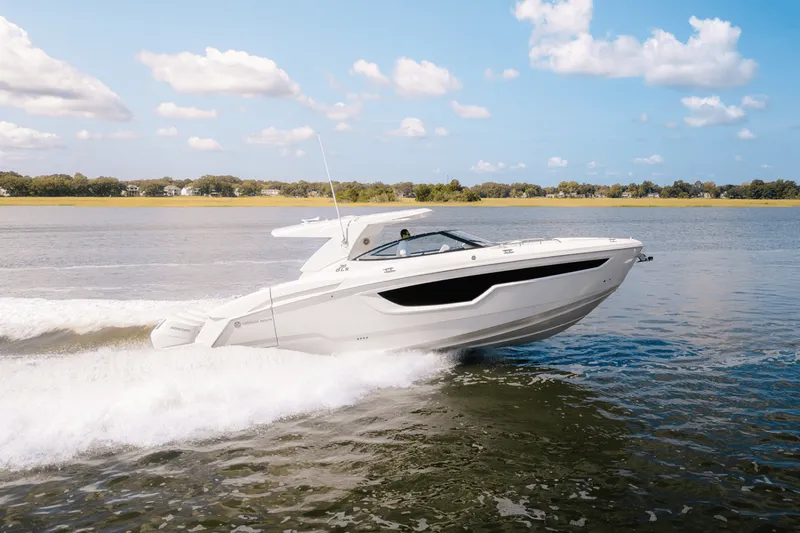
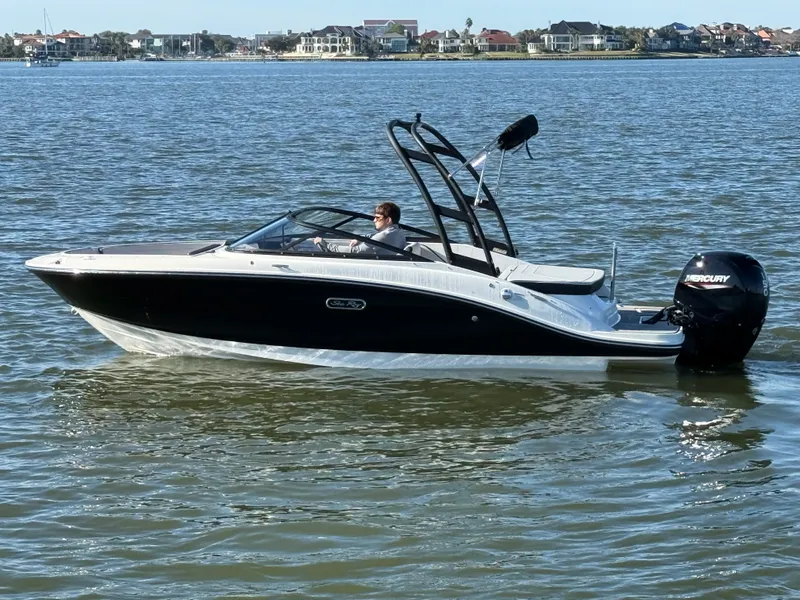
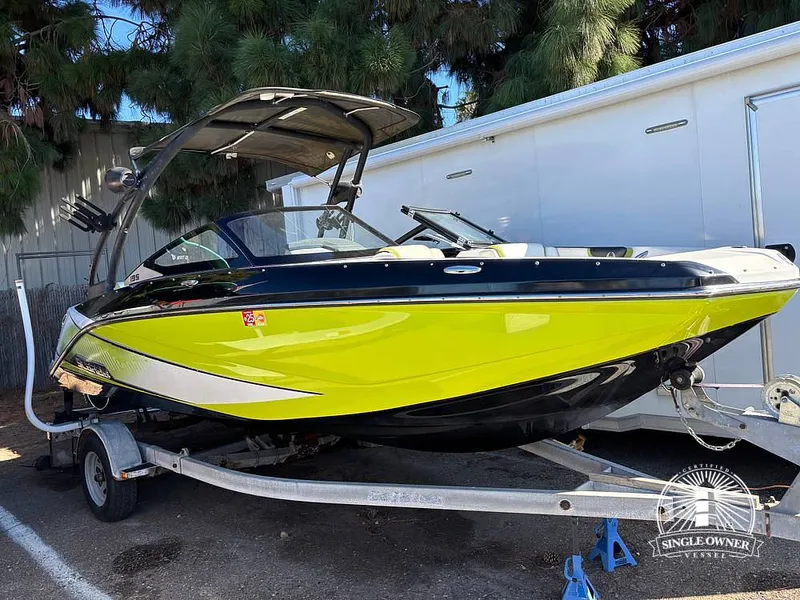
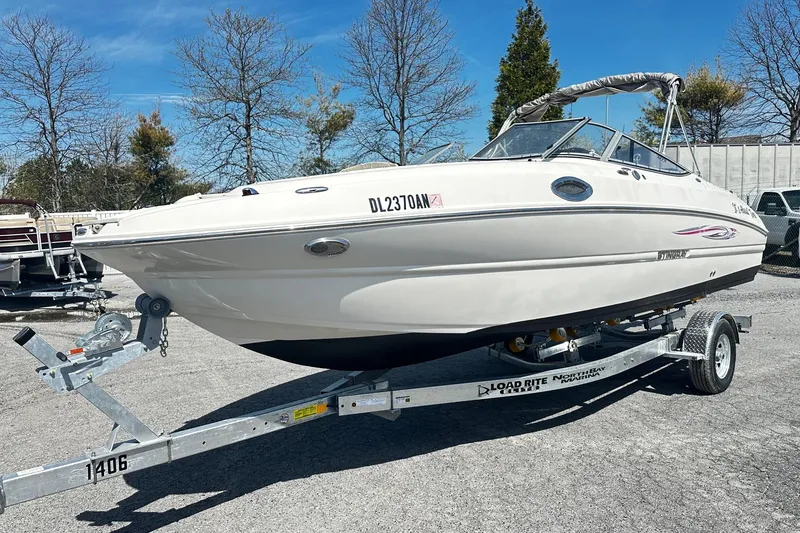
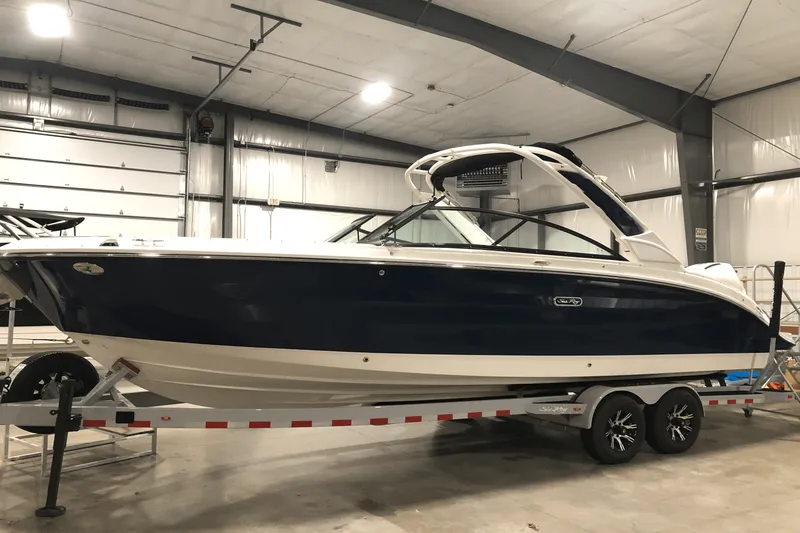
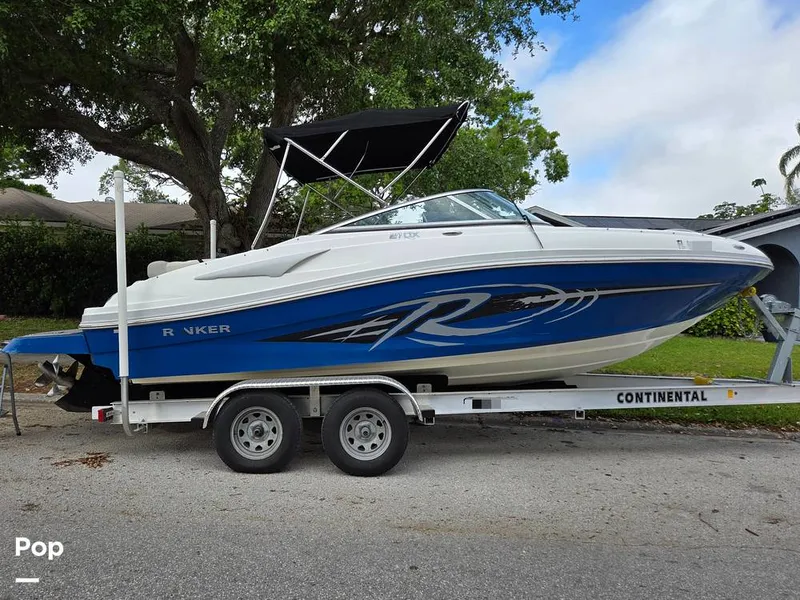
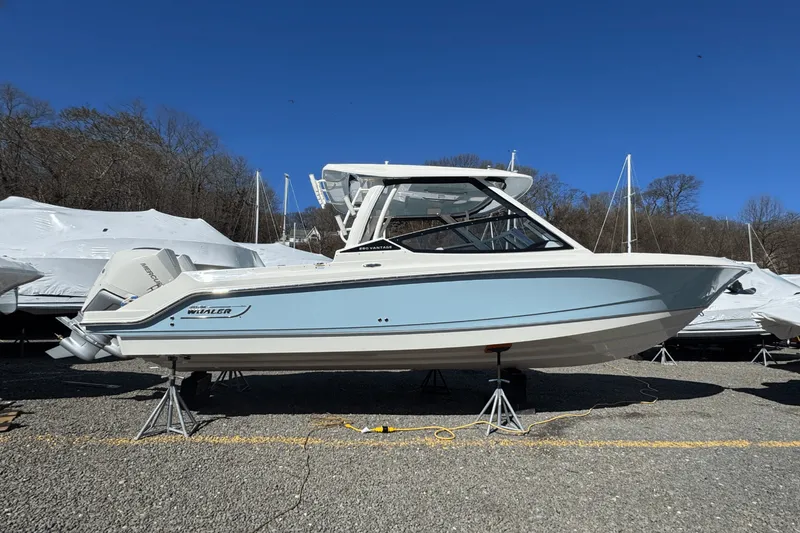
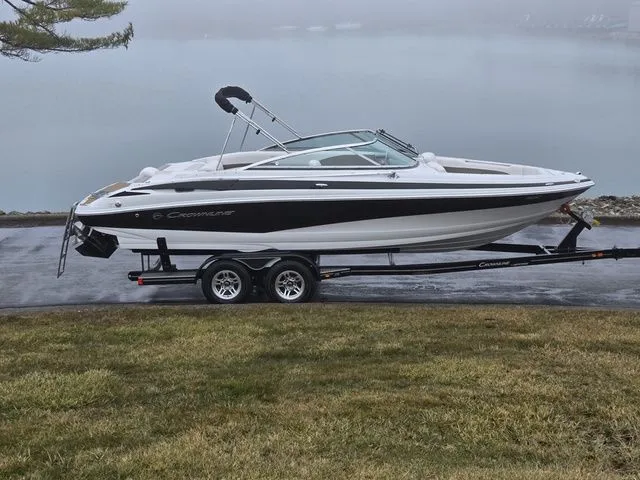
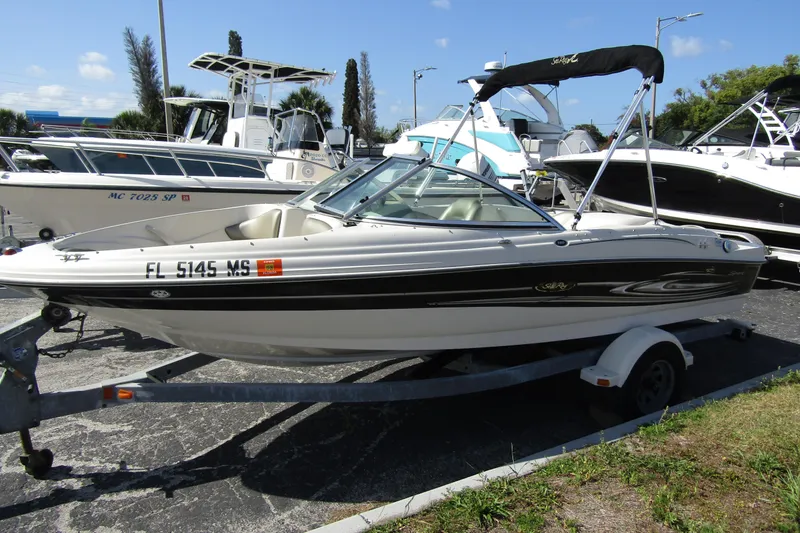
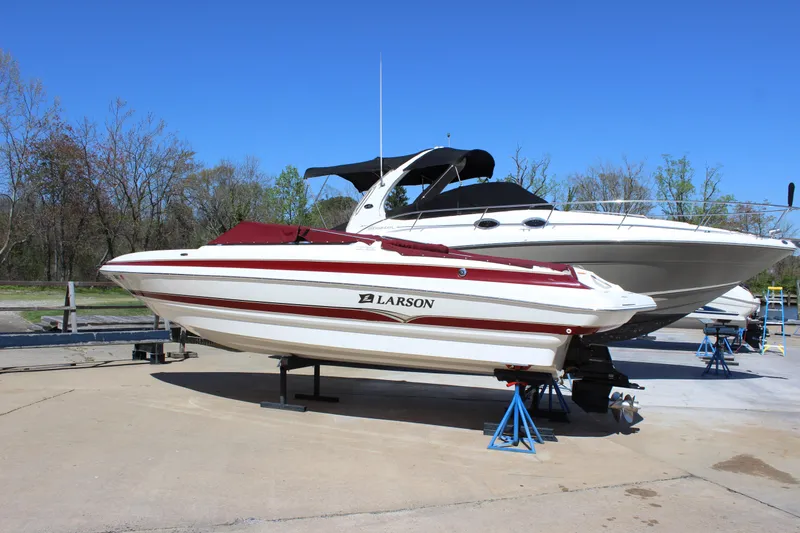
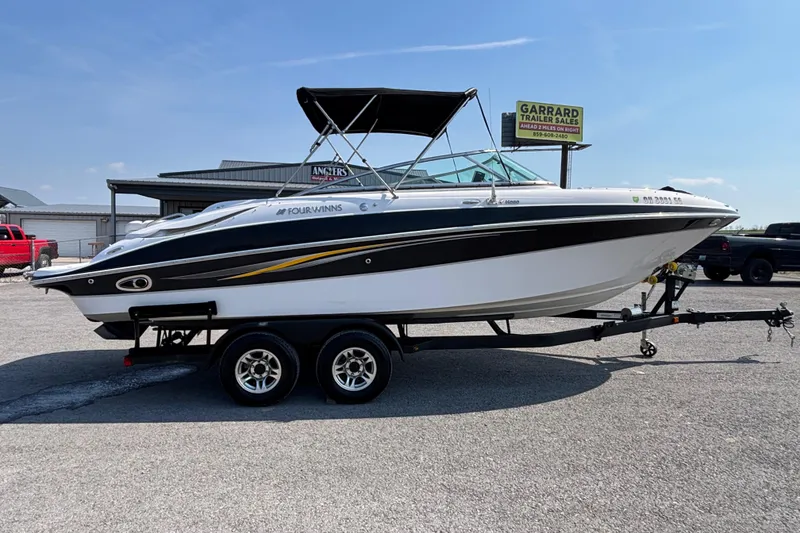
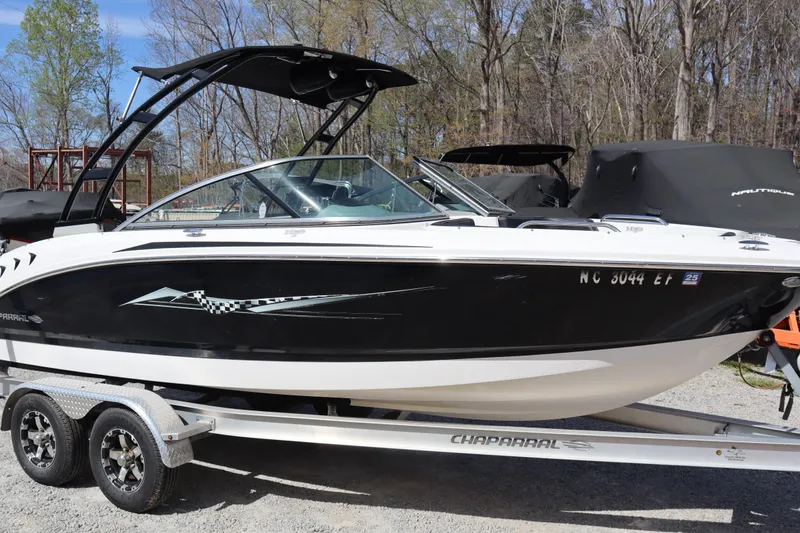
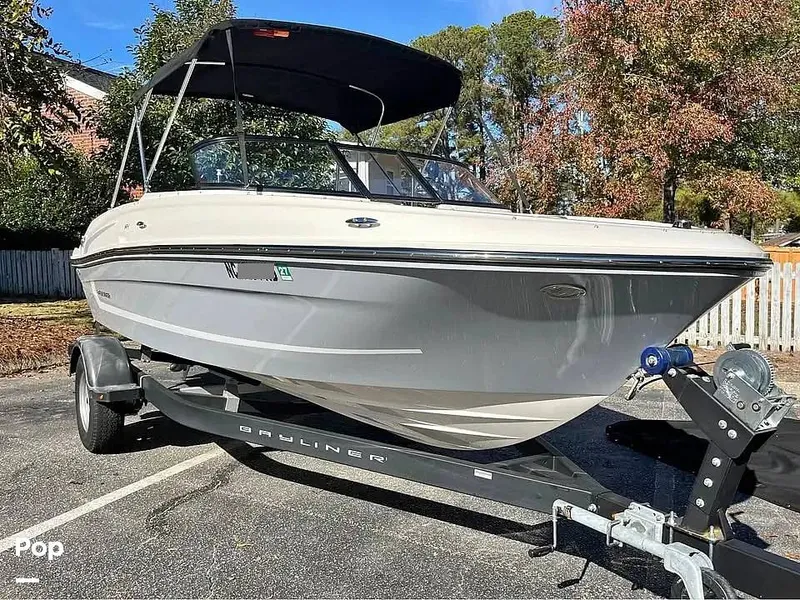
A runabout boat is a small to mid-sized powerboat typically designed with a V-shaped hull that allows for smooth and efficient movement through the water. Historically, runabouts were created for quick transportation and light recreational use, often seen as the go-to boat for day trips and short excursions.
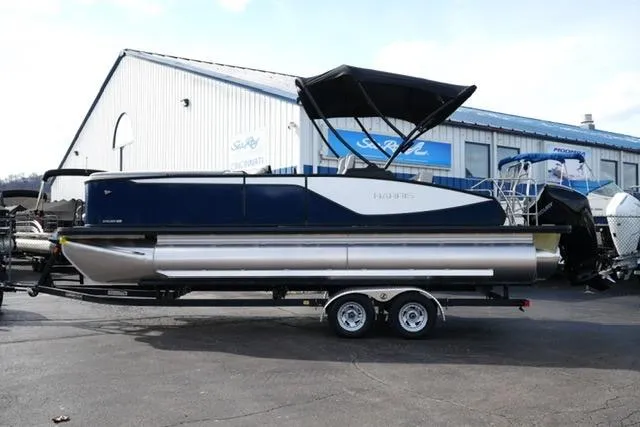
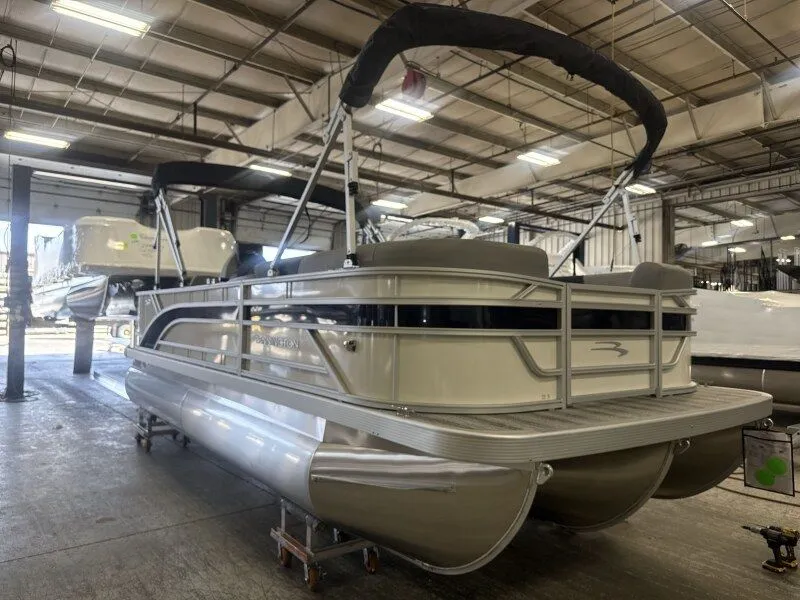
The classic runabout hull is designed to cut through waves, providing a balance of speed and comfort. Unlike pontoon boats that rely on flat logs for buoyancy, runabouts use a deep-V hull to enhance performance in choppy conditions, making them suitable for a variety of water environments.
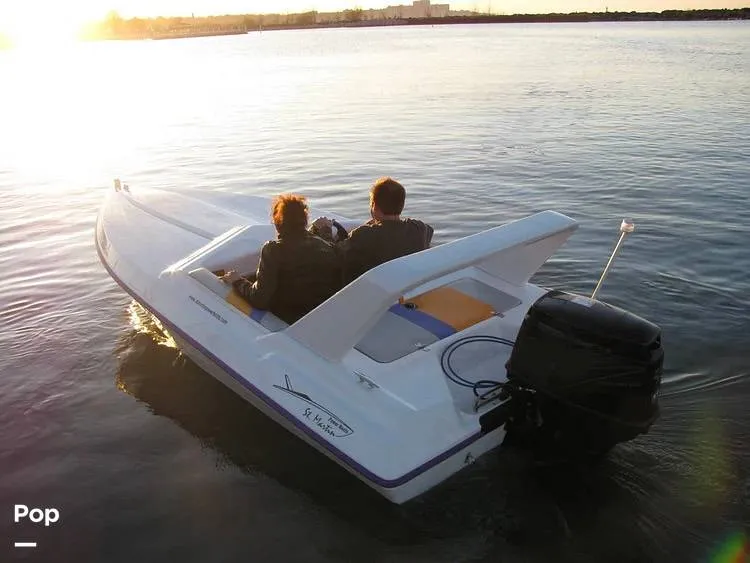
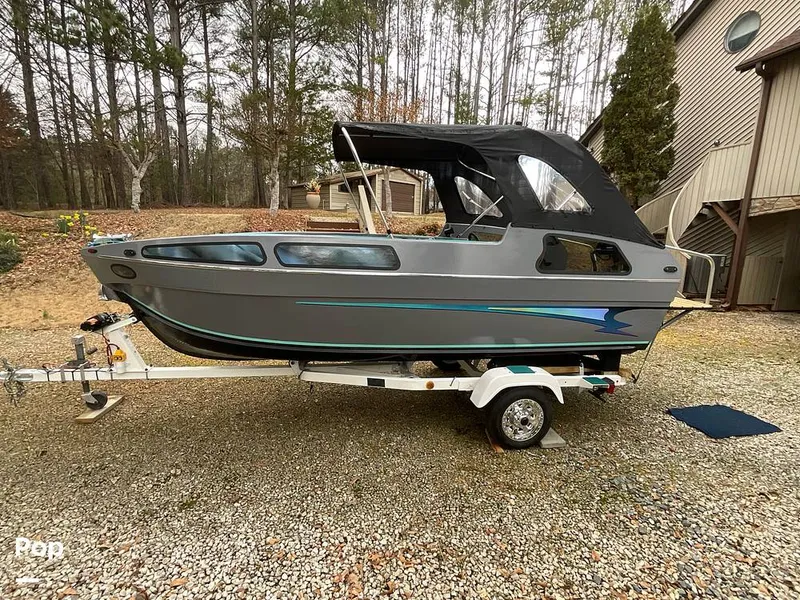
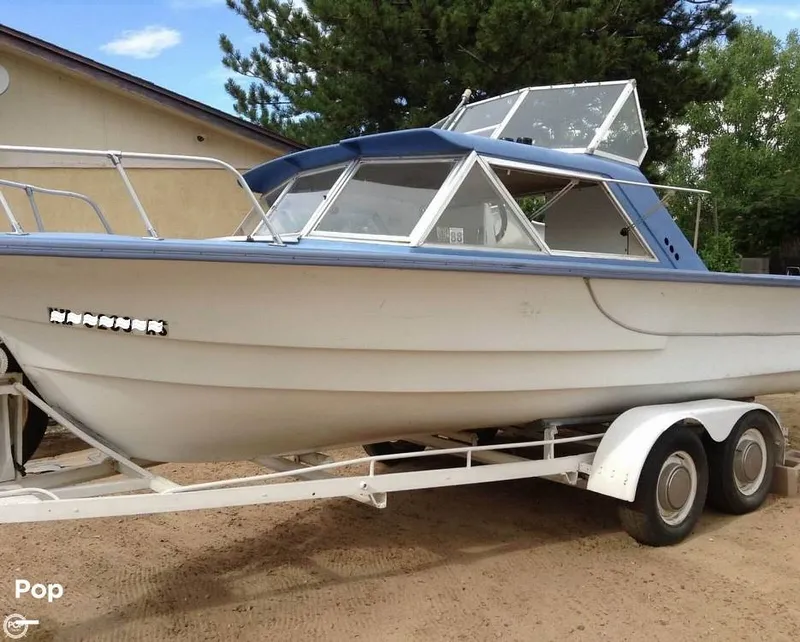
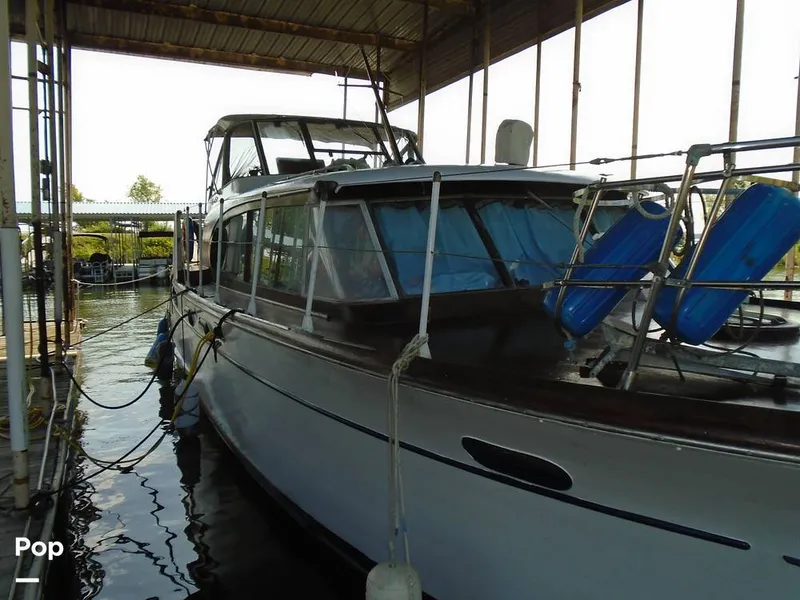
Over time, runabout boats have evolved from simple open-deck designs to more versatile models featuring seating for several passengers, small cabins or cuddy cabins for storage and shelter, and powerful outboard or inboard engines. This evolution has made runabouts a popular choice for families, sports enthusiasts, and casual boaters alike.
Pros of owning a Runabout boat
1. Social layout
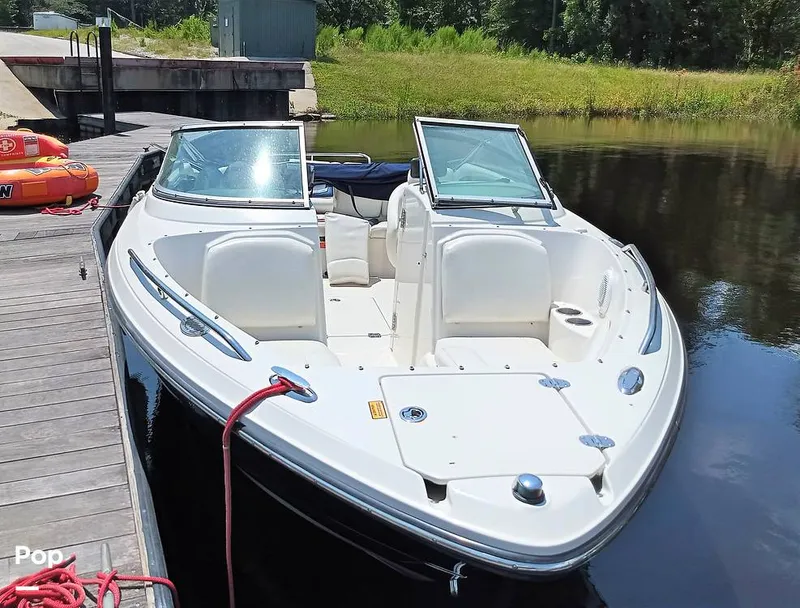
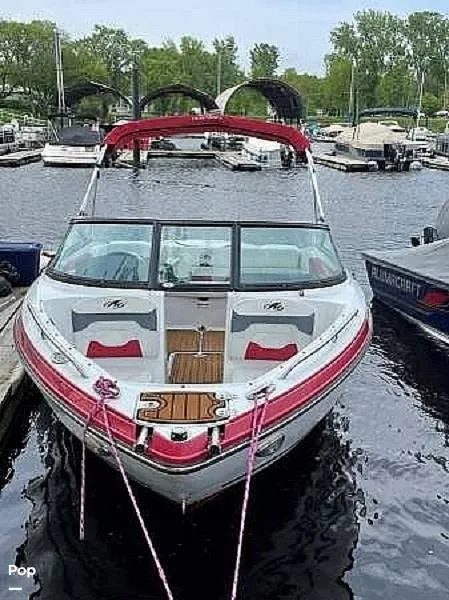
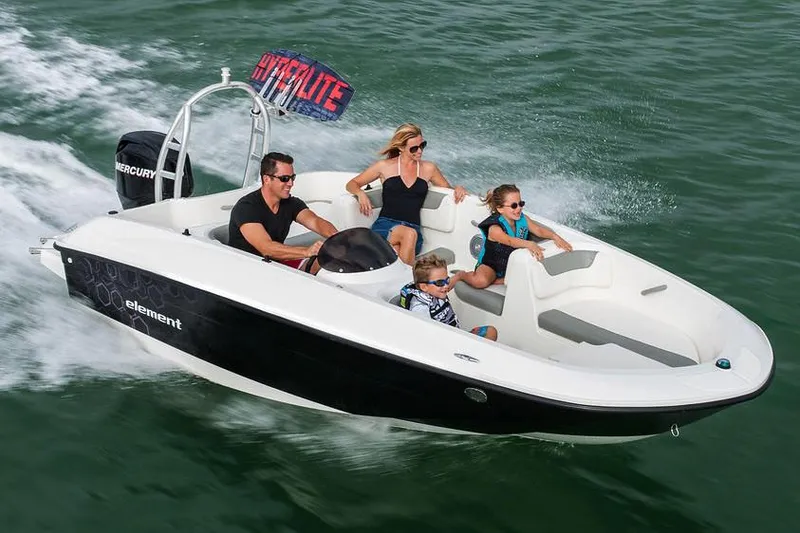
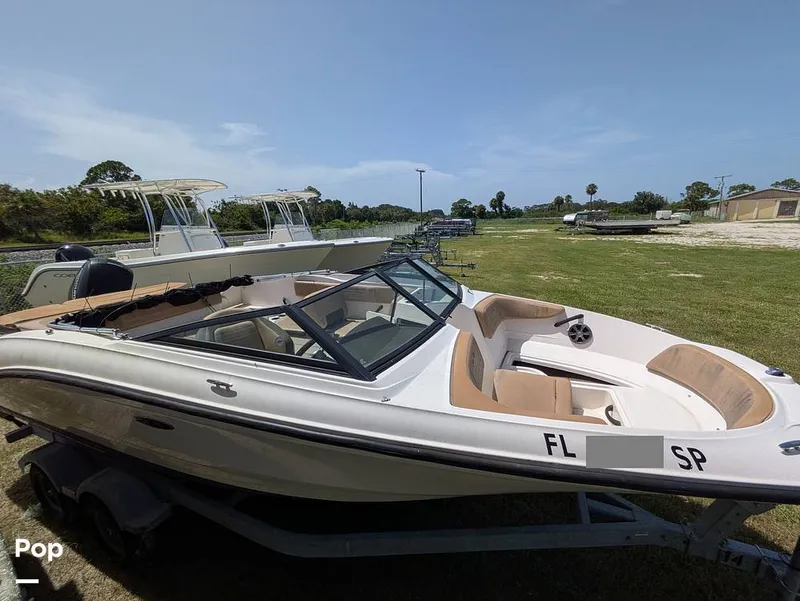
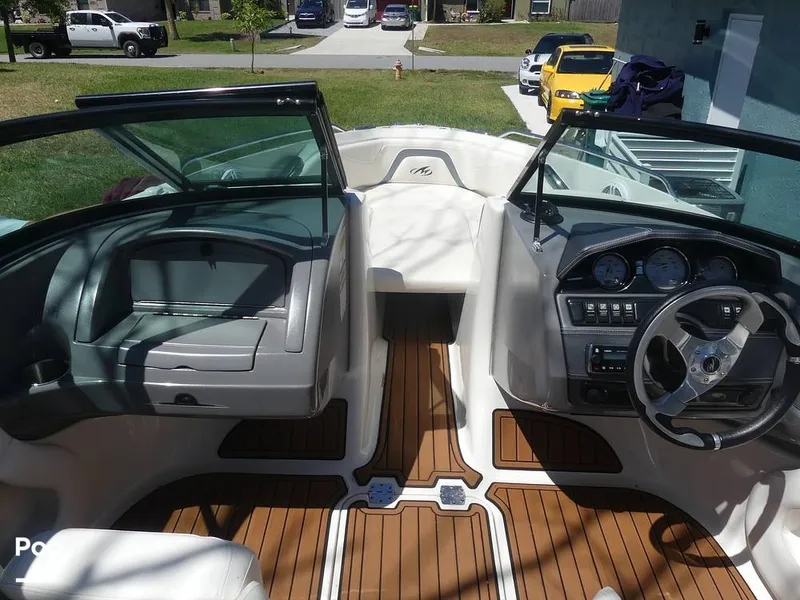
Runabout boats often feature seating arrangements that encourage social interaction among passengers. With benches, swivel seats, and sometimes a small table, they create a cozy environment for friends and family to gather and enjoy the ride together.
2. Ease of use
Their size and responsive controls make runabouts easy to handle for beginners and experienced boaters alike. They are quick to start, easy to dock, and maneuver well in tight spaces, perfect for lakes, rivers, and coastal waters.
3. Stability
Thanks to their V-shaped hull design, runabouts provide a stable ride even in moderately choppy waters. This stability enhances safety and comfort, making them a reliable choice for various water conditions.
4. Versatility
Runabout boats can serve multiple purposes—from water skiing and wakeboarding to fishing and casual cruising. Their adaptable design means you can enjoy different activities without needing multiple boats.
5. Maintenance
Compared to larger boats, runabouts generally require less maintenance. Their smaller size means fewer systems to manage and lower upkeep costs, which is appealing for those seeking a hassle-free boating experience.
Cons of owning a Runabout boat
1. Limited cabin space
Most runabout boats have minimal or no cabin space, which can limit comfort on longer trips or in bad weather. This makes them less suitable for overnight stays or extended cruising.
Lack of enclosed living areas also means fewer amenities like beds, galley kitchens, or enclosed heads, features that are common on larger cruisers.
- The Silver Lining: Some models offer cuddy cabins or compact berth spaces, and you can supplement shelter with canvas enclosures to extend your comfort window without moving up to a full cruiser.
2. Storage constraints
Due to their compact size, storage space on runabouts is often limited, which can make it difficult to carry lots of gear, coolers, water toys, and safety equipment all at once.
This limitation is most noticeable on longer day trips, when you may want extra food, clothing layers, and specialized equipment on board.
- The Silver Lining: Thoughtful packing, under-seat storage bins, and aftermarket organizers (like seat-back pouches and deck boxes) can dramatically increase usable storage without sacrificing deck space.
3. Limited passenger capacity
Runabout boats typically carry fewer passengers than larger deck boats or pontoons, which can be frustrating if you frequently host big groups or extended family.
Overloading beyond the rated capacity compromises safety, performance, and comfort, so you must stay within the manufacturer’s limit.
- The Silver Lining: Choosing a runabout on the larger end of the size range with a wider beam and wraparound seating can comfortably fit a small crowd while preserving the nimble runabout feel.
4. Exposure to the elements
Most runabouts are open or semi-open, so you and your passengers are more exposed to sun, wind, and spray than on enclosed cruisers.
This can make early-spring, late-fall, or unexpectedly stormy days less enjoyable if you are not prepared with appropriate clothing and shade.
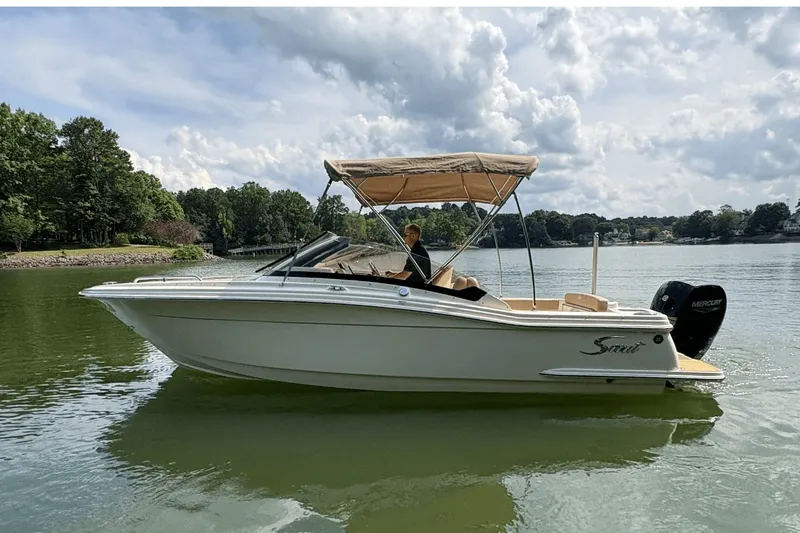
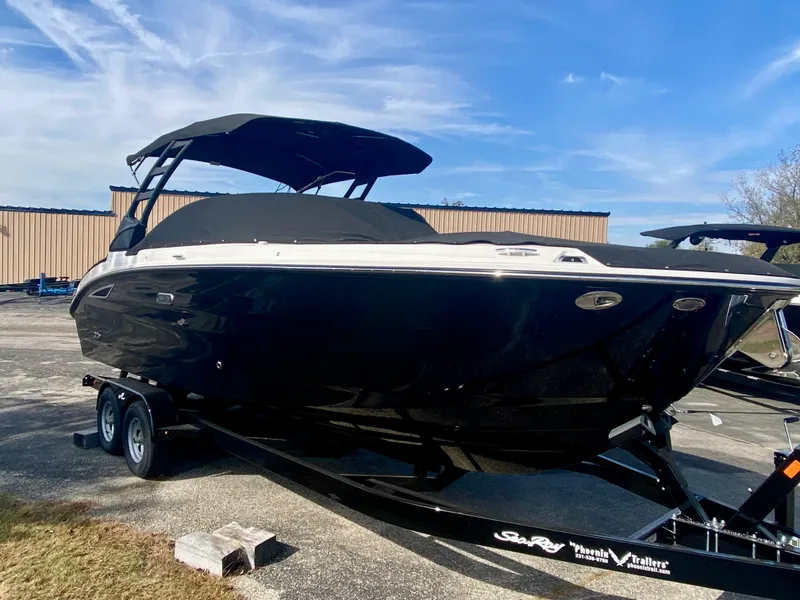
- The Silver Lining: Bimini tops, cockpit covers, and snap-on enclosures are widely available and relatively inexpensive upgrades that add shade, wind protection, and even light rain shelter.
5. Fuel consumption at higher speeds
While many runabouts are reasonably efficient at cruising speeds, high-horsepower engines running wide open can burn fuel quickly, especially during extended high-speed runs or tow-sports sessions.
Higher fuel usage can add up over a busy boating season, particularly on large lakes or coastal runs where you routinely cover long distances.
- The Silver Lining: Opting for modern fuel-efficient engines, trimming the boat correctly, and cruising at moderate RPMs can keep operating costs in check without sacrificing the fun factor.
Handling and Performance
Runabout boats are designed with social layouts that optimize seating and space usage for small groups. When loaded within their rated capacity, they generally maintain good balance and predictable handling, provided passengers are seated evenly throughout the cockpit.
With a full crew, hole-shot performance and top speed may decrease slightly, but most modern runabouts still plane quickly and turn confidently. Skippers should be mindful of weight distribution—avoiding too many people at the bow or on one side—to maintain optimal trim and visibility.
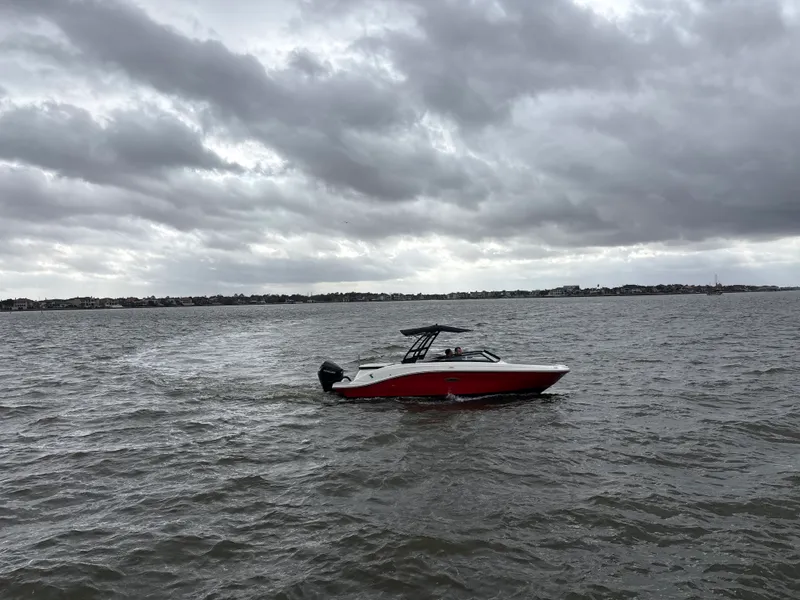
The V-shaped or deep-V hull on most runabouts is designed to slice through moderate chop, offering a smoother ride than flat-bottomed boats. In typical lake chop or mild coastal conditions, they track well, turn sharply, and feel secure.
However, their relatively low freeboard and shorter length mean they can be more affected by steep waves and strong winds than larger offshore hulls. In heavy chop, you will need to slow down, adjust trim, and quarter the seas to avoid pounding. For safety and comfort, they are best suited to fair-to-moderate conditions rather than open-water storms.
Ownership and Logistics
Beyond the purchase price, long-term costs of owning a runabout include insurance, fuel, routine maintenance, winterization, registration, and off-season storage. Compared with larger cruisers, these costs are usually lower, but they can still be significant over time.
Engine services (oil changes, impellers, tune-ups), hull cleaning, trailer maintenance, and safety gear replacement should be budgeted annually. If you store the boat at a marina or in indoor dry storage, monthly or seasonal fees will also factor into your overall cost of ownership.
Runabout boats typically maintain solid resale value because they appeal to a broad market of first-time buyers, families, and recreational boaters. Well-known brands with reliable engines and clean maintenance records are especially sought after on the used market.
Resale value is strongly influenced by cosmetic condition, engine hours, and evidence of proper care. Keeping up with maintenance, repairing minor damage promptly, and storing the boat properly in the off-season will help preserve its value when it is time to sell or trade up.
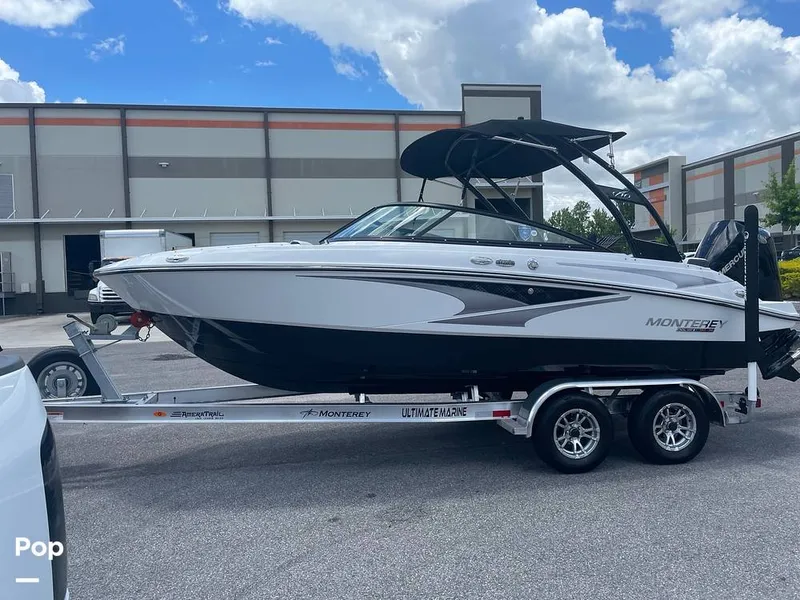
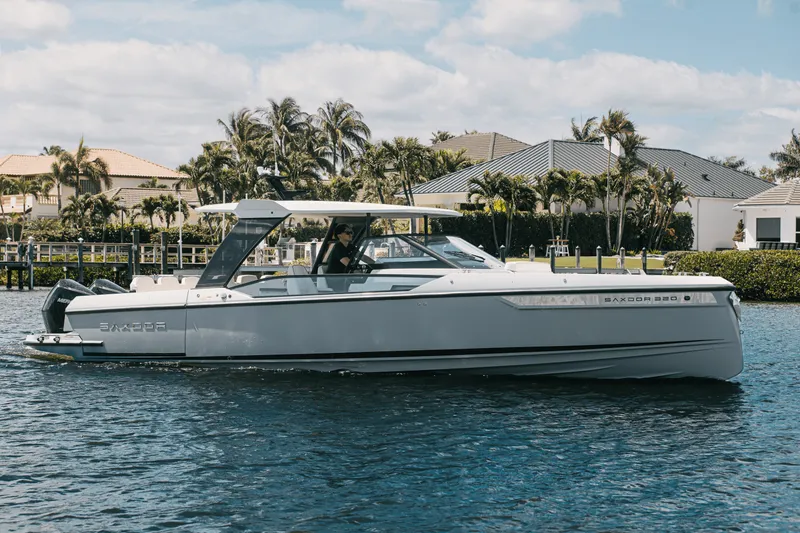
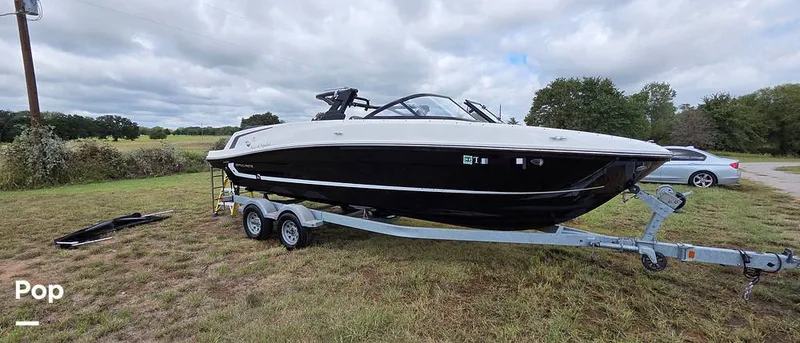
Most runabout boats fall into a weight range that can be safely towed by a mid-size SUV or half-ton pickup, including the trailer and gear. This makes them more accessible to owners who do not have a dedicated heavy-duty tow vehicle.
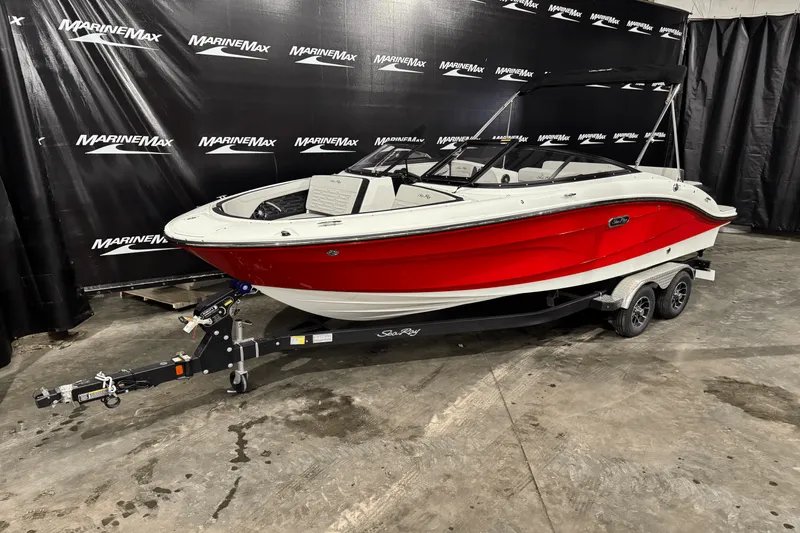
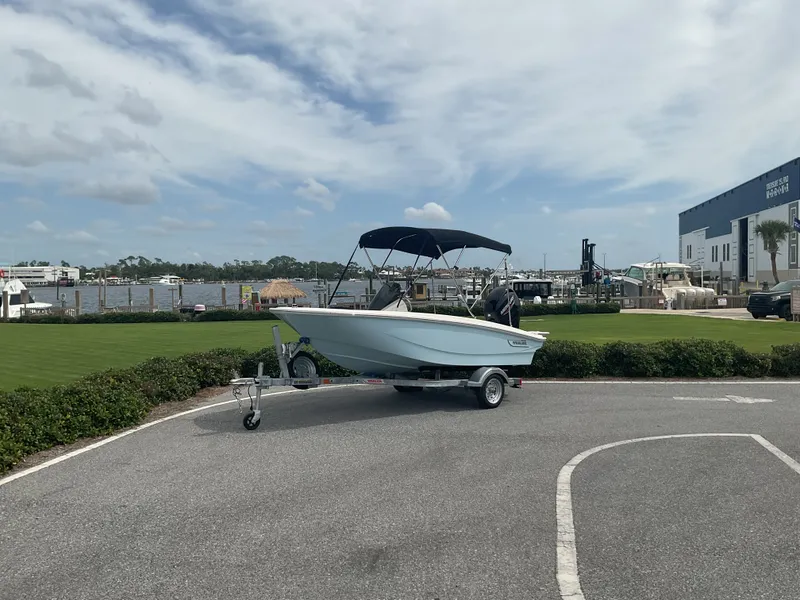
Always check the combined weight of boat, engine, trailer, and typical gear against your vehicle’s rated towing capacity and tongue weight limits. Proper trailer brakes, correctly adjusted weight distribution, and safe loading practices are essential for confident highway towing and ramp launching.
Is a Runabout Boat the right choice for you?
Runabout boats offer an appealing blend of speed, agility, and social fun in a compact, easy-to-manage package. They are excellent for day trips, tow sports, casual fishing, and relaxed cruises, especially on inland lakes and protected coastal waters.
Their main compromises are limited cabin and storage space, modest passenger capacity, and some exposure to the elements. If your ideal boating day is about quick getaways, watersports, and sunset cruises rather than overnight voyages, a runabout can be a near-perfect match.
You'll love it if:
- You mainly take day trips rather than overnight cruises.
- You enjoy watersports like tubing, wakeboarding, or skiing with a small group.
- You want a boat that is simple to trailer, launch, and store at home.
- You prefer responsive handling and sporty performance over sheer size and amenities.
- You appreciate relatively manageable ownership costs compared with larger cruisers or yachts.
It might be challenging if:
- You frequently host large groups and need maximum seating capacity.
- You want full overnight accommodations, including sleeping berths, galley, and enclosed head.
- You often run in very rough, offshore waters where a larger, heavier hull is more appropriate.
- You dislike being exposed to sun, spray, or wind and strongly prefer a fully enclosed cabin experience.
For many boaters, a runabout strikes the ideal balance between fun, practicality, and affordability. By weighing its strengths in agility and versatility against its trade-offs in space and protection, you can decide whether this energetic style of boat is the right platform for your time on the water.