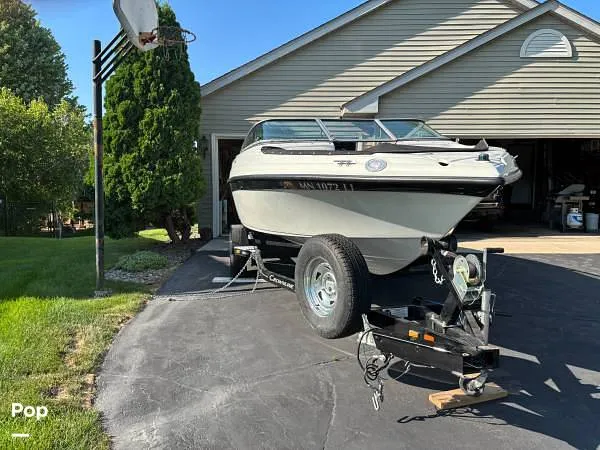
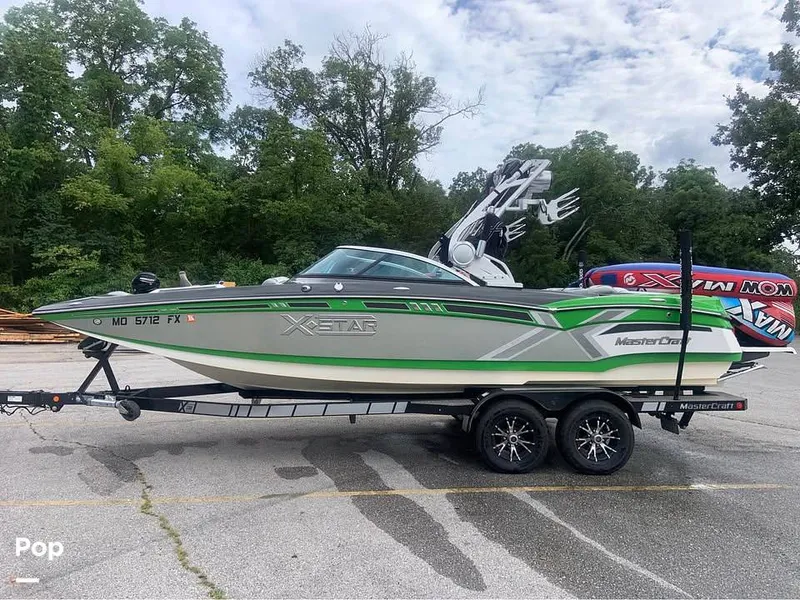
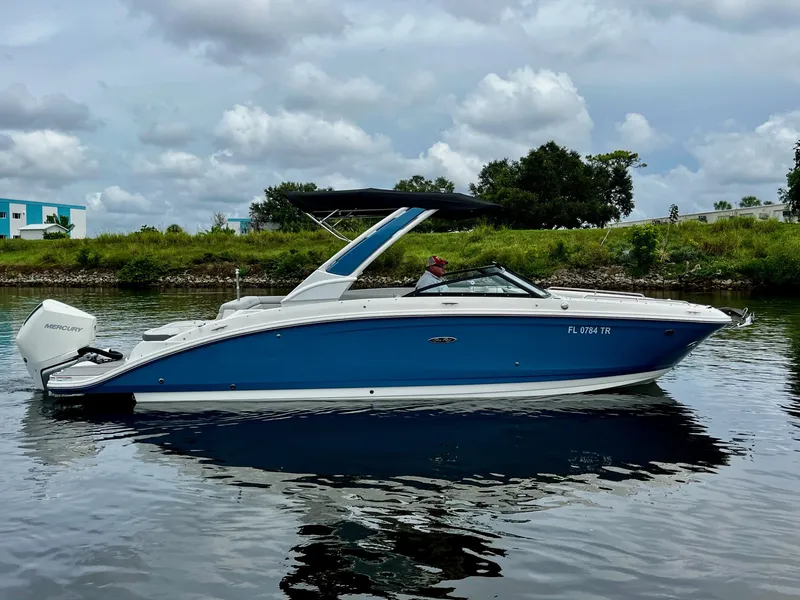
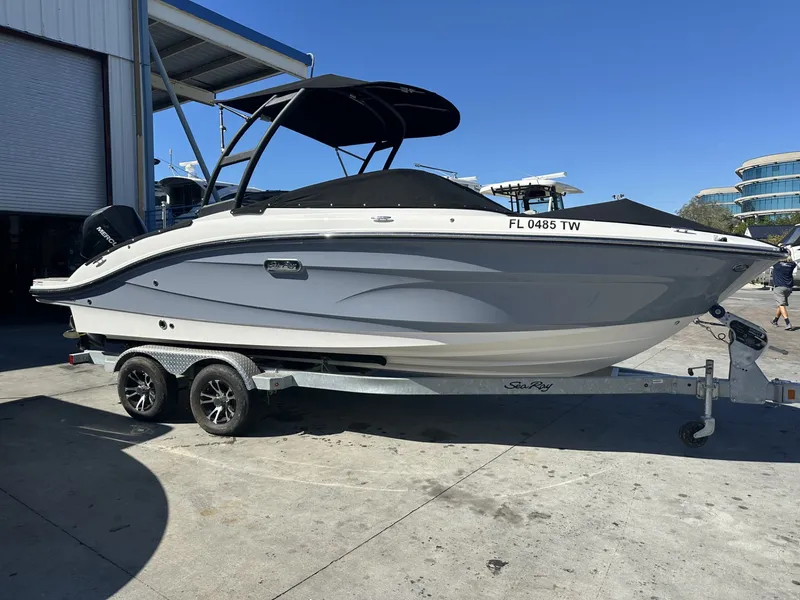
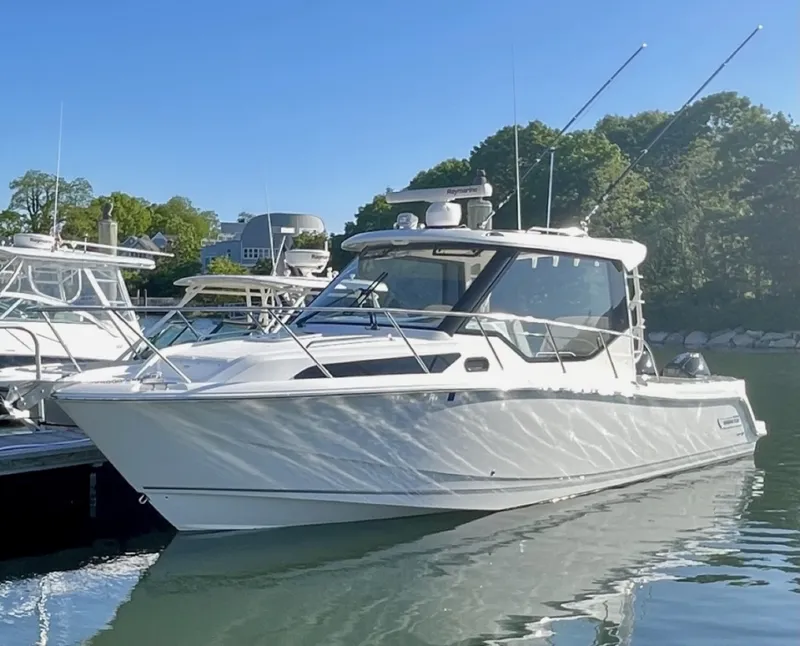
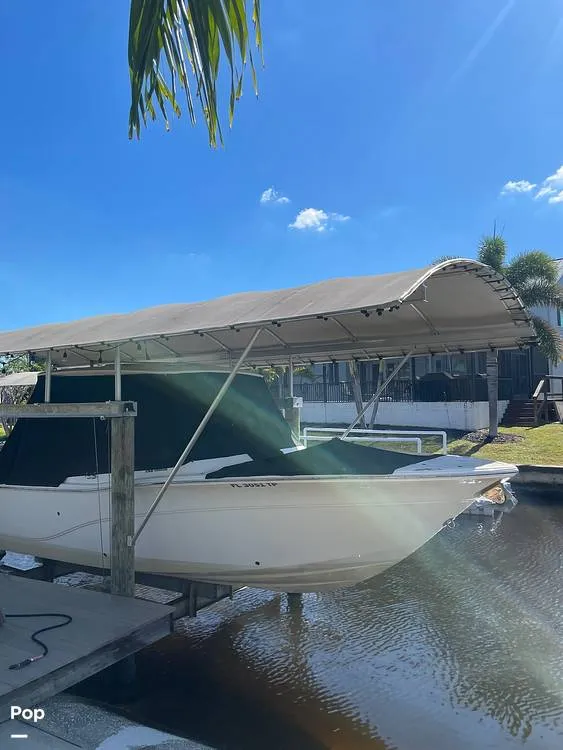
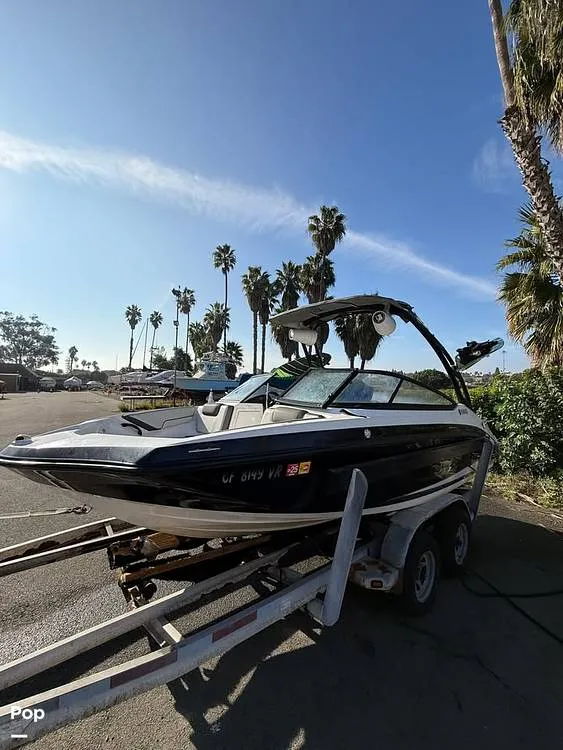
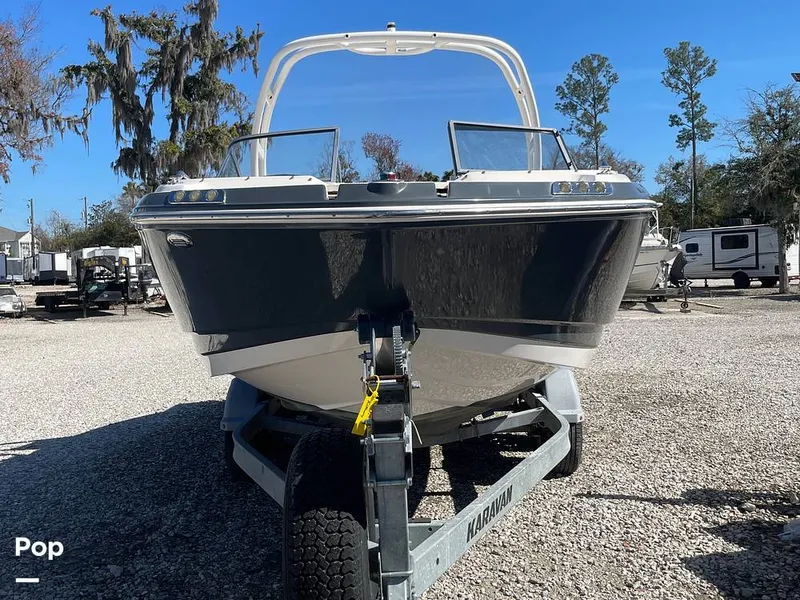
Bowrider

Filters

Filters

Condition

Sort by
Searching boats for you...

Boating · Buyer’s Guide

Is a Bowrider the Right Choice for You?

Written by: MarineSource Team | Estimated read time: 12 min read

There’s something uniquely inviting about a bowrider boat that instantly evokes memories of sunny days spent on the water with friends and family. The open bow seating area offers a breezy, social atmosphere where laughter and conversation flow as freely as the waves beneath you.

Bowrider boats have earned their popularity by blending style, comfort, and versatility into a single package. They are a common choice for those who want a boat that can handle everything from watersports to casual cruising. However, this popularity comes with trade-offs, including considerations about space, handling, and maintenance that every potential owner should weigh carefully.
Choosing a bowrider means embracing a lifestyle that values social interaction and outdoor fun. Whether you’re planning a day of tubing, fishing, or simply soaking up the sun, the bowrider’s design supports a variety of activities. Understanding how this boat’s characteristics align with your boating goals and environment is essential before making a decision.

What is a Bowrider Boat?

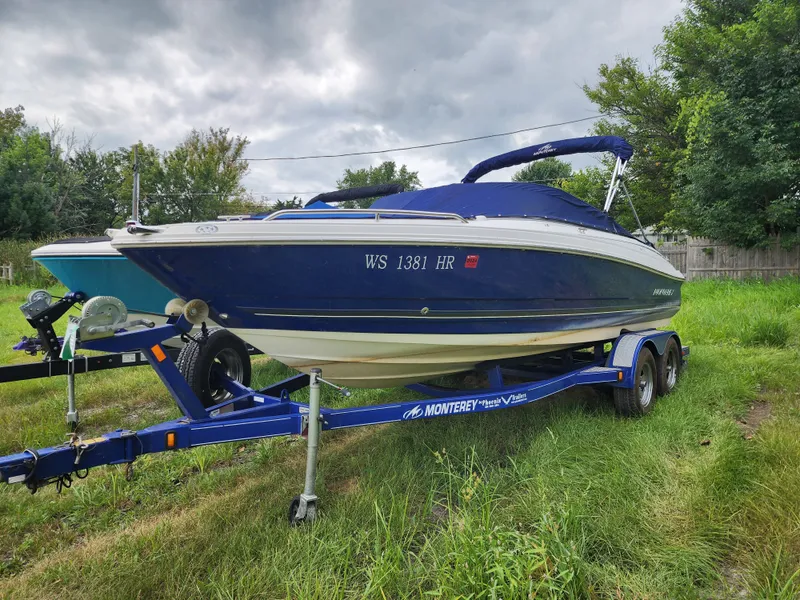
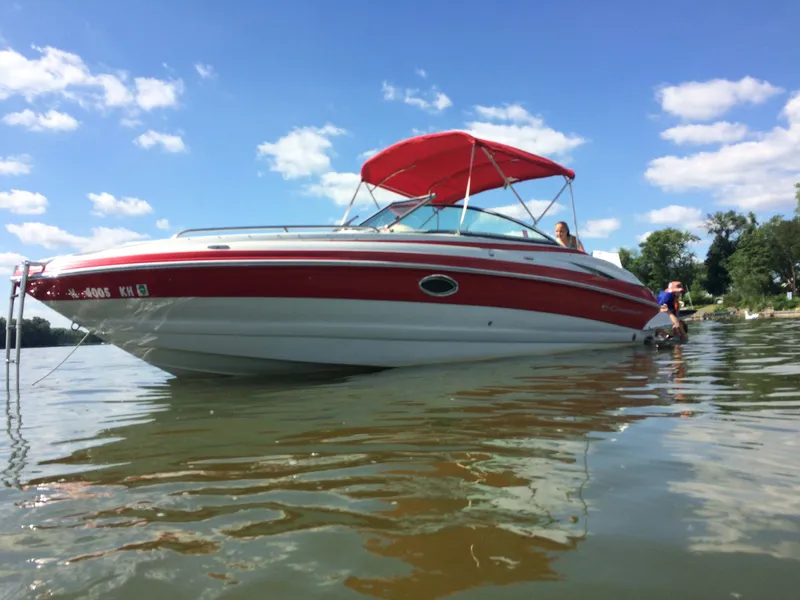
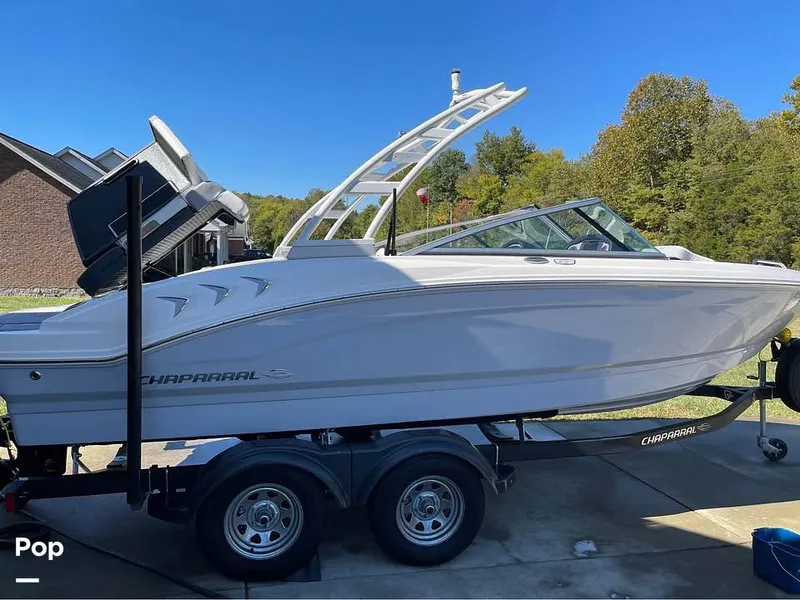
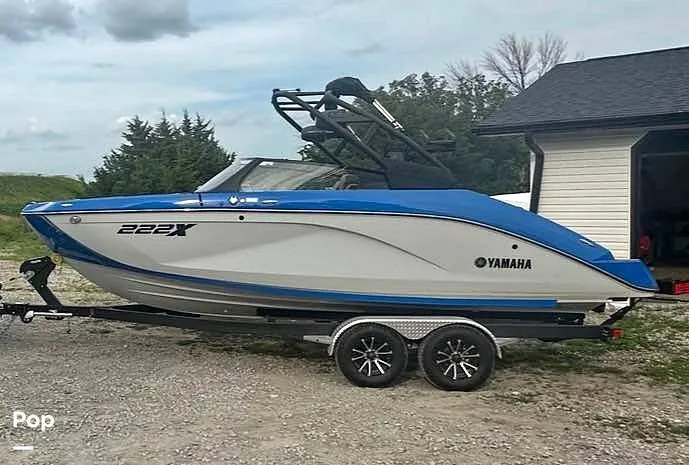
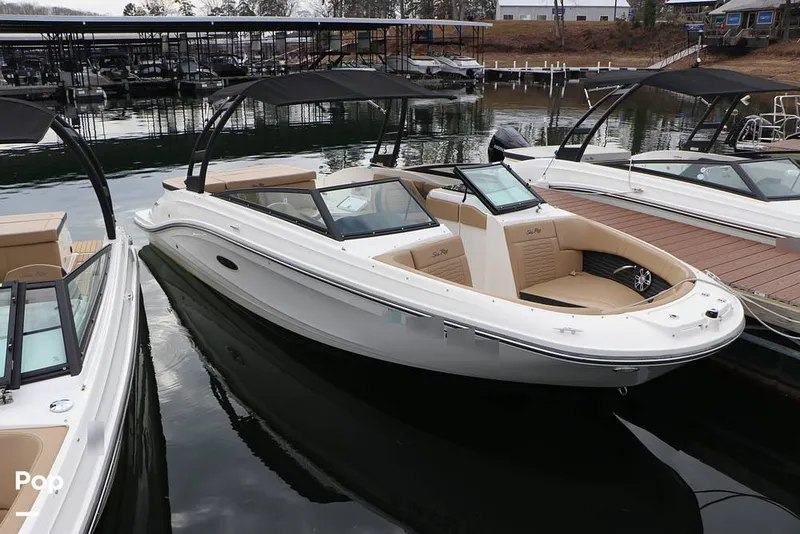
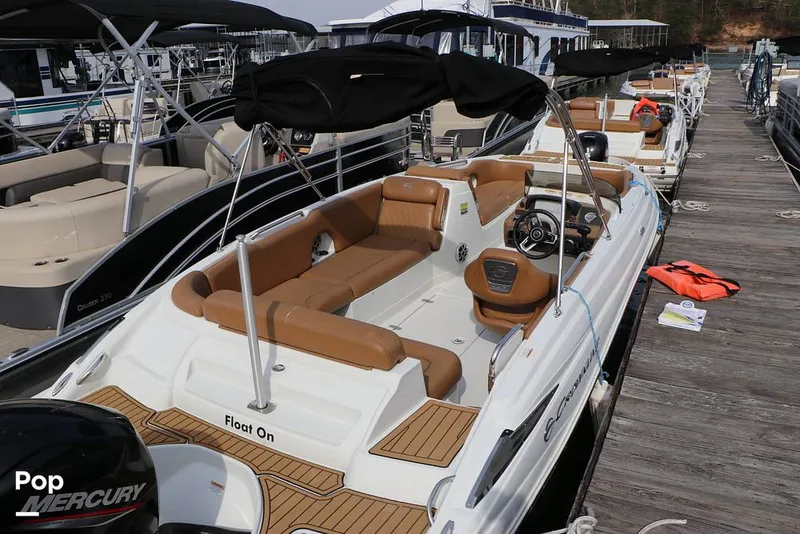
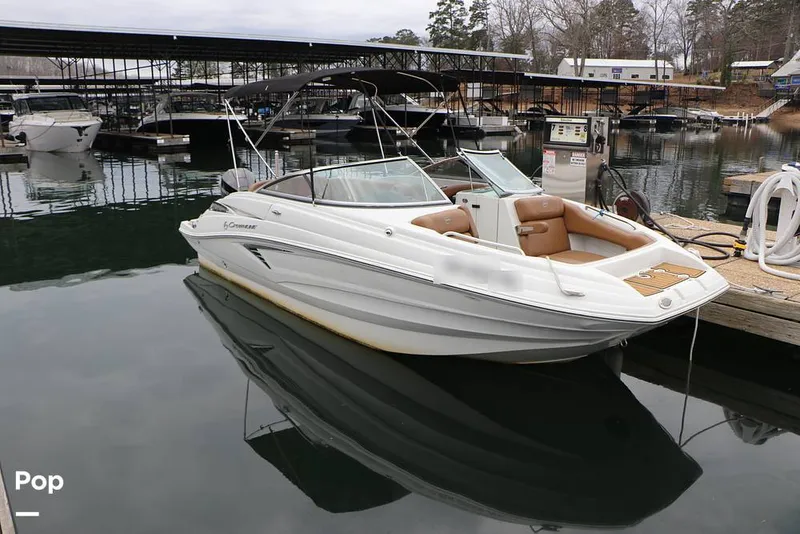
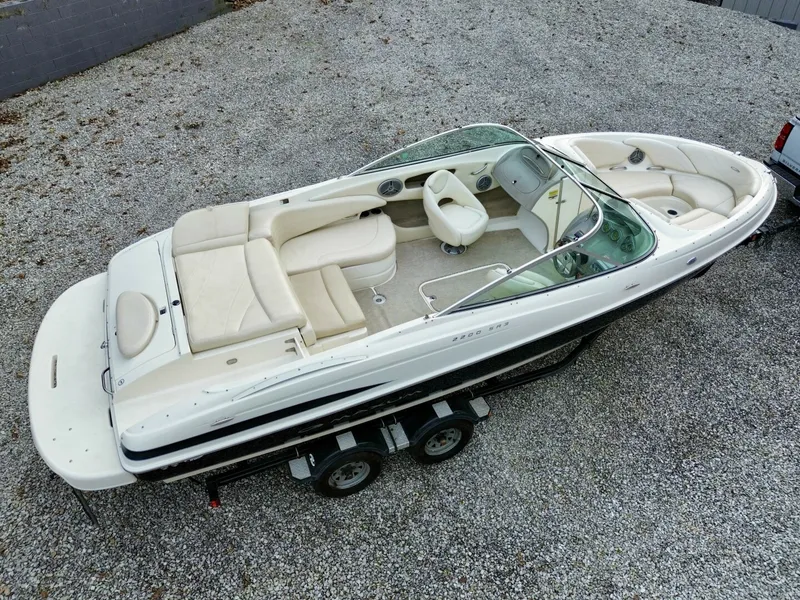
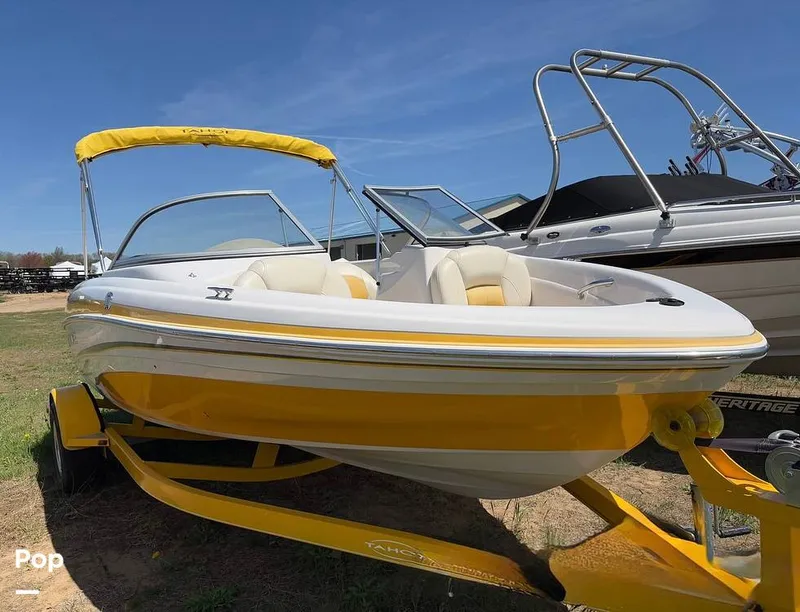
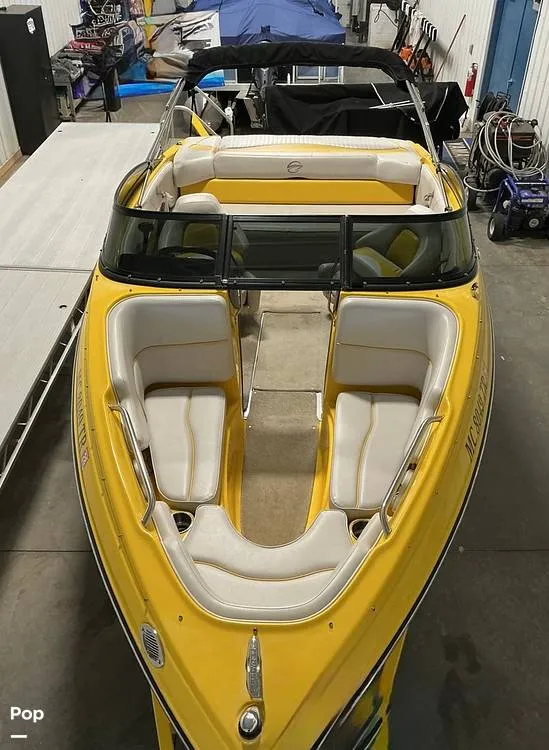
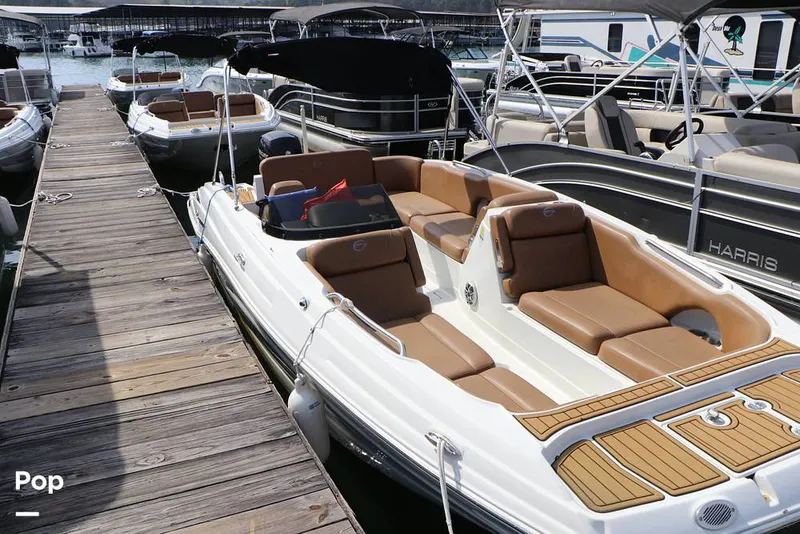
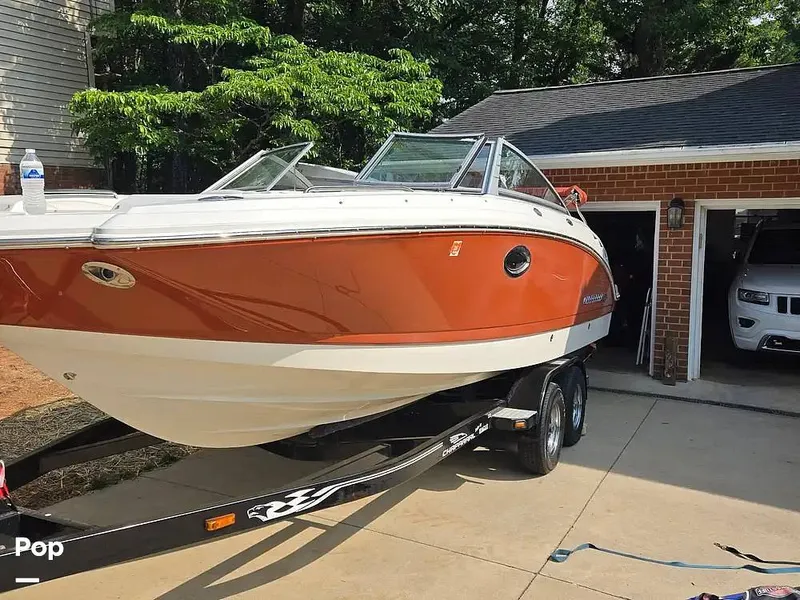
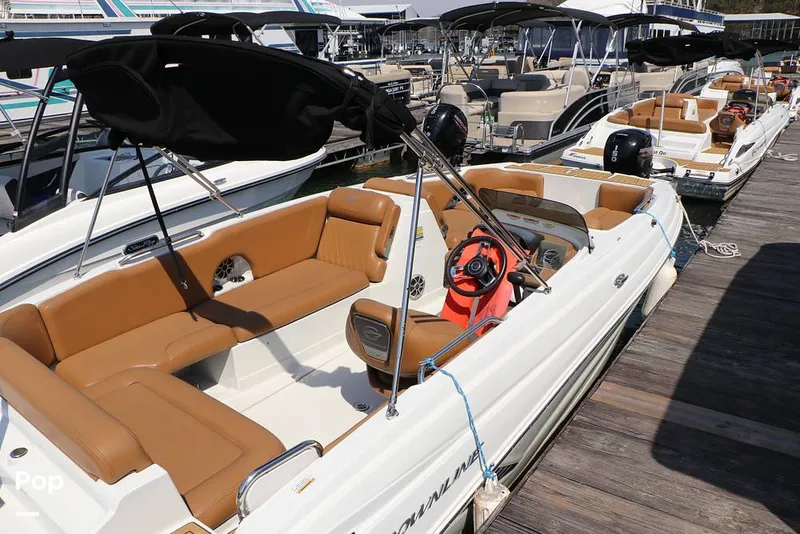
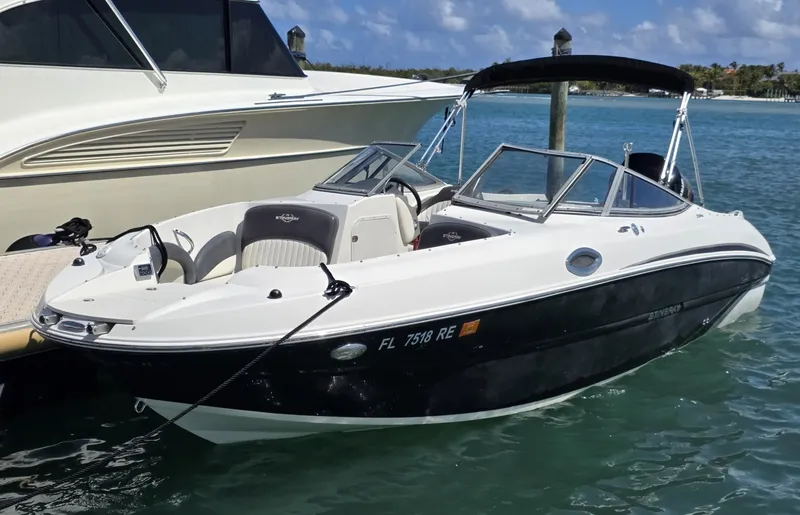
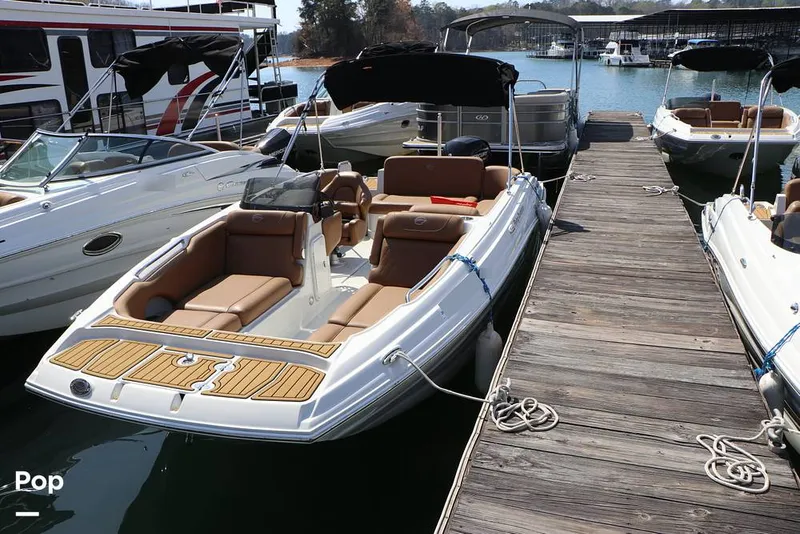
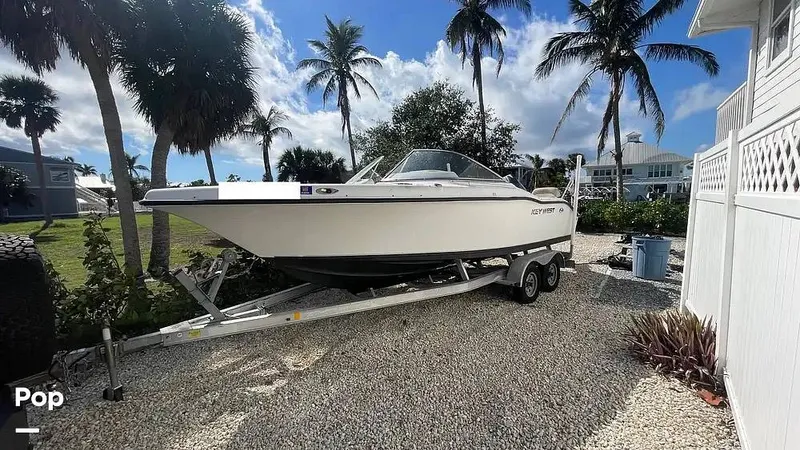
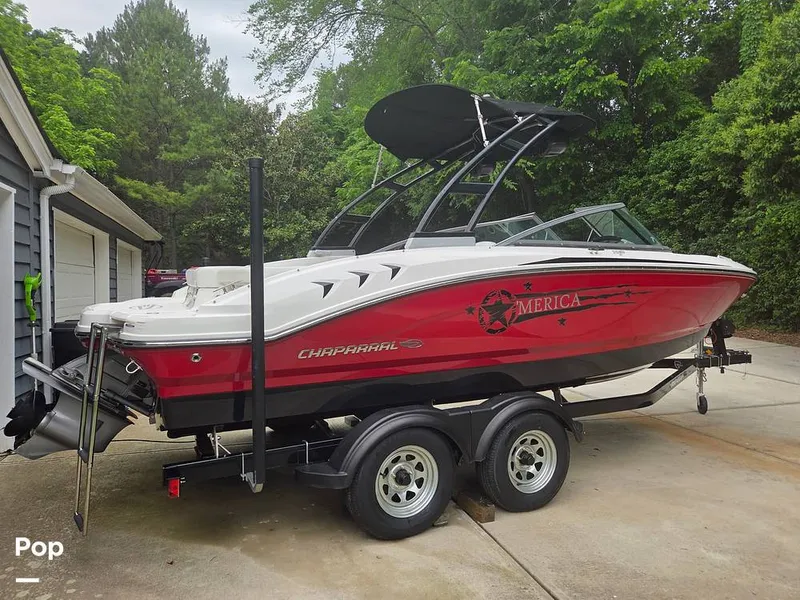
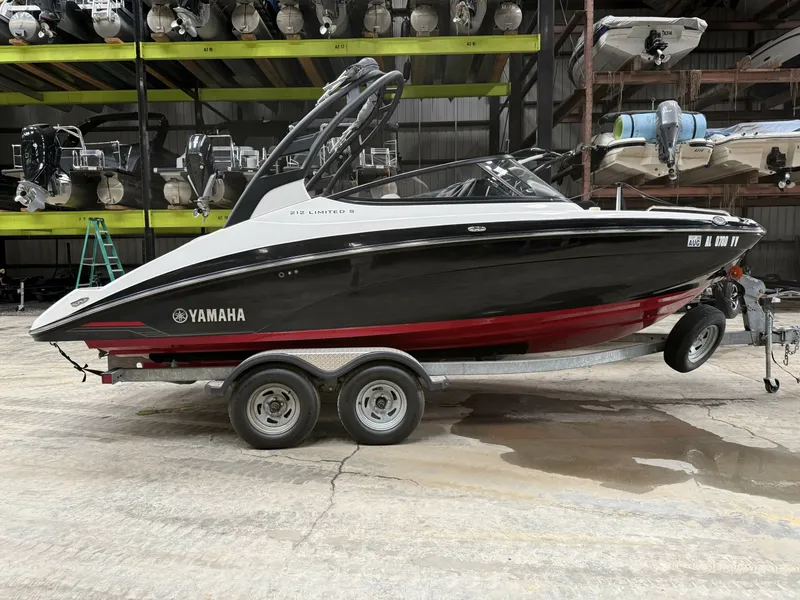
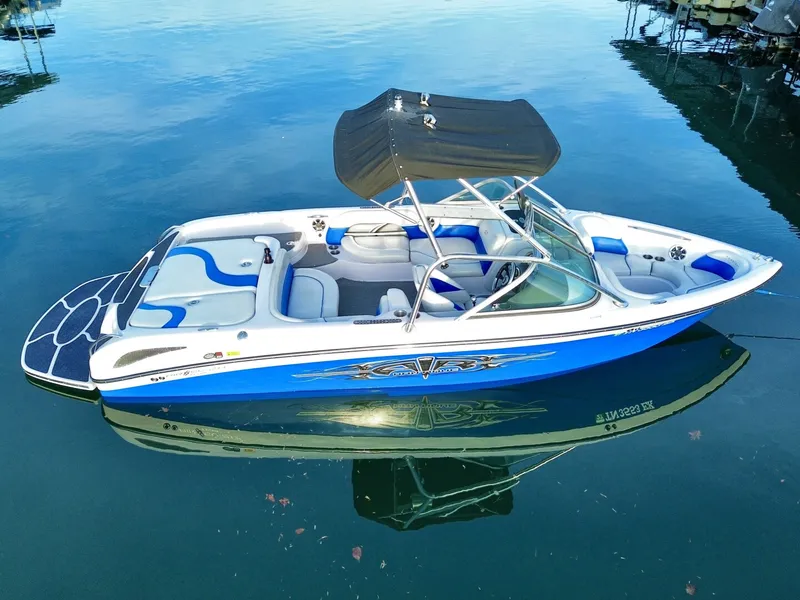
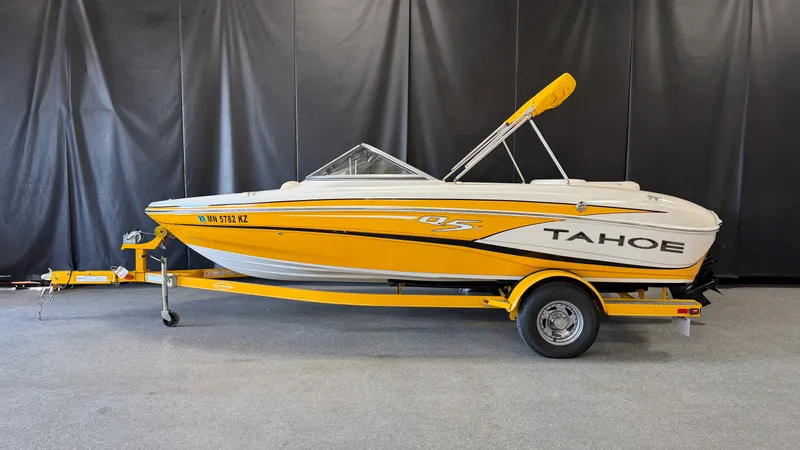
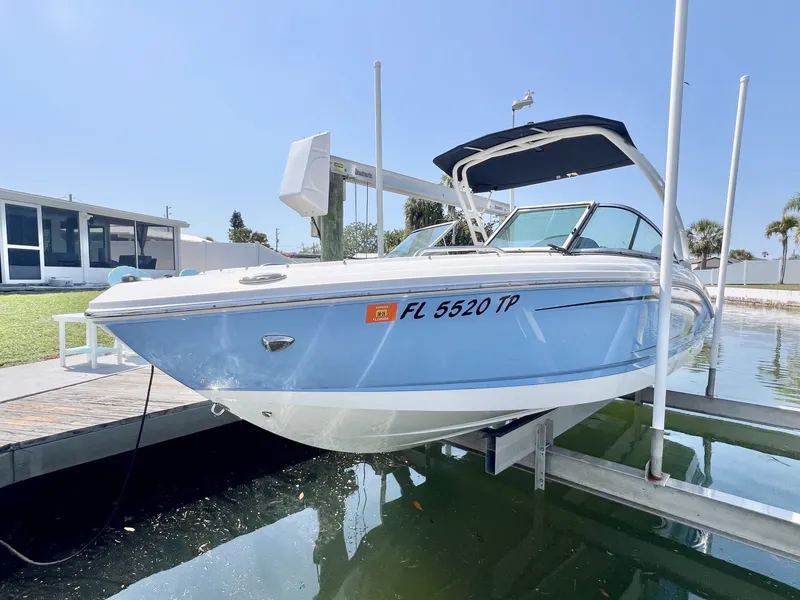
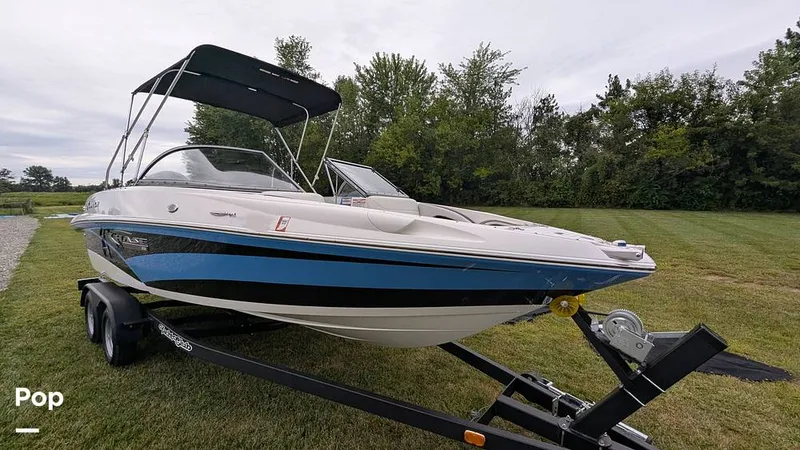
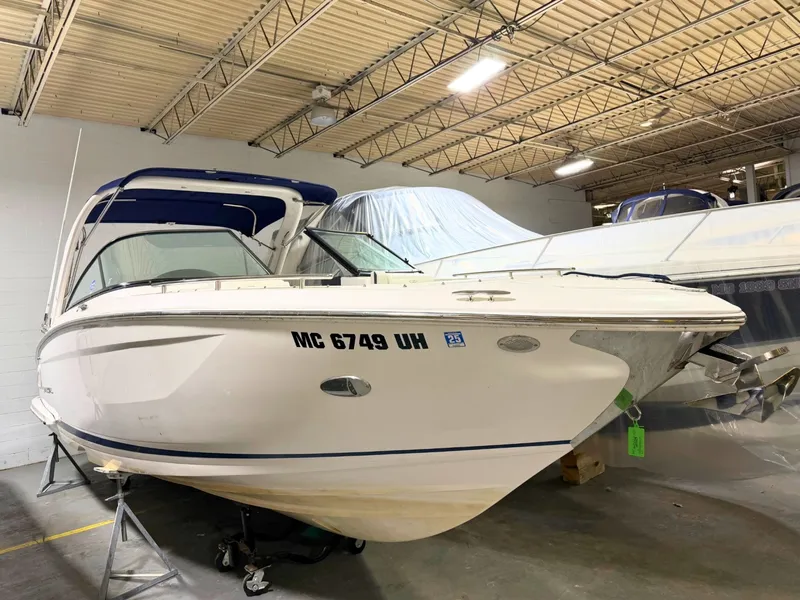
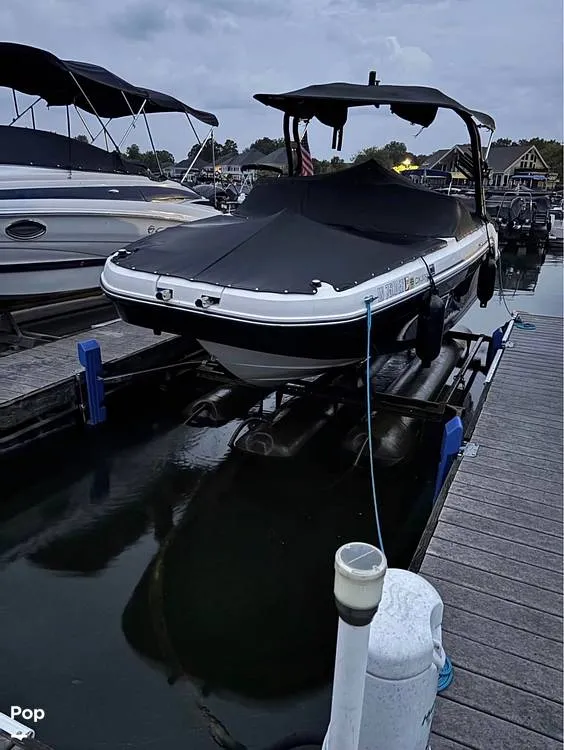
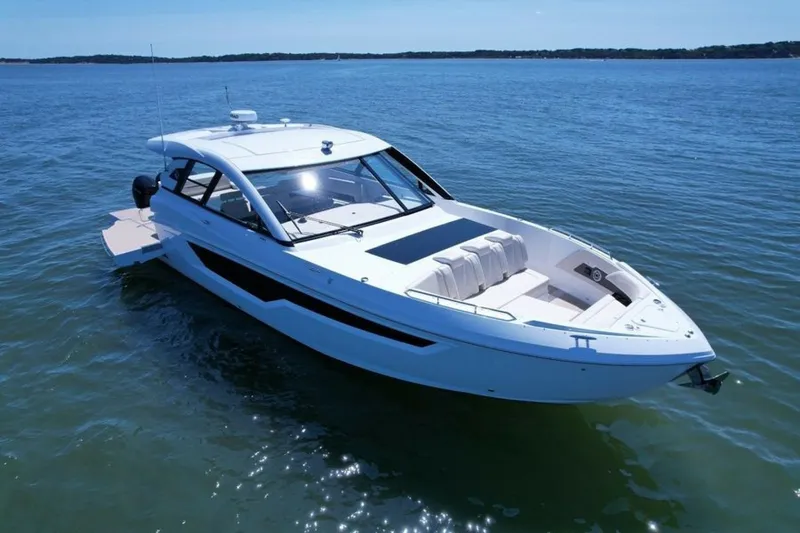
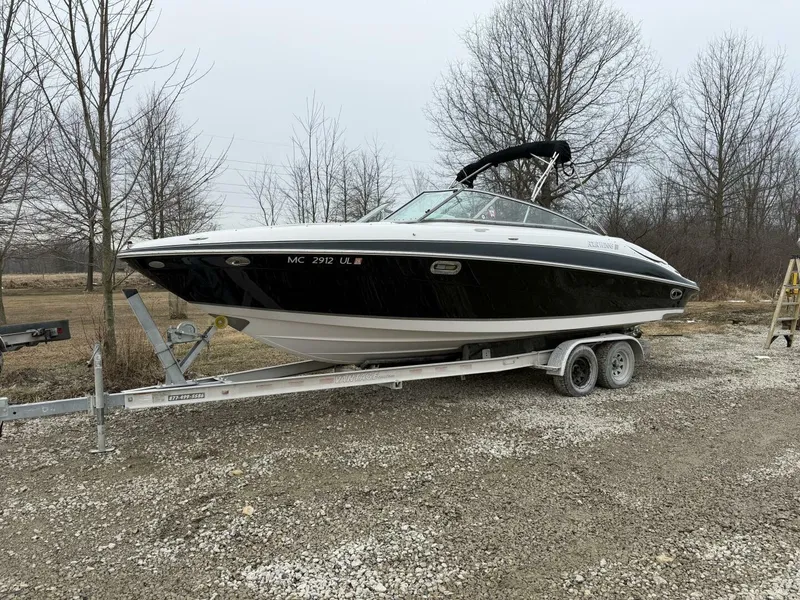
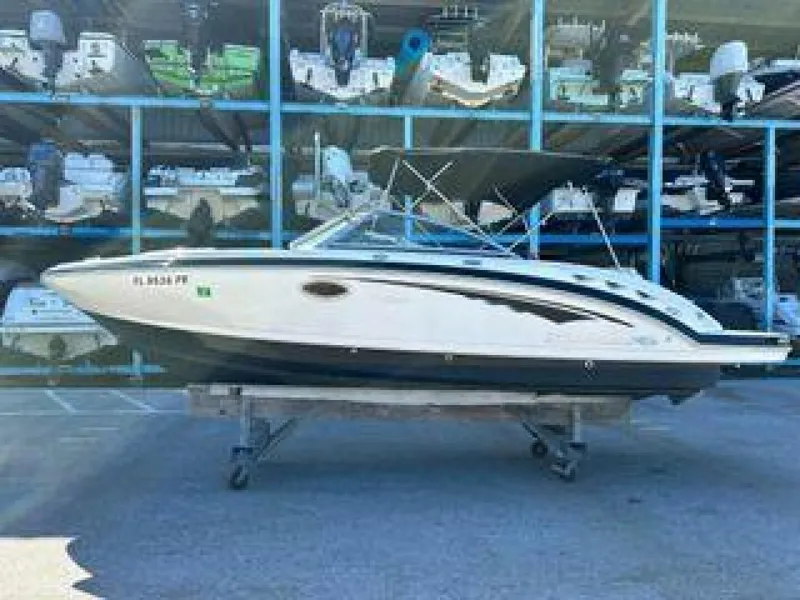
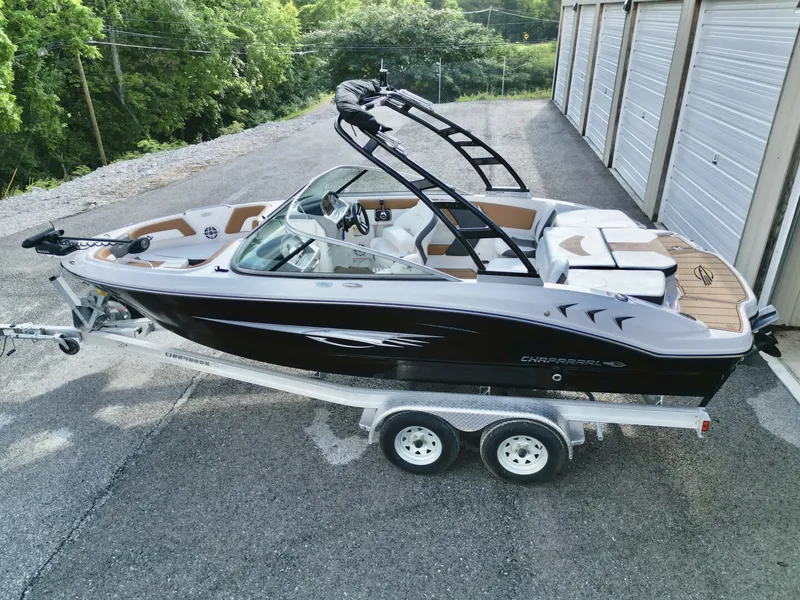
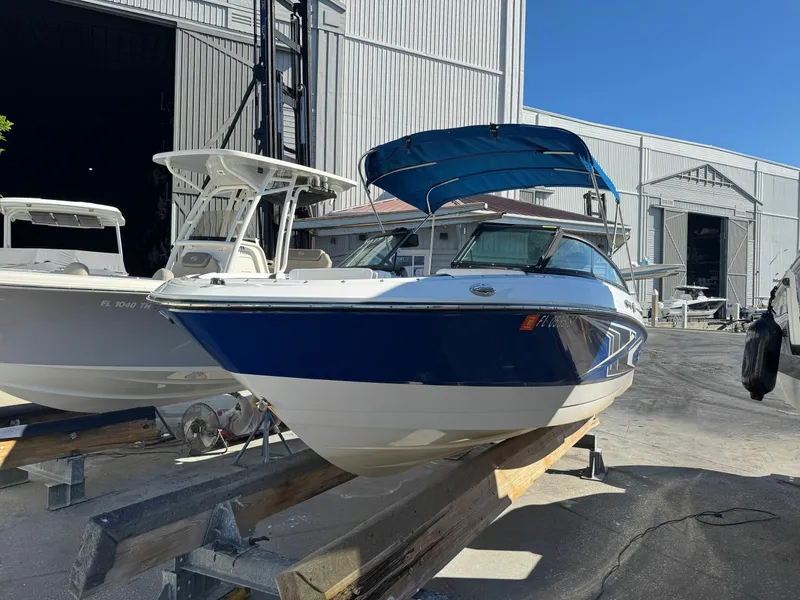
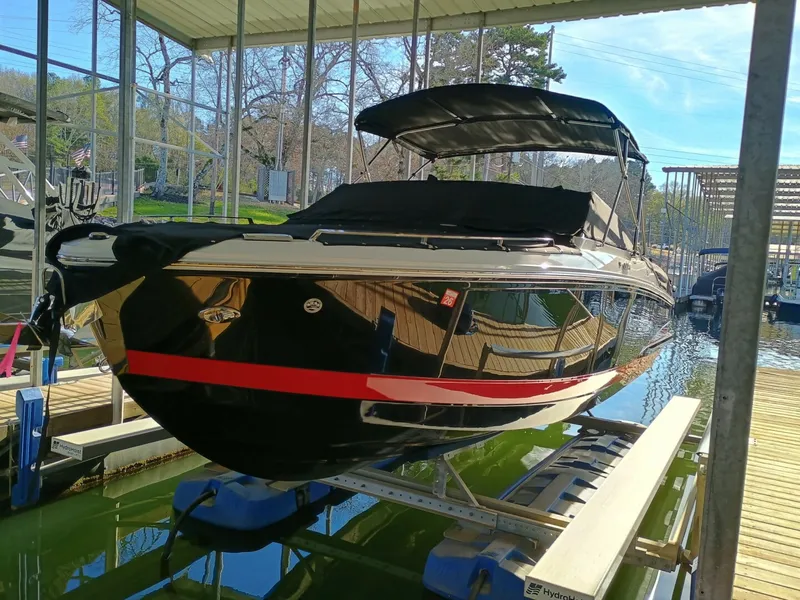
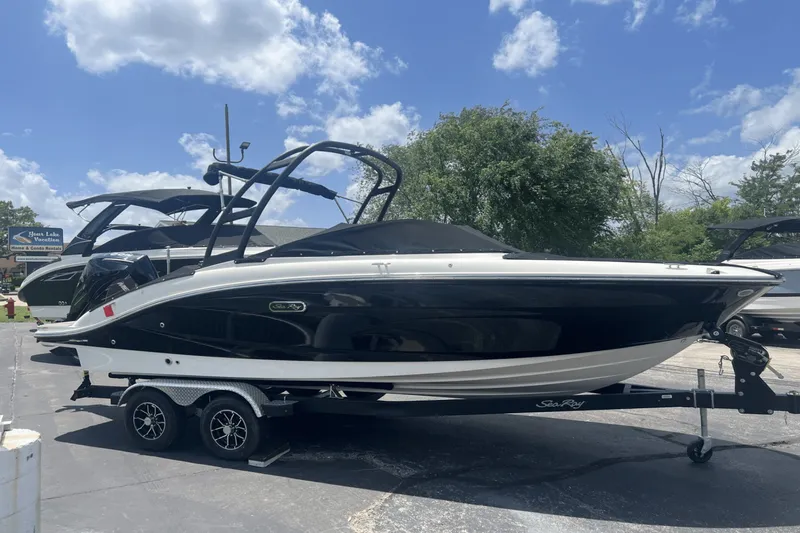
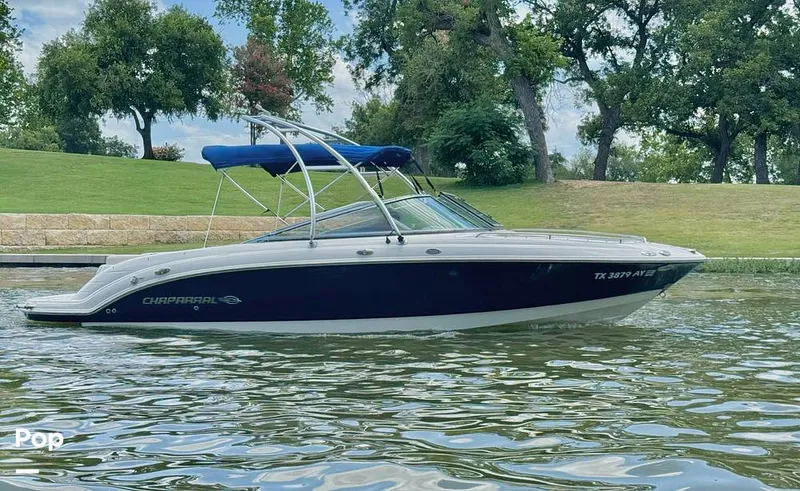
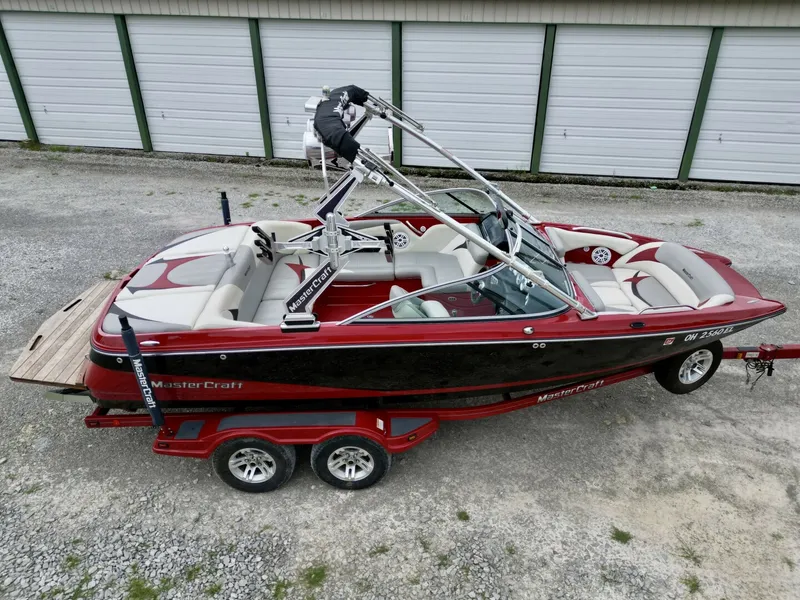
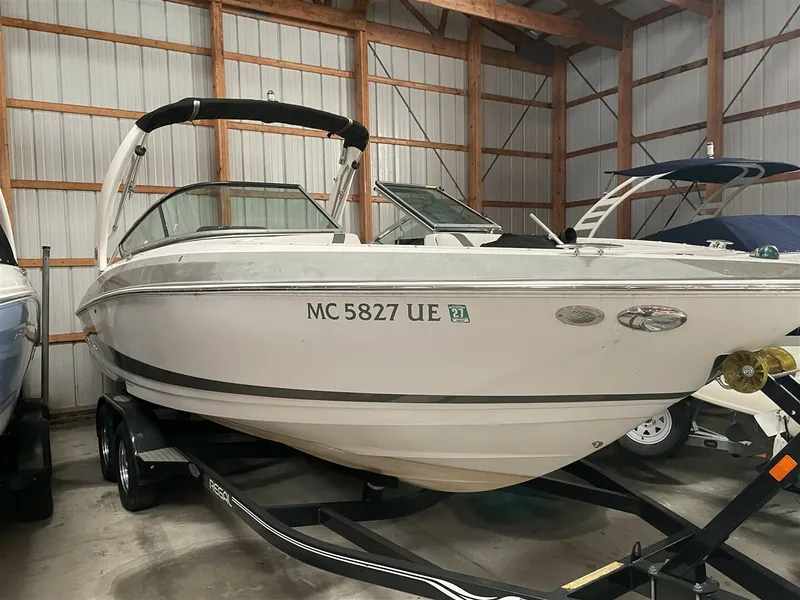
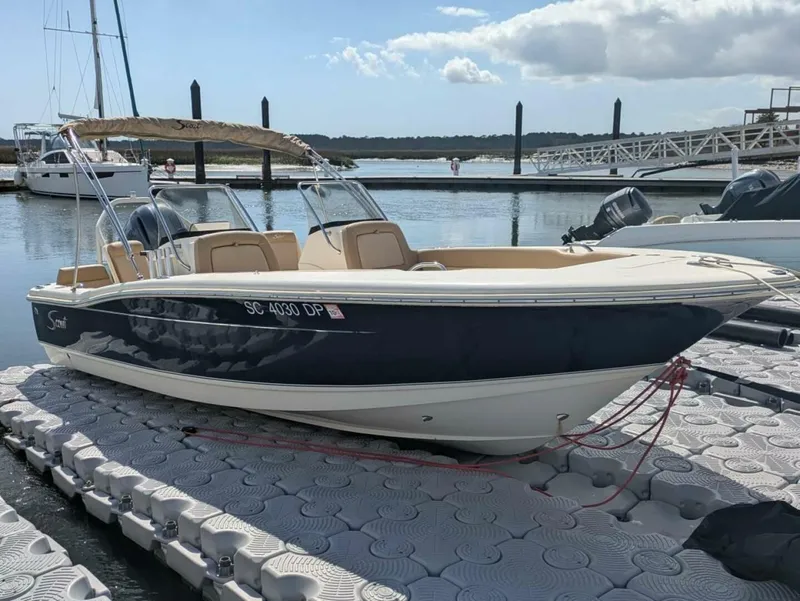
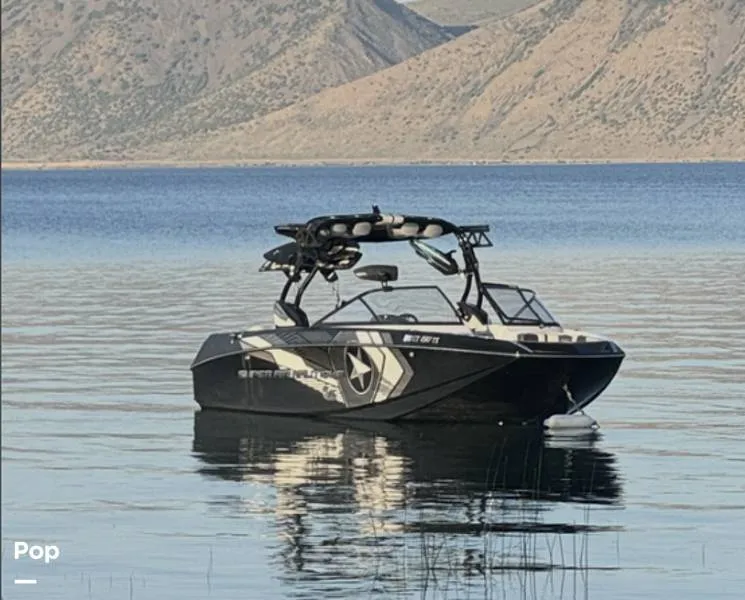
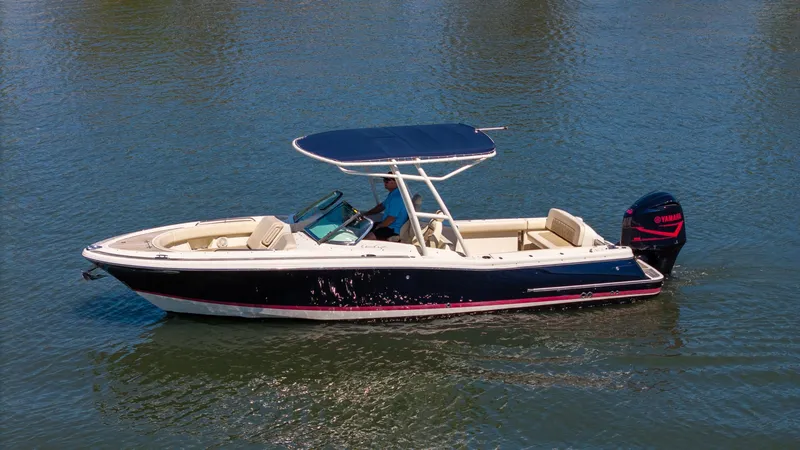
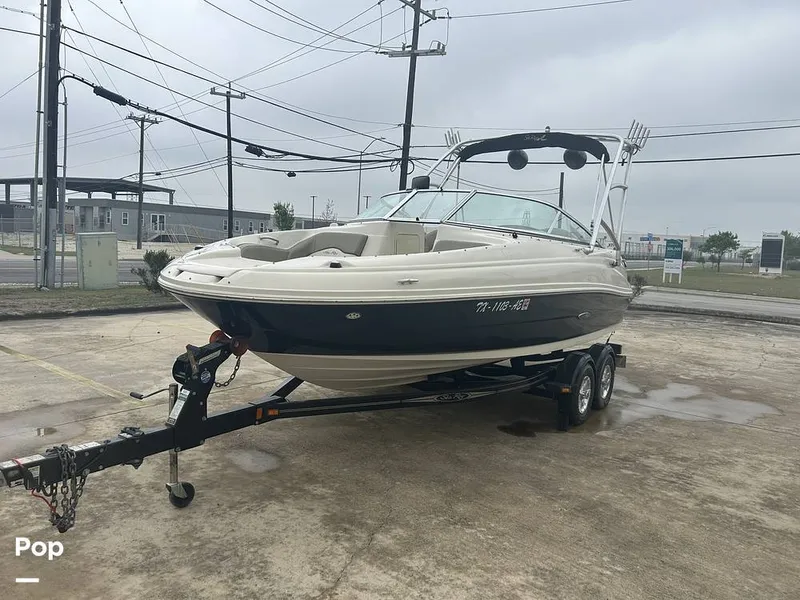
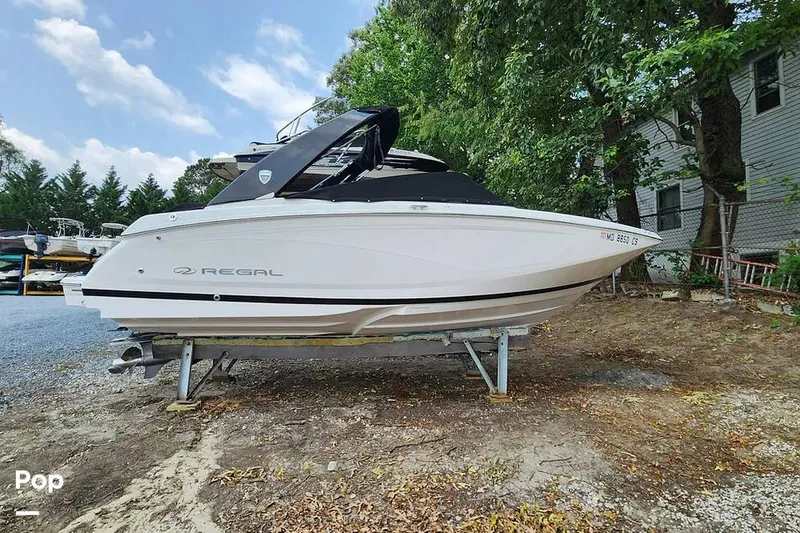
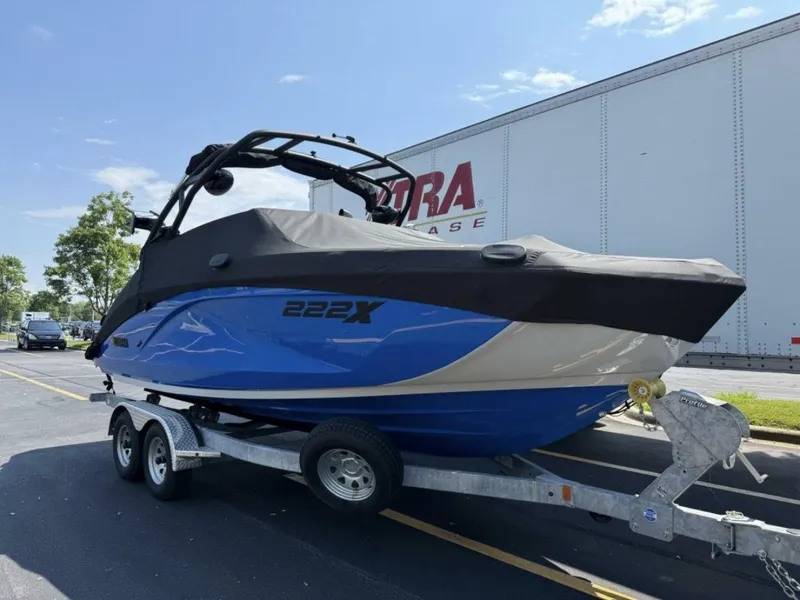
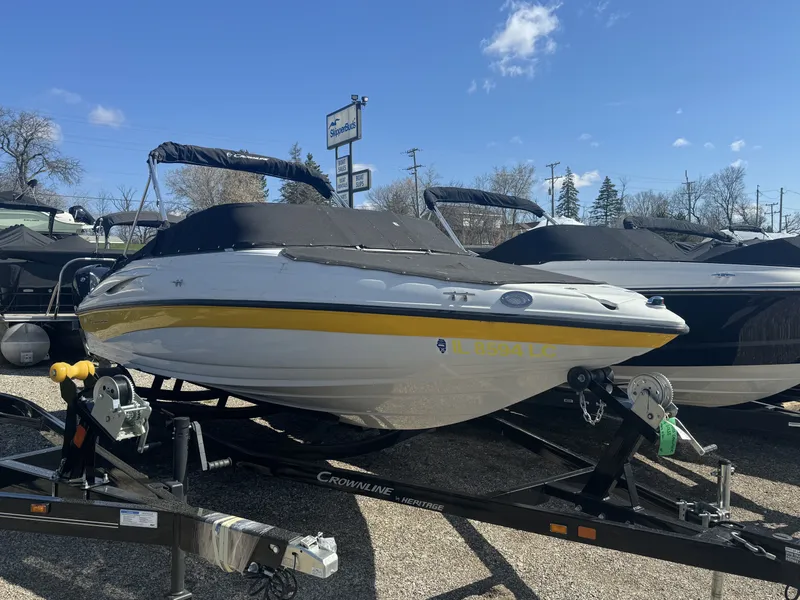
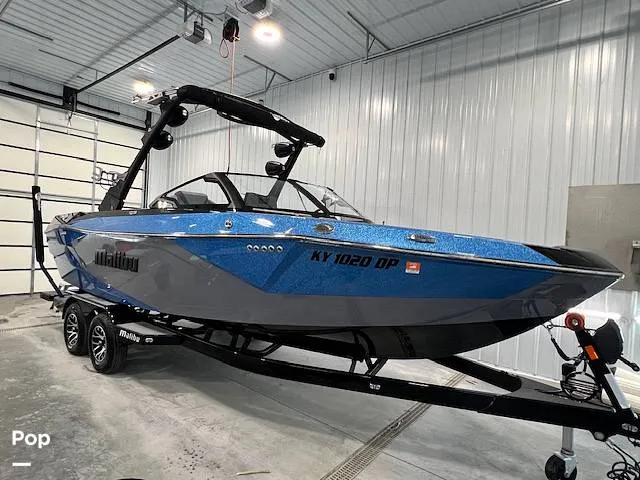
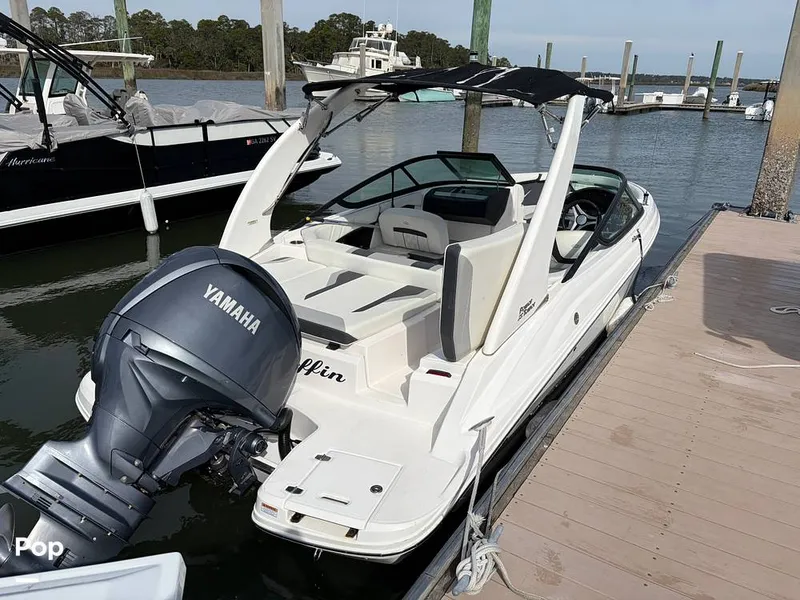
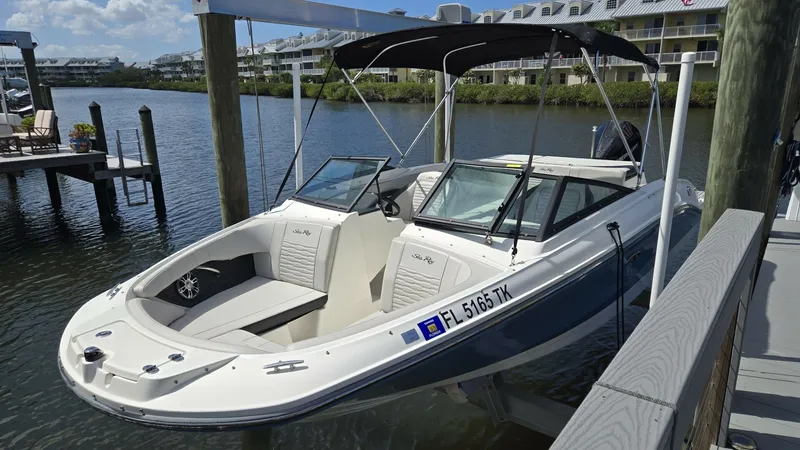
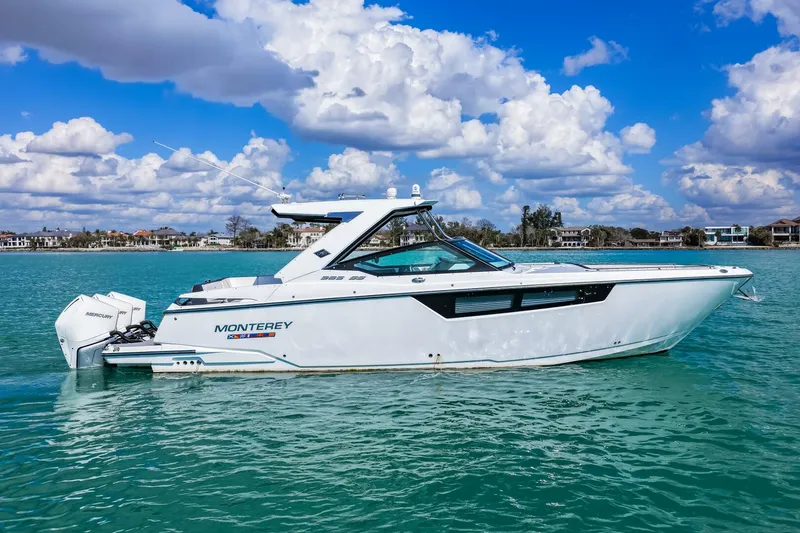
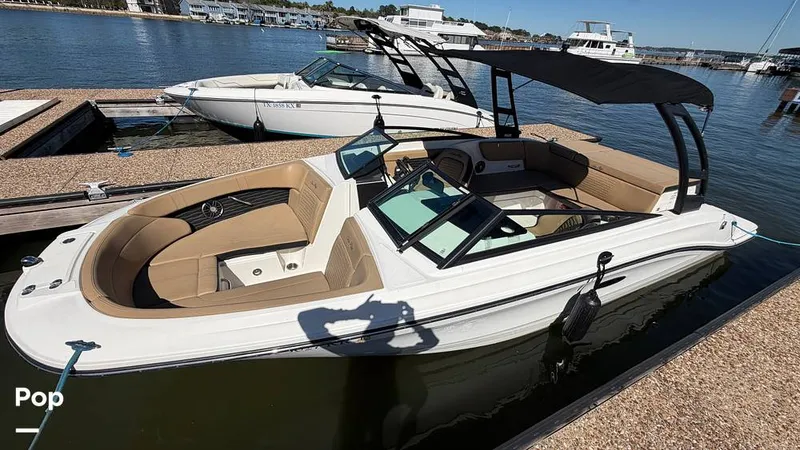
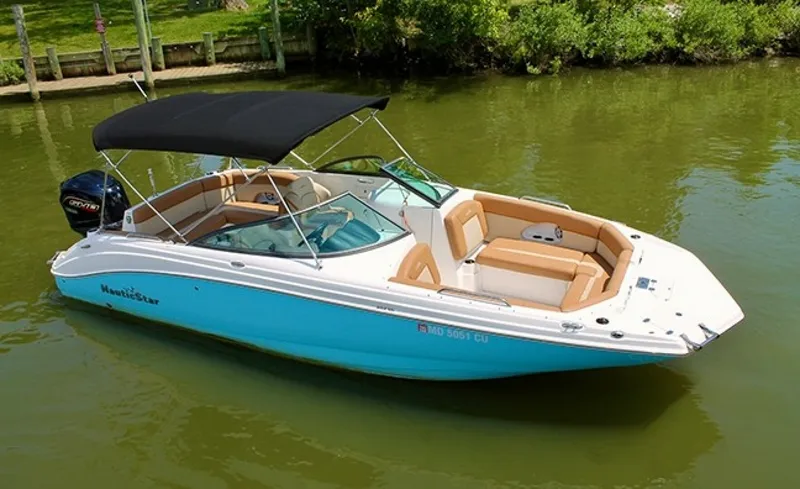
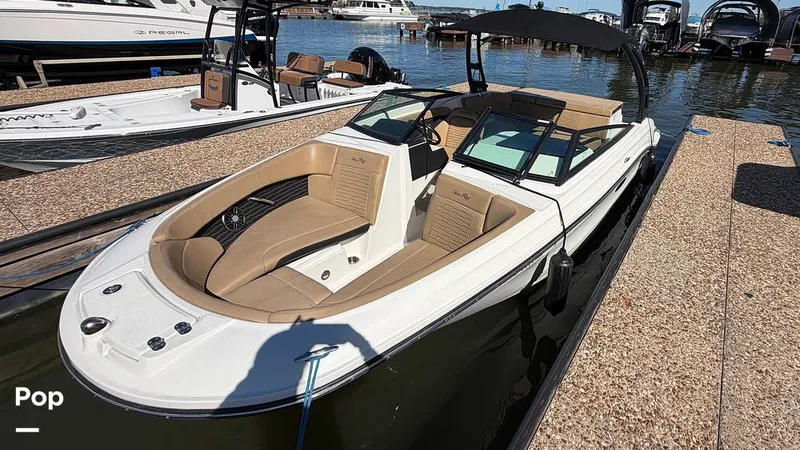
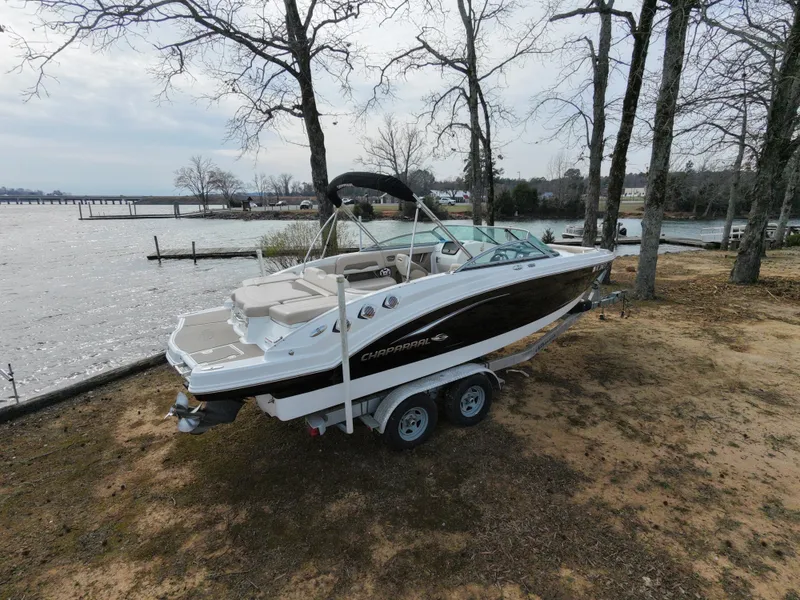
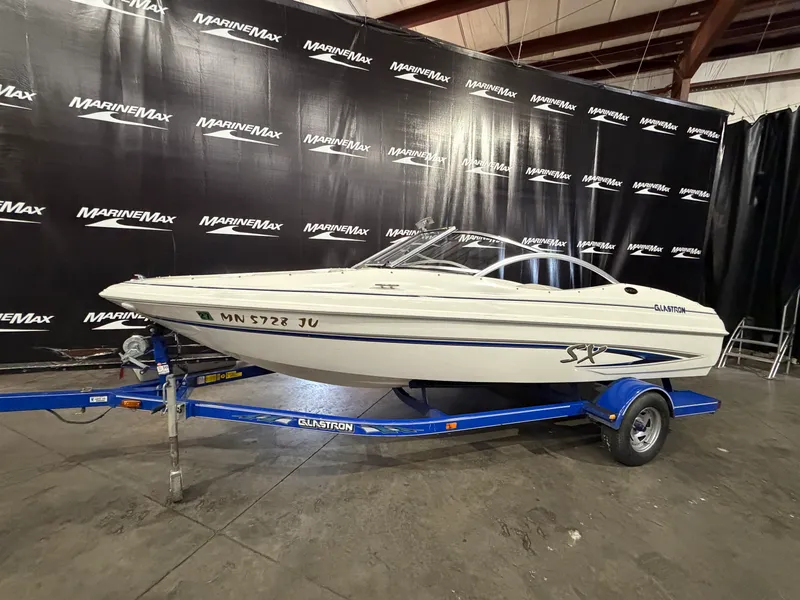
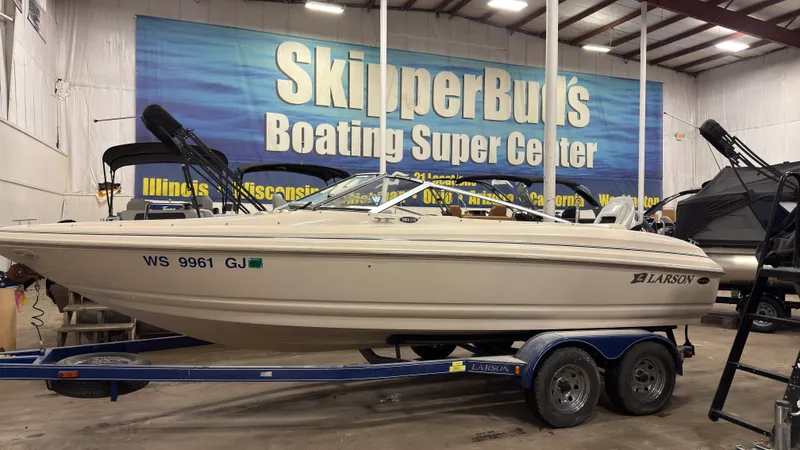
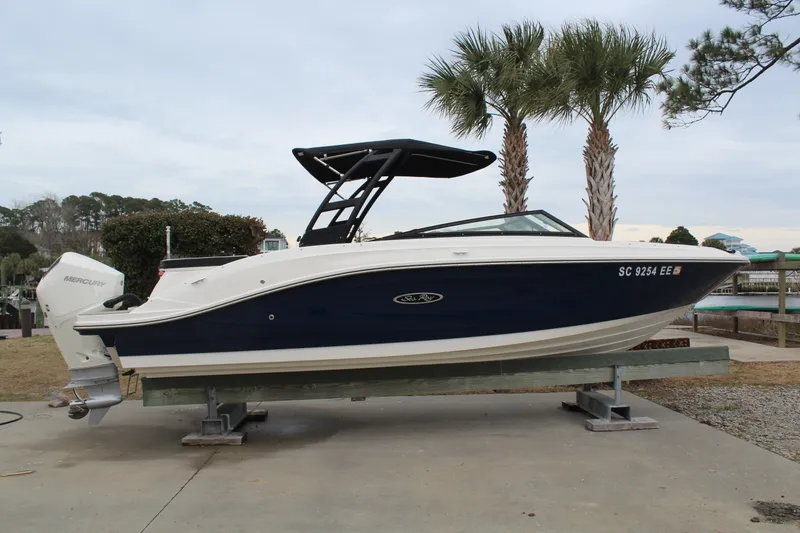
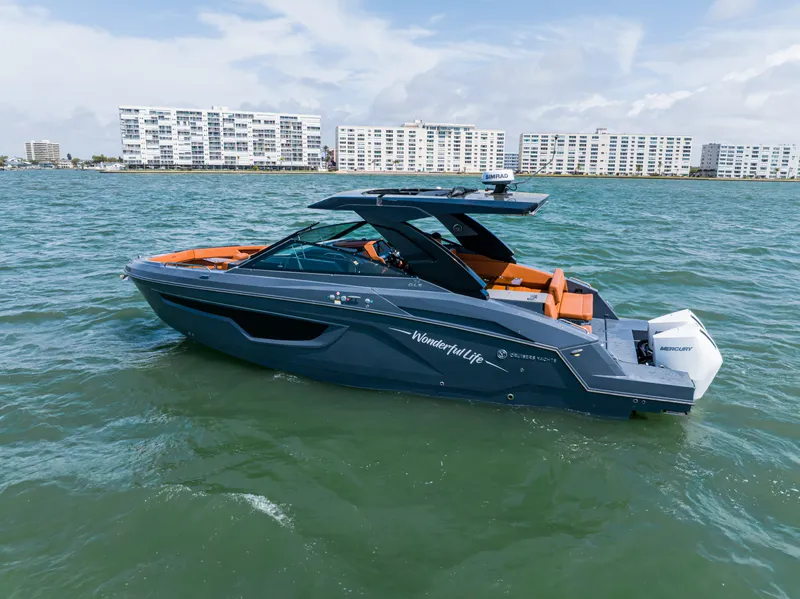
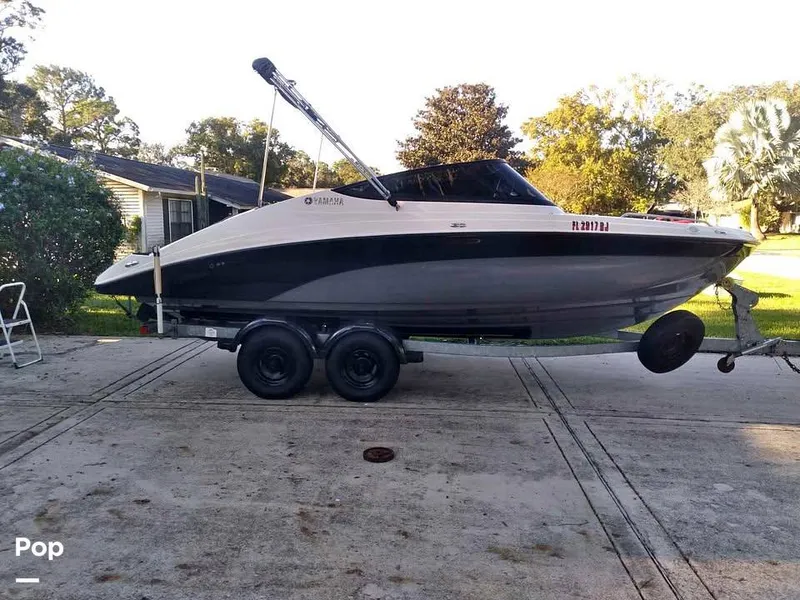
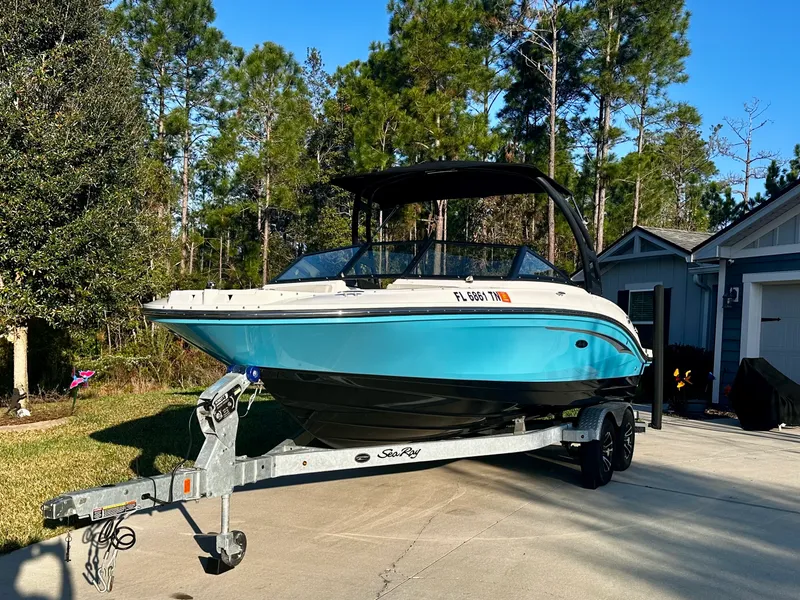
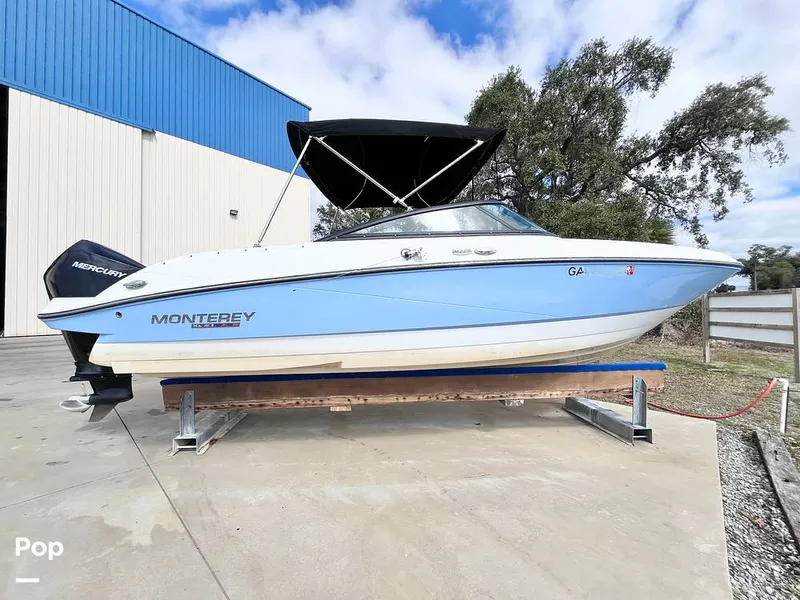
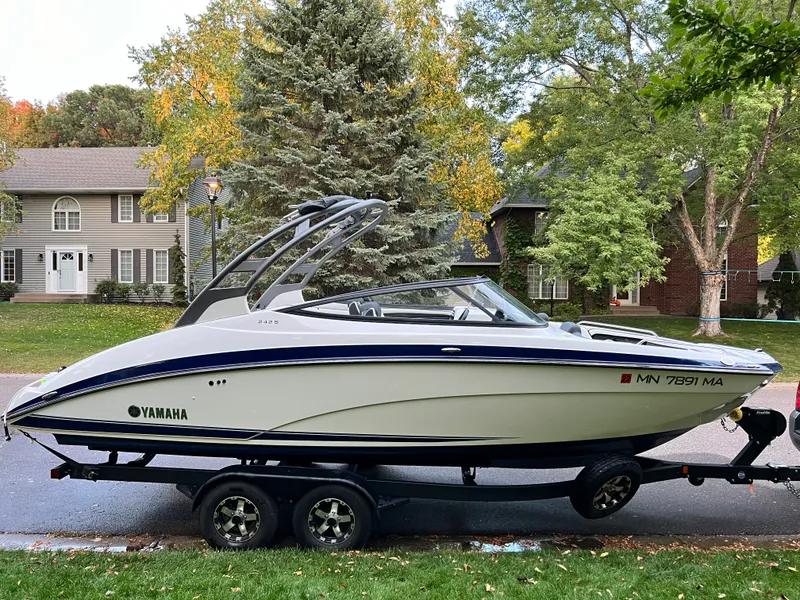
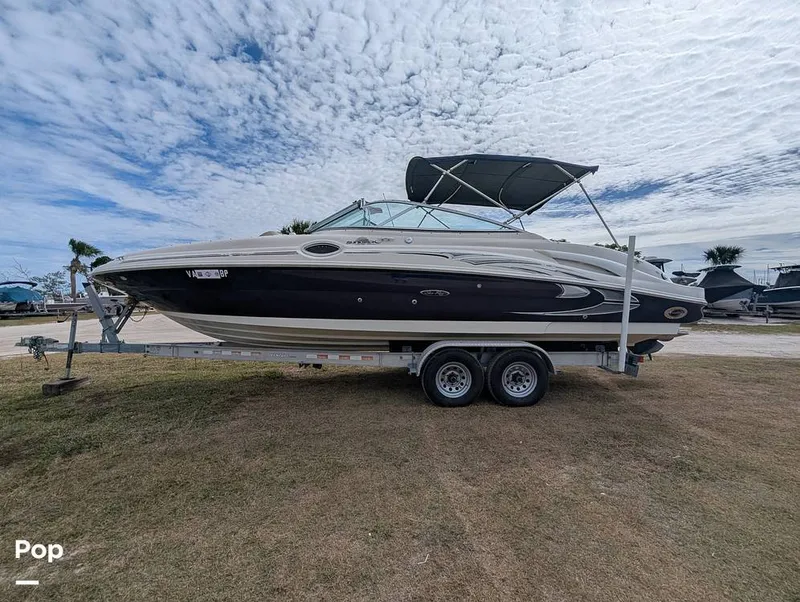
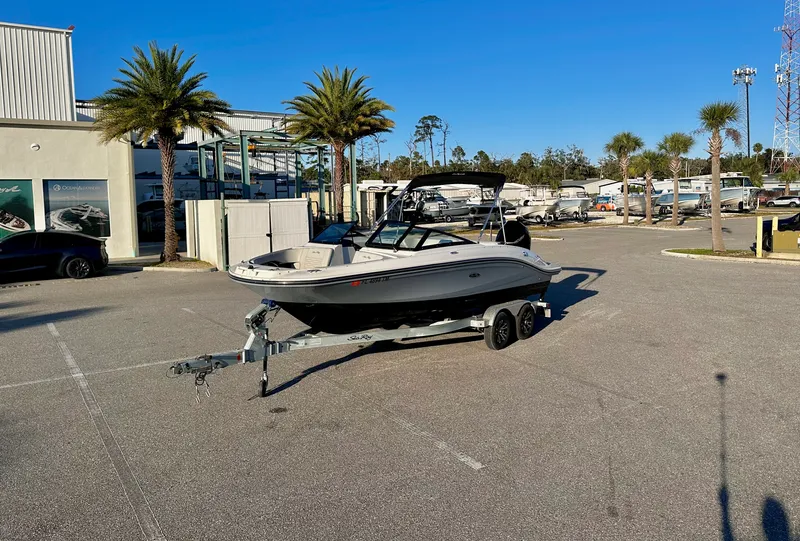
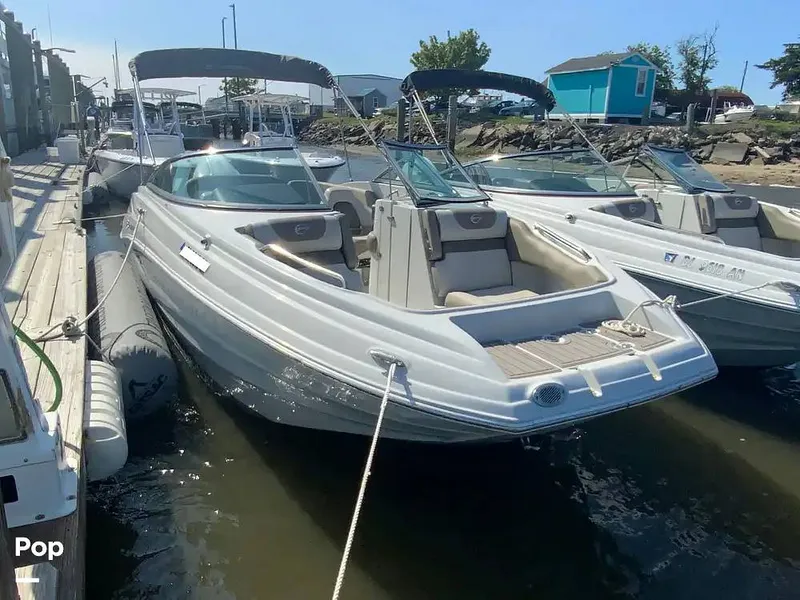
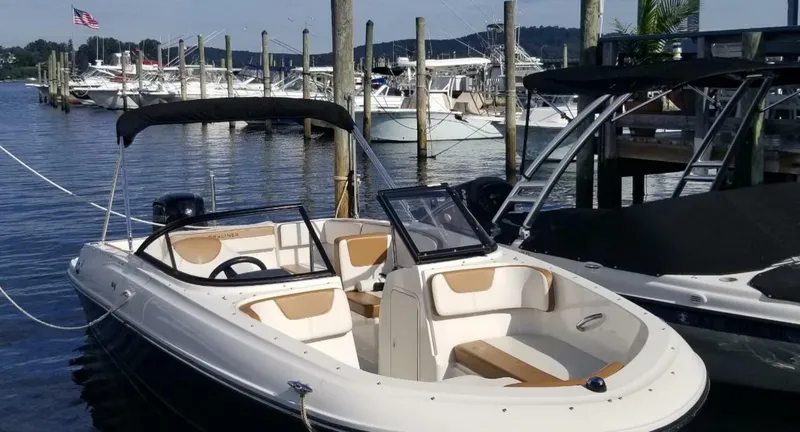
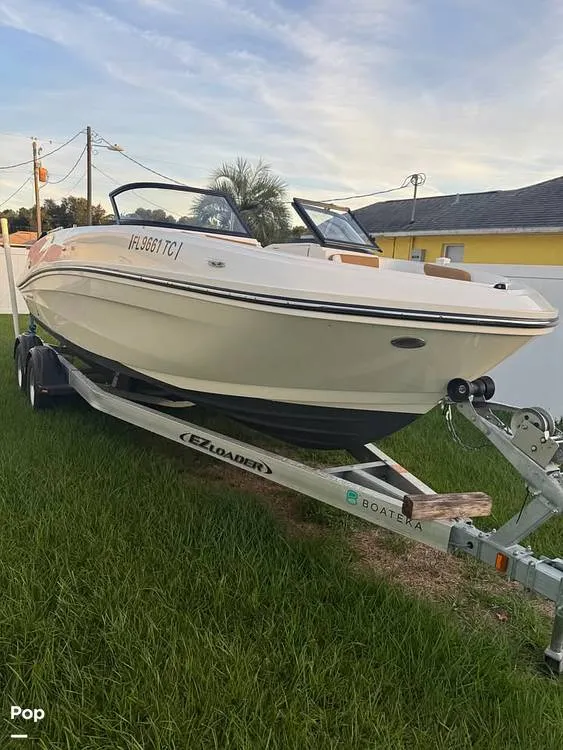
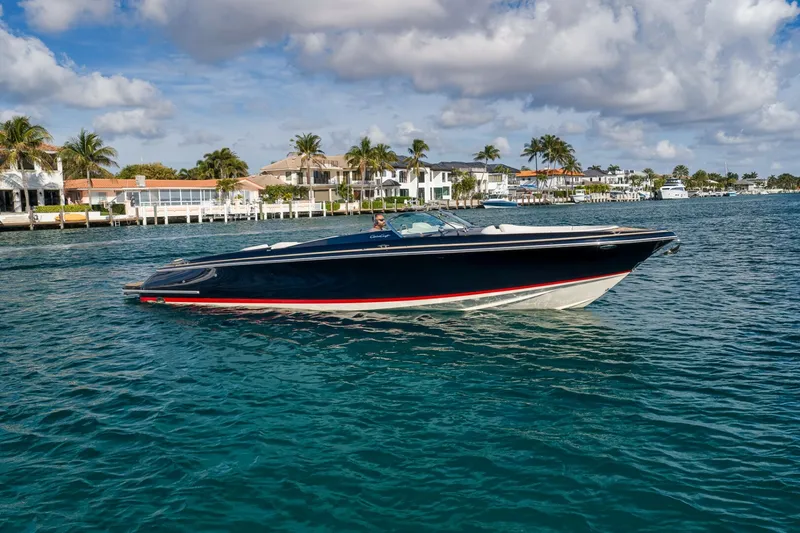
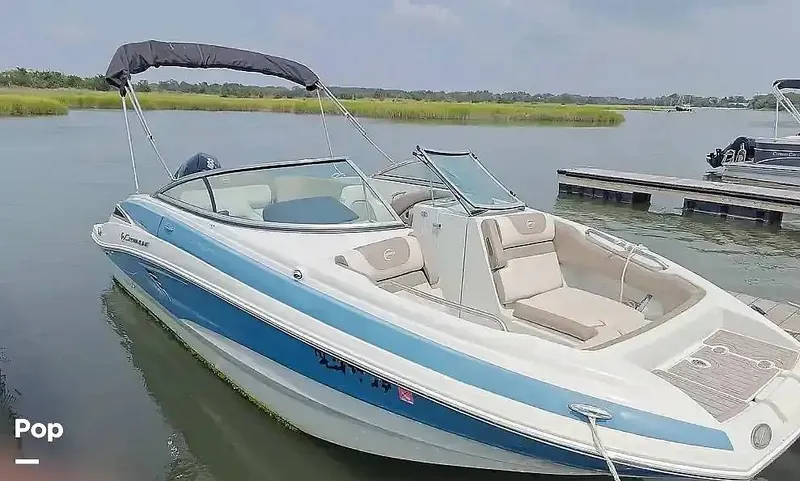
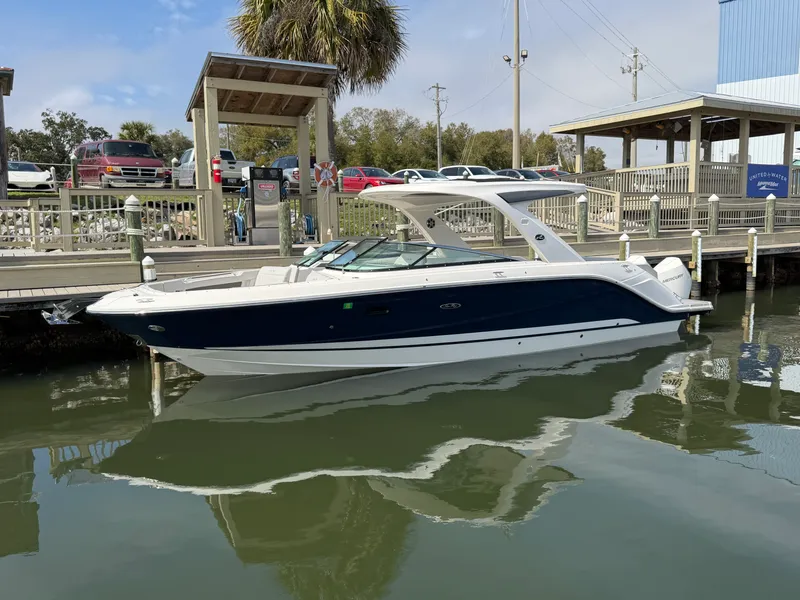
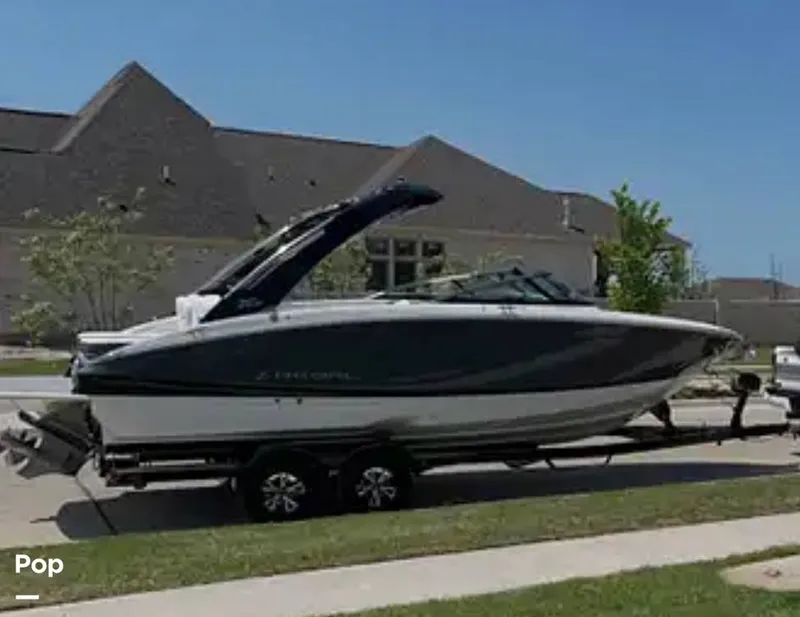
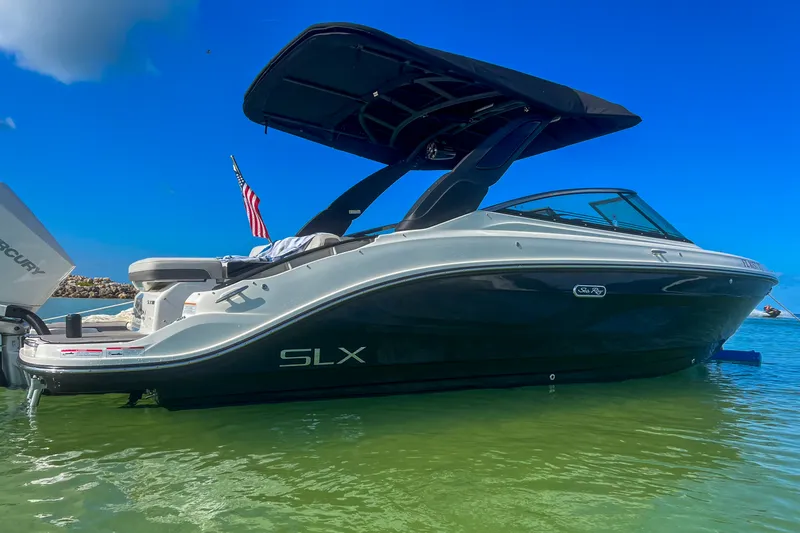
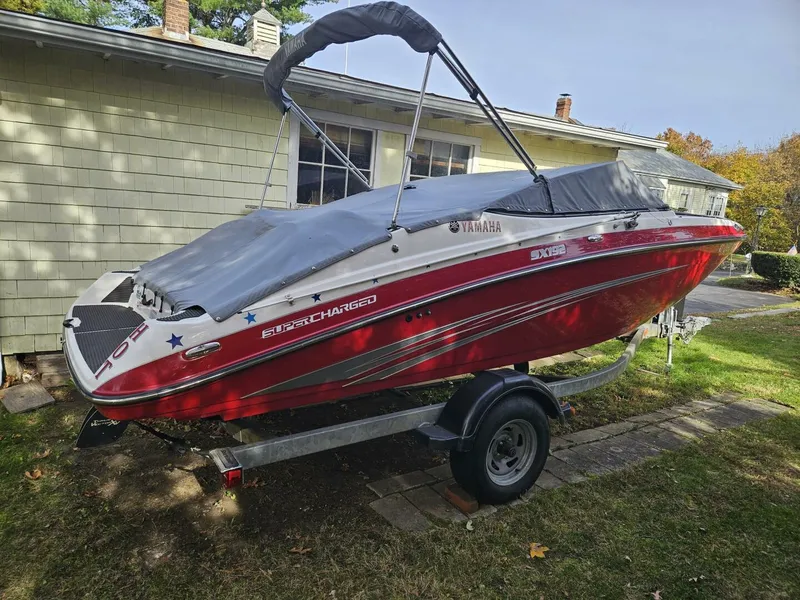
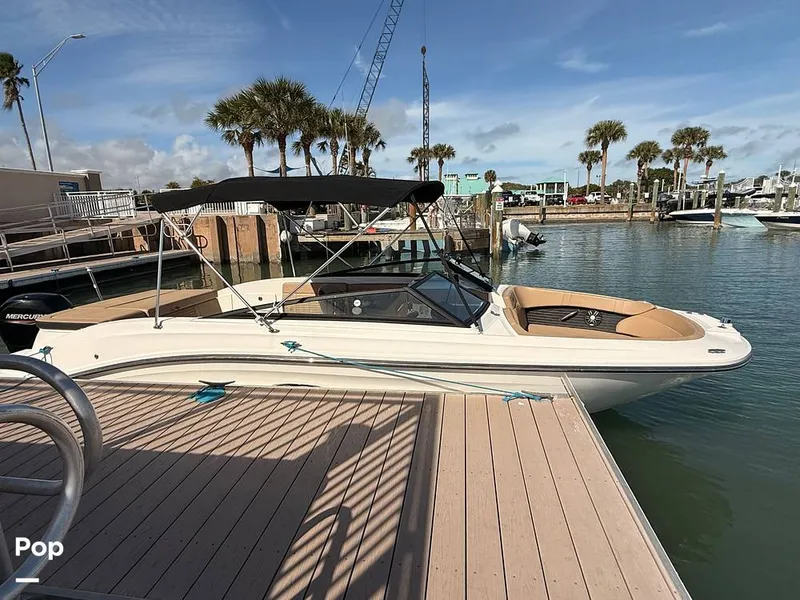
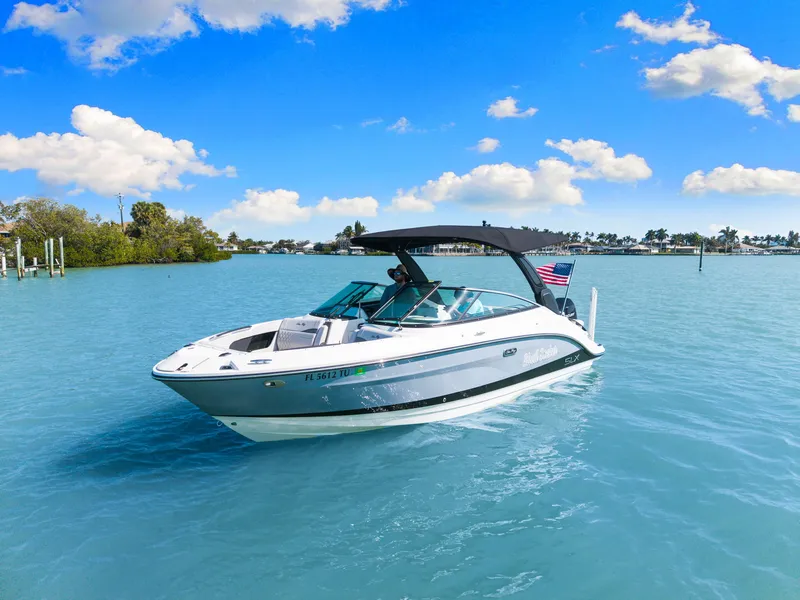
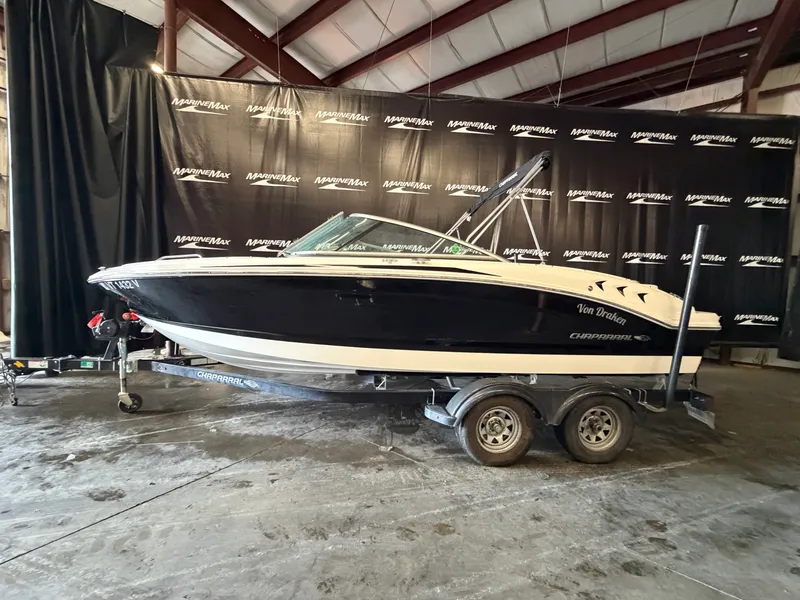
A bowrider is a type of runabout powerboat defined by its open bow area with forward-facing seating in front of the helm. This seating converts what would otherwise be unused deck space into a comfortable social zone and is the feature that most clearly distinguishes bowriders from many other small recreational boats.
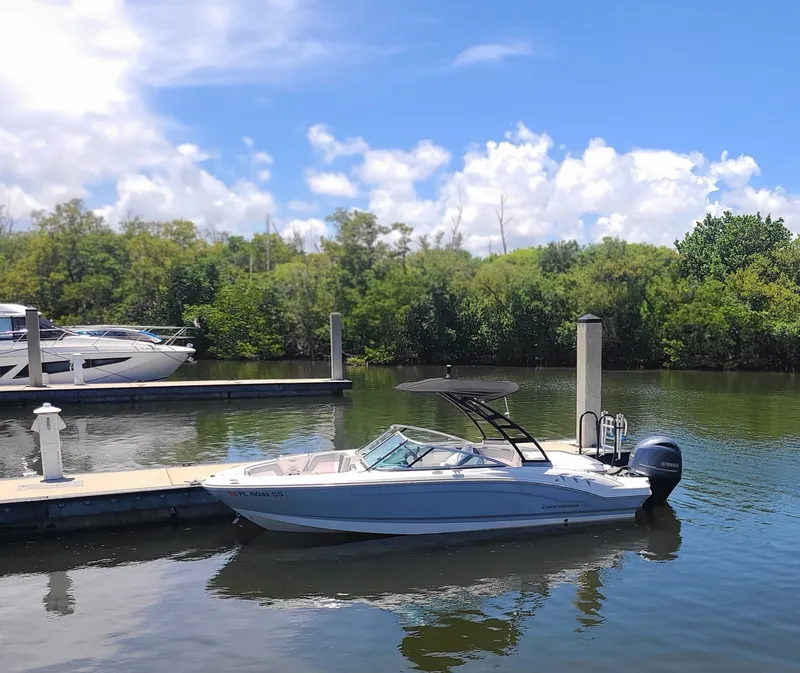
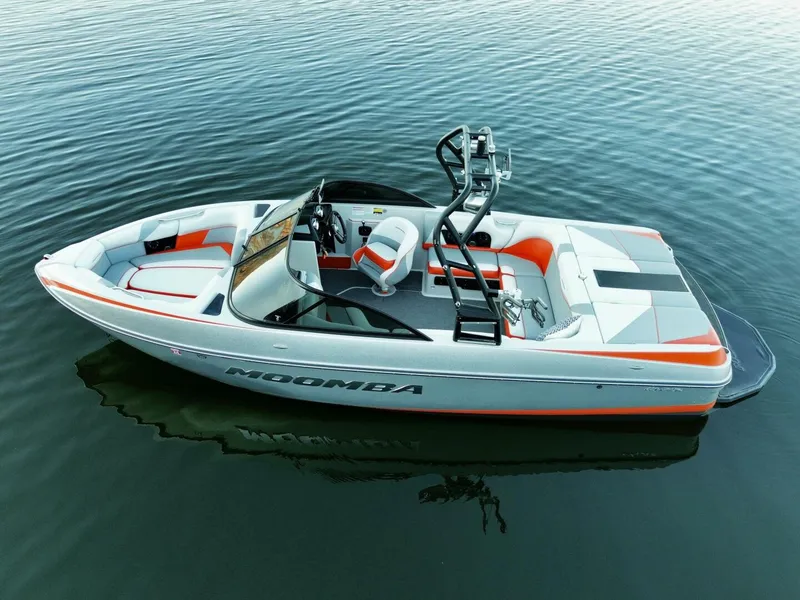
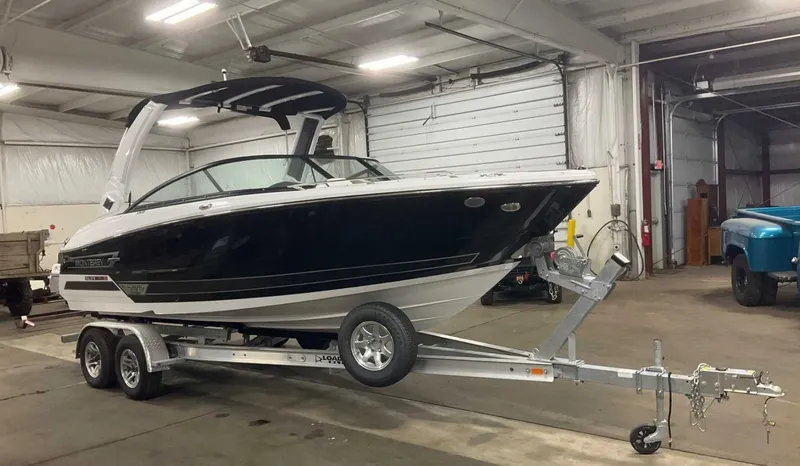
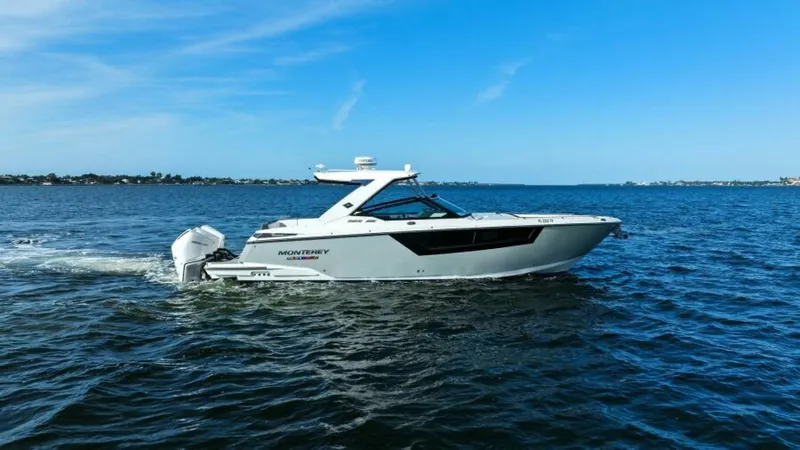
Most bowriders use a planing, V-shaped hull that allows them to get on plane quickly and run efficiently at speed, making them well suited for day cruising and watersports. Sizes typically range from around 17 to the low 30 feet, powered by either outboard engines or sterndrives.
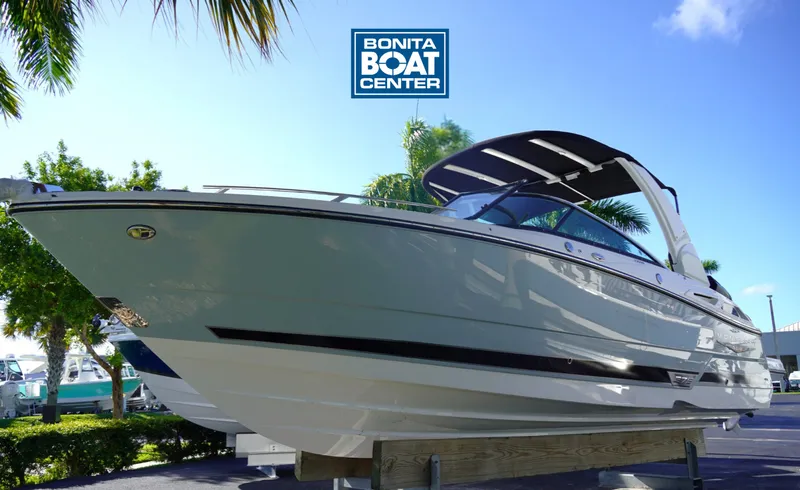
Modern bowriders often include family-friendly amenities like swim platforms, boarding ladders, in-floor ski lockers, and integrated coolers. They are primarily designed for day use on lakes, rivers, and protected coastal waters rather than long-distance cruising or overnight trips.

Pros of Owning a Bowrider Boat

1. Social, Open Layout

The defining benefit of a bowrider is its social layout. The open bow seating adds an extra conversation area and lets passengers enjoy the view and breeze from the very front of the boat.

With seating in both the cockpit and bow, groups can spread out instead of crowding around the helm, which makes the boat feel larger than its actual length.

2. Versatile for Many Activities

Bowriders adapt easily to a wide range of uses, including cruising, tubing, waterskiing, wakeboarding (on some models), swimming, and casual fishing.

Features like tow pylons or towers, in-floor storage for skis and boards, and large swim platforms help one boat serve multiple roles for active families or friend groups.

3. Beginner-Friendly Handling

Most bowriders are relatively simple to learn on. Their responsive steering and predictable handling at planing speeds help new boaters build confidence quickly.

Because many bowriders fall in a moderate size range, docking and maneuvering in marinas or on trailers is often less intimidating than with larger cruisers or offshore boats.

4. Trailerable Sizes and Access

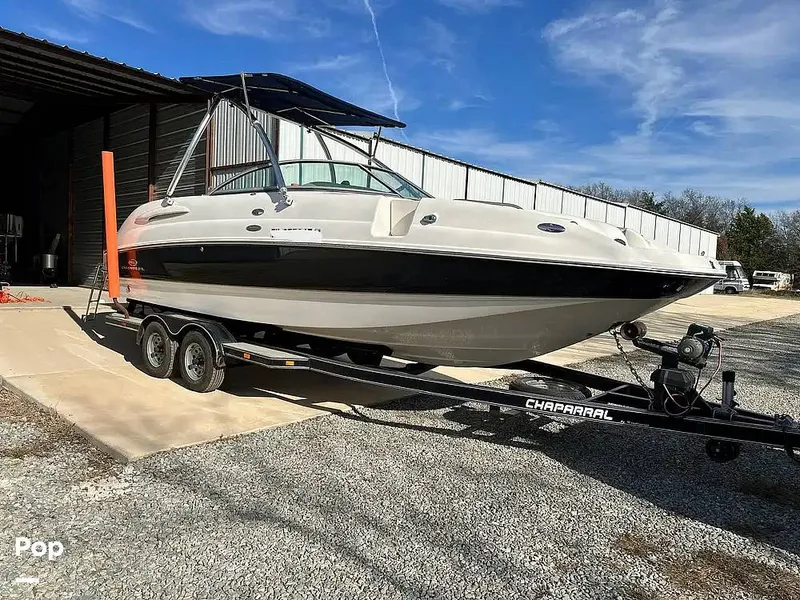
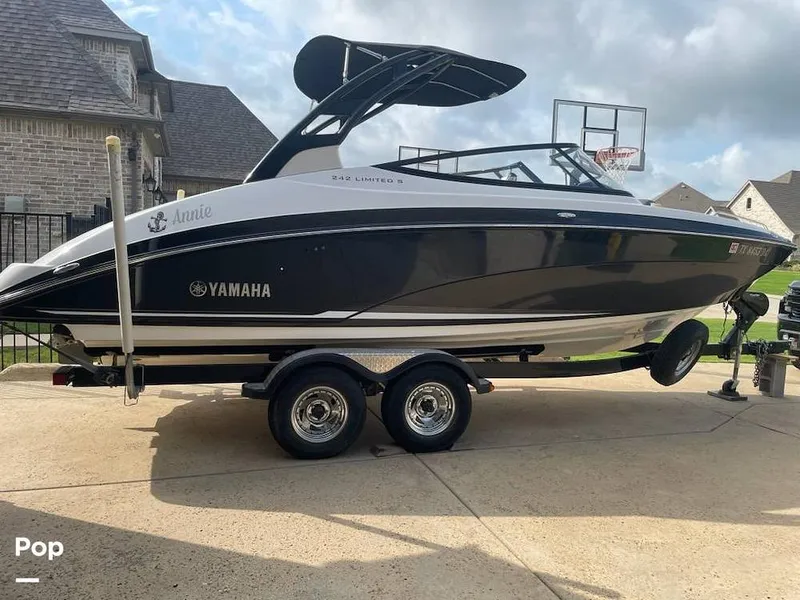
A large portion of the bowrider market sits in size and weight ranges that are easily trailerable by a properly equipped SUV or half-ton pickup. This gives owners the flexibility to visit different lakes and ramps without being tied to a single marina.
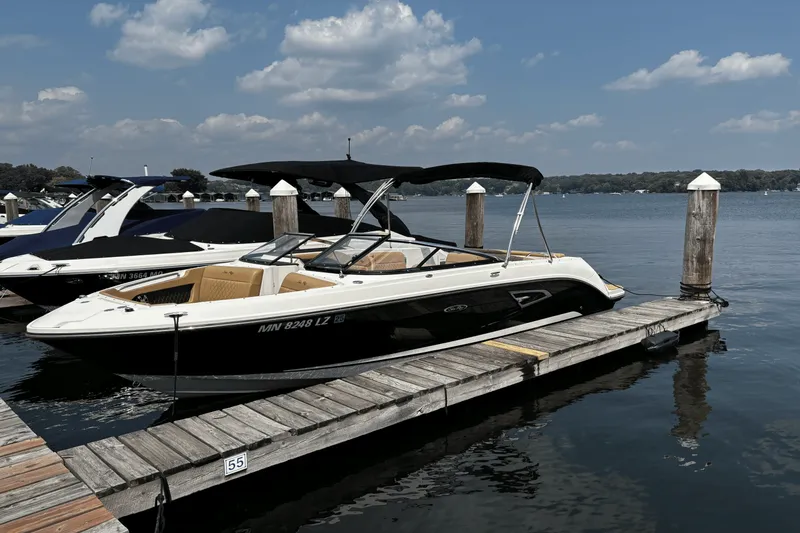
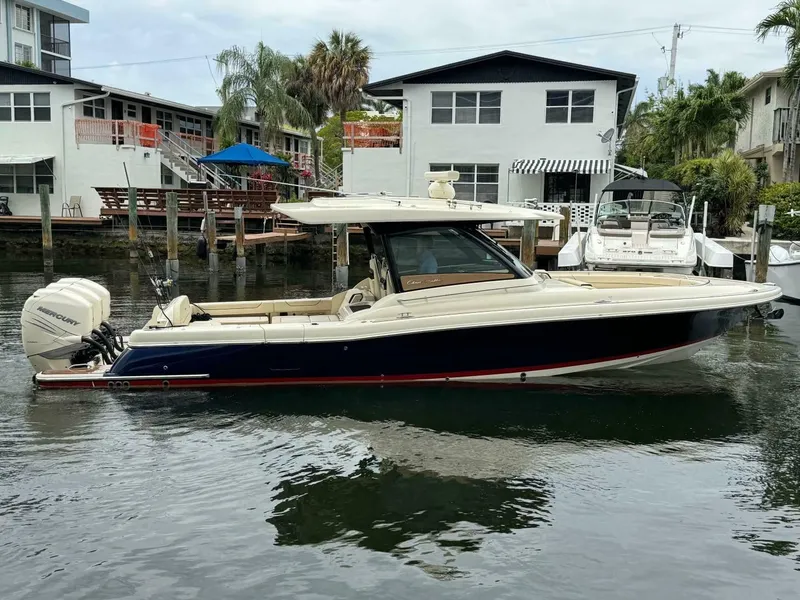
Trailerability can also reduce storage costs by allowing home or yard storage during the off-season in many regions.

5. Lower Complexity Than Cabin Boats

Compared with cabin cruisers or larger yachts, bowriders often have fewer onboard systems—no galley, minimal plumbing, and fewer electrical circuits. This lower complexity can translate to fewer things to maintain or repair over time.

Routine care usually centers on the engine(s), hull, upholstery, and trailer, which is manageable for many hands-on owners who are willing to follow suggested maintenance schedules.

Cons of Owning a Bowrider Boat

1. Limited Protection from Weather and Spray

The open bow is a double-edged sword: while great for airflow and views, it exposes passengers to sun, wind, and spray. In cooler climates or during shoulder seasons, rides in the bow can quickly become uncomfortable.

Unlike cabin boats, bowriders typically offer only a windshield and, on some models, a canvas top; they seldom provide full enclosure against rain or sudden storms.

  • The Silver Lining: Canvas options such as bimini tops, bow covers, and cockpit enclosures, combined with smart seating choices on windy or choppy days, can significantly improve comfort without giving up the open feel that makes bowriders appealing.

2. Not Ideal for Rough or Offshore Conditions

Most bowriders are designed for lakes, rivers, and relatively protected coastal waters. In heavy chop or offshore swells, the forward seating can get very wet and uncomfortable, and the ride can become harsh.

Running too fast in rough conditions with people seated in the bow can increase the risk of hard impacts and, in extreme cases, taking water over the bow.

  • The Silver Lining: By choosing your boating days carefully, avoiding exposed offshore runs, and asking passengers to relocate from the bow when conditions worsen, you can enjoy a bowrider safely in the environments it was designed for.

3. Day-Boat Only: Minimal Overnight Capability

Traditional bowriders do not include enclosed cabins, berths, or galleys, which makes true overnighting on the boat impractical for most owners.

If you are looking for extended cruising or liveaboard-style convenience, the lack of shelter, storage, and amenities will be a significant limitation.

  • The Silver Lining: If you mainly take day trips and have access to nearby lodging or campgrounds, a bowrider can still deliver all the on-the-water fun you want while you handle sleeping and cooking on shore.

4. Storage and Seating Trade-Offs

Although bowriders feel roomy, much of that space is dedicated to seating rather than deep storage. Larger coolers, fishing gear, and watersports equipment can quickly fill the lockers.

For big families or groups who bring lots of bags, water toys, and safety gear, the boat can feel cluttered unless packing is carefully planned.

  • The Silver Lining: Using soft-sided bags, prioritizing multi-use gear, and taking advantage of under-seat and in-floor compartments can keep the deck clear and make even smaller bowriders feel more organized.

5. Potentially Higher Fuel Use at Play Speeds

Bowriders are frequently driven at speeds suited for towing tubes, skis, or wakeboards, which tends to be less fuel-efficient than slow cruising. Powerful engines sized for quick hole-shot can also consume more fuel when pushed hard.

Over a busy season with frequent outings, fuel costs can become a noticeable share of total ownership expenses, especially on larger or heavier models.

  • The Silver Lining: Choosing an engine that is appropriately sized rather than overpowered, trimming the boat correctly, and mixing in slower cruise days with high-speed watersports sessions can help keep fuel consumption within a more comfortable range.

Performance and Real-World Use

Bowriders are generally well-suited to carrying several passengers, especially within their rated capacity. The split between cockpit and bow seating helps distribute people so that no single area feels overly congested.

However, loading must be managed thoughtfully. Too many adults in the bow can make the boat ride bow-heavy, affecting visibility and handling. Keeping heavier passengers more aft and using the bow primarily for lighter passengers or kids helps maintain better trim and control.

In light to moderate chop, a well-designed V-hull bowrider can provide a reasonably comfortable ride at appropriate speeds. Trimming the bow down slightly and reducing speed usually helps soften impacts.

As conditions worsen—strong winds, steep chop, or confused waves—bowriders become more limited. The open bow can take more spray, and passengers seated forward may be uncomfortable or unsafe. In such situations, slowing down, asking passengers to move aft, and, when necessary, heading for shelter is the prudent approach.

Ownership, Costs, and Practical Logistics

Long-term bowrider ownership costs typically include insurance, registration, fuel, routine engine service, winterization where applicable, hull cleaning, and storage. Trailer maintenance—tires, bearings, brakes, and lights—also needs to be budgeted when applicable.

While simpler than larger cabin boats, bowriders still require periodic upholstery care, gelcoat or paint repairs, and replacement of wear items like batteries and anodes. Planning for both annual operating expenses and occasional bigger-ticket items, such as repowering or new canvas, will help avoid surprises.

Bowriders from reputable manufacturers often enjoy steady demand in the used market because they appeal to first-time buyers and families entering boating. Well-maintained, clean boats with modern layouts and up-to-date engines tend to retain value better than neglected examples.

Factors such as brand reputation, regional preferences (freshwater vs. saltwater history), engine hours, and documented service records all influence resale value. Keeping clear records and staying current on maintenance can make your boat easier to sell and command a stronger price.

Many small to mid-size bowriders, including the trailer and gear, fall within the towing capacities of properly equipped mid-size SUVs and half-ton pickups. Checking your vehicle’s rated towing capacity against the boat’s fully loaded weight is essential before committing.

Larger bowriders with twin engines or substantial beam may push you into three-quarter-ton truck territory. In all cases, using a trailer with functioning brakes, appropriate hitch equipment, and careful loading practices is critical to safe and stress-free towing.

Final Verdict: Is a Bowrider Right for You?

A bowrider is an appealing choice if your vision of boating centers on daytime fun: cruising to coves, towing tubes or skis, swimming off the transom, and relaxing with friends and family in an open, social layout. Its versatility, manageable handling, and trailerable sizes make it accessible to many first-time and upgrade buyers.

On the other hand, boaters who prioritize offshore capability, overnight accommodations, or extensive storage and weather protection may find a bowrider limiting. Matching the boat’s strengths—day use, fair-weather fun, and active watersports—to your actual plans is the key to long-term satisfaction.

You'll love it if:

  • You most often boat on lakes, rivers, or protected bays and usually go out for a few hours or a single day at a time.
  • You value an open, social layout where family and friends can sit together, move around easily, and enjoy the breeze and views.
  • You want a boat that can handle a mix of cruising, tubing, skiing, wakeboarding (on suitable models), and swimming without being overly complex to own or operate.

It might be challenging if:

  • You frequently face rough, open-water conditions or plan long offshore runs where greater protection and seakeeping are priorities.
  • You need true overnight accommodations, an enclosed cabin, or the ability to cook and sleep aboard comfortably on multi-day trips.
  • You regularly carry large groups with lots of gear and expect abundant dry storage and full-weather protection for everyone on board.

A bowrider can be an excellent gateway into the boating lifestyle for families and social boaters who primarily enjoy fair-weather day trips on protected waters. If its strengths align with how and where you plan to use a boat, and you understand its limitations in rough conditions and overnight use, a bowrider can deliver years of fun, flexible, and relatively straightforward ownership.

Be the First to Know

Get notified when new boats become available.

Logo