San Antonio

Filters

Filters

Boat Type

Condition

Searching boats for you...

Boating · Destinations 

Is San Antonio, TX a Good Place for Boating?


Written by: MarineSource.com | Estimated read time: 7 min read


San Antonio sits where the Texas Hill Country rolls down into wide, brushy plains, so the boating experience here feels different from coastal destinations or forested lake towns. Within the city limits, you’ll see the famous River Walk, quiet stretches of the San Antonio River, and a patchwork of small lakes and ponds. Just beyond the city, broad reservoirs like Calaveras Lake, Victor Braunig Lake, Canyon Lake, and Medina Lake (when water levels allow) open up into bigger water and bigger skies.

For people searching for boats in San Antonio, the picture is really a mix of close-to-home paddling and short road trips to larger reservoirs. On Calaveras Lake and Braunig Lake, anglers launch small motorboats before sunrise to chase red drum and catfish, while paddlers explore the San Antonio River or Medina River in designated zones. A bit farther north and east, Canyon Lake offers classic Texas lake boating: marinas, fuel docks, lakefront dining, and room for sailing, cruising, and watersports when conditions allow.

There’s a strong outdoors culture in and around the city, and that extends to the water. You’ll find an active sailing scene at Lake Canyon Yacht Club, fishing tournaments on Calaveras and Braunig, and plenty of casual day boaters trailering in for weekends on the lake. At the same time, local reservoirs are working lakes, not pristine mountain tarns, and city water bodies come with firm rules about what you can and can’t do.

All of this raises a fair question for would-be boat owners and renters: is San Antonio actually a good place for boating? Below, we’ll walk through the key pros and cons so you can decide whether the region’s mix of warm weather, nearby reservoirs, and regulations fits the way you like to be on the water.

Pros of boating in San Antonio, TX

1. Access to multiple lakes within an easy drive

While San Antonio itself doesn’t sit on a huge natural lake, it’s ringed by a selection of reservoirs that support different styles of boating. Calaveras Lake and Victor Braunig Lake lie roughly 20 miles from Downtown San Antonio to the southeast, giving local boaters quick options for a morning or evening fishing run. Farther afield, Canyon Lake to the northeast is one of the region’s signature recreation reservoirs, while Medina Lake to the northwest offers a long, winding shoreline when drought conditions allow. Together, these give boaters a menu of nearby options instead of relying on just one crowded body of water.
2. Year-round boating climate

San Antonio’s warm climate keeps the boating season long, especially compared with many northern destinations. Spring through early fall are the busiest months for boats in San Antonio-area lakes, but many reservoirs remain usable year-round for fishing and cruising. Calaveras and Braunig, as power-plant cooling lakes, can retain relatively mild water temperatures, which keeps anglers launching even in winter. For residents who like the idea of spontaneous shoulder-season outings, this climate opens more weekends on the water than you’d get in colder regions.

3. Strong fishing and paddle culture

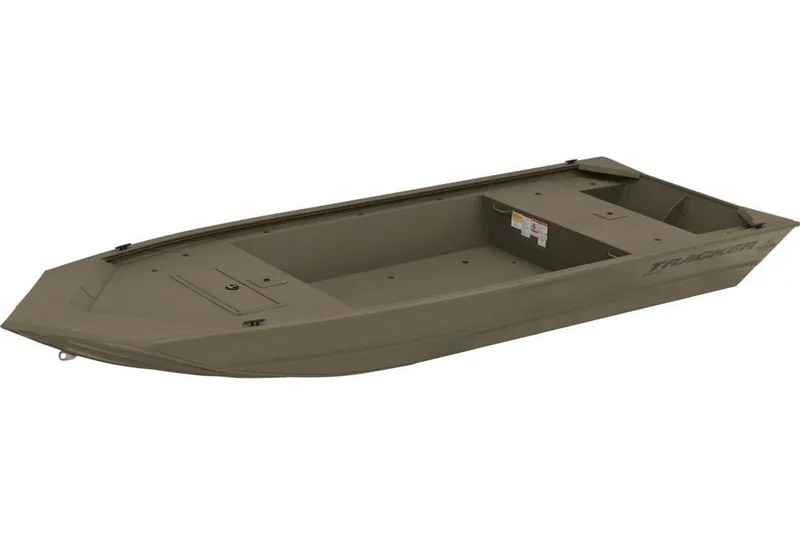
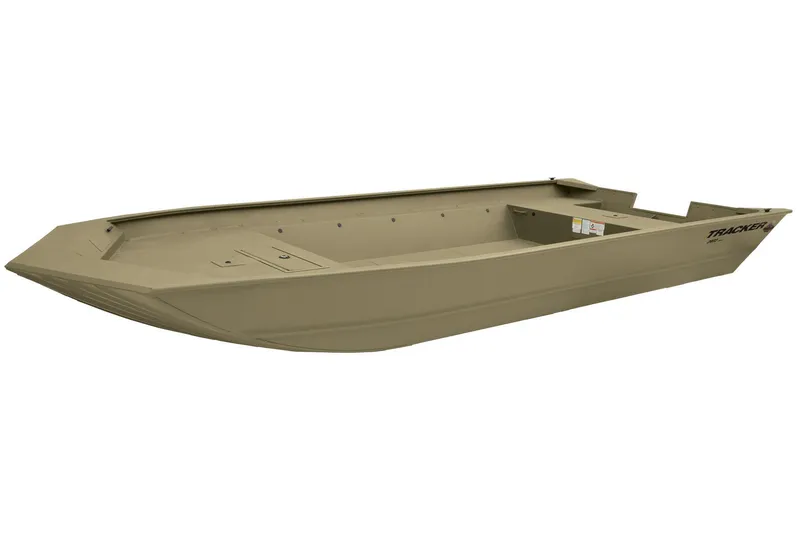
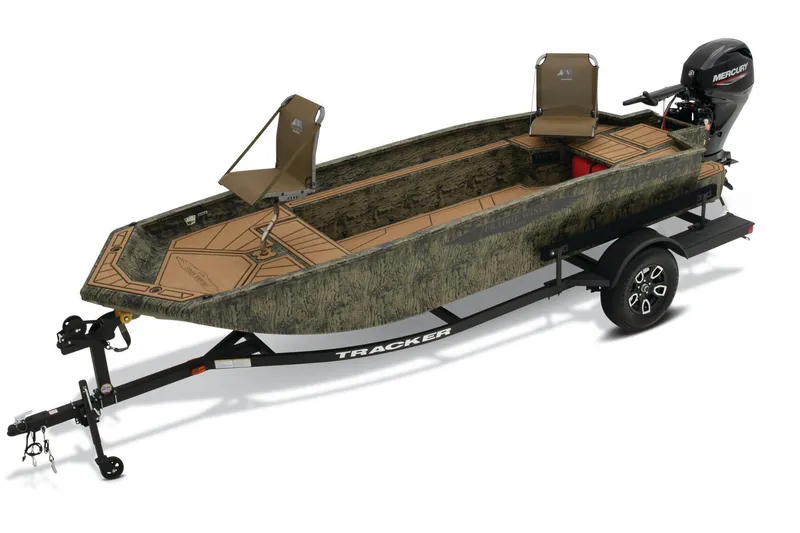
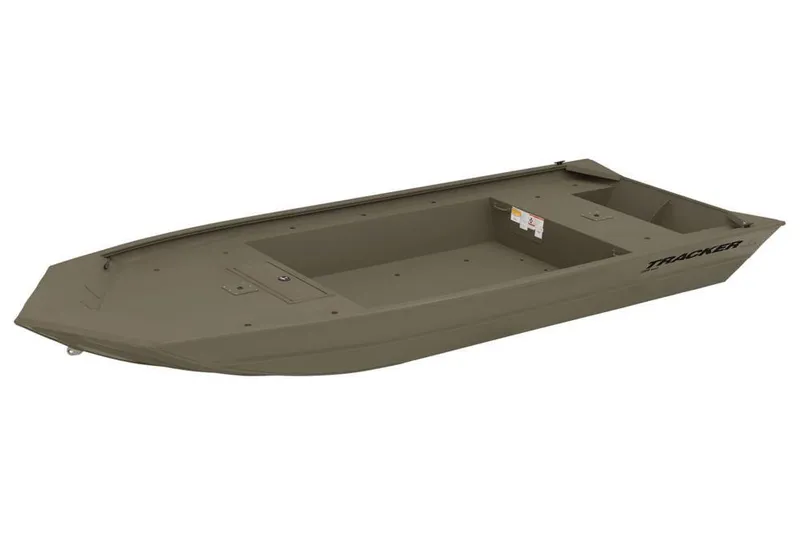
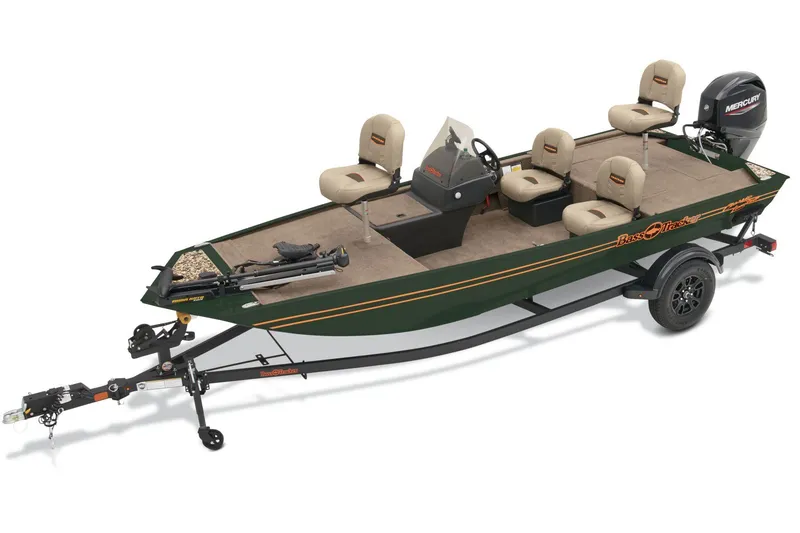
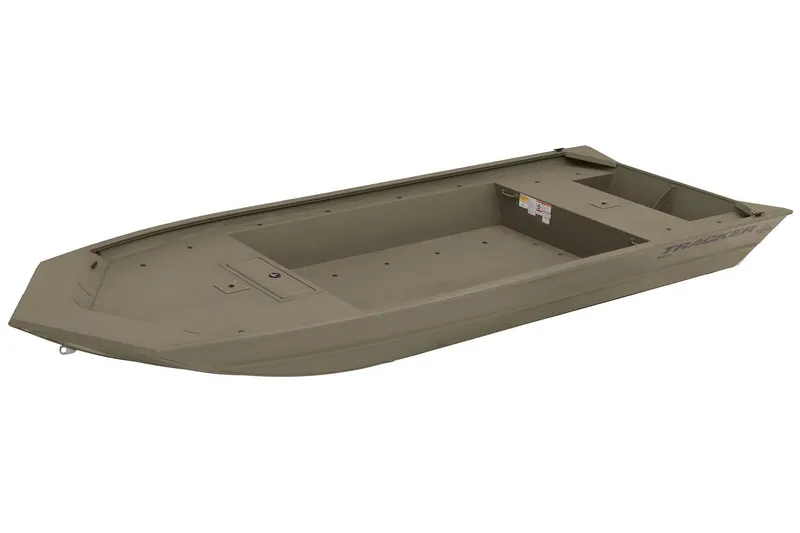
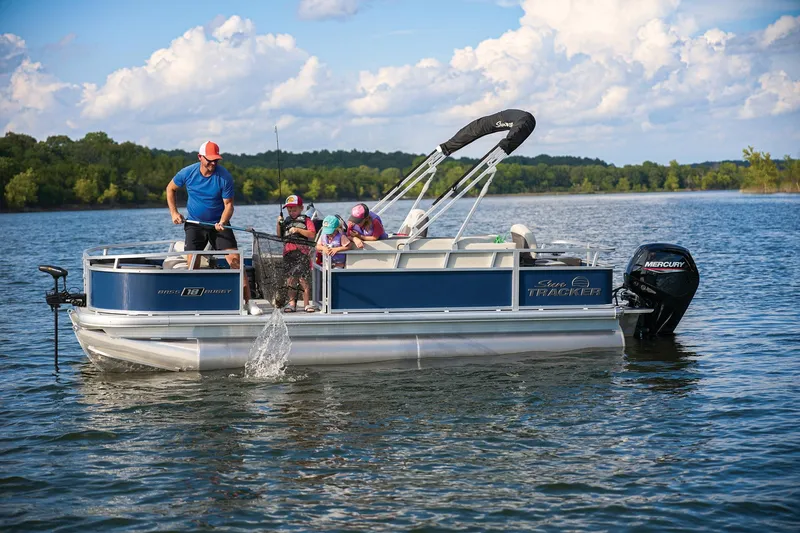
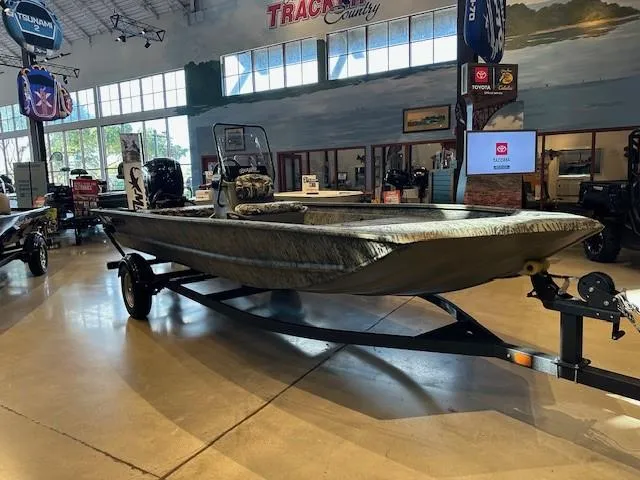
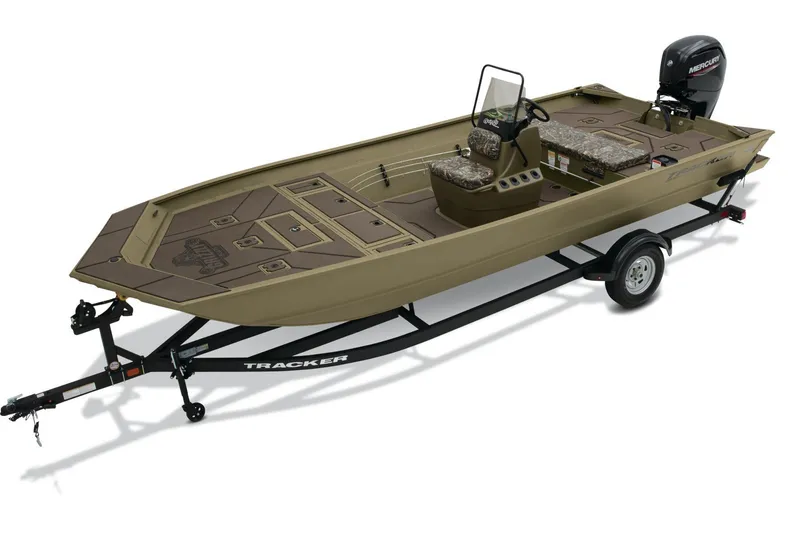
If your idea of boating leans more toward casting a line or quietly exploring backwaters than high-speed watersports, the San Antonio area is appealing. Calaveras Lake is well known for red drum, hybrid striped bass, catfish, and largemouth bass, and Victor Braunig Lake offers a similar mix of stocked and native species. Around the city, the San Antonio River and select small lakes and ponds support kayaking, canoeing, and stand-up paddleboarding in designated non-motorized zones. This creates a welcoming environment for smaller boats in San Antonio, from jon boats and aluminum fishing rigs to kayaks and paddleboards.

4. Full-service marinas and sailing scene at Canyon Lake

Canyon Lake, about an hour from much of San Antonio, serves as the area’s full-featured boating hub. Canyon Lake Marina and Cranes Mill Marina offer wet slips, fuel docks, repair services, ship stores, rentals, and lakeside dining, so you can keep a boat on the water with many of the conveniences you’d expect at larger regional lakes. Lake Canyon Yacht Club adds a dedicated sailing community with 144 slips, dry storage for more than 150 boats, organized racing fleets, and long-running events like the Wurstfest Regatta. For boaters who want more than just a launch ramp and a parking lot, this cluster of services and community activity is a standout advantage.

5. Trailering convenience and flexible boat ownership

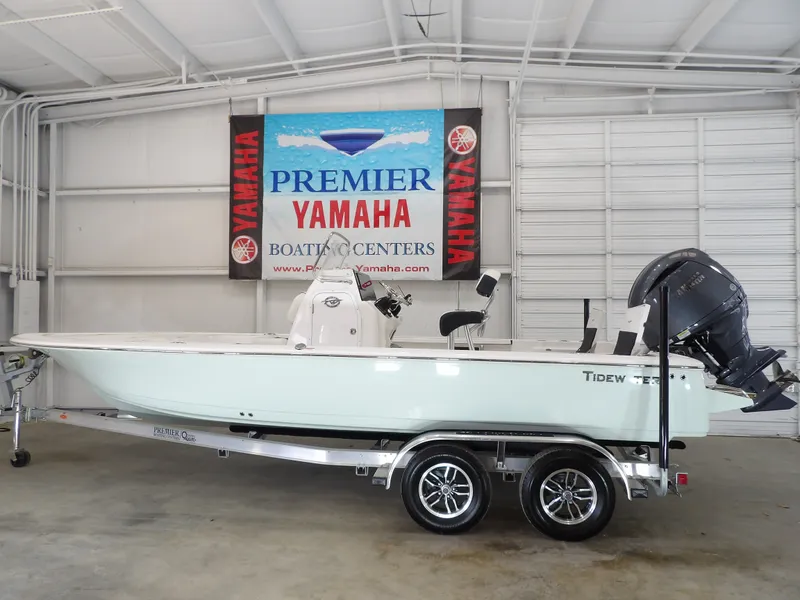
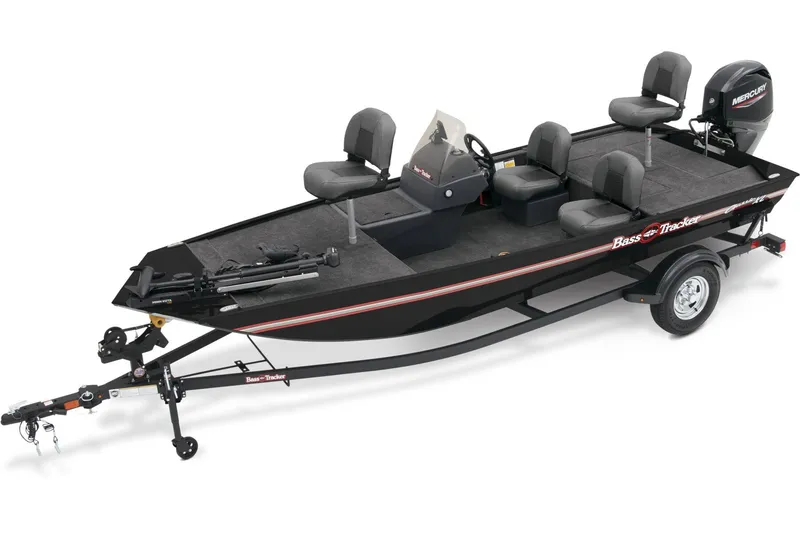
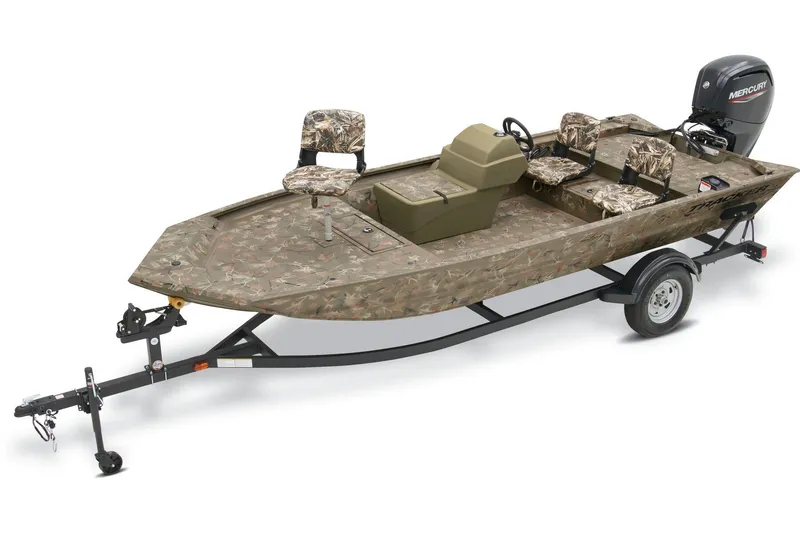
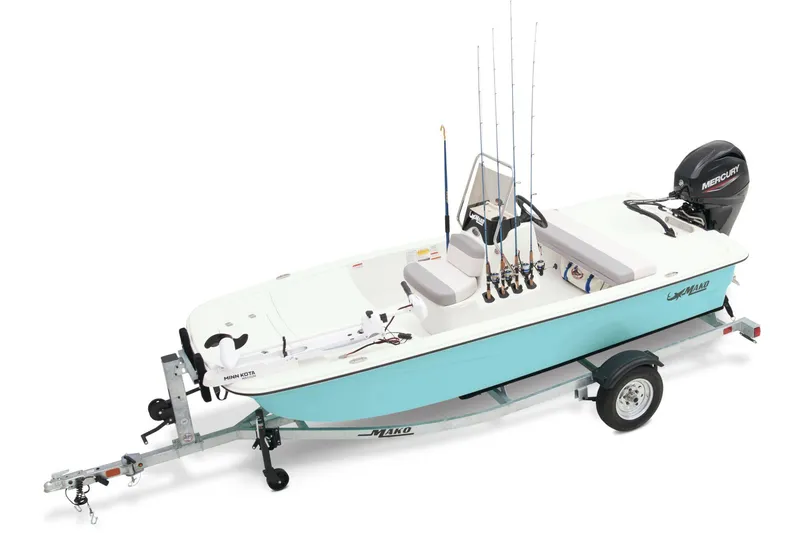
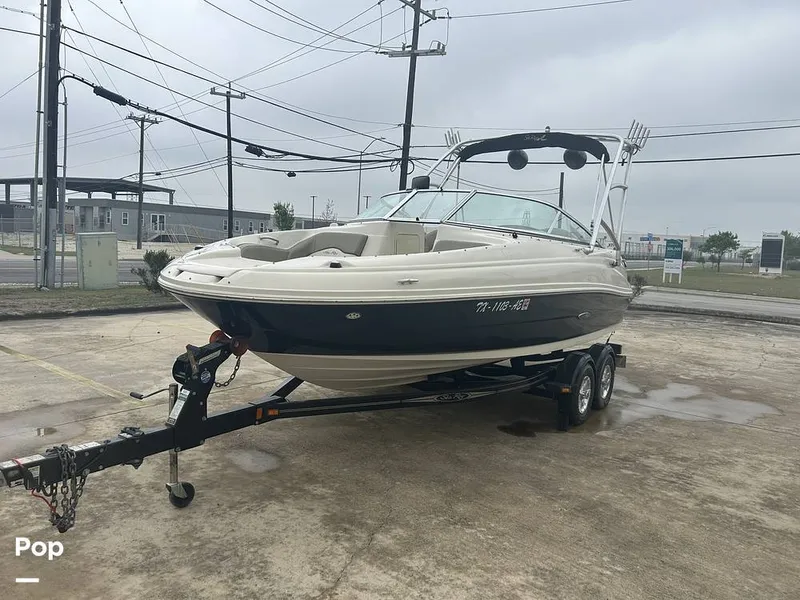
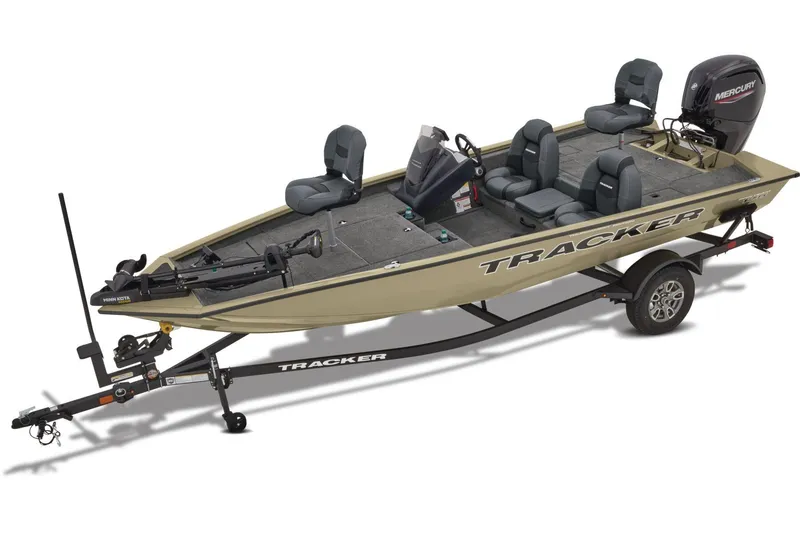
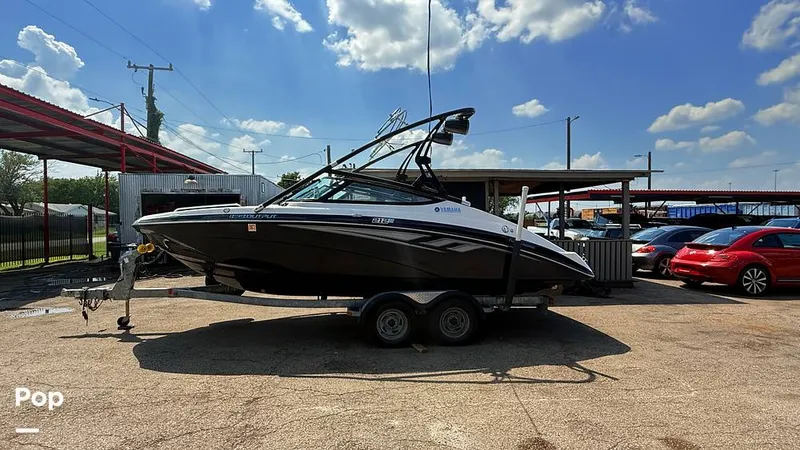
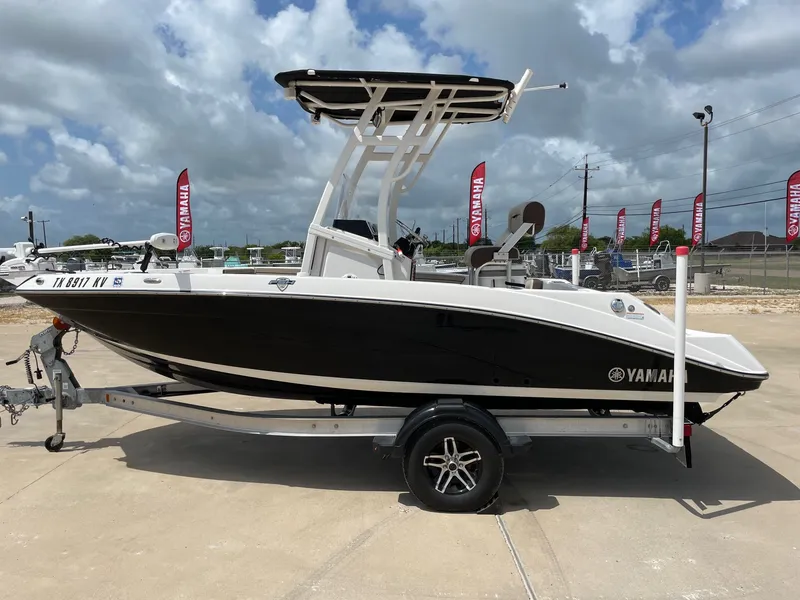
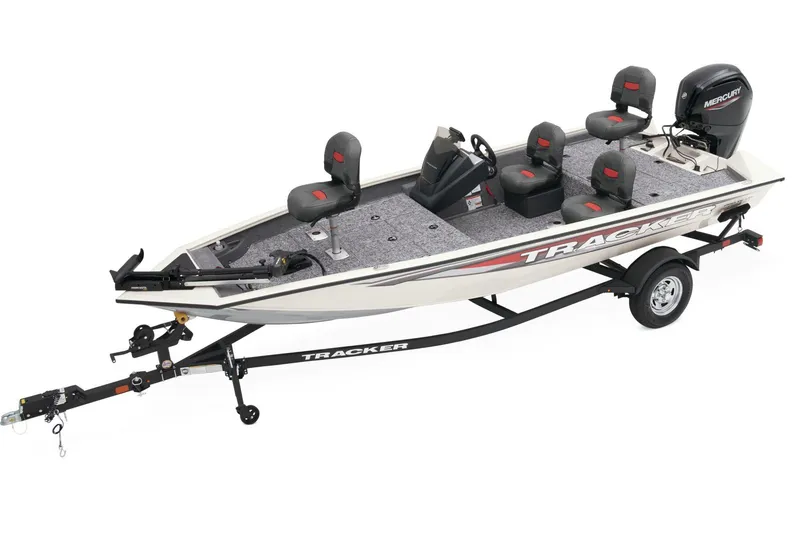
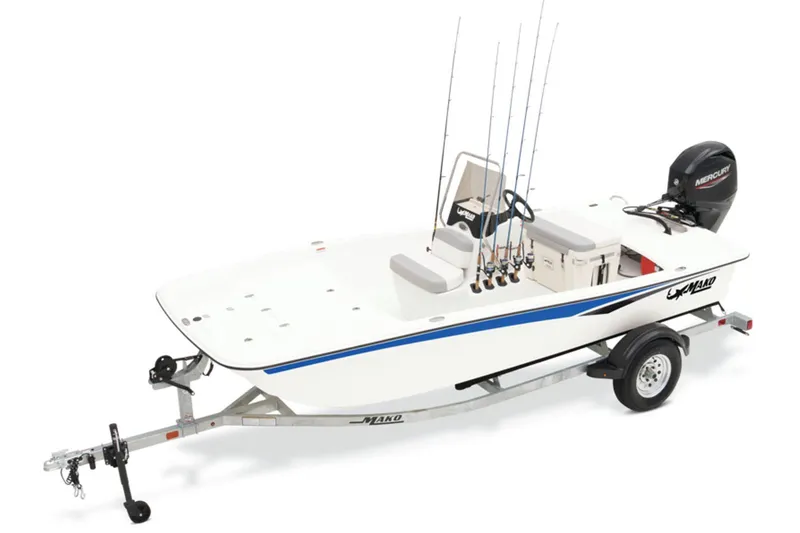
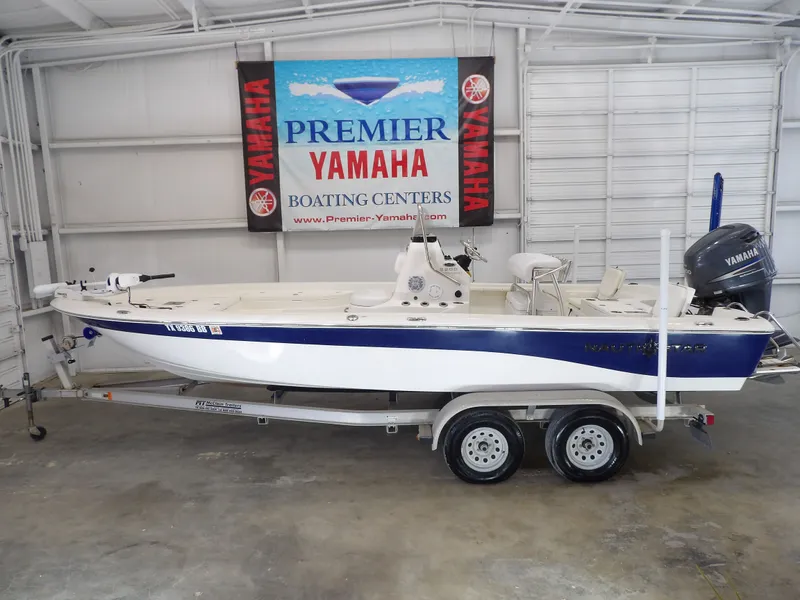
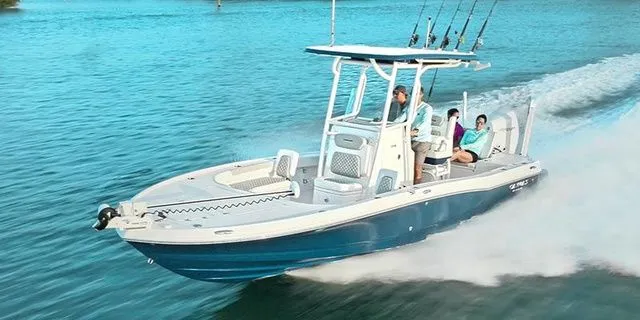
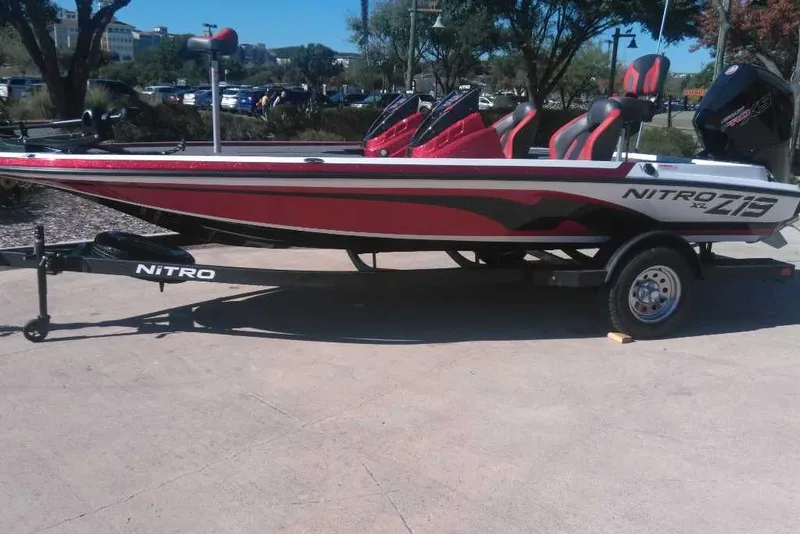
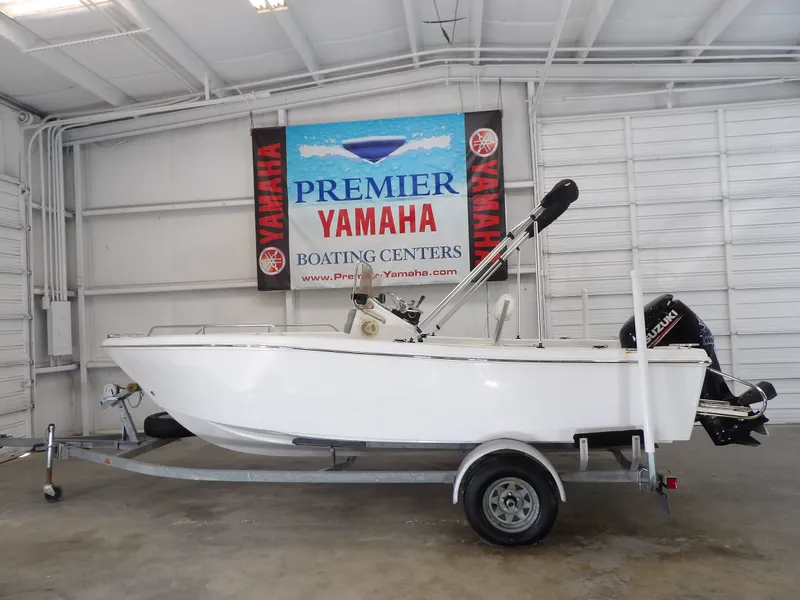
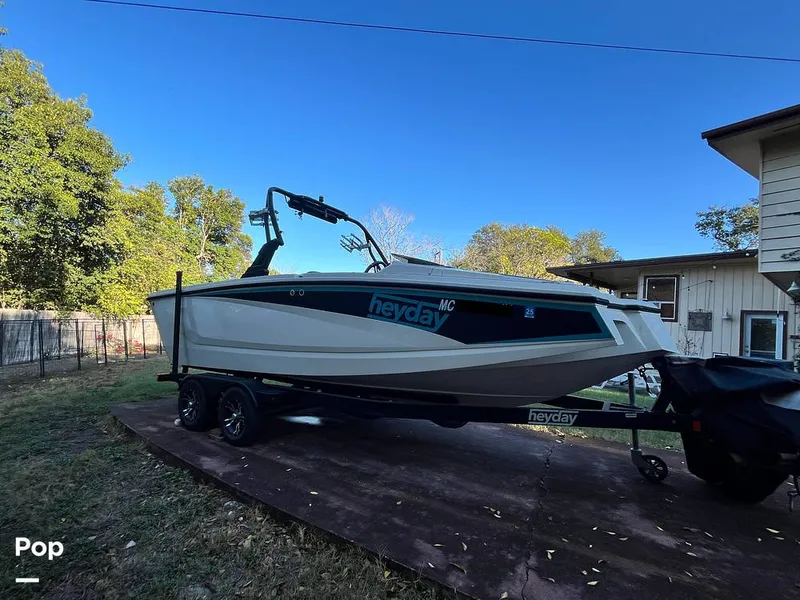
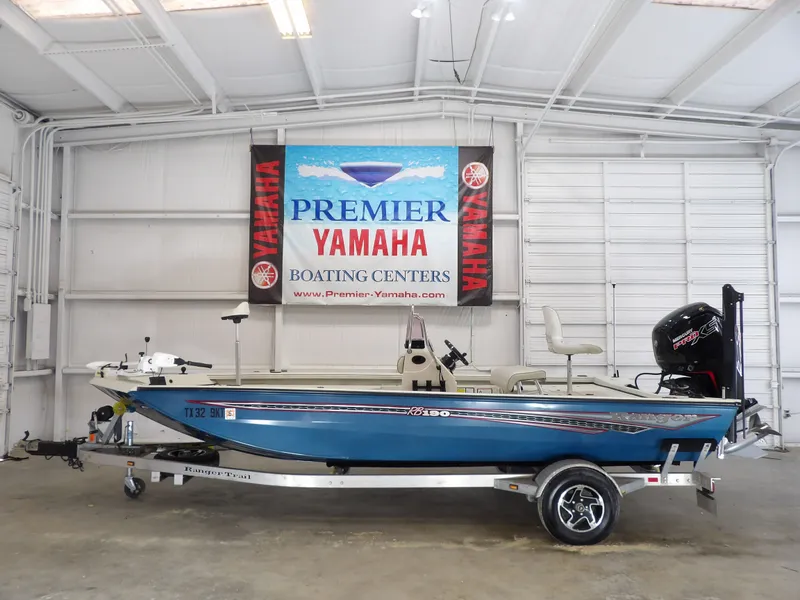
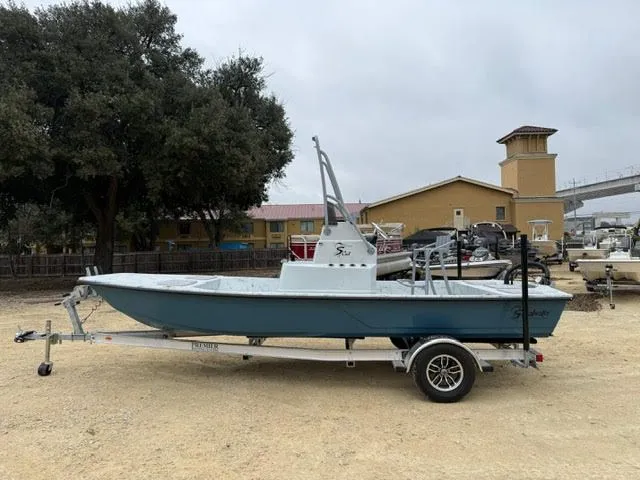
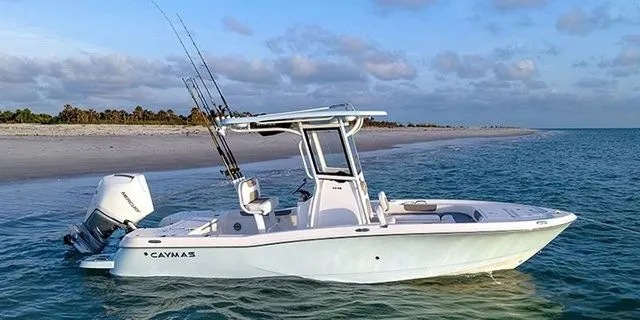
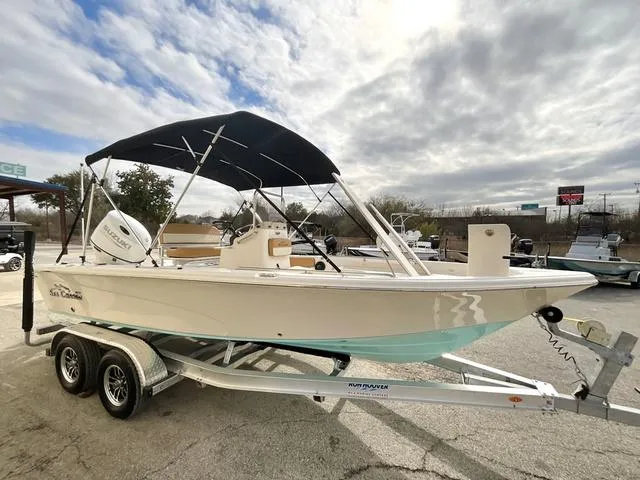
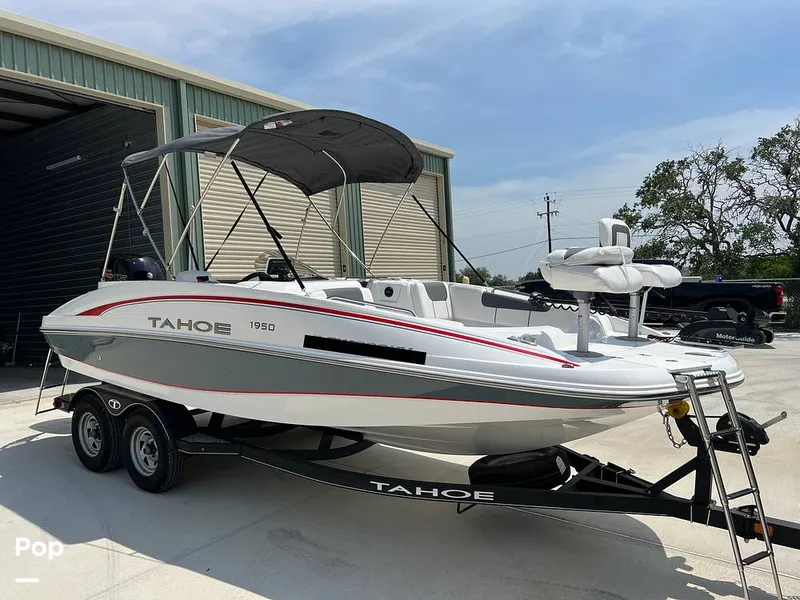
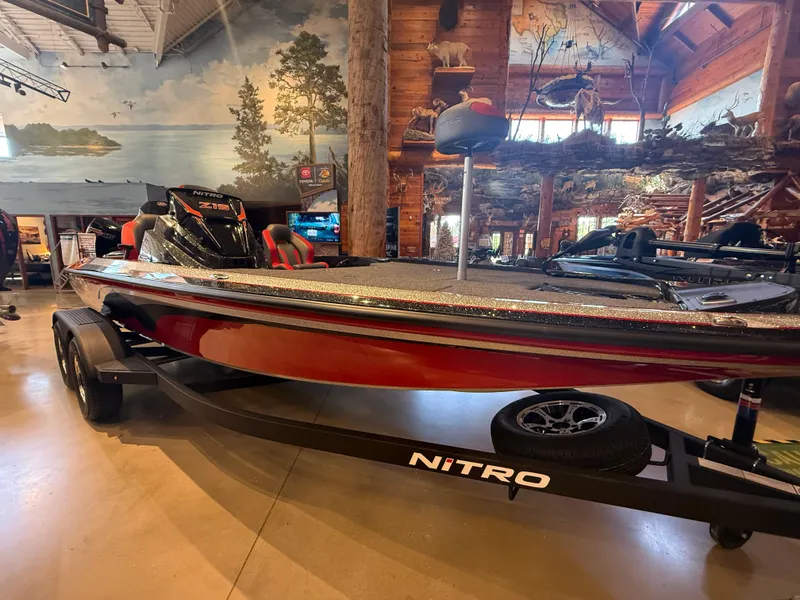
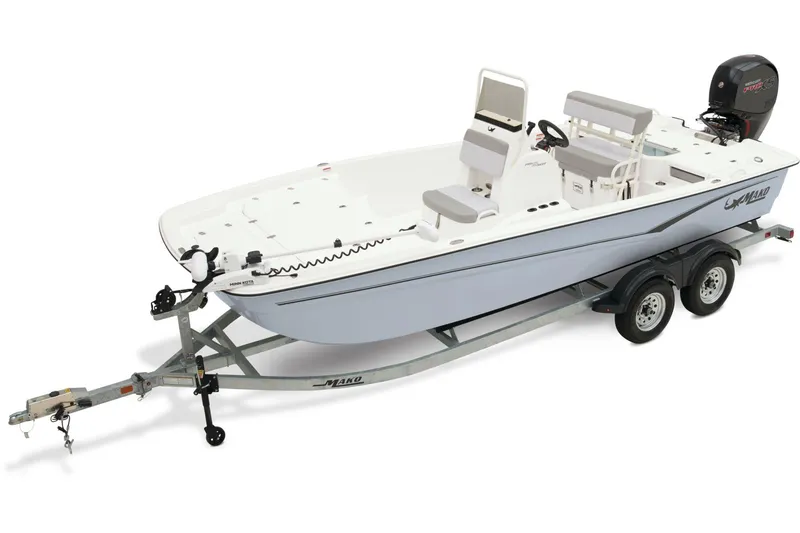
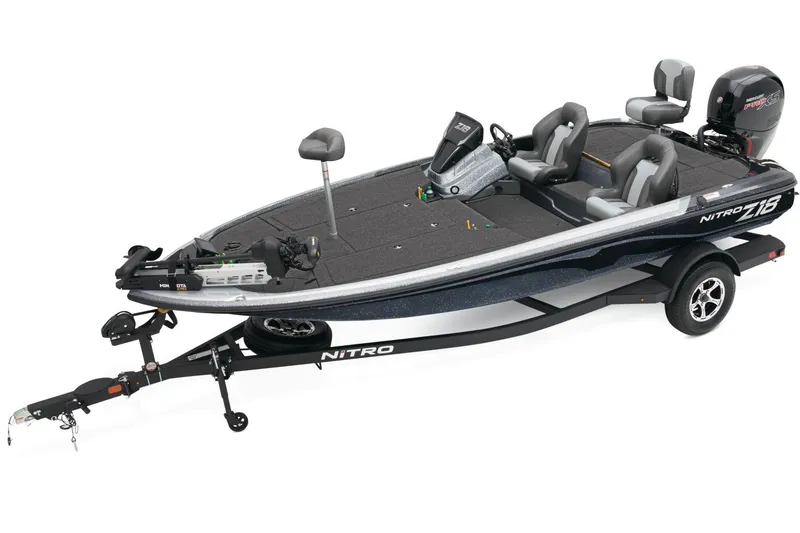
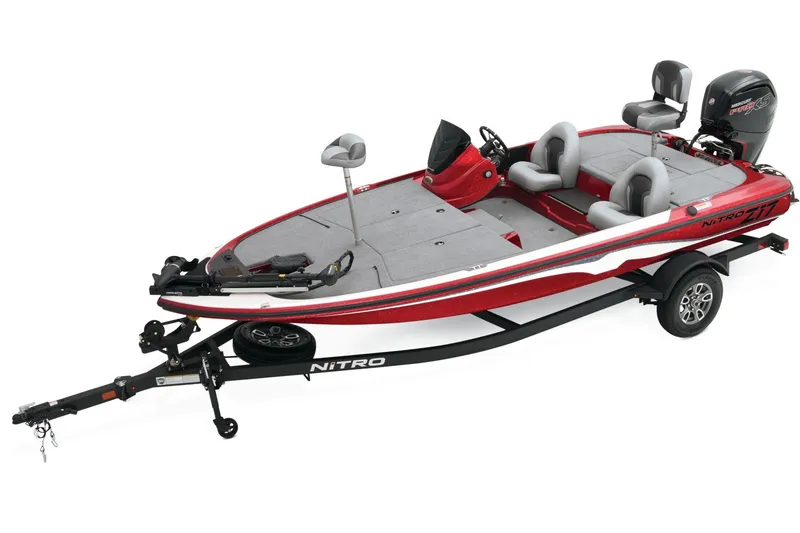
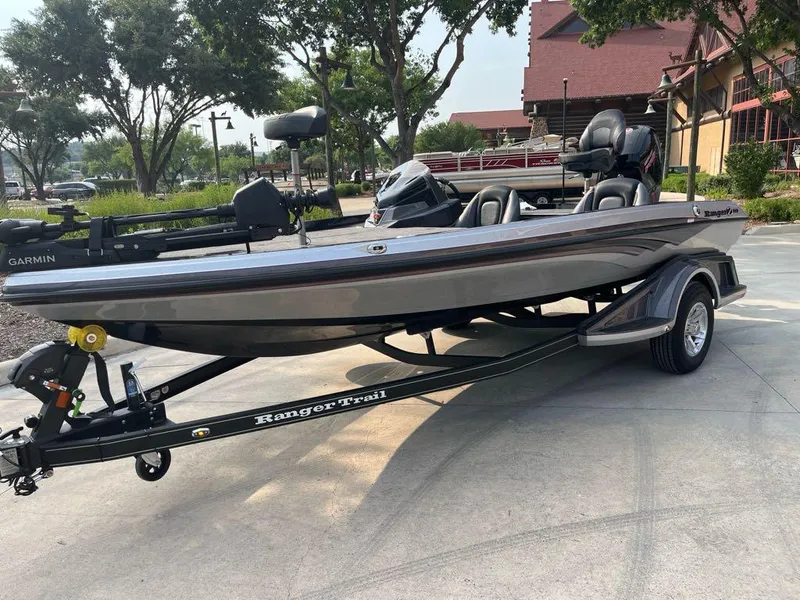
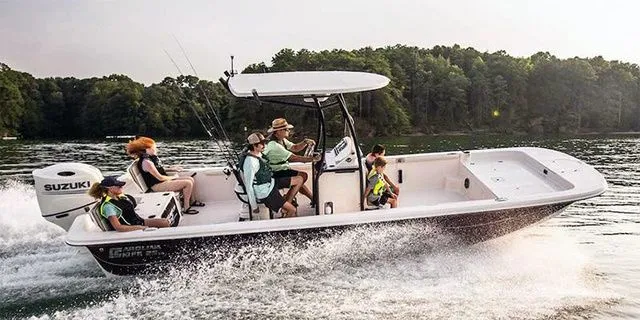
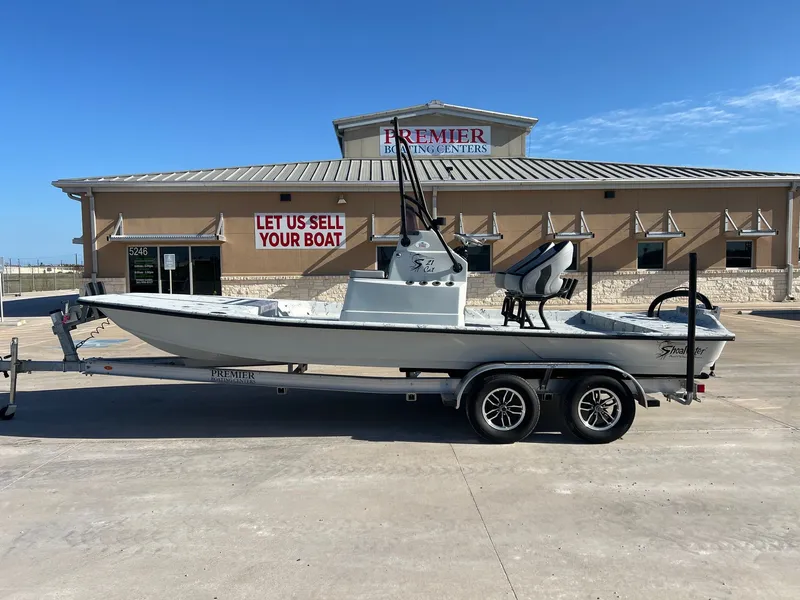
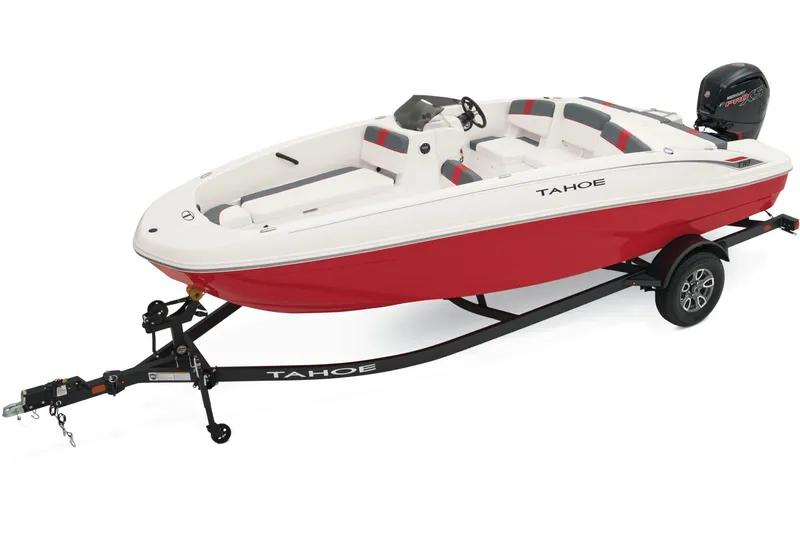
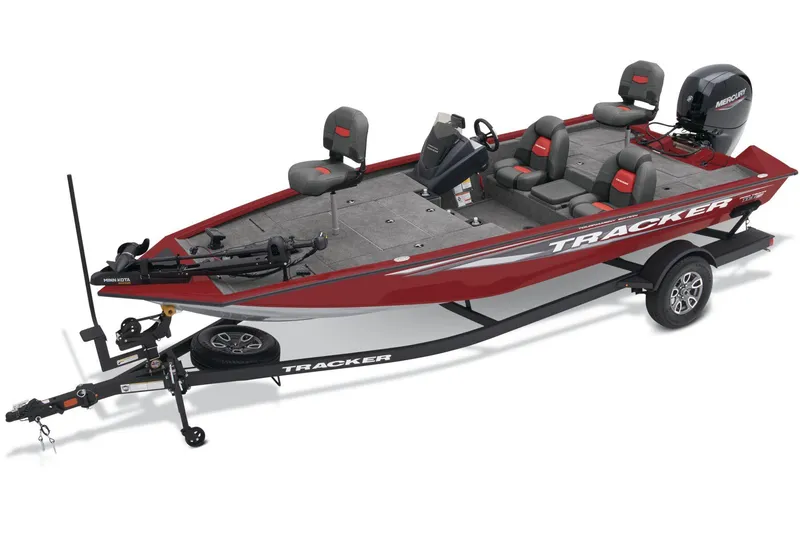
Because San Antonio’s bigger boating opportunities are spread across several reservoirs, many locals choose trailerable boats and flexible storage setups. Public and private ramps around Calaveras Lake, Braunig Lake, and Canyon Lake make it realistic to haul a small center console, bass boat, or runabout to whichever lake fits your plans that day. This can be a smart approach to keeping boats in San Antonio: instead of committing to a single slip, trailering lets you chase the best water levels, fishing conditions, or crowds, and it can reduce ongoing costs if you store your boat at home or in a basic storage facility.

Cons of boating in San Antonio, TX

1. Limited big-water access inside the city

Within San Antonio city limits, most water bodies are relatively small and highly regulated, which may disappoint boaters used to large, open lakes or coastal cruising. The San Antonio River is primarily managed for flood control, ecology, and recreation like paddling; wakeboarding and most swimming are prohibited, and only non-motorized craft are allowed in specific zones. Many city ponds and small lakes used for fishing allow only non-motorized boats or have very limited boating access. If you imagine walking down to a large marina in town or running a big cruiser just minutes from your downtown condo, San Antonio won’t match that expectation.

  • The Silver Lining: If you’re open to towing your boat or renting instead of relying on in-city moorage, lakes like Calaveras, Braunig, and especially Canyon Lake are all reachable in under about an hour from much of the metro area.

2. Drought and fluctuating water levels

South-Central Texas has faced prolonged drought in recent years, and that reality shows up on local reservoirs. Medina Lake, in particular, has seen dramatic drops in water level, at times leaving ramps high and dry and exposing underwater hazards. Low water can reduce usable shoreline, restrict launch options, and change the feel of a lake from broad and open to narrow and stump-filled. Even where water remains deep enough for boating, you may need to check ramp status and watch carefully for submerged objects.

  • The Silver Lining: Choosing trailerable boats in San Antonio and staying flexible about which lake you use can help you adapt; local marinas, Texas Parks & Wildlife, and the U.S. Army Corps of Engineers typically post current ramp and water-level information before weekends and holidays.

3. Regulations and activity restrictions

Because several nearby lakes are power plant cooling reservoirs and because the San Antonio River runs through urban and ecologically sensitive areas, the region’s waterways come with more rules than some purely recreational lakes. Sailboats are prohibited on Calaveras Lake, for example, and swimming is not allowed in Victor Braunig Lake. On the San Antonio River, wakeboarding and most swimming are banned, and only specific non-motorized, non-inflatable craft may be used in defined zones and daylight hours. These restrictions can limit certain styles of boating, especially if your top priorities are waterskiing, wakeboarding, or open-water swimming from the boat.

  • The Silver Lining: If you learn the rules for each lake and match your boat choice to where you plan to spend most of your time, you can still enjoy a mix of fishing, cruising, paddling, and sailing—particularly by leaning on Canyon Lake for higher-energy activities and using Calaveras, Braunig, and the rivers for more relaxed outings.
4. Infrastructure and cost trade-offs

San Antonio’s boating infrastructure is concentrated in a few key areas rather than spread evenly across every lake. Canyon Lake stands out for its full-service marinas and yacht club, but that also means limited slip availability and potentially higher costs compared with lightly developed lakes. On Calaveras Lake, day-use and ramp fees at Calaveras Lake Park add up over frequent trips, and amenities are more basic than at major resort lakes. Because current slip, storage, and fuel prices vary and may not be widely published, planning and budgeting can be less straightforward than in highly commercialized boating destinations.

  • The Silver Lining: Opting for a trailerable boat and using public ramps, or sharing costs through club memberships or boat rentals, can keep expenses more manageable while still giving you regular access to the water.

5. Crowds, heat, and safety considerations

Peak-season weekends on popular reservoirs near San Antonio can get crowded, especially on Canyon Lake and easily accessed sections of Calaveras and Braunig. Add in South Texas heat, and you have a mix that demands extra attention to hydration, sun protection, and safe boat operation. On hot afternoons with many personal watercraft and wake boats running, chop can build quickly in wide-open sections, which may be uncomfortable for small craft or newer operators. As on all Texas lakes, you’ll also need to stay on top of state safety rules, including life jacket requirements, boater education, and Boating While Intoxicated laws enforced by game wardens.
  • The Silver Lining: If you time your trips for early mornings, weekdays, or shoulder seasons, you’ll often find calmer water, cooler temperatures, and easier ramp parking—letting you enjoy the same lakes with far less stress.
What boating in San Antonio, TX is really like

Boating in San Antonio feels like a study in contrasts. Inside the city, you see kayaks and paddleboards sliding quietly along stretches of the San Antonio River at sunrise, while joggers and cyclists line the banks. Small city lakes like Woodlawn or Miller’s Pond are laid‑back spots where people launch jon boats, canoes, or kayaks for a couple of peaceful hours of fishing. Engine noise is minimal here; the focus is more on casting, bird watching, and family-friendly paddling than high‑speed thrills.

Drive 20–40 miles out of town, though, and the energy shifts. At Calaveras Lake and Victor Braunig Lake, you’ll find a working‑class, practical crowd: anglers in aluminum fishing rigs and center consoles, families in modest runabouts, and a mix of locals towing boats in for a day trip. Mornings are dominated by serious fishermen chasing red drum, catfish, and bass; afternoons lean more toward relaxed cruising and anchored boats with people grilling on shore. These are functional reservoirs with power‑plant backdrops, but they’re also everyday playgrounds for San Antonio boaters who want quick access to the water.

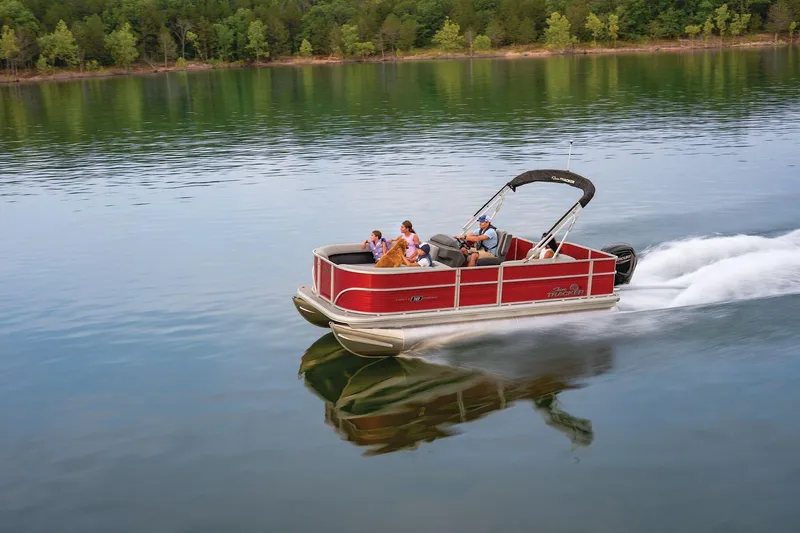
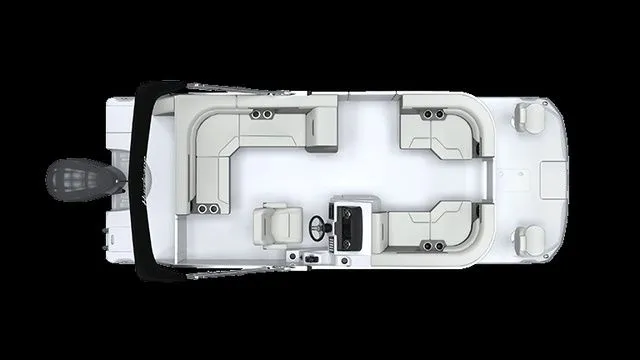
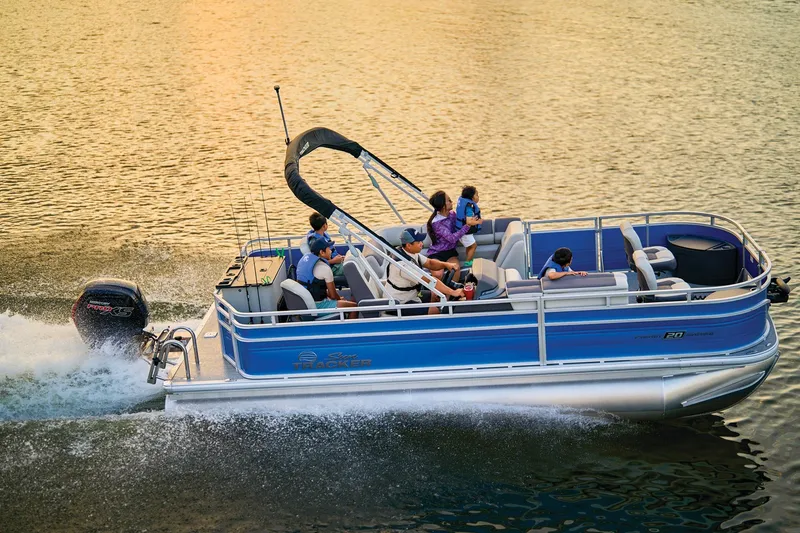
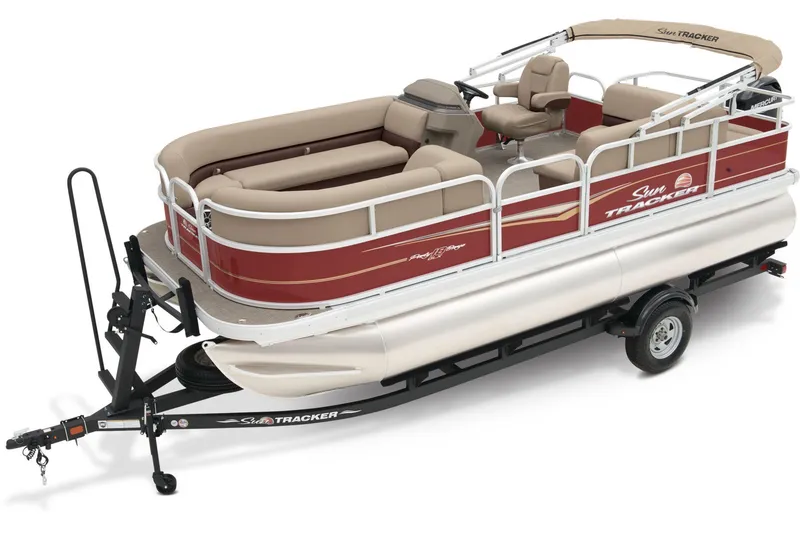
On Canyon Lake, the boating scene becomes more classic “lake life.” Here you’ll see everything from wake boats and tri‑toons (high‑end pontoon boats) packed with families, to cruising sailboats and race-ready dinghies from Lake Canyon Yacht Club. Summer weekends bring raft‑ups in coves, kids tubing in long, looping patterns, and dockside lunches at the Canyon Lake Marina restaurant. Event days like the Wurstfest Regatta draw a tight‑knit sailing community: fleets of J‑22s and Catalina 22s crisscross the lake while spectators watch from docks and shore, turning an ordinary weekend into a small regatta festival.

Costs, logistics, and practical details

Logistics for boats in San Antonio are centered around trailer boating and a handful of regional marinas. Within the city, most water access is via small public launches or carry‑in spots for kayaks and canoes on ponds and river sections. These generally don’t have fuel docks or slips; you bring your own gear, launch, and take everything back home the same day. Parking can be tight on nice weekends, but on weekdays and off‑peak times it’s typically easy to find a spot.

For power boating and sailing, the real infrastructure lies a short drive away. Canyon Lake hosts the most developed marina scene, with Canyon Lake Marina and Cranes Mill Marina offering wet slips, fuel docks, basic repair, and ship stores with ice, snacks, and common parts. Lake Canyon Yacht Club adds a private‑club layer: slips, a boat ramp, and dry storage for over 150 boats, plus racing and social events for members. While current slip and storage prices aren’t listed in public data, the general feel is: popular and in demand, with a mix of modest runabouts and more expensive cruisers and sailboats sharing the same basin.

Closer to town, Calaveras Lake Park provides practical day‑use access, including two four‑lane paved ramps. You pay a day‑use fee at the gate, launch, and have set park hours (typically around 6 a.m. to 8 p.m., varying slightly by season). Facilities are more basic than a full-service marina—think ramps, picnic areas, and some shoreline amenities rather than restaurants and yacht‑club comforts. Braunig Lake has a similar day‑trip feel, focused on fishing rather than swimming or high‑energy watersports, with users bringing fuel and supplies in their tow vehicles.

Is San Antonio, TX a good place for boating?

As a whole, boats in San Antonio enjoy a solid, if somewhat unconventional, home. The real strengths are accessibility and variety within a one‑hour drive: calm urban paddling on the San Antonio River, fishing‑centric reservoirs at Calaveras and Braunig, and more traditional recreational boating and sailing on Canyon Lake. The culture is welcoming and low‑key, with plenty of room for anglers, family day‑boaters, and dedicated sailors. Year‑round usability, especially compared with colder parts of the country, is a major plus.

You will love boating here if:

  • You like the idea of a primarily trailer‑based boating lifestyle, where you tow to different lakes—Calaveras, Braunig, Canyon Lake—depending on your mood and the season rather than being tied to one big marina.
  • You enjoy fishing-focused outings, especially for species like red drum, catfish, and bass, and don’t mind more industrial backdrops (like power‑plant cooling lakes) if the bite is good.
  • You value a relaxed, non‑pretentious boating culture over glitzy waterfronts, and you’re happy with basic ramps and parks rather than luxury yacht clubs and boardwalks.

You might find it challenging if:

  • You want an urban, in‑town marina lifestyle with your boat in a slip right next to restaurants, nightlife, and a continuous downtown waterfront—San Antonio’s boating is more drive‑to‑the‑lake than walk‑to‑the‑dock.
  • You dislike dealing with water‑level changes, potential ramp closures, or drought‑related limitations and would rather boat on more stable, deep natural lakes or coastal waters.
  • You’re focused on high‑end wake sports or large cruising yachts and expect broad, open water with minimal restrictions—city water bodies have strong limits on wakeboarding and motorized use, and the nearby reservoirs are moderate in size.

If you’re comfortable trailering, don’t mind driving a bit for the best water, and value practical, fishing‑forward and family‑friendly boating over big‑city marina glamour, San Antonio can be a very satisfying boating base. For those dreaming of clear‑blue, walk‑out‑your‑door waterfront or large‑yacht cruising, it may feel limited—but it still belongs on your boating bucket list as a flexible, affordable hub for warm‑weather lake adventures and a worthwhile destination for a Texas hill‑country boating trip.

Be the First to Know

Get notified when new boats become available.

Logo