Aluminum Fishing
Searching boats for you...
Boating · Buyer’s Guide
Is an Aluminum Fishing Boat the Right Choice for You?
Written by: MarineSource Team | Estimated read time: 12 min read
There’s a unique thrill to being out on the water in an aluminum fishing boat. The gentle clinking of your fishing gear against the lightweight metal hull, the crisp splash as you cast your line, and the open-air freedom that these boats provide create an immersive experience for anglers and outdoor enthusiasts alike.
Aluminum fishing boats have earned their reputation for being rugged, reliable, and versatile companions on lakes, rivers, and protected coastal waters. Their practicality and durability make them a popular choice among both novice and seasoned fishermen, but as with any boat, there are trade-offs that deserve a closer look.
These boats are often the unsung heroes of the fishing world—simple in design but highly functional. They offer a no-frills approach to boating that emphasizes utility and longevity, making them a favorite for those who prioritize fishing and durability over luxury.
If you’re considering an aluminum fishing boat, understanding its core characteristics, main advantages, and biggest compromises will help you decide if it truly fits the way you want to fish and spend time on the water.
What Is an Aluminum Fishing Boat?
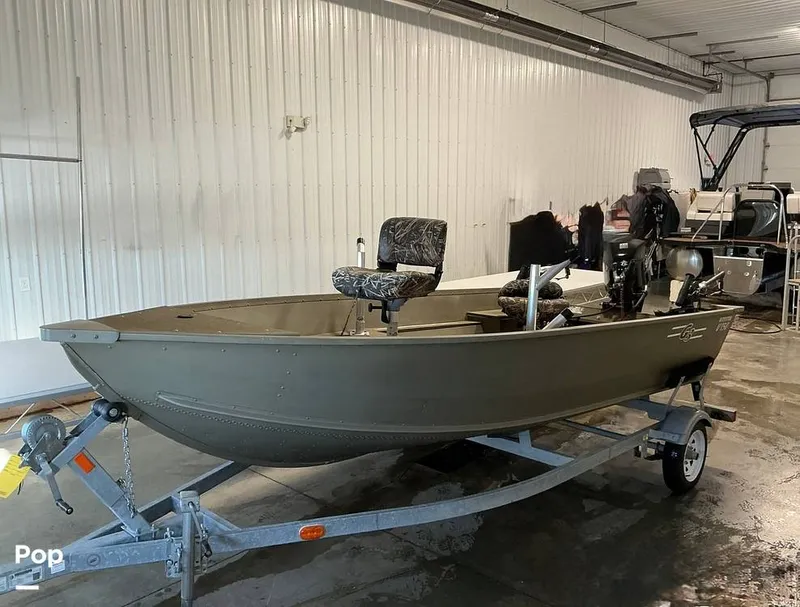
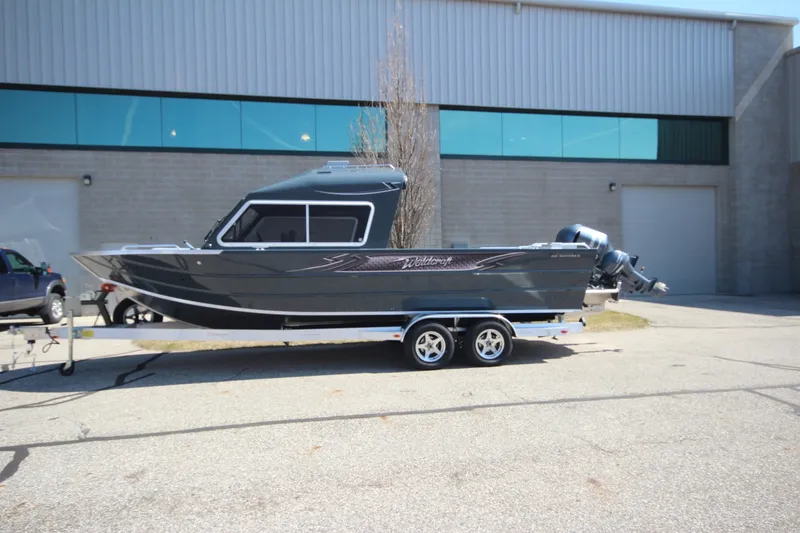
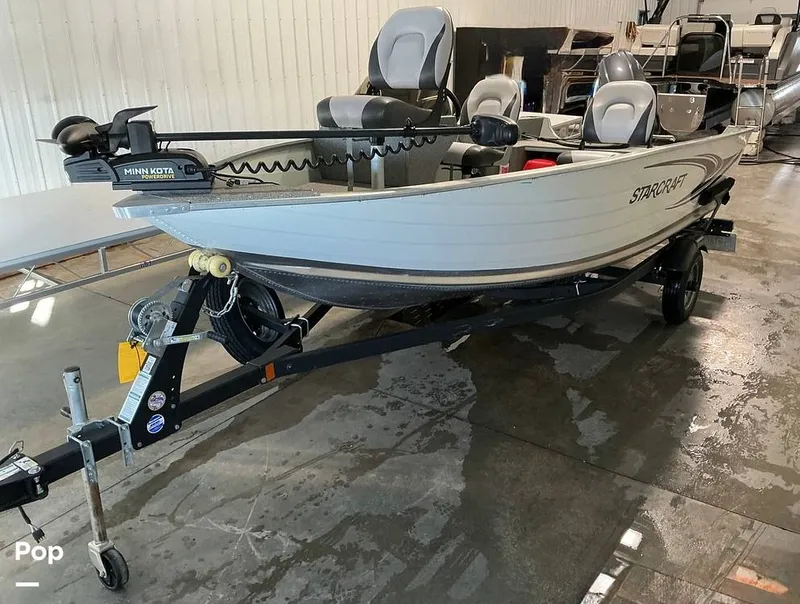
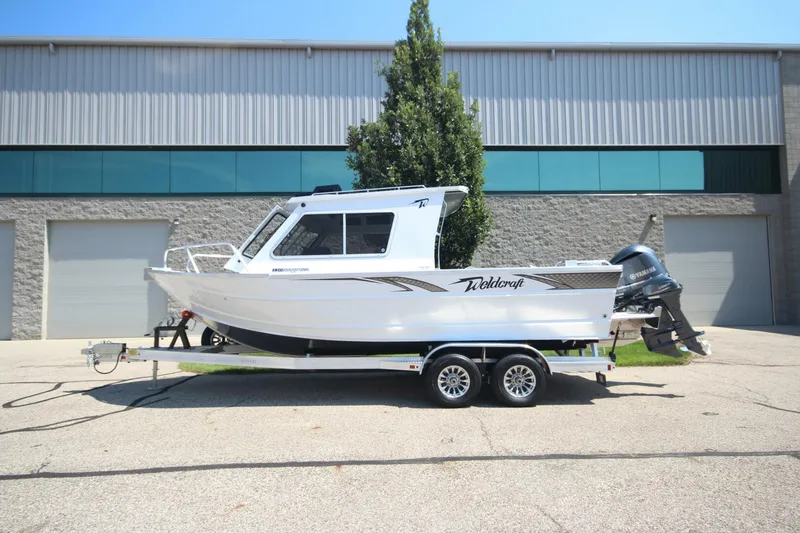
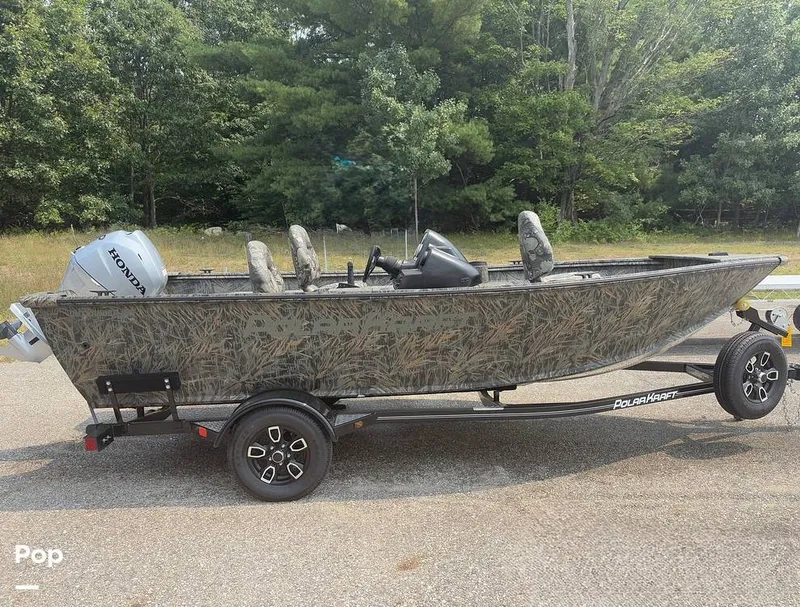
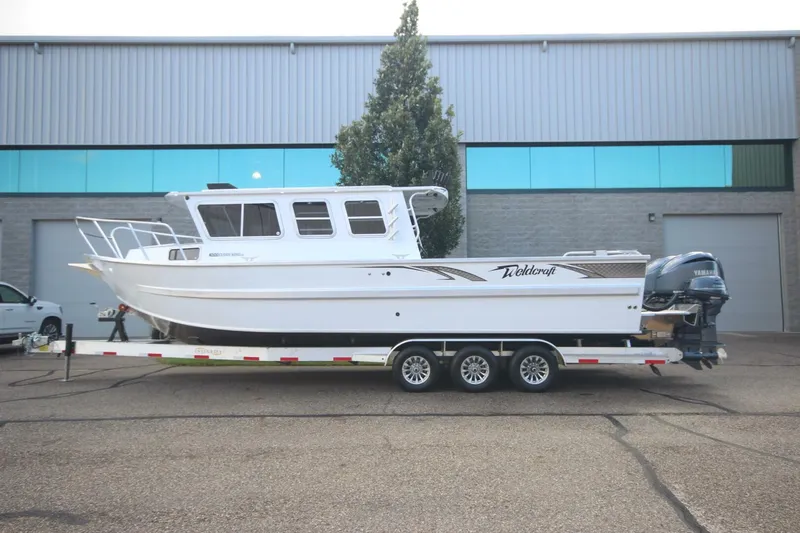
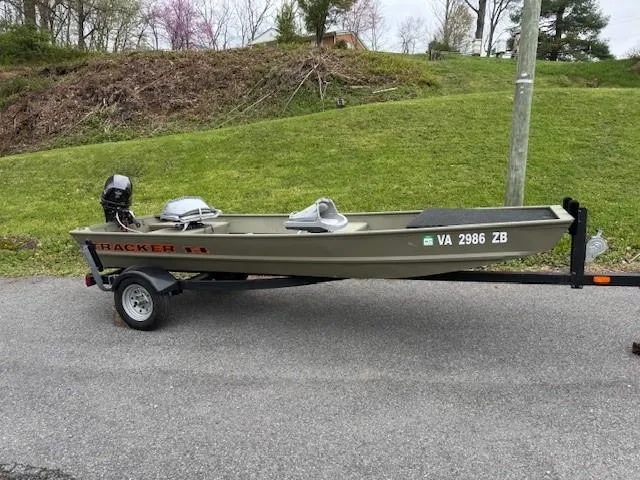
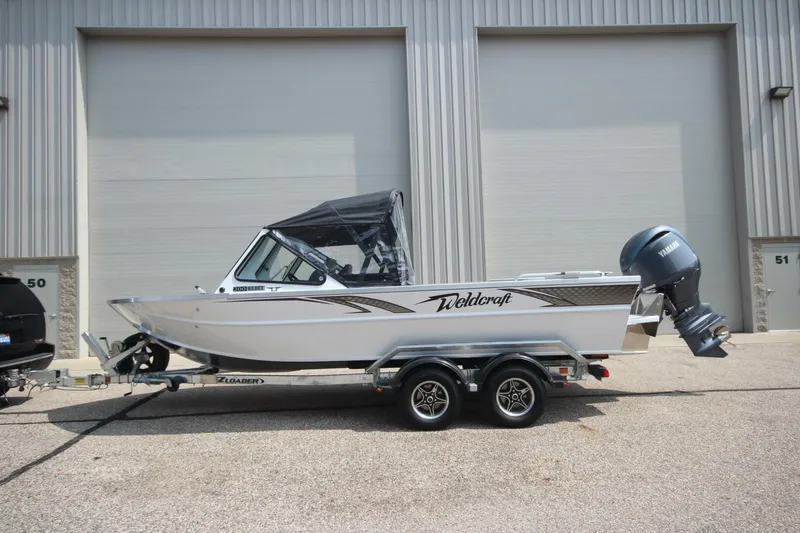
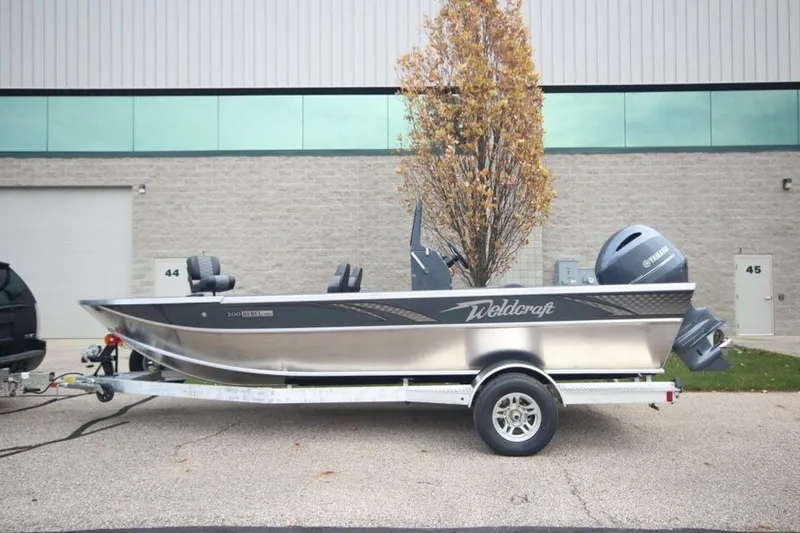
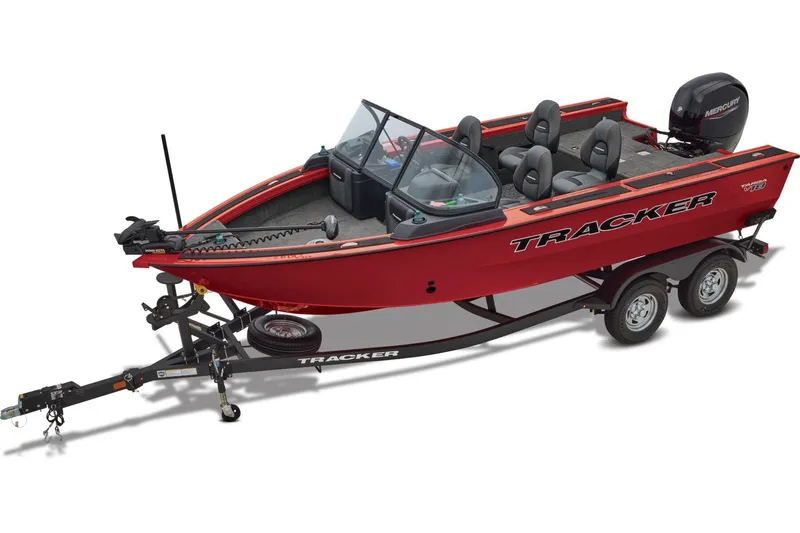
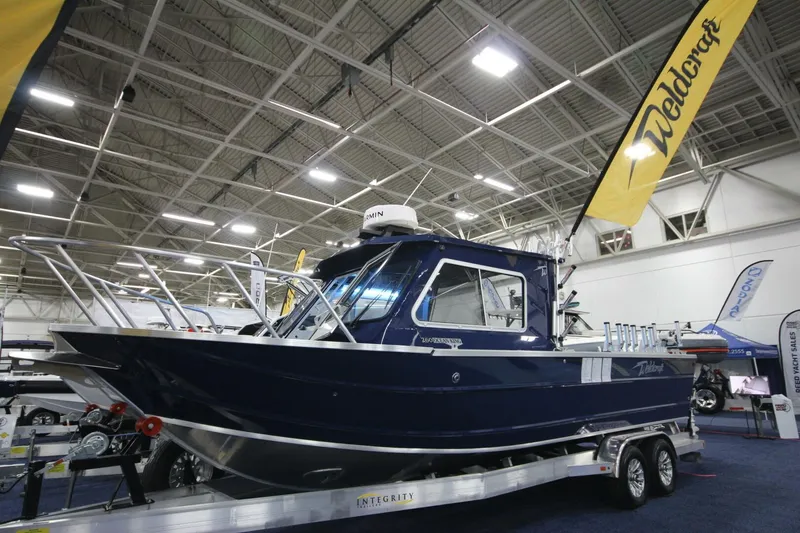
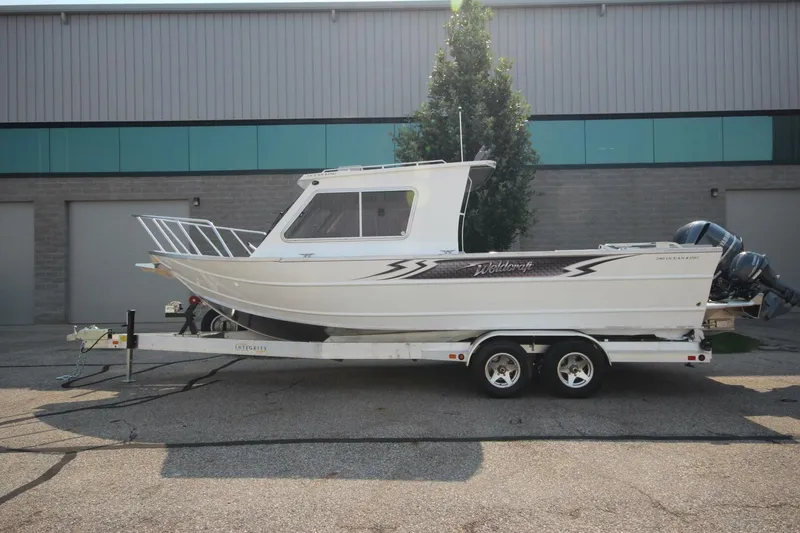
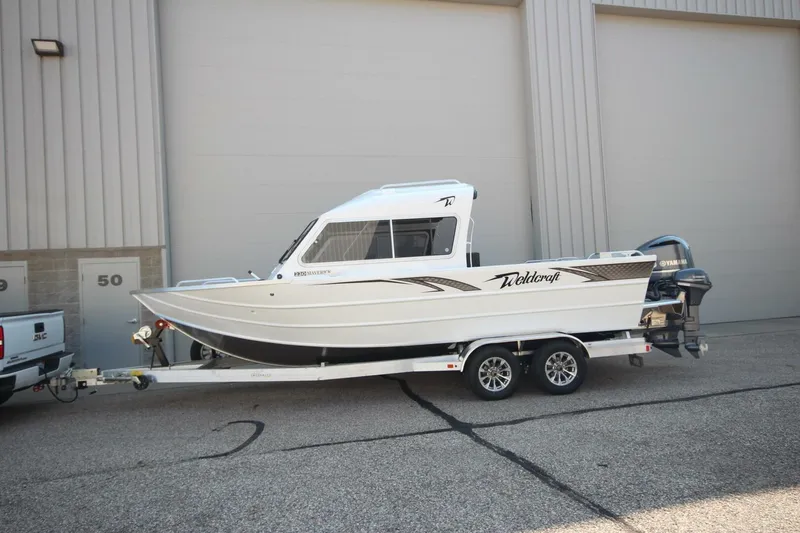
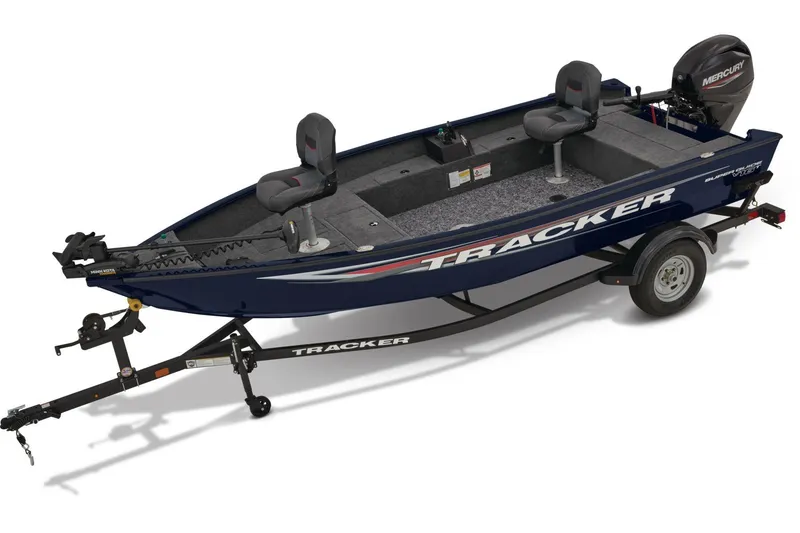
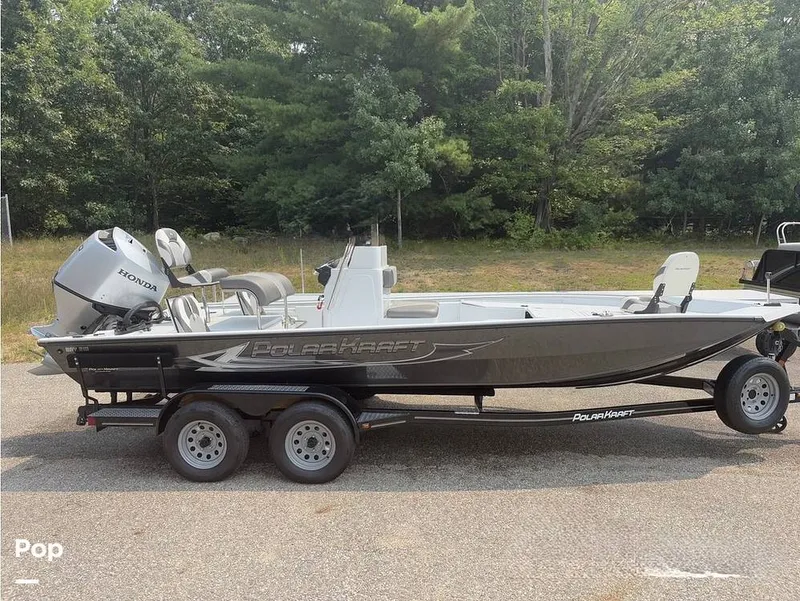
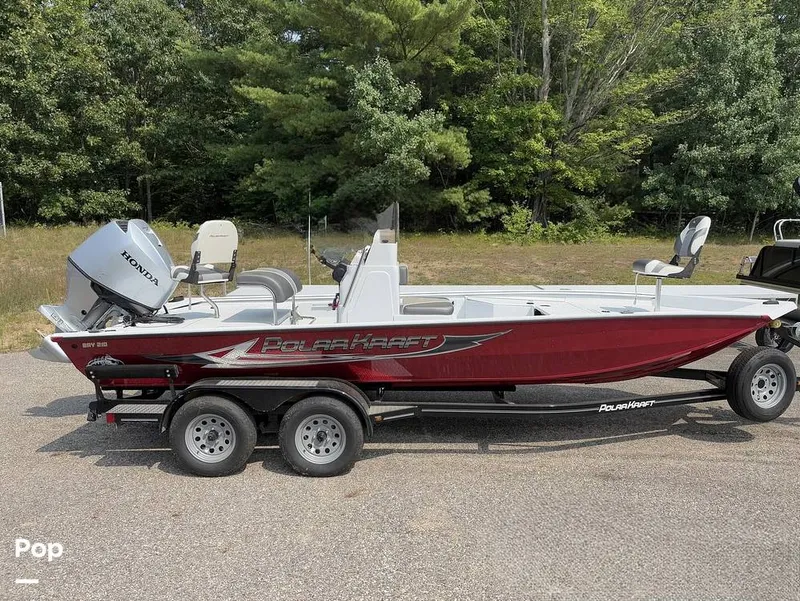
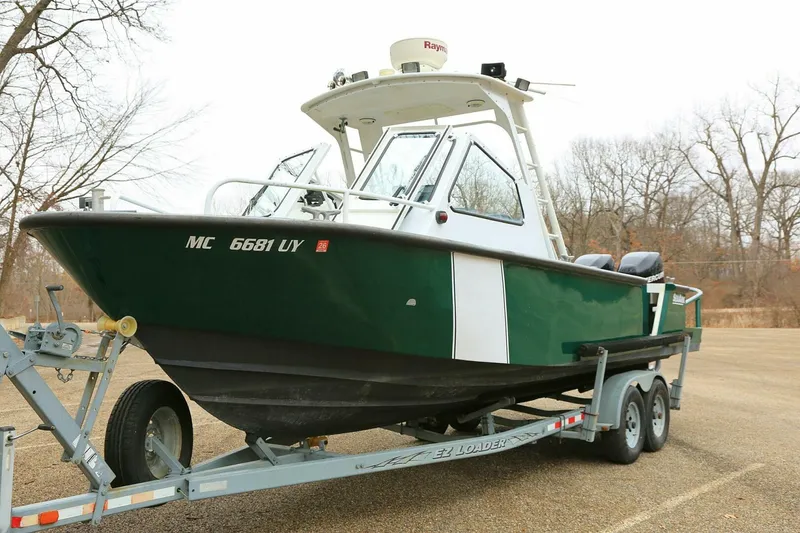
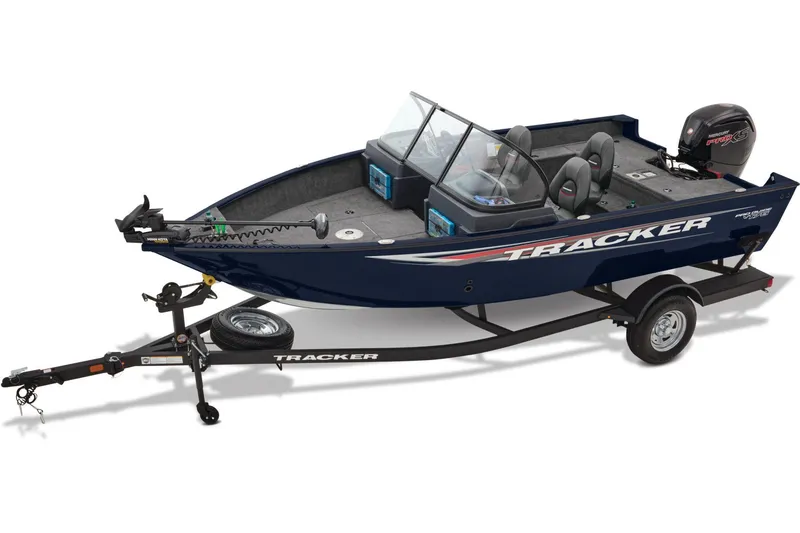
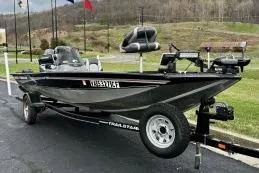
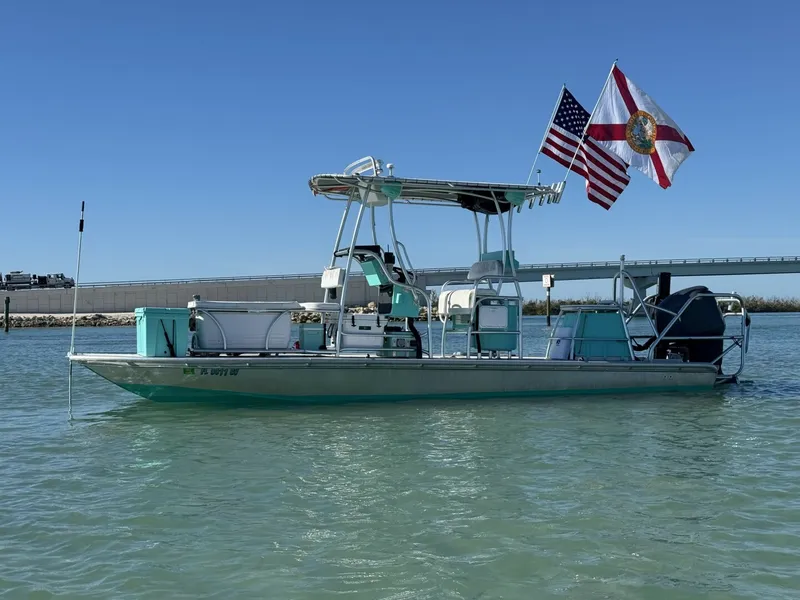
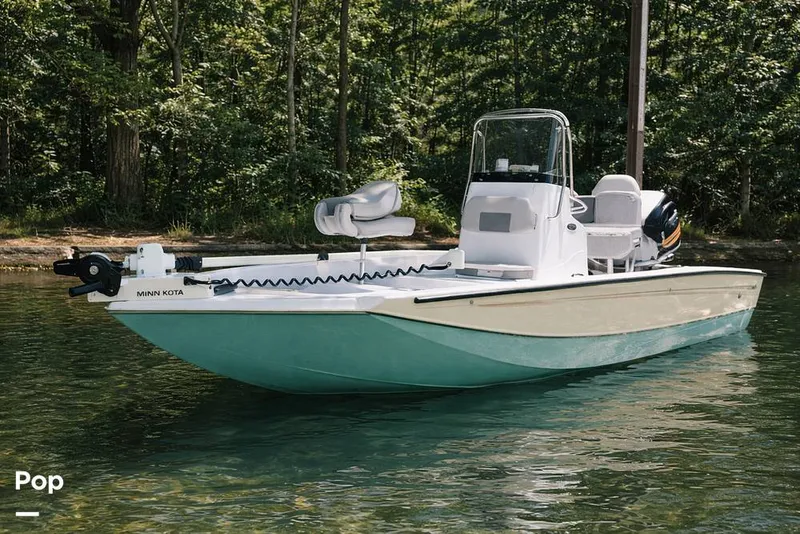
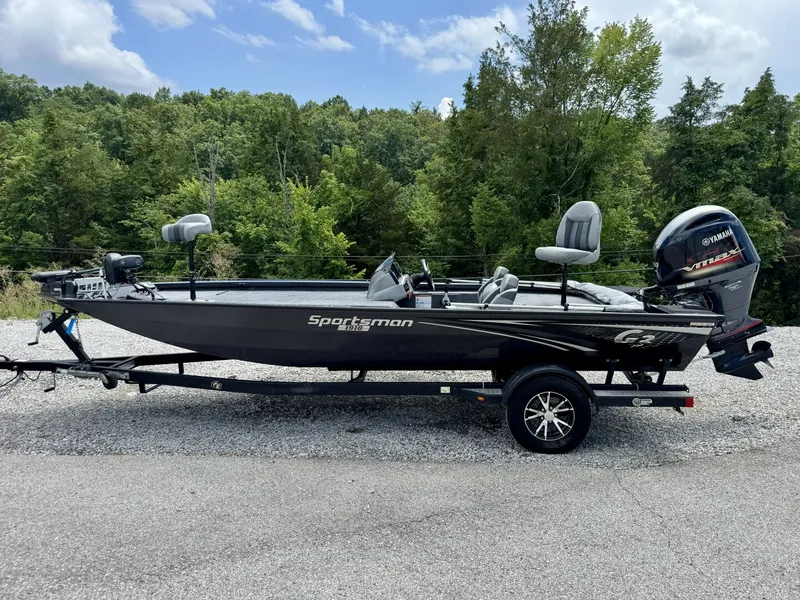
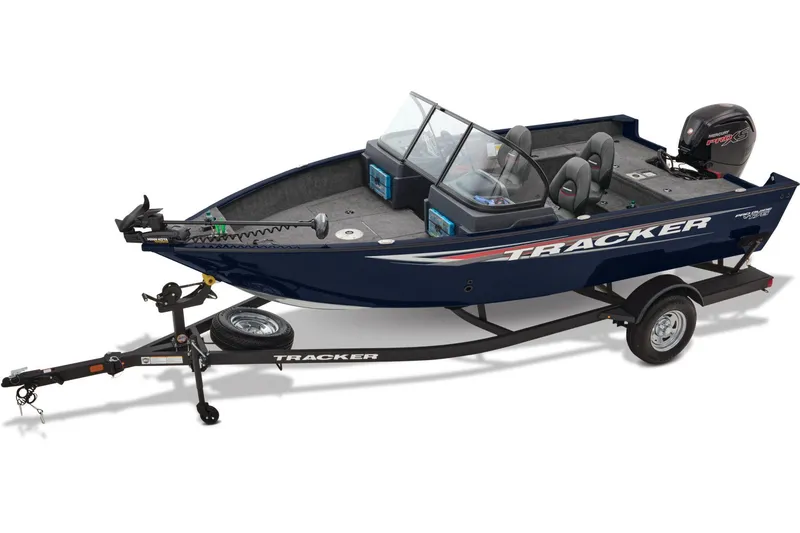
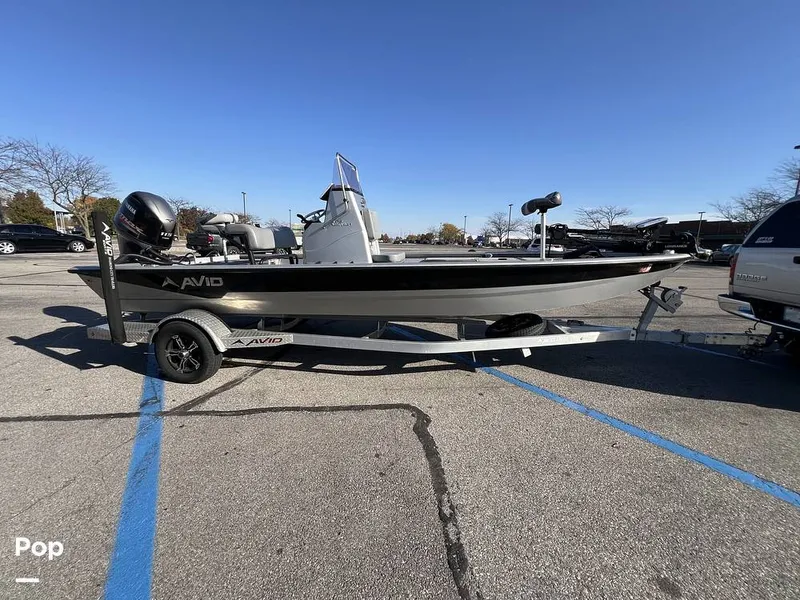
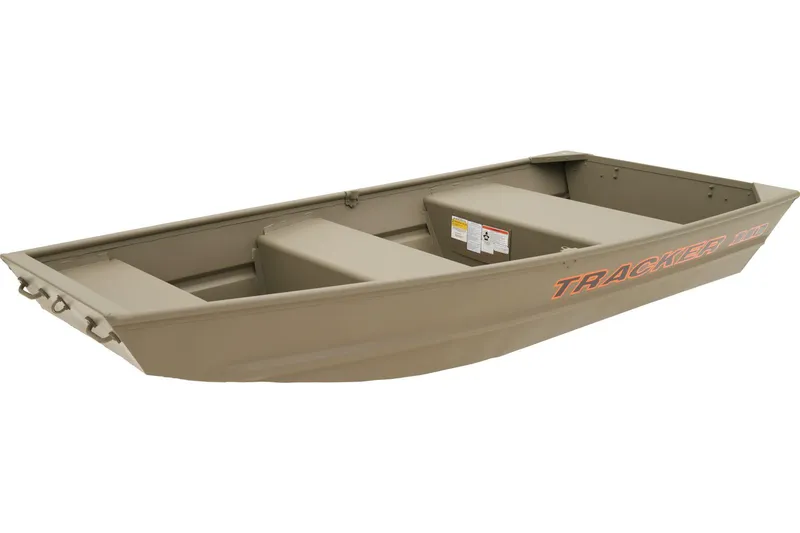
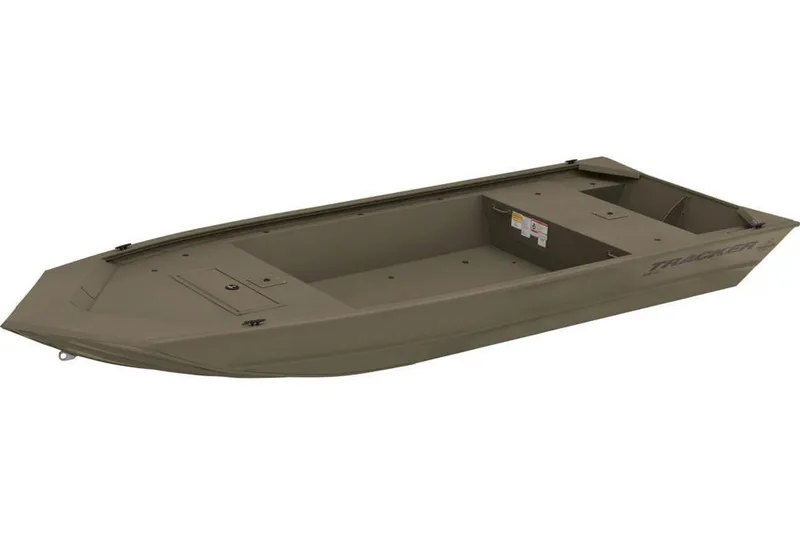
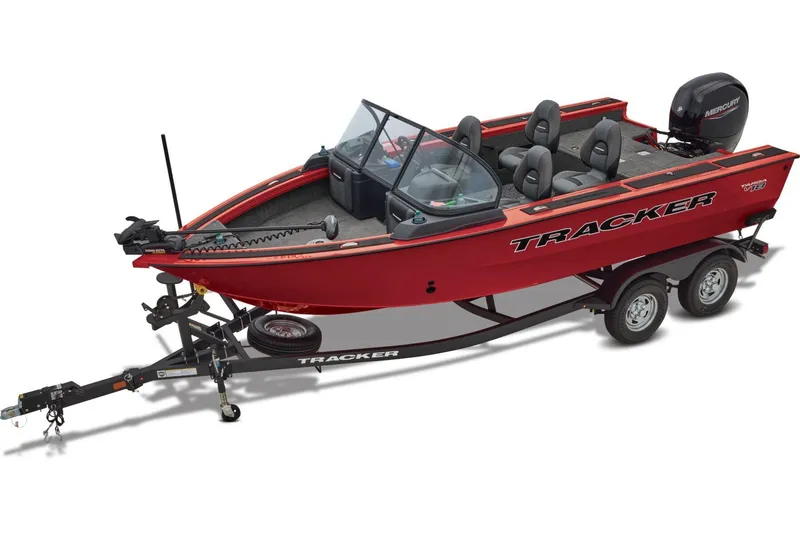
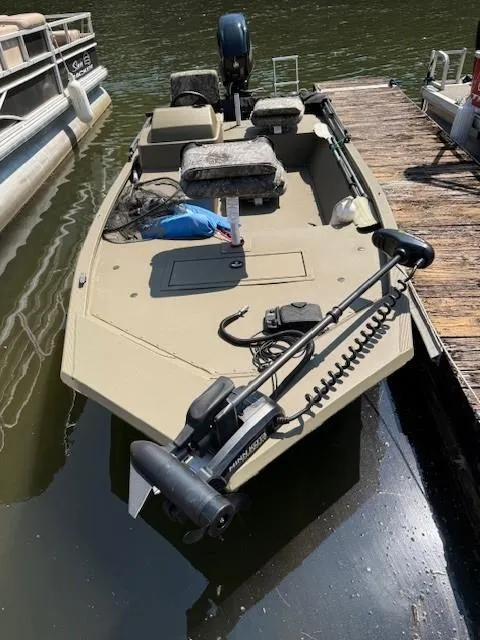
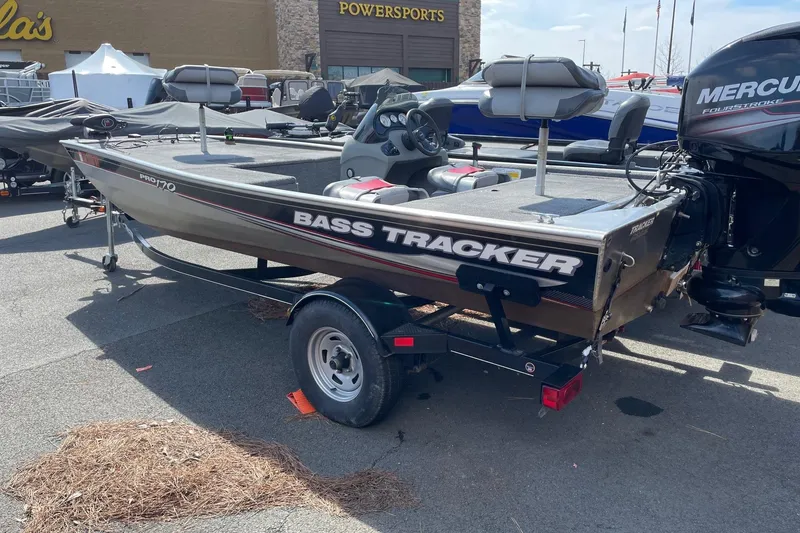
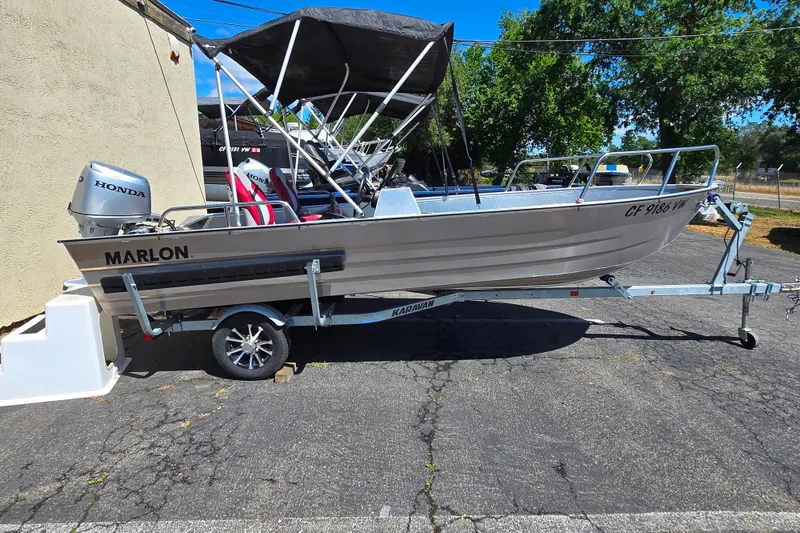
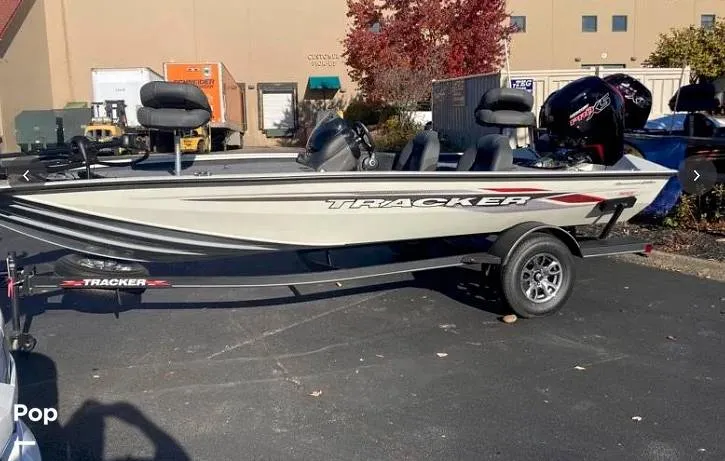
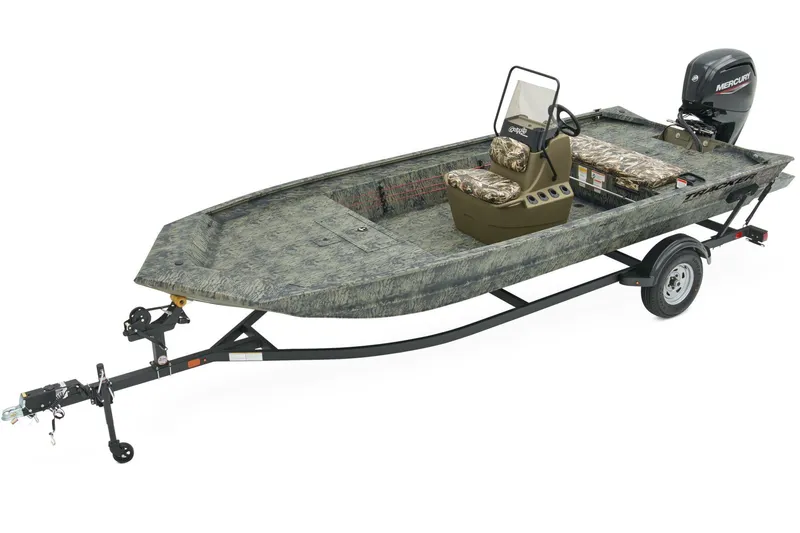
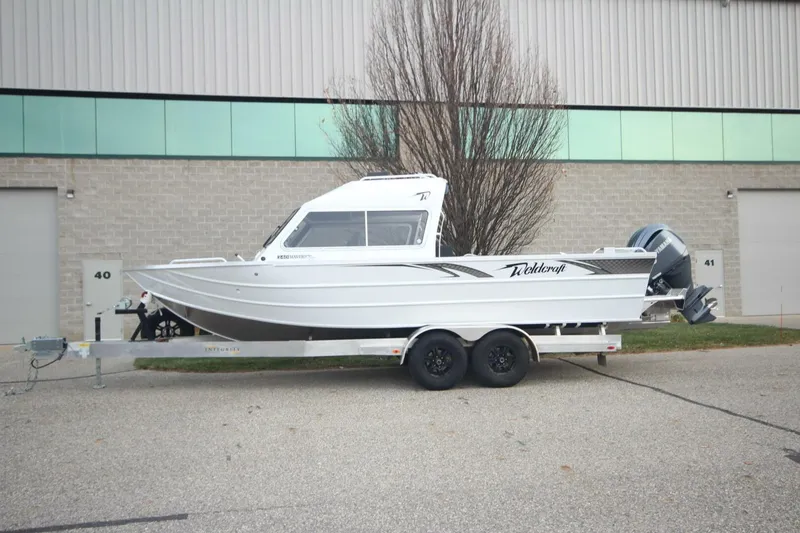
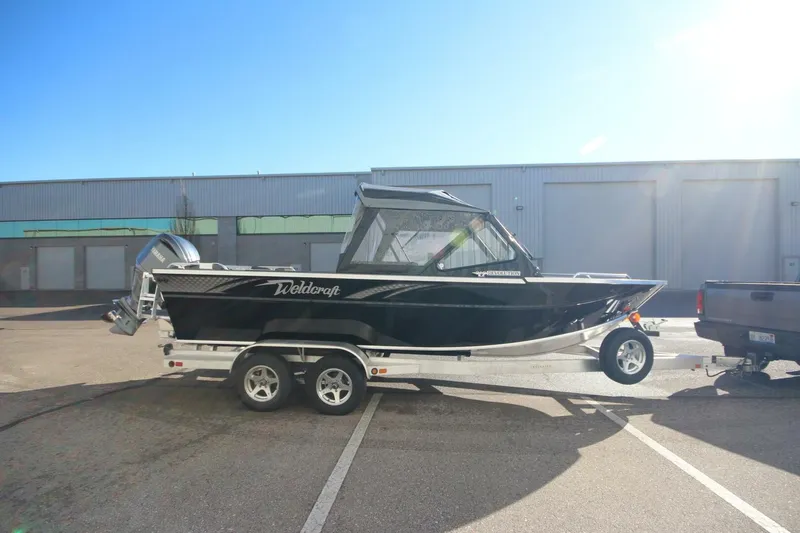
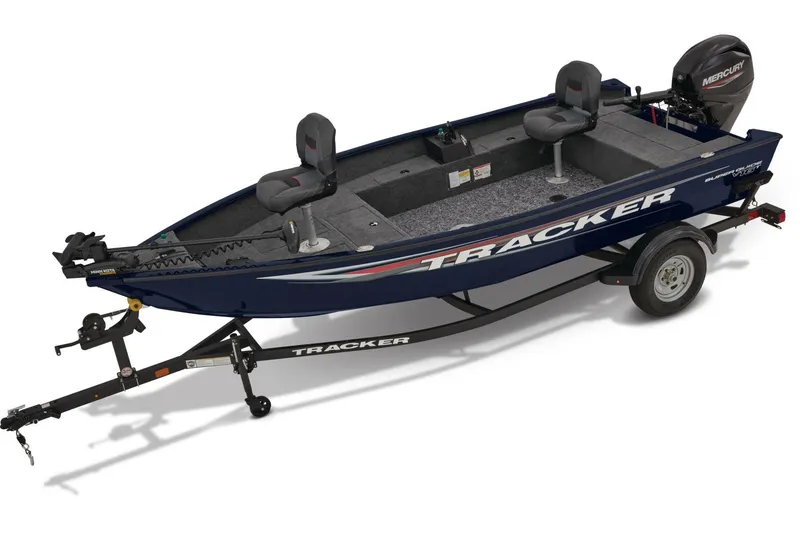
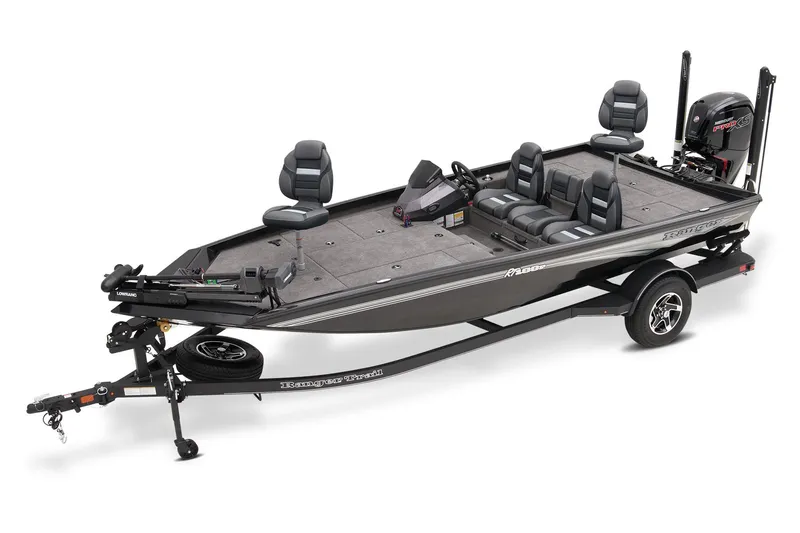
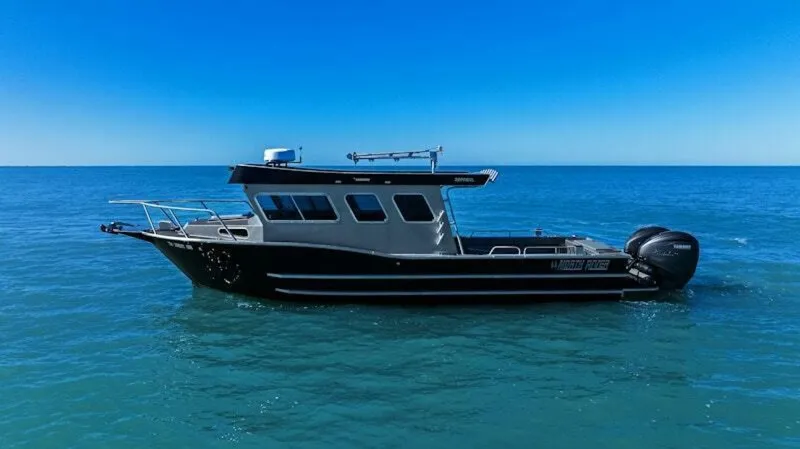
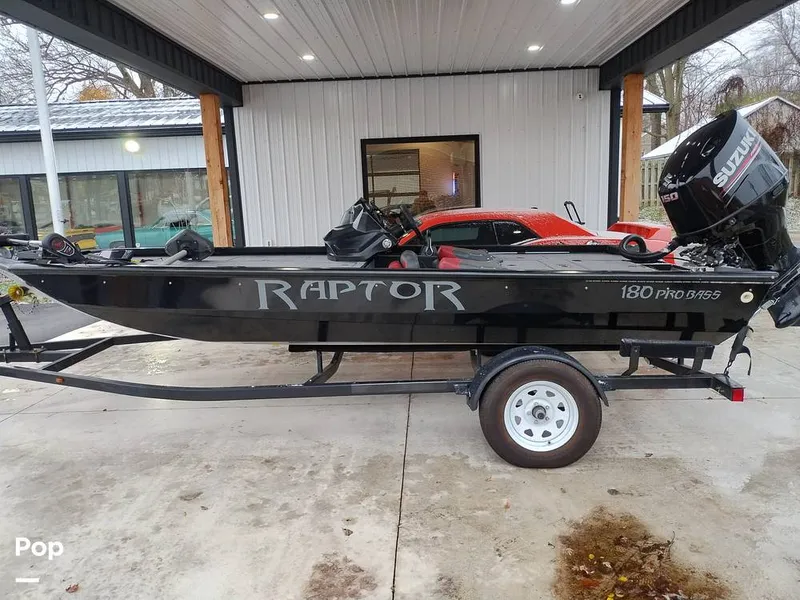
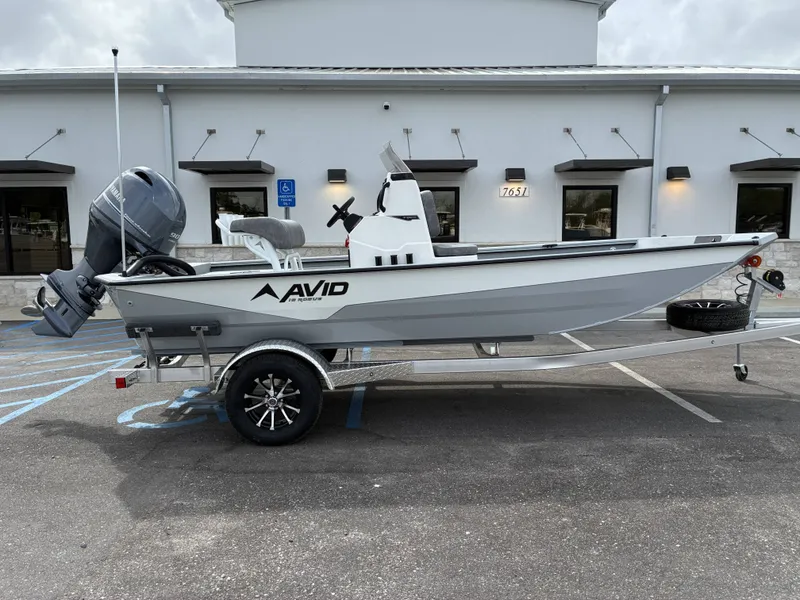
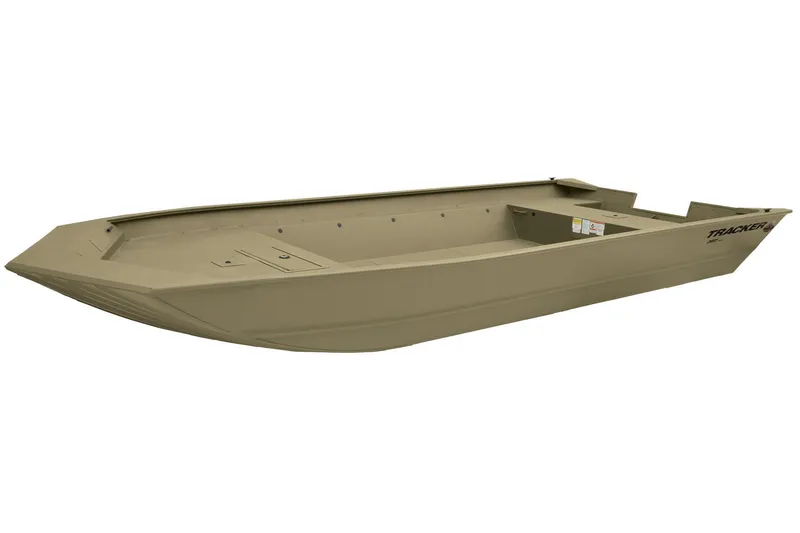
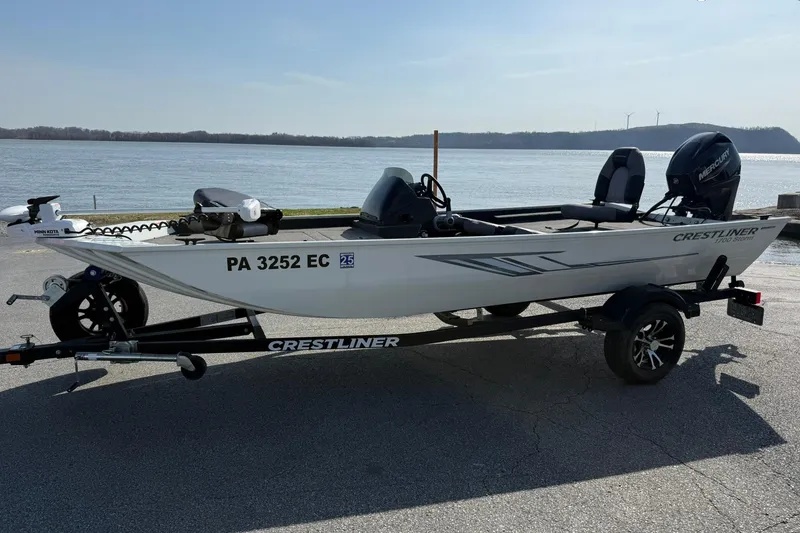
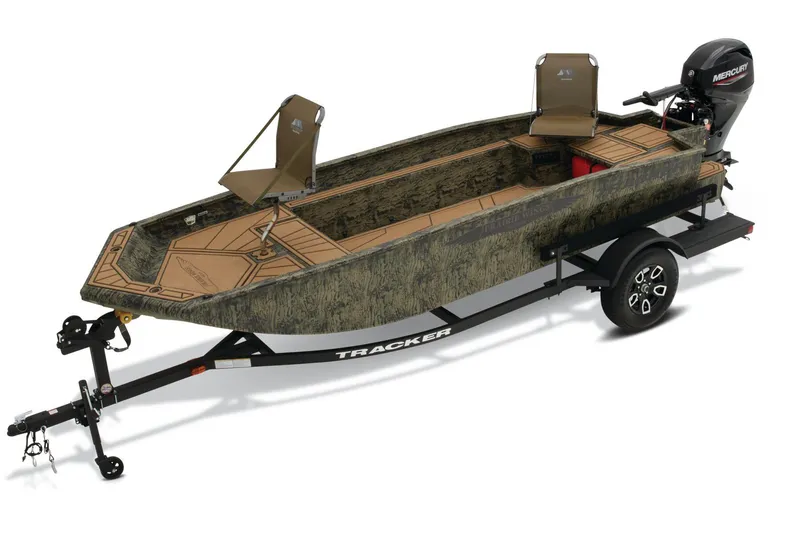
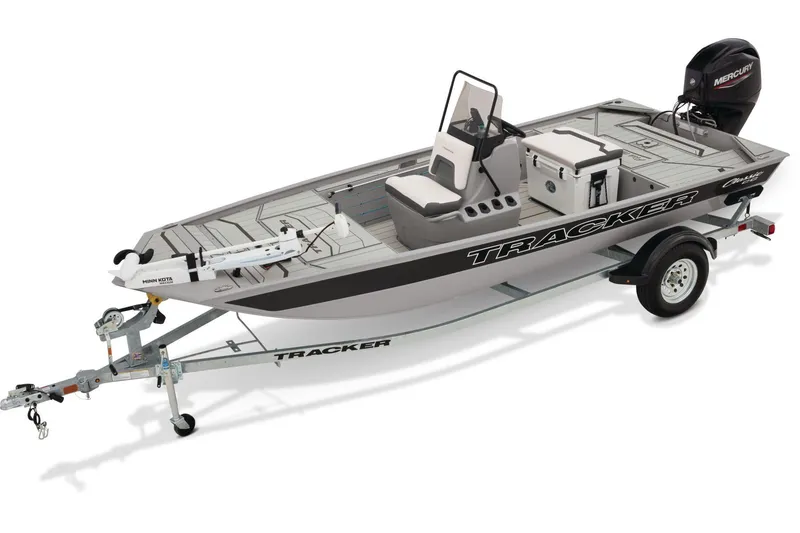
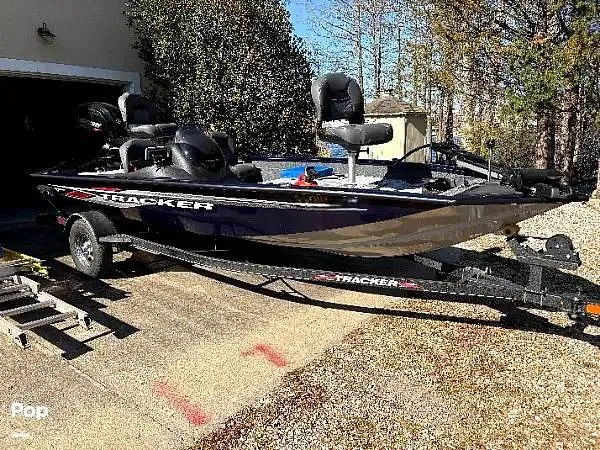
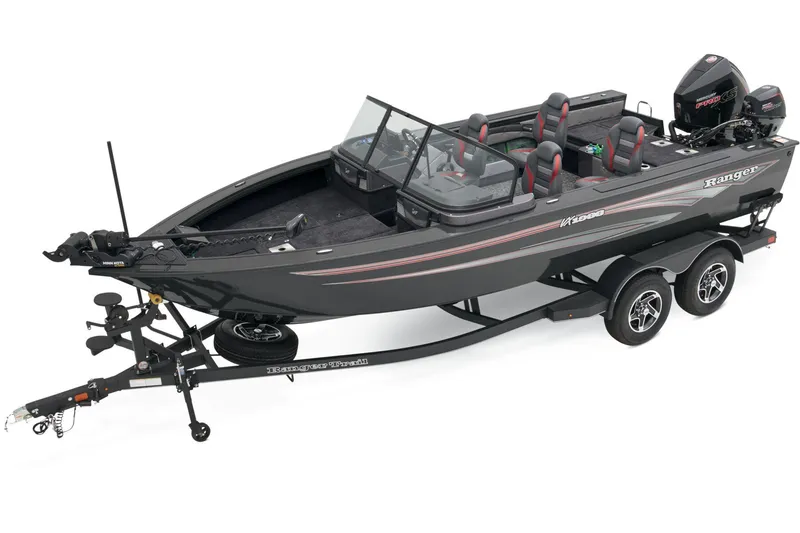
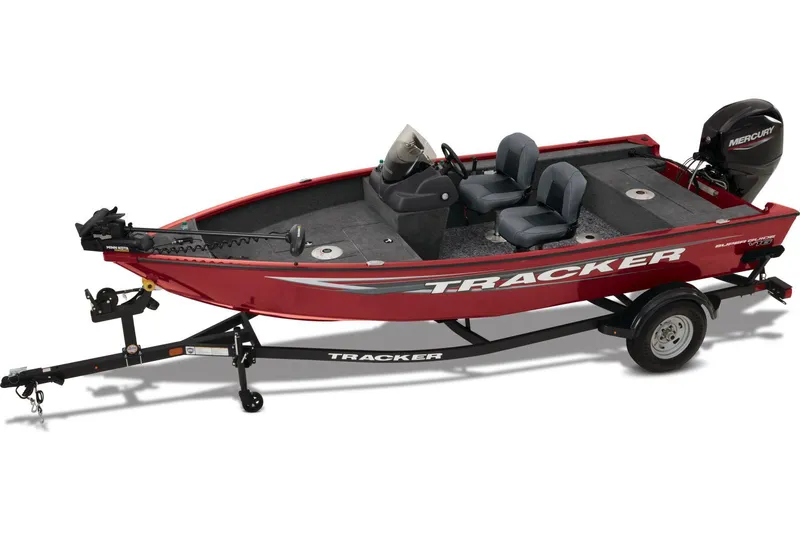
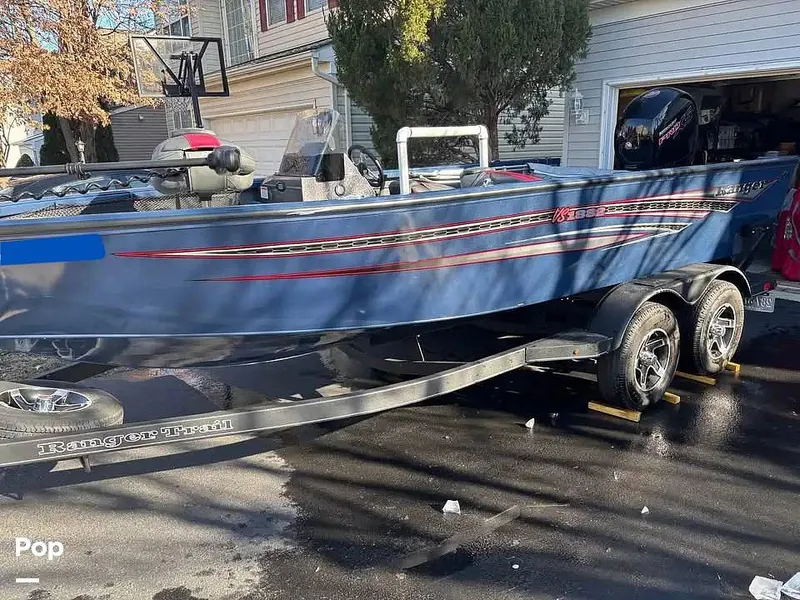
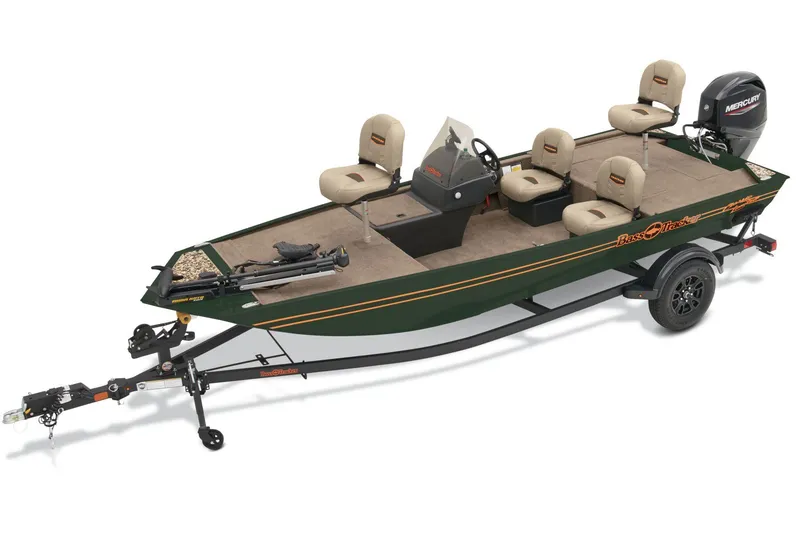
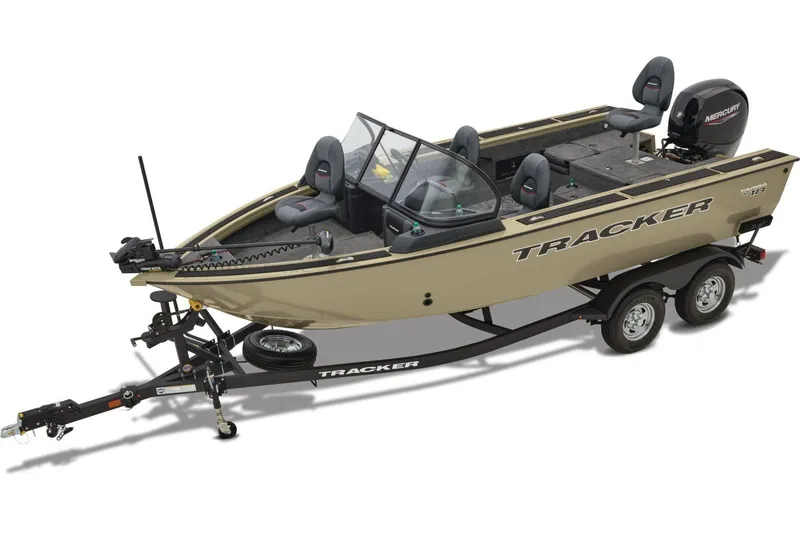
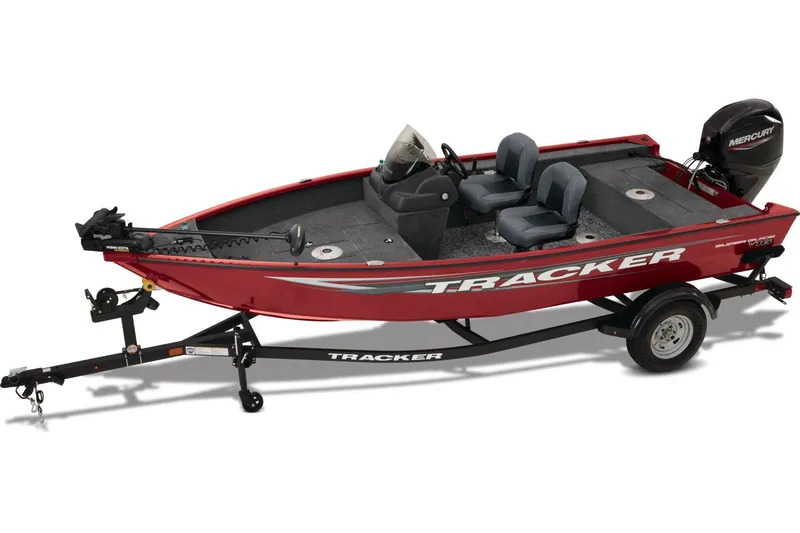
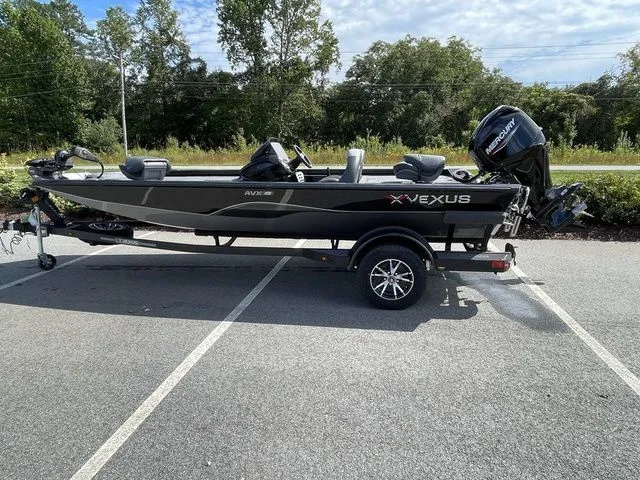
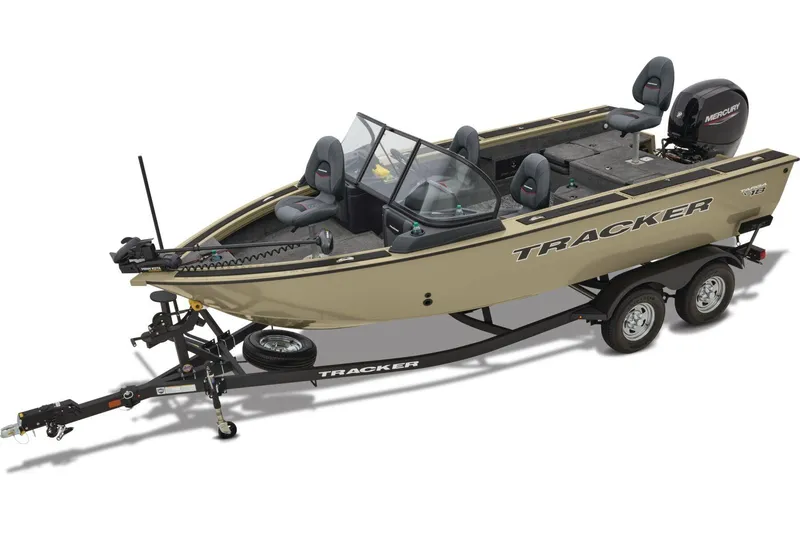
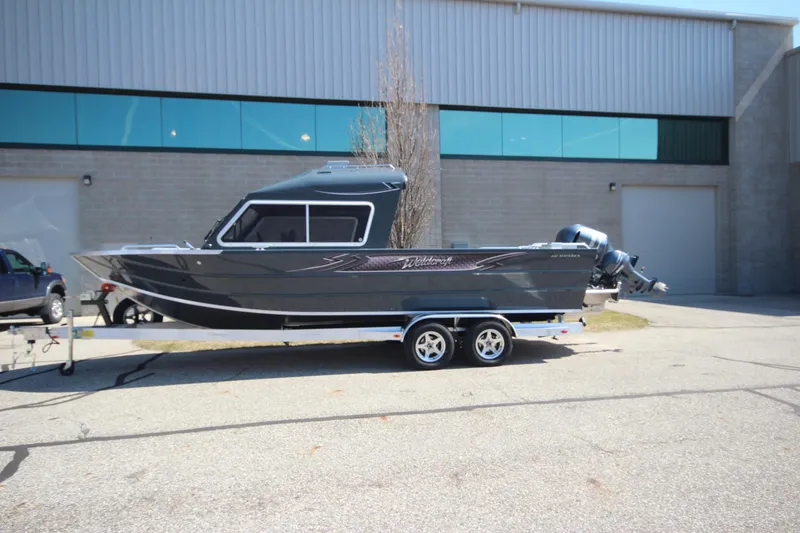
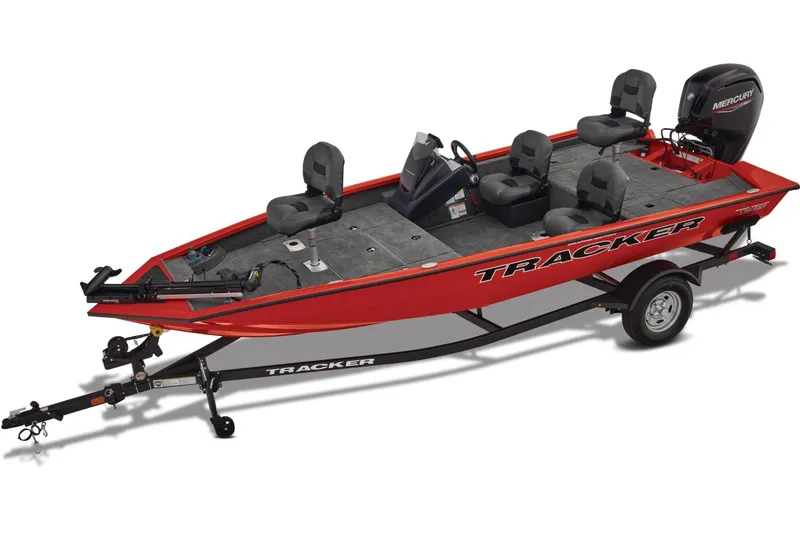
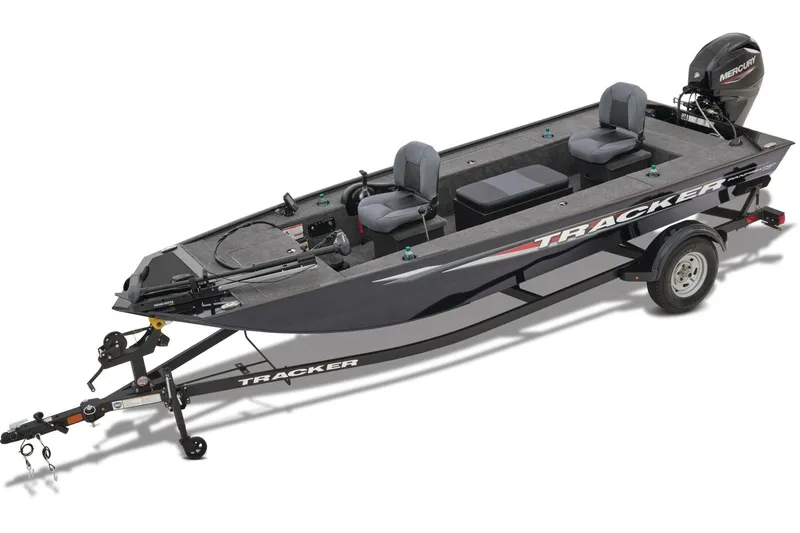
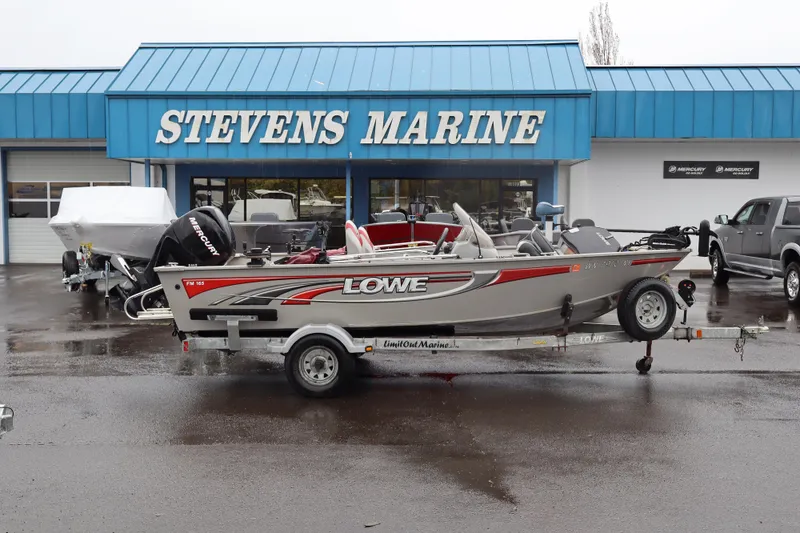
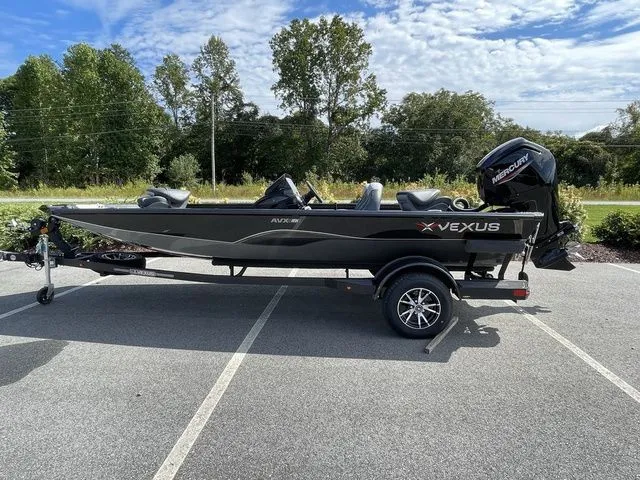
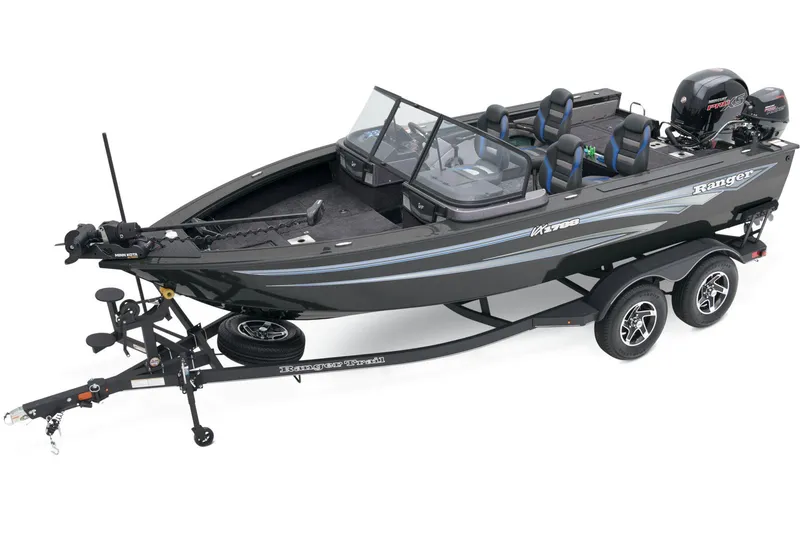
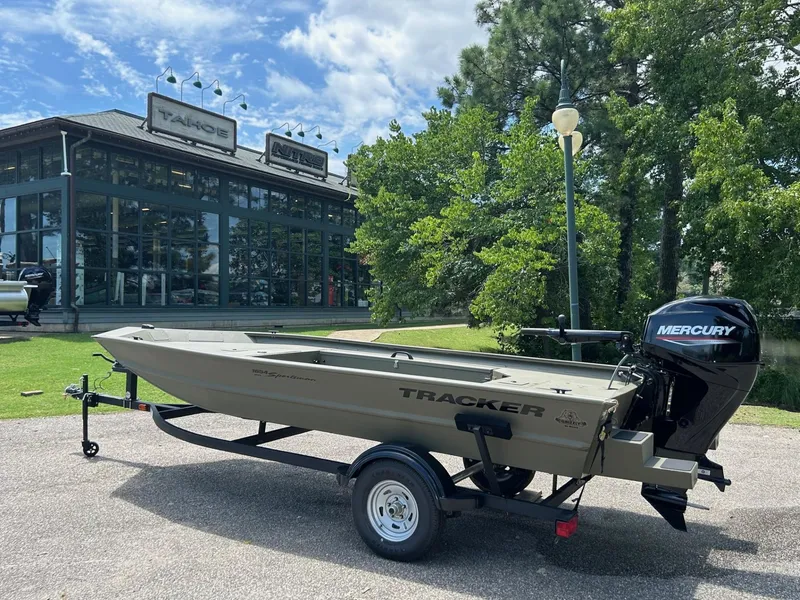
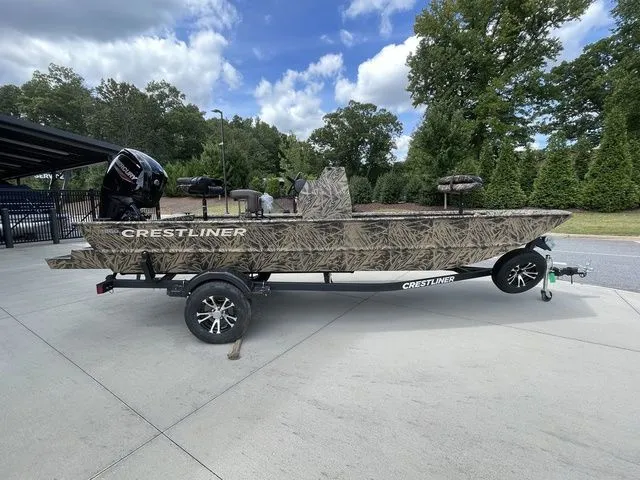
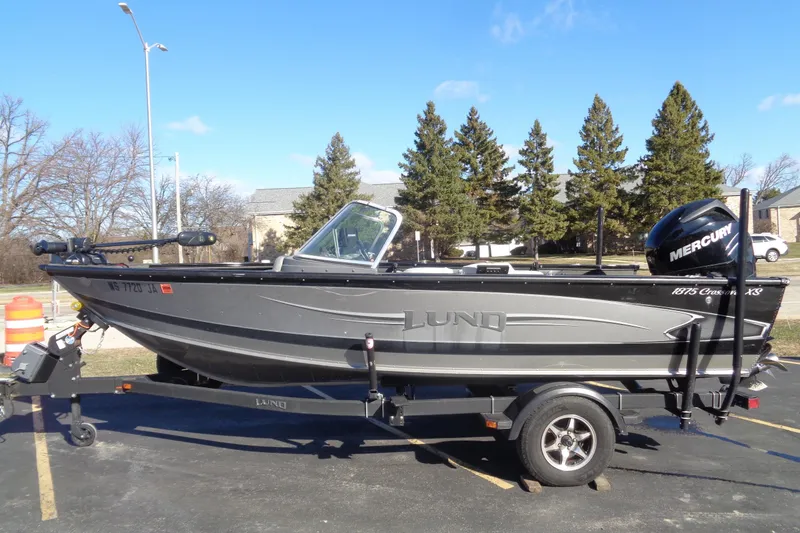
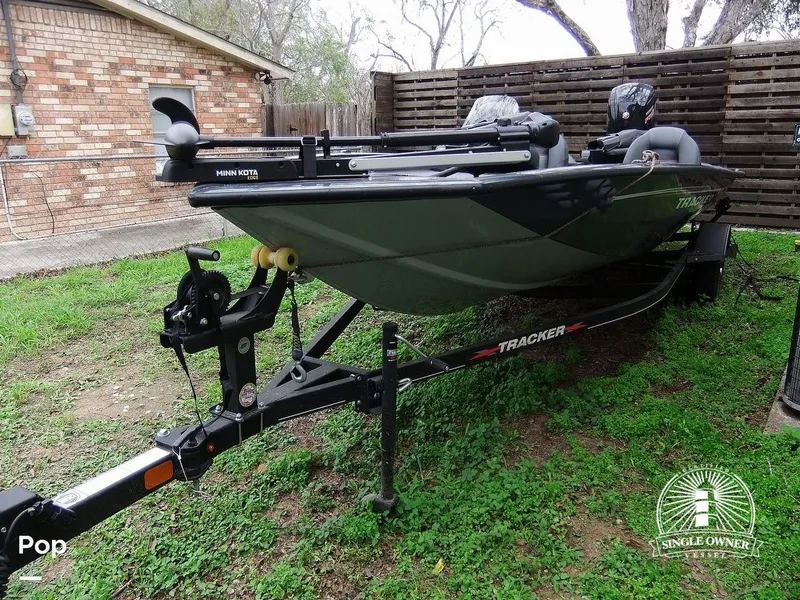
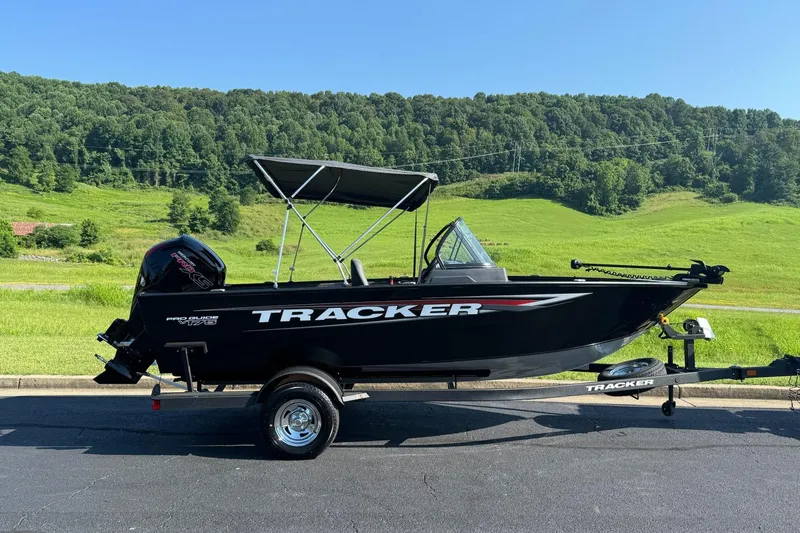
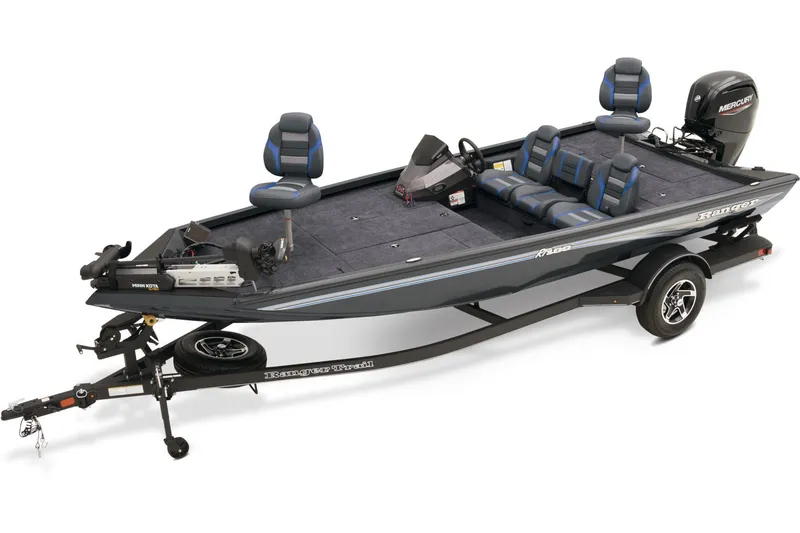
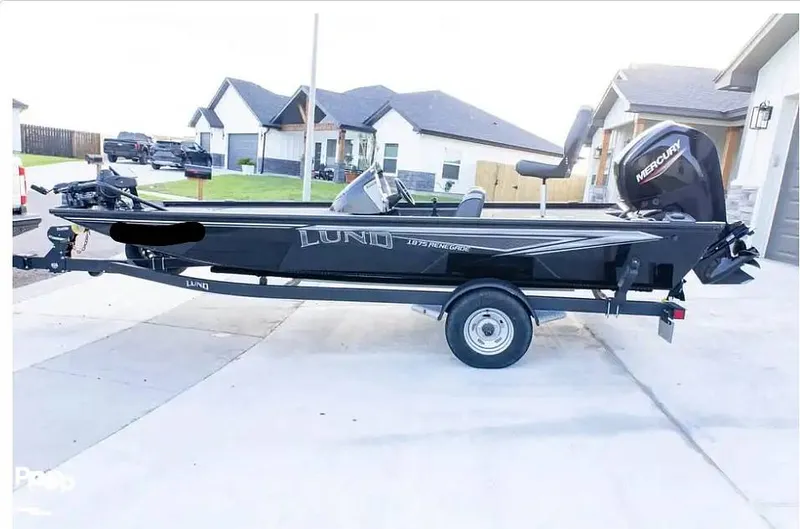
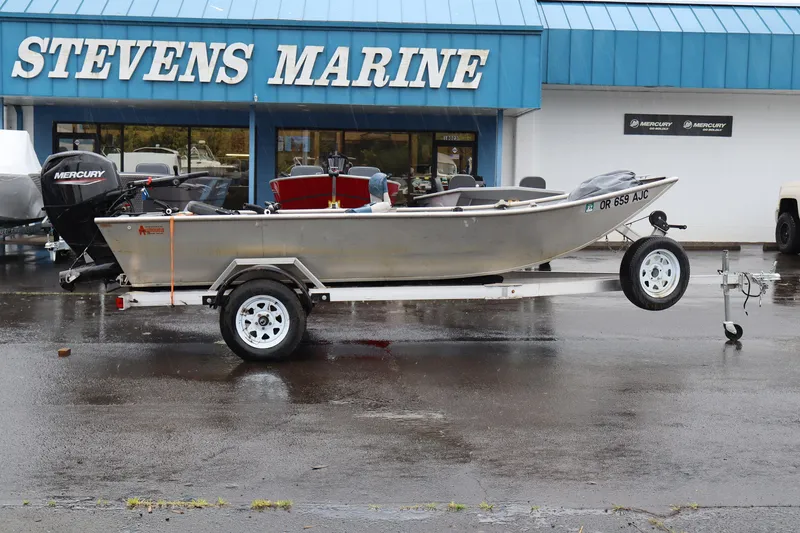
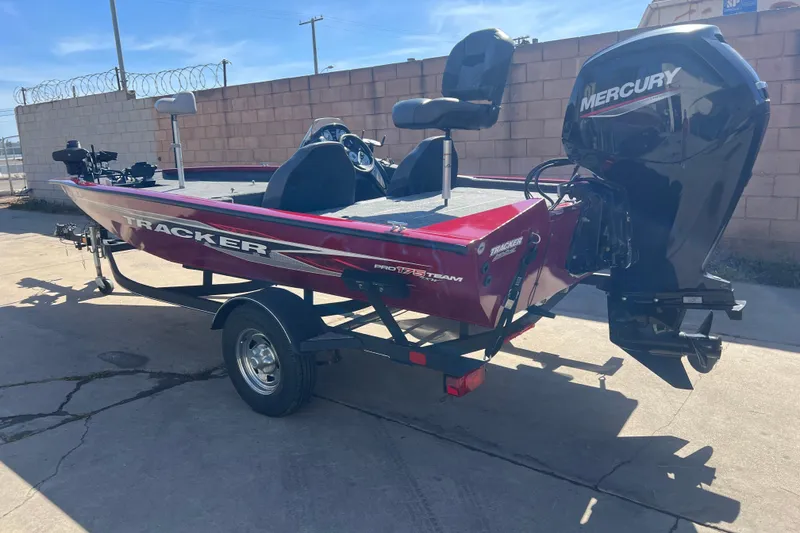
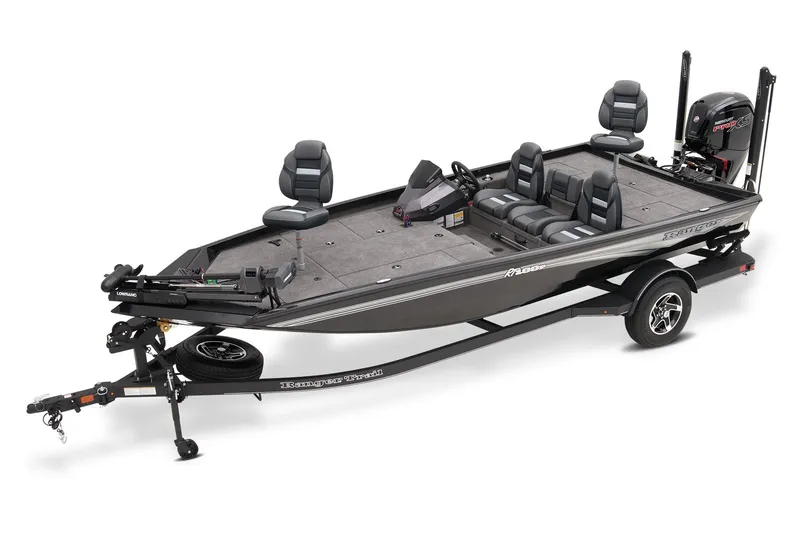
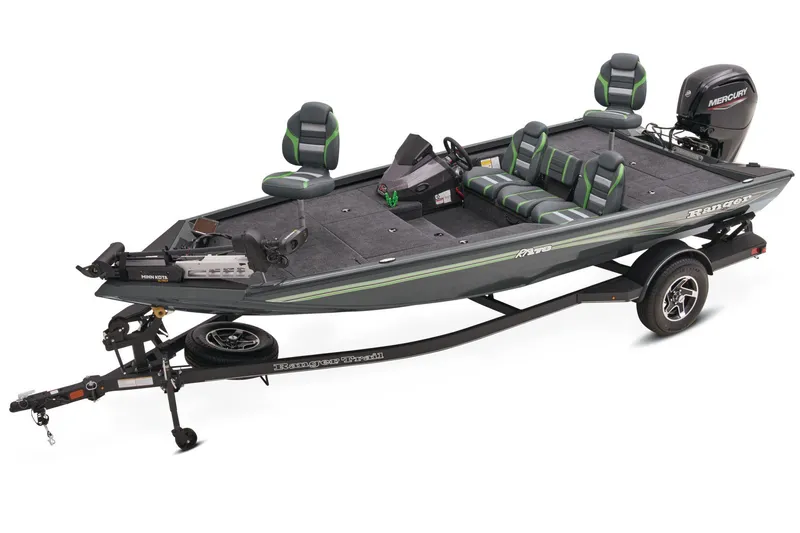
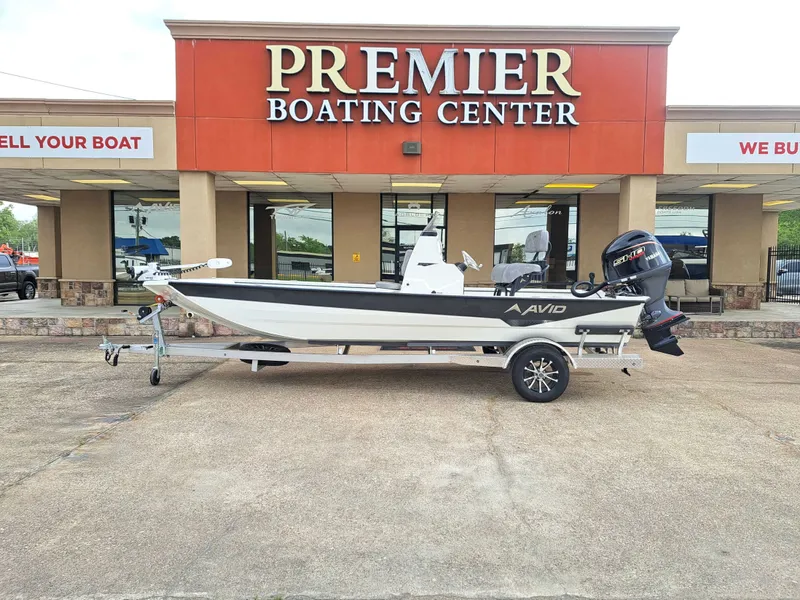
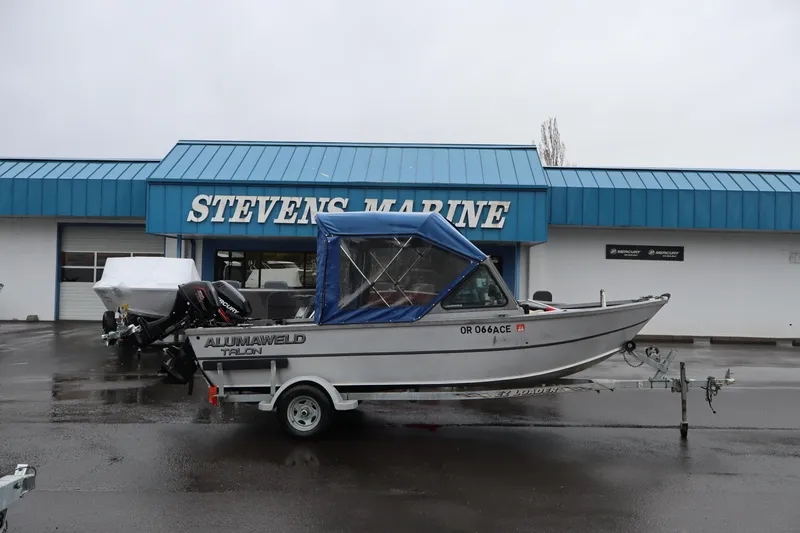
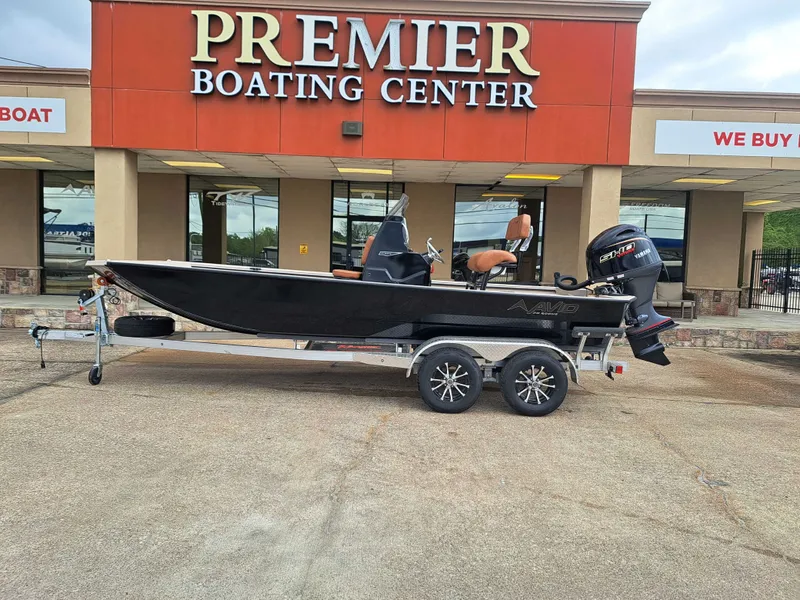
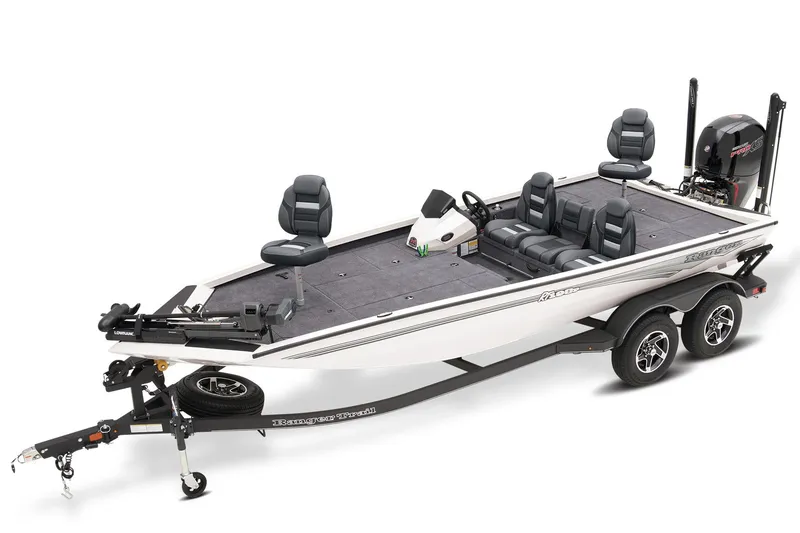
An aluminum fishing boat is a lightweight watercraft constructed primarily from marine-grade aluminum, chosen for its high strength-to-weight ratio, impact resistance, and strong resistance to rust and rot. Most models are between 12 and 20 feet and are powered by an outboard motor, with layouts optimized for angling rather than cruising.
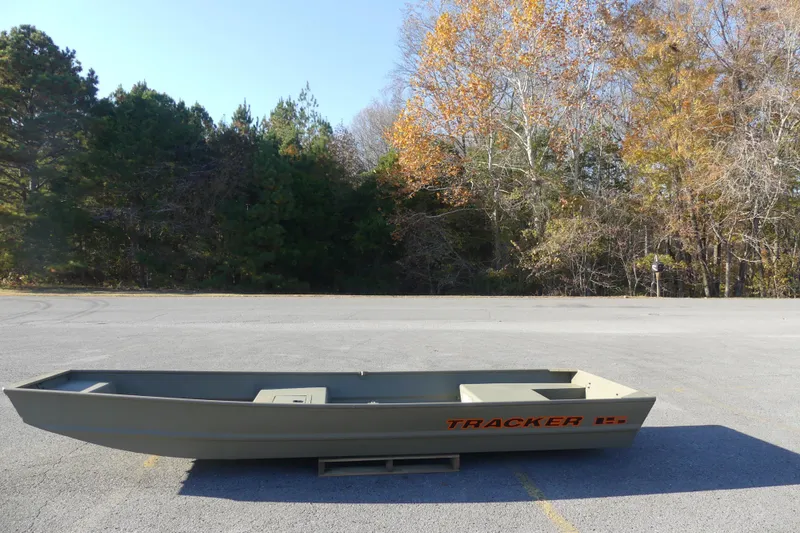
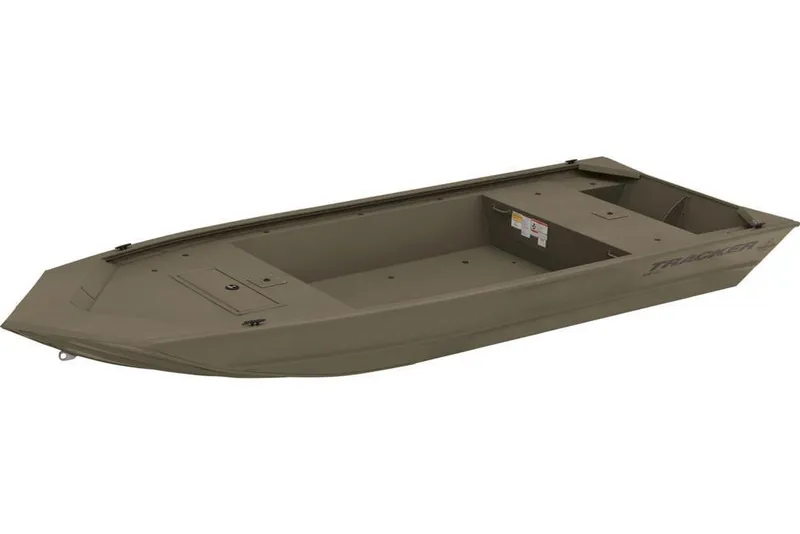
Hull shapes are typically flat-bottom, modified-V, or shallow-V designs. These shapes emphasize stability at rest, shallow draft for getting close to shore or into backwaters, and efficient planing with relatively small engines. Many come with open interiors, bench seats, or simple pedestal seats, plus basic fishing features such as rod holders, gear storage, and sometimes live wells.
Historically, aluminum boats emerged as a practical, lower-maintenance alternative to wood. Over time, manufacturing techniques such as welded seams, reinforced ribs, and improved hull designs have made modern aluminum fishing boats tougher, quieter, and more capable than earlier generations.
Today, aluminum fishing boats are especially popular on inland lakes and rivers and among anglers who trailer their boats frequently, want simple ownership, and prefer durability and utility over plush interiors and high-speed performance.
Pros of Owning an Aluminum Fishing Boat
1. Lightweight and Easy to Tow
Aluminum fishing boats are significantly lighter than comparable fiberglass models. This lower weight makes them easier to trailer, launch, and retrieve—often manageable by a single person with a bit of practice.
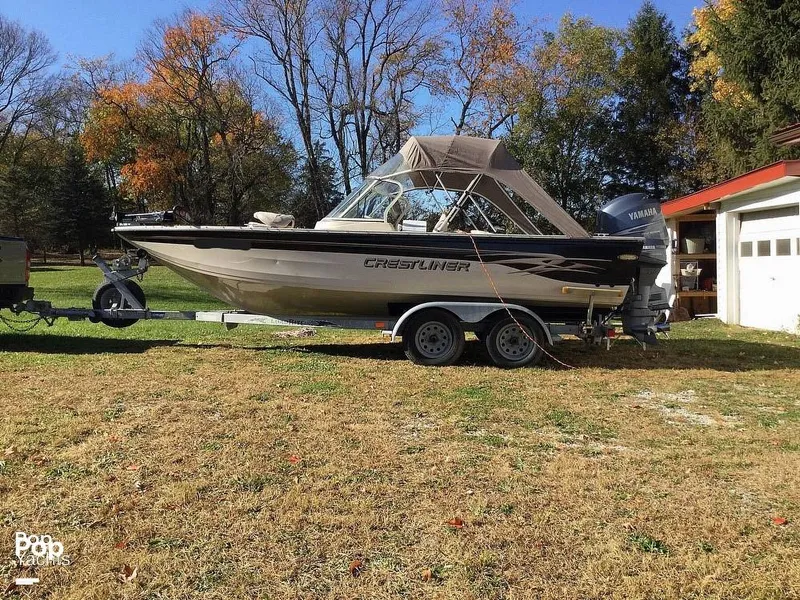
Because they weigh less, these boats can usually be towed with mid-sized SUVs or light-duty trucks rather than a dedicated heavy-duty tow vehicle, which keeps both purchase and operating costs more manageable.
2. Durable and Impact-Resistant
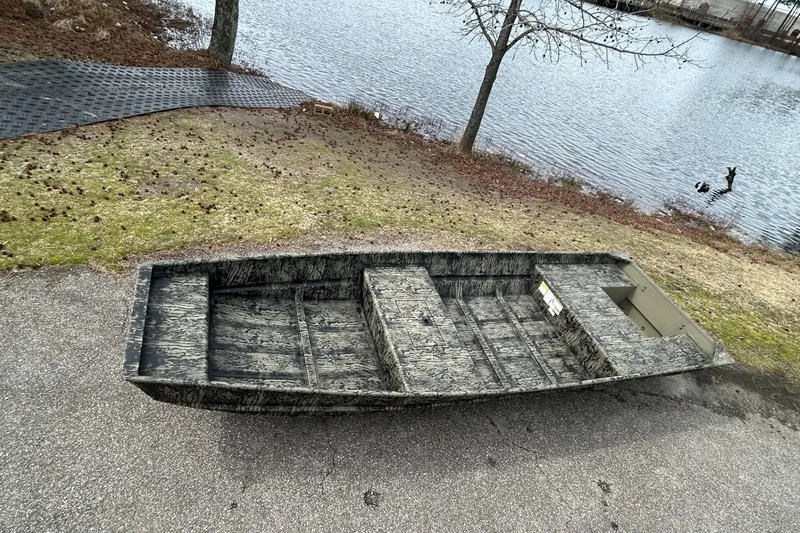
Aluminum hulls handle bumps, scrapes, and occasional contact with rocks, stumps, or docks better than many other materials. Instead of cracking like fiberglass, aluminum will usually dent, allowing the boat to remain structurally sound and usable even after minor mishaps.
For anglers who frequently run shallow rivers, stump-filled backwaters, or rocky shorelines, this durability translates into peace of mind and fewer catastrophic repair bills.
3. Low Maintenance Compared to Fiberglass or Wood
Aluminum does not rot like wood and does not require gelcoat maintenance like fiberglass. Routine care typically consists of rinsing after use, especially after saltwater, checking hardware, and inspecting for galvanic corrosion if mixed metals are present.
This low-maintenance profile appeals to owners who would rather spend time fishing than polishing, waxing, or dealing with cosmetic repairs.
4. Corrosion Resistance with Proper Care
Marine-grade aluminum naturally forms an oxide layer that protects it from many forms of corrosion, particularly in freshwater. When properly rigged with the right anodes and rinsed after saltwater use, aluminum hulls can have very long service lives.
For anglers who split time between lakes and nearshore coastal waters, aluminum provides a good balance between robustness and resistance to the elements, as long as basic maintenance routines are followed.
5. Stable Fishing Platform in Calm to Moderate Conditions
The flat or modified-V hulls common on aluminum fishing boats provide good initial stability, which makes it easier to stand, cast, and move around. This is especially appreciated when fishing with kids or newer anglers who value a steady platform.
Many aluminum models also feature wide beams relative to their length, which further helps with stability when multiple people are shifting positions or fighting fish.
6. Budget-Friendly Entry into Boat Ownership
Compared to many fiberglass or fully featured multi-species boats, basic aluminum fishing boats are often more affordable to buy new and widely available on the used market. This makes them an attractive entry point for first-time boat owners.
Lower purchase price, combined with more modest engine sizes and lower fuel consumption, keeps total ownership costs down over time, which can make regular boating financially sustainable.
Cons of Owning an Aluminum Fishing Boat
1. More Noise and Vibration Than Fiberglass
The rigid, relatively thin metal hull of an aluminum boat tends to transmit sound and vibration more readily than thicker, composite fiberglass hulls. Engine noise, wave slap, and the sound of gear hitting the deck can all feel more pronounced.
For some anglers, especially those who value very quiet, serene outings, this extra noise can be a noticeable drawback.
- The Silver Lining: Adding rubber mats, carpeted decks, and foam insulation in key areas can significantly dampen sound and vibration, and many newer aluminum models are designed with noise reduction in mind.
2. Harsher Ride in Chop and Rough Water
Because aluminum fishing boats are relatively light and often have shallower-V hulls, they tend to ride more harshly in choppy conditions. Instead of cutting smoothly through waves, they can bang or slap, which becomes tiring on longer runs.
This characteristic is most noticeable on large, windy lakes or open bays where wind-driven chop builds quickly.
- The Silver Lining: Choosing a deeper-V or modified-V aluminum hull, slowing down in rough conditions, and installing quality suspension or pedestal seats can greatly improve comfort without sacrificing the advantages of aluminum.
3. Fewer Comfort Features and Amenities
Many aluminum fishing boats prioritize utility over luxury, so you may find simpler seating, minimal upholstery, and fewer built-in entertainment or lounging features compared with similarly sized fiberglass runabouts or pontoons.
For families wanting a multi-purpose boat that doubles as a social or watersports platform, this pared-down approach may feel limiting.
- The Silver Lining: Some manufacturers now offer upgraded aluminum models with padded seating, improved consoles, and modular accessories, and you can also customize with aftermarket seats, coolers, and storage to make the boat more family-friendly.
4. Susceptible to Dents and Cosmetic Wear
While aluminum is structurally tough, it is also softer than many composites. Impacts that might leave only scratches on a fiberglass hull can leave visible dents on aluminum, especially along the chines and bottom.
Over time, dock rash, trailer contact, and bumps against rocks can make an aluminum hull look well used, even if it remains mechanically sound.
- The Silver Lining: Most cosmetic dents do not affect performance or safety, and many can be repaired by skilled metalworkers if desired; some owners happily accept a few dings as the price of a hard-working fishing boat.
5. Potential for Galvanic Corrosion in Saltwater
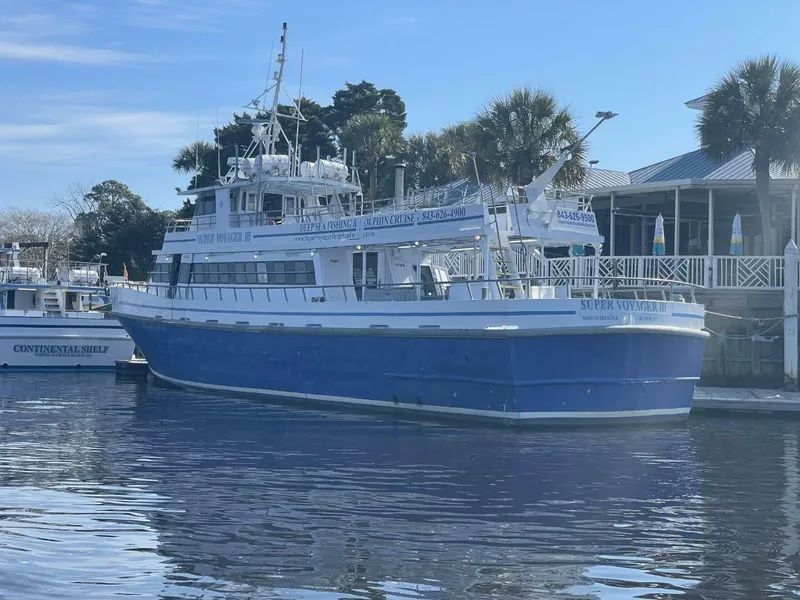
When aluminum is used in saltwater and in contact with dissimilar metals without proper anodes or isolation, it can suffer from galvanic corrosion. This can lead to pitting or, in severe cases, structural damage if ignored.
Owners who leave aluminum boats in saltwater marinas for long periods are at higher risk if the boat is not rigged and maintained correctly.
- The Silver Lining: Using the correct sacrificial anodes, rinsing after saltwater use, and following manufacturer guidance largely mitigates this risk, allowing many aluminum boats to live long, healthy lives in coastal environments.
Performance and On-the-Water Behavior
Most aluminum fishing boats are designed around two to four active anglers, with open floor space and simple seating that favor function over capacity. When loaded within their rated passenger limits and balanced properly, they handle small groups well.
However, because these boats rely on relatively narrow beams and light hulls, piling too many people or stacking gear on one side can noticeably affect trim and stability. With a full load, space can feel tight, and moving around requires a bit more coordination.
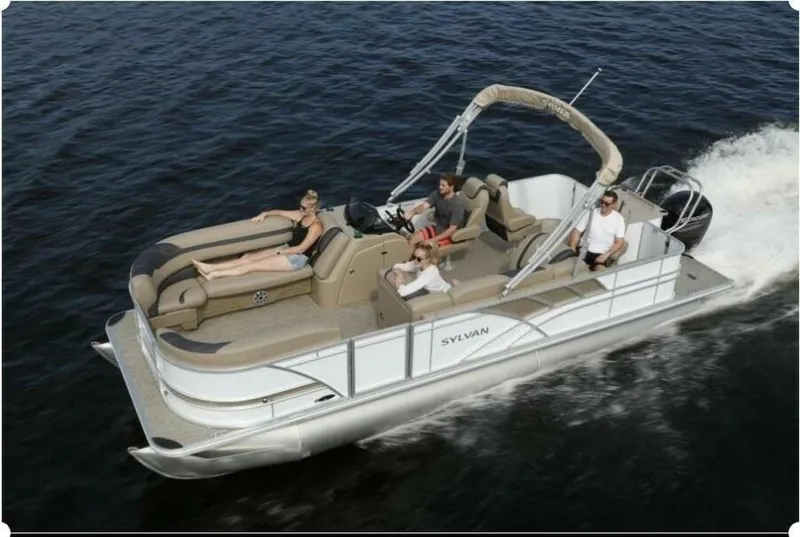
If your primary goal is hosting large social groups, a pontoon or larger fiberglass deck boat will generally be better suited. If you usually fish with one to three other people, an aluminum boat’s layout is typically more than adequate.
In light to moderate chop, many aluminum fishing boats perform confidently as long as you adjust your speed and angle of approach to the waves. Their lighter weight makes them easy to handle and responsive to steering inputs, which is reassuring in gusty conditions.
In heavier chop or steep, closely spaced waves, that same light weight can become a liability. The hull may pound more, and the boat can be pushed around by wind and waves more readily than a heavier fiberglass hull of similar length.
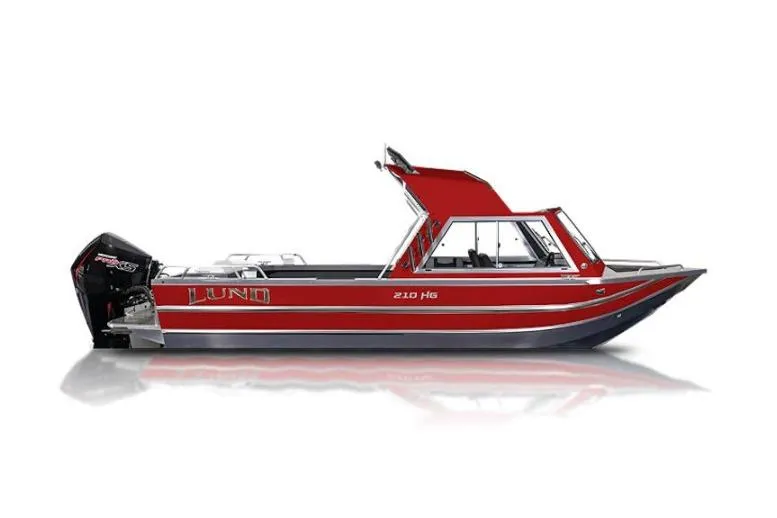
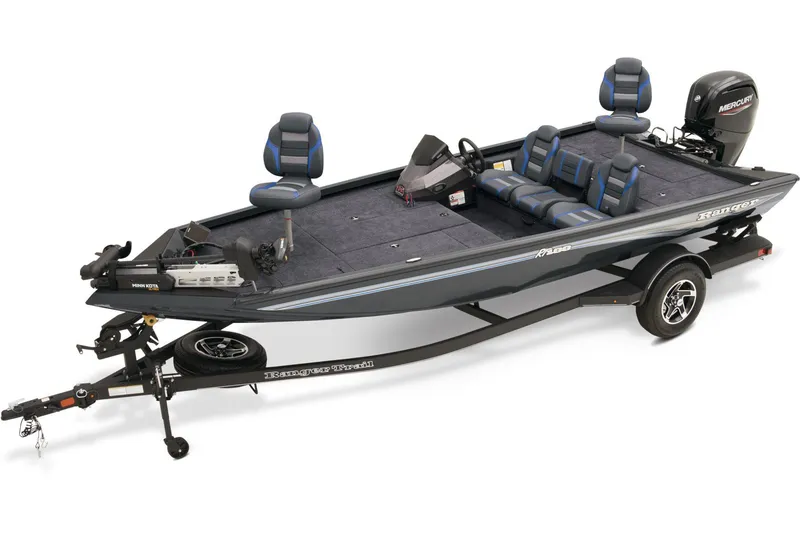
Prudent route planning, reducing speed, wearing proper safety gear, and respecting weather forecasts are essential. If you regularly run big, open water in rough conditions, you may want to look at larger, deeper-V aluminum models or heavier alternatives.
Ownership, Costs, and Practical Logistics
Beyond the initial purchase price, ownership costs for an aluminum fishing boat include engine maintenance, fuel, insurance, registration, storage, and occasional hull or trailer repairs. The good news is that the lighter weight and simpler construction usually keep these costs lower than for similar fiberglass boats.
Because aluminum hulls don’t need waxing or gelcoat repair, cosmetic upkeep is simpler and often cheaper. Many owners store their boats on trailers at home, eliminating marina fees and further reducing long-term expenses.
Over a decade or more, these savings can be substantial, particularly if you choose a fuel-efficient outboard and adhere to a routine maintenance schedule that prevents small problems from becoming expensive fixes.
Well-maintained aluminum fishing boats generally hold their value respectably, especially in regions where inland fishing is popular and there is steady demand for reliable, easy-to-tow rigs. Their reputation for toughness and longevity helps keep resale prices healthy.
Cosmetic dents or faded paint can lower resale value, but buyers often prioritize structural integrity, engine hours, and maintenance records over appearance alone. Clean wiring, solid flooring, and a healthy outboard are major selling points.
Because the supply of simple, well-cared-for aluminum boats is often limited compared with demand, good examples tend to sell quickly on the used market when priced fairly.
One of the biggest logistical advantages of aluminum fishing boats is that you typically do not need a heavy-duty truck to tow them. Many 14- to 18-foot aluminum rigs, including trailer and engine, fall well within the towing capacity of common mid-size SUVs and half-ton pickups.
This flexibility widens your vehicle options and can save you the cost of upgrading to a dedicated tow rig. It also makes spontaneous trips easier—if your everyday vehicle can tow your boat, you are more likely to use it often.
As always, you must verify your specific vehicle’s tow rating, factor in passengers and gear, and equip the right hitch and braking systems, but aluminum boats make staying within those limits far more achievable.
Final Verdict: Is an Aluminum Fishing Boat Right for You?
An aluminum fishing boat is an excellent match for anglers who value practicality, durability, and straightforward ownership. Its lightweight hull, modest power requirements, and simple layouts make getting on the water easy, whether you are heading to a local lake after work or trailering to a new river for the weekend.
You will trade away some comfort, quiet, and high-speed performance compared with heavier, more luxurious boats, and you need to be realistic about their limitations in rough water and large crowds. But for focused fishing, frequent trailering, and budget-conscious boating, aluminum offers a compelling blend of capability and low ongoing costs.
You'll love it if:
- If you trailer your boat often and want easy launching, retrieval, and storage without needing a heavy-duty tow vehicle.
- If your primary goal is fishing on lakes, rivers, and protected coastal waters rather than cruising or watersports.
- If you prefer a durable, low-maintenance hull you can use hard without obsessing over minor cosmetic damage.
- If you are budget-minded and want lower fuel consumption, simpler upkeep, and solid resale prospects.
- If you fish with small groups and value an open, functional layout more than plush seating and amenities.
It might be challenging if:
- If you frequently run big, open water in rough conditions and want the softest possible ride at higher speeds.
- If quiet operation, luxury seating, and numerous comfort features are top priorities for your time on the water.
- If you plan to host large social groups or combine heavy watersports use with fishing on the same boat.
- If you are strongly averse to hull noise, vibration, or the possibility of visible dents and dock rash.
- If you intend to leave the boat in saltwater full-time and are not prepared to actively manage corrosion protection.
Aluminum fishing boats shine as tough, easy-to-own, and highly practical tools for dedicated anglers. They reward owners who prioritize fishing access, simple logistics, and long-term value over luxury and speed. By honestly assessing where and how you plan to use your boat—along with how much comfort and polish you really need—you can decide whether an aluminum hull is the right, reliable workhorse for your time on the water.