Stuart

Filters

Filters

Boat Type

Condition

Searching boats for you...

Boating · Destinations 

Is Stuart, FL a Good Place for Boating?

Written by: MarineSource.com Team | Estimated read time: 8 min read

On Florida’s Treasure Coast, Stuart sits where the St. Lucie River meets the Indian River Lagoon and flows out to the Atlantic through the St. Lucie Inlet. From the water, the city feels relaxed and low‑slung, with bridges arching over the river, mangrove shorelines, and pastel buildings lining the historic downtown. Dolphins and manatees are regular visitors, and tucked‑away canals hide quiet waterfront neighborhoods and palm‑fringed docks.

For anyone interested in boats in Stuart, the variety of water feels almost custom‑built for exploring. You can poke around calm backwaters off the North and South Forks of the St. Lucie River, run the Intracoastal Waterway, or head out the inlet to offshore fishing grounds. The Okeechobee Waterway even makes Stuart a starting or ending point for a cross‑Florida trip to the Gulf Coast.

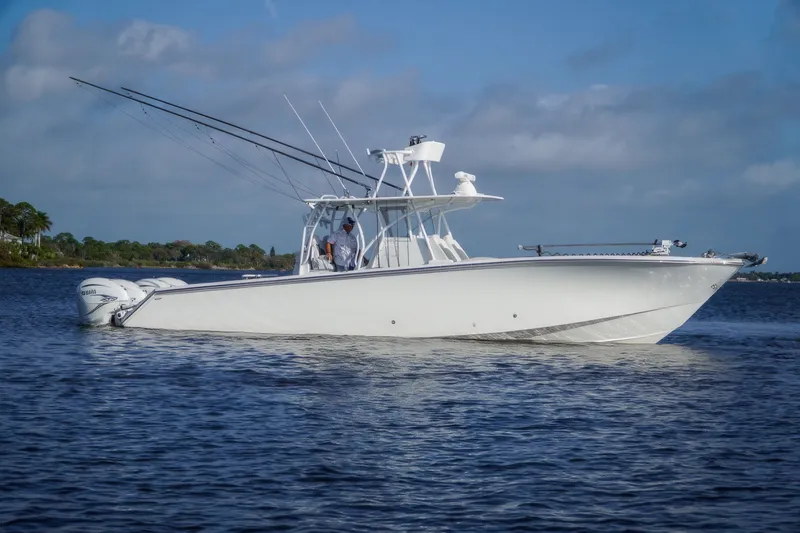
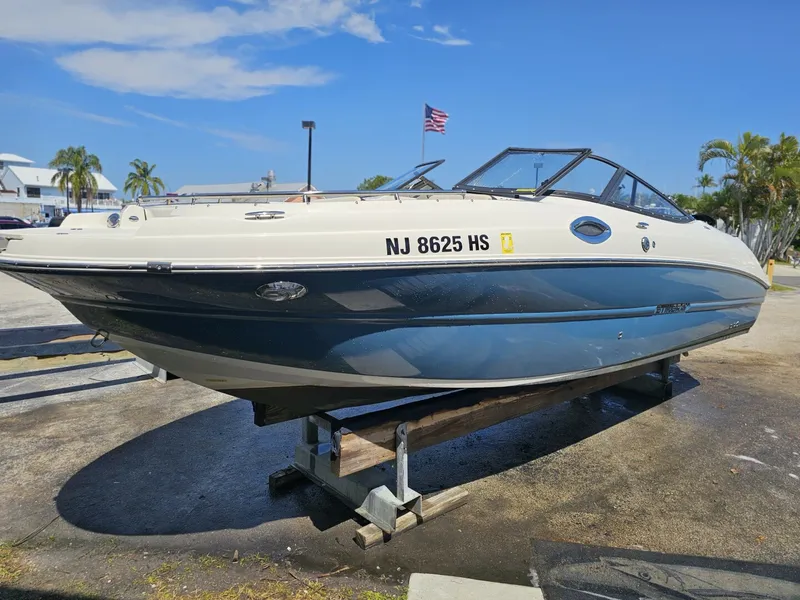
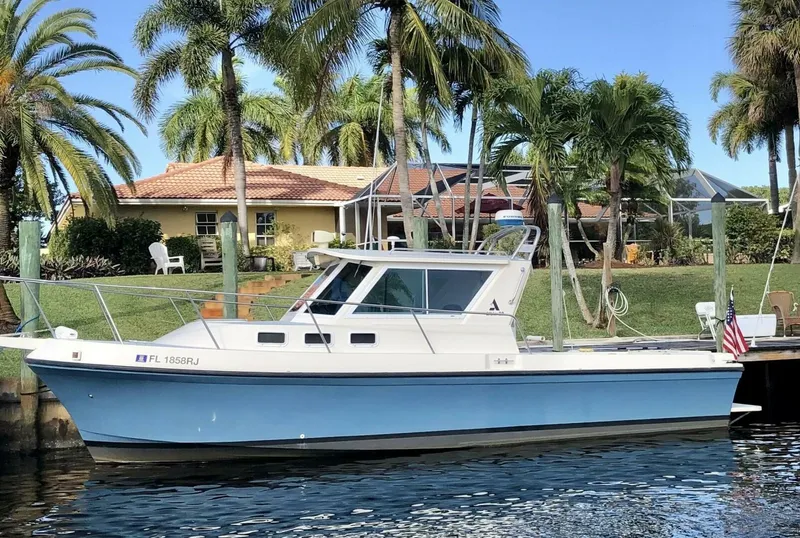
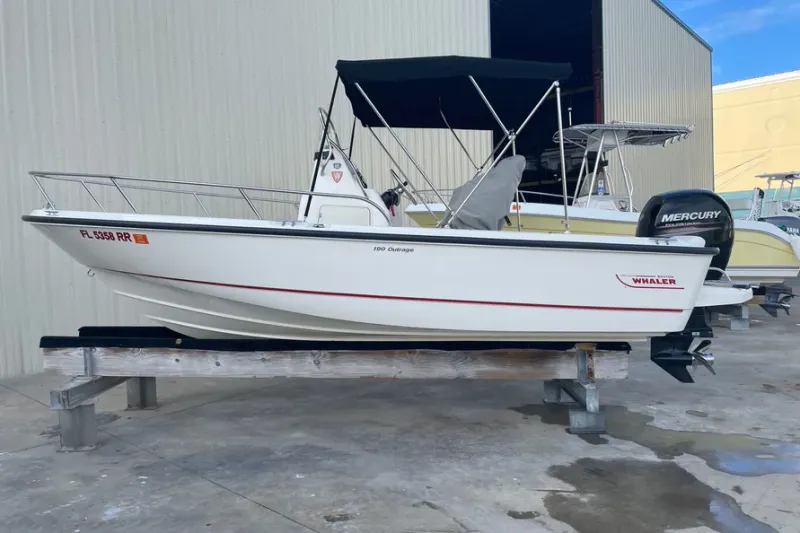
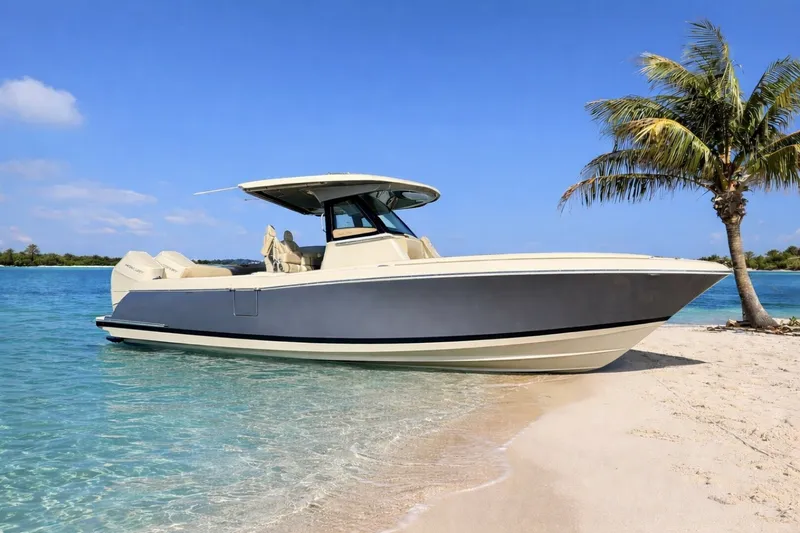
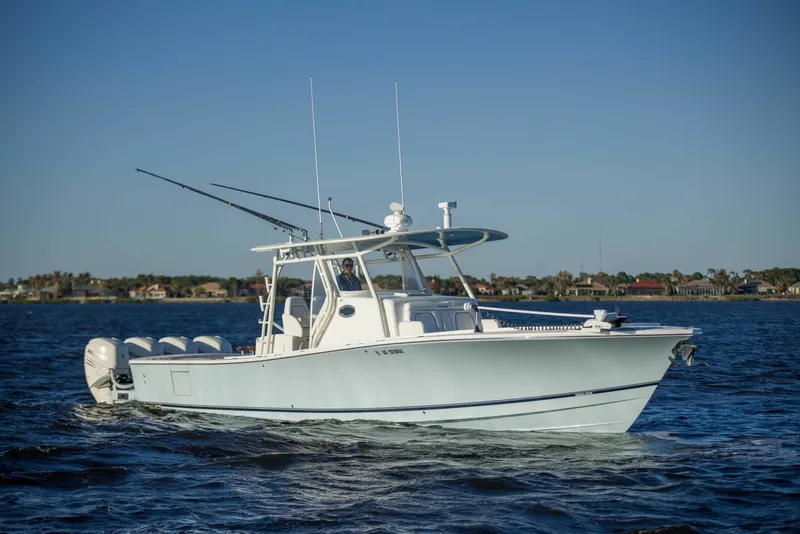
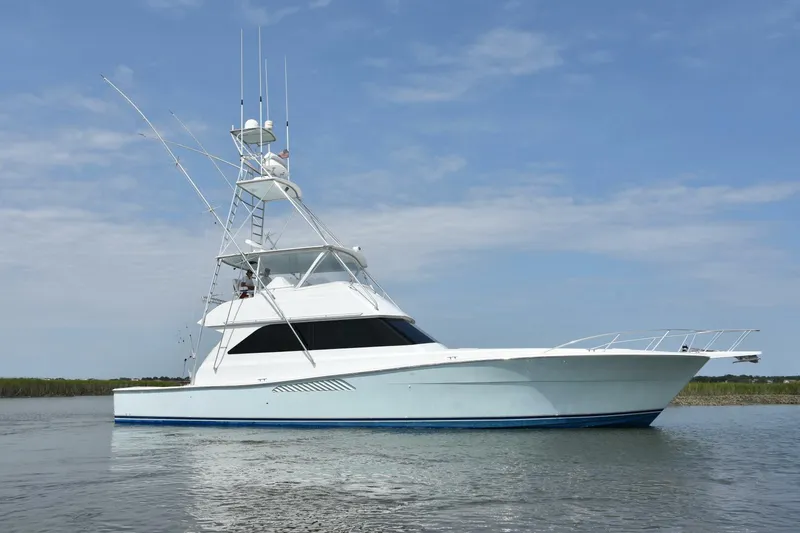
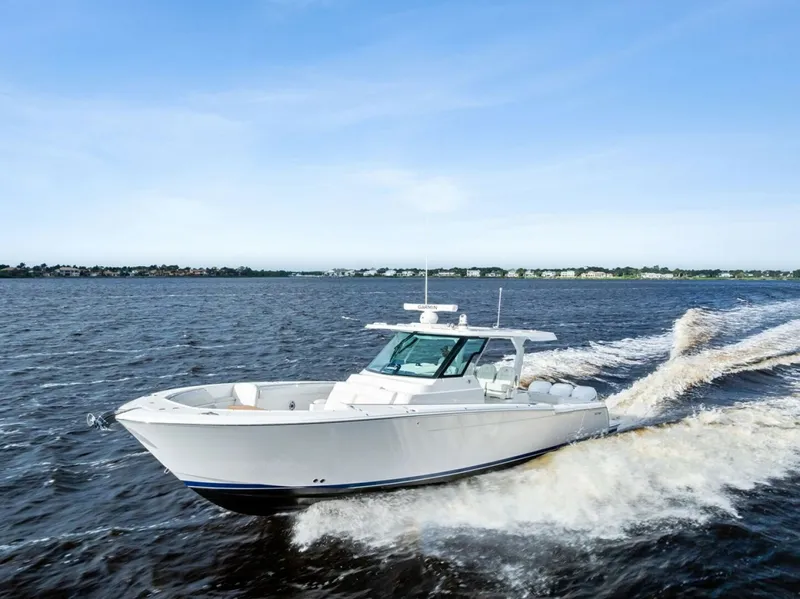
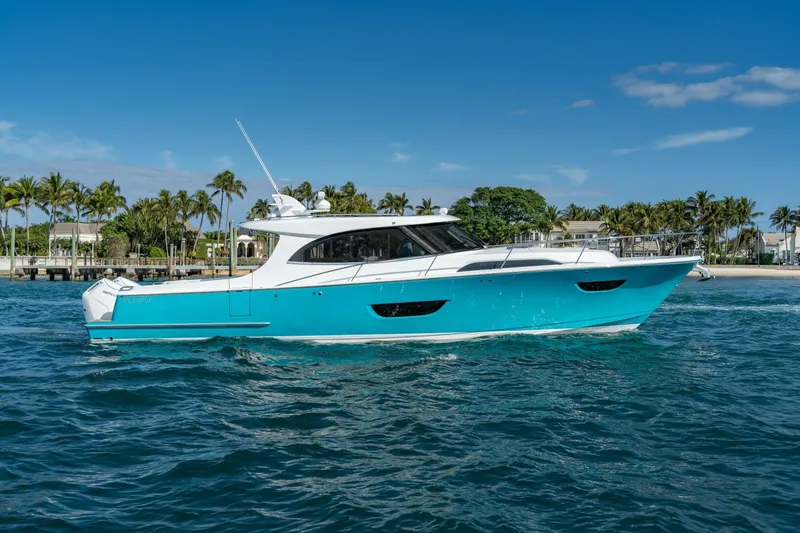
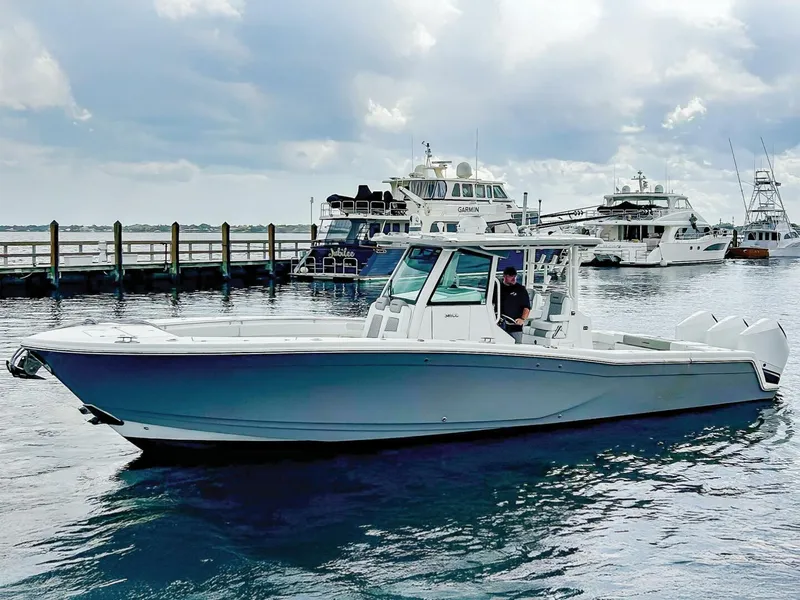
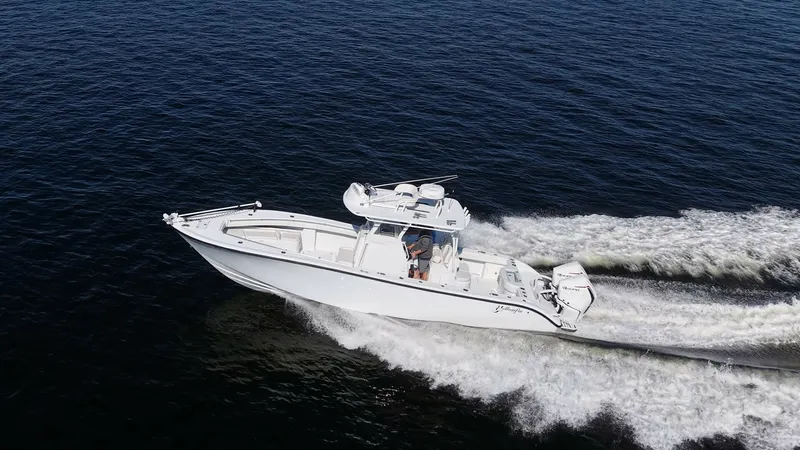
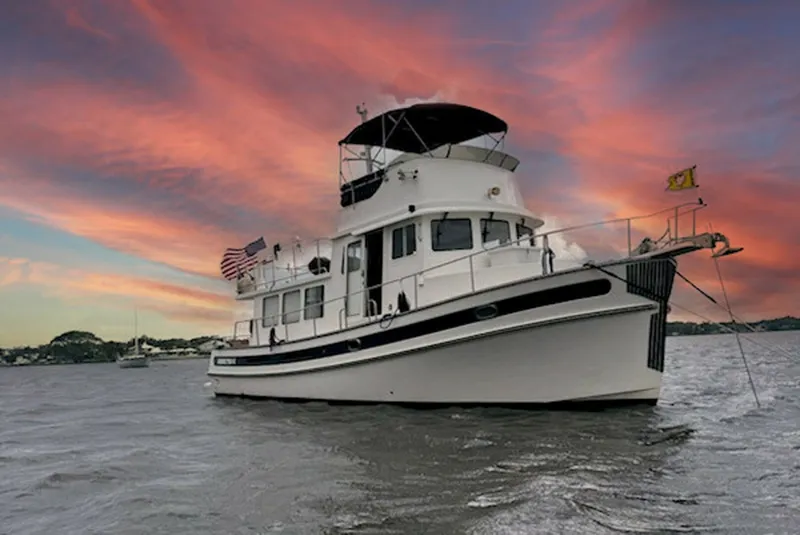
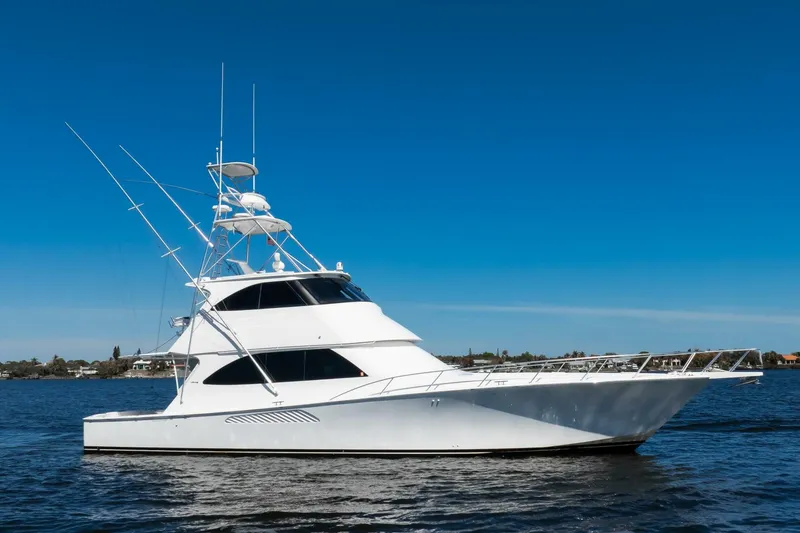
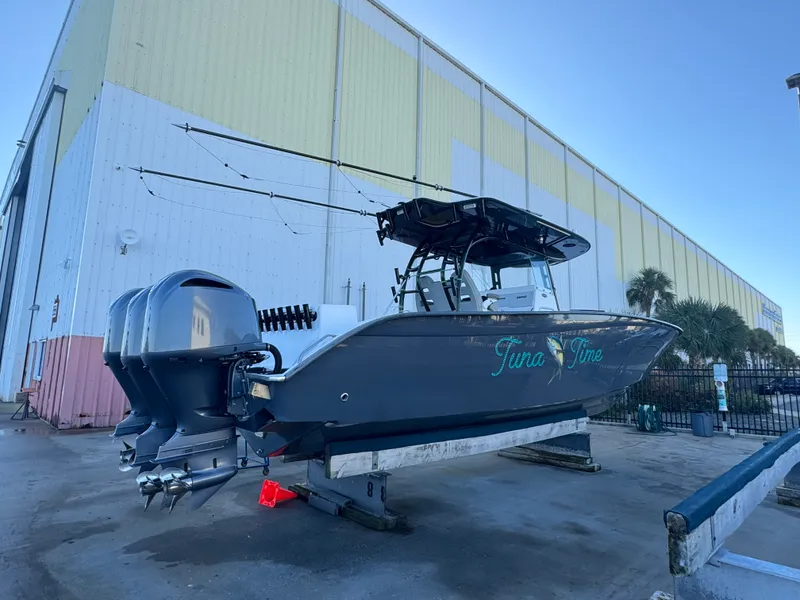
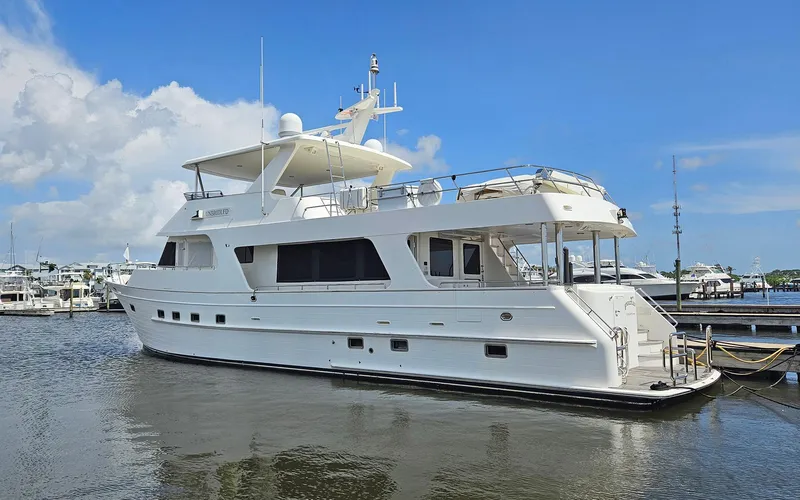
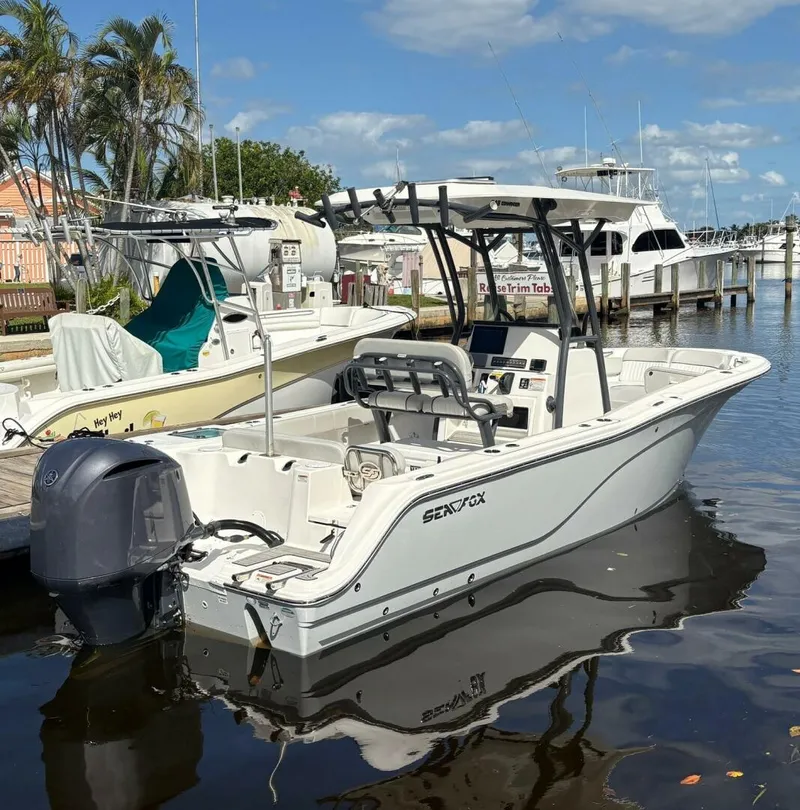
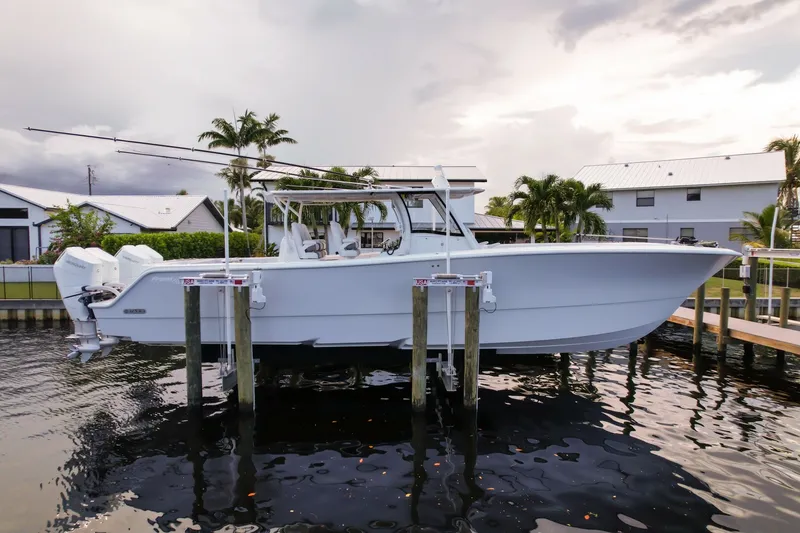
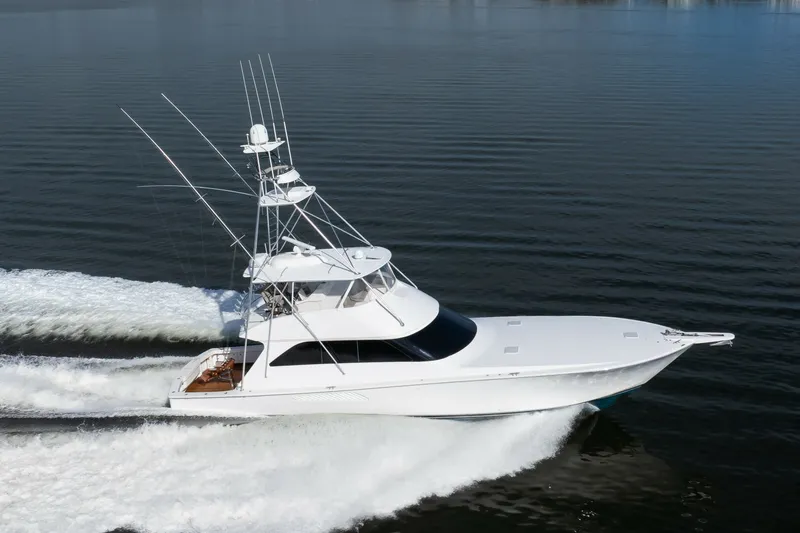
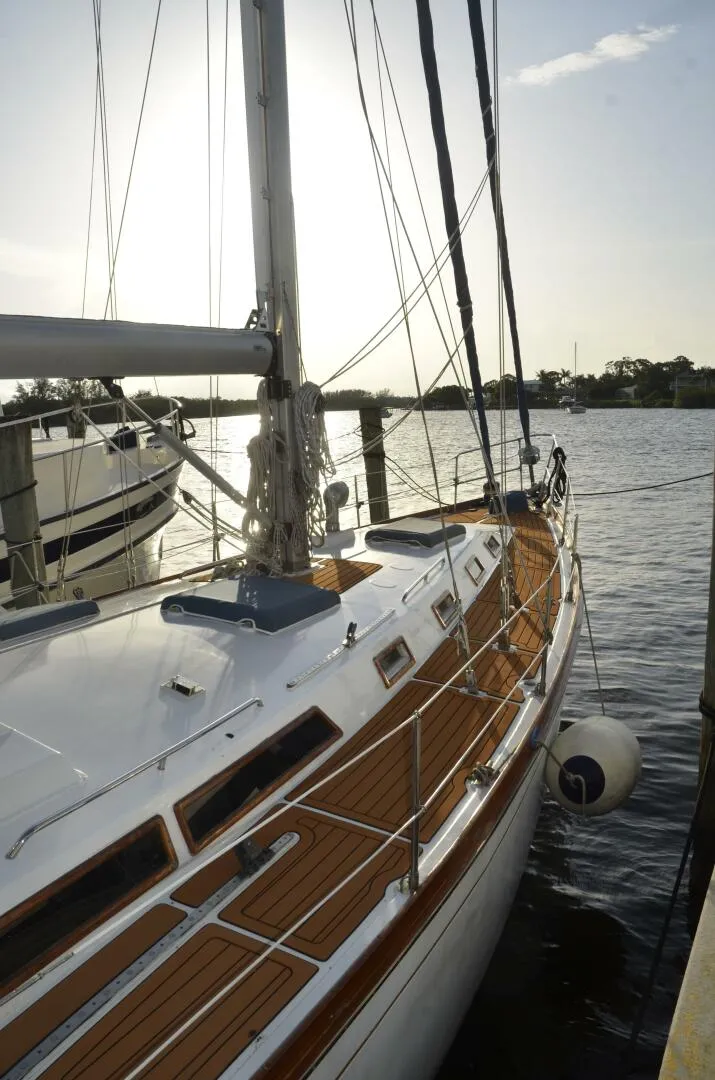
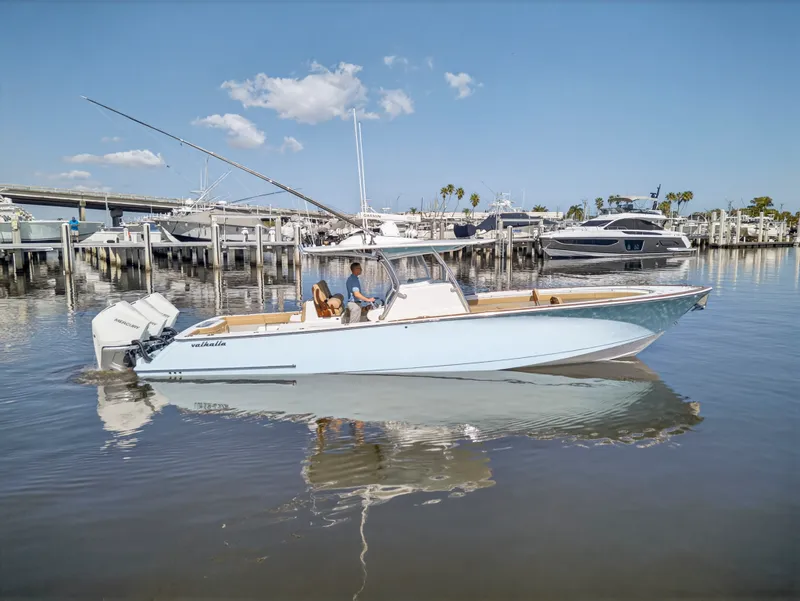
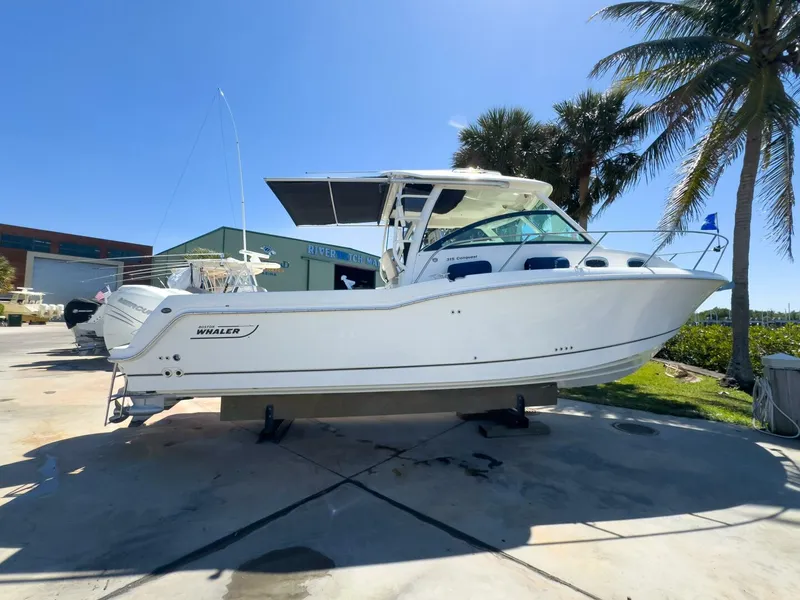
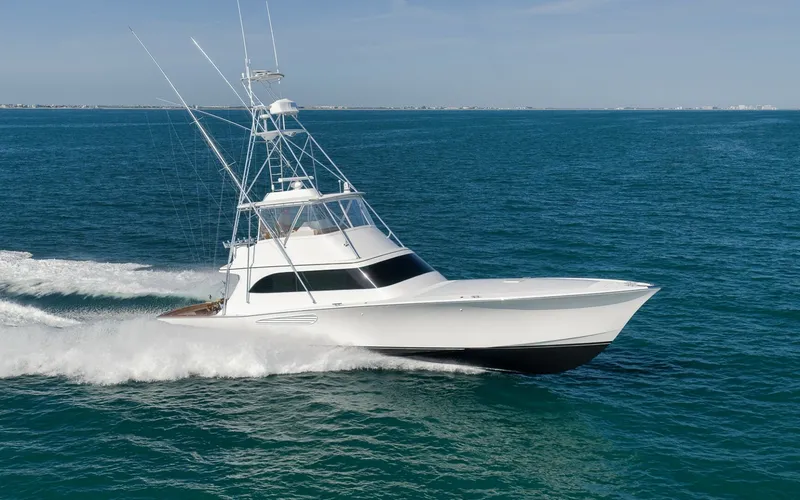
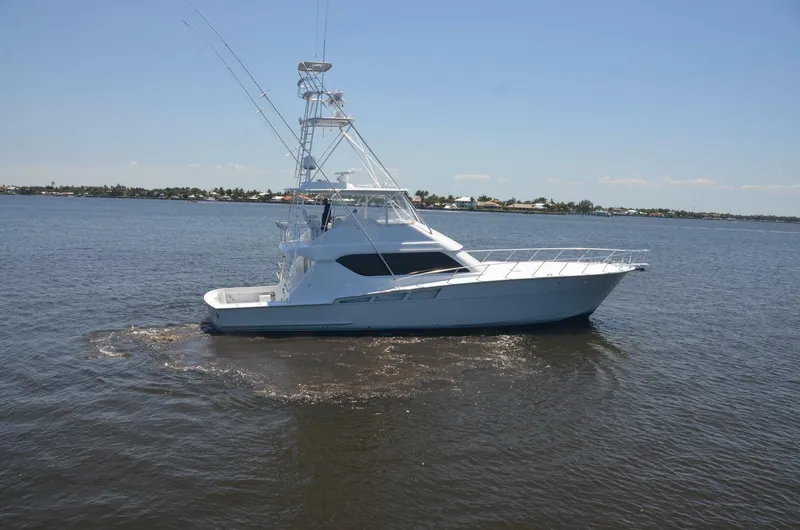
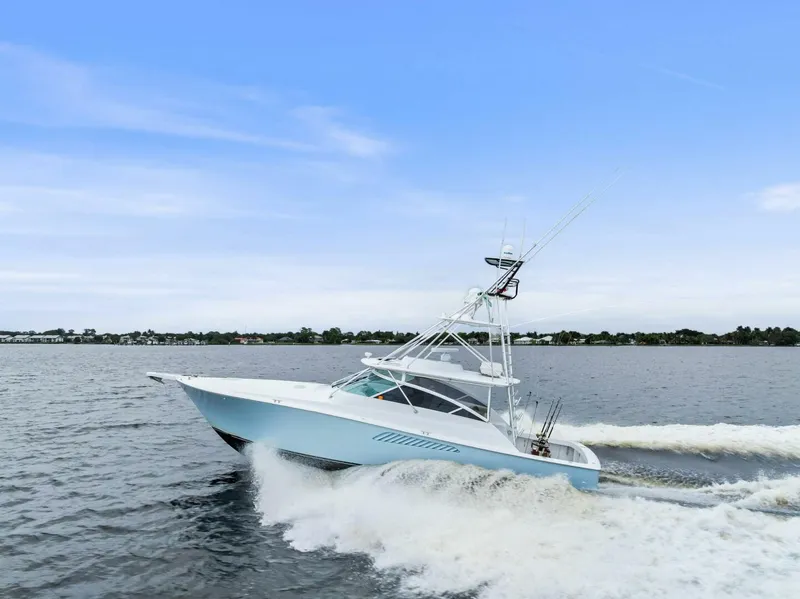
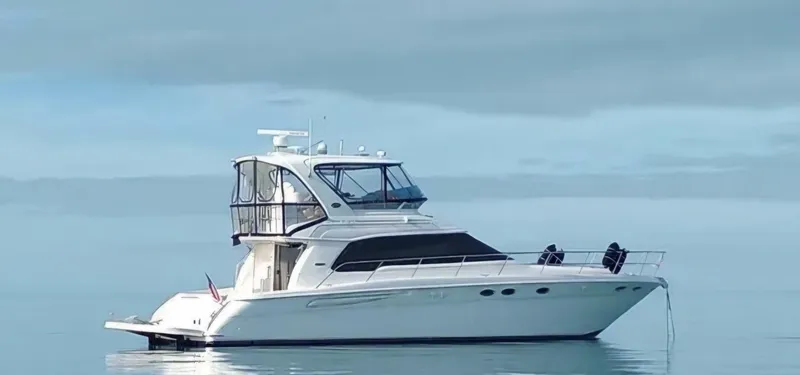
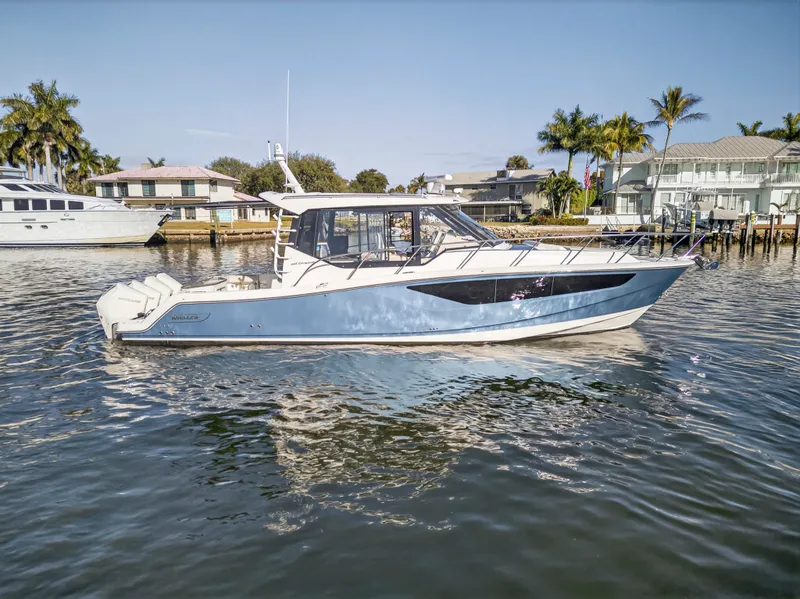
The boating scene is supported by a network of marinas, public ramps, and waterfront parks, plus a strong local culture built around fishing, sailing, and seasonal events like the Stuart Boat Show and holiday boat parades. It’s the kind of place where center consoles, trawlers, pontoons, and the occasional 100‑foot yacht all share the same river.
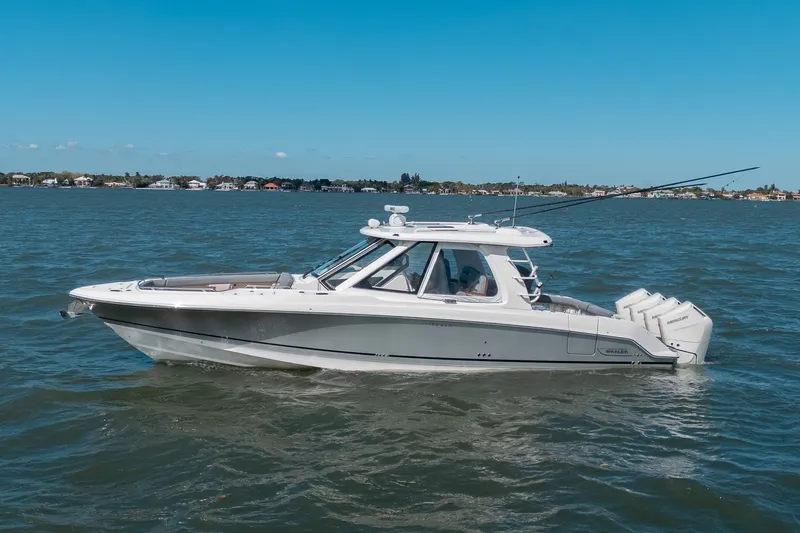
Like any serious boating town, though, Stuart also has its trade‑offs. Costs are in line with Southeast Florida prices, shallow spots and manatee zones require attention at the helm, and hurricane season adds planning and stress. So is Stuart a good place for boating, and especially for owning or enjoying boats in Stuart? Below, we’ll walk through the key pros and cons to help you decide.

Pros of boating in Stuart, FL

1. Waterway variety, from rivers to open ocean

Stuart’s geography is a major reason many boaters fall in love with the area. The St. Lucie River and its North and South Forks give you miles of winding, mostly protected water ideal for cruising, fishing, or just an evening cocktail run. These rivers flow into the Indian River Lagoon and Intracoastal Waterway, opening up long stretches of inshore cruising along the Treasure Coast.

From there, the St. Lucie Inlet offers relatively quick access to the Atlantic. On a reasonable weather window you can be offshore in short order, chasing mahi or sailfish, or simply enjoying a blue‑water run. For long‑range cruisers, Stuart also anchors the eastern end of the Okeechobee Waterway, connecting you to Lake Okeechobee and on to Florida’s west coast without ever leaving inland waters.

2. Strong boating infrastructure and marina options

For a mid‑sized city, Stuart is well outfitted for boats. Hutchinson Island Marina at the Marriott resort offers around 75 slips with about 7 feet of depth at mean low water, fuel (gas and diesel), pump‑out, and shore power up to 100‑amp service. It can handle vessels from about 30 feet to yachts in the 100‑plus‑foot range along its T‑head.

On the St. Lucie River closer to downtown, Safe Harbor Harborage Yacht Club provides full‑service transient and long‑term dockage, showers, power hookups, and easy access to town. Riverwatch (often known locally through its Loggerhead branding) caters more to storage and service, with on‑site fuel and a marine store, suiting smaller and moderate‑draft boats.

Between these and several smaller marinas and yards, you’ll find haul‑out, repairs (including certified technicians at spots like Manatee Marina in Port Salerno), and most of the services a year‑round boater or cruiser would expect.

3. Ample public ramps and easy small‑boat access

You don’t have to rent a slip to enjoy boats in Stuart. Martin County maintains a generous network of public ramps that make it easy to trailer in for a day on the water. Sandsprit Park, near Manatee Pocket, offers multiple launching lanes, large trailer parking, and quick access to the inlet and Indian River Lagoon. The Stuart Causeway ramp has three lanes, courtesy docks, and restrooms, putting you right on the main channel within minutes.

Smaller ramps at places like Shepard Park, Broward Street, Hosford Park, Phipps Park, Leighton Park, and Pendarvis Cove open up even more neighborhood‑style access. Many of these parks also have picnic areas, restrooms, and spots for kayaks and paddleboards, which makes spontaneous after‑work or weekend outings especially simple for local families.

4. Active boating culture and year‑round season

Stuart leans hard into its boating identity. The annual Stuart Boat Show in January fills local marinas and dry land with hundreds of boats and marine vendors, drawing visitors from across Florida and beyond. Seasonal highlights like the Martin County Christmas Boat Parade and high‑energy fishing events, including light tackle sailfish tournaments run by the Stuart Sailfish Club, keep the calendar busy.
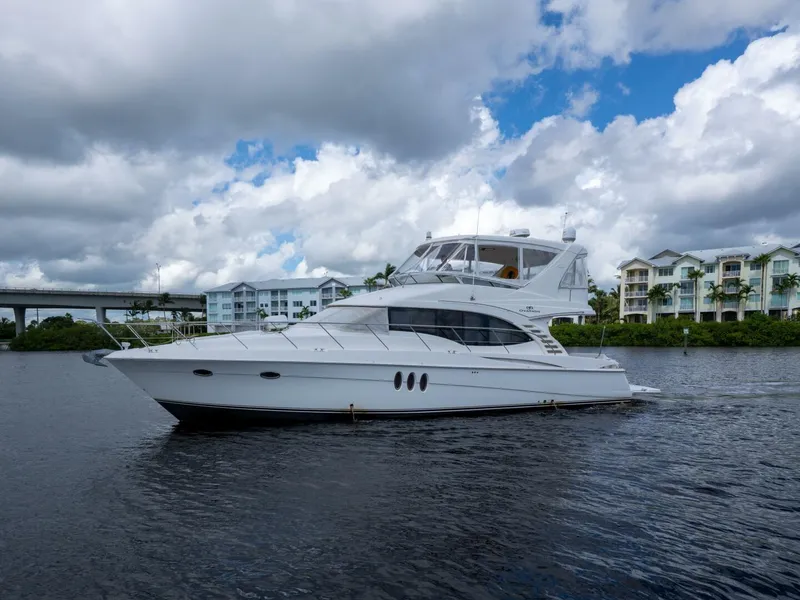
Local organizations such as the St. Lucie River Power Squadron offer safety courses, group cruises, and social events, while yacht clubs and fishing clubs provide community for everyone from novice pontoon owners to experienced offshore captains. Thanks to the region’s mild climate, this culture doesn’t shut down in winter; instead, many boaters consider November through April the prime season, with comfortable temperatures and a festive waterfront atmosphere.
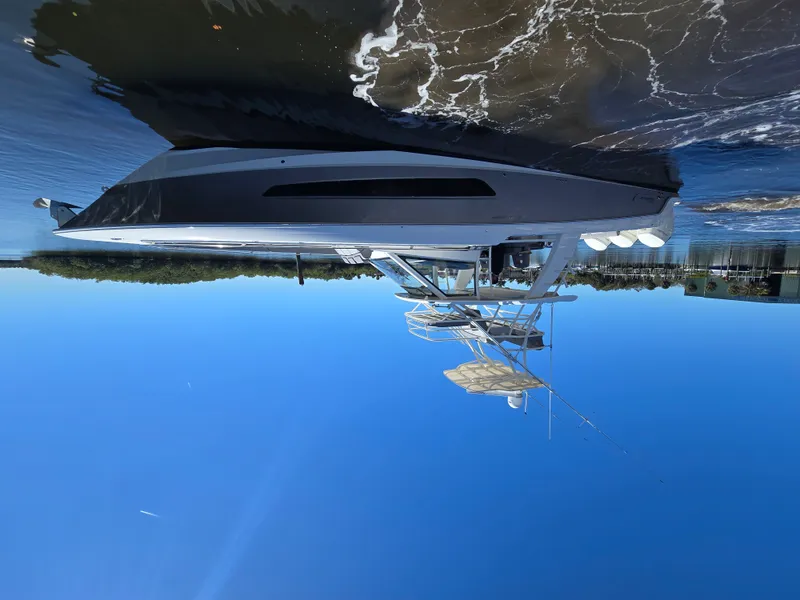
5. Fun destinations, dining docks, and on‑water lifestyle

One of the best parts of owning or using boats in Stuart is how many simple, close‑to‑home adventures you can plan. Quiet anchorages and side canals off the St. Lucie River and Manatee Pocket offer spots to drop a hook for lunch or a swim. The Indian River Lagoon’s mangrove shorelines and shallow flats are ideal for exploring by skiff, kayak, or paddleboard.
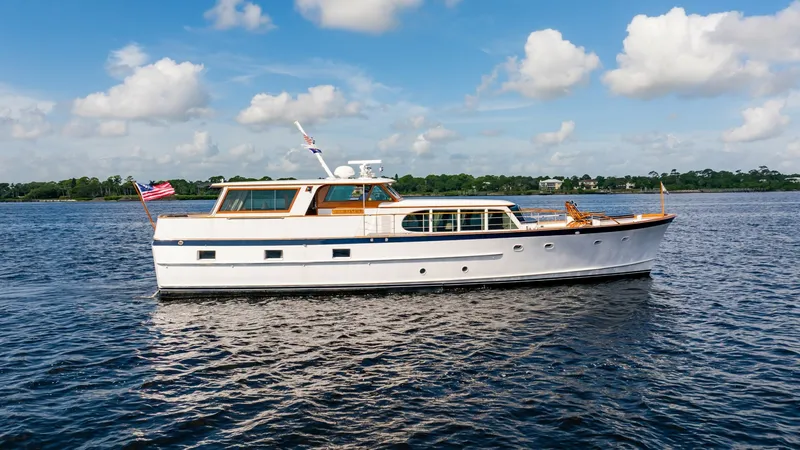
For a more social outing, you can tie up at the city docks near Shepard Park to wander historic downtown Stuart, browse shops, or grab a meal or drink at a waterfront restaurant. Resorts like the Marriott on Hutchinson Island pair dockage with pools, bars, and beach access, turning a weekend on the boat into a mini staycation. Between nearby beaches, sandbars, and inshore fishing grounds teeming with trout, tarpon, mackerel, and more, it’s easy to build your everyday routine around the water.
Cons of boating in Stuart, FL

1. Slip fees and fuel costs can add up

Stuart’s dockage and fuel prices track closely with the rest of Southeast Florida, which means boating here is not a budget hobby. At marinas like Safe Harbor Harborage Yacht Club, recent transient rates hover around $2.95 per foot per night, with monthly contracts often in the $13–$18 per‑foot range depending on your term. Even more modest facilities such as Riverwatch often list transient or equivalent rates near $2.00 per foot.

On the fuel side, mid‑2025 prices at area marinas have put diesel in roughly the $4.00–$4.25 per‑gallon range, with gasoline often higher. Over a busy season, those numbers add up quickly for frequently used powerboats or long‑range cruisers.

  • The Silver Lining: If you’re cost‑conscious, trailering a smaller boat and relying on public ramps can dramatically lower your fixed expenses, since many ramps charge little or no launch fee. Shopping around for longer‑term contracts instead of nightly transient stays, considering dry storage for smaller boats, and planning more slow‑speed cruising days on the rivers instead of long offshore runs can all help keep your boating budget under control.

2. Hurricane season and weather uncertainty

The flip side of Stuart’s year‑round boating is the annual June through November hurricane season. While many days are still beautiful during these months, tropical storms, strong squalls, and the occasional direct hurricane threat mean boaters must stay alert, have a plan, and potentially haul out or unstep masts on short notice.

Marinas and boatyards in the region typically have hurricane policies and specific tie‑up plans, and slips can fill quickly when a storm looms. Insurance requirements, including named‑storm deductibles or mandatory haul‑outs, can add to both cost and stress for boat owners.

  • The Silver Lining: Because Stuart is such a boating‑savvy community, local marinas, yards, and clubs are used to storm preparation and can be a big help with planning. Many year‑round owners simply structure their schedules to do offshore and longer trips in the drier, cooler months and treat the peak of hurricane season as a time for maintenance, upgrades, and more protected inshore cruising.

3. Shallow areas, bridges, and navigation quirks

Despite offering access to both the Intracoastal and offshore waters, Stuart does have its navigational challenges. Depths at some marinas and along certain side channels hover around 7 feet at mean low water, and facilities like Riverwatch are better suited to shallow‑draft vessels, limiting options for deep‑keel sailboats or heavy trawlers. Unmarked shoals, especially near cuts and backwaters, reward cautious piloting and attention to charts and tides.

Bridges such as the Stuart Causeway and other river crossings require careful height checks and adherence to opening schedules or posted clearances. If you’re transiting the Okeechobee Waterway, you’ll also pass through the St. Lucie Lock, where the lock dimensions (250 feet long, 50 feet wide, about 10 feet deep at low water) impose hard size and draft limits.

  • The Silver Lining: Most of these challenges are manageable with proper planning. Modern electronic charts, local cruising guides, and thoughtful timing around tide make river and inlet runs far less intimidating. For larger vessels or first‑time visitors, calling ahead to marinas, hailing on VHF, and following local advice can turn those quirks into just another part of the adventure.

4. Speed limits, manatee zones, and regulations

Stuart’s waterways sit within Martin County’s extensive slow‑speed and manatee protection zones. In many inland and near‑shore areas, boats must operate at slow speed or idle‑speed no‑wake within several hundred feet of the shoreline, which can lengthen travel times if you’re used to running at planing speeds everywhere. These rules are strictly enforced, and fines for violations can be steep.

On top of speed regulations, Florida’s statewide boating laws—covering vessel registration, safety gear, and education requirements for operators born on or after January 1, 1988—apply here as well. For visitors and new residents, understanding both state and local rules can take some homework.

  • The Silver Lining: The same rules that slow you down also protect manatees, seagrass beds, and shoreline property, helping keep Stuart’s waterways healthy and scenic. Once you learn which stretches are no‑wake and which are open channel, it becomes easier to plan trips: enjoy relaxed, fuel‑saving river cruises in the slow zones and use designated channels for faster runs when you need to cover more ground.

5. Crowding at ramps, marinas, and popular spots

Because Stuart is such a desirable place for boating, the most convenient launch points and marinas can feel busy, especially on winter weekends, holidays, and during events like the Stuart Boat Show or major fishing tournaments. Public ramps such as Sandsprit Park and the Stuart Causeway may see long lines to launch or retrieve at peak times, and trailer parking can fill early.

On the water, you may also find congestion around the St. Lucie Inlet, popular sandbars, and downtown docks when conditions are ideal. For new boaters, this adds a layer of stress when maneuvering in tight quarters or learning to trailer and launch.

  • The Silver Lining: Crowds tend to cluster at predictable times and places, so a bit of planning goes a long way. Launching early or later in the day, favoring shoulder‑season weekdays, or getting to know alternative ramps and marinas can ease the crunch. As your skills grow, you may also expand your range into quieter backwaters off the North and South Forks or up toward Palm City and Port Salerno, where the pace is slower and the waterways feel more relaxed.

What boating in Stuart, FL is really like

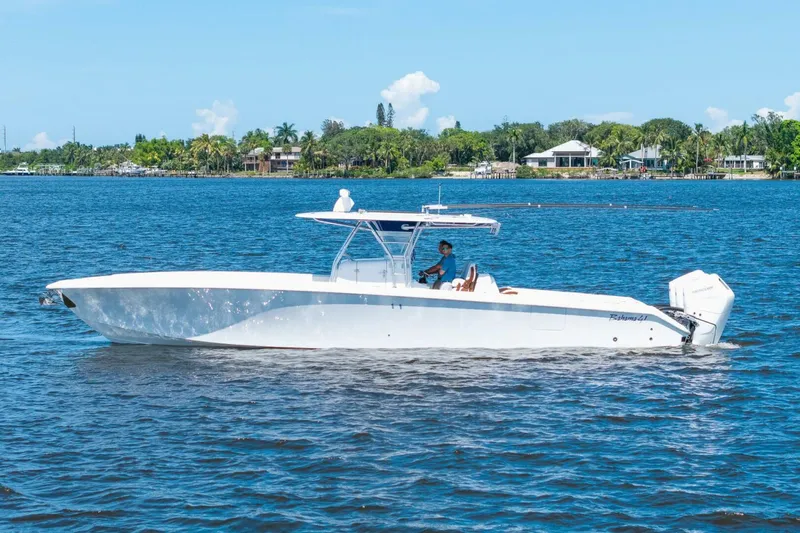
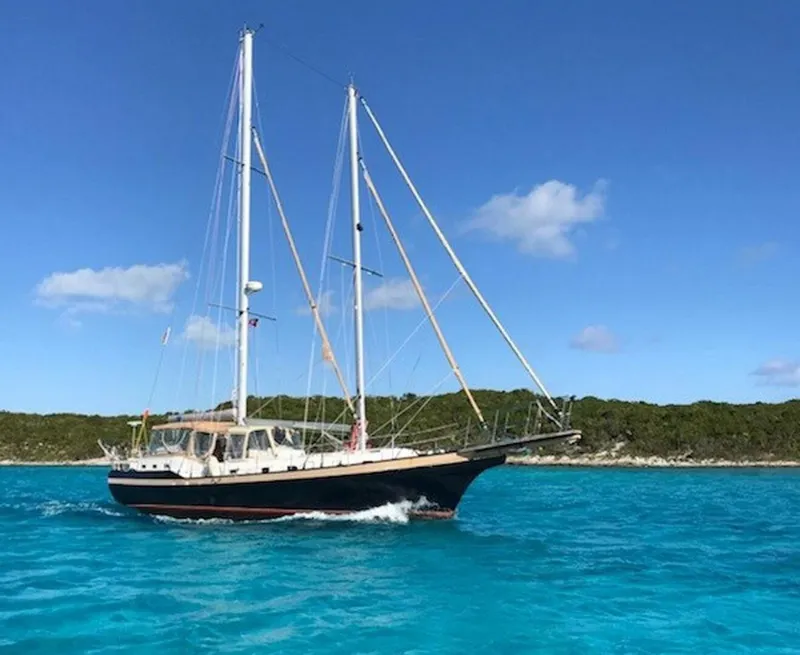
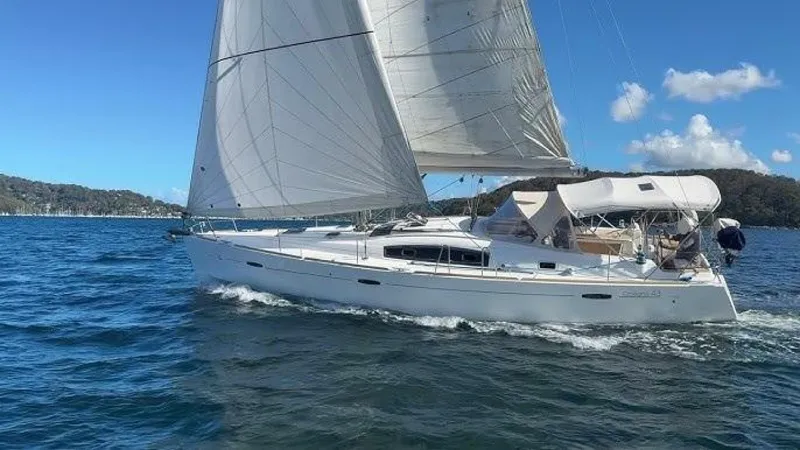
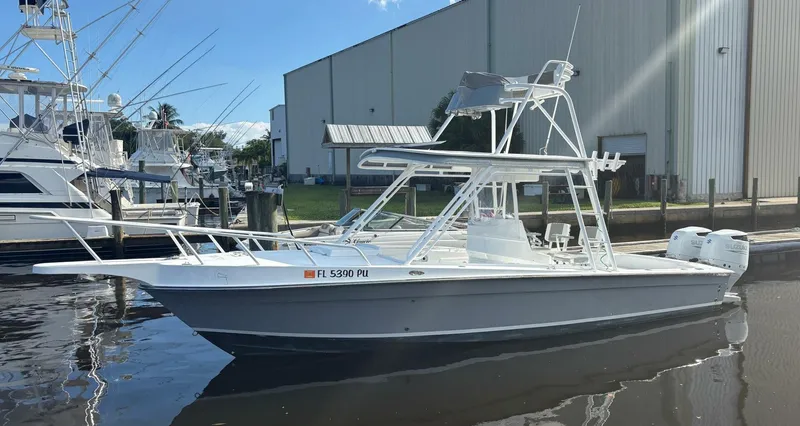
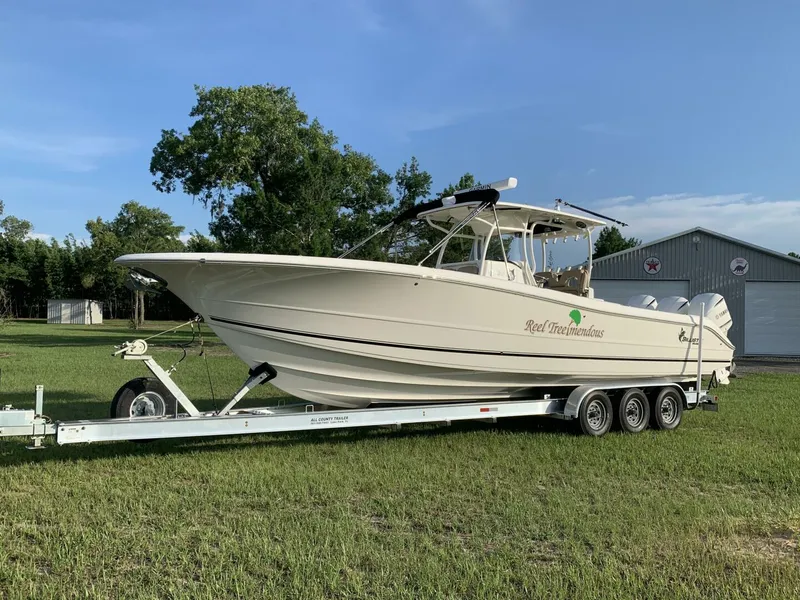
Boating in Stuart feels like having a dozen different waterfronts in one compact area. On a calm Saturday morning, the St. Lucie River is full of center consoles idling out from the docks, a few sailboats ghosting along in the light breeze, and kayak fishermen slipping into the mangrove-lined creeks. The water shifts from brackish river to bright-blue lagoon as you work toward the St. Lucie Inlet, and you’re just as likely to pass a serious sportfishing boat headed offshore as a family pontoon making a lazy loop around Sewall’s Point.

The everyday rhythm on the water is relaxed but busy. After work, plenty of locals launch at ramps like Stuart Causeway or Sandsprit Park for a quick sunset run—maybe a short cruise up the Indian River Lagoon, then tying up at the city docks near Downtown Stuart for dinner. Weekend mornings often start with anglers staging in Manatee Pocket, waiting for first light before running out the inlet for kingfish or sailfish, while inshore crews quietly drift for trout and snook along the flats and channel edges.

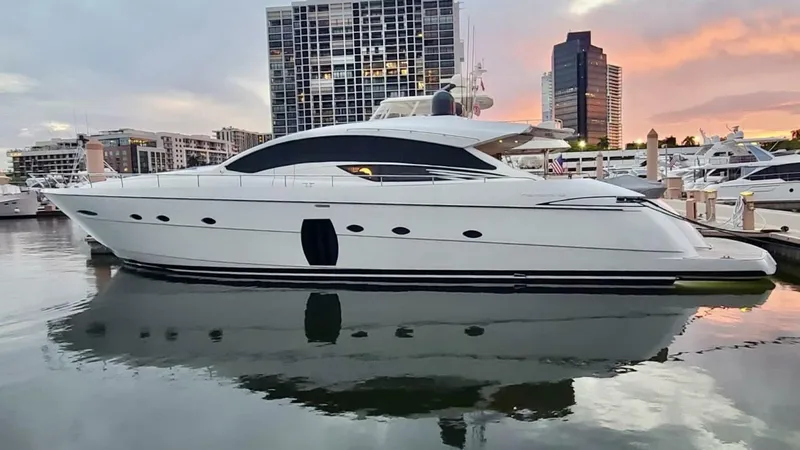
On event days, the personality of “boats in Stuart” changes from laid-back to lively. During the Stuart Boat Show in January, every slip and mooring seems occupied, and the river becomes a parade of demo rides, visiting cruisers, and gleaming new yachts. Holiday events like the Christmas Boat Parade turn the waterways into a floating festival, with decorated boats gathering along the Stuart Causeway. Yet it’s never only about the crowds—those same weekends, some boaters slip away up the South Fork of the St. Lucie River or into the quieter backwaters around Palm City for peaceful anchorages and wildlife watching.

Costs, logistics, and practical details

From a practical standpoint, Stuart is very well set up for boaters, especially if you’re comfortable with typical Southeast Florida pricing. Marinas such as Hutchinson Island Marina and Safe Harbor Harborage Yacht Club offer full-service dockage with shore power, water, fuel, and pump-out, handling everything from mid-size cruisers to yachts around 100 feet. Depths around 7 feet at mean low water are common at spots like Hutchinson Island, which suits most powerboats and moderate-draft sailboats, though very deep-draft vessels need to plan routes and tides carefully.

Slip rates at private marinas are not cheap but are in line with the region. At Safe Harbor Harborage Yacht Club, transient dockage runs in the neighborhood of $2.95 per foot per day, with longer-term contracts roughly $13–$18 per foot per month depending on term length. Riverwatch Marina, more service- and storage-focused with shallower access, trends a bit lower on transient-style pricing (around $2.00 per foot reported), though it does not generally cater to true overnight transient traffic due to draft limitations. Fuel prices—often around $4.00–$4.80 per gallon for diesel and gas—are typical for coastal Florida and should be factored into any regular offshore or long-distance cruising plans.

For trailer boaters, Stuart is especially convenient. There are numerous public ramps, including Sandsprit Park and Stuart Causeway, plus ramps at parks like Broward Street, Hosford, Phipps Park, Leighton, and Pendarvis Cove. Many of these have multiple lanes, courtesy docks, and restrooms; some are free or very low-cost, with potential small parking or launch fees depending on the site. This makes it realistic to keep a boat on a trailer at home or in off-site storage and still enjoy quick access to both river and ocean, rather than paying high wet-slip rates year-round.

Is Stuart, FL a good place for boating?

Stuart is an excellent place for boating, especially if you’re looking for variety and “big water” access without the full-on intensity of major metro markets farther south. The mix of the St. Lucie River, Indian River Lagoon, Intracoastal Waterway, and the path out the St. Lucie Inlet gives you everything from quiet backwater exploration to serious offshore runs. There’s a strong community of anglers, cruising boaters, and family day-boaters, plus signature events like the Stuart Boat Show and local fishing tournaments that keep the scene vibrant year-round. For many owners, the combination of quality marinas, plentiful ramps, and year-round mild weather makes keeping a boat in Stuart very appealing.

You will love boating here if:

  • You want year-round boating with easy variety—rivers, lagoon, Intracoastal Waterway, and quick Atlantic Ocean access via the St. Lucie Inlet.
  • You enjoy a mixed boating culture: serious offshore fishing, relaxed family sandbar days, and social events like boat shows and parades all in one place.
  • You appreciate strong infrastructure—full-service marinas with fuel and pump-out, lots of well-developed public ramps, and nearby repair yards and marine services.

You might find it challenging if:

  • You have a very deep-draft sailboat or large yacht that needs more than roughly 7 feet of reliable depth and wide, deep channels everywhere you go.
  • You’re highly budget-sensitive and hoping for very low-cost marina slips or fuel; Stuart’s prices generally mirror other popular South Florida boating hubs.
  • You dislike regulated waterways—slow-speed and manatee zones, bridges, and locks—and prefer wide-open high-speed running most of the time.

If your idea of the perfect boating home base is a place where you can launch easily, cruise rivers and lagoons one day, head offshore for kingfish or sailfish the next, and still have the option to run across Florida via the Okeechobee Waterway, Stuart deserves a top spot on your boating bucket list. For owners comfortable with Southeast Florida pricing and seasonal storm planning, keeping a boat here—or planning a multi-day cruise that includes Stuart—is likely to be deeply rewarding.

Be the First to Know

Get notified when new boats become available.

Logo