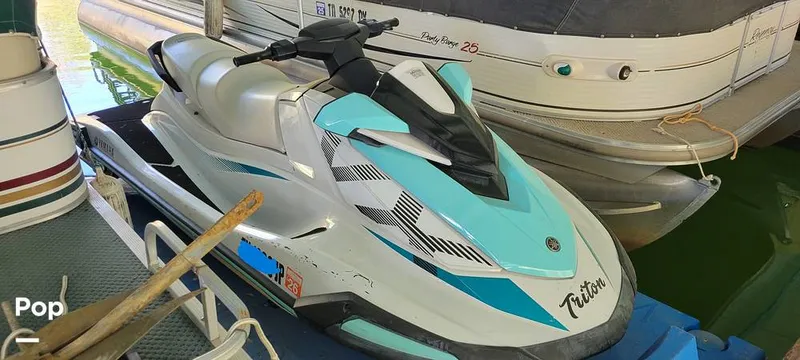
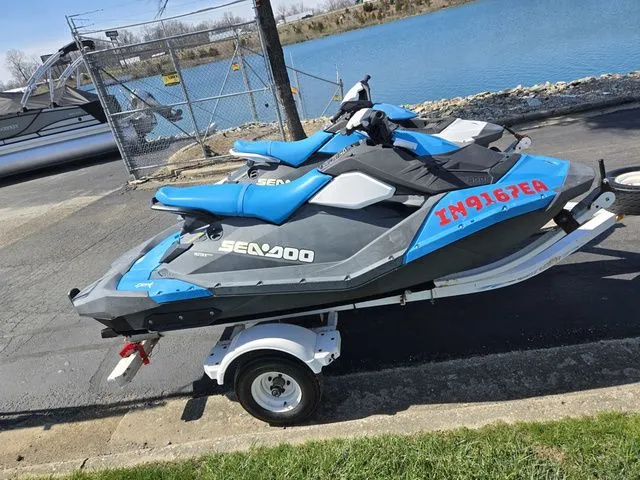
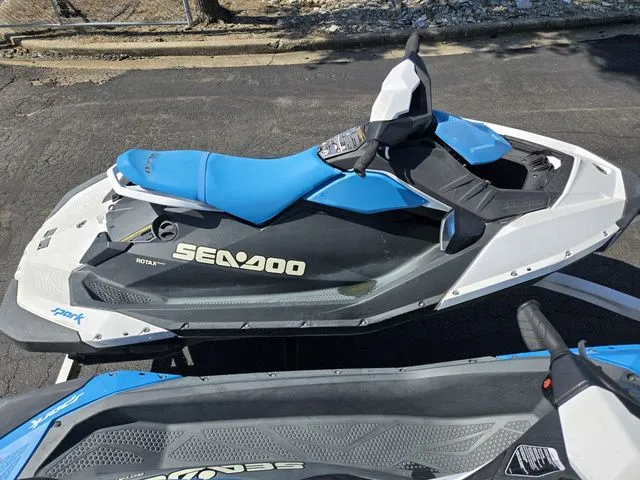
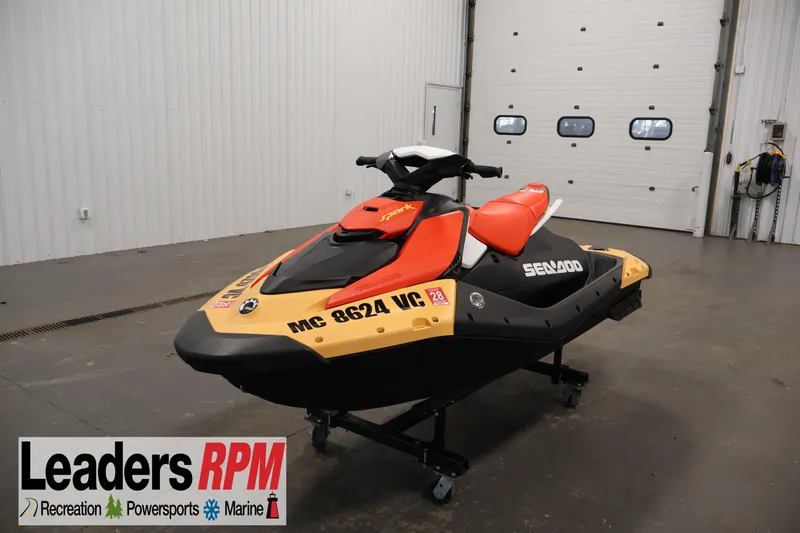
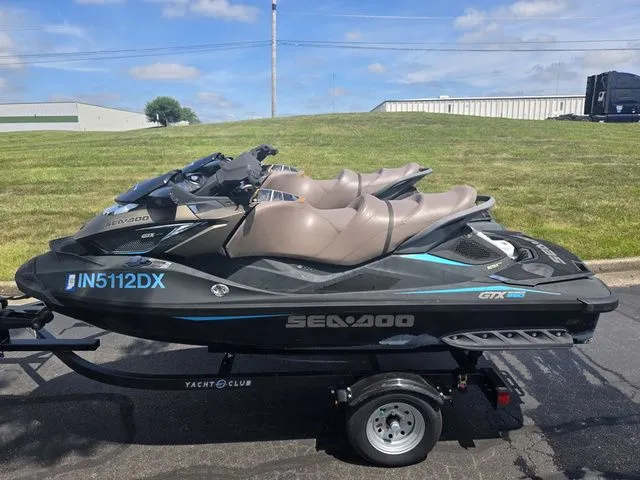
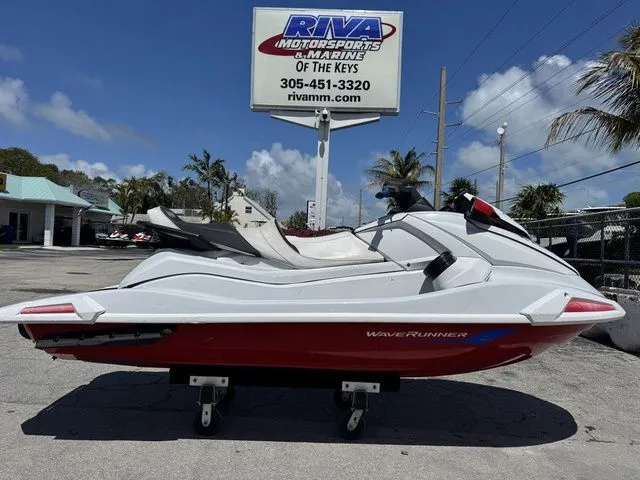
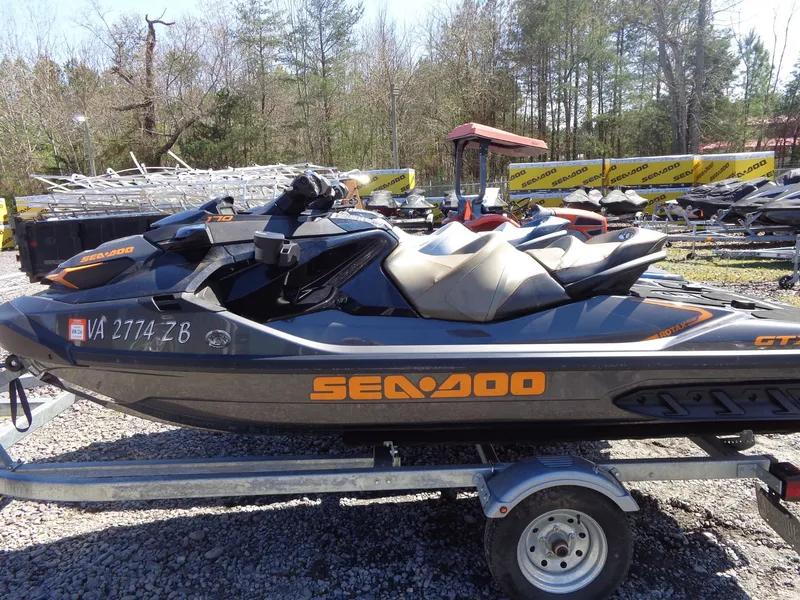
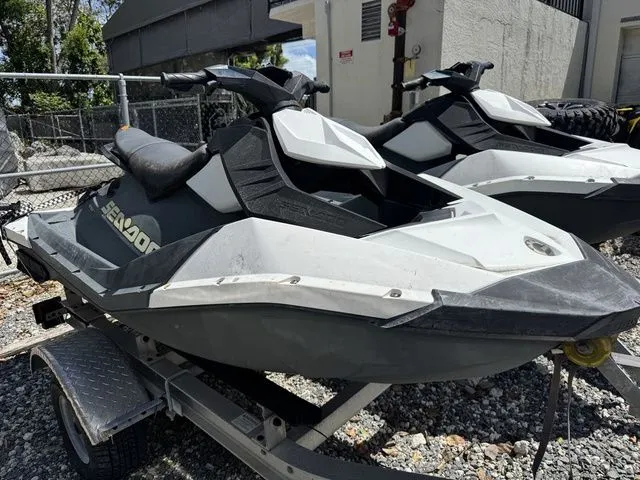
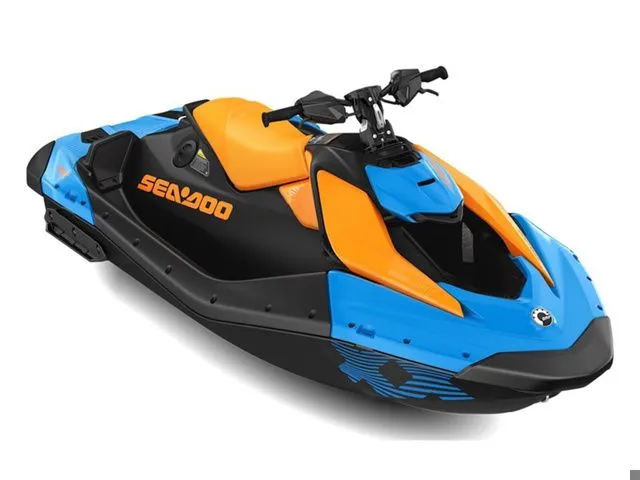
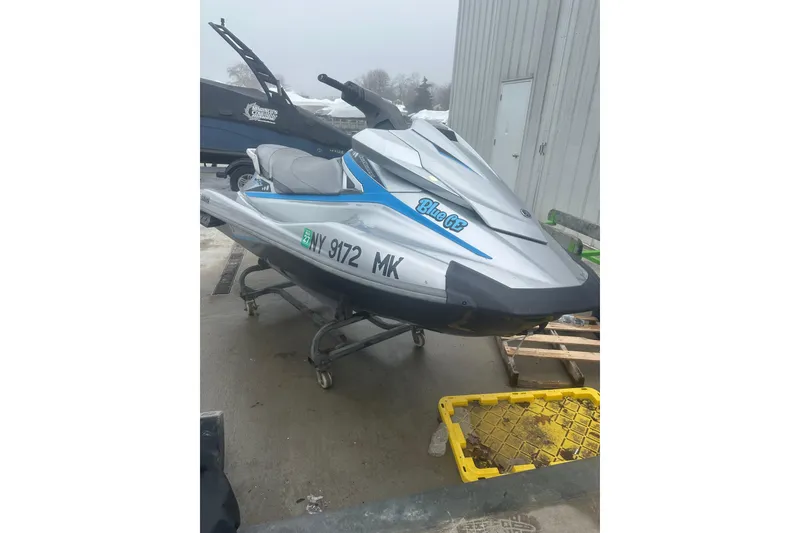
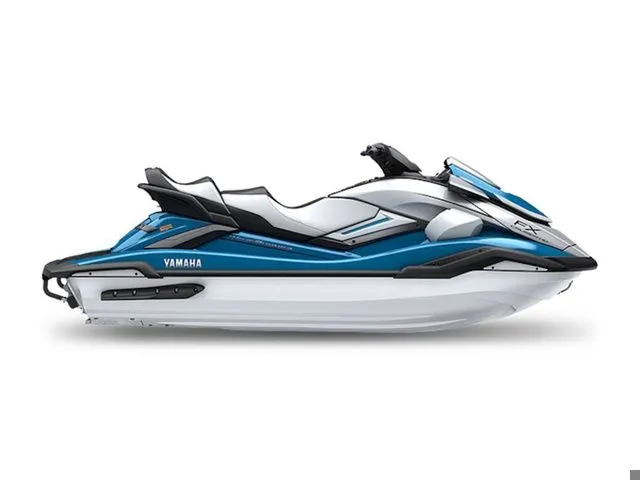
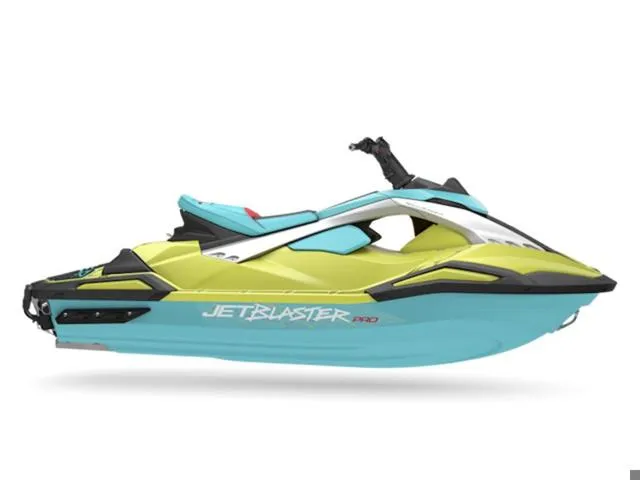
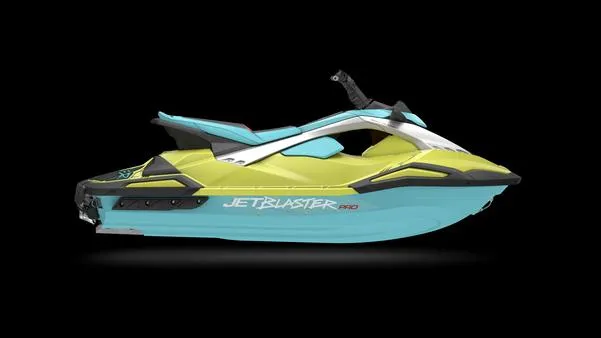
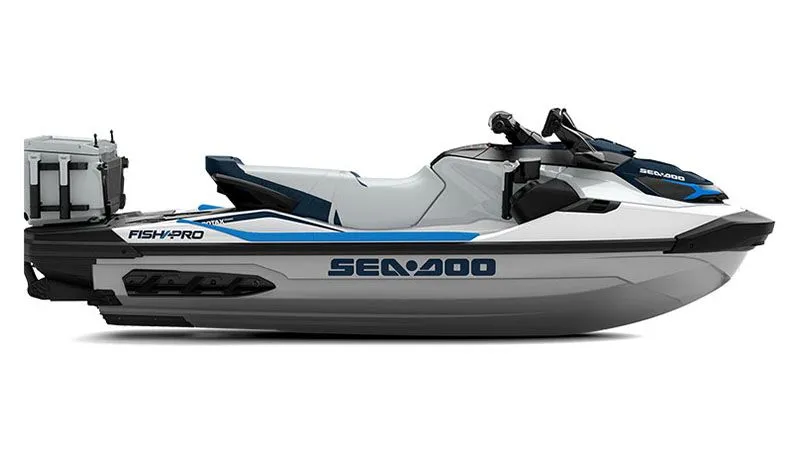
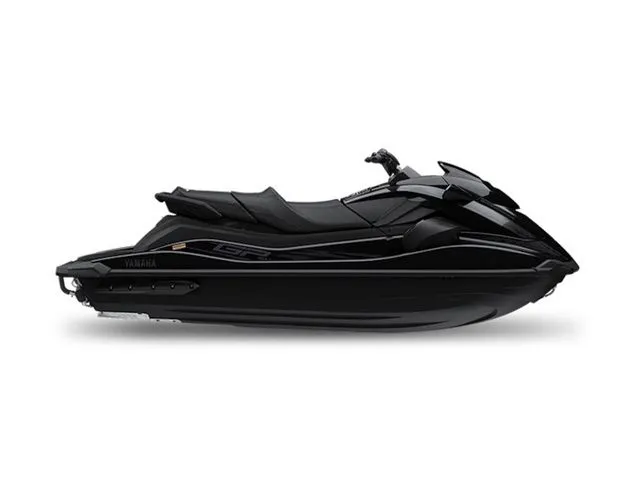
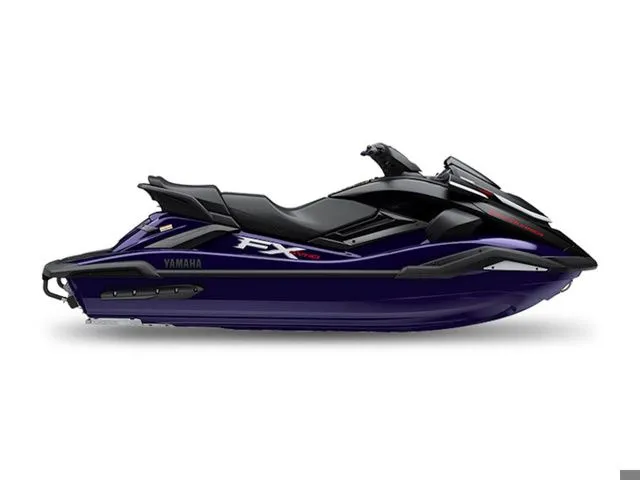
All PWCs
Searching boats for you...
Boating · Buyer’s Guide
Is a PWC Boat the Right Choice for You?
Written by: MarineSource Team | Estimated read time: 12 min read
The thrill of skimming across the water on a PWC boat—also known as a personal watercraft—is unlike any other boating experience. The wind rushes past, the spray of water cools your face, and the power at your fingertips lets you carve sharp turns and accelerate with adrenaline-pumping speed.
PWCs have surged in popularity over recent decades, becoming a staple for water enthusiasts seeking fast, nimble, and compact vessels. Their small size and quick maneuverability make them ideal for solo adventures or small groups looking for a high-energy watercraft, but they offer a very different lifestyle than a traditional family boat.
Modern PWCs have evolved from simple jet skis to sophisticated machines equipped with advanced technology, safety features, and cleaner engines. They offer a distinct boating experience that’s accessible and thrilling, but they may not be the right fit for every type of boater or waterway.
What is a PWC boat?
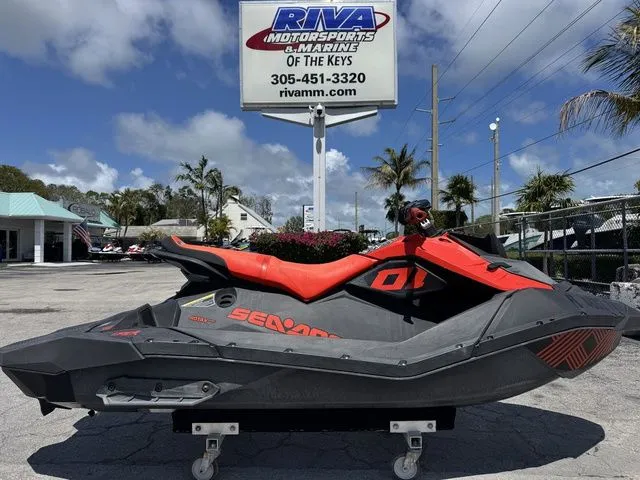
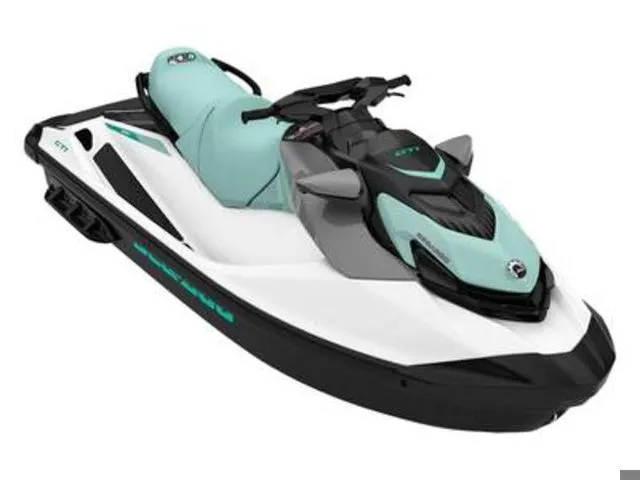
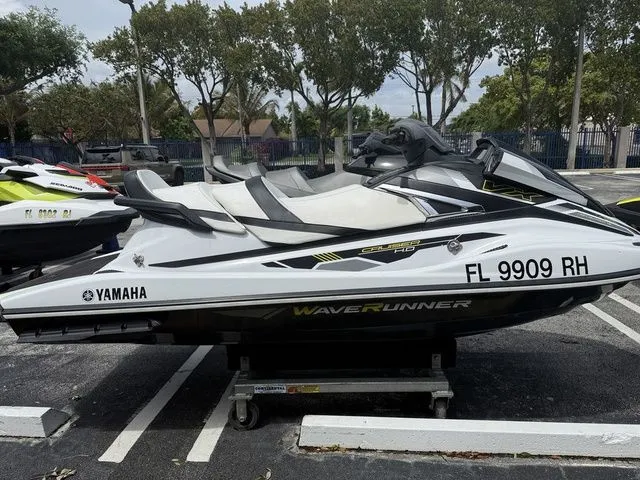
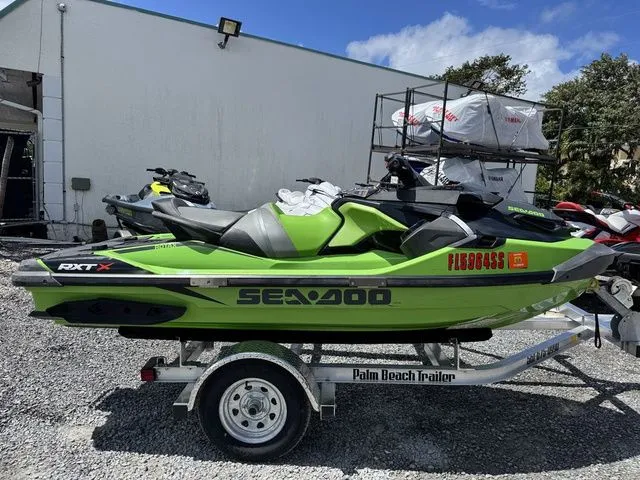
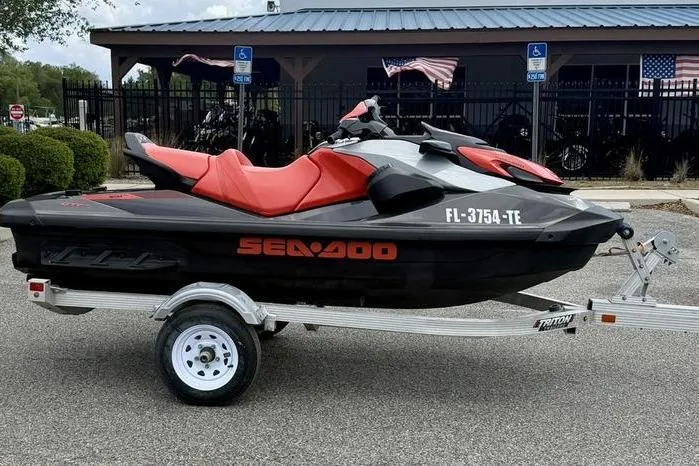
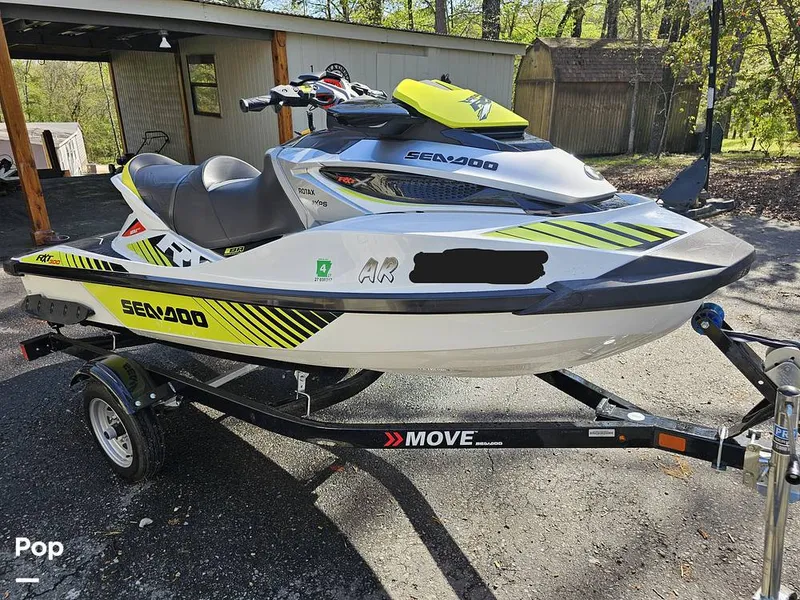
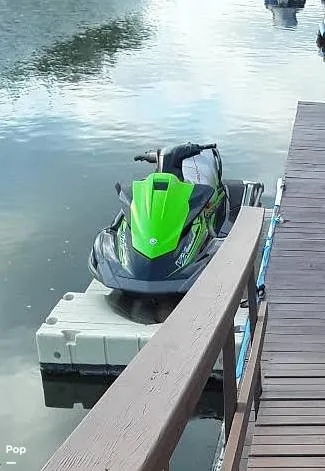
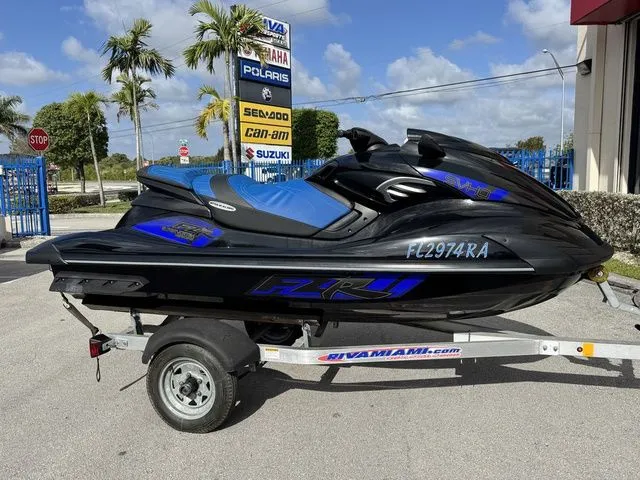
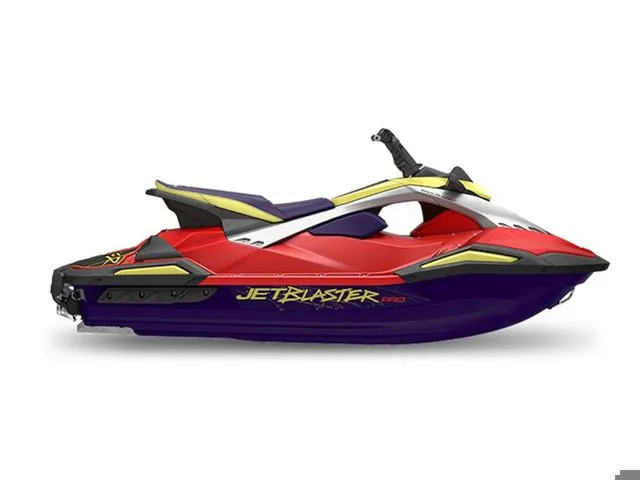
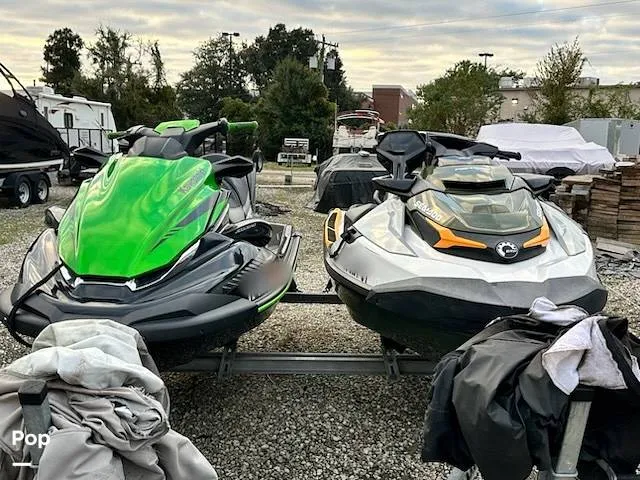
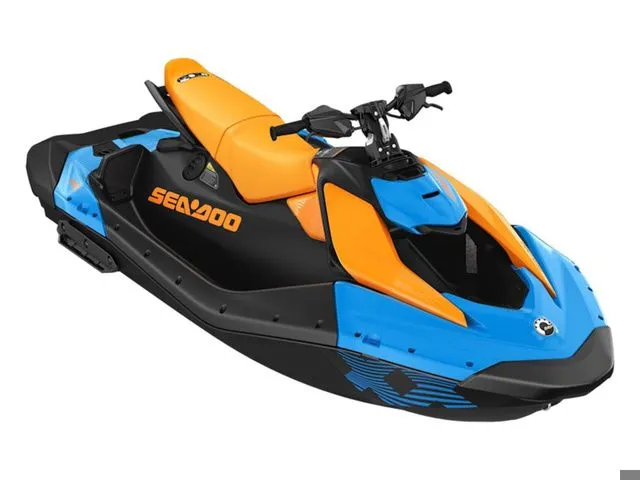
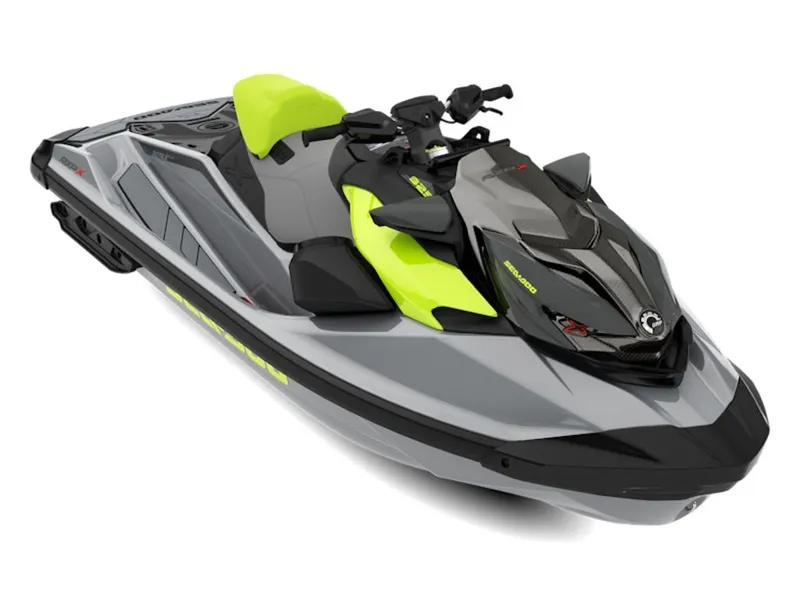
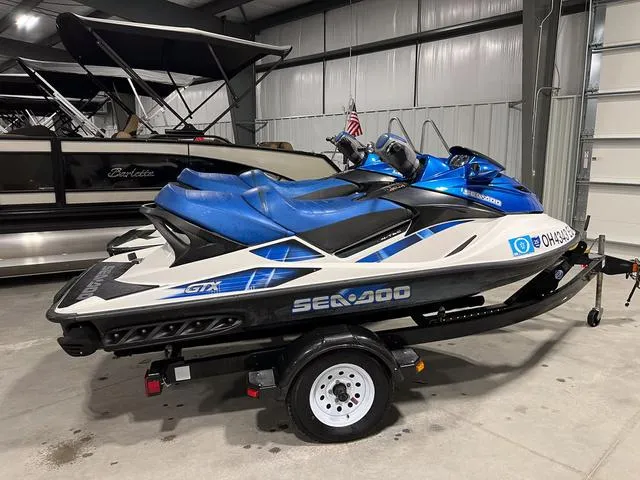
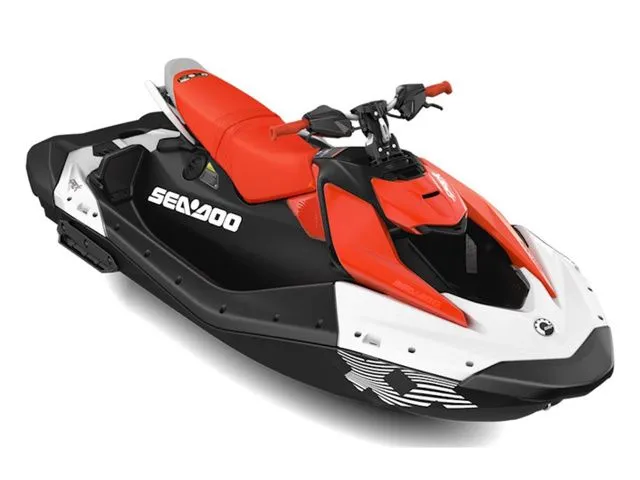
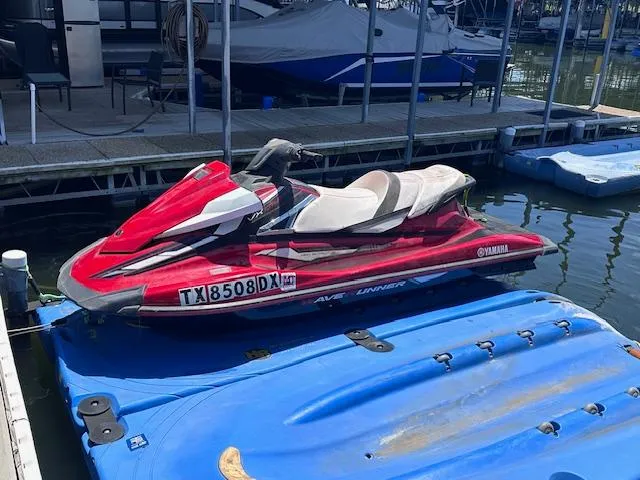
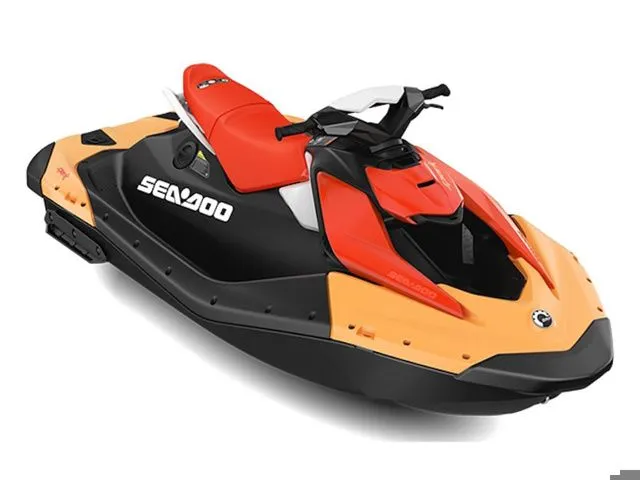
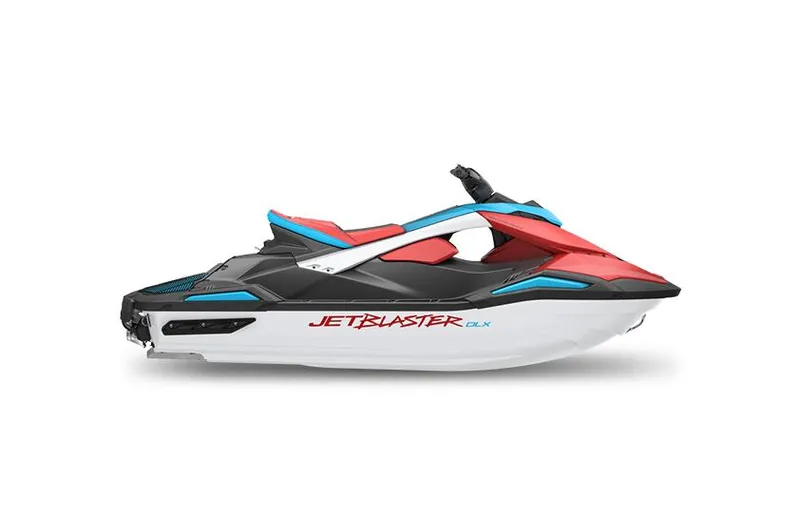
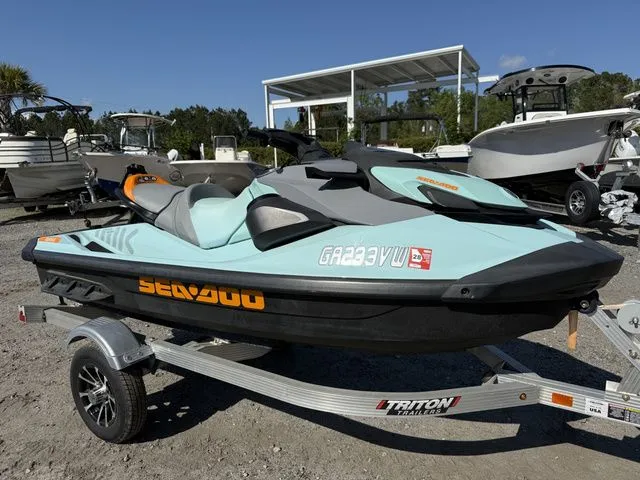
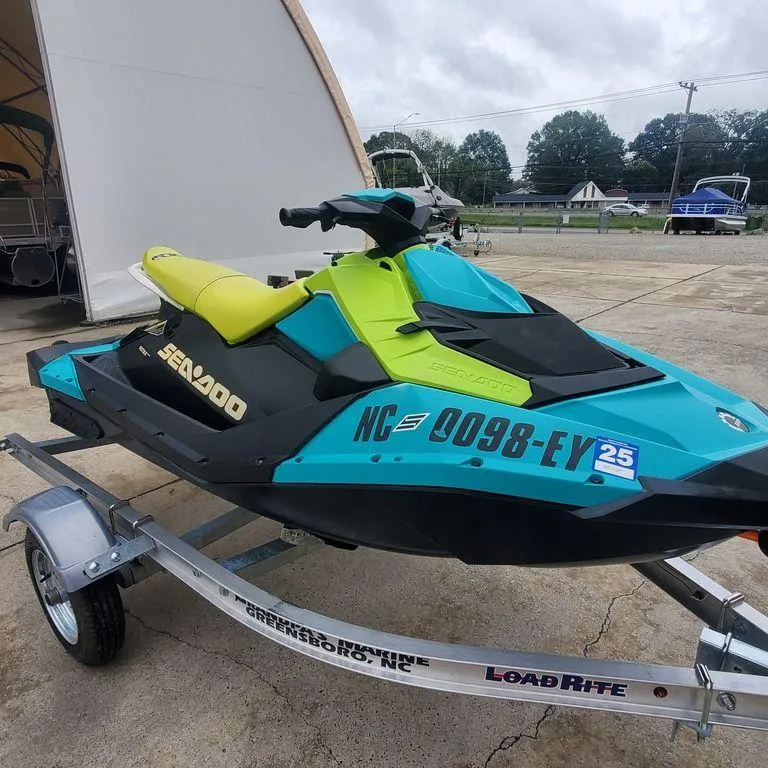
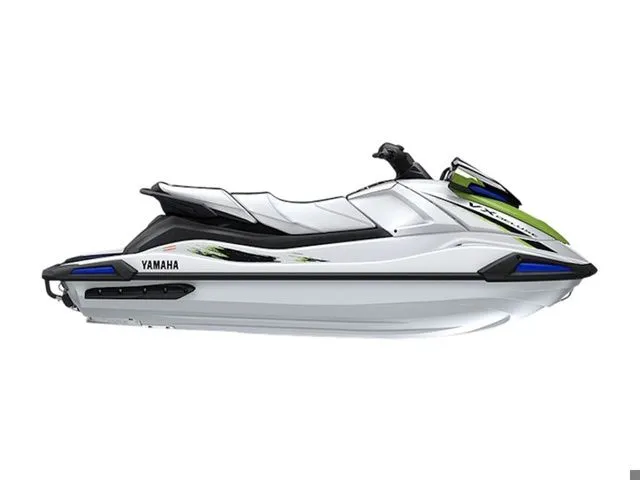
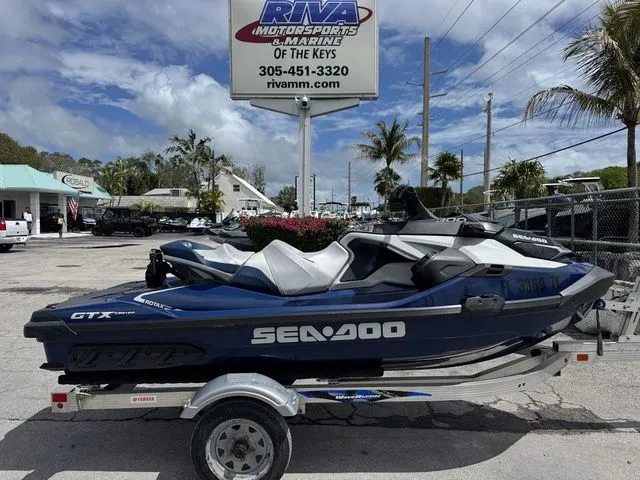
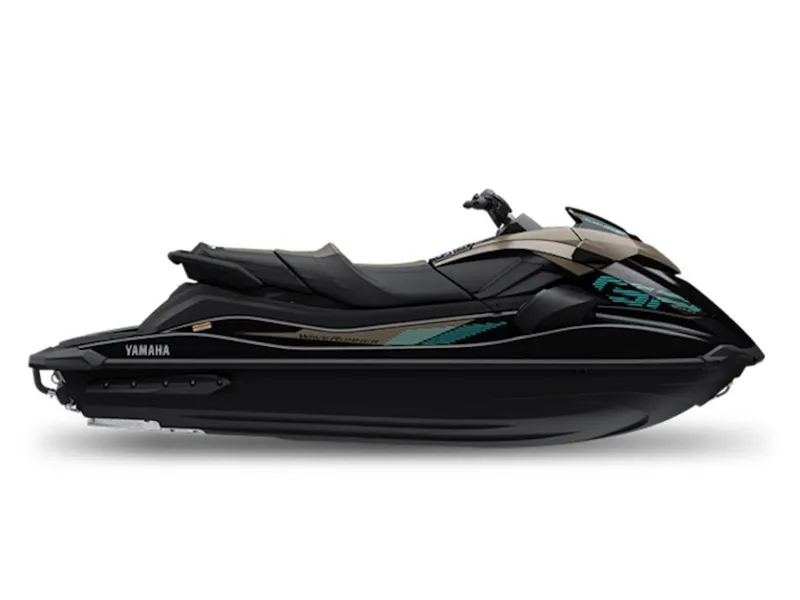
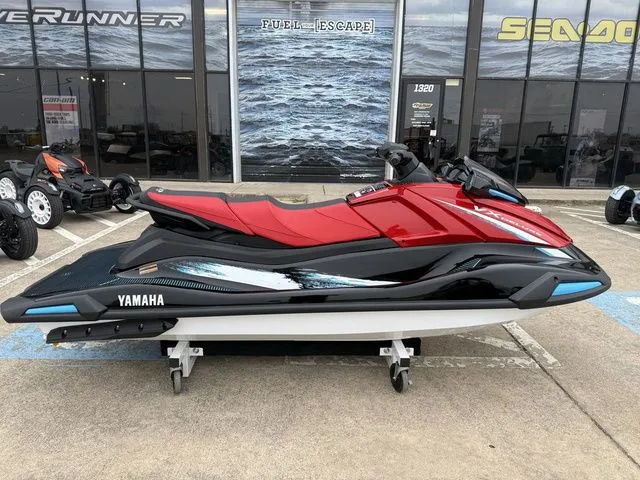
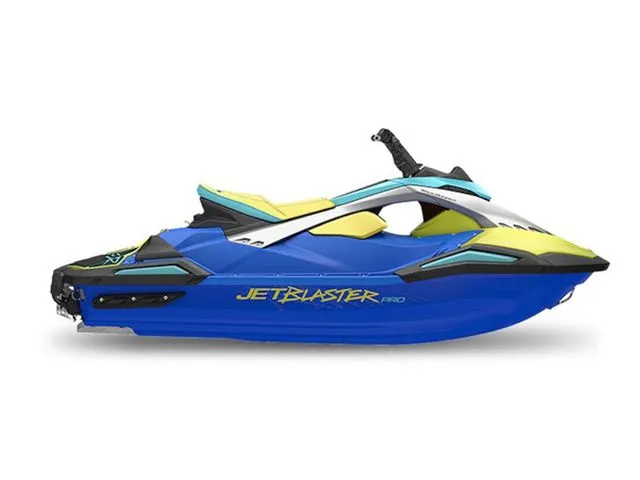
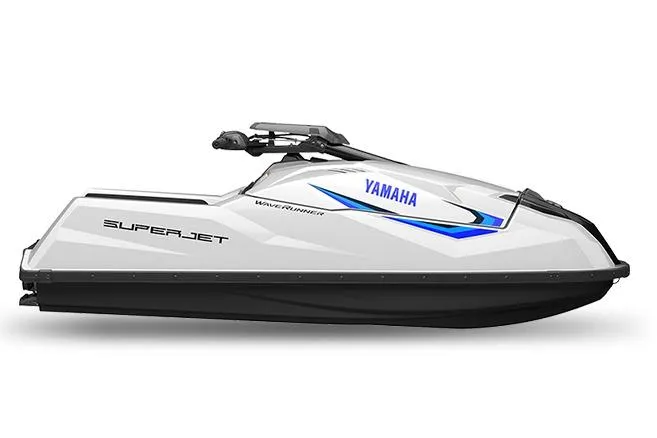
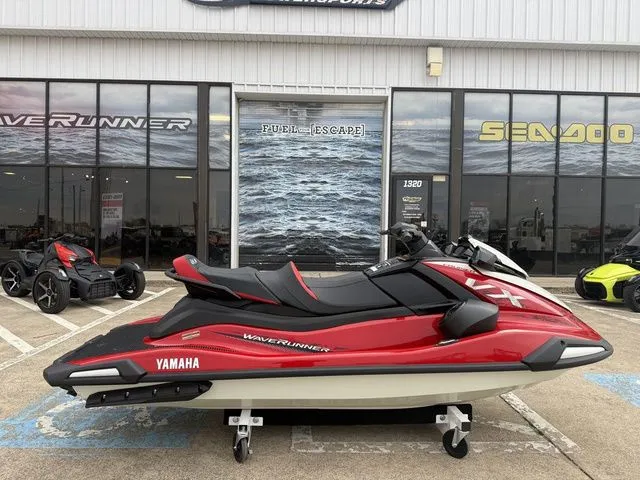
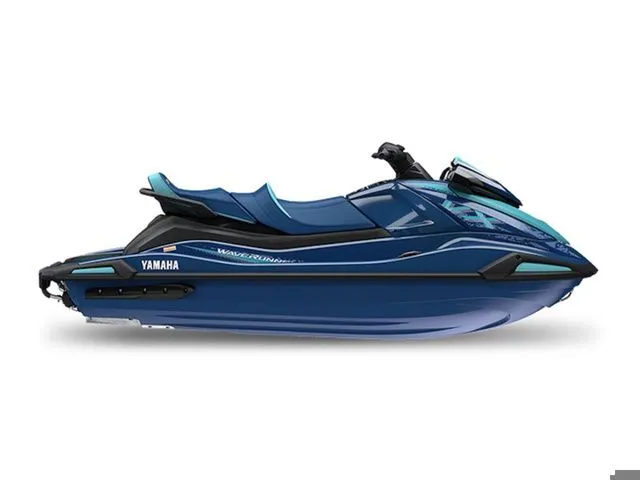
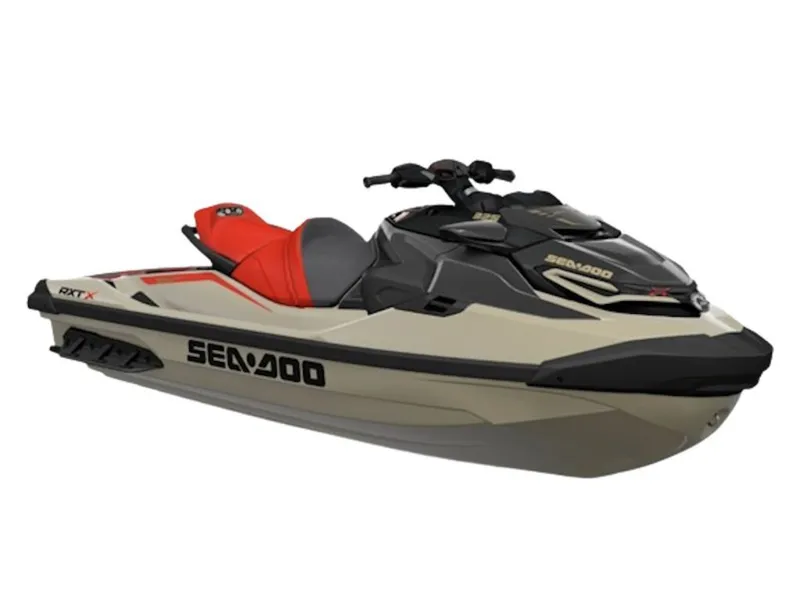
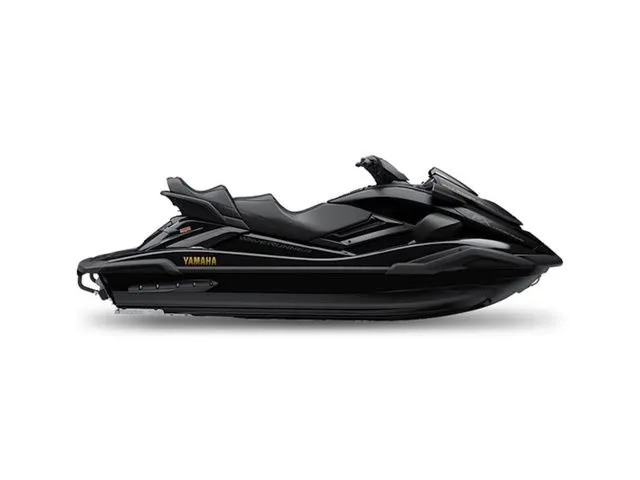
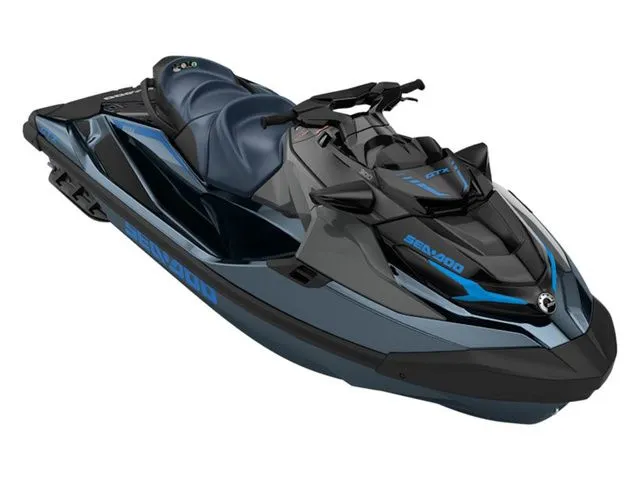
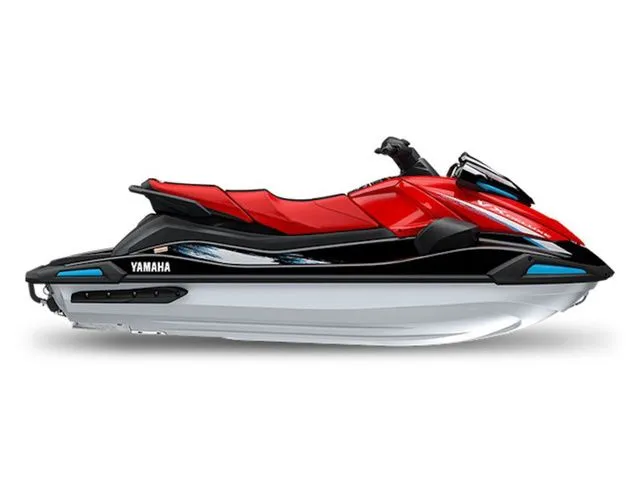
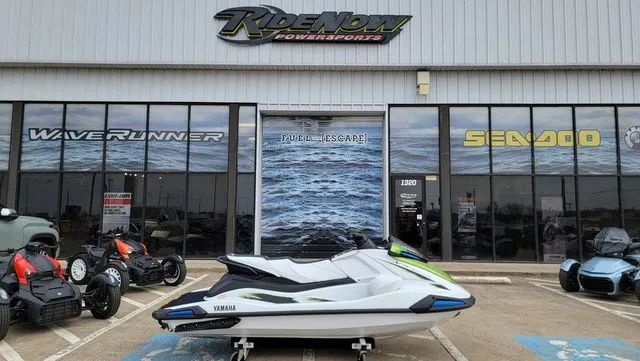
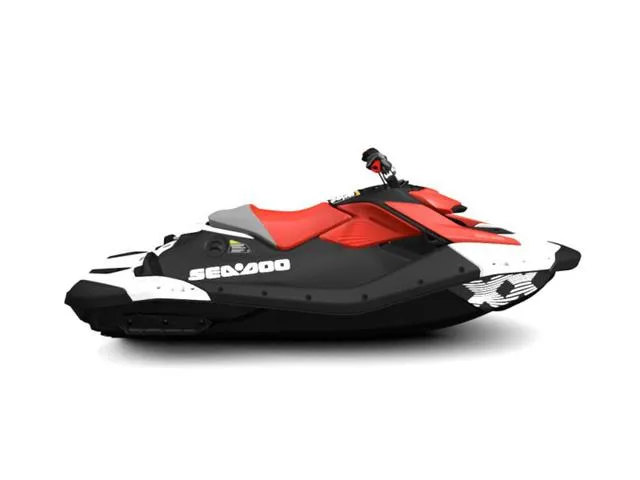
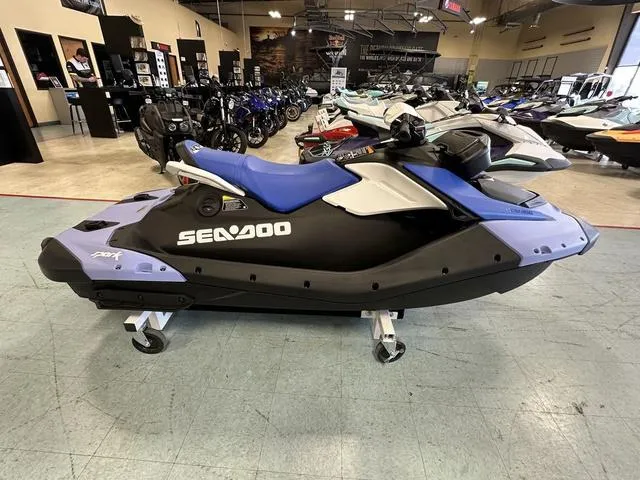
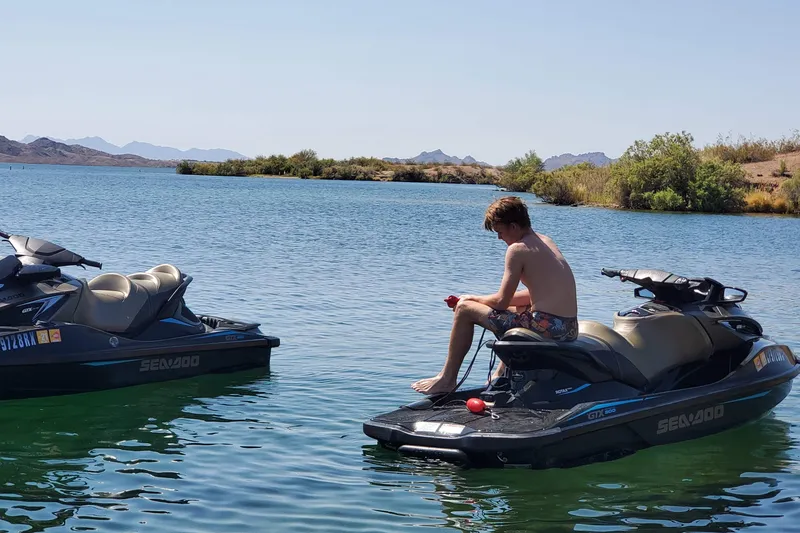
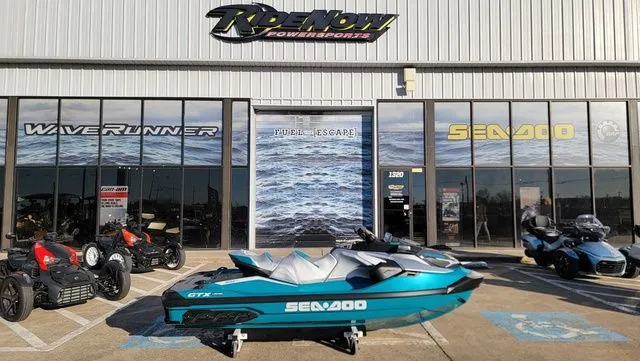
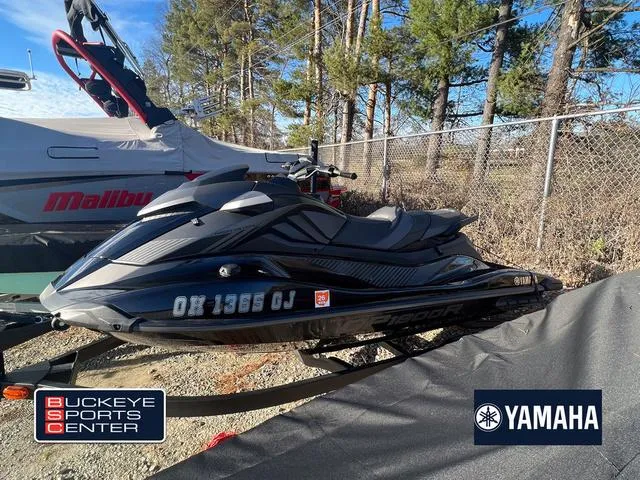
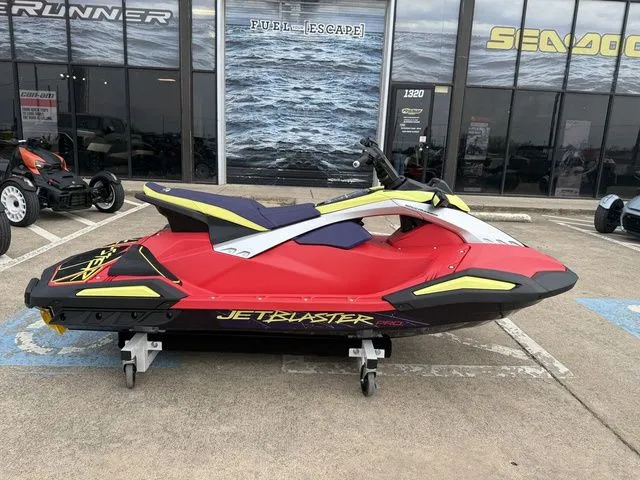
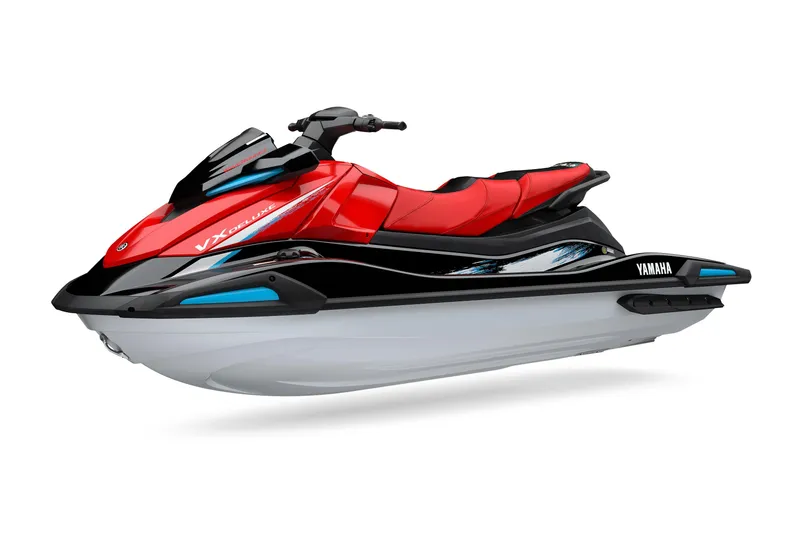
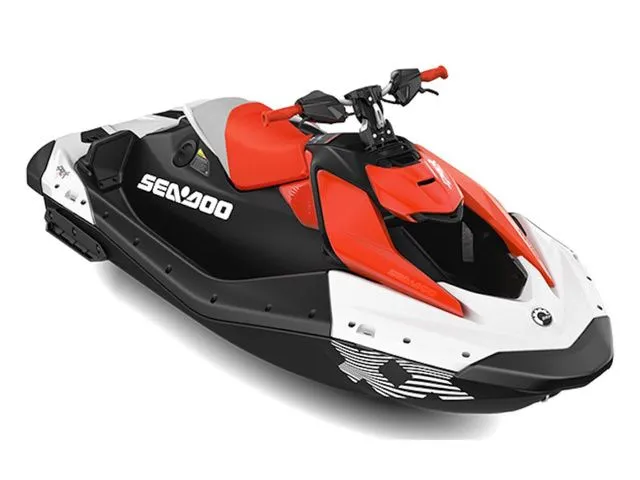
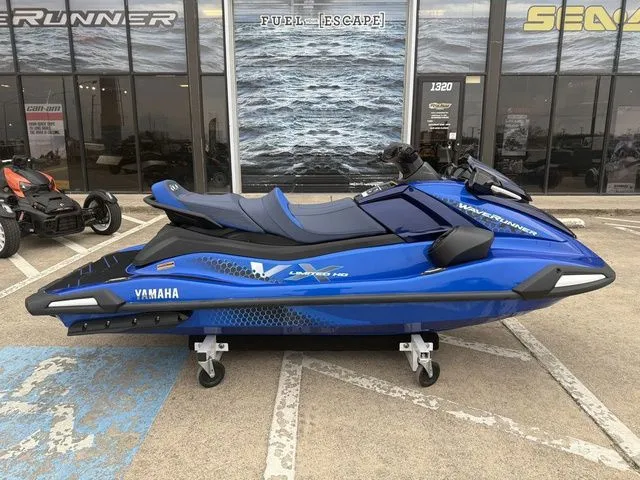
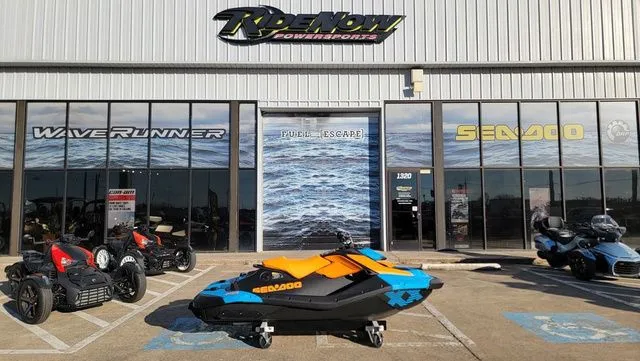
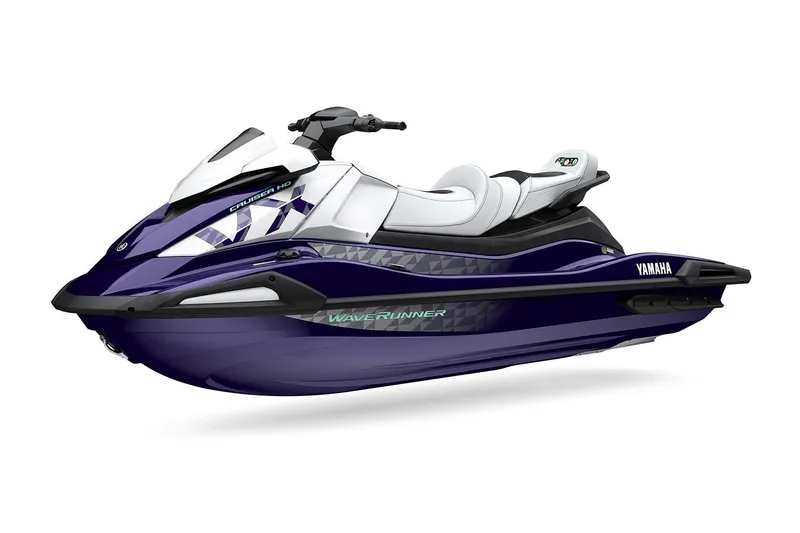
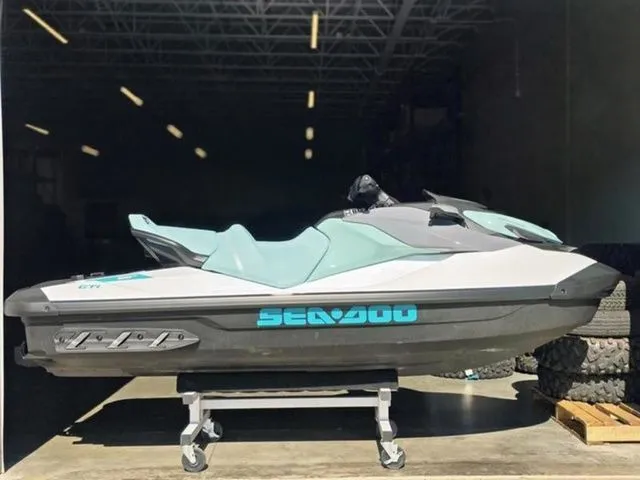
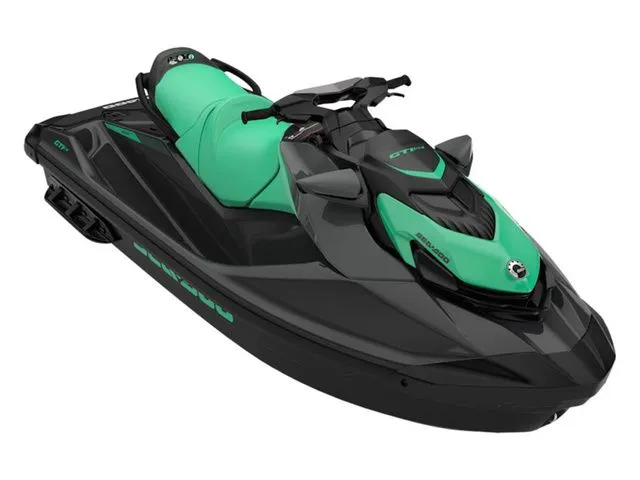
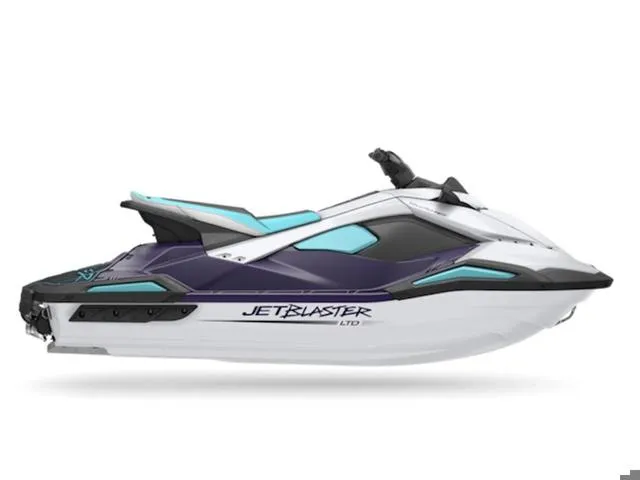
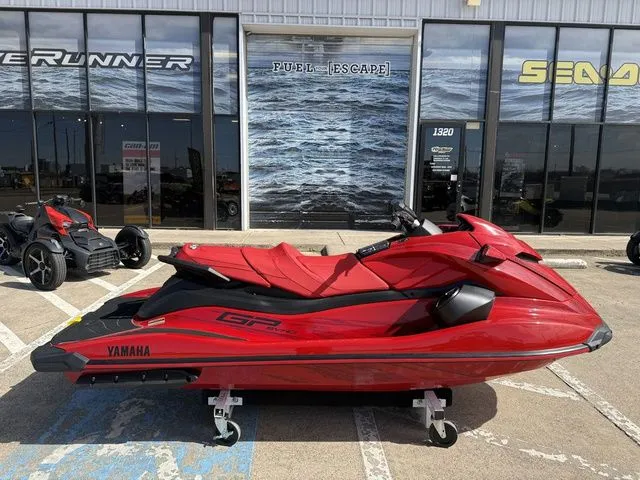
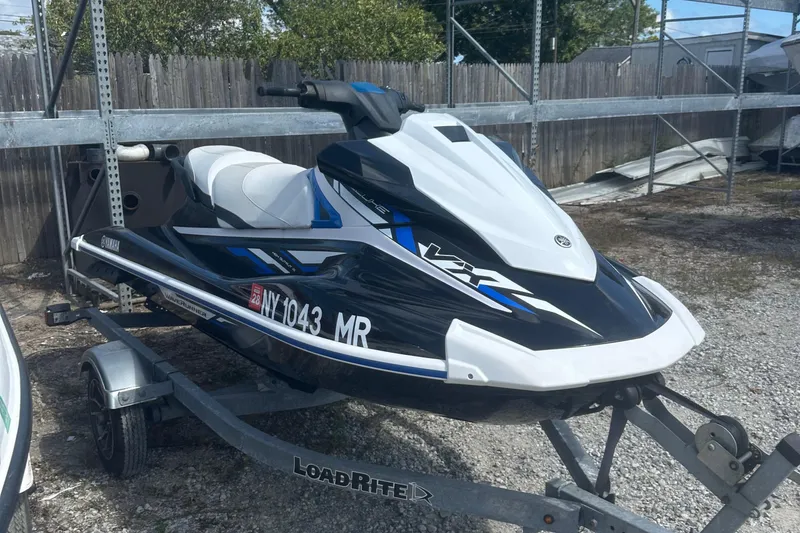
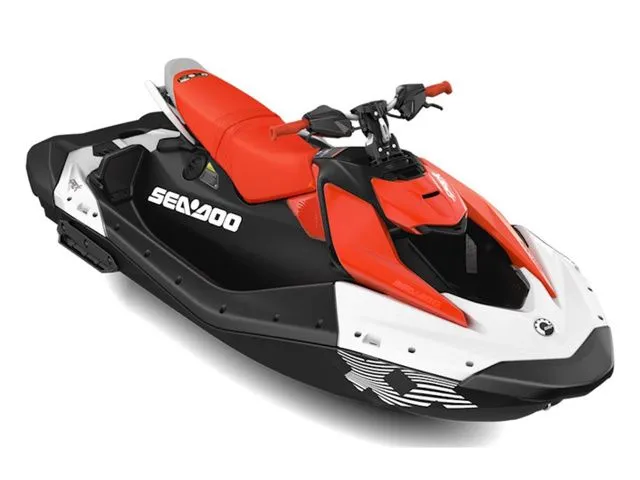
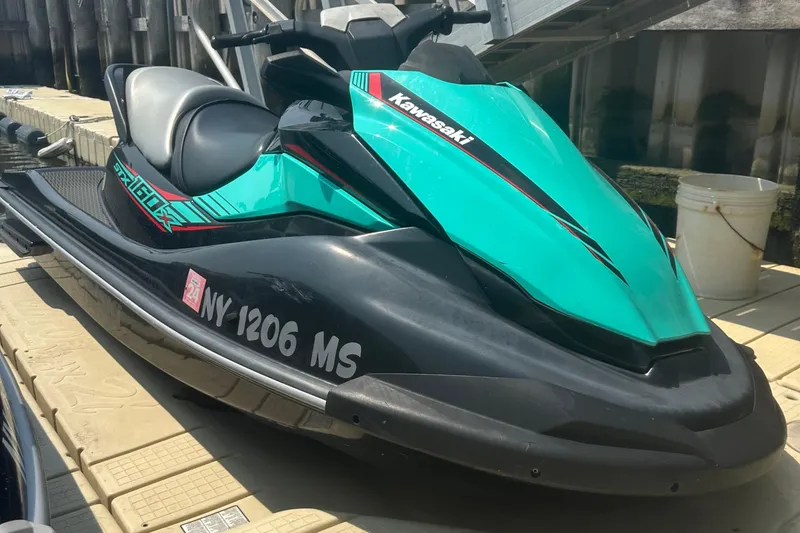
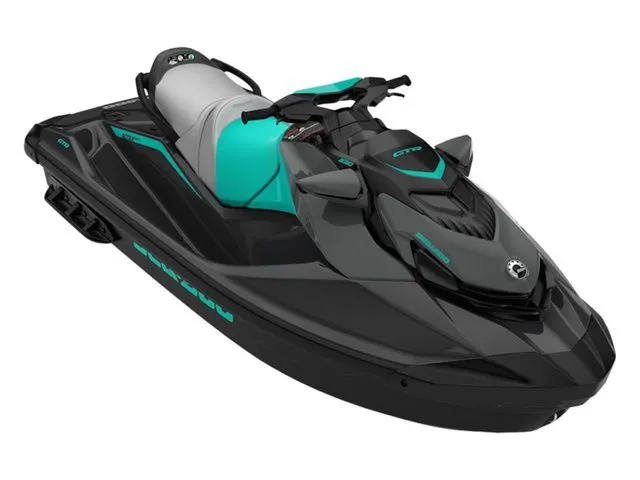
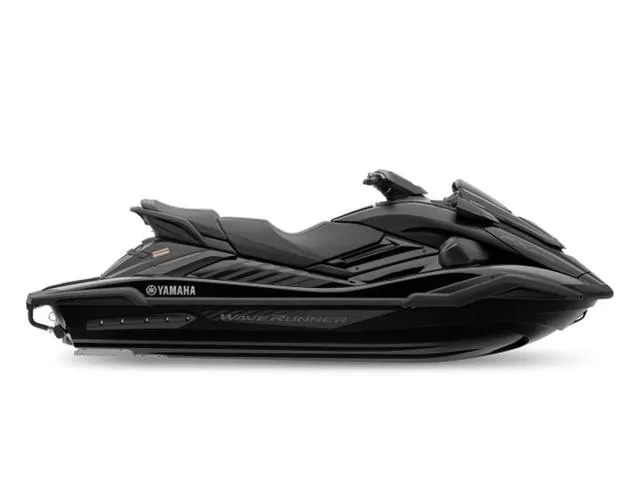
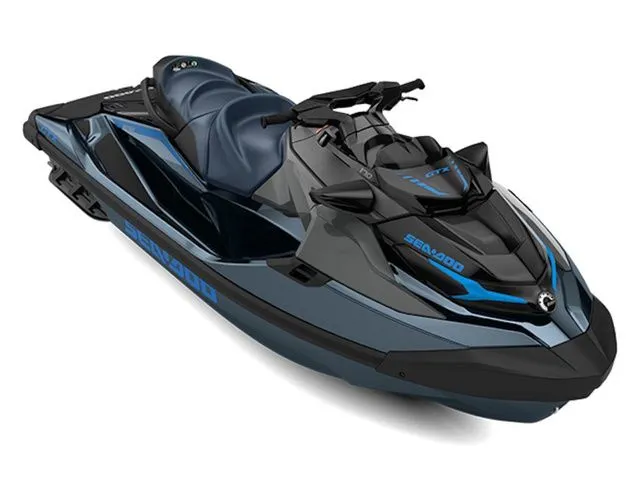
A PWC boat, or personal watercraft, is a small, motorized vessel designed primarily for one to three riders who sit or stand on it rather than inside it, as with traditional boats. Instead of using a propeller hanging off the back, PWCs rely on jet propulsion: water is drawn into the craft and blasted out through a nozzle to create thrust.
The compact hull is optimized for agility, acceleration, and tight turning rather than cargo capacity or onboard amenities. This makes PWCs ideal for short, high-energy rides but less suitable for long-distance cruising or large groups.
First commercialized in the 1960s and 1970s, PWCs have steadily improved in reliability, safety, and comfort. Today’s models often feature advanced braking and reverse systems, electronic trim control, multiple riding modes, and improved ergonomics.
PWCs are now used for recreation, touring, towing water toys, racing, and even professional applications such as lifeguard rescue and patrol. Despite their small footprint, they deliver a powerful, close-to-the-water experience that feels more like a motorbike on water than a traditional boat.
Pros of owning a PWC boat
1. Compact and Easy to Store
PWCs are much smaller than most runabouts, deck boats, or pontoons. Many owners can store one in a standard garage, side yard, or compact storage unit instead of paying for a slip or large outdoor space.
Their light weight and short length also make trailering simpler and less intimidating for new boaters. Launching and retrieving can often be done solo, which adds convenience and flexibility to spontaneous outings.
2. High Maneuverability and Fun Factor
PWCs are built for nimble handling. They accelerate quickly, carve tight turns, and respond almost instantly to steering input, which makes them extremely engaging to ride.
This maneuverability is a big part of their appeal for thrill‑seekers, but it also helps with practical tasks like docking, navigating narrow channels, and operating in smaller lakes and coves.
3. Lower Upfront Cost Compared to Many Boats
While premium PWCs can be expensive, many entry‑level and mid‑range models are priced well below typical bowriders or pontoons. This can make them a realistic first step into boat ownership for many buyers.
Their smaller engines and fuel tanks also keep fuel costs in check for casual weekend use, especially compared with larger, heavier boats that burn significantly more per hour.
4. Relatively Simple Maintenance
PWCs have fewer systems than cabin cruisers or large outboards—no complex plumbing, minimal electrical accessories, and no traditional propeller or stern drive. Routine care focuses on flushing the cooling system, checking the jet pump and intake, inspecting the hull, and following scheduled engine service.
Because they’re compact and often stored at home, many owners find inspections and basic maintenance easier to keep up with, which can improve long‑term reliability.
5. Versatility for Different Activities
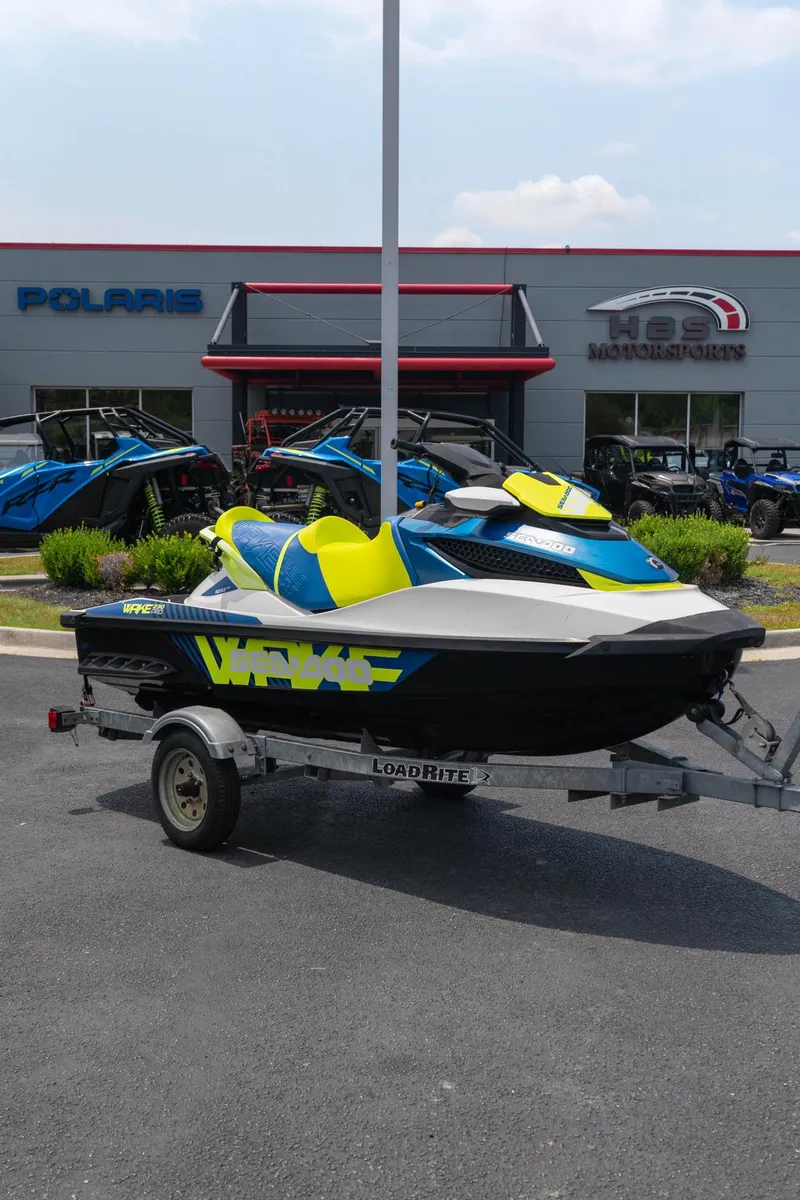
Modern PWCs can tow tubes, wakeboarders, or kneeboarders (within local regulations), making them more versatile than their reputation as solo toys might suggest. Some models are specifically set up for towing sports with mirrors, tow hooks, and wake‑oriented features.
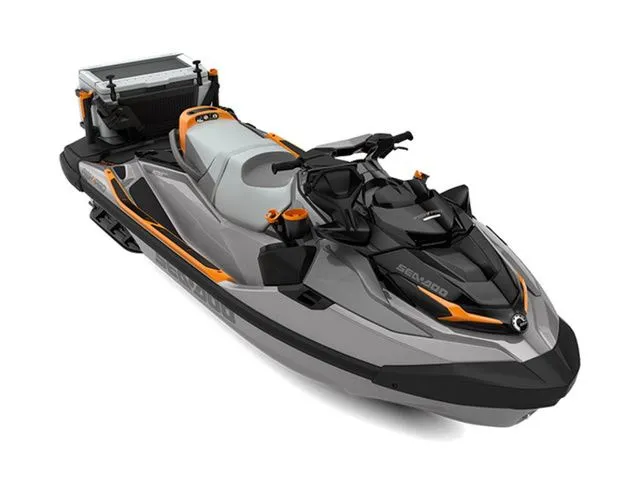
Fishing‑oriented PWCs with rod holders, coolers, and electronics are increasingly common, giving anglers a compact platform that can reach skinny water or remote spots that larger boats can’t access.
Cons of owning a PWC boat
1. Limited Seating and Storage Space
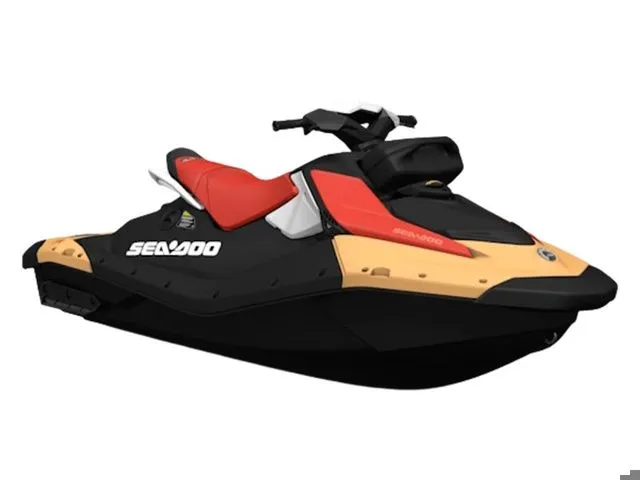
Most PWCs carry one to three riders, and even on three‑seat models, the rear positions can feel cramped on longer runs. This limits how many friends or family members can join you on a single ride and makes it harder to use a PWC as the center of a social day on the water.
Storage is also minimal—typically one or two compartments sized for small bags, safety gear, and a few personal items. Coolers, fishing tackle, or beach gear may require creative packing or a secondary support boat.
- The Silver Lining: If you mainly ride solo or with one close companion, the small size becomes an advantage—less clutter, fewer passengers to manage, and a more focused, immersive experience on the water.
2. Less Comfort on Long Rides
Because you sit on top of the craft with no cabin or windscreen, you’re fully exposed to sun, wind, spray, and temperature changes. Extended rides can lead to fatigue, especially in cooler conditions or choppy water.
The riding position on some sportier models can feel more like a motorcycle stance, which may be tiring for riders with back, knee, or shoulder issues.
- The Silver Lining: Touring‑oriented PWCs with more supportive seats, higher handlebars, and smoother hulls can significantly improve comfort, and planning shorter hops with rest stops keeps longer days enjoyable.
3. Steep Learning Curve and Safety Concerns
PWCs are capable of high speeds and rapid maneuvers, and new operators sometimes underestimate stopping distances or overestimate their ability to control the craft in close quarters. Collisions with other boats, shorelines, or swimmers can be serious.
Jet‑drive craft also behave differently from propeller‑driven boats: they need throttle to steer and may not respond as beginners expect when they panic and release the throttle near obstacles.
- The Silver Lining: Completing a certified PWC safety course, enforcing simple rules for passengers, and riding conservatively during your first season dramatically reduces risk and builds good habits quickly.
4. Performance Drops in Rough Water
Short, steep chop and open‑water swells can cause a PWC to pound, bounce, or even leave the water entirely if ridden too fast. This not only feels uncomfortable but can stress the hull and mechanical components over time.
In very rough or windy conditions, staying dry and maintaining visibility are difficult, and fatigue sets in faster than it would on a larger, more stable boat.
- The Silver Lining: If you choose models with deeper, more touring‑friendly hulls and limit your riding to protected lakes, rivers, and calmer coastal days, you can enjoy most of the season without fighting uncomfortable conditions.
5. Noise, Perception, and Environmental Impact
Although modern four‑stroke PWCs are much quieter and cleaner than older two‑stroke models, they can still sound loud to nearby shoreline residents and other boaters, particularly at higher speeds or in confined coves.
Some lakes and communities have restrictions or negative perceptions of PWCs based on experiences with older machines or irresponsible riders, which can affect where and how you’re able to use your craft.
- The Silver Lining: Choosing newer, low‑emission models, riding considerately at reduced speeds near shore, and following local rules can minimize your environmental footprint and help improve how PWCs are viewed on your home waters.
Performance and On‑Water Behavior
A single PWC is not designed to host a large group onboard; its capacity is normally limited to the number of seats listed by the manufacturer, which is often two or three people. Exceeding that rating is unsafe and typically illegal.
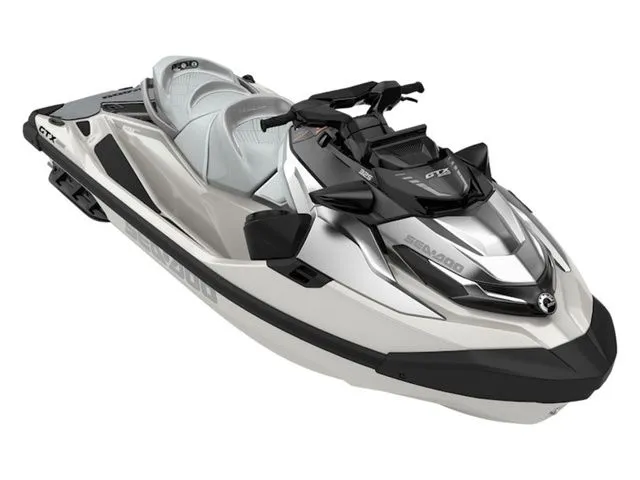
For gatherings, owners often treat PWCs as shuttle craft or toys within a larger group outing. A PWC can quickly ferry people to and from shore, serve as a play platform around an anchored pontoon or bowrider, or run quick exploration runs while others stay on the main boat.
Because the hull is sensitive to weight distribution, loading the maximum number of riders or heavier passengers can slightly reduce acceleration and responsiveness, but within the rated capacity most modern PWCs still handle predictably and remain stable.
PWCs are at their best in flat water to moderate chop, where their short hull and low weight feel lively and fun. In sustained high winds and larger waves, the same traits can become liabilities as the bow tends to slap or launch off waves if ridden too aggressively.
Touring‑style hulls with deeper V shapes and more length handle rough water better than small, highly agile sport models, offering a somewhat softer ride and more predictable tracking in cross‑winds and quartering seas.
In genuinely rough or stormy conditions, prudent riders slow down drastically or stay off the water entirely. While a PWC can physically operate in choppy conditions, doing so for long periods is tiring and can increase the risk of falls, impacts, or mechanical stress.
Ownership, Costs, and Practical Logistics
In addition to the purchase price, PWC owners should budget for taxes, registration, a trailer (if not included), safety gear, covers, and initial accessories like lines and fenders.
Recurring costs include fuel, routine service (oil changes, spark plugs, jet pump inspection, winterization in cold climates), and periodic wear‑item replacement such as batteries and impellers. While these costs are generally lower than those for larger boats, they are still meaningful over a span of several seasons.
Storage can be nearly free if you have garage or driveway space, but off‑site indoor storage or marina-style PWC docks add annual expense. Insurance is typically modest compared with larger boats but varies by region, model, and coverage level.
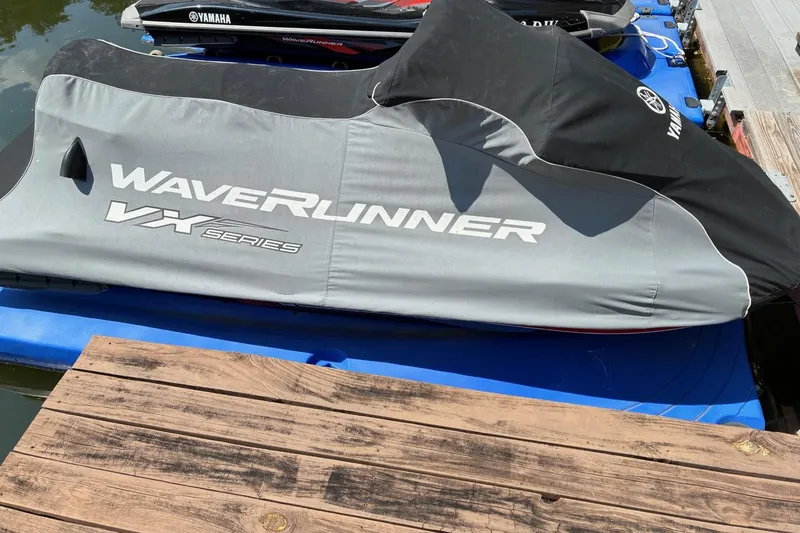
PWCs tend to follow a depreciation curve similar to powersports equipment like motorcycles or ATVs: the steepest drop occurs in the first few years, then values stabilize somewhat as long as the craft is well maintained.
Units from major brands with service records, low to moderate hours, and clean hulls usually attract solid interest on the used market, especially in warm‑weather regions or near popular lakes.
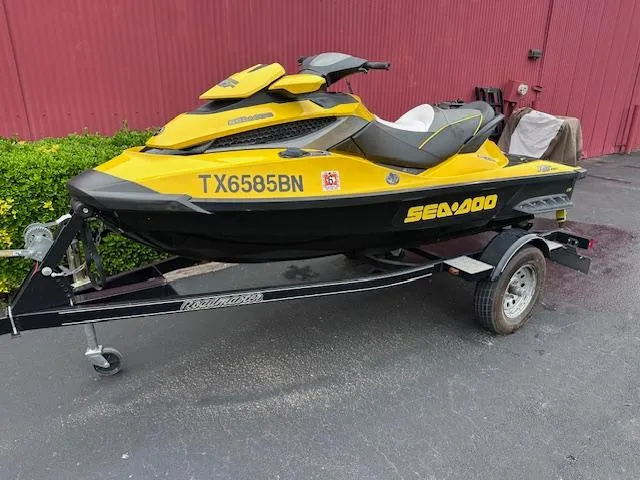
Customization with non‑factory performance parts can sometimes reduce resale appeal, while practical add‑ons like covers, trailer upgrades, or navigation aids often make a used PWC more marketable.
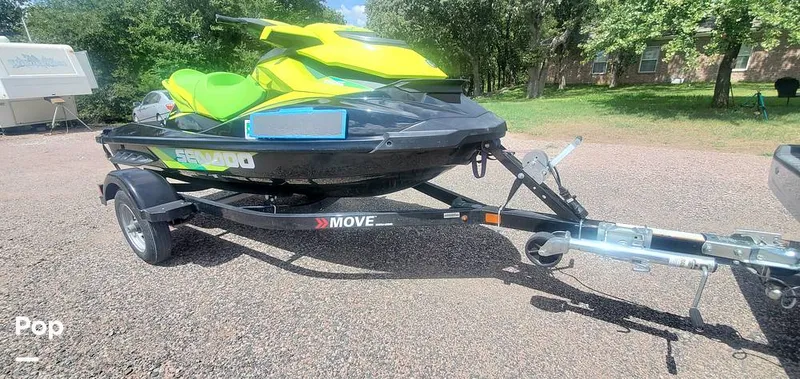
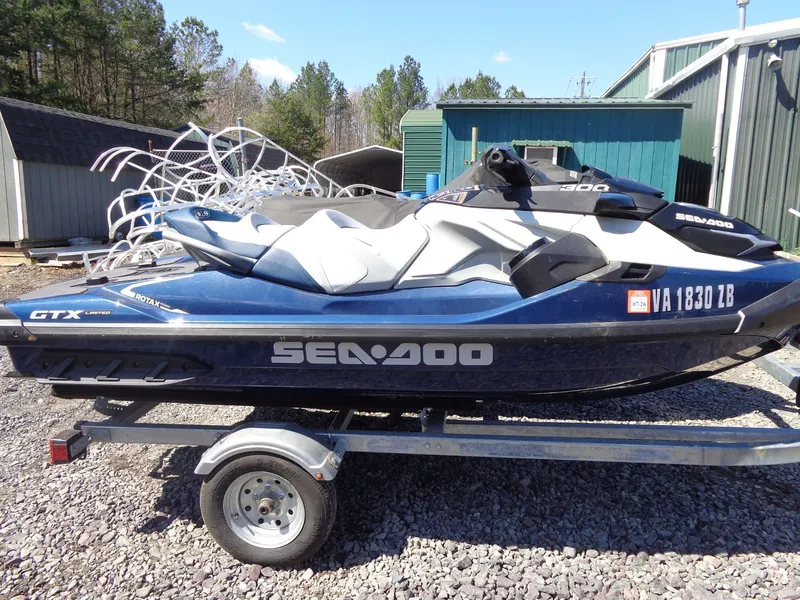
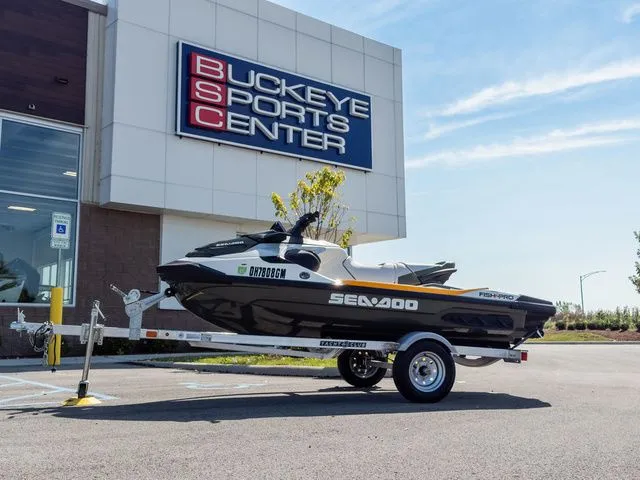
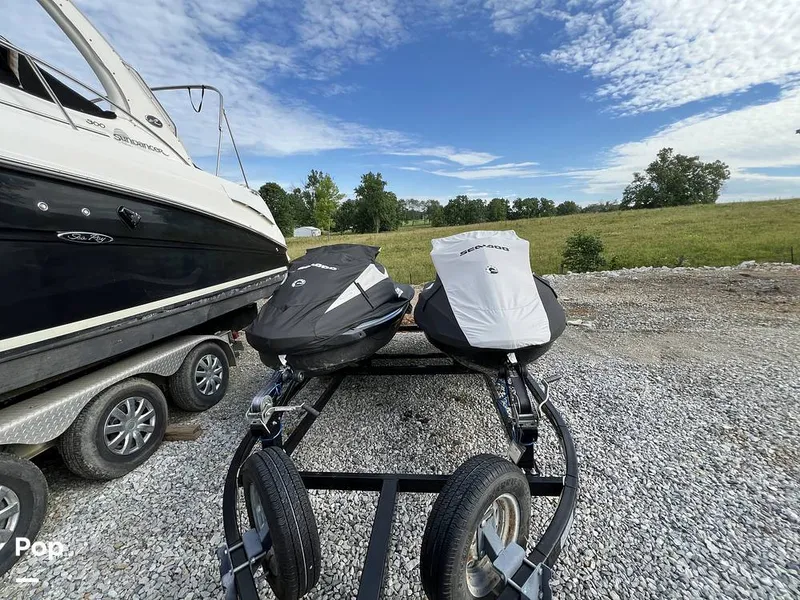
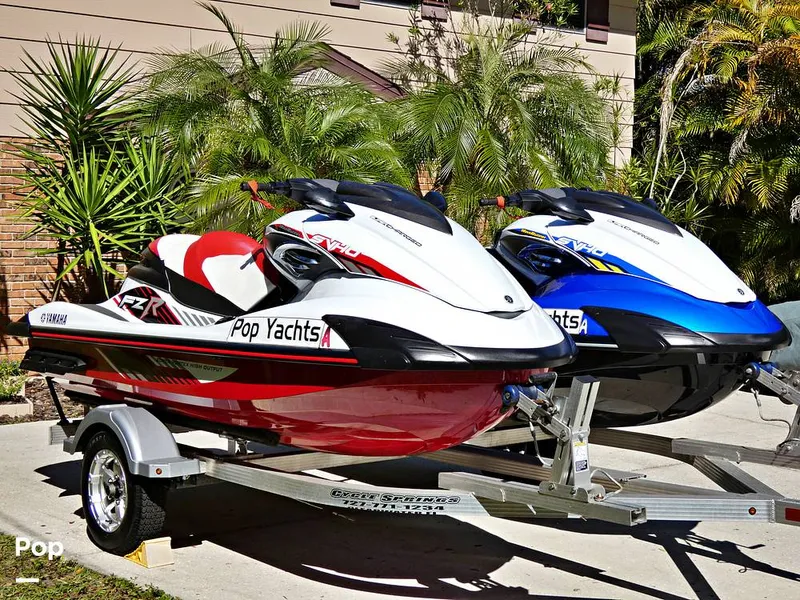
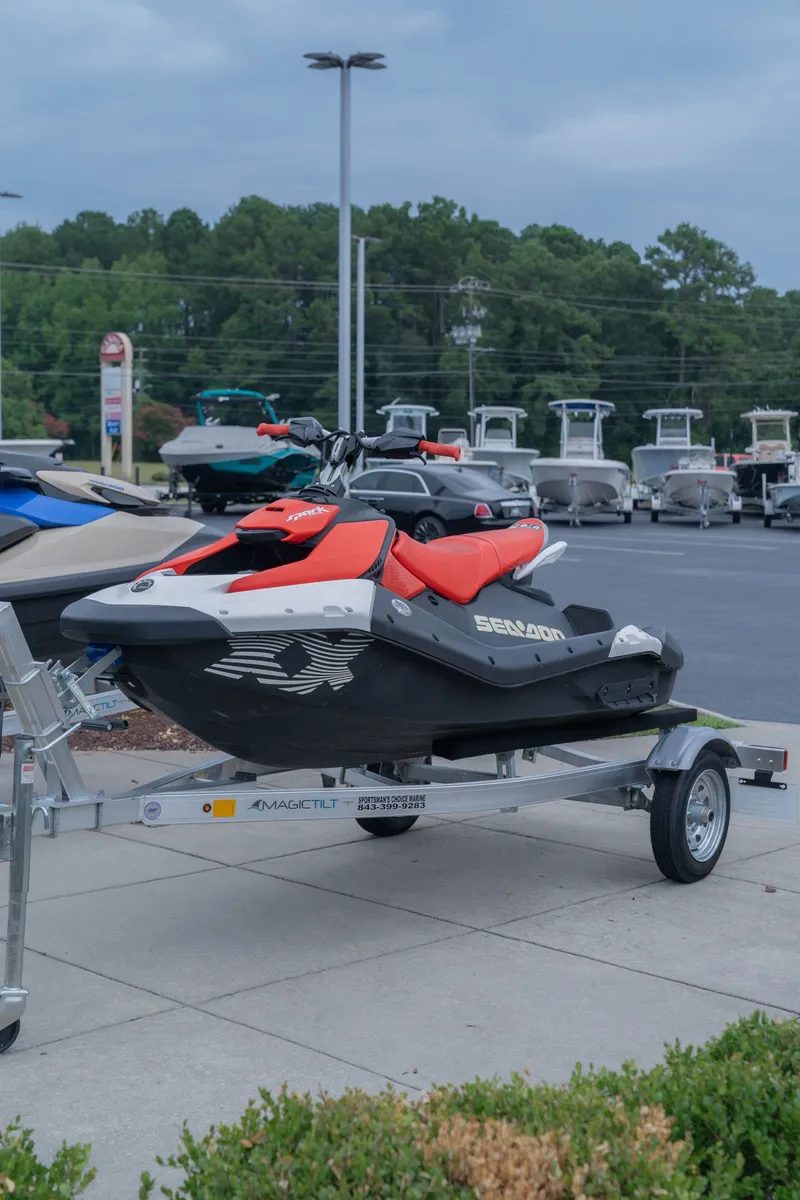
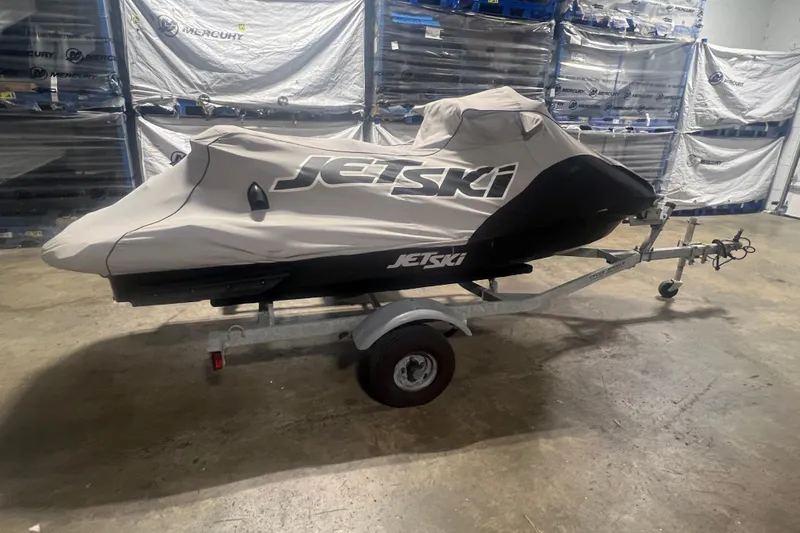
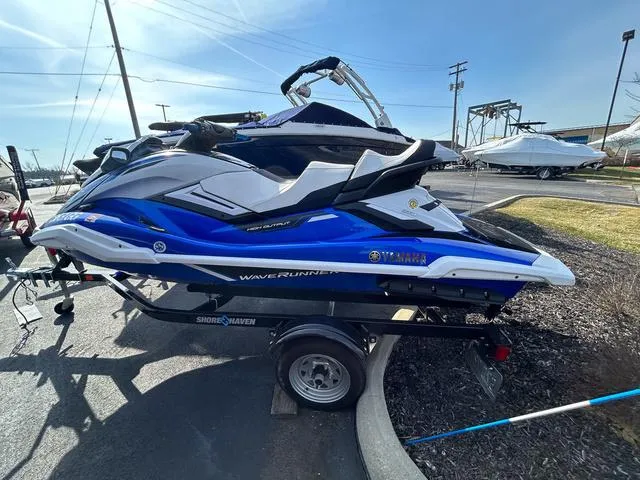
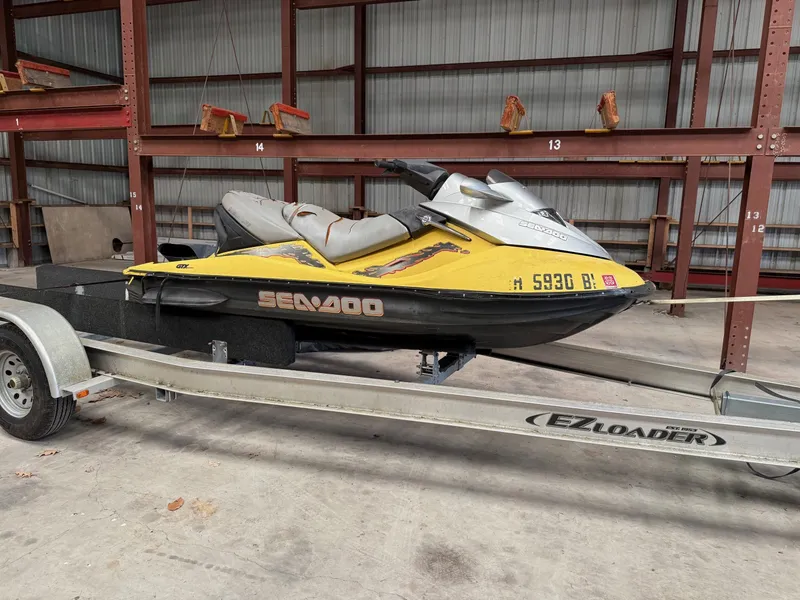
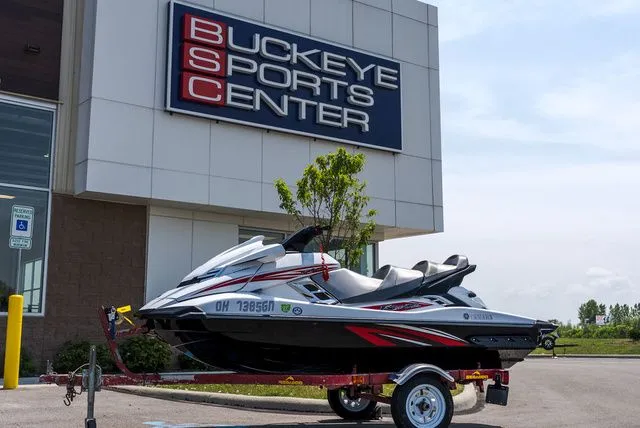
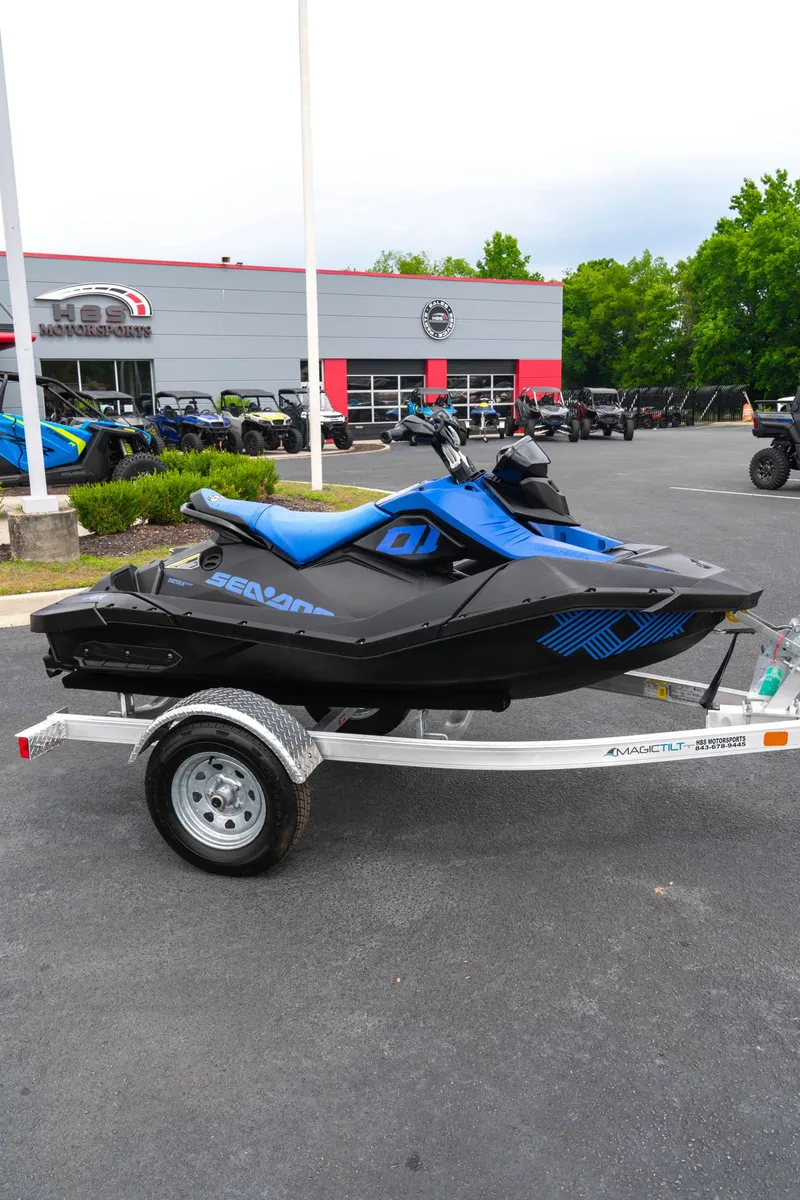
Most single PWCs, even on a galvanized or aluminum trailer, fall well within the towing capacity of many midsize SUVs, crossovers, and even some sedans equipped with proper hitches. You do not generally need a full‑size pickup or heavy‑duty truck.
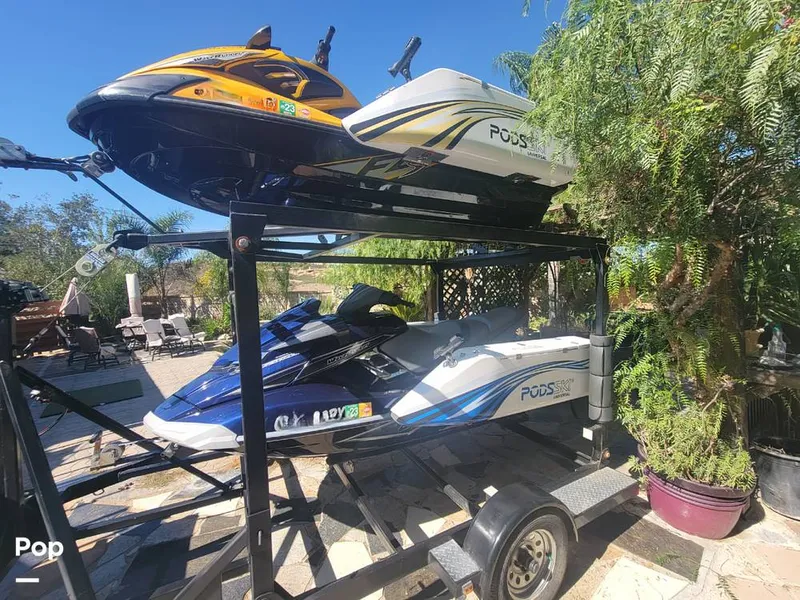
A double‑PWC trailer with two large three‑seat models will weigh more and may push smaller vehicles toward or beyond their rated limits, so checking your vehicle’s tow rating, tongue weight limits, and hitch class is essential.
Because they’re relatively light, PWCs are easier to maneuver into driveways and tight storage spots, and they’re less intimidating for drivers new to towing.
Final Verdict: Is a PWC Right for You?
A PWC offers an intense, hands‑on way to enjoy the water: fast acceleration, tight turning, and a direct connection to the elements. It excels as a personal or small‑group toy, a quick‑trip exploration craft, or a versatile complement to a larger boat.
However, its strengths—small size, minimal storage, open design—also create its main limitations. It is not a substitute for a family cruiser, a weather‑protected fishing platform, or a boat designed for long, relaxed days hosting big groups.
If your vision of boating leans toward short, exciting rides, easy storage at home, and relatively modest ownership costs, a PWC can be an excellent fit. If you prioritize comfort, capacity, and all‑day versatility, you may want to treat a PWC as a second toy rather than your only boat.
You'll love it if:
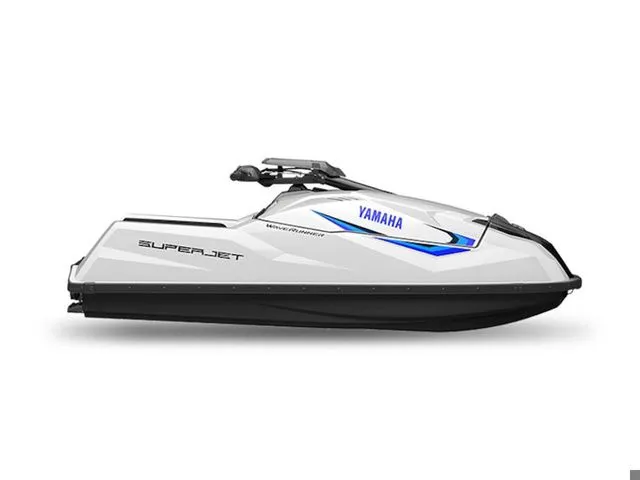
- You enjoy speed, quick maneuvers, and an active, motorcycle‑like riding posture on the water.
- You typically boat solo or with one or two people and don’t need seating for a large group.
- You want something small enough to store at home and tow with a midsize vehicle.
- You prefer lower overall ownership costs than most traditional powerboats require.
- You like the idea of using it for varied activities—short cruises, towing a tube, light fishing, or exploring coves.
It might be challenging if:
- You expect to routinely carry more than three passengers or host full‑day social gatherings on the water.
- You or your regular passengers have back, knee, or mobility issues that make an active riding position uncomfortable.
- You plan to run long distances in rough, open water where a bigger, more stable hull would be safer and more comfortable.
- You live on waters where noise concerns, local regulations, or community attitudes toward PWCs are restrictive.
- You are not interested in taking a safety course or spending time practicing to build skill and confidence with a high‑performance craft.
A PWC boat is best viewed as a compact, high‑energy watercraft that trades space and comfort for agility, thrill, and simplicity. If that matches how you want to spend time on the water, it can be one of the most rewarding and approachable ways to become a boat owner.