Bay Boat
Searching boats for you...
Boating · Buyer’s Guide
Is a Bay Boat the Right Choice for You?
Written by: MarineSource Team | Estimated read time: 12 min read
There’s something uniquely inviting about a bay boat that instantly connects you with the water. Picture yourself gliding smoothly over calm, shallow waters with the sun on your face and a gentle breeze carrying the scent of salt and seaweed.
Bay boats have earned their popularity for a reason. They strike a balance between versatility and specialized performance, making them a favorite among anglers and casual boaters alike. Yet, like any vessel, they come with trade-offs that are worth considering before you buy.
Whether you’re drawn by the promise of easy navigation in shallow waters or the social atmosphere these boats foster, understanding what a bay boat is—and isn’t—will help you decide if it fits your boating lifestyle.
What is a Bay Boat?
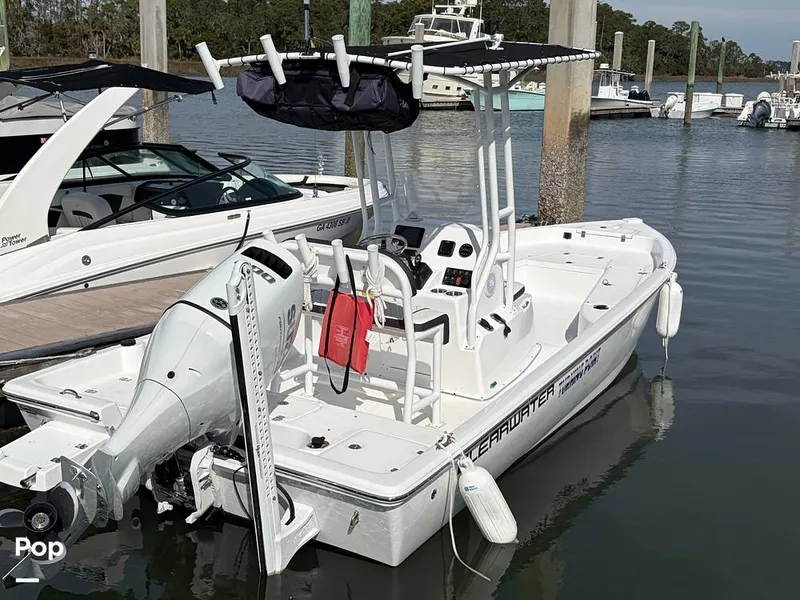
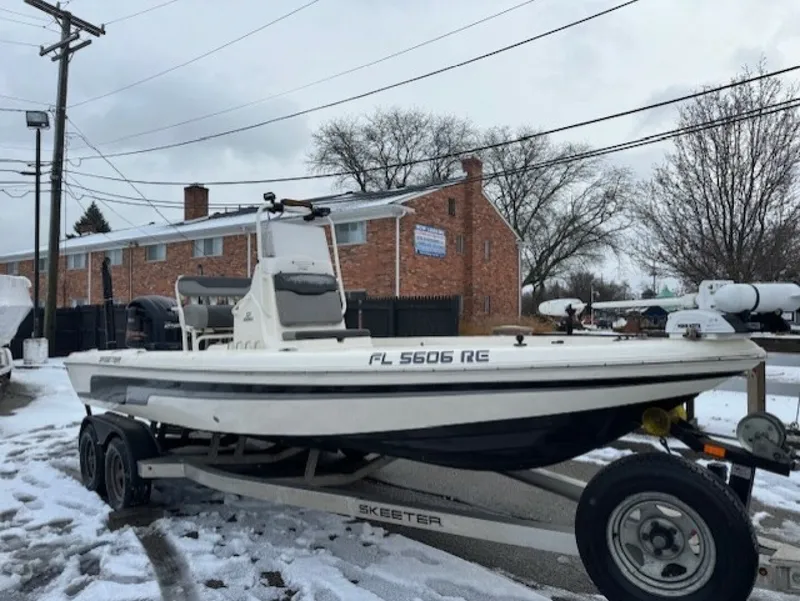
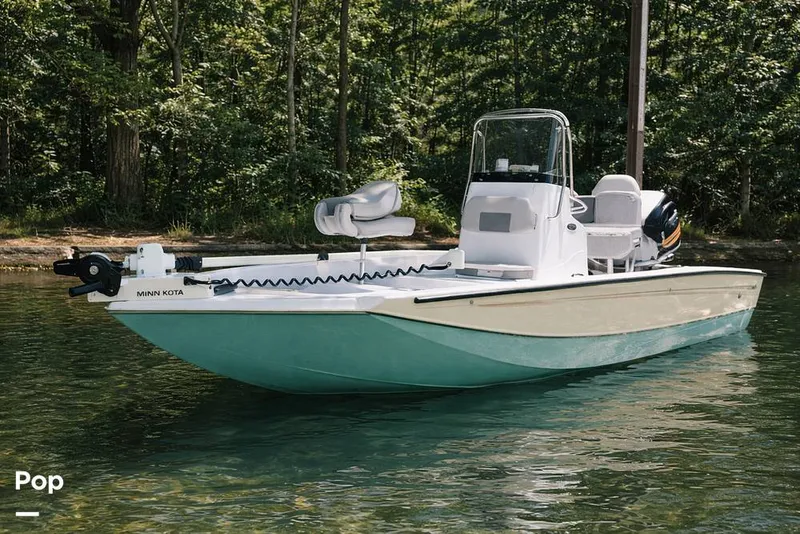
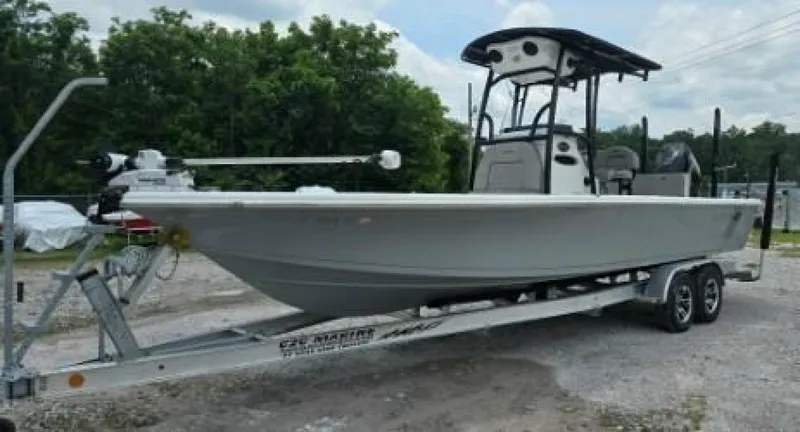
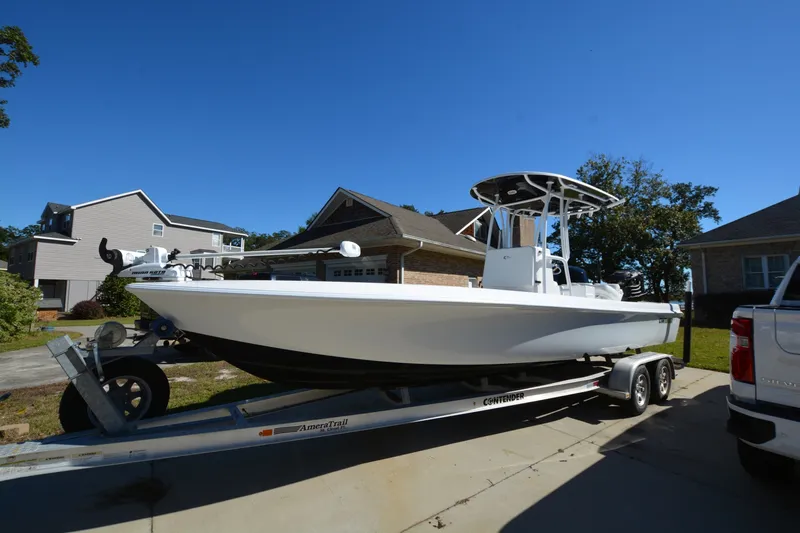
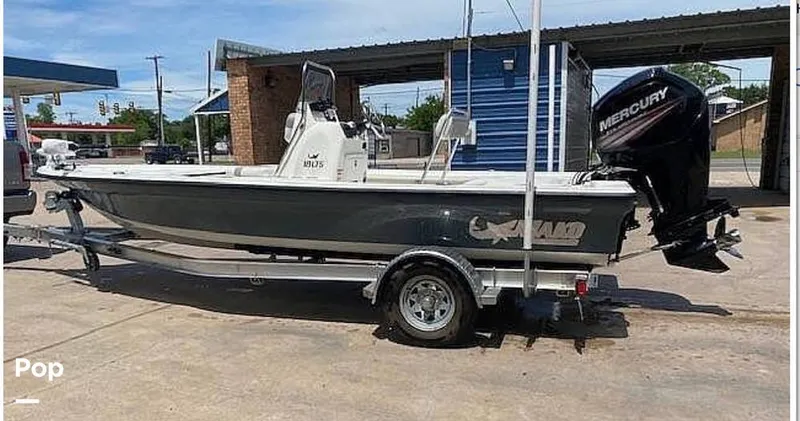
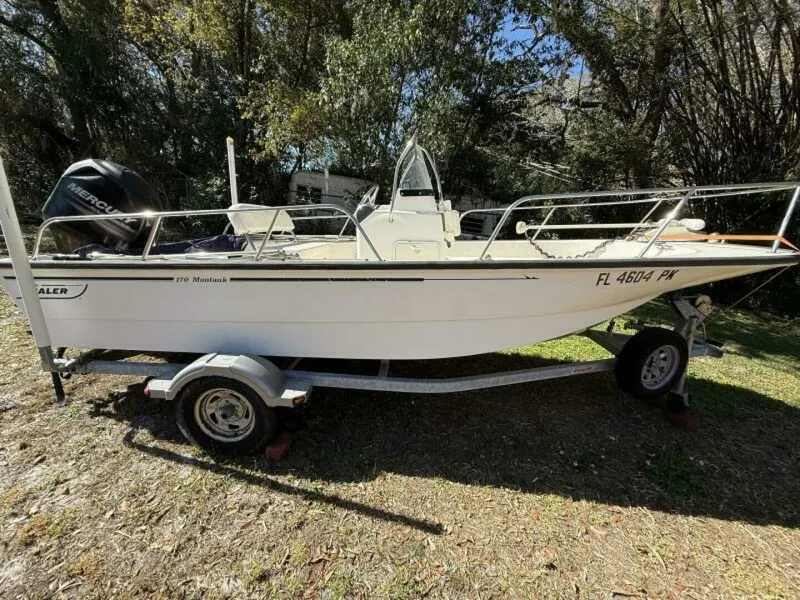
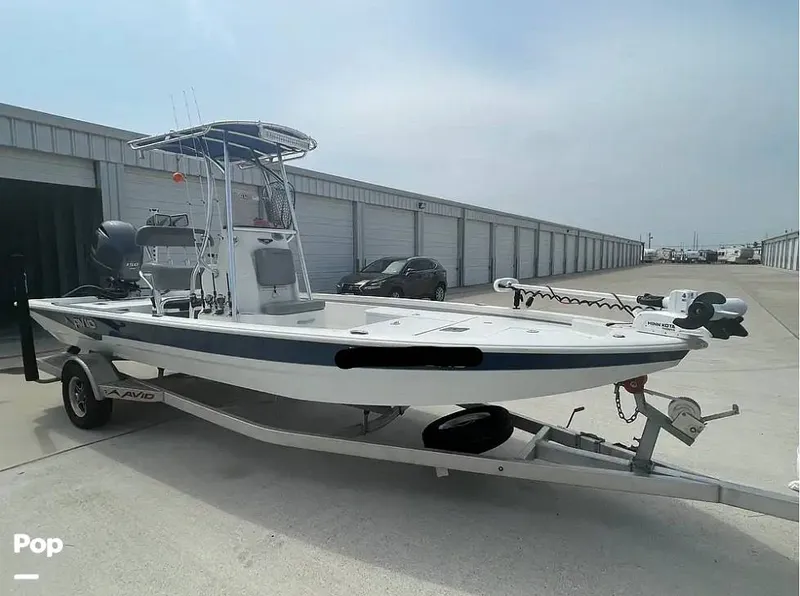
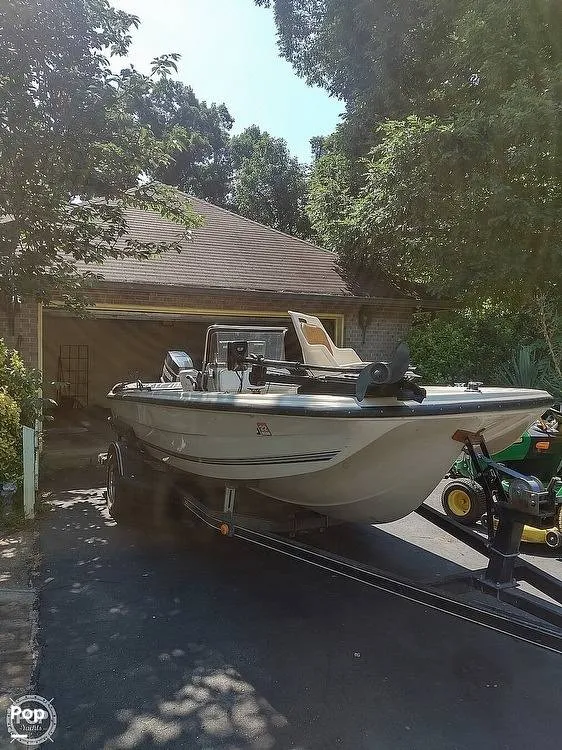
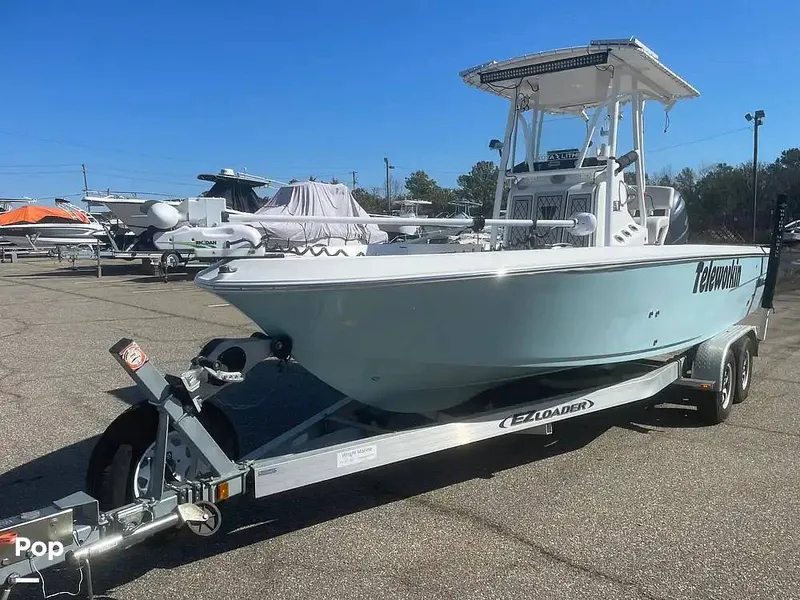
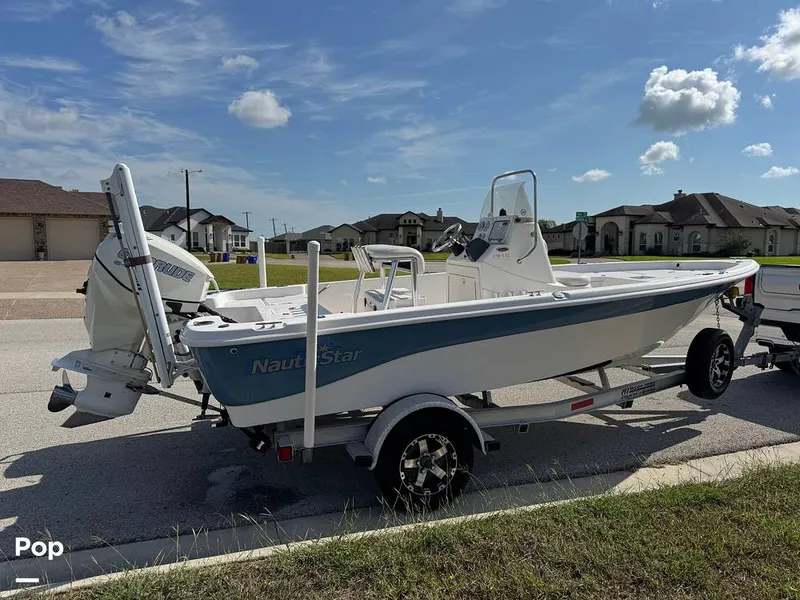
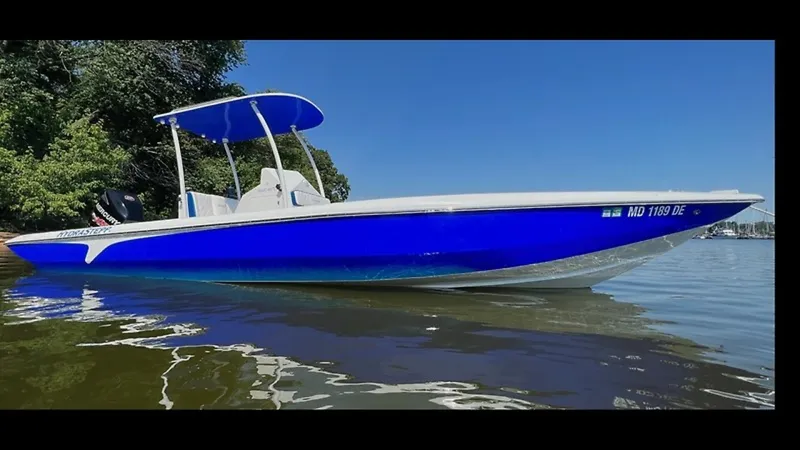
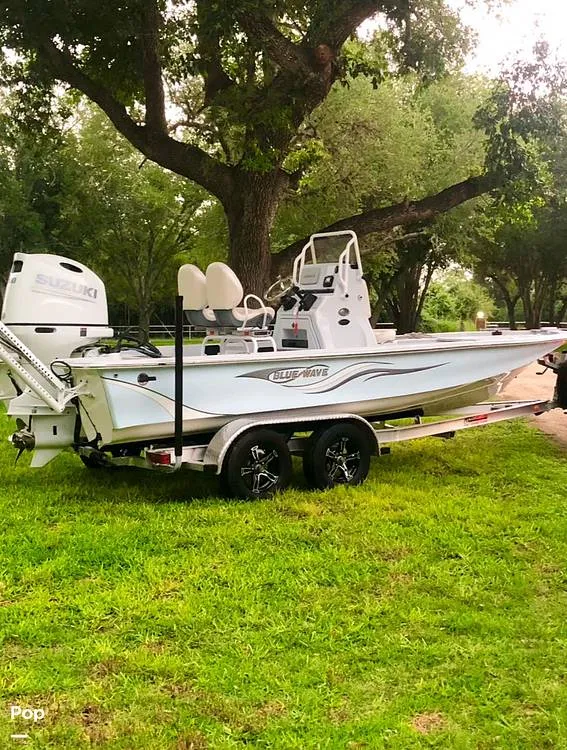
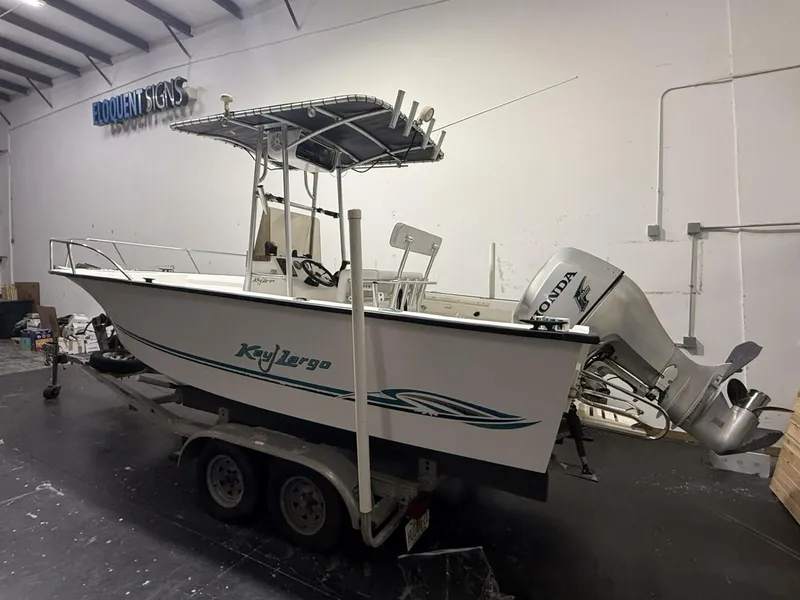
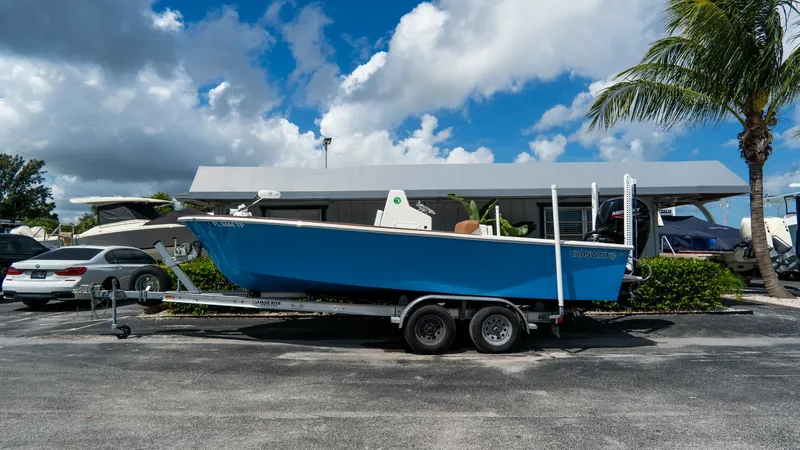
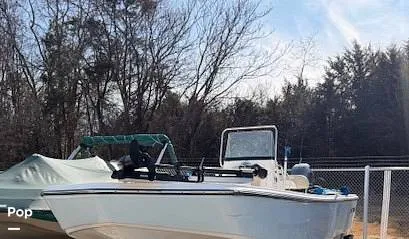
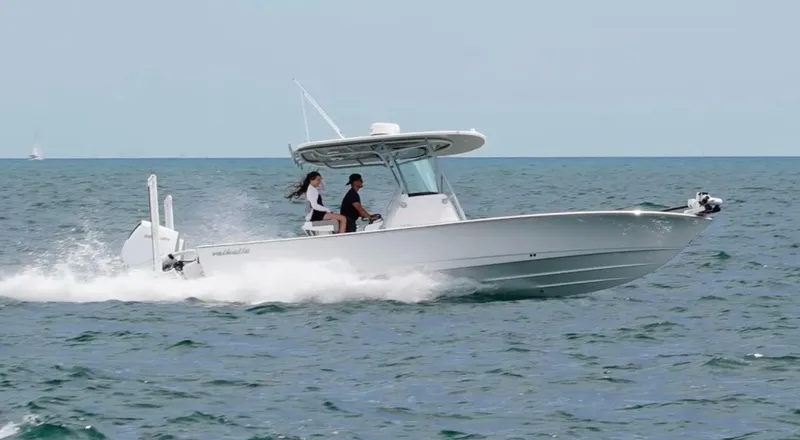
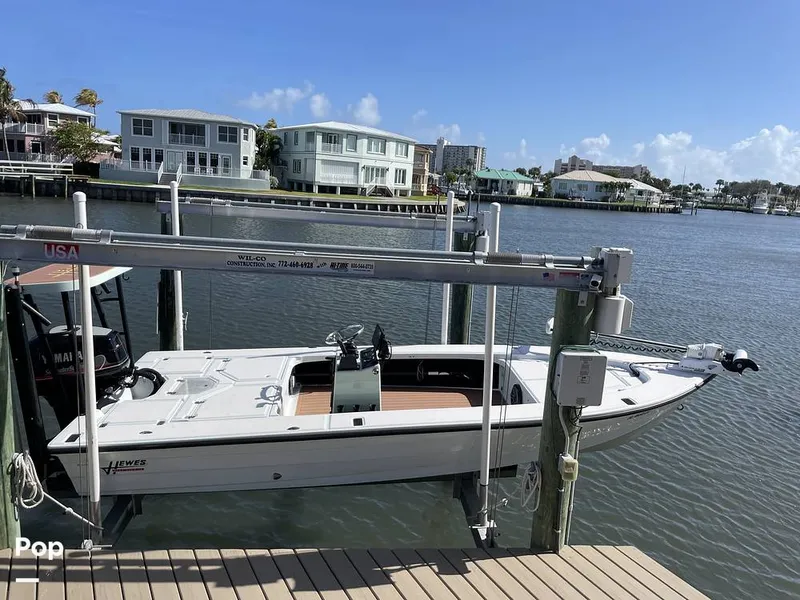
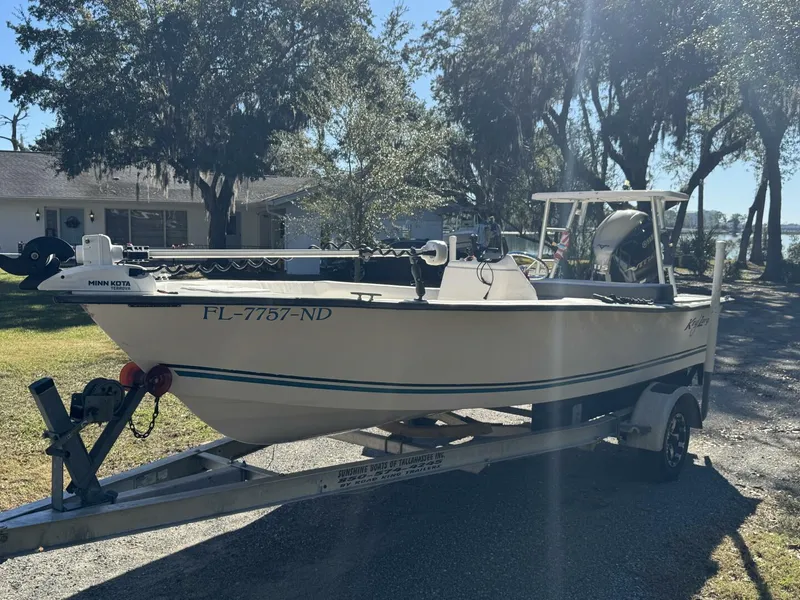
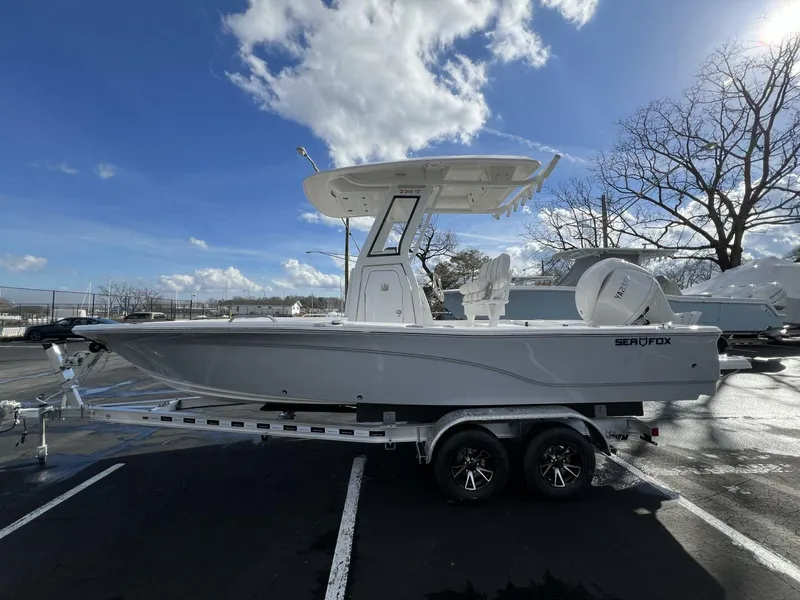
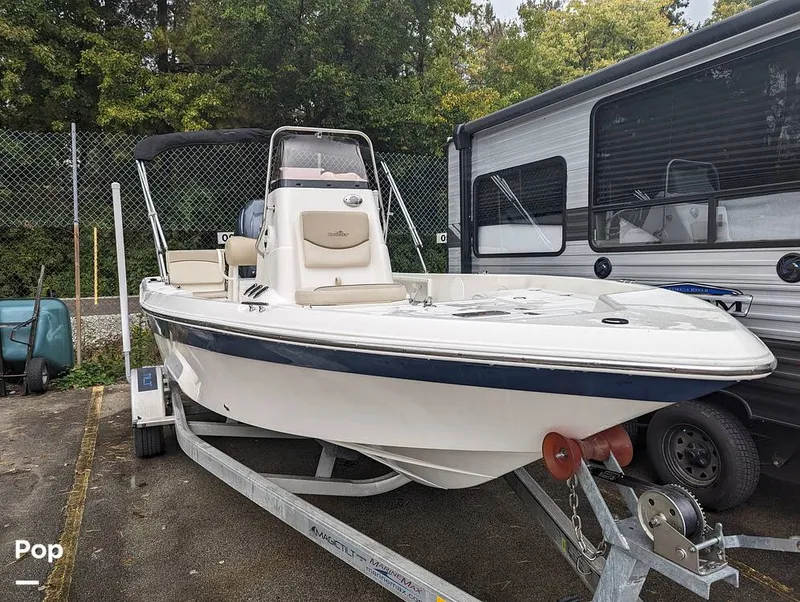
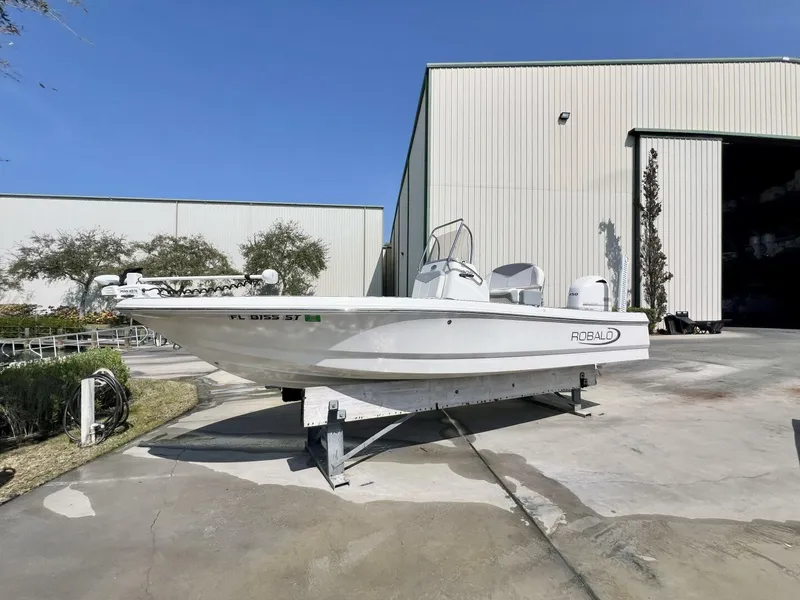
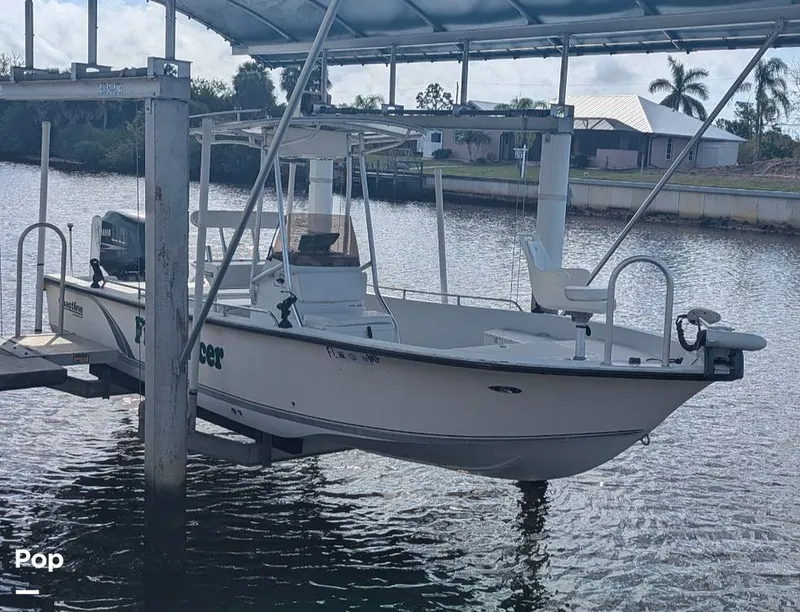
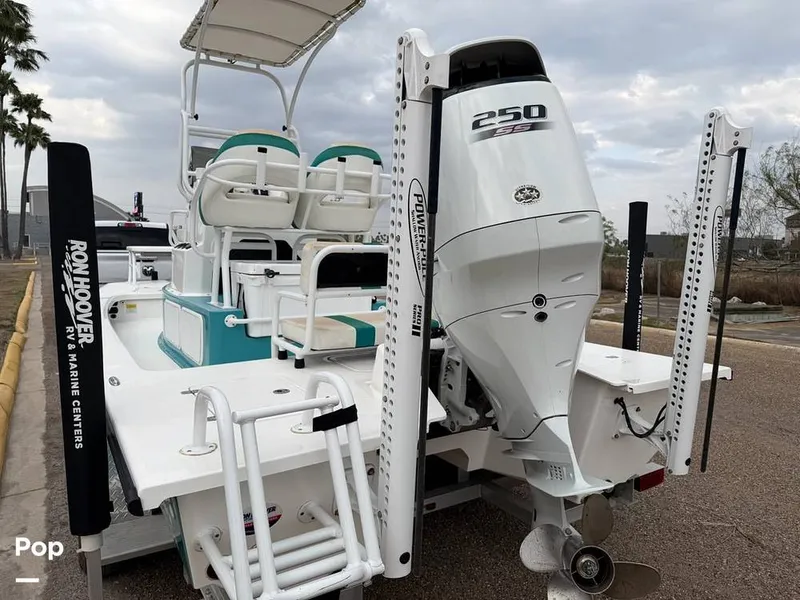
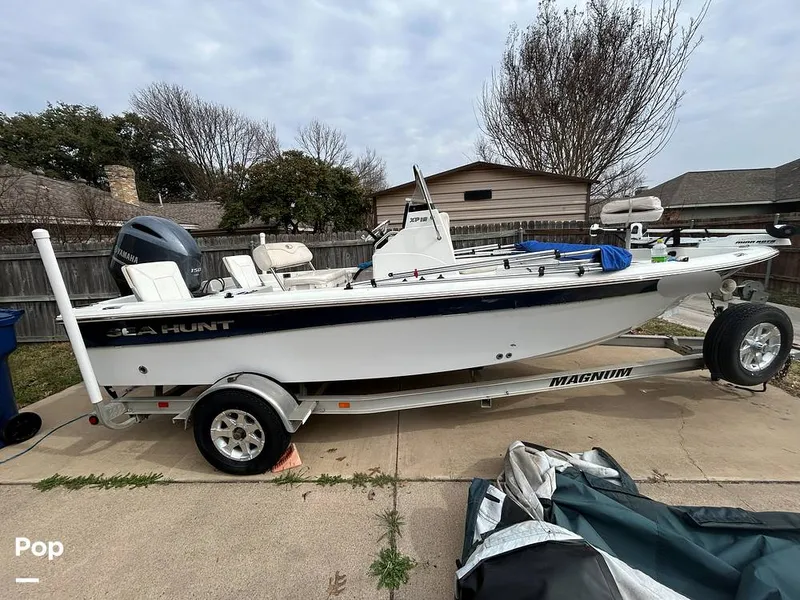
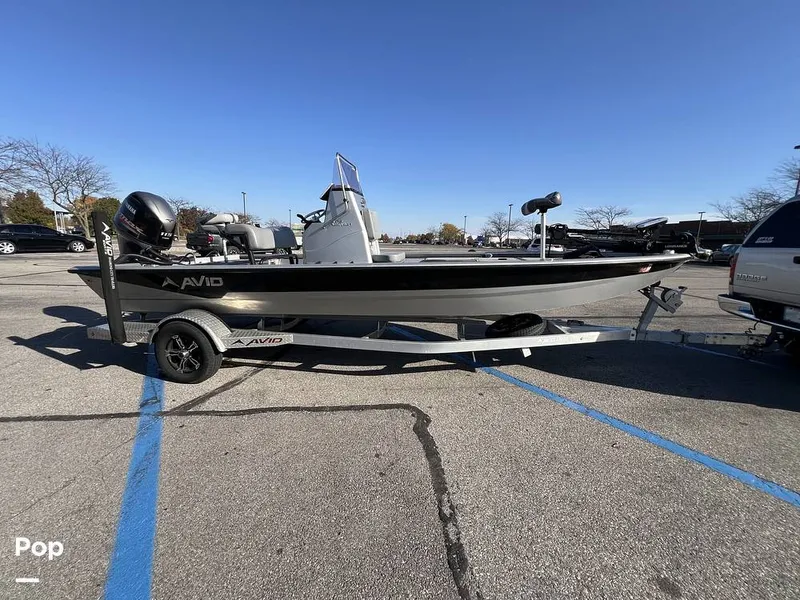
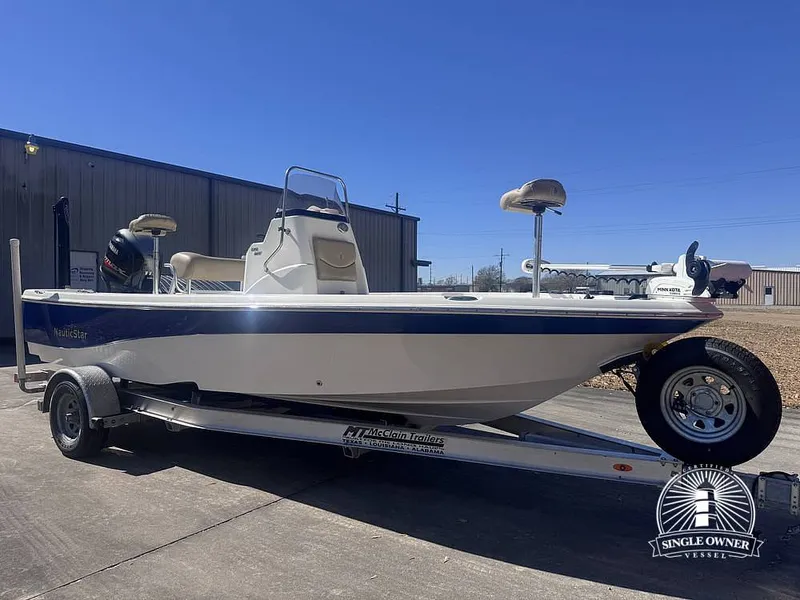
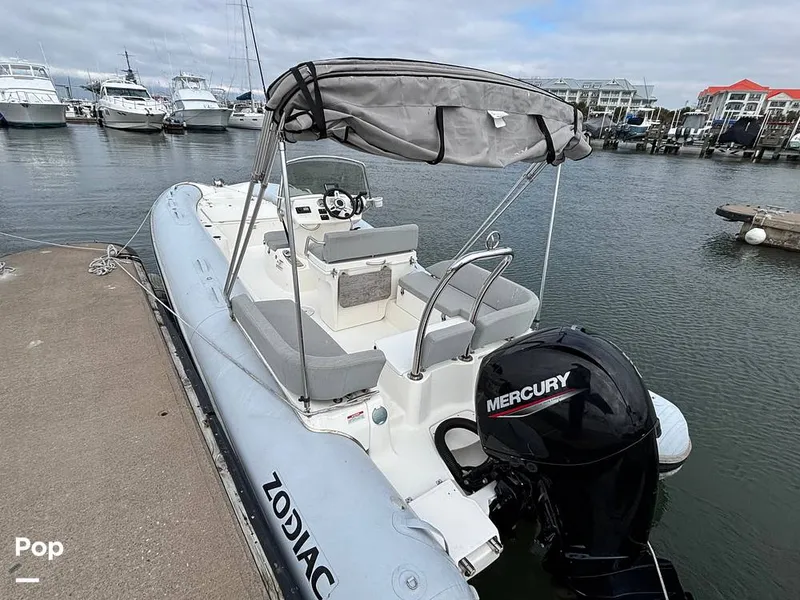
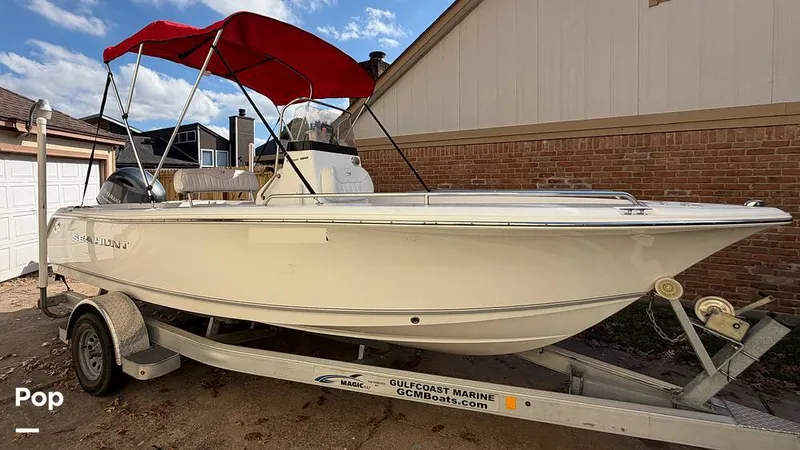
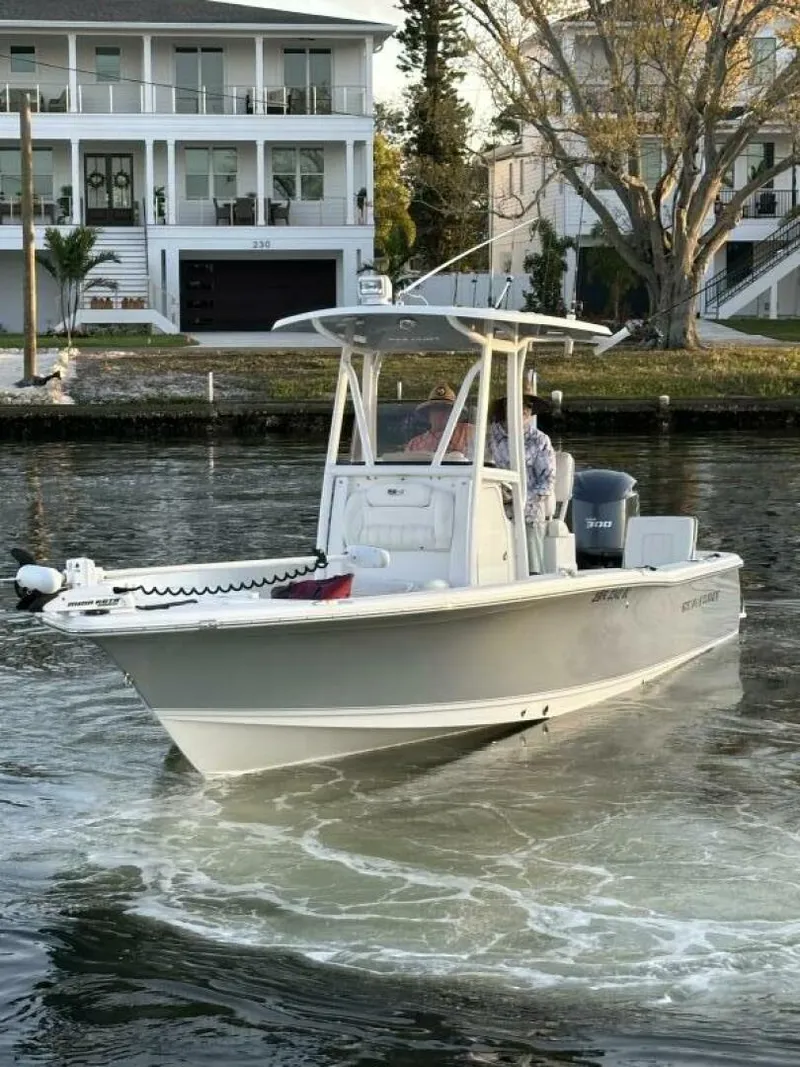
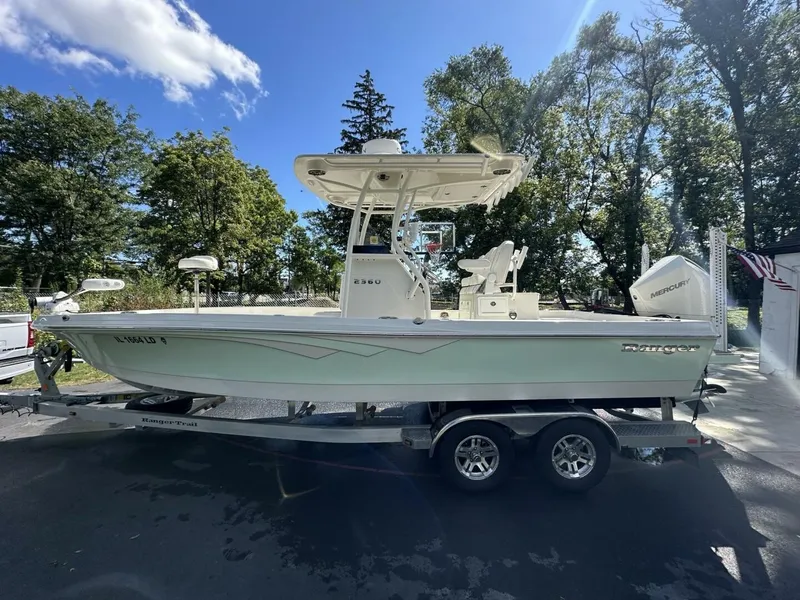
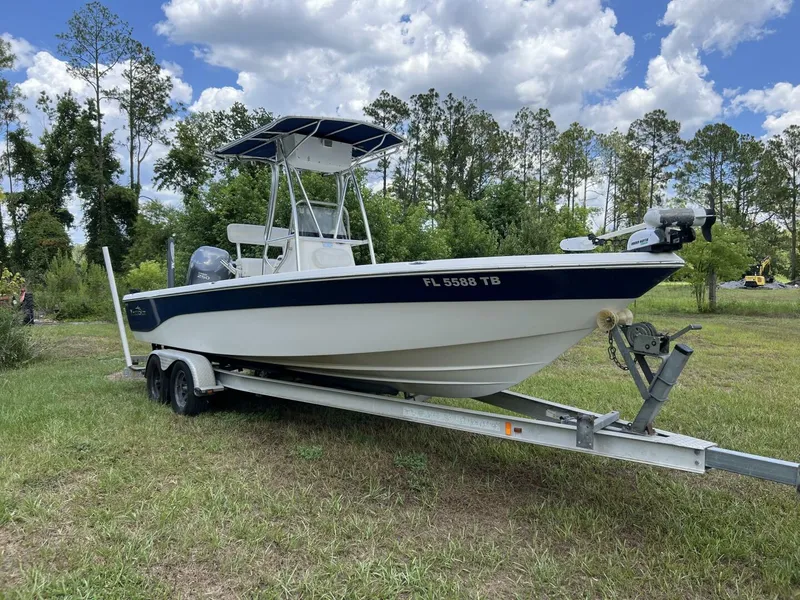
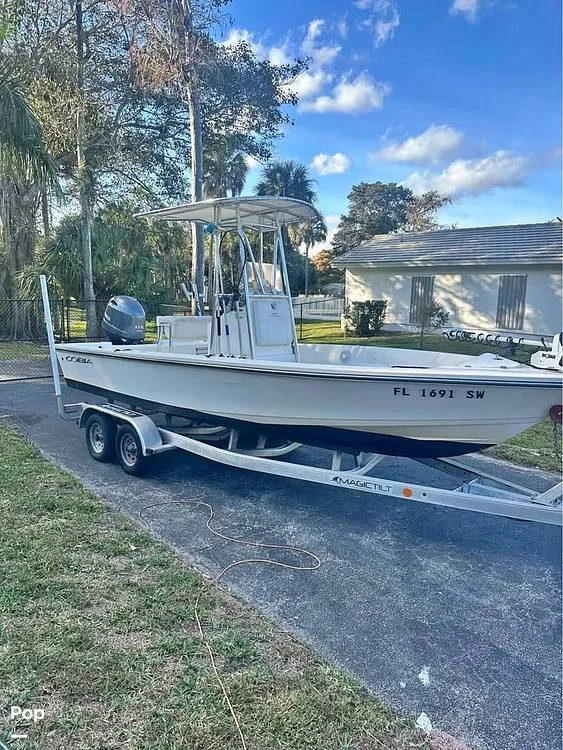
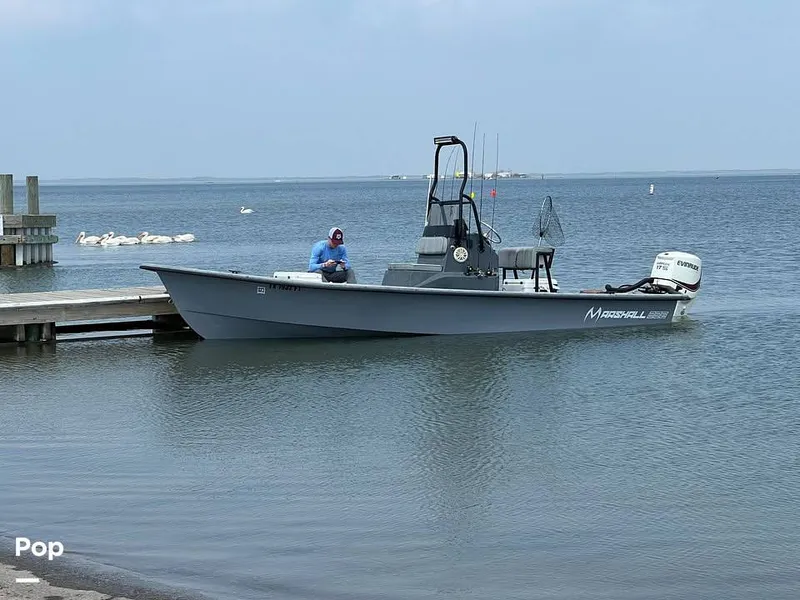
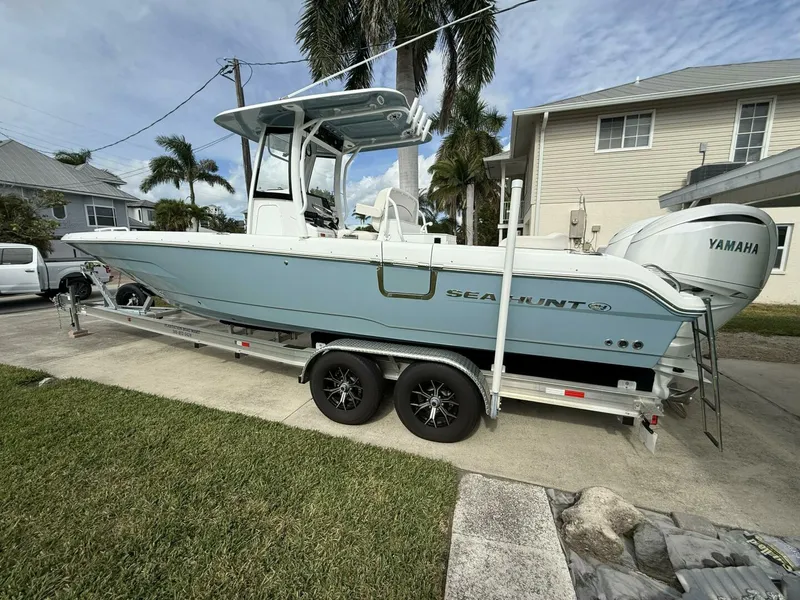
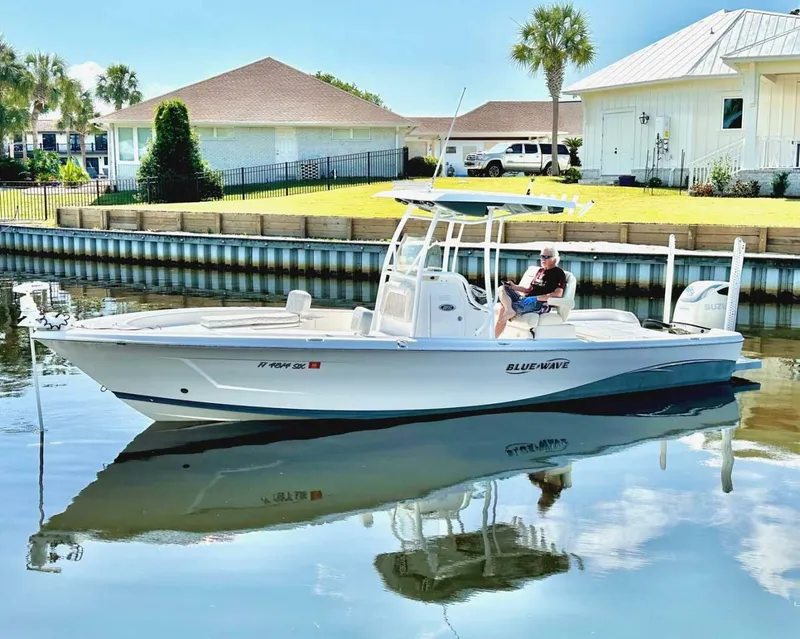
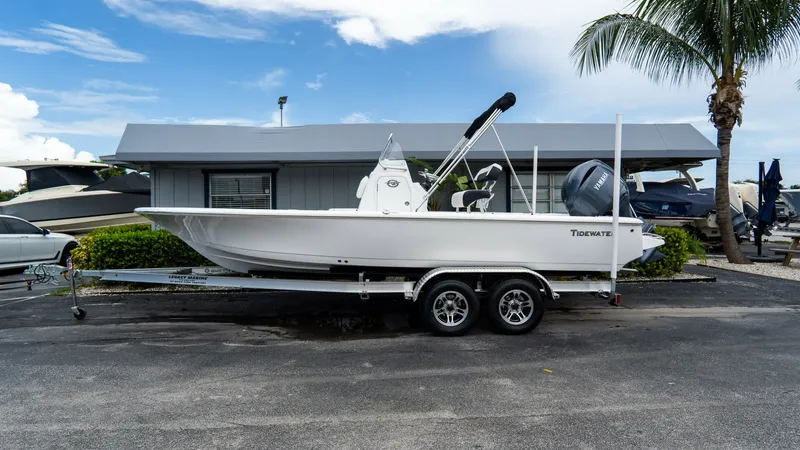
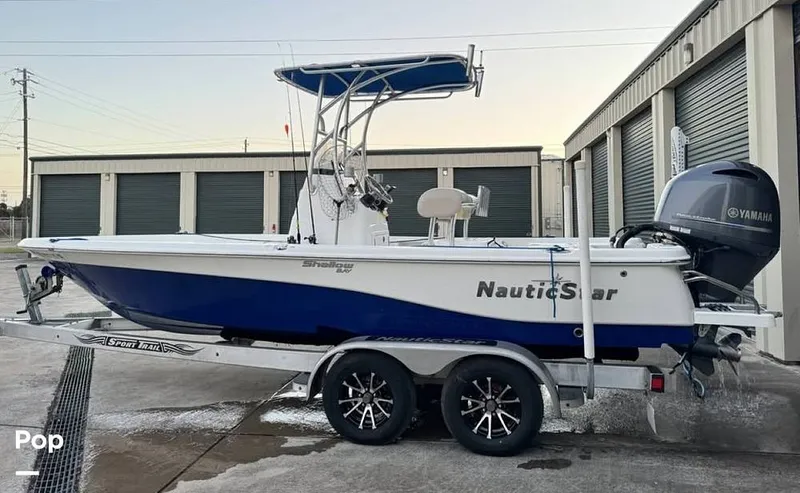
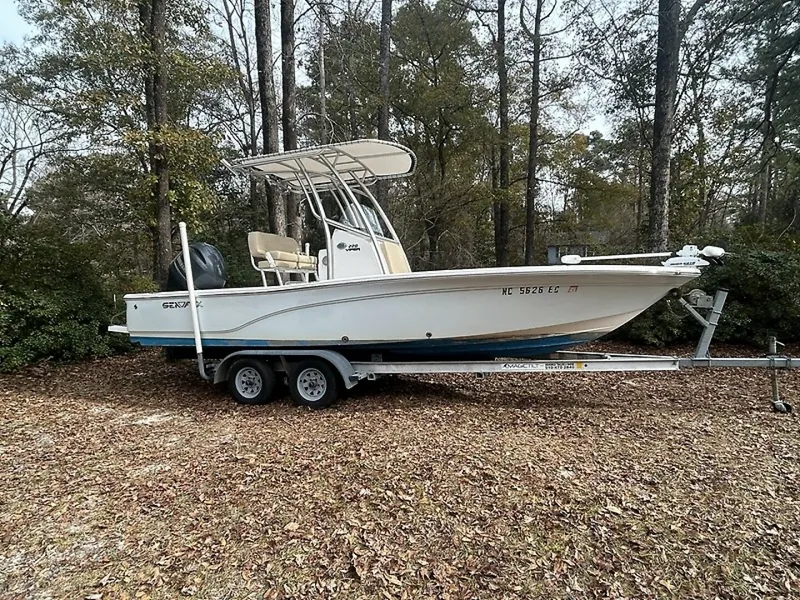
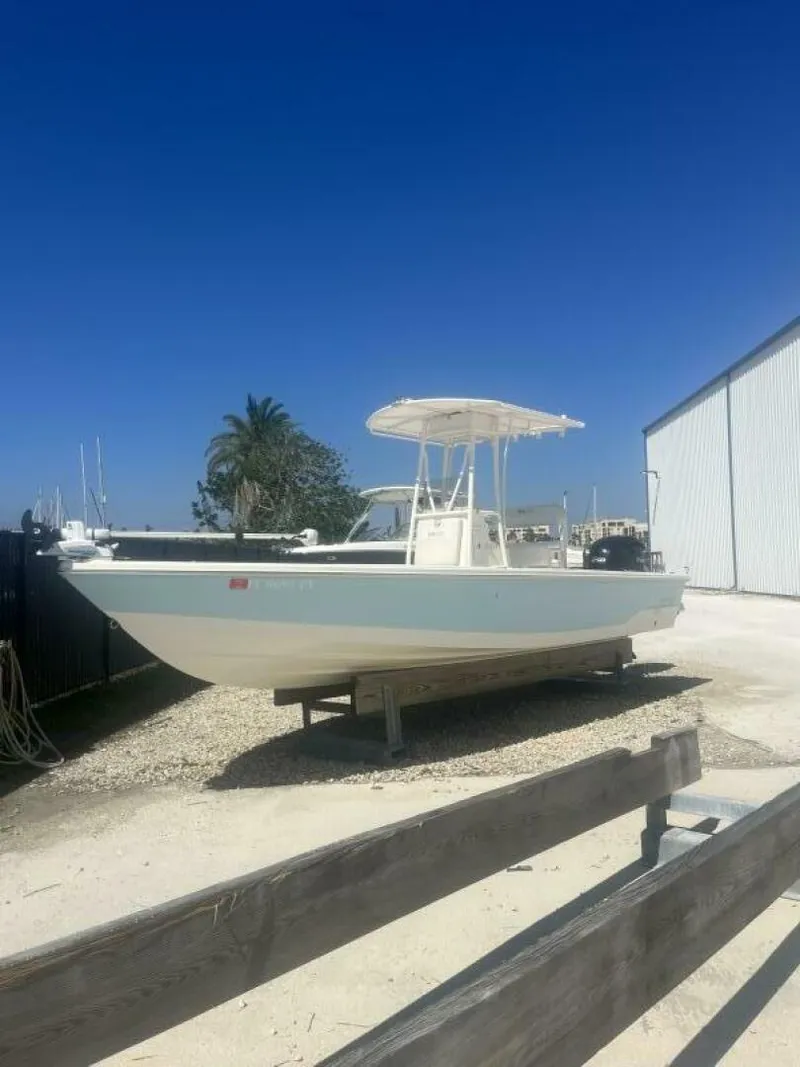
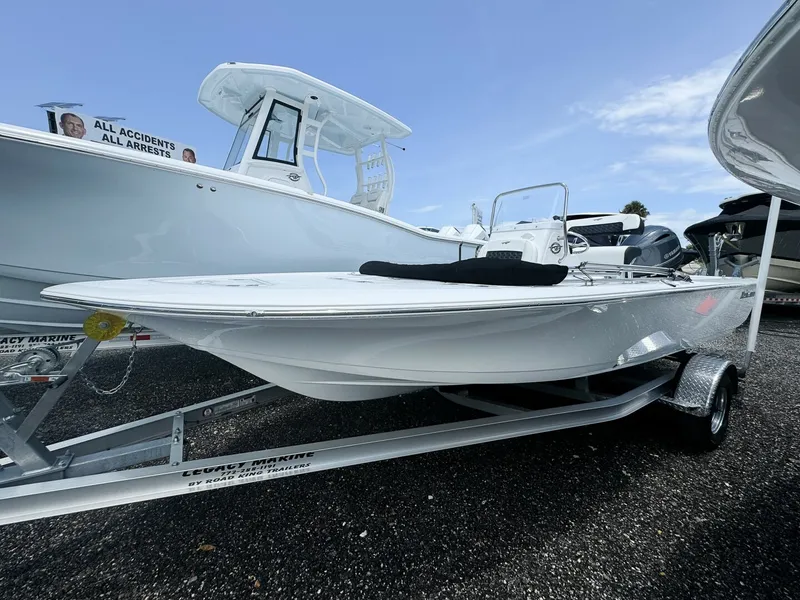
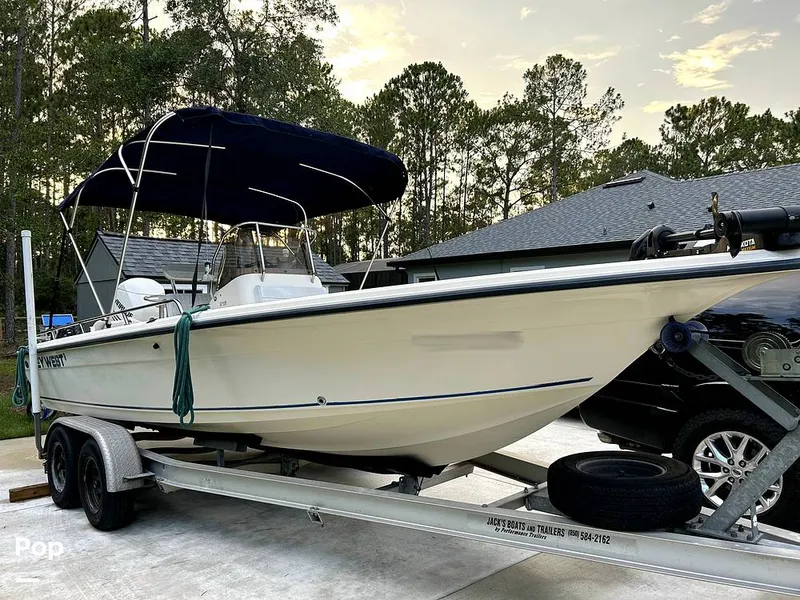
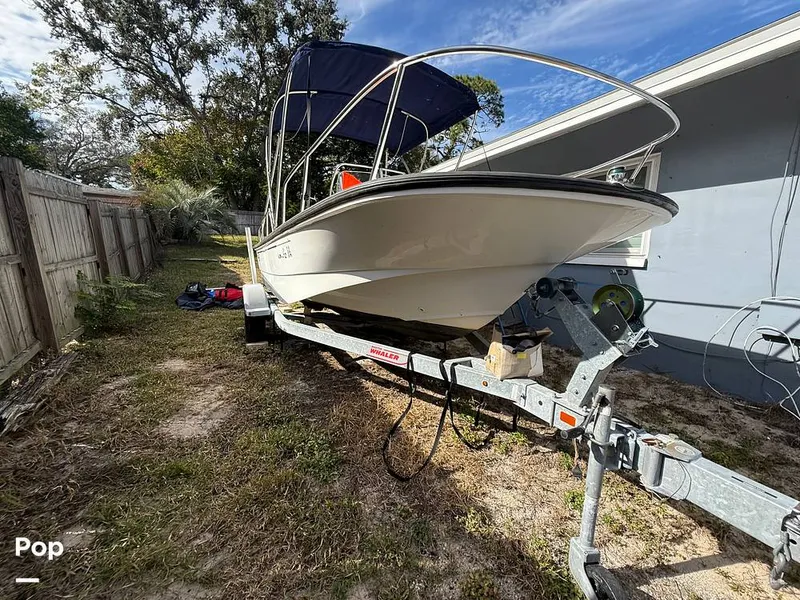
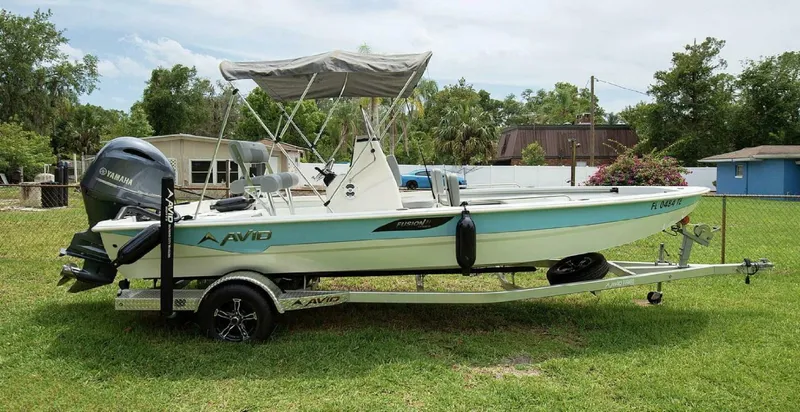
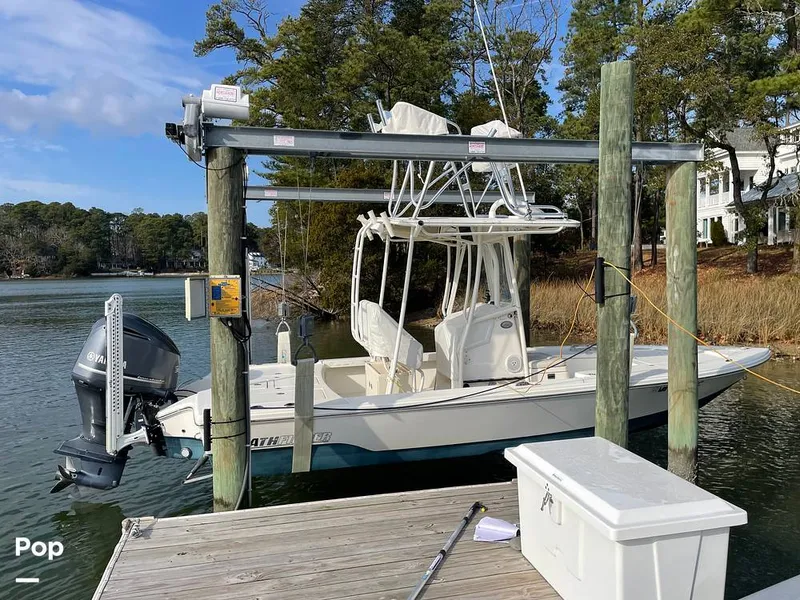
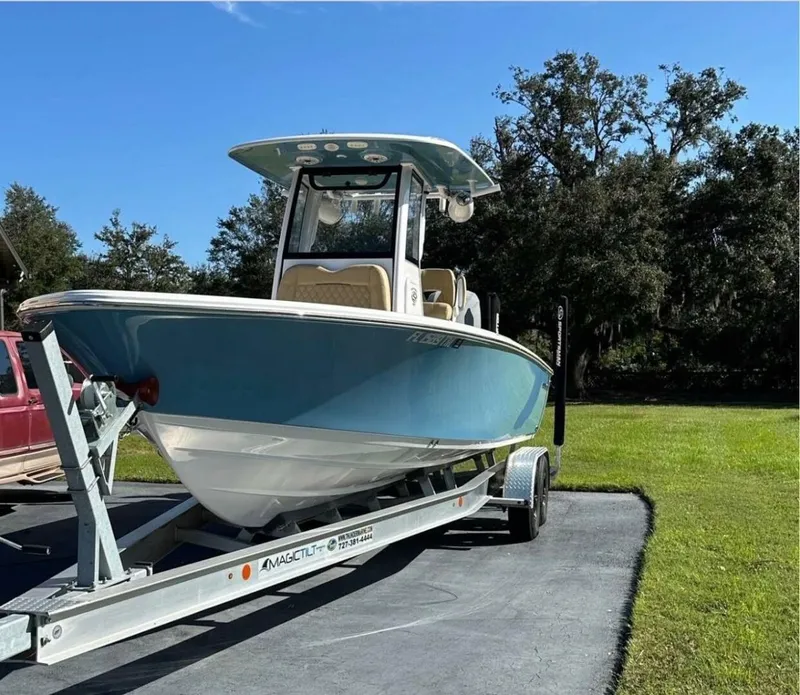
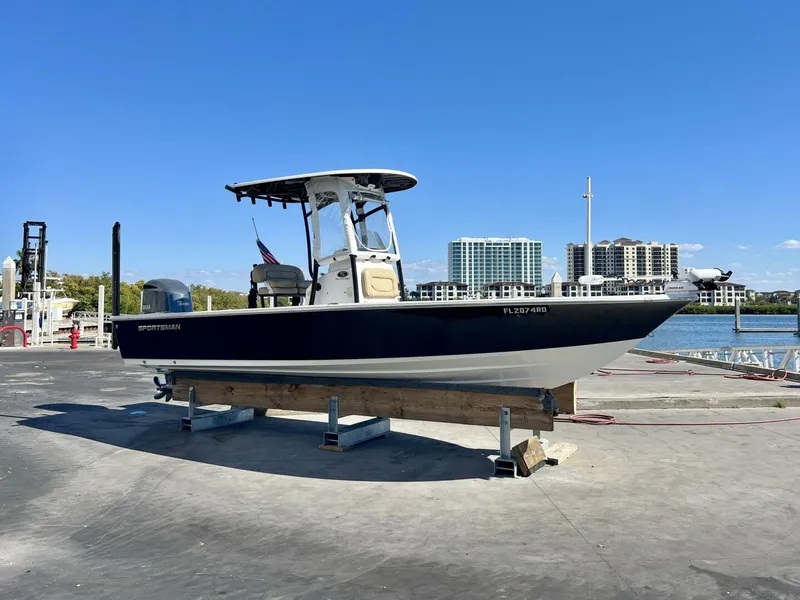
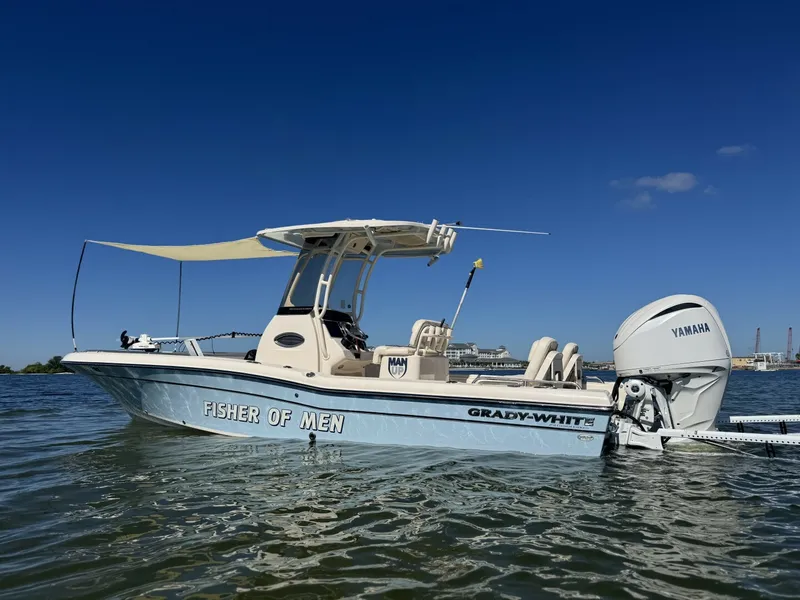
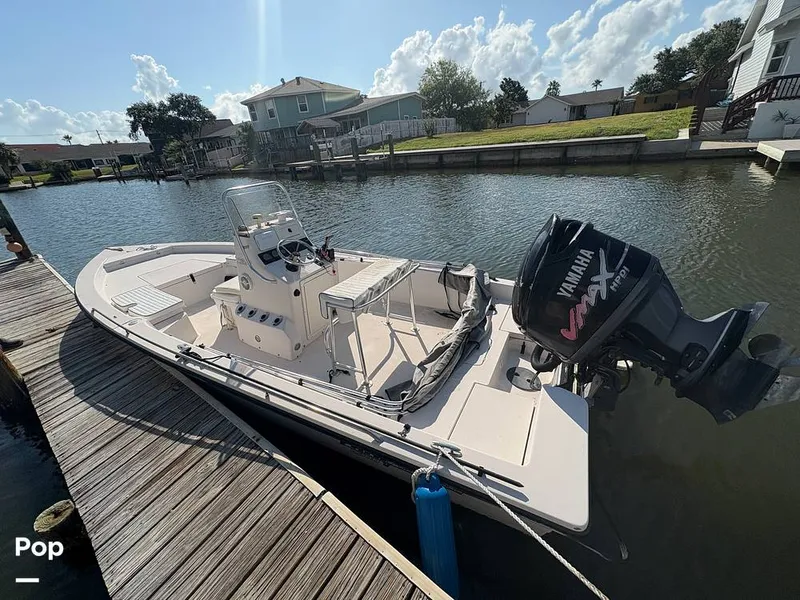
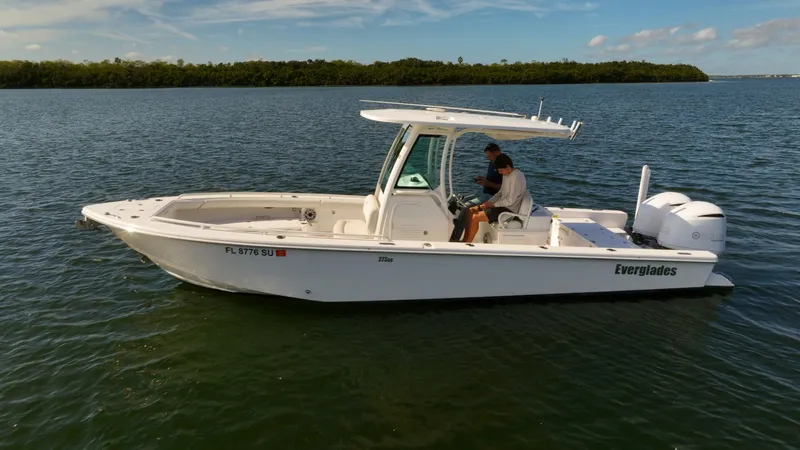
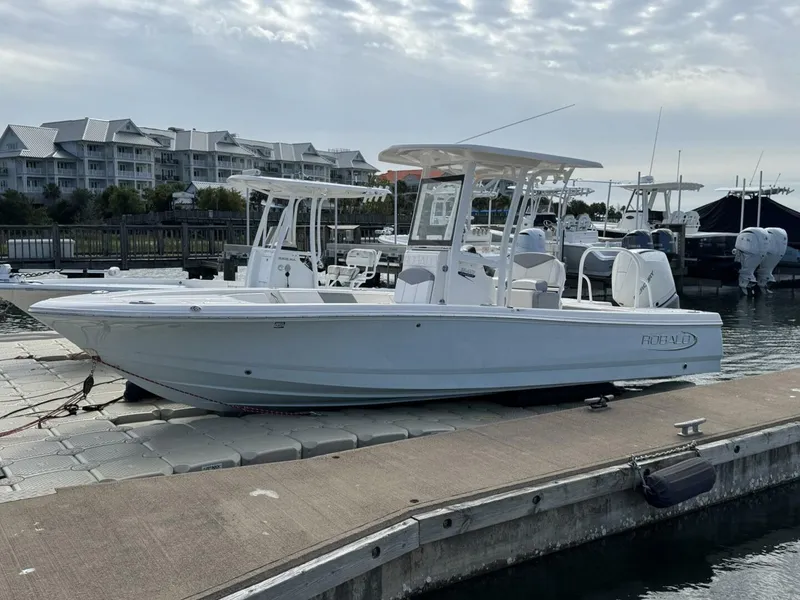
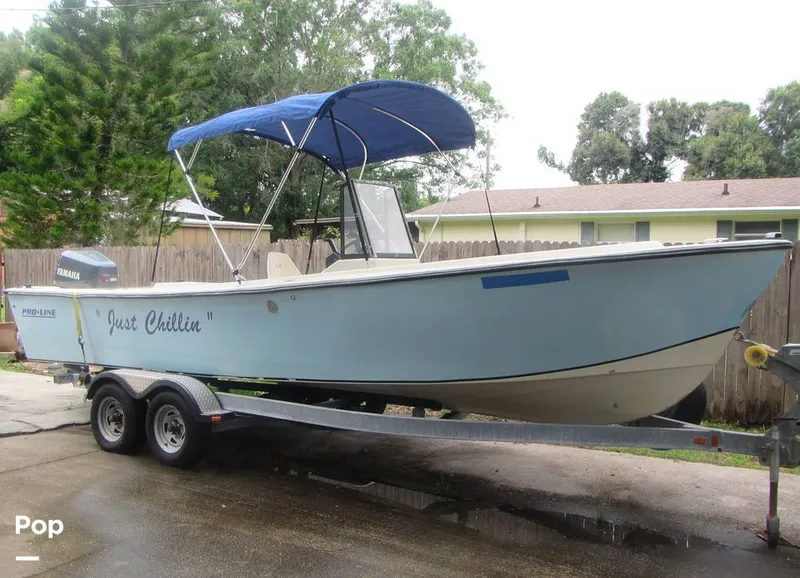
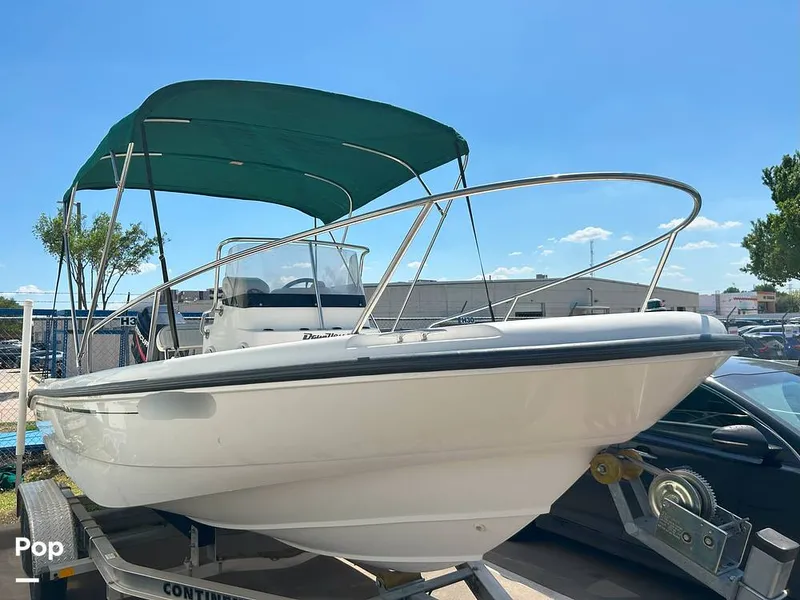
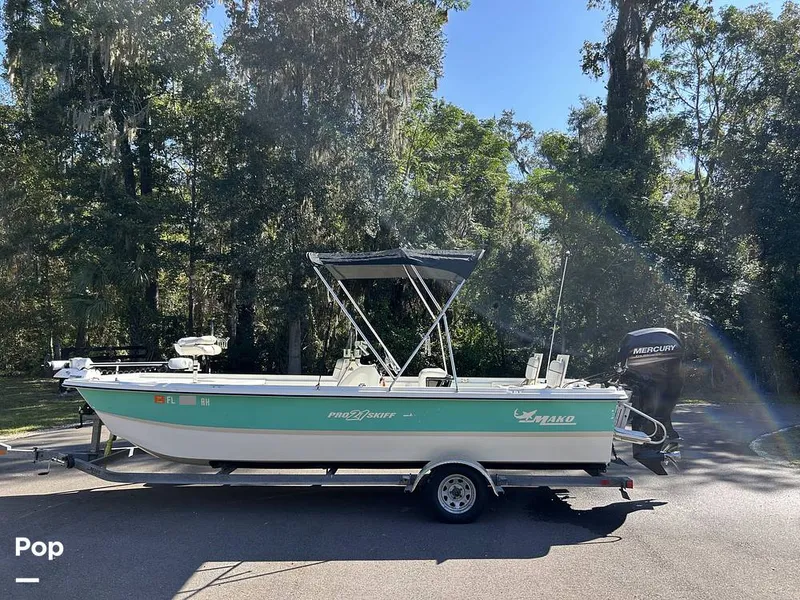
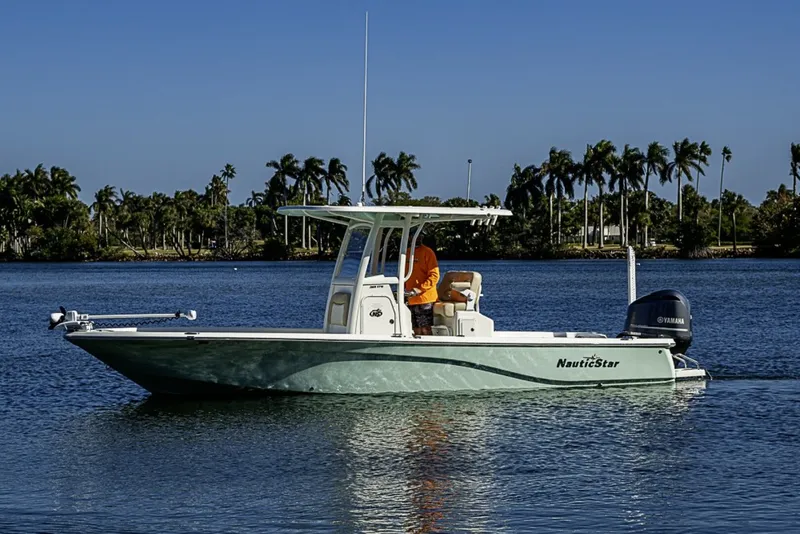
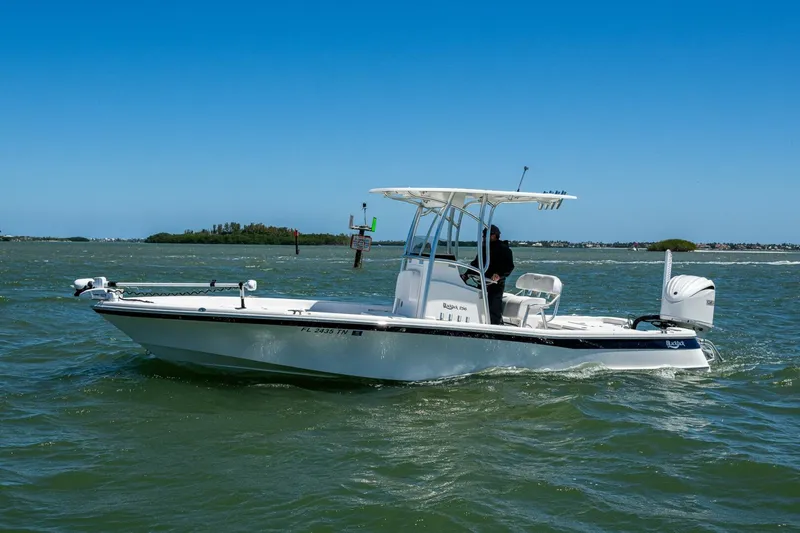
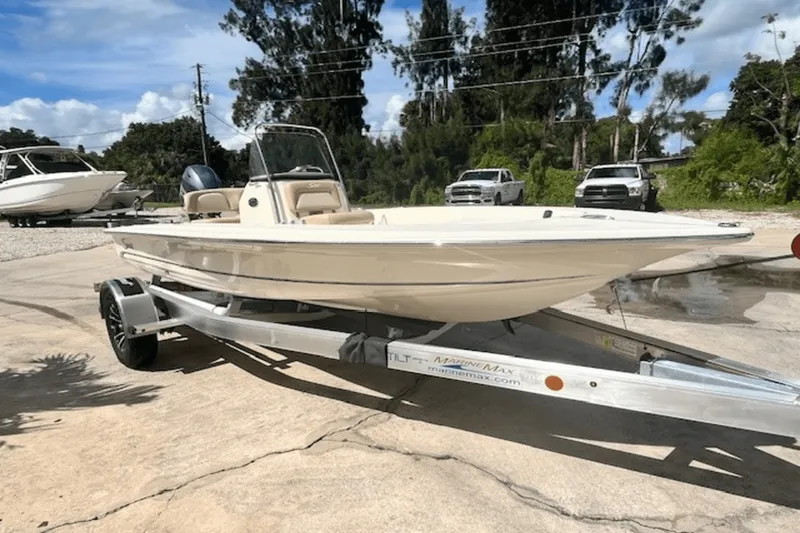
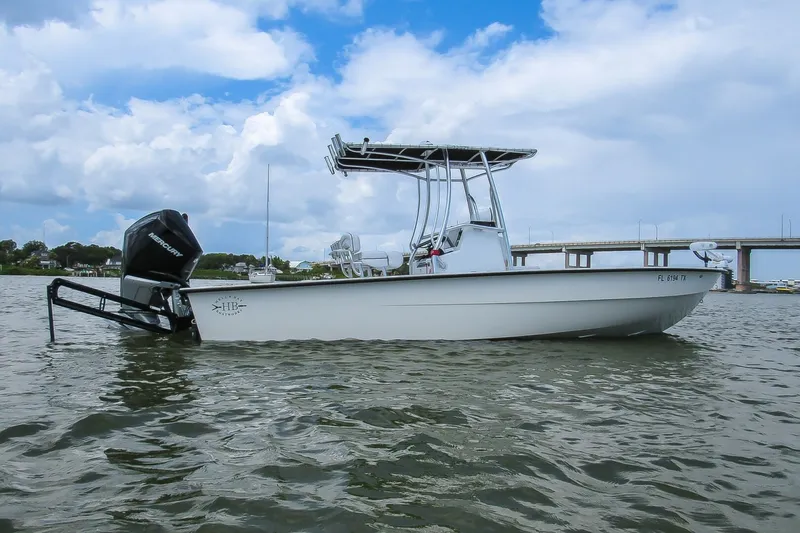
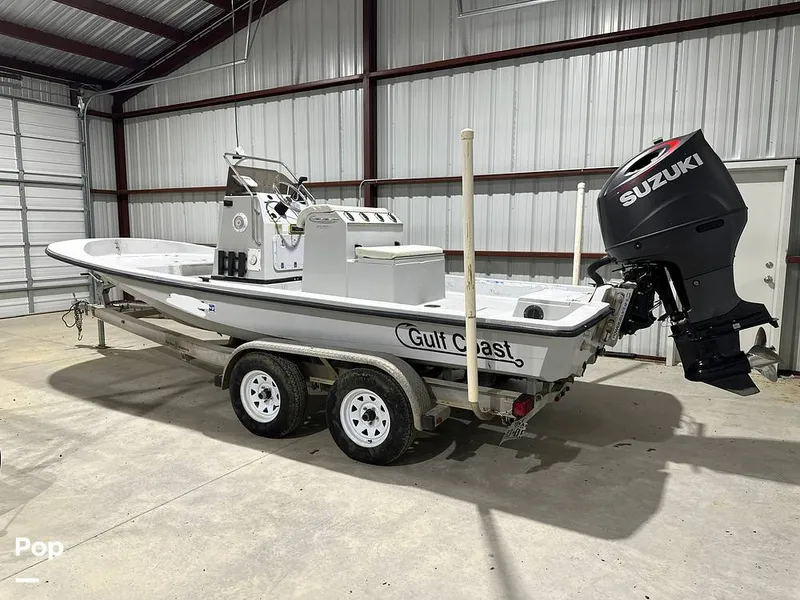
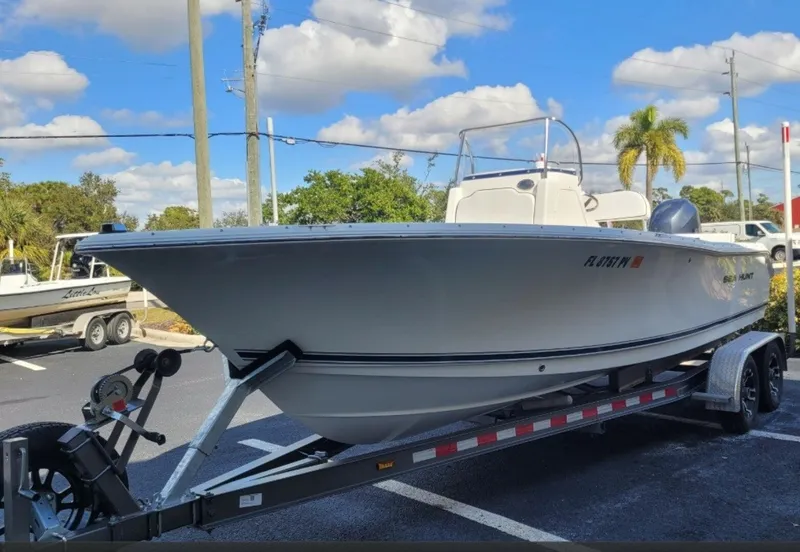
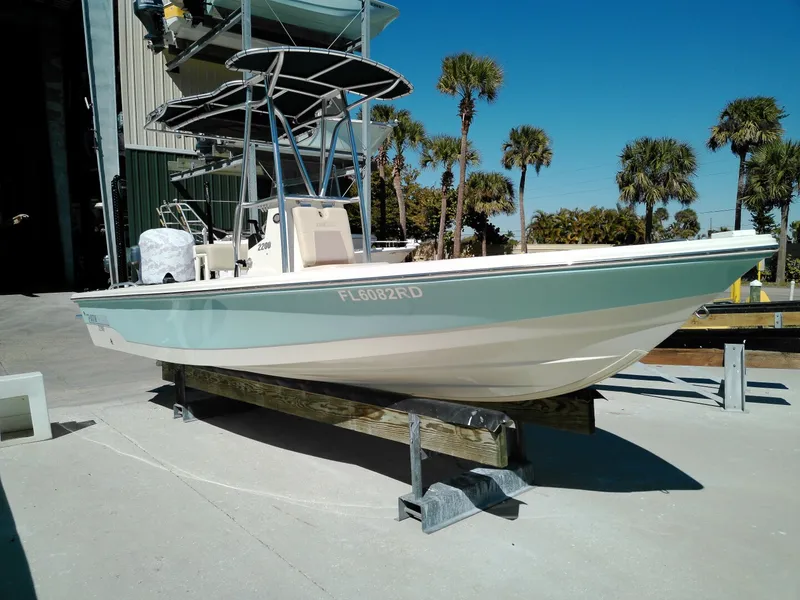
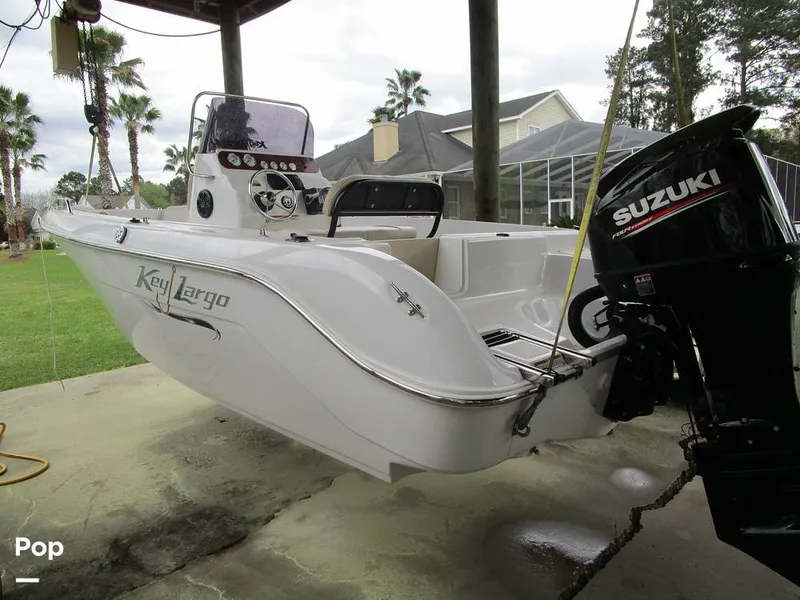
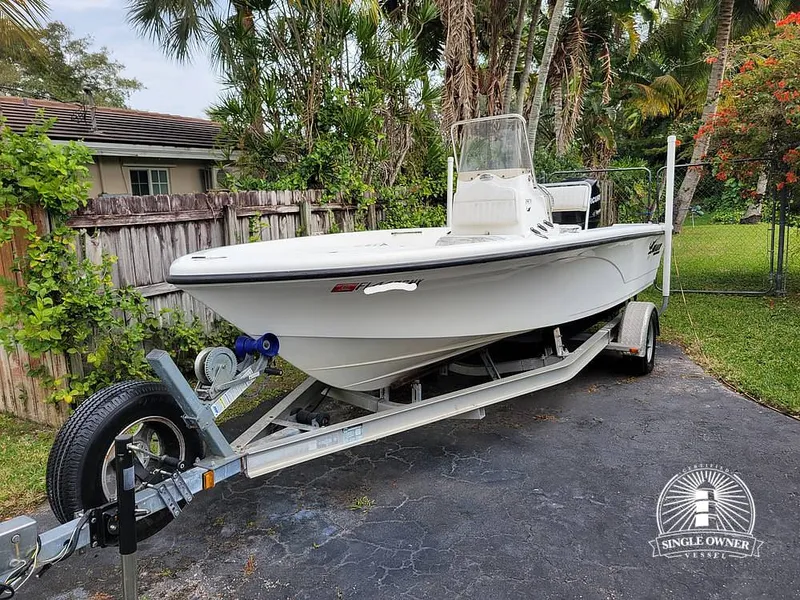
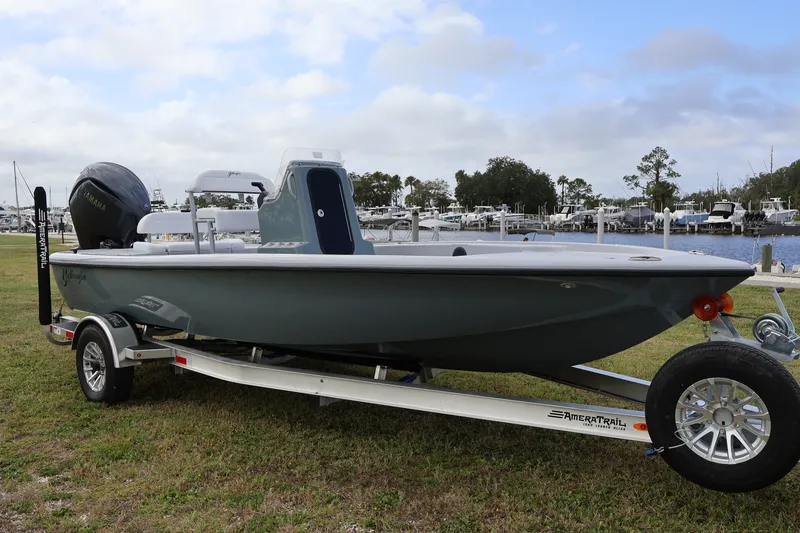
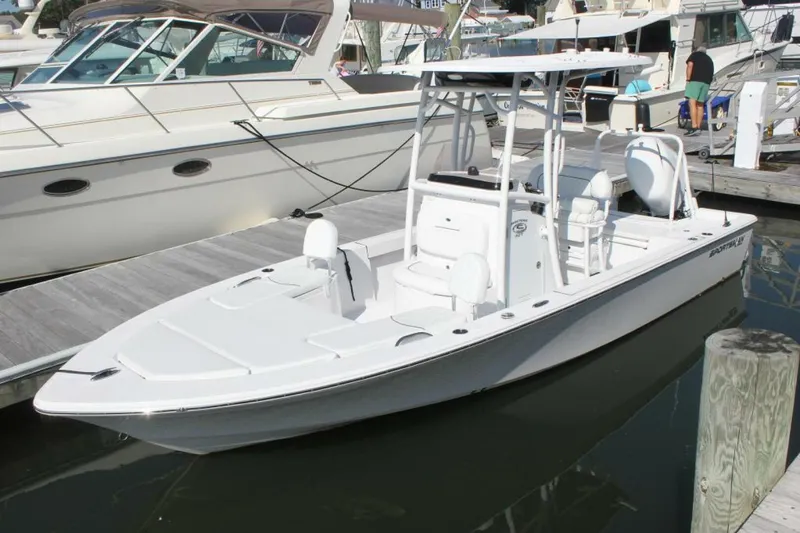
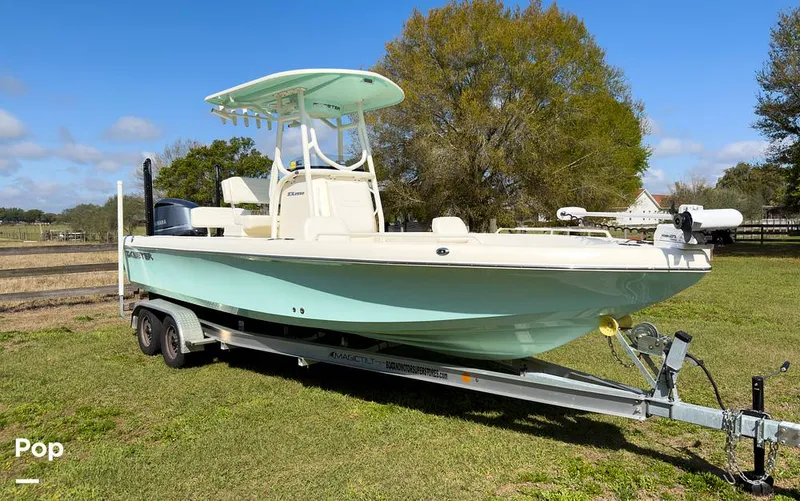
A bay boat is a type of inshore fishing and family boat designed primarily for shallow, protected waters such as bays, estuaries, sounds, and coastal flats. Typically between 18 and 25 feet long, it usually has a modified-V hull and a relatively shallow draft, allowing it to operate where deeper boats cannot go.
Originally, bay boats were purpose-built tools for anglers targeting species like redfish, speckled trout, snook, and flounder near the coast. The hull design aims to deliver a mix of shallow-water access, decent ride comfort in light chop, and stable casting platforms at the bow and stern.
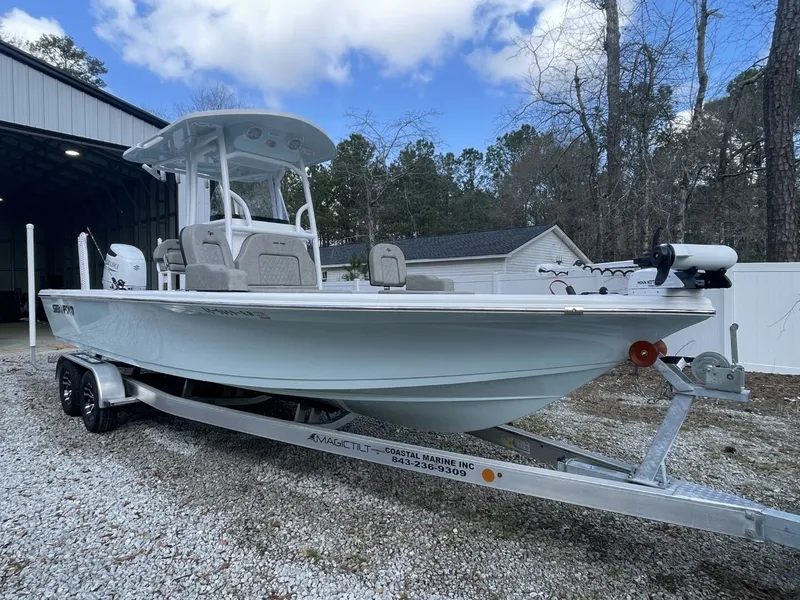
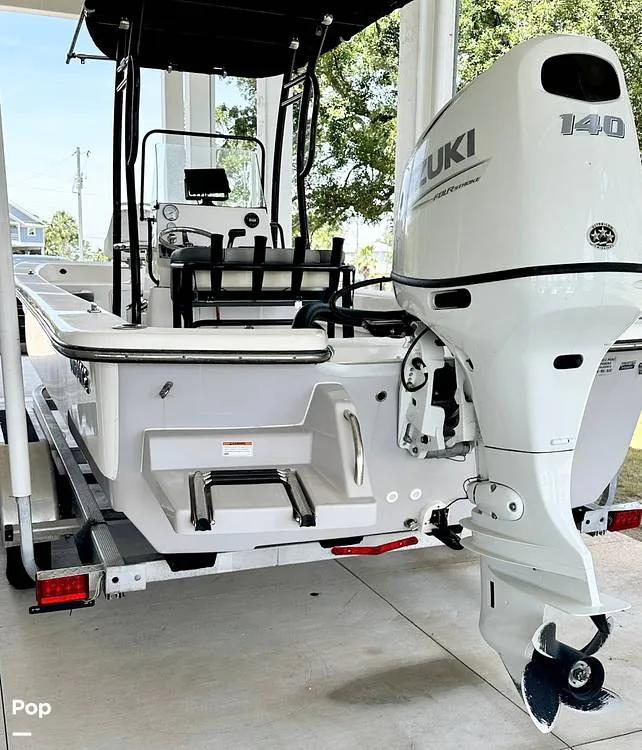
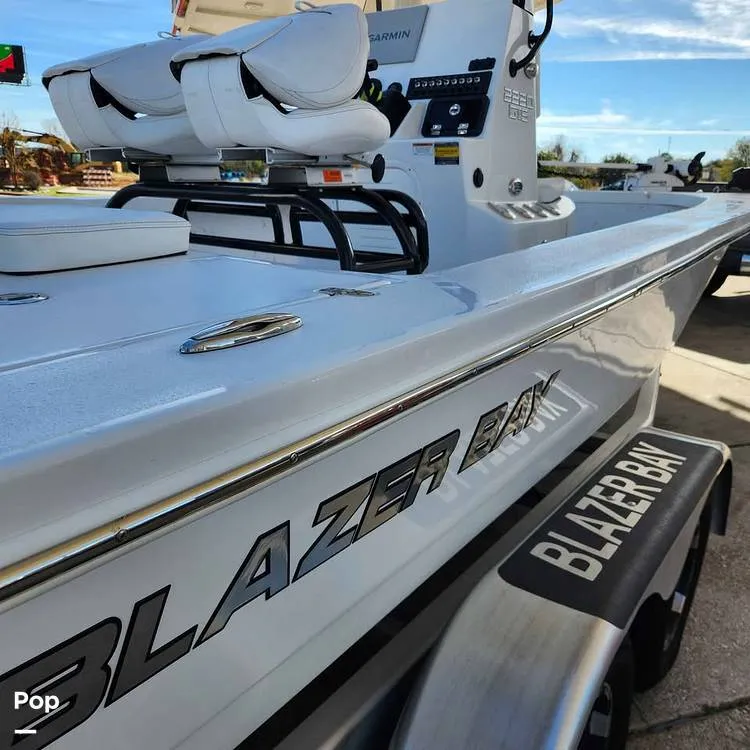
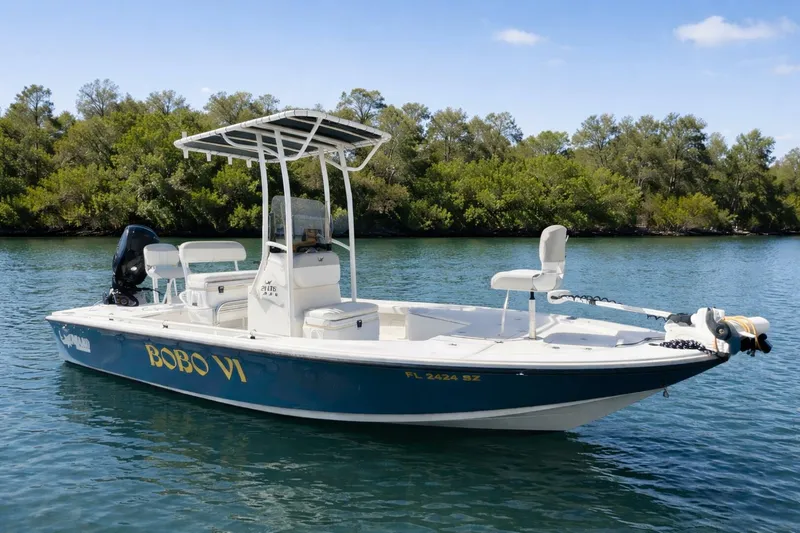
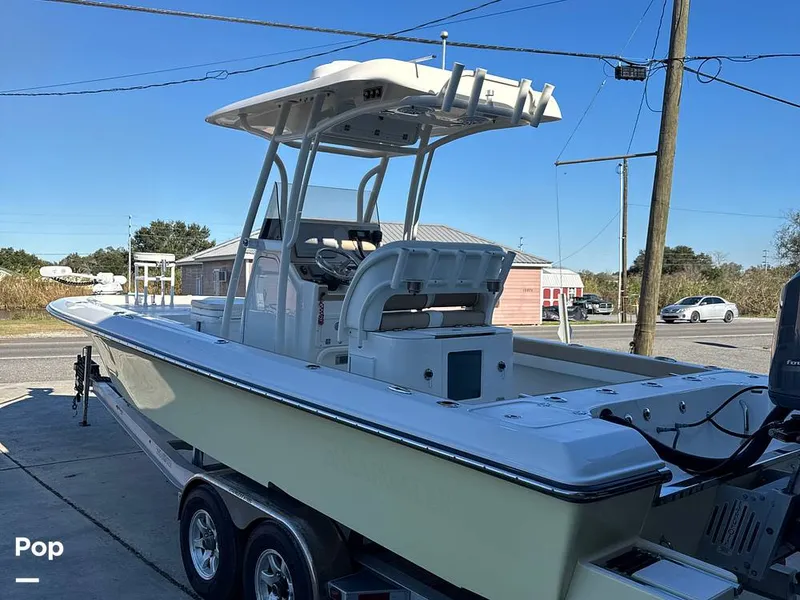
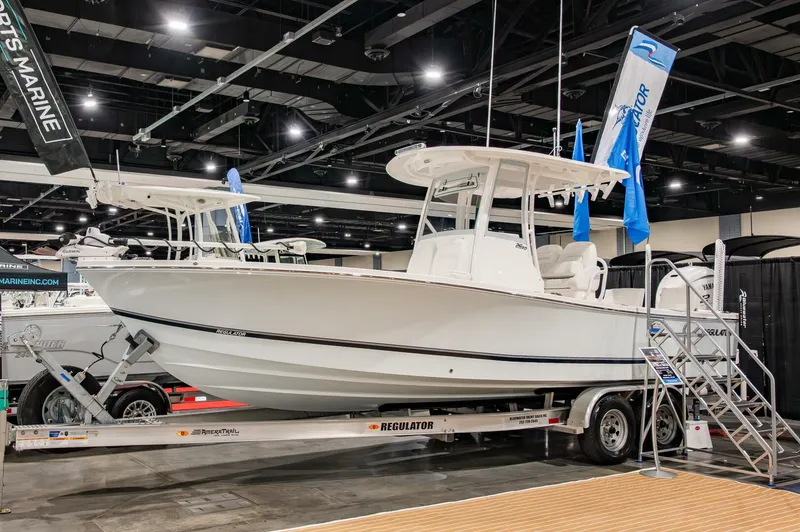
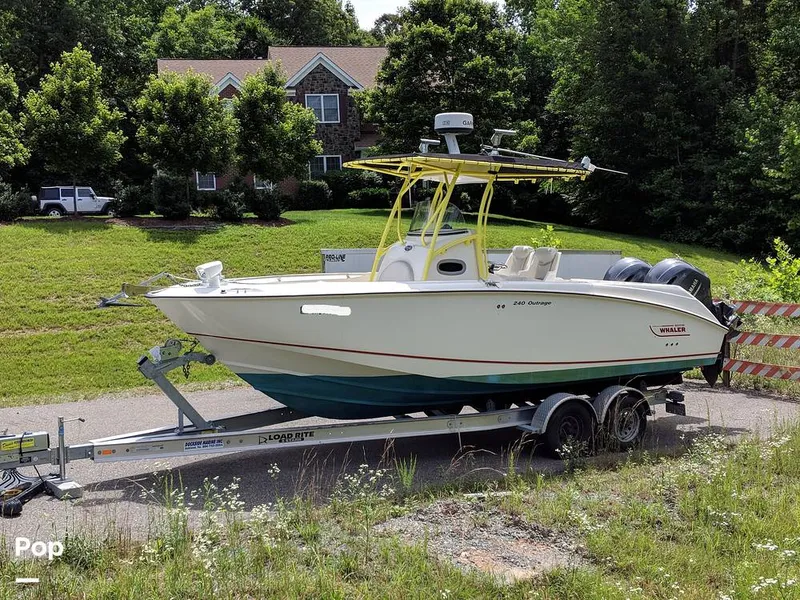
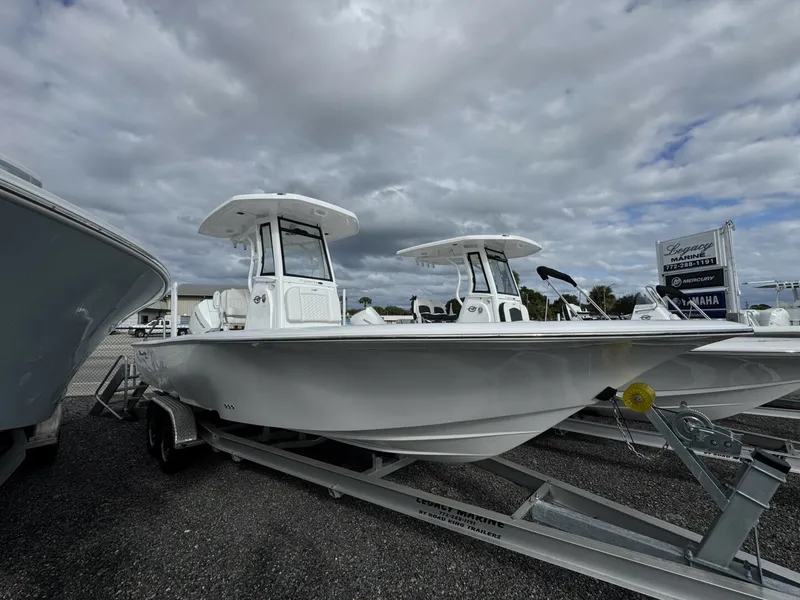
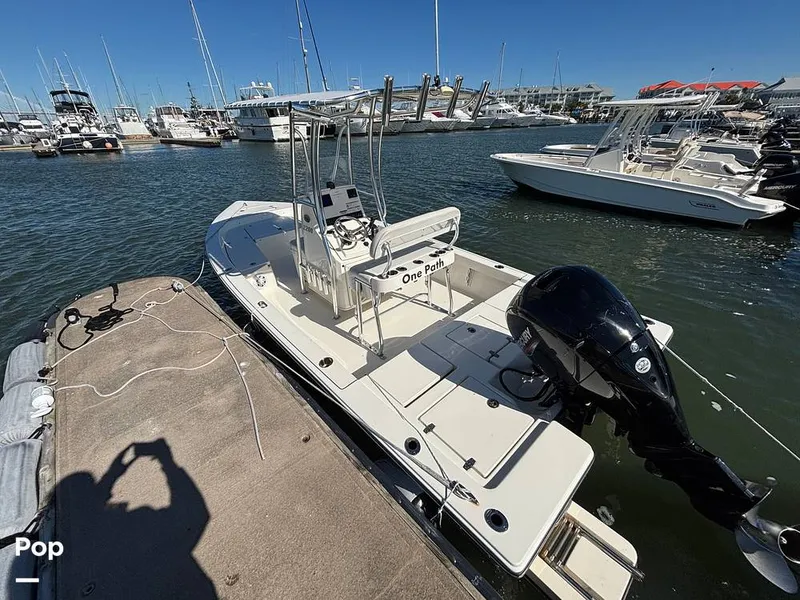
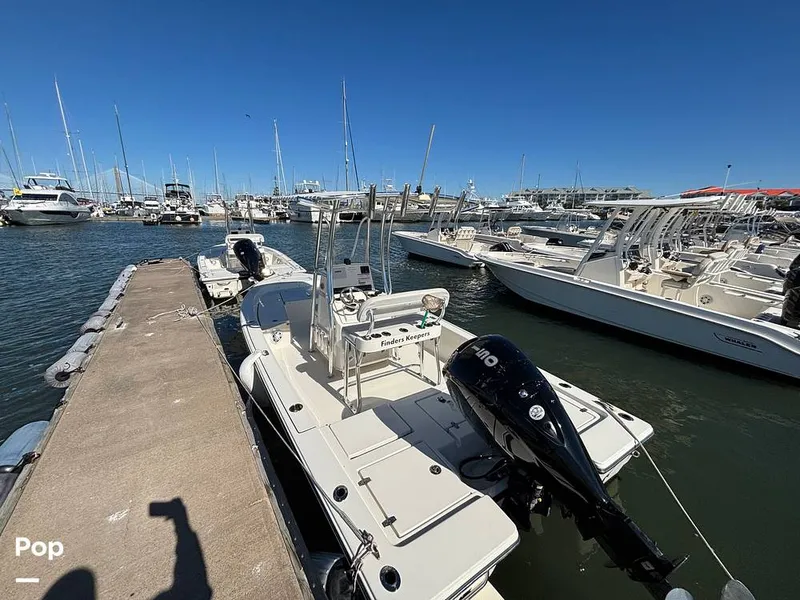
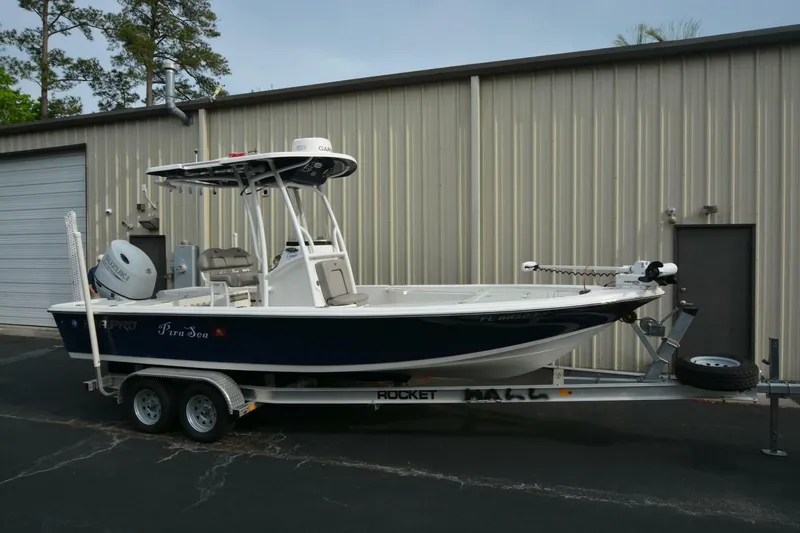
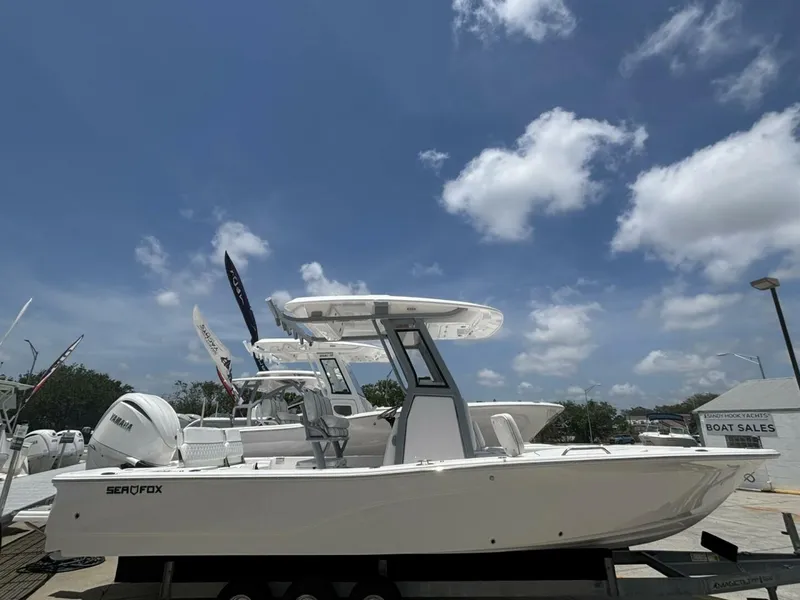
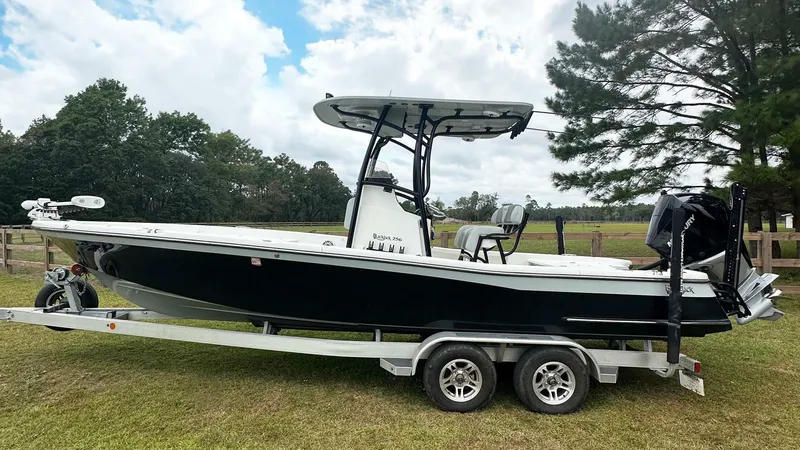
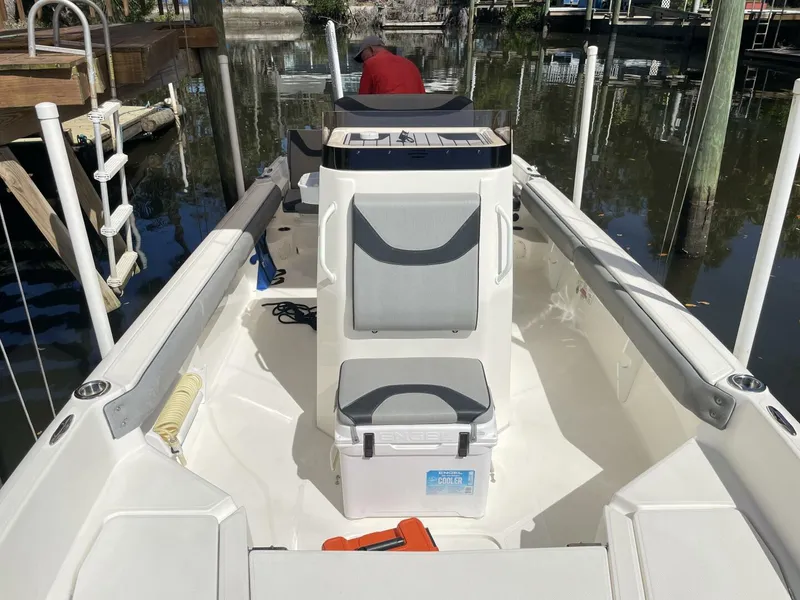
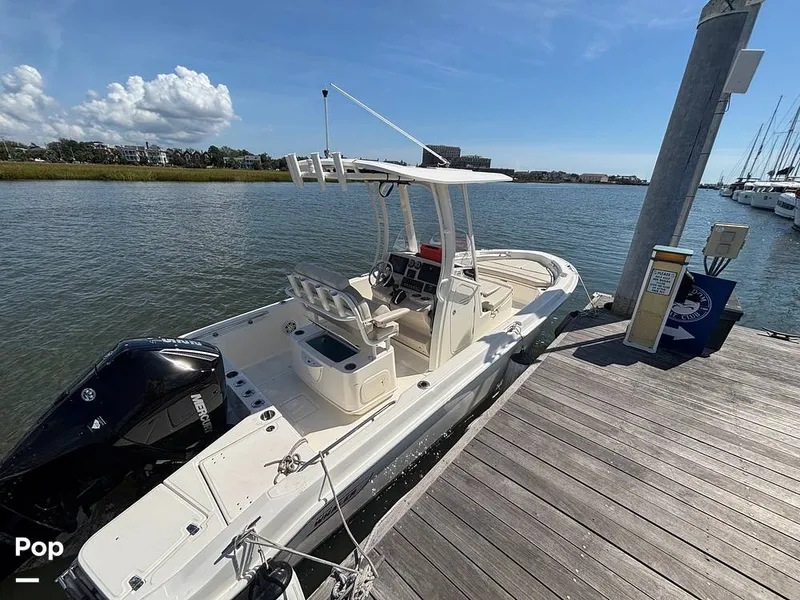
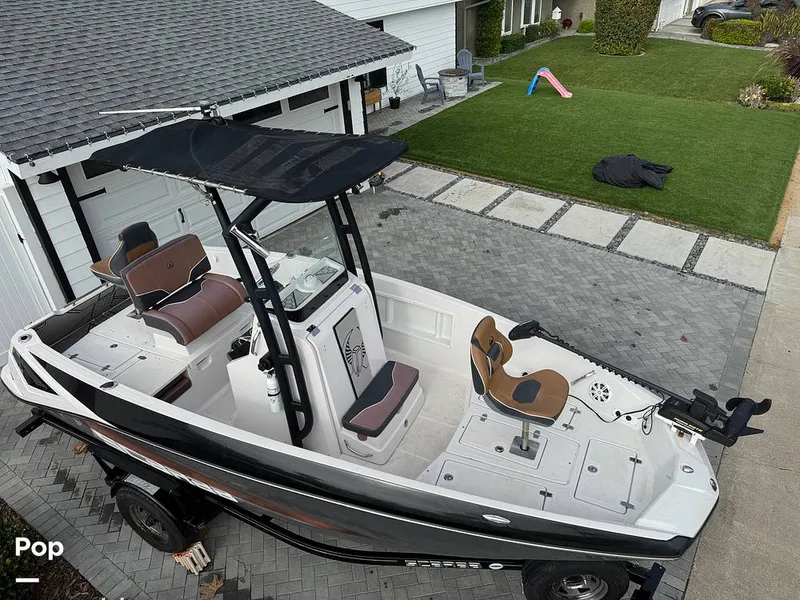
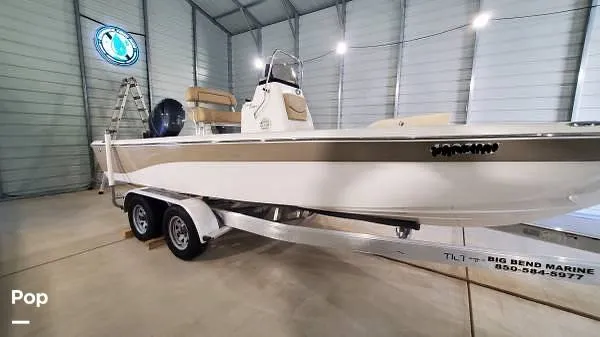
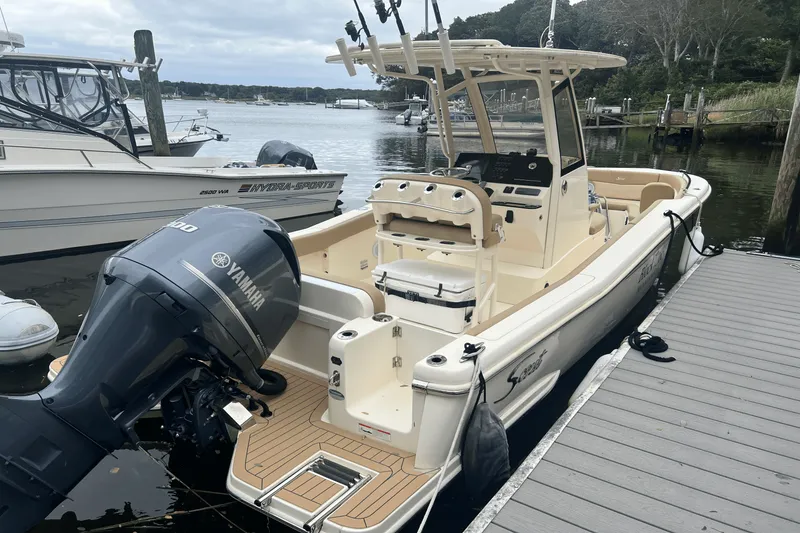
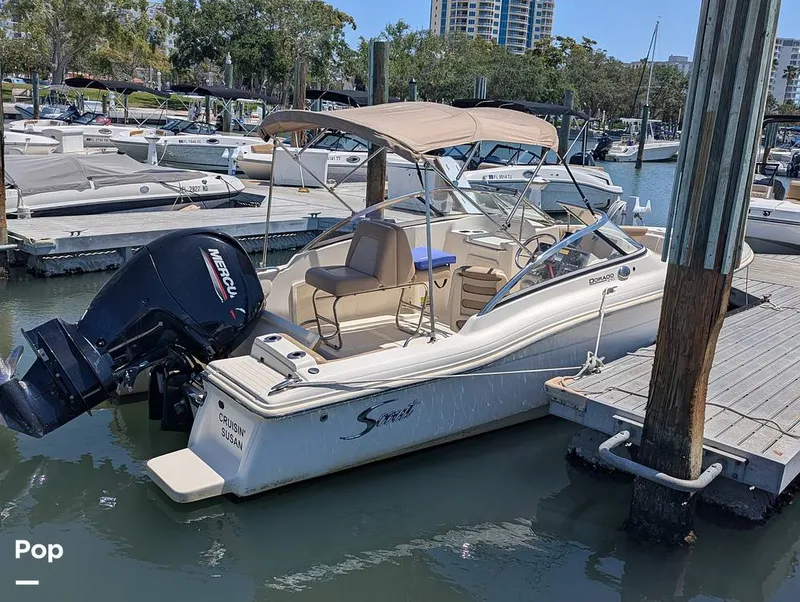
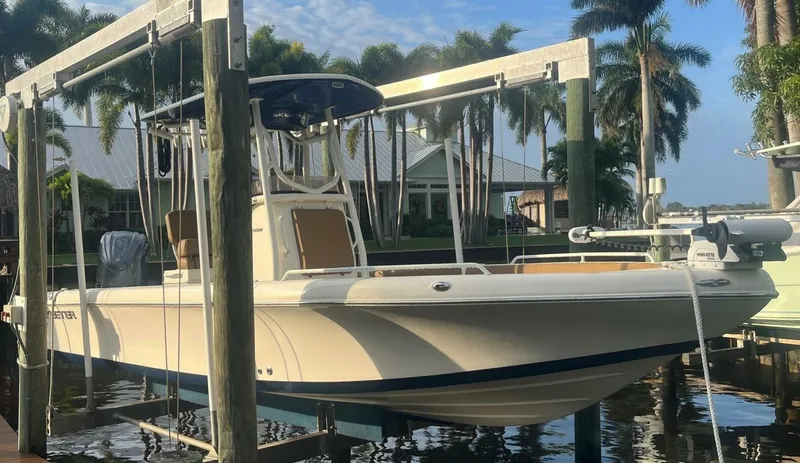
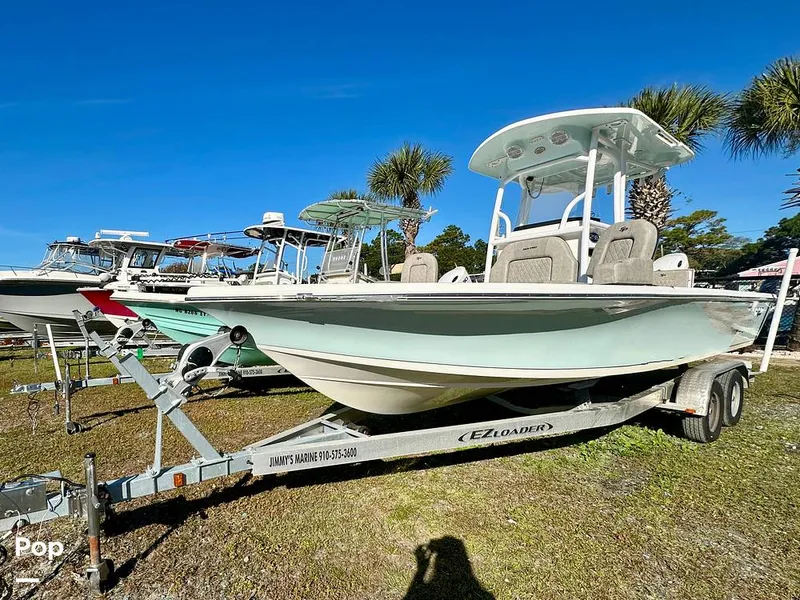
Modern bay boats often feature wide, open decks; raised casting platforms; abundant rod and gear storage; livewells; and a center console layout. While fishing is still the primary focus, many manufacturers now add family‑friendly touches like cushioned seating, backrests, swim platforms, and sound systems, making bay boats capable crossovers for both serious fishing and relaxed day boating.
Pros of Owning a Bay Boat
1. Excellent Shallow-Water Access
Bay boats are built with a shallow draft, often under a foot when trimmed up, which allows you to reach skinny water, grass flats, sandbars, and backcountry creeks that are off-limits to deeper-draft boats.
For anglers, this means access to less-pressured fish; for families, it means easy beaching and sandbar hopping without constantly worrying about running aground.
2. Versatile Fishing Platform
With raised casting decks, plenty of rod holders, livewells, and smart storage, bay boats are purpose-designed for inshore and nearshore fishing. They provide ample room for multiple anglers to cast without getting in each other’s way.
Many models can also handle light offshore duty on calm days, giving you flexibility to chase different species as conditions allow.
3. User-Friendly Handling
Bay boats are generally lighter and easier to handle than larger offshore center consoles. Their size and hull shape make them quick to plane, responsive at the helm, and relatively simple to dock and trailer.
New boaters often find that a bay boat feels less intimidating than a comparably equipped offshore rig while still offering many of the same features on a smaller, more manageable scale.
4. Social, Open Layout
The wide, uncluttered deck and center-console configuration create a social space where everyone can move around, sit, and interact. Removable cushions, jump seats, and forward loungers (on some models) make it easy to switch from “fishing mode” to “family cruise mode.”
This open plan is ideal for sandbar days, sunset cruises, and casual outings where conversation and comfort are as important as catching fish.
5. Moderate Operating and Maintenance Costs
Because bay boats are typically mid-sized with single outboards, fuel burn and routine service costs are usually lower than those of larger twin‑engine offshore boats.
Systems are often simpler as well—fewer cabins, generators, and complex systems to maintain—helping keep ongoing ownership more approachable for budget‑conscious boaters.
Cons of Owning a Bay Boat
1. Limited True Offshore Capability
Despite looking similar to offshore center consoles, most bay boats are not designed for long runs in big open water or consistently rough seas. Their lower freeboard and hull design prioritize shallow-water performance and can result in a wetter, harsher ride offshore.
If your boating dreams involve frequent bluewater trips, offshore reefs, or long runs in open ocean, a bay boat may feel out of its element in those conditions.
- The Silver Lining: If you primarily explore bays, sounds, and nearshore coastal waters—and time your offshore attempts for calm days—a bay boat can still deliver a satisfying and safe experience without the cost and bulk of a true offshore rig.
2. Exposure to Sun, Wind, and Spray
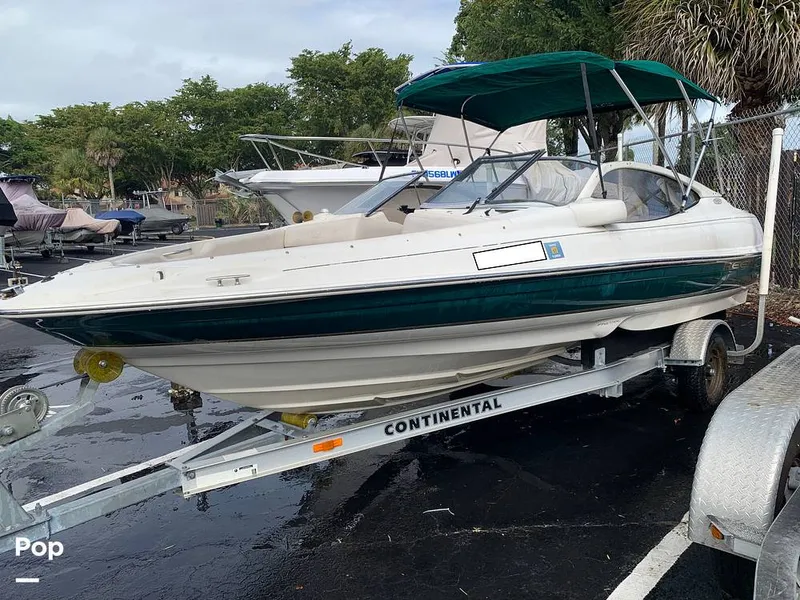
Most bay boats have an open layout with limited protection from the elements. Outside of a T-top or bimini, there’s usually little shielding from sun, wind, or rain, which can be uncomfortable during long summer days or unexpected squalls.
Passengers sensitive to sun or spray may find open bay boats less enjoyable than cabin boats or larger dual consoles with more shelter.
- The Silver Lining: Adding a quality T-top or bimini, plus thoughtful use of sun-protective clothing and clears or curtains on some models, can significantly improve comfort while preserving the open, fishable layout.
3. Less Enclosed Storage and Overnight Capability
Because bay boats lack a traditional cabin, enclosed storage is limited to console compartments and in-deck lockers. There’s usually no true berth, galley, or enclosed head compartment (beyond, at times, a portable toilet in the console).
This makes overnight trips, long-distance cruising, and foul-weather shelter more challenging compared to cuddy cabins or cabin cruisers.
- The Silver Lining: If most of your outings are day trips within a short run of the ramp or marina, the simplified, cabin-free design means easier cleaning, less maintenance, and more usable fishing and lounging space.
4. Passenger Capacity and Comfort Trade-Offs
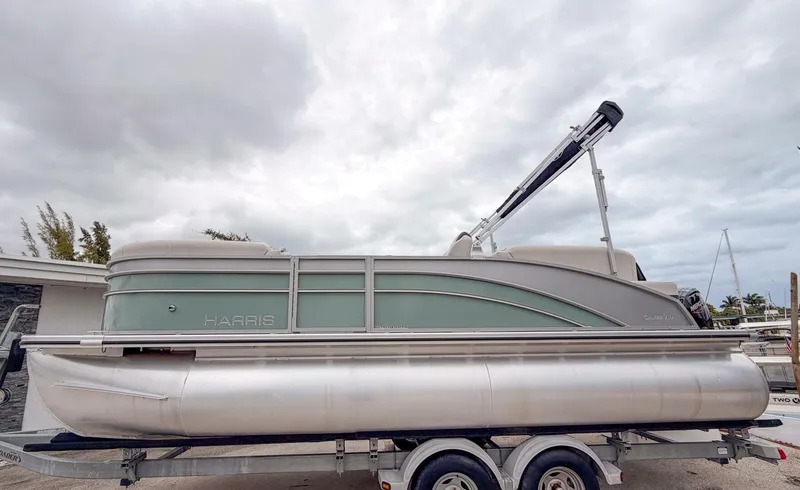
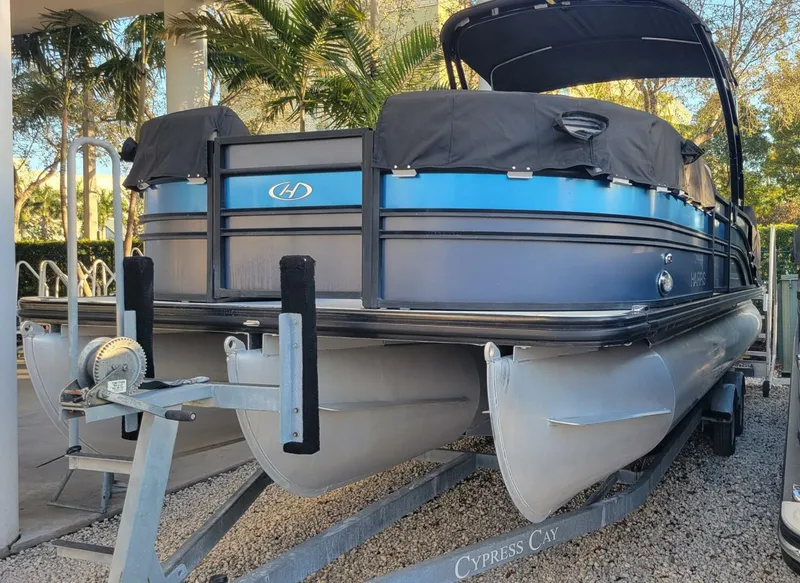
While bay boats can legally carry a fair number of people for their size, the open fishing‑first layout isn’t optimized for seating large groups in plush comfort. Jump seats, cooler seats, and bow cushions may not match the lounging comfort of pontoons or deck boats.
Big families or groups who prioritize relaxed seating and conversation over fishing may find a bay boat’s seating and shade somewhat limited.
- The Silver Lining: For small to medium groups who like a more active day—moving around to fish, swim, or explore—the open deck and flexible seating often feel more engaging and less cramped than fixed, stadium-style seating.
5. Storage and Towing Still Require Planning
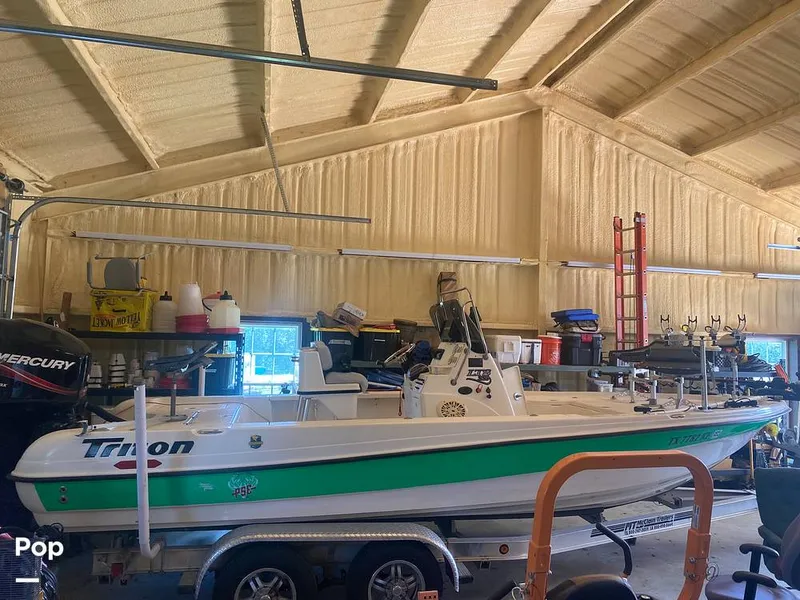
Even though bay boats are modest compared with offshore battlewagons, a 20–24 foot boat on a trailer is still a sizable package. You’ll need adequate driveway or storage-yard space, plus a tow vehicle rated for the combined boat-and-trailer weight.
Urban owners or those with tight home access may find maneuvering and storing the rig inconvenient, especially if local marinas have limited dry storage availability.
- The Silver Lining: Compared to larger multi‑engine offshore boats, bay boats are relatively light and compact, meaning more tow-vehicle options, easier ramp handling, and lower storage fees at many facilities.
Performance & On‑Water Behavior
Bay boats are generally comfortable for small to medium crews—often 3–5 active anglers or a family of 4–6 out for a cruise. The wide beam and open deck help spread people out so they’re not all clustered in one spot.
However, they are not designed to be floating living rooms like pontoons. When loaded near capacity, there is less room to move freely, and casting space becomes more limited. Weight distribution matters, so you may need to ask passengers to shift around to keep the boat level and riding smoothly.
For active fishing with multiple anglers working different corners of the boat, a bay boat’s layout shines. For relaxed, seated socializing with a big group, other platforms may be more comfortable.
Bay boats are optimized for relatively protected waters and moderate chop. Their modified‑V hulls provide a decent ride and stability in typical bay conditions, but they are not meant to plow through sustained 3–4 foot seas or strong opposing wind and tide.
In brisk winds, their moderate freeboard and open layout can lead to increased spray, and the lighter hull can feel more reactive to short, steep chop. Running at reduced speeds and choosing more protected routes becomes important to maintain comfort and safety.
Handled prudently within their design envelope—avoiding truly rough days, trimming and throttling appropriately, and watching weather windows—most quality bay boats deliver a reassuring ride for inshore and nearshore use.
Ownership, Costs, and Practicalities
Long‑term costs for a bay boat include fuel, routine engine service, trailer upkeep, insurance, registration, storage, and periodic upgrades or repairs. Because most bay boats run a single outboard and have relatively simple systems, these expenses tend to be moderate compared with larger offshore boats.
Fuel use is typically reasonable thanks to efficient hulls and moderate horsepower. Annual maintenance (oil changes, impellers, lower unit service, filters) is straightforward, and many owners perform some tasks themselves to save money.
Storage costs vary widely by region: keeping the boat on a trailer at home is cheapest, followed by dry storage or a rack at a marina, with wet slips usually costing more. Planning for these recurring costs up front will give you a more realistic picture of the total cost of ownership.
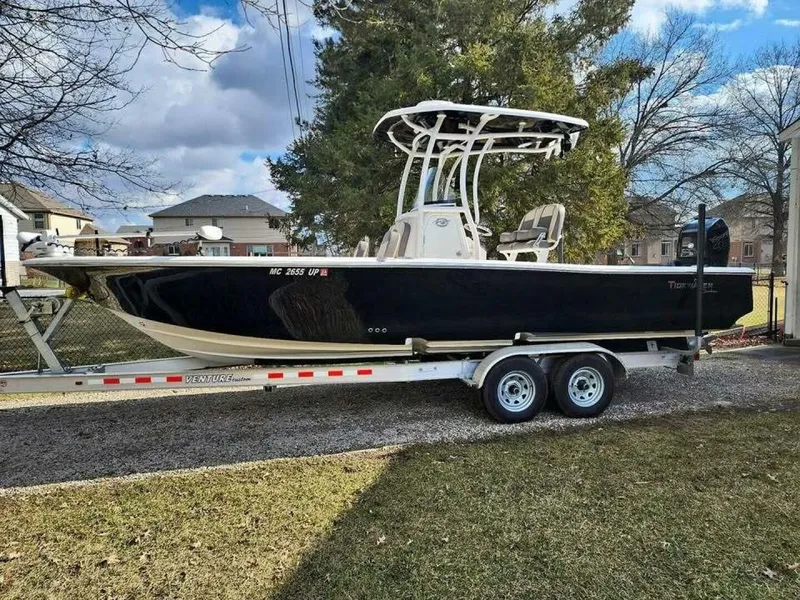
Bay boats from reputable brands with quality construction and well‑maintained engines generally hold their value well, particularly in coastal regions where inshore fishing is popular. Clean, lightly used boats with service records often sell quickly on the used market.
As with all boats, depreciation is steepest in the first few years, then levels off. High-demand sizes (around 20–24 feet), popular engine brands, and sensible, fishing‑oriented layouts tend to command stronger resale values.
Choosing a widely recognized brand, staying on top of maintenance, and avoiding cosmetic neglect (faded gelcoat, torn cushions, clutter) can all help protect your investment when it’s time to sell or trade up.
Most bay boats in the 18–23 foot range can be towed by a properly equipped mid‑size SUV or half‑ton pickup, provided the vehicle’s towing capacity comfortably exceeds the combined weight of the boat, engine, fuel, gear, and trailer.
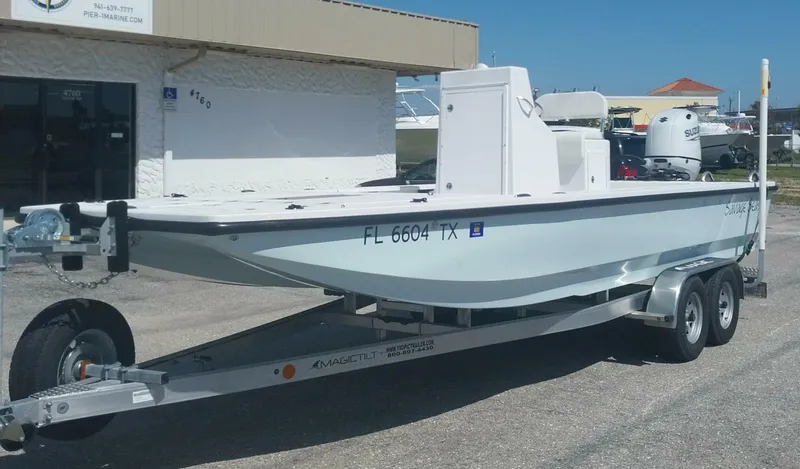
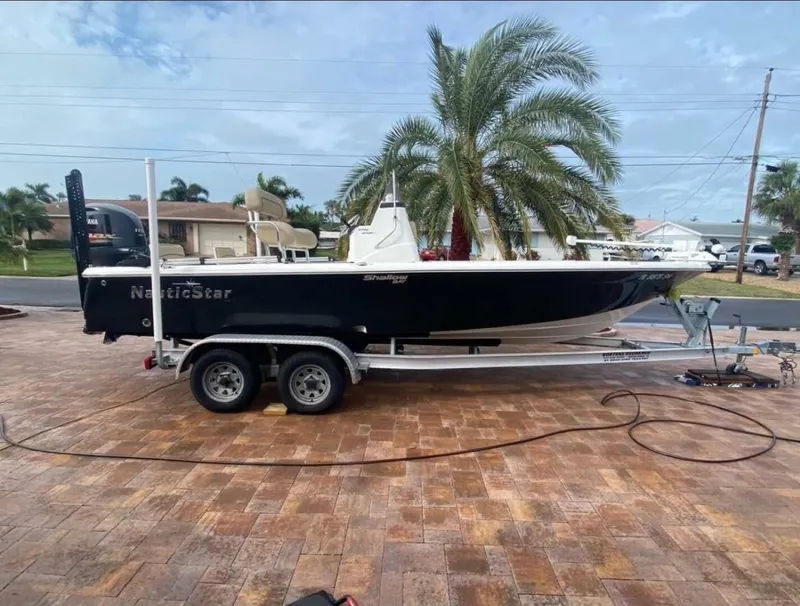
Larger bay boats approaching 24–25 feet or those with heavier four‑stroke engines may push into territory where a stronger half‑ton or three‑quarter‑ton truck is more appropriate, especially in hilly areas or for frequent long‑distance towing.
Before purchasing, it’s wise to estimate the total trailering weight, compare it against your vehicle’s rated capacity, and factor in real‑world conditions like ramps, hills, and braking distances to ensure safe and stress‑free towing.
Is a Bay Boat the Right Choice for You?
A bay boat can be an excellent fit if your boating world revolves around inshore and nearshore waters, active fishing, and relaxed day trips with family and friends. It blends shallow‑water access, a capable fishing platform, and an easy‑to‑handle size into one versatile package.
However, the same traits that make bay boats shine in bays and estuaries—shallow draft, open layouts, and modest size—limit their comfort and safety in rough offshore conditions and reduce overnight and foul‑weather capability. Matching the boat to how and where you’ll really use it is the key to long‑term satisfaction.
If you’re honest about your boating goals, local conditions, budget, and tow‑vehicle limitations, a bay boat can deliver a high “fun per dollar” ratio and become the go‑to platform for everything from dawn patrol fishing missions to relaxed sunset cruises.
You'll love it if:
- You primarily boat in bays, sounds, estuaries, and protected coastal waters.
- You want a boat that excels at inshore and light nearshore fishing but can quickly convert to family‑friendly cruising or sandbar duty.
- You prefer a manageable single‑engine boat that is easier to tow, launch, and store than a large offshore rig.
- You value a wide, open deck where a small group can move around freely, cast comfortably, and stay engaged in the action.
- You are comfortable with day‑trip boating and don’t need full cabins, berths, or extensive overnight accommodations.
It might be challenging if:
- You envision frequent runs well offshore or in consistently rough open water conditions.
- You need enclosed cabins, berths, or substantial weather protection for overnight trips or shoulder‑season boating.
- You routinely host large groups who care more about plush seating and shade than fishing and active time on deck.
- You have limited driveway, storage, or ramp access and no practical way to store a 20‑plus‑foot boat and trailer.
- You do not currently own—or plan to own—a vehicle capable of safely towing the size of bay boat you’re considering.
A bay boat is best viewed as an inshore and nearshore specialist: shallow‑draft, versatile, and social, but not a do‑everything offshore cruiser. If your boating life centers on coastal waters, sandbars, and inshore fisheries, it can be an exceptionally rewarding choice that delivers years of practical, easygoing fun on the water.