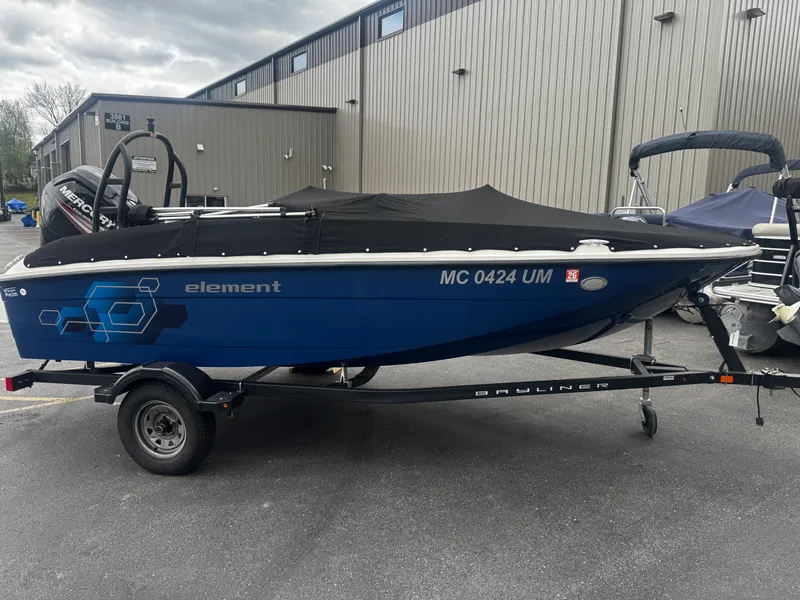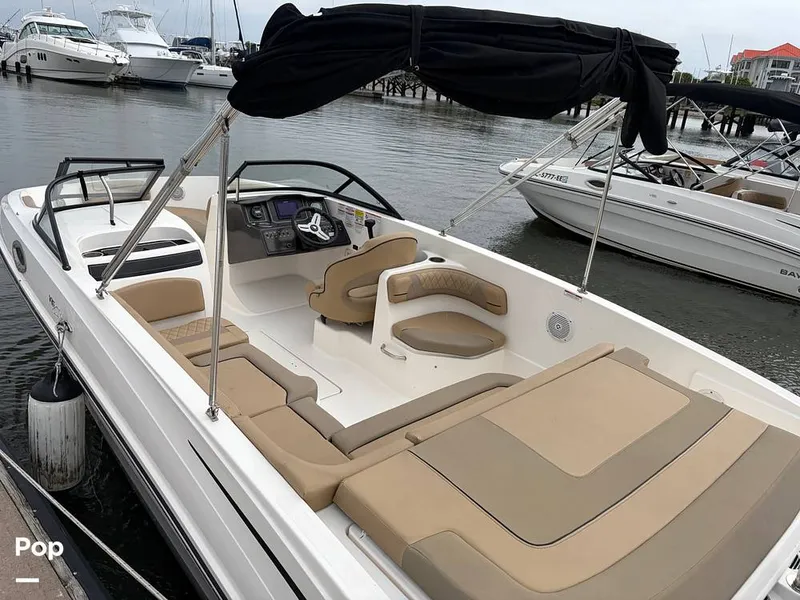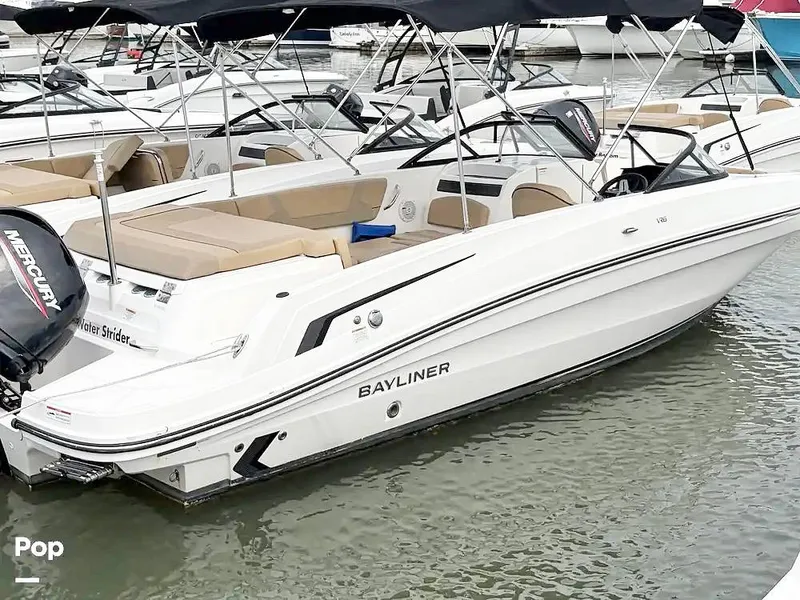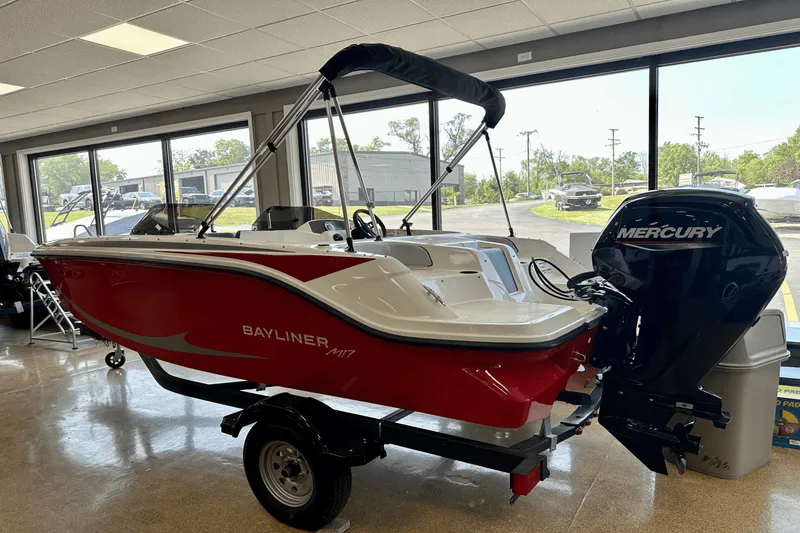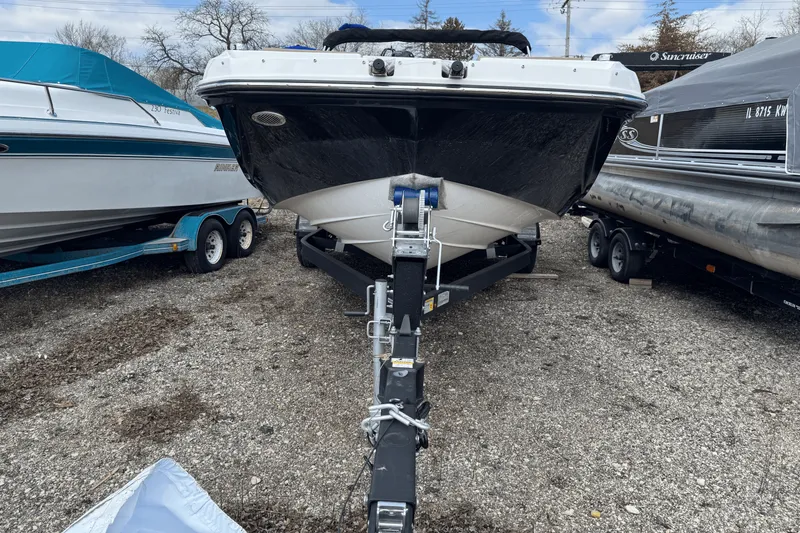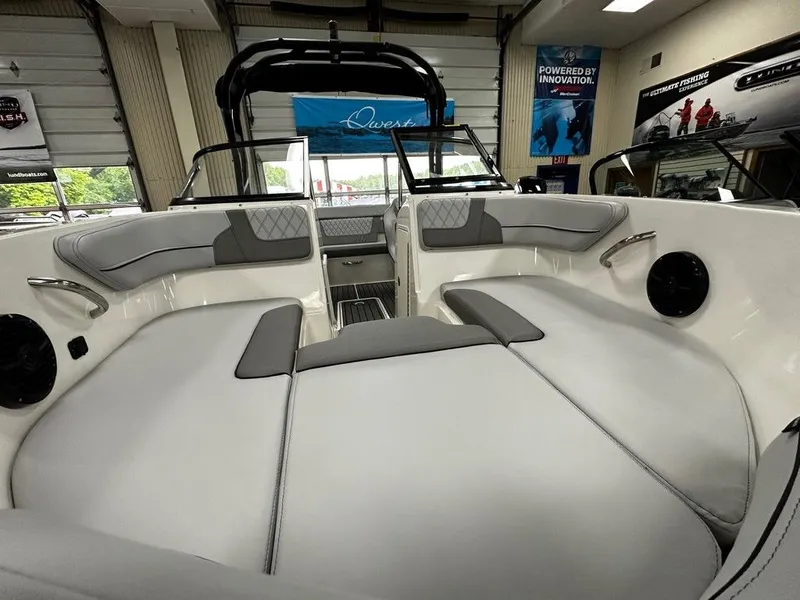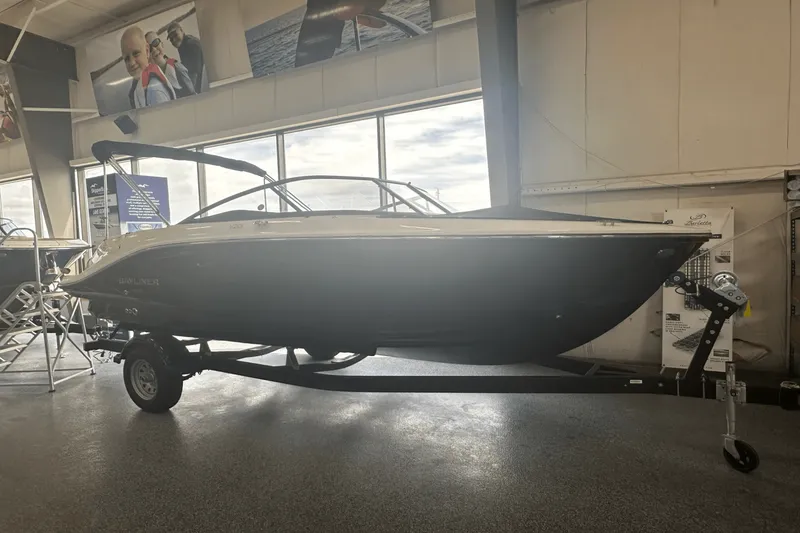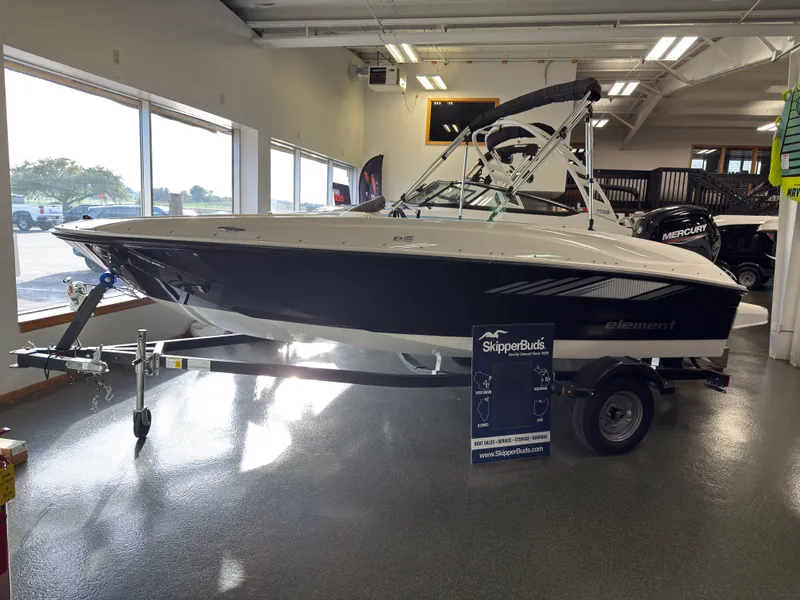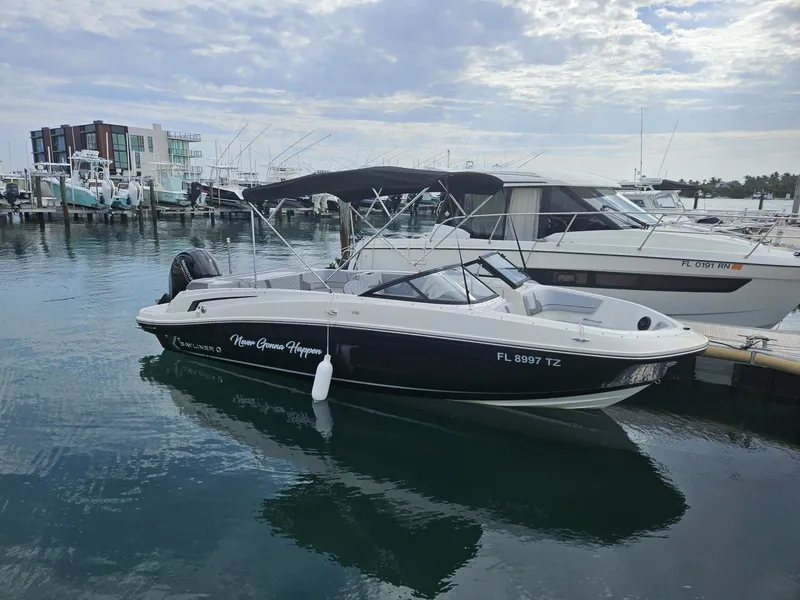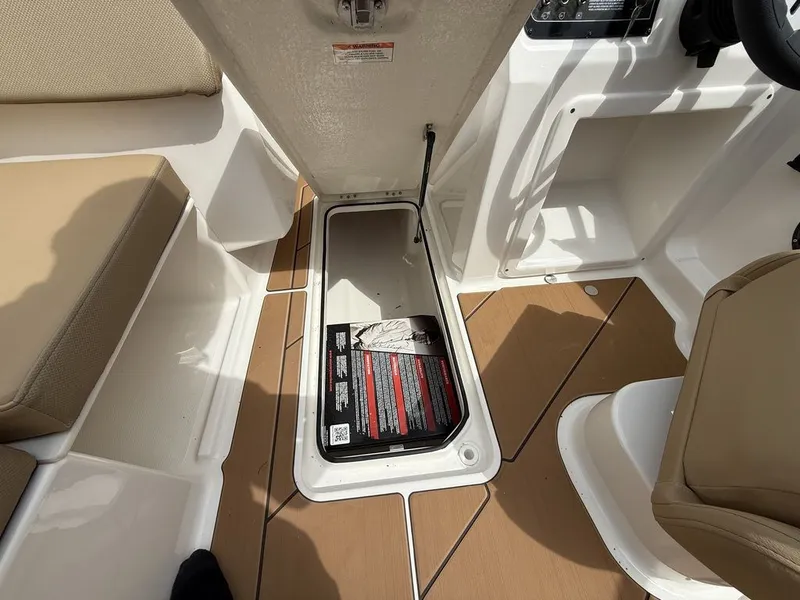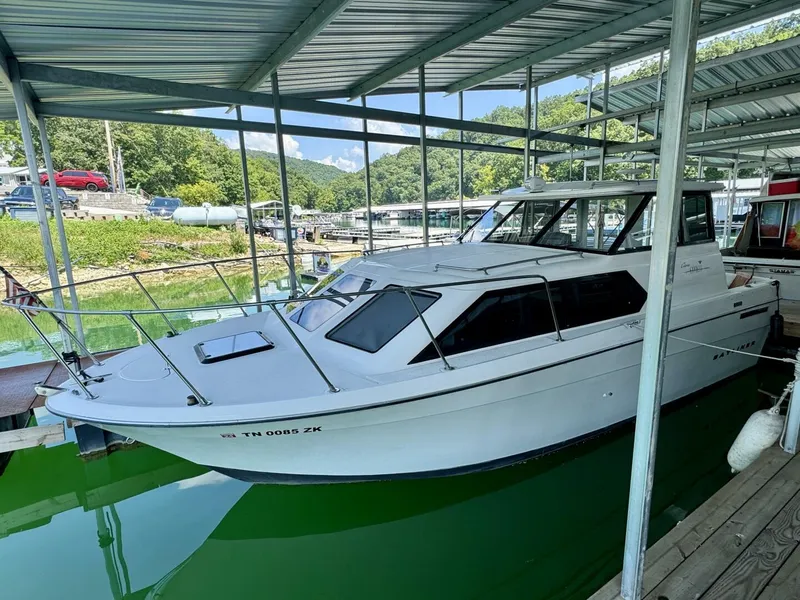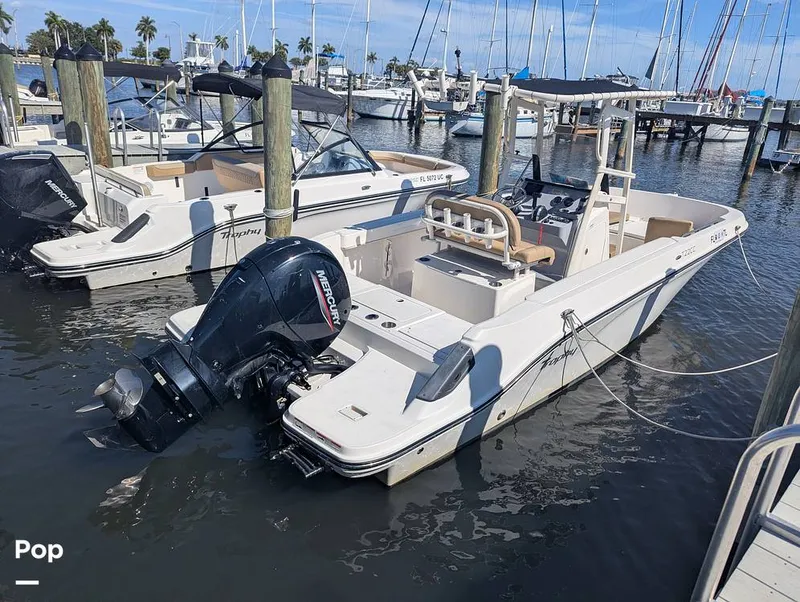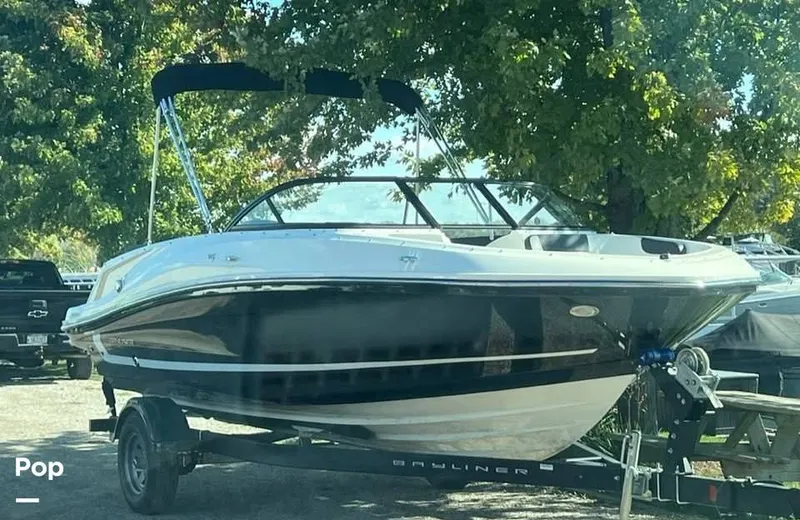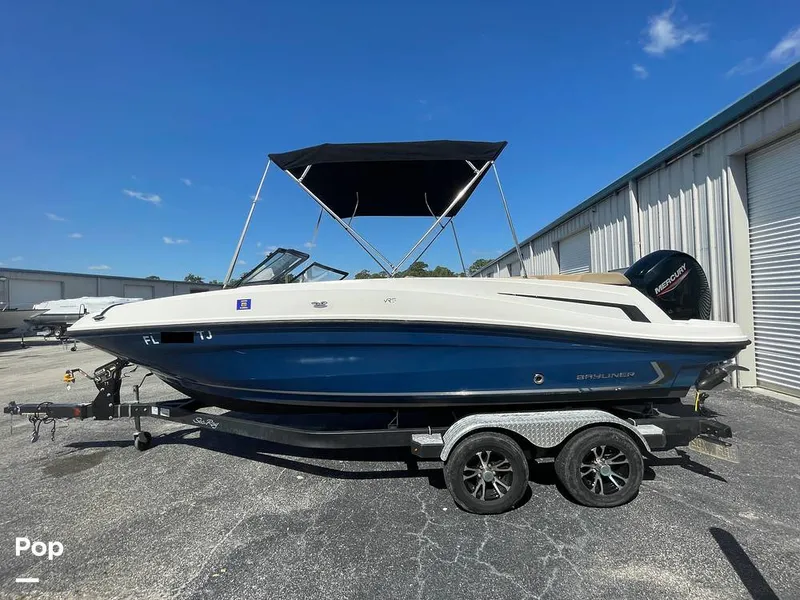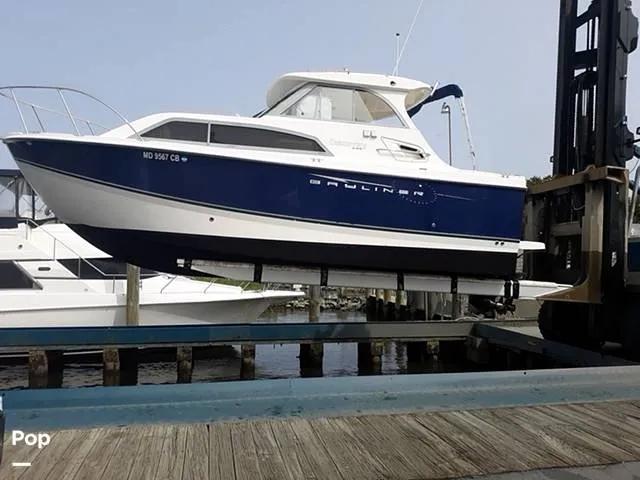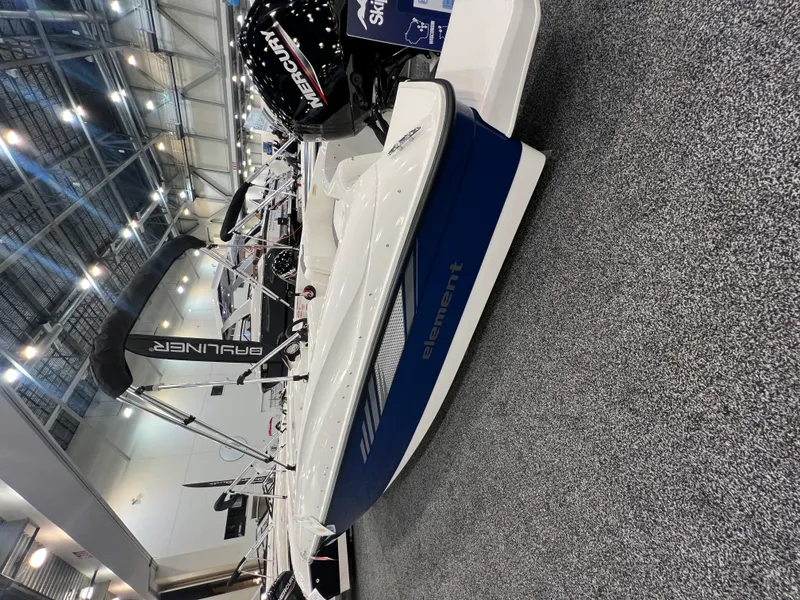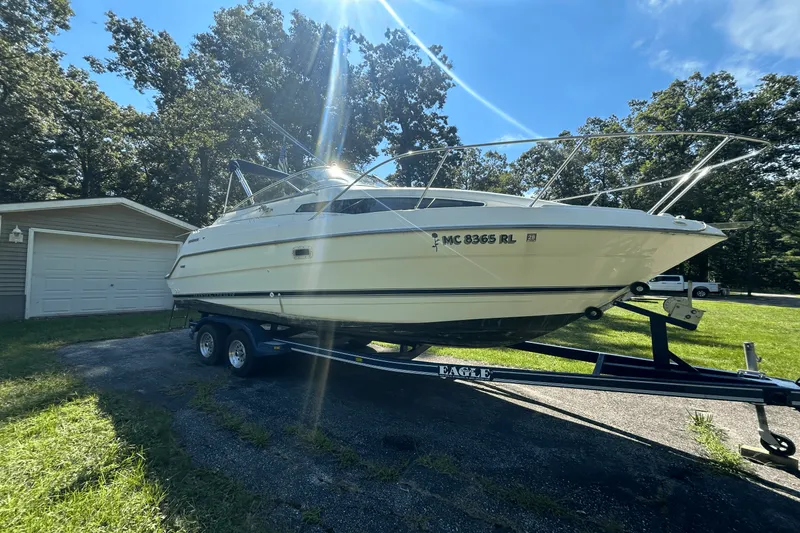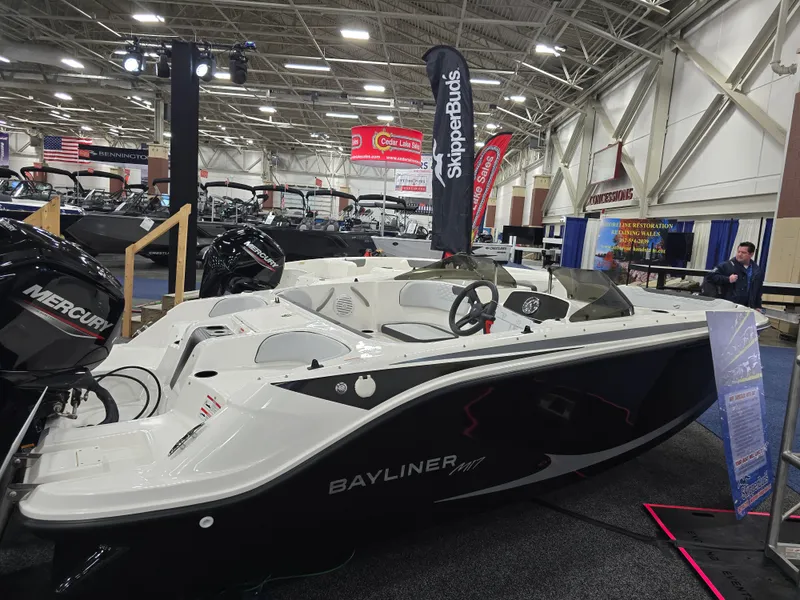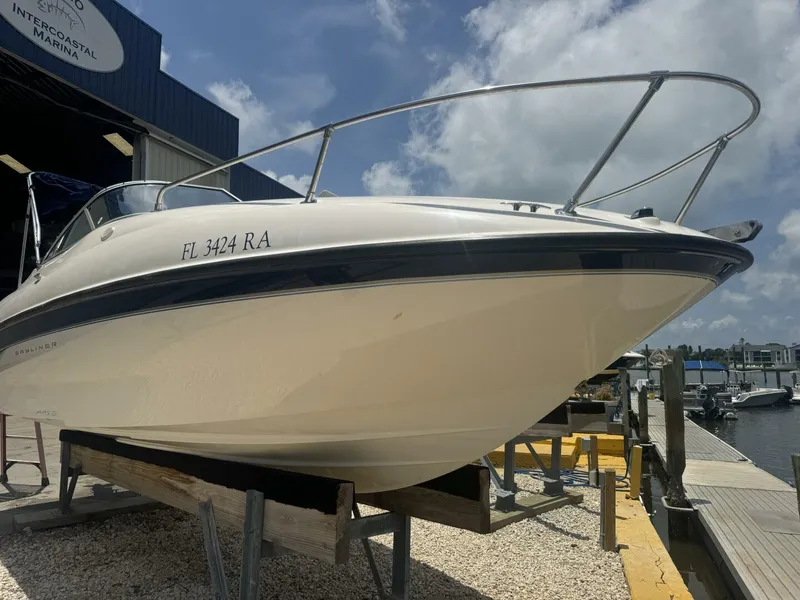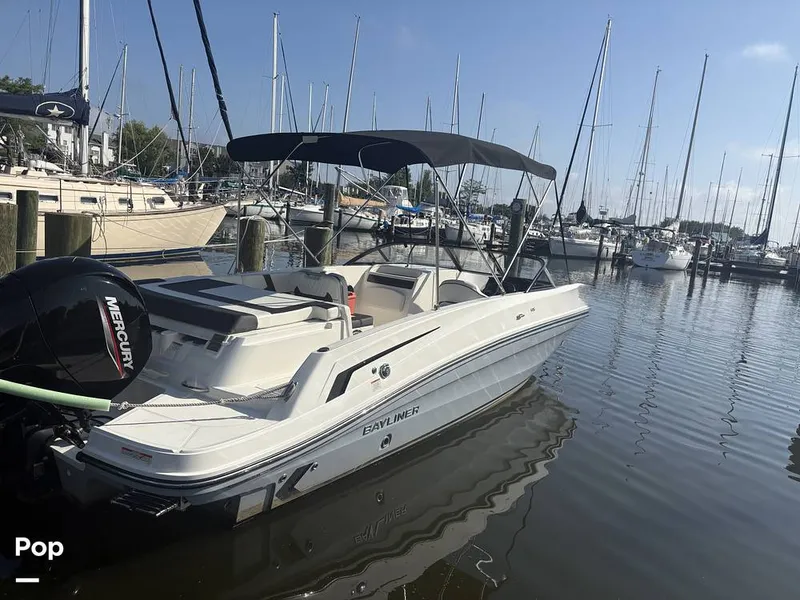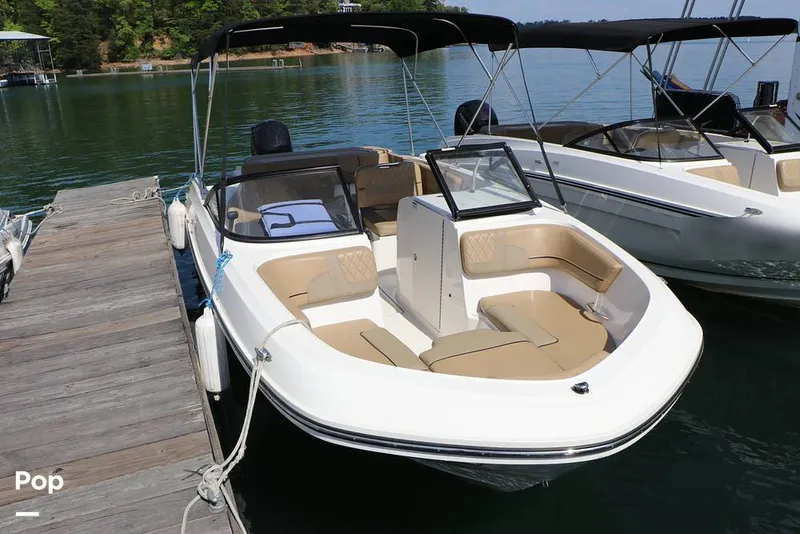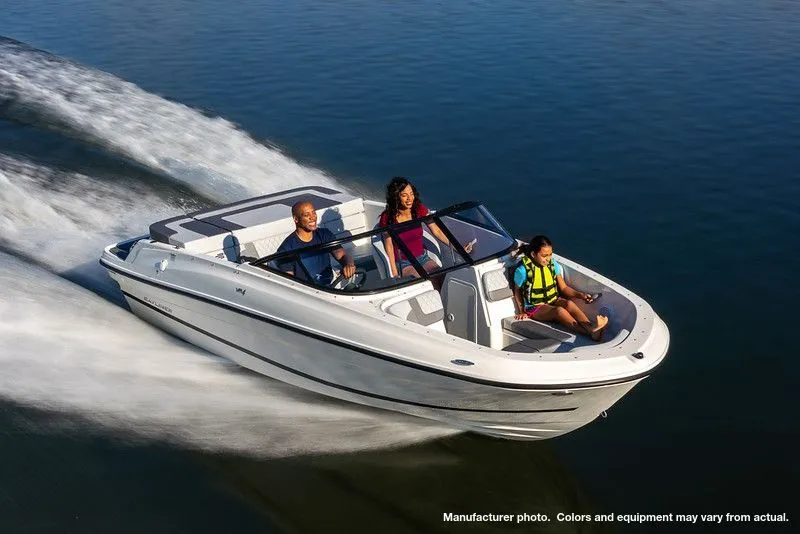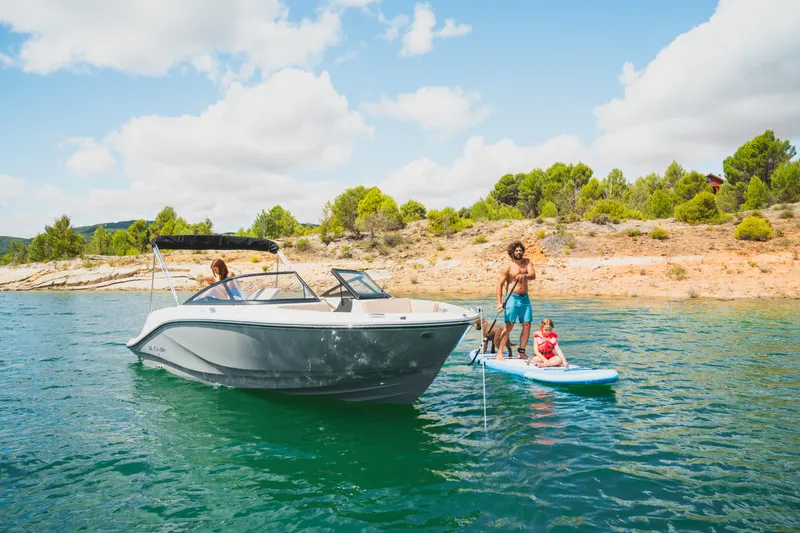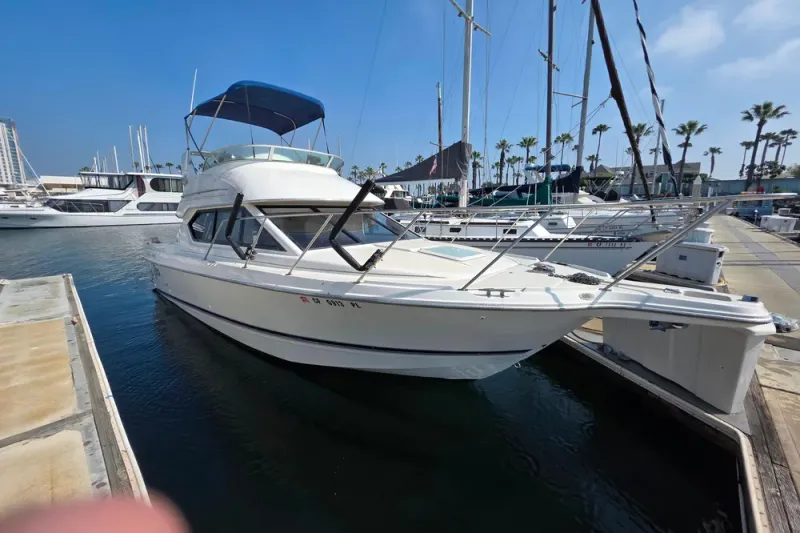
Bayliner

Filters

Filters

Location

from

Boat Type

Condition

Searching boats for you...

Bayliner – Technical and Historical Guide


ABOUT THIS BOAT BRAND

Bayliner is an American boat manufacturer renowned for making recreational boating accessible since its founding in 1957 by J. Orin Edson in Arlington, Washington. Over its history the brand has emphasized value-driven design and user-friendly layouts, introducing landmark programs such as the Total Value Package in 1982 and signature hull concepts like the M-Hull found on the Element line. Bayliner operates as part of the Brunswick Boat Group, a division of Brunswick Corporation, and maintains a global presence with over 400 dealers in more than 60 countries and more than 65 years of continuous production. These facts, plus its long dealer network and corporate backing, serve as trust indicators of Bayliner’s enduring significance in the recreational marine industry.

Specializing in outboard-powered coastal and inland recreational boats, Bayliner targets entry-level to mid-range family boaters, weekend watersports enthusiasts and casual anglers seeking affordable performance. The product lineup centers on deck boats (Element, M Series, D Series), bowriders (VR Series, V Series) and center console fishing boats (T Series) designed for cruising, fishing and tow-sports. Historically Bayliner moved from wood to fiberglass in 1966 and has evolved model packaging and fit-outs to prioritize simplicity. Typical technical features include fiberglass hull construction for durability, the M-Hull for predictable handling and stability, modular seating and convertible sun pads, integrated swim platforms and ski tow points, easy-maintenance gelcoat finishes and broad outboard compatibility. This focus on practical features, accessible pricing and wide dealer support explains why Bayliner remains a preferred choice for many inland and coastal recreational boaters.

WHAT MAKES THIS BOAT BRAND SPECIAL?

Bayliner stands out for practical innovations like its M-Hull design, which gives boats a more stable, more predictable ride and reduces chine-walk in turns. That M-Hull geometry, combined with molded marine-grade fiberglass hulls and reinforced stringer or grid systems, creates a hull that planes efficiently, tracks straight and soaks up chop for a softer ride. Bayliner engineers focus on construction methods that balance cost and durability: durable gelcoat finishes, foam flotation for safety, sealed transoms and corrosion-resistant hardware keep maintenance low while preserving resale value. Performance translates to responsive handling at slow speeds, economical cruise fuel consumption, good initial stability for family watersports, and the nimble feel anglers want when working shallow structure. Practical features like easy-access storage lockers, modular seating, integrated swim platforms and fishing-ready layouts make Bayliner boats versatile for day cruising, watersports and entry-level fishing.

Bayliner boats are produced in modern Brunswick manufacturing centers across North America and internationally, where assembly-line efficiency is paired with skilled technicians and a long heritage of boatbuilding. With more than 65 years of history, Bayliner leverages experienced craftsmen, rigorous quality checks and standardized production techniques to deliver consistent build quality. Construction uses marine-grade polyester or vinylester laminates, UV-stable gelcoat, stainless steel deck hardware and durable upholstery; many models meet NMMA standards and are CE compliant where applicable. The brand backs its boats with a robust warranty package, including a Lifetime Limited Transferable Hull Warranty, a five-year Limited Deck Warranty, a one-year Parts and Components Warranty and a two-year Limited Mercury Engine Warranty, plus nationwide dealer support for service and parts. Final sea trials, attention to finish detail and dealer feedback create boats that owners commonly describe as reliable, affordable and great for creating family memories, positioning Bayliner as the go-to choice for first-time boat buyers and budget-conscious families.

WHAT DIFFERENT TYPES OF BOATS DOES THIS BOAT BRAND BUILD?

Bayliner offers a broad range of recreational powerboats from compact deck boats and bowriders to center-console fishing boats and overnight cabin/pilothouse cruisers, powered by outboards or sterndrives (inboard/outboard) depending on the model. Its lineup spans entry-level Element and M-series deck boats through VR/V bowriders and Trophy center consoles to Ciera and pilothouse cruisers, with LOAs ranging from approximately 15 ft at the small end to about 27 ft for cabin and cruiser models. Design emphasis runs from stable, roomy deck layouts for family days and watersports to V‑hulled bowriders and higher‑deadrise center consoles for fishing and light offshore use, while larger cruisers add cabins and greater fuel capacity for overnight trips. Below are the types of boats and models Bayliner builds, along with their key characteristics and uses:

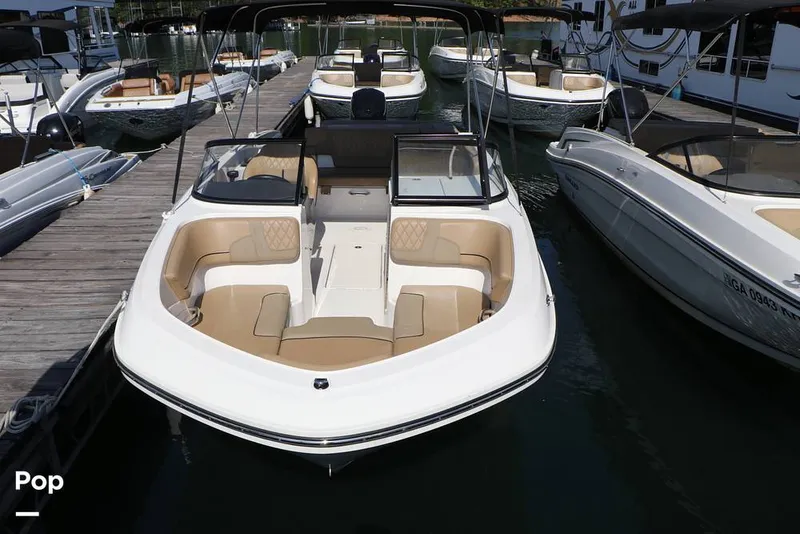
(Deck Boats) Bayliner Deck Boats span the compact to mid length sizes that the brand lists as 15 ft - 22 ft, offering models across the M Series, D Series and the Element / E Series. Within the input technical specifications the Element E16 is a clear example of the small end of this range with an exact LOA of 16 ft 2 in, a beam of 7 ft 6 in, an approximate draft of 12 in, a 12 gal fuel capacity and a maximum 75 hp rating. Deck layout and hull geometry emphasize usable space through M-hull and BeamForward and AftAdvantage design elements referenced by the brand, which create wider usable decks relative to length and enhance bow seating and cockpit room. Typical deck-boat features called out across the line include molded storage and wrap-around bow seating and swim platforms that support family day-cruising and watersports, and the available combinations of outboard and sterndrive propulsion provide simple owner setups. The design intent is to deliver value-focused, user-friendly arrangements for lakes, bays and near-coastal waters where flexible seating and easy boarding matter most. Compared with more specialized competitors, these Deck Boats prioritize roomy, efficient use of the 15 ft to 22 ft footprint rather than high-end luxury fittings, and the Element E16 example demonstrates how Bayliner encodes that value orientation into compact dimensions, modest fuel capacity and conservative maximum horsepower.

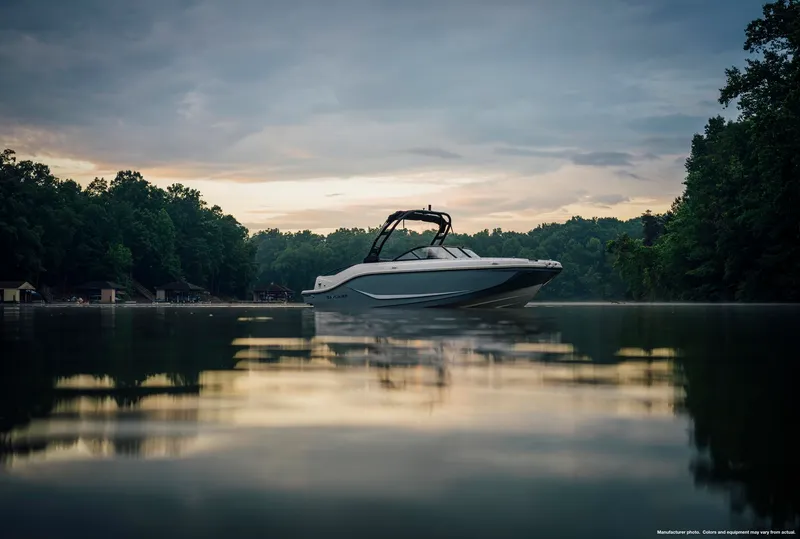
(Bowriders) Bayliner bowriders are presented in the VR Series and V Series and are sized in the brand data between 18 ft - 24 ft to cover compact family runabouts and larger tow capable hulls suitable for watersports. The series_models string includes VR4, VR5, VR6 and V20 and V20I as representative names in that span, but the supplied technical specifications in the input do not provide exact LOA entries for those VR and V models, so exact lengths for VR and V series examples are not available here. In concept these bowrider layouts emphasize wrap-around bow seating and molded storage for social dayboating and tow-sports use, and the brand notes a focus on watersports and tow-sports in the VR and V bowriders. Bayliner positions these models as value-forward alternatives to higher priced bowriders by simplifying fit and finish, prioritizing usable seating and storage and offering both outboard and sterndrive propulsion options across the wider product line for owner flexibility. On lakes, bays and near-coastal waters these bowriders serve family outings, waterskiing and wake activities where the combination of roomy foredeck, accessible swim platform and straightforward controls matter. Because exact LOA figures for VR and V models were not supplied in the technical_specs section of the input, this paragraph relies on the stated 18 ft to 24 ft size range and on the series names provided by the brand to describe the bowlrider segment.

(Center Console / Fishing) Bayliner center-console and fishing models are represented by the Trophy Series in the input and are sized in the brand material from 18 ft - 24 ft, with specific technical data provided for the Trophy T22CC showing an LOA of 22 ft 7 in, a beam of 8 ft 6 in, a maximum draft of 3 ft 1 in and a 65 gal fuel capacity with propulsion advertised up to 300 hp. Trophy center consoles are described as equipped with fishing amenities and the brand notes livewells, rod holders and fish-focused storage as common elements, supported by molded storage and deck arrangements that favor inshore and near-offshore recreational fishing. Hull and deck proportions - including a beam that reaches 8 ft 6 in on the T22CC - create a stable fishing platform and the higher draft number at maximum load indicates capability to handle a variety of sea conditions within near-coastal limits. Layouts in this segment concentrate on practical fishability rather than excessive creature comforts, with roomy cockpit arrangements and dedicated rod storage implied in the brand language. Bayliner positions these Trophy models as value-oriented fishing platforms across the 18 ft to 24 ft envelope, offering owners a straightforward mix of stability, fuel capacity and horsepower range for bay, lake and light offshore work. Compared with premium sportfishing competitors the Trophy emphasis is on simple, fisherman-friendly ergonomics, accessible storage and sensible propulsion options rather than tournament-level specialization.

(Overnight / Cabin / Cruiser) Bayliner overnight and cabin cruisers in the input are grouped under the C Series and related names such as Ciera, Cuddy, Pilothouse and Explorer and are reported in a size band of 22 ft - 27+ ft to accommodate weekend and coastal cruising. The technical specifications include the Ciera 8 as an example with an LOA of 26 ft 9 in (approx), a beam of 8 ft 4 in (approx), an asserted fuel capacity of 70 gal (approx) and rated propulsion up to 350 hp, although draft was not provided for that model in the supplied data. These models emphasize onboard accommodation and overnight capability through cuddy and pilothouse arrangements, offering cabins and sheltered helm options suitable for coastal passages and weekend trips. Compared with Bayliner smaller dayboat segments the Ciera and related cruiser models shift the priority from maximized cockpit seating to livability, fuel range and systems that support multi-day use - reflected in larger fuel capacity and higher maximum horsepower ratings in the supplied specifications. The brand positions these vessels as approachable coastal cruisers that trade premium finishes for straightforward, family-oriented accommodation and practical layouts, and with beam dimensions around 8 ft 4 in on the Ciera 8 the designs aim to balance interior volume with towability and marina size considerations common to near-coastal boating.

HOW ARE THESE BOATS BUILT?

Bayliner boat construction begins with proven hull construction methods and marine-grade materials engineered for safety and longevity. Hulls are formed in precision molds using a combination of hand-laid and closed-mold techniques depending on model and production run; typical laminates incorporate chopped strand mat for bulk, woven roving and biaxial or triaxial fiberglass fabrics for strength, and foam or end-grain balsa sandwich cores in deck and cabin structures for stiffness and weight control. Resin systems used in structural laminates are industry-standard marine-grade polyester and vinyl ester resins with isophthalic or orthophthalic chemistries where appropriate, and premium polyester or urethane-modified gelcoats applied as the cosmetic outer surface to resist UV and osmosis. The longitudinal and transverse load paths are carried by a composite stringer system that uses resin-infused composite grid or closed-cell foam stringers encapsulated in fiberglass to resist rot and preserve buoyancy. Structural reinforcements include local glass layups, bonded bulkheads and engine stringer encapsulation with additional biaxial fabric tape at high-load areas and stainless steel or bronze backing plates at hardware penetrations. Flotation and safety are addressed with integral foam flotation in strategic compartments and compartmentalization to meet US Coast Guard buoyancy expectations for recreational craft. Lamination is controlled with calibrated gelcoat thickness, measured laminate schedules and, on many assemblies, vacuum-assisted resin transfer or infusion to ensure consistent fiber to resin ratios and minimize void content. Hull-to-deck joints are executed using structural polyurethane adhesives and mechanical fasteners with stainless steel through-bolting or torque-limiting screws, then finished with sealed joins and secondary bonding to provide watertight integrity and transfer loads across the joint.

Hardware and systems are specified to marine industry standards with exterior fittings typically in 316 stainless steel for superior corrosion resistance and interior fittings in 304 stainless where appropriate, and fasteners selected to meet ASTM grades for marine exposure. Electrical installations follow ABYC wiring practice with tinned copper conductors, marine grade circuit protection, sealed crimped and heat-shrink terminations and labeled loom runs; plumbing uses marine-approved hoses and fittings with bronze or composite seacocks at through-hulls and USCG-compliant bilge pump circuits. Upholstery uses UV-stable marine vinyls with high-density closed-cell foam cores and polyester backing, bonded with marine adhesives and finished with UV inhibitors and mildew-resistant treatments for long life. Bayliner integrates modern manufacturing technology including CAD for naval architecture and structural modeling, CNC cutting for repeatable core and furniture components, automated gelcoat spray systems and selective robotic tooling for consistent hull and stringer layup; production techniques range from traditional hand-laid laminates to vacuum infusion and RTM for higher consistency. Quality control is systematic and documented with in-line dimensional checks, gelcoat and laminate thickness testing, vacuum and leak testing of systems, sea trials and compliance verification against ABYC, NMMA and USCG standards. Compared to industry norms Bayliner emphasizes repeatable, cost-effective processes that meet or exceed common recreational boatbuilding standards while balancing weight, durability and value. Boats are sold with a manufacturer limited warranty; owners are advised to consult Bayliner warranty documentation or their dealer for model-specific coverage and terms. The overall build philosophy is pragmatic and safety focused with emphasis on proven materials, controlled lamination processes, corrosion-resistant hardware and factory verification to deliver durable, family-friendly boats built to recognized marine standards.

WHERE ARE THESE BOATS BUILT?

Bayliner boats are built primarily in the United States and Portugal, with core U.S. manufacturing and corporate operations centered in Knoxville, Tennessee and an additional U.S. production site in Dandridge, Tennessee, while the European market is served from the Vila Nova de Cerveira facility in Portugal; Bayliner operates under the Brunswick Boat Group, a division of Brunswick Corporation, and these Bayliner facilities are part of Brunswick’s broader manufacturing footprint that supports multiple marine brands. The Knoxville location also serves as Bayliner’s headquarters and a key production hub, and while specific square footage and detailed employee counts for Knoxville and Dandridge are not publicly disclosed, Brunswick has publicly announced major capacity investments in the past decade that impacted Bayliner production, including a 2021 expansion program in Reynosa, Mexico that added approximately 150,000 square feet before that site was closed in 2023 as part of a strategic consolidation with production transitioned to U.S.-based plants. The Vila Nova de Cerveira facility has been identified for significant capacity growth as well, with a 2021 Brunswick announcement to more than double production capacity there over a multi-year period to better serve European demand, and Bayliner production at these sites is managed within Brunswick’s integrated manufacturing and distribution strategy to optimize output across regions. Across these locations Bayliner models including deck boats, center consoles and bowriders are built to align production volumes with regional dealer demand, and the facilities are configured to support continuous manufacturing and quality oversight under Brunswick’s corporate governance while specific on-site workforce numbers and exact manufacturing square footage remain company-disclosed details.

Bayliner’s origins date to 1957 in Arlington, Washington, and over the ensuing decades the brand’s production footprint has evolved under the ownership of Brunswick Corporation as production was centralized and rebalanced to meet market demand; the exact start dates for manufacturing at Knoxville and Dandridge are not publicly specified, but both Tennessee sites function today as primary domestic manufacturing locations following strategic shifts that included the 2021-capacity additions in Reynosa and the subsequent 2023 closure and consolidation of that Mexican facility. Brunswick’s strategic actions—acquisitions and organizational integration over time—have placed Bayliner manufacturing within an enterprise-level production organization that segments activities by model family and regional market, directing higher European-output to the Vila Nova de Cerveira facility while maintaining U.S.-focused production in Tennessee; specific descriptions of internal assembly-line layouts, lamination cells, finishing bays and sea-trial facilities are not published, although Brunswick has stated the Portugal expansion and prior Reynosa expansion were intended to increase end-to-end production capability and throughput. On-site processes and specialized departments are therefore represented within the company’s integrated facility strategy even if granular process maps are not public, and the geographic advantages of the current footprint are clear: Knoxville and Dandridge provide centralized access to U.S. transportation hubs and a large domestic dealer network of over 400 dealers across more than 60 countries, while Vila Nova de Cerveira positions Bayliner for shorter supply chains and faster delivery to European customers as part of Brunswick’s global manufacturing optimization.

Quality control at Bayliner's manufacturing operations is conducted within the consolidated Brunswick Boat Group production network and, while Bayliner does not publicly publish detailed internal inspection checklists or specific third-party certifications for each facility, available sources indicate that manufacturing oversight increased after the 2023 consolidation that moved production from Reynosa, Mexico to U.S.-based plants in Tennessee, and industry standard procedures commonly applied at these types of boat building facilities include staged assembly inspections, gelcoat and lamination checks, dimensional metrology, engine run-ups, calibrated sea trials to validate hull integrity and systems integration, and final pre-delivery inspections before boats are built out for dealer distribution. Brunswick's approach to production centralization, with primary U.S. manufacturing in Knoxville and Dandridge, Tennessee and a European production facility in Vila Nova de Cerveira, Portugal, enables shared resources across brands such as common supplier networks, modular component designs and cross-brand engineering support that reduce variability, shorten lead times and allow innovations developed for higher-end Brunswick brands to be leveraged in Bayliner models. Examples of cross-utilization benefits reported in corporate communications and industry notices include consolidated supplier qualification that lowers part variability, standardized electrical harnesses and rigging packages that streamline assembly, pooled testing facilities and training programs that raise workforce capability, and the ability to shift capacity between sites to meet seasonal demand; these efficiencies were factors in Brunswick's 2021 announcement to more than double production capacity in Portugal over three years and in the 2023 transition of Reynosa production to U.S. facilities. Although specific square footage, waterfront access details and exact employee counts at each facility are not publicly disclosed, the strategic concentration of manufacturing into fewer, modernized facilities supports consistent quality outcomes and factory-level traceability across the build process from hull lamination through final fit and finish, helping ensure every Bayliner boat built under this manufacturing model meets repeatable production and quality standards.

In summary, Bayliner boats for North American markets are now largely built in Tennessee at the Knoxville headquarters and the Dandridge production facility while European models are built at the Vila Nova de Cerveira facility in Portugal, reflecting a consolidated manufacturing footprint following the 2023 closure of the Reynosa plant in Mexico; domestic U.S. manufacturing, announced capacity expansions beginning in 2021 and ongoing facility modernization underscore an emphasis on scale, repeatable production processes and dealer-ready delivery. With roots dating to 1957 and a global dealer network exceeding 400 outlets in more than 60 countries, Bayliner and the Brunswick Boat Group highlight skilled technicians, updated assembly lines and targeted investments in facility capacity as key pride points and reaffirm their commitment to build quality recreational boats and to keep manufacturing locations that deliver consistent, traceable results.

WHAT IS THE BIGGEST BOAT OF THIS BRAND BUILT TODAY?

  The largest boat built by Bayliner today is the Trophy T29 Explorer, introduced in 2026 and promoted as Bayliner's flagship and the largest Bayliner model in current production. The Trophy T29 Explorer measures 29 feet 10 inches LOA (9.1 meters) with a 9 feet 9 inches beam (2.97 meters) and a minimum draft of 2 feet 1 inch (0.64 meters) and maximum draft of 3 feet 7 inches (1.09 meters). Bayliner lists a fuel capacity of 126 gallons (477 liters) and a maximum recommended propulsion rating of 450 horsepower; specific engine configuration options (single, twin, triple, or quad) are not specified in the available sources and exact top speed and cruising speed ranges are not published. Displacement and gross tonnage figures are not provided by Bayliner for this model, nor is a specific hull designer credited in the available materials. The Trophy T29 Explorer carries a starting MSRP of $232,053 and represents Bayliner's largest overnight/fishing express in terms of overall size and onboard volume.

  Designed as a versatile offshore sportfish and cruising platform, the Trophy T29 Explorer is configured for both fishing and leisure with two staterooms and a well-equipped head to support overnight trips, plus a galley and plush seating in the cabin for extended comfort. The Trophy T29 Explorer includes fishing-focused amenities commonly highlighted for this class such as fish boxes, livewells, and high-capacity rod storage along with plentiful deck and under-seat storage for gear; Bayliner also emphasizes comfortable guest accommodations, a functional entertainment and living space layout, and a well-appointed galley. Navigation and helm features are described by Bayliner as a well-equipped helm area suitable for modern electronics and safe offshore operation, and the model’s storage capabilities and layout make it practical for sportfish outings and family cruising alike. As Bayliner's flagship, the Trophy T29 Explorer occupies the top position in the Trophy lineup, offering the greatest size, fuel capacity, and overnight capability available from the brand today.

WHAT IS THE SMALLEST BOAT OF THIS BRAND BUILT TODAY?

The smallest model in Bayliner's current lineup is the M15, which measures 15 feet 2 inches (4.62 meters) overall with a 6 feet 7 inches (2.01 meters) beam and weighs approximately 1,135 lbs (515 kg) with the standard engine, and when trailered the combined trailer weight is about 1,755 lbs (796 kg) with a storage length on the trailer of 17 feet 6 inches (5.34 meters); positioned as an entry-level, family-friendly deck boat, the M15 is ideal for first-time boaters, couples and small families for day trips, fishing and social cruising, and its light weight and modest towing requirements, with a towing vehicle capable of handling approximately 1,755 lbs, deliver easy launching, retrieval, low-cost trailering and convenient marina slip and storage compatibility while offering practical onboard features like U-shaped seating for up to five, molded-in storage and simple helm controls, with a maximum recommended outboard of 60 HP for reliable, economical marine performance.

The Bayliner M15 is a compact deck boat with a deck-boat layout and U-shaped nook-style seating that comfortably seats up to five people, making it Bayliner's compact model and the smallest Bayliner currently offered and a straightforward entry-level Bayliner option for first-time boaters, couples, and small families; the M15 combines a lightweight, low-maintenance build with molded-in storage and cupholders and simple, intuitive helm controls, and it weighs roughly 1,135 pounds with the standard engine and about 1,755 pounds trailered with a storage length on the trailer of 17 feet 6 inches, while the USCG-rated passenger capacity was not specified in the provided details; the M15 is designed as a multipurpose deck boat that supports recreational cruising and fishing, with molded storage compartments for gear and a social seating plan that converts easily between lounging and active use, and its M Series deck-boat design is matched to a single outboard powerplant with a maximum recommended horsepower of 60 HP—specific fuel capacity, top speed, and detailed fuel efficiency figures were not specified—so typical configurations pair a modest outboard that keeps the boat light and easy to launch and retrieve, positioning the M15 as an affordable, trailerable choice for day trips, casual fishing excursions, and spontaneous getaways while serving as an accessible entry point into Bayliner ownership.

HOW MUCH DO THESE BOATS COST?

Bayliner sits as a mainstream, value-oriented boat brand offering deck boats, bowriders and center consoles for recreational boaters; according to Bayliner's official materials the entry-level model is the M15 Deck Boat, which the manufacturer lists with a published "starting at" MSRP of $17,915. While Bayliner provides model pages for the V20 and D20 and a full lineup, the M15 is the smallest explicitly shown with a manufacturer starting price; specifications and dealer-configurable options are available on the official Bayliner site for confirmed details. In current market reality, actual market prices move with age and equipment: current market listings for entry-level Bayliner boats such as the M15 can fall below or hover near the manufacturer's starting MSRP depending on year and condition, and pre-owned Bayliner market listings overall typically range from about $6,425 to $357,175, so an M15 on the used market will generally be found below the high end of that span. Buyers should expect that factory options, engine upgrades and trailer packages materially affect the out-the-door MSRP and subsequent market price, and seasonal demand or regional factors can push asking prices above or below the published starting figure.

Moving into the brand's mid-range and most popular models, the V20 Bowrider and D20 Deck Boat are frequently referenced by the manufacturer and have pricing details presented through Bayliner's official channels; Bayliner sometimes posts price guidance for specific configurations but encourages dealer contact for firm MSRP and option pricing, so MSRP for particular V20 and D20 builds can vary by region and equipment. Observed market price trends show that mid-range Bayliner models such as the V20 and D20 trade on the pre-owned market across a broad band: new-unit asking prices generally align with or slightly exceed manufacturer pricing when dealer-installed options are added, while pre-owned listings for comparable V20 and D20 examples appear within the wider secondary-market span of roughly the same $6,425 to $357,175 envelope noted above, with many typical mid-range examples clustering between lower five-figure prices and mid five-figure prices depending on model year, engine package and condition. In practice, buyers comparing Bayliner MSRP to current market prices will often see modest depreciation over the first several years, though well-maintained, low-hour examples and popular configurations can retain value and command asking prices close to original MSRP; conversely older or heavily used boats show the steepest discounts. Market prices vary by location, condition, model year, and dealer.

Bayliner’s lineup spans entry-level to larger deck boats, and three representative models illustrate MSRP vs marketplace trends: the M15 deck boat, the V20 bowrider, and the D20 deck boat. Bayliner publishes a starting MSRP for the M15 at $17,915 on its site, while pricing details for the V20 and D20 are listed on Bayliner’s model pages though specific base MSRPs may require dealer contact; official specifications emphasize passenger capacity, LOA and engine recommendations for each model. In the used and retail marketplace current market listings show Bayliner boats overall priced from approximately $6,425 to $357,175, with the M15 generally representing the lower-cost, entry-level segment and larger or better-equipped D20-class and larger Bayliner models appearing toward the upper end. Premium models in this brand’s higher tiers generally command prices clustered nearer the top of that range, and current listings show these models priced between roughly the mid-five figures and the mid-six figures depending on model year. Options, stated hours on the engine, maintenance history and year substantially affect market price versus a new MSRP, often producing discounts on older boats and premiums for low-hour, option-rich late-model boats. For exact new-boat MSRP with factory options buyers should contact a local Bayliner dealer for up-to-date quotes and regional fees.

Summary: across Bayliner’s catalog the MSRP starting point you can confirm on the manufacturer site begins around $17,915 for the M15, while actual market prices span a much wider band; observed marketplace asking prices run from about $6,425 at the low end for older or smaller Bayliner craft up to $357,175 for larger, fully optioned or newer models. Buyers should also budget typical additional new-boat charges noted by manufacturers and dealers such as freight, dealer prep and applicable sales tax and registration fees, which are generally added on top of MSRP. In practice market price for a used Bayliner will usually differ from MSRP, older models commonly trade below original MSRP while desirable model years or heavily optioned boats can sell above typical new base pricing, so prospective buyers should expect variance by geography, condition, model year and dealer. Market prices vary by location, condition, model year, and dealer.

WHAT OTHER STYLES OF BOATS DO THEY MAKE?

Bayliner currently produces a range of recreational boats centered on deck boats, bowriders, center consoles and overnight capable cruisers, with notable lines including the deck focused M Series (M15, M17, M19) and D Series (D20, D20I, D22, D22I), the bowrider oriented Bayliner VR Series (VR4, VR5, VR6) and V Series (V20, V20i), the fishing focused T Series center consoles (T18, T20CC, T22CC, T24CC) and cabin equipped models like the Ciera Series and C Series (Ciera 8 and C21) as well as the Element Series for affordable, open deck day boating. The most popular and iconic entries tend to be the roomy deck boats and the VR bowriders which are widely chosen as family boats for cruising and watersports while the T Series center consoles are positioned squarely at anglers as practical fishing boats. Across Bayliner boats and models you will see common characteristics such as trailer friendly sizes, predominantly outboard power, planing hulls tuned for confident handling, practical seating and storage layouts, and a design emphasis on versatility so owners can use the same boat for fishing, towing skiers, entertaining or simply day cruising.

Historically Bayliner has built other styles that helped define its heritage including cuddy cabins, walkaround cabin designs and earlier express cruiser variants that emphasized overnight comfort with enclosed berths, small galleys and private heads and in some cases twin engines for more capability, and older Ciera variants and discontinued cabin models were notable in their day for bringing true overnight features to a value oriented market; these models and other now discontinued layouts remain common on the used market for buyers seeking compact cruisers or cabin equipped family boats even though they are no longer the focus of Bayliner's current production which centers on deck boats, bowriders, center consoles and accessible day boats.

Bayliner does not typically compete in a few specialist segments such as pontoon boats, large luxury yachts, or dedicated ski and wake boats, and it generally does not focus on commercial or pure tender markets; those premium or specialty segments are often covered by other brands within the wider Brunswick family, allowing the brand to concentrate on accessible recreational designs. Bayliner’s lineup intentionally avoids heavy emphasis on dual-console cruisers marketed as high-end express yachts or full-size yacht flybridges, instead favoring saltwater-capable center console T Series fishing boats, bowriders like the VR Series and V Series for family boat outings, roomy deck boats in the M Series and D Series for watersports and entertaining, and compact overnight options such as the Ciera 8 and C21 for coastal or weekend cruising. The brand's design philosophy centers on delivering value, user-friendly layouts, and versatility, including fishing boat practicality in the T Series, family-focused seating and storage in deck boats and bowriders, and affordable day-boat to overnight functionality in the Element and Ciera lines, so their focused lineup reflects a identity built around saltwater toughness, performance hulls where needed, and approachable family and fishing-first layouts that match the expectations of their core customer base.

In summary, Bayliner is best known for its deck boats such as the M Series and D Series, bowriders including the VR Series and V20/V20i, center console T Series fishing boats (T18, T20CC, T22CC, T24CC), compact overnight cruisers like the Ciera 8 and C21, and accessible models such as the Element Series that blend day-boat simplicity with versatile layouts; Bayliner’s reputation rests on delivering reliable family boats, fishing-ready center consoles, and value-oriented cruising and watersports platforms. Bayliner continues to hint at innovation through cross-category thinking and limited-edition or customizable options, with the Element Series showing how hybrid layouts can broaden appeal, and the brand’s focus on refining core styles rather than chasing every niche helps the company iterate on hull performance, onboard ergonomics, and practical features that matter most to their buyers, ensuring future evolutions will likely emphasize crossover versatility, improved fish and family layouts, and incremental updates rather than wholesale shifts away from what has defined Bayliner.

WHAT KINDS OF ENGINES DO THESE BOATS USE?

Bayliner uses a mix of outboard, inboard, sterndrive and even jet propulsion depending on the model and intended use, choosing the platform that best matches reliability, shallow‑water capability, ease of maintenance and the hull form; smaller deck boats and bowriders typically come with single four-stroke outboard engines for simplicity and serviceability while cruisers and pilothouse models often use inboard or MerCruiser sterndrive packages to provide more weight-forward balance and efficient cruising, and Bayliner has also specified jet configurations on shallow-draft models like the Element E16 to allow operation in skinny water. Engine configurations across the Bayliner lineup vary from single outboards on entry-level boats to twin or multiple outboards or sterndrives on larger models to achieve higher combined horsepower and redundancy; Bayliner works primarily with Mercury Marine for outboard power and with MerCruiser for sterndrive and inboard propulsion, so you will see factory-supported options such as the M15 Deck Boat fitted with a 40 HP Mercury FourStroke ELPT, the Element E16 offered with a 75 HP Mercury jet-capable engine, outboard bowriders like the VR4 available up to 150 HP and the V20i capable of accepting up to 250 HP outboard packages, and sterndrive/inboard examples such as the D22i equipped with a 200 HP MerCruiser ECT 4.5L MPI with an Alpha 1 outdrive. Bayliner also integrates engine selection with hull design features like the M-Hull to improve stability and predictable handling, and while digital controls, joystick steering and other modern drive integrations are commonly available across the industry, Bayliner model pages and spec sheets should be consulted for details on which control packages are offered for each model year.

When it comes to horsepower ranges by boat size Bayliner’s published specs show a clear progression from modest single-engine setups on small boats to multi-engine, higher-output options on larger vessels; under-20-foot models include the M15 Deck Boat which is offered up to about 60 HP and the Element E16 at up to 75 HP, while compact bowriders such as the VR4 are available with outboards as large as 150 HP and the V20i is shown with outboard options up to 250 HP, giving owners a wide spread of performance choices in smaller footprints. In the 19- to 24-foot class Bayliner models such as the D20 are rated up to 150 HP, the D22 up to 200 HP and center-console or side-console models like the T22SC up to 250 HP, with the T23 pilothouse listed up to 225 HP in certain inboard/sterndrive configurations; these mid-size boats typically balance horsepower for good acceleration and economical cruise. For 25-foot-plus models the brand lists higher-capacity sterndrive and inboard options such as the T25 pilothouse up to 300 HP and the T29 explorer up to 450 HP, and larger Bayliner platforms can be ordered with twin outboards or multiple-drive packages so combined horsepower moves into the mid-hundreds depending on configuration. Exact top speeds, hole-shot, fuel-efficiency and availability of features like joystick control or digital throttle and shift vary by model year and engine choice, so consult Bayliner specifications and the Mercury or MerCruiser owner manuals for certified performance and maintenance intervals.

Bayliner primarily outfits its boats with Mercury Marine propulsion and MerCruiser sterndrive packages, a longstanding OEM relationship that covers the bulk of the lineup. Most smaller and mid-size Bayliner models come standard with four-stroke outboard engines—examples include the M15 Deck Boat factory-fit with a Mercury FourStroke ELPT (factory-rated at 40 horsepower), the Element E16’s 75 hp Mercury shallow-draft option, and outboard bowriders such as the VR4 available up to 150 hp and the V20i offered with outboards up to 250 hp. For models that require inboard or sterndrive power Bayliner fits MerCruiser packages such as the D22i’s MerCruiser ECT 4.5L MPI sterndrive (200 hp) and larger pilothouse and cruiser models that accept sterndrives up to 300 hp or more; flagship cruisers list capacities up to 450 hp when configured with appropriate engines. Dealers in some regions can offer alternative or aftermarket propulsion choices on request, and used or special-order boats may appear with other brands such as Yamaha or Suzuki, but Mercury and MerCruiser remain the factory partners. Bayliner sells these propulsion systems as integrated packages in many cases, so the factory rigging, engine mounts, control boxes and throttle-shift systems are included or offered as dealer-installed options; buyers will encounter single outboards on smaller deck boats, twin outboard setups on larger performance or cruiser models, and sterndrive/inboard packages where an inboard layout is required. Horsepower windows align with boat size—under-20-foot models usually sit in the 40–75 hp range, 19–24 foot models commonly specify 150–250 horsepower depending on configuration, and 25-foot-plus vessels are engineered to accept 300–450 hp packages, often by using twin outboards for higher top-end speed and redundancy.

On the technology and performance side Bayliner boats leverage the feature set of the engines they carry: modern Mercury four-stroke outboards and MerCruiser sterndrives offer digital controls, fuel-injection and electronic throttle and shift compatibility that improves throttle response, fuel efficiency and reliability compared with older carbureted units; when boats are ordered with compatible Mercury electronics they can be fitted with joystick steering for exceptional low-speed control and ease of docking, and twin outboards deliver strong hole-shot and acceleration for water-sports models when paired with Bayliner’s M-Hull or performance-tuned hulls that boost efficiency and tracking. Digital throttle & shift systems and integrated displays also make diagnostics and trim control simpler for owners, while features like tilt-up or power-trim reduce prop strikes and simplify shallow-water operation. Practical boater benefits include shallow-water access on jet-drive-equipped models such as the Element E16, simple tilt-up motors for beaching and trailer use on outboard boats, and generally lower topside maintenance with four-stroke outboard packages versus many inboards, since modern four-stroke outboards tend to run cleaner, have fewer oil-mixing requirements and offer long service intervals when maintained to manufacturer schedules. Sterndrive and inboard options still provide a more compact driveline and higher continuous-horsepower capability for cruising and heavier loads, so Bayliner’s mix of four-stroke outboard, sterndrive and occasional jet-drive installations gives buyers a practical set of trade-offs. In short Bayliner’s engine strategy—centered on Mercury outboards and MerCruiser sterndrives, with dealer flexibility where needed—matches the brand’s mission to offer approachable, cost-effective recreational boats that balance horsepower, fuel efficiency and user-friendly controls for weekend boaters.

WHY BUY THIS BRAND OVER A COMPETITIVE BRAND?

Bayliner’s construction focus centers on hull engineering and practical, durable fittings that are documented across its product lines. The M Series deck boats are built on Bayliner’s proprietary M‑Hull foundation, a hull geometry the company states delivers stability and predictable handling for comfortable, confident operation; models such as the M15 further emphasize a lightweight, compact design that Bayliner cites as facilitating storage, trailering and easy handling. Standard structural and surface elements identified by the brand include a fiberglass floor liner, molded‑in storage and integrated cup holders, plus a swim platform with a telescoping ladder, all of which Bayliner promotes as contributing to long‑term durability, onboard safety and a stable ride that supports everyday family use.

Why choose Bayliner when you want a practical, well‑equipped boat: Bayliner advertises generous factory‑standard equipment and layouts designed for multi‑purpose use so owners do not need to add options to get core functionality; for example the M15 lists a 12V accessory outlet and horn, a custom sport steering wheel and side‑mounted engine controls with a trim and tilt switch in the handle, and a U‑shaped nook seating arrangement optimized for socializing. The Element E16 is presented by Bayliner as combining familiar automotive‑style handling with class‑leading stability to serve both new boaters and families, and the brand supports owners with an online owners’ corner, FAQs and a customer care team as part of the Brunswick Boat Group structure—points that Bayliner highlights when describing customer satisfaction with Bayliner and the build quality of Bayliner boats.

Bayliner's M Series deck boats are engineered around the proprietary M Hull platform to deliver stability and predictable handling, a foundation the company highlights as central to multiuse performance. The M15 illustrates that approach with a lightweight compact design for easy trailering and storage, molded in storage and cup holders, a fiberglass floor liner, U shaped nook style seating optimized for socializing, a swim platform with a telescoping ladder, and convenience features such as a 12V accessory outlet, 12V horn, custom sport steering wheel and side mounted engine controls with trim and tilt, features Bayliner lists as standard equipment that support both active water sports and family comfort and allow owners to fish, tow and cruise without buying separate boats.

Bayliner is positioned within the Brunswick Boat Group and the manufacturer points to a comprehensive owners resources program including an Owners Corner, FAQs and a dedicated customer care team along with an authorized dealer network to provide local service and parts. For long term ownership the company emphasizes accessible support and factory documentation that underpin confidence in day to day use and maintenance, and Bayliner's public materials and Brunswick press information frame the brand as part of a longstanding marine portfolio. When considering Bayliner boats vs competitors or asking Why choose Bayliner, the clear case from the manufacturer is that Bayliner combines practical build quality, a model lineup such as the M15 and Element E16, and a support network that together deliver balanced performance, reliability and long term value.

WHAT IS THE MOST POPULAR MODEL OF THIS BRAND BEING BUILT TODAY?

The Bayliner Element E16, listed at 16 feet 2 inches overall, is the model that appears to carry the most prominence in Bayliner’s current production lineup and is therefore the best candidate to describe as the brand’s volume leader or most prominently featured boat. Bayliner highlights the Element E16 on its official website promotion for “Big Value Models,” positioning it as a core, value-oriented offering with a factory pre-configured package that bundles the boat with a trailer, Bimini top and an MP3-enabled stereo system, which indicates a clear marketing focus on affordability and turn-key ownership. The E16’s placement within Bayliner’s promotions, the explicit pre-configured package, and the brand messaging that emphasizes family-friendly versatility collectively point to the E16 as the sweet spot for buyers seeking a compact, trailerable deck boat that covers cruising and watersports needs without a complex ordering process. Bayliner describes the Element series as an accessible, easy-to-own family platform and the E16’s prominent inclusion in current promotional material suggests it is a principal volume model for the brand, though official Bayliner sources on the promotion page do not cite specific sales-volume figures or industry awards for the E16.

Bayliner’s published information for the Element E16 provides several key specifications and features that underline its appeal: the model is specified at 16 feet 2 inches in length, is rated for up to 75 horsepower and carries a seating capacity of six people, and the current Bayliner “Big Value Models” promotion lists a factory pre-configured package price of $25,495 that includes the trailer, Bimini top and MP3-capable stereo. The promotional material highlights the E16’s role as a compact, trailerable deck boat oriented toward families and casual watersport users, and Bayliner emphasizes the easy ownership elements of the package rather than an extensive option list on that page. Bayliner’s promotion does not list beam, draft or fuel-capacity figures on the “Big Value Models” page itself, and the company directs buyers to the full Element E16 model page and official brochure for complete technical specifications and any optional layout packages; those model pages and brochures are the official sources to consult for precise beam, draft and tank capacity numbers as well as detailed layout choices, power-option charts and documented performance figures. The information Bayliner does publish makes clear the E16’s standard appeal: a compact, configurable platform with basic amenity inclusions intended for straightforward trailering, family use and light watersports, powered by an outboard up to 75 horsepower with configurations focused on simple, value-driven ownership.

Bayliner’s Element E16, a compact 16 foot 2 inch deck boat listed on the manufacturer’s website, is positioned as an accessible, family-friendly model that emphasizes value and trailerability. Official specifications published by Bayliner show a seating capacity for six people and a maximum recommended horsepower of 75 HP, and the company promotes a factory pre-configured package that bundles the boat with a trailer, a Bimini top, and an MP3-enabled stereo system. Those published features directly support a broad set of uses: the modest length and included trailer make the E16 easy to tow and launch for weekend owners, the seating capacity and Bimini provide comfortable shading and space for family cruising, and the available power rating is sufficient for light watersports and general recreational outings. Bayliner highlights the Element E16 within its “Big Value Models” promotion, a clear marketing statement about the model’s positioning as an affordable, well-equipped entry point in the brand’s current lineup, and the model is presented on official model pages as part of Bayliner’s Element series offerings currently in production.

On availability and brand investment, Bayliner’s official site lists the Element E16 among its current production models and features it in promotional materials that emphasize package value and retail pricing; the pre-configured package price is presented on the manufacturer’s promotional page as $25,495, which further underscores the company’s focus on this size and configuration as a value play. The official information does not publish specific dealer inventory counts or factory build-slot timelines, so public-facing indicators of availability are limited to the model’s prominent placement on Bayliner’s website and its inclusion in ongoing promotional campaigns. That continued prominence and the fact that Bayliner offers a complete, factory-backed package for the E16 suggest the model receives sustained attention from the brand as a core, entry-level offering. Taken together, the Element E16’s compact, trailerable dimensions, family-oriented capacity, bundled equipment and clear price positioning explain why Bayliner presents it as a signature small-deck choice in its current lineup: the combination of practical features, straightforward ownership costs and explicit promotional emphasis on value make it central to Bayliner’s appeal to new and cost-conscious boat buyers.

WHAT IS THE HISTORY OF THIS BOAT BRAND AND COMPANY?

1957, J. Orin Edson founded Bayliner in the Pacific Northwest, launching a company whose name reflected a commitment to building boats suited for bay and coastal waters and whose first models were conceived to be affordable, reliable and family oriented. The brand's early purpose was to make boating accessible to a broader audience, and its initial designs emphasized simple, user friendly layouts and durability rather than high performance, with production focused on craft that matched the region's conditions at modest price points. The original facility in the Pacific Northwest produced these early boats and during the company's initial growth phase Bayliner established an identity built on value and innovation, notably transitioning from wood to fiberglass construction in 1966, a material change that helped define the company's manufacturing direction and reinforced its reputation for practical, mass market boats.

Across subsequent decades Bayliner expanded its model range and global presence, joining the Brunswick family of companies in 1986 which brought modernization of engine technology through closer collaboration with Mercury Marine, and by 1999 all Bayliner boats were offered with Mercury engines, a step that improved performance and dealer integration; the company also broadened offerings with family oriented runabouts and later lines such as the Element series and a 2020 reintroduction of the Trophy fishing line to address value conscious anglers. Major corporate transitions include the 1986 Brunswick acquisition and continued corporate membership in the Brunswick Family of Brands which remains Bayliner's parent organization, and while specific downturns or detailed challenges in the 1990s are not documented in the available manufacturer sources the brand has been periodically repositioned around affordability, user friendly designs and manufacturing updates; information on particular factory moves or expansions beyond the historical Pacific Northwest origins and modern global operations is not detailed on the manufacturer's public materials but recent decades have emphasized new model launches, integration of Mercury propulsion and broader distribution through Brunswick's network.

Bayliner modernized its construction and product strategy through several clear milestones that reshaped the brand into a mass market leader. After adopting fiberglass hull construction in 1966 the company moved away from wood and began offering boats with lighter lower maintenance hulls and in 1986 Bayliner joined the Brunswick family of companies gaining access to broader engineering and manufacturing resources which led to a modernization of engine technology with support from Mercury Marine. By 1999 Bayliner standardized on Mercury engines for its boats improving performance and reliability and helping the model lineup evolve. Over the following decades Bayliner expanded its offerings and global reach and in recent years introduced the Element series with models ranging from 15 to over 25 feet and reintroduced the Trophy line of fishing boats in 2020 to extend its appeal into family fishing and day boating segments. Throughout these changes Bayliner maintained a founding emphasis on affordability and reliability integrating proven marine technologies and pursuing manufacturing improvements under Brunswick stewardship, and while specific design awards are not detailed on the manufacturer site Bayliner is presented on its own pages as a brand recognized for value and accessible boating.

Today Bayliner remains a member of the Brunswick Family of Brands and occupies a strong position in the entry level recreational boating market with a model lineup that emphasizes user friendly designs affordability and a wide array of sizes to serve different types of boaters. Recent developments highlighted on the company site include the Element series and the revived Trophy fishing boats together with ongoing product updates that reflect contemporary expectations for dependable outboard propulsion and practical layouts, and although the manufacturer site does not detail specific factory expansions or export statistics Bayliner is described as one of the top selling boat brands worldwide and continues to market itself around making boating more accessible to new generations. The brand identity centers on value oriented boats that are reliable and approachable, its modern era capabilities rest on fiberglass construction and long term relationships within Brunswick and with Mercury Marine, and Bayliner today stands as a heritage name in recreational boating whose decades long focus on affordability and family friendly design underpins customer trust and the companys outlook for continued relevance in the global market.
AWARDS AND RECOGNITIONS

Bayliner’s earliest widely documented industry recognitions in the modern era came through the National Marine Manufacturers Association’s Marine Industry Customer Satisfaction Index awards, beginning with the 2011 NMMA CSI Award when Bayliner was honored in the Deck Boats, Sterndrive Bowrider Boats, and Sterndrive Cuddy and Express categories for the program year April 1, 2010 to March 31, 2011. That recognition flagged Bayliner’s production and dealer support as delivering a 90 percent or higher independently measured standard of excellence in customer satisfaction. Bayliner again earned the NMMA CSI Award for the program year April 1, 2013 to March 31, 2014, this time cited in the Fiberglass Outboard Boats and Sterndrive Cuddy and Express categories, and was subsequently recognized in 2019 with the NMMA Marine Industry CSI Award in Fiberglass Outboard Boats for the 2019 program year. Most recently Bayliner received the 2024 Marine Industry CSI Award from NMMA in the Fiberglass Outboard Boats category for the 2024 program year. Each of these NMMA press releases identifies the year awarded, the issuing organization and the product categories that earned recognition.

In terms of track record with the NMMA Customer Satisfaction Index Bayliner has been a repeat recipient of the NMMA CSI Award in four separate program years 2011, 2014, 2019 and 2024 across categories that include Deck Boats, Sterndrive Bowrider, Sterndrive Cuddy and Express and Fiberglass Outboard Boats rather than as a single uninterrupted consecutive streak; these spaced recognitions show sustained performance over more than a decade. The NMMA CSI Award measures customer satisfaction using independently administered surveys of new boat purchasers during the program year and recognizes manufacturers that achieve a 90 percent or higher rating benchmark; the award is issued by the National Marine Manufacturers Association and reported in official NMMA press releases. Earning the CSI Award multiple times underscores Bayliner’s consistent focus on product quality dealer experience and post sale support and serves as an industry recognized validation of customer loyalty and program level consistency.
Bayliner’s recognitions from established industry sources trace a steady record of high customer satisfaction and category performance. The earliest of the recent documented National Marine Manufacturers Association Customer Satisfaction Index awards included the 2011 NMMA CSI award where Bayliner earned a 90 percent or higher customer satisfaction rating in the Deck Boats, Sterndrive Bowrider Boats, and Sterndrive Cuddy and Express Boats categories, based on customer surveys covering April 1, 2010 through March 31, 2011. Building on that foundation, Bayliner again reached the NMMA threshold for excellence in the 2014 program year with a CSI award for Fiberglass Outboard Boats and Sterndrive Cuddy and Express categories for the period April 1, 2013 through March 31, 2014. The company returned to the NMMA winners list in 2019, receiving the CSI award in the Fiberglass Outboard Boats category after achieving an independently measured customer satisfaction rate of 90 percent or higher for the calendar year 2019. Most recently Bayliner was recognized in the 2024 NMMA Marine Industry Customer Satisfaction Index as a top performer in the Fiberglass Outboard Boats category, again meeting the NMMA standard of 90 percent or higher based on customer feedback for the program year. Each of these honors was issued by the National Marine Manufacturers Association and documented in NMMA press releases that note the award criteria and the time periods covered.

Taken together these NMMA Customer Satisfaction Index awards form a consistent thread that speaks directly to Bayliner’s reputation for delivering boats that meet owner expectations, particularly in fiberglass outboard and sterndrive segments; repeated recognition over more than a decade indicates sustained product quality and service levels rather than a single-year peak. While these awards focus on customer satisfaction as measured independently by the NMMA they also reinforce broader buyer confidence because they are third party validations grounded in owner responses collected across program years; prospective buyers can therefore view the history of CSI recognition as evidence that Bayliner prioritizes reliable ownership experiences and dealer support. For shoppers and fleet buyers weighing value, the pattern of NMMA CSI acknowledgements in 2011, 2014, 2019, and 2024 underscores long-term trust and consistent performance, attributes that complement other manufacturer documentation and should factor into purchasing decisions where owner satisfaction and proven aftercare matter.


Be the First to Know

Get notified when new boats become available.

Logo