Austin
Searching boats for you...
Boating · Destinations
Is Austin, TX a Good Place for Boating?
Written by: MarineSource.com Team | Estimated read time: 8 min read
On a warm evening in Austin, the sunset doesn’t just hit the skyline—it spills across Lake Travis, Lake Austin, and Lady Bird Lake, turning the Colorado River chain into a series of glowing mirrors. From the cliffs above Lake Travis to the tree-lined bends of Lake Austin, the city’s lakes feel like a built-in escape from the urban buzz just a few miles away downtown.
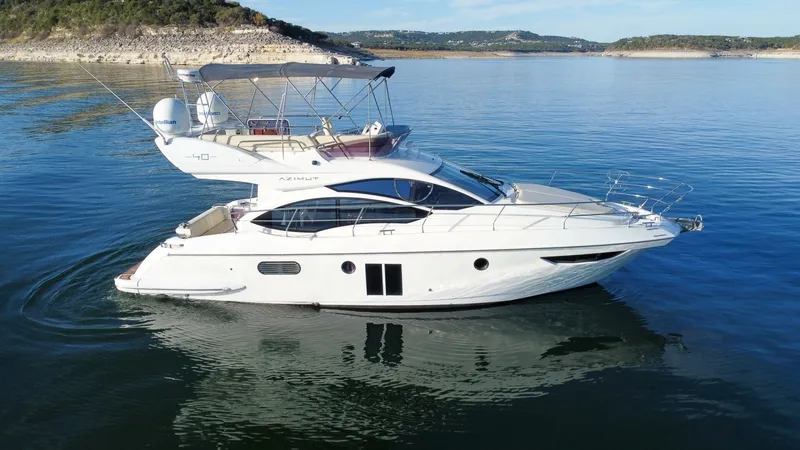
For anyone curious about boats in Austin, these waterways are the heart of local outdoor life. Lake Travis offers big‑water energy with wide-open reaches and deep, clear water. Lake Austin feels intimate and residential, winding through wooded hills and waterfront homes under the iconic Pennybacker (360) Bridge. Lady Bird Lake, right through Downtown Austin, is a quieter, paddle‑only stretch where kayaks, rowers, and paddleboarders share the skyline views.
Together, these lakes create a surprisingly versatile boating scene for a landlocked city: you can wakeboard, party-cove, or take a sunset cruise on Lake Travis, pull a skier or fish along Lake Austin, and still launch a paddle session right below the skyscrapers on Lady Bird Lake. A strong culture of weekend lake trips, parks, ramps, and marinas makes spending time on the water feel almost as common as going out to hear live music.
There are, however, tradeoffs. Water levels on Lake Travis swing with drought and storms, holiday crowds can pack the ramps and coves, and Austin’s rules—especially on Lake Austin and Lady Bird Lake—can surprise newcomers. If you’re wondering whether Austin is truly a good place for boating, it helps to look at both sides of the experience. Below, we’ll walk through the key pros and cons of keeping and using boats in Austin.
Pros of boating in Austin, TX
1. Diverse lakes for different boating styles
For a single metro area, Austin offers an unusual mix of freshwater experiences. Lake Travis is a large, serpentine reservoir with nearly 19,000 surface acres and depths over 200 feet in places, making it ideal for powerboating, wake sports, and cruising to quiet coves. Lake Austin, by contrast, is a narrow, 20‑mile‑long stretch of river-style water with a more sheltered feel that’s perfect for skiing, wakeboarding, and casual cruising along wooded shorelines and waterfront homes. Lady Bird Lake adds an urban, non‑motorized option where kayaks, paddleboards, canoes, and rowing shells get front‑row skyline views with no engine noise.
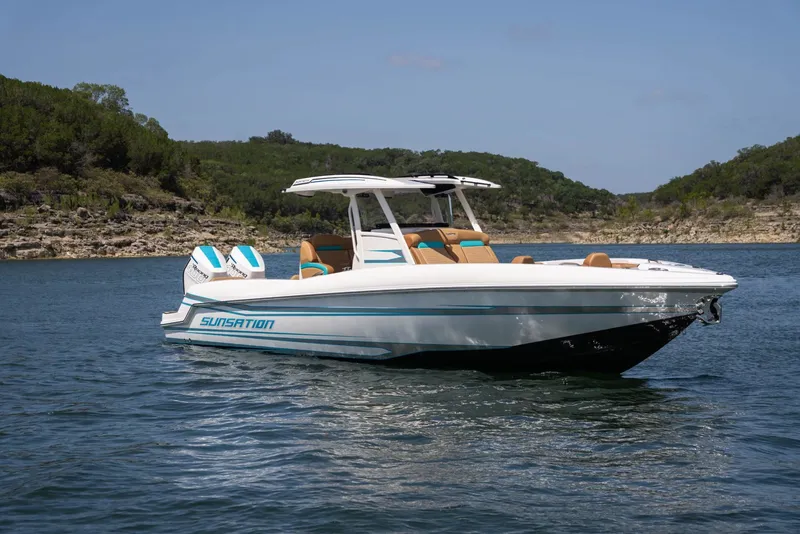
Because the three lakes are so different, many locals pick the water that fits their preferred style: party coves and big boats on Lake Travis, day–to–day runs and after‑work cruises on Lake Austin, and fitness paddles or family-friendly outings on Lady Bird Lake. That variety keeps boating in Austin interesting year after year.
2. Strong boating infrastructure and access points
Despite being inland, Austin has a solid backbone of marinas, ramps, and services to support boaters. On Lake Austin, public ramps like Walsh Boat Landing (free), Loop 360 under Pennybacker Bridge, Emma Long Park, and Mary Quinlan Park provide multiple launch options around the lake. Lake Travis has an even wider range of facilities, from public ramps to private marina launches such as the ramp at Siesta Shores Marina, which offers day and annual passes.
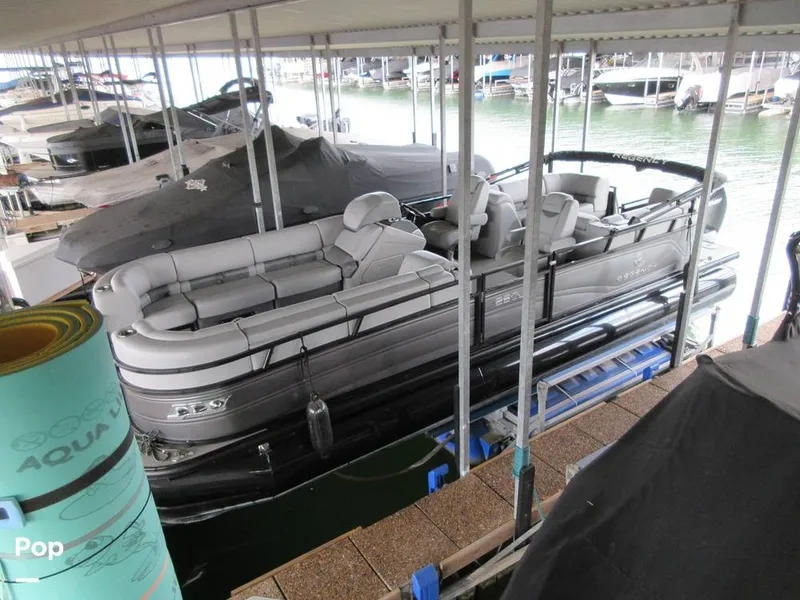
Slip and storage options are extensive, especially on Lake Travis, where marinas like Lakeway Marina, West Beach Marina, Cypress Creek Marina, Jones Harbor Marina, and Waterford Marina provide hundreds of covered and uncovered slips, plus dry storage in some cases. Lake Austin Marina anchors the lower end of Lake Austin with 168 covered slips, fuel, and a ship store. That kind of infrastructure means you can choose between keeping a boat in the water year‑round or trailering and using ramps as needed.
3. Scenic Hill Country setting and clear water
Part of the magic of boating in Austin is the setting. Lake Travis winds through the Texas Hill Country in a series of dramatic cliffs, coves, and points, creating long views down the lake and quiet pockets for anchoring out. It’s widely considered one of the clearest lakes in Texas, with deep, clean water that feels especially inviting for swimming and watersports.
Lake Austin may be narrower, but it delivers classic Central Texas scenery: cypress trees leaning over the water, limestone bluffs, and the graceful arch of the Pennybacker (360) Bridge high overhead. Even Lady Bird Lake, though shallow and urban, offers peaceful stretches lined with trails and parkland, where you can paddle past the city’s famous bat bridge at dusk and watch downtown light up.
4. Active, welcoming boating culture
Boats in Austin are a big part of how locals spend weekends and holidays. On Lake Travis, you’ll find a lively social scene, especially in spots like Devils Cove or near Starnes Island, where raft‑ups and party barges gather in warm weather. Many marinas have a community feel, with slip holders who return season after season and know each other by name.
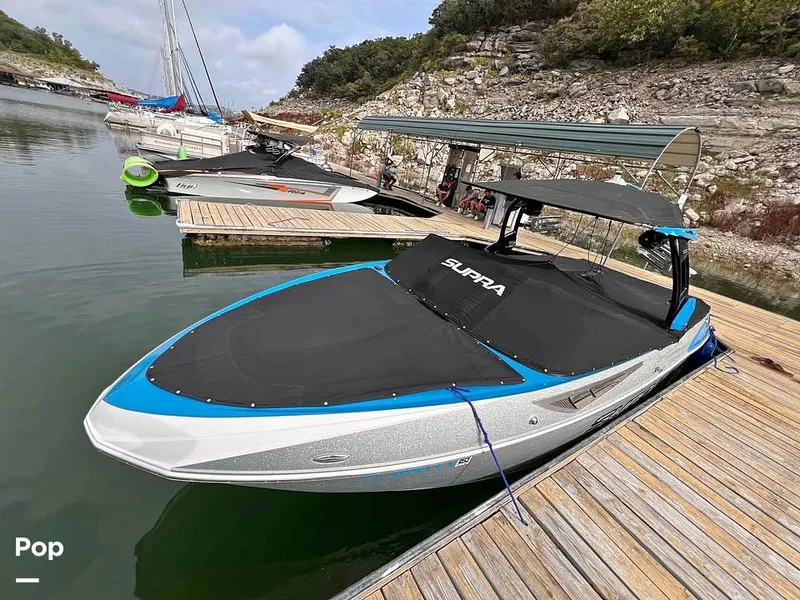
On Lake Austin, there’s more of a neighborhood vibe: evening cruises past dock lights, early-morning ski runs before the water gets choppy, and casual meetups at parks and sandbars. Lady Bird Lake brings out a different crowd—rowing clubs, paddleboard meetups, and casual renters all sharing the trail-lined waterway. Even without a big roster of formal yacht clubs or regattas, the overall culture is friendly and accessible, making it easy to plug into the boating community.
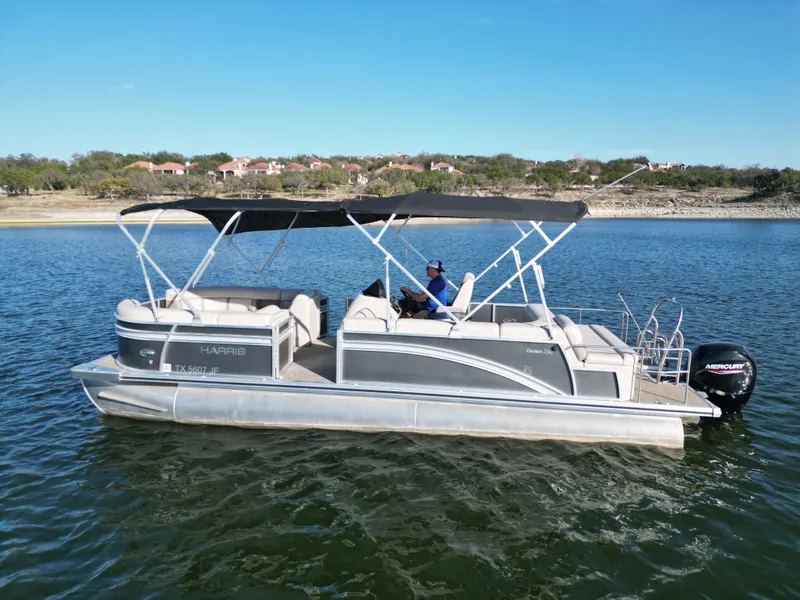
5. Year-round usability with a long warm season
Austin’s climate makes boating a nearly year‑round option. Peak season stretches from late spring through early fall, when warm air and water temperatures make swimming, wakeboarding, and long days at anchor especially comfortable. Unlike some northern lakes that effectively close down in winter, Lake Travis, Lake Austin, and Lady Bird Lake all remain accessible twelve months a year.
Winter and shoulder seasons can still be pleasant for fishing, cruising, and paddling on calmer, less crowded water. For locals who keep their boats in slips on Lake Travis or Lake Austin, that means you’re not paying for storage in a place you can only use a few months a year; there’s almost always a mild weekend around the corner.
Cons of boating in Austin, TX
1. Fluctuating water levels and drought impacts
Water level swings are one of the biggest realities of boating in Austin, especially on Lake Travis. As a major Colorado River reservoir, Lake Travis can vary dramatically between drought lows and flood highs. In low‑water years, some ramps become unusable, boats can sit in the mud at shallow docks, and certain coves or channels may no longer be safely navigable. After heavy rains and flood events, hazards like submerged debris, missing buoys, and temporarily elevated bacteria levels can also affect safety and access.
- The Silver Lining: Boaters who plan ahead can largely work around these fluctuations by choosing marinas with deep-water orientation and adjustable docks, monitoring lake level reports before outings, and keeping a flexible mindset about which ramps or coves to use in a given season.
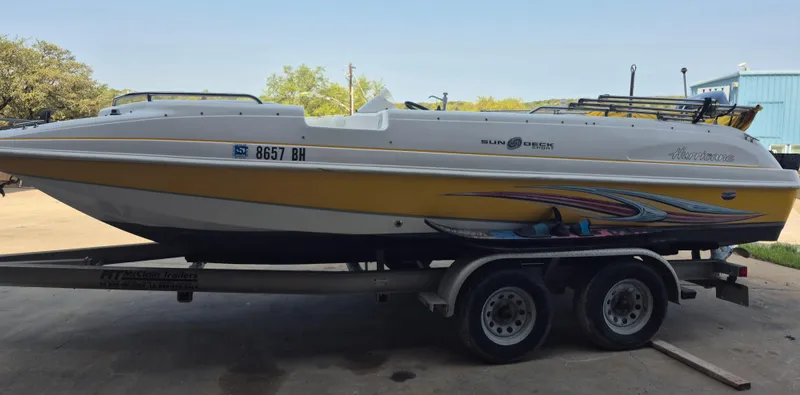
2. Crowds, congestion, and holiday restrictions
The same popularity that makes boats in Austin so visible on social media can translate into crowded conditions on peak weekends. On Lake Travis, party coves and popular ramps fill quickly, parking lots can back up, and navigation through tight clusters of anchored boats demands extra care. Lake Austin, with its narrower, river‑style layout, can feel particularly compressed when ski boats, wake boats, and personal watercraft all share the same stretch.
On top of that, the City of Austin enforces specific holiday restrictions on personal watercraft and similar devices on Lake Austin—bans often cover Memorial Day weekend, July 3–5, and the Labor Day period. That can alter plans for jet ski owners or renters.
- The Silver Lining: Launching early in the day, boating on weekdays or shoulder seasons, and favoring less-known coves and parks can dramatically reduce stress. Understanding the holiday calendars and no‑wake zones ahead of time also helps you plan outings that avoid the worst congestion.
3. Costs of slips, storage, and operations
While Austin isn’t as expensive as some coastal yachting hubs, keeping a boat here is far from cheap. Monthly slip rates on Lake Travis range from roughly the low $200s for small open slips at marinas like Cypress Creek Marina to $400–$700+ for larger covered slips at spots such as Jones Harbor Marina, Waterford Marina, or West Beach Marina. Premium facilities like Reserve Marina charge significantly higher rates for large, luxury slips, sometimes reaching into the thousands per month.
On Lake Austin, demand for limited slip space near the city means many marinas operate on annual leases with waitlists, adding to the cost and complexity. When you include storage, insurance, maintenance, fuel, and ramp or park fees, the overall price tag for boating in Austin can surprise first‑time owners.
- The Silver Lining: Boaters can manage costs by trailering and using public ramps like Walsh Boat Landing or county parks, sharing ownership or costs with friends or family, choosing smaller boats or personal watercraft, or opting for rentals and charters instead of full‑time ownership.
4. Regulations, no‑wake zones, and safety requirements
Austin’s lakes are governed by a mix of state rules and local ordinances, which can feel complex if you’re new to the area. On Lake Austin, there are designated slow or no‑wake zones—such as under and around the Pennybacker Bridge, near Oyster Landing and Walsh Boat Landing, and close to Tom Miller Dam—where boats must operate at headway speed. Operators of motorboats must generally stay on the right side of the lake, and certain heavy or high‑impact watercraft are restricted in specific zones.
Statewide requirements also apply: boats must be registered with Texas Parks & Wildlife, carry properly sized lifejackets for every person onboard (with children under 13 wearing PFDs), and meet equipment rules for sound devices and fire extinguishers. Anyone born on or after September 1, 1993 must complete an approved boater education course to operate most motorized vessels or larger sailboats.
- The Silver Lining: Once you’ve taken a boater education course and spent a few trips getting familiar with local zones and signage, the regulations become routine—and they contribute to a safer, more enjoyable environment for everyone on the water.
5. Environmental concerns and invasive species
Like many popular lakes in Texas, Austin’s waterways are dealing with invasive species, particularly zebra mussels. These mussels can clog intakes, attach to hulls and docks, and alter ecosystems. State law requires boaters to clean, drain, and dry boats, trailers, and gear before moving between water bodies, and makes possession or transport of live zebra mussels illegal. There are also rules about sewage discharge and pump‑out use on vessels with onboard heads.
Neglecting these requirements not only harms the lakes but can result in fines and increased maintenance headaches for boaters.
- The Silver Lining: By following simple prevention steps—using marina pump‑out stations, rinsing gear, and cleaning or drying boats between trips—you help protect Lake Travis, Lake Austin, and Lady Bird Lake while also keeping your own equipment in better shape. The long‑term payoff is cleaner water and healthier lakes for everyone who loves boats in Austin.
What boating in Austin, TX is really like
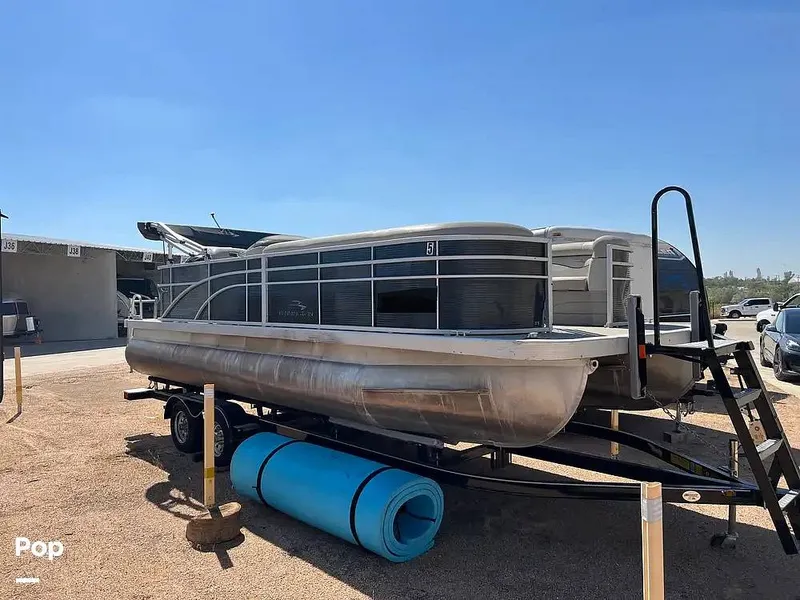
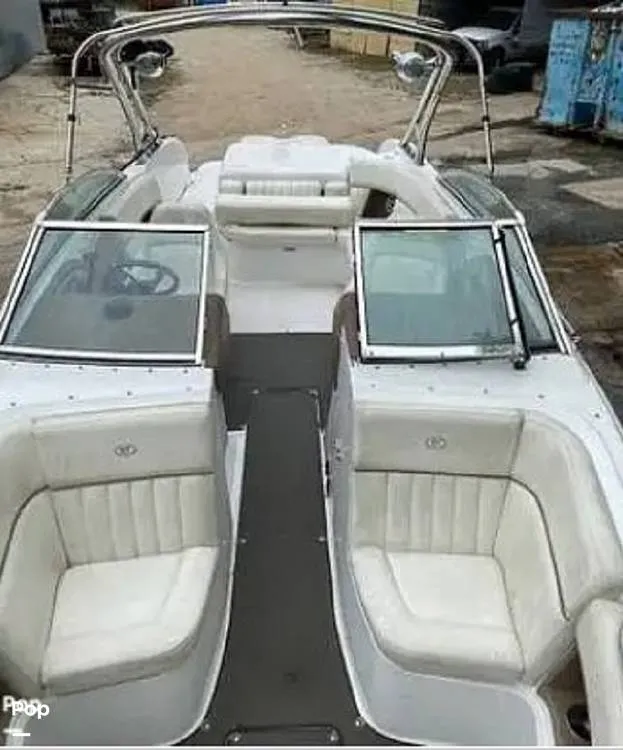
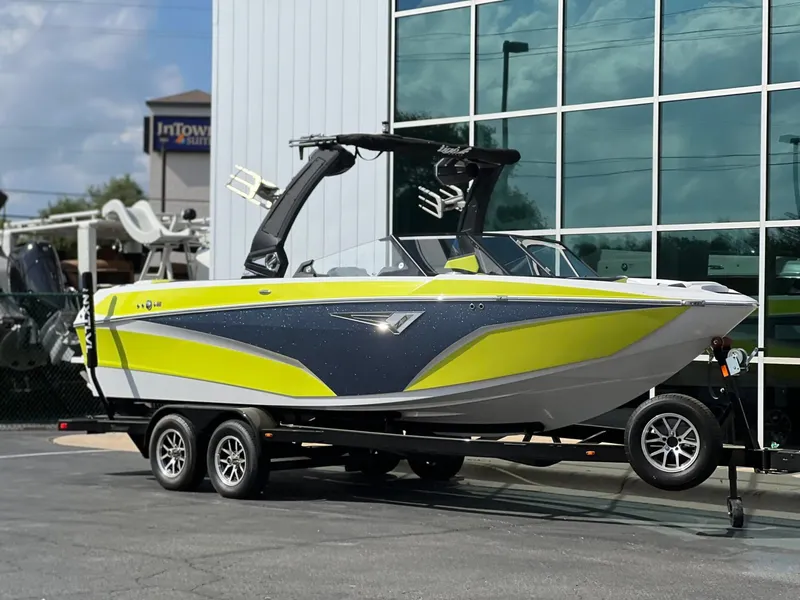
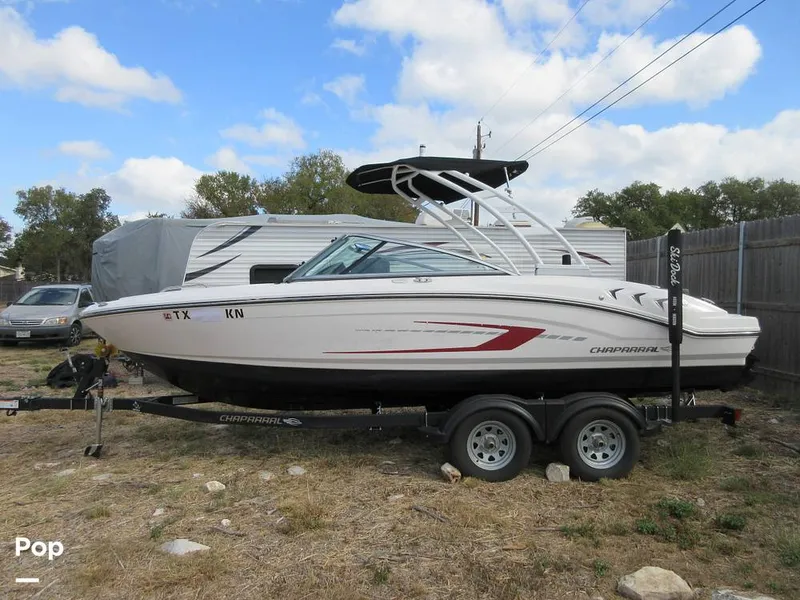
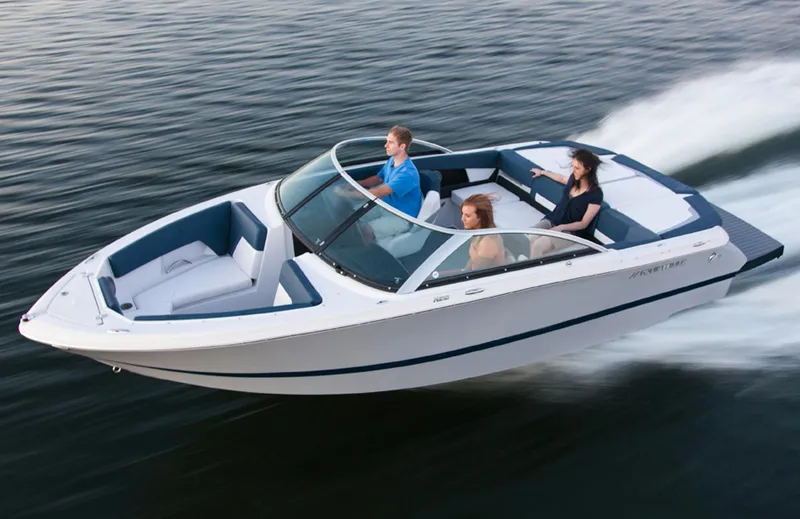
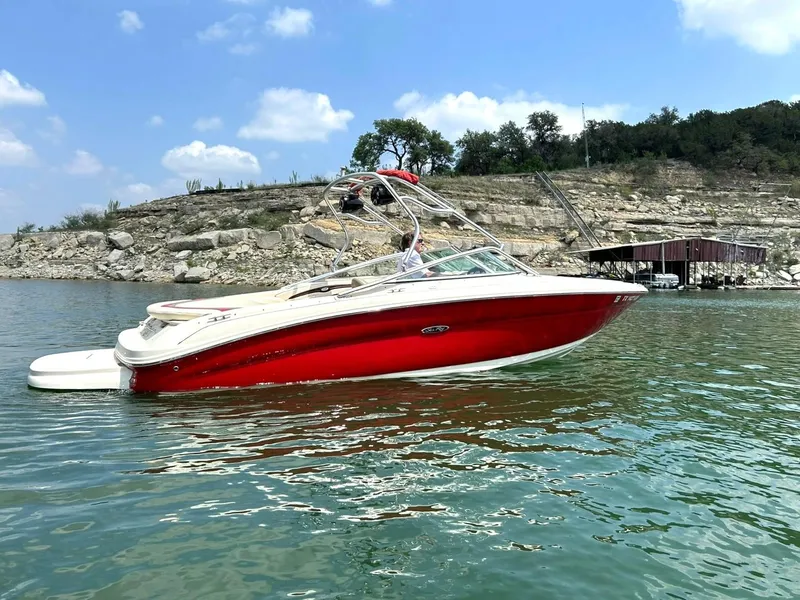
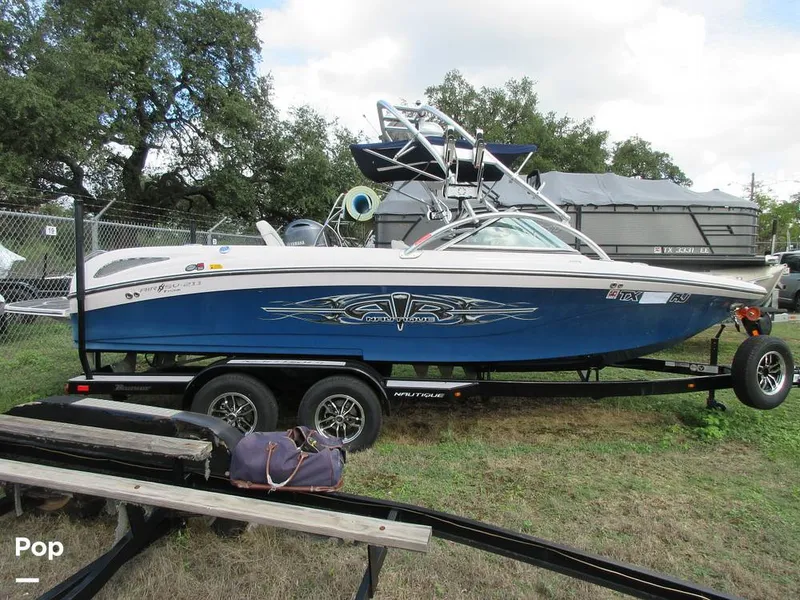
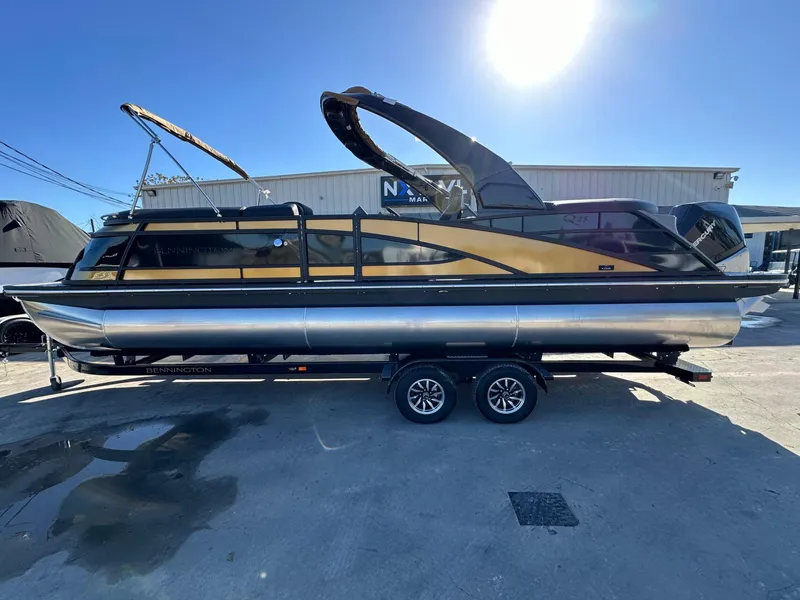
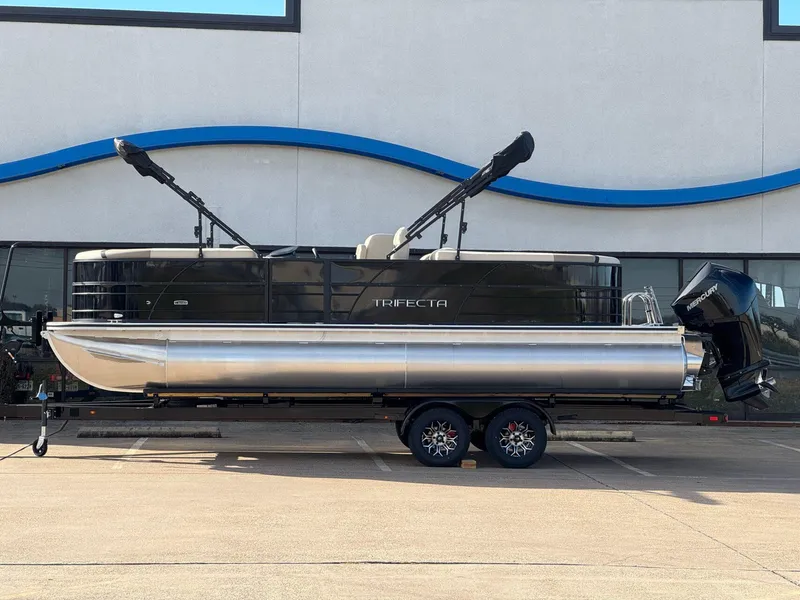
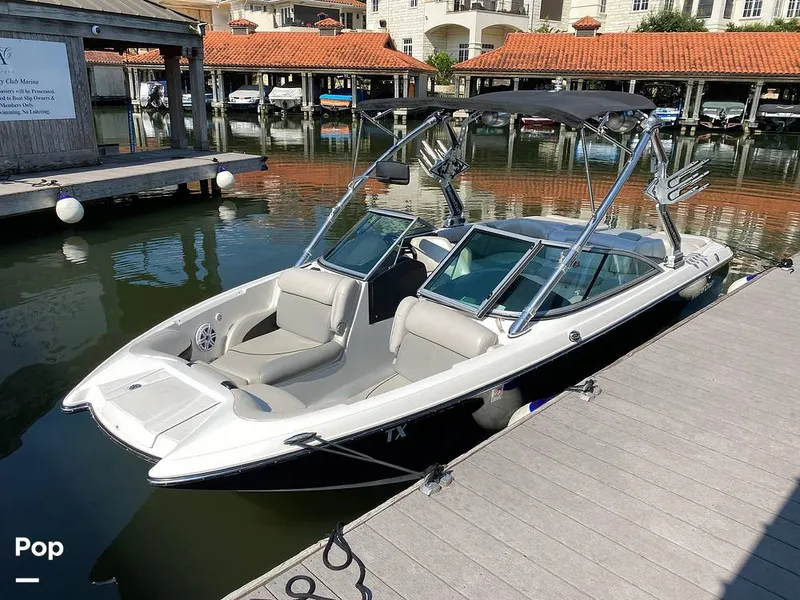
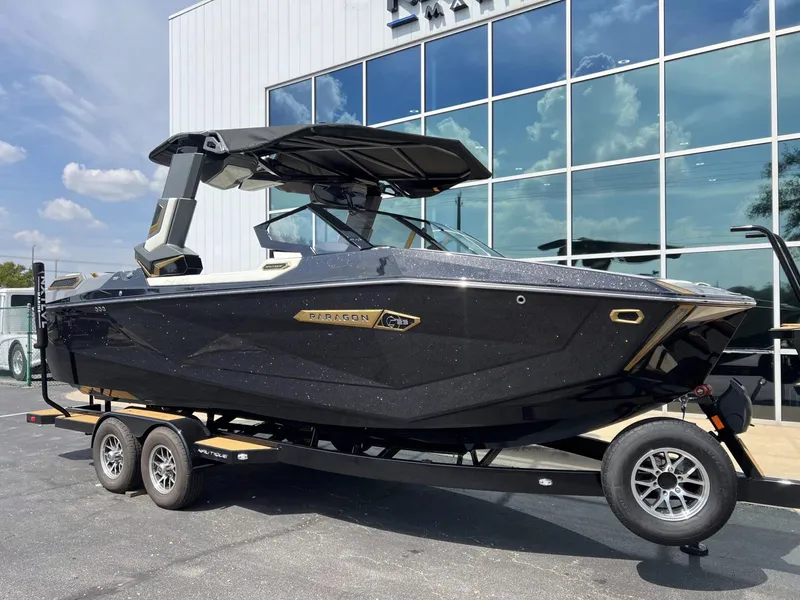
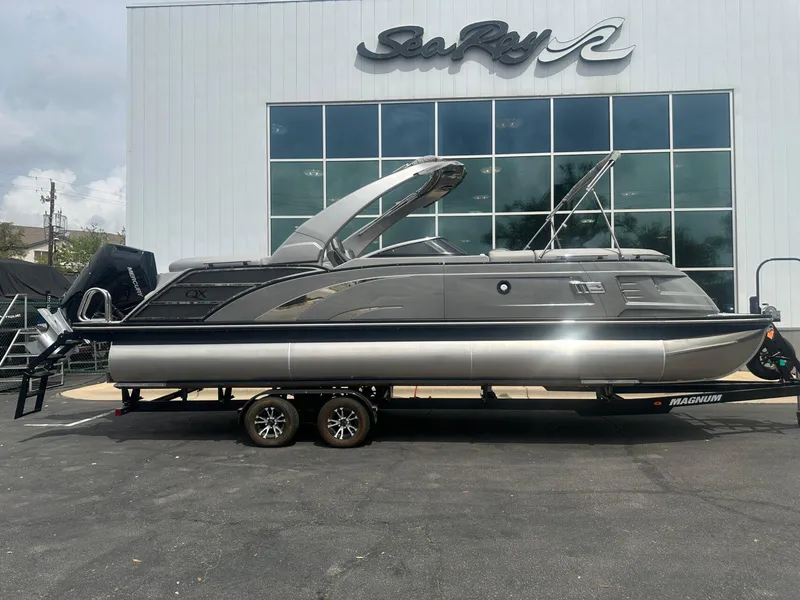
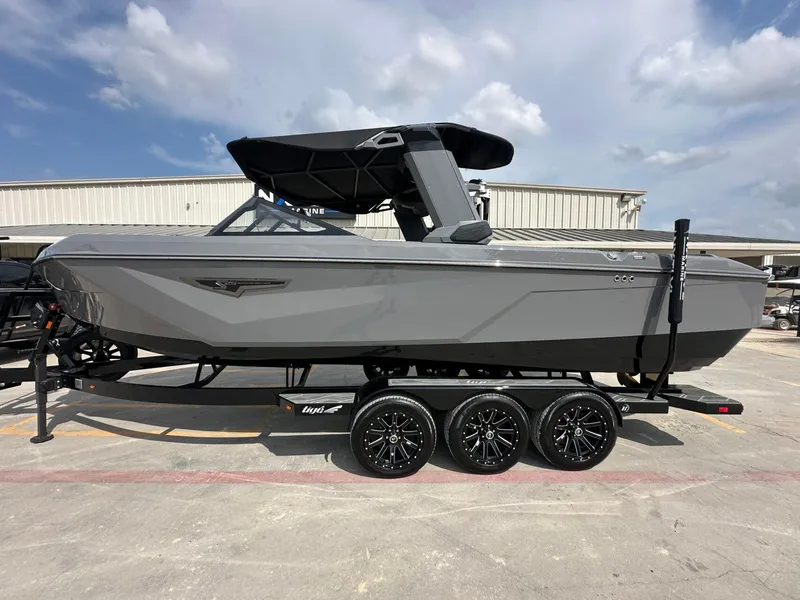
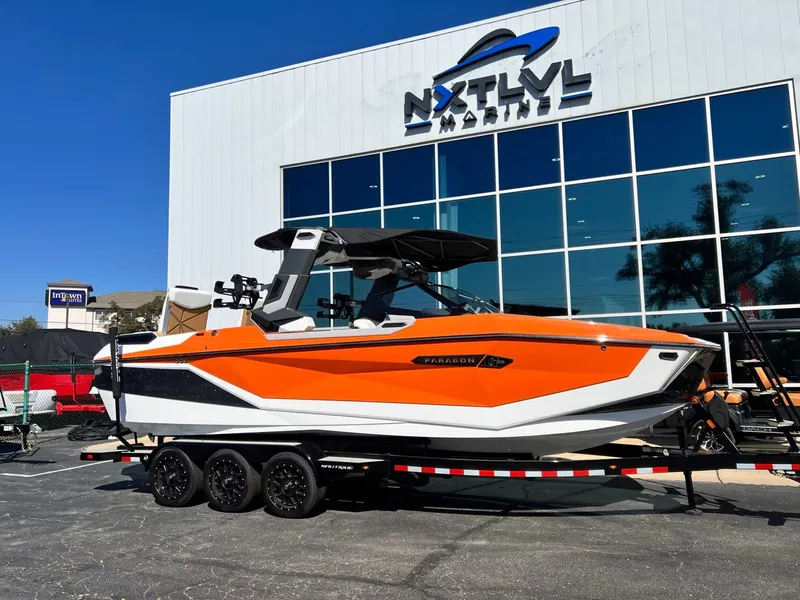
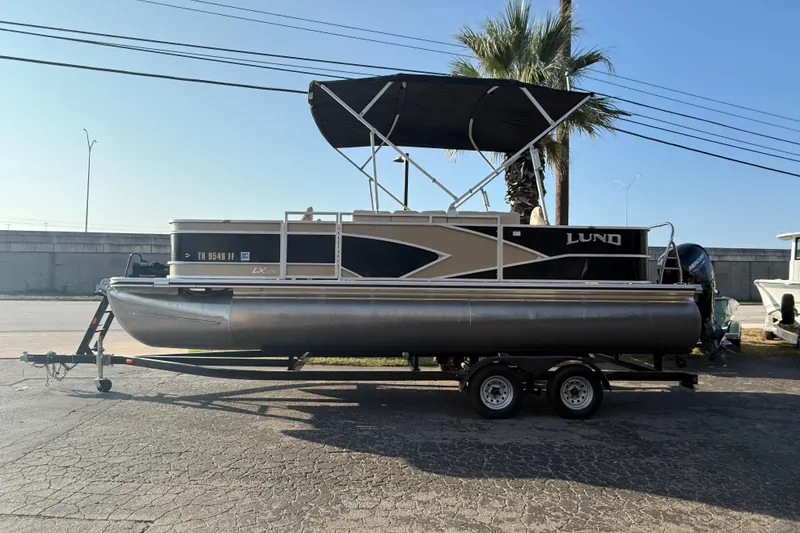
Boating in Austin revolves around three very different waterways: big, open Lake Travis; narrow, scenic Lake Austin; and calm, urban Lady Bird Lake. On a typical sunny weekend, Lake Travis fills with wake boats and pontoons heading for coves like Devils Cove or around Starnes Island, where music carries over the water and rafts of boats tie up together. It’s the classic “lake party” scene: floaties over the side, grills on the swim platform, and people hopping between boats that range from modest runabouts to high-end cruisers.
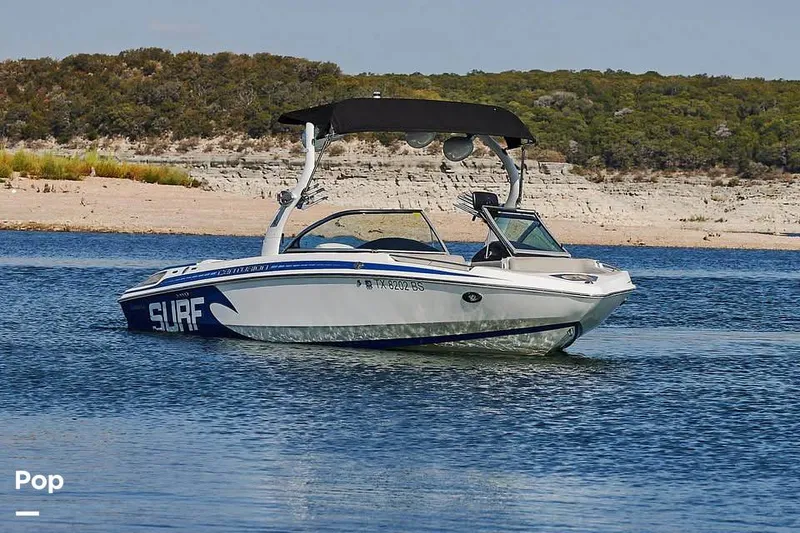
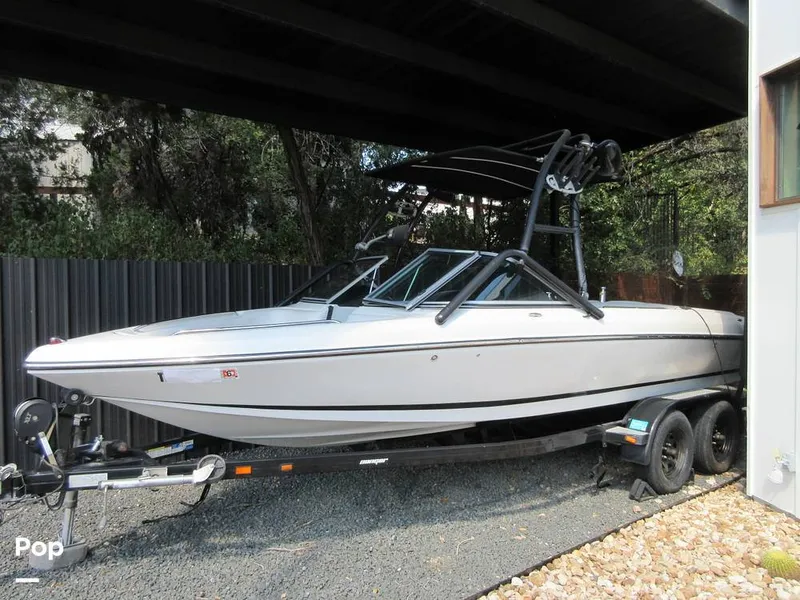
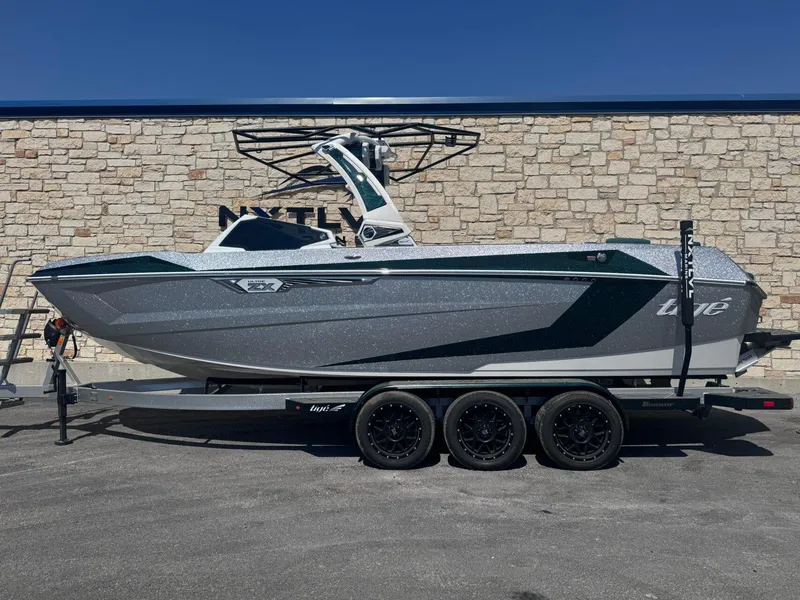
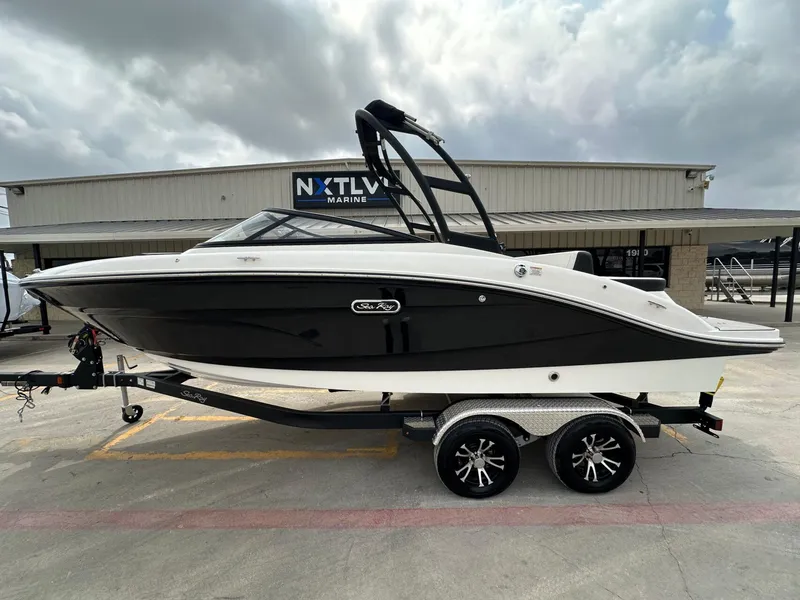
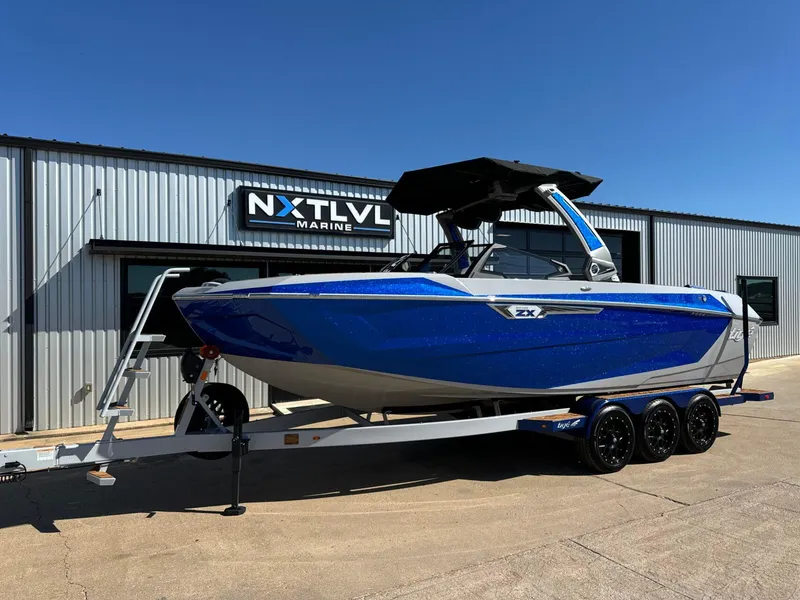
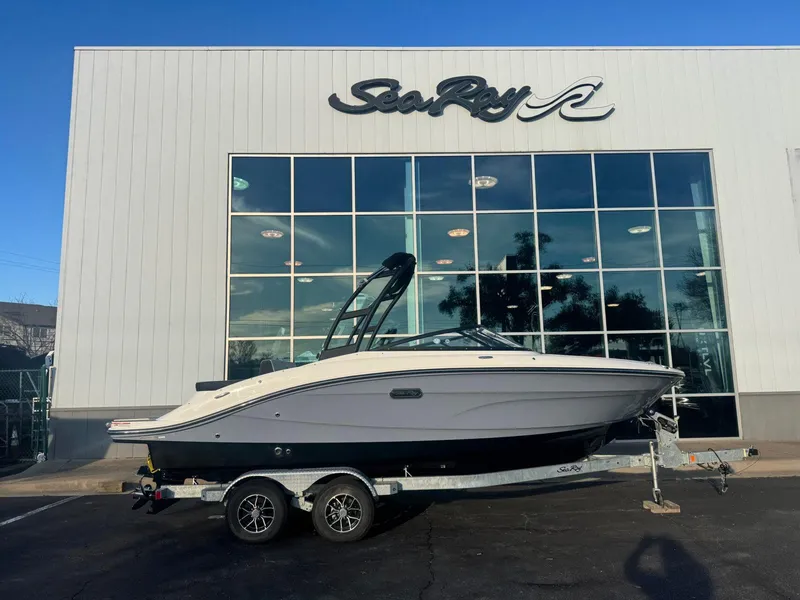
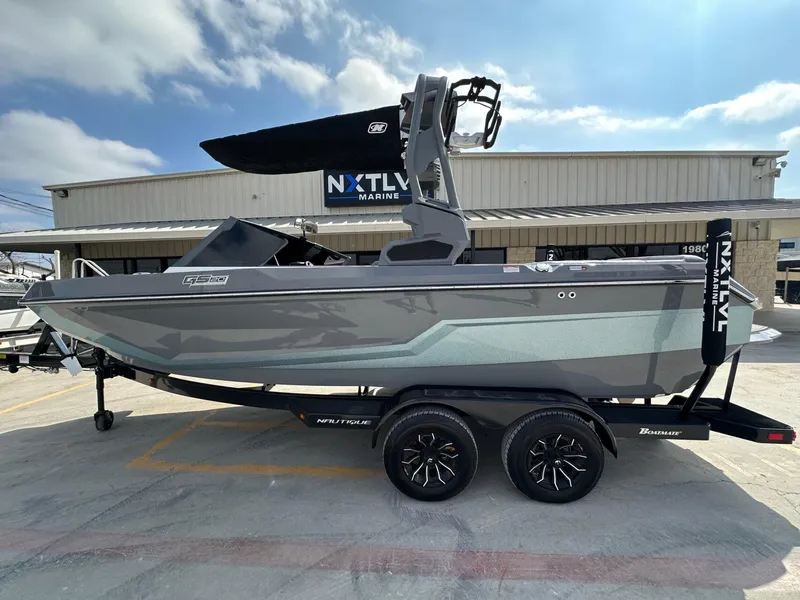
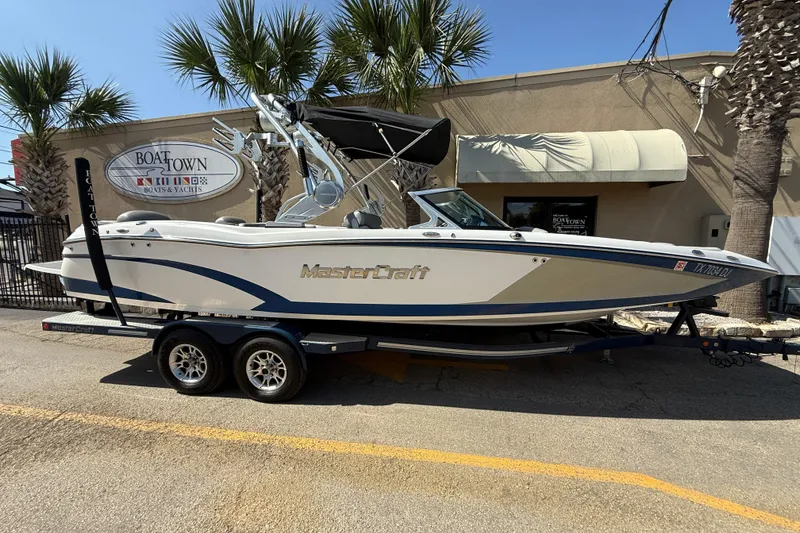
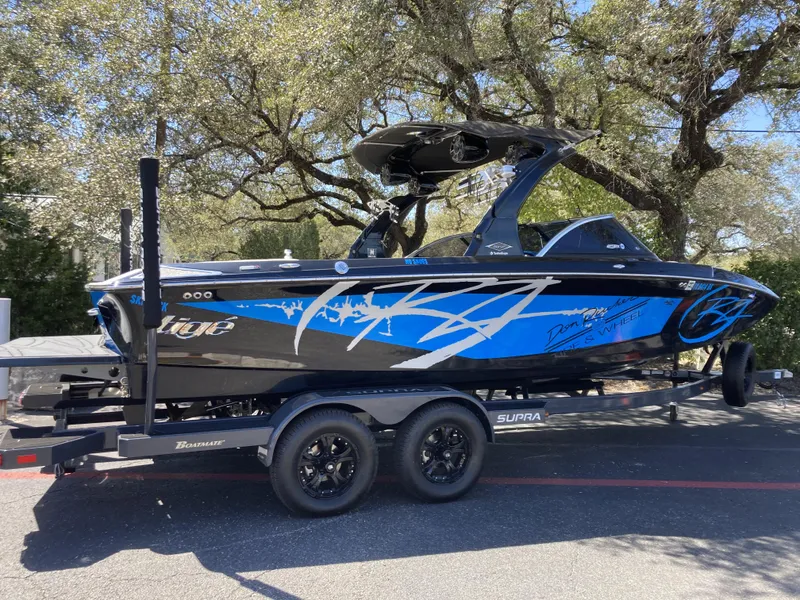
Lake Austin feels more like a long, winding river with upscale backyards and the Pennybacker (360) Bridge framing the skyline. Here you’ll see a steady parade of surf boats and ski boats pulling wakeboarders, surfers, and tubers up and down the 20‑mile stretch between Mansfield Dam and Tom Miller Dam. The vibe is active but more compressed—everyone shares the same narrow channel, weaving between fishermen working the shorelines and families out for a slow cruise to catch the sunset under the bridge.
Lady Bird Lake is a different world entirely for boats in Austin. Because it’s limited to non‑motorized craft, the soundtrack is the dip of paddles instead of engine noise. Early mornings bring rowing shells, kayaks, and paddleboards gliding past the downtown skyline and underneath the city’s bridges. It’s where runners on the hike‑and‑bike trail, paddlers, and cyclists all overlap, giving the lake a distinctly urban, community feel rather than a powerboat scene.
Costs, logistics, and practical details
From a logistics standpoint, Austin is relatively well‑set‑up for boaters, but demand is high. Lake Travis is the main hub for slip space, with marinas like Lakeway Marina, Waterford Marina, West Beach Marina, Cypress Creek Marina, and others offering a range of covered and uncovered slips. Smaller open slips can start in the low‑$200s per month, while typical 28–36‑foot covered slips often run in the $400–$700+ per month range. Premium facilities with very large slips, such as Reserve Marina, can climb into the low thousands per month for big cruisers. Availability often depends on lake levels and waitlists, so it pays to plan ahead.
On Lake Austin, space is more constrained. Lake Austin Marina near Tom Miller Dam offers 168 covered slips on annual leases, and many of the other docks you see are private residential structures rather than public moorage. That means visitors rely heavily on public ramps like Walsh Boat Landing, Loop 360, Emma Long Park, and Mary Quinlan Park. Some are free, others charge entrance or trailer fees, and they can fill quickly on weekends and holidays, making early arrival almost mandatory for trailer boaters.
Lake Travis has a healthy service ecosystem for boats in Austin: fuel docks at multiple marinas, ship stores for ice and basic marine supplies, and pump‑out services at many larger facilities. On Lake Austin, Lake Austin Marina provides fuel and a ship store, and other marinas and waterfront businesses fill in some of the gaps. Dedicated repair yards, detailing, and mobile mechanics are common around the region even if they’re not always directly attached to a marina dock. For most routine needs—fuel, pump‑outs, minor repairs, rentals—you can find something within a short run on either of the major lakes.
Is Austin, TX a good place for boating?
As an overall boating destination, Austin scores well for variety, accessibility, and lifestyle, especially if you focus on what its freshwater lakes do best. Lake Travis offers big‑water feel, clear water, and lots of coves and shoreline to explore, making it ideal for wake sports, party trips, and family days at anchor. Lake Austin delivers scenic, close‑to‑downtown cruising and tow‑sport runs, while Lady Bird Lake provides a peaceful, non‑motorized counterpart right in the heart of the city. The combination means that “boats in Austin” can mean everything from a quiet sunrise paddle to a full‑throttle weekend raft‑up—all within the same metro area.
You will love boating here if:
- You want variety in your boating: big‑lake open water on Lake Travis, narrow scenic cruising on Lake Austin, and quiet paddling on Lady Bird Lake—all within a short drive of each other.
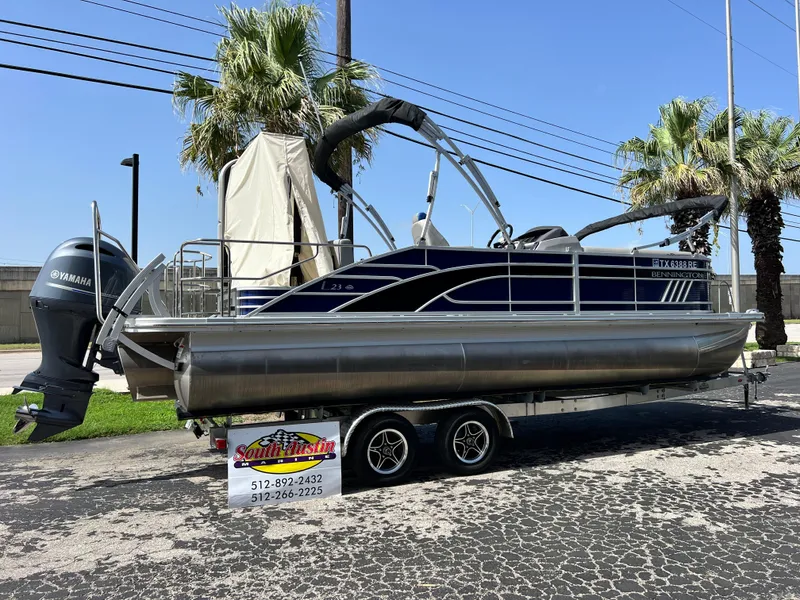
- You enjoy an active, social atmosphere with plenty of wake boats, pontoons, and coves where boats tie together for swimming, music, and hanging out.
- You own (or plan to own) a trailerable boat and don’t mind launching from public ramps early in the day to avoid crowds and parking crunches.
You might find it challenging if:
- You need abundant, affordable, walk‑up slip availability for a larger boat and don’t want to deal with waitlists or higher Austin‑area storage prices.
- You strongly dislike crowded lakes, wake boat traffic, and party coves, especially on weekends and holidays when noise and wakes are at their peak.
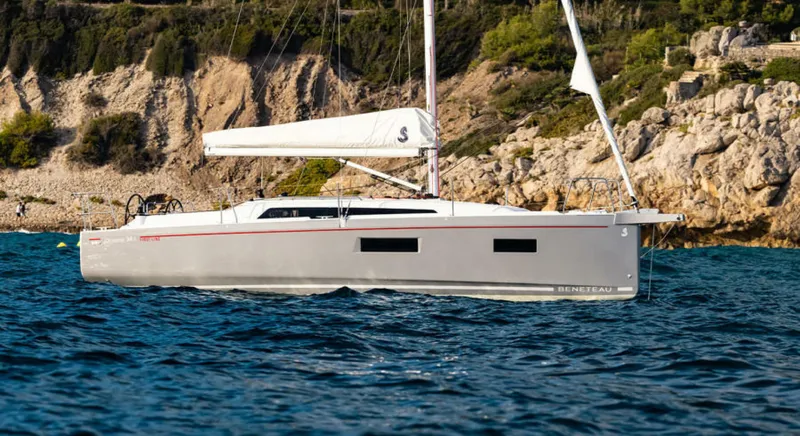
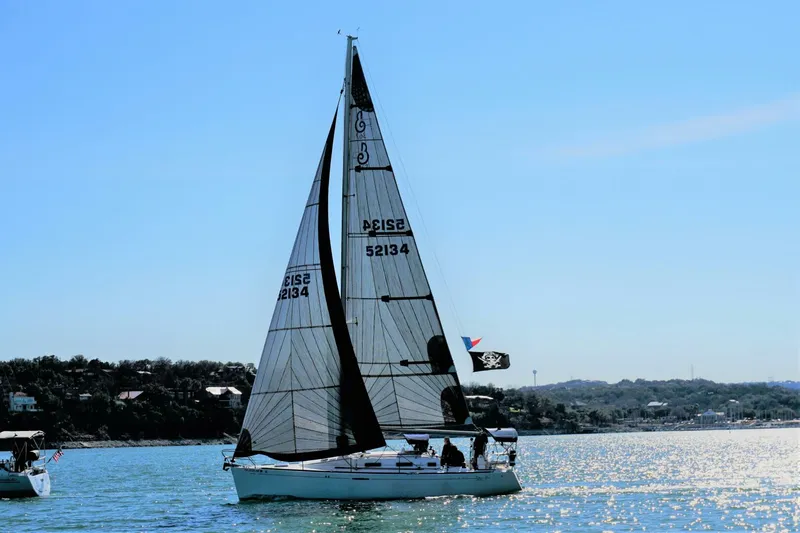
- You’re looking primarily for sailing or long‑distance cruising; Lake Travis has some sailing, but the area is far more powerboat‑oriented with limited room for true passage‑making.
If you’re a social lake boater, a wake‑sport family, or a year‑round freshwater cruiser who doesn’t mind planning around crowds and water levels, Austin is a very good place to keep and use a boat. Those who demand cheap, plentiful slips, wide‑open sailing grounds, or ultra‑quiet waterways on summer weekends may find the trade‑offs tougher. For most people, though, adding Austin to the boating bucket list—or even basing a boat here—makes sense: plan a visit, rent or launch a boat across its main lakes, and see firsthand which side of Austin’s diverse boating scene feels most like home.