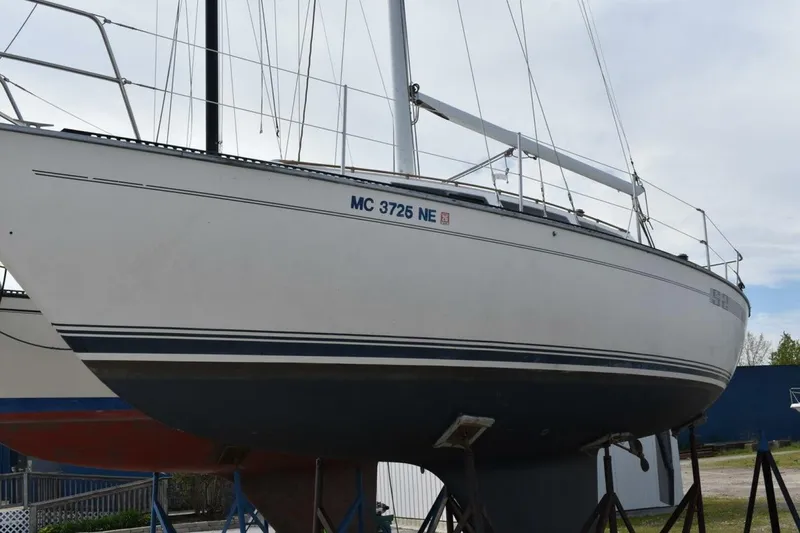
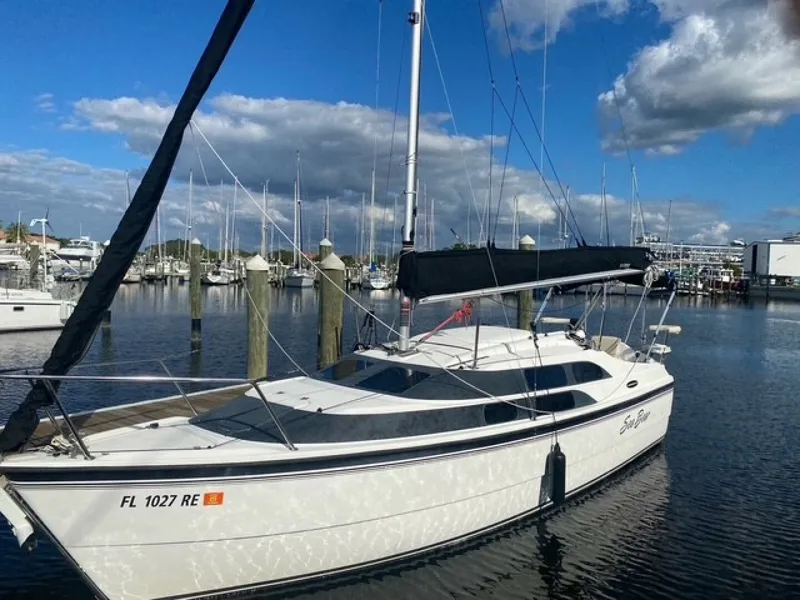
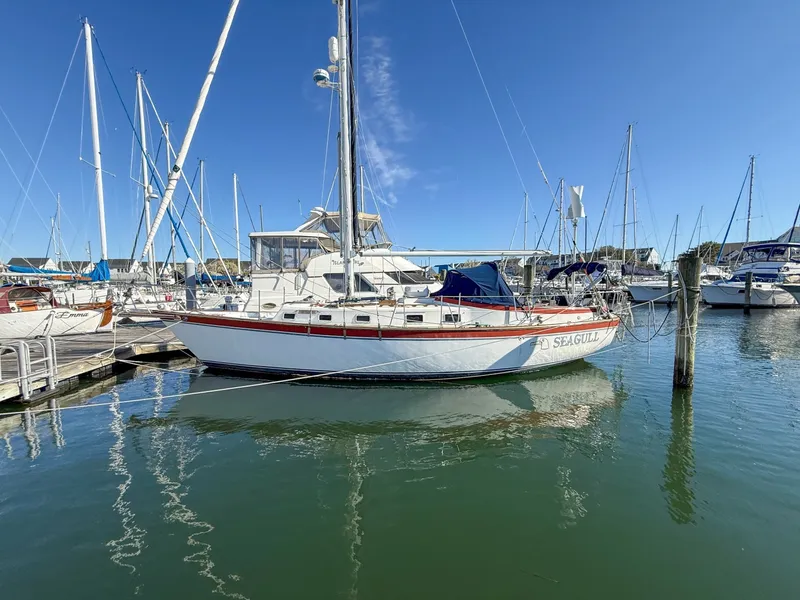
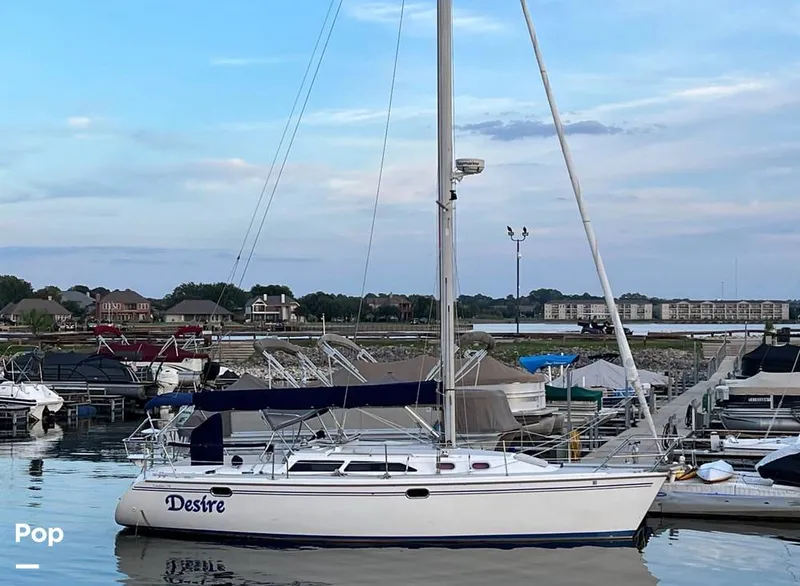
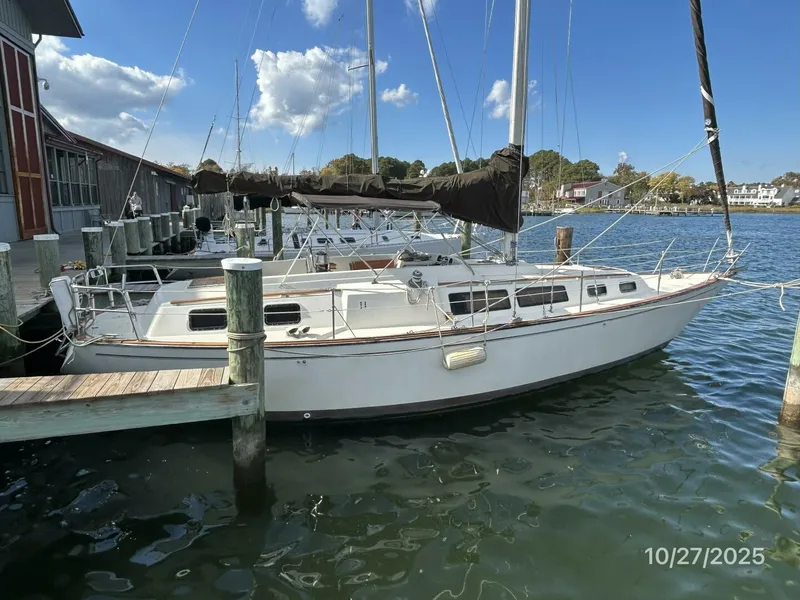
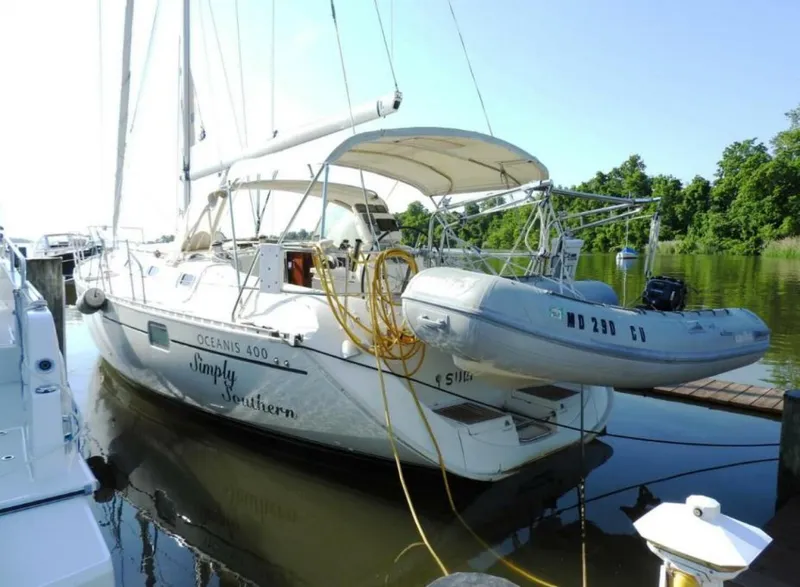
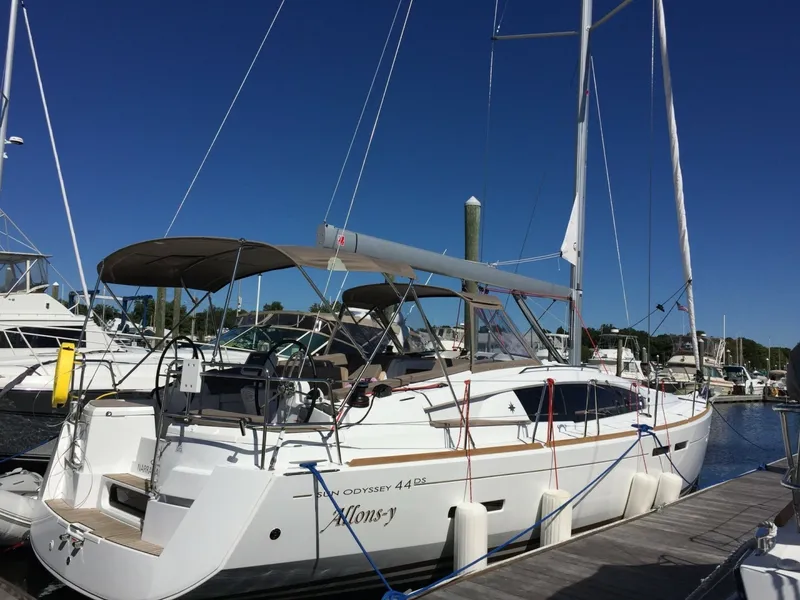
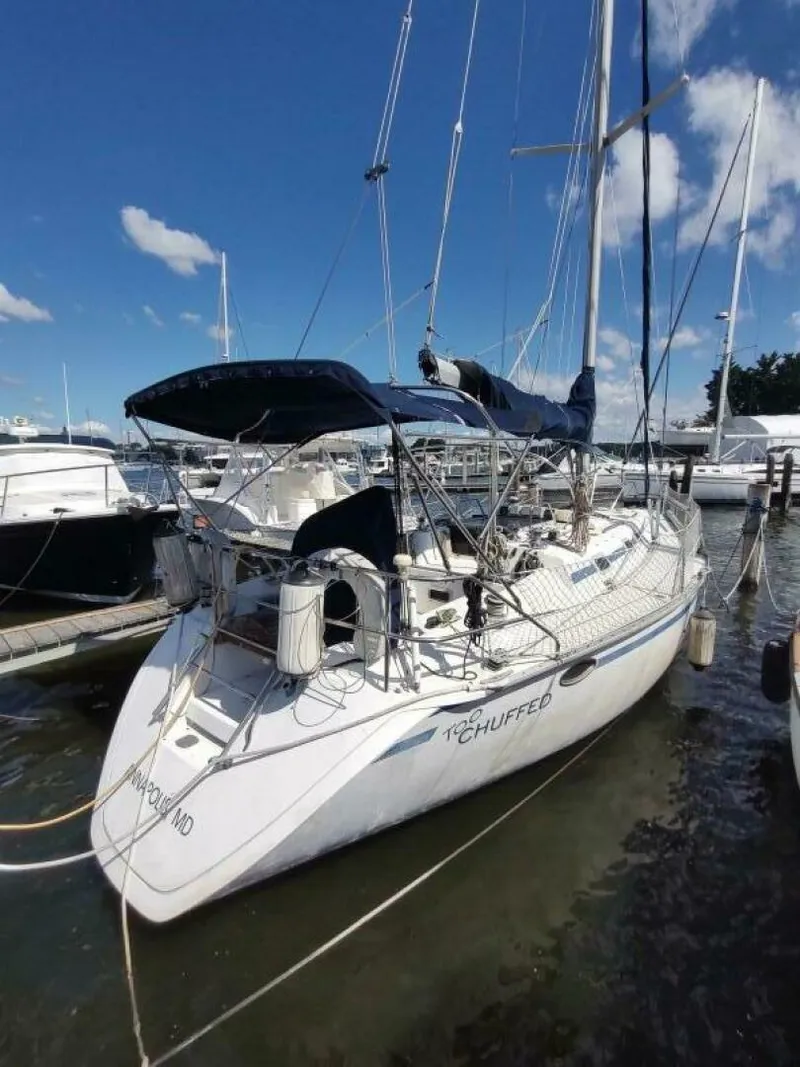
Sloop

Filters

Filters

Condition

Sort by
Searching boats for you...

Boating · Buyer’s Guide

Is a Sloop boat the Right Choice for You?

Written by: MarineSource Team | Estimated read time: 12 min read

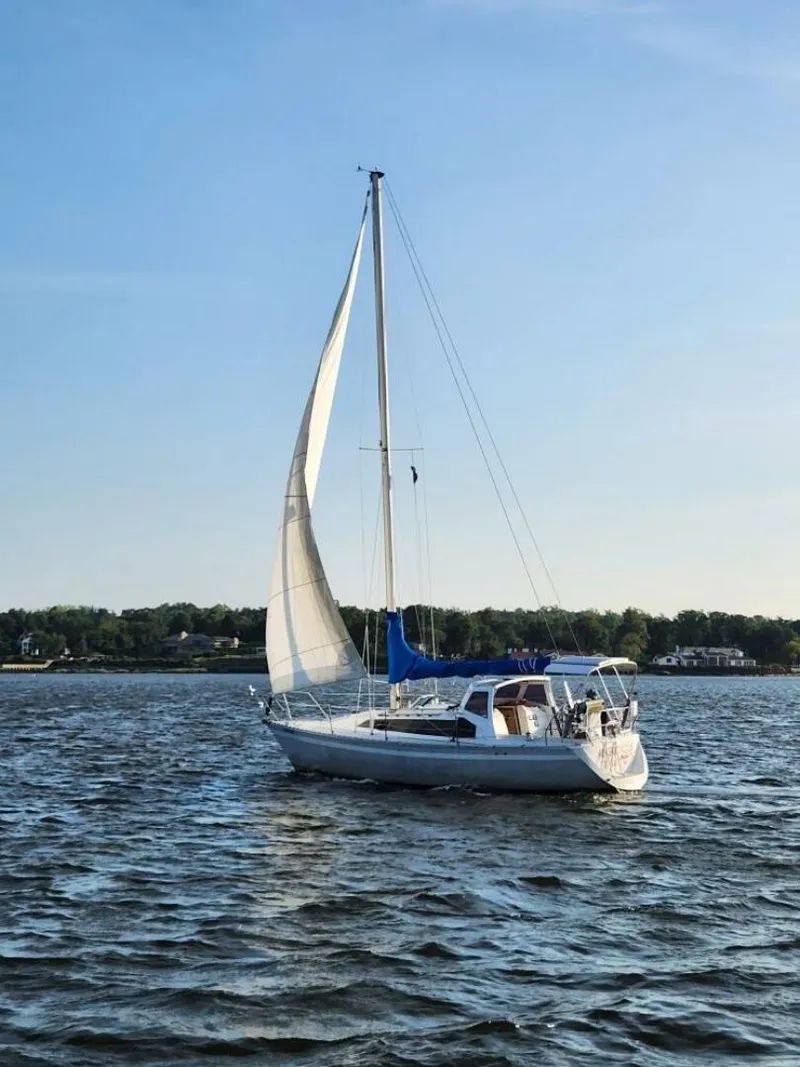
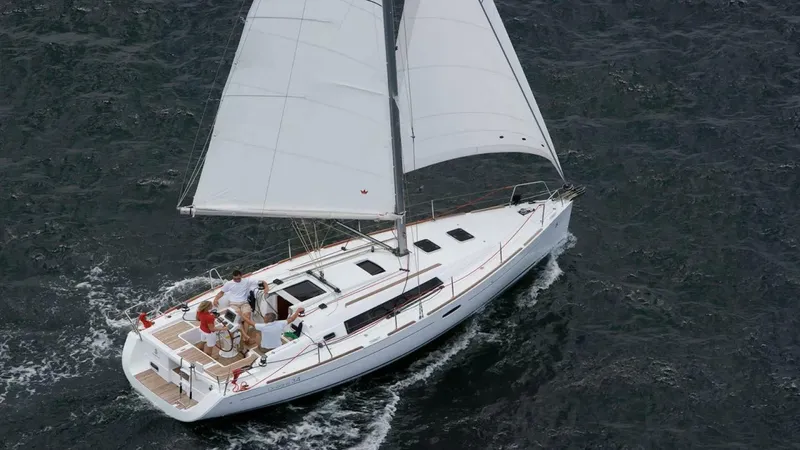
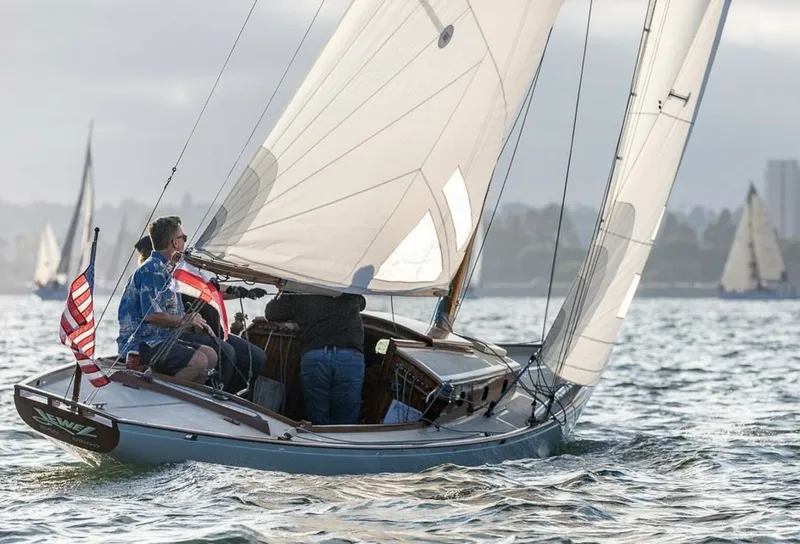
Imagine the gentle sway of a sloop cutting through calm waters, the crisp sound of sails snapping in the breeze, and the sun warming your face as you glide across a lake or coastal bay. A sloop offers a timeless sailing experience that blends elegance with simplicity, inviting you to connect deeply with the water and wind around you.

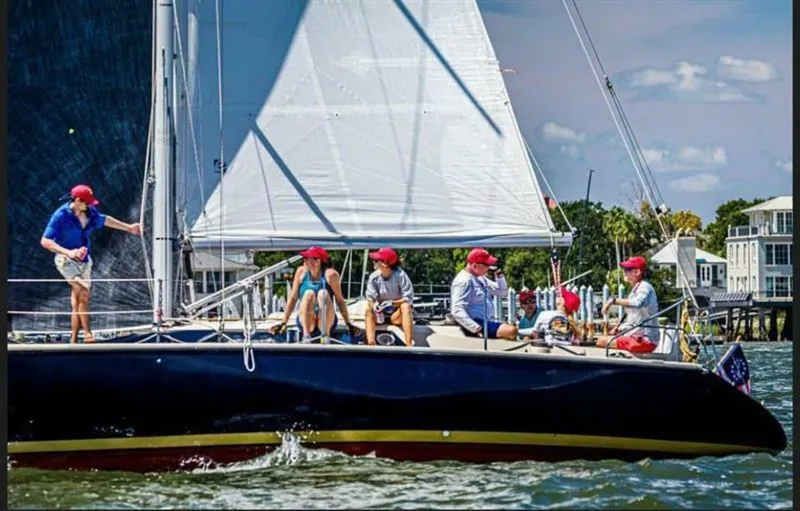
Sloops have long been a favorite among sailing enthusiasts for their versatility and classic design. Their single mast and fore-and-aft rig make them manageable for both novices and seasoned sailors alike. This popularity means sloops are often the go-to choice for day sailing, weekend cruising, and even competitive racing.

Owning a sloop means embracing a lifestyle centered on the rhythm of the sea and the art of sailing. While they offer a beautiful balance of performance and ease, there are trade-offs involved, such as handling in rough weather and maintenance demands. This guide will help you understand if a sloop fits your boating dreams and lifestyle.

What is a sloop boat?

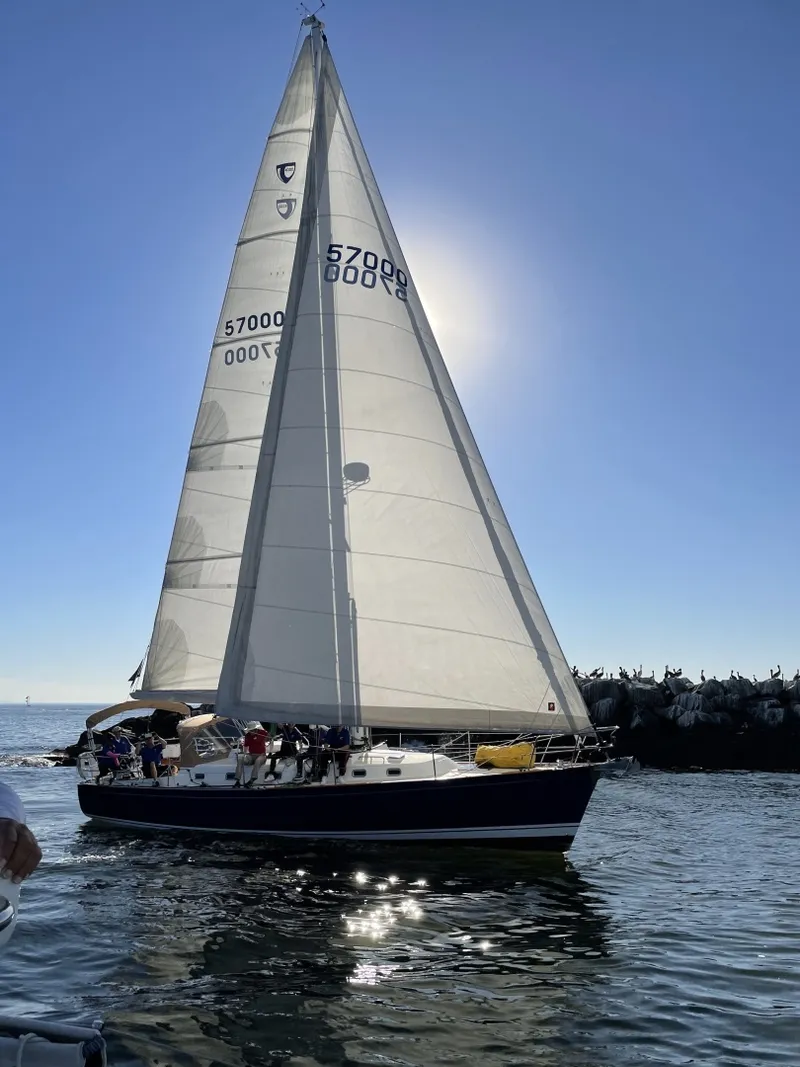
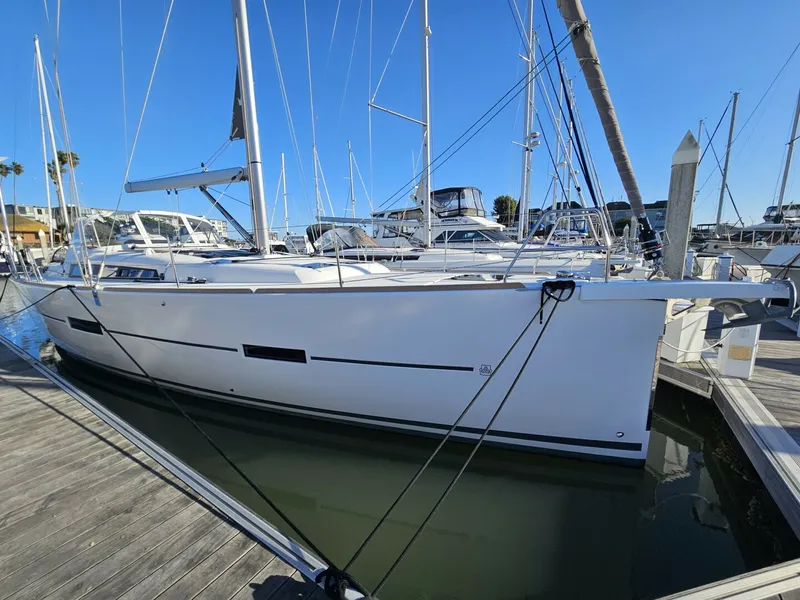
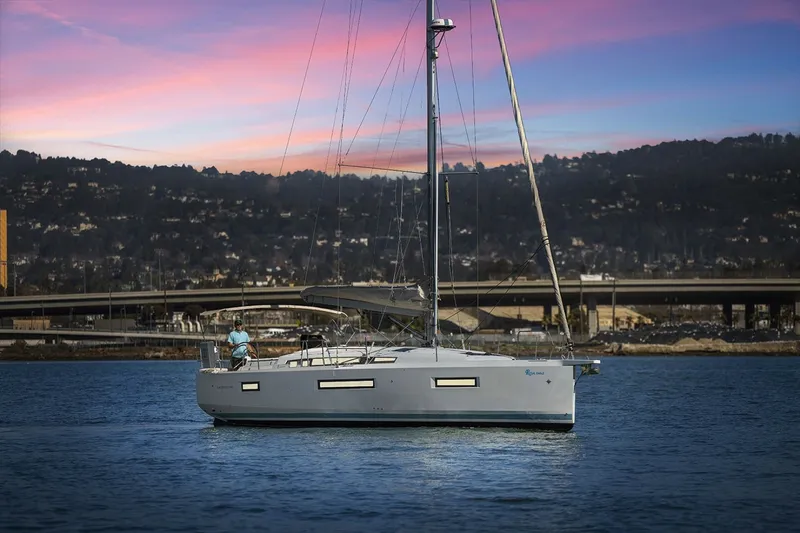
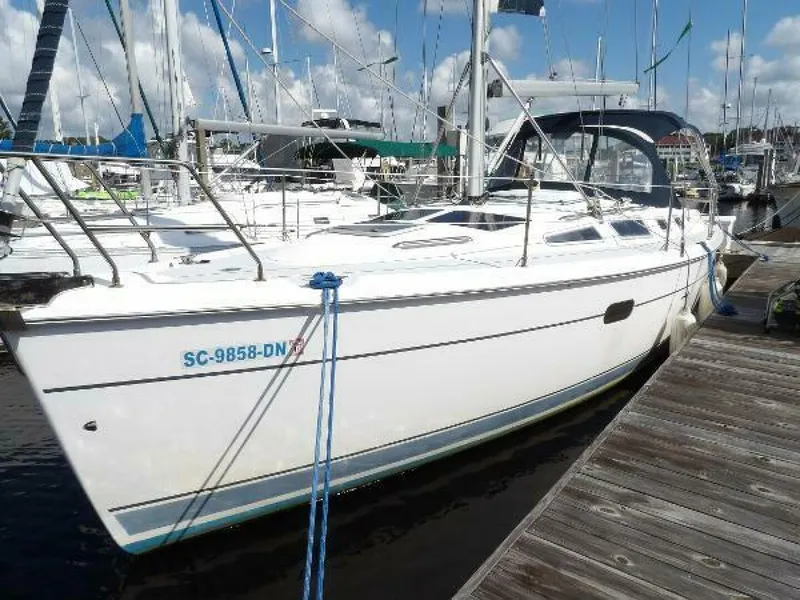
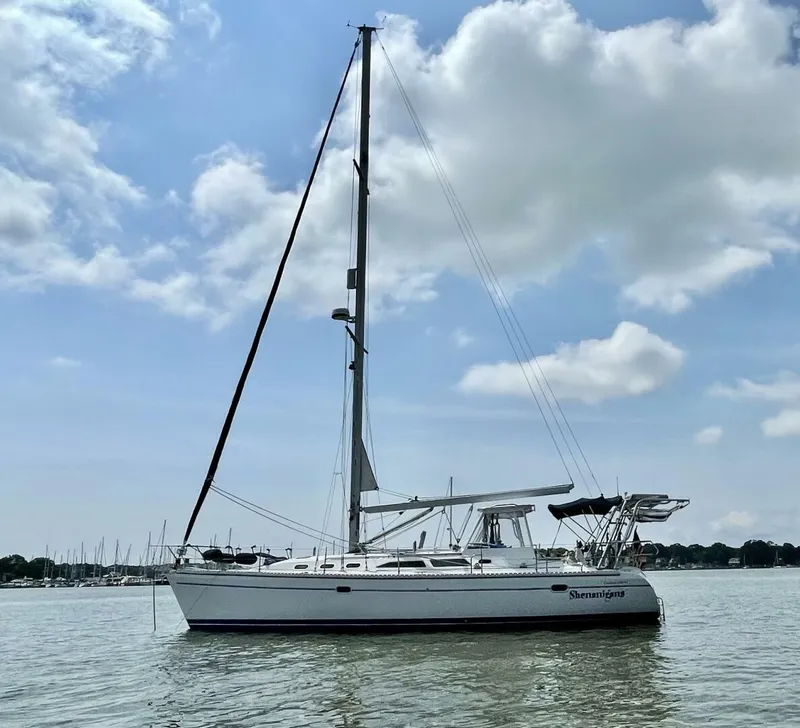
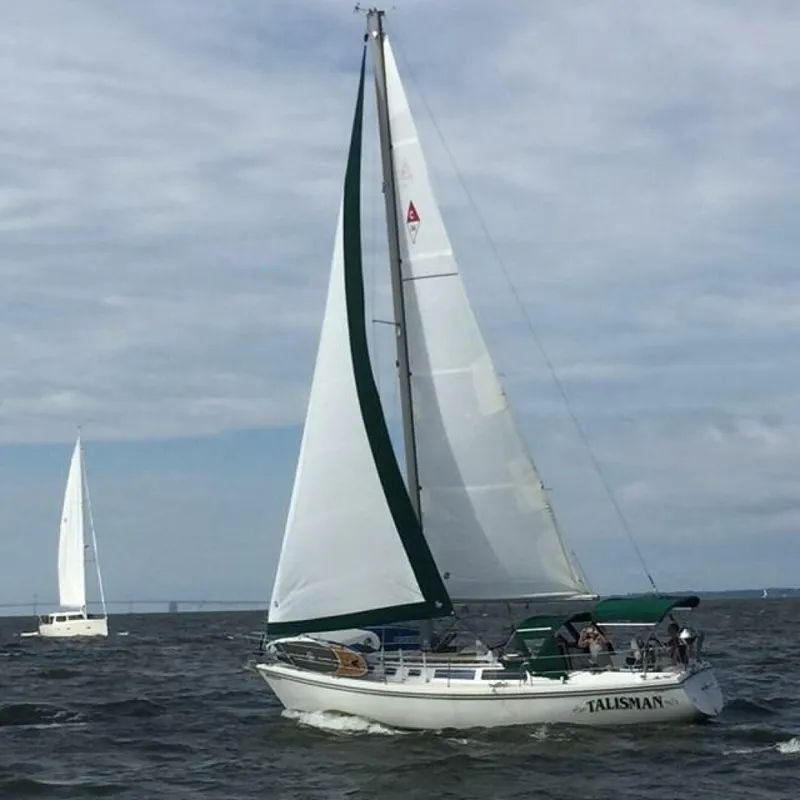
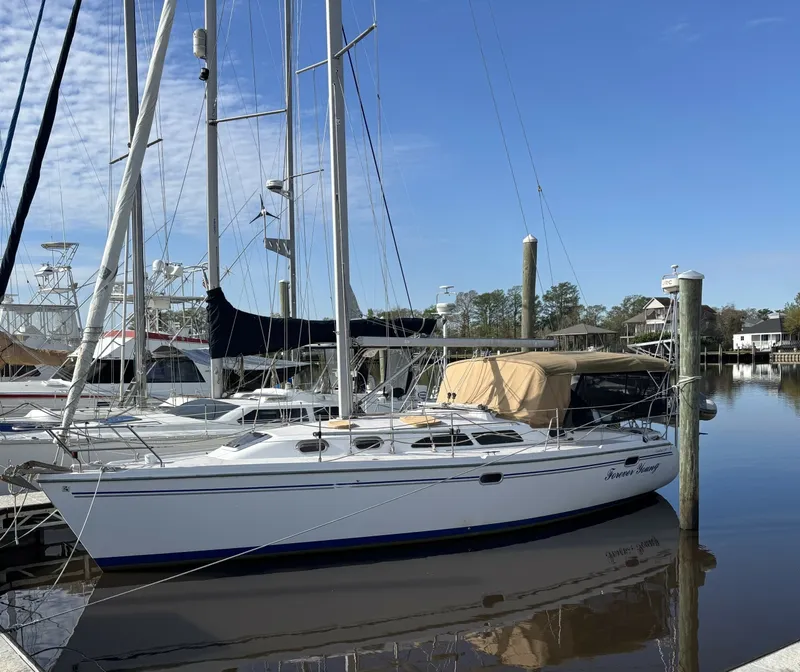
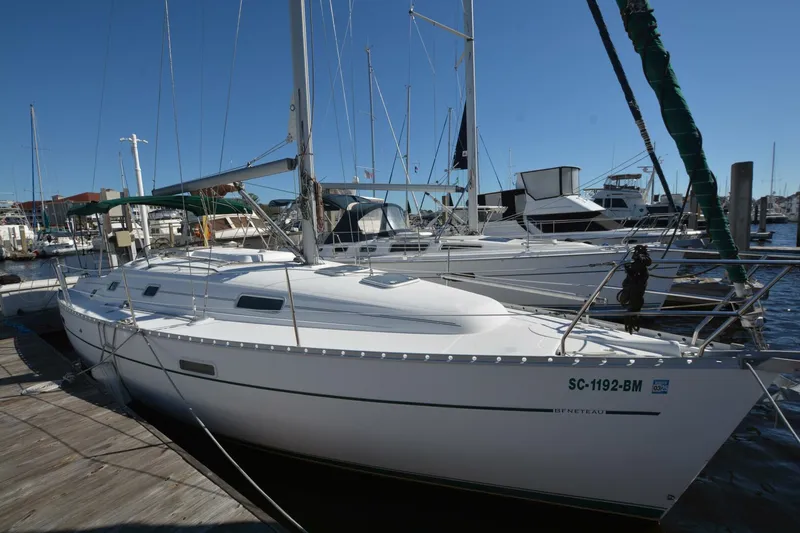
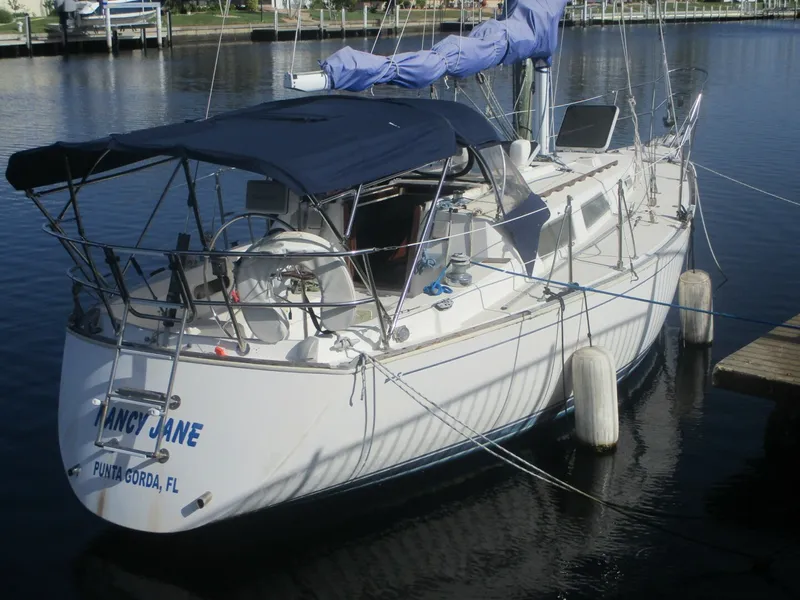
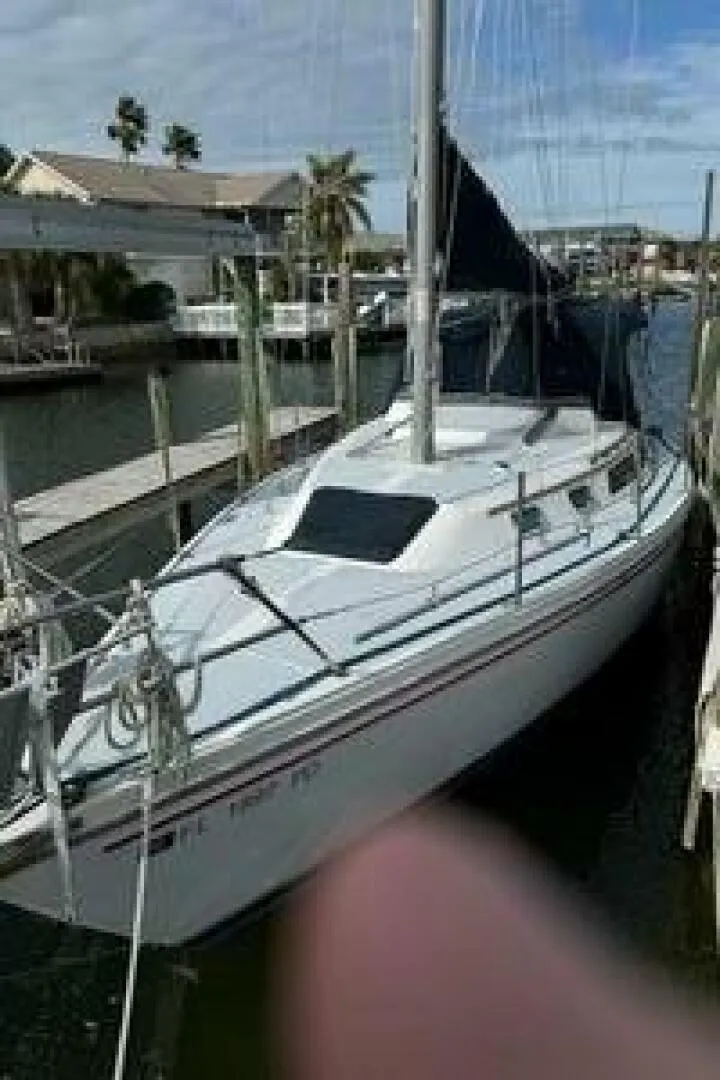
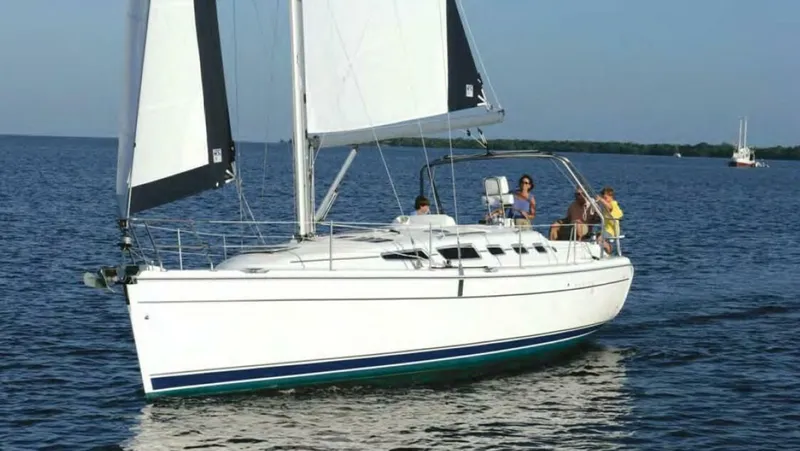
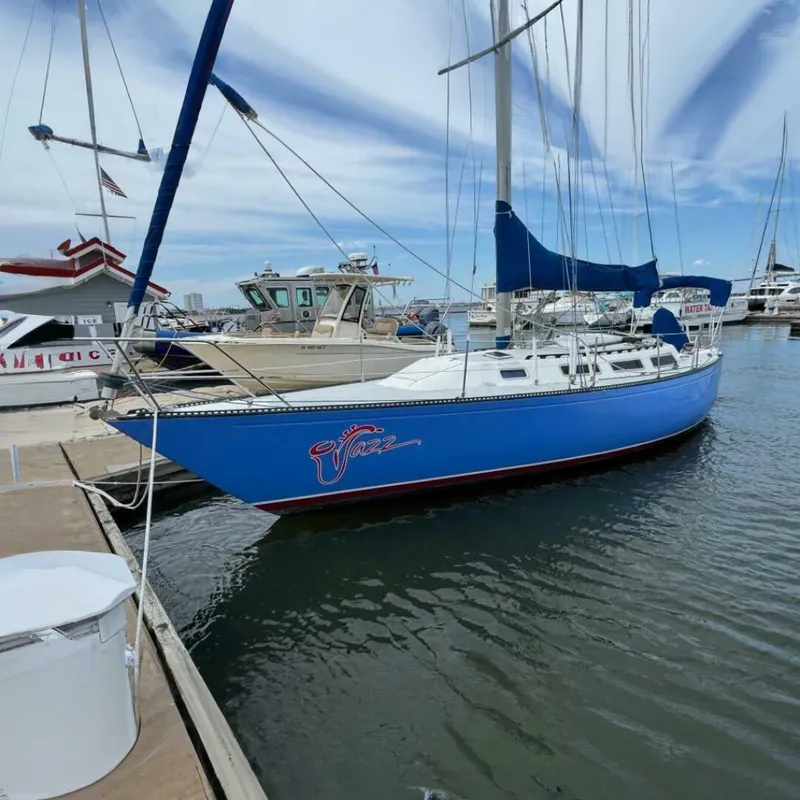
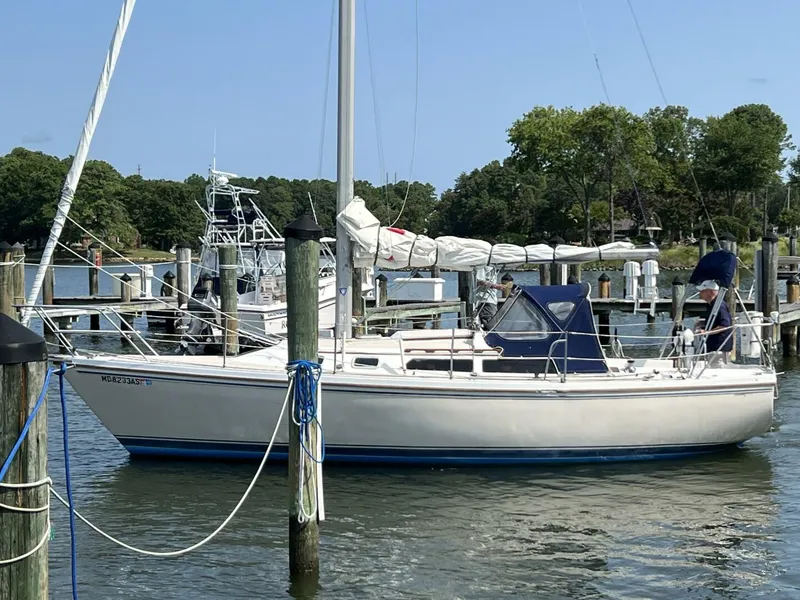
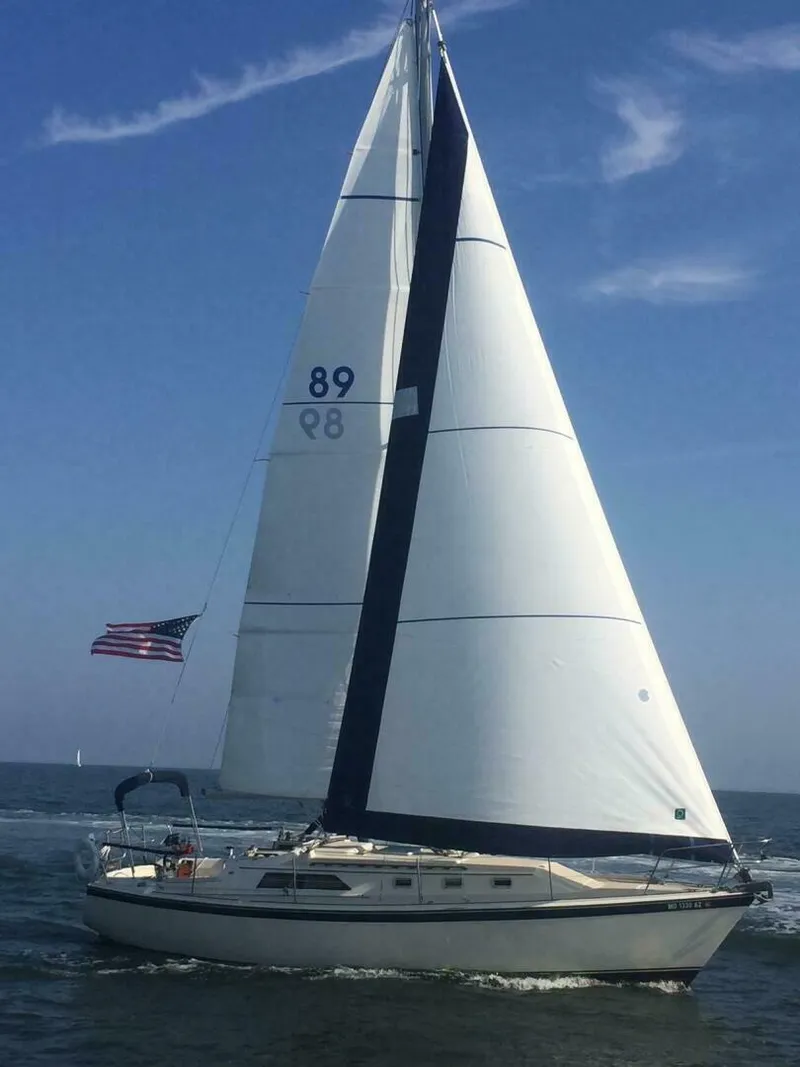
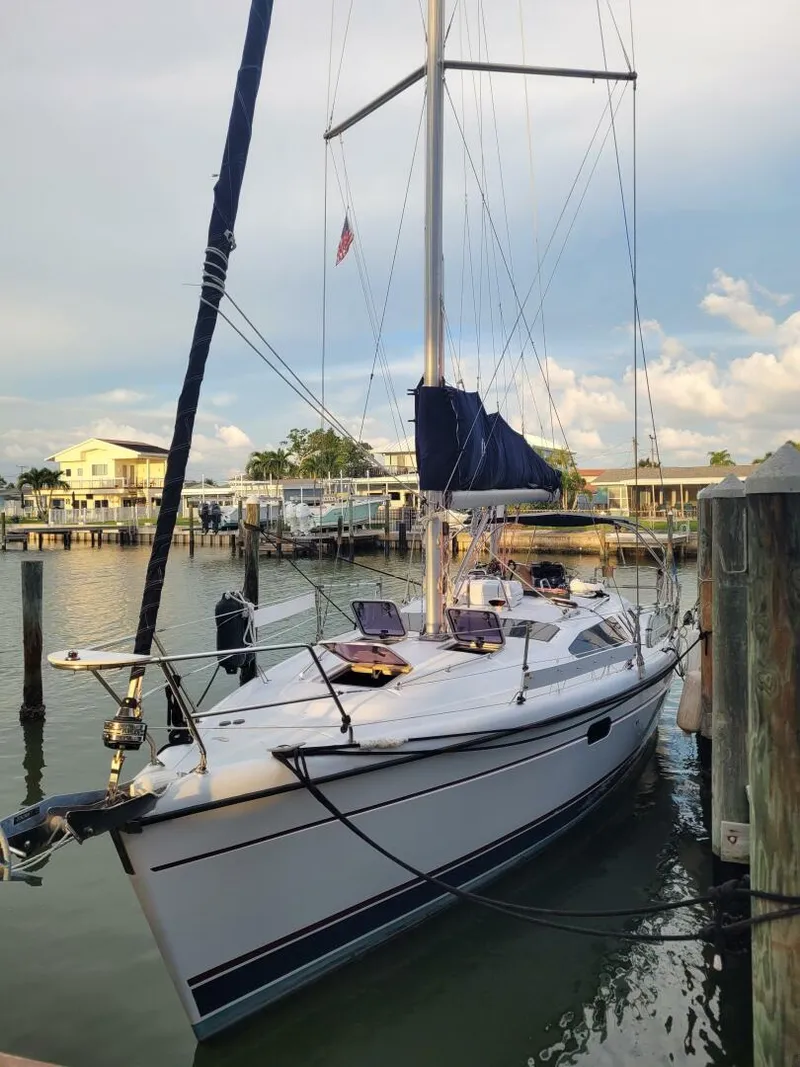
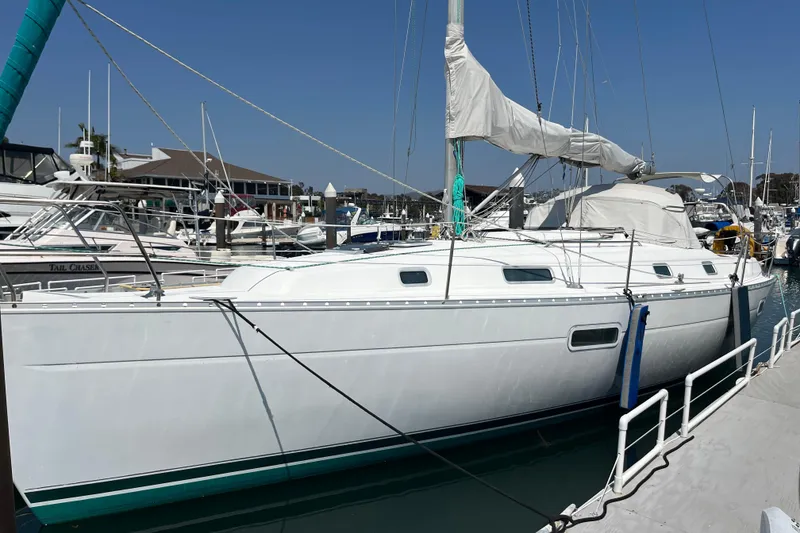
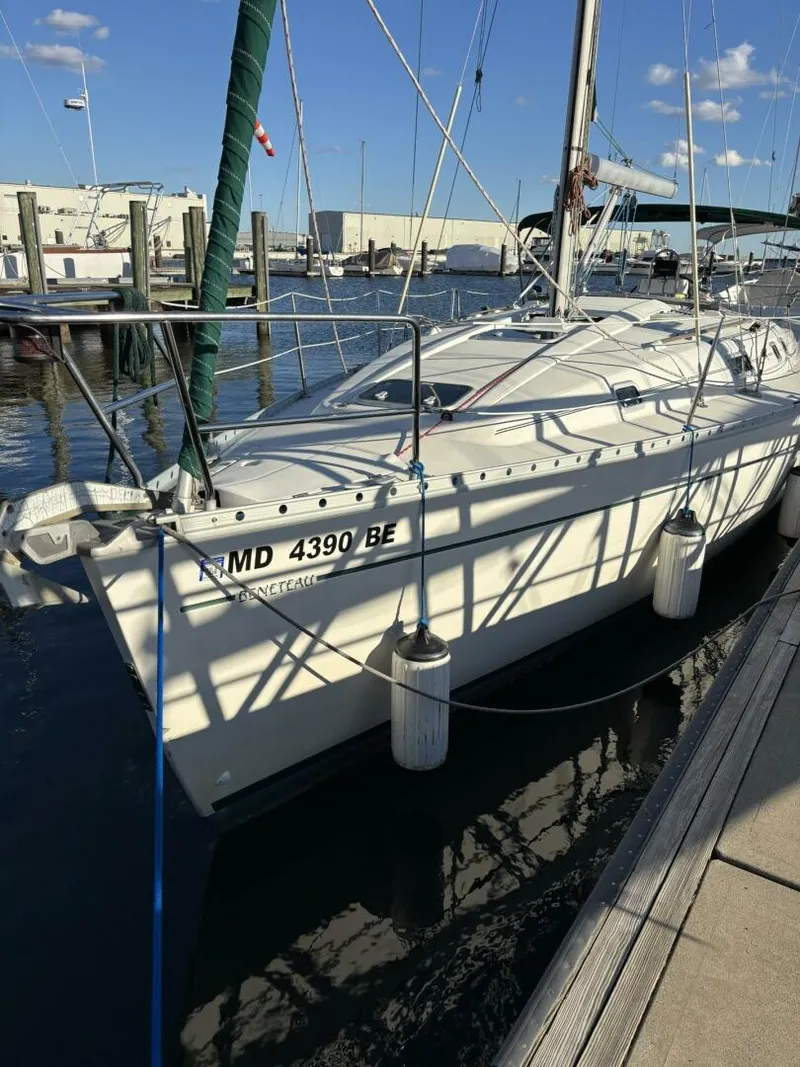
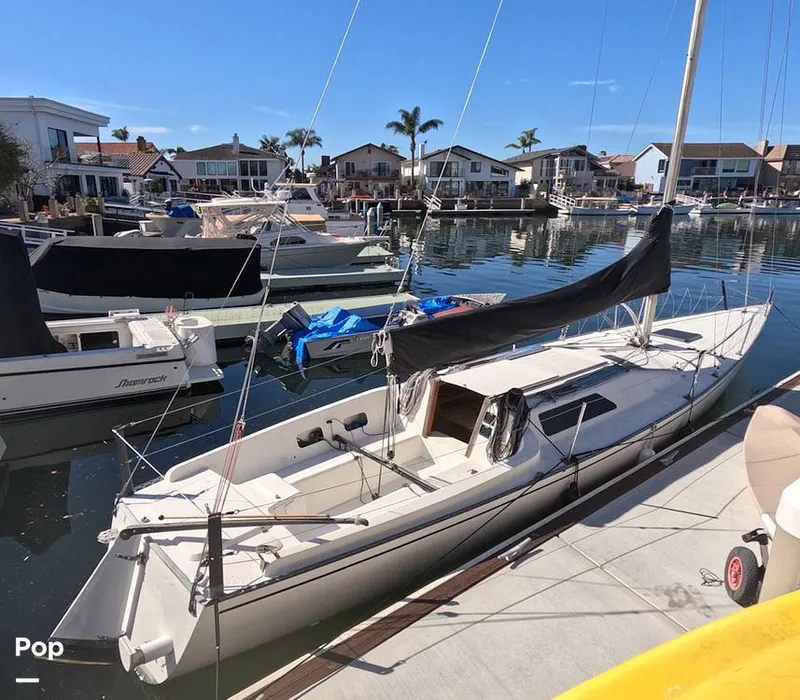
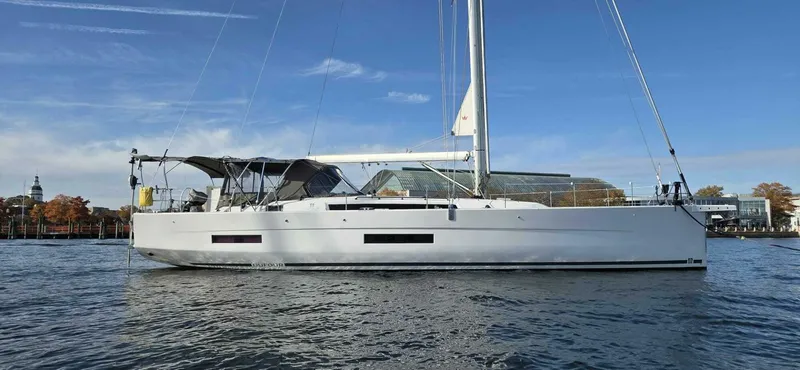
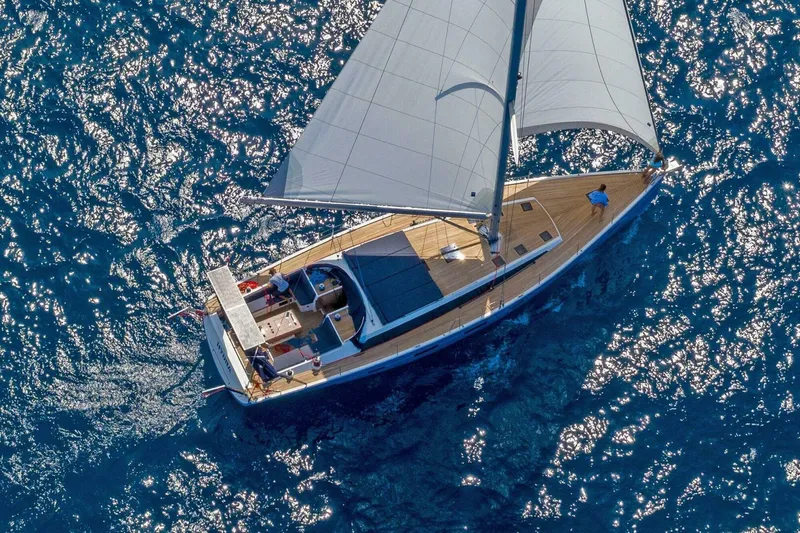
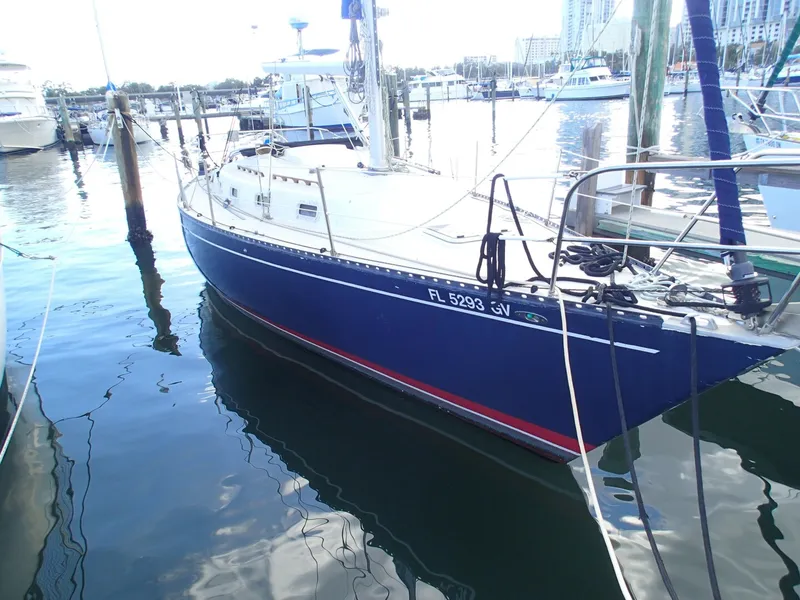
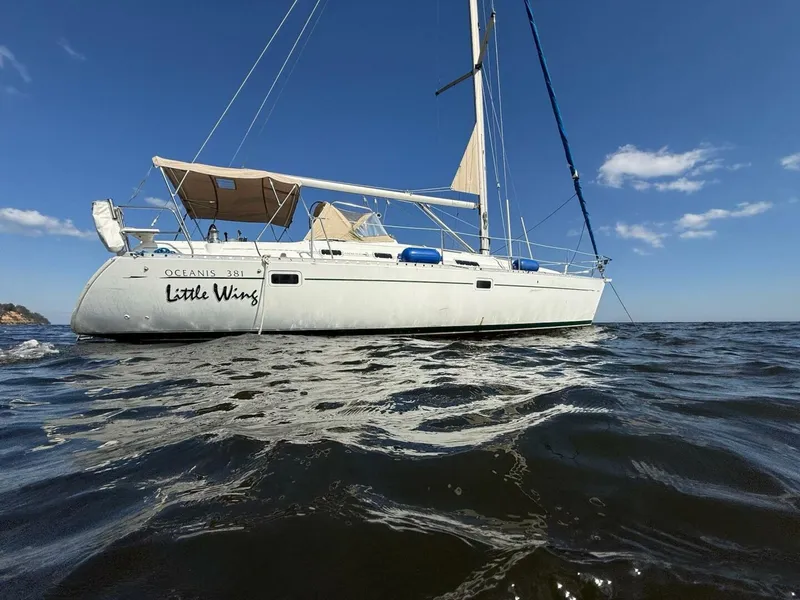
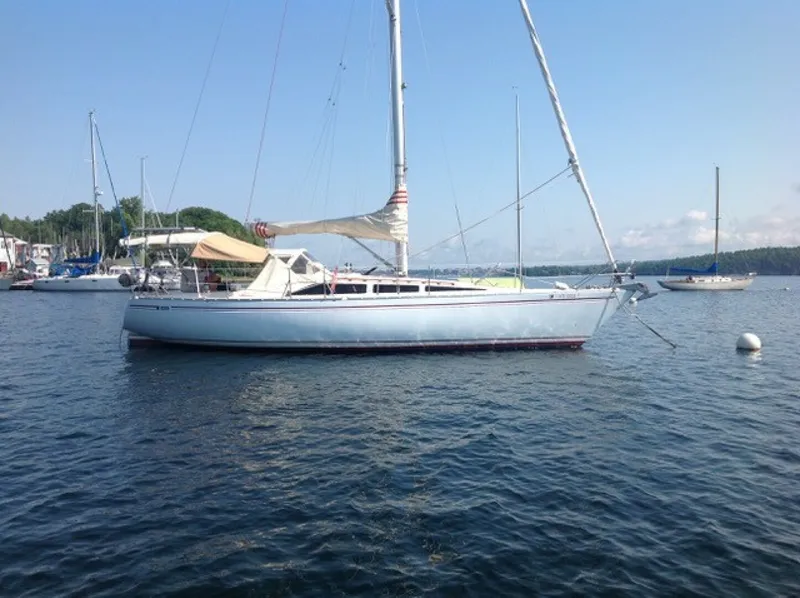
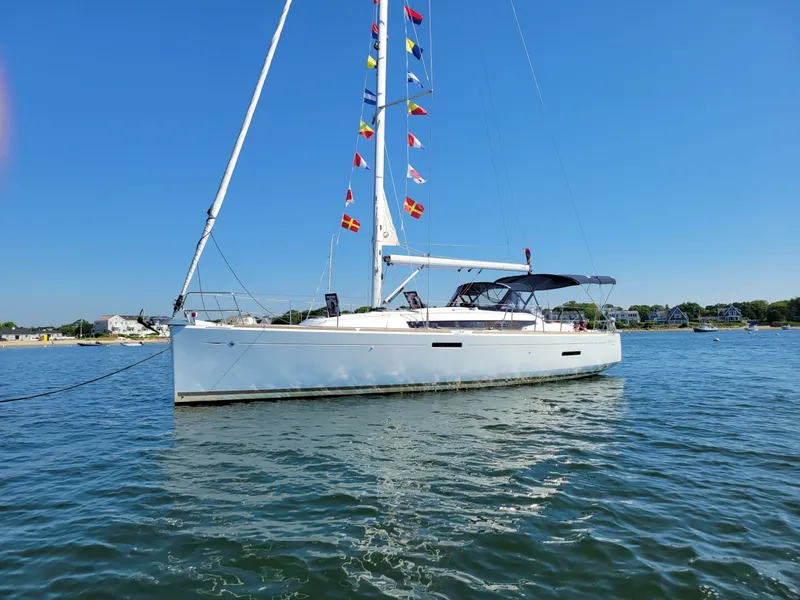
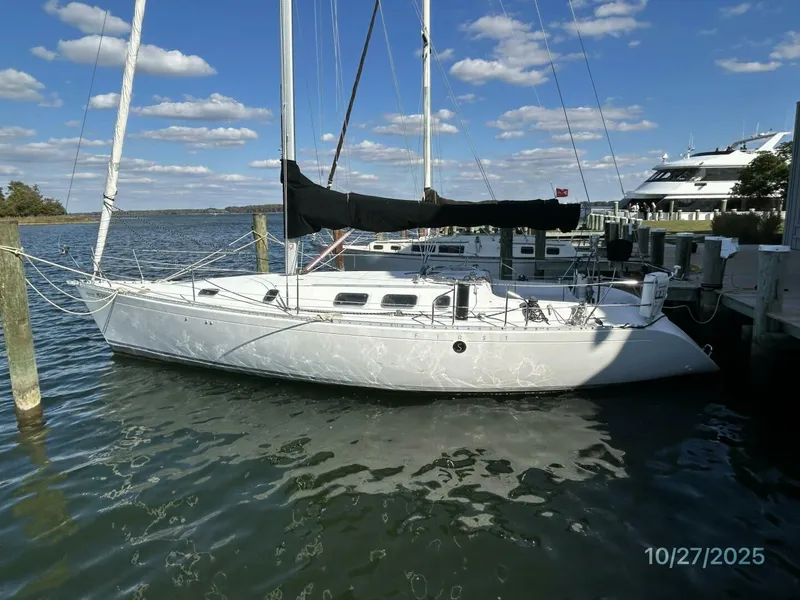
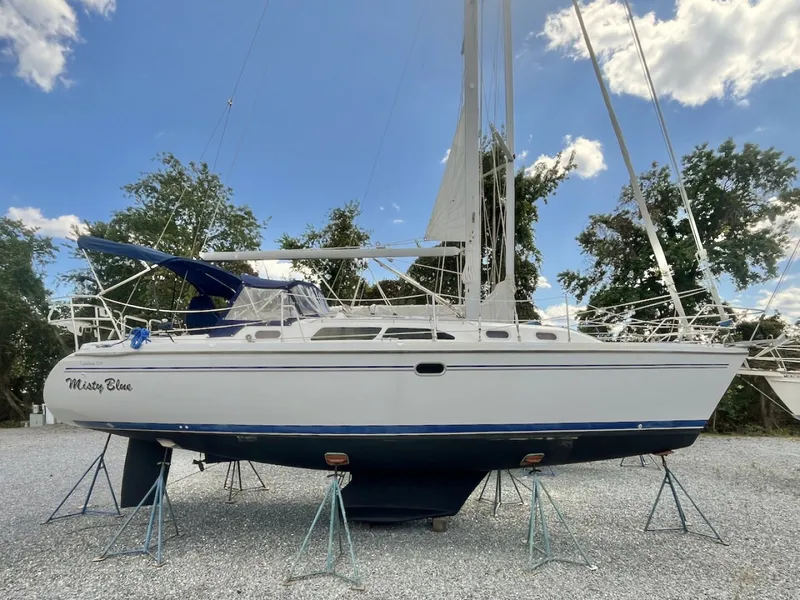
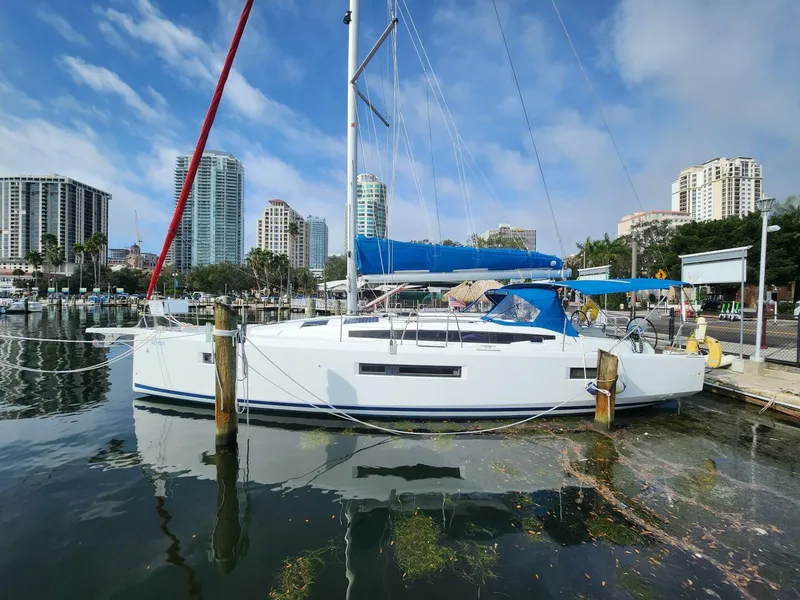
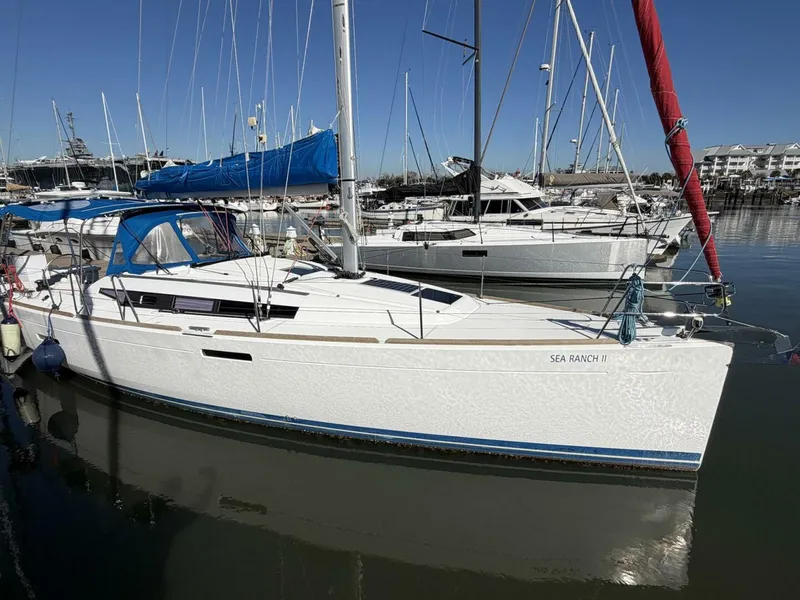
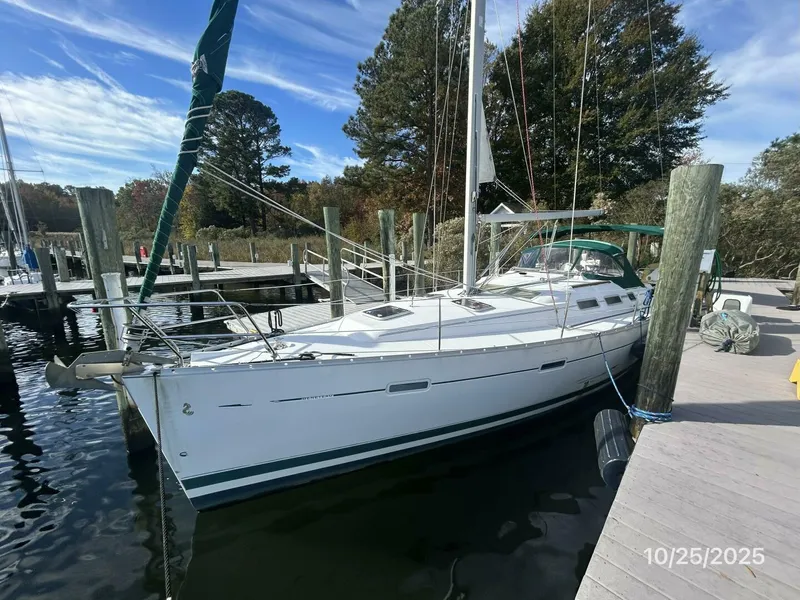
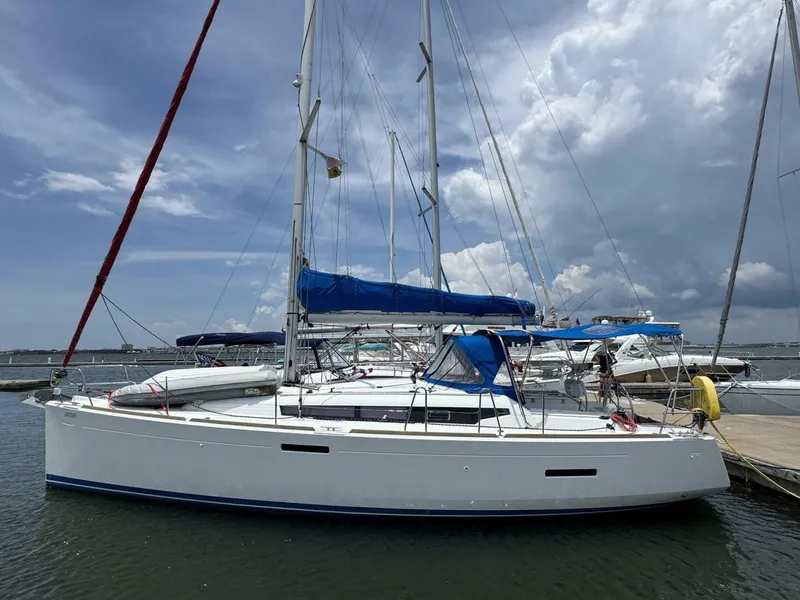
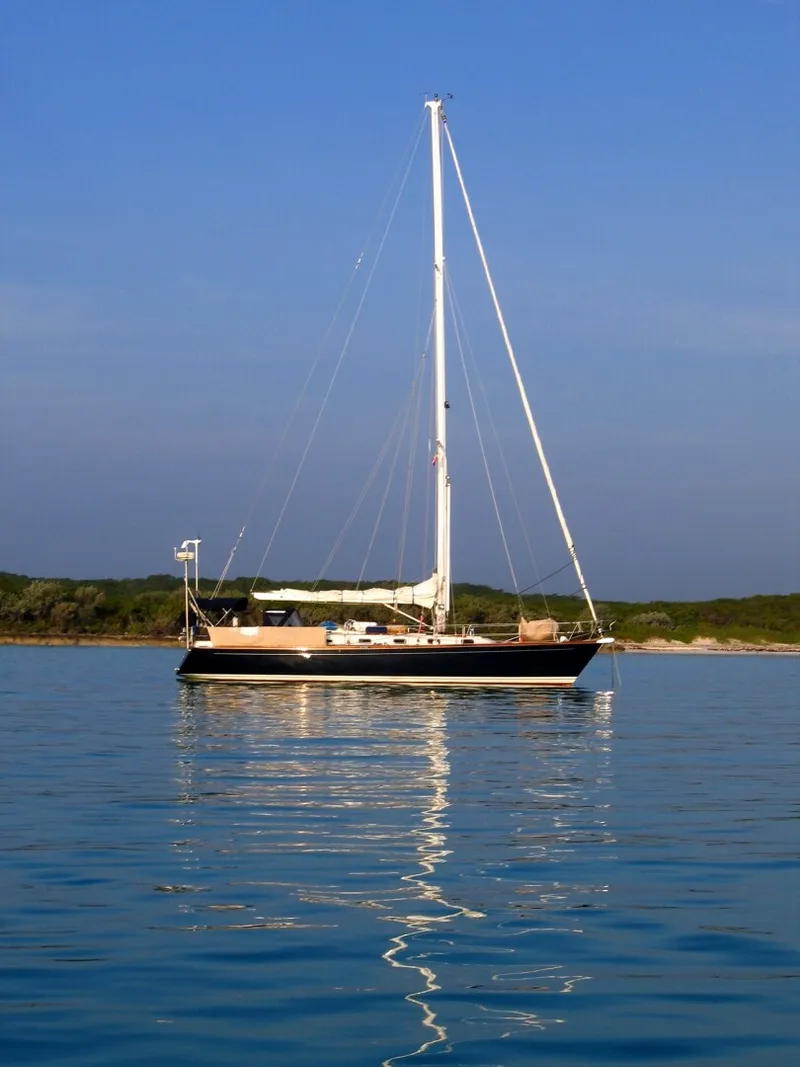
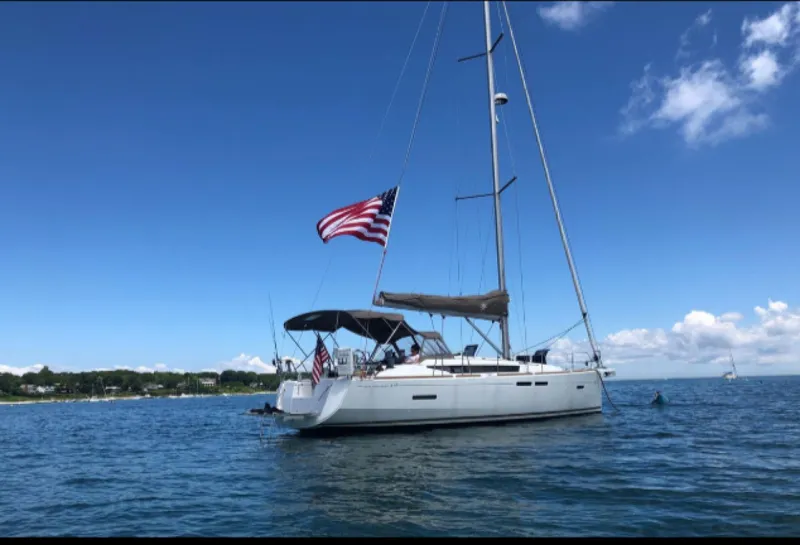
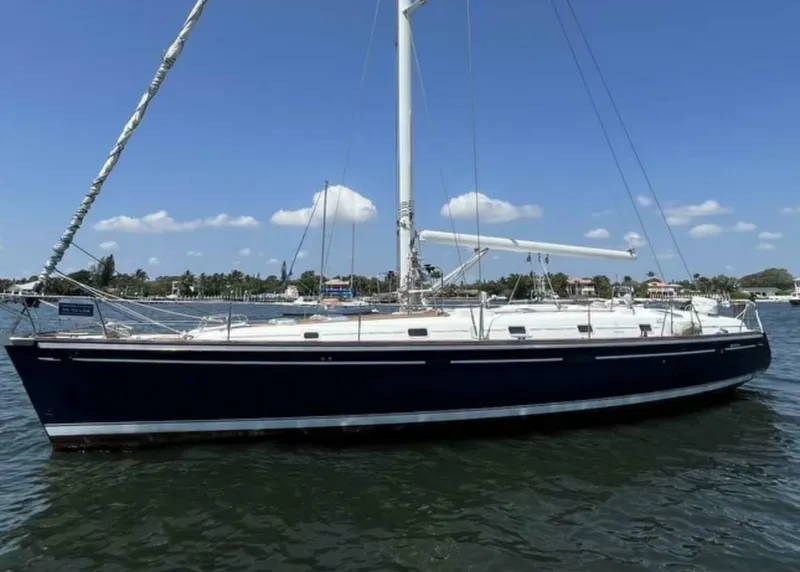
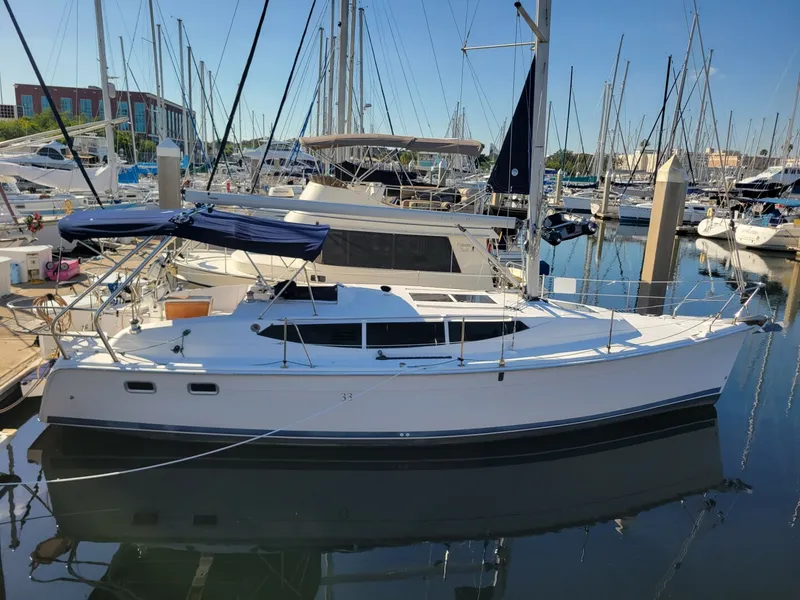
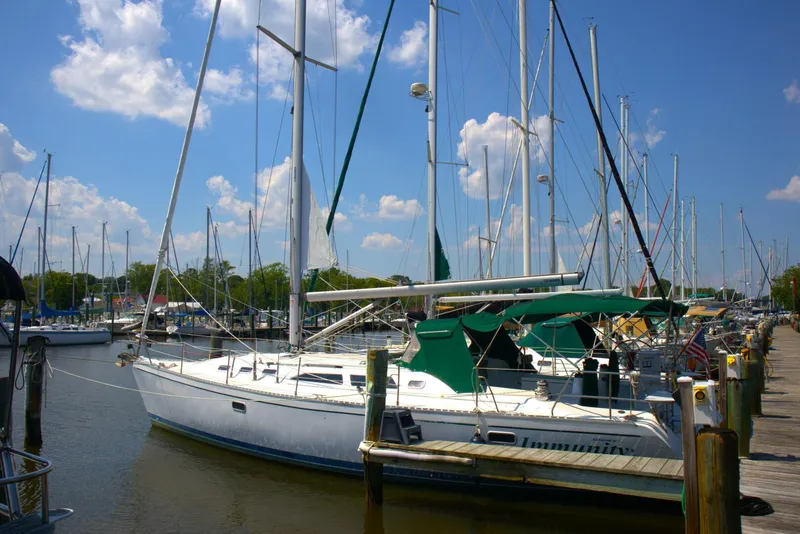
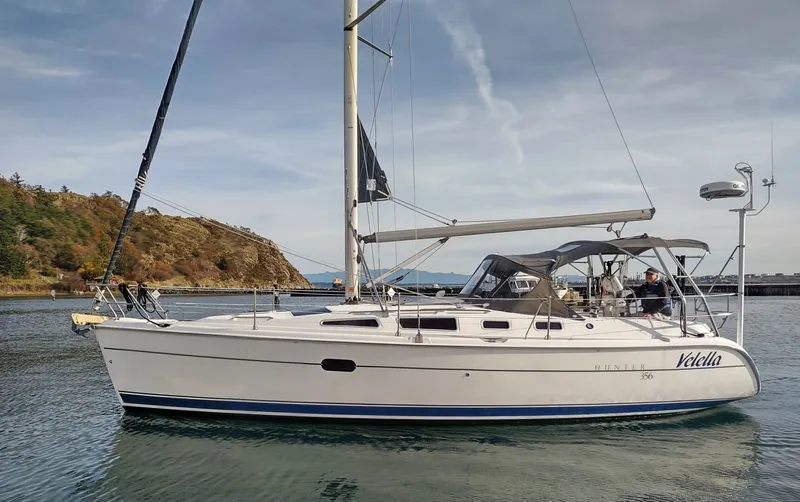
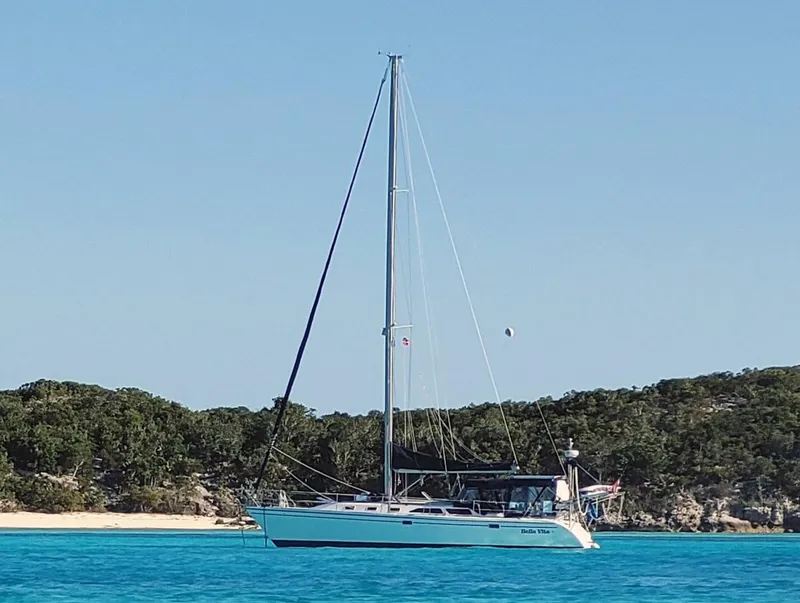
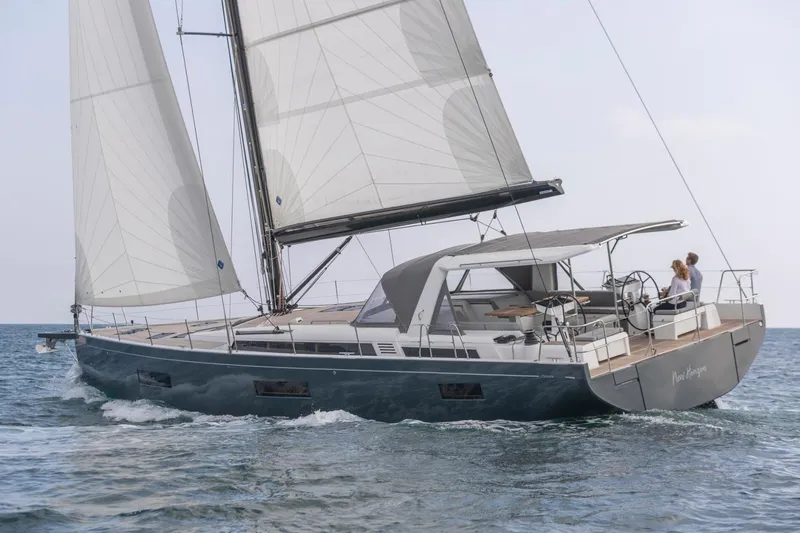
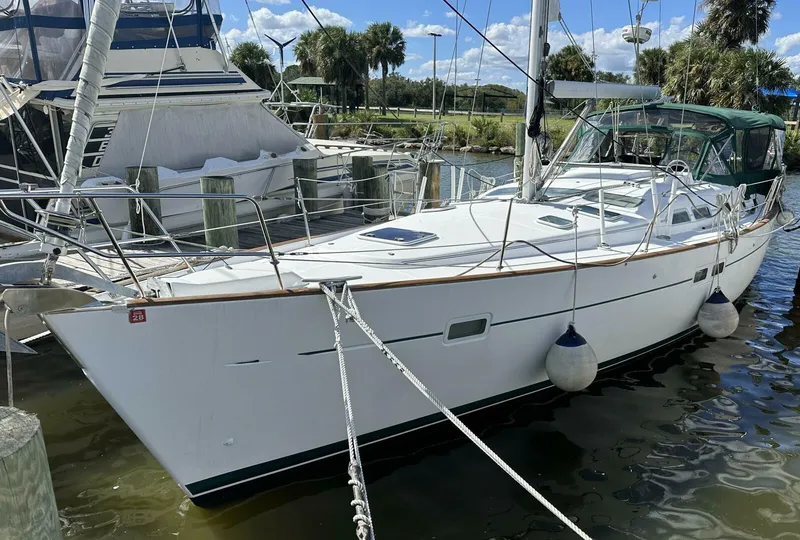
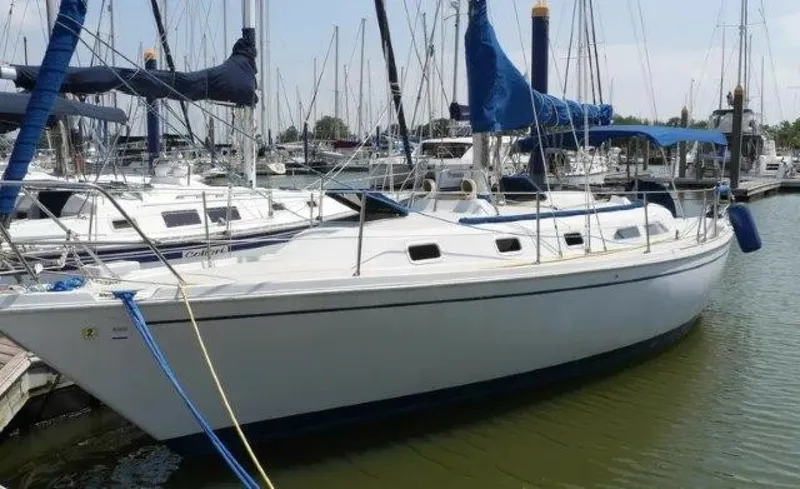
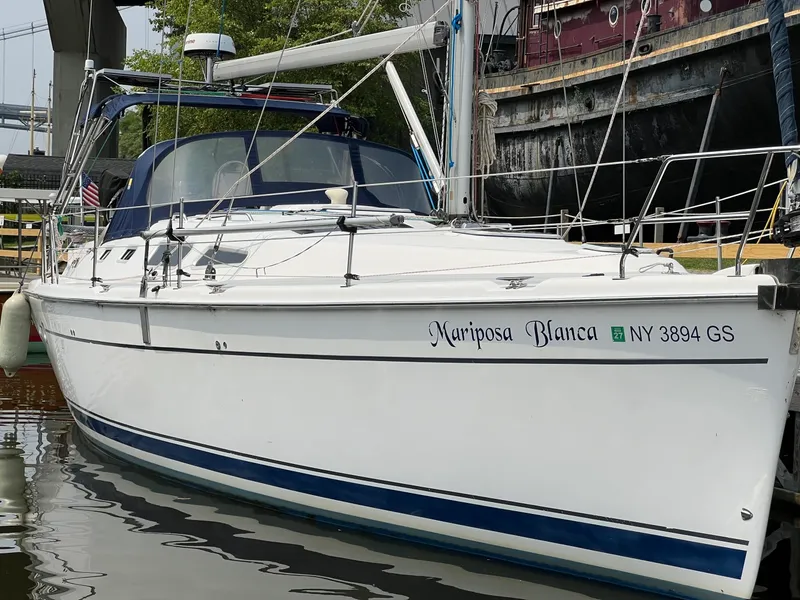
A sloop is a type of sailboat characterized by a single mast and two primary sails: a mainsail and a headsail (usually a jib or genoa). This rigging setup is known as a fore-and-aft rig and is one of the most common and efficient sail plans for small to medium-sized boats.
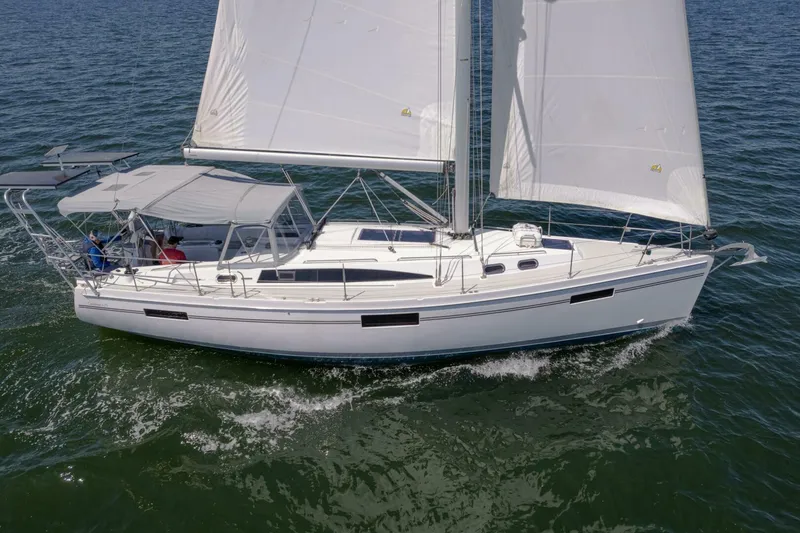
Historically, sloops have been favored for their simplicity and speed. The design dates back centuries and was popularized for coastal and inland waters where maneuverability and ease of handling were essential. Over time, the sloop evolved to suit a wide range of sailing activities, from leisurely day sails to competitive racing.

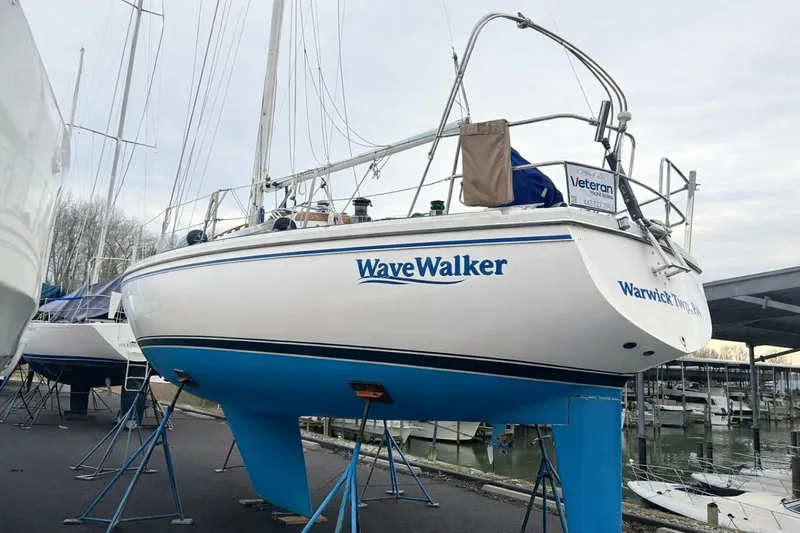
The hull of a sloop typically features a sleek design that allows it to glide efficiently through the water. Modern sloops often include innovations in materials and rigging to improve performance, comfort, and safety, making them a versatile choice for recreational sailors.

Pros of owning a sloop boat

1. Elegant and efficient sail plan

The sloop’s single mast and two-sail configuration make it straightforward to handle, especially for beginners. This simplicity translates into efficient sailing, as the boat can adjust to various wind conditions with relatively few sail controls.

Its design allows for solid upwind performance, meaning it can sail closer to the wind compared with many other rig types, which is a major advantage for both cruising and club racing.

2. Versatile and responsive on the water

Sloops are known for their versatility, handling well in a wide range of wind and water conditions. Whether you’re cruising a small lake, exploring coastal waters, or joining a regatta, the sloop adapts with responsive steering and sail trim.

This responsiveness makes the boat enjoyable for both relaxed day sails and more spirited outings, offering a satisfying, hands-on sailing experience.

3. Manageable crew requirements

Most sloops are designed to be sailed efficiently with a small crew—often just one or two people—making them ideal for solo sailors, couples, or small families.

The manageable crew size lowers the barrier to entry for new sailors and those who don’t want the logistics of coordinating a large crew every time they head out.

4. Classic aesthetic appeal and strong community

Sloops carry a timeless look that appeals to traditionalists and modern sailors alike. Clean lines, a balanced sail plan, and a purposeful hull give them a distinctive presence on the water.

Because they are so common, owning a sloop often means easy access to sailing clubs, class associations, and online communities, which can be helpful for learning, upgrades, and resale.

5. Relatively straightforward maintenance

Compared with larger, more complex sailing rigs, sloops generally require less rigging and fewer sails, which can simplify maintenance tasks.

Routine jobs such as inspecting standing rigging, replacing lines, and servicing winches are usually manageable for hands-on owners, keeping ongoing costs more predictable than with multi-mast or highly specialized boats.

Cons of owning a sloop boat

1. Limited interior and social space

Many sloops—especially trailerable and small keelboat models—have compact cabins and modest headroom, which can feel tight for longer trips or for larger crews.

Cockpit space can also be limited when several people are aboard, especially while actively sailing and trimming sails.

  • The Silver Lining: Smaller sloops shine on day sails and weekend trips, and modern designs use clever layouts, fold-away tables, and multi-use storage to make the most of every inch of space.

2. More demanding in heavy weather

While a sloop is capable in a range of conditions, the single-mast, relatively tall rig can become a lot to handle in strong winds and steep chop, particularly for new sailors.

Without timely reefing and good sail control, the boat can heel more than some cruisers are comfortable with, which may feel intimidating until you gain experience.

  • The Silver Lining: With basic training in reefing early, balancing sail area, and using the boat’s built-in safety gear, many owners find their confidence grows quickly and the boat feels secure even when the wind picks up.

3. Ongoing rig and sail upkeep

To stay safe and perform well, the mast, standing rigging, running rigging, and sails of a sloop need regular inspections and periodic replacement.

These items are not optional—they are core safety components—so owners should budget time and money for routine checks and eventual upgrades.

  • The Silver Lining: Because sloops are so common, there is a large aftermarket for sails, hardware, and rigging services, which helps keep prices competitive and makes it easier to find local professionals and DIY guides.

4. Less efficient directly downwind

Standard sloop rigs are not always at their best sailing directly downwind, especially compared with boats that carry multiple headsails or specialized downwind rigs.

Without additional sails like spinnakers or code sails, you may find some downwind passages slower or less stable than on a dedicated cruising rig.

  • The Silver Lining: Many sailors learn simple techniques such as sailing broad reaches with controlled jibes, or using wing-on-wing configurations and light-air sails, to significantly improve downwind comfort and speed.

5. Trailering and mast handling can be awkward

On trailerable sloops, the process of stepping and unstepping the mast, organizing shrouds and stays, and securing everything for travel can be time-consuming and physically demanding.

Larger keel sloops may not be realistic to trailer at all, forcing owners to rely on marinas or boatyards for haul-outs and long-distance moves.

  • The Silver Lining: Mast-raising systems, hinged tabernacles, and professional yard services can take most of the strain out of rigging and transport, letting you enjoy the sailing benefits of a sloop without wrestling with the rig on your own.

Handling and performance

Most sloops are optimized for a small crew, so while you can bring guests, comfort and performance both decline if the cockpit and side decks become crowded.

With more people aboard, crew coordination becomes more important, since passengers may need to move to balance the boat and stay clear of moving sheets and winches during tacks and jibes.

In rough conditions, a well-designed sloop can be capable and reassuring, but it does require active sail management: reefing early, adjusting traveler and sheets, and maintaining appropriate boat speed.

The hull form, ballast, and rudder design all influence how secure the boat feels when the waves build. Many coastal-cruising sloops are designed to punch through moderate chop competently, but any sloop will feel more demanding if over-canvassed or sailed beyond the crew’s comfort level.

Ownership and logistics

Beyond the purchase price, owners should budget for routine maintenance such as bottom paint, hull cleaning, sail repairs, and rigging inspections.

There are also recurring costs like insurance, mooring or slip fees, seasonal haul-out and storage, and periodic engine service for the auxiliary motor.

Over a multi-year span, these ongoing expenses often rival or exceed the initial purchase price, especially for boats kept in marinas with higher fees.

Because sloops are the most common rig and appeal to a large pool of buyers, well-maintained examples typically enjoy steady resale demand.

Condition, brand reputation, engine hours, sail inventory, and evidence of regular maintenance have a major impact on price, but in general, it is easier to find a buyer for a clean sloop than for a more unusual rig.

Smaller, trailerable sloops can often be towed by mid-size SUVs or light-duty pickups, provided the total weight of boat, trailer, and gear stays within the vehicle’s rated capacity.
Heavier keelboats and larger coastal cruisers usually fall into the category where professional transport or a heavy-duty truck is necessary, especially for long distances or highway speeds.
Careful attention to trailer brakes, tongue weight, lighting, and local regulations is essential to keep towing safe and legal.

Is a sloop the right choice for you?

A sloop offers a classic, hands-on sailing experience in a package that is widely supported, relatively straightforward to maintain, and flexible enough for everything from relaxed daysails to casual racing.

If your goal is to learn the fundamentals of sailing, enjoy responsive performance, and join a broad community of fellow owners, a sloop is one of the most practical and rewarding paths into boat ownership.

You'll love it if:

  • You want a boat that teaches and rewards good sailing technique without overwhelming systems complexity.
  • You prefer sailing with a small crew—often solo or with one or two regular companions.
  • You appreciate classic lines and the look of a single-mast sailboat under full canvas.
  • You value easy access to parts, service, and advice thanks to the sloop’s popularity.
  • You see your boat primarily as a platform for active sailing rather than as a floating condo.

It might be challenging if:

  • You need generous standing headroom, multiple private cabins, and extensive amenities for long-term liveaboard life.
  • You frequently sail in strong winds, large seas, or offshore passages without the time or desire to build advanced sailing skills.
  • You want a boat that excels when heavily loaded with large groups of passengers.
  • You expect effortless trailering and quick mast setup every weekend without professional help or specialized gear.
  • You prefer a powerboat-style experience focused on speed under engine rather than wind-powered sailing.

A sloop distills sailing down to its essentials: wind, water, and a responsive hull under a simple but capable rig. If that combination matches how you imagine your time on the water, a sloop is a strong candidate for your next—or first—boat.

Be the First to Know

Get notified when new boats become available.

Logo