Oshkosh
Searching boats for you...
Boating · Destinations
Is Oshkosh, WI a Good Place for Boating?
Written by: MarineSource.com Team | Estimated read time: 7 min read
On a calm summer morning in Oshkosh, the western shore of Lake Winnebago feels almost oceanic. The water stretches nearly 30 miles to the horizon, interrupted only by distant fishing boats and the low outline of the opposite shoreline. The Fox River threads right through town, tying the lake to the rest of the Winnebago Pool—Lake Butte des Morts, Lake Winneconne, and Lake Poygan—so it is easy to feel like you have an entire chain of waterways in your backyard.
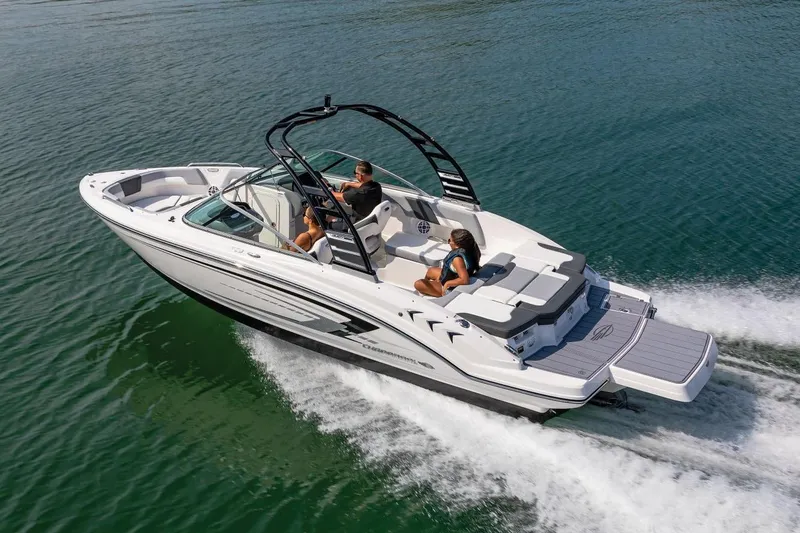
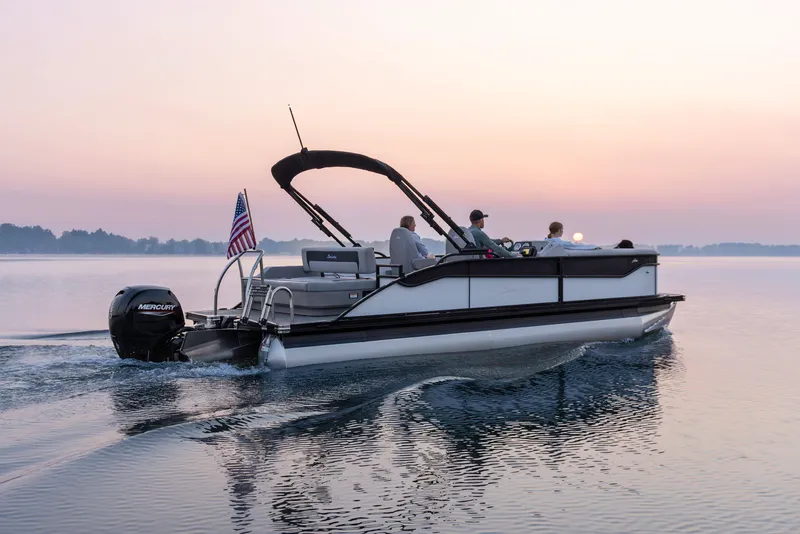
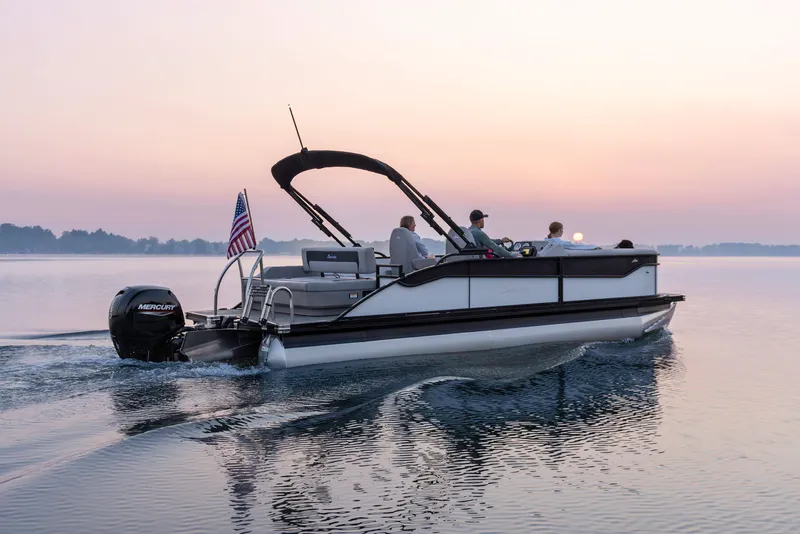
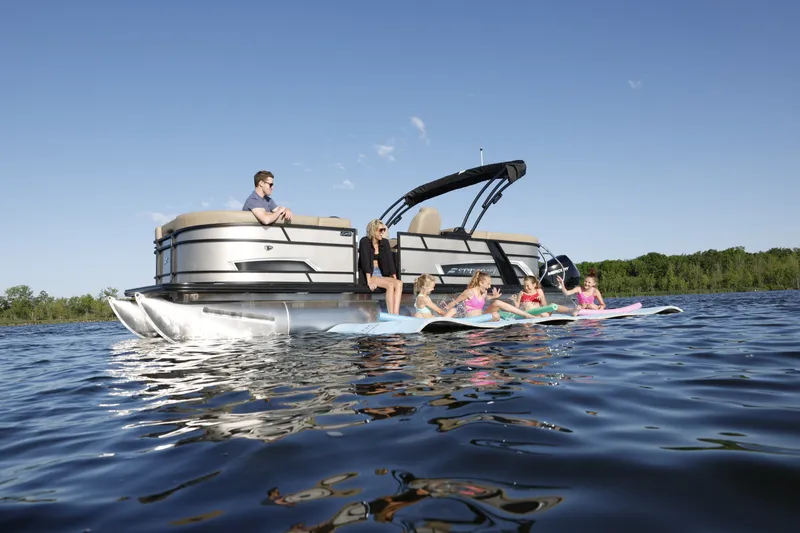
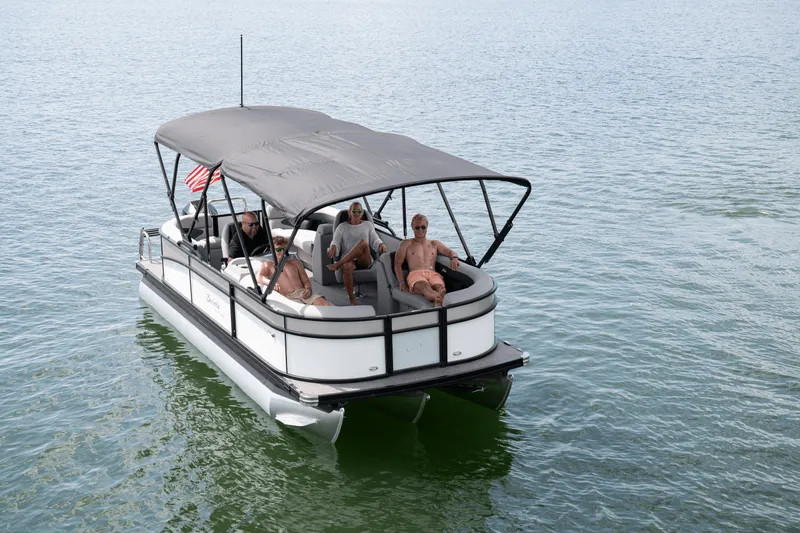
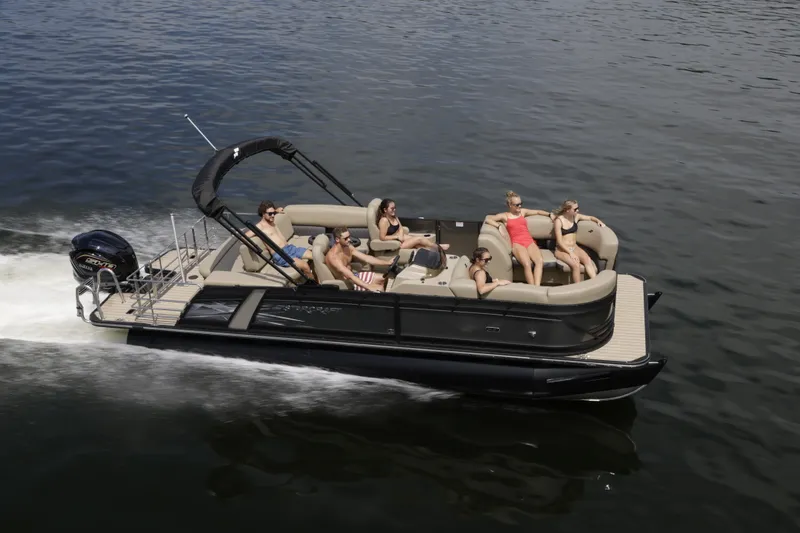
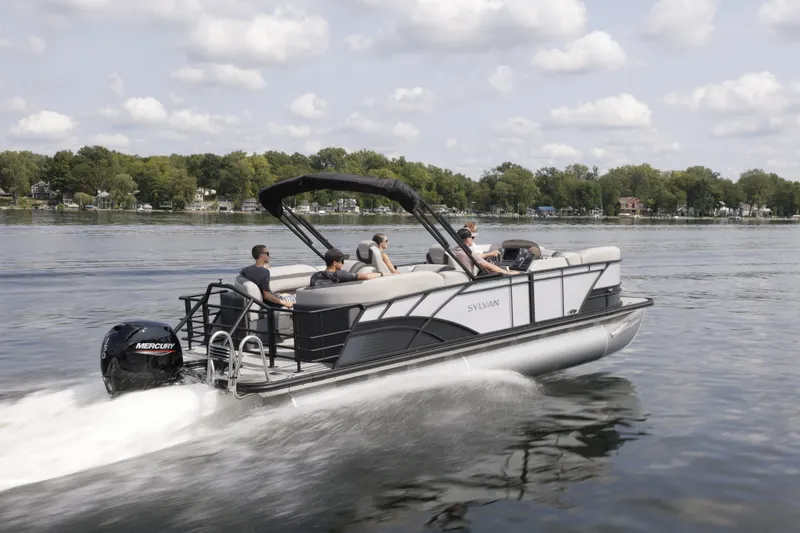
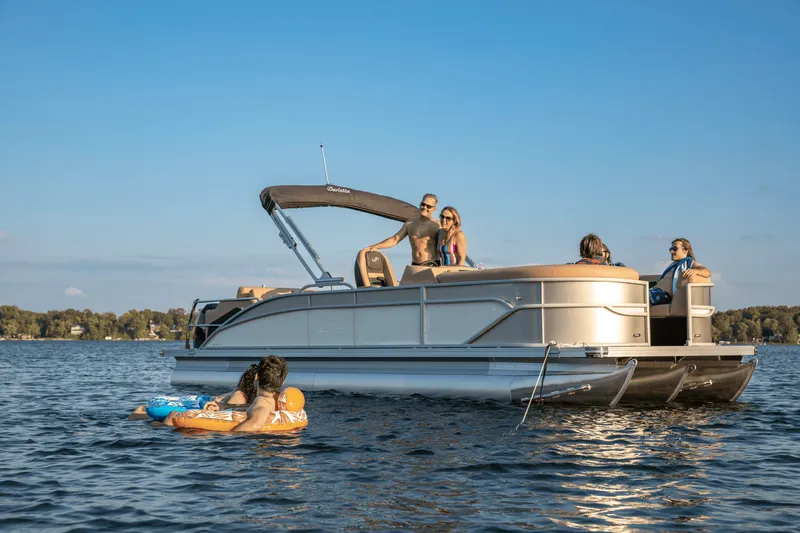
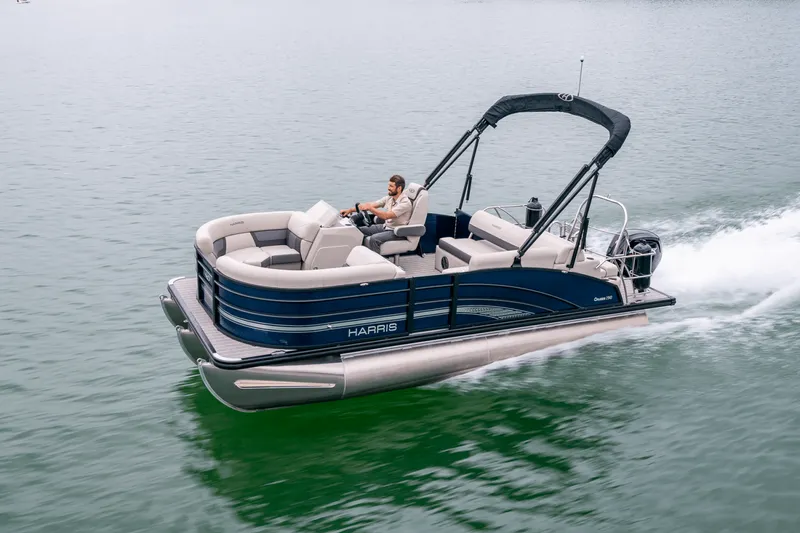
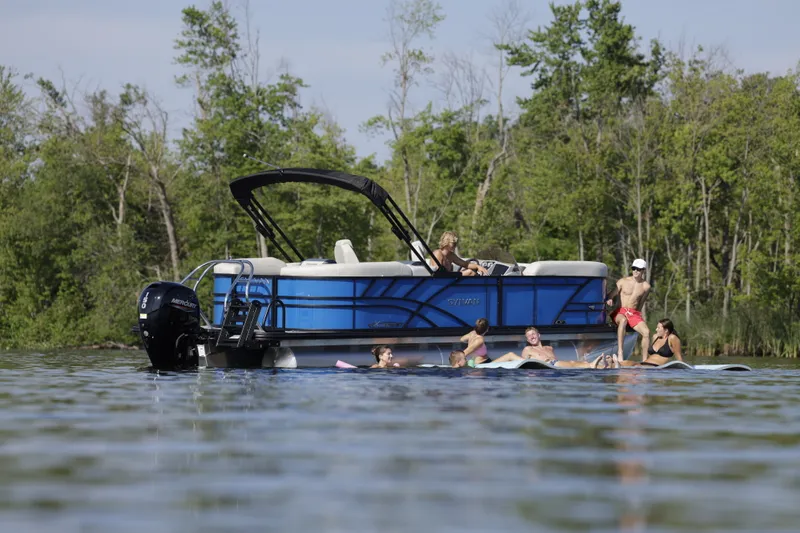
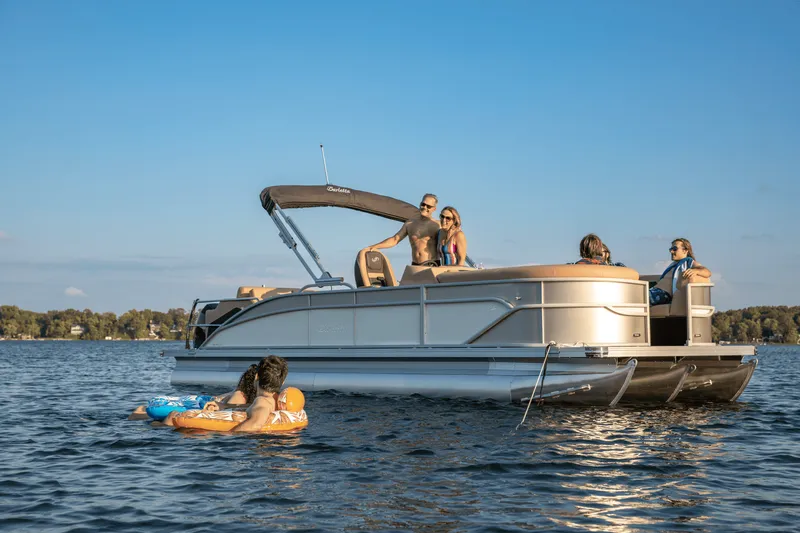
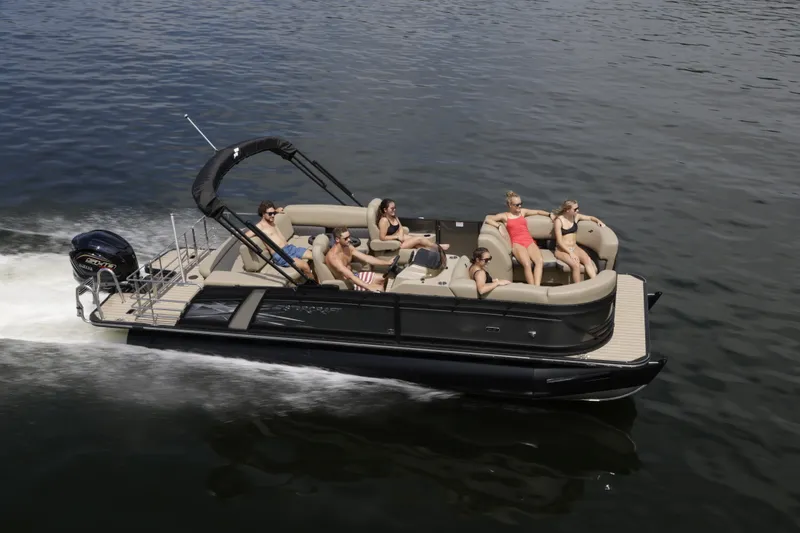
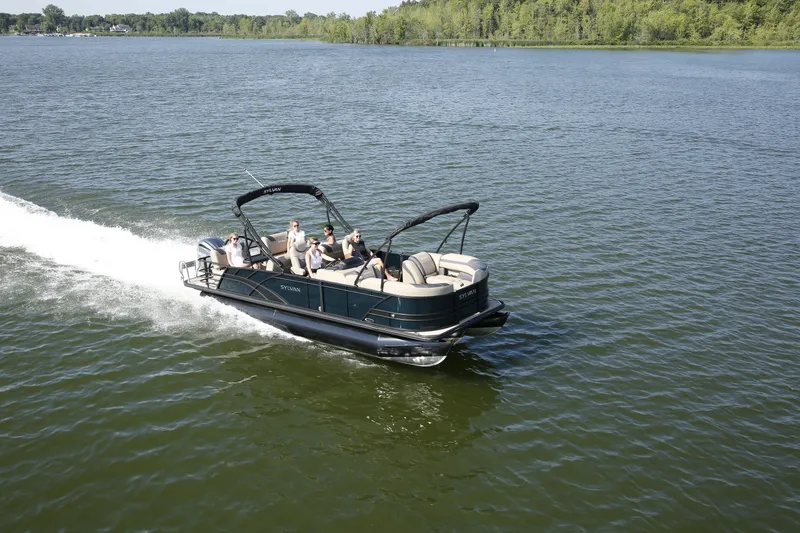
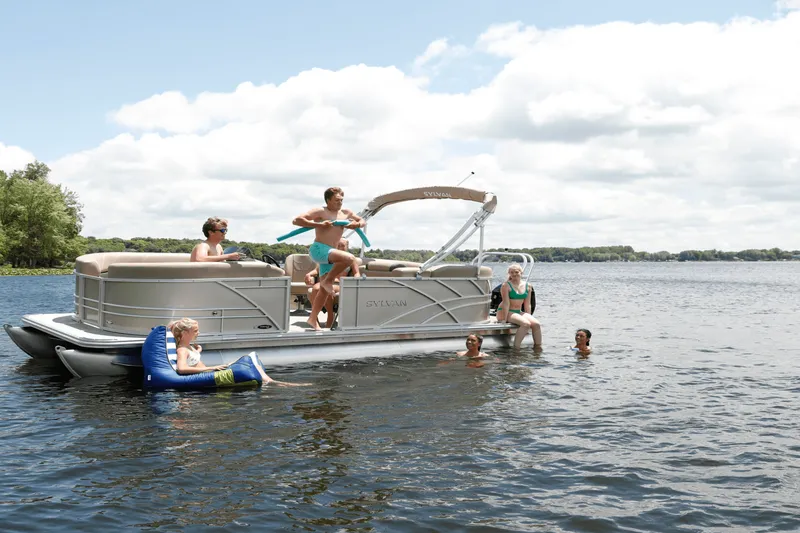
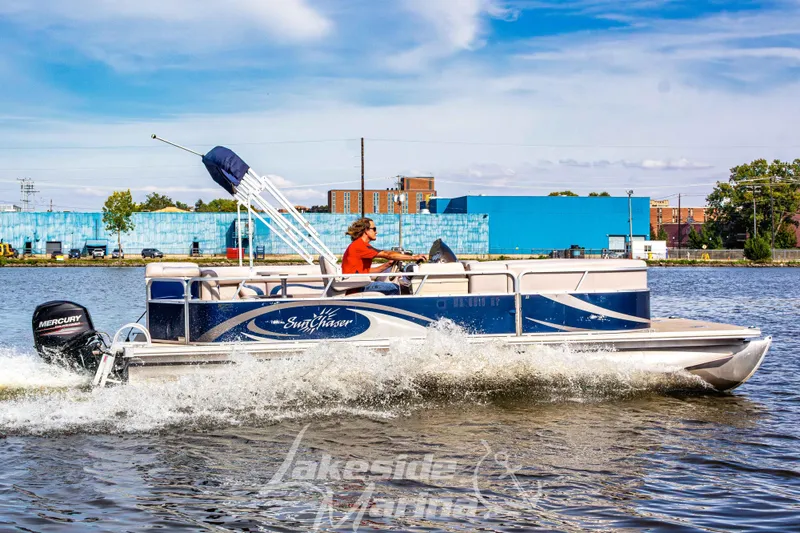
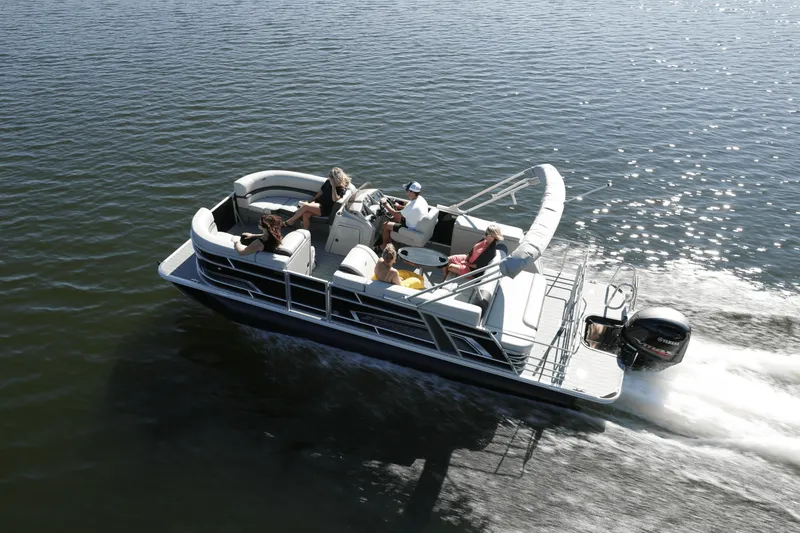
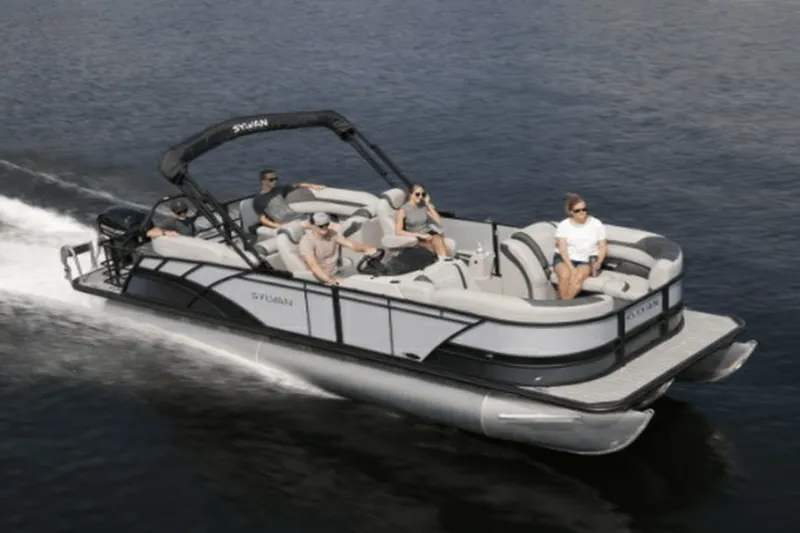
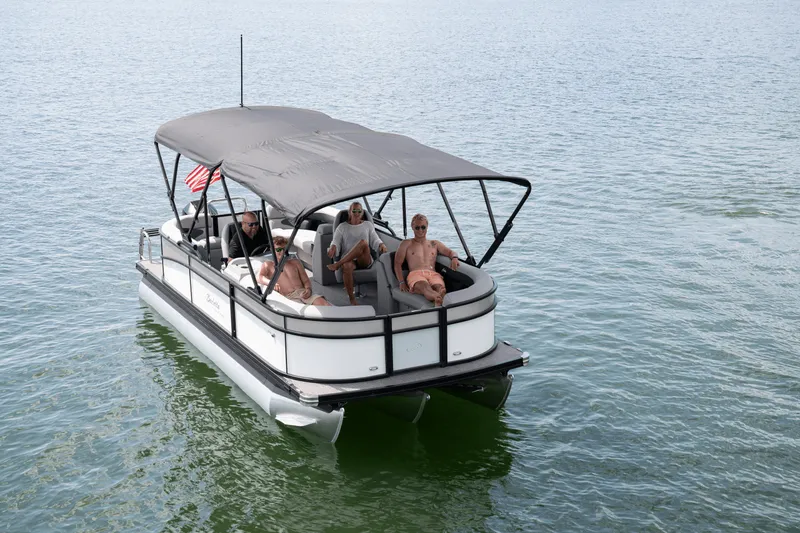
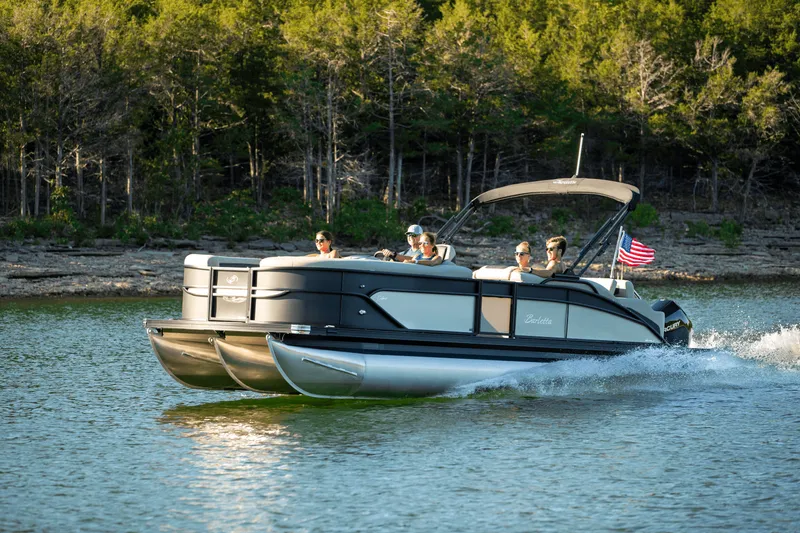
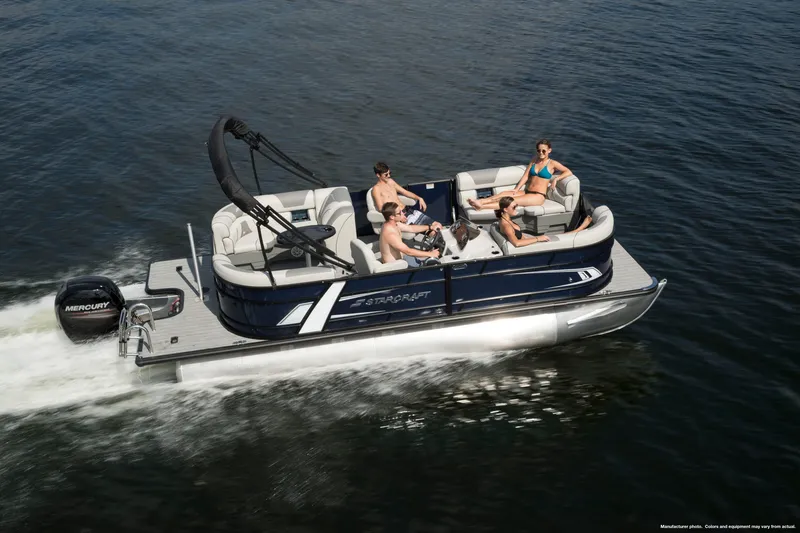
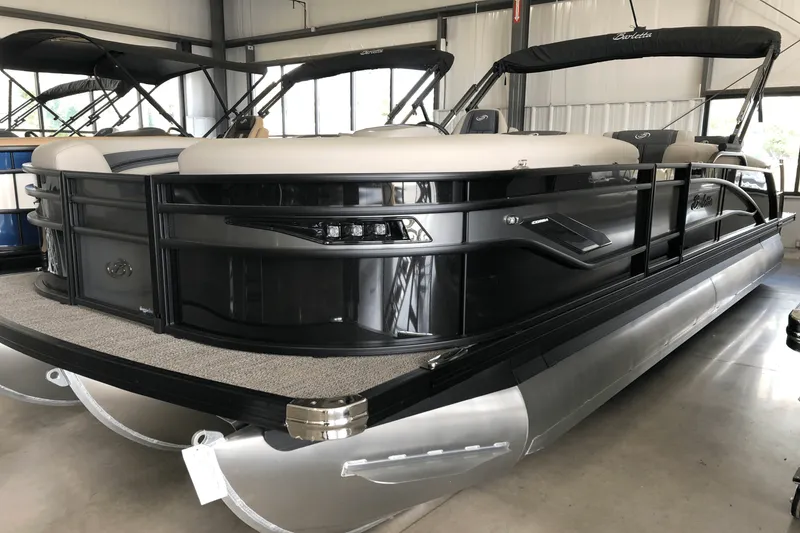
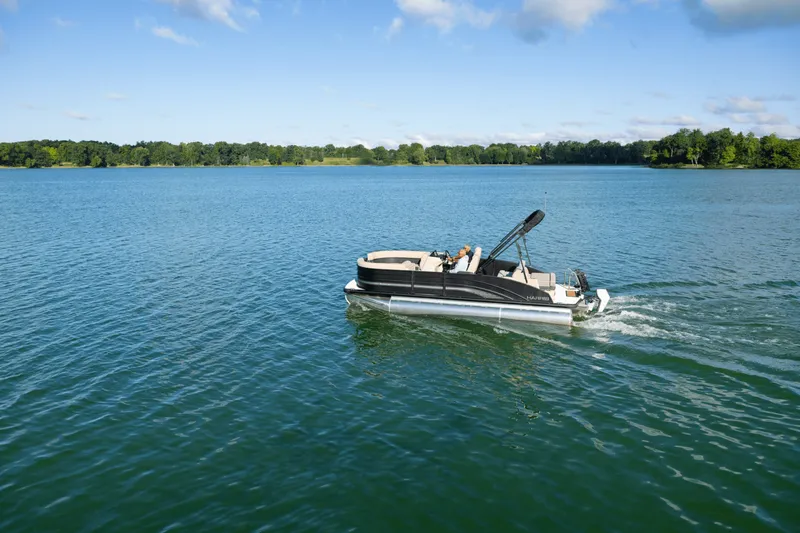
For people who love time on the water, boats in Oshkosh are part of everyday life rather than a special occasion. Pontoons idle past Menominee Park, anglers work the reefs for walleye, and scows and dinghies from the historic Oshkosh Yacht Club race along the city waterfront. Public launches, full‑service marinas like Pioneer Marina and SkipperBud’s Oshkosh Marina, and a busy summer navigation season make it straightforward to get out and explore.
Still, boating here is not without its tradeoffs. Lake Winnebago is shallow and can kick up a chop, the formal navigation season is limited to roughly late April through mid‑October, and there are new local restrictions on tow sports on a stretch of the Fox River. Costs for slips, storage, and maintenance can also add up, especially if you want the convenience of marina life instead of trailering.
So, is Oshkosh a good place for boating, and how do boats in Oshkosh actually fit into everyday living? Below, we’ll walk through the key pros and cons—from scenery and culture to regulations and seasonal realities—so you can decide whether this waterfront city matches the kind of boating life you have in mind.
Pros of boating in Oshkosh, WI
1. Big‑water feel on an inland lake
Lake Winnebago is one of the largest inland lakes in the Midwest, roughly 30 miles long and 10 miles wide with about 88 miles of shoreline. From Oshkosh’s western shore, the views feel expansive, with long, open reaches of water that can satisfy cruisers and sailors who like room to roam without the complications of tides or saltwater.
The lake’s average depth of around 15.5 feet (max about 21 feet) makes it accessible for pontoons, runabouts, fishing rigs, and smaller cruisers. You get the sense of being on real “big water” while still staying on a freshwater, non‑tidal system that many new boaters find easier to learn.
2. Connected waterways and varied day‑trip options
Oshkosh sits within the Winnebago Pool system, so you are not limited to just one body of water. You can head north through the Fox River into Lake Butte des Morts, then on toward Lake Winneconne and Lake Poygan, or stay on Lake Winnebago and work along its reefs and bays.
For a casual weekend, many boaters launch from city ramps, cruise the Fox River through downtown to see the bridges and waterfront, then swing out toward Miller’s Bay or along the west shore. More adventurous owners may plan multi‑day trips up the connected rivers, using marinas and public facilities along the way.
3. Solid marina and service infrastructure
For a mid‑sized city, Oshkosh offers a strong lineup of boating services. Pioneer Marina (on Lake Winnebago) and its sister site Spellman’s (on the Fox River), plus SkipperBud’s Oshkosh Marina, all provide wet slips, transient dockage, fuel docks, pump‑outs, power and water, Wi‑Fi, and repair services.
If you keep your boat in the water, these marinas can handle seasonal launch, haul‑out, and maintenance, with travel lifts and jib cranes for larger vessels. Storage options range from outdoor shrink‑wrapped storage to indoor cold and heated storage, which is a big perk in Wisconsin’s tough winters.
4. Easy public access for trailered boats
If you trailer your boat instead of renting a slip, Oshkosh is set up to make frequent outings realistic. The city maintains six public boat launches, and a daily launch fee of about $7 (with options for annual or three‑year stickers) keeps costs predictable for regular use.
Grundman Boat Landing and Park is a popular choice, with paved ramps, multiple launch lanes, a boarding dock, and plenty of trailer parking. From there and other city launches, you can quickly reach either the Fox River or Lake Winnebago, making spontaneous evening cruises or fishing runs very doable for everyday residents.
5. Active boating, fishing, and sailing culture
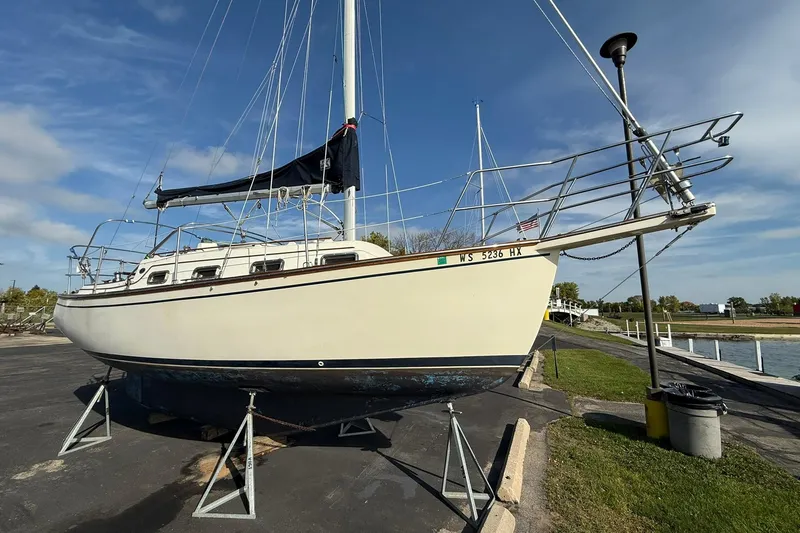
Boats in Oshkosh are woven into the local culture. The Oshkosh Yacht Club—founded in 1869—hosts active fleets of A‑Scows, E‑Scows, X Boats, Lasers, 420s, and Optimists, so there is a serious sailing and racing scene alongside casual cruising.
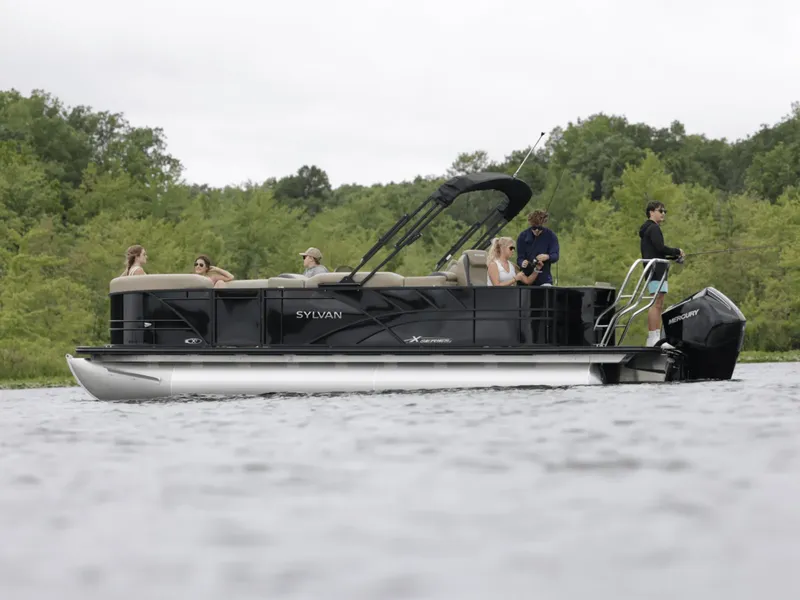
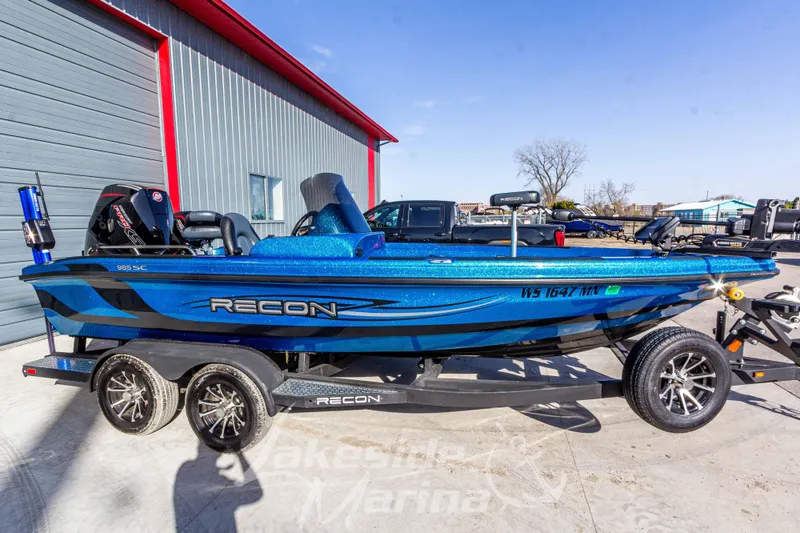
Fishing is another huge draw. Lake Winnebago is considered one of Wisconsin’s premier walleye fisheries, and the broader pool holds bluegill, bass, northern pike, perch, catfish, crappie, and muskellunge. Fishing tournaments and informal weekend outings keep public launches and marinas buzzing throughout the season, which is great if you want to plug into a community of like‑minded boaters.
Cons of boating in Oshkosh, WI
1. Short, weather‑dependent navigation season
Officially, the Oshkosh navigation season typically runs from about April 20 through October 15, with lift bridges operating 8:00 a.m. to midnight. Outside of these dates, ice and winter conditions shut down practical boating on the Fox River and Lake Winnebago.
Even within the season, spring and fall can be chilly, and weather across a shallow, broad lake can change quickly—wind can whip up a stiff chop that makes small boats uncomfortable or unsafe. That means your best boating window is concentrated into a few prime summer months.
- The Silver Lining: For many boaters, the defined season encourages you to make the most of late spring through early fall, then plan off‑season projects and upgrades. Heated and indoor storage options also help protect your boat so it is ready to go as soon as the bridges open each spring.
2. Shallow areas, reefs, and changing water levels
While Lake Winnebago’s overall depth is modest, local conditions can be tricky. The west shore near Oshkosh has shallow reefs and drop‑offs, and connected waters like Lake Butte des Morts are broad and shallow, which can limit where deeper‑draft boats comfortably go, especially during low water.
If you are unfamiliar with the area, it is easy to stray into skinny water or bump bottom when winds or lake levels push water around the basin. This is especially true for visitors following shorelines instead of marked channels.
- The Silver Lining: Most hazards are well known to local boaters, and good charts plus a modern GPS/sonar combo drastically reduce surprises. Staying in marked channels, watching your depth sounder, and talking with marina staff or longtime anglers will quickly build your local knowledge.
3. Regulations and tow‑sports restrictions on the Fox River
Wisconsin’s standard slow‑no‑wake and distance rules apply in and around Oshkosh, and locally there are additional constraints. Tow‑sports like water skiing and tubing have been banned on a designated stretch of the Fox River near Oshkosh due to shoreline erosion concerns. That limits high‑speed play in some of the most convenient in‑town water.
These rules can come as a disappointment if your perfect day on the water means skiing laps right past the downtown waterfront or towing kids from your dockside home.
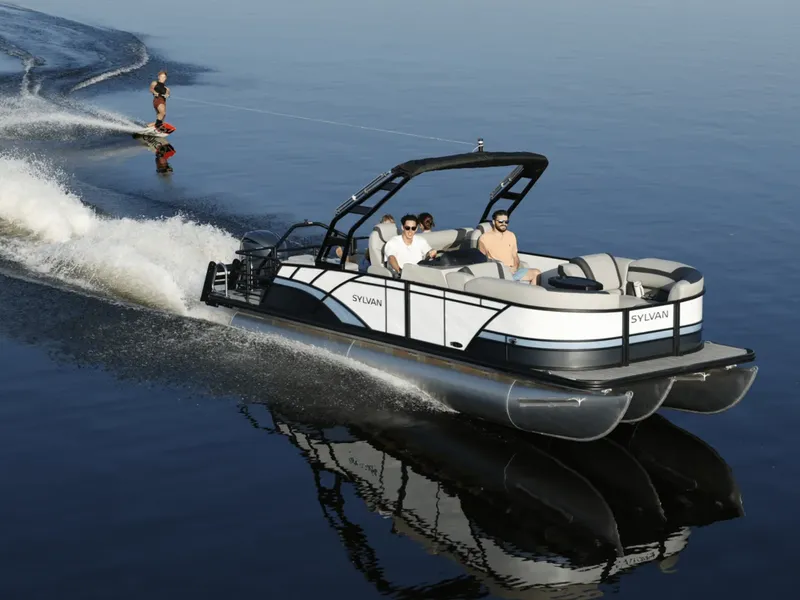
- The Silver Lining: You can still enjoy tubing, wakeboarding, and skiing by shifting those activities to suitable sections of Lake Winnebago or to spots like Sand Pit in Lake Butte des Morts where conditions and regulations allow. Meanwhile, the restricted Fox River reach becomes a more relaxed zone for slow cruising, paddling, and fishing.
4. Water quality issues in some connected lakes
As a shallow, nutrient‑rich system, parts of the Winnebago Pool—especially Lake Butte des Morts—can experience turbidity, algae blooms, and occasional E. coli advisories. After heavy rains or during late‑summer heat, the water may look murky and might not be ideal for swimming or watersports in every area.
While Lake Winnebago itself is a big, mixing basin, water quality can still vary day by day and by location, particularly in sheltered bays and near inflows.
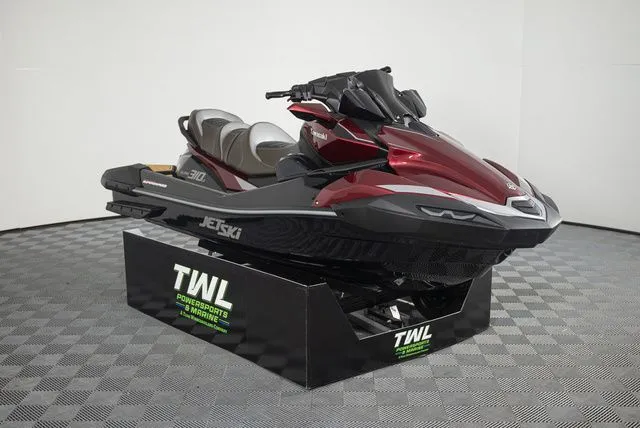
- The Silver Lining: Local agencies actively monitor conditions, and advisories are posted through county and city channels. Choosing open‑water areas on Lake Winnebago, staying upwind of visible algae, and rinsing gear after use can help you enjoy the lake while staying mindful of changing conditions.
5. Costs for slips, storage, and fuel add up
Oshkosh is not one of the most expensive boating markets in the country, but keeping a boat here is still a significant ongoing expense. Seasonal wet slips, indoor or heated winter storage (often priced per square foot), maintenance, and fuel can easily rival a car payment or more, especially for boats in the 25‑ to 35‑foot range.
If you expect boating on Lake Winnebago to be a low‑cost hobby simply because it is inland and freshwater, the reality of marina invoices and winterization bills can be surprising.
- The Silver Lining: You can moderate costs by trailering and using the city’s relatively affordable public launches, opting for outdoor storage with shrink wrap instead of heated space, and choosing an efficient outboard or smaller boat. Sharing ownership within a family or with trusted friends also spreads costs while still getting you regular time on the water.
What boating in Oshkosh, WI is really like
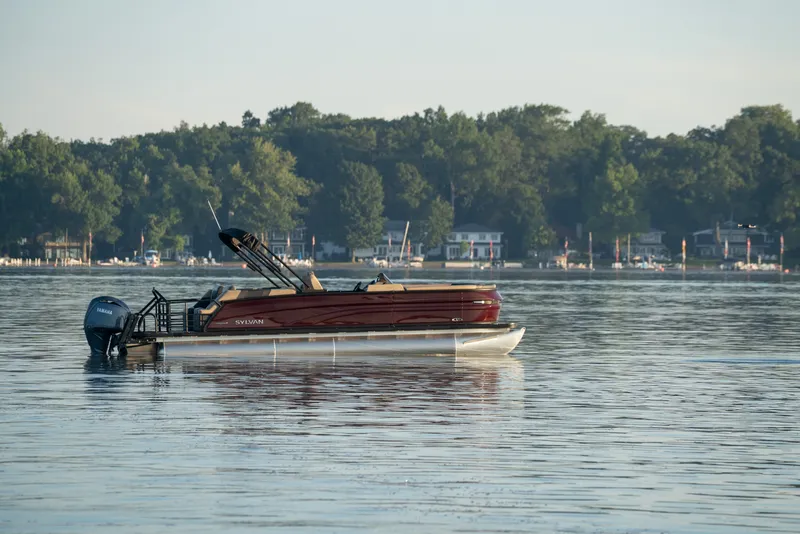
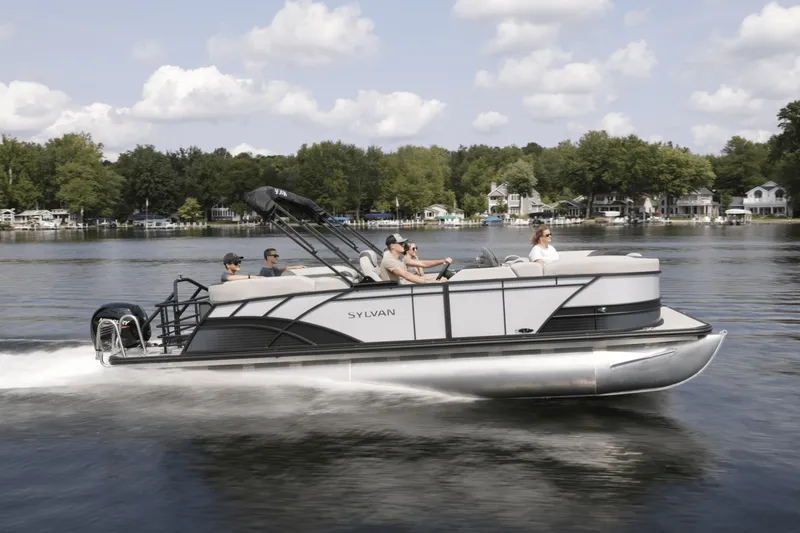
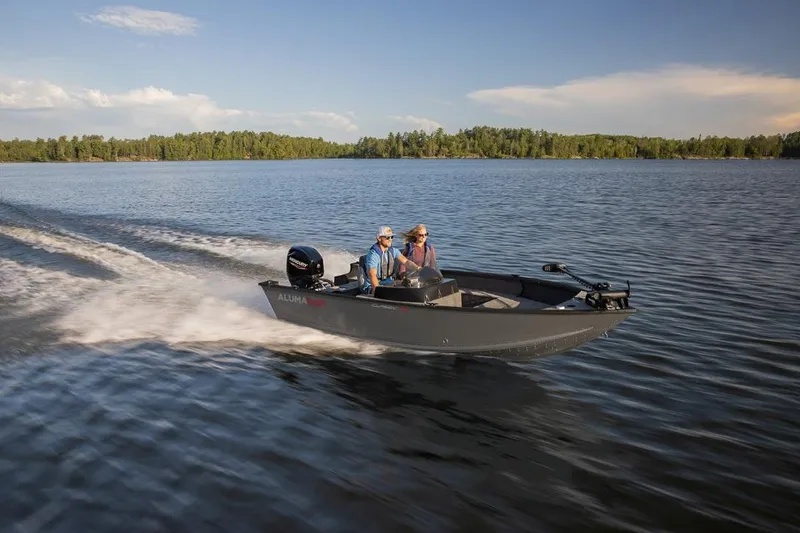
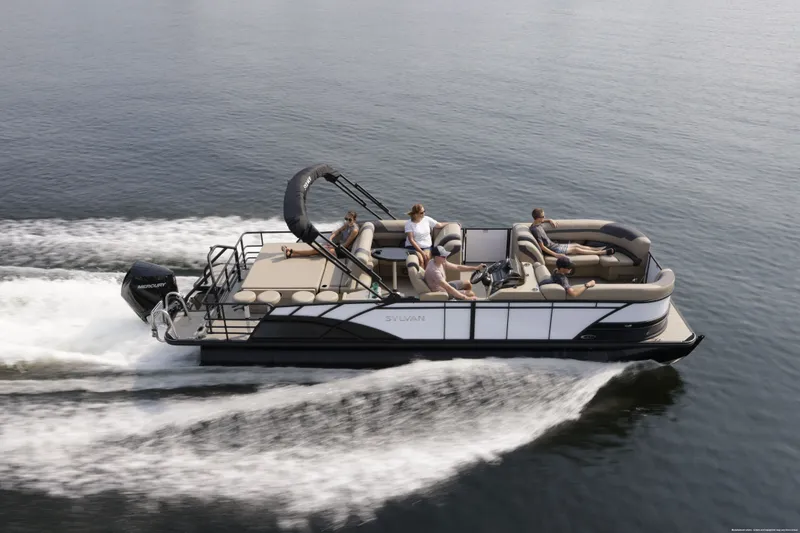
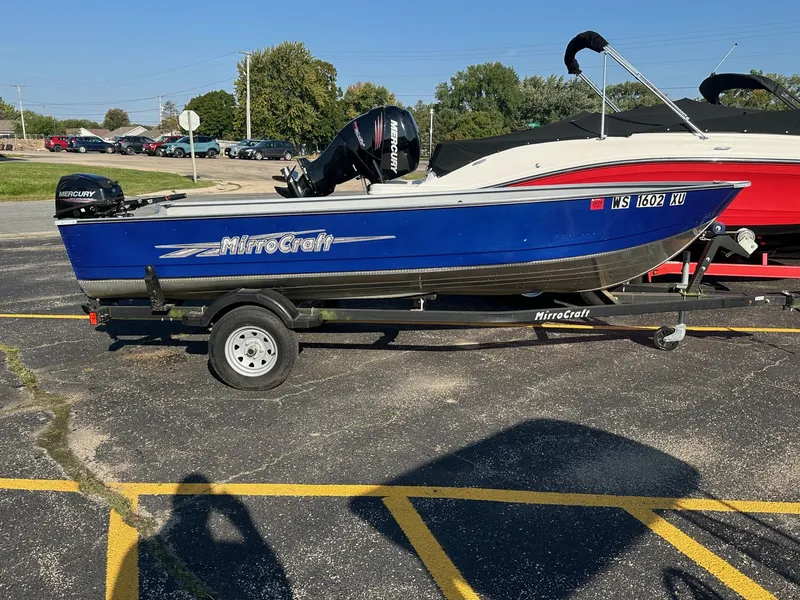
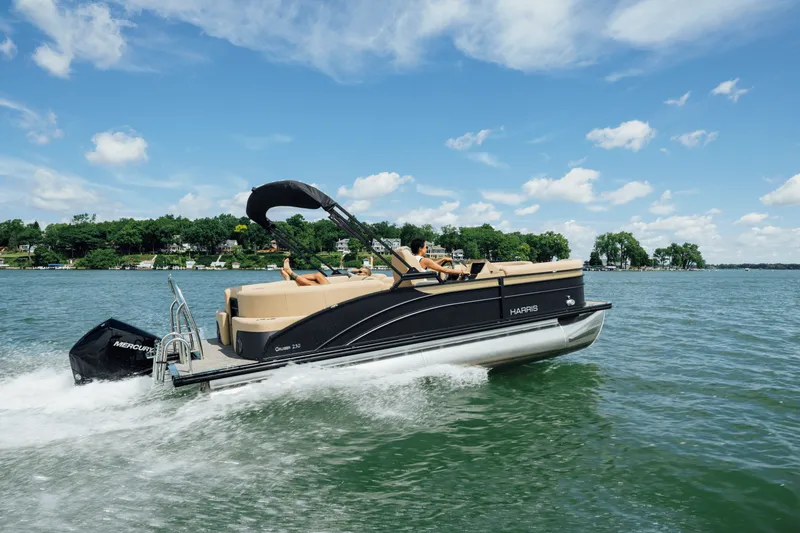
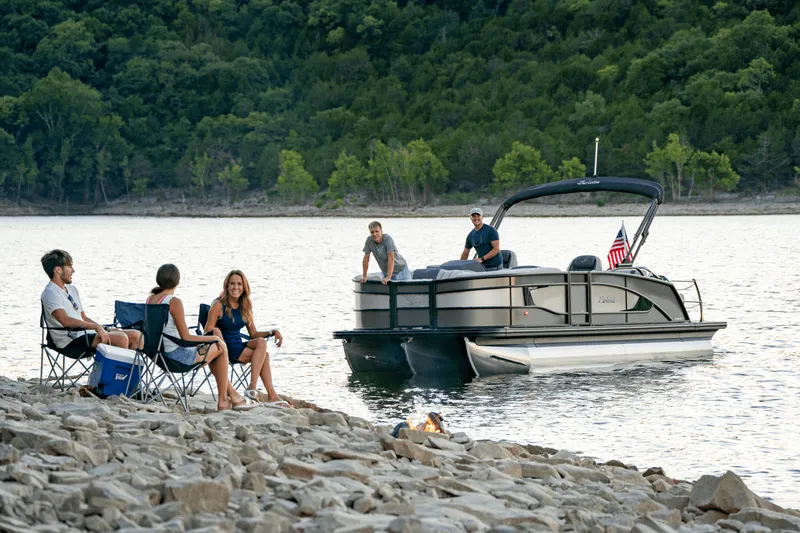
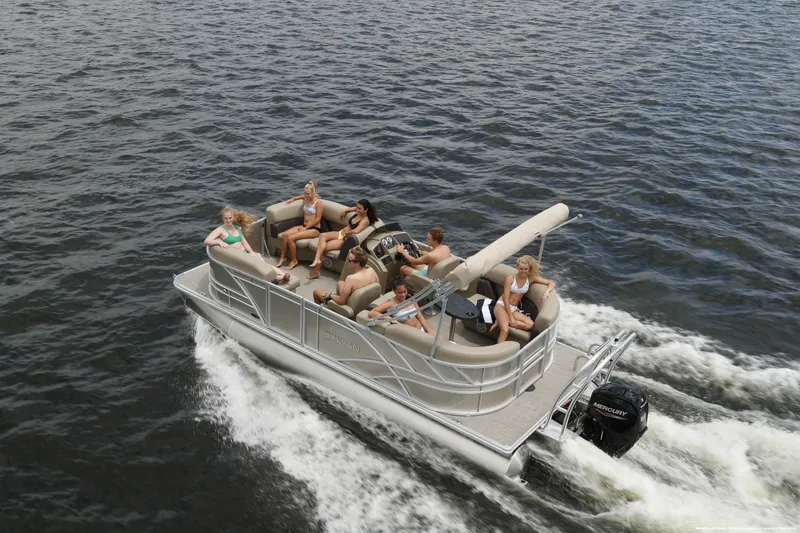
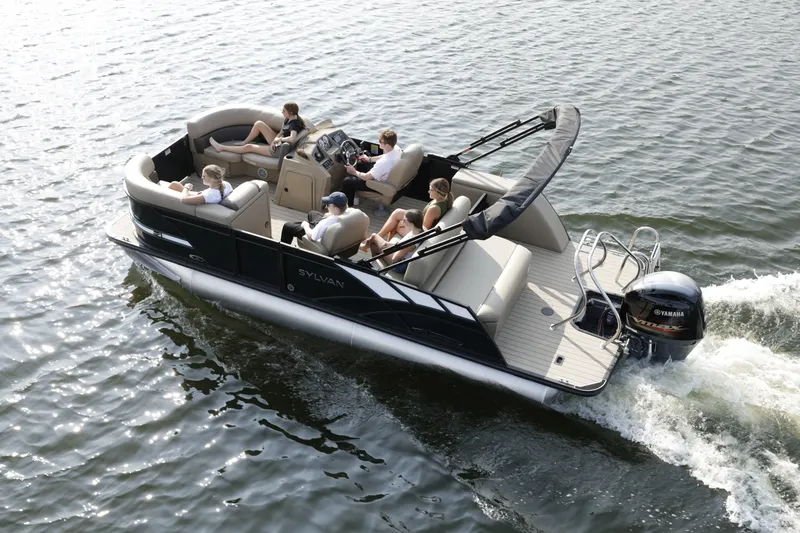
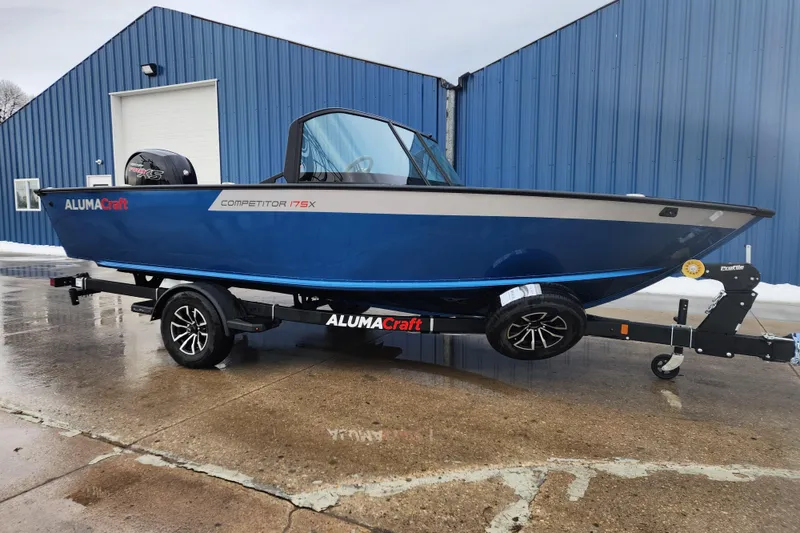
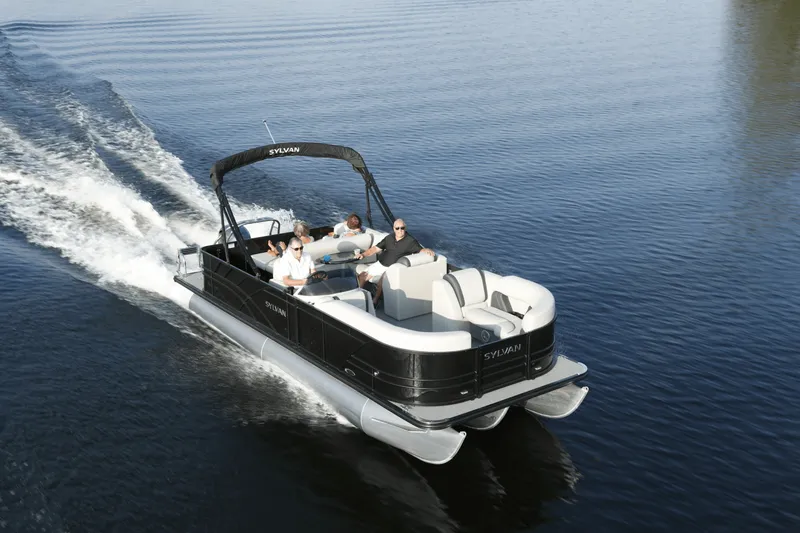
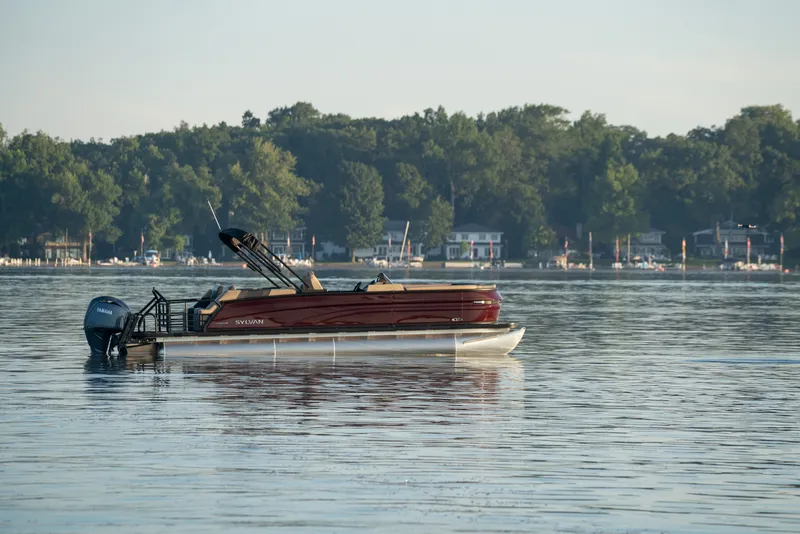
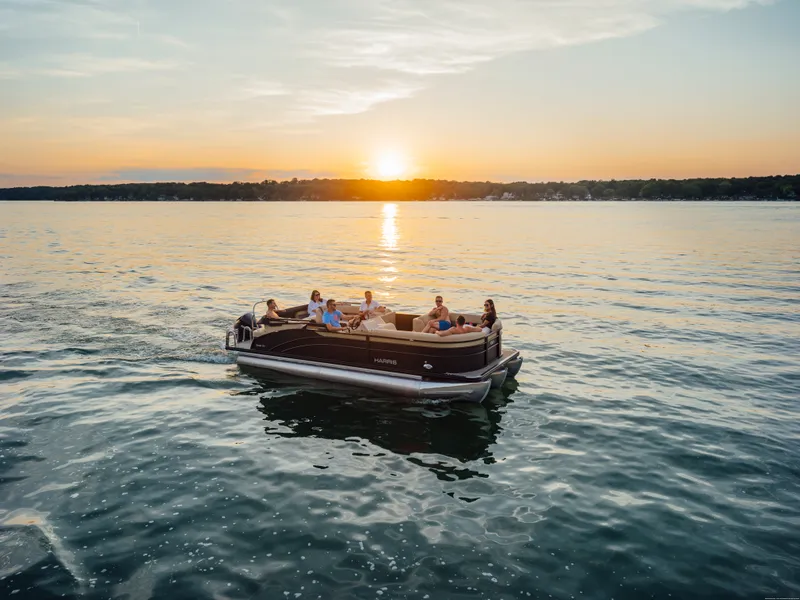
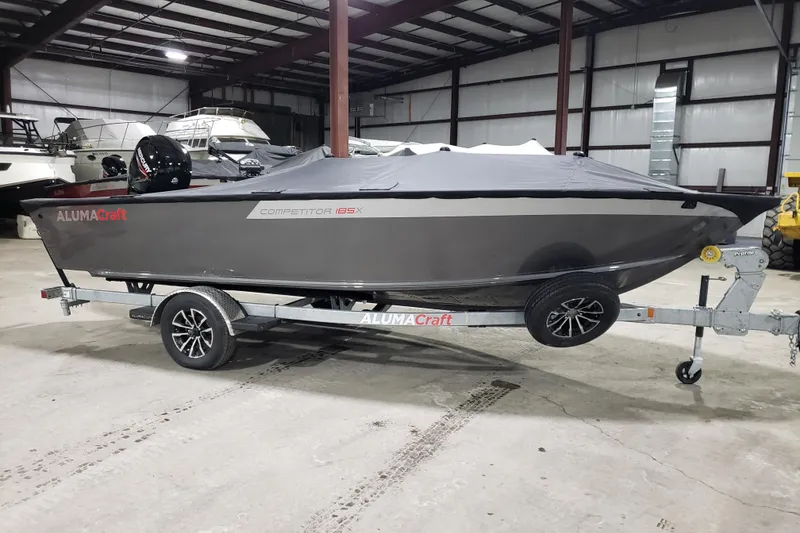
Boating in Oshkosh feels like classic Midwest lake life, scaled up onto a truly big piece of water. Lake Winnebago stretches out wide and shallow, so on calm mornings you’ll see anglers easing out of the Fox River at first light, pontoons drifting just off Menominee Park, and the occasional sailboat from the Oshkosh Yacht Club ghosting along in the early breeze. The vibe is relaxed and practical: lots of aluminum fishing rigs, family pontoons, and modest cruisers that split time between Lake Winnebago and the connected Winnebago Pool lakes.
As the day warms up, the Fox River through town gets busier. You’ll have boats passing under the lift bridges, kids on paddlecraft near shore, and cruisers heading toward Lake Butte Des Morts. It’s social, but not a wild sandbar-party scene; the river feels more like a moving waterfront neighborhood. Families do slow sightseeing runs past the parks, and locals often plan a few hours of fishing followed by an easy cruise back to a slip at Pioneer or SkipperBud’s for dock chats and grilling in the evening.
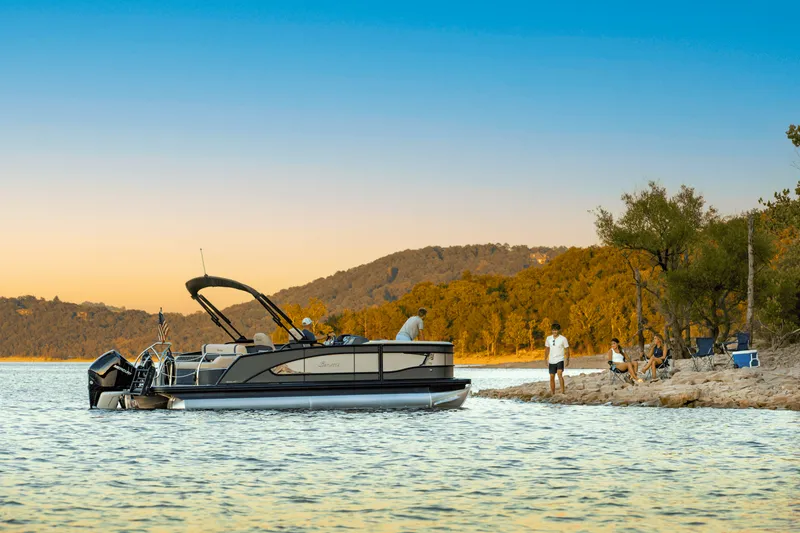
On event days and summer weekends, the energy ramps up without losing that grounded Wisconsin feel. Fishing tournaments bring in serious walleye boats that launch before sunrise and pack the ramps. Regatta days at the Oshkosh Yacht Club sprinkle the lake with colorful sails, especially scows and small dinghies racing in tight fleets. After work on a warm July evening, a very typical outing is loading a cooler, launching from one of the city ramps for $7, running a few miles to find a quiet stretch of shoreline on Lake Winnebago, dropping anchor in the shallows, and watching the sunset burn across the flat horizon before heading back up the Fox under the bridge lights.
Costs, logistics, and practical details
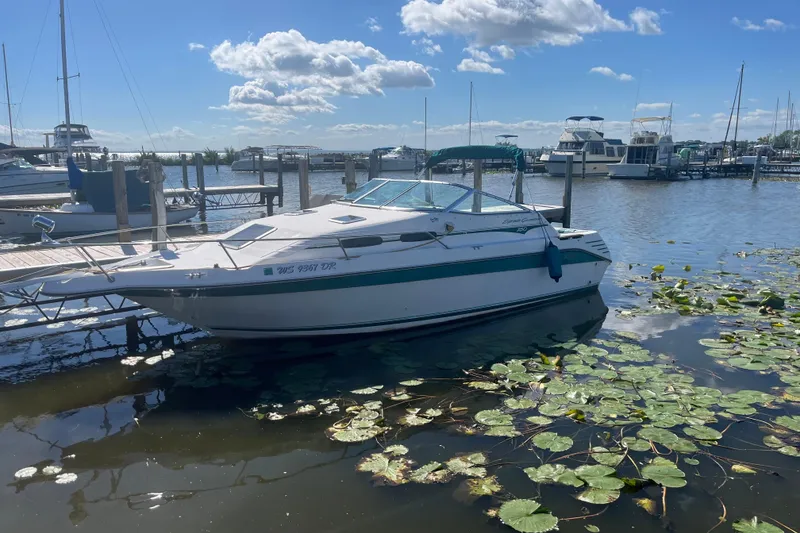
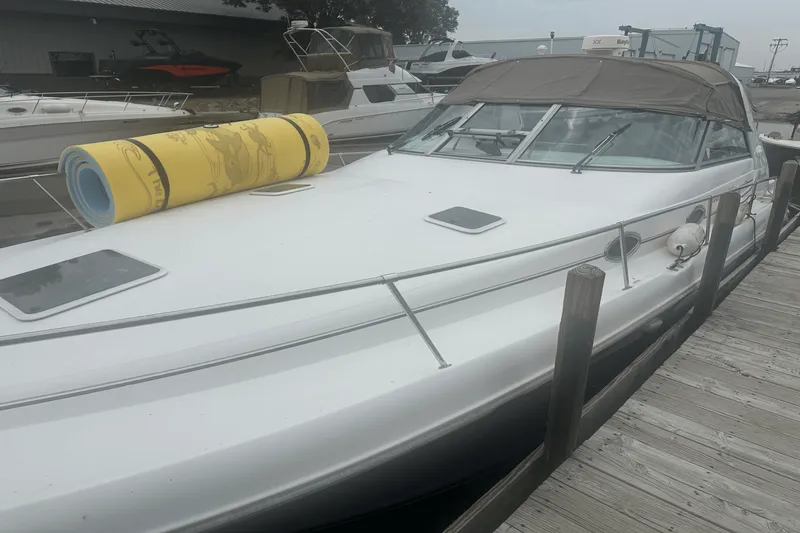
From a logistics standpoint, Oshkosh is set up well for a mix of slip‑kept and trailer boating. Pioneer Marina and SkipperBud’s Oshkosh Marina are the two main full‑service hubs, both offering seasonal and transient wet slips for boats roughly in the 20–45 foot range. They provide the expected amenities—shore power, water, restrooms and showers, Wi‑Fi, pump‑outs, and fuel docks—so if you keep your boat in a slip, you can treat it as a summer cottage on the water. The general feel is comfortable and practical: a blend of local owners, traveling cruisers using Oshkosh as a stopover on the Winnebago system, and a few larger boats that winter in heated storage.
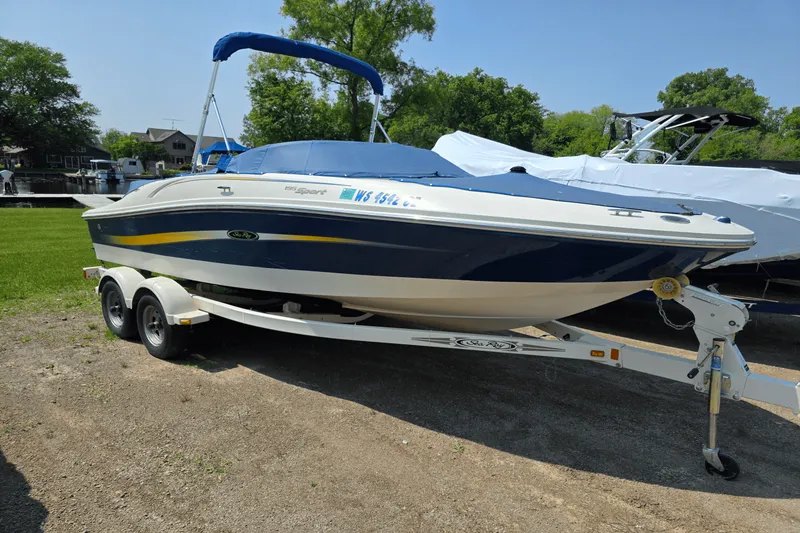
Trailer boaters have it relatively easy. The City of Oshkosh maintains six public launches, with a straightforward fee system: $7 for a daily launch pass, or the option of annual and three‑year stickers if you’re a frequent user. Grundman Boat Landing is one of the better‑known access points, with multiple paved lanes, a boarding dock, decent parking for trailers, and a sheltered harbor feel that makes launching less stressful when the wind is up. In busy midsummer windows—especially during tournaments—it pays to arrive early to avoid lines at the ramps and parking congestion.
Storage and off‑season logistics are a big part of boating here because of the defined navigation season and hard winters. Pioneer offers a full menu of storage options: outdoor storage with shrink‑wrap, indoor cold storage, and indoor heated storage, priced per square foot. For many owners, the annual rhythm is: haul‑out in October, winterize at the marina or a local shop, store indoors or shrink‑wrapped outside, and relaunch when the navigation season opens again in April. The availability of heated storage is a plus if you have a nicer cruiser or sailboat and want to avoid freeze‑thaw wear and tear.
Is Oshkosh, WI a good place for boating?
Oshkosh is a genuinely solid place for boating, with a lot more going on than you might guess from the map alone. Sitting on the western shore of Lake Winnebago and astride the Fox River, it gives you access to a big, navigable inland lake and a wider chain of connected waters in the Winnebago Pool. Two capable full‑service marinas, multiple city ramps, and a healthy mix of anglers, sailors, and family cruisers create an ecosystem where it’s easy to own, store, and use a boat. For anyone interested in freshwater fishing, relaxed cruising, or small‑boat sailing, "boats in Oshkosh" is not just an SEO phrase—it’s a real, lived‑in community on the water.
You will love boating here if:
- You enjoy a big‑lake, freshwater environment with room to roam but without ocean tides or strong currents to manage, and you’re comfortable watching wind and chop on a shallow lake like Lake Winnebago.
- You like a blend of activities—serious fishing for species like walleye and bass, relaxed pontoon cruising, small‑boat sailing, and quiet anchor‑outs near parks and bays—more than high‑speed, tow‑sports‑only boating.
- You either already trailer your boat or are open to it, and you appreciate having multiple well‑maintained public ramps and reasonably priced launch fees that make day trips easy.
You might find it challenging if:
- You want year‑round boating or dislike the idea of hauling out, winterizing, and paying for storage each fall due to the hard freeze and defined navigation season.
- You primarily boat for high‑energy tow sports (wakeboarding, surfing, skiing) right in the middle of town; local restrictions on towing in parts of the Fox River and the shallow, windy nature of Lake Winnebago can make that style less convenient.
- You’re looking for a destination with a dense lineup of waterfront bars and restaurants that you can tie up to directly from the boat; Oshkosh is more about marinas and parks than a big dock‑and‑dine scene.
Taken as a whole, Oshkosh earns about an 8 out of 10 as a boating home base or recurring destination. Its strengths are the big‑lake playground of Lake Winnebago, solid infrastructure, and a down‑to‑earth community that welcomes everything from tin fishing boats to mid‑size cruisers and club racers. The trade‑offs are the defined, winter‑bound season, occasional water‑quality and chop challenges on the shallow lake, and a more low‑key social scene compared with resort towns. If you’re drawn to practical Midwest lake boating, enjoy mixing fishing and cruising, and don’t mind planning around winter, Oshkosh is a place you can happily keep a boat or target for an annual trip. If that sounds like you, it’s worth putting Oshkosh—and especially the experience of exploring Lake Winnebago by water—high on your boating bucket list.