San Diego

Filters

Filters

Boat Type

Condition

Searching boats for you...

Boating · Destinations

Is San Diego, CA a Good Place for Boating?


Written by: MarineSource.com | Estimated read time: 9 min read


On a clear morning in San Diego, the sun climbs over the low coastal hills and lights up San Diego Bay and Mission Bay in layers of blue and gold. Navy ships share the deep-water harbor with cruising sailboats and sportfishing fleets, while just up the coast, Mission Bay’s sheltered coves are dotted with kayaks, paddleboards, and small powerboats. From Harbor Island you can look across at the downtown skyline; from the channel off Fiesta Island, you see sandy beaches and palm trees instead of skyscrapers.

San Diego’s waterfront is built around the water as much as the water is built around the city. Shelter Island and Harbor Island bristle with marinas and yacht clubs, while Mission Bay is ringed by parks, beaches, boat rentals, and family-friendly resorts. Whether you’re into offshore tuna runs, relaxed sunset cruises past the USS Midway, or towing the kids on a tube in Mission Bay, there’s a strong boating culture and infrastructure to match.
At the same time, boating here isn’t effortless. Slip fees on popular docks like Shelter Island or Mission Bay can add up quickly, and regulations in Mission Bay and San Diego Bay—especially no‑wake areas and speed limits—mean you need to pay attention to where and how you run. Shoaling near certain ramps and busy holiday traffic on the water can also catch new boaters off guard.

So, are boats in San Diego a smart choice for your lifestyle and budget, or better left as an occasional rental or charter experience? Below, we’ll walk through the key pros and cons of boating in San Diego, from scenery and culture to costs, crowding, and local rules, so you can decide how this waterfront city really fits your boating dreams.

Pros of boating in San Diego, CA

1. Access to two very different but complementary bays

San Diego is unique in offering both San Diego Bay—a deep, saltwater harbor connected directly to the Pacific—and Mission Bay, a mostly protected recreational bay just to the north. San Diego Bay stretches about 12 miles with depths up to roughly 60 feet in dredged channels, making it ideal for larger cruising boats, sailboats, and commercial traffic. You can cruise past the downtown skyline, Coronado, and the Silver Strand with open water and clear navigation markers.

Mission Bay, by contrast, is an artificial bay designed around recreation. With about 27 miles of shoreline and 19 miles of sandy beaches, it’s a go‑to spot for day boating, watersports, and family outings. Its protected waters are generally calmer than the open Pacific, so new boaters and smaller vessels often feel more comfortable learning the ropes here.
2. Robust marina network and free public ramps

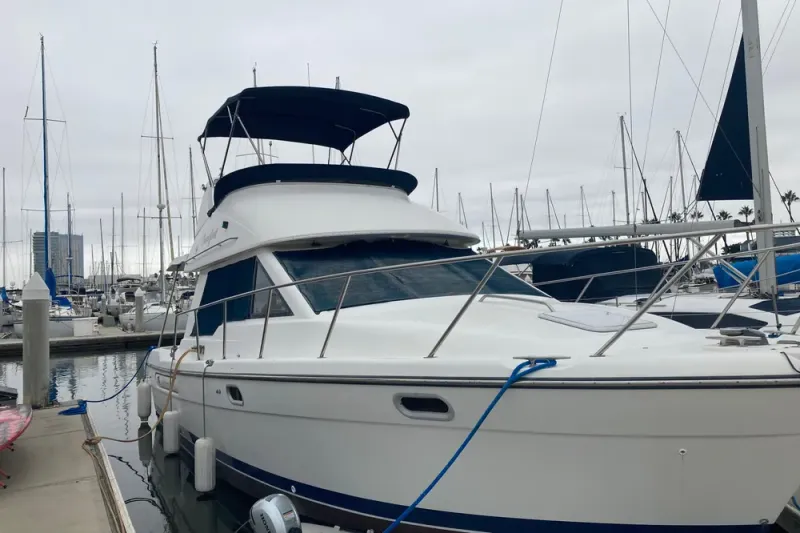
If you’re serious about keeping boats in San Diego long‑term, the marina options are extensive. On San Diego Bay, places like Kona Kai Marina and Sun Harbor Marina on Shelter Island, Marina Cortez and other downtown marinas, plus Pier 32 Marina in National City, offer a wide range of slip sizes for both sail and power. On Mission Bay, The Dana Marina provides convenient slips with hotel-style amenities steps away.

Trailer boaters have strong support too. The Port of San Diego and the City of Coronado operate four primary public launch ramps on San Diego Bay—Chula Vista, National City, Shelter Island, and Glorietta Bay—with multi-lane ramps, restrooms, and trailer parking. Launching at these ramps is free, which can significantly reduce the cost of owning a smaller boat compared with other coastal cities that charge ramp fees.

3. Wide range of boating activities in close reach

From a single home base, you can shift between calm-bay fun and offshore adventure. Mission Bay Park offers motorboat and sailboat rentals, plus designated zones for water skiing, personal watercraft, and sailing—ideal if you don’t own a boat yet but want to get on the water. Mariners Basin allows short-term overnight anchoring (up to 72 hours), making it easy to do a low-key weekend on the hook.

San Diego Bay is better suited to day cruises, harbor tours, and sailing. You can run from Shelter Island past Harbor Island and the downtown waterfront to Glorietta Bay, watching Navy vessels, waterfront parks, and the Coronado Bridge glide by. For anglers, Shelter Island is the jumping-off point for the region’s famous sportfishing fleet, with offshore tuna and other pelagic species just a run outside Point Loma when conditions cooperate.

4. Strong boating culture, clubs, and events

Boats in San Diego aren’t an afterthought—they’re part of the city’s identity. The area hosts well-known annual events like the Big Bay Boom fireworks show over San Diego Bay on the Fourth of July and the December Parade of Lights, when decorated boats process past Shelter Island, Harbor Island, and over toward Coronado Ferry Landing. These events draw locals and visitors alike onto the water.

Year-round, an active network of yacht clubs and sailing organizations keeps the scene vibrant. San Diego Yacht Club and Mission Bay Yacht Club both run regular racing and social events in the bay and on the Pacific. If you’re new to boating, these groups—plus charter options and sailing schools—create a built-in pathway from curious beginner to confident skipper.

5. Convenient amenities and dock‑and‑play lifestyle

Boating in San Diego integrates easily with the rest of city life. Many marinas, particularly around Shelter Island, Harbor Island, and Mission Bay, are steps from restaurants, hotels, and parks. At Kona Kai Marina, for example, slip holders and visiting boaters can walk up to Vessel Restaurant + Bar and resort facilities, turning a regular weekend into a mini staycation.

On the practical side, fueling and provisioning are straightforward. The Dana Marina in Mission Bay has a fuel dock nearby and the Dana Landing Market for bait, tackle, and last-minute groceries. Shelter Island’s ramp and adjacent facilities offer bait receivers and tackle, while other marinas around San Diego Bay provide water, electricity, and basic services. All of this lowers the friction of getting out on the water—your boat can be as easy to use as your car.

Cons of boating in San Diego, CA

1. Slip fees and boating costs add up quickly

While there are options at different price points, keeping boats in San Diego is not cheap, especially in high-demand marinas and for larger vessels. On San Diego Bay, slips at resorts like Kona Kai Marina can range roughly from the high $20s to around $60 per foot per month depending on size and location. Other marinas, such as Pier 32 in National City, list slips in the mid‑$20s to low‑$30s per foot, and Sun Harbor Marina offers rates in the high‑teens to low‑$20s per foot for some mid‑size boats.

Transient and guest slips also add up quickly for visitors or those who don’t have a permanent berth, with some marinas charging per‑foot nightly rates and resort-style properties asking premium daily rates. On top of slip fees, you’ll need to budget for insurance, maintenance, bottom cleaning, and fuel, all of which tend to be on the higher side for a busy coastal harbor.

  • The Silver Lining: Costs can be moderated by trailering a smaller boat and using the free public launch ramps, choosing slightly less central marinas such as National City or Chula Vista over Shelter Island, or sharing ownership and expenses through partnerships or clubs. If you’re just testing the lifestyle, Mission Bay rental fleets and charters offer a way to enjoy boats in San Diego without a full-time financial commitment.

2. Crowded waters during peak times and events

San Diego’s appeal means the bays can get congested, particularly on summer weekends, holiday periods, and during major events like the Big Bay Boom or Parade of Lights. In Mission Bay, the combination of rental boats, personal watercraft, sailboats, and swimmers in designated zones can create a lot of activity in a small area. In San Diego Bay, traffic from commercial ships, Navy vessels, harbor tours, and recreational boats all share the same general waterway.

For newer boaters, this level of traffic can feel intimidating, and it increases the need for strong situational awareness and comfort operating in close quarters and under strict speed and no‑wake rules.

  • The Silver Lining: If you time your outings for weekday mornings, shoulder seasons, or less popular ramps like Chula Vista or National City, you’ll often find far more relaxed conditions. Learning local boating etiquette, monitoring VHF for traffic advisories, and giving yourself extra time and distance around events can help you enjoy the vibrant scene instead of feeling overwhelmed by it.

3. Navigation quirks, shoals, and speed‑restricted zones

Although San Diego’s bays are well-marked, they have their own set of quirks. Shoaling is documented near the Chula Vista ramp and Pepper Park (by Gunpowder Point) and around the outer edges of Glorietta Bay, so straying outside marked channels can result in an unexpected grounding, especially at lower tides. Mission Bay’s layout of islands, peninsulas, and bridges means you need to pay attention to both depth and posted rules.

Mission Bay also has extensive 5 mph zones—near bridges, within 100 feet of shore or swimmers, and across the entire bay at night. On both bays, local rules limit boat speeds around beaches and swimming areas, and navigation must account for large commercial and military vessels in San Diego Bay’s main channels.

  • The Silver Lining: Most of these challenges are manageable with good preparation: study current charts, use a reliable GPS or chartplotter, and familiarize yourself with local regulations before heading out. Many hazards are clearly posted on signs and buoys, and Harbor Police and lifeguards are active on the water, ready to guide or correct boaters who are still learning the local patterns.

4. Layered regulations and safety requirements

Because San Diego combines city parks, a major commercial harbor, and sensitive coastal habitats, boaters must follow a patchwork of local, state, and federal rules. On Mission Bay, for example, operators must adhere to special beaching rules, limited overnight anchoring (primarily in Mariners Basin), and strict speed and distance requirements near swimmers and beaches. Children under certain ages face restrictions on what they can operate and in what conditions.

San Diego Bay has its own limits on anchoring and overnight stays, with some areas controlled by permits issued through Harbor Police and others off-limits due to Navy operations or commercial shipping. On top of that, all boaters need to carry required safety gear—life jackets, lights, sound devices, and, in many cases, fire extinguishers and visual distress signals.

  • The Silver Lining: Once you’ve read through the city’s boating regulations and checked with local marinas or Harbor Police, the rules become part of your routine and help keep the bays safe and enjoyable. New boaters can ease in by starting with rentals or lessons through established marinas or yacht clubs, where staff often provide a quick briefing on local rules before you cast off.

5. Weather and ocean conditions can still limit outings

San Diego’s mild, mostly sunny climate is one of its biggest selling points, but that doesn’t mean every day is perfect on the water. Marine layers can bring cool, gray mornings with reduced visibility, and afternoon sea breezes can kick up chop in exposed parts of the bays. Although severe storms are less common than in many regions, winter fronts and swells still affect ocean access at the harbor entrance and off Mission Bay’s jetties.

Offshore runs for sportfishing depend heavily on swell height, wind, and fog conditions, and smaller boats may find the Pacific uncomfortable or unsafe on some days even when the bays remain relatively calm.

  • The Silver Lining: The upside is that there’s no strict “boating season” here—many locals use their boats year‑round, picking the best windows based on forecasts. If the ocean looks rough, you can stick to the comparatively protected waters of Mission Bay or the inner reaches of San Diego Bay, or simply shift to a dockside afternoon enjoying the marinas and waterfront restaurants until conditions improve.

What boating in San Diego, CA is really like

Boating in San Diego feels like having a giant, sun‑splashed playground that never really closes. On San Diego Bay, weekday afternoons are calm and purposeful: live‑aboard cruisers tidying decks, Navy ships moving in and out, charter captains loading coolers, and sailors slipping out for a few quick tacks before sunset. The waterfront is busy but not chaotic, with Shelter Island and Harbor Island forming a long, sheltered stretch where you’re almost never alone on the water but can still find some breathing room between wakes.

Mission Bay has a more casual, resort vibe. Here the water is usually flatter, the boats are smaller, and the crowd skews toward families, rental skippers, paddleboarders, and wake‑sports fans. You’ll see ski boats doing laps in designated zones, pontoon boats packed with friends grilling and playing music, and plenty of people beaching their boats along the shore to swim or toss a Frisbee. The 5‑mph restrictions near shore keep it from feeling out of control, even on busy weekends.

Typical days blend seamlessly into the San Diego lifestyle. After work, it’s easy to launch at Shelter Island or Glorietta Bay for a two‑hour harbor cruise past the skyline and under the Coronado Bridge, then grab dinner at a waterfront restaurant with guest docks. Weekends might mean trailering a center console down to the free public ramp for a tuna run offshore, or taking the kids into Mission Bay to anchor in Mariners Basin for a 72‑hour mini‑staycation. Event days change the energy completely: for the Big Bay Boom on July 4th or the December Parade of Lights, San Diego Bay transforms into a floating block party of raft‑ups, decorated yachts, and charter boats, with everyone jockeying for the best view of fireworks or holiday lights.

Costs, logistics, and practical details

From a practical standpoint, boats in San Diego have strong support but at a price, especially in the main bay. Wet slips ring San Diego Bay and Mission Bay, from more workboat‑friendly options like Pier 32 in National City up to upscale resort marinas like Kona Kai on Shelter Island or The Dana on Mission Bay. Monthly slip rates commonly run in the $18–$30+ per‑foot range for mid‑size boats, with premium locations or larger slips climbing into the $30–$60/ft bracket. Availability can be tight for the most desirable marinas and larger slips, and live‑aboard spots are limited and closely regulated.

Trailer boaters have it relatively easy: four main public ramps on San Diego Bay (Chula Vista, National City, Shelter Island, Glorietta Bay) plus launches around Mission Bay give you a lot of options—and launching is free. Each ramp has multiple lanes, restrooms, and trailer parking, though weekends and event days get very crowded, especially at Shelter Island. Shoaling near the Chula Vista/Pepper Park and Glorietta Bay ramps means you’ll want to follow marked channels and current charts rather than cutting corners in skinny water.

Day‑to‑day services are well covered. Fuel is available at multiple marinas (with a convenient dock near The Dana on Mission Bay and others around Shelter Island and Harbor Island), and you’ll find bait receivers by the Shelter Island ramp plus tackle and convenience stores like Dana Landing Market right on the water. Repair options range from basic marina services to full‑service yards elsewhere in the harbor, and there are abundant rental outfits in Mission Bay for motorboats, sailboats, and personal watercraft if you’re not ready to own. The overall marina scene is a mix of working waterfront—charter fleets, commercial fishers, and service boats—blended with yacht clubs, resort docks, and casual long‑term slip holders. Boating is essentially year‑round, so unlike colder regions you won’t be paying for a long winter haul‑out, but you will need to stay on top of sun, salt, and year‑round maintenance instead of having a long off‑season.

Is San Diego, CA a good place for boating?

As a place for boating, San Diego scores very high, especially if you like a mix of easy, everyday access and big‑experience days. The combination of San Diego Bay and Mission Bay gives you two very different but complementary playgrounds: a deep, working harbor with skyline views, Navy traffic, and ocean access, alongside a sheltered, beach‑lined lagoon built for watersports, family rafting, and rental‑friendly fun. Add in the nearly year‑round boating weather, multiple free public launch ramps, and a dense network of marinas, fuel docks, charter fleets, and yacht clubs, and it’s hard to argue against San Diego as one of the best West Coast spots to own or use a boat. The trade‑offs are real but manageable: higher‑than‑average slip costs, crowds on peak weekends and event nights, and a regulatory environment with clearly enforced speed zones and anchoring limits. Boaters who crave solitude or ultra‑cheap long‑term moorage might feel constrained, and you need to stay alert in shallow or congested areas. But for most recreational boaters—family day‑boaters, sailors, offshore anglers, social sandbar types, and live‑aboard dreamers willing to pay urban‑coast prices—San Diego offers a rare combination of convenience, variety, and almost nonstop usability.

You will love boating here if:

  • You want truly year‑round boating with mild weather and protected waters in both a natural harbor (San Diego Bay) and a large, mostly calm recreational lagoon (Mission Bay).
  • You enjoy variety—everything from quiet after‑work harbor cruises and family beach days to offshore fishing trips and big, social events like fireworks shows and lighted boat parades.
  • You value strong infrastructure: multiple marinas, free public ramps, fuel docks, bait receivers, yacht clubs, and plentiful rentals/charters if you don’t own a boat yet.

You might find it challenging if:

  • You’re on a very tight budget and need low‑cost, long‑term moorage—San Diego’s coastal slips, especially for larger boats, are relatively expensive and can have waitlists.
  • You dislike crowded waterways, sharing space with rental boats, or navigating around speed zones, swim areas, and heavy holiday/event traffic.
  • You’re looking for extensive, free, long‑term anchoring or mooring options; San Diego has limited and regulated anchorages, with most overnighting tied to marinas or short‑term areas like Mariners Basin and Glorietta Bay.

If you’re considering where to keep a boat in Southern California, San Diego deserves a top‑tier spot on your list; and if you’re planning a boating‑focused trip, putting “boats in San Diego” into your travel plans is a smart move—this is a destination that can easily become your long‑term home port as well as a bucket‑list stop.

Be the First to Know

Get notified when new boats become available.

Logo