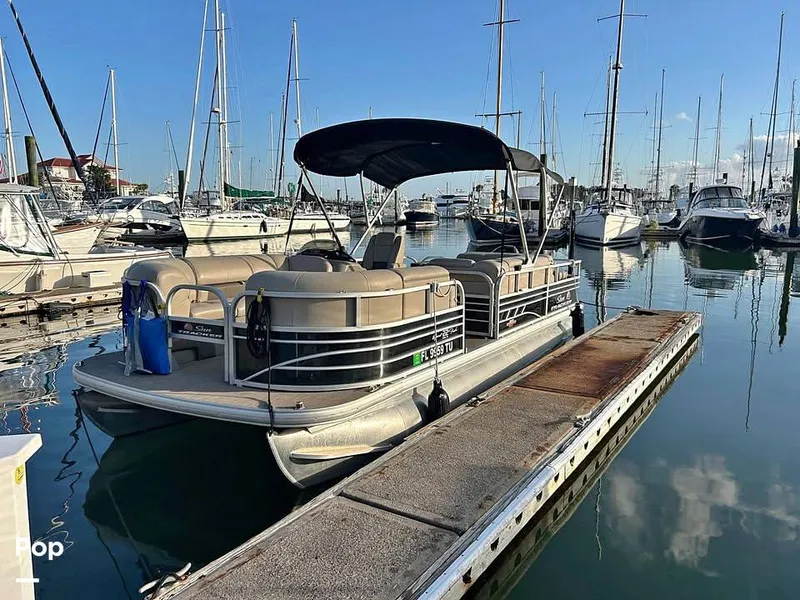
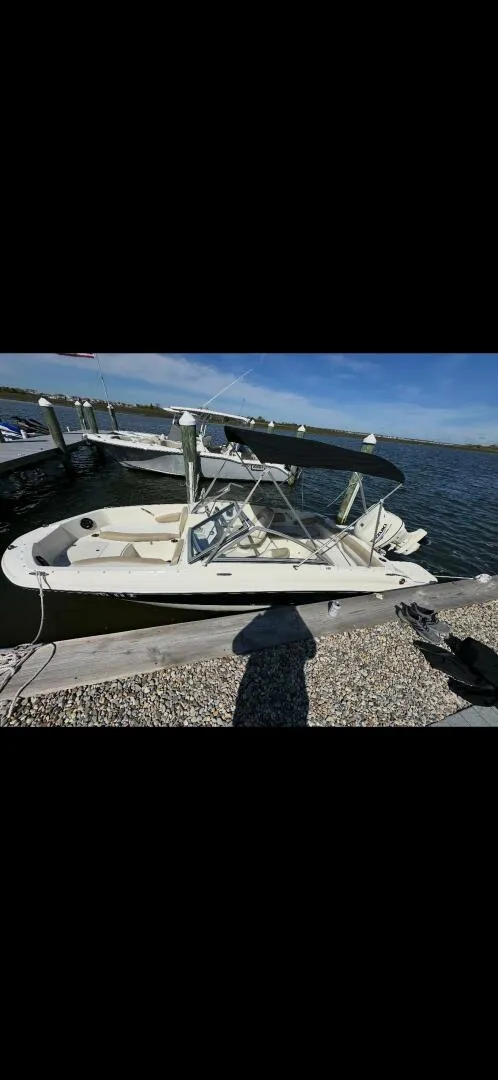
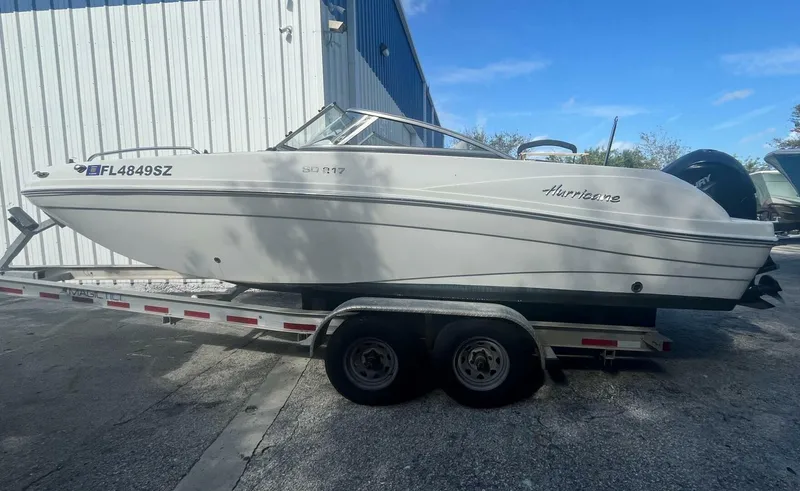
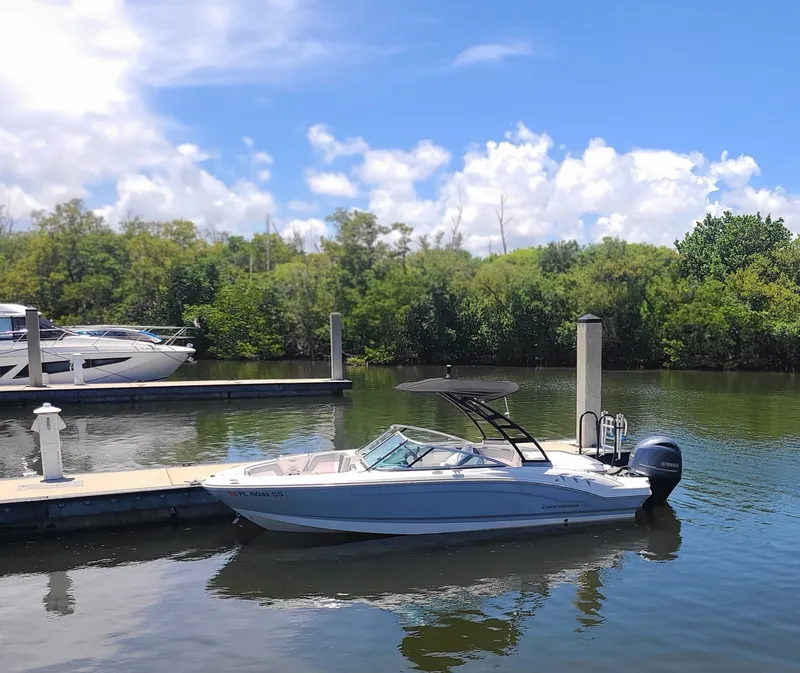
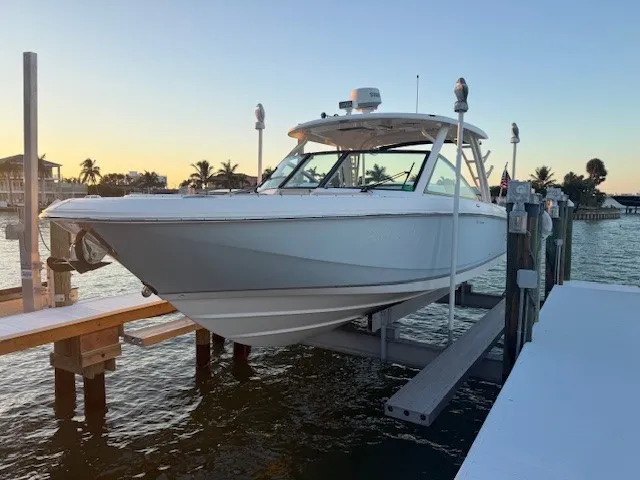
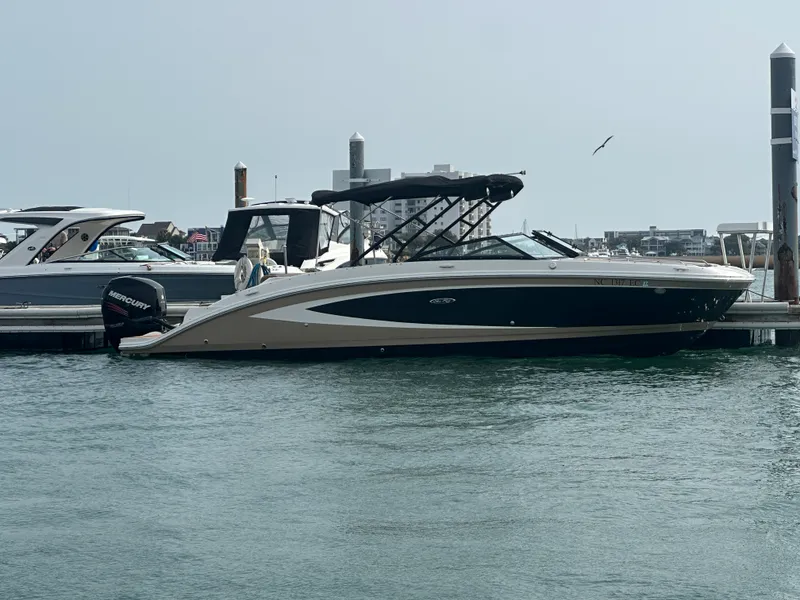
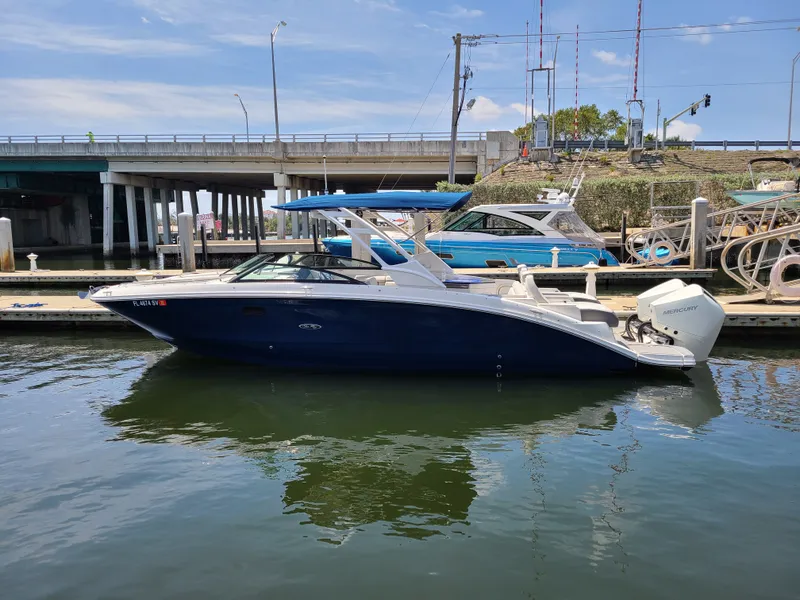
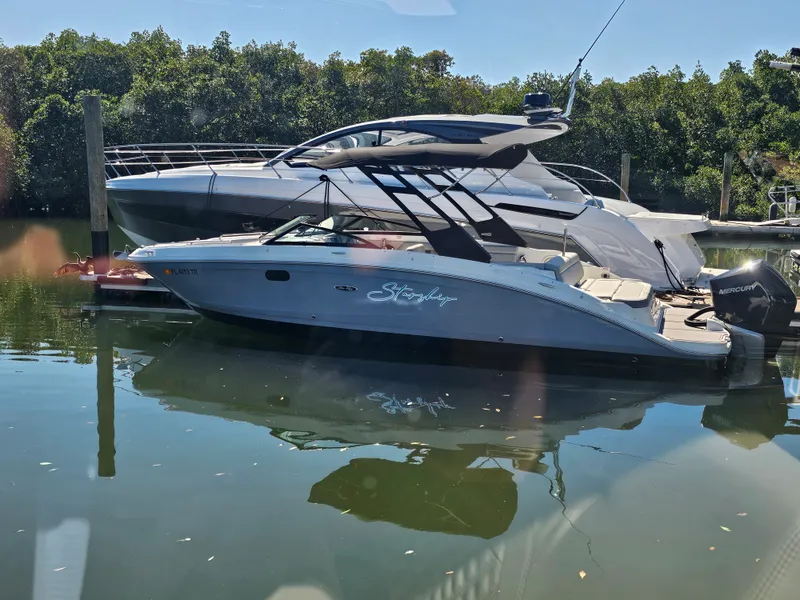
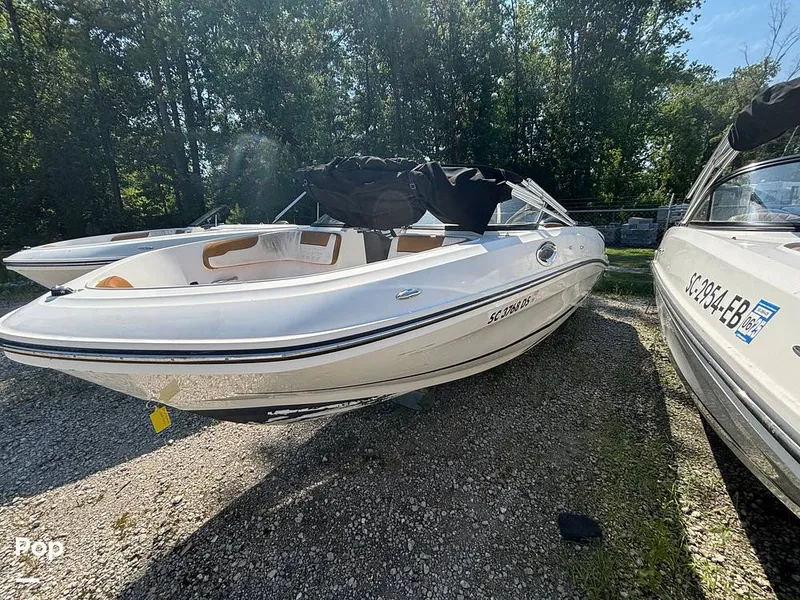
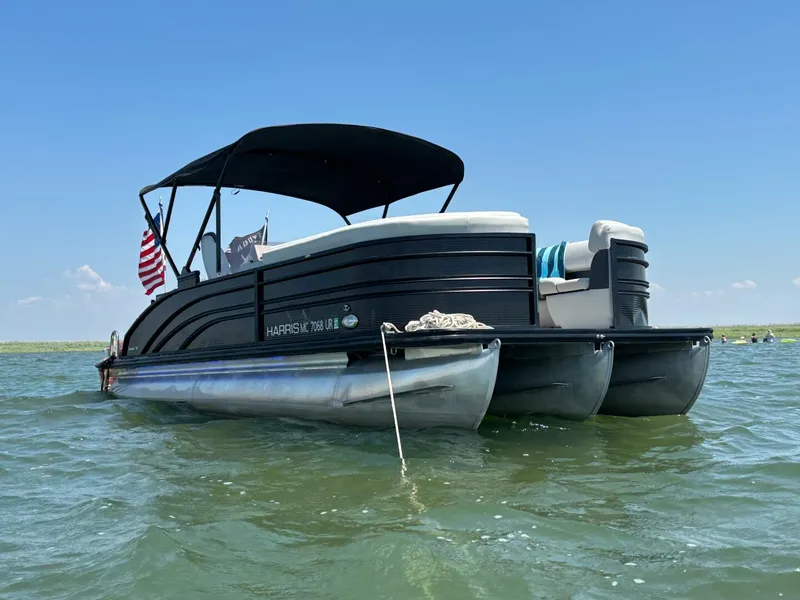
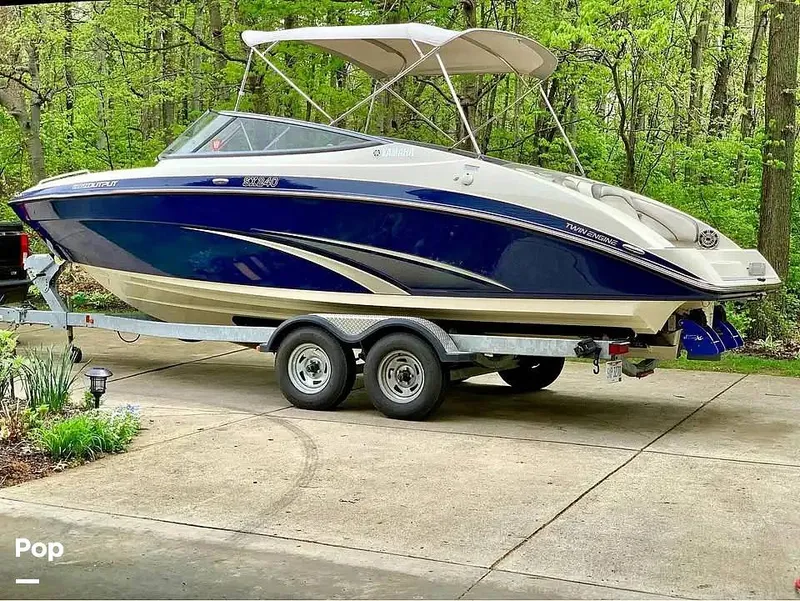
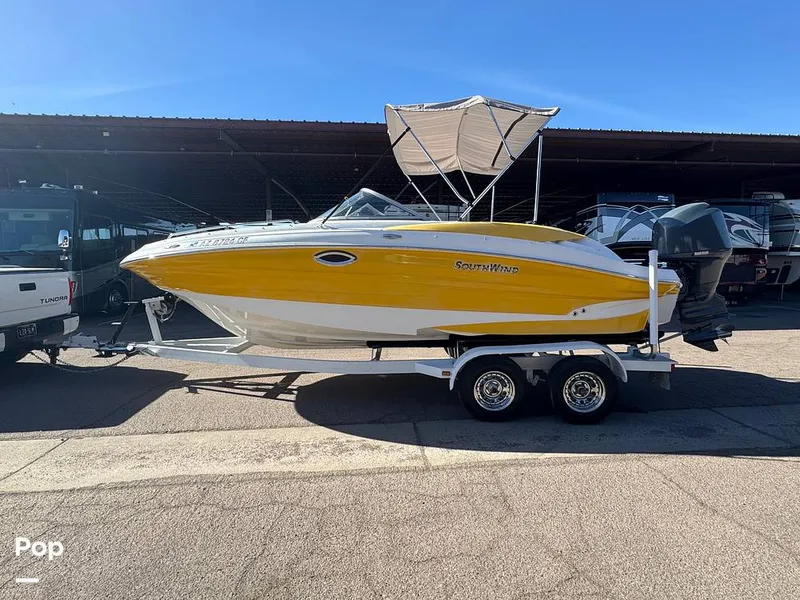
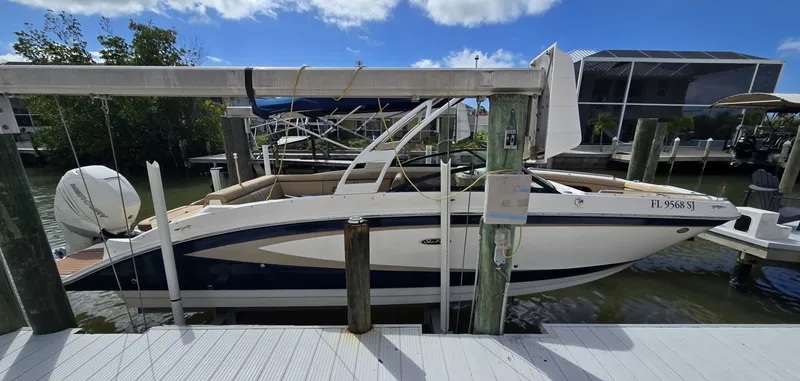
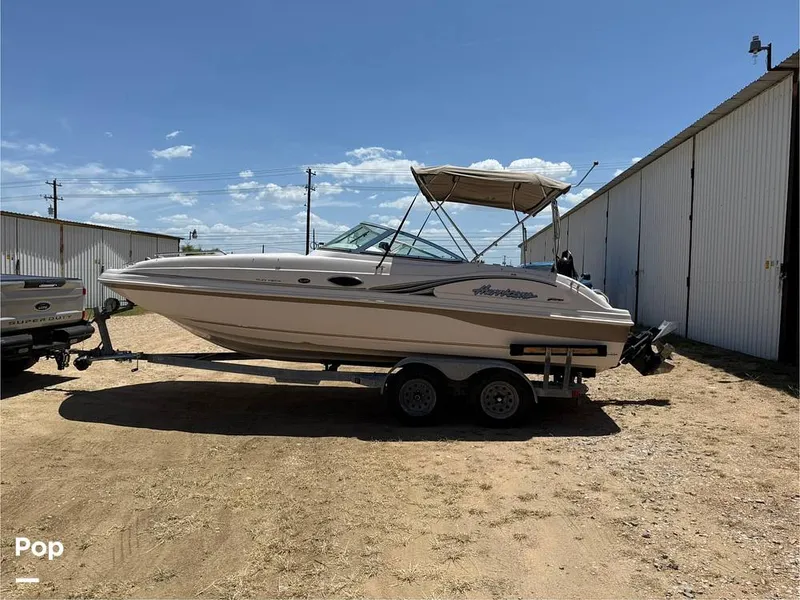
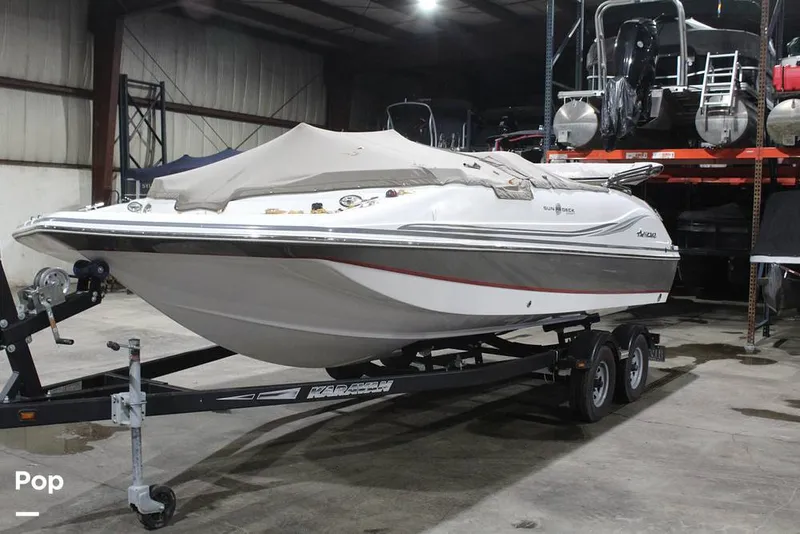
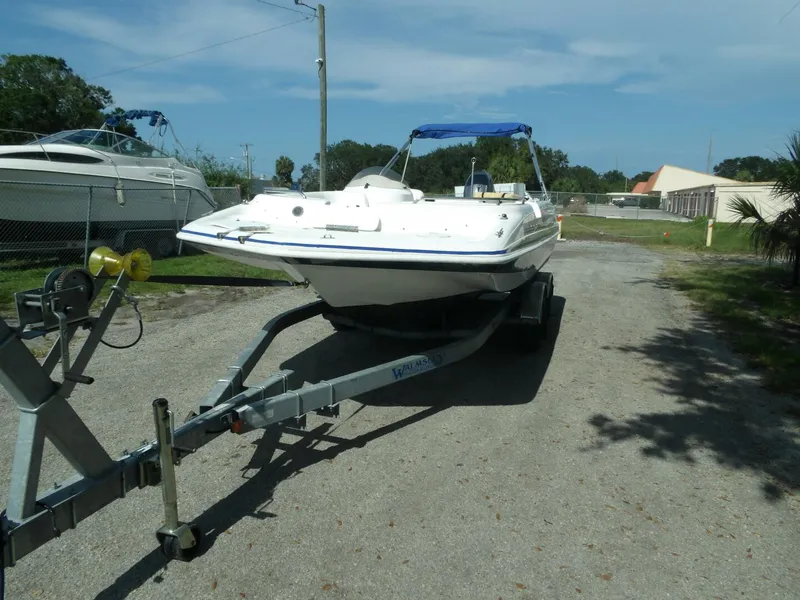
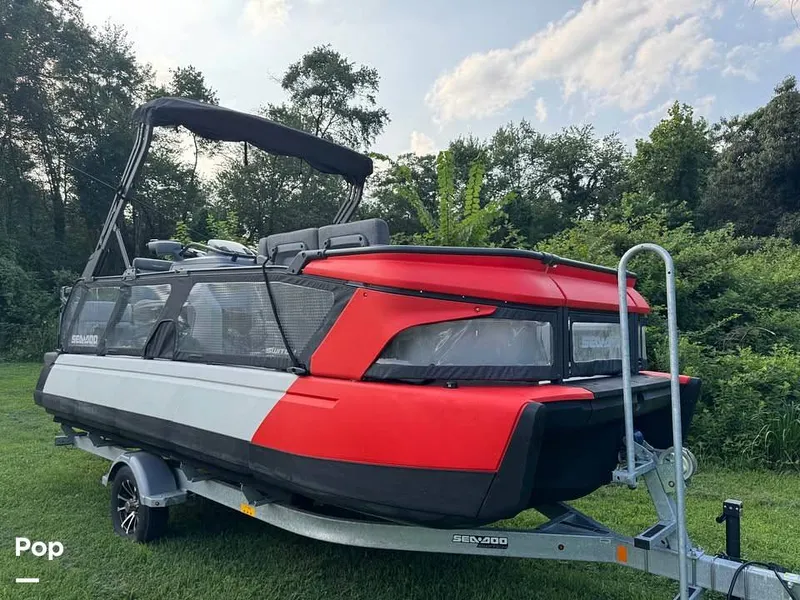
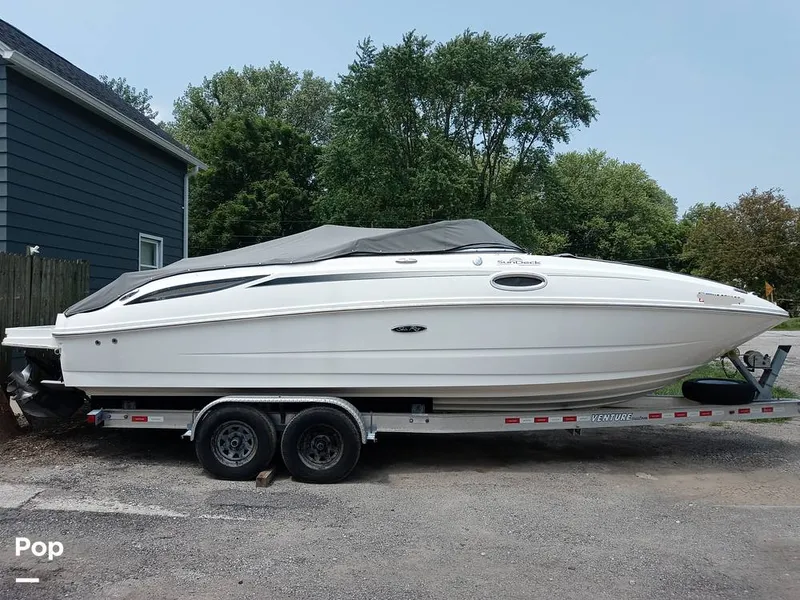
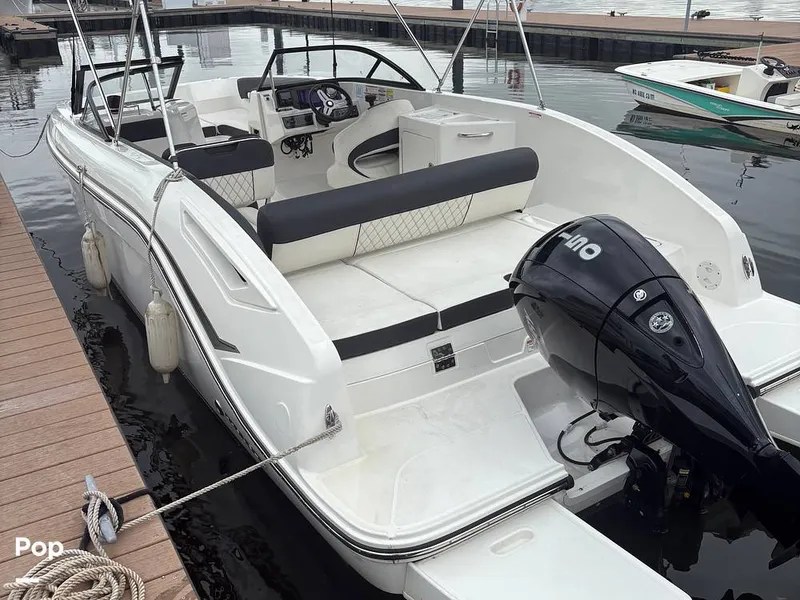
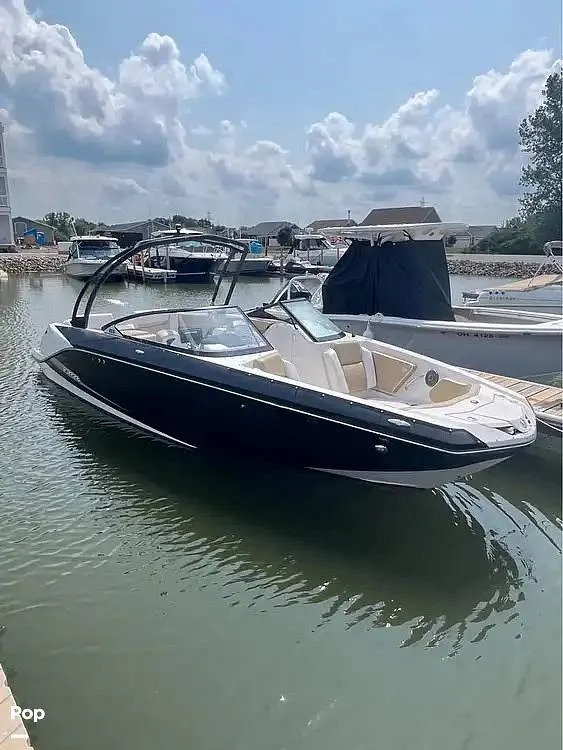
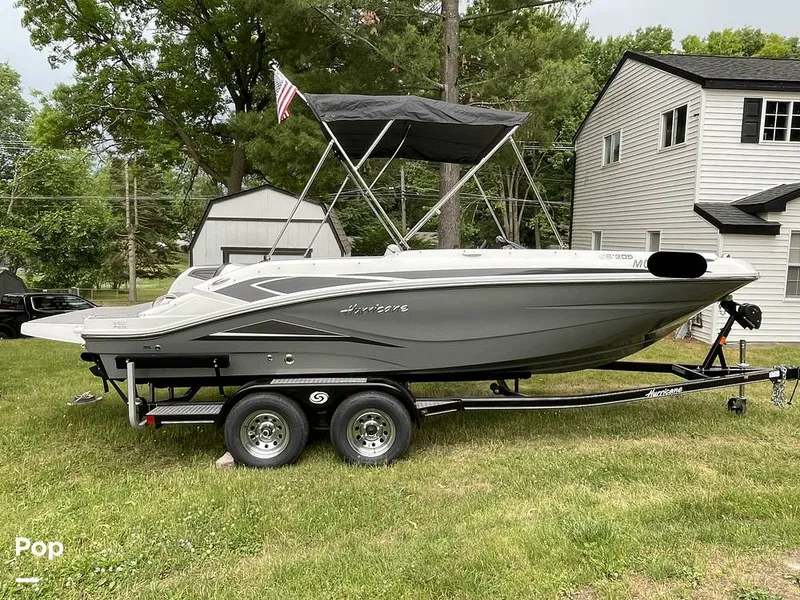
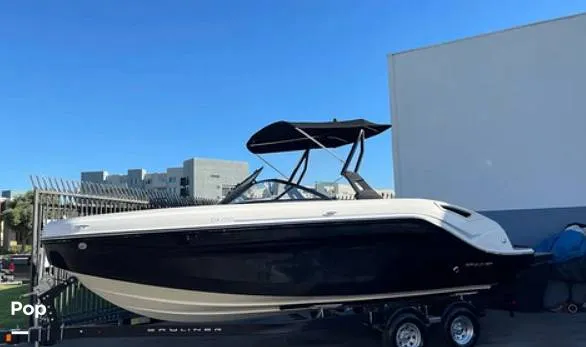
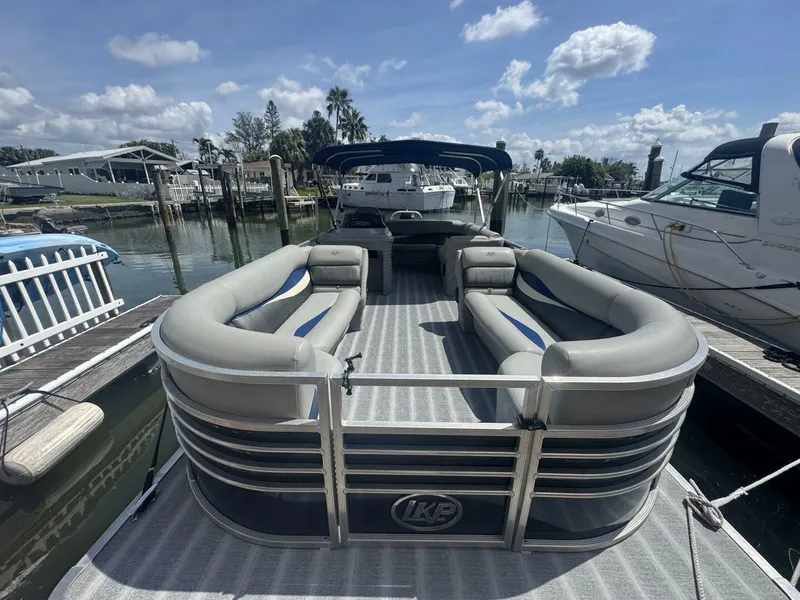
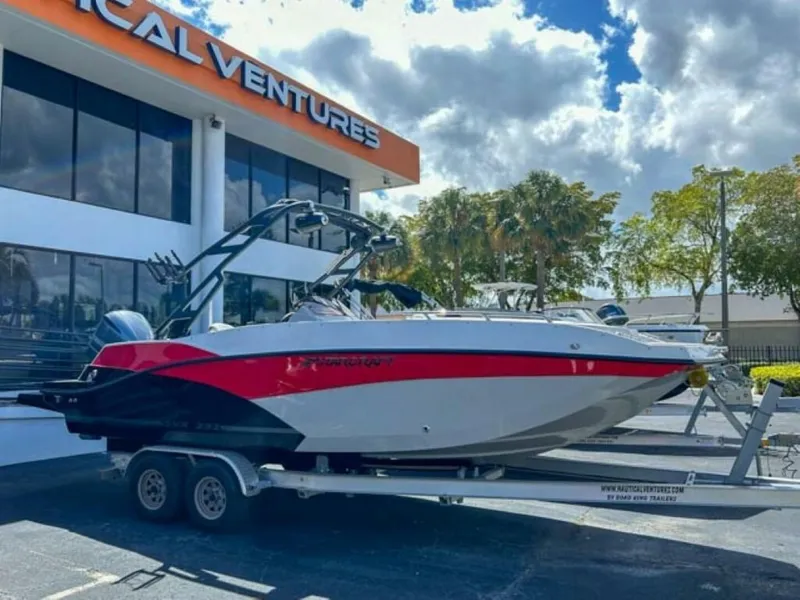
Deck Boat

Filters

Filters

Condition

Sort by
Searching boats for you...

Boating · Buyer’s Guide

Is a Deck Boat the Right Choice for You?


Written by: MarineSource Team | Estimated read time: 12 min read


Imagine stepping aboard a deck boat, where space and comfort greet you immediately. The open deck layout invites friends and family to spread out, socialize, and enjoy the water together. Whether you're cruising a lake, exploring a river, or anchored in a calm bay, the feeling is one of freedom and easygoing fun.

Deck boats have surged in popularity because they blend the best of multiple boat styles into one versatile package. Their wide beam and expansive deck space make them ideal for social outings, watersports, or just relaxing in the sun. However, this popularity comes with trade-offs, including handling quirks and storage considerations that potential owners should understand.

Owning a deck boat means embracing a lifestyle centered around versatility and comfort on the water. This guide will help you decide if a deck boat fits your boating dreams and practical needs.

What is a Deck Boat?

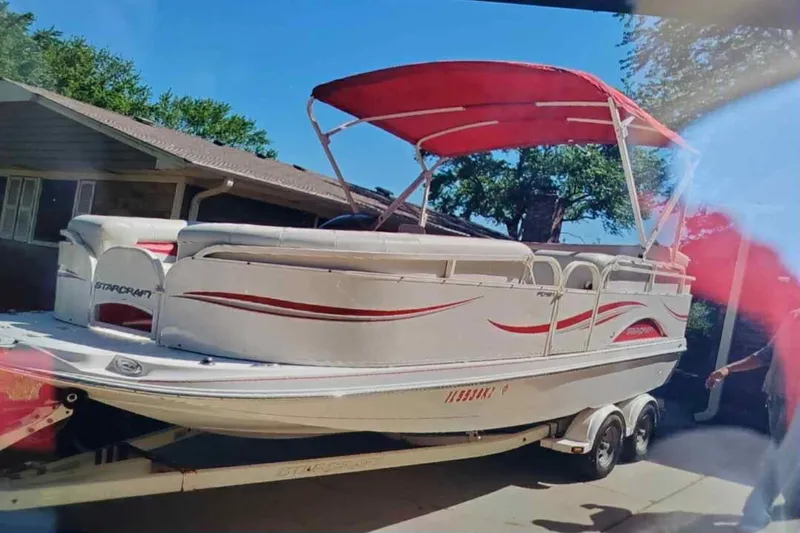
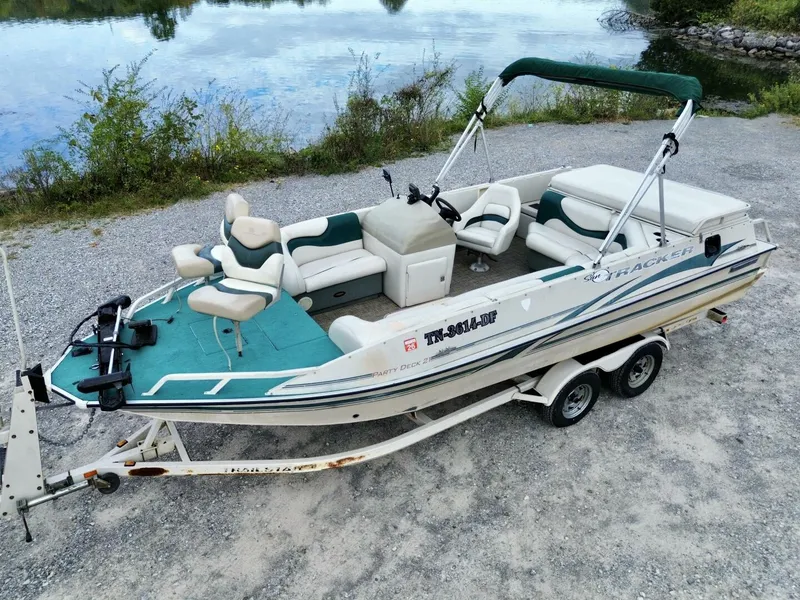
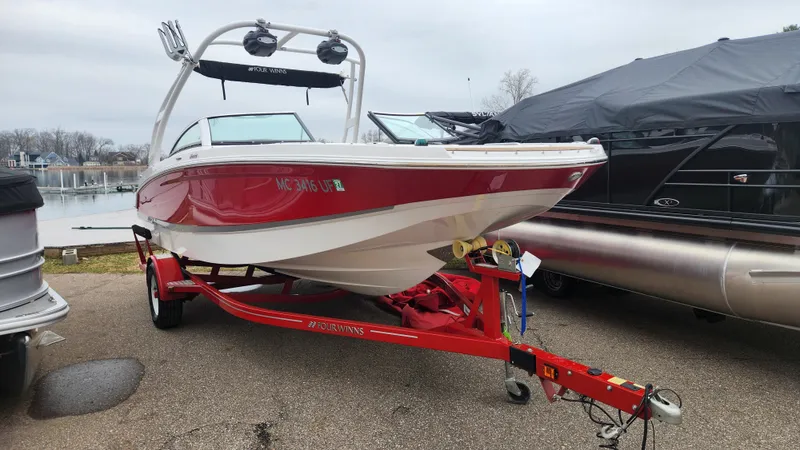
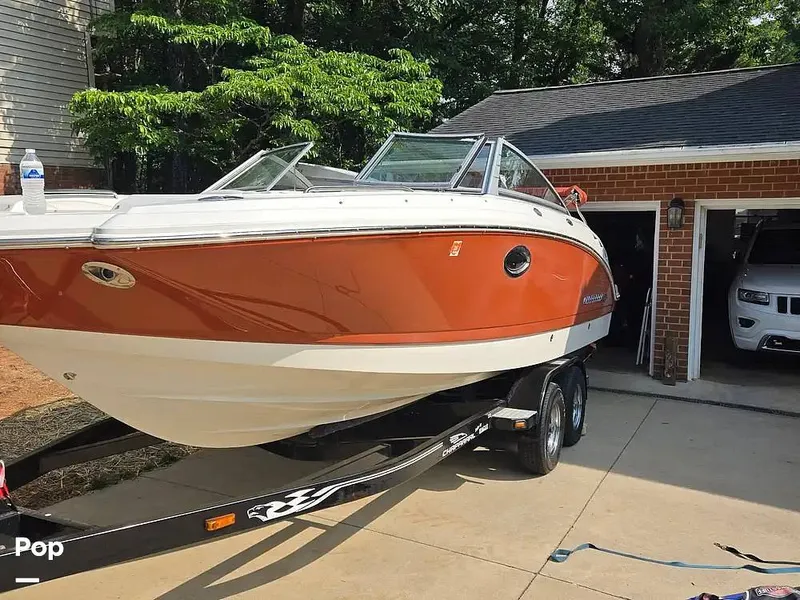
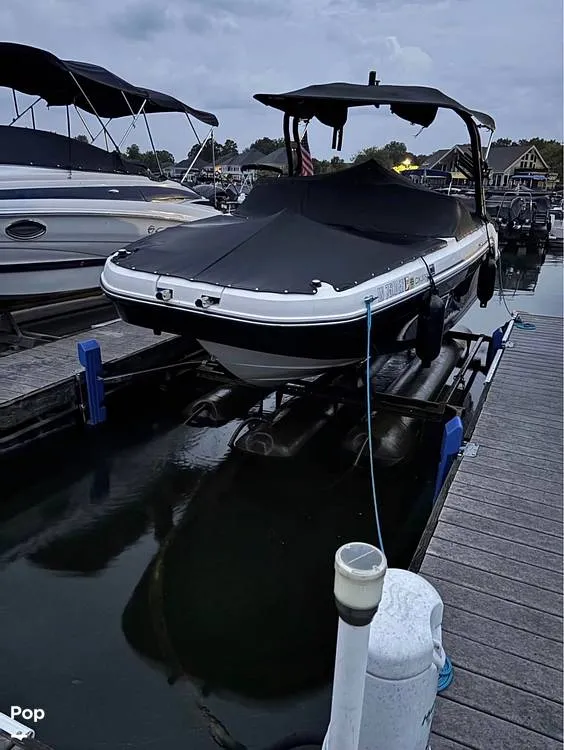
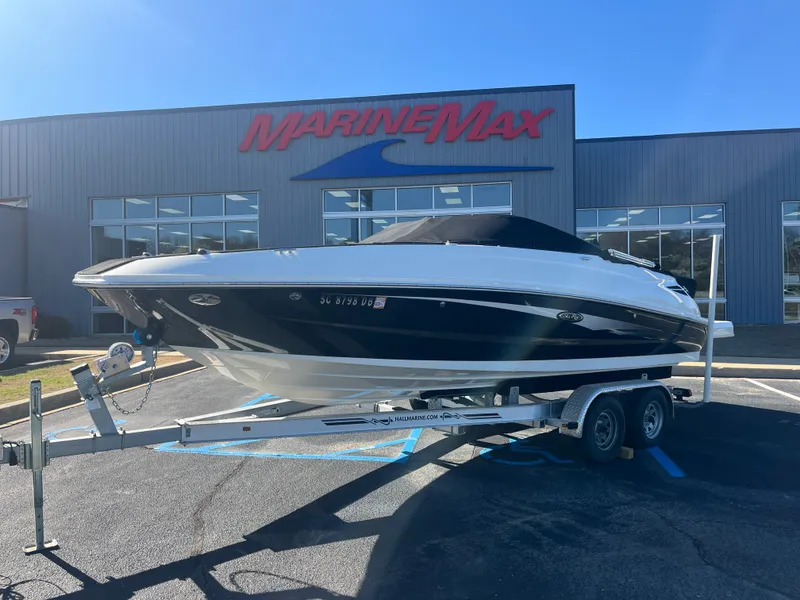
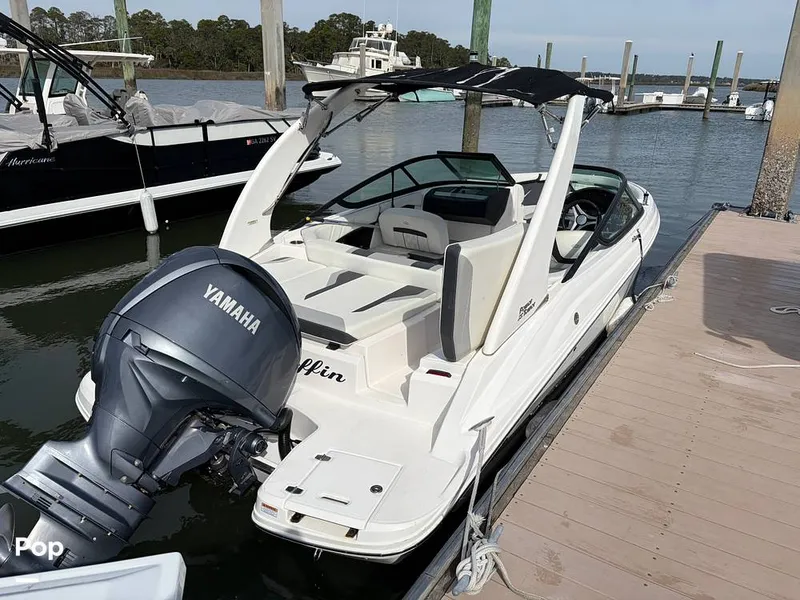
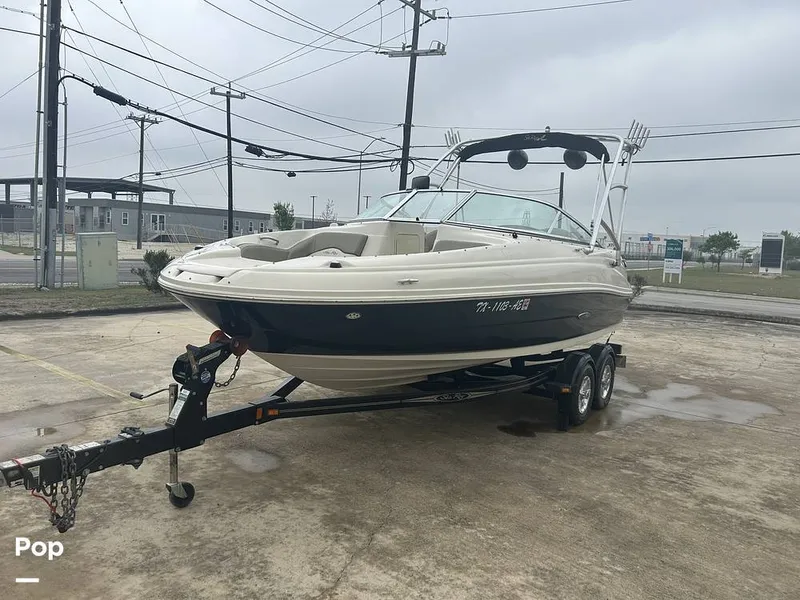
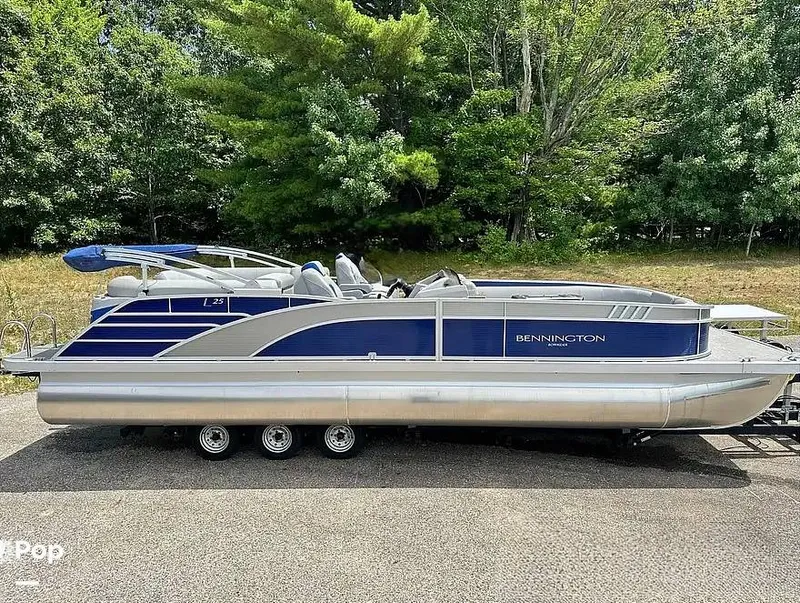
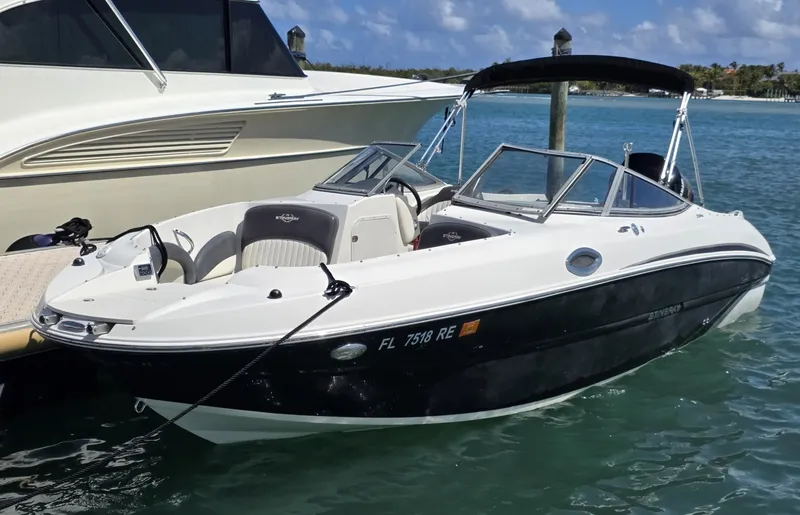
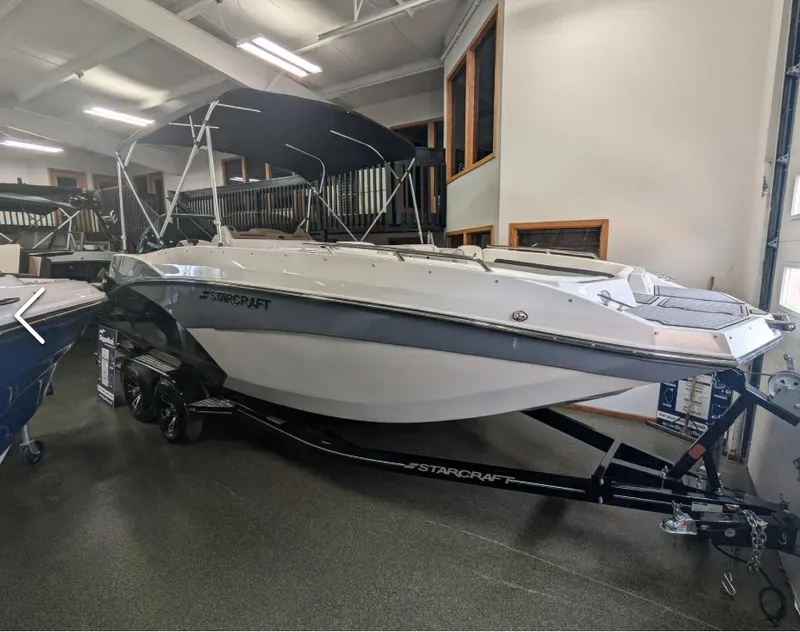
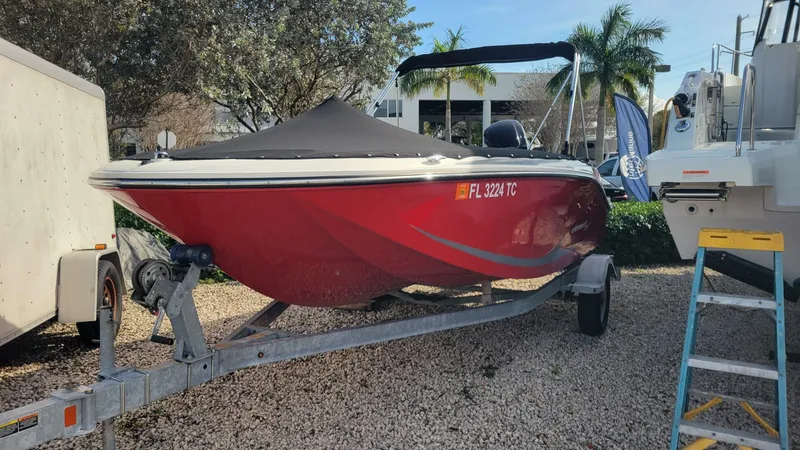
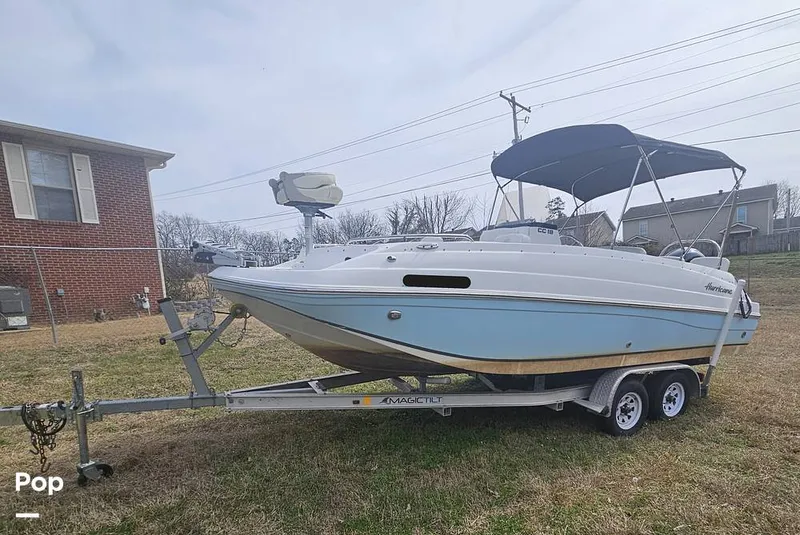
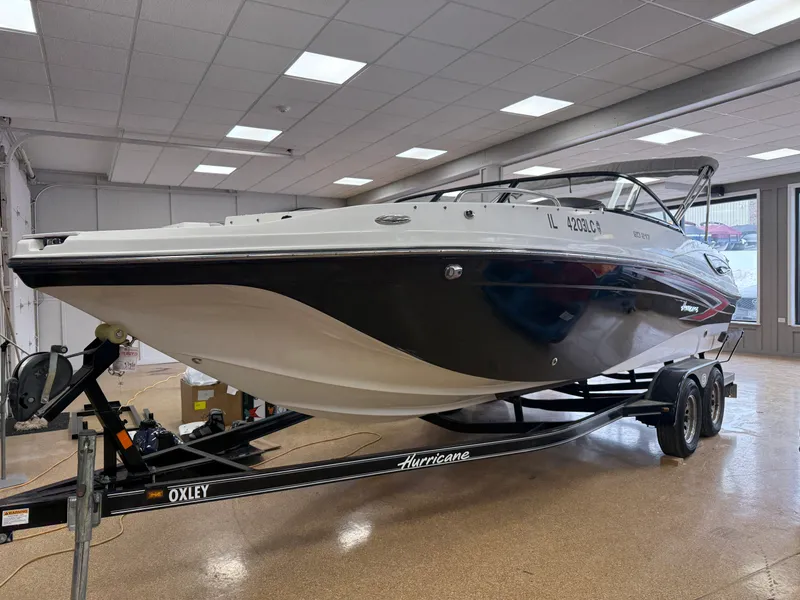
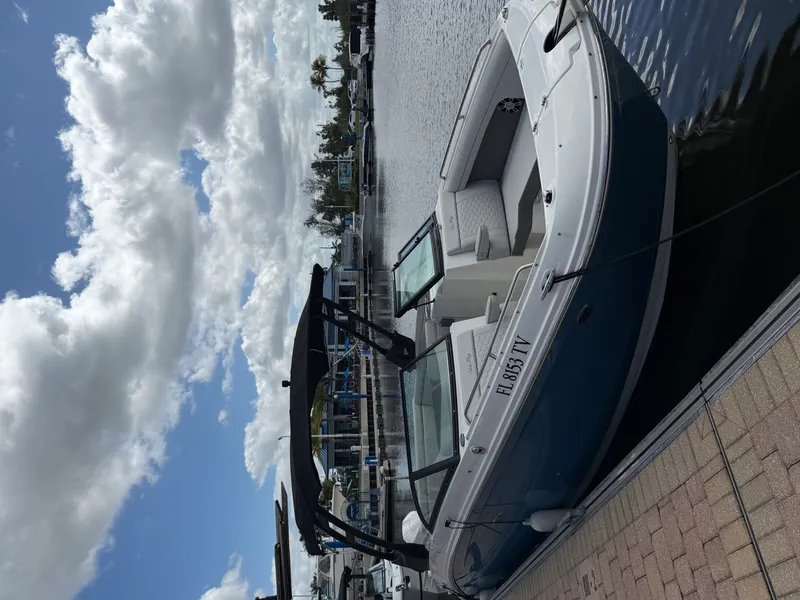
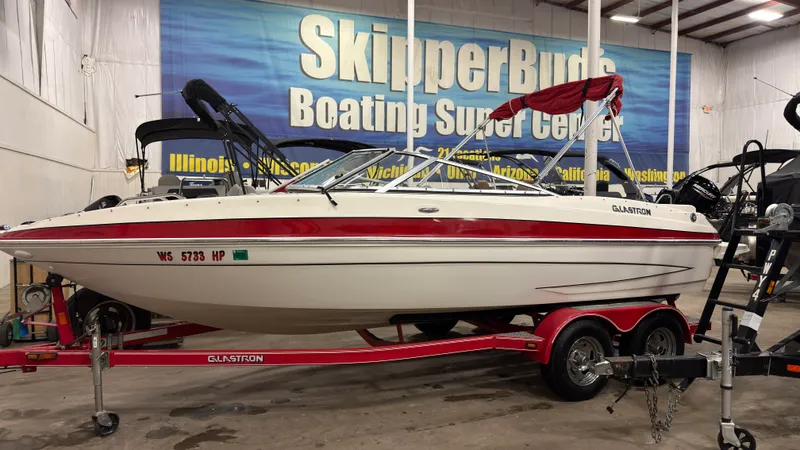
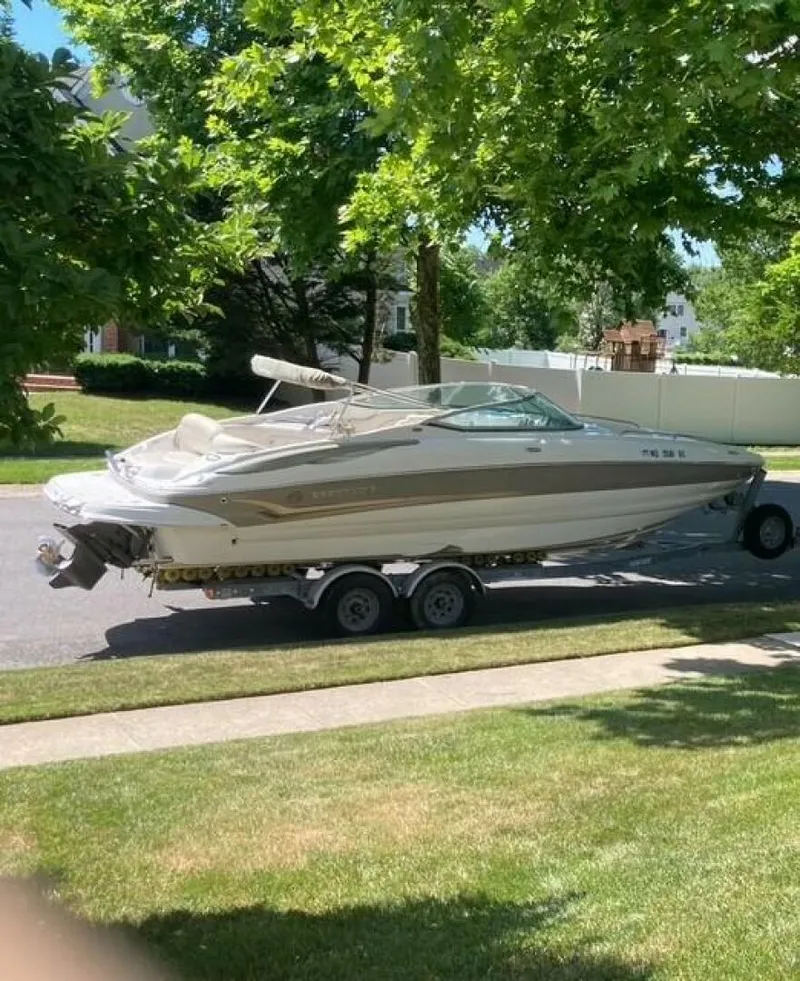
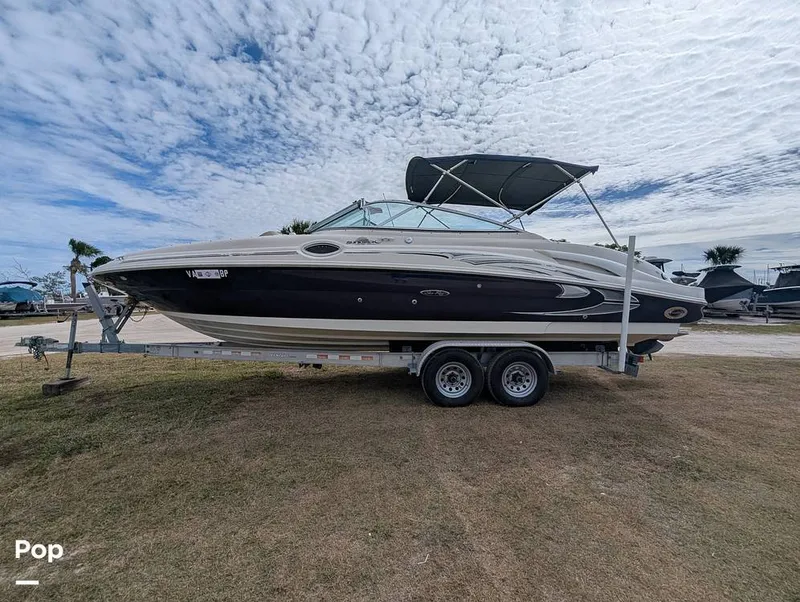
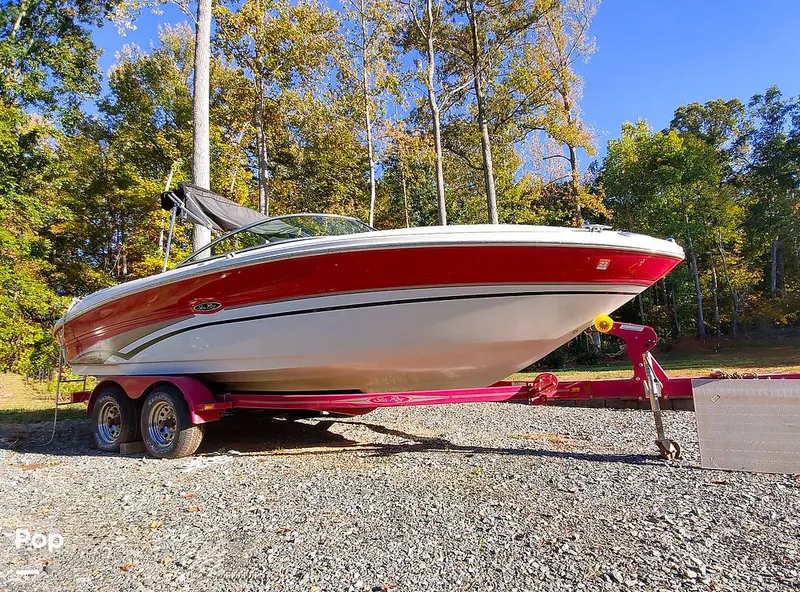
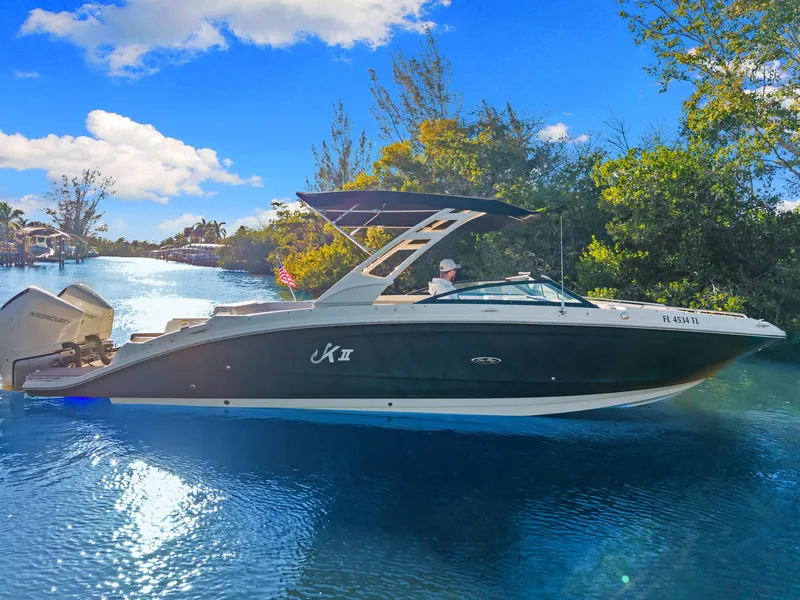
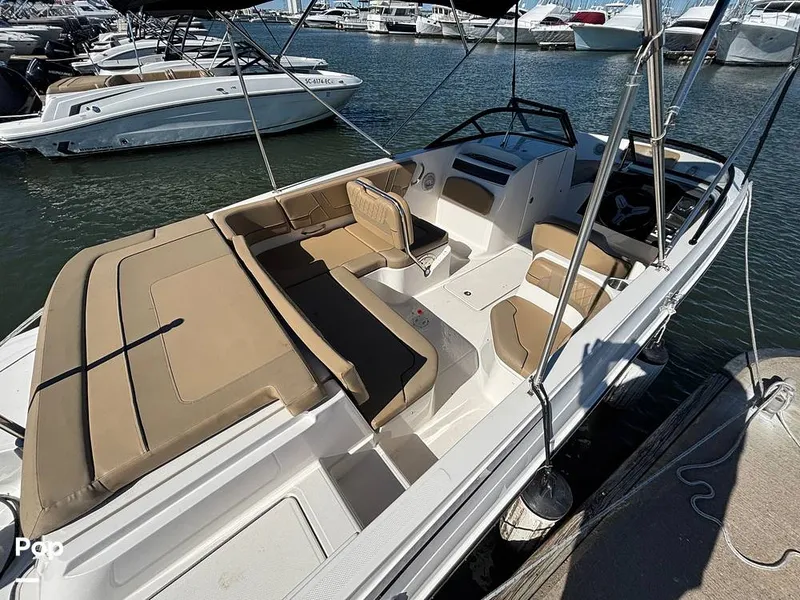
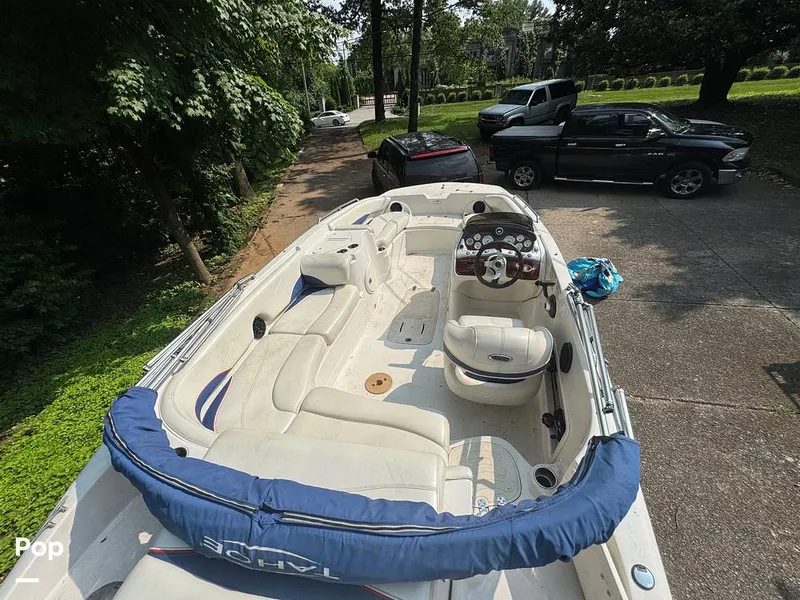
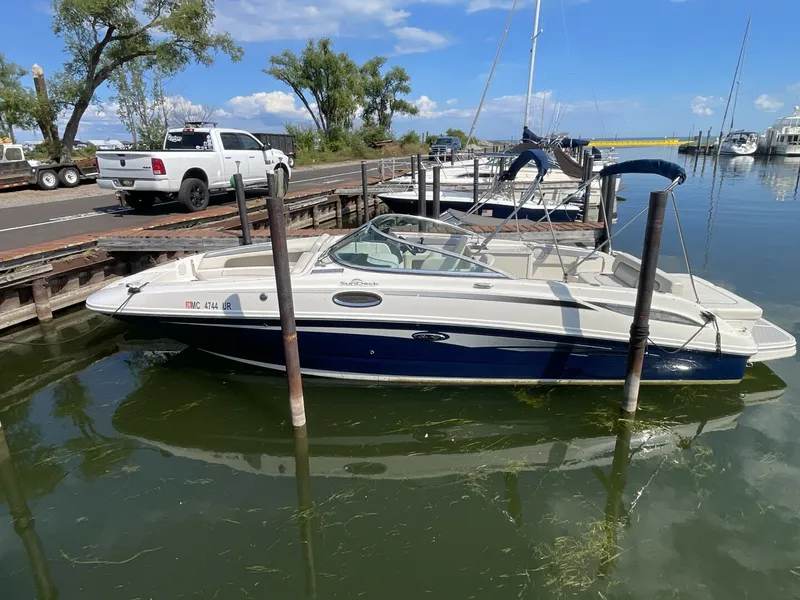
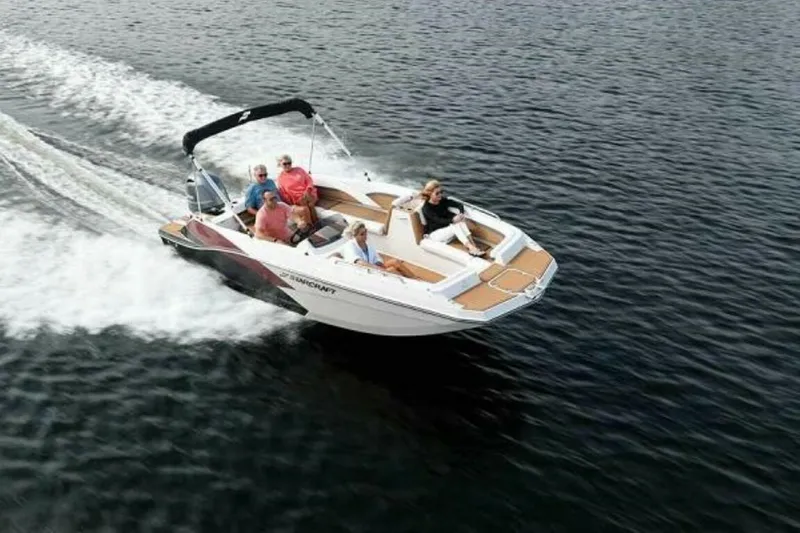
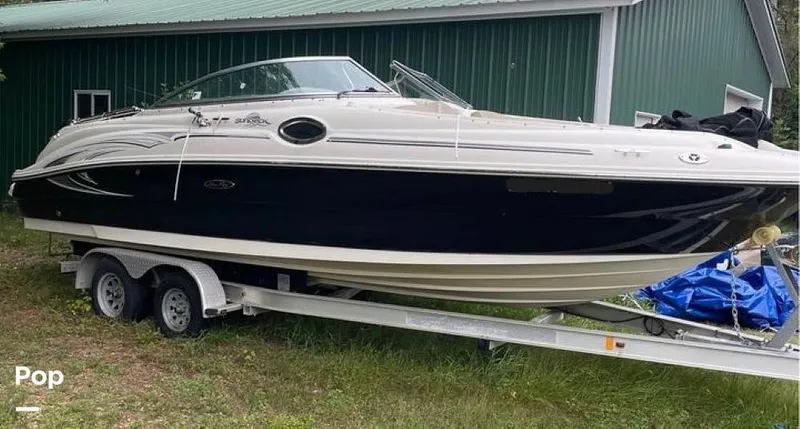
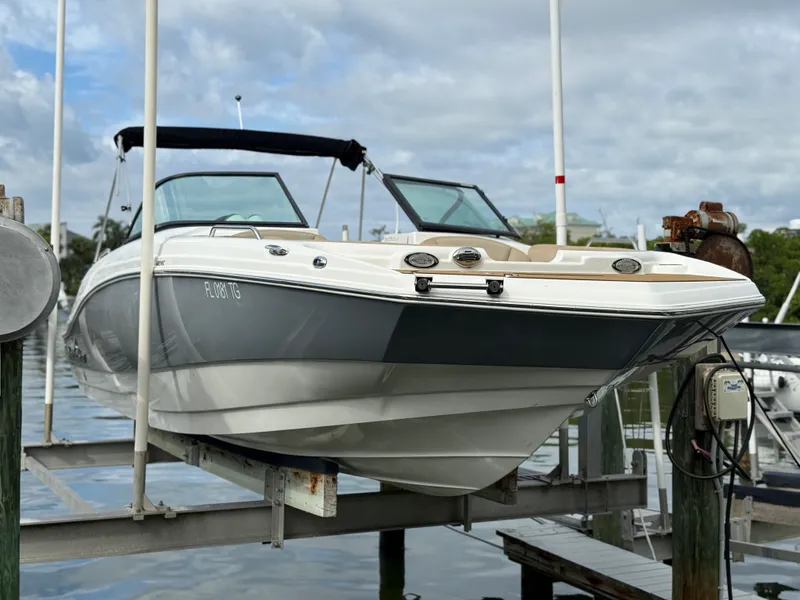
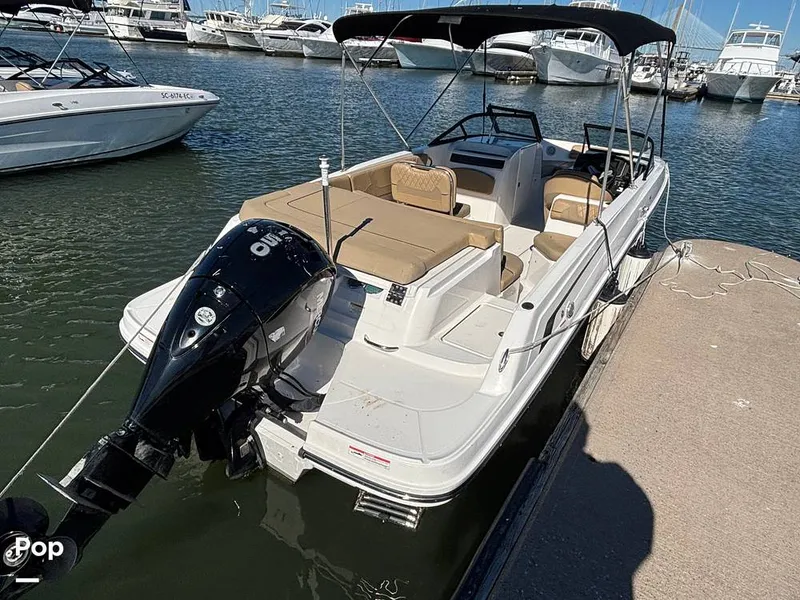
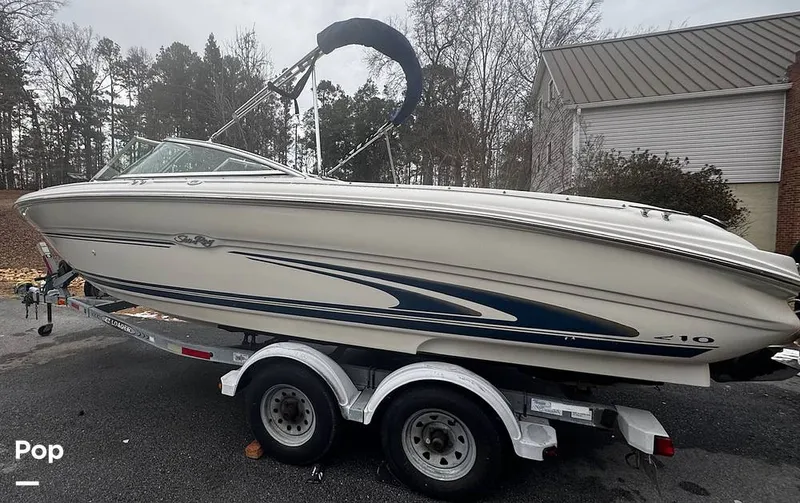
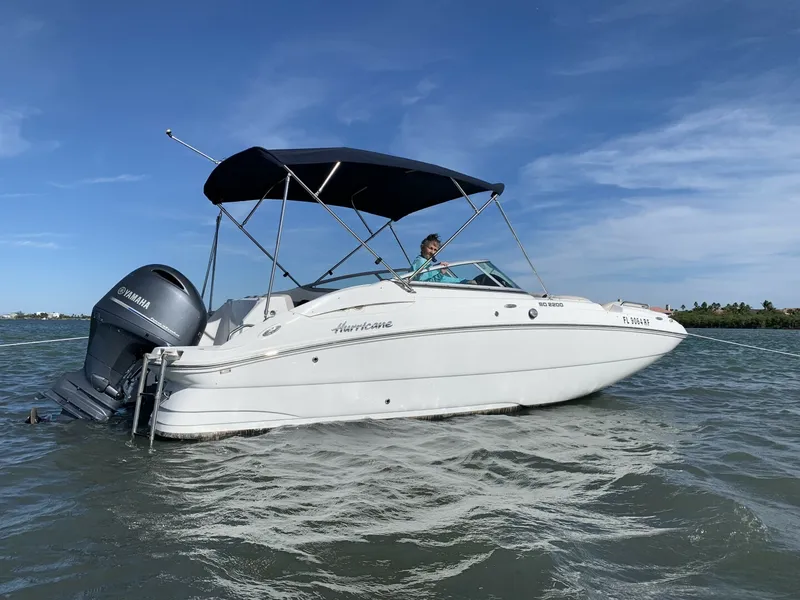
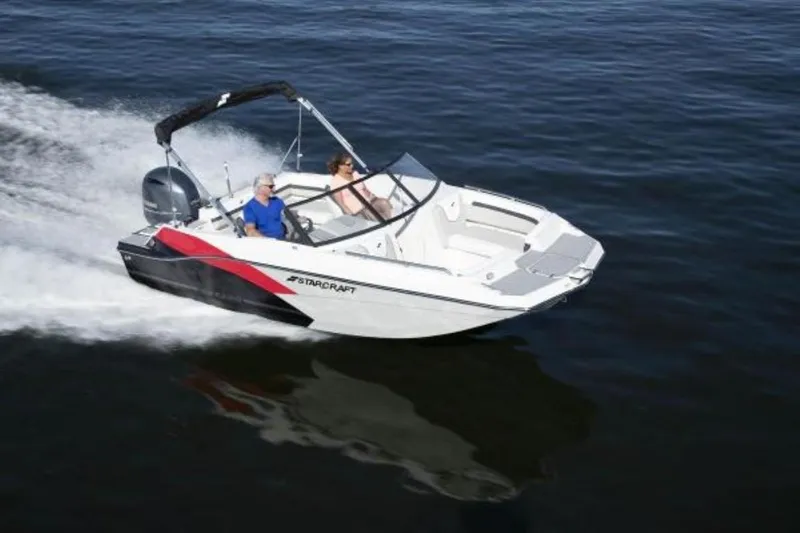
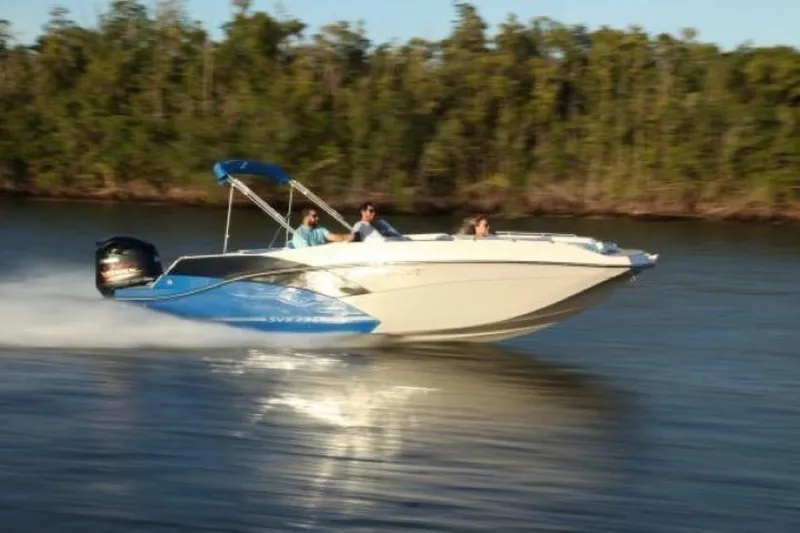
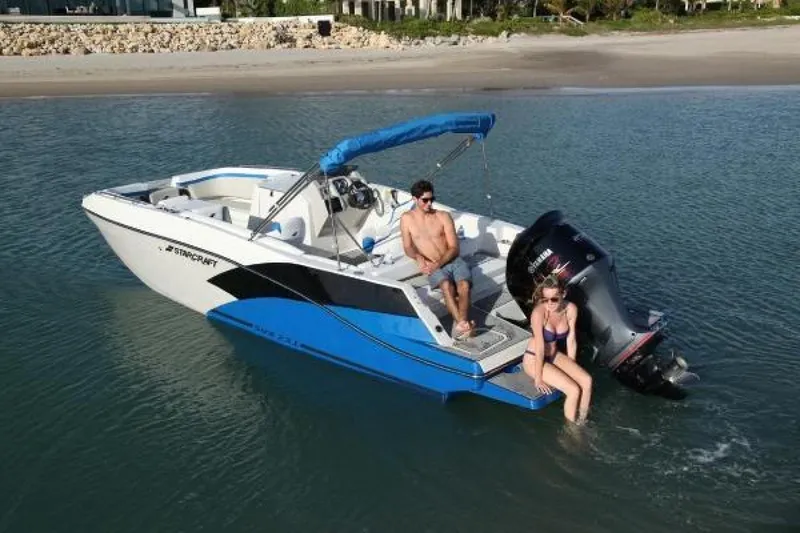
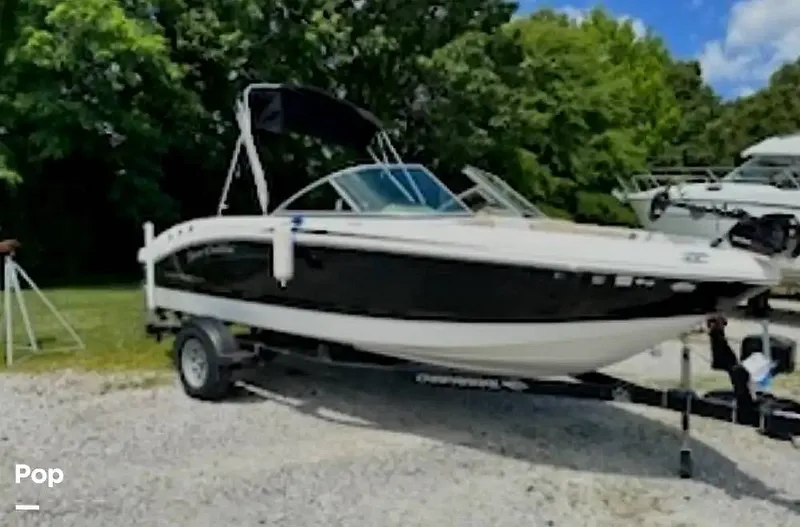
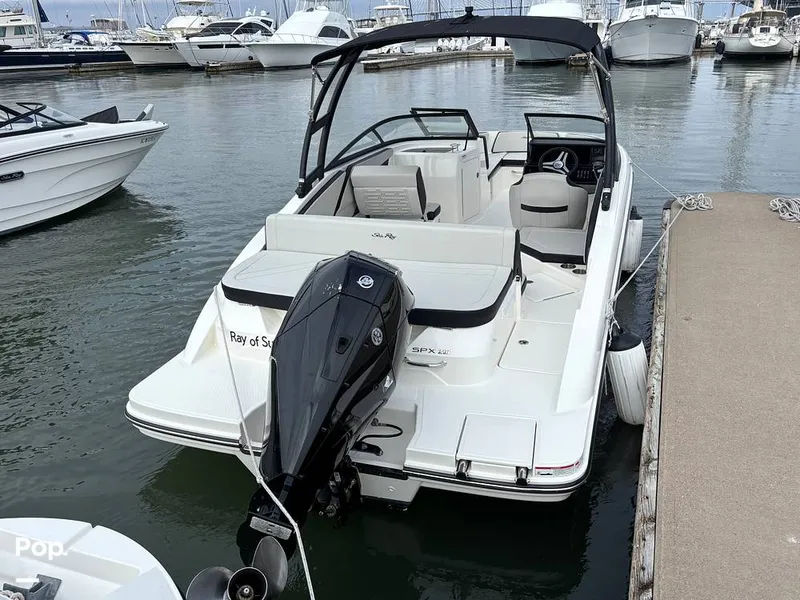
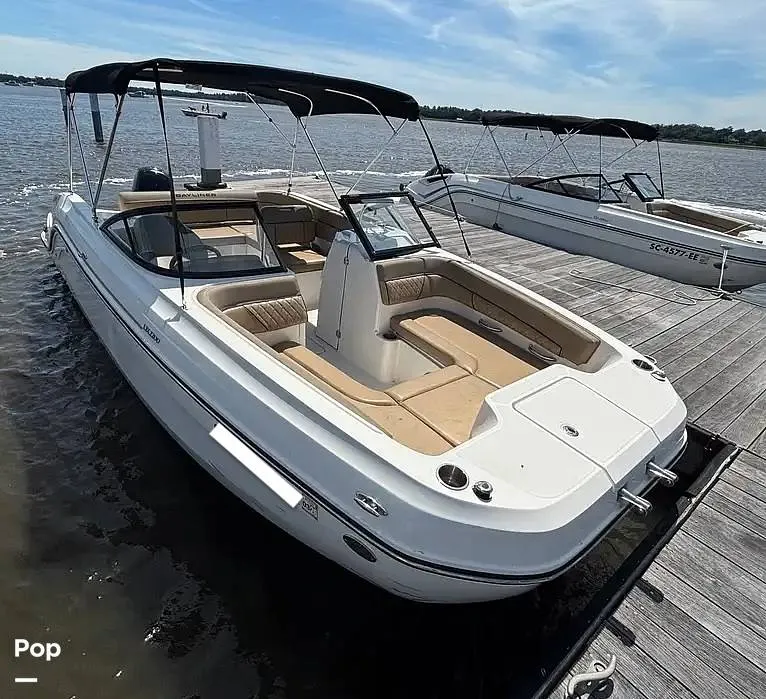
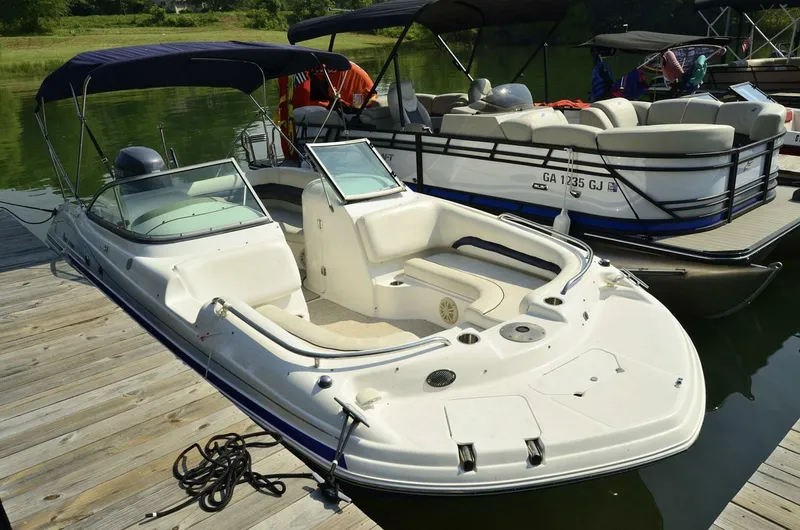
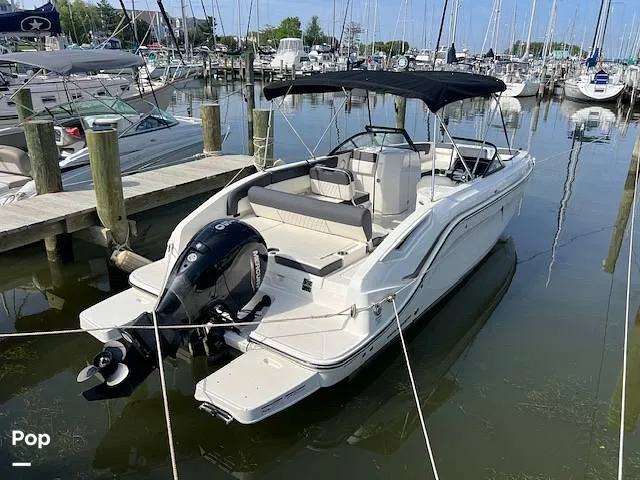
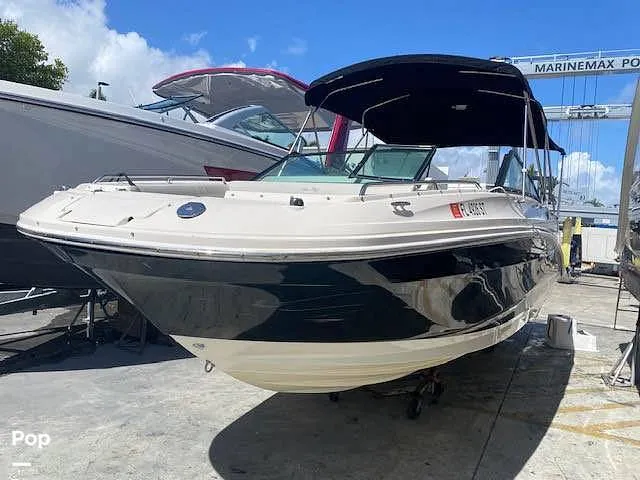
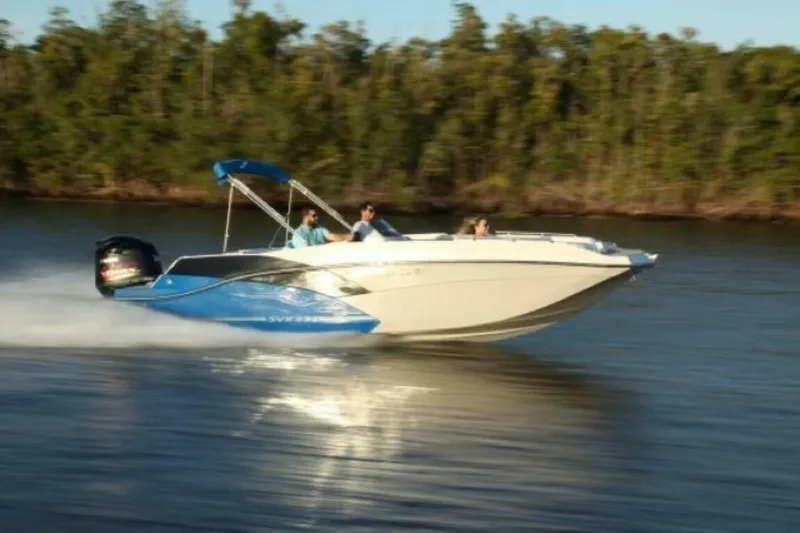
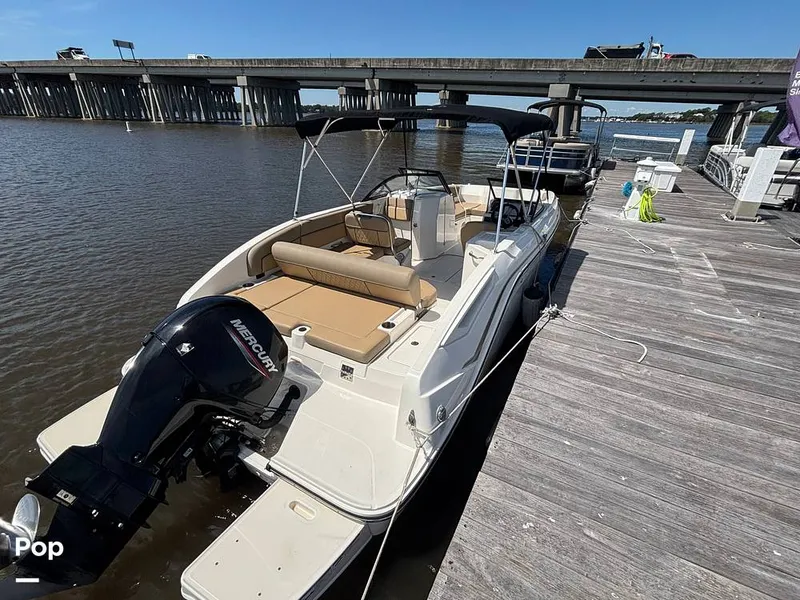
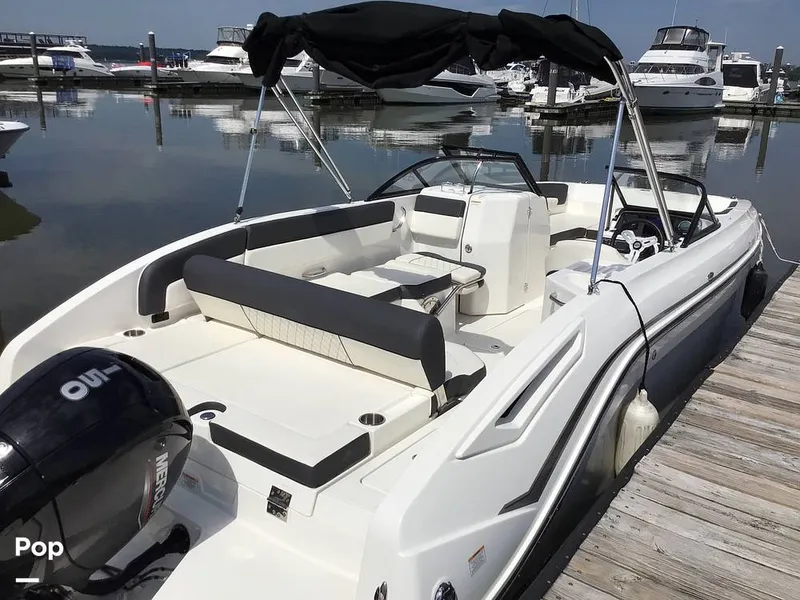
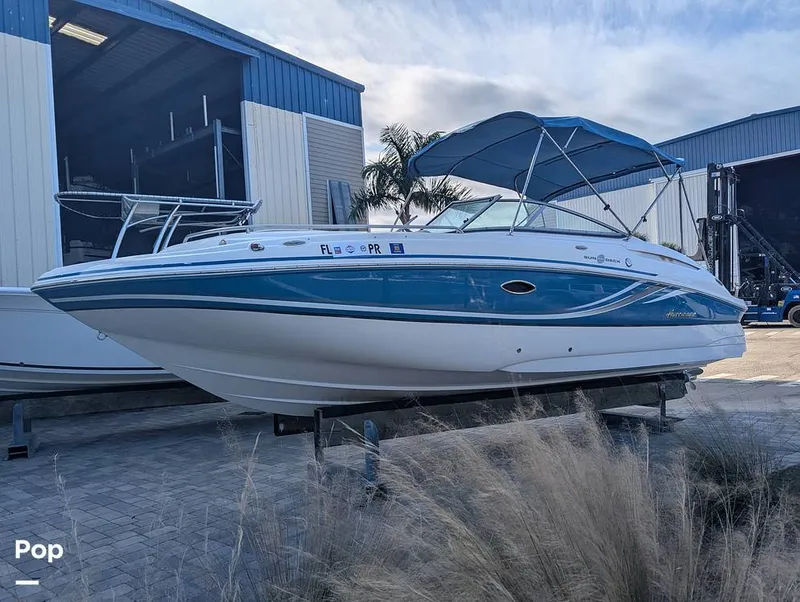
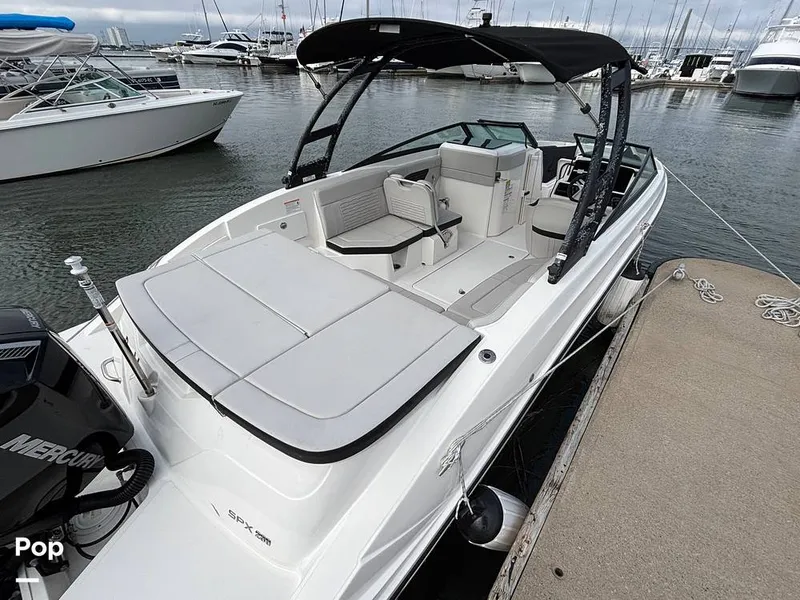
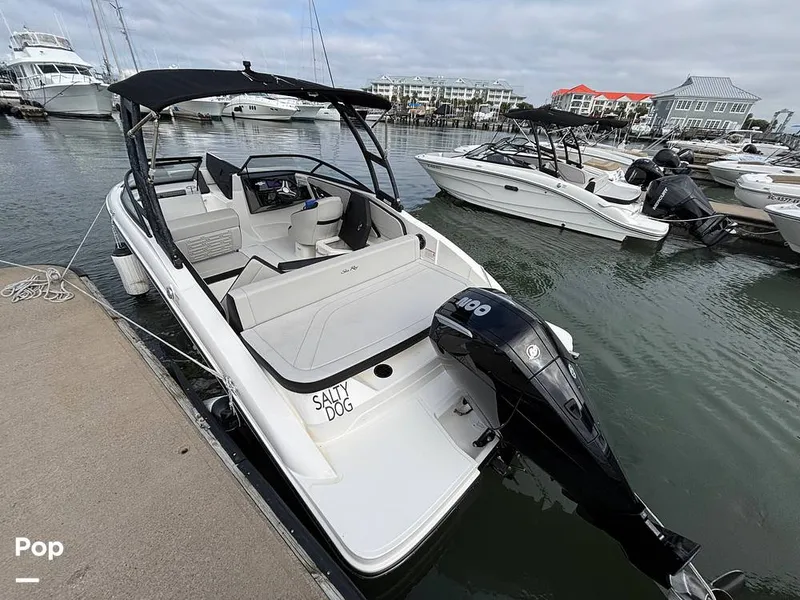
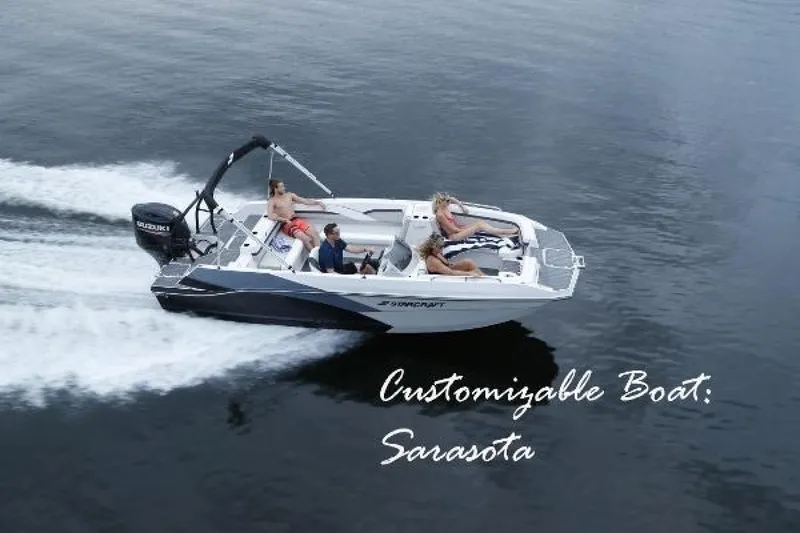
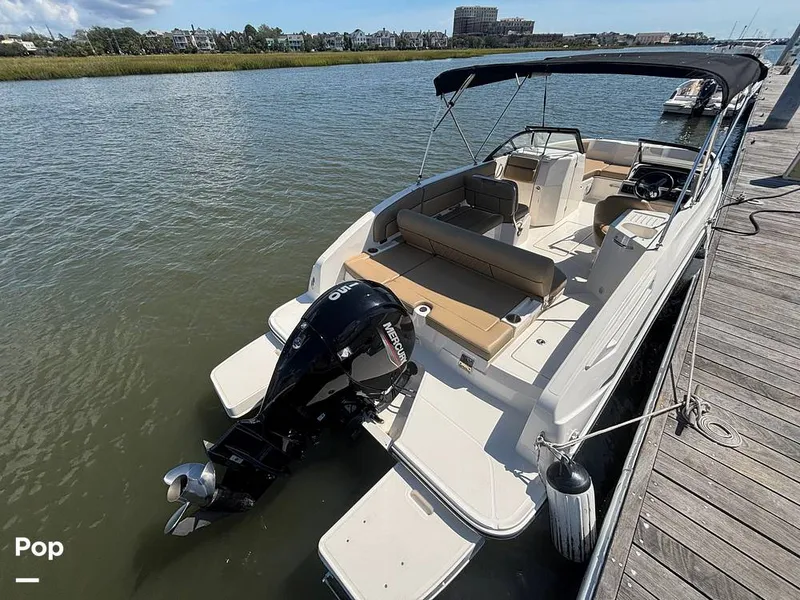
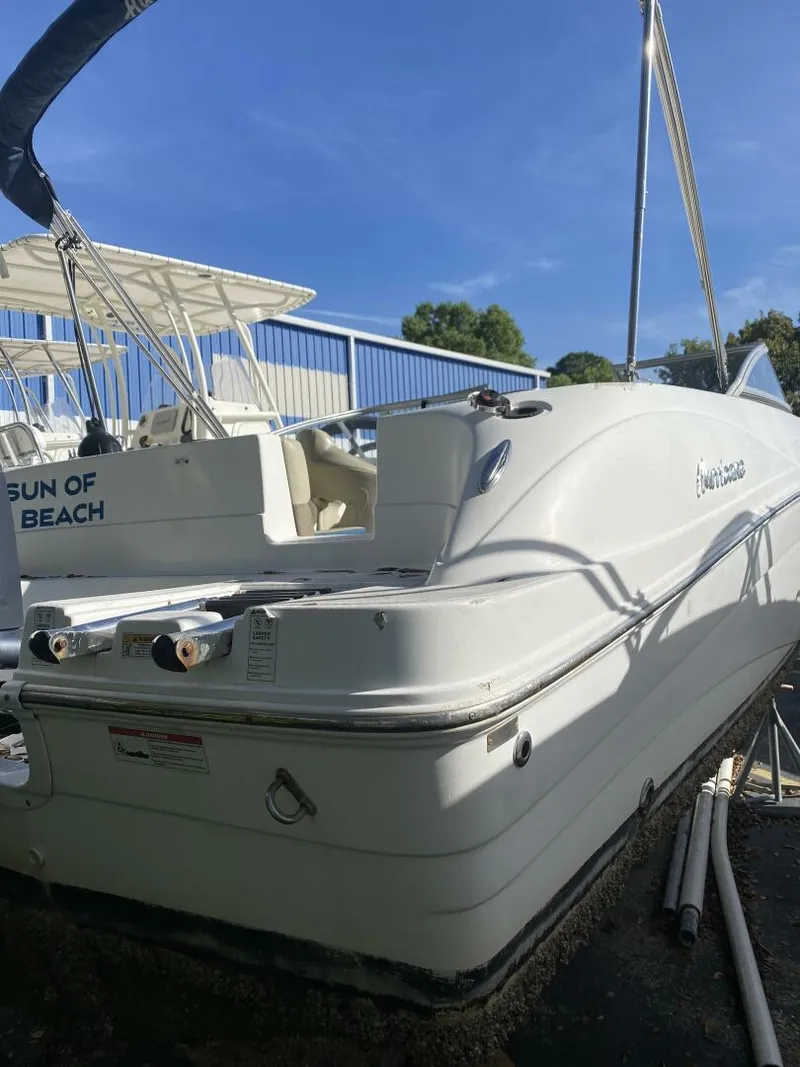
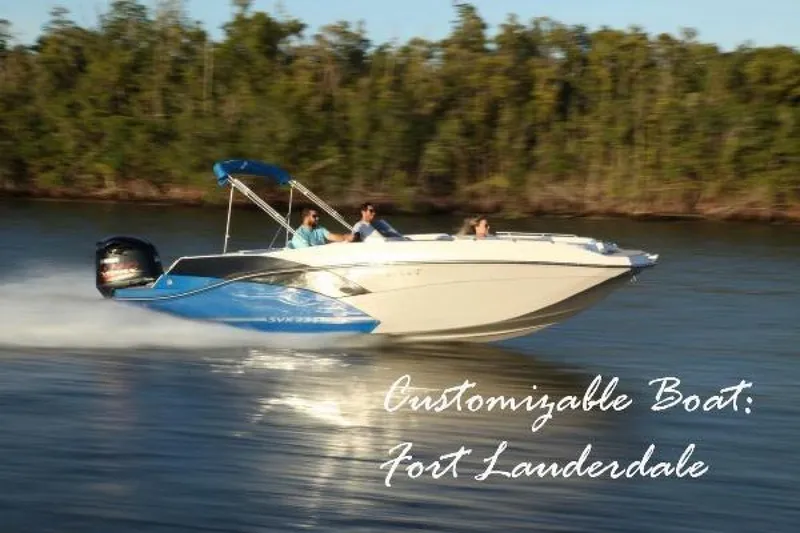
A deck boat is characterized by a wide, flat deck area that maximizes usable space for passengers and gear. Unlike traditional V-hull boats that narrow towards the bow, deck boats feature a broad bow area that blends seamlessly with the cockpit, creating an open and airy feel.
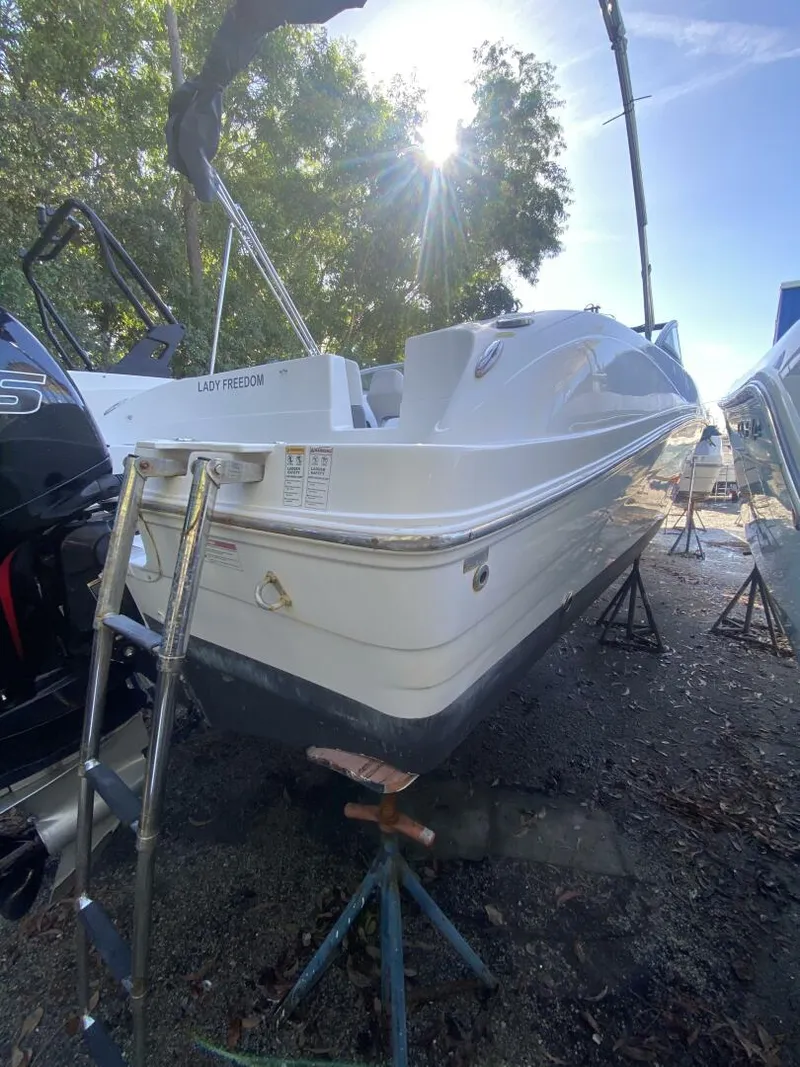
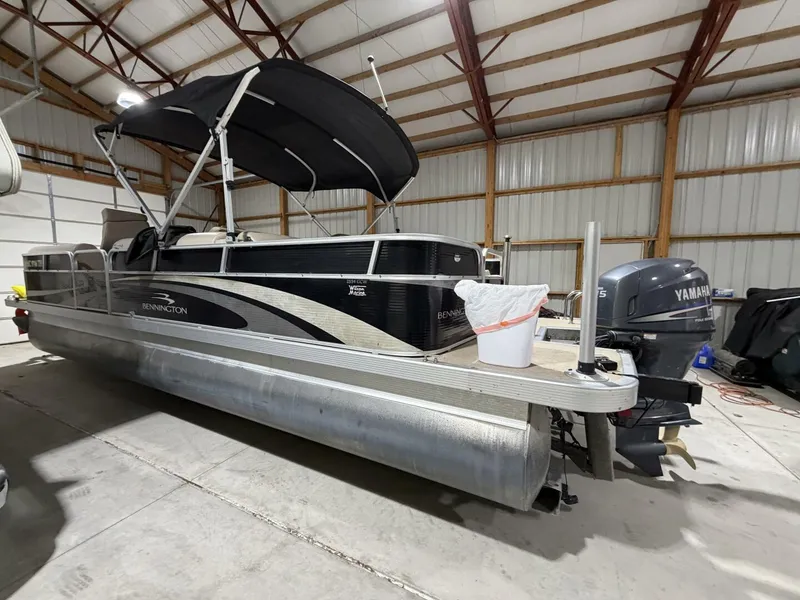
Historically, deck boats evolved to combine the stability and speed of V-hull designs with the spaciousness of pontoon boats. They were designed to offer more seating and deck room without sacrificing performance, making them popular for family outings and water sports.

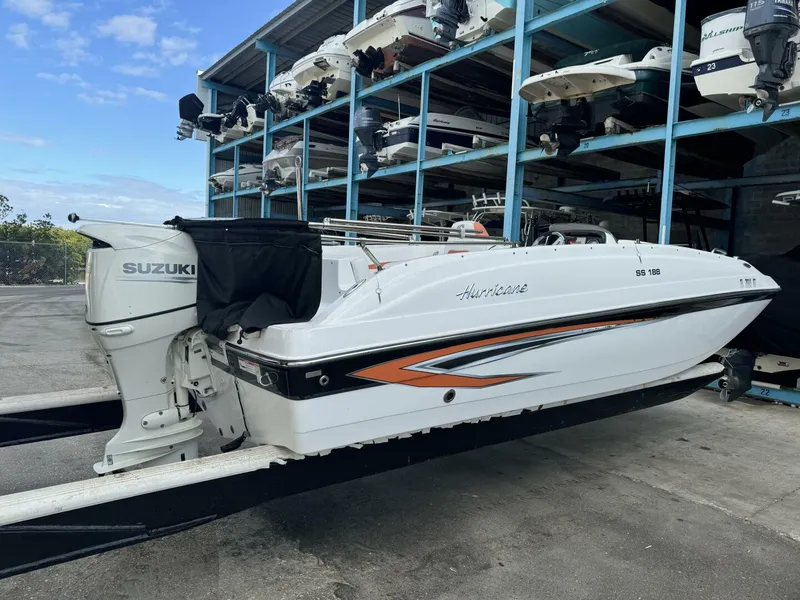
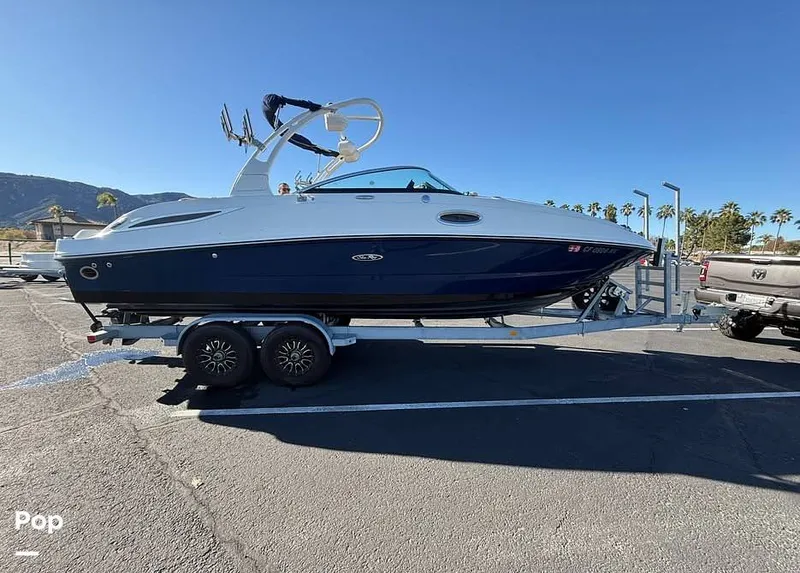
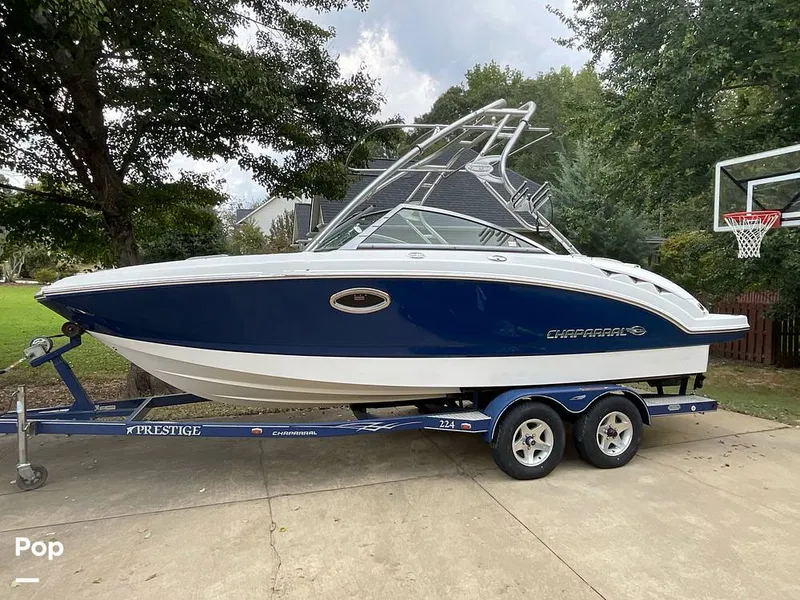
Modern deck boats typically have a modified V-hull that provides a smoother ride and better handling than flat-bottom boats, while their wide beam ensures excellent stability. They are built for versatility, serving as fishing platforms, party boats, or watersport machines depending on owner preferences.

Pros of owning a Deck Boat

1. Spacious Social Layout

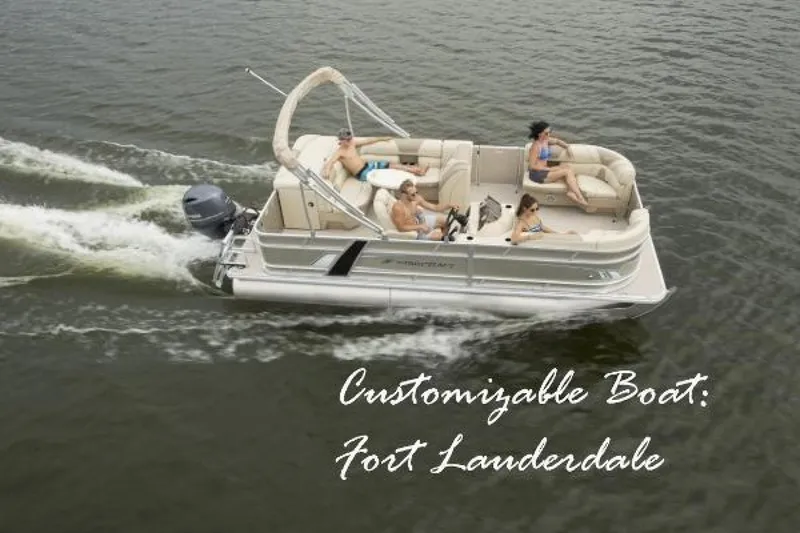
The hallmark of deck boats is their expansive deck space that comfortably accommodates larger groups. This layout encourages socializing and makes it easy to move around, whether you’re lounging, fishing, or preparing for watersports.

2. Easy to Operate

Deck boats are generally straightforward to drive, with stable handling and responsive controls that make them accessible to beginners and experienced boaters alike.

3. Stable and Safe

Thanks to their wide beam and modified V-hull, deck boats offer excellent stability on the water. This makes them safer for families with children and ideal for calm to moderate conditions.

4. Versatile Use

From fishing to tubing and cruising, deck boats can be adapted for a variety of activities. Their open design allows owners to customize seating and accessories to fit their lifestyle.

5. Low Maintenance

Compared to pontoon boats or complex cabin cruisers, deck boats generally require less upkeep. Their simpler hull design and fewer mechanical parts mean lower routine maintenance demands.

Cons of owning a Deck Boat

1. Limited Rough Water Performance

While deck boats handle calm to moderate water well, they can struggle in rough seas or choppy conditions due to their wide, flat deck and windage. This can lead to a less comfortable ride in adverse weather.

  • The Silver Lining: Choosing a model with a deeper V-hull and operating within protected waters can noticeably improve comfort and safety when the wind picks up.

2. Less Privacy and Shelter

The open deck design means less protection from sun and rain compared to cabin boats. This can be a drawback for longer trips or unpredictable weather.

  • The Silver Lining: Adding a bimini top, bow and cockpit covers, or snap-in canvas enclosures can provide flexible shade and shelter without giving up the open feel.

3. Storage Constraints

Despite the spacious deck, storage compartments can be limited compared to pontoon or cabin boats. This requires careful planning for gear and supplies.

  • The Silver Lining: Smart use of under-seat compartments, deck lockers, and a few portable dry bags can keep gear organized while preserving valuable deck space.

4. Towing and Trailering Size

Deck boats tend to be wider and heavier than similar length boats, making towing and trailering more challenging and sometimes requiring a larger vehicle.

  • The Silver Lining: Many popular deck boat sizes are engineered to remain within standard trailer widths and weights, allowing towing with a properly equipped mid-size SUV or half-ton truck.

5. Fuel Consumption

The larger beam and heavier weight can lead to higher fuel consumption compared to slimmer hull designs, impacting long-term operating costs.

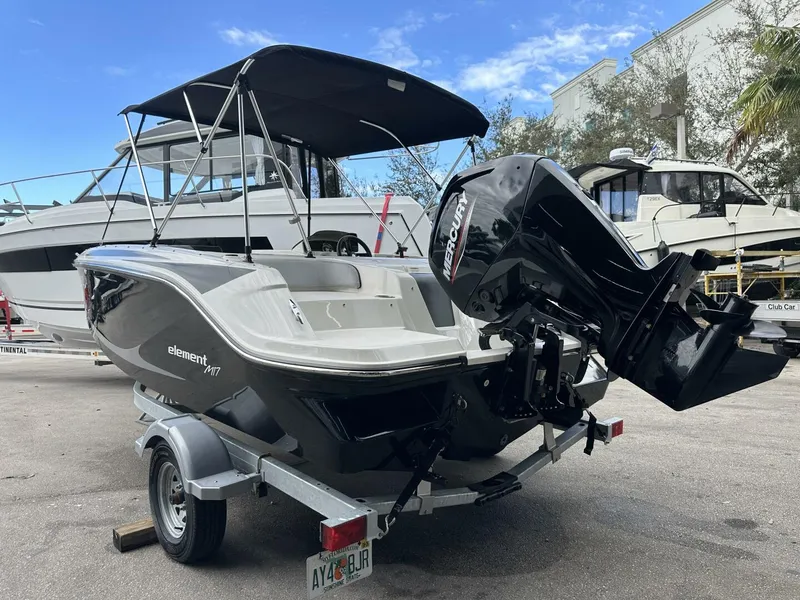
  • The Silver Lining: Pairing the boat with a modern, fuel-efficient four-stroke outboard and cruising at economical speeds can significantly reduce fuel burn over a season.

Handling and Performance

Deck boats excel at handling crowds due to their wide beam and open deck layout. Seating is often arranged to maximize social interaction and comfort, with multiple bench seats, swivel chairs, and open floor space.

Weight distribution is generally balanced to maintain stability even with many passengers aboard, and many models carry 8–12 people comfortably. This makes them a favorite for group outings and casual parties on the water.

Deck boats can be more affected by wind and waves due to their wide, flat deck and larger surface area exposed to the elements. While their modified V-hull helps cut through waves, they are best suited for calm to moderate conditions.
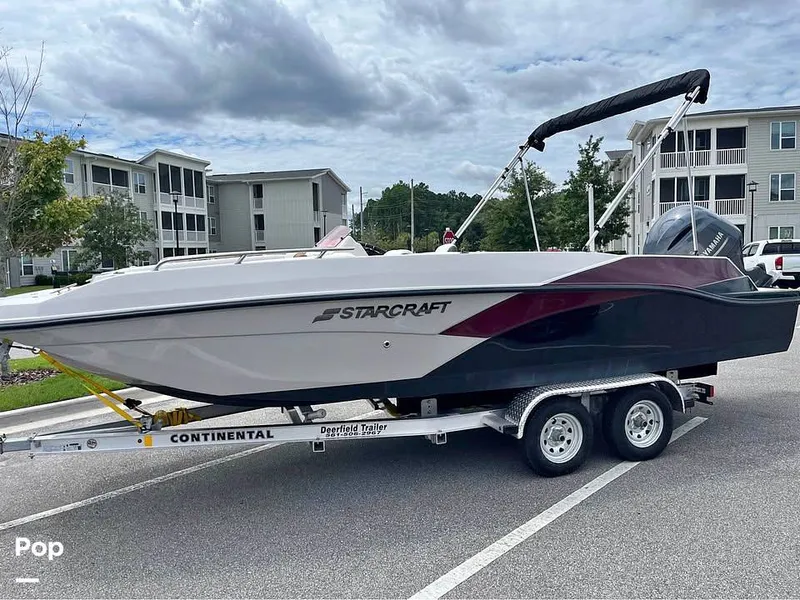
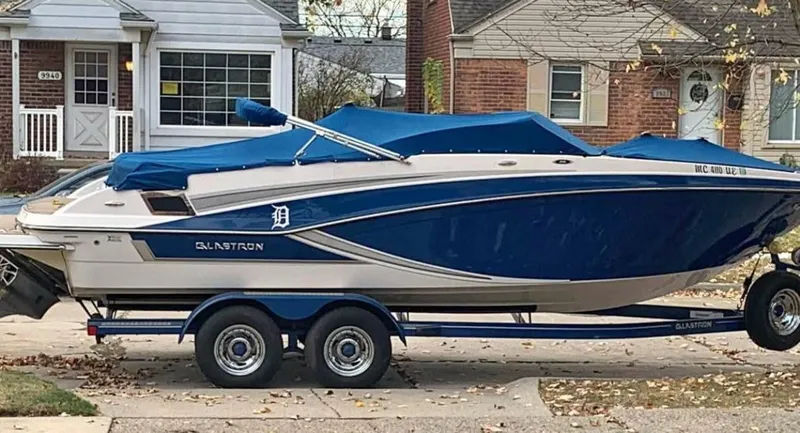
In heavy chop or strong winds the ride can become wet and bouncy, and precise throttle and trim control are required. Prudent operators will watch forecasts closely and avoid long runs in exposed open water when conditions deteriorate.
Ownership and Logistics

Owning a deck boat involves ongoing expenses such as fuel, maintenance, storage, and insurance. The wider beam and heavier weight can increase fuel costs compared to smaller or narrower boats.

Routine costs include annual engine service, bottom maintenance if stored in the water, safety gear replacement, and registration fees. Indoor winter storage or marina slips can be a significant line item, especially for larger models.

Deck boats generally maintain solid resale value because they appeal to families and first-time buyers looking for a do-it-all boat. Well-known brands with clean service records tend to perform best on the used market.

Condition, engine hours, and up-to-date electronics or upholstery upgrades play a major role. Boats stored on trailers or indoors and serviced regularly typically see less depreciation and sell more quickly.

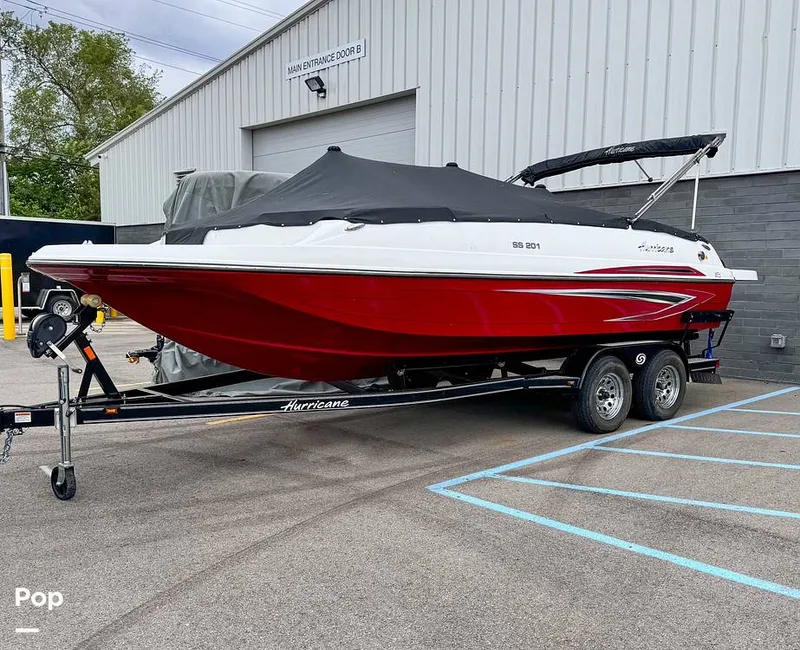
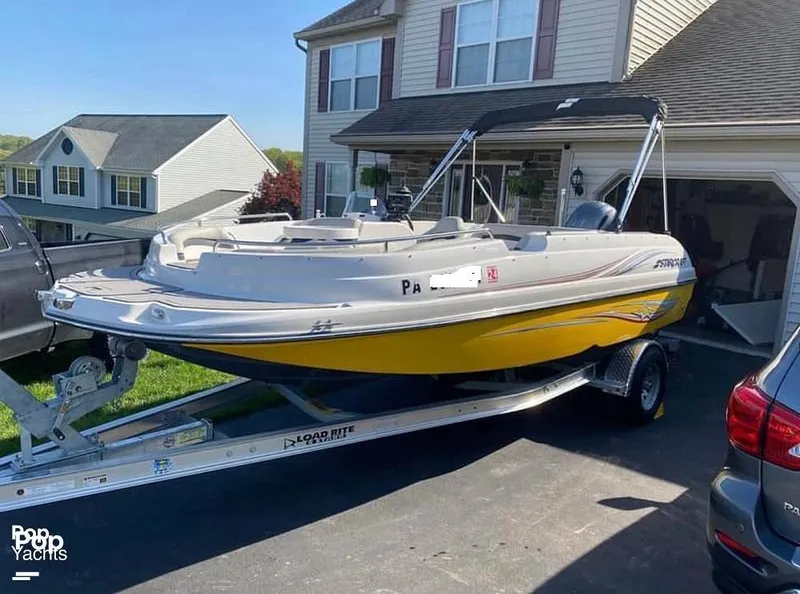
Deck boats are often wider and sometimes heavier than similarly sized runabouts, so checking the combined weight of boat, engine, trailer, and gear against your vehicle’s tow rating is essential.

Many 18–22 foot deck boats can be towed safely with a properly equipped mid-size SUV or half-ton pickup, while larger or twin-engine models may push into heavy-duty truck territory. Trailer brakes and a quality hitch setup are strongly recommended.

Is a Deck Boat the Right Choice for You?

Deck boats offer a compelling blend of space, stability, and versatility that suits a wide range of boating lifestyles. Their social layout and ease of use make them excellent for families and groups who want to enjoy the water together.

They are not the top choice for frequent offshore runs or minimalist storage situations, but for lakes, rivers, and protected coastal waters, they provide a fun, user-friendly platform for cruising, swimming, and watersports.

You'll love it if:

  • You want generous seating and open deck space for friends and family outings.
  • You enjoy casual cruising, sandbar visits, swimming, and tow sports more than long-distance passages.
  • You prefer a boat that is stable and easy to handle in calm to moderate conditions.
  • You like the idea of one boat that can host parties, pull tubes, and handle light fishing duty.
  • You are comfortable budgeting for typical fuel and storage costs associated with a wide-beam recreational boat.

It might be challenging if:

  • You frequently boat in rough, choppy waters or make long runs in exposed open seas.
  • You require extensive enclosed storage or cabin space for overnight trips.
  • Your current vehicle has a low tow rating or limited payload capacity.
  • You prioritize maximum fuel economy over space and comfort on board.
  • You want full protection from the elements, with enclosed cabins and private berths.

A deck boat is best viewed as a highly social, multipurpose platform for protected waters: roomy, stable, and easy to enjoy with a crowd. If most of your time on the water will be spent cruising close to home, anchoring at swim spots, and sharing relaxed days with family and friends, a well-chosen deck boat can be an excellent and rewarding investment.

Be the First to Know

Get notified when new boats become available.

Logo