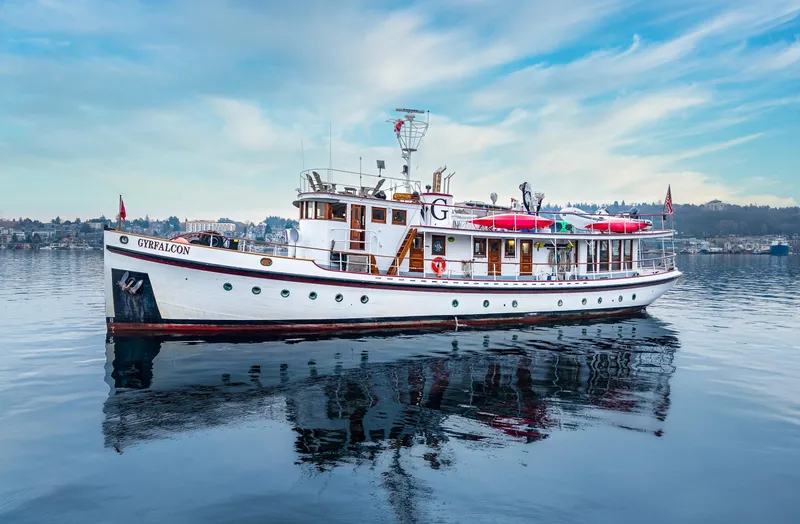
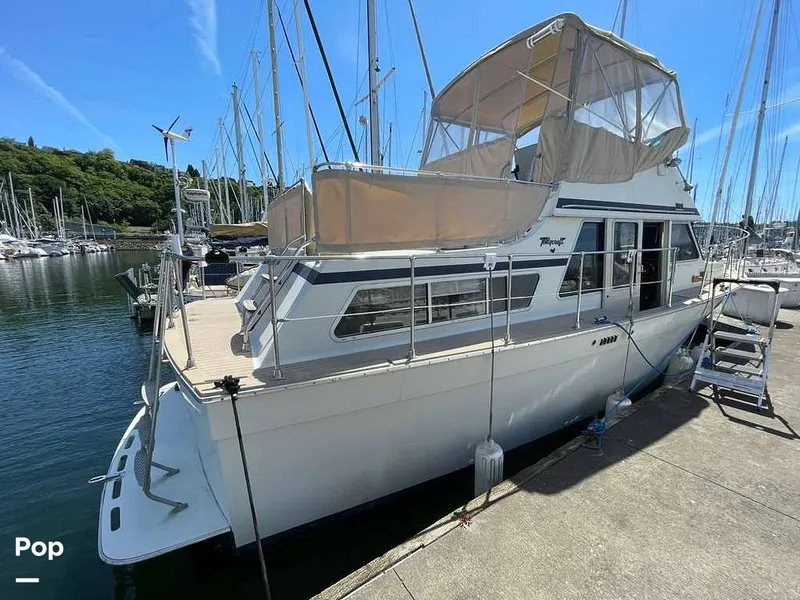
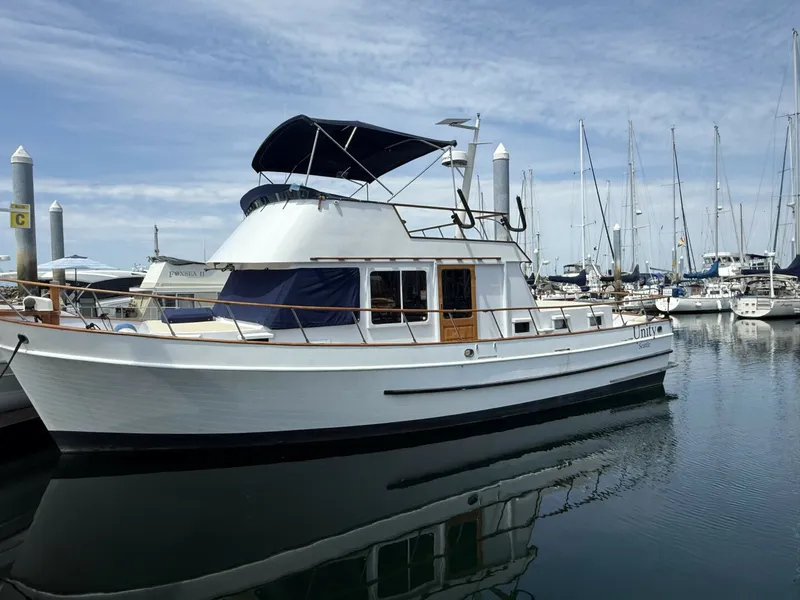
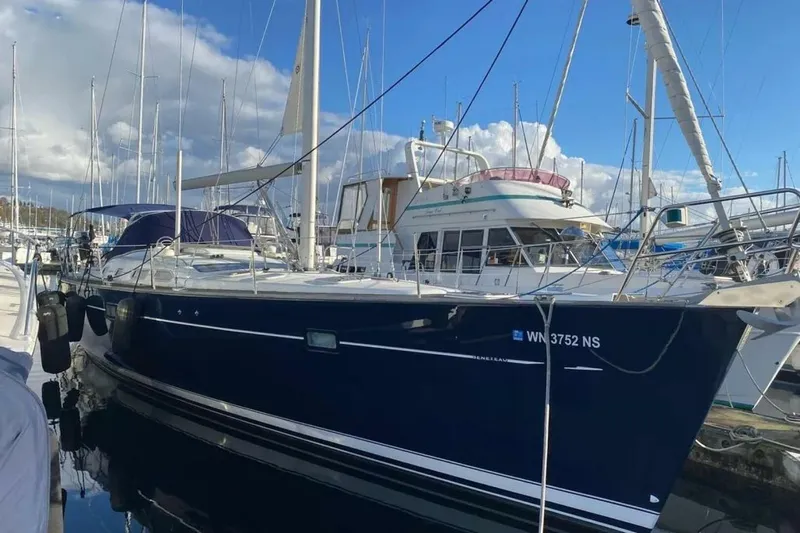
Seattle

Filters

Filters

Boat Type

Condition

Searching boats for you...

Boating · Destinations

Is Seattle, WA a Good Place for Boating?


Written by: MarineSource.com | Estimated read time: 8 min read


Framed by snowcapped peaks and evergreen hills, Seattle sits between the saltwater of Puget Sound and the freshwater expanse of Lake Washington. From the deck of a boat, the city shifts from glassy reflections on Lake Union to open horizons toward the San Juan Islands, all under that familiar Northwest sky of shifting clouds and sudden sunbreaks.
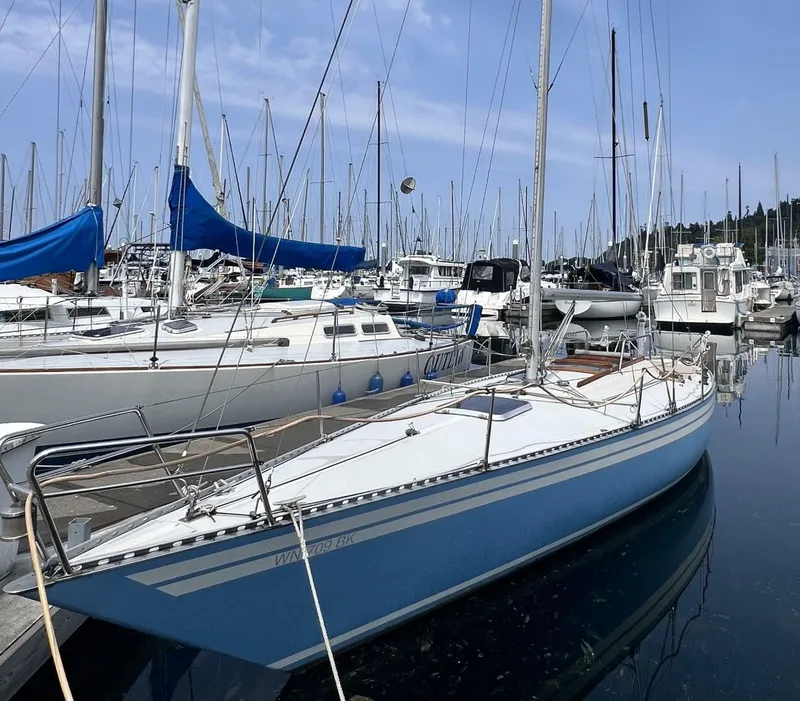
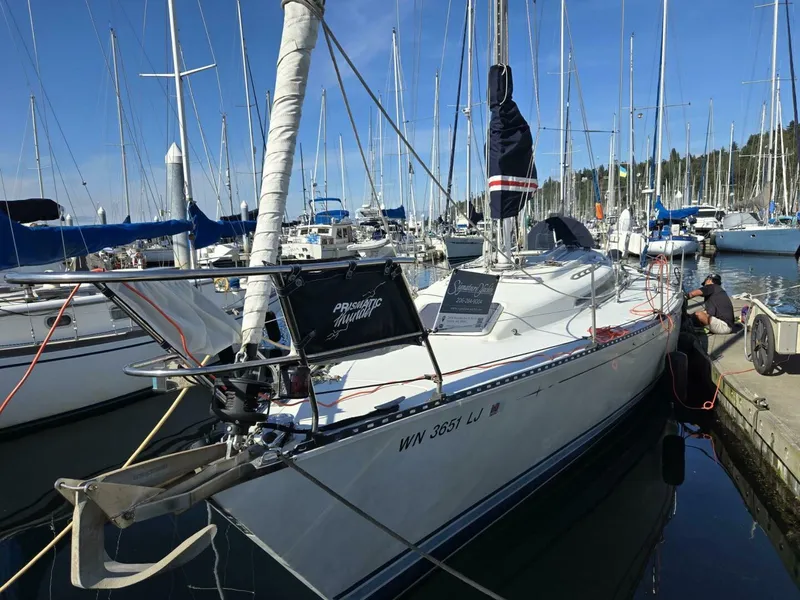
Because water slices right through the middle of town via the Lake Washington Ship Canal, boats in Seattle feel woven into everyday life. Commuters cross drawbridges while sailboats queue for openings, kayakers slip past houseboats, and working fishing vessels share space with sleek cruisers at marinas like Shilshole Bay and Elliott Bay. Events such as Opening Day of boating season and Seafair underline just how central the waterfront is to local culture.

For boaters, this layout offers an unusually rich mix of experiences: protected freshwater lakes for day cruising and watersports, plus quick access to tidal saltwater for coastal trips and longer adventures. There is an established network of marinas, ramps, and yacht clubs, and a year-round community of sailors, powerboaters, and paddlers who keep the scene active well beyond summer.

At the same time, all this access comes with tradeoffs: premium moorage prices, strong tides and currents in Puget Sound, complex bridge and lock logistics, tight regulations, and a boating season that revolves around Seattle’s famously gray weather. So is Seattle a good place for boating? Below, we walk through the main pros and cons to help you decide how well it fits your style, budget, and experience level.

Pros of boating in Seattle, WA

1. Unique mix of freshwater and saltwater cruising

Few cities offer the variety of boats in Seattle, thanks to its dual-water personality. On the east, Lake Washington gives you a broad, mostly protected freshwater playground that’s ideal for casual cruising, raft-ups, and anchoring overnight in places like Andrews Bay (with its short-term anchorage rules). To the west, Puget Sound opens onto a network of inlets, islands, and passages that can take you as far as the San Juan Islands or the Inside Passage.

Between the two lies the Lake Washington Ship Canal and Lake Union, where you can cruise past floating homes, tech campuses, and working shipyards, all within sight of downtown. Being able to choose between lakes and saltwater on any given weekend makes Seattle especially attractive whether you’re a new boater easing into local conditions or an experienced cruiser planning longer trips.

2. Robust marina network and boating services

For a city setting, Seattle’s marina infrastructure is extensive. On the saltwater side, Shilshole Bay Marina and Elliott Bay Marina together offer more than 2,500 slips, plus fuel, pump-out stations, boatyards, dry-moorage options, and guest slips for visitors. Closer to downtown, Bell Harbor Marina puts you right at the city’s waterfront, while Harbor Island Marina and Fishermen’s Terminal serve everything from commercial boats to recreational cruisers.

Inland, you’ll find marinas and moorage along Lake Union, Portage Bay, and Lake Washington, as well as public ramps like Don Armeni (on Elliott Bay), Atlantic City, Mr. Baker, and Magnuson Park. For boats in Seattle that live on trailers, this network of ramps makes it possible to access both lakes and Puget Sound without paying for a long-term slip.

3. Strong boating culture and community

Seattle’s boating culture is deep-rooted and visible. Longstanding clubs like Seattle Yacht Club and Queen City Yacht Club host cruises, regattas, and social events throughout the year, while groups such as Seattle Singles Yacht Club give newcomers an easy way to meet people and get on the water without owning a boat.

Signature events like the Windermere Cup and Opening Day boat parade in May, and Seafair’s hydroplane races and air shows on Lake Washington in late July and early August, turn the water into the city’s main stage. Sail races on Lake Union, liveaboard communities in several marinas, and a constant churn of kayaks and paddleboards create a sense that boating here is not just a hobby—it’s part of how many locals live.

4. Scenic surroundings and memorable day trips

From almost any deck, the views around Seattle are dramatic: the Olympic Mountains rising beyond Puget Sound, Mount Rainier floating to the south on clear days, and forested hills framing Lake Washington. Even quick evening cruises on Lake Union feel special as the skyline glows and seaplanes take off and land around you.

For longer days, you can follow the shorelines of Bainbridge Island or cruise north toward Shilshole Bay and beyond, hop between waterfront parks on Lake Washington, or simply drift off Gas Works Park and watch the sunset behind the city. With so many greenbelts and public shorelines, it’s easy to pair your time on the water with beach walks, picnics, and urban exploring.

5. Good support for a range of boating styles and budgets

While long-term moorage is costly, Seattle does support different ways of getting on the water. Public hand-carry launches—more than 20 citywide—make it simple for kayakers, paddleboarders, and small dinghy sailors to explore lakes and protected waterways. Rowing and sailing centers at Green Lake and Mount Baker provide lessons, rentals, and youth programs.

For power and sail boaters, a mix of dry-storage options, municipal ramps, and guest moorage helps keep costs flexible. You can trailer a small boat and only pay launch and parking fees, keep a mid-size boat in dry stack at a place like Shilshole, or go all-in with year-round slip moorage. This flexibility makes boats in Seattle accessible to more people than slip prices alone might suggest.

Cons of boating in Seattle, WA

1. High moorage and storage costs

The biggest downside for many boaters is cost. Monthly moorage at major marinas like Shilshole Bay can run around $900 or more for a 40-foot slip, with rates climbing into the thousands for larger vessels. Dry moorage for 20- to 35-foot boats also commands several hundred dollars a month, and popular slip sizes at desirable marinas can have multi-year waitlists.

When you add insurance, maintenance, and the higher cost of repairs typical in large coastal cities, owning and keeping a boat wet-moored in Seattle becomes a significant ongoing expense compared with smaller towns around Puget Sound.

  • The Silver Lining: Trailering a smaller boat, sharing ownership, or choosing dry storage instead of wet moorage can substantially cut costs. Shopping outside the city—such as smaller marinas on Lake Washington or in nearby communities on Puget Sound—may offer lower rates and shorter waitlists while still keeping Seattle’s waters within reach.
2. Complex navigation with locks, bridges, and tides

Seattle’s geography is a perk, but it complicates getting around. To move between the lakes and Puget Sound, you must transit the Hiram M. Chittenden (Ballard) Locks, where you’ll deal with currents, vessel traffic, and timing your passage. Many routes also require passing under movable bridges like the Fremont, University, and Montlake Bridges, which have specific opening schedules and clearance limits.

Out on Puget Sound, strong tidal currents and changing water levels add another layer of planning, especially for smaller or less powerful boats. New skippers can find this combination intimidating until they build experience.

  • The Silver Lining: Once you learn the routine—checking tide tables, monitoring bridge opening times, and understanding the locks—these obstacles become manageable and even part of the fun. Many local clubs, classes, and experienced skippers are happy to coach newcomers through their first few trips.

3. Weather, cold water, and a short-feeling season

Seattle’s boating high season typically runs from late spring through early fall, and sunny days on the water can be spectacular. But the shoulder seasons and winters are often gray, rainy, and windy, with conditions on Puget Sound turning rough quickly. Water temperatures in the Sound hover around 50 °F even in summer, so capsizes and overboard incidents can become serious hypothermia risks in minutes.

For many casual boaters, that means their practical season feels compressed into the best parts of May through September, unless they’re equipped and willing to dress for cold, wet conditions.

  • The Silver Lining: If you invest in good foul-weather gear, cabin heat, and safety equipment, year-round boating is absolutely possible—especially on the more protected lakes. The reward is quieter waterways, easier guest moorage, and a very different, moody kind of beauty on the water outside of peak summer.

4. Crowding in peak season and popular areas

On summer weekends, Seattle’s most popular boating spots can feel congested. Lake Union fills with party boats, paddlecraft, and tour vessels; Lake Washington gets busy near major parks and during events like Seafair; and marinas close to downtown see high demand for guest moorage and fuel docks. The locks and drawbridges can back up, adding wait times and close-quarters maneuvering around inexperienced operators.

All this activity increases the need for vigilance, especially near houseboat communities and narrow channels where wakes and tight passes can cause conflict or damage.

  • The Silver Lining: Planning your outings for early mornings, weekdays, or shoulder months helps you avoid the worst of the crowds. Exploring lesser-used corners of Lake Washington, smaller inlets on Puget Sound, or simply venturing a bit farther from downtown can turn a hectic Saturday into a peaceful cruise.

5. Layered regulations and no-wake zones

Seattle’s waters are governed by a detailed set of speed limits, no-wake zones, safety rules, and environmental protections. For example, there are 7-knot limits within set distances of shorelines and piers, stricter speed caps (3 knots) in marinas and anchorages like Andrews Bay, and special restrictions during major events. Water skiing is restricted in many areas, and discharge of oil or waste is strictly prohibited, with mandatory use of pump-out facilities.
For new boaters or visitors, this patchwork of rules can be confusing and may feel limiting, especially if you’re used to less-regulated lakes or rivers.

  • The Silver Lining: Most of the rules are clearly posted and designed to protect people, property, and the marine ecosystem. Once you get familiar with local charts and city boating guides, staying compliant becomes routine. The payoff is cleaner water, safer shorelines, and a generally more pleasant experience for everyone sharing Seattle’s busy waterways.

What boating in Seattle, WA is really like

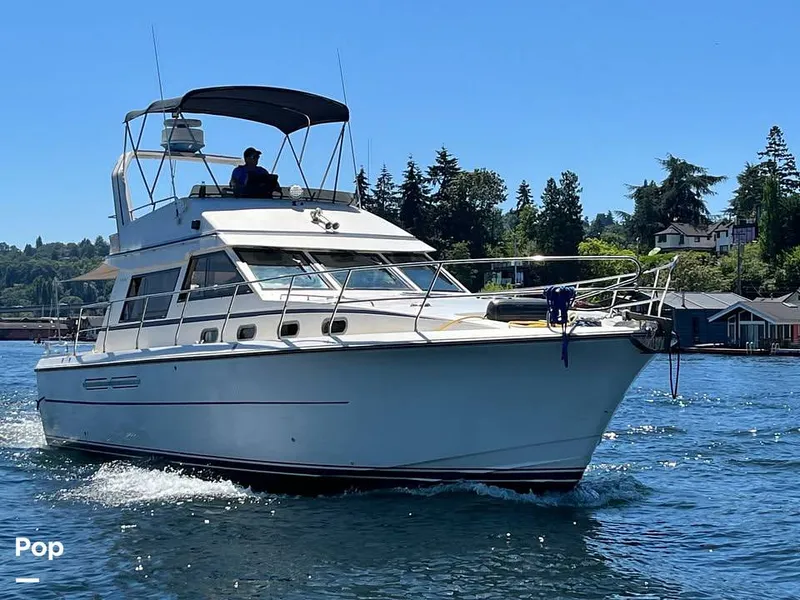
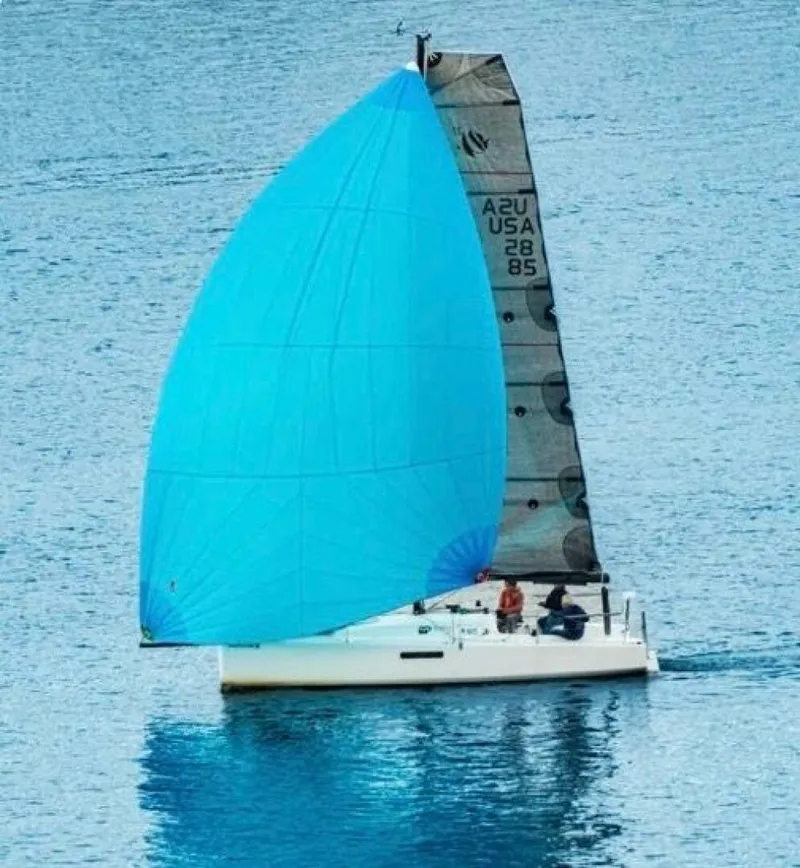
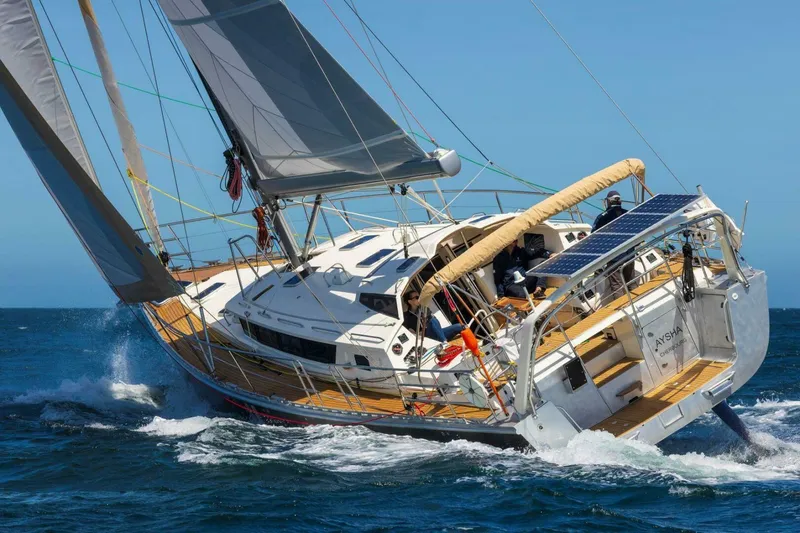
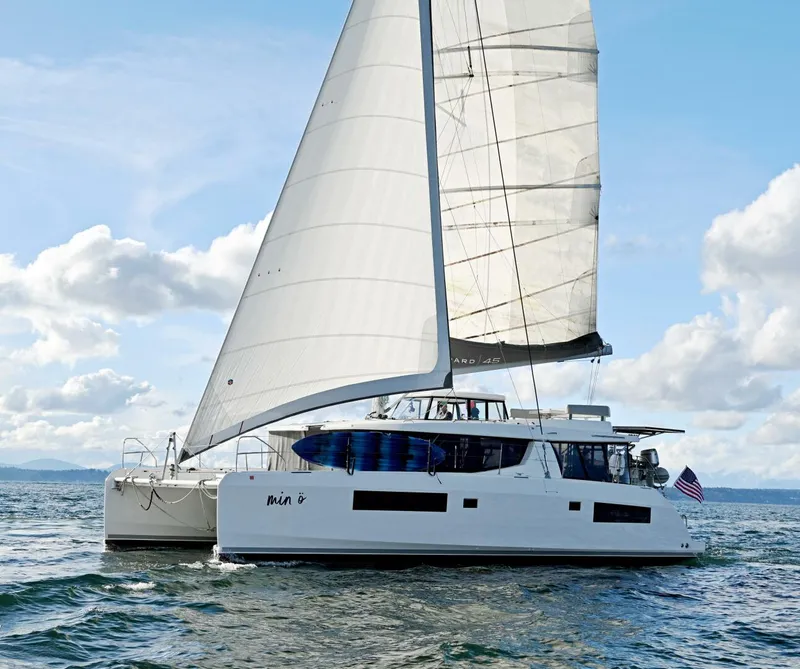
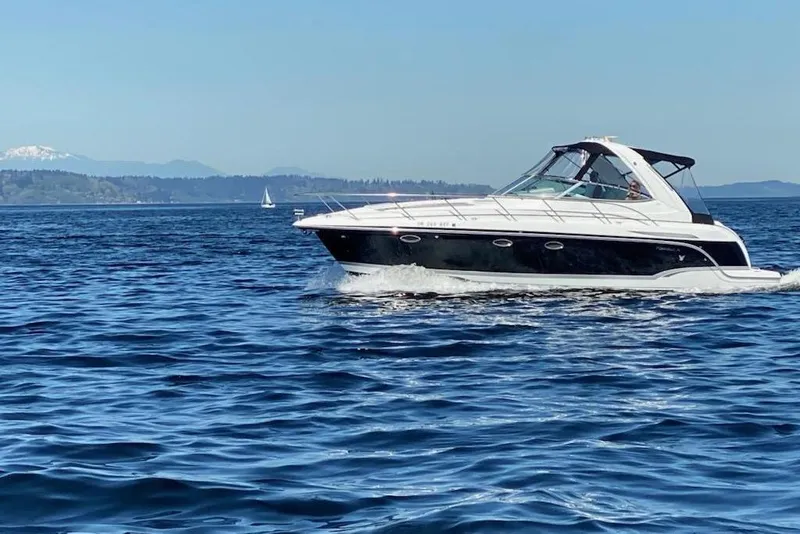
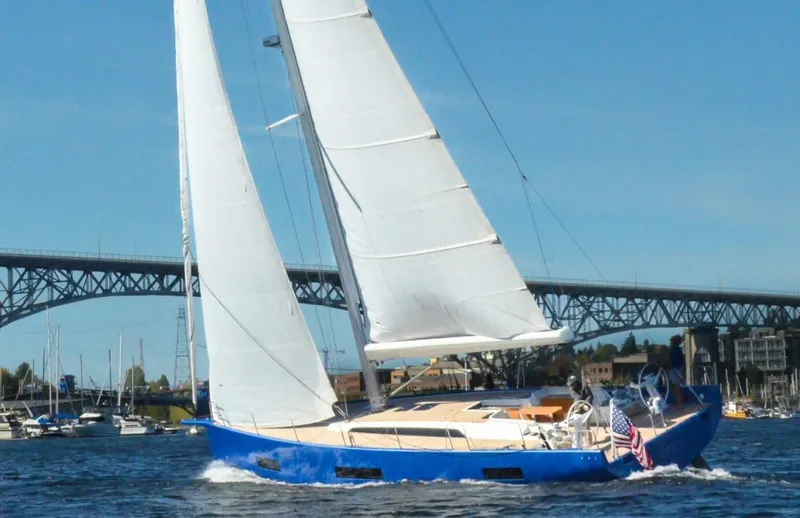
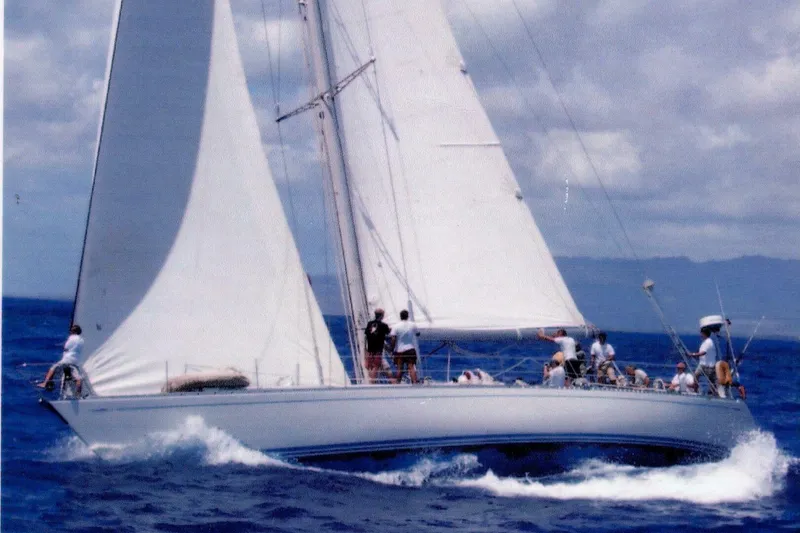
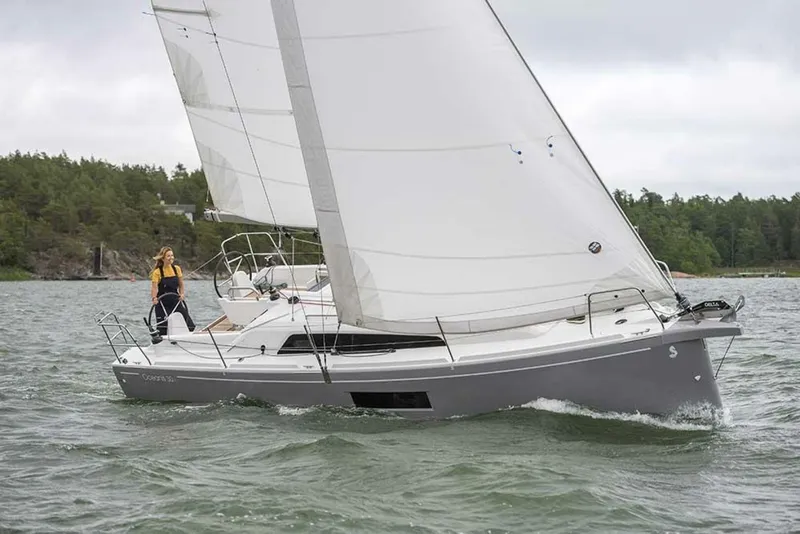
Boating in Seattle feels like having two completely different worlds at your fingertips. To the east, Lake Washington and Lake Union offer calm freshwater cruising framed by tree-lined neighborhoods, city skylines, and mountain views. To the west, Puget Sound opens into deep, cold saltwater with a working-waterfront vibe, ferries crossing in front of you, and distant islands on the horizon. On a typical summer weekend you’ll see sailboats heeling over on the afternoon breeze, compact cabin cruisers puttering between waterfront restaurants, paddleboards hugging the shoreline, and liveaboard communities watching it all from their slips and floating homes.
The day-to-day rhythm is relaxed but busy. After work on a long June evening, a lot of people untie from marinas on Lake Union or Portage Bay for a simple loop: slide under the bridges (or time them for an opening if your mast is tall), idle past Gas Works Park, then drift in the middle of the lake with the Seattle skyline lighting up as the sun drops behind the Olympic Mountains. Families often stay in the lakes where the water is flatter and the rules keep speeds lower; the emphasis is on casual cruising, kayak outings, and tying up for dinner, not on high-speed watersports. On sunny days, the houseboat-lined channels and narrow cuts feel like floating neighborhoods—there’s a strong culture of waving, minding your wake, and sharing the space.

Bigger adventure days typically mean planning around the Ballard Locks and heading for Puget Sound. You might lock through in the morning with a cluster of sailboats, small fishing boats, and the occasional charter yacht, then spend the day exploring Shilshole Bay, cruising down Elliott Bay past the downtown waterfront, or making a longer hop toward Bainbridge Island or beyond. The Sound attracts more experienced skippers because of tides, chop, and colder water, while the lakes remain the playground for newer boaters and social outings. Layer in event days like Opening Day of boating season or Seafair on Lake Washington—when spectator fleets pack into designated zones and the city’s boating culture is on full display—and you get a sense of how varied and vibrant life is for people who keep their boats in Seattle.

Costs, logistics, and practical details

From a practical standpoint, Seattle has excellent infrastructure but it isn’t cheap or empty. Large saltwater marinas like Shilshole Bay Marina and Elliott Bay Marina provide most of the big-boat slips on Puget Sound, with full utilities, fuel docks, pump-outs, and repair yards on site or very close by. Freshwater moorage is scattered along Lake Union, Portage Bay, the Ship Canal, and Lake Washington, including yacht clubs and smaller marinas with more of a neighborhood or working-waterfront feel. The overall vibe ranges from upscale destination marinas with restaurants and mountain views to no-frills docks tucked between shipyards and commercial fishing operations.

Costs are on the higher side compared with smaller markets, and demand is intense, especially for larger slips. Recent Port of Seattle tariffs put a 40-foot slip at Shilshole at just over nine hundred dollars per month and a 100-foot slip close to three thousand, with multi-year waitlists for the biggest sizes. Dry moorage for trailerable powerboats and small sailboats—often in the four-to-five hundred dollar per month range—offers a middle ground for people who want quick access to the water without the full cost of a large wet slip. Many local owners balance budgets by keeping boats in freshwater to reduce corrosion and maintenance, then making occasional trips through the Locks into saltwater.

Trailer boating is very feasible, especially for people focused on Lake Washington or short runs on Puget Sound. The city maintains several motorized launches like Magnuson Park, Eddie Vine, Don Armeni, and Atlantic City, which require permits but give relatively straightforward access if you’re comfortable backing a trailer on busy summer mornings. There are also more than twenty hand-carry launches for kayaks, canoes, and small sailboats. During peak season weekends, ramps and fuel docks can get congested and parking fills early, so planning your timing matters. Most year-round boaters also think about winterization: while Seattle’s climate is mild compared to much of the country, fall and winter bring storms, more wind on the Sound, and long wet stretches, so good covers, heating, and regular checks on mooring lines are part of the routine.

Is Seattle, WA a good place for boating?

Seattle is a genuinely strong place to own or use a boat, especially if you appreciate variety and don’t mind doing a bit of homework. Between Lake Washington, Lake Union, the Ship Canal, and Puget Sound, you effectively get multiple boating environments in one metro area: calm freshwater for easy day trips and social cruises, and saltwater corridors that can take you as far as the San Juan Islands and beyond. The city backs this up with robust marina options, public ramps, and an ingrained maritime culture—yacht clubs, regattas, liveaboards, and signature events—all of which keeps the on-water scene lively from spring through fall. For many owners, keeping boats in Seattle means year-round access with only a modest winter slowdown instead of a hard off-season.

You will love boating here if:

  • You want an unusually diverse home cruising ground, with easy access to both protected freshwater lakes and open saltwater inlets without ever leaving the metro area.
  • You enjoy an active, social boating scene with big signature events like Opening Day, Seafair, and frequent regattas and club cruises.
  • You own (or plan to own) a sailboat or cruising powerboat and value strong marina infrastructure, repair yards, and marine services even if they come at a premium price.

You might find it challenging if:

  • You are highly budget-conscious and expect low-cost, easy-to-find moorage with no waitlists; the reality of premium slip rates and multi-year waits will be frustrating.
  • You dislike cooler weather, wearing layers, or dealing with drizzle and gray skies during much of the traditional boating season.
  • You mainly want high-speed watersports like wakeboarding and water-skiing in wide-open, lightly regulated areas; Seattle’s speed limits and busy waterways favor slower cruising instead.

Weighing the high moorage costs, occasional waitlists, and cool, changeable weather against the sheer quality and diversity of the cruising grounds, Seattle comes out ahead for a wide range of boaters. It’s especially compelling if you’re into sailing, cruising powerboats, or social lake outings and you like having serious marine services nearby. Budget-focused owners and warm-weather-only enthusiasts may find it less ideal, but for most people considering boats in Seattle—whether for a long weekend, a seasonal slip, or a liveaboard lifestyle—the city belongs on your short list. If you’re drawn to water and want a place where boating is woven into everyday life, Seattle is well worth a scouting trip, a charter, or even a permanent home port spot on your boating bucket list.

Be the First to Know

Get notified when new boats become available.

Logo