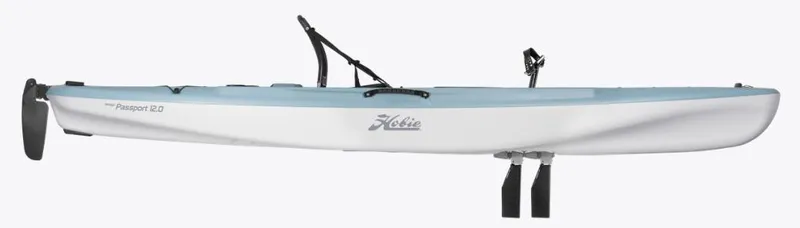
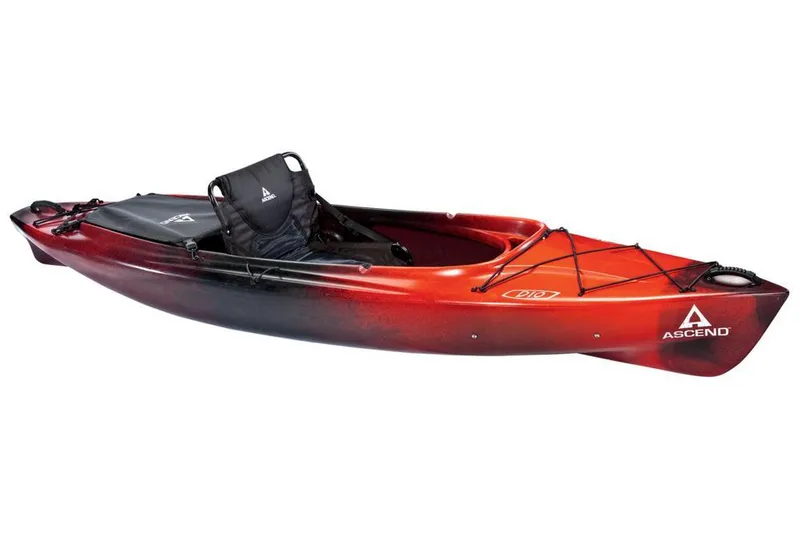
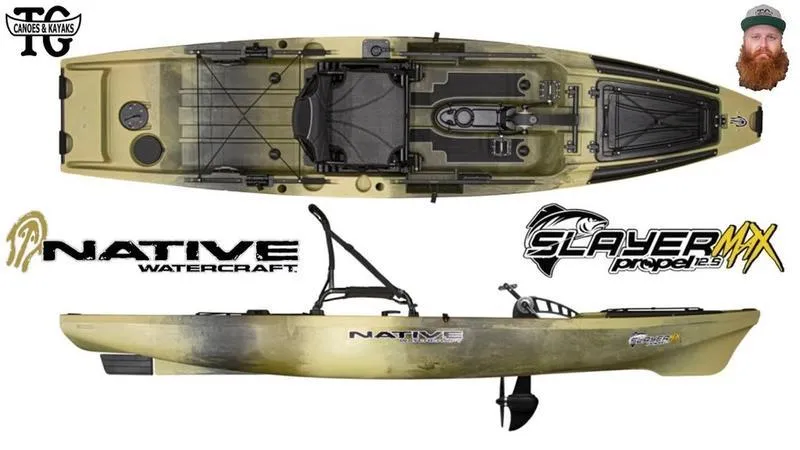
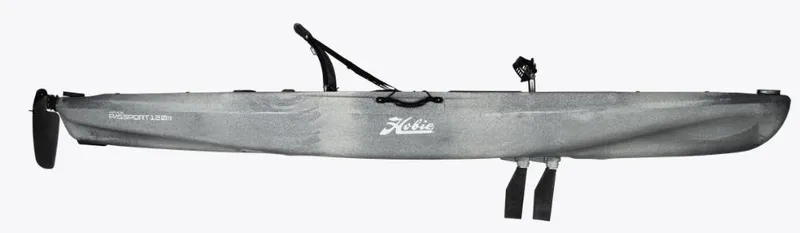
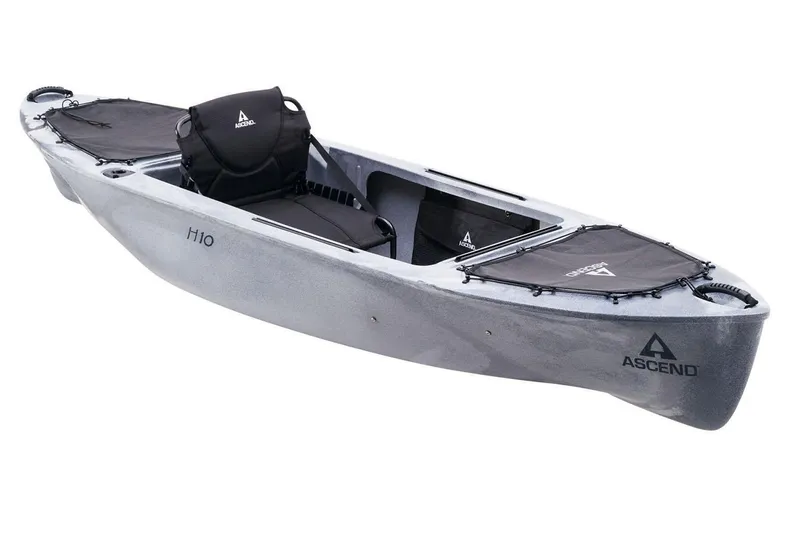
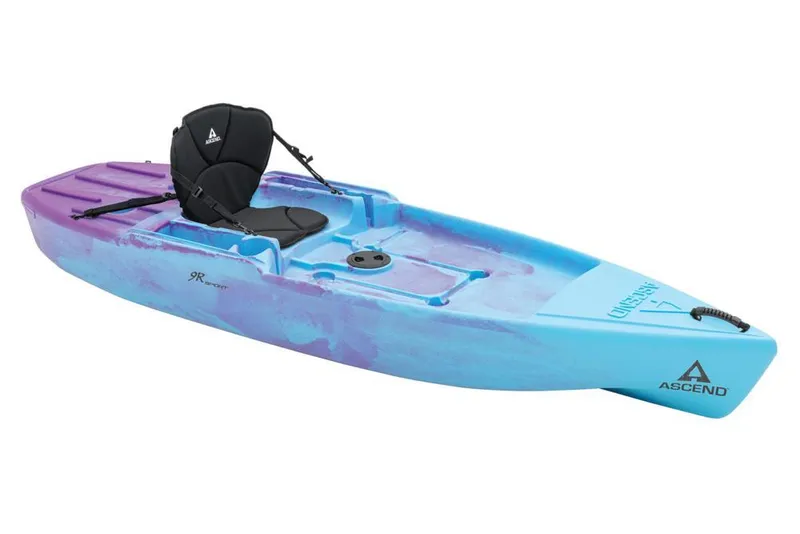
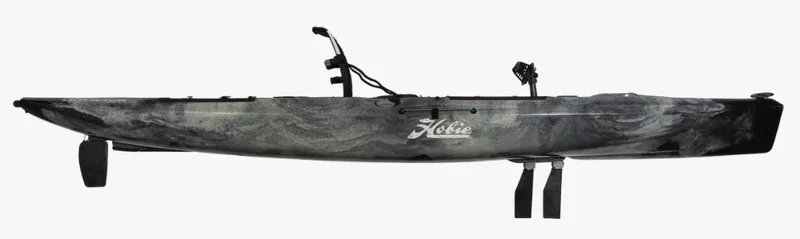
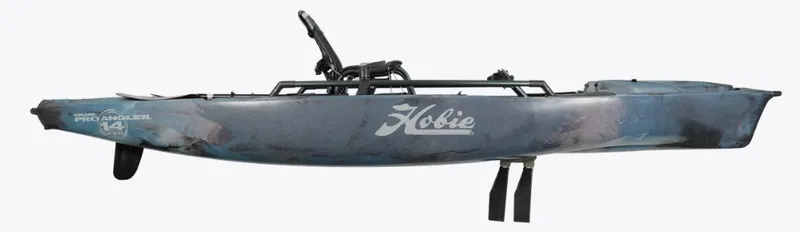
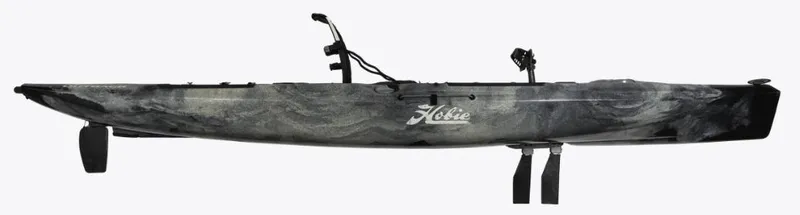
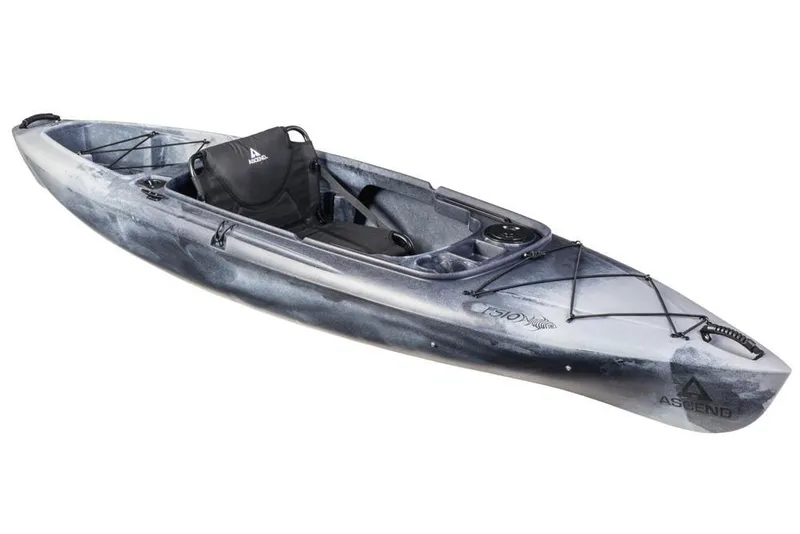
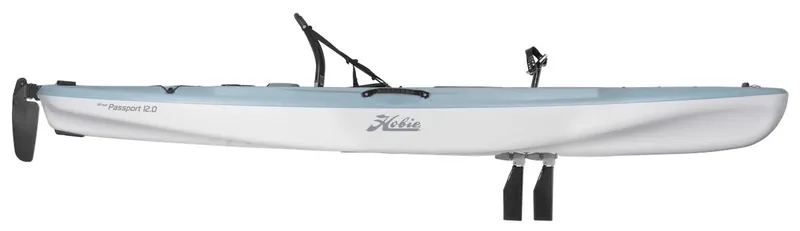
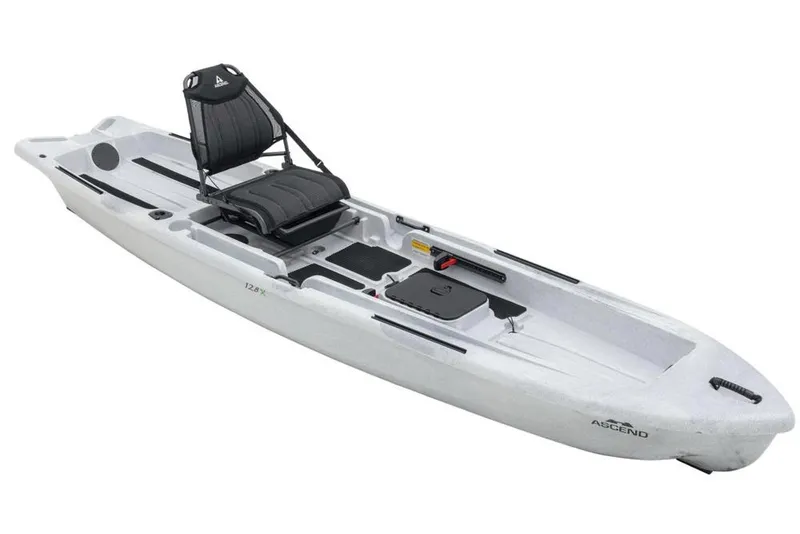
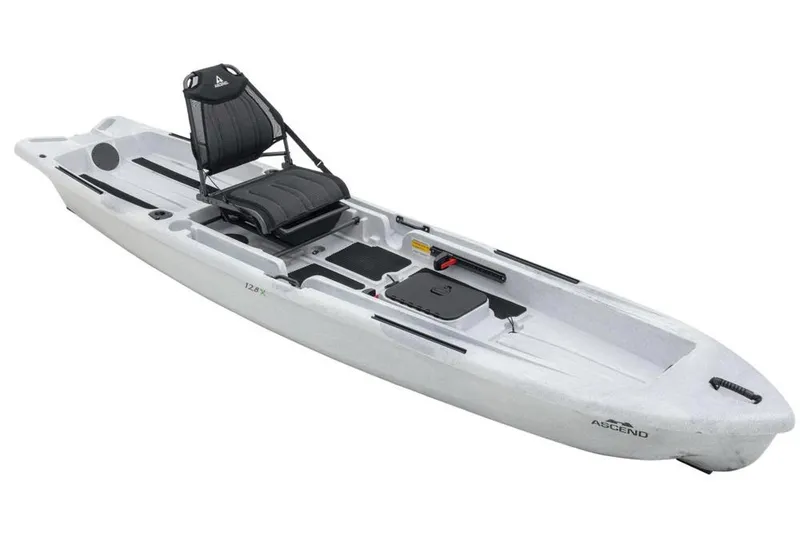
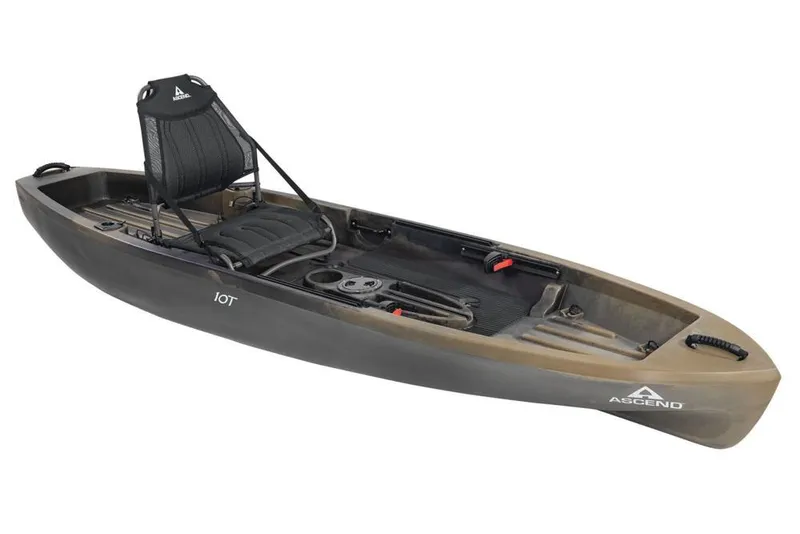
Canoe/Kayak

Filters

Filters

Condition

Sort by
Searching boats for you...

Boating · Buyer’s Guide

Is a Kayak the Right Choice for You?


Written by: MarineSource Team | Estimated read time: 12 min read

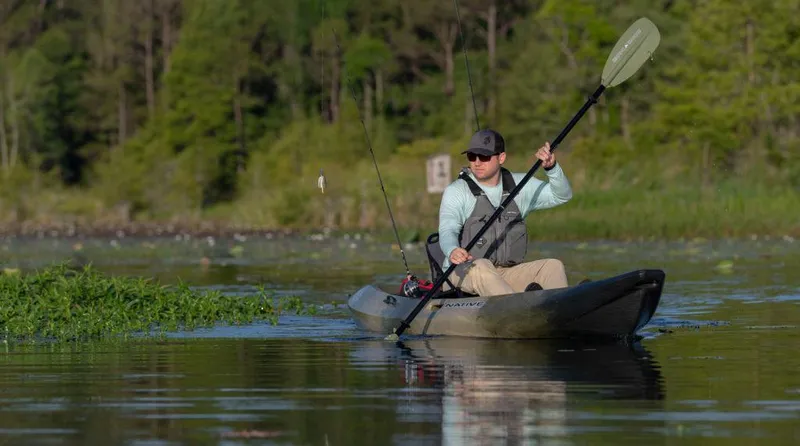
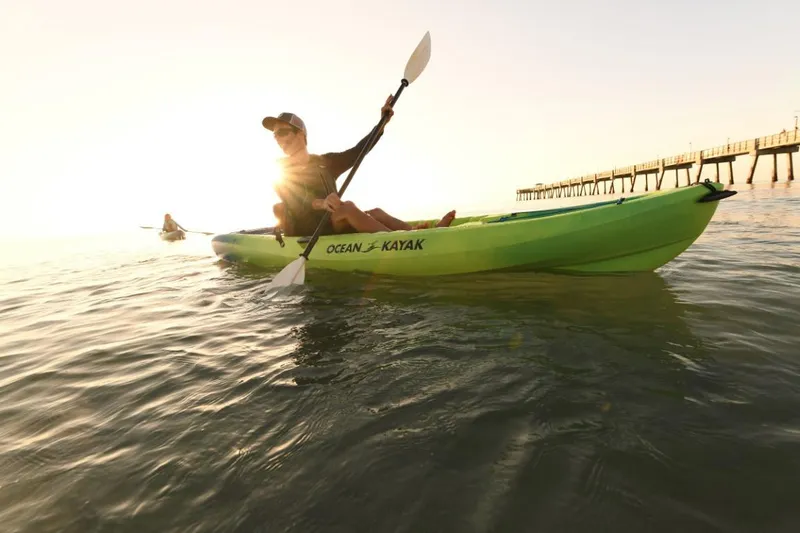
There is something uniquely peaceful about gliding silently across the water in a kayak. The close-to-the-water experience, the gentle rhythm of your paddle dipping and pulling, and the intimate connection with nature create a vibe that many outdoor enthusiasts cherish. Kayaks invite you to explore hidden coves, tranquil lakes, and winding rivers with a sense of adventure and calm all at once.

Kayaks have surged in popularity as versatile vessels that suit a wide range of water activities—from serene paddling to more intense whitewater adventures. Their compact size and ease of use make them accessible to beginners and seasoned paddlers alike. Yet, like any boat, kayaks come with trade-offs in terms of speed, capacity, and storage that are worth considering before making your purchase.

What is a Kayak boat?

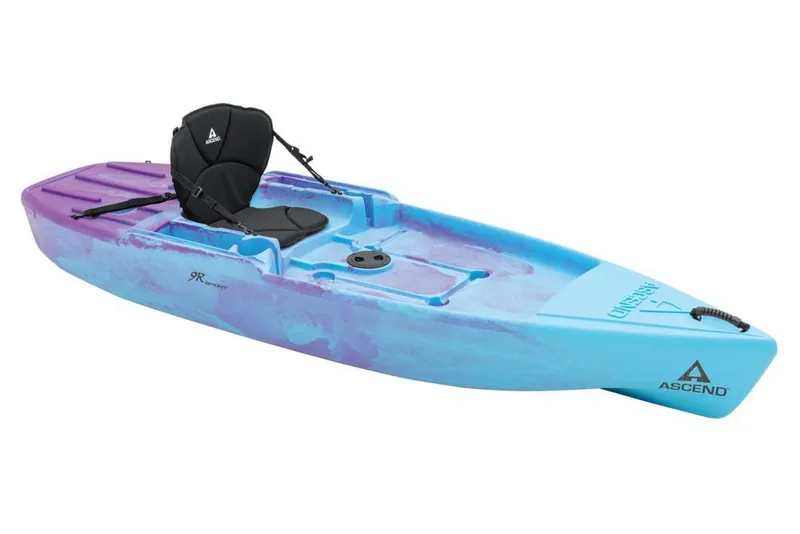
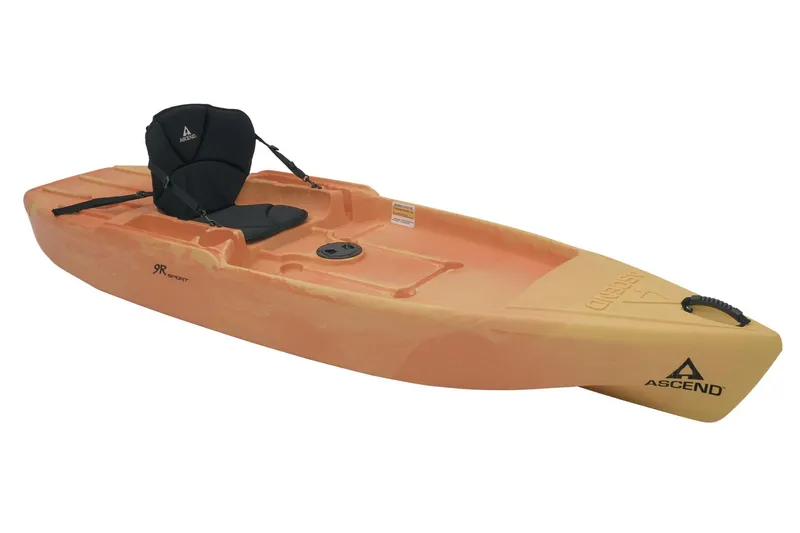
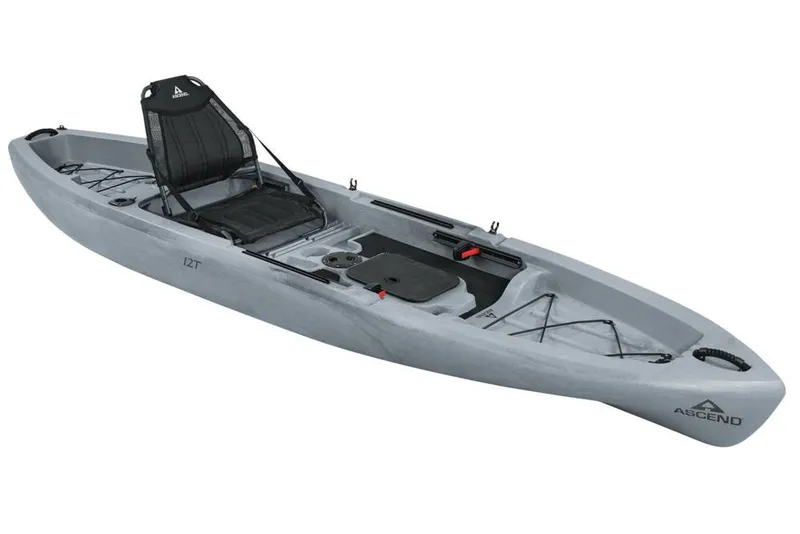
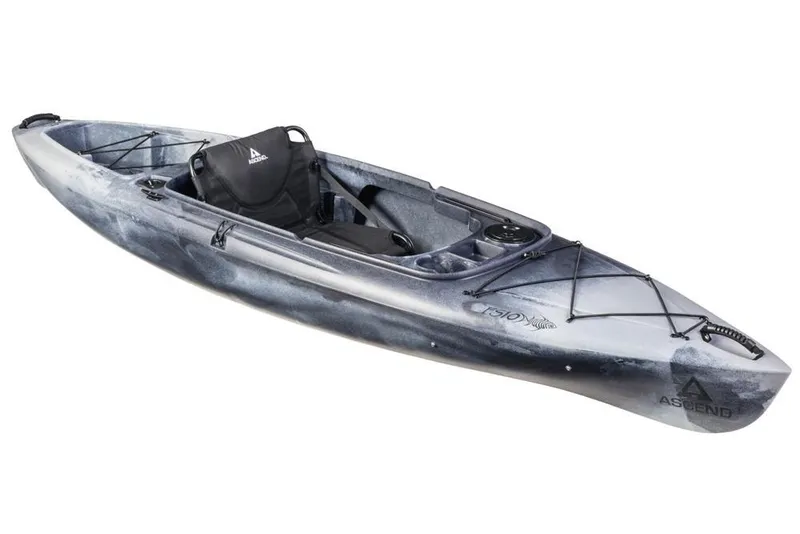
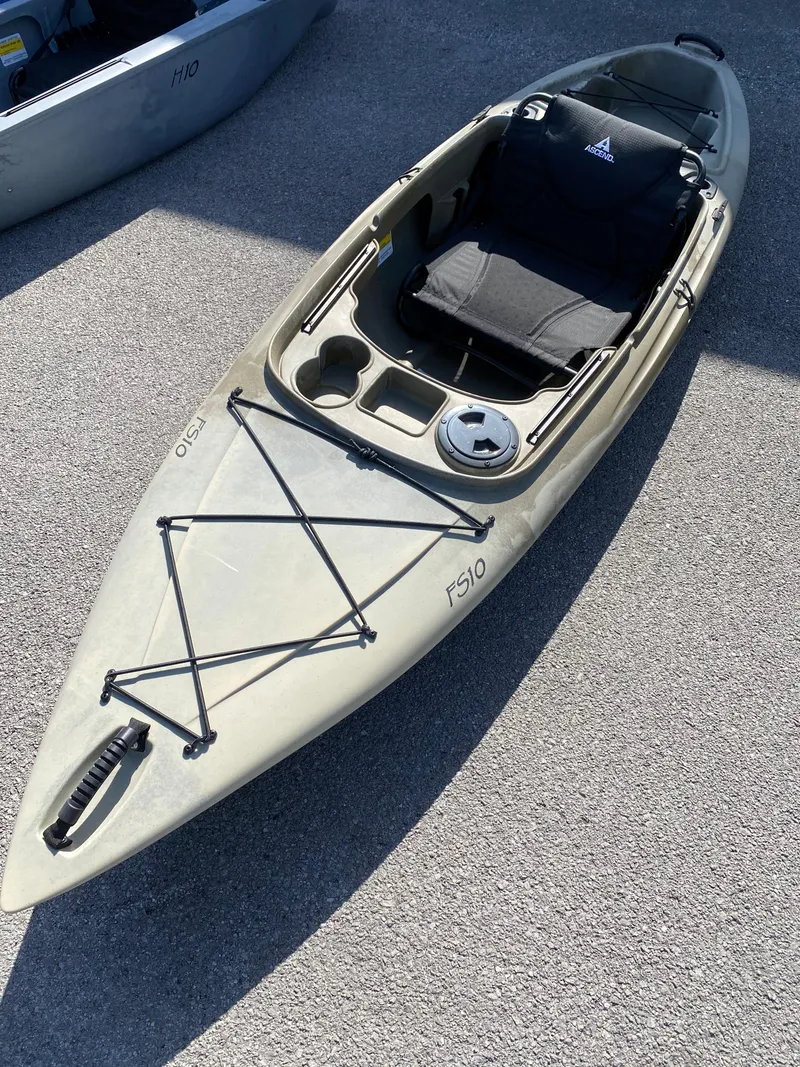
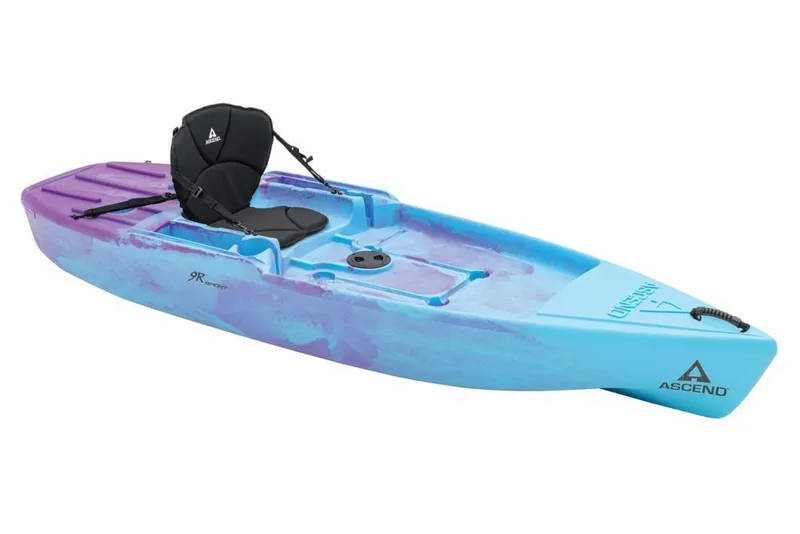
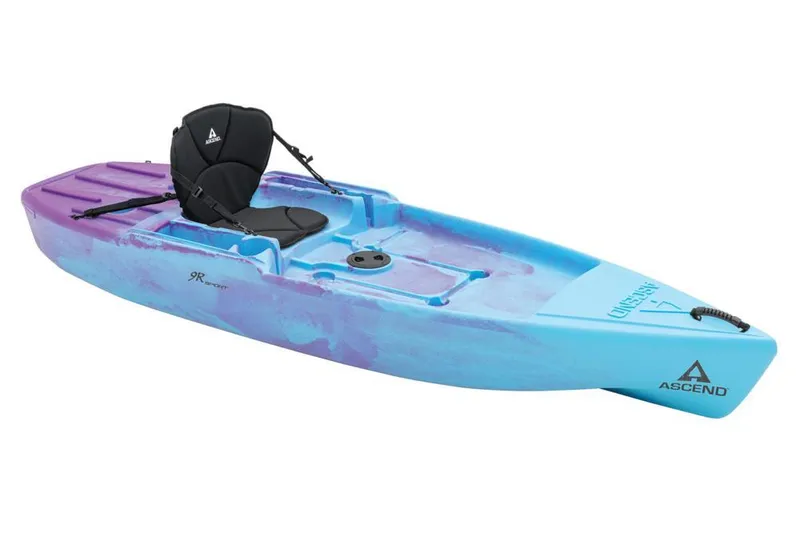
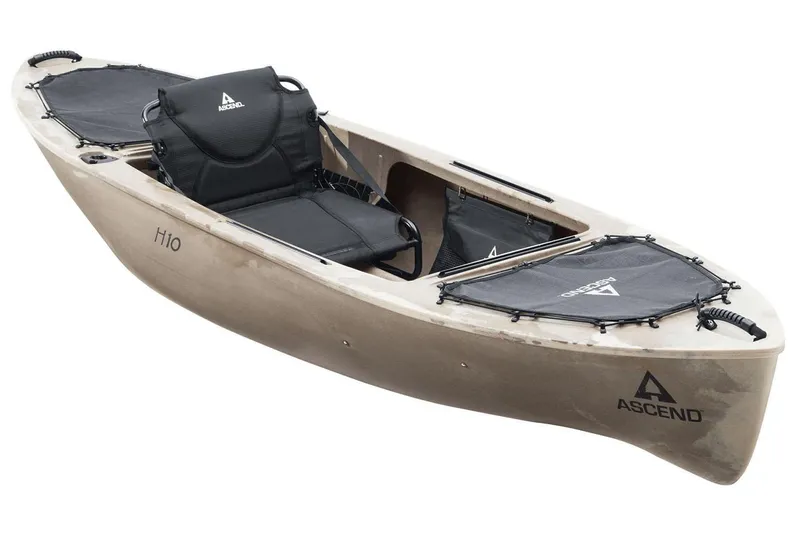
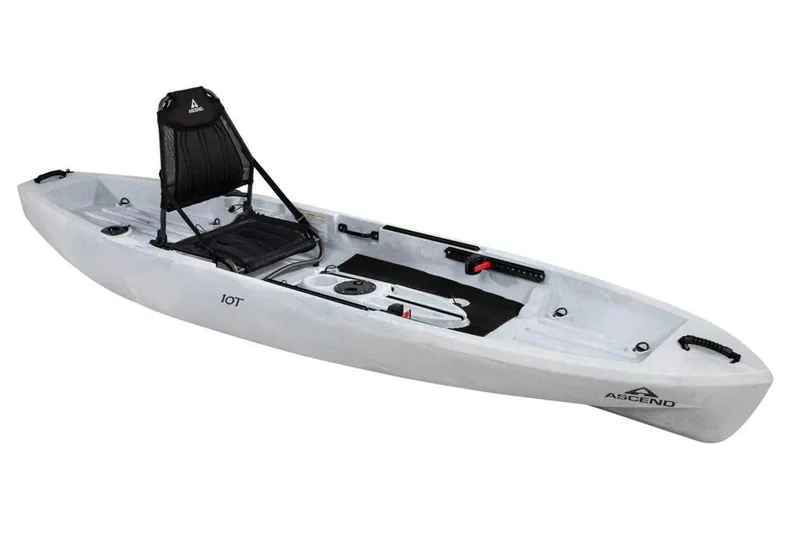
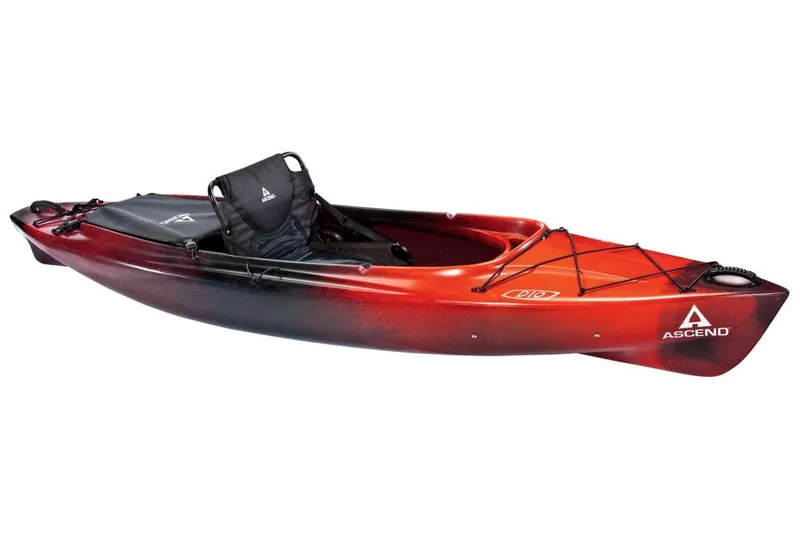
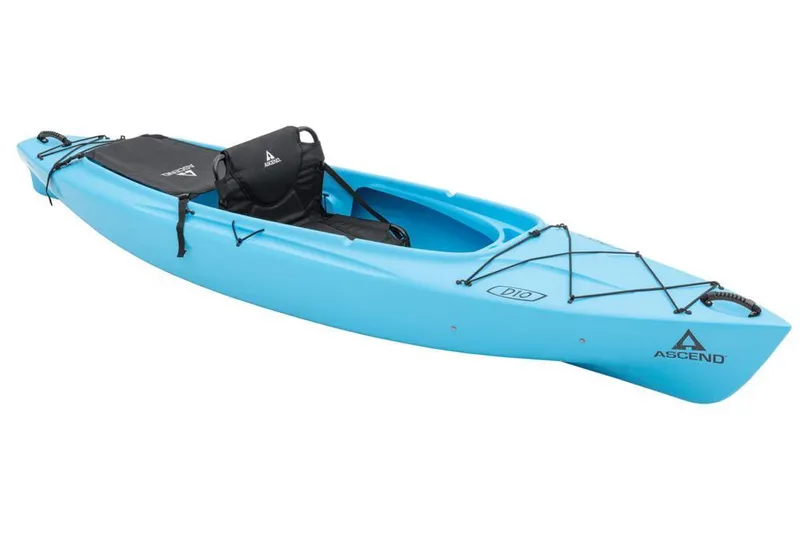
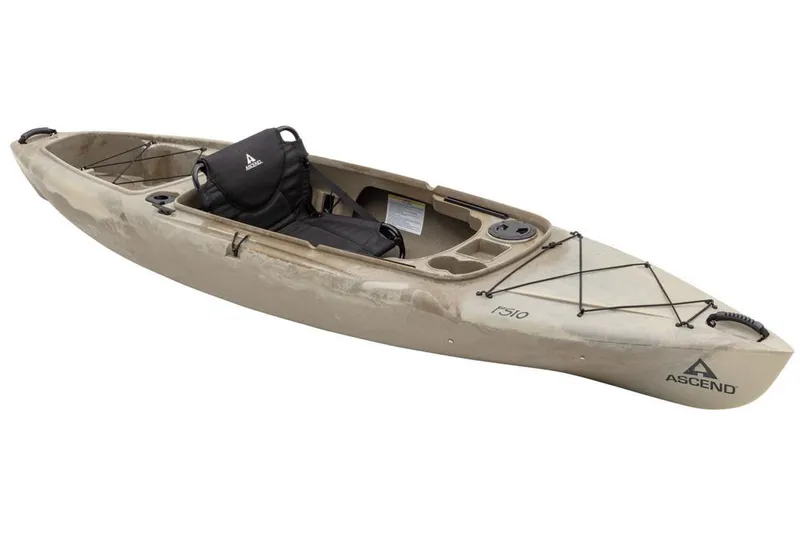
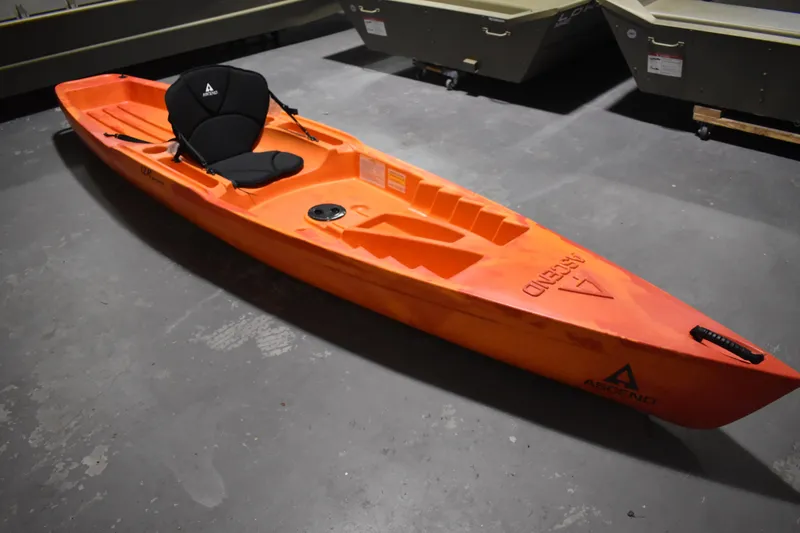
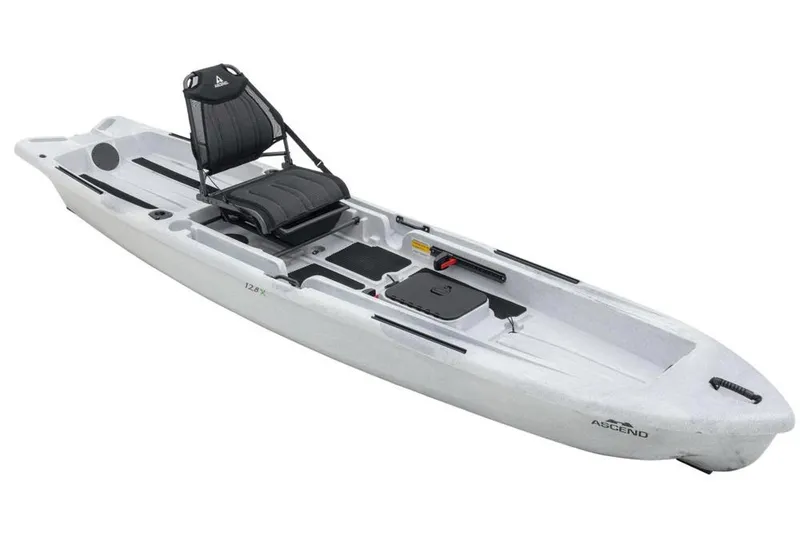
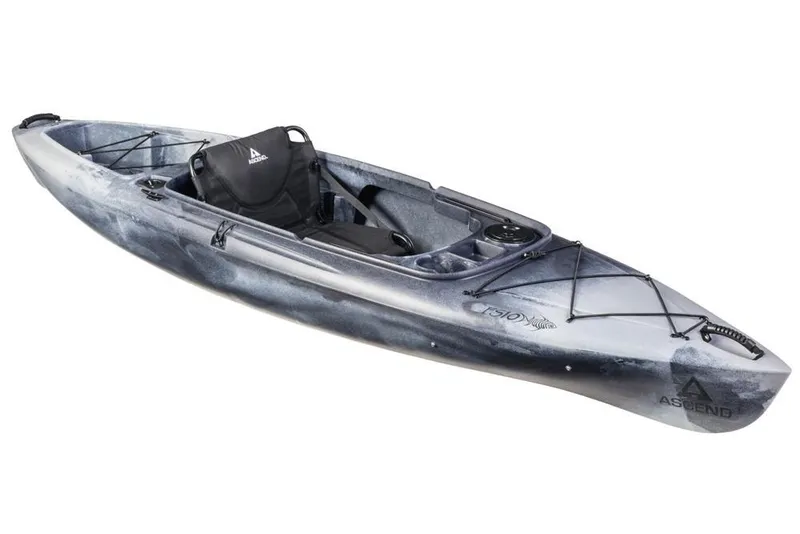
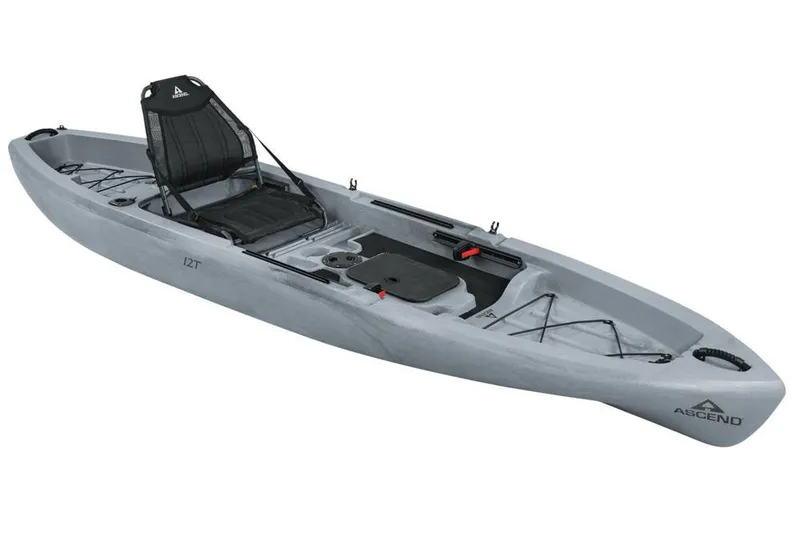
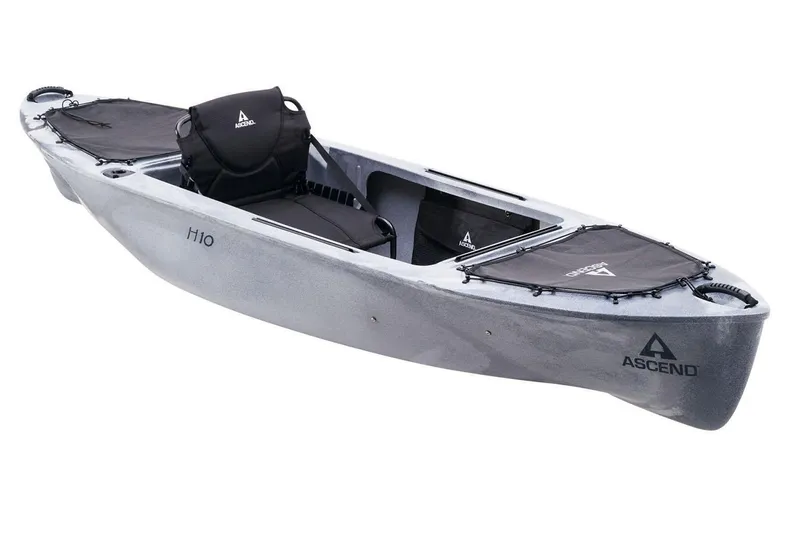
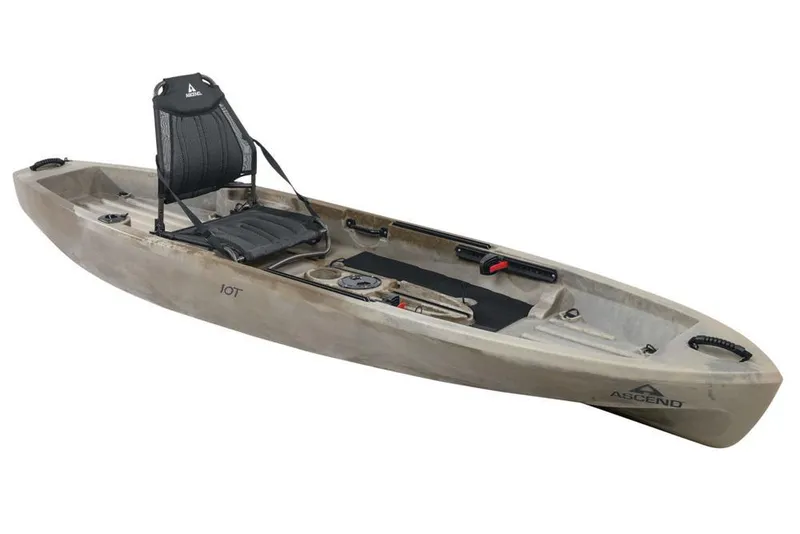
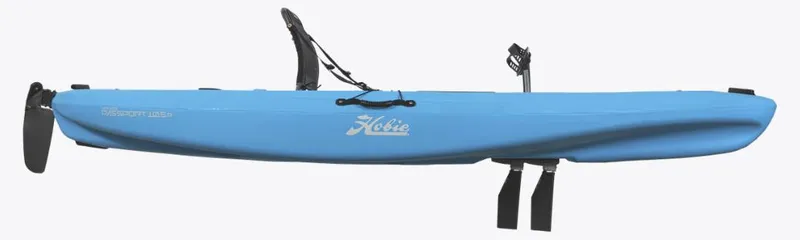
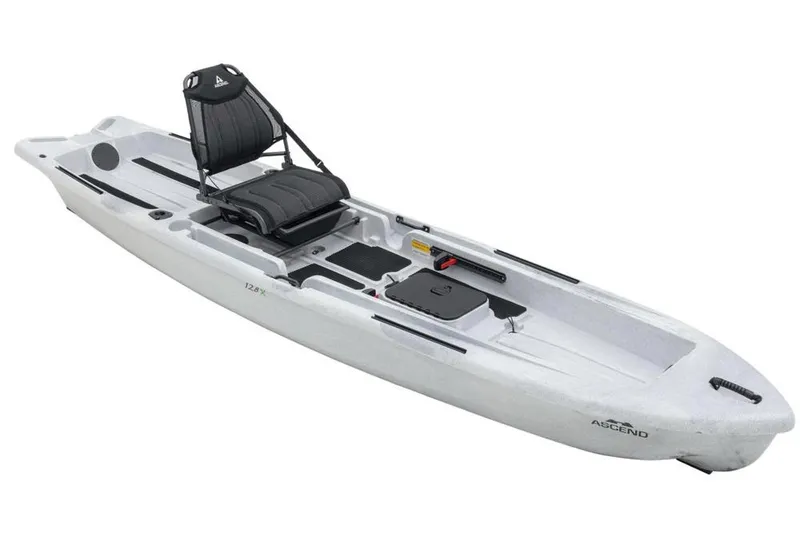
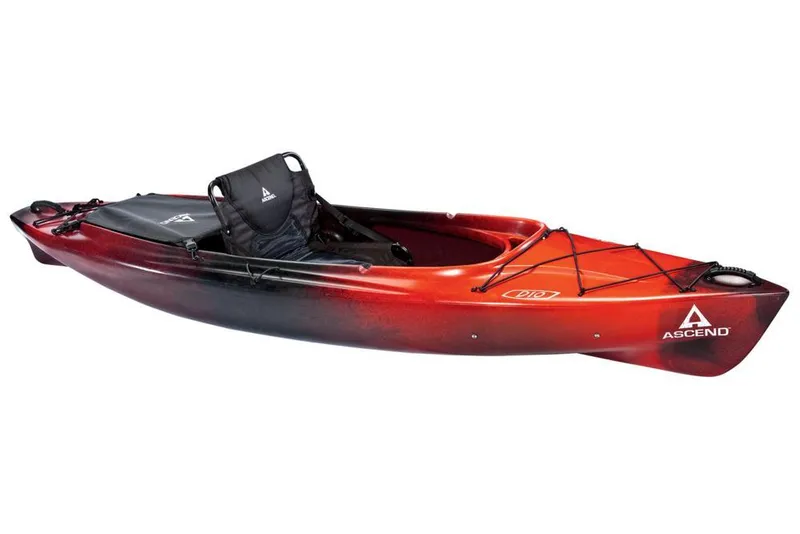
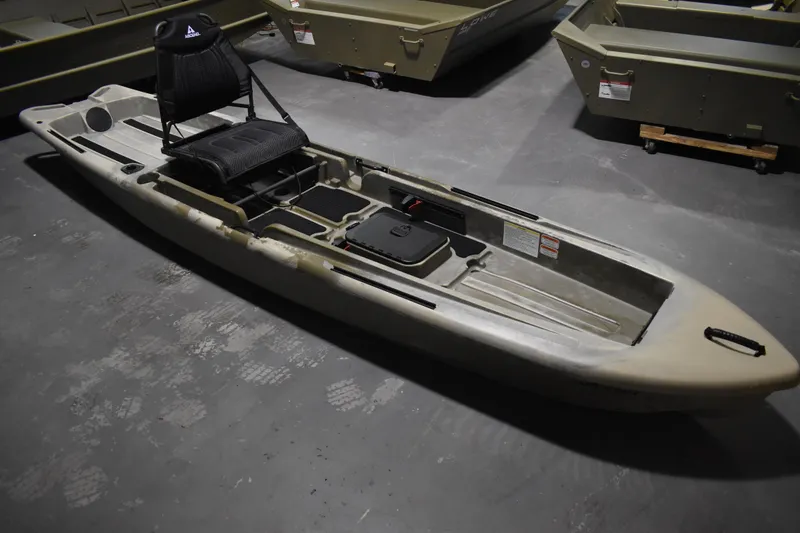
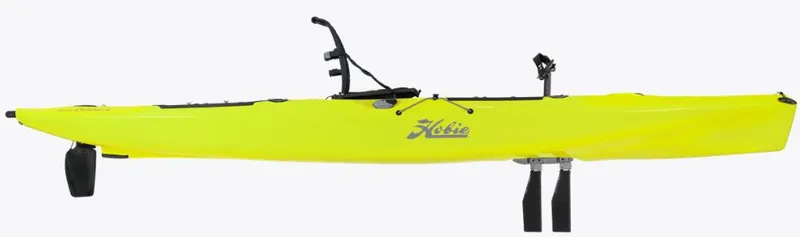
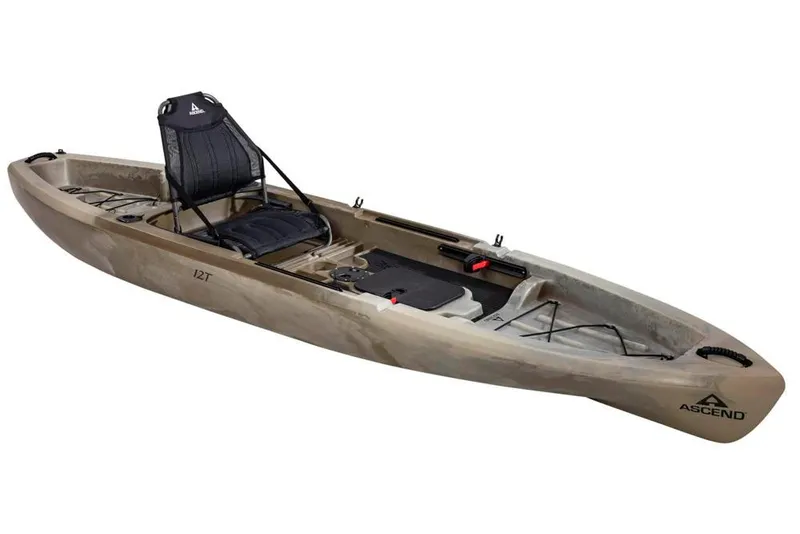
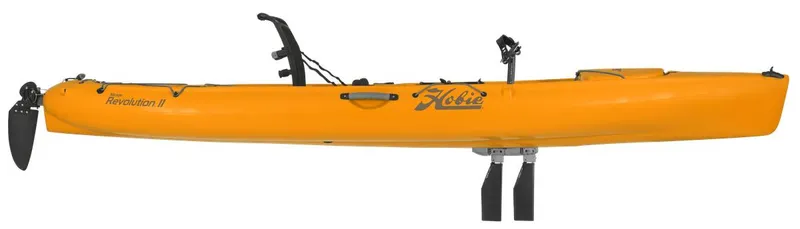
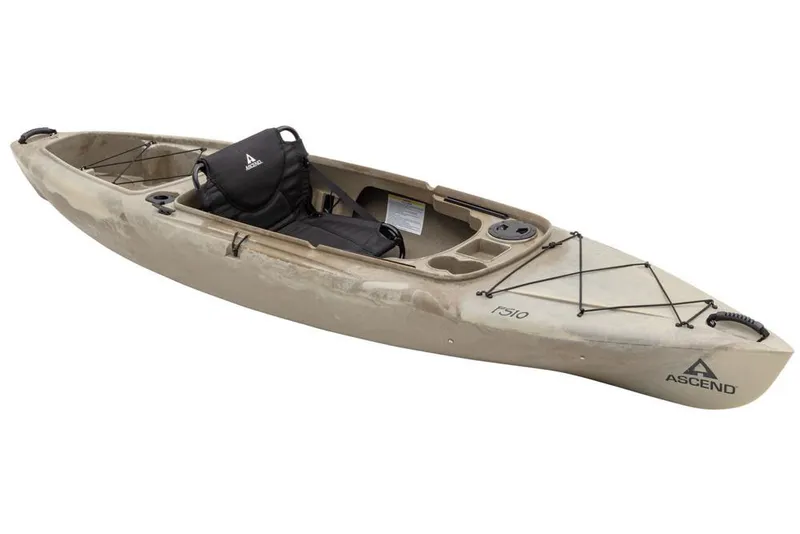
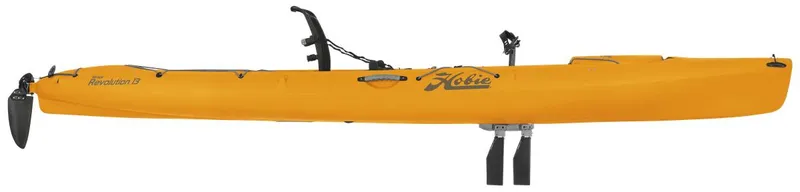
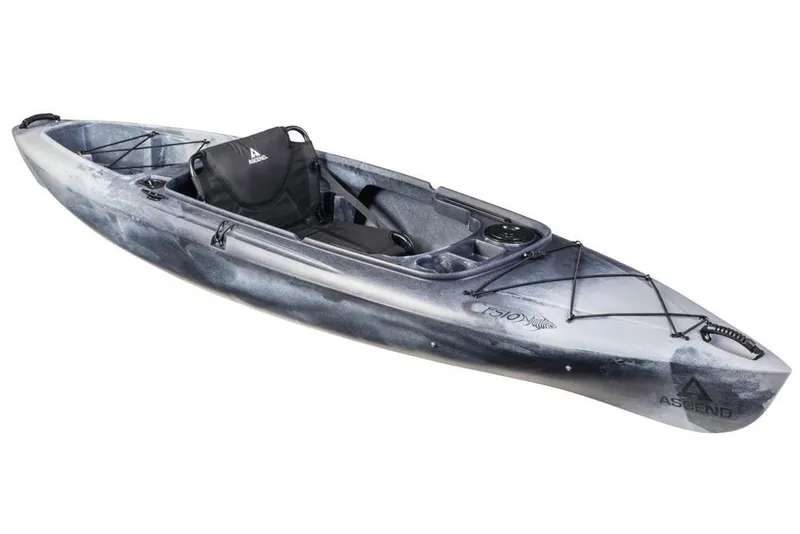
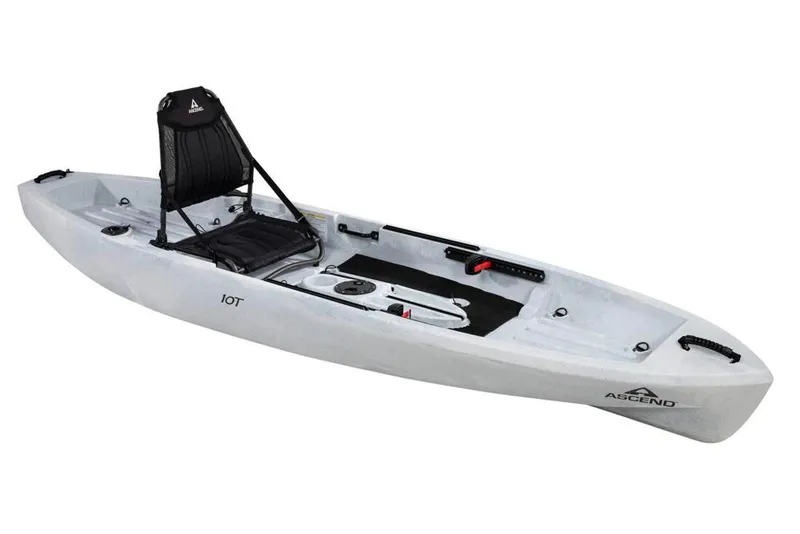
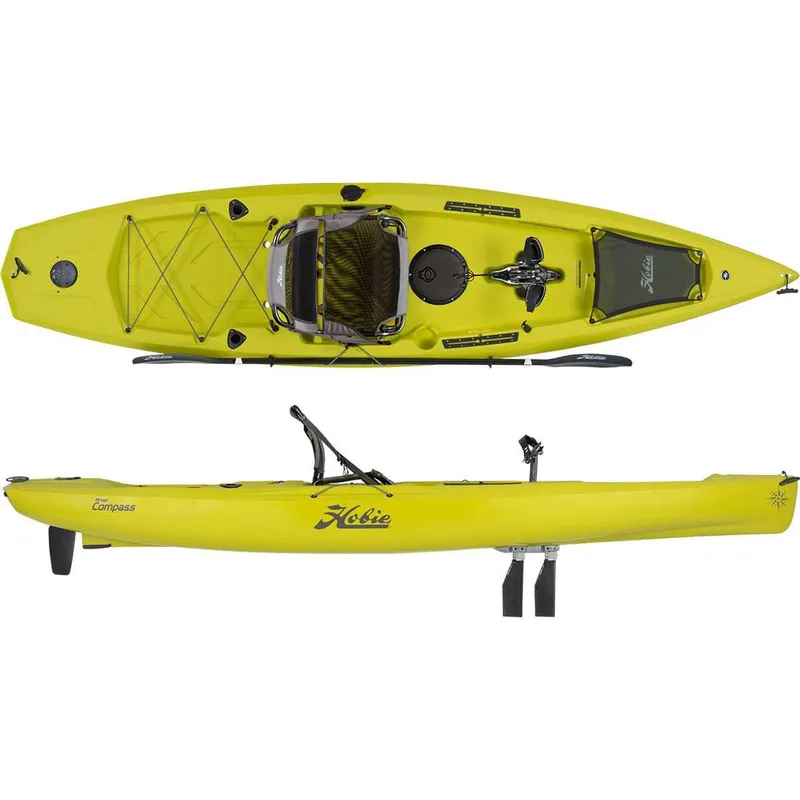
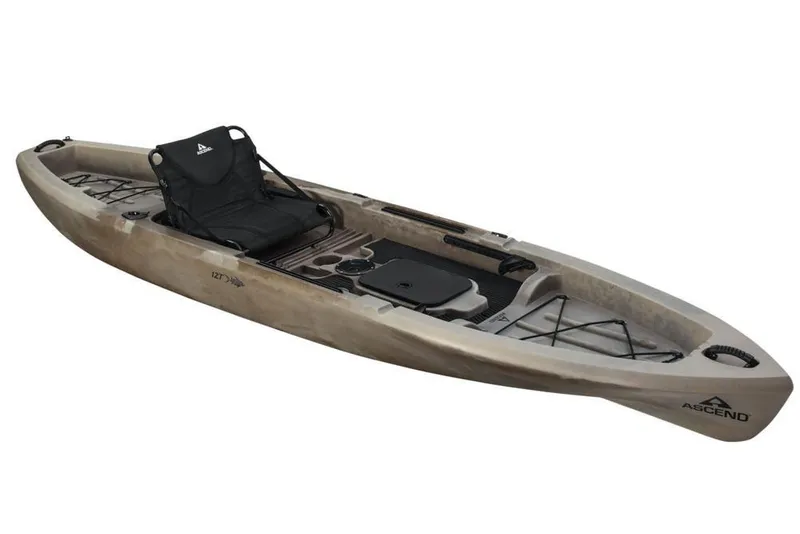
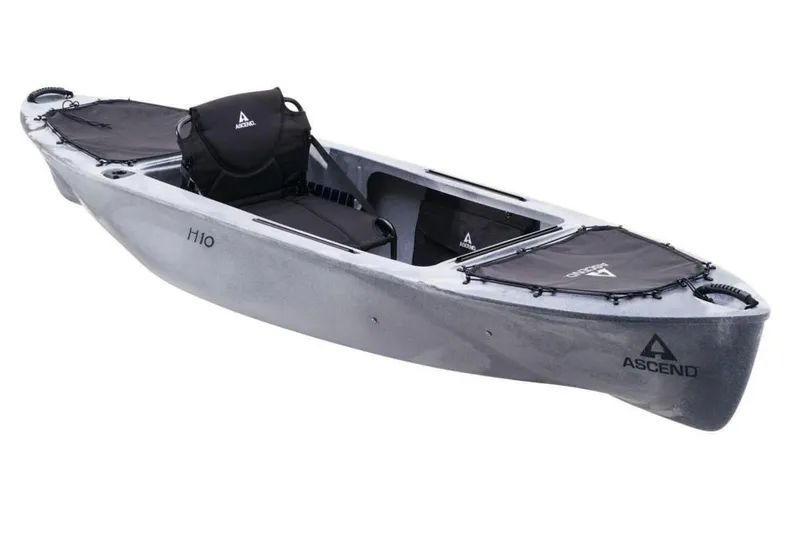
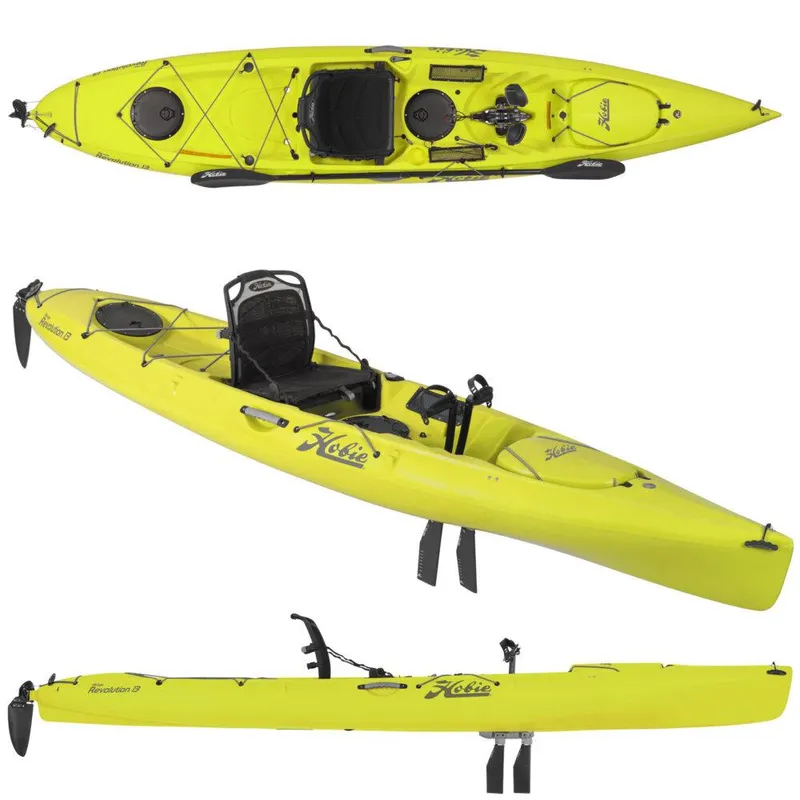
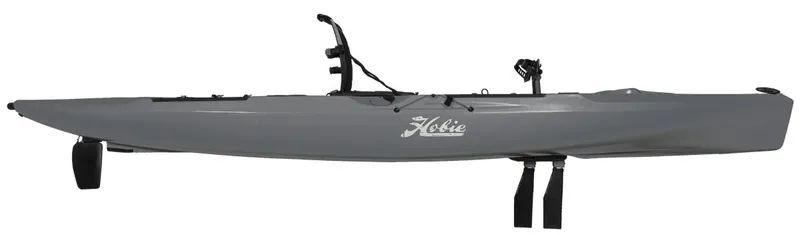
A kayak is a narrow, lightweight boat designed to be propelled by a double-bladed paddle. Unlike larger motorized boats, kayaks rely entirely on human power, offering a quiet and environmentally friendly way to navigate waterways. Traditionally, kayaks have a closed deck with a cockpit where the paddler sits, but modern designs also include sit-on-top models for easier entry and exit.
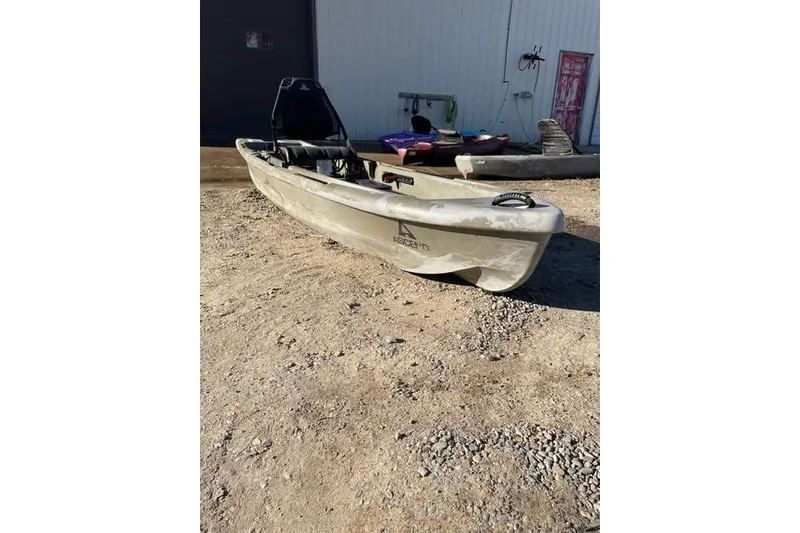
The hull of a kayak is typically long and slender with a rounded or slightly V-shaped bottom to enhance tracking—the ability to go straight through the water. This design originated with indigenous Arctic peoples who used kayaks for hunting and transportation across icy waters.

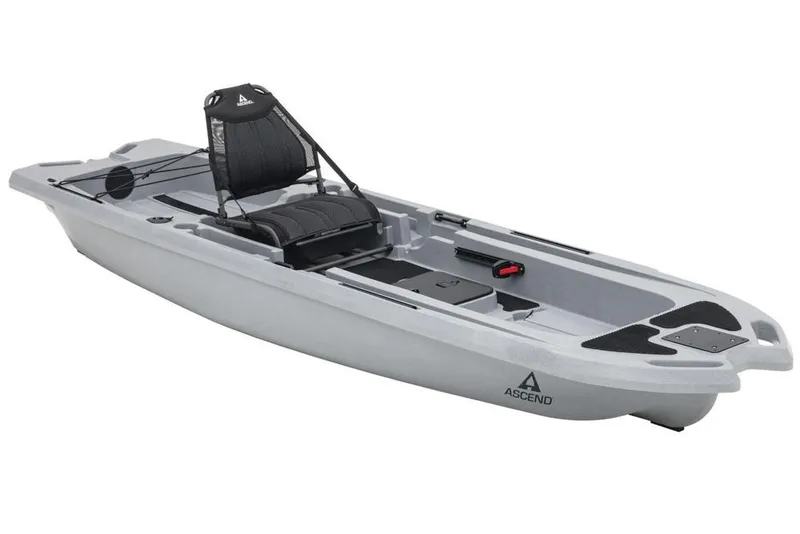
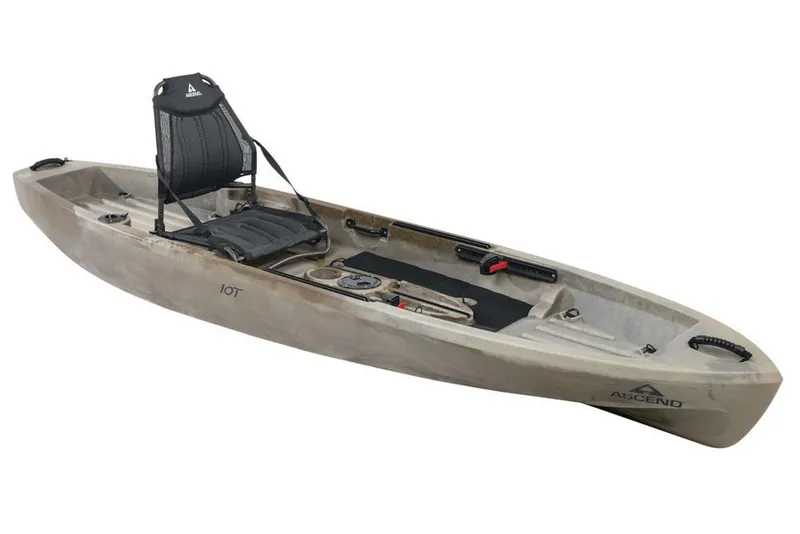
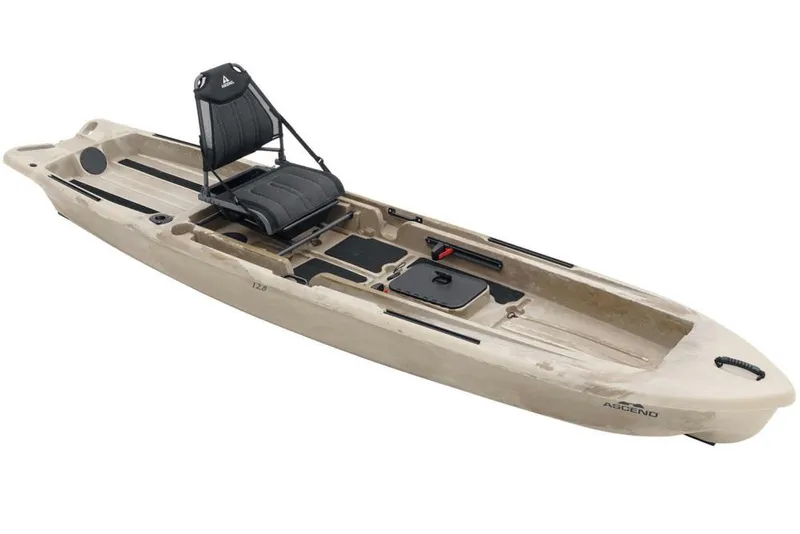
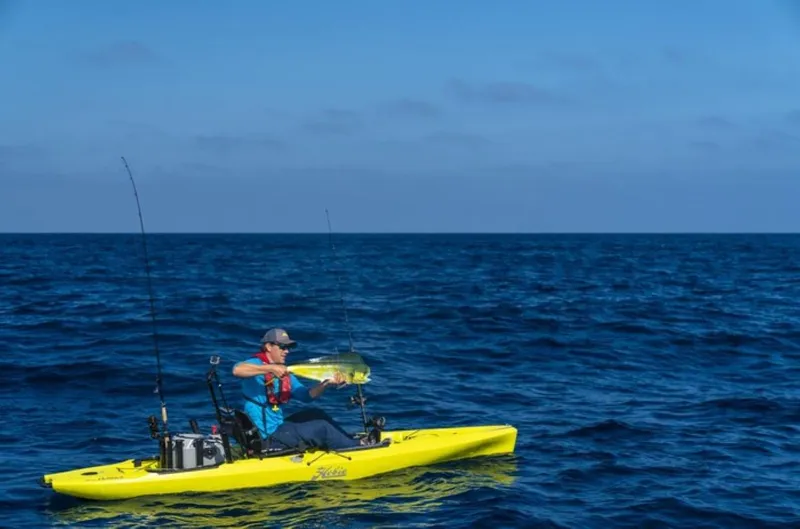
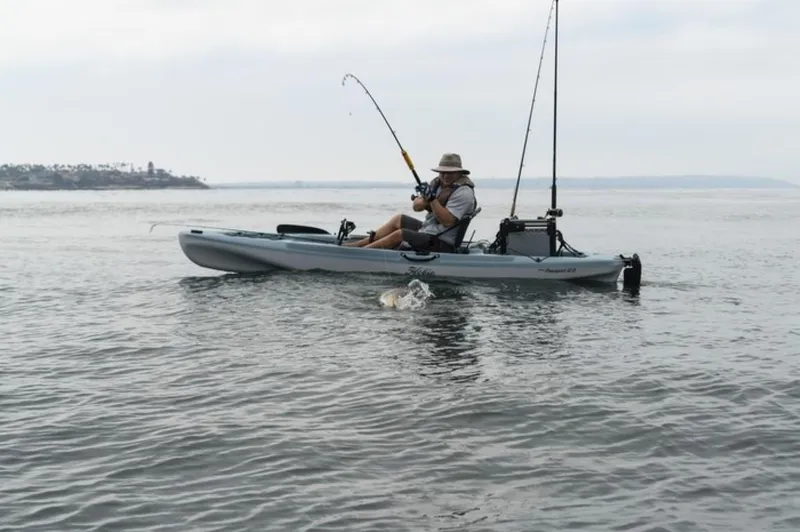
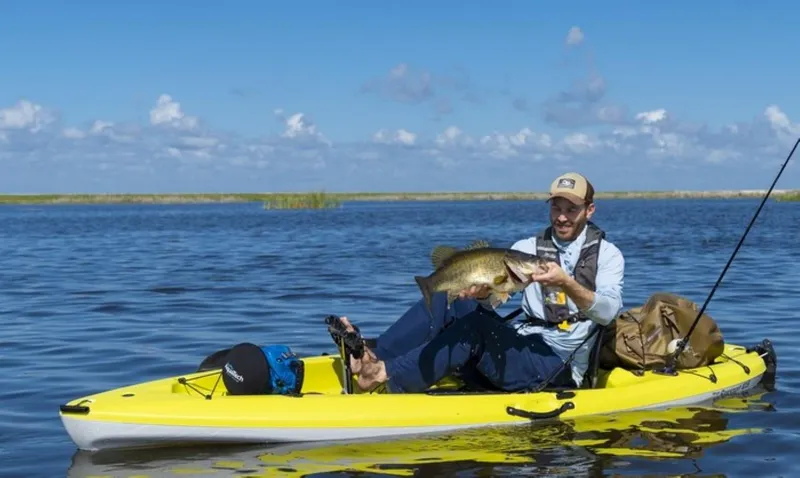
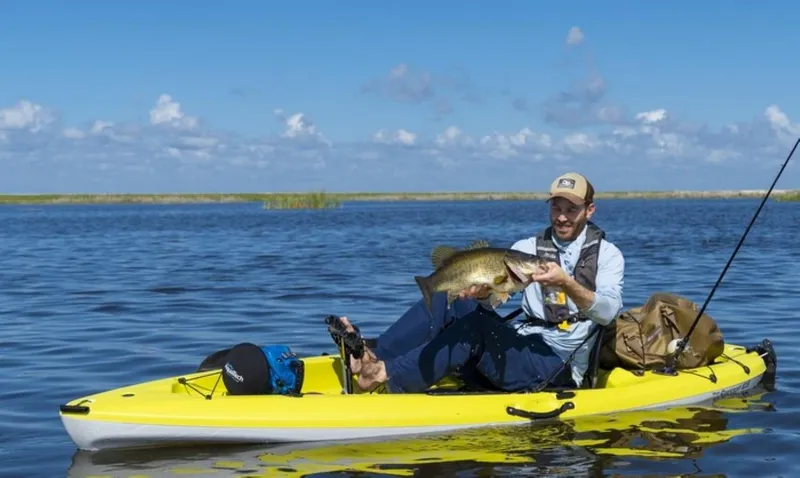
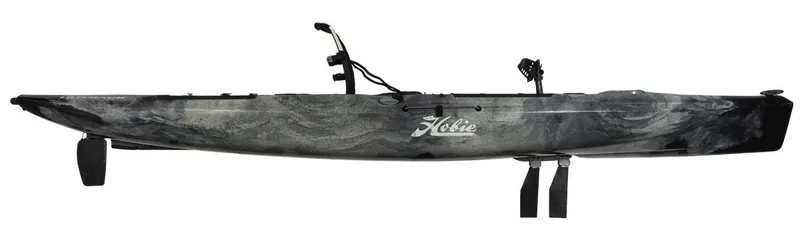
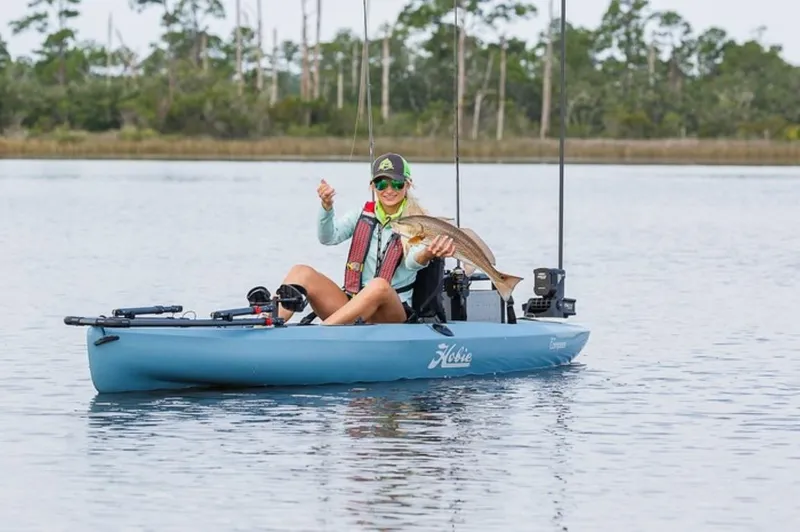
Over time, kayaks have evolved to serve many purposes beyond their original use. Today, you can find kayaks tailored for recreational paddling, touring, fishing, whitewater rapids, and even sea kayaking, each optimized for specific water conditions and activities. Their lightweight construction and portability make them a favorite among outdoor adventurers.

Pros of owning a Kayak boat

1. Compact and Lightweight

Kayaks are easy to transport and store due to their small size and light weight. This makes them ideal for people with limited storage space or those who want to take their boat on road trips or to remote water locations.

Their portability also means you can launch from almost anywhere, giving you access to a wide variety of waterways.

2. Close Connection to Nature

Kayaking offers an immersive experience on the water, allowing you to feel the subtle movements of the waves and hear the natural sounds around you without engine noise.

This connection enhances your appreciation of the environment and makes every outing a peaceful retreat.

3. Low Maintenance

Kayaks have minimal mechanical parts, which means fewer things to break or require costly repairs. A simple rinse with fresh water after use and occasional inspection for damage is usually all that’s needed to keep your kayak in good condition.

This low maintenance factor makes kayaking an accessible hobby for all ages.
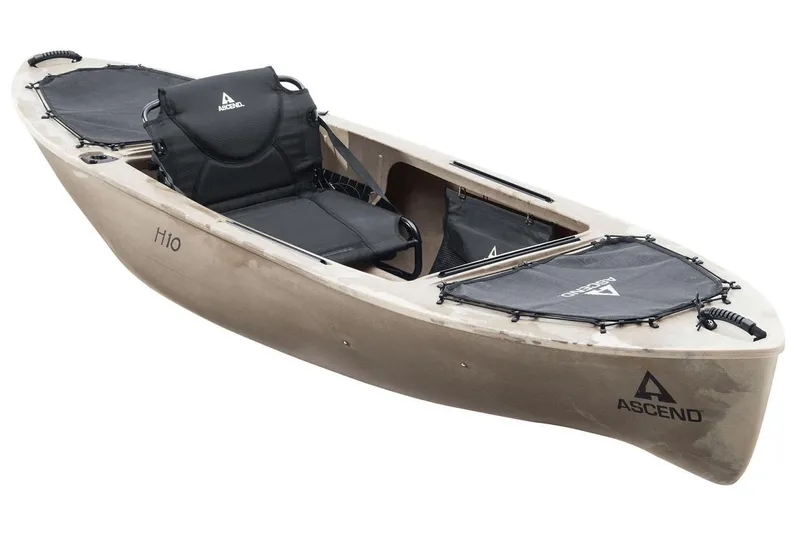
4. Versatility
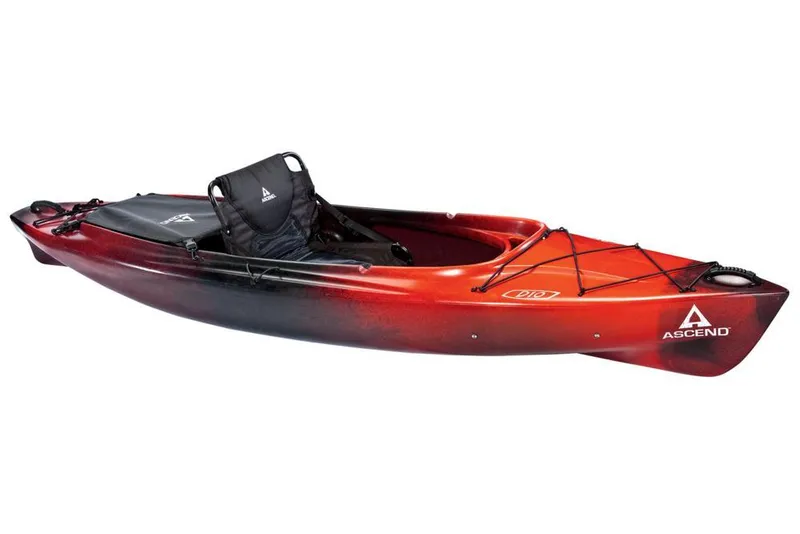
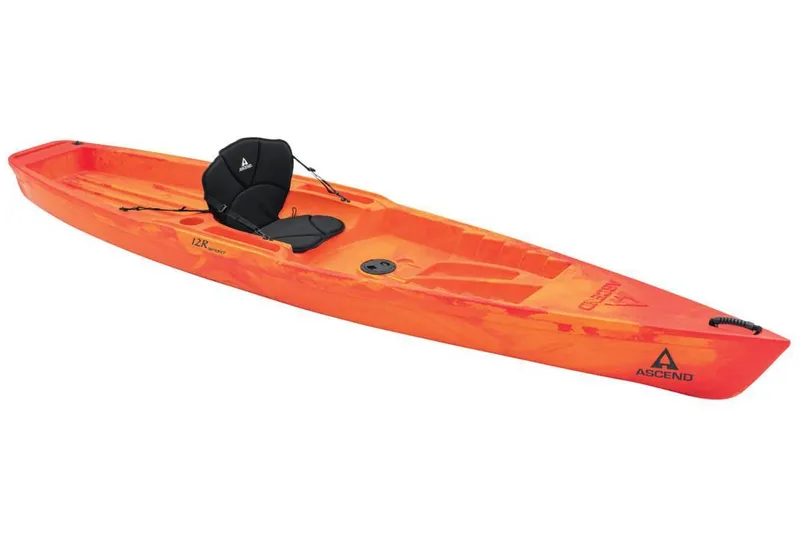
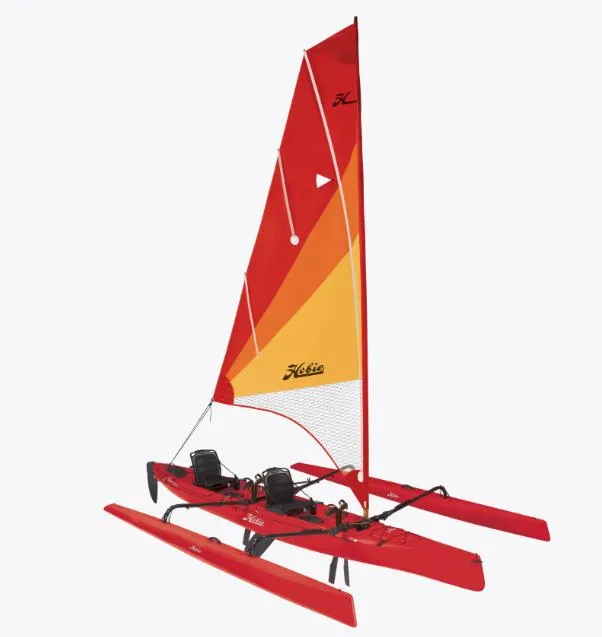
With various types of kayaks available—such as sit-on-top, touring, fishing, and whitewater models—you can choose one that perfectly matches your preferred water activity.

This versatility allows you to explore different environments and challenge your skills as you grow more experienced.

5. Excellent Exercise

Paddling a kayak provides a full-body workout that improves cardiovascular health, strength, and endurance.

It’s a fun way to stay active while enjoying the outdoors.

Cons of owning a Kayak boat

1. Limited Capacity

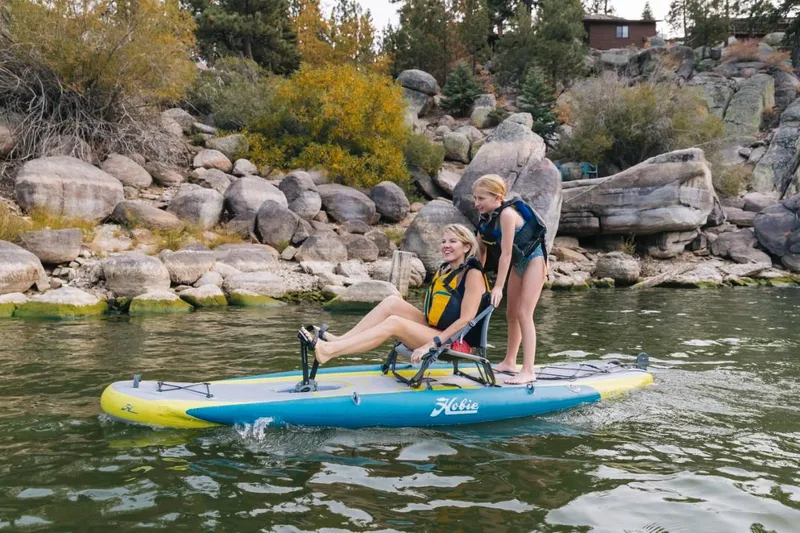
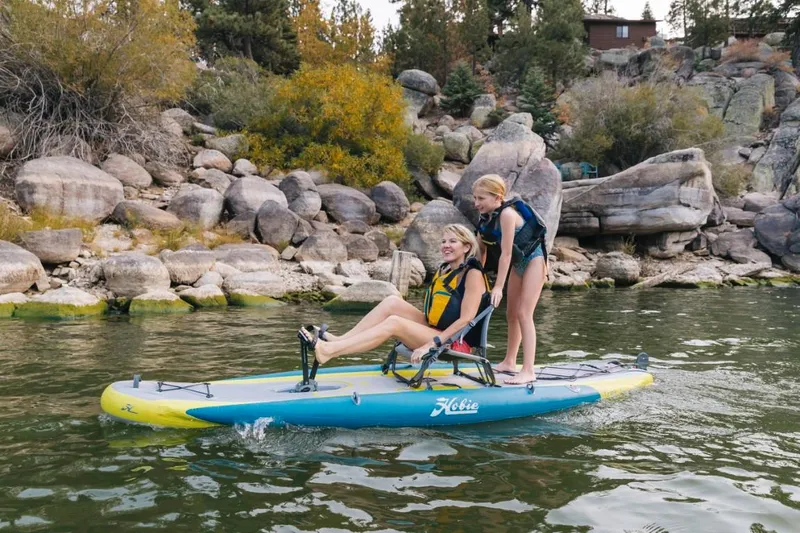
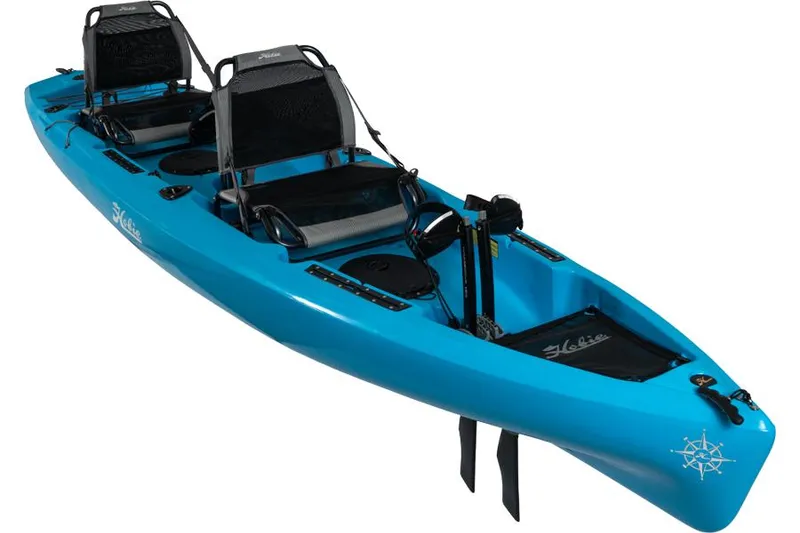
Kayaks typically accommodate one or two people, which can limit social outings or family trips.

  • The Silver Lining: Tandem kayaks and kayak rentals can help you share the experience with others.

2. Exposure to Elements

Being low to the water and often open to the air means you’re more exposed to sun, wind, and rain compared to larger boats with cabins.

  • The Silver Lining: Wearing appropriate gear and using spray skirts or sit-on-top models can improve comfort and protection.

3. Skill and Physical Effort Required

Kayaking demands a certain level of paddling skill and physical fitness, which might be challenging for beginners or those with limited mobility.

  • The Silver Lining: Many areas offer lessons and beginner-friendly kayaks to help you learn at your own pace.

4. Storage and Transport Challenges

Although kayaks are lightweight, their length and shape can make storage and transport tricky without a proper roof rack or trailer.

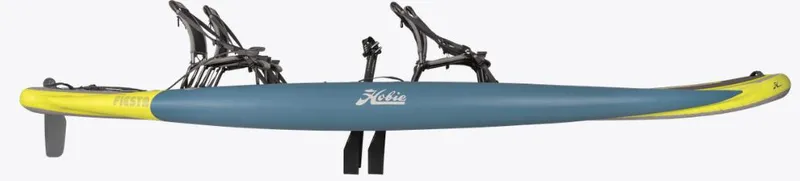
  • The Silver Lining: Inflatable kayaks and foldable models provide easier storage and portability options.

5. Limited Speed and Range

Compared to motorized boats, kayaks are slower and cover less distance, which might not suit those wanting to explore large lakes or coastal areas extensively.

  • The Silver Lining: Kayak tours and group paddles can extend your range and add social fun.

Handling and Performance

Kayaks are designed primarily for individual or small group use rather than large crowds. Their narrow beam and seating arrangement mean they are best enjoyed solo or in pairs, making them less suited for big social gatherings on the water.

However, kayak groups can paddle together in formation, creating a social experience while maintaining personal space and safety.

Kayaks are generally more affected by wind and waves than larger boats due to their low weight and smaller size, which can make handling rough water challenging for inexperienced paddlers.
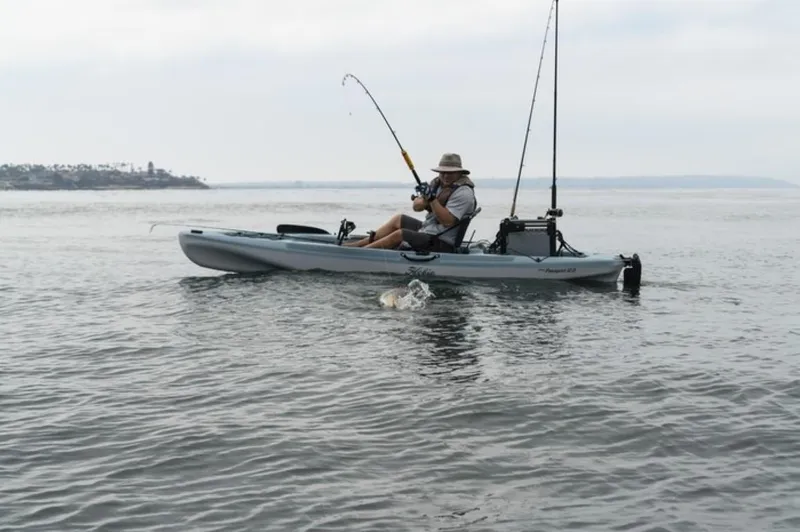
Sea kayaks and touring models are designed with features like longer hulls and skegs (small fins) to improve stability and tracking in choppy conditions, but caution and skill are essential when venturing into rougher water.

Ownership and Logistics

Kayaks are relatively affordable compared to motorized boats, with lower ongoing costs since they do not require fuel or engine maintenance.

Storage costs can vary depending on whether you keep your kayak at home, in a storage facility, or on a vehicle roof rack. Occasional replacement of paddles and safety gear should also be factored in.

Kayaks tend to hold their value well if maintained properly because demand remains steady among outdoor enthusiasts.

Specialized models like fishing or sea kayaks may fetch higher resale prices due to their niche appeal.

Kayaks are lightweight and can often be transported on the roof of most cars or SUVs, eliminating the need for trailers or heavy-duty trucks.

For longer kayaks or multiple boats, a small trailer might be used, but this does not typically require a heavy-duty vehicle.

Is a Kayak the right choice for you?

Kayaks offer a unique blend of intimacy with nature, portability, and versatility that appeals to a wide range of water lovers. They excel in providing peaceful solo or tandem outings, excellent exercise, and low maintenance.

However, their limited capacity, exposure to the elements, and physical demands may not suit everyone. Consider your typical water activities, social preferences, and physical ability before choosing a kayak.

You'll love it if:

  • You enjoy peaceful, close-to-nature experiences on the water.
  • You want a portable boat that’s easy to store and transport.
  • You’re looking for a low-maintenance, affordable watercraft.
  • You want a versatile vessel for different types of paddling adventures.
  • You value exercise and outdoor activity as part of your boating experience.

It might be challenging if:

  • You often want to boat with large groups or family gatherings.
  • You prefer a boat with more protection from weather.
  • You have limited paddling experience or physical limitations.
  • You need to cover long distances quickly on the water.
  • You require ample storage and seating capacity for multiple passengers.

Choosing a kayak opens the door to countless adventures and a deeper connection with the water—happy paddling!

Be the First to Know

Get notified when new boats become available.

Logo