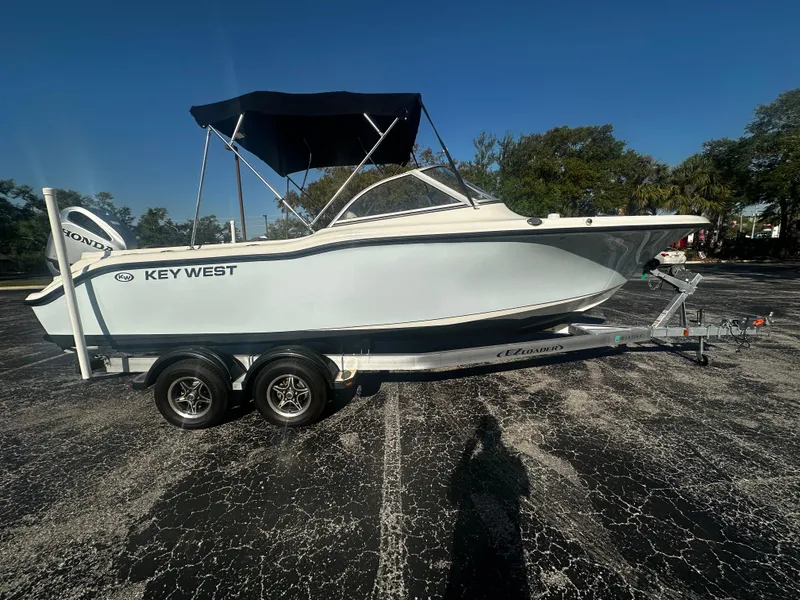
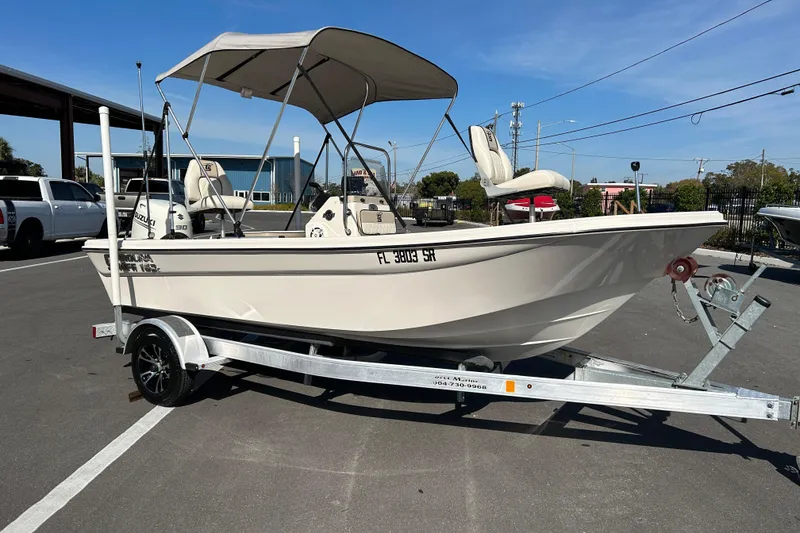
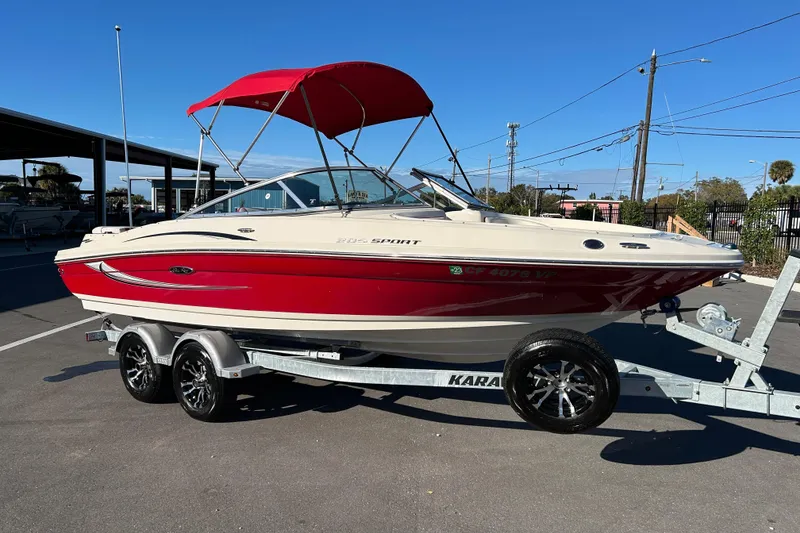
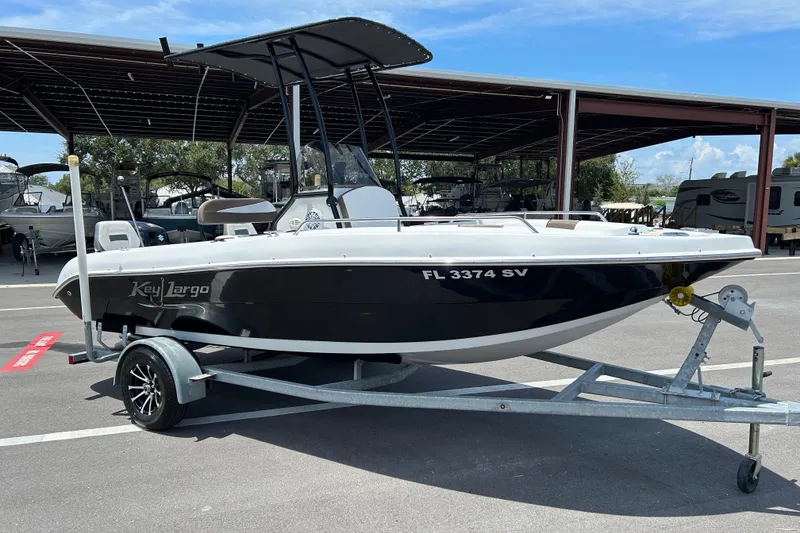
Clearwater
Searching boats for you...
Boating · Destinations
Is Clearwater, FL a Good Place for Boating?
Written by: MarineSource.com Team | Estimated read time: 7 min read
On Florida’s central Gulf Coast, Clearwater blends a classic beach-town vibe with a maze of bays, passes, and barrier islands that seem made for exploring by boat. Clearwater Beach sits on a long sandbar just offshore, with downtown Clearwater facing it across the Intracoastal Waterway and Clearwater Bay. Out past the passes, the open Gulf of Mexico stretches toward the horizon in that trademark emerald-blue color that draws boaters from around the country.
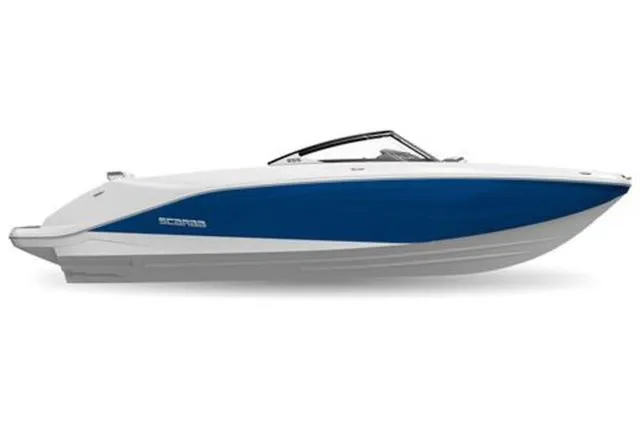
Out on the water, the city feels larger than it looks on a map. You can idle through calm canals lined with homes and restaurants, follow the Intracoastal north toward Caladesi Island and Anclote Key, or run through Clearwater Pass to chase grouper and snapper offshore. Marinas cluster along both the downtown and beach sides, and charter boats, dolphin tours, and day-rental pontoons keep the harbor buzzing without losing its laid-back feel.
For people researching boats in Clearwater, the appeal is obvious: warm water nearly year-round, famous beaches, protected inside routes, and plenty of ways to get out even if you don’t own a boat. There’s a strong fishing scene, easy-access sandbars and state parks, and a big menu of on-the-water activities from parasailing to sunset cruises.
Still, like any popular boating hub, Clearwater comes with tradeoffs. Slip fees reflect its destination status, certain channels can get crowded or shallow, and summer brings afternoon storms and the occasional red tide advisory. So is Clearwater a good place for boating, and is it the right fit for how you like to spend time on the water? Below, we’ll walk through the key pros and cons of boating in Clearwater so you can decide.
Pros of boating in Clearwater, FL
1. Warm, boatable water almost all year
Clearwater’s climate is a major draw if you want to maximize your time on the water. Average water temperatures hover in the mid‑60s°F in January, climb into the 70s°F by spring, and reach the mid‑80s°F in summer. That means you can comfortably run boats in Clearwater through every season, with peak boating weather from about March through November.
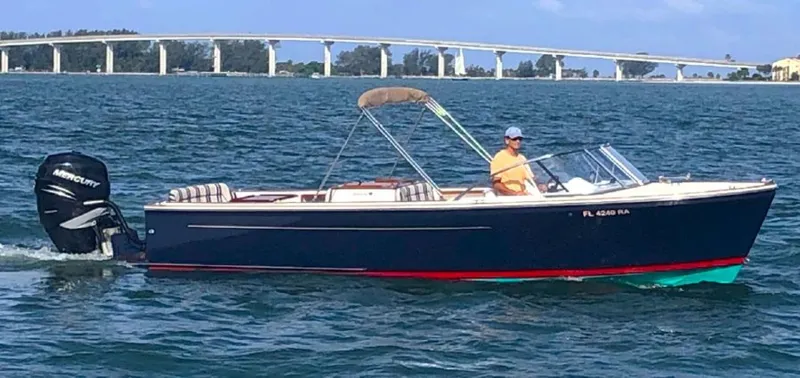
Unlike more seasonal destinations, you don’t have to pull the boat for winter unless you want to. Anglers can target different species as the water warms and cools, and casual cruisers can count on plenty of mild, sunny days for sunset runs and beach hops.
2. Varied waterways, from calm ICW to open Gulf
Geographically, Clearwater hits a sweet spot for versatility. On the inside, the Intracoastal Waterway and Clearwater Bay offer mostly protected, relatively calm waters ideal for pontoons, deck boats, small sailboats, and family outings. You can weave among barrier islands such as Sand Key, head north toward Caladesi Island, or explore residential canals without ever seeing ocean swell.
When conditions are good, Clearwater Pass and nearby Hurricane Pass give you quick access to the Gulf of Mexico. That opens the door to deeper fishing grounds and longer coastal runs, yet you’re never far from a safe inlet. For many boaters, having both sheltered routes and blue-water options in the same home port is a huge plus.
3. Strong boating infrastructure and services
For a mid-size city, Clearwater is well set up for people interested in boats in Clearwater. Downtown Clearwater Harbor Marina offers 126 floating slips for boats from roughly 30 to 55 feet, along with pump-out, showers, laundry, restrooms, and 24‑hour security. On the beach side, Clearwater Beach Marina and the Courtyard Clearwater Beach Marina serve transient and annual dockage with floating docks and access to local amenities.
Fuel and services are close at hand. Clearwater Municipal Marina provides gas and diesel along with free pump-outs, and there are public boat ramps, including the Clearwater Public Boat Ramp near the beach. Between these facilities and nearby repair shops and supply stores, it’s relatively easy to refuel, pump out, and keep your vessel maintained without a long haul to another town.
4. Easy access to islands, beaches, and state parks
One of Clearwater’s biggest advantages is how quickly you can go from marina to wild-feeling shoreline. A short cruise north brings you to Caladesi Island State Park, where mangroves, nature trails, and natural beaches make it feel far from the strip of hotels on Clearwater Beach. Keep going and you’ll reach Anclote Key Preserve State Park, with its historic lighthouse and uncrowded sand for swimming, shelling, and anchoring out.
Closer to town, Clearwater Beach itself, Sand Key Park, and smaller spoil islands along the ICW create a network of day-trip spots for swimming, picnicking, and snorkeling. For many locals, a typical weekend means loading up the boat, picking a beach or sandbar, and spending the day in the warm, shallow water just a short ride from home.
5. Lively boating culture and on-the-water experiences
Clearwater’s harbors are rarely quiet. Charter fleets run year-round from Clearwater Beach Marina, offering everything from half‑day inshore fishing to multi‑day offshore trips. Dolphin‑watching tours, sunset cruises, sail charters, and parasailing boats add to the activity, giving visitors plenty of ways to experience boats in Clearwater without owning a vessel.
The area also hosts regular fishing tournaments, including events run by the Old Salt Fishing Foundation and the King of the Beach kingfish tournaments in spring and fall, which energize the docks and draw anglers from across Florida. Dock‑and‑dine options, such as programs at waterfront hotels and restaurants near Clearwater Beach and Island Estates, let you tie up, grab lunch or dinner, and be back on the water before sunset.
Cons of boating in Clearwater, FL
1. Slip fees and boating costs can add up
While not the most expensive market in Florida, Clearwater’s popularity means you’ll pay destination-level prices for slip space, especially if you want a transient or seasonal spot close to the beach. Downtown Clearwater Harbor Marina lists transient rates in the neighborhood of $2.75 to $3.50 per foot per day, with weekly and monthly pricing that’s in line with other Gulf Coast tourist hubs.
Beyond dockage, owners face typical Florida costs like higher insurance premiums, year‑round maintenance, and fuel for both inshore cruising and offshore runs. For full‑time residents or snowbirds keeping a boat here all season, the total yearly outlay may be higher than in less famous coastal towns.
- The Silver Lining: Many boaters manage costs by trailering smaller vessels, using public ramps, or opting for marinas on the bay side rather than prime beachfront slips. Sharing charter trips, joining friends on their boats, or using peer‑to‑peer rentals can also let you enjoy boats in Clearwater without committing to full-time ownership expenses.
2. Busy waterways and crowding at peak times
Clearwater’s appeal as a resort destination means that on weekends, holidays, and during high season, the marinas and channels can feel crowded. Clearwater Pass, areas off Clearwater Beach, and popular routes along the Intracoastal see a mix of tour boats, rentals, personal watercraft, and private vessels all sharing the same fairways.
This can make navigation slower and more stressful, especially for newer boaters still learning to handle wakes, traffic patterns, and crosscurrents. Finding transient slips or a spacious anchoring spot near the most popular beaches can also be challenging during peak times.
- The Silver Lining: If you’re flexible, going out early in the morning, on weekdays, or exploring a bit farther north toward Caladesi Island, Anclote Key, or quieter stretches of the ICW usually means more space and a more relaxed pace. Booking transient slips ahead of time at Clearwater Harbor or Clearwater Beach Marina can also remove some of the stress during busy weekends.
3. Weather, storms, and occasional red tide
Central Florida’s weather is generally boating‑friendly, but it isn’t always calm. In summer, fast‑building afternoon thunderstorms are common, bringing sudden wind, lightning, and choppy conditions. Tropical systems and the broader hurricane season add another layer of risk, particularly for boats kept in the water or at exposed docks.
Clearwater and the surrounding Suncoast are also periodically affected by red tide events in the Gulf of Mexico, which can impact air quality, water clarity, and marine life for days or weeks at a time, making some outings less pleasant and affecting fishing in certain spots.
- The Silver Lining: The upside is that forecasts, radar apps, and local beach condition reports are widely available and generally reliable. Most boaters plan around the pattern by getting out in the morning and heading in before afternoon storms, and marinas can help you prepare your boat for named storms. Red tide conditions are actively monitored and published, so you can pivot to healthier stretches of coast or more inland destinations when needed.
4. Shallow areas, passes, and navigation quirks
Although Clearwater’s waterways are well traveled, they’re not completely straightforward. Shallow flats, oyster beds, and sandbars near passes and mangroves can be unforgiving if you stray outside marked channels. Areas near Clearwater Pass and Hurricane Pass can feature shifting sand and stronger currents, especially around tidal changes.
Bridge clearances, such as at the Memorial Causeway, also matter for sailboats and taller powerboats, and some marinas limit berth sizes to around 55 feet, even though Clearwater Harbor Marina can accept larger vessels at certain docks. New boaters may need time to learn the safest routes for their draft and height.
- The Silver Lining: The local channels are well marked, and charts, GPS plotters, and depth sounders make it much easier to avoid trouble spots once you’ve done a few laps. Talking with marina staff, local guides, or charter captains, and starting with conservative itineraries at mid‑to‑high tide, goes a long way toward building confidence in Clearwater’s waters.
5. Regulations, no‑wake zones, and environmental rules
Like much of Florida, Clearwater’s waters are crisscrossed with speed and wake restrictions, including Idle Speed – No Wake and Slow Speed – Minimum Wake zones near marinas, residential canals, and sensitive habitats. These rules help protect shorelines, manatees, and other wildlife, but they can stretch transit times and require more attention to posted signs.
On top of speed limits, boaters must follow state regulations on safety gear, registration, and fishing licenses, and some marinas (such as Clearwater Harbor Marina) require proof of vessel insurance before you can dock. Environmental protections around manatee zones and no‑discharge areas further shape where and how you can operate.
- The Silver Lining: For most people, the learning curve is manageable, and local enforcement officers and dockmasters are used to helping visitors understand the basics. Once you factor slower zones into your trip planning, the extra time often becomes part of the enjoyment—more chances to spot dolphins, manatees, and seabirds while you cruise through Clearwater’s scenic bays and canals.
What boating in Clearwater, FL is really like
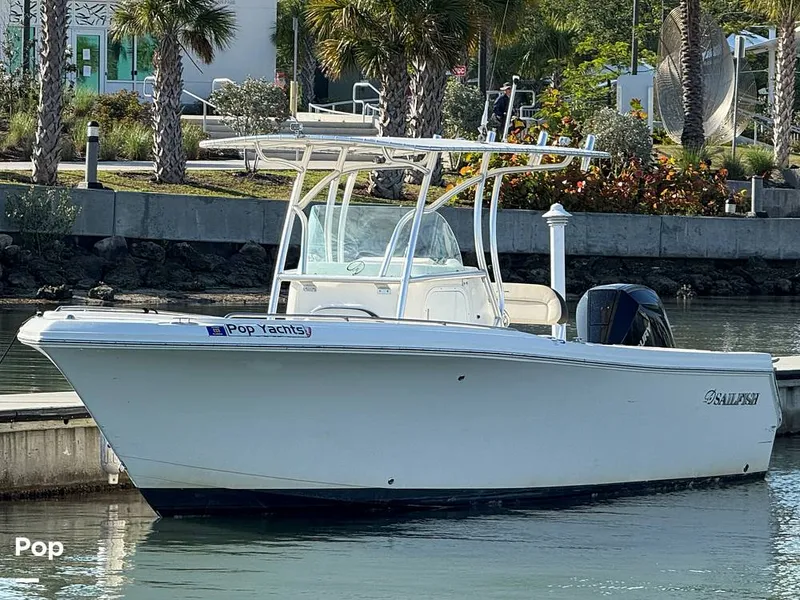
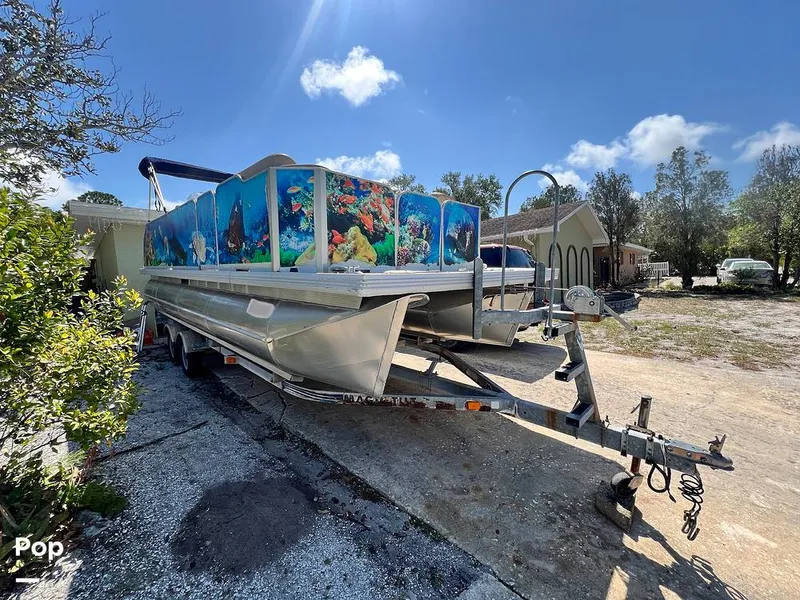
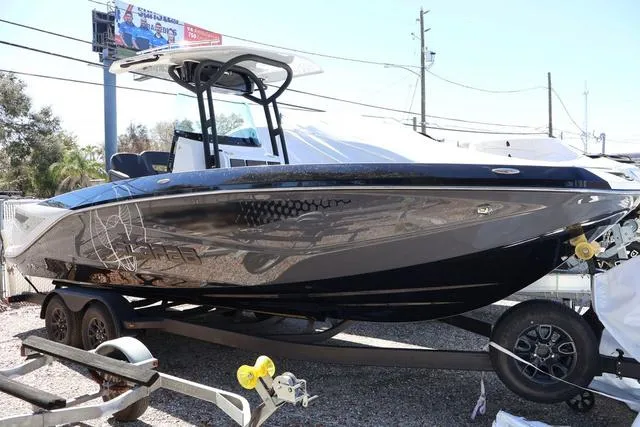
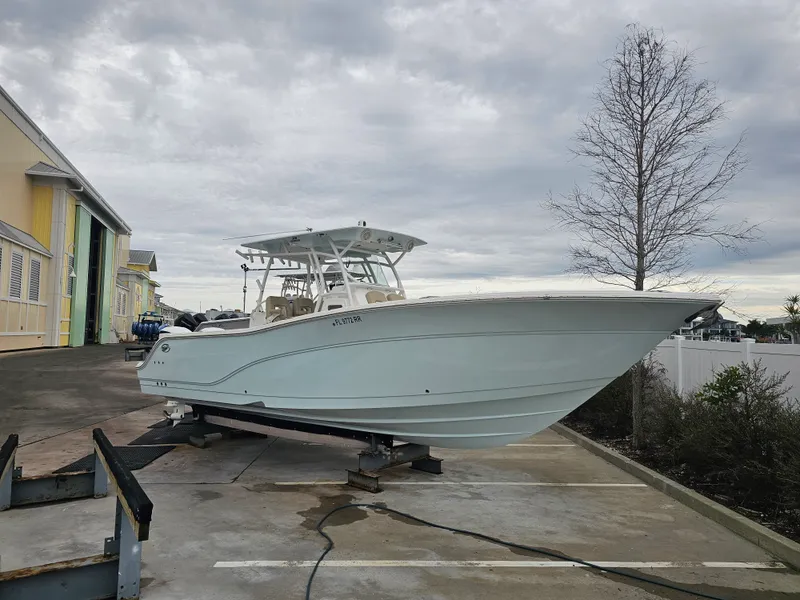
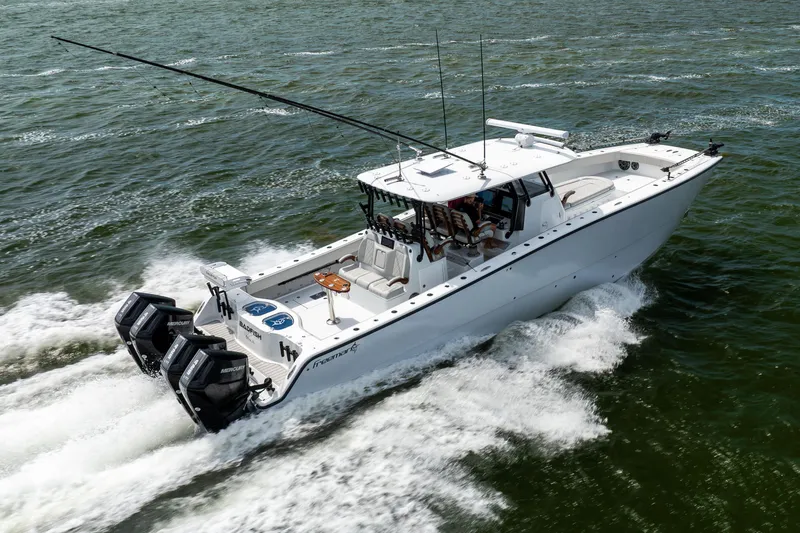
Boating in Clearwater centers around bright Gulf sunshine, turquoise water, and an almost constant buzz of activity. On a typical weekend, Clearwater Beach Marina and Clearwater Harbor Marina fill with a mix of center‑console fishing boats, pontoon rentals, charter boats, and a steady flow of dolphin tours and dinner cruises. Families load coolers and beach bags for a day at Caladesi Island or Sand Key, while anglers rig rods for early-morning runs through Clearwater Pass to hunt redfish inshore or grouper offshore. Out on the Intracoastal Waterway, the vibe is more relaxed—slow cruising past waterfront homes and under the Memorial Causeway Bridge as seabirds trail the wake.
Head north or south a few miles and the scene softens into something quieter. Around Caladesi Island and the mangrove cuts, sailboats and small cruisers tuck into more sheltered waters, dropping anchor so kids can swim or paddle along the shoreline. On calm days, you’ll find boats idling just off Clearwater Beach so people can jump in, float, or snorkel in the clear blue water. The sandbar and beach‑anchoring culture is strong—many locals plan their entire outing around getting a good spot, grilling off the swim platform, and watching the parade of boats go by along the ICW.
The after‑work routine for many Clearwater boaters is simple: a quick splash at the public ramp, a short cruise down Clearwater Bay, then tying up at a dock‑and‑dine spot near Clearwater Beach Marina or Island Estates for sunset drinks. On tournament days or during peak spring weekends, the energy spikes—fishing fleets leave before dawn, charter boats bustle with visitors, and popular passes like Clearwater Pass and Hurricane Pass get lively. Overall, the dominant feel is casual and social rather than ultra‑formal yachting: shorts and flip‑flops at the marina, lots of rental and visitor traffic, and a year‑round boating crowd that treats the water as an everyday extension of life in Clearwater.
Costs, logistics, and practical details
Practically speaking, Clearwater is set up very well for people who want to keep a boat right in the heart of the action. Clearwater Harbor Marina downtown and Clearwater Beach Marina on the barrier island both offer floating slips for boats up to roughly 55 feet, with Clearwater Harbor even accommodating much larger vessels by arrangement. Amenities are modern—shore power, pump‑out, restrooms, showers, laundry, and security. Transient rates downtown typically range from about $2.75–$3.50 per foot per day depending on which city rate table you fall under, with discounted weekly and monthly pricing. That puts Clearwater in line with other popular Florida Gulf Coast destinations—hardly cheap, but not unusually expensive for such a prime, walkable waterfront location.
Trailer boaters have reasonable access, though you’ll share ramps with a lot of other people during busy seasons. The main Clearwater Public Boat Ramp near Clearwater Beach provides a straightforward way to launch into the Intracoastal Waterway and reach Clearwater Bay or the Gulf quickly. Once in the water, fuel and pump‑out services are close at hand—Clearwater Municipal Marina provides both gas and diesel along with free pump‑outs, while Clearwater Harbor Marina offers pump‑out only and prohibits fueling at the docks. Given the mix of resident and visitor traffic, dockhands and dockmasters are used to helping less‑experienced boaters with lines, directions, and local shortcuts.
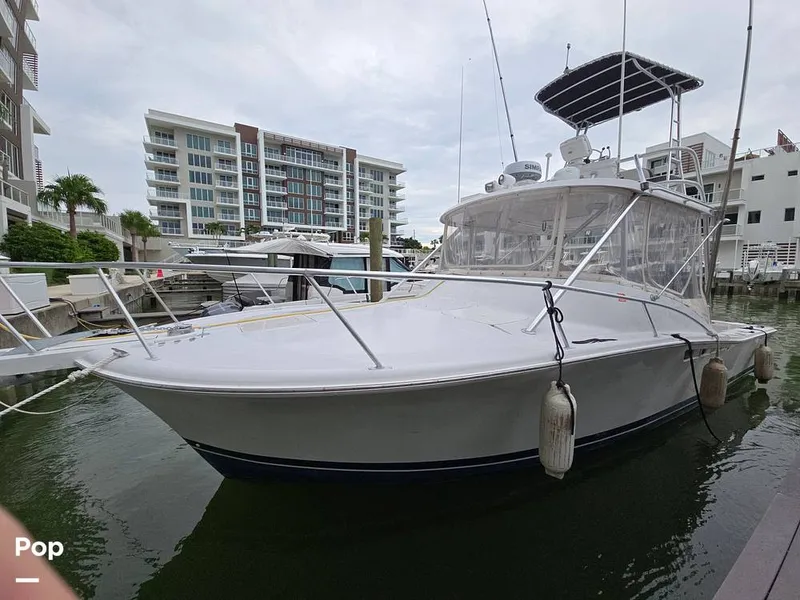
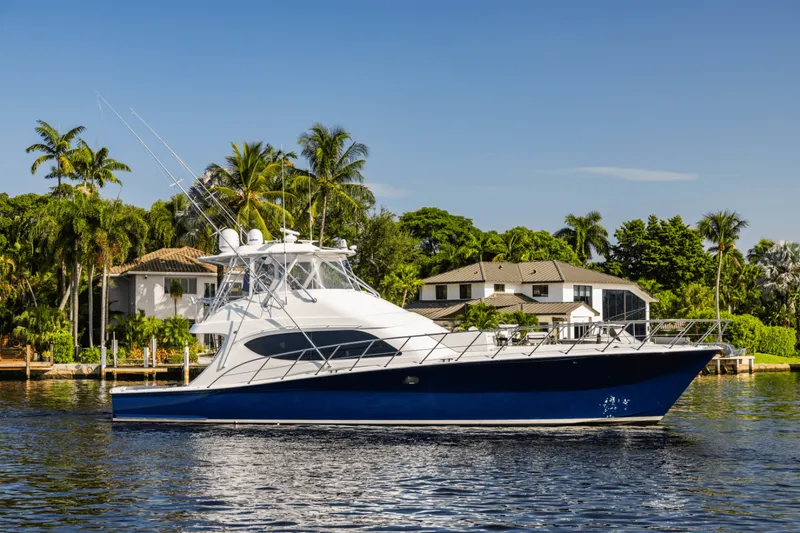
The marina ecosystem here is best described as casually upscale and tourist‑friendly. You’ll see everything from small skiffs on trailers to well‑kept sportfishers and small motoryachts. There are repair yards, marine supply outlets, and detailing services within a short drive, with more extensive yards elsewhere in the Tampa Bay region if you need big projects done. Slips can be in high demand during peak winter and spring seasons when seasonal visitors arrive, so longer‑term dockage is often something you plan ahead for rather than find last minute. Since Clearwater is a warm‑weather, saltwater market, there’s less emphasis on winter haul‑outs and more on year‑round maintenance—bottom cleaning, corrosion control, and staying ahead of sun and heat wear on your boat.
Is Clearwater, FL a good place for boating?
Boating in Clearwater is, for most people, a very rewarding mix of convenience, scenery, and variety. On the plus side, you get immediate access to the Intracoastal Waterway, Clearwater Bay, and the open Gulf, with iconic destinations like Clearwater Beach, Caladesi Island, Sand Key, and Anclote Key all within comfortable day‑trip range. Marinas are modern and well‑run, with transient and long‑term options, pump‑outs, fuel docks, and a long list of charters and rentals for visitors or boatless locals. The culture is welcoming to families, anglers, and casual cruisers alike, and the climate supports boating almost every month of the year.
You will love boating here if:
- You want year‑round, warm‑weather boating on saltwater, with easy access to both protected bays and the open Gulf of Mexico.
- You enjoy a social, active boating scene with lots of marinas, charters, dock‑and‑dine options, and visitor‑friendly services.
- You like mixing quick day trips—such as runs to Caladesi Island or Anclote Key—with occasional offshore fishing or longer coastal cruises.
You might find it challenging if:
- You strongly prefer quiet, low‑traffic lakes or rivers and dislike sharing the water with tour boats, rentals, and heavy weekend traffic.
- You’re very budget‑sensitive and want rock‑bottom moorage or storage prices—Clearwater’s waterfront rates reflect its popularity.
- You’re unwilling to manage saltwater maintenance issues like bottom growth, corrosion, and the effects of strong sun and heat.
If you’re drawn to clear, warm Gulf water and a lively coastal town, Clearwater is a strong candidate for your boat homeport or for a memorable boating trip. Those who prize solitude above all or need ultra‑low‑cost moorage might find the crowds and prices less appealing, but for social day‑boaters, inshore and offshore anglers, and coastal cruisers who appreciate easy amenities, the balance tilts clearly in Clearwater’s favor. Put “boats in Clearwater” high on your boating bucket list—whether that means planning a charter, trailing your own boat in for a long weekend, or securing a slip so you can make Clearwater’s bays and beaches part of your regular life on the water.