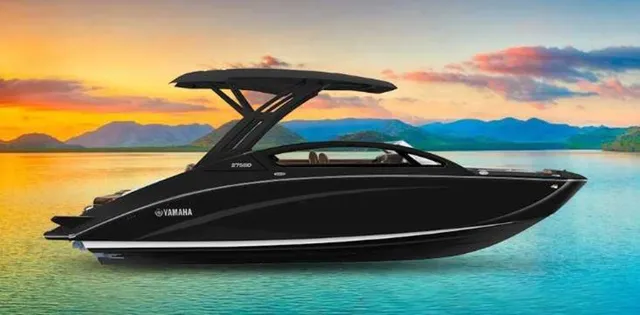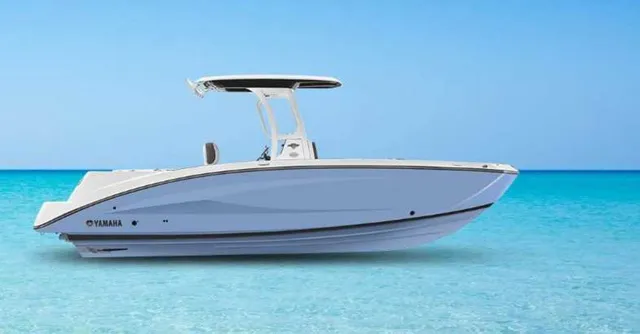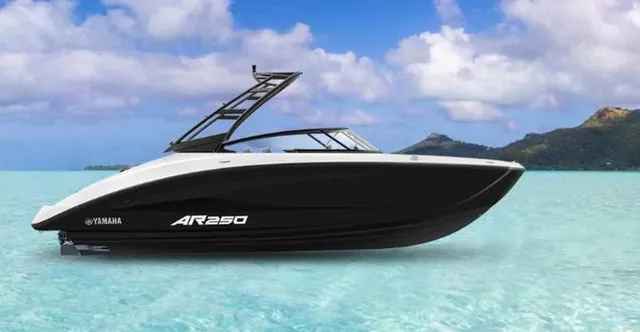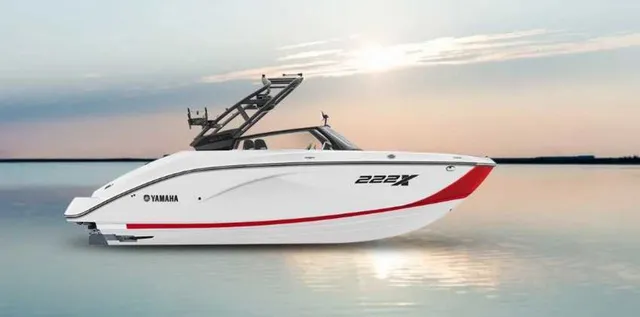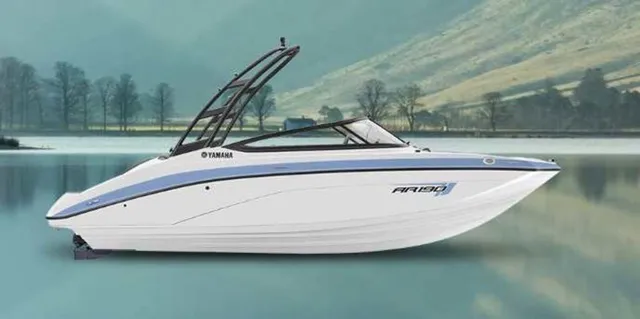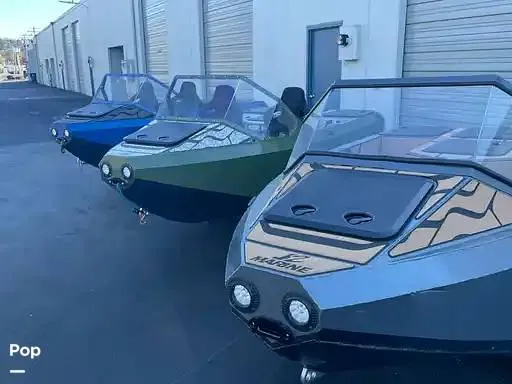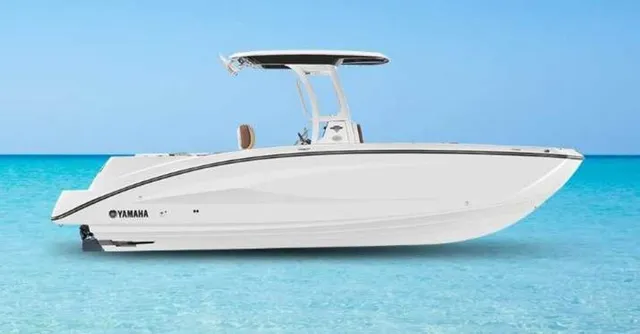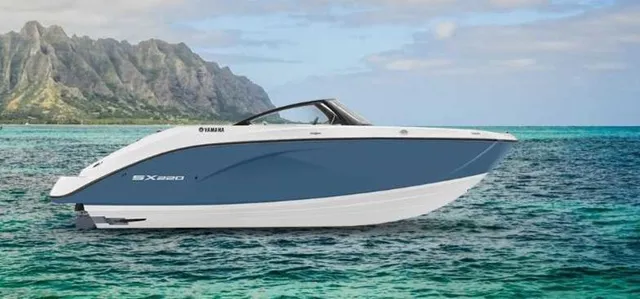
Jet Boat
Searching boats for you...
Boating · Buyer’s Guide
Is a Jet Boat the Right Choice for You?
Written by: MarineSource Team | Estimated read time: 12 min read
There is something uniquely thrilling about the sensation of gliding over the water with a jet boat. The rush of water beneath you, the spray in the air, and the nimble responsiveness of the craft combine to create an exhilarating boating experience.
Jet boats are among the most popular choices for adrenaline seekers and families alike, offering a blend of versatility and excitement. Their sleek design and powerful engines invite a sense of freedom and adventure, whether you’re racing across a lake or cruising along a river bend.
Despite their popularity, jet boats come with trade-offs that every prospective owner should consider. They handle differently than traditional propeller-driven boats, and their maintenance and fuel consumption patterns may surprise new buyers.
Understanding the vibe and unique attributes of jet boats will help you decide if this dynamic vessel complements your lifestyle and boating aspirations.
What is a Jet Boat?
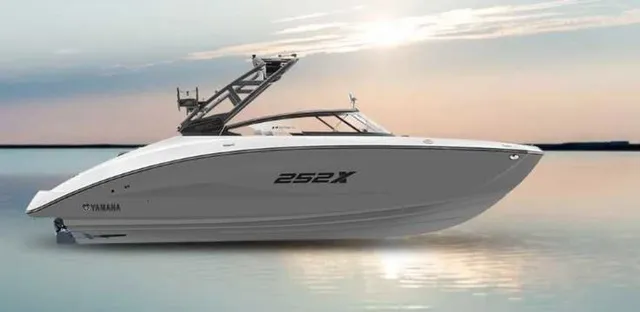
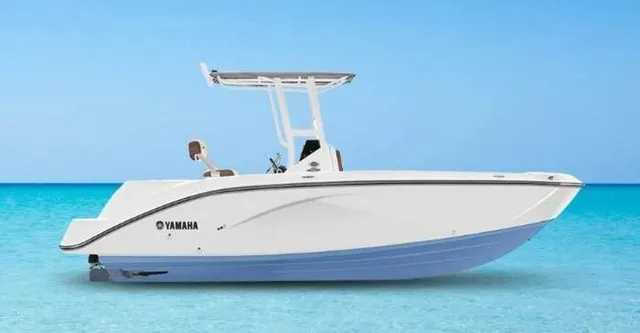
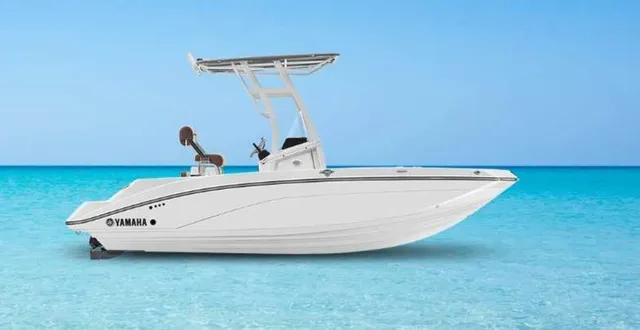
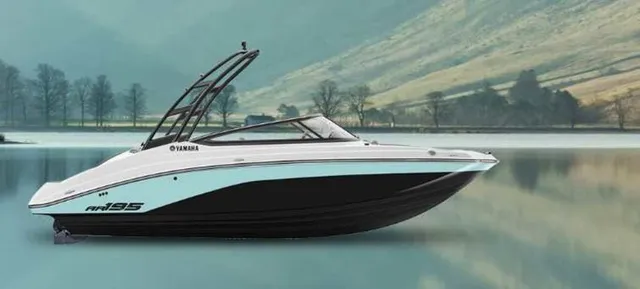
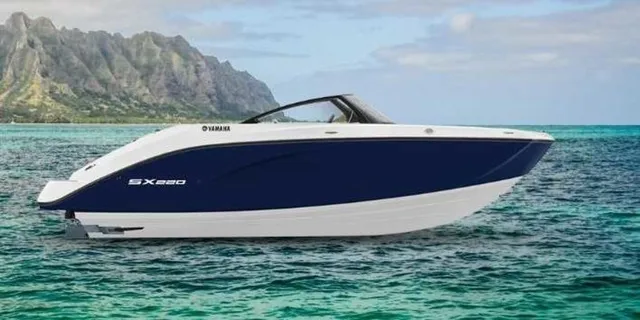
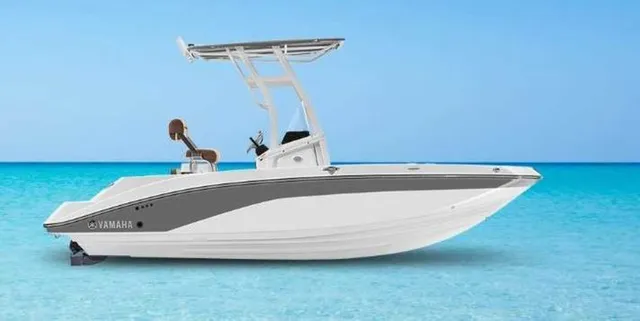
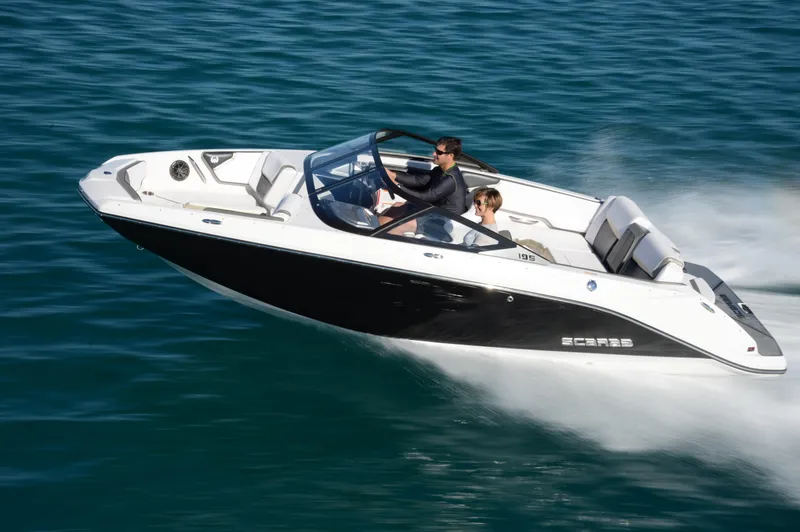
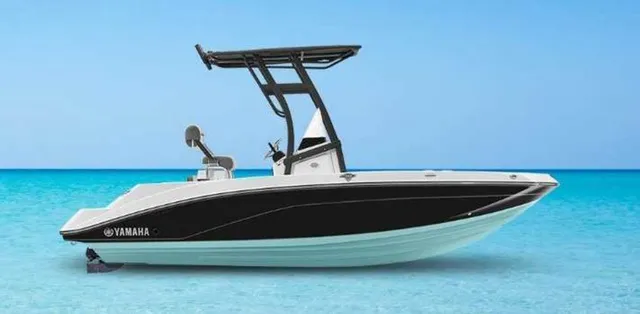
A jet boat is a type of watercraft propelled by a jet of water ejected from the back of the boat, rather than a traditional propeller. This propulsion system allows the boat to operate in very shallow waters, making it ideal for rivers, estuaries, and coastal areas where submerged obstacles are common.
Historically, jet boats were developed in New Zealand in the mid-20th century to navigate shallow and fast-flowing rivers. Their ability to maneuver in tight spaces and shallow depths made them popular for both recreational and commercial uses.
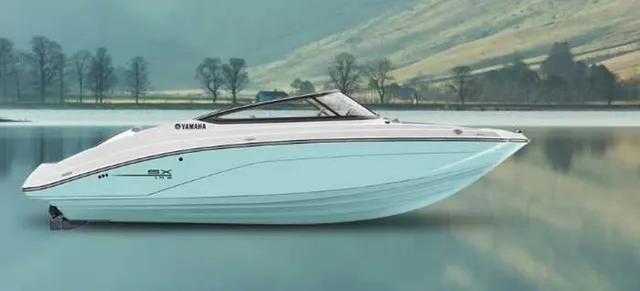
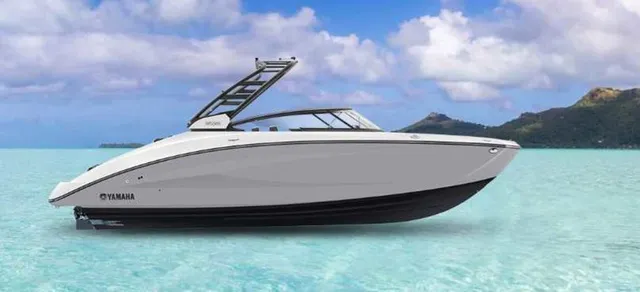
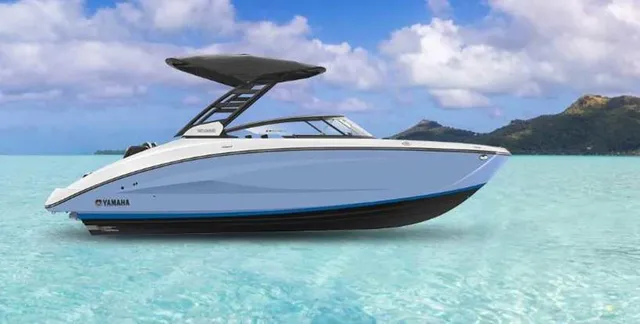
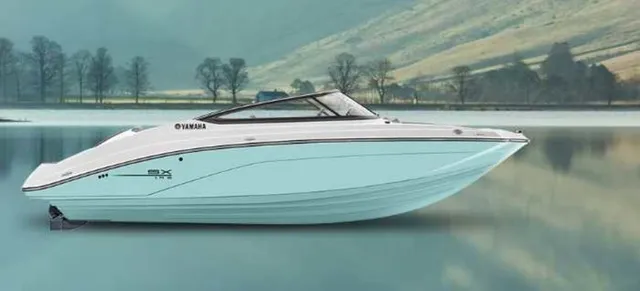
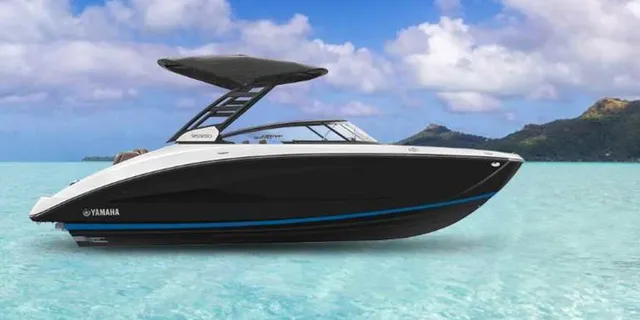
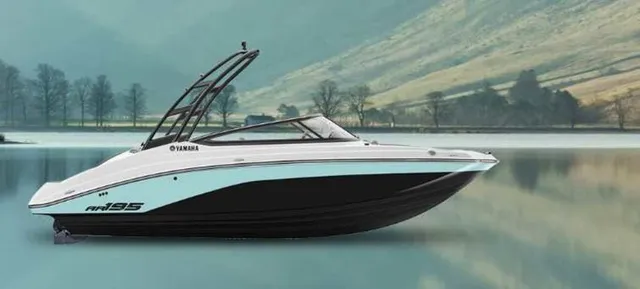
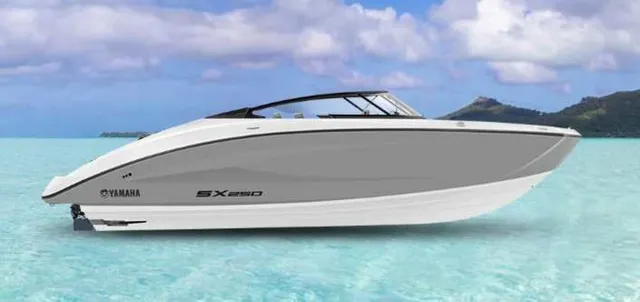
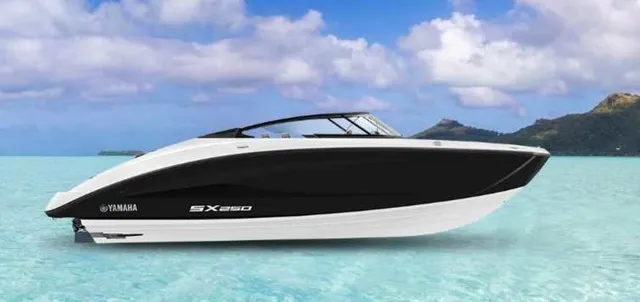
Modern jet boats have evolved to include sleek hull designs that maximize speed and stability. They often feature a V-shaped hull that enhances handling and ride comfort, while the jet propulsion system provides quick acceleration and tight turning capabilities.
Pros of owning a Jet Boat
1. Exceptional Maneuverability
Jet boats excel in agility, able to make sharp turns and navigate narrow waterways with ease. This makes them ideal for adventurous boating and exploring areas inaccessible to traditional boats.
2. Shallow Water Capability
Because jet boats do not have exposed propellers, they can safely operate in shallow waters without the risk of damage. This opens up more areas for exploration and reduces worries about underwater hazards.
3. Safety Around Swimmers
The absence of a propeller reduces the risk of injury to swimmers and water sports participants, making jet boats a safer choice for family outings and water-based activities.
4. Powerful and Fast
Jet boats are known for their rapid acceleration and high speeds, delivering an adrenaline-pumping ride that appeals to thrill-seekers and sport boaters alike.
5. Low Draft Design
The low draft—the depth of the boat below the waterline—allows jet boats to get closer to shorelines and navigate very shallow areas that many other boats cannot access.
Cons of owning a Jet Boat
1. Higher Fuel Consumption
Jet boats tend to consume more fuel than comparable propeller-driven boats because the jet pump must move a large volume of water at high speed. This can noticeably increase your overall operating costs on long or frequent outings.
- The Silver Lining: Efficient driving habits—such as cruising at moderate speeds, trimming weight, and maintaining clean hull and pump components—can significantly improve fuel economy and keep running costs more predictable.
2. More Complex Maintenance
The jet propulsion system uses an intake, impeller, wear ring, and nozzle assembly that can require specialized knowledge and tools to service properly. Not every marine shop is equally comfortable with jet drives, which can mean higher labor rates or longer wait times in some areas.
- The Silver Lining: As jet boats have grown in popularity, more dealers and independent shops now specialize in jet systems, and owners who follow the maintenance schedule and flush the cooling and pump systems after use often find long-term reliability to be very good.
3. Reduced Efficiency in Rough Water
While jet boats accelerate quickly, their performance advantage can diminish in choppy or rough conditions. When the hull repeatedly leaves the water, the jet can momentarily lose bite, which reduces efficiency and may limit comfortable top speed compared with some heavier, prop-driven boats.
- The Silver Lining: In moderate chop, the quick steering response and lack of exposed running gear give confident operators precise control, and choosing a deeper-V hull jet boat can noticeably improve ride quality in messy conditions.
4. Less Efficient at Low Speeds
Jet drives are generally less efficient at displacement and slow planing speeds. This can result in higher fuel burn and more engine noise than a similar-sized outboard when you are just idling around sightseeing or no-wake cruising.
- The Silver Lining: If you primarily use the boat for short, action-oriented sessions—towing tubes, wake sports, or quick blasts around the lake—the time spent at inefficient low speeds is limited, so the impact on overall fuel use is smaller.
5. Often Less Seating and Storage
Many jet boats are designed with sporty layouts that prioritize open space and performance over cavernous storage or large passenger capacities. This can be a drawback for bigger families or groups who like to bring lots of gear.
- The Silver Lining: Several manufacturers now offer family-focused jet boat models with clever in-floor storage, convertible seating, and integrated coolers, so choosing the right floorplan can largely offset these limitations.
Handling and Performance
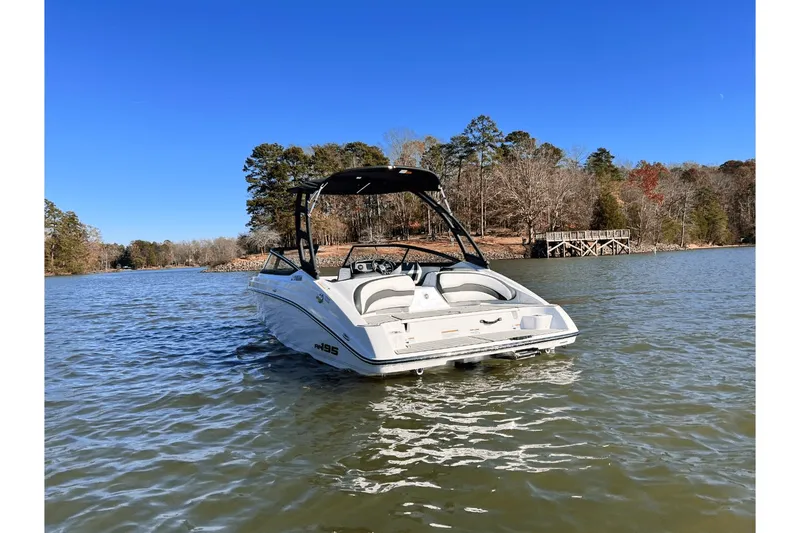
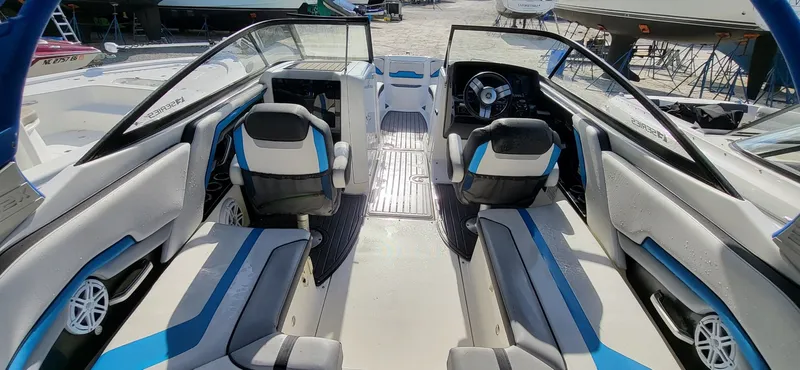
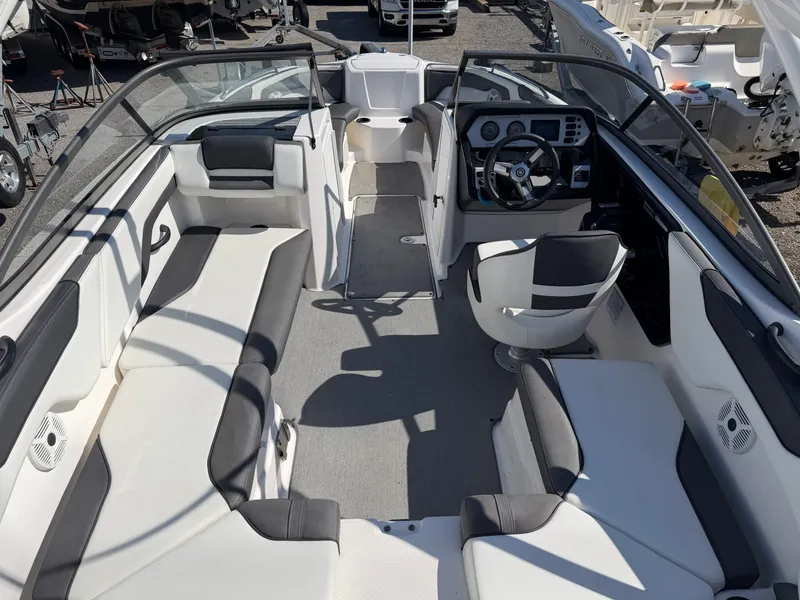
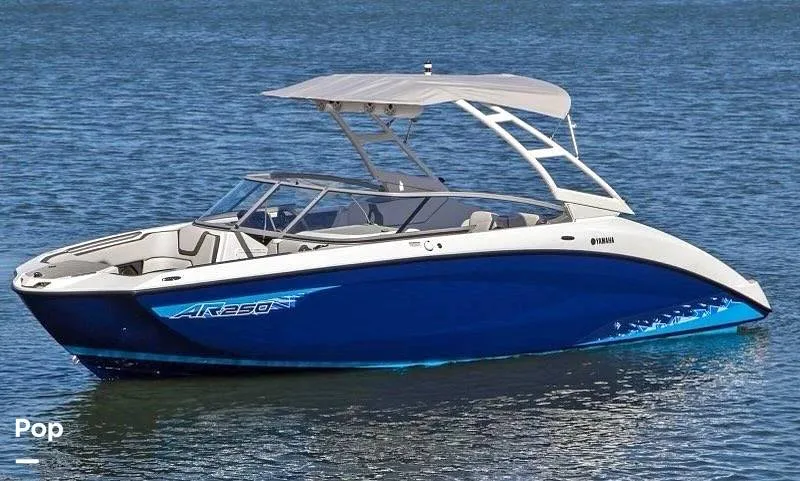
Jet boats often feature open cockpit designs with wraparound seating that encourage social interaction and keep everyone close to the action. Their nimble handling allows the driver to maneuver smoothly even with multiple passengers aboard, provided weight is reasonably balanced.
That said, many jet models are optimized for smaller groups rather than big-party outings. When loaded near maximum capacity, acceleration may feel more subdued and careful seating placement becomes important to maintain good trim and visibility for the driver.
In moderate chop, a well-designed jet boat with a suitable deadrise can feel confident and responsive. The jet drive’s instant thrust and lack of a rudder let the operator correct course quickly when quartering waves or dealing with boat wakes.
In stronger winds and heavier seas, many jet boats are lighter and present more hull sides to the wind than comparable inboard cruisers. This can make them more susceptible to being pushed around at low speeds, and in steep chop the hull may pound more if you push too fast. Slowing down, trimming load toward the stern, and taking waves at an angle can greatly improve comfort and control.
Ownership and Logistics
Over time, the main recurring costs of a jet boat are fuel, insurance, storage, and scheduled maintenance. Because jet systems can be thirstier at certain speeds, fuel may represent a larger slice of your annual budget compared with a similar prop boat, especially if you run hard and often.
On the maintenance side, expect periodic impeller and wear ring inspections, intake grate cleaning, and regular engine service. None of these are inherently prohibitive, but using quality parts and a competent jet technician—and flushing religiously if you boat in salt or silty rivers—helps avoid expensive surprises.
Jet boats from well-known brands with clean service records typically hold their value reasonably well, particularly in markets with lots of lakes, rivers, and shallow-water usage. Buyers who specifically want jet propulsion often seek out late-model, well-kept examples.
Resale may be softer in areas where traditional outboards dominate or where few shops service jet drives, simply because the pool of interested buyers is smaller. Keeping detailed maintenance records, avoiding modifications that hurt reliability, and storing the boat properly all help preserve resale value.
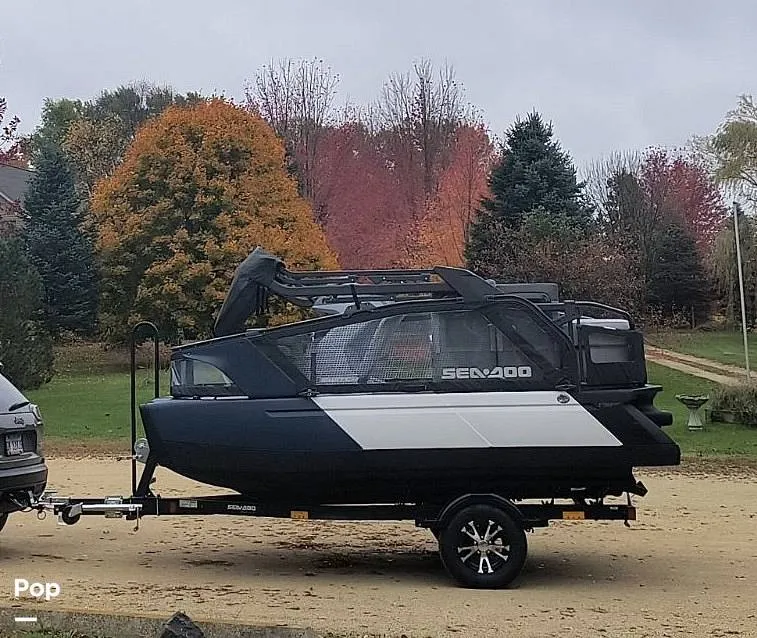
Many jet boats in the 16–21 foot range are relatively light and can be towed comfortably by a mid-size SUV or half-ton pickup when matched with an appropriate trailer. Their compact driveline can keep overall weight lower than some comparable sterndrive or inboard setups.
Larger jet boats and those with twin engines can approach weights that do call for a more capable tow vehicle. Always check the combined weight of boat, trailer, fuel, and gear against your vehicle’s rated towing capacity, and use proper brakes and a weight-distributing hitch if recommended by the manufacturer.
Is a Jet Boat the right choice for you?
A jet boat delivers a uniquely lively, shallow‑water‑friendly ride that few other platforms can match. If your boating life revolves around quick acceleration, tight turns, watersports, and exploring skinny water without worrying about exposed props, a jet can be an extremely rewarding choice.
At the same time, higher fuel burn at certain speeds, somewhat more specialized maintenance, and typically smaller seating and storage capacities mean it is not the universal answer for every boater. Matching the boat’s strengths to how and where you actually use it is the key to long-term satisfaction.
You'll love it if:
- If you crave quick acceleration, sharp handling, and a playful, sporty feel on the water.
- If you regularly boat on shallow lakes or rivers where propeller strikes are a real concern.
- If you prioritize swimmer and watersports safety around the transom area.
- If most of your outings are short, action-focused trips rather than all-day slow cruising.
- If you want a compact, trailerable boat that is easy to launch, retrieve, and store at home.
It might be challenging if:
- You consistently host large groups and need maximum seating and storage.
- You are highly sensitive to fuel costs and want the most efficient slow‑cruising platform.
- You often run in big open water with frequent heavy chop or large ocean swells.
- You live in an area where very few shops service jet propulsion systems.
- You prefer a more traditional, heavy, slow‑reving cruiser experience over a sporty ride.
A jet boat can be an outstanding fit if you value agility, shallow‑water access, and a fun, high‑energy ride more than long-range efficiency and maximum interior volume. By weighing where you boat, who comes with you, and how fast you like to run, you can decide whether a jet’s distinctive strengths line up with the way you actually use the water.