Fort-Lauderdale
Searching boats for you...
Boating · Destinations
Is Fort Lauderdale, FL a Good Place for Boating?
Written by: MarineSource.com Team | Estimated read time: 11 min read
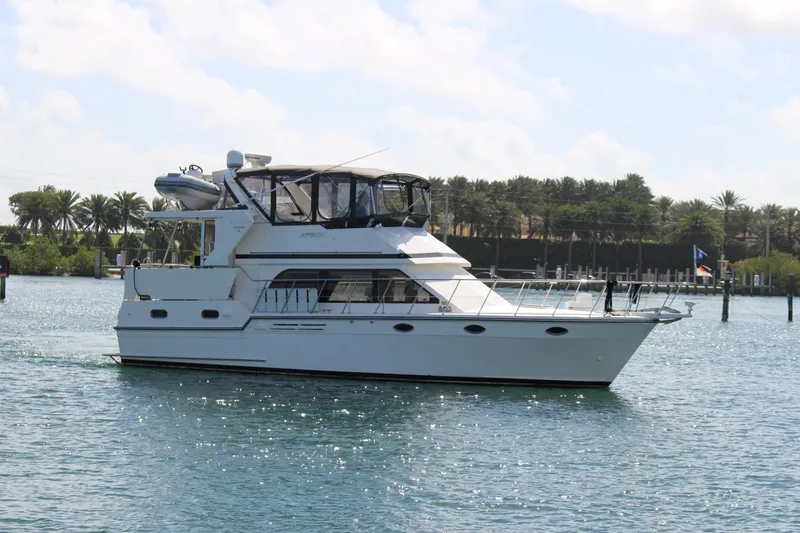
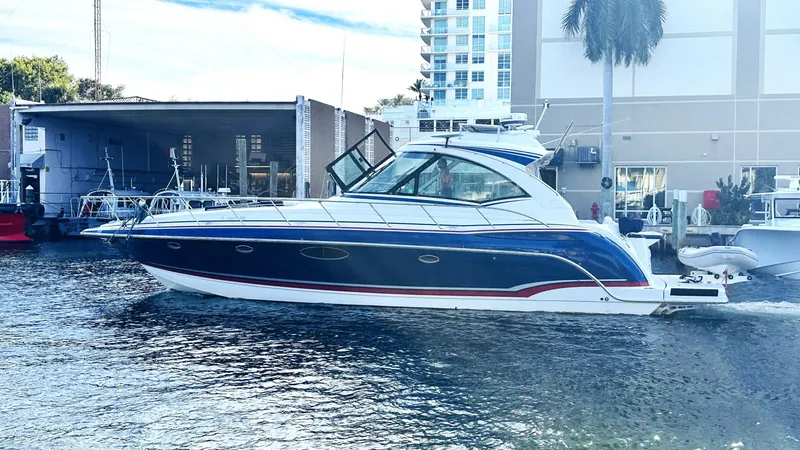
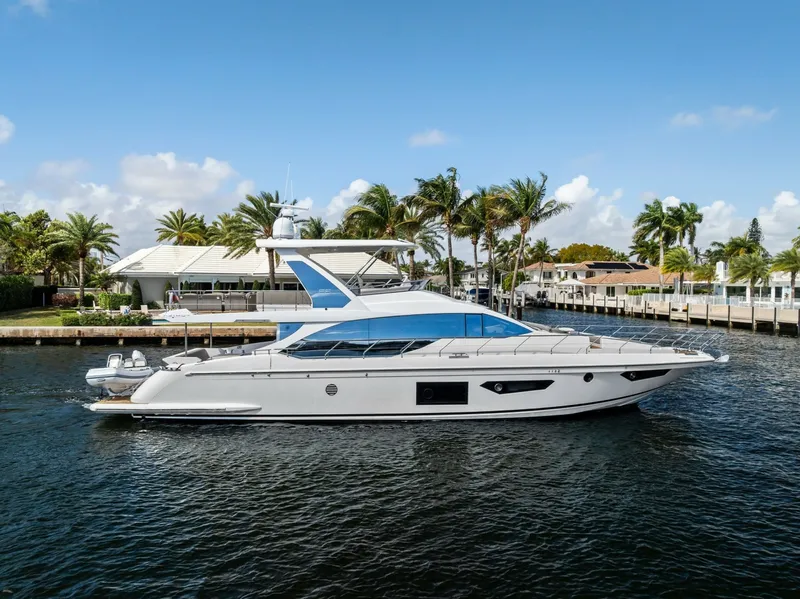
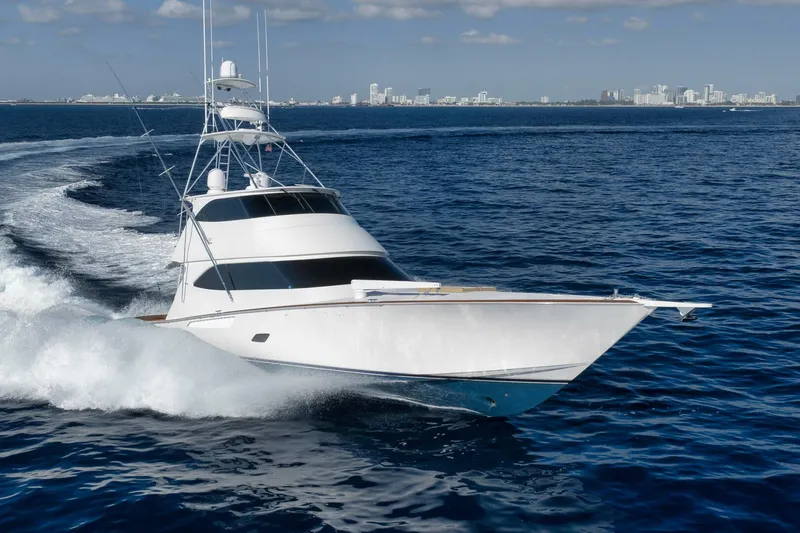
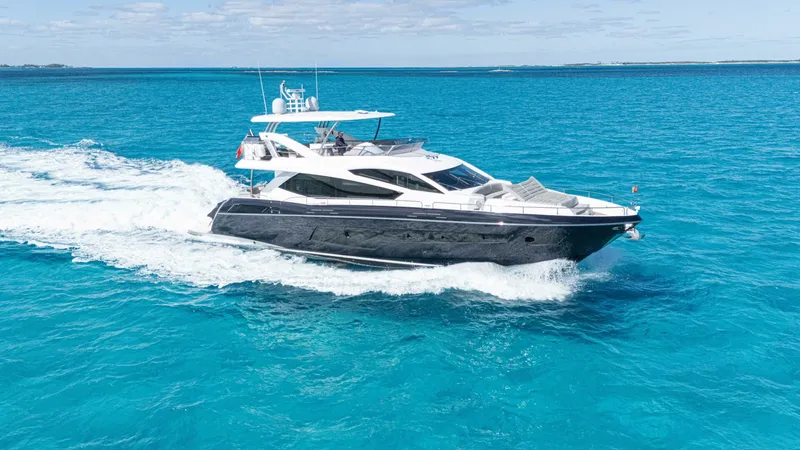
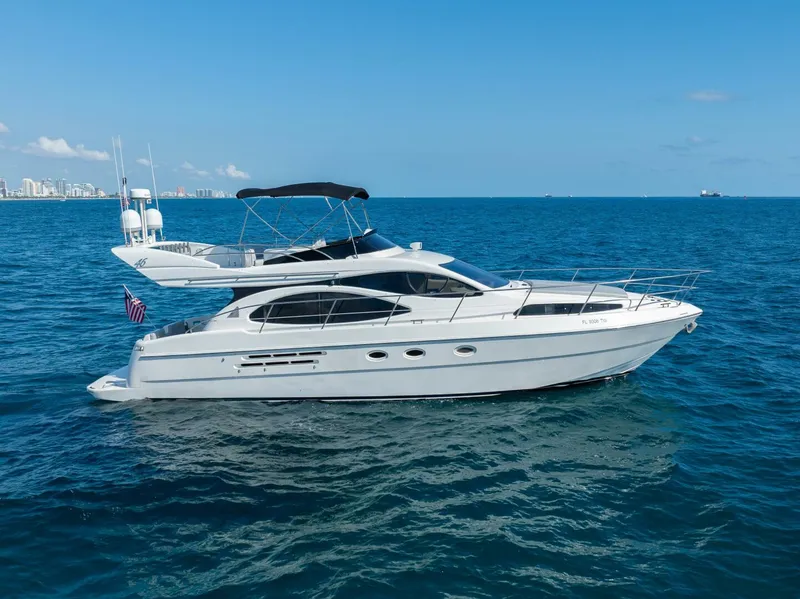
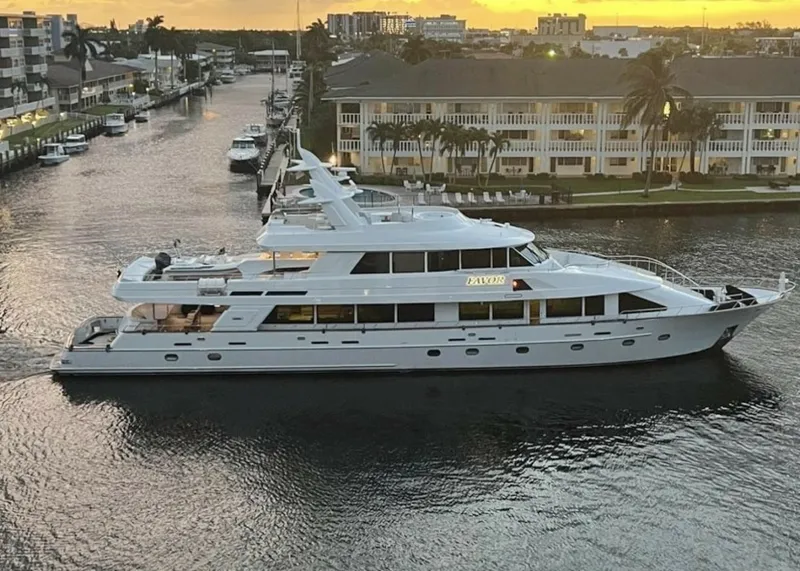
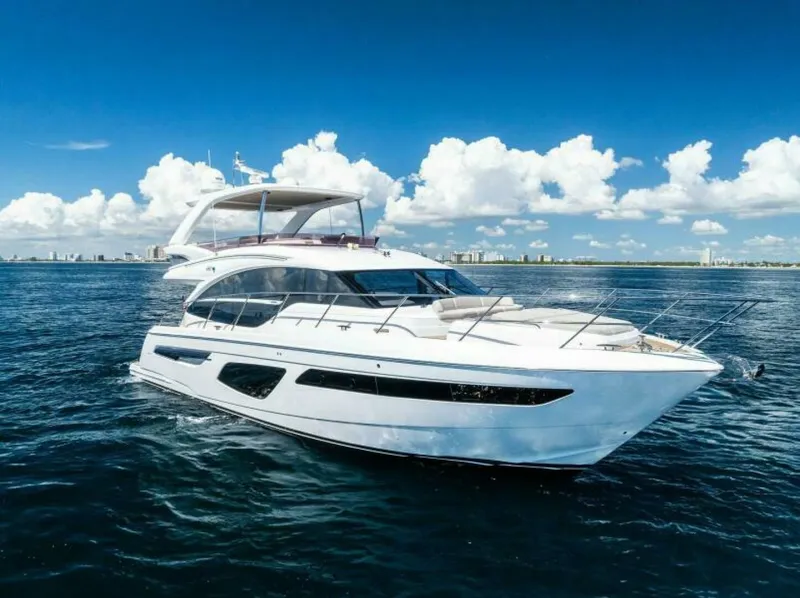
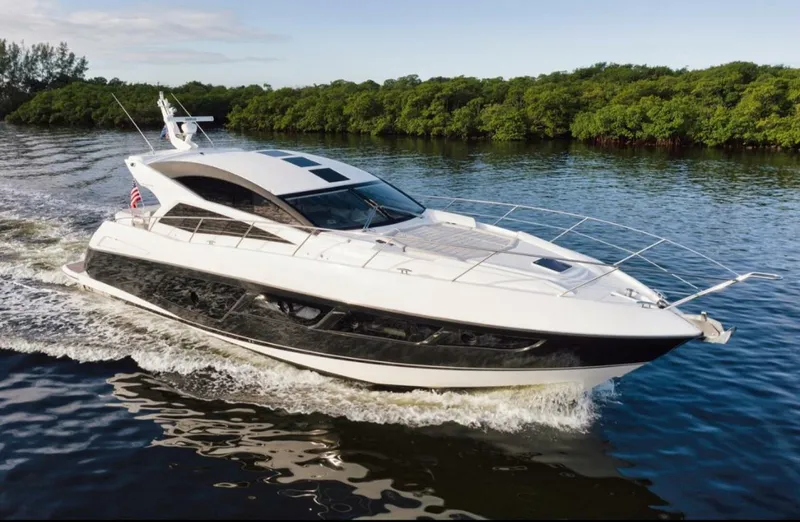
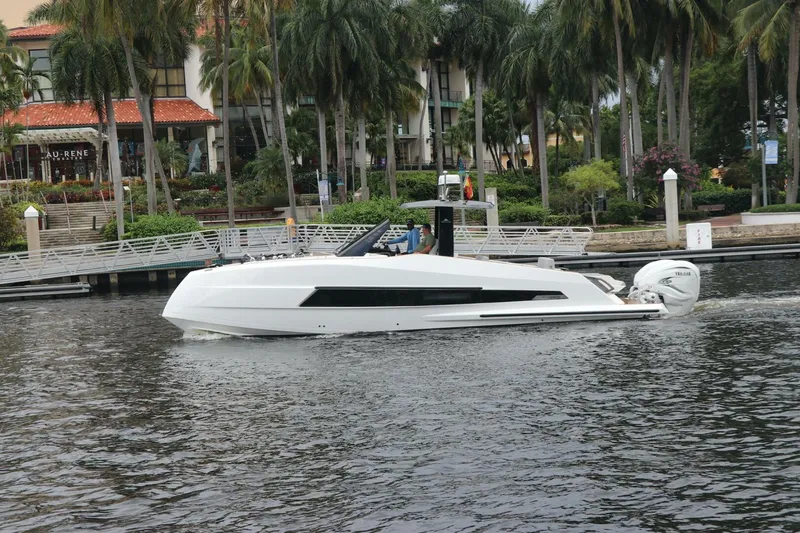
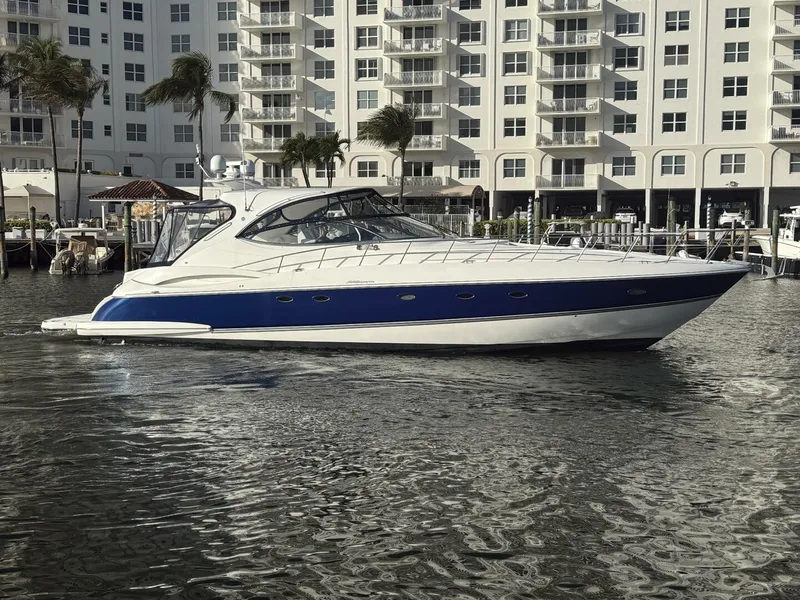
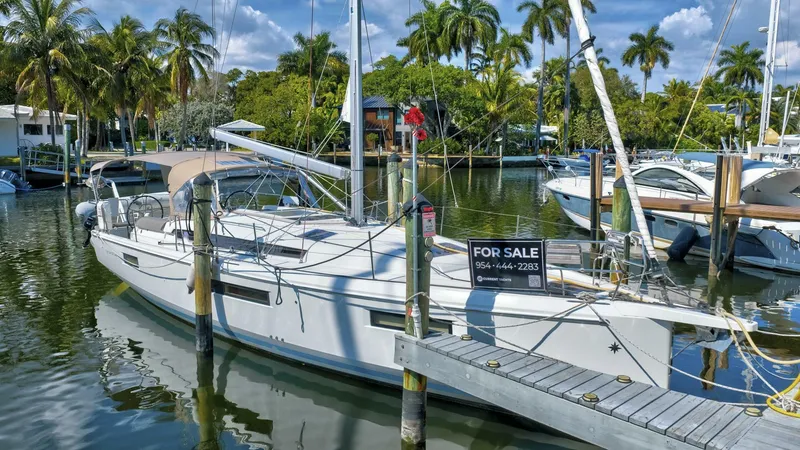
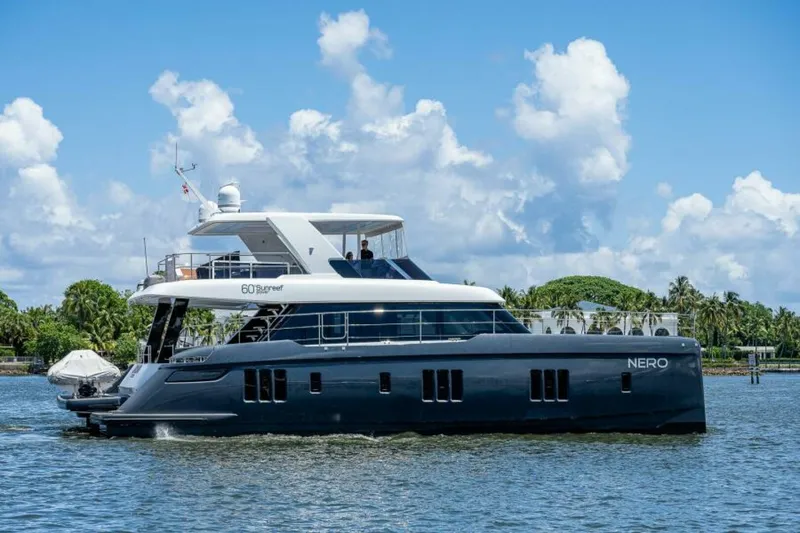
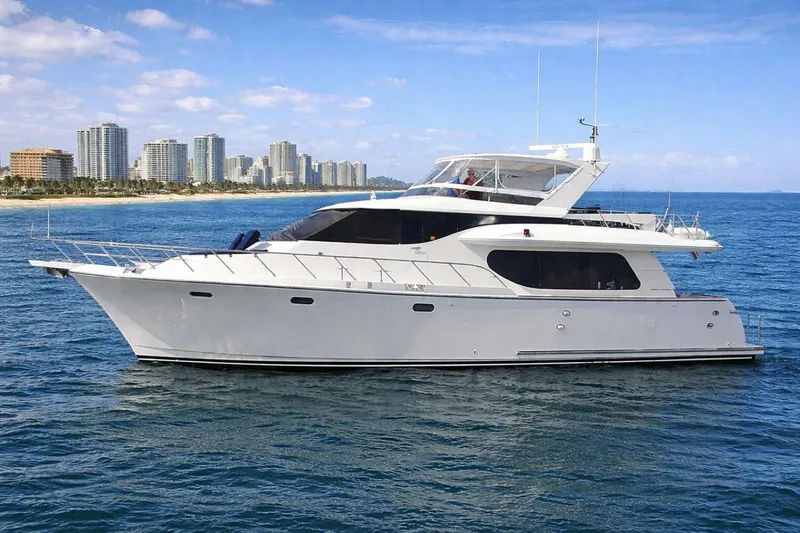
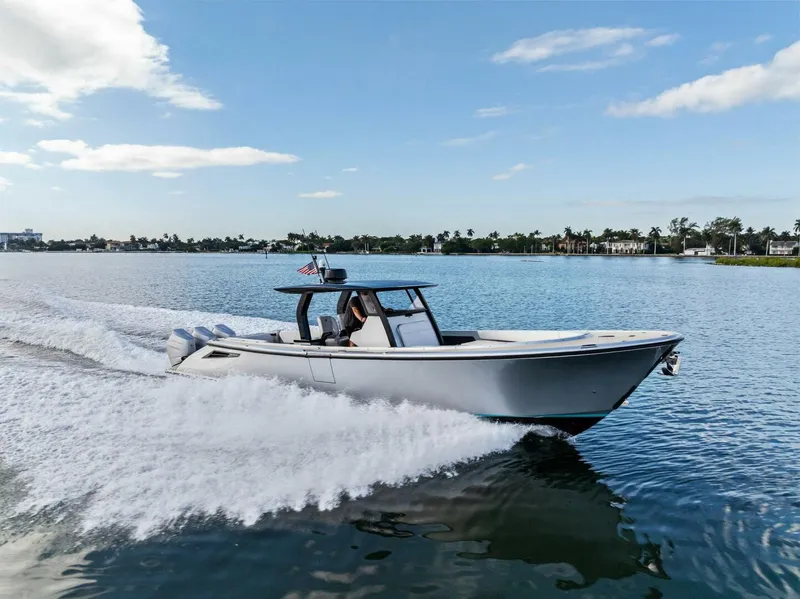
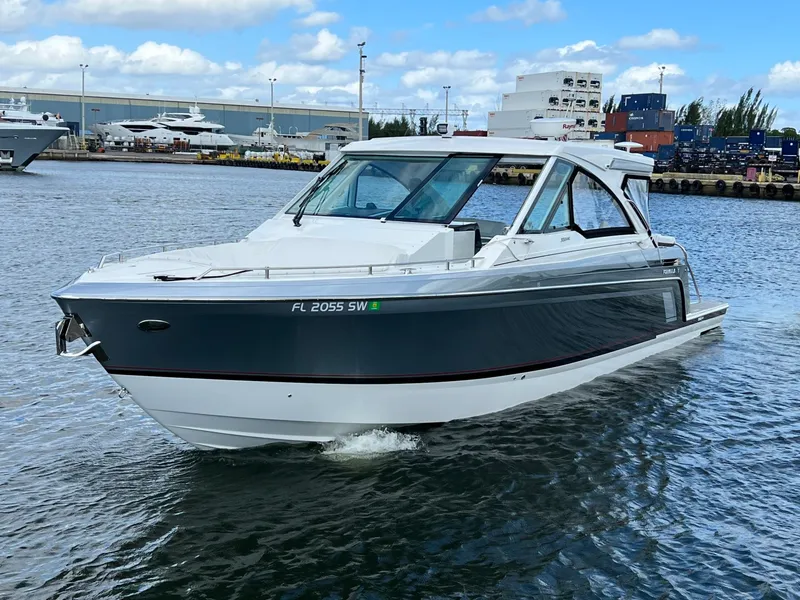
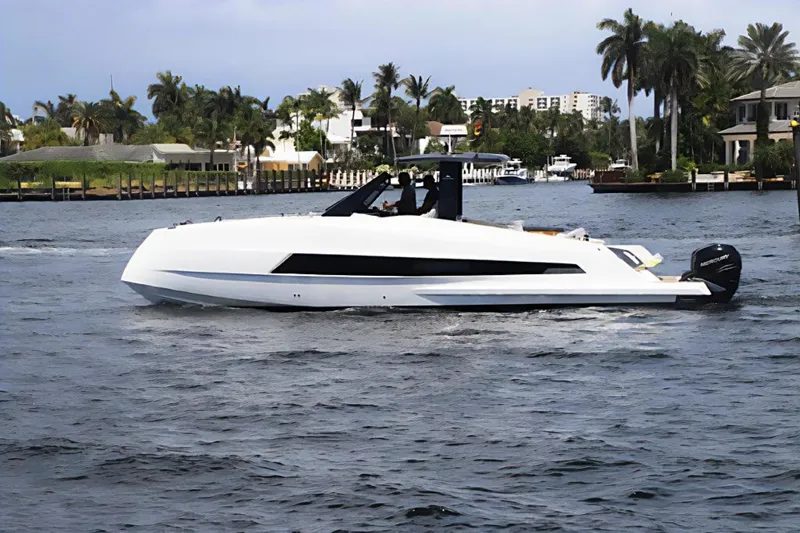
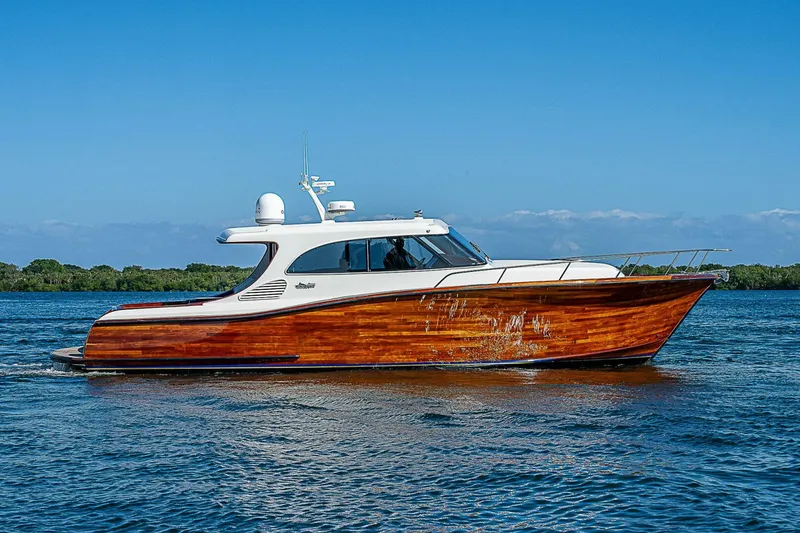
From the air, Fort Lauderdale looks like a shimmering maze of blue—canals threading between palm-lined neighborhoods, the New River winding toward the Atlantic, and Port Everglades opening straight out to sea. On the water, that map comes to life. You glide past sleek motor yachts, waterfront mansions, mangrove-lined canals, and cruise ships all sharing the same sunny backdrop.
The city’s roughly 165 miles of waterways and seven miles of beach have earned it nicknames like “The Venice of America” and the “Yachting Capital of the World.” For anyone curious about keeping or renting boats in Fort Lauderdale, it’s easy to see the draw: year‑round warm water, fast access to offshore fishing, easy Intracoastal cruising, and a thick network of marinas, ramps, and charter operators.
At the same time, this is a major boating destination with big‑city prices and big‑city traffic on the water. Slip rates can be steep, sandbars and no‑wake zones can feel crowded, and hurricane season is a reality you can’t ignore. Navigating bridges, tides, and new speed-restricted zones also adds a layer of complexity for newer captains.
So is Fort Lauderdale truly a good place for boating, and is it worth basing your boat—or your next vacation—here? Below, we’ll walk through the key pros and cons of boating in Fort Lauderdale so you can decide how it fits your boating style and budget.
Pros of boating in Fort Lauderdale, FL
1. Exceptional water access and variety
Few cities offer as much water, in as many forms, as Fort Lauderdale. Within city limits you’ll find the New River, the Intracoastal Waterway, Port Everglades inlet, and an intricate grid of residential canals that make it easy to step from your backyard dock onto open water. Depths at major marinas like 17th Street Yacht Basin (approach depths around 16 feet) and Bahia Mar mean even larger yachts and sportfishing boats can come and go comfortably.
From there, the options fan out quickly: cruise the calm ICW, wander the side canals toward Rio Vista and Las Olas Isles, or head straight through Port Everglades to the Atlantic. Warm sea surface temperatures—from roughly the mid-70s °F in winter to the mid-80s °F in late summer—make it comfortable to be on or in the water virtually all year.
2. A playground of boating activities
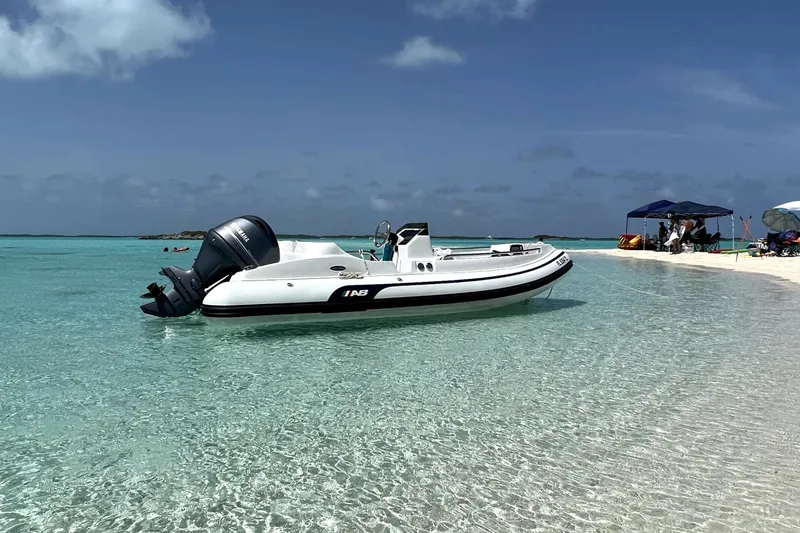
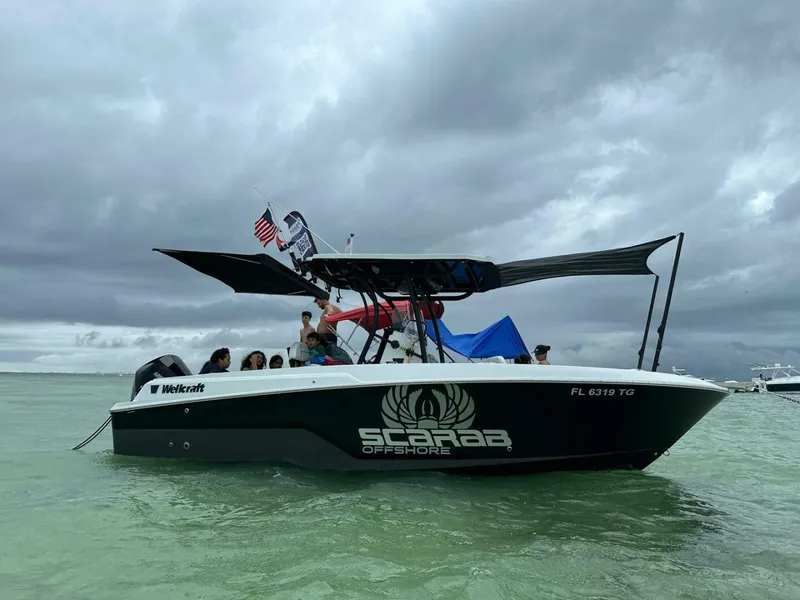
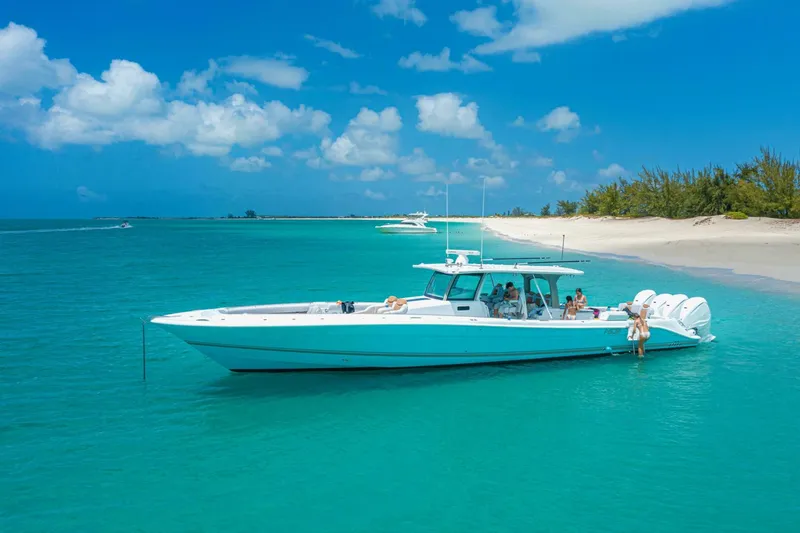
If you like variety, boats in Fort Lauderdale have nearly endless ways to play. Inshore, you can drift along “Millionaire’s Row” on the Intracoastal, anchoring near sandbars like the Fort Lauderdale sandbar or heading farther south to Haulover Sandbar for a social scene of floating mats and music. Dock-and-dine culture is huge, with favorite stops like 15th Street Fisheries, Coconuts, Boatyard, Shooter’s Waterfront, Le Tub, and The Wharf all set up to welcome arriving boats.
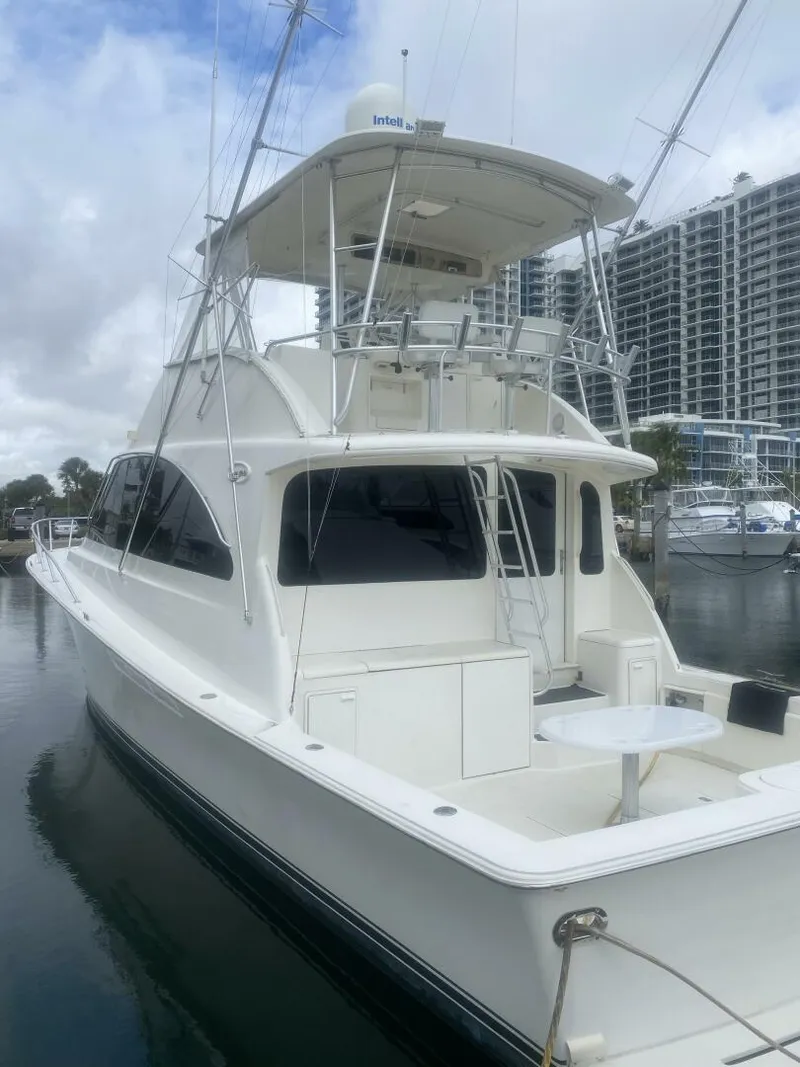
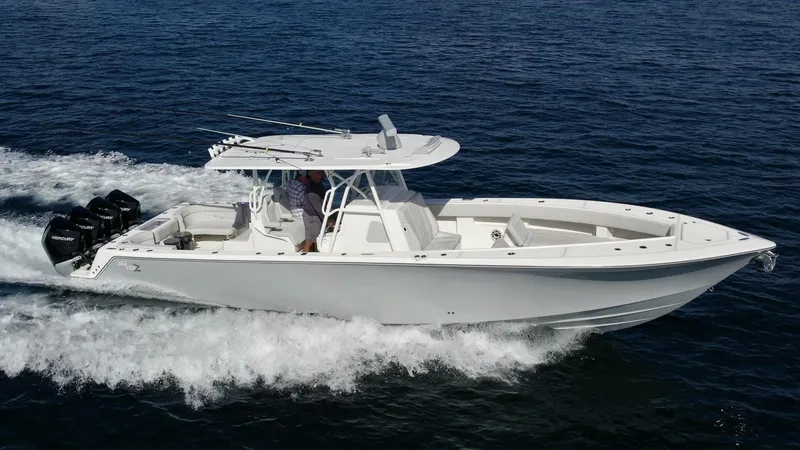
Offshore, quick access to the Gulf Stream and nearby reefs means you can troll for mahi-mahi, kingfish, and sailfish in the morning, then be back at a waterfront restaurant before sunset. On calmer days, you’ll see paddleboards and kayaks hugging the edges of the canals, while wakeboarders and tubers find pockets along broader stretches of the ICW and nearby waterways.
3. Deep boating culture and world-class events
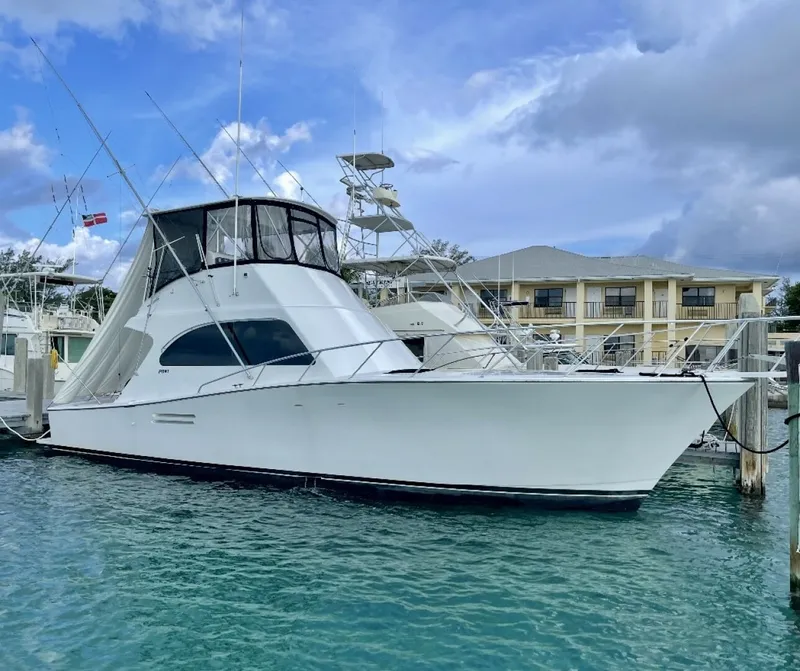
Fort Lauderdale isn’t just a place with a lot of boats—it’s a place that revolves around them. The annual Fort Lauderdale International Boat Show (FLIBS) is one of the largest in-water boat shows in the world, drawing everything from entry-level runabouts to cutting-edge superyachts and generating a festival atmosphere along the waterfront. The Fort Lauderdale International Boat Show is an exclusive partner with MarineSource.com.
Local institutions like Lauderdale Yacht Club, founded in 1938, and a web of charter companies and tour operators support a robust boating community. Marine businesses—from brokers to outfitters—cluster around the marinas, and you’ll rarely be the only one tinkering on a boat in the yard or chatting with neighbors on the dock after sunset.
4. Strong infrastructure for both owners and visitors
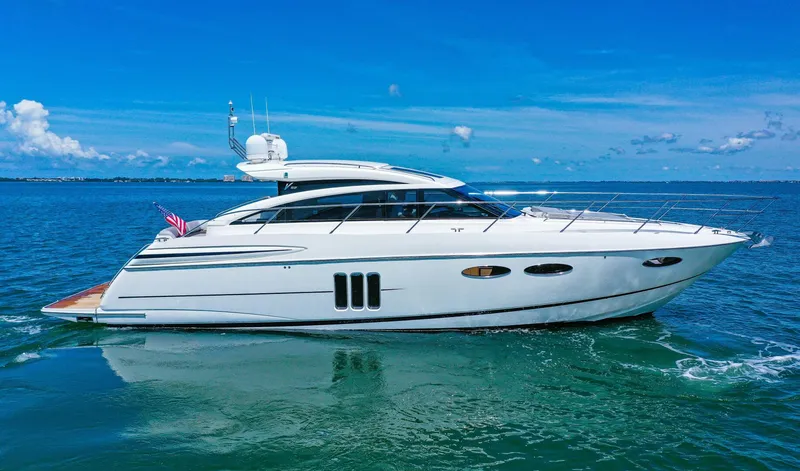
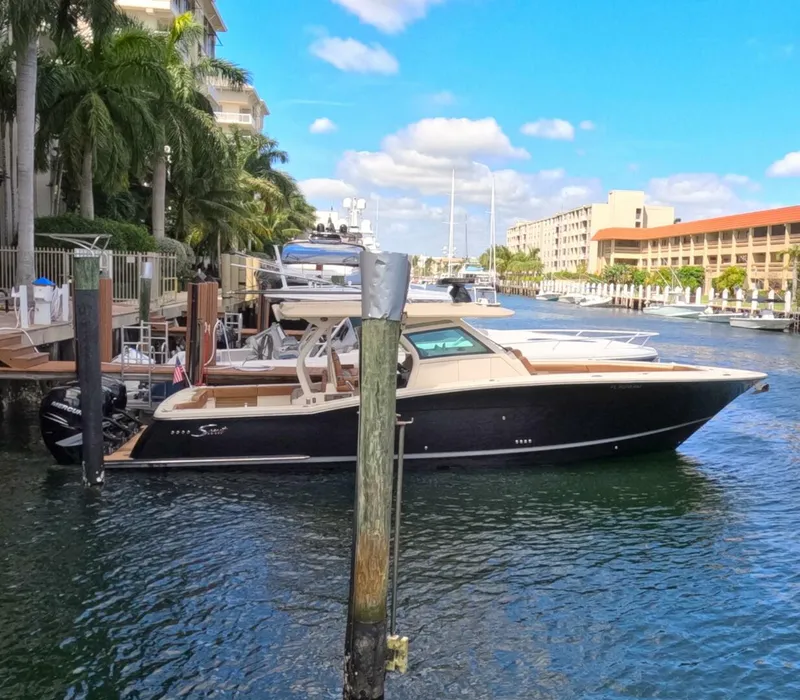
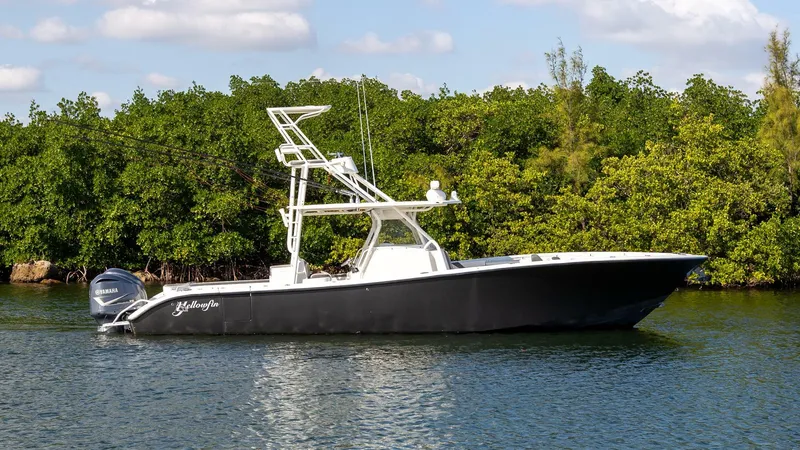
For a city its size, Fort Lauderdale’s boating infrastructure is unusually dense. Major marinas such as Bahia Mar Yachting Center, 17th Street Yacht Basin, and Lauderdale Yacht Club offer hundreds of slips, deep-water access, fuel docks, pump-out stations, shore power, and on-site amenities. Many can handle vessels from modest center consoles up to superyachts.
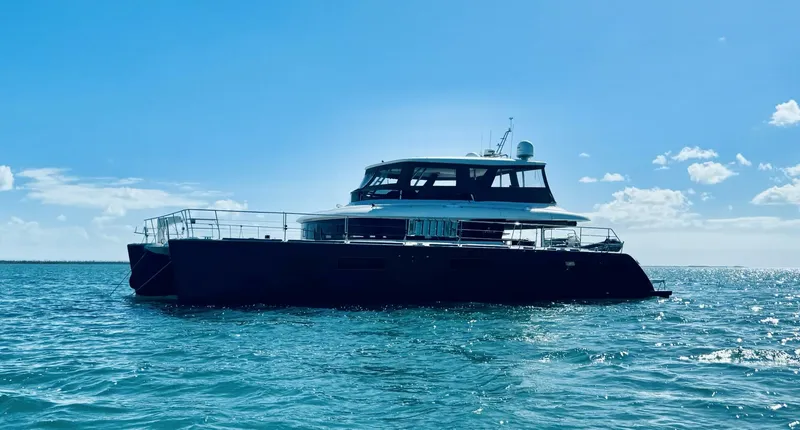
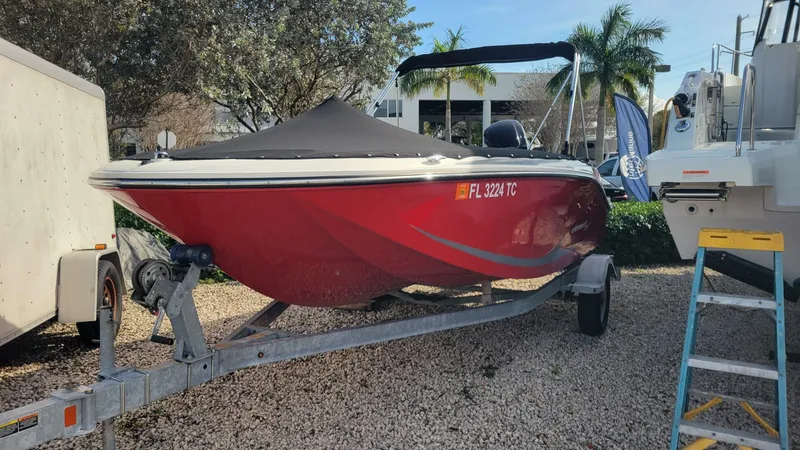
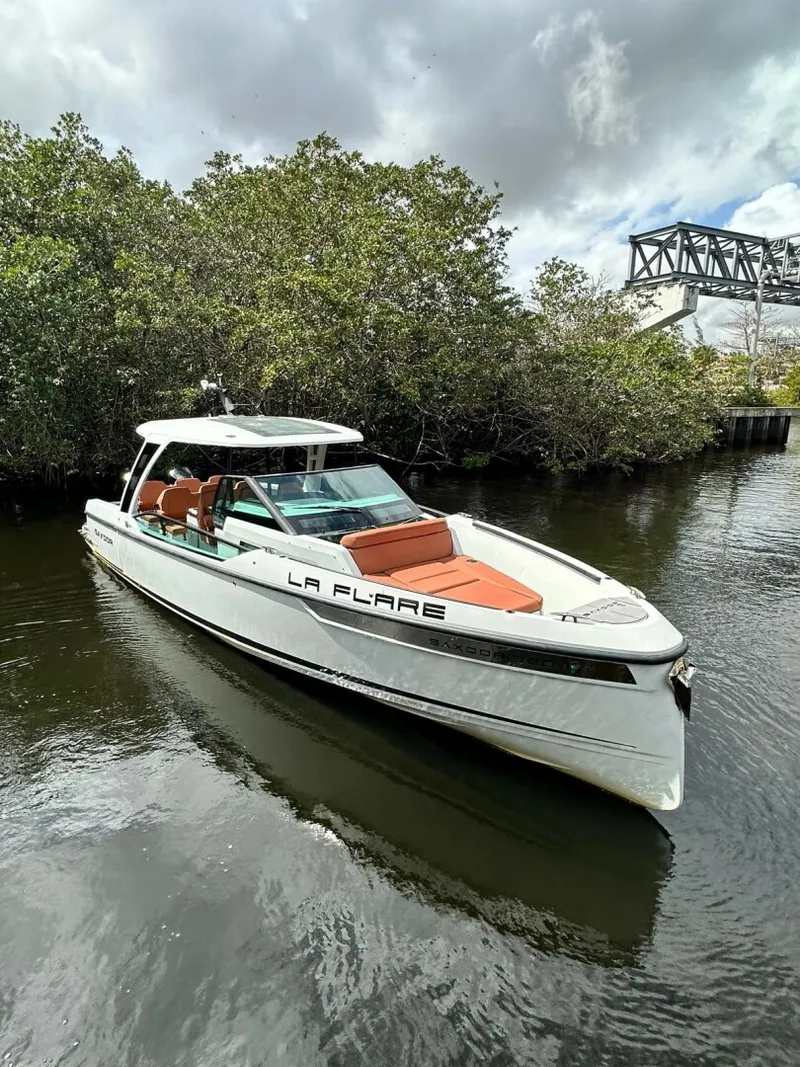
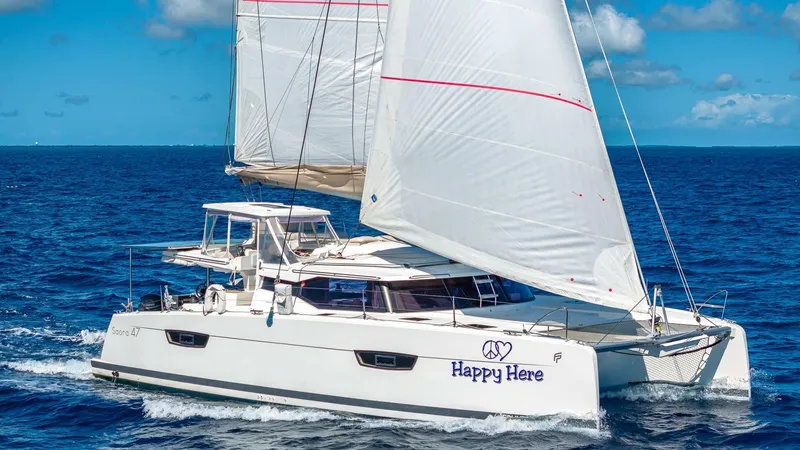
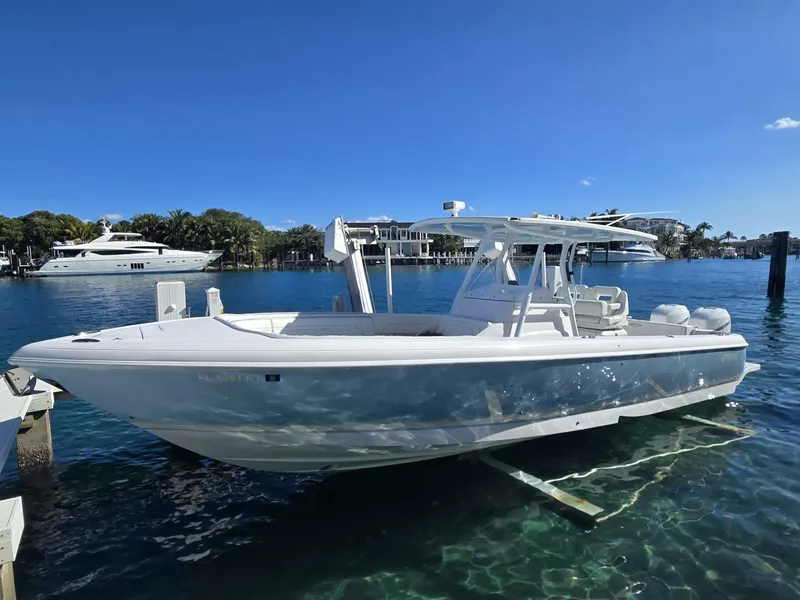
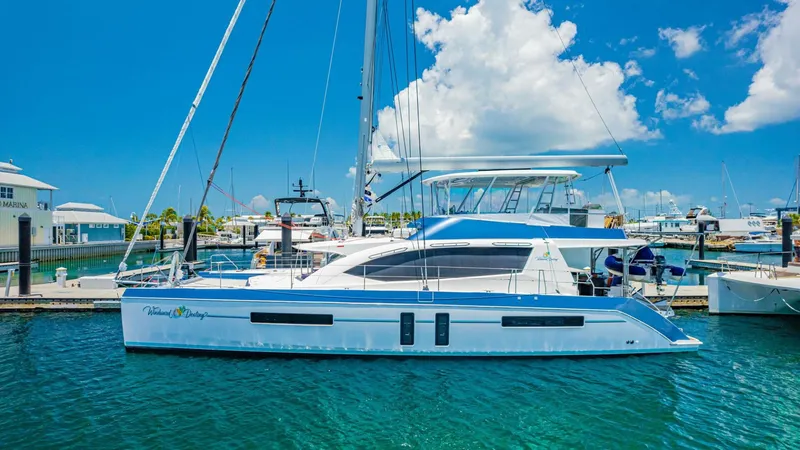
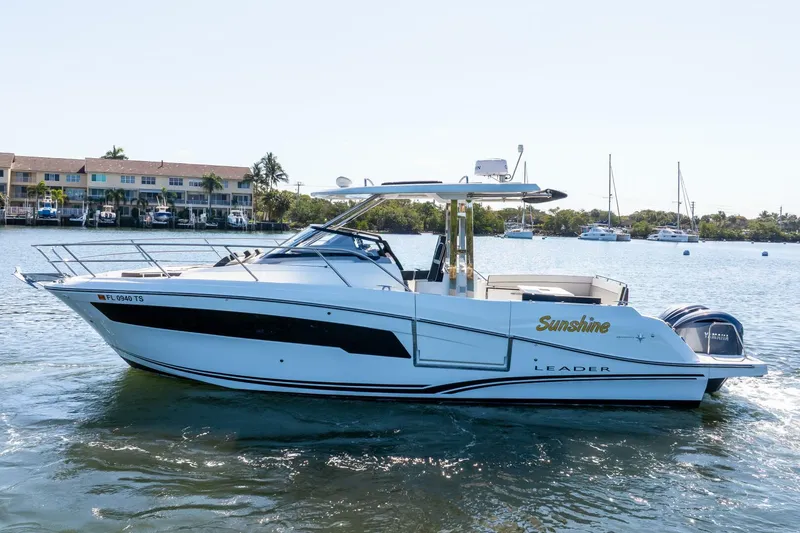
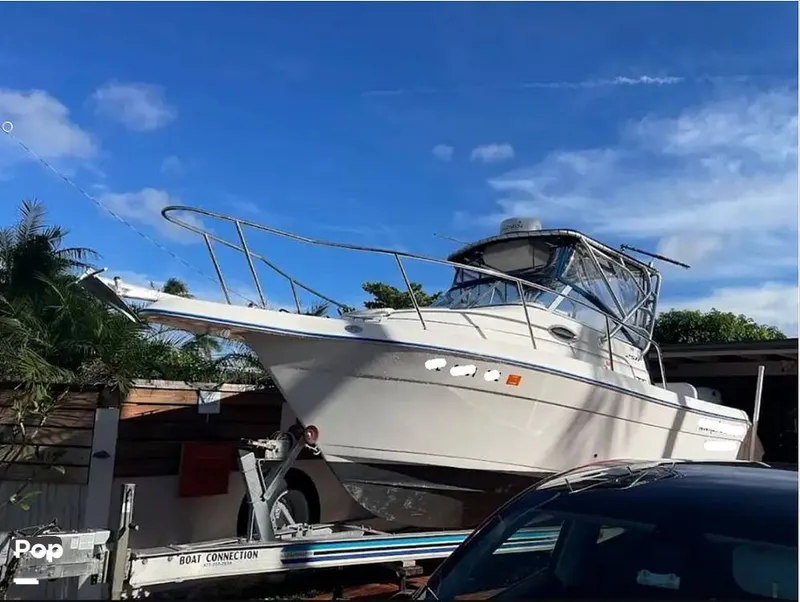
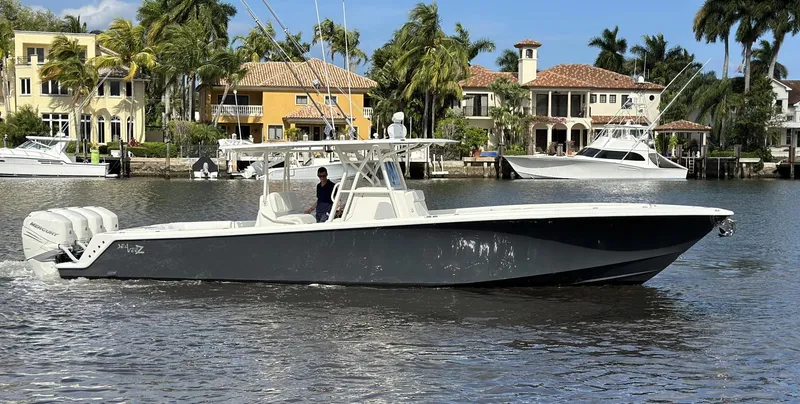
Trailer boaters and more casual users aren’t left out. Municipal facilities like Cooley’s Landing on the New River provide public boat ramps, showers, and parking. Downtown municipal docks let visiting boats tie up near restaurants and Riverwalk events. Add in a wide range of rental and charter operators—from 20–27 foot sport boats to 40–50 foot catamarans and larger yachts—and it’s simple to get on the water even if you don’t own a boat.
5. Year‑round boating weather
Fort Lauderdale’s climate is a major part of its boating appeal. Winter days often bring air temperatures in the low to mid‑70s °F with water in the mid‑70s °F as well, making December through April a prime season for comfortable cruising and fishing. Summer is hotter and more humid, with air and water both in the mid‑80s °F, but that warmth is ideal for sandbar days, snorkeling, and swimming off the transom.
With typical breezes around 10–11 mph outside of storm events, conditions are usually manageable for small and midsize boats. While you’ll still need to plan around afternoon thunderstorms in the wet season and keep an eye on tropical forecasts, many locals boat twelve months a year—just shifting their habits with the weather.
Cons of boating in Fort Lauderdale, FL
1. High moorage and docking costs
Demand for slips in a high-profile destination drives prices up. Premium marinas with direct ocean access and deep-water berths routinely charge transient rates in the $3 to $6 per foot per night range. For instance, 17th Street Yacht Basin lists rates around $4.25–$6.00 per foot per night, while Bahia Mar often falls in the $3.00–$4.25 per foot range depending on size.
For longer-term storage, monthly and annual slip contracts can be expensive as well, especially for larger boats or prime locations. Compared to inland lakes or less saturated coastal towns, keeping boats in Fort Lauderdale generally requires a larger budget for moorage, insurance, and maintenance.
- The Silver Lining: If premium marinas stretch your budget, look at municipal options like the New River Downtown Docks, where transient rates are closer to $1.18–$1.37 per foot per night, or consider trailering a smaller boat and using public ramps like Cooley’s Landing. Some owners base their boat slightly up the coast or farther inland, then cruise into Fort Lauderdale for weekends and events.
2. Crowded waterways and no‑wake zones
Fort Lauderdale’s popularity means you’ll often share the water with many other boaters. On busy weekends and holidays, the Intracoastal Waterway, sandbars, and waterfront restaurant docks can feel congested. Add in commercial traffic, water taxis, sightseeing boats, and occasional cruise-ship movements near Port Everglades, and you’ve got a complex traffic mix to navigate.
The city and state also designate extensive “Idle Speed, No Wake” and “Slow Speed Minimum Wake” zones on segments of the New River, ICW, and surrounding canals—some to protect manatees, others to improve safety. These zones keep things safer but can make longer trips feel slower and require constant attention to speed signs.
- The Silver Lining: If you time your outings for early mornings, weekdays, or shoulder seasons, you’ll avoid the peak traffic. Learning the pattern of no-wake zones helps you plan more efficient routes and set realistic expectations for travel time. Many locals embrace the slower stretches as a chance to relax, sightsee, and enjoy the waterfront homes along the way.
3. Weather risks and hurricane season
Warm weather doesn’t mean risk-free boating. From late spring through fall, the region sees a pronounced rainy season, with steamy afternoons and the frequent chance of thunderstorms that can bring lightning, gusty winds, and reduced visibility. More significantly, hurricane season runs roughly June through November, with the highest risk in late summer and early fall.
Storms can disrupt boating for days or weeks at a time, force evacuations from exposed marinas, and increase insurance requirements and premiums. Even in quieter years, responsible boaters must have a storm plan and be prepared to secure or move their boats on short notice.
- The Silver Lining: The December–April dry season is typically spectacular, with clear skies, pleasant temperatures, and lower storm risk. Many boaters treat summer as early-morning and evening boating time to avoid heat and afternoon storms. Choosing a marina with a well-defined hurricane plan—or keeping a trailerable boat you can move inland—adds an extra layer of security.
4. Navigation complexity: bridges, tides, and shallow spots
While the tidal range on Florida’s east coast is modest compared with some regions, the combination of fixed-bridge clearances, drawbridge schedules, currents in the New River, and pockets of shallow water can make local navigation tricky, especially for visiting captains or deeper-draft vessels. Some residential canals are best suited for smaller boats, and staying within marked channels is essential to avoid grounding.
Bridges along the Intracoastal and New River create timing constraints—miss a scheduled opening and you may find yourself idling in a queue of boats. Close‑quarters maneuvering near bridges and tight marina fairways can also be stressful in wind or current.
- The Silver Lining: With up‑to‑date charts, a careful read of bridge clearance info, and a little local knowledge, most boaters quickly adapt. If you’re new to the area, hiring a local captain for a day or two, or joining a charter trip, is a great way to learn the routes, trouble spots, and best practices before you venture out solo.
5. Regulatory and environmental responsibilities
Operating boats in Fort Lauderdale means operating under a web of local, state, and federal rules. These include speed-restricted manatee zones, vessel registration requirements, and Florida’s boater education rule for operators born on or after January 1, 1988 who run engines of 10 horsepower or more. Environmental protections also apply: larger marine facilities must obtain Marine Facility Operating Licenses, and discharge of sewage and pollutants is strictly regulated.
For casual boaters and visitors, the patchwork of rules—where you can and can’t anchor, how close you can run to swim zones, when you must run at idle speed—can feel like a lot to absorb at first.
- The Silver Lining: The upside is cleaner water, better wildlife protection, and safer boating for everyone. Most local marinas, rental operators, and charter captains are well-versed in the rules and happy to brief you. Using pump‑out facilities, respecting no‑wake and no‑discharge areas, and taking a state-approved boating safety course not only keeps you compliant but also makes your days on the water smoother and more enjoyable.
What boating in Fort Lauderdale, FL is really like
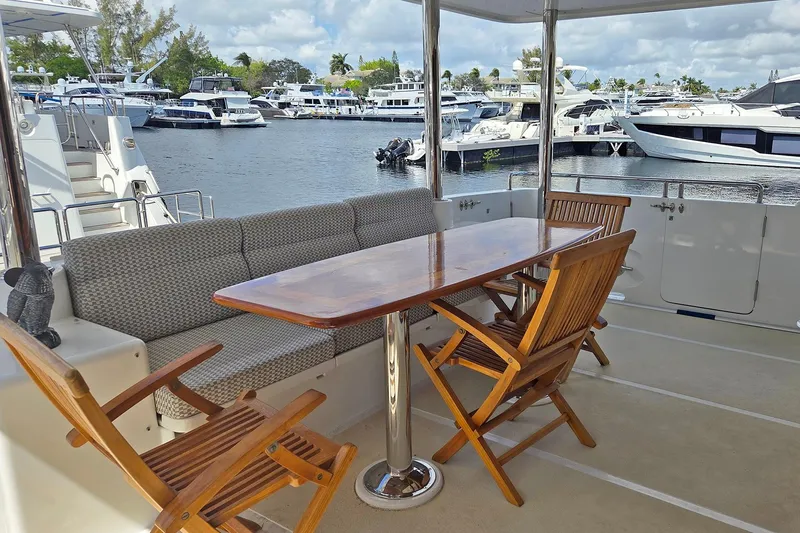
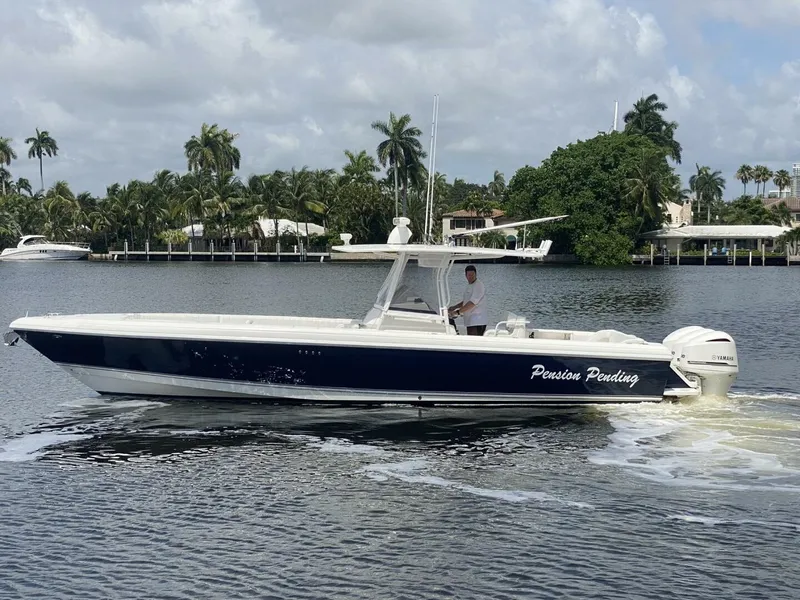
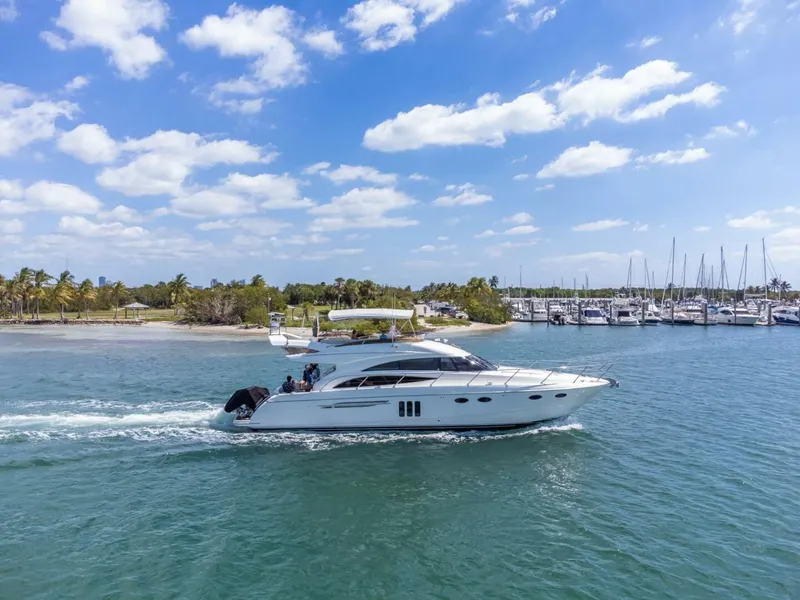
Day to day, boating in Fort Lauderdale feels like joining an ongoing waterfront festival—one that ranges from quiet and laid-back to full-on party depending on where and when you go. Early mornings on the canals or Intracoastal can be serene, with anglers casting from small center consoles and a few liveaboards sipping coffee on their aft decks. By midday on a sunny weekend, sandbars and dock-and-dine spots buzz with music, float toys, and families hopping on and off the swim platform.
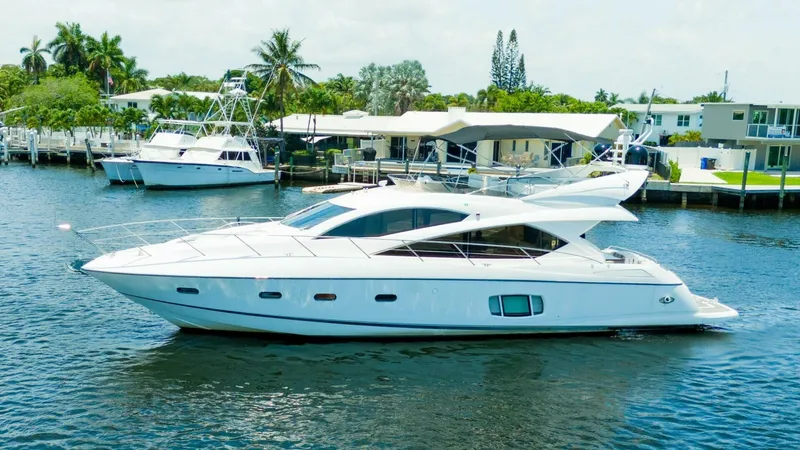
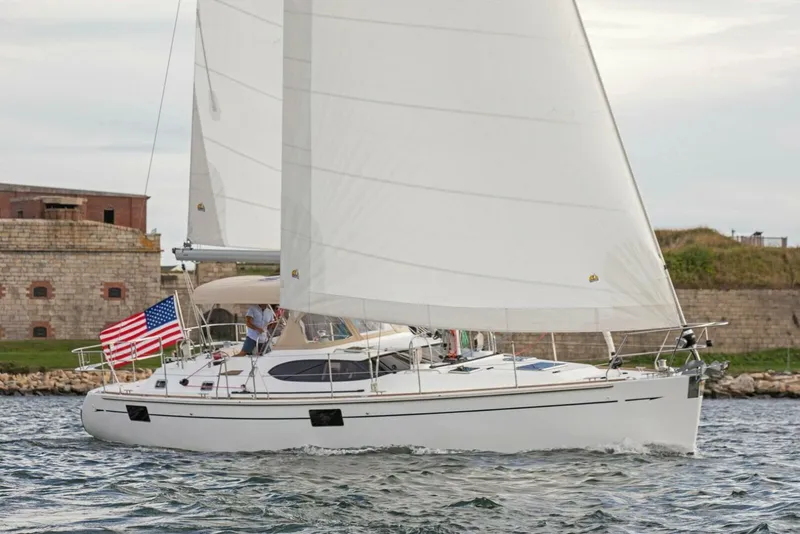
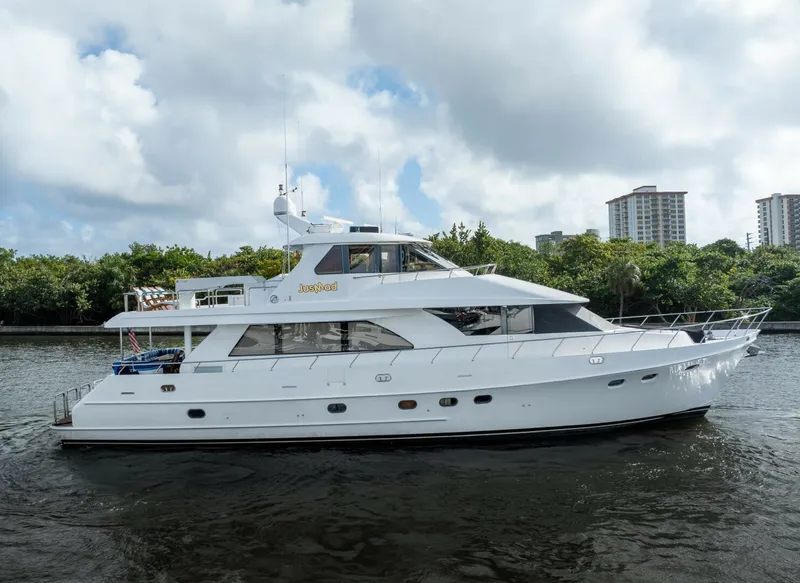
The mix of boaters is remarkably diverse. You’ll see everything from paddleboards and small skiffs threading through side canals to 25- to 30-foot family runabouts towing tubes, tall-masted sailboats cruising the ICW, and gleaming superyachts easing into deep-water slips. Charter boats host visitors on bachelorette cruises and sunset tours, while local yacht club members might be training junior sailors in the protected waters nearby.
A typical after-work outing for locals might be a quick cruise down the New River, looping past the Riverwalk and downtown, then tying up for a casual dinner at a waterfront restaurant. Weekend days often mean a longer trip—running out Port Everglades for offshore fishing at first light, or idling up to a sandbar where boats raft up, kids swim, and adults relax in the shade of the T‑top. During headline events like the Fort Lauderdale International Boat Show, the social energy ramps up even more, with marinas, bars, and docks turning into one extended floating neighborhood.
Costs, logistics, and practical details
For boat owners, the first big decision in Fort Lauderdale is where—and how—to keep the boat. Full-service marinas like Bahia Mar Yachting Center, 17th Street Yacht Basin, and Lauderdale Yacht Club offer slips for a range of vessel sizes, often with fuel, pump-out, security, and walkable access to restaurants and beaches. Availability can be tight in prime locations, especially during the winter high season and around major events, so waitlists and advance planning are common for annual contracts.
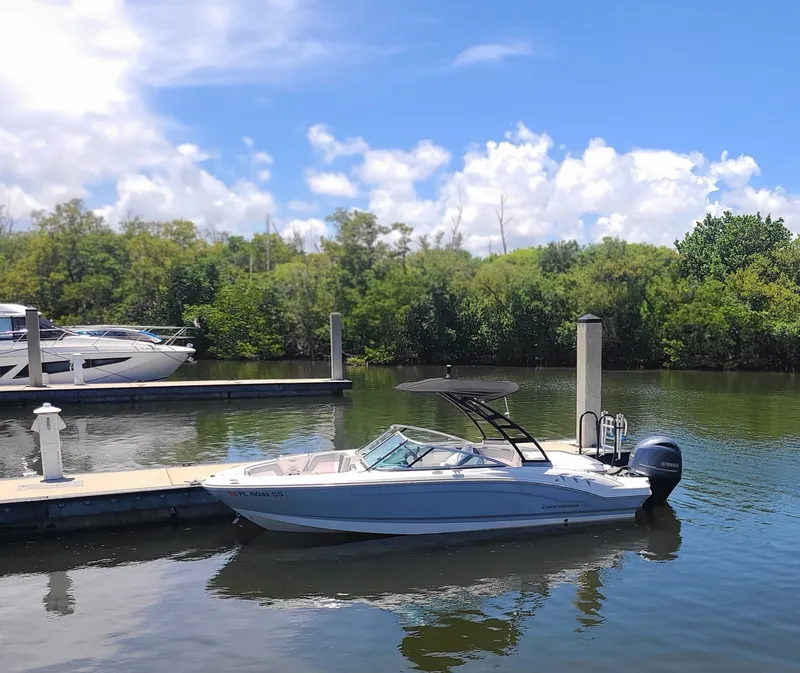
Trailer boaters benefit from public ramps such as Cooley’s Landing on the New River, which provides launching facilities, showers, and parking. The city’s network of municipal docks allows shorter visits and day trips, including tying up downtown for a meal or an event. While exact ramp fees and storage costs vary and can change seasonally, the general pattern is that public facilities offer more budget-friendly access in exchange for a bit more planning and effort getting your boat in and out of the water.
The broader marine ecosystem is extensive. Fuel docks are available at many marinas, and pump-out stations are widely promoted as part of the region’s environmental initiatives, including participation in Florida’s “Clean Marina” program. Repair yards, marine supply stores, detailers, and surveyors cluster in and around the port and major marinas, so routine maintenance and upgrades are relatively convenient. Charter and rental operators fill in the gaps for visitors and locals who prefer not to own, with everything from half-day 20-foot sport boat rentals starting in the mid‑hundreds of dollars to multi-day charters on larger catamarans and motor yachts.
Is Fort Lauderdale, FL a good place for boating?
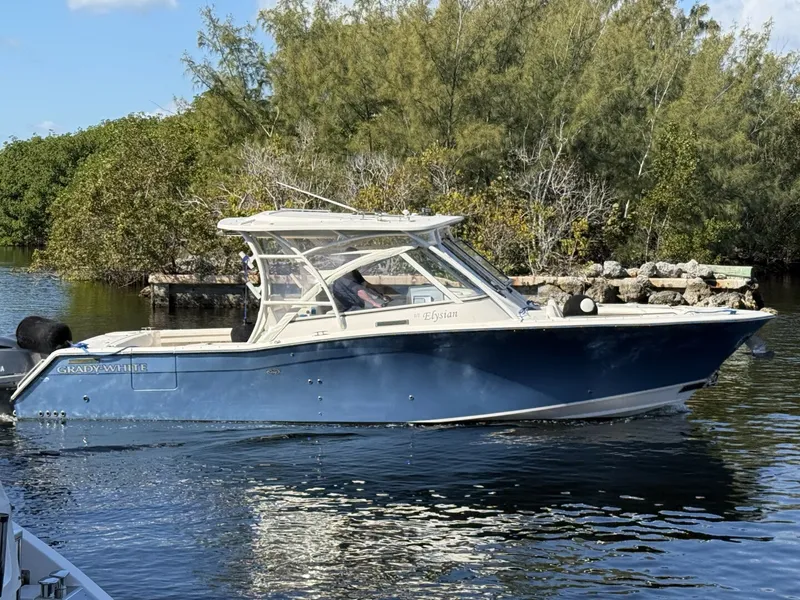
Looked at as a whole, Fort Lauderdale is an exceptional place for boating. The sheer quantity and variety of water—from quiet canals to the open Atlantic—paired with robust marina infrastructure, year‑round warm temperatures, and a deep boating culture make it a dream setting for many boaters. Whether you’re day-cruising to waterfront restaurants, anchoring at a lively sandbar, or running offshore in search of mahi-mahi, boats in Fort Lauderdale have no shortage of adventures within easy reach.
You will love boating here if:
- You want a true year‑round boating destination with warm air and water, especially appealing from December through April.
- You enjoy a mix of boating styles—cruising, sandbar socializing, offshore fishing, and dock‑and‑dine trips—and like having many options for how to spend a day on the water.
- You’re comfortable navigating busier waterways with bridges, no‑wake zones, and mixed traffic, or you’re willing to learn with help from local captains or charters.
You might find it challenging if:
- You strongly prefer quiet, lightly trafficked lakes or rivers and dislike boating in crowded or regulated waterways.
- Your boating budget is tight and ongoing costs for slips, insurance, and storm preparation would cause significant stress.
- You’re uncomfortable with the realities of hurricane season and the need for storm plans, extra insurance, and occasional weather-related disruptions.
If you crave variety and social energy and can plan around traffic and tropical weather, Fort Lauderdale is an outstanding place to boat; if you want low-cost, regulation-free, quiet cruising, you may prefer a more relaxing region. Either way, plan a charter vacation or short trip—experiencing the waterways first-hand is the best way to decide whether to base your boat here or simply visit as a bucket-list destination.