Sea-Doo
Searching boats for you...
Sea-Doo – Technical and Historical Guide
ABOUT THIS BOAT BRAND
Sea-Doo is a Canadian personal watercraft and sport-boat manufacturer renowned for bringing mass-market innovation to jet-propelled recreation on lakes and coastal waterways. The Sea-Doo name traces back to Bombardier’s original Sea-Doo watercraft introduced in the late 1960s, and the modern line has been developed under BRP (Bombardier Recreational Products) since BRP became a standalone company in 2003. A signature Sea-Doo philosophy is pairing high-output Rotax power with rider-centric control systems and platform versatility, spanning agile runabouts to longer-range touring craft. Today, Sea-Doo is widely recognized as a volume leader in personal watercraft, supported by a broad dealer network, long-running Rotax engine production, and a track record of industry-first features that have helped set expectations for performance, safety, and usability across the marine powersports segment.
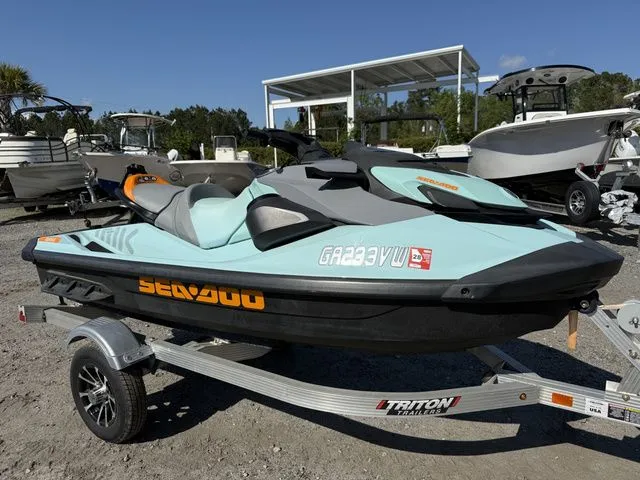
Specializing in Rotax jet-powered freshwater and nearshore boats, Sea-Doo targets recreational riders, families, and performance-minded enthusiasts who want low-draft, trailerable craft with rapid acceleration and simplified shallow-water operation. Core Sea-Doo lines include the Spark (lightweight, playful PWC), the GTX and/or GTR (touring and sport), and the Fish Pro (angler-focused personal watercraft), plus jet boats such as the Switch that emphasize modular layouts. Notable technical features commonly associated with Sea-Doo include closed-loop cooling on many models for corrosive environments, Intelligent Brake and Reverse (iBR) for controlled deceleration and docking, a composite Polytec or fiberglass hull strategy depending on model, an adjustable trim system (VTS) for ride attitude and efficiency, a modular LinQ accessory mounting ecosystem, and a step-through swim platform with boarding ladder on many configurations. This focused jet-propulsion specialization is why Sea-Doo remains a preferred choice for riders seeking maneuverable personal watercraft, family-friendly jet boats, and versatile center-console-style fishing PWCs for all-day on-water use.
WHAT MAKES THIS BOAT BRAND SPECIAL?
Sea-Doo stands out by blending personal watercraft innovation with practical small-boat utility, and it shows in how Sea-Doo designs for stability, efficiency, and real-world fun. Many Sea-Doo models use a proprietary closed-loop cooling system that reduces corrosion risk in saltwater, and iBR® (Intelligent Brake & Reverse) adds confidence when docking, loading, or maneuvering in tight spaces. Under the deck, Sea-Doo pairs lightweight, purpose-built hull shapes with a low center of gravity so the craft tracks cleanly, carves predictably in turns, and stays composed in chop. That “locked-in” feel is especially valuable for new riders who want controllable handling without giving up speed. The result is a Sea-Doo experience that fits how people actually boat today: quick launches, shallow-water exploring, easy trailering, smart storage, and features that make everything from cruising to watersports more accessible.

Sea-Doo products are built under BRP’s manufacturing network, with Sea-Doo engineering and assembly supported by dedicated teams and tightly controlled production processes designed for high-volume consistency. That scale matters because Sea-Doo can standardize fit and finish, validate components, and keep parts support strong for owners who ride often. Sea-Doo also leans on premium, marine-ready hardware and reinforced structures in high-load areas to handle repeated impacts, towing, and ramp life, with design choices aimed at long-term durability and simplified service. Each Sea-Doo is backed by a factory limited warranty, and owners regularly describe the brand as a reliable “turnkey” way to get on the water with modern tech, predictable handling, and a strong dealer network. In the market, Sea-Doo is positioned as the high-confidence choice for buyers searching for a feature-rich personal watercraft or compact runabout alternative that still feels sporty and refined.
WHAT DIFFERENT TYPES OF BOATS DOES THIS BOAT BRAND BUILD?
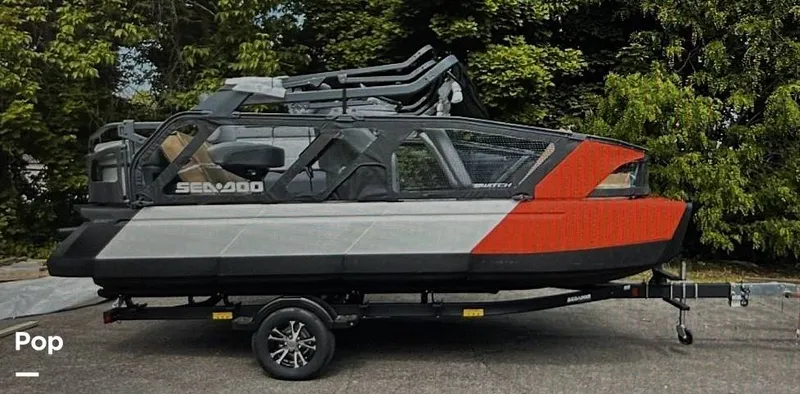
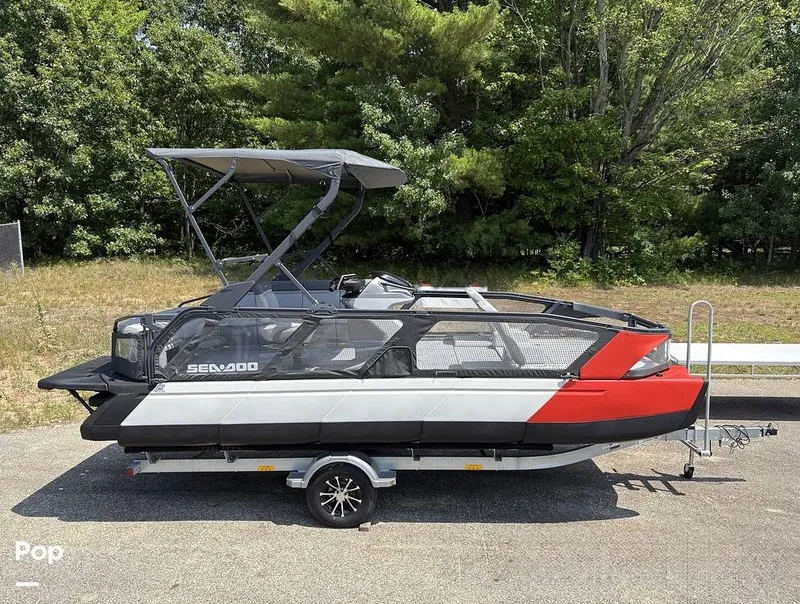
Sea-Doo builds Rotax-powered, jet-propelled watercraft that span personal watercraft and innovative pontoon-style boats. In the PWC lineup, the sport-fishing-focused FishPro models deliver compact, agile access to waters traditional boats can’t reach, blending onboard storage and angler-ready features into a nimble platform. For group outings, the Switch pontoon family brings a modular deck concept and handlebar-style control to a tri-hull design, offering easy towing and adaptable seating for everything from cruising to active watersports. Based on the sizes shown, Sea-Doo ranges from 12.8 feet on the Switch Compact to 20.4 feet on larger Switch Cruise layouts. Key categories include personal watercraft and pontoon boats. Below are the types of boats and models Sea-Doo builds, along with their key characteristics and uses:
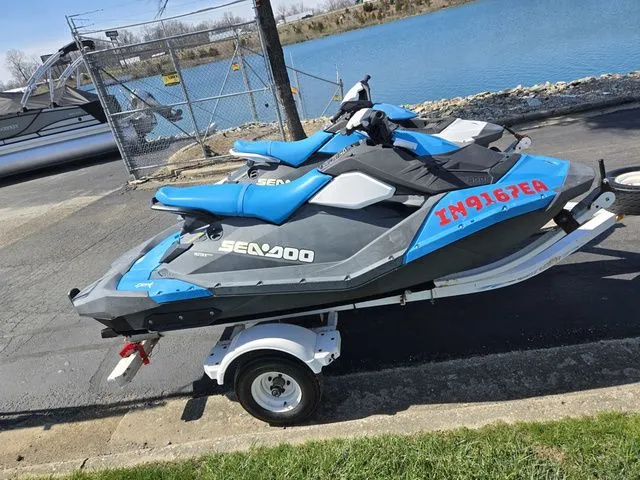
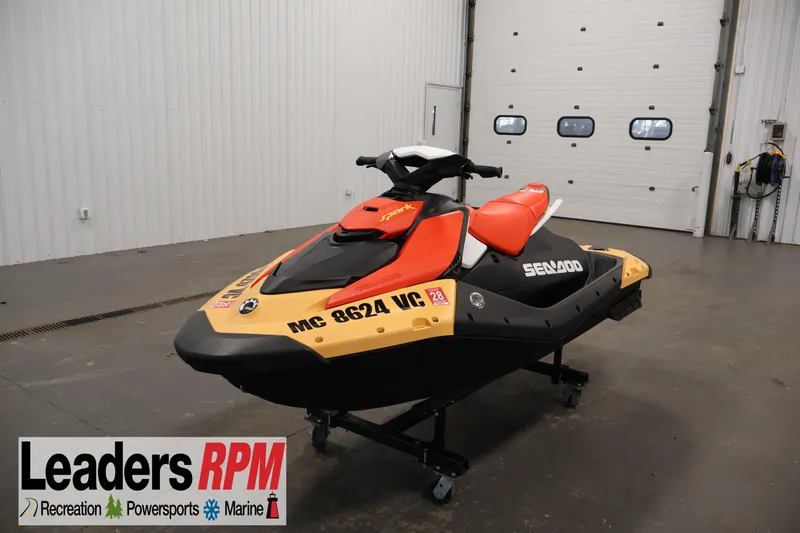
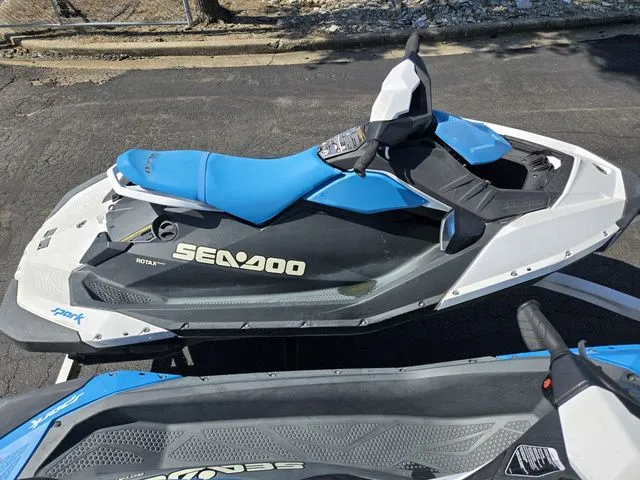
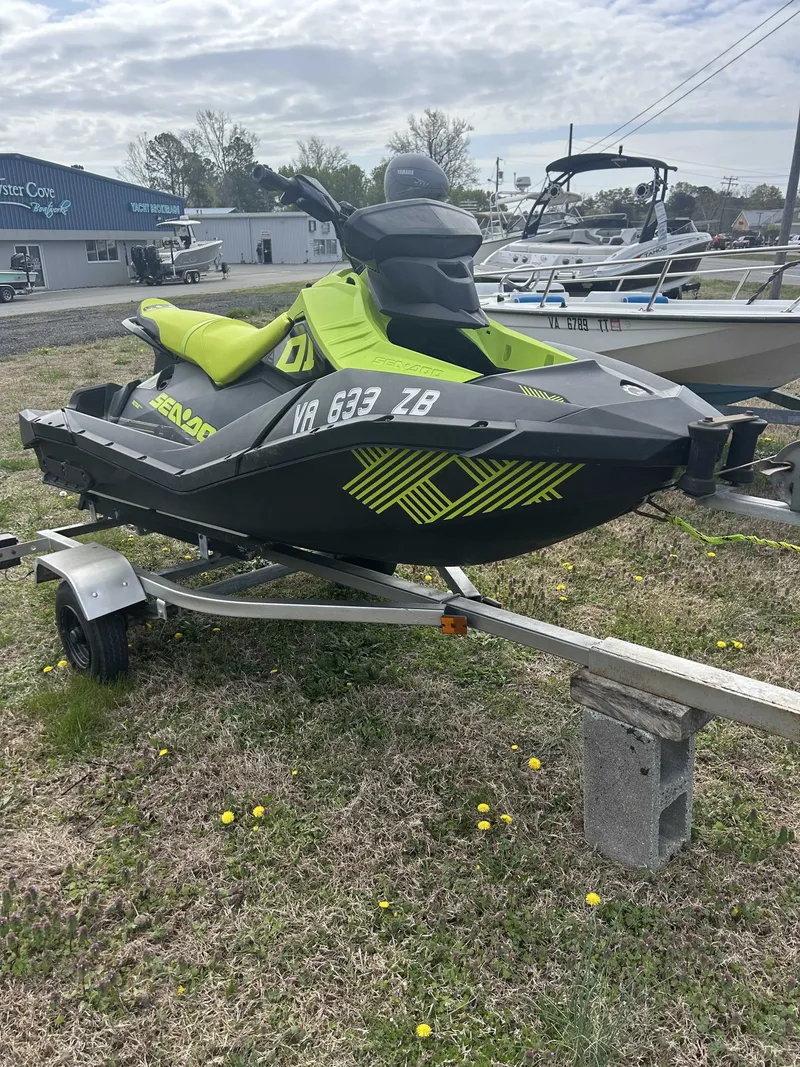
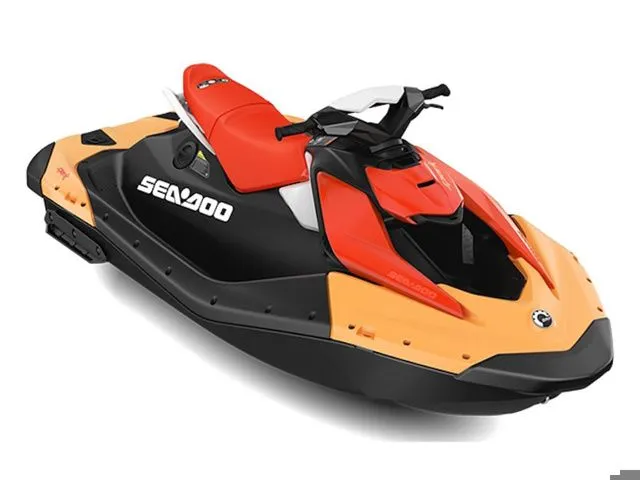
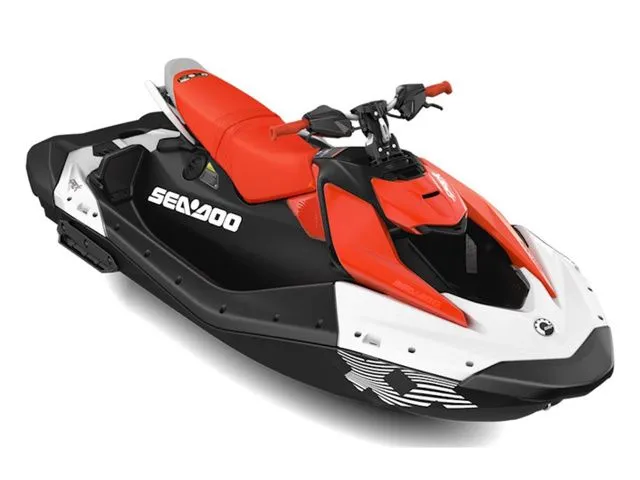
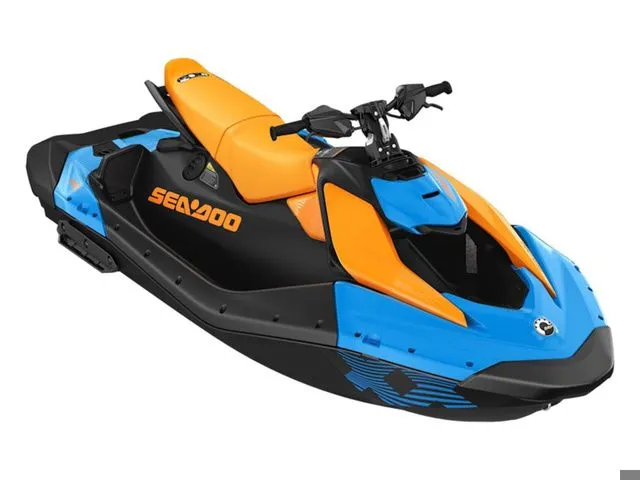
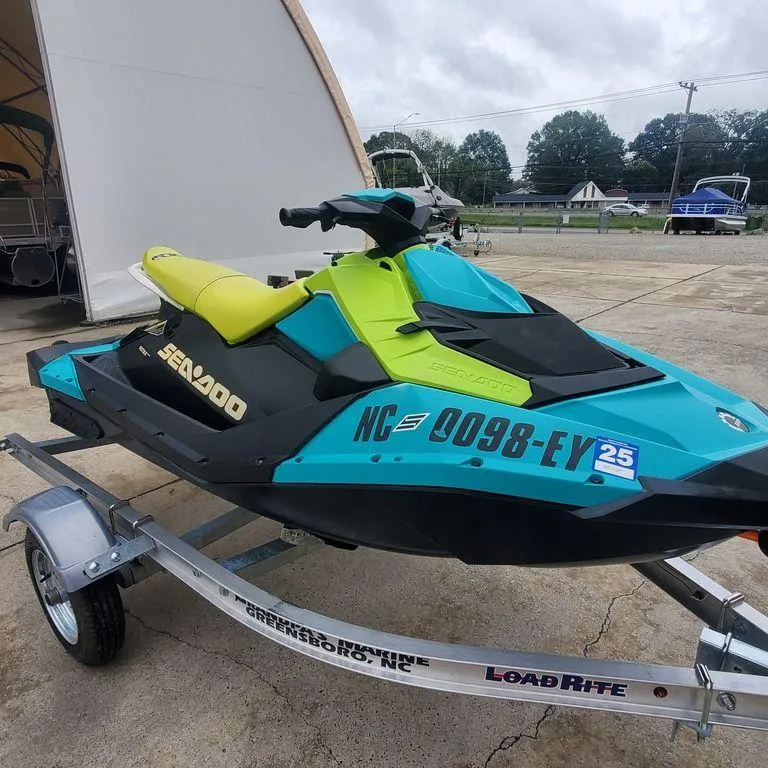
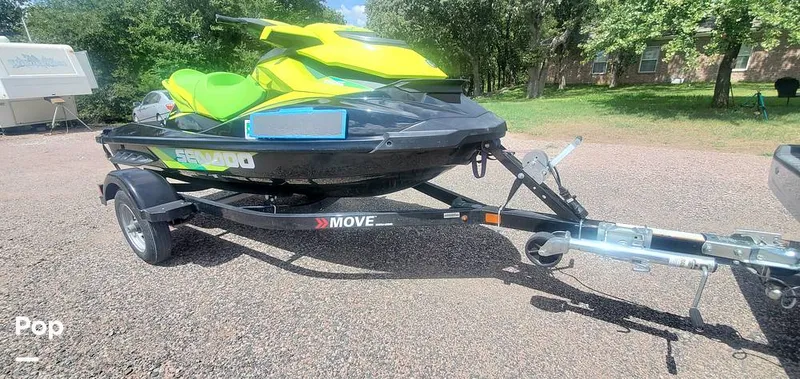
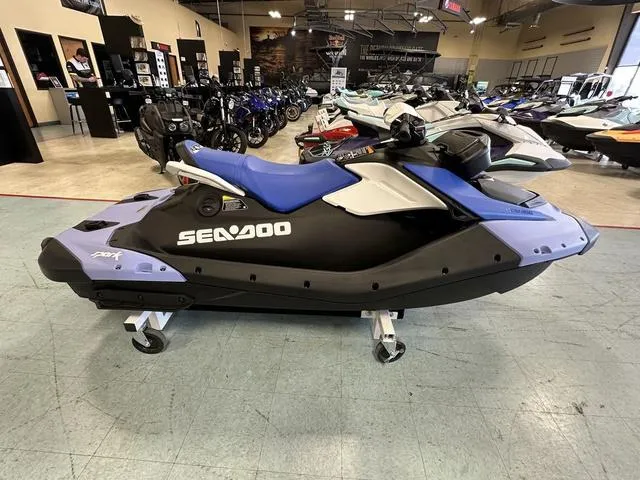
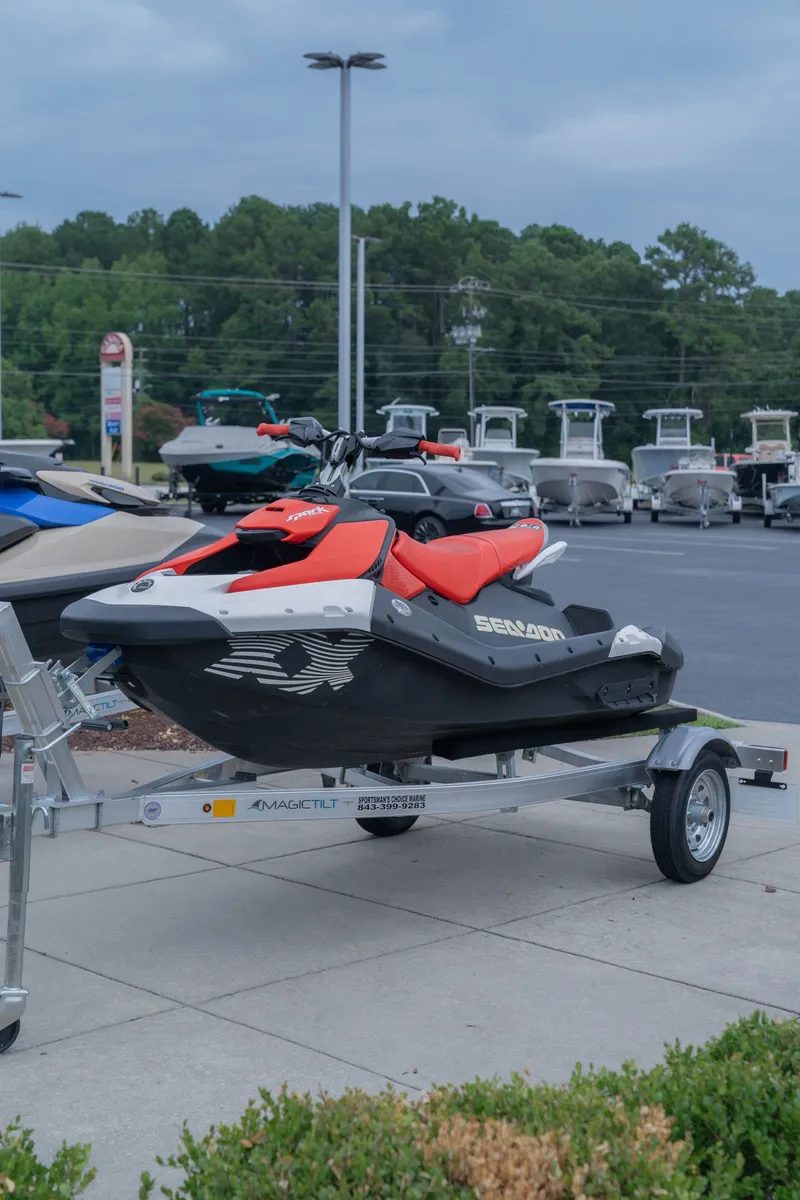
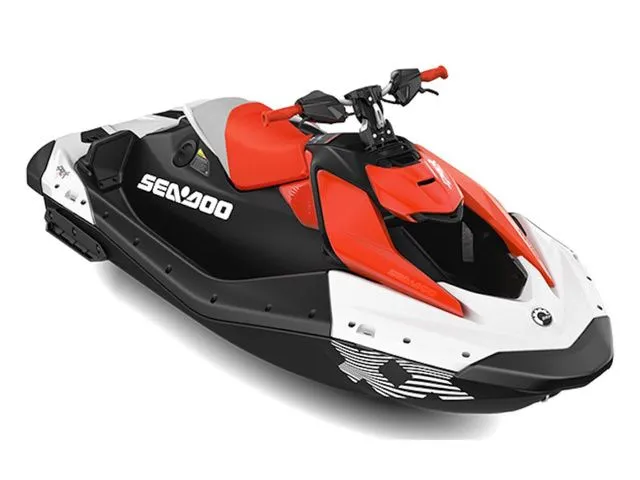
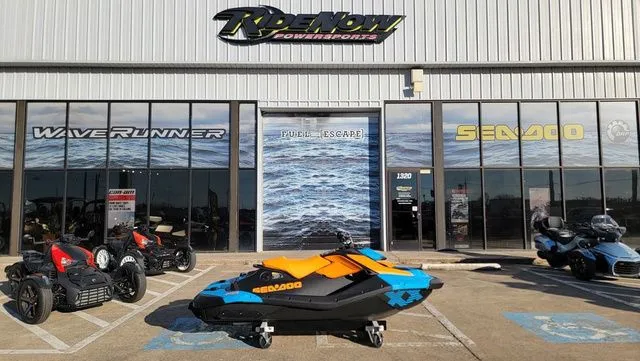
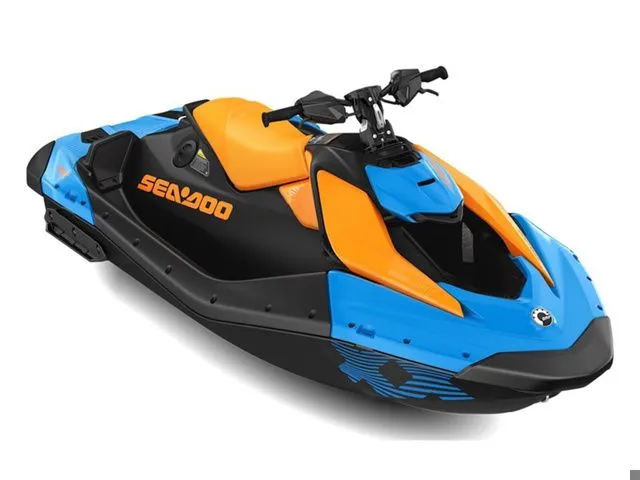
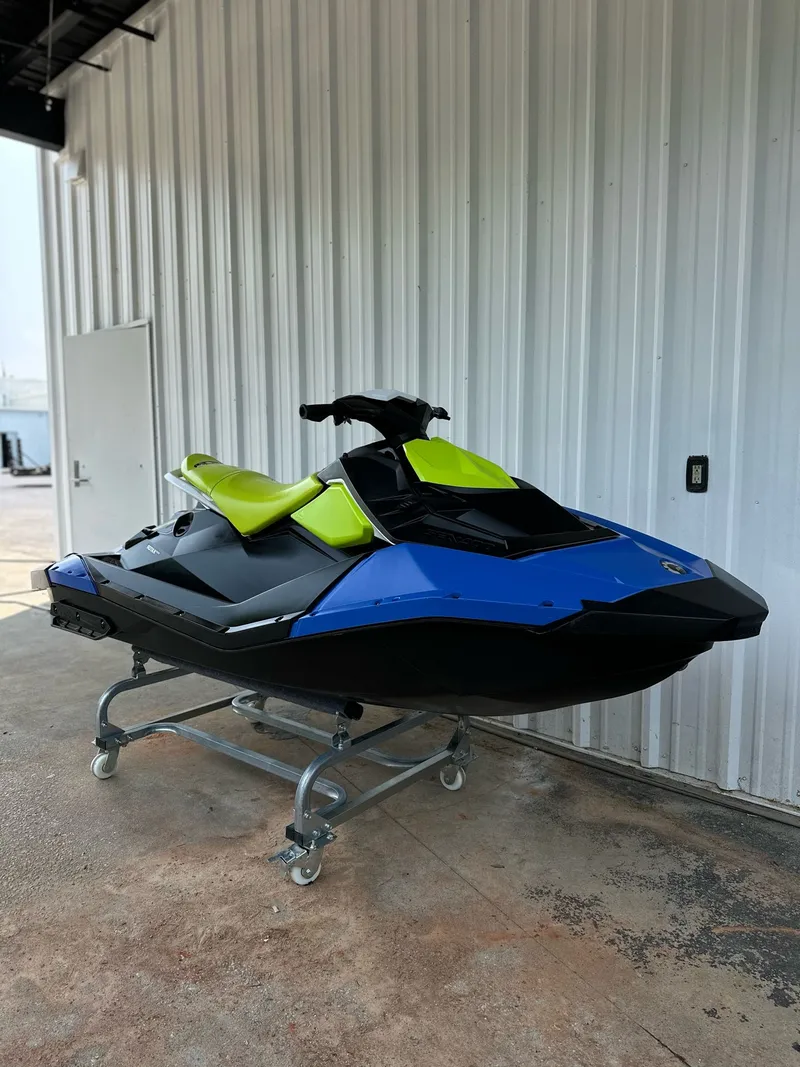
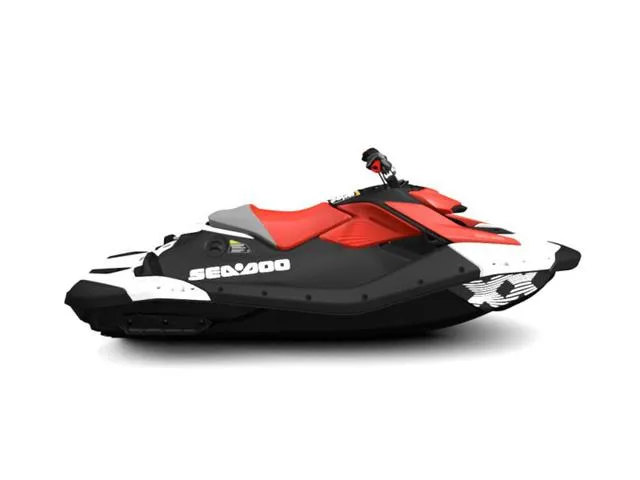
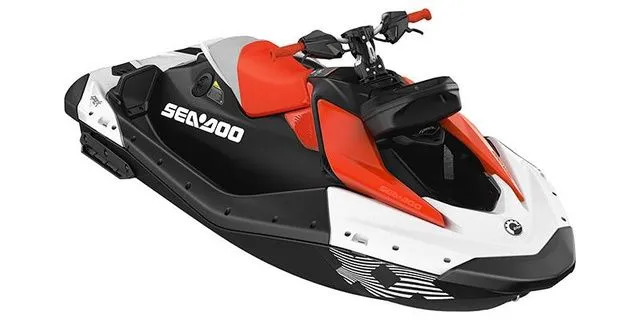
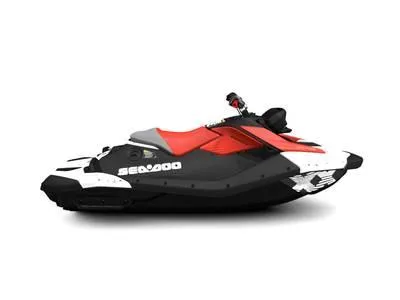
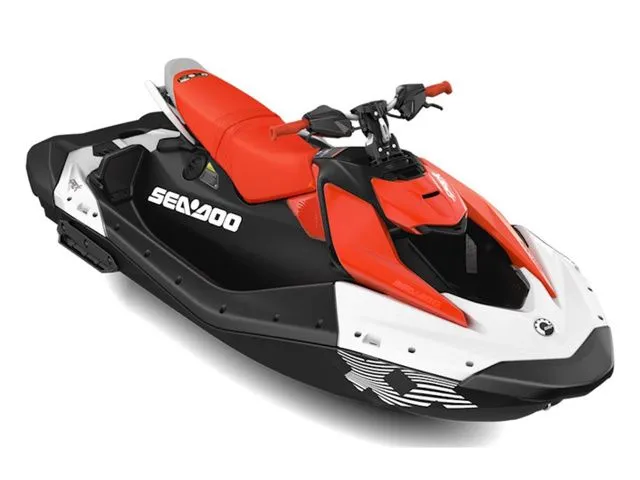
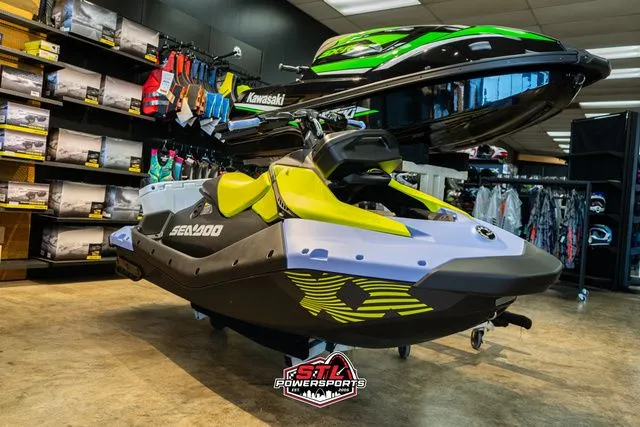
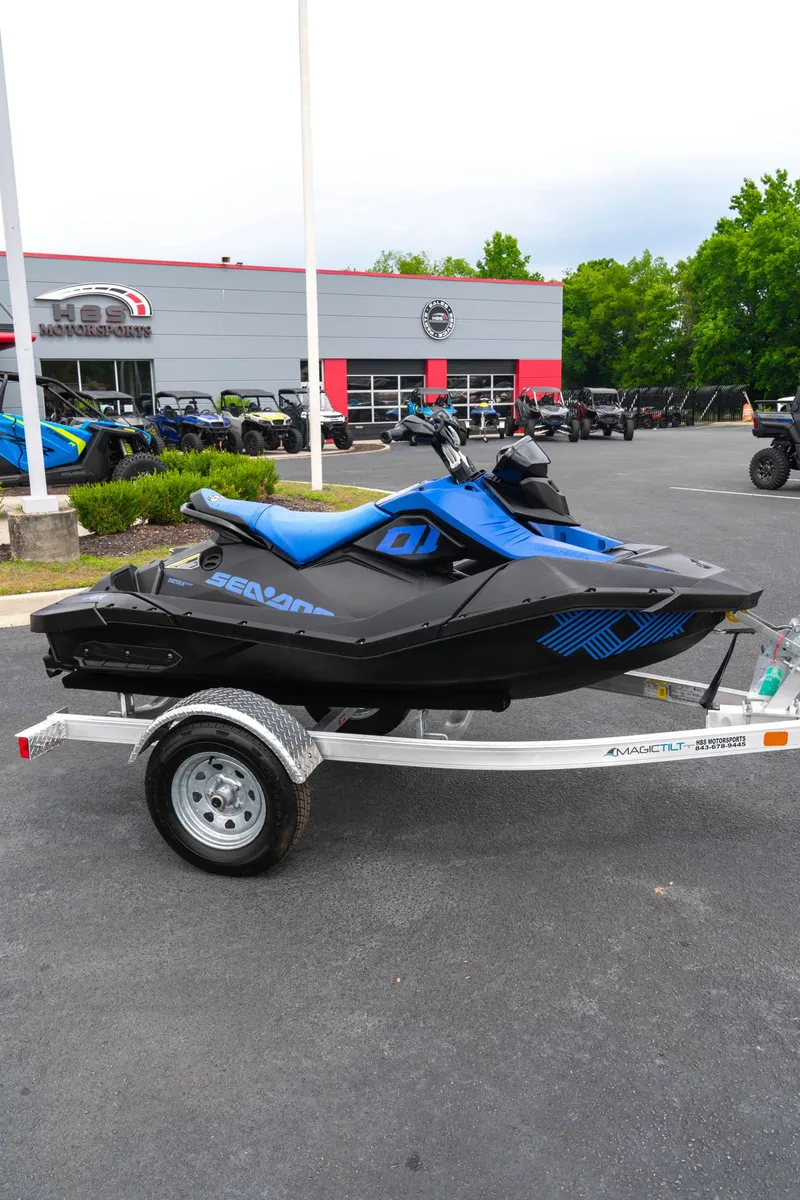
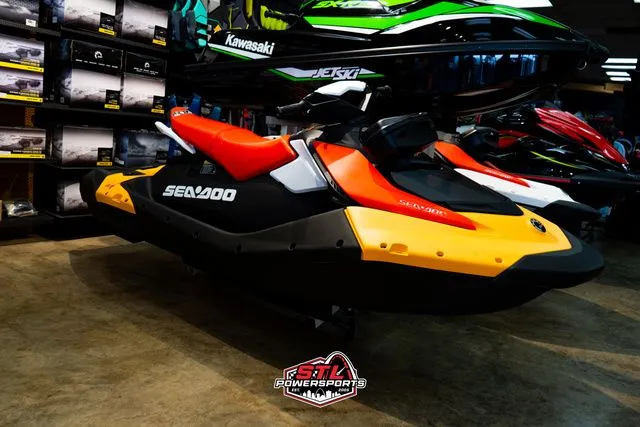
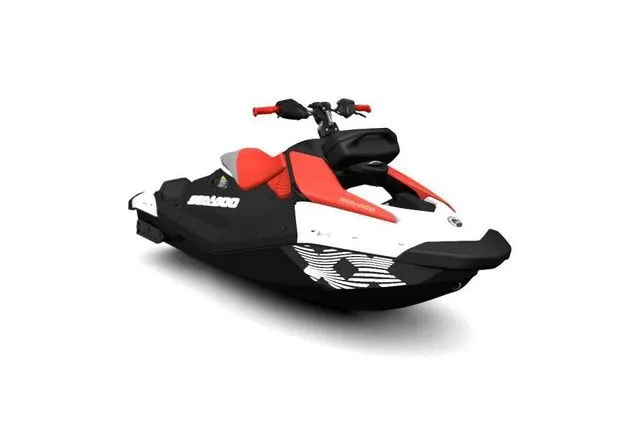
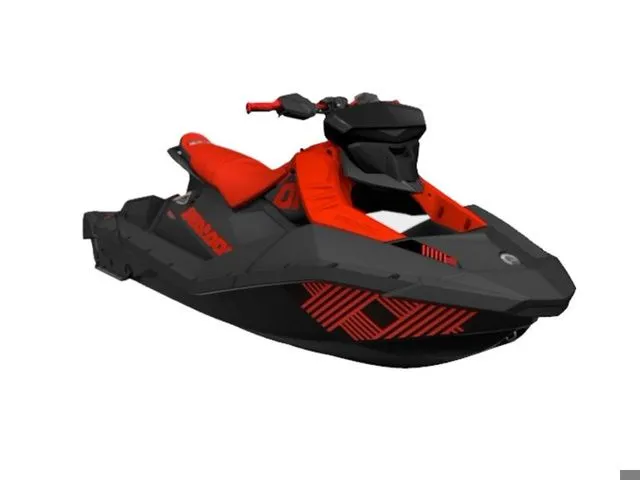
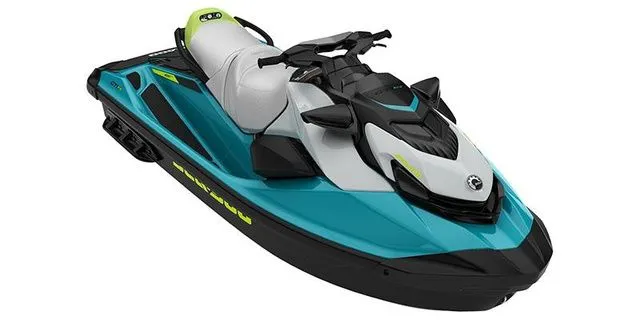
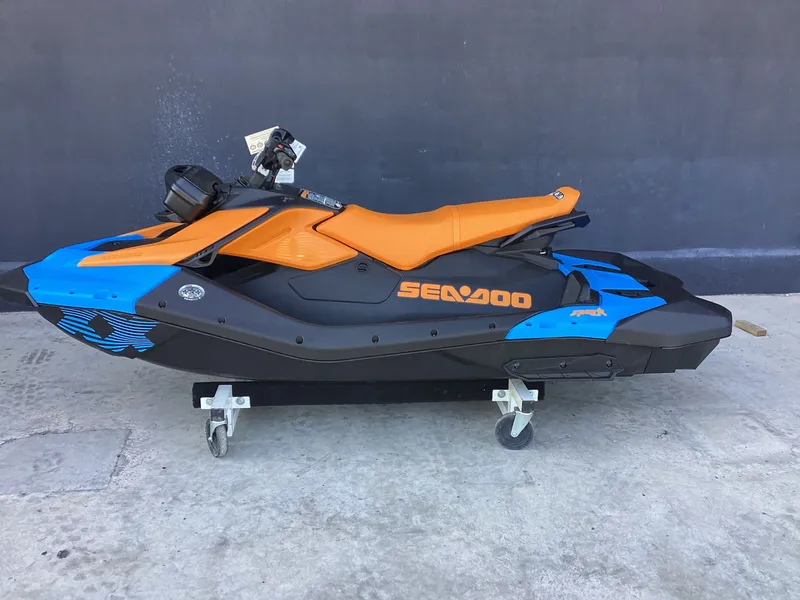
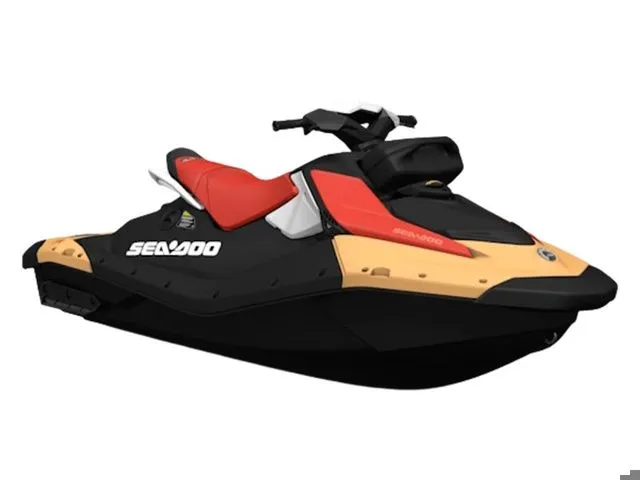
• (Personal Watercraft (PWC) — Rec‑Lite / Compact (Spark platform)) Sea‑Doo’s smallest, most playful PWCs are the Spark family, built around a lightweight jet‑powered platform for quick acceleration and easy trailering. Models typically seat 1–3 depending on configuration and focus on simple lake/river recreation, freestyle, and “rec‑lite” fun rather than long‑range touring. The line includes Spark (for 2) and Spark (for 3), plus the freestyle‑oriented Spark Trixx (for 1) and Spark Trixx (for 3). Typical size range is about 111–120 in LOA (283–305 cm). Power is Rotax 900 ACE driving an enclosed jet pump (commonly 60–90 hp depending on model/trim), with a compact footprint and relatively small fuel tank (often ~7.9 US gal / 30 L).
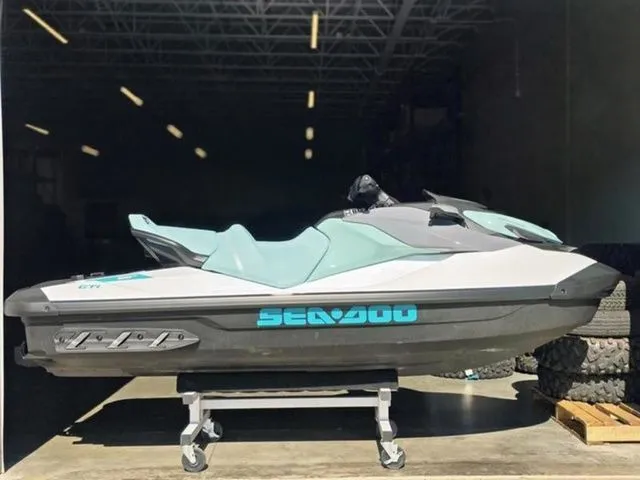
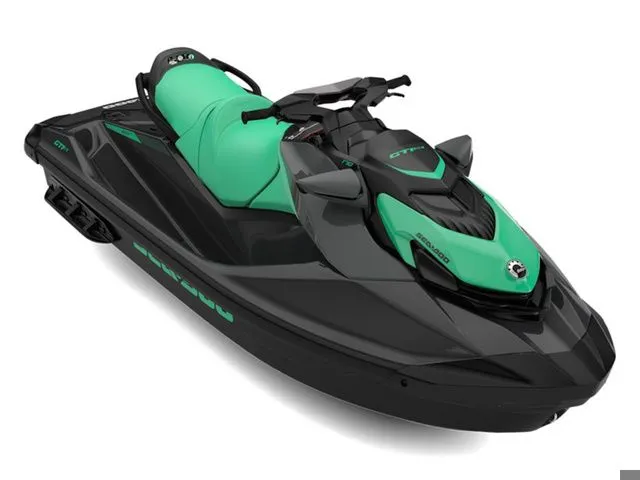
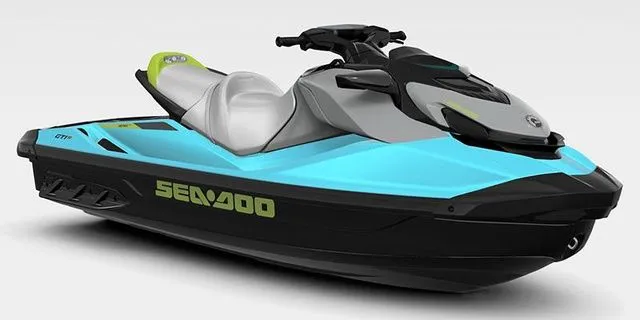
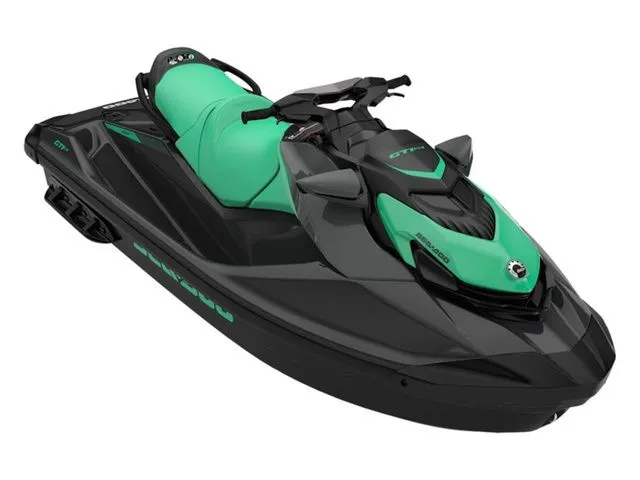
• (Personal Watercraft (PWC) — Recreation / Family (GTI platform)) For all‑around family riding, Sea‑Doo’s GTI platform emphasizes stability, predictable handling, and comfort for 3‑passenger cruising, tubing, and day‑to‑day recreation. Current naming commonly centers on GTI and GTI SE trims (e.g., GTI SE 130 and GTI SE 170), pairing the brand’s Rotax 1630 ACE engine family with jet propulsion and a larger fuel capacity suited to longer rides (often ~18.5 US gal / 70 L). Typical published dimensions for this class are around 130.7 in LOA (332 cm) with ~49.2 in beam (125 cm), making it a step up in size and “big‑water” confidence versus the Spark line while staying accessible for first‑time owners.
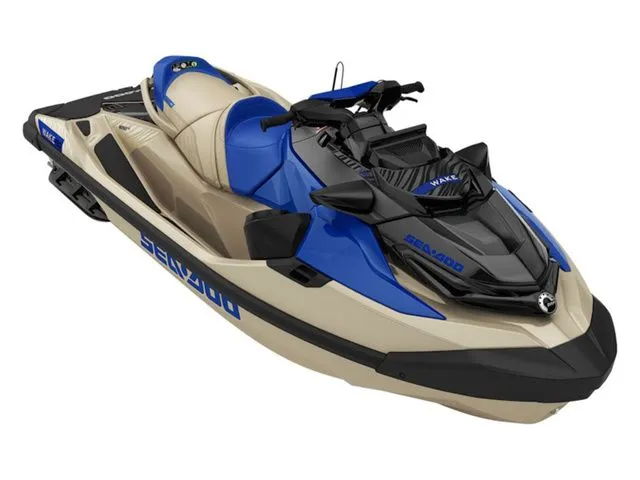
• (Personal Watercraft (PWC) — Tow Sports) Sea‑Doo’s WAKE series is purpose‑built for tow sports, combining stable handling with tow‑friendly features (such as dedicated ski mode/tow‑oriented setups depending on trim) for wakeboarding, waterskiing, and tubing. The lineup generally includes WAKE (often 170 hp class) and WAKE Pro (often 230 hp class), both using Rotax 1630 ACE jet propulsion with typical fuel capacity around 18.5 US gal (70 L). Size commonly spans from ~130.7 in LOA (332 cm) on WAKE to ~135.8 in LOA (345 cm) on WAKE Pro, with beams around ~49 in (about 125 cm; WAKE models often quote beam without rack). This category sits between family recreation and premium touring in both power and feature focus, prioritizing pull strength and repeatable towing performance.
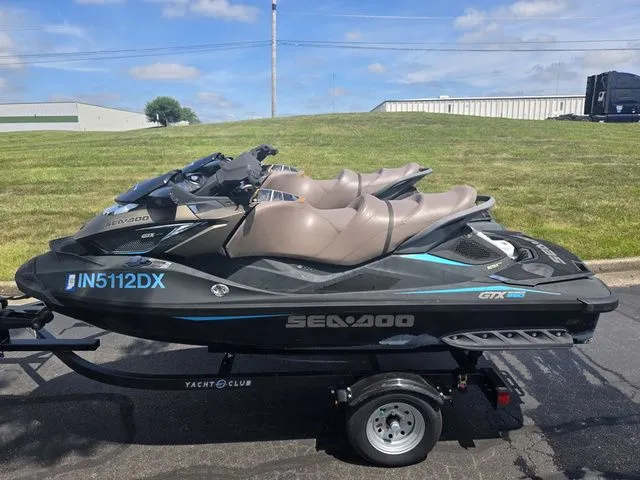
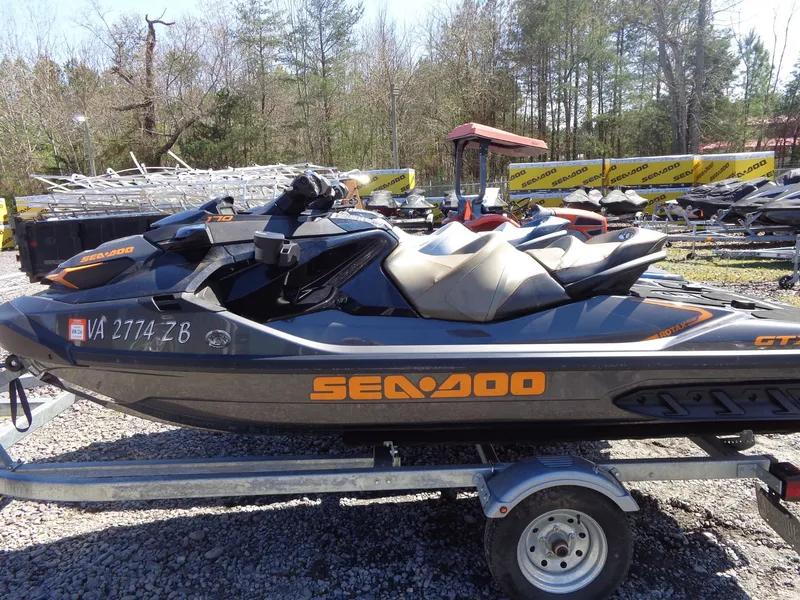
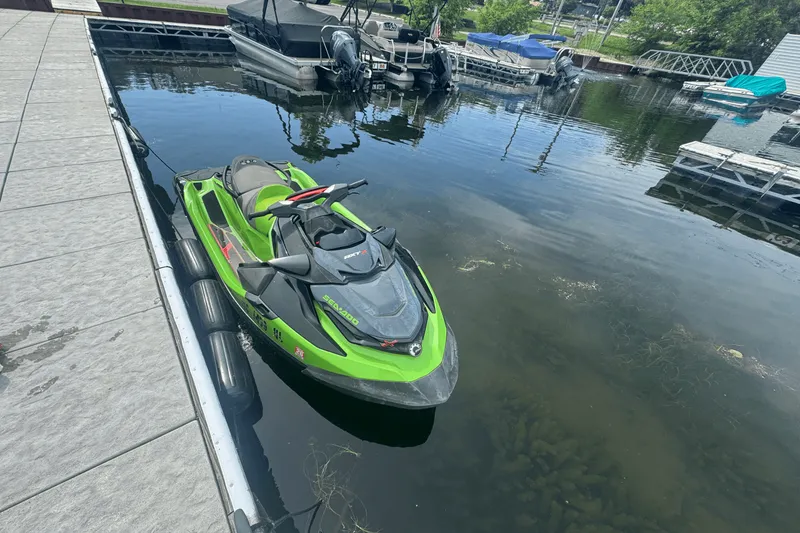
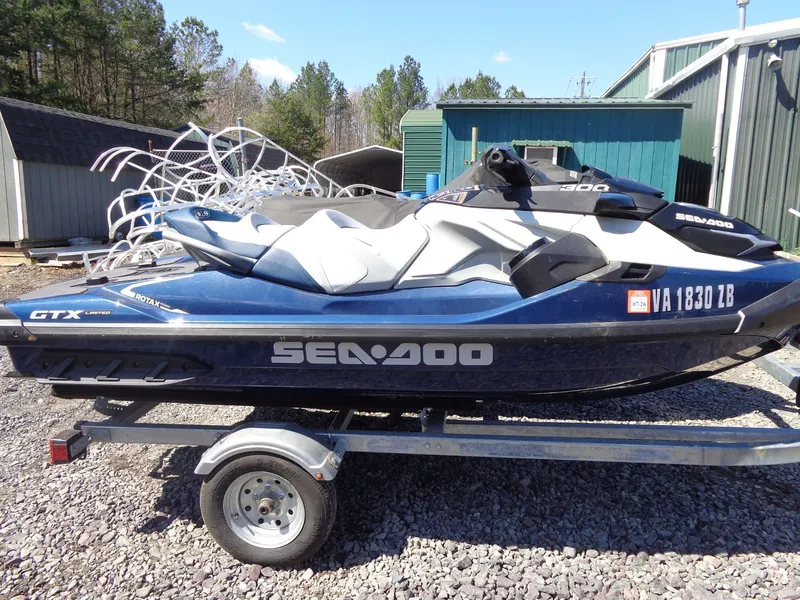
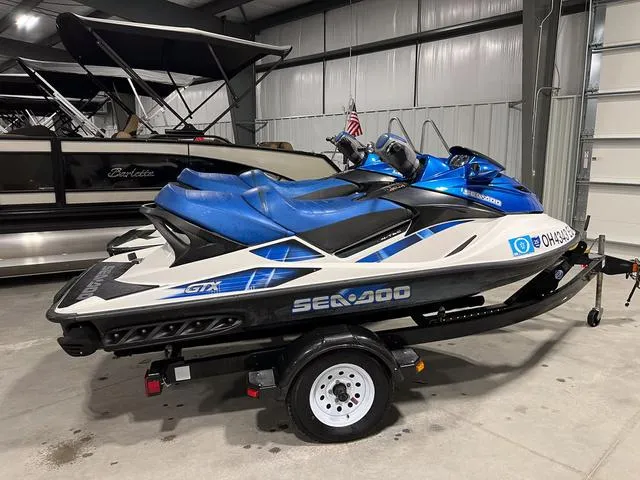
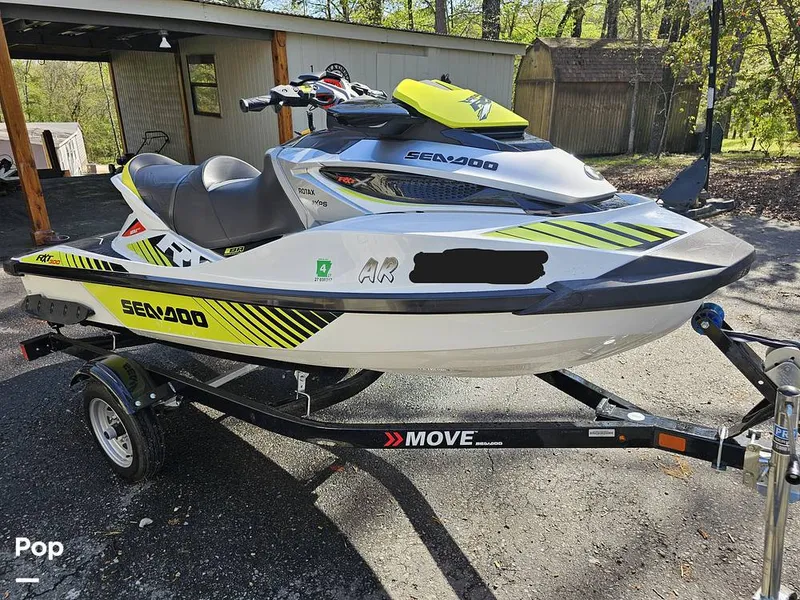
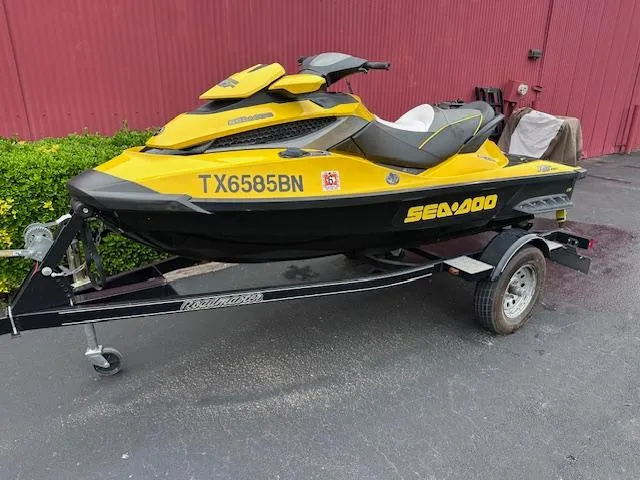
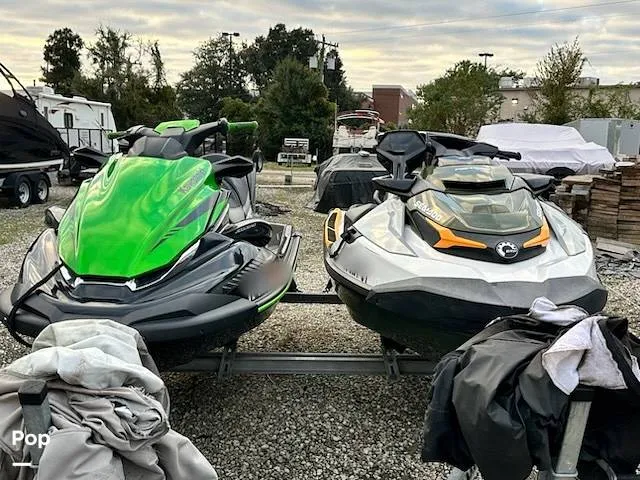
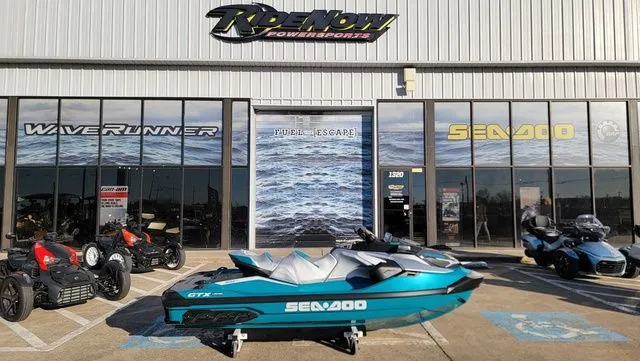
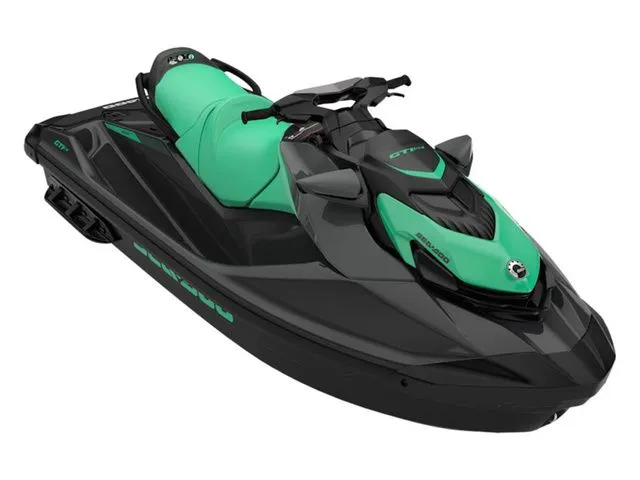
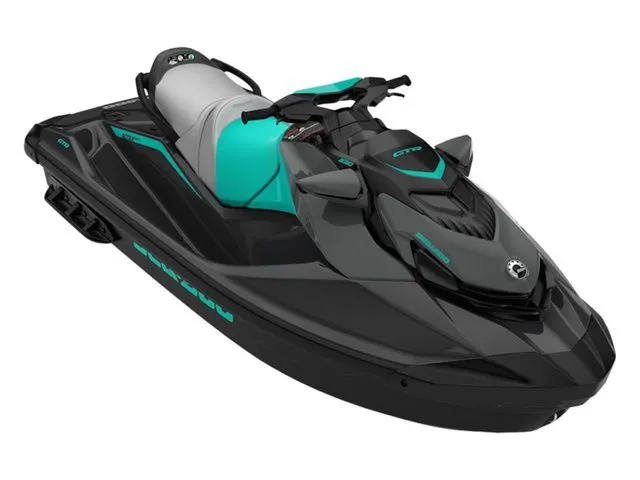
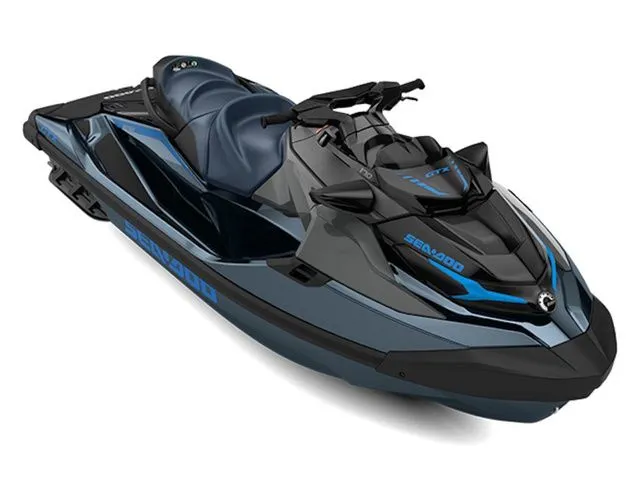
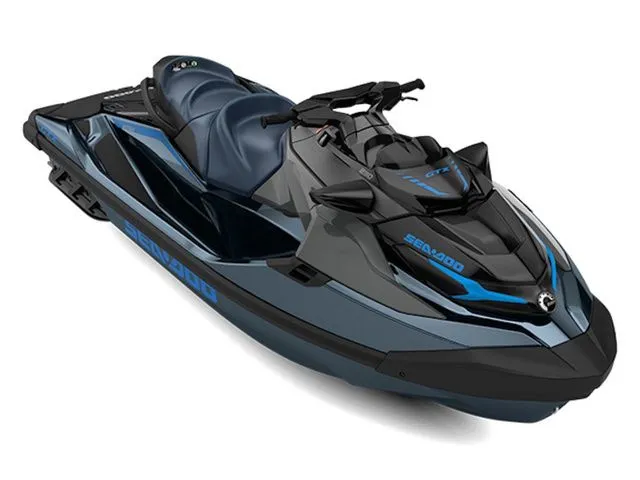
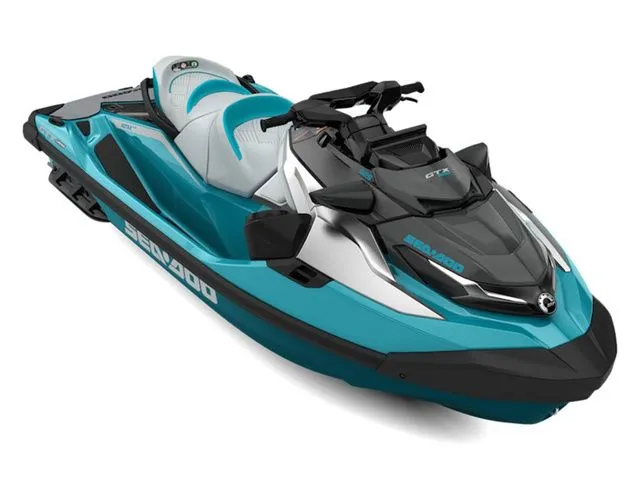
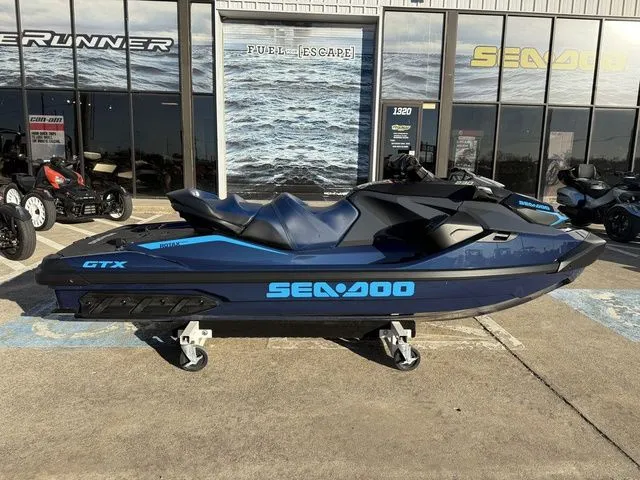
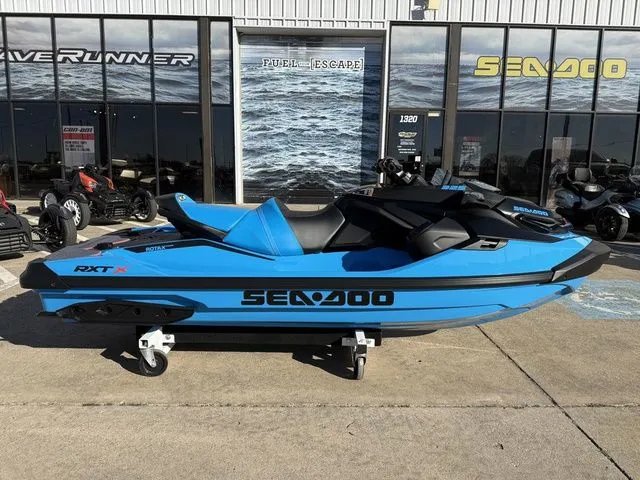
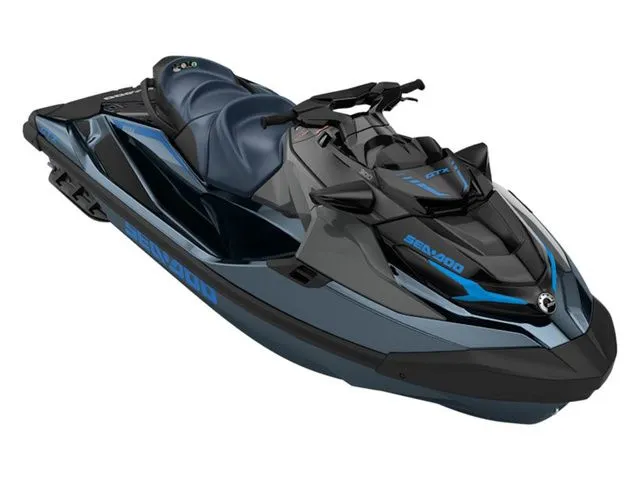
• (Personal Watercraft (PWC) — Touring / Luxury & High‑Performance) Sea‑Doo’s larger‑format personal watercraft cover premium touring comfort and high‑performance riding. The touring side is led by GTX and GTX Limited (often offered with higher‑output Rotax 1630 ACE options, including supercharged top trims), aimed at longer rides with more comfort features and storage. Performance‑oriented models include RXT‑X (offshore‑capable high performance) and the smaller, sharper‑handling RXP‑X, plus the GTR line positioned as a sporty, value‑leaning performance option. Typical LOA spans roughly ~130.6–135.9 in (332–345.1 cm) with ~49.2 in beam (125 cm). Horsepower varies by model/trim (commonly from ~230 hp up to ~325 hp on flagship performance/luxury versions), all using Rotax jet drive (no outboard/inboard/sterndrive).
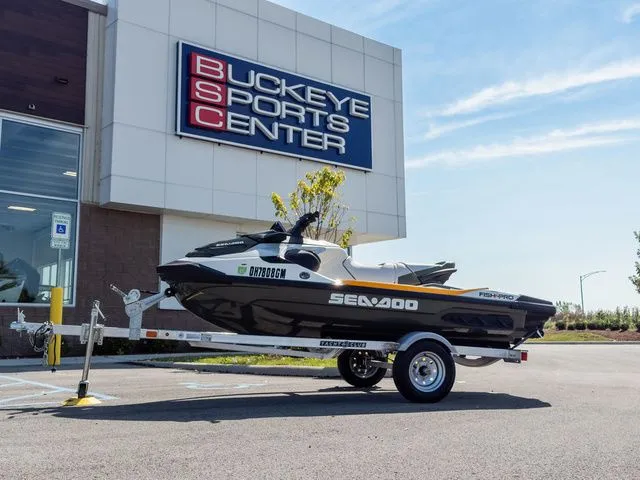
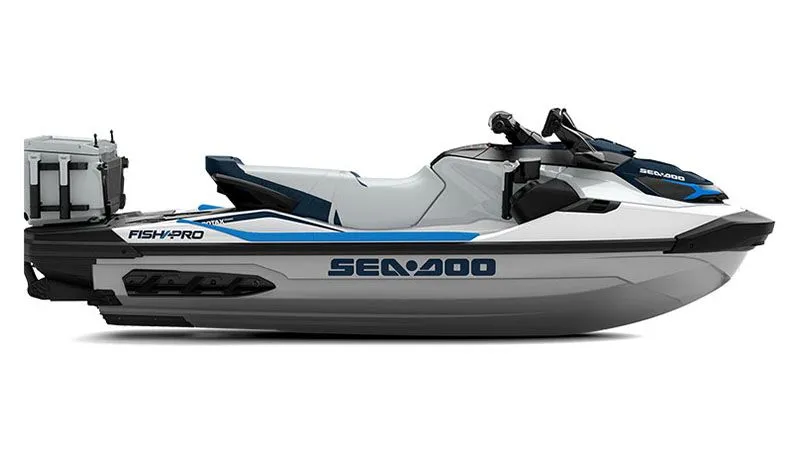
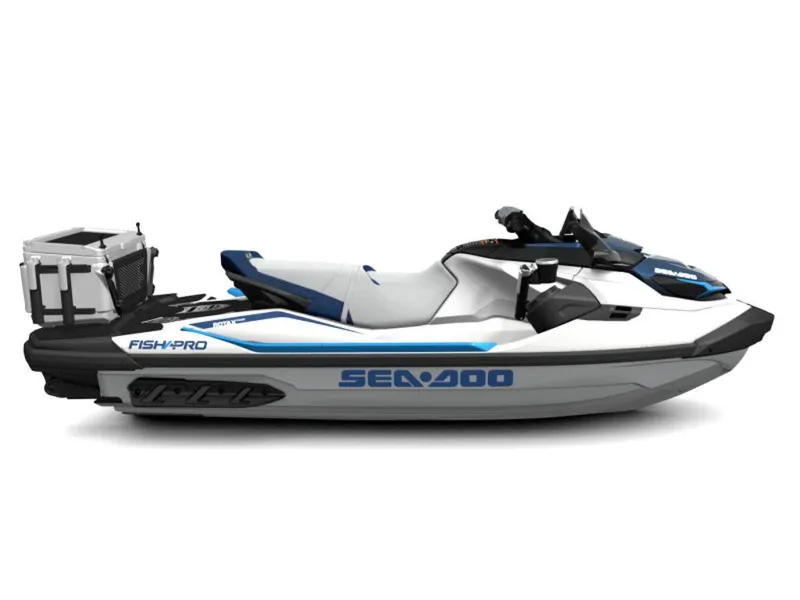
• (Personal Watercraft (PWC) — Fishing & Adventure / Expedition) Sea‑Doo’s purpose‑built fishing and adventure PWCs are designed around stability, cargo capacity, and accessory integration rather than just top speed. The FishPro line (notably FishPro Sport and FishPro Trophy) targets anglers with fishing‑specific layouts and accessory support, while the Explorer Pro line is positioned for long‑distance exploration/expedition use with added storage and travel‑oriented equipment. These models are typically the longest Sea‑Doo PWCs at about 146.8 in LOA (373 cm) with ~49.6 in beam (126 cm) and commonly use the Rotax 1630 ACE jet propulsion family (often 170 hp class on certain trims, with higher‑output variants available depending on model/year). Fuel capacity commonly aligns with the larger PWC class (~18.5 US gal / 70 L), supporting longer days on the water and heavier gear loads.
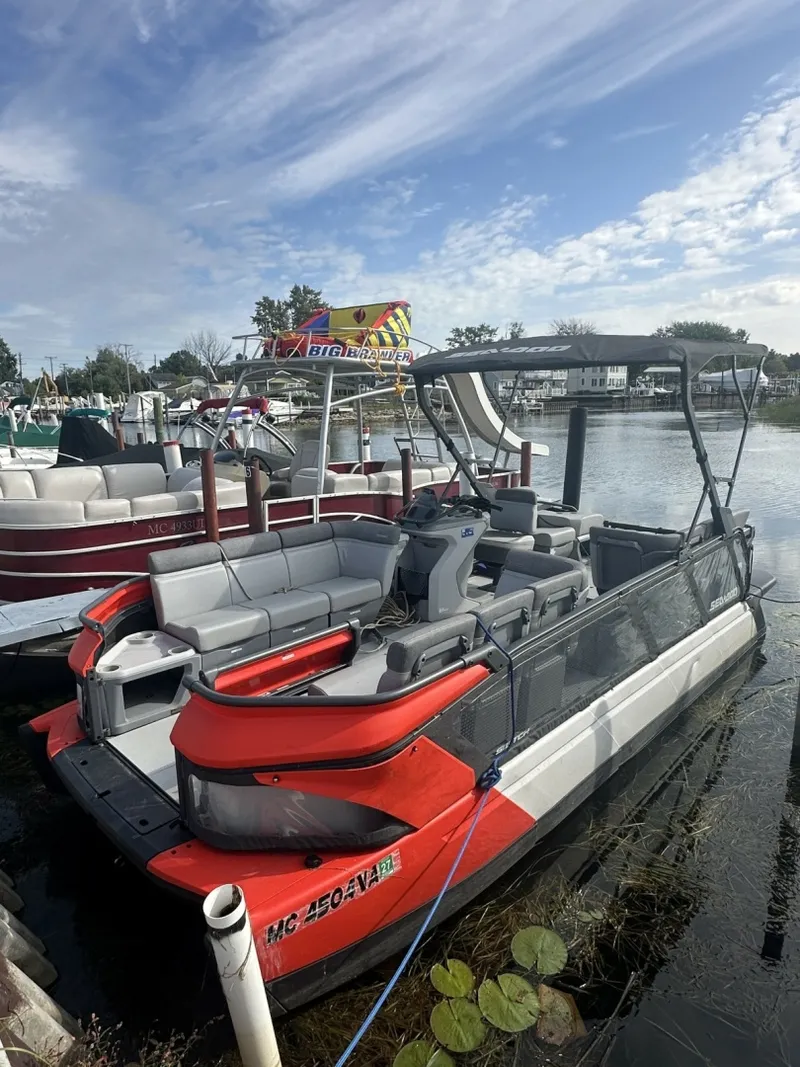
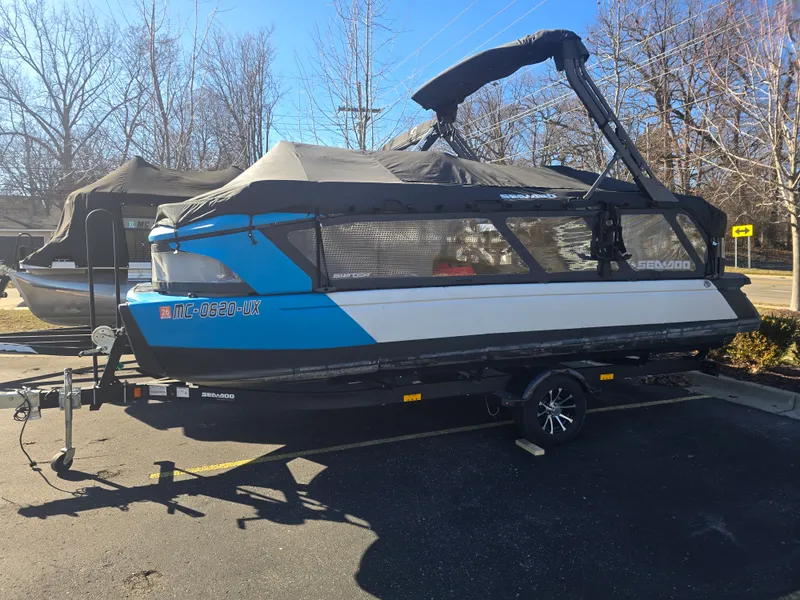
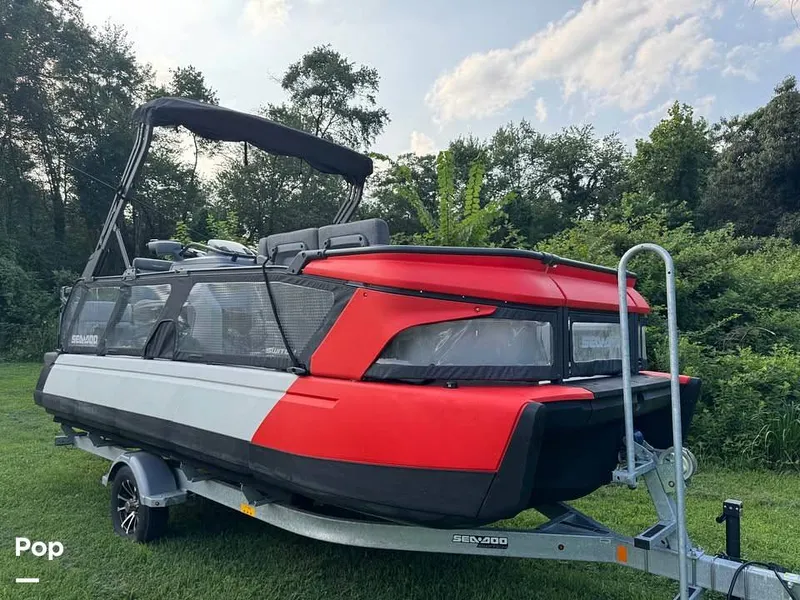
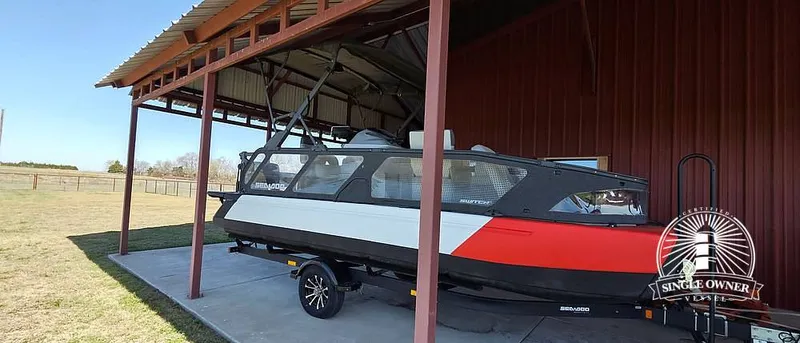
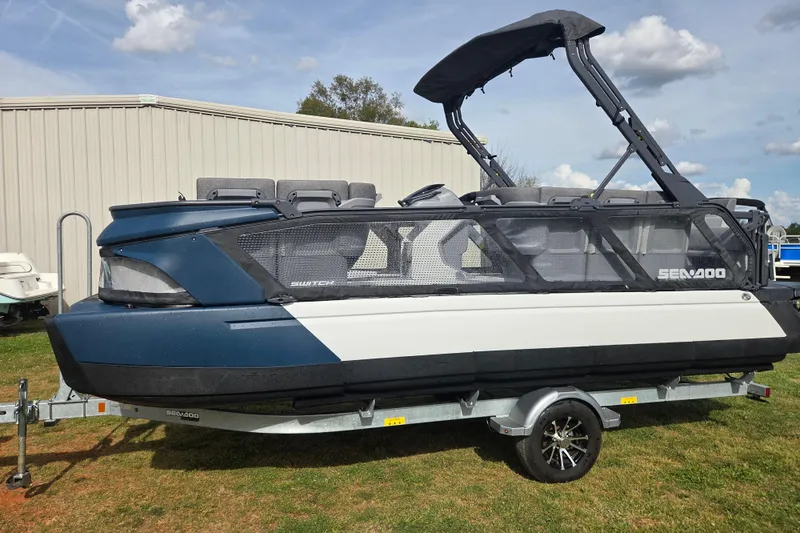
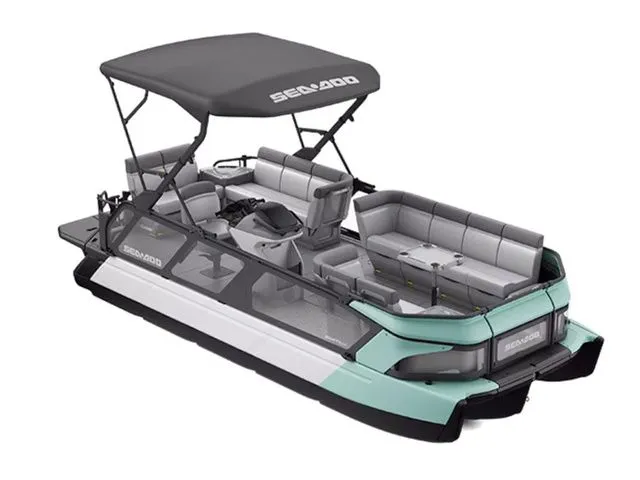
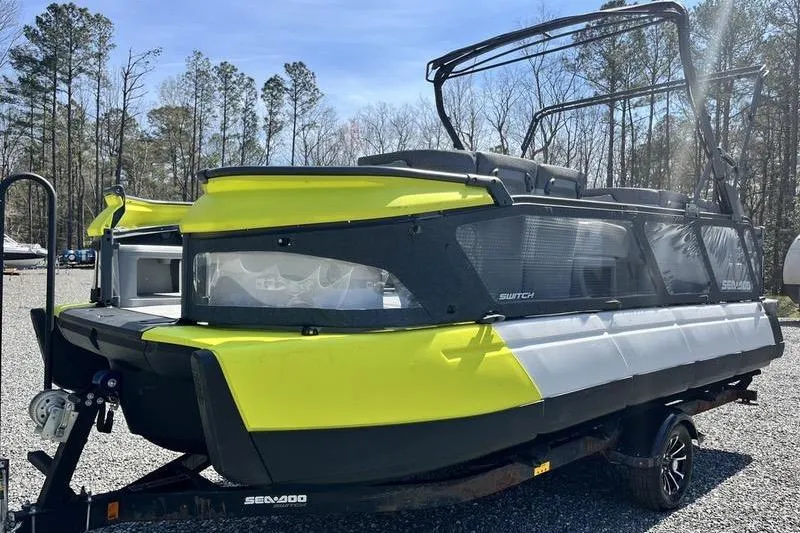
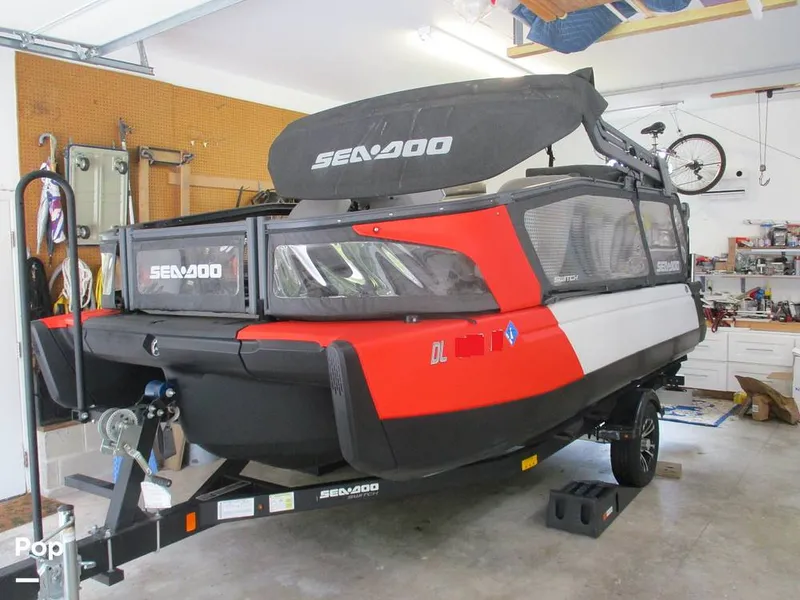
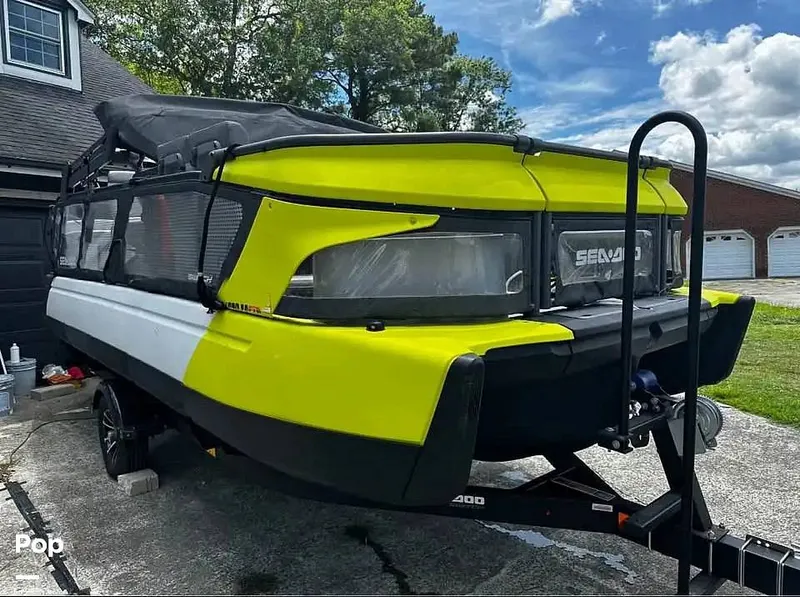
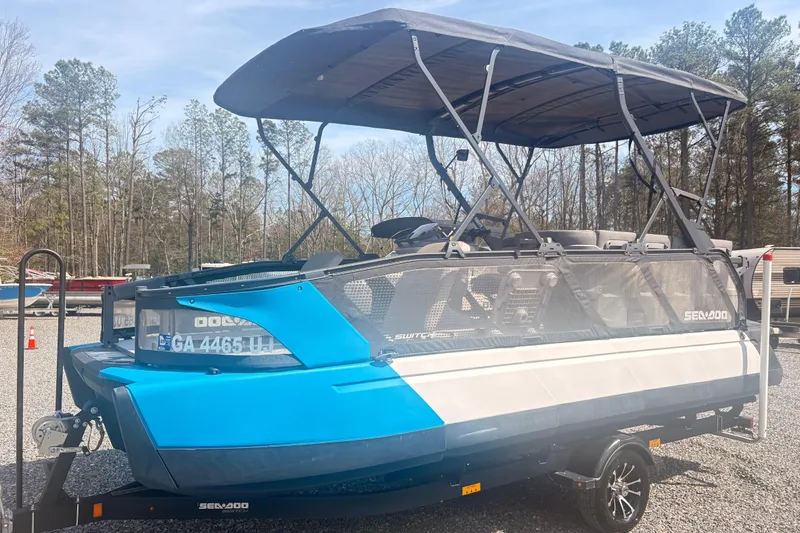
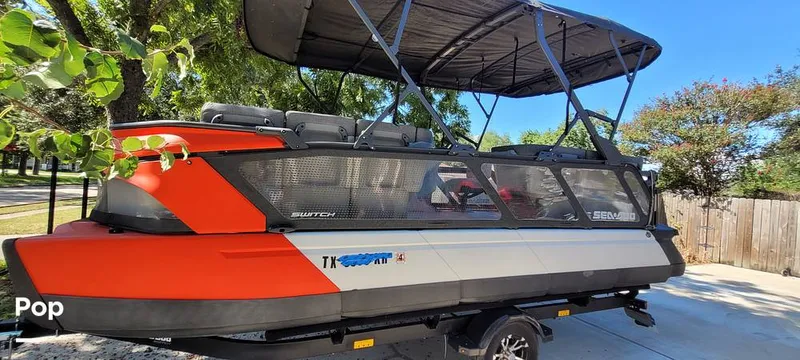
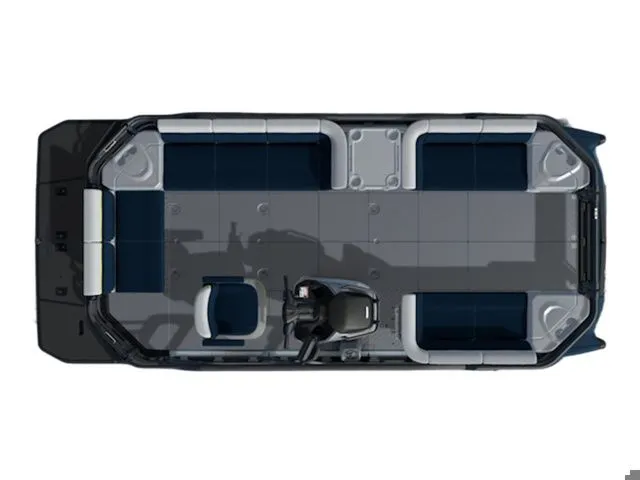
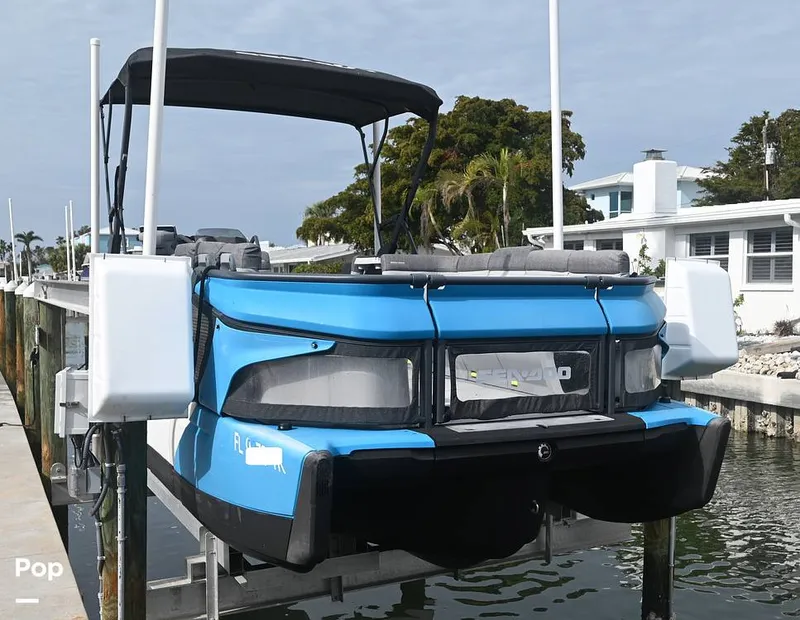
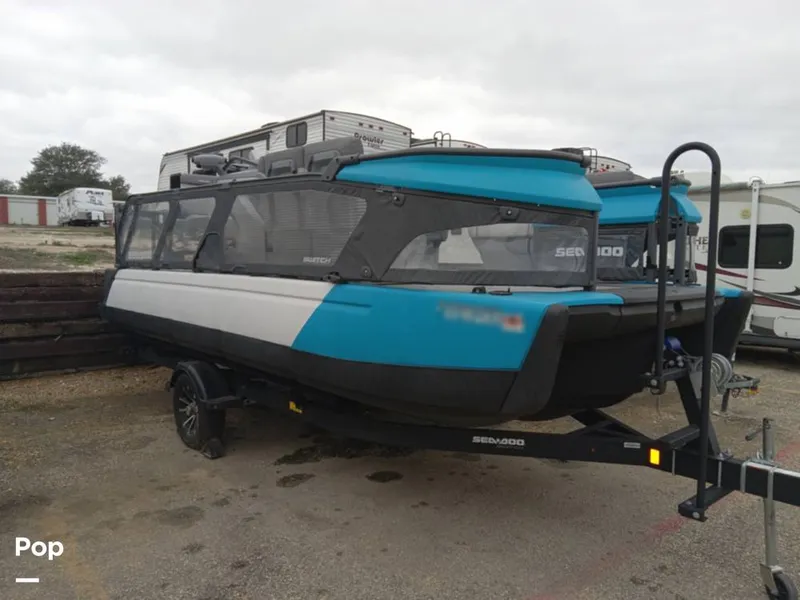
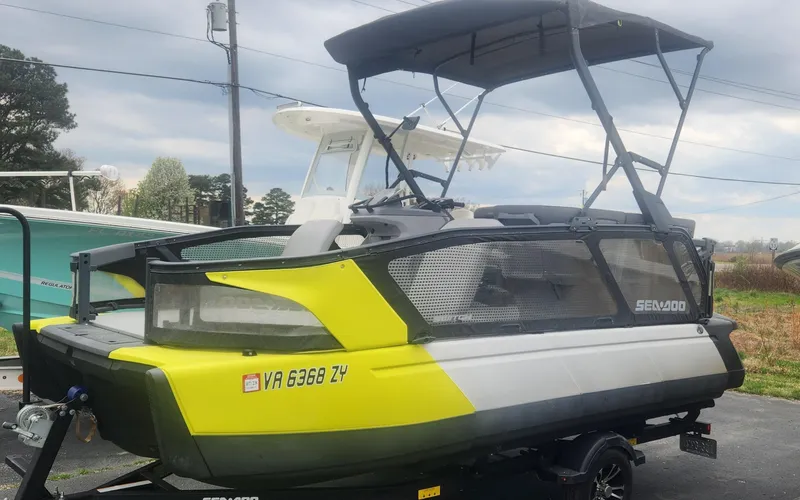
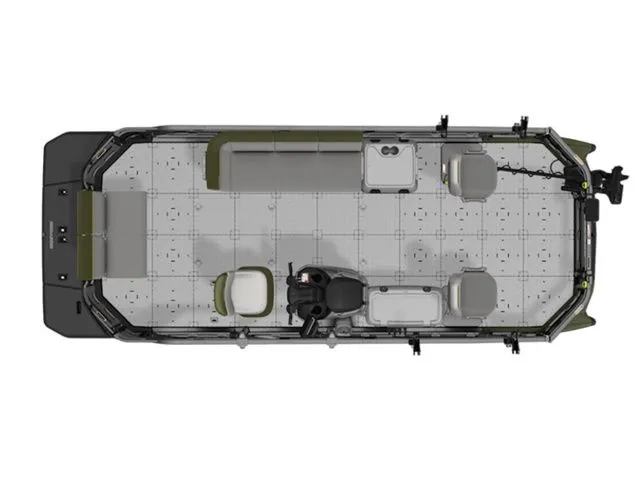
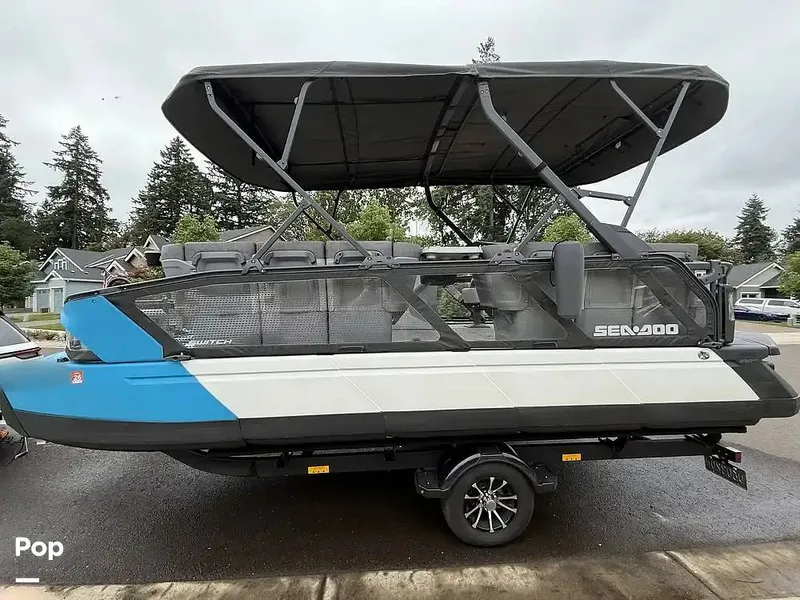
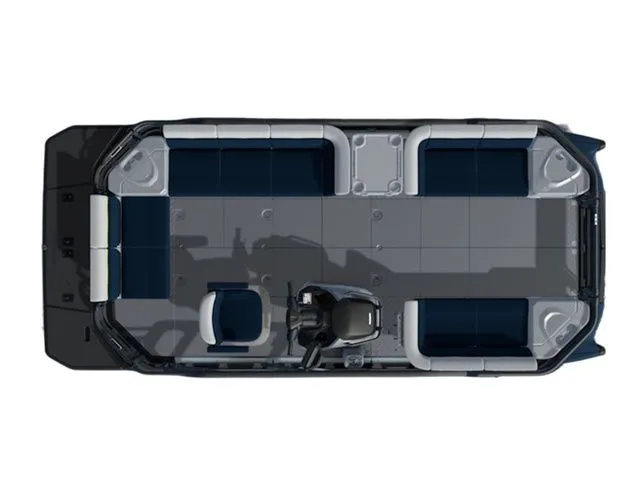
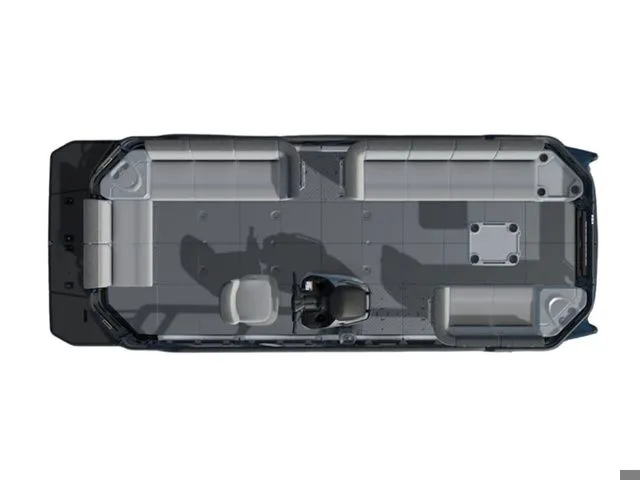
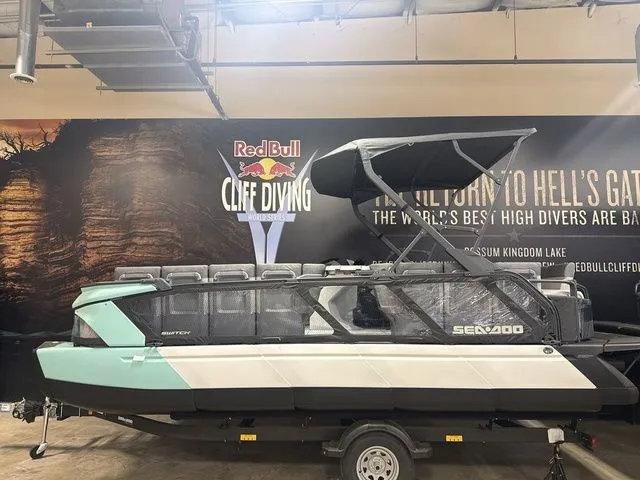
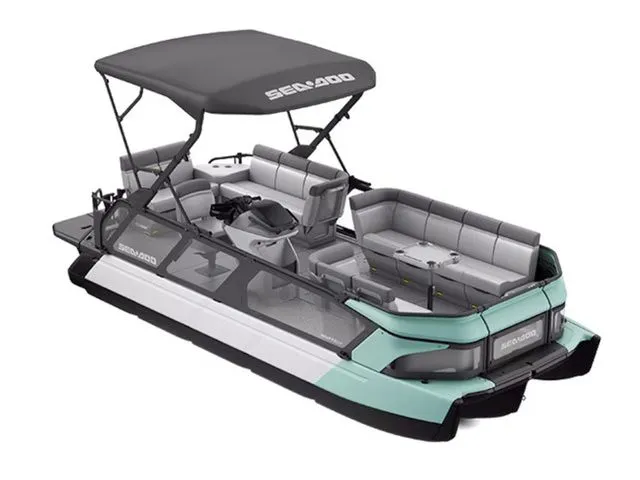
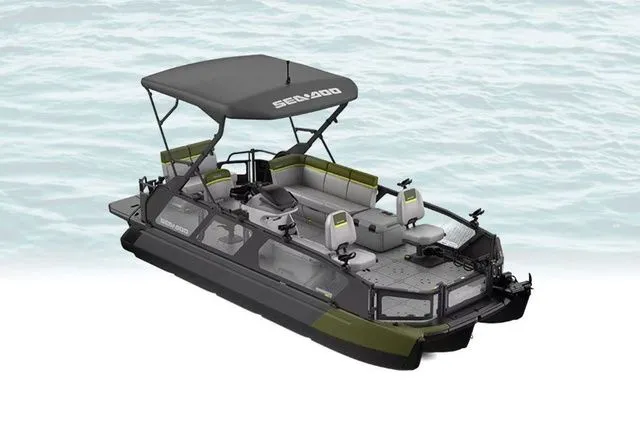
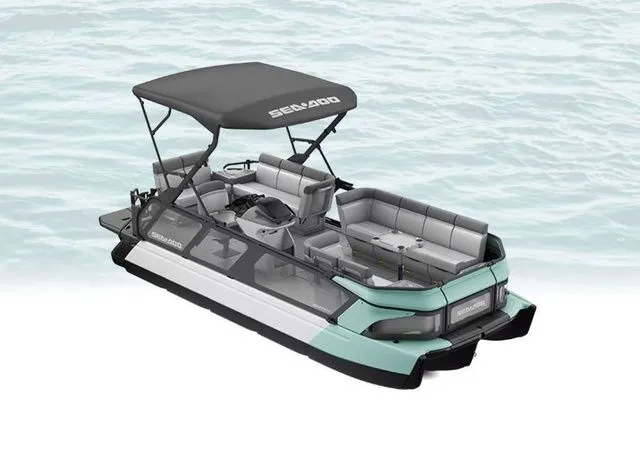
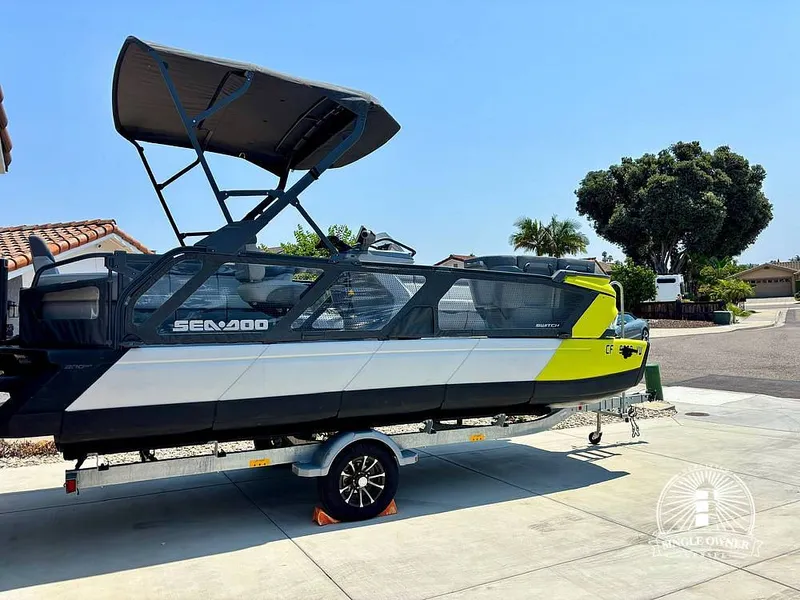
• (Jet Pontoon Boats — Modular Deck / Family Dayboating) Beyond PWCs, Sea‑Doo builds the Switch line: jet‑powered “pontoon‑style” boats that use a Rotax engine and enclosed jet pump instead of an outboard, paired with a modular deck/furniture concept for fast layout changes (cruise, sandbar hangout, tow sports, etc.). Switch models are commonly offered in multiple lengths and trims (often referenced as 16–21 ft classes, including 21‑foot models such as Cruise/Sport/Cruise Limited variants). The range targets group dayboating with pontoon stability and flexible seating/storage, while maintaining Sea‑Doo’s jet‑drive advantages (shallow‑water friendliness and no exposed prop at the stern). Typical flagship length class is around 21 ft, with example published LOA for certain “21” models around 20 ft 4 in (6.2 m), though exact measurements vary by model/year.
HOW ARE THESE BOATS BUILT?
Sea-Doo pontoons are engineered around a distinctive Tri-Hull platform that uses a molded Polytec hull rather than traditional fiberglass. On Switch models, Sea-Doo specifies Polytec as the hull material, selected for impact resistance and scratch tolerance in real-world docking and trailering. The Tri-Hull geometry provides three running surfaces for stability at rest and predictable tracking underway, while the center hull integrates the jet propulsion package and related systems as a single structural module. Because Polytec construction is a molded thermoplastic composite process, it does not rely on conventional gelcoat, polyester or vinylester resin, or hand-laid fiberglass lamination schedules like many pontoon and deck-boat builders. Instead of a grid of bonded fiberglass stringers, the structure is based on an integrated molded hull with reinforced internal geometry and mechanical attachment points for the modular deck and furniture systems. Structural reinforcements are concentrated in high-load zones such as lifting, trailering, tow points, and the propulsion mounting area to manage torsional loads and fatigue. For safety, buoyancy is provided by the Tri-Hull volume itself plus enclosed under-deck cavities, and the design is supported by standard marine capacity and compliance practices. Sea-Doo follows industry best practices for recreational boat construction and references recognized standards such as ABYC guidelines and NMMA certification programs where applicable to ensure systems, labeling, and safety expectations are met. The hull-to-deck interface is executed as a purpose-designed mechanical joint between the molded hull structure and the modular deck system, using engineered fasteners and sealed interfaces to maintain stiffness, serviceability, and long-term durability in a wet environment.
Above the hull, Sea-Doo specifies marine-grade hardware and components intended to stand up to freshwater and saltwater use. Corrosion-resistant stainless hardware is used in critical areas, and factory accessories for the Switch line include fully marinized stainless components for marine applications, reflecting the overall approach to fastener and latch selection in exposed zones. Electrical and plumbing practices are aligned to common marine expectations, including appropriately sized conductors, protected circuits, and secured routing to reduce chafe, vibration fatigue, and water intrusion. Interior comfort and durability are addressed through UV-stable, marine-intended upholstery materials and easy-clean surfaces designed for high traffic, wet boarding, and frequent sun exposure, while non-skid deck surfaces and traction-focused finishes support onboard safety. From a manufacturing standpoint, Sea-Doo leverages modern production engineering such as CAD-driven design and repeatable fixture-based assembly to keep tolerances consistent across high-volume builds, and the modular architecture reduces variation by standardizing attachment points and subassemblies. Construction techniques emphasize molded composite structures and modular integration rather than labor-intensive hand-layup, which helps maintain consistent thickness, fit, and alignment. Quality control typically includes incoming component checks, in-process torque verification on critical joints, electrical function testing, leak and seal inspections where applicable, and final water-ready inspection protocols that verify steering, controls, safety equipment fitment, and overall finish. Compared with conventional pontoon construction that relies on aluminum tubes and wood-backed decking, the Switch platform’s molded Tri-Hull and modular deck strategy prioritizes repeatability, low maintenance surfaces, and impact tolerance. Warranty coverage reflects that confidence: current Sea-Doo Switch specifications list a factory limited warranty of 3 years on engine and materials, with 10 years on structure and hull. The overarching Sea-Doo build philosophy is to combine a durable molded hull, standardized systems integration, and practical serviceability to deliver predictable performance, straightforward ownership, and long-term structural integrity.
WHERE ARE THESE BOATS BUILT?
All Sea-Doo personal watercraft are built in Mexico at Bombardier Recreational Products (BRP) manufacturing operations centered on Santiago de Querétaro, Querétaro, with additional production and assembly capacity in Ciudad Juárez, Chihuahua. The core Sea-Doo production facility is BRP’s Querétaro plant, a purpose built powersports manufacturing hub that also supports Rotax engine assembly and component machining for BRP’s wider product family. While BRP’s corporate heritage is rooted in Valcourt, Quebec, today’s Sea-Doo lineup is manufactured on dedicated Mexico lines designed for high volume, repeatable build quality and efficient North American distribution. BRP also operates multiple sites in Mexico for vehicles and engines, creating shared industrial infrastructure and supplier access that supports Sea-Doo production consistency.
Modern Sea-Doo production in Mexico accelerated with BRP’s decision to relocate PWC assembly from Valcourt, Quebec to a new Mexico footprint announced in 2012, aligning the Sea-Doo build with BRP’s growing manufacturing base in the country. BRP inaugurated its Querétaro manufacturing facility on November 7, 2013, starting with Rotax engine assembly, Sea-Doo Spark assembly, and in house manufacturing of composite hulls and decks, and BRP stated the full Sea-Doo watercraft lineup would be produced there by 2015. The Querétaro plant was planned as a three phase, four year project totaling 55,740 square meters, or about 600,000 square feet, with production organized around engine assembly, composite fabrication, and final vehicle assembly areas that streamline material flow from hull and deck layup through rigging and finishing. A key operational advantage of Querétaro is its industrial park setting and modern transportation links that support inbound components, outbound finished units, and proximity to major logistics corridors serving the U.S. and global export markets.
BRP’s Sea-Doo manufacturing approach emphasizes process control at the plant level, with final quality control testing tied to both product and process validation, including dedicated checks on Rotax engine components produced adjacent to the main assembly operation. In 2022, BRP opened its North American Machining Center next to the Querétaro plant to manufacture main Rotax engine components and expand machining flexibility, tightening the feedback loop between machining, assembly, and quality verification for marine propulsion systems. Production benefits from cross utilization because the same Mexico operations also assemble Rotax engines for other BRP product lines, enabling shared metrology standards, supplier qualification discipline, and common training systems that elevate consistency across the facility. Sea-Doo watercraft also undergo structured build inspections during composite fabrication, rigging, and final assembly so alignment, sealing, electrical integrity, and propulsion installation meet repeatable manufacturing targets before shipment. Keeping the primary Sea-Doo build concentrated in this Mexico manufacturing ecosystem helps BRP maintain uniform production methods and stable quality outcomes across models and model years.
In practical terms, Sea-Doo units are built in Mexico, anchored by BRP’s Querétaro production facility with supporting BRP Mexico capacity that reinforces throughput and supply chain resilience. This centralized manufacturing footprint combines a modern, purpose built facility, integrated composites and engine related capability, and a trained workforce focused on repeatable build standards. The result is a Sea-Doo production system that ties location, process control, and continuous facility investment directly to BRP’s commitment to quality and where its watercraft are made.
WHAT IS THE BIGGEST BOAT OF THIS BRAND BUILT TODAY?
The biggest boat built by Sea-Doo today is the Sea-Doo Switch 21, Sea-Doo’s flagship jet pontoon in the Switch line, introduced as part of the modern Switch series launch for family dayboating. In 21 ft class form it measures 20 ft 4 in (6.2 m) LOA, making it the largest Sea-Doo model currently in production by overall length, and it uses Sea-Doo’s hallmark Rotax jet propulsion with an enclosed waterjet pump rather than an outboard. While personal watercraft like the 2026 Explorer Pro 170 top out at 146.8 in (373 cm) LOA with a 49.6 in (126 cm) beam, the Sea-Doo Switch 21 steps up to true pontoon-boat scale and group capacity, centered on a modular deck layout and a stable pontoon platform. Power is a single Rotax 1630 ACE package rated up to 230 hp depending on trim and configuration, and Sea-Doo pairs that jet drive with its control features such as iBR (intelligent brake and reverse) to make docking and low-speed handling more intuitive for new owners. Fuel capacity is 29 US gal (109.8 L) on Switch models, supporting full-day cruising, towing, and sandbar hopping without constant fuel stops.
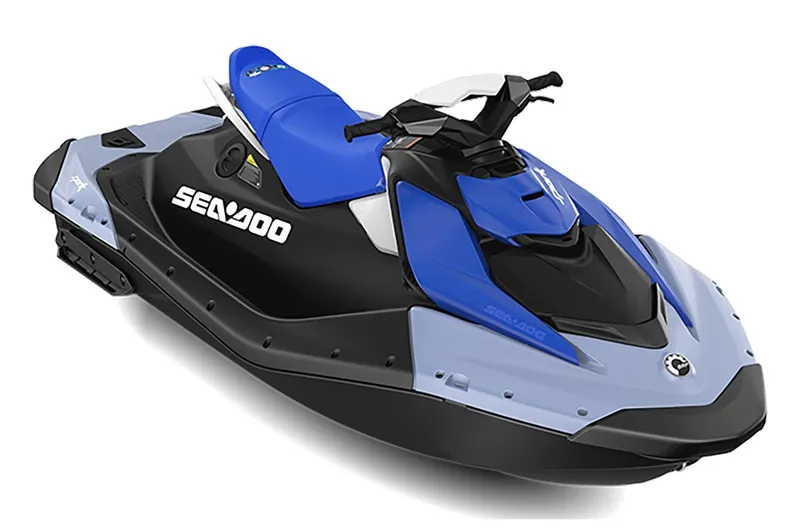
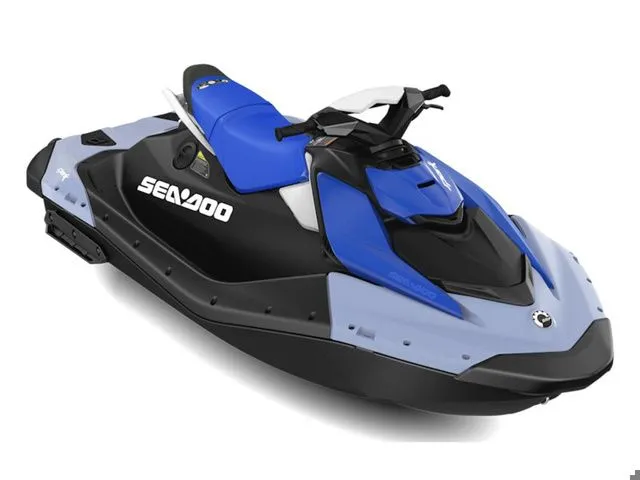
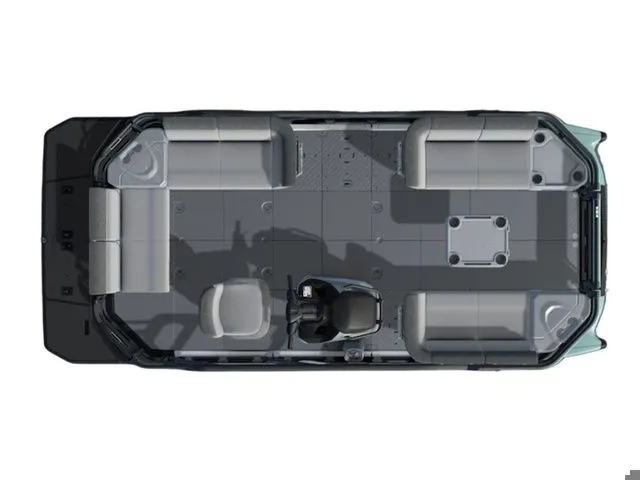
Built as a center console style jet pontoon for cruising and watersports, the Sea-Doo Switch 21 is designed to be a do-it-all platform for lakes, bays, and protected coastal waters where families want space, security, and easy reconfiguration. The Sea-Doo Switch 21’s modular deck and quick-change seating let you open up the cockpit for tow sports, create social lounges for raft-ups, or prioritize passenger flow when loading at a dock, and the jet drive’s lack of an exposed prop is a standout safety benefit for swimmers and beach landings. At the helm, the Switch layout keeps primary controls close for confident operation, while the boat’s storage strategy focuses on stowing gear under seating and within the modular arrangement so lines, fenders, inflatables, and picnic supplies stay organized. Compared with Sea-Doo’s largest PWC platforms like FishPro and Explorer Pro models, the Sea-Doo Switch 21 trades single-rider performance for true dayboat comfort, more usable deck area, and the ability to host a group, making the Sea-Doo Switch 21 the largest Sea-Doo model and the clear top-of-the-line choice for buyers who want Sea-Doo’s jet-propelled character in a full-size pontoon format.
WHAT IS THE SMALLEST BOAT OF THIS BRAND BUILT TODAY?
The smallest model in Sea-Doo's current lineup is the 2026 Spark (for 2), a compact rec‑lite personal watercraft that measures 111 in (283 cm) in length overall with a 46 in (117 cm) beam, making it one of the easiest Sea-Doo options to store, launch, and maneuver in tight marinas or small ramps; while Sea-Doo lists this Spark platform as a lightweight, entry-level “play” craft ideal for new riders, lake days, and quick solo or two-up sessions, the key trailering advantage is how little space it demands compared with larger PWCs and pontoon boats, letting most owners tow it behind a wide range of vehicles and park it in a standard garage when it is off the water, though exact published dry weight and a formal towing-capability rating are not included in the provided Sea-Doo specifications for this model.
As a jet-powered PWC rather than a conventional outboard boat, the 2026 Spark (for 2) uses Sea-Doo’s Rotax 900 ACE power and enclosed waterjet propulsion for a prop-free setup that suits shallow approaches and swim-friendly riding, and the compact deck is laid out for straightforward two-person use with a rider-focused saddle and grab points designed around simple, sporty handling; the 2026 Spark (for 2) is commonly treated as a comfortable one-up with the ability to carry a second passenger, and while the exact USCG-rated capacity is not stated in the provided data, it is positioned as a small, easy-to-own personal watercraft for short cruises, playful carving, and towing to different lakes on a trailer; construction and finish are geared toward durability for frequent launching, with Sea-Doo’s Spark hull family emphasizing a nimble feel and low-stress ownership for beginners and experienced riders alike, and onboard range planning stays simple thanks to its 7.9 US gal (30 L) fuel capacity; typical power comes in 60 or 90 hp configurations from the Rotax 900 ACE, so the 2026 Spark (for 2) can be set up as an approachable, efficiency-minded runabout for casual riding or as a punchier small PWC for more spirited acceleration, and because it is compact you also get practical benefits like easier docking, less storage footprint, and faster prep time at the launch ramp, making the 2026 Spark (for 2) a strong value choice for weekend recreation, quick after-work rides, and anyone prioritizing maximum fun per square foot of garage space.
HOW MUCH DO THESE BOATS COST?
Sea-Doo is positioned by BRP as a full-line personal watercraft brand spanning entry recreation to premium performance and luxury touring, and on the official Sea-Doo US site the lowest “Starting at” MSRP-style price is the 2026 Sea-Doo Spark, listed as starting at $6,999 for the base package. Sea-Doo packages and pricing vary by seating and trim, with the next step up in the same small-hull family being the 2026 Sea-Doo Spark Trixx starting at $9,499, which is marketed as a more trick and freestyle oriented option in the Rec Lite category. In real-world market price terms, current market listings for new Spark models are commonly higher than the lowest published starting price due to package selection and dealer advertised add-ons, and based on current dealer advertising the entry Sea-Doo Spark range is typically listed around $9,000 to $10,000 for new units depending on configuration and included features.
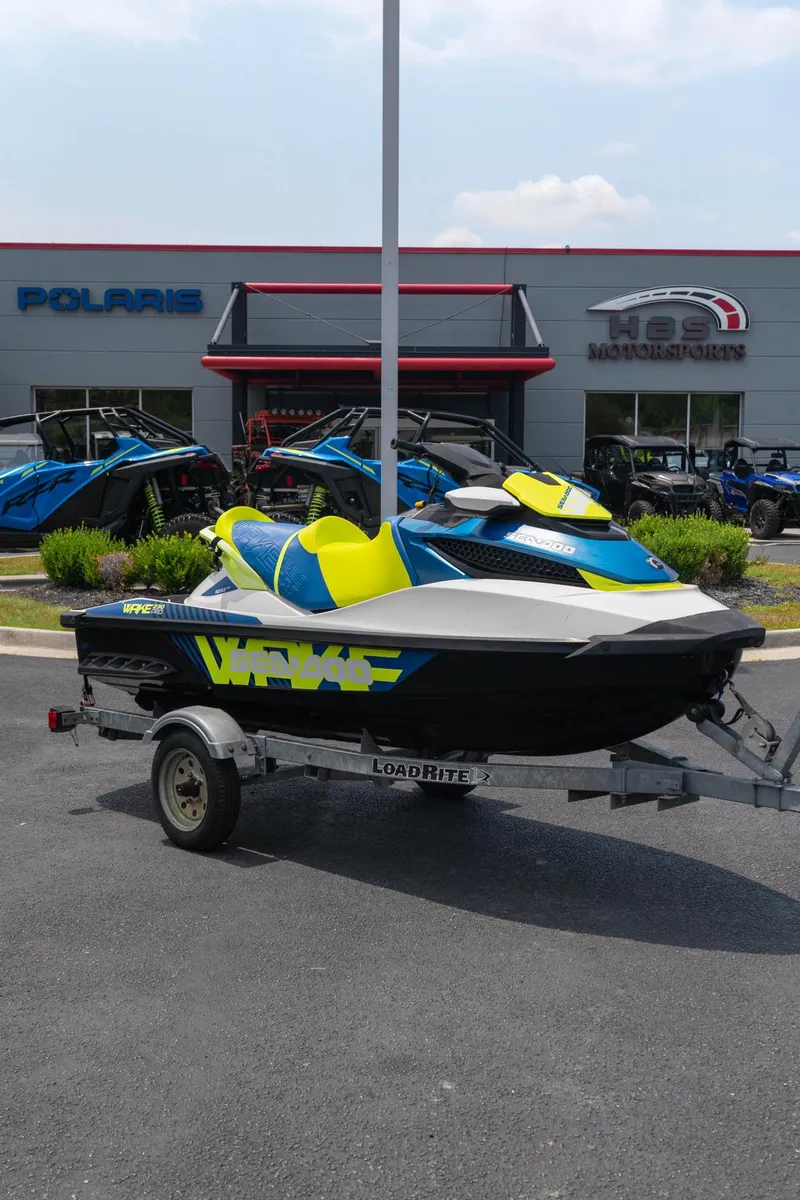
In Sea-Doo’s mid-range lineup, official “Starting at” pricing on the manufacturer site places the 2026 Sea-Doo GTI at $12,099 and the 2026 Sea-Doo GTI SE at $13,299, while touring oriented models like the 2026 Sea-Doo GTX start at $15,949 and tow-sports models like the 2026 Sea-Doo Wake start at $14,849, with higher-tier tow and adventure options such as the 2026 Sea-Doo Wake Pro starting at $19,849 and the 2026 Sea-Doo Explorer Pro 170 starting at $20,149. On the market price side, new units in these families are generally advertised near MSRP when inventory is strong and closer to or above MSRP when popular packages or higher trims are in demand, and used units show the widest spreads by model year and hours, with current listings for late-model mid-range Sea-Doo units often clustering from the low teens into the high teens, while better equipped touring and tow-sports trims more often occupy the mid teens to low twenties depending on year and equipment.
For premium and flagship pricing, Sea-Doo’s official site lists performance models such as the 2026 Sea-Doo RXP-X starting at $20,099 and the 2026 Sea-Doo RXT-X starting at $21,899, alongside premium luxury touring like the 2026 Sea-Doo GTX Limited starting at $22,549. In today’s market price environment, premium Sea-Doo models in this band generally command asking prices in the high teens through the low to mid $20,000s, and current dealer listings for new GTX Limited 325 examples are commonly advertised right at the published $22,549 starting figure and sometimes slightly higher when a premium colorway, package, or dealer-installed accessories are included. The biggest real-world price swings on top-tier Sea-Doo units typically come from model year differences, engine specification and trim level, hours on the craft, and whether the sale includes accessories like a trailer, cover, audio upgrades, and upgraded displays.
Across the Sea-Doo range, the official MSRP picture on seadoo.com shows entry pricing starting at $6,999 for the 2026 Sea-Doo Spark and rising through mid-range models like the Sea-Doo GTI and Sea-Doo GTX into premium flagships like the Sea-Doo RXT-X and Sea-Doo GTX Limited at $22,549 starting MSRP, while market price reality often runs higher for entry models that are frequently advertised with bundled packages and dealer add-ons and closer to MSRP for premium models that tend to be priced more transparently by trim. Sea-Doo also notes that transportation and preparation costs can vary and are not necessarily included in the published starting price, so buyers should budget beyond MSRP for freight, setup, documentation, registration, taxes, and optionally a trailer. Market prices vary by location, condition, model year, and dealer, so the most realistic budgeting approach is to treat Sea-Doo MSRP as a base reference point and then validate the market price by comparing multiple current listings for the exact model, trim, and year you want.
WHAT OTHER STYLES OF BOATS DO THEY MAKE?
Sea-Doo’s “other boat styles” today are essentially all built around one core platform: the Sea-Doo Switch line, which is a modern pontoon-style family boat offered in multiple purpose-built trims, including Switch Sport for tow sports and active days on the water, Switch Cruise and Switch Cruise Limited for comfort-forward cruising and entertaining, and Switch Fish for anglers who want true fishing features without giving up family space and flexibility. In real-world use, that means Sea-Doo’s current boats skew heavily toward the pontoon boat category rather than a traditional fiberglass bowrider or center console, with a big emphasis on easy ownership and versatility through the Switch modular deck layout, Rotax power, and trailer-included, lake-friendly packages that are designed for everything from tubing and swimming to relaxed sunset cruises and casual to serious fishing days depending on the trim you pick. citeturn0search0turn0search4turn0search1turn0search5
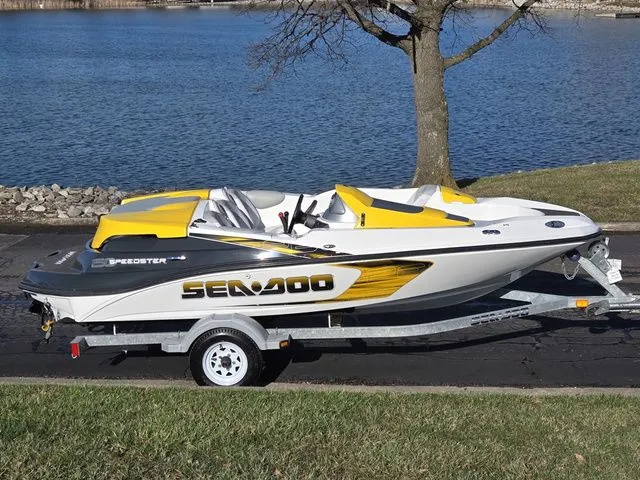
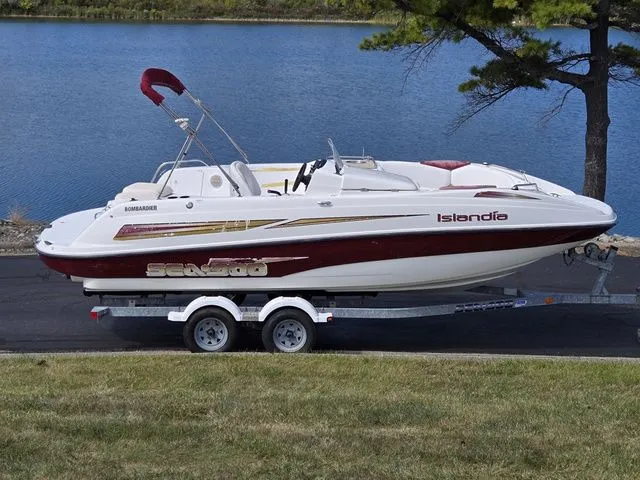
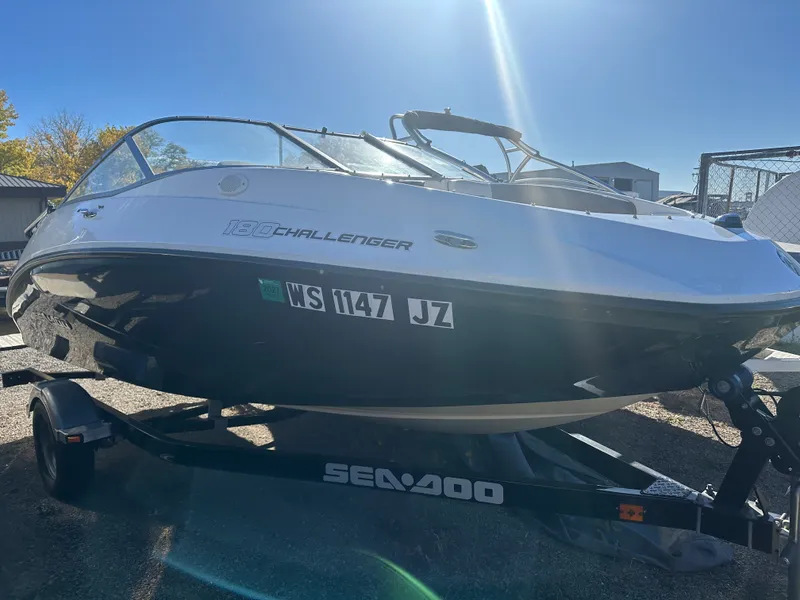
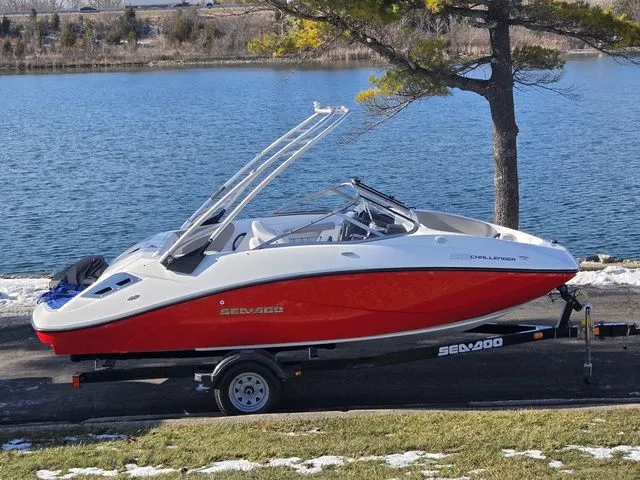
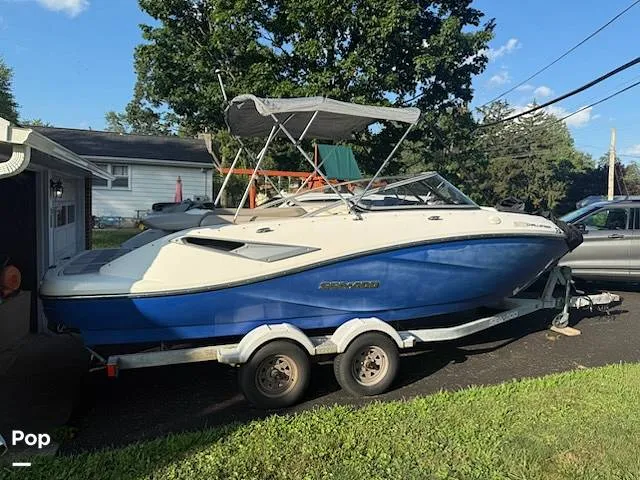
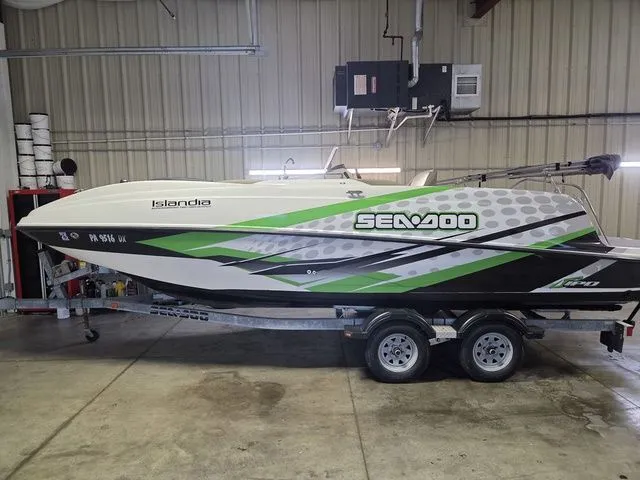
Historically, Sea-Doo also built very different “sport boat” styles that many boaters still remember, and these are the ones you’ll encounter on the used market: jet-powered runabout and bowrider-style sport boats such as the Sea-Doo Sportster 4-TEC, along with the Speedster and Challenger lines that leaned into high-energy watersports handling, shallow-water-friendly jet drive, and layouts ranging from compact, four-seat fun machines to larger family sport boats with more seating and comfort features. BRP ultimately exited the Sea-Doo sport boat segment and discontinued sport boat production in 2012, which is why these models are now strictly pre-owned finds, but they remain an important part of Sea-Doo’s marine heritage and help explain why the brand’s current watercraft and Switch boats still emphasize quick acceleration, playful handling feel, and owner-friendly packaging. citeturn1search0turn1search12turn0search2
What Sea-Doo generally does not make under the Sea-Doo name today are the broad traditional categories you might expect from legacy boat builders, such as offshore center console fishing boats, bay boats, dual console runabouts from multiple hull families, sterndrive-powered cruisers, or large cabin yachts, and even within the pontoon space Sea-Doo’s focus is not on conventional aluminum-tube pontoons so much as its own Switch concept and family of trims. Put simply, if you are shopping Sea-Doo specifically, you are shopping a highly focused lineup that prioritizes modularity, tow-sports-ready versatility, and trailerable, easy-day boating rather than competing across every segment of the fishing boat and family boat market, and that clarity of purpose is a big part of why the Switch models are split into clearly defined use-case styles like Sport, Cruise, Cruise Limited, and Fish. citeturn0search4turn0search0turn0search1turn0search8
In summary, Sea-Doo’s current “boat styles” are centered on the Switch platform, with the main choices being a sport-focused pontoon boat (Switch Sport), comfort-oriented cruising pontoons (Switch Cruise and Switch Cruise Limited), and a fishing pontoon boat (Switch Fish), while older Sea-Doo buyers and used-boat shoppers may still run into discontinued jet-powered sport boats like the Sportster, Speedster, and Challenger from the years before BRP ended sport boat production in 2012. Looking ahead, the most realistic evolution for Sea-Doo is continued refinement of the Switch family through new packages, tech, and layout crossovers that blend fishing, cruising, and tow sports in one adaptable deck, which fits the brand’s strategy of staying focused and improving the boat styles it is known for rather than spreading into unrelated categories. citeturn0search6turn0search0turn0search4turn0search2
WHAT KINDS OF ENGINES DO THESE BOATS USE?
Sea-Doo boats today are primarily jet driven rather than outboard or sterndrive powered, using inboard mounted Rotax engines that spin a jet pump for propulsion. That jet propulsion setup is a core part of the brand’s identity because it pairs shallow draft with no exposed propeller, quick acceleration, and easy trailer and beach handling, which many family and watersports boaters prioritize. Across the lineup, the basic configuration stays consistent as a jet boat, but engine setups vary by model and size, with smaller sport and runabout style boats typically using a single Rotax jet powerplant and larger, more performance oriented models commonly using twin Rotax engines for higher combined horsepower and stronger towing and top end performance.
In general terms, Sea-Doo’s smaller boats and compact runabouts tend to live in the roughly 170 to 300 horsepower range with a single Rotax jet engine, while larger models and higher performance trims commonly move into twin engine packages where total output can land around the 300 to 600 horsepower class depending on the exact model and tune. Sea-Doo has long been known for lively hole shot, making it popular for tow sports where strong low speed pull matters, and twin engine layouts also help maintain speed with heavier crews and gear. Exact horsepower depends on the specific boat model year and the Rotax variant installed, but the practical pattern is simple: one engine for lighter, smaller hulls and twin engines for bigger, faster boats that are designed to carry more people and deliver higher top end potential.
Sea-Doo’s engine story is closely tied to Rotax, the in house powerplant family used across BRP watercraft, and Sea-Doo jet boats typically use supercharged and naturally aspirated Rotax four stroke designs depending on trim and performance target. Rather than offering a menu of outboard brands, Sea-Doo boats are generally sold as integrated factory packages where the engine, jet pump, controls, and rigging are designed to work together as a system. That system approach helps keep the driving experience consistent across dealers and regions, and it also supports modern digital controls and smart throttle style features that are tuned for jet propulsion response and watersports use.
On the water, the jet drive strategy enables fast planing, strong acceleration, and confident shallow water access because there is no lower unit or prop hanging below the hull, and the jet thrust can feel especially responsive for carving turns and pulling riders. Many Sea-Doo packages emphasize easy operation with digital controls and refined throttle mapping, and twin engine models can improve low speed maneuvering with differential thrust, which makes docking less intimidating for newer boaters. Jet propulsion can also reduce prop related maintenance and damage risks in weedy or debris prone areas, while tilt and trailer convenience remains a big benefit for family users. Overall, Sea-Doo’s Rotax jet boat approach aligns with a sporty, watersports friendly mission by blending shallow draft practicality, integrated factory rigging, and performance focused acceleration in a package that feels modern and approachable.
WHY BUY THIS BRAND OVER A COMPETITIVE BRAND?
Why choose Sea-Doo when you are weighing Sea-Doo boats vs competitors often comes down to how the craft is engineered for predictable handling, durability, and real-world usability, and Sea-Doo documents several construction choices that directly support those outcomes. On models built on the GTI platform, Sea-Doo specifies a Polytec hull material, and the brand states Polytec reduces weight for performance and efficiency while being more scratch-resistant than fiberglass; Sea-Doo also describes its second-generation Polytec (Polytec Gen II) as lightweight, strong, highly scratch resistant, and designed to be easy and affordable to repair, which can translate into long-term durability and confidence when beaching or dealing with inevitable dock rash. On larger touring and offshore-oriented platforms, Sea-Doo specifies fiberglass hulls paired with named hull designs such as the ST3 hull, and Sea-Doo highlights systems that support reliability in everyday riding conditions, including a Rotax closed-loop cooling system concept similar to an automobile that provides a consistent, debris-free cooling liquid source, plus an optional Intelligent Debris-Free Pump System (iDF) that can reverse pump flow at the push of a button to clear a clogged intake without leaving the seat. For control and safety at speed changes and tight quarters, Sea-Doo’s iBR (Intelligent Brake & Reverse) is positioned by the manufacturer as an on-water brake that also adds intuitive low-speed control by starting in neutral and allowing forward, neutral, and reverse selection from the handlebars, and Sea-Doo notes iBR is recognized by the U.S. Coast Guard for improving boat safety, which is a concrete, manufacturer-cited differentiator in the build quality of Sea-Doo boats.
Beyond core construction, Sea-Doo vs other fishing boats and recreation PWCs is also a value discussion about how much functionality is engineered into the platform without forcing you into a single-purpose layout, and Sea-Doo’s own model pages and feature lists show a consistent emphasis on storage access, accessory modularity, and helm and boarding convenience. Several Sea-Doo platforms advertise direct-access front storage that can be opened from a seated position by raising the handlebars, and on certain models Sea-Doo specifies a 25.3 US gal (96 L) front storage area with a watertight phone compartment and integrated USB port; that kind of quick-access, protected storage is a practical advantage for day-long riding, fishing prep, or towing days where you want essentials within arm’s reach rather than buried under seats. Sea-Doo also promotes its LinQ attachment system across multiple models, pairing it with large swim platforms and LinQ attachment points to support fast, secure add-ons for different missions, and it complements that with rider-facing control features such as VTS (Variable Trim System) for fine-tuning handling and optional onboard tech like BRP Audio Premium, a 100W waterproof integrated Bluetooth audio system with handlebar-friendly control. If your use case includes tow sports, Sea-Doo documents purpose-built equipment on the Wake Pro, including a standard removable ski pylon, a board rack, and a dedicated Ski Mode, which supports a factual, brand-backed argument for customer satisfaction with Sea-Doo among owners who want one platform that can do more than one job without constant compromises.
Sea-Doo’s lineup also makes a strong manufacturer-documented case for blending utility with comfort so owners can alternate between serious on-water tasks and relaxed cruising without feeling like they bought the wrong kind of craft for half their weekends. Sea-Doo highlights large, flat swim platforms on multiple platforms, including claims on certain models that the platform is the largest in the industry, and it ties that space directly to common comfort and utility moments such as lounging, prepping for watersports, and re-boarding, while also integrating LinQ for versatility; in practice, that means the same stern area can support gearing up for a pull, staging fishing gear, or simply acting as an easy water-level hangout. Seating and ergonomics are also presented as part of the multi-use equation, with Sea-Doo listing Ergolock two-piece seat designs on touring-oriented trims and showing family-ready capacities up to three riders on many models, while still offering performance-leaning control tools like iBR for low-speed maneuvering and VTS for ride attitude adjustments as conditions change. For riders who want a connected, premium feel on the water, Sea-Doo pairs select packages with larger displays and BRP Connect functionality, and on some models it explicitly describes smartphone app integration that can provide items like navigation and weather alongside music, reinforcing the idea that a Sea-Doo can be set up to feel just as appropriate for an all-day cruise as it is for a focused fishing run or a tow sports session. In that sense, Why choose Sea-Doo is often about choosing a platform whose official design story is centered on maximizing usable space, controllability, and accessory-driven flexibility rather than locking you into a narrow identity.
For long-term ownership confidence, Sea-Doo’s own published specifications show straightforward warranty coverage and an ecosystem of official support and accessories that can matter as much as top speed or storage volume. On Sea-Doo model pages for recent and current model years, the manufacturer states that BRP limited warranty covers the watercraft for one year, and Sea-Doo’s owner-zone guidance also reflects an emphasis on correct operation and maintenance practices, such as explaining how its Rotax closed-loop cooling architecture works and why the craft should not be run out of water except for short flushing scenarios, which reinforces a brand posture focused on reliability through proper use. Add to that the factory-described benefits of Polytec and Polytec Gen II on applicable models, including scratch resistance and easier, more affordable repair, plus systems like iBR for controlled docking and iDF for clearing intake clogs from the seat, and the overall proposition is that you are buying into a well-defined, manufacturer-engineered approach to safety, convenience, and durability. When someone searches Sea-Doo boats vs competitors, the most defensible, fact-based reason to choose Sea-Doo is not a vague claim of being better than every alternative, but that the brand can document proprietary technologies and platform features that are designed to reduce hassle on the water, expand how you use a single craft across fishing, cruising, and tow sports, and deliver a balanced mix of performance, practical durability, and long-term value backed by BRP’s published warranty terms and owner support resources.
WHAT IS THE MOST POPULAR MODEL OF THIS BRAND BEING BUILT TODAY?
Sea-Doo’s clearest indicator of a volume-leading model being built today is the Sea-Doo SPARK, a Rec Lite personal watercraft offered in both 2up and 3up sizes, because it is positioned as the entry point in Sea-Doo’s own online “Customize and build” lineup and is framed as a lightweight, easy to tow, high value way to “make the most out of your summer on the water.” On official BRP communications about the Sea-Doo range, the SPARK is also explicitly described as the industry’s best-selling model, which is the closest manufacturer level evidence available for “most popular,” even if Sea-Doo does not publish current year unit rankings by model. That combination of prominent placement as the lowest barrier to ownership and a documented best-selling claim makes the SPARK the most defensible answer for Sea-Doo’s popularity leader in current production, and its compact Rec Lite format is designed for broad accessibility rather than a narrow performance niche.
From Sea-Doo’s current model specification pages, the SPARK line’s primary hard dimensions center on a 46 in 118 cm beam and a 7.9 gal 30 L fuel capacity, with a choice of 2up at 110 in 279 cm length or 3up at 120 in 305 cm length, and passenger capacity matching those seating formats. Power is shown at 90 hp on the SPARK TRIXX specification page within the same Rec Lite family, and Sea-Doo’s build tool emphasizes the SPARK’s easy towing and fun focused mission, which helps explain its wide appeal. While Sea-Doo’s public web specs do not consistently publish draft, the SPARK platform’s compact footprint and modest fuel load are aligned with day use riding and straightforward ownership, and Sea-Doo’s lineup structure reinforces that it is a high configuration platform with multiple seating formats and variants such as SPARK and SPARK TRIXX offered side by side for different budgets and ride styles.
The typical SPARK buyer is a first time personal watercraft owner, a family adding an easy second craft, or an owner with limited storage and towing capacity who still wants genuine Sea-Doo handling and summer fun without stepping into the larger touring and performance segments. Sea-Doo’s own positioning of the SPARK as easy to tow with most sedans and designed to maximize summer use speaks directly to this broadest segment of the market, where convenience and affordability drive purchasing decisions as much as peak speed. The platform also works as a versatility bridge because the 2up format suits solo and two person riding while the 3up format adds social capacity, and the adjacent SPARK TRIXX variant extends the same compact hull concept toward playful trick oriented riding, giving buyers a clear choice within one familiar family. In effect, the SPARK becomes a single nameplate that can match different lifestyles while keeping ownership simple, which is a common hallmark of a brand’s de facto most popular model.
On availability, Sea-Doo’s official site continuously supports the SPARK with an online build and price tool and dealer shopping flow, a sign it remains a core, actively marketed product rather than a limited run specialty model. Sea-Doo also continues to invest in the SPARK family by maintaining separate, concurrently marketed SPARK and SPARK TRIXX offerings and publishing current specification pages and downloadable spec sheets for these models, which indicates ongoing production support and merchandising priority. Although Sea-Doo does not publish public build slot lead times on its website, the consistent placement of SPARK at the front of the personal watercraft selection experience and the manufacturer level best-selling claim together show why this size and style has become a signature offering. It is the combination of compact Rec Lite proportions, approachable ownership, and multiple seating formats and variants that makes the SPARK the most credible “most popular” Sea-Doo model being built today.
WHAT IS THE HISTORY OF THIS BOAT BRAND AND COMPANY?
Sea-Doo traces its roots to the inventive culture of Joseph-Armand Bombardier, who founded his company in 1942 in Valcourt, Québec, Canada, and built its reputation by applying compact powertrain engineering and lightweight vehicle thinking to recreational machines; within that BRP lineage, the first Sea-Doo watercraft was introduced to the public in 1968 as a two-seat, water jet powered craft using an air-cooled 320 cc Rotax engine, an early attempt to package jet propulsion and small-displacement marine power into an accessible, mass-produced runabout concept that foreshadowed the modern personal watercraft category. Even in this first era, Sea-Doo’s identity was tied to doing something fundamentally different on the water, pairing a Rotax engine with jet drive for shallow-water capability and simple operation, and the brand’s early public demonstrations emphasized real-world endurance and practicality, including a documented long-distance ride from Montréal to New York City undertaken by Bombardier leadership to prove the concept. From that starting point, Sea-Doo established a pattern it would repeat for decades, using in-house engine development, tight integration of propulsion and hull, and highly visible product milestones to define how small jet-powered craft could be built, used, and marketed to a broader recreational audience rather than only niche marine enthusiasts.
After the initial introduction, Sea-Doo’s modern resurgence began with a formal relaunch in 1988, when Bombardier brought the brand back with the Sea-Doo 5801 powered by a 580 cc Rotax rotary-valve engine and built around an innovative V-hull concept that even influenced a redesign of the Sea-Doo logo to visually incorporate the hull’s V theme, signaling how central hull engineering had become to the brand story. Through the early 1990s the lineup broadened quickly as Sea-Doo pursued family and sport segments in parallel, introducing the three-seat Sea-Doo GT in 1990 to expand carrying capacity and towing-oriented utility, then moving into performance identity with the XP in 1991, and by the mid-1990s reinforcing its racing and handling credentials with models such as the HX, which introduced a suspension seat concept aimed at controlling rider impacts and improving cornering feel, alongside the XP 785 that paired Rotax power with the tuneable X4 hull and became a major competitive reference point. By the late 1990s Sea-Doo was also positioning itself around cleaner and quieter technology with the GTX RFI in 1998, combining semi-direct fuel injection and sound-reduction measures, and then continued that direction into 2000 with direct-injection Millennium Edition models and the Sea-Doo Learning Key, which used electronic control logic to help manage acceleration and top speed for newer riders, showing how the brand was increasingly blending mechanical design with rider-management electronics as part of its mainstream growth strategy.
In the 2000s and 2010s Sea-Doo’s modernization accelerated as its product development moved decisively toward four-stroke efficiency, high-output supercharged performance, and integrated electronic control systems, beginning with the 2002 GTX 4-TEC introduction that brought four-stroke technology into the lineup and continuing with the 2004 RXP 215 that broke new ground by exceeding 200 horsepower and helped establish the modern high-performance personal watercraft archetype. The next major inflection point came in 2009 with the launch of iControl, which Sea-Doo describes as a suite that combined on-water braking, electronically managed throttle, and a self-adjusting suspension concept, marking a clear shift toward digitally mediated handling and user experience rather than purely mechanical refinement, and that technology trajectory continued into the 2010s with performance and handling advances such as the T3 hull and Ergolock rider interface philosophy applied to models like the RXP-X 260 in 2012. Sea-Doo also expanded the market by deliberately designing for new entrants with the 2014 SPARK, created to be accessible and fun while using a simplified, modern manufacturing approach, and at the high end it pushed engine benchmarks with the Rotax 1630 ACE era, including a 300-horsepower specification highlighted in 2016, reflecting a lineup strategy that increasingly spanned first-time riders, touring families, tow-sports users, and competitive performance customers under one coherent Sea-Doo technology umbrella.
In the most recent period, Sea-Doo has continued to emphasize platform-level evolution, onboard experience, and incremental powertrain leadership as it refreshes its touring, recreation, and performance families, with the 2018 model introductions for GTX, RXT, and WAKE PRO highlighting more usable space, modular accessory capability, and integrated features such as Bluetooth audio alongside stability-oriented hull and packaging changes. That trajectory remains visible in current Sea-Doo product communication, which emphasizes Rotax marine power as the core of the brand and spotlights a latest 325 HP personal watercraft engine at the top of the range, positioning models such as the RXP-X as flagship performance offerings while keeping broad-appeal lines like GTI and GTX focused on comfort, stability, storage, and family usability. Taken together, Sea-Doo’s history shows a brand repeatedly defined by integrated engineering choices, jet-drive accessibility, Rotax-driven performance scaling, and the steady layering of electronic control and user-focused features, and that continuity from the 1968 original through the 1988 relaunch and into today’s digitally equipped, high-output lineup helps explain why Sea-Doo continues to present itself as a leader in making personal watercraft both approachable for newcomers and technically compelling for experienced riders.
AWARDS AND RECOGNITIONS
Sea-Doo, a BRP brand, has built much of its marine recognition around NMMA Innovation Awards and third party design and editorial honors tied to specific breakthrough models. A notable milestone came in 2018, when the Sea-Doo GTX Limited earned an NMMA Innovation Award at the Miami International Boat Show, recognized by BRP for features such as easy access storage, integrated waterproof audio, and a reconfigurable rear seat aimed at elevating the premium personal watercraft experience. The brand’s momentum broadened into the pontoon segment with the Sea-Doo Switch, which won the 2022 Minneapolis Innovation Award in the pontoon boat category, an NMMA and Boating Writers International judged program spotlighting ground breaking new consumer marine products. That same Switch platform also collected major international design and innovation recognition in 2022, including an iF Design Award, a Red Dot Design Award, and a Silver Edison Innovation Award, reflecting the industry’s response to its modular, reconfigurable deck concept and accessible, jet powered approach to pontoon boating. In early 2023, Boating Magazine named the Sea-Doo Switch its 2022 Boat of the Year, further cementing the model’s impact as a disruptive, easy to dock, adaptable family platform, and later in February 2023 BRP announced the Sea-Doo Explorer Pro 170 received an NMMA Innovation Award in the personal watercraft category at the Discover Boating Miami International Boat Show.
In contrast to its Innovation Award and design award visibility, Sea-Doo does not have a clearly documented, brand specific NMMA CSI award streak in official manufacturer publications or NMMA materials that can be verified in the same way within the available sources. BRP communications about CSI recognition around this period highlight Manitou, another BRP marine brand, including a stated 20th consecutive NMMA CSI Award in the pontoon boats category for the 2021 program year and continued recognition mentioned in 2023, but those CSI details are not attributed to Sea-Doo. Because the NMMA CSI program is based on independently measured customer survey results and recognizes manufacturers that meet a high satisfaction benchmark, a verified, Sea-Doo specific count and category would require an official NMMA CSI recipient listing or a Sea-Doo or BRP announcement explicitly naming Sea-Doo as a CSI winner and stating the years and category. As a result, the most defensible summary of Sea-Doo’s recognition centers on its repeatable pattern of external validation for product innovation and design, led by NMMA Innovation Awards and top tier editorial honors such as Boating Magazine’s Boat of the Year, which together signal sustained engineering focus, creative marine product development, and strong brand credibility for buyers prioritizing innovation and on water usability.