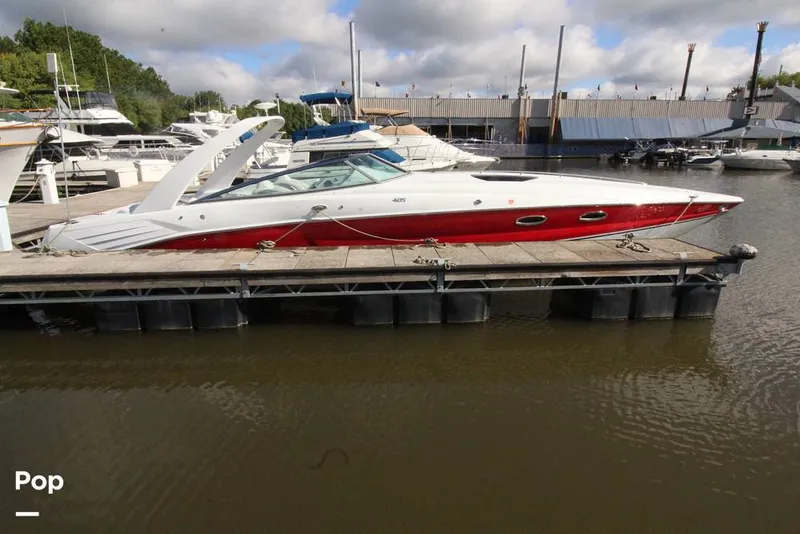
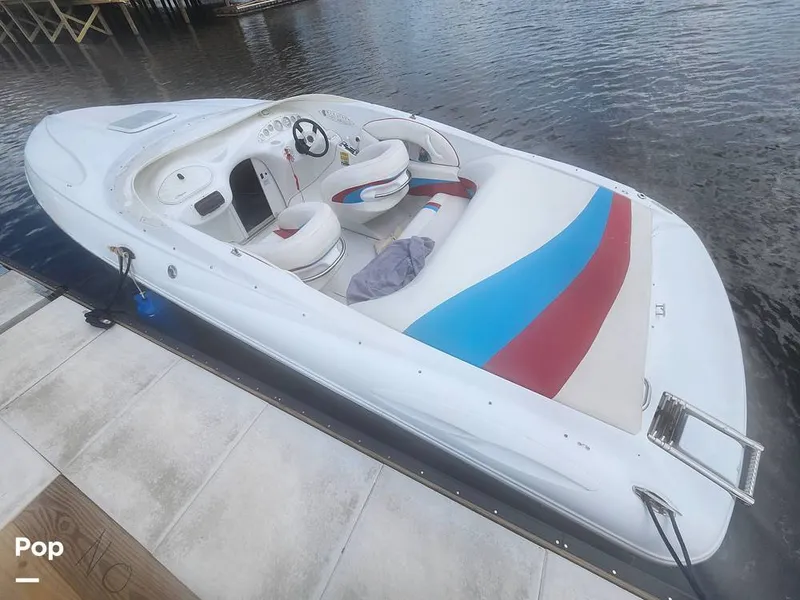
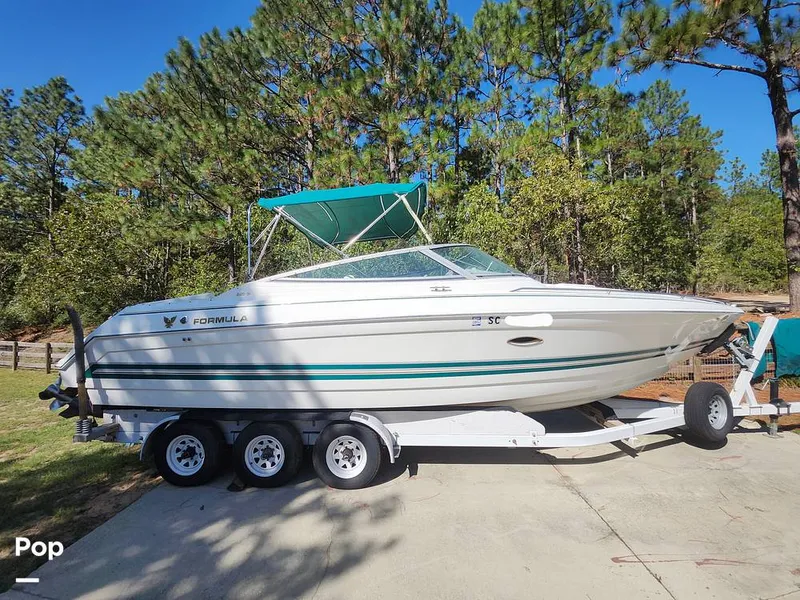
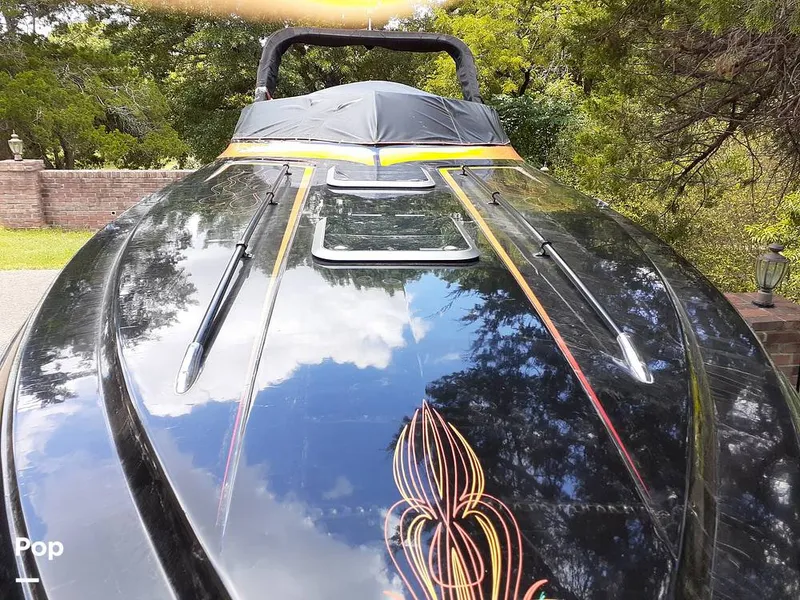
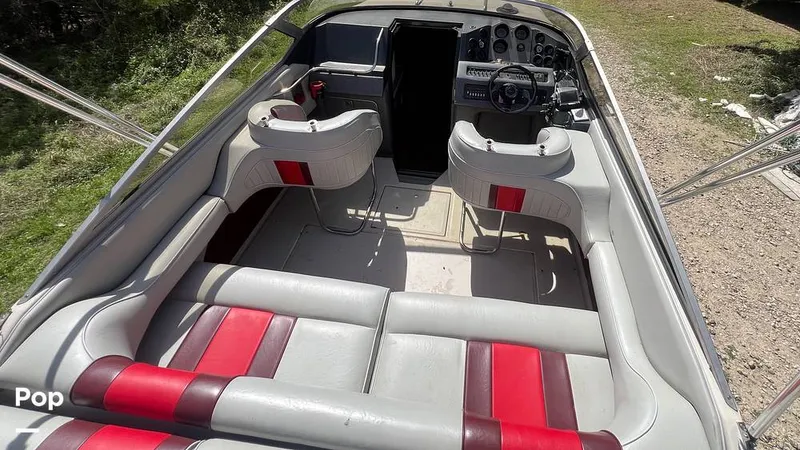
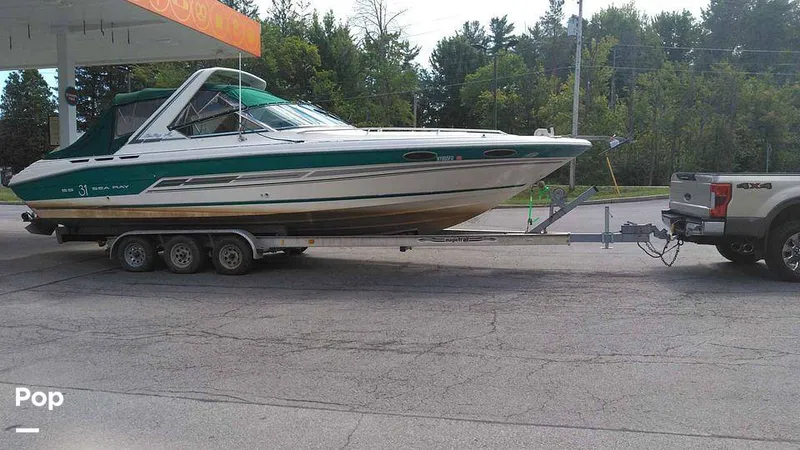
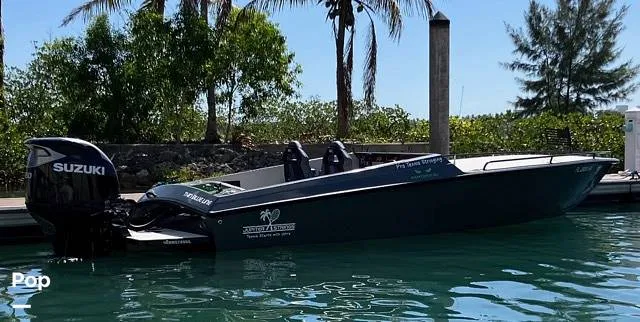
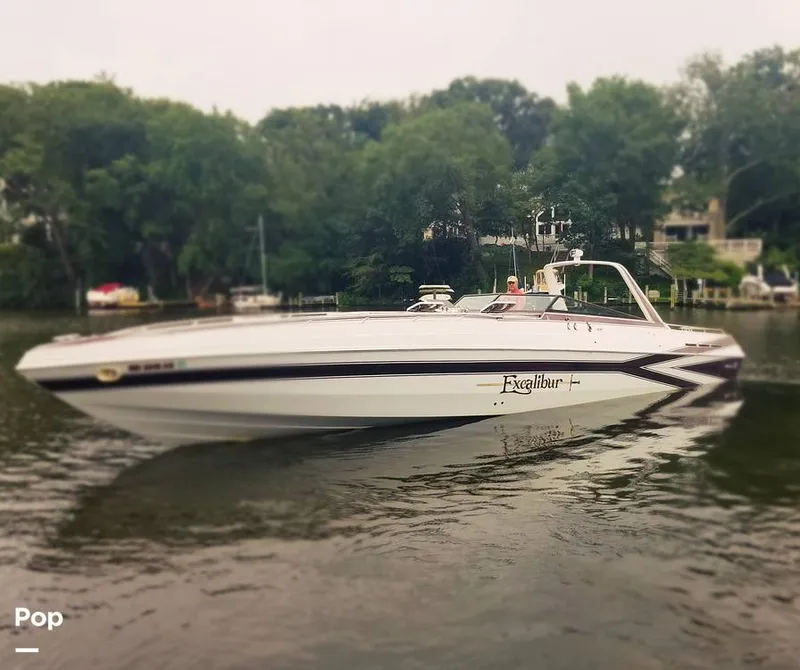
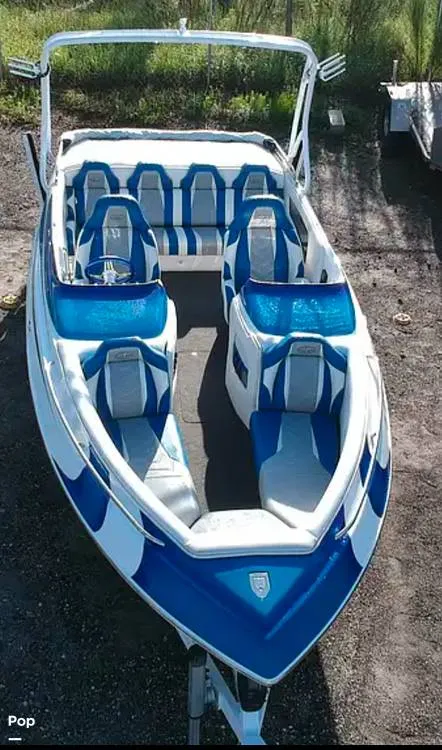
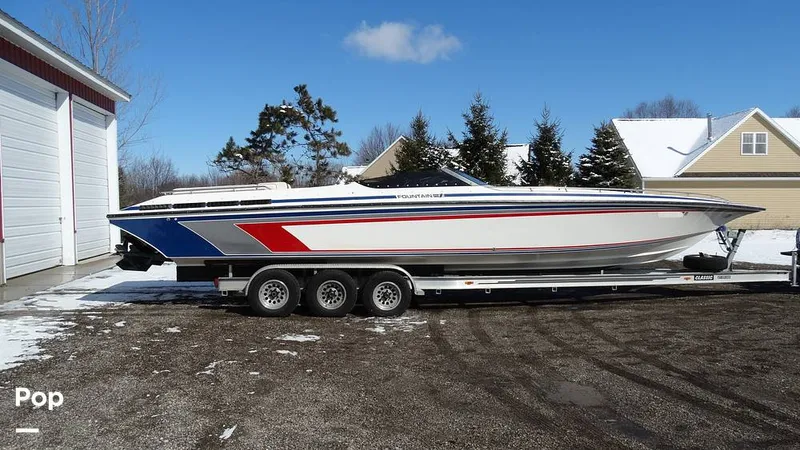
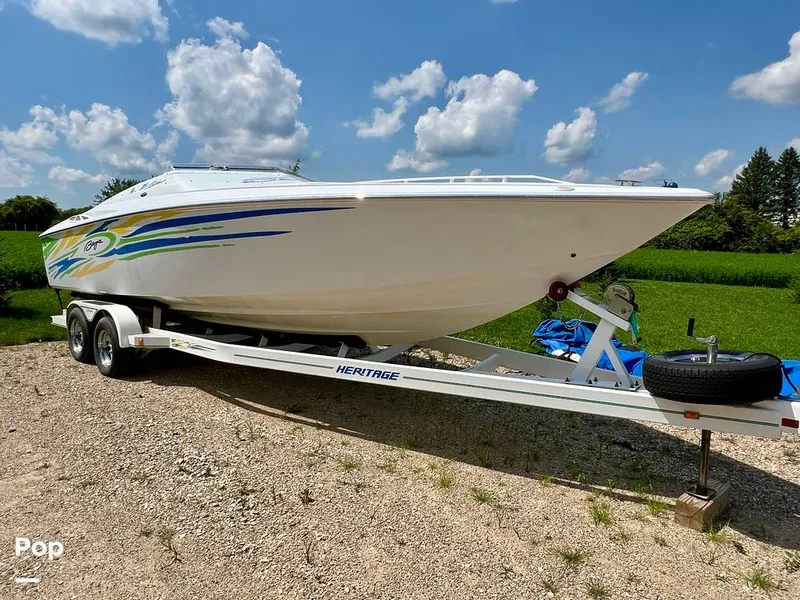
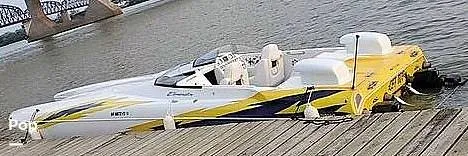
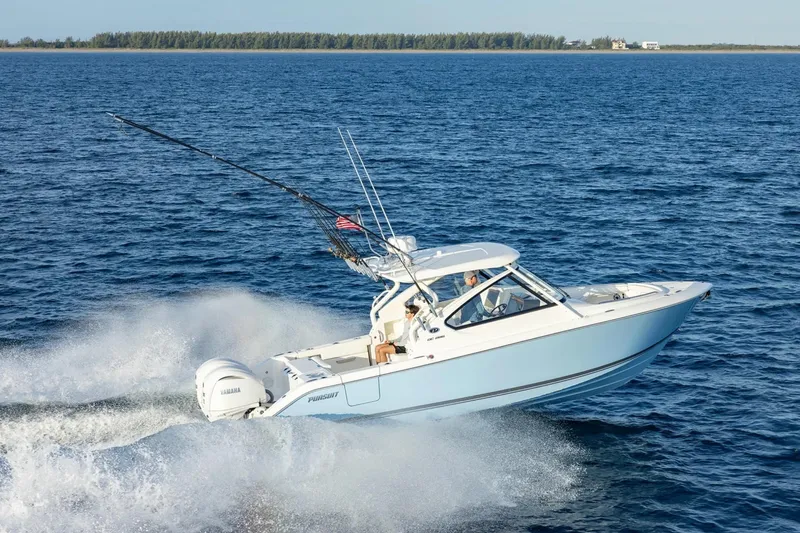
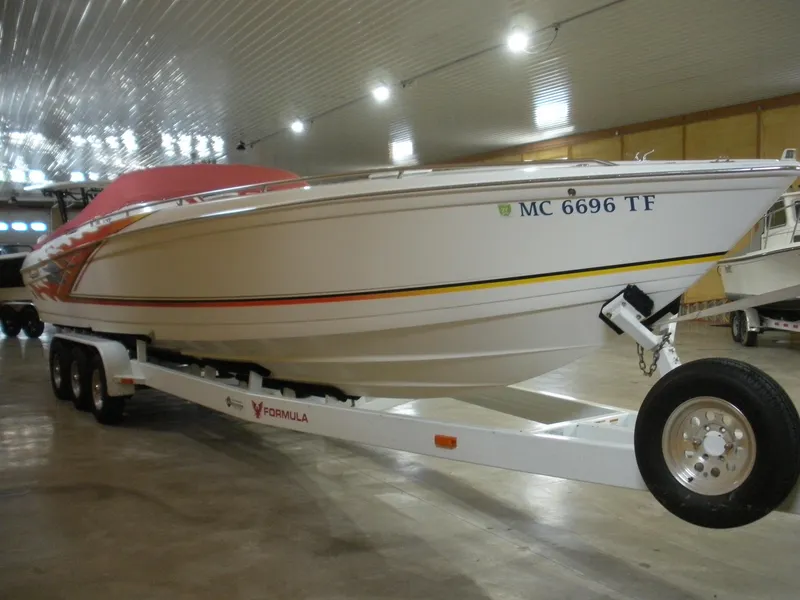
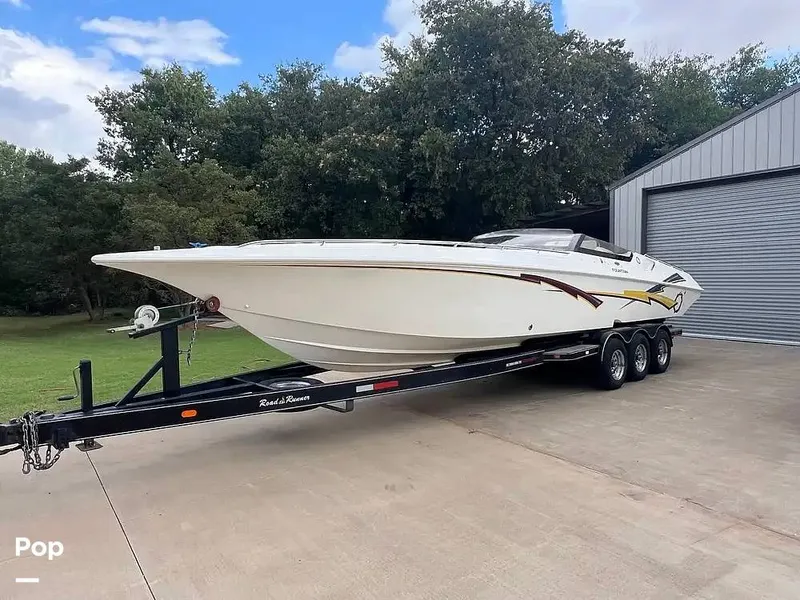
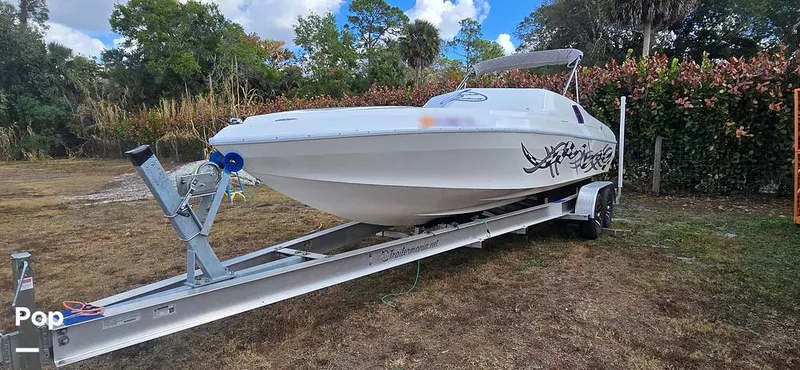
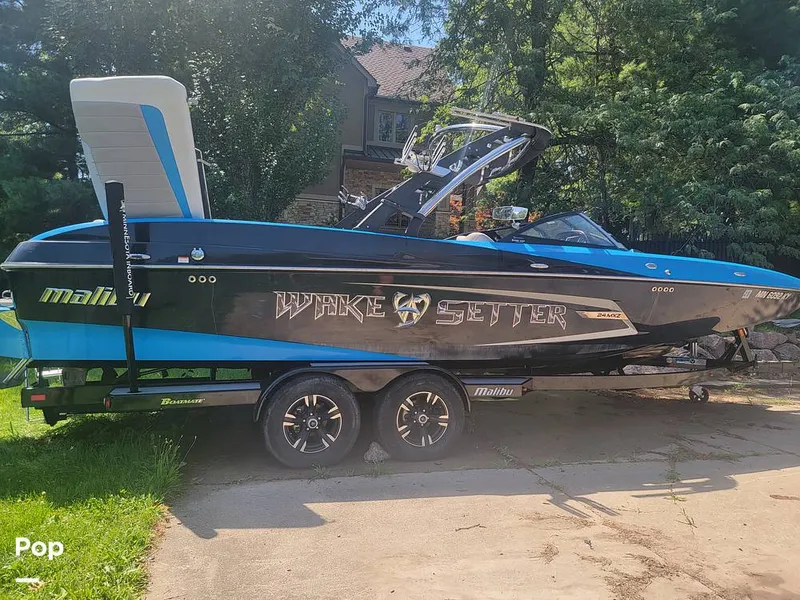
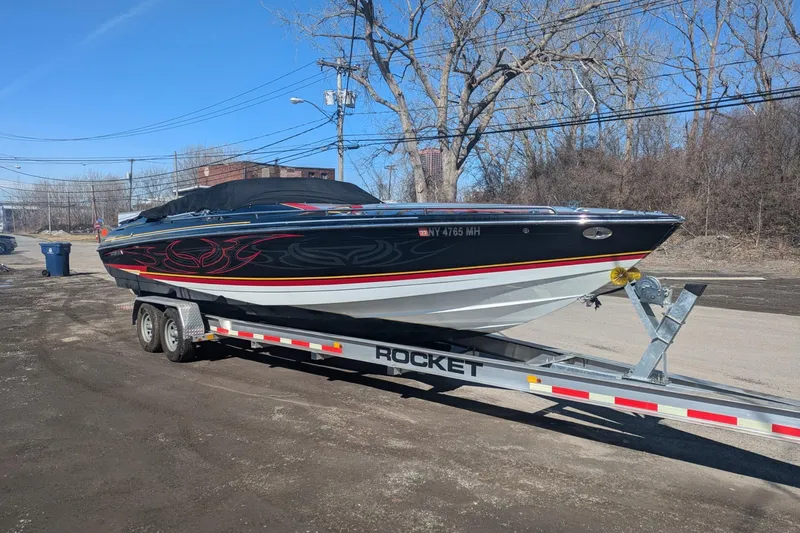
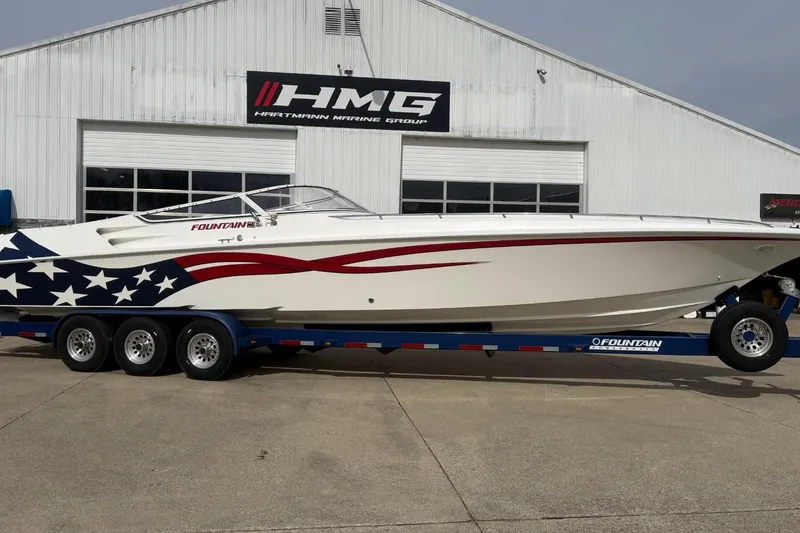
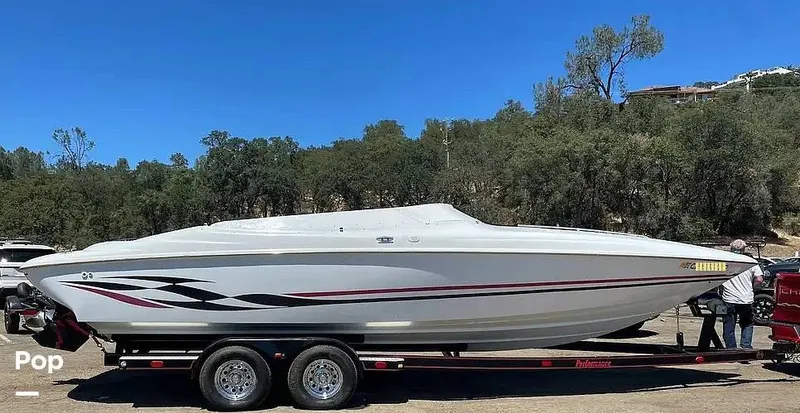
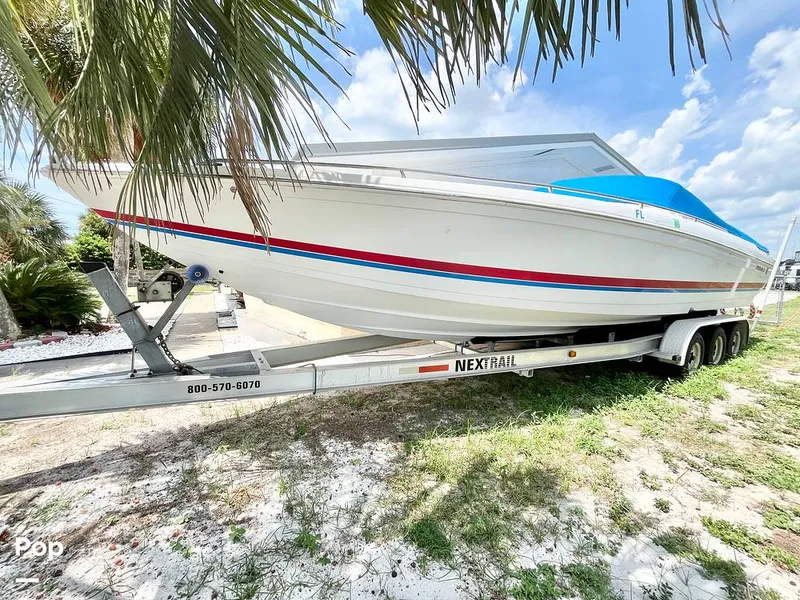
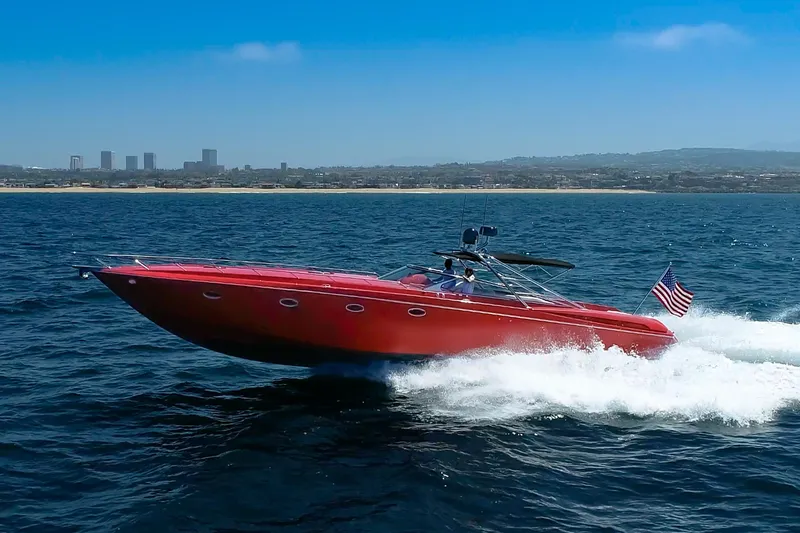
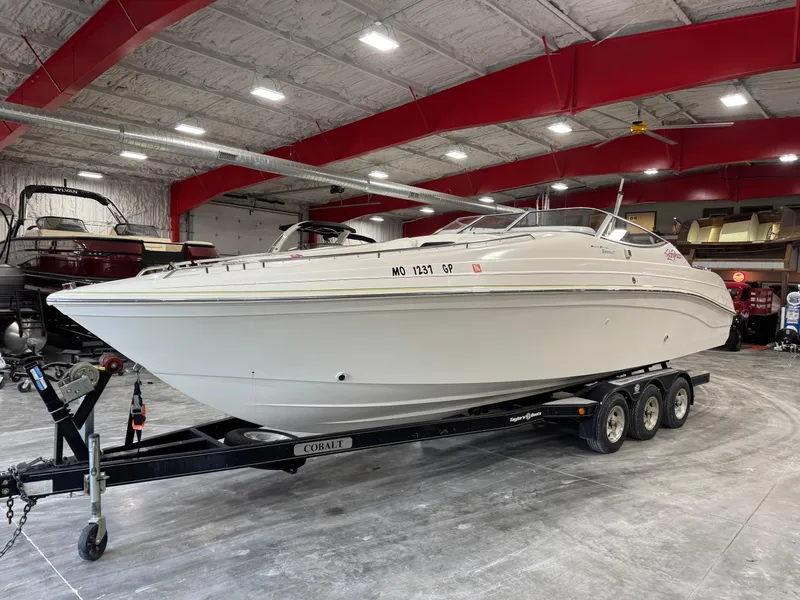
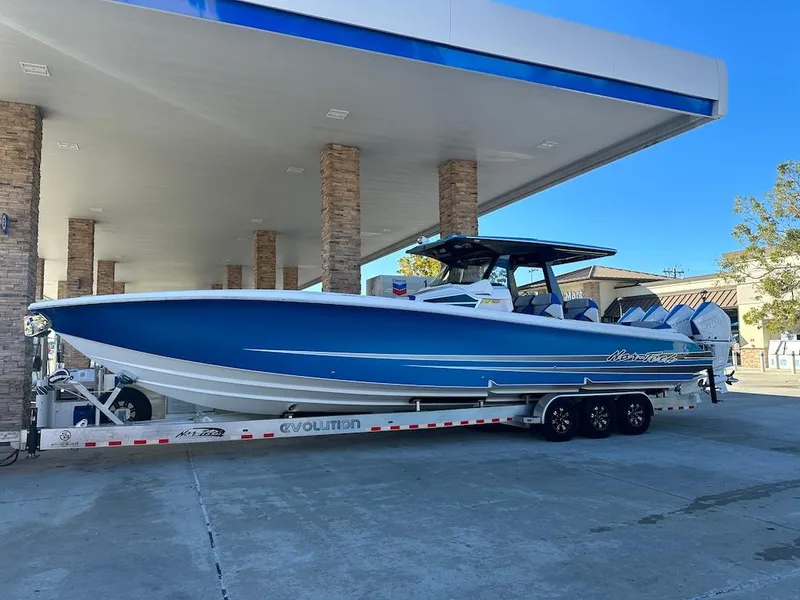
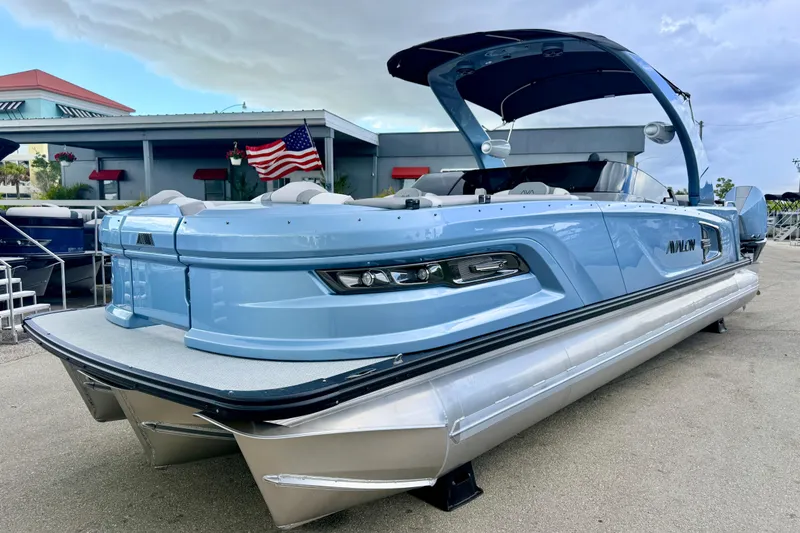
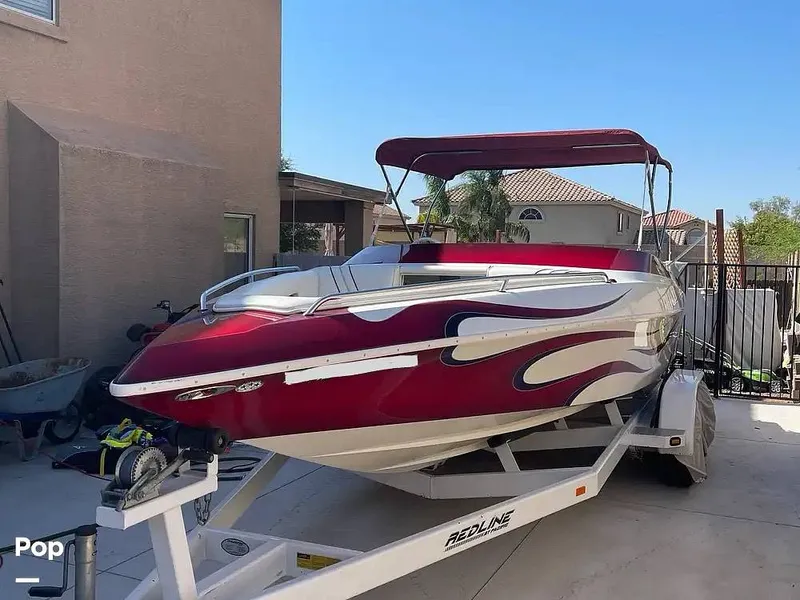
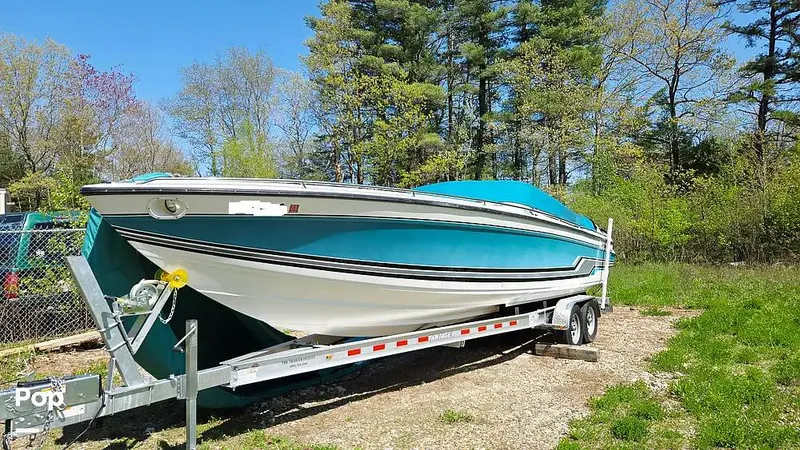
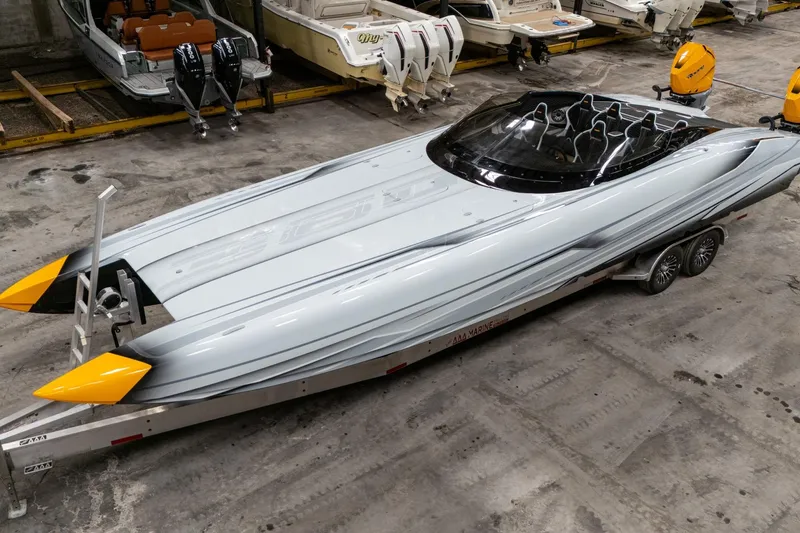
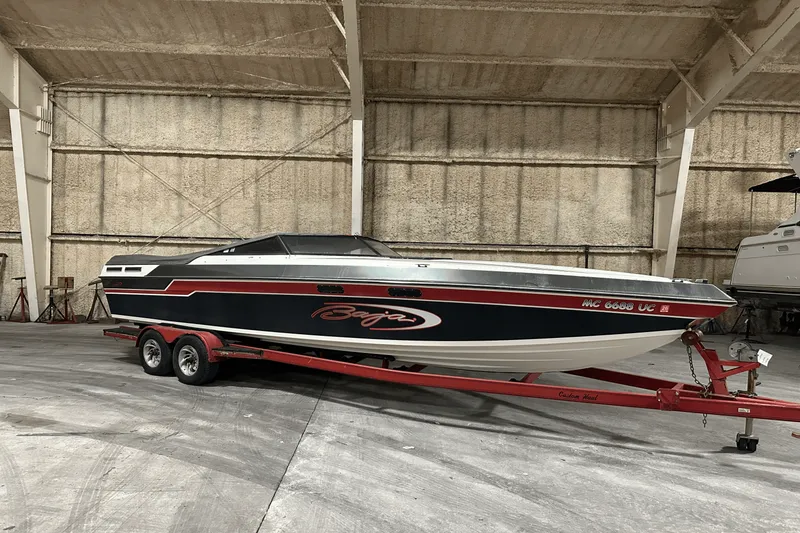
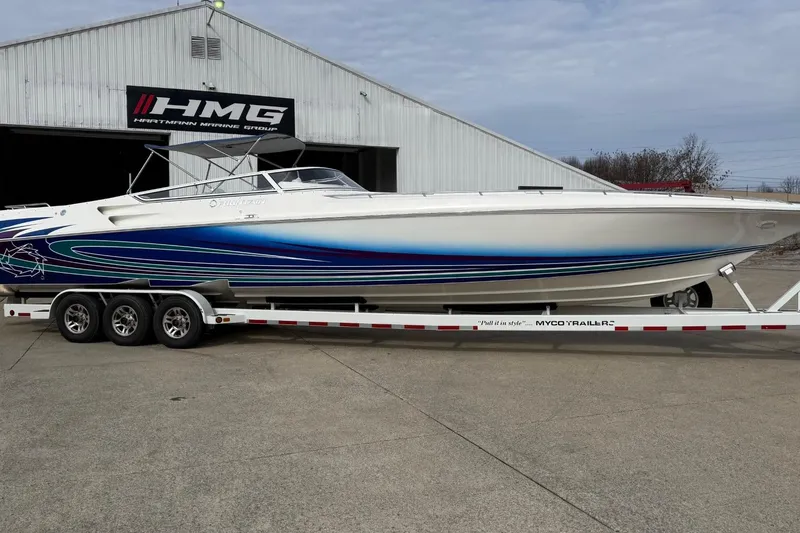
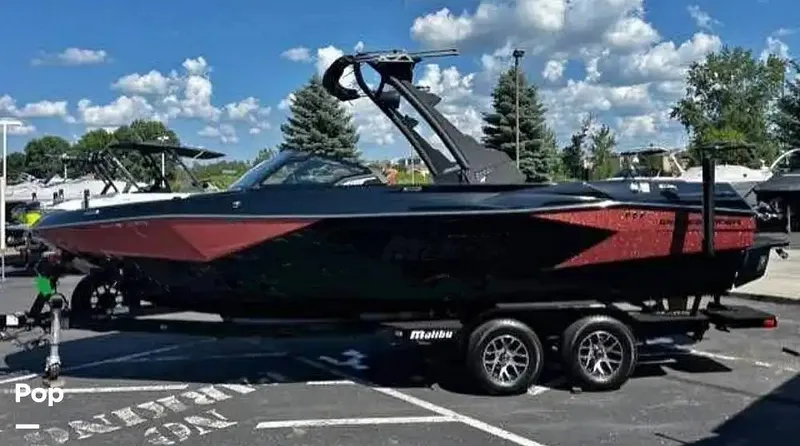
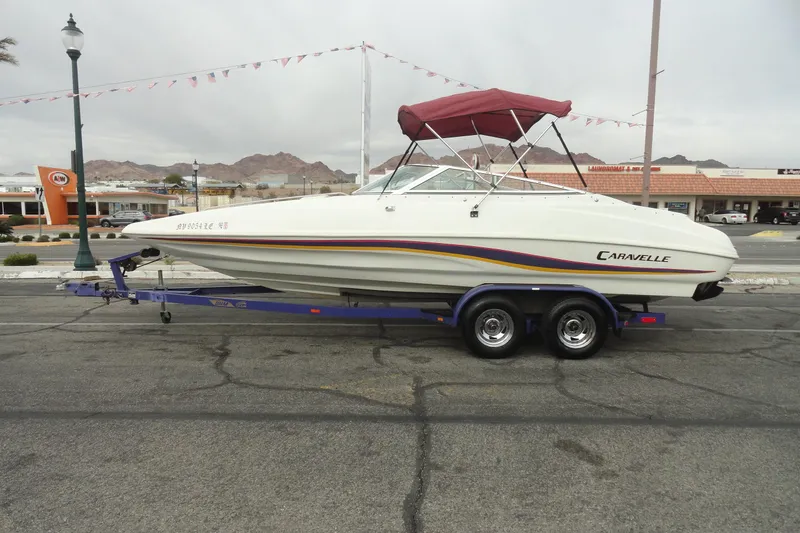
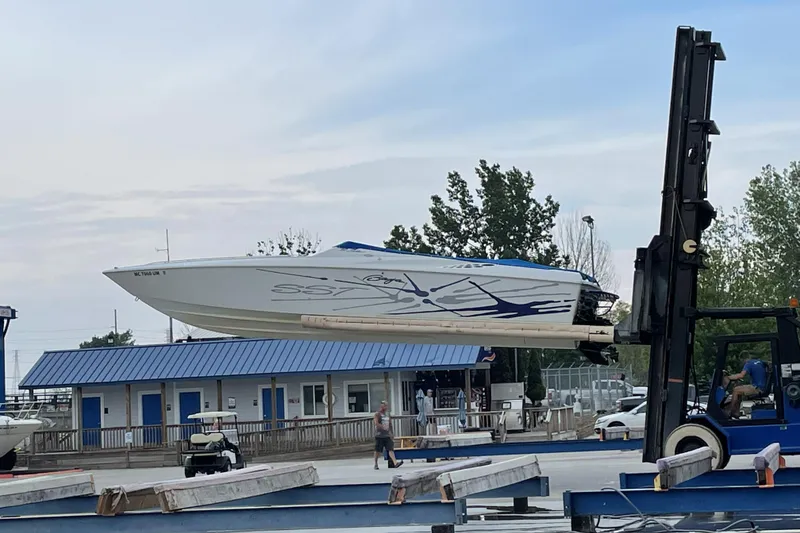
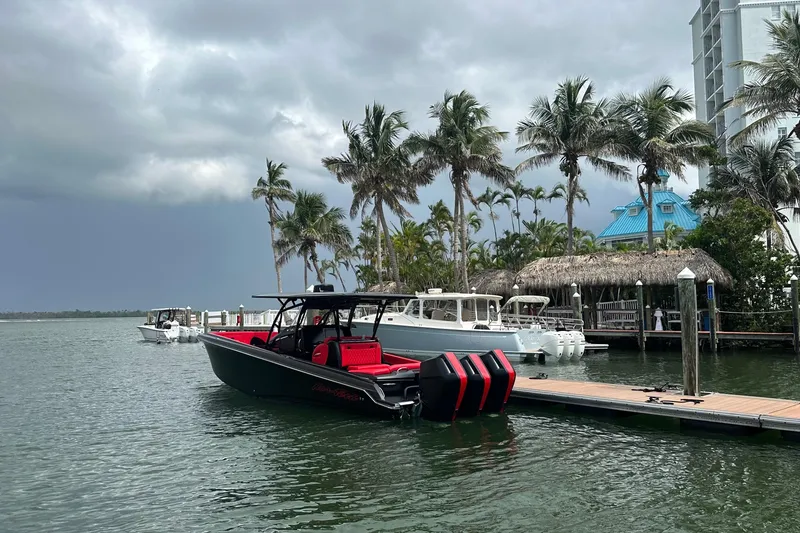
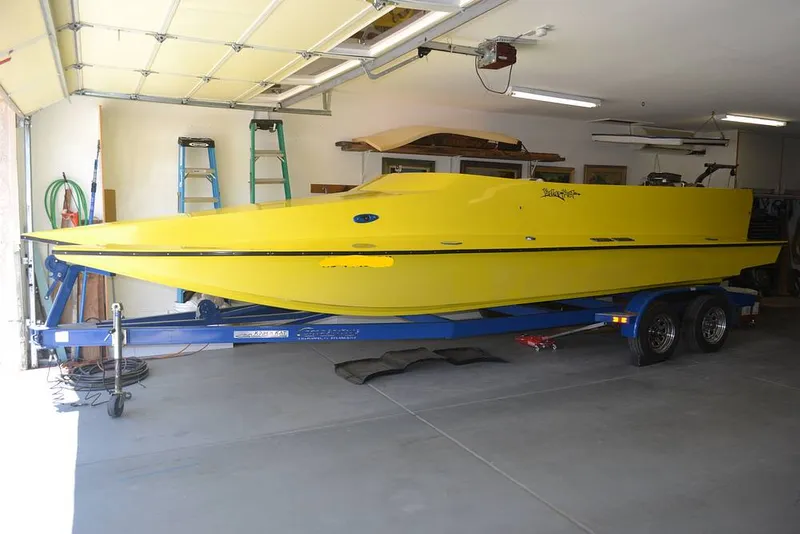
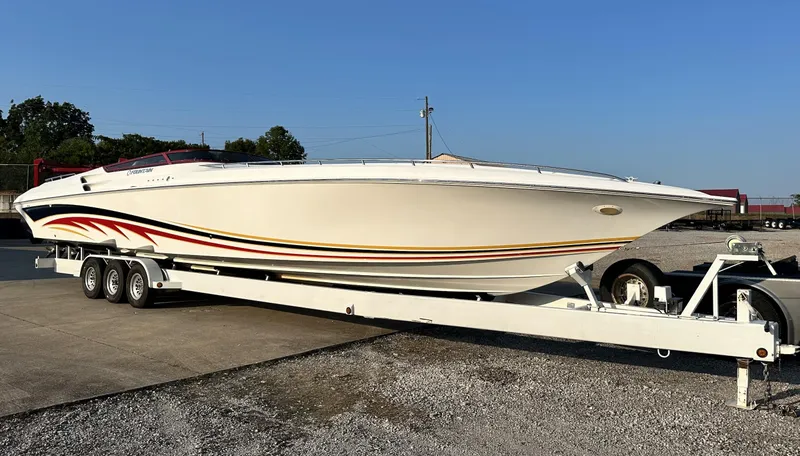
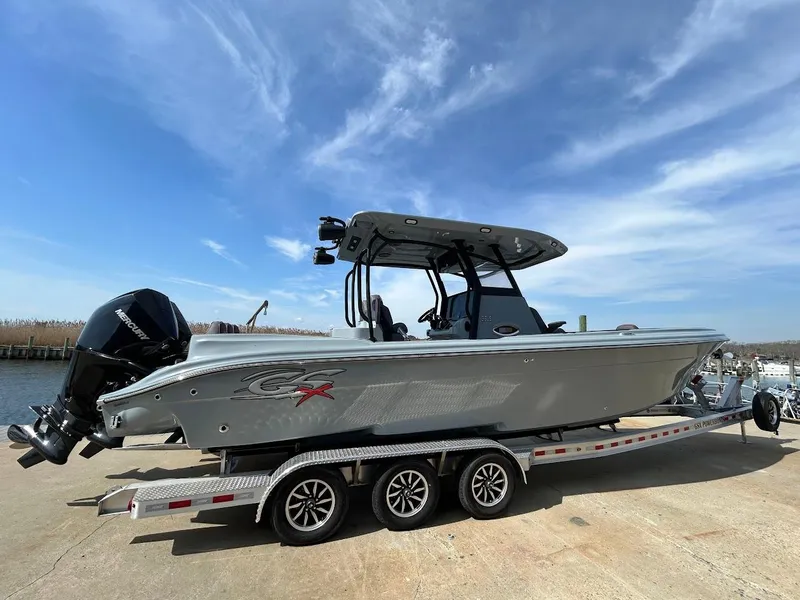
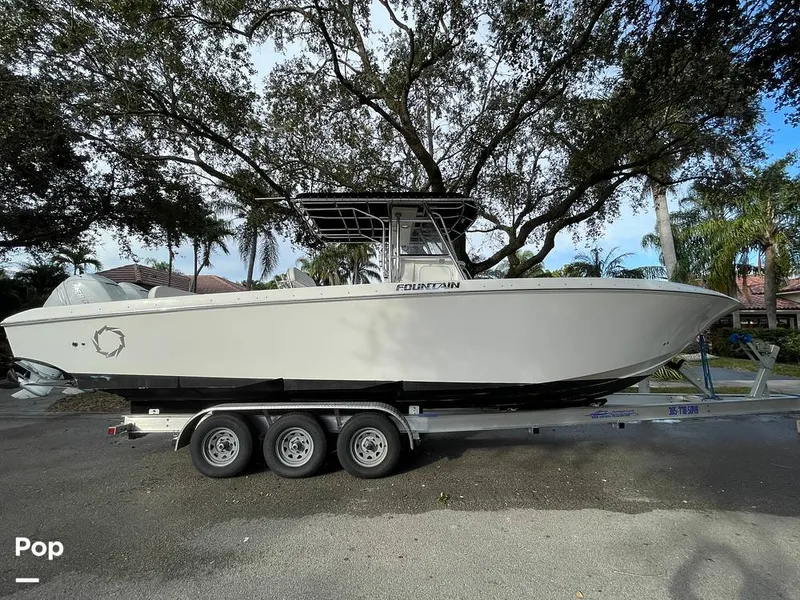
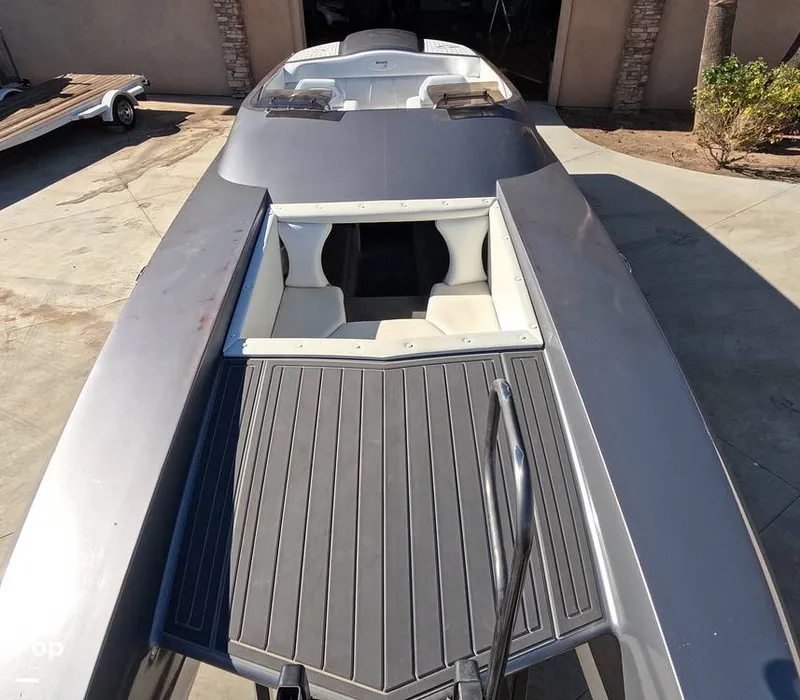
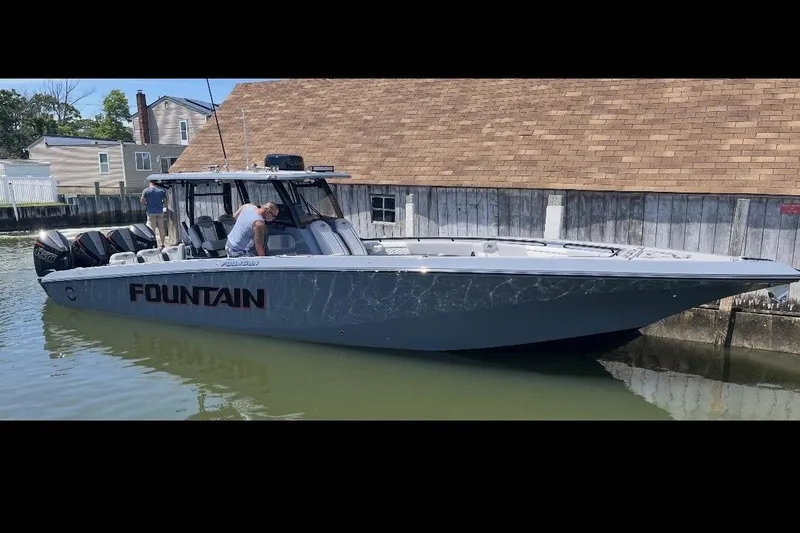
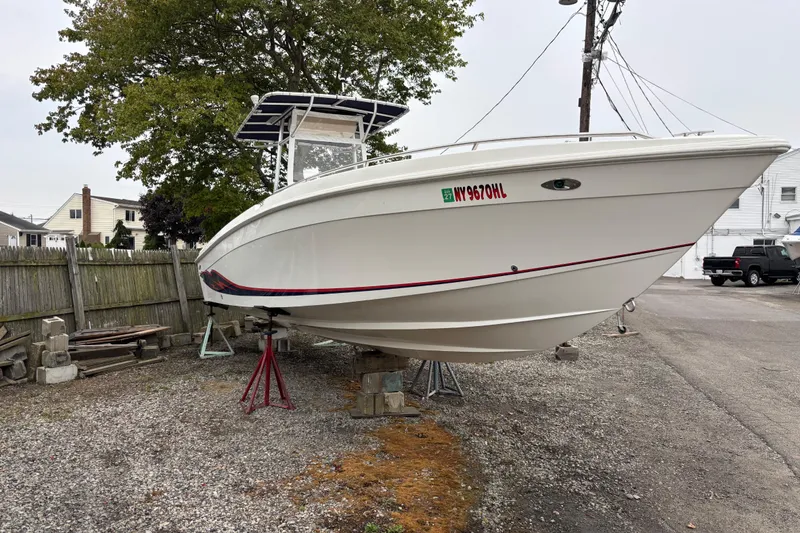
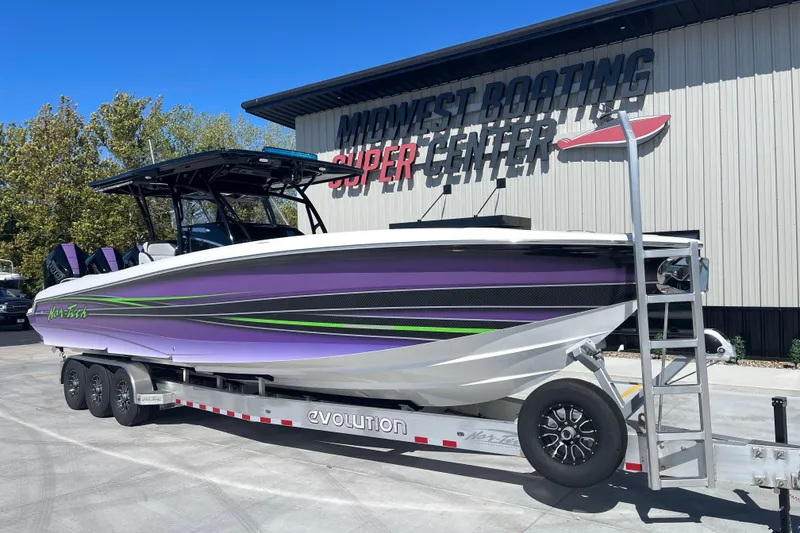
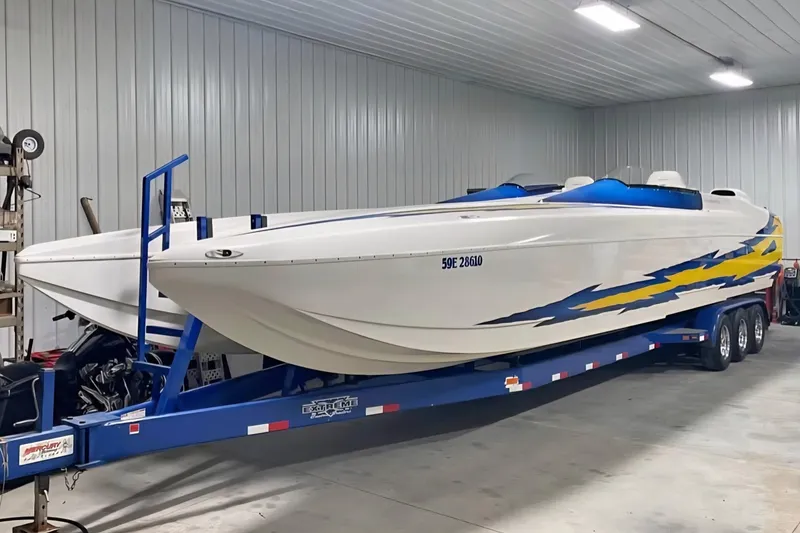
High Performance
Searching boats for you...
Boating · Buyer’s Guide
Is a High Performance Boat the Right Choice for You?
Written by: MarineSource Team | Estimated read time: 12 min read
There’s an undeniable thrill that comes with stepping aboard a high performance boat. The roar of the engine, the sleek lines cutting through the water, and the rush of wind on your face create an electrifying experience unlike any other.
These boats are built for speed, agility, and precise handling, attracting boaters who want more than a leisurely cruise. For many owners, a high performance boat is less a vehicle and more an extension of their love for adrenaline and engineering.
But this excitement comes with trade-offs. High performance boats can be expensive to buy, fuel, and maintain, and they demand more skill from the person at the helm. Before you commit, it’s worth taking a clear-eyed look at what ownership really entails.
What is a High Performance Boat?
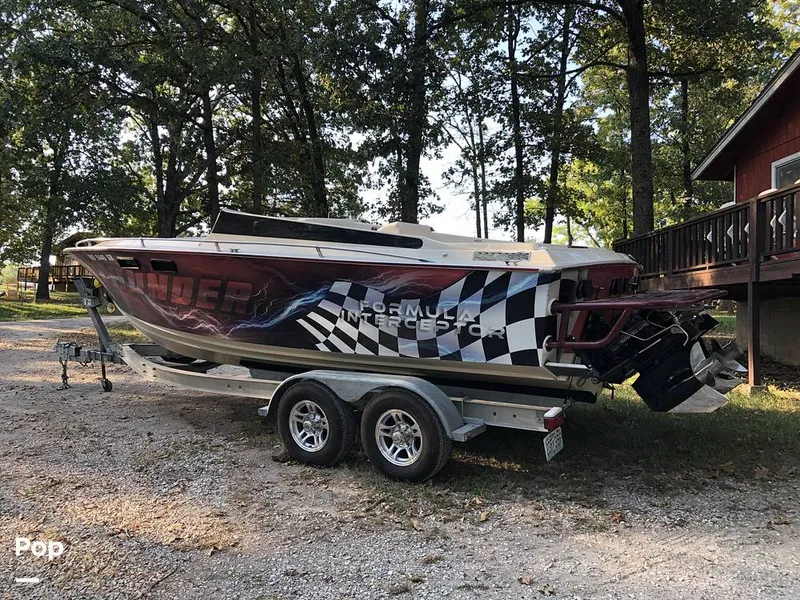
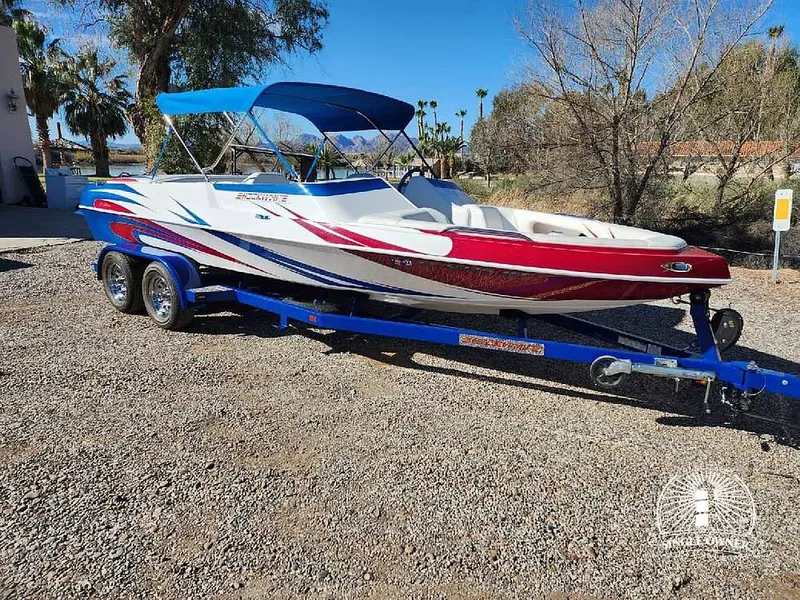
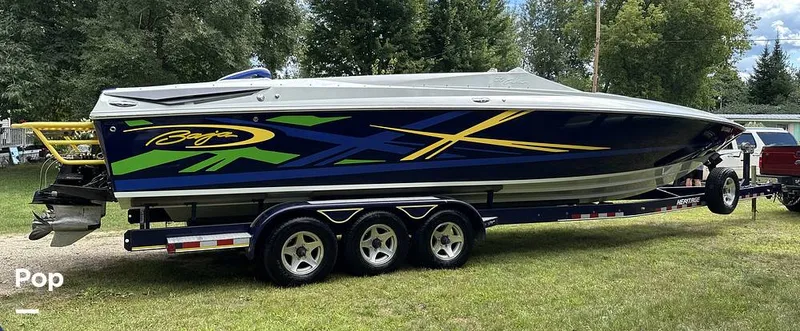
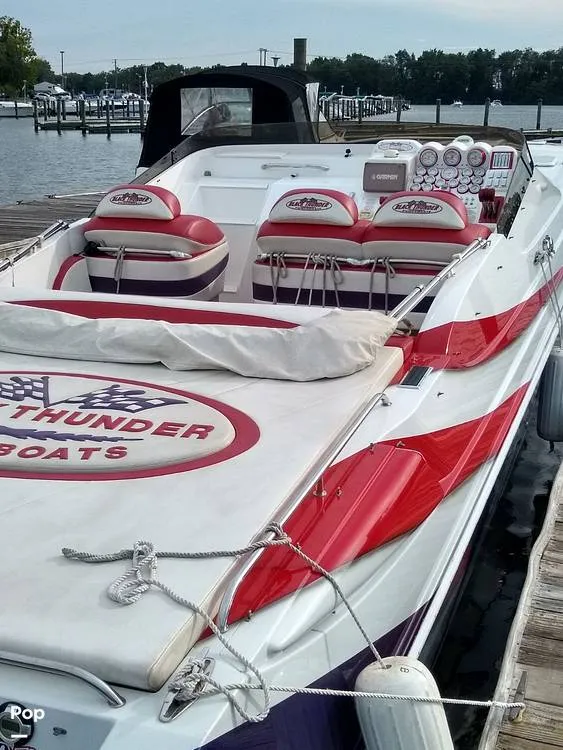
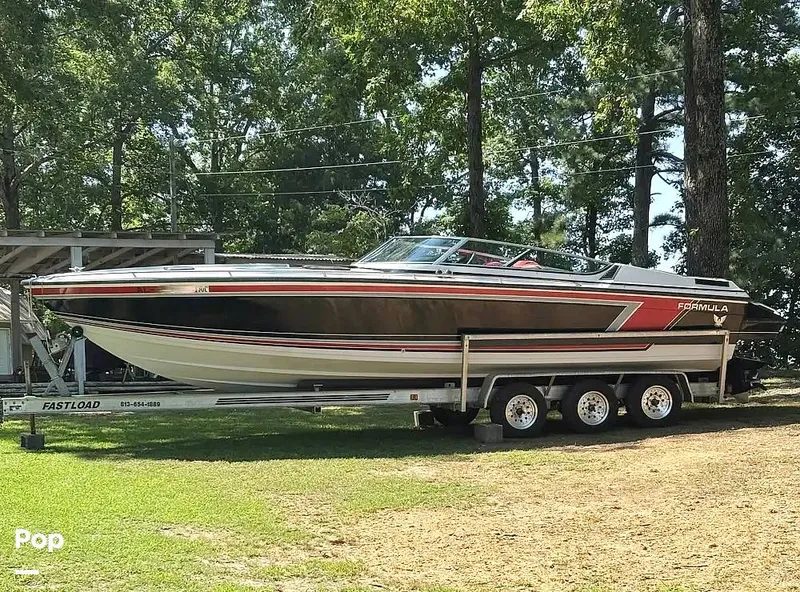
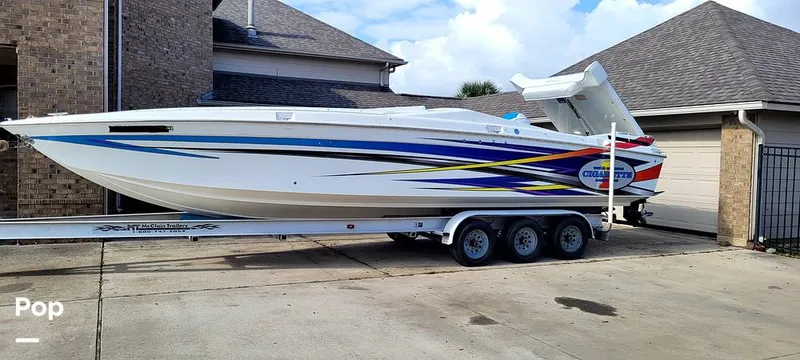
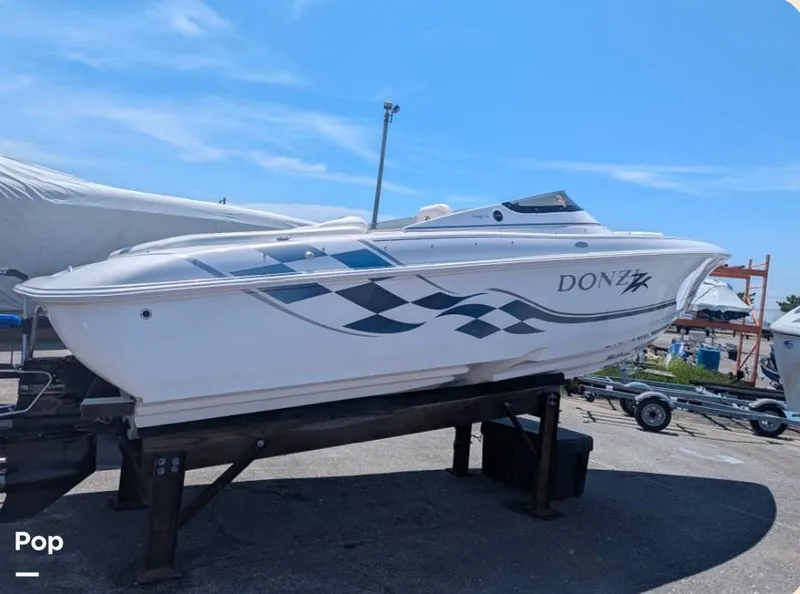
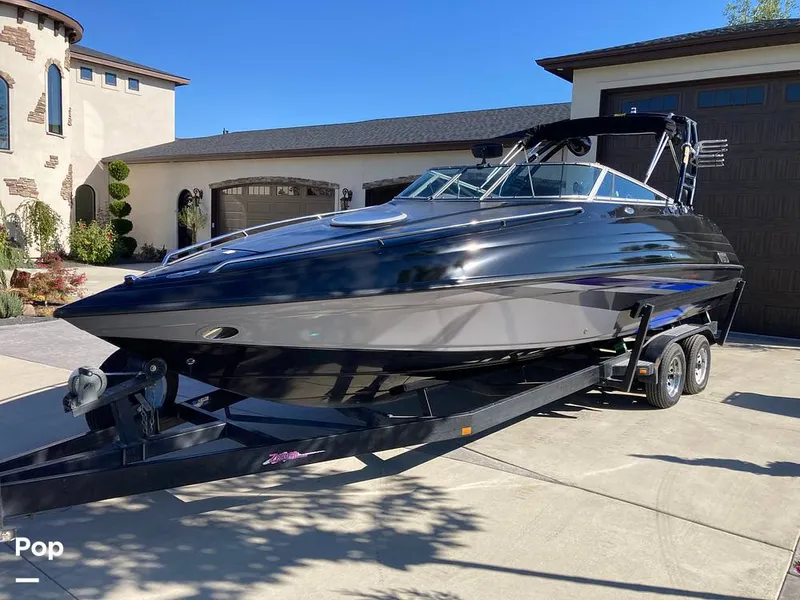
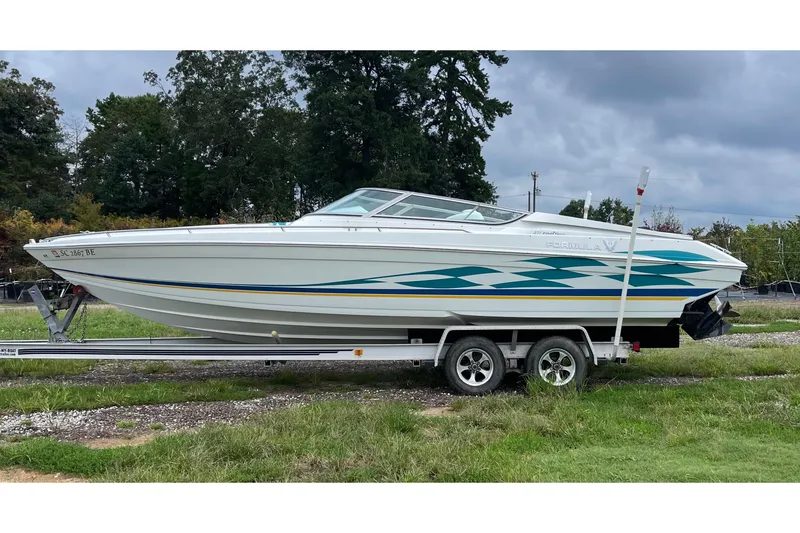
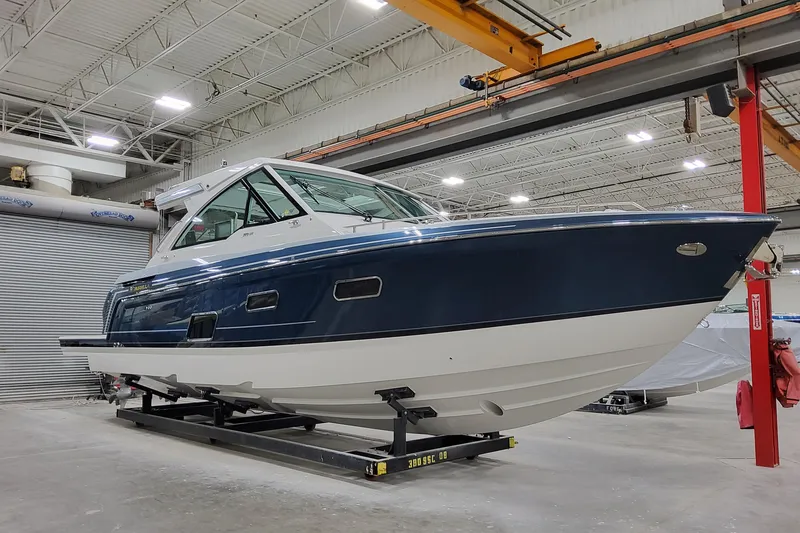
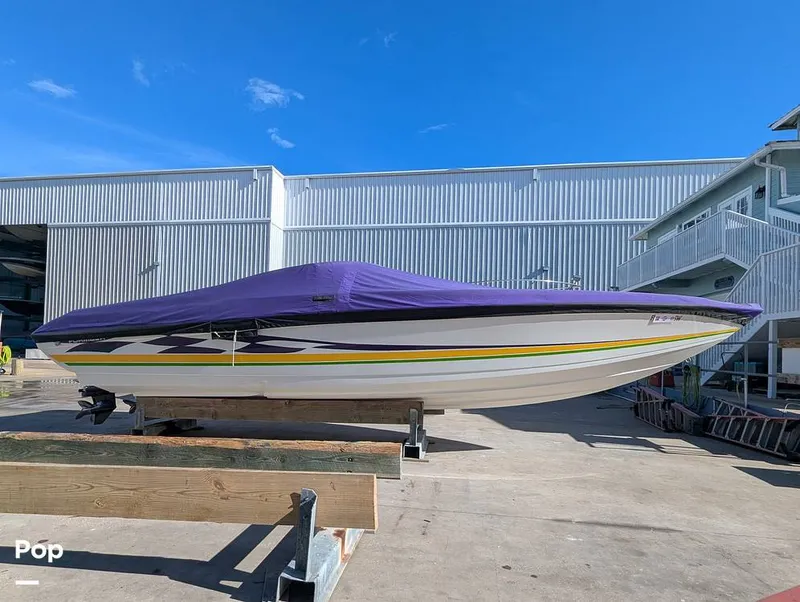
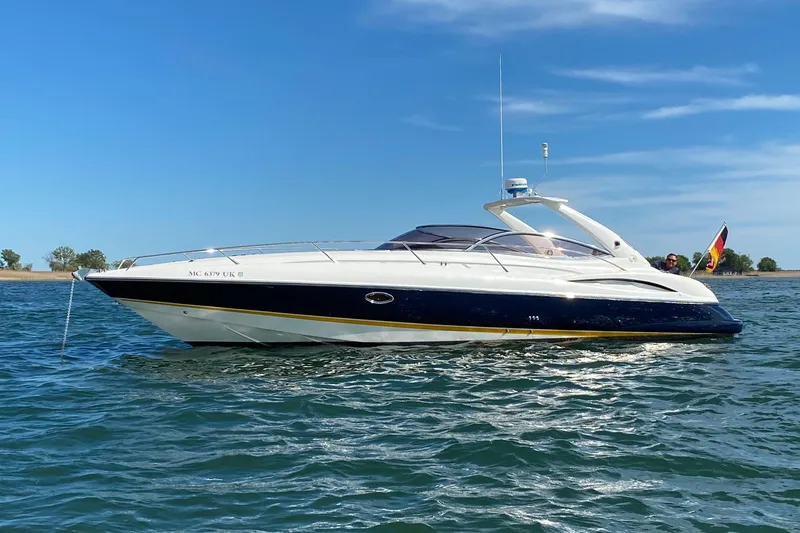
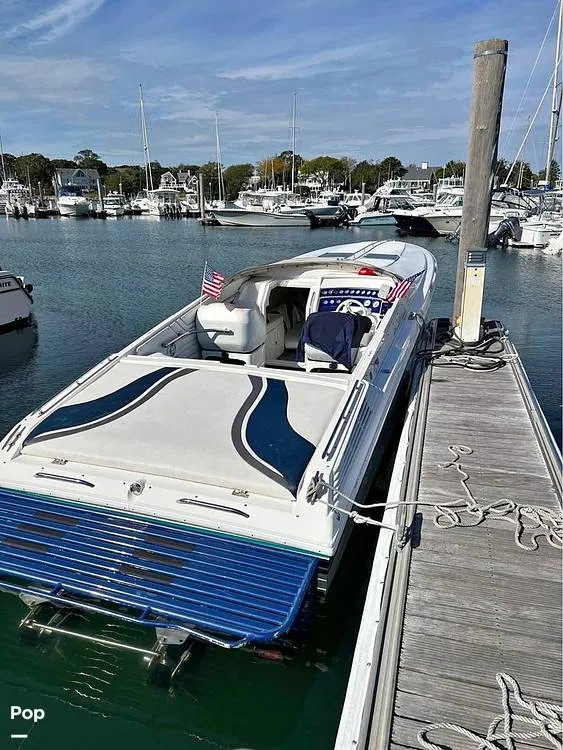
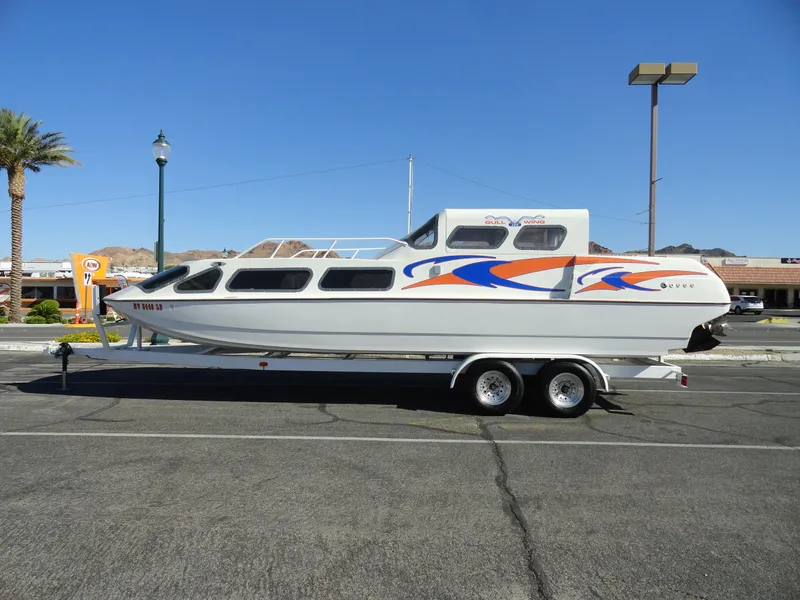
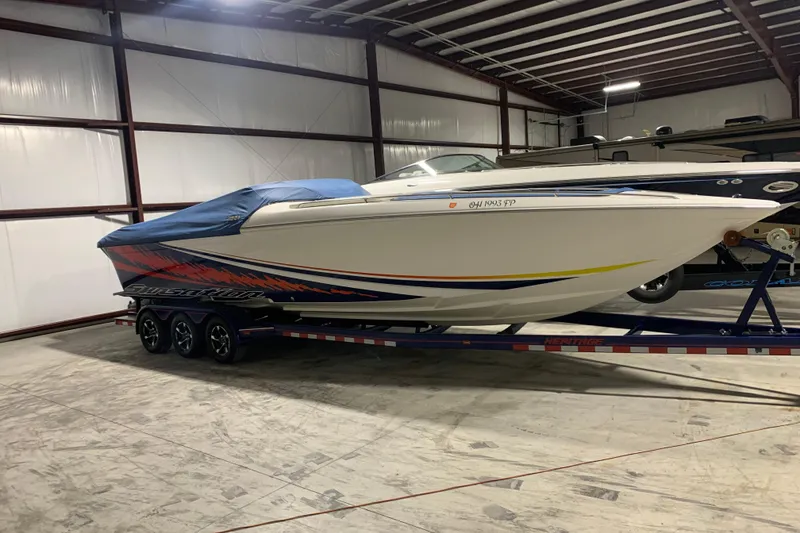
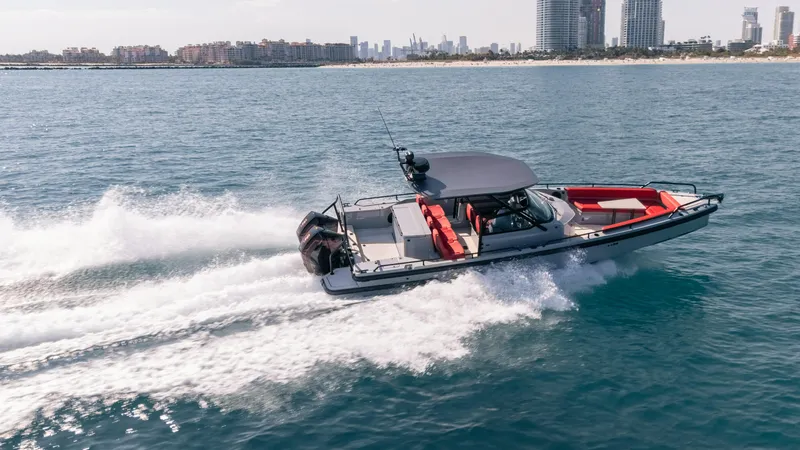
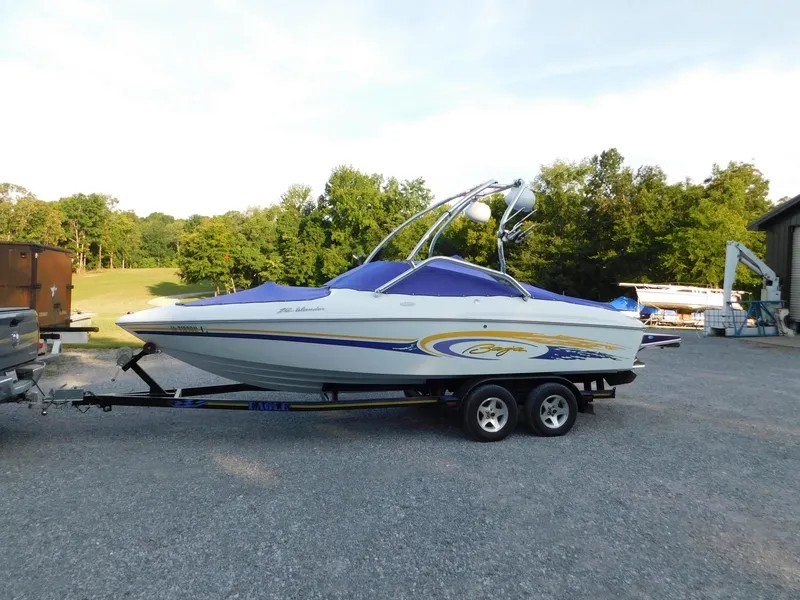
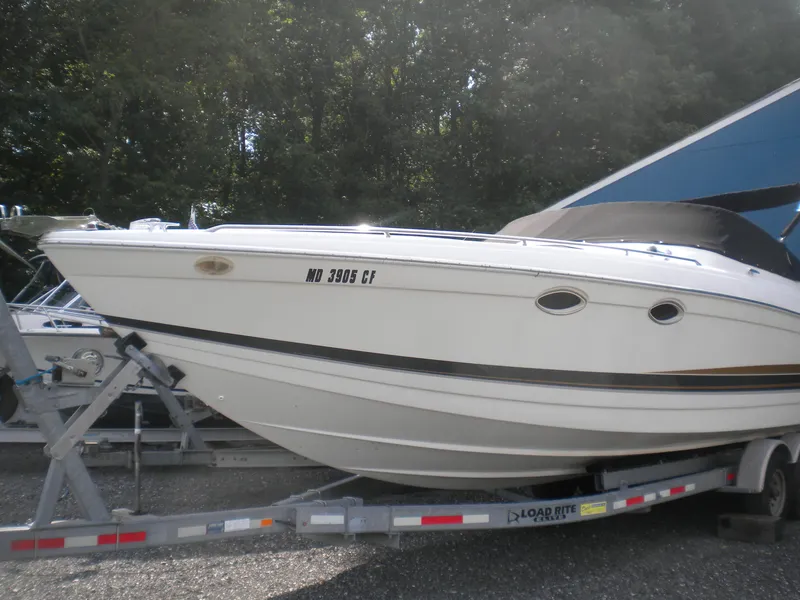
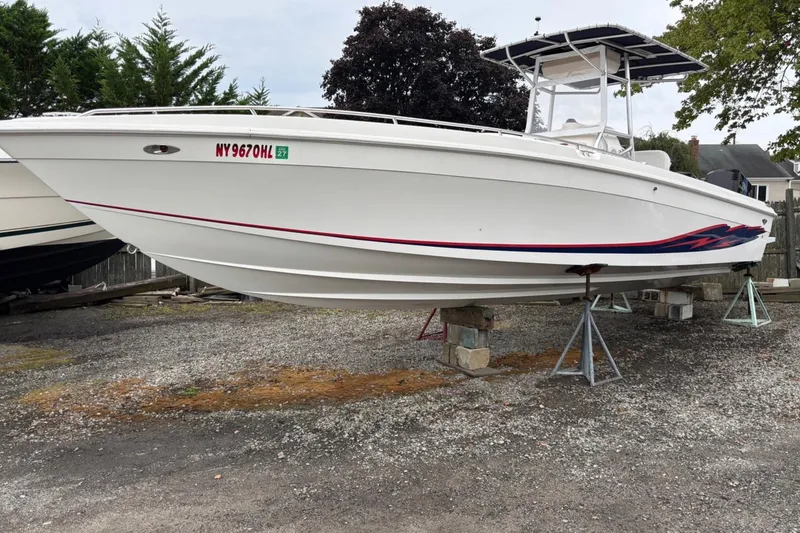
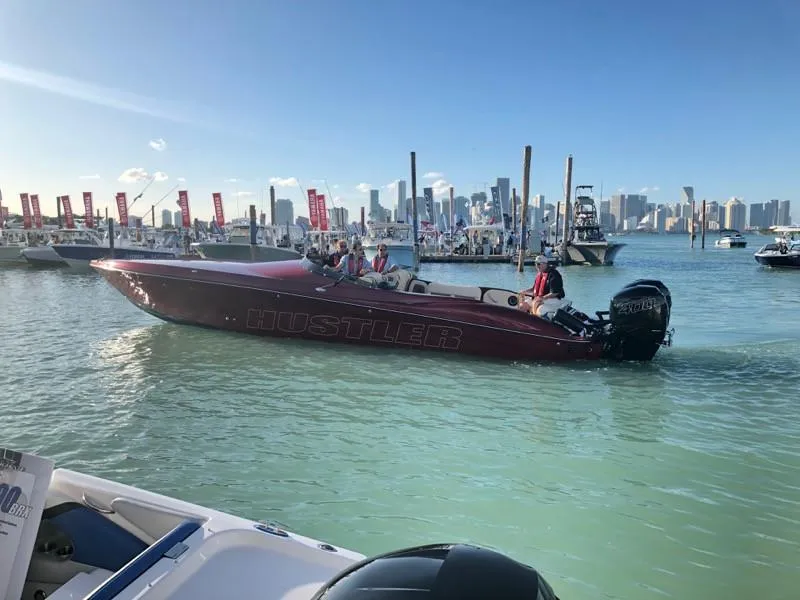
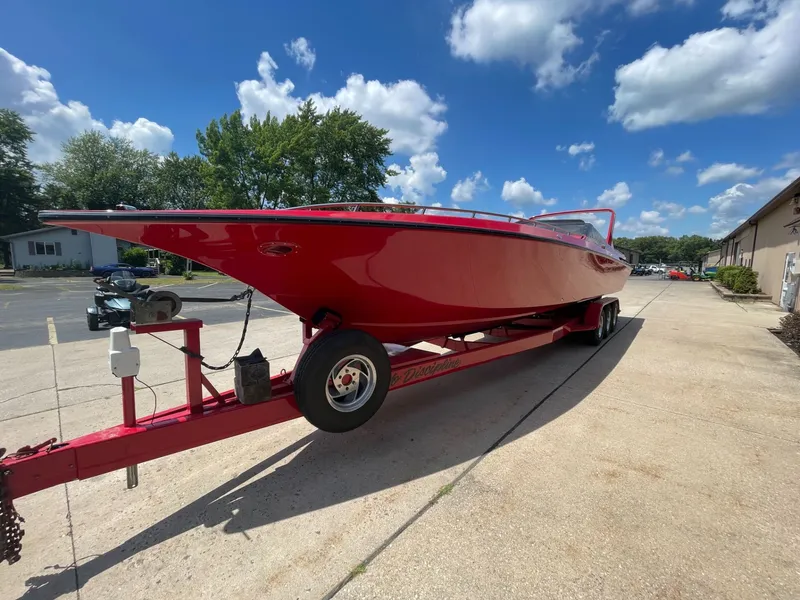
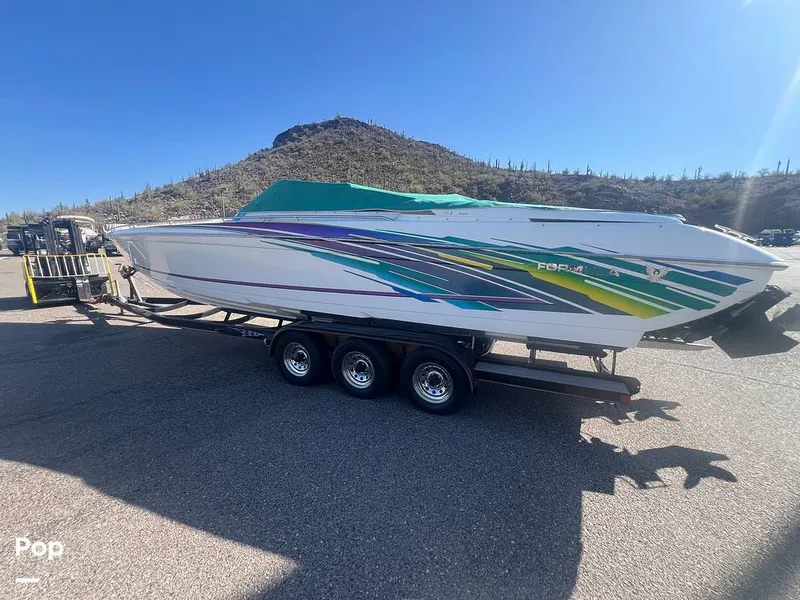
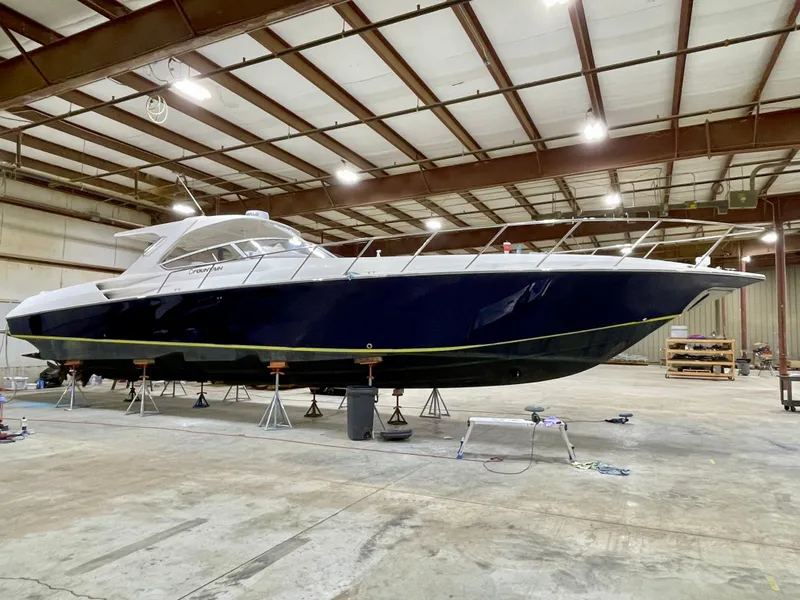
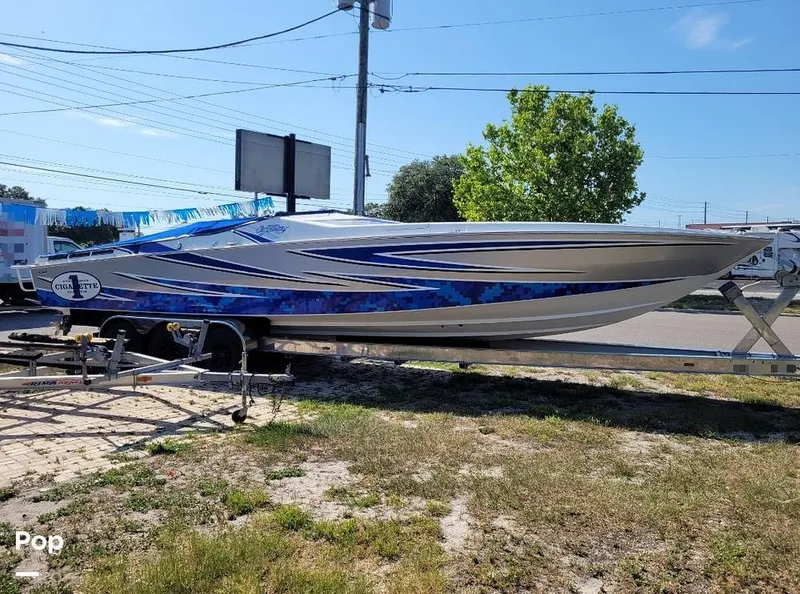
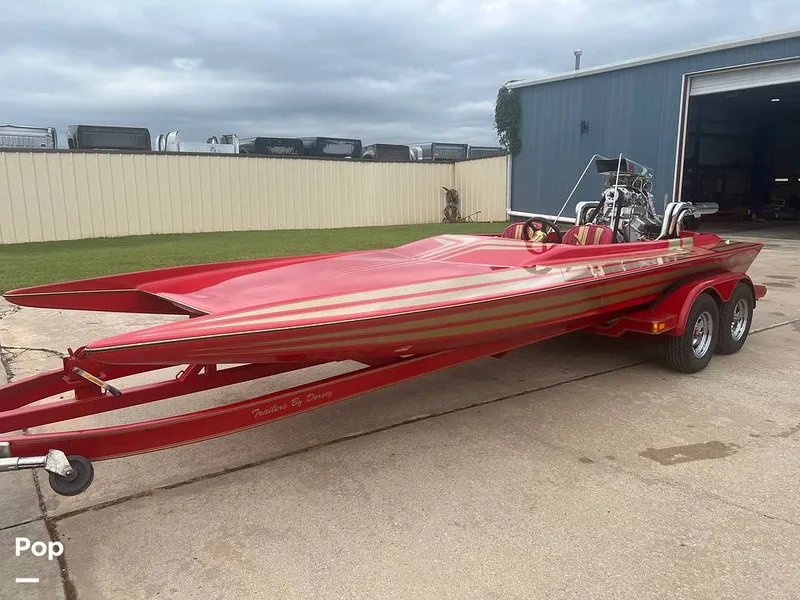
A high performance boat is a powerboat specifically designed to go fast and handle sharply at higher speeds. Compared to a typical runabout or cruiser, these boats feature streamlined hulls, powerful engines, and carefully tuned balance to minimize drag and maximize acceleration.
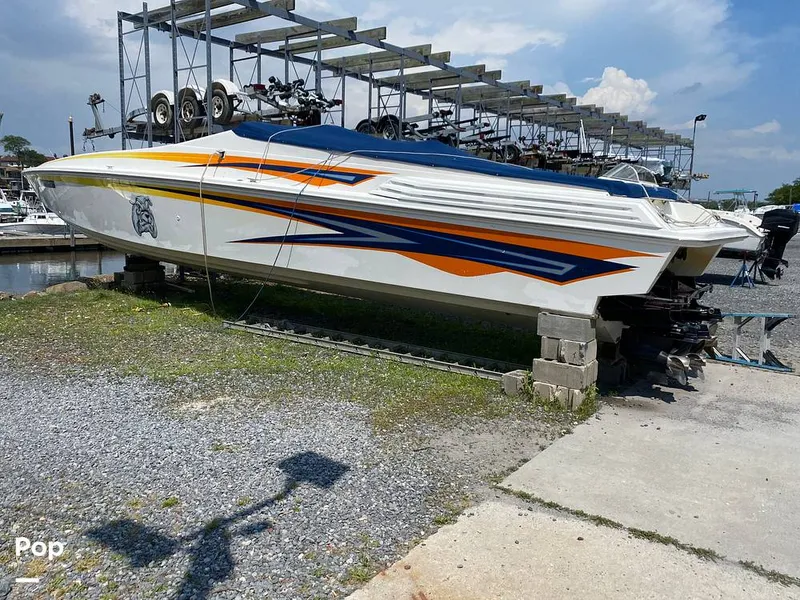
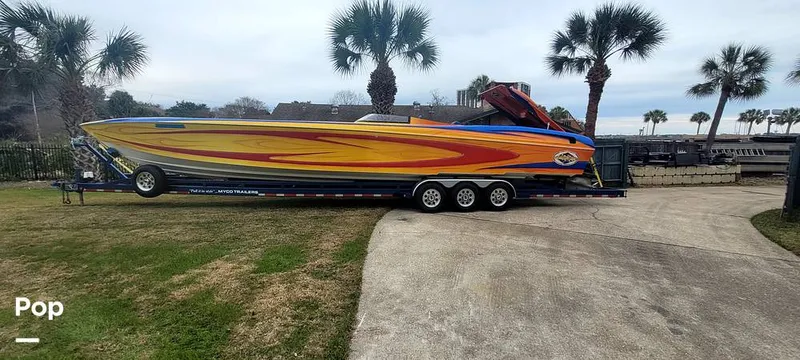
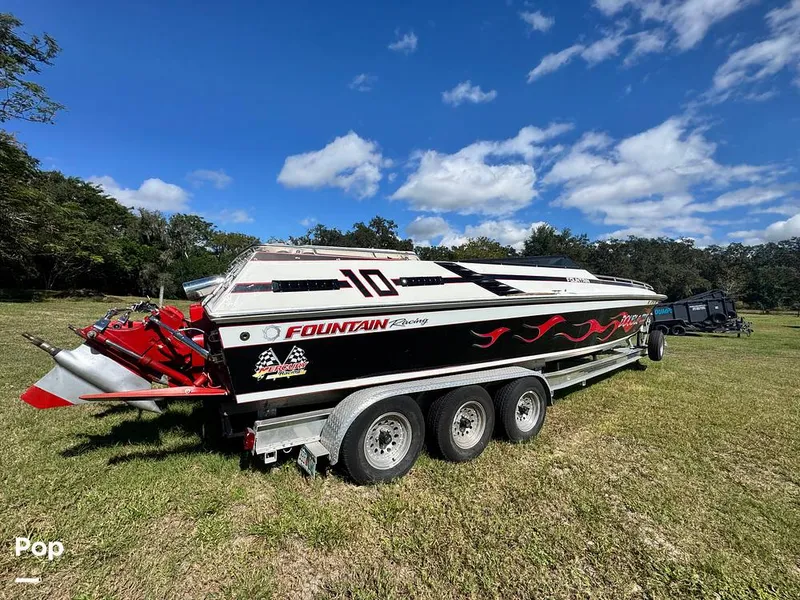
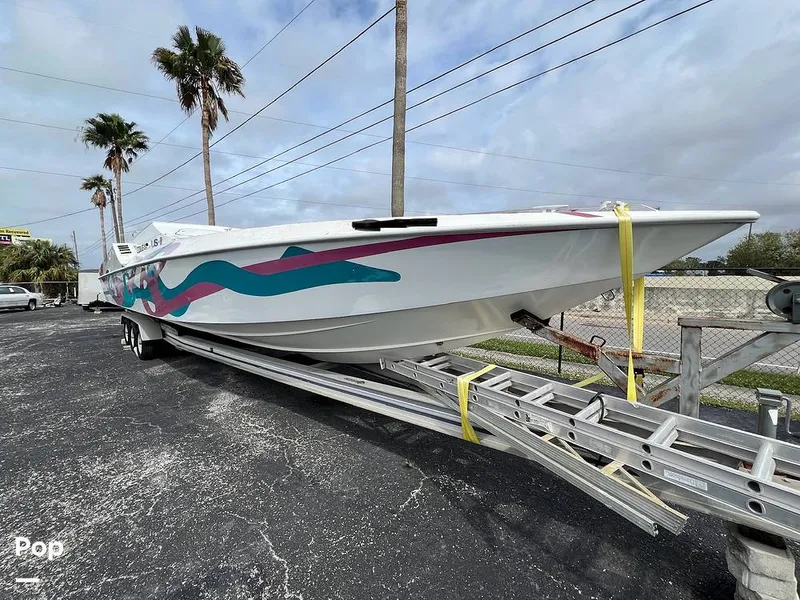
Most high performance boats trace their roots to offshore racing, poker runs, and other competitive events where speed and control are paramount. The design language—long, narrow hulls, deep-V or stepped bottoms, and aggressive styling—comes directly from the racing world.
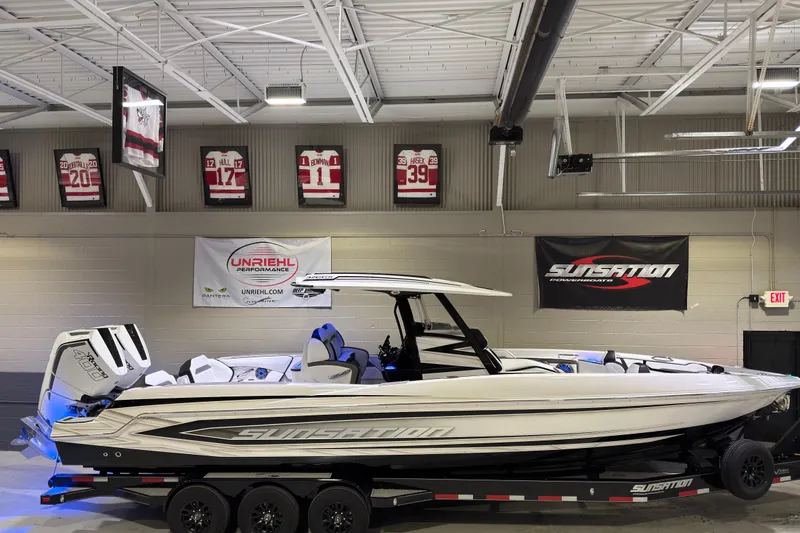
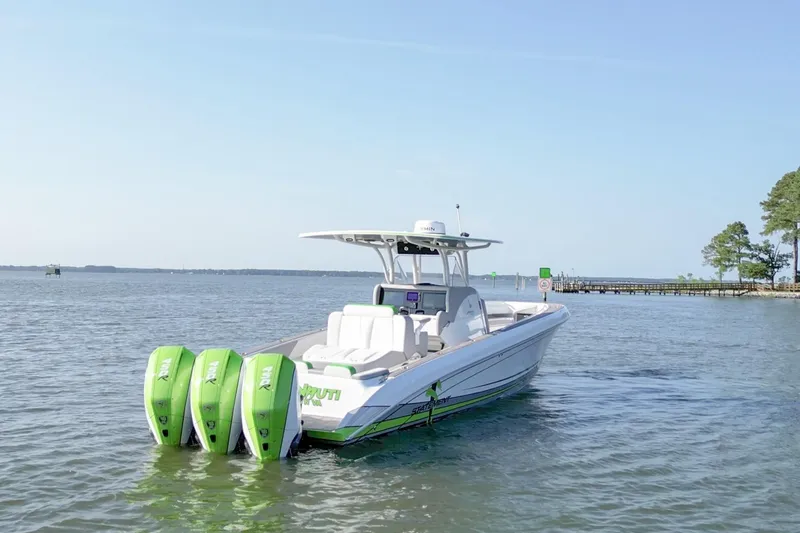
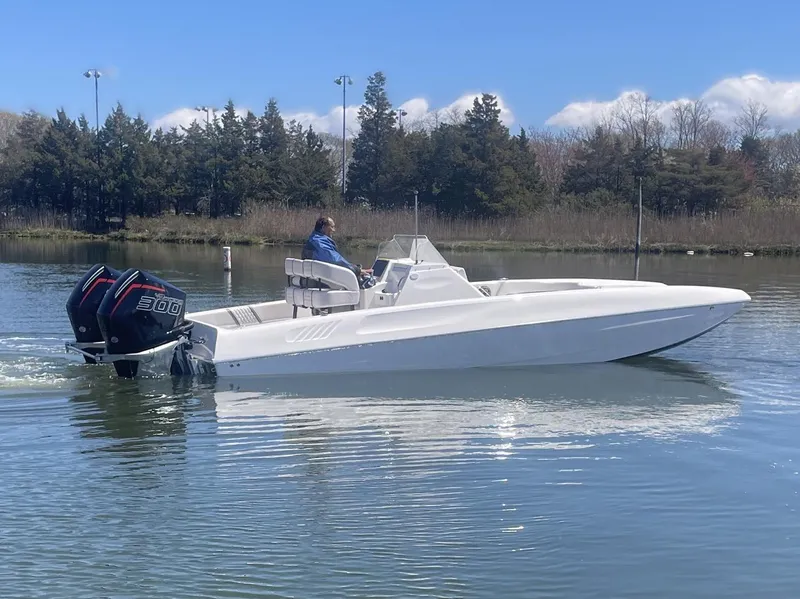
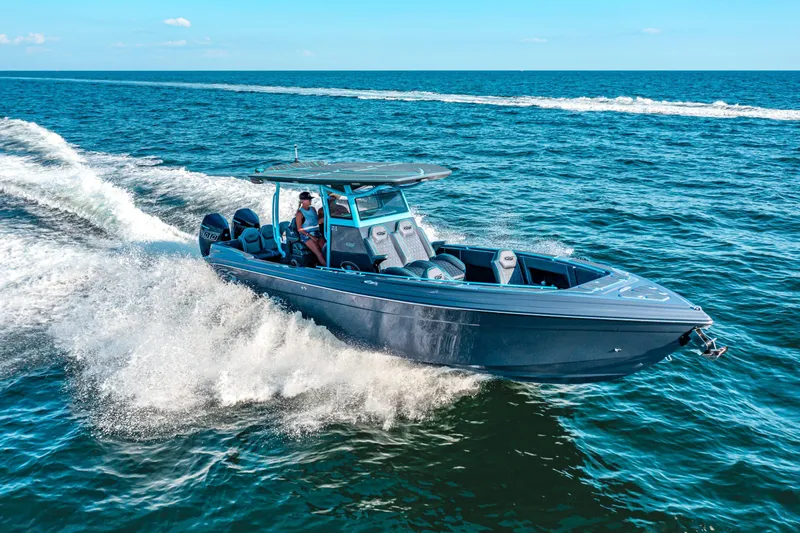
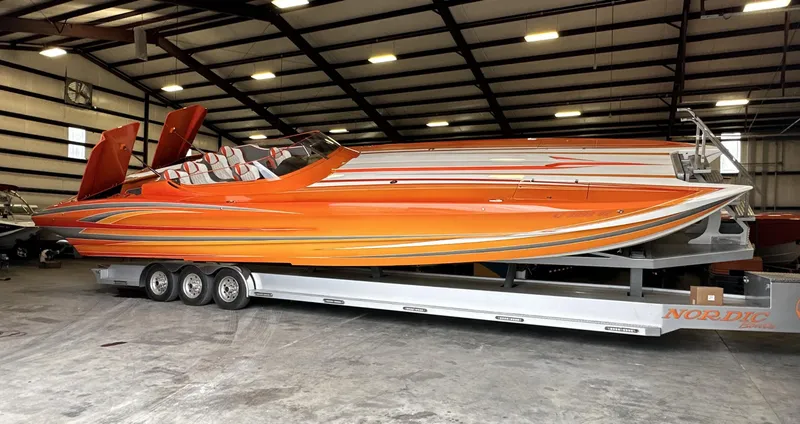
Modern examples often pair lightweight composite construction with twin or even triple high-output engines. The result is a boat that can reach speeds far beyond those of a family cruiser, while still offering enough seating and basic amenities for day use on lakes, rivers, and coastal waters.
Pros of Owning a High Performance Boat
1. Unmatched Speed and Thrill
The core appeal of a high performance boat is simple: speed. These boats can deliver blistering acceleration and top-end performance that turns even a short ride into an event.
For boaters who enjoy the sensation of power and the challenge of piloting at pace, no other style of recreational boat offers the same visceral experience.
2. Precise Handling and Control
High performance hulls are engineered to carve through turns and respond quickly to helm input. At planing speeds, the boat feels planted yet agile, allowing an experienced operator to place it exactly where they want it.
This responsiveness makes spirited driving deeply satisfying and can also translate to better control in certain rough-water situations compared with flatter-bottomed boats.
3. Striking Aesthetics and Presence
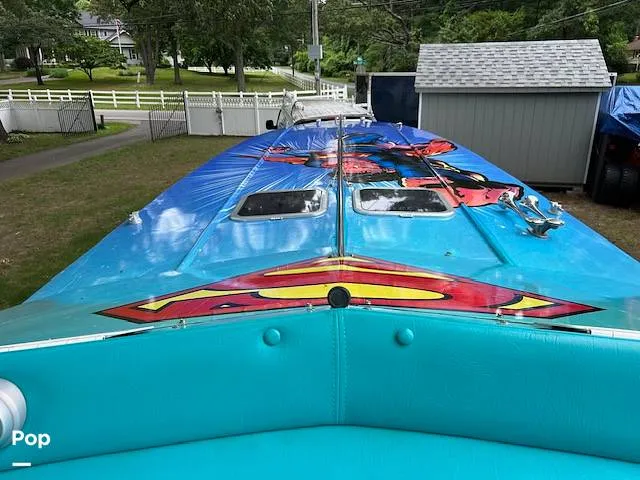
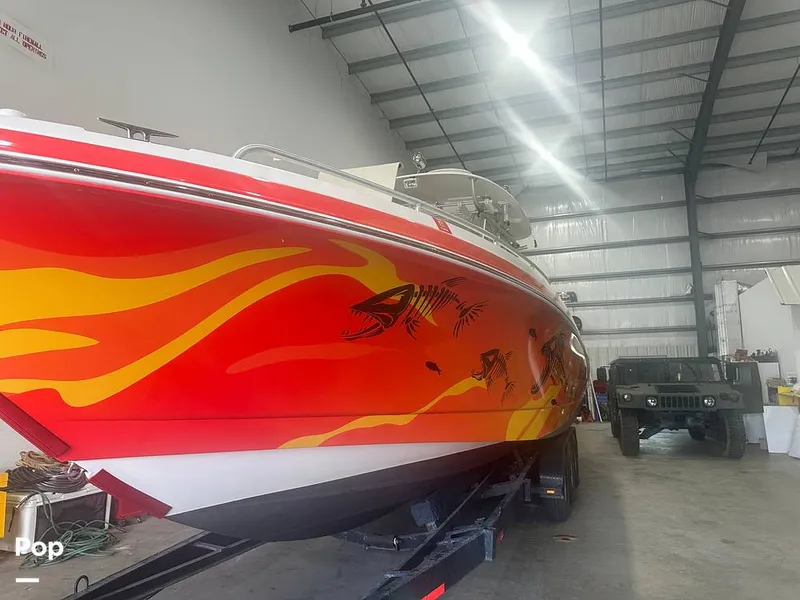
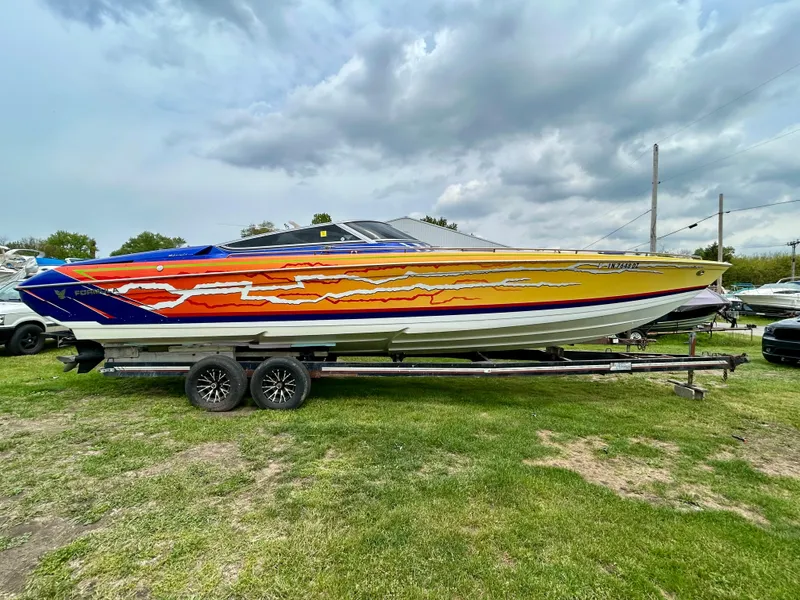
Long, sleek lines, bold graphics, and aggressive profiles make high performance boats stand out at any marina or sandbar. They are often centerpieces wherever they appear.
For some owners, the visual impact and pride of ownership are nearly as important as performance numbers, and these boats deliver strongly on that front.
4. Advanced Technology and Build Quality
Because they operate at higher loads and speeds, many high performance models incorporate advanced materials like vacuum-infused fiberglass, carbon fiber reinforcements, and high-strength hardware.
They also tend to feature sophisticated engine management systems, digital helm controls, and robust rigging, which can increase reliability when properly maintained.
5. Community and Events
High performance boat owners often find a ready-made community of like-minded enthusiasts. Poker runs, speed rallies, and brand-specific gatherings are common in many regions.
This culture can turn boat ownership into a social hobby, providing opportunities to travel, compare setups, and learn from more experienced drivers.
Cons of Owning a High Performance Boat
1. High Fuel Consumption
Big horsepower comes with a big appetite for fuel. High performance boats often burn significantly more fuel per hour than cruisers operating at moderate speeds.
Long runs at high throttle settings can translate into substantial fuel bills, and range may be limited by tank capacity relative to consumption.
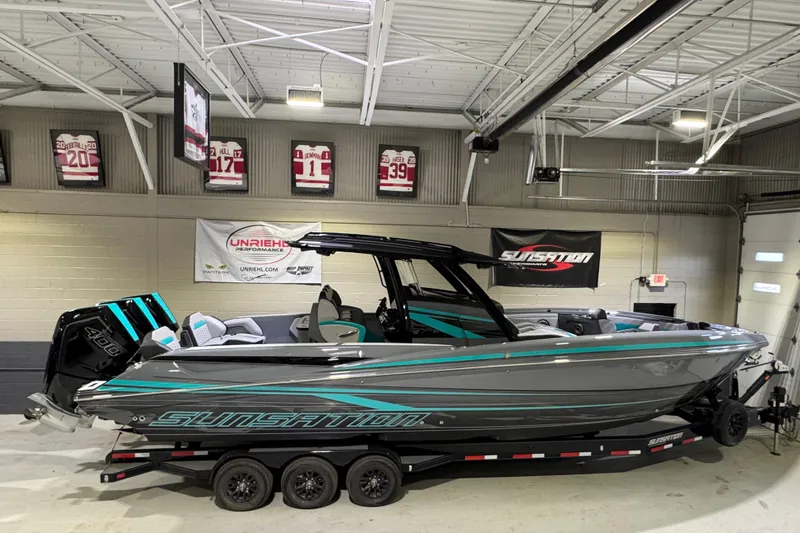
- The Silver Lining: Running at efficient cruise speeds, planning routes carefully, and keeping engines well tuned can noticeably reduce fuel burn compared with wide-open-throttle operation.
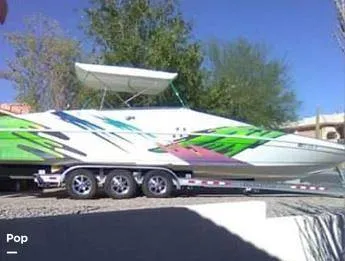
2. Increased Maintenance and Upkeep
High-output engines, performance drives, and lightweight components are stressed harder than those in casual-use boats. They typically require more frequent inspection, fluid changes, and part replacements.
Neglecting maintenance can quickly lead to expensive repairs, especially in saltwater environments where corrosion is a constant threat.
- The Silver Lining: Sticking to a proactive service schedule and working with a mechanic familiar with performance setups can keep reliability high and prevent small issues from becoming major failures.
3. Steep Learning Curve and Safety Demands
Operating at elevated speeds leaves less room for error. Reaction times shorten, and small mistakes in trim, weight distribution, or situational awareness can have serious consequences.
New boaters—or those used only to slow, heavy cruisers—may feel overwhelmed at first and must invest time in learning proper techniques.
- The Silver Lining: Formal performance driving courses, local safety classes, and gradually building speed as skills improve allow most dedicated owners to become competent, confident operators.
4. Limited Comfort and Space Compared to Cruisers
To keep weight down and performance high, many models sacrifice interior volume, cabin headroom, and storage. Seating layouts often focus on a few occupants rather than large groups.
Overnight accommodations, full galleys, and enclosed heads may be minimal or absent, which can limit how and where you use the boat.
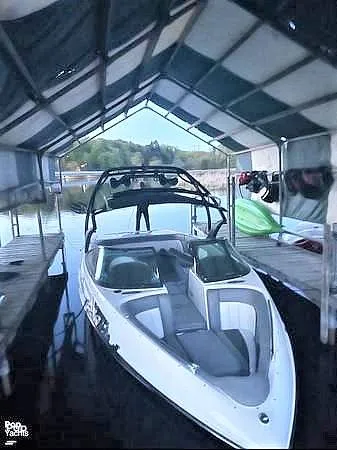
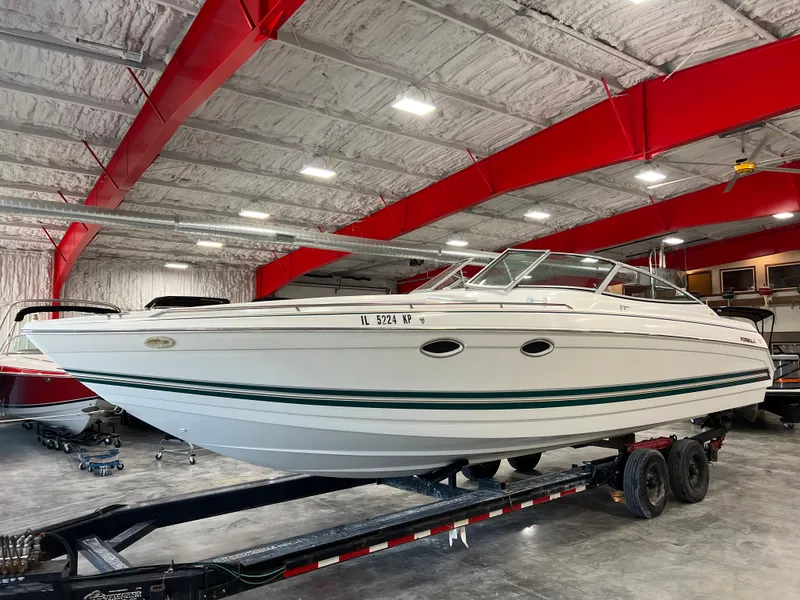
- The Silver Lining: Some modern performance-oriented sport boats blend speed with more cockpit space and basic amenities, offering a middle ground between pure go-fast boats and traditional day cruisers.
5. Premium Purchase Price and Insurance
The combination of high-end materials, complex rigging, and powerful engines means high performance boats usually command a premium price, even on the used market.
Insurance can also be more costly, as providers factor in higher potential repair costs and the increased risk profile associated with speed.
- The Silver Lining: Well-maintained, sought-after brands often hold value better than mass-market runabouts, which can help offset the initial investment when it’s time to sell.
Performance Considerations
Most high performance boats are optimized for a small group rather than a big party. Typical layouts provide secure, bolstered seating for the driver and a handful of passengers, with limited standing room.
Weight distribution becomes more critical as passenger count increases. Loading several adults aft or all on one side can affect how the boat comes on plane and how it behaves at speed.
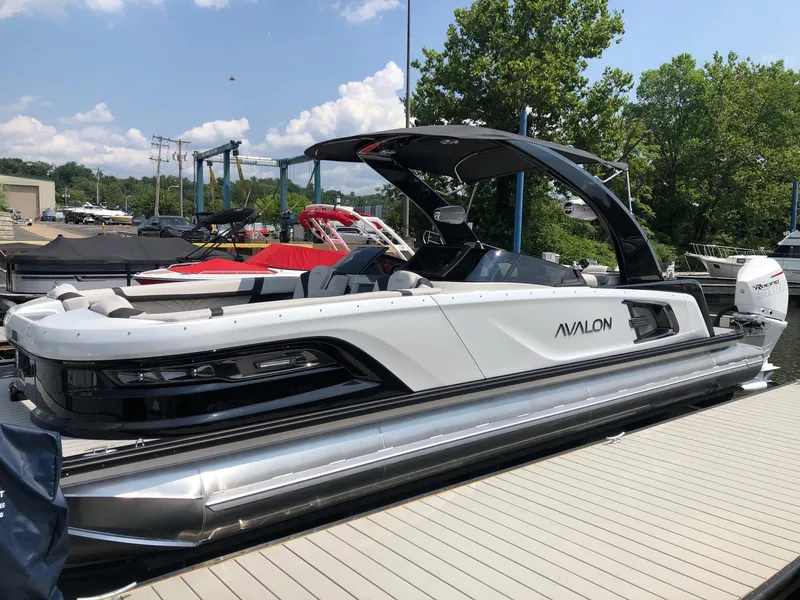
If you routinely host large groups or want a floating living room, a wide-beam deck boat or pontoon will generally be a better fit than a narrow, speed-focused hull.
Many high performance hulls, especially deeper-V offshore styles, are designed to run through chop and moderate swells at speeds that would pound flatter-bottomed boats. The sharper entry can soften landings and improve directional stability.
That said, running fast in true heavy weather requires experience. Trim settings, throttle management, and reading wave patterns all matter more as conditions worsen.
In strong crosswinds, the boat’s profile and light construction can make it feel more reactive, so conservative speeds and careful steering are essential. The boat can handle rough water, but only if the driver respects the conditions and backs off when appropriate.
Ownership Logistics
Beyond the purchase price, budget for higher-than-average fuel bills, premium lubricants, specialized parts, and professional labor. Annual maintenance, winterization, and periodic drive or engine overhauls can add up quickly.
Storage can also be more expensive if you choose indoor, climate-controlled facilities to protect the hull finish, upholstery, and electronics. In regions with long off-seasons, these storage costs become a recurring line item.
Factor in registration, taxes, safety gear, and accessories like high-quality life jackets and performance propellers when calculating realistic long-term ownership costs.
Desirable brands and well-documented, lightly used boats often attract strong interest on the secondary market. Enthusiasts actively seek clean examples with verified engine hours and service records.
However, heavily modified rigs, neglected maintenance, or cosmetic damage can sharply reduce buyer confidence and resale value. Prospective buyers in this segment tend to be knowledgeable and will inspect closely.
Keeping detailed service logs, avoiding questionable modifications, and protecting the boat’s cosmetics will go a long way toward preserving resale value.
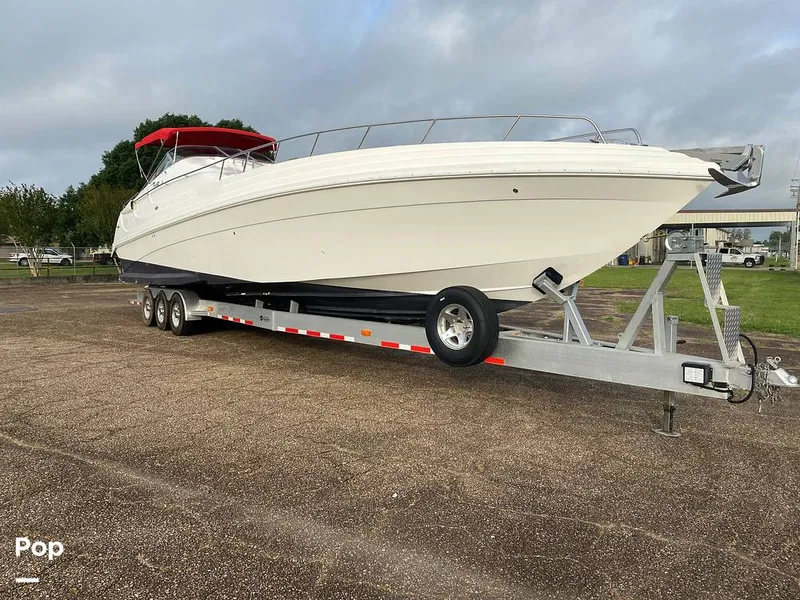
Towing needs depend on length, hull construction, engine count, and trailer design. Smaller single-engine performance boats may fall within the capabilities of a properly equipped midsize SUV or half-ton truck.
Larger offshore-style boats with twin or triple engines can be very heavy on the trailer and often require a three-quarter-ton or one-ton truck with appropriate towing and braking capacity.
Always verify the boat and trailer’s combined weight, check your vehicle’s rated towing capacity (including tongue weight limits), and ensure the trailer brakes and lights are in good working order before hauling.
Is a High Performance Boat Right for You?
A high performance boat delivers extraordinary speed, sharp handling, and head-turning style. For experienced boaters who crave excitement and are willing to commit to the necessary maintenance and operating costs, it can be immensely rewarding.
On the other hand, the financial commitment, learning curve, and relative lack of lounging space make these boats less suitable as general-purpose family platforms. Matching the boat’s capabilities to your real-world habits is the key to long-term satisfaction.
You'll love it if:
- You actively enjoy driving and want a boat that feels engaging and responsive at the helm.
- You value speed, performance, and distinctive styling more than maximum seating or cabin space.
- You already have foundational boating experience and are willing to invest time in advancing your skills.
- You are comfortable budgeting for higher fuel use, maintenance, and quality storage solutions.
- You like the idea of joining a community of performance-oriented boat owners and events.
It might be challenging if:
- You are brand new to boating and prefer a slow, forgiving platform for learning.
- You primarily want to entertain large groups, relax at low speeds, or host family outings with kids.
- You are highly cost-sensitive regarding fuel, insurance, and ongoing maintenance.
- You need features like full cabins, large heads, or extensive storage for extended cruising.
- You are uncomfortable with the added responsibility and risk that come with operating at higher speeds.
Choosing a high performance boat is less about checking a generic box and more about aligning with a specific style of boating—fast, focused, and skill-driven. If that aligns with your priorities and you are prepared for the added costs and responsibilities, a high performance boat can transform your time on the water into something truly exhilarating.