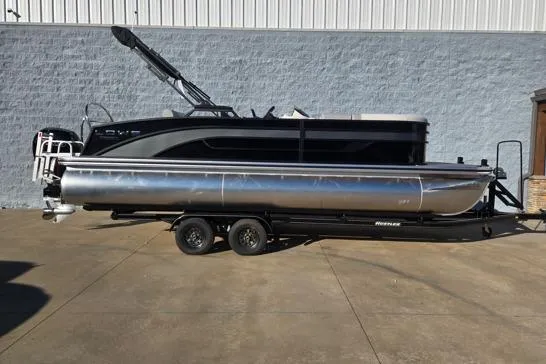
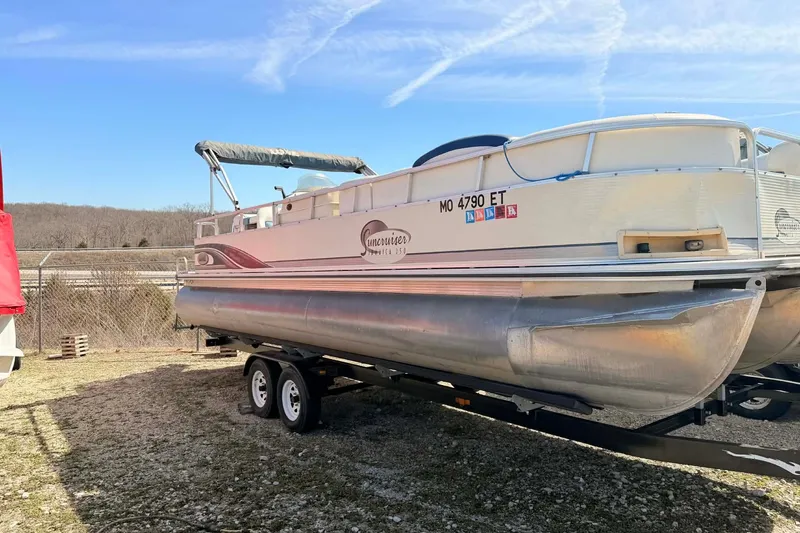
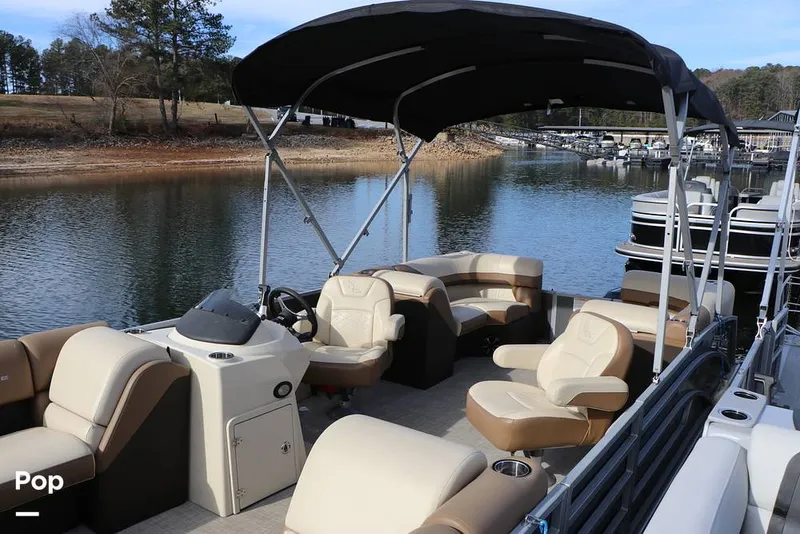
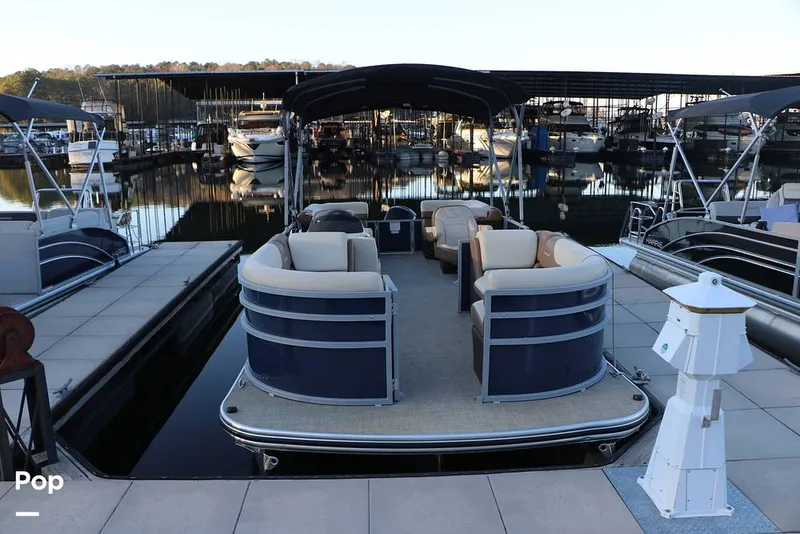
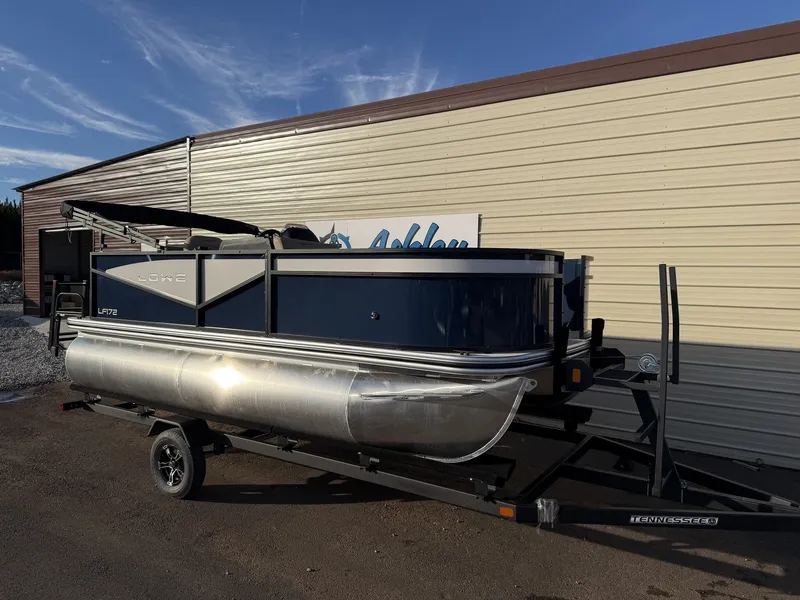
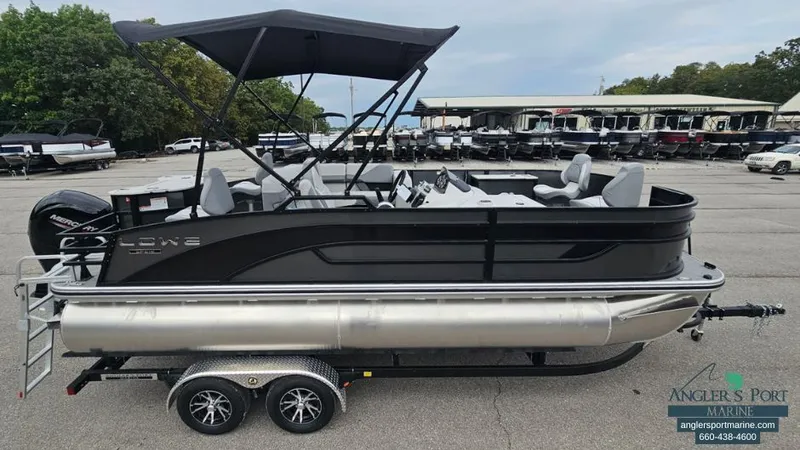
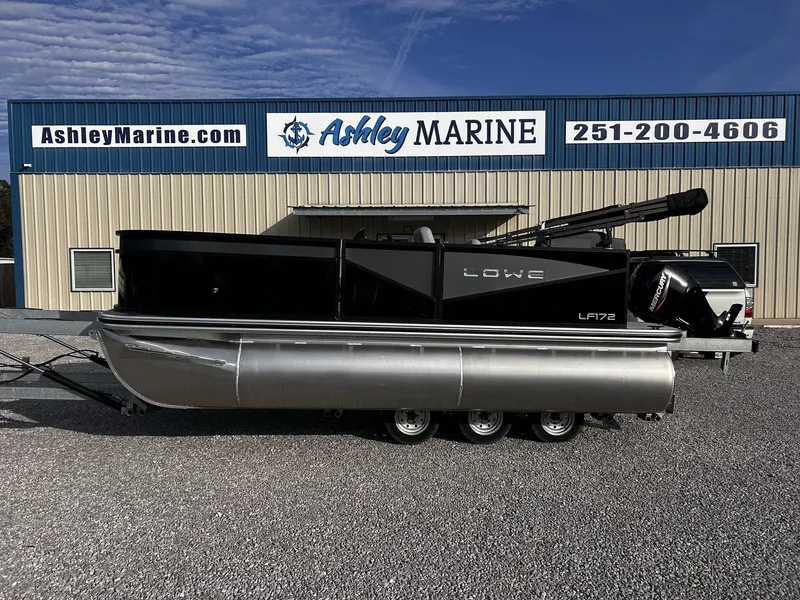
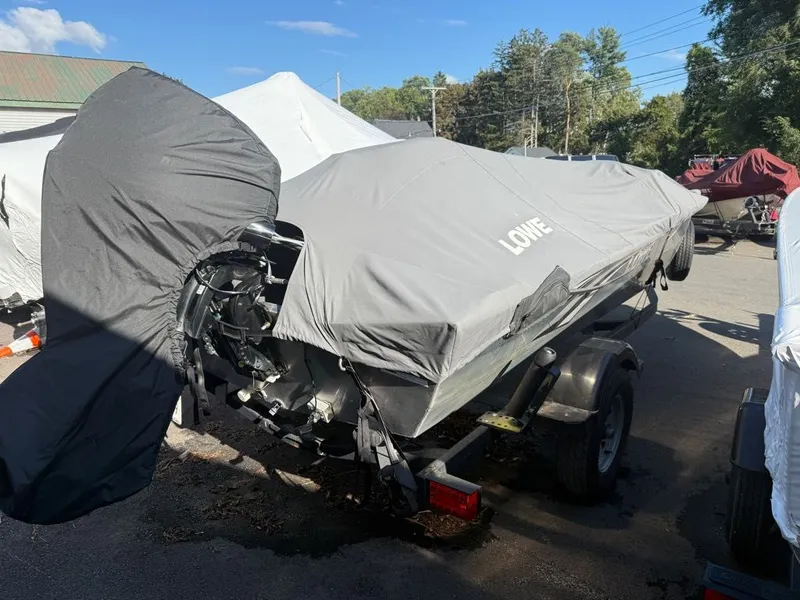
Lowe

Filters

Filters

Location

from

Boat Type

Condition

Searching boats for you...

Lowe Boats – Technical and Historical Guide


ABOUT THIS BOAT BRAND

Lowe Boats is an American boat manufacturer renowned for high-value aluminum fishing and pontoon boats that have served family boaters and serious anglers since its founding in 1971 in Lebanon, Missouri. Originating as Lowe Line under Carl and Dianna Lowe, the company quickly built a reputation for rugged jon boats and canoes before pioneering dedicated aluminum bass boats in the mid‑1970s and expanding into pontoons and deep‑V fishing platforms through the 1980s. Now part of Brunswick Corporation’s Brunswick Boat Group, Lowe Boats benefits from the resources of one of the world’s largest marine manufacturers while retaining its focus on practical, fishable designs. The brand produces more than 100 models of riveted and welded aluminum boats and has been recognized as the first full-line aluminum builder to achieve ISO 9001 certification, as well as a repeat winner of NMMA Customer Satisfaction Index awards, reinforcing its status as a trusted name in the marine industry for durability, safety, and consistent quality.

Specializing in outboard-powered freshwater and nearshore boats, Lowe Boats targets serious freshwater anglers, hunting and utility users, and family boaters seeking versatile fishing platforms and pontoons. Its core lineup centers on aluminum bass and multispecies fishing boats, Roughneck hunting and jon boats, and family-oriented pontoon and deck boats, with well-known series such as Stinger bass boats, Deep‑V Lunkers, and Roughneck workboats. Building on a heritage that includes early innovations like raised casting decks and one of the first aluminum deck boats, Lowe focuses on all‑welded hull construction, deep‑V and Mod‑V running surfaces for improved stability, generous beam widths for casting space, integrated livewells and lockable rod storage, and durable full‑length keels and cross members that support higher horsepower ratings. Features such as optimized interior layouts for center and side-console fishing configurations, elevated helm ergonomics, and modern electronics readiness make Lowe Boats highly competitive in categories like tournament bass fishing, utility jon applications, and family cruising pontoons, helping the brand remain a preferred choice for buyers seeking dependable aluminum center console fishing boats, sportfishing platforms, and multipurpose aluminum vessels.

WHAT MAKES THIS BOAT BRAND SPECIAL?

Lowe Boats stands out by pairing proven all-welded aluminum construction with smart, fish-and-family-focused design that performs in real-world conditions. Its ProTrac™ Mod-V hull and tough Deep-V platforms use variable deadrise, reverse chines, and full-length extruded keels to lift quickly onto plane, soften the ride in chop, throw spray down and away, and track true when you’re trolling or running big water. SuperLock™ construction ties hull, stringers and decks into a single rigid structure, while PowerGrid™ ribs and closely spaced cross members create a rock-solid backbone that resists flex and keeps the boat quiet underfoot. Lowe Boats also packs the substructure with closed-cell flotation foam that exceeds US Coast Guard and NMMA standards for stability and level flotation, resulting in a safer, quieter, more confidence-inspiring ride. From wide casting decks, aerated livewells, and organized rod storage on fishing models to comfortable chaise lounges, walk-through layouts, and Quietride fencing on pontoons, every Lowe boat is engineered so anglers, hunters, and cruising families get maximum usable space and features that match how they actually use the water.
Built in Lebanon, Missouri, the Lowe Boats manufacturing campus combines advanced CAD-driven engineering with a workforce of seasoned aluminum craftsmen, many of whom have spent decades welding and rigging boats for serious anglers and lake families. Lowe Boats starts with marine-grade aluminum, pressure-treated marine plywood with a limited lifetime warranty, stainless hardware, and premium vinyls and upholstery, then builds to rigorous NMMA certification, US Coast Guard and Transport Canada standards for structure and flotation. Industry-leading limited lifetime structural hull and wood deck warranties, along with extended bow-to-stern component coverage that is transferable to a second owner, reinforce the long-term value story behind the Lowe Boats name. Precise welds, fair hulls, clean rigging, and neatly finished wiring reflect a culture that sweats the small details, and owners often describe their Lowe boats as tough, easy to maintain, and holding strong resale value. As a result, Lowe Boats is widely viewed as a top choice for buyers who want big-water capability, thoughtful layouts, and long-term peace of mind at a price that still delivers outstanding value.

WHAT DIFFERENT TYPES OF BOATS DOES THIS BOAT BRAND BUILD?

Lowe Boats is a respected builder of aluminum fishing and family boats powered primarily by outboard engines, offering a broad range of versatile designs for freshwater and nearshore use. While specific lengths are not listed in the provided data, Lowe Boats is known for producing compact, easily trailerable models at the smaller end of the spectrum and spacious, feature-rich platforms at the larger end. The lineup typically spans fishing boats, fish-and-ski crossover designs, and family-oriented recreational boats that balance stability, fishability, and comfort. Anglers appreciate the smart use of deck space, ample storage, and thoughtful livewell layouts, while families benefit from flexible seating and watersports-friendly configurations. Below are the types of boats and models Lowe Boats builds, along with their key characteristics and uses:
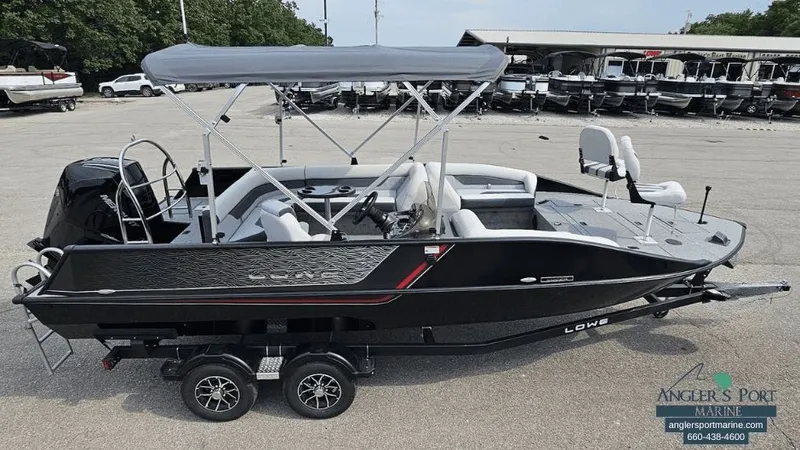
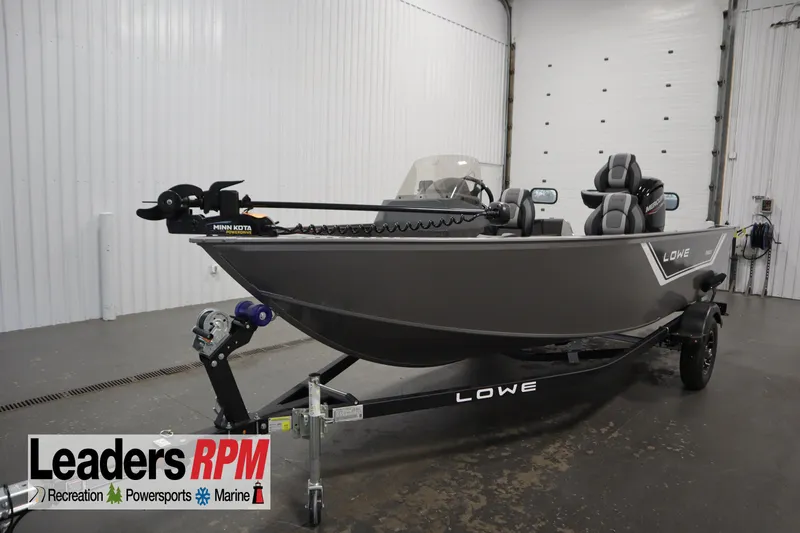
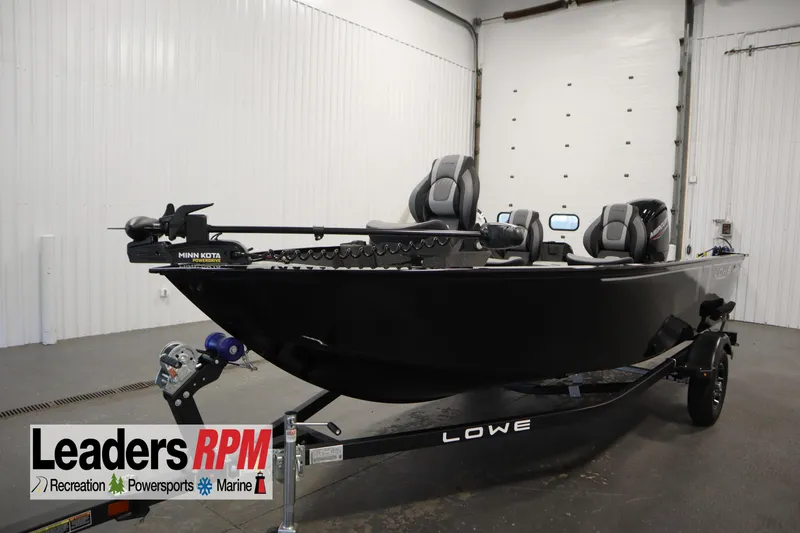
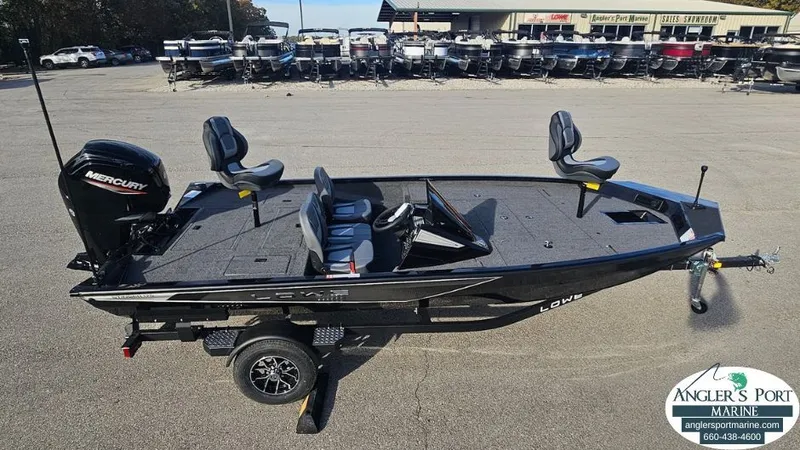
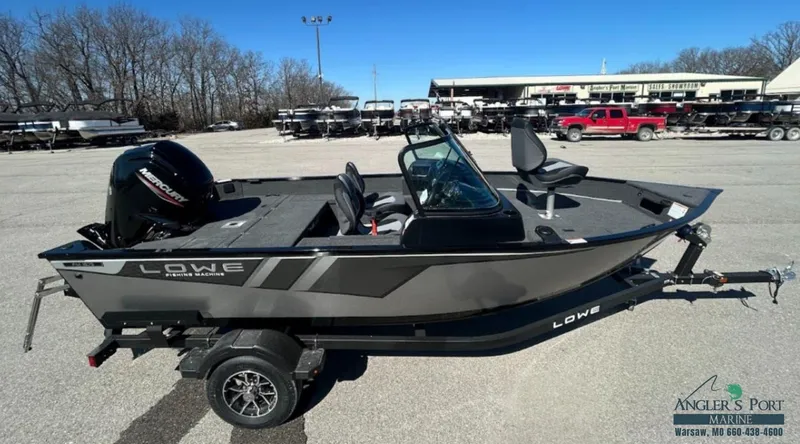
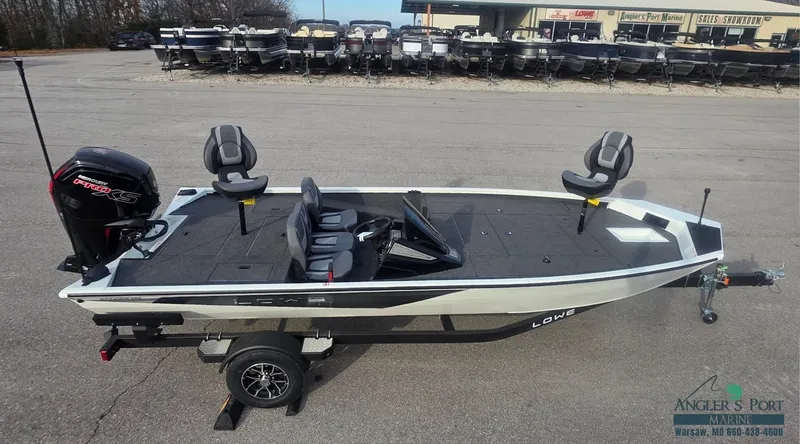
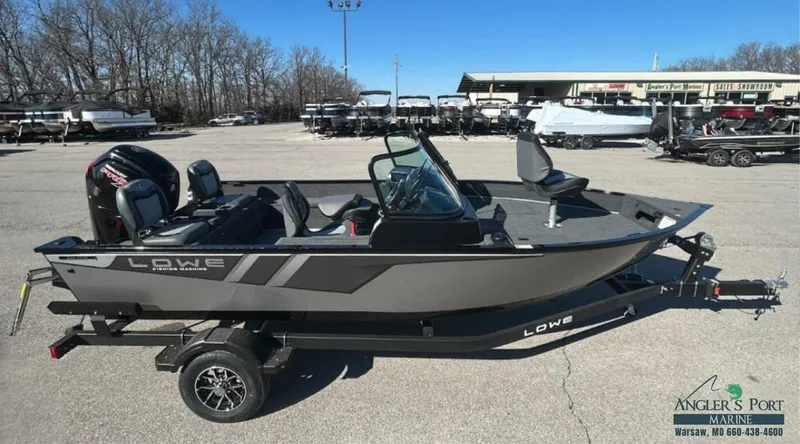
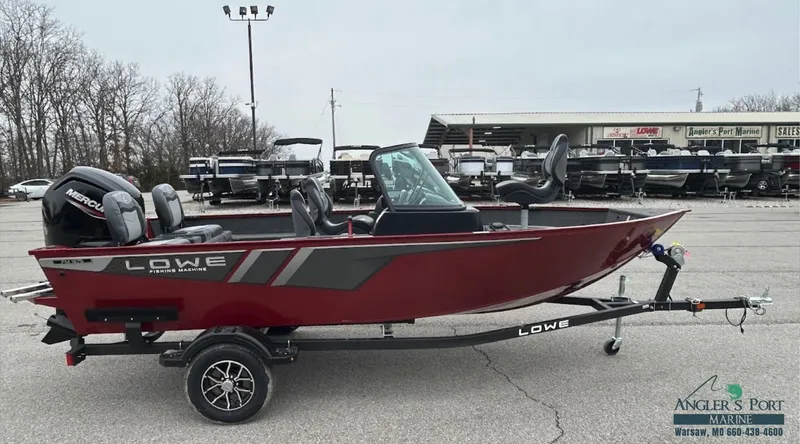
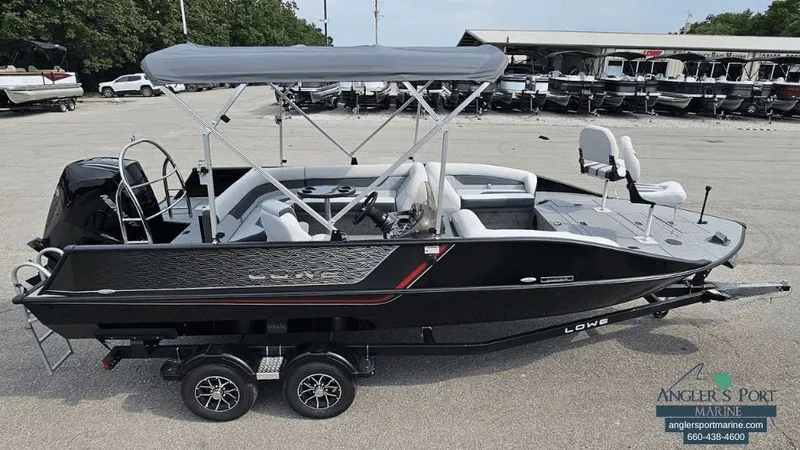
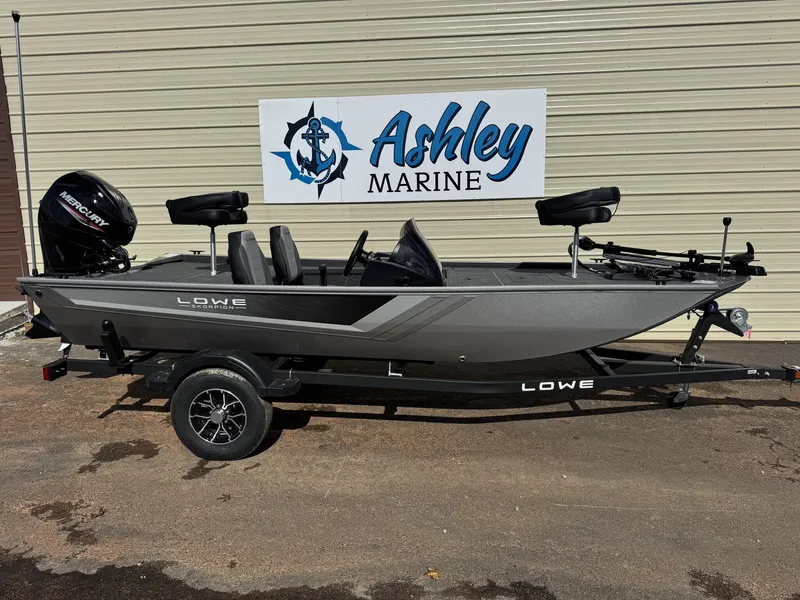
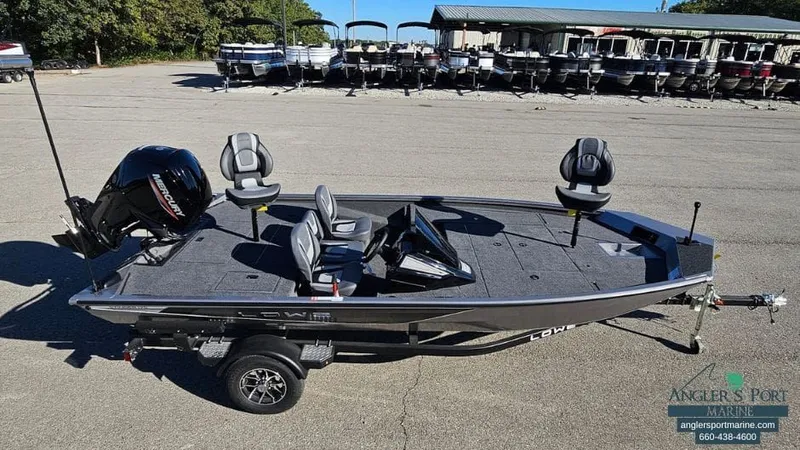
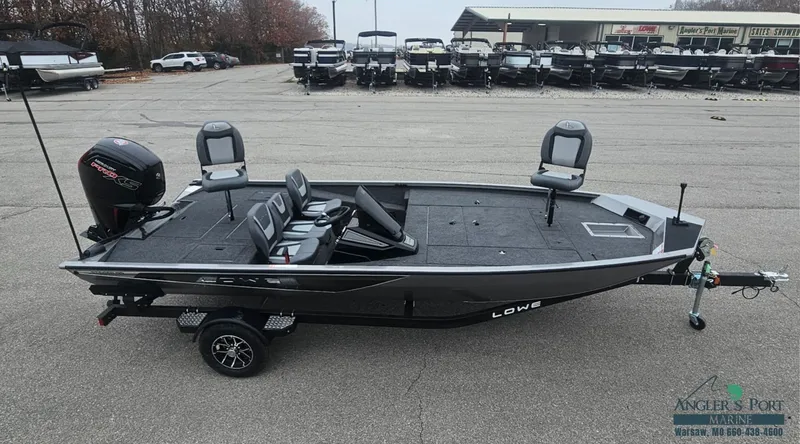
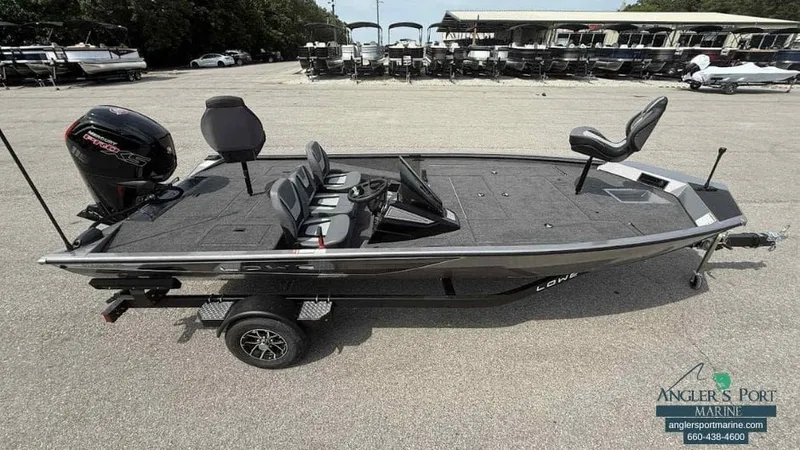
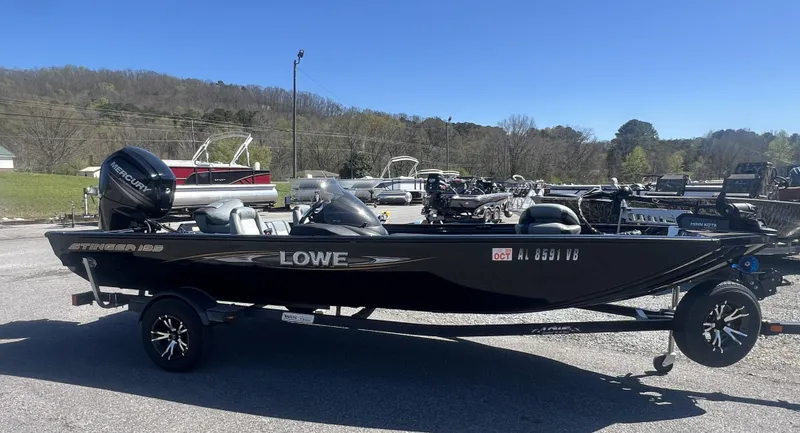
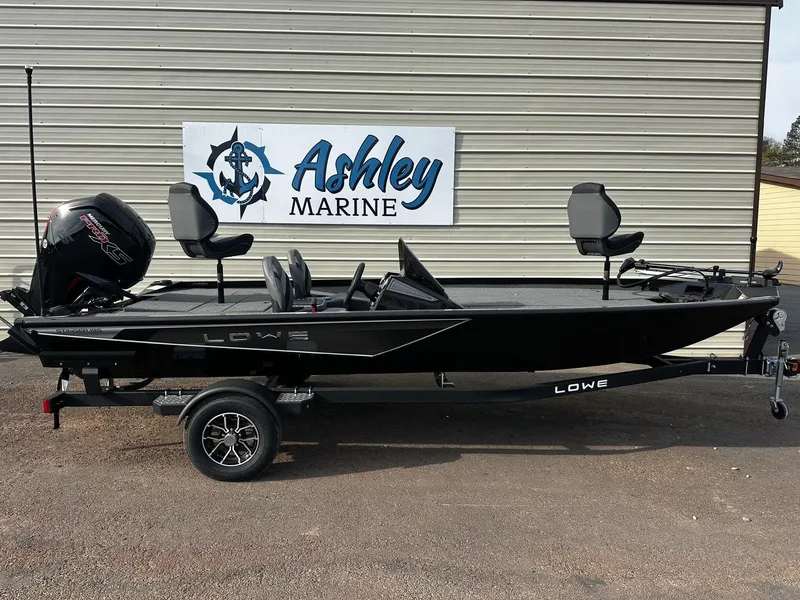
(Aluminum Mod‑V Bass & Panfish Boats) Lowe’s Mod‑V aluminum bass and panfish boats cover Stinger 5‑Series bass and crappie rigs, Skorpion value‑priced Mod‑Vs, and the catfish‑oriented Outlet models. These 16'–19'+ all‑welded aluminum boats are built around wide, stable Mod‑V hulls with raised fore and aft casting decks, pedestal fishing seats, and side or center consoles depending on model. Stingers (such as Stinger 175C and 195 Bass) are tournament‑style platforms with large bow casting decks, lockable rod lockers, divided aerated livewells, and factory‑rigged Mercury outboards in the 60–150 HP range. Skorpion 16 and 17 provide a simpler, lighter, budget‑friendly package for bass and panfish, while Outlet 20 stretches toward 20' for big‑reservoir catfish or river fishing. Across the range, shallow‑to‑moderate draft Mod‑V hulls, trolling‑motor‑ready bows, and extensive storage make these boats ideal for freshwater bass, crappie, and panfish on lakes and reservoirs, offering a rugged, low‑maintenance alternative to fiberglass bass boats.

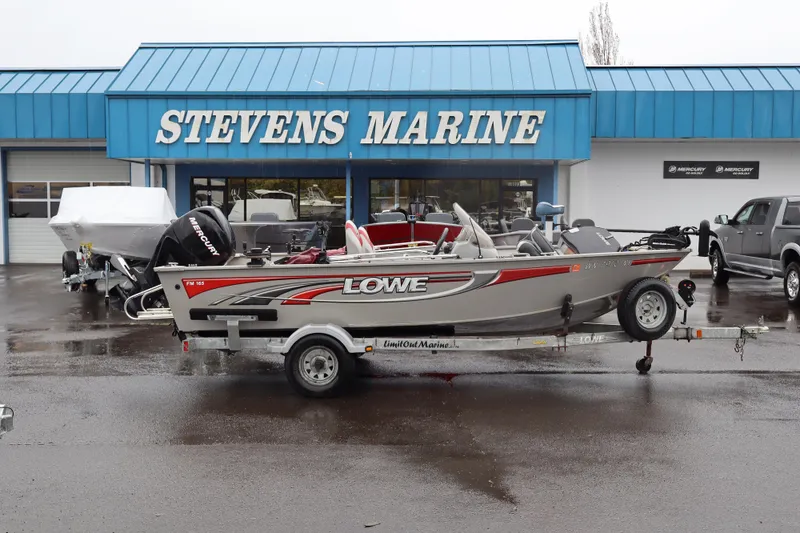
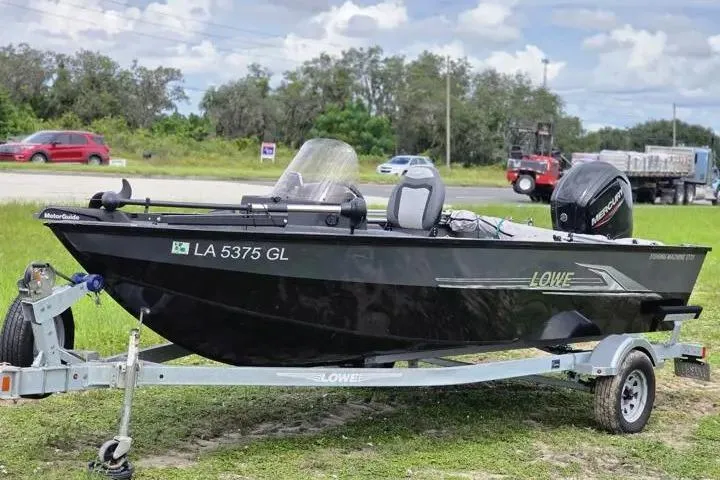
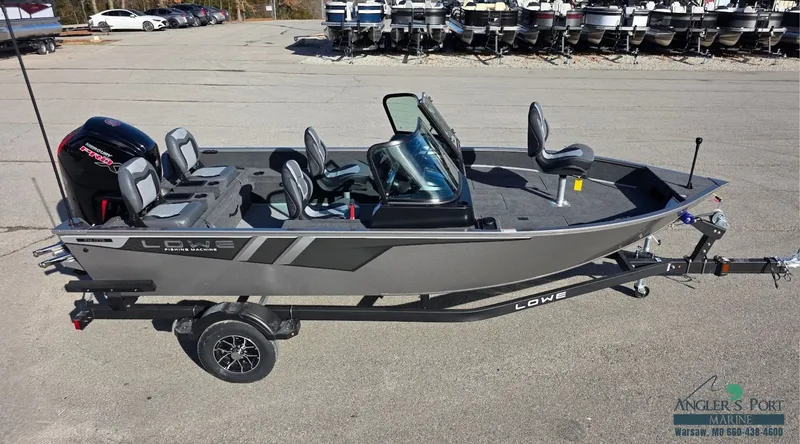
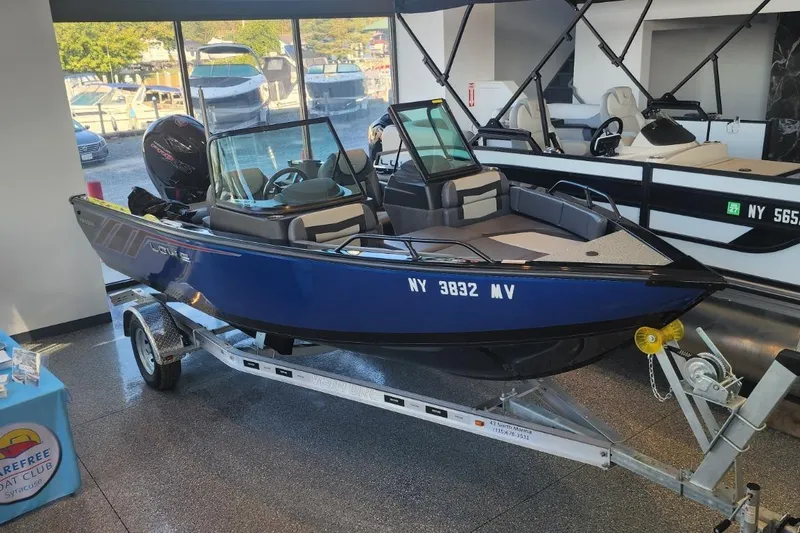
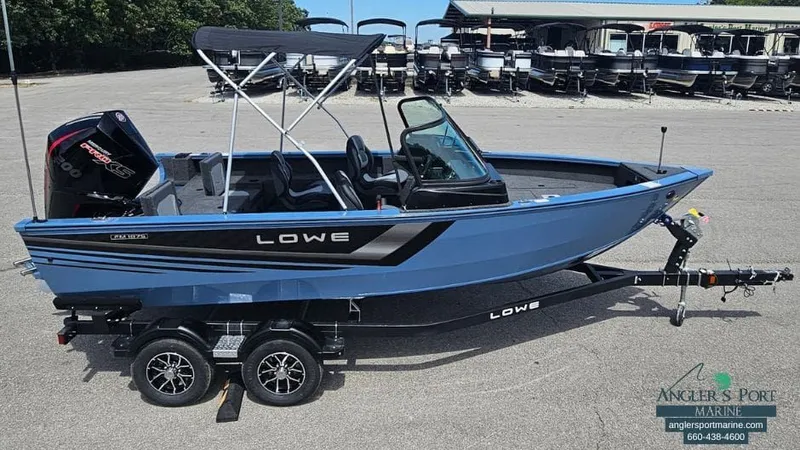
(Deep‑V Multispecies Fishing Boats) Lowe’s Deep‑V multispecies boats—led by the FM (Fishing Machine) and FS series—are designed for walleye, pike, salmon/steelhead, and big‑water multispecies anglers. A core model, the FM 1875, measures 18'10" overall with a 95" beam and is rated for 115–200 HP, using Lowe’s Power‑Core deep‑V hull for a smooth, dry ride in rougher conditions. These boats feature high freeboard, full walk‑through windshields, in‑floor and side rod lockers, dual livewells, and elevated casting decks fore and aft, with up to seven‑person capacities. FS‑branded models in a similar 16'–19' range emphasize family versatility with ski pylons and jump seats while retaining serious fishing capability. All are outboard‑powered and use welded aluminum deep‑V monohulls with moderate‑to‑steep deadrise, making them suitable for larger inland lakes and big rivers where chop‑taming performance, cockpit depth, and weather protection matter.
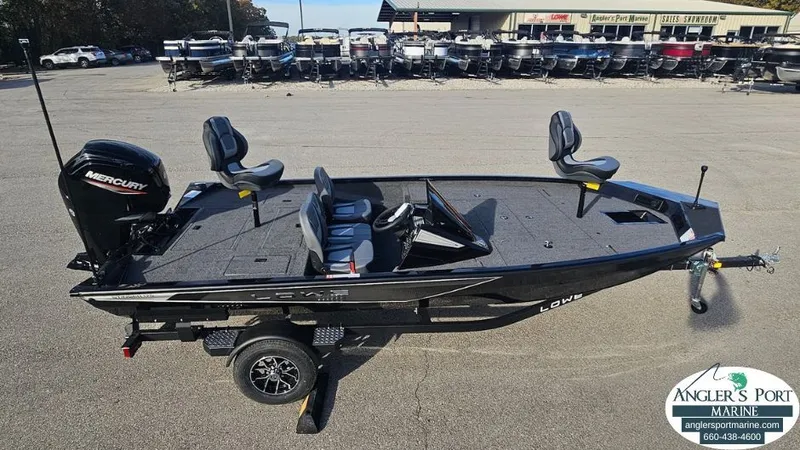
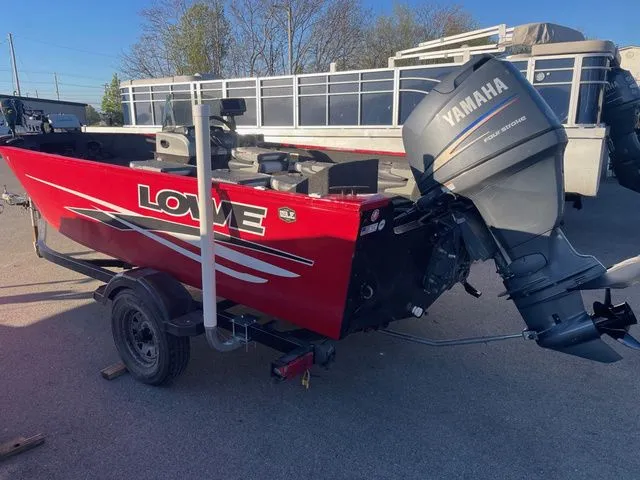
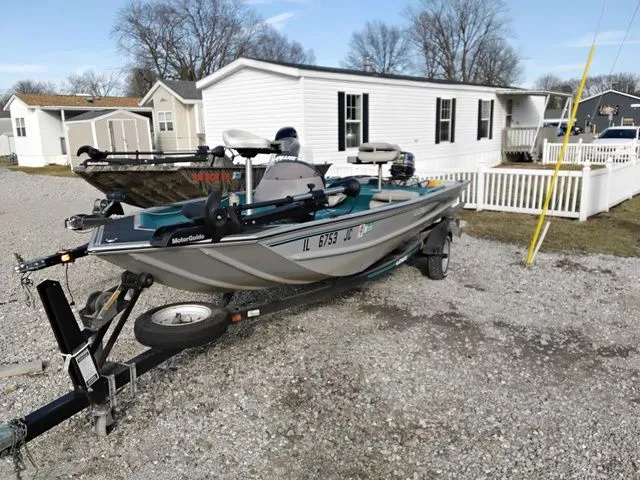
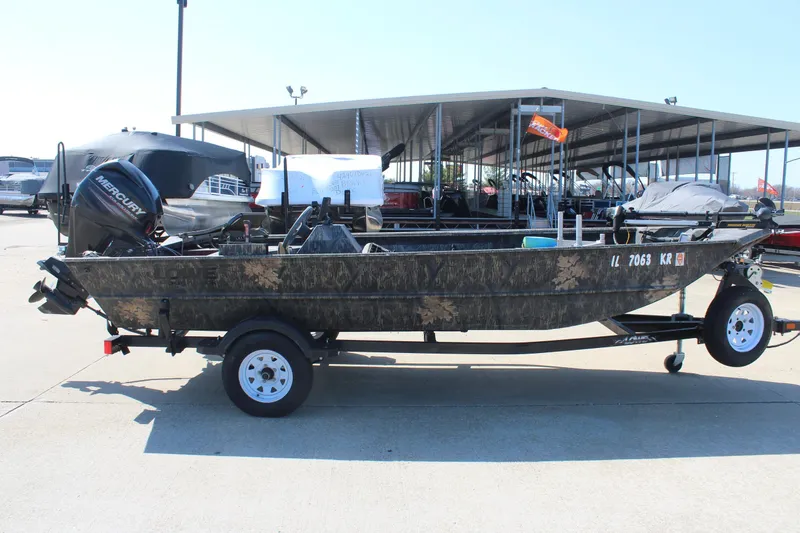
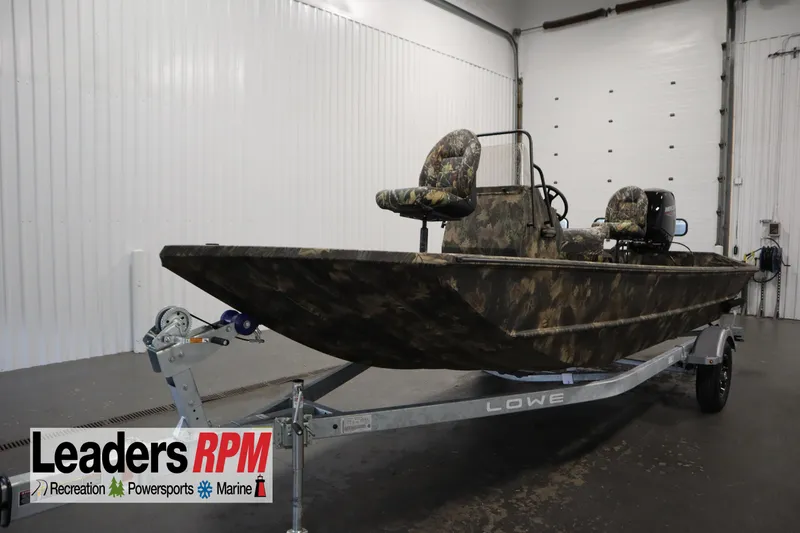
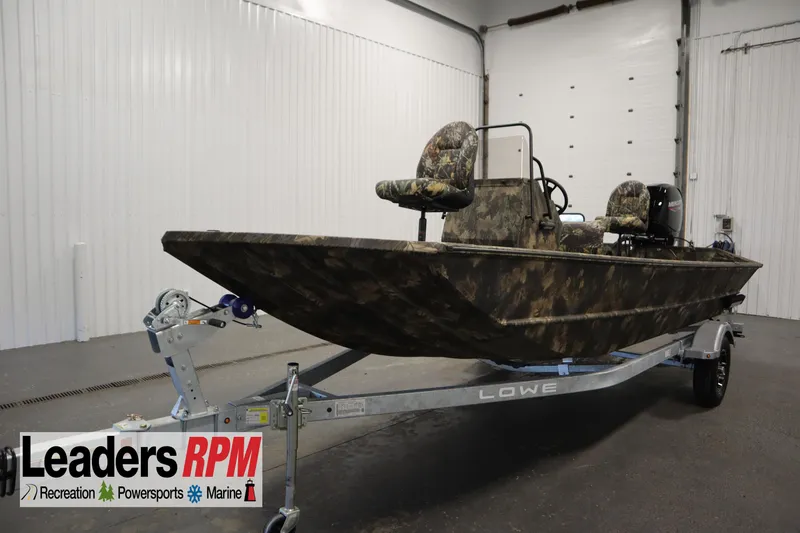
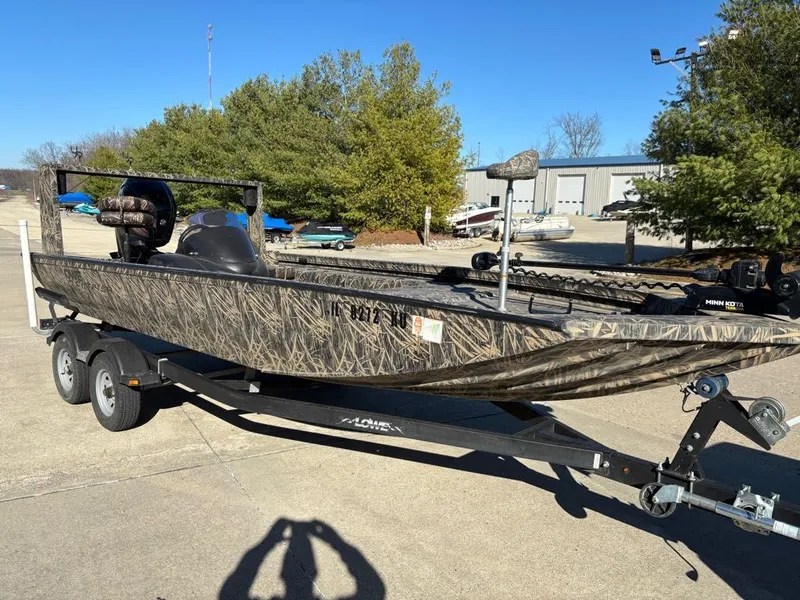
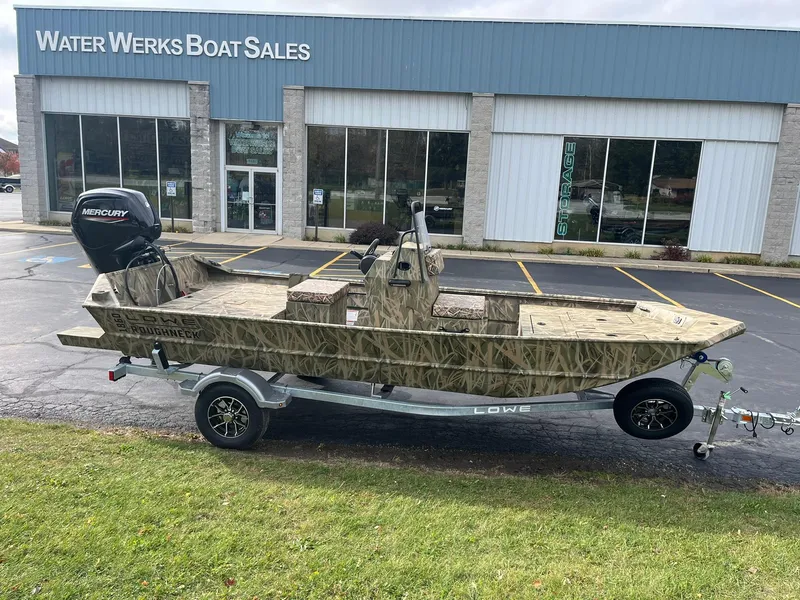
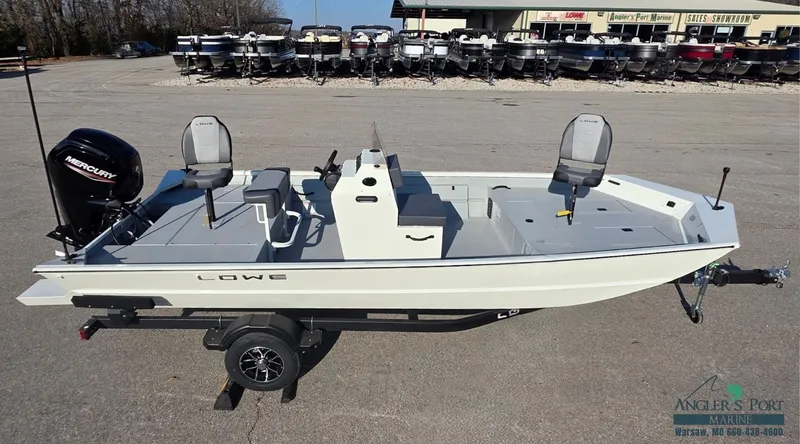
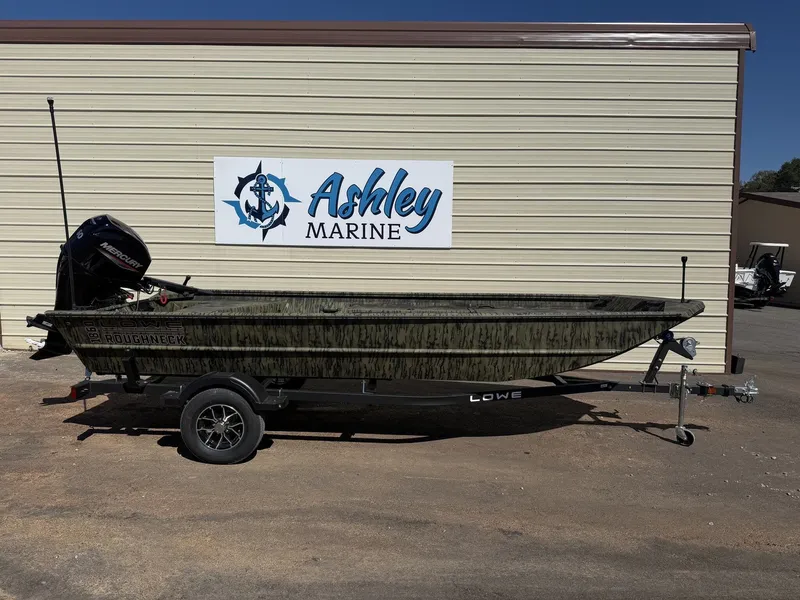
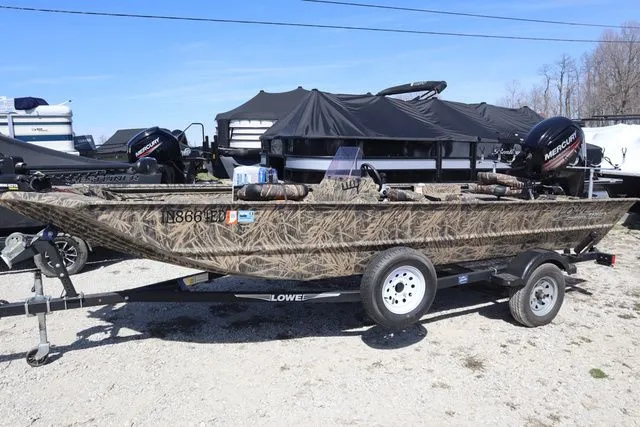
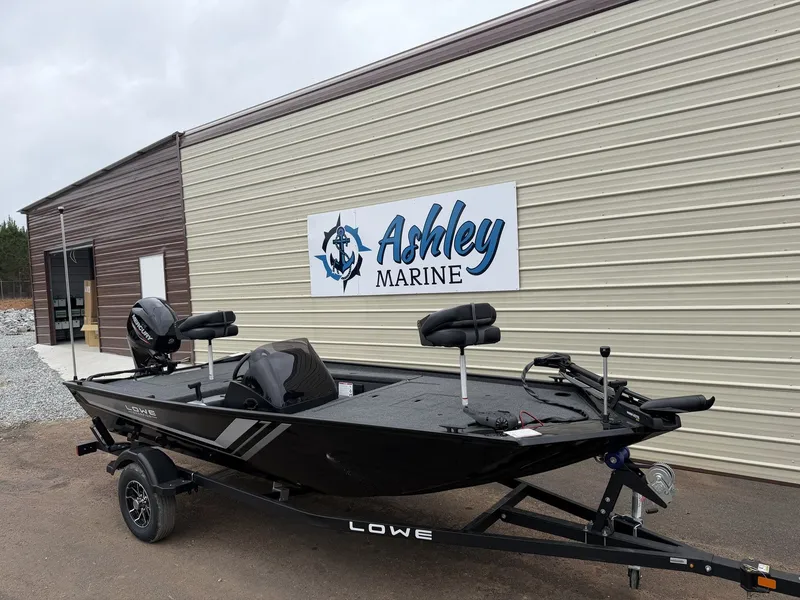
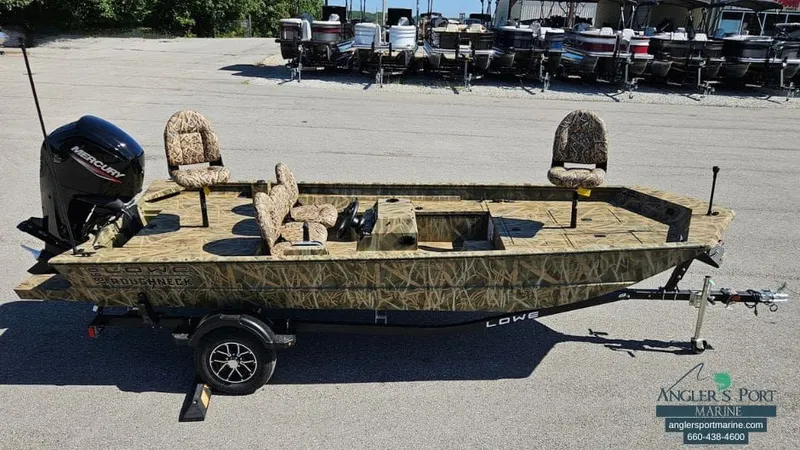
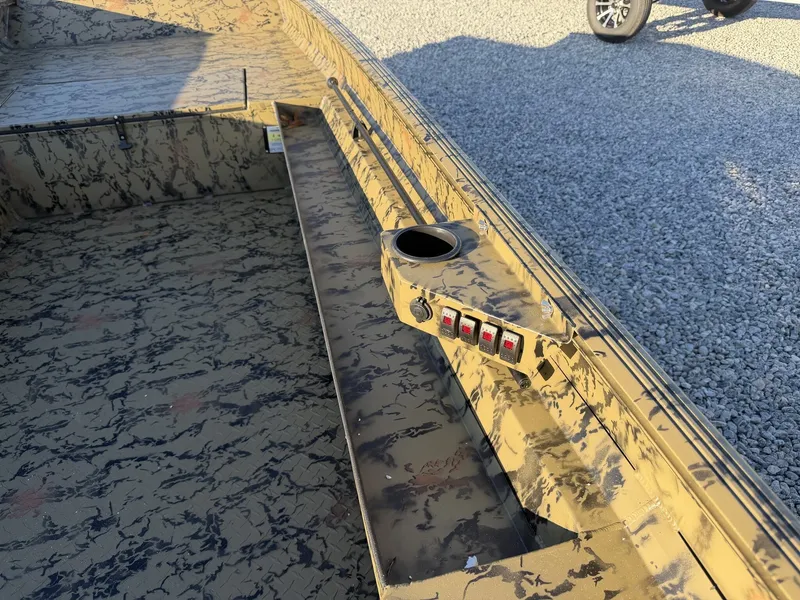
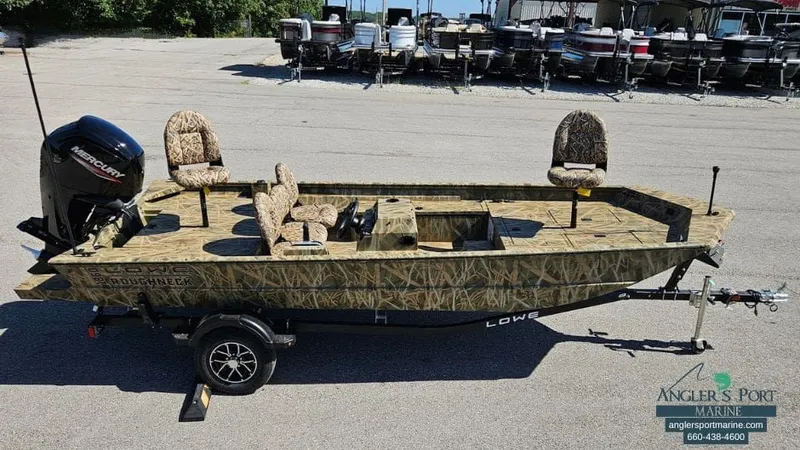
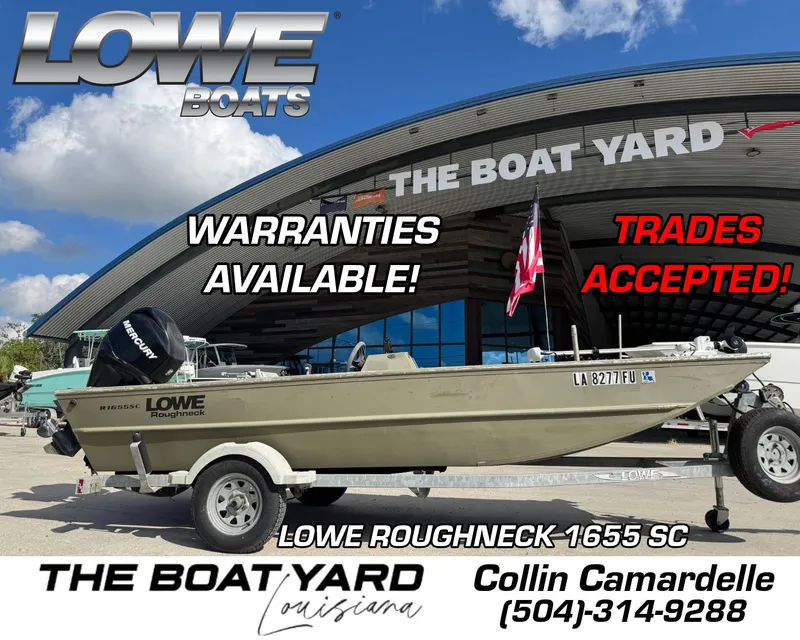
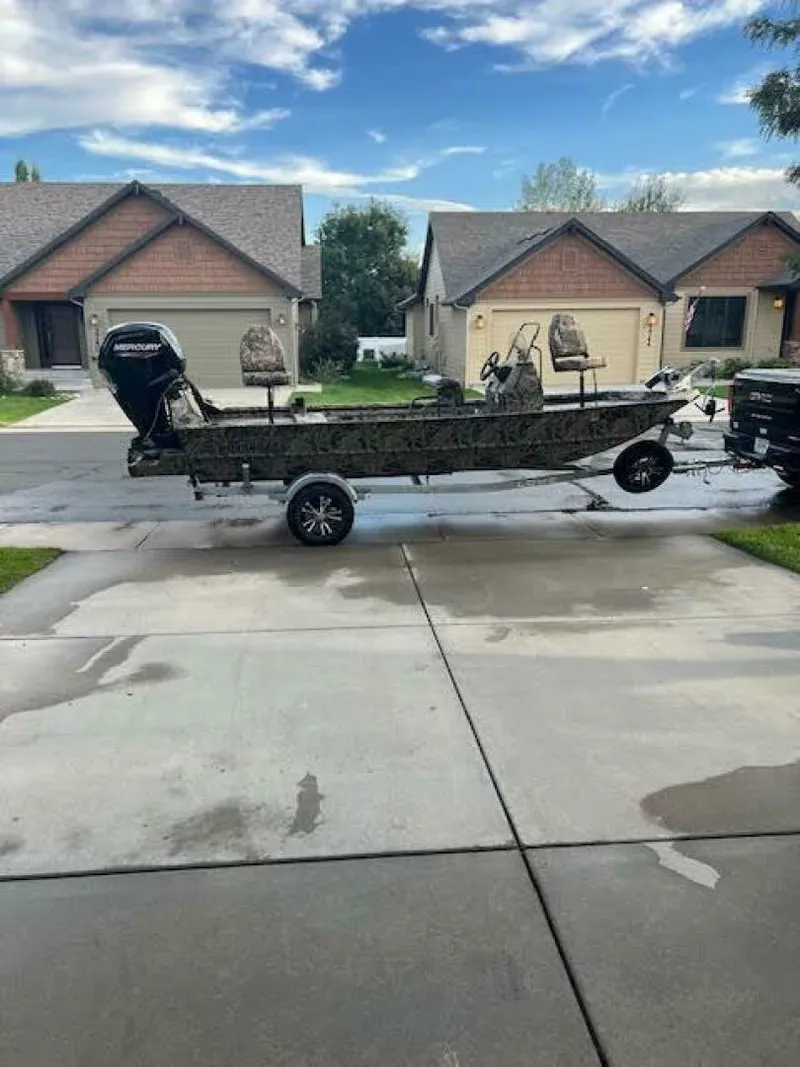
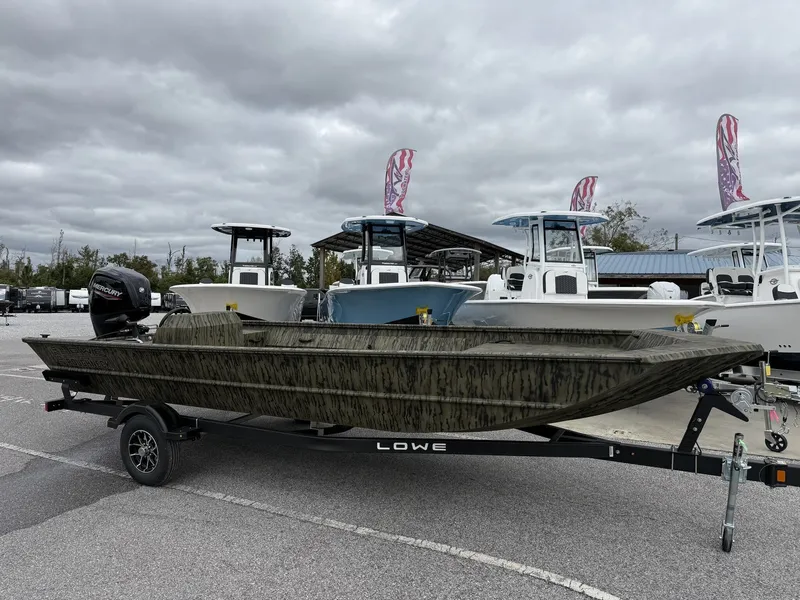
(Roughneck Utility, Hunting & Jon Boats) The Roughneck family forms Lowe’s workhorse line of all‑welded utility, hunting, and jon boats. Core tiller models include the Roughneck 1660 (16'), 1760 (16'10"), 1860 (18'), and 2070 (20'), each offered in base and Deluxe Tiller (DT) trims with HP ranges from roughly 25–75 HP depending on length. Side‑console versions such as Roughneck 1660 SC, 1760 SC, 1860 SC, 1860 Rambler, and 2070 SC add easy helm control and more interior organization, while center‑console and tunnel/jet options (e.g., Roughneck 2070 CC, 1860 CC, and Pathfinder/tunnel jets) target shallow‑river running and coastal marsh use. Hulls are rugged, all‑welded aluminum with variable‑deadrise or near‑flat bottoms for very shallow draft, open nonskid decks, fore and aft casting platforms, and options for gun boxes, livewells, and bowfishing or hunting setups. These versatile boats excel for duck hunting, bowfishing, commercial duty, and rough‑and‑tumble catfish or river fishing where durability, load‑carrying capacity, and ease of cleaning are paramount.

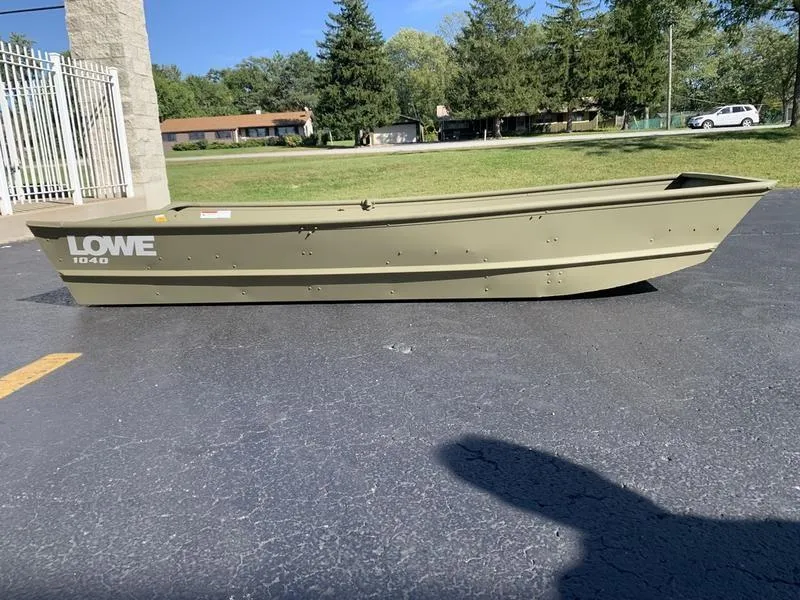
(Riveted Open Jon Boats) Lowe’s riveted open jon boats, such as the L1648, L1648M, and L1852MT AURA, provide simple, lightweight platforms for small‑water angling, hunting, and camp or lodge duty. Typically between about 14' and 18', these flat‑bottom or shallow‑V aluminum jons carry broad beams for stability yet draft only inches of water, making them ideal for ponds, small lakes, and skinny rivers. Layouts are generally open with bench seats, leaving ample room for gear or decoys, and most are tiller‑steered using small portable‑tank outboards or electric motors. Their uncluttered interiors, easy beaching, and low purchase and operating costs make them popular as first boats, rentals, and utility rigs. Compared with the heavier Roughneck series, L‑Series jons emphasize light weight and simplicity over welded heavy‑duty construction, while still offering the corrosion resistance and low maintenance of bare or painted aluminum.

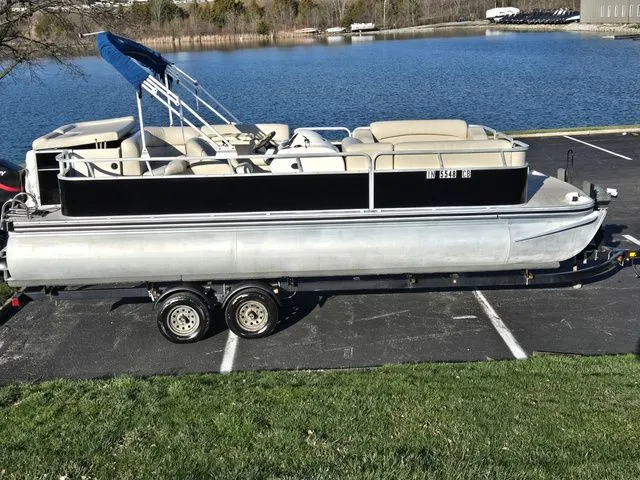
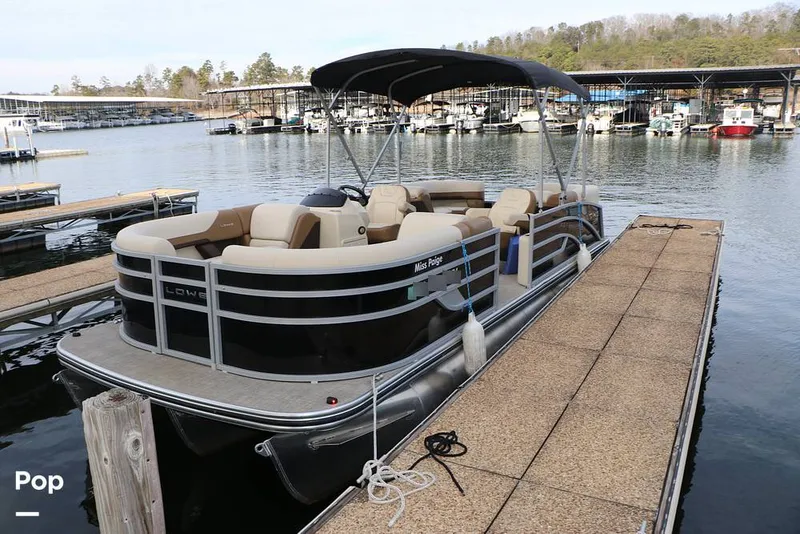
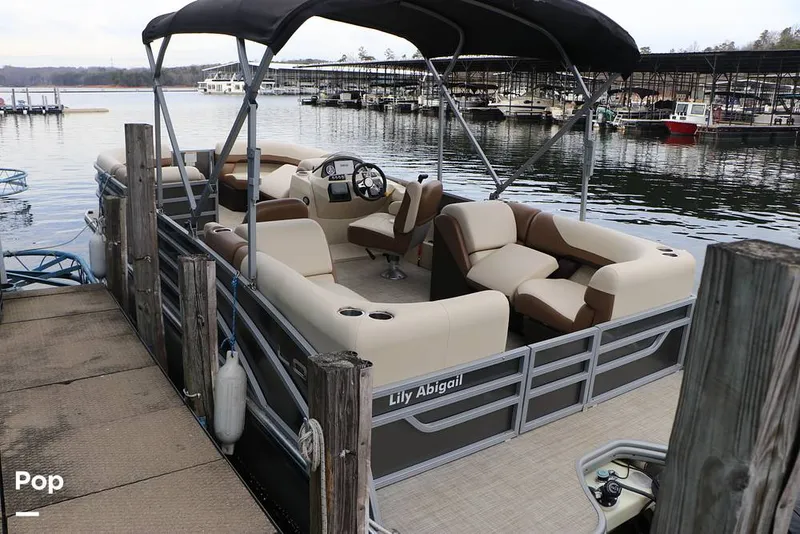
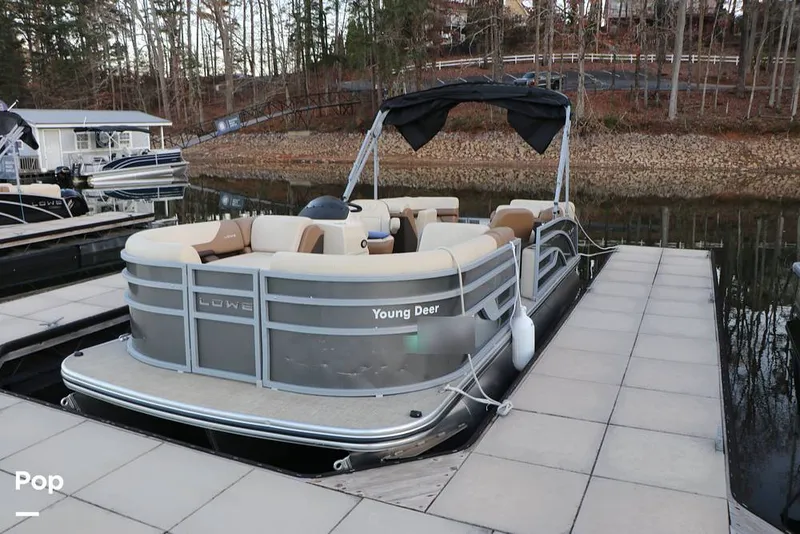
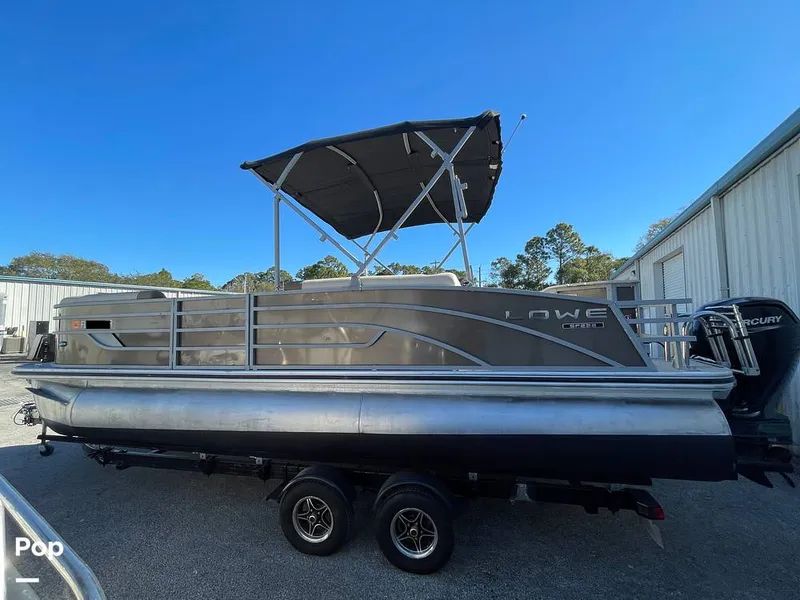
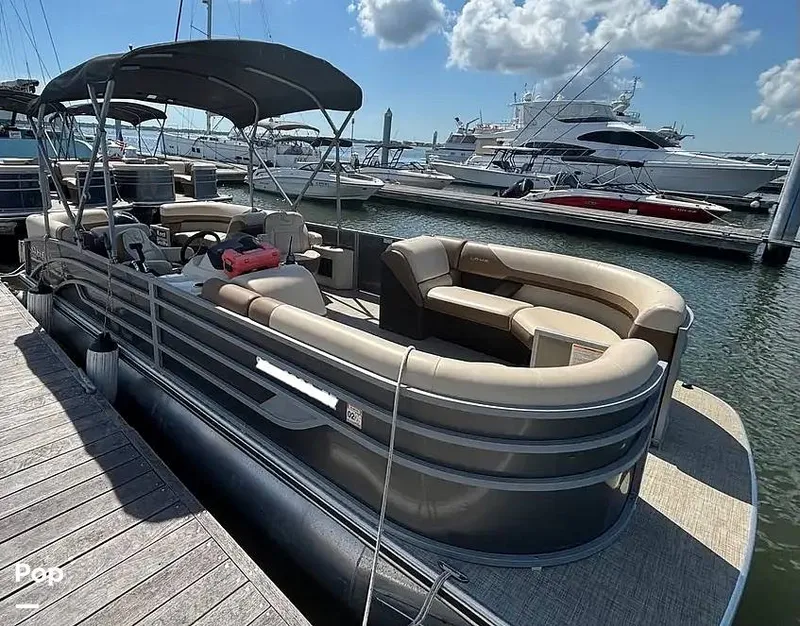
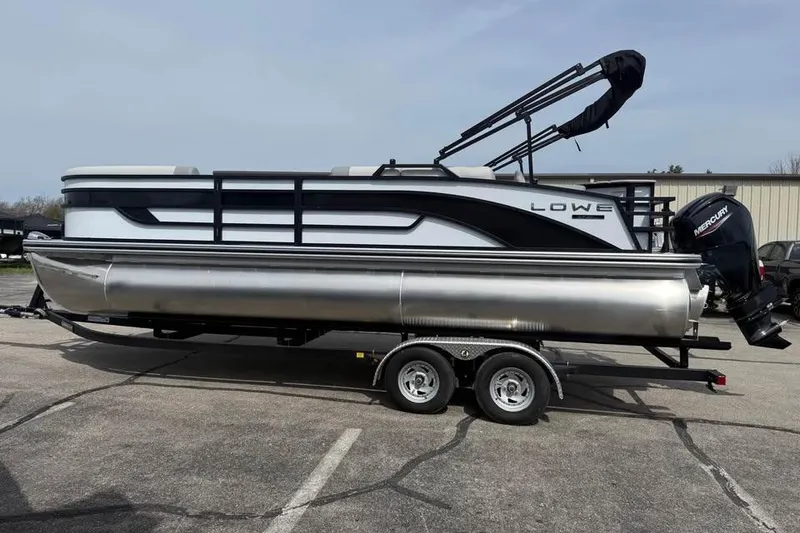
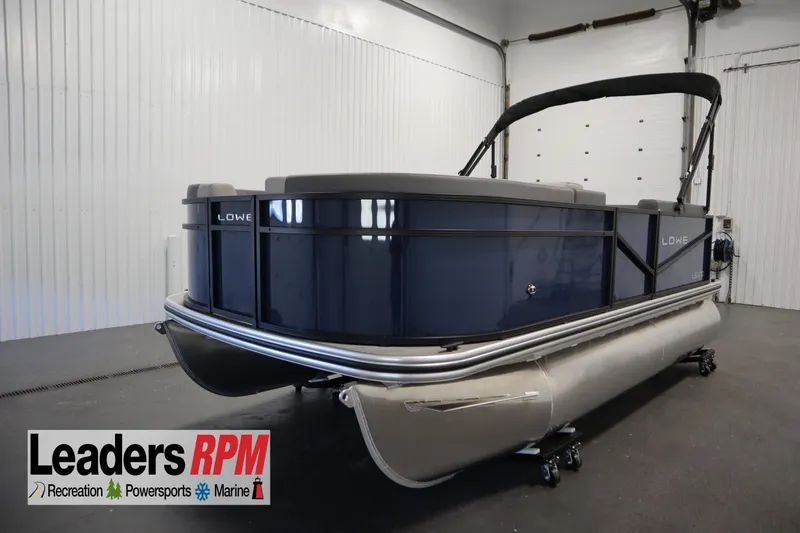
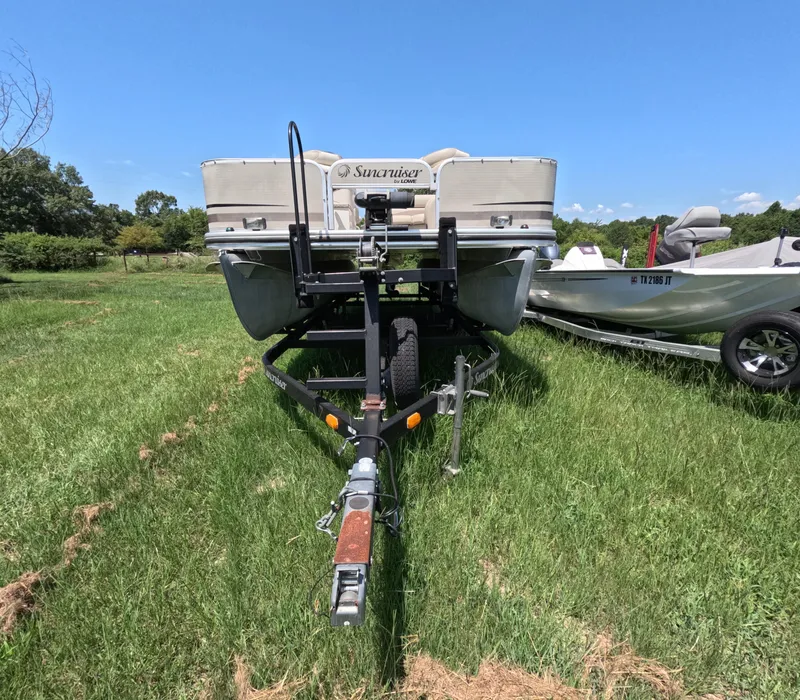
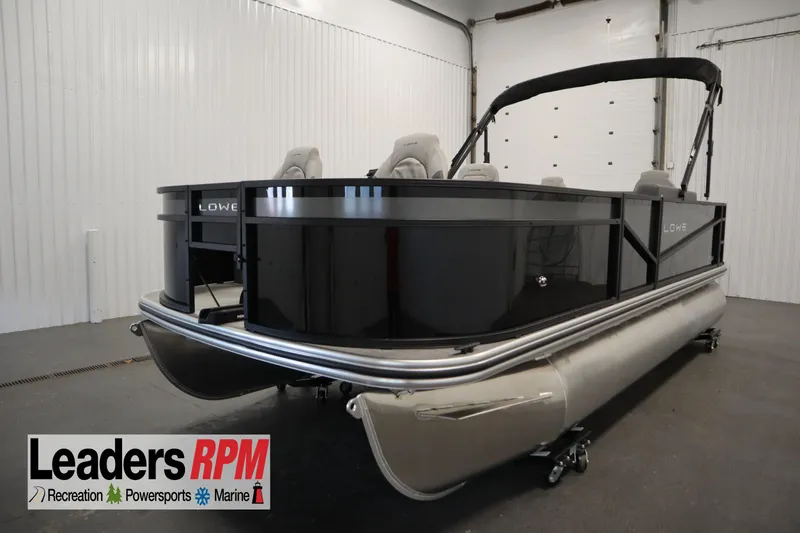
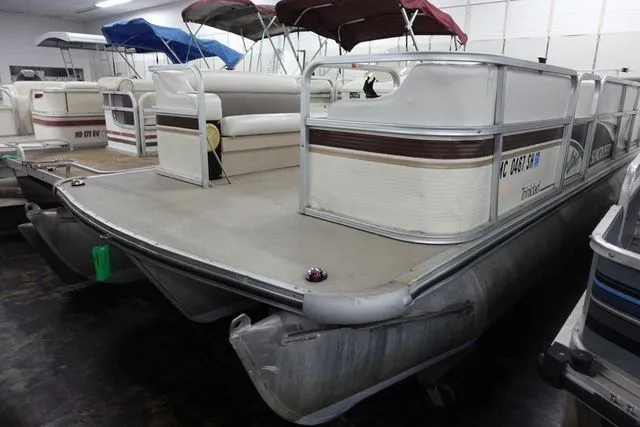
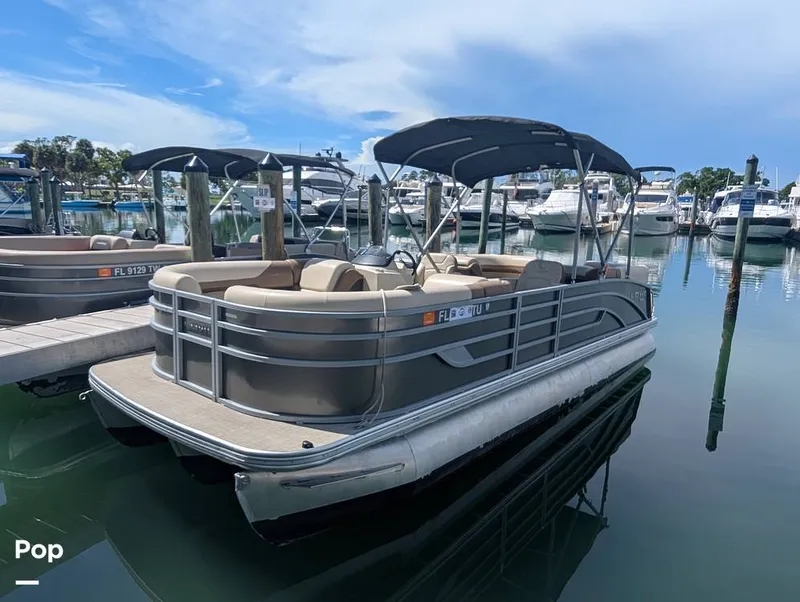
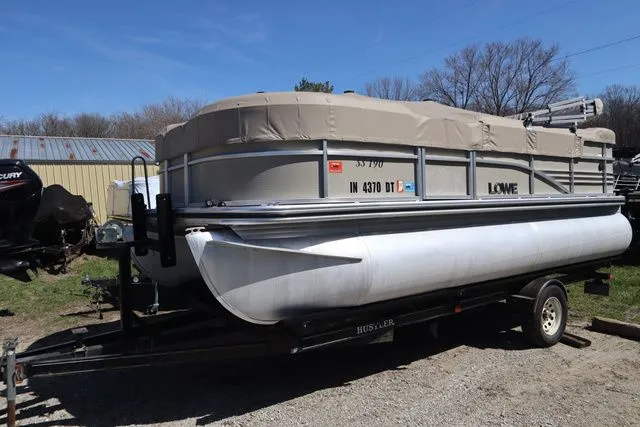
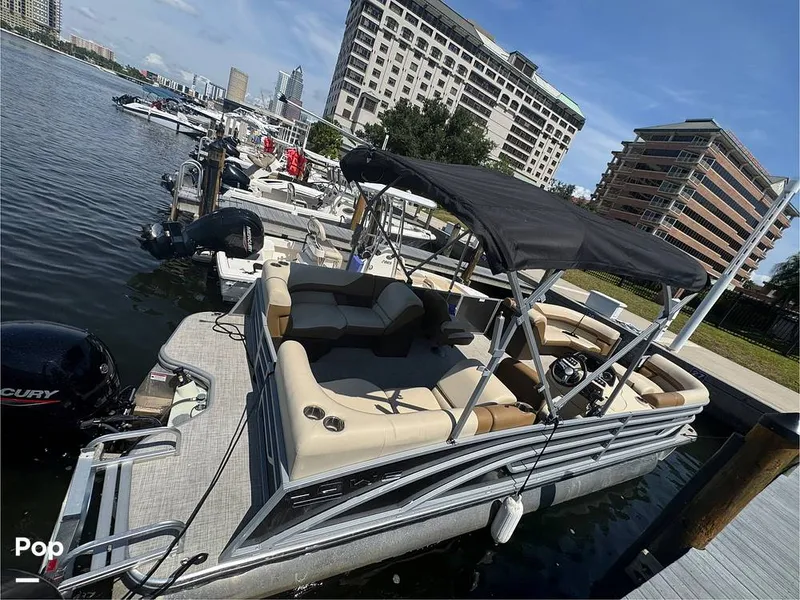
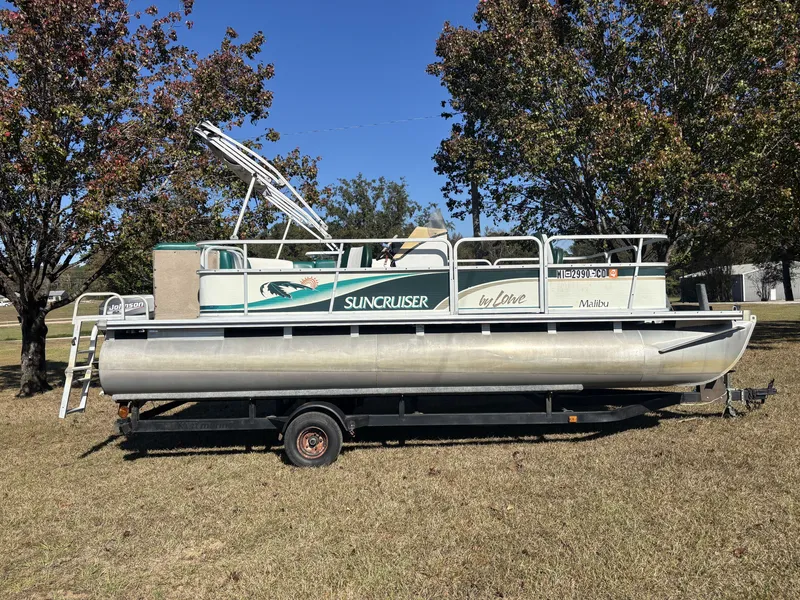
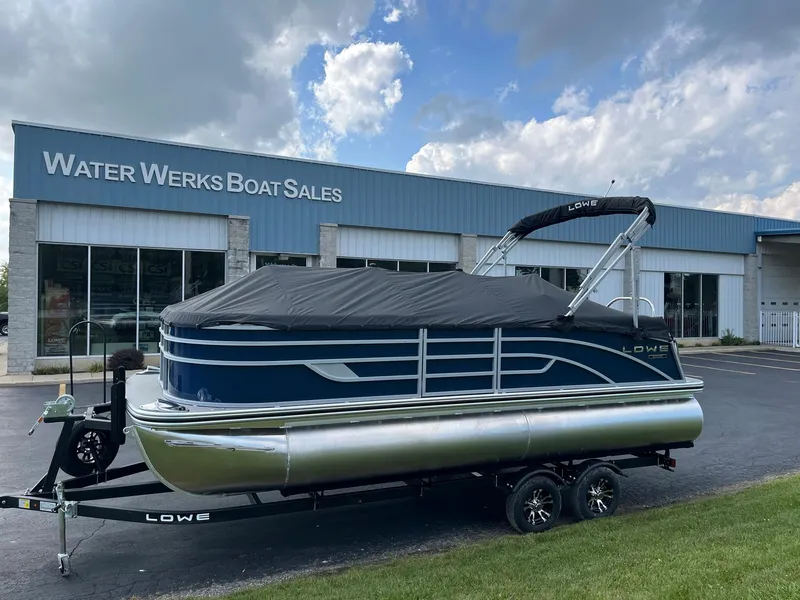
(Pontoon Boats – Ultra Series (Entry‑Level Fish & Cruise)) The Ultra series is Lowe’s value‑oriented fish‑and‑cruise pontoon family, with key models like the Ultra 162 Fish & Cruise (17'10", 9.9–50 HP) and Ultra 202 Fish & Cruise (19'6", 9.9–75 HP). These pontoons pair classic twin round aluminum logs and 8'6" beams with simple yet comfortable lounge and fishing layouts. Standard features typically include forward and aft fishing chairs, vertical rod holders, a 15‑gallon aerated livewell on the Fish & Cruise floorplans, a rear swim ladder, and USCG‑approved navigation lights for evening use. Compact footprints and modest horsepower make Ultra models easy to tow and economical to run, targeting budget‑minded families who split time between relaxed cruising, dock‑side gathering, and casual fishing. Optional Bimini tops, basic stereo packages, and simple helm consoles keep operation user‑friendly while still delivering the core pontoon experience.

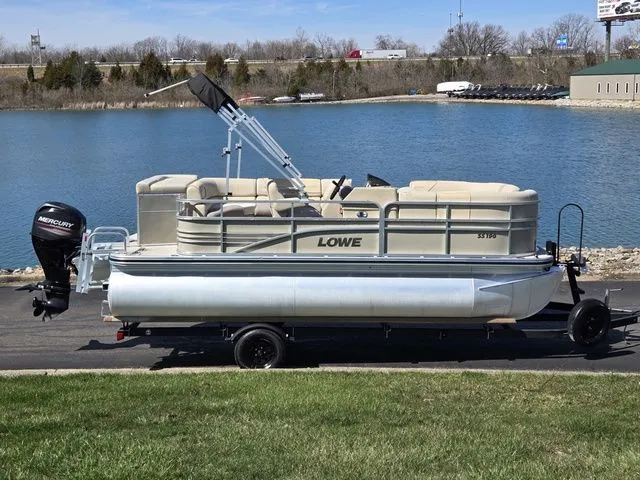
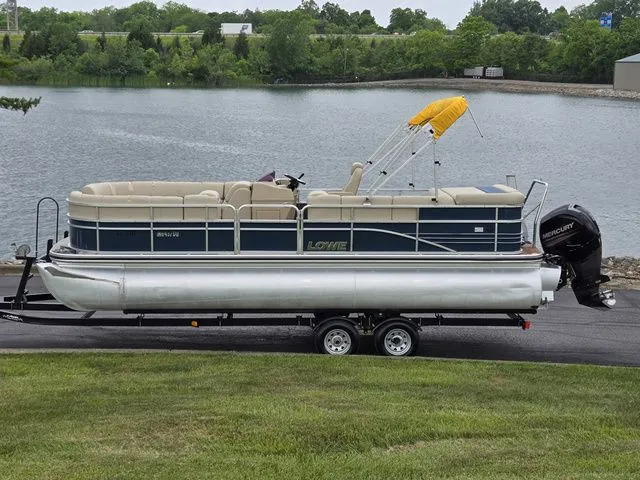
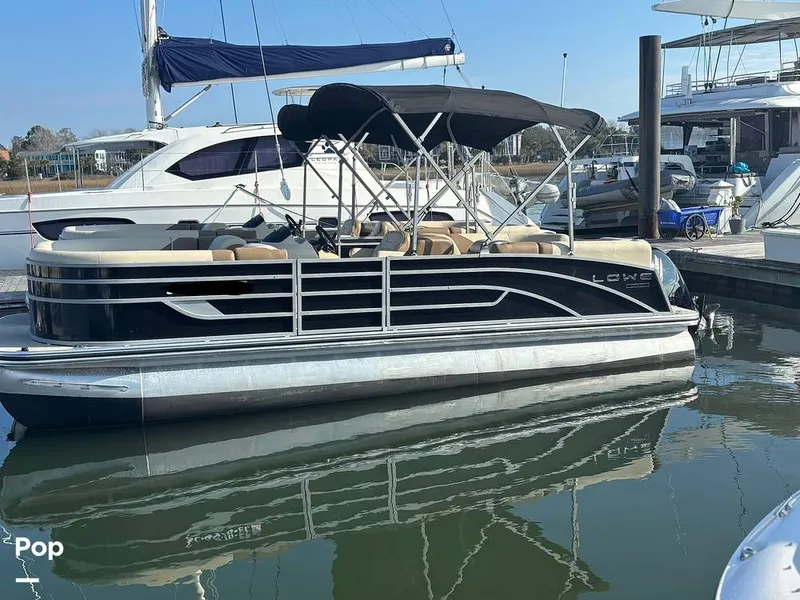
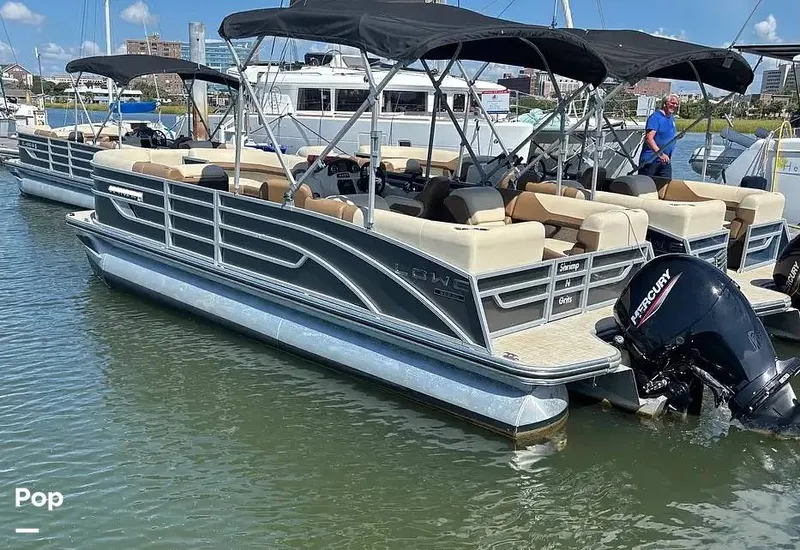
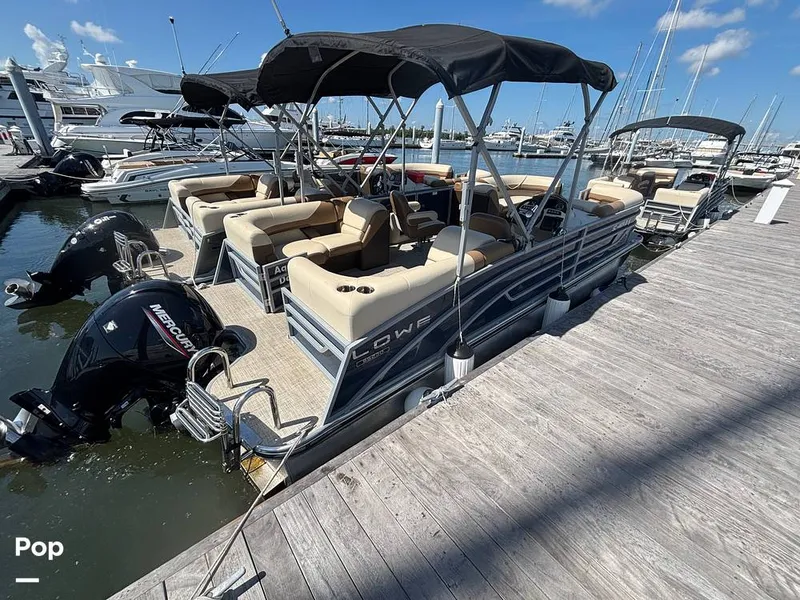
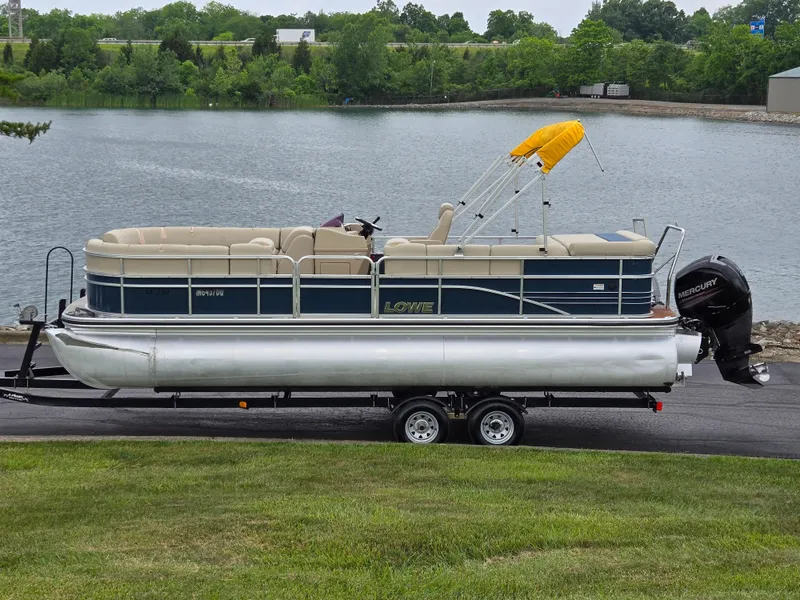
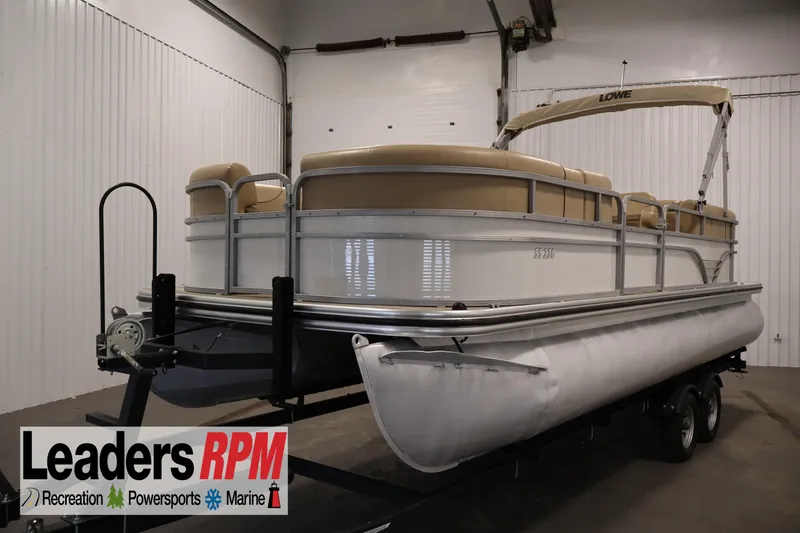
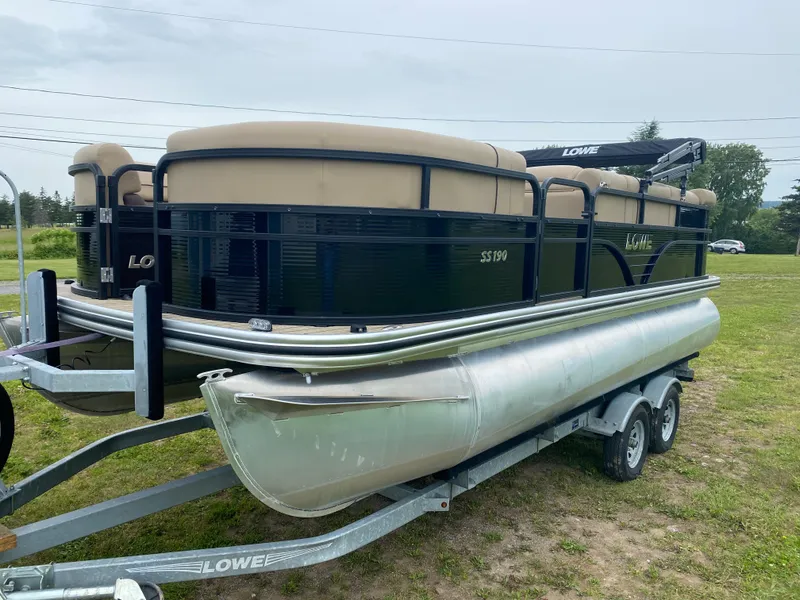
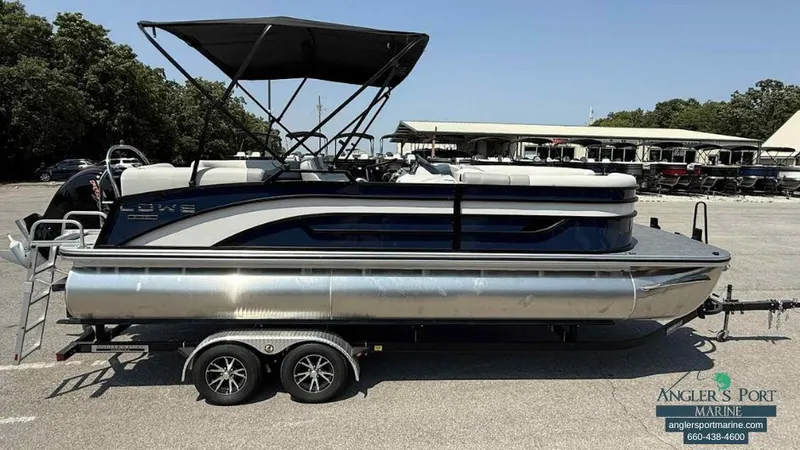
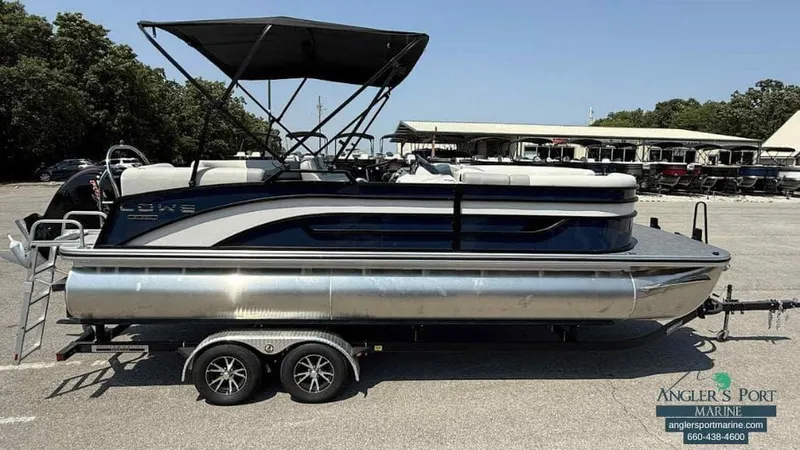
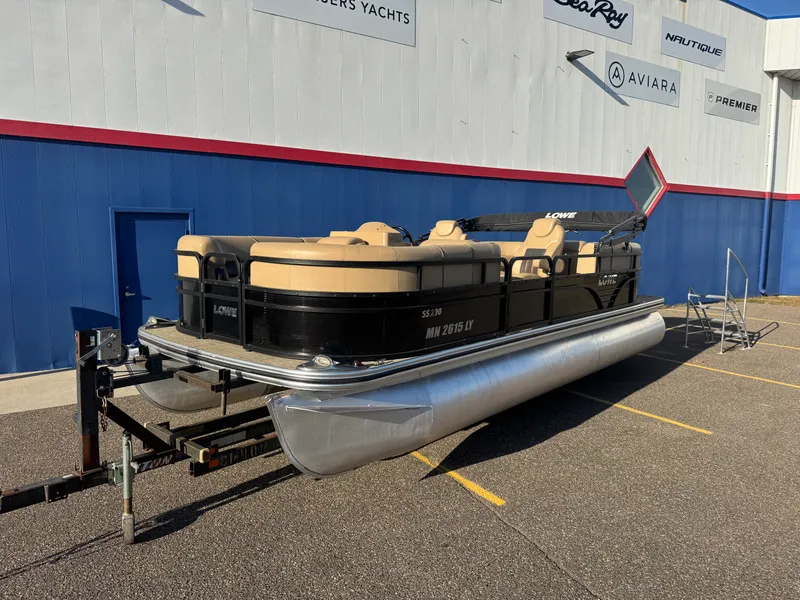
(Pontoon Boats – SS Series (Cruise & Sport)) Lowe’s SS (Super Sport) series moves upmarket into more feature‑rich cruising and sport pontoons. The lineup spans roughly 22'–26'+, from the SS 210 Walk Thru (22', 60–150 HP) through the SS 230 WT/WV specials (24'3", 115–150+ HP) to the SS 250 WT at 26'3" and 150–300 HP ratings. All ride on twin or optional triple aluminum logs with an 8'6" beam, and performance tritoon packages are offered for higher‑speed cruising and tow sports. Walk‑through floorplans emphasize open circulation from bow to stern, with plush lounges, upgraded helm seating, entertainment‑friendly tables, and available ski tow bars. Compared with Ultra, SS models add richer upholstery, more storage, expanded stereo and lighting options, and higher horsepower capacities, appealing to buyers focused on all‑day cruising, sandbar rafting, and tubing or wakeboarding on larger lakes.

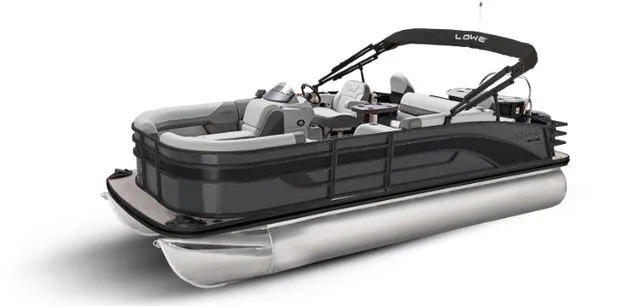
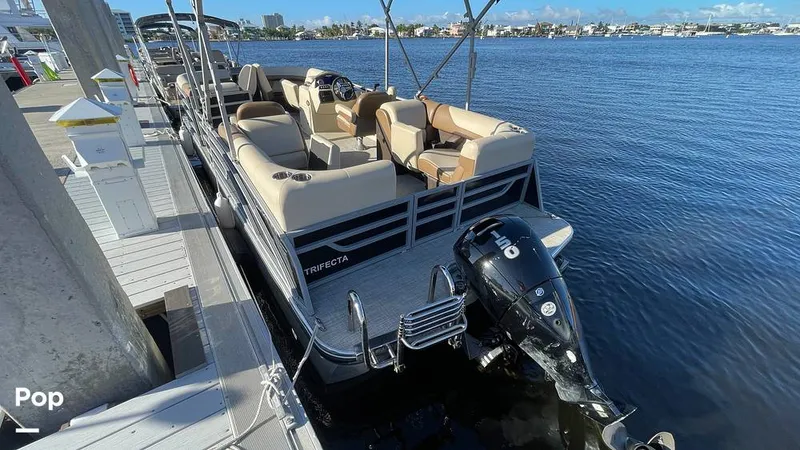
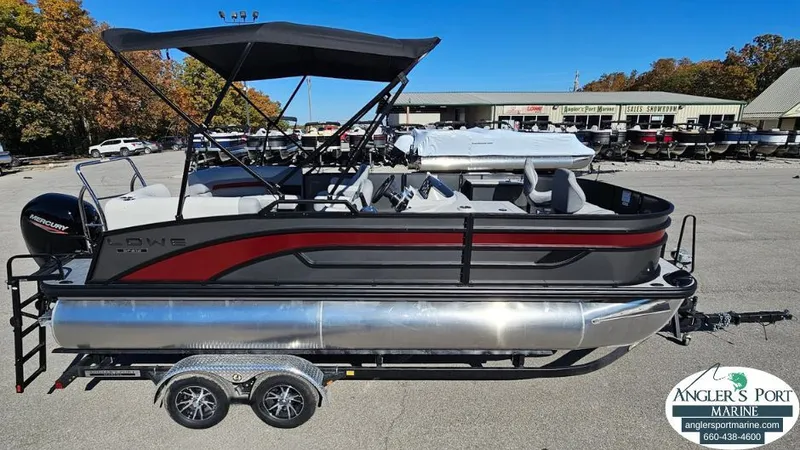
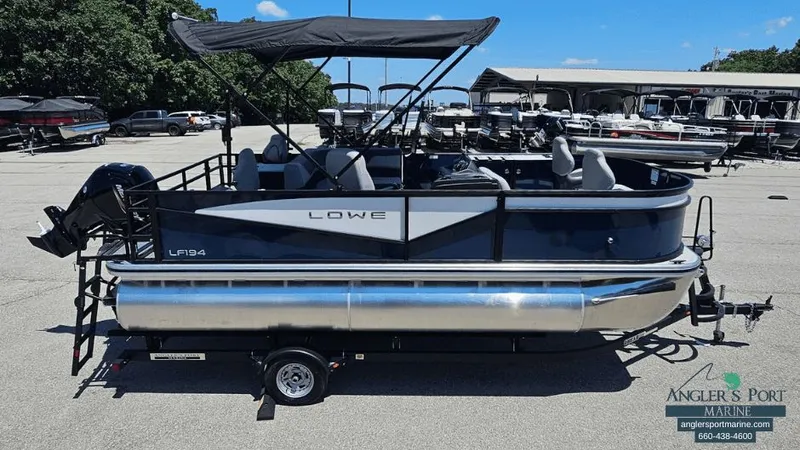
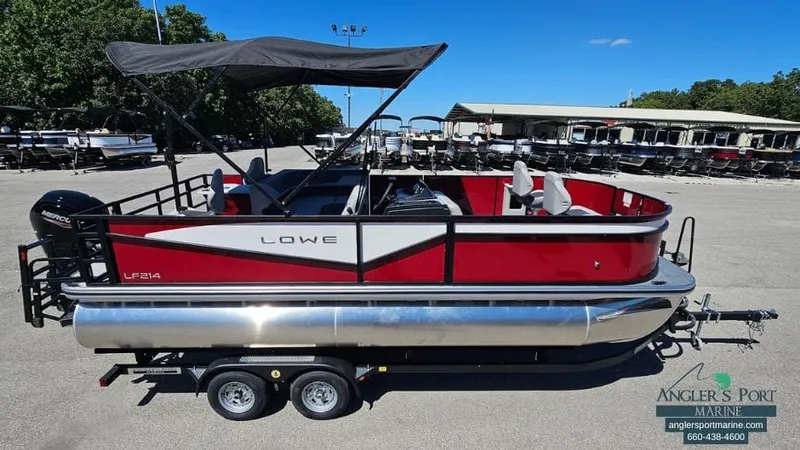
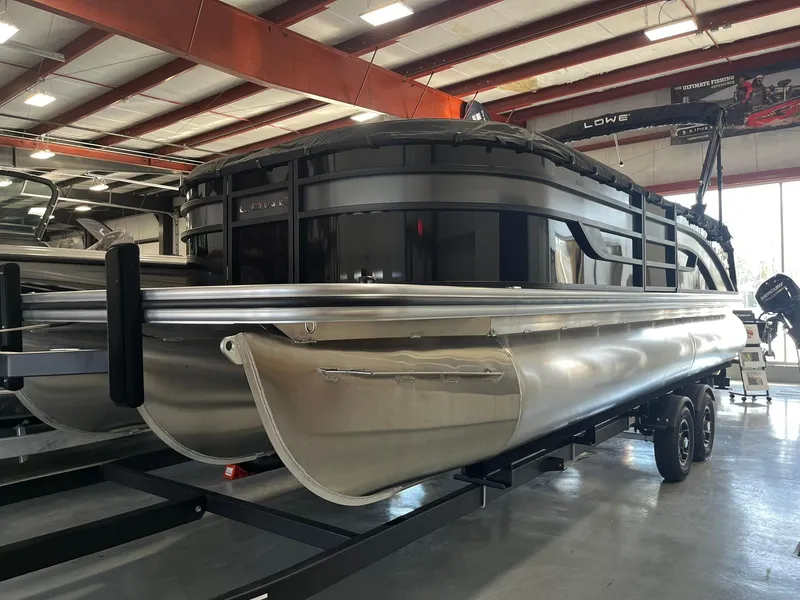
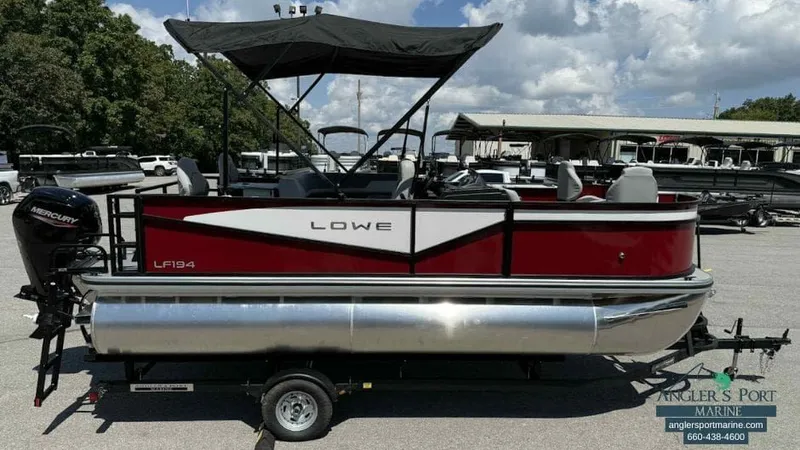
(Pontoon Boats – SF Series (Fish & Cruise)) The SF series blends Lowe’s fishability focus with true family‑cruising comfort. Spanning about 20'–24'3", current models include the SF 194 (20'3", 9.9–115 HP), SF 212 and SF 212 WT (22', 60–150 HP), and larger SF 232, 232 WT, 234, and 214 at 22'–24'3" with 115–200 HP ranges. Layouts typically mount four dedicated fishing chairs at the bow and stern, with integrated rod holders, tackle storage, and aerated livewells, plus mid‑ship L‑shaped lounges for cruising and relaxing. Walk‑through variants improve fore‑and‑aft traffic flow, and performance options parallel those on SS pontoons. The SF line is aimed at families that take fishing seriously—chasing bass, crappie, or walleye from a stable pontoon platform—yet also want comfortable seating, shade, and watersports capability for kids and guests, making these some of Lowe’s most versatile pontoons.

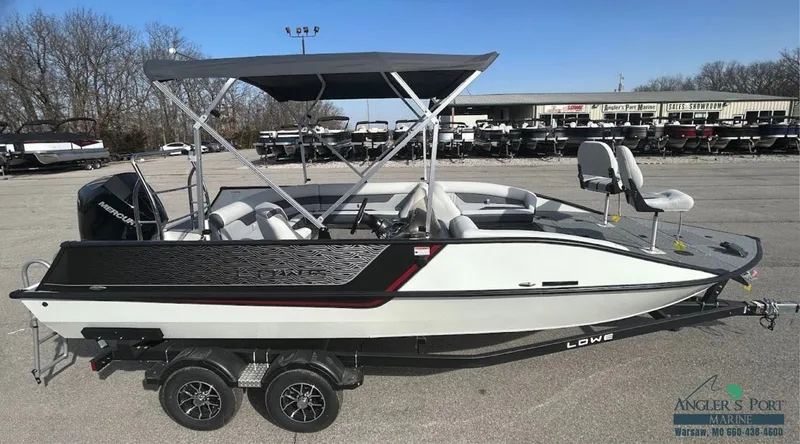
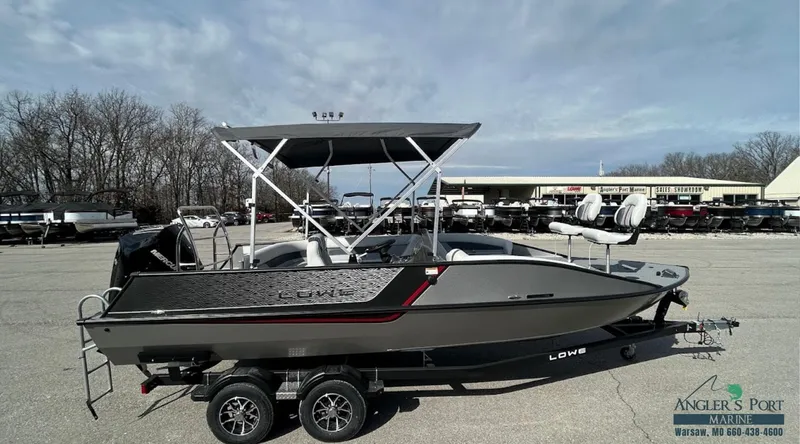
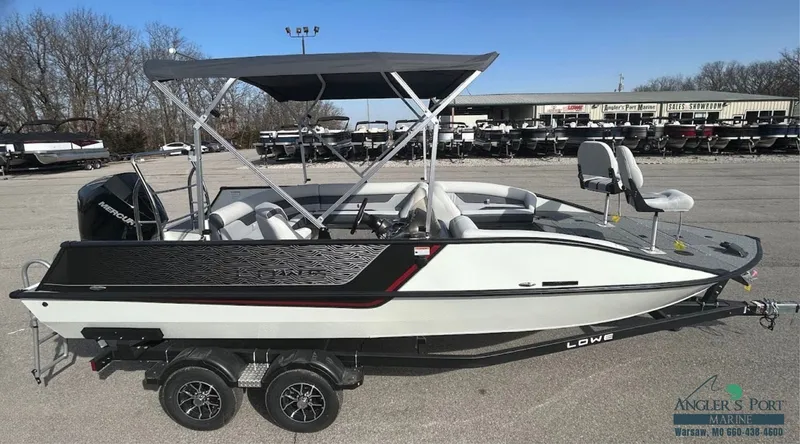
(Deck Boat – SD224) The SD224 represents Lowe’s aluminum deck‑boat offering, marrying the wide, open deck and seating capacity of a fiberglass runabout with the fishability of an aluminum Mod‑V. At about 22' long with an 8'6" beam, the SD224 uses a welded Mod‑V hull and outboard power in the 150–200 HP range to deliver quick planing and efficient cruising. Bow and stern seating areas, wraparound lounges, and abundant storage accommodate family and friends for cruising and tow sports, while optional fishing packages add pedestal fishing seats, a livewell, and trolling‑motor wiring to convert the boat quickly into a fishing rig. Its combination of shallow‑to‑moderate draft, durable aluminum construction, and multipurpose layout allows owners to move from morning fishing to afternoon tubing to evening cruising without changing boats.

HOW ARE THESE BOATS BUILT?

Lowe Boats are built around a welded aluminum hull structure that prioritizes strength, impact resistance, and long-term durability. Hull plating is typically formed from heavy-gauge 5052 H34 marine-grade aluminum, plasma-arc cut for precision and continuously welded along the seams to create a rigid, leak-resistant shell. Under the deck, a full-length, all-aluminum grid-style stringer system with longitudinal stringers and closely spaced transverse ribs forms the proprietary PowerGrid backbone, tying into the heavy-duty transom and extruded keel to resist pounding in rough water and reduce flex. Structural reinforcements include formed-in or extruded chines, pressed-in running strakes, and wide extruded gunnels that add torsional stiffness while providing a solid attachment point for the deck and hardware. Closed-cell polyurethane flotation foam is pressure-injected into designated cavities throughout the hull substructure, exceeding U.S. Coast Guard and Transport Canada flotation requirements and contributing to a quieter, more solid ride. Lowe boats are NMMA certified to applicable ABYC standards, which govern areas such as flotation, fuel systems, electrical systems, navigation lights, and occupant safety, ensuring each hull is engineered and constructed to rigorous third-party benchmarks. Although aluminum hulls do not use traditional fiberglass laminates, Lowe applies marine-grade primers and polyurethane enamel coatings using an acid-etch and multi-layer baked-on process for corrosion resistance, UV stability, and long-lasting gloss. The hull-to-deck joint is engineered as an integrated, all-welded and mechanically fastened system that bonds the deck modules, gunnels, and hull together into a single SuperLock structure designed to perform as a unified load-bearing unit.

From the deck up, every Lowe is finished with hardware and systems selected to complement the robust hull structure and meet or exceed prevailing marine standards. Critical hardware such as bow and stern eyes, cleats, grab handles, and fasteners is specified in corrosion-resistant 300-series or 316 stainless steel, while rub rails and extruded gunnels provide additional impact protection for frequent docking and trailering. Electrical systems are laid out to conform to ABYC and NMMA guidelines, with tinned marine-grade copper wiring, properly sized circuit protection, ignition-protected components where required, and secure harness routing that reduces chafe and moisture exposure. Plumbing for livewells and bilge systems uses marine-rated hoses, double-clamped below-waterline connections, and reliable pumps sized for real-world fishing and family use. Upholstery is constructed with UV-stable marine vinyls over mildew-resistant foam and composite or pressure-treated marine plywood substrates, complemented by non-skid deck surfaces that enhance safety in wet conditions. In manufacturing, Lowe leverages CAD-driven hull design, modular construction jigs, and CNC cutting of aluminum components to maintain tight tolerances, then relies on skilled craftsmen for critical all-welded joints, structural assembly, and finish work. Construction techniques combine precision machine cutting with hand welding and meticulous module fit-up, followed by quality-control inspections that check weld integrity, structural alignment, system operation, and overall finish against both internal checklists and NMMA benchmarks. Compared with many industry-standard aluminum fishing and pontoon boats, Lowe emphasizes heavier-gauge alloys, more extensive internal bracing, and generous closed-cell flotation for improved safety, stiffness, and stability. This construction approach is backed by an industry-leading limited lifetime warranty on hull structure and plywood decks, along with multi-year coverage on components, reflecting a build philosophy centered on safety, structural integrity, and long-term value for owners researching topics like “Lowe Boats boat construction” and “how Lowe Boats are built.”

WHERE ARE THESE BOATS BUILT?

Lowe Boats are built in the United States at a single, dedicated manufacturing facility in Lebanon, Missouri, where the company is headquartered at 2900 Industrial Drive and operates as part of the Brunswick Corporation family of boat brands. From this Lebanon facility in the heart of the Ozarks, Lowe oversees the complete production of its aluminum fishing boats, deep V models, Roughneck jon boats and pontoon boats for a global dealer network. As a Brunswick brand, Lowe shares corporate resources and marine engineering expertise with sister labels such as Boston Whaler, Lund and Crestliner, while maintaining its own specialized aluminum boatbuilding operation. The Lebanon plant has grown into a substantial manufacturing campus over more than five decades, supporting a large skilled workforce focused entirely on aluminum boat construction.

Production of Lowe Boats in Lebanon, Missouri began in 1971 when founders Carl and Dianna Lowe established the original Lowe Line aluminum boat business in the city, building jon boats and canoes that quickly expanded into bass, deep V and pontoon models. The company’s growth and reputation for high value aluminum boats led to its acquisition by Brunswick Corporation in 2004, integrating the Lebanon operation into one of the marine industry’s largest manufacturing groups while keeping production anchored in the same community. Within the Lebanon facility, manufacturing is organized by product family with separate fabrication and assembly areas for riveted jon boats, welded Mod V and Deep V hulls, Roughneck workboats and pontoon platforms, supported by material prep, CNC cutting and subassembly zones that feed multiple final rigging and quality inspection lines. Over the years the plant has undergone multiple expansions to add square footage for pontoon and Roughneck production, upgraded welding cells and more efficient assembly flow, reflecting steady increases in demand and model variety. The Ozarks location gives Lowe direct access to regional suppliers, an experienced aluminum fabrication workforce and nearby inland lakes and rivers that support on-water evaluation and dealer access.

Quality control and innovation at the Lebanon manufacturing facility center on tightly controlled aluminum fabrication, with marine grade aluminum sheets cut on precision plasma or CNC equipment, formed and then welded or riveted using jigs that maintain hull accuracy before each hull is inspected for dimensional and weld integrity. The plant adheres to marine industry standards and participates in National Marine Manufacturers Association compliance programs, and every boat undergoes multiple in-process checks along with final rigging inspection that verifies electrical systems, steering, flotation and hardware installation against documented build specifications. For welded models, continuous seam welding and pressure checks are used to confirm hull integrity, while pontoon logs and chambers are leak tested before installation to ensure long term durability and safety. As part of Brunswick’s broader production network, Lowe benefits from shared research, advanced corrosion testing, common electrical standards and manufacturing best practices developed alongside other aluminum brands, which feed back into the Lebanon facility’s process improvements. Concentrating all Lowe boat manufacturing in this single U.S. site helps the brand maintain consistent construction methods, traceability and quality benchmarks across every model it builds.

All Lowe Boats for the global market are built at this Lebanon, Missouri manufacturing facility, giving the brand a single, centrally managed production base in the United States. This focus on domestic manufacturing supports a highly experienced regional workforce and ongoing investments in modern equipment, material handling and aluminum fabrication technology. Lowe’s commitment to keeping production in Lebanon reflects the company’s long standing emphasis on quality, craftsmanship and control over every stage of boat building at its Missouri facility.

WHAT IS THE BIGGEST BOAT OF THIS BRAND BUILT TODAY?

The largest Lowe Boats model currently in production is the SF 232 / SF 232 WT pontoon, introduced as the flagship of the brand’s SF fish‑and‑cruise series and built on a 24'3" overall length with an approximate 8'6" beam for exceptional deck space and stability. This largest Lowe model is powered exclusively by a single outboard, with factory rigging typically centered on Mercury engines and a maximum horsepower rating of 250 HP, which provides strong acceleration for watersports and confident handling with a full crew. The Lowe SF 232 / SF 232 WT delivers a practical cruising speed range in the mid‑20 to low‑30 mph bracket depending on load and engine selection, with top speeds that can extend significantly higher when paired with the maximum power and a performance tritoon package where offered. Fuel capacity for this model is in the upper‑20 to low‑30 gallon range, giving day‑long running capability for extended cruising, trolling, or repeated tubing runs. Built on Lowe’s round‑log aluminum pontoon platform with twin logs and available triple‑log options in many markets, the SF 232 / SF 232 WT combines the brand’s proven shallow‑draft pontoon design with robust construction, creating Lowe’s flagship for families and anglers who want the biggest Lowe boat on the lake.

Purpose‑built as a versatile fish‑and‑cruise pontoon, the Lowe SF 232 / SF 232 WT is ideal for freshwater cruising, family relaxation, and serious inland‑lake fishing, making it both Lowe’s flagship and the brand’s most capable large‑platform pontoon. Dedicated fishing amenities on this top‑of‑the‑line SF series model typically include forward and aft fishing stations with pedestal chairs, integrated rod holders, and sizable aerated livewells, while the expansive deck provides ample room to move when casting or working multiple lines. Comfort features are equally emphasized, with plush lounge seating amidships, options for a swiveling helm chair, bimini shade, and a privacy enclosure or head compartment depending on package, so long days on the water stay relaxed for every guest aboard the biggest Lowe boat. At the helm, a sporty console layout supports modern navigation electronics, engine instrumentation, stereo controls, and convenient switchgear, while abundant in‑seat and under‑console storage swallows tackle, life jackets, tow‑sports gear, and picnic essentials. Taken together, the balance of fishability, family comfort, and generous storage on the Lowe SF 232 / SF 232 WT clearly positions it as the largest Lowe Boats model and the definitive flagship of the company’s pontoon and fishing lineup.

WHAT IS THE SMALLEST BOAT OF THIS BRAND BUILT TODAY?

The smallest model in Lowe Boats's current lineup is the L1032 Jon, a compact 10 foot riveted aluminum jon boat with a simple open layout that is purpose built for ponds, backwaters, and small lakes; at just over 3 feet of beam it is narrow enough to slip into tight storage spaces yet still wide enough to feel stable for one or two anglers, and its ultra light hull weight and modest overall size make it easy to trailer behind virtually any midsize vehicle or even haul in a pickup bed with a lightweight trailer, giving new boaters an affordable, entry level way to experience freshwater fishing and utility boating while enjoying quick launching, easy ramp maneuvering, and low fuel and towing demands.

As a small open tiller steered jon boat, the Lowe Boats L1032 Jon uses a straightforward flat bottom hull and wide bench seats, with a basic three seat layout that leaves plenty of uncluttered floor space for gear and small coolers, making it ideal for one or two people even though the compact hull is rated for a modest passenger capacity in keeping with USCG guidelines; construction is riveted aluminum to keep weight down while still delivering the durability that hunting and fishing jon boat owners expect, and the flat bottom hull is designed for extremely shallow water access and stable casting at low speeds with a small portable fuel tank and a lightweight outboard in the under 10 to 15 horsepower class that helps the L1032 Jon plane quickly, sip fuel, and run at efficient moderate speeds on calm inland waters rather than chasing high top end numbers; the boat’s minimal draft and simple bench layout lend themselves to multiple uses, from slipping into skinny duck marshes and narrow creeks to serving as a no frills fishing platform or camp utility boat, and its small footprint on a galvanized or painted bunk trailer means the L1032 Jon stores easily beside a garage, in a yard, or in a typical driveway, offering excellent value for budget minded boaters who want a rugged, easy to own aluminum fishing boat that can be towed, launched, and recovered with minimal effort.

HOW MUCH DO THESE BOATS COST?

Lowe Boats positions itself as a value focused aluminum fishing and pontoon brand, and its entry level models show some of the lowest MSRPs in the segment while still including name brand Mercury power. On the official Lowe Boats site, the Skorpion 16 aluminum bass rig is one of the smallest fully packaged models, promoted at about $19,700 including a 50HP Mercury outboard and trailer, while the slightly larger Skorpion 17 is shown starting around $21,300 with a 60HP and trailer, and the Skorpion SS package is about $21,000 with a 50HP and trailer. In the jon and hunting style segment, Roughneck models such as the Roughneck 1760 Deluxe Tiller start around $18,700 with a Jet 40, with the Roughneck 1860 Deluxe Tiller at about $22,200, the Roughneck 1660 SC around $23,400, and the larger Roughneck 2070 about $24,100 with a 90HP. Entry level pontoons like the LS 170, LS 190, LF 172, and LF 194 are promoted in the mid $20,000s with small engines, for example around $24,900 for an LS 170 with 25HP and roughly $23,500 for an LS 190 with 9.9HP. In real world dealer inventories, current market listings for these Skorpion and smaller Roughneck and LS or LF pontoon packages typically range from about $19,000 to the mid $20,000s for new boats depending on exact engine size, trailer inclusion, and local dealer discounts, with many advertised sale prices slightly under or close to the official “starting at” MSRP style guidance once incentives are applied.

Stepping into the heart of the lineup, mid range and popular Lowe Boats fishing rigs are centered around the Stinger bass family, where official MSRP style references and observed market prices show a clear spread between base model figures and turn key packages. On the manufacturer site, the Stinger 195C carries a base model price of about $29,995 as a boat only reference, the Stinger 178 is shown at roughly $32,485, and the higher spec Stinger 198 has a published base model of about $47,382, with Lowe clearly noting that these base prices often exclude full engine upgrades, trailers, and dealer installed options as well as freight, prep, tariffs, and fees. In the marketplace, new 2024 to 2026 Stinger 195 series bass boats with 115HP Mercury outboards and trailers are currently listed between about $28,999 and the mid $30,000s, with many dealer packages advertised in the $30,000 to $32,000 range and some heavily promoted units showing MSRP tags in the high $30,000s discounted into the upper $20,000s. For the smaller but very popular Stinger 175C and ST175, Lowe’s “starting at” messaging around $24,995 with a 60HP and trailer lines up with dealer ads that commonly show MSRPs in the low $30,000s but sale prices between roughly $22,900 and $25,000 for new 2024 to 2025 boats, while used Stinger 195 models from 2021 to 2023 with mid range power and moderate hours are generally priced in the mid $20,000s to low $30,000s, reflecting modest depreciation and strong demand for these configurations relative to their original MSRP.

At the upper end of the Lowe Boats range, premium Stinger 198 bass rigs and larger, better equipped Stinger 195 packages illustrate how flagship MSRPs translate into actual market prices once bigger engines and electronics are factored in. Officially, Lowe lists the Stinger 198 base model around $47,382 as a boat focused reference that does not fully represent a loaded tournament package, while higher trim Stinger 195 and 178 variants sit below that on the manufacturer ladder but can climb rapidly once 150HP class outboards, advanced sonar, upgraded trolling motors, and premium seating are added. In today’s market, premium Stinger 195 builds with extensive electronics, power upgrades, and custom options are generally priced between the mid $30,000s and roughly the mid $40,000s, with a handful of especially loaded or top end offerings advertised around $47,000 or slightly higher. For the Stinger 198, current listings for well optioned rigs with larger engines and full fishing electronics typically command from the mid $40,000s into the low $50,000s, sitting notably above the base MSRP but consistent with the added equipment value. Across these premium models, hours on the engine, model year, and whether the boat carries the very latest electronics packages make a visible difference in asking price, so real world market price can sit either fairly close to or significantly beyond the published base model MSRP that appears on Lowe’s specification pages.

Putting everything together, Lowe Boats pricing in the United States spans from entry level aluminum fishing and hunting rigs in the high teens to low $20,000s MSRP into premium bass and well equipped packages that can exceed $50,000 in the current market, with published “starting at” or base model prices serving mainly as a reference rather than an all in total. For smaller Skorpion, Roughneck, and basic LS and LF pontoon models, real world new boat market listings typically range from about $19,000 to the mid $20,000s depending on engine, trailer, and dealer promotion, while mid range bass boats such as the Stinger 175C and Stinger 195 commonly show base model MSRP figures around the mid $20,000s to low $30,000s and actual new market prices from roughly $23,000 to the low $30,000s for standard packages, climbing into the mid $30,000s and beyond when heavily optioned. At the top of the lineup, Stinger 195 and 198 premium builds demonstrate how a base MSRP near or below $47,000 can translate into market prices from the mid $40,000s to low $50,000s once larger engines, advanced electronics, and popular accessories are included. Buyers should also budget for freight, dealer prep, documentation fees, taxes, and registration, since Lowe’s official pricing specifically excludes these items and dealers set the final market price based on local conditions and incentives. Market prices vary by location, condition, model year, and dealer.

WHAT OTHER STYLES OF BOATS DO THEY MAKE?

Lowe Boats today builds a broad range of aluminum fishing and family boats centered around practical, hard working designs that cover everything from shallow water backwaters to big northern lakes, with core styles that include rugged jon boats, Roughneck hunting and fishing rigs, Mod V bass boats such as the Stinger and Skorpion series, Deep V Fishing Machine models in side console, walkthrough and full windshield layouts, multi species Fishing Machine WT family boats, and increasingly popular bay boat center console models like the Bay 20 and Bay 22. Across the lineup, the focus is squarely on versatile fishing boat and family boat use cases, so you will see wide open casting decks, aerated livewells, lockable rod storage and outboard power as standard ingredients, while many Mod V and Deep V models add full windshields, jump seats and ski tow options to make them true crossover fishing and recreation platforms. The Bay 20 and Bay 22 center console bay boats are purpose built for inshore and coastal style fishing, with pad or modified V hulls designed to run shallow yet handle a chop, while the Fishing Machine Deep V series is tuned for big water trolling and casting on northern lakes and reservoirs, and the simple riveted or welded jon boats are favorites for small lake fishing, duck hunting and utility work where a tough, trailer friendly aluminum hull is the priority.

Over the years Lowe has experimented with and refined a number of other layouts around that fishing first mission, including earlier generations of bay boat center consoles such as the 18 Bay and 20 Bay, along with various side console and dual console Mod V models that blended bass boat style casting space with more traditional family seating. Within the Roughneck range there have also been specialized shallow water tunnel and jet configurations like Pathfinder and Tunnel Jet versions of the Roughneck 1760, 1860 and 1870, which stood out for their ability to run extremely skinny rivers and stump filled backwaters with outboard jet power while still offering big front and rear casting decks, massive livewells and open, workboat like interiors. On the Deep V side, older Fishing Machine packages offered a mix of console placements and cabin like storage solutions that gave anglers offshore style features in a compact aluminum footprint, and all of these discontinued or evolved models have helped build Lowe’s reputation for durable aluminum construction and practical layouts that still make them desirable finds on the used boat market even after they roll out of the current catalog.

In terms of what they do not build, Lowe does not position the Lowe branded line as a builder of large express cruisers, walkaround cabin boats, enclosed pilothouse offshore boats or luxury motor yachts, nor do they compete in the true inboard tow boat segment aimed at dedicated wake surf or ski enthusiasts, instead leaving that niche to brands that specialize in complex surf systems and inboard drivetrains. While the company’s heritage and ownership ties have historically included pontoon and deck style offerings under related brand families, the Lowe fishing and hunting lineup itself remains tightly focused on aluminum based fishing boats, bay boats, jon boats and versatile family fishing packages rather than on high freeboard cabin cruisers or pure luxury runabouts, and that focus shows up in the way their boats emphasize open cockpits, easy to clean interiors, high value standard equipment and layouts that are equally at home chasing bass, crappie, walleye or inshore saltwater species. By concentrating on tough, trailer friendly aluminum hulls with outboard power, wide stable beams and fishing forward ergonomics, Lowe reinforces a brand identity built around accessible performance, durability and real world utility rather than chasing every possible category on the water.

Taken together, Lowe Boats is best known for its aluminum fishing boats in core styles like Mod V bass boats, Deep V multispecies fishing boats, rugged Roughneck jon and hunting rigs and increasingly for its center console bay boats, all of which share a common thread of straightforward layouts, generous fishing space and durable construction aimed at anglers and active families. Looking ahead, the evolution of models such as the latest Bay 20 and Bay 22, updated Fishing Machine Deep V packages and multi role Mod V designs suggests the brand will continue to explore hybrid layouts that can serve as both serious fishing boats and relaxed family boats, potentially blending elements of center console, dual console and open cockpit designs without straying into full cabin cruiser or tow boat territory. That measured, fishing centric approach allows Lowe to refine proven platforms like its bay boat and Deep V families with incremental innovations in hull performance, storage, livewell systems and electronics integration, ensuring that while the exact model mix may change over time, the brand stays true to its core audience of anglers and outdoors oriented boaters who value capability, simplicity and long term value over flash.

WHAT KINDS OF ENGINES DO THESE BOATS USE?

Lowe Boats builds its entire lineup around outboard power, pairing lightweight aluminum and pontoon hulls with modern four-stroke outboards for shallow draft, easy maintenance, and dependable performance in fresh and saltwater. Every series from Mod V Stinger bass boats and Skorpion fishing rigs to Roughneck jon and hunting boats, 22 Bay center console models, pontoons like the LS, SF, SS and LF lines, and the SD224 sport deck relies on transom-mounted outboards instead of inboards, sterndrives, jet propulsion, or built-in electric systems, which keeps maintenance simple and maximizes cockpit and deck space. Across the range, most Lowe models are rigged with a single outboard sized to the boat, so a Stinger 175C or Skorpion 16 runs one engine, while larger pontoons such as the LS 230 or SF 234 and the 22 Bay may be offered with higher horsepower single outboards rather than twins, aligning with the brand’s focus on value, reliability, and straightforward ownership.

Horsepower on Lowe Boats scales logically with length and mission, starting with smaller Mod V and jon hulls in the 16 to 18 foot range like the Skorpion 16 and Skorpion 17, which typically carry single outboards from about 20 to 60 horsepower for efficient fishing speeds and easy trailering. Core bass models such as the Stinger 175C list an outboard range from 25 up to 90 horsepower, while the larger Stinger 195C stretches to 90 to 150 horsepower, giving anglers the hole-shot and top-end needed to handle gear, partners, and bigger water. Rugged Roughneck tiller and side-console boats like the Roughneck 1760 and 1860 commonly run 25 to 75 or 60 to 90 horsepower, tuned for load-carrying and shallow backwater work. On the family and fishing pontoons, power options widen significantly, with models like the SF 212 and SF 214 rated from 60 to 150 horsepower, and larger pontoons such as the SF 234, LS 230, and LF 232 offering up to 200 or 250 horsepower for better cruising speeds and watersports. At the top of the performance ladder, the 22 Bay center console accepts 115 to 200 horsepower and the SD224 sport deck is rated for 150 to 200 horsepower, which allows many of these 20 plus foot boats to cruise comfortably in the mid 20 mph range and push higher when conditions allow, depending on final engine choice and load.

Lowe packages its boats primarily with Mercury four-stroke outboard engines, and Mercury is the standard factory partner shown across bass boats, bay boats, Roughneck jons, pontoons, and the SD224 sport deck. Current build-and-price examples list engines like the Mercury 90 ELPT on the Stinger 195C, midrange Mercury FourStroke options on Skorpion and Roughneck models, and larger Mercury 150L and 200L FourStroke outboards on the SD224 and higher horsepower pontoons, underscoring a consistent single-brand rigging strategy. These modern four-stroke outboards are quiet, fuel-efficient, and emission-compliant, and they are typically sold as complete packages that include the engine, matched propeller, mechanical or hydraulic steering, controls, and appropriate rigging from the factory. While local dealers may have some flexibility in what they stock, Lowe’s website and configuration tools focus on Mercury gasoline four-stroke outboards rather than alternative brands, two-stroke direct-injection engines, jet drives, or full electric propulsion for the main powerplant, with electric trolling motors reserved as optional add-ons for fishing packages.

On the water, Lowe’s Mercury-powered four-stroke outboard setups emphasize a blend of reliability, fuel efficiency, and user-friendly technology that benefits both new and experienced boaters. Many packages can be equipped with hydraulic steering and Mercury digital upgrades such as SmartCraft-compatible gauges and accessories, giving more precise engine data and smoother throttle feel, and power steering is offered on higher horsepower installations like the SD224’s 200 horsepower option for easier handling. Paired with Lowe’s all-welded aluminum Mod V and Roughneck hulls or multi-chamber pontoon logs, these outboards deliver strong hole-shot performance for getting on plane quickly, stable midrange cruise for trolling or family cruising, and good fuel economy when run at moderate rpm. Tilt and trim functions let owners raise the motor for shallow water access, beaching, or storage, which also helps protect props and lower units in stump fields or skinny rivers. Compared with inboards or sterndrives, the outboard approach simplifies winterization and long-term maintenance while freeing up interior space, aligning Lowe Boats’ engine strategy with its mission to offer durable, easy-to-own fishing, hunting, and family boats for budget-conscious owners who still want modern features like digital controls, smooth four-stroke outboards, and confident handling.

WHY BUY THIS BRAND OVER A COMPETITIVE BRAND?

Lowe Boats emphasizes proven construction quality across its aluminum fishing boats and pontoon lines by pairing fully welded or rock-solid chassis designs with thoughtful structural details that are specifically engineered for durability, ride quality, and safety in real conditions. Many Deep-V models, like the Fishing Machine and Fish & Ski series, feature the all-new Power-Core hull, which Lowe describes as delivering smooth, responsive handling with a safer, drier ride thanks to a wide beam, high sides, and .100" aluminum hull gauges that are built to last in rough water. On the pontoon side, Lowe highlights “unmatched construction” and “lifelong performance,” noting that its pontoons use full-length keels and heavy-duty, edge-to-edge cross members rather than shorter segments, which provides significant gains in strength, rigidity, and tracking while underway. This structural focus is backed by a best-in-class limited lifetime structural warranty on many pontoon chassis, reinforcing the brand’s message that the build quality of Lowe Boats is intended to stand up to years of fishing pressure, family use, and challenging conditions while maintaining performance and safety.

When you look at Lowe Boats vs competitors in similar segments, the brand’s own materials highlight strong value in the amount of standard, fishing-ready, and family-friendly equipment included across lines like the Fishing Machine, Fish & Ski, Ultra Fish & Cruise, LF fishing pontoons, and LS cruising pontoons. Deep-V fishing and fish-and-ski models are described as “engineered for anglers, built for families,” combining fully welded aluminum construction with pro-level fishing features such as large aerated and recirculating livewells, integrated rod lockers that can handle multiple long rods, and multiple pedestal seat bases so you can reconfigure the cockpit for trolling, casting, or cruising. At the same time, standard and optional equipment like ski tow bases and pylons, swim platforms with folding ladders, Kicker stereo systems, and easy-to-clean vinyl flooring support all-day recreation without sacrificing fishability. On the pontoon side, Ultra and LF models come from the factory with large biminis, playpen covers, livewells, feature-rich consoles, and ample in-furniture storage, so buyers get a turnkey platform for fishing, cruising, and entertaining that maximizes usable space and functional layouts right out of the gate, supporting a strong value story for buyers comparing Lowe boats vs other fishing boats in the same class.

Lowe also makes a clear point in its brochures and model pages that its layouts are designed so fishability meets comfort, letting one boat serve as both a serious fishing rig and a relaxing family platform. Fish & Ski Deep-Vs like the FS 1875 and FS 1900 are marketed as “the ultimate hybrid,” with walk-through windshields, bow lounge cushions with storage below, convertible rear decks with fold-down jump seats, and movable fishing chairs that allow quick changeovers between a wide, open casting deck and a social seating arrangement for cruising or watersports. Pontoon models extend this dual-purpose approach through options like front and rear fishing stations on LF series boats, complete with livewells, rod holders, optional trolling motors, and even stern fish-cleaning stations, while still offering plush lounges, cupholders, and premium consoles with audio systems for relaxed cruising. LS pontoons focus on “limitless smiles” and togetherness with L-shaped lounges, dual-helm options, and generous seating capacities, yet they share the same durable, watersports-ready chassis options, including TL and TLX performance packages, that allow buyers to tow tubes or skis and handle choppy conditions with confidence. This combination of thoughtful helm ergonomics, family-friendly seating, and serious angling hardware shows how Lowe designs multi-use versatility into each platform so owners can enjoy everything from early-morning trolling runs to sunset cruises without needing separate purpose-built boats.

Beyond construction and layout, Lowe Boats underscores its long history building aluminum fishing boats and pontoons since the 1970s, its Limited Lifetime Structural Warranty on many pontoon chassis, and a broad dealer and support network that helps deliver long-term ownership confidence. Official brand content points to value, style, and durability as core pillars, with an emphasis on giving families and anglers “limitless smiles” and “unforgettable experiences at an unbeatable price” across models and series, which supports strong perceived resale and long-term satisfaction when combined with proven, low-maintenance aluminum construction. While third-party awards and detailed customer satisfaction scores are published outside the official site, Lowe explicitly promotes its pursuit of dependable performance and peace of mind through rock-solid structural designs, extensive standard features, and clearly documented warranties. For buyers asking why choose Lowe Boats, the manufacturer’s own messaging positions the brand as a smart middle path between cheaper, sparsely equipped offerings and more expensive, highly optioned alternatives, providing a balance of robust construction, versatile layouts, and long-term value that makes the decision of Lowe Boats vs competitors attractive for anglers and families who want one boat that can confidently handle fishing, cruising, and watersports for years to come.

WHAT IS THE MOST POPULAR MODEL OF THIS BRAND BEING BUILT TODAY?

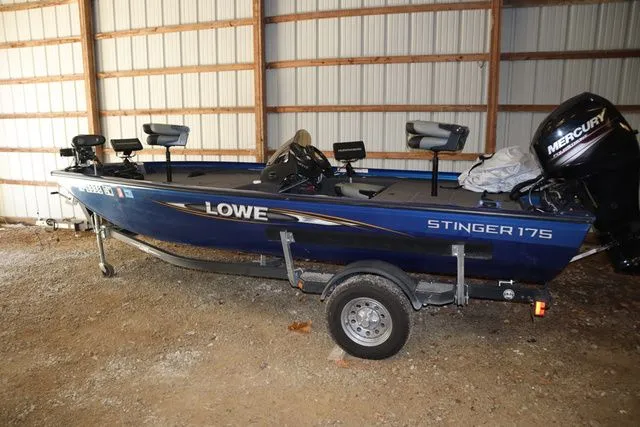
The Lowe Stinger 175C, a 17 foot 7 inch all welded Mod V aluminum bass and multi species fishing boat, is currently described by the company as “our most popular boat in its most popular size,” clearly signaling it as the brand’s volume leader in the fishing lineup. Prominently featured within the Mod V Stinger family on Lowe’s official fishing page and on its dedicated model page, the Stinger 175C sits in the sweet spot of the range with a broad horsepower band from 25 to 90 and an accessible starting price point, positioning it as a go to choice for a wide variety of anglers. Lowe highlights the model as a favorite among anglers across the continent and emphasizes its balance of power, stability, maneuverability and “fishability,” reflecting its role as a core, high demand platform rather than a niche specialty boat. While Lowe’s site focuses more on capability language than formal awards, the way the Stinger 175C is singled out in copy and presented as the standout 17 foot model indicates its status as a flagship Mod V bass offering in current production.

At 17 feet 7 inches in overall length, the Lowe Stinger 175C pairs its compact footprint with a beam sized for fishing stability and an all aluminum, wood free, all welded construction that is designed for long term durability. The model is offered with Mercury outboards from 25 to 90 horsepower, allowing buyers to tailor power and performance to their waters and budgets while still benefiting from the boat’s efficient Mod V hull. Lowe calls out a massive 39 square foot self draining bow deck with three across pedestal bases plus a recessed trolling motor pedal, dual 23 gallon livewells located in the bow and stern, and extensive sealed storage including a large port bow rod locker sized for rods up to 7 feet 6 inches, all of which are standard fishability features that broaden the appeal of the boat. A premium, aerodynamic console with room for a flush mounted 9 inch graph, three across seating in the cockpit, and multiple available exterior colors and optional electronics and trolling motors provide the configurability and comfort that buyers in this size segment expect, reinforcing why this layout has become one of Lowe’s most configured fishing platforms.

The Stinger 175C is targeted primarily at freshwater anglers who want a serious aluminum bass or crappie rig without moving up to tournament class sizes, including weekend bass anglers, crappie specialists, and multi species fishermen who frequent lakes, reservoirs and rivers. Lowe notes that the model is built for anglers obsessed with bass, crappie, musky, walleye or other species, and its mix of big deck space, dual livewells and abundant dry storage makes it equally comfortable for single minded fishing missions or casual outings with friends. The three across bow and cockpit seating, along with the generous front casting deck, allow the boat to shift easily between solo trips, two person tournaments and family fun days where passengers may spend as much time relaxing as they do casting, while the recessed trolling motor pedal and rod storage keep the deck uncluttered for more serious use. Official descriptions emphasize its role as a rugged, feature rich fishing platform that still fits typical garage and tow vehicle constraints, which helps it appeal to a broad audience of buyers seeking maximum fishing utility in a manageable package.

From an availability standpoint the Stinger 175C is a staple in Lowe’s online Build and Price tool and is presented as a current production model with clearly published starting pricing and finance examples, reinforcing that it is a regularly built, stocked boat rather than a limited run offering. Its presence alongside the larger Stinger 195 models on the main Mod V fishing page, coupled with the explicit “most popular boat in its most popular size” language and the range of factory options and color choices shown, points to continued investment by Lowe in tooling, marketing and dealer inventory for this specific size. Lowe’s focus on all aluminum, wood free construction, enhanced storage sealing and upgraded console design in recent descriptions of the Stinger 175C suggests ongoing refinement of the platform to keep it competitive and aligned with angler expectations. Taken together, the competitive pricing, flexible power options, feature rich fishing layout and central placement in the Mod V lineup demonstrate why the 17 foot class Stinger 175C has become Lowe’s signature aluminum fishing boat, anchoring the brand’s identity with a proven balance of capability, value and everyday usability.
WHAT IS THE HISTORY OF THIS BOAT BRAND AND COMPANY?

Lowe Boats traces its origins to 1971, when Carl and Dianna Lowe founded Lowe Line in Lebanon, Missouri, drawing on a much deeper family connection to aluminum boatbuilding through Dianna’s father, J B Appleby, who is widely regarded as a pioneer and even the father of aluminum boating, and from the outset the company’s name signaled a straightforward, family led commitment to practical watercraft built around the Lowe family’s expertise in light metal construction and small craft design, so in those early years the new firm concentrated on high value aluminum jon boats and canoes that would fit a family’s everyday boating and fishing needs, using simple yet robust layouts aimed at durability, shallow water performance, and ease of ownership, while Carl and J B Appleby had already spent nearly a decade building boats together before the 1971 launch which meant Lowe Line entered the market with an unusually well developed understanding of riveted and welded aluminum structures, liveable open interiors, and the needs of inland anglers, then in 1975 the company broadened its vision with its first dedicated bass boats, the 15 foot Stinger and 16 foot SS Hustler, boats that introduced raised casting decks, adjustable chairs, and purpose built fishing layouts that helped define the brand’s early identity as an innovator in affordable tournament style aluminum fishing machines, and as the decade closed pontoons were gaining popularity, prompting Lowe in 1979 to unveil its own, more feature rich and user friendly pontoon designs that brought family comfort and easy handling to aluminum platforms, success that quickly became central enough to the business that in 1981 the company retired the original Lowe Line name and adopted the simplified Lowe brand as it continued expanding output from its Missouri base with a growing portfolio of fishing boats and pontoons that prioritized quality, practicality, and family friendly value.

Through the 1980s and 1990s Lowe evolved into a full line aluminum specialist by steadily expanding its model range and refining its construction methods, beginning with the 1982 launch of its first Deep V fishing boat, the 16 foot Lunker III, which extended the brand beyond Mod V and jon boat hulls into big water multispecies applications and underscored its ability to reinterpret fiberglass style layouts in welded aluminum, and as its reputation for high quality yet affordable fishing boats and pontoons grew the company attracted corporate interest, culminating in its 1988 acquisition by Outboard Marine Corporation, a move that gave Lowe broader distribution and capital while it continued to innovate, including the 1992 introduction of what it describes as the first aluminum deck boat, the 2200 QR Silhouette, which blended pontoon style social spaces with planing hull performance for cruising families, then in 1994 Lowe worked closely with professional river guides, commercial operators, dealers, and engineers to create the heavy duty Roughneck line, a rugged series of work and hunting boats that became legendary for toughness on rivers and shallow waters and helped diversify the brand’s customer base beyond pure recreation, and heading toward the turn of the century the company unified its various acquired and developed labels by integrating the Roughneck, Sea Nymph, and Suncruiser offerings under the single Lowe badge in 1999, a consolidation that strengthened brand equity and simplified the lineup just before Lowe itself changed hands again when Genmar Holdings purchased the business in 2001, marking another chapter of corporate stewardship during which production continued in Missouri while the range of jon boats, Deep V fishing machines, pontoons, and specialty models kept expanding to serve a widening spectrum of anglers and families.

As aluminum boating demand shifted in the 2000s and 2010s toward more specialized yet value conscious products, Lowe modernized both its portfolio and its manufacturing by joining Brunswick Corporation in 2004, bringing the brand into the Brunswick Boat Group alongside other leading names and giving it access to broader engineering resources and integration with Mercury outboard power, and under this ownership the company invested in state of the art construction methods that emphasize continuously welded hull seams, precision plasma cut marine grade aluminum, robust internal stringer systems, and extensive use of closed cell foam for flotation and rigidity, all backed by lifetime limited hull and deck warranties that reinforce its quality promise, while at the product level Lowe sharpened its fishing focus with advanced Mod V platforms like the Stinger series, updated Deep V Fishing Machine models, and a comprehensive Roughneck lineup for hunting and work, simultaneously refreshing its pontoon offerings with comfort oriented LS and SF series designs and later introducing innovative fishing family pontoons such as the LF line that pair livewells, rod storage, and stern fishing stations with modern lounges and entertainment features, and across these ranges the brand layered in contemporary digital electronics options, upgraded consoles, improved livewell and storage systems, and refined hull geometries like the ProTrac Mod V that deliver quicker planing, drier rides, and more precise handling, resulting in a more comprehensive lineup that spans everything from compact utility jons to tournament ready bass boats and full featured pontoons tailored to distinct freshwater market segments including dedicated anglers, mixed use families, and commercial users, all built within upgraded Lebanon facilities where employees who often boat and fish themselves take pride in applying modern manufacturing techniques to traditional Midwestern craftsmanship.

In recent years Lowe has continued to build on its five decade heritage by expanding its catalog of specialized models and refreshing long running nameplates, exemplified by the introduction of contemporary flagships within its Stinger bass range that feature extended pad Mod V hulls, expansive casting decks, integrated tournament hardware, and partnerships with high profile professional anglers, as well as new pontoon families like the LF series that push deeper into the fishing focused pontoon niche with flexible deck plans, modern fiberglass consoles, and family friendly amenities, all while its LS and SF pontoons and Fishing Machine Deep Vs have been updated in successive catalog years to keep pace with evolving expectations for comfort, styling, and technology, and as the Lebanon facility has earned local recognition including large business awards that highlight its economic and community impact, Lowe has increased its global reach through an international dealer network distributing aluminum fishing boats, jons, Roughnecks, and pontoons worldwide, yet the brand still presents itself as rooted in American craftsmanship and practical value, emphasizing safety through exceeding US Coast Guard and NMMA standards, durability through all welded construction and reinforced substructures, and owner confidence through transferable warranties and ongoing product support, so that today Lowe stands in the market as a core Brunswick aluminum boat brand known for rugged, feature rich freshwater fishing and family craft whose identity blends the pioneering spirit of J B Appleby and the Lowe family with modern engineering and corporate backing, a combination that underpins customer loyalty and positions the company to keep refining and expanding its aluminum boat offerings for future generations of anglers and recreational boaters.

AWARDS AND RECOGNITIONS

Lowe Boats began earning formal recognition for its impact on the aluminum fishing boat and pontoon market as its product line expanded through the 1990s and 2000s, but one of the clearest early third party validations came from its local business community when the Lebanon Area Chamber of Commerce named Lowe the 2017 Large Business of the Year. That award highlighted not just unit volume but the company’s role as a major employer and manufacturing innovator in Lebanon, Missouri, where its state of the art facility produces bass boats, deep V models, Roughneck jon boats, utility boats and pontoons. The chamber cited Lowe’s positive impact on the local economy and community as a whole, reflecting decades of steady growth since the brand’s founding in 1971. By the late 2010s and into the early 2020s, Lowe continued to attract attention from the wider marine industry as part of Brunswick Corporation’s aluminum group, with new product introductions such as the 2023 SF Series sport fish pontoons drawing media coverage for updated fencing and furniture design, re engineered fishing stations and enhanced storage that combine family cruising comfort with fishing functionality, reinforcing the brand’s reputation for practical innovation in aluminum boat design.

Within the national marine industry, one of the most meaningful measures of brand recognition for Lowe Boats has been its performance in the NMMA Marine Industry Customer Satisfaction Index awards. Published lists from the National Marine Manufacturers Association and trade outlets such as Boating Industry show Lowe among the manufacturers earning CSI honors in categories including aluminum outboard boats, deck boats and pontoon boats during the 2010 award cycle, confirming that Lowe buyers reported satisfaction levels at or above the NMMA’s 90 percent benchmark across product quality, sales experience, delivery and service. While NMMA does not publicly promote a running streak year by year for every brand, Lowe’s repeated appearance in CSI award listings over the past decade indicates a sustained commitment to surveying all new boat buyers, acting on feedback and maintaining customer satisfaction at a level that stands out in highly competitive aluminum fishing and pontoon segments. This consistent CSI performance underscores that Lowe’s recognition is grounded not only in dealer sales success but in verified owner experiences after the sale, from first launch through regular service.

In the most recent few years, Lowe Boats has continued to earn visibility through both product focused recognition and corporate announcements tied to new model launches. In 2022 Brunswick Corporation highlighted Lowe’s introduction of the 2023 SF Series pontoon lineup, which was positioned as a major refresh with bold new styling, redesigned furniture and upgraded fishing amenities intended to appeal to families who split time between angling and general recreation. At the same time, Lowe and other Brunswick aluminum brands have been listed among participants and nominees in industry innovation showcases at major boat shows, reinforcing that Lowe models remain part of the conversation when judges and editors evaluate new aluminum fishboat and pontoon designs. While specific recent trophies are more often attributed to individual models within the broader Brunswick portfolio, Lowe’s presence in these venues coupled with continued CSI recognition confirms that the brand’s aluminum outboard, deck and pontoon offerings are viewed as competitive, full featured products by both the trade and consumers.

Taken together, these awards and recognitions paint a picture of Lowe Boats as a brand that blends community leadership, practical product innovation and verified owner satisfaction. The Large Business of the Year honor from the Lebanon Area Chamber of Commerce speaks to long term stability, investment and employment in its hometown, while NMMA CSI awards document that Lowe is willing to measure every buyer’s experience and consistently meet a demanding satisfaction threshold across multiple boat categories. Recent model launches like the SF Series demonstrate that the company continues to refine layouts, fishing features and family comfort instead of relying solely on heritage. For prospective buyers, this combination of local and national recognition, customer satisfaction metrics and ongoing product development supports confidence that a Lowe boat offers proven quality, strong service support through its dealer network and a brand culture focused on earning repeat business over many seasons on the water.

Be the First to Know

Get notified when new boats become available.

Logo