Sport Fishing

Filters

Filters

Condition

Sort by
Searching boats for you...

Boating · Buyer’s Guide

Is a Sport Fishing Boat the Right Choice for You?

Written by: MarineSource Team | Estimated read time: 12 min read

There’s a particular kind of excitement that comes with stepping aboard a sport fishing boat. You’re not just going for a ride—you’re gearing up for a focused mission on the water, from chasing schooling fish inshore to hunting trophy pelagics offshore.

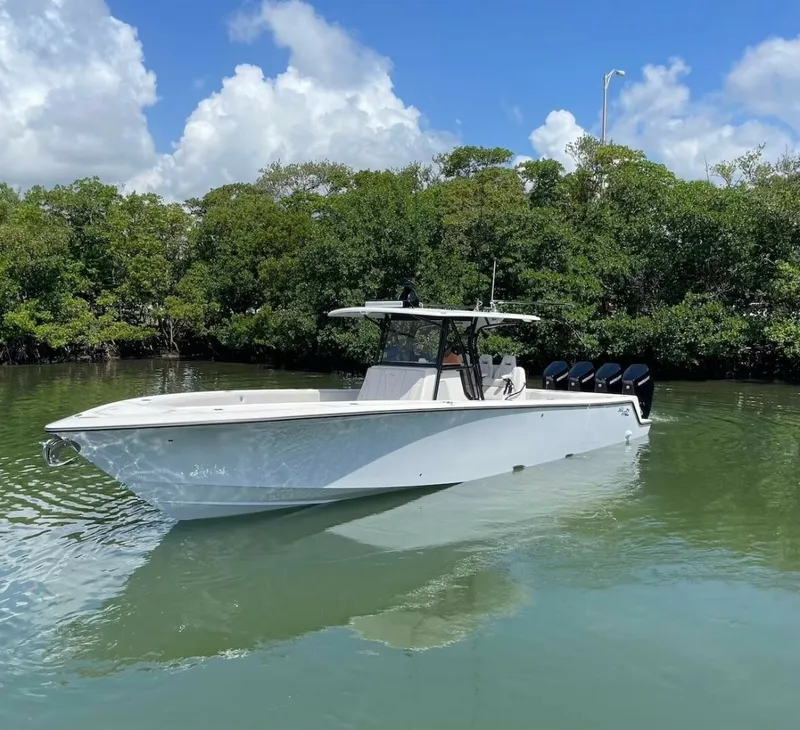
These boats have become a familiar sight in marinas and coastal towns, easily recognizable by their purposeful layouts, rod racks, and often muscular engine setups. They’re built for anglers first, but many models also double as capable family day boats.
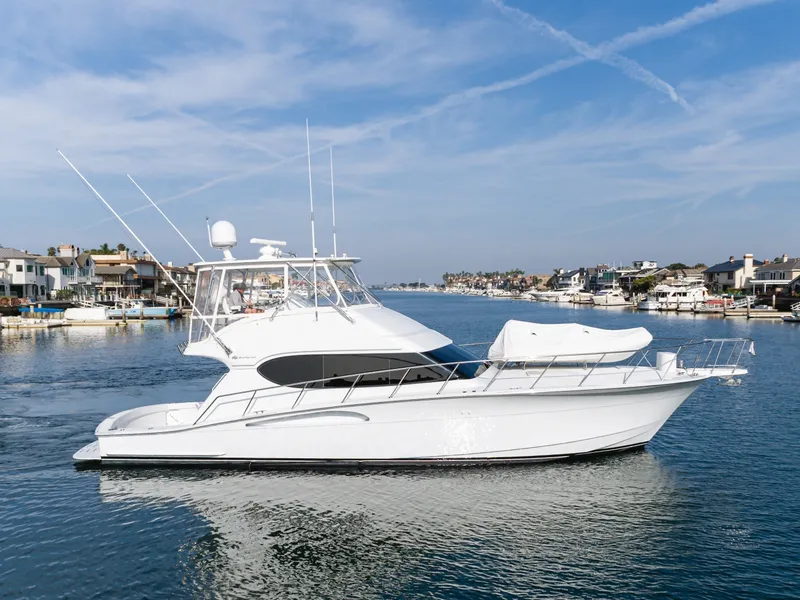
Deciding whether a sport fishing boat is right for you means weighing its fishing-focused design against how you truly plan to use the boat. They’re outstanding tools for anglers, but they are more specialized than general runabouts or pontoon boats and come with different costs, handling traits, and ownership considerations.

What is a Sport Fishing Boat?

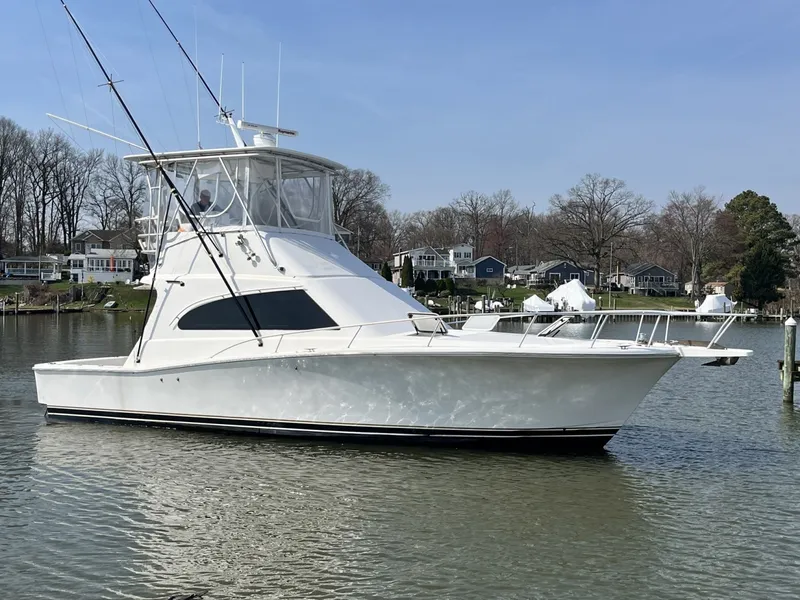
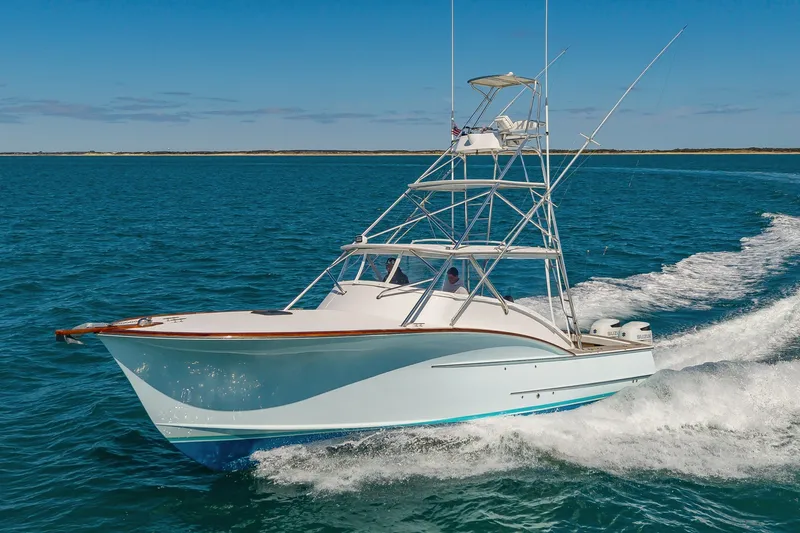
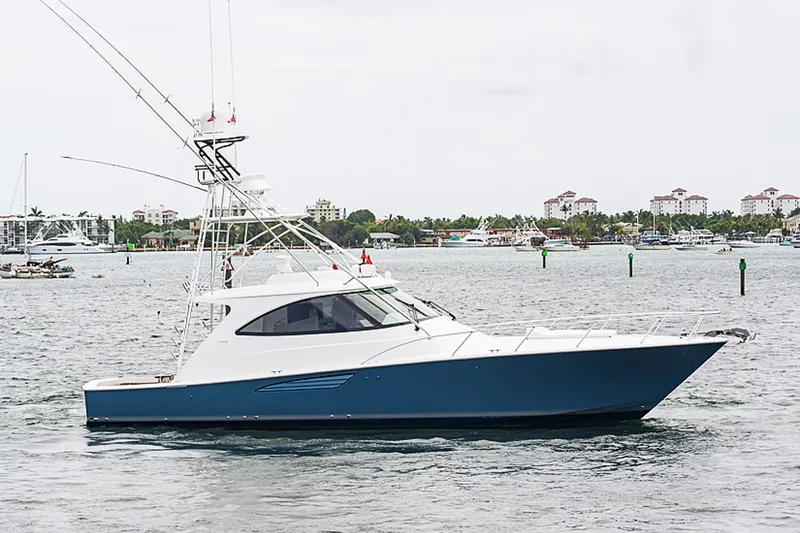
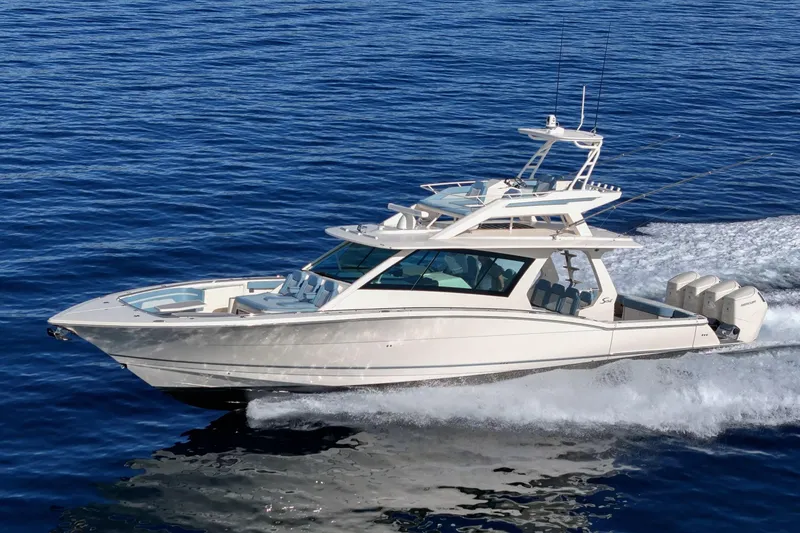
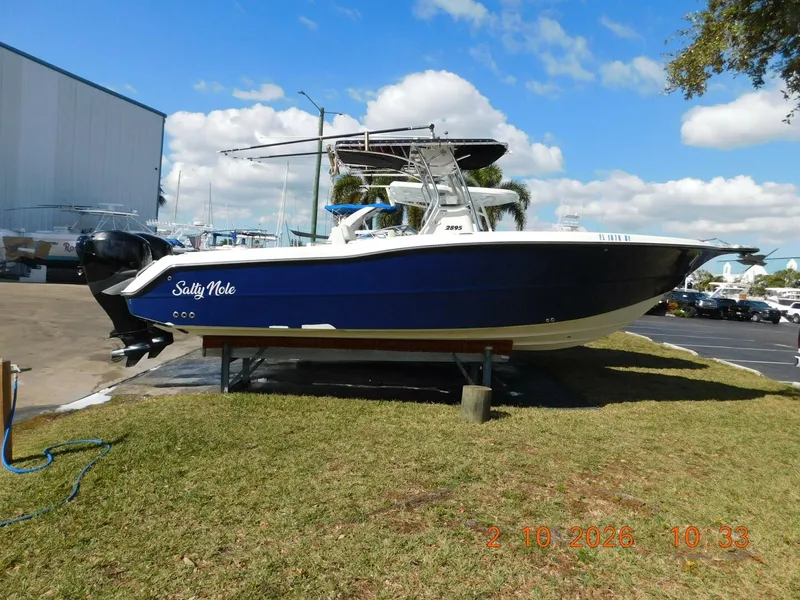
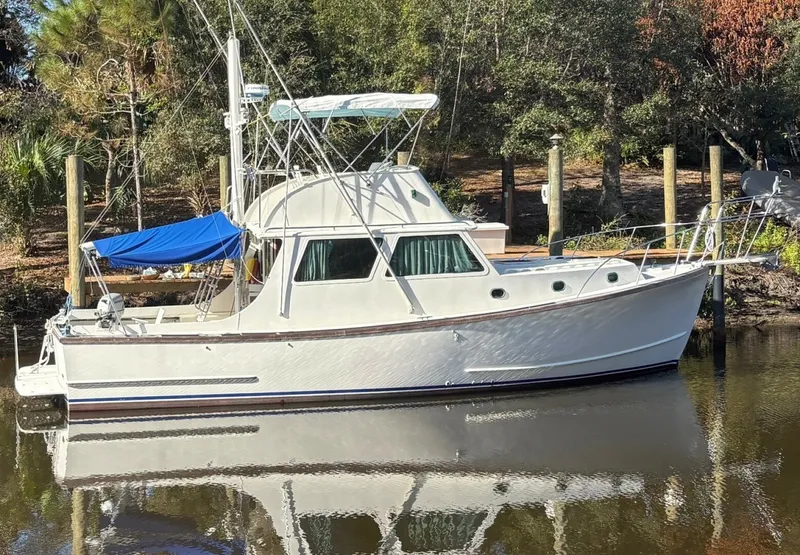
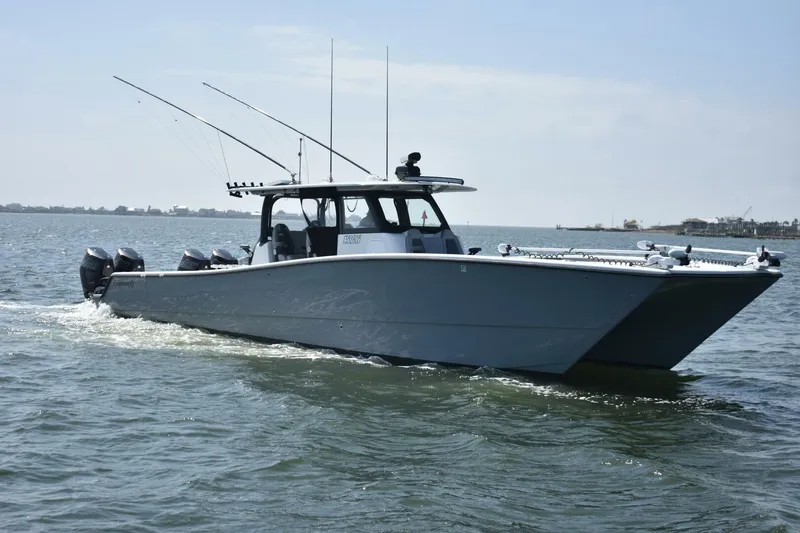
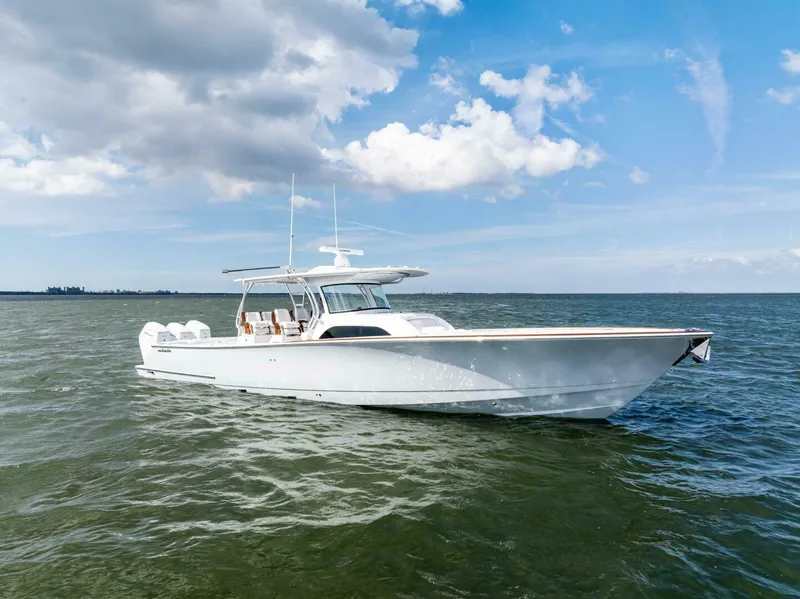
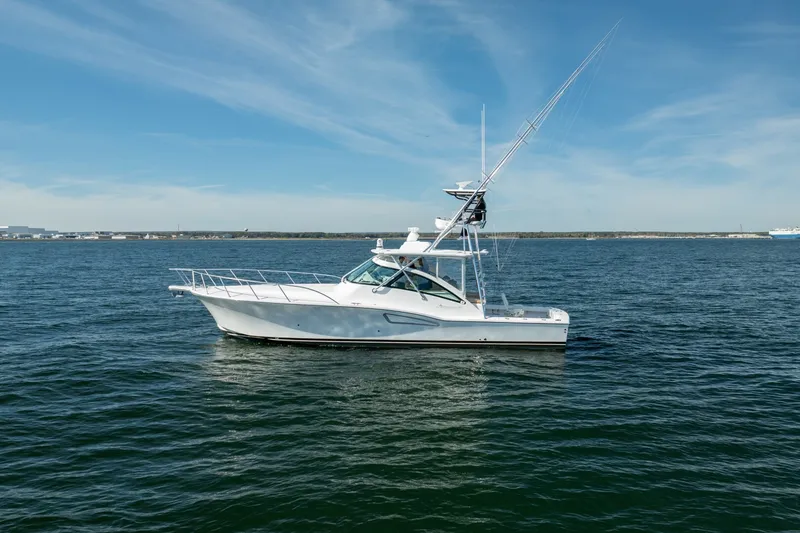
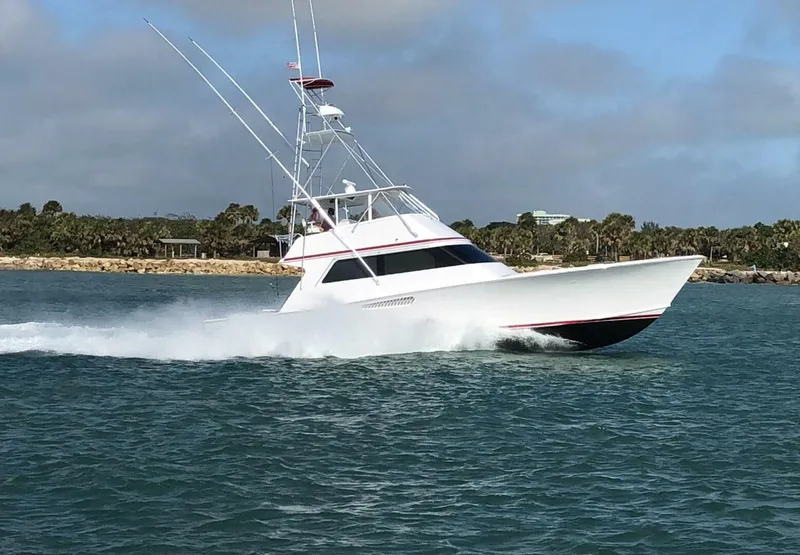
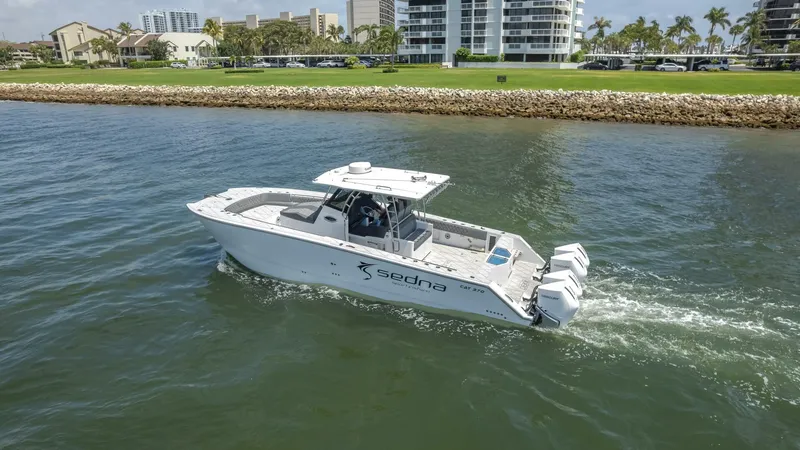
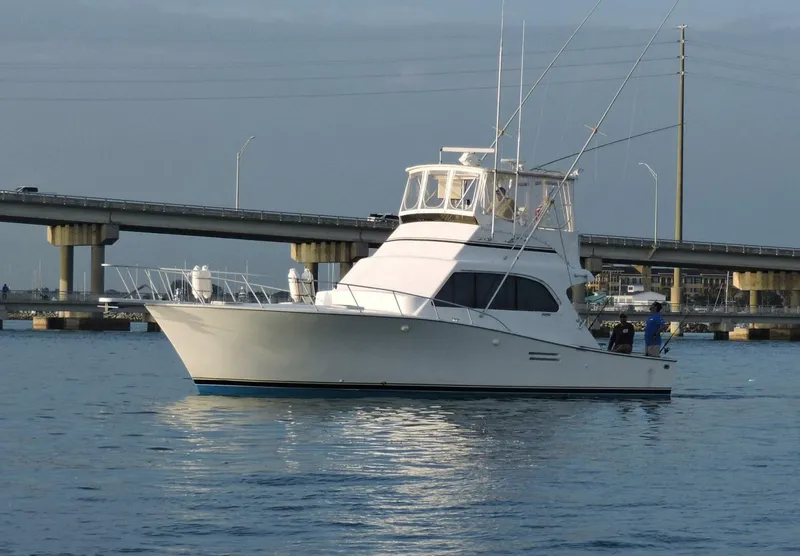
A sport fishing boat is a powerboat purpose-built for recreational angling, particularly for targeting larger or more challenging species in coastal and offshore waters. The design prioritizes fishability: clear deck space to move around, secure footing, and easy access to the water for landing and releasing fish.

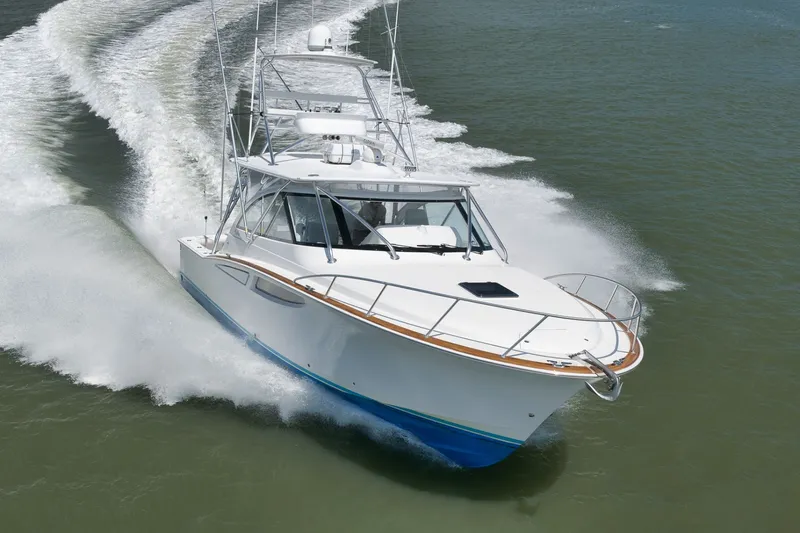
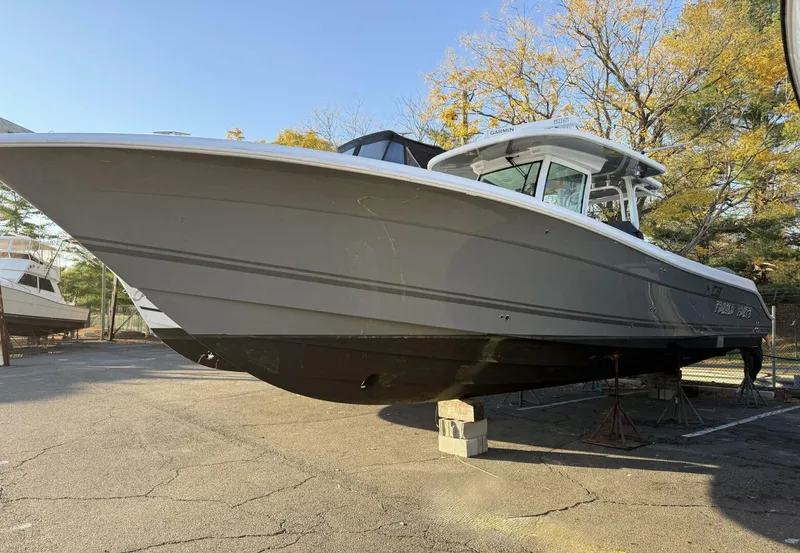
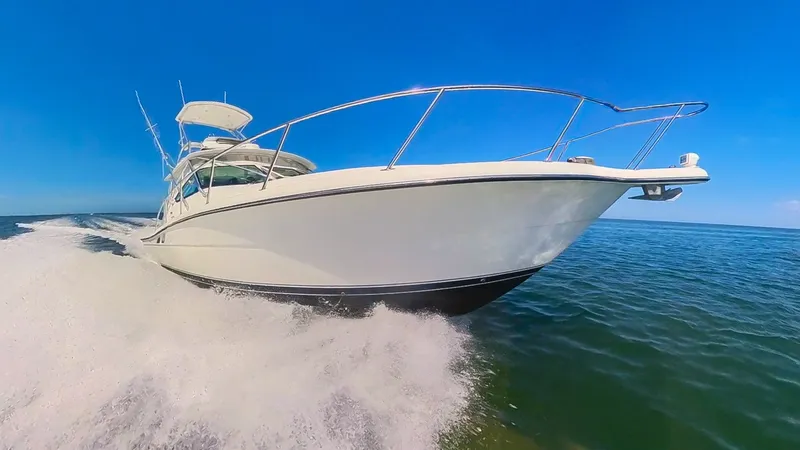
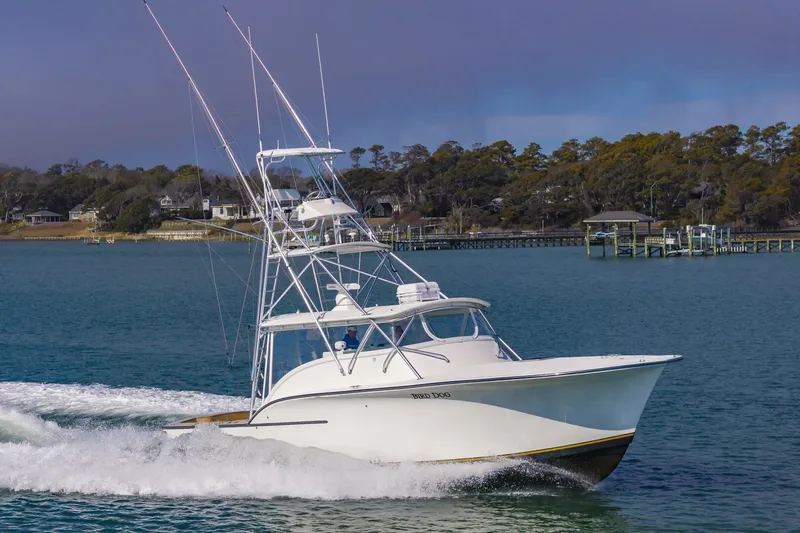
Most sport fishing boats feature a deep-V or modified-V hull that provides better performance and comfort in choppy or offshore seas than flatter-bottomed recreational boats. This hull form helps the boat cut through waves more effectively, improving ride quality during long runs to the fishing grounds.

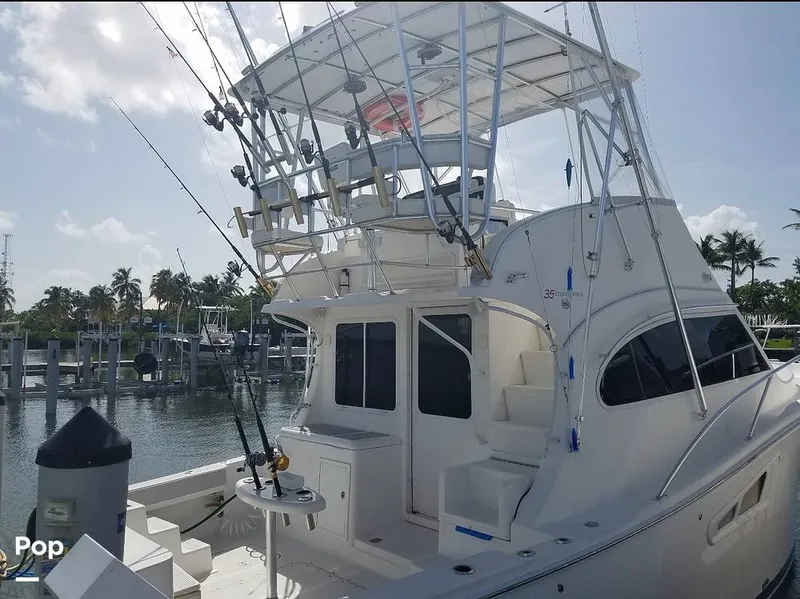
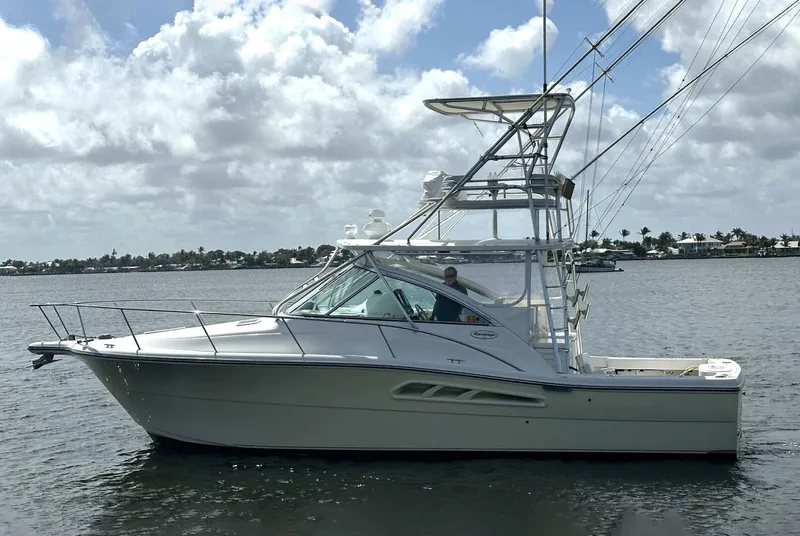
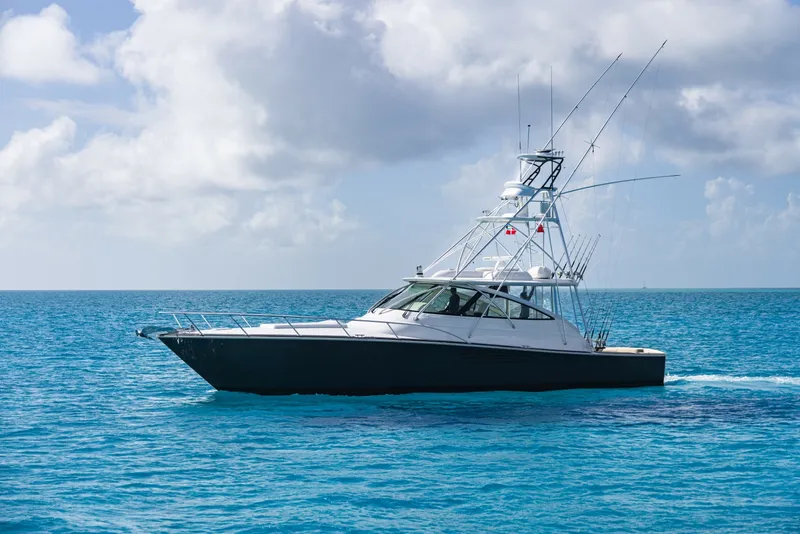
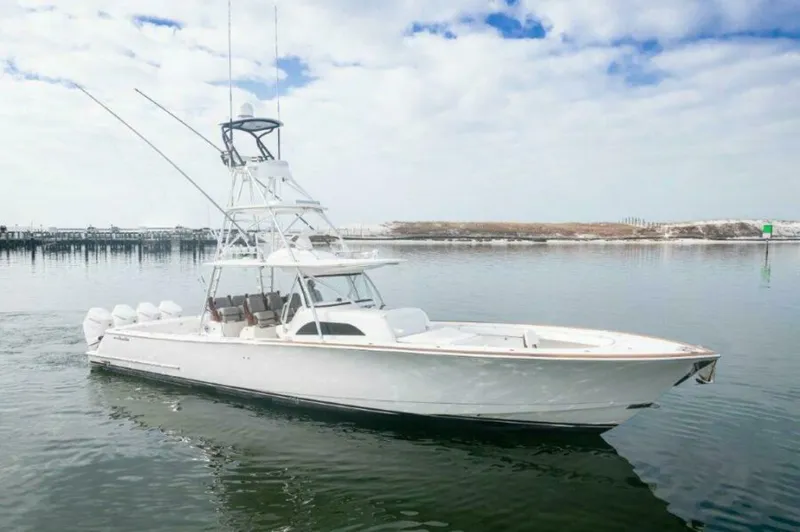
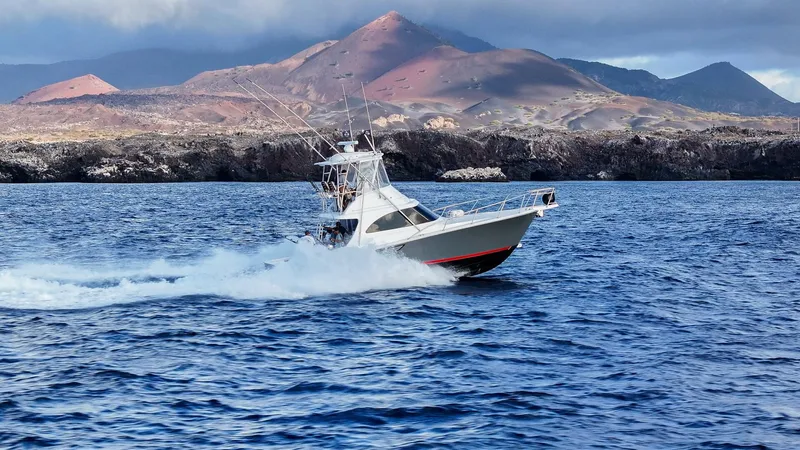
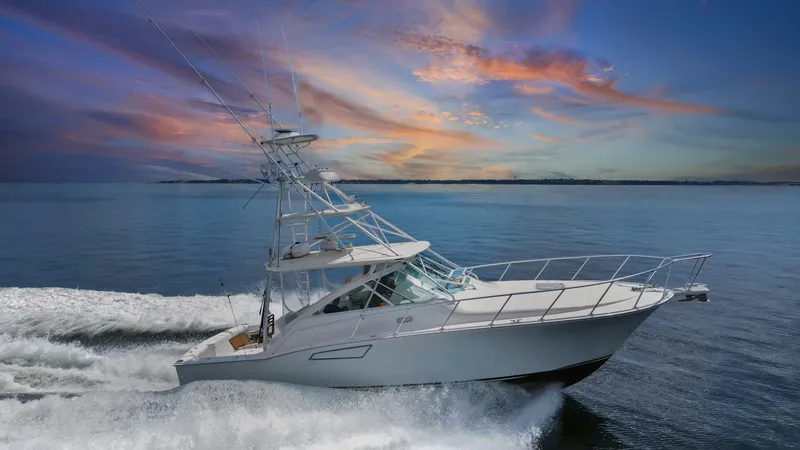
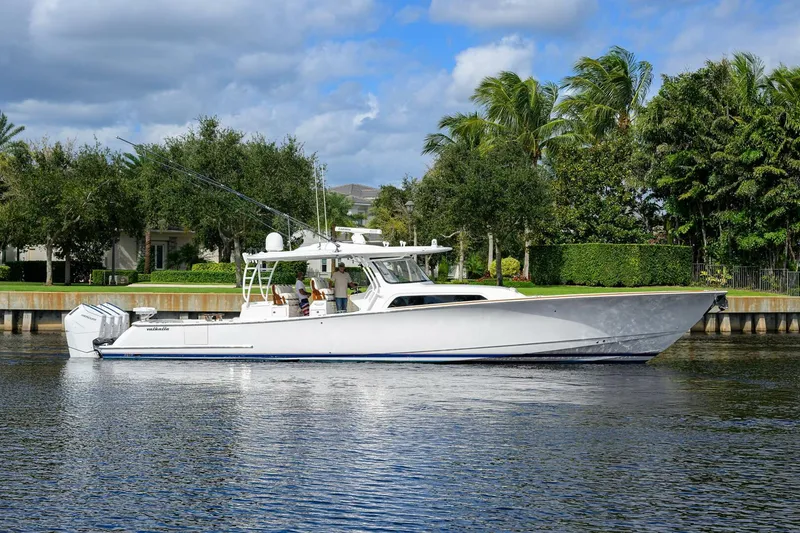
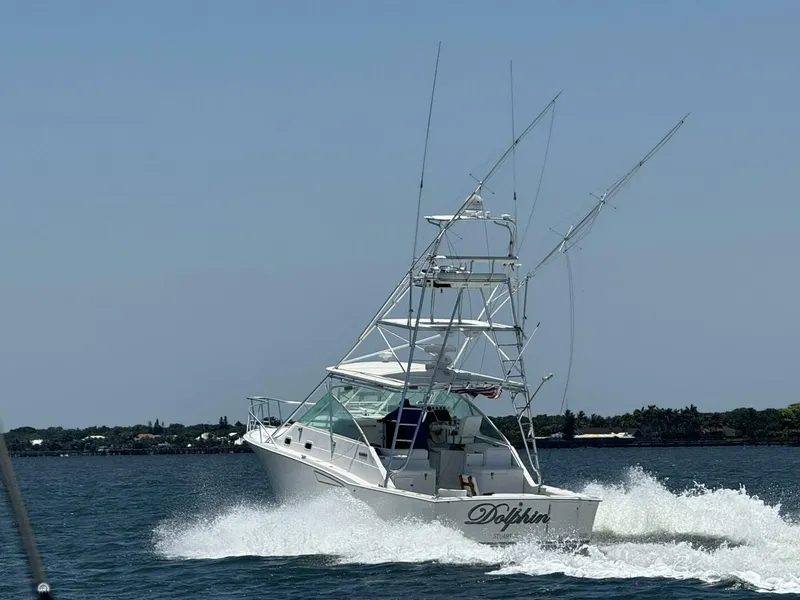
Fishing-specific features are central to the design. Common elements include rod holders, rocket launchers, live wells, insulated fish boxes, tackle storage, washdown systems, and sometimes outriggers for trolling. Helm layouts usually leave clear 360-degree sightlines to spreads and rods, and electronics setups often include GPS chartplotters, fishfinders, and radar.

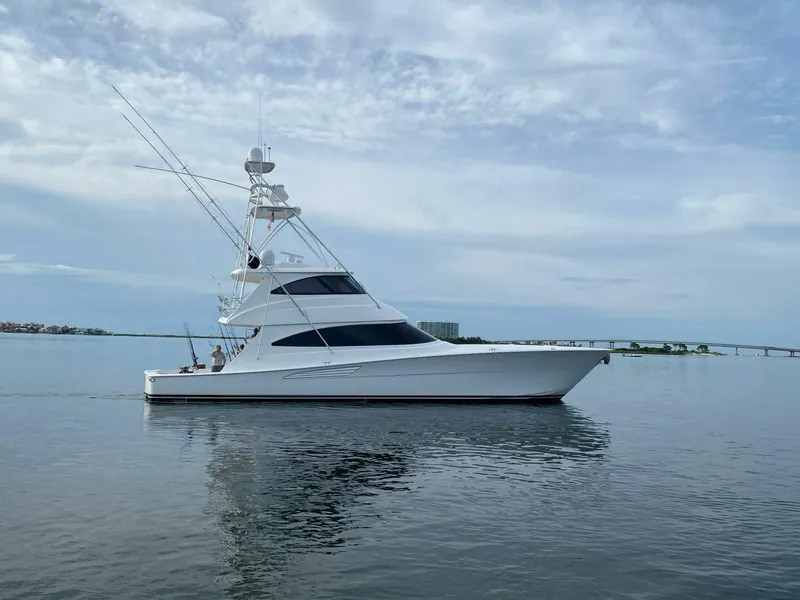
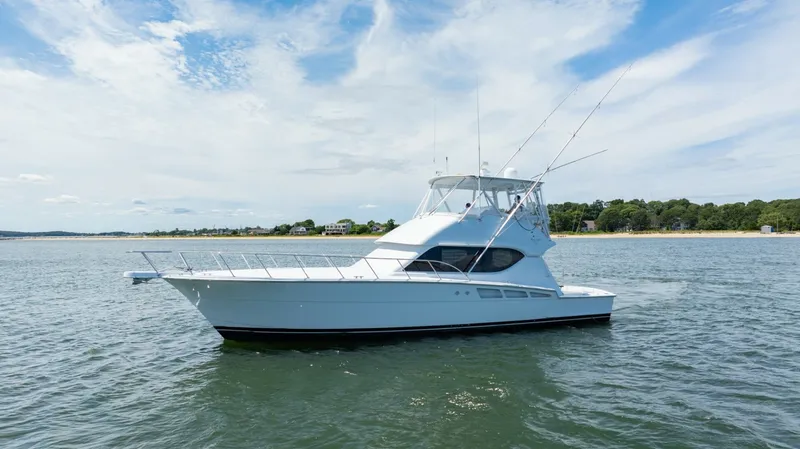
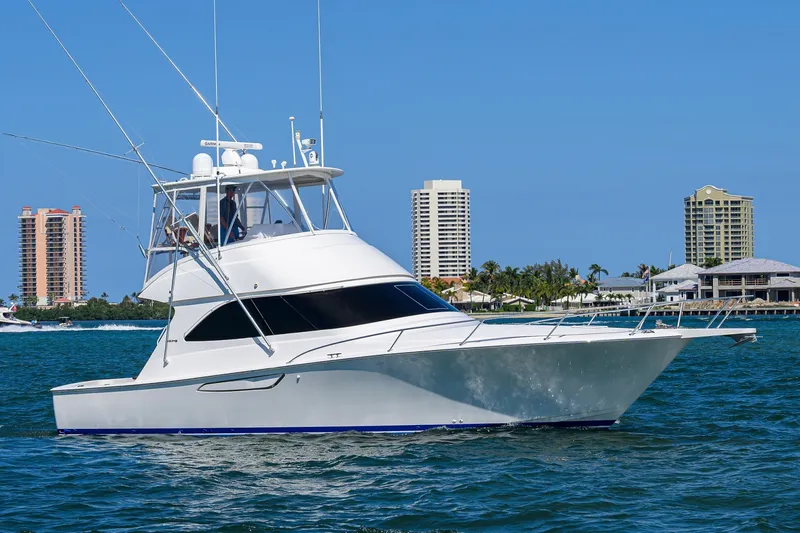
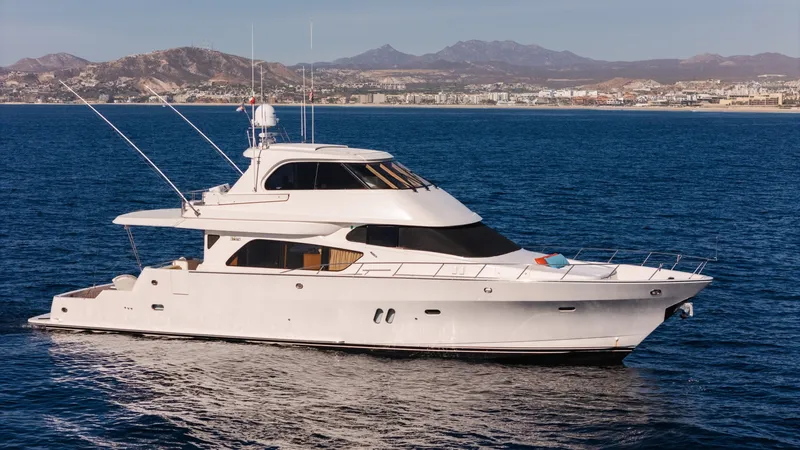
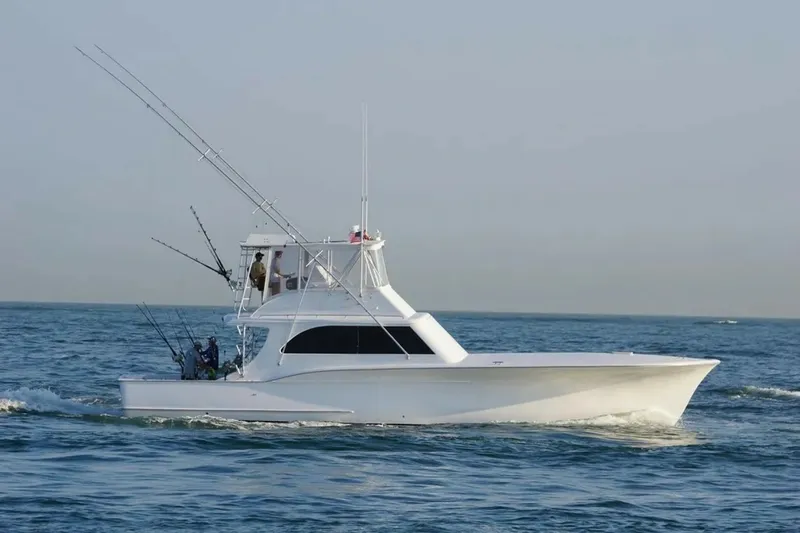
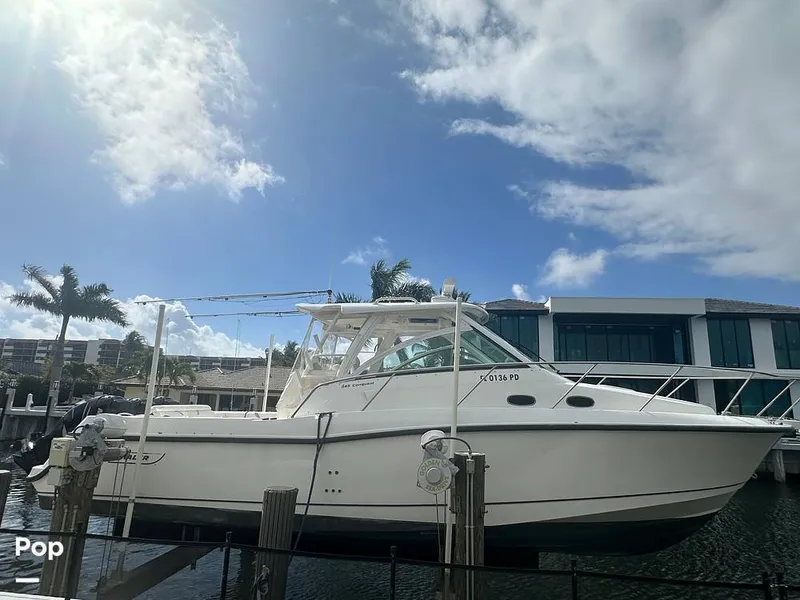
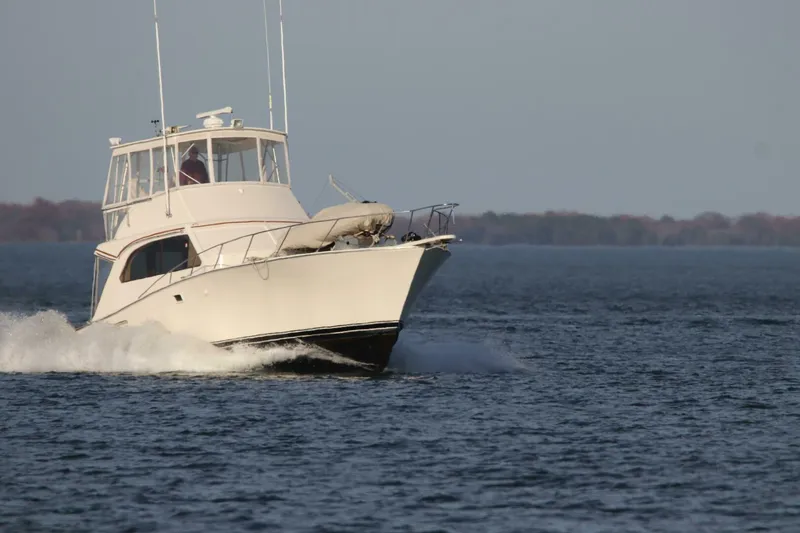
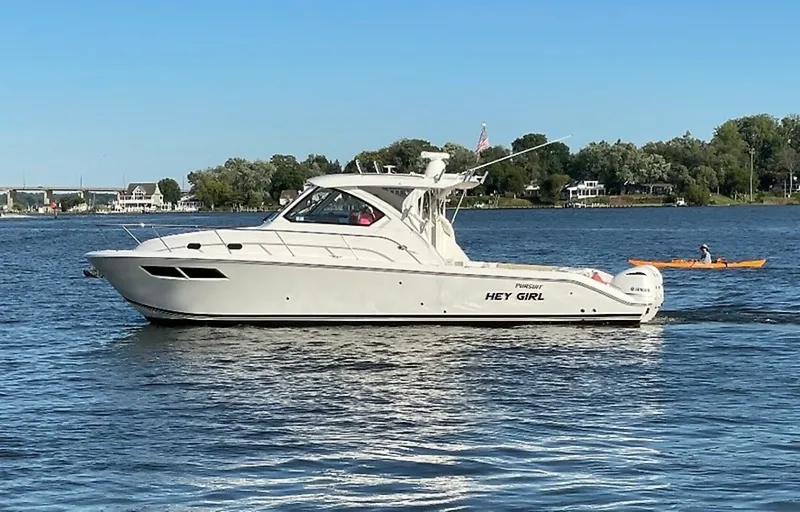
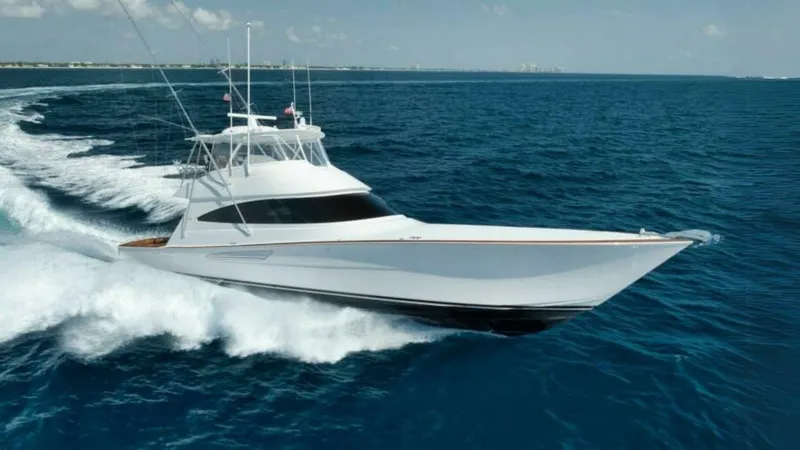
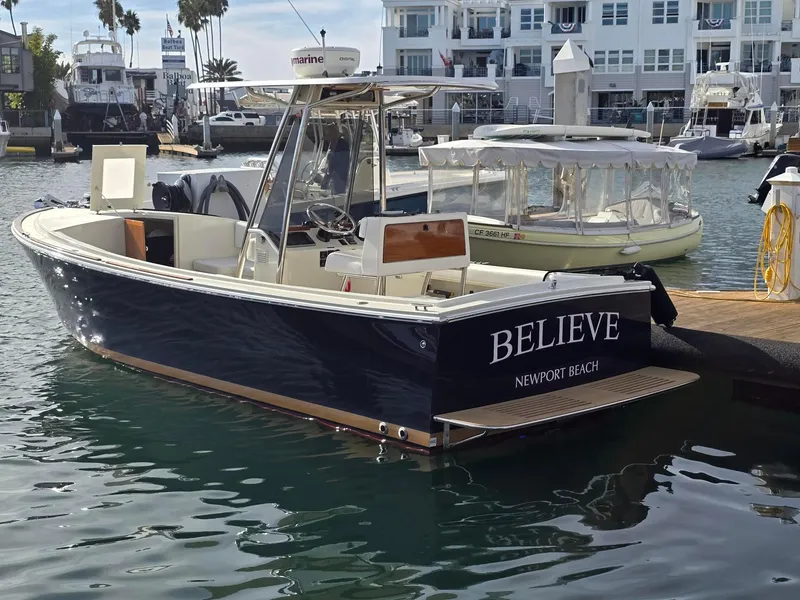
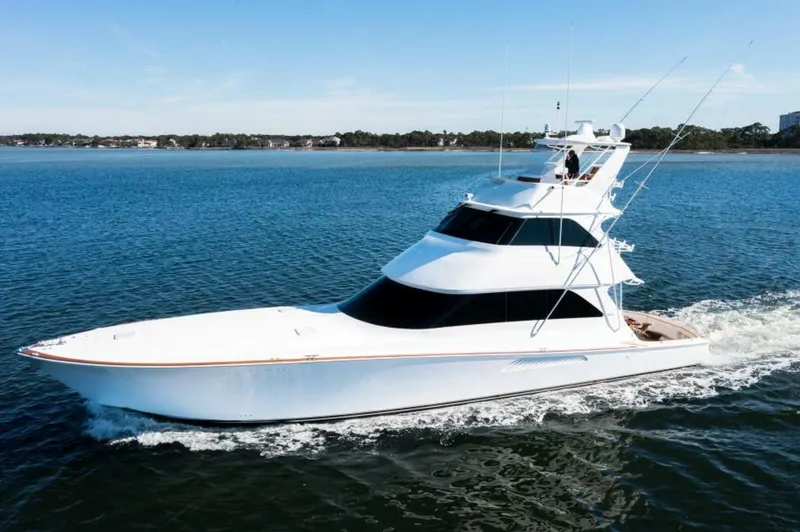
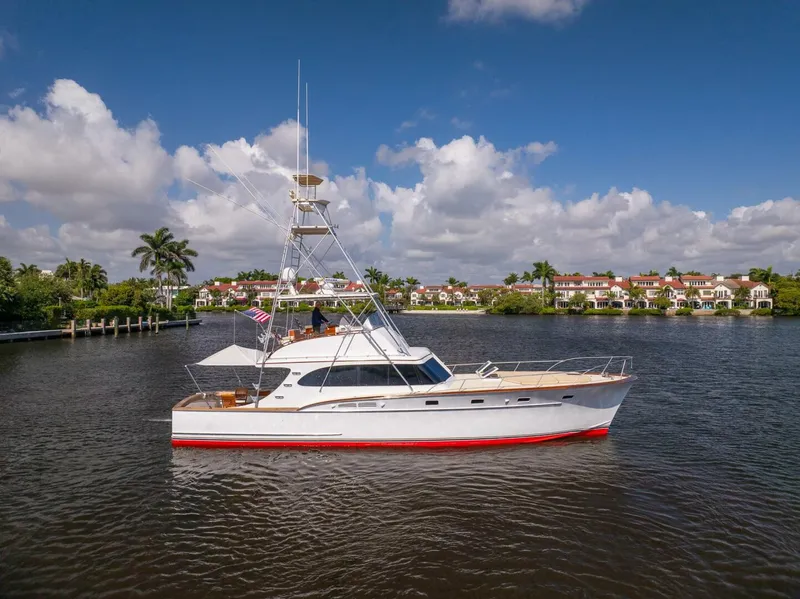
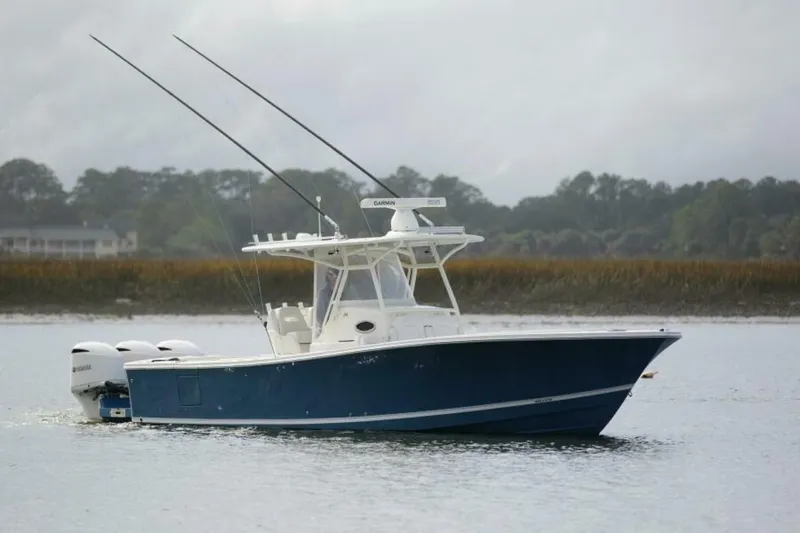
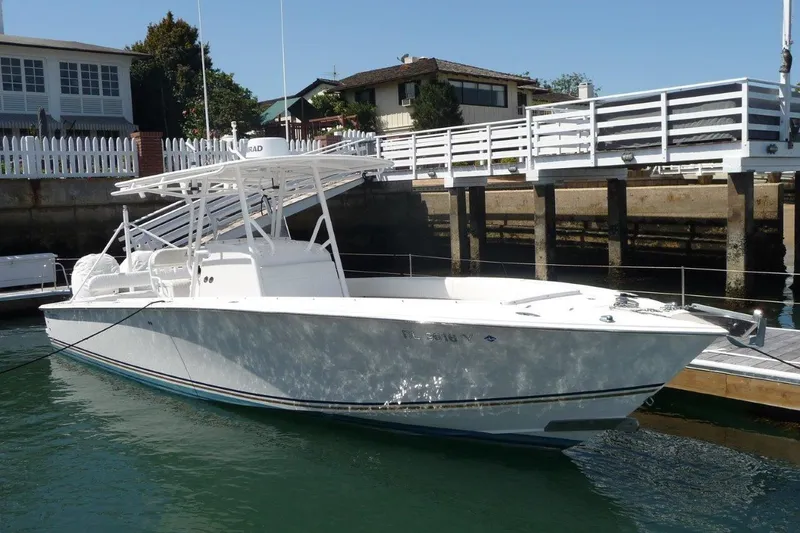
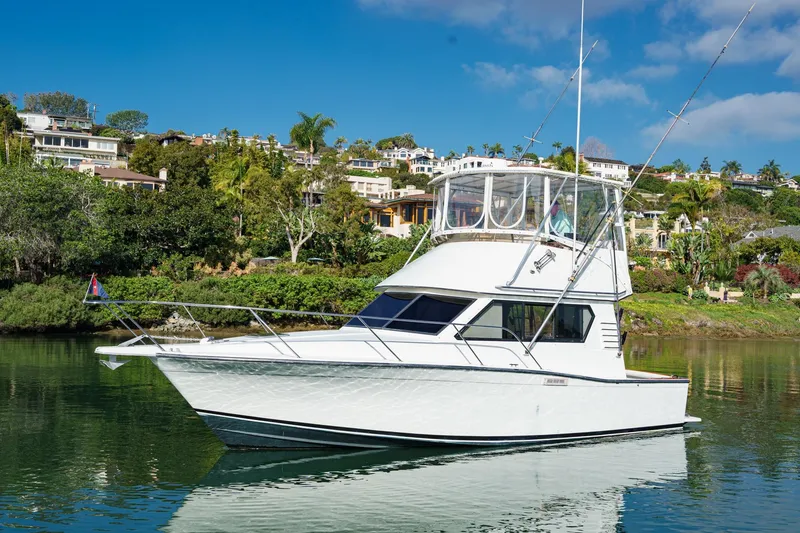
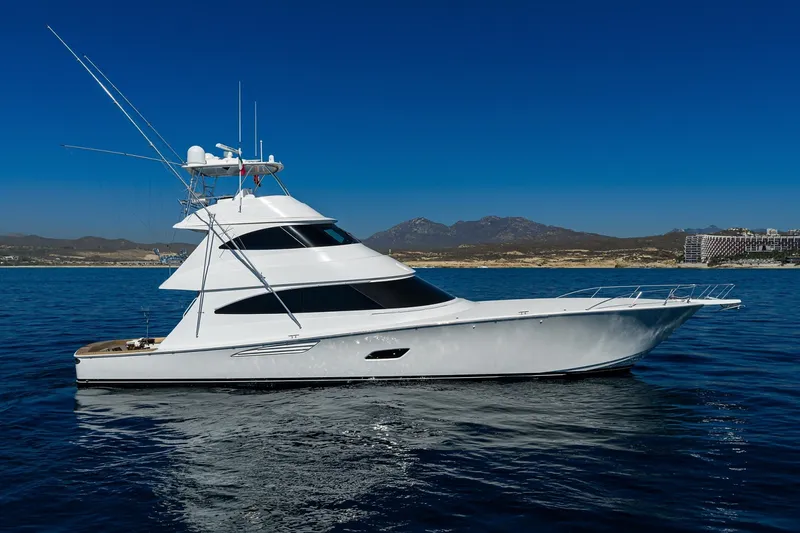
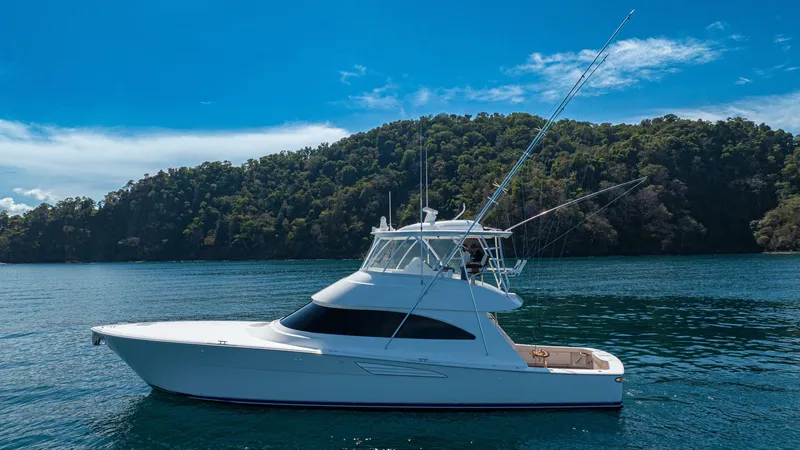
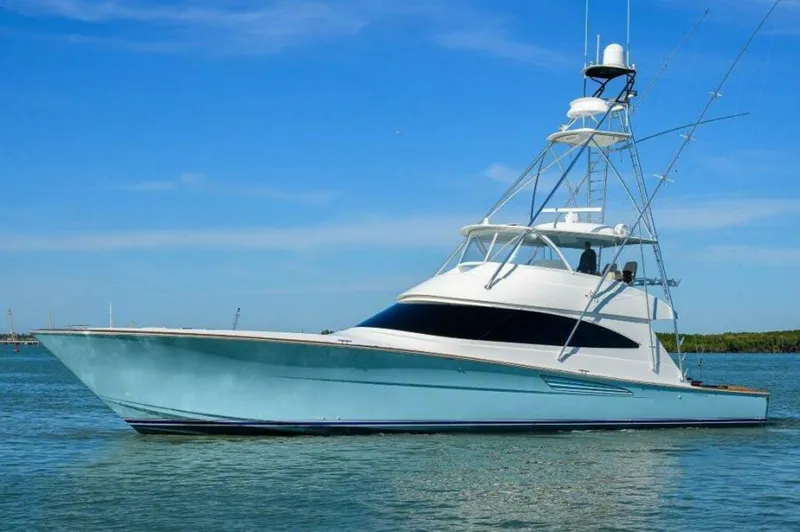
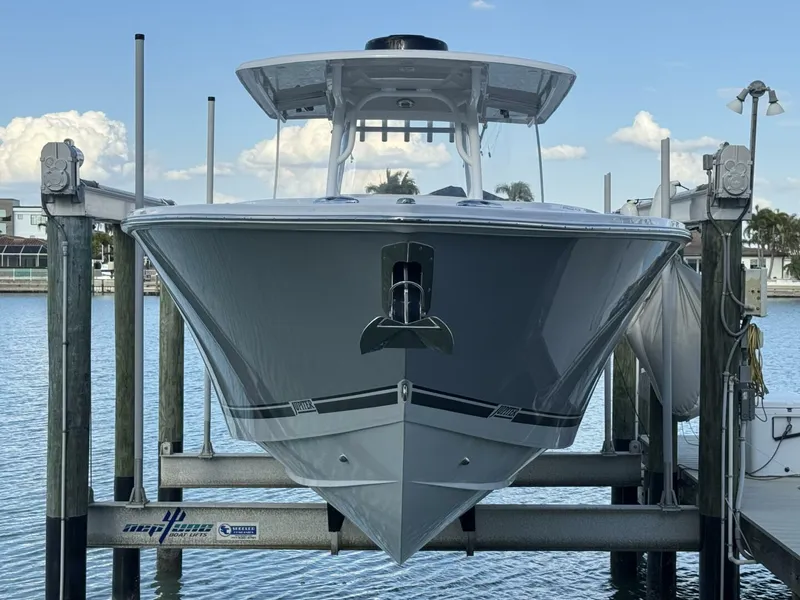
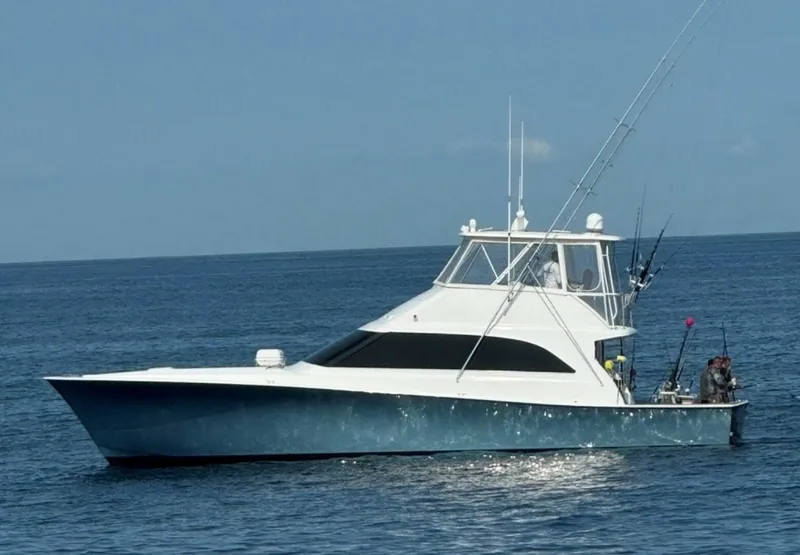
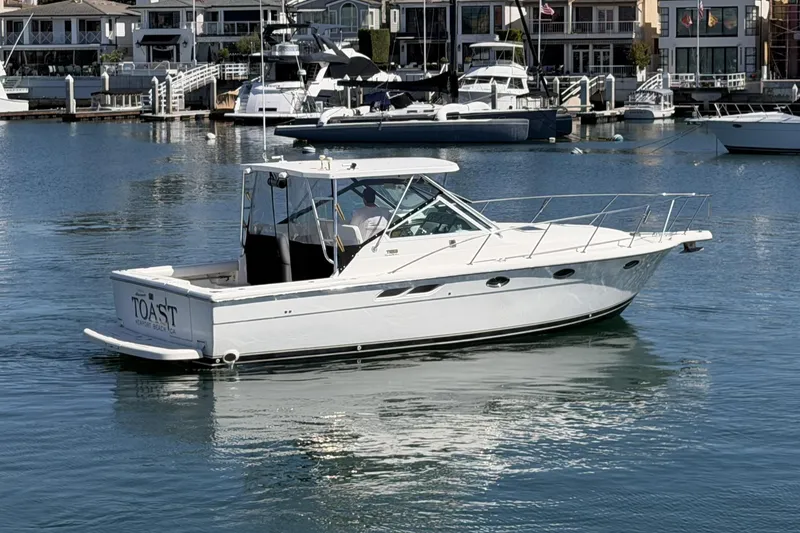
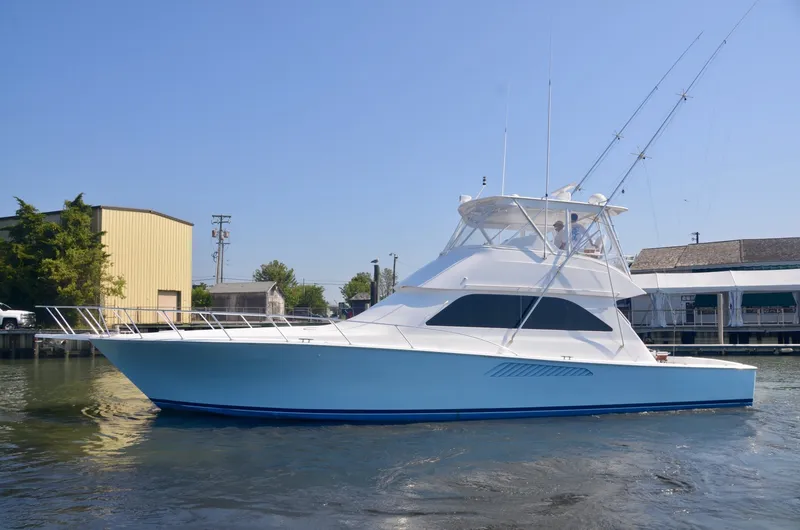
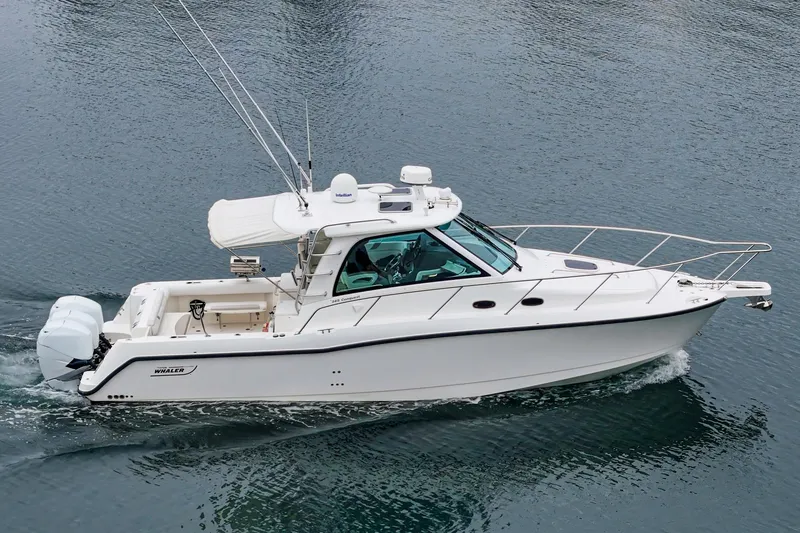
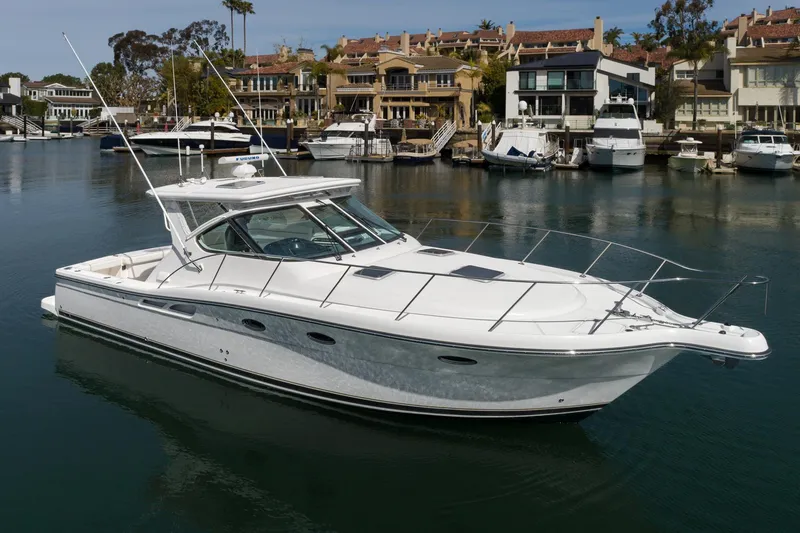
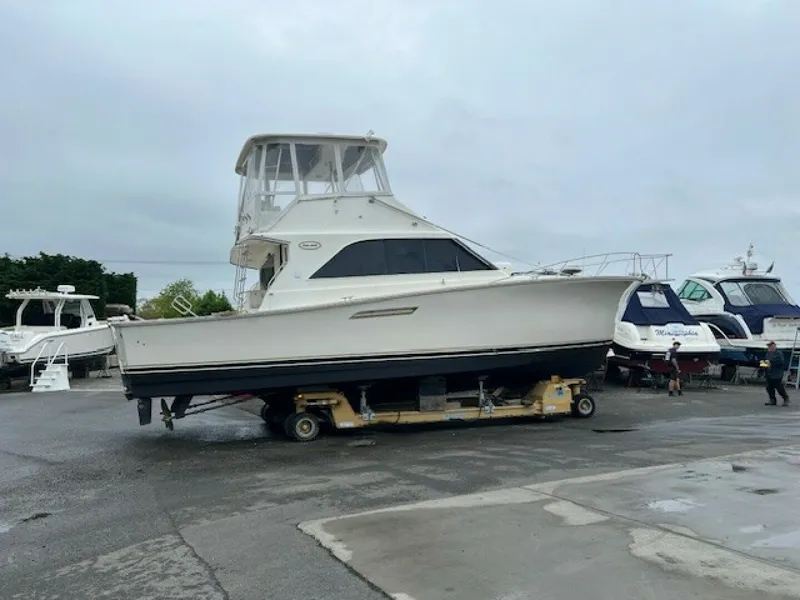
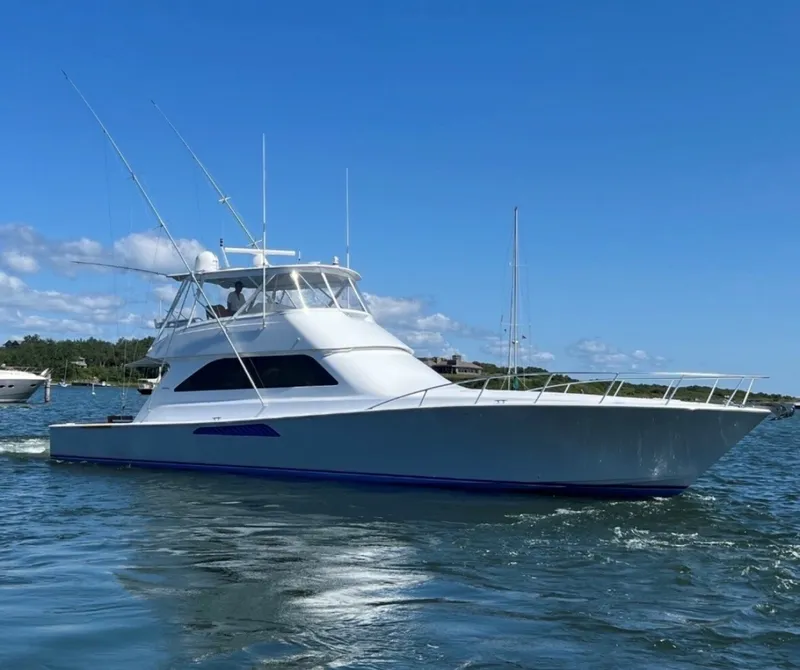
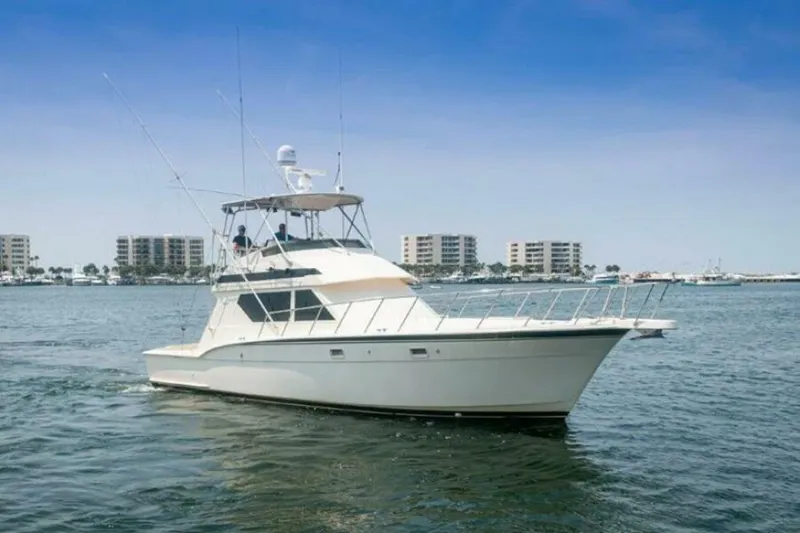
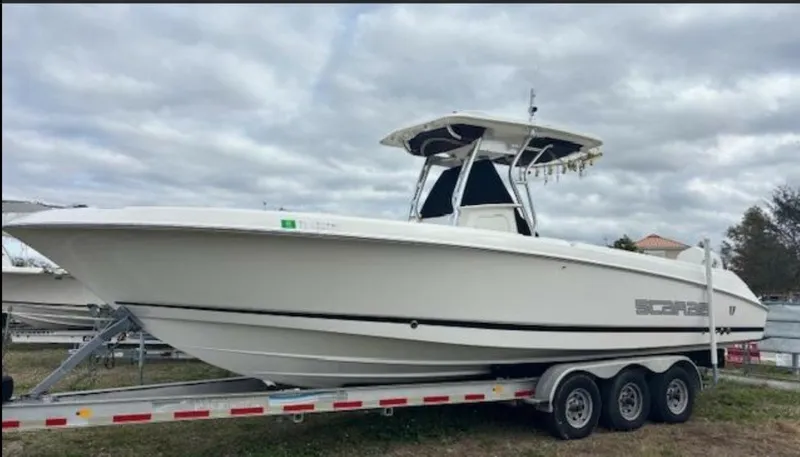
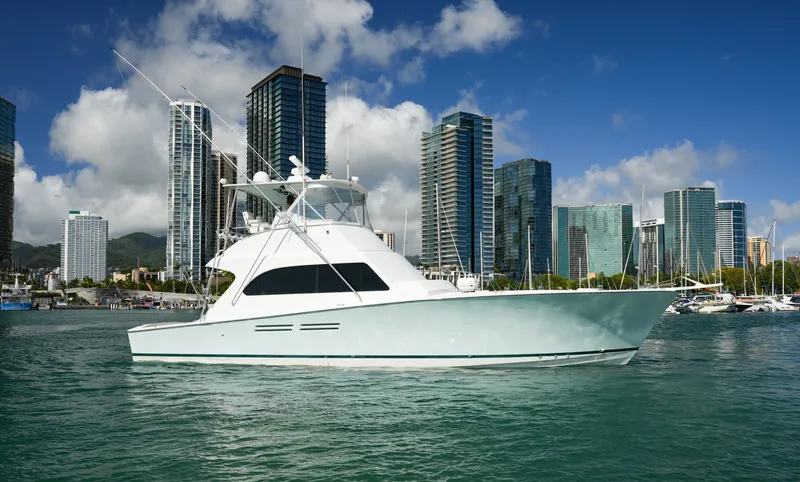
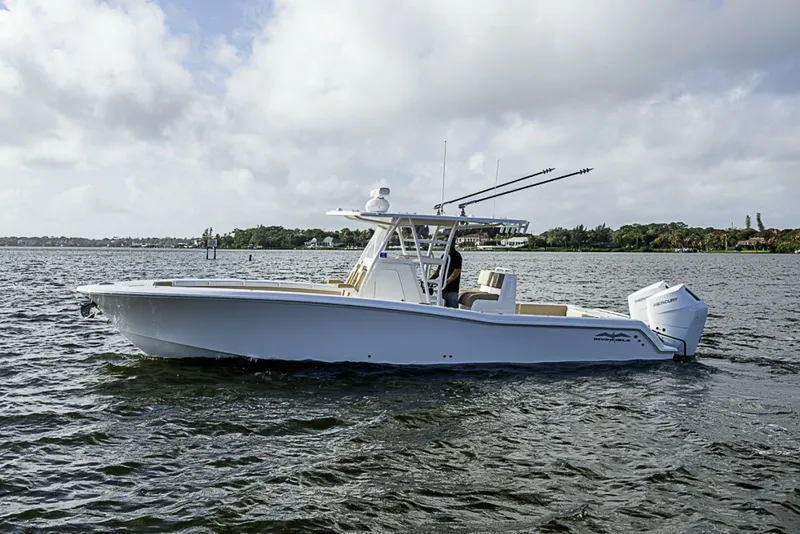
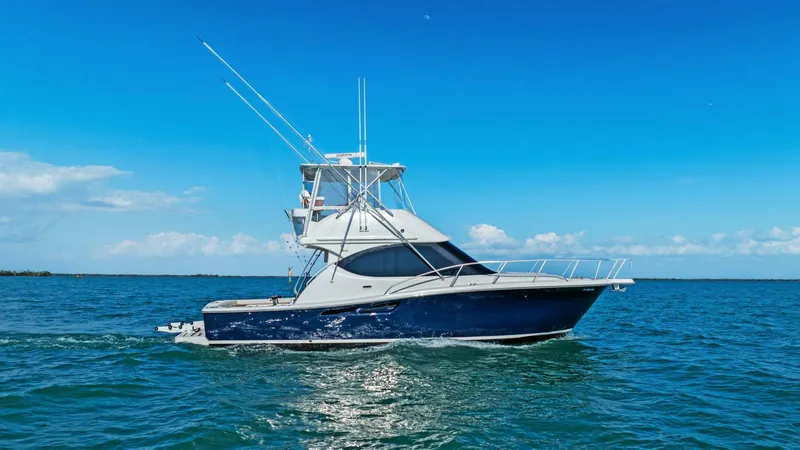
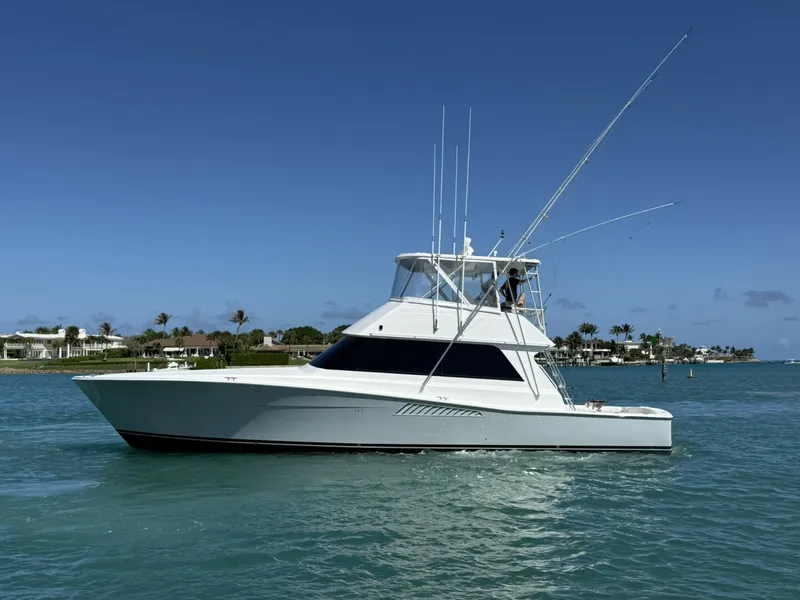
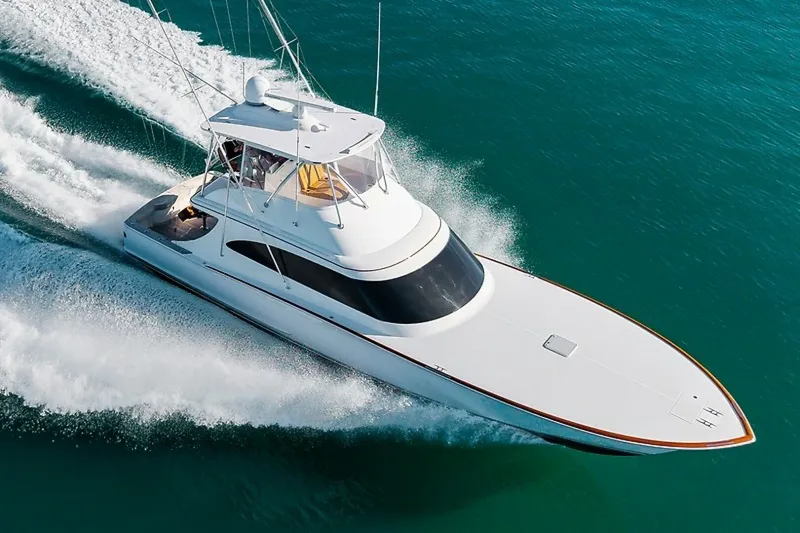
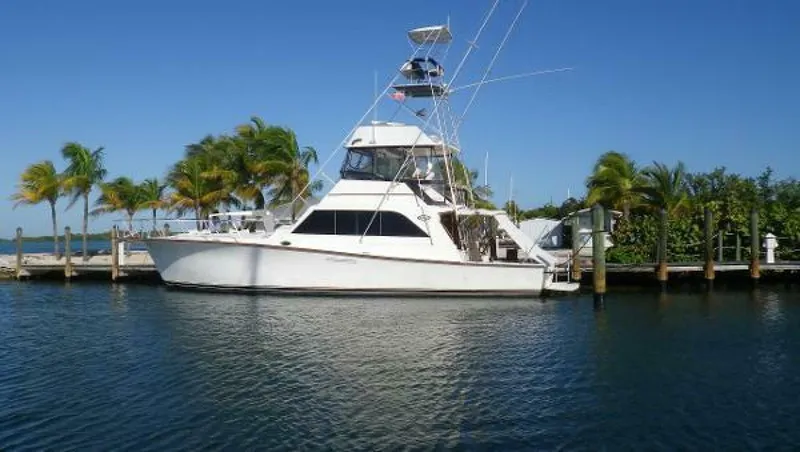
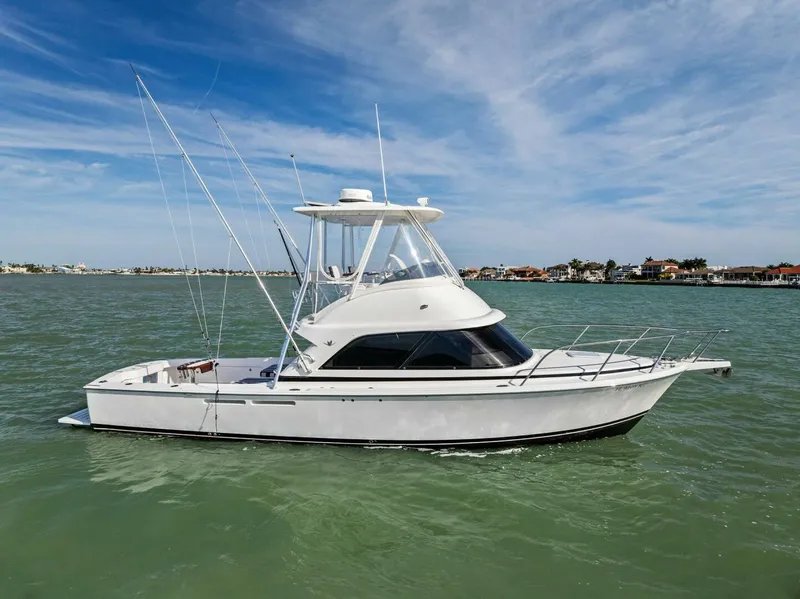
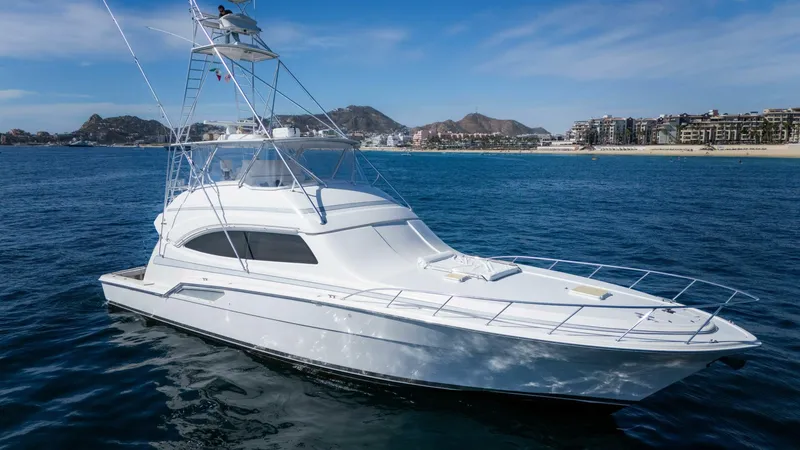
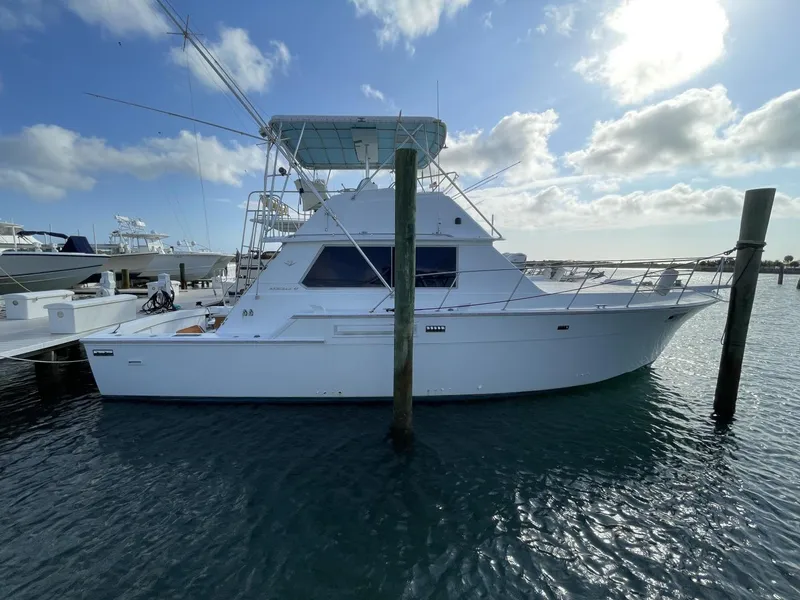
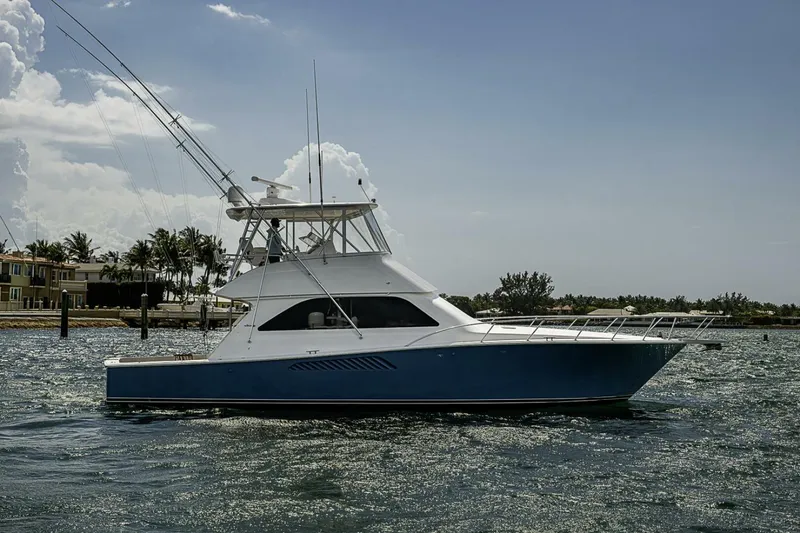
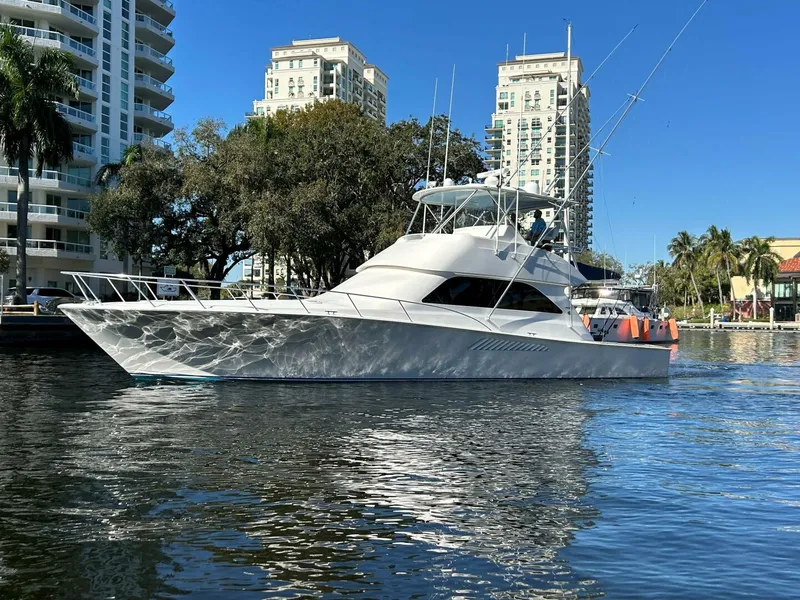
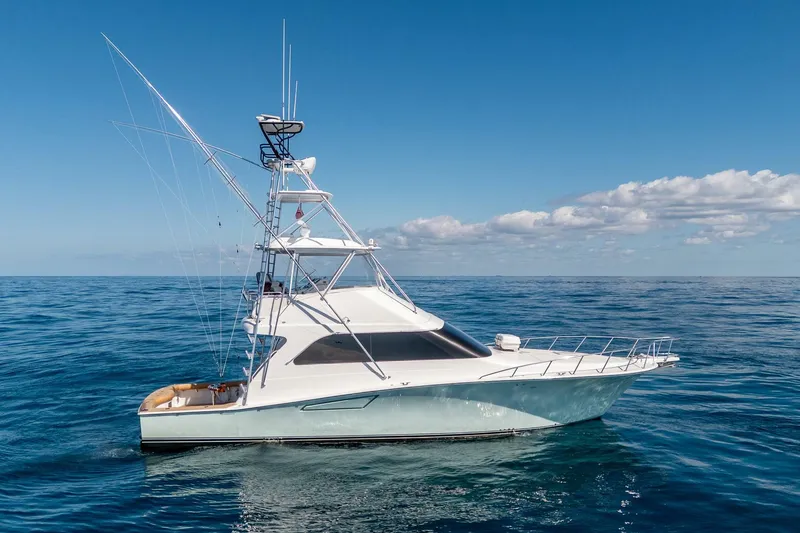
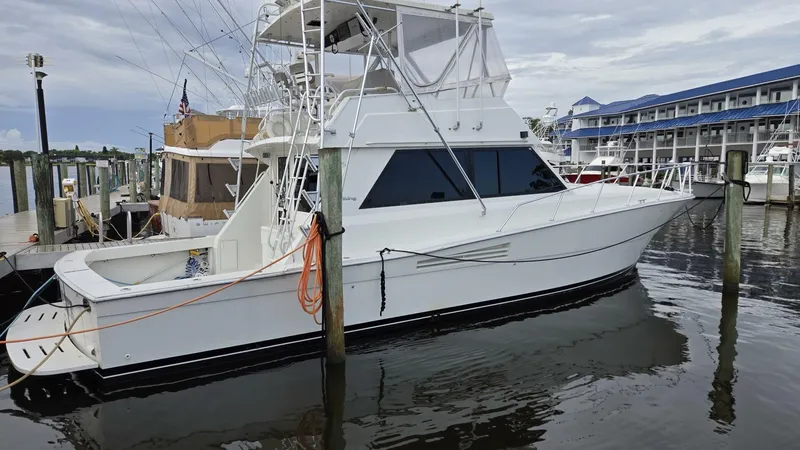
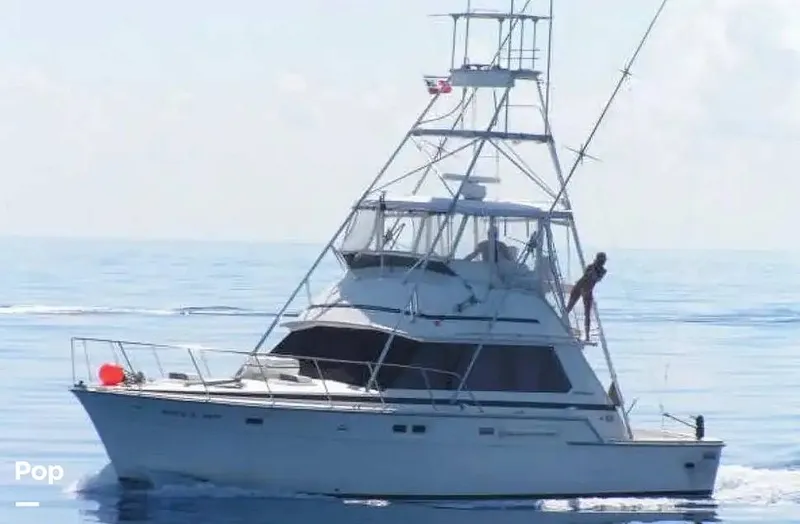
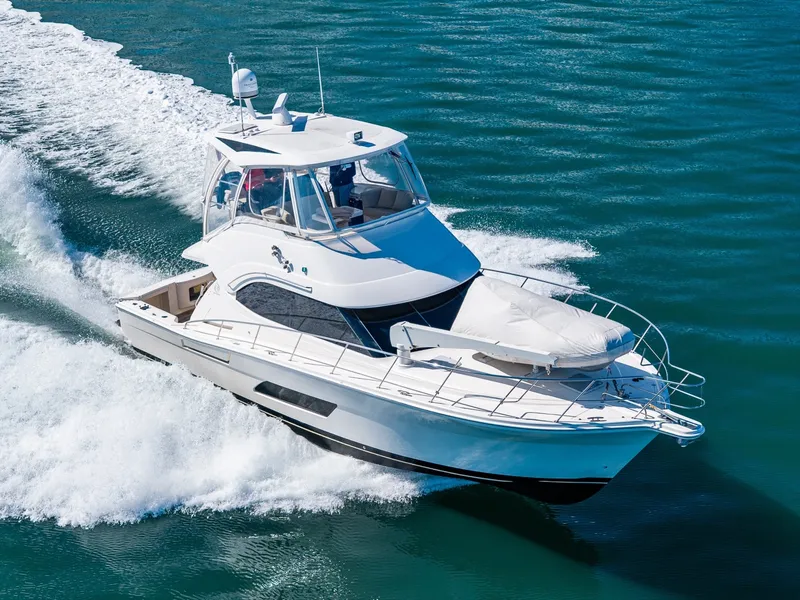
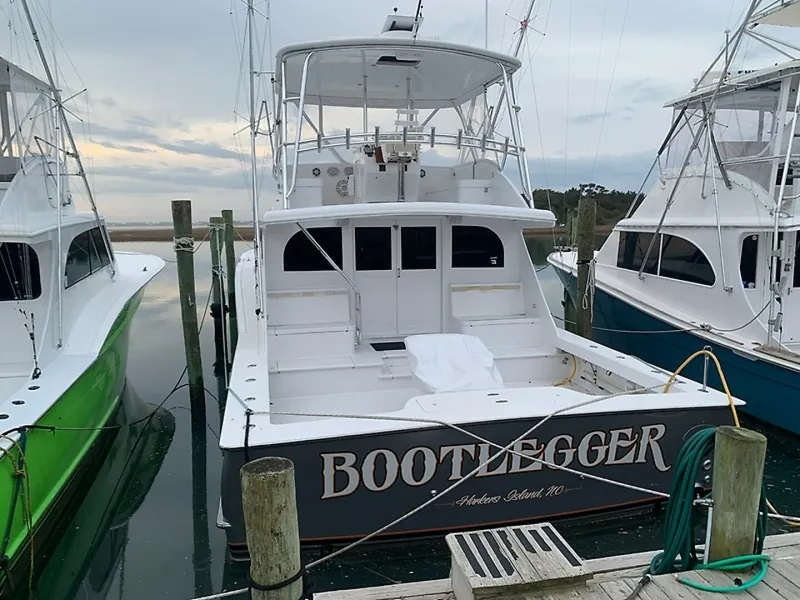
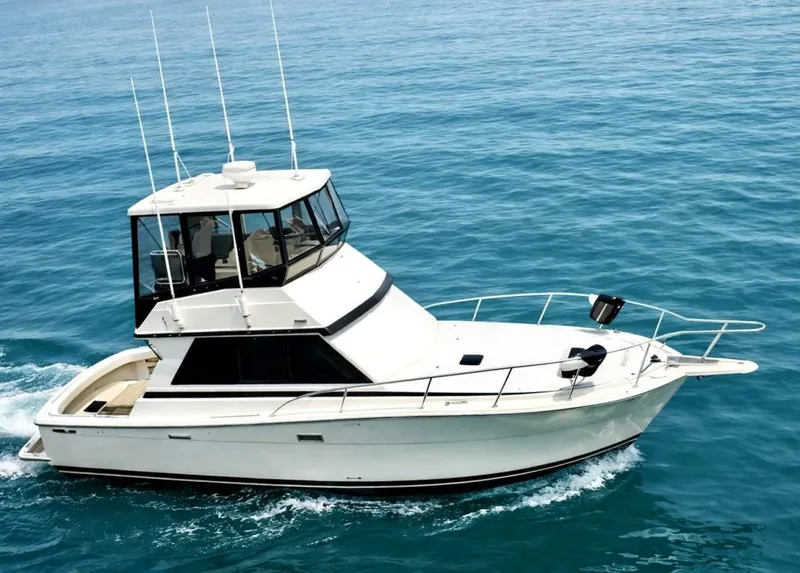
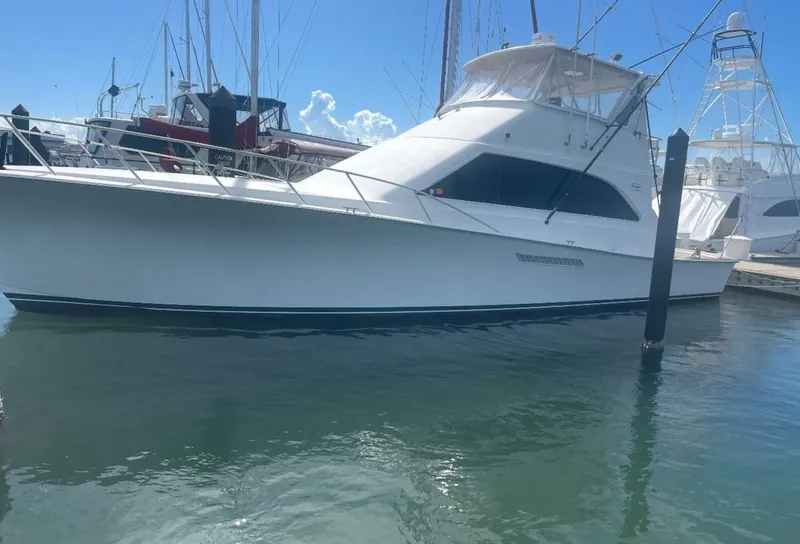
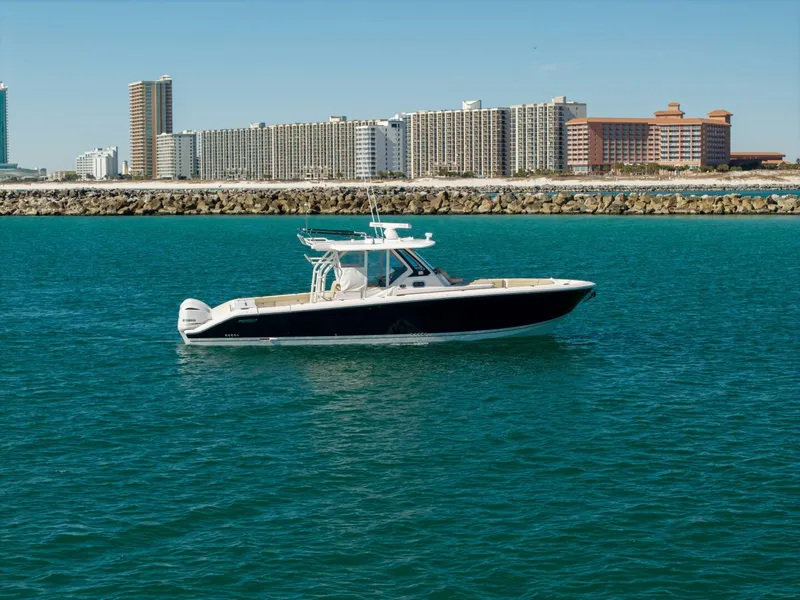
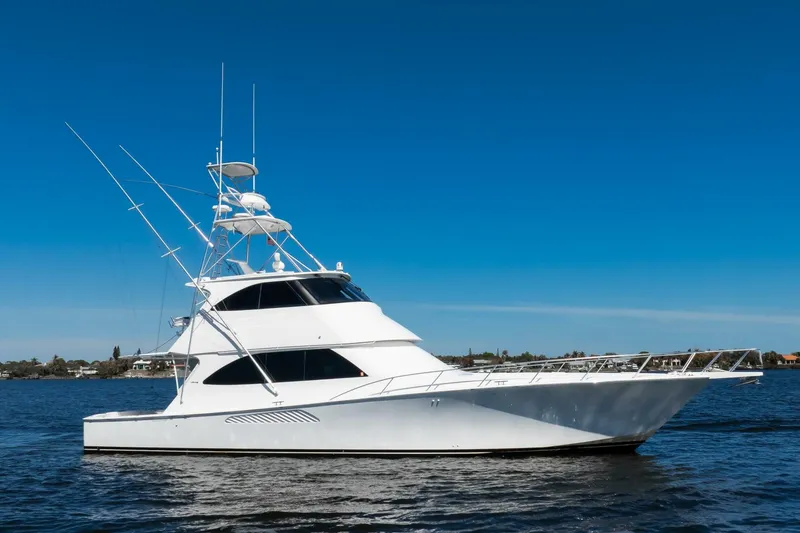
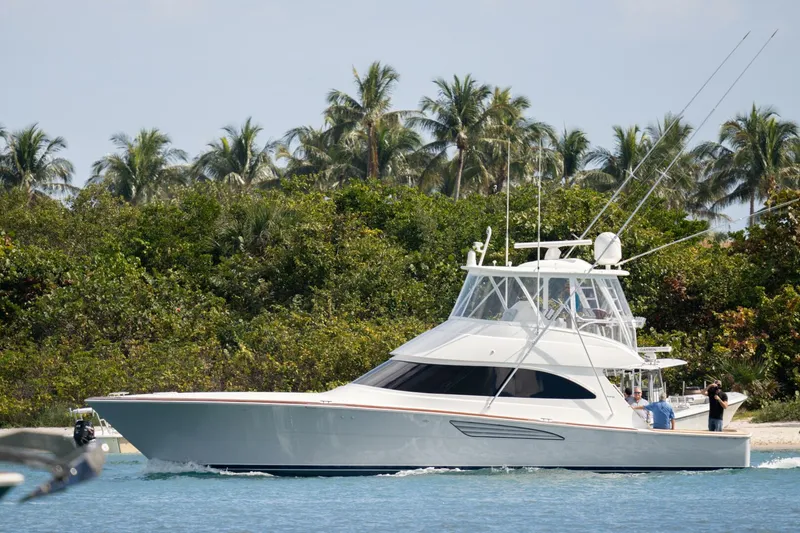
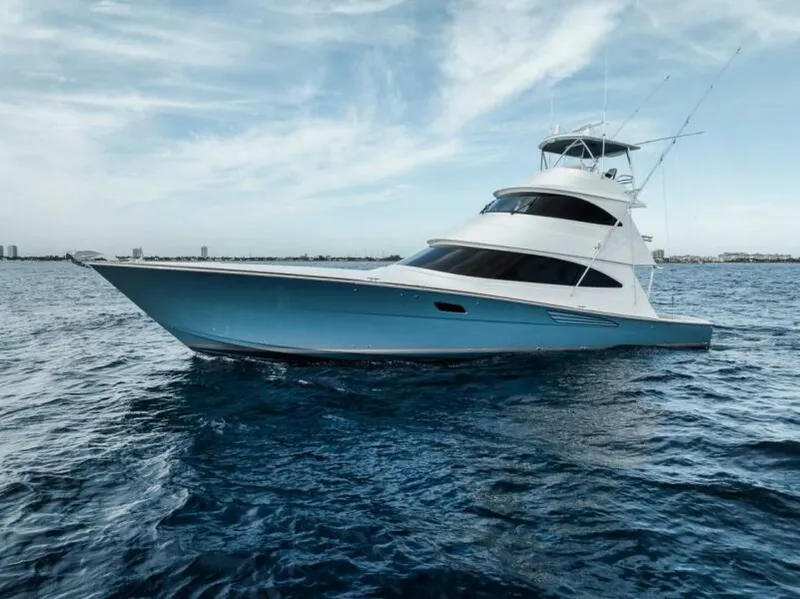
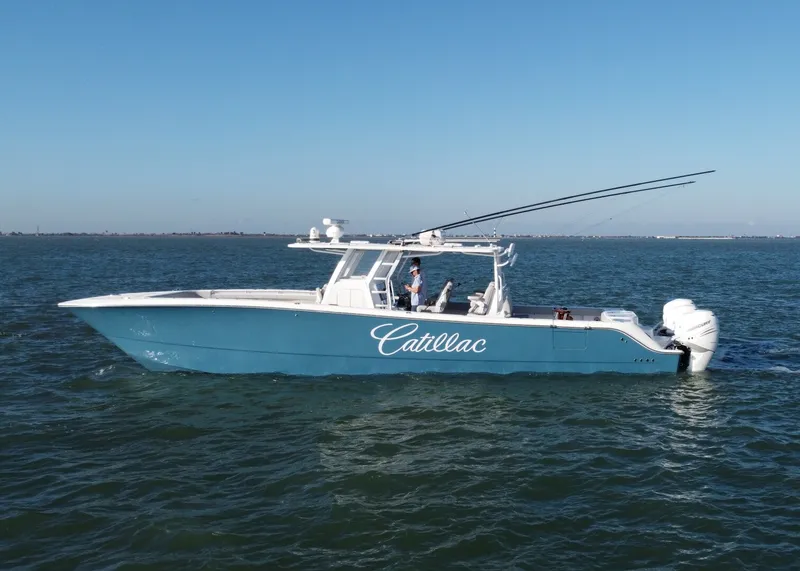
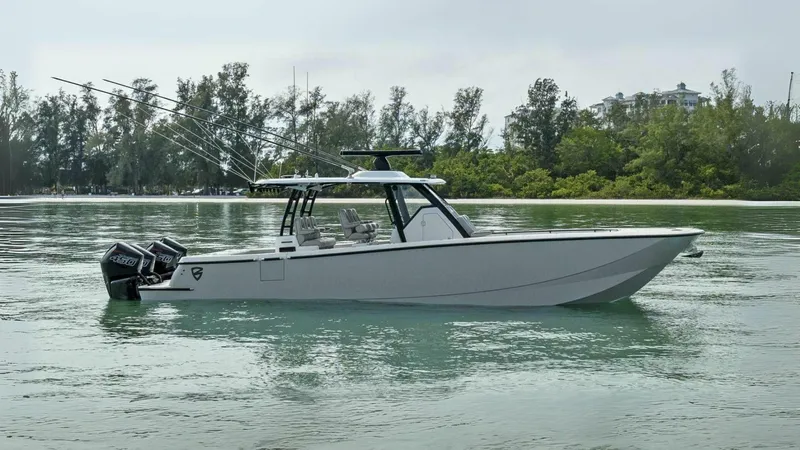
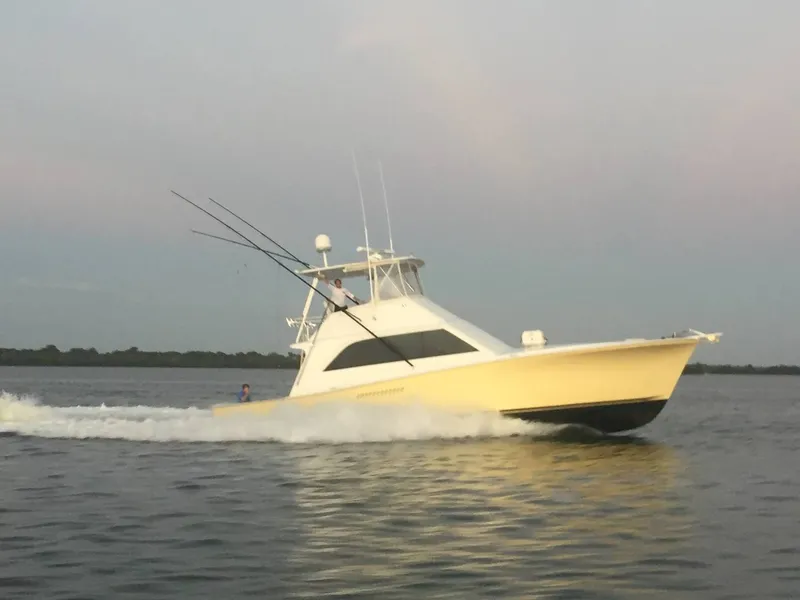
Sizes vary widely. On the smaller end, you’ll find 18–24 foot bay boats and center consoles ideal for inshore and nearshore work. On the upper end are large convertible or express sportfish yachts exceeding 40–60 feet, with cabins, towers, and long-range fuel capacity for extended offshore trips.

Pros of owning a Sport Fishing Boat

1. Exceptional Fishability and Angler-Focused Layout

Every major element on a sport fishing boat is arranged with anglers in mind. Wide side decks, open cockpits, and unobstructed transoms make it easy to follow a fish around the boat, manage multiple rods, and work gaffs or nets safely at the rail.

Integrated tackle centers, cutting boards, live wells, and rod storage reduce clutter and setup time. Instead of improvising on a general-purpose boat, you get a platform that’s ready to fish the moment you untie from the dock.

2. Strong Offshore and Rough-Water Capability

The deeper hull forms, higher bows, and robust construction typical of sport fishing boats are designed to handle sloppy conditions better than many lighter, flatter-bottomed runabouts. This is especially valuable if you plan to fish open bays, inlets, or offshore grounds where conditions can change quickly.

Heavier builds and higher freeboard improve safety margins and comfort, helping reduce fatigue on long runs and keeping crew drier and more confident when seas pick up unexpectedly.

3. Versatile Use for Non-Fishing Days

Although they’re optimized for angling, many sport fishing boats double nicely as family day boats. Bench seats, bow seating, T-top shade, and sometimes small cabins or enclosed heads make them practical for sandbar trips, harbor cruises, and swimming days.

This versatility can reduce the need for a second boat. You can fish hard in the morning, then pick up the family in the afternoon for a cruise without changing platforms.

4. Robust Construction and Systems

Because they’re built with demanding environments and frequent use in mind, sport fishing boats often feature sturdy hulls, beefy hardware, and overbuilt systems. This robustness can translate to better durability when the boat is run often or in tougher conditions.

Well-known sportfish brands tend to design with serviceability in mind: easier access to bilges, pumps, and wiring, which can simplify maintenance and reduce time in the shop.

5. Strong Community and Aftermarket Support

Sport fishing is a highly social and competitive niche, and owners benefit from an active community. That means plentiful advice, local knowledge, tournament circuits, and a wide range of aftermarket gear tailored specifically to these boats.

From outriggers and upgraded electronics to custom leaning posts and tackle stations, it’s easy to refine a sport fishing boat to match your preferred style of angling over time.

Cons of owning a Sport Fishing Boat

1. Fishing-First Design Can Limit Comfort

Because deck space is prioritized for fishing, you’ll often have fewer lounging areas and less plush seating than on bowriders, deck boats, or pontoons of similar length. The cockpit may feel more like a working platform than a floating living room.

Cabin space—if present at all—tends to be compact and functional rather than luxurious, which can limit overnight comfort for non-fishing family members.

  • The Silver Lining: Hybrid and family-oriented center console designs add more forward seating, convertible sun pads, and upgraded interiors, softening the trade-off between hardcore fishability and passenger comfort.

2. Fuel Consumption and Operating Costs

Sport fishing boats often rely on powerful outboards or inboard diesels to reach distant fishing grounds quickly and to carry heavy loads of fuel, gear, and ice. Running at higher cruising speeds or in rougher seas can significantly increase fuel burn.

Beyond fuel, you’ll face recurring expenses for engine services, bottom paint (if kept in the water), and upkeep of pumps, electronics, and fishing systems, all of which add to total cost of ownership.

  • The Silver Lining: Choosing modern, fuel-efficient engines, running at economical cruise speeds, and keeping hulls clean can meaningfully reduce operating costs over the life of the boat.

3. Less Ideal for Purely Social Boating

If your primary use is sandbar rafting, sunset cocktail cruises, or large social gatherings, the open, uncluttered fishing cockpit might feel too sparse. Fewer cup holders, limited soft seating, and more hard surfaces can make extended lounging less appealing.

The layout is optimized around rods, bait, and fish handling, not around coolers, stereo systems, and sunbathing spaces, which can make non-anglers feel the boat is overkill for casual outings.

  • The Silver Lining: Thoughtful additions such as removable cockpit seating, upgraded audio, and shade options (T-tops, extensions, or canvas) can make the boat far more inviting for non-anglers without compromising serious fishing capability.

4. Size and Handling Around the Dock

Many sport fishing boats are relatively long, beamy, and tall, often with substantial windage from T-tops, hardtops, or towers. This can make tight slips, busy fuel docks, and windy days around marinas more stressful for less-experienced operators.

Twin or triple engines provide maneuverability, but mastering close-quarters handling in current and crosswinds involves a learning curve, especially when returning after a long, tiring day offshore.

  • The Silver Lining: Practice, modern joystick controls, and bow or stern thrusters dramatically reduce the difficulty of docking, making even larger models manageable for confident but non-professional skippers.

5. Higher Initial Investment for Serious Setups

Fully equipped sport fishing boats—with multiple engines, advanced electronics, outriggers, live wells, and high-quality hardware—command a premium compared to simpler runabouts. The upfront cost can be a barrier, particularly for first-time buyers.

Rigging a boat for serious offshore use after purchase (adding radar, upgraded sonar, trolling gear, etc.) can add significantly to the initial budget beyond the base hull and engine package.

  • The Silver Lining: For dedicated anglers, the higher initial spend often yields better performance, more productive trips, and higher resale appeal, offsetting some of the upfront cost over the long term.

Key Performance Questions

Most sport fishing boats are engineered to fish several people at once without tangles or tripping hazards. Open cockpits, wide gunwales, and minimal fixed furniture allow anglers to spread out along the rails, pass behind one another, and follow hooked fish toward the bow or stern.

That said, capacity has practical limits. A boat that fishes three to four anglers comfortably may feel crowded with six or more people plus coolers and gear. Matching the boat’s length and beam to your typical crew size is critical if you plan to host larger groups regularly.

Deep-V and offshore-oriented hulls are designed specifically to cope with wind-driven chop, ocean swells, and confused seas. They generally provide a more secure and less jarring ride than flatter recreational boats, especially when trimmed correctly and driven at an appropriate speed for conditions.

However, T-tops, hardtops, and towers increase windage, so operators must remain attentive to how gusts affect drift, anchor swing, and low-speed handling. Seamanship—knowing when to throttle back, adjust course angle to the waves, or turn home early—remains as important as the hull design itself.

Ownership and Logistics

Beyond the purchase price, ongoing costs include insurance, routine engine servicing, consumables (oil, filters, impellers), hull cleaning or bottom paint, and repairs to pumps, hoses, and electronics that see regular use in a saltwater environment.

You should also budget for storage—whether that’s a marina slip, high-and-dry rack, or a secure trailer parking spot—as well as safety gear, registration, and periodic upgrades to electronics or fishing gear as technology advances.

Well-known sportfish and center-console brands typically enjoy strong resale demand, especially in regions with active angling communities. Boats that have been maintained meticulously, repowered with newer engines, or updated with modern electronics often sell quickly and at favorable prices.

Conversely, neglected boats, unusual layouts, or heavily customized rigs that suit only a niche style of fishing can see softer resale interest. Keeping service records, addressing cosmetic issues, and staying current on maintenance can materially improve your eventual sale outcome.

Tow requirements depend heavily on size and build. Smaller inshore or bay-style sport fishing boats in the 18–22 foot range can often be towed by properly equipped midsize SUVs or light-duty trucks, provided you account for the combined weight of boat, trailer, fuel, and gear.
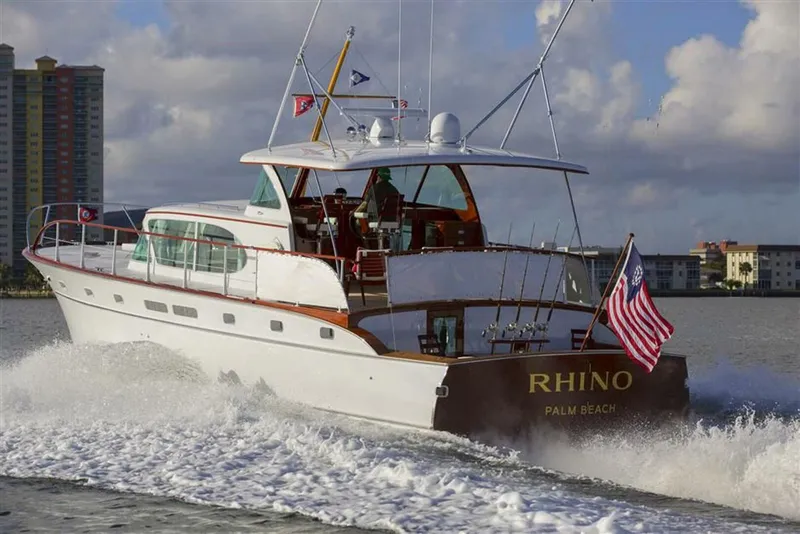
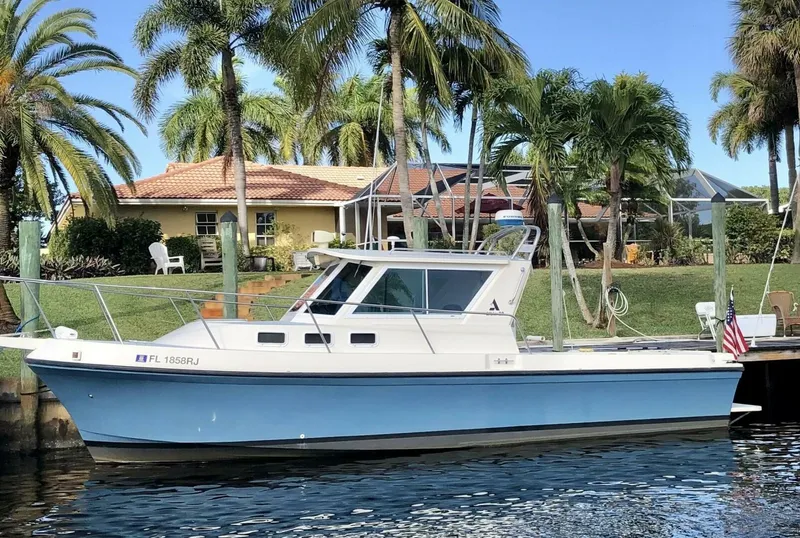
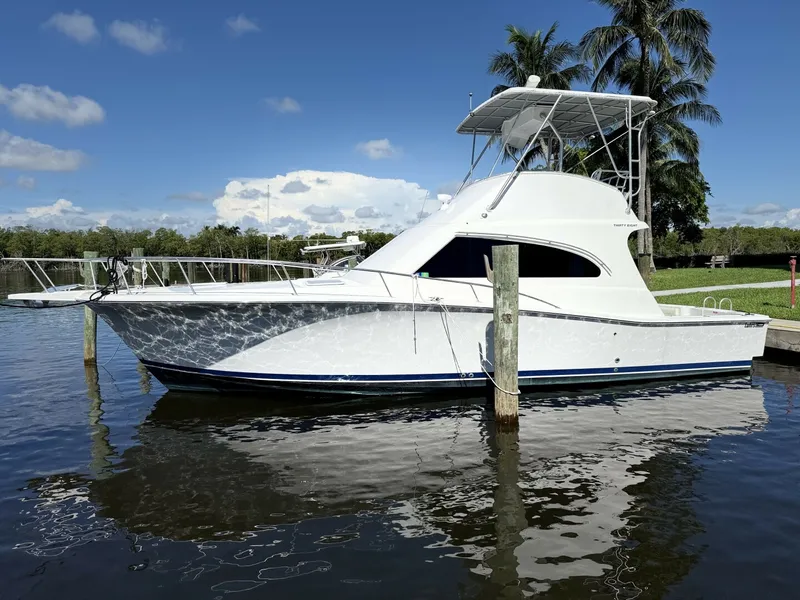
Larger offshore center consoles or express boats typically demand a three-quarter-ton or one-ton truck with sufficient towing and braking capacity, and in some jurisdictions may require special permits due to width. Always verify tow ratings, tongue weight limits, and local regulations before committing to a trailerable setup.

Is a Sport Fishing Boat the Right Choice for You?

A sport fishing boat makes the most sense if your primary reason for owning a boat is to fish—often, and in a variety of conditions. These boats deliver superior fishability, better offshore capability, and a layout engineered around the way anglers actually move and work on deck.

In exchange, you accept a more utilitarian cockpit, higher operating costs, and a learning curve in close-quarters handling compared with smaller, purely recreational boats. If you’re honest about how you’ll use the boat and budget realistically for running and maintaining it, a sport fishing boat can be an incredibly rewarding tool and a gateway to memorable days on the water.

You'll love it if:

  • You consider fishing—especially inshore or offshore trips—the main reason to own a boat.
  • You value a stable, capable hull that can handle choppy conditions and longer runs to the grounds.
  • You appreciate practical, rugged layouts more than plush upholstery and interior volume.
  • You’re comfortable investing time and money into proper maintenance and gear upgrades.
  • You like the idea of customizing a platform over time to match your preferred fishing style.

It might be challenging if:

  • You primarily want a boat for casual cruising, sandbar lounging, or watersports rather than fishing.
  • You’re highly sensitive to fuel and maintenance costs and want the lowest possible operating expenses.
  • You have very limited towing capacity or storage options and don’t want to pay for marina facilities.
  • Your family or regular guests prefer comfort, shade, and soft seating over open, work-oriented decks.
  • You’re not interested in learning docking, navigation, and seamanship skills beyond basic lake use.

A sport fishing boat is a specialized but highly rewarding choice for anglers who prioritize time on the bite over pure comfort cruising. If your boating dreams revolve around early departures, long runs, and the thrill of bent rods rather than sandbars and stereos, this type of boat is likely a strong fit—and, with careful selection and realistic budgeting, can serve as a versatile platform for both serious fishing and family days on the water.

Be the First to Know

Get notified when new boats become available.

Logo