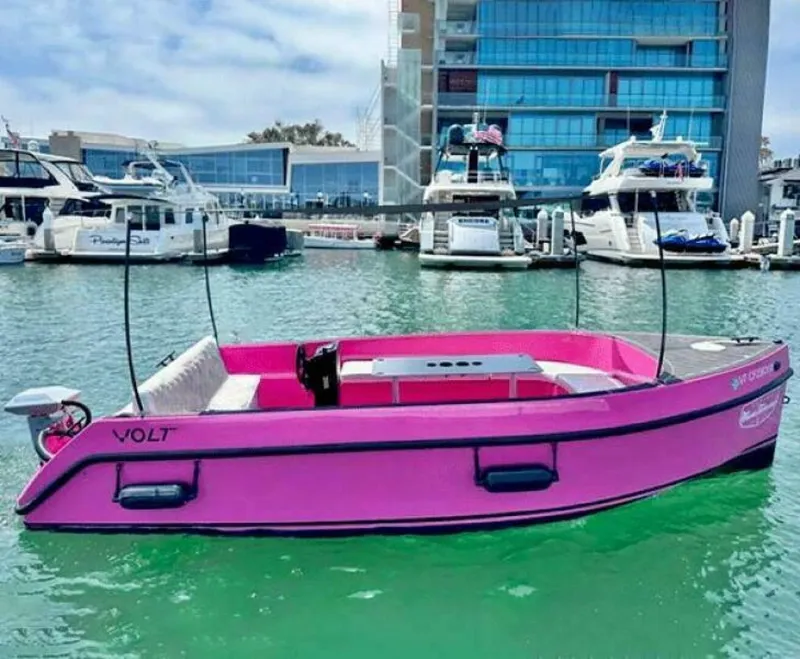
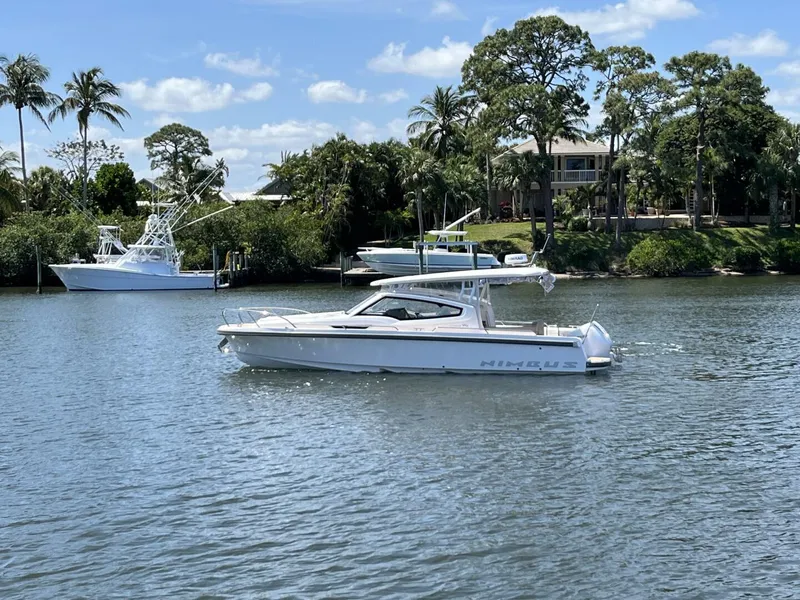
West Palm Beach
Searching boats for you...
Boating · Destinations
Is West Palm Beach, FL a Good Place for Boating?
Written by: MarineSource.com Team | Estimated read time: 8 min read
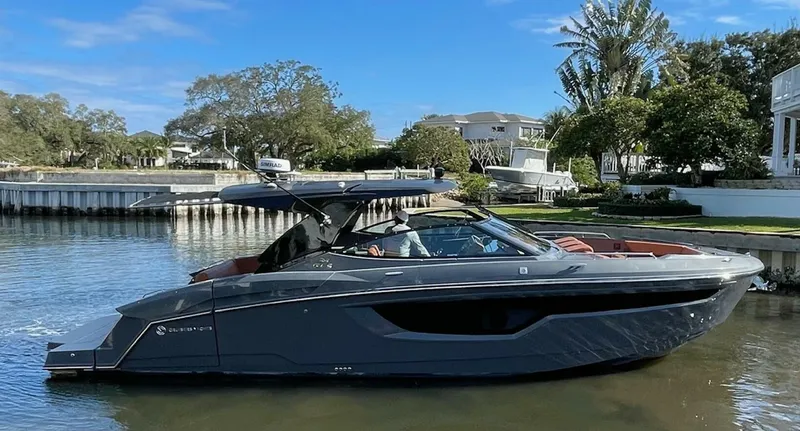
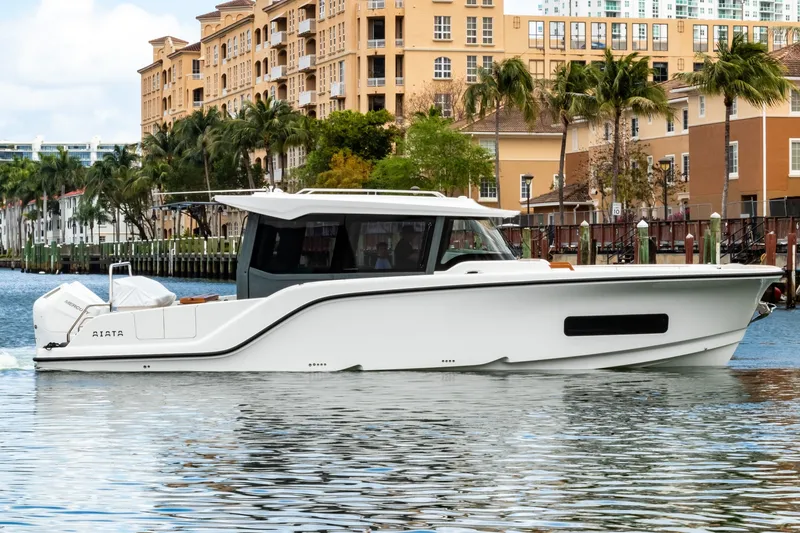
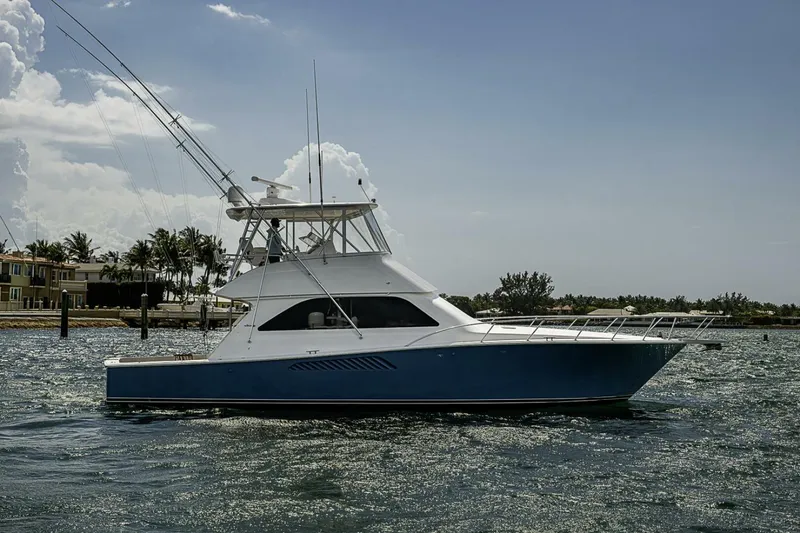
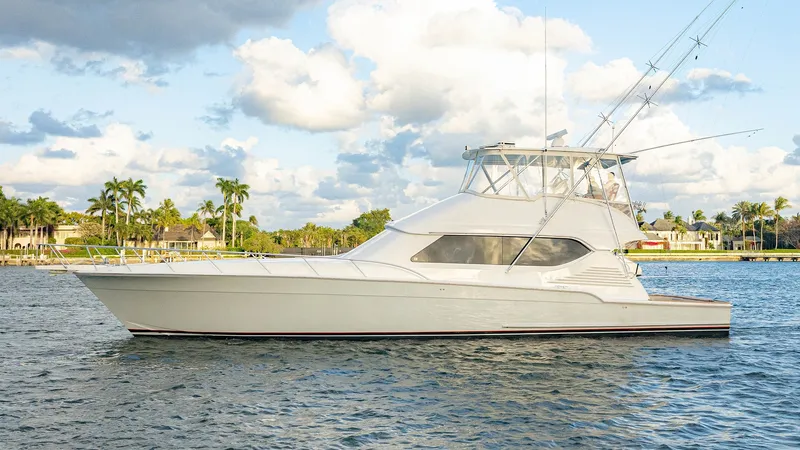
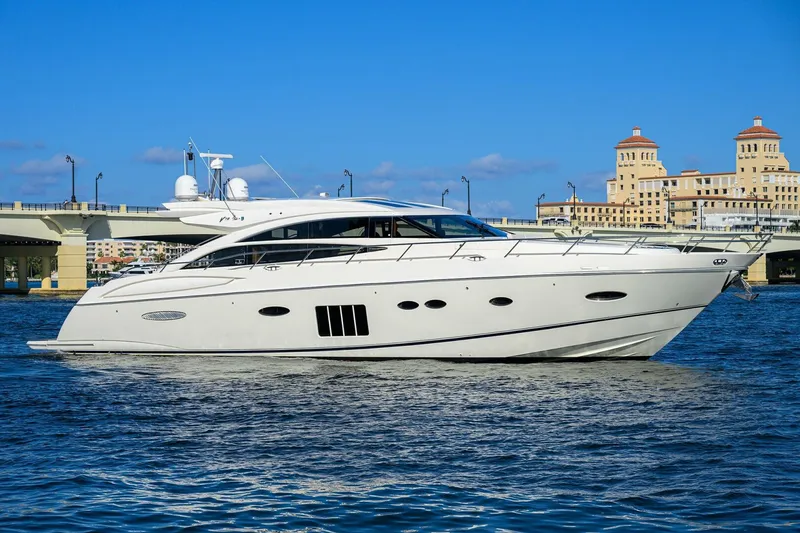
On a clear morning in West Palm Beach, the Intracoastal shimmers between the downtown skyline and the manicured shoreline of Palm Beach Island. Pelicans glide low over Lake Worth Lagoon, mega-yachts line the docks, and smaller center consoles weave through the markers toward open water. It’s a scene that instantly explains why so many people are drawn to boats in West Palm Beach.
Geographically, West Palm Beach sits on the protected waters of Lake Worth Lagoon, with the Atlantic Intracoastal Waterway running its length and easy access to the ocean through Lake Worth Inlet. Barrier islands like Palm Beach and nearby Singer Island create a sheltered playground for cruising, sandbar hopping, and inshore fishing, while the Gulf Stream lies relatively close offshore for deep-sea adventures.
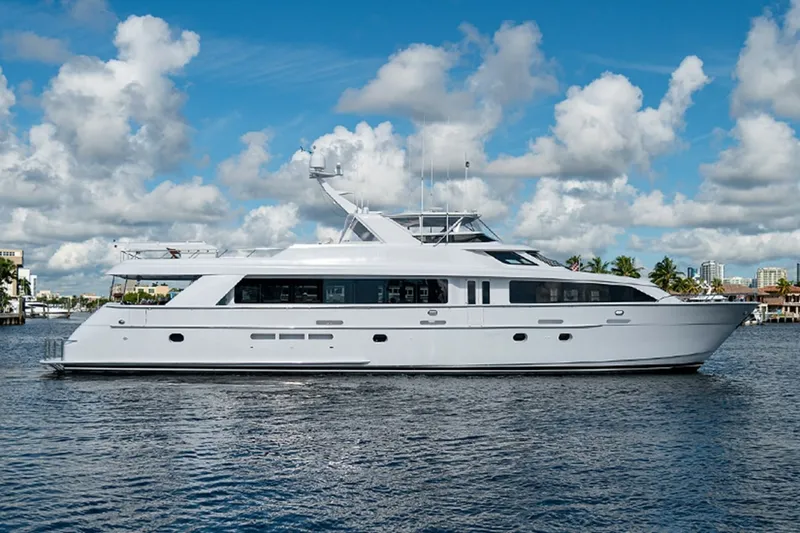
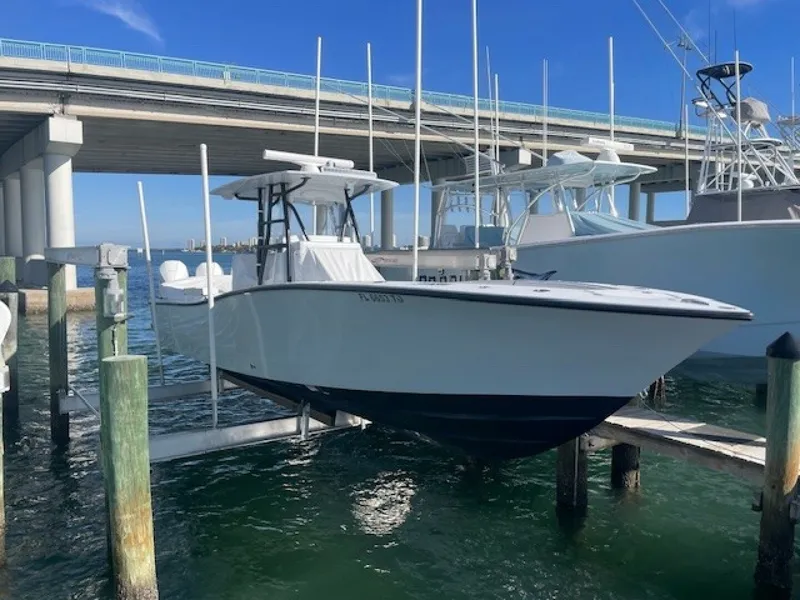
On the water, life here can be as simple as a sunset idle along Flagler Drive or as high-end as a superyacht tied up at Safe Harbor Rybovich. Downtown public docks make it easy to pull up for lunch, while established marinas, charter fleets, and yacht clubs keep boating culture front and center. For many locals, weekends revolve around Peanut Island, waterfront restaurants, and exploring the nooks and coves of Lake Worth Lagoon.
Still, as appealing as boats in West Palm Beach may be, it’s not without trade-offs. Premium slip rates, complex wake and manatee zones, seasonal crowds, and Atlantic-weather realities all come into play. If you’re weighing whether West Palm Beach is truly a good place for boating, it helps to look at both the standout advantages and the potential challenges before you commit your time, money, or your next home port.
Pros of boating in West Palm Beach, FL
1. Protected yet connected waterways
West Palm Beach offers a rare mix of sheltered cruising and ocean access. Lake Worth Lagoon stretches roughly 21 miles and is up to a mile wide, giving plenty of room for day trips without heading offshore. The Atlantic Intracoastal Waterway runs right through the lagoon, so you can cruise north or south in relatively calm water, ducking into quiet coves or pulling up to different marinas along the way.
For boaters who do want bluewater, Lake Worth Inlet at the north end of the lagoon provides direct access to the Atlantic and the Port of Palm Beach. From there, you’re a short run to the Gulf Stream for offshore fishing or passage-making. This balance makes West Palm Beach appealing whether you prefer protected inshore outings or more adventurous runs outside.
2. Strong boating culture and high-end marinas
If you like being in a place where boating is part of the lifestyle, West Palm Beach delivers. Palm Harbor Marina, set along North Flagler Drive, offers roughly 200 slips for vessels from about 50 to 250 feet, with floating docks, fuel, and about 11 feet of depth at the entrance and dockside. Across the water, the Town of Palm Beach Marina serves yachts up to nearly 300 feet, with in-slip pump-out and no fixed bridges between its docks and Lake Worth Inlet.
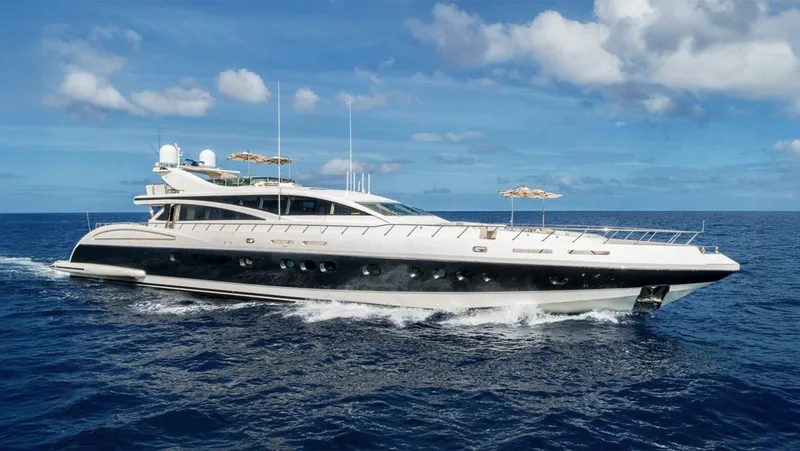
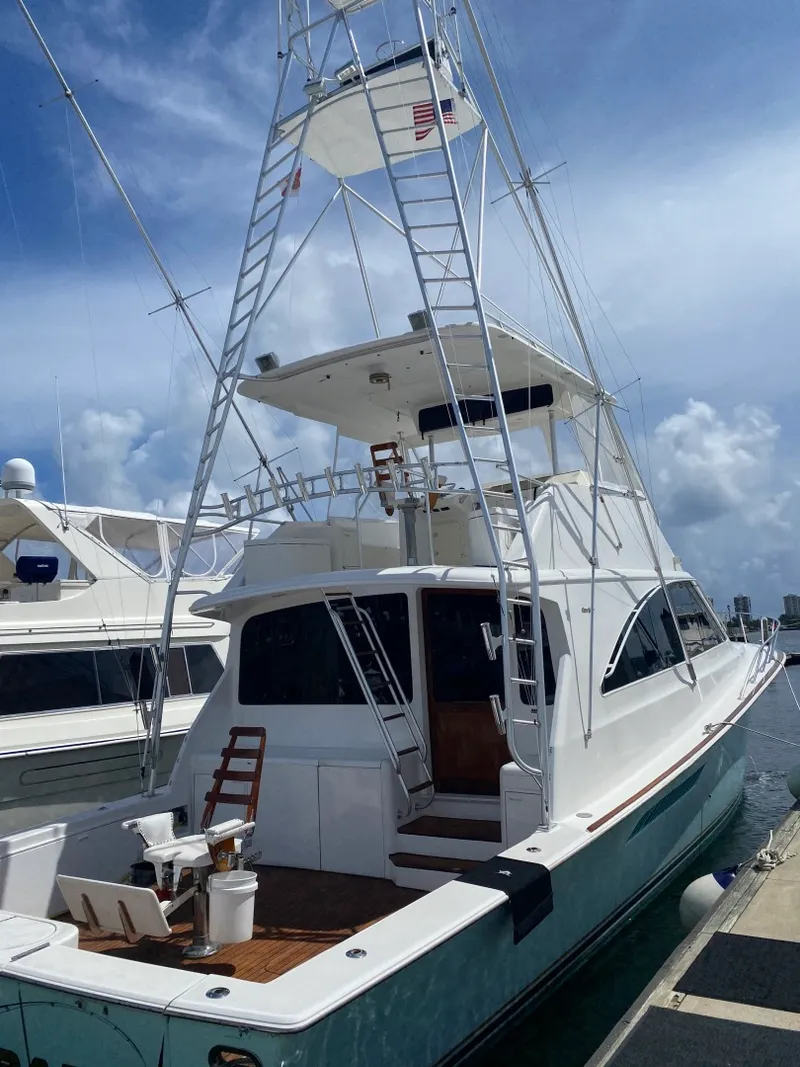
At Safe Harbor Rybovich, the focus is on superyachts, with slips up to 300 feet and a full-service shipyard, underscoring just how central boating is to the local economy and culture. Smaller-boat owners benefit from this overall infrastructure too, with services, technicians, and suppliers all geared toward an active year-round boating scene.
3. Convenient options for casual and visiting boaters
You don’t need to own a slip at a private marina to enjoy boats in West Palm Beach. The city maintains public docks downtown along the waterfront where day docking is free from early morning until late at night for vessels up to around 60 feet, on a first-come, first-served basis. That makes it easy to cruise in for brunch, stroll Clematis Street, or attend an event on the waterfront without worrying about long-term moorage.
The area also has an array of rentals and charters. Riviera Beach Marina Village and Cannonsport Marina host fishing charters, sightseeing cruises, and private boat rentals, while various operators offer jet skis and party boats. For visitors or newcomers testing the waters before committing to ownership or a long-term slip, this flexibility is a major plus.
4. Varied on-the-water experiences in a compact area
Within a relatively short cruise, you can sample a wide range of boating experiences. Peanut Island, near Lake Worth Inlet, is a beloved anchorage and park where boaters drop anchor to swim, snorkel, and picnic. Phil Foster Park just across the way is known for its clear water and underwater snorkeling trail, while nearby Ocean Reef Park and the beaches of Singer Island and Palm Beach offer easy beach access from the water.
Inshore, Lake Worth Lagoon is well suited to family cruising, paddle sports off your stern, and casual inshore fishing. Head out the inlet and you can quickly be in deeper water for trolling or bottom fishing, depending on conditions and your vessel. Because distances are short, you can often combine a lazy sandbar day with a quick ocean run in a single outing.
5. Year-round boating climate
Located in South Florida, West Palm Beach benefits from a generally warm, subtropical climate that allows for boating in every season. While many parts of the country haul out or winterize their boats, local owners can keep using theirs through winter, when cooler, drier days and lower humidity often create some of the most comfortable boating conditions of the year.
There’s no formal “season closing” here; instead, boating patterns shift. Winter and spring tend to see an influx of seasonal residents and snowbirds enjoying mild weather, while summer brings warmer water that’s ideal for swimming-focused trips and late-afternoon cruises. With proper storm planning during hurricane season, many boaters appreciate the flexibility to get out on the water whenever their schedule and the forecast line up.
Cons of boating in West Palm Beach, FL
1. Premium slip and fuel costs
West Palm Beach is not a budget boating destination. Average slip rates in the area are estimated at around $27.96 per foot per month, placing it among the more expensive coastal markets in Florida. High-end facilities like Palm Harbor Marina, the Town of Palm Beach Marina, and Safe Harbor Rybovich reflect both strong demand and a luxury-driven local economy, which can put pressure on long-term moorage budgets.
Fuel prices also trend high, with recent reports showing diesel typically above $4 per gallon and premium gasoline often over $5 per gallon at marinas like Palm Harbor and Riviera Beach City Marina. For boaters who cruise frequently or run larger vessels, operating costs add up quickly.
- The Silver Lining: Many smaller boats can be trailered or kept in dry storage at more modest facilities outside the core luxury marinas, and free day-use public docks downtown help reduce costs for those who mainly want to come in for a few hours rather than maintain a full-time slip.
2. Complex wake zones and regulatory environment
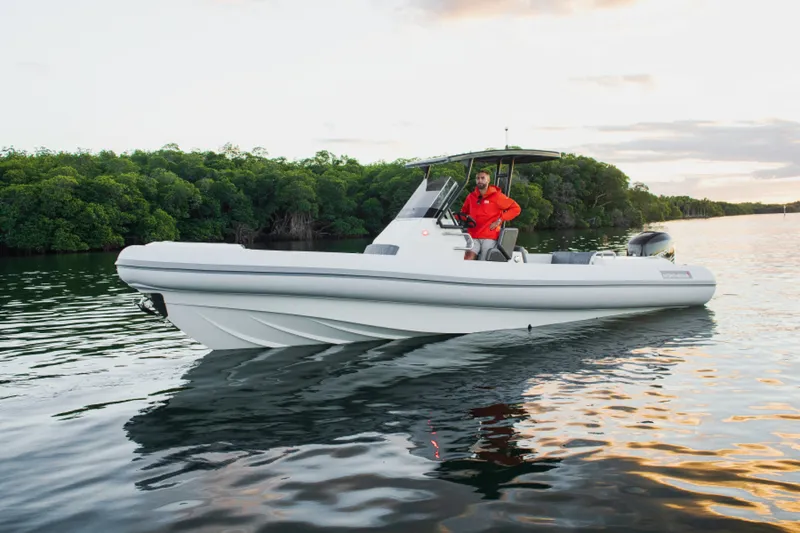
Because West Palm Beach sits on the busy Intracoastal and within sensitive manatee habitat, speed and wake regulations are an everyday reality. Florida rules establish numerous Slow Speed Minimum Wake and Idle Speed No Wake zones around bridges, inlets, and manatee protection areas, particularly at spots like Peanut Island and near Lake Worth Inlet. For new boaters or out-of-town visitors, keeping track of signage and local rules can feel daunting at first.
Beyond speed limits, boaters must follow standard Florida and U.S. Coast Guard regulations on safety gear, waste discharge, and boater education—plus age restrictions for operating or renting personal watercraft. Enforcement by the Florida Fish & Wildlife Conservation Commission is active, so ignorance of the rules can be costly.
- The Silver Lining: Once you learn the local patterns and zones, navigating within the rules becomes second nature, and the calmer conditions in no-wake areas often make for more relaxed cruising, better wildlife viewing, and a safer environment overall.
3. Navigation challenges at inlets and bridges
While Lake Worth Lagoon itself is relatively protected, certain areas demand extra attention. South Lake Worth Inlet, farther down the lagoon, has reported shoaling, strong currents, and depth that can vary between roughly 6 and 12 feet, plus a fixed A1A bridge with limited clearance. It’s generally not favored for larger or deep-draft vessels. Even Lake Worth Inlet, though more substantial, can produce rough, choppy conditions when tide and ocean swell are opposed.
On the Intracoastal, a series of drawbridges has scheduled opening times, and traffic can bunch up as boats wait for an opening. For less experienced skippers, holding position in current or wind while you wait, or timing your approach between openings, can be a little stressful.
- The Silver Lining: Local boating education groups such as the ABC Palm Beach Sail & Power Squadron offer practical navigation courses, and with some local knowledge—like favoring Lake Worth Inlet in favorable conditions and planning runs around bridge schedules—most boaters quickly adapt.
4. Crowds and congestion in popular spots
The same features that make boats in West Palm Beach so attractive also draw lots of people, especially during weekends, holidays, and the height of the winter season. Anchorages around Peanut Island, public docks along the downtown waterfront, and fuel docks at major marinas can get busy. In tighter areas of the Intracoastal, a mix of rental boats, personal watercraft, and larger cruisers can create choppy conditions and require constant vigilance.
For some boaters, the bustle is part of the fun; for others, it can make otherwise relaxing outings feel hectic, particularly if you’re still honing your docking or close-quarters handling.
- The Silver Lining: If you plan early departures, favor shoulder seasons, or seek out less-publicized stretches of Lake Worth Lagoon, you can often find quieter water. Weekday cruises, early morning runs, and late-afternoon outings outside peak hours can feel surprisingly peaceful even in a popular market like West Palm Beach.
5. Weather risks and hurricane preparedness
Although West Palm Beach enjoys a year-round boating climate, it is also firmly within the Atlantic hurricane and tropical storm zone. From June through November, boaters need to watch forecasts closely, maintain solid storm plans, and be prepared to move or secure their vessels quickly if a system develops. Strong summer thunderstorms can also bring sudden wind shifts, heavy rain, and lightning, making afternoon planning important.
Even outside of major storms, ocean conditions off the inlet can change quickly with shifting winds and swell, sometimes making offshore runs uncomfortable or unsafe for smaller boats.
- The Silver Lining: Many marinas in the region have established hurricane procedures, haul-out options, and storm-prep checklists, and local boaters are accustomed to building weather awareness into their routines. With good planning and flexibility, most owners still enjoy extensive time on the water throughout the year while minimizing risk.
What boating in West Palm Beach, FL is really like
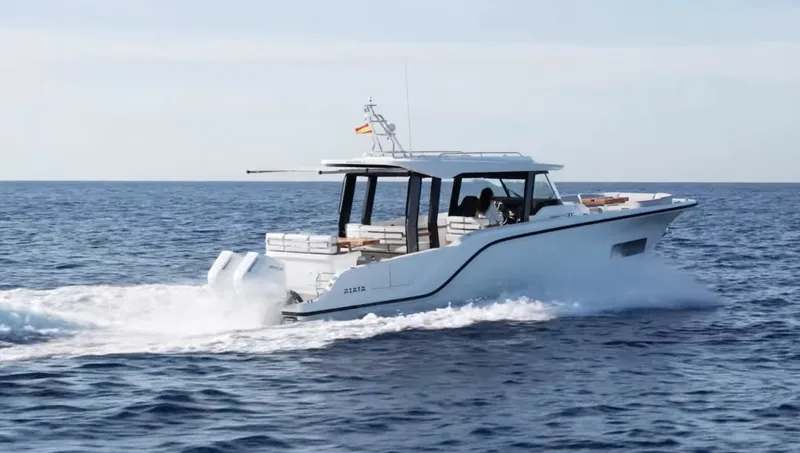
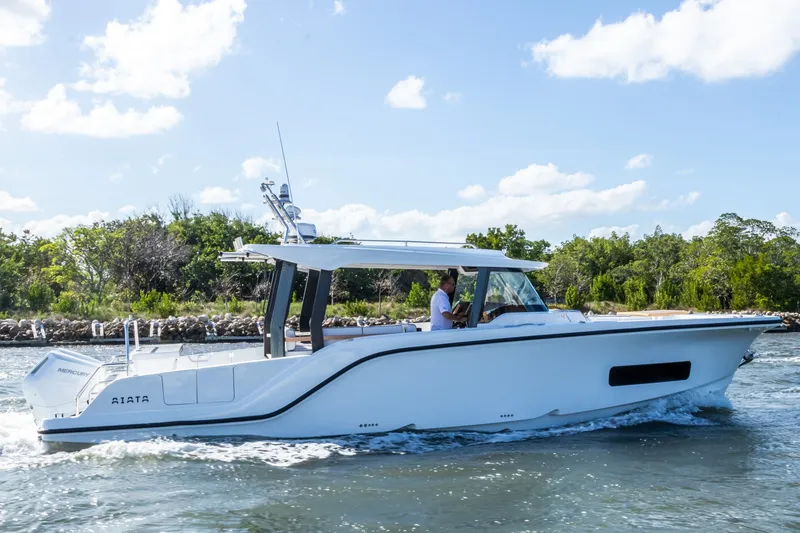
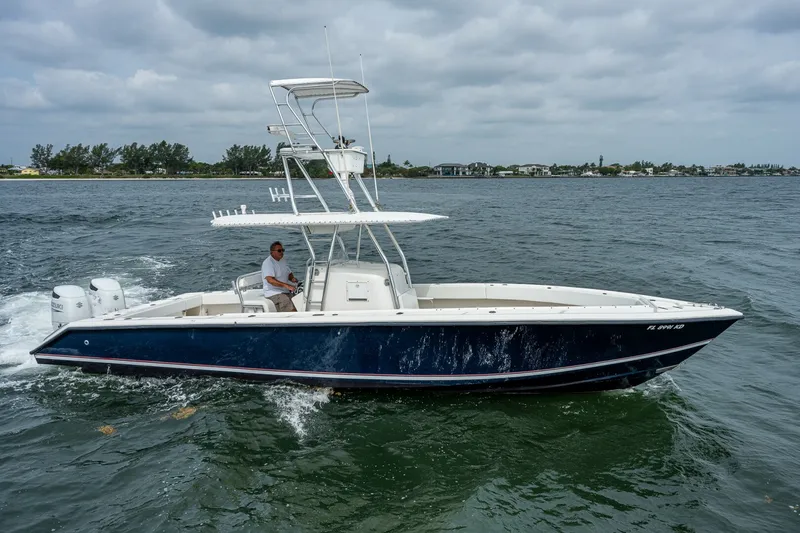
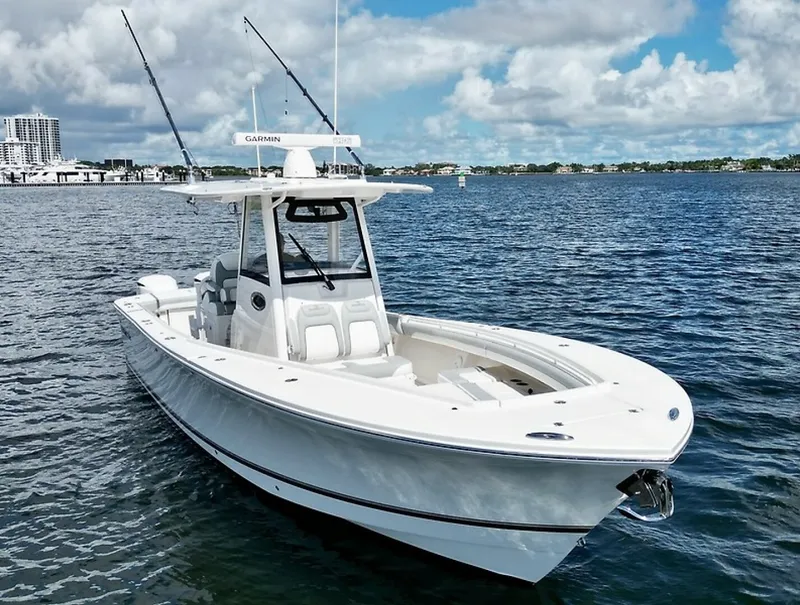
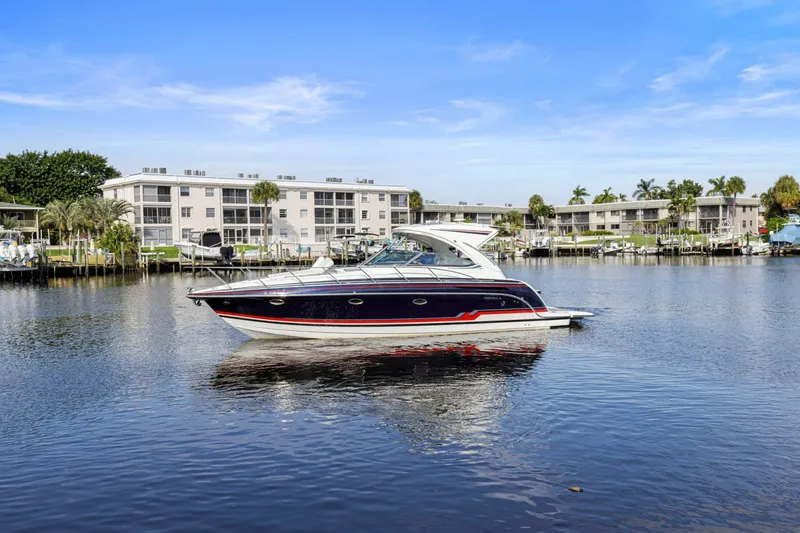
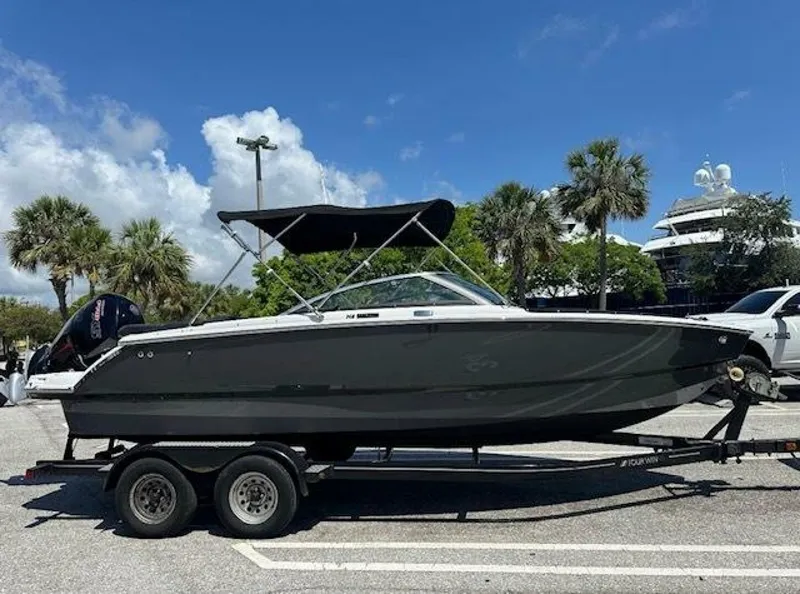
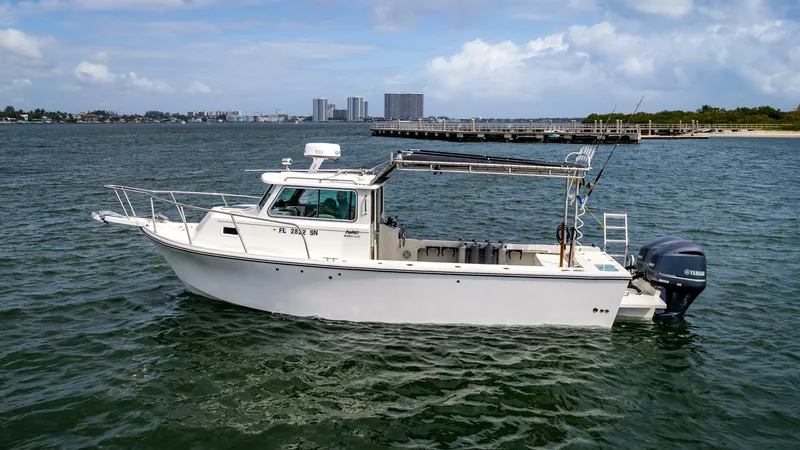
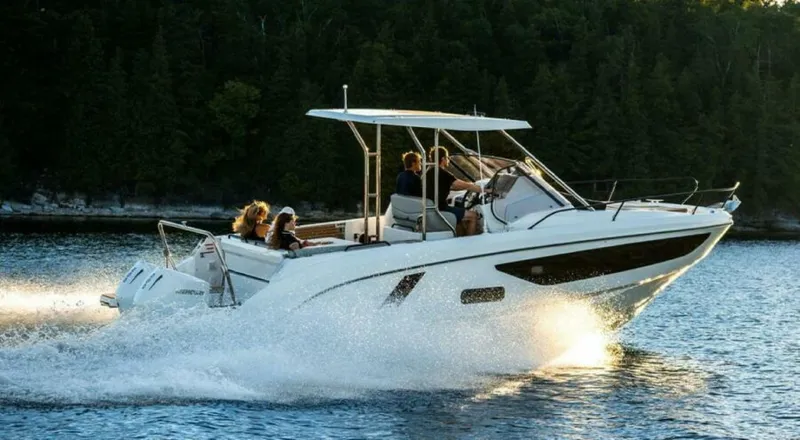
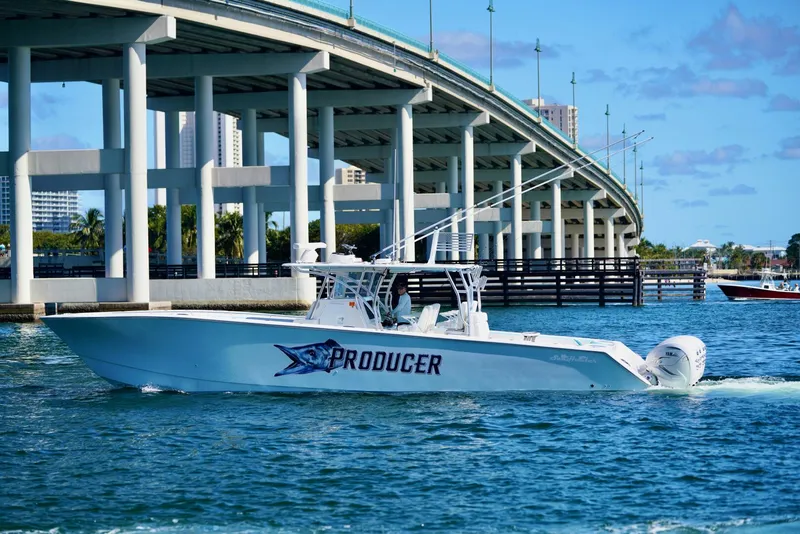
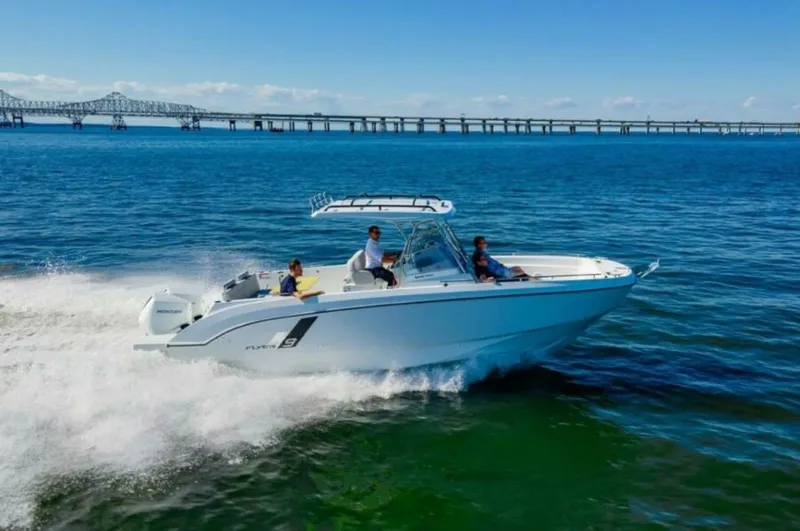
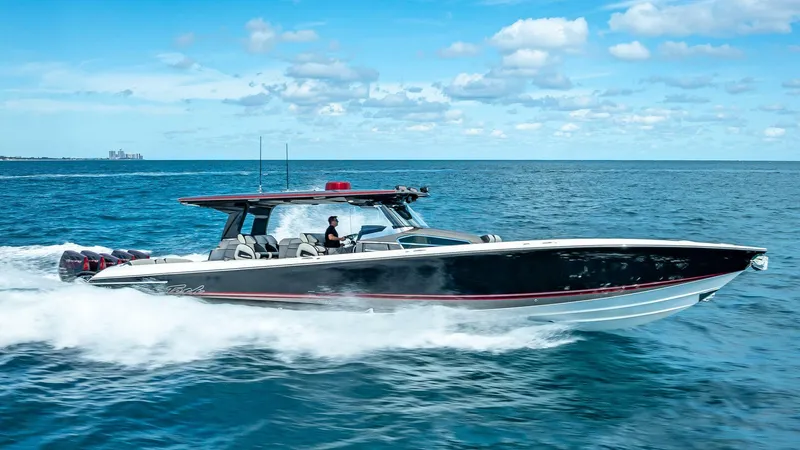
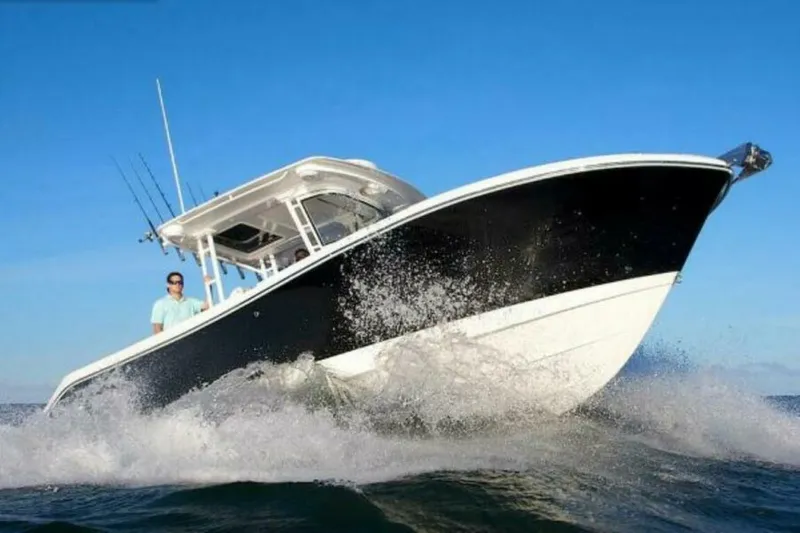
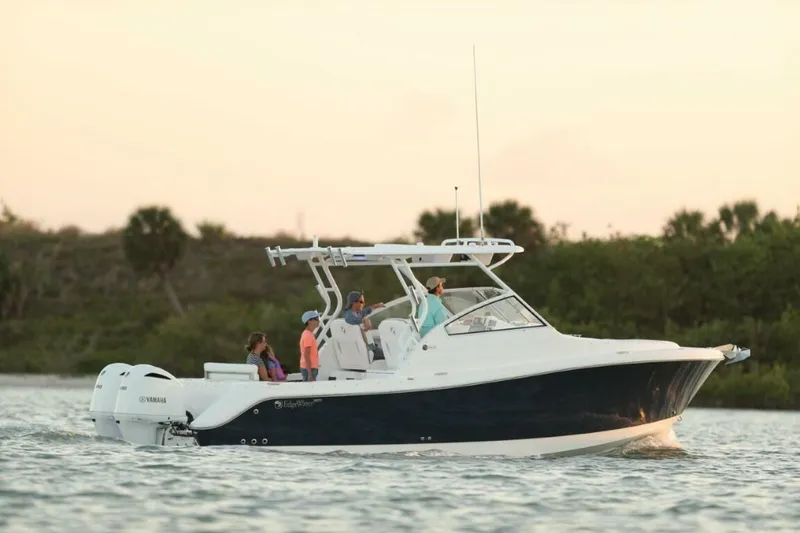
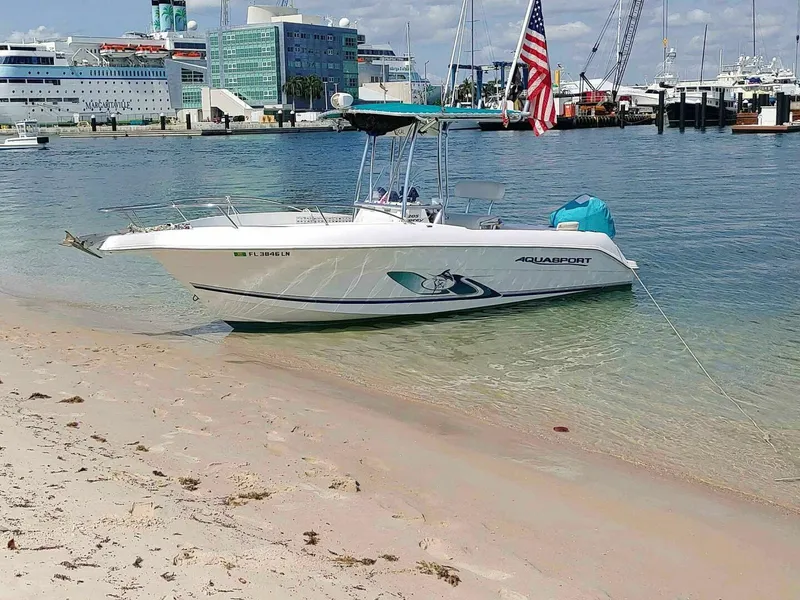
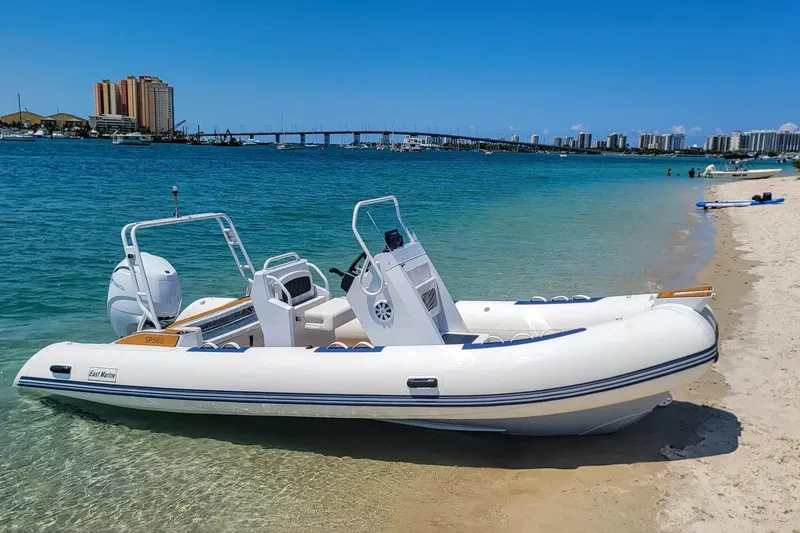
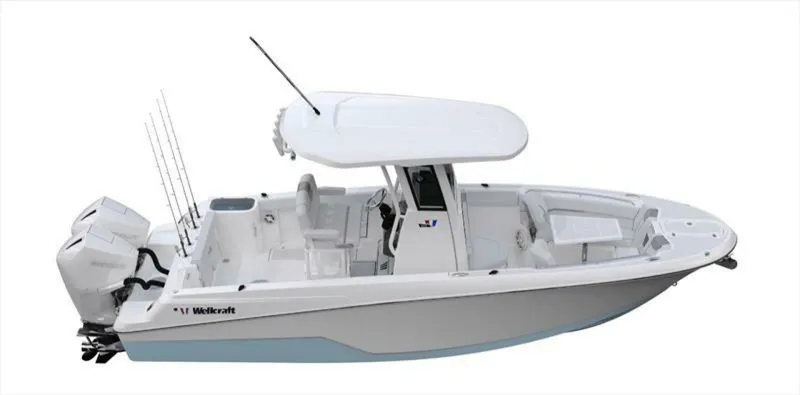
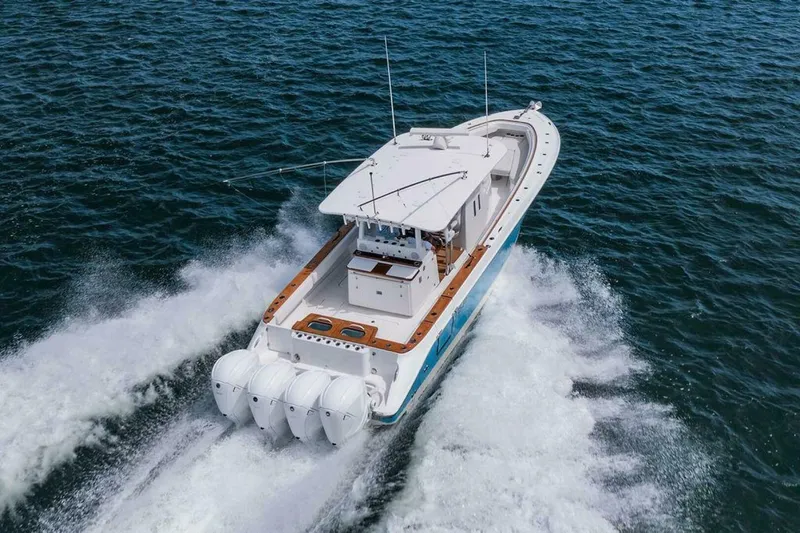
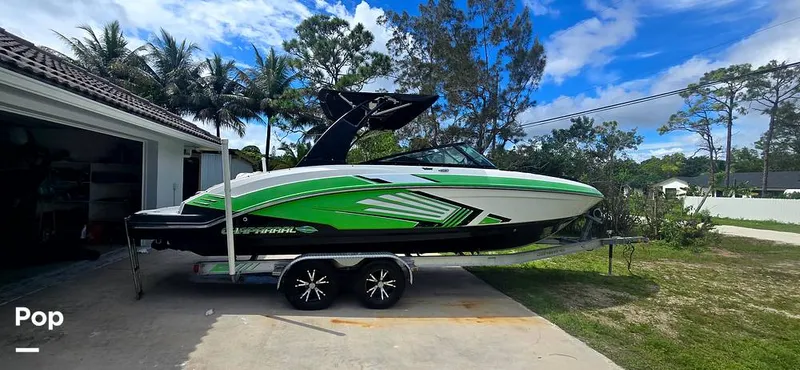
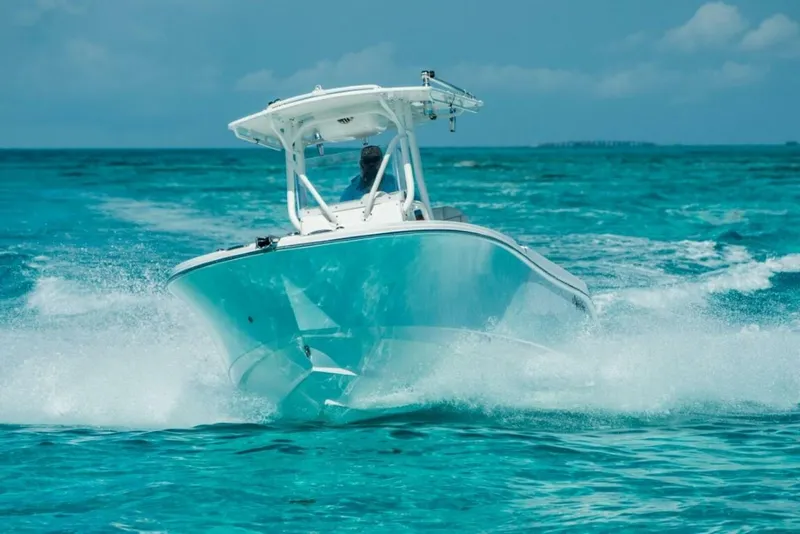
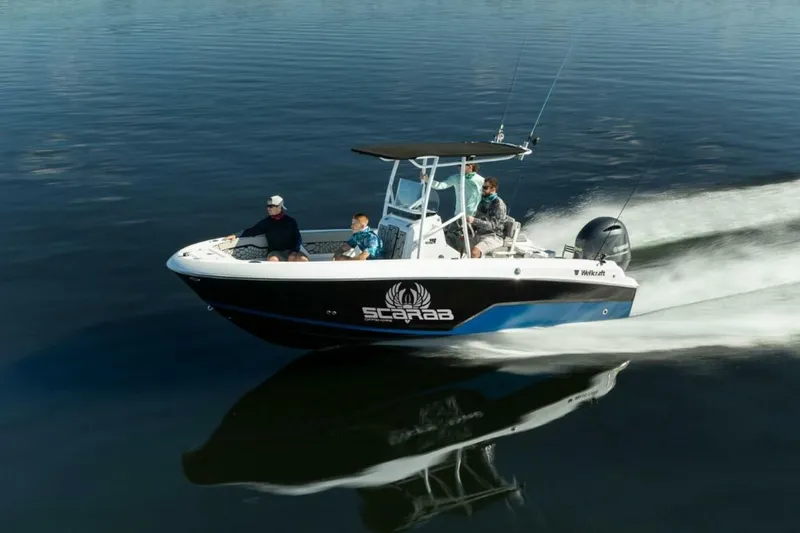
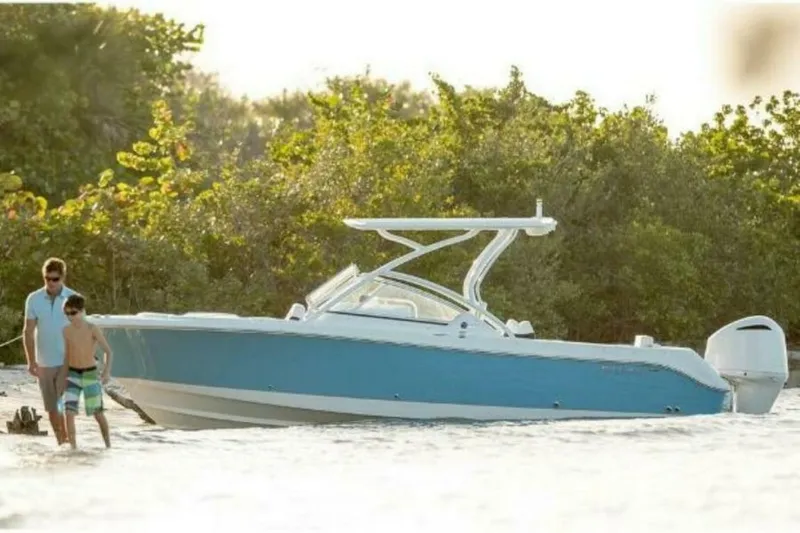
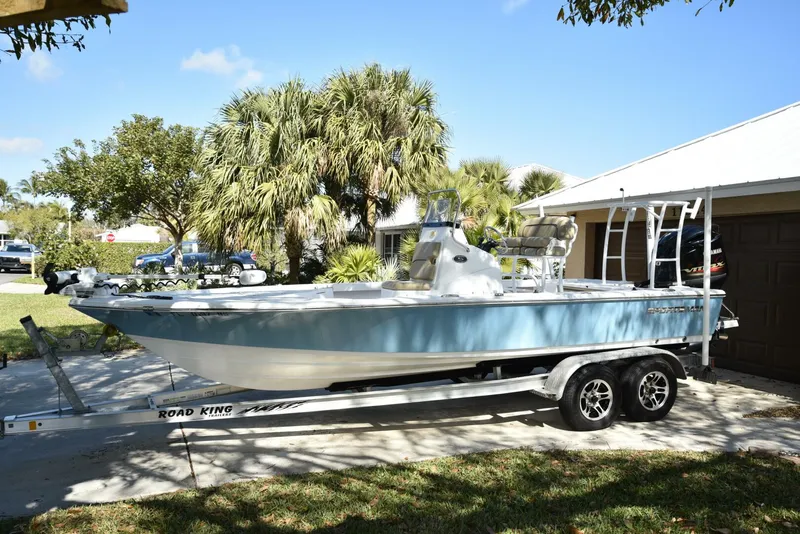
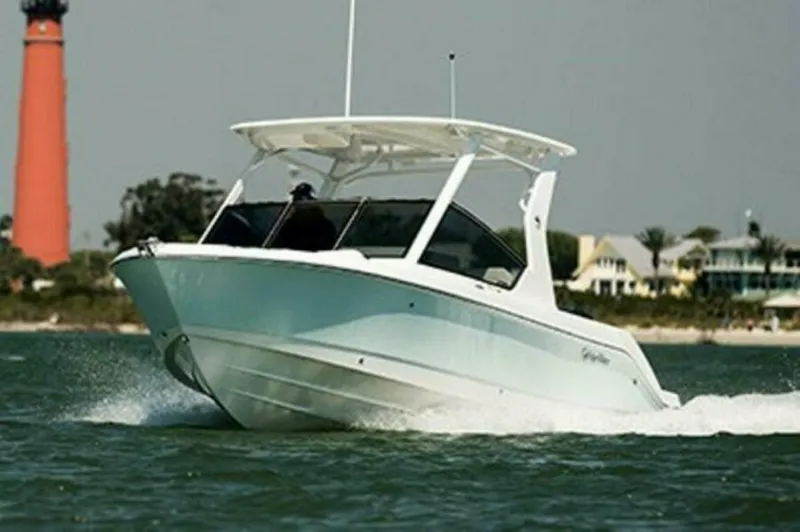
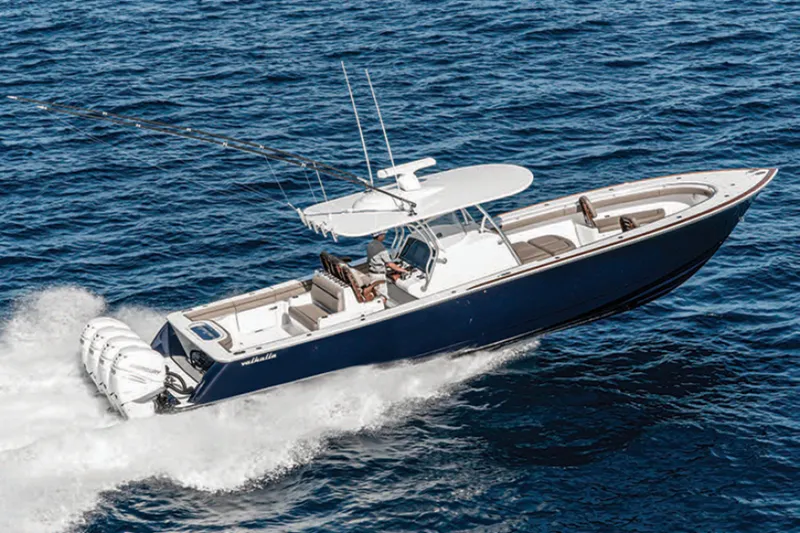
Boating in West Palm Beach revolves around the long, sheltered stretch of Lake Worth Lagoon, so most days on the water start calm and glassy inside the Intracoastal Waterway. Early risers idle past the downtown skyline, watching the sun clear the high-rises while paddleboarders and small center consoles slide through the Slow Speed zones. Families with 20–30 foot bowriders and deck boats are common, heading south toward wider parts of the lagoon where kids can tube or swim away from the busier channels.
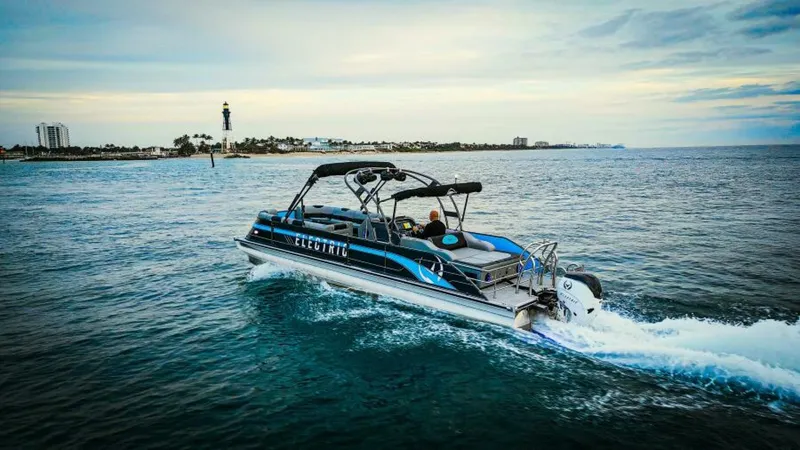
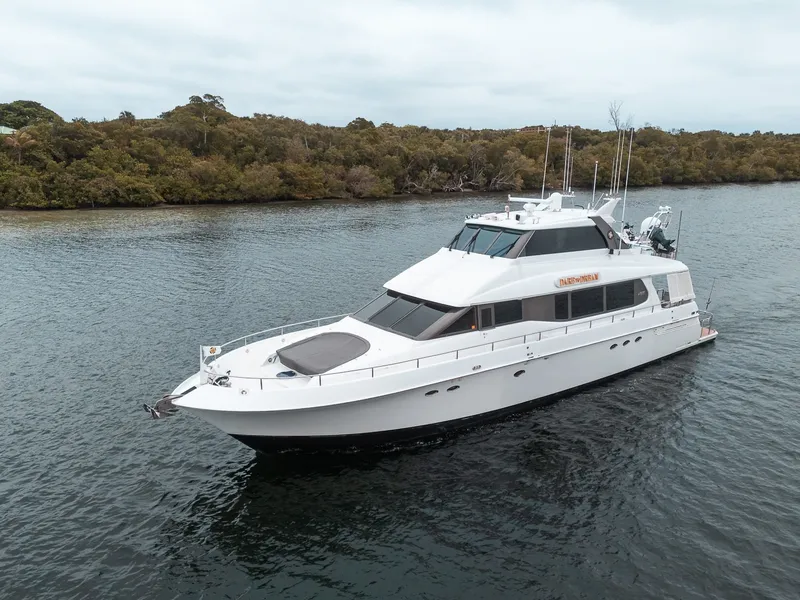
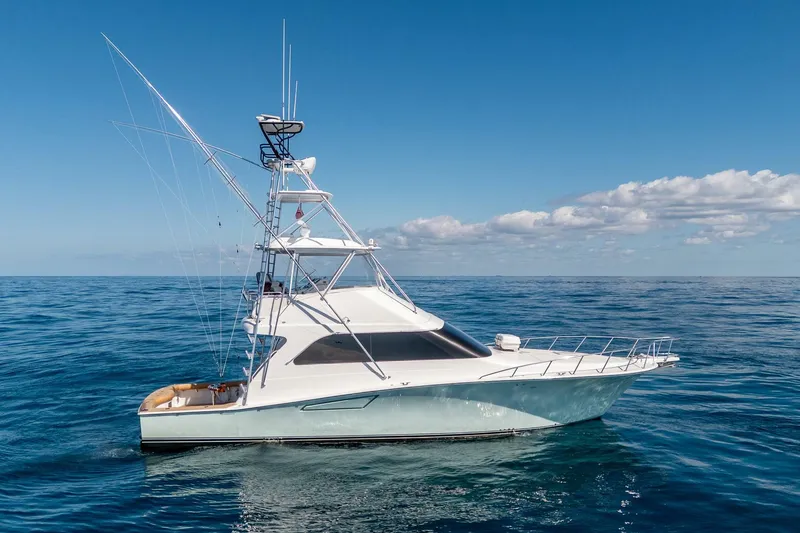
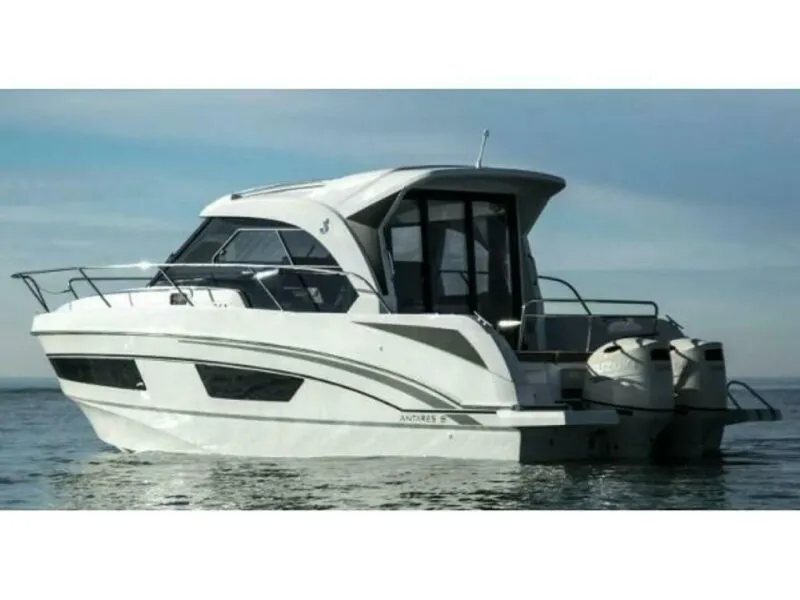
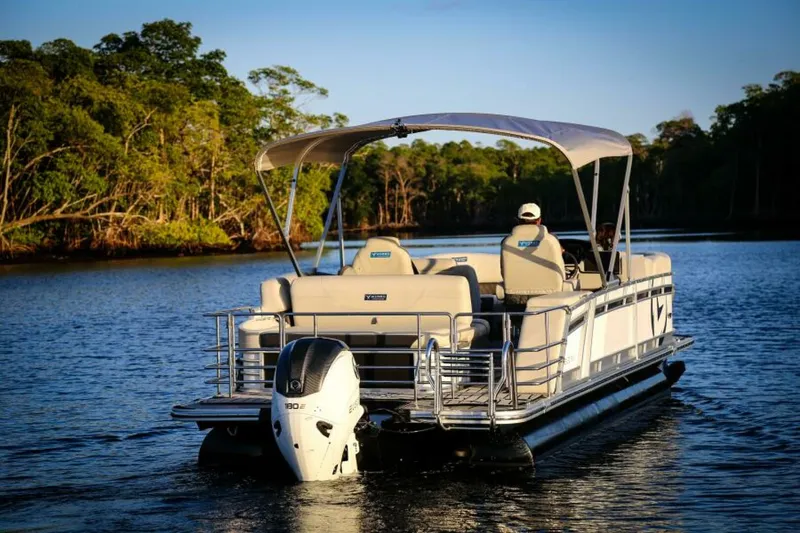
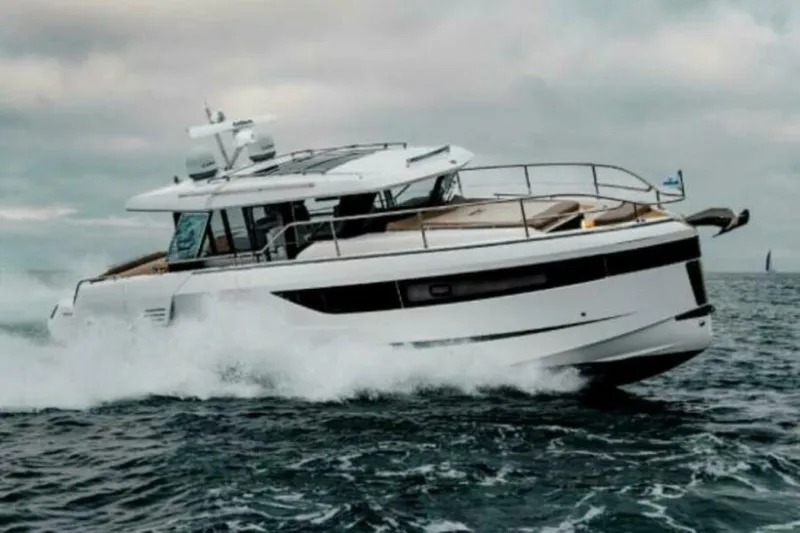
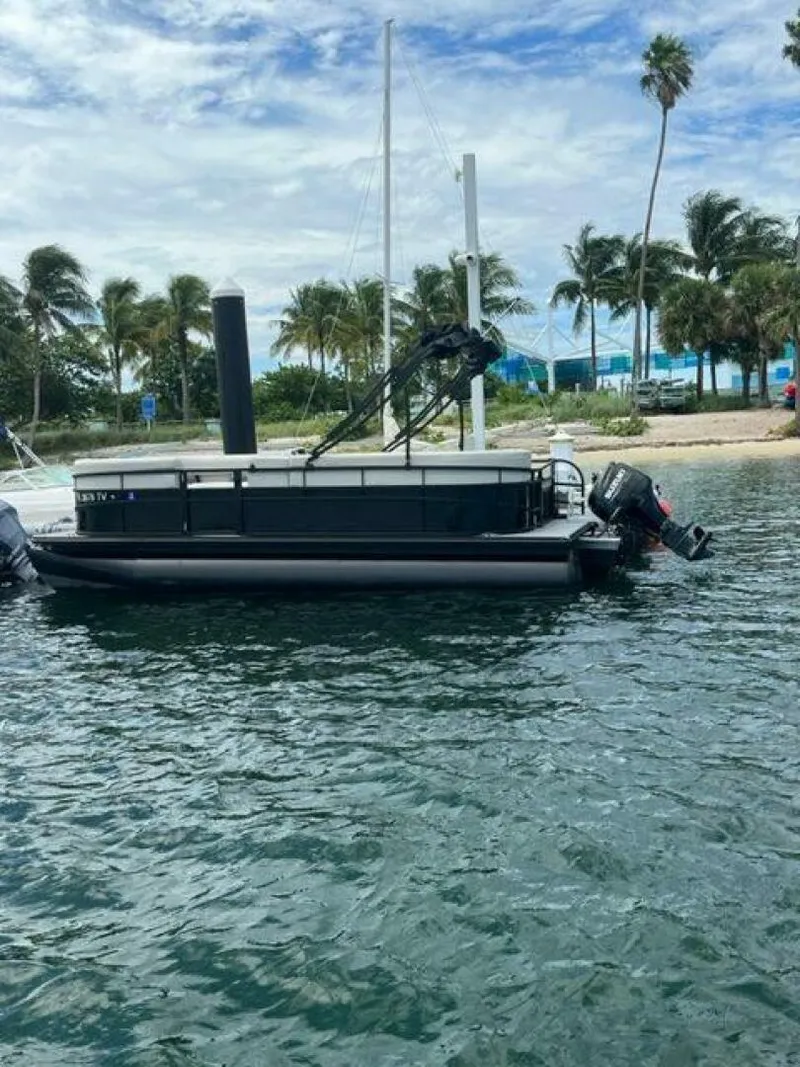
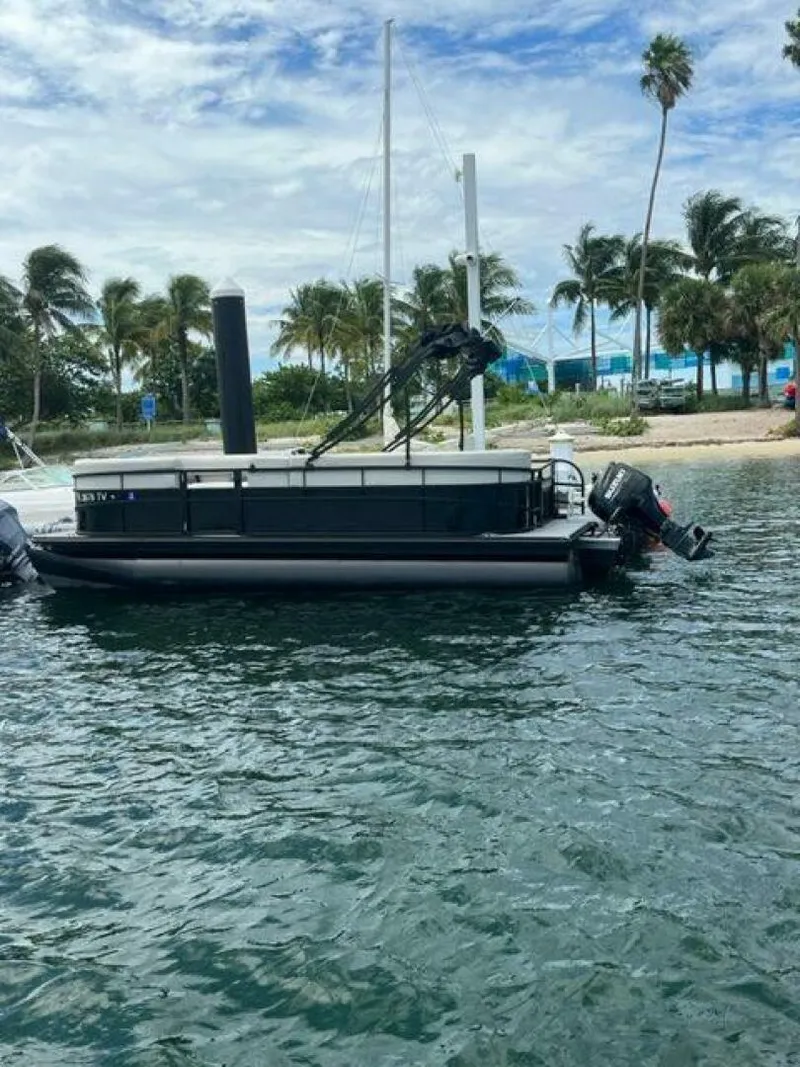
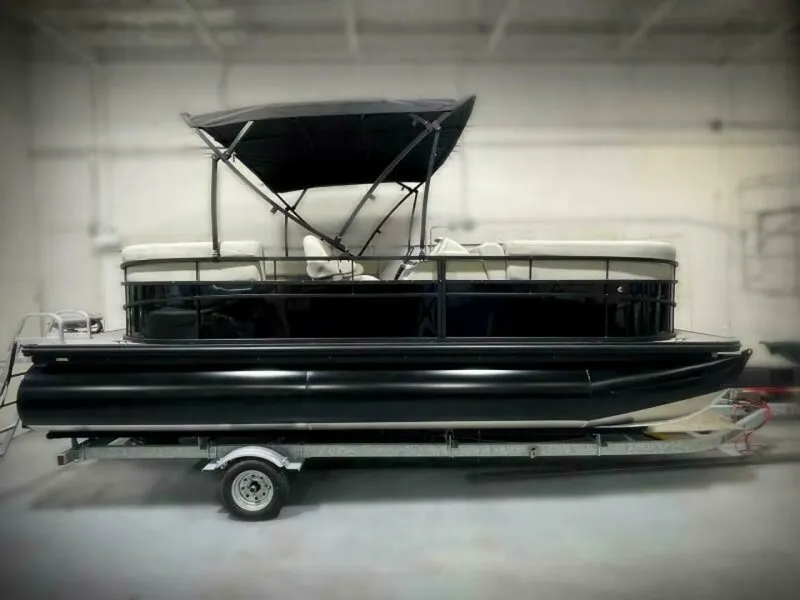
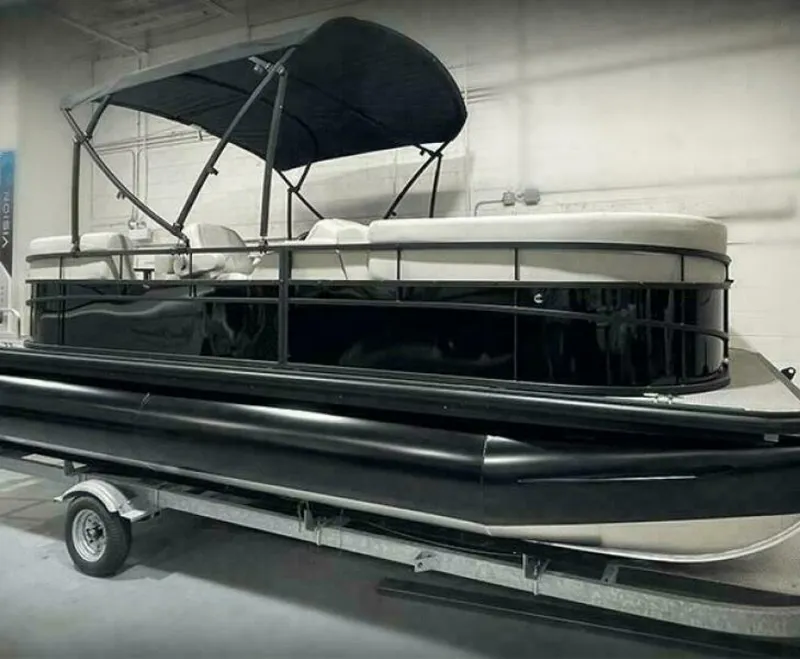
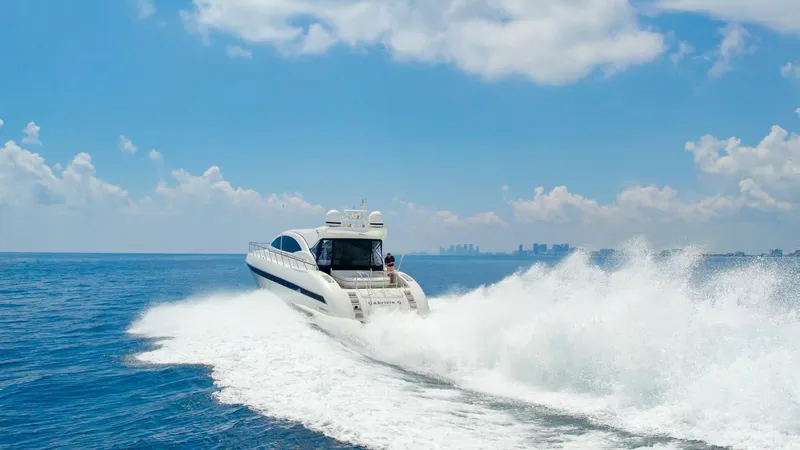
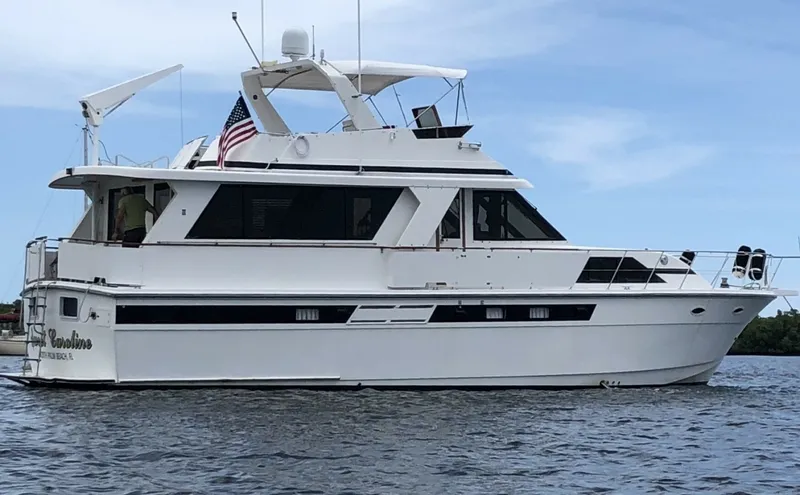
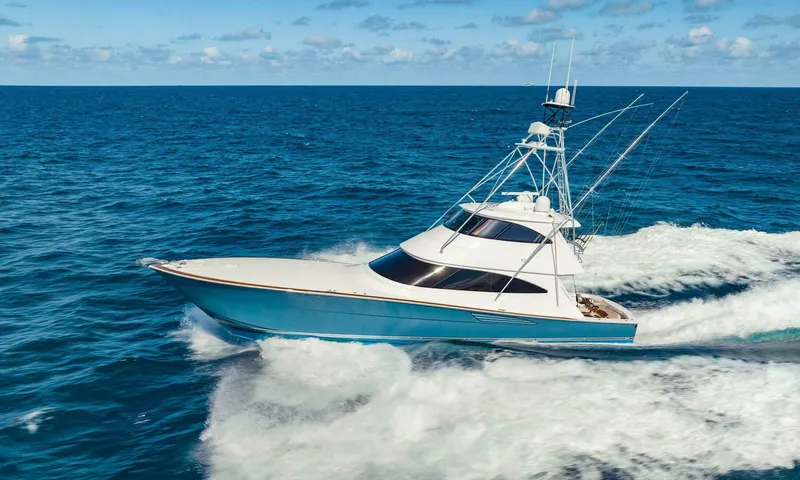
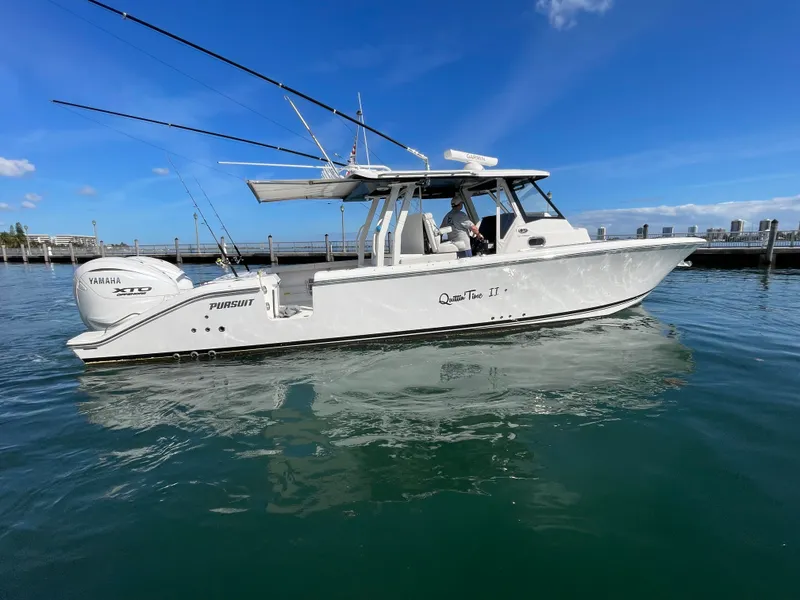
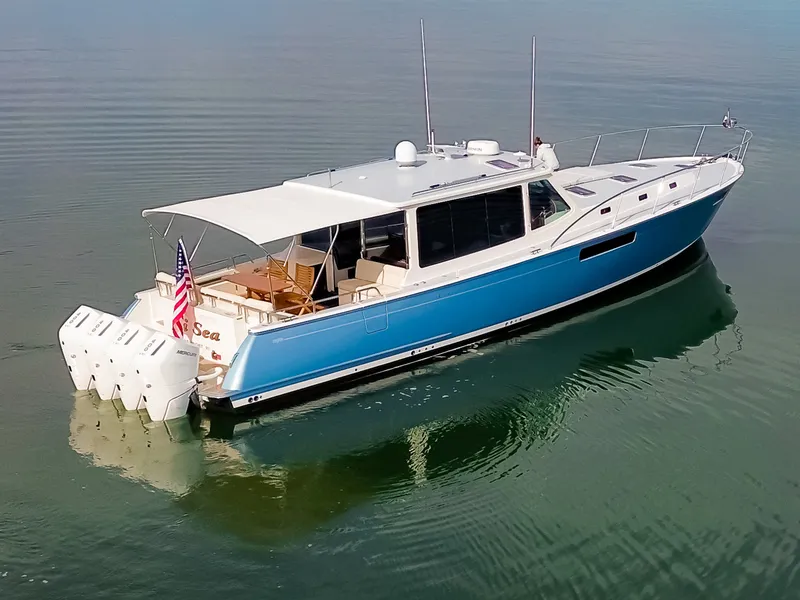
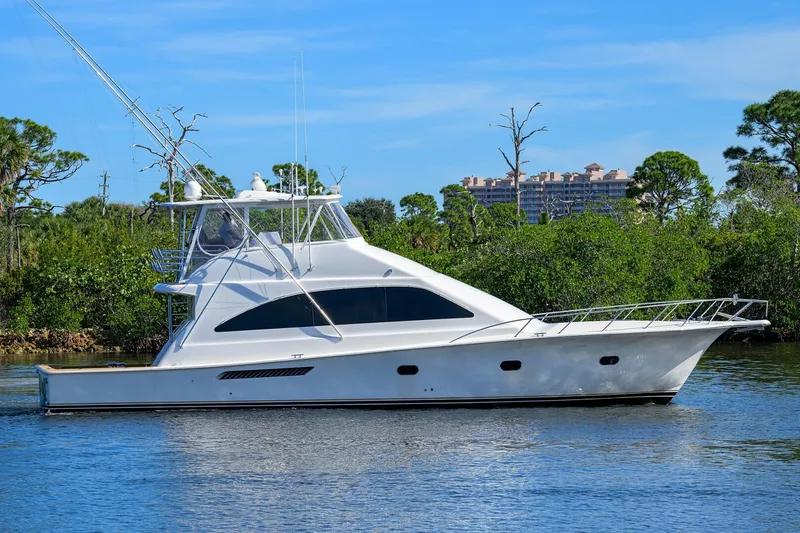
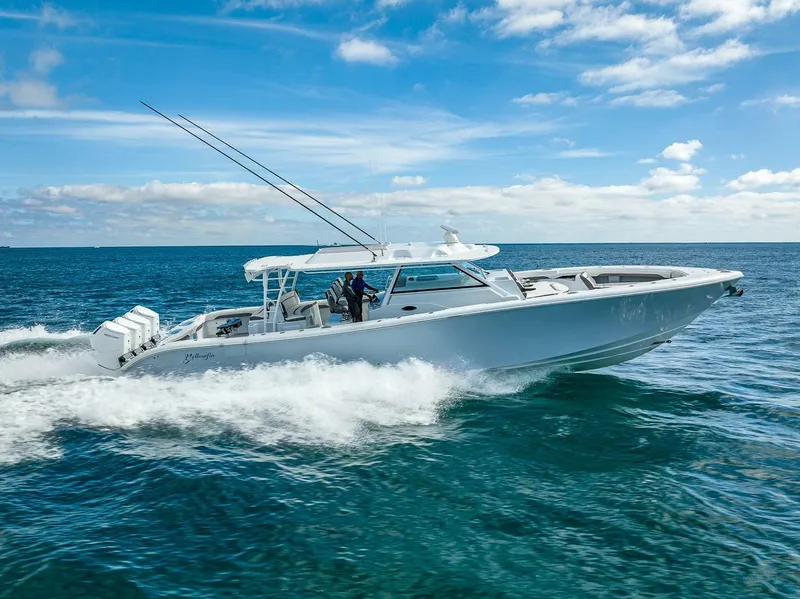
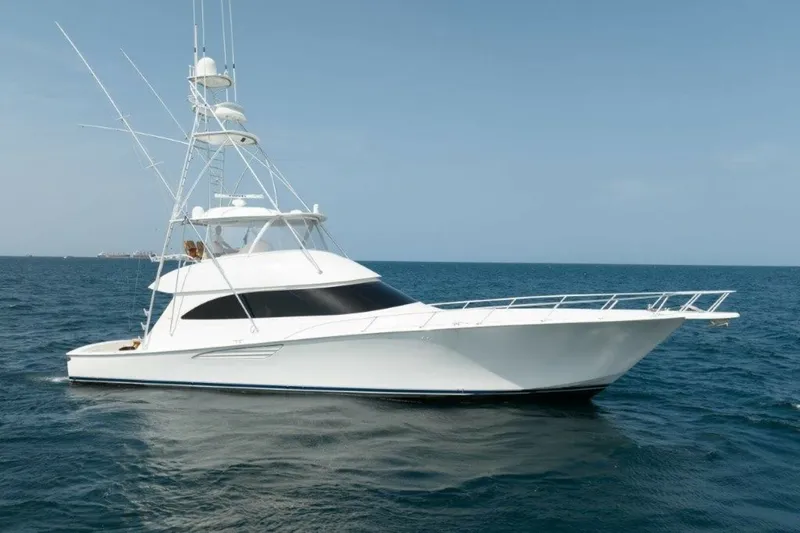
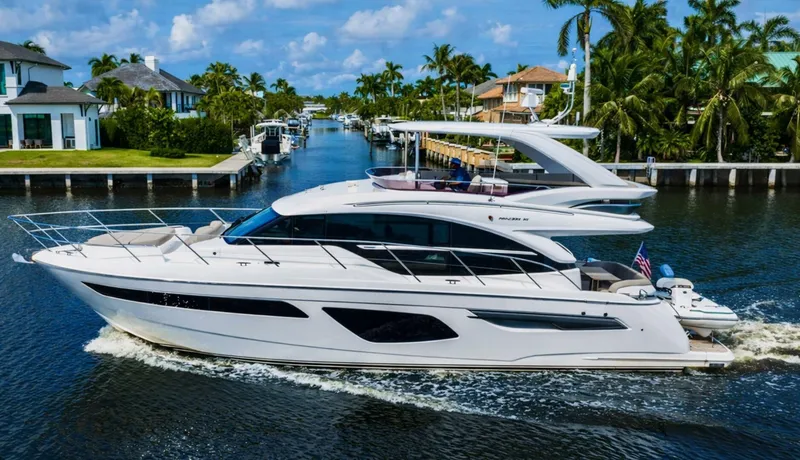
By late morning and weekend afternoons, the scene shifts into a lively mix. You’ll see everything from modest fishing skiffs and pontoon boats to large motor yachts headed to Palm Harbor Marina or Safe Harbor Rybovich. Many “boats in West Palm Beach” are there to socialize as much as to cruise: groups raft up in waist‑deep water off sandbars and spoil islands, while music drifts over from Peanut Island and the Riviera Beach waterfront. It’s energetic but generally relaxed—more family‑party and day‑boating than a wild, spring‑break crowd.
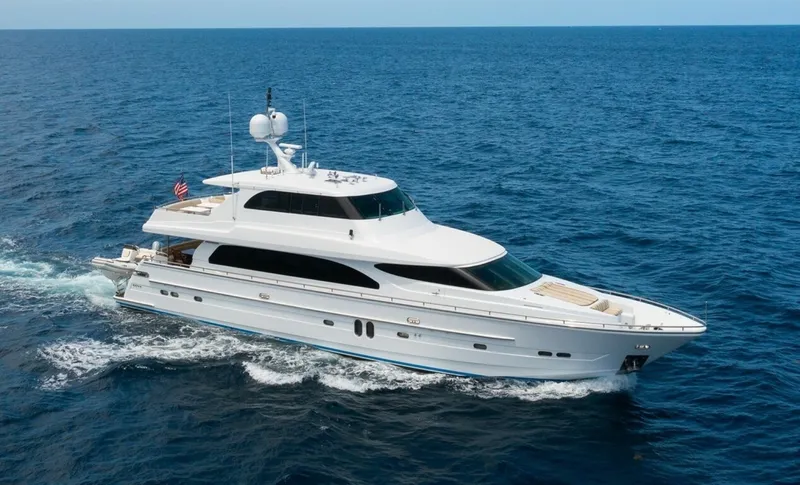
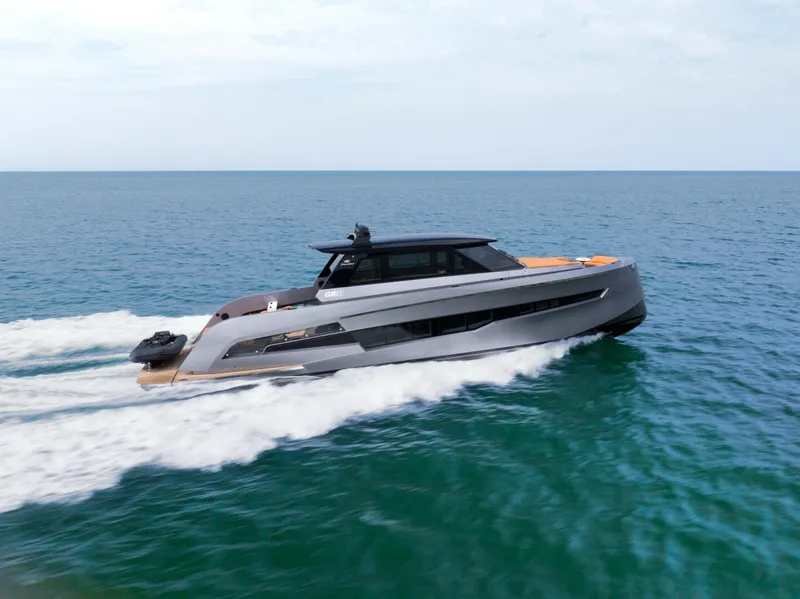
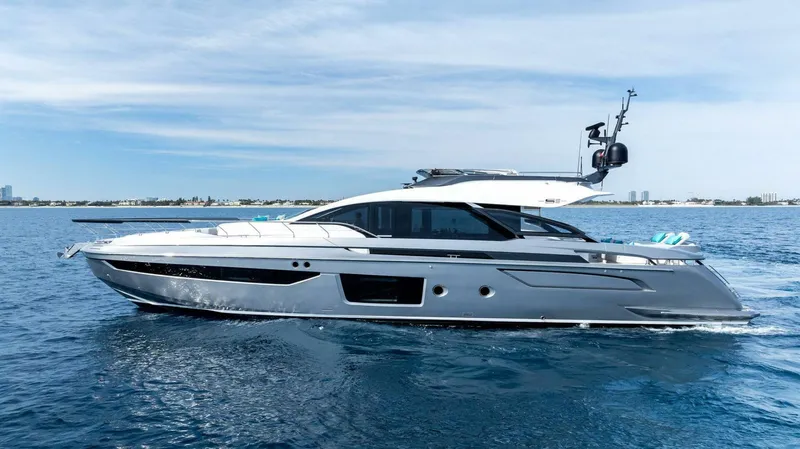
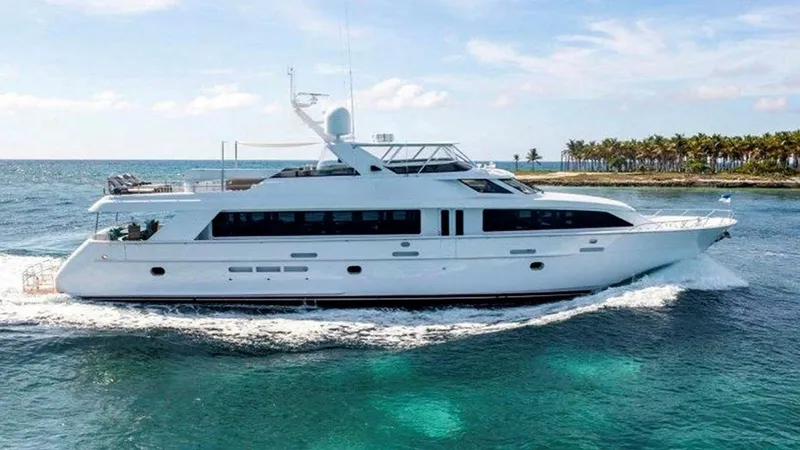
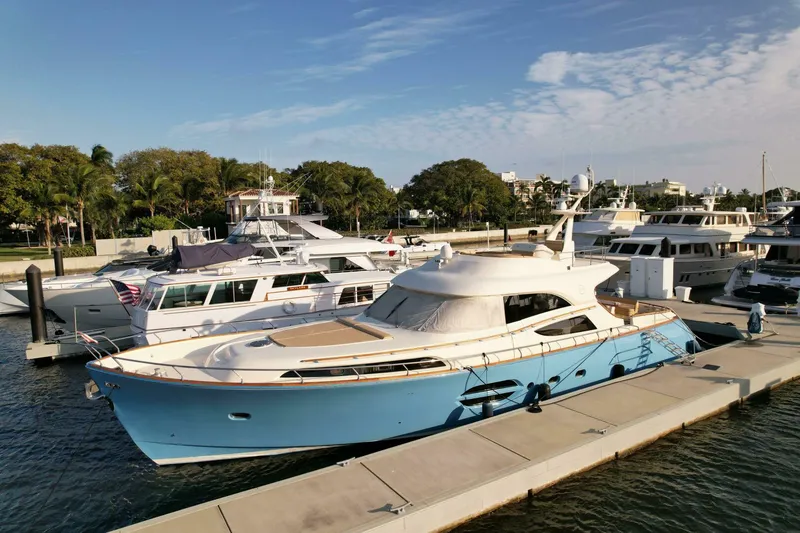
There’s also a distinctly upscale flavor. Superyachts ease into Town of Palm Beach Marina and Rybovich, with professional crews handling lines while owners step ashore for Worth Avenue dining. Yet the city keeps a democratic side: downtown public docks welcome smaller boats for free daytime tie‑ups, so it’s easy to grab lunch or a coffee and walk Clematis Street. Sunset often brings a quieter mood, with couples taking short after‑work cruises, watching the lights come up on Palm Beach Island before returning to their slips for the night.
Costs, logistics, and practical details
Support services for boats in West Palm Beach are comprehensive. Safe Harbor Rybovich anchors the heavy‑duty side with a full shipyard capable of handling large yachts, while local yards tackle everything from bottom paint to engine overhauls. Pump‑out services are common at major marinas, and marine supply stores, detailers, divers, and canvas/rigging shops are plentiful throughout the metro area. If you prefer not to own, charter and rental outfits based out of Riviera Beach Marina Village, Cannonsport Marina, and similar hubs offer fishing charters, day cruisers, and party boats.
Transient boaters find the city straightforward but not necessarily cheap. Palm Harbor Marina and other marinas reserve a portion of slips for transient guests, often with high‑quality amenities and an easy walk into downtown. West Palm Beach’s public docks provide free day‑use tie‑ups from early morning to midnight for boats up to roughly 60 feet, which makes quick visits ashore simple, but you must arrange paid overnight dockage elsewhere. During peak season and holidays, slip demand spikes—advance reservations are important for anything other than the smallest boats.
Year‑round boating means you won’t need to fully “winterize” in the northern sense, but summer and fall bring hurricane season from June through November. Owners must plan for storm preparation, including haul‑out plans or secure tie‑ups, and many marinas have specific hurricane policies and contracts. Manatee protection rules add seasonal Slow or Idle Speed zones in some areas from roughly mid‑November through late March, which affects travel times but also helps keep traffic calmer. With proper planning, the practical side of running boats in West Palm Beach is very manageable—just budget for premium coastal pricing and stay on top of seasonal regulations.
Is West Palm Beach, FL a good place for boating?
West Palm Beach is an excellent place for boating, particularly if you appreciate a vibrant waterfront lifestyle and don’t mind paying a bit more for it. The combination of Lake Worth Lagoon, the Atlantic Intracoastal Waterway, and nearby inlets provides a remarkably versatile playground for boats in West Palm Beach: calm, protected cruising; sandbar and island hangouts; urban dock‑and‑dine stops; and offshore access when conditions are right. Strong infrastructure—full‑service marinas, fuel docks, repair yards, and public day docks—means that owning, visiting with, or chartering a boat here is logistically smooth for most people.
You will love boating here if:
- You want year‑round boating with warm weather and a long, sheltered waterway (Lake Worth Lagoon and the Intracoastal) that suits everything from small center consoles to large cruising yachts.
- You enjoy a mix of social boating and quiet exploration—sandbar raft‑ups around Peanut Island one day, peaceful evening cruises behind Palm Beach Island the next.
- You value strong infrastructure: multiple full‑service marinas, fuel docks, repair yards, pump‑outs, and easy access to rentals and charters for visiting friends or guests.
You might find it challenging if:
- You are highly budget‑conscious about slip fees and fuel costs; West Palm Beach is noticeably more expensive than many other Florida boating areas.
- You dislike boating in traffic or dealing with speed‑restricted zones—Slow Speed and Idle Speed areas, plus bridge openings, can stretch travel times, especially on busy weekends.
- You want extensive, secluded wilderness or backcountry waterways; this is a developed urban–suburban coastline, not a remote mangrove maze.
If you’re a year‑round boater who enjoys social waterfront energy, likes having both protected and offshore routes, and is comfortable with premium coastal pricing, West Palm Beach deserves a top spot on your boating shortlist. Those on tighter budgets or seeking very quiet, remote waterways may find better fits elsewhere, but for many cruisers, families, and yacht owners, keeping or chartering boats in West Palm Beach offers a compelling blend of convenience, scenery, and lifestyle—well worth adding to your boating bucket list or planning a dedicated trip to explore by water.