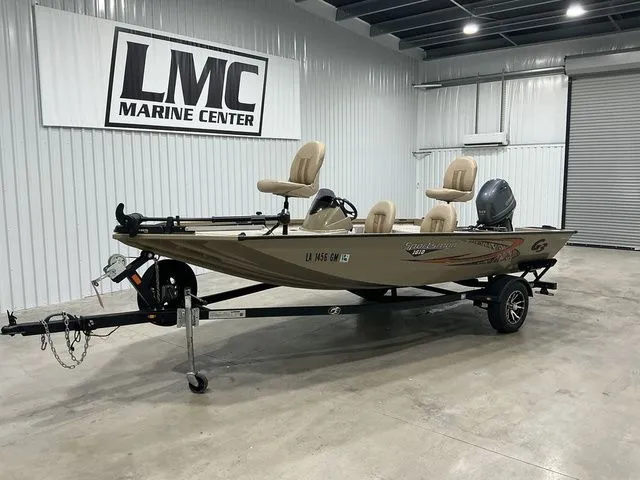
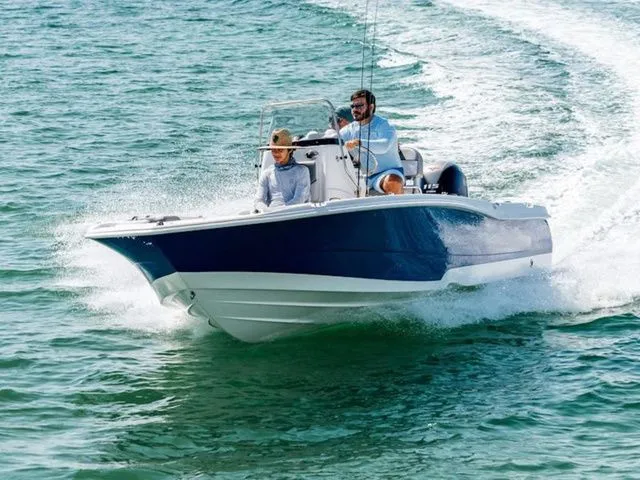
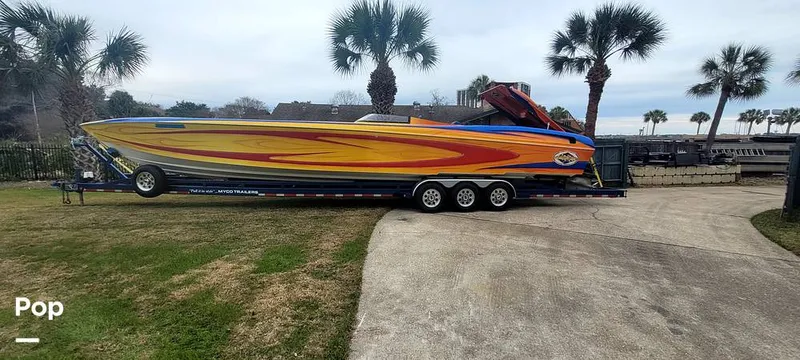
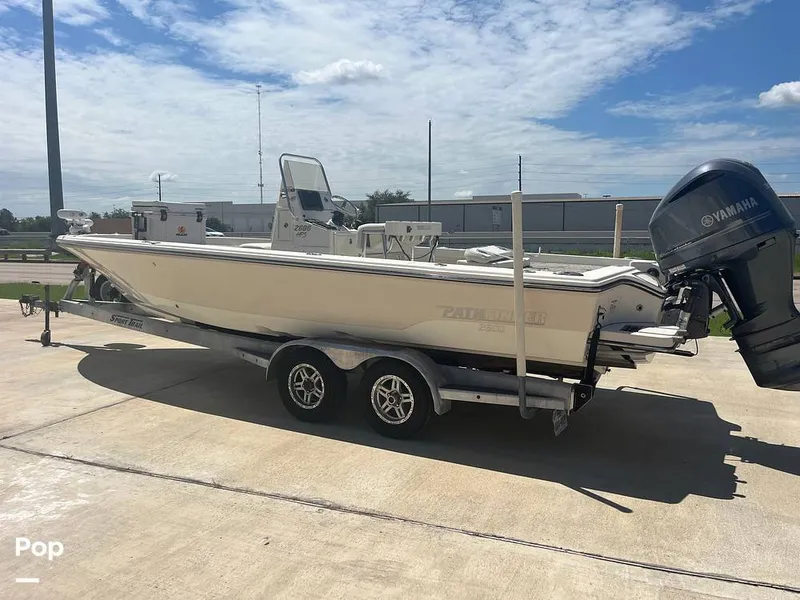
Houston

Filters

Filters

Boat Type

Condition

Searching boats for you...

Boating · Destinations 

Is Houston, TX a Good Place for Boating?


Written by: MarineSource.com Team | Estimated read time: 8 min read


Houston sits where bayous, rivers, and bays all run together, spilling out toward the Gulf of Mexico. On the water, the city feels much bigger than its skyline—Galveston Bay stretches to the horizon, Clear Lake is lined with masts and waterfront homes, and Lake Houston offers a quieter, freshwater escape just northeast of downtown. For many boaters, this mix of salt and fresh water is the real heart of the Bayou City.

For anyone interested in boats in Houston, the variety of waterways is a major draw. You can sail or cruise across the shallow, wind-swept expanse of Galveston Bay, fish the marshy edges of Trinity Bay, explore the marinas and channels around Clear Lake, or trailer a runabout to Lake Houston for a day of wakeboarding and bass fishing. Closer in, Buffalo Bayou caters more to paddlers and small craft, with views of parks and downtown bridges.

There’s also a strong boating culture here. Historic clubs on Galveston Bay host regattas and social events, cruising associations in the Clear Lake area organize weekend flotillas, and casual boaters head for waterfront bars, yacht club patios, and park ramps whenever the weather cooperates. With generally mild winters, boats in Houston see action most months of the year, not just during summer vacation.

Still, Houston is not a boating utopia. Shallow estuary waters, commercial shipping traffic, hurricane risk, and the costs of slips, fuel, and maintenance all present real challenges. Some waterways are crowded on peak weekends, and navigating around the Houston Ship Channel or through marked shallows takes attention and experience. So is Houston actually a good place for boating? To help you decide, let’s walk through some key pros and cons of keeping and using a boat in Houston.

Pros of boating in Houston, TX

1. Access to both saltwater and freshwater playgrounds

Few metro areas offer as much variety for boaters as Houston. To the southeast, Galveston Bay forms a vast, shallow estuary connected to the Gulf of Mexico by Bolivar Roads and San Luis Pass. Here you’ll find Trinity Bay, East Bay, West Bay, Clear Lake, and San Jacinto Bay—all within range for day trips on typical powerboats and sailboats.
Head northeast of downtown and the scene changes: Lake Houston is an 11,800‑acre freshwater reservoir with depths up to about 45 feet, ideal for fishing, skiing, and family cruising. Meanwhile, Buffalo Bayou and its tributaries wind through the city and into Galveston Bay, offering a more urban paddling experience for kayaks, canoes, and small boats in selected stretches.

2. Robust marina network and boat services

If you’re focused on boats in Houston around Galveston Bay and Clear Lake, the marina options are extensive. Seabrook Shipyard & Marina offers around 650 slips with both floating and fixed docks, and many berths have about 10 feet of depth in the approaches, suitable for typical coastal cruisers. Nearby, Marina Bay Harbor in Clear Lake Shores has roughly 300 floating slips and even accommodates transient boaters with a handful of guest spots.

For larger vessels and sportfishers, HarborWalk Marina on West Bay has slips for yachts up to around 125 feet, with about 8–10 feet of depth in the marina channel. Fuel docks such as Gulf Harbor Marina and Bay Harbor Marina supply gasoline and diesel, plus conveniences like pump-out stations, marine stores, and basic supplies. This ecosystem makes it relatively easy to keep a boat in the water, find maintenance help, and plan longer cruises along the Texas coast.

3. Year-round boating climate

Houston’s subtropical climate means boating doesn’t shut down when summer ends. Winters are generally mild, with many comfortable days for fishing in Galveston Bay, sailing from local yacht clubs, or exploring Lake Houston without the peak-season crowds. While spring through early fall remains the busiest time, boats in Houston can be used nearly all year if you’re flexible about cooler days.

This extended season is especially appealing for owners who want more time on the water for their slip or storage dollars. It also supports a full calendar of regattas, club cruises, fishing outings, and paddling events that stretch across much of the year instead of being compressed into a short summer window.

4. Active boating culture and community

Houston’s boating scene is more organized and social than many newcomers expect. The historic Houston Yacht Club, founded in 1897 and now based in Shoreacres on Galveston Bay, hosts regattas, training programs, and waterfront dining that anchor the local sailing community. Farther around the bay and in Clear Lake, groups like Texas Mariners Cruising Association (TMCA) organize coastal cruises, raft‑ups, and dock parties.

America’s Boating Club Houston adds an educational angle, with boating-safety courses, seminars, and social gatherings. On the paddlecraft side, the Buffalo Bayou Partnership Regatta draws canoeists and kayakers for a 15‑mile race into downtown. Taken together, these clubs and events offer new boaters in Houston built‑in ways to learn, network, and find crewmates or cruising partners.

5. Plenty of launch sites and budget-friendly access

Not every boater in Houston keeps a boat in a slip. Trailer boaters and PWC owners will appreciate the number of ramps and public access points, especially around Lake Houston. Alexander Deussen Park on the west side of the lake, for example, features an eight‑lane boat ramp, a separate sailboat ramp, restrooms, a courtesy dock, ample parking, and no launch fee. Other ramps around the lake—such as those at Lake Houston Marina or Ponderosa—may charge modest launch or parking fees but still offer economical access.

On the bay side, county parks and some marinas provide launches into Clear Lake and nearby bayous, allowing owners of smaller boats in Houston to range out onto Galveston Bay without paying marina rent year‑round. For many families, this combination of free and low‑cost ramps makes boating more attainable than in high‑cost coastal markets.
Cons of boating in Houston, TX

1. Shallow waters and commercial traffic

Galveston Bay’s average depth is only around 6 feet, which means large areas are too shallow for deeper‑draft sailboats and cruisers. Outside dredged channels, it’s easy to bump bottom or stir up mud if you stray from marked routes, especially at lower tides. Add in the heavy traffic of the Houston Ship Channel—serving large cargo vessels and tankers—and navigation becomes more complex than on a typical inland lake.

  • The Silver Lining: With up‑to‑date charts, a depth sounder, and attention to channel markers, most recreational boaters navigate safely around shallows and shipping lanes. Planning routes that avoid the busiest portions of the Ship Channel during peak commercial periods and staying in recreational areas like Clear Lake, Trinity Bay’s edges, or West Bay can keep the experience relaxing.

2. Hurricane exposure and stormy weather

Houston’s proximity to the Gulf of Mexico brings a real risk of tropical storms and hurricanes, particularly in late summer and early fall. Storm surge, high winds, and heavy rain can damage marinas, docks, and moored vessels. Even outside of named storms, sudden squalls and strong southeast winds can kick up steep chop across Galveston Bay’s shallow waters, making for an uncomfortable or unsafe ride in smaller boats.

  • The Silver Lining: The upside is that storms are closely monitored, and local marinas and clubs have developed detailed hurricane‑prep routines. Many boaters maintain clear checklists for hauling out, doubling lines, or moving boats to more sheltered locations ahead of severe weather. Monitoring forecasts and being willing to reschedule trips goes a long way toward staying safe while still enjoying Houston’s otherwise long boating season.

3. Heat, humidity, and summer crowds

Hot, humid summers are part of life in Houston, and they affect boaters too. Midday outings in July and August can be draining without shade, plenty of water, and good ventilation. On top of that, the most desirable areas—like Clear Lake’s main channels, popular park ramps on Lake Houston, and favored fishing spots on Galveston Bay—can become crowded on sunny weekends and holidays.

  • The Silver Lining: Planning early‑morning or late‑afternoon trips helps you beat both the heat and the crowds. Weekdays often feel like an entirely different world, with quieter ramps and open anchorages. Investing in bimini tops, cockpit fans, and cooling towels can make even steamy days more pleasant aboard.

4. Costs of slips, fuel, and upkeep

While boating in Houston is generally more affordable than in some coastal hotspots, it still isn’t cheap. Daily transient slips at marinas like Seabrook Shipyard & Marina may run around $2 per foot, while Marina Bay Harbor lists transient rates closer to $5 per foot per day. Fuel at waterfront pumps—such as the non‑ethanol 93 octane at Marina Bay Harbor—can cost over $4.70 per gallon, adding up quickly for frequent offshore or high‑speed runs.

Long‑term storage, insurance, regular maintenance, and upgrades all add to the total cost of owning boats in Houston, especially for larger power cruisers and offshore‑capable boats that burn more fuel.

  • The Silver Lining: Many local boaters control costs by trailering smaller boats, using free or low‑fee ramps like Alexander Deussen Park, and choosing efficient hulls and cruising speeds. Sharing ownership or joining a boating club or fractional program, where available, can also spread expenses among multiple users while still delivering regular time on the water.
5. Regulations, safety rules, and learning curve for beginners

Houston’s waters are governed by Texas Parks & Wildlife rules, U.S. Coast Guard regulations, and specific port security zones around Houston and Galveston. New boaters must understand requirements like registration, titling, and the state’s boater education mandate for anyone born on or after September 1, 1993 operating most motorboats or PWCs. Security zones around cruise ships and commercial terminals can be confusing for those unfamiliar with the area.

Add in no‑wake expectations near docks and narrow channels, Clean‑Drain‑Dry rules to prevent invasive species, and the standard safety obligations (PFDs, fire extinguishers, sober operation), and the learning curve can feel steep at first.

  • The Silver Lining: Houston has strong educational resources to help bridge that gap. America’s Boating Club Houston, local sailing schools, and Texas Parks & Wildlife courses all offer structured instruction. Joining a yacht club or cruising association gives you access to experienced mentors who know the local waterways, making it easier and safer to get up to speed on boating in and around Houston.

What boating in Houston, TX is really like

Boating in Houston is defined by its variety: you have urban bayous winding past Downtown towers, a big freshwater playground on Lake Houston, and the wide, shallow expanse of Galveston Bay opening toward the Gulf. On a typical weekend, the Clear Lake and Bay Area corridor (around Seabrook and Clear Lake Shores) fills with sailboats shaking out their sails, center consoles heading for the jetties, and families in bowriders running to a waterside restaurant. The vibe is active but friendly—most people here grew up around water or know someone who did, so there’s an easygoing, “Texas coast” feel to the docks and fuel piers.

Head northeast instead, and Lake Houston has a more low-key, local energy. At places like Alexander Deussen Park’s big public ramp, you’ll see bass boats launching at daybreak, wake boats loading up coolers and inflatables for the kids, and jet skis buzzing out as the sun climbs. There’s less of the polished yacht-scene and more of a “weekend lake family” crowd: barbecue smoke from the park grills, music drifting across the cove, and anglers quietly working the timber along the shore. For people searching for boats in Houston, this is often the easiest entry point—trailer in, launch for free, and spend the day exploring without ever seeing saltwater.

Back toward the Bay, social boating ramps up. On fair-weather Saturday afternoons, Clear Lake marinas and HarborWalk’s floating docks feel like a floating neighborhood: dock parties, club cruises run by groups like the Texas Mariners Cruising Association, and casual raft‑ups in sheltered spots. Event days add another layer—regatta weekends at Houston Yacht Club bring in fleets of racing sailboats; the Harvest Moon Regatta turns Galveston Bay and the offshore Gulf into a nighttime parade of masthead lights stretching toward Port Aransas. In contrast, an after‑work evening on Buffalo Bayou might mean a quiet paddle or small runabout cruise past parkland and bridges, watching the city light up while staying well clear of the big-ship traffic en route to the Port of Houston.

Costs, logistics, and practical details

From a practical standpoint, Houston is one of the more accessible big metros for boat ownership because you can choose between bay marinas, lake ramps, and even modest-length coastal cruising, all within about an hour’s drive of most suburbs. The primary saltwater boating hub is the Clear Lake / Galveston Bay shoreline: marinas like Seabrook Shipyard & Marina (around 650 slips) and Marina Bay Harbor (about 300 slips) cater to sailboats, sportfishers, and cruising powerboats. Depths in many slips and channels run roughly 8–10 feet, which works for most mid‑size boats, though truly deep‑draft sailboats must pay careful attention to where they berth and how they route across the shallow sections of Galveston Bay.

Short‑term slip fees for boats in Houston’s bay marinas are relatively moderate compared with some other Gulf and East Coast cities. Daily transient rates in examples like Seabrook Shipyard & Marina (around $2 per foot) or Marina Bay Harbor (about $5 per foot) make it realistic to cruise in for a weekend or to stage for a regatta. Long‑term monthly pricing varies by marina and boat size but tends to be more affordable than Florida hotspots, especially for 25–40 foot boats. Trailer boaters on Lake Houston benefit from multiple public launches—such as the large, free ramp at Alexander Deussen Park—plus private ramps with small fees, keeping overall access costs manageable even if you only get out a few times a month.

Supporting services are solid but somewhat clustered. In the Clear Lake–Galveston corridor, you’ll find full‑service yards, haul‑outs, mechanics, fiberglass shops, detailers, and chandlers (marine supply stores), along with fuel docks like those at Gulf Harbor Marina and Bay Harbor Marina offering gasoline, diesel, and pump‑out facilities. These marinas feel like a blend of working waterfront and casual yacht scene: you might see a 40‑year‑old fishing boat being refit a few slips down from a 100‑foot yacht on a weekend visit. On Lake Houston and the bayous, infrastructure is more basic—ramps, a few marinas, parks, and shoreline gas in some areas—so you’ll rely more on trailer access and doing your own maintenance or hauling the boat to a shop away from the water. Because winters are mild, most owners don’t fully “winterize” or haul out for months at a time, which reduces off‑season costs but increases the importance of hurricane planning, insurance, and secure storage options if a storm approaches.

Is Houston, TX a good place for boating?

Overall, Houston is a very good place for boating if you value flexibility, community, and access to both freshwater and saltwater from the same home base. The city’s setting on Galveston Bay, combined with Lake Houston and the network of bayous, means you can trailer a modest runabout, own a cruising sailboat in a Clear Lake slip, or paddle a kayak downtown and still be “boating in Houston.” Costs for slips, fuel, and ramp access are generally reasonable for a major metro, and the infrastructure—especially around Clear Lake and Galveston—is mature enough to support everything from weekend family outings to serious offshore-oriented trips. Active clubs, regattas, and social events round out the appeal for people searching for boats in Houston who also want a built‑in community.

You will love boating here if:

  • You want year‑round boating with warm weather for much of the year and very little true “off‑season,” whether on freshwater (Lake Houston) or saltwater (Galveston Bay and the Gulf).
  • You like variety in your boating life—fishing, sailing regattas, family tubing days, casual dinner cruises—all reachable without leaving the greater Houston area.
  • You plan to keep a trailerable boat and value inexpensive or free ramp access, especially on Lake Houston where public facilities like Alexander Deussen Park make launching easy.

You might find it challenging if:

  • You strongly prefer crystal‑clear water and scenic cliffs or mountain lakes; Houston’s estuary and bayou waters are productive but generally murky and industrial in places.
  • You’re uncomfortable sharing waterways with commercial shipping—around the Houston Ship Channel and Galveston approaches, large vessels, security zones, and tugboats require vigilance and good navigation skills.
  • You want a hassle‑free, storm‑free climate; Houston’s vulnerability to tropical storms and hurricanes means serious planning for haul‑out, storm lines, insurance, and sometimes evacuating boats.

If you’re a versatile boater—someone who wants to fish, cruise, sail, or just spend relaxed days on the water with family—Houston deserves a spot near the top of your boating shortlist. The trade‑offs are real: industrial scenery in some corridors, shallow spots in Galveston Bay, summertime heat, and the ever‑present need to prepare for Gulf storms. But for many owners, the ability to keep a boat close to home, use it for most of the year, and tap into a large, welcoming boating community more than makes up for those challenges. If those strengths match your priorities, it’s well worth planning a trip, keeping a boat here, or putting “boats in Houston” on your personal boating bucket list.

Be the First to Know

Get notified when new boats become available.

Logo