Ranger Boats – Technical and Historical Guide
ABOUT THIS BOAT BRAND
Ranger Boats is an American boat manufacturer renowned for pioneering high-performance fiberglass bass boats and setting early standards for tournament fishing design. Founded in 1968 in Flippin, Arkansas, by Forrest L. Wood, the brand quickly became synonymous with competitive bass fishing and was closely associated with the growth of professional tournament circuits in the 1970s and 1980s. Now part of the Bass Pro Group / White River Marine Group, Ranger Boats benefits from one of the largest recreational boat manufacturing networks in North America, giving it strong dealer coverage and parts support across the United States. With decades of innovation in hull design, livewell systems, and angler-focused layouts, Ranger Boats holds a longstanding reputation among bass anglers and freshwater fishermen as a benchmark name for build quality, resale value, and reliability in the marine industry.
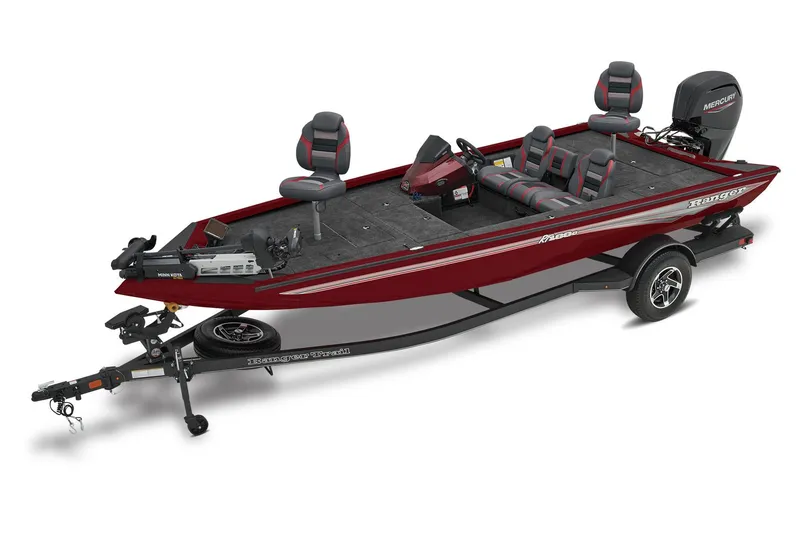
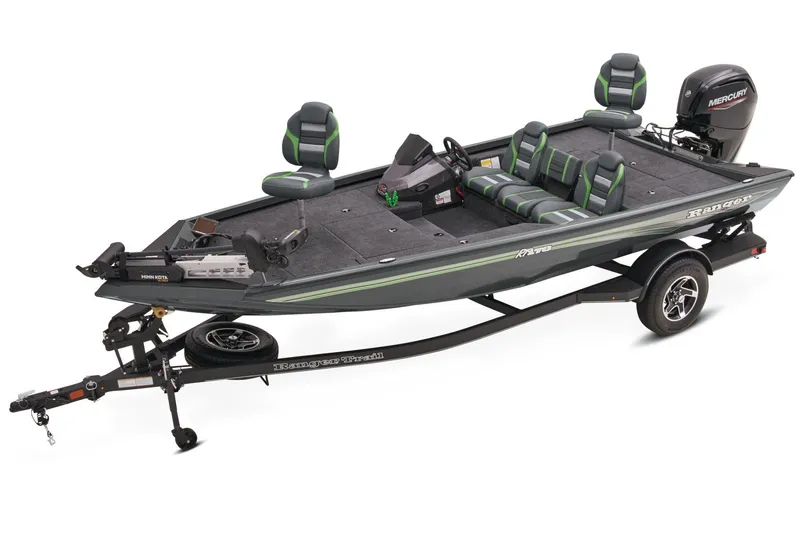
Specializing in outboard-powered freshwater boats for lakes and reservoirs, Ranger Boats targets serious bass tournament competitors, multi-species anglers, and family boaters who demand fishing-first layouts. Its core product lines include bass boats such as the Z-Comanche series, multi-species and walleye rigs in the Angler series, and aluminum fishing boats and fish-and-ski crossover models. Drawing on a long history of input from top professional anglers, many models feature advanced pad hull designs for high-speed stability, integrated setback transoms, aerated and divided livewells, lockable rod storage up to 8 feet in length, fiberglass consoles with flush-mounted electronics, and factory-rigged trolling motors with recessed foot pedals. Additional details such as level flotation, integrated non-skid casting decks, and custom-fitted trailers reinforce Ranger Boats as a preferred choice for anglers who value tournament-ready center console-style helm layouts, consistent performance, and purpose-built sportfishing vessels tailored to competitive and recreational freshwater use.
WHAT MAKES THIS BOAT BRAND SPECIAL?
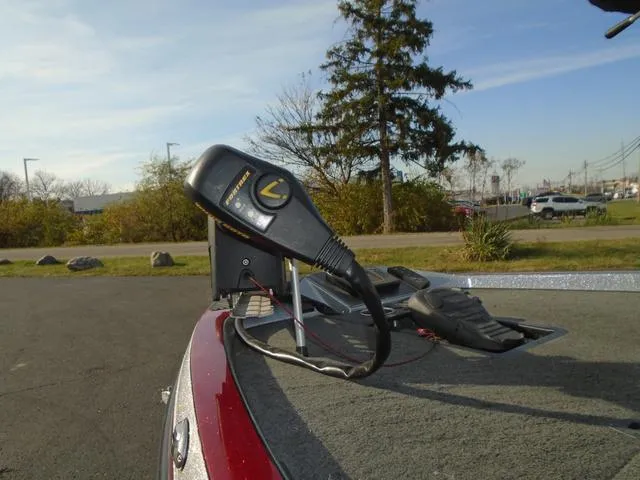
Ranger Boats has built its reputation around tournament-proven designs, from hyper-responsive bass boats to confidence-inspiring multi-species rigs that give anglers a clear edge on the water. Advanced hull geometries with performance strakes and lifting strakes help Ranger Boats planes quickly, stay flatter in turns, and run dry and stable in rough conditions, while foam-filled construction adds rigidity and safety. Integrated fishability features like broad casting decks, recessed trolling motor foot pedals, and intelligently placed storage keep anglers organized and efficient, and factory-rigged electronics suites are optimized for modern sonar and GPS units. Whether it is a dedicated bass model or a versatile fish-and-ski platform, each Ranger Boats package is engineered to deliver fast hole shot, precise steering control, and rock-solid stability when you are working a shoreline or running big open water.
Ranger Boats manufactures its lineup in Flippin, Arkansas, where a highly experienced workforce blends modern production systems with the craftsmanship of a long-standing fishing-boat heritage. Skilled laminators, riggers, and finish teams apply tight quality controls using premium materials such as high-density composite transoms, fiberglass stringer systems, marine-grade wiring, and hardware designed to resist corrosion in harsh freshwater and inshore environments. Ranger Boats are built to meet or exceed NMMA and U.S. Coast Guard standards, with carefully finished gelcoat, clean wiring runs, and robust fit-and-finish details that hold up to years of tournament use and family fishing. Strong factory warranties and a loyal owner community reflect how buyers view Ranger Boats as a trustworthy, long-term partner on the water, positioning the brand as a benchmark name for serious anglers who demand both performance and lasting value.
WHAT DIFFERENT TYPES OF BOATS DOES THIS BOAT BRAND BUILD?
Ranger Boats is a respected American boat builder known for its focus on high-performance freshwater and inshore fishing platforms powered predominantly by outboard engines. Within its lineup, Ranger typically offers some of the smallest tournament-ready bass and aluminum fishing boats in the mid-teens of length, scaling up to larger, feature-rich bay and multi-species boats in the twenty-foot class and beyond. The brand’s portfolio spans key categories such as bass boats, multi-species boats, bay boats, aluminum fishing boats, and fish-and-ski crossover models, all engineered for serious anglers who also value comfort and practicality. Ranger Boats emphasizes smart deck layouts, abundant storage, livewells, and modern electronics integration to support competitive fishing as well as recreational family days on the water. Below are the types of boats and models Ranger Boats builds, along with their key characteristics and uses:
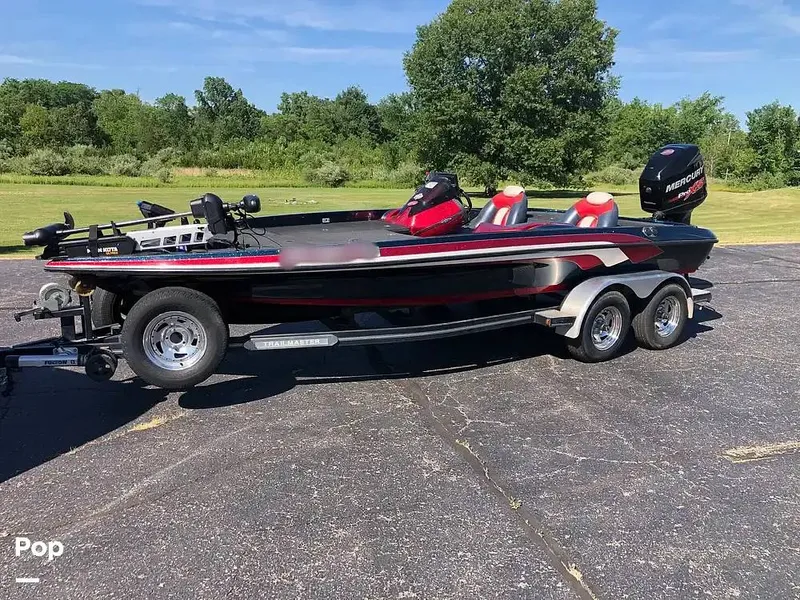
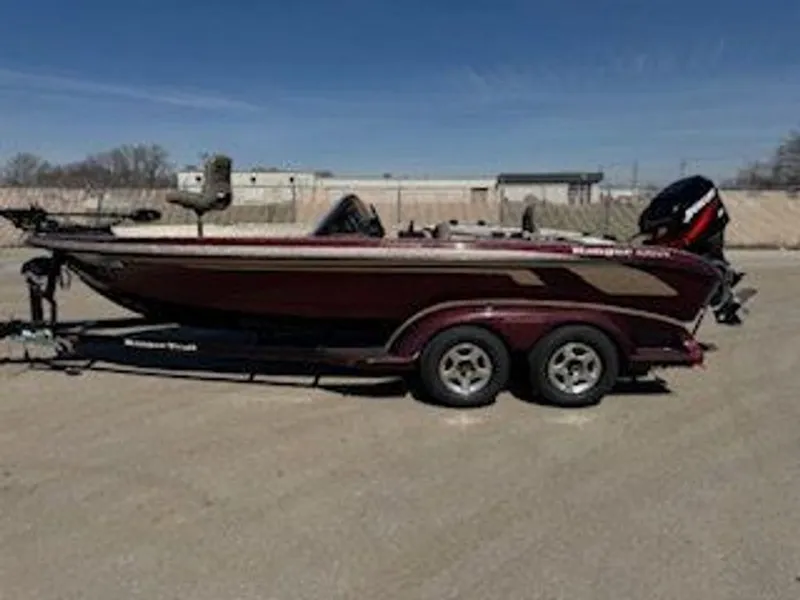
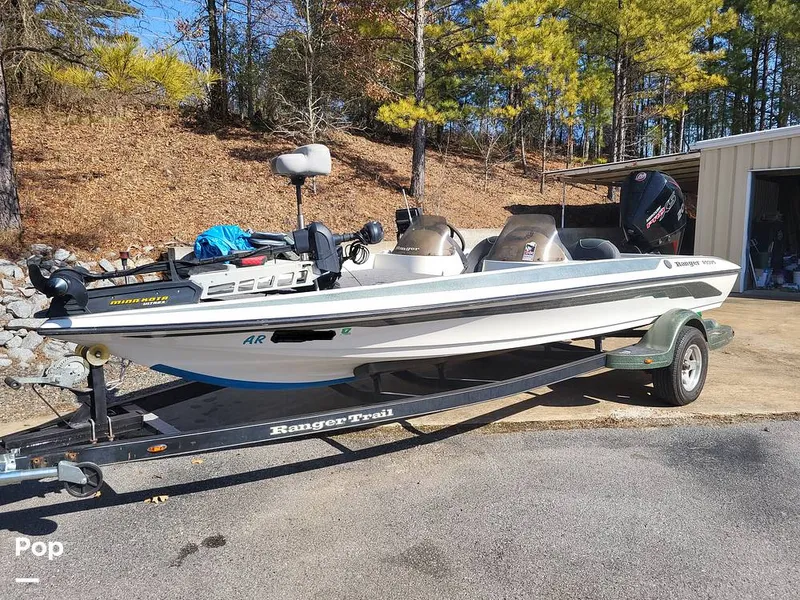
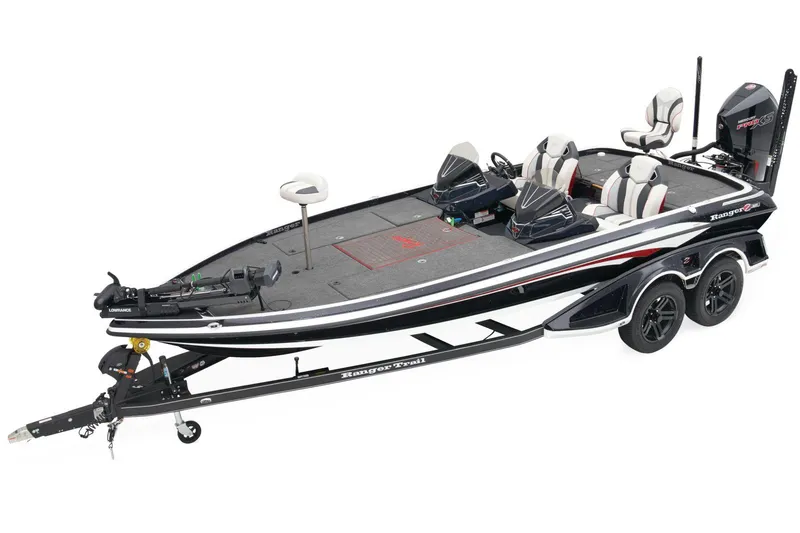
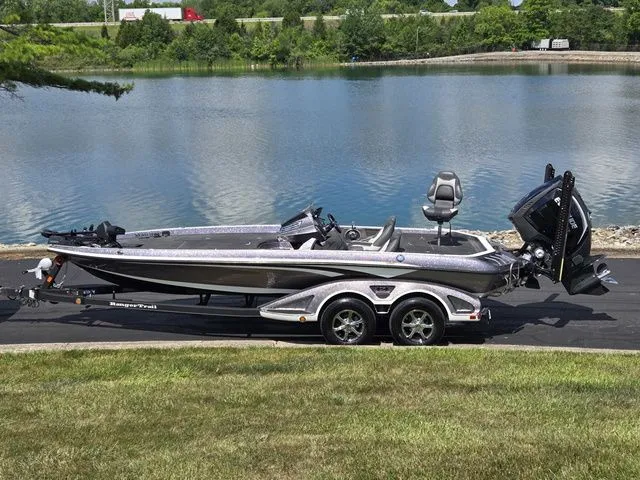
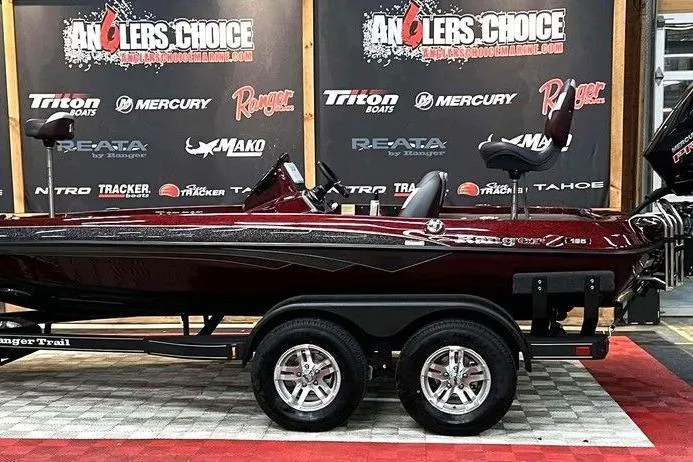
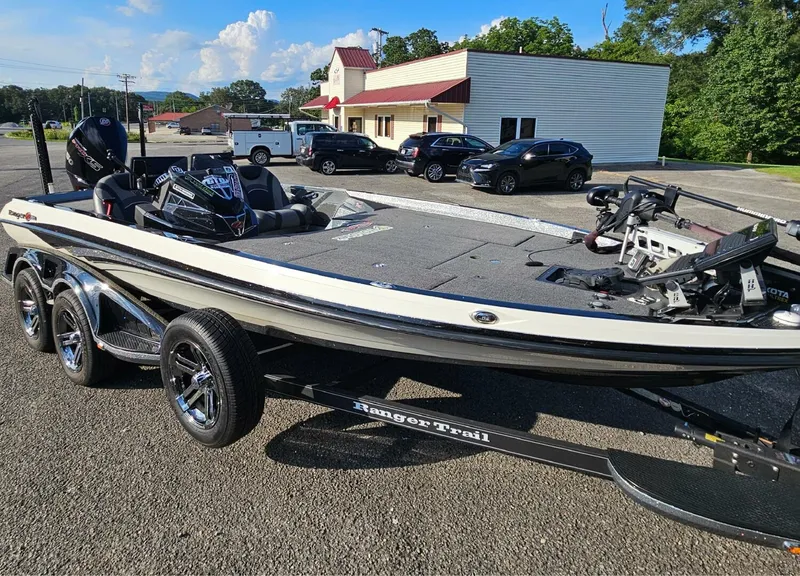
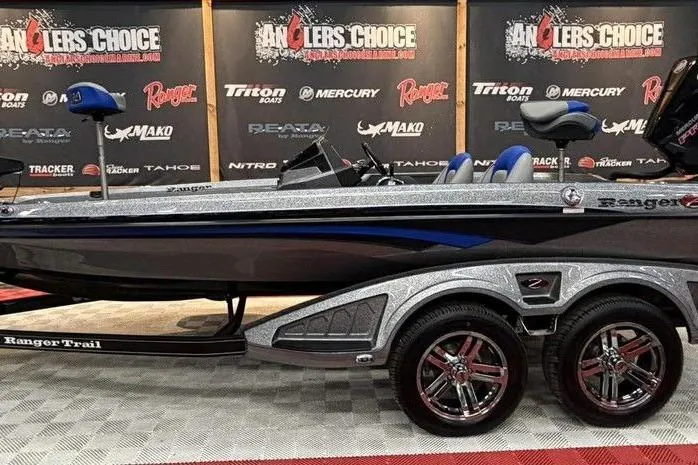
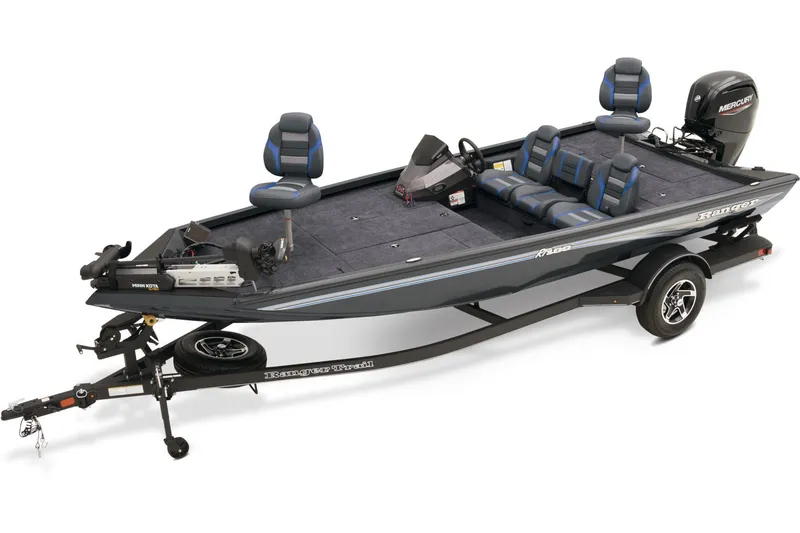
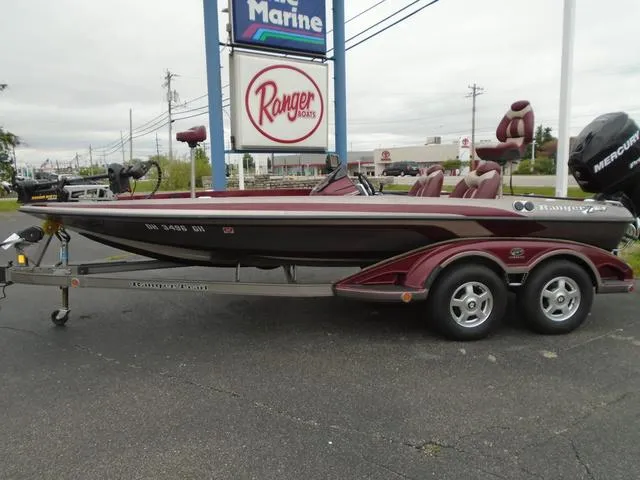
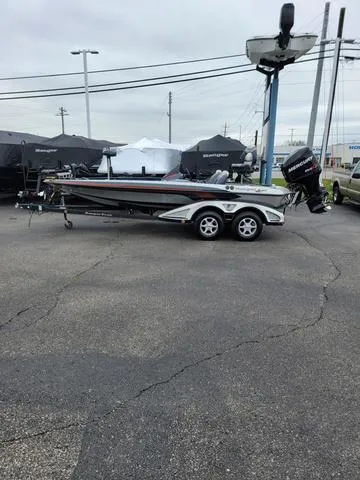
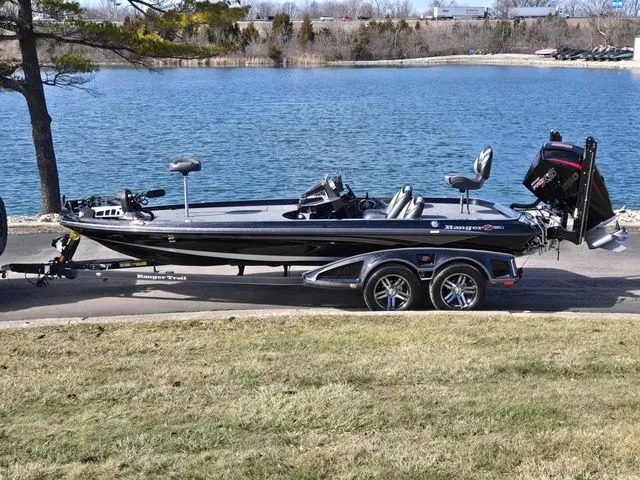
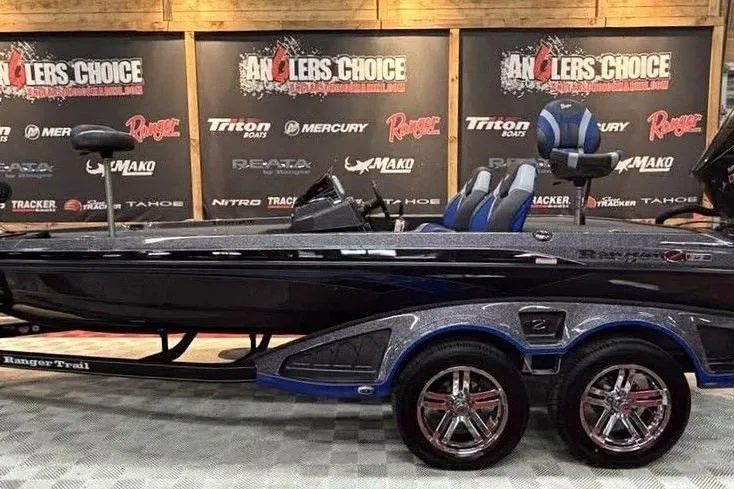
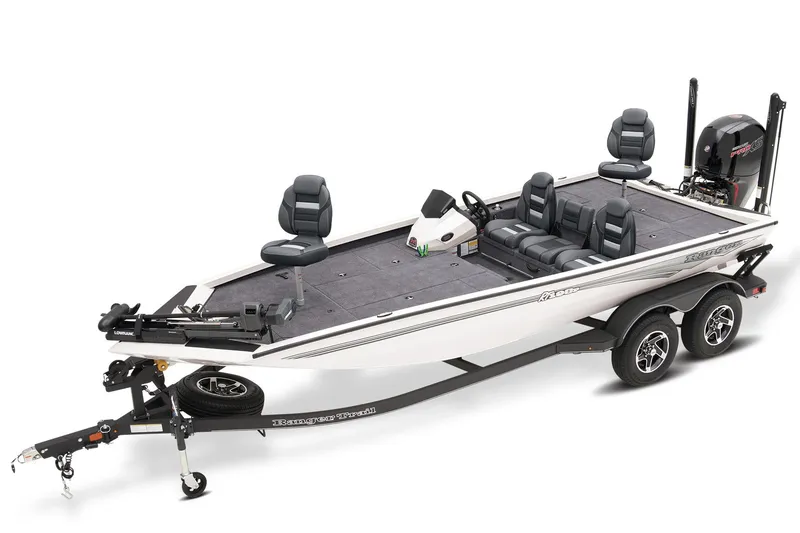
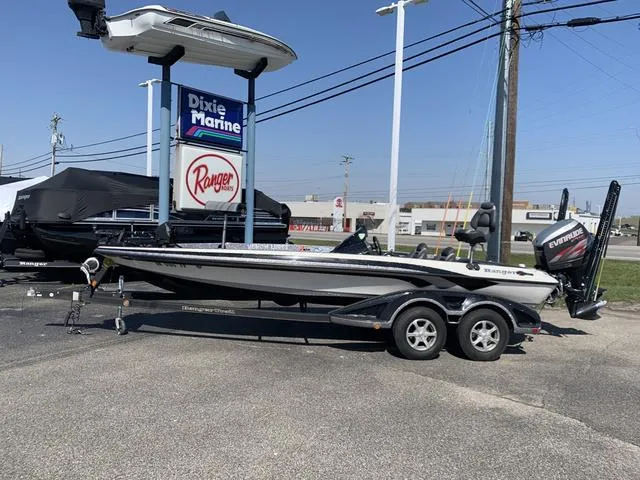
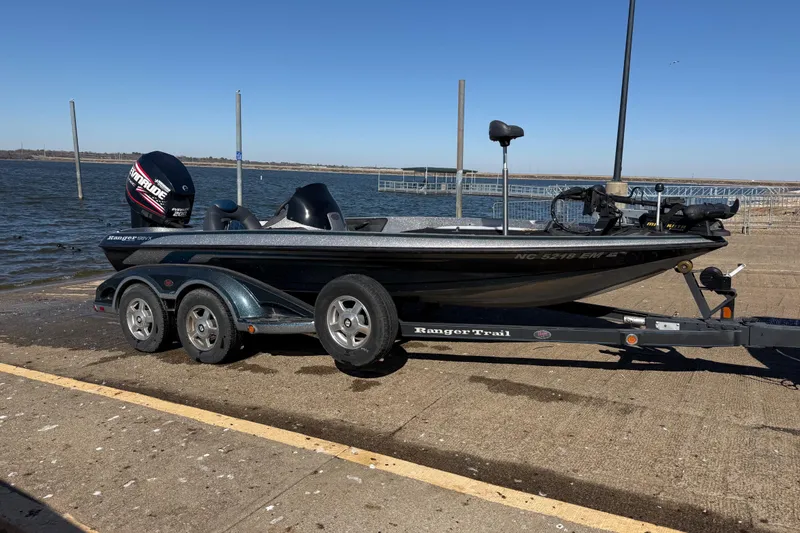
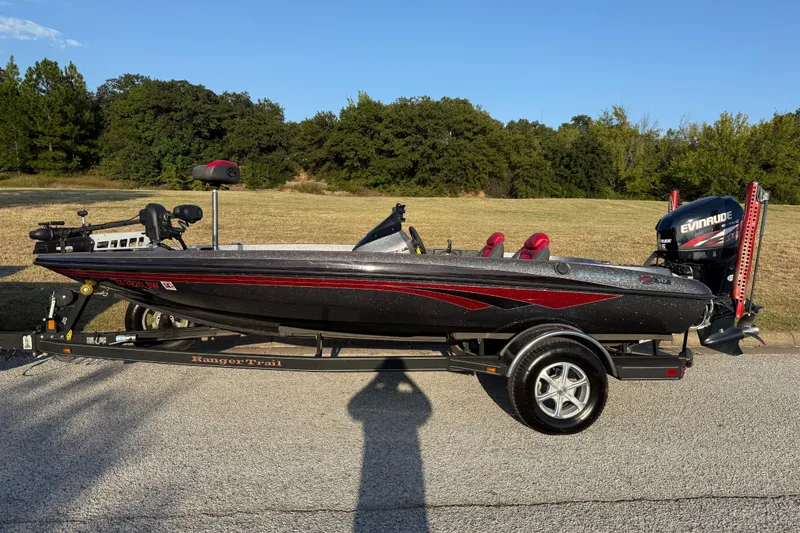
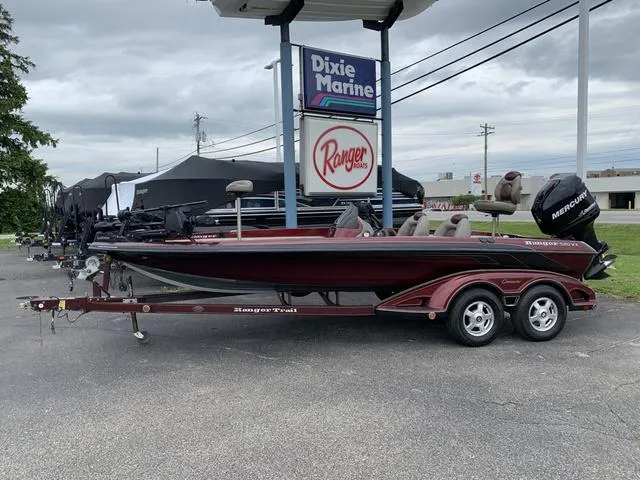
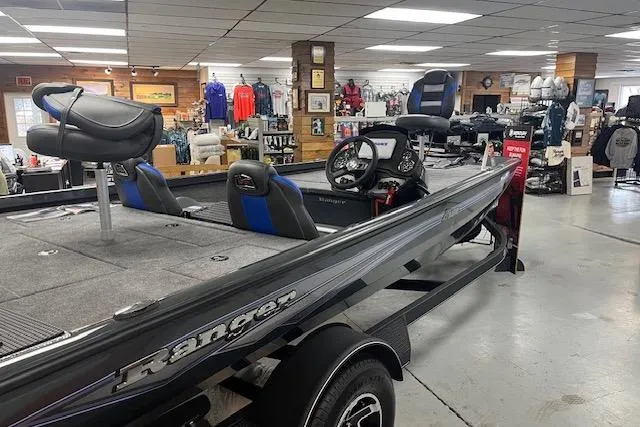
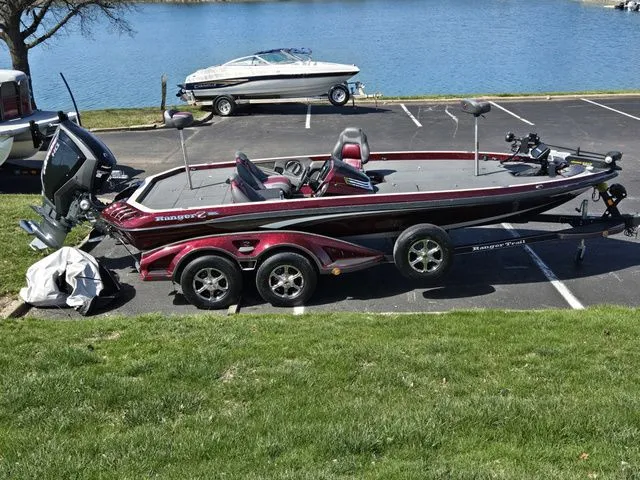
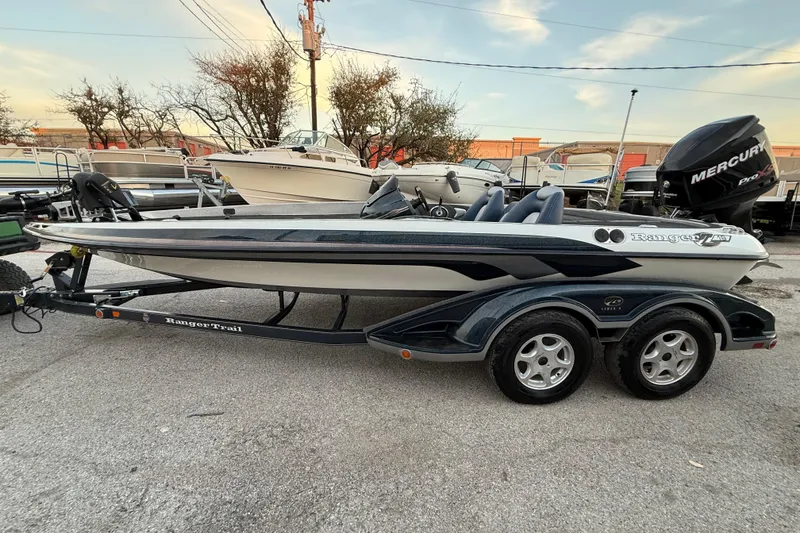
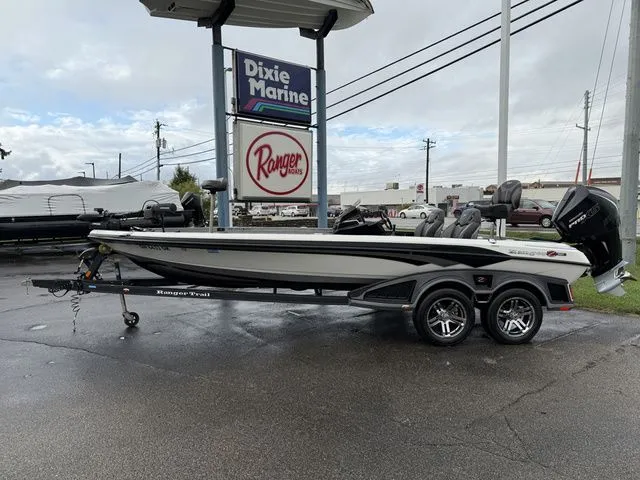
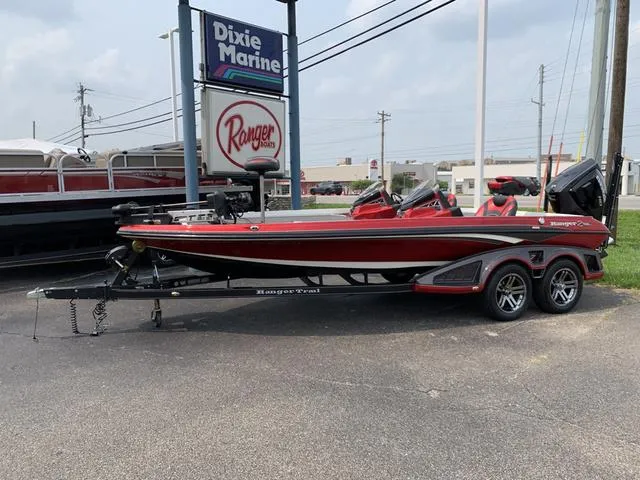
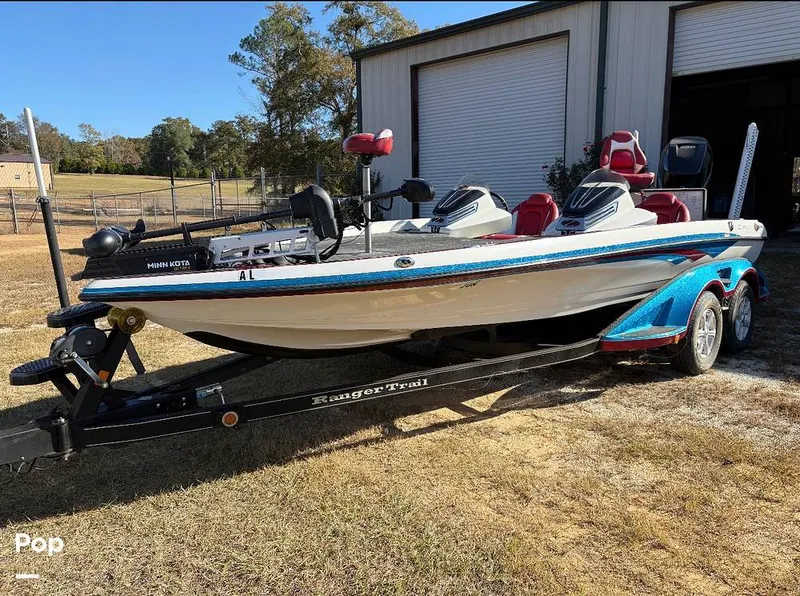
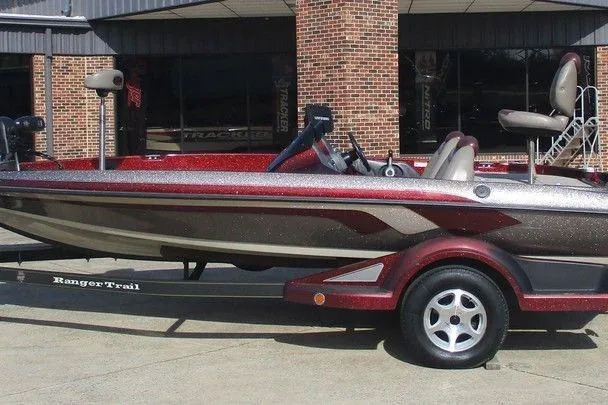
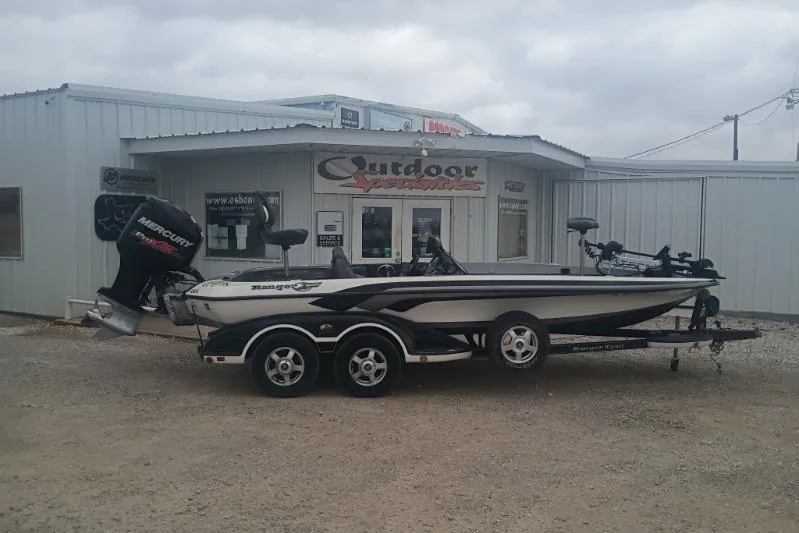
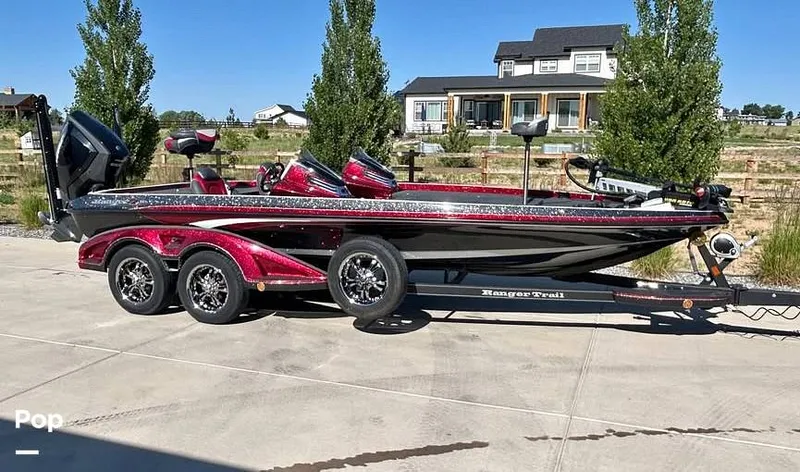
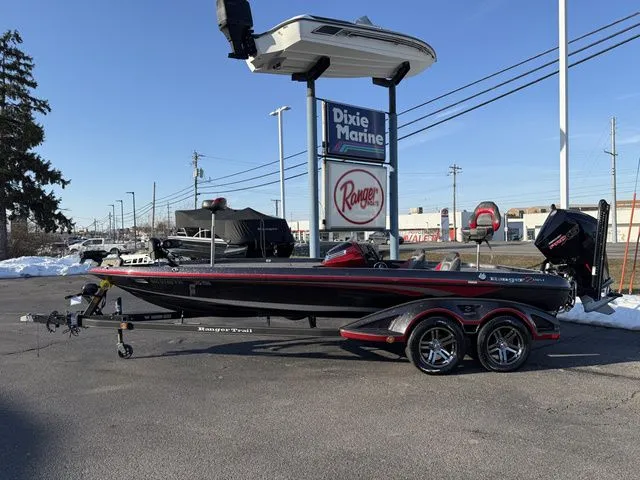
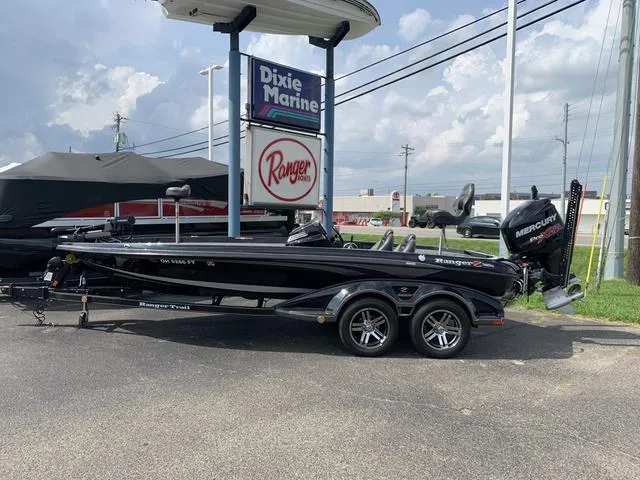
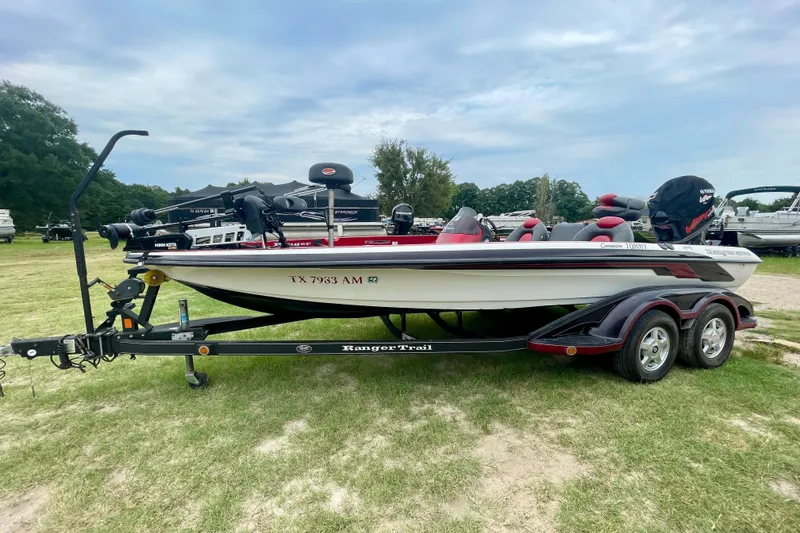
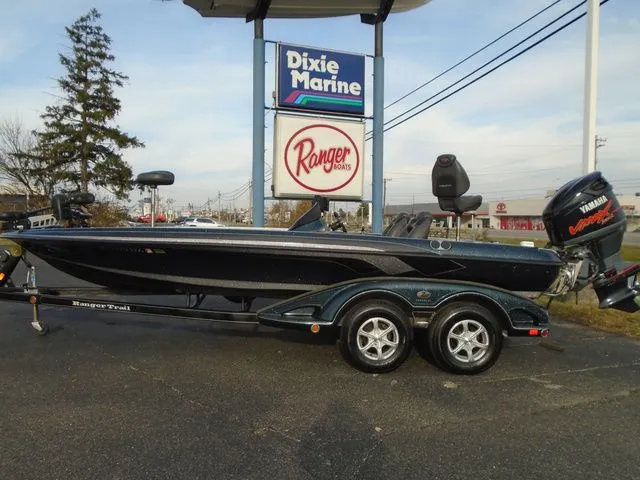
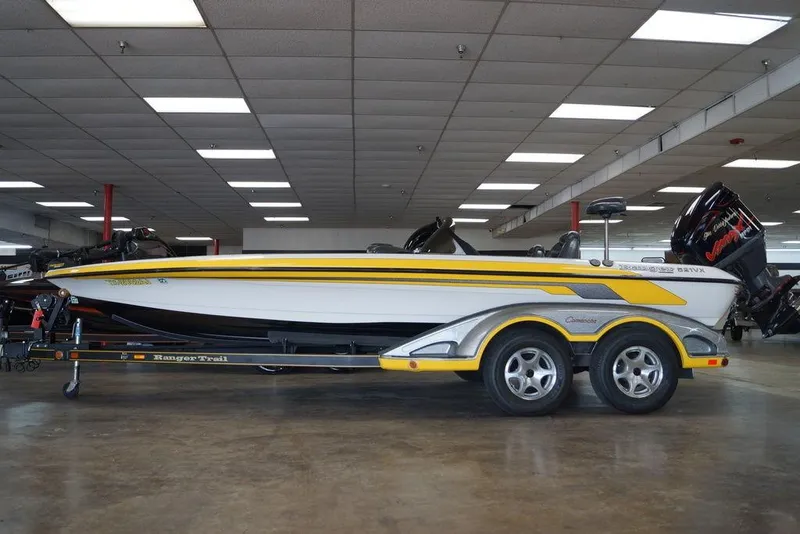
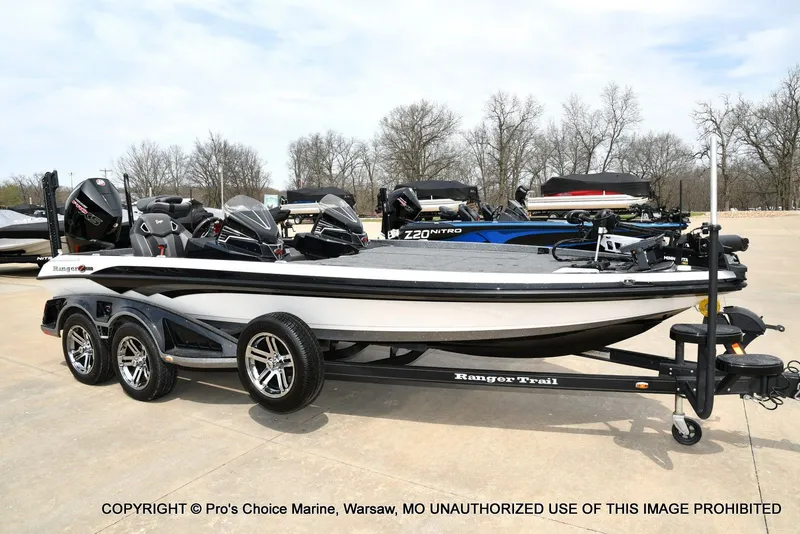
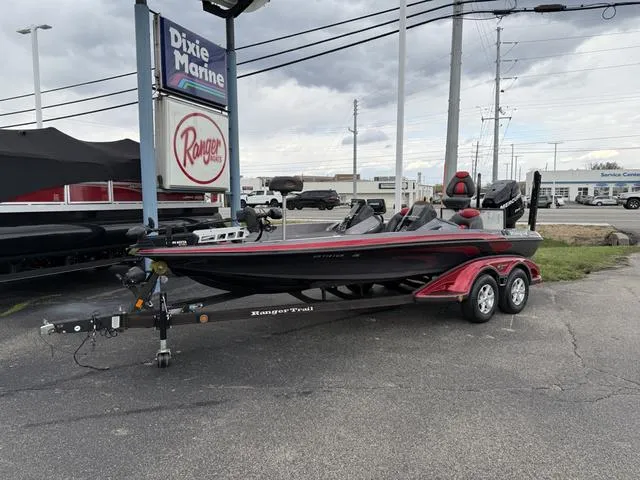
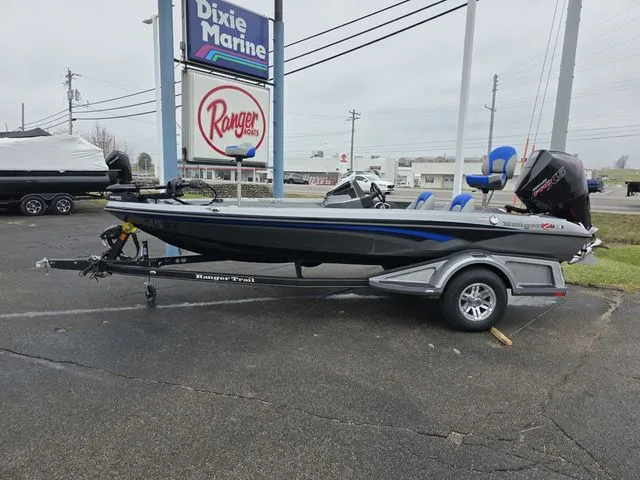
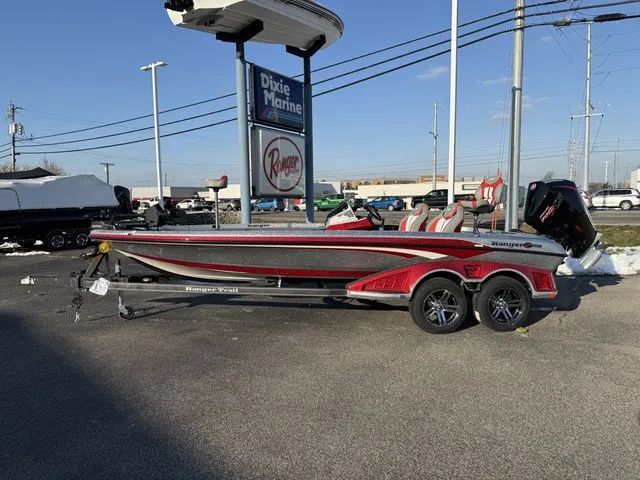
• (Fiberglass Bass Boats) Ranger’s flagship fiberglass bass offerings are the Z Comanche R-Series and related legacy Z-series boats. These are tournament-bred, pad-bottom performance hulls with center-console style bass layouts, massive front and rear casting decks, dual livewells, and extensive rod and tackle storage. The current Z Comanche R lineup centers on the Z521R (21' 9" LOA, 96" beam, 300 HP max) and Z520R (20' 11" LOA, 96" beam, 250 HP max), with past models such as the Z519L (19' 9" LOA, approx. 97.5" beam, 225 HP max) illustrating the 19–21-foot size class. These boats are optimized for high-speed freshwater bass fishing on lakes and rivers, with hulls tuned for rapid hole-shot, 60–70+ mph potential with appropriate power, and precise handling. They serve serious tournament and club anglers who demand pro-level livewell systems, electronics capacity, and premium fit-and-finish, positioning Ranger at the top tier of fiberglass bass performance.
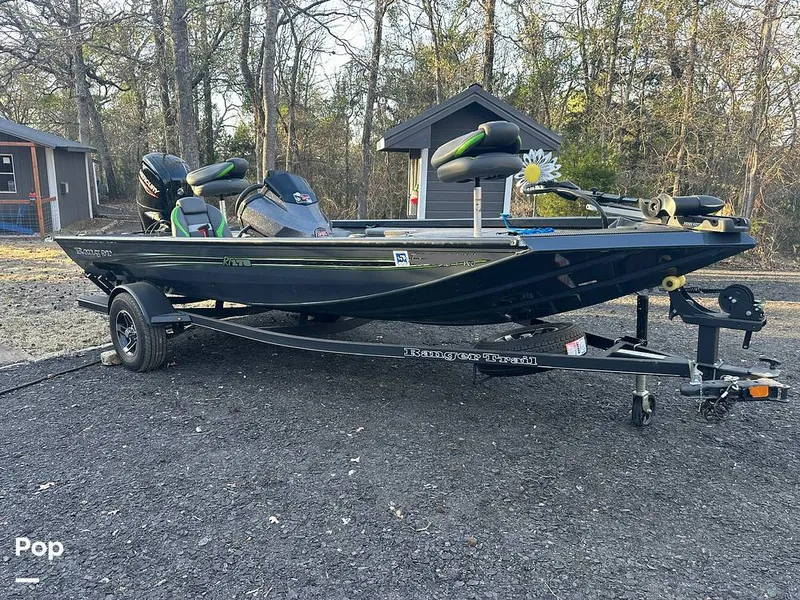
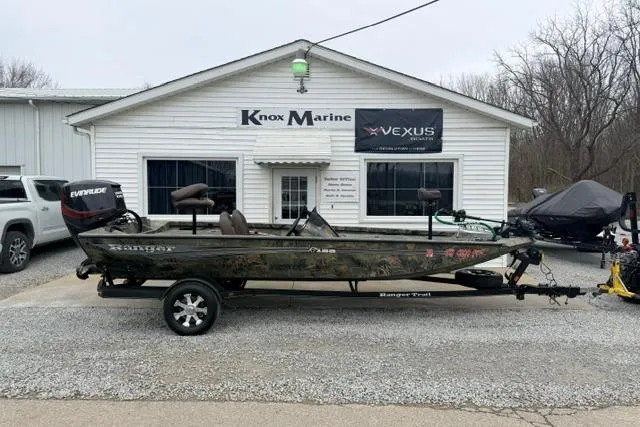
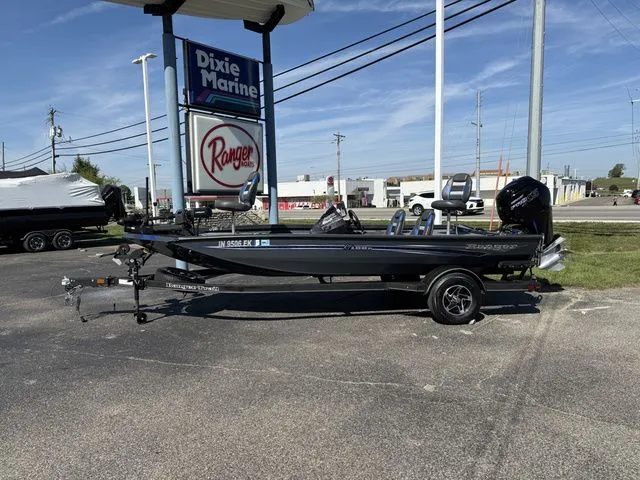
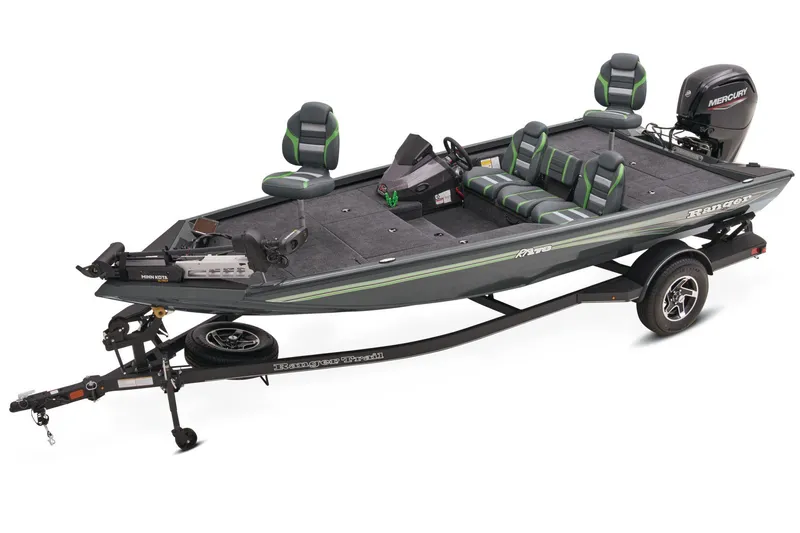
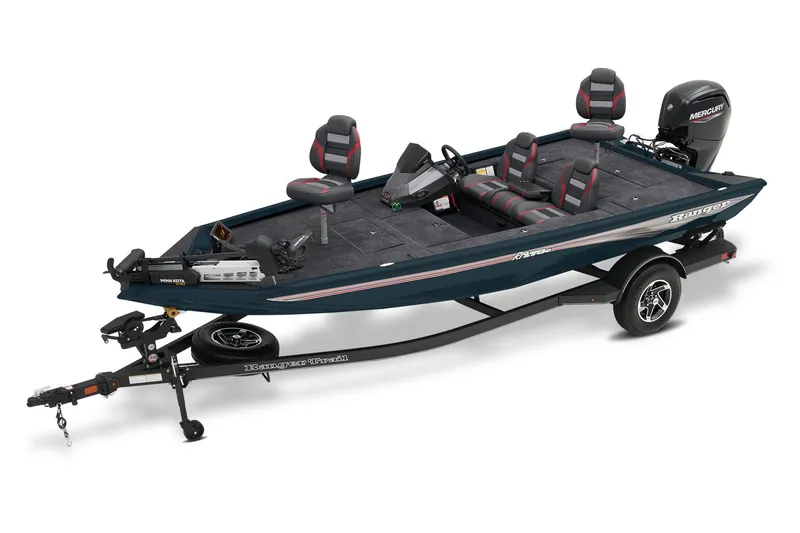
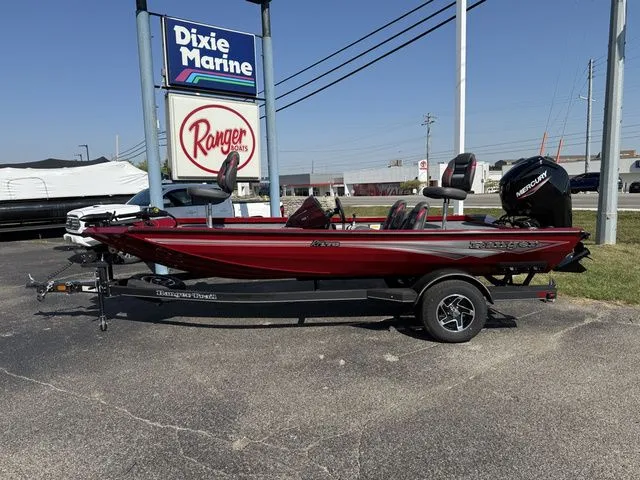
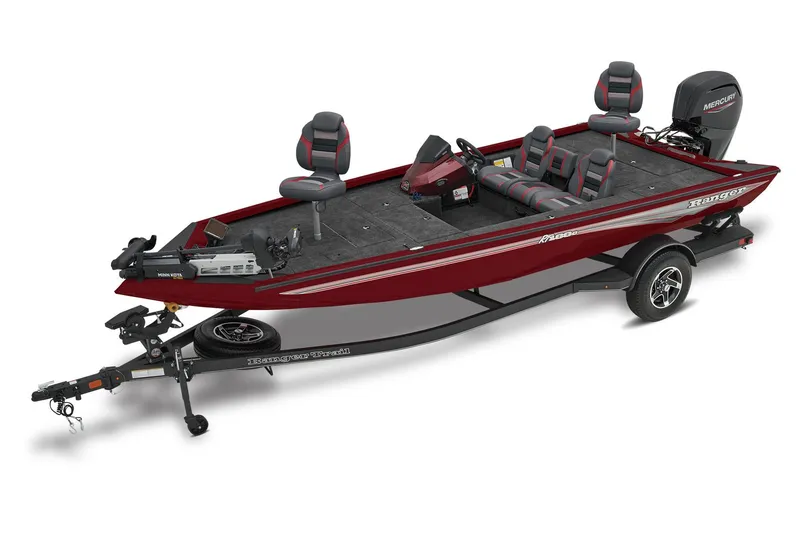
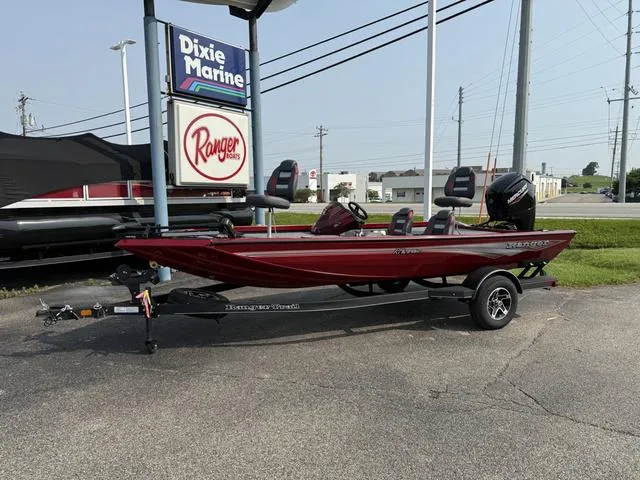
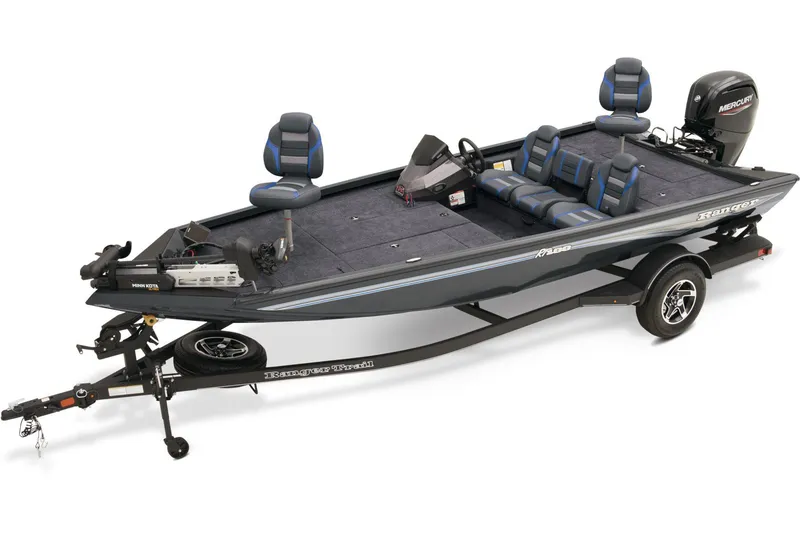
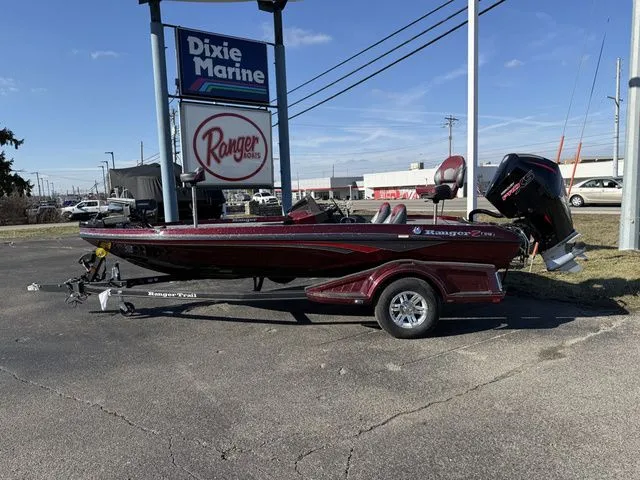
• (Aluminum Bass Boats) Ranger’s aluminum bass portfolio is built around the RT Series and Alpha Series, all-welded aluminum rigs that deliver shallow-water capability and easier towing while maintaining tournament-style layouts. Typical RT and Alpha models run approximately 17–20 feet in length with moderate beams, elevated fore and aft casting decks, aerated livewells, integrated rod lockers, and either center or side consoles depending on model. Powered by outboards generally in the 60–150 HP range, these boats are lighter than their fiberglass counterparts yet still fish big, making them ideal for anglers who frequent smaller lakes, rivers, and shallow backwaters or who tow with mid-size vehicles. Their hulls are designed for skinny-water access, quick planing, and efficient performance, giving budget-conscious or first-time bass boat buyers a durable, all-welded platform with serious fishing credentials.
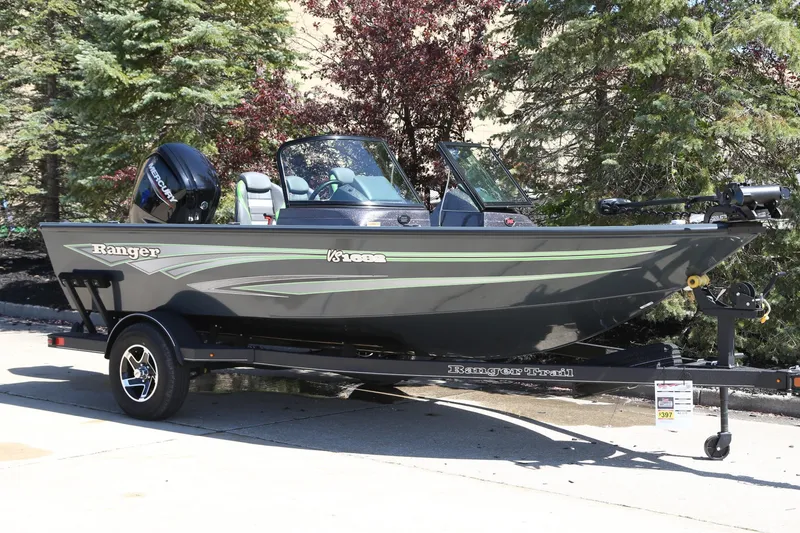
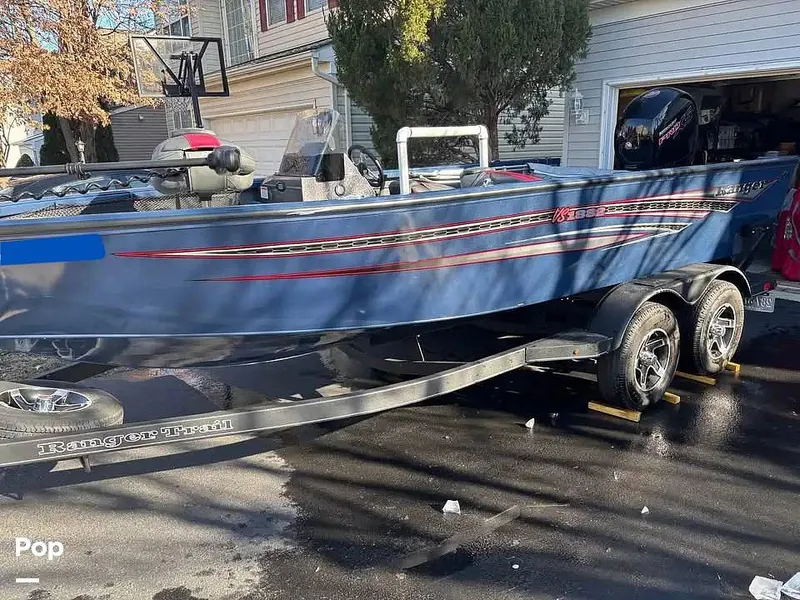
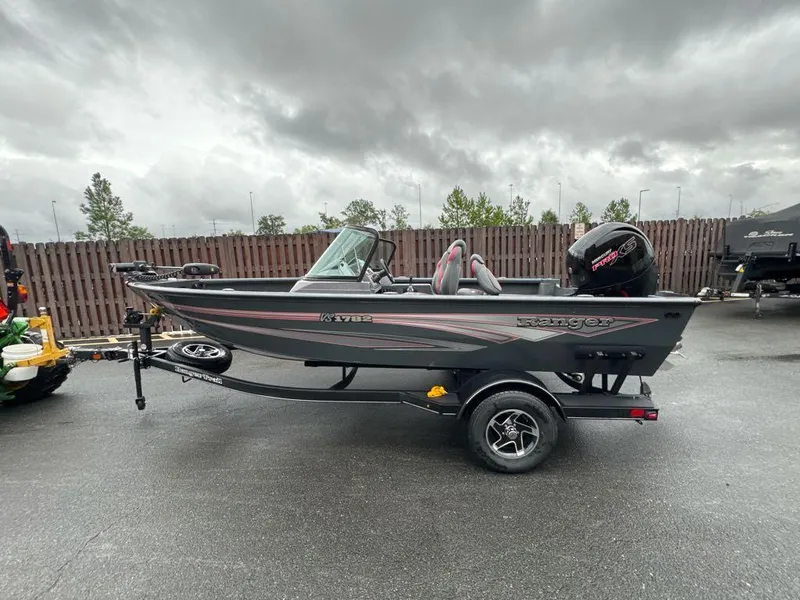
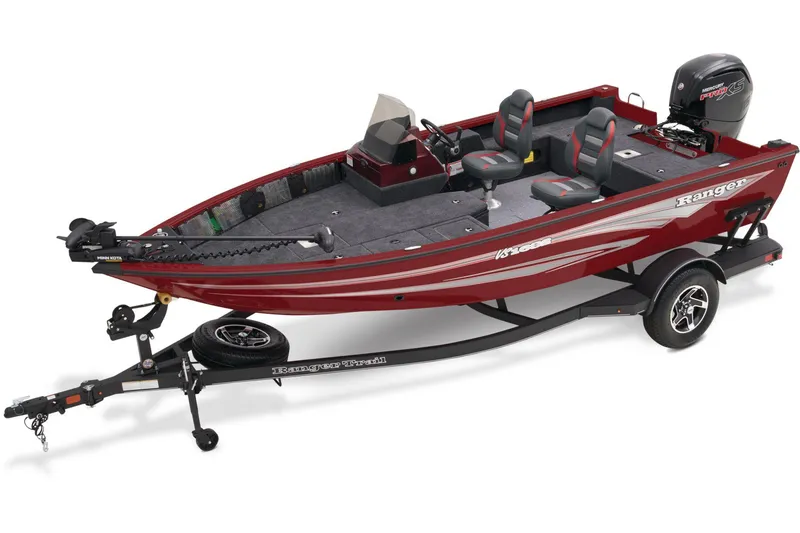
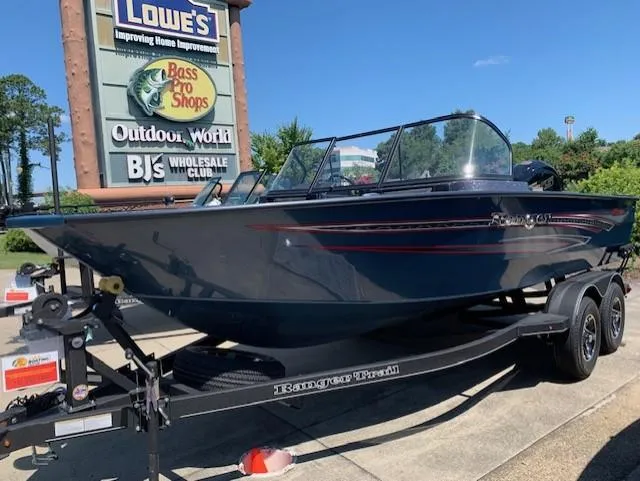
• (Aluminum Deep-V Multispecies Boats) Ranger’s all-welded Deep-V aluminum lines—the VS and VX Series—serve multispecies anglers and big-water environments. Boats such as the VS1782SC Reata measure 17' 8" LOA with a 96" beam and up to 150 HP, while larger VX models extend into the 19–20+ foot class with ultra-wide beams and higher horsepower ratings in the 150–250 HP range. These Deep-V hulls feature higher freeboard, deep, secure cockpits, and aggressive entries that slice through waves and keep crews dry on large, rough lakes. Layouts emphasize big, level bow and stern casting decks, expansive rod lockers, roomy cockpits, and large livewells suited to walleye, pike, trout, and salmon fishing. Reata-branded VS variants add family-oriented fish-and-play features—such as enhanced seating, ski tow options, and storage—while retaining serious angling capability, making them versatile platforms for both hardcore fishing and family recreation.
• (Aluminum Center Console Inshore Boats) For inshore and nearshore saltwater or big-river use, Ranger builds the RB Series, a family of all-welded aluminum center console boats. These rigs typically fall in the mid-teens to low-20-foot range with moderate beams and outboard power from roughly 90–200 HP, depending on the model. RB hulls blend bay-boat style, shallow-draft capability with rugged aluminum construction, featuring open, uncluttered decks, forward and aft casting platforms, elevated center consoles for improved visibility, and aerated livewells. Under-deck and compartment storage accommodates tackle and safety gear, while rod holders and leaning posts support active casting. The RB Series targets anglers chasing redfish, speckled trout, and similar inshore species in bays, sounds, and coastal rivers, with enough hull and freeboard to handle moderate nearshore runs on favorable days, appealing to fishermen who want a tough, low-maintenance inshore platform.
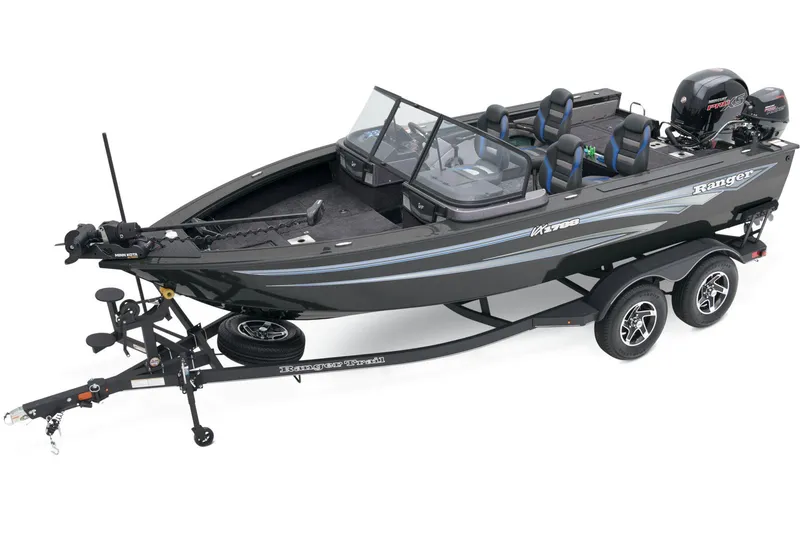
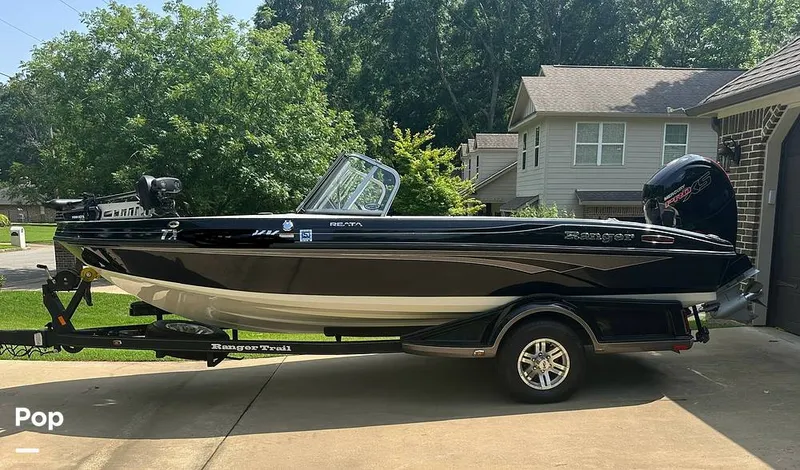
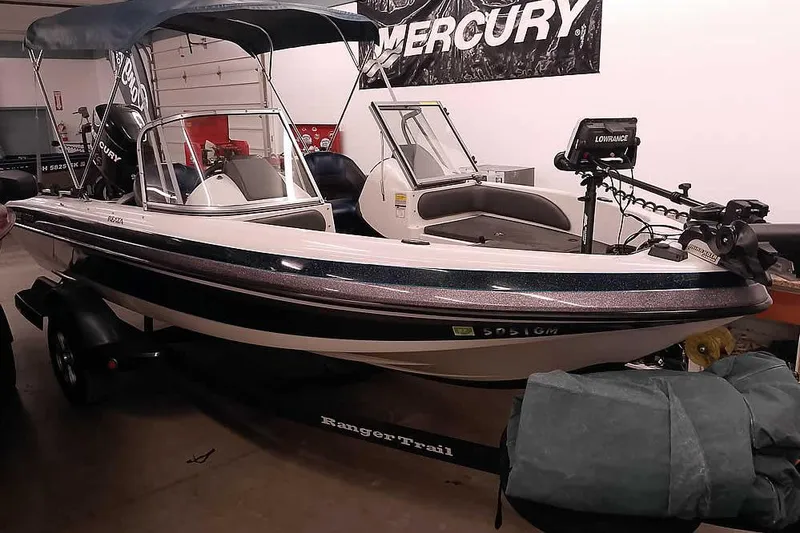
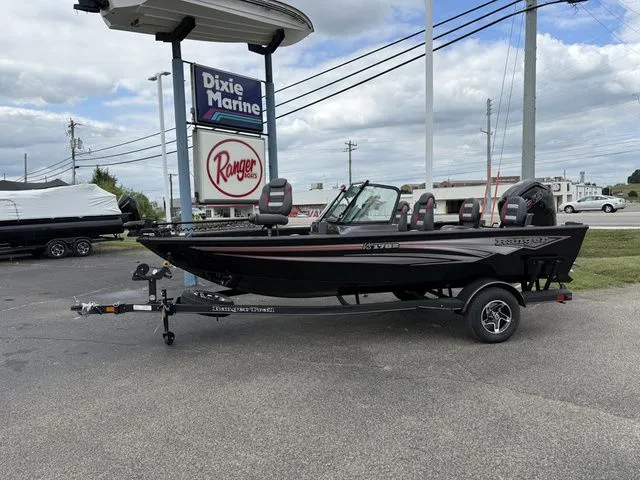
• (Fiberglass Deep-V & Fish-and-Play Boats) Ranger’s fiberglass Deep-V and fish-and-play offering covers multispecies fishing and family recreation in one platform. These boats inhabit the mid- to upper-teens through low-20-foot range with beams in the mid-90-inch class and outboard ratings commonly between 150–250 HP. Deep-V hulls with higher sides and walk-through windshields provide security and comfort in rougher freshwater conditions, while interiors feature large bow and aft casting decks, big livewells, and ample storage for rods and gear. Reata-branded fish-and-ski and fish-and-play layouts add plush aft bench seating, upgraded upholstery, ski tow capabilities, and family-friendly storage solutions for water toys, all without sacrificing serious angling features. This category is aimed at northern and inland lake families who split their time between chasing walleye, pike, or bass and towing tubes or cruising, seeking a single boat that capably handles both roles.
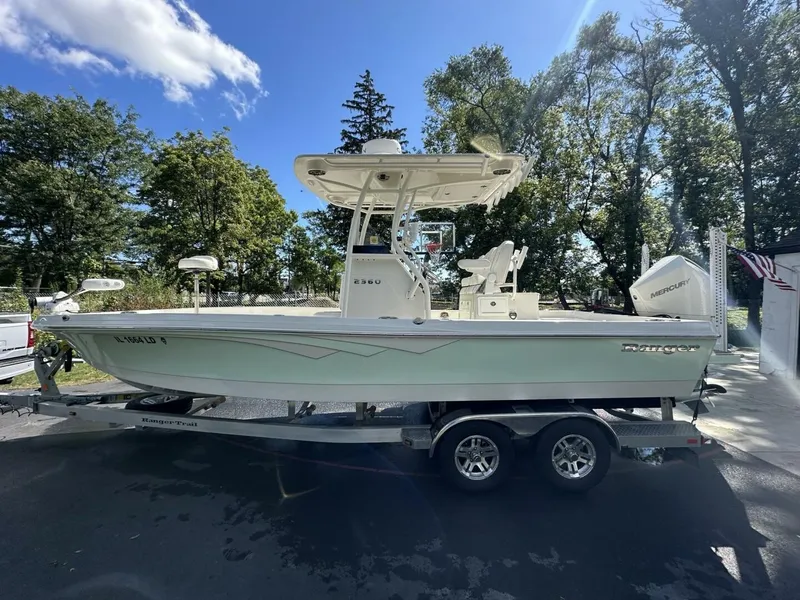
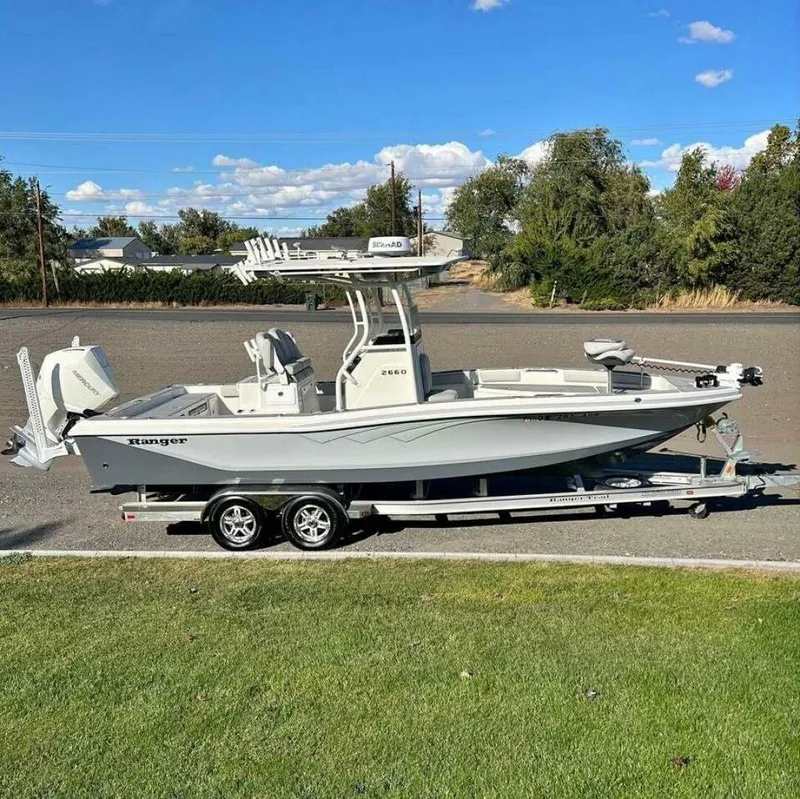
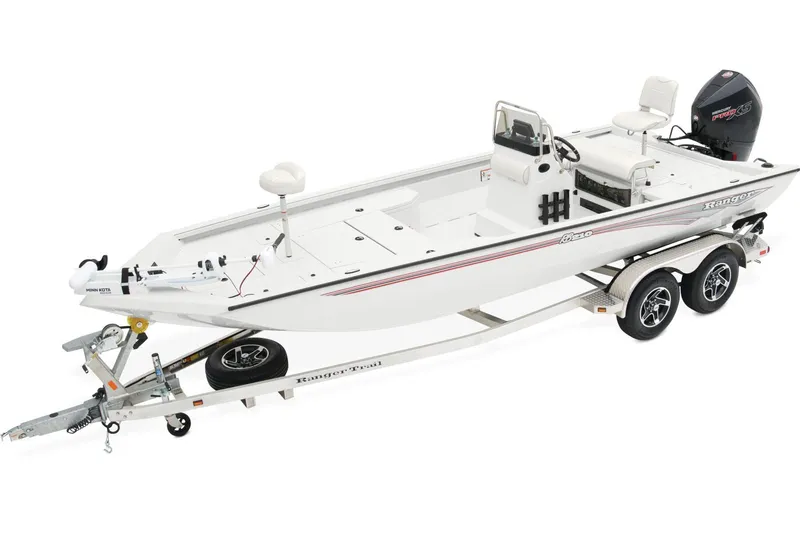
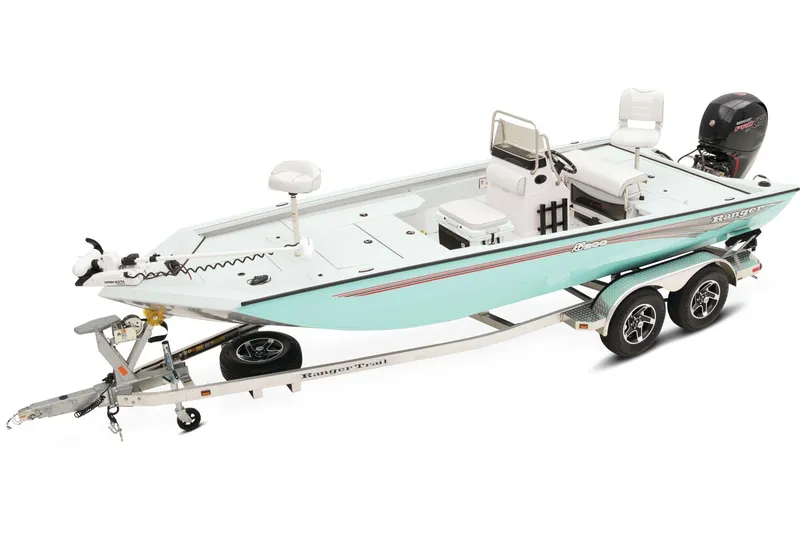
• (Fiberglass Bay Boats) Ranger’s dedicated fiberglass bay boats are purpose-built for inshore and coastal saltwater fishing. Spanning roughly the 18–24-foot range with beams around 8–8.5 feet, these models employ shallow-draft, modified-V bay hulls that balance stability at rest with a soft ride across choppy bays and coastal flats. Deck plans emphasize wide fore and aft casting decks, raised consoles with leaning posts, multiple aerated livewells, abundant rod storage along gunwales and in locking lockers, and integrated fishbox and storage compartments. Powered by outboards from about 115–300 HP depending on size, the bay series targets anglers pursuing redfish, speckled trout, snook, and similar species in bays, estuaries, and tidal rivers, while retaining enough hull for light offshore work in favorable weather. These boats carry Ranger’s finish quality and rigging detail into the coastal inshore arena.
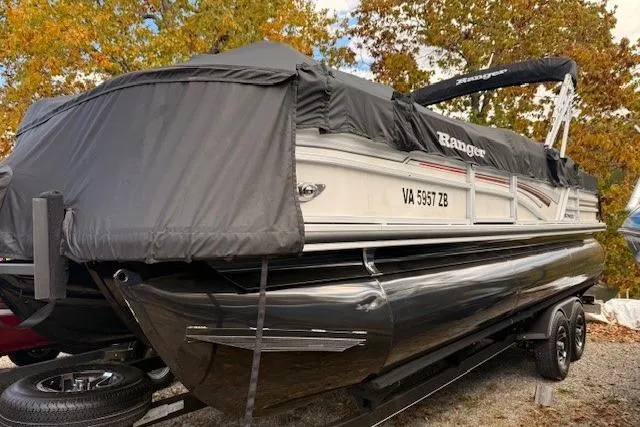
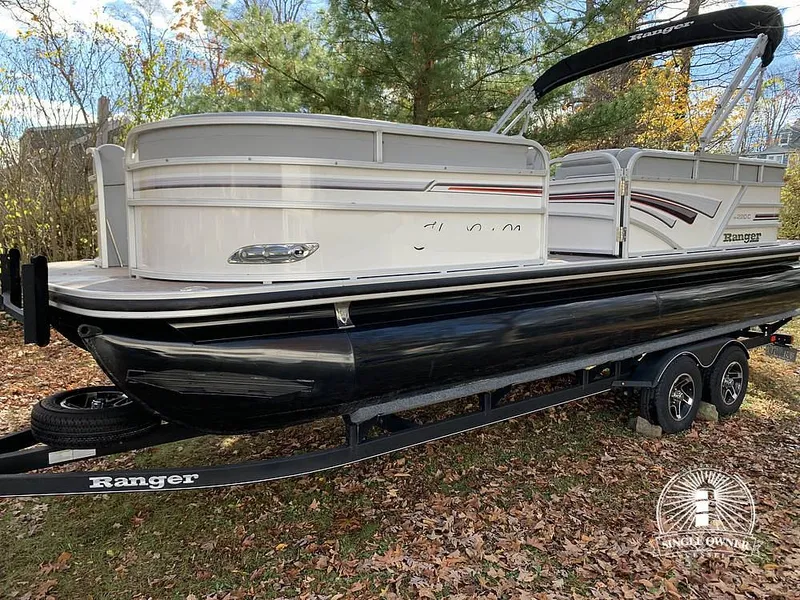
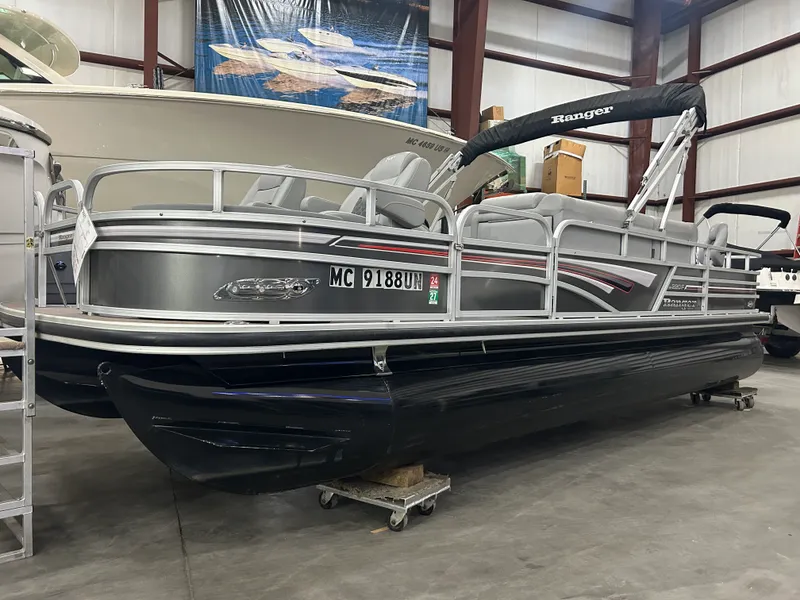
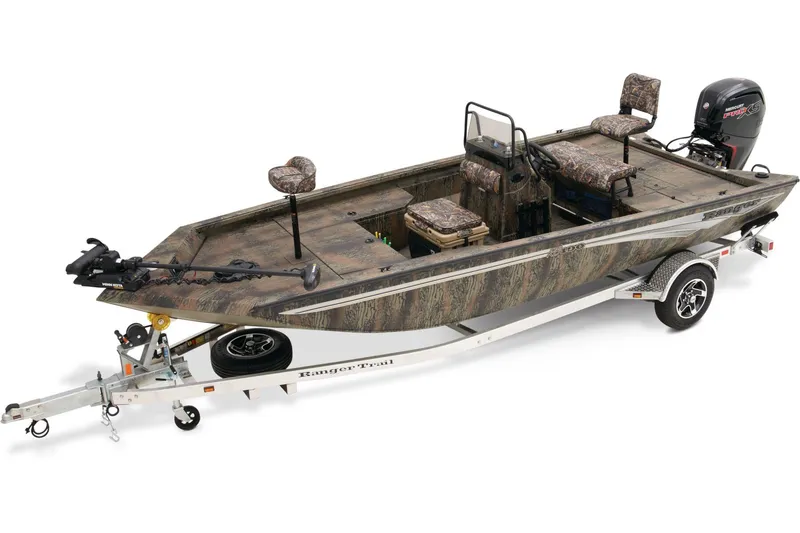
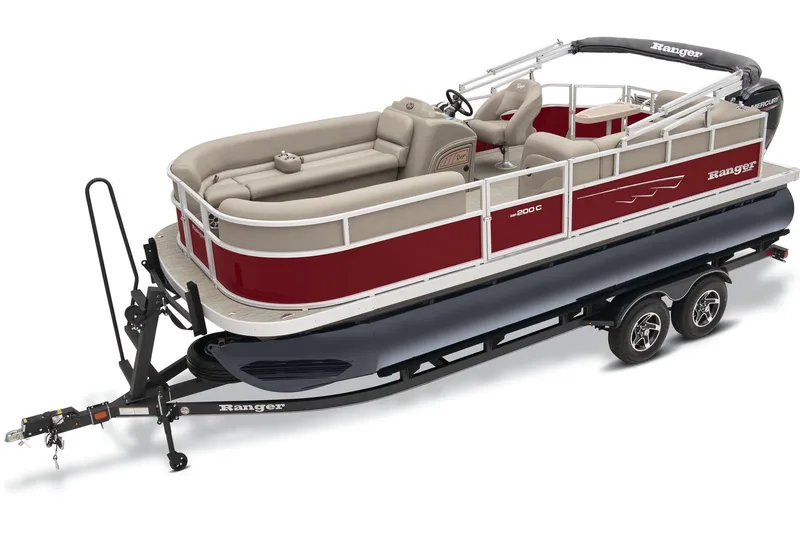
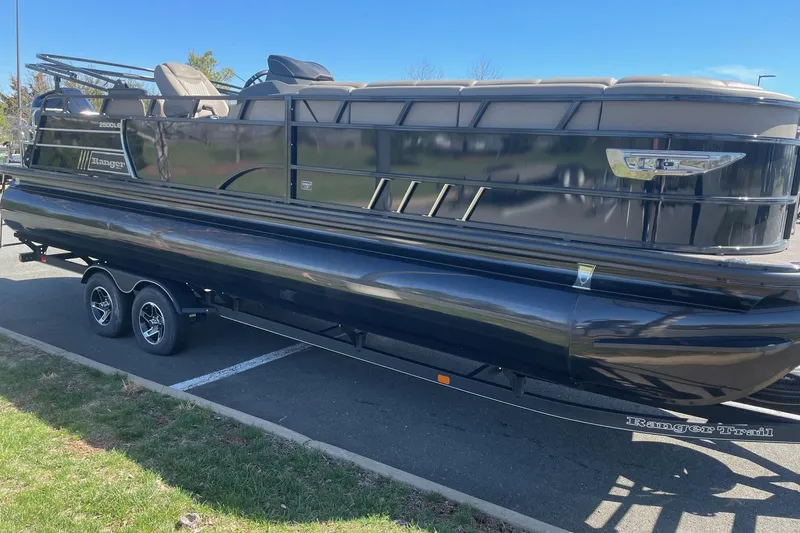
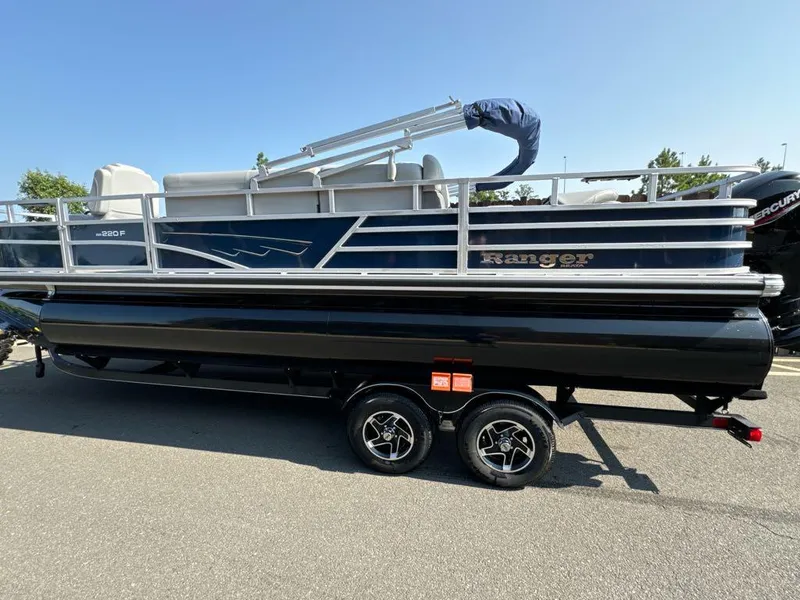
• (Pontoons) Ranger extends its fishing heritage into the pontoon segment with a line of Reata-branded pontoons offered in luxury cruise, dedicated fish, pure cruise, and Fish & Cruise hybrid layouts. Generally in the low-20s to about 26 feet in length with 8.5-foot beams, these pontoons are available in twin-tube and performance tri-toon configurations, powered by outboards ranging roughly from 115–300 HP depending on tube package and performance options. Fishing-focused floorplans incorporate bow and stern fishing stations, livewells, rod storage, and easy-clean decks, while cruise models emphasize plush lounge seating, entertainment space, and storage. Fish & Cruise layouts mix both, adding casting areas to family seating arrangements. Across the range, construction quality, premium upholstery, and thoughtful storage solutions create comfortable, stable platforms for relaxed lake cruising, sandbar rafting, and casual fishing, with an angler-centric edge that distinguishes Ranger pontoons from purely leisure-focused competitors.
HOW ARE THESE BOATS BUILT?
Ranger boat construction begins with precision‑engineered fiberglass hulls laid up in computer‑designed molds for consistent running surfaces and crisp chines. A premium ISO/NPG marine gelcoat is applied for UV stability and gloss retention, typically backed by a vinyl ester barrier coat to resist osmotic blistering and improve long‑term hull integrity. Behind this barrier, Ranger uses a combination of fiberglass mat, woven roving and multi‑axial fabrics that are carefully rolled to eliminate air pockets and maintain optimal glass‑to‑resin ratios for strength. The structural backbone is a one‑piece, fiberglass stringer and transom system built around Ranger’s patented pultruded fiberglass components, which deliver exceptional screw retention and compressive strength compared to conventional plywood or generic composites. These pultruded stringers, gussets and transom elements are laminated into the hull while resins are still in the green state to create a true unitized structure. Closed‑cell, two‑part foam is injected into stringer cavities and hull voids to provide upright, level flotation that exceeds U.S. Coast Guard requirements, while also deadening sound and adding stiffness for a quieter, more solid ride. Throughout the lamination process, Ranger follows industry best practices aligned with ABYC structural and flotation guidelines and builds to NMMA certification standards for layup quality, compartment drainage and capacity labeling. The hull‑to‑deck joint is chemically bonded 360 degrees with marine structural adhesives, then through‑bolted or mechanically fastened with stainless hardware on a close pattern to create a rigid, leak‑resistant, “one‑piece” feel that enhances durability in rough water.
Above the hull, Ranger specifies marine‑grade 316 stainless steel hardware for cleats, rails and fasteners in critical areas, with anodized aluminum and composite backing plates where appropriate to spread loads and prevent print‑through. Electrical systems are loomed and supported to ABYC E‑11 standards, with tinned copper wiring, heat‑shrink terminals, proper circuit protection and clearly labeled distribution panels, while plumbing runs use reinforced marine hose, double stainless clamps below the waterline and seacock installations consistent with current ABYC H‑27 and H‑24 practices. Upholstery is crafted from UV‑stable, mildew‑resistant marine vinyl over high‑density foam and composite seat bases, and interior finishes favor molded fiberglass liners and composite cores that will not rot. Ranger boats are designed in CAD and lofted digitally, with CNC‑cut patterns and templates used for composite parts, bulkheads and cutouts to guarantee accuracy from boat to boat. Large structural components are predominantly hand‑laid for controlled fiber orientation, while Ranger’s closed‑cavity bag molding and other vacuum‑assisted processes are employed on lids, consoles and small parts to improve resin distribution, reduce emissions and achieve higher strength‑to‑weight ratios. Throughout production, in‑process inspections, laminate thickness checks, adhesion testing and systematic water‑testing of livewells, bilge systems and drainage help Ranger meet or exceed NMMA and ABYC benchmarks, including Coast Guard flotation criteria. The result is a construction standard that often surpasses typical industry practices in areas such as pultruded transoms and fully foam‑filled interiors, backed by competitive limited structural warranties that reflect the company’s confidence in long‑term hull integrity. Overall, the Ranger boat construction philosophy emphasizes safety, structural redundancy and consistent quality so that anglers and families can rely on each hull to perform predictably and withstand years of demanding use.
WHERE ARE THESE BOATS BUILT?
Ranger Boats are built in the United States at the White River Marine Group manufacturing facility in Flippin, Arkansas, where the brand has been headquartered and producing boats for more than 55 years. This primary plant, part of the Bass Pro Shops owned White River Marine Group that also manufactures Tracker, Nitro, Triton, Sun Tracker, Regency, Tahoe and Mako boats, focuses on high performance fiberglass bass and multi species models as well as select aluminum and pontoon products. Following recent consolidation of regional operations, the expanded Flippin facility now supports additional Ranger production and Ranger Trail custom trailer manufacturing and employs roughly 500 skilled craftspeople on site within a large scale, vertically integrated complex dedicated to marine manufacturing. The brand’s saltwater lines and some aluminum models are produced within the same corporate manufacturing network at specialized White River Marine Group plants, but all core Ranger bass boat production remains centered in Flippin to preserve the company’s heritage and manufacturing consistency.
Ranger’s production in Flippin began in 1968 when Forrest and Nina Wood started building the first modern bass boats there, and after a devastating plant fire in 1971 the company quickly rebuilt and resumed manufacturing on an enlarged footprint that has continued to expand over the decades. Ownership of Ranger transitioned in 1987 and later again in 2015 when Bass Pro Group brought Ranger into White River Marine Group, integrating the Flippin operation with sister brands while still maintaining dedicated Ranger assembly areas and production lines. Within the Flippin facility, hull lamination, composite structure layup, stringer and deck bonding, rigging, electrical installation, upholstery, and final assembly are organized into specialized zones so that fiberglass bass, multi species and fish‑and‑play models move through clearly defined production cells from mold to finished boat. A major expansion announced around 2010 added new square footage and retooled space to accommodate the integration of Stratos and Triton production along with higher volume Ranger output, followed by more recent investments in state of the art equipment for high performance aluminum models and trailer fabrication. The plant’s location in the Arkansas Ozarks near key freshwater fisheries offers ready access to real world testing environments and a stable regional workforce with multi generation boat building experience that supports continuous, high quality production.
Quality control at the Flippin manufacturing facility begins with incoming raw material inspections for fiberglass, resins, core materials and aluminum, followed by in process checks at lamination, bonding, rigging and finishing stages to verify thickness schedules, structural adhesion, hardware torque values and electrical continuity for every Ranger boat. Final production stages include comprehensive fit and finish inspections, system function tests for fuel, livewells, steering and electronics, and water testing or tank testing on representative models to validate hull performance before boats are released to dealers. As part of White River Marine Group, Ranger benefits from shared engineering resources, advanced CAD design, finite element analysis of hulls and transoms, and common manufacturing best practices that are implemented across brands while still maintaining Ranger specific tooling, gelcoat systems and rigging standards. This consolidated network allows cross utilization of innovations such as upgraded composite transom materials, noise and vibration reduction techniques and trailer corrosion protection processes that are proven at scale and then refined for Ranger applications. Concentrating core Ranger fiberglass production in the Flippin plant provides a single, tightly controlled environment for process discipline and quality assurance, giving the brand consistent manufacturing outcomes even as certain saltwater and aluminum models are produced in other specialized White River Marine Group facilities.
In summary, Ranger Boats are primarily built in Flippin, Arkansas, within a U.S. manufacturing facility that has grown from a small shop into a modern, multi line marine production plant under the White River Marine Group umbrella. While some Ranger aluminum and saltwater models are produced at companion plants within the same corporate manufacturing network, the Flippin operation remains the heart of the brand’s bass boat manufacturing, staffed by a seasoned workforce and supported by ongoing investments in technology and process control. Ranger takes pride in its American manufacturing heritage, its Arkansas roots and its commitment to maintaining consistent, high quality production at its core facility for anglers around the world.
WHAT IS THE BIGGEST BOAT OF THIS BRAND BUILT TODAY?
The biggest boat built by Ranger Boats today is the Ranger 622FS PRO, a massive Deep V multi-species powerhouse designed to conquer big water like the Great Lakes. Measuring 22 feet 10 inches in overall length with a wide 102-inch beam, the 622FS PRO physically dwarfs the brand's traditional bass boats, offering greater depth, displacement, and stability. It is rated for a maximum of 400 horsepower, typically rigged with a Mercury Verado 350 or 400 outboard, giving it the muscle to push through heavy swell and carry heavy tournament loads at speed. With a fuel capacity of 56 gallons, this flagship is engineered for long-range runs in conditions that would keep smaller boats at the dock.
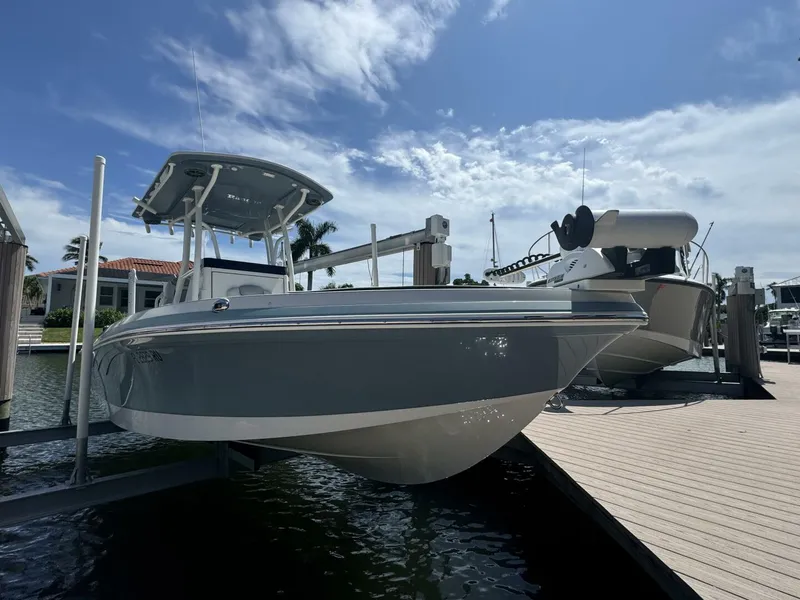
As the pinnacle of Ranger’s "Fisherman Series," the 622FS PRO is purpose-built for walleye, musky, and smallmouth anglers who require safety and control in rough water. The interior features a deep, secure cockpit with a full walk-through windshield, four custom suspension seats, and an expansive rear casting deck that preserves fishability without sacrificing freeboard. Standard equipment is extensive, including the Ranger R.I.D.E. digital switching system, a huge 50-inch livewell to accommodate trophy fish, and rod storage capable of holding rods up to 8'6" in length. By combining a sheer 22'10" hull length with a 400-horsepower rating and structural reinforcements for big-water durability, the 622FS PRO stands as the largest and most capable vessel in the current Ranger Boats fleet.
WHAT IS THE SMALLEST BOAT OF THIS BRAND BUILT TODAY?
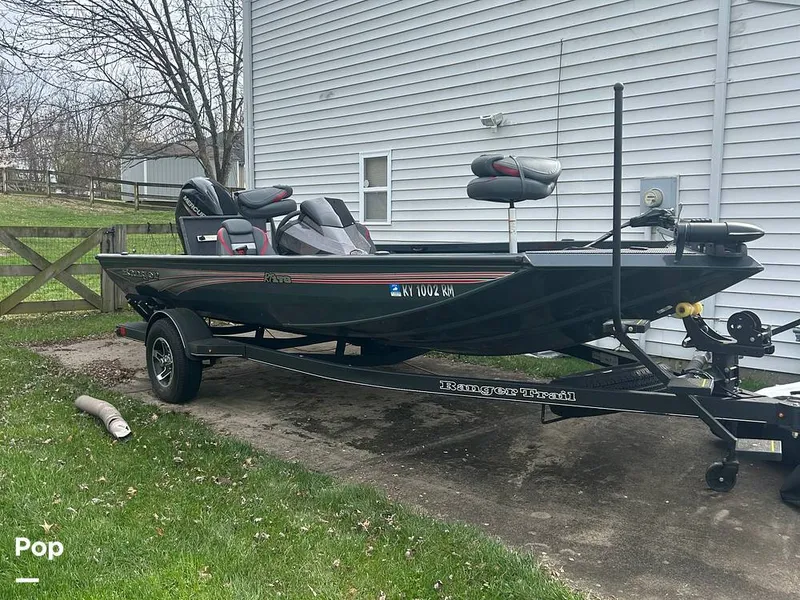
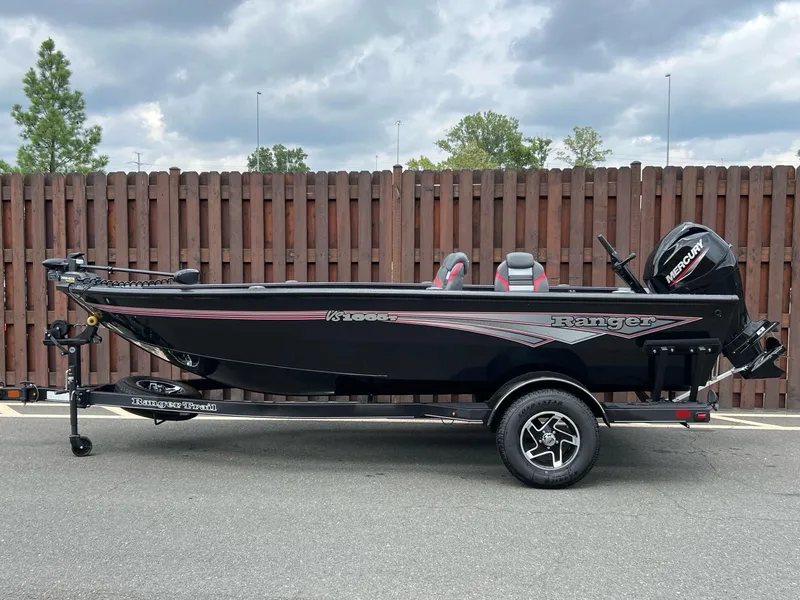
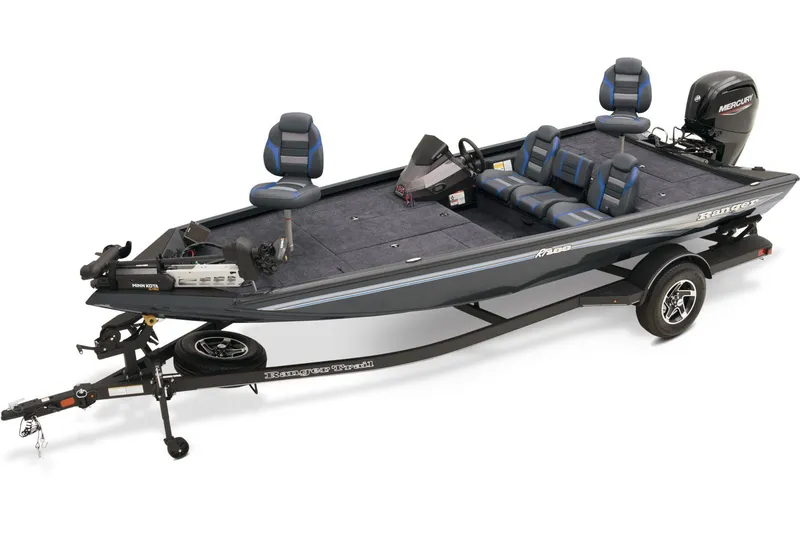
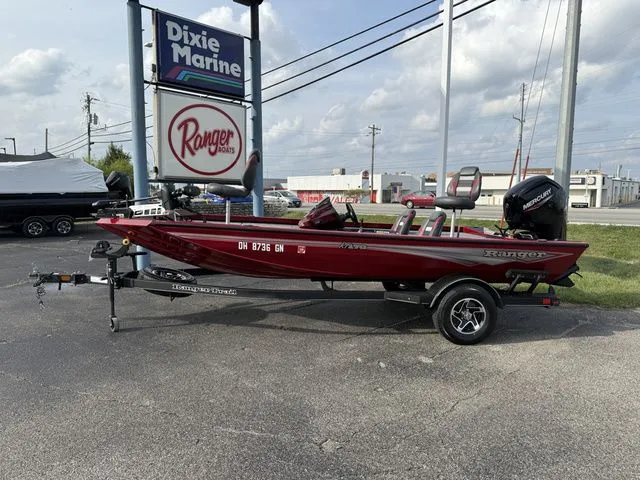
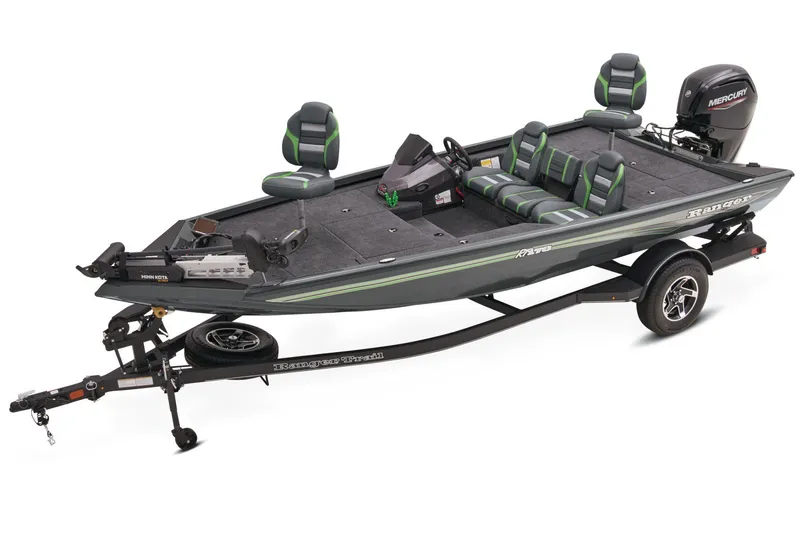
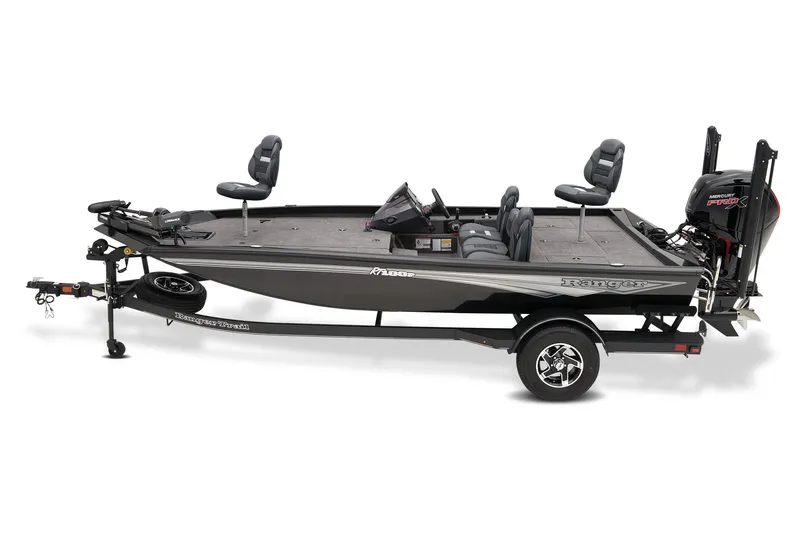
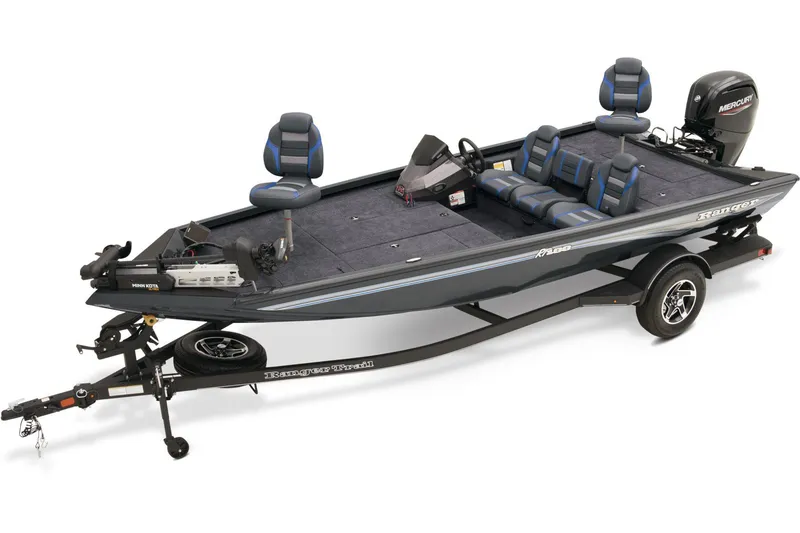
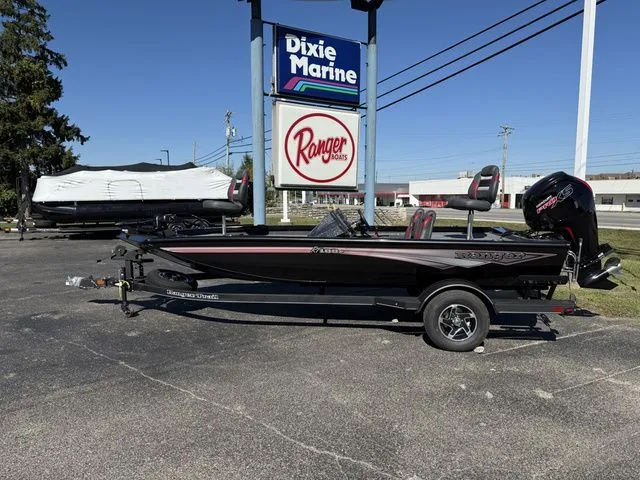
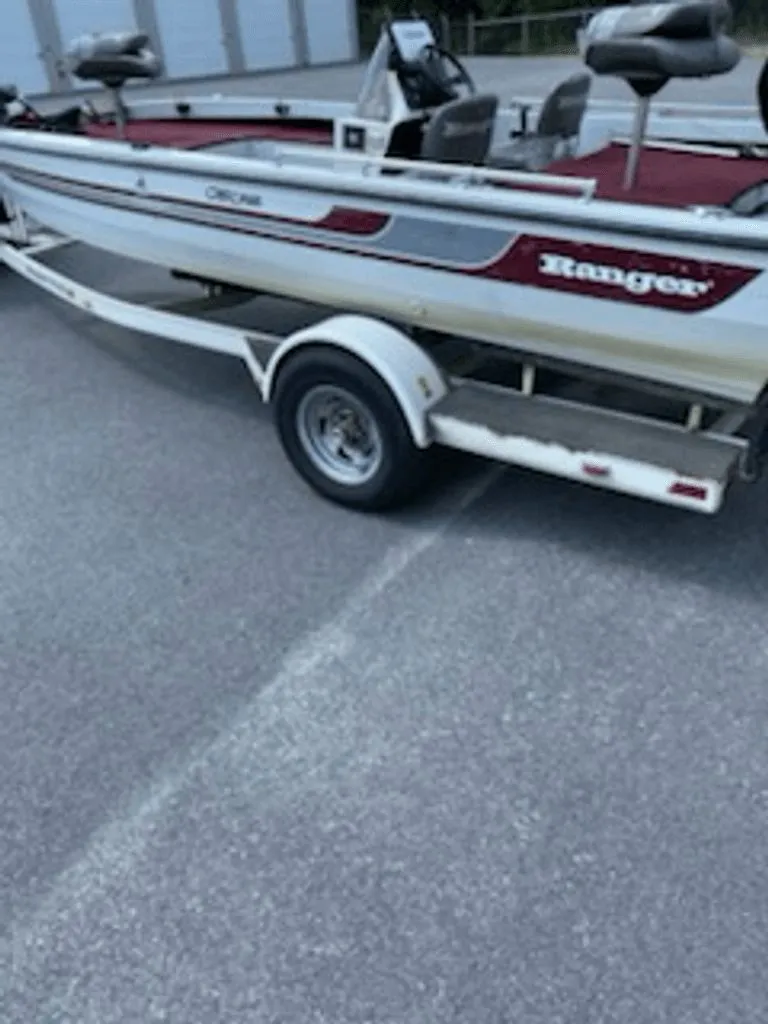
The smallest model in Ranger Boats's current lineup is the RT178, an all welded aluminum bass boat that measures 17 feet 10 inches in overall length with a 92 inch beam, an approximate boat weight of about 1,210 pounds and a compact footprint that tows easily behind many mid size SUVs and half ton pickups, making it an approachable, entry level fishing rig for serious bass anglers who still want true tournament style performance. With its relatively light hull weight and modest beam, the RT178 is designed for simple storage in a typical residential driveway or garage and its trailer length of just over 23 feet with the motor down fits comfortably on most standard boat trailers, so new boaters can enjoy the convenience of easy trailering to local lakes, rivers and reservoirs without needing heavy duty tow vehicles or oversized storage solutions, while experienced anglers appreciate how nimble and efficient a smaller aluminum bass boat can be when they are hopping between ramps or chasing fish on smaller waters.
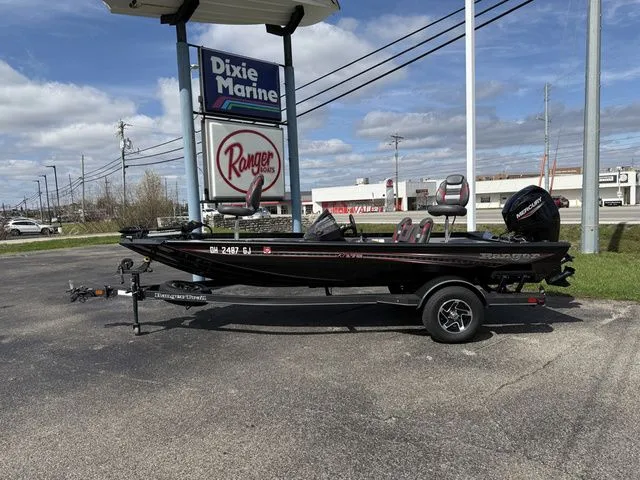
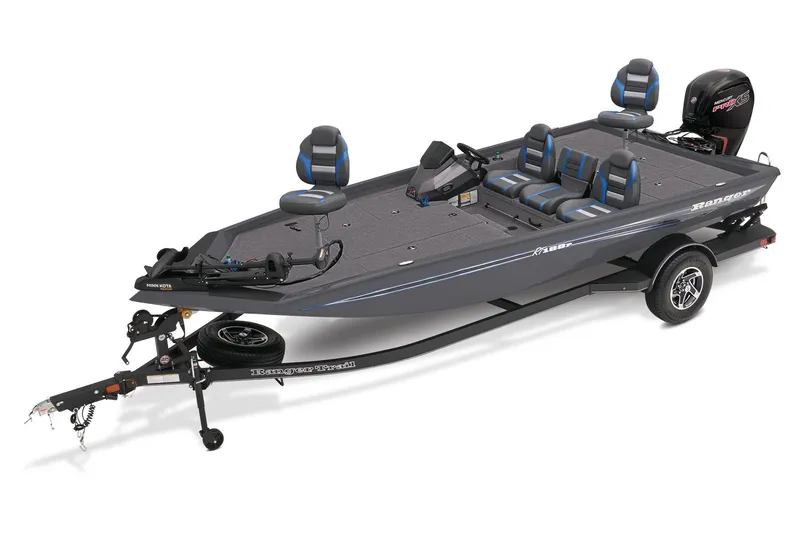
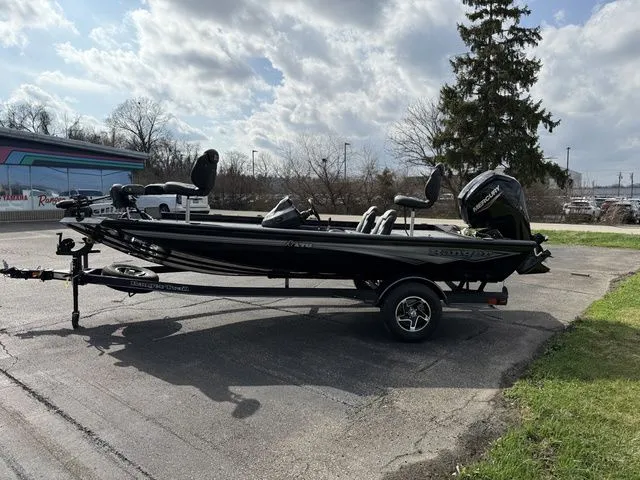
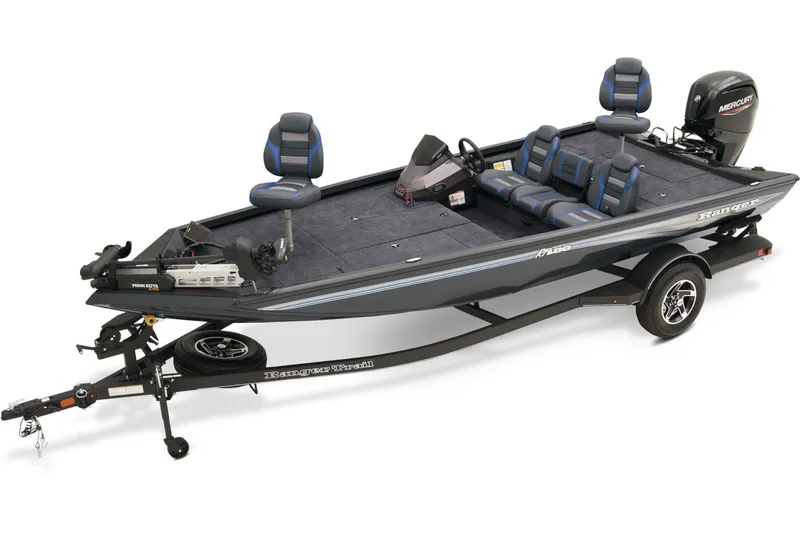
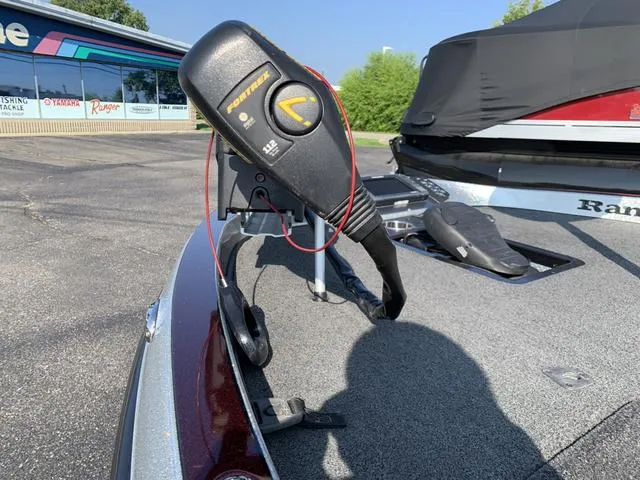
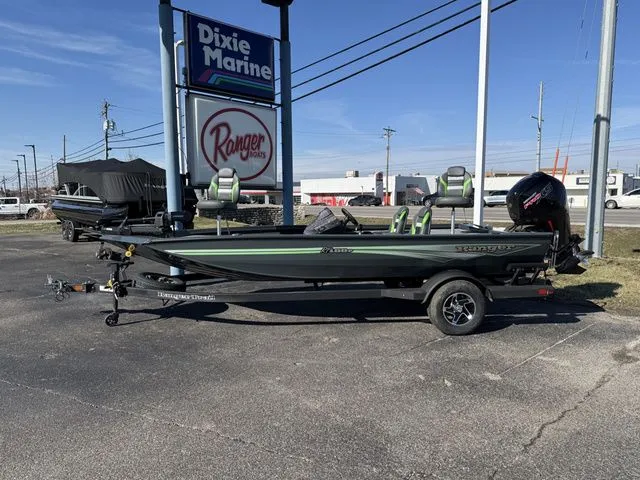
The Ranger RT178 is an aluminum bass boat with a traditional bass boat layout built around elevated fore and aft casting decks, a compact cockpit and a side console helm, giving anglers a wide, open front deck with room to work multiple rods plus rear casting space that still leaves room for two anglers to fish comfortably, and while the maximum person capacity is rated at four by the manufacturer many owners will find that two to three adult passengers is the most comfortable load for serious casting and moving around on deck. The RT178 uses all welded, wood free aluminum construction with upright, level flotation and a hull that combines a relatively wide 92 inch beam with a 64 inch bottom width to deliver a stable, confidence inspiring fishing platform in a compact footprint, and Ranger Boats builds the RT178 with the same attention to detail seen in its larger bass boats, including foam flotation, integrated rod storage and premium marine grade carpet and upholstery that help it stand up to years of freshwater bass fishing use. Under the deck, the RT178 carries a fuel capacity of about 22 gallons feeding an outboard engine that is typically paired in the 60 to 75 horsepower range with 75 horsepower as the maximum rated horsepower, a setup that provides good holeshot, easy planing and efficient cruise speeds on small to medium sized lakes while still remaining fuel efficient enough for long days of running and gunning between spots, and depending on load and conditions many owners will see practical top speeds that feel quick and sporty without being intimidating to newer boaters. In terms of fishability and recreational features, the Ranger RT178 includes a roomy bow deck ideal for mounting a trolling motor and sonar, a recessed trolling motor pedal position, integrated tackle and gear storage under both decks and a livewell system sized for bass and panfish, so it works equally well as a tournament style weekend bass rig or as a versatile freshwater fishing boat for casual outings with family or friends, and the compact size plus generous storage make it easy to keep rods, tackle and safety gear organized without giving up walkable deck space. Positioned as an accessible, high value entry point into the Ranger Boats bass lineup, the RT178 offers the benefits of lighter towing weight, easier trailering and storage, and lower fuel burn compared with larger fiberglass models, making it an ideal choice for anglers who fish smaller inland lakes and rivers, who trailer frequently, or who are stepping up from a jon boat or kayak into their first true bass boat but still want the build quality, thoughtful layout and long term value associated with the Ranger name.
HOW MUCH DO THESE BOATS COST?
Ranger Boats positions itself as a top-tier bass boat builder with a wide spread from aluminum entry-level rigs to premium fiberglass tournament boats, and its official pricing is published as “Priced to be yours” for complete boat, motor, and trailer packages before dealer prep, freight, and local taxes. At the entry level in the aluminum RT Series for the 2026 model year, the smallest current package is the Ranger RT178, a 17'10" mod V aluminum bass boat typically rigged with a Mercury 60 ELPT FourStroke, carrying an official “Priced to be yours” figure of about $29,595 as a base MSRP-style number, with the closely related RT178C crappie configuration listed just slightly higher and other RT models like the RT188, RT188C, RT188P, and RT198P stepping up in length, horsepower, and price. In today’s market, new and nearly new RT178 packages are generally advertised in the high $20,000s to low $30,000s for standard equipment, and current market listings for used RT178 boats tend to range from roughly $18,000 to $25,000 for 2018 to 2022 model years, with some older or heavily used examples dipping into the mid-teens, so real-world market prices can sit noticeably below the latest official “Priced to be yours” numbers once age and condition are factored in.
Moving into mid-range and very popular models, Ranger Boats fills the gap between basic aluminum rigs and the flagship R-series with boats like the aluminum RT188 and a broad fiberglass lineup including the Z518, Z519R, Z520, and Z521 families, all of which have clearly published standard-package pricing that functions as the brand’s MSRP benchmark. The 2026 RT188, an 18'10" aluminum bass boat typically paired with a Mercury 115 ELPT FourStroke CT, carries an official “Priced to be yours” in the mid $30,000s, while the Z518 and Z518 Cup-equipped packages sit in the upper $50,000s to mid $60,000s, the Z519R and Z519R Cup-equipped in the $70,000s, and the Z520 and Z521 fiberglass models extending roughly from high $70,000s into the mid $80,000s for standard packages before options, freight, and dealer prep are added. Against those MSRP-style numbers, current market listings show new 2023 to 2025 RT188s typically advertised from about $31,000 to $37,000 depending on upgrades, with many prior-year units several thousand under their original “Priced to be yours,” and pre-owned RT188s from roughly 2016 to 2021 clustering in a broad $20,000 to $30,000 band. Similarly, mid-range fiberglass Ranger models like the Z518 and Z519R are often marketed a bit below their base MSRP once dealer discounts and incentives are applied, but their real market price quickly climbs with electronics, trolling motor upgrades, shallow-water anchors, and custom trailer options, and used examples usually show about 10 to 30 percent separation from original MSRP depending on age and hours.
At the top of the range, Ranger Boats’ premium fiberglass bass boats in the Z Comanche series, especially the Z520R and Z521R and their Cup-Equipped or Anniversary editions, represent the brand’s flagship tournament offerings and carry six-figure pricing when well equipped. For 2026, official “Priced to be yours” numbers list the Z520R in the low $90,000s, the Z520R Cup-Equipped around the upper $90,000s, the Z521R in the mid $90,000s, and the Z521R Cup-Equipped just over $100,000, while special editions like the 55th Anniversary models have historically pushed MSRP-level pricing into the low $100,000s for base packages before optional electronics and accessories. In the current market, new or nearly new Z520R boats are commonly advertised between roughly $71,000 and $83,000 for standard to moderately optioned 2024 rigs, while Cup-Equipped or similarly loaded packages with high-end sonar, dual shallow-water anchors, and custom trailer upgrades often show asking prices in the $99,000 to $108,000 range. For the slightly larger Z521R, new 2024 units with an official base around the mid to upper $80,000s typically appear in listings from the high $70,000s to high $80,000s depending on dealer discounting, with 2025 and 2026 high-spec or Cup-style packages generally priced close to or just over $100,000, and lightly used 2023 Z520R and Z521R models frequently advertised in the low to mid $70,000s, reflecting roughly 15 to 25 percent real-world depreciation off original MSRP with significant sensitivity to options, engine hours, and cosmetic condition.
Putting it all together, Ranger Boats pricing spans a wide spectrum in both MSRP terms and actual market price, with 2026 aluminum RT178 packages officially “Priced to be yours” around the high $20,000s, mid-range aluminum and fiberglass models like the RT188, Z518, Z519R, Z520, and Z521 running from roughly the mid $30,000s up through the mid $80,000s in official advertised form, and premium Z520R and Z521R R-series flagships commonly positioned from the low $90,000s into low six figures at the base-package MSRP level. In real-world market conditions, current listings show new aluminum RT series boats generally advertised from the high $20,000s to mid $30,000s, mid-range fiberglass Rangers usually a bit below their nominal MSRP but quickly moving higher with popular options, and flagship Z520R and Z521R rigs typically commanding from the mid $80,000s to around $110,000 when fully tournament equipped, while pre-owned examples across the lineup often trade about 10 to 20 percent under original MSRP after one to two seasons and 20 to 35 percent under after four to six seasons. Buyers should also budget for freight, dealer prep, documentation, registration, and applicable taxes on top of the “Priced to be yours” figures and should expect some negotiation room in the form of cash discounts, incentives, or added gear, especially on prior-year inventory, but the strongest, most sought-after models and configurations will track closer to official pricing. Market prices vary by location, condition, model year, and dealer.
WHAT OTHER STYLES OF BOATS DO THEY MAKE?
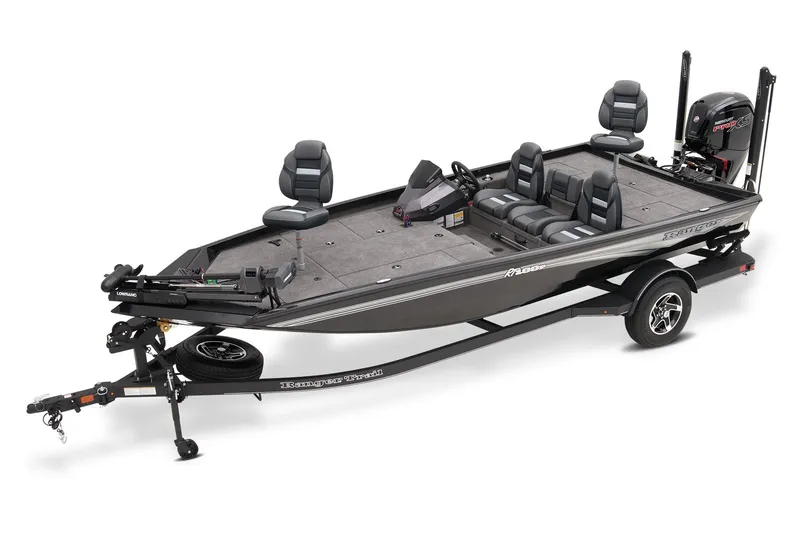
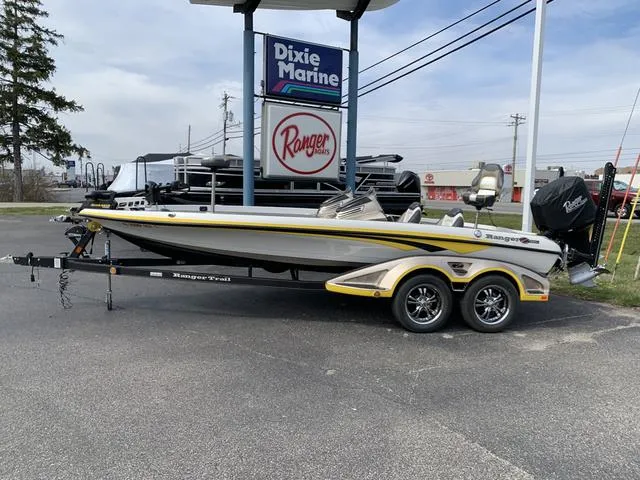
Ranger Boats today builds a focused but diverse family of fishing boats that centers on high performance bass boats, versatile Deep V multispecies rigs, fish and play family boats, aluminum center console inshore boats and fiberglass bay boats, along with a dedicated pontoon line, giving anglers and families a wide range of options built around fishing first. On the fiberglass side, the Z Comanche and Z500 Z100 Series bass boats are the most iconic offerings, long seen as the benchmark tournament fishing boat thanks to their aggressive running surfaces, massive casting decks and tournament livewells tailored to serious bass anglers, while the Fisherman and Angler Deep V series target walleye and big water multispecies use with taller freeboard, deeper hulls and big water ride comfort. For families who want a true crossover fishing boat and family boat, the Reata fish and play series adds rear seating, tow towers and swim platforms around a proven fishing layout so one rig can handle trolling, tubing and cruising. In aluminum, Ranger builds ALPHA and RT Series bass boats, VS and VX Deep V boats, and the RB center console inshore series, all featuring all welded, wood free construction, foam filled hulls, broad beam stability, custom Ranger Trail trailers and outboard power for easy trailering and storage, while the saltwater focused Bay Ranger series of center console bay boats brings the same rugged construction, flared hulls and large fuel capacity to coastal anglers. Rounding out the lineup, Ranger pontoons in luxury, fish, cruise and fish and cruise configurations give owners a way to stay in the brand with a spacious platform for larger groups and relaxed days on the water, but across every style the common thread is premium construction, thoughtful fishing layouts and outboard powered, trailer friendly designs built for serious fishing and comfortable family time.
Over the years Ranger has also produced a number of other notable styles and model families that help define its heritage, even if some have evolved or been folded into today’s series, including walk through and walkaround inspired multispecies rigs and earlier fish and ski boats that paved the way for today’s Reata fish and play models by blending elevated casting decks and livewells with convertible rear seating and tow friendly hardware for skiing and tubing. The brand’s long running Deep V Fisherman and Angler lines have themselves seen multiple generations with different cockpit and windshield treatments, from full glass windshields suited to big northern lakes to more open layouts geared to casting, while certain bay and inshore center console designs have been refreshed into the current Bay Series and RB aluminum center console lineup without losing their original DNA of shallow draft, wide casting decks and under gunwale rod storage. Historically Ranger has also emphasized specialized tournament editions within its fiberglass bass lineup, including earlier Z Comanche variants that carried unique graphics and equipment packages and helped cement the reputation of the Z520 and Z521 families as flagship bass boats, and those boats along with prior generation aluminum Deep V multispecies models still hold strong appeal on the used market because they deliver the same core Ranger strengths of stout construction, broad beam stability, upright level flotation and fishing focused storage and livewell systems even when they are no longer found in the current catalog.
While Ranger touches a lot of categories, it does not chase every type of boat on the water and remains tightly focused on fishing boats, bay boats, inshore center consoles and fishing oriented pontoons rather than branching into pure pleasure craft or high end luxury yacht segments, and you will not find large express cruisers, offshore sportfish yachts, go fast performance boats or dedicated tournament ski and wake surf boats in the Ranger lineup. Instead, the brand concentrates on bass boats, Deep V multispecies boats, bay boats, center console inshore rigs, fish and play family boats and fishing friendly pontoons built around the same Five Star Advantage philosophy of quality, performance, innovation, safety and resale value, with construction choices like all welded, no wood aluminum hulls and one piece feel fiberglass structures that are optimized for fishing, towing and trailering rather than extended offshore cruising or watersports specific use. Within its parent company family, the wider corporate group builds a variety of other boat types aimed at recreational cruising, watersports and big water offshore use, which allows Ranger to stay true to its identity as a fishing first brand with layouts that prioritize livewells, rod storage, casting space and fishability over cabins, staterooms or surf systems and that focus resonates strongly with freshwater and inshore anglers who want a purpose built fishing boat or family boat that still keeps fishing at the center.
Taken together, Ranger Boats is best known for its high performance fiberglass bass boats, versatile Deep V multispecies fishing boats, crossover fish and play family boats, rugged aluminum bass and Deep V models, inshore and bay center console boats and fishing focused pontoons, and that mix has helped the brand earn a long standing reputation as a benchmark in fishing boat design. Recent introductions in lines like the ALPHA aluminum bass boats and the latest Z Comanche R Series show how Ranger continues to innovate with new running surfaces, integrated electronics and hybrid style layouts that blur the lines between traditional bass boat, bay boat and family boat, and it is easy to imagine future evolutions that further refine crossover fish and play concepts or add fresh twists to bay and inshore center console designs without diluting the core fishing mission. By keeping its energy centered on fishing boats and closely related family layouts instead of spreading into unrelated categories, Ranger can keep fine tuning hull designs, cockpit ergonomics and storage solutions across bass, Deep V, bay, center console and pontoon platforms so that every new model better serves anglers and families who look to the brand for serious fishing capability, all day comfort and durable construction season after season.
WHAT KINDS OF ENGINES DO THESE BOATS USE?
Ranger Boats are almost entirely powered by outboard engines across their fiberglass bass boats, aluminum bass and multispecies rigs, fish and play models, and Reata pontoons, because four stroke outboards deliver the shallow draft, easy trailering, and low maintenance that freshwater anglers and families expect. On the fiberglass bass side, rigs like the Z519R and Z520 are purpose built for a single high horsepower outboard on a reinforced transom, which maximizes performance and frees up interior space for gear and livewells while keeping draft to a minimum for stump fields and shallow flats. The aluminum RT series follows the same philosophy, pairing an all welded hull with a single outboard that keeps weight low and service access simple. Reata pontoons such as the 220C, 223C, 220F, 223F, and 243C all use a single outboard mounted on a performance oriented PowerPod or extended motor pod that improves handling, trim response, and noise levels. Across the lineup Ranger focuses on single engine packages that are factory rigged so owners get reliable, predictable performance with less complexity than twins, which suits their core freshwater bass, multispecies, and family cruising markets very well.
Horsepower on Ranger Boats scales predictably with length and mission, from modest single outboards on compact aluminum rigs up through powerful four stroke outboards on larger bass boats and performance pontoons. An aluminum tournament hull like the RT198P, which measures 19 feet 10 inches, carries a maximum recommended 150 horsepower rating that gives it enough punch for quick hole shot and tournament style loads without overpowering the lightweight aluminum platform. Fiberglass bass flagships such as the roughly 21 foot Z520 are rated for up to 250 horsepower, matching what many serious tournament anglers rig to achieve searing top end speeds while maintaining rock solid handling and lift, and the Z519R is showcased with a 225 horsepower Mercury FourStroke V8 that balances acceleration, fuel economy, and load carrying capability for a 19 foot 9 inch hull. On the pontoon side, family focused Reata models like the 220C and 220F come standard with 115 horsepower Mercury four stroke outboards and are rated to 150 horsepower, which is ideal for relaxed cruising, towing tubes, and efficient running on inland lakes, while the larger 223C and 223F step up to a standard 150 horsepower engine with a 200 horsepower maximum to support bigger crews and added gear. At the top of the range, the 26 foot 2 inch Reata 243C is delivered with a 200 horsepower Mercury FourStroke DTS outboard and can be equipped up to 250 horsepower, giving pontoon buyers the option of strong midrange cruise and solid top speed in a single engine package.
Across current Ranger models the primary factory rigging partner is Mercury, with most Reata pontoons and many fiberglass bass boats packaged from the factory with four stroke Mercury outboards including Pro XS performance versions and models featuring digital throttle and shift on DTS equipped packages. Reata cruise pontoons such as the 220C, 223C, and 243C are explicitly described as factory rigged with Mercury outboard motors and factory matched propellers, underscoring that the standard power choices are modern four stroke outboards with integrated power trim and contemporary engine management. Fishing oriented Reata pontoons like the 220F and 223F likewise ship with Mercury FourStroke and Pro XS FourStroke engines in the 115 to 200 horsepower band, while Ranger bass rigs such as the Z519R highlight compatibility with the Mercury FourStroke V8, all of which reinforces Mercury’s central role in current packages. Depending on dealer and region, some fiberglass and aluminum models may also be offered with other leading four stroke outboard brands, but Ranger’s build and marketing materials focus on complete factory packages that include the engine, controls, wiring harnesses, propeller, and helm displays so owners receive a turnkey rig with controls and rigging matched to the specific outboard model.
Ranger’s outboard engine strategy leans heavily into modern technology and rigging to give boaters better control, performance, and fuel efficiency, pairing four stroke outboards with features like digital throttle and shift on Mercury DTS equipped Reata 243C models and touch screen helm systems that display detailed engine data. On high performance bass rigs such as the Z519R, the Ranger touchscreen System Monitor integrates engine parameters with boat systems so the driver can monitor rpm, temperatures, fuel use, and voltage at a glance while taking advantage of the smooth, responsive steering and strong midrange torque of a 225 horsepower Mercury FourStroke V8. Reata pontoons benefit from PowerPod or extended motor pods that enhance hole shot, reduce vibration, and improve handling by moving the four stroke outboard aft, and when paired with lifting strakes on the logs they generate lift that boosts speed and fuel economy without needing twin outboards. Many current Rangers also incorporate digital switching and integrated helm electronics, which simplifies operation and can be combined with modern engine options that support digital controls or joystick style systems where available. Because virtually the entire lineup relies on tilt up, transom mounted four stroke outboards, owners enjoy shallow water access, easy trailering, and simpler service compared to inboards or sterndrives, all of which aligns with Ranger’s mission to deliver high performance, low hassle boats for serious anglers and active families who want dependable power on freshwater lakes and reservoirs.
WHY BUY THIS BRAND OVER A COMPETITIVE BRAND?
When you look at the build quality of Ranger boats vs competitors, the brand’s own construction details stand out as a core reason to choose Ranger Boats over other fishing boats in the same segment. Across fiberglass, aluminum and pontoon lines, Ranger highlights features such as foam filled hulls with upright, level flotation on models like the VS1682SC Reata and VS1782SC Reata, which are designed to deliver smooth handling, control and a confidence inspiring ride in rough water, while also supporting safety if the boat is ever swamped. Ranger’s pontoons like the Reata 223FC and 220F use 26 inch diameter or 24 inch diameter multi chamber logs built from .100 5052 marine alloy with internal supports and an optional PowerPod motor extension that enhances performance and keeps operation strong and quiet, a combination aimed at long term durability as well as comfort underway. Even in their multi species fiberglass Reata series, Ranger points to patented features such as the folding deck extension on the 1850MS that not only increase usable space but are integrated into a hull and deck system backed by the company’s “Best Built Best Backed” limited warranty, which includes a long term structural hull warranty for the original owner, signaling confidence in construction that has been proven in real conditions on lakes and reservoirs across the country.
Ranger also emphasizes value in how much functional equipment and thoughtful layout comes standard, which directly supports many buyer searches around why choose Ranger Boats and build quality of Ranger boats when comparing Ranger boats vs competitors. Family and angler friendly Reata fish and play models such as the 1850MS and 2050MS are advertised with in floor ski storage, in gunnel rod storage, integrated tackle storage, remote drain plug, gas spring lid assists, and divided, timed, aerated livewells fore and aft, so you can go from trolling passes to towing a tube without re rigging your entire day. On Reata pontoons like the 223FC and 223FC Fish and Cruise, Ranger calls out standard Dowco EasyLift 10 foot Bimini tops with LED lighting and pockets, performance enhancing PowerPod motor extensions, aerated livewells, lockable rod boxes up to 7 feet 6 inches, dedicated tool and gear stations, and supple upgraded marine grade seating with a fiberglass console and built in footrest, showing how storage, livewell configuration, helm ergonomics and seating comfort are built in rather than added later. This combination of angling hardware, organized storage and ready to use recreation features means that for many owners the boat arrives equipped to fish, cruise and entertain without a long list of additional options, adding tangible value when you compare Ranger vs other fishing boats on standard features alone.
Where Ranger particularly blends utility with comfort is in its crossover and dual purpose designs, repeatedly described in brochures as boats with huge crossover capability and the best combination of fishing and fun amenities. Deep V aluminum Reata models like the VS1682SC Reata and VS1782SC Reata are laid out with ample storage for tackle and tubes, versatile seating and handmade seats, giving you a platform that is ready for both hardcore trolling spreads and casual evening cruises, while fish and play fiberglass models such as the Reata 1850MS and 212LS are promoted as the pinnacle of crossover design with patented deck extensions, flip up rear jump seats, padded forward gunnels and deck cushions that expand seating options when the rods are put away. Reata pontoons like the 220F and 223FC extend this fishability meets comfort approach by combining dedicated aft fishing decks with aerated livewells and swivel fishing chairs with forward lounge seating, color matched EasyLift Bimini tops, enclosed in console cooler compartments and wet sound stereos with Bluetooth, so owners can realistically replace the need for separate fishing and cruising boats with one multi use layout that supports fishing, cruising, watersports and family days on the water.
Beyond hardware, Ranger makes a clear case for long term value and ownership confidence that answers many buyers’ questions about customer satisfaction with Ranger and Ranger boats vs competitors over the life of the boat. The company’s Best Built Best Backed limited warranty backs the hull for as long as the original owner has the boat, while second owners receive a 10 year structural hull warranty, and key non structural interior items such as steering components, aeration pumps, bilge pump and the fiberglass electrical system are covered for three years, reinforcing a long range view of support. Ranger also notes that its warranty covers the entire single piece fiberglass molded shell and integral structure including stringers, floorboards and transom below the gunwale, which underlines the brand’s focus on core structure rather than just cosmetics, and this broad coverage is supported by an established national dealer and service network as part of a company that has been building boats for decades. For buyers comparing Ranger vs other fishing boats at both higher and lower price points, this depth of structural coverage, combined with proven rough water hulls, versatile multi use layouts and well equipped standard packages, offers a compelling balance of performance, reliability and resale friendly brand reputation, giving a clear, fact based reason to choose Ranger Boats over competing brands when long term value matters as much as initial price.
WHAT IS THE MOST POPULAR MODEL OF THIS BRAND BEING BUILT TODAY?
Based on how Ranger Boats presents its current lineup, the Ranger Z520R Ultra, a 20 foot 11 inch fiberglass bass boat in the Z Comanche Series, stands out as the brand’s most prominently featured and flagship style model in current production. On the Ranger Boats website the Z520R Ultra is highlighted as an all new icon that raises the bar in refinement, craftsmanship, and cutting edge advancement, positioning it as a halo version of the core Z520R platform that Ranger describes as the next chapter in bass boat evolution and a quantum leap in design, functionality, and dominating performance at every level. This model occupies a premium place within the flagship Z Comanche family and is offered with extensive customization options that underscore its importance as a showcase for the brand’s latest technology, construction methods, and tournament ready features, making it a focal point of Ranger’s current bass boat range even if the company does not publish specific unit volume figures or formally label one model as its highest seller.
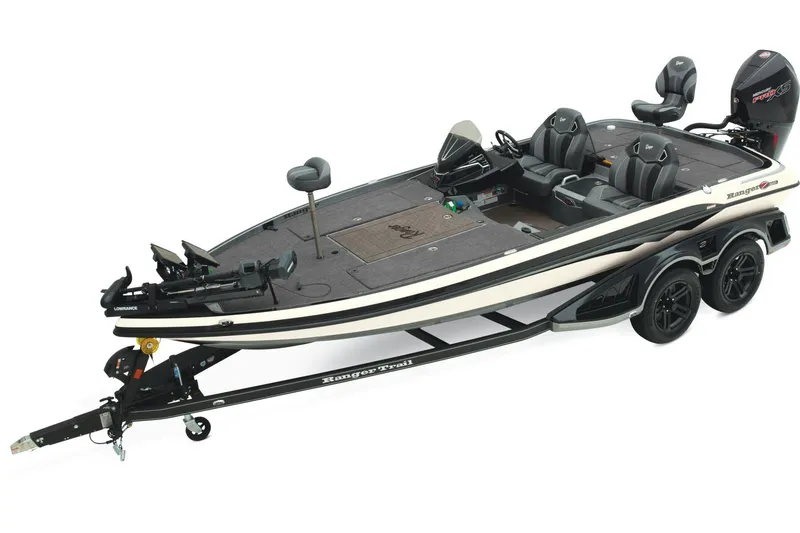
The Ranger Z520R Ultra measures 20 feet 11 inches in length with a 96 inch beam and an inside depth of 22 inches, giving it a wide, stable fishing platform with substantial interior volume for gear and anglers. Official specifications list a maximum recommended 250 horsepower outboard with a 20 inch engine shaft length, a fuel capacity of 54 gallons, livewell capacity of 31 gallons, and a maximum person capacity of four along with a total person, motor, and gear rating of 1,650 pounds, all riding on a hull whose approximate boat weight is 1,850 pounds and that is paired with a trailer rated at 5,400 pounds GVWR. Standard design details that make the Z520R Ultra especially appealing include an ultra premium Buckskin interior trim package, heated Cloud 9 air ride SRS driver seating, a color matched cockpit and deck flooring treatment, large rod boxes with tri level storage for rods up to eight feet, and integrated Ranger R I D E touchscreen control over boat functions, all built on Ranger’s scanned and perfected Z520R hull that is optimized for fast hole shots, strong top end speed, and efficient handling with a 250 horsepower engine while being offered with a wide array of custom matched trolling motors, electronics, and accessories through the Build Your Own configuration tools.
Ranger markets the Z520R Ultra and the underlying Z520R platform squarely at serious bass anglers and tournament professionals who demand professional grade performance, but the layout and feature set also appeal to avid weekend anglers who want a premium, technology rich rig. The boat’s wide front casting deck, large integrated storage compartments, high capacity livewell system, and advanced trolling motor and electronics options are designed for competitive bass fishing, while the comfortable heated seating, refined interior finishes, and smooth riding Z Comanche C hull give it the creature comforts that broaden its appeal beyond only tournament circuits to dedicated enthusiasts who prioritize comfort as well as fishability. Ranger’s own description of the Z520R as redefining professional grade and delivering a new era of domination, along with the Ultra version’s positioning as a no holds barred icon, signals that this size and layout is intended as a benchmark for the brand’s bass offerings and a central platform for showcasing its design philosophy of combining performance, fishability, and advanced technology.
Current availability information on Ranger’s website shows the Z520R Ultra listed among active 2025 Z Comanche Series models with published Boat, Motor, and Trailer pricing, Build Your Own functionality, and dealer search integration, all of which indicate that it is a key focus of Ranger’s production and retail network. The model carries recent updates such as Ranger R I D E integrated touchscreen control, heated Cloud 9 air ride seating, upgraded traction surfaces, and an all new cockpit and deck aesthetic, reflecting ongoing investment and refinement that keep this platform at the forefront of the lineup. Its prominent placement in the Z Comanche section, comprehensive factory customization options, and role as a showcase for top tier equipment packages suggest that the Z520R family represents a significant part of Ranger’s brand identity in fiberglass bass boats, and the 20 foot 11 inch, 250 horsepower class has effectively become the company’s signature tournament platform by blending high performance, extensive storage and rigging space, and premium comfort features in a package that matches the expectations of a large segment of today’s serious bass boat buyers.
WHAT IS THE HISTORY OF THIS BOAT BRAND AND COMPANY?
Ranger Boats traces its origins to 1968, when Forrest and Nina Wood began building fiberglass bass boats in what is now the City Hall in downtown Flippin, Arkansas, laying the groundwork for a brand that quickly became synonymous with tournament fishing performance and reliability as competitive bass angling surged in popularity across the United States; from those first six boats crafted in a small downtown facility, the Woods focused on purposeful designs tailored to serious anglers, emphasizing stability, storage, and fishability in compact hulls that reflected their intimate understanding of how fishermen actually used their boats, and as word spread through early tournaments and word of mouth, Ranger evolved from a local start-up into a name recognized nationwide, its identity firmly rooted in building high quality, angler-centric boats from the heart of Arkansas while continually refining layouts, livewells, and safety features to support the growing sport.
Through the 1970s and 1980s, Ranger’s growth was marked by a steady broadening of its model range and a reputation for innovation, highlighted by leading the way to new U.S. Coast Guard flotation standards through the use of additional safety foam flotation material and the patenting of the aerated livewell, which helped establish catch and release as one of recreational fishing’s most visible conservation practices; as the brand expanded during the mid 1970s into boats for walleye, salmon, and musky anglers with what became the Fisherman series, it brought its fiberglass expertise into big water arenas traditionally dominated by aluminum, gradually building a following among multi species anglers while still maintaining its core bass boat heritage from Flippin, where the company continued to refine hulls, storage, and livewell systems to meet the demands of tournament circuits that were growing in parallel with the Ranger name.
In subsequent decades Ranger modernized its construction processes and diversified its offerings, rounding out its lineup with a premium family of saltwater flats, bay, and intracoastal boats that shared the same quality and performance DNA as its freshwater models, while also extending into fish ’n’ play, waterfowl utility, and eventually pontoon segments to serve a wider spectrum of boating and angling lifestyles; within its fiberglass operations, the company emphasized foam filled interiors that delivered quiet rides and upright, level flotation exceeding Coast Guard standards, alongside proprietary pultruded transoms and fiberglass stringer systems that created a one piece feel and reinforced Ranger’s reputation for durability, and as technology advanced the brand integrated increasingly sophisticated electronics installations and layout refinements so its bass and multi species platforms could keep pace with evolving competitive and recreational expectations.
Entering the modern era, Ranger’s heritage and product breadth set the stage for major corporate and product milestones, including its 2015 integration into White River Marine Group within the Bass Pro Shops family, a move that preserved manufacturing in Flippin, Arkansas while positioning the brand alongside other leading boat builders and supporting continued investment in facilities and product development; by its 50th anniversary celebrated in 2018 and into its 55th anniversary, Ranger underscored its legacy with limited edition flagship models like the Z521R 55th Anniversary Limited Edition and next generation R Series Comanche bass boats built on proven Z500C Comanche hulls but updated with cutting edge features such as the Ranger RIDE touchscreen whole boat control system, expanded storage, and advanced ergonomics, all complemented by ongoing expansion in fiberglass and aluminum bass, deep V, bay, and pontoon lines that today cover bass, multi species, fish ’n’ play, saltwater, waterfowl utility and cruising segments; now headquartered and still building boats in Flippin, the brand stands in the market as a premier U.S. manufacturer of fishing and recreational boats whose long running focus on quality, safety, and angler driven design underpins strong customer loyalty and provides a clear foundation for future innovations that continue the Ranger tradition of setting benchmarks in performance and craftsmanship.
AWARDS AND RECOGNITIONS
Ranger Boats has built a decorated legacy that stretches back decades, with some of its most visible modern accolades coming in the 2010s as industry publications and anglers recognized the performance of its flagship bass models. In 2014, the Ranger Z521C and Z118C captured first place in both the large and small bass boat categories of the Game & Fish and Sportsman magazines Readers’ Choice Awards, a clean sweep that highlighted the boats’ blend of tournament level performance, layout, and long term reliability as judged by serious anglers responding to those national publications. This dual win, presented during the ICAST show in Orlando, underscored how Ranger’s hull designs, fishing focused ergonomics, and fit and finish were resonating with the market and helped reinforce the brand’s reputation as a benchmark in fiberglass bass boats for both elite competitors and dedicated weekend anglers.
Ranger’s recognition has extended beyond product spotlights into sustained honors for customer care through the National Marine Manufacturers Association Customer Satisfaction Index awards, where the brand’s performance has been repeatedly validated in multiple segments. In 2019 the NMMA honored Ranger with Marine Industry CSI Awards in the Fiberglass Outboard Boats and Fiberglass Bass Boats categories after Ranger owners returned satisfaction scores above 90 on a 100 point scale, confirming that the ownership experience matched the on water performance that had made the brand famous. Subsequent NMMA releases show Ranger continuing to appear among CSI recipients across key categories including fiberglass bass boats, pontoons and aluminum outboard boats, highlighting that new boat buyers consistently rate the brand’s product quality, sales experience, delivery and after sale support at an industry leading level and illustrating a track record of owner loyalty that spans both freshwater fishing rigs and family friendly platforms.
In the most recent award cycles, Ranger Boats has continued to collect formal recognition that keeps the brand in front of the market as a top performer in quality and satisfaction. NMMA announcements for the 2021, 2023 and 2024 Marine Industry CSI Awards all list Ranger among manufacturers meeting the high satisfaction threshold, with the brand cited in categories such as fiberglass bass boats, aluminum outboard boats and pontoons, confirming that newer product lines and updated hulls introduced during these years are delivering for owners just as strongly as earlier generations. At the same time, visibility from competitive angling has reinforced that product story, with Ranger factory pros showcasing current Z Comanche and other fiberglass bass models on national tours and adding to the perception, widely reflected in industry coverage, that new Ranger rigs remain among the most capable and sought after tournament ready fishing boats available.
Taken together, these official awards and recognitions paint a clear picture of Ranger Boats as a brand defined by innovation, durable product quality and deeply satisfied owners whose feedback is consistently strong enough to earn independent CSI honors year after year. From early magazine readers’ awards that singled out specific Z series bass rigs, through NMMA Customer Satisfaction Index awards that measure real world experience with build quality, handling and dealer support across fiberglass, aluminum and pontoon lines, the pattern is one of a company that listens to its customers and continually refines its designs. For prospective buyers, this history of documented honors from industry organizations and national marine media provides a strong, fact based foundation for confidence, suggesting that a new Ranger is not only a high performance fishing platform on delivery day but also a long term investment in a boat backed by a proven culture of customer focus and continuous improvement.