Motor Yachts
Searching boats for you...
Boating · Buyer’s Guide
Is a Motor Yacht the Right Choice for You?
Written by: MarineSource Team | Estimated read time: 12 min read
There is a distinct allure to stepping aboard a motor yacht, where luxury meets the open water in a seamless blend of comfort and adventure. The gentle hum of the engines, the expansive decks perfect for sunbathing or socializing, and the panoramic views of the horizon create an experience that is both relaxing and exhilarating.
Motor yachts are celebrated for their elegance and versatility, appealing to those who seek a blend of performance, comfort, and style on the water. Their popularity continues to grow among boating enthusiasts who desire a vessel capable of long-range cruising with ample space for entertaining guests or enjoying family time.
However, owning a motor yacht comes with its own set of trade-offs. These vessels require a commitment to maintenance, docking, and operational costs that are higher than smaller boats. Yet, for many, the rewards of owning a motor yacht far outweigh these challenges, making it a coveted choice for those who dream of life on the water.
In this guide, we’ll explore what motor yachts are, their advantages and disadvantages, handling characteristics, ownership logistics, and help you decide if a motor yacht fits your boating lifestyle.
What is a Motor Yacht?
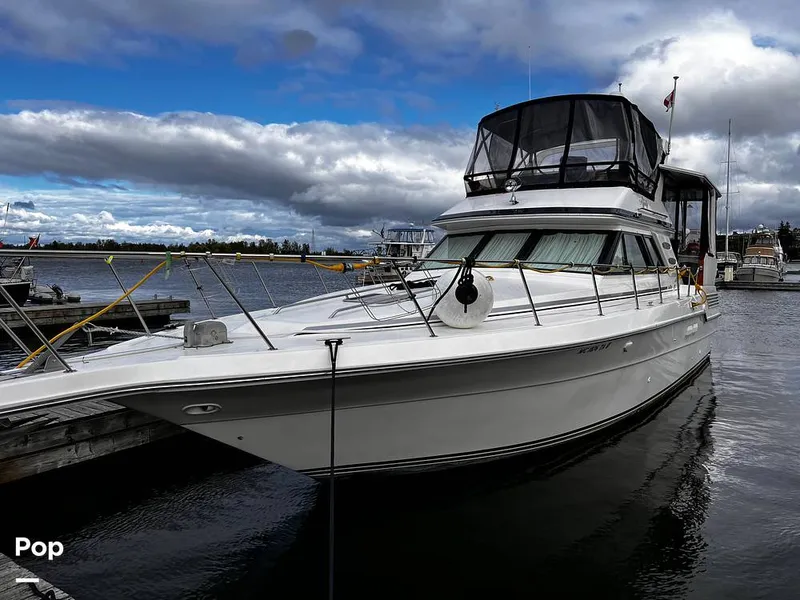
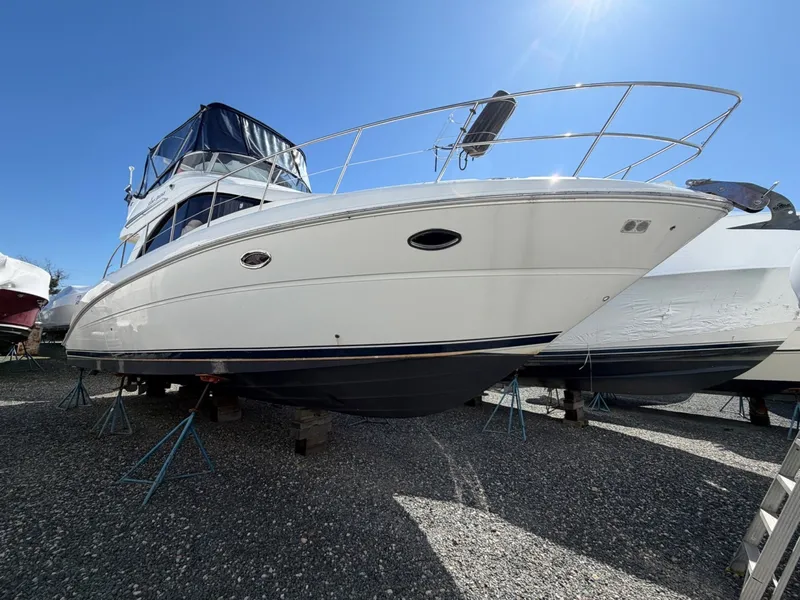
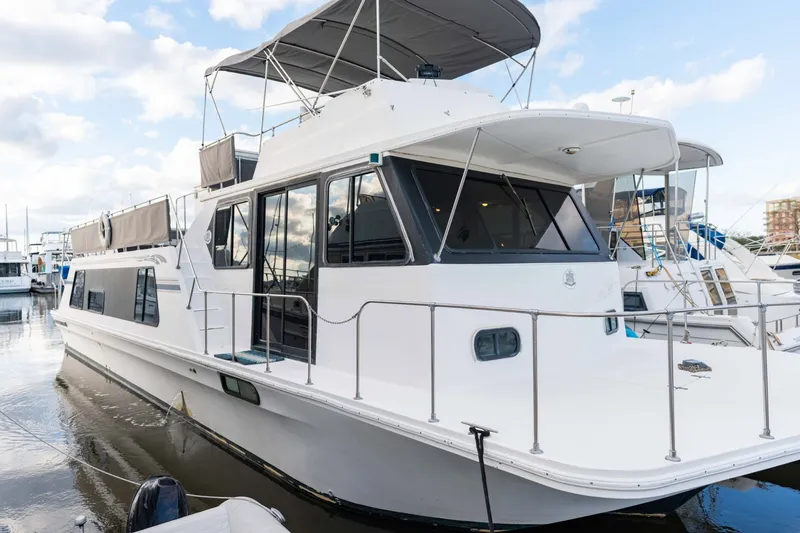
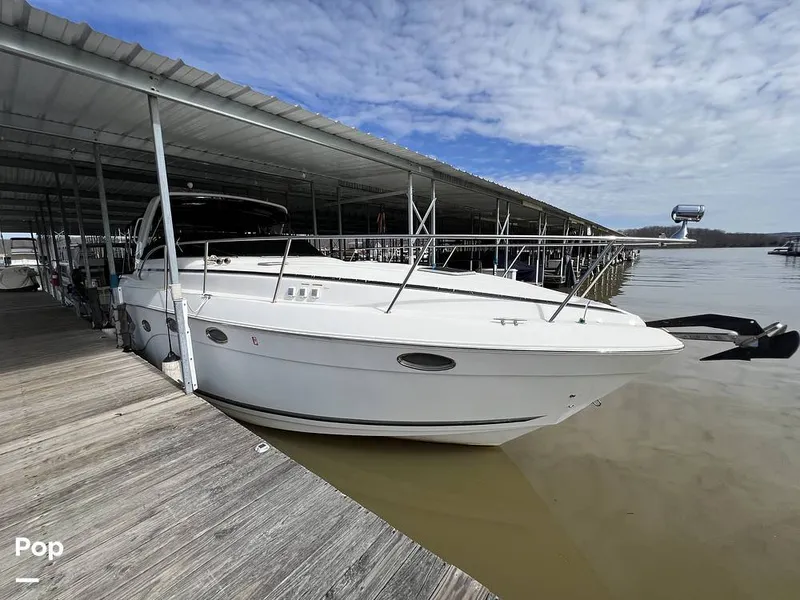
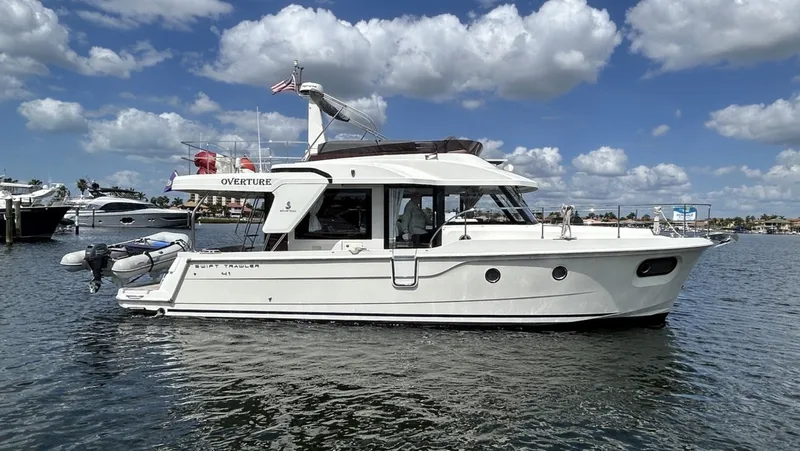
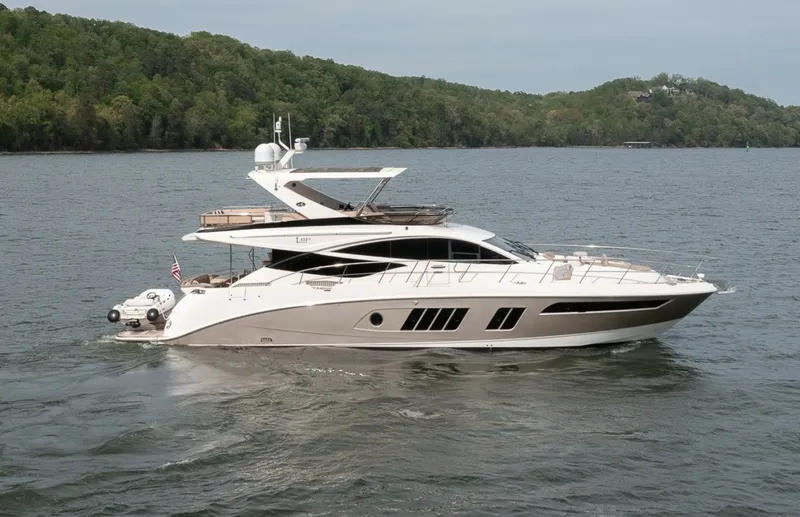
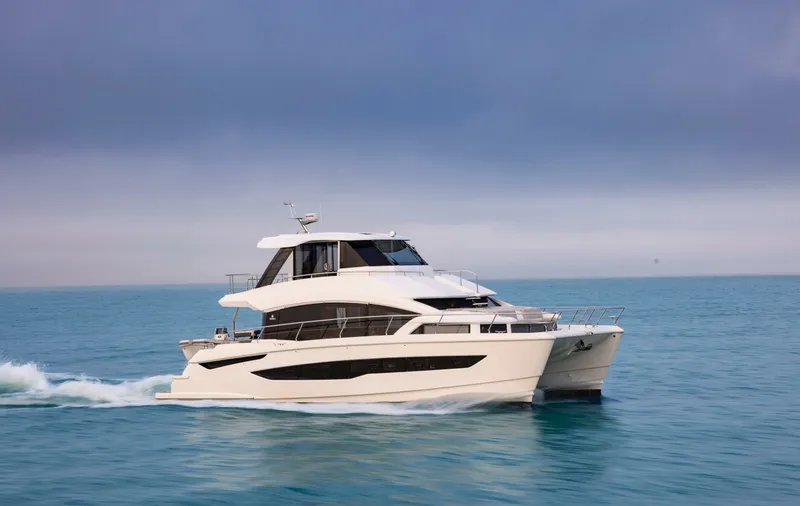
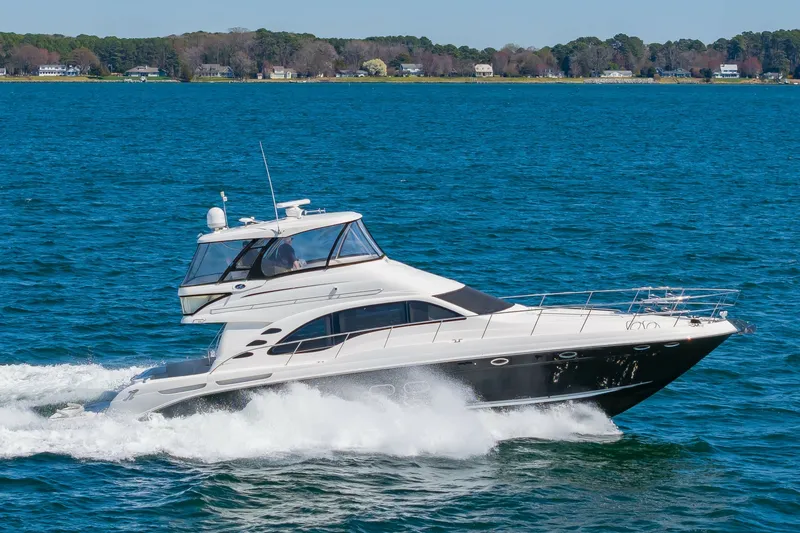
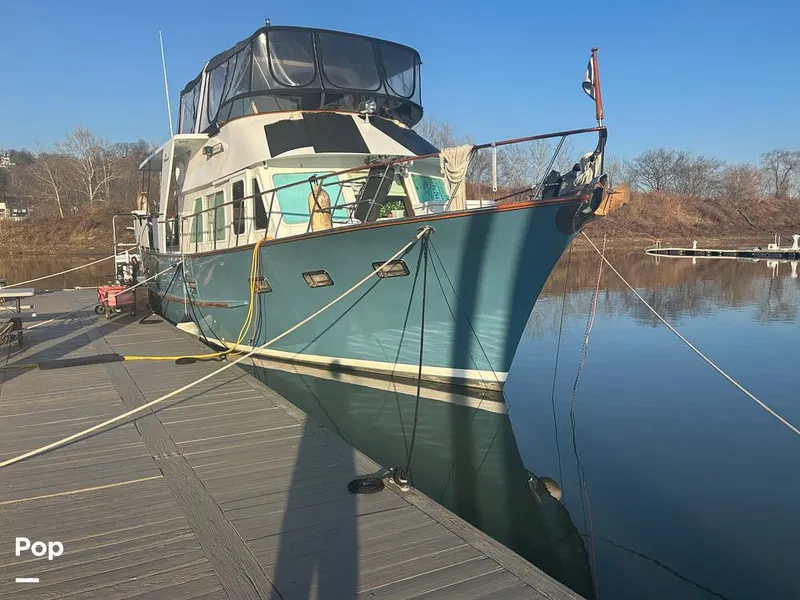
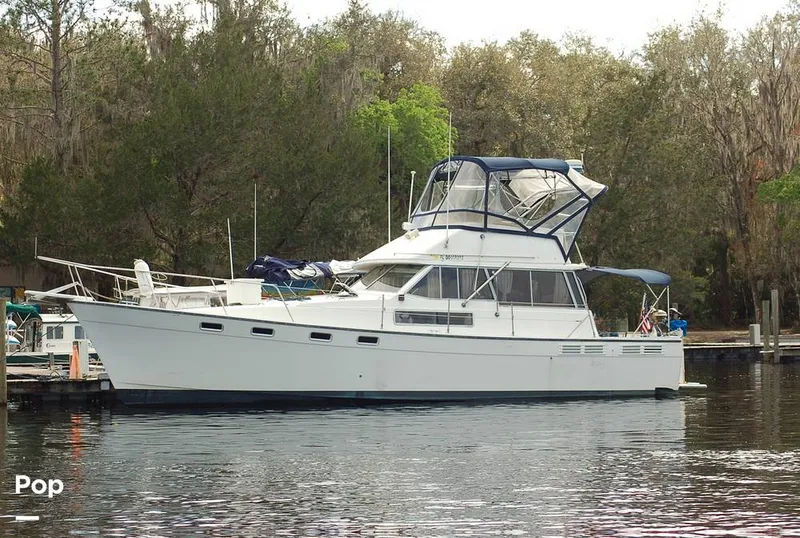
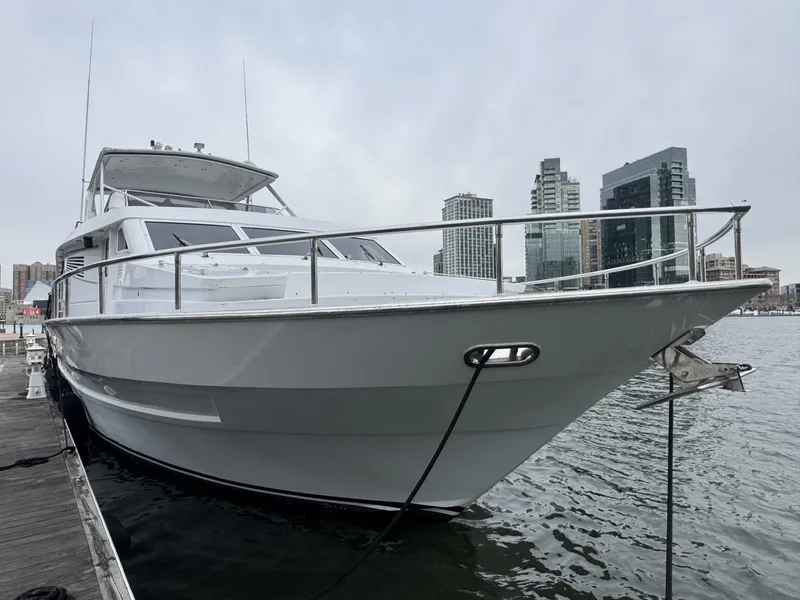
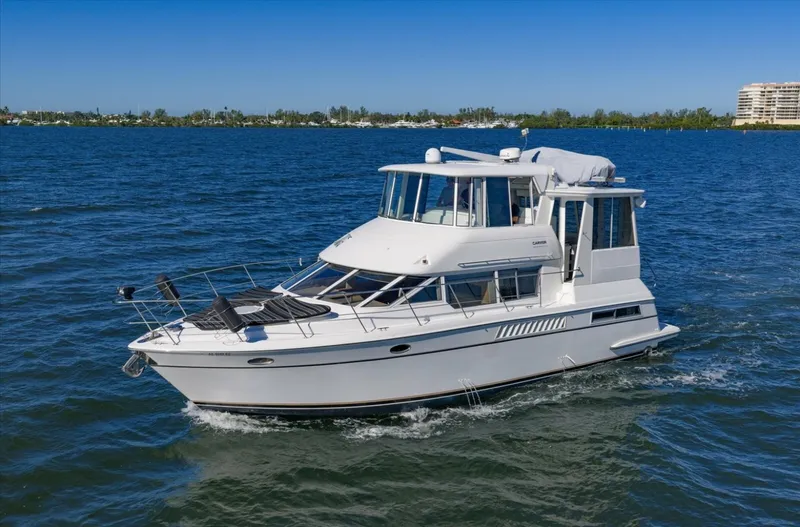
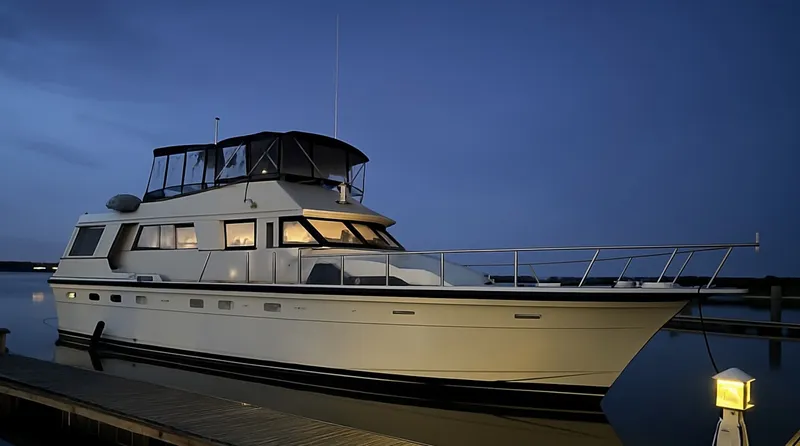
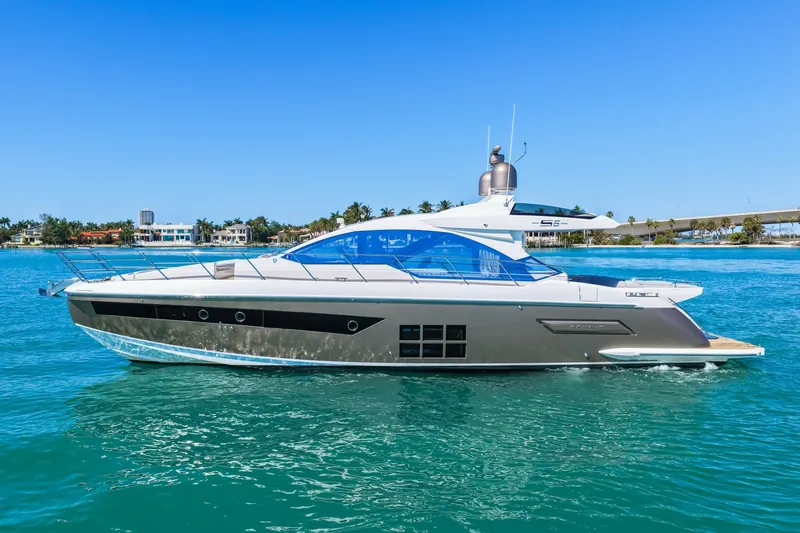
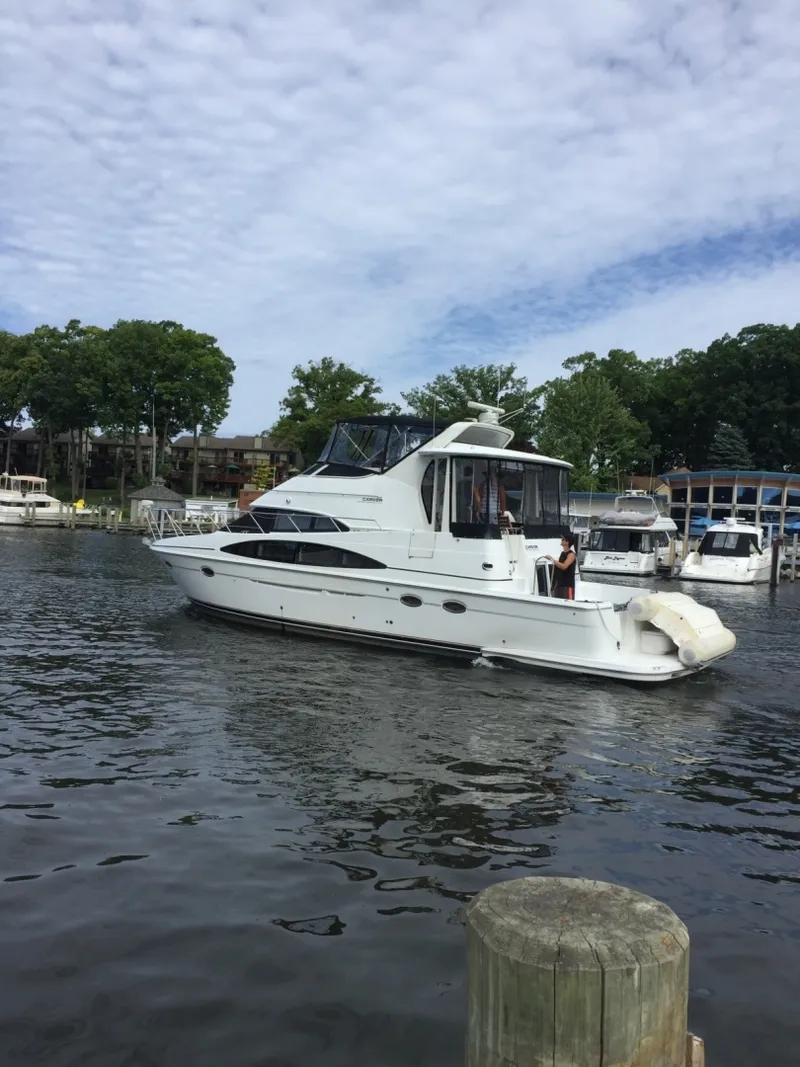
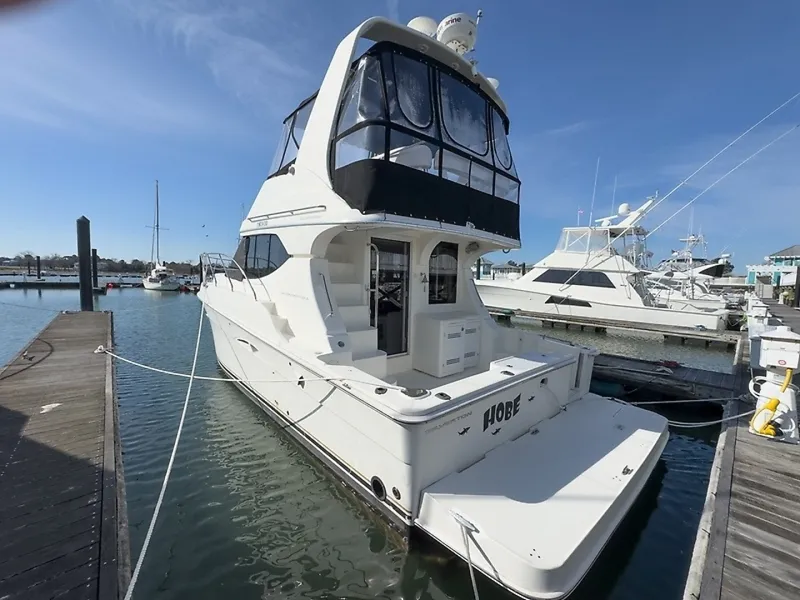
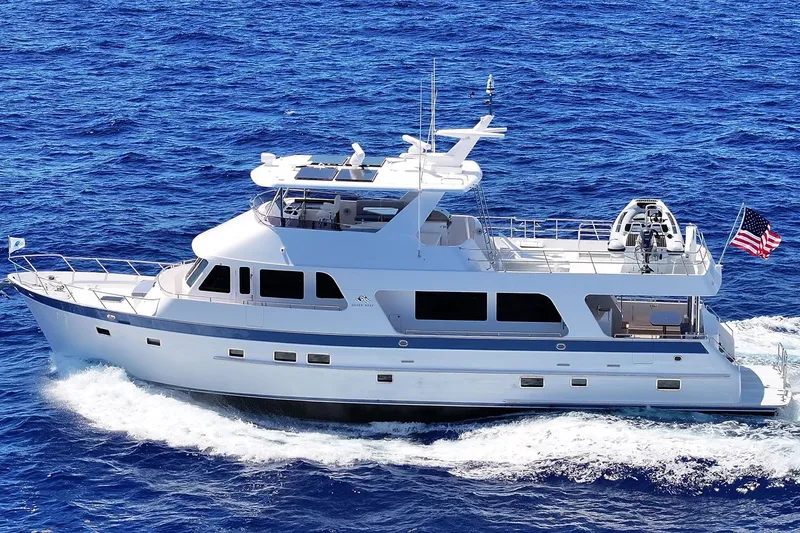
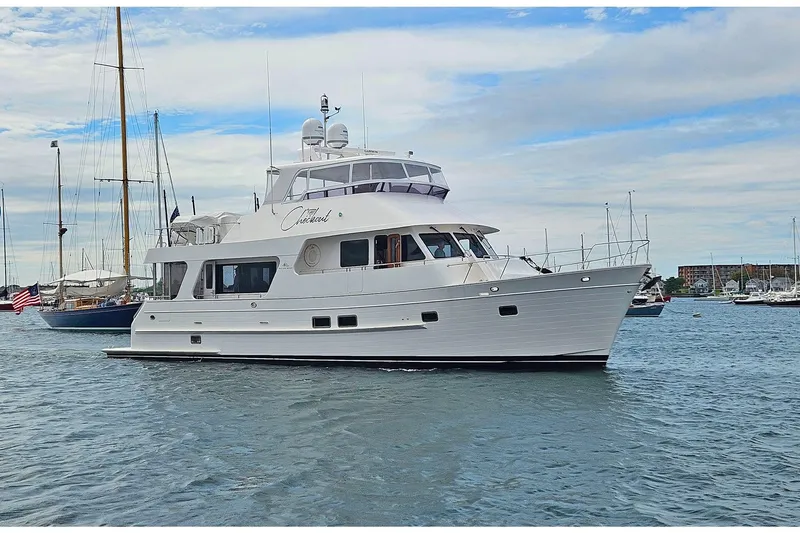
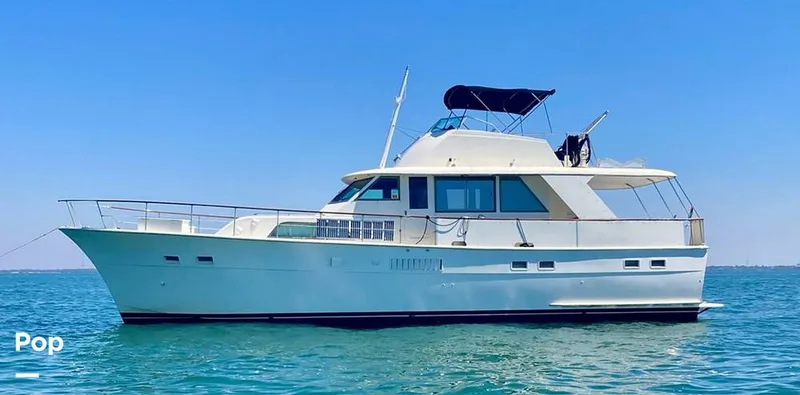
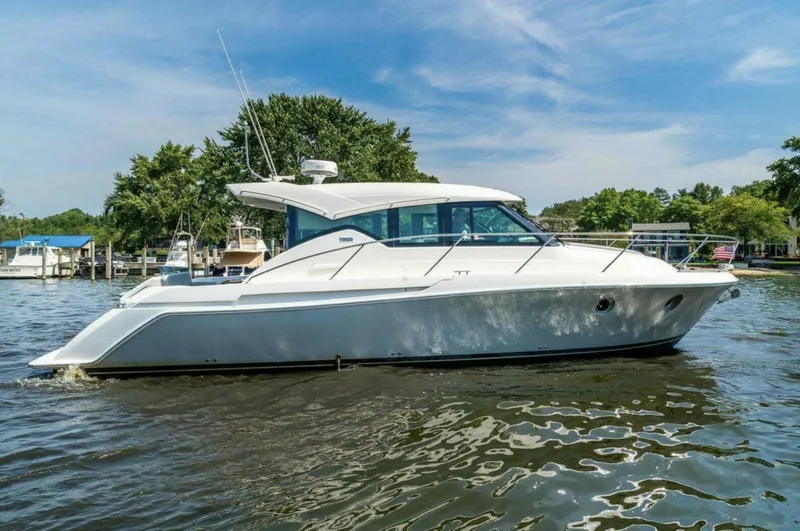
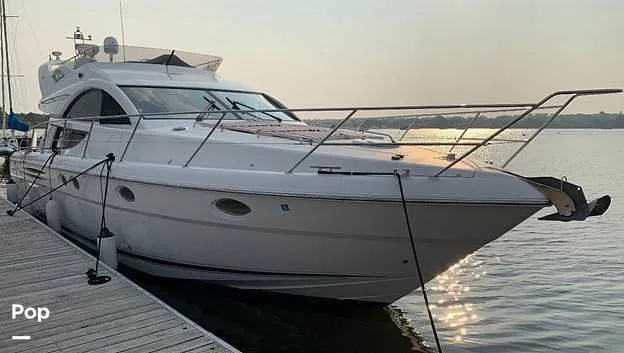
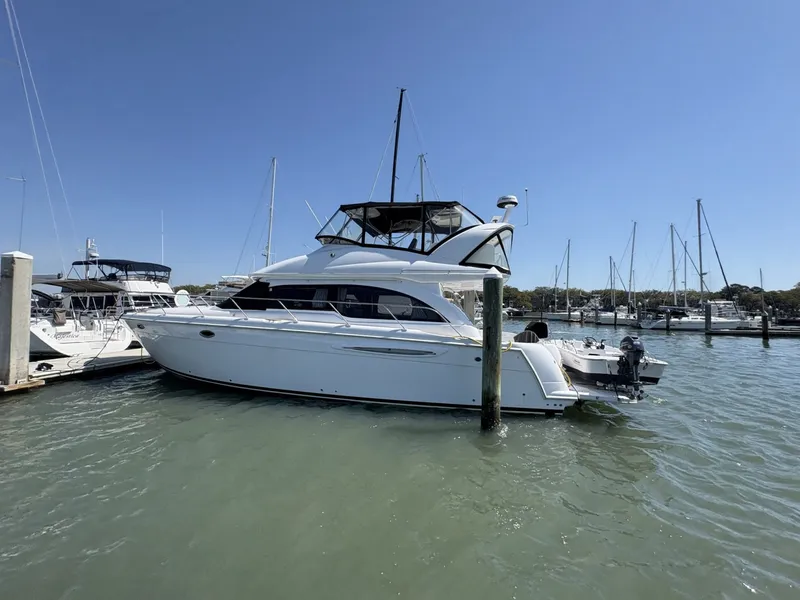
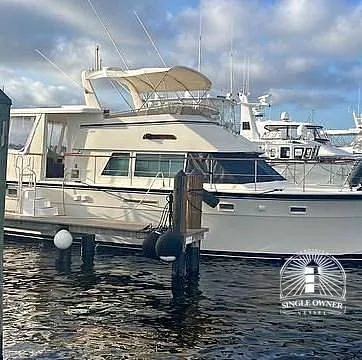
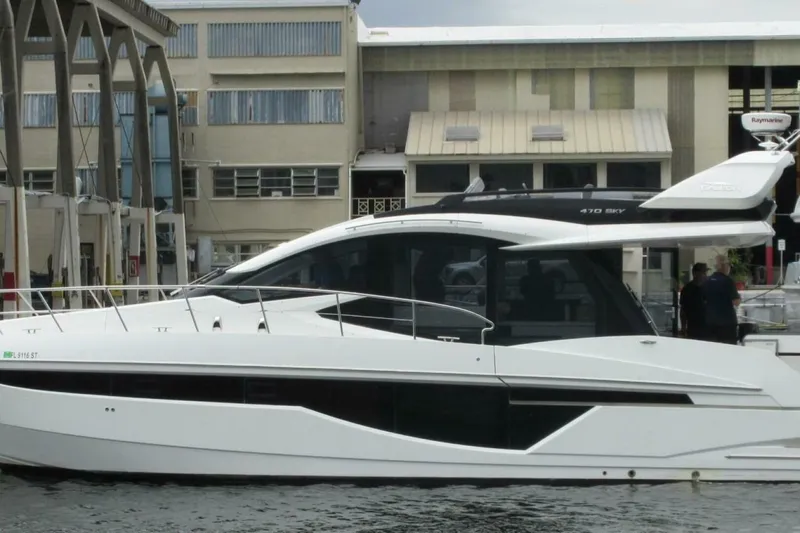
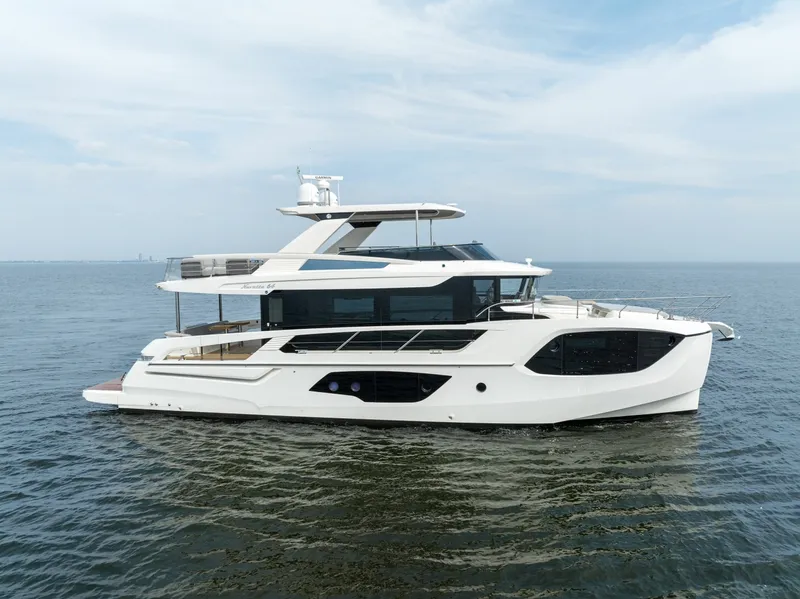
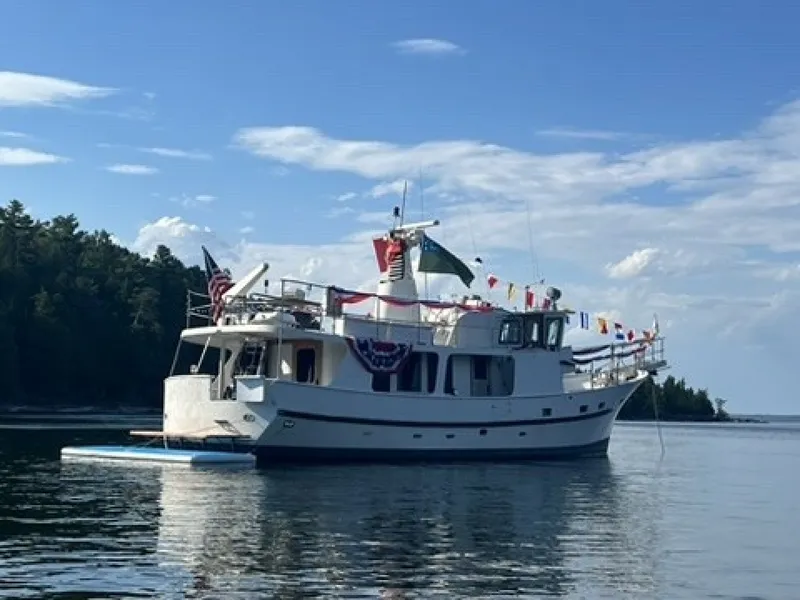
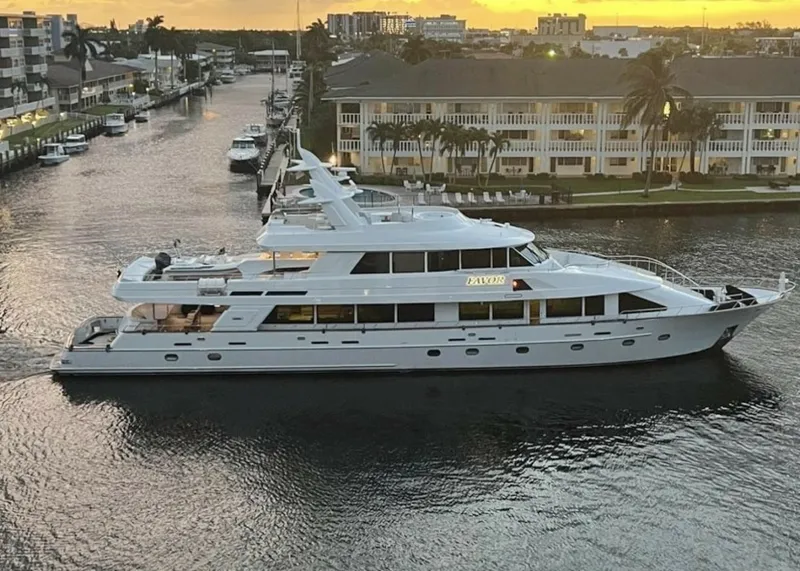
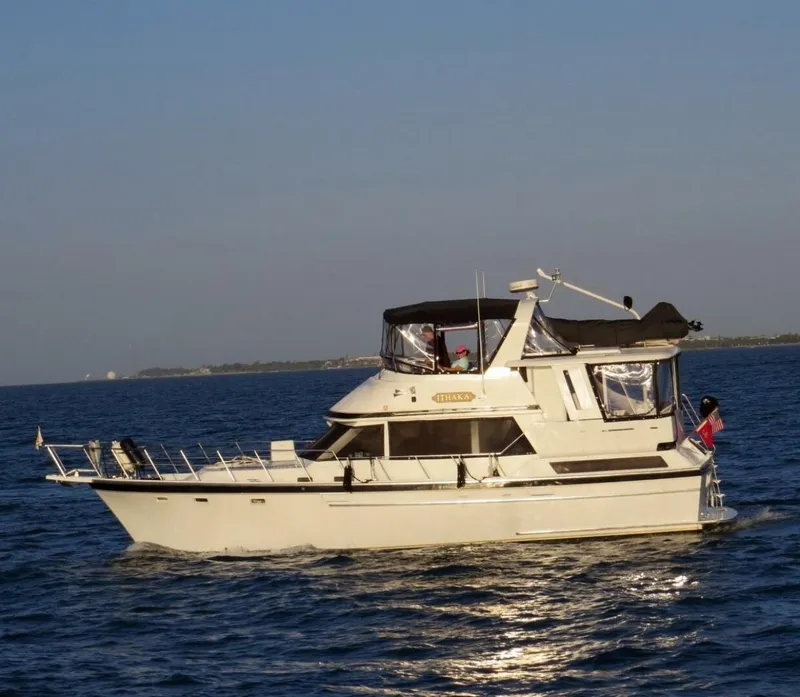
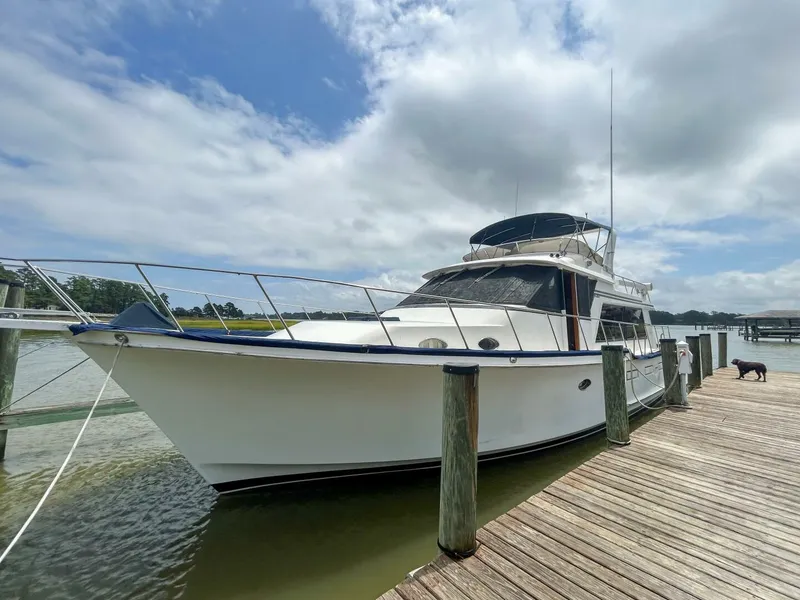
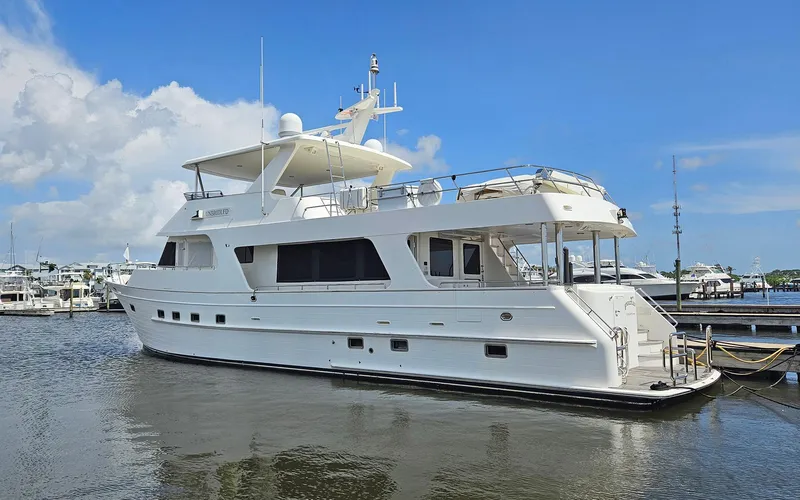
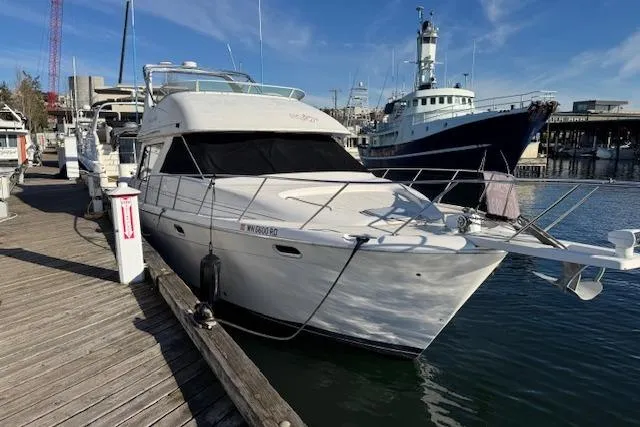
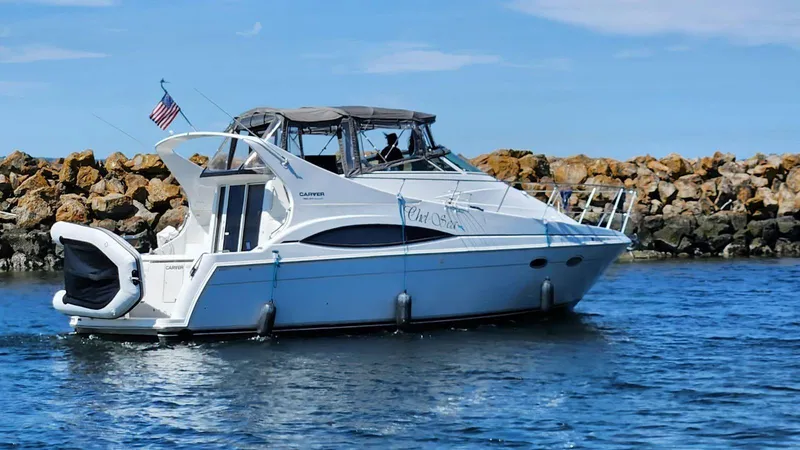
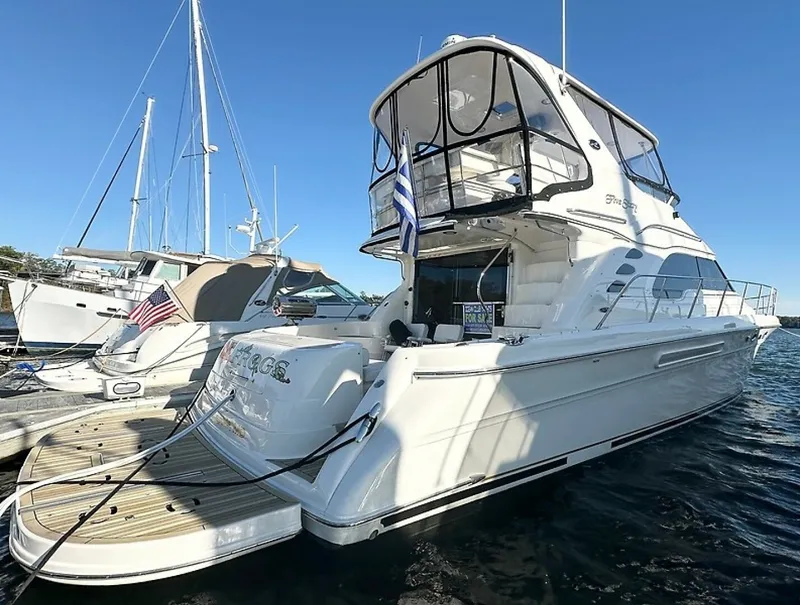
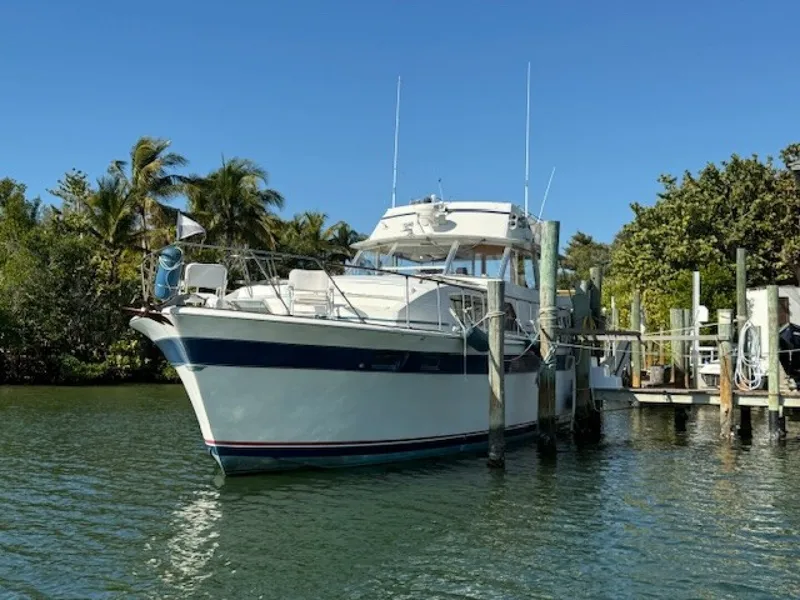
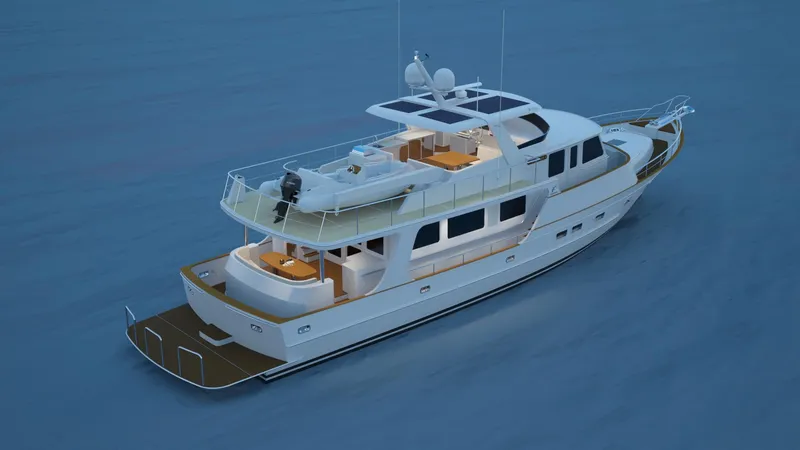
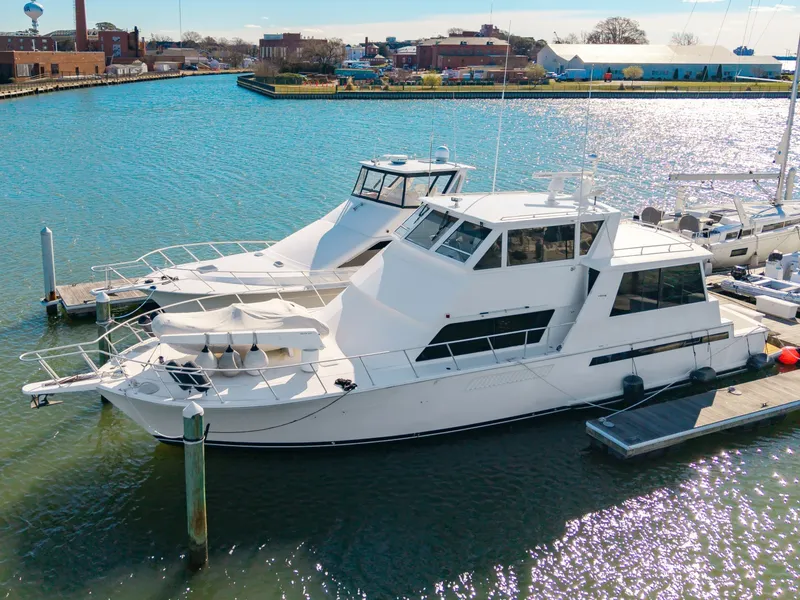
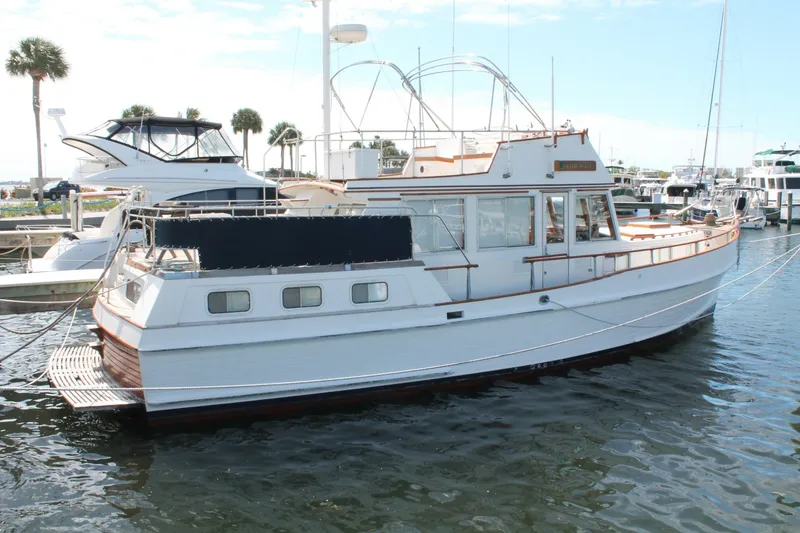
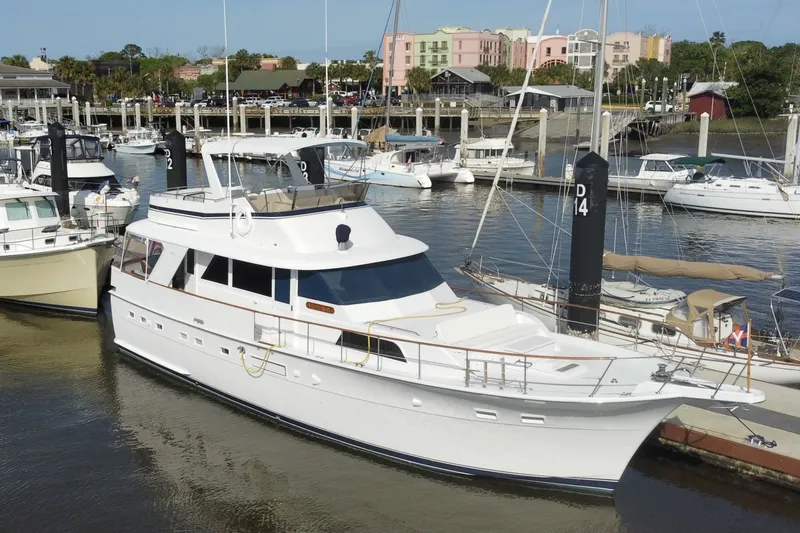
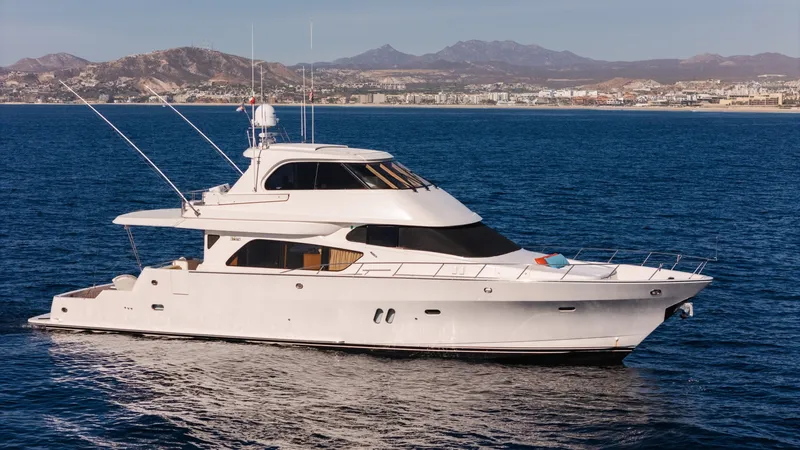
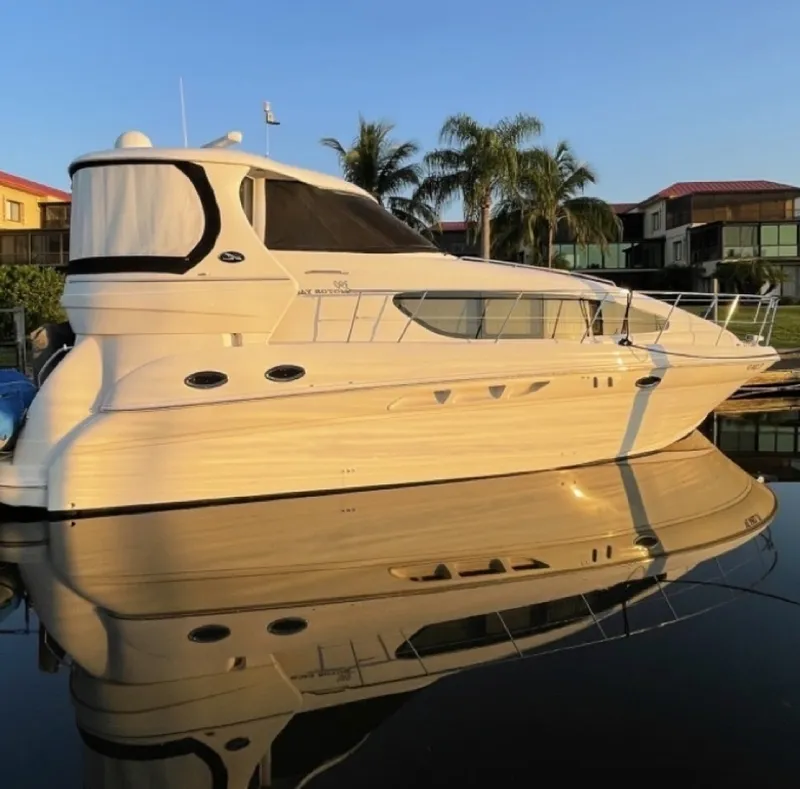
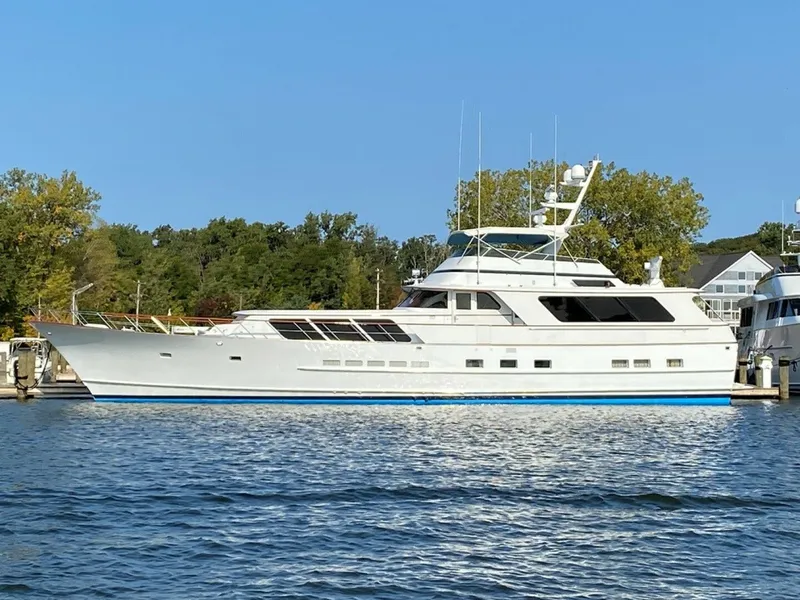
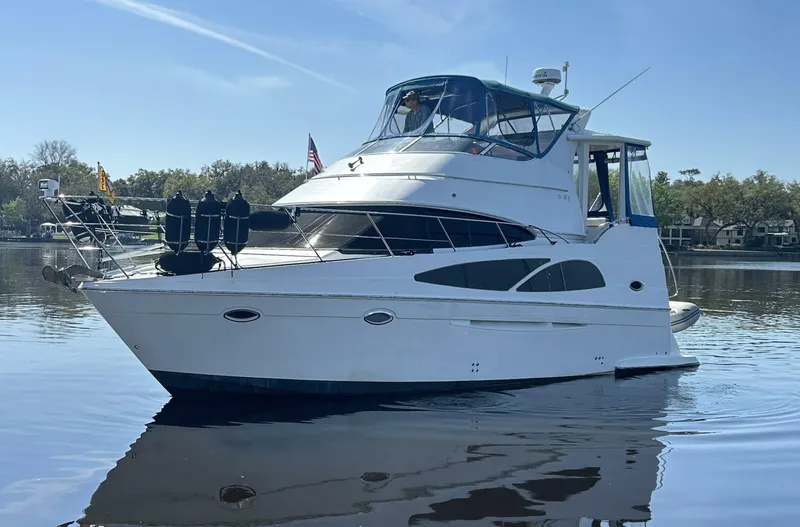
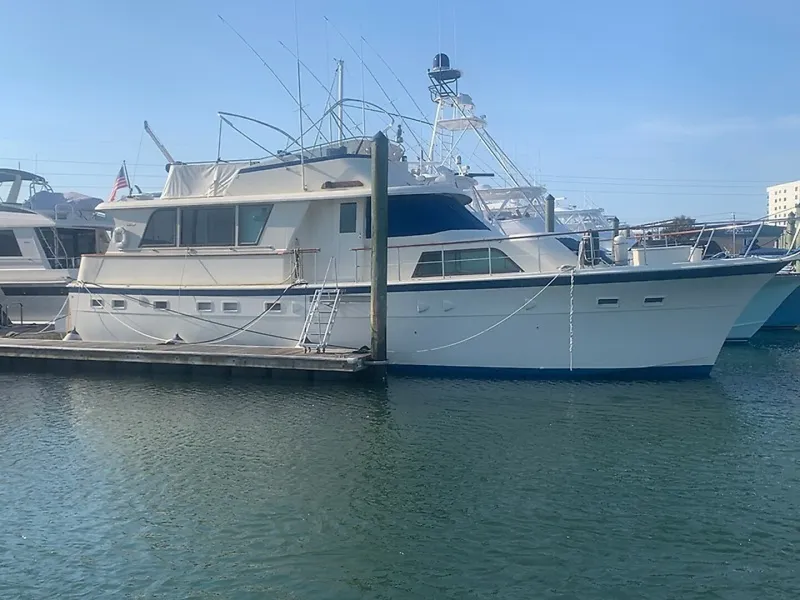
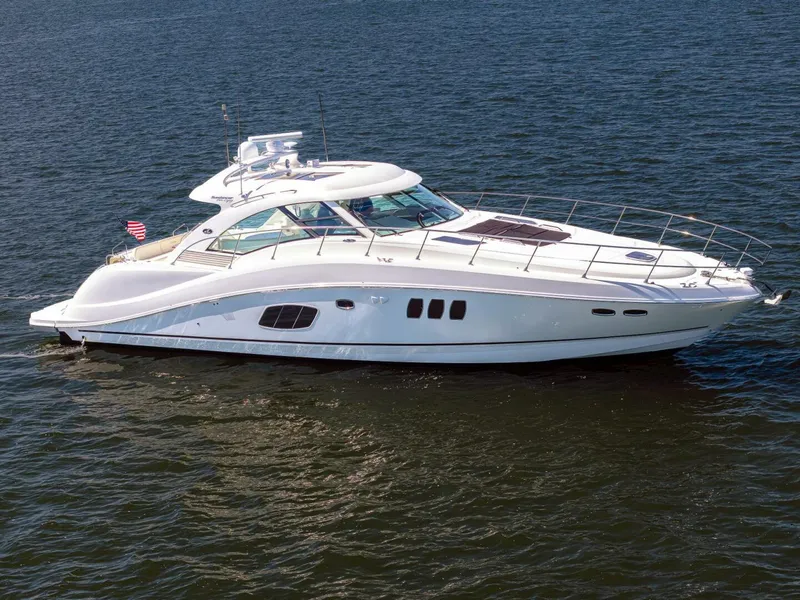
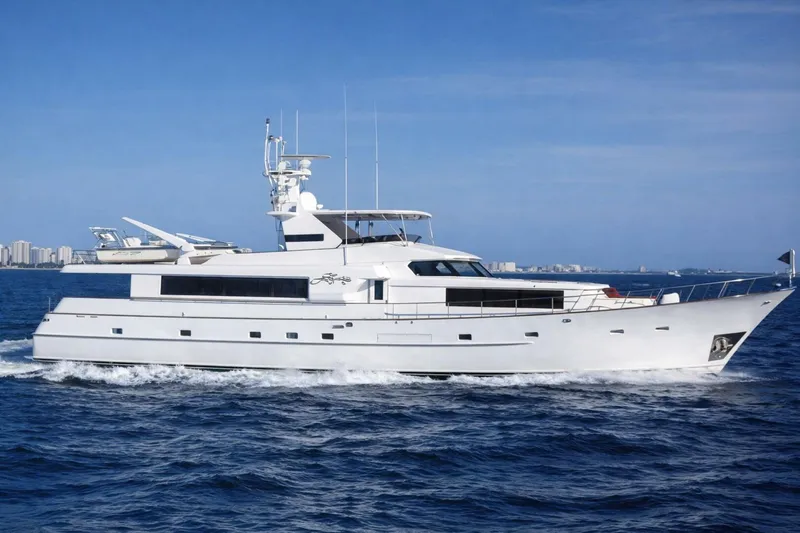
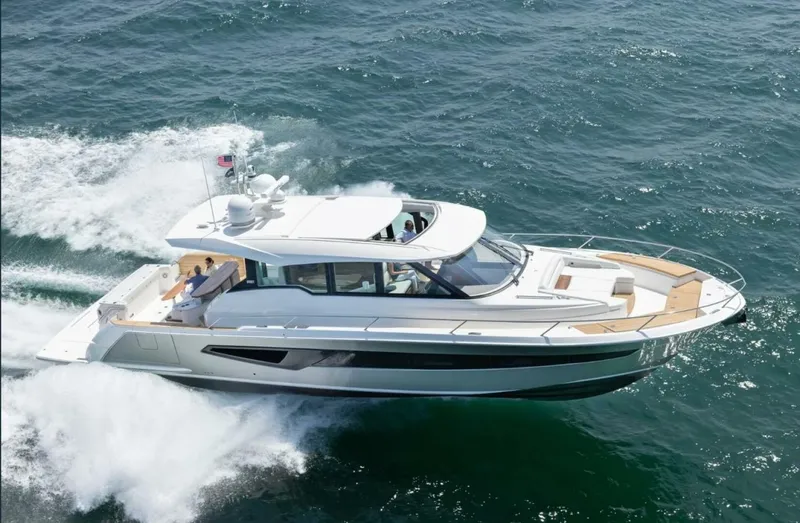
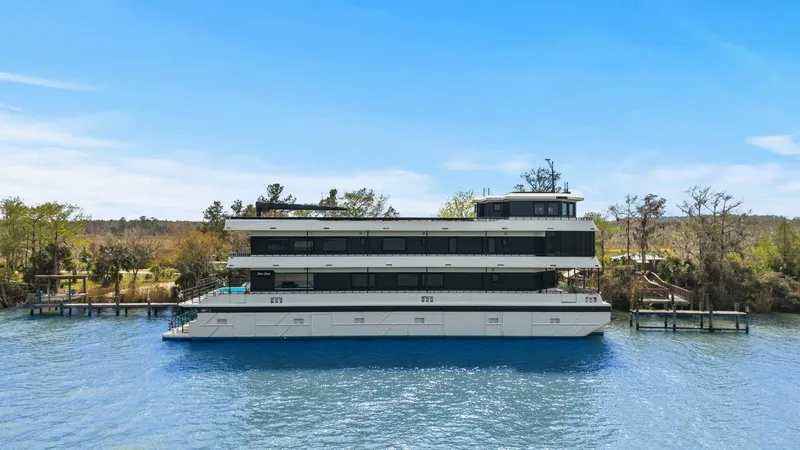
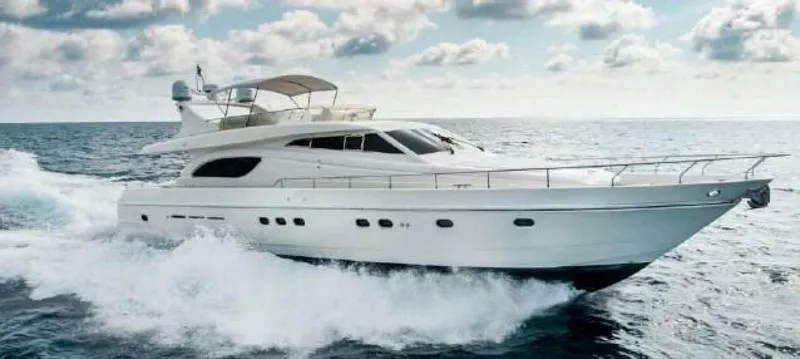
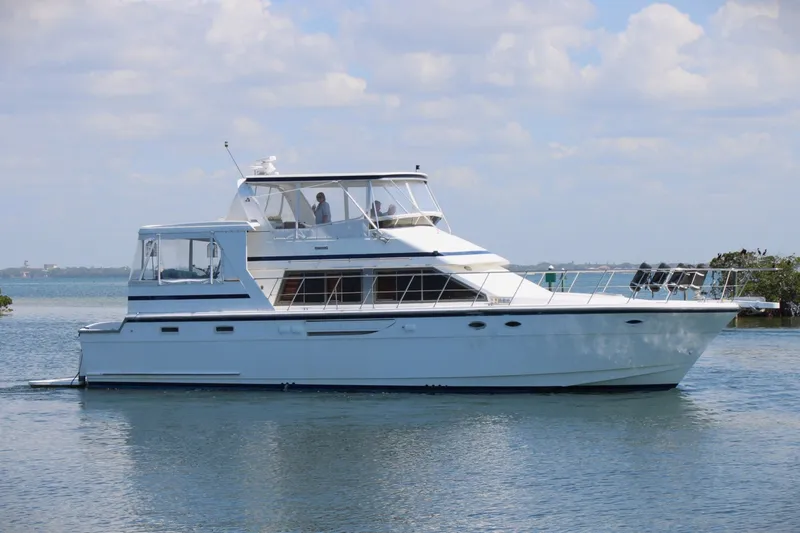
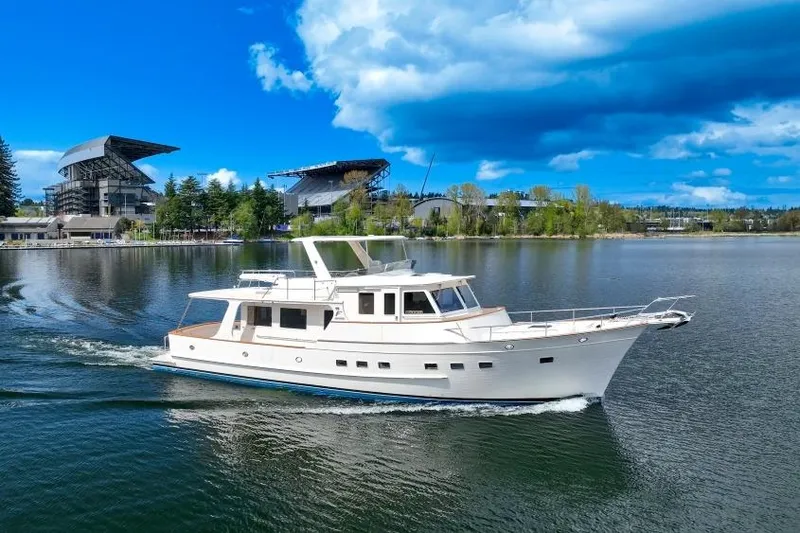
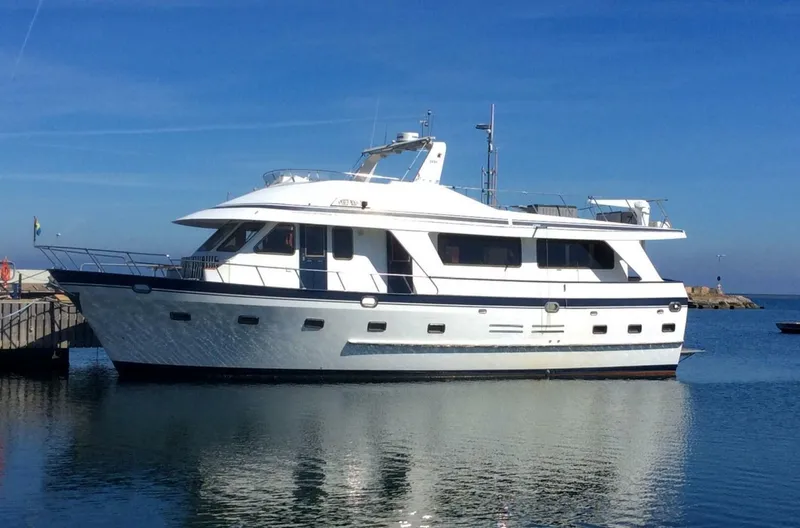
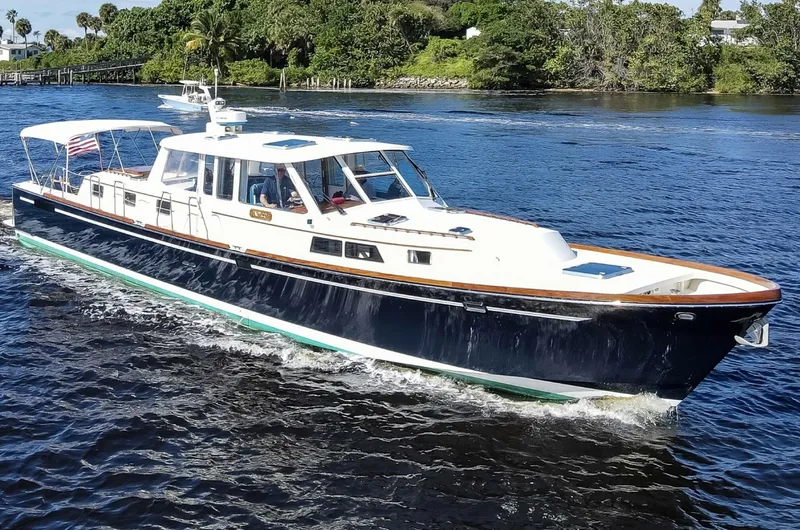
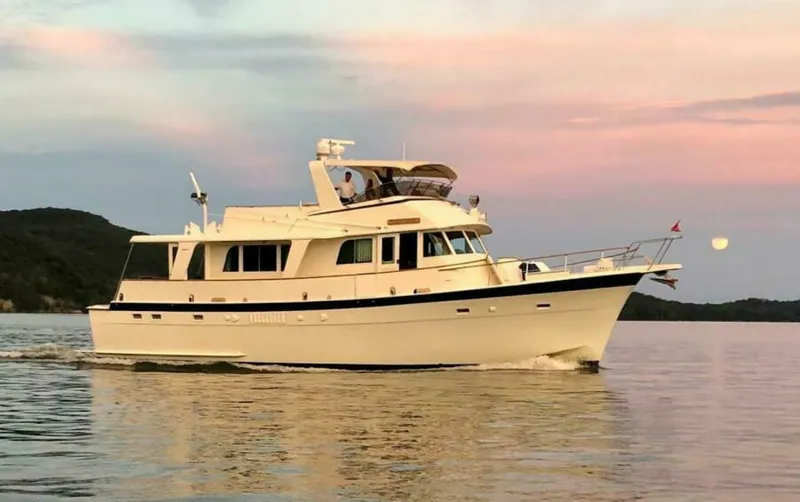
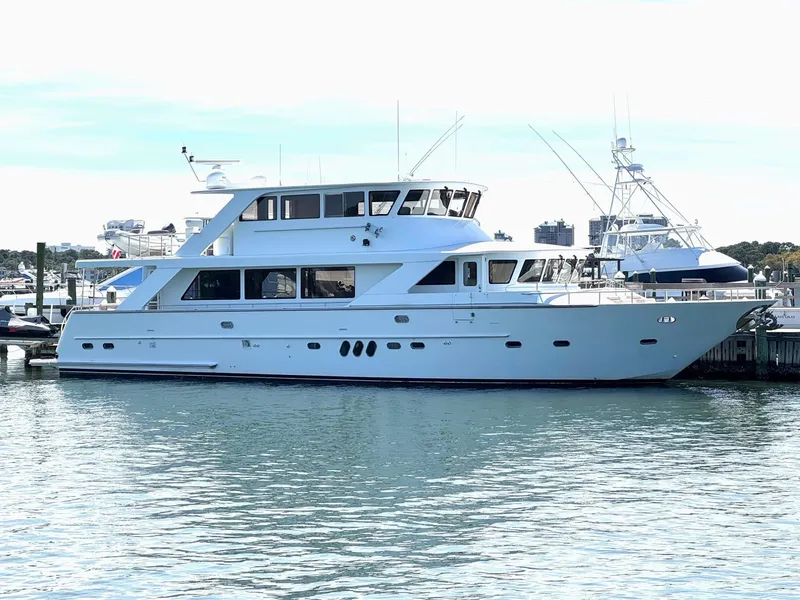
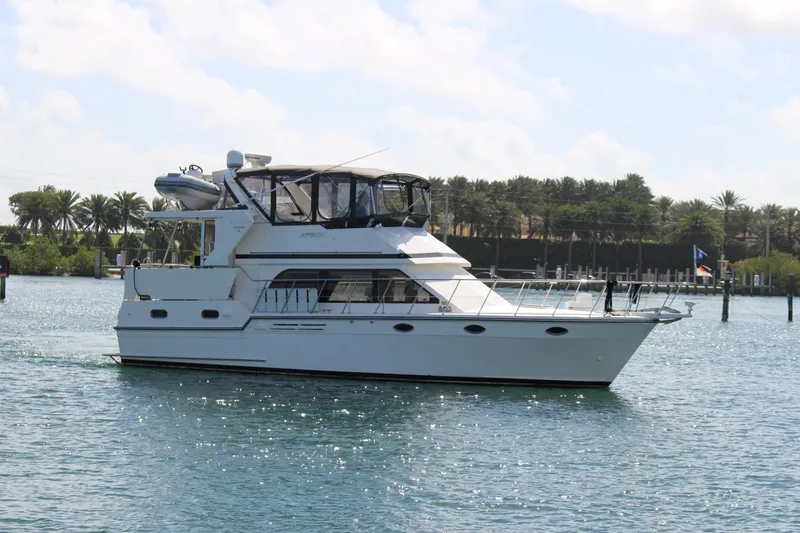
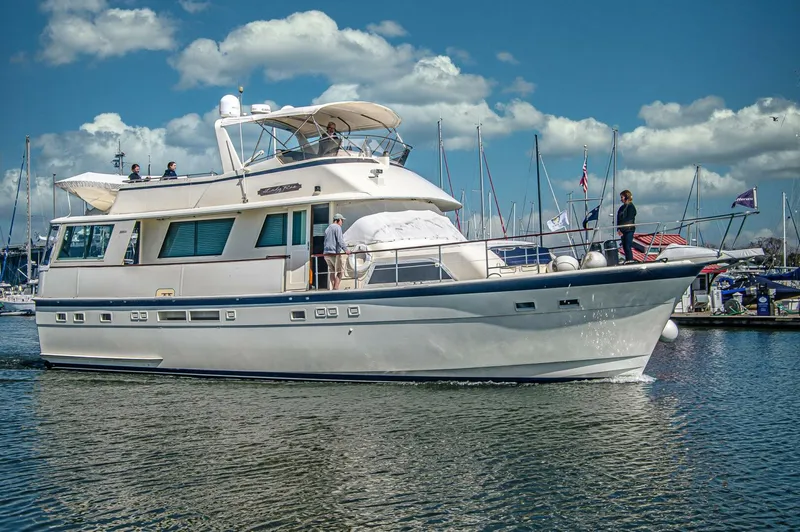
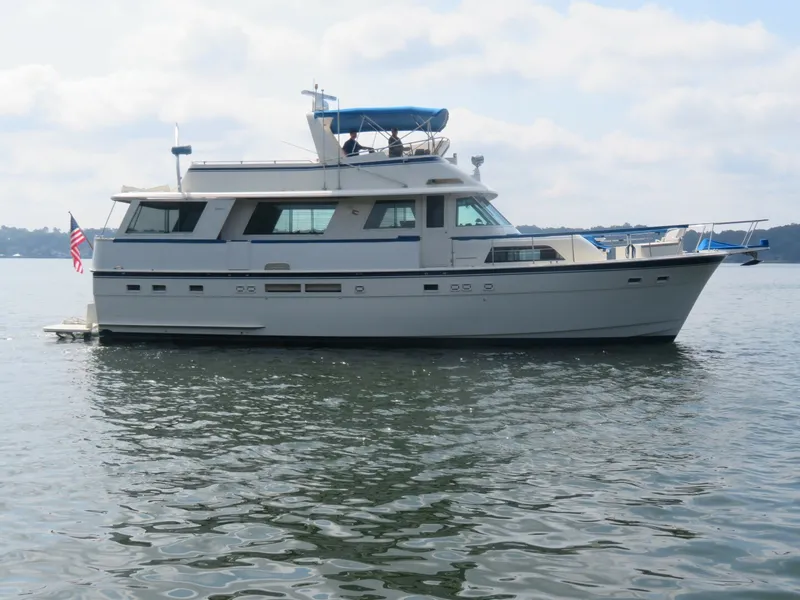
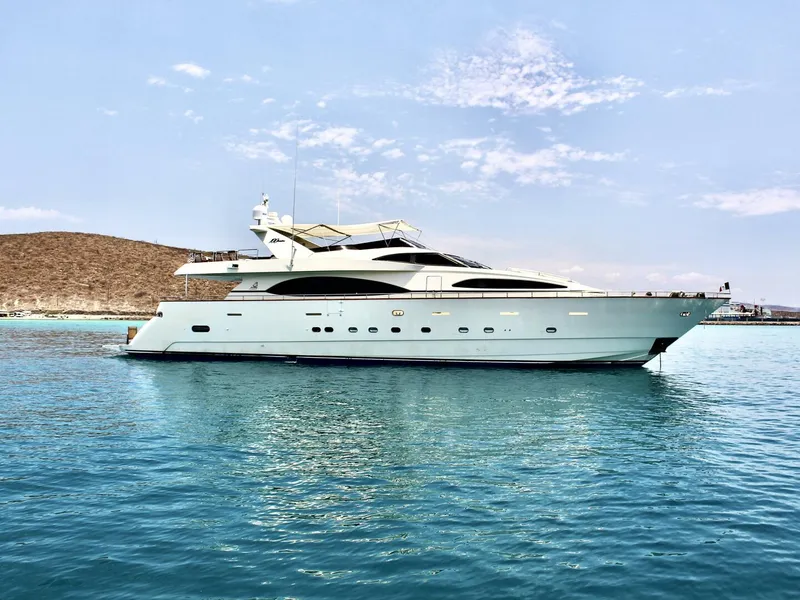
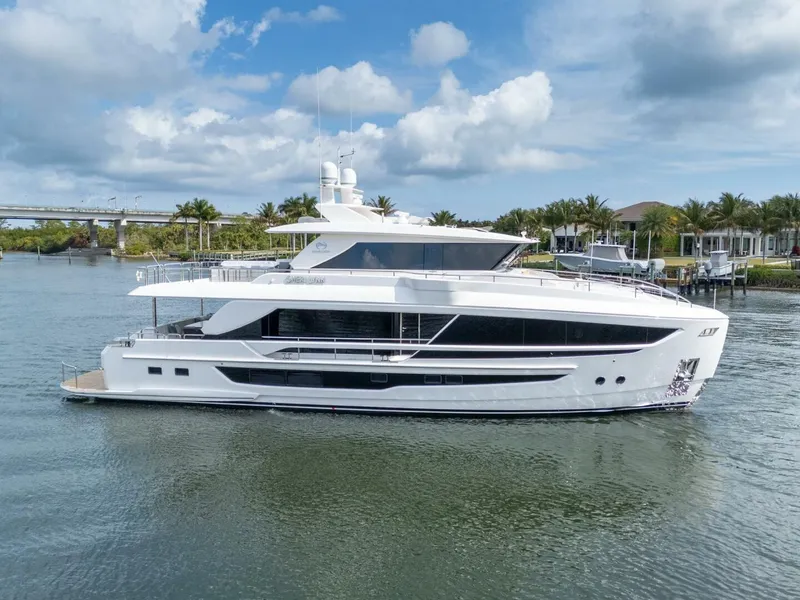
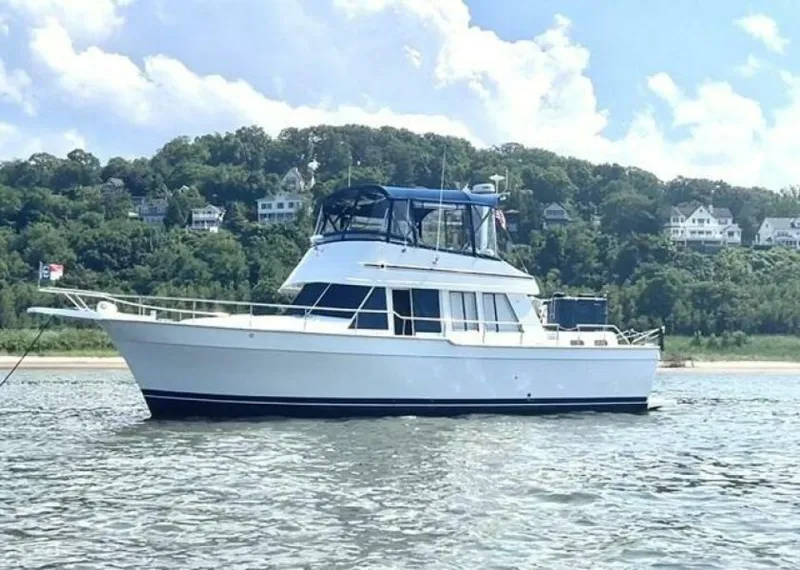
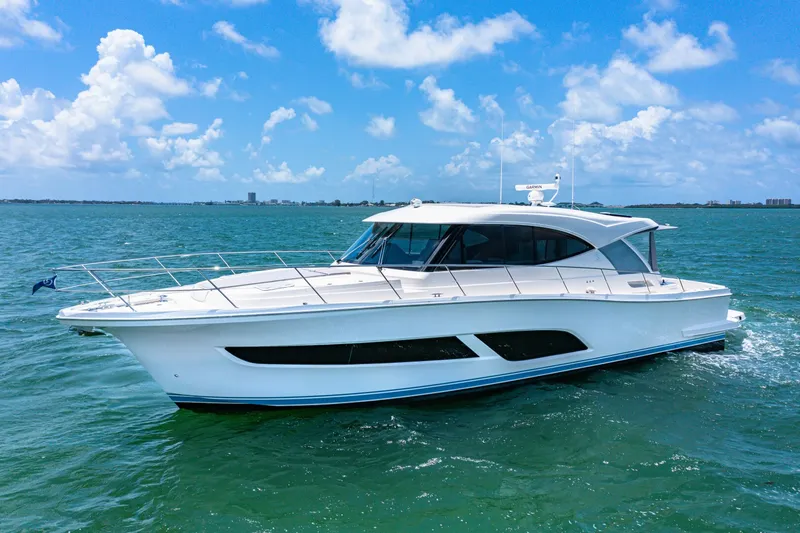
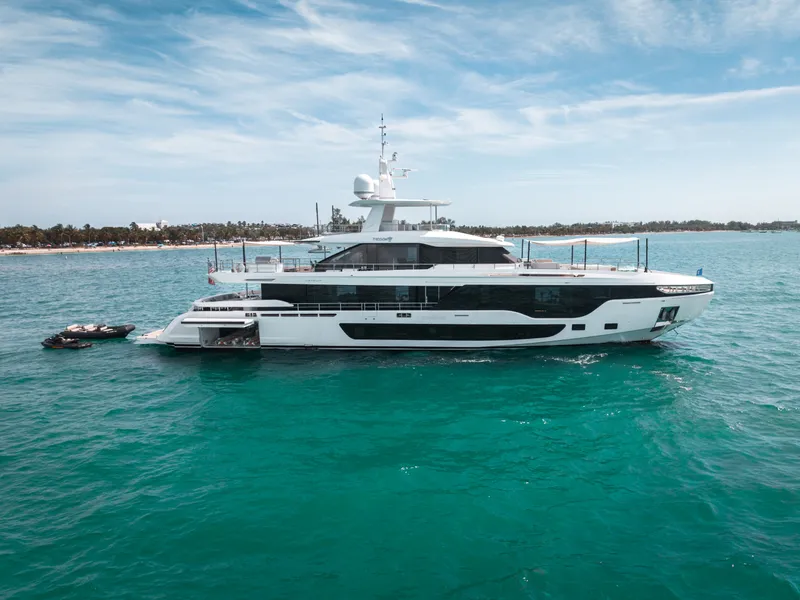
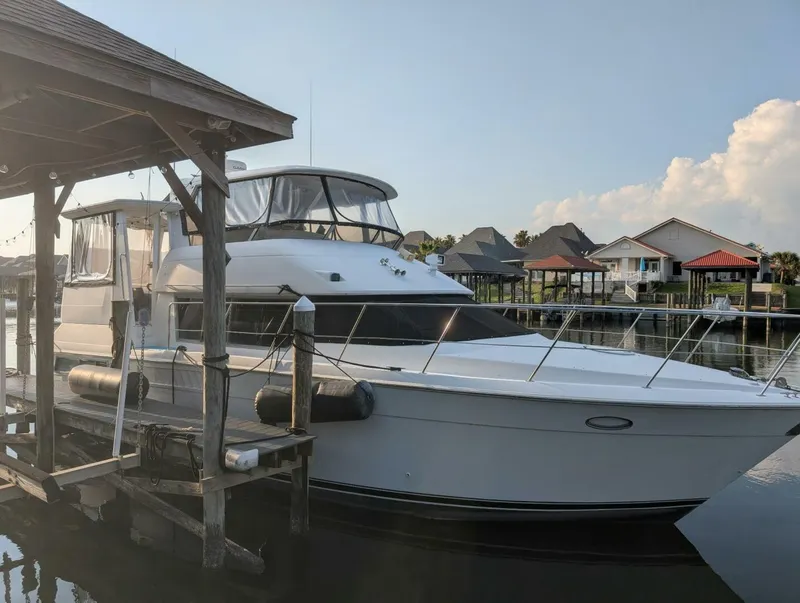
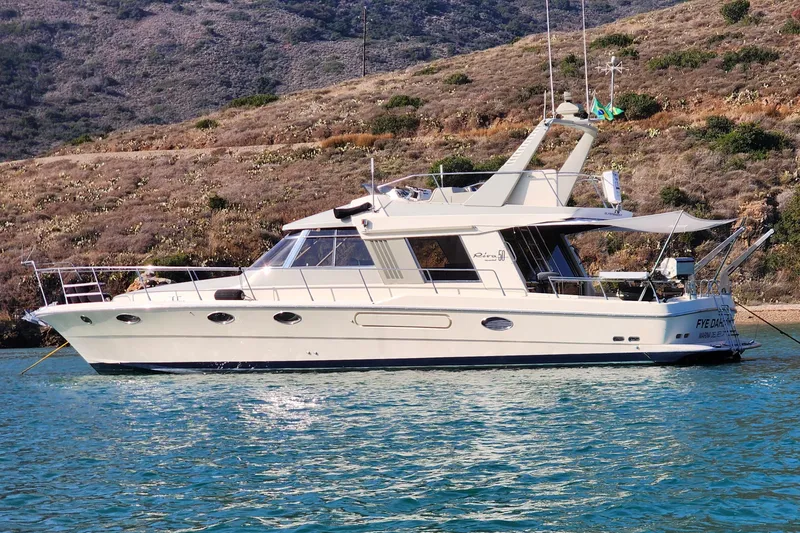
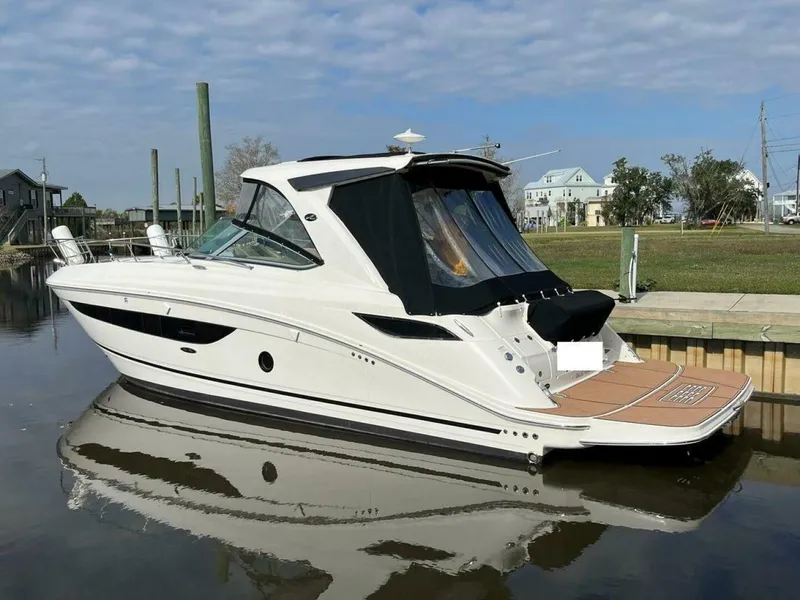
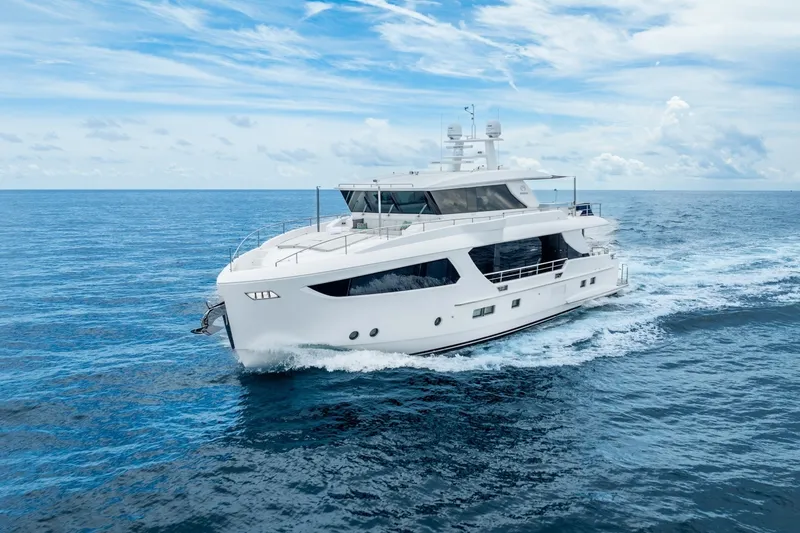
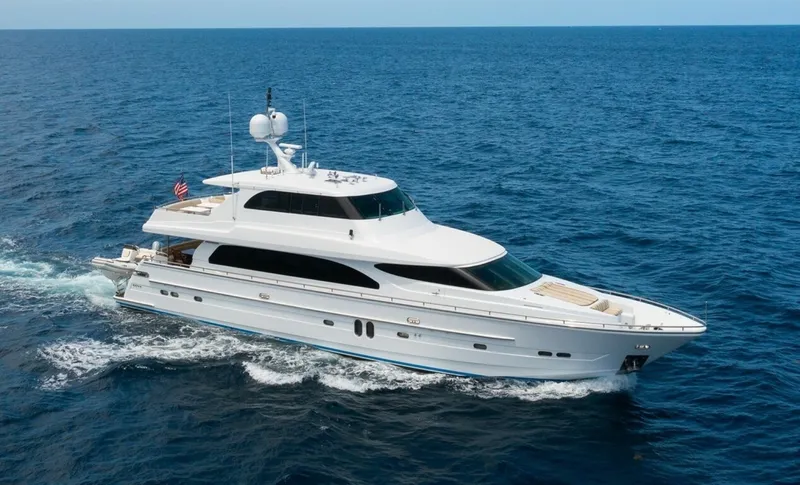
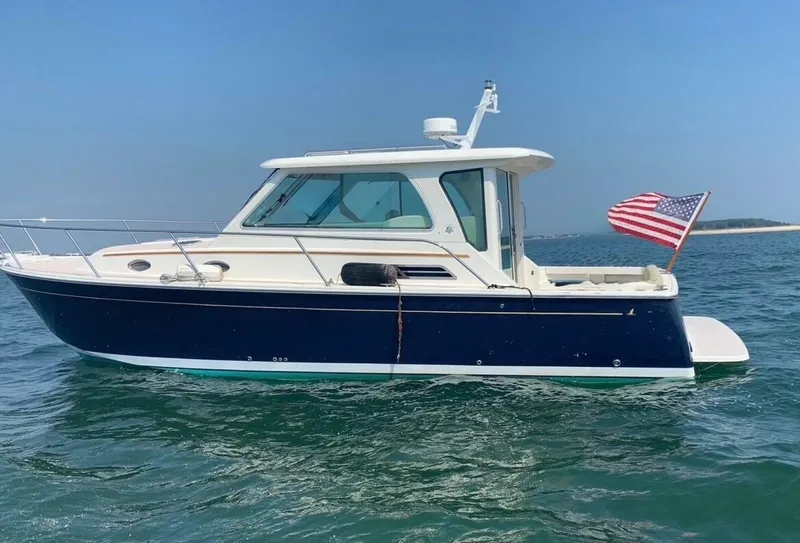
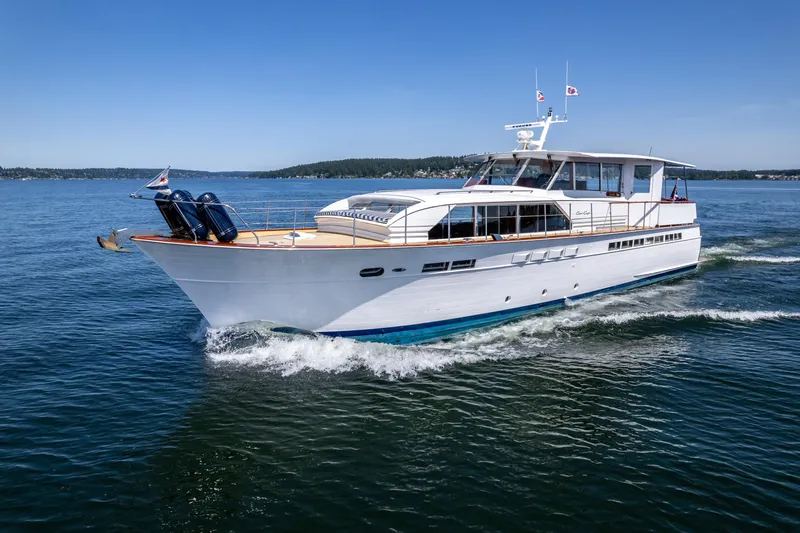
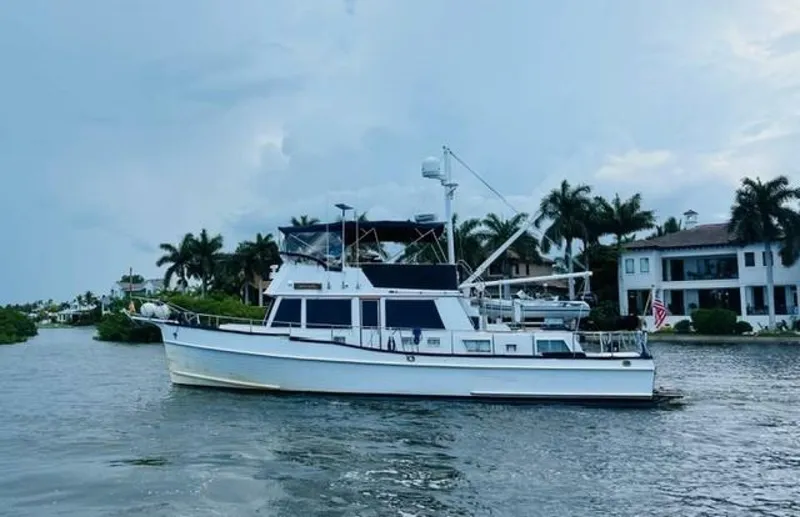
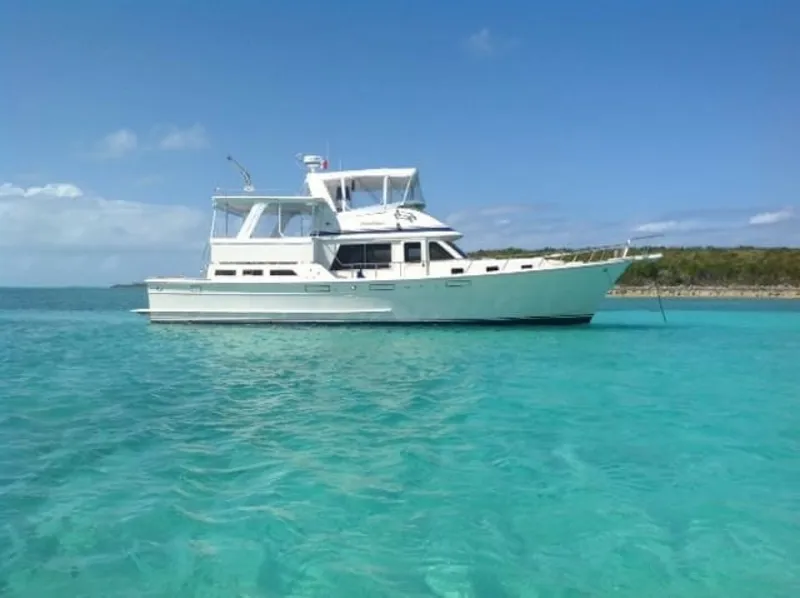
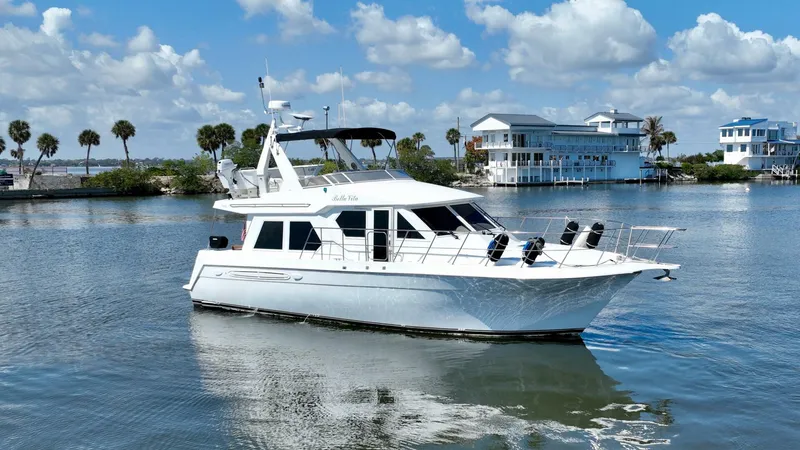
A motor yacht is a type of powerboat designed primarily for luxury cruising and extended stays on the water. Unlike smaller powerboats, motor yachts typically feature multiple decks, spacious cabins, and a range of amenities similar to those found in a high-end home or hotel suite. Their hulls are generally deep-V or semi-displacement designs, which provide a balance of speed, stability, and fuel efficiency.
Historically, motor yachts evolved from traditional sailing yachts and early powerboats, adapting to the desire for more comfortable and faster vessels that could handle longer voyages. They were initially symbols of wealth and status, often custom-built with exquisite craftsmanship and attention to detail.
Modern motor yachts continue this tradition but have incorporated advanced technology, improved fuel efficiency, and enhanced onboard systems for navigation, safety, and entertainment. They serve a variety of purposes including leisure cruising, liveaboard lifestyles, and charter services.
Today, motor yachts range in size from about 40 feet to well over 100 feet, catering to diverse preferences and budgets while maintaining their core appeal of luxury, comfort, and performance on the water.
Pros of owning a Motor Yacht
1. Spacious and Luxurious Accommodation
Motor yachts offer expansive living spaces with multiple cabins, salons, and outdoor decks. This makes them ideal for hosting family and friends in comfort, providing ample room for relaxation, dining, and entertainment.
The design often includes high-end finishes and amenities such as full galleys, private heads with showers, climate control, and integrated entertainment systems, elevating the onboard experience to a level of luxury comparable to a boutique hotel.
2. Versatility for Extended Cruising
With large fuel tanks and efficient hull designs, many motor yachts are capable of long-range coastal cruising, allowing owners to explore distant harbors and islands without frequent stops for refueling.
They often come equipped with advanced navigation and communication systems, generators, watermakers, and robust electrical systems, making them suitable for multi-day trips or even seasonal liveaboard use.
3. Smooth and Comfortable Ride
The hull design and displacement of motor yachts help them cut through waves smoothly, reducing the impact of choppy waters and providing a more stable ride than smaller, lighter boats.
This stability enhances comfort for passengers, especially during longer trips, minimizing fatigue and making the boat more enjoyable for guests who may not be seasoned boaters.
4. Social Layout and Entertaining Spaces
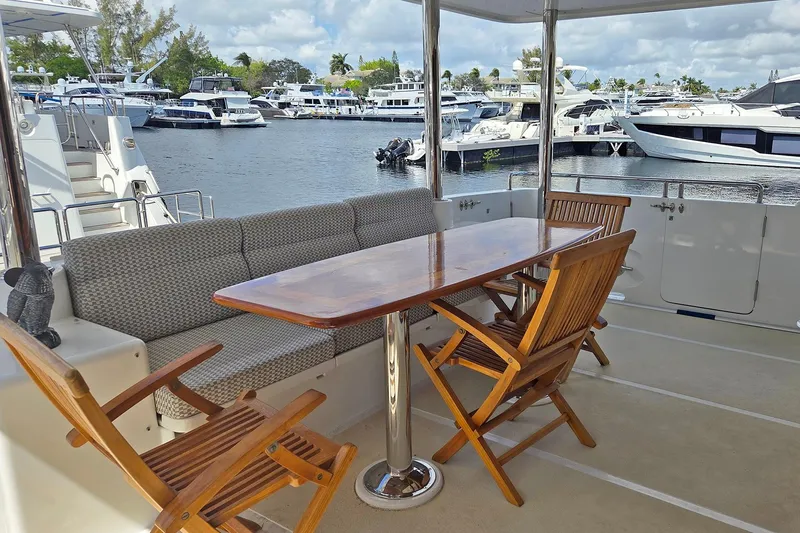
Motor yachts are designed with socializing in mind, featuring spacious decks, flybridges, aft cockpits, and salons that facilitate gatherings and celebrations on the water.
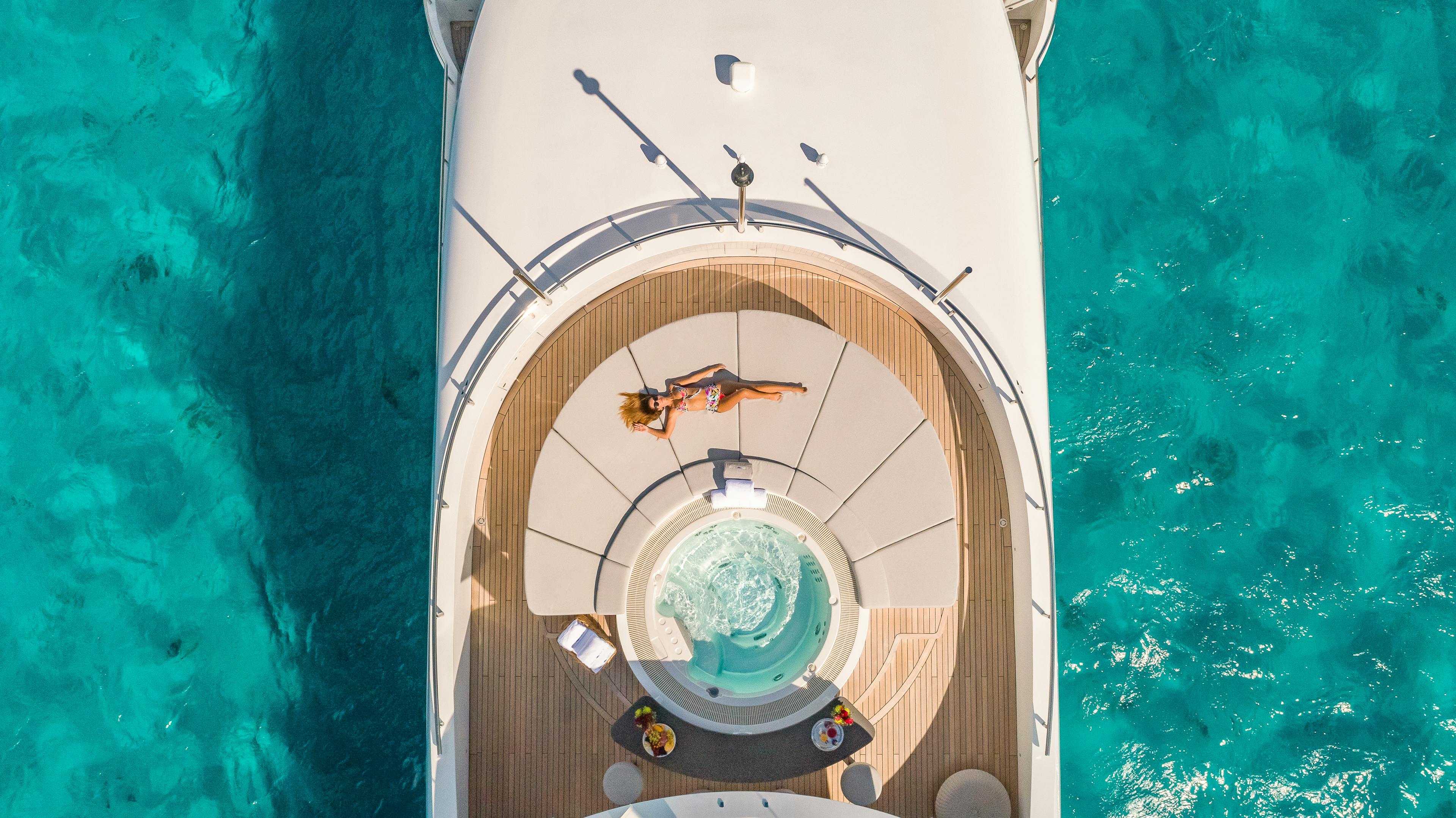
Many models include wet bars, grills, sun pads, and configurable seating areas, making them well suited for hosting everything from casual afternoon cruises to formal onboard dinners.
5. Prestige and Status Symbol
Owning a motor yacht is often associated with a certain prestige, reflecting financial success and a commitment to the marine lifestyle.
For many, the yacht is not just a boat but a statement piece that reinforces their personal brand, serving as a floating venue for business entertainment and social events.
Cons of owning a Motor Yacht
1. High Purchase and Maintenance Costs
Motor yachts require a significant initial investment compared with smaller boats, and their complex systems make ongoing maintenance more expensive.
Engines, generators, stabilizers, air conditioning, electronics, and cosmetic upkeep all add to the annual operating budget, and unexpected repairs can be costly.
- The Silver Lining: A disciplined maintenance schedule, good record-keeping, and choosing a well-built, proven brand can reduce surprise expenses and help preserve the yacht’s value over time.
2. Requires Skilled Operation
Handling a motor yacht, particularly in tight marinas or strong currents, demands experience and confidence at the helm.
Docking, anchoring, and managing onboard systems can feel intimidating for new owners, and insurance companies may require proof of competency or professional crew.
- The Silver Lining: Professional captains, dockside training programs, and certified boating courses can quickly build your skills and confidence, making ownership safer and more enjoyable.
3. Limited Access to Shallow Waters
Due to their deeper draft and overall size, many motor yachts cannot explore very shallow bays, sandbars, or narrow backwater creeks.
This can limit spontaneous access to certain beaches, small-town marinas, and skinny-water fishing grounds that smaller vessels can reach easily.
- The Silver Lining: Carrying a tender or dinghy on the yacht allows you to anchor offshore in deeper water and still access shallow coves, beaches, and waterfront restaurants.
4. Storage and Docking Challenges
Finding a suitable slip for a motor yacht can be difficult and expensive, especially in popular boating regions and during peak season.
Larger vessels may face waitlists at desirable marinas, and off-season storage can add meaningful cost and logistical planning.
- The Silver Lining: Early planning, long-term slip agreements, and considering less crowded nearby marinas can secure more predictable berth options and sometimes better pricing.
5. Fuel Consumption and Environmental Impact
Motor yachts typically consume significantly more fuel than smaller boats, which increases operating costs and contributes to a larger carbon footprint.
High engine hours and frequent long-distance cruising can further amplify both fuel usage and environmental impact.
- The Silver Lining: Running at efficient cruise speeds, maintaining clean hulls and engines, and choosing newer, more efficient propulsion systems can noticeably reduce fuel burn and emissions.
Handling and Performance
Motor yachts are generally well suited to hosting groups because of their multiple social zones—salon, aft deck, flybridge, and sometimes a bow seating area—allowing guests to spread out comfortably.
Wide beam and substantial displacement help maintain stability when many people move around the boat, and thoughtful layouts keep traffic flowing so the vessel does not feel congested even with a full guest list.
Most motor yachts perform respectably in moderate rough conditions thanks to their hull shape, weight, and higher freeboard, which together produce a more controlled motion than smaller craft.
However, large topsides and superstructures increase windage, so high crosswinds during docking and close-quarters maneuvering require careful throttle and thruster use—or assistance from a bow and stern thruster system.
In truly severe weather, even large yachts can become uncomfortable, so prudent seamanship—checking forecasts, choosing conservative routes, and avoiding unnecessary exposure—is still essential.
Ownership and Logistics
Beyond the purchase price, owners should budget for insurance, dockage or mooring fees, routine maintenance, haul-outs, bottom paint, and periodic upgrades to electronics and safety gear.
Fuel can be one of the most visible recurring expenses, especially for frequent long-distance cruising at higher speeds, while crew costs may apply for larger yachts that require professional help.
A common rule of thumb is to allocate a percentage of the boat’s value annually for operating and maintenance costs, though actual amounts vary with size, use, and condition.
Like most boats, motor yachts depreciate over time, with the steepest drop typically occurring in the first several years after purchase.
Well-maintained vessels from respected builders, with modern layouts, updated electronics, and documented service history, tend to command stronger resale prices and sell faster.
Market cycles, fuel prices, and regional demand also influence resale, so timing and presentation—professional cleaning, surveys, and good marketing—can make a significant difference.
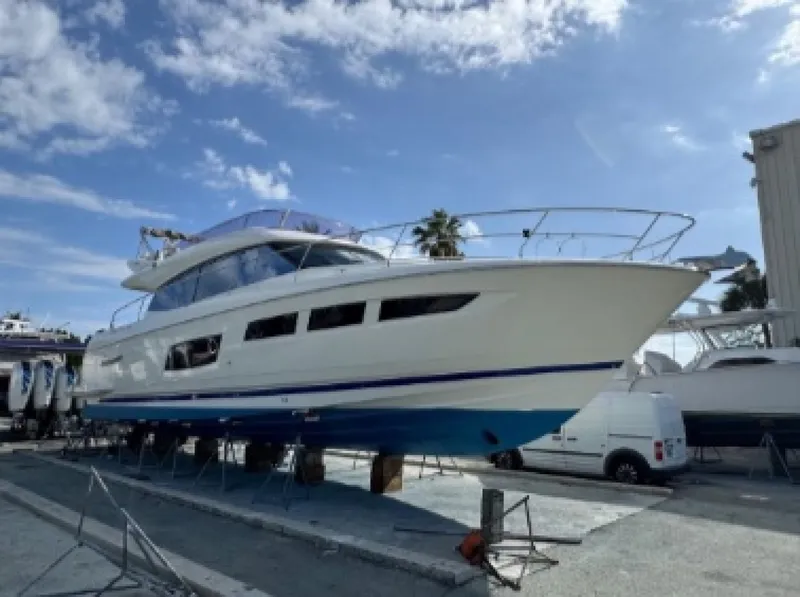
Most true motor yachts are not practical to tow with personal vehicles due to their length, beam, height, and weight. They often exceed legal road limits without special permits and escort vehicles.
When overland transport is necessary—such as between cruising regions or for major yard work—owners typically hire professional yacht transport companies that use specialized trucks and trailers.
Because of this, many motor yachts are kept primarily in the water or at nearby shipyards, and transport logistics are planned well in advance rather than handled casually with a personal truck and trailer.
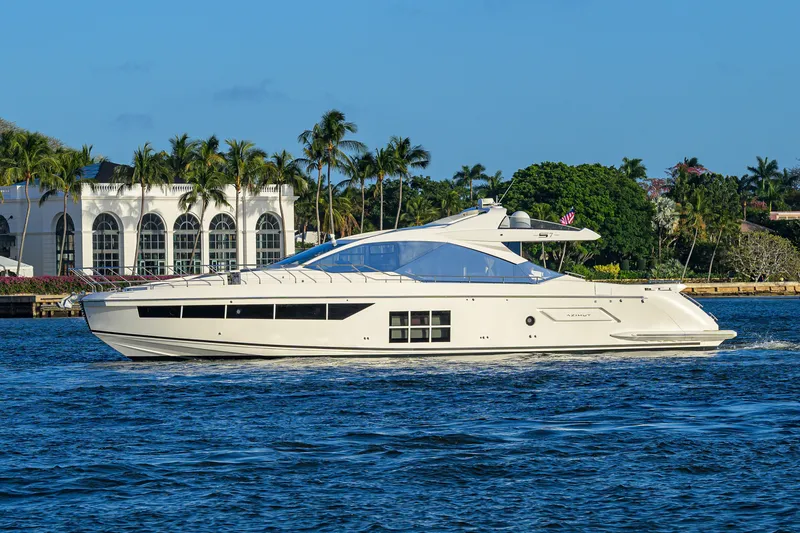
Is a Motor Yacht the right choice for you?
A motor yacht delivers an appealing mix of luxury, comfort, and cruising capability that can transform time on the water into an immersive lifestyle rather than just an occasional outing.
At the same time, ownership demands realistic expectations about cost, required skill, and logistics. When approached with good planning and a clear budget, a motor yacht can be a deeply rewarding investment in experiences with family and friends.
You'll love it if:
- If you enjoy entertaining guests and want multiple comfortable spaces for socializing, dining, and relaxing on board.
- If your ideal boating involves extended coastal cruising, weekend getaways, or spending weeks at a time on the water.
- If you value home-like amenities—private cabins, real bathrooms, air conditioning, and full kitchens—while you cruise.
- If you appreciate the prestige and presence that come with a substantial, well-designed yacht.
- If you are prepared to budget for professional maintenance, dockage, and occasional upgrades to keep the vessel in top condition.
It might be challenging if:
- If you are brand new to boating and prefer to learn on something smaller, simpler, and less expensive.
- If your favorite destinations are shallow backwaters, sandbars, and narrow creeks where draft and size are major limitations.
- If you are working within a tight budget for both purchase and ongoing expenses such as fuel, insurance, and slip fees.
- If you lack access to suitable marinas, storage options, or marine service providers in your area.
- If easy trailering and spontaneous launches at public ramps are a priority, since most motor yachts are not trailer-friendly.
A motor yacht can be an exceptional platform for creating memorable time on the water, provided you match the size and complexity of the vessel to your budget, skills, and cruising plans. By understanding both the rewards and responsibilities ahead of time, you can decide confidently whether stepping up to a motor yacht is the right next move in your boating journey.