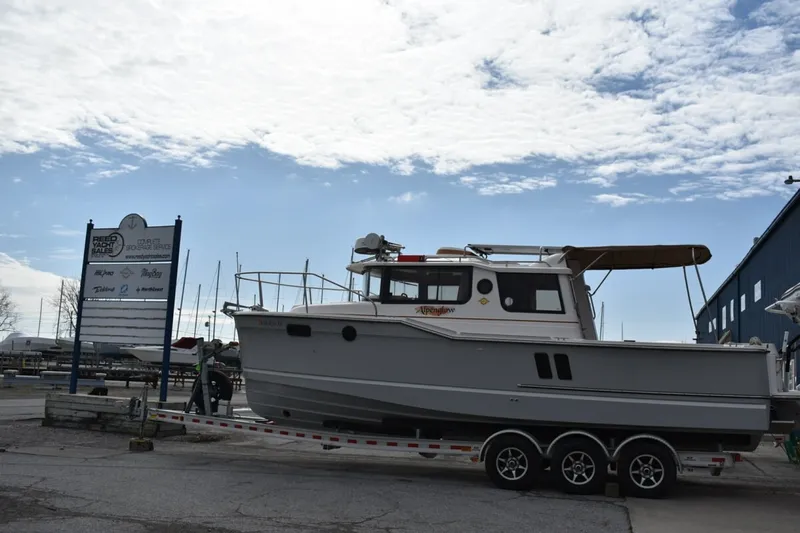
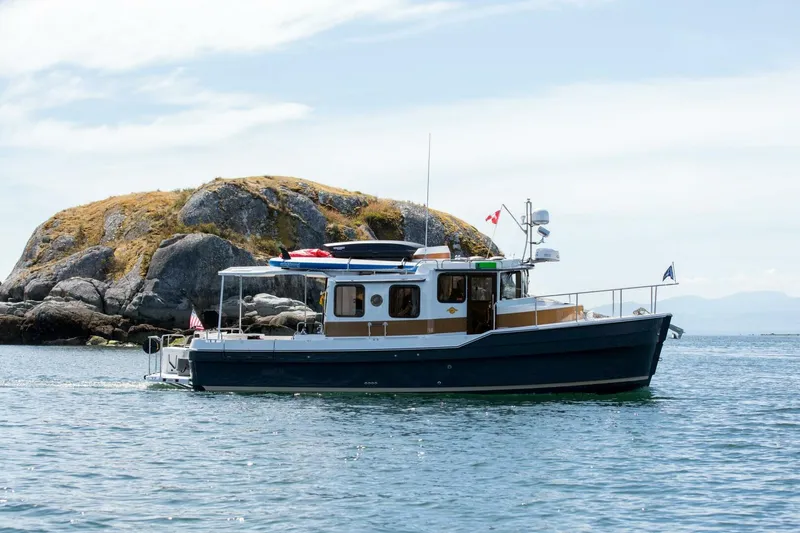
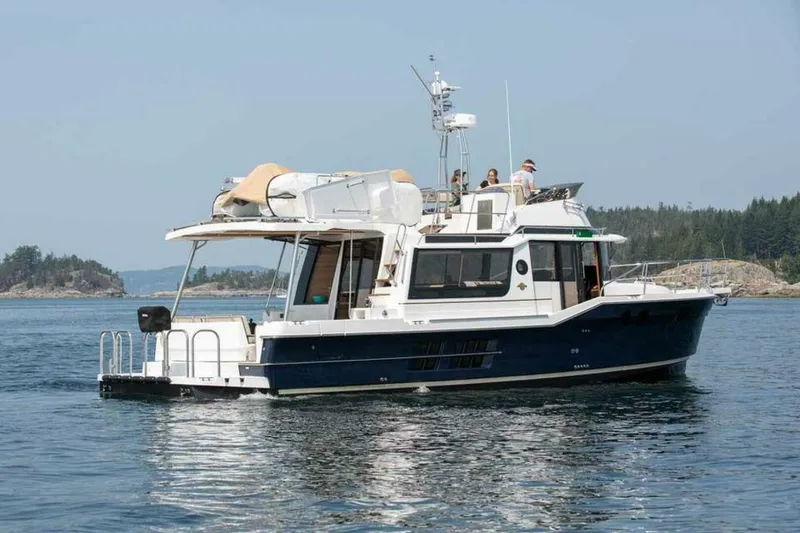
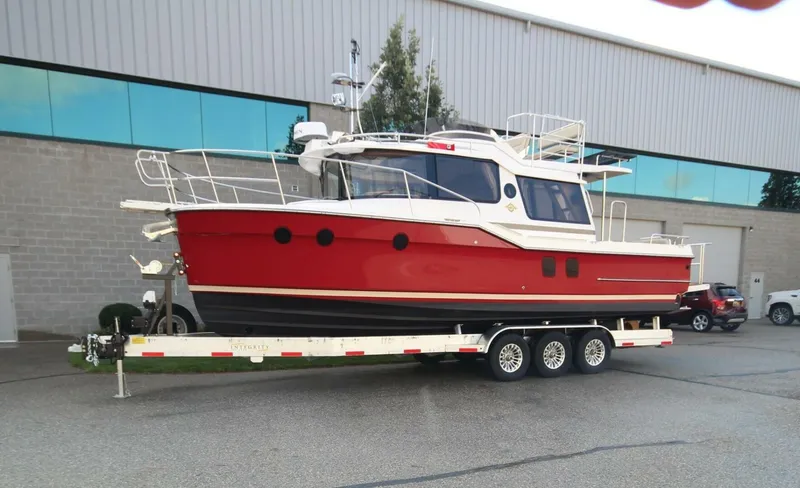
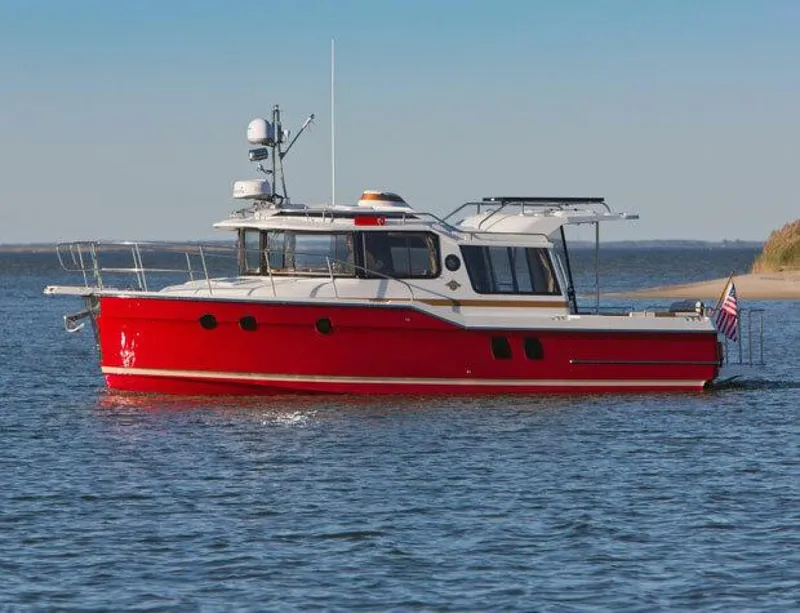
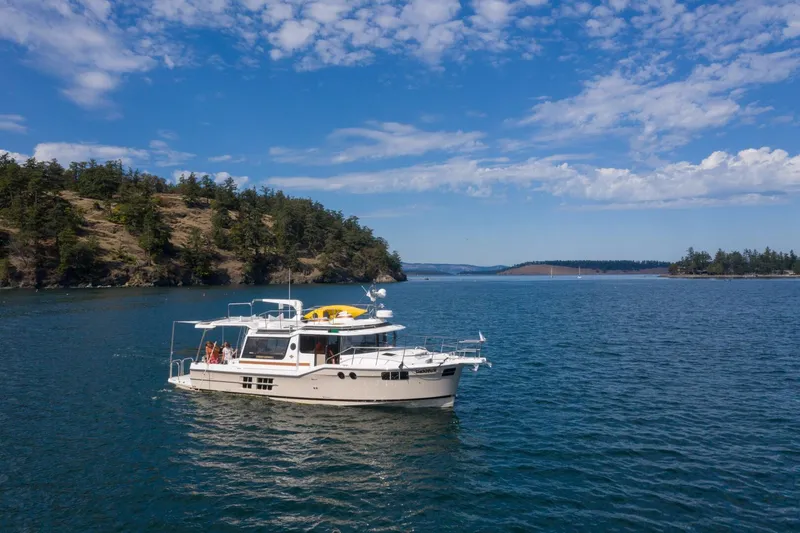
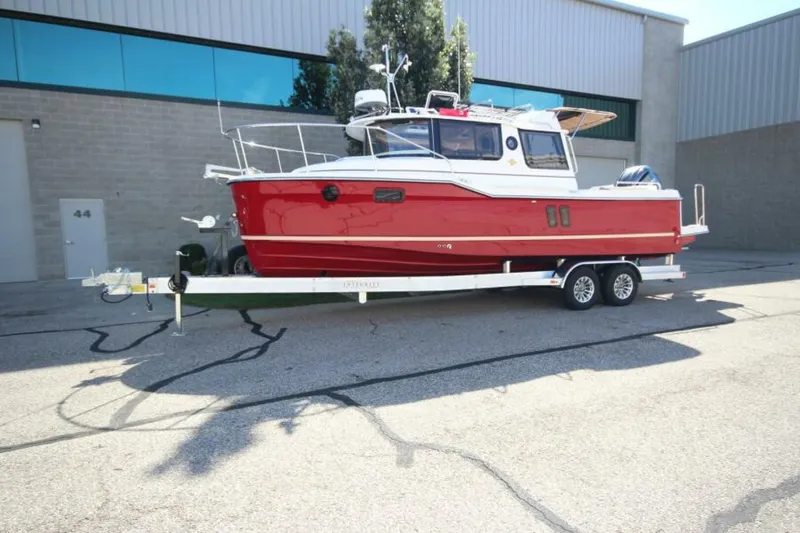
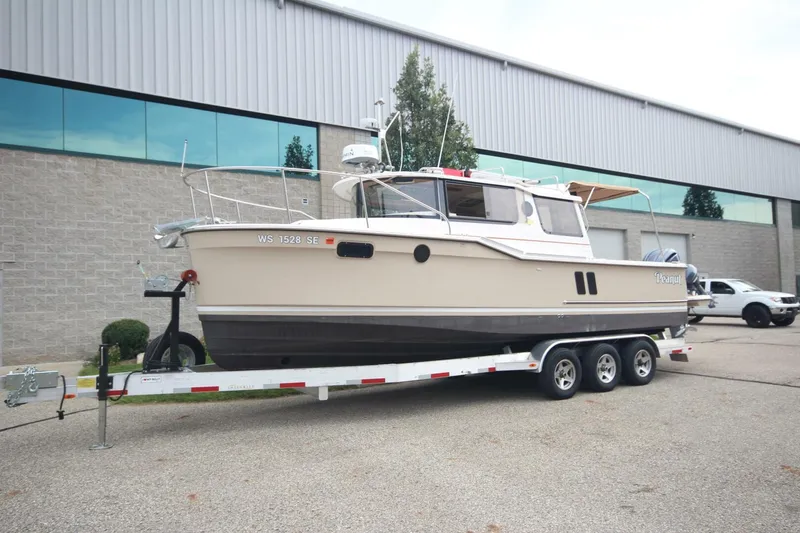
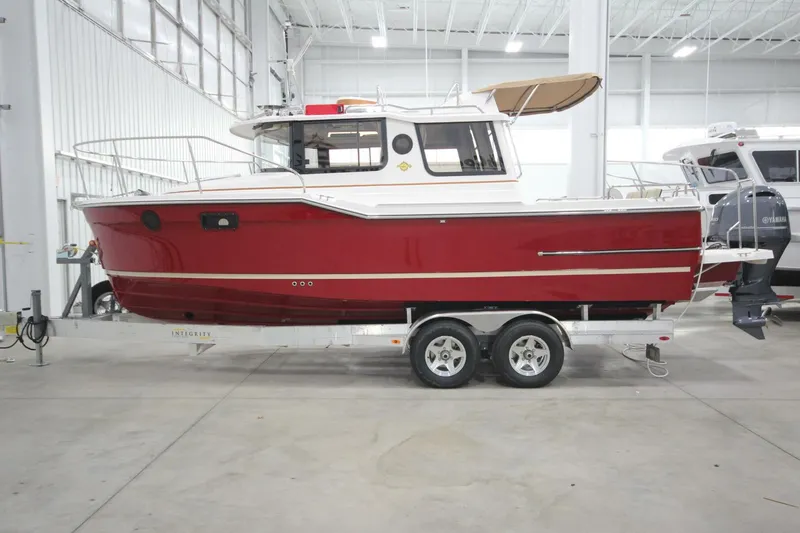
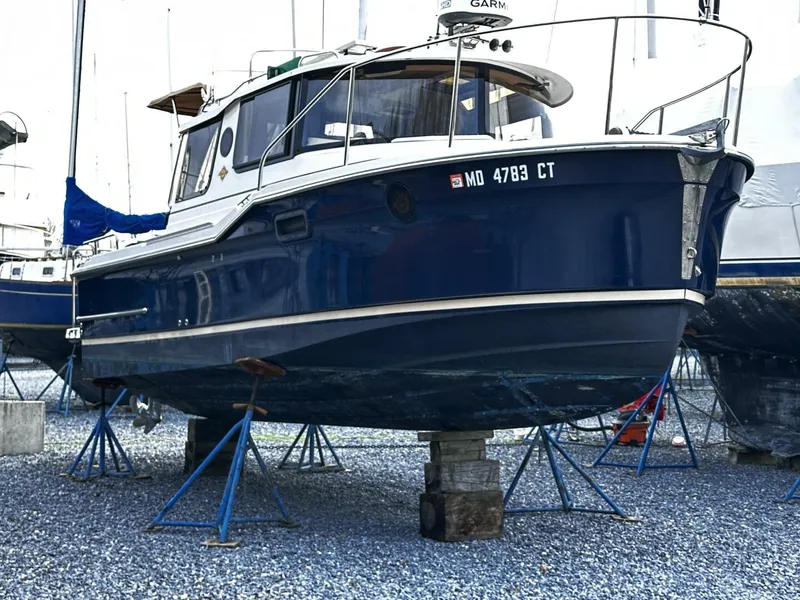
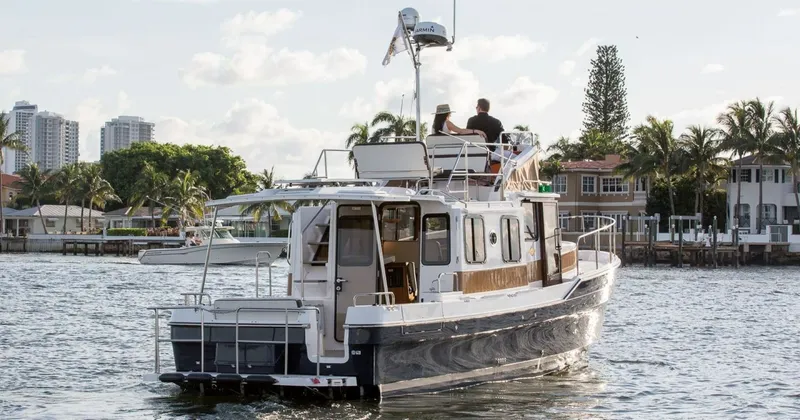
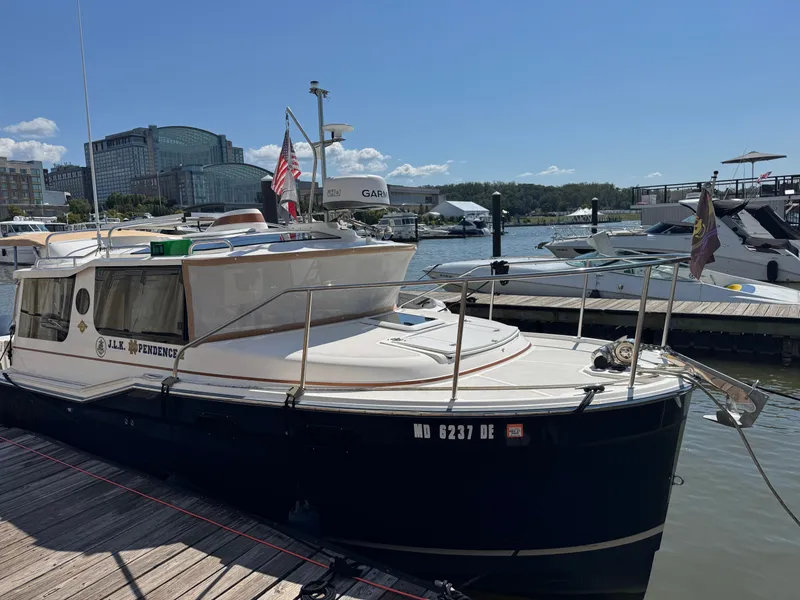
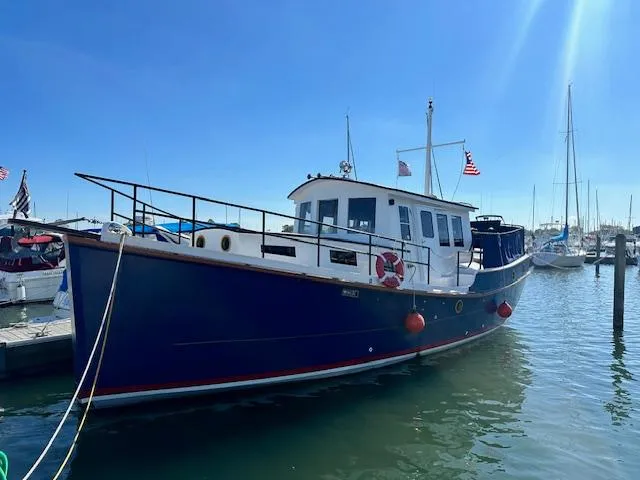
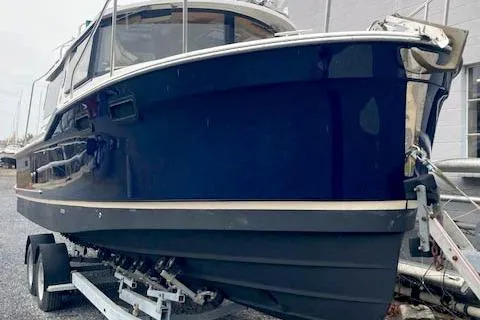
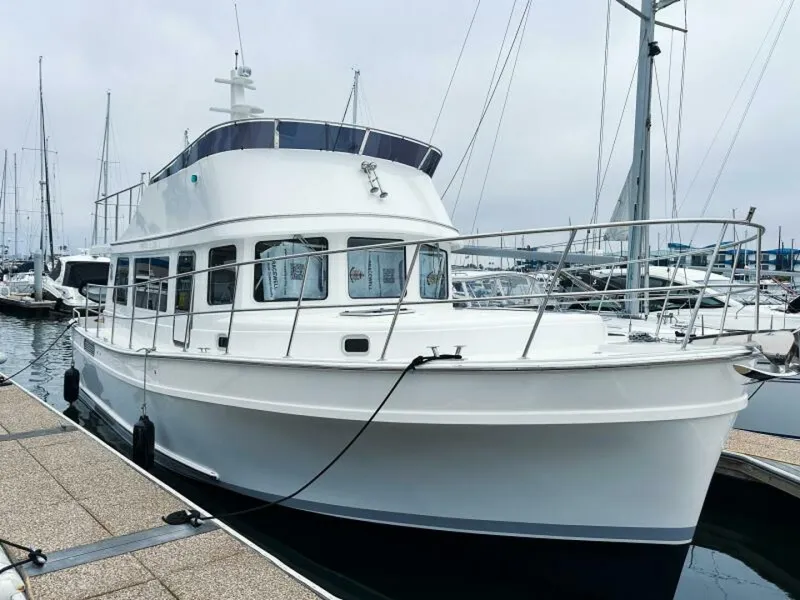
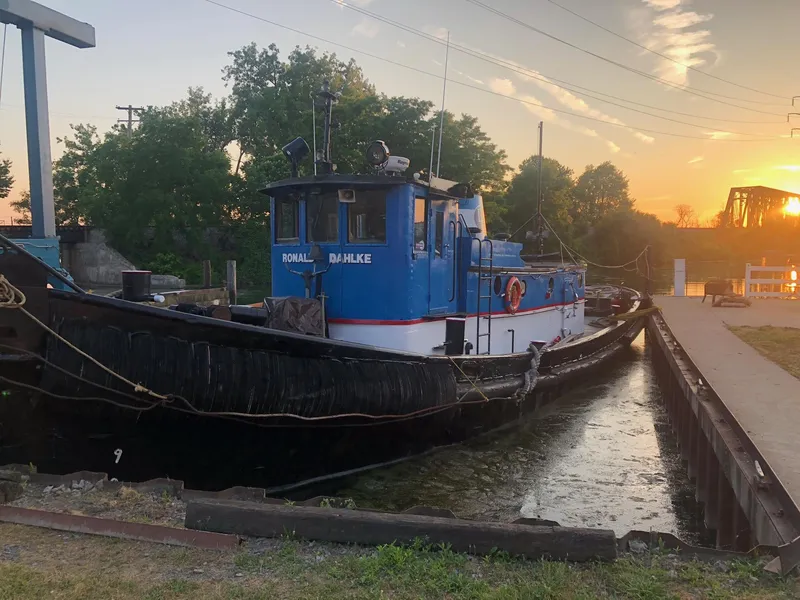
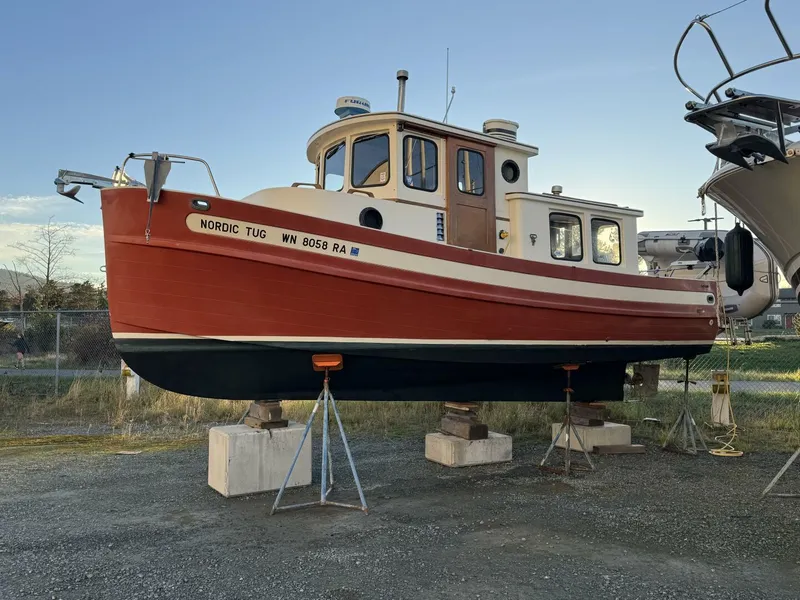
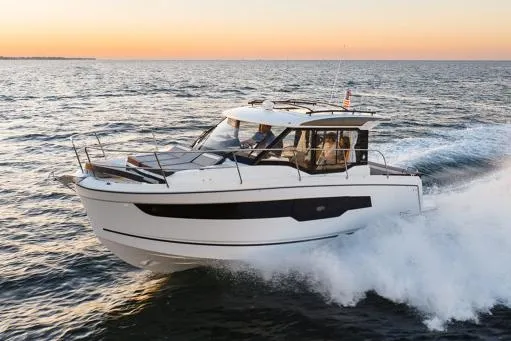
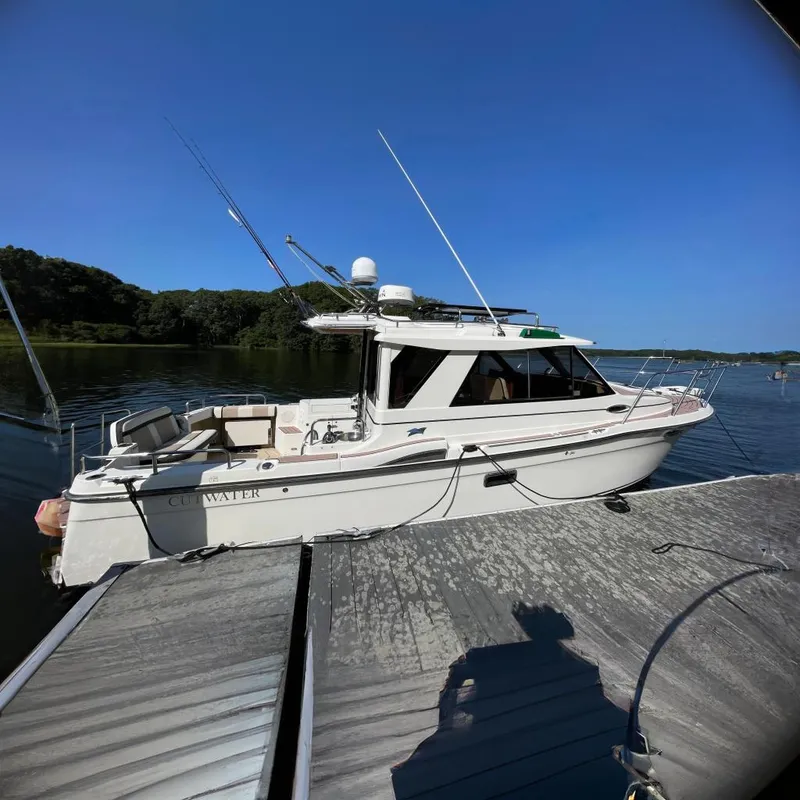
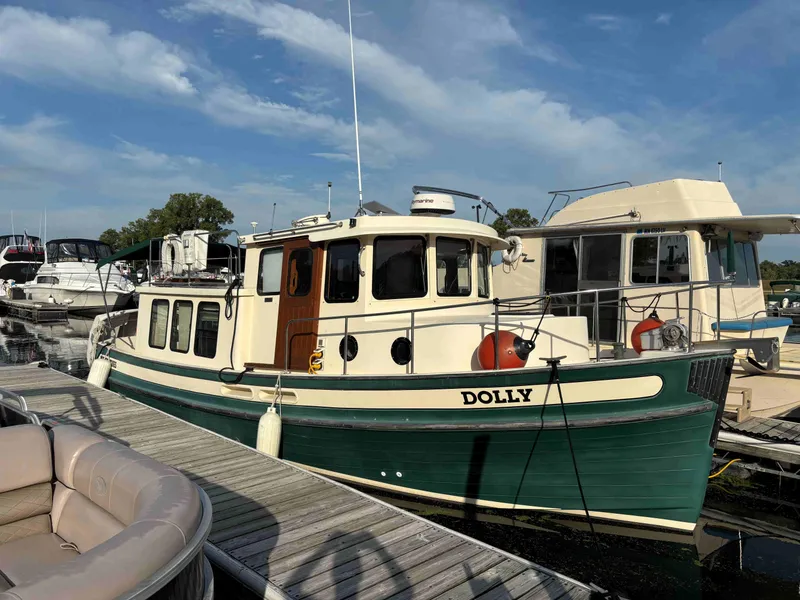
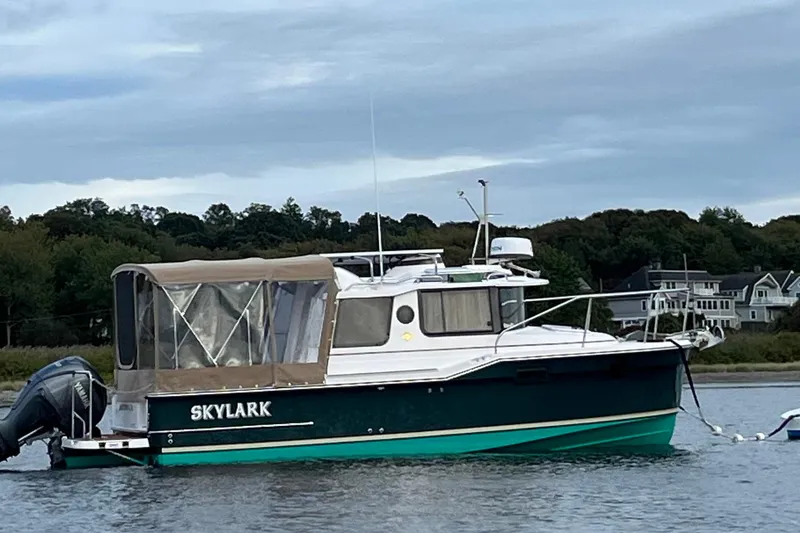
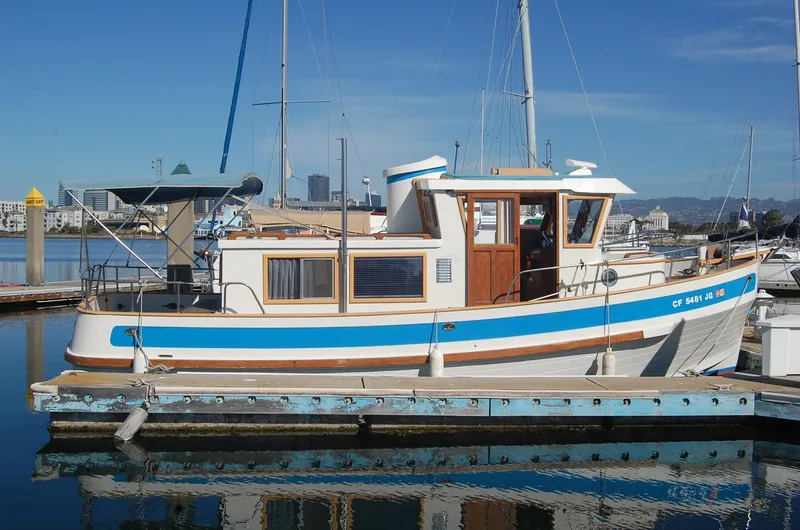
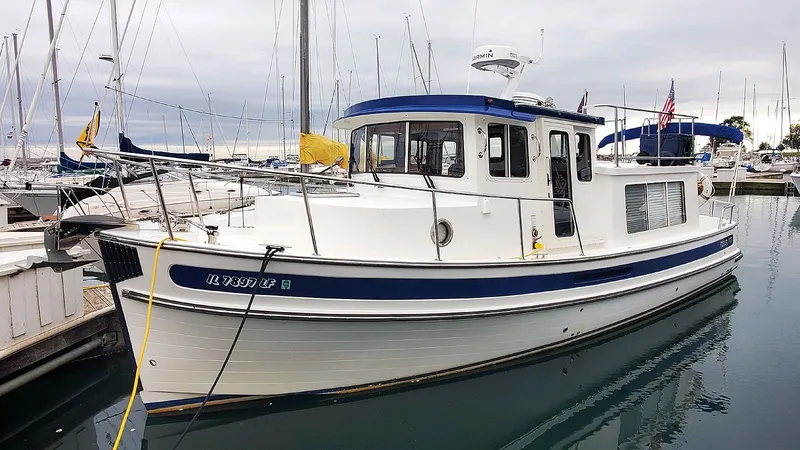
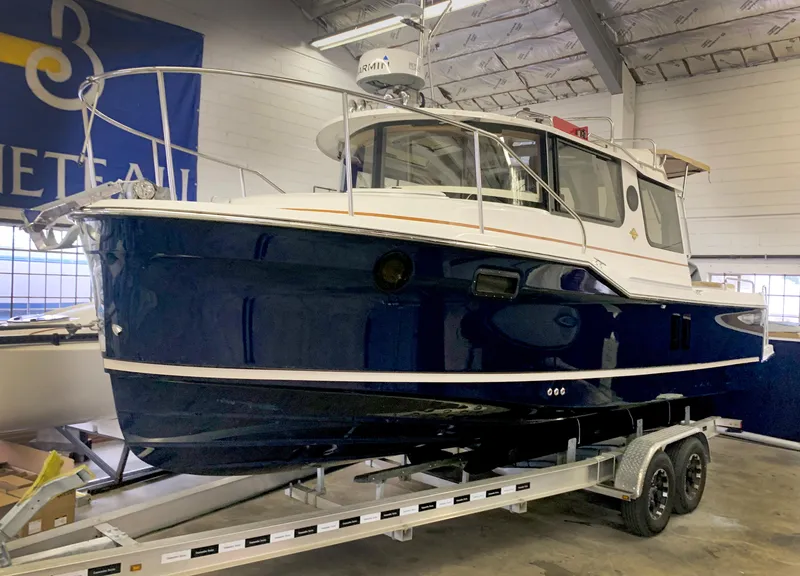
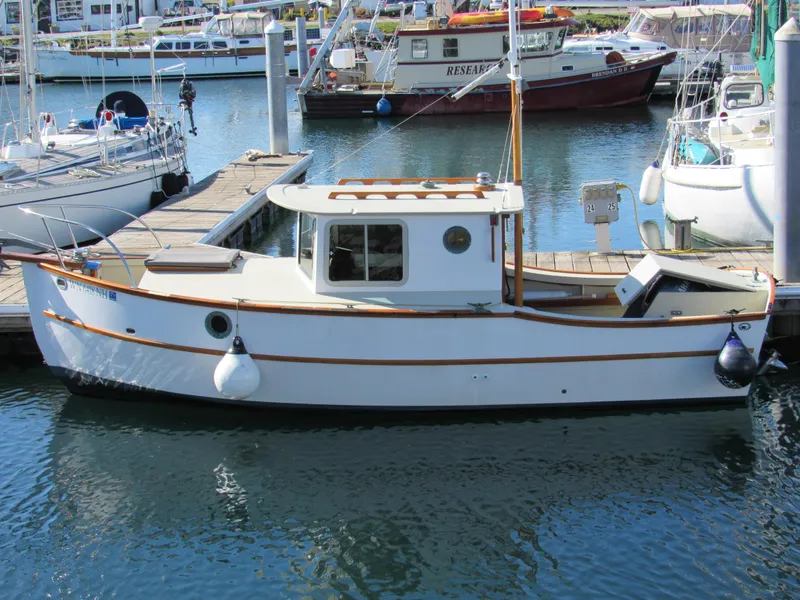
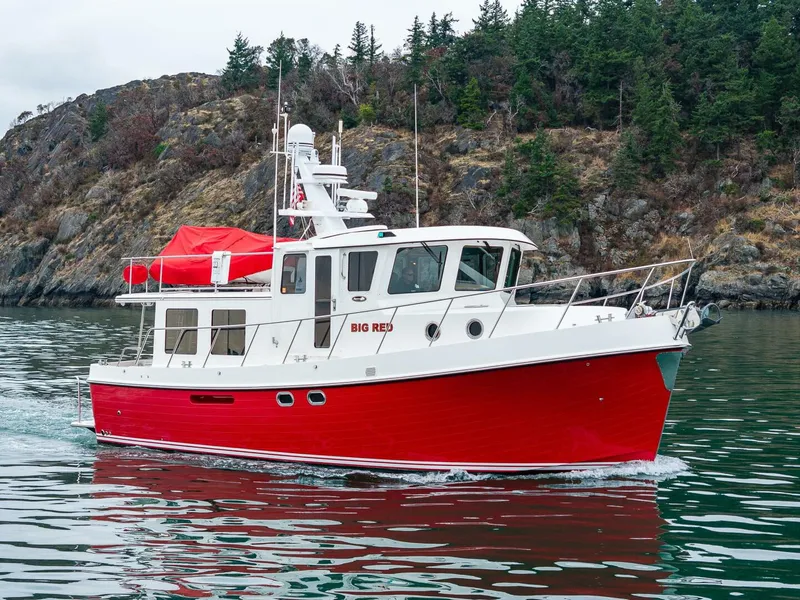
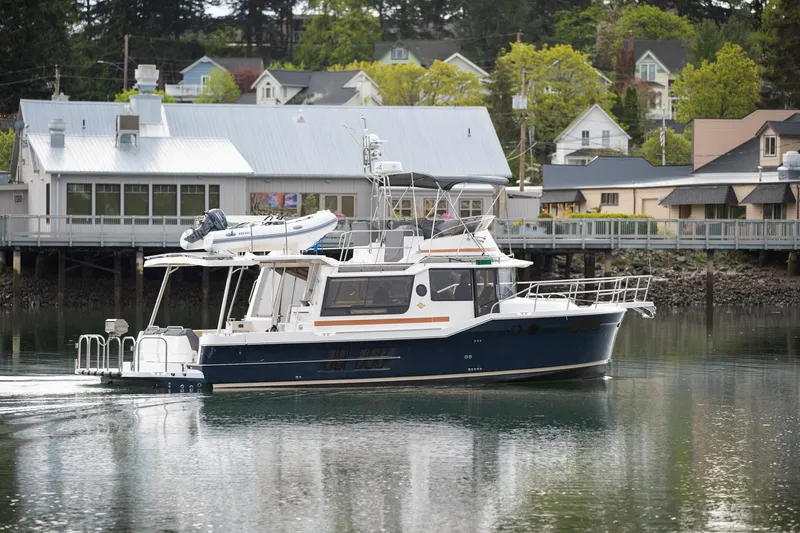
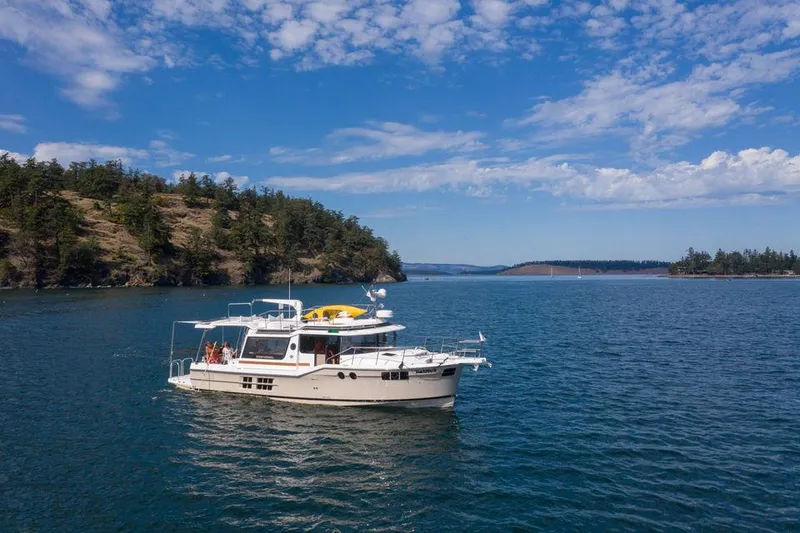
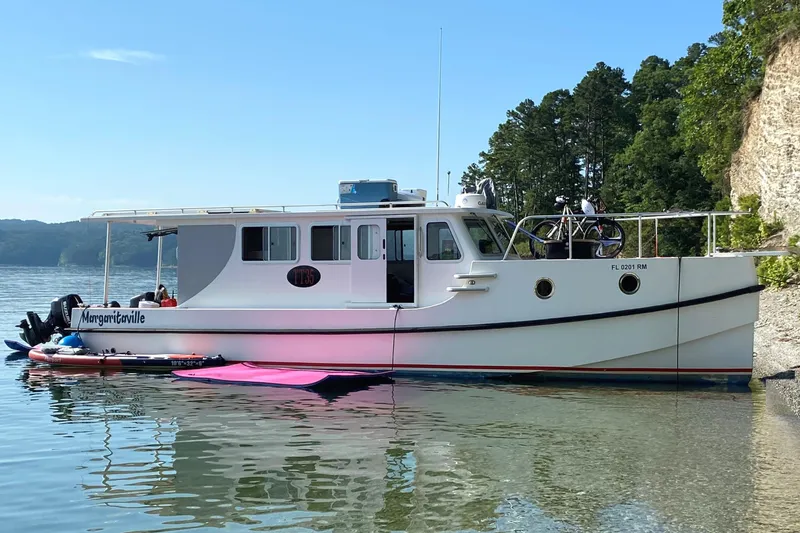
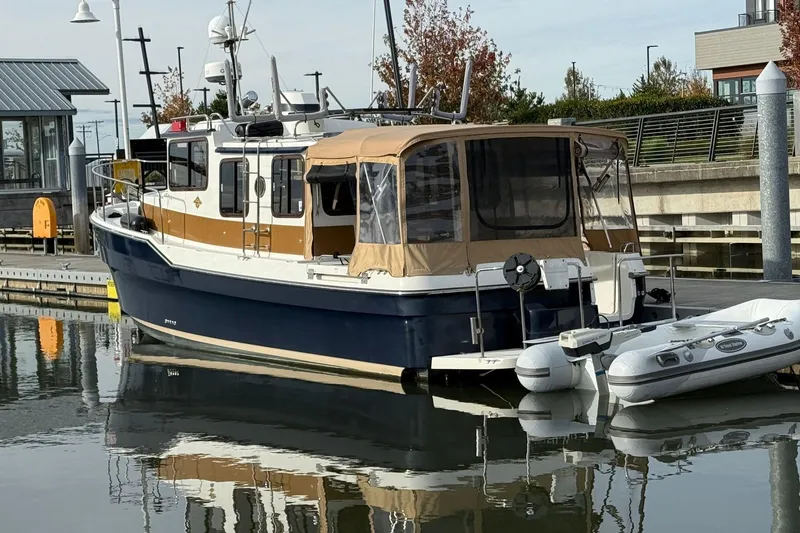
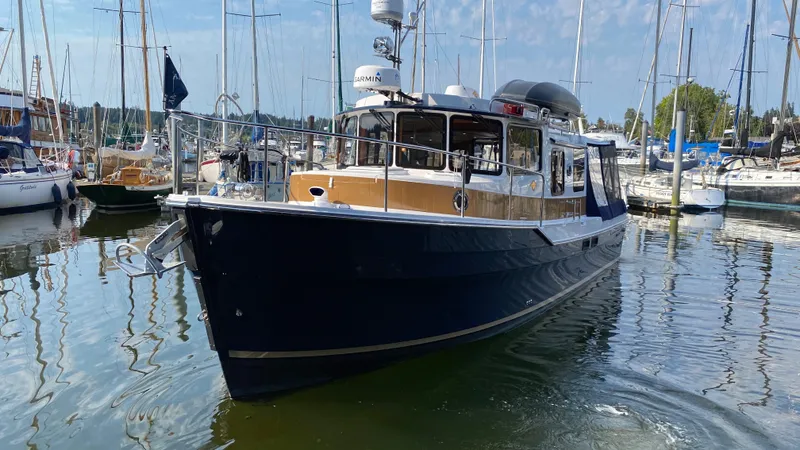
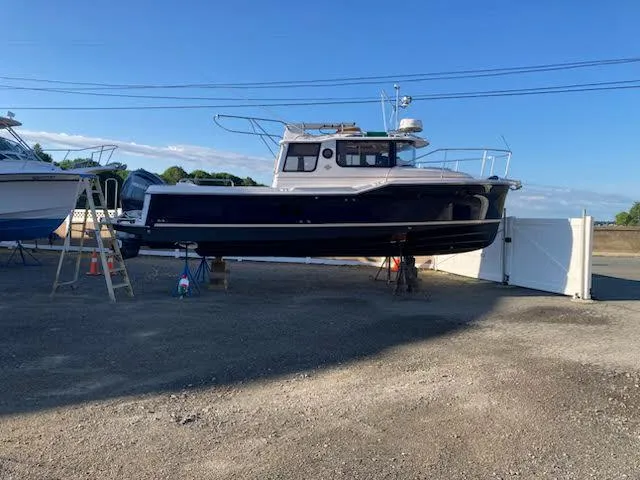
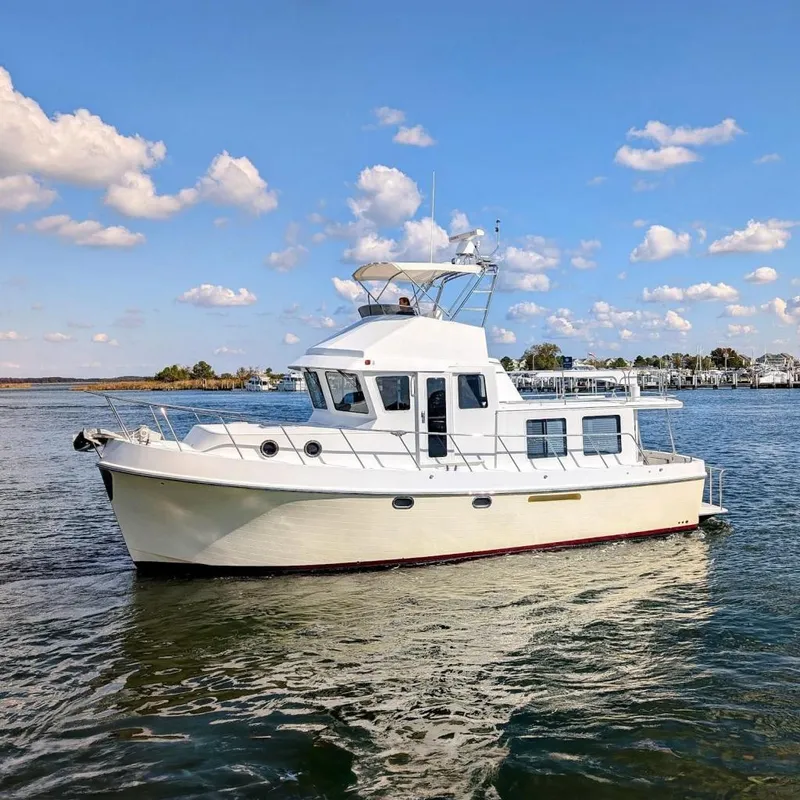
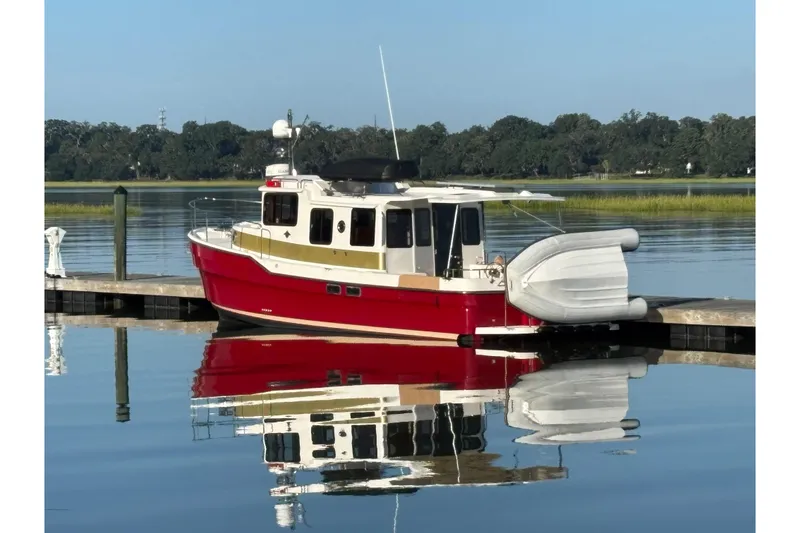
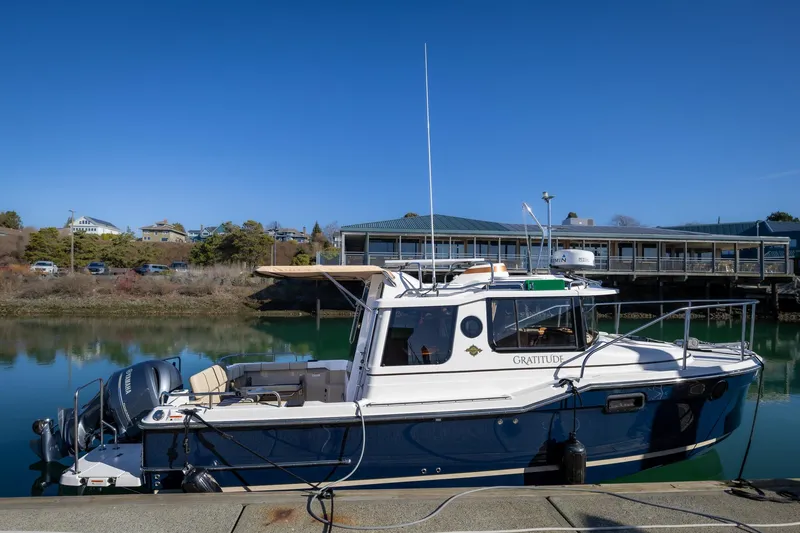
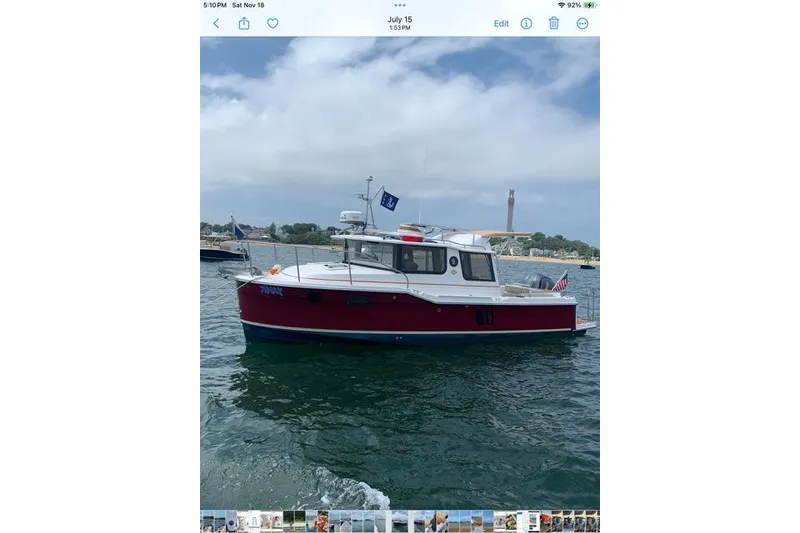
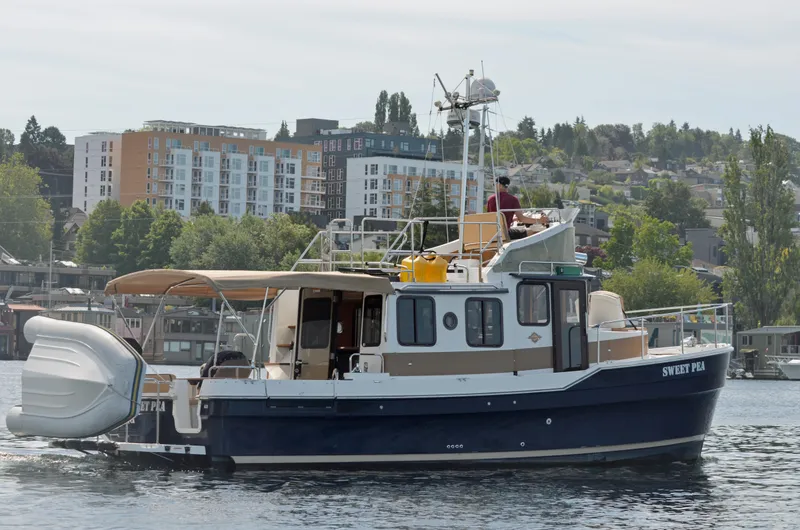
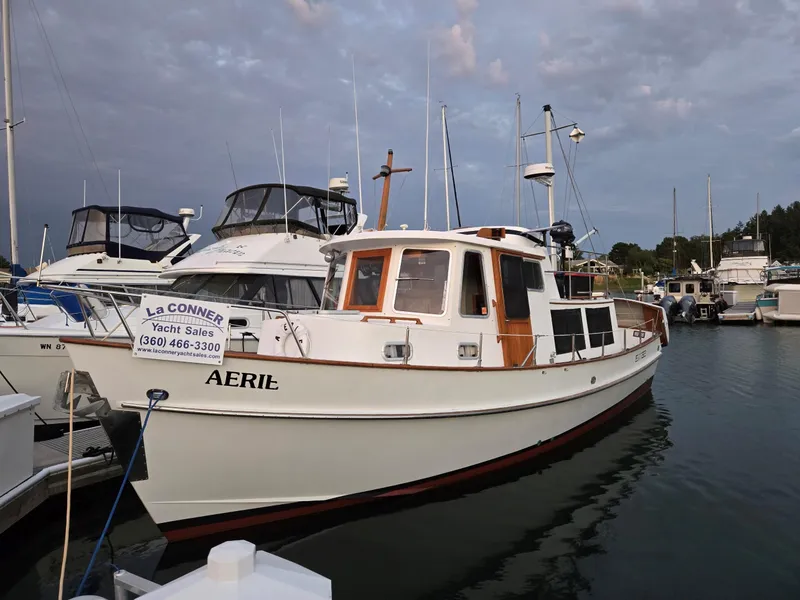
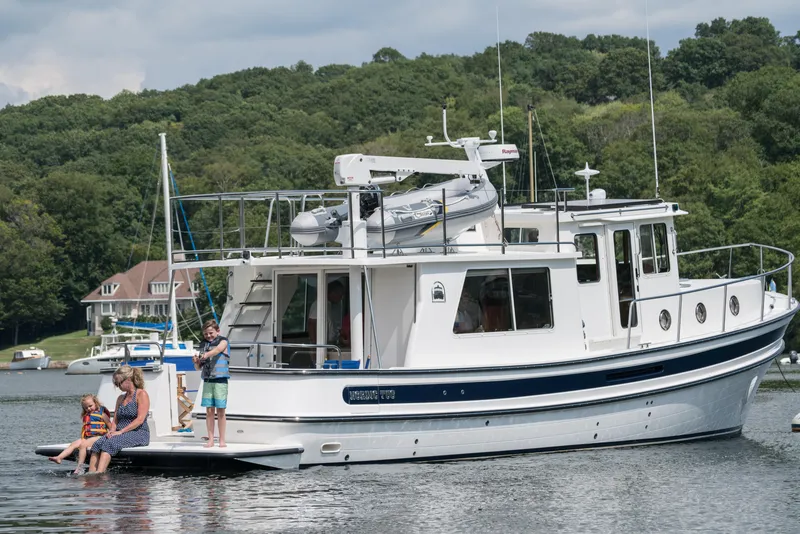
Tug boat

Filters

Filters

Condition

Sort by
Searching boats for you...

Boating · Buyer’s Guide

Is a Tugboat the Right Choice for You?

Written by: MarineSource Team | Estimated read time: 12 min read

There is a certain commanding presence that comes with being aboard a tugboat. These vessels, often seen maneuvering massive ships in crowded harbors or assisting in challenging marine operations, offer a unique blend of power, resilience, and purpose. The deep hum of the engine, the sturdy feel beneath your feet, and the panoramic views from the wheelhouse create an immersive experience that’s unlike any other on the water.

Tugboats have long been the unsung heroes of maritime activity, known for their strength and agility rather than leisure or speed. Their popularity among commercial operators and marine enthusiasts alike stems from their versatility and robust design. However, owning or operating a tugboat comes with its own set of trade-offs, particularly when considering their size, fuel consumption, and handling characteristics.

For those drawn to the idea of commanding a vessel built for strength and precision, a tugboat offers a distinctive boating experience. Yet, it’s important to weigh the practicalities of maintenance, operational costs, and the specific uses that make tugboats truly shine.

This buyer’s guide will help you understand what a tugboat is, its pros and cons, handling and performance, ownership logistics, and ultimately whether this powerful vessel fits your boating lifestyle.

What is a Tugboat?

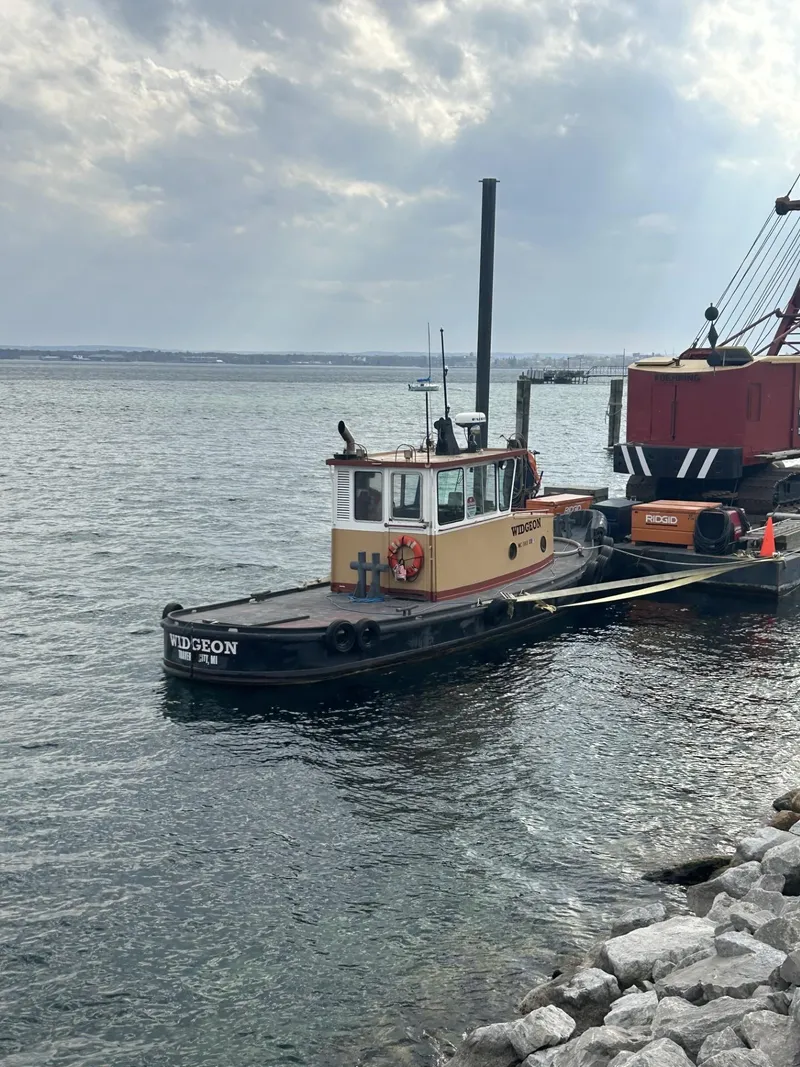
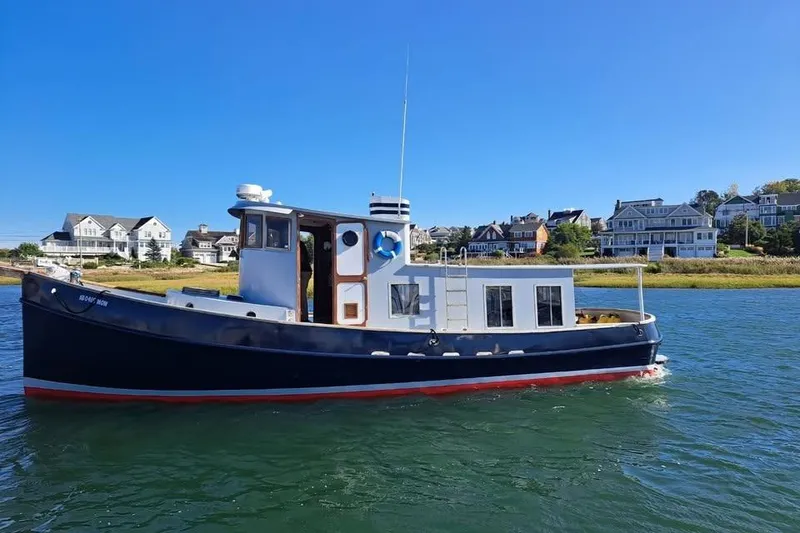
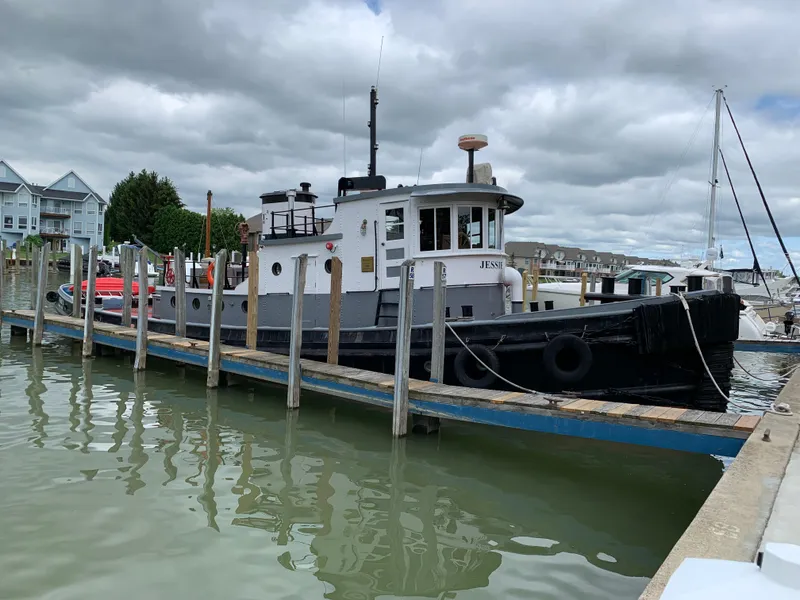
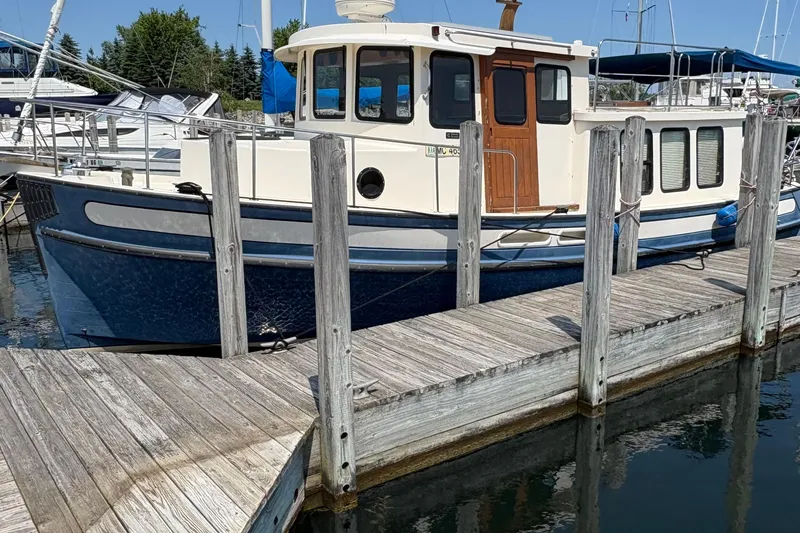
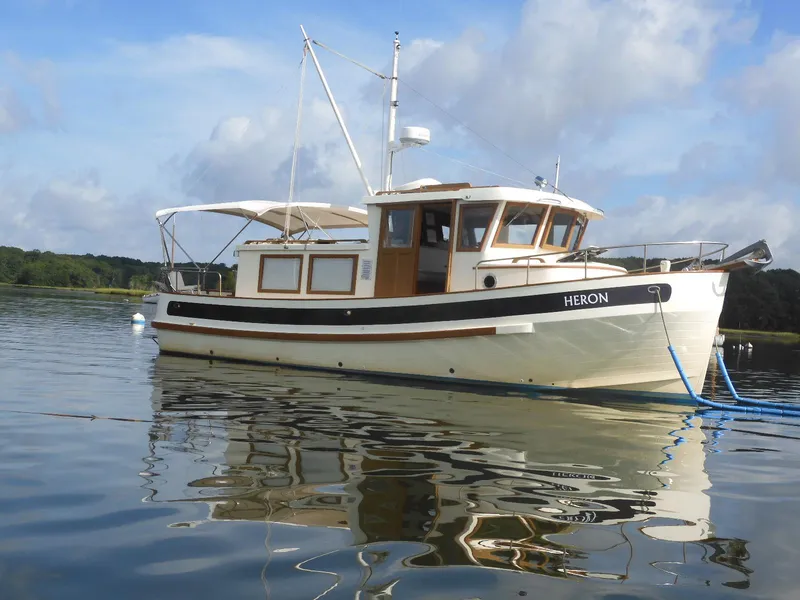
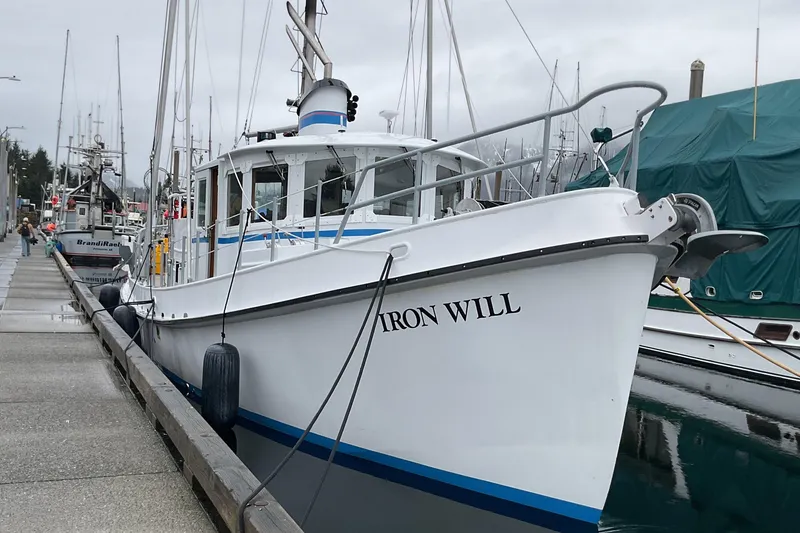
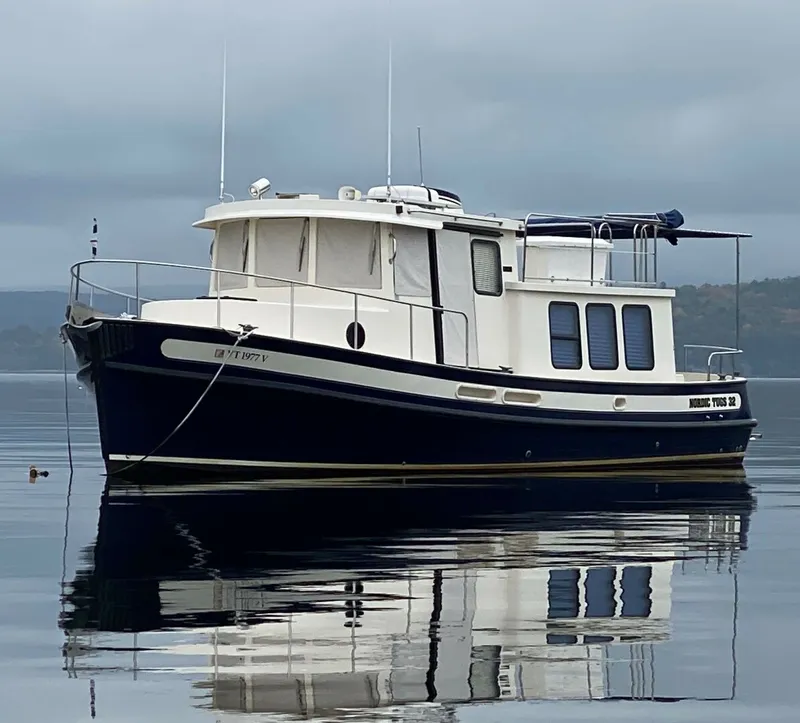
A tugboat is a small but powerful vessel designed primarily to maneuver larger ships by pushing or towing them, especially in confined or congested waters such as harbors, rivers, and canals. Unlike typical recreational boats, tugboats are built for strength and control rather than speed or comfort.
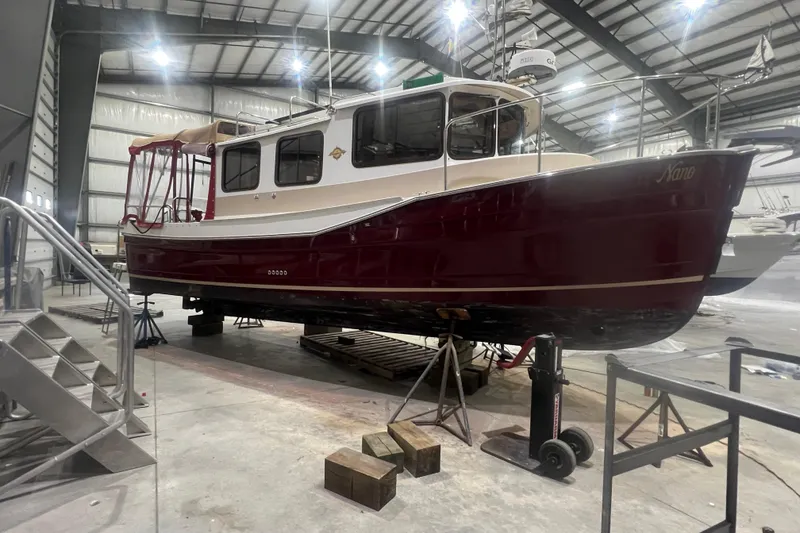
The hull design of tugboats is typically robust with a deep draft and a rounded or squared bow to maximize pushing power and stability. Historically, tugboats emerged in the 19th century to assist steamships and have evolved with advances in engine technology and hull design to meet modern demands.

Modern tugboats often feature highly maneuverable propulsion systems, such as azimuth thrusters, allowing them to operate with precision in tight spaces. While their primary role remains assisting other vessels, many have been adapted for specialized tasks like firefighting, icebreaking, and salvage operations.

Today, tugboats also attract enthusiasts who appreciate their rugged design and operational capabilities, sometimes converting them for recreational or educational use, but their core purpose remains rooted in utility and strength.

Pros of owning a Tugboat

1. Unmatched Power and Control

Tugboats are engineered to deliver extraordinary power and precise control, making them ideal for pushing, pulling, and maneuvering large vessels. This strength translates to a commanding presence on the water and the ability to handle heavy-duty tasks that other boats simply cannot manage.

2. Exceptional Maneuverability

Thanks to advanced propulsion systems like azimuth thrusters and twin screws, tugboats can pivot on a dime and operate effectively in tight, crowded spaces. This makes them incredibly versatile for a variety of marine tasks beyond traditional towing.

3. Robust Construction and Durability

Built to withstand harsh conditions, tugboats feature heavy-duty hulls and reinforced structures that ensure longevity and resilience. This durability reduces the frequency of major repairs and supports safe operation in challenging environments.

4. Stable and Safe Platform

The deep draft and wide beam of tugboats provide excellent stability, even when pushing or pulling large loads. This stability enhances safety for crew and passengers, particularly in rough or unpredictable waters.

5. Distinctive Aesthetic and Presence

Tugboats have a unique, industrial charm that appeals to enthusiasts and professionals alike. Owning a tugboat makes a bold statement and offers a one-of-a-kind boating experience that stands out from typical recreational vessels.

Cons of owning a Tugboat

1. High Fuel Consumption

Due to their powerful engines and heavy build, tugboats consume significantly more fuel than typical recreational boats. This can lead to higher operational costs and frequent refueling requirements.

  • The Silver Lining: Efficient route planning, proper engine tuning, and potential repowering with more efficient engines can meaningfully reduce fuel use over time.

2. Limited Speed and Comfort for Leisure

Tugboats are not designed for speed or luxury cruising. Their hull form and displacement prioritize pulling power and control, which can result in slower transit times and a more utilitarian feel compared with pleasure craft.

  • The Silver Lining: If you value character, safety, and capability over top speed, the tug’s steady, purposeful ride can be part of the appeal.

3. Size and Draft Constraints in Small Marinas

The robust size, beam, and deeper draft of many tugboats can make docking and maneuvering in small marinas, shallow bays, or narrow ramps challenging or impossible.

  • The Silver Lining: Careful selection of a smaller tug-style vessel or harbor tug with moderate draft can preserve much of the capability while improving access to tighter waterways.

4. Higher Maintenance Requirements

Heavy-duty engines, towing gear, and commercial-grade systems demand consistent inspection and specialized service. Parts can be more expensive, and downtime for repairs may be longer than with standard recreational boats.

  • The Silver Lining: Because tugboats are overbuilt for hard work, a good maintenance program often translates into long service life and strong reliability once issues are addressed.

5. Limited Passenger Amenities

Most tugboats were designed around crew operations, not passenger comfort. Cabins may be compact, finishes utilitarian, and entertainment or luxury features minimal compared with cruisers or yachts.

  • The Silver Lining: Many owners successfully refit older tugs with upgraded interiors, adding insulation, better berths, and modern conveniences while retaining the boat’s rugged character.

Handling and Performance

Tugboats are optimized for crew efficiency rather than hosting large groups. Most have limited seating and compact interiors, so they are not ideal for entertaining big crowds the way a pontoon or large cruiser might be.

Where tugboats excel in a “crowded” sense is on the water itself: they are designed to work safely and precisely in busy harbors, alongside ships, docks, and other traffic. Powerful thrusters and responsive controls let an experienced operator maneuver confidently in tight quarters.

If your main goal is carrying many guests in comfort, a tug is not the best fit. If your priority is operating safely and accurately in crowded waterways, it is exactly what it was built to do.

Tugboats are built to work when conditions are less than ideal. Their deep draft, wide beam, and heavy displacement provide excellent stability and make them feel planted in steep chop compared with many lighter recreational boats.

High sides and substantial superstructures can create some windage, but the combination of powerful engines and highly maneuverable drives allows the skipper to maintain control in strong winds, especially at low speeds around docks and ships.

They are not fast wave-jumpers; you will still need to throttle back and pick your course carefully offshore. However, for harbor, river, and near-coastal work in foul weather, a tug’s seakeeping and robustness are major advantages.

Ownership and Logistics

Long-term tugboat ownership costs include fuel, insurance, moorage, haul-outs, and ongoing maintenance of commercial-grade machinery. Fuel and dockage can be notably higher than for a comparable-length pleasure boat because of the vessel’s displacement and working profile.

Engines, winches, and hydraulic systems must be serviced on schedule, and when replacement parts are needed they may come from commercial suppliers at commercial prices. Budgeting for periodic shipyard work—painting, underwater gear service, and structural inspections—is essential.

On the upside, a well-maintained tug can remain in service for decades, so the long life span helps spread those costs over many years of use.

Resale value for tugboats is tied closely to condition, regulatory compliance, and suitability for ongoing commercial work. Well-kept vessels with updated machinery and current certifications often retain value better than many aging recreational boats.

The trade-off is that the market is more specialized and can move slowly; you may wait longer to find the right buyer, especially for highly customized or older industrial tugs. Pricing is influenced heavily by region, available contracts, and fuel efficiency.
If you maintain detailed service records and keep systems modernized, you improve your chances of a strong resale when it’s time to move on.

Most true tugboats are far too heavy and tall to be practically trailerable and are moved between locations by water or professional transport. Their displacement, beam, and draft typically exceed what any road-legal recreational trailer and pickup can safely manage.
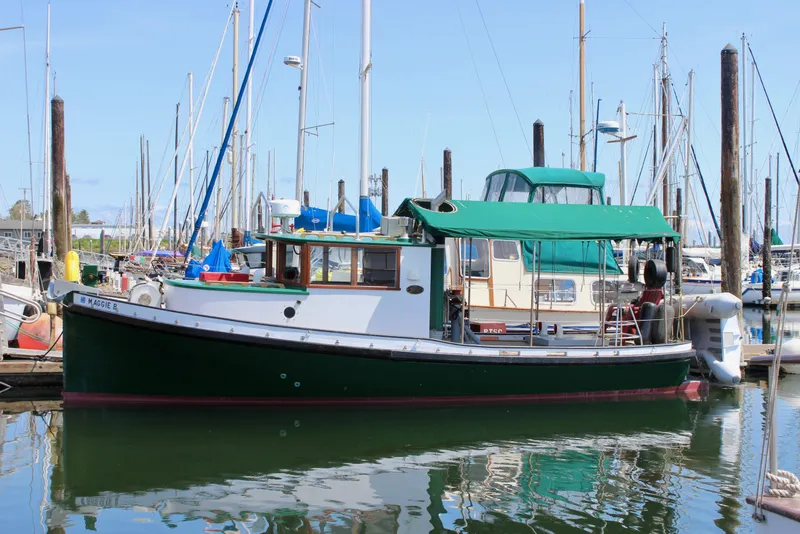
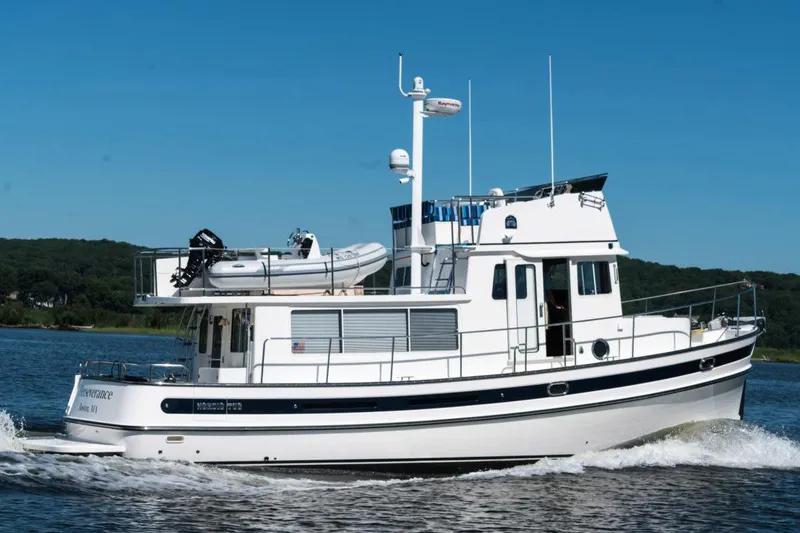
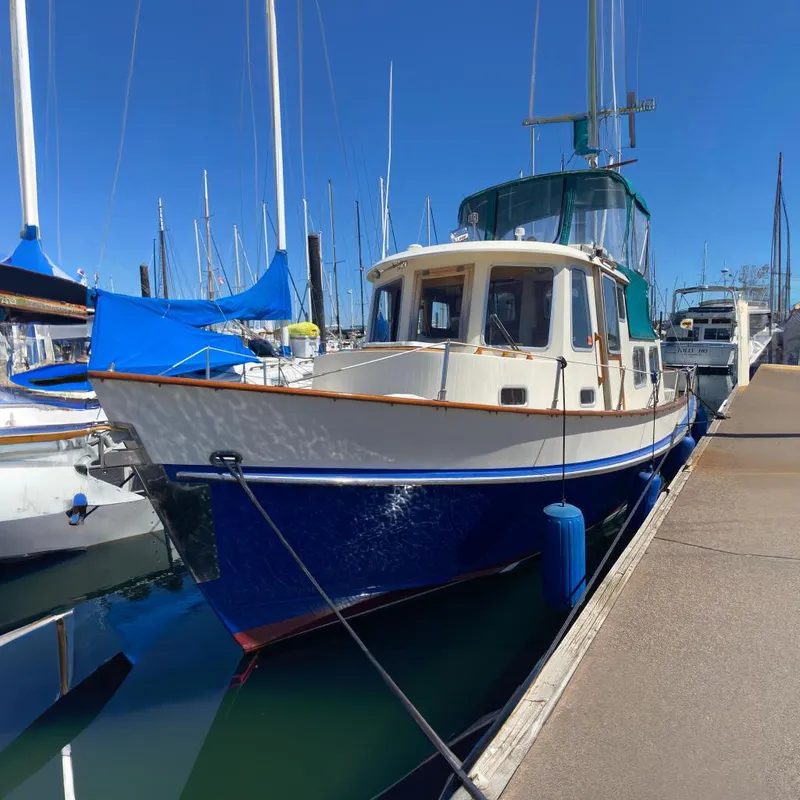
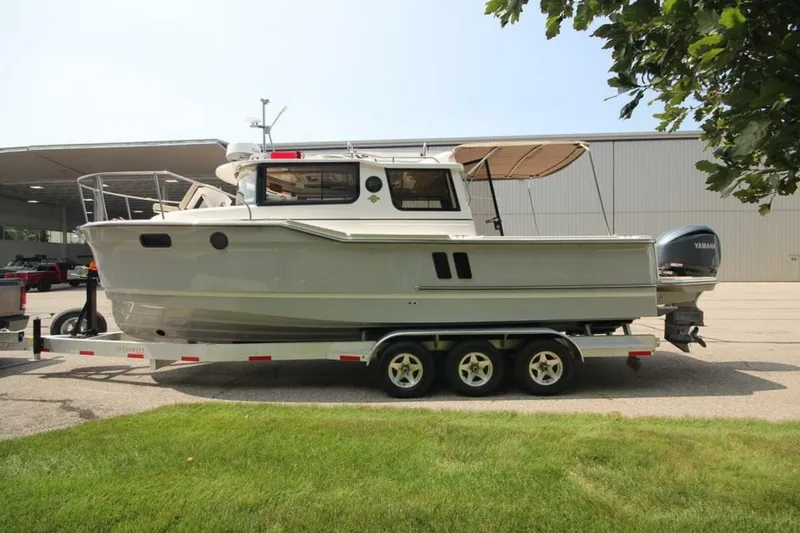
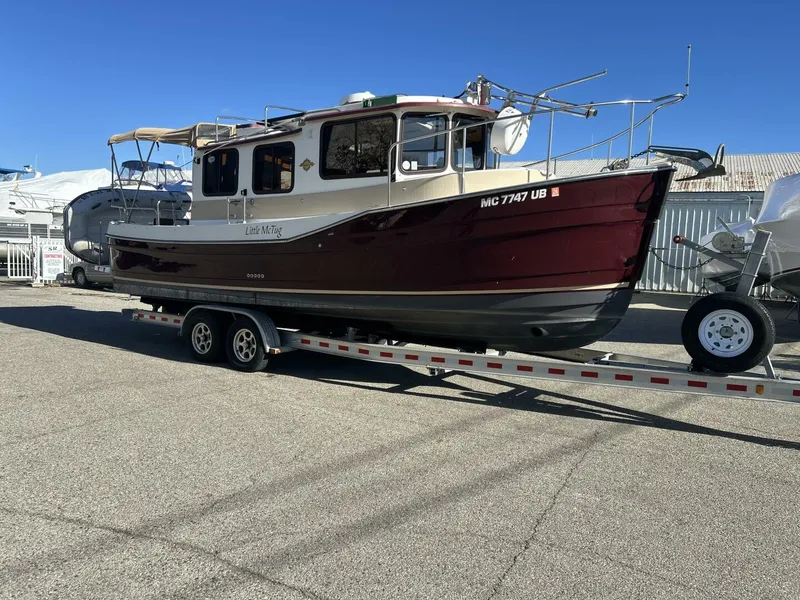
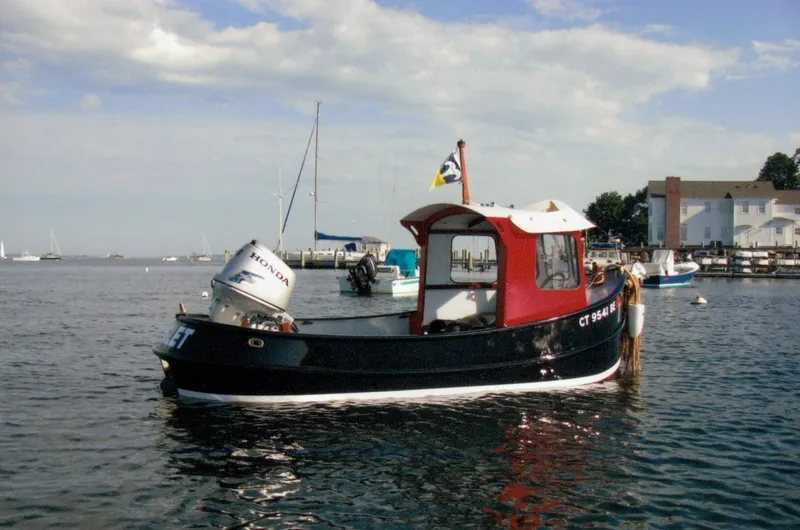
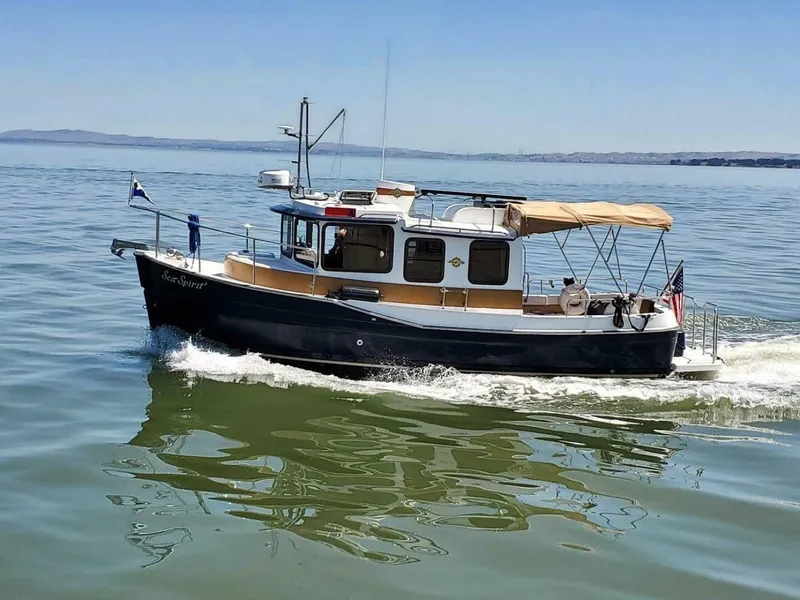
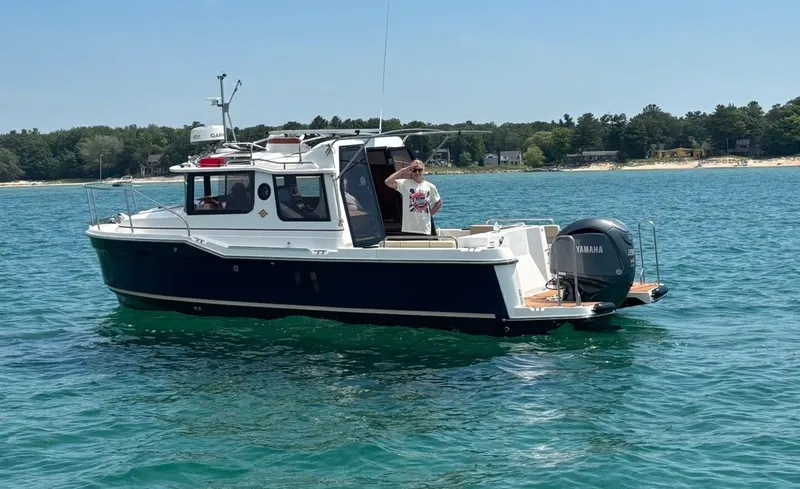
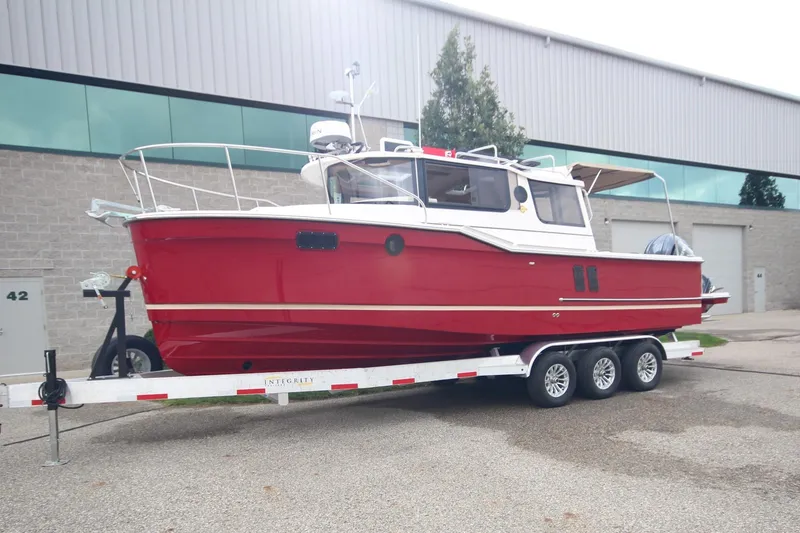
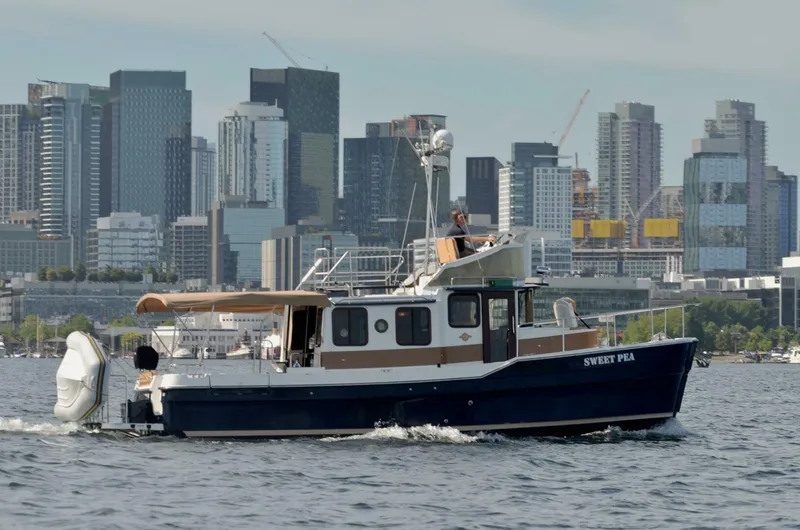
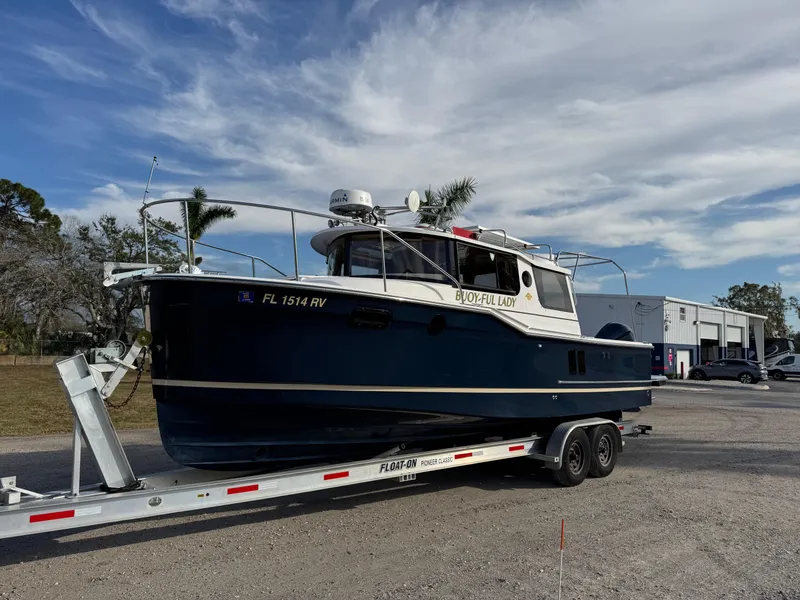
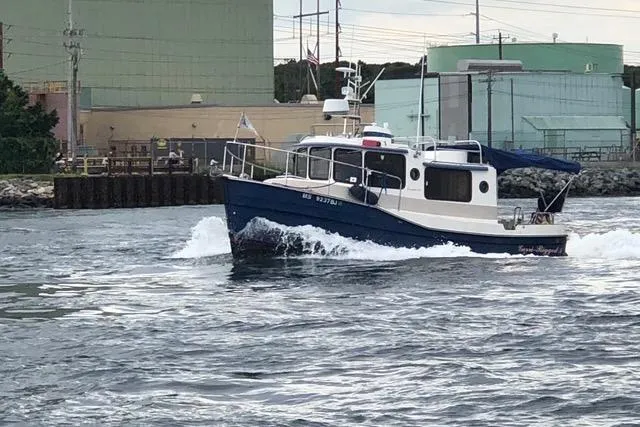
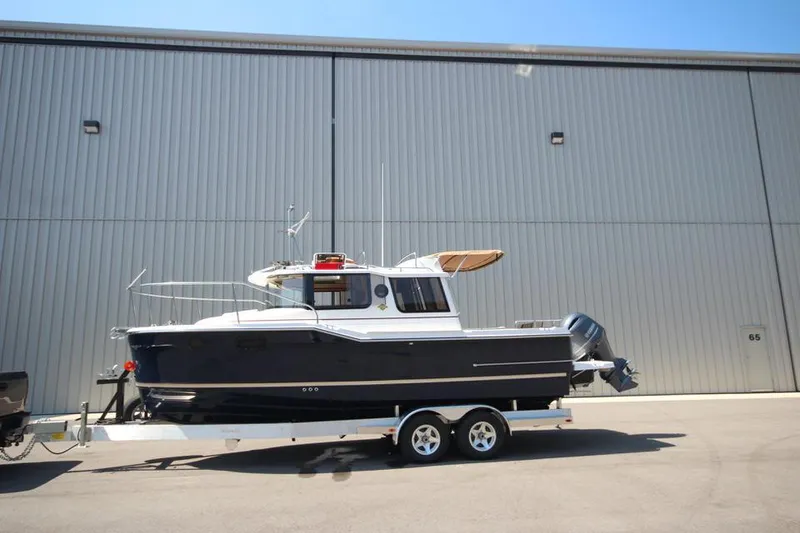
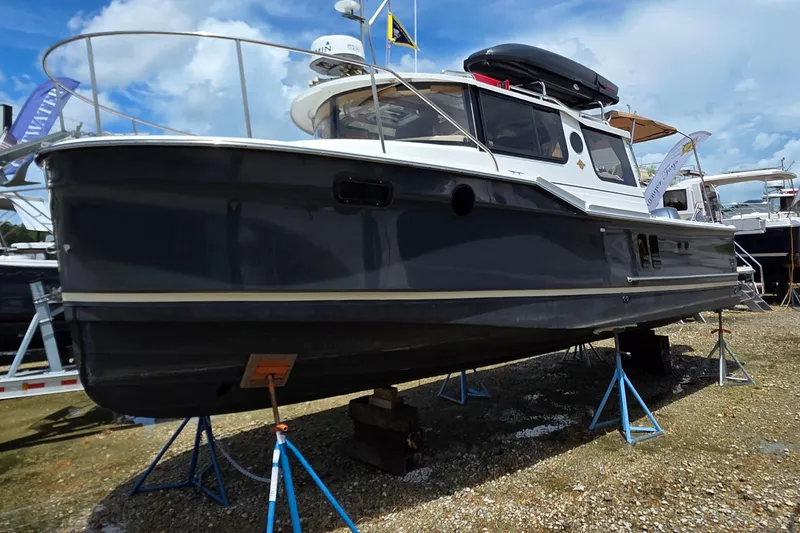
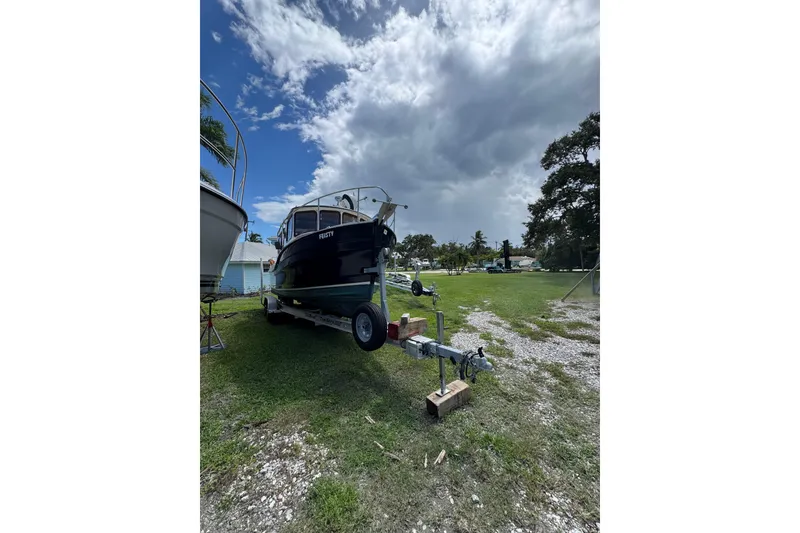
Smaller tug-style or “pocket tug” boats may be trailerable, but even then you are generally looking at a heavy-duty truck with a high towing capacity, a properly rated trailer, and careful attention to local weight and width regulations.

If over-the-road mobility is a priority, consider a compact tug-style cruiser purpose-built for trailering rather than a full commercial tug.

Is a Tugboat the right choice for you?

A tugboat is a serious working vessel first and a recreational platform second. It delivers immense power, precise low-speed control, and rugged construction that can thrive in demanding conditions and busy ports. In exchange, you accept higher operating costs, slower speeds, and more utilitarian accommodations.

If your boating goals center on capability—towing, pushing, operating year-round, or simply owning a tough, character-filled boat—a tug can be deeply satisfying. If your priorities lean toward easy trailering, casual entertaining, and high-speed cruising, other designs will likely suit you better.

You'll love it if:

  • You want a boat built to work hard—towing, pushing, or supporting commercial or industrial operations.
  • You frequently operate in harbors, rivers, or busy waterways where precise maneuvering and control matter more than speed.
  • You appreciate rugged, industrial aesthetics and value substance over glossy finishes.
  • You prefer a heavily built, stable platform that feels secure in rough or cold-weather conditions.
  • You are comfortable budgeting for commercial-grade maintenance in exchange for long service life.

It might be challenging if:

  • You primarily want a fast, smooth cruiser for sightseeing or weekend hops between marinas.
  • You expect yacht-like interiors and spacious social areas for entertaining larger groups.
  • You need a boat that is easy to trailer behind a standard pickup or SUV.
  • You are new to maintaining diesel machinery or commercial equipment and do not plan to hire professional help.
  • You mostly boat in shallow, ramp-based lakes and small marinas with tight draft or size limits.

Choosing a tugboat means embracing a vessel designed for real work: powerful engines, thick steel or heavy fiberglass, and systems meant to run day after day in challenging conditions. For the right owner, that translates into reliability, security, and a deep sense of purpose every time you leave the dock. Weigh your needs, your budget, and how you truly plan to use the boat; if capability and character top your list, a tugboat may be the most rewarding choice you can make on the water.

Be the First to Know

Get notified when new boats become available.

Logo