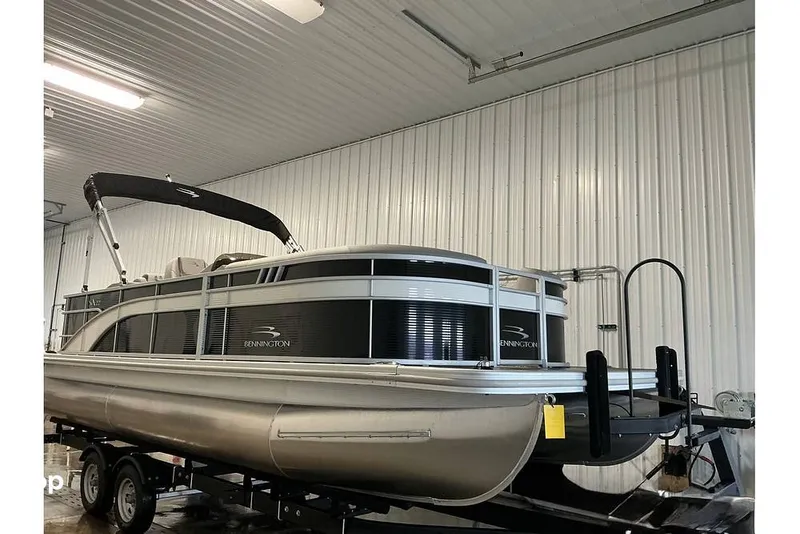
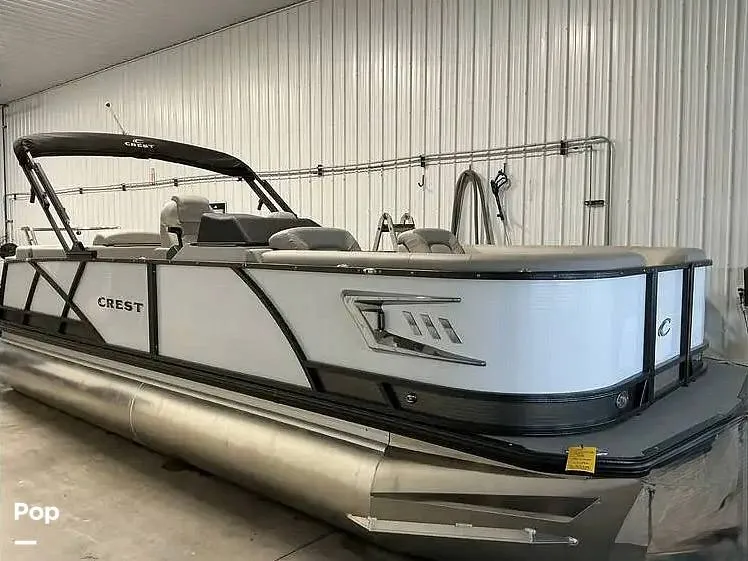
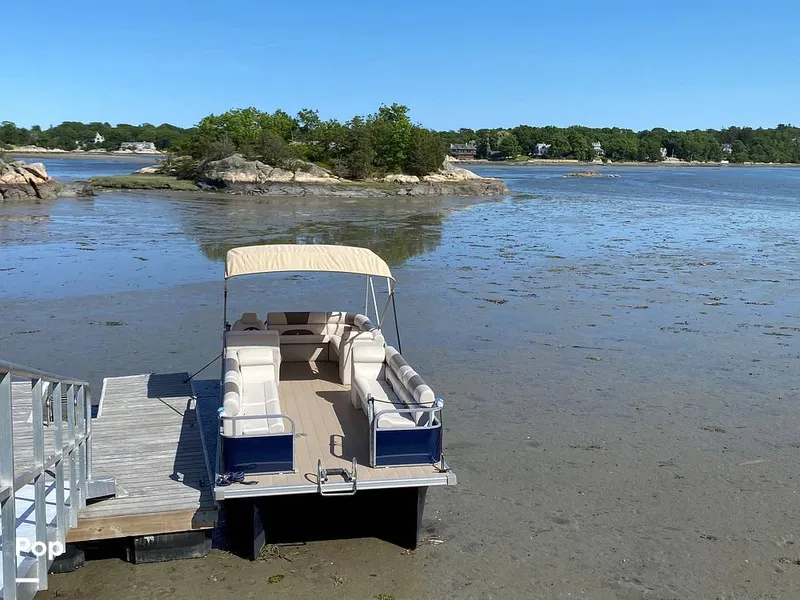
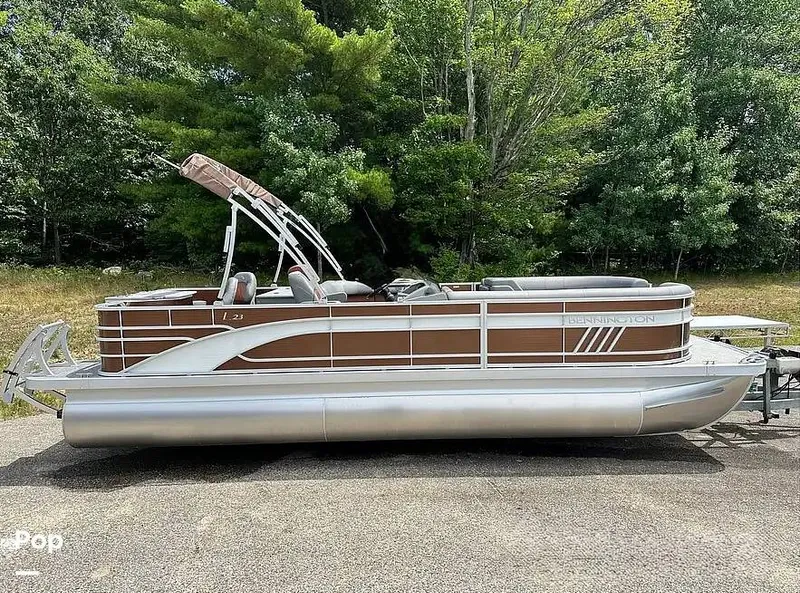
Pontoon

Filters

Filters

Condition

Sort by
Searching boats for you...

Boating · Buyer’s Guide

Is a Pontoon Boat the Right Choice for You?


Written by: MarineSource Team | Estimated read time: 12 min read

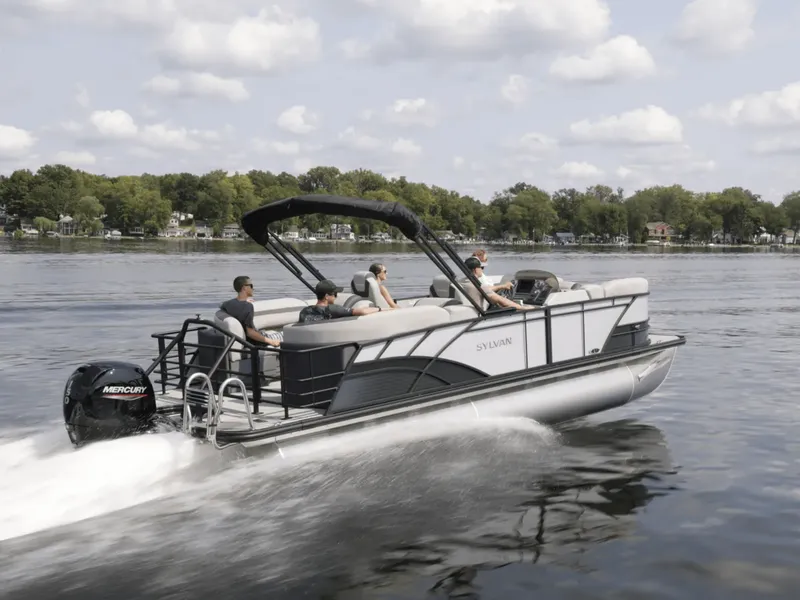
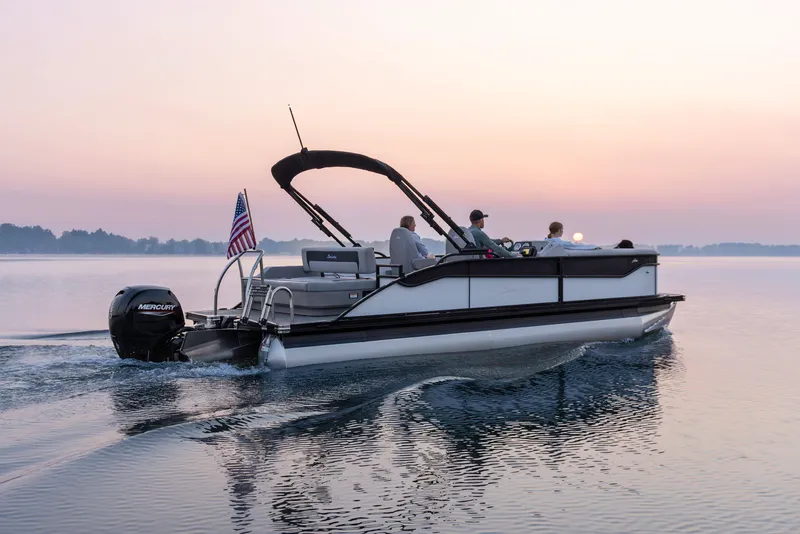
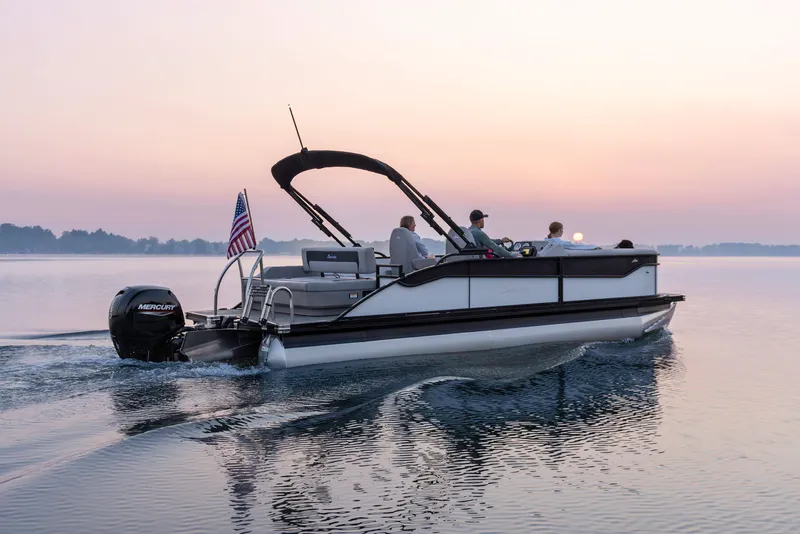
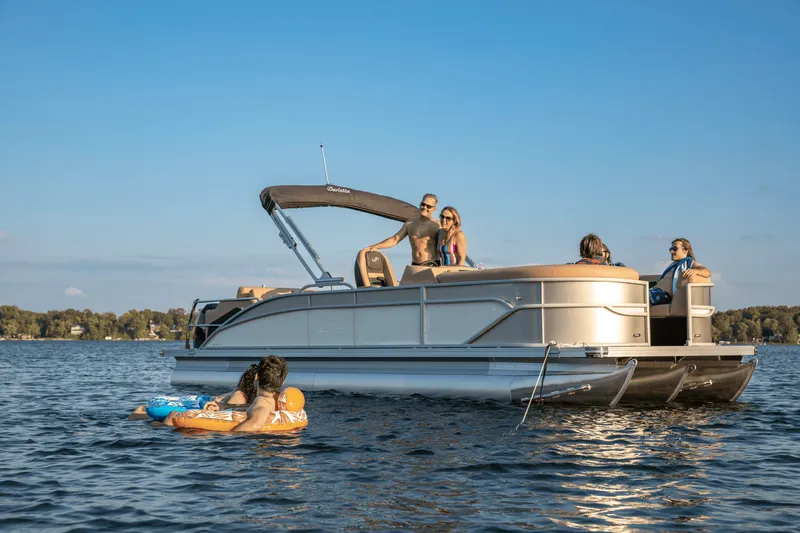
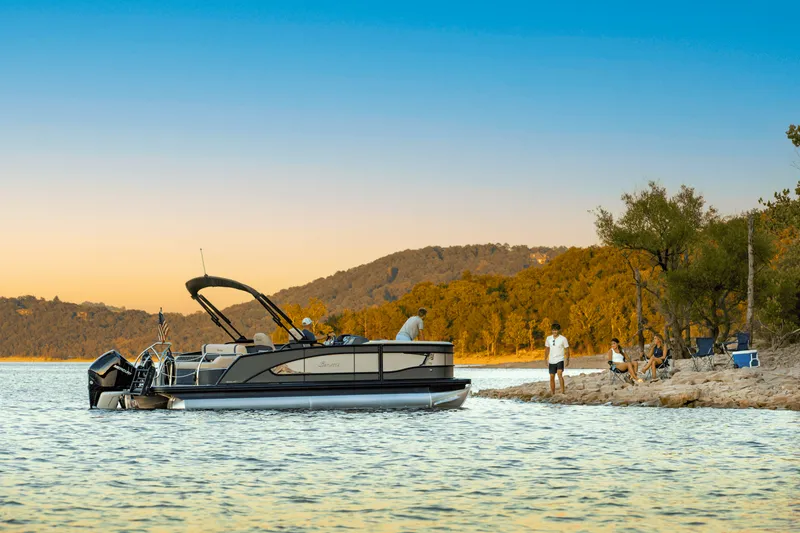
Imagine a sunny day on the water, surrounded by friends and family, laughter echoing over the gentle splash of waves against a wide, flat deck. The air carries the scent of fresh water and sunscreen, while the rhythmic hum of the outboard motor sets a relaxing, carefree mood. This is the quintessential experience of being on a pontoon boat—a vessel designed for comfort, socializing, and leisure.
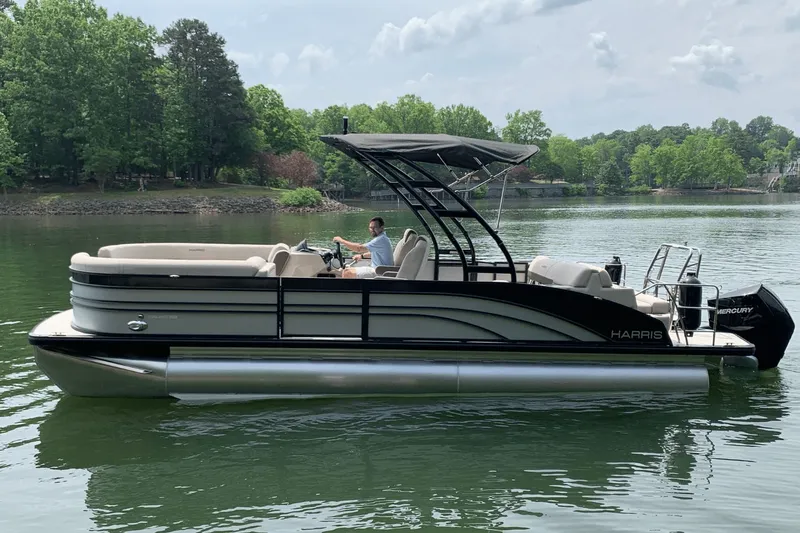
Pontoon boats have surged in popularity for their inviting, spacious layouts and versatility. Whether you’re planning a peaceful cruise on a lake, a lively fishing trip, or a floating party, pontoons offer a unique vibe that combines stability with a laid-back atmosphere. However, like any boat type, they come with trade-offs in terms of performance and handling that are important to consider before making a purchase.

Their charm lies in their simplicity and adaptability, making them a favorite among families, retirees, and anyone who values space and ease of use on the water. Yet, they are not built for speed or rough seas, so understanding what a pontoon boat truly offers helps you decide if it fits your boating lifestyle.

What is a Pontoon Boat?

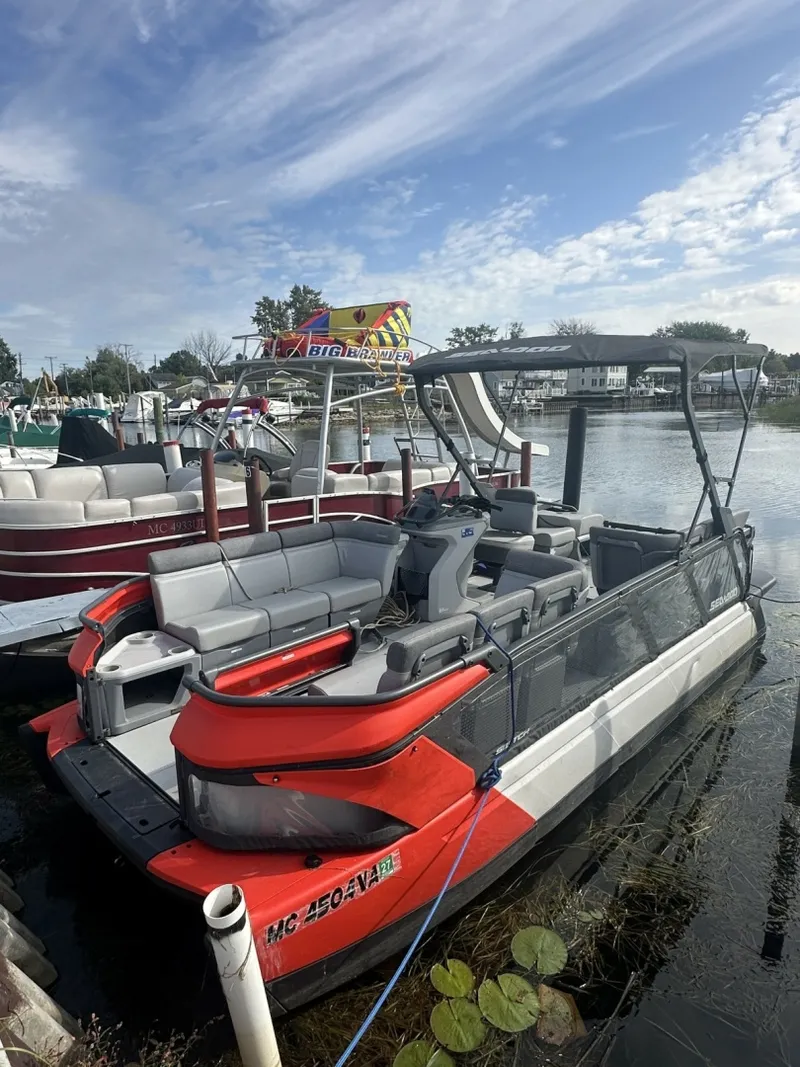
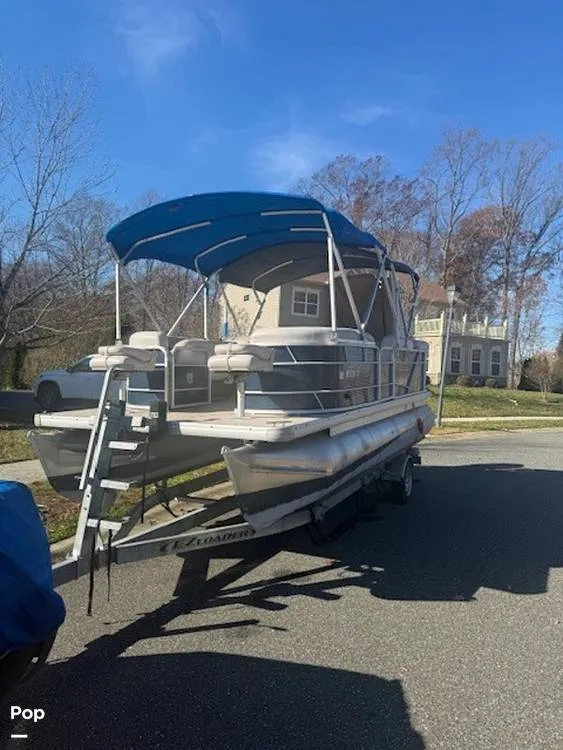
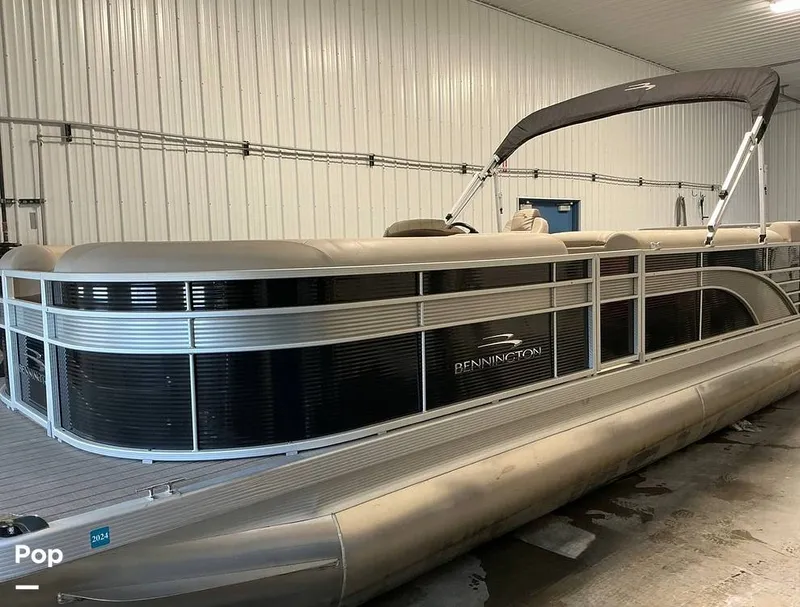
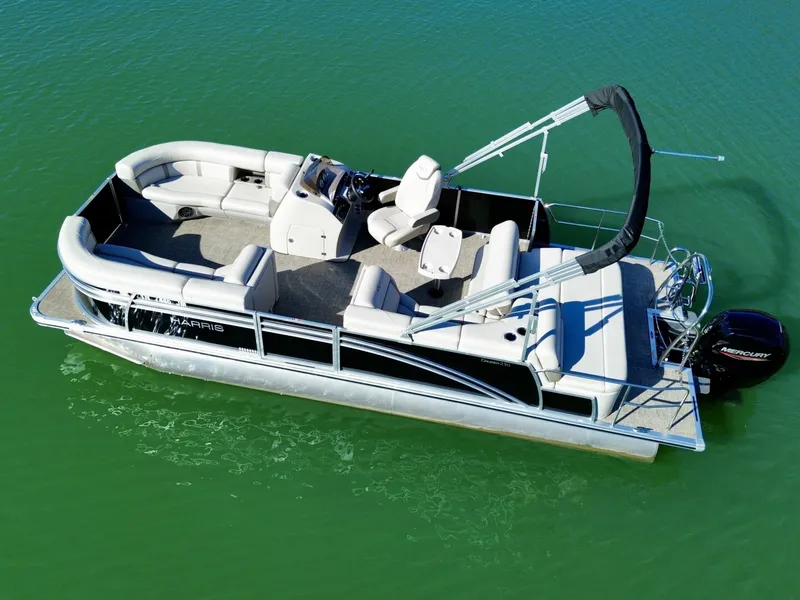
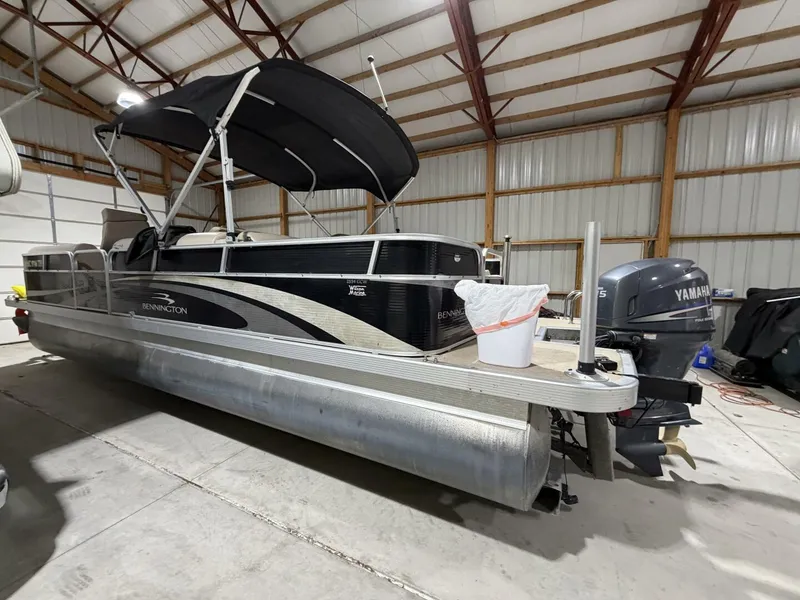
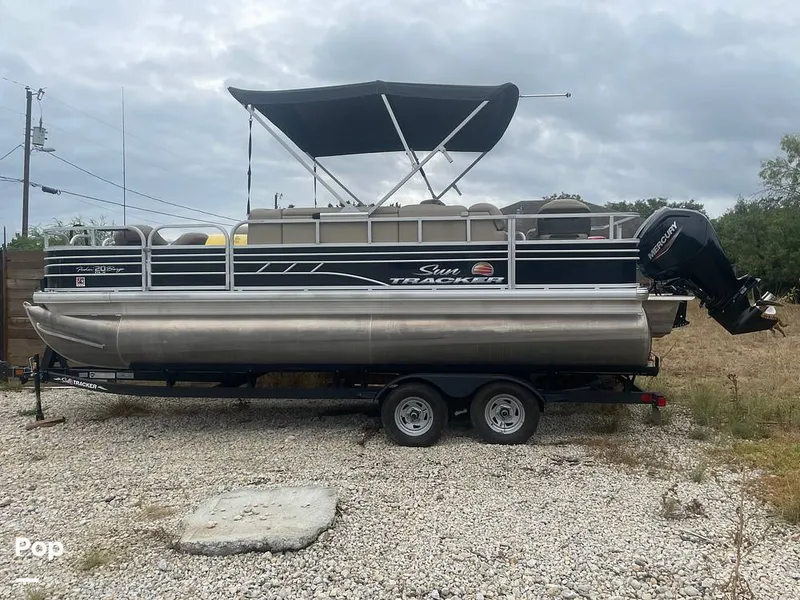
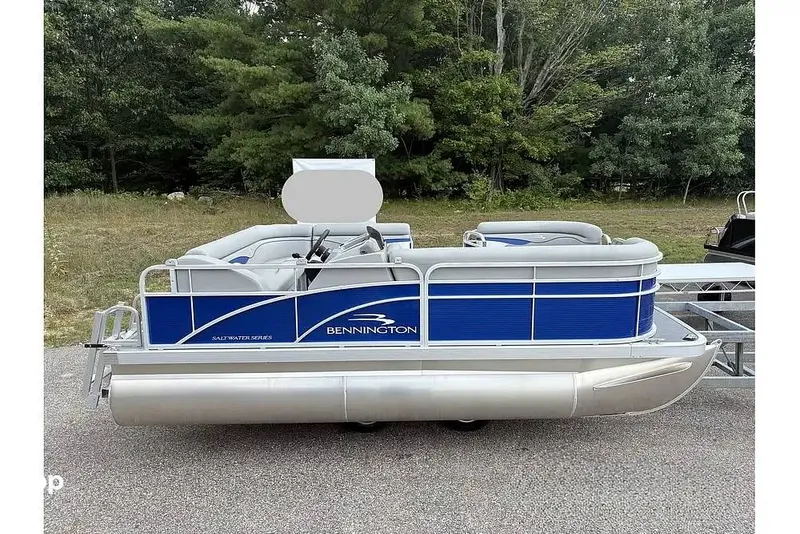
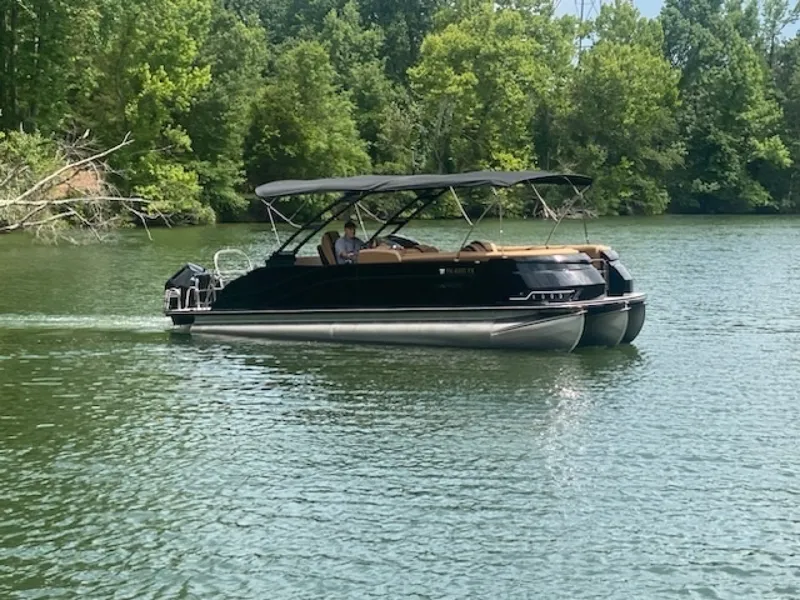
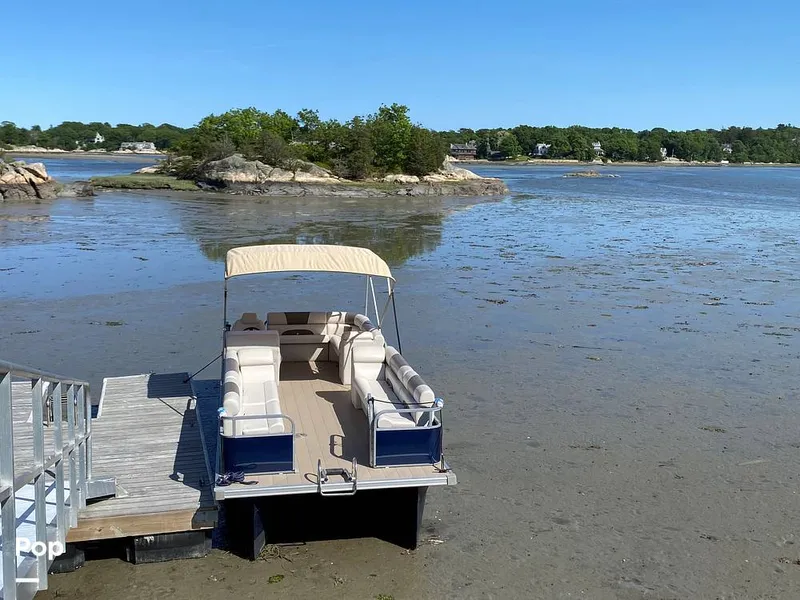
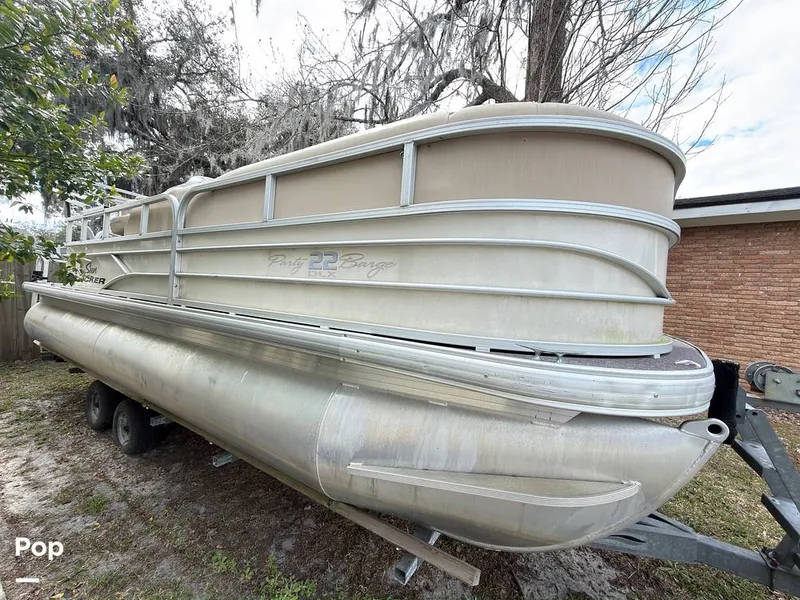
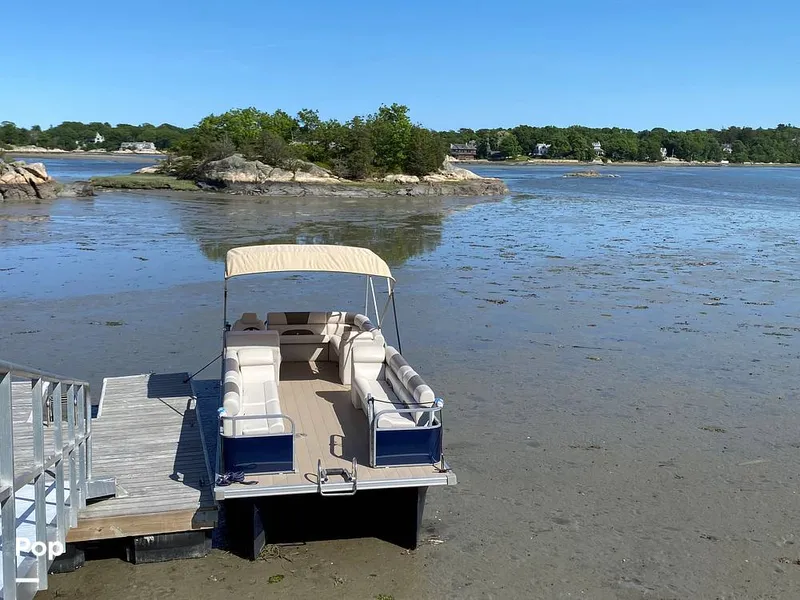
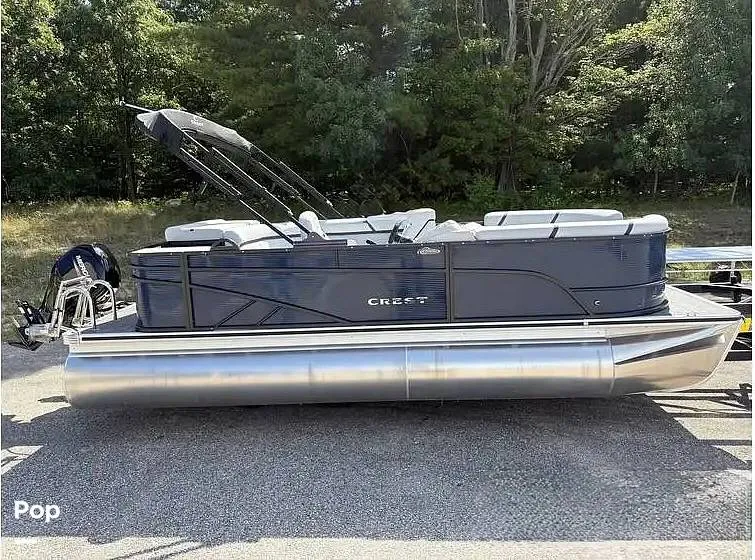
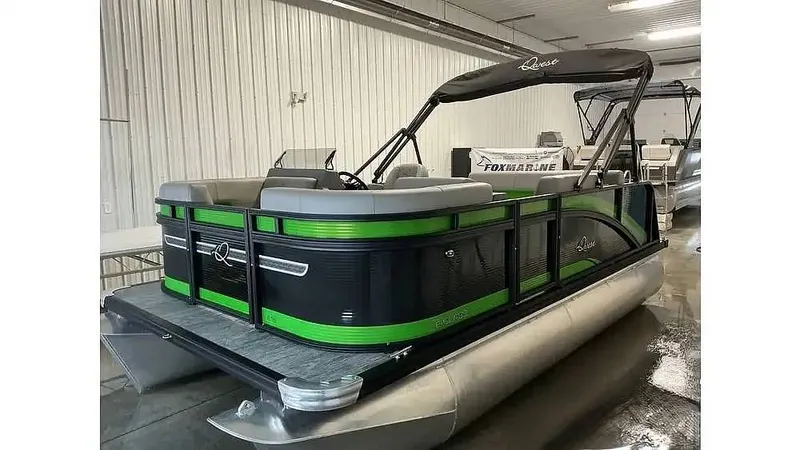
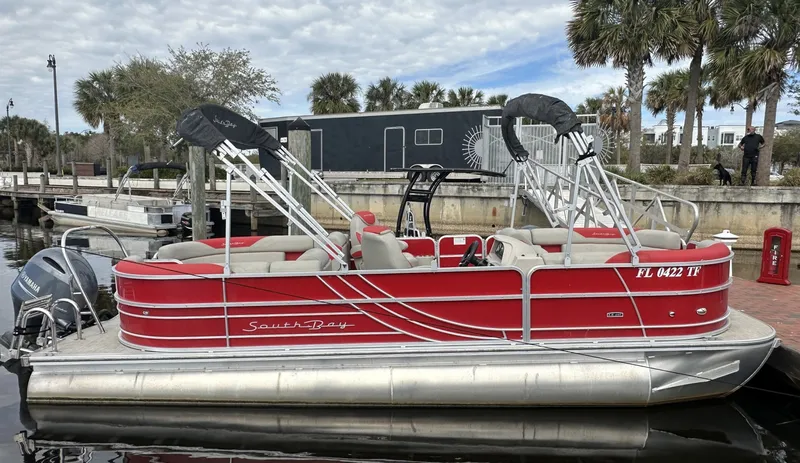
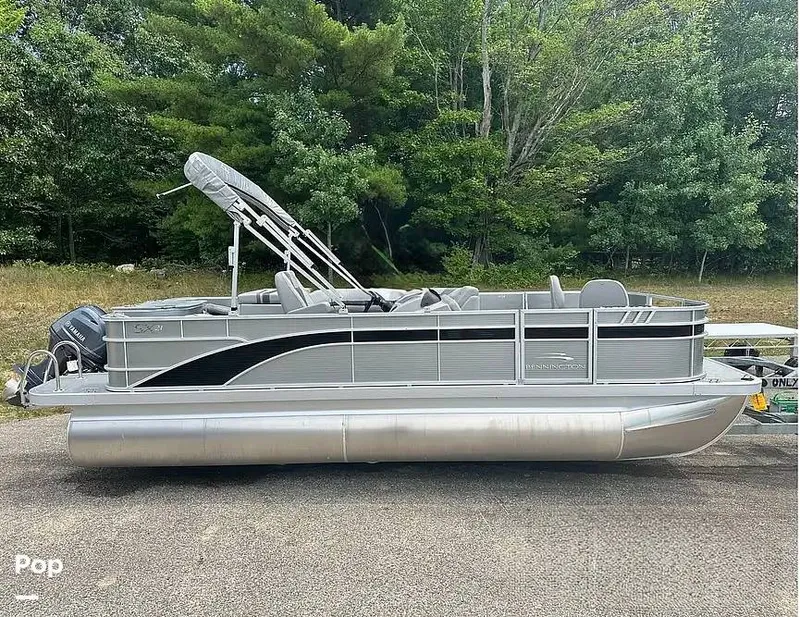
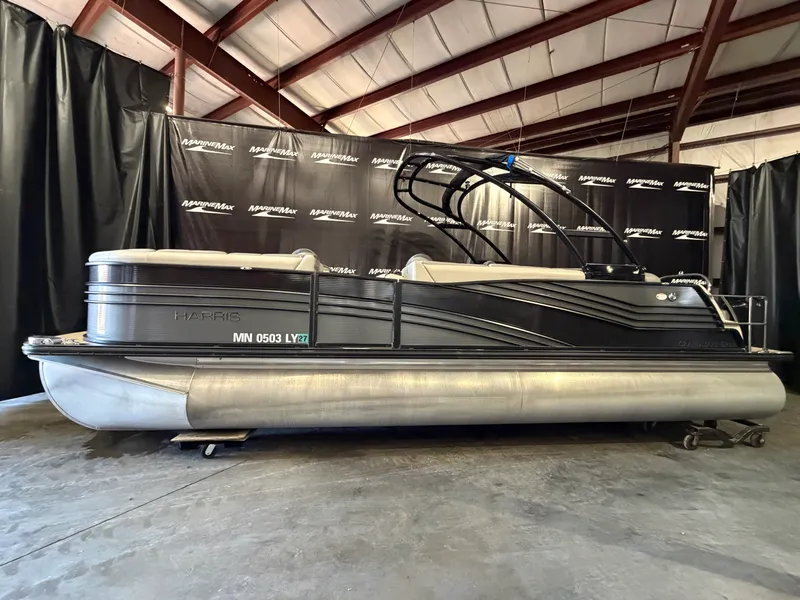
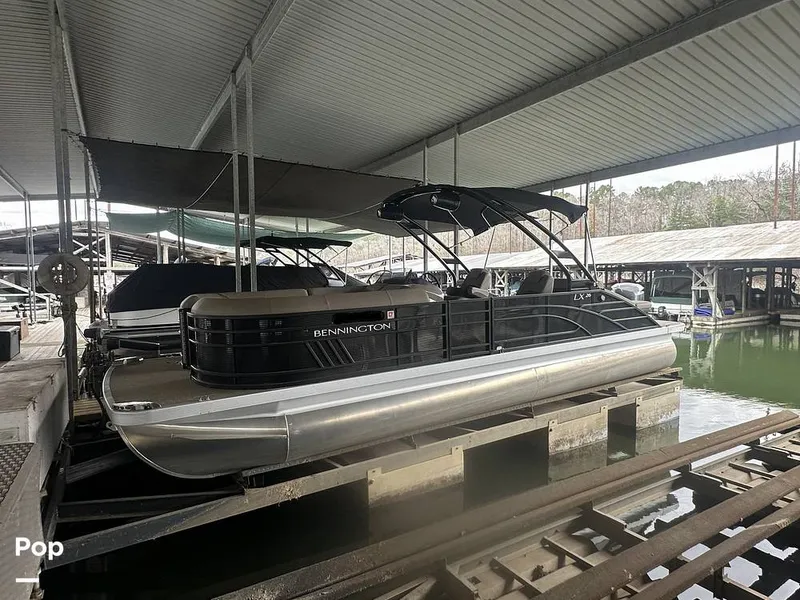
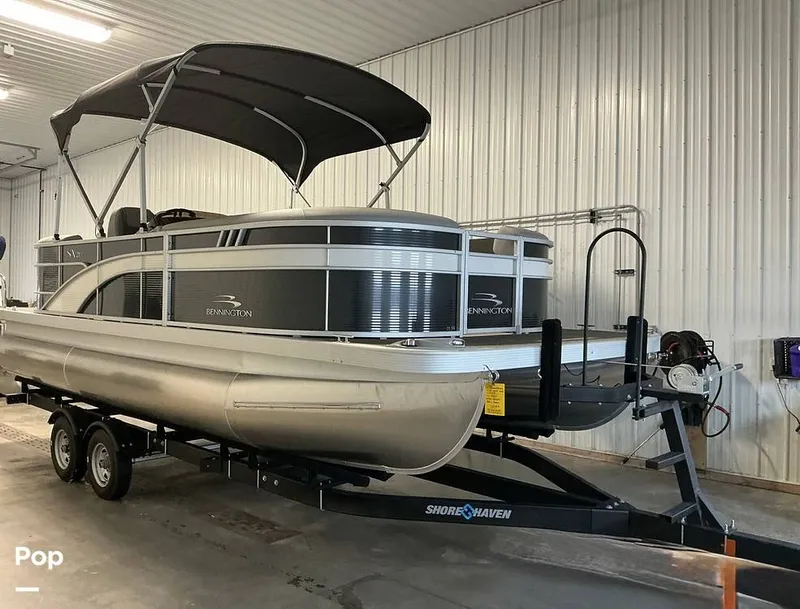
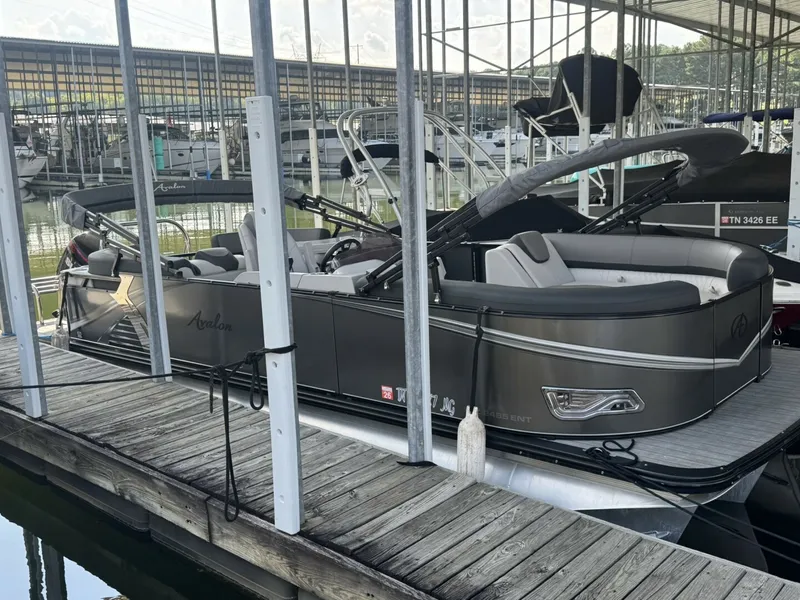
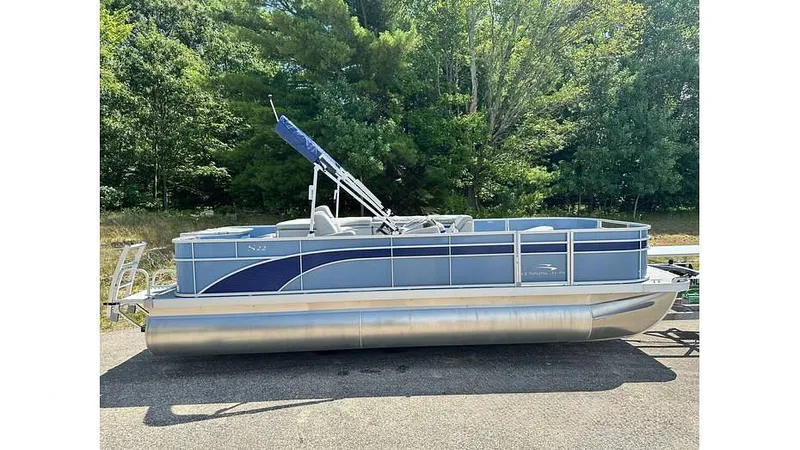
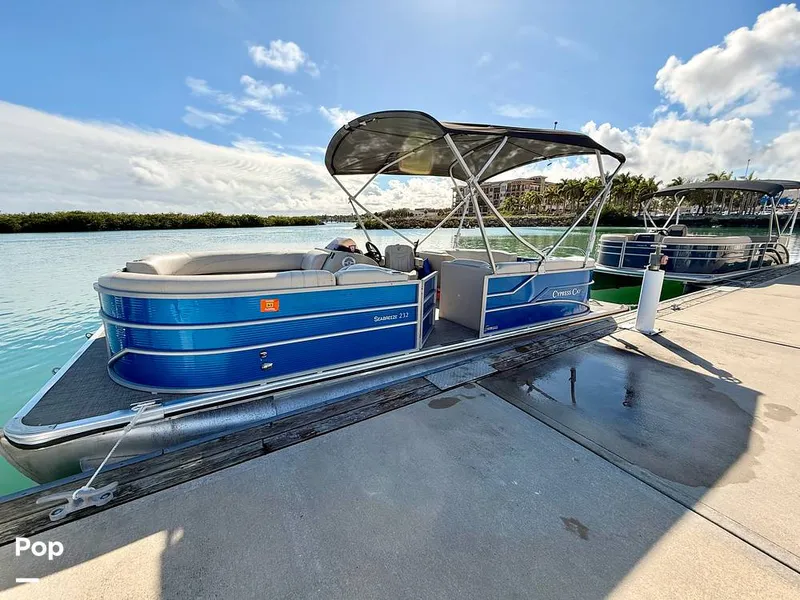
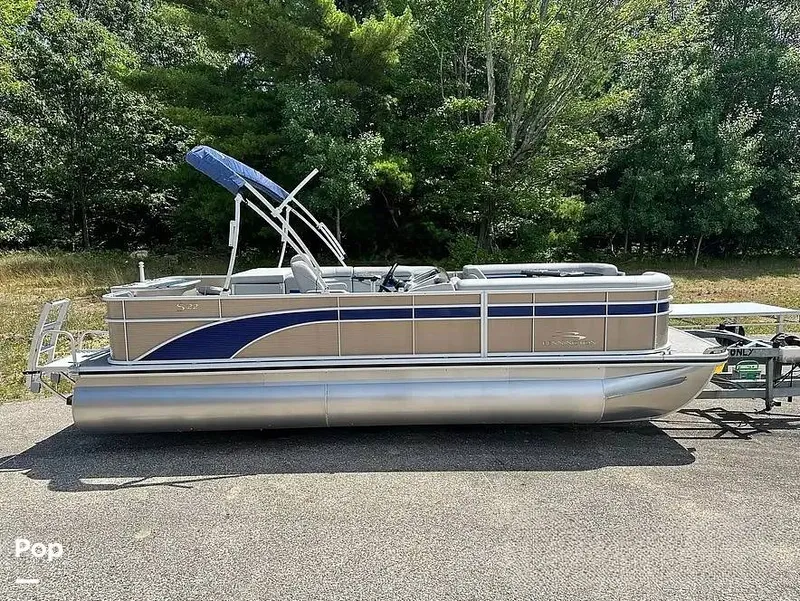
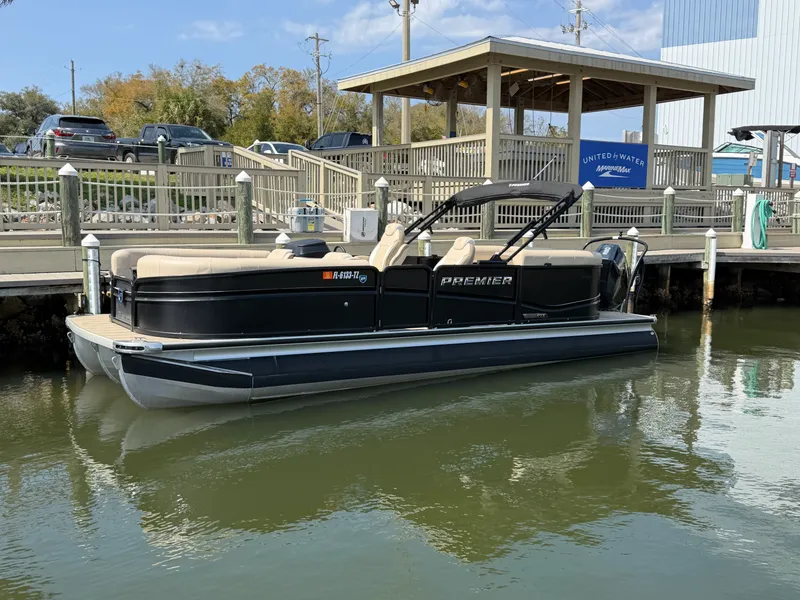
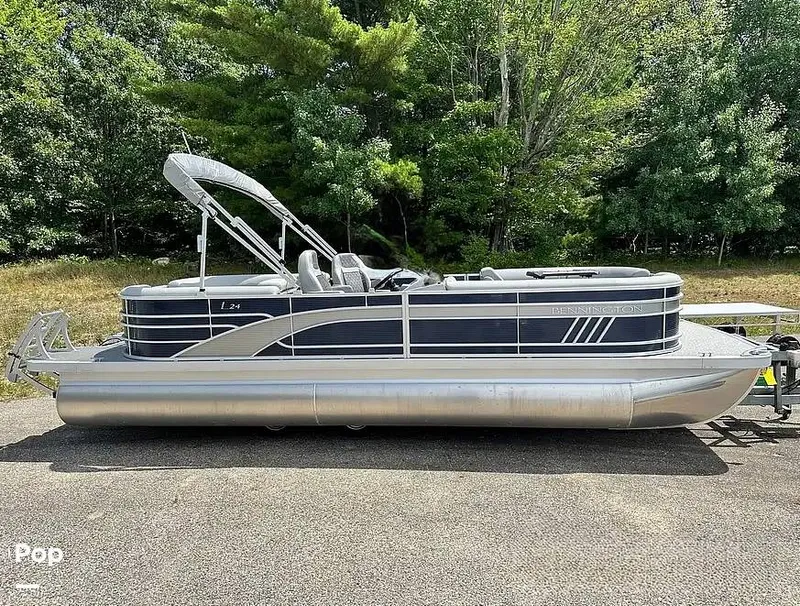
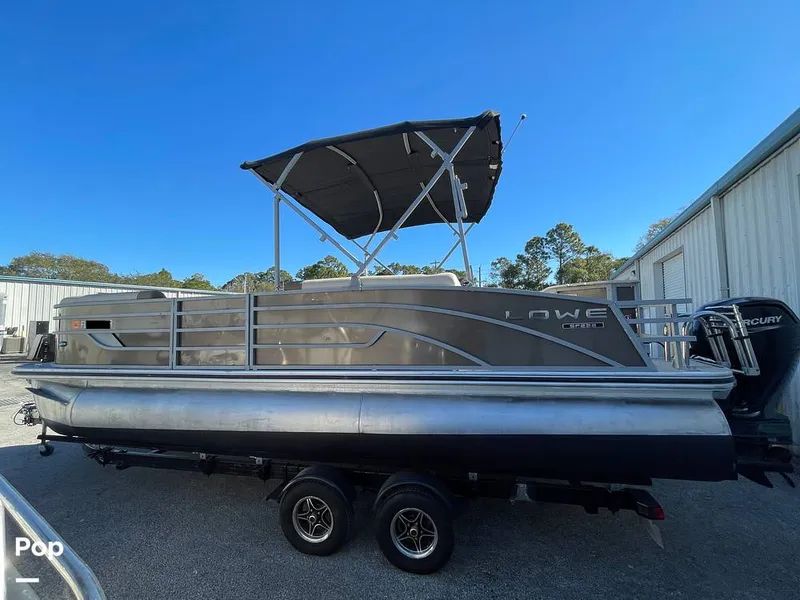
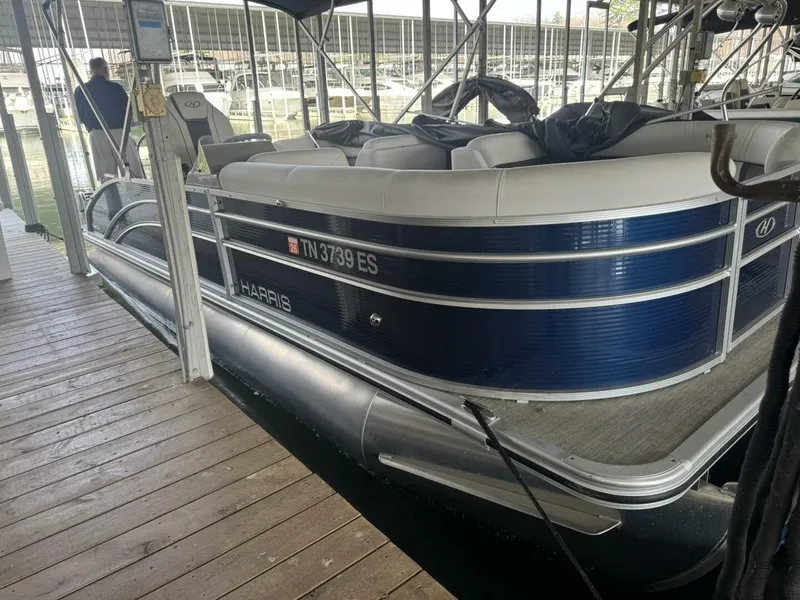
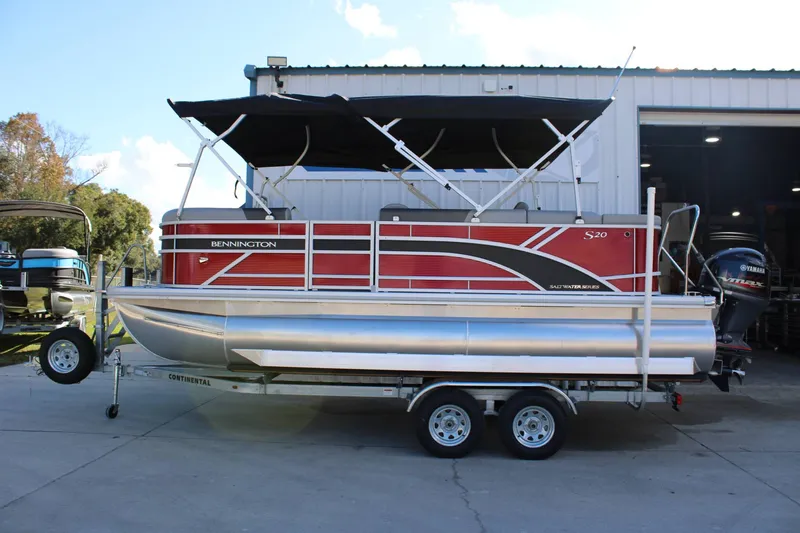
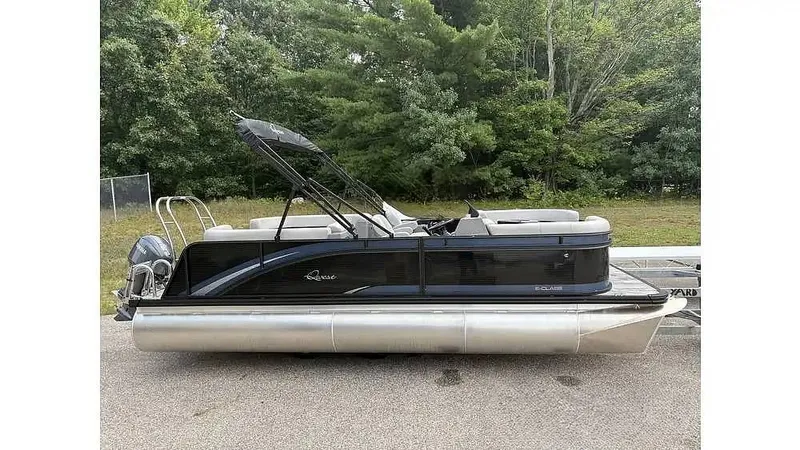
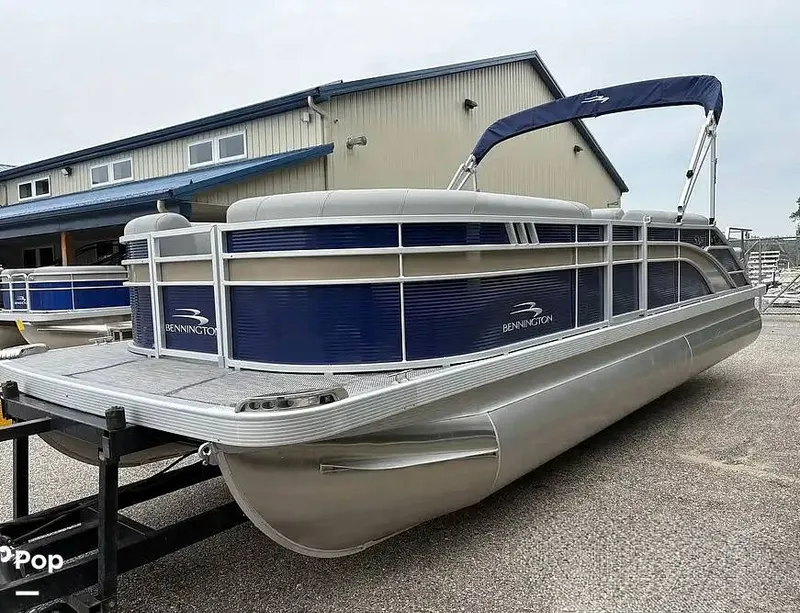
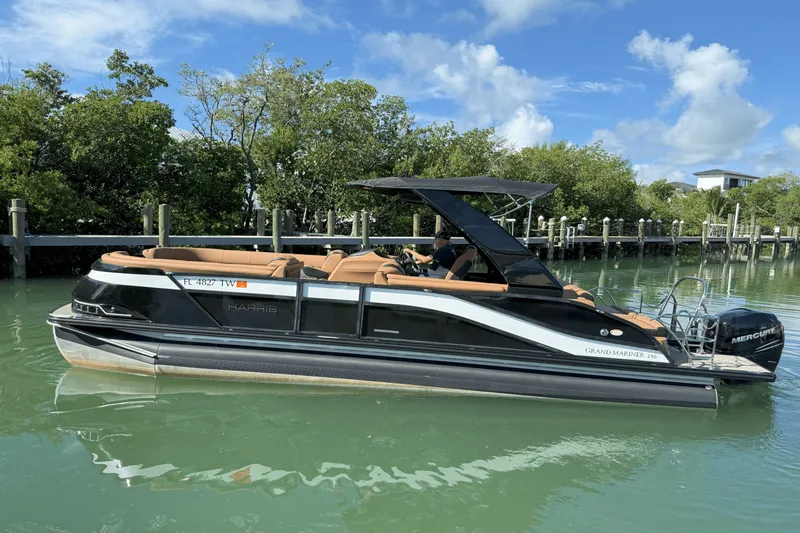
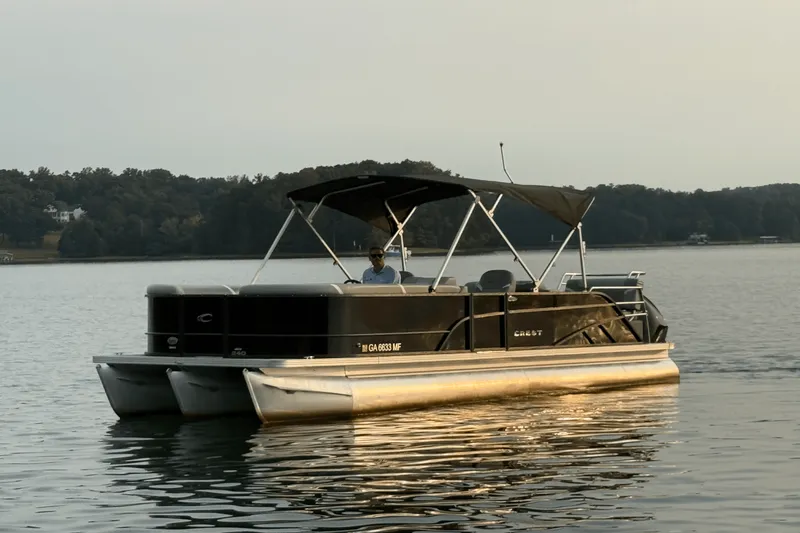
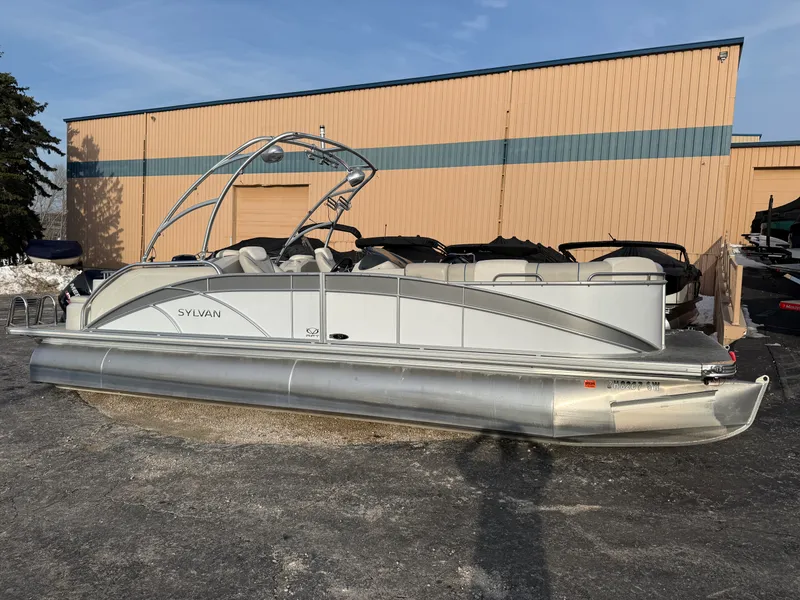
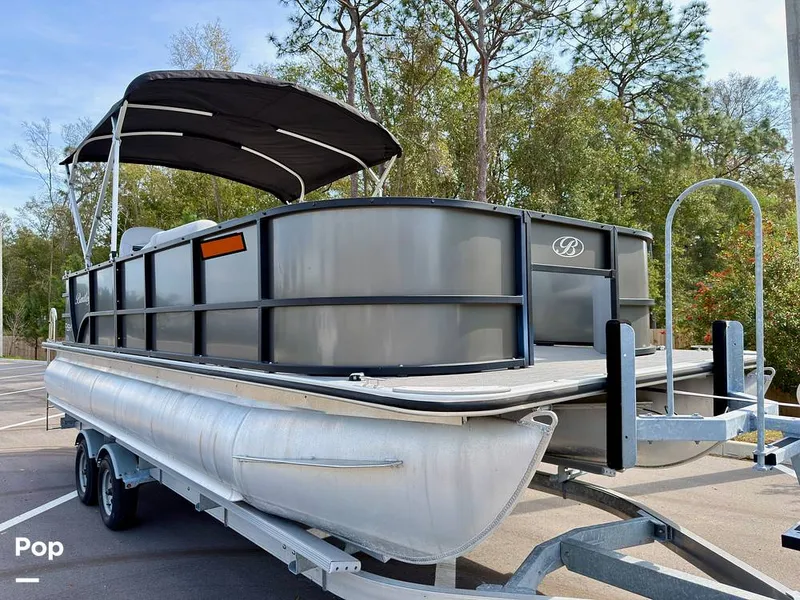
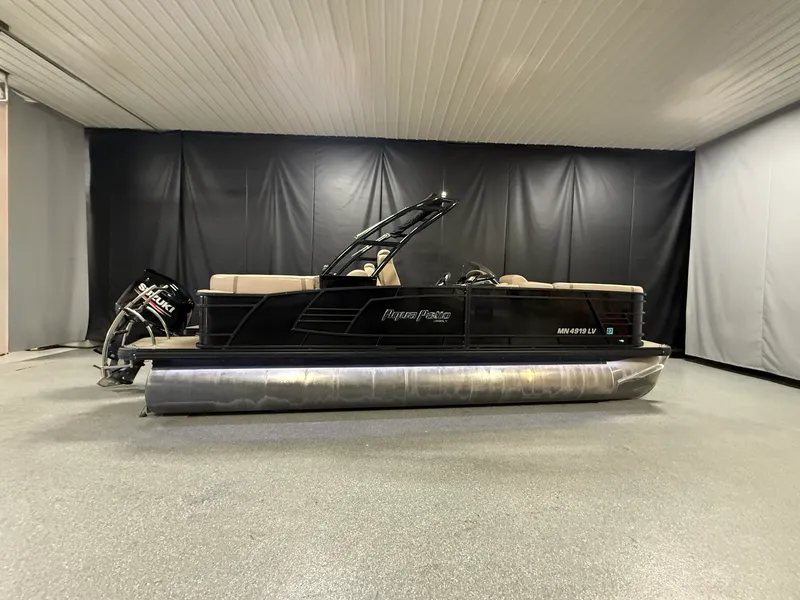
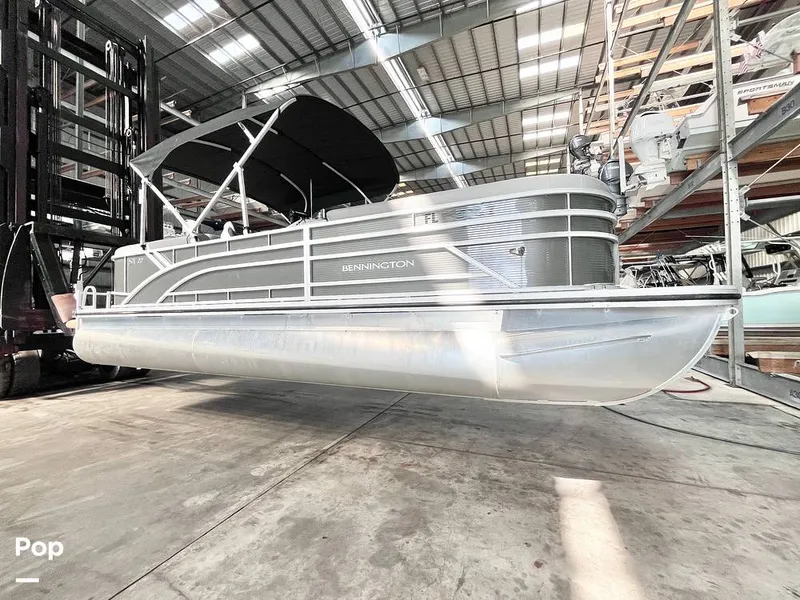
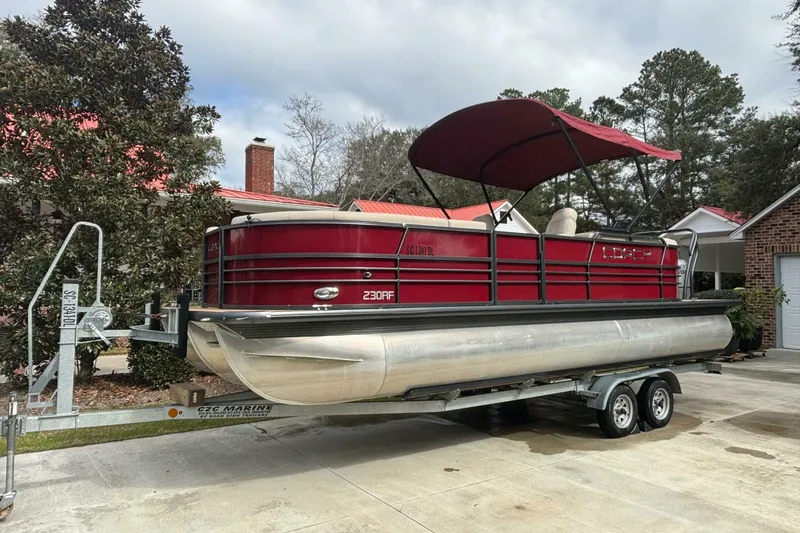
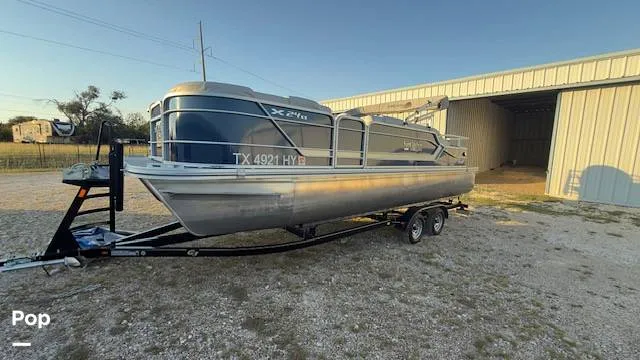
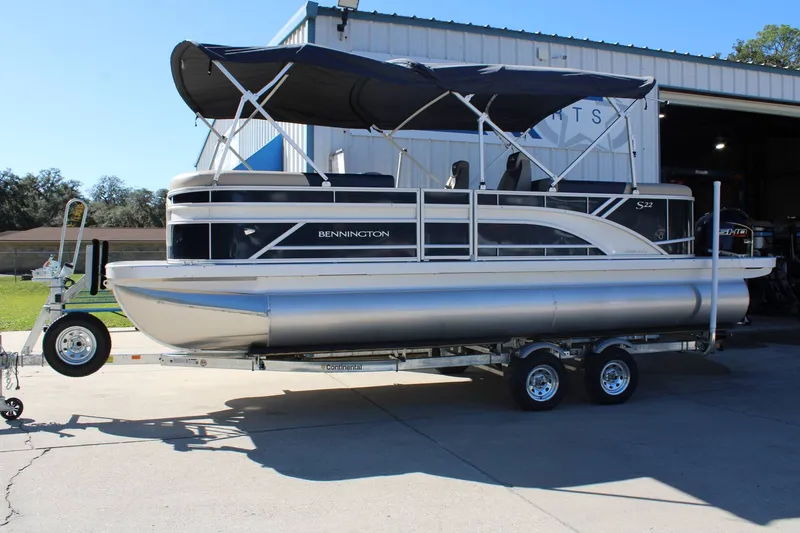
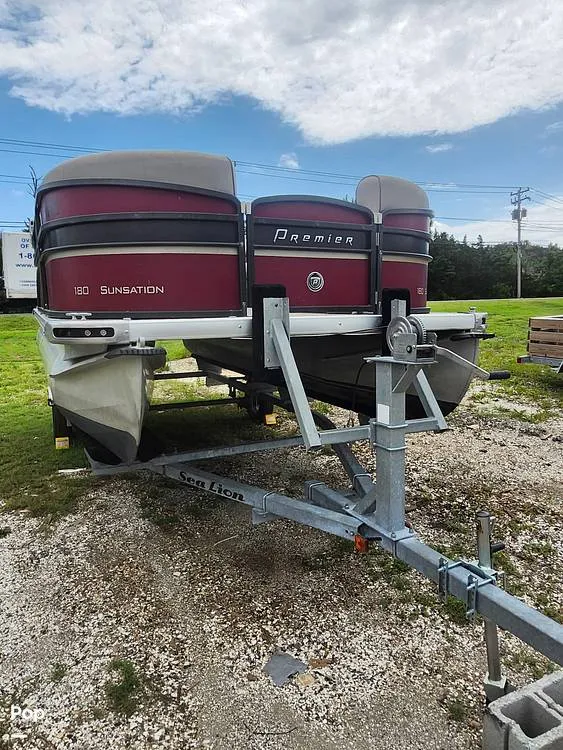
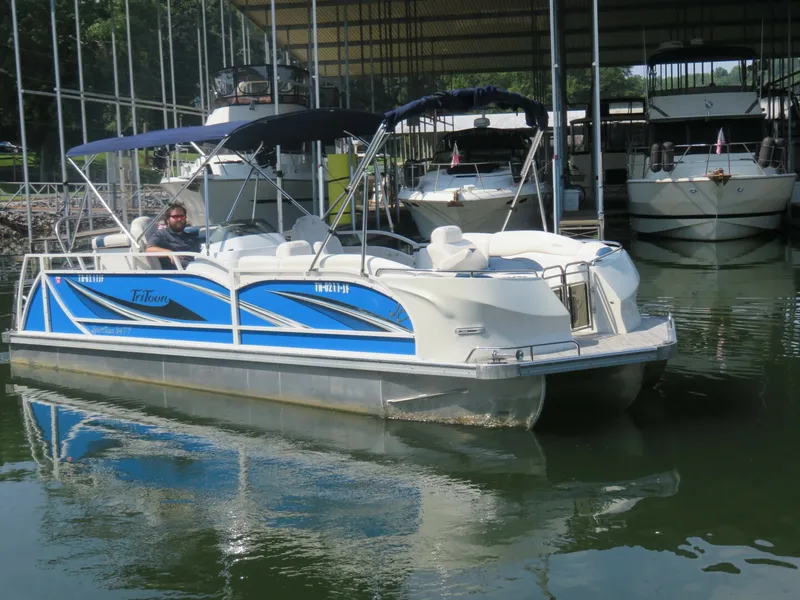
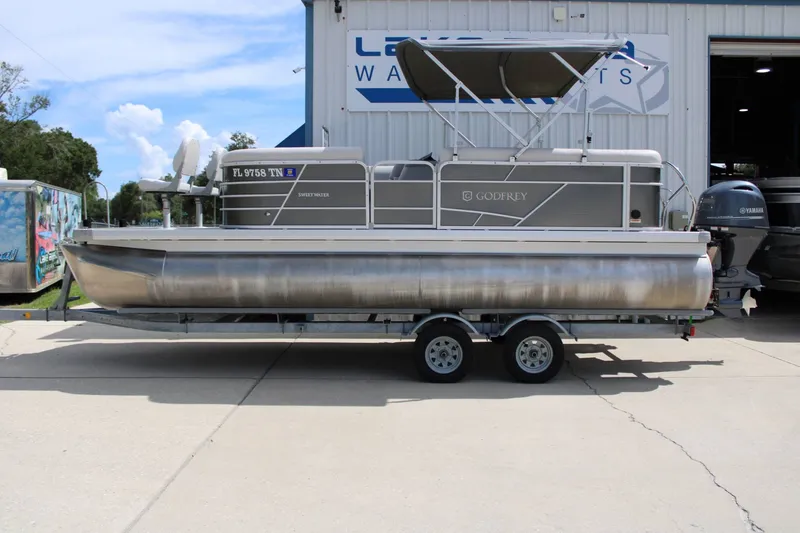
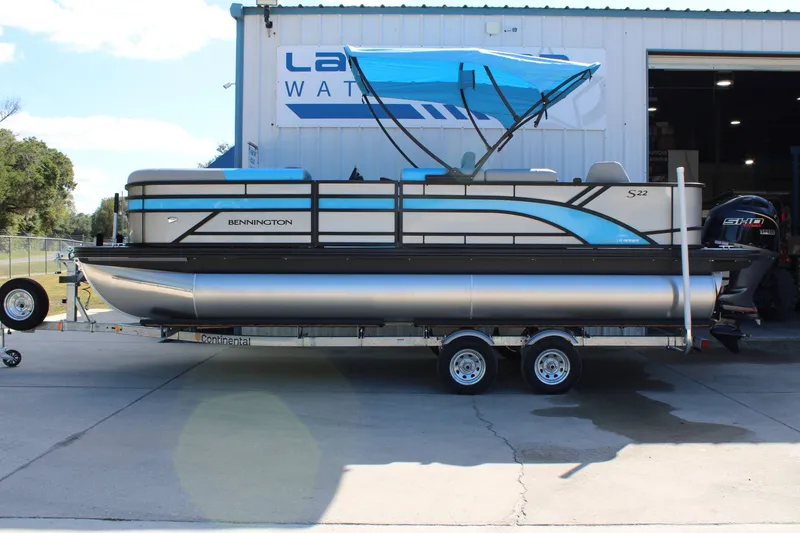
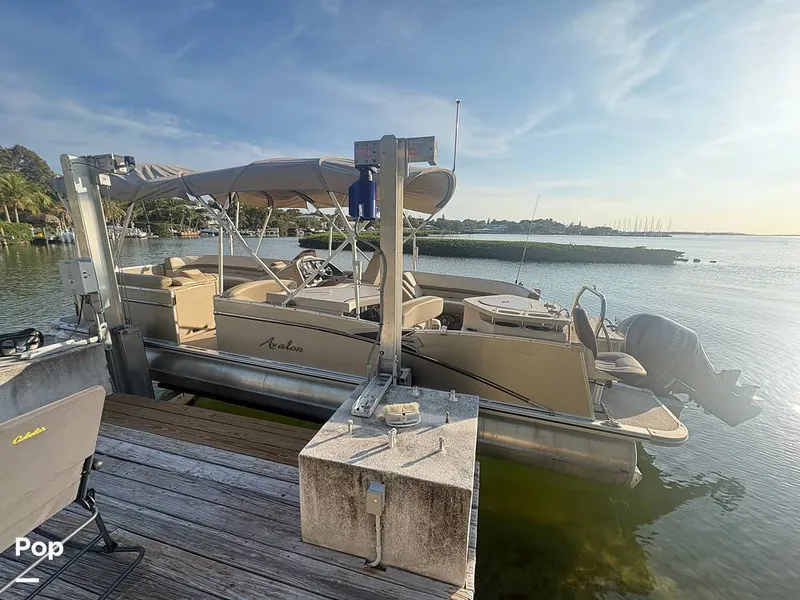
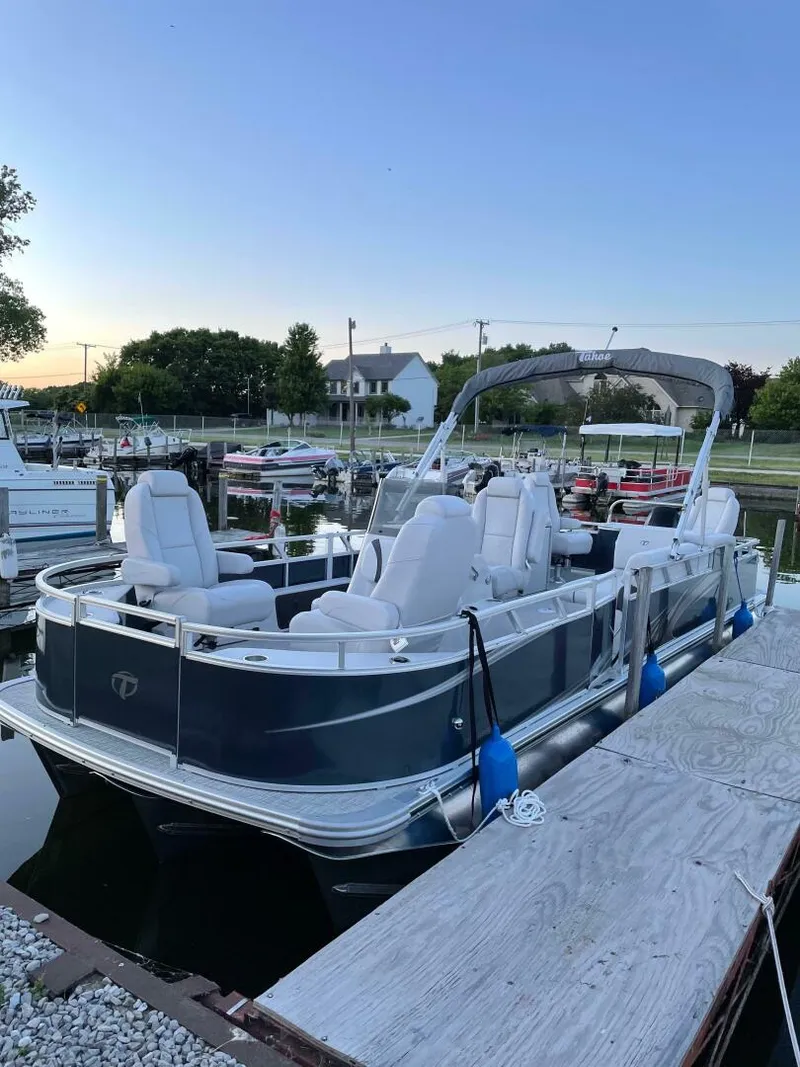
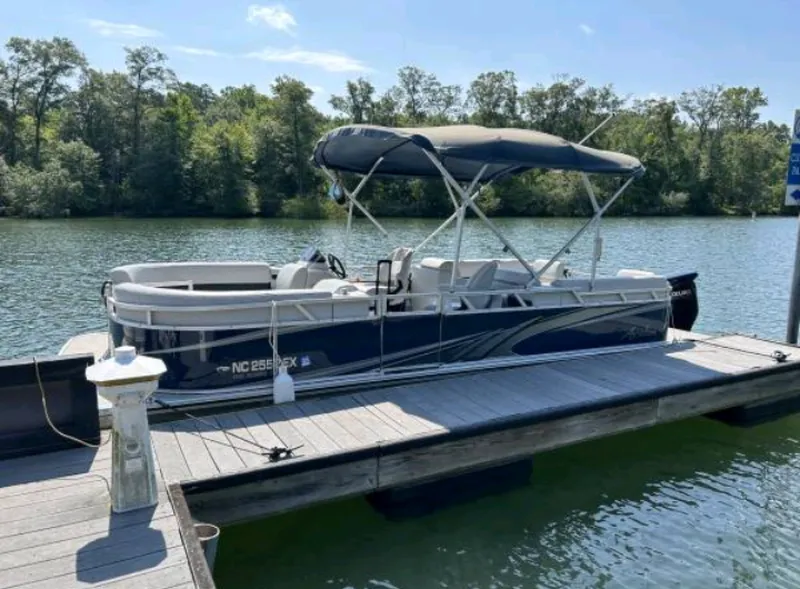
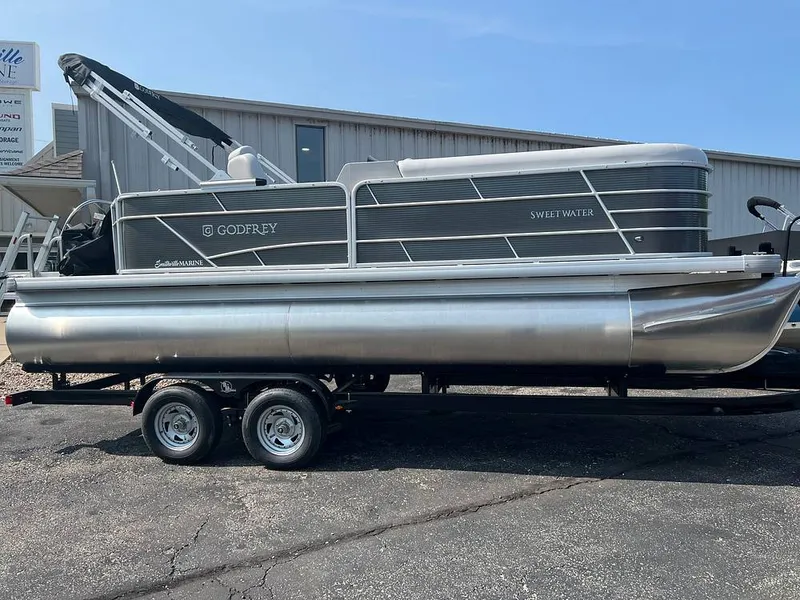
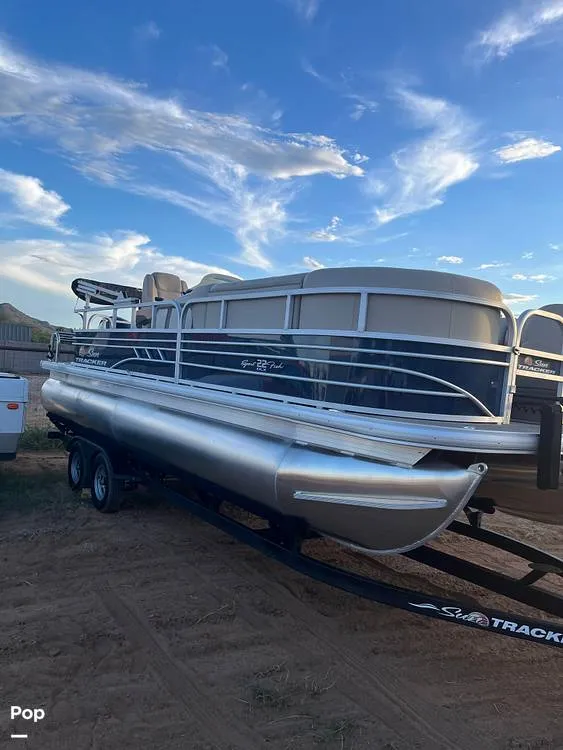
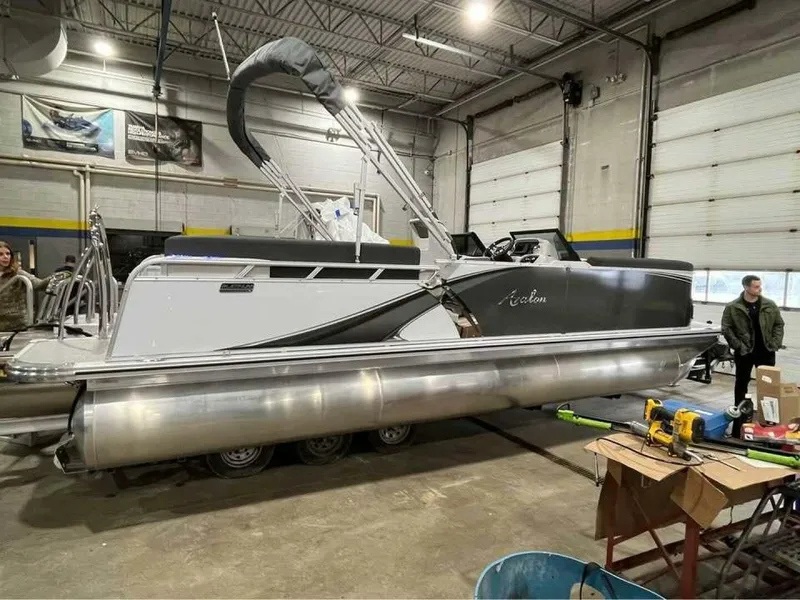
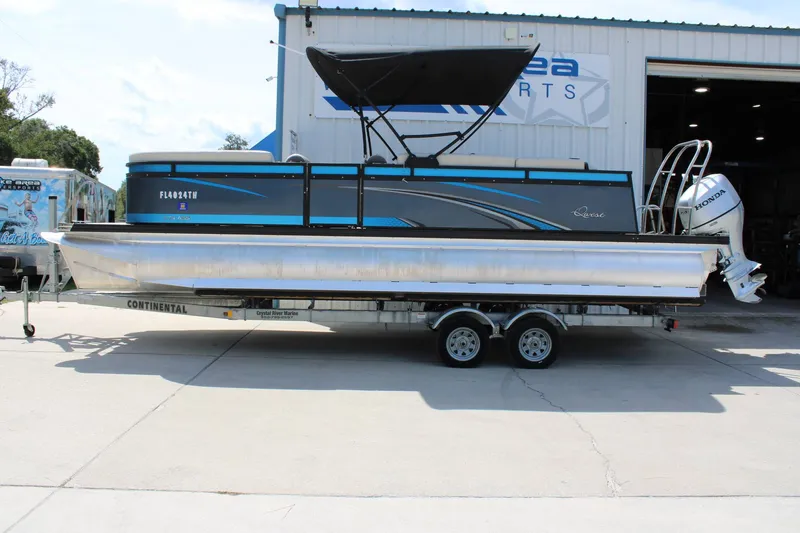
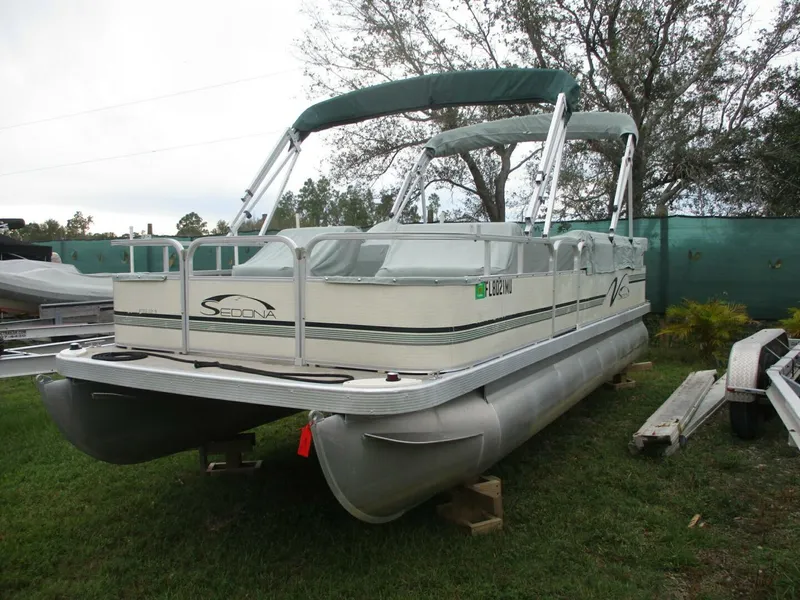
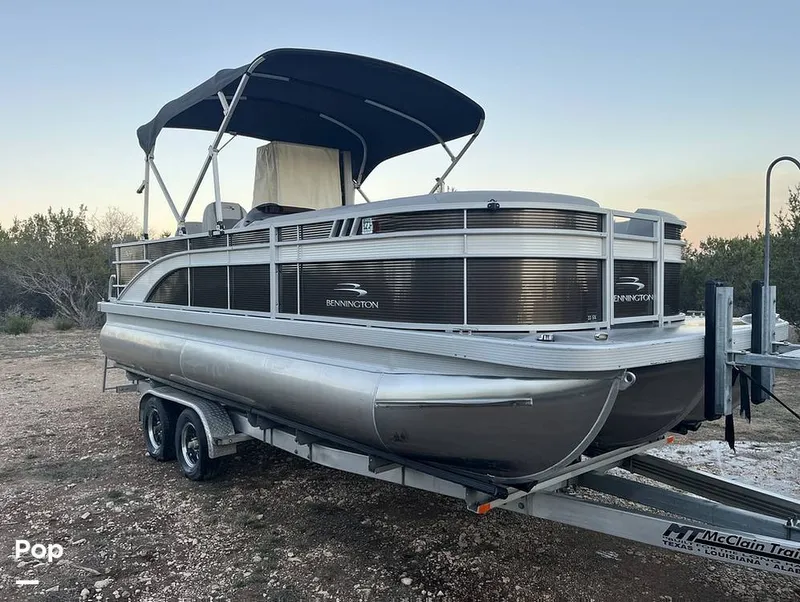
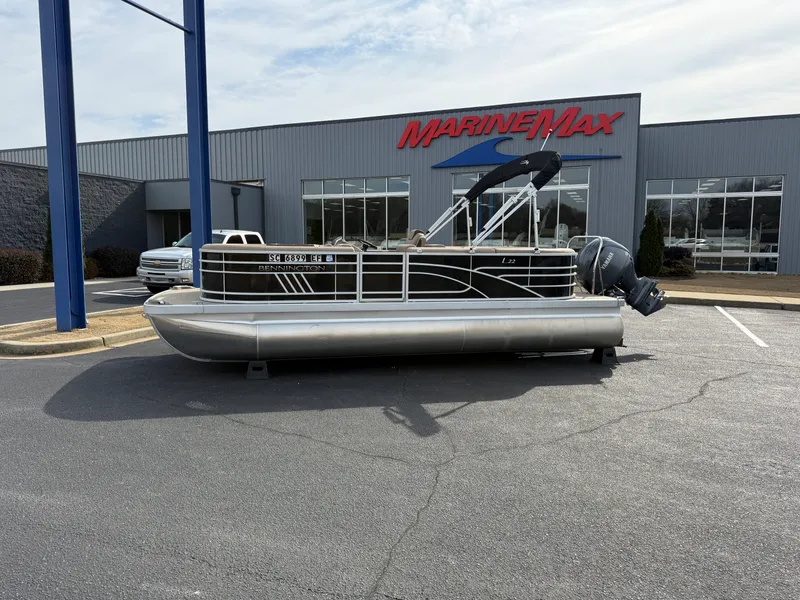
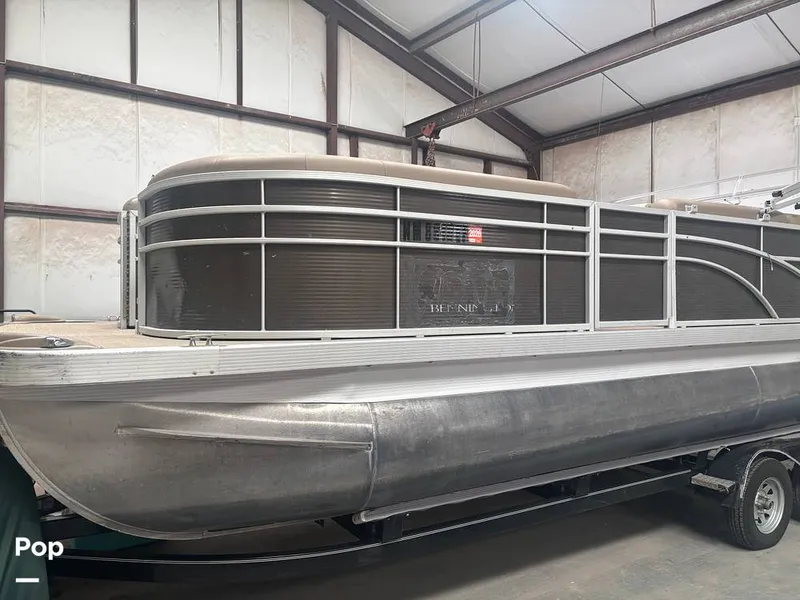
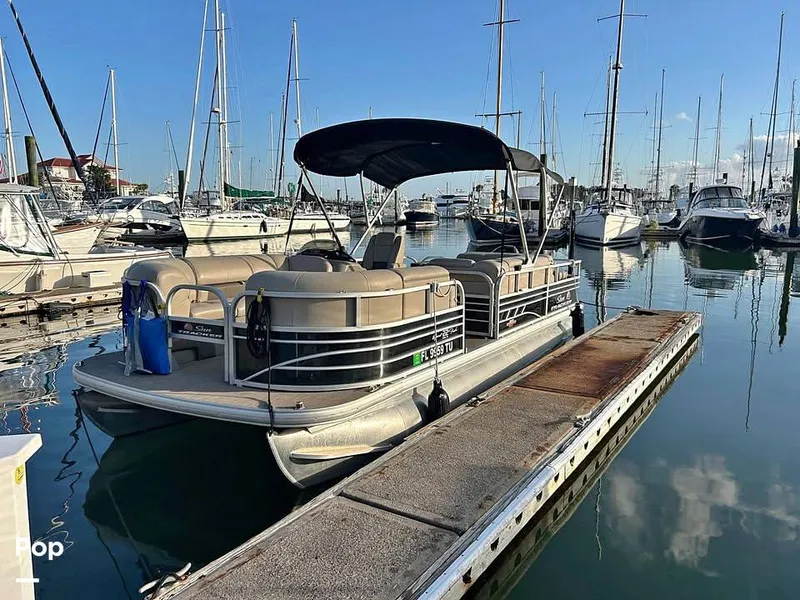
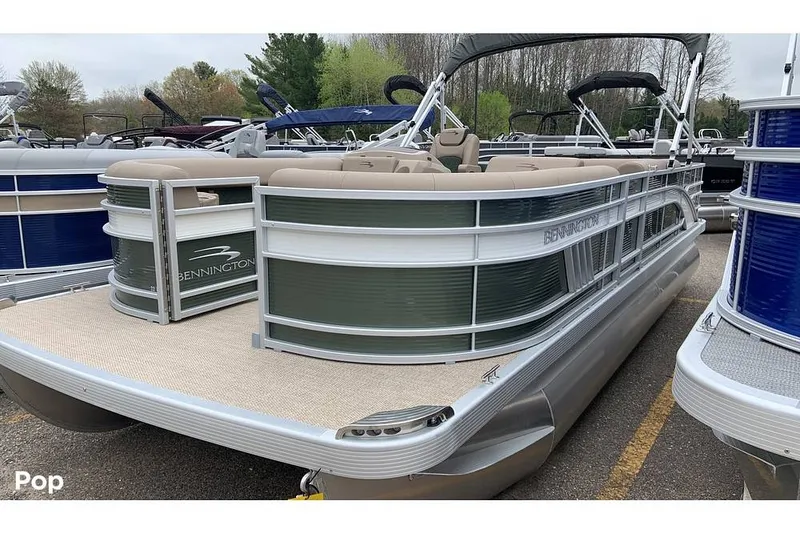
A pontoon boat is a flat-deck vessel supported by two or more large cylindrical tubes called pontoons. These pontoons provide buoyancy and stability, allowing the boat to float smoothly on the water. Unlike traditional V-hull boats, which cut through waves with a pointed bow, pontoon boats rely on their wide, flat platform for a steady ride.
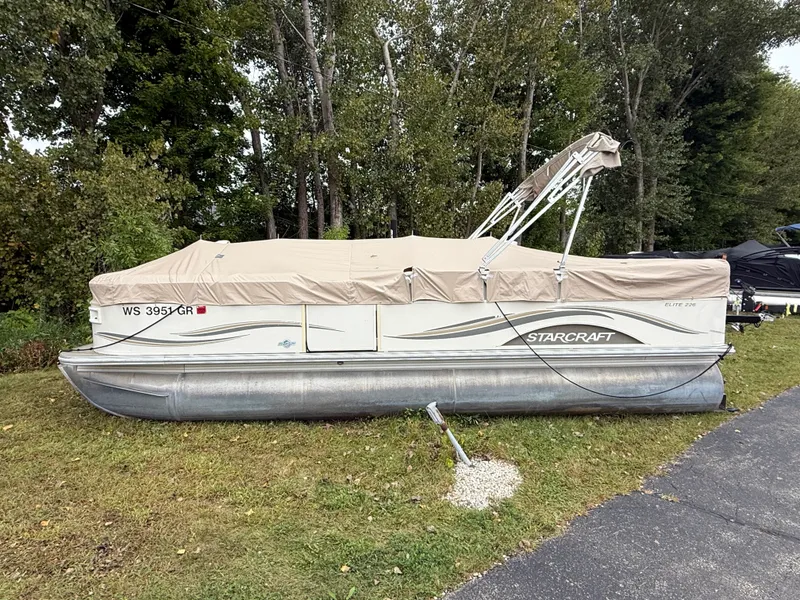
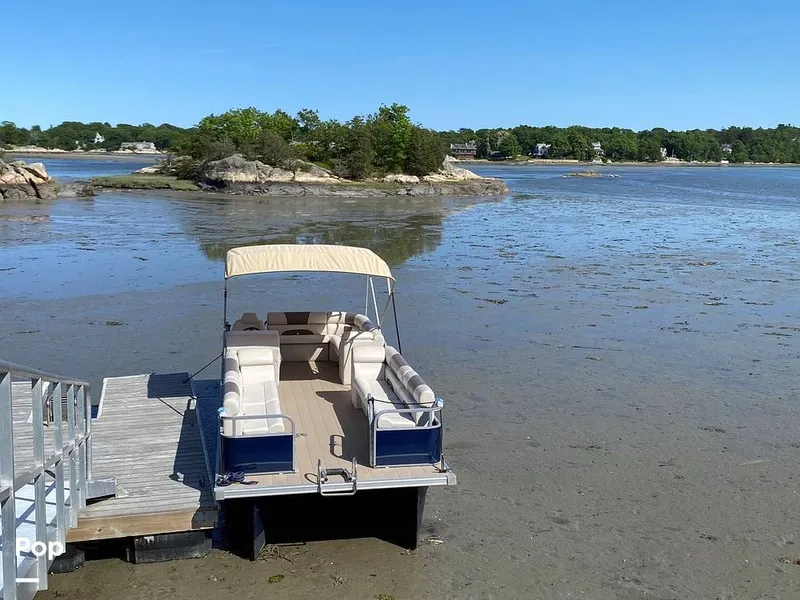
Originally designed for utility and transport, pontoon boats have evolved into versatile recreational vessels. Their design dates back to the early 20th century, but modern pontoons are crafted with lightweight aluminum tubes and spacious decks that accommodate a variety of activities.

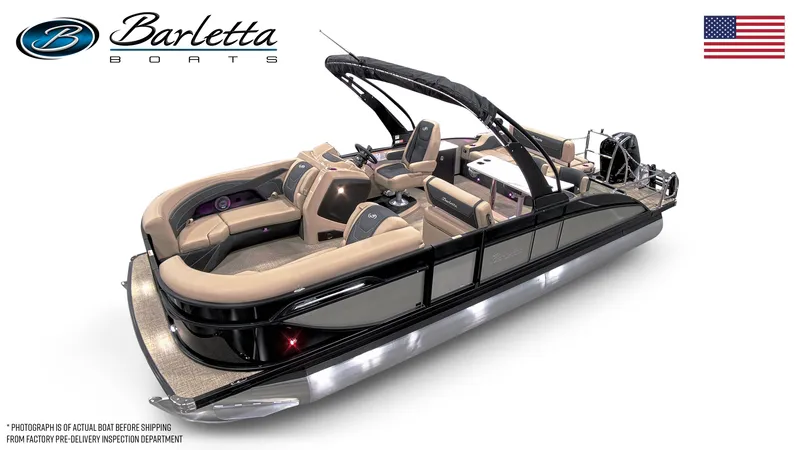
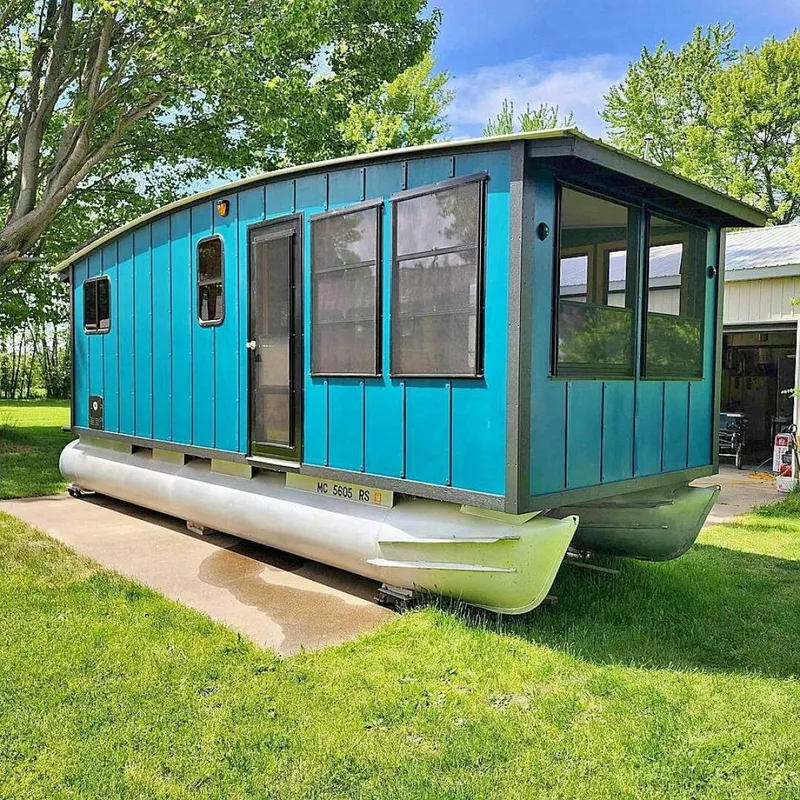
The basic hull design of pontoons creates a stable and shallow draft boat, ideal for calm lakes and rivers. Over time, manufacturers have added features such as fishing stations, sun pads, and even small cabins, making pontoon boats suitable for relaxation, fishing, and social gatherings.

Today’s pontoon boats blend traditional buoyant tubes with contemporary amenities, emphasizing comfort and social interaction over speed and agility.

Pros of owning a Pontoon boat

1. Spacious Social Layout

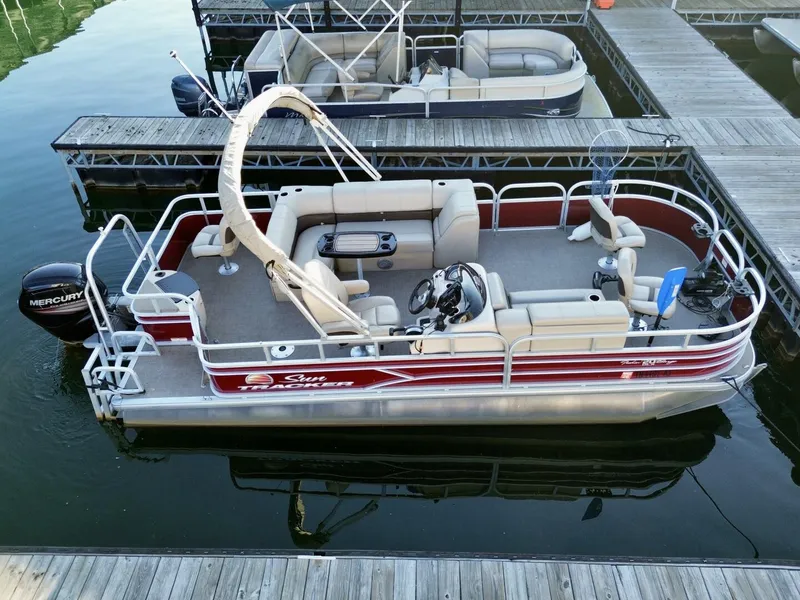
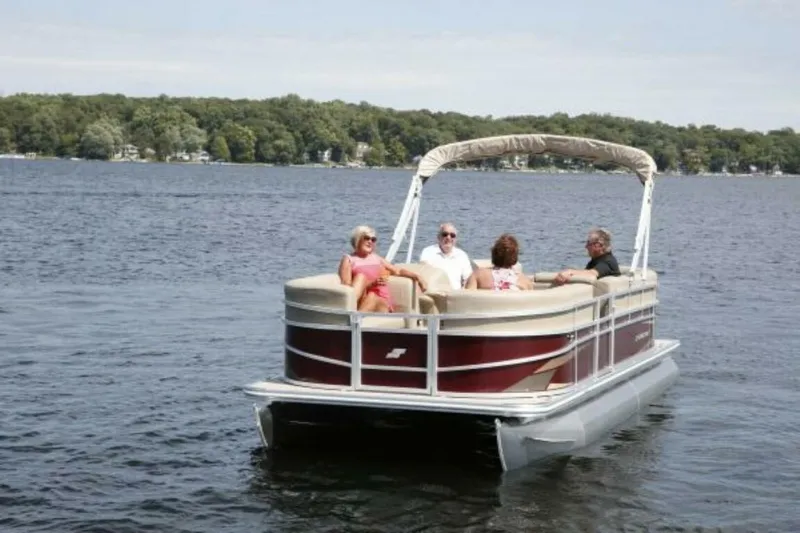
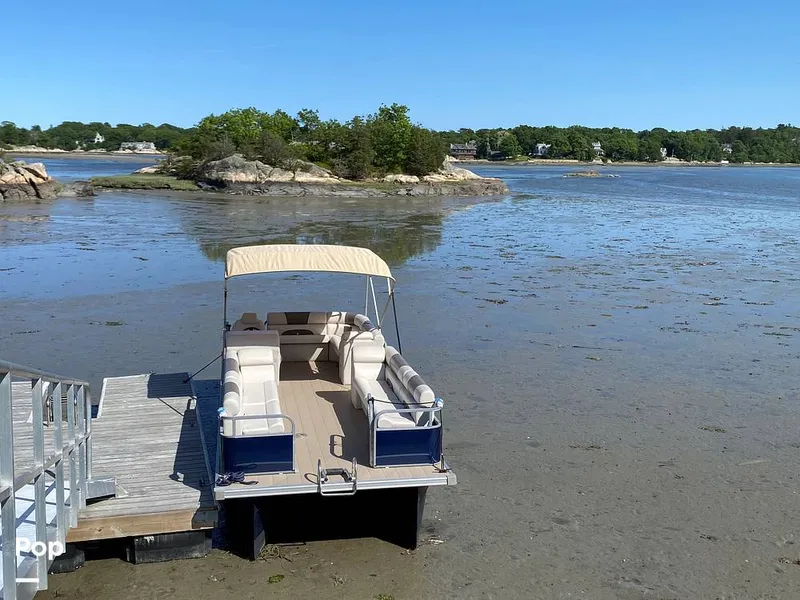
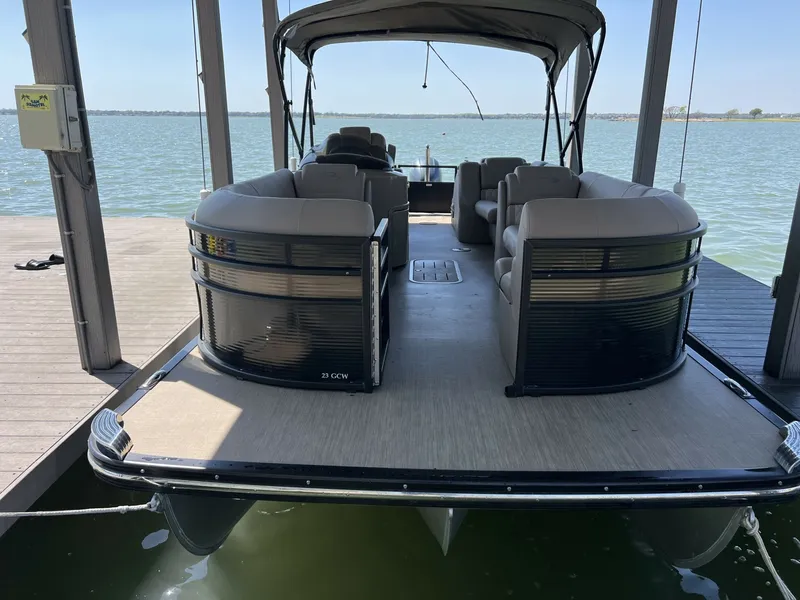
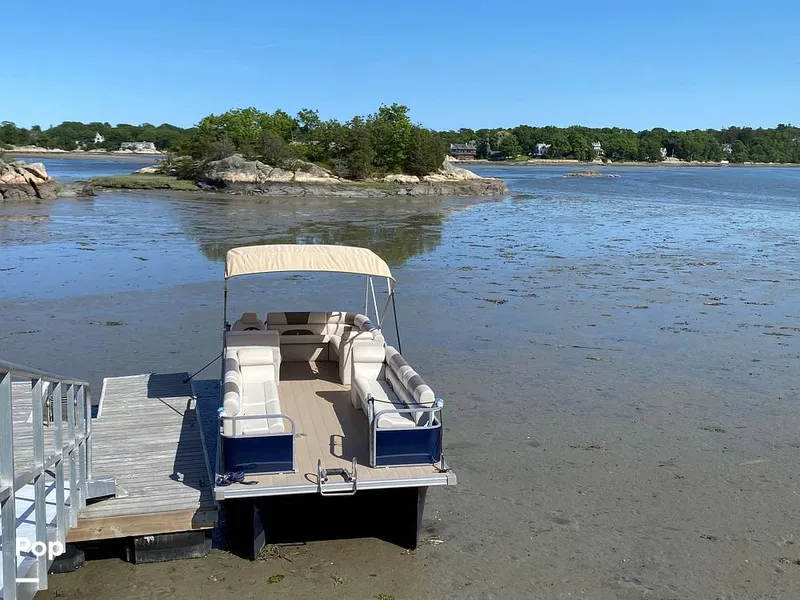
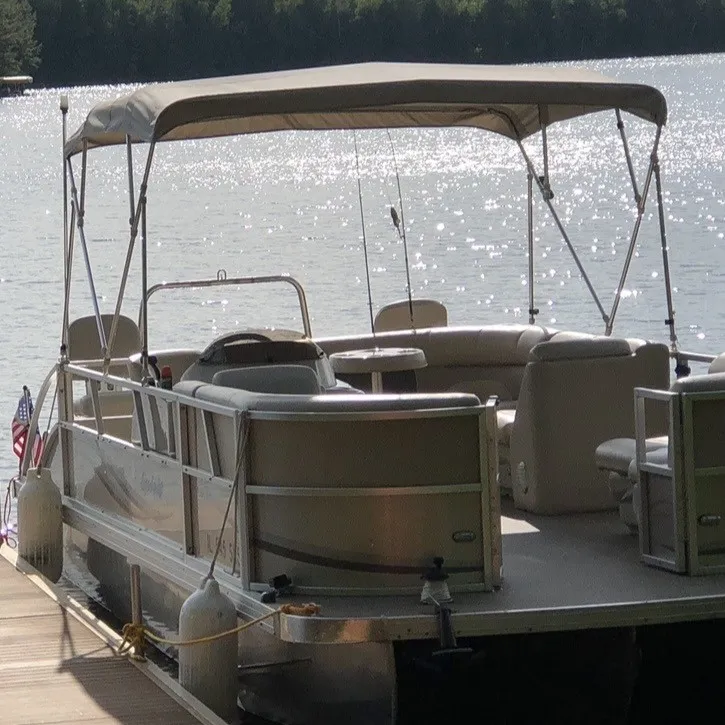
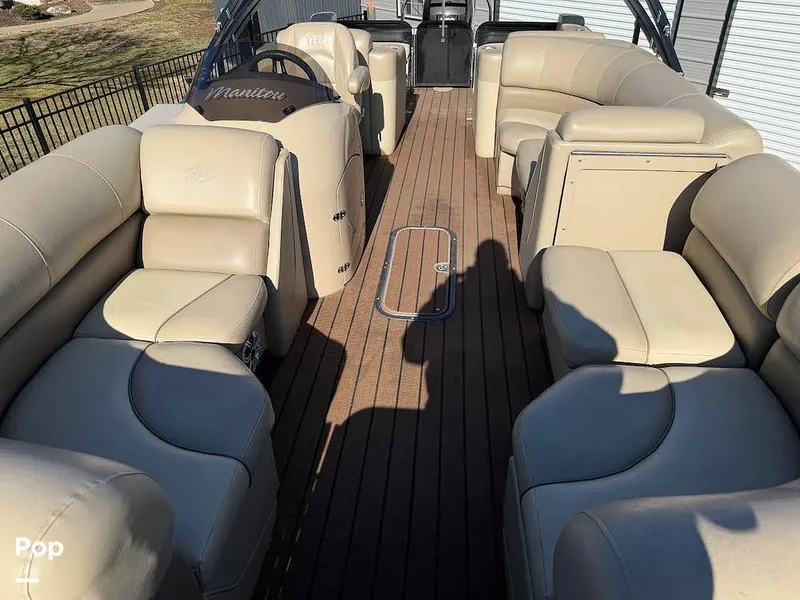
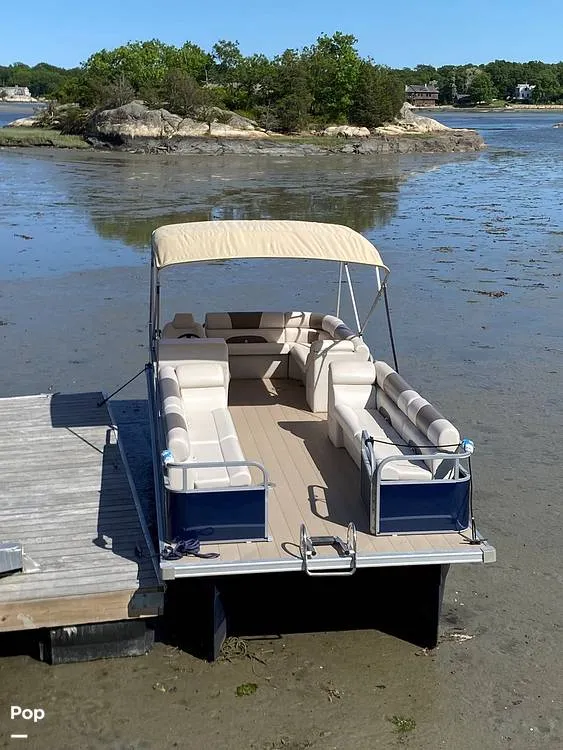
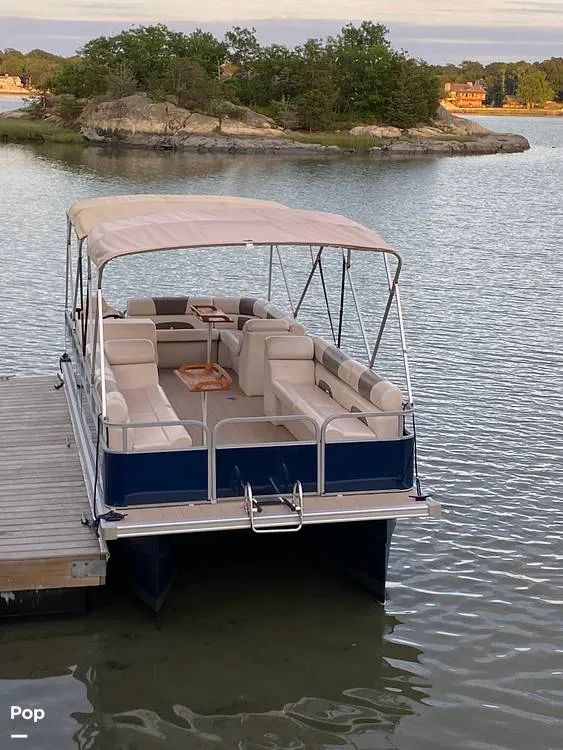
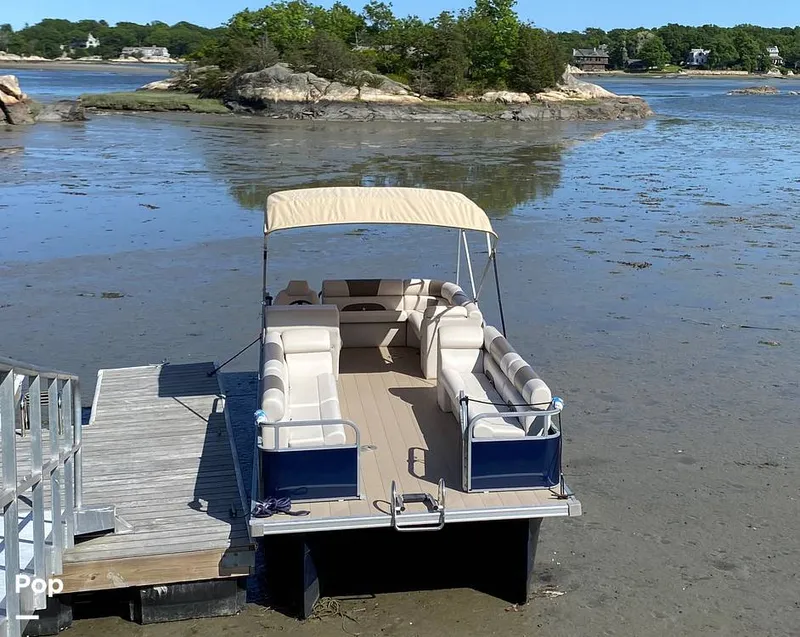
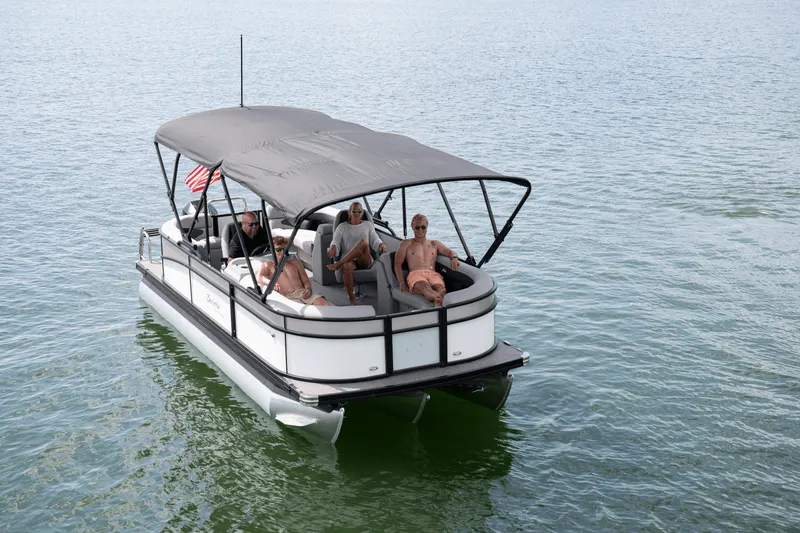
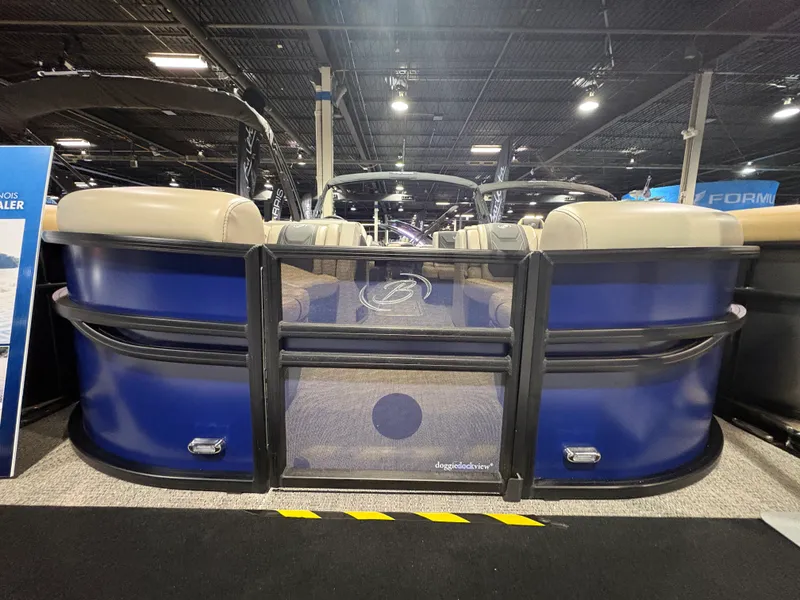
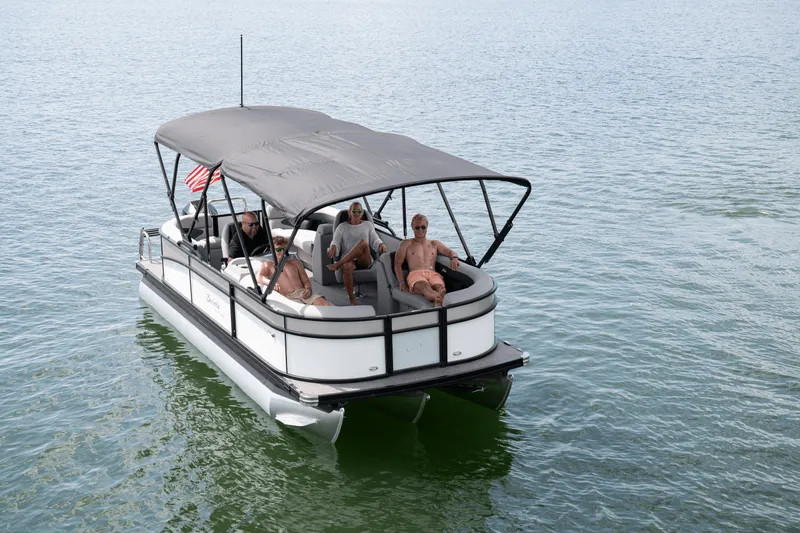
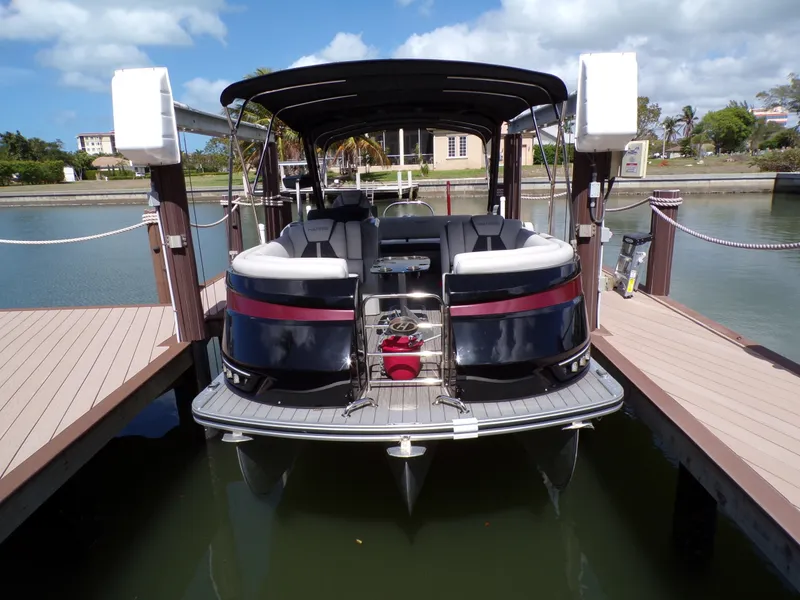
Pontoon boats are famous for their wide, open decks that easily accommodate large groups. The seating is often arranged in a way that encourages conversation and interaction, making them perfect for parties, family outings, or group fishing trips. This social layout is a major reason for their popularity.

The open floor plan also allows for flexible use of space, whether you want to set up a dining area, sunbathing lounges, or even a small dance floor.

2. Ease of Use

Pontoon boats are straightforward to operate, even for beginners. Their flat deck and stable platform make boarding and moving around easy and safe. Controls are typically simple, and the boats are forgiving in slow-speed maneuvers.

This ease of use makes them a great choice for new boaters or those who prefer relaxed cruising without the complexity of handling a high-performance vessel.

3. Exceptional Stability

The twin or triple pontoon tubes provide excellent stability, reducing the rocking motion common in V-hull boats. This makes pontoon boats ideal for families with children or anyone prone to seasickness.

Their stability also makes them suitable for standing activities such as fishing or hosting events, giving owners confidence in various water conditions.

4. Versatility

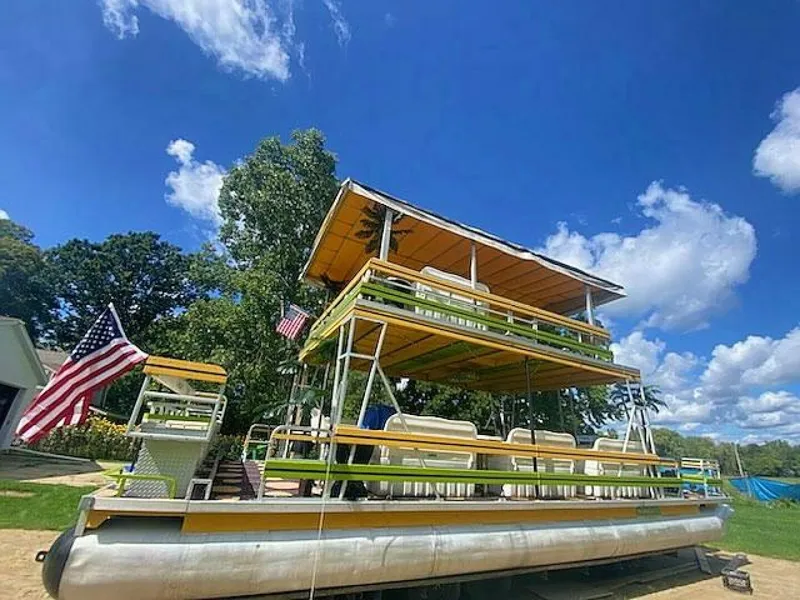
Modern pontoon boats are highly versatile. They can be outfitted for fishing, watersports, cruising, or even overnight stays with added amenities like cabins and grills.

This adaptability means one boat can serve multiple purposes, appealing to a broad range of boating enthusiasts.

5. Low Maintenance

Pontoons are typically made from durable aluminum, which resists corrosion and requires less upkeep than other materials. Their simple design means fewer mechanical parts that can break down.

Routine maintenance mainly involves engine care and periodic cleaning, making them cost-effective and less time-consuming to maintain.

Cons of owning a Pontoon boat

1. Limited Speed and Performance

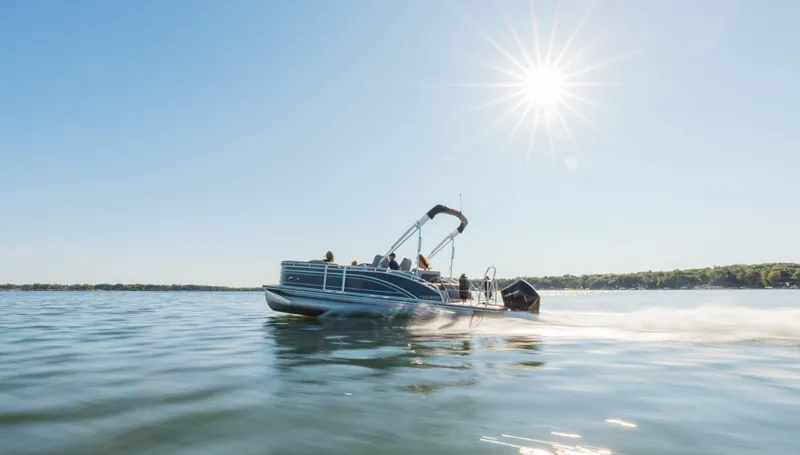
Pontoon boats are not designed for high speeds or quick acceleration. Their flat, wide shape creates more drag compared to streamlined hulls, limiting top speed and agility.

They’re less suited to long-distance fast travel or situations that demand rapid maneuvering.

  • The Silver Lining: Many owners appreciate the relaxed pace, perfect for scenic cruises and socializing rather than racing.

2. Not Ideal for Rough Water

Because of their flat hull and wide profile, pontoon boats can struggle in choppy or rough water conditions. They are best suited for calm lakes and slow-moving rivers.

In heavier seas they can feel less comfortable and may have reduced handling responsiveness.

  • The Silver Lining: Stick to protected waters and good weather days to enjoy smooth, comfortable rides.

3. Limited Maneuverability

Pontoon boats can be less nimble than V-hull boats, especially in tight spaces or docking situations. Their size and shape require more room to turn and handle.

New operators may find close-quarters docking more challenging until they gain experience.

  • The Silver Lining: With practice and patience, most operators quickly become adept at handling these boats in various conditions.

4. Storage and Transport Challenges

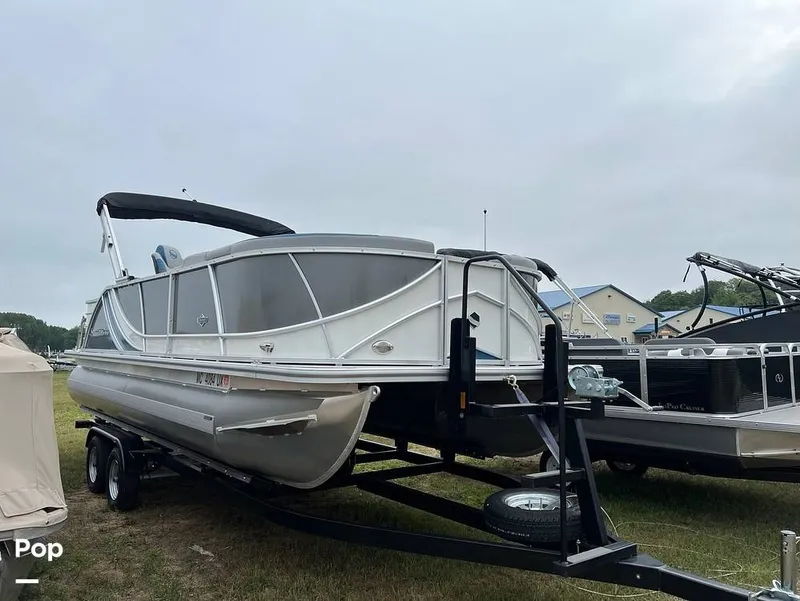
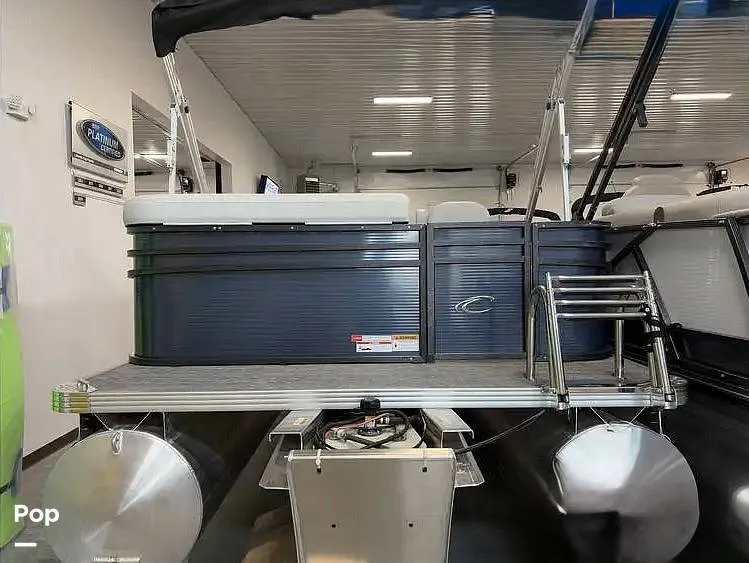
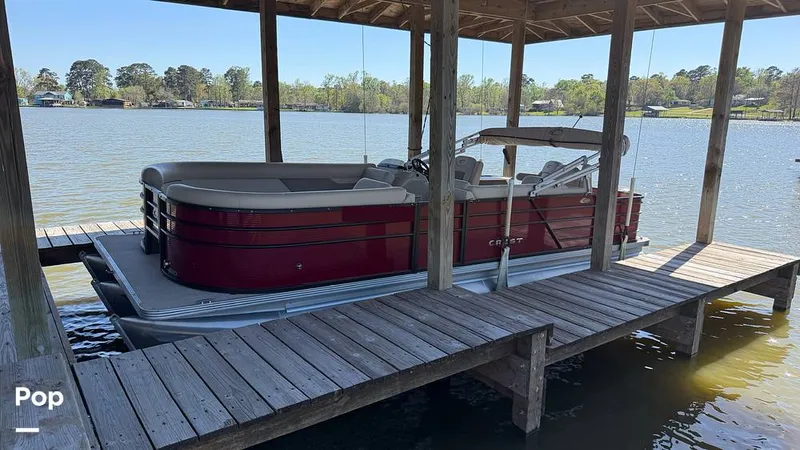
Due to their wide beam, pontoon boats can be harder to trailer and store compared to narrower boats. They often require specialized trailers and larger storage spaces.

Transporting a pontoon can be more logistically demanding for owners without appropriate vehicles or storage.

  • The Silver Lining: Many marinas and storage facilities now accommodate pontoons, and trailer options are increasingly available to ease transport.

5. Less Suitable for High-Speed Watersports

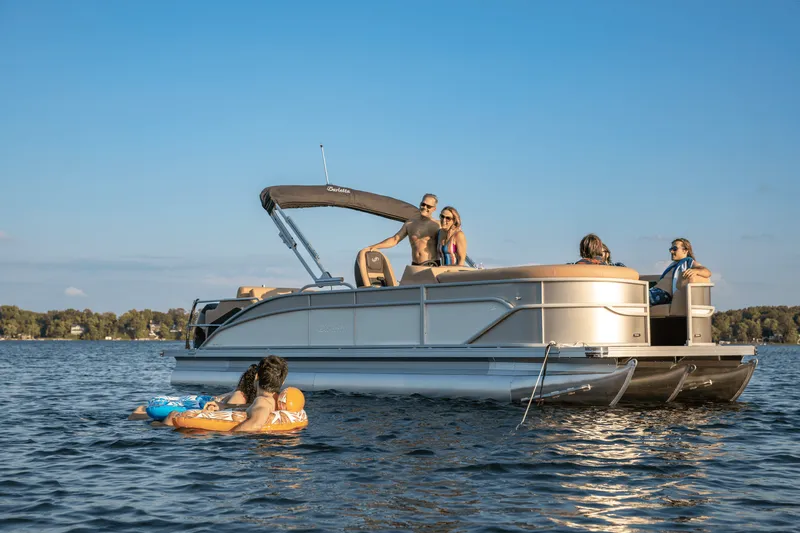
While pontoons can handle some watersports like tubing or casual wakeboarding, they are generally not the best choice for high-speed activities due to stability and speed limitations.

They won’t produce the same wakes or acceleration that serious wakeboarders or slalom skiers expect.

  • The Silver Lining: If watersports are a priority, consider models specifically designed for that purpose or supplement with a dedicated speedboat.

Handling and Performance

Pontoon boats excel at handling crowds thanks to their spacious, open deck design and multiple seating areas. The wide platform distributes weight evenly, which helps maintain balance even with many passengers on board.

Seating is usually arranged in lounges or benches that face each other, encouraging social interaction while ensuring everyone has a comfortable spot. This layout minimizes crowding and allows easy movement around the boat.

Pontoon boats are not built for rough seas or heavy chop. Their flat hull and wide surface area create more wind resistance (windage), which can make steering more challenging in strong winds.

They tend to ride lower in the water when waves increase, which can affect stability and comfort. For safety, it’s best to avoid taking pontoon boats out in high winds or rough water and to monitor weather closely.

Ownership and Logistics

Beyond the initial purchase, pontoon boats have relatively low long-term costs. Their fuel consumption is generally moderate due to slower speeds and efficient engines.

Maintenance focuses on the outboard motor, pontoons’ integrity, and upkeep of deck materials and upholstery. Storage costs vary depending on whether you keep the boat at a marina or on a trailer at home. Insurance and registration fees are similar to other recreational boats.

Pontoon boats tend to hold their value reasonably well, especially popular models from reputable manufacturers. Their broad appeal to families and casual boaters keeps demand steady in the used market.

Depreciation is moderate, but well-maintained boats with updated features often sell quickly and retain good resale prices.

Pontoon boats vary in size and weight, but many fall into a range that can be towed by a midsize SUV or pickup truck. Larger models with triple pontoons may require heavier-duty vehicles.
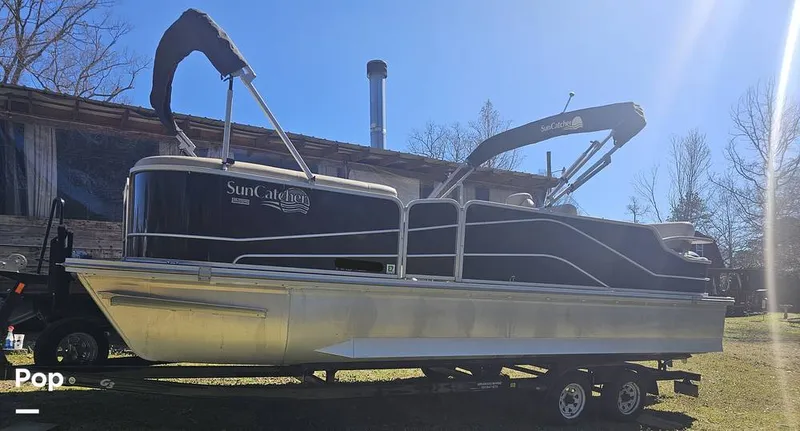
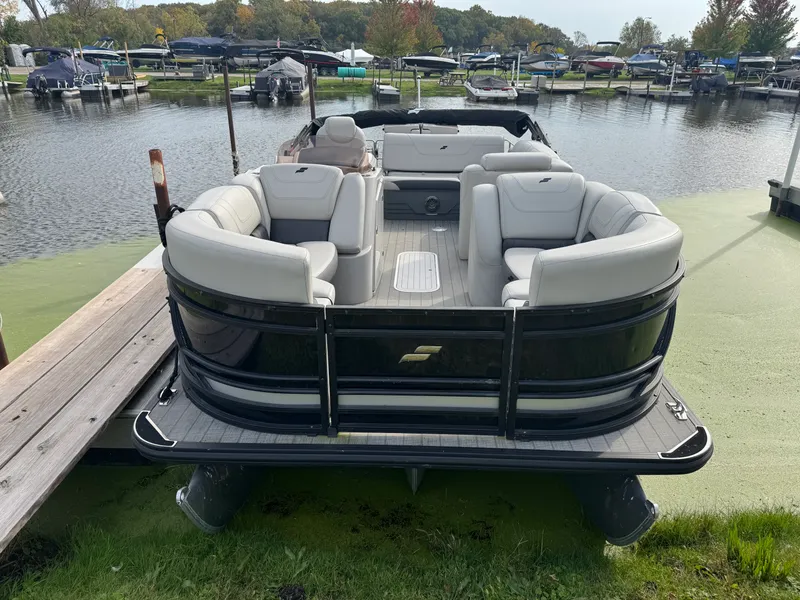
Trailers for pontoon boats are specialized to support the wide beam and distribute weight evenly. Proper towing equipment and experience are important for safe transport.

Is a Pontoon Boat the right choice for you?

Pontoon boats offer an inviting, stable platform ideal for socializing, relaxation, and versatile recreational use on calm waters. Their spacious layouts and ease of use make them a favorite for families and casual boaters.

However, they are not built for speed, rough conditions, or tight maneuvering. Understanding these trade-offs will help you decide if a pontoon fits your boating lifestyle and needs.

You'll love it if:

  • You want a stable, spacious boat for social gatherings and family outings.
  • You prefer relaxed cruising over high-speed performance.
  • You value easy handling and low maintenance.
  • You enjoy versatile activities like fishing, sunbathing, and casual watersports.
  • You primarily boat on calm lakes, rivers, or protected waters.

It might be challenging if:

  • You need a boat for rough water or offshore conditions.
  • You want high-speed watersports like wakeboarding or skiing.
  • You require nimble handling for tight docking or maneuvering.
  • You have limited storage space or towing capacity.
  • You prioritize speed and agility over comfort and space.

With the right expectations and water conditions, a pontoon boat can be your perfect floating retreat for memorable days on the water.

Be the First to Know

Get notified when new boats become available.

Logo