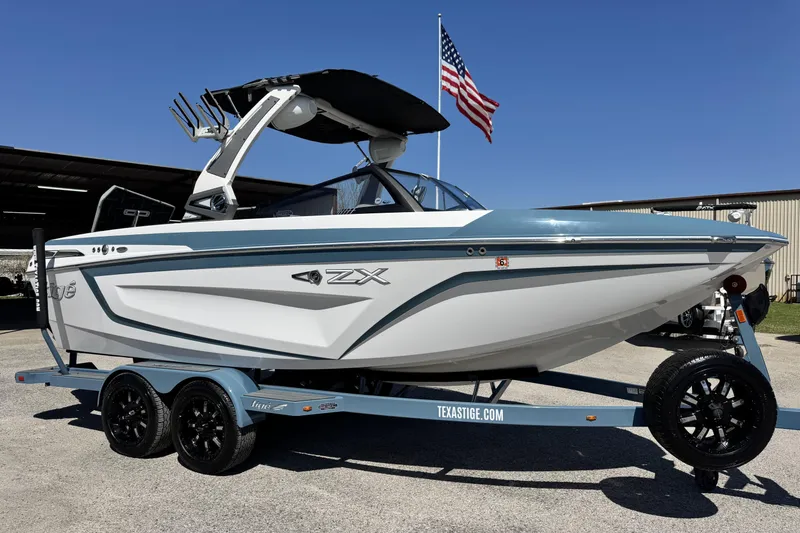
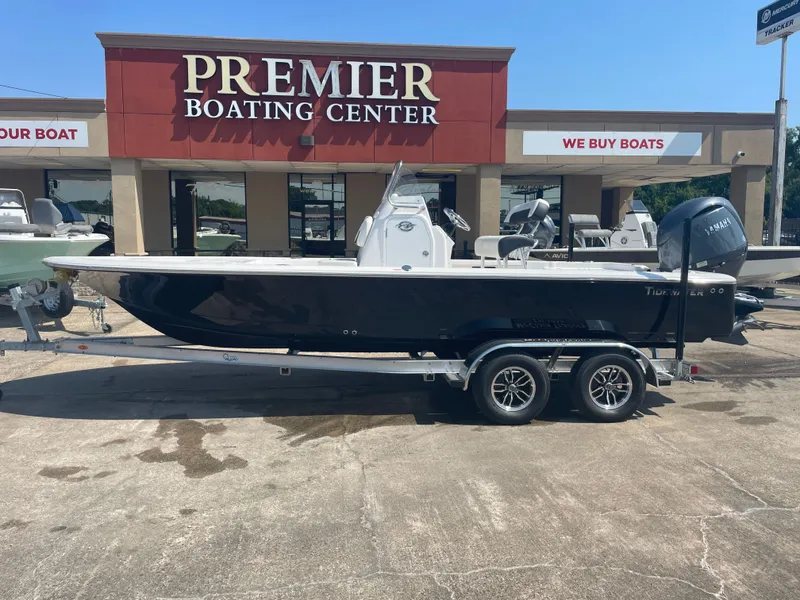
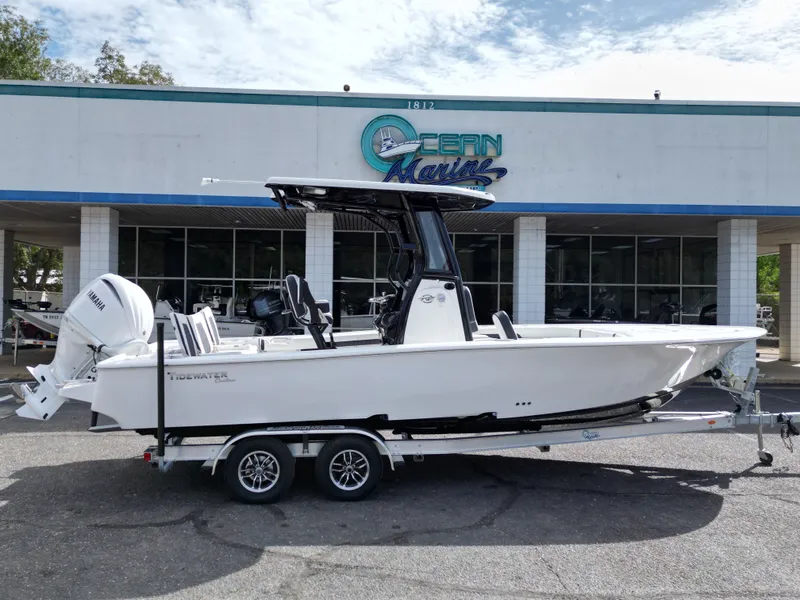
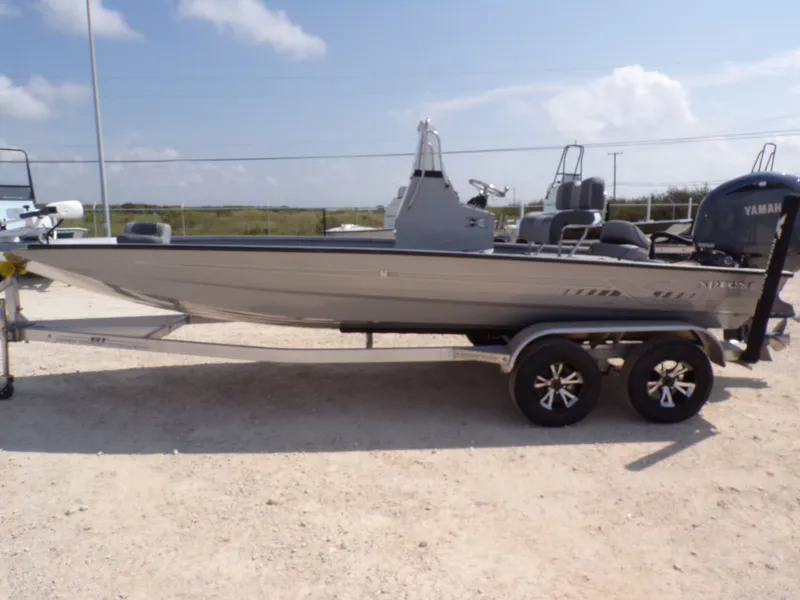
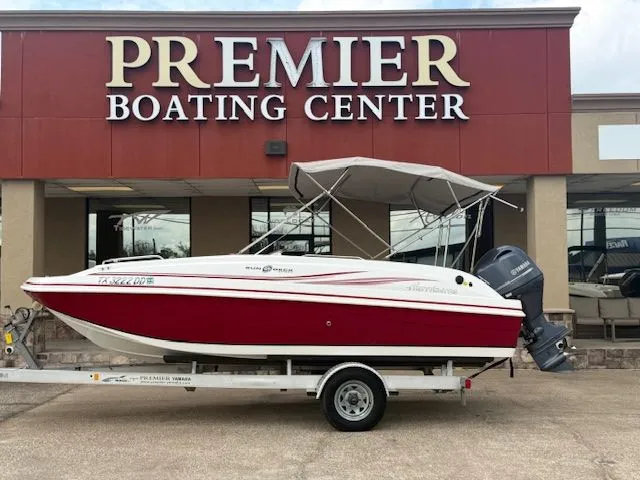
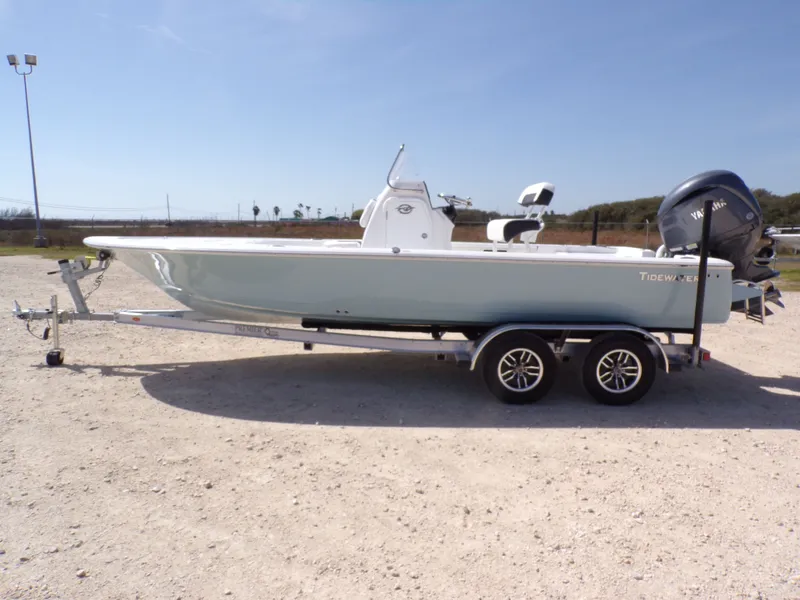
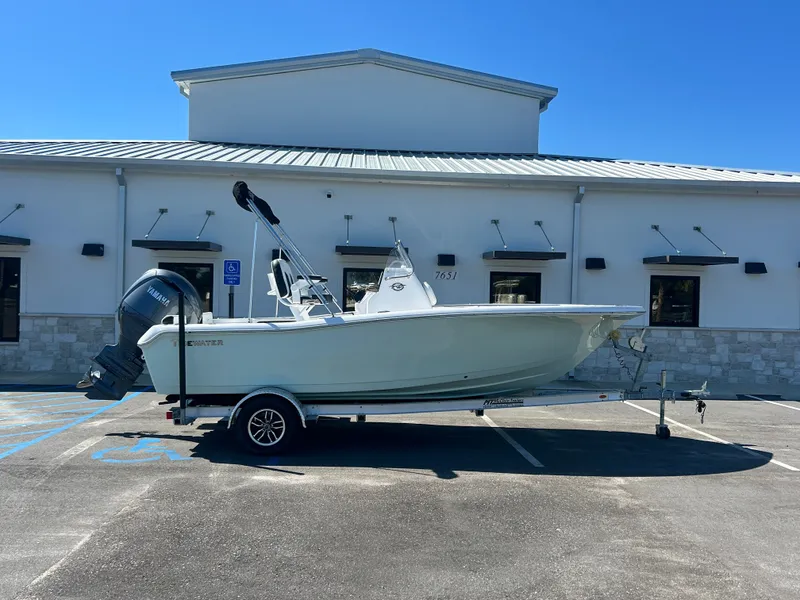
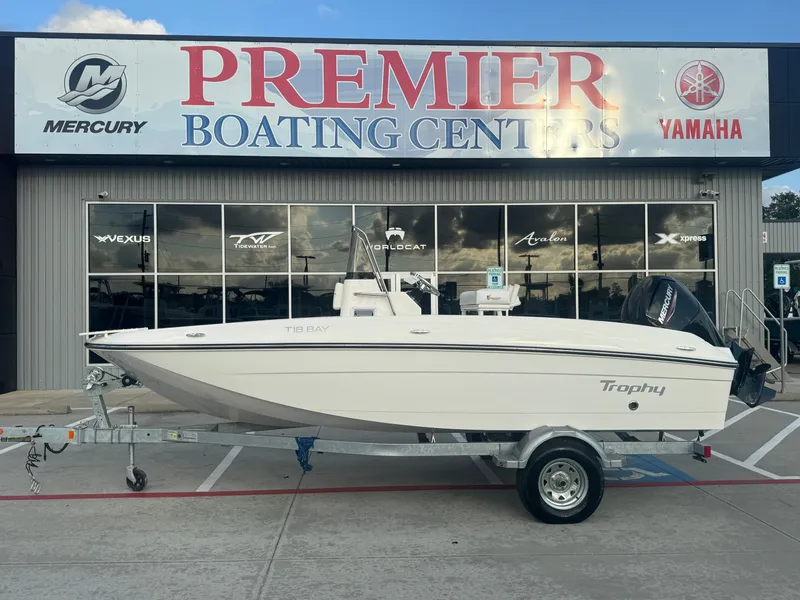
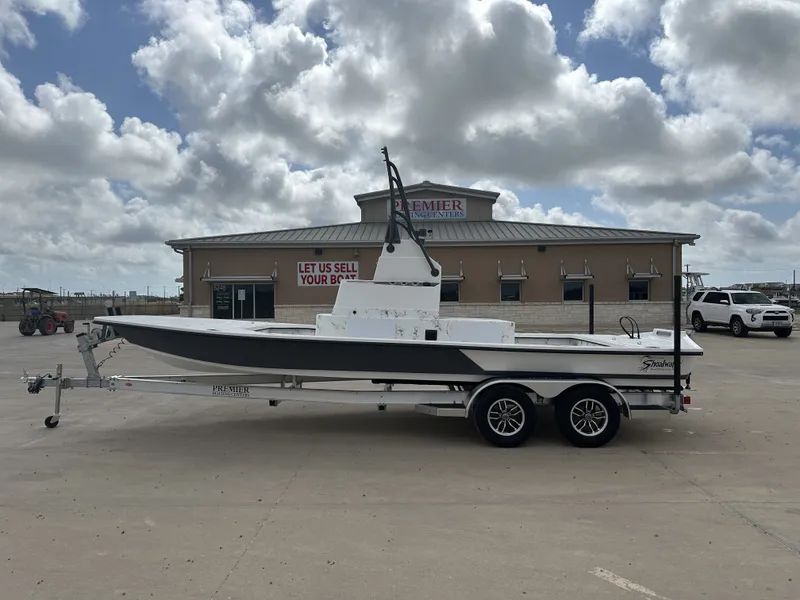
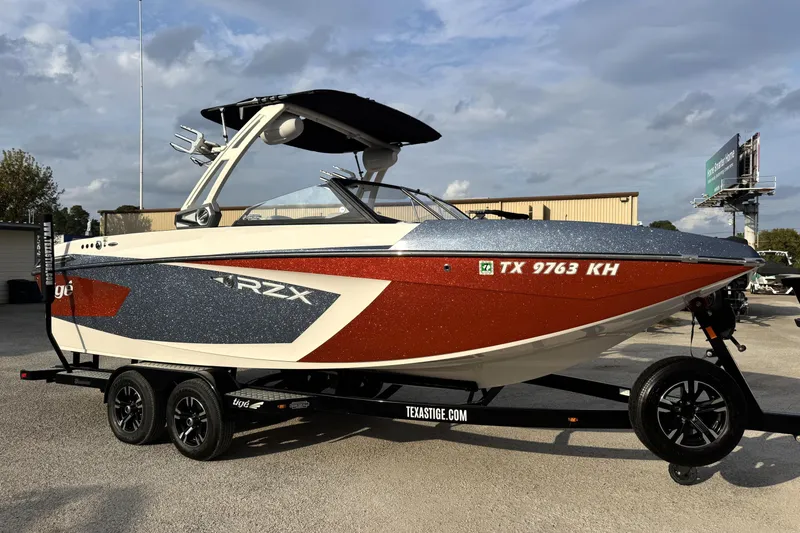
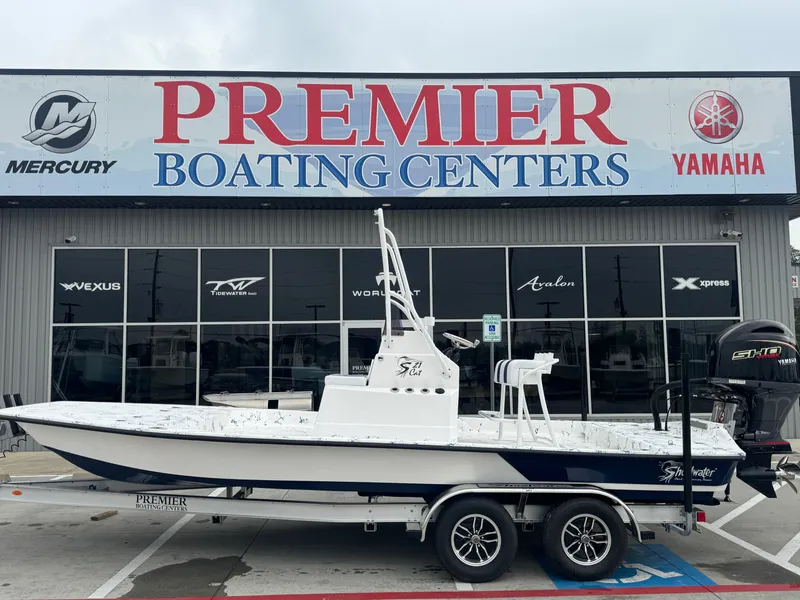
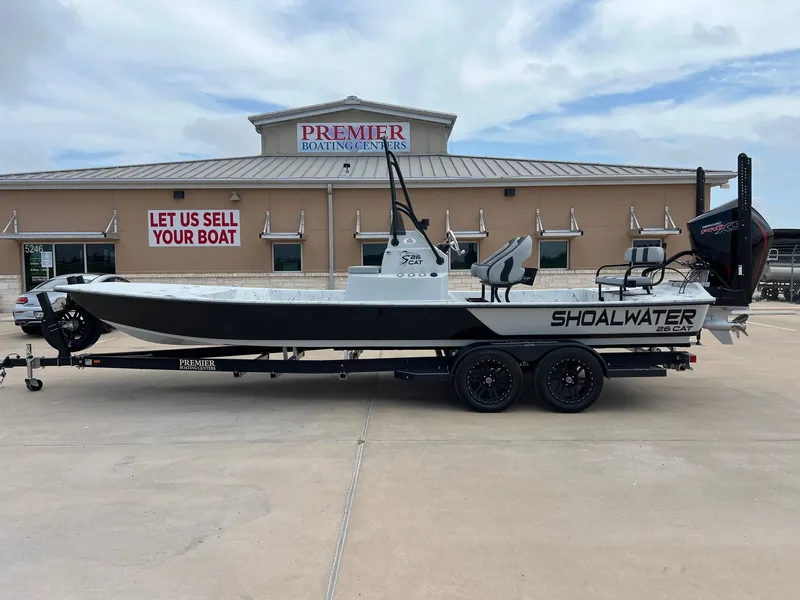
Conroe

Filters

Filters

Boat Type

Condition

Searching boats for you...

Boating · Destinations 


Is Conroe, TX a Good Place for Boating?


Written by: MarineSource.com Team | Estimated read time: 8 min read


North of Houston, where the East Texas Piney Woods meet wide-open water, Conroe is best known as the gateway to Lake Conroe. This 21‑mile-long reservoir spreads out across Montgomery and Walker Counties, with more than 150 miles of shoreline, quiet forested coves, and long open reaches tailor‑made for powerboats and pontoons. On a typical weekend, you’ll see everything from small fishing skiffs to big cruisers and houseboats carving wakes across the freshwater.

The southern end of Lake Conroe has a lively, resort feel, with bulkheaded shorelines, private docks, and marinas clustered around Texas 105. Up north, the mood shifts; the shoreline blends into Sam Houston National Forest, and the glassy coves and standing timber remind you that this is still very much the woods. Whether you launch from a public ramp or step aboard from a waterfront condo, being on the water is central to life here.

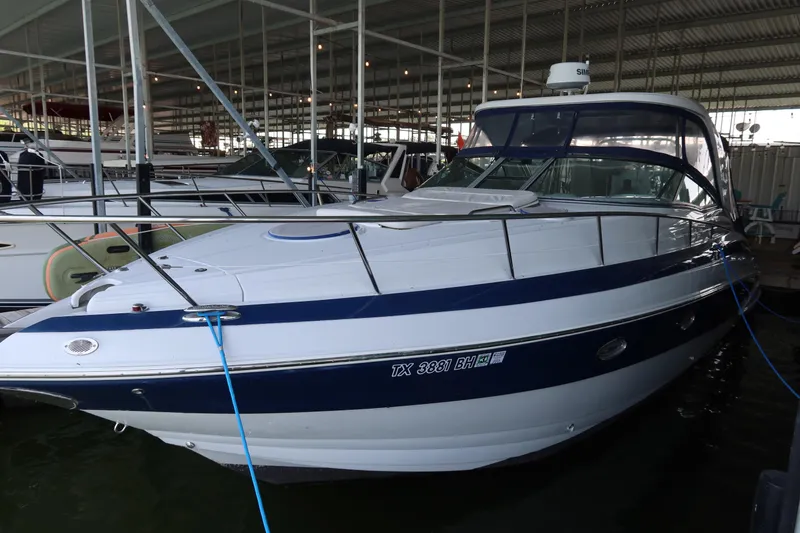
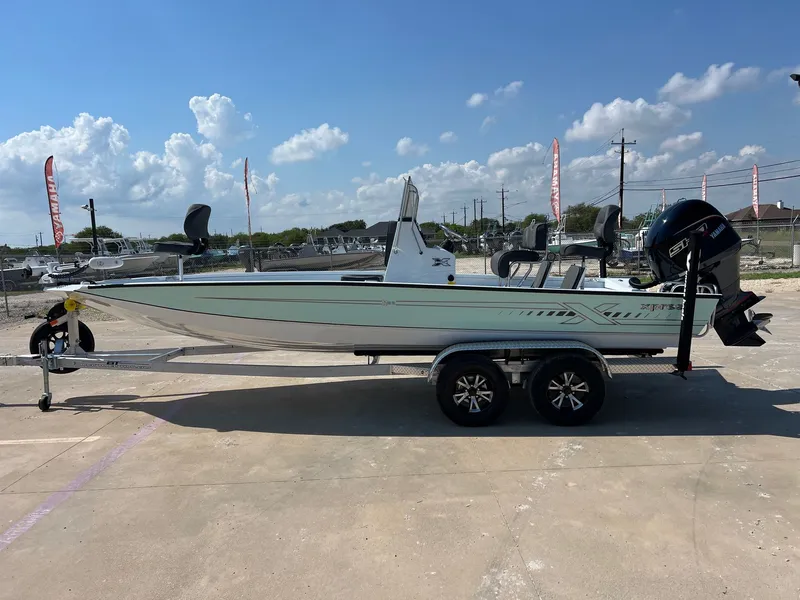
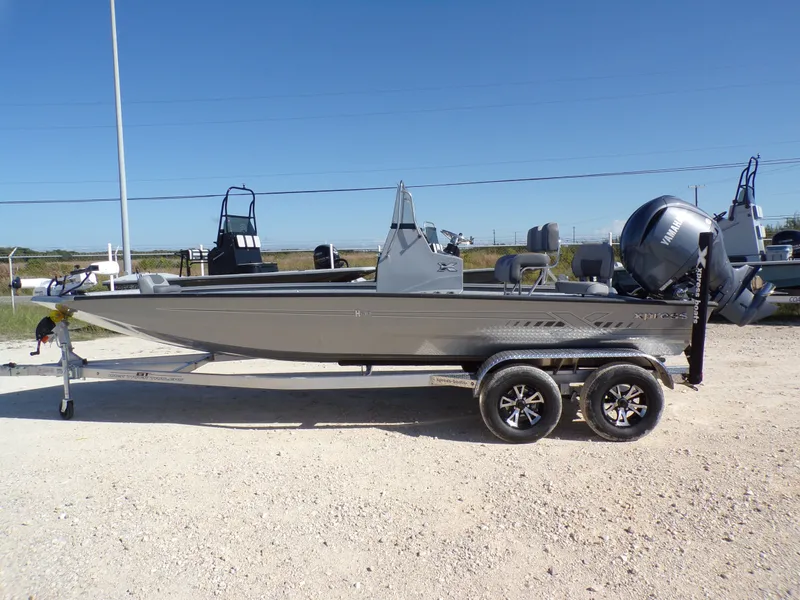
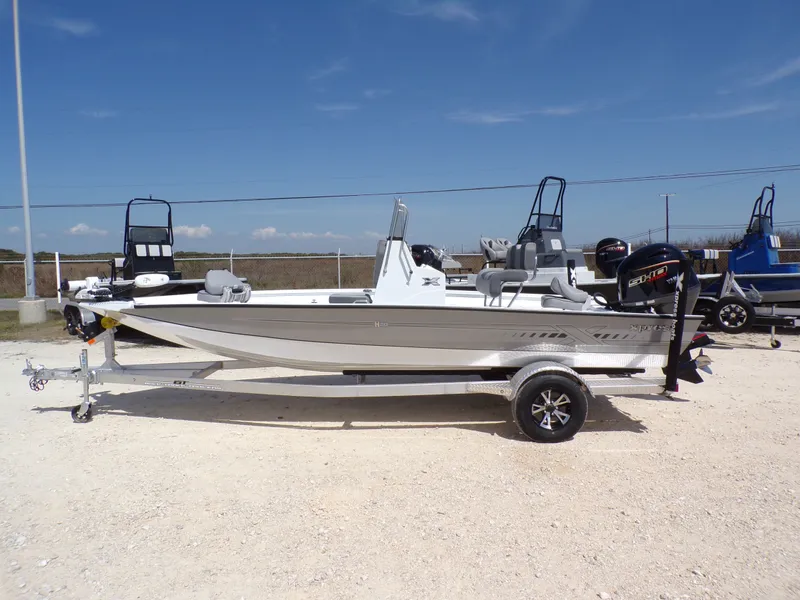
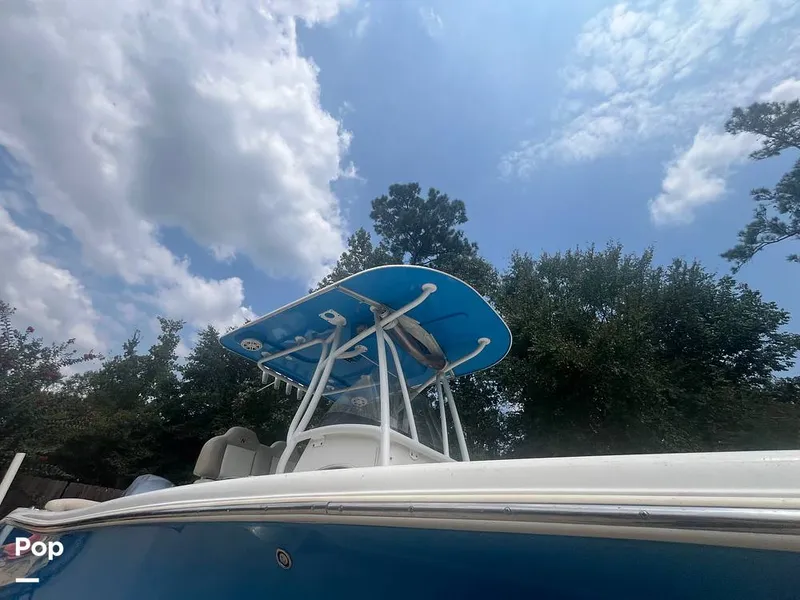
Boaters are drawn to Conroe for its mix of year‑round fishing, weekend watersports, and an easy drive from the Houston metro area. Marinas like Walden Marina, The Palms Marina, Pier 105, and Stow‑a‑way cater to everything from jet skis to 50‑plus‑foot cruisers, and there are multiple public ramps if you trailer your boat. It’s no wonder that when people talk about boats in Conroe, they’re almost always picturing a long day on Lake Conroe followed by a sunset cruise back to the dock.

Still, boating here isn’t perfect. Summer crowds, submerged timber, changing water levels, and the cost of slips and storage can all create challenges, especially for new owners. Regulations around no‑wake zones and fishing, plus the area’s occasionally volatile weather, add more to think about. So is Conroe really a good place for boating, and what should you know before you commit your boat—or your weekends—to Lake Conroe? Let’s walk through the key pros and cons.

Pros of boating in Conroe, TX

1. Extensive freshwater playground right in town

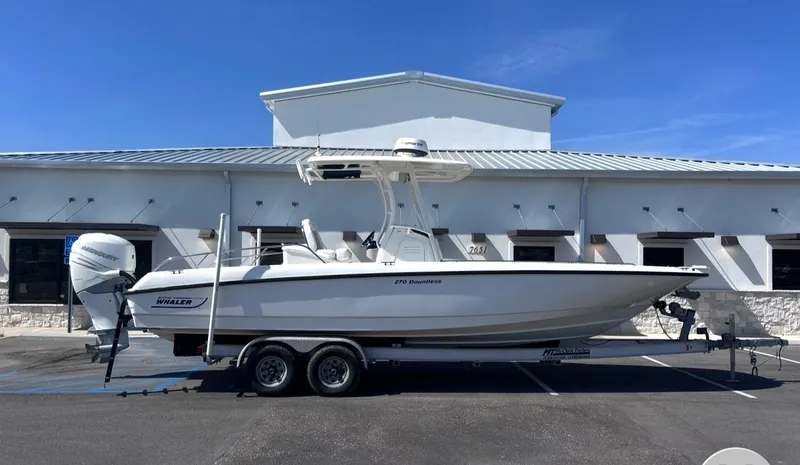
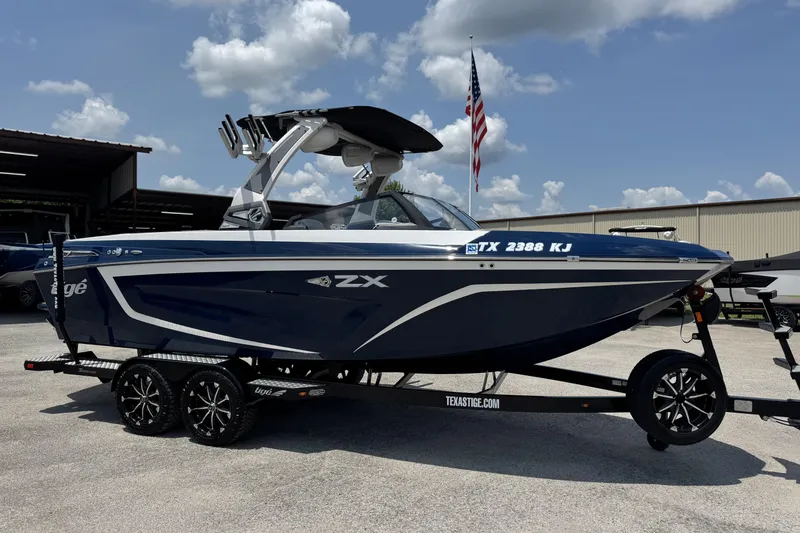
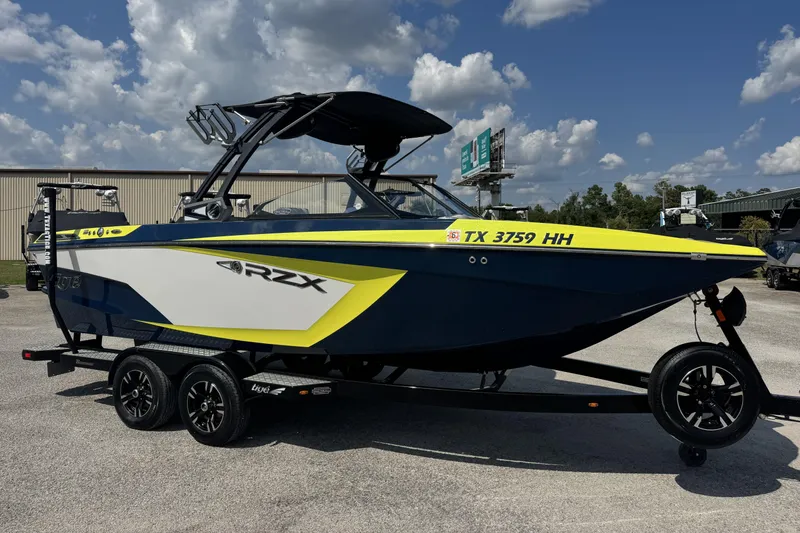
For a city of its size, Conroe has remarkable access to big water. Lake Conroe covers roughly 20,000 acres and stretches about 21 miles, giving powerboaters long, straight runs and plenty of room for watersports. The reservoir’s average depth of around 20 feet, with deeper sections near the river channel reaching 70‑plus feet, makes it suitable for a wide range of boats in Conroe, from wake boats and center consoles to larger cabin cruisers.

The lake’s footprint means you can choose your own vibe: run up‑lake for more open water and fewer boats, or hug the shoreline near town for easy access to marinas and services. And because Conroe sits just off I‑45, it’s an easy haul from Houston and The Woodlands for trailer boaters looking for a quick day trip.

2. Variety of boating activities in one destination

If you like to mix up how you use your boat, Conroe is hard to beat. The lake supports year‑round fishing for largemouth bass, hybrid striped bass, white bass, catfish, crappie, and sunfish, with Texas Parks & Wildlife deploying fish‑attracting structures to improve habitat. Anglers work docks and marinas in spring and fall, chase hybrids in open water, and soak baits for catfish almost any month of the year.

On the recreation side, Lake Conroe is a hub for wakeboarding, tubing, waterskiing, and jet skiing. Wide central reaches give tow‑boats space to operate, while coves and quieter arms offer more relaxed cruising and swimming. With the re-opened Lake Conroe Beach Park off Texas 105 offering a designated swim area and beach‑style amenities, you can easily pair a day on the water with time on shore.

3. Strong marina network and boater services

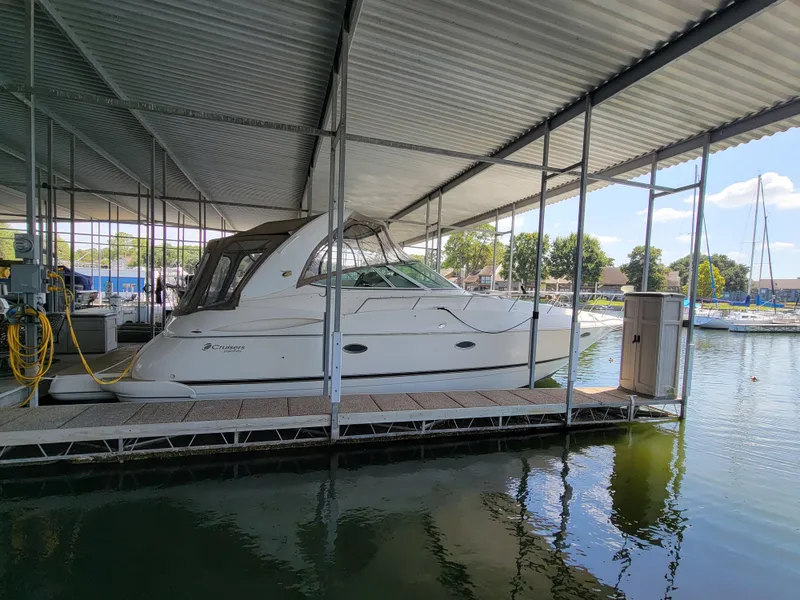
Conroe’s shoreline is lined with marinas that make owning and operating a boat here relatively convenient. Walden Marina, The Palms Marina, Pier 105 Marina, Stow‑a‑way Marina, and others provide a mix of covered and uncovered slips, dry storage, fuel docks, pump‑out facilities, and repair services. Walden alone has hundreds of slips for boats up to the low‑50‑foot range, plus on‑site technical support.

For many owners of boats in Conroe, this infrastructure means you can keep your boat in the water with power, water, and maintenance close at hand. Waterpoint Marina, Lakeview Marina, and April Plaza Marina add to the capacity, so you’re not limited to a single facility or part of the lake. If you trailer instead, multiple concrete ramps around the shoreline give you options for where to launch depending on conditions and crowds.

4. Ample public access for trailer boaters

You don’t need a permanent slip to enjoy Lake Conroe. The area offers numerous public boat ramps, including Scott’s Ridge Recreation Area, Stubblefield Lake Ramp, the FM 830 ramp, and facilities at Cagle and other recreation sites. Some are free (like FM 830) or charge modest day‑use fees, keeping the barrier to occasional use fairly low.

Many of these ramps are maintained by the U.S. Forest Service, Texas Parks & Wildlife, or local partners, with parking, restrooms, and picnic areas nearby. That’s a big plus for budget‑minded owners and anyone test‑driving the idea of owning a boat in Conroe before committing to a long‑term slip or storage contract.

5. Active boating and fishing culture

Conroe’s boating scene feels established and energetic rather than sleepy or underdeveloped. Major events like the Bass Pro Tour’s Stage 1 on Lake Conroe spotlight the lake’s reputation among serious anglers, and seasonal initiatives like the Christmas Tree Drive—recycling trees into fish habitat—signal long‑term investment in the fishery.

On the safety and community side, the U.S. Coast Guard Auxiliary Flotilla 6‑9 patrols the lake, and local authorities actively enforce rules around wakes, distance from structures and other vessels, and safe operation. That kind of presence, combined with a visible population of pontoons, ski boats, and cruisers every warm weekend, creates a sense that boating is part of the area’s identity, not an afterthought.

Cons of boating in Conroe, TX

1. Summer crowds and busy waterways

On peak weekends and holidays, especially in summer, Lake Conroe can feel crowded. The same central reaches that are ideal for wakeboarding and tubing are also popular with cruisers and personal watercraft, which can lead to choppy conditions, close passes, and a less relaxing experience for slower boats or paddlers.

Marina parking lots and public ramps may back up during prime times, with wait times to launch or retrieve your boat. Popular near‑town stretches of shoreline can feel more like a busy boulevard than a secluded reservoir, particularly when the weather is perfect.

  • The Silver Lining: If you can boat on weekdays, mornings, or shoulder seasons (late spring and early fall), you’ll find noticeably calmer water and less competition for ramps and slips. Exploring farther up‑lake toward the less developed forested arms can also give you smoother conditions and a quieter experience even on busier days.

2. Hidden hazards: submerged timber and structures

Lake Conroe has a history of standing timber and submerged stumps, especially in its upper reaches and nearer the original river channel. While many hazards are marked and some areas have been cleared, there are still places where running off a known channel at speed can risk prop, lower‑unit, or hull damage.

Bulkheads, private docks, and shallow shelves along the developed southern shoreline can also surprise boaters when water levels drop a bit, changing the margin for error near shore.

  • The Silver Lining: Local charts, up‑to‑date GPS mapping, and paying attention to marked channels go a long way toward avoiding trouble. Talk to marina staff or experienced locals about sections to avoid at lower water levels, and take your first few runs through unfamiliar coves at idle speed until you learn their contours.

3. Heat, storms, and variable conditions

Conroe sits in a humid subtropical zone, which means hot summers with strong sun, pop‑up thunderstorms, and occasionally gusty winds across the open lake. While the reservoir’s typical water‑level fluctuation is only 1–3 feet, storm systems and upstream flows can still create rougher water and reduced visibility.

Fast‑moving summer storms are particularly important to watch if you operate smaller boats or open runabouts, as strong winds and lightning can arrive with little warning compared with a blue‑sky morning.

  • The Silver Lining: Checking forecasts, using weather apps with lightning alerts, and planning outings earlier or later in the day during the hottest months can help you avoid the worst of both heat and storms. The long peak season—from spring through fall, plus generally mild winters—means you can shift your heaviest boating to the most comfortable and predictable weeks of the year.

4. Ongoing costs of slips, storage, and fuel

While Lake Conroe is not the most expensive market in the country, the convenience of keeping a boat here still comes with real costs. At Waterpoint Marina, uncovered slips start around $190 per month and covered slips around $300, with higher rates likely for larger boats, premium locations, or marinas like Walden or The Palms. Dry storage and off‑season options add to the bill, though not all facilities publish their rates.

Fuel at on‑water docks tends to run higher than at roadside stations, and regular maintenance is essential given the region’s heat, sun, and occasional storms. It’s easy for the all‑in monthly cost of owning and operating boats in Conroe to surprise first‑time owners who only budgeted for the payment on the boat itself.

  • The Silver Lining: If you trailer your boat and use public ramps, you can avoid slip costs altogether. Shopping around between marinas, considering an uncovered slip, or sharing a boat among family members can also spread out expenses. Creating a realistic annual budget—factoring in storage, maintenance, insurance, and fuel—helps keep boating enjoyable rather than stressful.

5. Regulations and enforcement that may feel strict

To keep a busy lake safe, Lake Conroe has clear operating rules: no‑wake speeds within 100 feet of docks and bulkheads, and within 50 feet of other vessels or people in the water (except for an active skier), along with standard Texas registration and safety requirements. For newcomers, these distances and rules may feel restrictive, especially if you’re used to more lightly regulated rural lakes.

Fishing also comes with specific size and bag limits, including special considerations like mandatory release of triploid grass carp. Environmental rules around discharges and pump‑outs, while not always obvious in signage, are enforced via marina infrastructure and inspections.

  • The Silver Lining: Once you’re familiar with the basics, day‑to‑day boating becomes routine, and the rules largely align with common‑sense courtesy and safety. The upside of active enforcement is a safer environment overall, particularly for families and newer boaters. Marinas, local law enforcement, and the Coast Guard Auxiliary are generally helpful about answering questions and pointing you to official resources if you’re unsure about a regulation.

What boating in Conroe, TX is really like

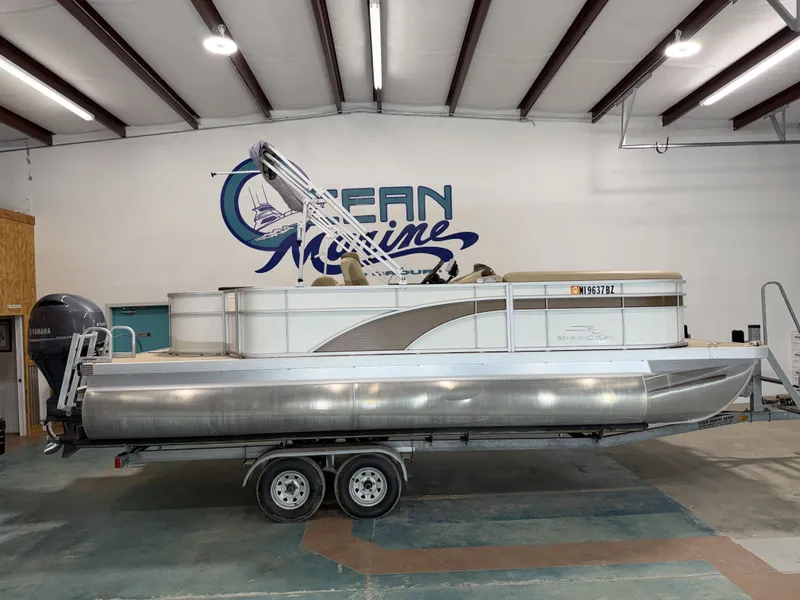
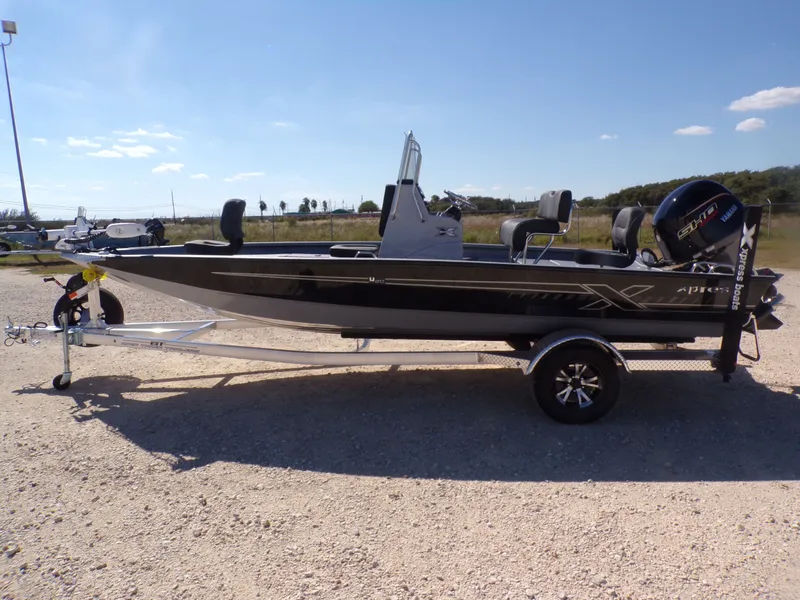
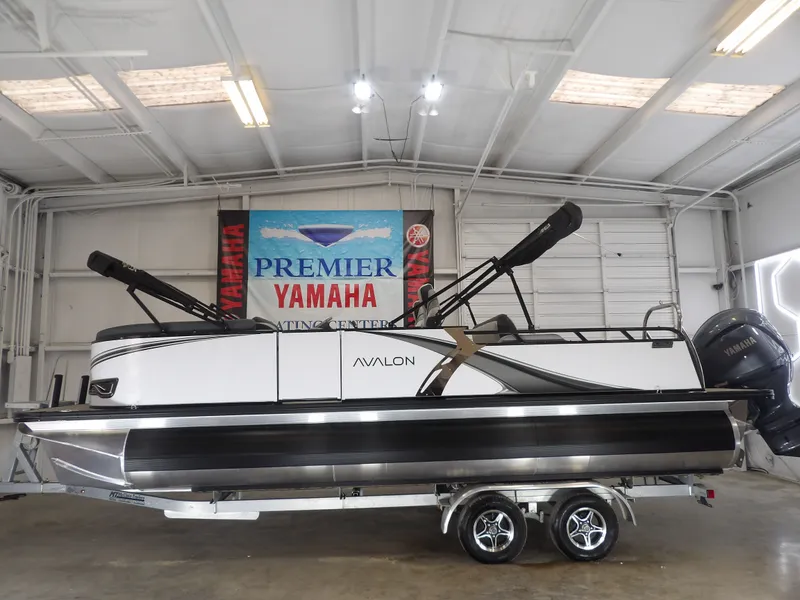
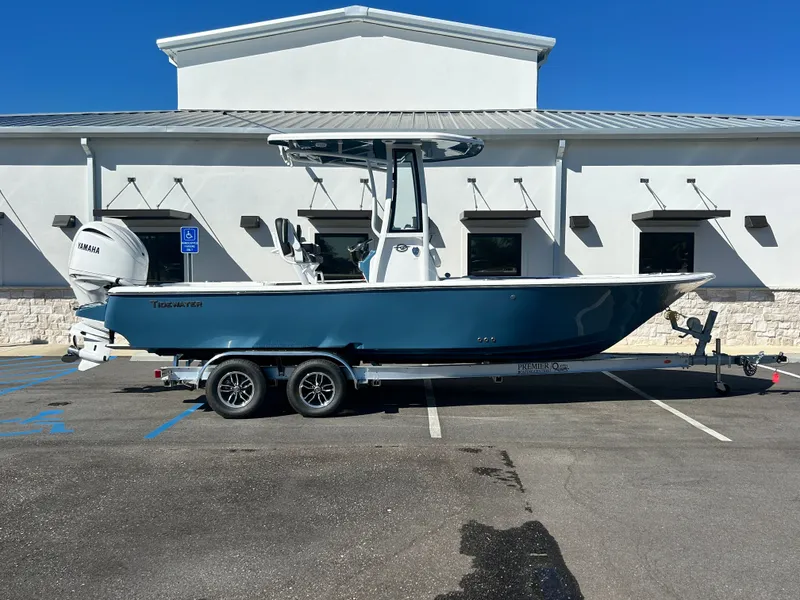
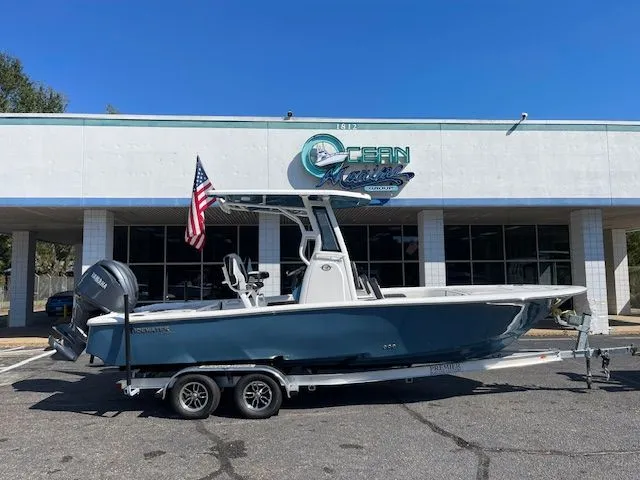
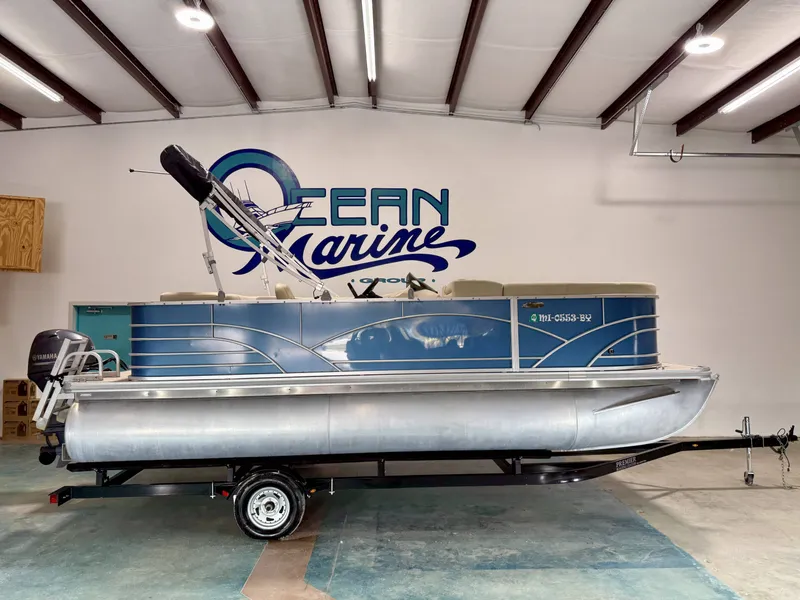
Boating in Conroe almost always means Lake Conroe, and the vibe can change completely depending on where and when you go. On a calm weekday evening, you’ll see a steady trickle of center consoles and pontoon boats idling out from marinas like Walden or Pier 105, heading for a slow sunset loop along the bulkhead-lined southern shore. Music carries across the water, but it’s not overwhelming—anglers work the docks and standing timber, while a few families ease their kids onto tubes for one last quick spin before dark.

Weekends and holidays flip a different switch. The main body of Lake Conroe fills with ski and wake boats throwing big wakes, jet skis zig-zagging in the open water, and larger cruisers running up and down the main channel. The coves near more developed neighborhoods feel social and energetic, with raft‑ups of boats in Conroe turning into floating living rooms—grills going, kids jumping off swim platforms, and people drifting between boats. Up-lake toward the Sam Houston National Forest, the pace slows down: more fishermen, more kayaks, and a quieter, pine‑lined shoreline that feels a world away from Texas 105 traffic.

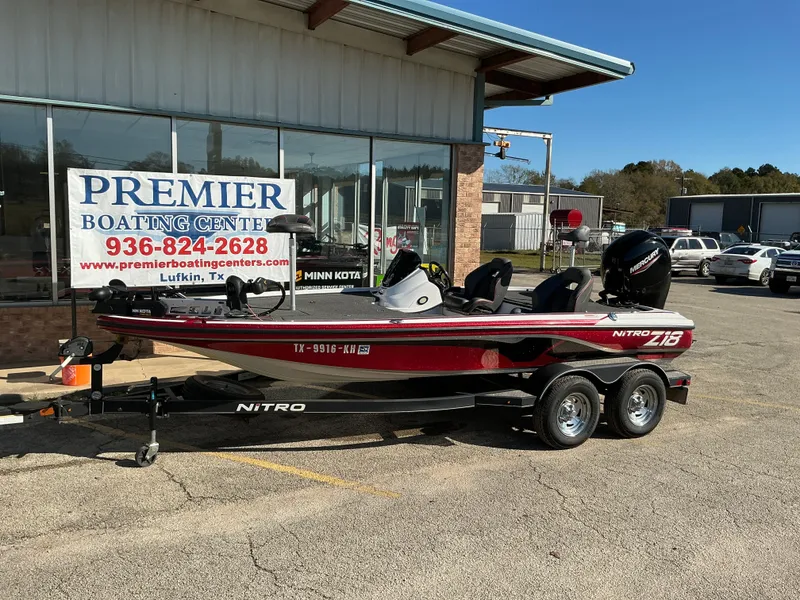
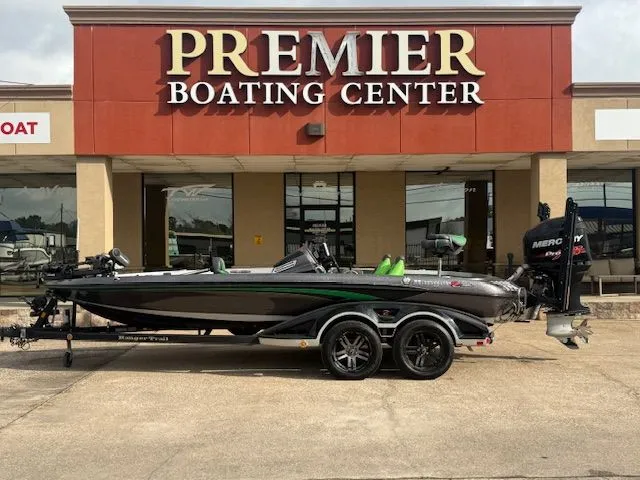
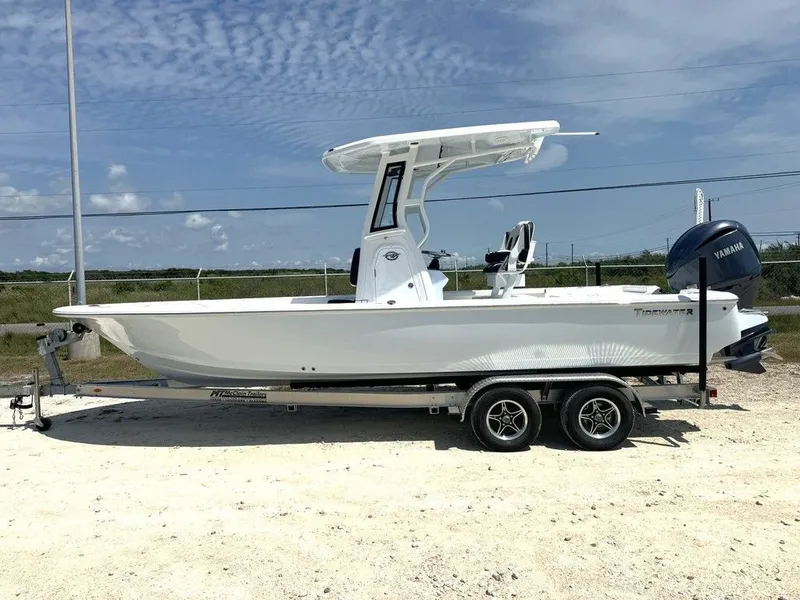
Event days add a competitive edge and festival energy. When a big bass tournament or national circuit stops on Lake Conroe, pre‑dawn ramps are jammed with high‑performance bass boats in Conroe rigged with multiple graphs and power poles, all racing to reach timber edges and man‑made reefs at first light. In summer, holiday weekends bring crowded ramps, full marinas, and lots of people anchoring near beach parks and swimming areas. No matter the day, though, the common thread is that Lake Conroe is highly social: it’s a place where you’re as likely to be invited over for a dock drink as you are to quietly work a cove for largemouth bass.

Costs, logistics, and practical details

From a logistics standpoint, Conroe is well set up for boaters, especially powerboats. There’s a solid mix of full‑service marinas—Walden Marina, The Palms Marina, Pier 105, Stow‑a‑way Marina, and others—spread along the lake. These facilities offer covered and uncovered slips for a wide range of boat sizes, from runabouts and fishing rigs to mid‑size cruisers and houseboats. The scene ranges from resort‑style at places like Waterpoint to more laid‑back, working‑waterfront vibes farther up the lake, so you can match your budget and style without too much trouble.

Slip costs on Lake Conroe are moderate by big‑city standards but not “cheap.” Public information from Waterpoint Marina suggests a starting point around $190 per month for uncovered slips, with covered slips commonly over $300 per month and climbing with boat length and amenities. Premium locations, covered dockage, and larger slips—particularly for big cruisers—will run higher, and some marinas do carry waitlists during peak season. Still, compared to coastal marinas, costs for keeping boats in Conroe are often more manageable for year‑round dockage.

Trailer boaters have good access via multiple concrete public ramps like FM 830, Scott’s Ridge, and other National Forest or Texas Parks & Wildlife sites, plus private marina ramps. Some launches are free, others charge a modest day‑use fee, and the quality generally supports everything from small aluminum rigs to large wake boats. The main trade‑off is crowding: on summer weekends and tournament mornings, plan for early arrivals and possible lines both launching and retrieving your boat.

Is Conroe, TX a good place for boating?

Conroe—and specifically Lake Conroe—is a strong boating destination if you value warm weather, active social energy, and a well‑developed freshwater lake system. The physical setting offers a good mix of open water for skiing and wakeboarding, coves and creeks for fishing and relaxing, and a clear division between the more built‑up southern shoreline and quieter reaches near Sam Houston National Forest. Infrastructure is a major plus: multiple marinas, fuel docks, public ramps, and service centers make owning and operating boats in Conroe relatively straightforward compared to more remote lakes.

You will love boating here if:

  • Excellent for powerboat‑oriented families and groups who love watersports, sandbar‑style hanging out, and highly social lakes with lots of activity.
  • Strong fit for freshwater anglers targeting bass, catfish, crappie, and hybrids, with extensive shoreline structure, man‑made reefs, and frequent tournaments.
  • Appealing to owners who want full‑service marina support—fuel, technical service, pump‑outs, and both wet and dry storage—without the higher price tag of coastal Texas marinas.

You might find it challenging if:

  • Less ideal for people seeking a quiet, lightly trafficked lake environment; peak‑season weekends on Lake Conroe can be busy, choppy, and noisy.
  • Not the best match for pure sailing enthusiasts or deep‑draft cruisers, as the lake is oriented toward powerboats, with depth and bridge‑clearance constraints limiting bigger sailboats.
  • Challenging for ultra‑budget boaters who need rock‑bottom slip or storage prices, since the more popular marinas and covered slips command mid‑range to higher regional rates.

Taken together, the pros outweigh the cons for many boaters. You get nearly year‑round usability, plenty of services, and a fun, social atmosphere, offset by seasonal crowding, wake‑driven chop, and the need to stay alert for submerged hazards. If you’re a social powerboater, watersports family, or serious freshwater angler, Conroe is a very good place to keep a boat or plan regular trips. If your ideal day is silent sailing on empty water, or if you’re extremely cost‑sensitive, it may not be a perfect fit—but it still deserves a spot on your Texas boating shortlist, whether as a home base or a must‑visit stop on your freshwater boating bucket list.
Be the First to Know

Get notified when new boats become available.

Logo