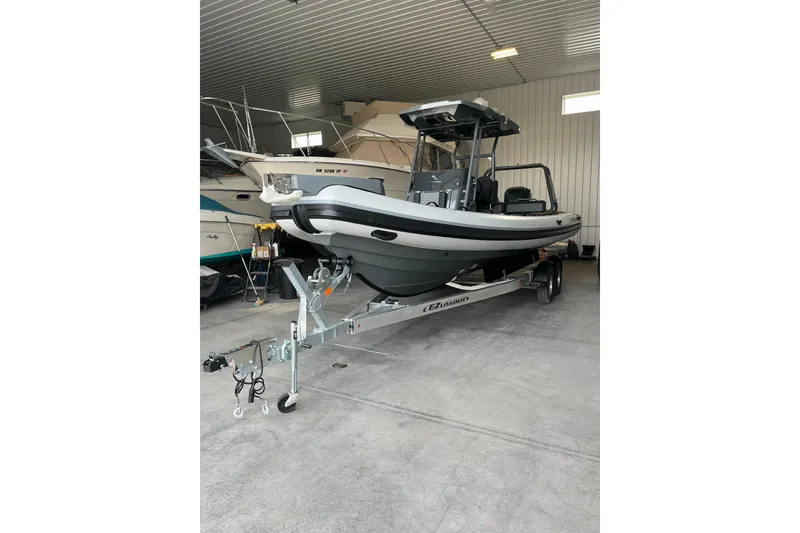
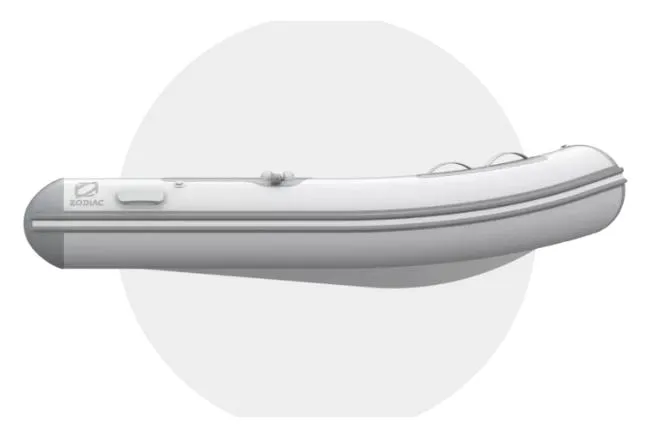
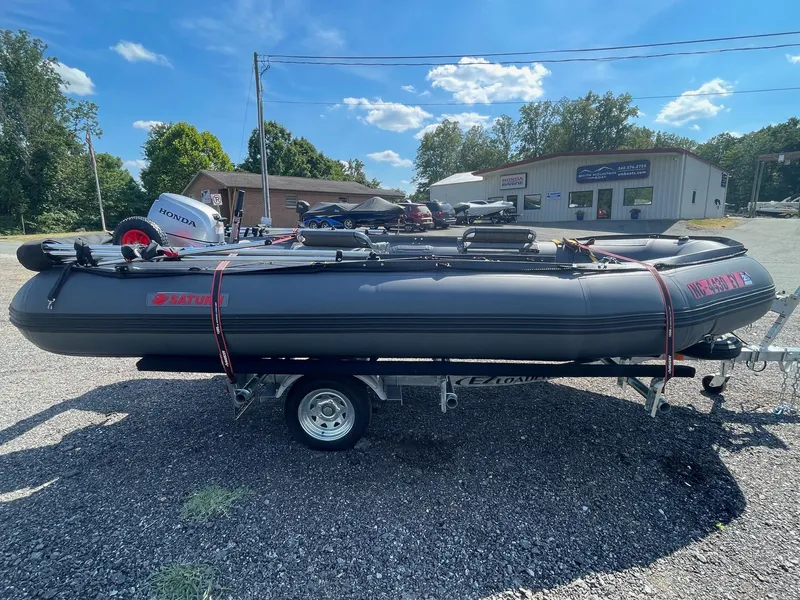
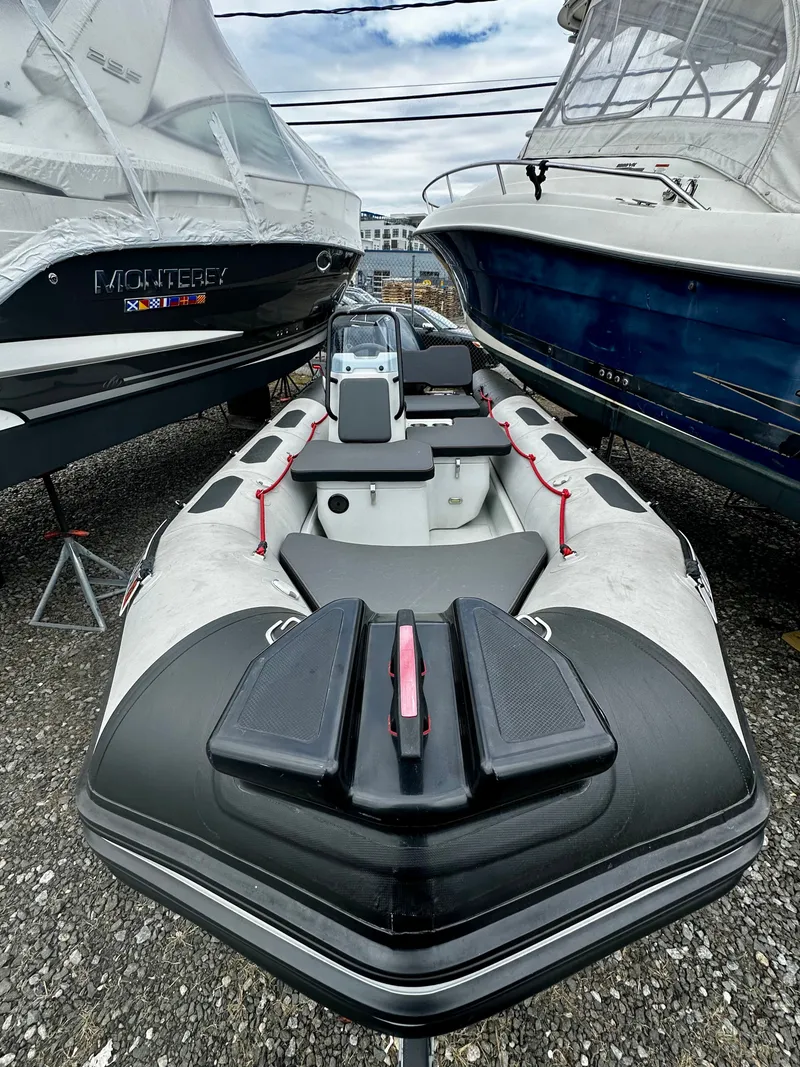
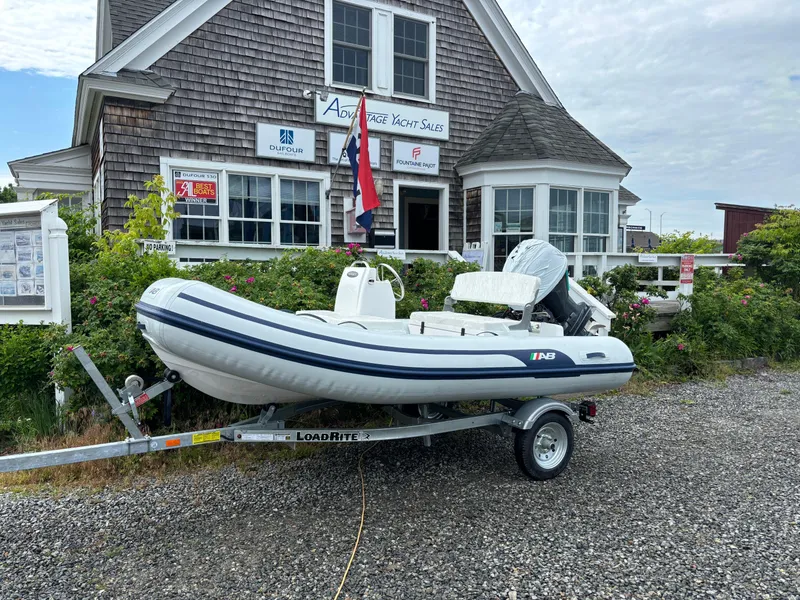
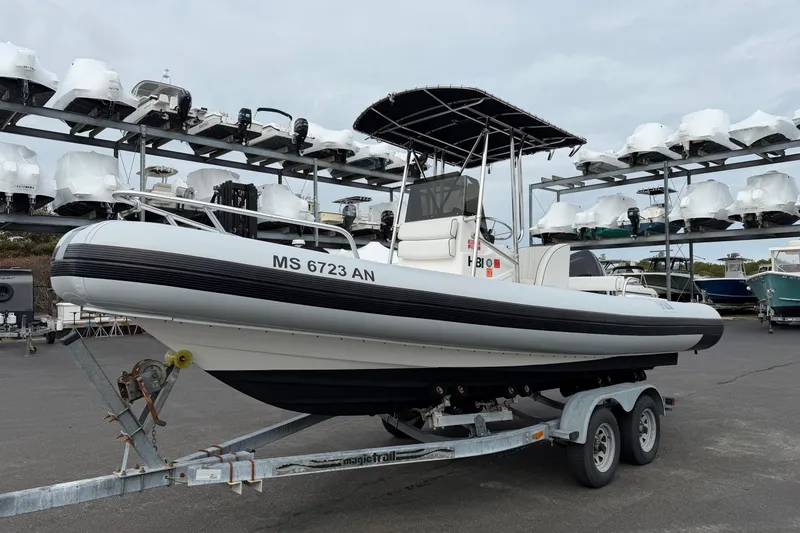
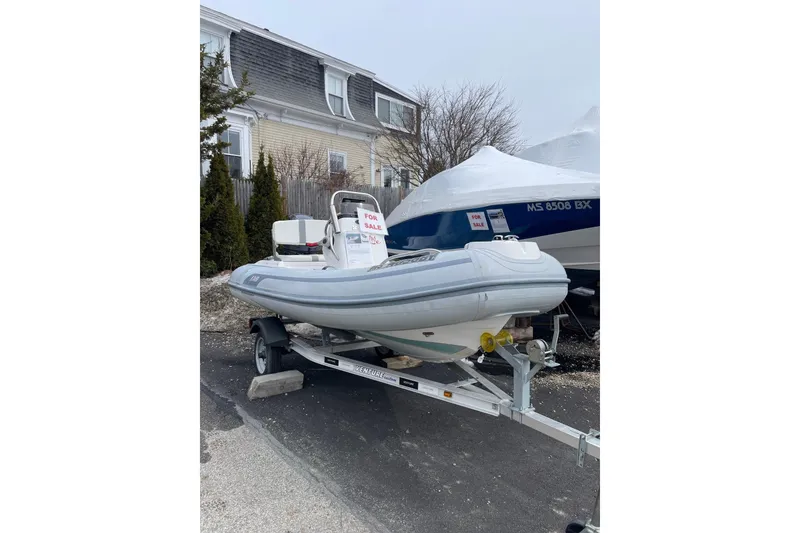
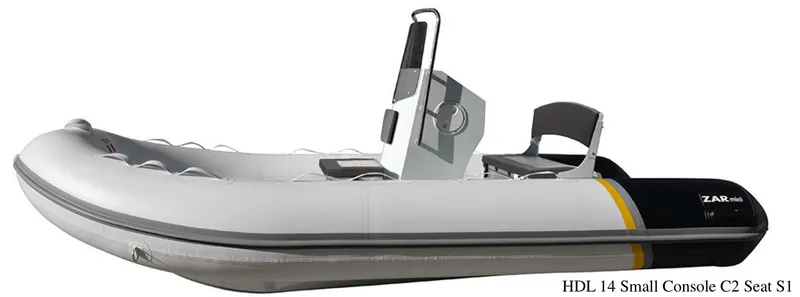
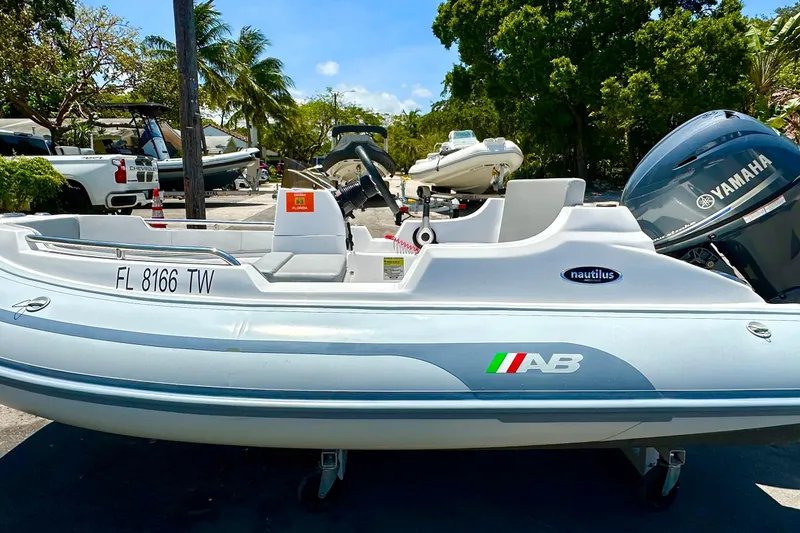
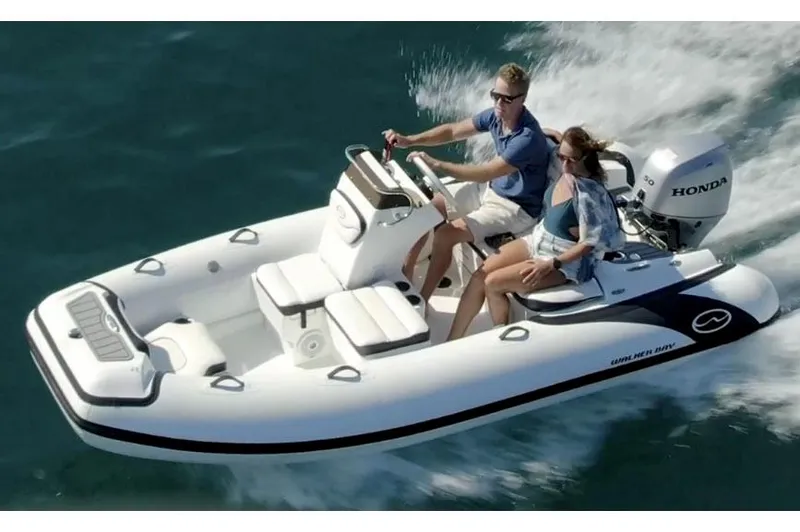
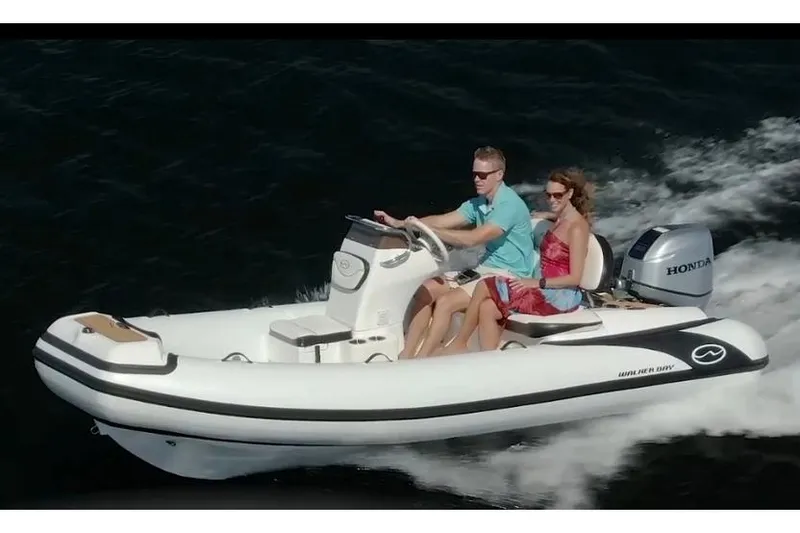
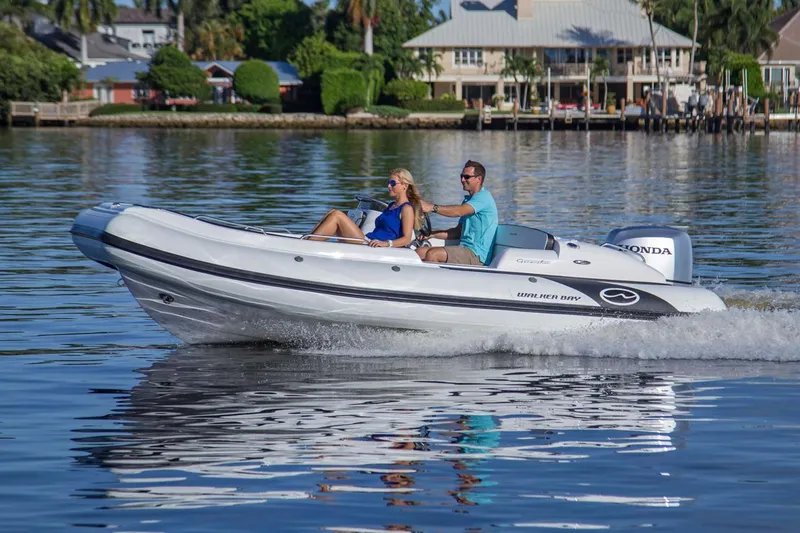
Inflatable
Searching boats for you...
Boating · Buyer’s Guide
Is an Inflatable Boat the Right Choice for You?
Written by: MarineSource Team | Estimated read time: 12 min read
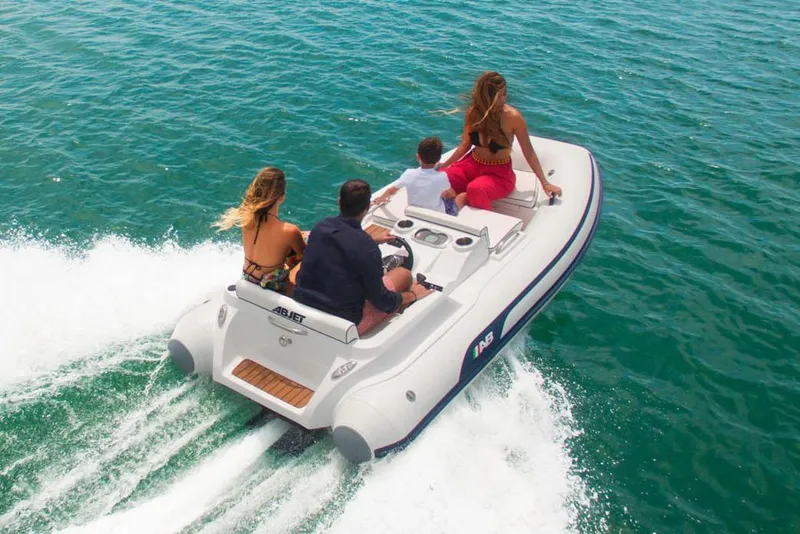
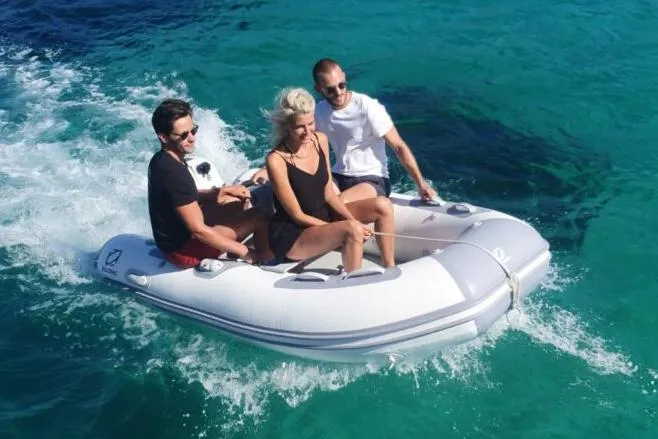
There is a unique thrill to being on an inflatable boat. The gentle bounce of the air-filled tubes beneath you, the soft splash of water against the sides, and the feeling of lightness as you glide across the water create a sense of adventure and freedom.
Inflatable boats have grown in popularity for their portability and versatility. They bring boating to people who might not have space for a traditional boat or who crave a lightweight option that can be easily stored and transported.
These boats are often the go-to choice for casual boaters, anglers, and even serious adventurers who appreciate their simplicity and reliability. However, they come with trade-offs, including limitations in rough water performance and durability compared to hard-hulled boats.
What is an Inflatable Boat?
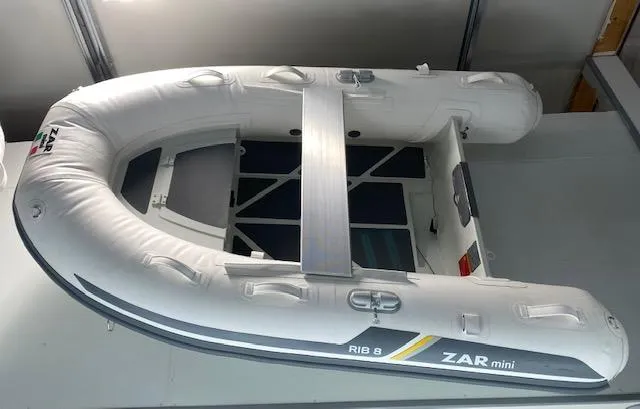
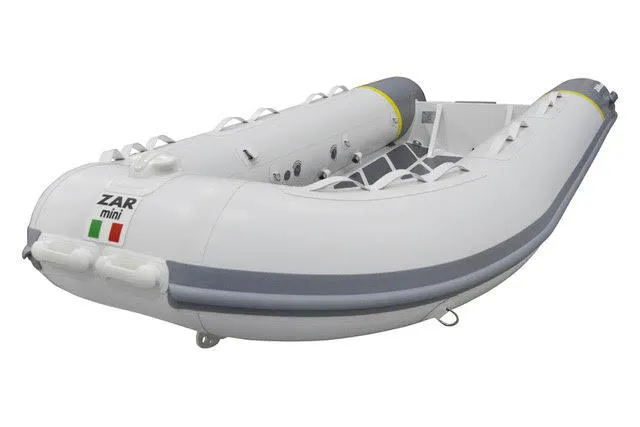
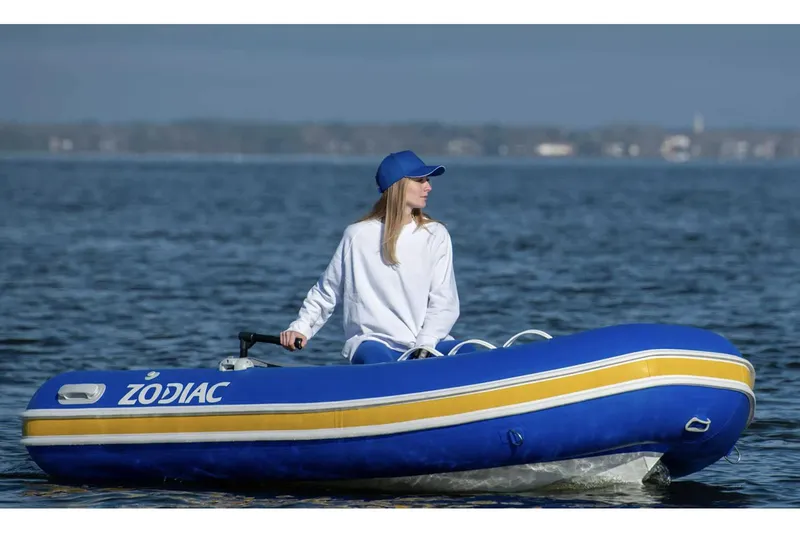
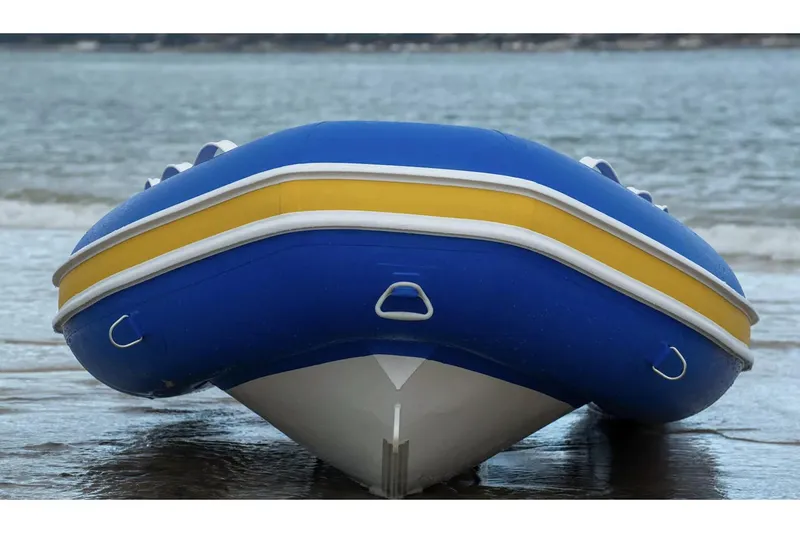
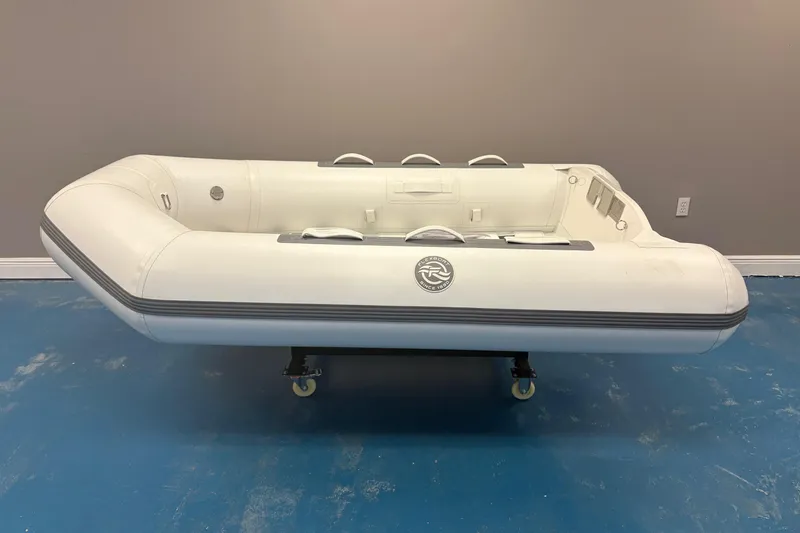
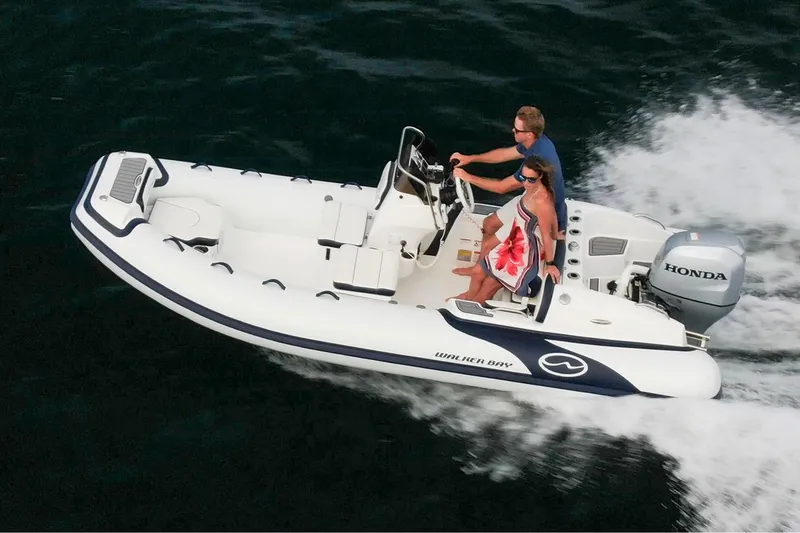
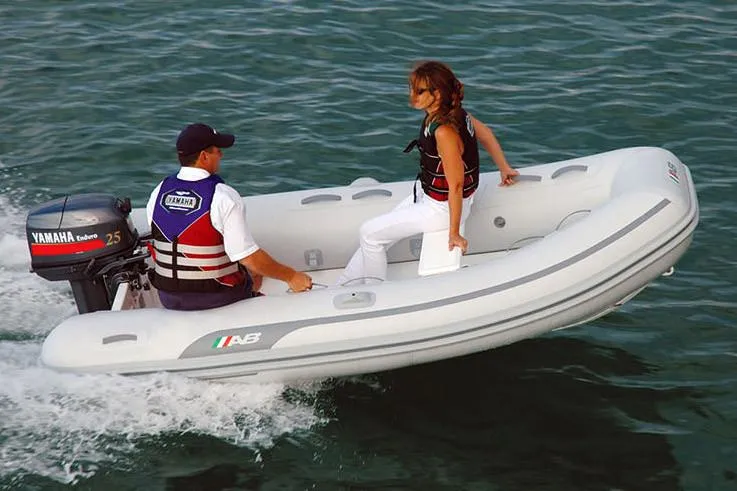
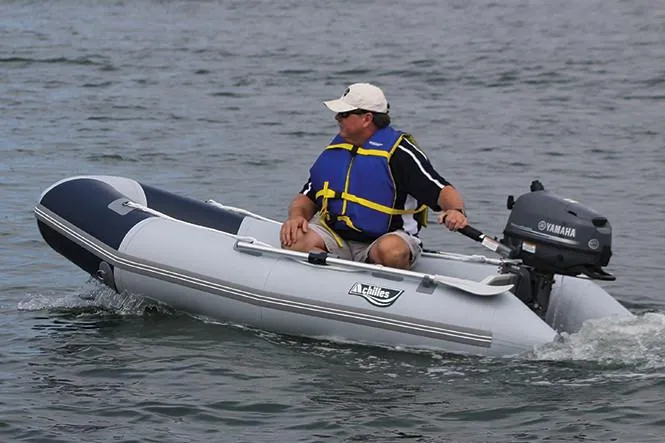
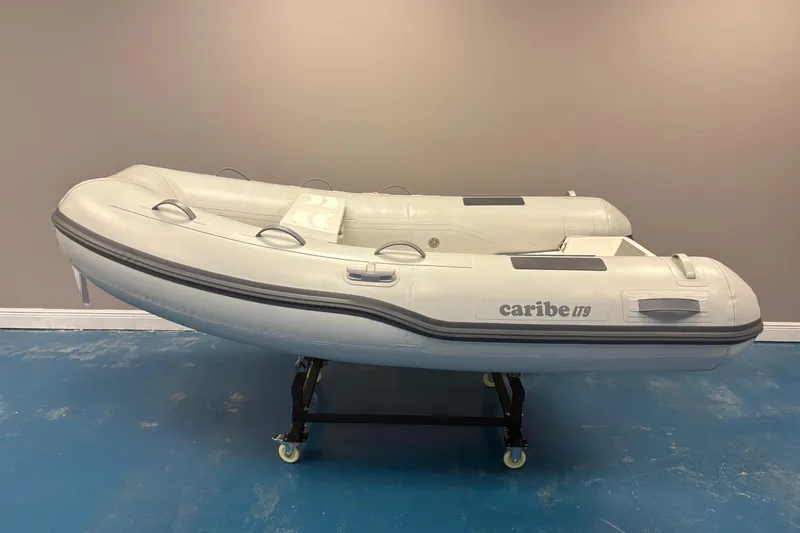
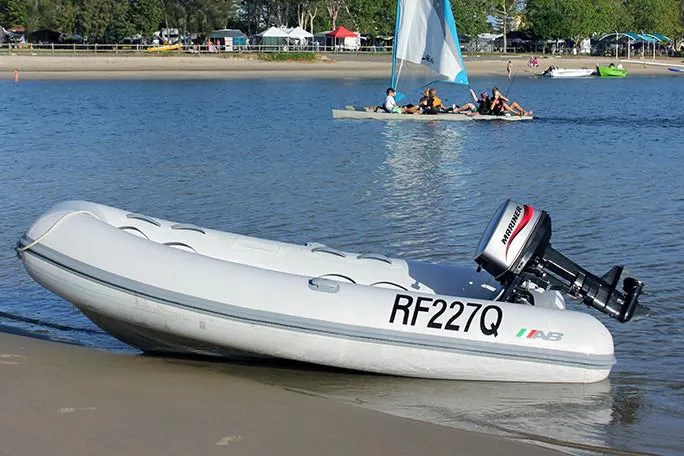
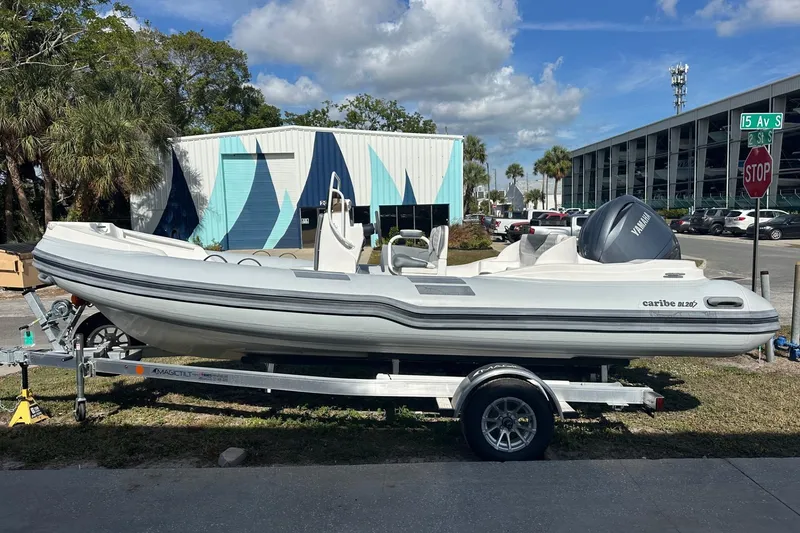
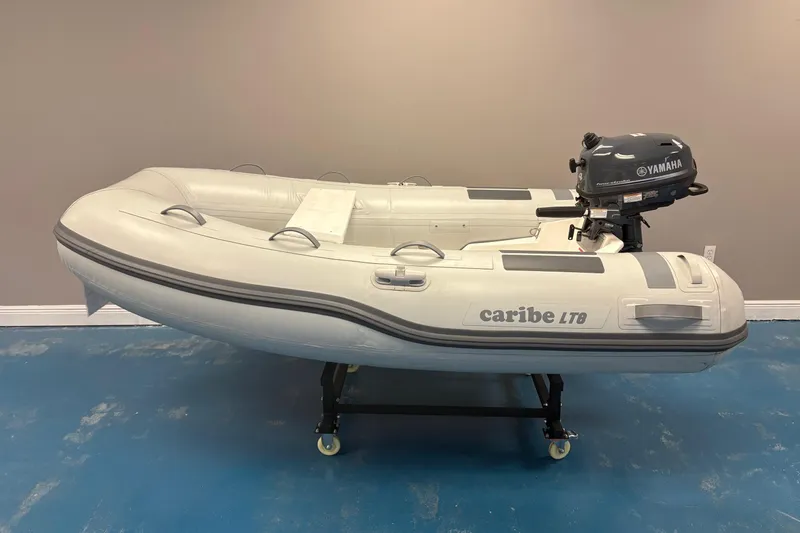
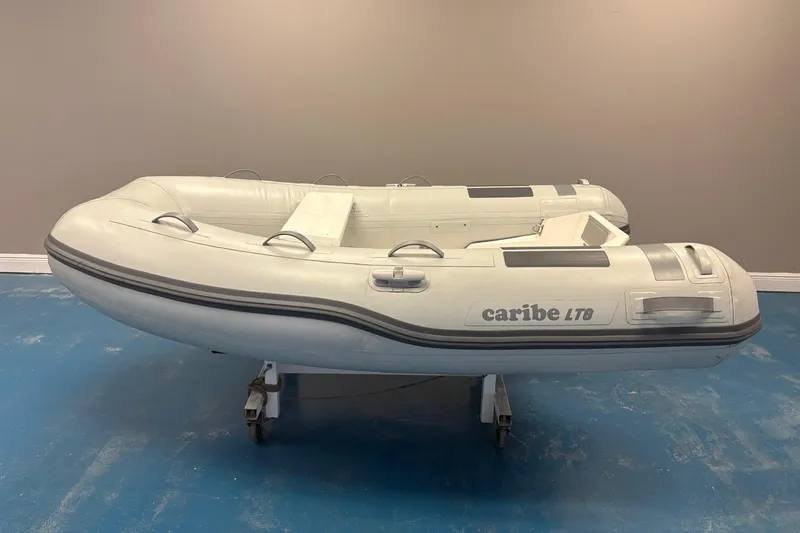
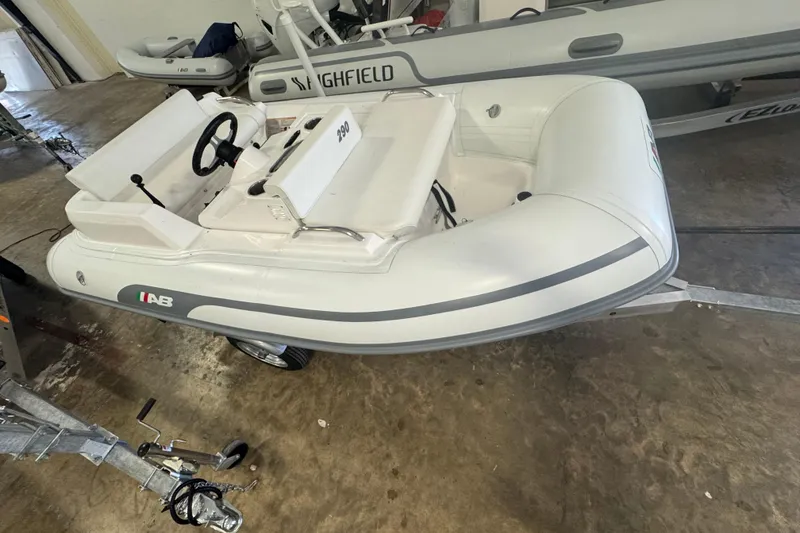
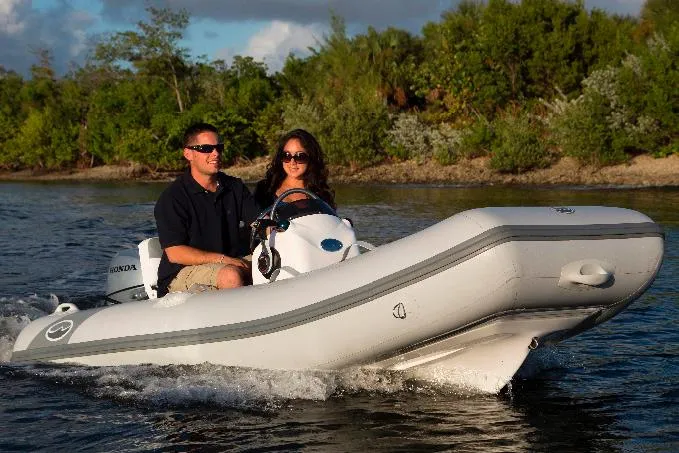
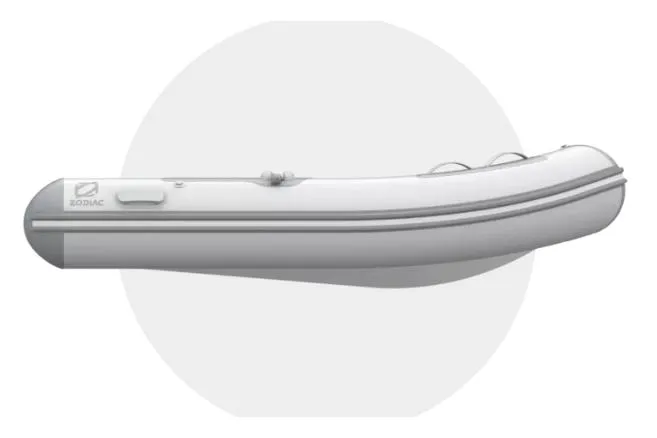
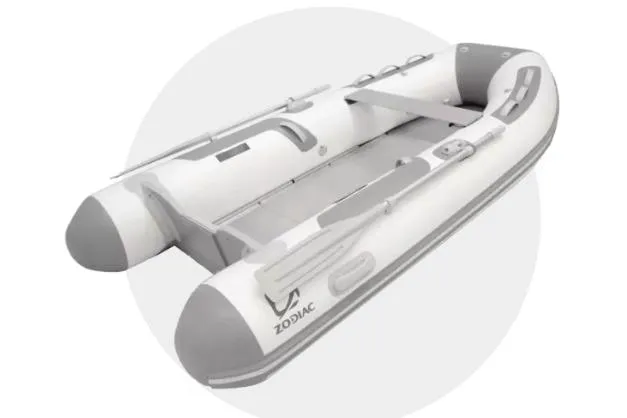
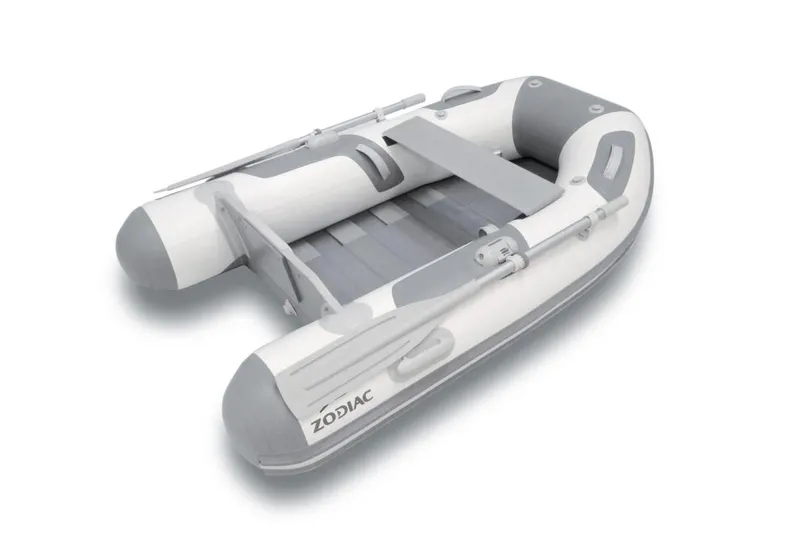
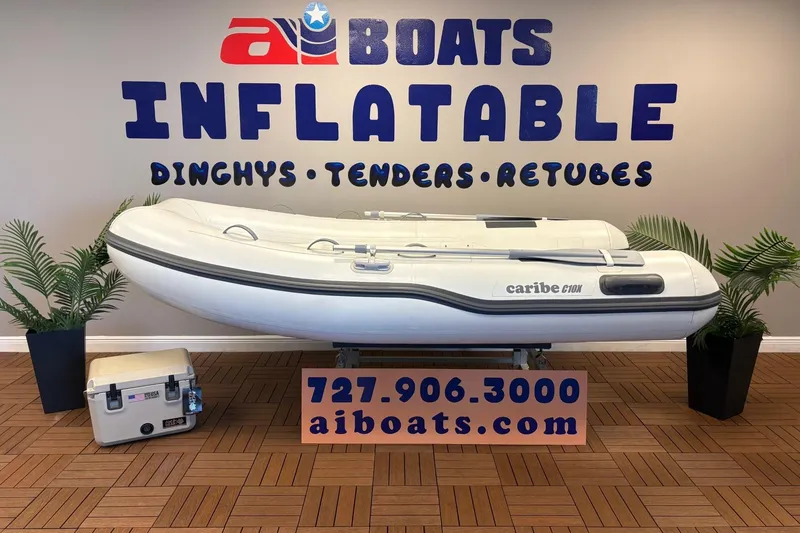
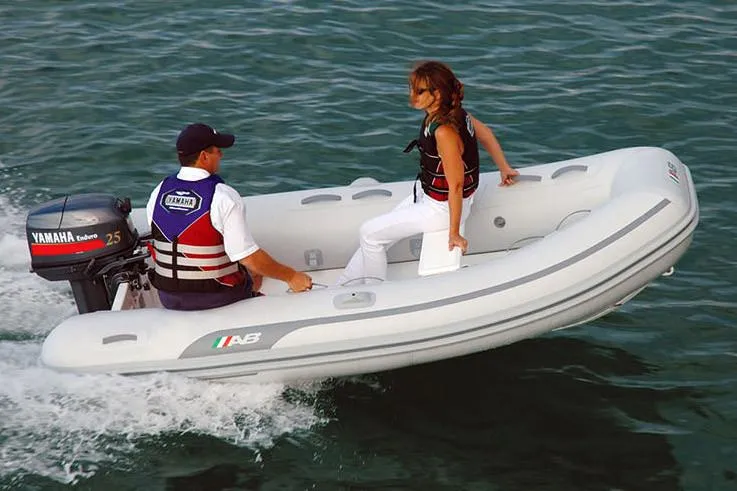
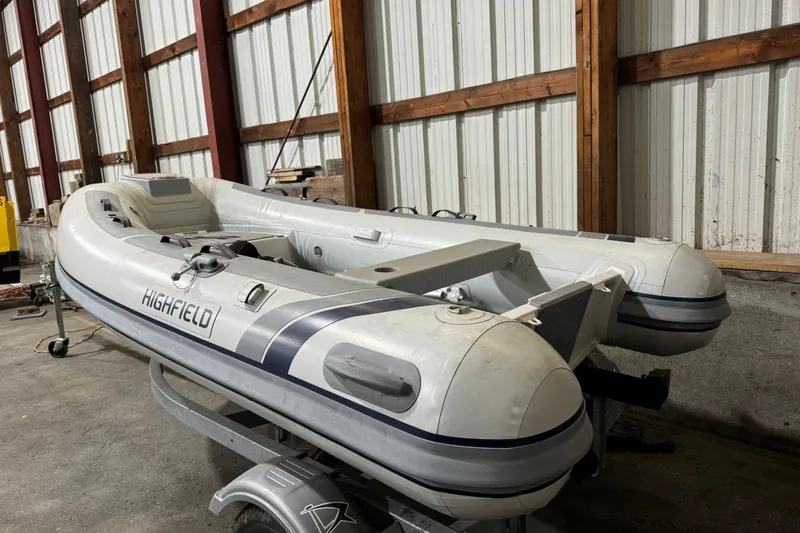
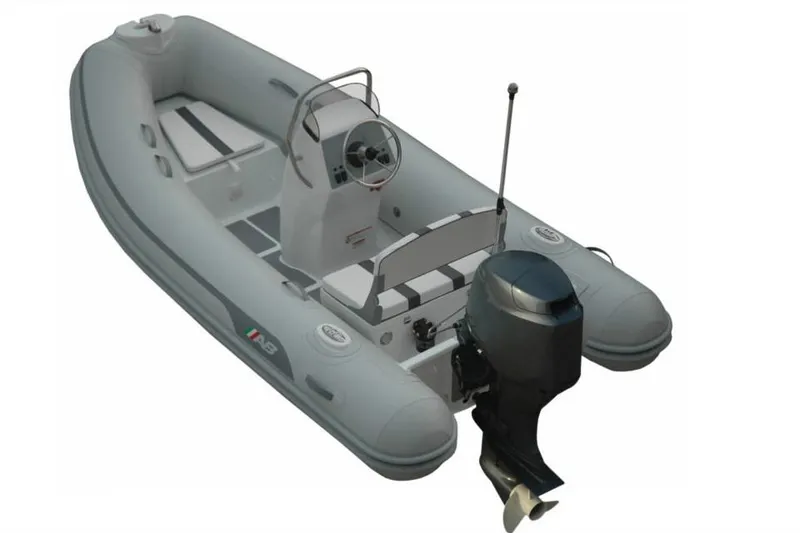
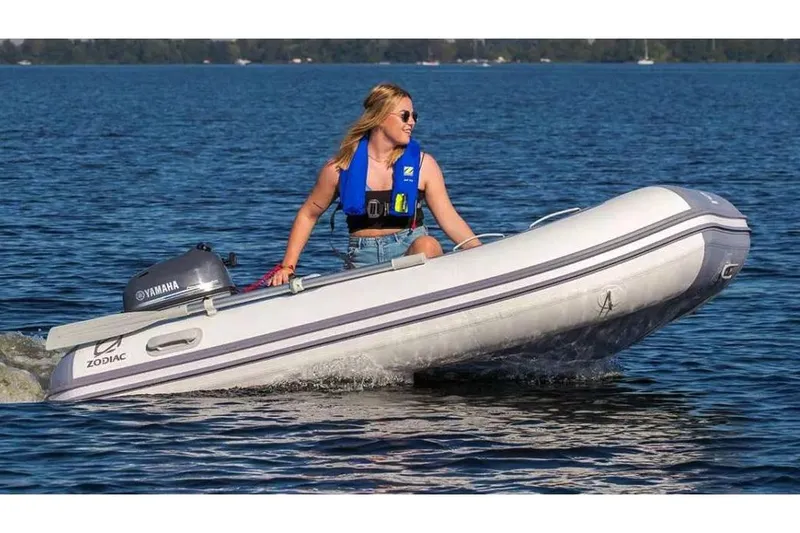
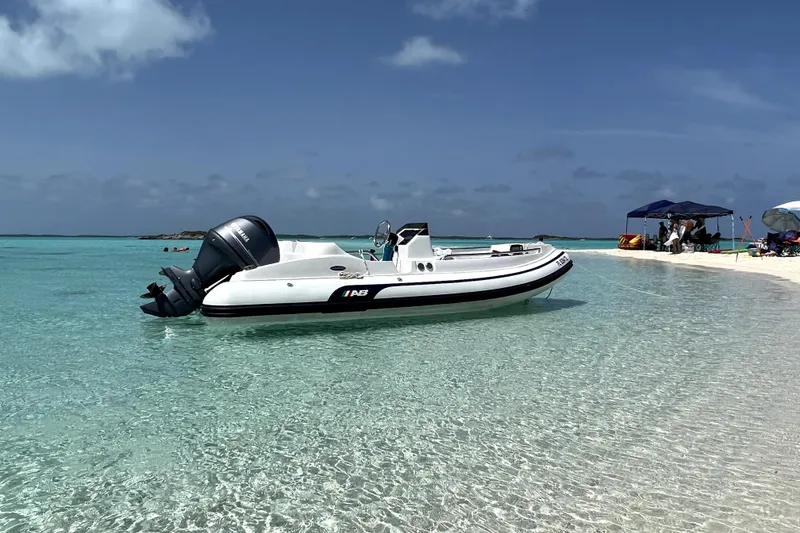
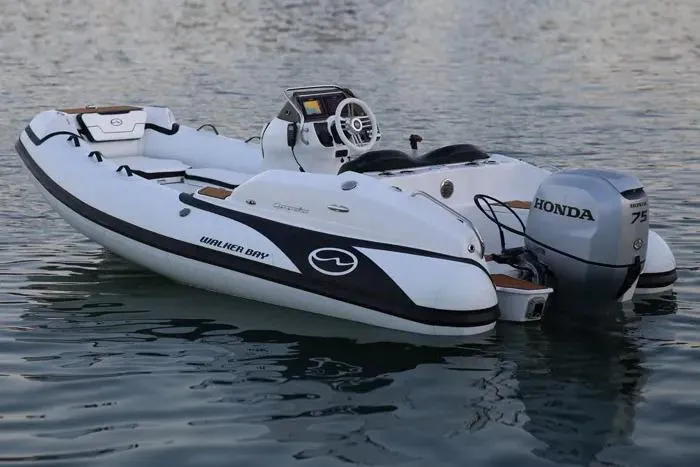
An inflatable boat is a lightweight watercraft constructed with flexible tubes filled with air, which provide buoyancy and shape. Unlike traditional boats with rigid hulls, inflatable boats rely on these air chambers to stay afloat.
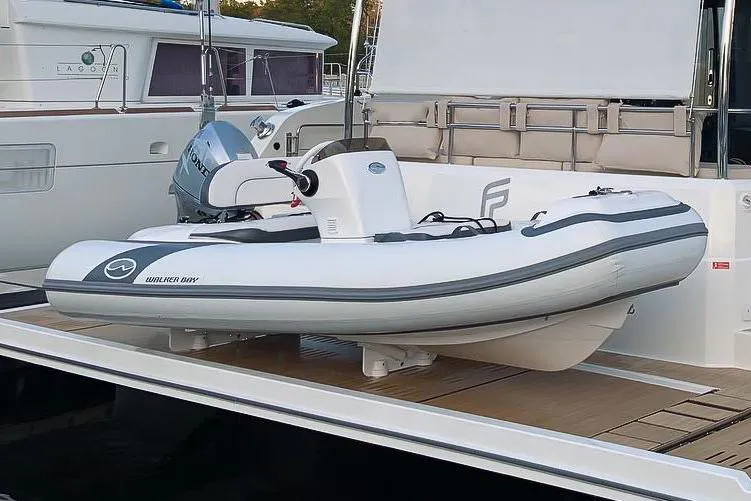
Originally developed for military and rescue operations due to their portability and ease of deployment, inflatable boats have evolved significantly and are now widely used for recreation, fishing, diving, and as tenders for larger vessels.
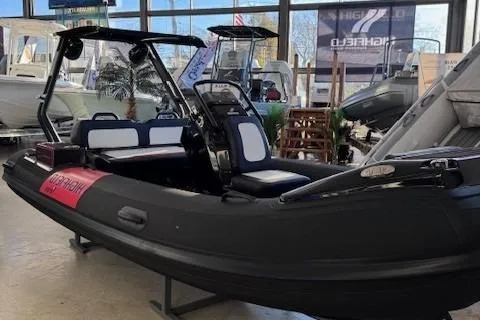
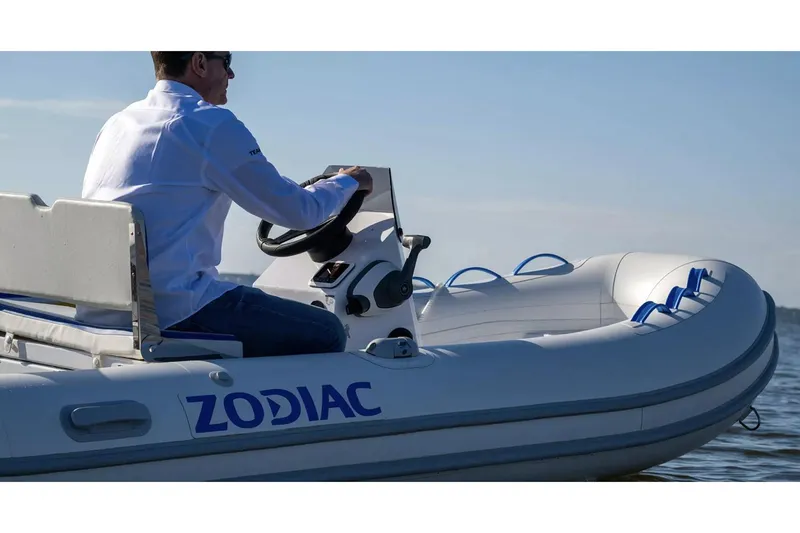
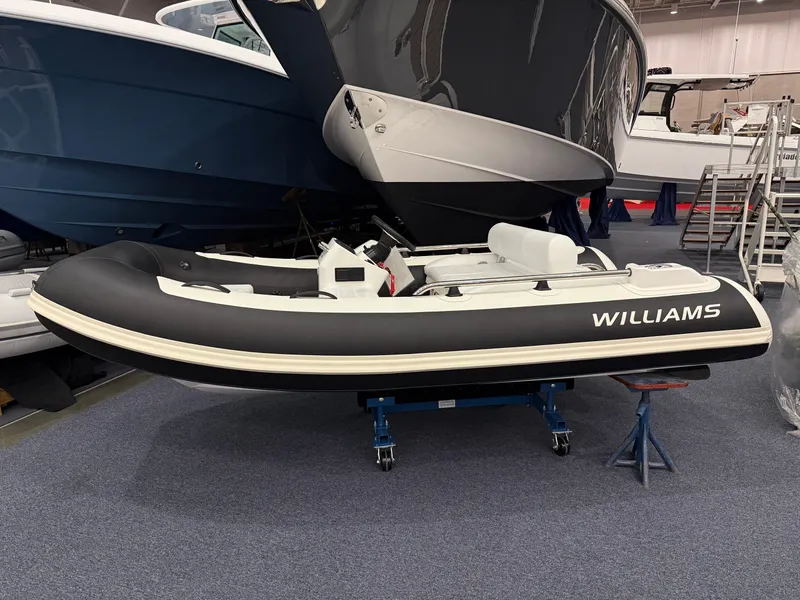
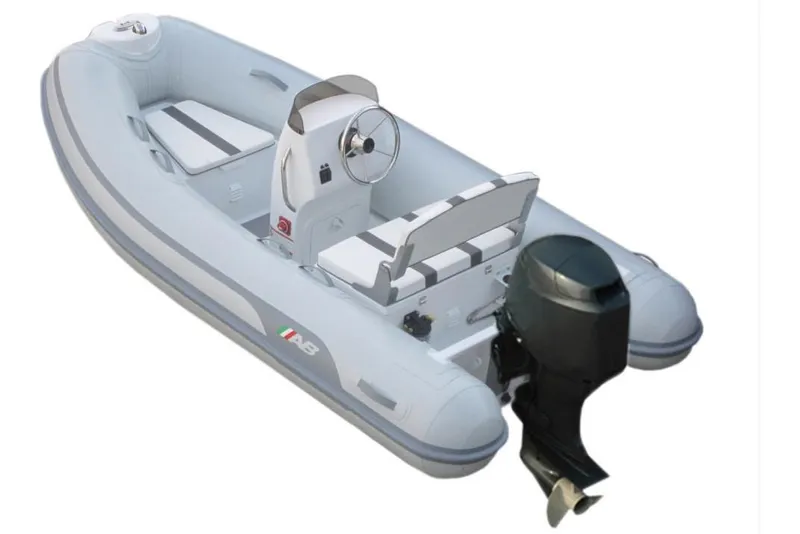
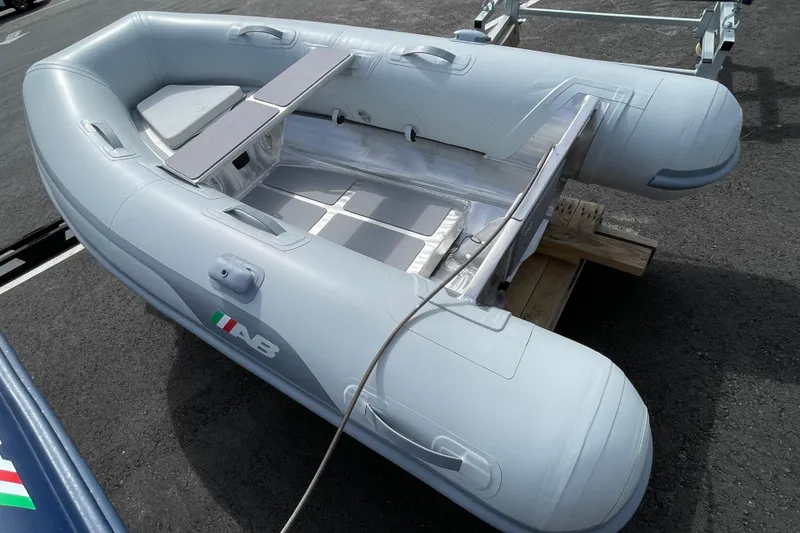
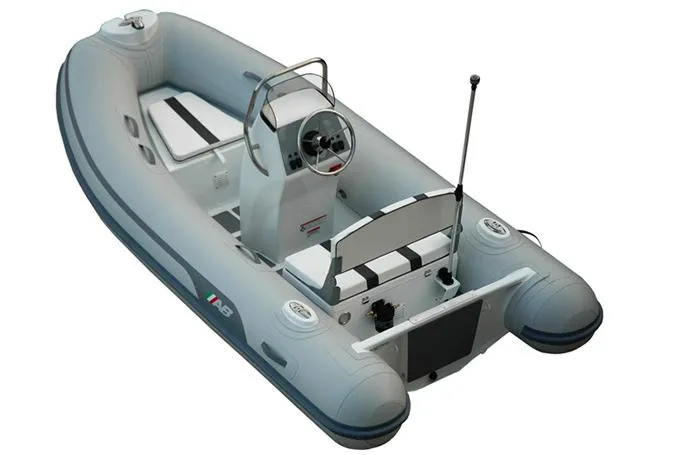
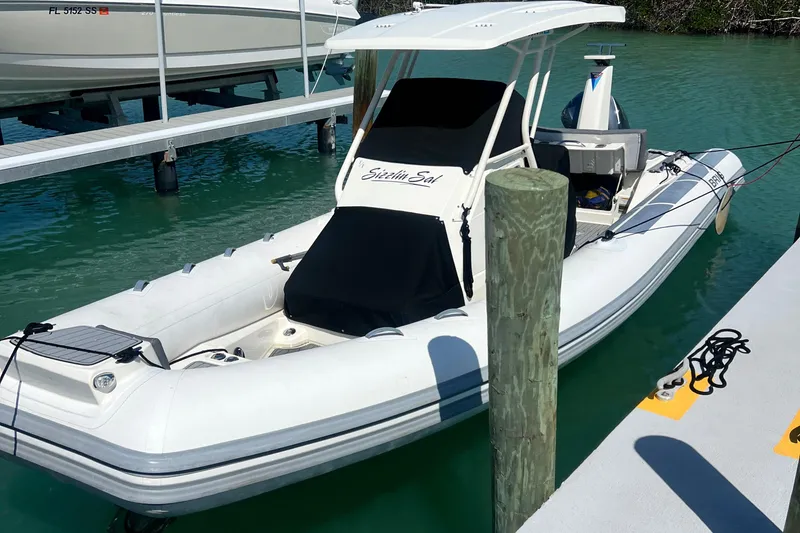
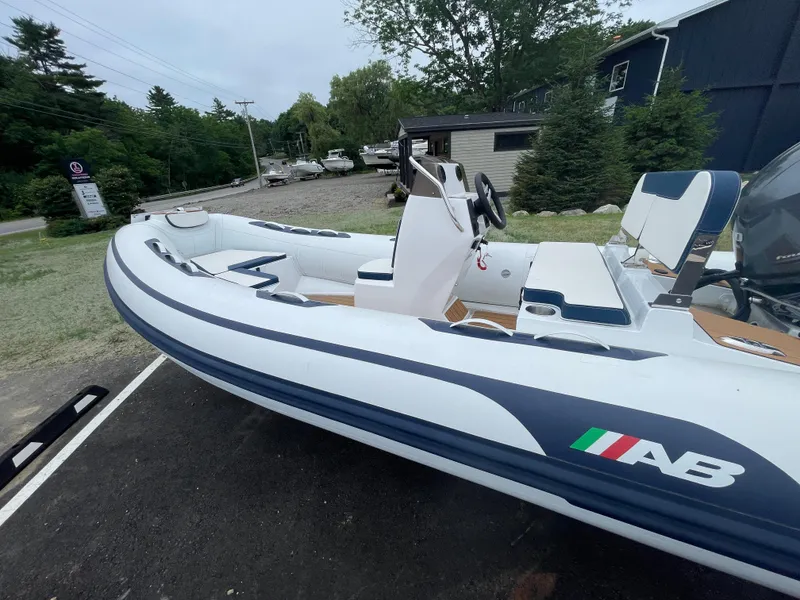
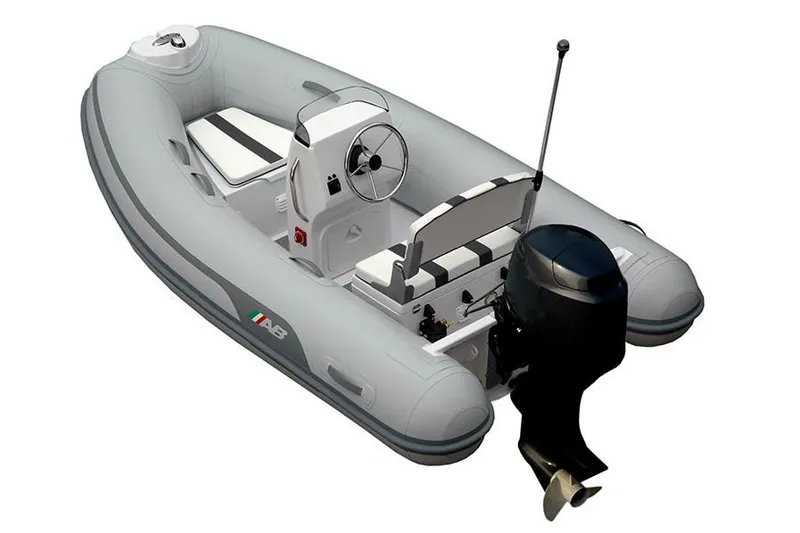
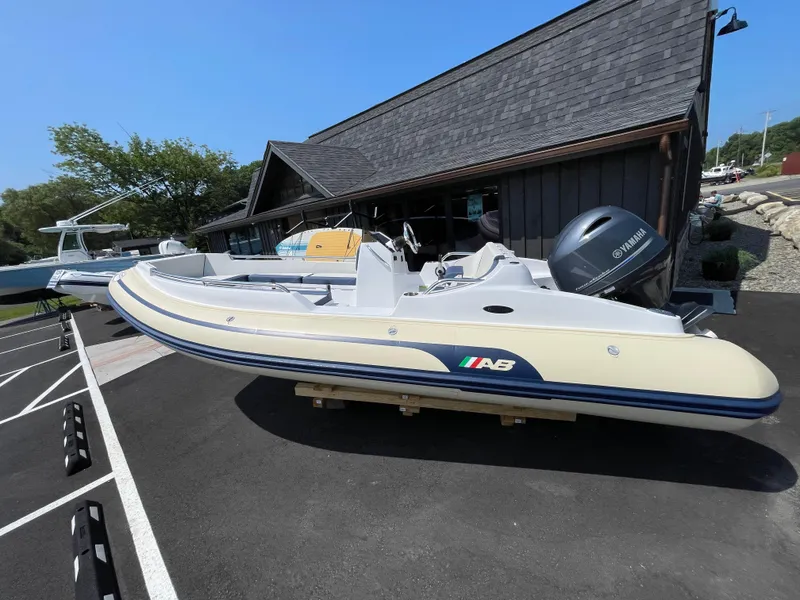
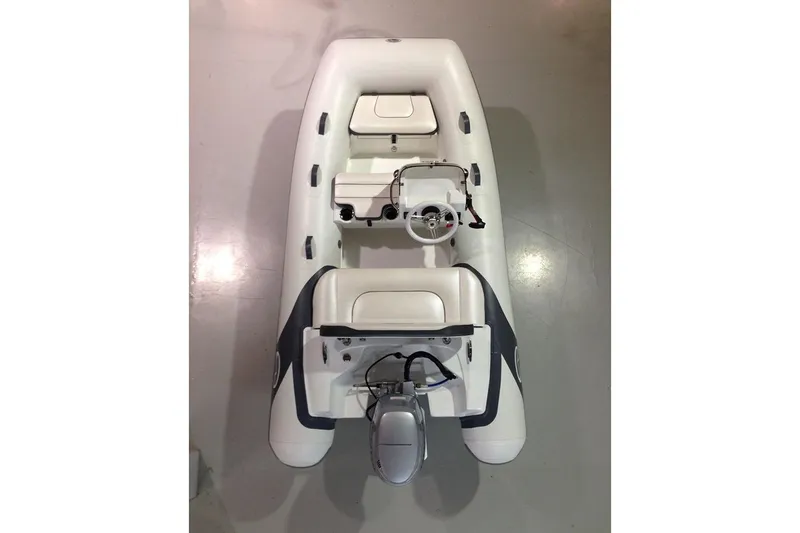
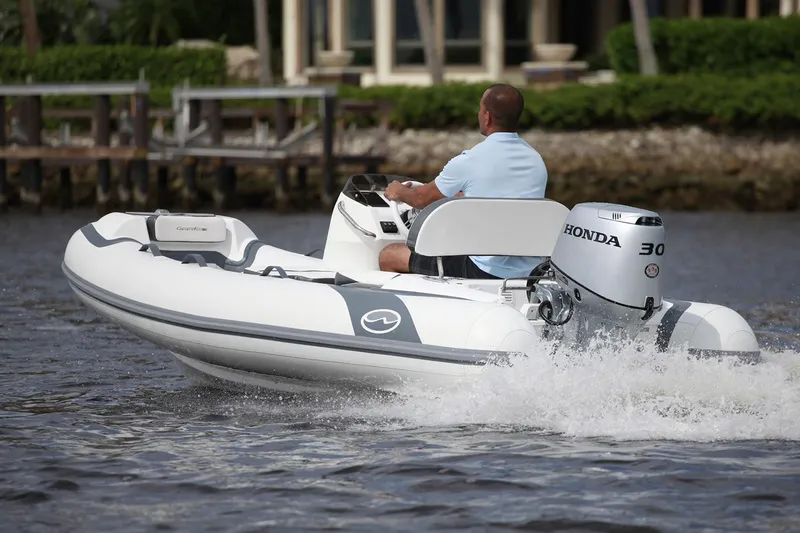
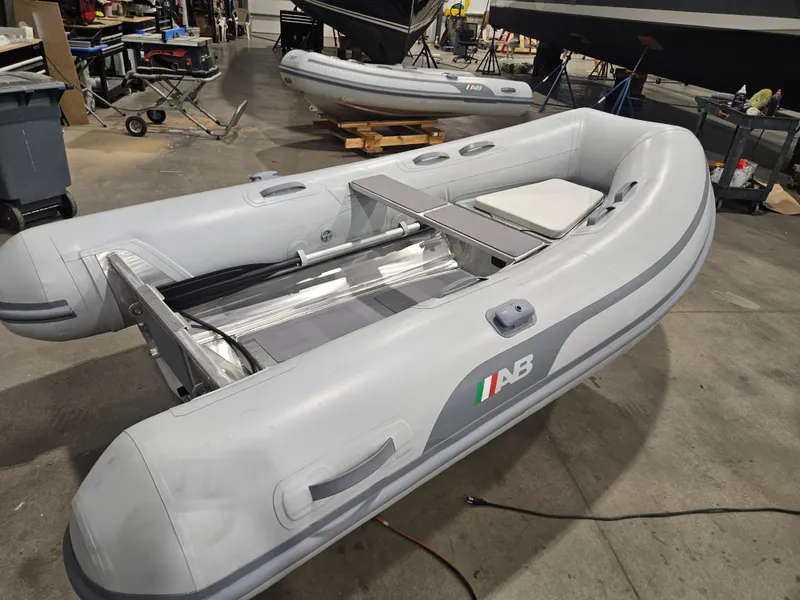
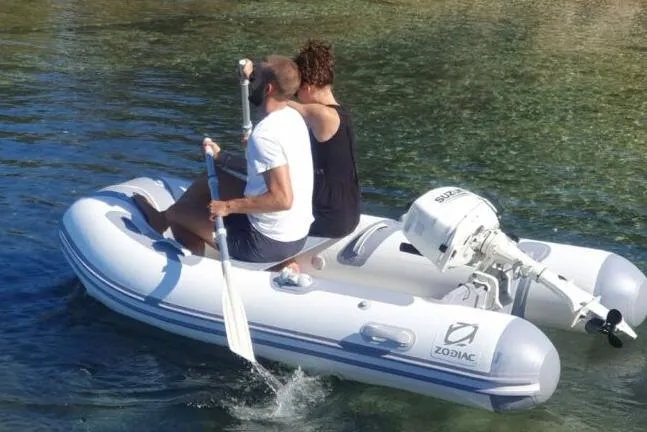
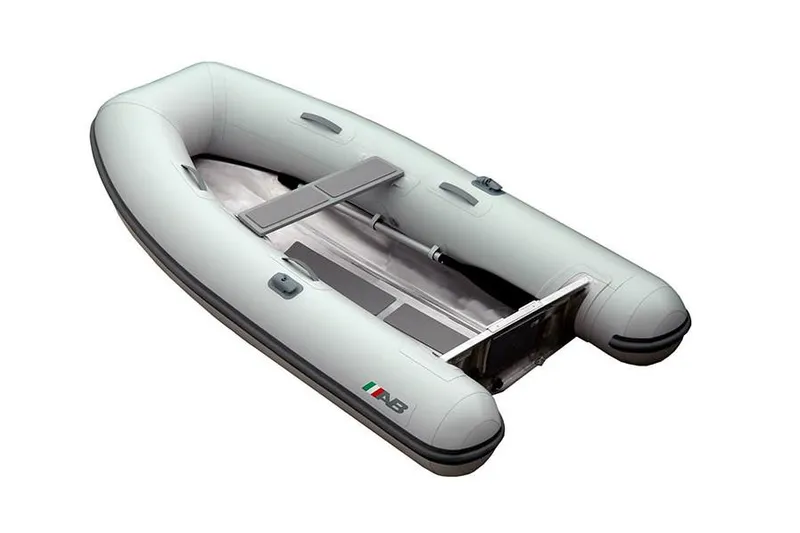
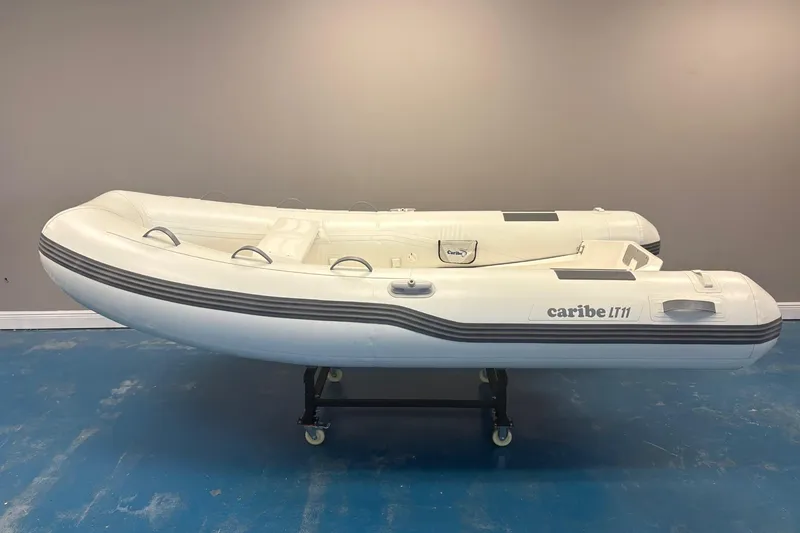
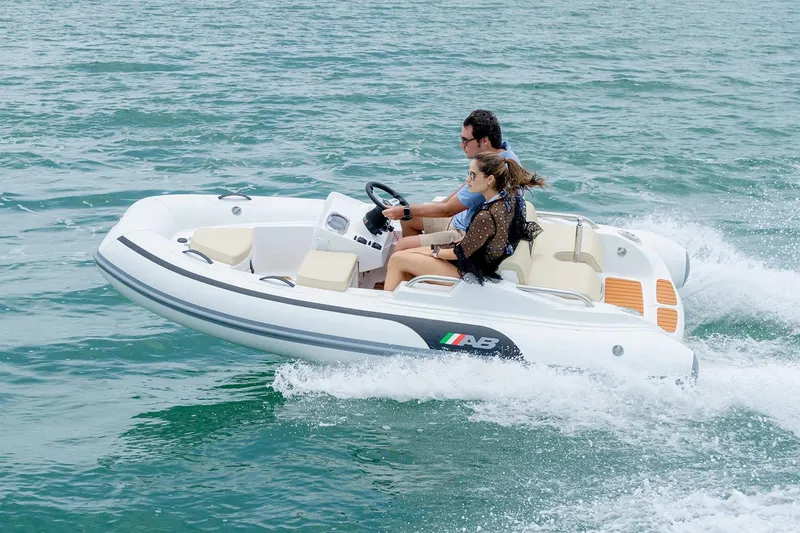
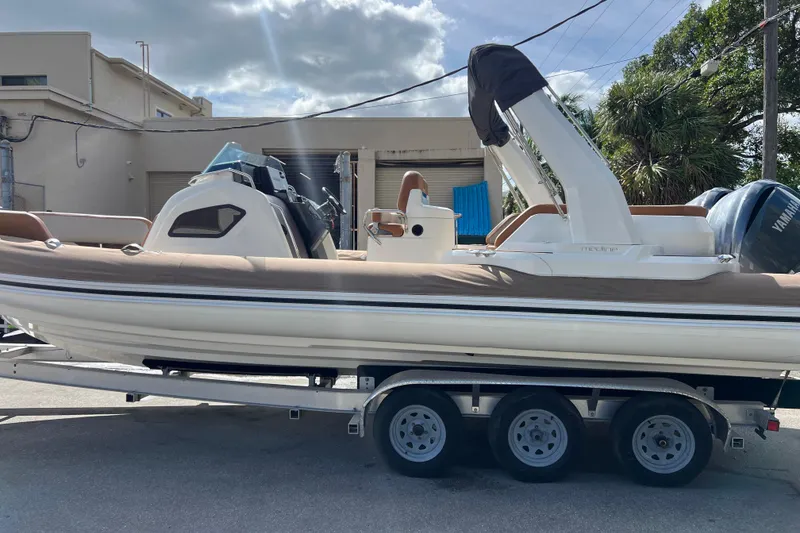
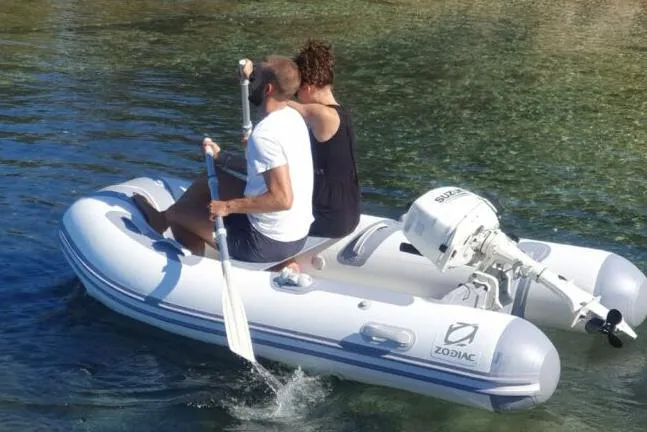
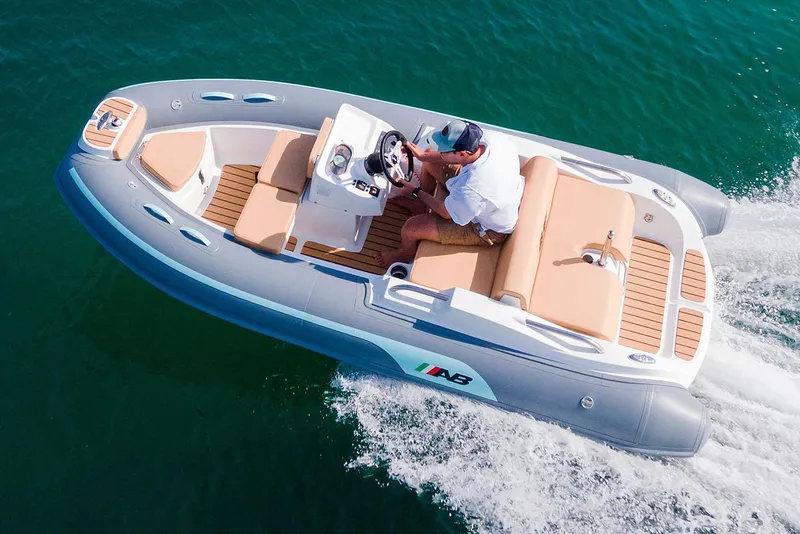
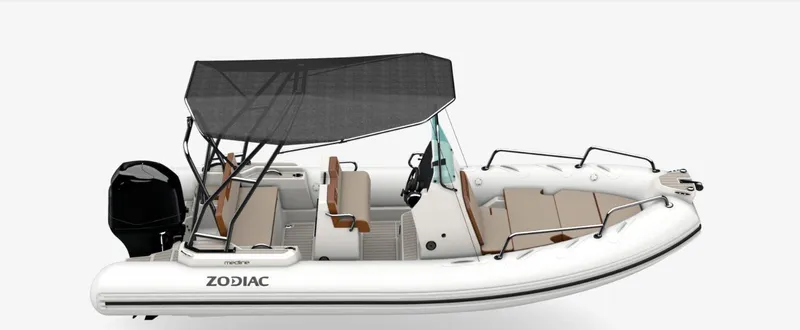
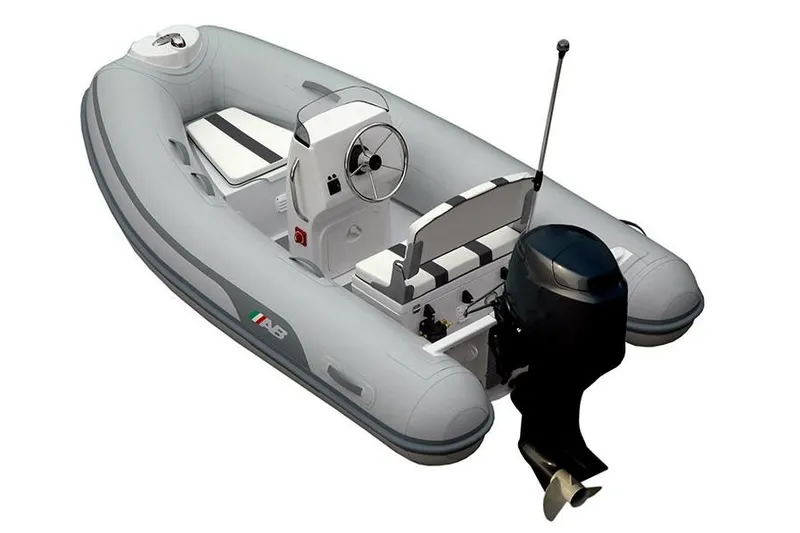
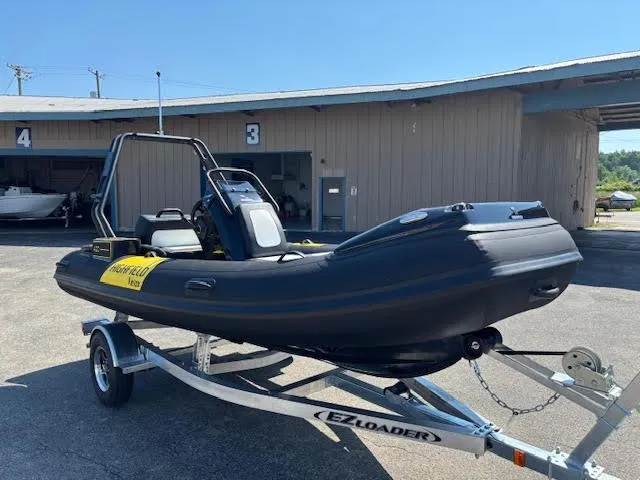
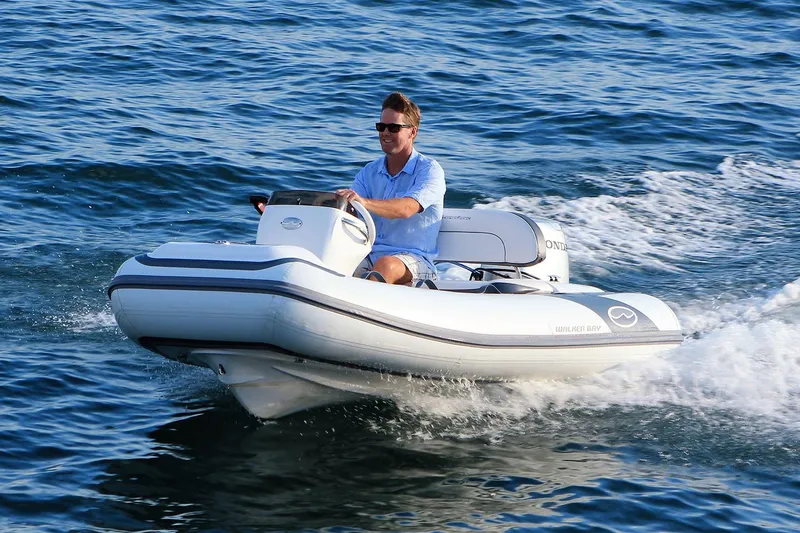
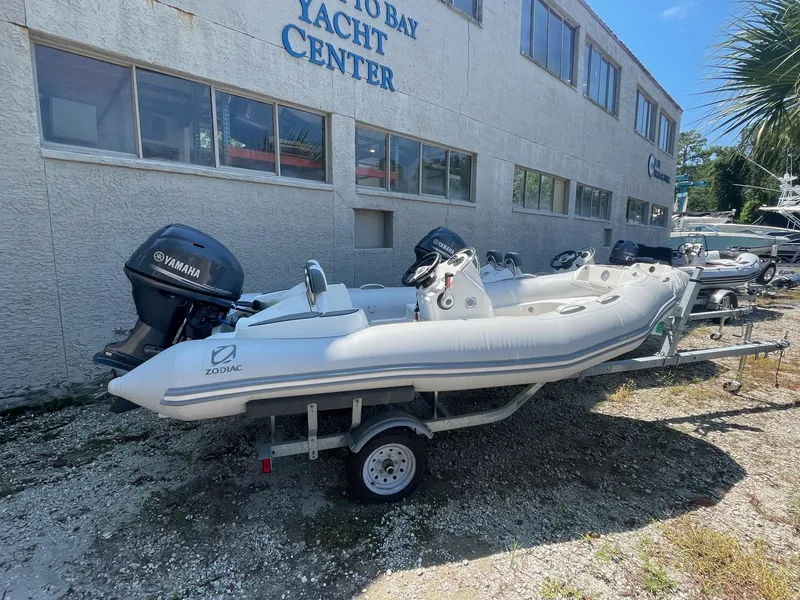
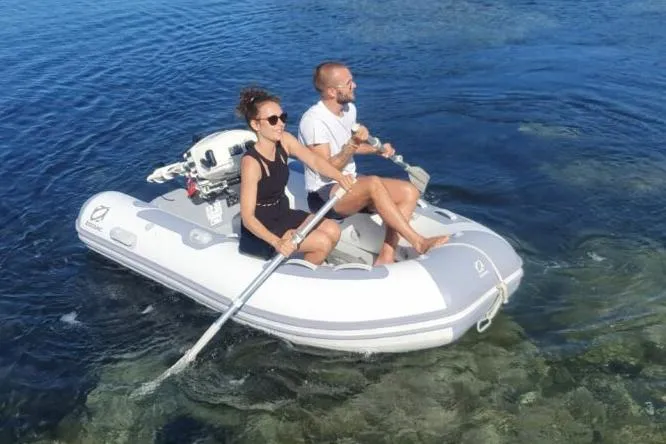
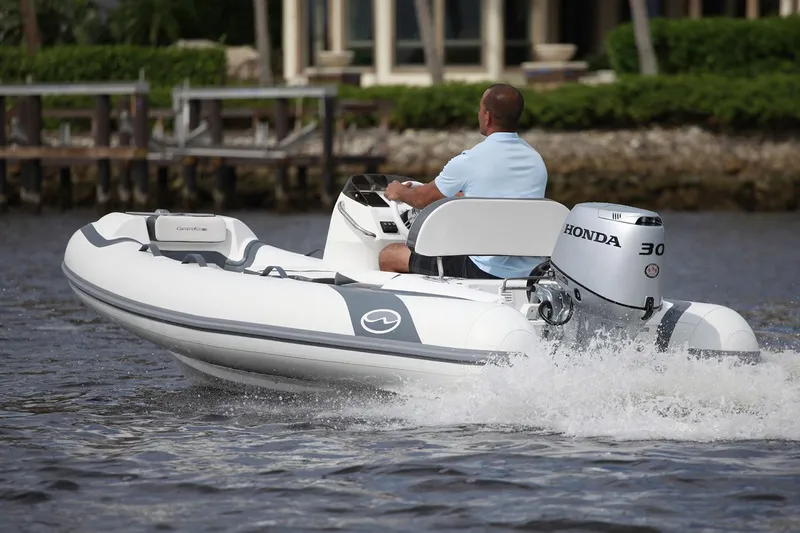
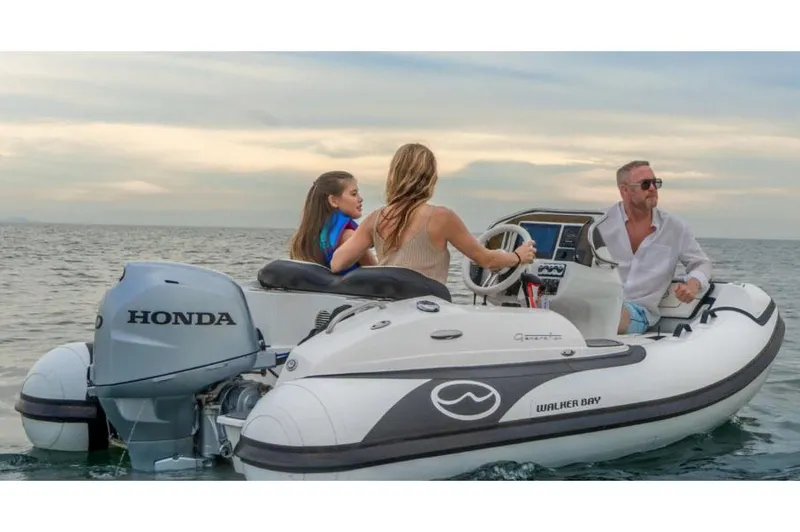
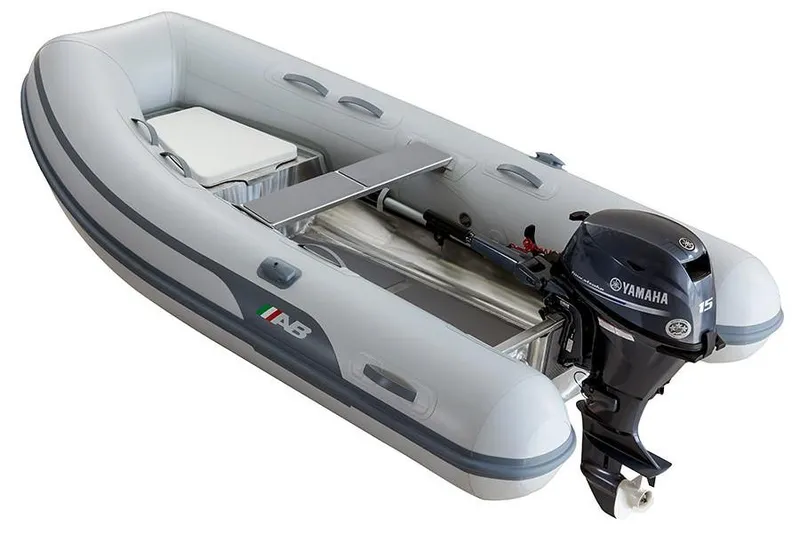
Modern inflatable boats may feature rigid floors made from aluminum or composite materials to improve stability and handling. Depending on the model, they can be powered by paddles, oars, or outboard motors.
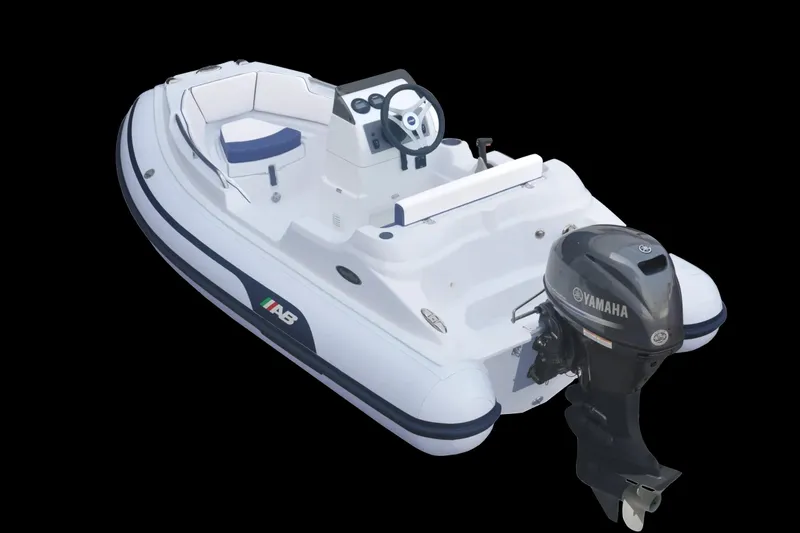
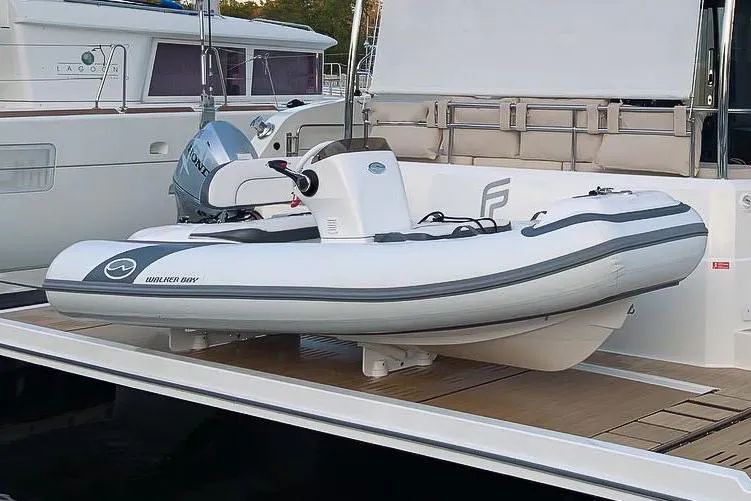
Their compact size and light weight make them easy to transport on car roofs, in the back of vehicles, or in storage lockers, appealing to boaters who value convenience and flexibility.
Pros of owning an Inflatable Boat
1. Exceptional Portability
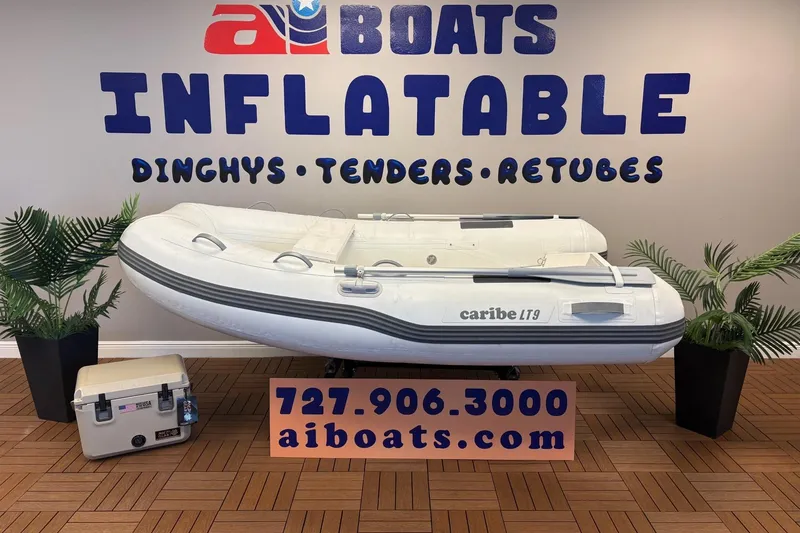
Inflatable boats can be deflated, rolled up, and packed into a carry bag, making them easy to move and store even in small apartments or garages.
This portability lets you explore multiple lakes or coastal spots without needing a permanent slip, and many models can be checked as luggage or stowed in an RV.
2. Stable and Safe on Calm Waters
The wide, air-filled tubes provide excellent initial stability, which helps beginners and families feel secure on the water.
Because the buoyancy is spread along the tubes, the boat is less twitchy than some narrow, hard-sided hulls in flat or gently rolling conditions.
3. Versatile for Different Activities
From fishing and crabbing to snorkeling, diving, and simple day cruising, inflatable boats can adapt to many uses with minimal configuration.
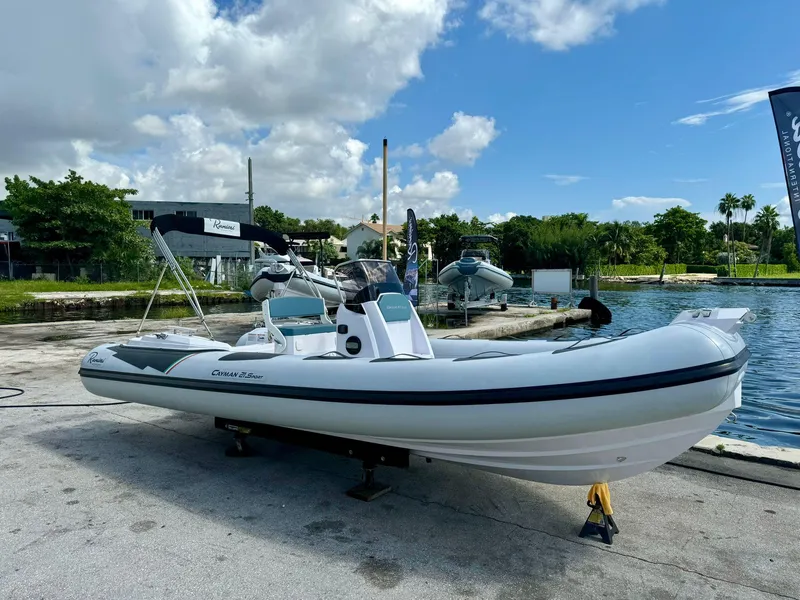
Accessories such as rod holders, seat cushions, small consoles, and Bimini tops can often be added to tailor the boat to your preferred activities.
4. Lower Upfront Cost
Entry-level inflatable boats often cost far less than similarly sized rigid boats, giving new boaters a more affordable way to get on the water.
Because they are smaller and lighter, related expenses—like required engine size, fuel use, and storage—also tend to be lower.
5. Simple Storage and Winterization
Inflatables do not need a slip or large driveway. Many owners simply rinse, dry, deflate, and store them on a shelf or in a closet.
Winterization is straightforward in most climates: protect the material from UV, extreme cold, and rodents, and the boat is ready for next season.
Cons of owning an Inflatable Boat
1. Limited Performance in Rough Water
Inflatable boats generally do not handle large waves, strong currents, or offshore conditions as confidently as deeper, rigid hulls.
Their light weight and higher windage can make them feel bouncy and more affected by gusts, which may be uncomfortable or intimidating for some operators.
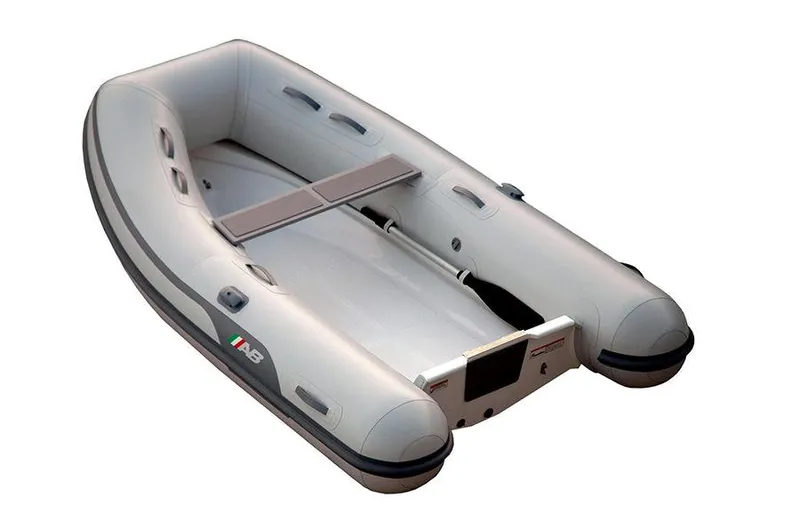
- The Silver Lining: If you mostly use your boat on sheltered lakes, calm rivers, or protected bays, an inflatable can still feel very secure, and choosing a model with a rigid or air-deck floor and a modest V-shaped hull can noticeably improve its ride in moderate chop.
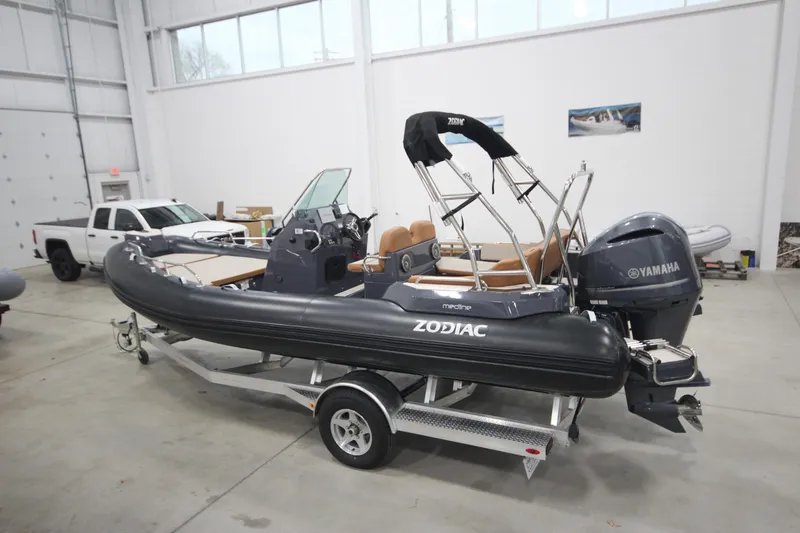
2. Vulnerability to Punctures and Abrasion
Even with modern reinforced fabrics, inflatables are more susceptible to damage from sharp rocks, oyster beds, nails on docks, or careless dragging on rough surfaces.
Small punctures are usually repairable, but they can interrupt a trip and require you to carry patch kits and understand basic repair techniques.
- The Silver Lining: Thoughtful use—avoiding sharp shorelines, adding protective rub strakes or keel guards, and storing the boat inflated off abrasive surfaces—greatly reduces the risk of damage and helps the tubes last many seasons.
3. Less Interior Space and Payload
Because the side tubes occupy part of the footprint, the usable interior space of an inflatable is smaller than that of a hard boat of the same overall length.
This can limit the number of passengers, coolers, and gear you can comfortably carry, especially on longer outings or camping trips.
- The Silver Lining: Careful planning, compact gear, and thoughtful seating layouts—such as removable benches and under-seat storage bags—can make the most of the available room for small groups.
4. Setup and Breakdown Time
Unlike a boat that lives on a trailer or in the water, an inflatable usually requires inflation, assembly of the floor, and engine mounting before each outing.
Deflating, drying, and packing it away afterward can also take extra time, particularly if you want to avoid mold or mildew in storage.
- The Silver Lining: High-volume electric pumps and quick-release valves can cut setup to around 10–20 minutes, and many owners find that leaving the boat partially or fully inflated between outings avoids daily assembly.
5. Shorter Lifespan if Poorly Cared For
Exposure to harsh sunlight, chemicals, and improper storage can cause inflatable materials to become brittle, faded, or leaky sooner than a well-maintained rigid hull.
Neglected seams and valves may eventually fail, leading to costly repairs or the need for replacement.
- The Silver Lining: Using UV protectant, rinsing off salt and fuel, storing the boat shaded and dry, and keeping it at proper pressure can extend the life of quality inflatables to a decade or more.
Performance and Handling Questions
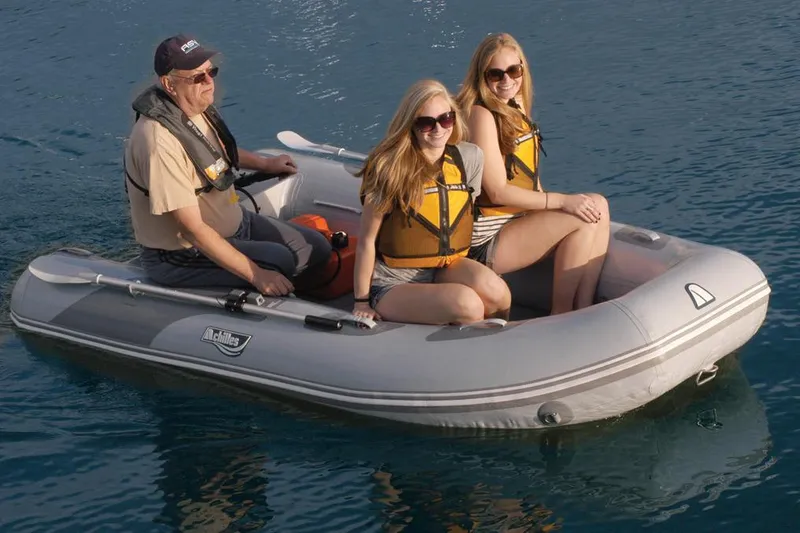
Most small inflatables are designed for a handful of people rather than a large party. They handle best when you stay within the stated capacity and distribute weight evenly along the tubes and floor.
The wide footprint and multiple air chambers help maintain stability even when passengers move around, but sudden shifts—everyone standing on one side at once, for example—can feel more noticeable than on a wide-decked pontoon or deck boat.
In high winds and heavy chop, the light hull can pound and slap, and the bow may blow off course more easily than on a heavier fiberglass boat.
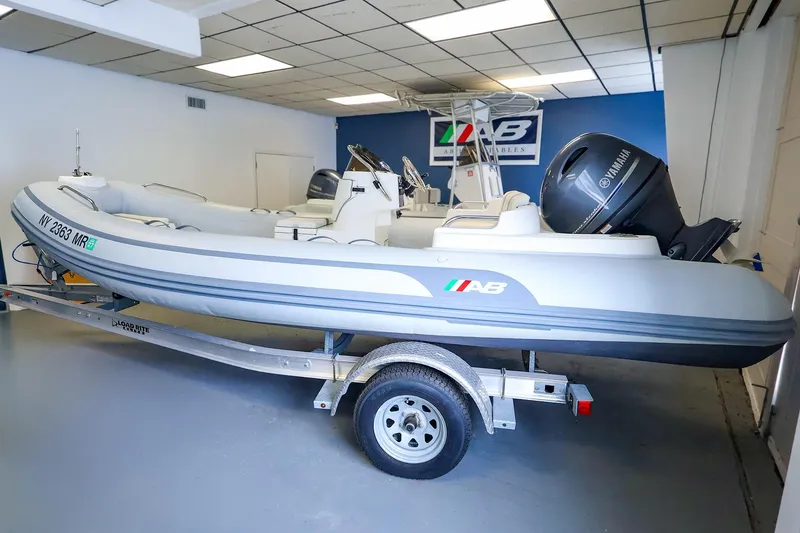
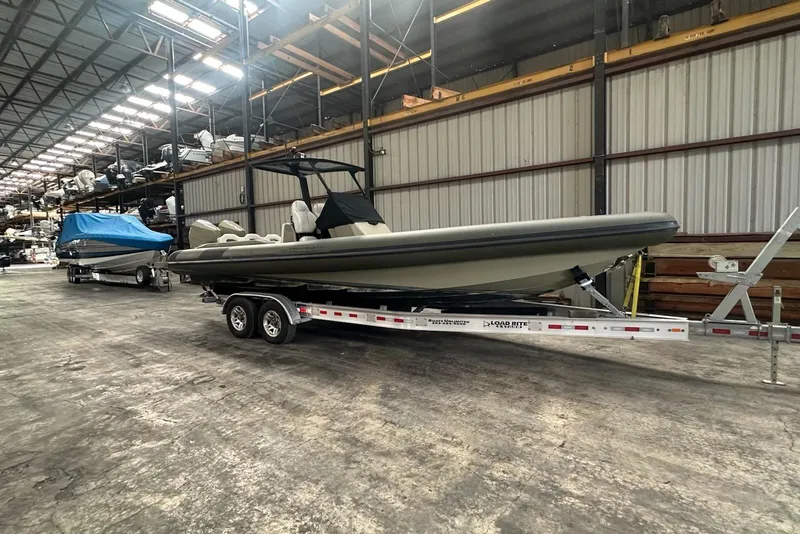
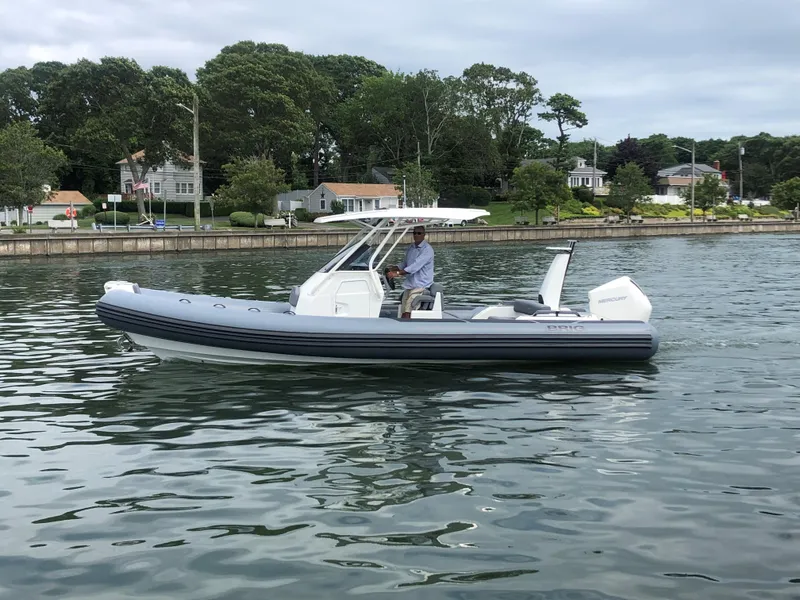
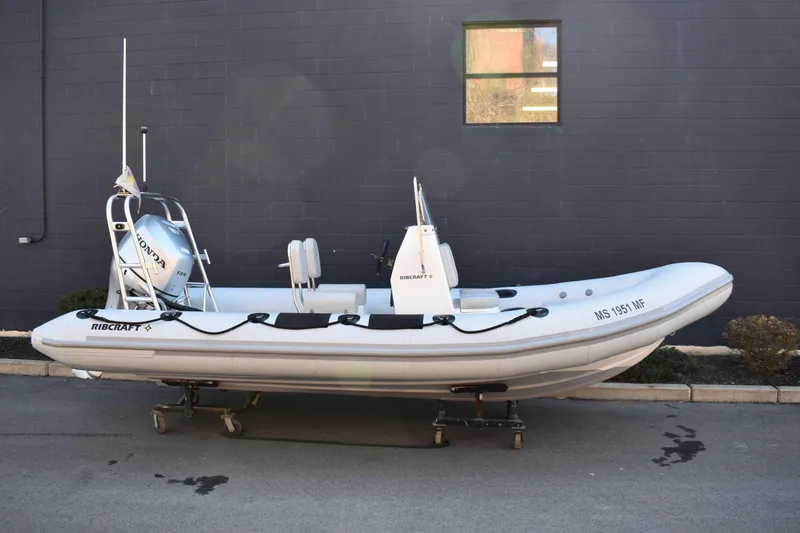
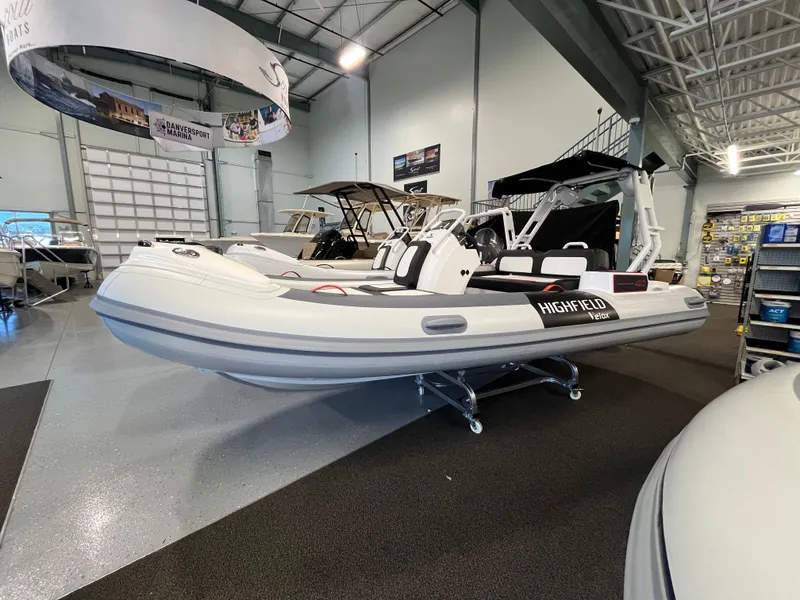
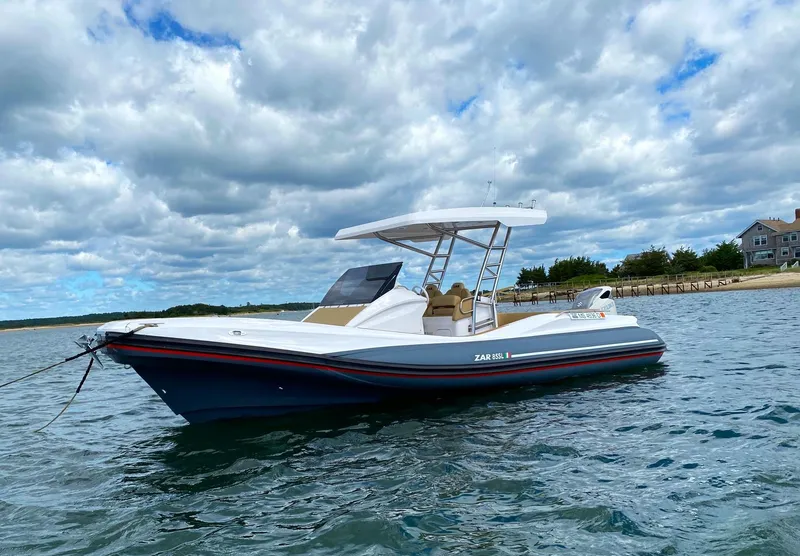
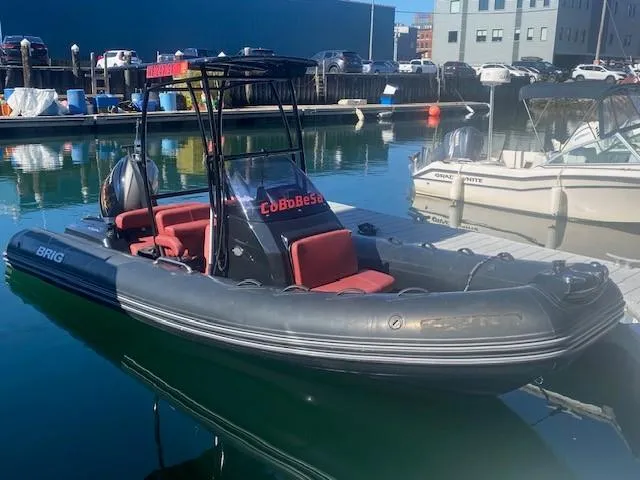
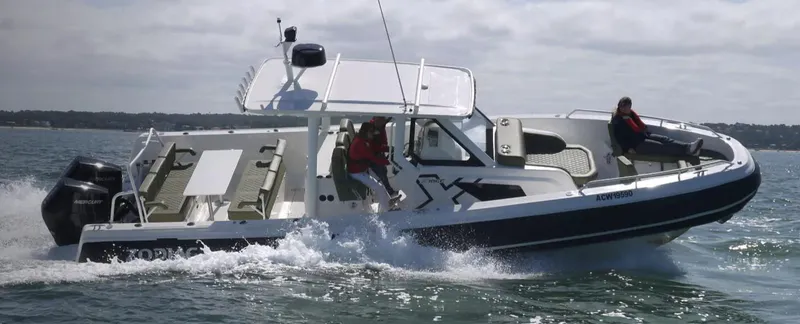
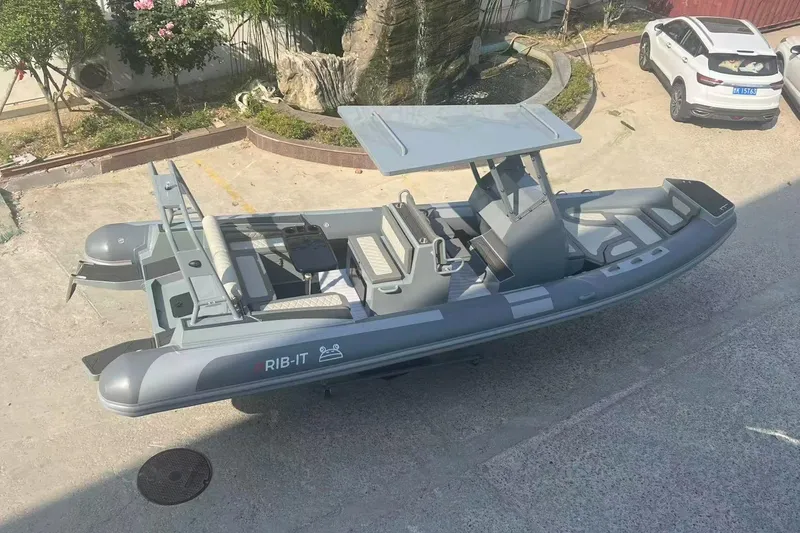
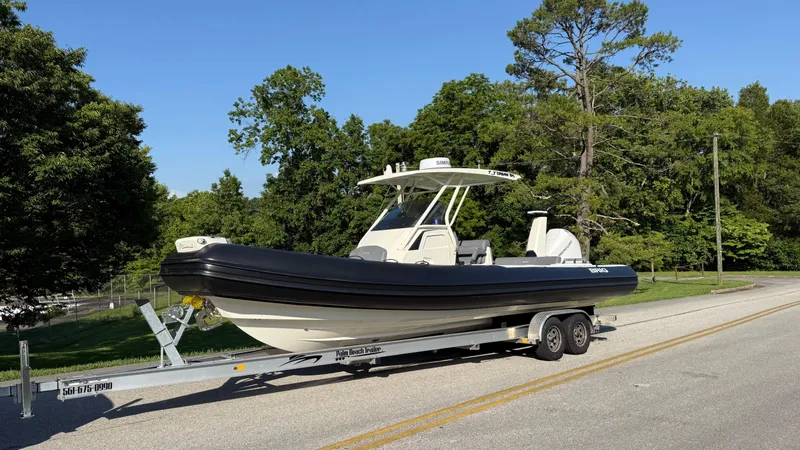
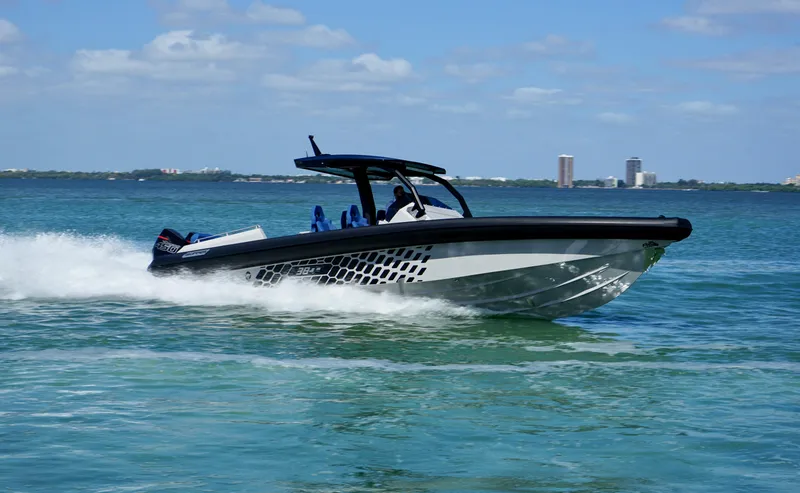
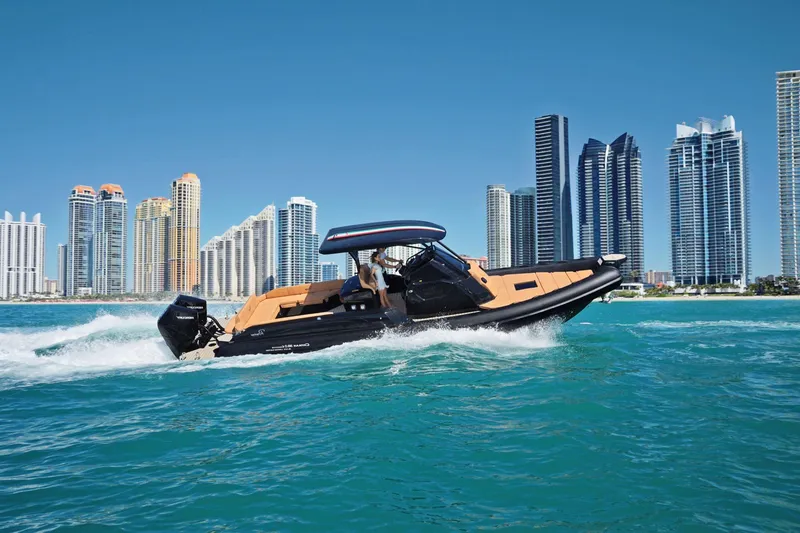
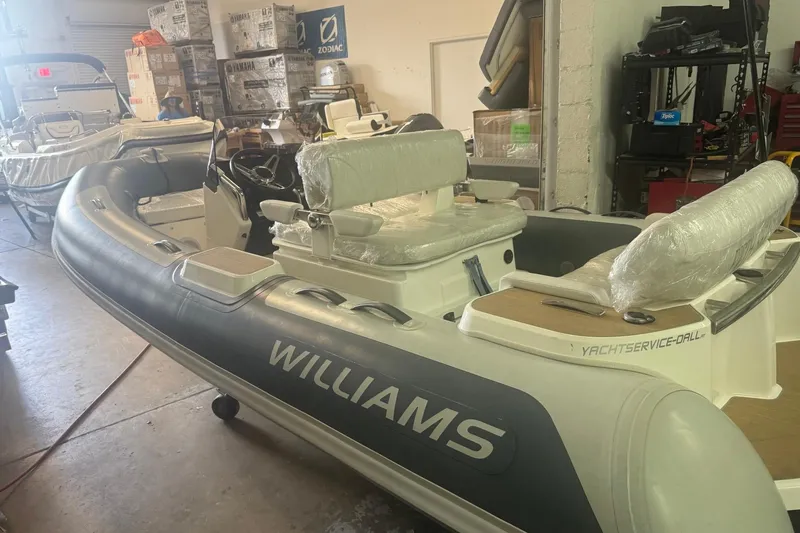
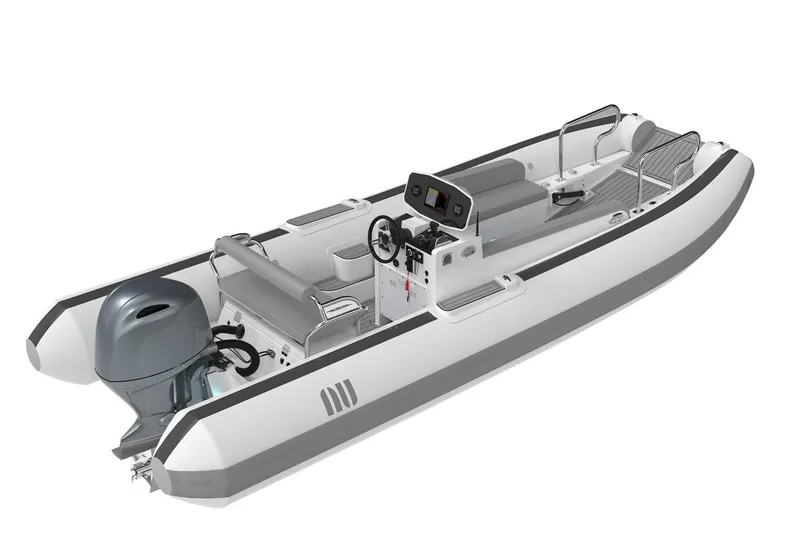
Operators should reduce speed, trim the motor appropriately, and keep trips short and close to shore when weather or forecasts hint at deteriorating conditions. For regular use in rough water, a rigid-hull inflatable (RIB) or a traditional deep-V hull is usually a better choice than a fully soft inflatable.
Ownership and Logistics
Ongoing costs include fuel for the outboard, basic maintenance items such as oil and spark plugs, replacement of wear items like valves or oarlocks, and occasional tube repairs.
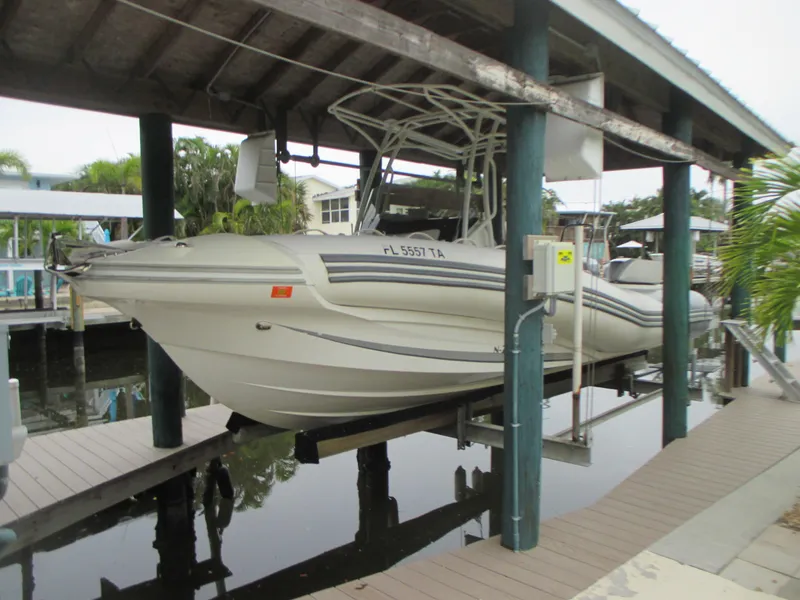
Because inflatables are often stored at home, you may avoid marina slips, bottom paint, and haul-out fees entirely, which can make total ownership cost significantly lower than a comparable hard boat.
Quality brand-name inflatables with intact seams, good air retention, and clean tubes tend to sell quickly on the used market, especially in boating regions and RV communities.
However, visible patches, sun-faded material, or soft floors can reduce resale value sharply, so preserving condition through proper storage is crucial if you plan to sell later.
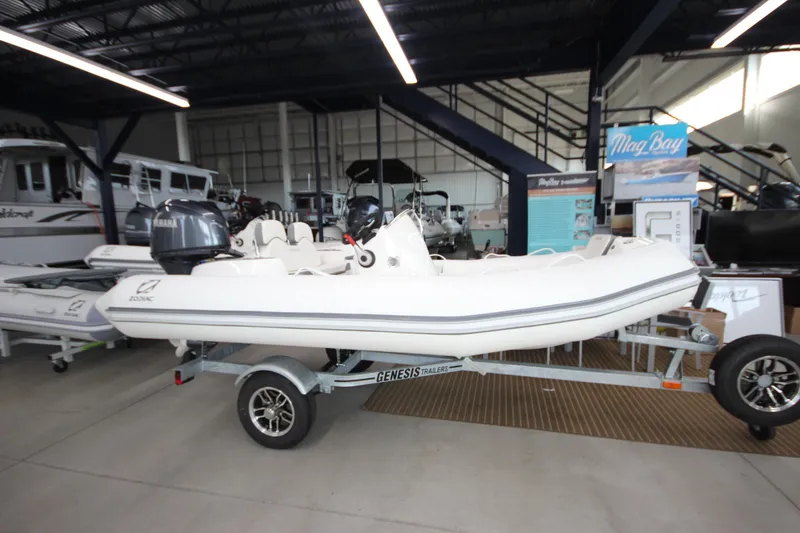
Most inflatables are light enough to be transported without a trailer at all; many owners simply carry them inside an SUV, truck bed, or on a roof rack.
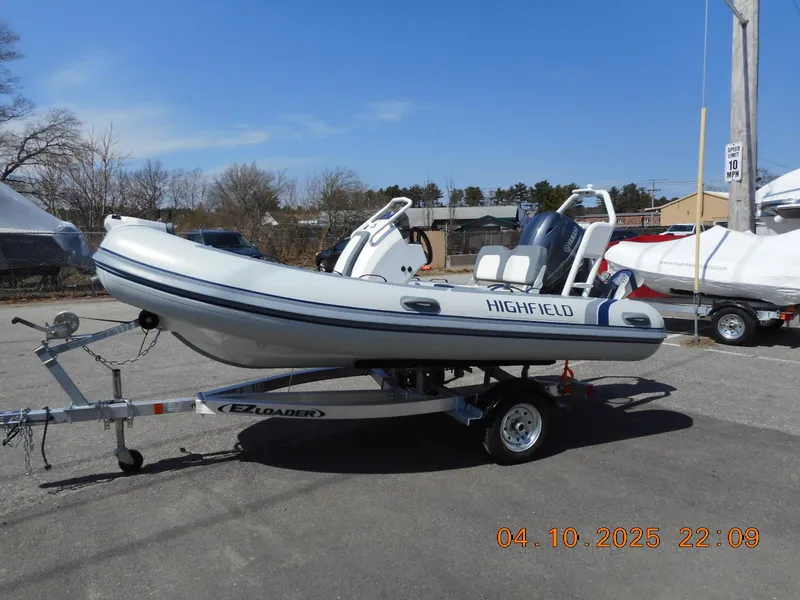
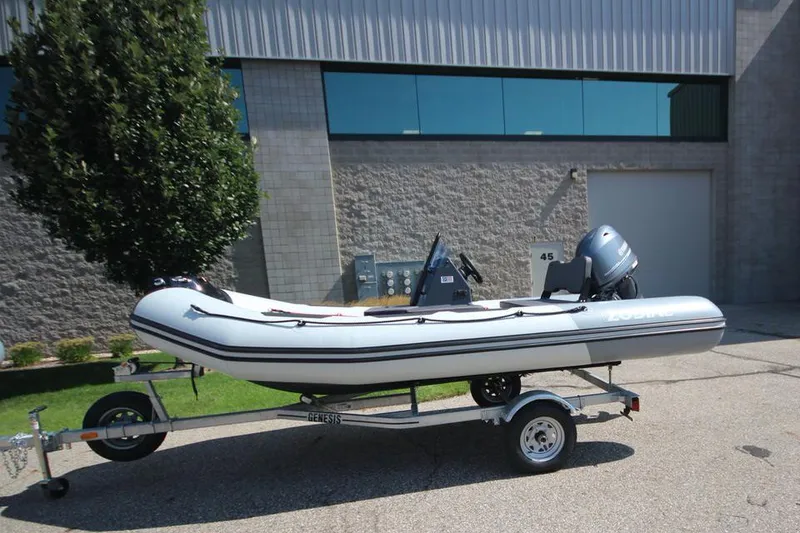
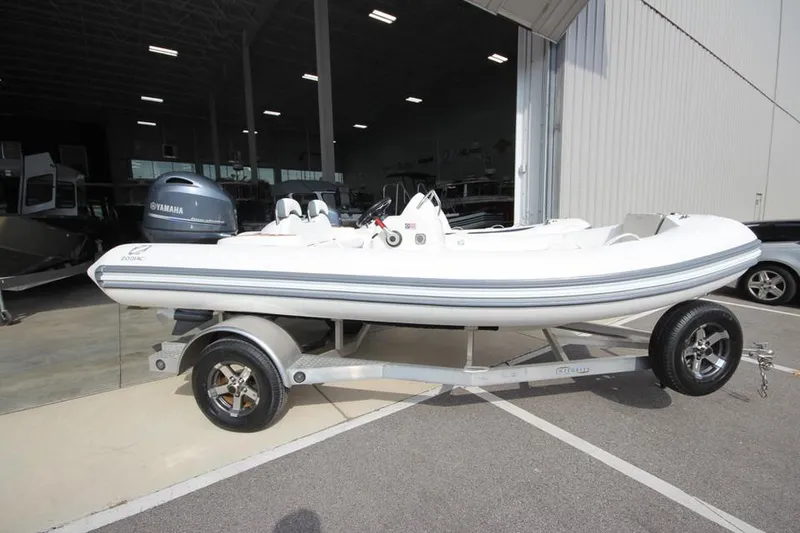
If you use a trailer, a compact or midsize vehicle is usually sufficient, since the combined weight of boat, trailer, and small outboard is typically well below what a heavy-duty truck is designed to pull.
Is an Inflatable Boat the Right Choice for You?
Inflatable boats deliver an appealing mix of portability, affordability, and user-friendliness that can bring boating within reach for many people who lack space, budget, or towing capacity for a larger rig.
They shine on calm lakes, rivers, and protected coastal areas, offering a stable, fun platform for relaxed adventures and practical tasks like fishing and shore-to-boat transfers.
At the same time, they ask you to accept trade-offs: more sensitivity to rough conditions, a bit of setup and breakdown time, and closer attention to storage and care.
You'll love it if:
- You want a boat that can live in a closet, trunk, or small garage rather than a driveway or slip.
- You primarily plan short outings on calm or lightly choppy water with just a few passengers.
- You are looking for an affordable, fuel-efficient way to explore local lakes, rivers, or anchorages.
- You do not own a heavy-duty tow vehicle but still want real on-the-water capability.
- You enjoy the hands-on, minimalist side of boating and do not mind a few minutes of setup before each trip.
It might be challenging if:
- You often boat in large, open bodies of water where conditions can turn rough quickly.
- You need to carry many passengers or large amounts of gear on a regular basis.
- You strongly prefer a boat that is always ready to launch with essentially no setup time.
- You expect to beach your boat on rocky shores or operate frequently around sharp debris.
- You want maximum speed, range, and offshore capability for activities like offshore fishing or high-speed cruising.
An inflatable boat can be a highly practical, budget-friendly gateway to boating, especially if your adventures center on calm waters and you value easy storage and transport. If you recognize and respect its limits—and care for it properly—it can deliver years of simple, memorable days on the water.