Wilmington

Filters

Filters

Boat Type

Condition

Searching boats for you...

Boating · Destinations 

Is Wilmington, NC a Good Place for Boating?


Written by: MarineSource.com Team | Estimated read time: 8 min read

Wilmington, North Carolina sits where the Cape Fear River widens into a broad tidal estuary before reaching the Atlantic Ocean. From the downtown Riverwalk you can watch shrimp boats, center consoles, and cruising yachts move with the changing tide, framed by marshes and the lift span of the Cape Fear Memorial Bridge. Follow the river south and you’re on a winding route toward the Intracoastal Waterway and the open ocean; head east and you’re within striking distance of Wrightsville Beach, Pleasure Island, and the barrier islands that define this coast.
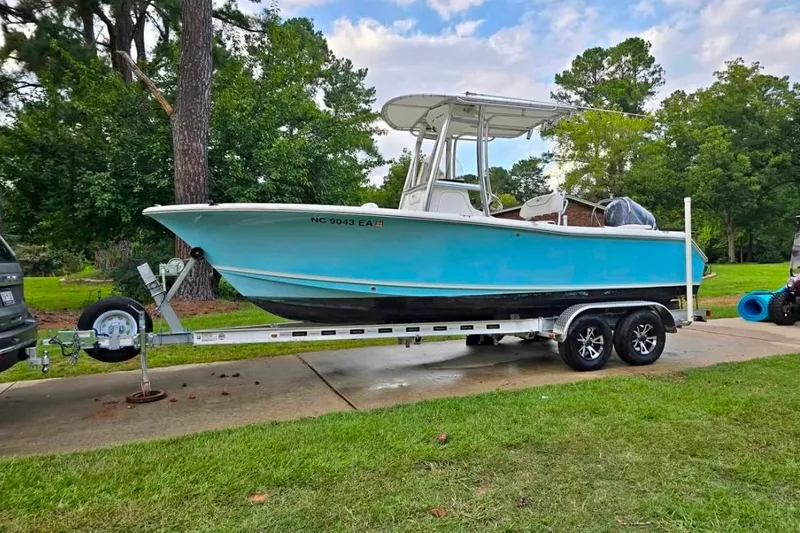
On the water, Wilmington offers a mix that’s hard to find in one place: brackish river stretches, ICW channels tucked behind barrier islands, and quick access to Atlantic inlets like Mason and Rich Inlet. Summer sea temperatures around 81–82°F make sandbar rafting, swimming, and watersports feel like second nature, while shoulder seasons stretch the boating calendar from spring well into fall. Waterfront restaurants and the historic downtown mean you can tie up and be at a patio table in minutes.

For boaters, the draw is clear: multiple public ramps, a handful of marinas like Wilmington City Docks and Wilmington Marine Center, and nearby destinations such as Carolina Beach, Kure Beach, and Figure Eight Island. You’ll find everything from small skiffs trailered in for a day on the river to larger cruising boats stopping over as they follow the Intracoastal Waterway. Services like fuel docks, power hookups, and transient slips add practical convenience to the natural beauty.
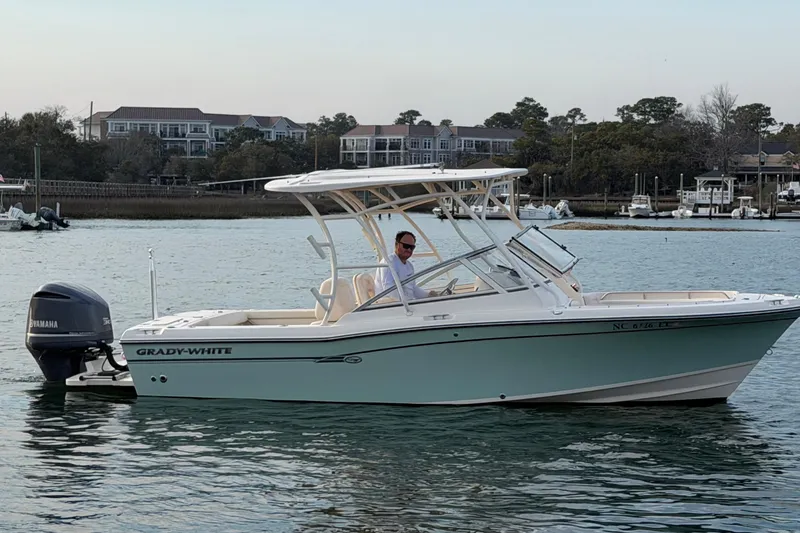
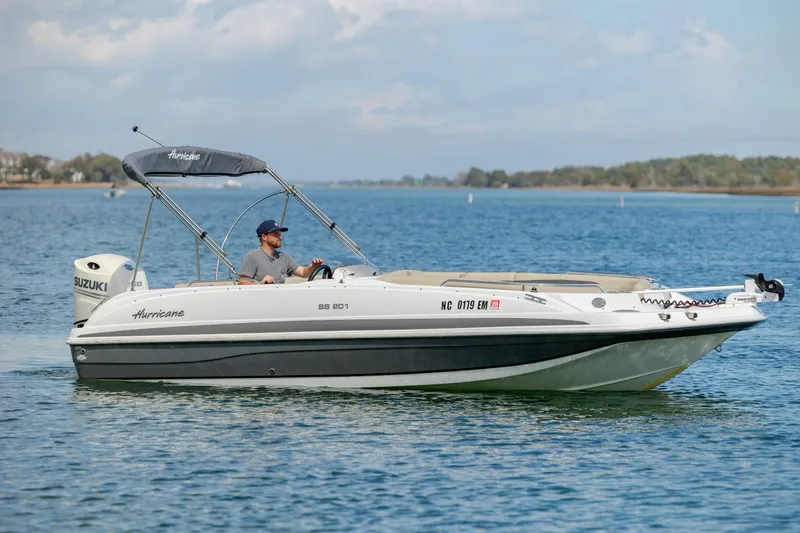
There are, however, tradeoffs to consider. Tides and currents shape how you plan your day, slip fees and fuel are not cheap, and demand for long-term dockage is high. Summer crowds and the risk of tropical weather can also influence how and when you get out on the water. If you’re wondering whether boats in Wilmington truly make sense for your lifestyle and budget, it helps to look at both the advantages and the challenges. Below, we’ll walk through the key pros and cons of boating in Wilmington so you can decide if this stretch of the Cape Fear River is the right home port for you.

Pros of boating in Wilmington, NC

1. Access to diverse waterways: river, ICW, and ocean

One of the biggest perks of keeping a boat in Wilmington is the sheer variety of waters you can explore. The city sits on the tidally influenced Cape Fear River, which transitions from freshwater upstream to brackish and saltier water near downtown. From there, it’s a relatively straightforward run to the Atlantic Intracoastal Waterway and the inlets that lead out to the ocean.

In practice, that means you can spend one day cruising upriver through quieter, more sheltered stretches and the next day heading toward Wrightsville Beach or Pleasure Island for a coastal feel. Mason Inlet, Rich Inlet, and the waters around Figure Eight Island add to the menu of destinations, whether you’re poking around in a small center console or planning a longer ICW cruise.

2. Scenic coastal surroundings and beach access

Boating in Wilmington puts classic North Carolina coastal scenery within easy reach. Pleasure Island, home to Carolina Beach and Kure Beach, offers long ocean beaches and a sandy, relaxed atmosphere just a boat ride away. Farther north, Wrightsville Beach is known for its upscale but laid-back vibe, with clear water and a mix of beachfront homes and dunes.

Between the river marshes, tidal creeks, and barrier islands, you’ll find plenty of spots to drop anchor for a swim or pull up near the beach for a picnic. Summer water temperatures topping 80°F make swimming and sandbar lounging comfortable, and shoulder seasons still offer mild enough conditions for on-the-water sightseeing even if you’re not getting in the water.

3. Convenient marinas and downtown dock-and-dine options

For many boaters, being able to step off the dock and into a lively town is a major plus, and Wilmington delivers on that front. Wilmington City Docks, right along the downtown Riverwalk, provide roughly 1,200 feet of floating dock space for vessels up to about 100 feet, with 30- and 50-amp power and water. From there you’re a short walk to waterfront restaurants, hotels, and shops.

Further down the river, Wilmington Marine Center offers about 120 slips with fuel (gas and diesel), electrical hookups, and basic services, making it a practical home base for day boating or short cruises. In the broader region, Southport Marina adds another deep-water option for transient or long-term docking as you work your way toward the mouth of the Cape Fear River or continue on the ICW.

4. Strong public access with multiple boat ramps

If you trailer your boat rather than keep it in a slip, Wilmington’s network of public ramps is a major advantage. On the Cape Fear River side, Dram Tree Park (Castle Street Ramp) offers two launching lanes, a floating courtesy dock, and around 36 trailer parking spots, plus a separate kayak launch. River Road Park provides another river access point with a ramp, restrooms, and picnic facilities.

On the Intracoastal Waterway side, the Wrightsville Beach Boat Ramp has five lanes and roughly 68 trailer parking spaces, which is a big deal on busy weekends. Carolina Beach State Park’s ramp on Pleasure Island adds another two lanes and multiple trailer spots. For many boaters, this level of public access is what makes owning a trailerable boat in Wilmington both feasible and appealing.

5. Long boating season with warm water

Wilmington’s climate gives boaters a generous season on the water compared to many inland or more northern destinations. Sea temperatures generally rise into comfortable swimming territory (above about 70°F) from late spring through much of fall, peaking in August at around 81–82°F. This supports a strong May–September core boating season, with many residents stretching their time on the water into April and October.

During the peak months, hot, humid days and warm water are ideal for watersports, sandbar gatherings, and evening cruises. Even in winter, when ocean temperatures dip into the mid-50s°F, the river and ICW can still be pleasant for bundled-up cruising or fishing, especially on sunnier days.

Cons of boating in Wilmington, NC

1. High demand and rising costs for slips and storage

For anyone planning to keep a boat in the water full-time, one of Wilmington’s biggest downsides is cost and availability. Marinas in New Hanover County have reported operating at roughly 95% capacity in some wet slips and wet-dry storage, with waiting lists that can stretch two to three years. Monthly dockage at places like Wilmington Marine Center runs around $15 per foot, and annual costs for a 22-foot boat in a wet slip can range from roughly $3,450 to $6,730 depending on location.

Larger boats face even higher expenses, with 33-foot slips in the $7,000–$8,200 per year range and additional maintenance fees for some privately owned slips. Transient rates are relatively typical for a popular coastal area—around $1.25 per foot per night at Wilmington City Docks and up to $2.00 per foot at some Upper Cape Fear River docks on weekends—but they still add up if you cruise frequently.

  • The Silver Lining: If a permanent wet slip isn’t in the budget or you’re stuck on a waitlist, trailering a smaller boat and using public ramps like Wrightsville Beach, Dram Tree Park, or Carolina Beach State Park can significantly reduce costs. Dry-stack or off-season storage, as well as looking at marinas slightly farther from downtown, may also offer better availability and pricing.

2. Tides, currents, and shallow areas require attention

The same tidal influence that gives the Cape Fear River its character also requires boaters to stay alert. At Wilmington, the river is strongly affected by the tide, with flow that can actually reverse direction as the tide rises. Tidal range around mooring areas like Wilmington Marine Center is roughly 4.5 feet, which can significantly change depths at ramps, docks, and shallow spots.
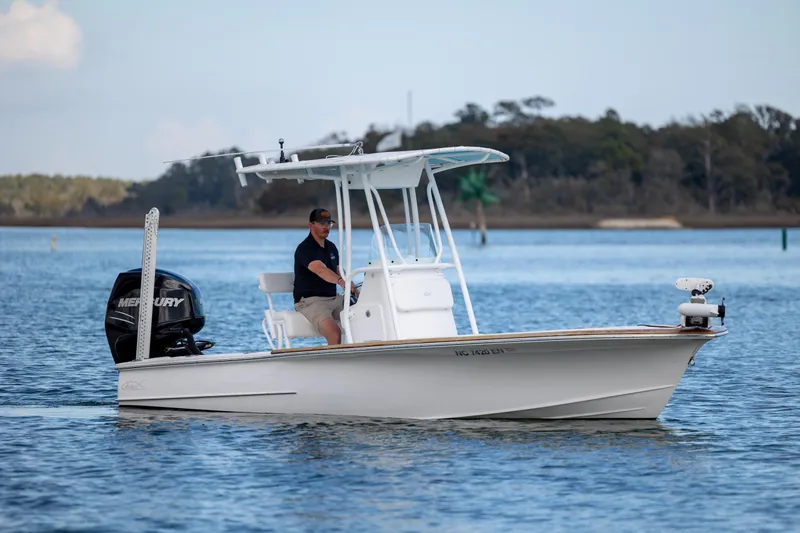
Some marinas and access points have limited depths—Wilmington Marine Center, for example, lists approach depths of about 5.5 feet and dockside depths around 4 feet. Shoaling and shallow areas, especially near the edges of channels or in creeks, mean that deeper-draft boats need to pay close attention to charts, tide tables, and local knowledge.

  • The Silver Lining: Boaters who plan their trips around the tide and learn the local channels often find the system becomes second nature over time. Favoring shallower-draft boats, using up-to-date charts, and checking in with local marinas about current conditions can go a long way toward avoiding groundings or uncomfortable currents.

3. Seasonal storms, heat, and weather variability

While Wilmington enjoys a long boating season, the weather isn’t always cooperative. Summers are typically hot, humid, and prone to afternoon thunderstorms, with August often being the wettest month. In late summer and early fall, the region is also exposed to tropical storms and hurricanes that can bring high winds, heavy rain, and potential damage to boats and facilities.

In winter, cooler air and mid-50s°F water temperatures can make swimming and watersports less appealing, effectively narrowing the prime months for those activities.

  • The Silver Lining: Monitoring marine forecasts closely, building in flexibility for last-minute weather changes, and having a solid hurricane plan for your boat (haul out, extra lines, or moving to a more sheltered location) can mitigate many weather-related risks. On the positive side, the shoulder seasons outside of peak summer often bring comfortable temperatures, fewer crowds, and calmer conditions for cruising and fishing.

4. Crowds, ramp congestion, and limited transient space in peak season

Wilmington’s popularity as a boating destination means that on warm weekends and holidays, things can get crowded. Busy public ramps such as Wrightsville Beach or Dram Tree Park may see long lines for launching and retrieving, and trailer parking can fill up early in the day. Maneuvering larger rigs into tighter ramps, like Dram Tree, can also be challenging, especially for less experienced drivers.

On the water, popular stretches of the Intracoastal Waterway, downtown docks, and near-inlet areas can feel congested, particularly during summer or event weekends. Transient slips at downtown docks and nearby marinas may book up quickly in the high season.
  • The Silver Lining: Arriving early in the morning, boating on weekdays when possible, or exploring less-trafficked upriver areas can help you avoid the worst of the crowds. Making transient slip reservations well in advance during peak months and learning alternative ramps around New Hanover County give you more flexibility when your first-choice spot is full.

5. Regulations, no-wake zones, and navigation constraints

Boating around Wilmington means paying attention to a patchwork of no-wake zones, bridge clearances, and regulatory requirements. North Carolina law allows the Wildlife Resources Commission to establish official no-wake zones, and in the Wilmington area these include stretches of the Atlantic Intracoastal Waterway such as Motts Channel near Wrightsville Beach. These areas are enforced to protect shorelines, marinas, and safety, but they can slow your pace and affect trip timing.

Bridges like the Cape Fear Memorial Bridge introduce additional considerations, particularly for taller sailboats or cruisers that may need specific clearances or timing. Environmental protections around marshes and evolving saltmarsh areas along the Lower Cape Fear River also shape where and how you can operate, with an emphasis on minimizing wake and respecting sensitive habitats.

  • The Silver Lining: Once you’re familiar with the marked channels, bridge schedules, and posted no-wake zones, they become a routine part of navigation rather than a surprise. Planning routes that factor in slower sections and checking state and federal resources for updated regulations help ensure smoother outings—and they contribute to safer, more sustainable boating for everyone on the water.

What boating in Wilmington, NC is really like

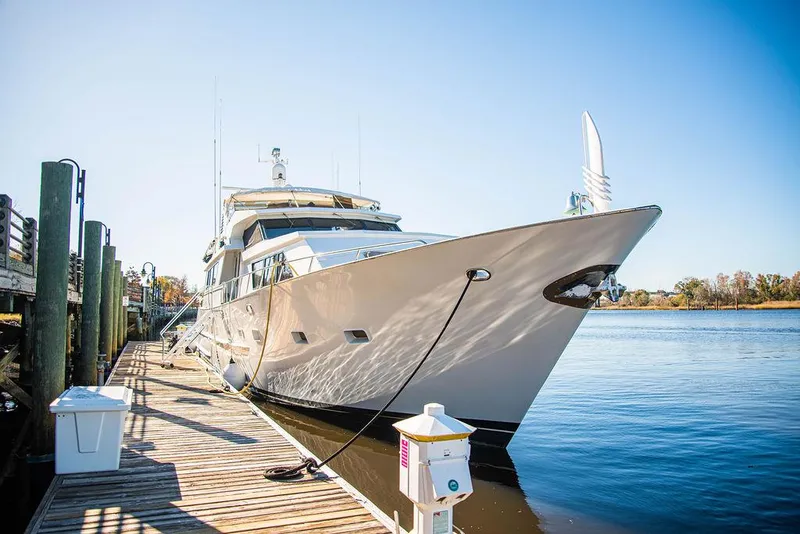
Boating in Wilmington feels like having three different worlds at your doorstep: the urban Cape Fear River waterfront, the laid‑back Intracoastal Waterway (ICW), and the open Atlantic beaches and inlets. On a typical summer Saturday, the river by downtown hums with a mix of center‑console fishing boats, small cruisers, and the occasional big motor yacht sliding into Wilmington City Docks. The Riverwalk is just over the rail, so you’re people‑watching and being watched at the same time—live music drifting out of bars, the smell of seafood, and historic brick buildings as your backdrop.

Head east toward Wrightsville Beach and the scene shifts to more family runabouts, wake boats, and sandbar‑oriented pontoons. The ICW and nearby creeks are full of kids on tubes, paddleboards tucked into coves, and local boaters idling past waterfront homes. On busy summer afternoons, the no‑wake zones through places like Motts Channel slow everyone down, and it turns into more of a slow parade of boats than a highway—great for sightseeing if you’re not in a hurry.

Further south around Carolina Beach and Pleasure Island, the vibe tilts more toward all‑day adventure. Trailer boaters launch early from the state park ramp, run the river or the ICW, then slip out through inlets to fish or to anchor off the beach. Afternoons often end at an anchorage or shoal where people raft up, swim, and grill on board. Weeknights are quieter: a quick after‑work lap up the Cape Fear River to watch the sunset behind the bridges, then back to the dock downtown for dinner ashore. Even without a formal regatta circuit in the sources, you still see informal raft‑ups and holiday weekend flotillas that give the area a small‑community‑on‑the‑water feel.

Costs, logistics, and practical details

Practically speaking, boating in Wilmington means planning around limited slip availability and a strong seasonal rush. Marinas like Wilmington Marine Center and others in New Hanover County report very high occupancy, with many wet and wet‑dry slips running around 95% full and waitlists commonly stretching two to three years. Monthly wet slip rates in the area can hover around $15 per foot at places like Wilmington Marine Center, and regional reporting shows annual costs in the mid‑$3,000s to upper‑$6,000s for a 22‑foot boat, and around $7,000–$8,200 annually for a 33‑footer, depending on exact location and amenities.

Transient boaters have it somewhat easier, at least outside the absolute peak weekends. Wilmington City Docks on the downtown riverfront offer about 1,200 feet of floating dock space, taking boats up to roughly 100 feet with 30‑ and 50‑amp shore power and water. As of the cited data, rates were about $1.25 per foot per night, while some nearby Upper Cape Fear docks charge around $1.75 per foot Sunday–Thursday and $2.00 per foot on Friday and Saturday. Stays are typically capped (for example, a 14‑day maximum at the City Docks), which keeps turnover high but means long‑term liveaboard arrangements downtown require a full‑time slip elsewhere.

If you trailer your boat, Wilmington is more accessible—but you’ll compete for ramp space during prime times. Dram Tree Park, Carolina Beach State Park, River Road Park, Trails End, and the large Wrightsville Beach ramp on the ICW side form the backbone of public access. Wrightsville, with five lanes and dozens of trailer spots, is popular but can be intensely busy on summer weekends. Some ramps, like Dram Tree, have tighter approaches and parking that can be tricky for longer rigs, so local advice about best times and traffic patterns pays off.

Is Wilmington, NC a good place for boating?

Boating in Wilmington offers a compelling mix of scenic river cruising, lively beach‑town ICW runs, and direct access to the Atlantic, all wrapped around a historic, walkable downtown. Its biggest strengths are variety and atmosphere: you can spend one day exploring the Cape Fear River and tying up at Wilmington City Docks for dinner, and the next day launching at Wrightsville or Carolina Beach to fish offshore, relax off Pleasure Island, or poke around inlets near Figure Eight Island. A long warm‑weather season and solid marina infrastructure make it attractive for both local owners and ICW cruisers passing through.

You will love boating here if:

  • You want access to multiple types of water—river, Intracoastal Waterway, and Atlantic inlets and beaches—from a single home port.
  • You enjoy a social, mixed‑use boating scene with everything from family sandbar days to downtown dock‑and‑dine evenings.
  • You’re comfortable navigating tidal, brackish waters with marked no‑wake zones and occasional commercial traffic.

You might find it challenging if:

  • You need an inexpensive, immediately available permanent slip—local demand and waitlists can be long and costs above many inland markets.
  • You strongly prefer uncrowded ramps and channels; peak‑season Wilmington has busy public launches and popular no‑wake bottlenecks.
  • You dislike dealing with tides, salinity, and the extra attention required for navigating shallow approaches and mixed river/ocean conditions.

Overall, Wilmington is an excellent place for boaters who appreciate diverse waters, an active social scene, and the convenience of a real city a few steps from the dock—but it does demand some patience with slip availability, summer crowds, and coastal weather. If you’re willing to plan ahead for moorage, learn the local tides and no‑wake zones, and keep a sensible storm plan, Wilmington deserves a serious look as a home port, a recurring cruising stop, or a must‑visit entry on your boating bucket list.

Be the First to Know

Get notified when new boats become available.

Logo