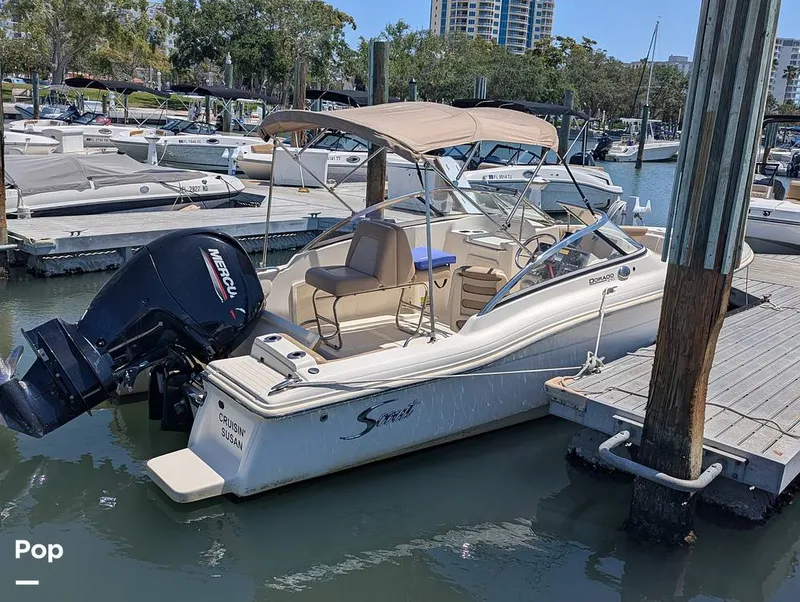
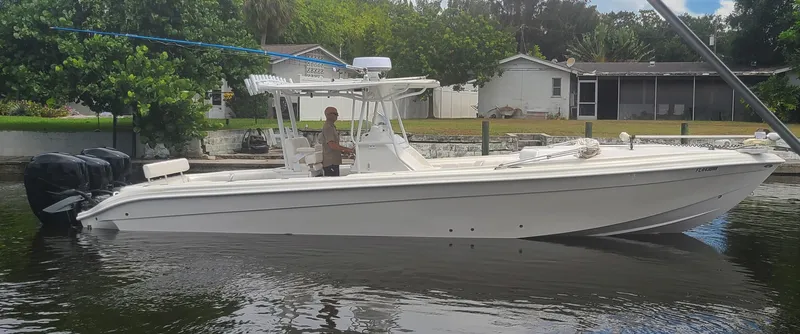
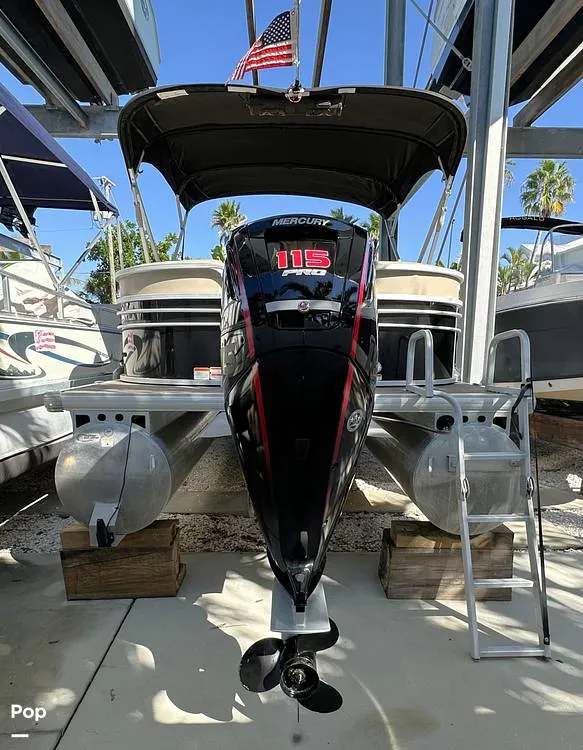
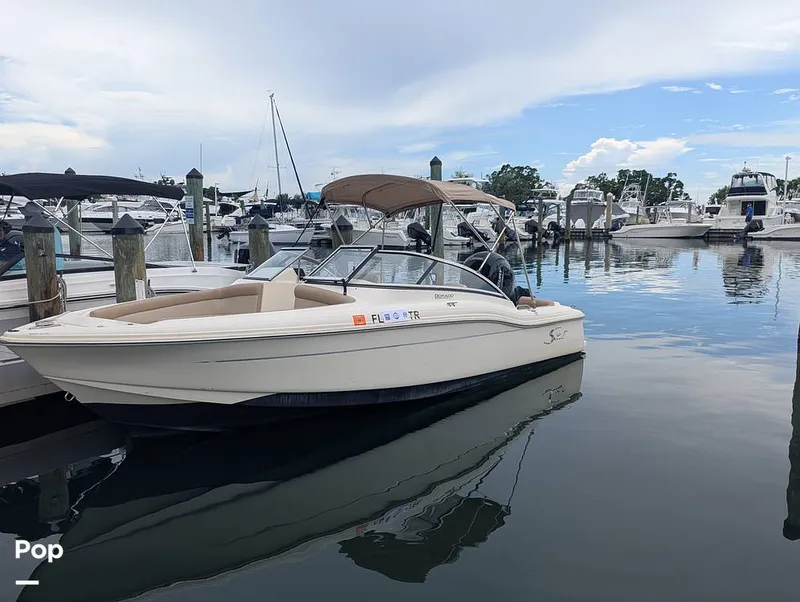
Sarasota

Filters

Filters

Boat Type

Condition

Searching boats for you...

Boating · Destinations

Is Sarasota, FL a Good Place for Boating?


Written by: MarineSource.com Team | Estimated read time: 8 min read


On Florida’s central Gulf Coast, Sarasota wraps around a glittering stretch of water known as Sarasota Bay. Barrier islands—Longboat Key, Lido Key, Siesta Key, and Casey Key—shelter the bay from the open Gulf of Mexico, creating a patchwork of smooth channels, mangrove shorelines, and wide-open horizons. From the wheel of a small center console or the cockpit of a sailboat, the city’s skyline and white-sand beaches frame nearly every view.

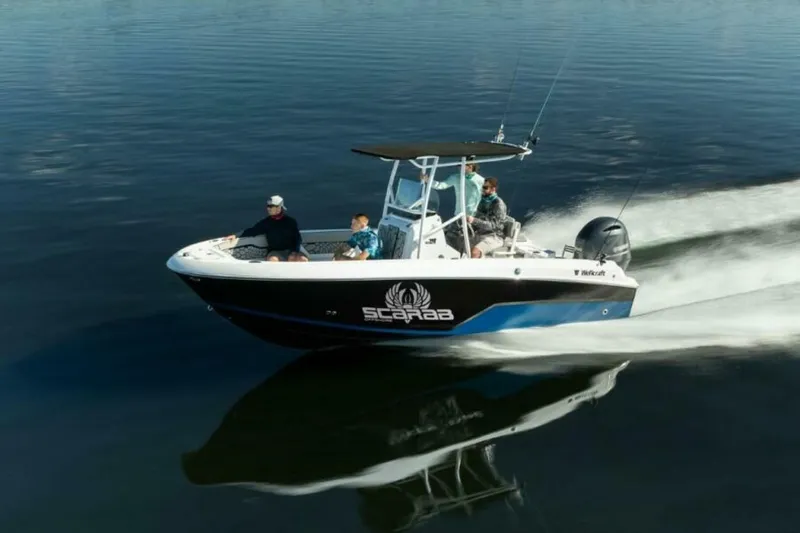
The area has a long relationship with the water, and it shows. Boats in Sarasota range from paddleboards skimming quiet mangrove tunnels to sportfishing machines heading offshore through New Pass or Big Sarasota Pass. The Gulf Intracoastal Waterway threads through the region, connecting waterfront neighborhoods, public ramps, and full-service marinas like Marina Jacks and Sara Bay Marina, so it is easy to string together a full day on the water without going far from home port.

For boaters, the appeal is obvious: year-round warm weather, a mix of protected bay and open Gulf waters, plenty of ramps and moorings, and countless spots to anchor near a beach or enjoy a sunset over the barrier islands. Waterfront dining, downtown access by boat, and a steady stream of visiting cruisers give the harbor a lively, social feel during the busy season.

Sarasota is not without its challenges, though. Shallow estuarine waters demand careful navigation, manatee and no‑wake zones can slow travel, and the costs of dockage and fuel are on the higher side compared with inland areas. Hurricanes and summer storms are also part of the calculus for any Gulf Coast boater. So is Sarasota a good place for boating, and how do boats in Sarasota stack up for everyday use? Below, we break down the key pros and cons to help you decide.

Pros of boating in Sarasota, FL

1. Scenic, Protected Waters With Easy Gulf Access

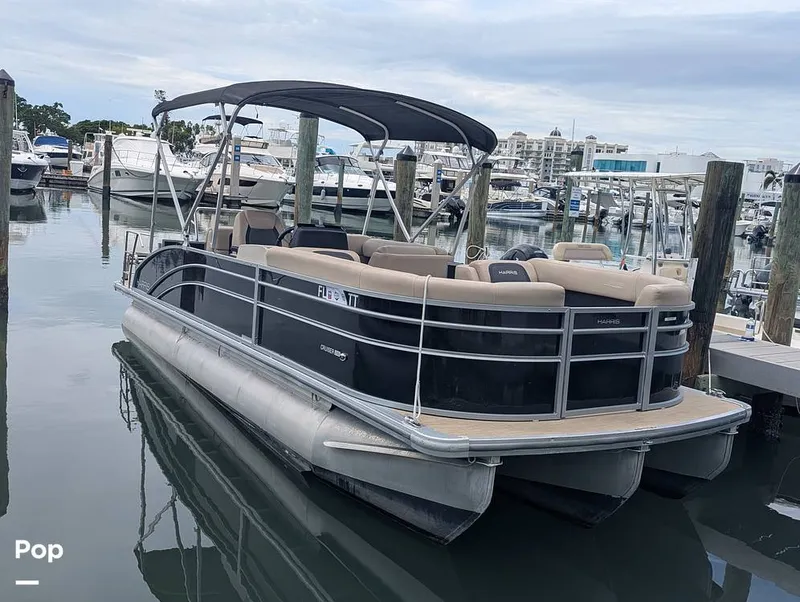
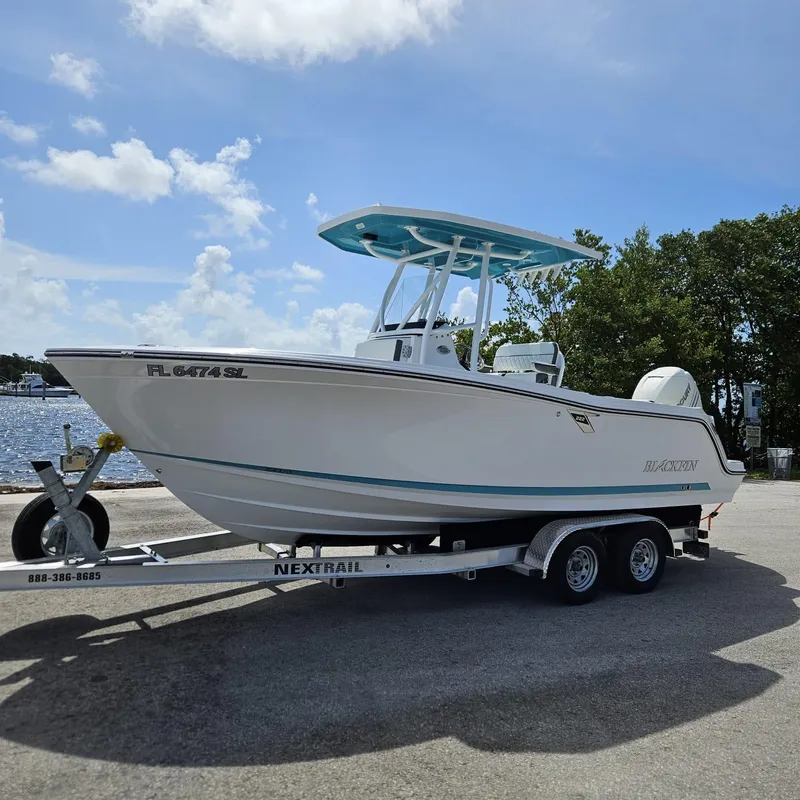
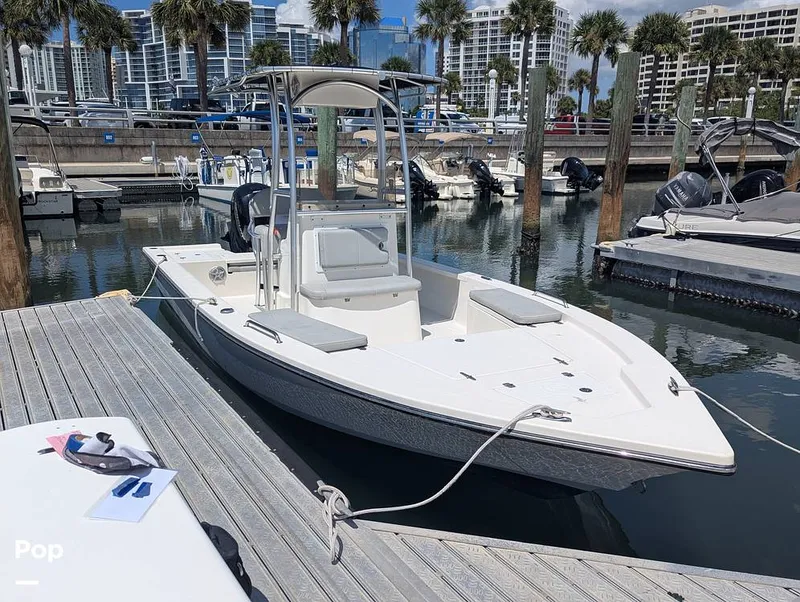
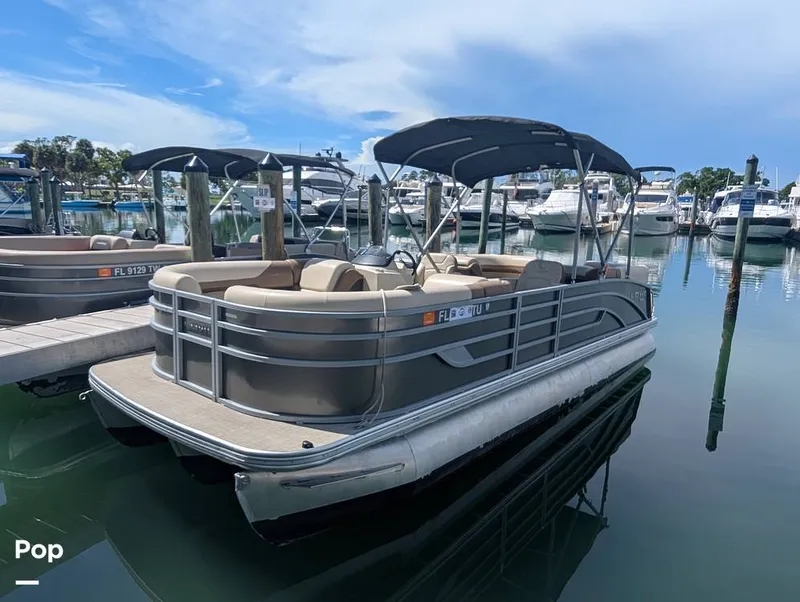
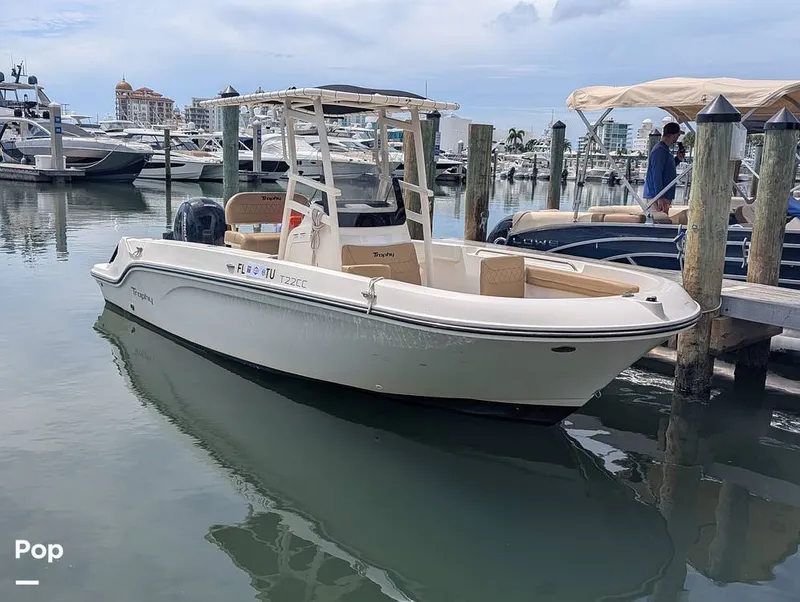
Sarasota Bay itself is a classic boating playground: an estuary that is mostly protected from Gulf swells by Longboat Key, Lido Key, Siesta Key, and Casey Key. For owners of shallow‑draft boats in Sarasota—think bay boats, pontoons, and smaller sailboats—this means you can usually find calm water even when the Gulf is choppy.

From the bay, you have multiple routes out to the Gulf of Mexico through passes like New Pass and Big Sarasota Pass. On good-weather days, those passages open up quick runs to offshore fishing spots or leisurely coastal cruises. You can spend a relaxed morning nosing around the mangroves, then pick your weather window and head offshore in the afternoon.

2. Strong Public Access and Boating Infrastructure

If you trailer your boat or prefer flexible access, Sarasota County makes it relatively easy to get on the water. There are roughly two dozen public motorized-boat ramps in the county, including well-known launches like Centennial Park & Boat Ramp on the downtown waterfront, Ken Thompson Park near the John Ringling Causeway, and Turtle Beach Public Boat Ramp on the south end of Siesta Key.

These ramps give direct access to Sarasota Bay, Little Sarasota Bay, and the Intracoastal Waterway, with parking and basic amenities like restrooms. For those who keep boats in the water, marinas such as Marina Jacks and Sara Bay Marina offer wet slips, high-and-dry storage, fuel, and services. Between the public ramps, marinas, and the Sarasota Bay Mooring Field for visiting boats, the region is set up to support everything from small skiffs to cruising sailboats.

3. Year-Round Boating Climate

Unlike seasonal lake destinations, Sarasota is essentially a twelve-month boating market. Mild winters draw “snowbird” boaters from colder states, while spring and fall are prime times for comfortable cruising and fishing. Even in summer, early-morning and late-afternoon outings on Sarasota Bay are popular ways to beat the midday heat.

For owners and renters alike, this means boats in Sarasota get more use across the year compared with many other U.S. locations. Paddling, inshore fishing, sailing, and powerboating all have viable seasons that stretch well beyond a traditional Memorial Day-to-Labor Day window.

4. Variety of Boating Styles and Destinations

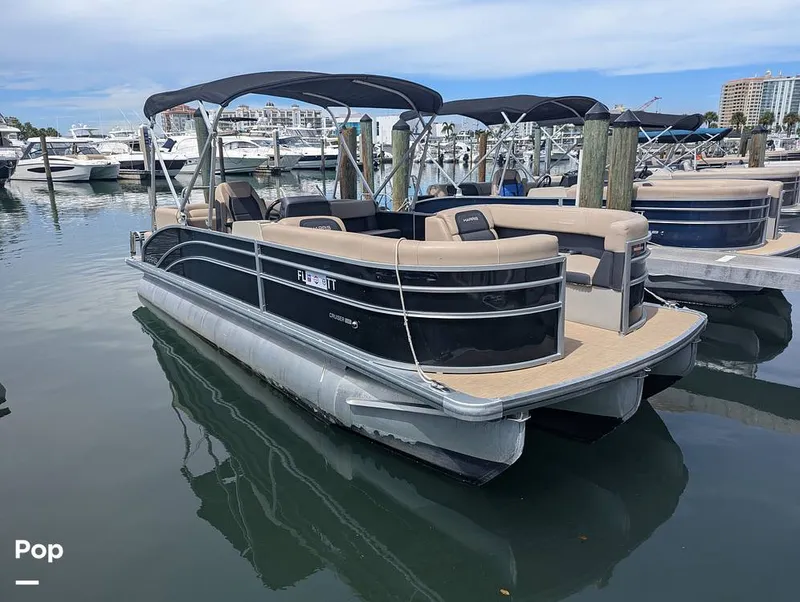
One of Sarasota’s biggest advantages is the variety of water experiences within a relatively compact area. Inside the bay and along the Intracoastal Waterway, you’ll find sheltered stretches ideal for pontoons, family cruisers, and kayaks. Little Sarasota Bay and the mangrove-lined coves around South Lido Nature Park are favorite spots for quiet exploration.

When you want a livelier scene, you can idle up to the docks at Marina Jacks, hop ashore for a meal, or anchor off the barrier islands near Turtle Beach or Siesta Key’s back-bay side to swim and relax. On the fishing side, passes like New Pass and Big Sarasota Pass are gateways to nearshore reefs and Gulf species, while the Myakka River and surrounding backwaters offer a different, more rustic flavor of boating inland.

5. Services, Amenities, and a Growing Boating Culture

Sarasota’s status as both a tourist destination and a cultural hub means boating amenities extend beyond basic dockage. Downtown is right off the water, so tying up at Marina Jacks or picking up a mooring in the Sarasota Bay Mooring Field puts you within walking distance of restaurants, shops, and nightlife.

On the practical side, the same marina complex offers fuel (gasoline and diesel), pump-out facilities, showers, and laundry, making it a convenient base for local boaters and transient cruisers alike. County parks and private operators offer rentals of kayaks and paddleboards at spots like Turtle Beach Park and South Lido Nature Park, which helps keep the boating community active, even for those who aren’t ready to own a boat yet.

Cons of boating in Sarasota, FL

1. Shallow Waters and Navigation Complexity

Sarasota Bay and the nearby stretches of the Gulf Intracoastal Waterway are relatively shallow in many places, with typical depths often in the 7–12 foot range and even less outside marked channels. For deeper-draft vessels, this can be a real constraint, forcing careful route planning and strict attention to channel markers.

Shoals, shifting sandbars near the passes, and unmarked shallow flats mean that running outside the channel at speed can quickly lead to groundings, especially for visiting boaters unfamiliar with the area. Bridges and narrow cuts, such as those near Stickney Point or Blackburn Point, add another layer of navigation complexity.

  • The Silver Lining: With up-to-date charts, a depth sounder, and some local knowledge, most boaters quickly learn the “lanes” of Sarasota Bay. Shallow water also favors smaller center consoles, bay boats, and pontoons—making it possible to enjoy a lot of water with relatively modest boats in Sarasota, as long as you respect the markers and tides.

2. No‑Wake Zones and Speed Restrictions

Much of Sarasota’s waterfront is crisscrossed by Idle Speed – No Wake and Slow Speed zones, often tied to bridges, residential canals, or manatee protection areas. Sections of the Grand Canal on Siesta Key, parts of Phillippi Creek, and various stretches around New Pass and other bridges fall under these rules.

For boaters who love to run fast or spend the day wakeboarding, these restrictions can make certain routes feel slow and segmented. Visitors who rent boats in Sarasota are sometimes surprised by how often they need to throttle back, and enforcement by marine patrols is active, especially in peak season.
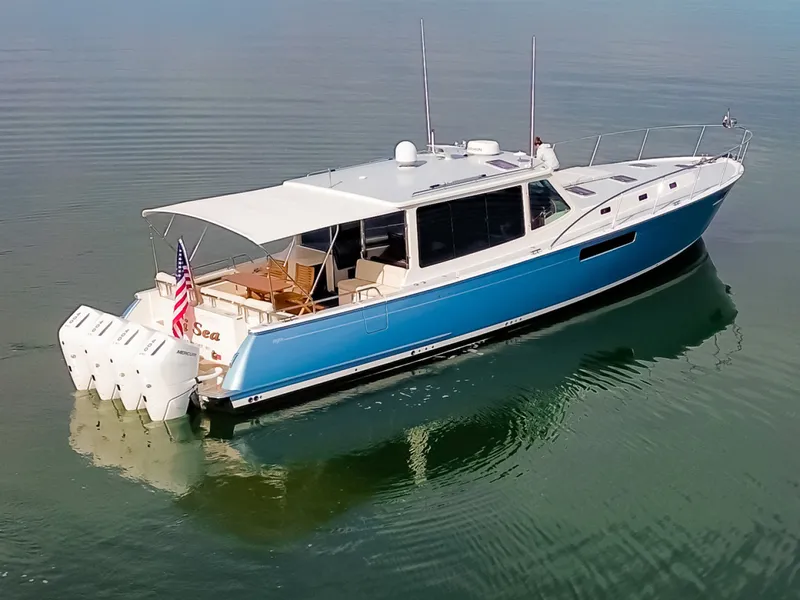
  • The Silver Lining: The same rules that limit speed also help keep Sarasota’s waterways safer and more comfortable for smaller boats, paddlers, and wildlife. By planning your routes to group high‑speed stretches together and allowing extra travel time, you can still enjoy sporty runs in appropriate areas while avoiding tickets and conflicts with other water users.

3. Higher Costs for Dockage, Fuel, and Services

Sarasota is not the cheapest place to keep a boat. Transient dockage at a full-service marina like Marina Jacks typically runs in the neighborhood of $2.65 per foot per night for smaller vessels, with higher rates for larger boats. The Sarasota Bay Mooring Field is more affordable but still a meaningful nightly cost for extended stays.

Fuel prices on the water—over $5 per gallon for gasoline and over $4 for diesel in recent reports—are in line with other coastal Florida destinations but higher than many inland or self‑trailering options. Add in maintenance, insurance, and the general cost of living in a desirable coastal city, and boating here can be a significant line item in the household budget.

  • The Silver Lining: For local residents, trailering a boat and using the numerous public ramps can dramatically cut ongoing costs, as can choosing smaller, more fuel‑efficient boats in Sarasota’s mostly protected waters. Visitors can minimize marina bills by mixing nights at the mooring field or anchoring (where permissible) with occasional full-service stays to refuel, pump out, and reprovision.
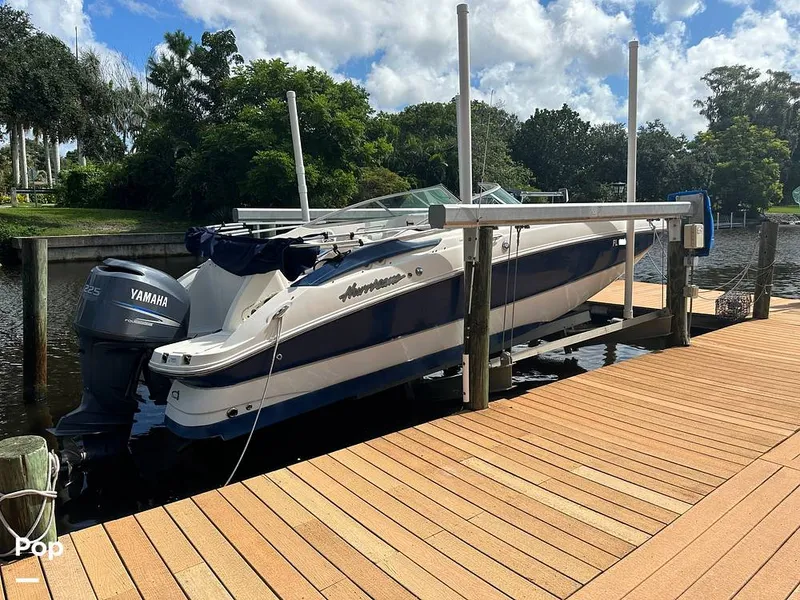
4. Storms, Hurricanes, and Weather Variability

While Sarasota enjoys warm weather that supports year-round boating, it is also vulnerable to Gulf storms and hurricanes. Systems like Hurricane Ian in 2022 are reminders that strong winds, storm surge, and heavy rainfall can damage marinas, alter channels, and keep boats off the water for days or weeks.

Even outside of major storms, summer brings frequent afternoon thunderstorms with lightning and sudden gusts, which can create challenging conditions on open stretches of Sarasota Bay or in the passes.

  • The Silver Lining: Because boating is such a core part of local life, marinas and boatyards in Sarasota are generally used to storm preparation and recovery, often providing haul-out options or hurricane plans for customers. By monitoring forecasts closely, planning earlier-in-the-day outings in summer, and having a clear storm strategy for your boat, you can enjoy the long boating season while managing the more intense weather risks.

5. Crowding at Ramps and Popular Waterways

Sarasota’s popularity—both with residents and seasonal visitors—means that public ramps and key channels can get crowded, especially on weekends, holidays, and during peak “snowbird” months. Locations like Centennial Park & Boat Ramp or Turtle Beach Public Boat Ramp may see lines of trailers waiting to launch or retrieve in the middle of a sunny Saturday.

On the water, tight bottlenecks around bridges or narrow cuts can feel congested, and popular sandbar and beach anchoring spots may be packed during perfect-weather days. For new boaters or renters, the combination of shallow water and heavy traffic can feel intimidating at first.

  • The Silver Lining: Local boaters quickly learn to time their outings—launching early in the morning, avoiding major holidays, or choosing less obvious ramps and back-bay routes. If you can be flexible with your schedule or explore beyond the most famous spots, there is still plenty of open water for boats in Sarasota, even at the height of the season.

What boating in Sarasota, FL is really like

Boating in Sarasota feels like having an all-access pass to both a calm coastal lagoon and the open Gulf of Mexico. Most days on the water start in Sarasota Bay or along the Gulf Intracoastal Waterway, where center consoles, bay boats, and pontoons weave between the barrier islands of Longboat Key, Lido Key, Siesta Key, and Casey Key. The water is usually a protected mix of blue-green estuary and clear Gulf, with dolphins surfacing near the bow and the occasional manatee rolling in the shallows, especially in posted manatee protection zones. Because so many areas are shallow, local boaters quickly learn the channels and markers, then relax into an easy, laid-back rhythm that suits the city’s coastal vibe.

On a typical weekend, families load up coolers and water toys at one of the many public ramps like Centennial Park or Turtle Beach, then cruise slowly through Idle Speed–No Wake zones under bridges and past waterfront homes. Once they’re out in open stretches of the Intracoastal Waterway, you’ll see kids on tubes behind deck boats, anglers working the edges of grass flats, and small sailboats tacking in the afternoon breeze. Sandbar spots and sheltered coves near the keys turn into social hubs—rafts of boats tied off together, music playing softly, people wading in waist-deep water, and a steady trickle of dinghies and kayaks shuttling to shore.

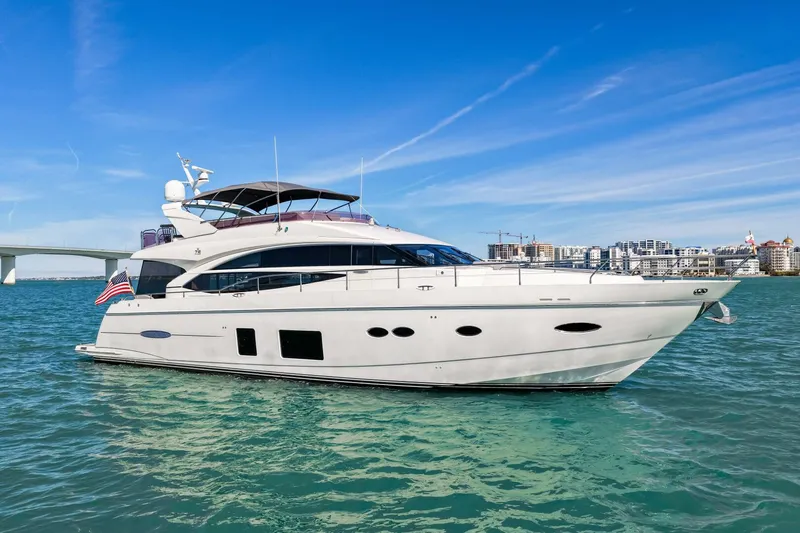
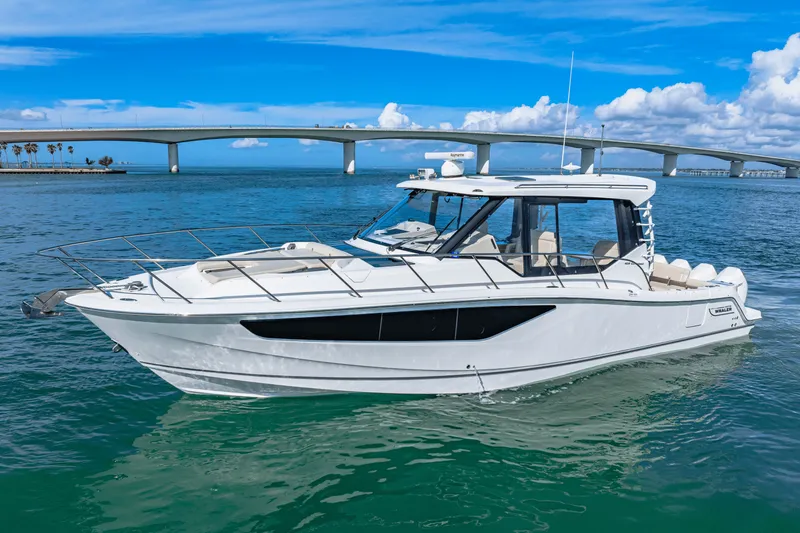
Downtown Sarasota adds a more urban flavor to the mix. Boats in Sarasota’s Marina Jacks basin and the Sarasota Bay Mooring Field sit right off the city skyline, with liveaboards, cruising sailboats, and larger motor yachts sharing the same vista. An after-work outing might be nothing more than a short hop from a high-and-dry rack or nearby ramp to catch sunset over the Gulf, then back to the dockside restaurants for dinner. In contrast, winter and spring “snowbird” season can make the waterways feel busy and cosmopolitan, with transient cruisers on the ICW, charter trips heading out through Big Sarasota Pass, and more law-enforcement presence reminding everyone to respect speed zones and manatee areas.
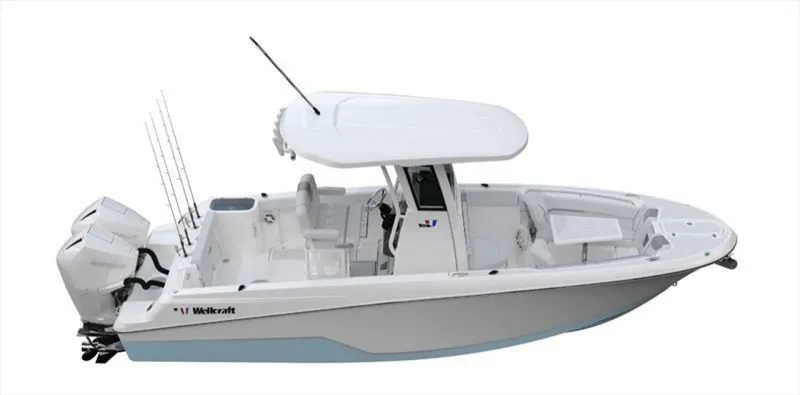
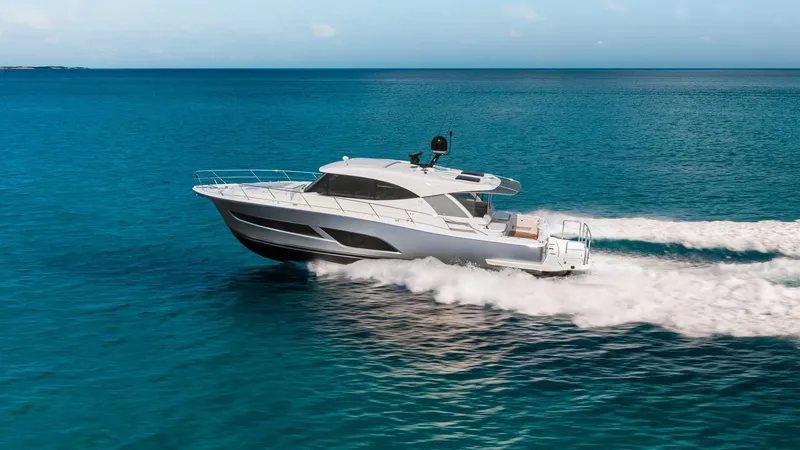
Costs, logistics, and practical details

From a practical standpoint, Sarasota is well set up for boaters, but it isn’t a hidden bargain. Full-service marinas like Marina Jacks and Sara Bay Marina provide wet slips, transient dockage, fuel (gasoline and diesel), pump-out, restrooms, and laundry. Transient rates around $2.65 to over $3.00 per foot per night—plus a separate mooring field rate near $45 per night—are typical of Florida’s Gulf Coast city marinas: not cheap, but in line with the region. The Sarasota Bay Mooring Field is often the more economical option for visiting cruisers who don’t mind dinghying ashore.

Dry-stack (high-and-dry) storage and indoor racks are common for mid-size powerboats up to about 40 feet, helping protect boats from sun and summer storms. Trailer boating is also a big part of Sarasota’s scene, thanks to a strong network of public ramps such as Centennial Park, Turtle Beach, Ken Thompson Park, and others throughout the county. On busy weekends you’ll want to launch early; ramps can get crowded, and parking fills quickly when the weather is perfect. Some ramps and parks charge modest fees, so it’s smart to check local postings or county websites ahead of time.

The local marine services ecosystem is mature and convenient. Between the major marinas and scattered repair yards and marine supply shops, you can find engine service, hull work, detailing, and electronics help without much trouble. Fuel prices trend on the higher side for Florida, reflecting the waterfront location, but most boaters accept this as the cost of easy access to Sarasota Bay and the Gulf. Because boating here is effectively year-round, there’s less emphasis on full winter haul-outs and more on routine maintenance, hurricane preparedness, and careful adherence to posted no-wake and manatee zones. Overall, logistics for boats in Sarasota are straightforward for those comfortable with city-level prices and occasional seasonal congestion.

Is Sarasota, FL a good place for boating?

Boating in Sarasota is a strong match for anyone who likes variety and comfort on the water. The combination of Sarasota Bay’s protected estuary, the well-marked Gulf Intracoastal Waterway, and quick access to the Gulf through local passes gives you a lot of options in one compact area. Full-service marinas like Marina Jacks, the Sarasota Bay Mooring Field, and a wide spread of public ramps make it practical to keep or trailer boats in Sarasota, whether you’re a local resident or a seasonal visitor. The everyday experience ranges from quiet morning cruises alongside manatee zones and seagrass flats to vibrant afternoons at sandbars or downtown docks, all with a coastal city right at your stern.

You will love boating here if:

  • You want a year-round boating destination with warm weather, protected bay waters, and quick access to the open Gulf of Mexico.
  • You like variety—cruising the Intracoastal Waterway, anchoring at sandbars, occasional offshore runs through passes like New Pass or Big Sarasota Pass, and exploring the nearby keys.
  • You appreciate having full-service marinas, fuel docks, pump-out stations, and a mooring field all clustered near a vibrant downtown and waterfront dining.

You might find it challenging if:

  • You are highly budget-conscious and looking for very low-cost slips, storage, and fuel; Sarasota’s marina and fuel prices are moderate-to-high by Florida standards.
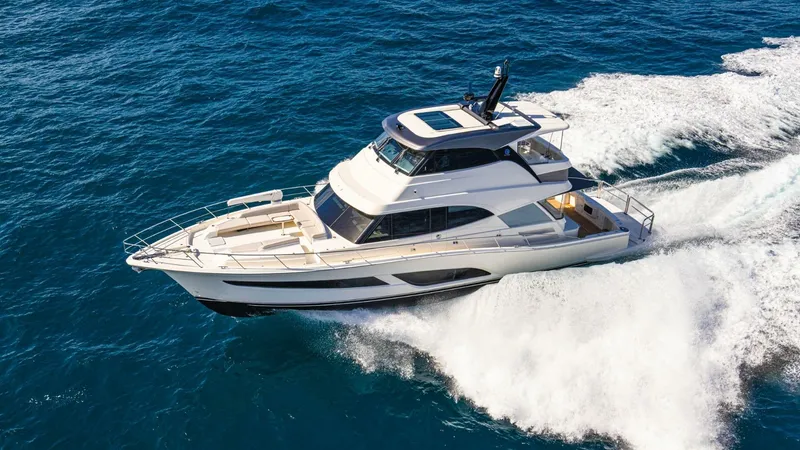
  • You strongly prefer very deep, open water everywhere and do not want to deal with shallow estuary zones, channels, or the risk of running aground if you stray outside markers.
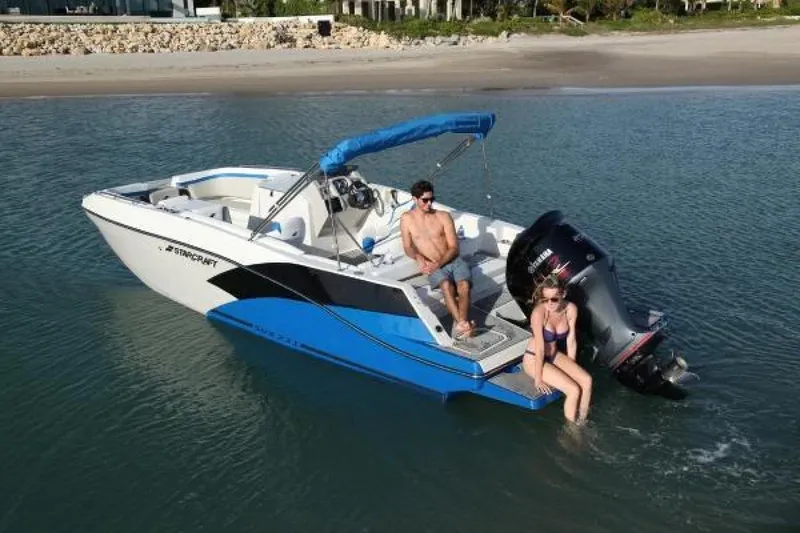
  • You dislike speed restrictions and enforcement; Sarasota’s many Idle Speed–No Wake and manatee protection zones mean you’ll often be throttled back near bridges, canals, and sensitive habitats.

Overall, Sarasota is an excellent place for boating if you’re comfortable with moderate-to-high waterfront costs and mindful of shallow-water navigation and speed zones. Families with center consoles and pontoons, social sandbar boaters, and cruising sailors following the Intracoastal Waterway will find a lot to love. Ultra-budget boaters or those seeking wide-open deep water with few restrictions may prefer a different Gulf region, but for most, adding “boats in Sarasota” to your boating plans or bucket list is well worth it—whether that means a weekend trip, a season on a mooring ball, or keeping your boat here long term.

Be the First to Know

Get notified when new boats become available.

Logo