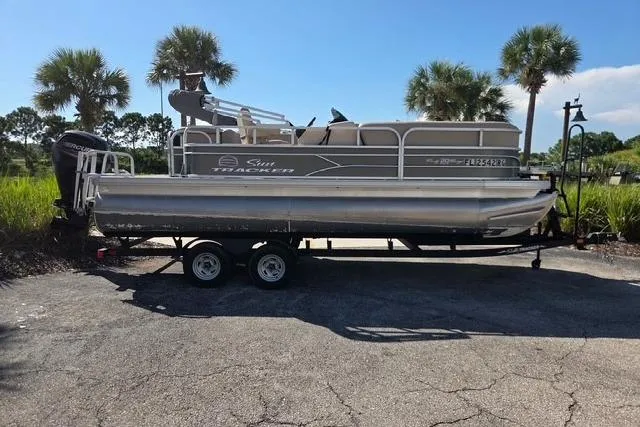
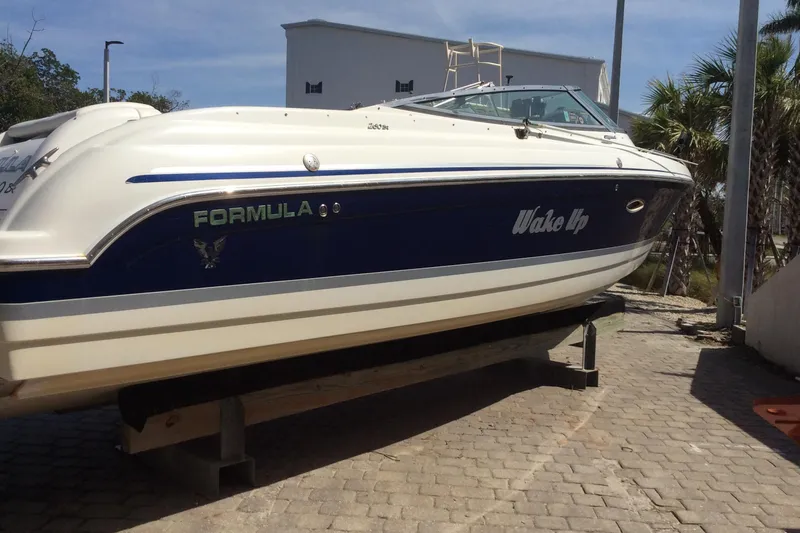
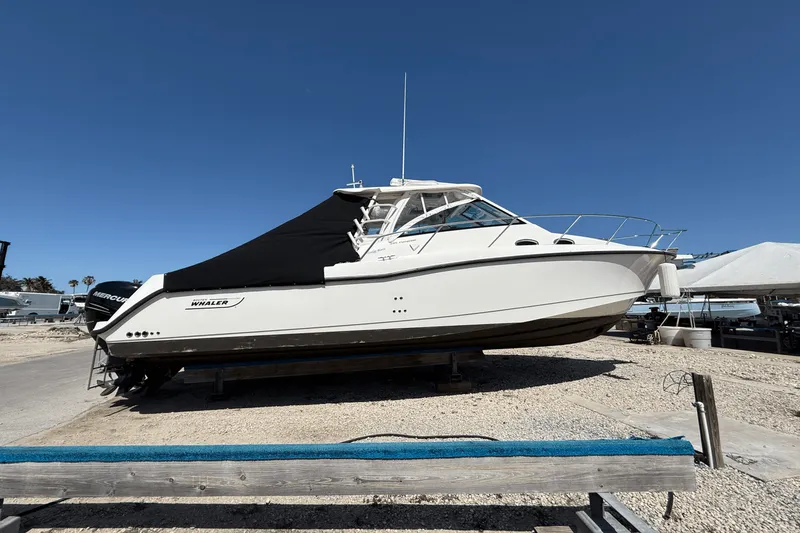
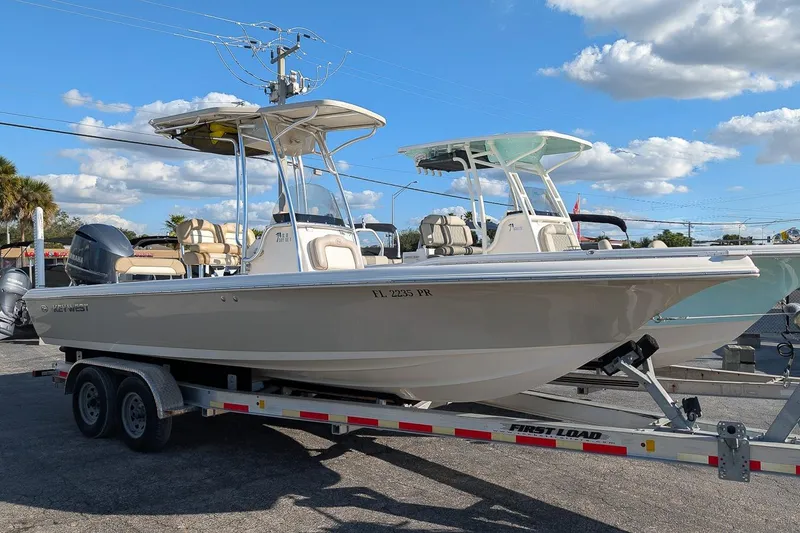
Fort Myers

Filters

Filters

Boat Type

Condition

Searching boats for you...

Boating · Destinations

Is Fort Myers, FL a Good Place for Boating?


Written by: MarineSource.com | Estimated read time: 8 min read


Sitting along the wide, tidal sweep of the Caloosahatchee River, Fort Myers blends classic Old Florida scenery with easy access to the Gulf of Mexico. Mangrove-lined shorelines, riverfront high-rises, and distant barrier islands all come into view as you idle away from the dock. For many locals, life on the water is just as important as life on land, and boats in Fort Myers feel as common as cars in other cities.

From downtown marinas to the shallow estuaries of Estero Bay, this corner of Southwest Florida offers a mix of calm backwaters and open Gulf routes. Weekend boaters head toward Lovers Key and the islands that rim Estero Bay for shelling, sandbar meetups, and dolphin-spotting, while more adventurous cruisers follow the Okeechobee Waterway inland across the state. With so many ways to explore, it’s easy to see why boats in Fort Myers are such a big part of the local lifestyle.

At the same time, boating here isn’t effortless. Seasonal crowds, manatee protection zones with strict speed limits, shallow stretches in Estero Bay, and the ever-present risk of summer storms all affect how and when you get out on the water. Slip fees rise in the busy winter season, and learning the local channels and tides is essential, especially if you’re running a deeper-draft boat.

So, is Fort Myers a good place for boating, and are boats in Fort Myers worth the investment or effort for seasonal visitors and year-round residents? Below, we’ll walk through the major pros and cons of boating in Fort Myers to help you decide how this waterfront city fits your boating dreams.

Pros of boating in Fort Myers, FL

1. Varied waterways from river to Gulf

Fort Myers sits where the Caloosahatchee River widens into San Carlos Bay and leads toward the Gulf of Mexico, giving boaters an unusual range of options. You can cruise the tidal, urban stretch of the Caloosahatchee, explore the protected waters of Estero Bay, or head through nearby passes like Matanzas Pass and Big Carlos Pass to reach the Gulf. This variety means boats in Fort Myers can be used for everything from quiet sunset river cruises to longer coastal adventures.

2. Access to scenic islands and parks

Just southwest of the city, Estero Bay is framed by a string of barrier islands, including Estero Island, Lovers Key, Black Island, and Big Hickory Island. These islands shelter beaches and coves that are ideal for anchoring out, picnicking, and shelling. Lovers Key State Park, in particular, is a favorite by-boat destination thanks to its wildlife, walking trails, and sandy shoreline. With so many islands in easy reach, boats in Fort Myers offer quick escapes into nature without a long open-ocean run.
3. Strong marina and launch infrastructure

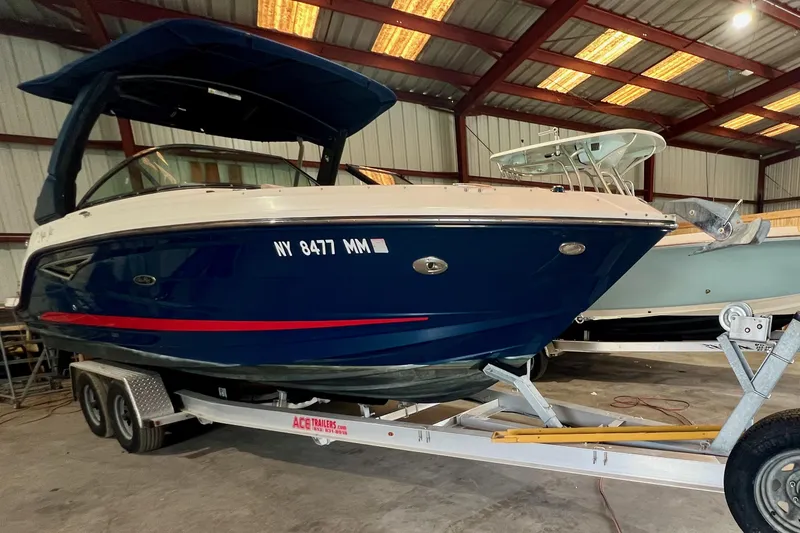
Fort Myers supports an active boating community with several full-service marinas. Legacy Harbour Marina on the Caloosahatchee provides slips for mid-sized and large vessels, along with pump-out, metered electric, showers, laundry, a fitness center, and Wi-Fi. Out toward the Gulf, Moss Marina at Fort Myers Beach and Port Sanibel Marina in San Carlos Bay accommodate transient and monthly boaters with fuel, electric, and dockside amenities. Around the broader area, county-managed ramps like Horton Park in Cape Coral and Matlacha Community Park make it easier for trailerable boats in Fort Myers to get on the water for a day trip.

4. Plenty of ways to enjoy the water

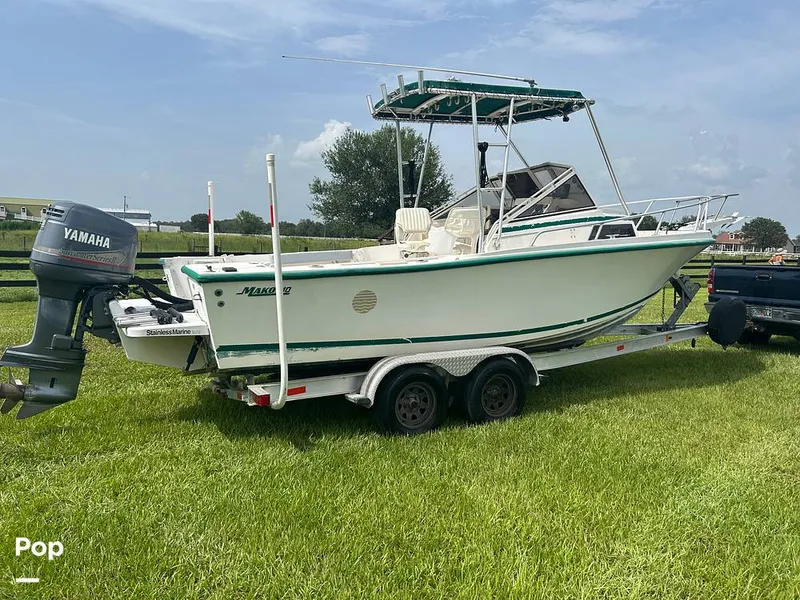
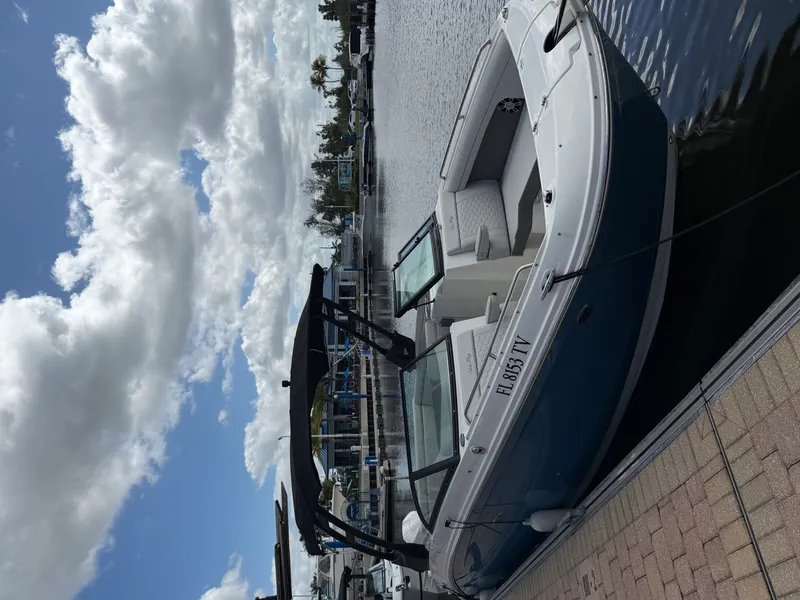
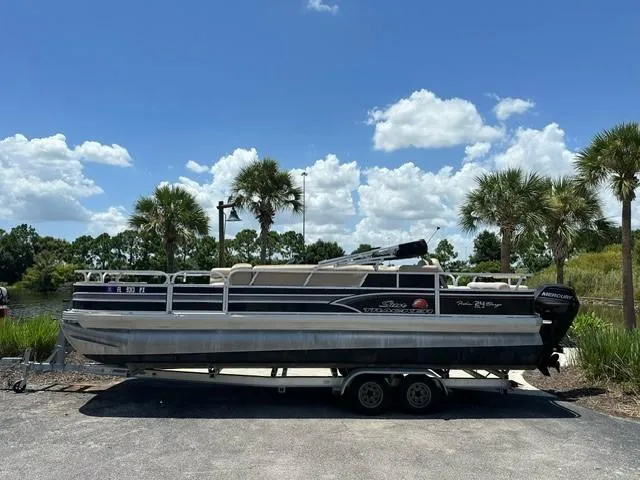
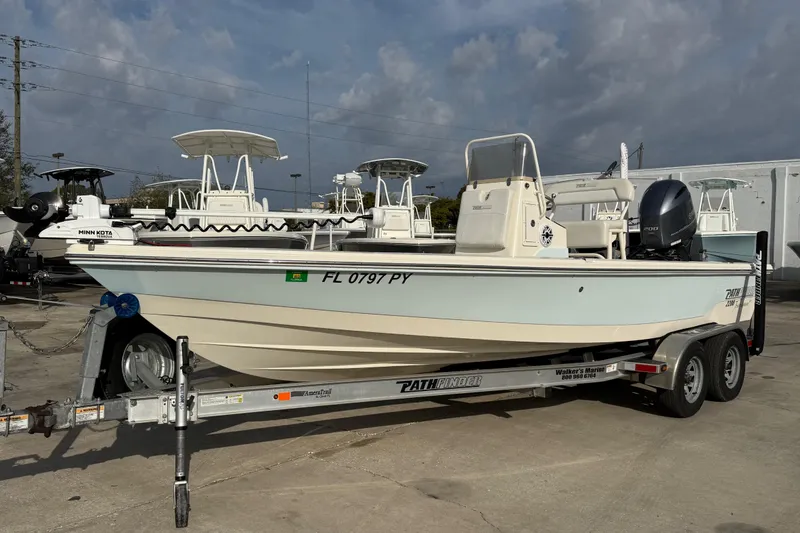
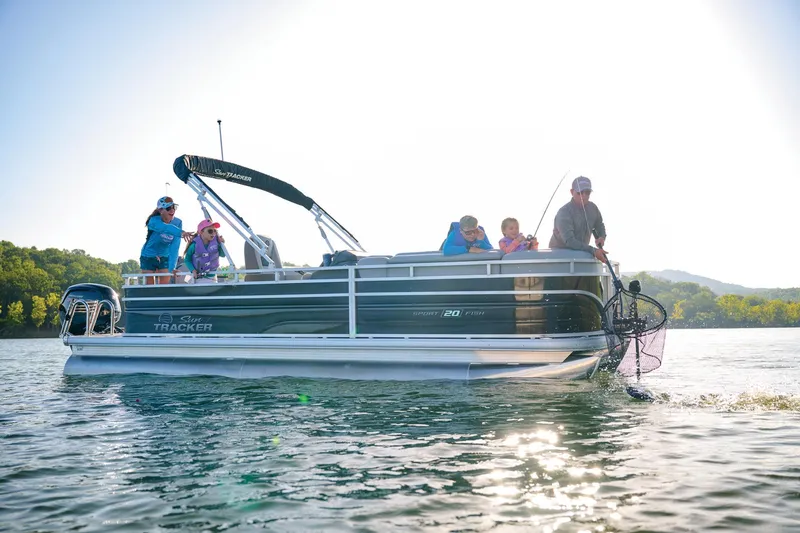
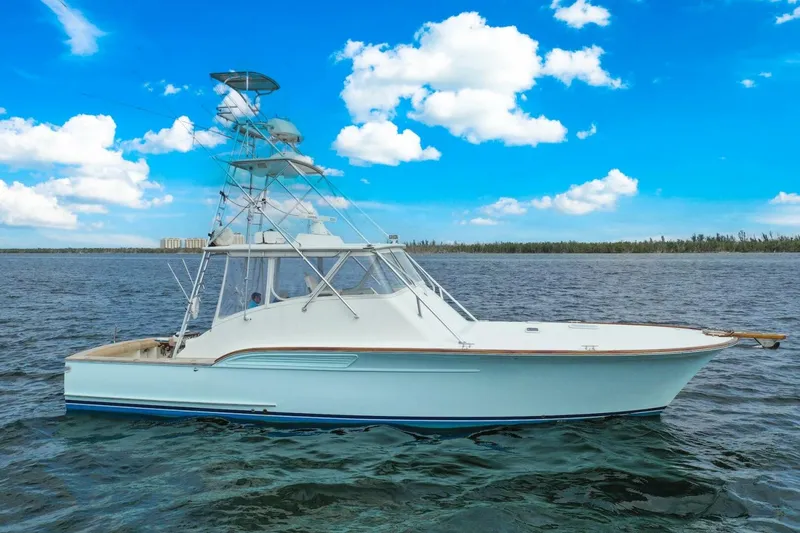
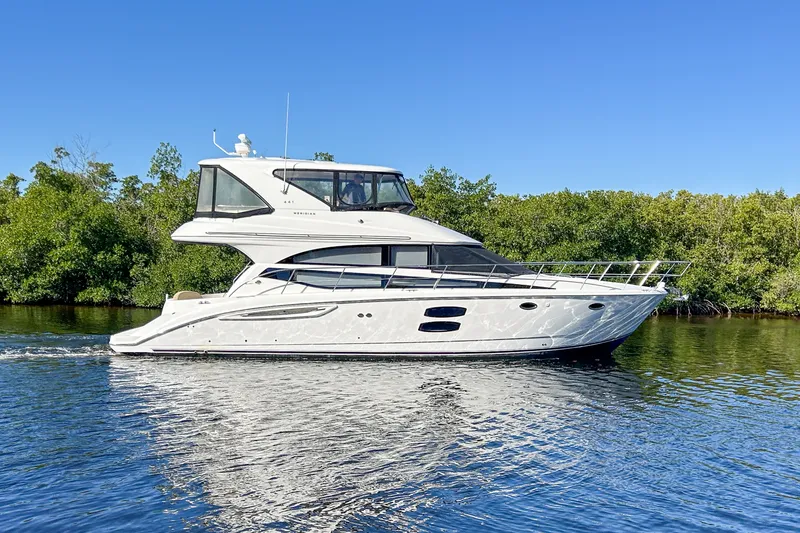
The waterways around Fort Myers are well-suited to many styles of boating. Shallow-draft center consoles, pontoons, and bay boats can nose into mangrove creeks for wildlife viewing or casual sandbar gatherings, while larger cruisers and sportfishing boats favor the deeper channels leading toward the Gulf. Estero Bay and nearby state parks offer low-key cruising, kayaking, and paddleboarding, while passes to the Gulf open up opportunities for offshore fishing and longer coastal runs. This mix of options means boats in Fort Myers can match a wide range of interests and skill levels.

5. Boating-friendly culture and services

Boating is a visible part of the lifestyle in Fort Myers, and that shows up in the support network. The U.S. Coast Guard Station at Fort Myers Beach and the Coast Guard Auxiliary Flotilla 91 are active on the local waterways, and TowBoatUS and SeaTow are available via VHF if you need help. Bait and tackle shops near ramps like Matlacha Community Park, fuel docks at Moss Marina, and growing dock-and-dine choices such as Doc Fords at Fort Myers Beach help keep boats in Fort Myers supplied and social. For newcomers, the strong safety and service presence adds confidence when learning the local waters.

Cons of boating in Fort Myers, FL

1. Seasonal crowds and marina demand

Boating traffic in Fort Myers ramps up significantly during the winter high season, roughly November through April. Seasonal residents and vacationers arrive, transient slip demand at marinas like Legacy Harbour and Moss Marina jumps, and popular routes through Matanzas Pass and the back bay can feel busy on weekends. Waterfront restaurants with docks also fill up quickly, especially on sunny, mild days.

  • The Silver Lining: If you live locally or visit outside peak months, you’ll find more flexible transient reservations, lower off-season slip rates at certain marinas, and quieter ramps and channels. Even during winter, early morning or weekday outings can give you calmer conditions and easier docking.

2. Cost of slips and ongoing expenses

While not the most expensive on the Gulf Coast, keeping boats in Fort Myers still comes with notable costs. Transient rates at marinas vary by season, with winter prices at in-demand locations like Legacy Harbour running higher than in summer. Moss Marina’s published rates reflect a premium for larger transient vessels, and monthly dockage or electric add to the total. Trailer parking at public ramps such as Horton Park also carries daily or annual fees.
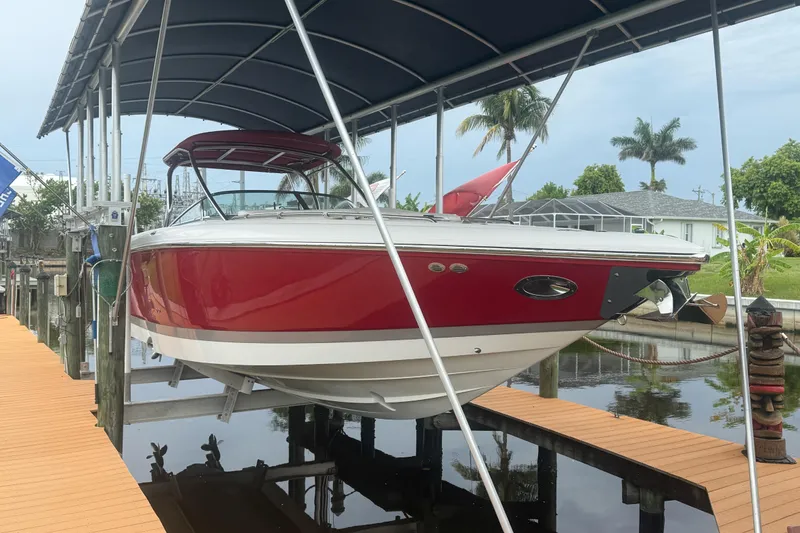
  • The Silver Lining: Budget-conscious boaters can save by trailering instead of keeping a permanent slip, choosing marinas or ramps a bit farther from major tourist hubs, or focusing on off-season storage and local cruising during shoulder months when rates drop.
3. Weather, hurricanes, and rainy season
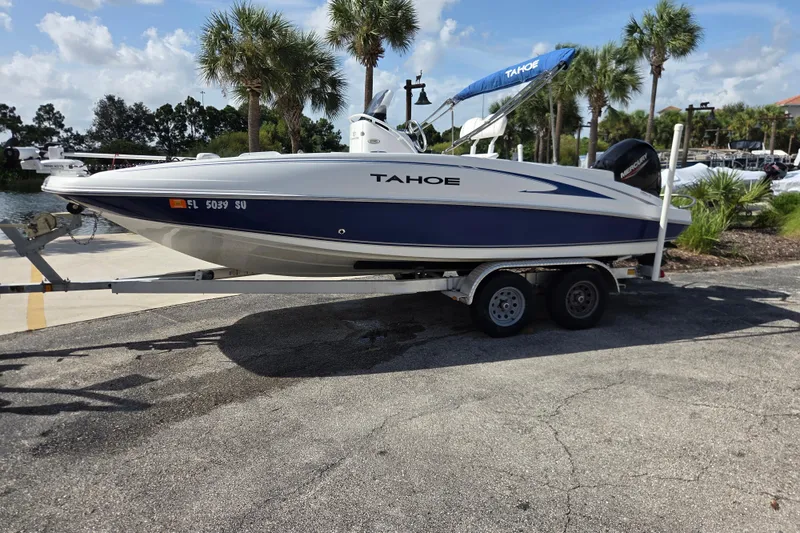
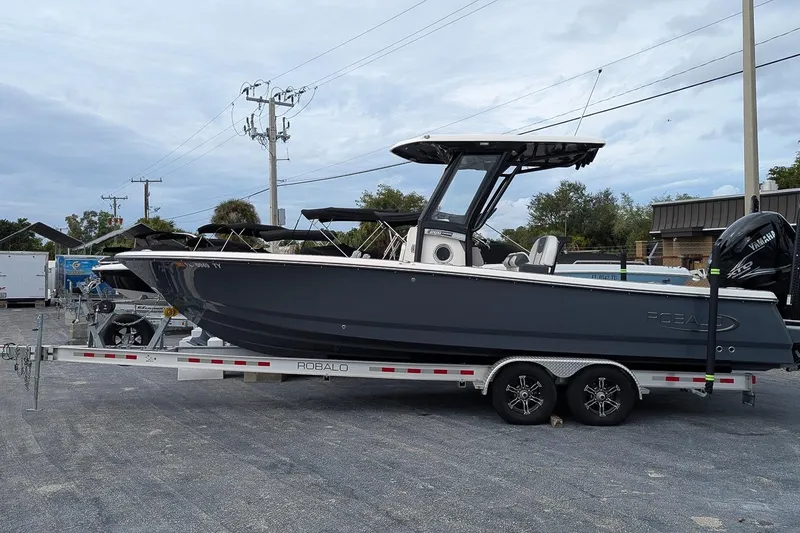
Fort Myers has a humid, tropical climate with a distinct rainy season from June through September. Sudden thunderstorms, heavy downpours, and gusty winds are common in summer, and Southwest Florida is vulnerable to tropical storms and hurricanes, particularly from late summer into fall. These conditions can limit comfortable boating windows and require careful storm planning and insurance for boats in Fort Myers.

  • The Silver Lining: The flip side is that the dry season, especially from November through early spring, often offers clear skies, calmer winds, and comfortable temperatures—the very conditions that draw so many boaters to the region. With good forecasting tools and flexible plans, many locals simply adjust their boating schedules around summer weather patterns.

4. Shallow areas and navigation challenges

The back-bay waters of Estero Bay and some channels around the barrier islands are relatively shallow, with shoals and unmarked bars that can shift over time. Deeper-draft vessels must stick closely to marked channels, and even shallow-draft boats in Fort Myers need to pay attention to tide levels to avoid grounding. Bridges over the Caloosahatchee, such as the Edison Bridge, add vertical clearance considerations, and the Franklin Lock & Dam upstream is a navigational feature that requires planning for longer cross-state trips.

  • The Silver Lining: Boaters who invest time in learning local charts, observing channel markers, and talking with experienced locals quickly gain confidence. Choosing a boat with an appropriate draft and using up-to-date electronic charts or local guidebooks makes it much easier to enjoy the region’s diverse waters without surprises.

5. Speed zones and environmental regulations

To protect manatees and sensitive habitats, much of the Fort Myers area is covered by slow-speed or minimum-wake zones. Along parts of the Caloosahatchee River, a quarter-mile buffer near the banks enforces slower speeds, and Estero Bay, Matanzas Pass, Coon Key, and Buccaneer Lagoon include year-round manatee protection zones. These rules lengthen travel times, especially for personal watercraft and fast center consoles, and require close attention to posted signs.

  • The Silver Lining: While they can feel restrictive, these regulations help preserve the very wildlife and seagrass beds that make boating in Fort Myers so appealing. Planning routes with speed zones in mind, leaving extra time for trips, and embracing a slower cruising pace can turn potential frustrations into more relaxed, scenic outings.

What boating in Fort Myers, FL is really like

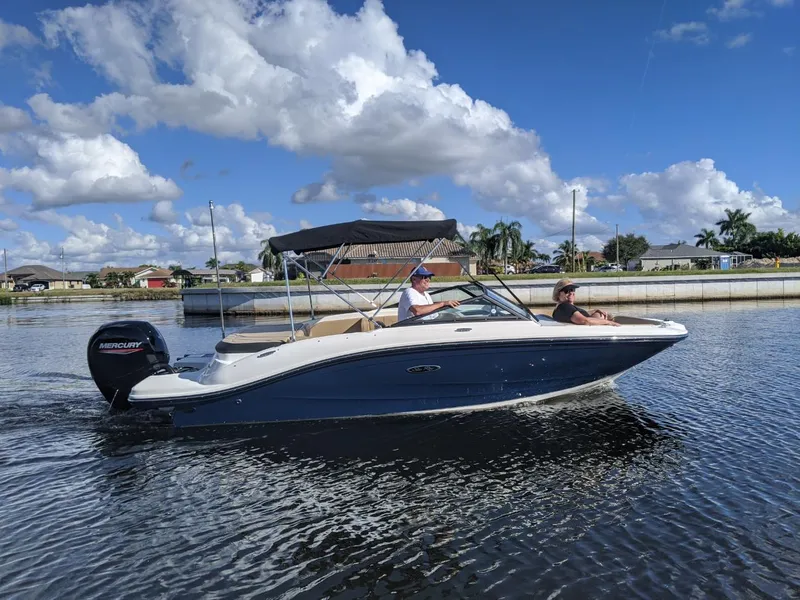
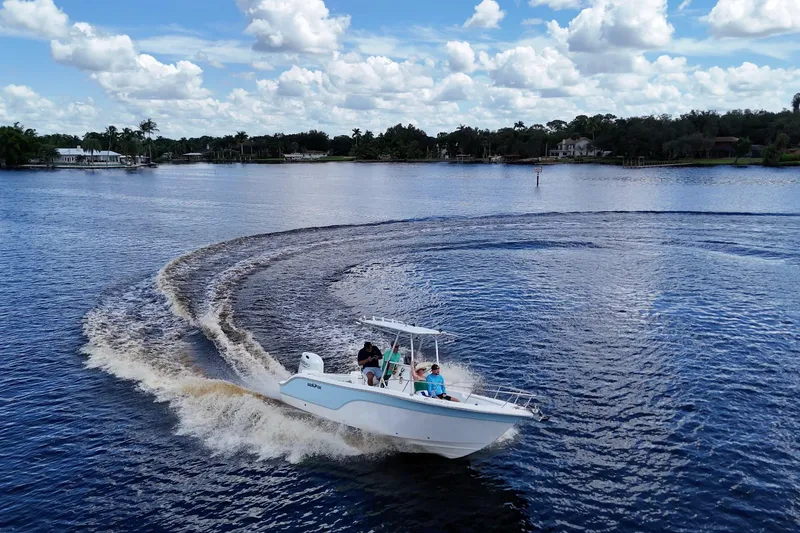
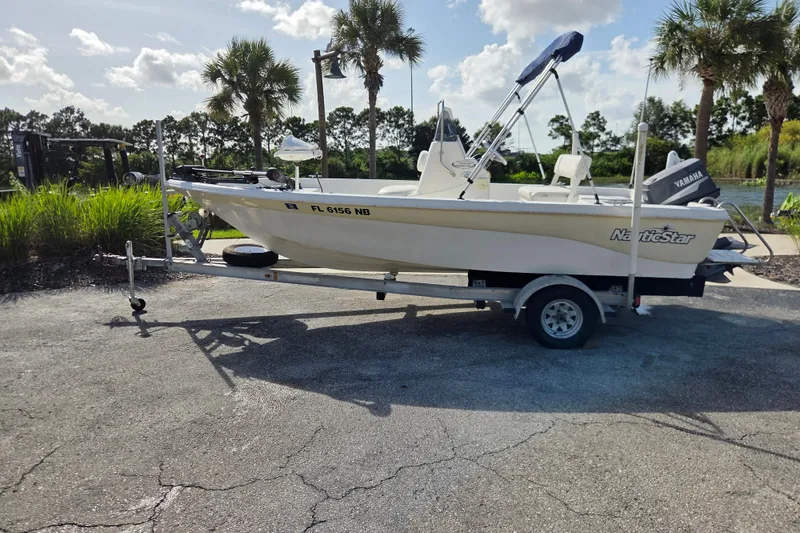
Boating in Fort Myers has a distinctly “everyday coastal” feel—plenty of regulars out on their center consoles and pontoons, mixed with seasonal visitors exploring the Caloosahatchee River and Estero Bay for the first time. On a typical weekend morning you’ll see anglers easing out at first light, running the river channel toward San Carlos Bay or the mangrove edges of Estero Bay in search of snook and redfish. As the sun gets higher, families with deck boats and pontoons join the flow, heading for beaches near Lovers Key State Park or one of the sheltered coves tucked behind the barrier islands.

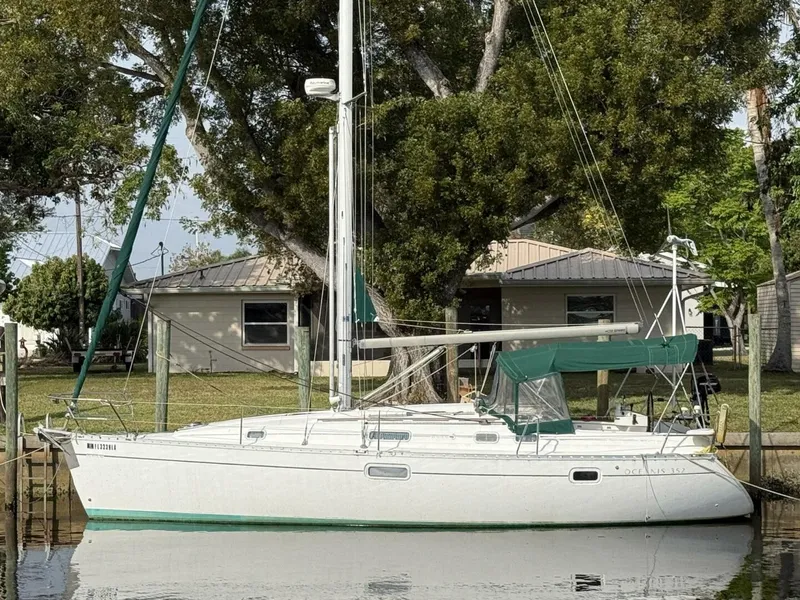
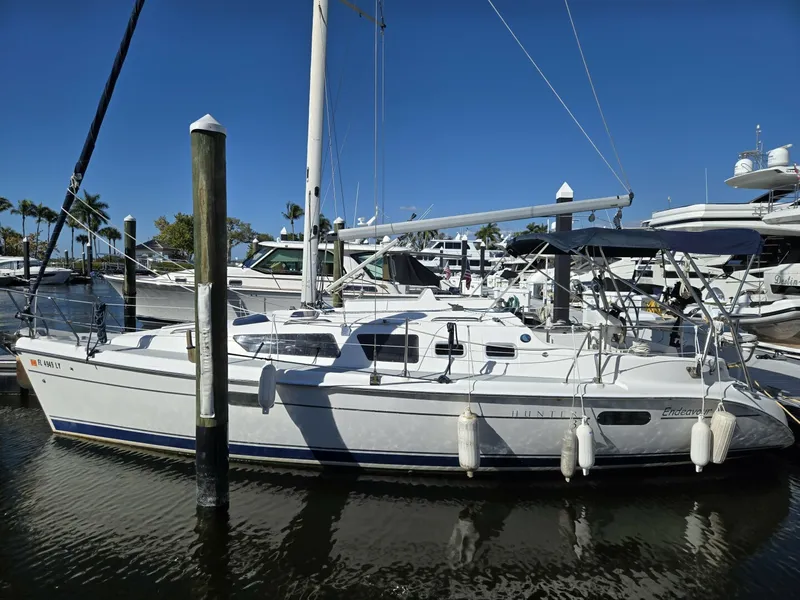
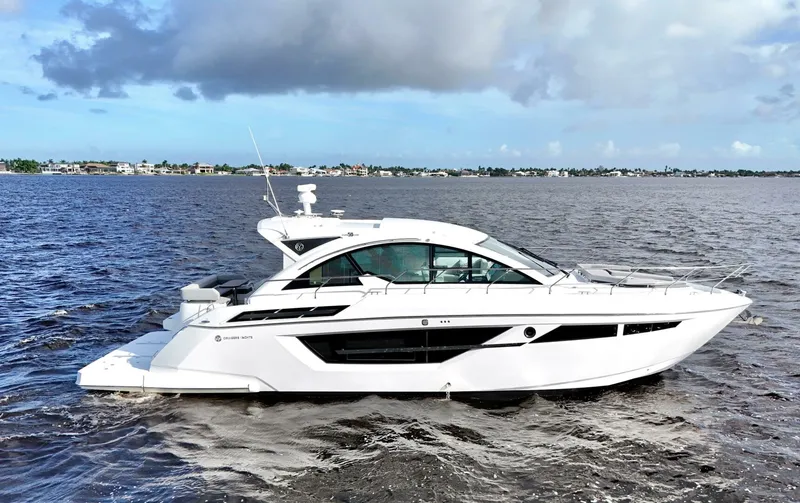
The contrast between the busy waterfront and the back-bay quiet is one of the best things about boats in Fort Myers. Downtown along the Caloosahatchee, marinas like Legacy Harbour feel energetic: liveaboards rinsing decks, transient cruisers on the Great Loop route, and day boaters fueling up for a run to the Gulf. Yet 30–45 minutes later you can be drifting in a calm mangrove creek off Estero Bay Preserve State Park, listening to ospreys and watching dolphins cruise the shallows. Many local boaters build their days around that rhythm: a lively run through the main channel, then a long, lazy anchor in protected water.

Socially, the scene is diverse. You’ll find serious fishermen running skinny-water bay boats, snowbird cruisers tied up for the winter at full-service marinas, and a big population of casual local boaters who trailer 18–24 footers to county ramps. There is a party side—especially in good weather around sandbars and beach-adjacent anchorages near Lovers Key and the Gulf passes—but it’s not wall-to-wall chaos. Most days feel like a laid-back mix of families, retired couples, and small friend groups enjoying warm weather and easy access to the water.

Costs, logistics, and practical details

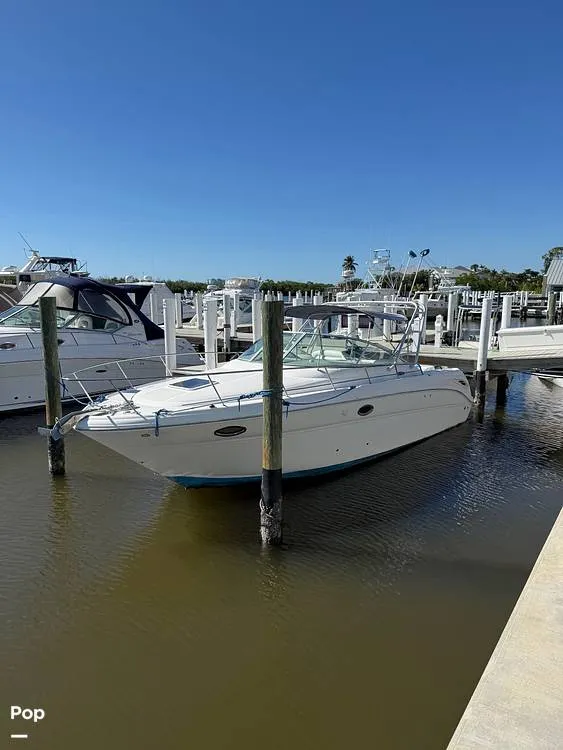
On the practical side, boats in Fort Myers benefit from a solid but sometimes busy marina and ramp network. Full-service marinas like Legacy Harbour Marina downtown, Moss Marina at Fort Myers Beach, and Port Sanibel Marina near San Carlos Bay handle everything from 20‑something footers to yachts over 100 feet. Legacy Harbour tends to attract cruisers and liveaboards with its well-equipped slips (40 to 120 feet, metered electric, showers, pump-out, fitness center), while Moss Marina and Port Sanibel offer easy Gulf and Estero Bay access along with fuel, transient slips, and basic services.

Slip costs are moderate by Gulf Coast standards but not cheap. Recent published transient rates range roughly from about $1.85 to $3.75 per foot per night depending on marina and season, with Moss Marina at the higher end for short stays and holidays, and Port Sanibel offering more budget-friendly nightly and monthly rates. Winter (roughly November through April) is the premium season, when transient prices rise and long-term slip availability tightens as snowbirds and cruising boats settle in. If you’re planning to keep a larger boat in the water full-time, expect to join a waitlist at the better-located marinas or pay for more distant slips.

Trailer boating is a major part of the local culture and often the most cost-effective way to run boats in Fort Myers. Lee County and nearby Cape Coral maintain multiple public ramps like Matlacha Community Park, Burnt Store, and Horton Park, generally with modest launch or parking fees (for example, around $10 per day for a trailer at some ramps, with discounted annual decals for residents). On nice weekends and during peak tourist months, arriving early is almost mandatory to secure parking—especially if you’re heading for popular destinations like Estero Bay or the Gulf passes.

Is Fort Myers, FL a good place for boating?

Overall, Fort Myers is a very good place for boating—especially if you like variety, warm weather, and the blend of river, bay, and Gulf access. The Caloosahatchee River serves as both a scenic local playground and a gateway to the cross‑Florida Okeechobee Waterway, while Estero Bay and its surrounding barrier islands offer shallow‑draft exploring, wildlife watching, and easy beach days. Marinas like Legacy Harbour, Moss Marina, and Port Sanibel, backed up by numerous public ramps, create a flexible infrastructure that supports everything from small trailerable boats to serious cruising yachts. For many owners, that combination makes boats in Fort Myers feel like a strong long‑term home base as well as an appealing vacation destination.

You will love boating here if:

  • You want varied cruising grounds—rivers, bays, mangrove backwaters, and quick access to the Gulf of Mexico—without having to run long offshore legs every time you leave the dock.
  • You enjoy a mix of activities: inshore or nearshore fishing, beach and sandbar days with the family, casual waterfront dining, and occasional longer trips using the Okeechobee Waterway.
  • You’re comfortable operating in tidal estuaries and shallow bays, paying attention to markers, manatee zones, and shifting shoals, and you don’t mind idling through no‑wake areas when necessary.

You might find it challenging if:

  • You strongly dislike heat, humidity, and sudden summertime thunderstorms, or you’re not prepared to manage hurricane-season risk with proper storage, insurance, and storm planning.
  • You want consistently deep, wide-open water with minimal navigation hazards or no-wake zones; the shallow areas and manatee speed restrictions around Fort Myers will feel limiting.
  • You’re highly budget‑sensitive about slip and storage costs or expect to find last‑minute, inexpensive long‑term dockage for a larger boat during peak winter season.

If you’re considering where to take or keep a boat, Fort Myers deserves a spot high on your list. It isn’t the absolute cheapest or the most hassle‑free—the shallow water, manatee zones, and seasonal crowds require attention and a bit of planning—but for boaters who value varied waters, a friendly, active boating culture, and year‑round on‑water potential, the rewards easily outweigh the trade‑offs. Whether you’re plotting a one‑time trip to explore Lovers Key and Estero Bay, thinking about basing a cruiser along the Caloosahatchee, or simply adding a new Gulf Coast destination to your boating bucket list, Fort Myers is a place where getting out on the water feels both attainable and consistently rewarding.

Be the First to Know

Get notified when new boats become available.

Logo