Jon Boat

Filters

Filters

Condition

Sort by
Searching boats for you...

Boating · Buyer’s Guide

Is a Jon Boat the Right Choice for You?


Written by: MarineSource Team | Estimated read time: 12 min read


There’s a unique charm to a jon boat that resonates with those who love simple, no-frills boating. Picture yourself gliding across calm waters in a flat-bottomed boat, the gentle splash of water against the hull creating a soothing rhythm. The open layout invites a sense of freedom and versatility, perfect for fishing, hunting, or just soaking in nature’s tranquility.

Jon boats have earned their place as a staple for freshwater anglers and outdoor enthusiasts alike. Their straightforward design and rugged build make them a favorite for navigating shallow waters, lakes, and slow-moving rivers. Their popularity is rooted in their practicality, but like any boat, they come with trade-offs that are worth considering before making a purchase.

Owning a jon boat means embracing a lifestyle of simplicity and connection to the water. It’s a vessel that doesn’t overwhelm with luxury but delivers on functionality and ease of use. If you’re drawn to a boat that blends tradition with utility, a jon boat might just be the perfect fit for your adventures.

What is a Jon Boat?

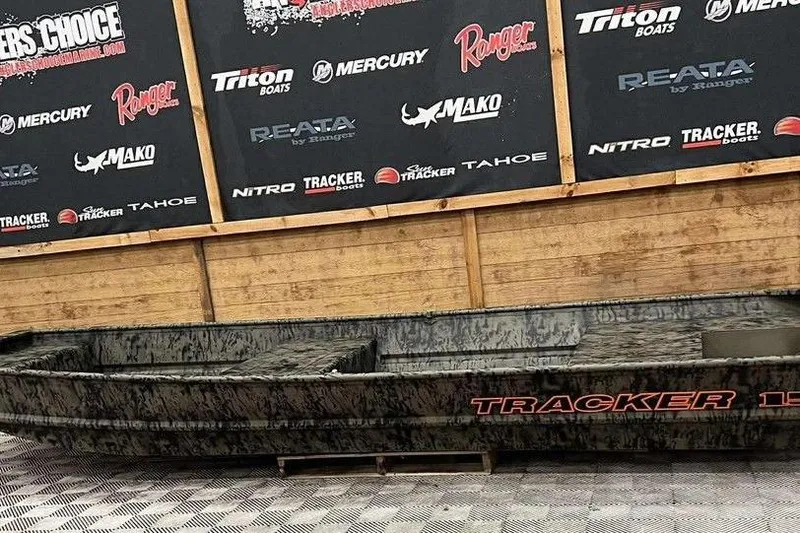
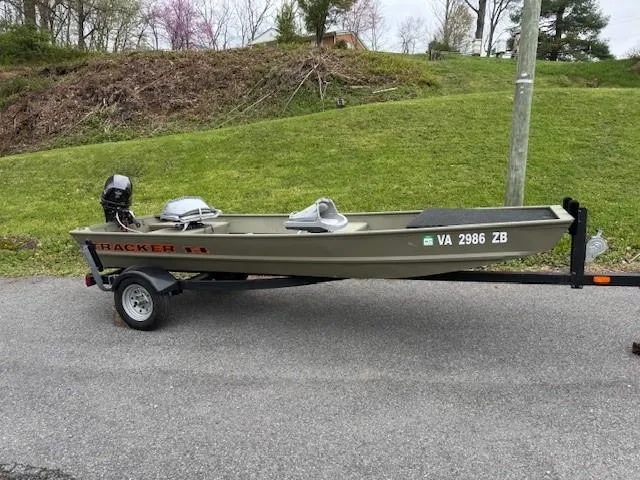
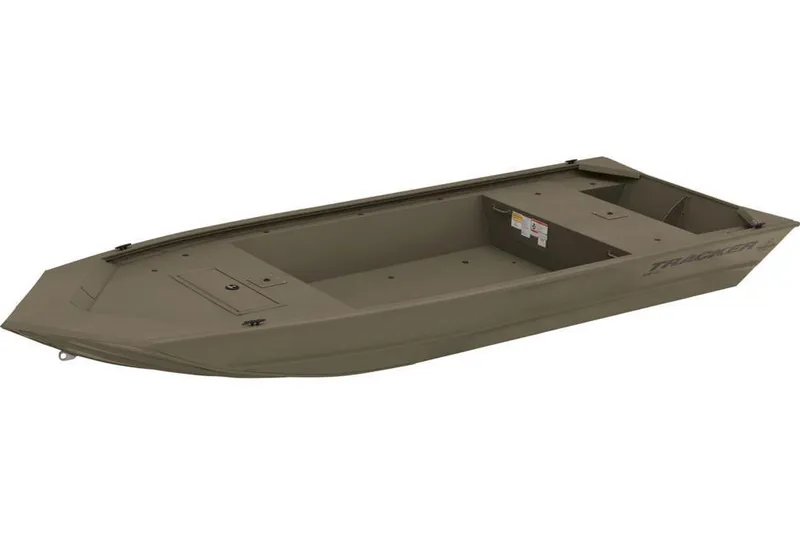
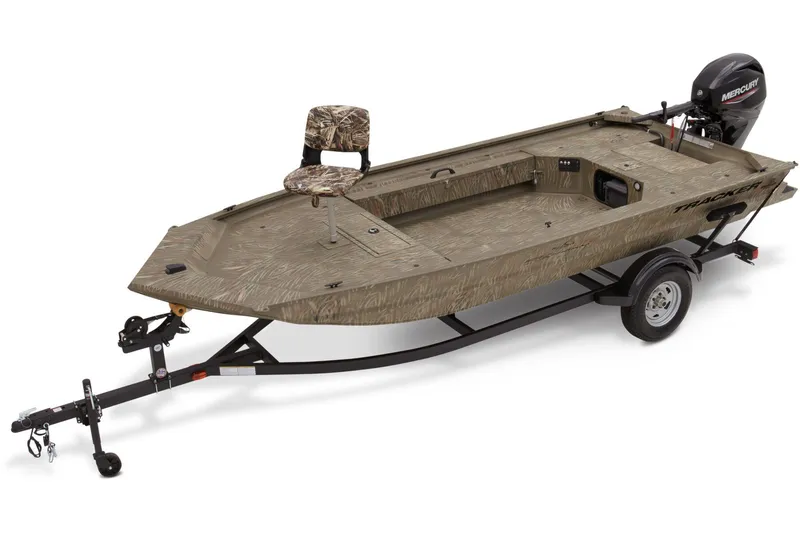
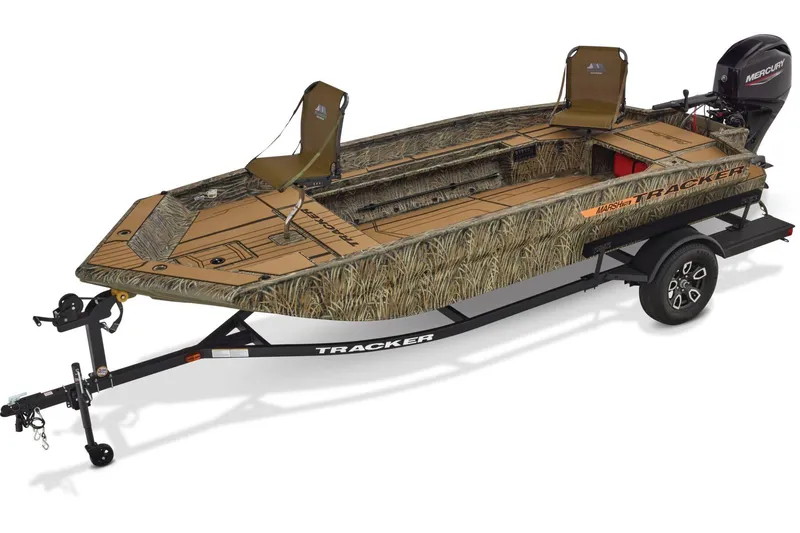
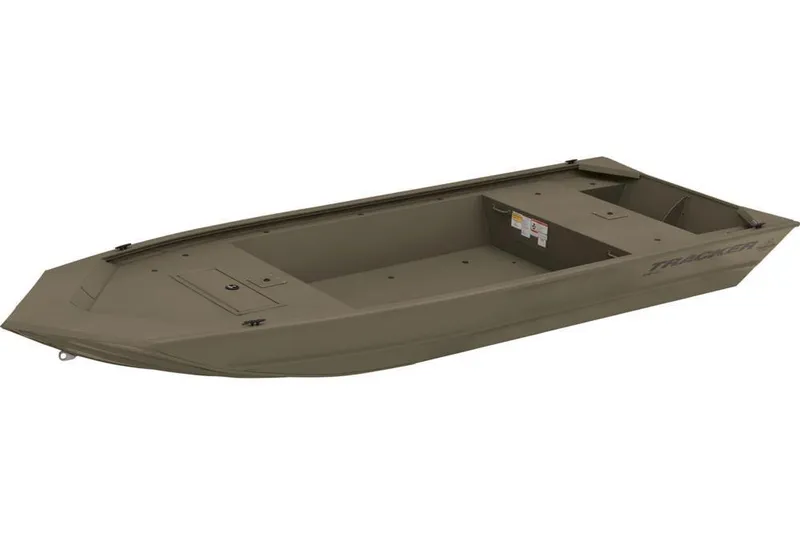
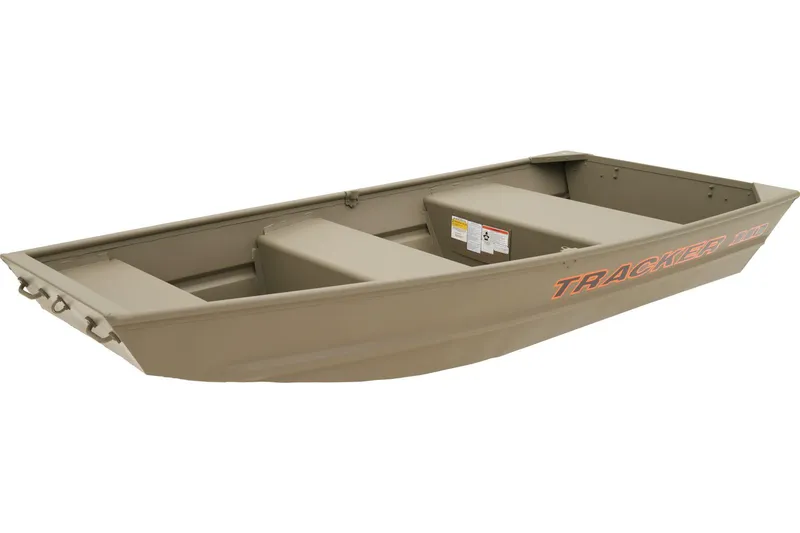
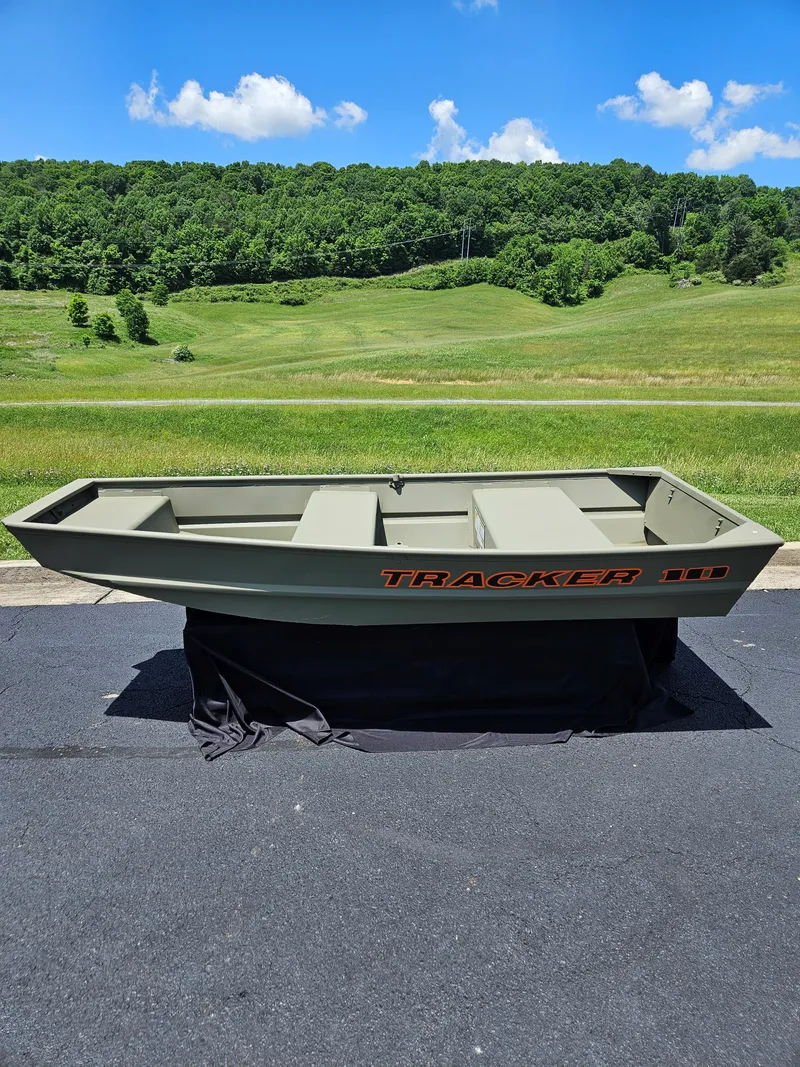
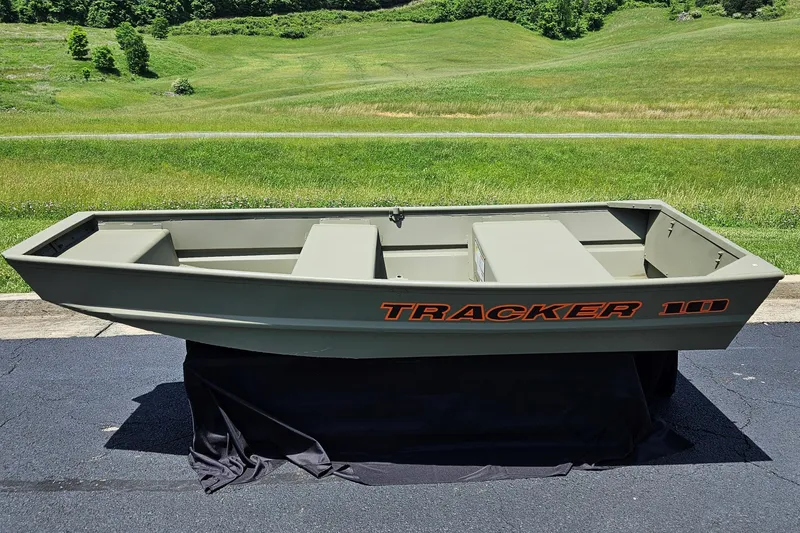
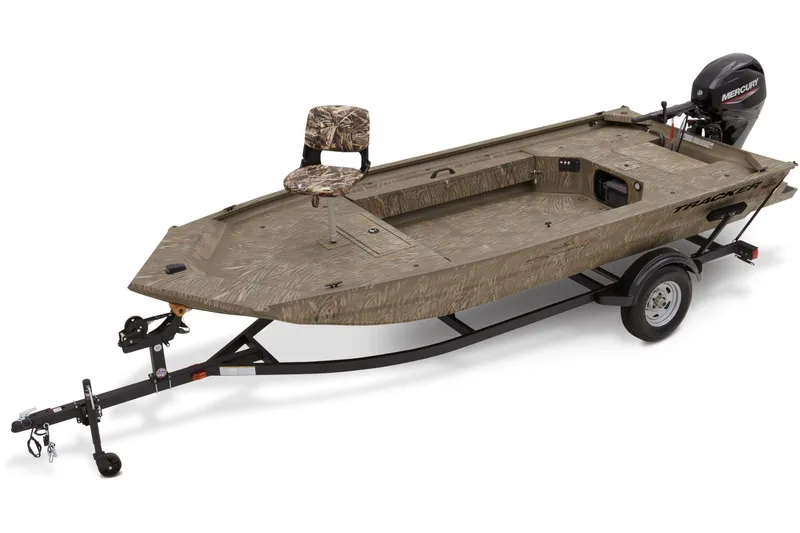
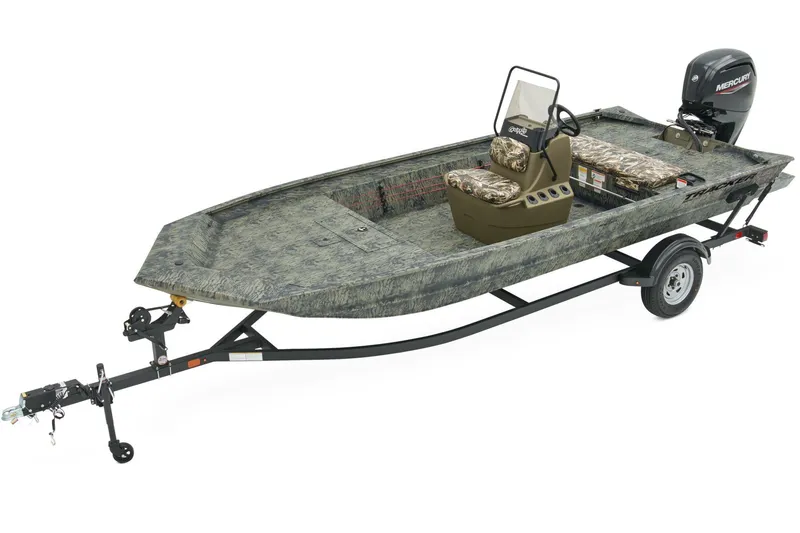
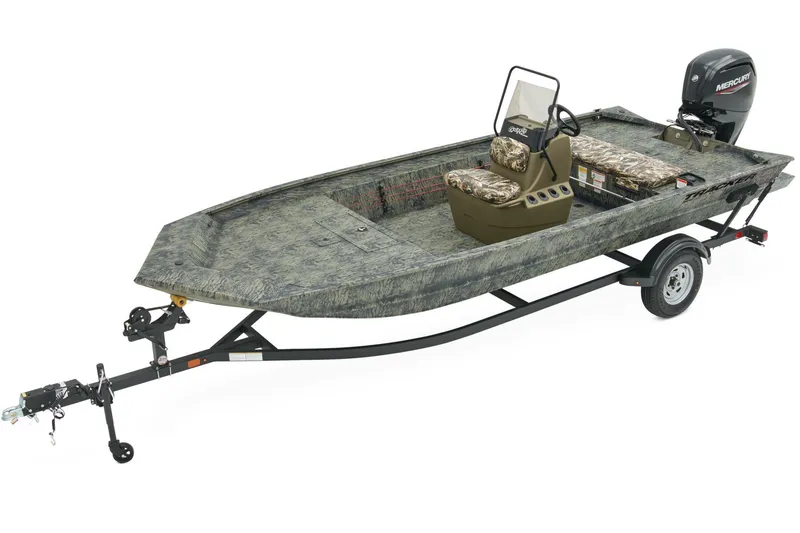
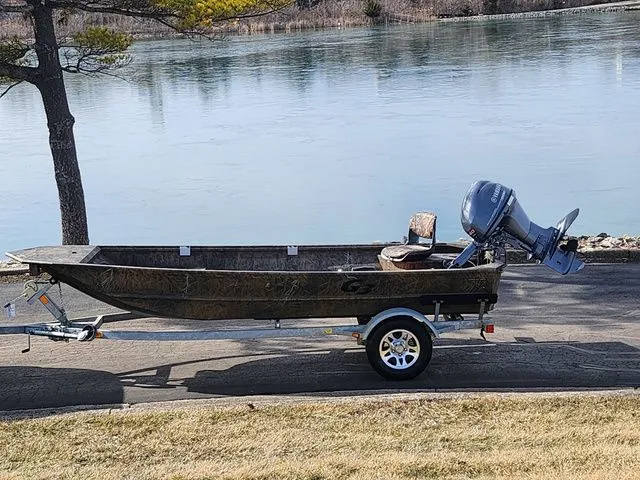
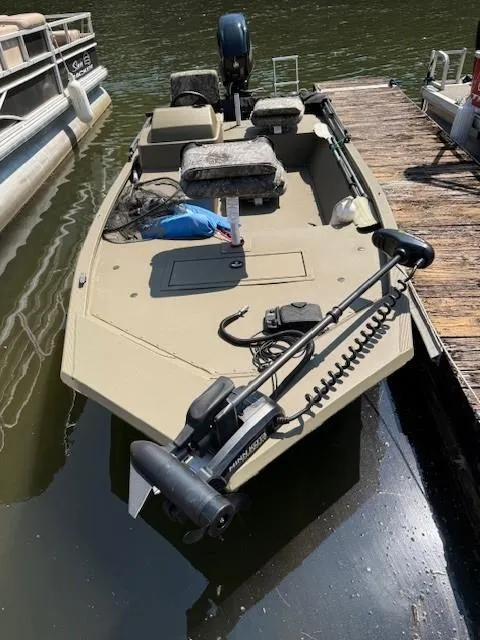
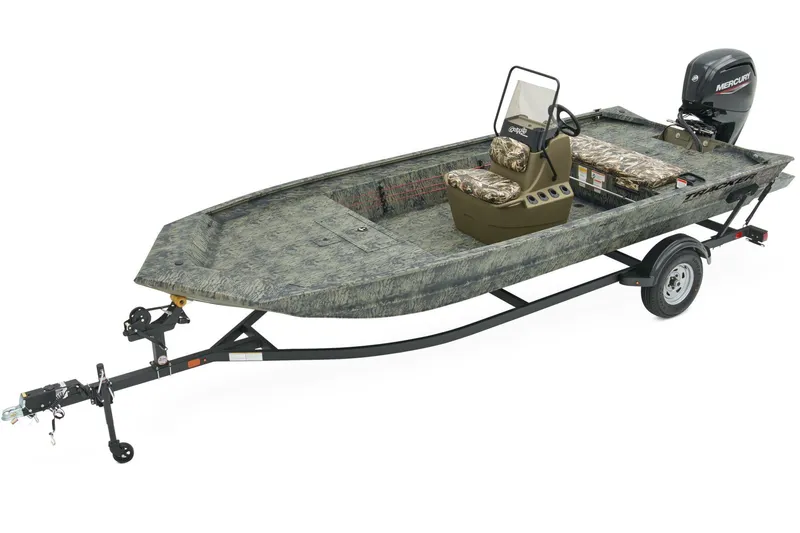
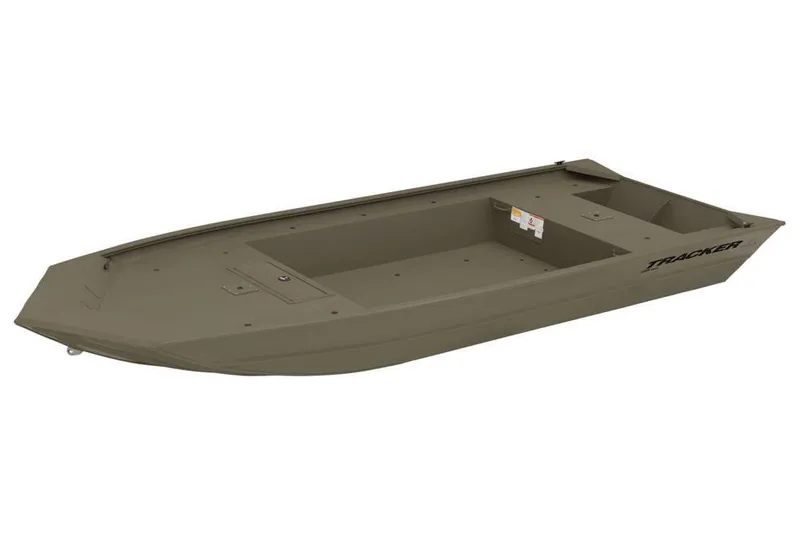
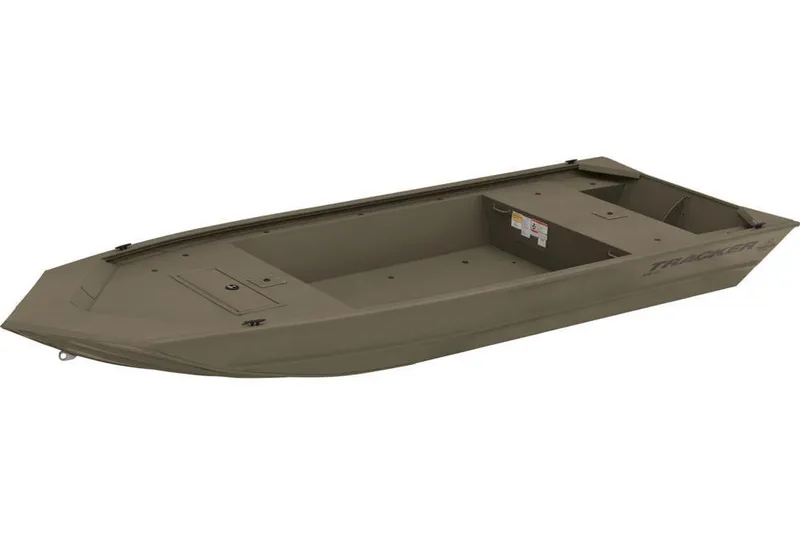
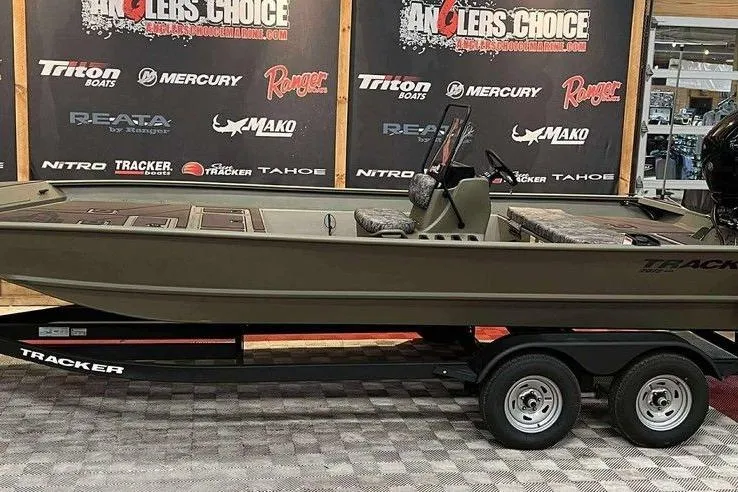
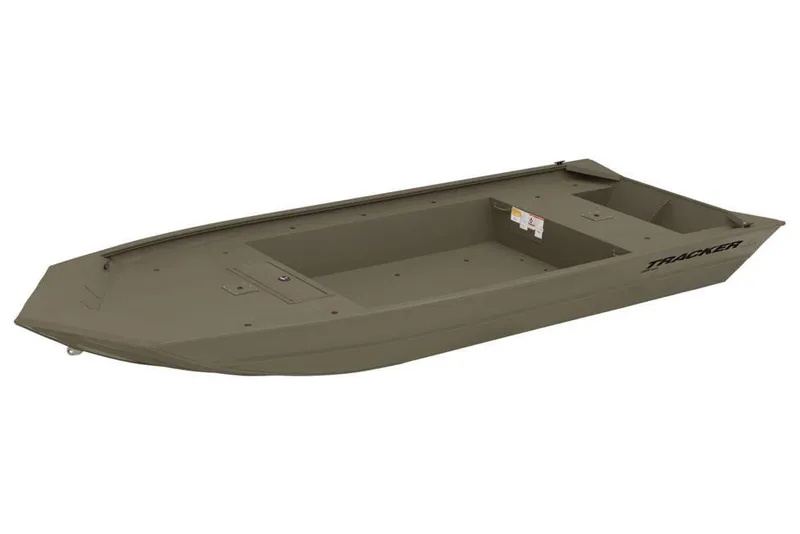
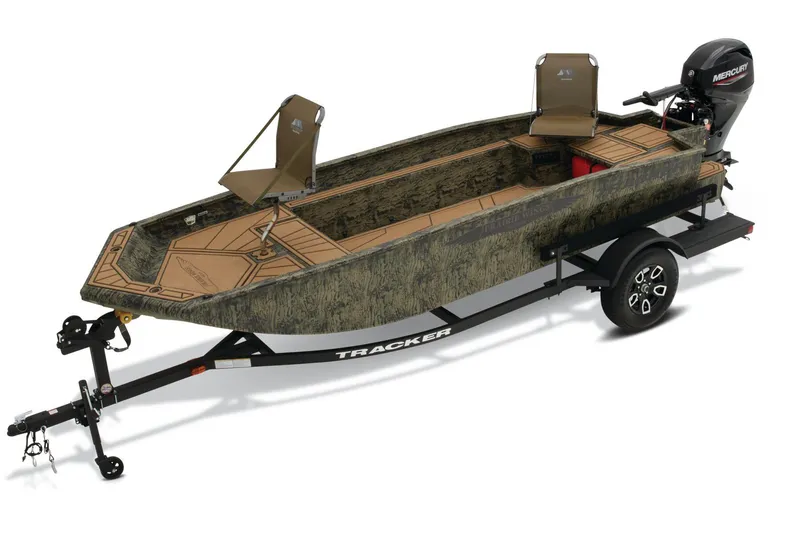
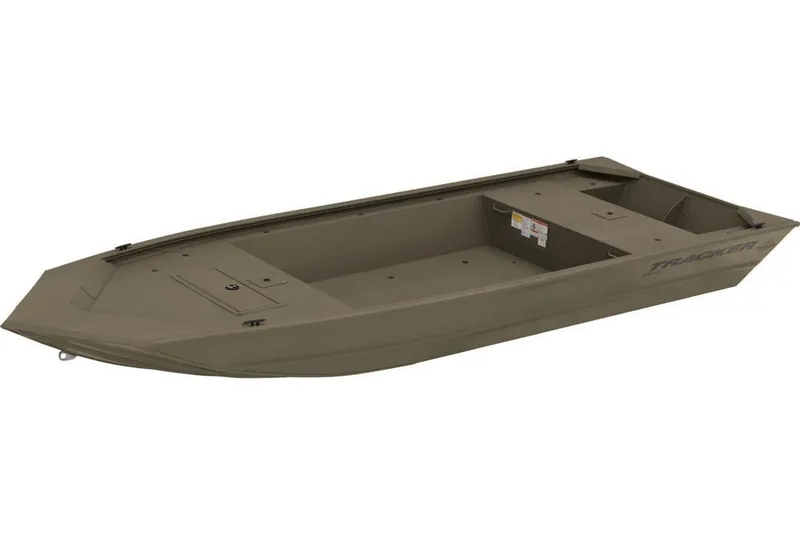
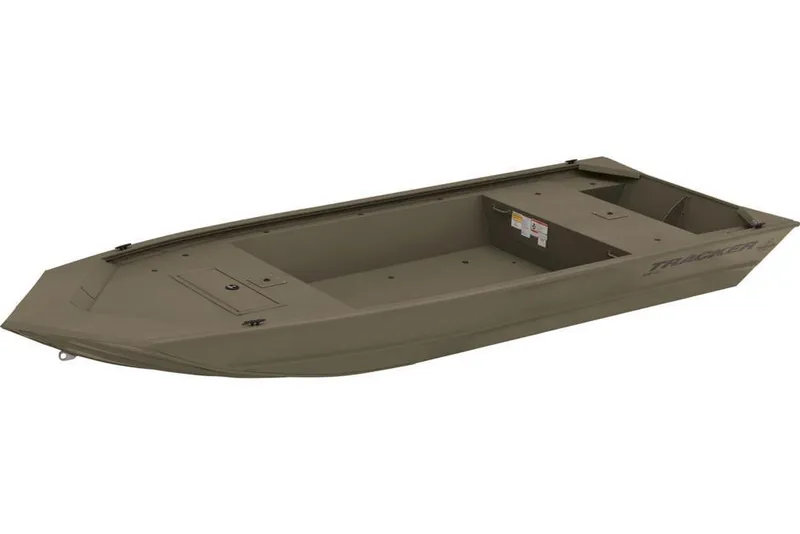
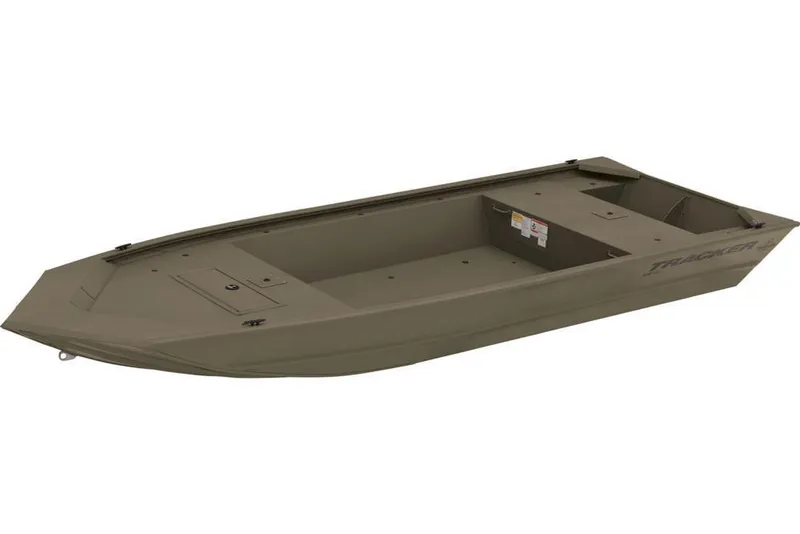
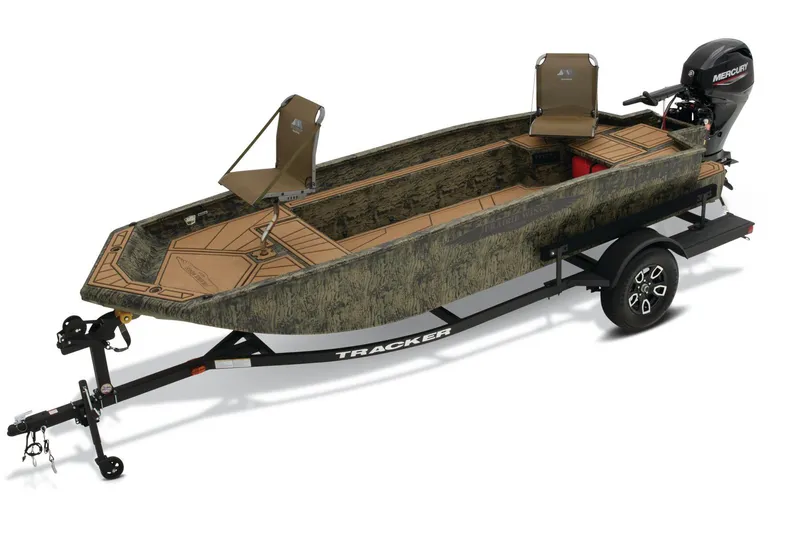
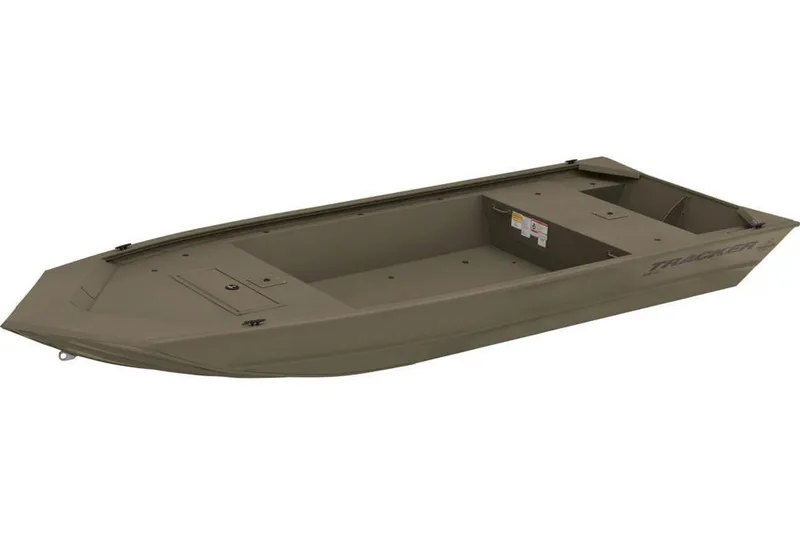
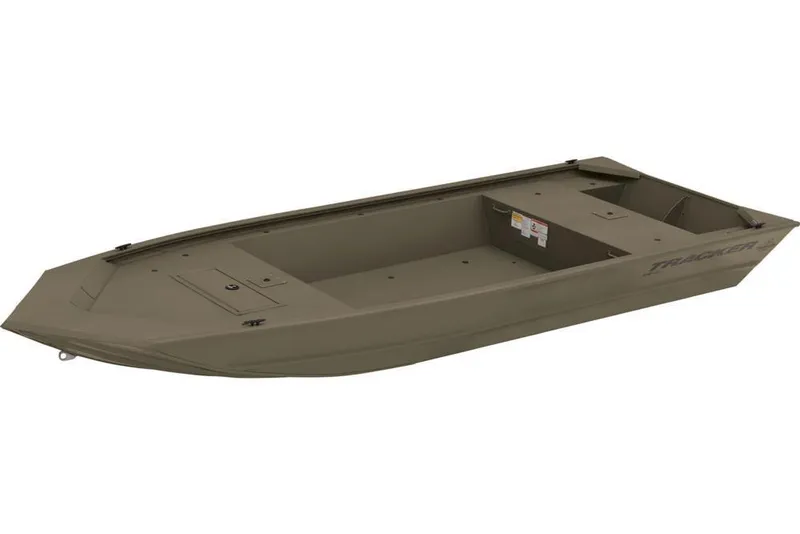
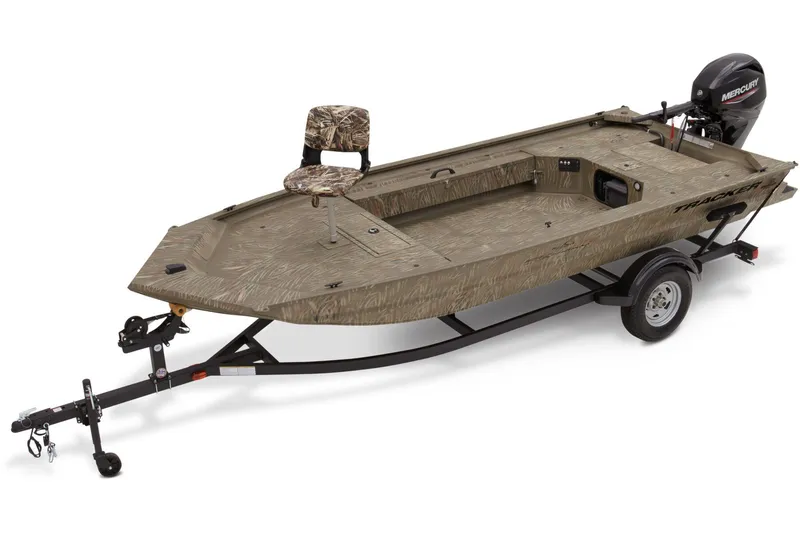
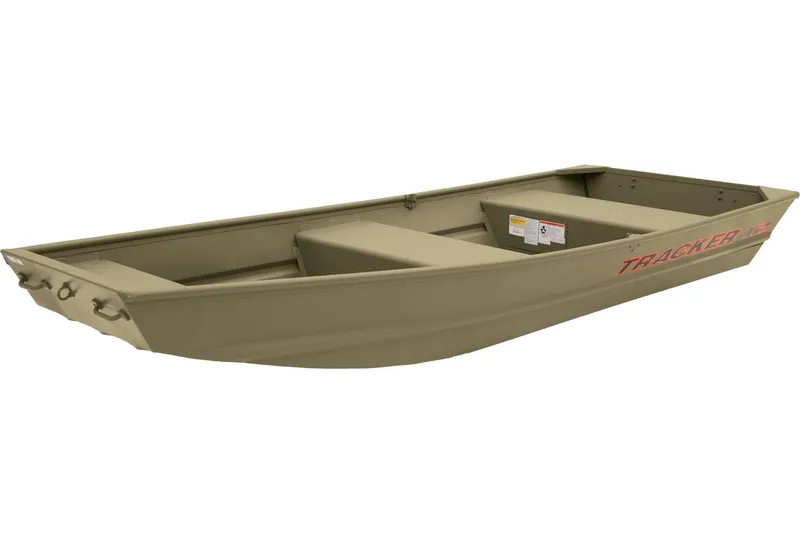
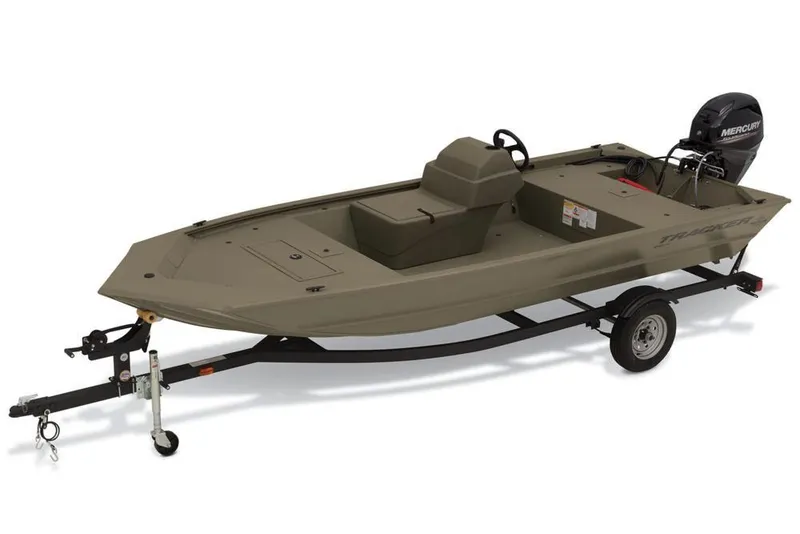
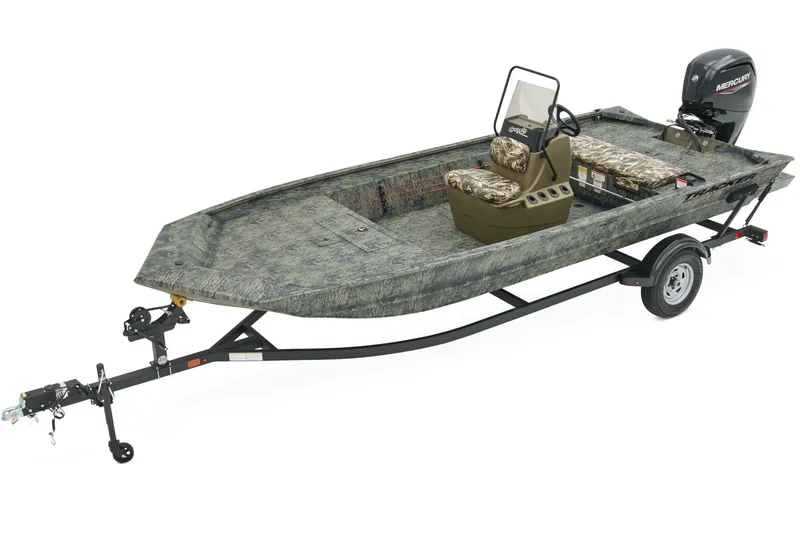
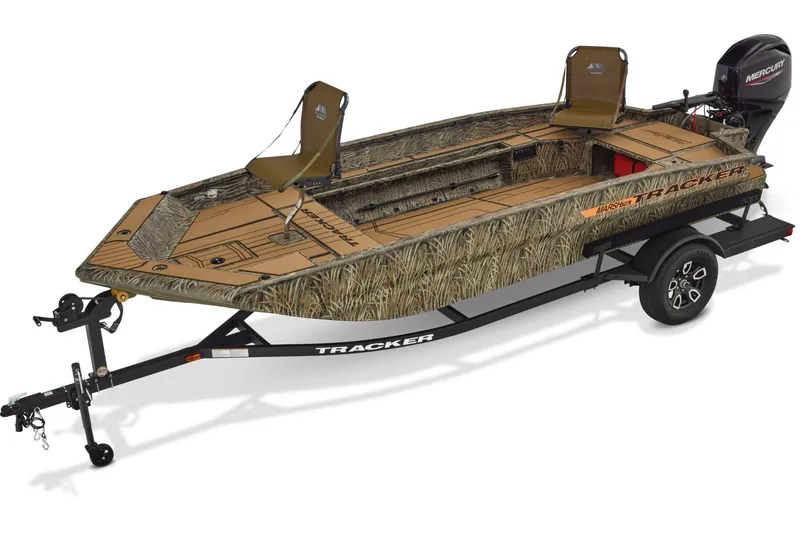
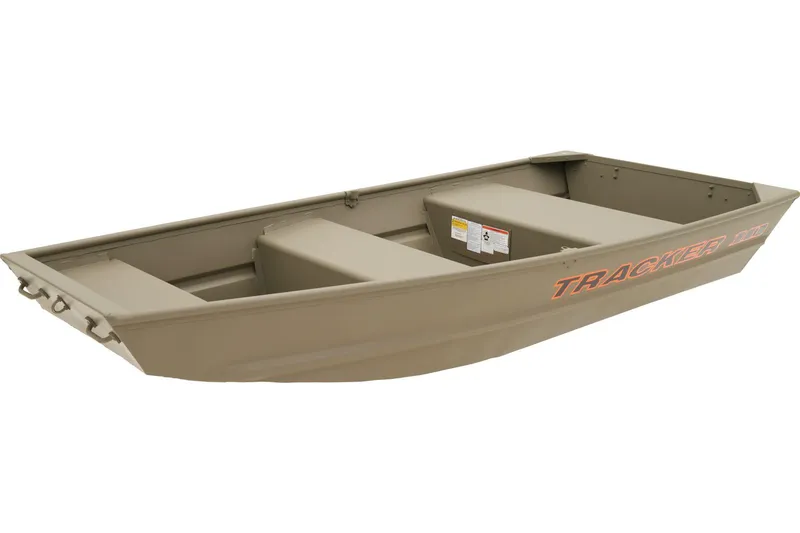
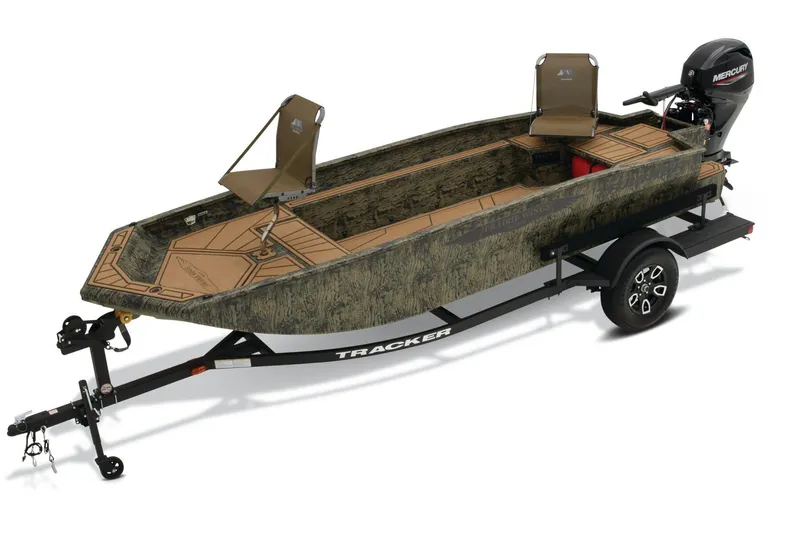
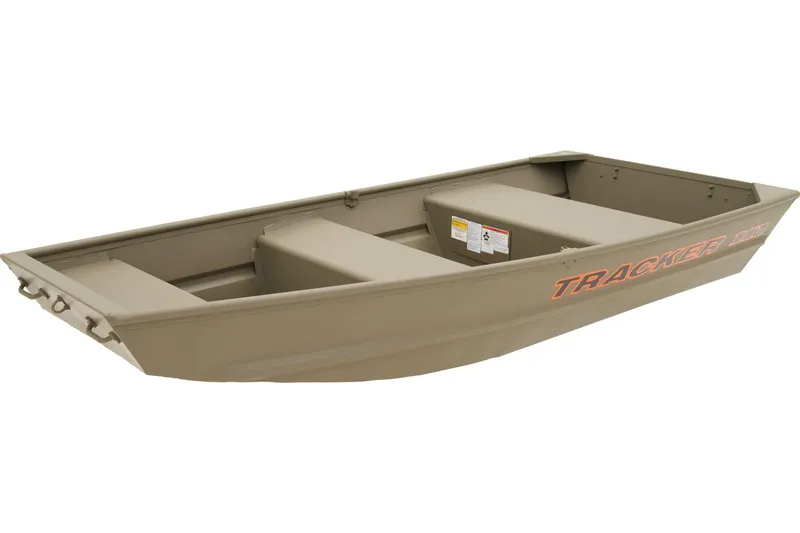
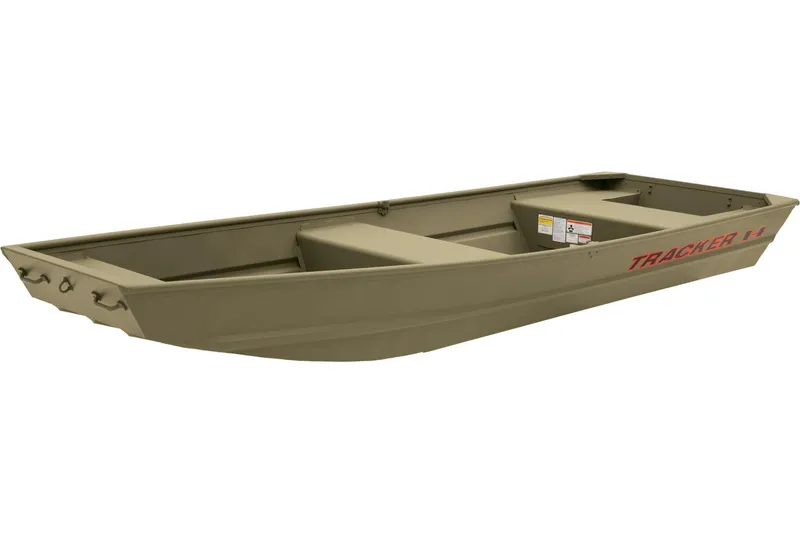
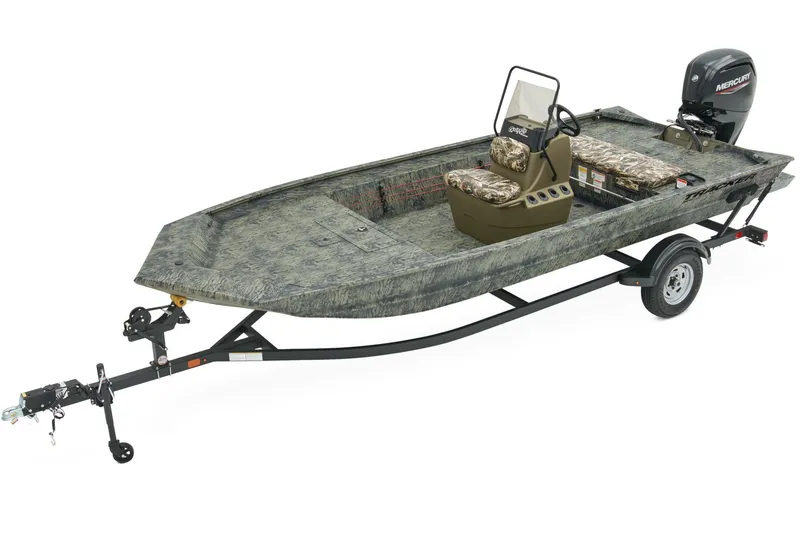
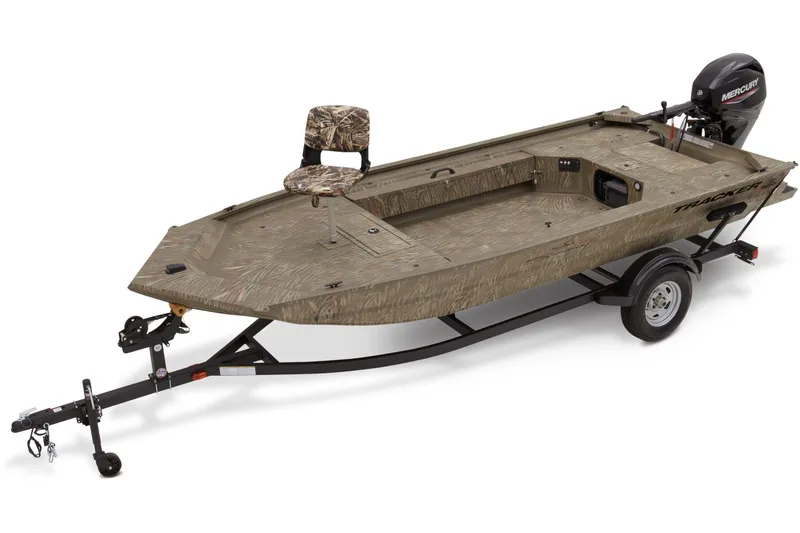
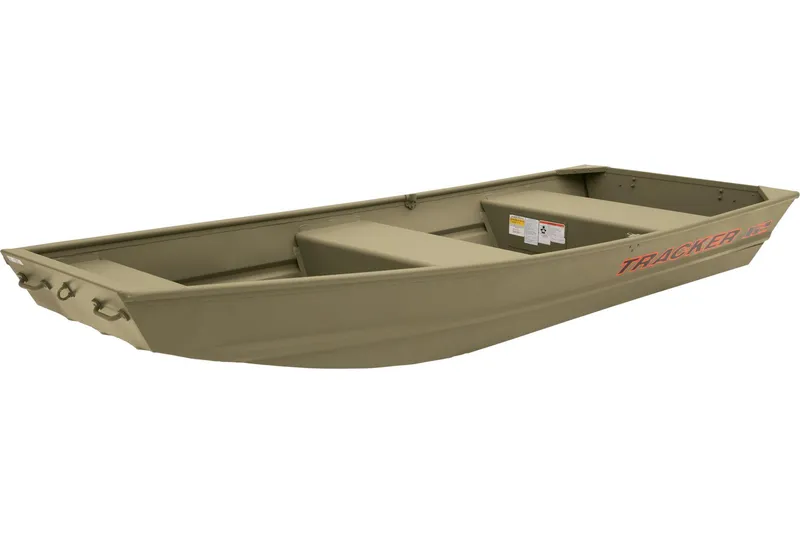
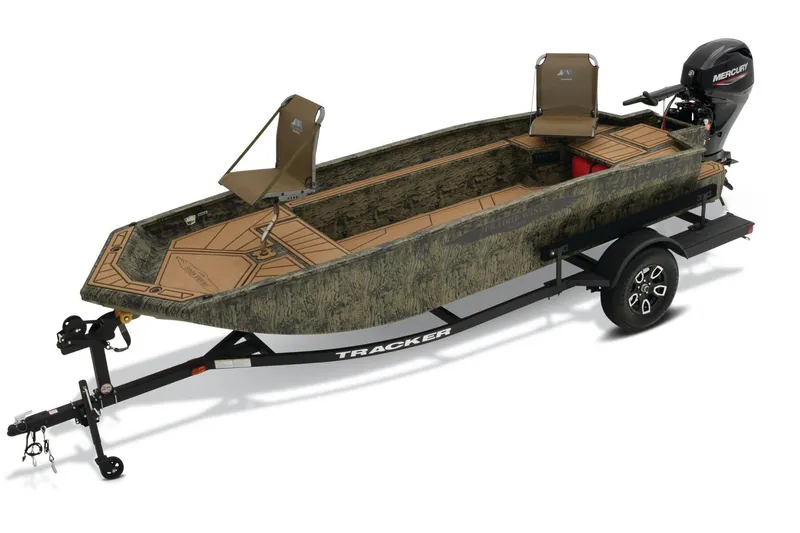
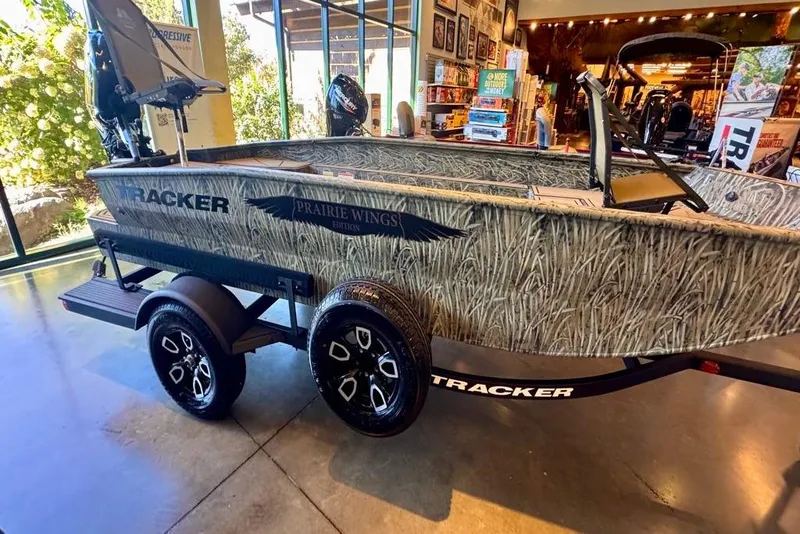
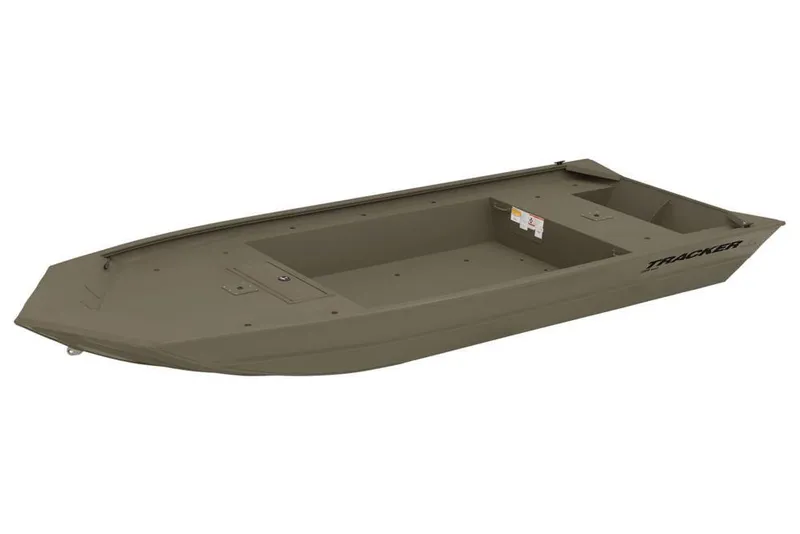
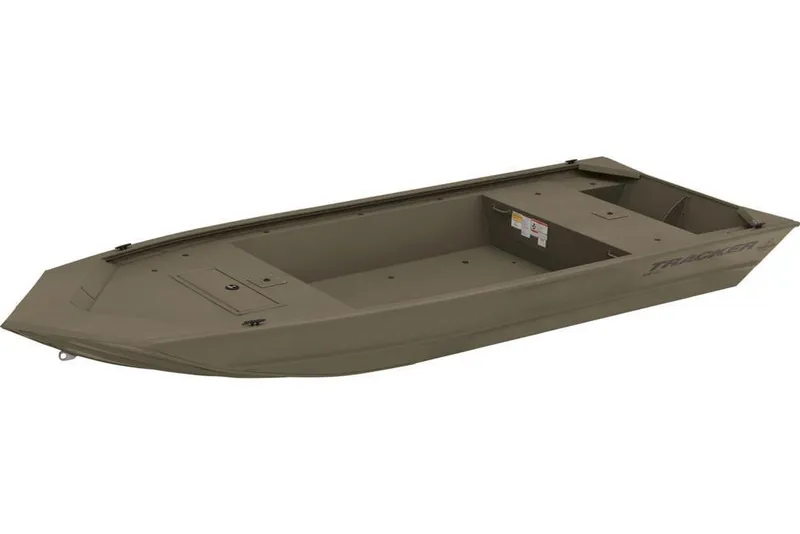
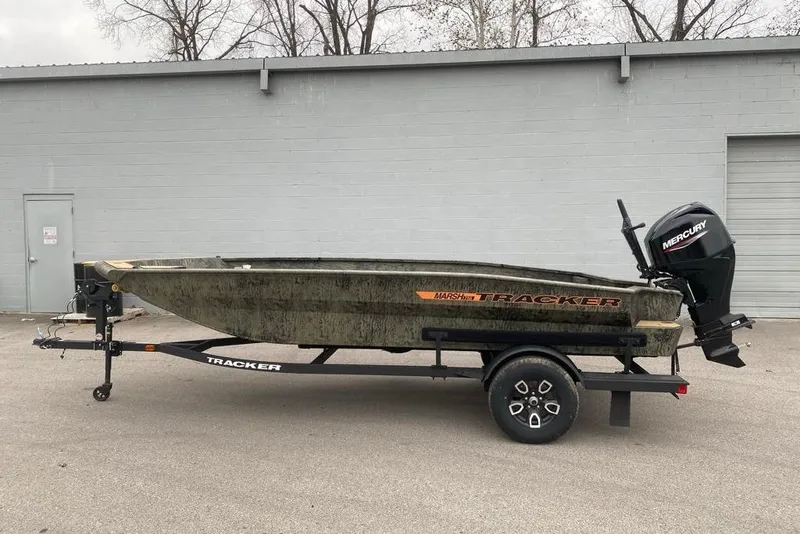
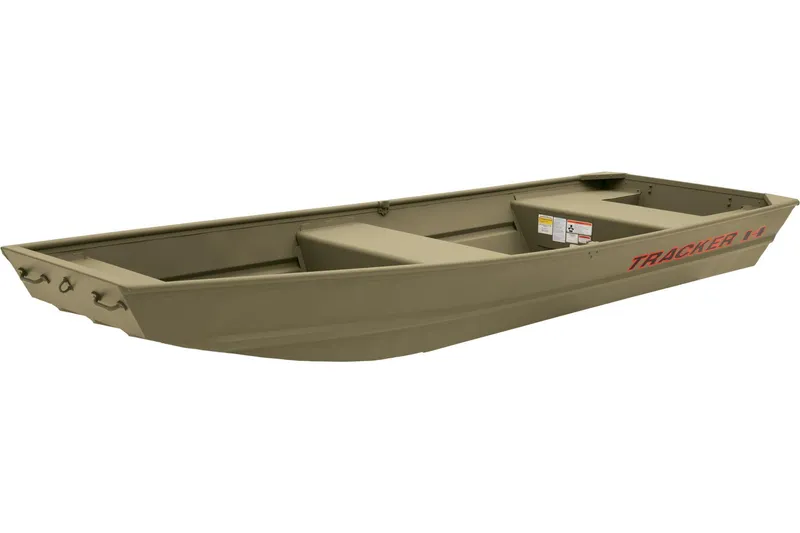
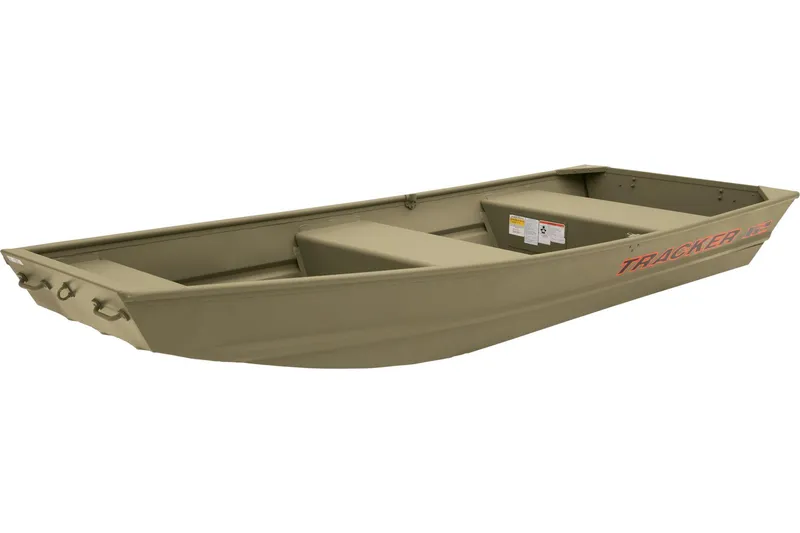
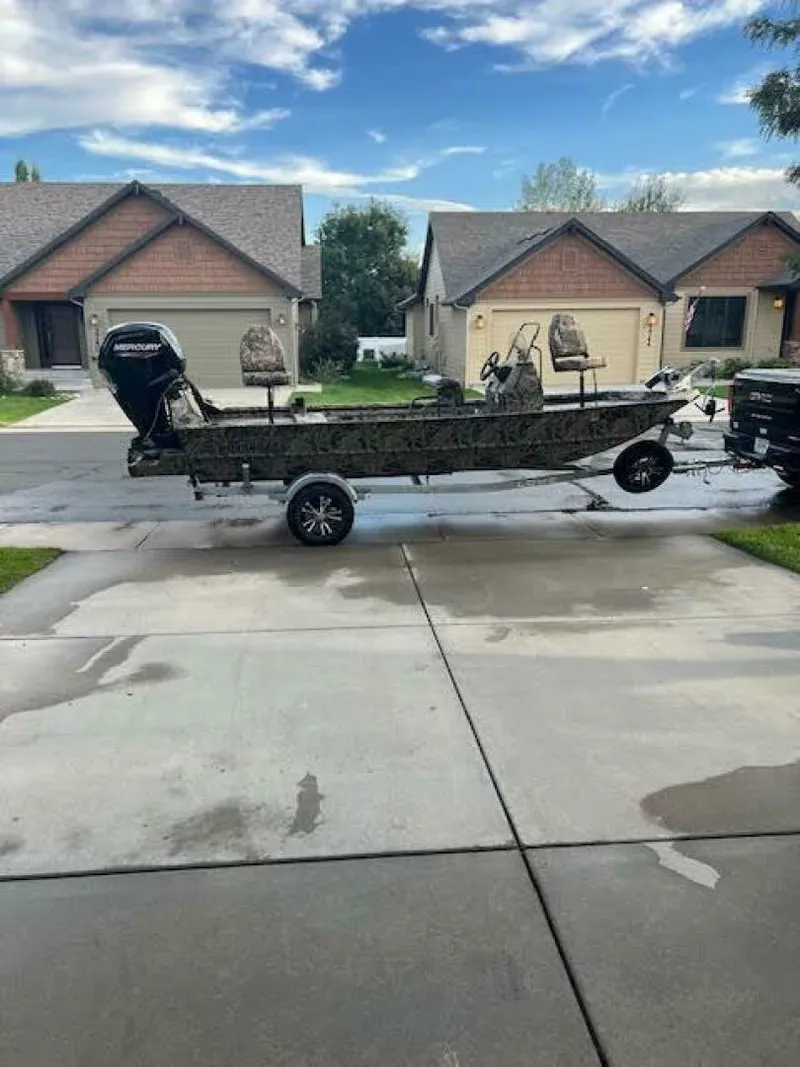
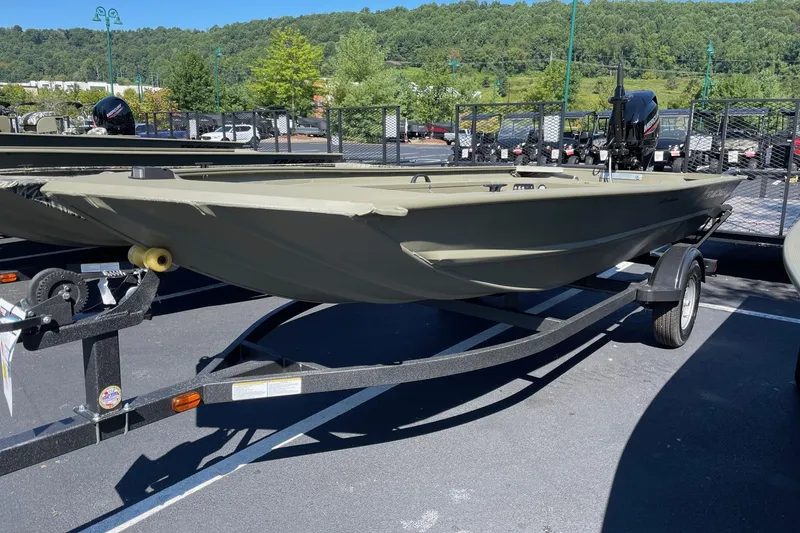
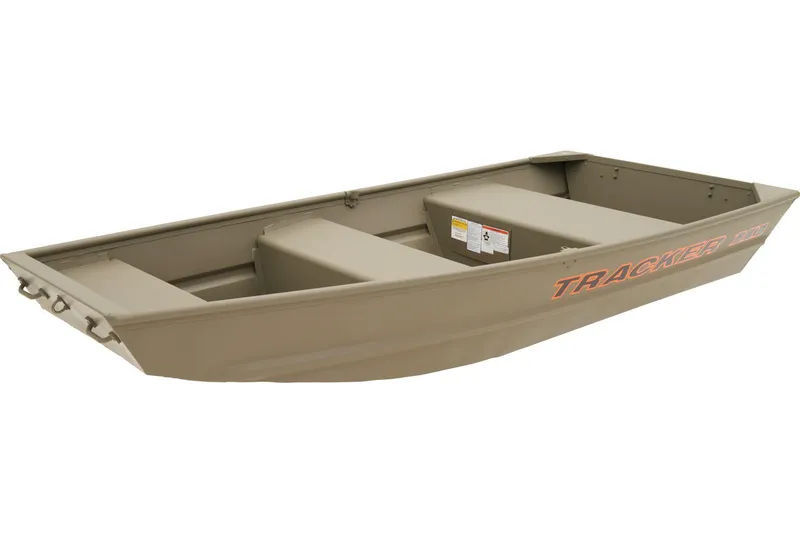
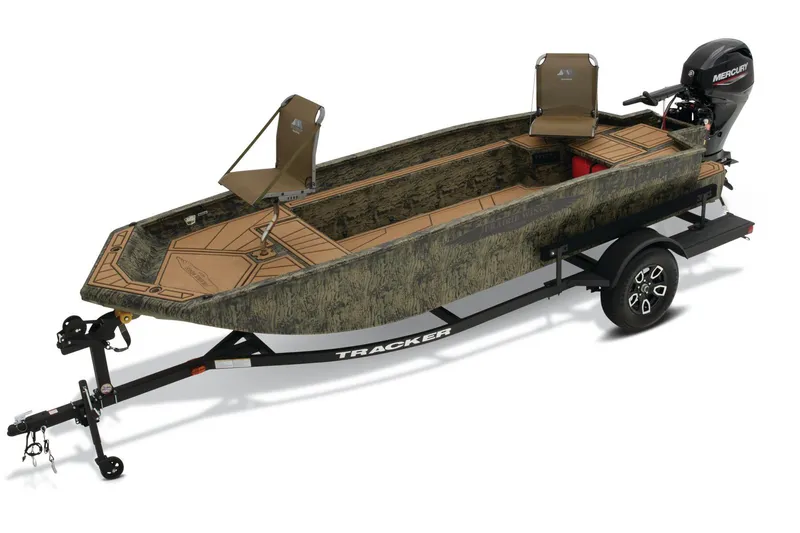
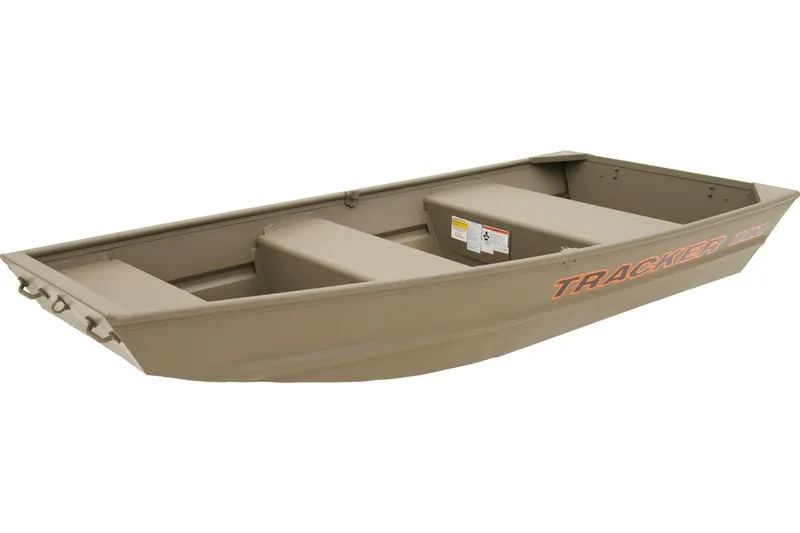
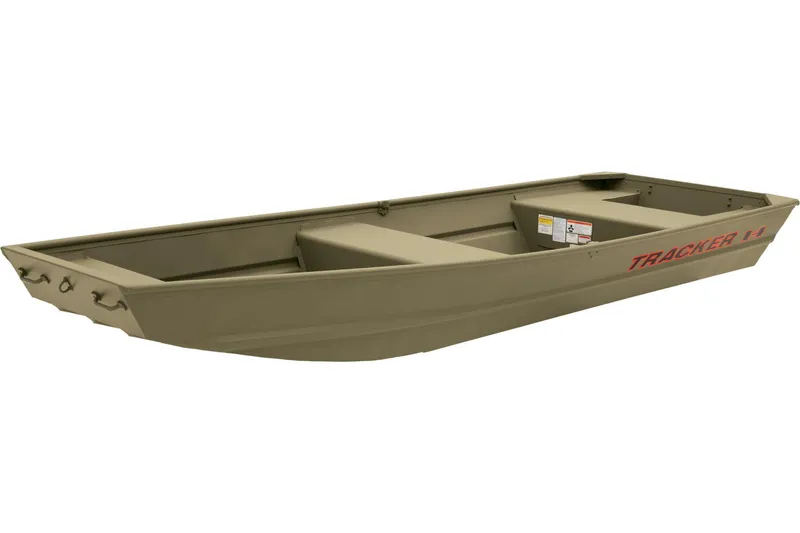
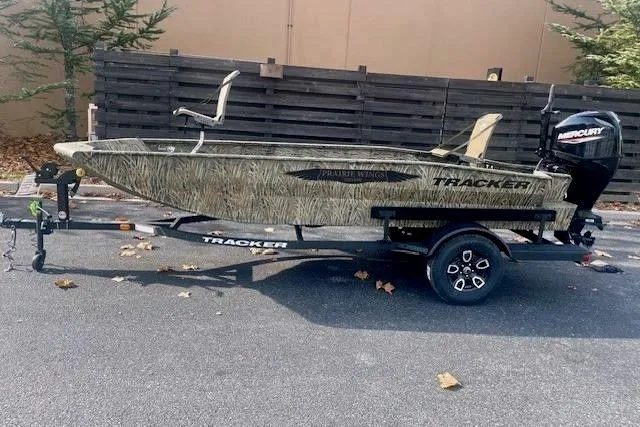
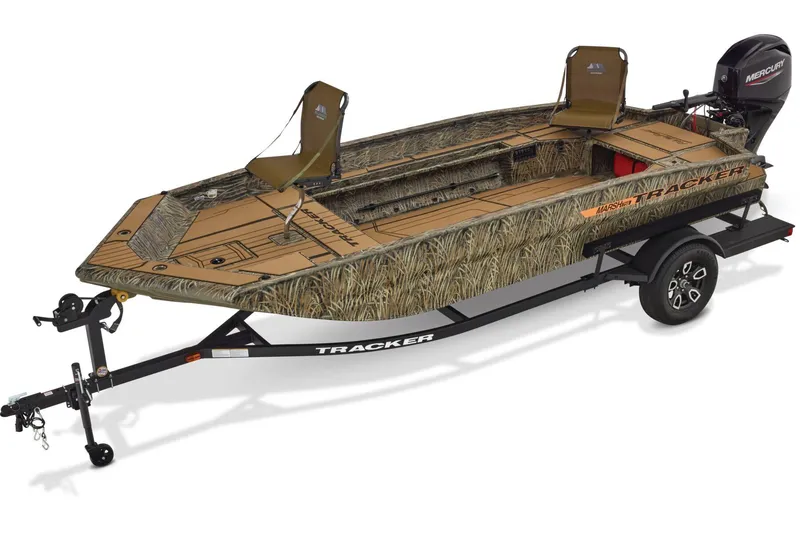
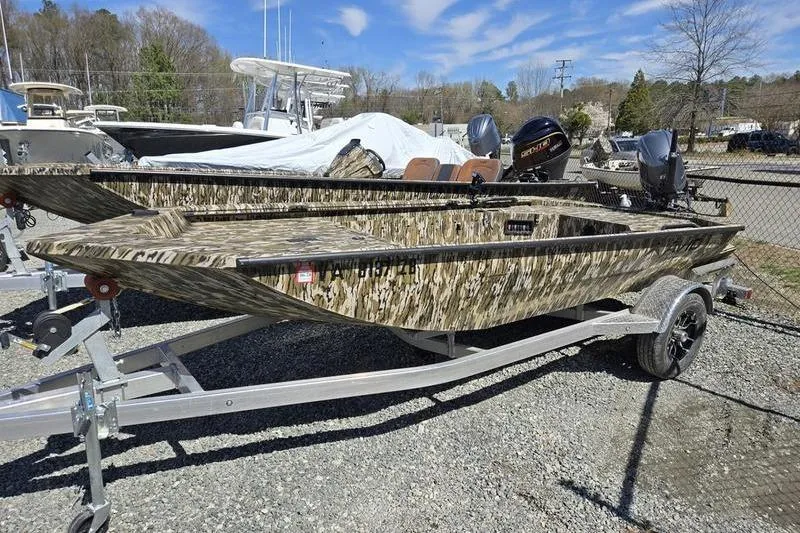
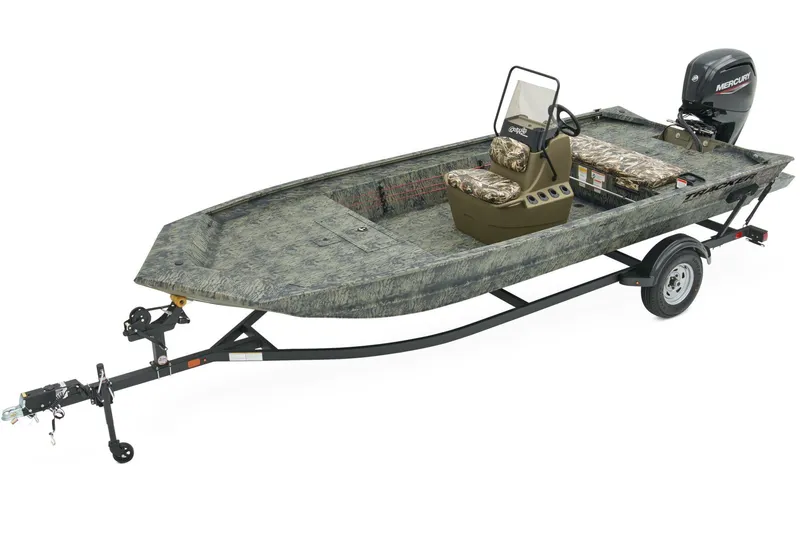
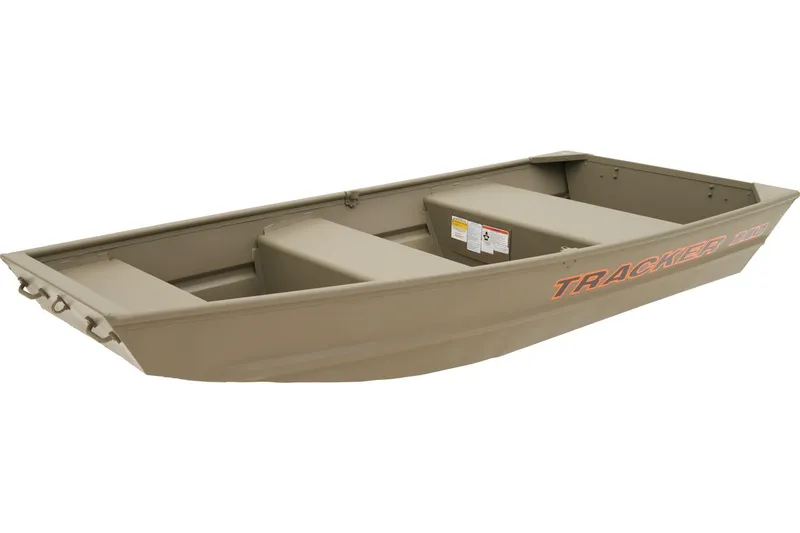
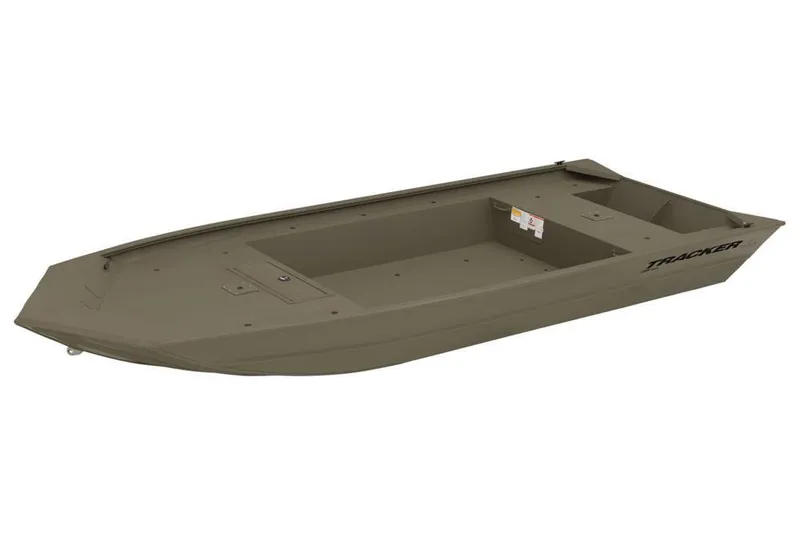
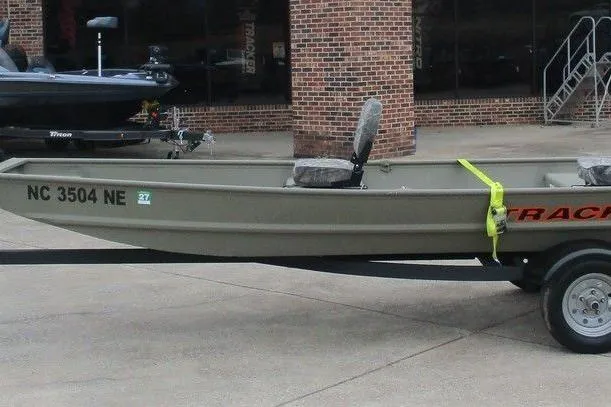
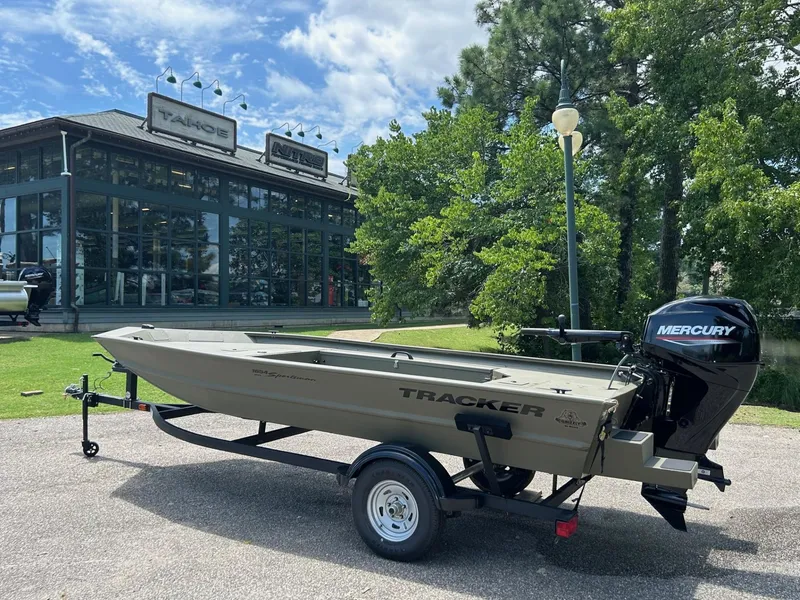
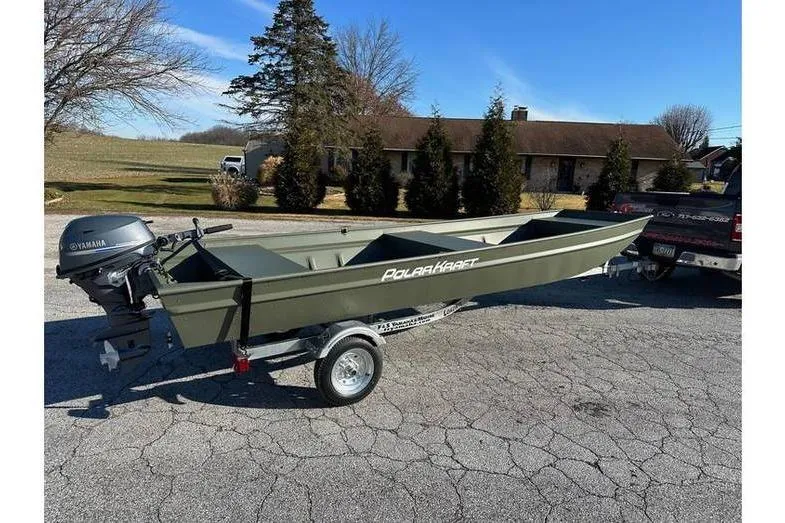
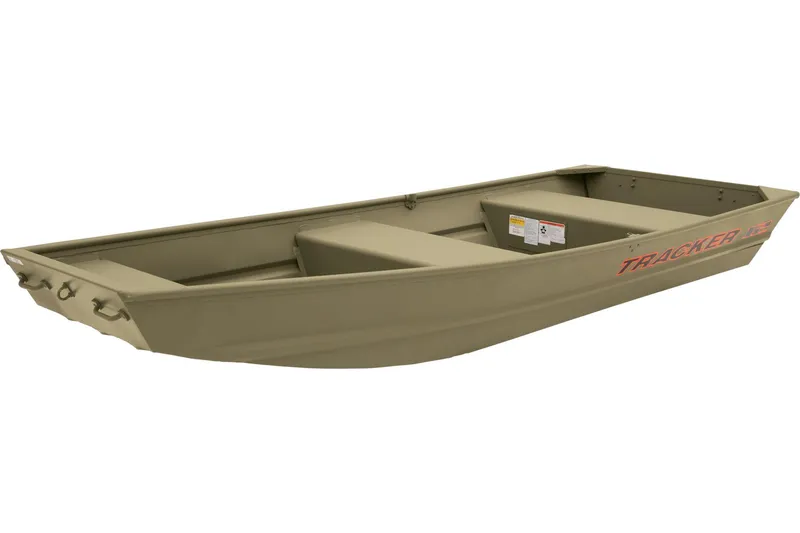
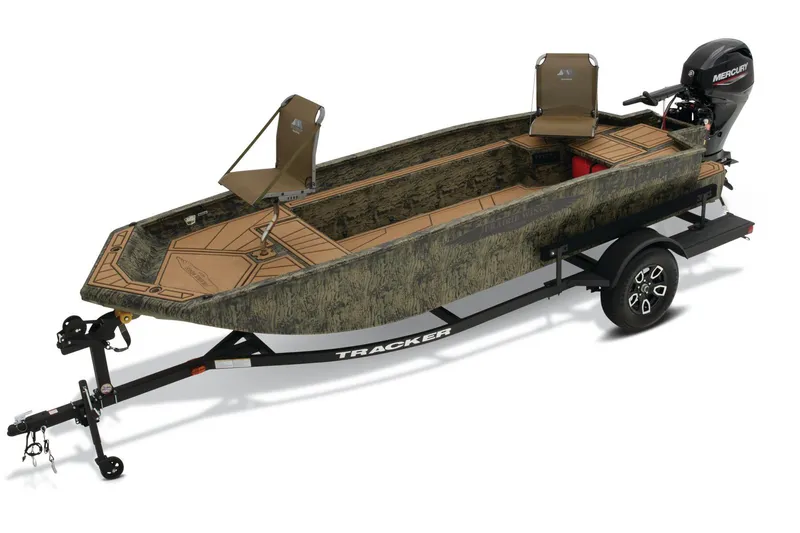
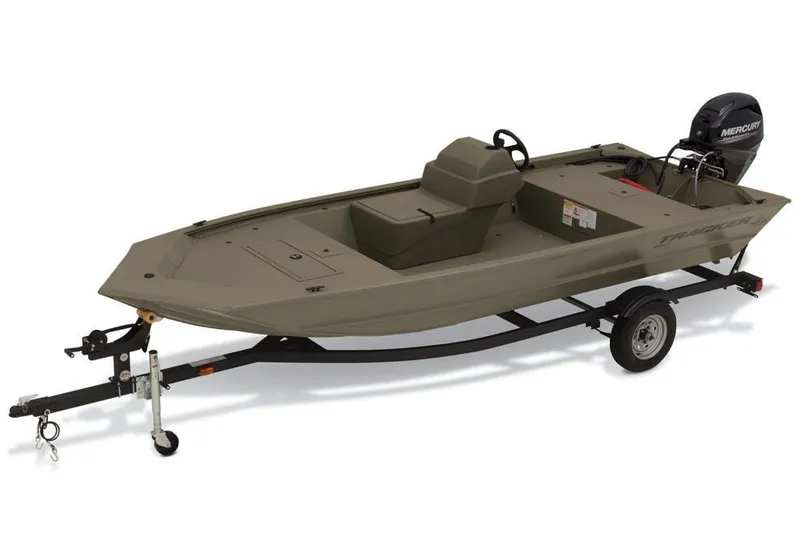
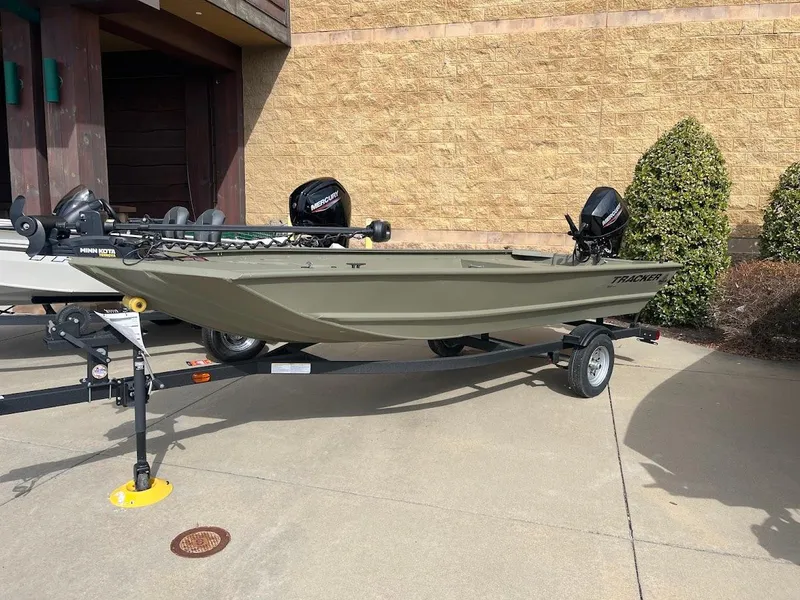
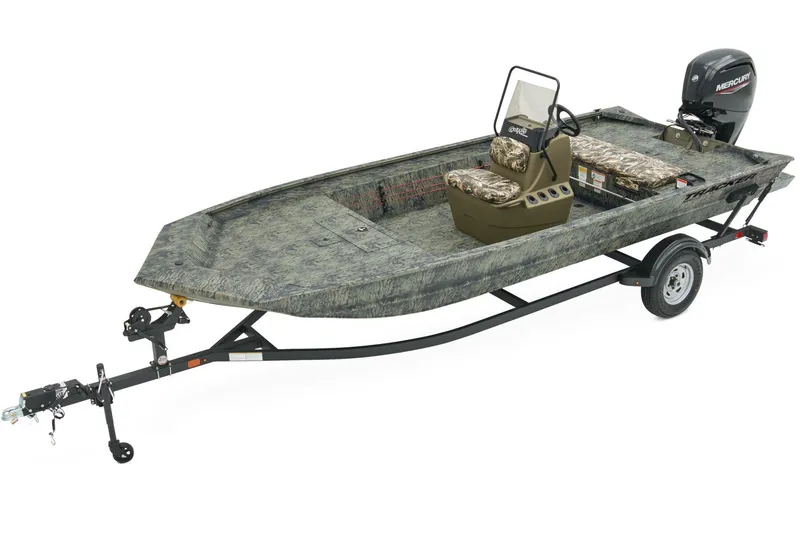
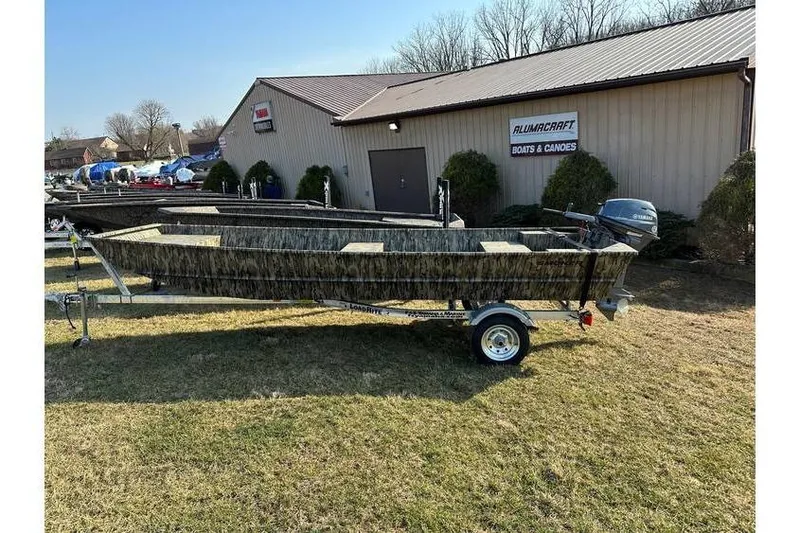
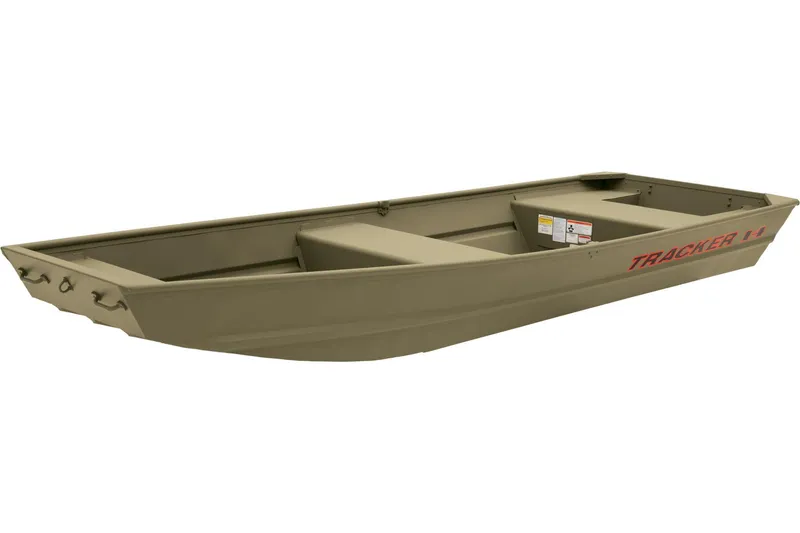
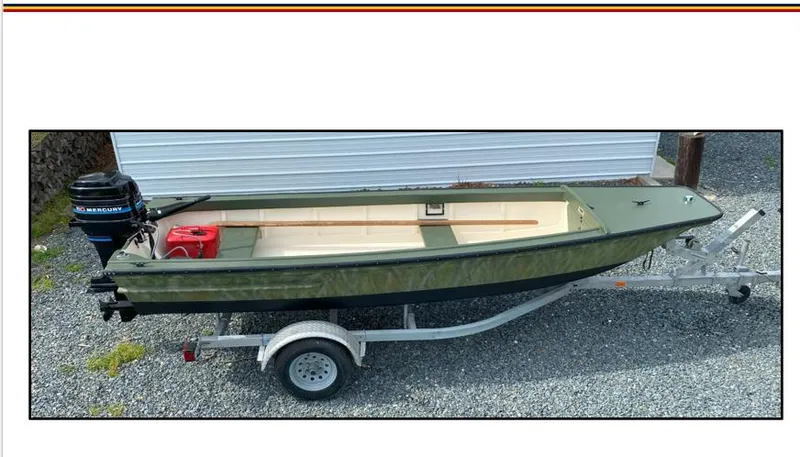
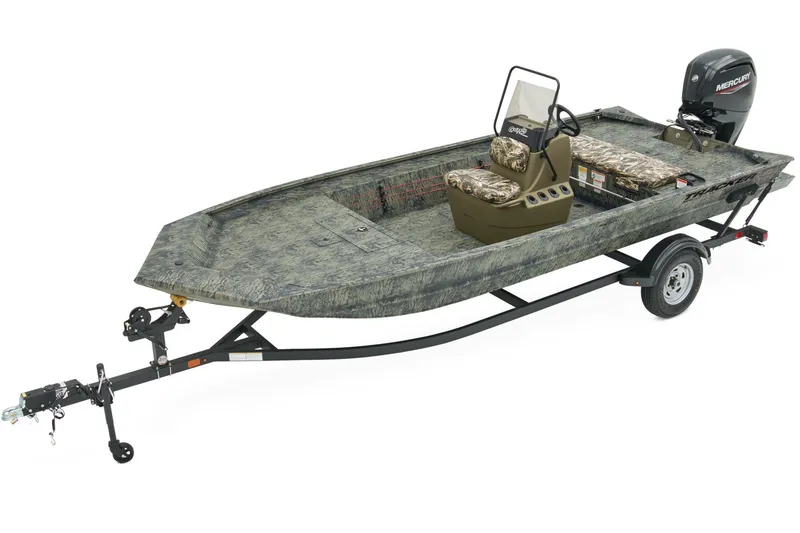
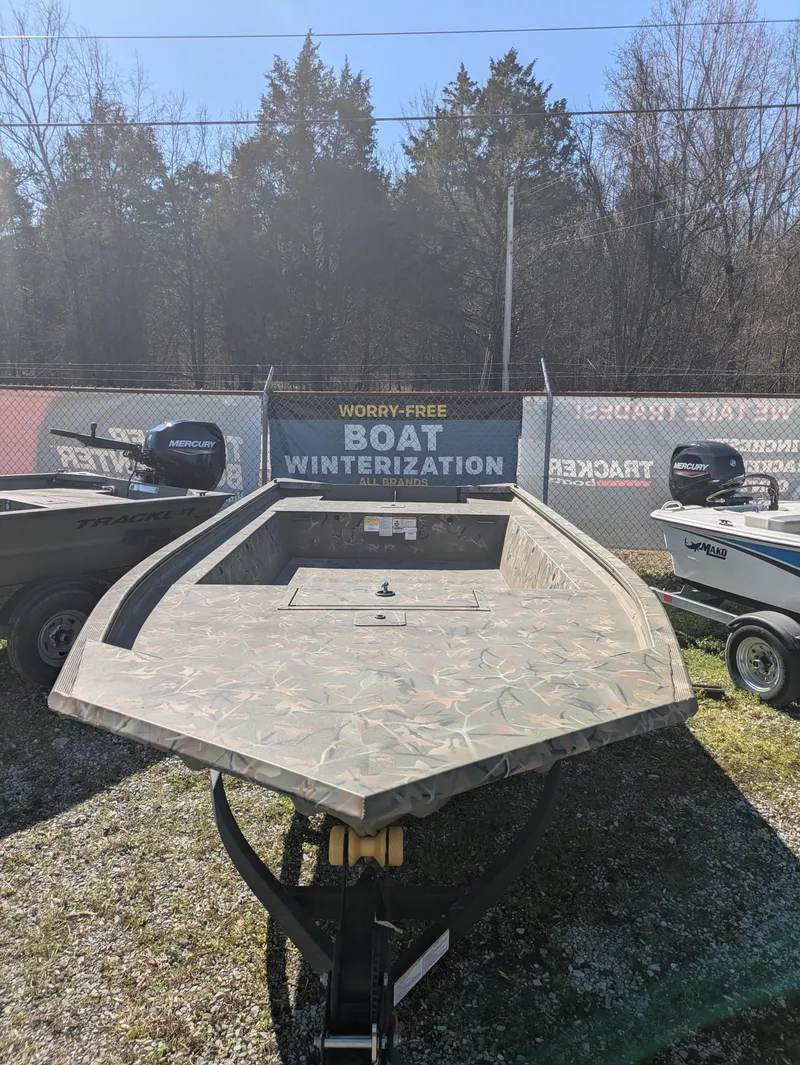
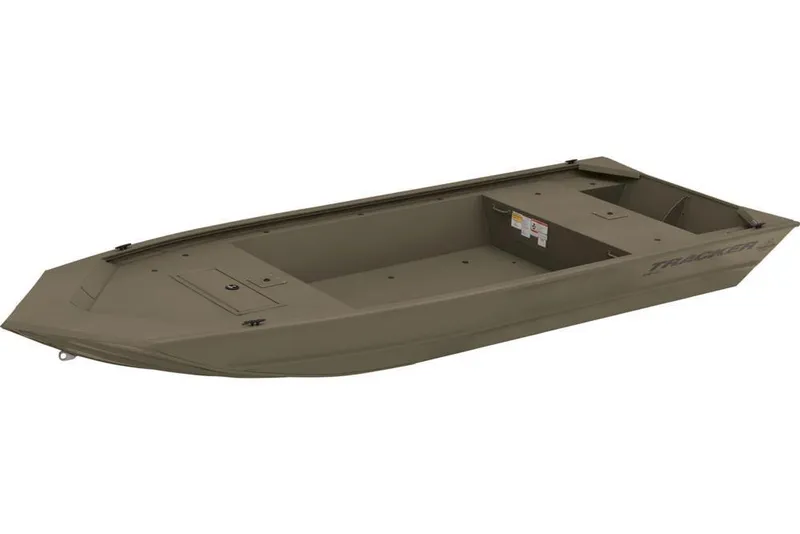
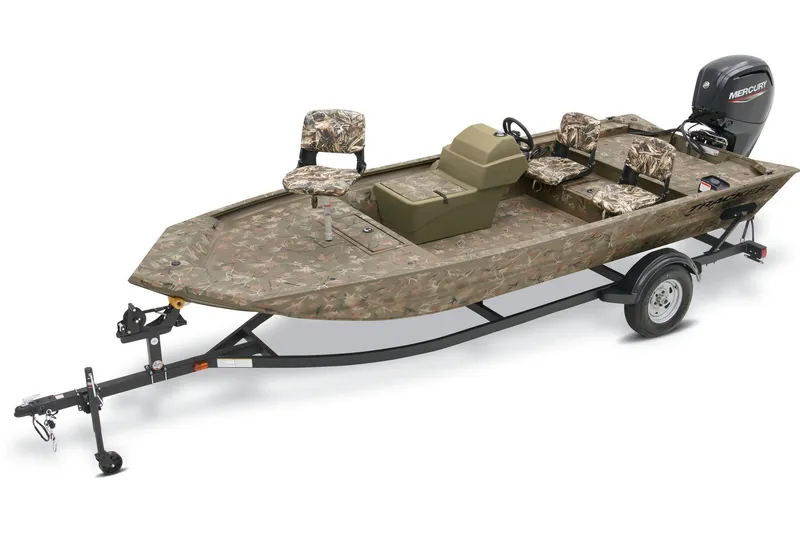
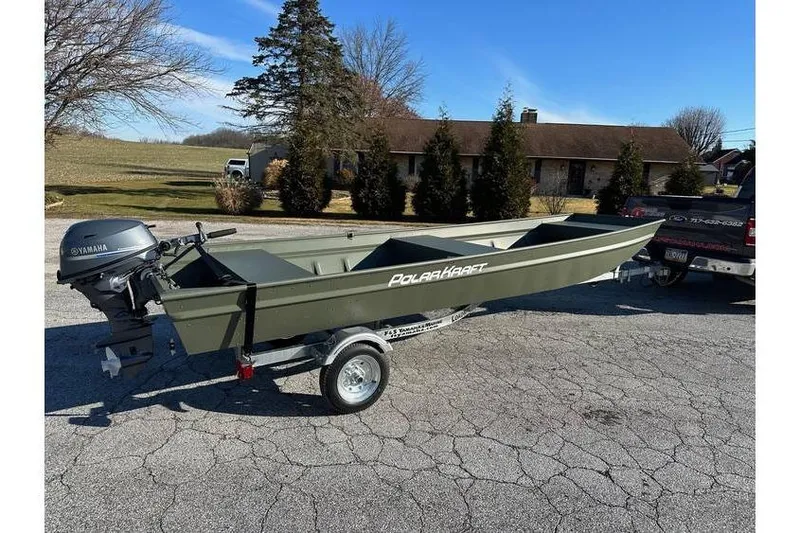
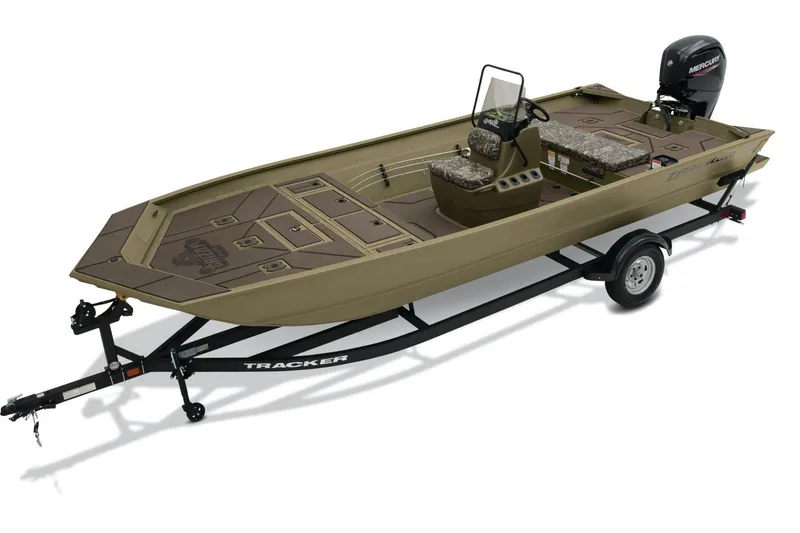
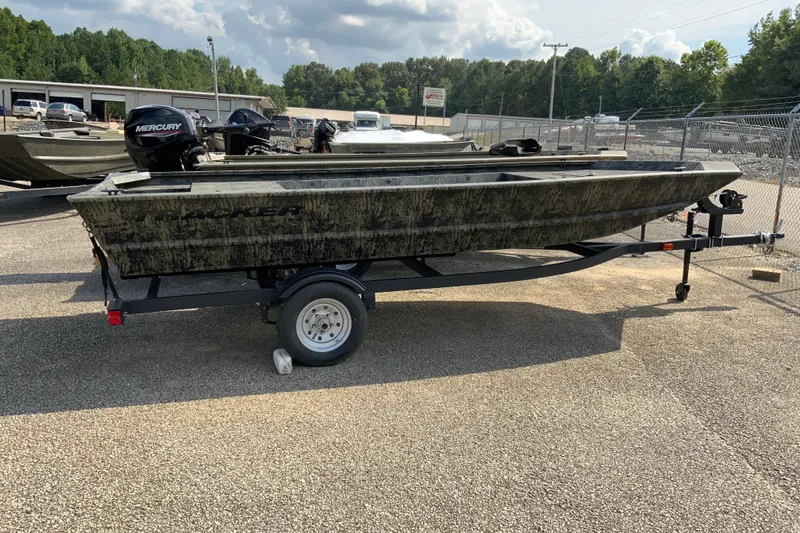
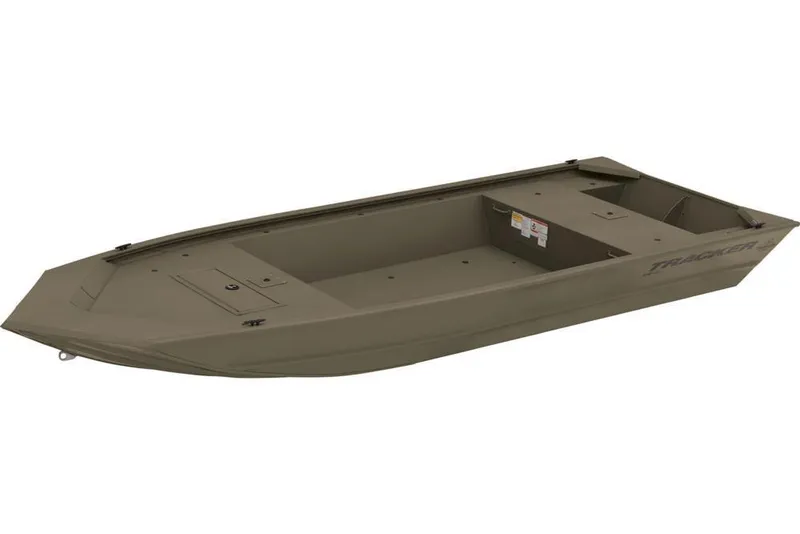
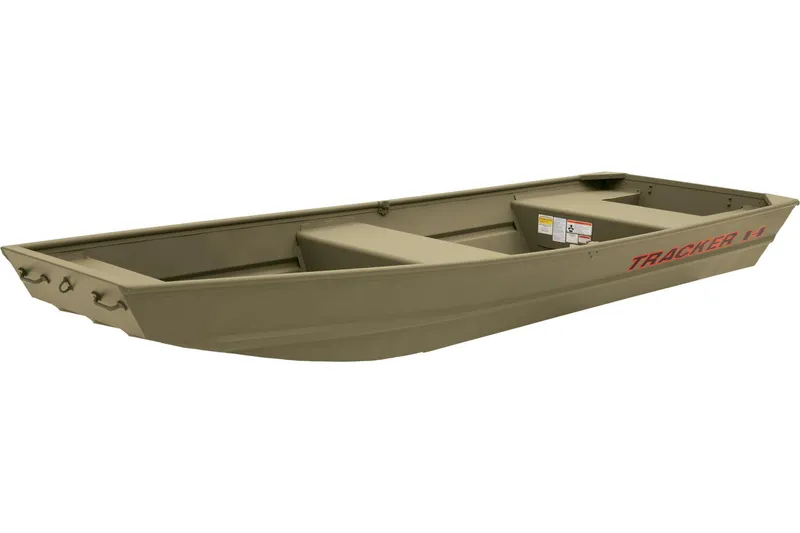
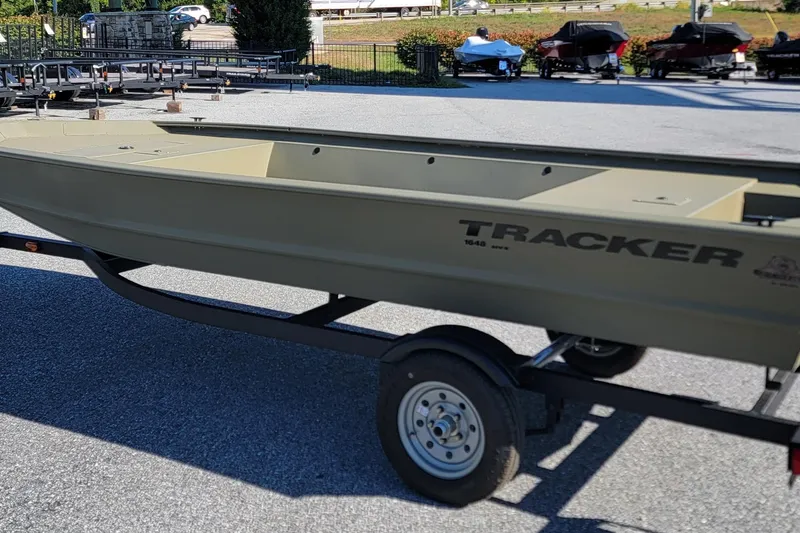
A jon boat is a flat-bottomed boat typically made from aluminum, wood, or fiberglass. Its defining characteristic is the flat hull, which provides exceptional stability in calm and shallow waters. This design allows jon boats to navigate areas that are inaccessible to deeper V-hull boats, making them ideal for fishing in rivers, lakes, and swamps.

Historically, jon boats were used by hunters and fishermen in the American Midwest and South for their ability to quietly and efficiently traverse shallow waters. Their simple, utilitarian design has remained largely unchanged, emphasizing durability and ease of maintenance.
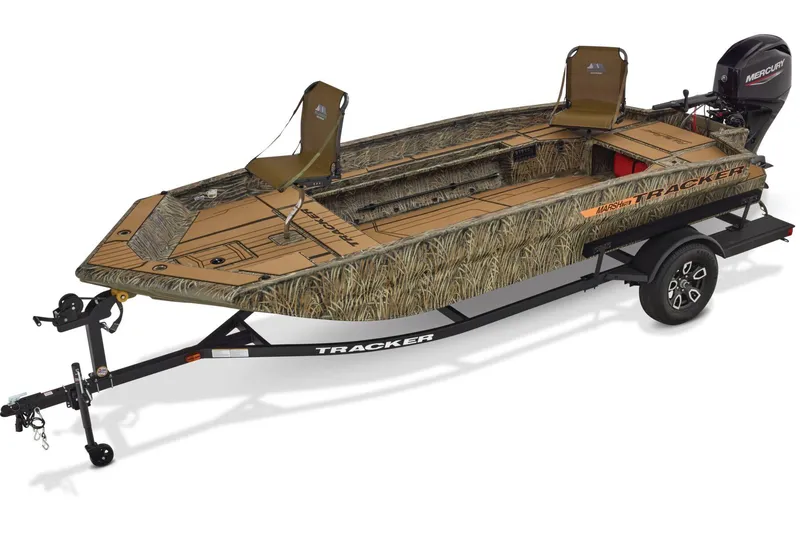
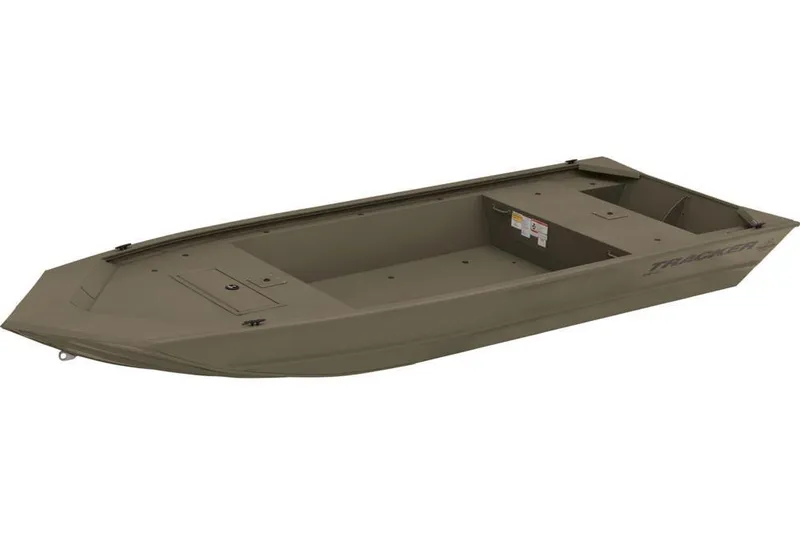
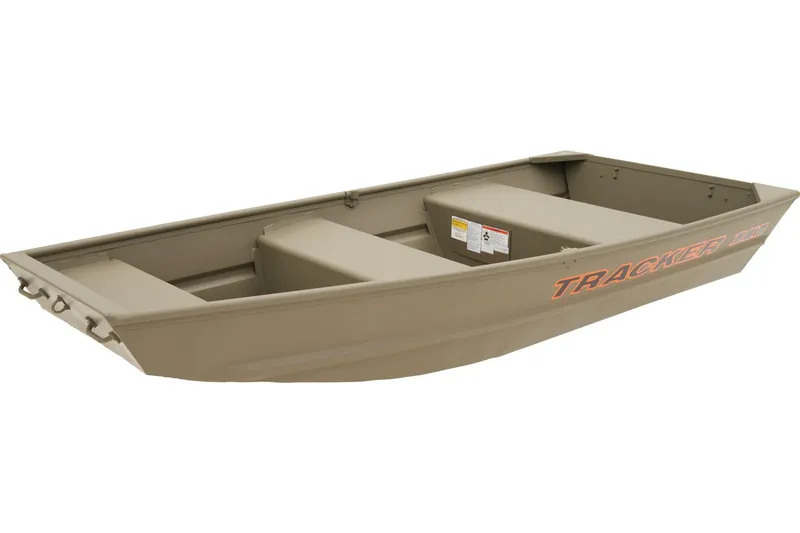
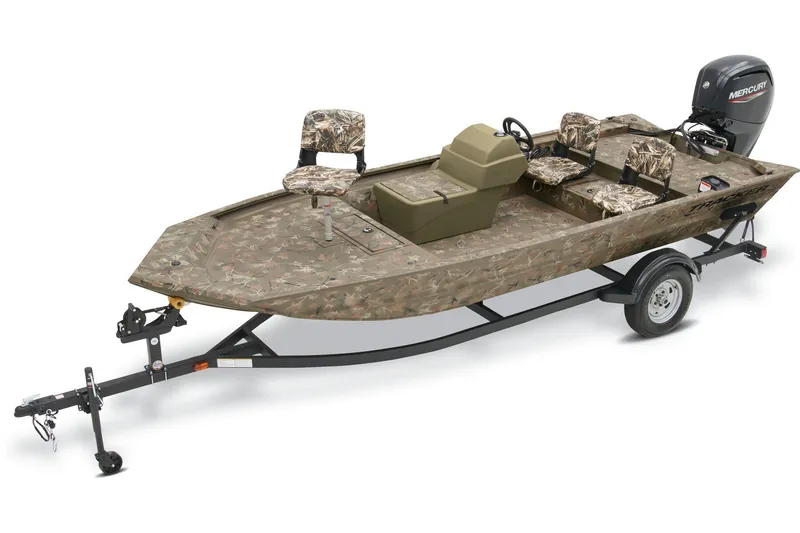
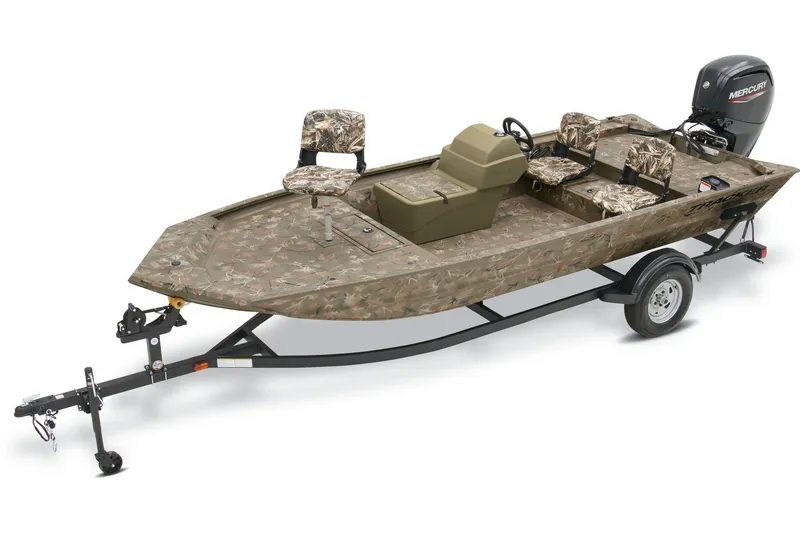
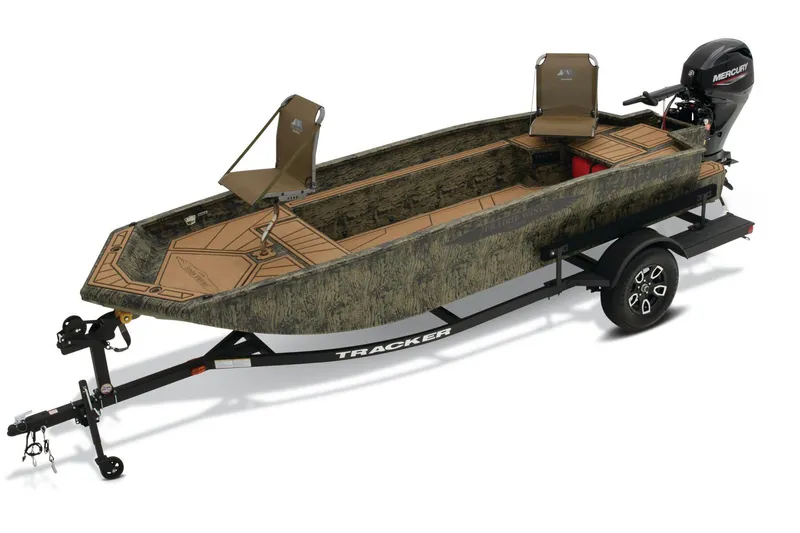
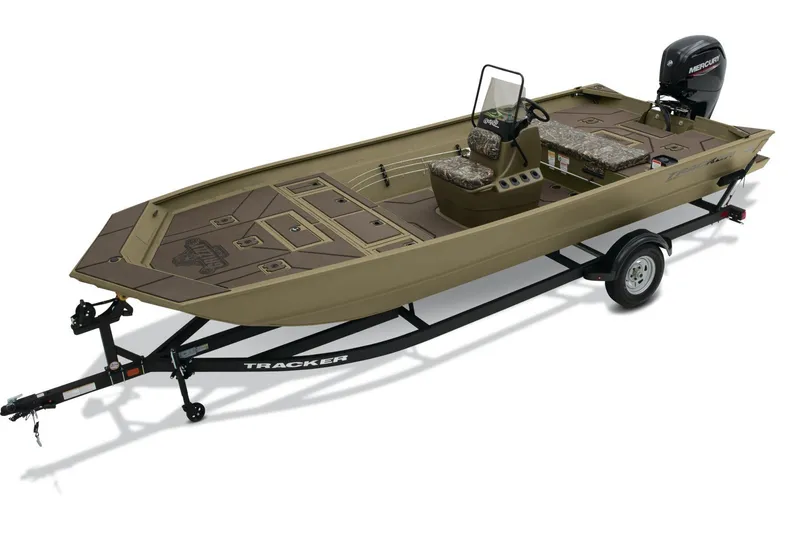
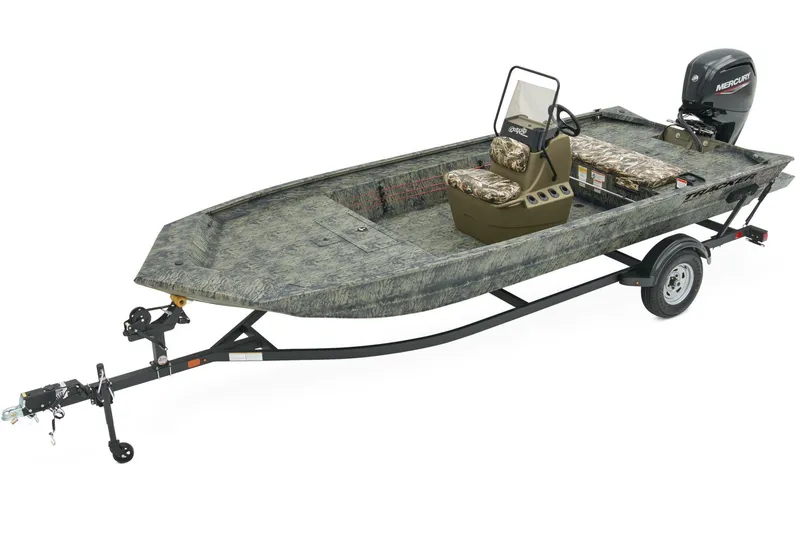
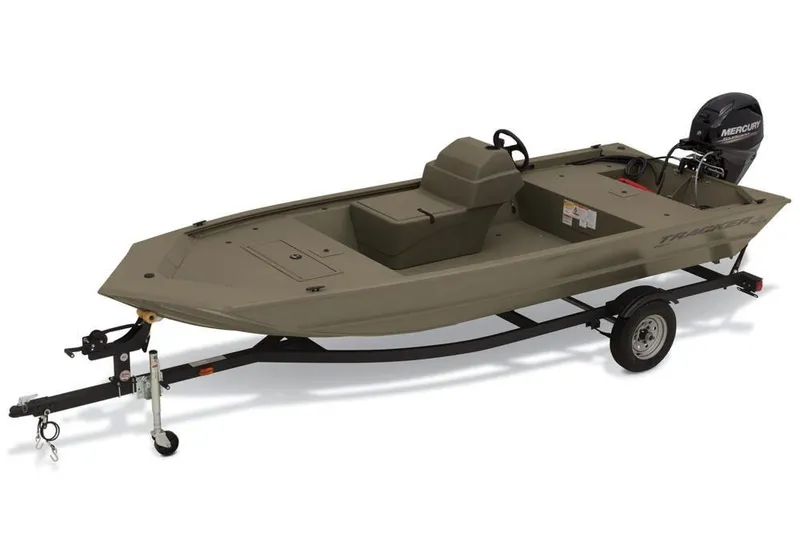
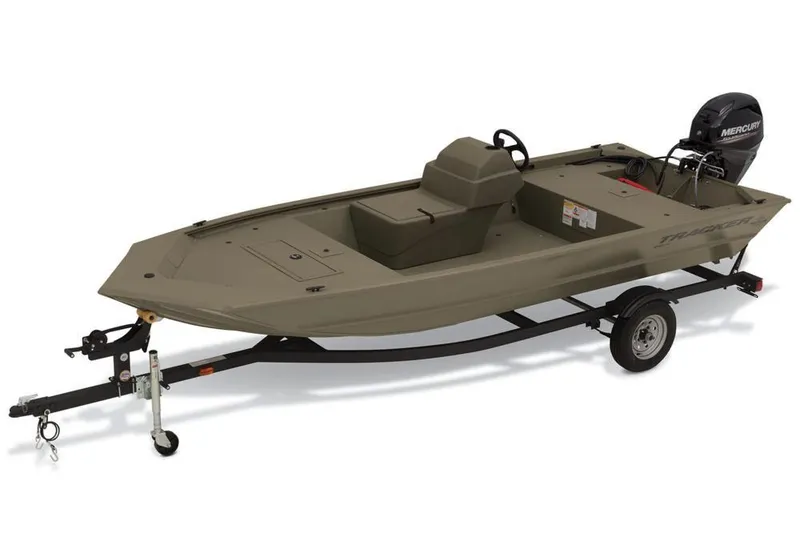
Modern jon boats have evolved with lightweight materials like aluminum, making them easier to transport and more resistant to corrosion. They often feature bench seating and can be outfitted with small outboard motors or paddles, maintaining versatility for various types of water activities.

Pros of Owning a Jon Boat

1. Exceptional Stability

The flat-bottom design of a jon boat offers remarkable stability in calm waters. This makes it a great choice for activities like fishing, where standing and moving around safely is important.

The wide, flat base reduces rocking and provides a steady platform, especially when passengers shift positions or when you’re casting, netting, or handling gear.

2. Simplicity and Low Maintenance

Jon boats are straightforward in design with few mechanical systems, which means less can go wrong. There are typically no complex fuel, electrical, or plumbing systems to worry about.

Their simple construction makes cleaning and upkeep easy, especially when made from aluminum. Routine rinsing, occasional checks for corrosion, and basic hardware inspections usually suffice.

3. Versatile for Shallow Waters

Thanks to their flat hull, jon boats can navigate shallow waters that many other boats cannot, often floating in just a few inches of water depending on load.

This shallow draft makes them perfect for exploring backwaters, stump fields, marshes, and skinny river channels where access is limited.

4. Lightweight and Easy to Transport

Many jon boats are built from lightweight aluminum, making them easy to tow with modest vehicles and simple trailers.

Their manageable weight also means they can be launched and retrieved from less-developed ramps, and smaller models can sometimes be manhandled short distances if needed.

5. Affordable Entry Point

Compared to many other boat types, jon boats are generally more affordable to purchase new and have a healthy used market.

The combination of low purchase price, smaller engines, and minimal ongoing maintenance makes them an excellent choice for first-time boat owners or budget-conscious anglers.

Cons of Owning a Jon Boat

1. Limited Performance in Rough Water

The flat-bottom hull excels in calm, shallow waters but struggles in chop and boat wakes. Instead of cutting through waves, a jon boat tends to slap the surface, which can be jarring and wet.

In strong winds or on large, open lakes, this design can feel uncomfortable and, in extreme conditions, unsafe if pushed beyond its intended use.

  • The Silver Lining: If you primarily boat on small lakes, ponds, or protected rivers and pick your days carefully, the jon boat’s calm‑water strengths far outweigh its rough‑water weaknesses.

2. Minimal Comfort and Amenities

Most jon boats ship with bare aluminum benches, little to no padding, and very limited built‑in storage. Long days on hard seats can be tiring, and clutter can build up without dedicated compartments.

There is typically no integrated shade, sound system, or enclosed area, which reduces comfort for family cruising or all‑day outings.

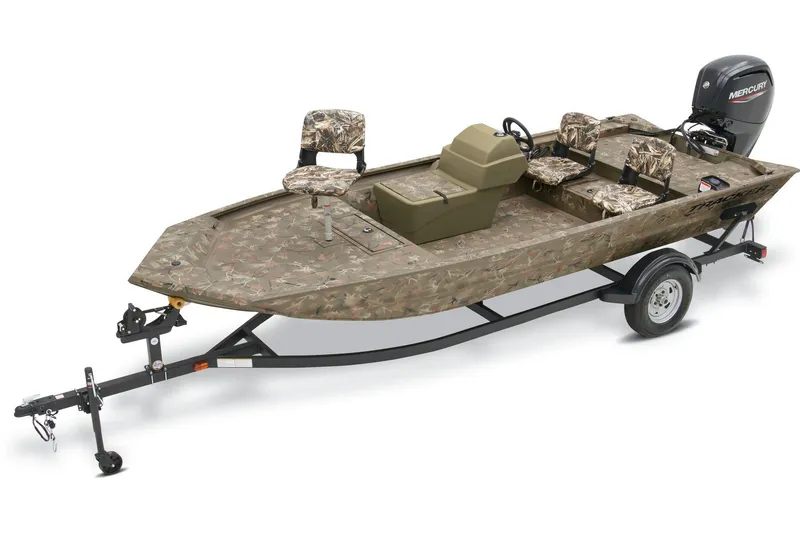
  • The Silver Lining: You can incrementally add comfort—clip‑on swivel seats, dry boxes, cooler seats, and a simple Bimini top—without sacrificing the jon boat’s core simplicity or incurring the cost of a more complex rig.

3. Limited Seating and Space for Groups

Bench layouts and narrow beams limit how many people can sit comfortably and move around without getting in each other’s way.

For family outings with several adults and kids, space can feel tight, and weight distribution becomes more critical to keep the boat level.

  • The Silver Lining: If your typical crew is one or two fishing partners, the open interior feels spacious, and you gain more usable deck area for gear and casting compared to many small runabouts.

4. Not Designed for High Speeds

Jon boats are not performance hulls. At higher speeds they can become bouncy and less predictable, and pushing them hard in chop is uncomfortable and inefficient.

Their flat bottom generates more drag than a deep‑V, so they are better suited to moderate speeds rather than long runs at wide‑open throttle.

  • The Silver Lining: At typical jon‑boat speeds, you burn less fuel, place less stress on the engine, and can focus on precision—quiet approaches to fishing spots and controlled maneuvering in tight, shallow areas.

5. Exposure to the Elements

With no cabin and usually no permanent windshield or enclosure, you are fully exposed to sun, wind, rain, and cold. That can shorten your season or make marginal‑weather days uncomfortable.

You also have limited protection from bugs and spray in swampy or windy environments.

  • The Silver Lining: Basic gear—such as a removable canopy, rainwear, sun-protective clothing, and a windbreak panel—can significantly improve comfort while preserving the open, uncluttered feel that makes jon boats attractive.

Performance and On‑Water Behavior

Jon boats offer a stable platform for a few people, but they are not crowd‑pleasers. Most small to mid‑size models are rated for 3 to 5 passengers depending on length, beam, and horsepower.

Weight distribution matters: too many people at the stern or on one side can reduce freeboard and make the boat feel less secure. Staying within the capacity plate limits and spreading passengers along the benches keeps the boat predictable.

For fishing, two anglers can usually stand and cast comfortably if they coordinate movements. Larger groups are better suited to taking turns while others remain seated.

In heavy chop, a jon boat’s flat bottom tends to pound, and the bow can spray or take on water if driven too fast into waves. You’ll often need to slow down, quarter the waves, and accept a wetter ride.

High winds create noticeable windage on the hull and passengers, making it harder to hold position, especially when fishing light structure or open flats. A shallow draft also means the boat drifts quickly.

Prudent operators treat jon boats as calm‑water craft: check forecasts, avoid large open bodies of water in bad weather, and be willing to postpone trips when conditions look marginal.

Ownership, Costs, and Practical Logistics

Beyond the initial purchase, major recurring costs include fuel, routine engine service, registration, insurance (if you choose it), and storage or trailer upkeep.

Because jon boats typically use small outboards, they consume relatively little fuel and have lower service costs compared with larger, high‑horsepower rigs.

Aluminum hulls help keep long‑term expenses low: they don’t rot like wood, require minimal cosmetic upkeep compared to gelcoat, and small dings can often be ignored or repaired cheaply.

Jon boats often retain value reasonably well in regions where freshwater fishing, duck hunting, and utility boating are popular. Demand stays consistent for functional, no‑nonsense hulls.

Because systems are simple, buyers focus heavily on hull condition and engine health. A well‑cared‑for aluminum jon with a reliable outboard and trailer can be easy to sell when priced fairly.

Custom modifications, if done neatly—like decks, storage, or livewells—can help resale, but extreme personalization may narrow your buyer pool.

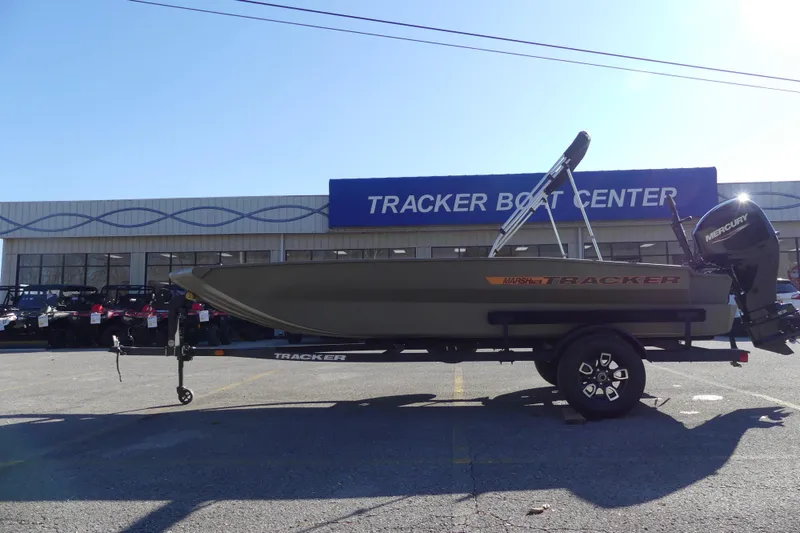
Most jon boats do not require a heavy‑duty truck. A typical 12‑ to 16‑foot aluminum jon boat, with motor, fuel, and trailer, usually falls well within the towing capacity of many mid‑size SUVs, crossovers, and half‑ton pickups.

Their lighter weight also means less wear on brakes and drivetrains, easier maneuvering at ramps, and simpler storage in driveways or side yards.

Always verify the combined weight of boat, motor, gear, and trailer against your vehicle’s rated towing capacity, and ensure your hitch, ball mount, and lighting are properly set up.

Final Verdict: Is a Jon Boat Right for You?

A jon boat is an excellent match for boaters who prioritize simplicity, shallow‑water access, and low operating costs over speed and luxury. It shines as a practical, hardworking platform for anglers, hunters, and DIY‑minded owners who enjoy customizing their setup.

Its limitations in rough water, comfort, and passenger capacity mean it is not a universal solution. If your boating plans revolve around protected waters and focused activities—rather than all‑weather cruising or entertaining large groups—a jon boat can be a smart, economical choice that delivers years of dependable service.

You'll love it if:

  • You primarily boat on small lakes, ponds, sheltered rivers, or marshes.
  • Your main goals are fishing, hunting, or simple utility tasks rather than cruising in luxury.
  • You value low purchase price, low fuel burn, and straightforward maintenance.
  • You usually go out solo or with one or two companions and don’t need seating for a crowd.
  • You enjoy customizing and organizing a simple open hull to match your specific style of boating.

It might be challenging if:

  • You often encounter big, open water with frequent chop, wakes, or strong winds.
  • You want plush seating, extensive storage, and built‑in amenities for family comfort.
  • You plan to entertain larger groups or run long distances at higher speeds.
  • You need an all‑weather boat with significant protection from sun, rain, and cold.
  • You prefer a turnkey, feature‑rich package over a basic platform that may require add‑ons or DIY work.

A jon boat offers a practical, budget‑friendly gateway into boating for those who frequent calm, shallow waters and value function over flash. If you understand its limitations, equip it thoughtfully, and operate within its comfort zone, it can be a reliable, enjoyable companion for countless days on the water.

Be the First to Know

Get notified when new boats become available.

Logo