Miami

Filters

Filters

Boat Type

Condition

Searching boats for you...

Boating · Destinations 

Is Miami, FL a Good Place for Boating?


Written by: MarineSource.com Team on | Estimated read time: 8 min read

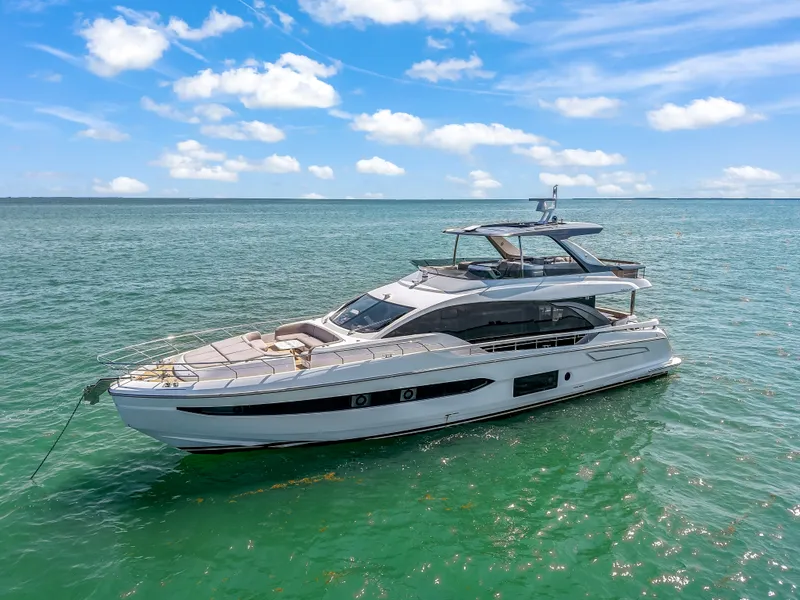
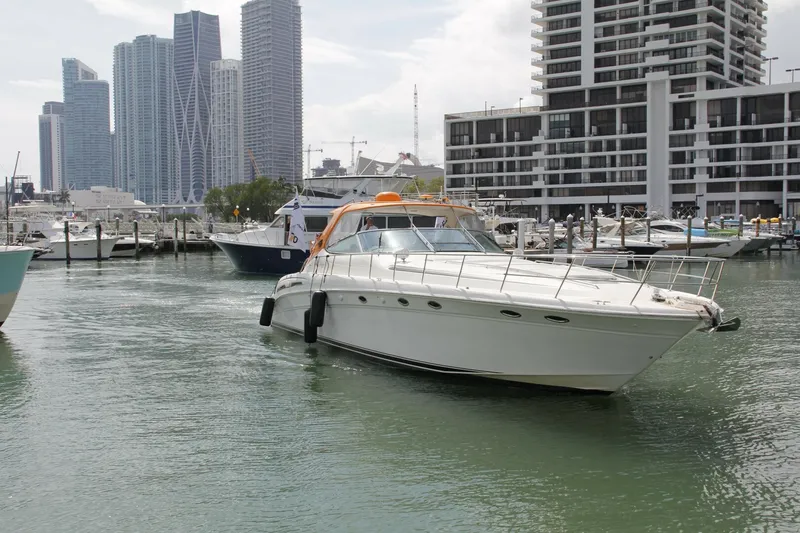
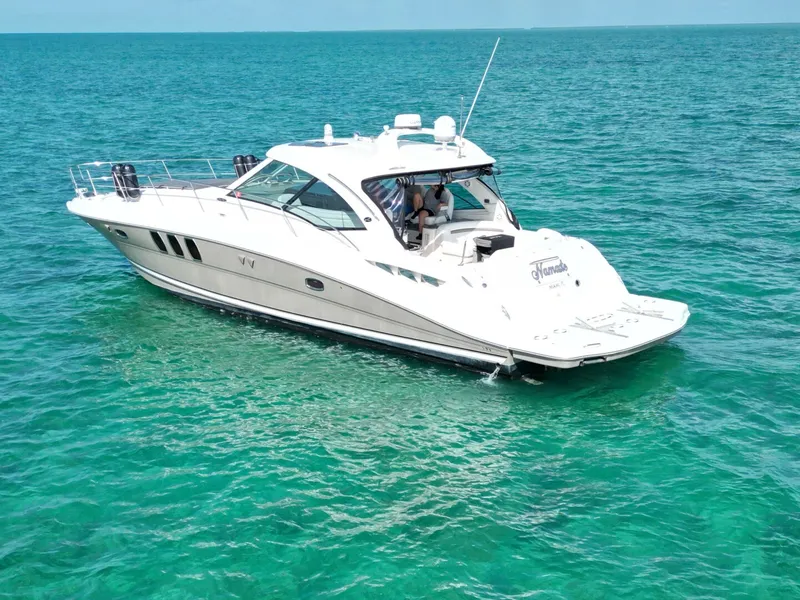
Miami sits on the edge of Biscayne Bay, where a maze of shallow flats, emerald channels, and offshore reefs meets the skyline of glass towers and pastel art deco hotels. Out on the water, you’ll see everything from tiny skiffs to megayachts threading past palm-lined islands, with the Atlantic just a short run through Government Cut or offshore via Biscayne National Park. The water is mostly shallow and clear, with seagrass beds and sandbars giving the bay a tropical, almost Caribbean feel.

For boaters, Miami blends big-city energy with a true coastal playground. You can idle through the Miami River past working docks and high-rises, spend a lazy afternoon on the hook at No Name Harbor or off Dinner Key, or run south toward the keys of Biscayne National Park, like Elliott Key or Boca Chita Key. Fishing, sandbar rafting, sailing, watersports, and dock-and-dine outings are all part of everyday life here, especially on sunny winter weekends.

At the same time, boating in Miami isn’t all effortless glamor. Shallow waters, strict speed zones, seasonal storms, and changing anchoring rules mean you need to pay attention. Slips and fuel aren’t cheap in such a high-demand market, and the most popular spots can be crowded, both on the water and in the marinas. Newcomers quickly learn that a chartplotter and local knowledge are just as essential as sunscreen.

So, is Miami a good place for boating? For many people, the almost year-round season, diverse waterways, and vibrant boating culture make the answer a strong yes. But your experience will depend on your budget, your comfort level with navigation, and how you feel about crowds and regulations. Below, we’ll walk through the key pros and cons of keeping and using boats in Miami so you can decide if this boating lifestyle fits you.

Pros of boating in Miami, FL

1. Access to Biscayne Bay and the Atlantic

Miami’s biggest draw for boaters is direct access to Biscayne Bay and the open Atlantic. The bay stretches roughly 35 miles from North Miami Beach toward Card Sound, with another 25 miles of connected waters if you include Card Sound and Barnes Sound. This gives local boaters a huge playground of shallow flats, channels, and islands, from urban waterfronts around Downtown to the more natural coastlines south of Black Point Park & Marina.

From the bay you can exit offshore via Government Cut, the deep shipping channel between Miami Beach and Fisher Island, or thread through inlets further north and south to reach bluewater fishing grounds. Cruisers and anglers can head toward the Florida Keys, or simply stay within the protected bay if the ocean is too rough. That flexibility makes it appealing whether you favor casual day boating or longer coastal cruises.

2. Well-developed marina and ramp infrastructure

For a city its size, Miami has a strong network of marinas, mooring fields, and ramps that support local and visiting boaters. On the city side, Dinner Key Marina & Mooring Facility in Coconut Grove is one of the largest in the area, with nearly 600 wet slips and 250 moorings, plus services like pump-outs, laundry, dinghy docks, and shore power. Downtown, Miamarina at Bayside puts you right in the heart of the city with transient slips, upgraded electrical, and easy access to shops and restaurants.

Nearby, Crandon Park Marina on Key Biscayne offers nearly 300 slips, fuel, pump-out, and showers, while the dry-rack Marine Stadium Marina on Virginia Key caters to trailerable and mid-sized powerboats with rack storage and REC90 fuel. Public ramps at places like Marine Stadium Marina and Black Point Park & Marina make it possible to enjoy boats in Miami even if you store your vessel on a trailer instead of in a slip.

3. Diverse boating activities and destinations

Whatever your style of boating, Miami offers variety. Sailors enjoy the open reaches of Biscayne Bay and the steady winter trades, while powerboaters often head for sandbars, waterfront restaurants, and quick offshore runs. Popular anchorages like the Dinner Key anchorage and No Name Harbor at Bill Baggs Cape Florida State Park give reasonably well-protected spots to drop the hook, grill on board, or go ashore for a beach walk and lighthouse views.

Anglers can run out from places like Black Point Park & Marina toward reef and offshore fishing spots, or stay inshore to target species around channels and structure. Families and watersports fans use the more protected stretches of the bay for tubing and wakeboarding, staying clear of marked channels and seagrass flats as required by park rules. With beaches, parks, and islands scattered throughout the area, most boaters can build a full weekend itinerary without ever launching the car.
4. Strong boating culture and year-round season

Miami’s boating culture is deeply woven into everyday life. You’ll see yachts docked beneath downtown condos, small center consoles clustered around sandbars, and sailboats swinging on moorings off Coconut Grove. Yacht clubs like Key Biscayne Yacht Club host cruising events and regattas, and South Florida’s broader scene includes poker runs, holiday boat parades, and waterfront fireworks shows like the annual 4th of July Spectacular at Black Point.

Because Miami’s climate is subtropical, boats in Miami can be used almost year-round. The most comfortable and popular months are winter through spring, when humidity is lower and storms are less frequent, but even in cooler months the water tends to hover in the 70s°F. Instead of winterizing, many owners keep their vessels ready to go, which makes it easier to justify the cost of ownership if you plan to use your boat often.

5. Plenty of services, from fuel to repairs and dock-and-dine

With so many boats in Miami, supporting services are plentiful. Fuel docks are scattered throughout the area, from Miami Beach Marina near Government Cut to Venetian Marina & Yacht Club and facilities at public marinas like Crandon Park and Black Point. Shipyards, mechanics, detailers, and electronics installers are easy to find, especially around established marine corridors like the Miami River and Coconut Grove.

Boaters who enjoy a social outing by water can take advantage of dock-and-dine options, such as waterfront restaurants at parks like Black Point’s Ocean Grill, or the many eateries near Bayside Marketplace and Coconut Grove. Having fuel, pump-outs, and maintenance nearby helps keep both casual weekend boaters and serious cruisers on the water instead of stuck on the hard.
Cons of boating in Miami, FL

1. High costs for slips, storage, and fuel

Miami is a high-demand boating market, and prices reflect that. At City of Miami marinas, transient slips often run around $7 per foot per day, while monthly transient rates can be more than $50 per foot. Long-term slip fees for non-liveaboard vessels commonly fall in the high-$20s per foot per month, and liveaboard rates are higher still. Even mooring balls in city fields carry meaningful monthly fees, especially for larger boats.

Dry rack storage at facilities like Marine Stadium Marina also isn’t cheap, and vehicle parking, pump-outs for non-customers, and other ancillary fees add up quickly. Fuel prices at popular marinas like Miami Beach Marina and Venetian Marina & Yacht Club tend to be above national averages, with mid-2025 gasoline and diesel both well over $4 per gallon. For many owners, these ongoing costs can rival or exceed loan payments and insurance.

  • The Silver Lining: You can reduce expenses by keeping a smaller, trailerable boat and using public ramps like Marine Stadium Marina or Black Point, looking for long-term slips away from the most fashionable waterfronts, or sharing costs through partnerships and fractional ownership. Shopping around for fuel and timing longer trips when you can buy at less-expensive docks also helps stretch your boating budget.
2. Shallow waters, shoals, and navigation challenges

Biscayne Bay is famously shallow, with an average depth of roughly six feet outside of dredged channels. While this makes for pretty, light-colored water, it also means there are many shoals, seagrass beds, and sandbars just waiting to catch an inattentive skipper. Stray too far from marked channels—especially near keys, banks like the Safety Valve area, or around Featherbed Banks—and you risk grounding or damaging sensitive habitat.

Bridges and causeways add another layer of complexity: structures like the Rickenbacker and MacArthur causeways have fixed spans and fender piles that require close attention to both vertical clearance and currents or wind when passing through. New arrivals who are used to deep lakes or rivers may find the combination of skinny water, tidal currents, and busy traffic a bit intimidating at first.

  • The Silver Lining: Modern chartplotters, updated NOAA charts, and careful attention to markers go a long way toward safe navigation. If you’re new to the area, joining local boat clubs, hiring a captain for a day of orientation, or starting with shorter trips around well-marked routes near Dinner Key and Key Biscayne can help you build confidence before venturing deeper into the bay or offshore.

3. Crowded waterways and popular hotspots

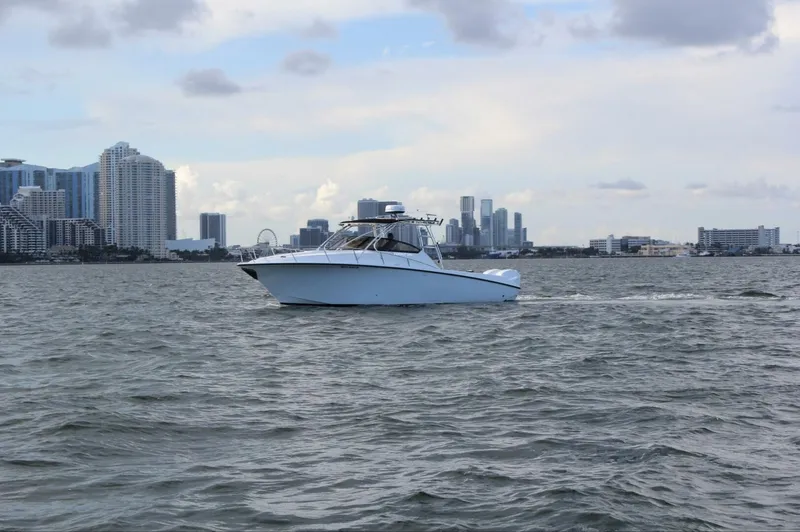
Miami’s beauty and accessibility mean the water can get crowded, especially on sunny weekends, holidays, and event days. Popular gathering spots—sandbars, No Name Harbor, the Dinner Key anchorage, and channels leading to waterfront dining—often see heavy traffic and raft-ups. In narrow areas like parts of the Miami River or around PortMiami’s main ship channels, boat wakes, commercial traffic, and inexperienced operators can create a chaotic mix.

These crowds can affect everything from your ability to find a transient slip or mooring to the comfort of your anchorage. Noise, congested ramps, longer waits at fuel docks, and occasionally unsafe behavior by other boaters are all part of the reality of boating in a destination city.
  • The Silver Lining: Planning your outings for weekday evenings, early mornings, or off-peak seasons can dramatically reduce congestion. If you must boat on busy weekends, aim for less-known sections of the bay or launch from ramps farther from downtown, such as Black Point, to avoid some of the worst traffic. Monitoring VHF Channel 16 and maintaining defensive boating habits also help you stay safer amid the crowds.

4. Regulations, speed zones, and anchoring limits

Because Miami’s waterways support commercial shipping, fragile ecosystems, and dense residential areas, they come with a patchwork of regulations. Numerous “Idle Speed – No Wake” zones apply in places like the Miami River, Little Maule Lake, Oleta River, and various canals and harbors, slowing down transits and requiring extra vigilance. The Coast Guard has also established regulated navigation areas with slow-speed requirements around PortMiami for smaller vessels.

Environmental rules are equally important. Biscayne National Park enforces no-motor zones around sensitive banks and bird-nesting islands, bans towing sports in and near marked navigation channels, and prohibits anchoring on coral reefs. Recent state-level changes have also created anchoring limitation areas in portions of Biscayne Bay near residential islands, restricting overnight stays between sunset and sunrise. Violating these rules can lead to fines and conflicts with law enforcement or waterfront neighbors.

  • The Silver Lining: Once you learn the local rule set, it becomes part of your routine trip planning. Studying park maps, reviewing county speed-zone charts, and using apps that overlay regulated areas on your GPS can help you stay compliant. In return, these protections preserve the shallow ecosystems and shoreline character that make boats in Miami so appealing in the first place.

5. Weather, thunderstorms, and hurricane risk

While Miami’s climate supports a long boating season, it also brings weather-related challenges. Summer afternoons often feature fast-building thunderstorms, strong gusts, and lightning, which can catch unprepared boaters off guard. From June through November, the entire region is vulnerable to tropical storms and hurricanes, and Biscayne Bay’s low-lying shores are at particular risk from storm surge, even with natural features like the Safety Valve shoal area helping dissipate some surge energy.

Wind shifts and squalls can quickly turn a calm day choppy, especially in exposed parts of the bay or offshore. Prolonged stretches of rain or rough seas can also temporarily limit access to favorite sandbars, reefs, and offshore fishing grounds.

  • The Silver Lining: Keeping a close eye on marine forecasts, radar, and tropical outlooks is part of the Miami boating lifestyle. Many owners develop flexible plans, heading out early and staying near protected anchorages or ramps when storms are likely. With thoughtful preparation—hurricane plans for your vessel, proper insurance, and solid ground tackle—you can enjoy the long season while reducing the risks that come with this dynamic weather environment.

What boating in Miami, FL is really like

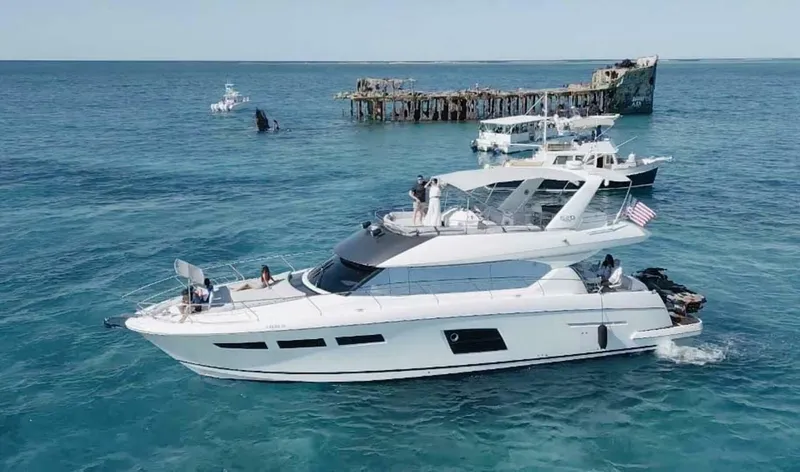
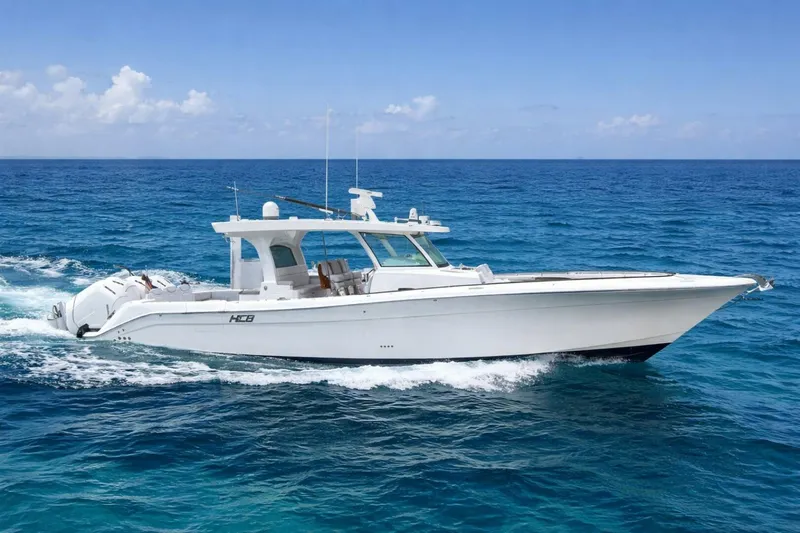
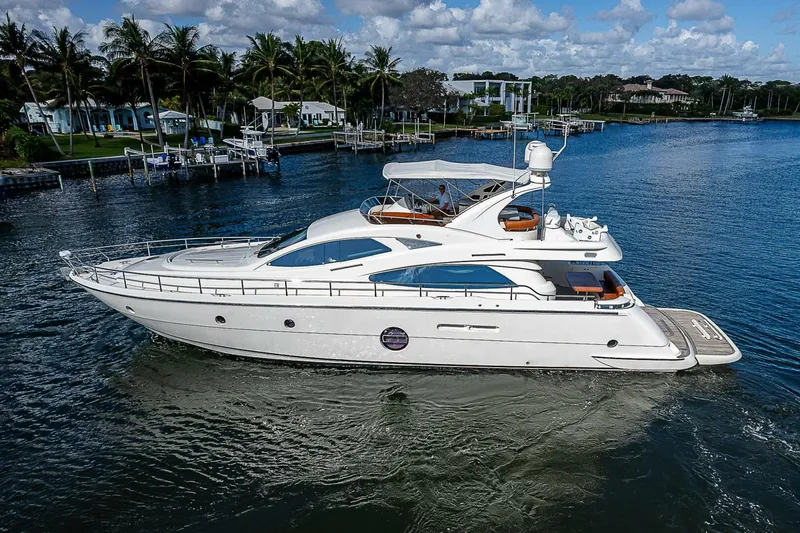
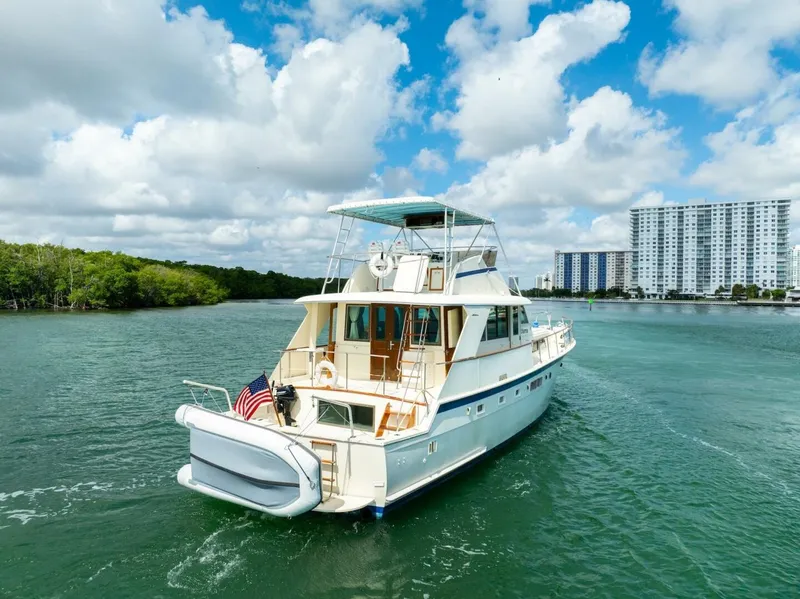
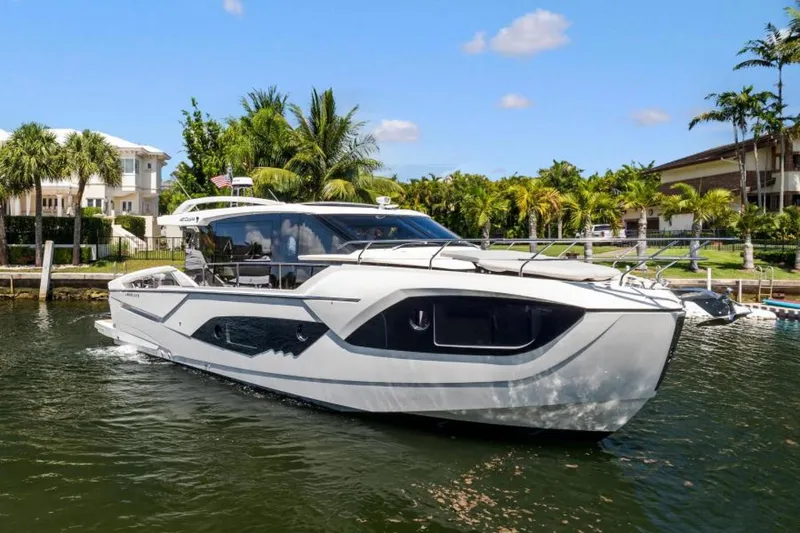
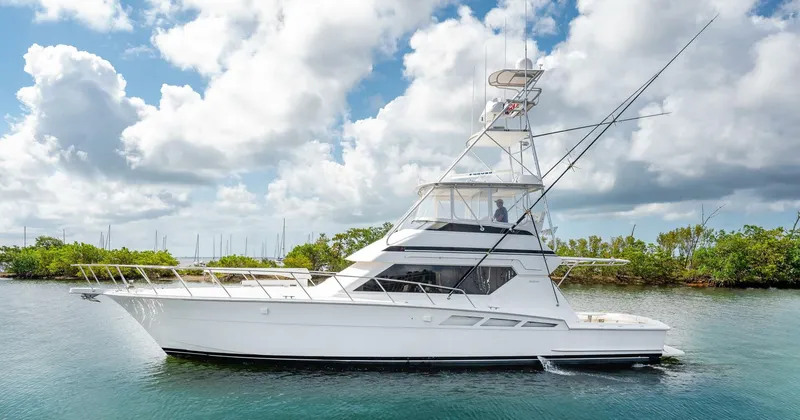
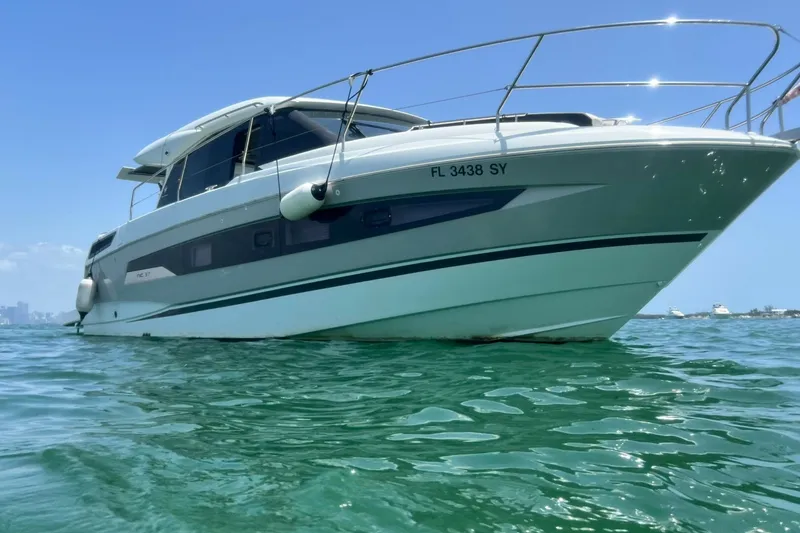
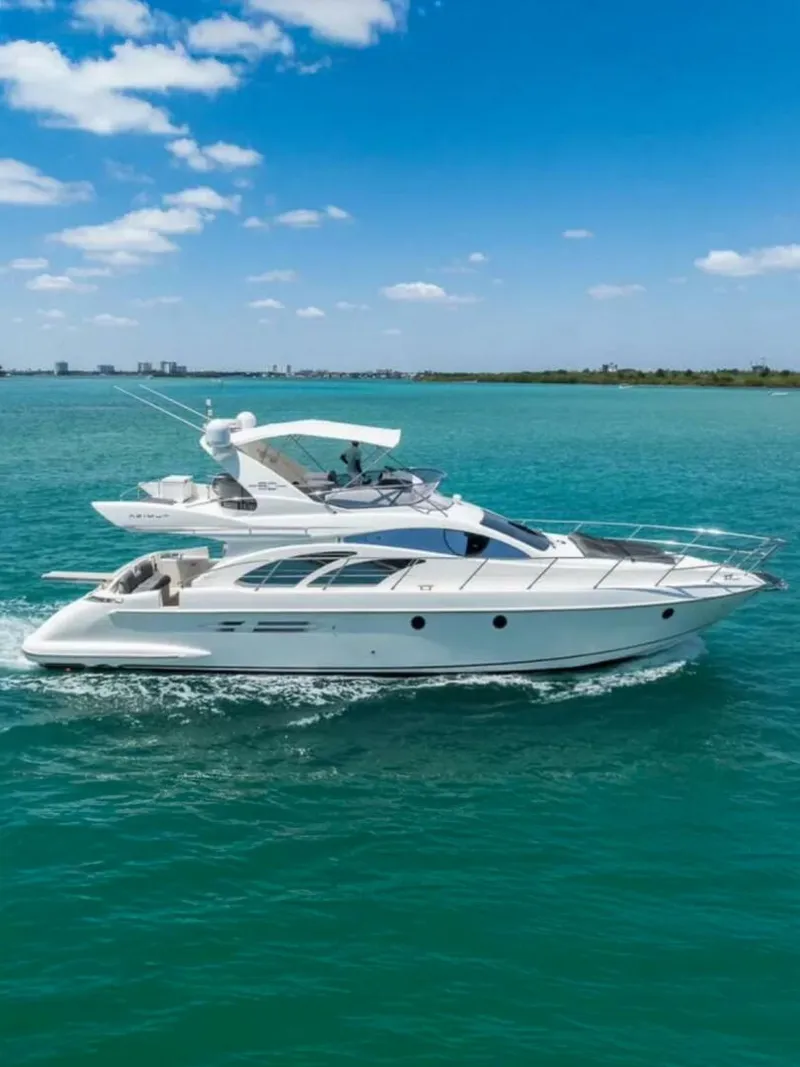
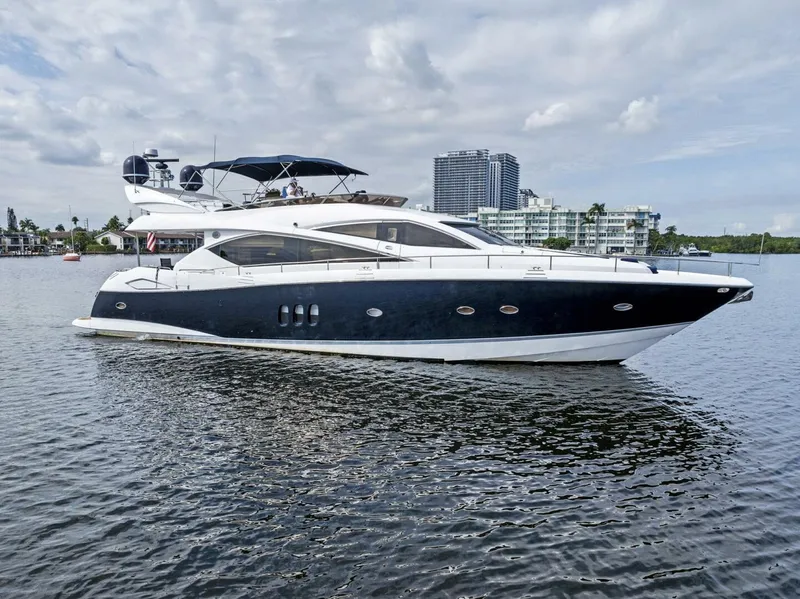
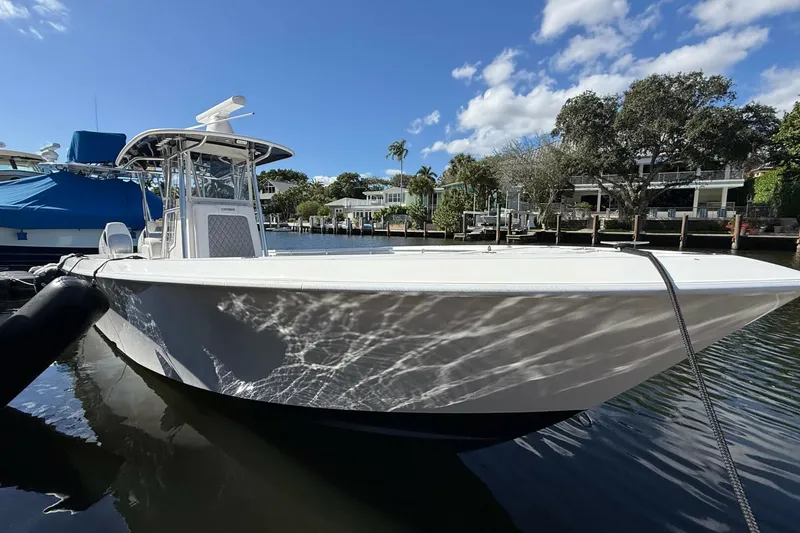
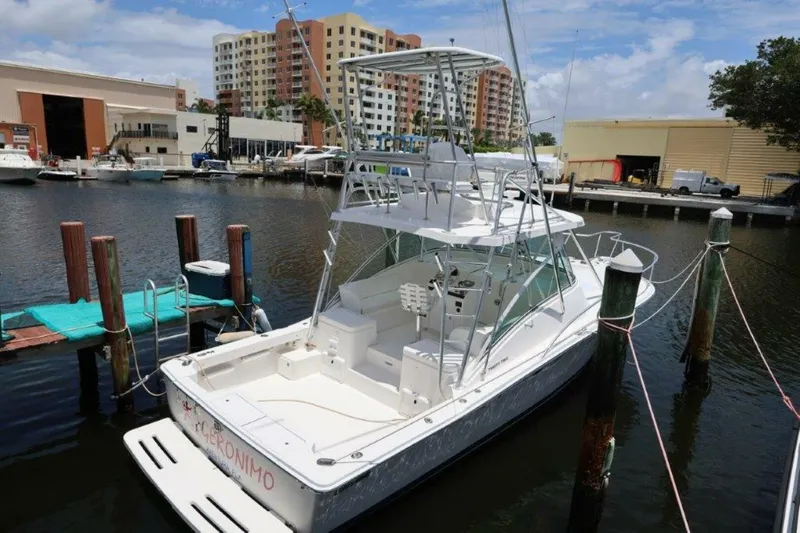
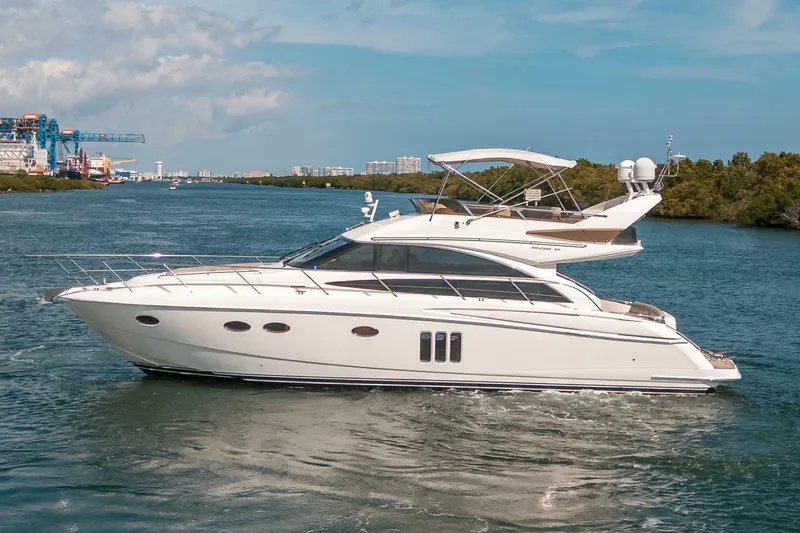
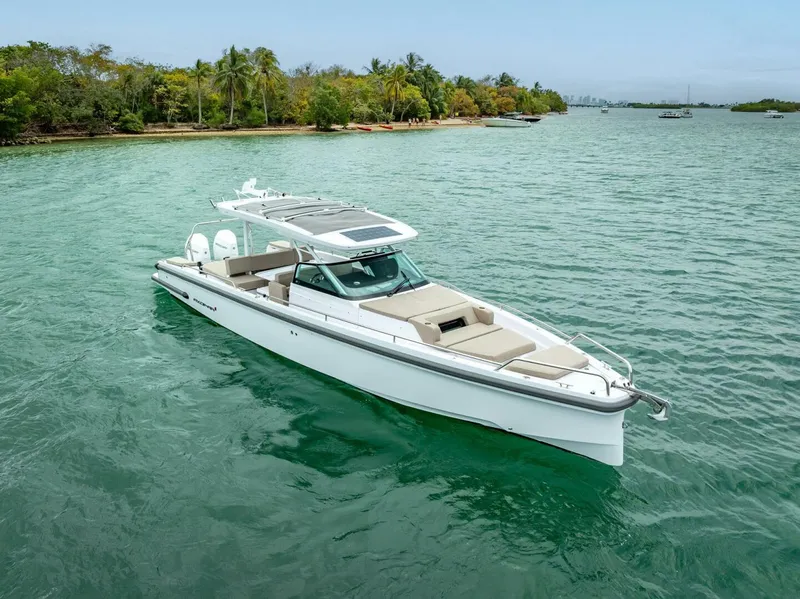
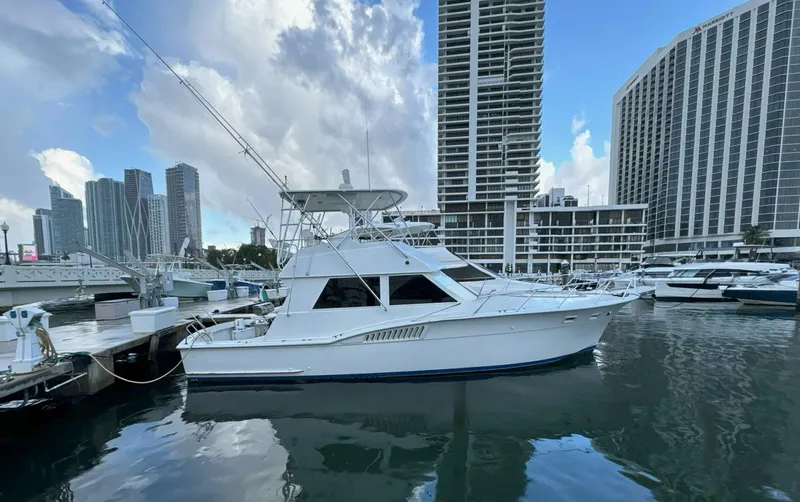
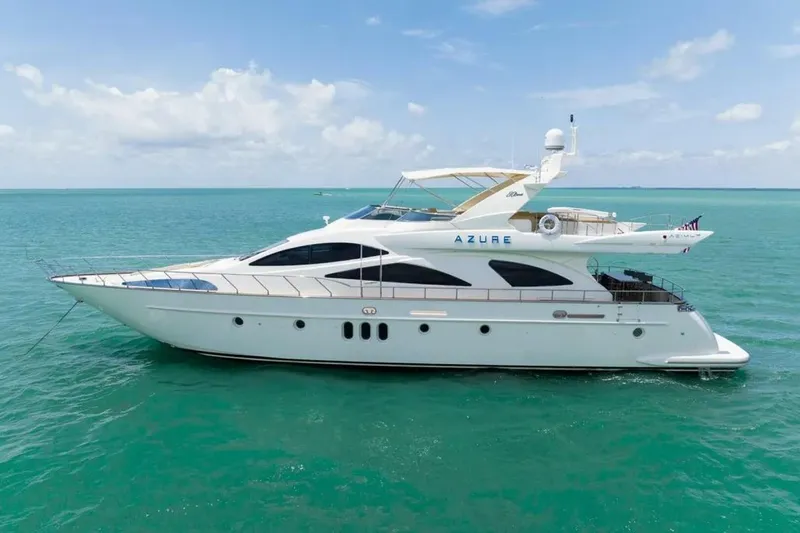
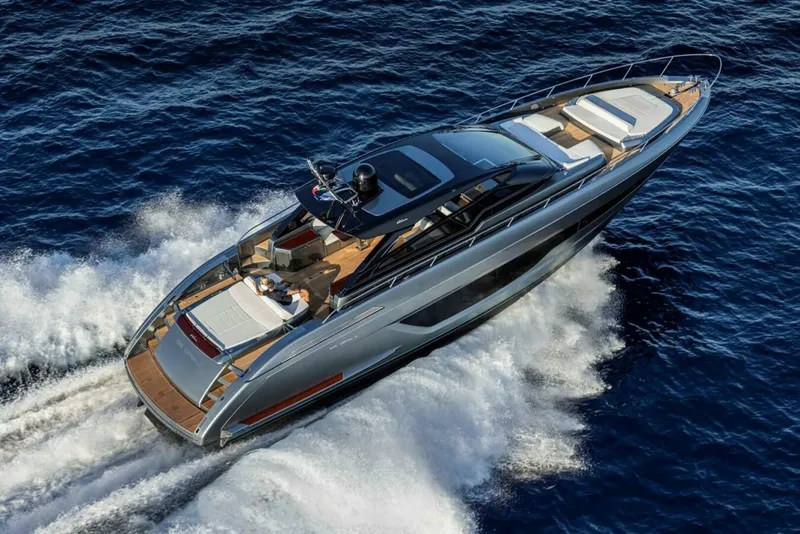
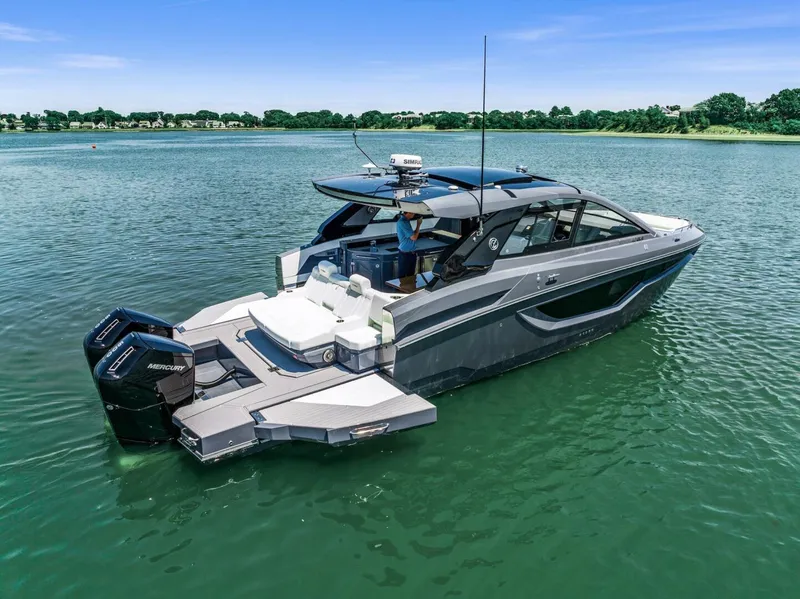
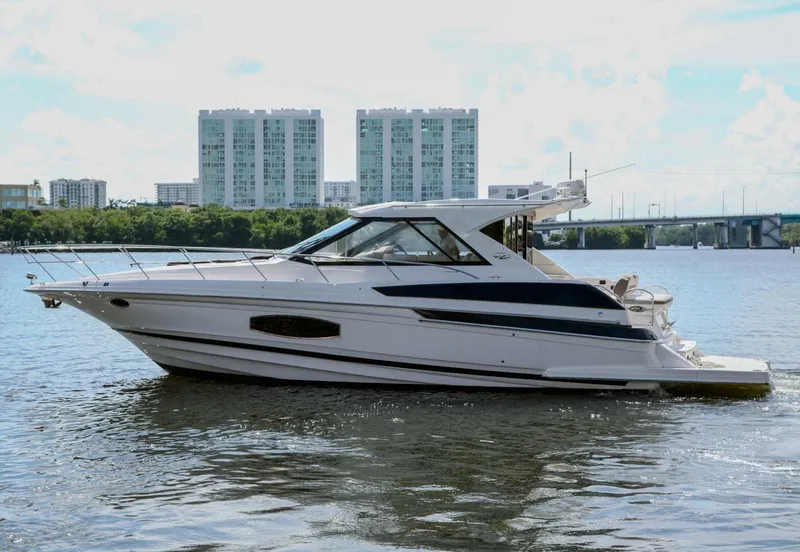
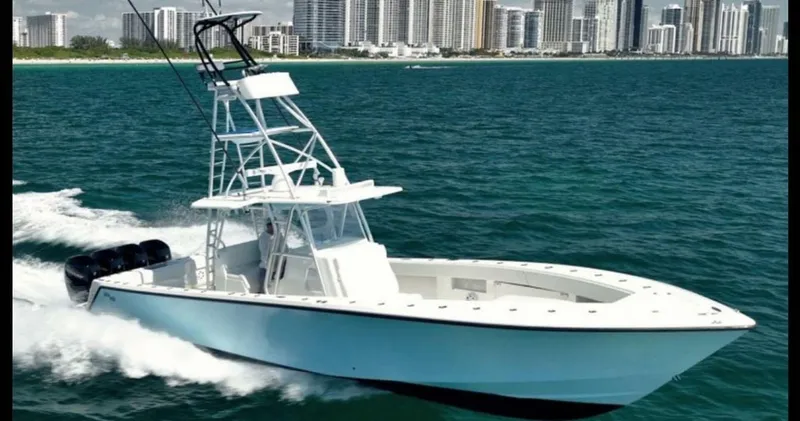
Boating in Miami is a full-sensory experience: neon skyline, turquoise water, Latin music drifting across the bay, and a huge variety of boats in motion almost every day of the year. On a typical sunny Saturday, Biscayne Bay fills with everything from small center consoles and family bowriders to sleek motor yachts and sportfishers heading offshore. You’ll see sailboats sliding along the Rickenbacker Causeway, jet skis near the beaches, and charter yachts parading past Downtown with rooftop parties and DJ sets. It’s busy, energetic, and social—this is not a sleepy boating town.

There are quieter sides to boats in Miami, too. Early mornings in the Dinner Key anchorage or out near Elliott Key often feel calm and glassy, with manatees cruising past and only the hum of distant traffic from Coconut Grove. Many local sailors and cruisers time their departures at sunrise, slipping out of mooring fields to spend a day on the open bay or use Government Cut to reach the Atlantic. Evenings bring another kind of magic: a quick after-work cruise from Miamarina at Bayside or Crandon Park, idling past the lit-up high-rises, grabbing a slip or anchoring nearby, and dinghying ashore for waterfront dinner before heading back under a pink-and-orange sky.

Weekends and holidays amplify the party scene. Sandbar spots and popular anchorages around Key Biscayne and south toward Black Point become floating block parties: rafted-up boats, music, barbecues on deck, and people hopping between swim platforms. You’ll find families with wake boats towing kids on tubes near the more sheltered areas, anglers trolling the edges of Biscayne National Park, and serious cruisers staging for runs down to the Florida Keys. Big-event days—regattas, poker runs, fireworks shows like Black Point’s 4th of July Spectacular—turn large sections of the bay into a festival of hulls and wakes, with patrol boats managing traffic and everyone jockeying for the best view.

Costs, logistics, and practical details

Practical boating in Miami revolves around a dense network of marinas, ramps, and services, but demand is high. City-run facilities like Dinner Key Marina & Mooring Field in Coconut Grove, Miamarina at Bayside downtown, and Marine Stadium Marina on Virginia Key anchor the local infrastructure. They offer hundreds of wet slips, moorings, and a large dry-rack facility, plus pump-out, water, fuel (REC90 at Marine Stadium), and shoreside amenities like restrooms, laundry, and dinghy docks. Crandon Park Marina and Key Biscayne Yacht Club add more options around Key Biscayne, with fuel, showers, and guest docks for short stays.

Costs are firmly in “big-city coastal” territory. As of late 2025, transient slips at City of Miami marinas run around $7 per foot per day, with monthly transient rates about $52 per foot and long-term non-liveaboard rates near $27.50 per foot per month. Liveaboard slips are pricier still, and waitlists are common in popular locations. Mooring balls are more affordable—roughly the mid-$30s per night or in the $400–$500 per month range depending on boat length—making them a popular choice for budget-conscious cruisers who still want close-in access to Coconut Grove or similar hubs. Dry-rack storage at Marine Stadium Marina runs about $28 per foot per month for larger trailerable boats, which many owners prefer for easier maintenance and hurricane planning.

Fuel and everyday services are easy to find but not cheap. REC90 gasoline often sits in the mid-$5-per-gallon range and diesel in the mid-$4s to low-$5s depending on the marina, with Miami Beach and Government Cut locations usually toward the higher end. Most major marinas have fuel docks, basic marine supplies, and pump-out; specialized repair yards, detailing services, and electronics shops are scattered throughout the Miami River and industrial waterfronts. Trailer boaters rely on ramps like the one at Marine Stadium (about $10 per launch) and full-service destinations such as Black Point Park & Marina, which also offers dining at Ocean Grill and access to offshore fishing grounds. Year-round boating is the norm, but hurricane season (June–November) adds a layer of logistics—securing haul-out plans, understanding marina storm policies, and sometimes racing for yard space when a storm threatens.

Is Miami, FL a good place for boating?

Is Miami a good place for boating? For most boaters, the answer is yes—with some important caveats. The core strengths are obvious: warm weather, a nearly year-round season, the sparkling waters of Biscayne Bay, and quick access to everything from urban waterfronts to the wild beauty of Biscayne National Park and the open Atlantic. The variety of experiences is enormous: skyline sunset cruises, family sandbar days, offshore fishing runs, snorkeling trips, and overnight hops to the Keys. For anyone searching “boats in Miami” and wondering if the reality lives up to the Instagram photos, it largely does—there really are that many boats, that much energy on the water, and that many ways to enjoy it.

You will love boating here if:

  • You want high-energy, social boating with lots of other boats around, from sandbar get-togethers to big-city waterfront cruises with skyline views.
  • You value almost year-round boating weather and the ability to take short trips in protected waters (Biscayne Bay) or longer runs to Biscayne National Park and the Florida Keys.
  • You’re comfortable navigating busy, shallow waters using charts and channels, and you like the mix of urban marinas, island anchorages, and national park scenery.

You might find it challenging if:

  • You strongly prefer quiet, uncrowded lakes or rivers with minimal traffic and no party culture—Miami’s sandbars and main channels are often loud and busy.
  • You’re highly budget-sensitive about slip fees and fuel costs; Miami’s per-foot rates and fuel prices are among the higher brackets for U.S. boating cities.
  • You dislike complex regulations and navigation challenges—Miami has numerous no-wake zones, new overnight anchoring restrictions in parts of Biscayne Bay, shallow flats outside channels, and busy shipping traffic near Government Cut.

The trade-offs are cost, crowds, and complexity. Slips, fuel, and storage are not cheap; regulations around speed zones and overnight anchoring are evolving; and shallow, busy waters demand attention and good seamanship. If you’re a social, activity-oriented boater who loves lively waterfronts, doesn’t mind learning local rules, and is prepared for hurricane-season planning, Miami can be a fantastic place to keep or regularly use a boat. More solitude-seeking, budget-focused owners may prefer to treat it as a special trip rather than a home port. Either way, if vibrant coastal cities and warm, blue water call to you, adding boats in Miami to your boating bucket list—and planning a cruise here at least once—is well worth it.

Be the First to Know

Get notified when new boats become available.

Logo