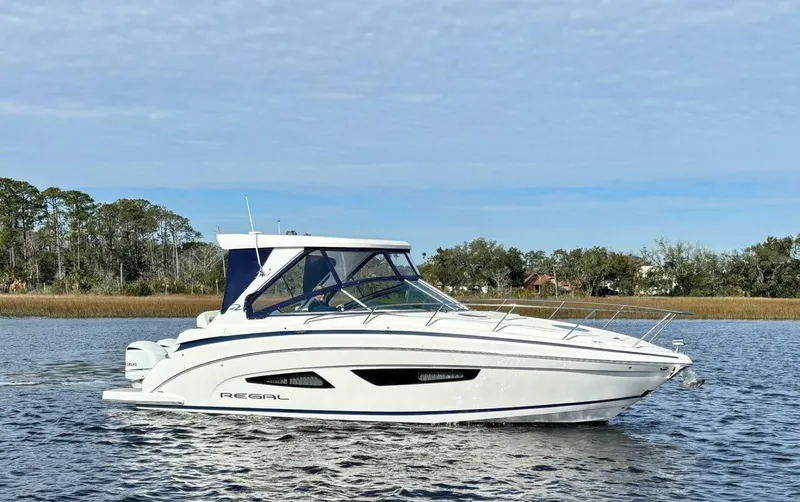
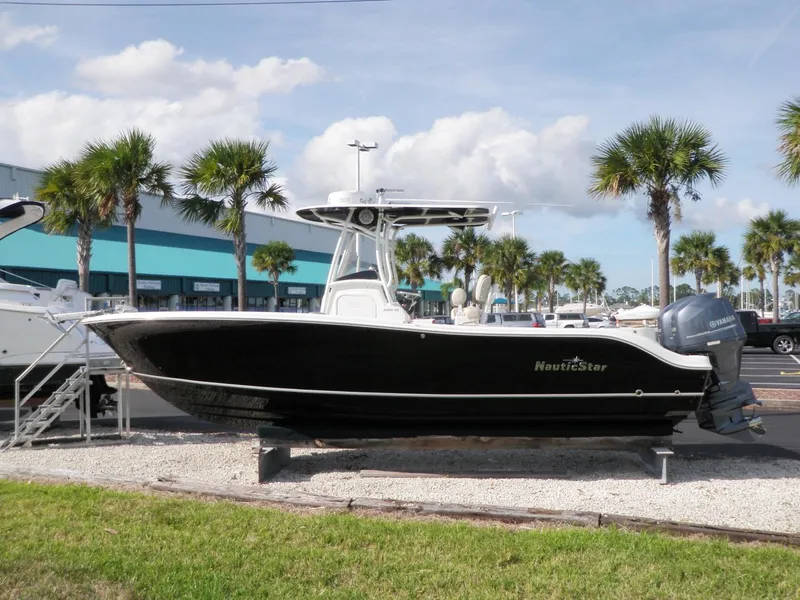
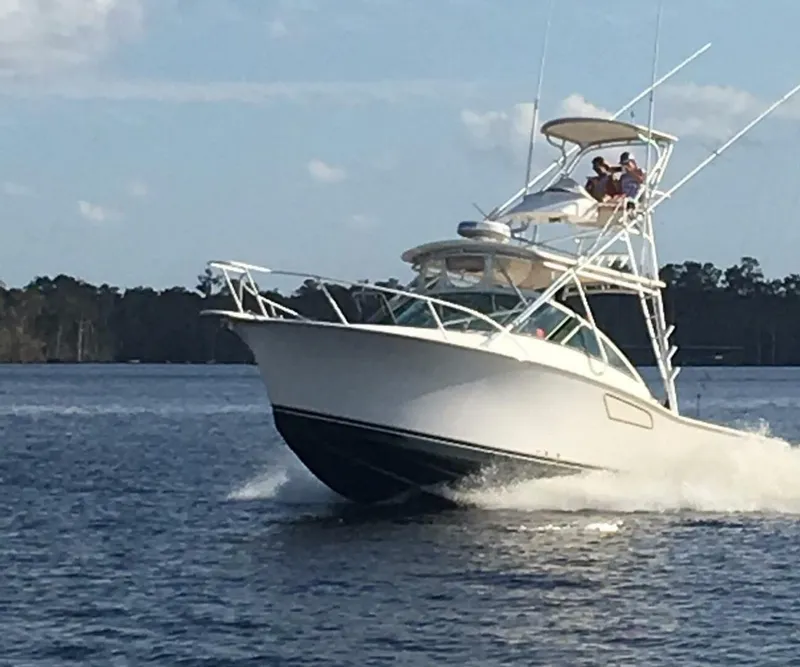
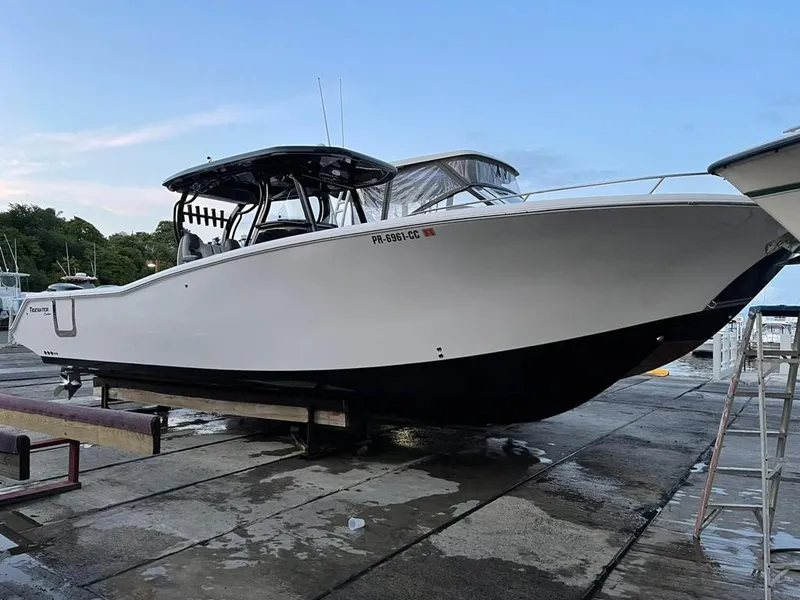
Jacksonville

Filters

Filters

Boat Type

Condition

Searching boats for you...

Boating · Destinations

Is Jacksonville, FL a Good Place for Boating?


Written by: MarineSource.com Team | Estimated read time: 8 min read


Spread along the slow, north-flowing St. Johns River and only a short run from the Atlantic Ocean, Jacksonville feels almost built for boaters. Wide water, low marshes, and a skyline that rises right from the river give you the sense that the city and its waterways are one and the same. From downtown bridges to quiet creeks lined with live oaks, there’s a lot of variety in how a day on the water can look here.

The St. Johns itself is a major draw. Between Palatka and Jacksonville the river opens up to 1–3 miles across, with plenty of room for cruising, fishing, and watersports, yet it’s still protected compared with offshore runs. Farther east, you can follow the federal navigation channel out through Jacksonville Harbor toward Mayport and the Atlantic, or duck into the Intracoastal Waterway to explore marshes, barrier islands, and sandy shorelines.

On any given weekend, you’ll see everything from small fishing skiffs and wake boats to larger cruisers and sailboats taking advantage of this network of water. A mix of city marinas, neighborhood ramps, yacht clubs, and informal sandbar spots supports a strong boating culture. Rental platforms like Boatsetter and WAKE also make it easier to get on the water without owning a boat, adding to the sense that boats in Jacksonville are part of everyday life, not just a special occasion.

Like any boating destination, though, Jacksonville comes with trade-offs. Slip fees and insurance add up, afternoon thunderstorms and hurricane season need to be taken seriously, and busy no-wake zones or large ship traffic in the harbor can be intimidating for newer captains. If you’re wondering whether Jacksonville is a good place for boating, it helps to weigh the standout advantages against the everyday challenges. Below, we’ll walk through the key pros and cons of keeping or renting boats in Jacksonville so you can decide how it fits your boating style.

Pros of boating in Jacksonville, FL

1. Extensive, varied waterways to explore

Jacksonville’s biggest advantage is the sheer amount of water at your disposal. The 310-mile-long St. Johns River runs right through the city, widening to 1–3 miles between Palatka and Jacksonville, so there’s room for everything from quiet early-morning fishing runs to wide-open stretches for tubing and wakeboarding.

Because the river connects to Jacksonville Harbor, the Intracoastal Waterway, and the Atlantic Ocean, you can easily mix river cruising with coastal adventures. One day you might idle up Trout River or Julington Creek to explore quiet backwaters, and the next day run east toward Mayport, then turn north along the Intracoastal to reach spots near Amelia Island or south toward the Talbot Islands. This network means you can keep discovering new routes without ever towing your boat out of town.

2. Year-round boating climate

Jacksonville’s subtropical climate keeps boating in play throughout the year. Summers are hot and humid, ideal for sandbar days and watersports, while winters tend to be mild, with average January temperatures in the 50s. Because the St. Johns River and local creeks don’t ice over, locals continue cruising, fishing, and sailing during months that shut down boating in many other parts of the country.

Spring and fall are often the sweet spots: warm enough for swimming and beach trips, generally with less intense heat and humidity than mid-summer. If you’re considering keeping a boat here full-time, the long usable season makes it easier to justify slip or storage costs and helps you get more value out of any boat you buy or rent.

3. Strong boating access and infrastructure

For a large metro area, Jacksonville offers a helpful mix of marinas, ramps, and basic services. Downtown’s Plaza Marina, for example, publishes clear rates for both long-term and transient dockage, with monthly slips reportedly around $13.90 per foot and daily transient rates of about $2 per foot with utilities. On Trout River, Seafarers Marina offers more budget-friendly dockage at around $11 per foot per month and $1 per foot per night for transients, plus VHF monitoring and live-aboard options under certain conditions.

If you trailer your boat instead, the city’s public ramps are a major perk. County Dock Road Park, the Intracoastal Boat Ramp with four ramps and multiple docks, the Curtis Lee Johnson (Lighthouse Marine) ramp on the Cedar and Ortega Rivers, and the Bert Maxwell ramp in north Jacksonville give you choices depending on where you want to launch. Many ramps are free aside from parking or trailer fees, and some parks provide restrooms and basic amenities, which keeps casual days on the water more affordable.

4. Wide range of boating styles and activities

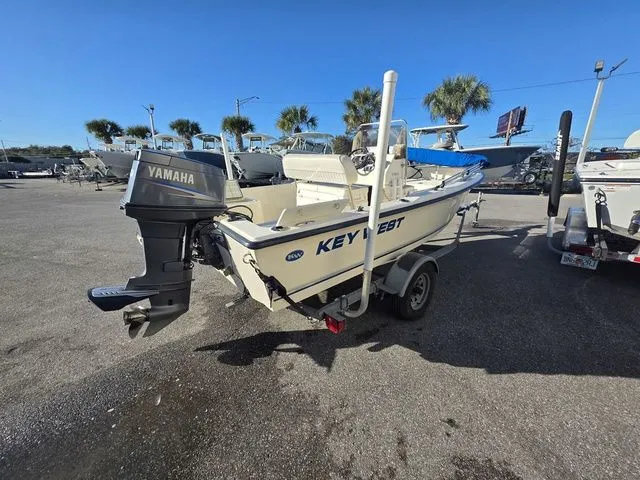
Whether you’re into offshore fishing, casual river cruising, paddle sports, or sailing, you can probably do it in or around Jacksonville. The lower St. Johns and coastal waters see saltwater and estuarine species like kingfish and cobia, while tributaries such as Trout River and Julington Creek are popular for inshore fishing from skiffs, bay boats, and small center consoles.

The broad, relatively protected stretches of river between the city’s bridges double as playgrounds for wakeboarding, tubing, and personal watercraft, subject to posted speed and wake zones. For slower-paced days, you can explore marshy side creeks by kayak or skiff, or plan a beach run to Kathryn Abbey Hanna Park, with its 1.5 miles of oceanfront and a 40-acre freshwater lake for paddling. This flexibility makes it easy for a single family or friend group with different interests to all find their place on the water.
5. Accessible boating culture, clubs, and rentals

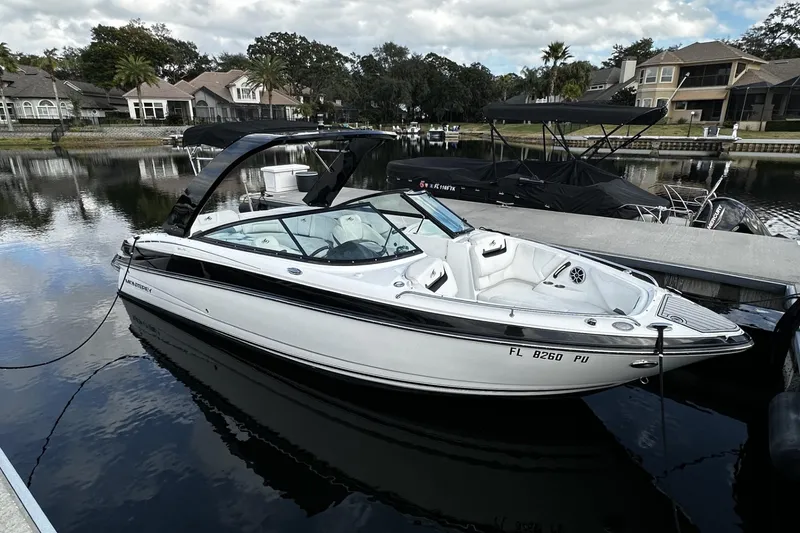
Boating is deeply woven into Jacksonville’s lifestyle, from long-standing institutions to casual get-togethers. The private Florida Yacht Club, founded in 1876 in the Ortega neighborhood, anchors a local tradition of sailing, regattas, and social boating. Around the city, public marinas and ramps mean you don’t have to be a club member to enjoy the water, and cruising boats, pontoons, and wake boats are a common sight on weekends.

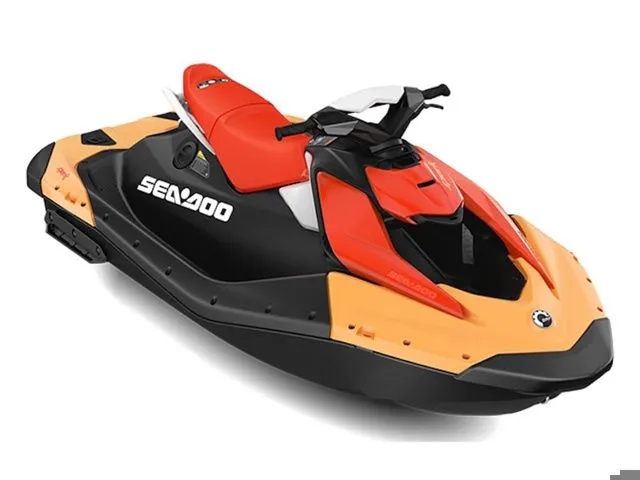
If you don’t own a boat, peer-to-peer rental platforms like Boatsetter and WAKE list a variety of boats in Jacksonville, from wake boats and fishing rigs to small yachts, many rentable by the hour or day with or without a captain. That lowers the barrier to entry for newcomers and visitors, and gives locals a way to test different boat types before committing to ownership.
Cons of boating in Jacksonville, FL

1. Summer heat, storms, and hurricane season

While Jacksonville’s warm climate makes for a long boating season, the weather isn’t always easy. Summers are hot and humid, with frequent afternoon thunderstorms that can roll in quickly and bring strong winds, lightning, and heavy rain just when your day was hitting its stride. From June through November, Atlantic tropical storms and hurricanes become a real concern, with storm surge and elevated water levels affecting the St. Johns River and coastal inlets.

This means more weather-watching and a willingness to change plans. You’ll often want early starts and midday breaks, plus backup plans if a storm line forms offshore. Responsible boaters here learn to pay close attention to forecasts, radar, and local advisories—especially when planning longer runs to the ocean or barrier islands.

  • The Silver Lining: On the plus side, the same climate gives you essentially year-round access to the water, with especially pleasant conditions in spring and fall. Being weather-aware quickly becomes second nature, and many local boaters build flexibility into their plans so that they can grab the best windows and sit out the stormy afternoons.

2. Navigating big-ship traffic, bridges, and changing conditions

Jacksonville’s status as a working port brings some navigational complexity. The federal channel through Jacksonville Harbor is maintained to deep-draft standards—around 47 feet MLLW from the ocean entrance to near Dames Point—so large commercial vessels regularly transit the same waters you might cruise in a small powerboat or sailboat. Sharing narrow stretches with ships requires heightened situational awareness and comfort with rules of the road.

Farther upriver and in side creeks, shifting depths, tidal currents, and bridge clearances can all factor into your planning, especially if you have a sailboat with a taller mast or a larger cruiser. While the St. Johns River has a modest tidal range (around 1.2 feet near Jacksonville), that’s still enough to influence currents, docking, and shallow areas.

For newer captains, reading charts carefully, using updated GPS, and understanding local markers and no-wake zones are essential skills before venturing into busier or unfamiliar sections of the river or harbor.

  • The Silver Lining: Over time, many boaters find that learning the local patterns of tides, traffic, and currents actually increases their confidence and opens up more destinations. You can also choose routes and times that avoid the heaviest commercial traffic, sticking to side creeks and recreational corridors until you’re more comfortable.

3. Costs of slips, insurance, and fuel

Although Jacksonville can be more affordable than some other Florida markets, boating here still isn’t cheap. Published monthly slip fees like Plaza Marina’s approximate $13.90 per foot and Seafarers Marina’s $11 per foot add up quickly for larger boats. Transient rates of $1–$2 per foot per night are typical at city marinas, and marinas often require liability insurance of at least $300,000, naming the facility as an additional insured.

Fuel, ongoing maintenance, and potential storage costs (for those who prefer dry storage or need hurricane-season options) add to the total. While some public ramps are free or low-fee to use, regular trailering comes with its own expenses in the form of a capable tow vehicle, trailer upkeep, and extra time spent commuting to and from launches.

  • The Silver Lining: If you want to keep costs down, Jacksonville offers more budget-friendly slip options than some high-profile coastal hubs, and trailering to public ramps lets you bypass marina fees entirely on many outings. For occasional boaters or visitors, renting through platforms that list boats in Jacksonville can provide access to the water without the year-round financial commitment of ownership.

4. Crowded ramps, no-wake zones, and weekend congestion

Jacksonville’s popularity with boaters means that some areas get busy, especially on pleasant weekends and holidays. Public ramps such as the Intracoastal Boat Ramp or popular neighborhood launches can see long lines of trucks and trailers in peak hours, with limited parking and a mix of experience levels backing down the ramp. On the water, stretches of the St. Johns River near downtown or major bridges can fill with traffic, particularly when weather is nice and events are happening along the waterfront.

Layered on top of that, Florida’s network of idle-speed and slow-speed no-wake zones near bridges, marinas, and sensitive areas can stretch out transit times, particularly on family outings that already involve a lot of loading and unloading.

  • The Silver Lining: You can avoid much of the stress by timing your outings—launching early, coming back before the rush, or choosing weekdays when possible. Getting familiar with multiple ramps and exploring lesser-used creeks and side channels also opens up quieter options, so congestion doesn’t have to define your experience of boats in Jacksonville.
5. Regulations, manatee zones, and safety requirements

Boating in Jacksonville, like the rest of Florida, comes with a detailed set of rules. Operators born on or after January 1, 1988 must complete an approved boating safety course and carry their boater education ID when running vessels with 10 horsepower or more. Personal watercraft operators face additional age limits (at least 14 to operate and 18 to rent), and authorities actively enforce violations such as boating under the influence or unsafe operation.

On the water, you’ll encounter posted idle-speed and slow-speed/no-wake zones near ramps, marinas, bridges, and manatee protection areas. Environmental restrictions can limit speeds or even motorized access in certain zones, especially where manatees are common, and river flooding may trigger temporary no-wake rules or closures on portions of the St. Johns.

For newcomers or visitors, digesting all these rules can feel overwhelming at first, especially if you’re used to more lightly regulated lakes or rivers.

  • The Silver Lining: The upside is that these regulations are designed to protect wildlife, shoreline property, and fellow boaters, which ultimately supports a safer and more enjoyable boating environment. Taking a boating safety course not only satisfies legal requirements but also helps you feel more confident navigating Jacksonville’s mix of big-river, harbor, and coastal waters.

What boating in Jacksonville, FL is really like

Boating in Jacksonville centers on the broad, slow-moving St. Johns River, so a day on the water often feels more like being on an inland bay than on a tight, winding river. The waterway is wide—often one to three miles across—so there’s plenty of room for everything from small fishing skiffs and pontoons to big sportfishers and trawlers running the deep, 47‑foot federal channel near downtown. The vibe shifts as you move: downtown has a working‑waterfront feel with bridges, ship traffic, and city skyline views, while the side creeks like Julington Creek and Trout River feel quieter and more local, with tree‑lined banks and neighborhood docks.

On a typical weekend, you’ll see families trailering center consoles and deck boats to public ramps before breakfast, anglers heading toward creek mouths and jetties, and wake‑boat crews looking for open stretches to surf. Personal watercraft buzz around the more urban stretches, while cruisers and live‑aboards move at a slower pace in the main river and along the Intracoastal Waterway. There is a social scene—especially around sandbars, anchorage spots near the barrier islands, and marina patios—but it’s more spread out than in compact beach towns, so you can usually choose between quiet coves and busier hangouts.

After work on a warm evening, a lot of locals will launch from a nearby ramp or step onto a boat in a slip, idle through the no‑wake zones, and then open up the throttle for a short sunset cruise. A full day might mean running down the St. Johns toward the Atlantic, then turning north or south along the Intracoastal to explore around Amelia Island or the Talbot Islands, with a swim stop or a drift for kingfish along the way. Event days—like holiday fireworks downtown or club regattas out of the Florida Yacht Club—pull more traffic onto the river, and bridges, ramps, and marina fuel docks can feel busy and energetic, with everyone jockeying for a good view or an early start.
Costs, logistics, and practical details

From a practical standpoint, Jacksonville offers a solid, mid‑priced marina scene with a strong emphasis on riverfront slips. Downtown options like Plaza Marina post clear rates—around $13.90 per foot per month in 2024—plus utilities, which is roughly in line with the broader Florida average of about $14–15 per foot per month. More local‑feeling marinas such as Seafarers Marina on Trout River are often a bit more affordable (around $11 per foot per month, or about $1 per foot for transient dockage), and some allow live‑aboards under set conditions. Availability can fluctuate with season and boat size, but Jacksonville is generally easier and cheaper for long‑term docking than packed South Florida hotspots.

If you’re trailering, the city and county ramp network is one of Jacksonville’s strengths. Ramps like Intracoastal Boat Ramp (with four lanes and trailer parking), Bert Maxwell, County Dock, and Curtis Lee Johnson/Lighthouse Marine provide access to the St. Johns, Cedar River, Ortega River, and the Intracoastal without launch fees at many sites—though some parks charge for parking or use kiosk systems. Most ramps are basic (ramp, dock, parking, restrooms in some cases) with no on‑site fuel, so you’ll want to plan fuel stops at marinas such as Harbortown or others along the main waterways.

Support services are good but somewhat dispersed. You’ll find fuel docks, pump‑out stations, and shore‑power slips at larger marinas, but not at every small public facility. Repair yards, detailing, and marine supply outlets are present across the metro area, though they’re woven into a broad working‑waterfront landscape rather than clustered in a single tourist marina district. Boat ownership isn’t mandatory here: peer‑to‑peer rental platforms like Boatsetter and WAKE list a wide variety of boats in Jacksonville—from wake boats and pontoons to small yachts—often with the option to book a captain. Year‑round boating means no snow storage issues, but you do need to factor in hurricane‑season planning, from haul‑out or secure‑tie‑up options to insurance and storm‑prep routines.

Is Jacksonville, FL a good place for boating?

Boating in Jacksonville is a strong fit for people who like big, flexible water and a mix of river and coastal experiences. The St. Johns River gives you room to breathe, with deep channels, wide reaches, and plenty of creeks and side waters to explore, while the Atlantic Ocean and Intracoastal Waterway expand your cruising range to barrier islands like Amelia Island and the Talbot Islands. Infrastructure is solid but not flashy: marinas are generally fairly priced by Florida standards, public ramps are plentiful, and rental options make it easy to get out on the water even if you don’t own a boat. Year‑round boating is realistic, with particularly pleasant days in spring and fall.

You will love boating here if:

  • You want a large, versatile waterway where you can do almost everything—fishing, cruising, wake sports, and coastal runs—without the constant congestion of tighter tourist harbors.
  • You value relatively moderate slip pricing and plenty of public ramps, making it realistic to keep a boat in the water or trailer it in without South Florida‑level costs.
  • You like variety in your outings: quiet creeks like Julington Creek or Trout River one day, downtown skyline runs the next, and beach or barrier‑island excursions via the Intracoastal when conditions allow.

You might find it challenging if:

  • You strongly prefer crystal‑clear, turquoise water and white‑sand coves within minutes of every marina; the St. Johns River is scenic but tannic and estuarine, not a tropical lagoon.
  • You dislike navigating around big‑ship traffic, bridges, and marked channels; Jacksonville’s harbor is an active commercial port with currents, tides, and rules to respect.
  • You want an ultra‑compact, dock‑and‑dine strip where dozens of waterfront restaurants line a short walk; Jacksonville’s waterfront is more spread out and requires more planning by boat or car.

Overall, Jacksonville is a very good place for boating if you appreciate a working‑river setting more than a postcard‑perfect resort harbor. Its strengths are space, variety, and value, plus the ability to scale up from small trailer boats to larger cruisers that can take advantage of the deep harbor. The main trade‑offs are tannic river water instead of Caribbean blues, a sprawling layout that can make dock‑and‑dine hopping less seamless, and the need to take tides, ship traffic, and hurricanes seriously. If you’re choosing where to keep a boat, Jacksonville deserves a spot near the top of your list for an affordable, live‑aboard‑friendly home port; if you’re planning a trip, put “boats in Jacksonville” on your bucket list for a destination that combines real‑world maritime character with plenty of ways to enjoy your time on the water.

Be the First to Know

Get notified when new boats become available.

Logo