Key Largo
Searching boats for you...
Boating · Destinations
Is Key Largo, FL a Good Place for Boating?
Written by: MarineSource.com Team | Estimated read time: 7 min read
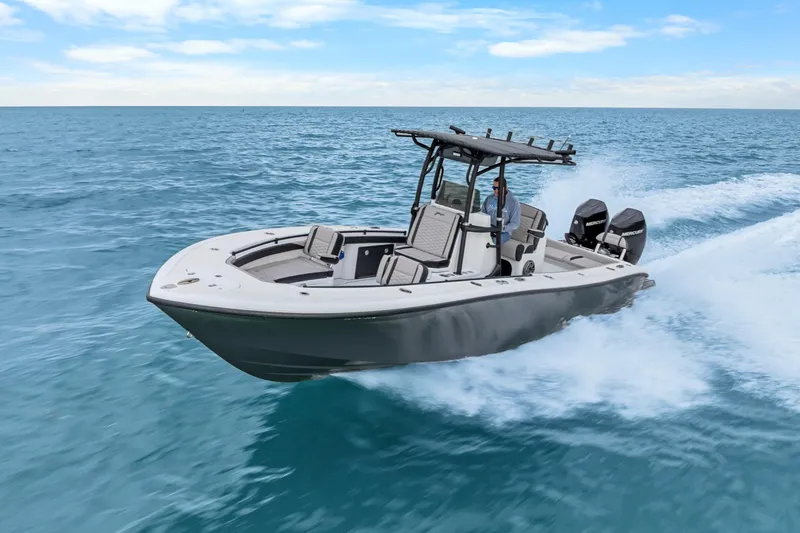
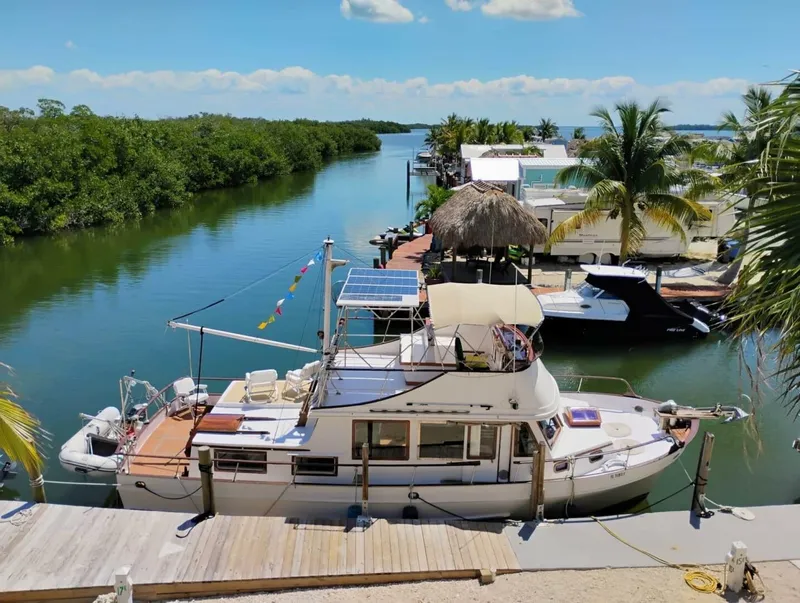
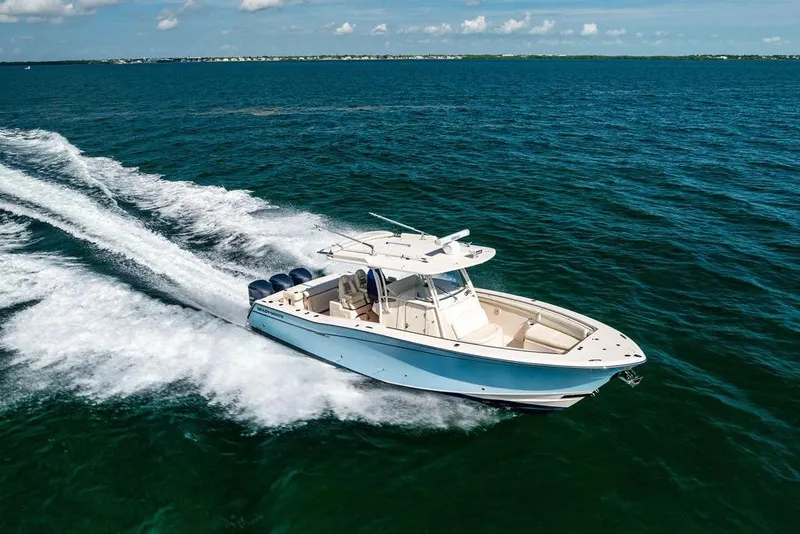
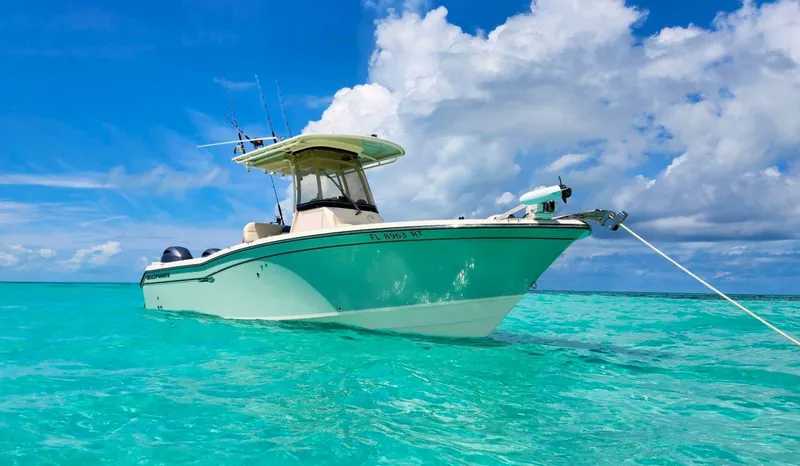
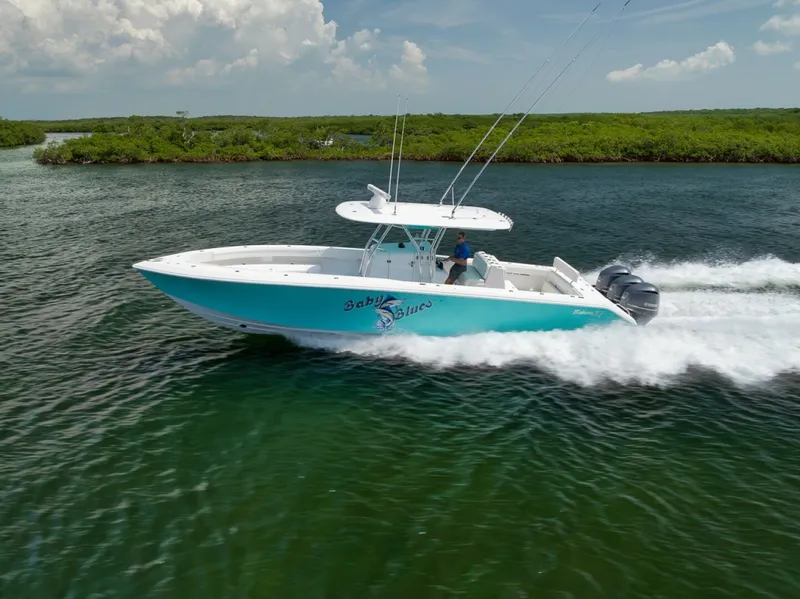
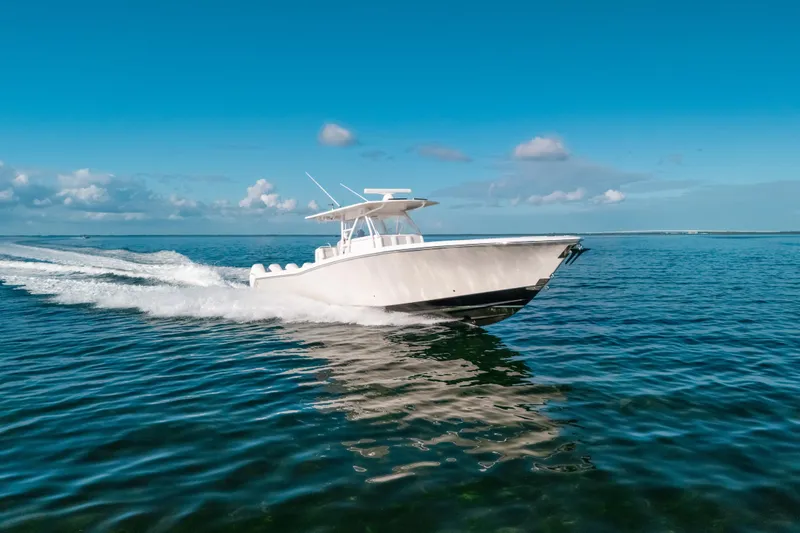
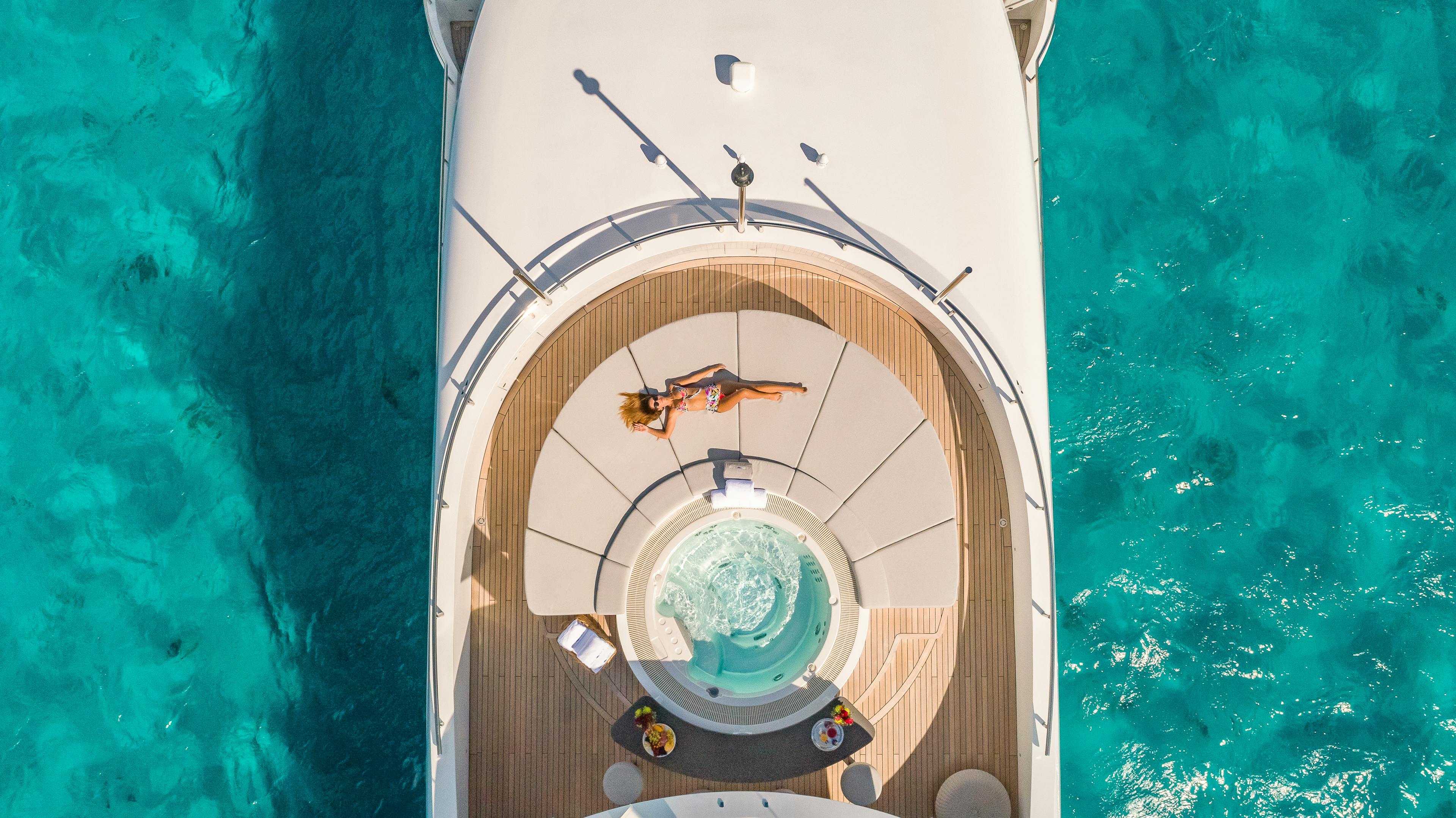
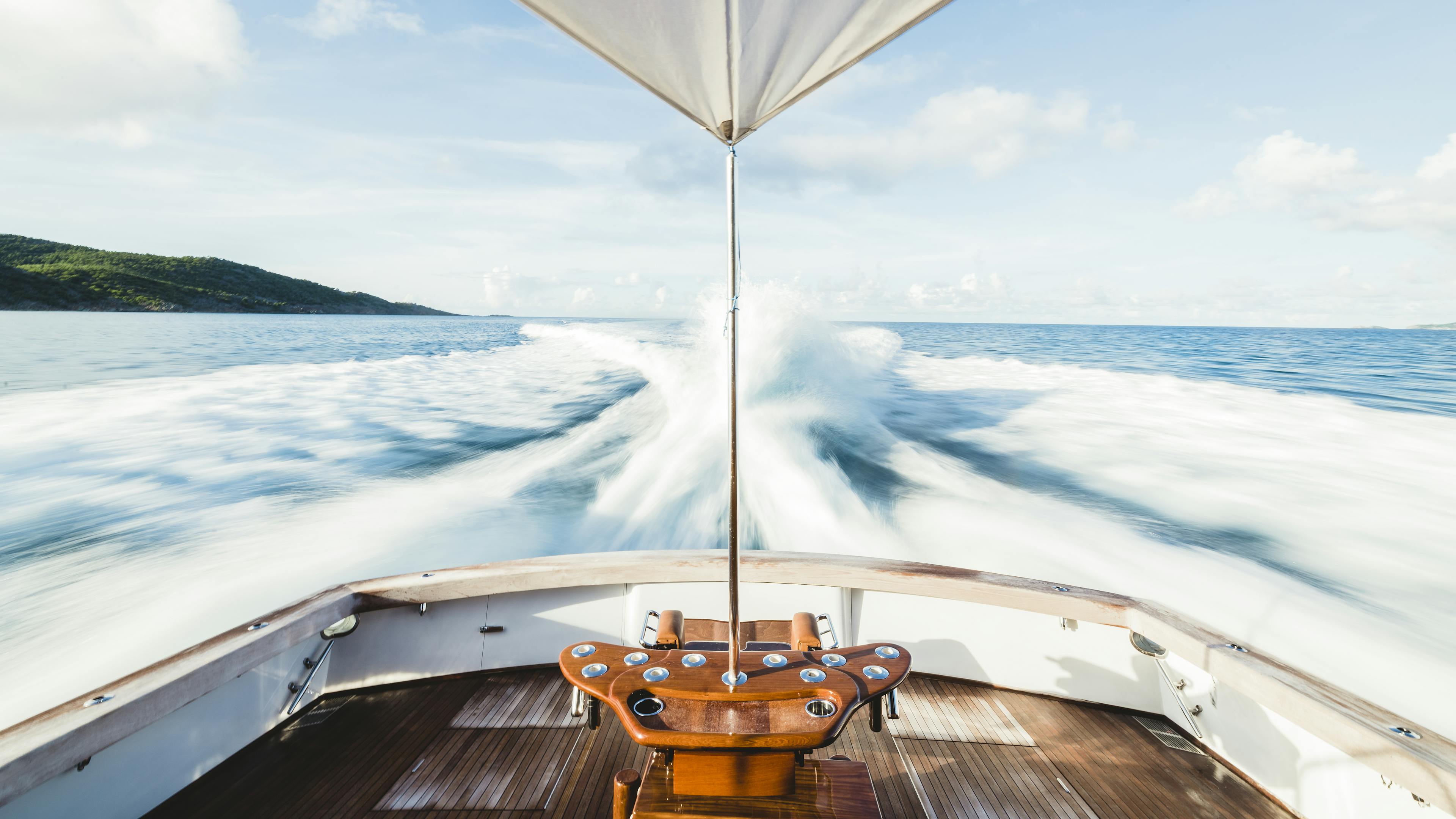
Set at the northern gateway to the Florida Keys, Key Largo stretches between emerald mangrove shorelines and the shimmering Atlantic, with reef-studded blue water just a short ride offshore. On calm days, the ocean can look almost glassy, broken only by the white wakes of center consoles heading toward the reef line or dive boats bound for famous wrecks. In the canals and bays, the water is usually quieter, winding past pastel homes, palms, and small working marinas.
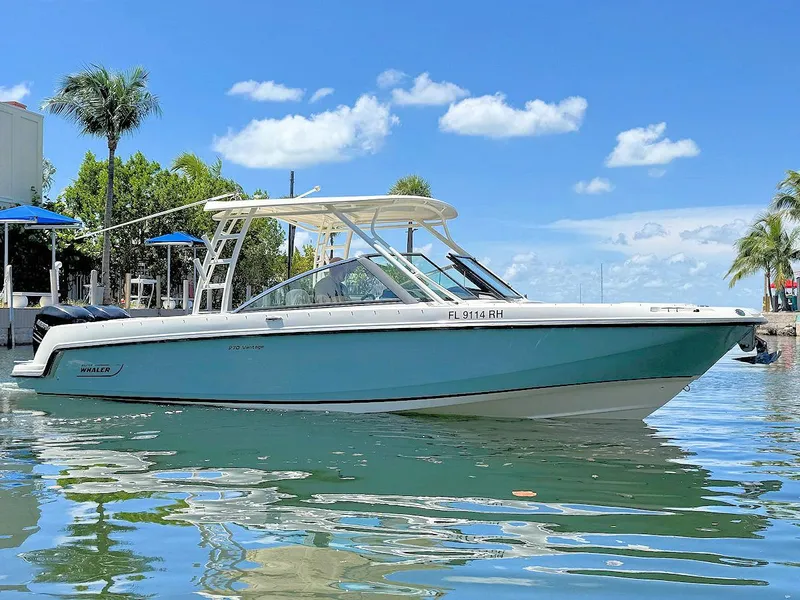
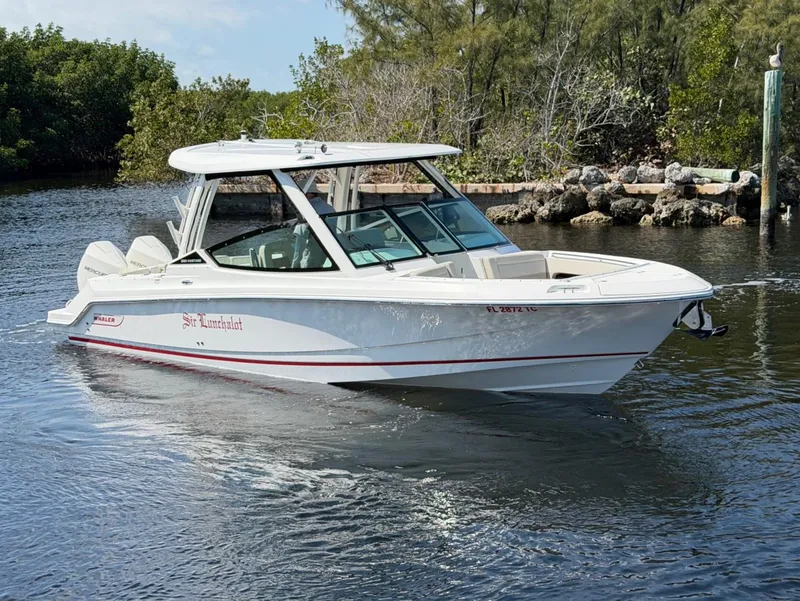
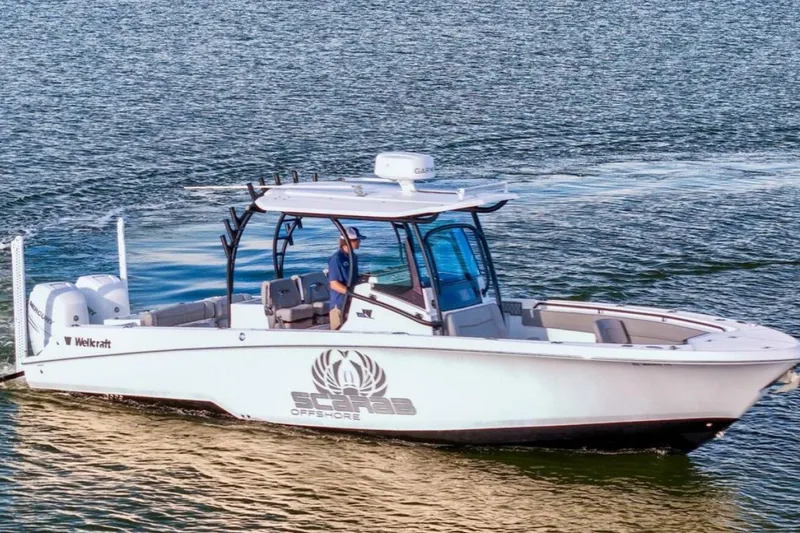
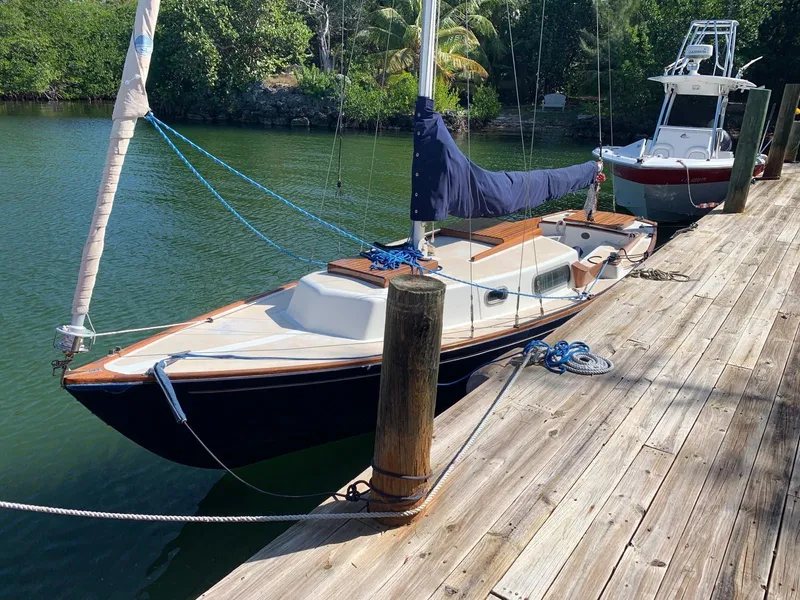
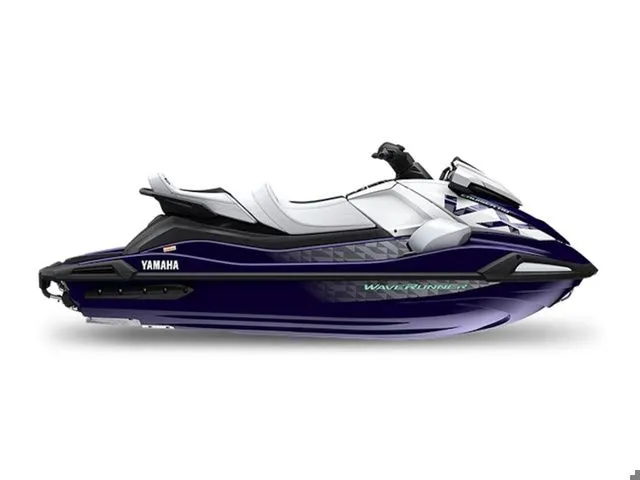
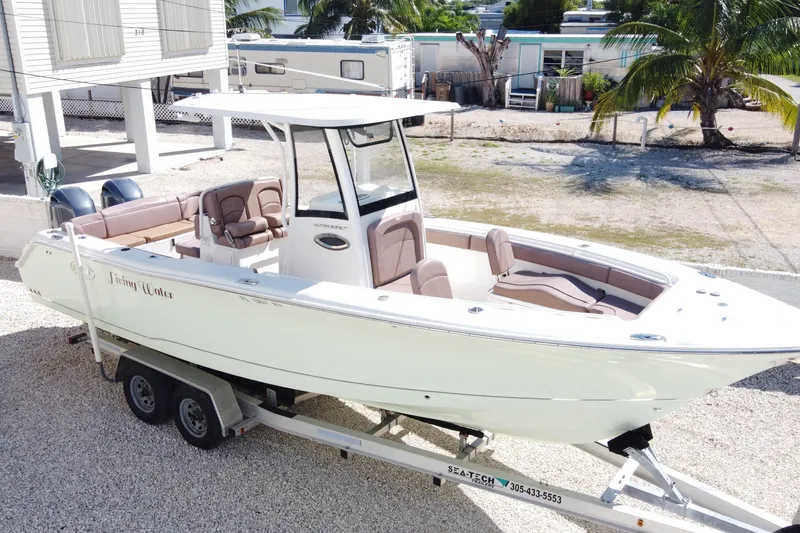
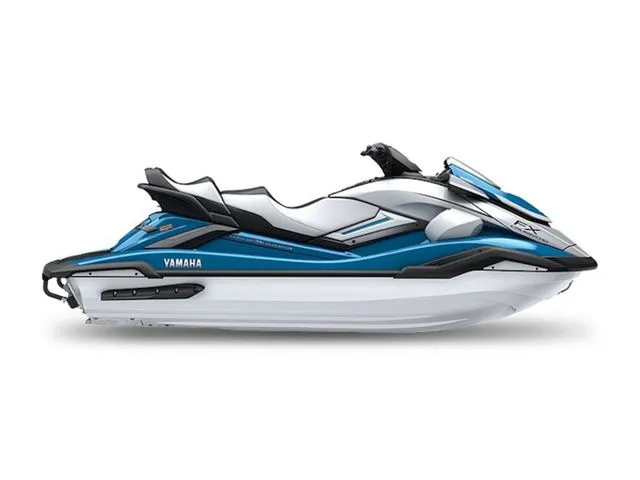
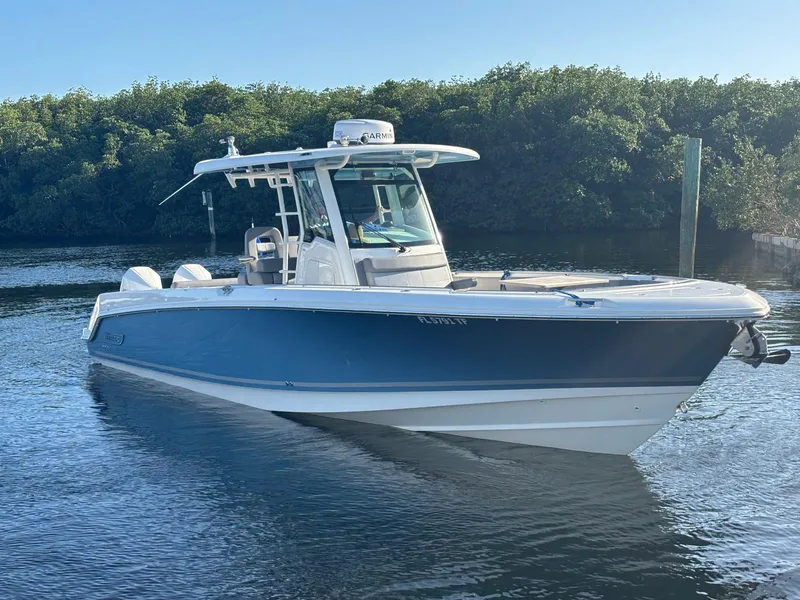
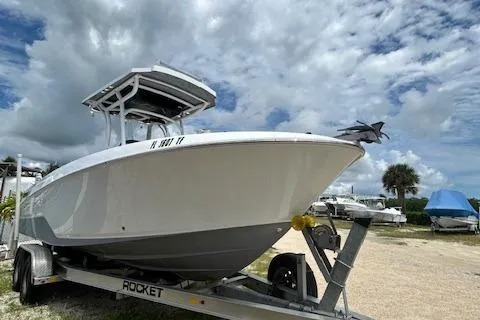
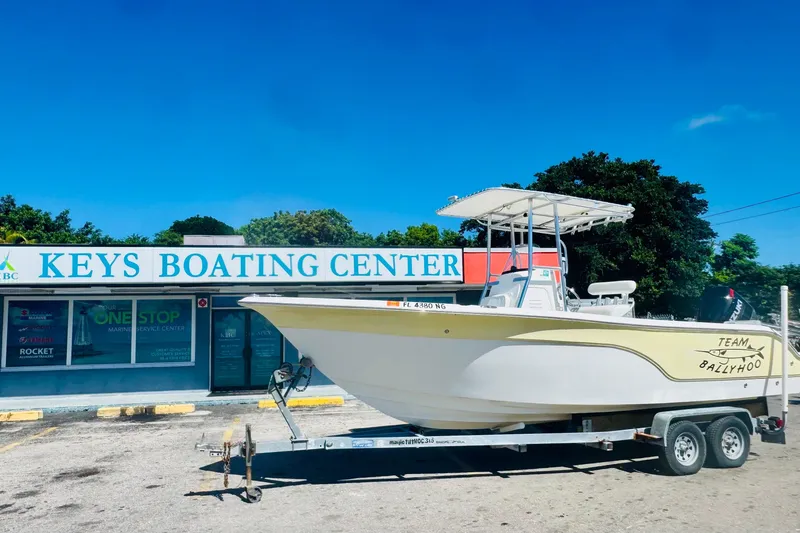
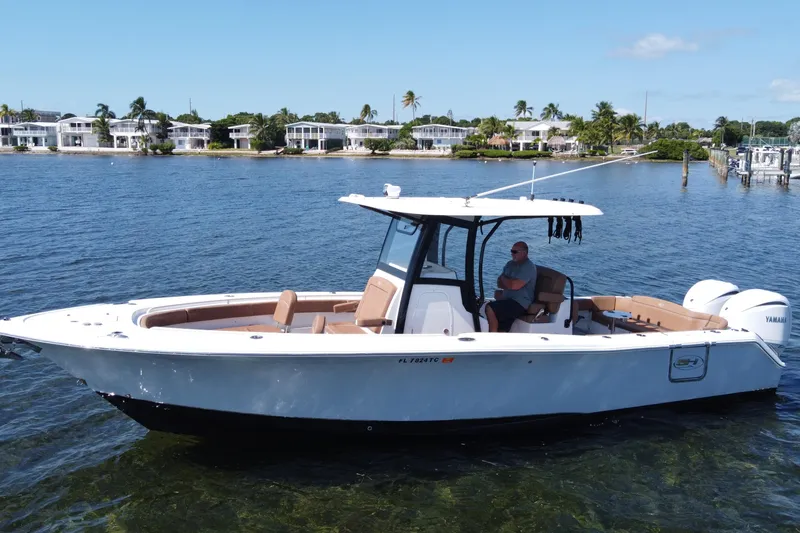
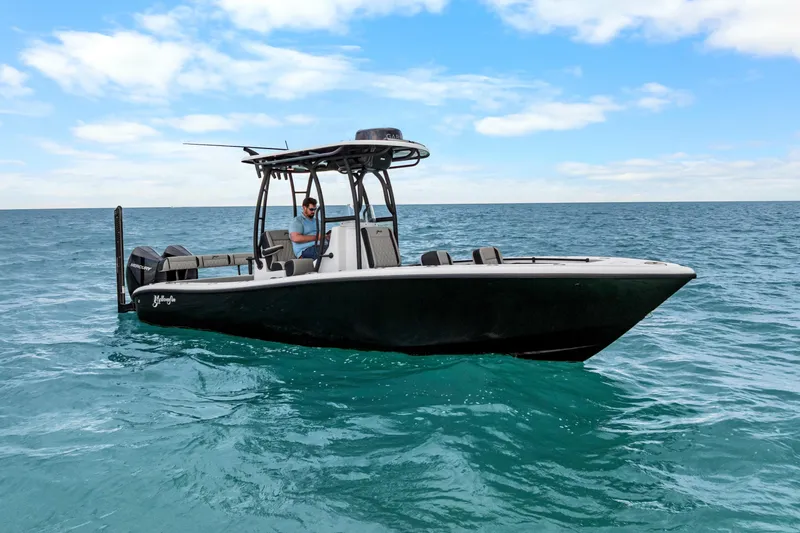
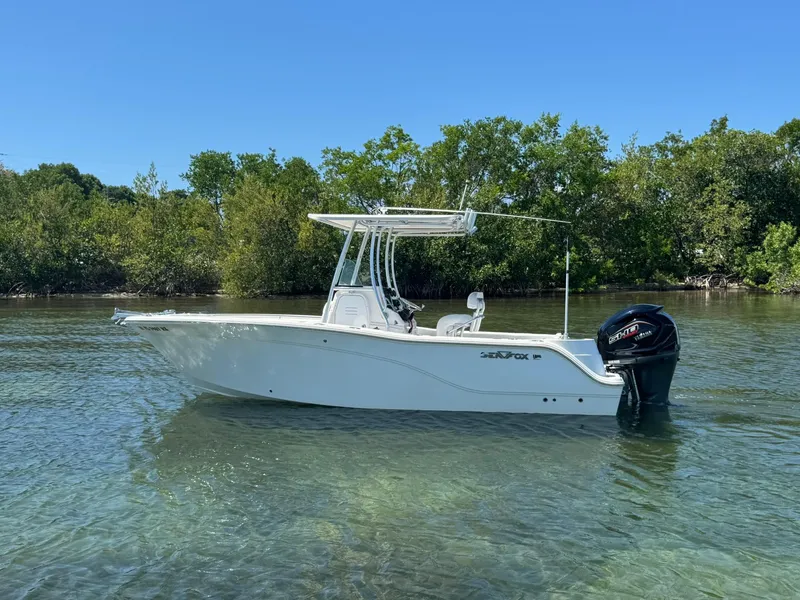
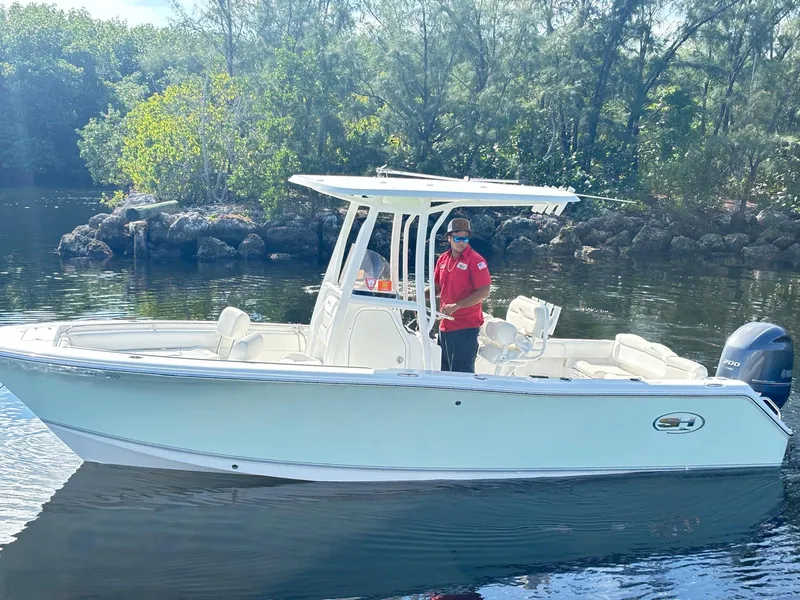
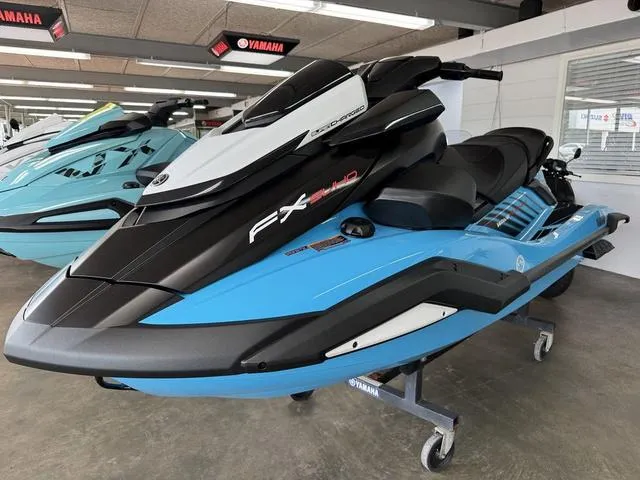
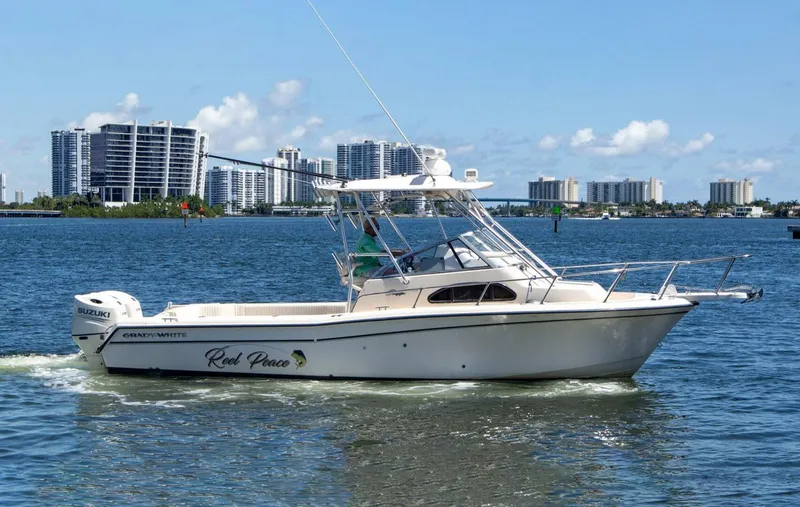
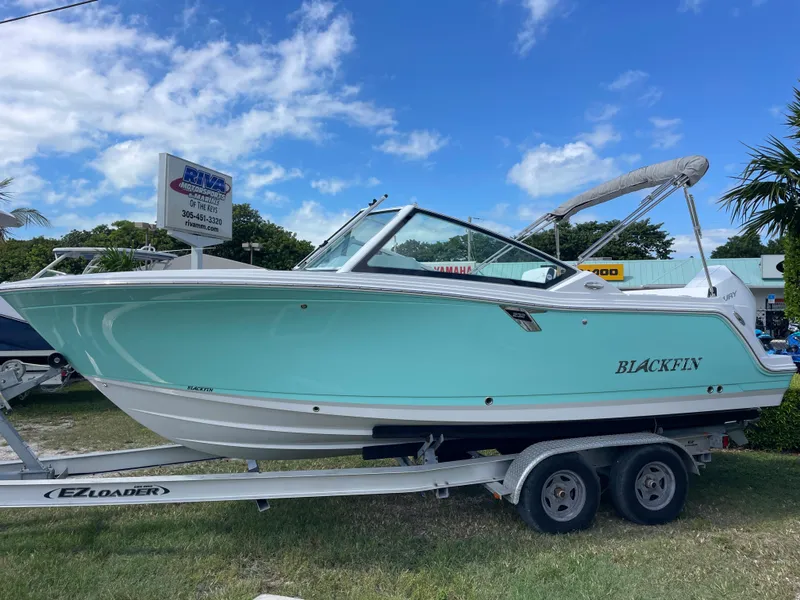
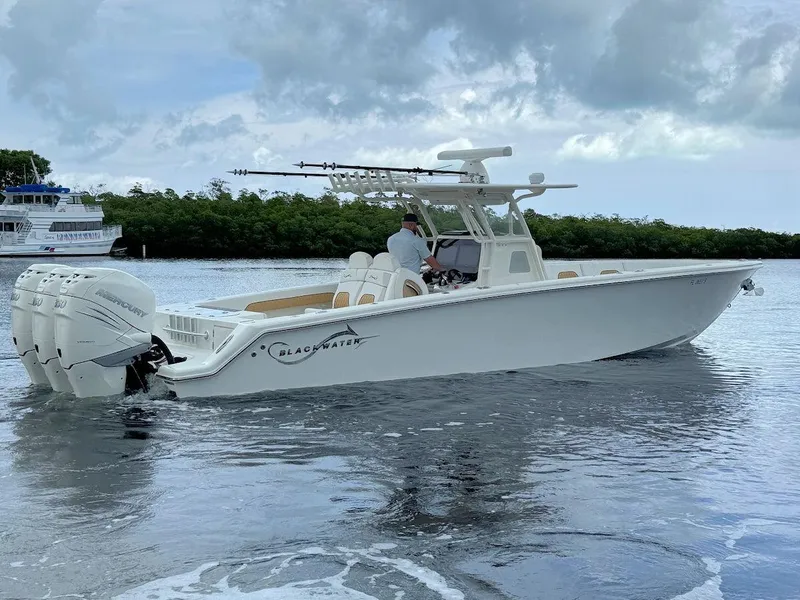
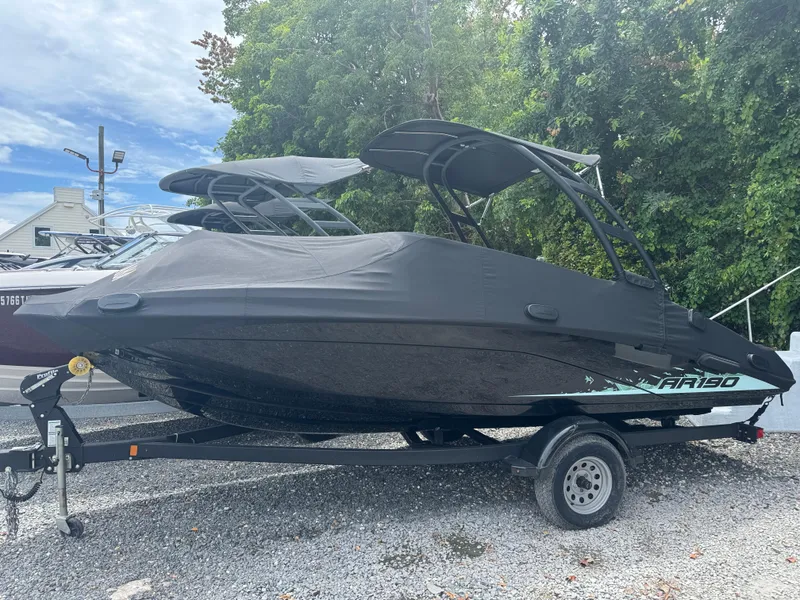
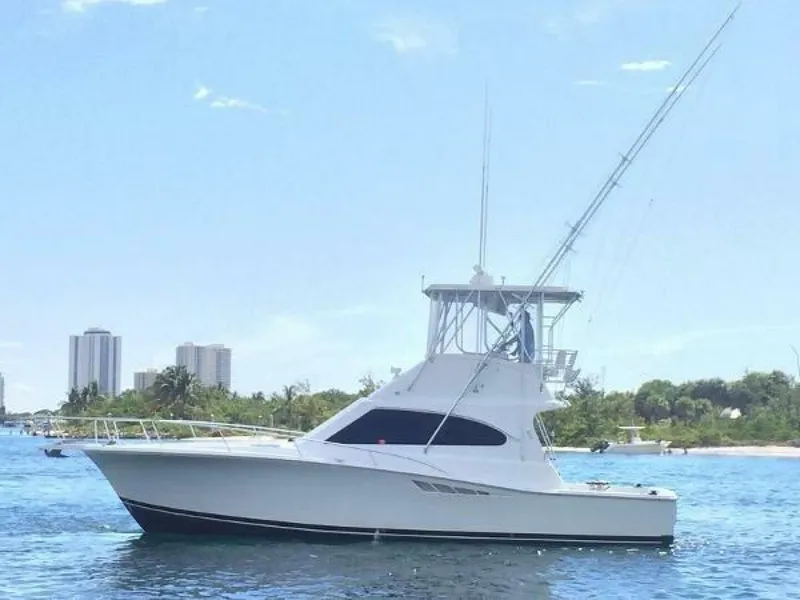
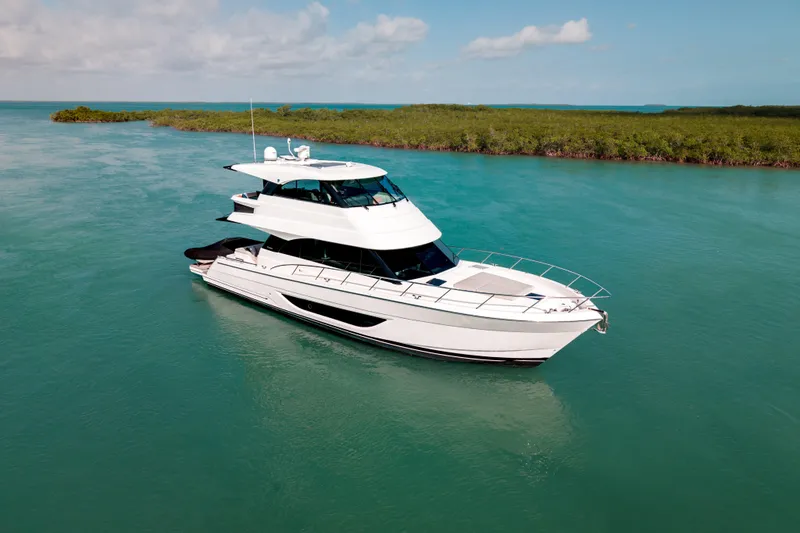
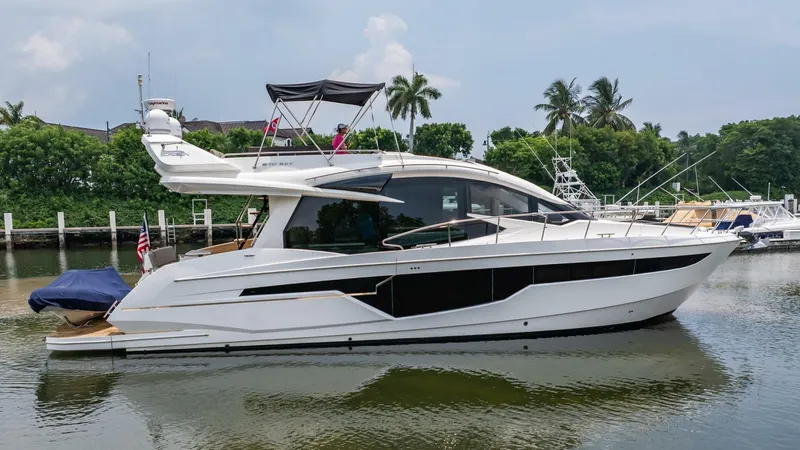
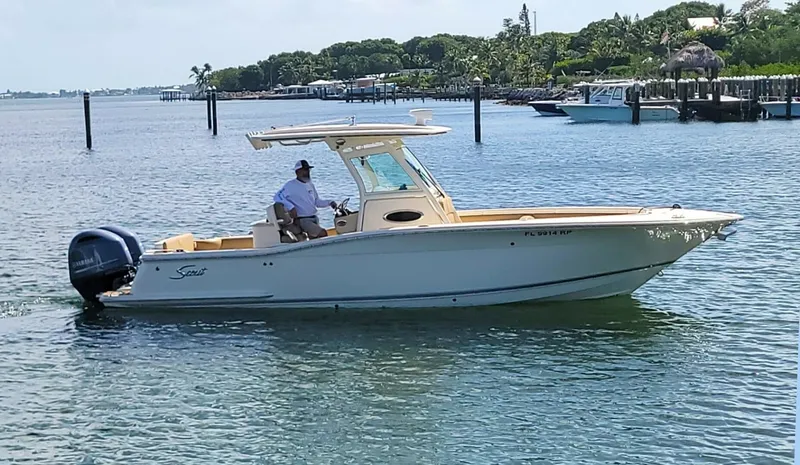
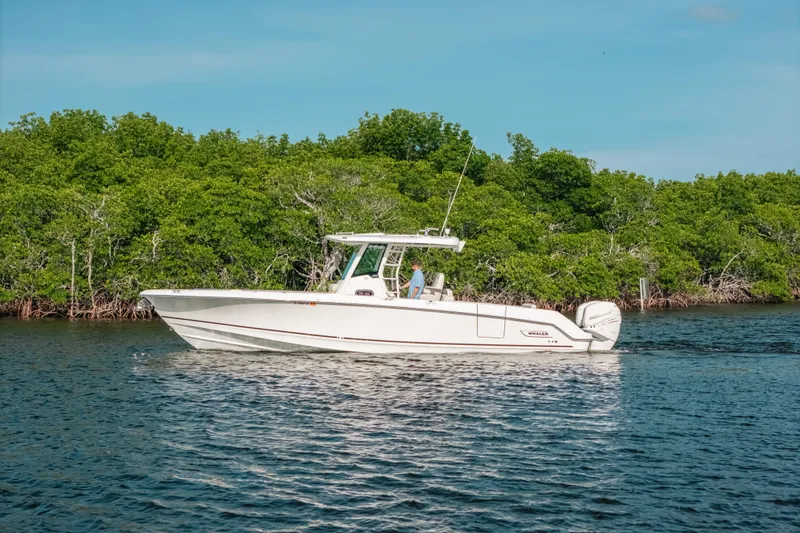
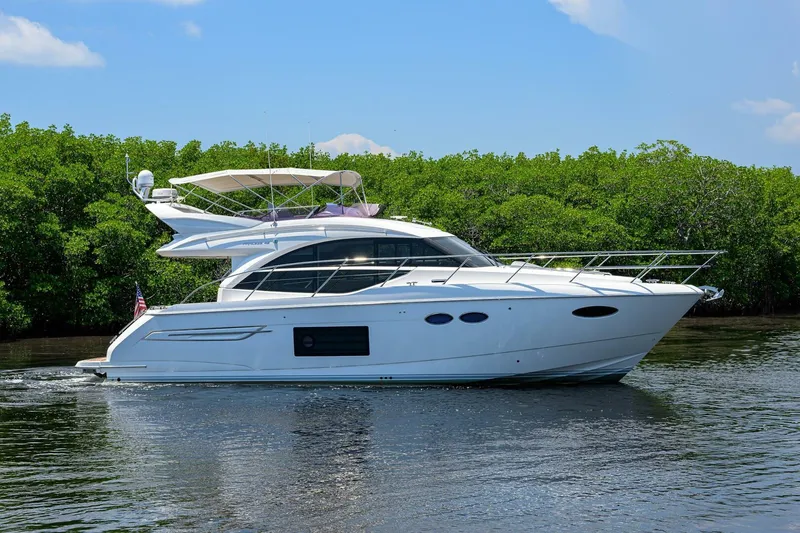
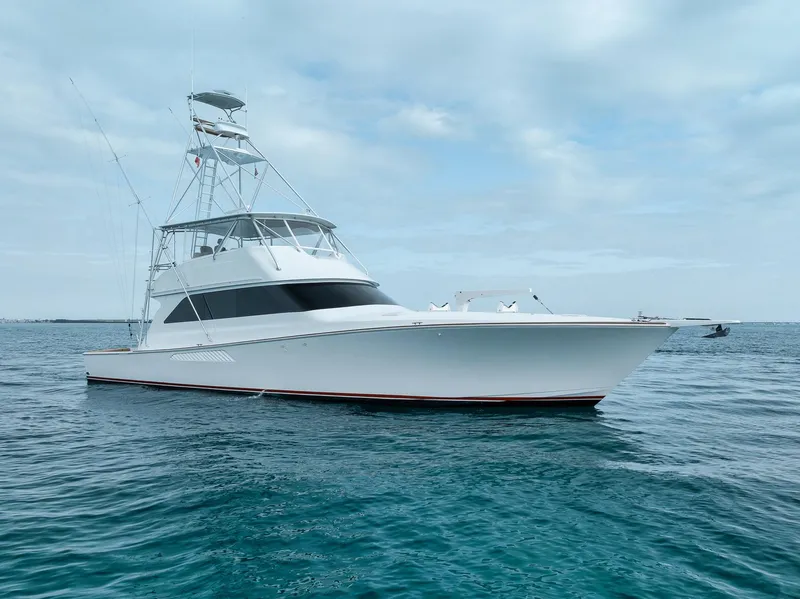
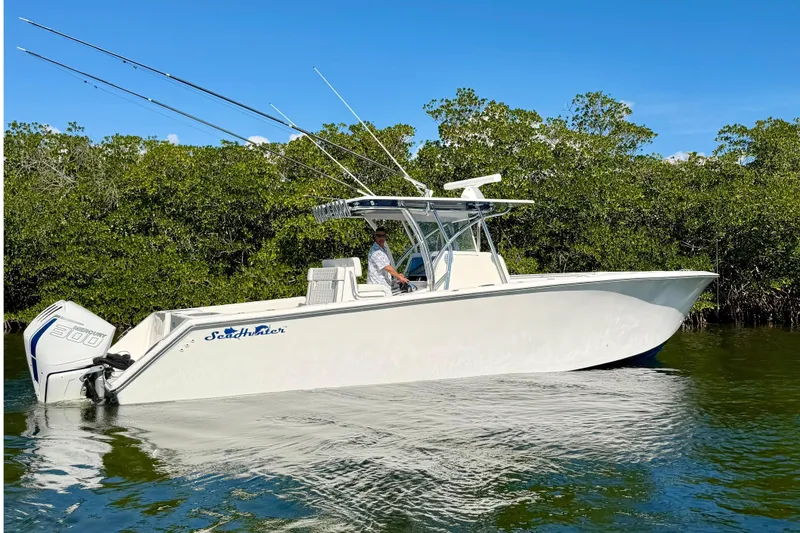
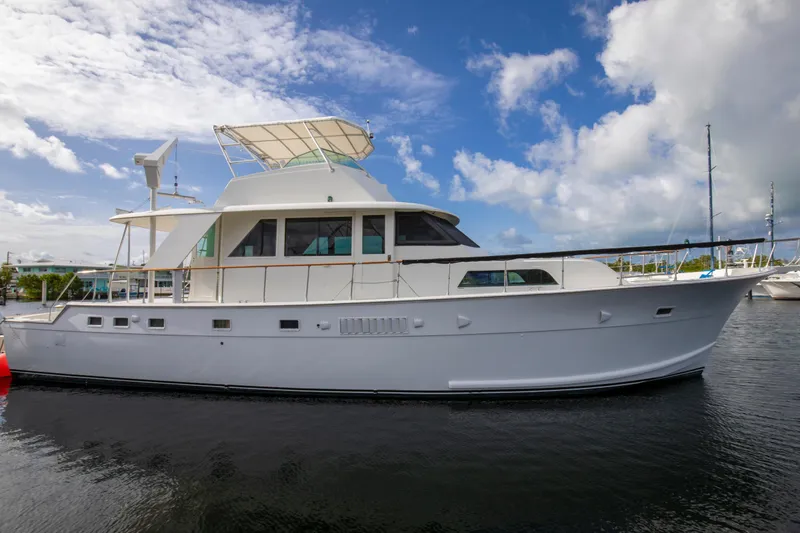
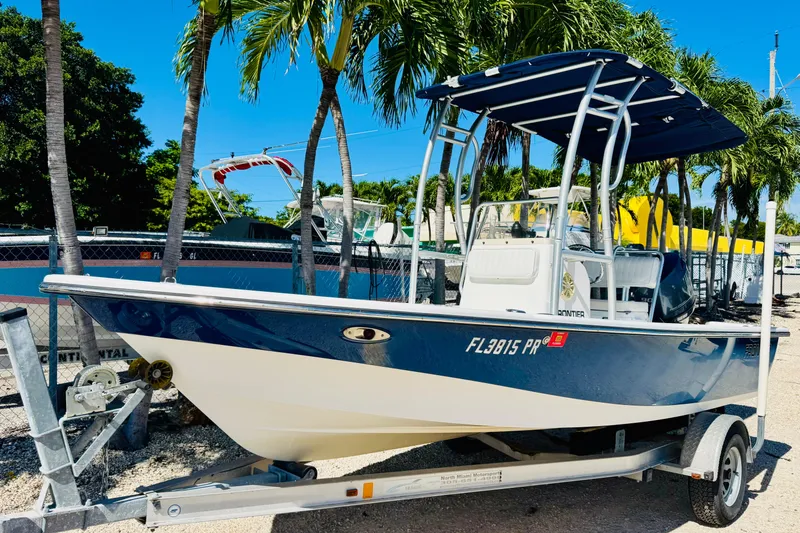
For boaters, Key Largo blends laid‑back island life with serious time on the water. Boats in Key Largo range from small skiffs and jet skis to sportfishing rigs and dedicated dive boats, all taking advantage of nearby spots like John Pennekamp Coral Reef State Park, Largo Sound, and the mangrove backcountry. Marinas such as Pilot House Marina, Keys Marina, Key Largo Harbor Marina, and Marina Del Mar anchor a compact but capable boating hub with fuel, slips, repairs, and easy charter options.
This is also a place where the environment shapes what you can do. The Florida Keys National Marine Sanctuary, shallow flats, and fragile reef structures mean you have to pay attention to charts, no‑wake zones, and sanctuary rules. Hurricane season, high slip fees, and busy canals in peak months can all complicate an otherwise dreamy boating lifestyle.
All of that raises a fair question for anyone thinking about trailering in for a week, booking a charter, or even keeping a boat here full-time: Is Key Largo a good place for boating? Below, we’ll look at the main pros and cons of keeping and using boats in Key Largo so you can decide how it fits your plans.
Pros of boating in Key Largo, FL
1. Easy access to reefs, wrecks, and clear ocean water
One of the biggest reasons boaters gravitate to Key Largo is how quickly you can reach world‑class offshore scenery. John Pennekamp Coral Reef State Park, often called the first undersea park in the U.S., lies just offshore with a roughly 25‑mile stretch of living coral reef. Within a reasonable run from local marinas, you can tie to mooring buoys over shallow coral heads, snorkel clear water, or dive the famous “Christ of the Abyss” statue.
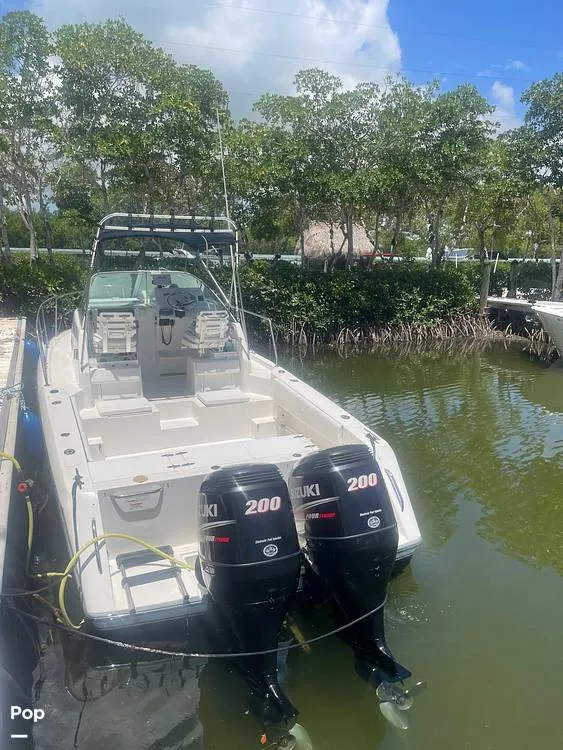
For more advanced trips, dive and fishing boats run farther out to wrecks like the USS Spiegel Grove and to deeper reefs along Hawk Channel and beyond. Even a modest center console or walkaround can access a variety of ocean experiences in a single day, and the typically small tidal range around Key Largo simplifies timing and planning compared to more extreme tidal regions.
2. Variety of boating experiences in a compact area
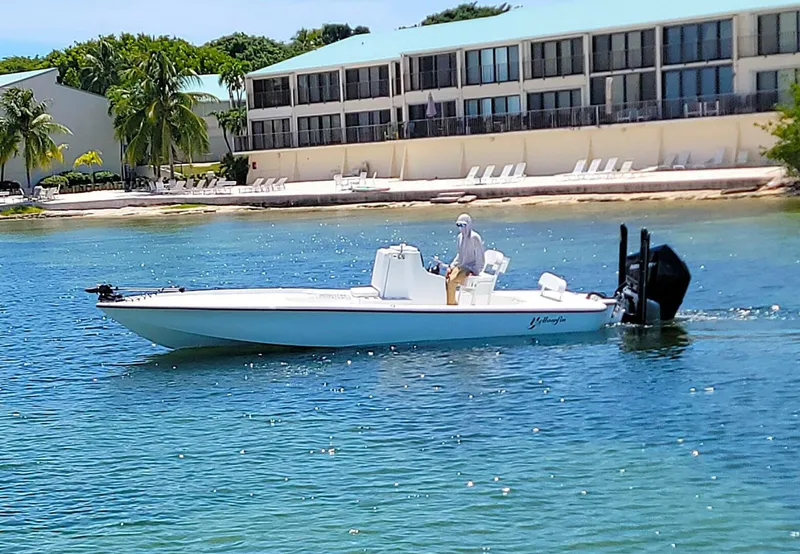
Key Largo offers an unusually wide range of boating styles without requiring long runs. To the ocean side, you have coral reefs, wrecks, and open‑water fishing. On the bay and backcountry side, mangrove flats and protected channels are ideal for inshore fishing, wildlife watching, and exploring by skiff, kayak, or shallow‑draft boat.
Largo Sound, the Port Largo canal system, and nearby backcountry routes provide relatively sheltered water days for cruising and sightseeing when offshore conditions are choppy. It’s common for boaters to snorkel a reef in the morning, then tuck back into mangrove creeks or the sound for a calmer afternoon, all without burning a full day of travel time.
3. Solid marina network, services, and rentals
For a relatively small community, Key Largo has a dense cluster of marinas and marine services that make life easier for boaters. Pilot House Marina, Keys Marina, Key Largo Harbor Marina, and Marina Del Mar all offer wet slips or transient dockage, with depths that can handle many center consoles, fishing boats, and smaller cruising vessels. Fuel docks, ship stores, and repair services—like the haul‑out and bottom work available at Key Largo Harbor Marina—mean you don’t have to leave the island for routine needs.
If you don’t own a boat, there are plenty of options to still enjoy the water. Marina Del Mar and nearby operators run daily snorkel and dive trips, backcountry and deep‑sea fishing charters, and boat rentals. That makes boats in Key Largo accessible for occasional visitors as well as locals who prefer not to take on full ownership costs.
4. Strong focus on diving, snorkeling, and fishing
Key Largo’s identity as the “Dive Capital of the World” is closely tied to its boating scene. Charter boats depart daily for reef dives, wreck dives, and guided snorkeling tours, so even inexperienced boaters can safely experience offshore sites. If you’re a recreational diver or snorkeler, having quick boat access to spots like John Pennekamp, the Spiegel Grove, and nearby patch reefs is a major lifestyle perk.
Anglers also benefit from the variety of water around Key Largo. Offshore, boats target pelagics and reef species; inshore and backcountry, anglers work mangrove shorelines and flats for snappers and other game fish. Local guides can help newcomers learn productive spots and techniques, which is especially helpful in regulated areas and shallow, unfamiliar water.
5. Island atmosphere and on‑the‑water lifestyle
Beyond the charts and marinas, Key Largo simply feels like a boating town. Everyday scenes include center consoles tied up at waterside restaurants, charter crews rinsing down dive boats, and locals cruising the canals at idle after work. Places like Pilot House Marina & Restaurant let you dock‑and‑dine, turning a simple boat ride into a social evening.
This island atmosphere is particularly appealing for people who want more than just occasional use of boats in Key Largo. Between the tropical climate, mild winters, and nearly year‑round boating weather (outside of storms), many boaters plan regular weekend runs, sunset cruises, or snorkeling outings as part of their normal routine.
Cons of boating in Key Largo, FL
1. High costs for slips, fuel, and services
Compared with many U.S. coastal towns, boating in Key Largo is relatively expensive. Published transient rates around $3.00–$3.50 per foot per night at marinas like Pilot House Marina and Key Largo Harbor Marina add up quickly for larger boats, and some facilities have minimum charges based on 35 feet or more. Long‑term and annual rates are also on the high side due to demand and the costs of operating in the Florida Keys.
Fuel is another major expense; recent listings show non‑ethanol gas and diesel at prices notably above many mainland marinas. On top of dockage and fuel, you may encounter facility fees, higher‑than‑average repair rates, and added costs for hurricane prep or haul‑outs.
- The Silver Lining: Many boaters control costs by keeping smaller, more fuel‑efficient boats, using dry storage or trailering when practical, and planning trips strategically—combining multiple activities into a single run offshore. Day charters and rentals can also be more economical for people who only need boats in Key Largo a few times per year.
2. Hurricane season and weather risks
Key Largo’s tropical monsoon climate brings warm temperatures and attractive boating weather for much of the year, but it also lies squarely in the Atlantic hurricane zone. From June through November, tropical storms and hurricanes are a real concern, and serious boat owners must plan for haul‑outs, extra insurance considerations, and storm‑season precautions.
Even outside of named storms, summer can bring squalls, strong afternoon thunderstorms, and choppy seas, especially offshore. Winter cold fronts can also kick up wind and waves, making reef runs uncomfortable or unsafe in smaller vessels.
- The Silver Lining: On the positive side, many local marinas—such as Keys Marina and others in the area—are experienced with hurricane preparation and may offer haul‑out or storm‑season plans. The flip side of the storm risk is that fall, winter, and spring often deliver some of the most pleasant, uncrowded days on the water when conditions line up.
3. Shallow water, reefs, and navigation challenges
Key Largo’s beauty is tied to its complex underwater landscape, but that also makes navigation more demanding. Mangrove flats, unmarked shallows, and coral heads can pose a grounding risk for inattentive or deep‑draft boats, especially in and around backcountry routes, Largo Sound, and near reef lines. In canals and marinas, approach depths can be as shallow as roughly 4.5 feet in places, limiting access for larger sailboats or deep‑draft cruisers.
Offshore, the presence of the Florida Keys National Marine Sanctuary and John Pennekamp Coral Reef State Park adds layers of protected zones, mooring‑only areas, and restricted anchoring, which you need to understand before dropping the hook or setting up a dive.
- The Silver Lining: Modern charts, GPS, and local knowledge go a long way. By studying routes in advance, watching depth carefully, using established channels and mooring buoys, and asking marina staff for advice, most boaters navigate safely while protecting the reef environment that makes boats in Key Largo so appealing in the first place.
4. Regulations, no‑wake zones, and protected areas
Because Key Largo sits within sensitive marine habitats, boaters face a web of state, NOAA, and sanctuary regulations. There are strict rules on waste discharge, protected wildlife zones, and where you can spearfish or even carry certain gear. Some areas, such as the Key Largo Existing Management Area, have highly specific restrictions that can surprise visitors unfamiliar with local law.
Closer to shore, canals like Port Largo and the waterways around Marina Del Mar enforce speed and no‑wake rules to manage traffic and reduce shoreline damage. Personal watercraft use is regulated, with age limits, time‑of‑day restrictions, and safety‑course requirements for many operators born on or after January 1, 1988.
- The Silver Lining: While the rules can feel complex, they help preserve water quality, coral reefs, and the relaxed character of residential canals. Local rental and charter operators typically brief guests on the key dos and don’ts, and resources from the Florida Fish and Wildlife Conservation Commission and the Florida Keys National Marine Sanctuary make it easier to learn the regulations before you go.
5. Crowds and limited space during peak times
Key Largo’s popularity means that marinas, ramps, and canals can get busy in high season and on holiday weekends. Transient slips may book up quickly, especially at centrally located facilities like Pilot House Marina or Marina Del Mar. Fishing hot spots and popular mooring fields on the reef can feel crowded when conditions are ideal, and heavy traffic in narrow canals demands extra patience and care.
This congestion can be especially noticeable for first‑time visitors trailering in for a short stay, who may find parking and launching logistics more stressful than expected.
- The Silver Lining: Planning ahead can reduce most crowd‑related headaches. Booking slips or charters early, choosing shoulder‑season dates, boating on weekdays, and aiming for early‑morning departures often mean quieter ramps and more relaxed time on the water. Exploring less obvious backcountry routes—or hiring a local guide—can also reveal quieter corners away from the main traffic lanes.
What boating in Key Largo, FL is really like
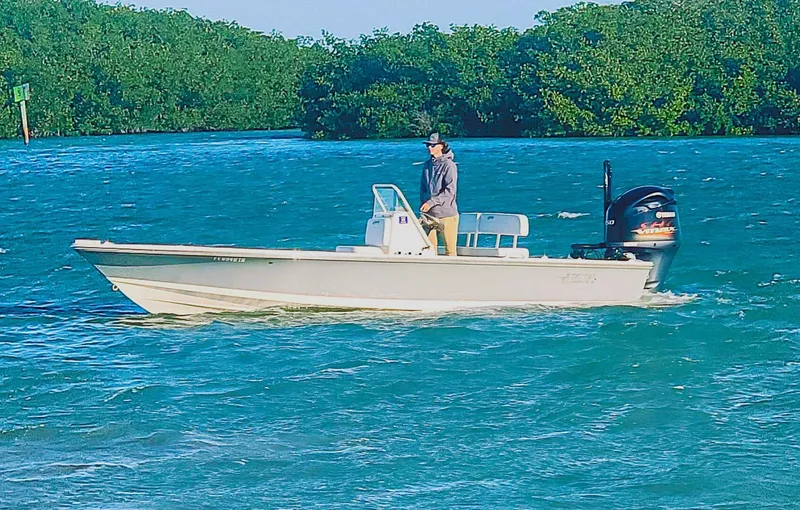
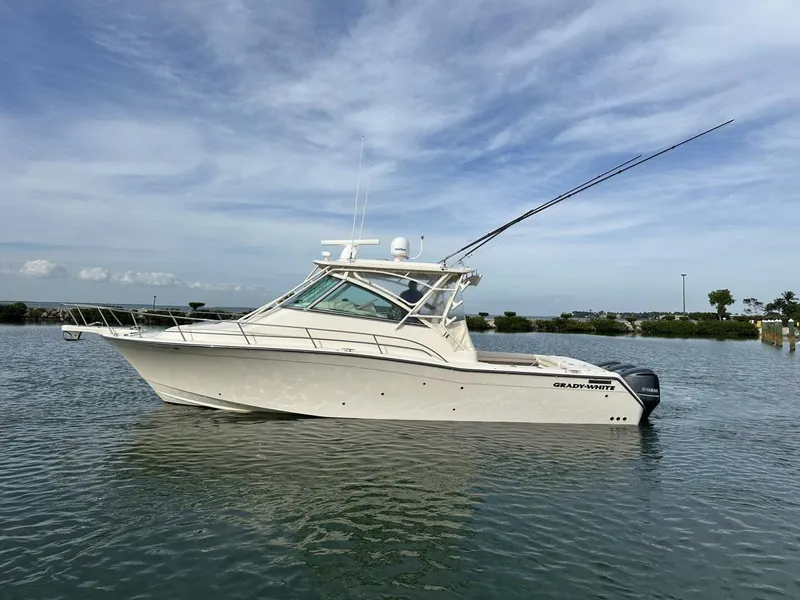
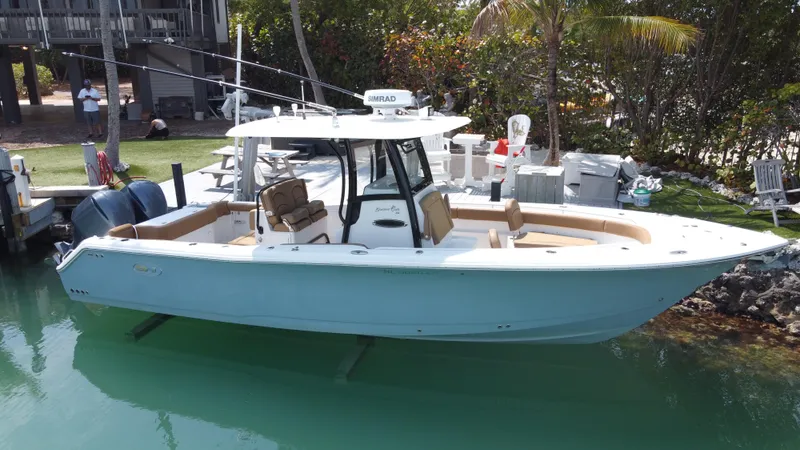
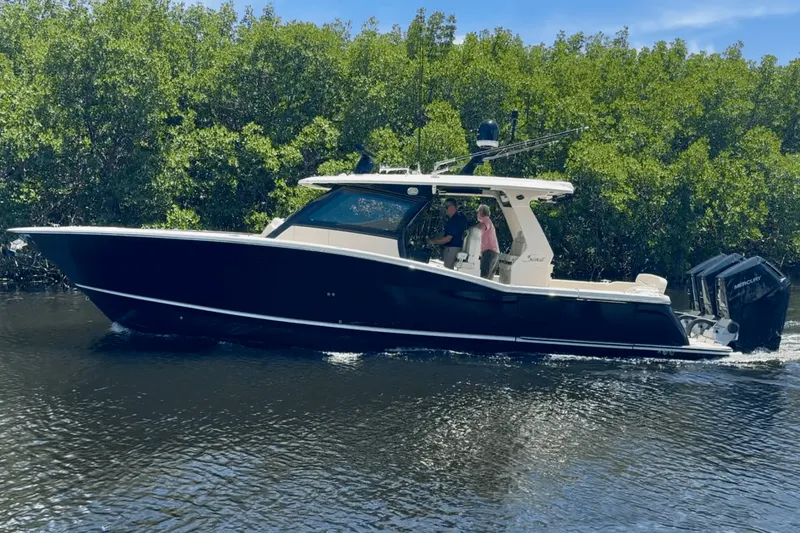
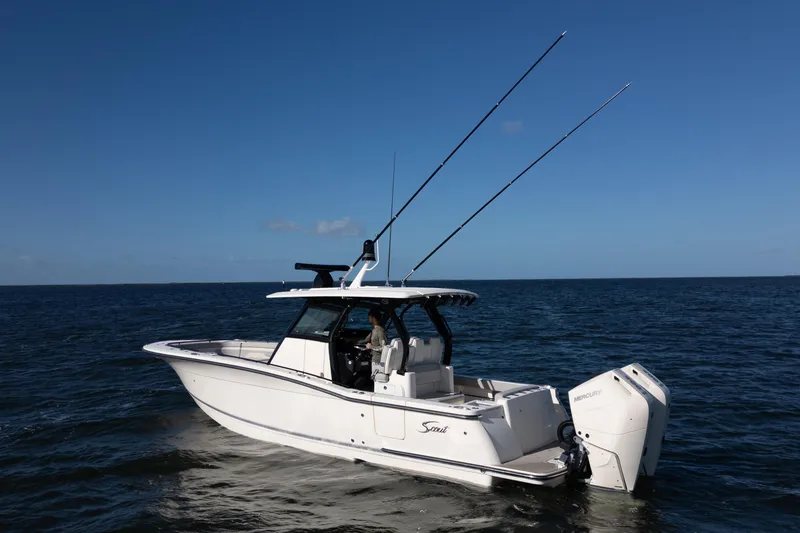
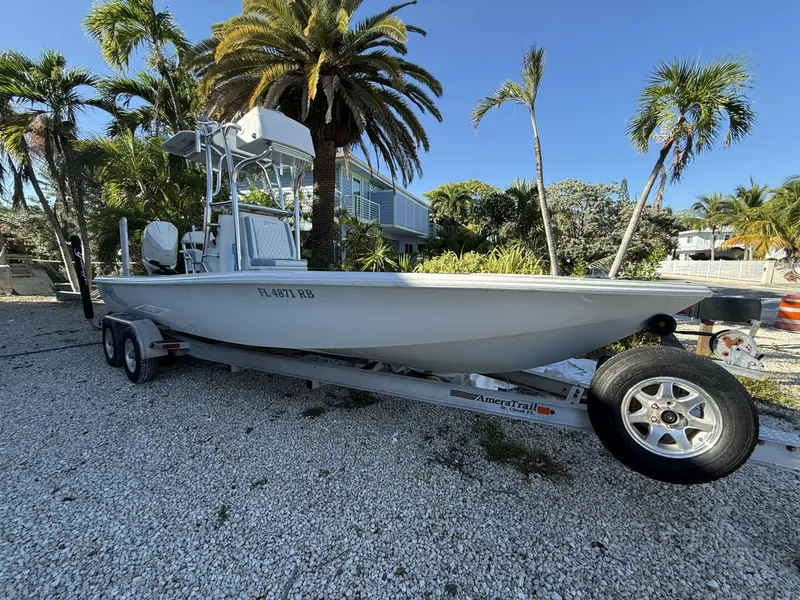
Boating in Key Largo feels like slipping into a tropical marine park that just happens to have streets and houses attached. Step off the dock in the morning and you’re immediately surrounded by mangroves, clear green water, and a steady procession of center consoles, dive boats, and flats skiffs heading out. It’s a working-waterfront vibe mixed with vacation energy: charter captains loading rods and chum, snorkel boats full of excited families in neon rash guards, and locals easing out quietly toward their favorite spots before the crowds arrive.
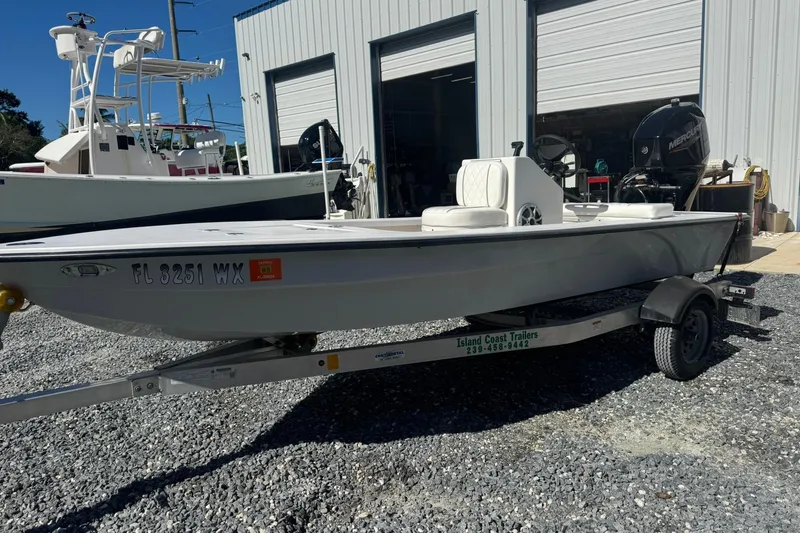
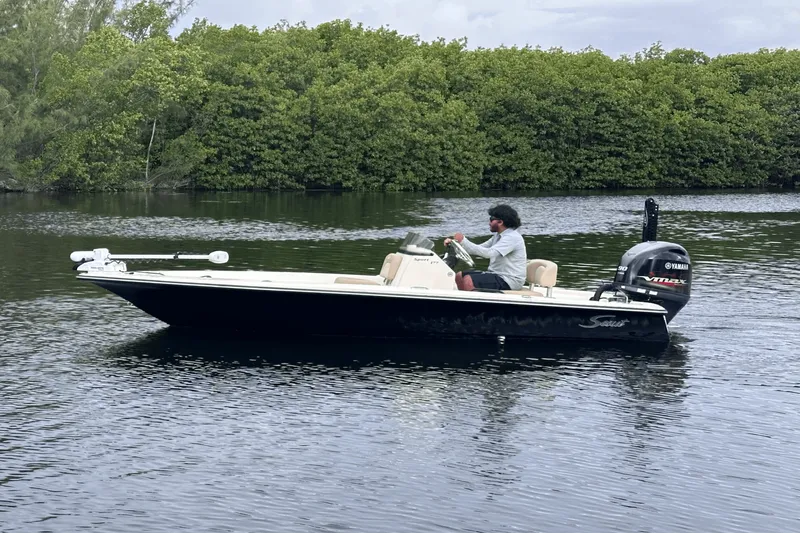
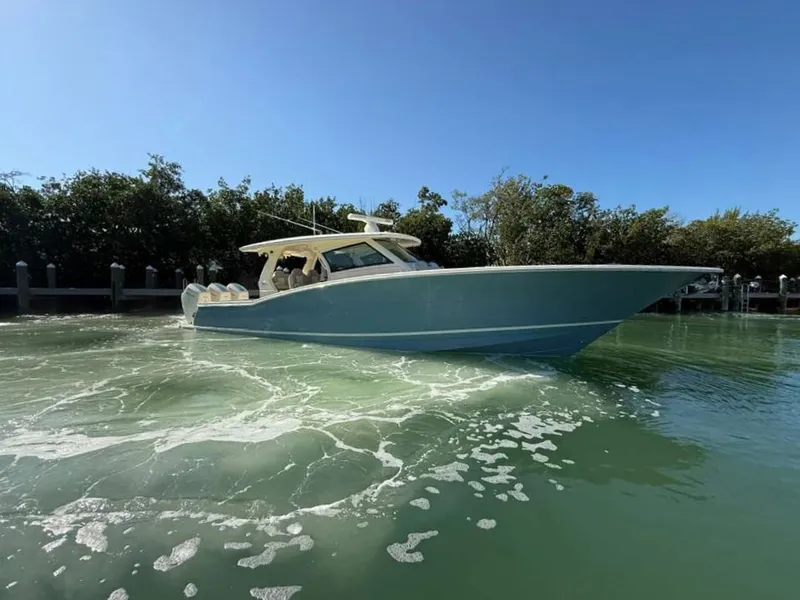
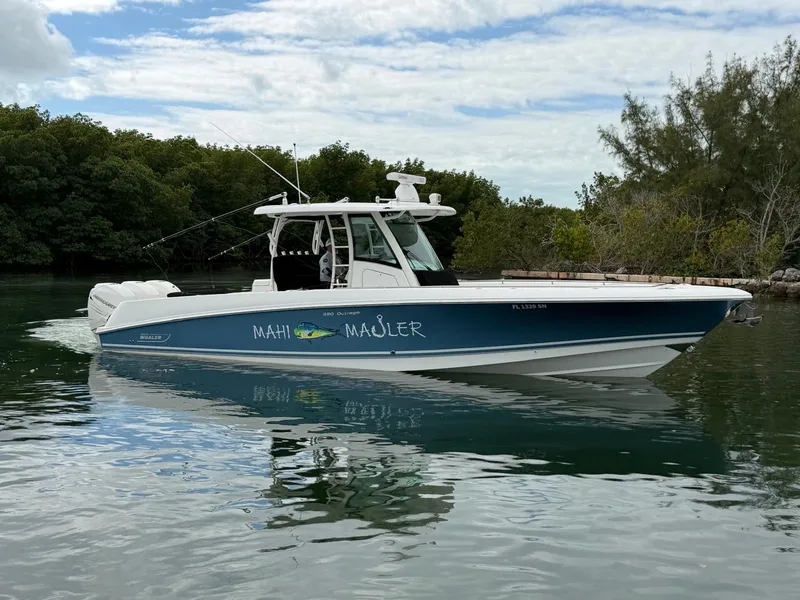
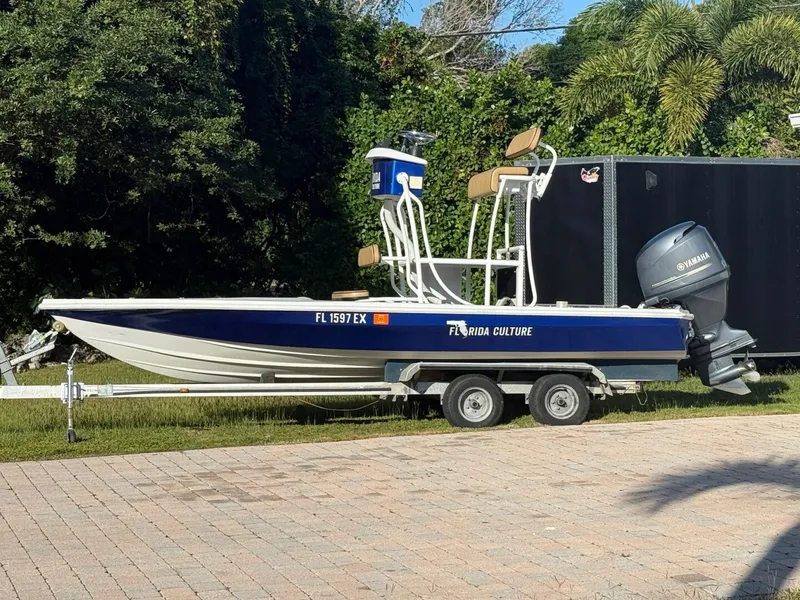
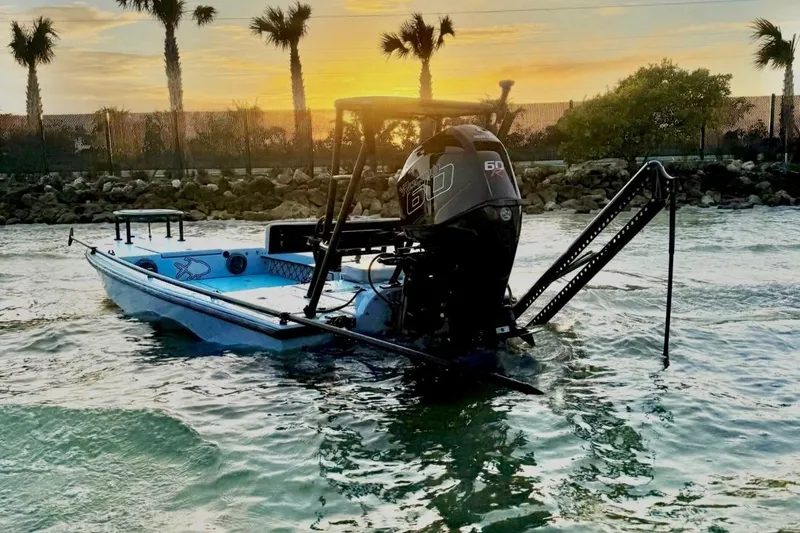
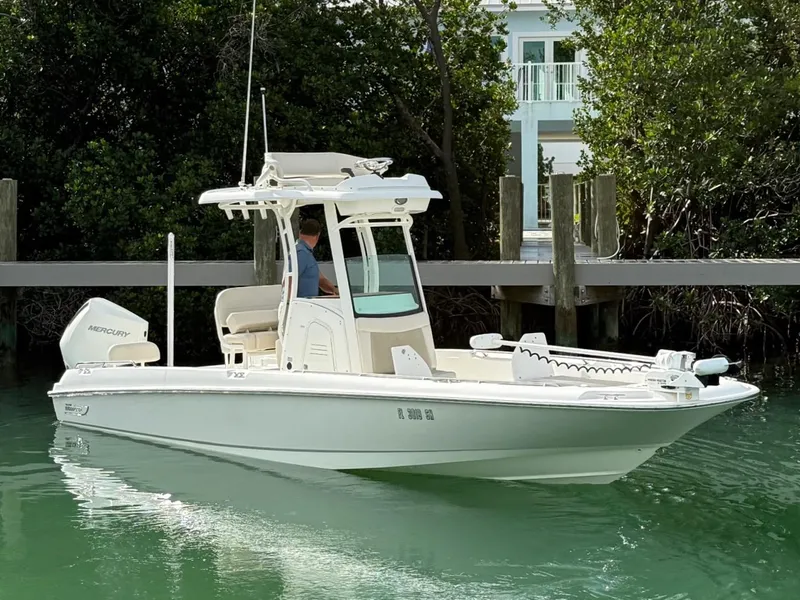
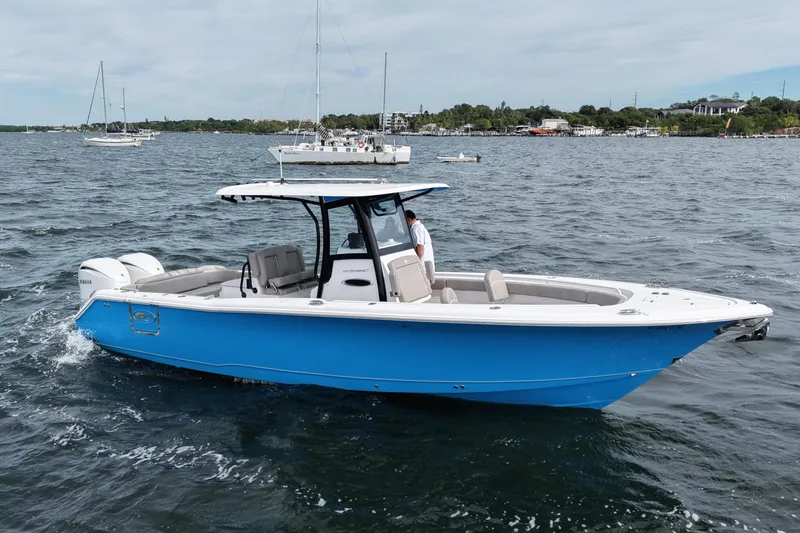
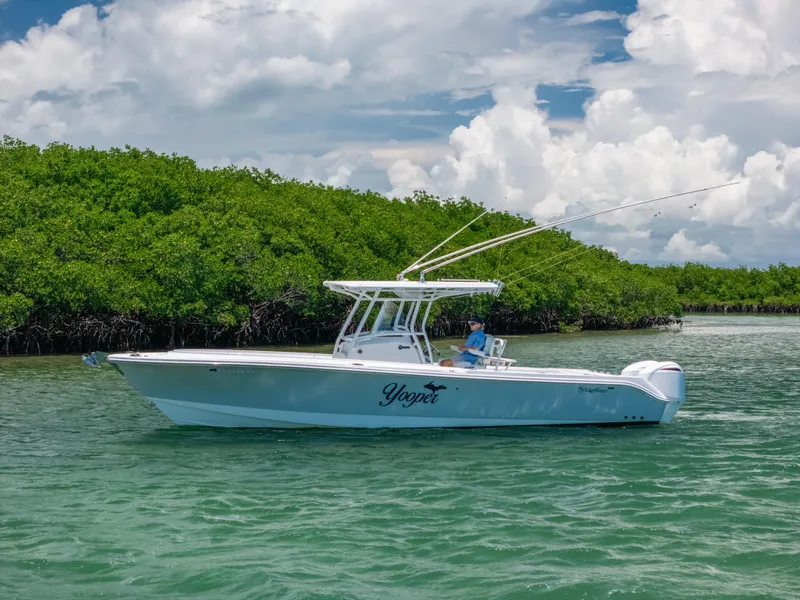
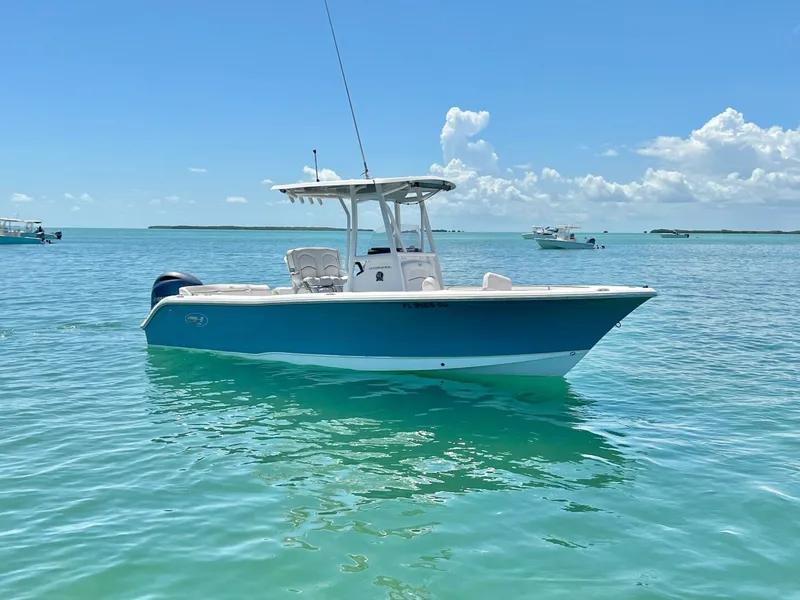
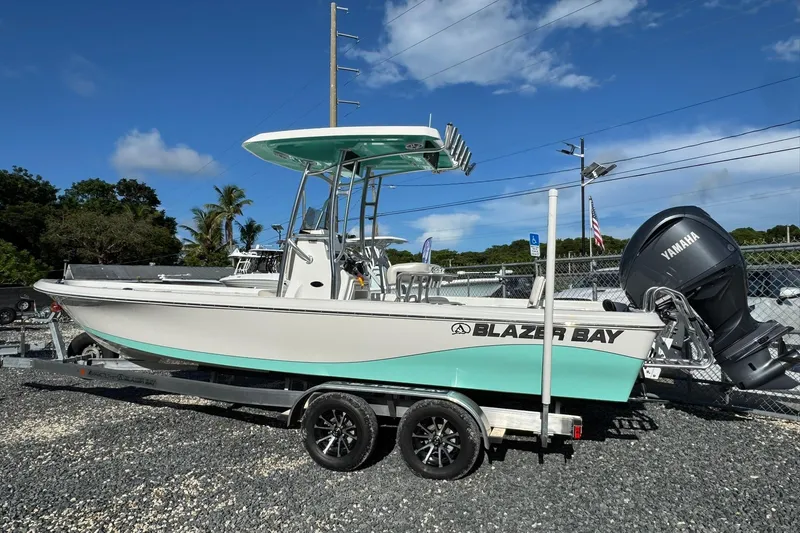
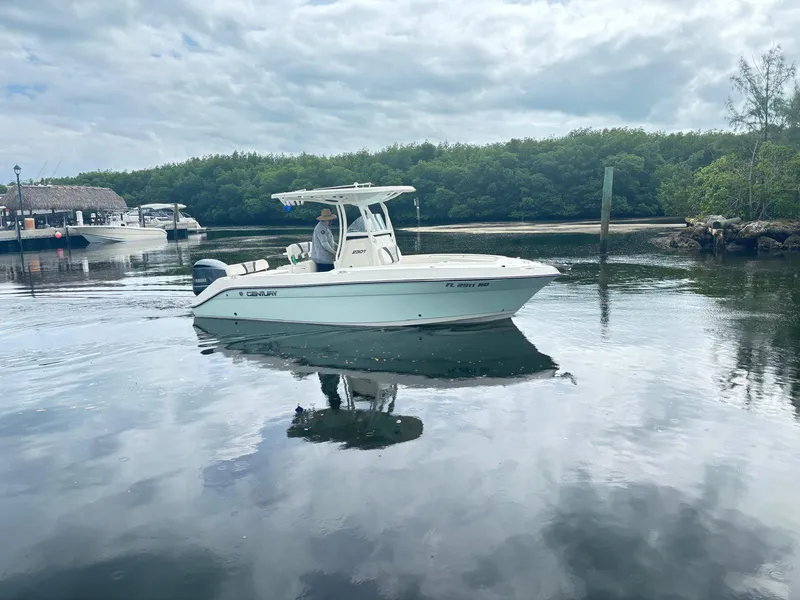
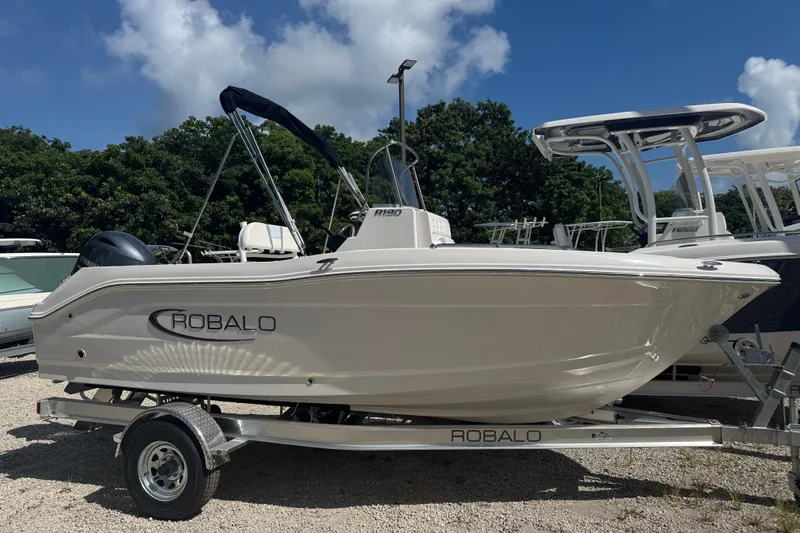
On a typical weekend, boats in Key Largo fan out in three directions. Offshore, sportfishing boats and dive charters power toward the reef line in John Pennekamp Coral Reef State Park and the surrounding Florida Keys National Marine Sanctuary. In the backcountry and Largo Sound, smaller bay boats and skiffs weave through mangrove channels, poling across shallow flats where dolphins and rays are common sights. In the canals and around waterfront restaurants, you’ll see a more social scene—folks hopping between marinas like Pilot House, Marina Del Mar, and Key Largo Harbor Marina for lunch, a drink, or live music after a long day on the water.
The mood changes with the clock. A calm weekday afternoon might be just a couple of dive boats heading out and local anglers quietly working channel edges. But as sunset approaches, you’ll notice a mini “rush hour” of boats in Key Largo returning toward the marinas, the sky turning orange over the mangroves while crews rinse gear and fillet fish at the dock. Even without big regattas or boat parades, the daily rhythm of dive trips, fishing charters, and family outings gives Key Largo a steady, easygoing boating culture that feels more about time on the water than being seen on the water.
Costs, logistics, and practical details
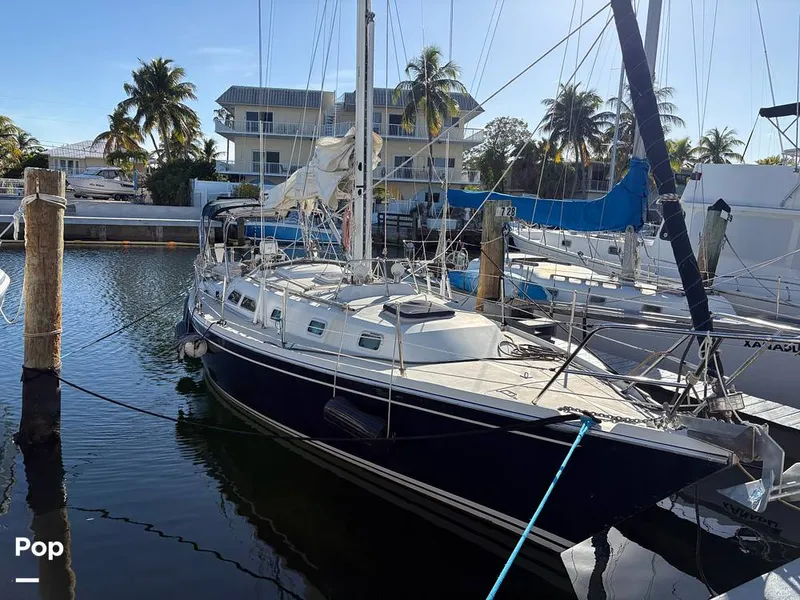
From a practical standpoint, Key Largo is better equipped for boating than many small coastal towns, but space and prices reflect how desirable it is. Marinas like Pilot House Marina, Keys Marina, Key Largo Harbor Marina, and Marina Del Mar offer a mix of transient and longer-term slips, generally accommodating boats up to about 60–65 feet with moderate drafts. Depths vary: you might see around 4.5 feet on approach at some docks and up to about 10 feet at the slips, so deep‑draft sailboats need to be cautious and time entries with the tide.
Slip rates here sit firmly in the “Keys premium” category. Daily transient dockage commonly runs around $3.00–$3.50 per foot per night, sometimes plus facility fees (for example, Marina Del Mar charges an added per‑night service fee on top of dockage). Weekly and monthly rates bring the per‑foot cost down somewhat, but compared to many non‑Keys coastal marinas, fuel and dockage in Key Largo feel expensive. Gas and diesel are readily available at marinas like Pilot House and Key Largo Harbor, but posted pump prices are often higher than mainland Florida, which is something frequent boaters and charter operators factor into their budgets.
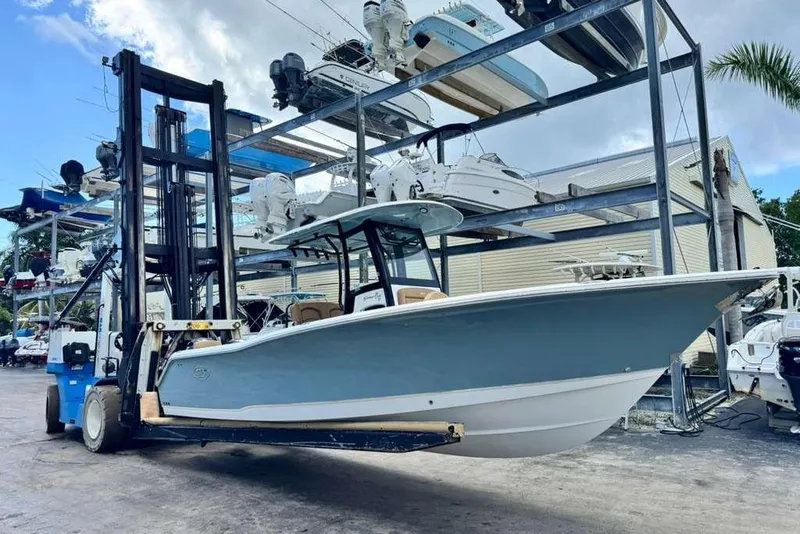
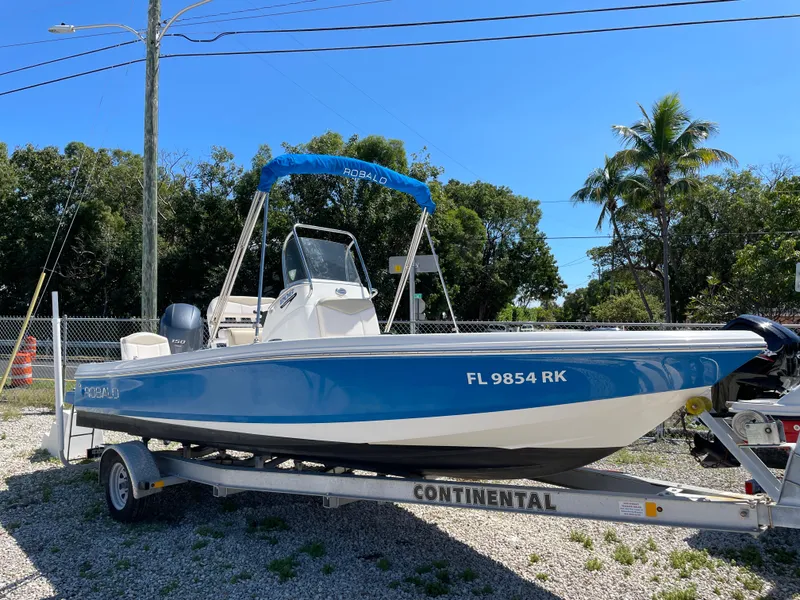
Storage and haul‑out options are solid but competitive. Keys Marina and others offer dry storage, lifts, and forklift services, which are a big deal during hurricane season when haul‑out plans become front of mind. Trailer boaters rely heavily on ramps integrated with these facilities or private ramps, often paying launch fees and dealing with limited parking, especially on nice weekends. While you won’t typically find giant “big box” marine yards, there’s a good network of repair services, bottom painting, and marine supply shops tied to the local marinas, and service providers are very accustomed to working quickly around weather windows and seasonal crowds.
Is Key Largo, FL a good place for boating?
As a boating destination, Key Largo scores highly for access, variety, and pure on‑the‑water enjoyment. The combination of clear water, nearby coral reefs, productive fishing grounds, and protected backcountry makes it feel like a year‑round playground for powerboaters, dive enthusiasts, and anglers. Boats in Key Largo are rarely just “sitting at the dock”—the geography invites you to be out snorkeling over coral in the morning, drifting mangrove edges for snapper in the afternoon, and pulling into a waterfront restaurant by evening. Marinas are well‑equipped, charters and rentals are easy to find, and even a short visit without your own boat can be packed with time on the water.
You will love boating here if:
- You value easy access to coral reefs, dive sites, and snorkel spots—boats in Key Largo can reach John Pennekamp Coral Reef State Park and other sanctuary reefs in a short, predictable run from multiple marinas.
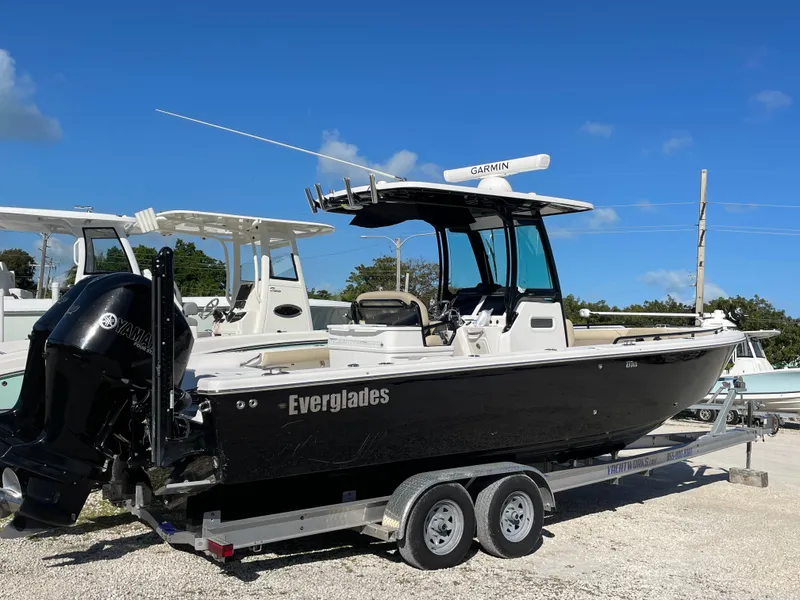
- You enjoy a mix of activities from the same home base: offshore and backcountry fishing, family cruising in protected bays like Largo Sound, and waterfront dining all within a relatively compact area.
- You prefer an established boating infrastructure with fuel docks, repair yards, travel lifts, and active charter fleets, rather than a remote or undeveloped cruising ground.
You might find it challenging if:
- You’re seeking large sandy beaches, big public anchor‑up party sandbars, or a heavy festival/regatta schedule; Key Largo leans more toward reef trips and quiet coves than large social flotillas.
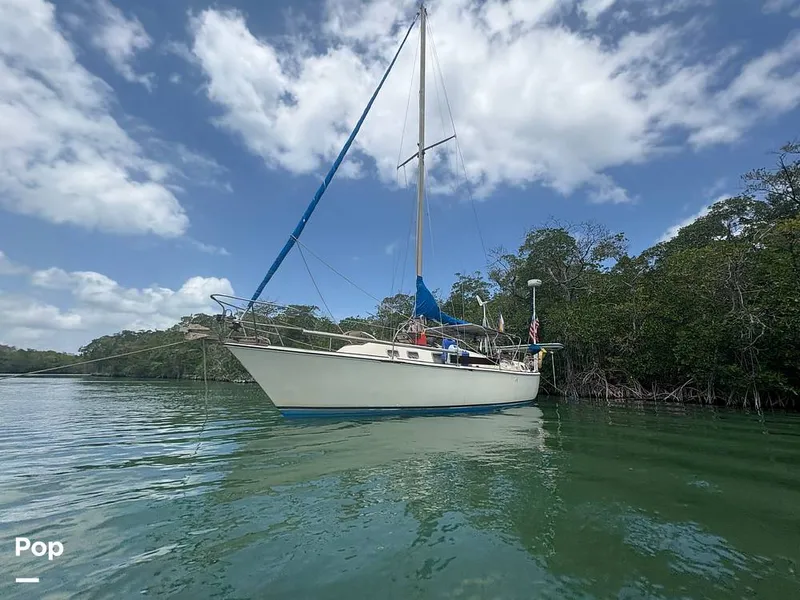
- You have a deep‑draft sailboat or a very large yacht that needs deep, wide approaches and inexpensive long‑term moorage—local depths and slip prices for boats in Key Largo may be limiting.
- You’re highly budget‑sensitive about fuel and dockage; compared with many U.S. coastal areas, day‑to‑day operating costs in Key Largo are noticeably higher.
If you’re drawn to a laid‑back tropical boating lifestyle and you’re willing to accept higher costs, strict environmental rules, and serious hurricane‑season planning, keeping or chartering boats in Key Largo can be enormously rewarding. It’s an especially good fit for divers, anglers, and families who want reef access and calm bays more than big‑city marinas or party scenes. Budget‑focused boaters or owners of very deep‑draft yachts might find life here more challenging, but for most recreational powerboaters and small‑to‑mid‑size cruisers, Key Largo deserves a prominent spot on the boating bucket list—whether that means planning a dedicated trip, basing a boat here seasonally, or making it your jumping‑off point for the rest of the Florida Keys.