Annapolis

Filters

Filters

Boat Type

Condition

Searching boats for you...

Boating · Destinations

Is Annapolis, MD a Good Place for Boating?


Written by: MarineSource.com Team | Estimated read time: 7 min read


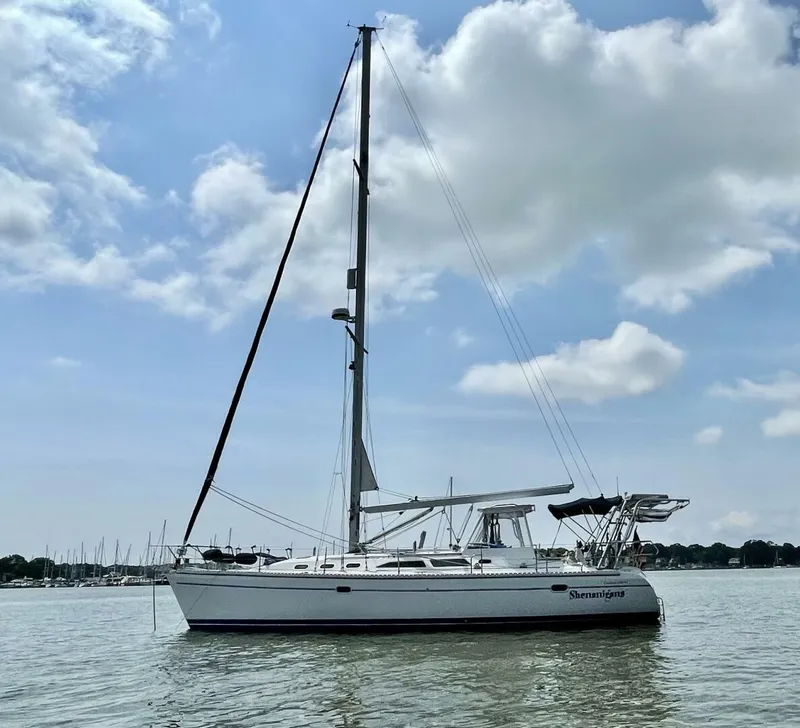
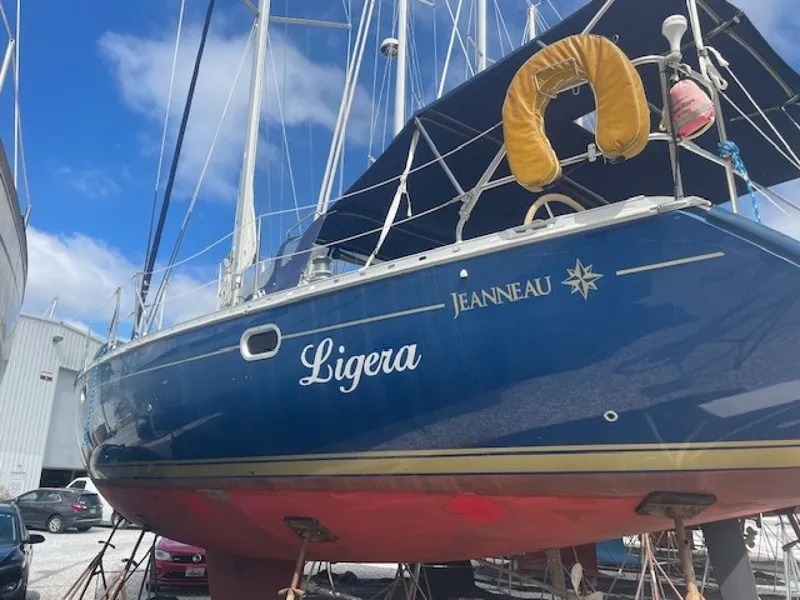
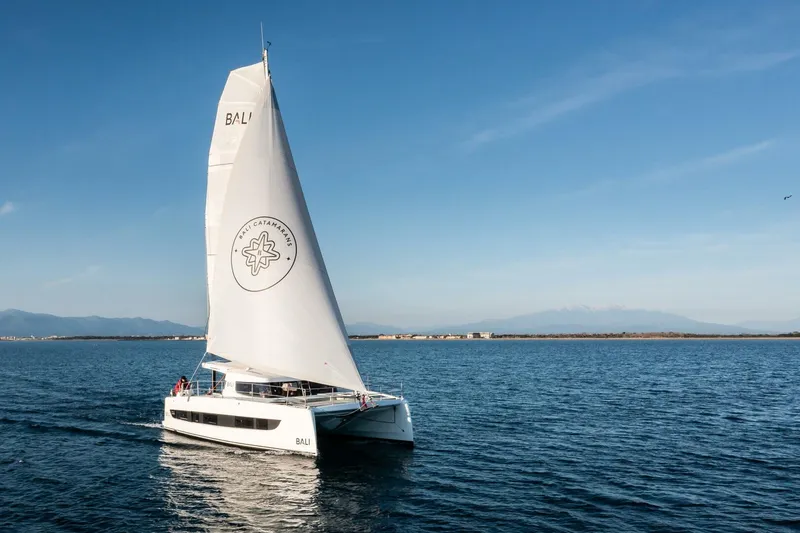
Set where the Severn River opens into the broad, blue expanse of the Chesapeake Bay, Annapolis feels like it was built around boats. On a summer afternoon, the masts in Spa Creek and Back Creek look like a forest of rigging, with everything from small daysailers to sleek cruising catamarans swinging at their moorings. The U.S. Naval Academy’s waterfront, Ego Alley, and the historic brick streets just a block or two from the water all add to the sense that life here naturally spills out onto the Bay.

For boaters, Annapolis offers a rare mix: tidal river creeks that feel intimate and protected, plus quick access to the open waters of the Chesapeake for longer cruises. You can spend the morning tucking into quiet coves like Saint Mary’s Cove or Wells Cove, then be out on the Bay by lunchtime. Along the way, you’ll find a mature boating ecosystem—full-service marinas, city moorings, dock-and-dine options, and a year-round marine industry that understands everything from classic sailboats to large motor yachts.
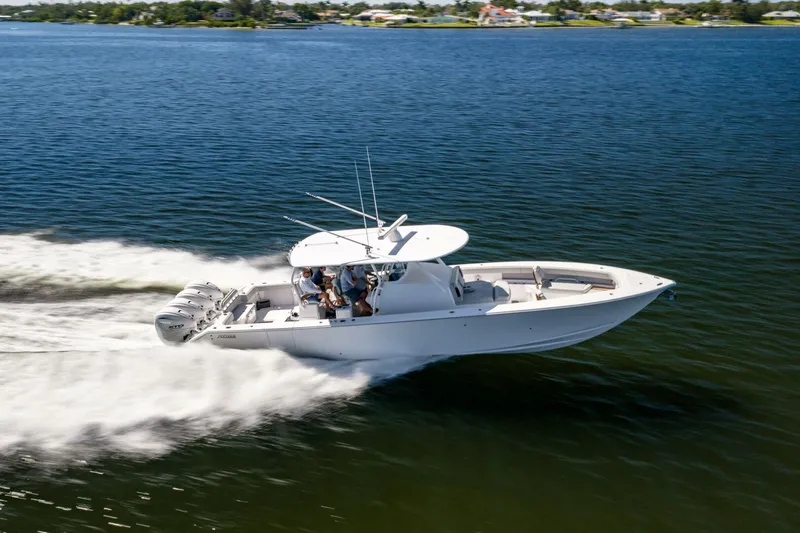
Culturally, boats in Annapolis are more than just a pastime. Major regattas, the Annapolis Spring Boat Show, and Naval Academy traditions keep sailing and powerboating front and center for much of the year. The mix of visiting cruisers, liveaboards, charter guests, and day boaters gives the harbor an energy that feels both local and international.

Still, all this appeal comes with trade-offs. Slip and fuel costs can be higher than in more rural ports, seasonal weather and tidal flooding require attention, and strict environmental rules shape how and where you operate. If you’re wondering whether Annapolis is a good place for boating—or if boats in Annapolis make sense for your lifestyle and budget—it helps to look closely at both the advantages and the challenges. Below, we break down key pros and cons to help you decide.

Pros of boating in Annapolis, MD

1. Waterfront made for every kind of cruising

Annapolis sits at the point where the Severn River flows into the Chesapeake Bay, giving boaters an ideal blend of sheltered waterways and open-bay access. Inside the Severn, you can explore Spa Creek, Back Creek, Weems Creek, and a network of smaller coves that are perfect for mooring, anchoring, or simply enjoying a calm afternoon on the hook.

Step outside the river and the Chesapeake opens up a much larger playground. From Annapolis, weekend trips to destinations like the Eastern Shore, Kent Island, or further down the Bay are straightforward. The tidal estuary character of the area—brackish water, gentle but noticeable tides—adds variety without overwhelming most recreational boaters.

2. Dense, full-service marina and mooring network

For a relatively small city, Annapolis packs in an impressive amount of boating infrastructure. Port Annapolis Marina, Annapolis Landing Marina, and Annapolis City Marina all offer transient and seasonal slips with water, electric, Wi‑Fi, and pump-outs, plus access to fuel, laundry, and shower facilities. Depths at many marinas (often around 10–15 feet) accommodate a wide range of boats in Annapolis, including deeper-draft sailboats and catamarans.

If you don’t need a full slip, the city’s managed mooring fields—like Front Forty, Saint Mary’s Cove, Wells Cove, Truxtun Park, and Back Creek—offer nightly options typically in the $25–$35 range, plus annual permits for residents and non-residents. For many boaters, especially sailors, that mix of affordable moorings and higher-end marinas makes it easier to find a setup that fits both budget and boating style.

3. A true boating and sailing culture

Annapolis is widely known as a sailing capital, and you feel that reputation as soon as you approach City Dock. The harbor is lined with yachts, sailing schools, charter operations, and the visible presence of the U.S. Naval Academy fleet. Regular regattas, the Annapolis Spring Boat Show, and events like Commissioning Week or the holiday Parade of Lights keep the waterfront busy and fun.

For anyone passionate about boats in Annapolis, that culture pays off in practical ways: there’s a deep pool of local knowledge, a strong community of fellow boaters, and plenty of marine professionals. Whether you’re learning to sail, refitting an older cruiser, or looking for a crewed charter, chances are good you’ll find people who speak your language and share your enthusiasm.

4. Easy dock-and-dine and walkable historic downtown

One of Annapolis’s signature advantages is how seamlessly boating and city life connect. The Annapolis Town Dock and City Dock (Ego Alley) place transient boats right in the middle of historic downtown. From there, you’re a short walk from restaurants, bars, coffee shops, and boutiques, which makes a day trip by boat feel more like a mini-vacation.
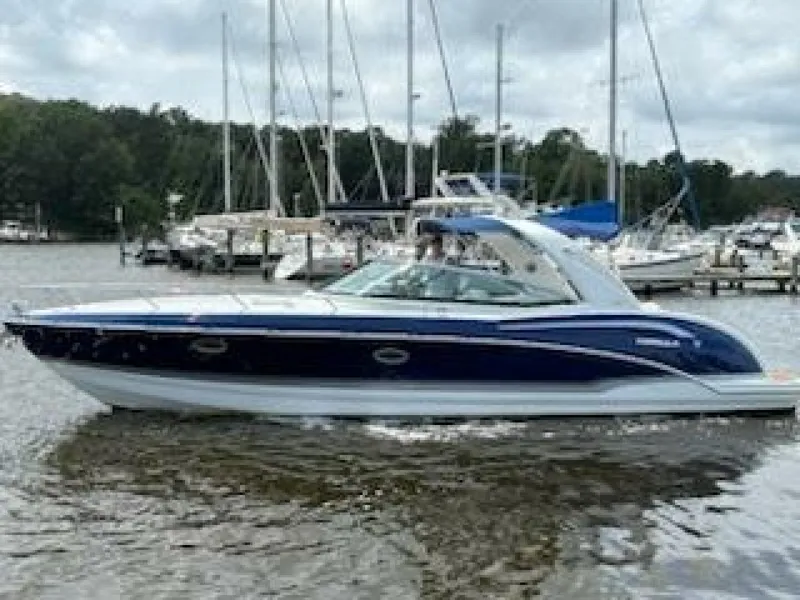
Several marinas along Spa Creek and Back Creek also give quick access to onshore amenities—either via dinghy to town dinghy docks or short bike or rideshare trips. For many boaters, this combination of deep boating infrastructure and a compact, walkable downtown is a big part of Annapolis’s charm.
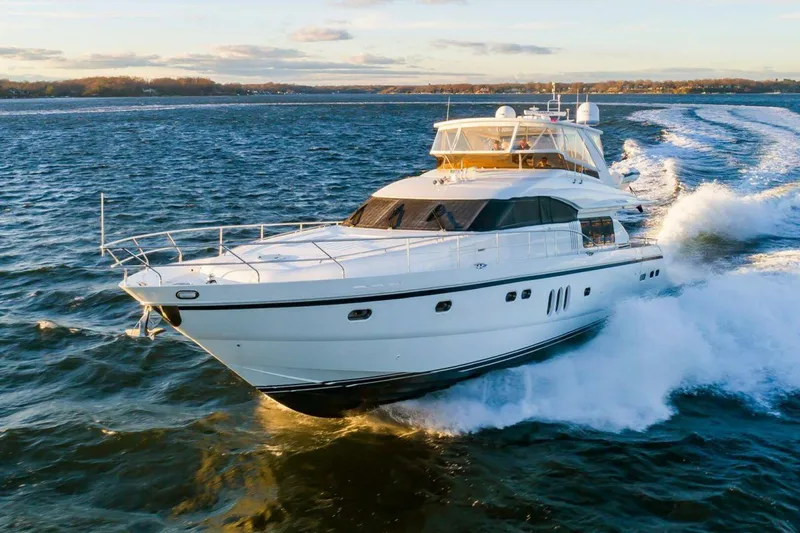
5. Seasonal variety with a long, livable boating window

Maryland’s boating season typically stretches from about April through October, and Annapolis is no exception. Summer brings warm air and water temperatures—Bay surface temps often in the mid-70s°F—making it comfortable for swimming, paddle sports, and long days at anchor. Spring and fall add cooler but often spectacular cruising conditions, particularly for sailing, thanks to regular breezes across the Chesapeake.

Because Annapolis is a busy boating hub, many marinas and service providers stay active year-round, offering winter storage, off-season slip deals, and repair services. That makes it easier to handle haul-outs, upgrades, and maintenance without needing to move your boat to a different region.

Cons of boating in Annapolis, MD

1. Slip, dockage, and fuel costs add up

With so many boats in Annapolis and high demand for limited waterfront, prices can be noticeably higher than in more rural Chesapeake ports. Transient dockage at Annapolis Town Dock typically runs around $4.00 per foot with a 30-foot minimum, so even a short visit can cost about $120 per night before shore power fees. Other marinas fall in the $2.75–$3.75 per foot daily range depending on boat size and season.

Fuel is another factor: recent listings show diesel roughly in the mid-$3 per gallon range and gasoline closer to $4 per gallon at local fuel docks. Annual mooring permits are more affordable than slips, but still significant—around $1,200 for residents and $2,000 for non-residents, with some locations having waitlists. For regular boaters, these recurring costs can be a meaningful part of the budget.

  • The Silver Lining: Many boaters reduce expenses by choosing a city mooring instead of a full-service slip, trailering smaller boats to public ramps, or timing cruising and refueling around less expensive marinas elsewhere on the Bay. Off-season or longer-term contracts can also bring down per-foot rates if you know you’ll keep your boat in Annapolis for multiple months.
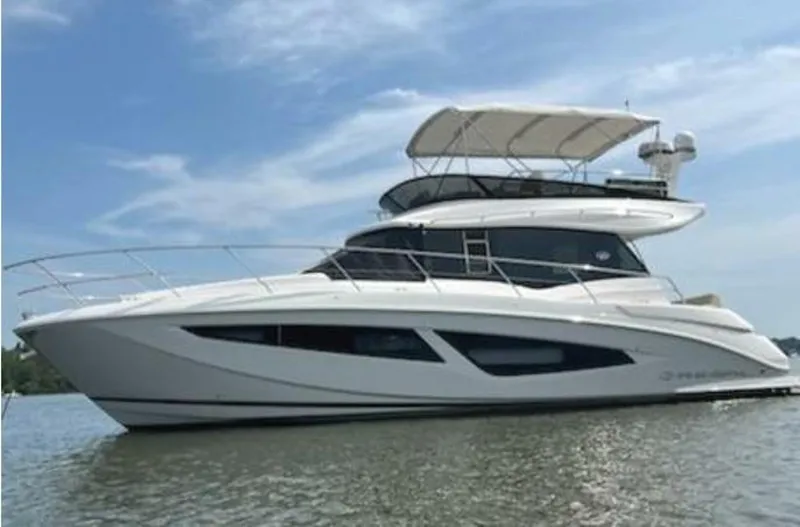
2. Crowding, waitlists, and busy weekends

Because Annapolis is such a magnet for boaters, prime spots can fill quickly—especially during summer weekends, boat shows, or Naval Academy events. City moorings have designated waitlists by area (Spa Creek, Back Creek, Weems Creek, the Severn River), and popular marinas can book up well in advance.
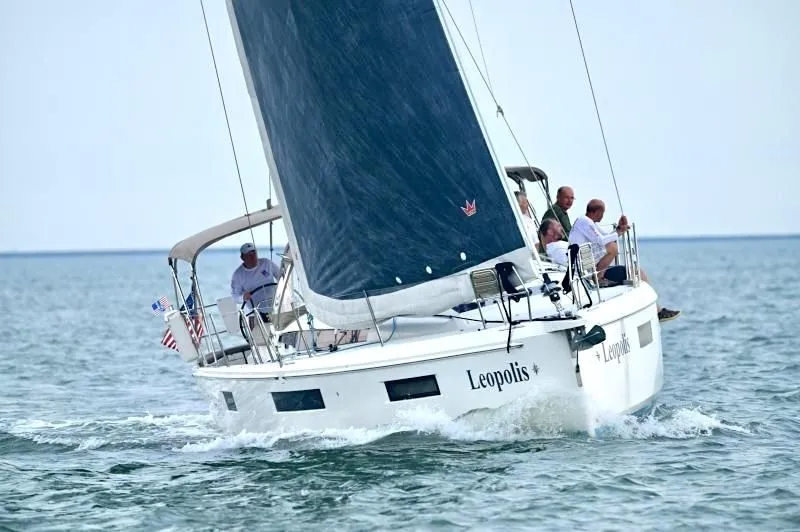
On the water, traffic in Ego Alley, Spa Creek, and the mouth of the Severn River can be heavy during peak times. That can mean more wakes, slower transit in no-wake zones, and extra patience when docking or maneuvering in tight quarters.
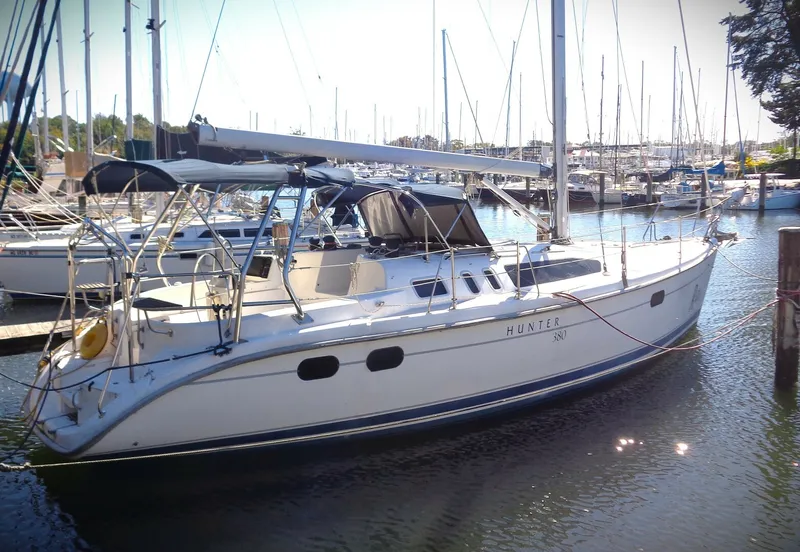
  • The Silver Lining: If you plan ahead—reserving transient dockage, joining waitlists early, or aiming for shoulder-season weekends—you can still enjoy the best of Annapolis with far less stress. Exploring slightly less central moorings or marinas on Back Creek or further up the Severn can also offer quieter water and easier availability.

3. Tides, shallows, and urban flooding to watch

Annapolis’s waters are generally boater-friendly, but they are still part of a tidal estuary with depth changes, shoaling areas, and narrow channels in some creeks. Approaches to certain marinas and anchorages may have limiting depths, so deeper-draft boats must pay attention to tide tables and charts. In addition, Annapolis experiences tidal flooding and occasional “sunny-day” high-tide flooding around City Dock, which can affect access and infrastructure.

None of this is unusual for a Chesapeake Bay city, but it does mean navigation can’t be completely casual—especially if you’re unfamiliar with local waters or running at night.

  • The Silver Lining: Up-to-date charts, depth sounders, and tide apps make it much easier to plan routes, and local knowledge is readily available from marinas, yacht clubs, and fellow boaters. The ongoing City Dock Project is also aimed at improving resilience to flooding, which should make the waterfront more reliable over time.

4. Weather swings and a true off-season

While the April–October boating season in Annapolis is generous, winter still brings cold air, chilly water temps in the 40s–50s°F, and the need to winterize most boats. Strong frontal passages, thunderstorms, and occasional tropical remnants can bring rougher conditions on the Bay, even when creeks feel calm.

For those used to year-round boating in warmer climates, the need to haul out or prep for winter can feel like a downside—especially when planning major projects or extended cruises around the calendar.

  • The Silver Lining: The distinct off-season can actually be a plus for maintenance and upgrades, since yards and service providers are geared for winter work. Many locals embrace the rhythm: heavy cruising and racing in the warm months, followed by a quieter window for repairs, planning, and the occasional clear, crisp winter day on the water for hardy crews.

5. Strict environmental and operating regulations

Because the waters around Annapolis and Anne Arundel County are designated No Discharge Zones, boaters must use pump-out facilities for all sewage—treated or untreated. There are also posted no-wake and speed zones enforced by Maryland’s Natural Resources Police, and the city regulates how moorings and reserved dockage can be used, including restrictions on rafting and commercial activity.

For new or visiting boaters, keeping track of these rules—along with standard registration requirements—can feel like a learning curve, especially if you’re used to more lightly regulated areas.

  • The Silver Lining: The upside is cleaner water, safer shorelines, and a harbor that remains attractive and usable for everyone. Pump-out stations are widely available at local marinas, and tools like the AccessDNR app help boaters quickly see speed limits and regulated zones. Once you’ve boated in Annapolis a few times, most of these rules become second nature.

What boating in Annapolis, MD is really like

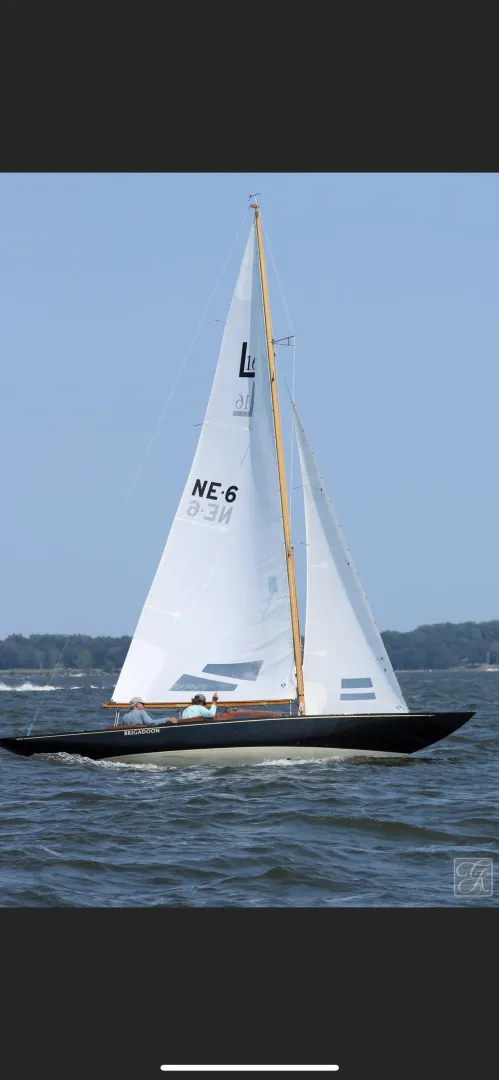
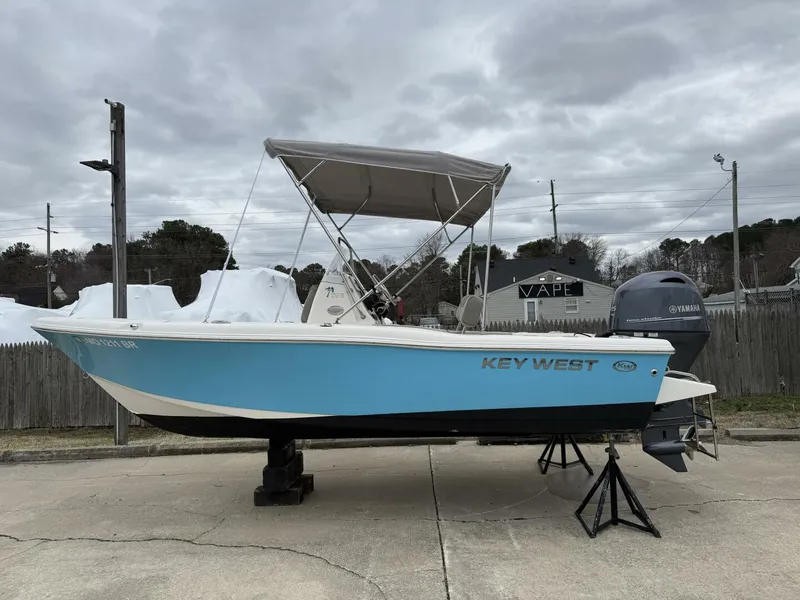
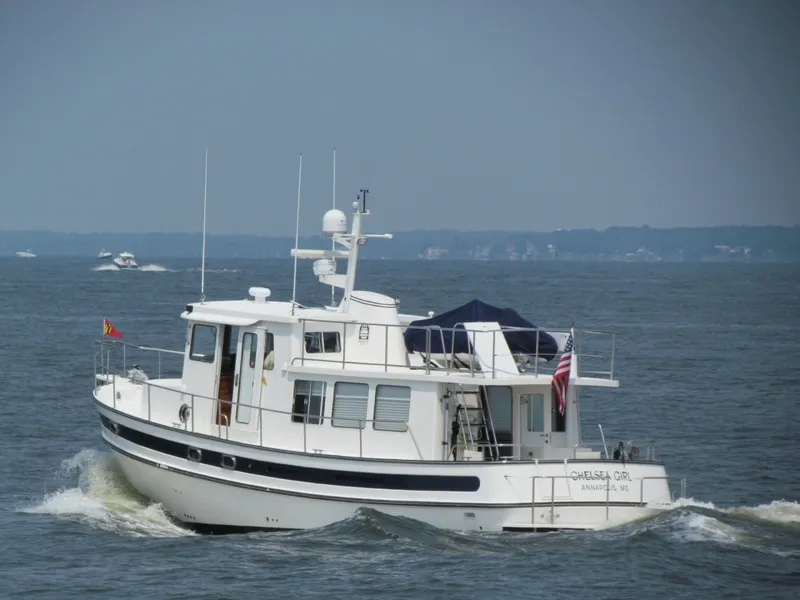
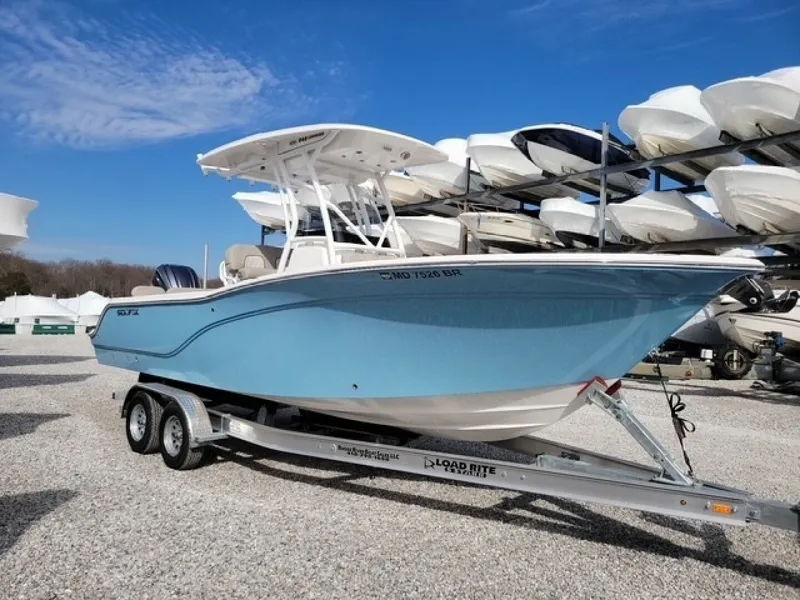
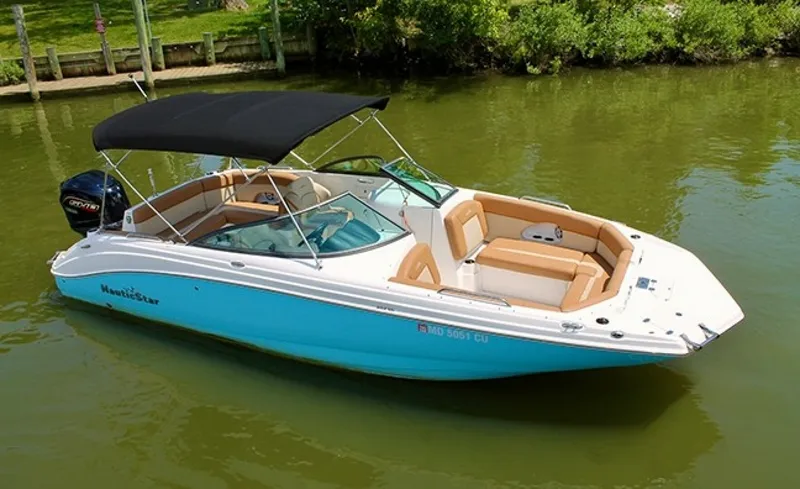
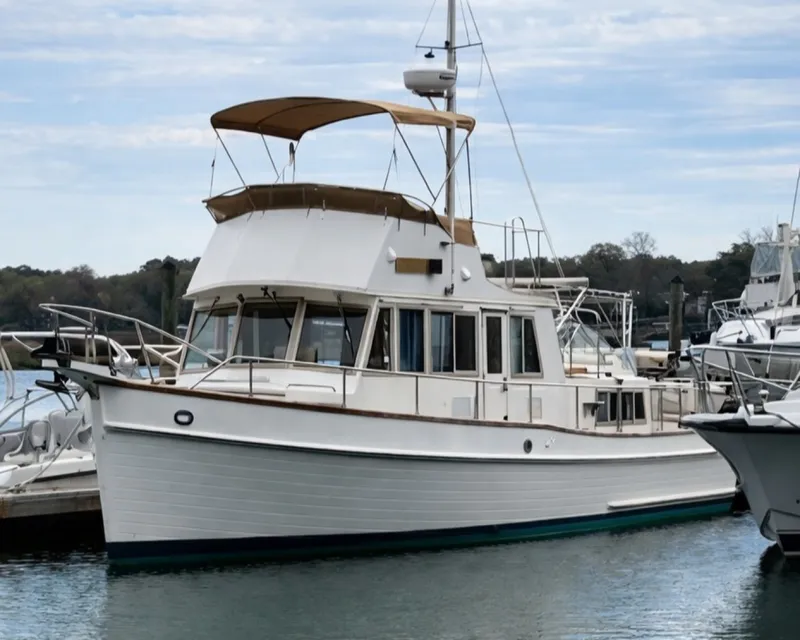
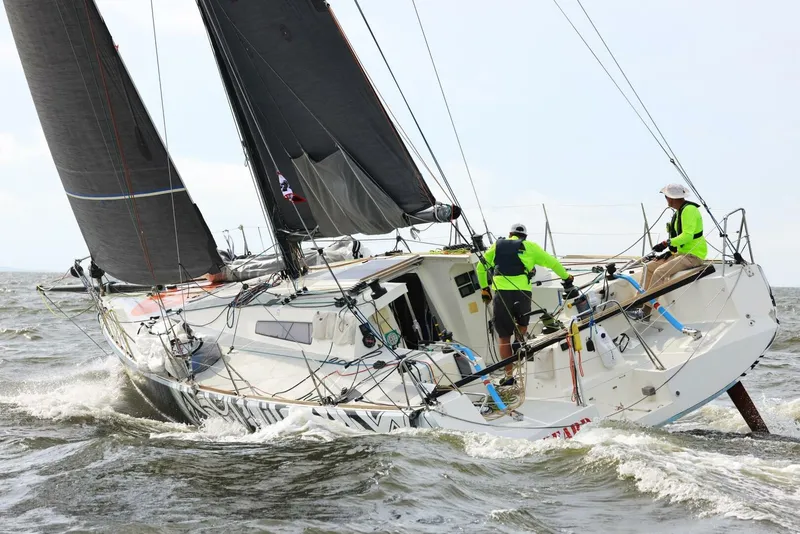
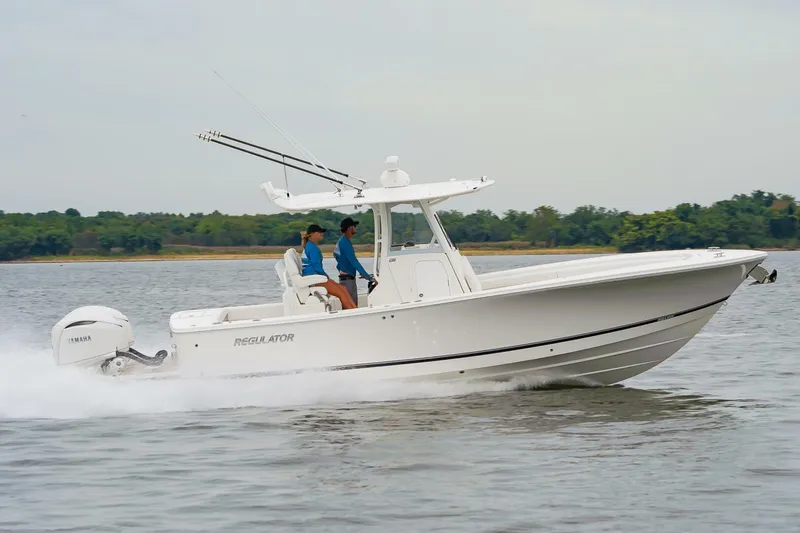
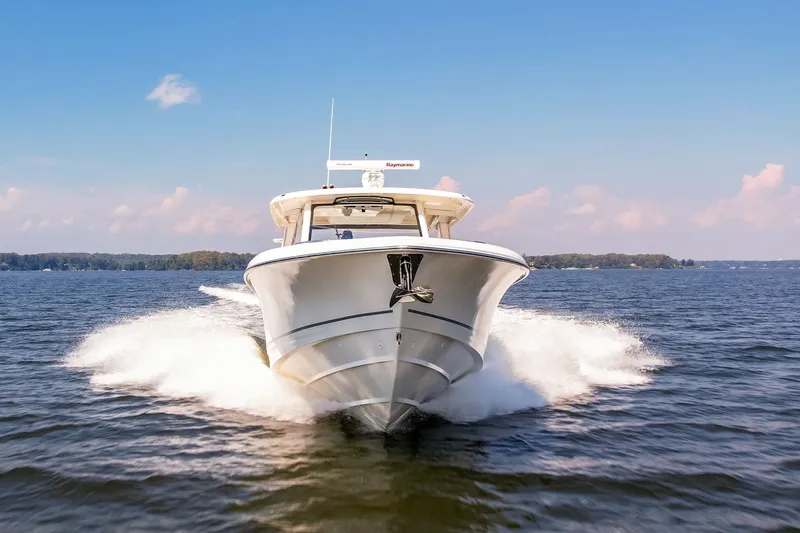
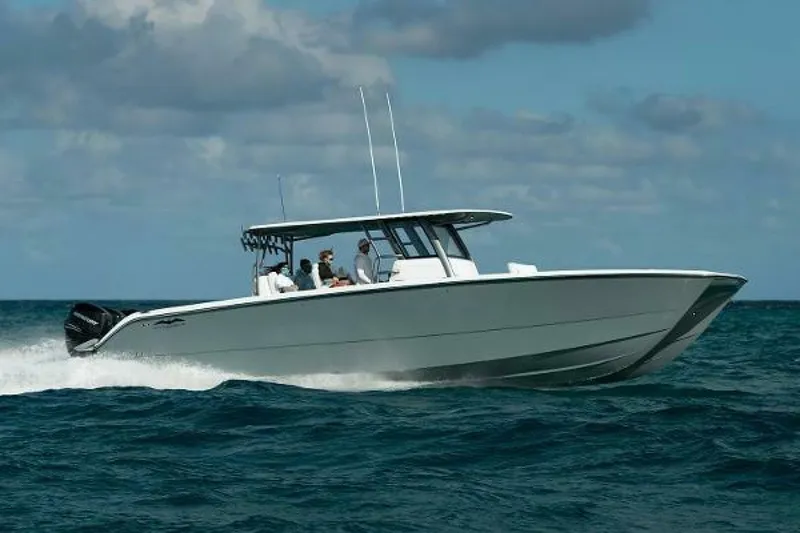
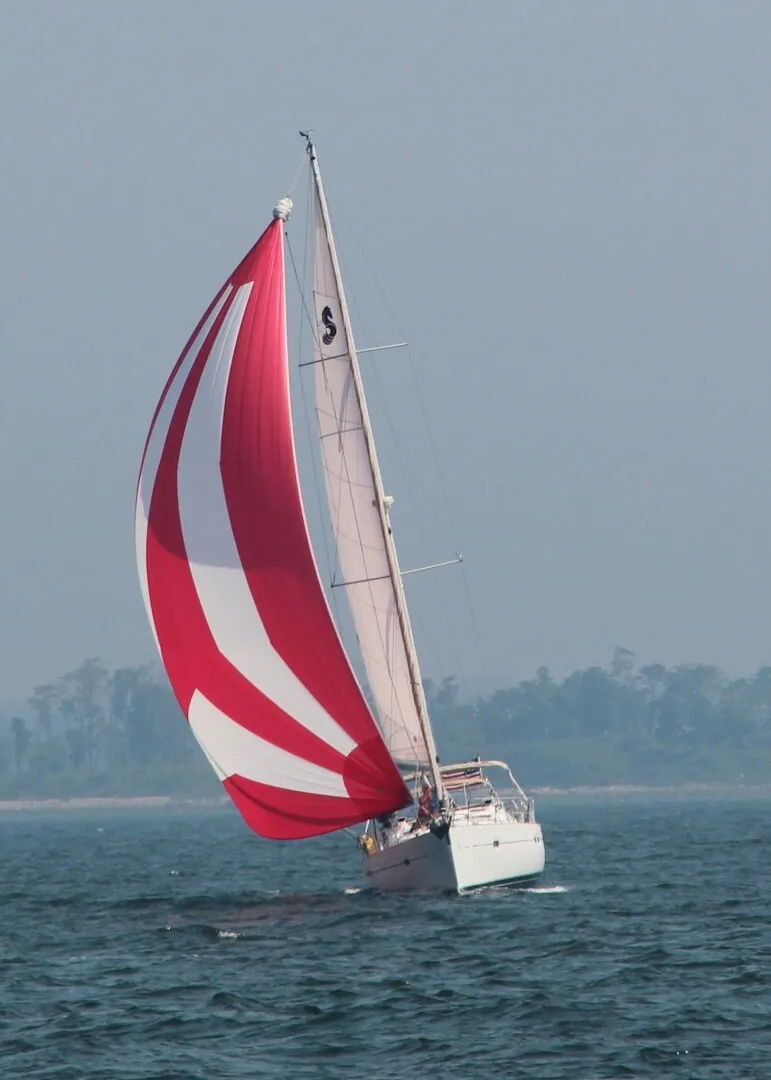
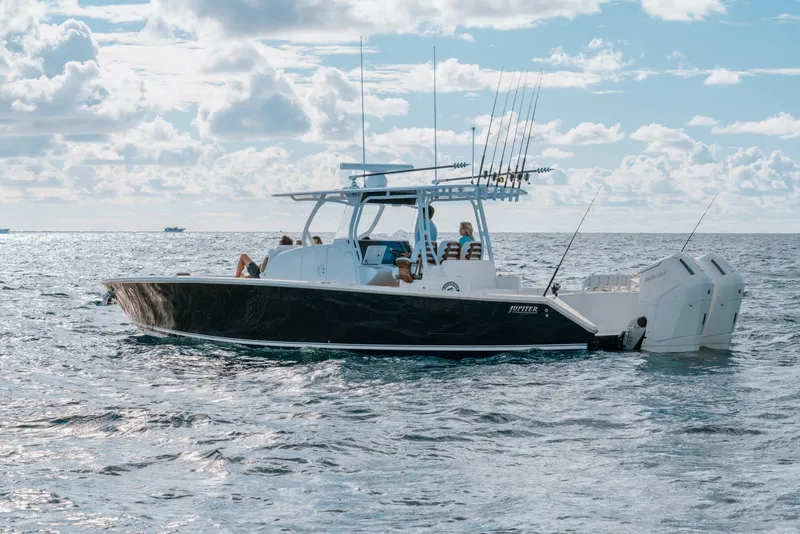
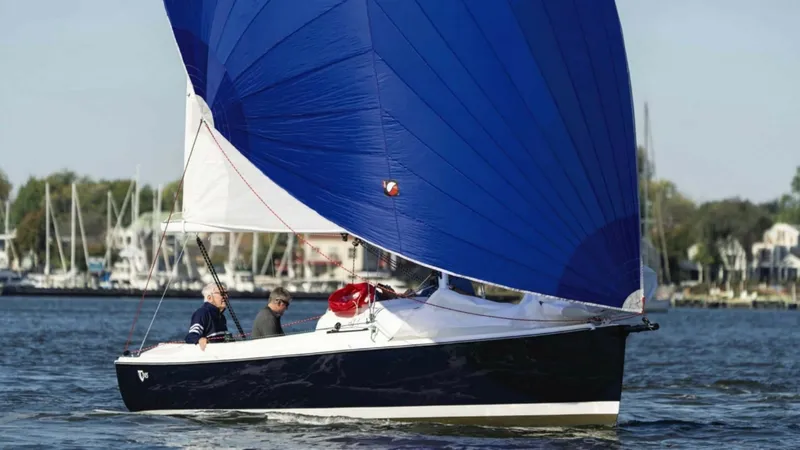
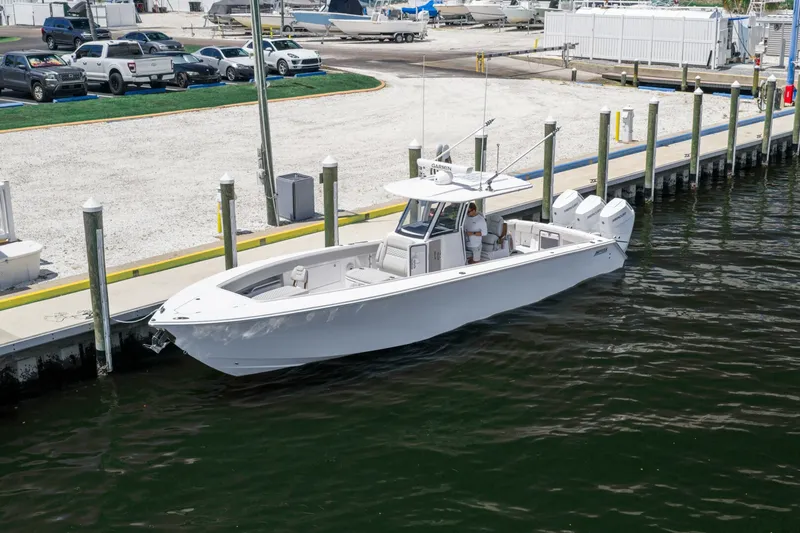
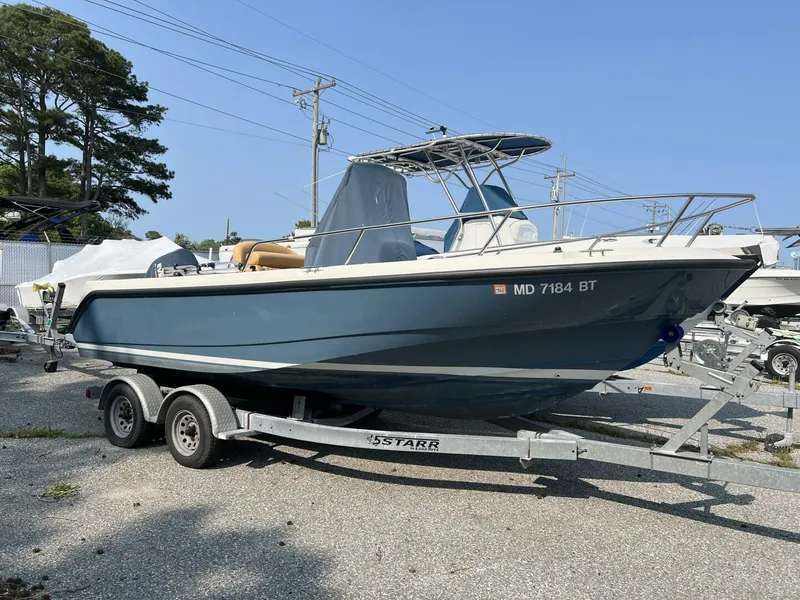
Boating in Annapolis feels like slipping into a town that was literally built around the water. On a typical summer weekend, masts line the skyline, and the Severn River is dotted with everything from small daysailers and center-console fishing boats to serious cruising yachts. Sailboats tack back and forth off the U.S. Naval Academy seawall while powerboats run out toward the Chesapeake Bay for a day trip. The mood on the water is energetic but generally courteous—this is a town full of people who really know their boats.

In the creeks—Spa Creek, Back Creek, and Weems Creek—the vibe slows down. You’ll find liveaboards on moorings, families grilling on swim platforms, and people enjoying quiet evenings at anchor within sight of church steeples and historic brick buildings. An after‑work outing might be as simple as casting off from a slip on Back Creek, motoring 20 minutes into the Severn for a short sail or sunset cruise, then tying up at a waterfront restaurant or grabbing a mooring in Saint Mary’s Cove and dinghying ashore for dinner.

On big event days, boats in Annapolis become part of the show. During Commissioning Week at the Naval Academy, the Blue Angels roar overhead while spectators raft up on the Severn. The Annapolis Spring Boat Show and fall boat shows turn Ego Alley and City Dock into a floating showroom, with tenders shuttling visitors and transient boats squeezed into every available space. Later in the year, the Parade of Lights transforms the harbor into a festive, illuminated fleet. If you prefer quieter scenes, early mornings on the river or shoulder‑season weekends in spring and fall feel much more low‑key, with plenty of room to move and a strong sense of local community among regular boaters.

Costs, logistics, and practical details

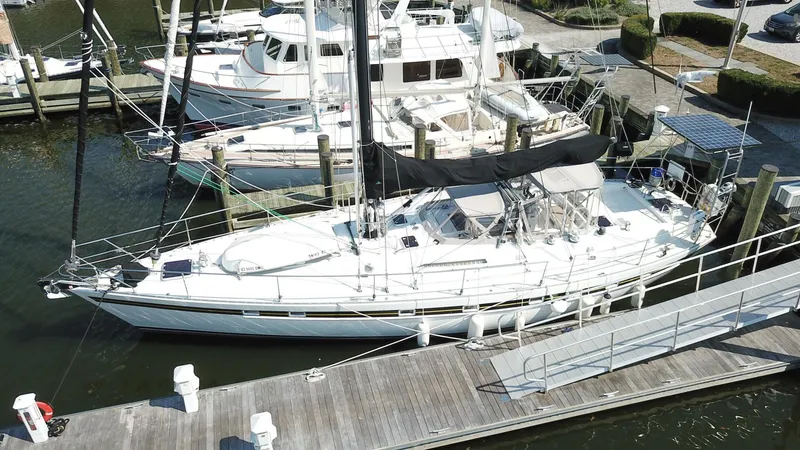
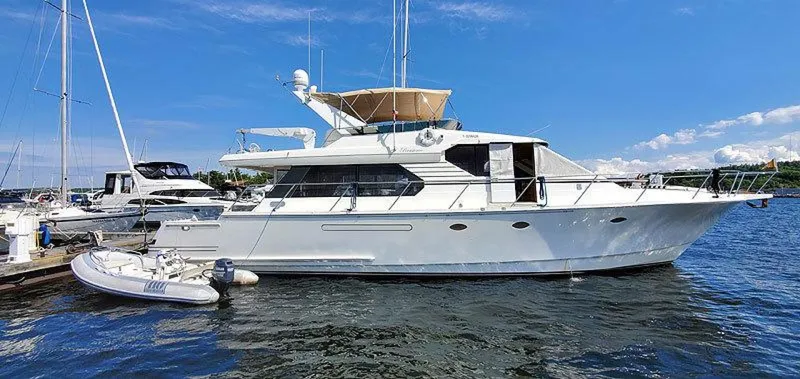
From a practical standpoint, Annapolis has an unusually dense network of marinas, moorings, and support services for a city its size. Slips range from smaller berths for 25‑footers up to spaces that can accommodate 80‑foot yachts and even larger boats along the City’s Town Dock, where alongside dockage serves vessels up to about 250 feet. The overall feel is a mix of upscale and working‑waterfront: Port Annapolis and Annapolis Landing offer resort‑style amenities like pools, bathhouses, Wi‑Fi, and pump‑outs, while some smaller facilities and yards focus on repairs, haul‑outs, and long‑term storage. Availability in peak season can be tight, especially downtown, but transient slips are still obtainable if you book ahead.

Costs reflect Annapolis’s status as a premier Chesapeake destination. Transient slips at private marinas typically run in the ballpark of $2.75 to $3.75 per foot per night depending on boat size and location, with Port Annapolis listing around $3.50/ft (more for catamarans). Downtown at Annapolis Town Dock, rates are roughly $4.00/ft with a 30‑foot minimum, putting an overnight stay around $120 or more before power. City‑operated transient moorings are a more budget‑friendly option, generally $25–$35 per night, which makes them attractive to cruising sailors and cost‑conscious powerboaters willing to use a dinghy.

For longer‑term stays, the City’s annual mooring permits—about $1,200 for residents and $2,000 for non‑residents—offer a relatively economical way to keep a boat in prime water, though key locations maintain waiting lists. Slips for full‑season contracts vary by marina and boat length, but you should expect “premium Chesapeake” pricing rather than bargain rates. Dry storage and trailer boating are possible via nearby ramps and yards, which can substantially reduce monthly costs if you don’t need instant walk‑down access to your boat every day.

Is Annapolis, MD a good place for boating?

Annapolis is widely regarded as one of the best boating towns on the U.S. East Coast, and the day‑to‑day experience largely supports that reputation. The combination of a scenic, protected river; quick access to the open Chesapeake Bay; and a dense network of marinas, moorings, and services makes it an unusually convenient place to keep or visit with a boat. From sailboat racing and long‑range cruising to casual weekend family outings, the water here stays active and engaging throughout the main season. The strong culture around boats in Annapolis—anchored by the Naval Academy, boat shows, and a long maritime history—adds a sense of identity you don’t get everywhere.

You will love boating here if:

  • You value a vibrant, year‑round boating culture with a heavy emphasis on sailing, racing, and well‑maintained boats in Annapolis and on the Chesapeake Bay.
  • You want the convenience of multiple marinas, transient moorings, and full‑service yards all within a short cruise, making maintenance, fuel, and supplies easy to arrange.
  • You enjoy mixing on‑the‑water time with walkable, historic‑town experiences—being able to tie up downtown and immediately access restaurants, shops, and events.

You might find it challenging if:

  • You’re seeking rock‑bottom costs for keeping a boat; Annapolis’s slip and transient rates are higher than many smaller Chesapeake towns and inland lakes.
  • You dislike busy waterways, frequent regattas, and heavy weekend boat traffic—especially around City Dock, Ego Alley, and the Severn River on summer afternoons.
  • You strongly prefer a laid‑back sandbar and watersports scene over sailing, cruising, and harbor‑town culture; Annapolis is more about harbors and moorings than party sandbars.

If you’re drawn to a lively, sailor‑friendly harbor with solid infrastructure, abundant transient options, and the ability to step off your boat right into a historic downtown, Annapolis is an excellent choice—worth adding to your boating bucket list or seriously considering as a home port. Just be prepared for premium pricing, busy peak‑season traffic, and a defined warm‑weather boating season. For many boaters, especially those who love sailing, cruising, and the energy of an active waterfront, those trade‑offs are more than worth it, making Annapolis a standout place to experience the best of Chesapeake Bay boating.

Be the First to Know

Get notified when new boats become available.

Logo