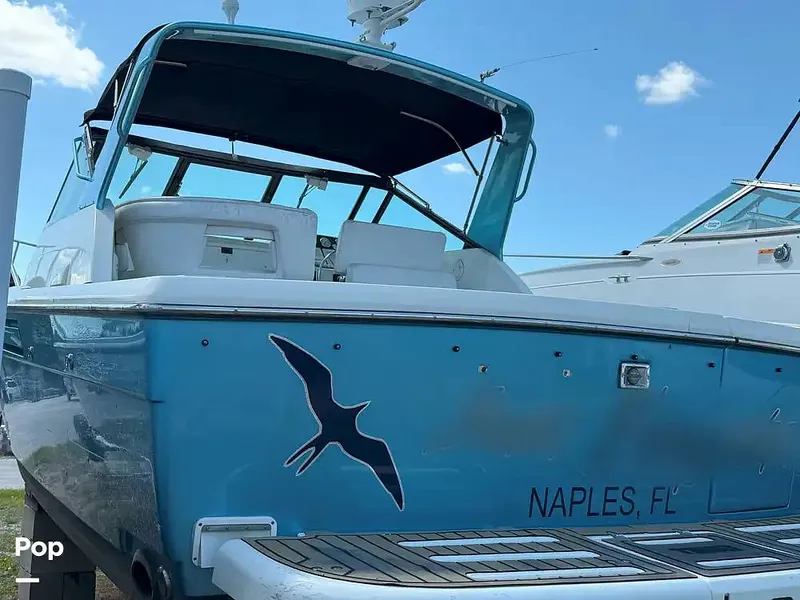
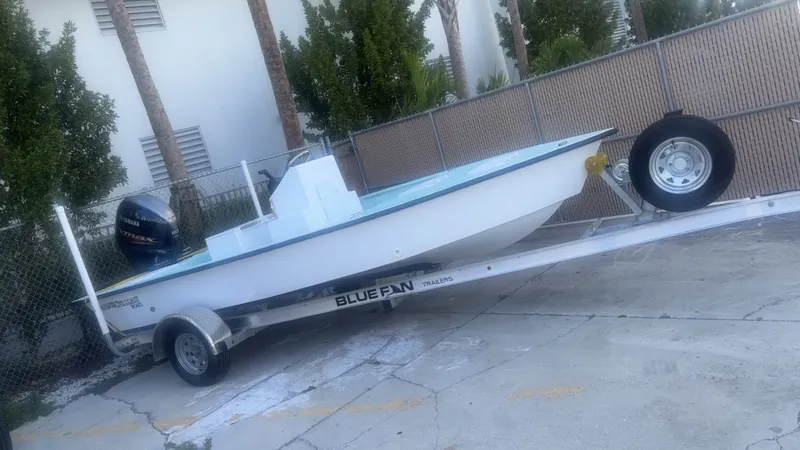
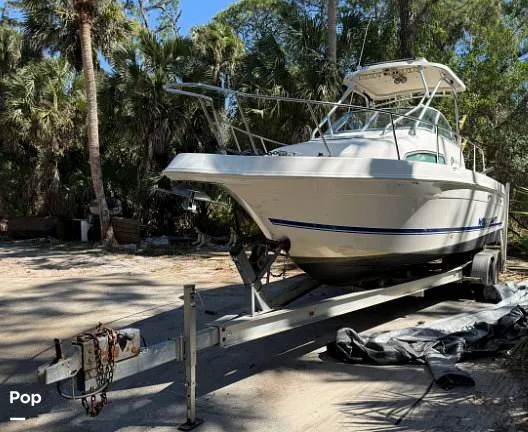
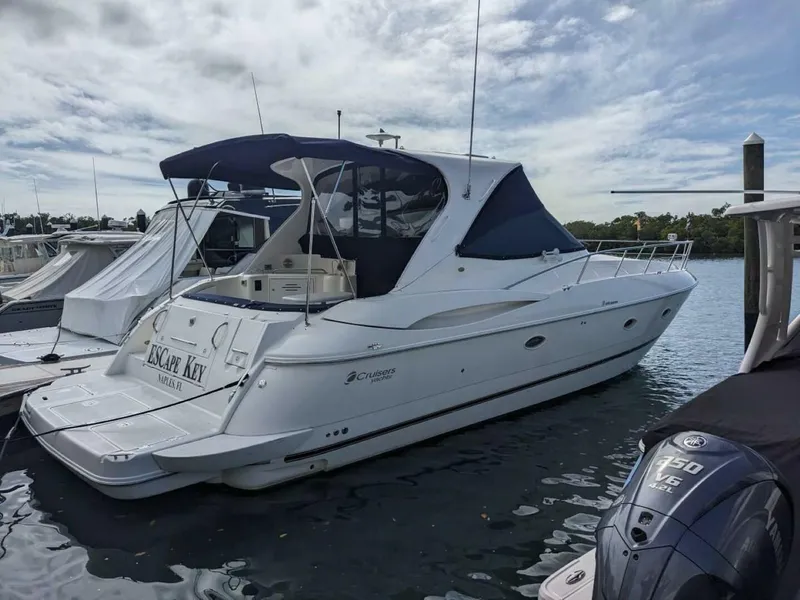
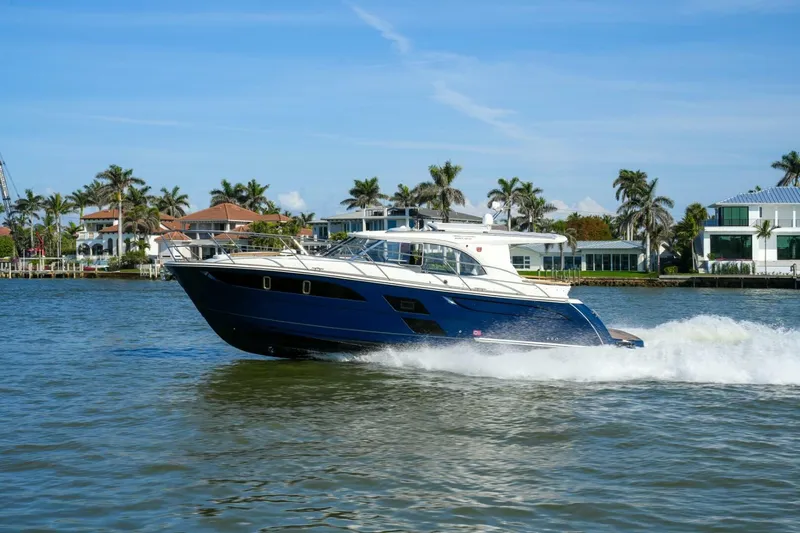
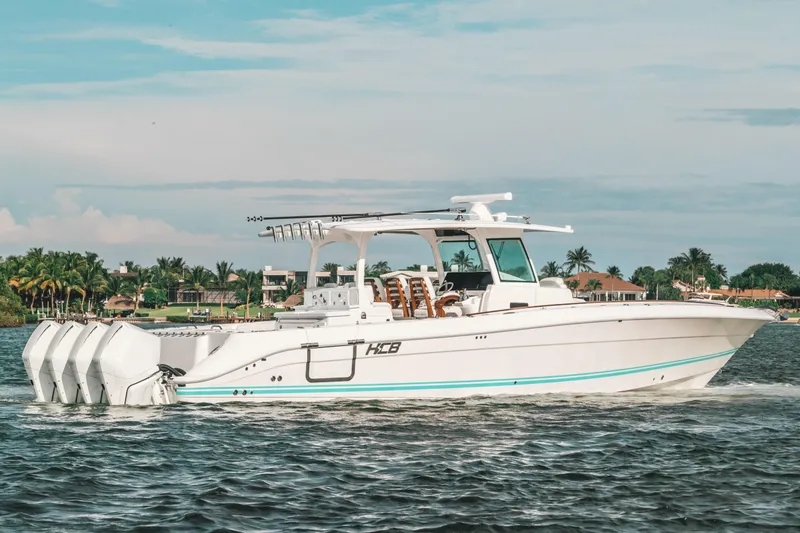
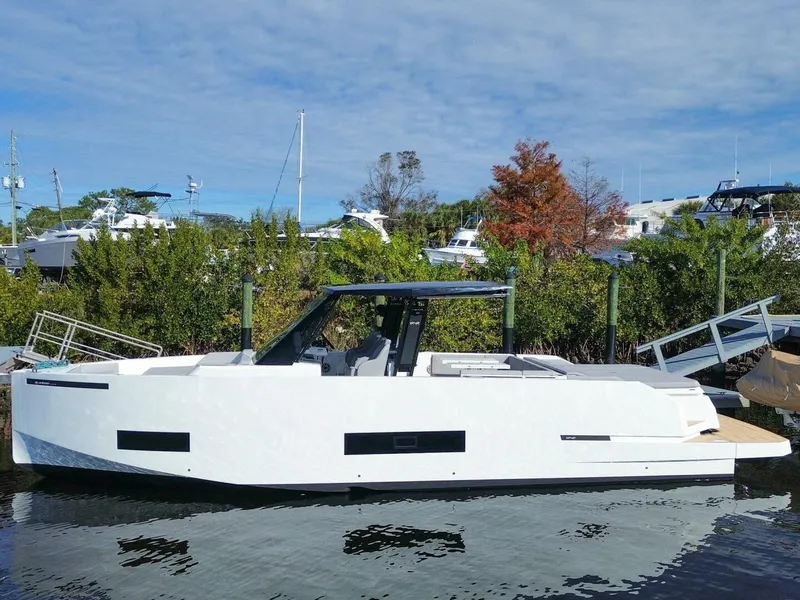
Naples

Filters

Filters

Boat Type

Condition

Searching boats for you...

Boating · Destinations

Is Naples, FL a Good Place for Boating?


Written by: MarineSource.com Team | Estimated read time: 9 min read


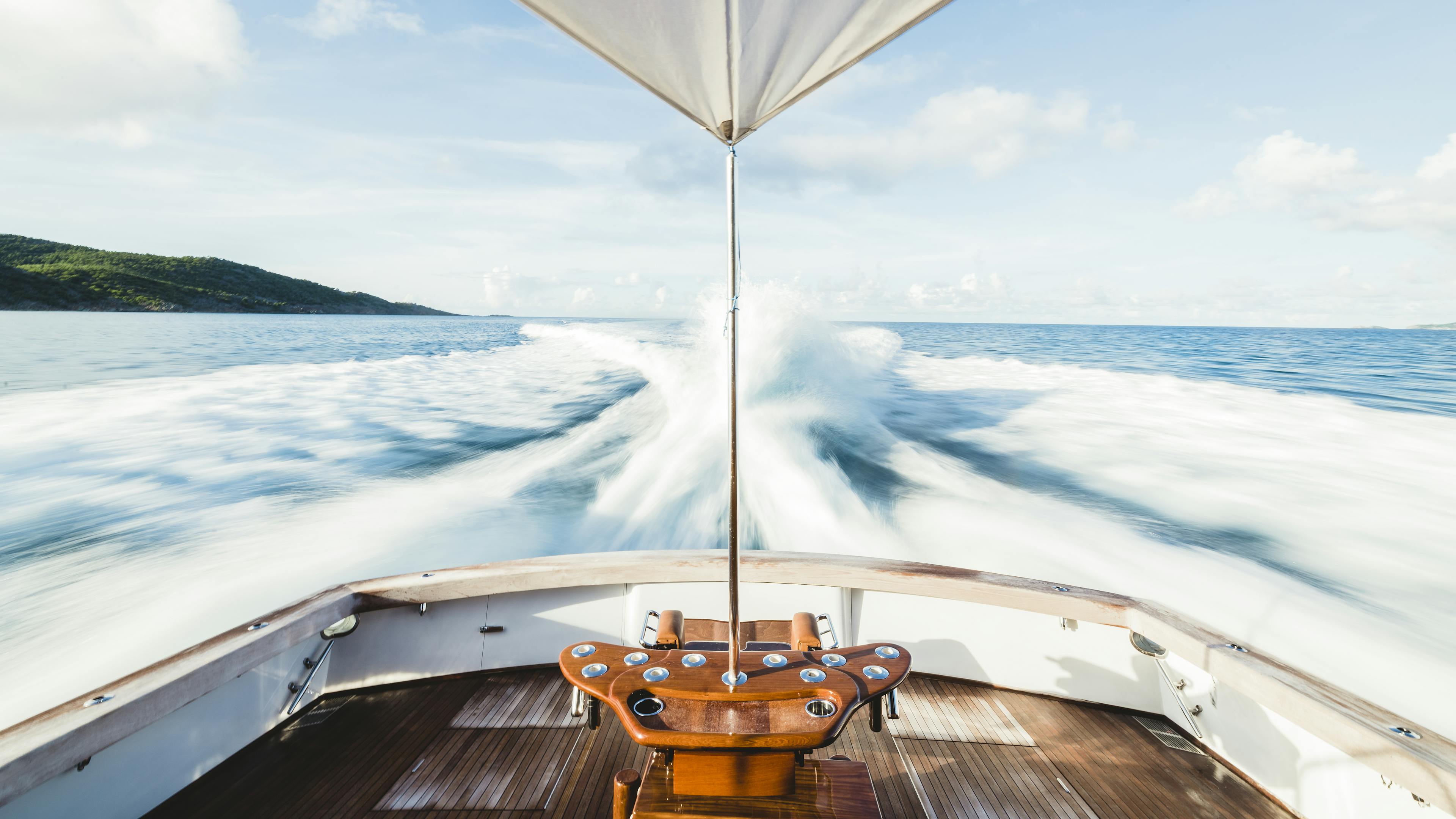
Naples, Florida sits along the soft curve of the Gulf of Mexico, where emerald shallows fade into deep blue water and mangrove islands guard the shoreline. On calm mornings, Naples Bay looks almost glassy, broken only by the wake of early anglers heading out through Gordon Pass toward the open Gulf. In the distance, white-sand beaches like Delnor-Wiggins Pass State Park and Clam Pass glint in the sun, inviting boaters to drop anchor and stay awhile.

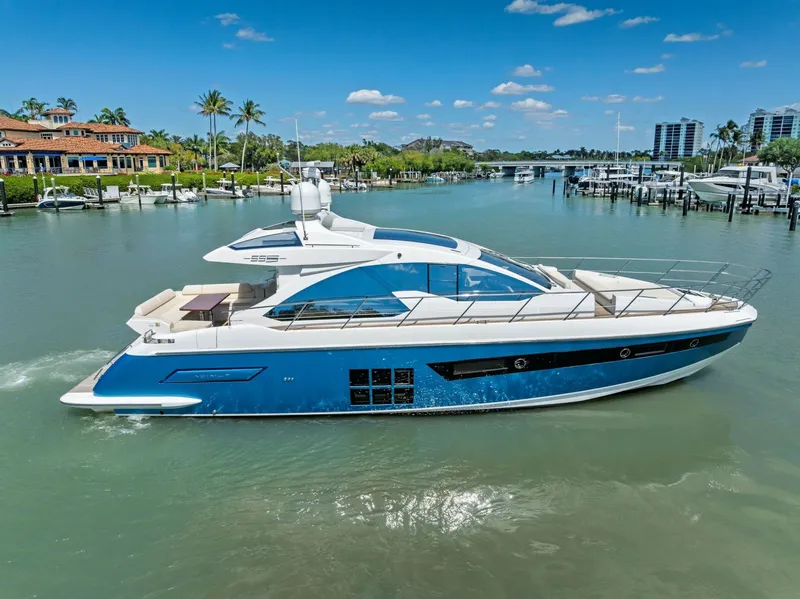
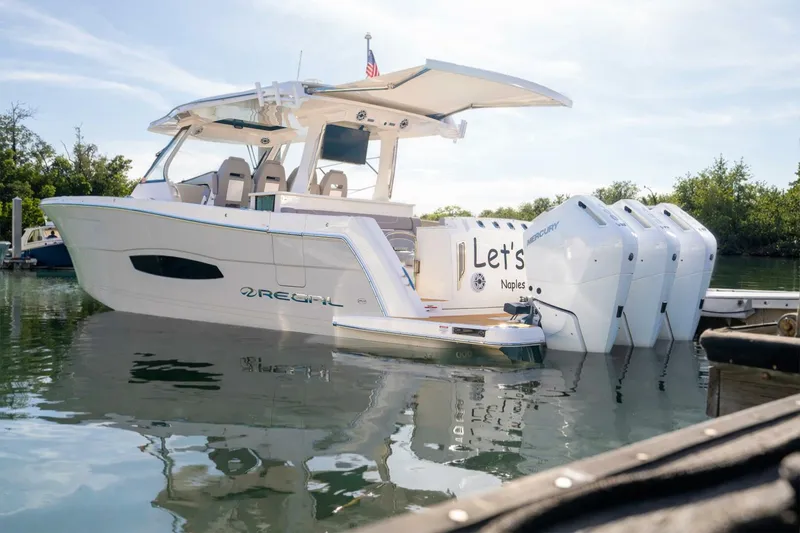
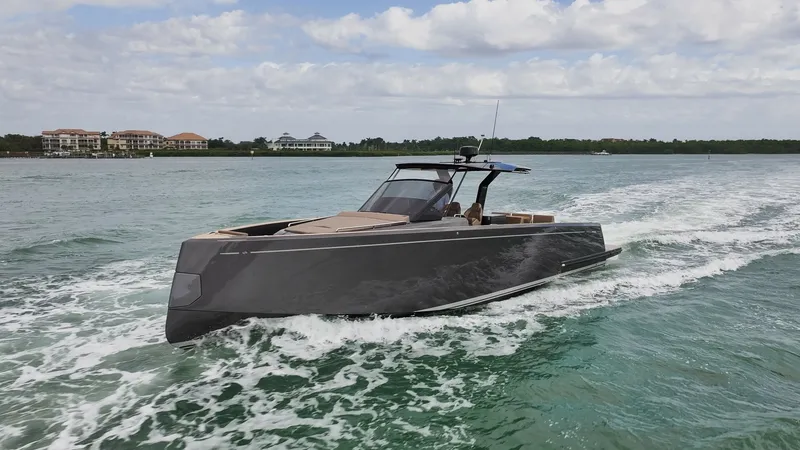
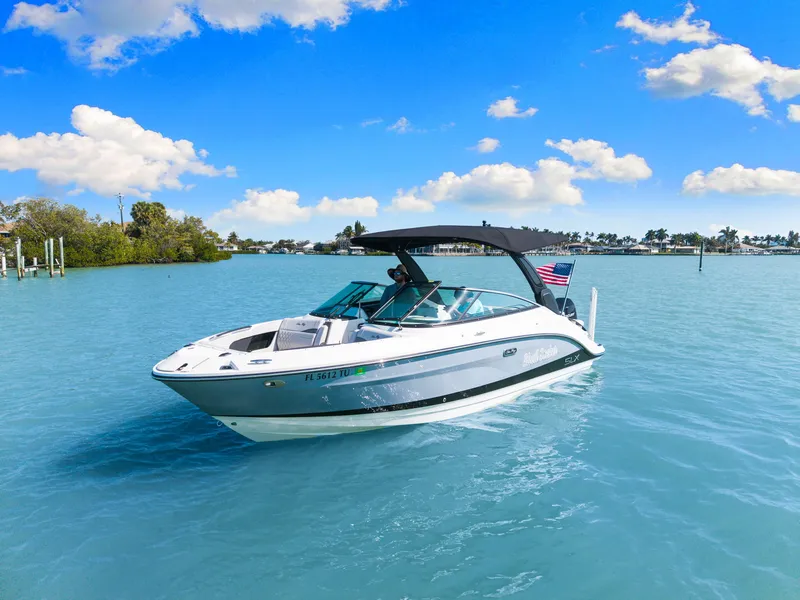
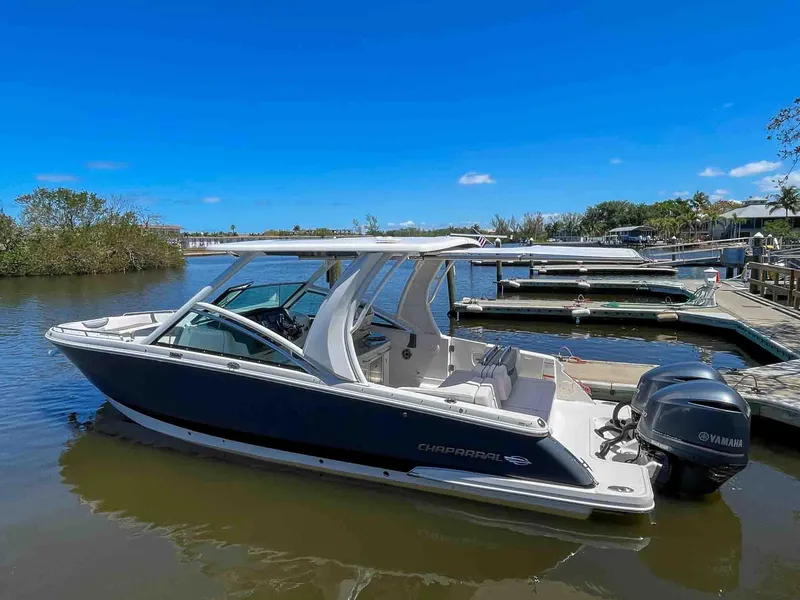
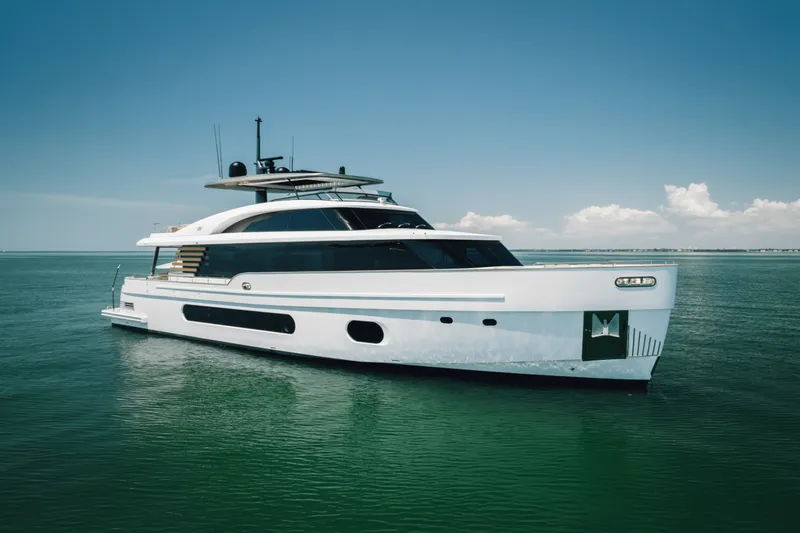
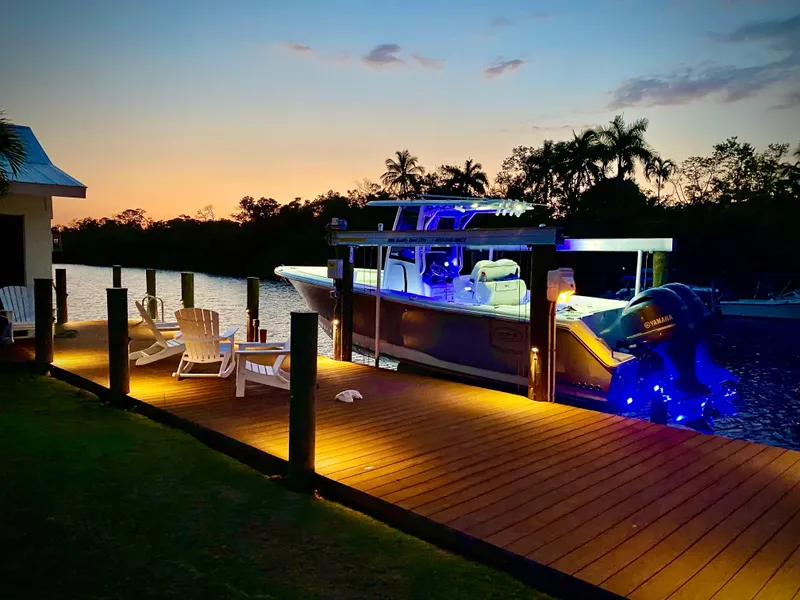
Life on the water is woven into the city itself. Roughly a quarter of Naples is water, and much of the community is built around canals, bays, and waterfront neighborhoods. From center consoles and pontoon rentals at PORT 32 Naples to sleek yachts at Naples Bay Resort & Marina and Olde Naples Seaport, boats in Naples range from easygoing family cruisers to serious fishing machines. Waterfront restaurants cluster near Naples City Dock and Crayton Cove, where you can pull in for lunch and be walking distance from downtown’s 5th Avenue.

For boaters, the appeal is obvious: year-round warm weather, a network of sheltered backwaters, and quick access to Gulf islands like Keewaydin Island, Cape Romano, and Kice Island. A strong boating culture shows up in events like the Naples Boat Show, long-established yacht clubs, and a steady hum of activity at marinas and launch ramps nearly every day of the year.

But as with any popular boating destination, there are trade-offs. Shallow channels, strict no-wake and manatee zones, seasonal storms, and the high cost of slips and fuel all shape what it’s like to actually own and use a boat here. If you’re wondering whether Naples is truly a good place for boating—or if searching for “boats in Naples” is about to turn into a big lifestyle change—it helps to weigh the biggest pros and cons before you commit.

Pros of boating in Naples, FL

1. Year-round boating weather on the Gulf

Naples offers one of the most reliably boat-friendly climates in the continental U.S. Thanks to its tropical location on Florida’s southwest coast, you can get on the water in every month of the year. The hot, wet season from May to October brings steamy afternoons and frequent thunderstorms, but mornings can be calm and glassy for fishing or island-hopping. The dry season from November to April is especially pleasant, with highs in the 70s and low 80s, less humidity, and plenty of clear, calm days that are ideal for longer trips offshore.

For anyone who wants a boat they can actually use more than a few months a year, this climate is a major advantage. Instead of winterizing, most owners in Naples focus on summer storm prep and routine maintenance, which means more time enjoying the water and less time in storage.

2. Easy access to diverse waterways and islands

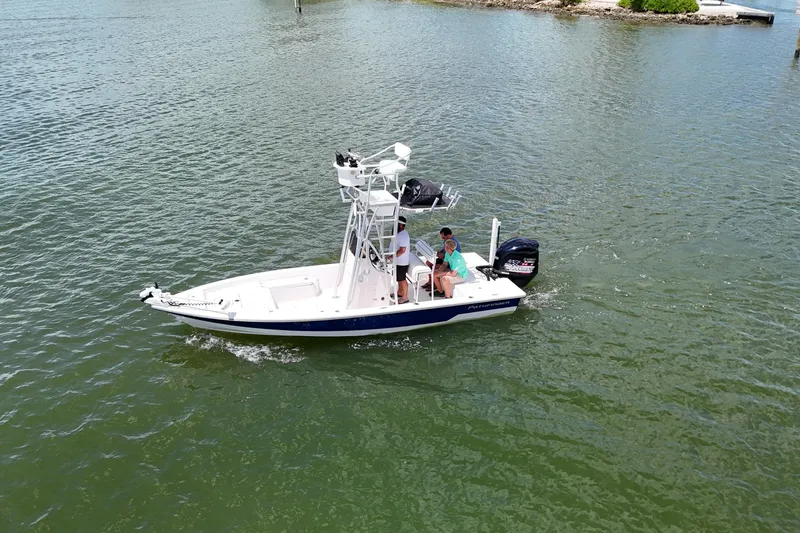
Naples Bay itself is a sheltered estuary, stretching from the city’s waterfront neighborhoods to Gordon Pass and the Gulf of Mexico. Depths range from roughly 1 to 23 feet, so many areas are calm and protected—excellent for smaller powerboats, pontoons, and rentals. From Naples Bay, you can head through Gordon Pass straight into the Gulf or turn south toward the maze of mangrove-lined islands and backwaters that define the Paradise Coast.

Popular day-trip destinations include Keewaydin Island with its long stretches of undeveloped beach, Kice Island and Cape Romano for shelling and exploring, and shallow alcoves near Gordon Pass that are great for dropping the hook to swim or snorkel. The combination of bay, river (via the Gordon River and canal system), and Gulf access means you can mix laid-back cruising, beach days, and longer coastal runs without needing to trailer your boat elsewhere.

3. Strong boating culture and full-service marinas

For a relatively small city, Naples has an impressive boating infrastructure. Naples City Dock in Crayton Cove is a full-service hub with fuel (non-ethanol gas and diesel), pump-outs—including 24/7 self-serve pump-out—ice, bait, and transient dockage. VHF Channel 16 is monitored there, and the surrounding neighborhood offers a classic dock-and-dine feel with restaurants, shops, and services within a short walk.

Naples Bay Resort & Marina and Olde Naples Seaport Yacht Association cater to cruisers and yacht owners with transient slips, shore power, pump-outs, showers, and easy access to downtown. Facilities like Beacon House Marina provide annual slip leases, and PORT 32 Naples adds valet storage and rentals for those who prefer not to own. Layer in private clubs like the Naples Yacht Club and Naples Sailing & Yacht Club, and you get a boating scene that feels active, social, and well-supported for both locals and visitors.

4. Convenient boat rentals and valet options

If you’re not ready to buy or bring your own vessel, Naples makes it relatively easy to get on the water. PORT 32 Naples offers center consoles, bowriders, and pontoon boats for rent—often accommodating up to 12 people—so visitors or occasional boaters can explore Naples Bay and the nearby Gulf without the long-term commitment. Many marinas, including Naples City Dock, also see a steady flow of captained charters for fishing, sunset cruises, and shelling trips.

Valet and dry storage options mean you don’t necessarily need a waterfront home or a trailer. With services that handle fueling, rinsing, and storage for you, it’s possible to keep a boat ready-to-go while minimizing some of the hassle of ownership. This flexibility is a big plus for seasonal residents and part-time locals who still want that on-demand boating lifestyle.

5. Scenic surroundings and nearby beaches by boat

Part of what makes boats in Naples so appealing is how beautiful the surroundings are once you’re underway. The shoreline mixes upscale waterfront homes with mangrove-fringed coves, and wildlife sightings—dolphins riding the bow wake, manatees easing along in idle-speed zones, and seabirds working the flats—are common.

Within easy reach of most marinas, you’ll find several standout beaches. Delnor-Wiggins Pass State Park, Clam Pass, Vanderbilt Beach, and Lowdermilk Beach Park are all accessible areas for anchoring nearby or coordinating a day that combines boating with beach time. Sandbars and shallow shelves around Gordon Pass are known local gathering spots on fair-weather weekends, where families float off the transom, toss a Frisbee in ankle-deep water, and linger to watch the sun sink into the Gulf.

Cons of boating in Naples, FL

1. High costs for slips, storage, and fuel

Naples is a premium market, and boating costs reflect that. Transient dockage at Naples City Dock runs around $3.25 per foot per night, while Naples Bay Resort & Marina can range from $4.00 to $6.00 per foot per night depending on where you’re staying. Annual slip leases at places like Beacon House Marina are in the thousands of dollars per year, with a 16 × 40-foot slip priced in the neighborhood of $7,500 annually.

Fuel isn’t cheap either; recent posted prices show diesel in the mid-$4-per-gallon range and non-ethanol 90-octane gas over $5 per gallon. When you layer in insurance, maintenance, and any storage or valet services, the total cost of keeping a boat in Naples can be substantial, especially for larger vessels.

  • The Silver Lining: Smaller, fuel-efficient boats, shared ownership, or regular rentals can soften the financial blow. Many owners keep their boats on trailers or in dry storage further inland, using marinas like PORT 32 Naples for occasional launch and valet. If you’re flexible about boat size and slip location, you can still enjoy the Naples boating lifestyle without top-tier marina pricing.

2. Shallow waters, tides, and navigation quirks

The same shallow, estuarine character that makes Naples Bay feel sheltered also creates challenges for navigation. Depths vary from about 1 to 23 feet, and channels into marinas and around Gordon Pass can shift with storms and shoaling. Even with a typical tidal range of only a few feet—high tides around 3.2 to 3.5 feet and lows near 0.5 to 1 foot—those swings matter in skinny water. Running outside marked channels or across seagrass beds can lead to grounding or prop damage.

Larger, deep-draft yachts have to be especially cautious and may be limited in where they can go inside the bay. First-time visitors often find the maze of canals, mangrove cuts, and no-wake zones a bit confusing until they’ve spent time with charts and local knowledge.

  • The Silver Lining: Good charts, up-to-date GPS, and a careful eye on markers go a long way. Many boaters choose bay-friendly boats—such as center consoles and pontoons with modest draft—and plan their routes around the tide. Local guides and captained charters are a smart way to learn the area before running it solo, especially around Gordon Pass and the shallower backwaters.

3. Crowds, no-wake zones, and speed restrictions

Because boating is so popular and much of the waterfront is relatively narrow, you’ll encounter plenty of speed and wake restrictions in Naples. Long stretches of Naples Bay and the Gordon River are marked “Idle Speed–No Wake,” and manatee protection zones further limit speeds in certain seasons or areas. On busy weekends and during the peak dry season, traffic can slow to a crawl as boats queue through choke points or idle past waterfront neighborhoods.

This isn’t the ideal setup if you dream of wide-open throttle all afternoon. Waterskiing, wakeboarding, and fast cruising are possible, but they’re constrained to appropriate areas and times, and you’ll need to know where higher-speed operation is both legal and courteous.

  • The Silver Lining: The upside of strict speed and wake rules is a calmer, more predictable on-water environment, especially for families, paddlers, and smaller craft. If you want to go faster or seek more open space, heading out through Gordon Pass into the Gulf or cruising south to quieter stretches of coastline can quickly give you more room to run.

4. Storms, heat, and hurricane-season risks

While Naples enjoys enviable year-round boating weather, summer can be intense. From May through October, high temperatures often reach the low 90s, humidity is high, and afternoon thunderstorms are common. Lightning, sudden squalls, and reduced visibility can make mid-day outings less comfortable or even hazardous.

There’s also the broader reality of living and boating on a hurricane-prone coast. Strong tropical storms and hurricanes are a recurring risk, which means that boaters need solid plans for haul-outs, extra lines, insurance coverage, and storm-season precautions every year.

  • The Silver Lining: Most locals adapt by shifting their boating schedule—early mornings and shoulder hours in summer, and all-day outings in the milder dry season from November to April. Many marinas have storm-prep protocols and can assist with securing or hauling boats when a system is approaching. If you pay attention to forecasts and build a realistic storm plan into your boating routine, you can still take full advantage of Naples’ long season on the water.

5. Environmental rules and responsibilities

Naples’ waterways are biologically rich and heavily protected. Manatee zones, seagrass beds, and other sensitive habitats mean boaters face an added layer of responsibility. You’ll need to watch for posted manatee and idle-speed signs, avoid running through shallow grass flats, and comply with no-discharge and pump-out rules. For some professional operators or higher-speed activities in protected areas, special permits may apply.

While these regulations may feel restrictive at times—especially to newcomers eager to explore—they exist to protect the very wildlife and water quality that make boats in Naples so attractive in the first place.

  • The Silver Lining: Once you’re familiar with the rules, they become part of the rhythm of boating here. Free pump-out at Naples City Dock and clear signage throughout the bay make compliance more convenient, and many local captains are happy to share best practices. By embracing a low-impact approach, you help preserve the manatees, seagrass, and clear water that keep Naples such a standout boating destination.

What boating in Naples, FL is really like

Boating in Naples feels like slipping into a relaxed, sun‑soaked routine where the water is part of daily life rather than a special occasion. Most trips start by idling out through the “No Wake” zones of Naples Bay or the Gordon River, with mangroves on one side and pastel waterfront homes on the other. You’ll see a steady flow of center consoles, bowriders, and pontoons—many of them rentals—headed for the Gulf through Gordon Pass, mixed with a few polished cruising yachts coming in from longer runs. Even on a simple ride, dolphins riding the bow wave and the chance of spotting manatees in the shallows are common enough that locals almost take them for granted.
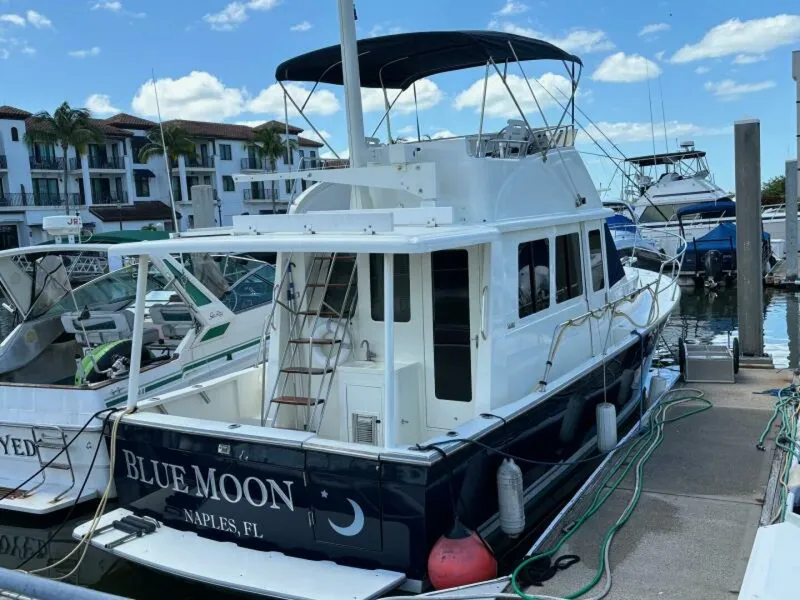
On a typical weekend, families load coolers and beach chairs for a day at Keewaydin Island or one of the nearby sandbars. The run down the coast is usually calm in the morning, and the routine is predictable: anchor in the lee of the island, wade ashore with the kids, and alternate between shelling, swimming, and hanging in the cockpit under the bimini. The vibe is social but not wild—more floating neighborhoods than hard‑charging party scene—with boaters tossing a casual line ashore, setting up shade tents on the beach, and wandering between friends’ boats to chat. Farther offshore, more serious anglers head toward reefs and wrecks in the Gulf, while smaller skiffs work the back‑bay creeks for inshore species.

The waterfront around Naples City Dock and Olde Naples Seaport has a distinctly polished, resort‑town feel. An after‑work cruise might be nothing more than a sunset loop down Naples Bay, followed by tying up at a marina and walking to 5th Avenue or a Crayton Cove restaurant for dinner. During events like the Naples Boat Show, the scene amps up: docks lined with new models, brokers and vendors chatting with visitors, and transient slips packed with visiting cruisers. Yet even then, the overall tone is orderly and upscale rather than rowdy—this is more classic Gulf Coast elegance than high‑octane spring‑break sandbar culture.
Costs, logistics, and practical details

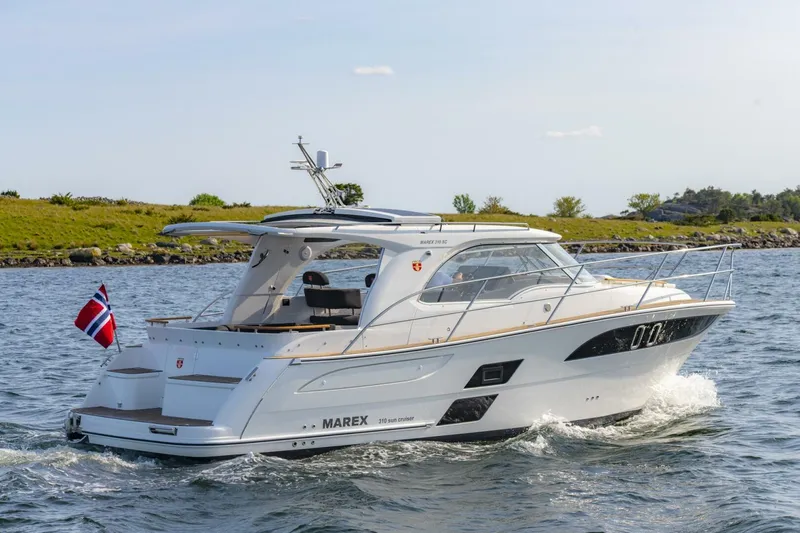
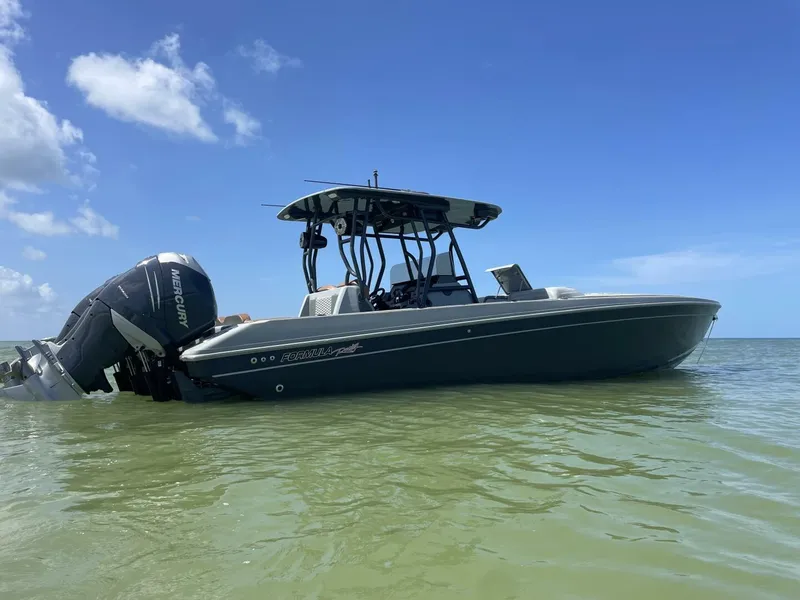
From a practical standpoint, Naples is well set up for boaters who are willing to pay premium coastal‑Florida prices. Naples City Dock serves as the public hub, with transient slips around $3.25 per foot per night and mooring balls near $20 per night, plus optional shore power at modest nightly rates. It offers the essentials—non‑ethanol gas, diesel, ice, bait, and 24/7 pump‑out—making it a reliable stop for both day‑boaters and cruisers headed along the Southwest Florida coast. Depths in the approaches are workable for most moderate‑draft boats, but the bay itself is shallow enough that large, deep‑draft yachts have to pick their paths carefully.
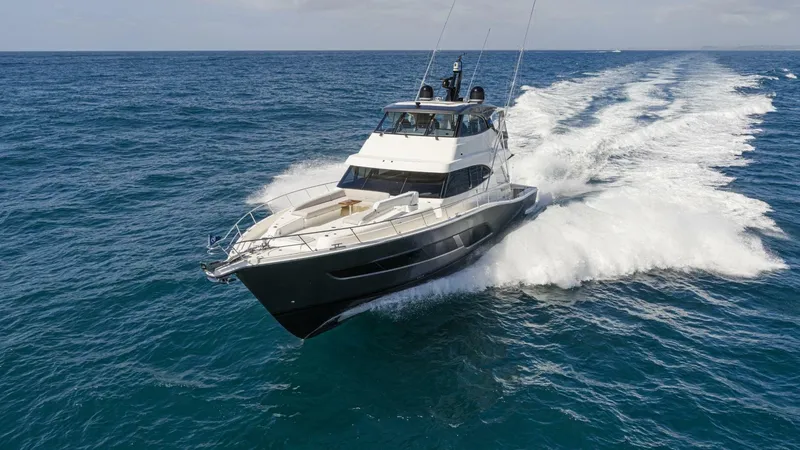
Private marinas and resorts tend to skew upscale. Naples Bay Resort & Marina, with direct Gulf access and no fixed bridges, caters to larger and higher‑end boats, with transient rates that can climb to $4–$6 per foot per night depending on whether you’re staying ashore or aboard. Smaller marinas like Olde Naples Seaport and Beacon House Marina offer a mix of annual leases and shorter‑term options, with annual slip prices often running into the mid‑four to low‑five figures per year for typical 30–40 foot boats. Availability, especially for annual wet slips, can be tight in peak season, and waitlists are common, so planning ahead is important if you want to keep a boat here full time.

For boaters who prefer not to own slips, valet and dry‑storage options such as PORT 32 Naples help bridge the gap. You can keep your boat inside or in racks, call ahead for launch, and have the staff handle fueling and washdowns—particularly appealing in a hot, sunny climate where UV and storms are constant concerns. Trailer‑boaters do have access to public ramps in the broader Collier County area, but in town you should expect the usual Southwest Florida pattern: busy ramps on nice weekends, parking that fills early, and strict enforcement of no‑wake and manatee zones as you idle out. Marine services—from repair yards and detailers to charter operators and rentals—are well represented, but like slips and fuel (with regular gas often over $5 per gallon), they sit in the higher-cost tier that matches Naples’ overall affluence.

Is Naples, FL a good place for boating?

As a place for boating, Naples scores very highly for people who prioritize comfort, scenery, and ease of use over rock‑bottom costs or wide‑open, high‑speed waters. The combination of sheltered Naples Bay, direct Gulf access via Gordon Pass, and short‑hop destinations like Keewaydin Island, Kice Island, and Cape Romano creates an excellent playground for small and midsize powerboats. Add in year‑round warm weather, a full suite of marina services, and a refined waterfront culture centered on locations like Naples City Dock and Naples Bay Resort, and it’s easy to see why boats in Naples are such a normal part of the local lifestyle. The trade‑offs are real—shallow areas that constrain larger vessels, carefully enforced no‑wake and manatee zones, and premium pricing for slips and fuel—but for many boaters that’s a fair exchange for a safe, relaxed, and beautiful cruising ground.

You will love boating here if:

  • You value year‑round boating with warm weather and easy access from calm back‑bay waters to open Gulf cruising via Gordon Pass.
  • You enjoy an upscale, resort‑style marina environment with well‑kept docks, waterfront dining, and a polished social scene rather than a rough‑and‑tumble working waterfront.
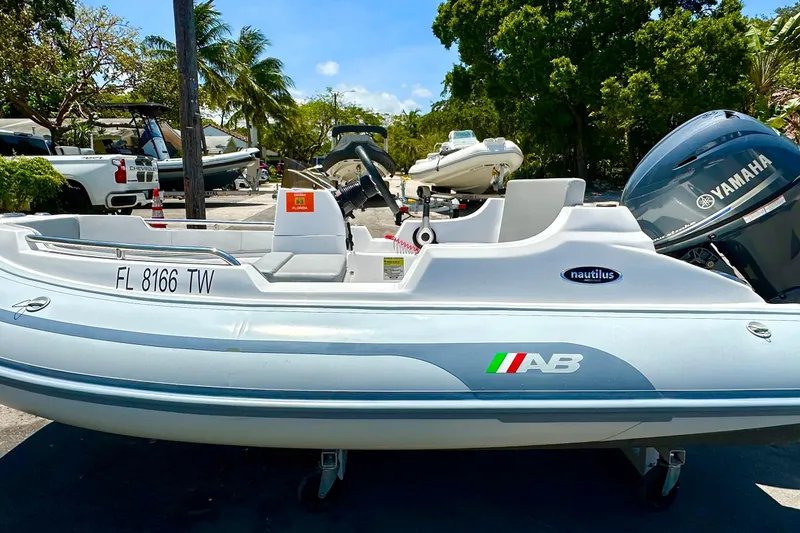
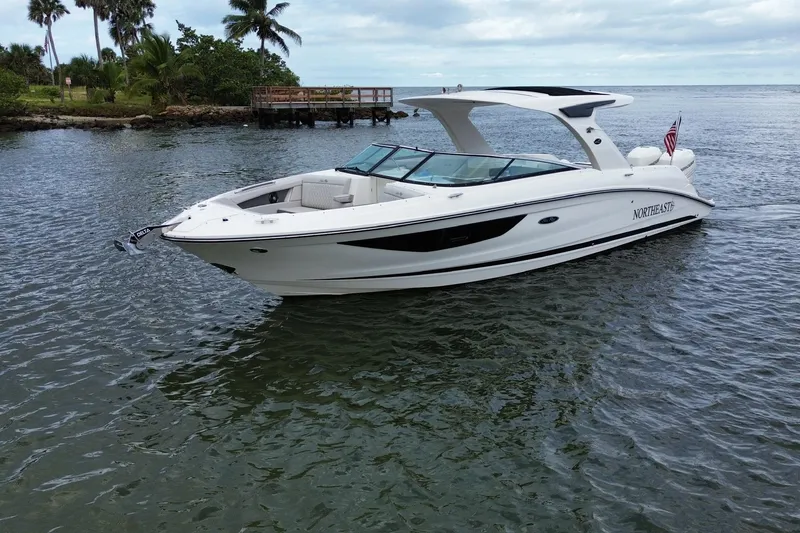
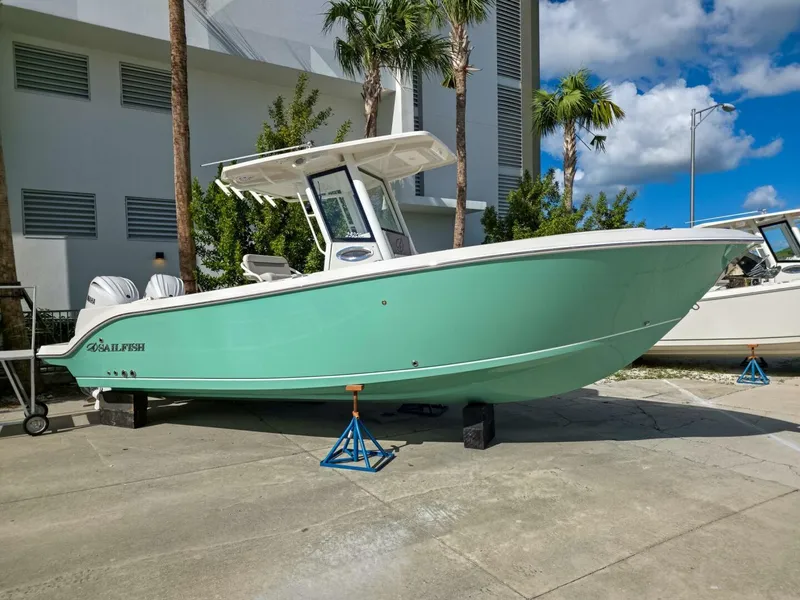
  • Your boating style fits small to midsize powerboats—center consoles, bowriders, pontoons, or modest cruisers—that can navigate shallow estuarine waters and make easy day trips to places like Keewaydin Island and Cape Romano.

You might find it challenging if:

  • You’re highly budget‑conscious and looking for inexpensive long‑term moorage or low‑cost fuel; Naples’ marina and storage pricing is on the higher end for Florida.
  • You own a deep‑draft sailboat or large yacht and want to roam freely throughout inland bays; the shallow depths in much of Naples Bay and surrounding estuaries favor shallower‑draft powerboats.
  • You dislike strict speed and wake controls or prefer high‑speed runs right from the dock; extensive idle‑speed and manatee zones make Naples a more relaxed, regulated cruising environment.

If your ideal boating life involves frequent day trips to beaches and sandbars, sunset cruises to waterfront restaurants, and the security of a well‑developed marina network, Naples is an excellent place to keep or regularly run a boat. Those on tighter budgets or with deep‑draft cruising ambitions might look to other Gulf Coast harbors, but for family boaters, casual anglers, and anyone drawn to a refined, tropical waterfront atmosphere, adding Naples to your boating bucket list—or planning a dedicated boating trip here—makes a lot of sense.

Be the First to Know

Get notified when new boats become available.

Logo