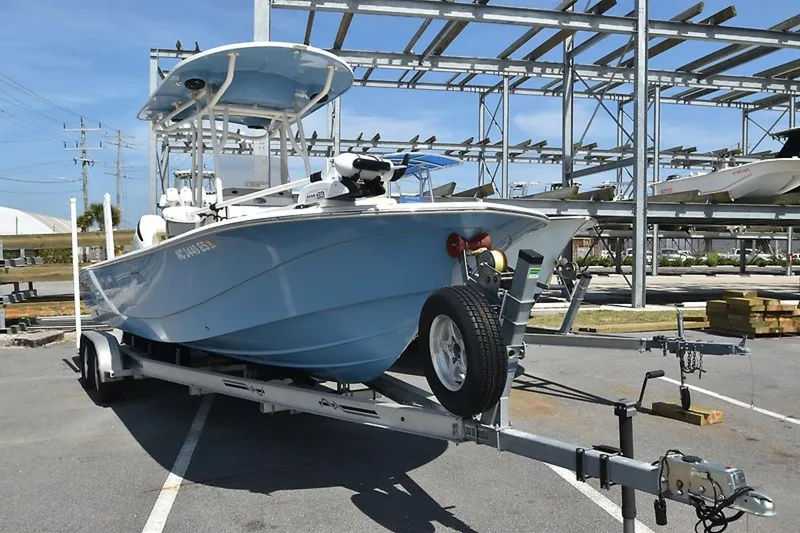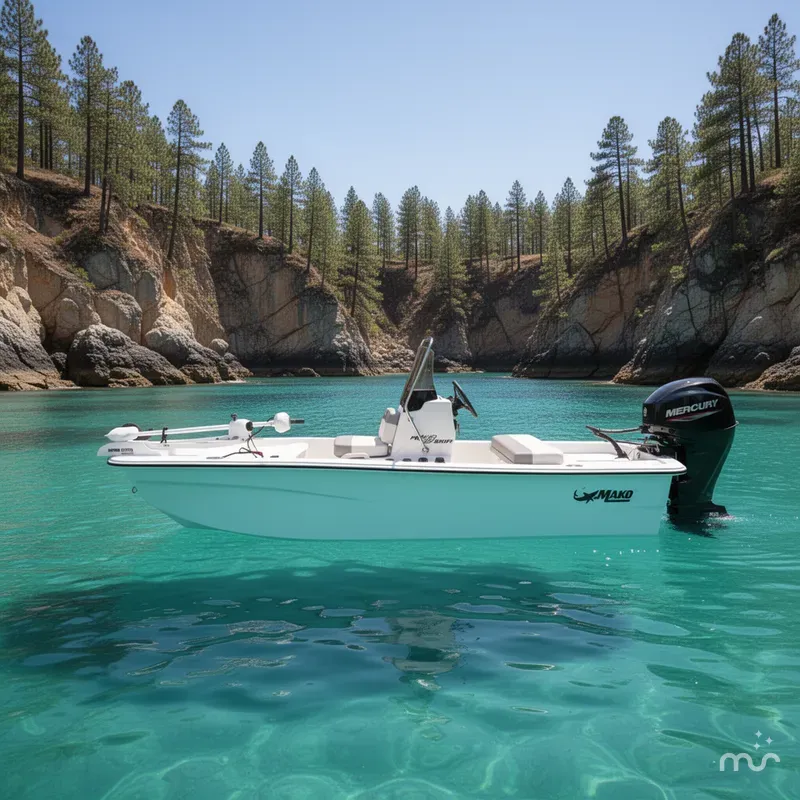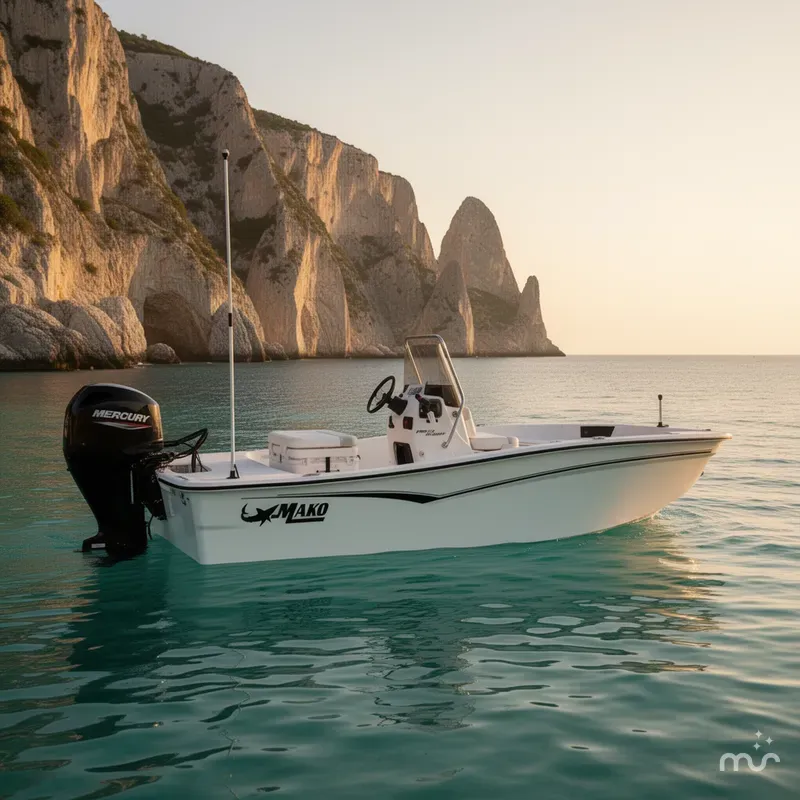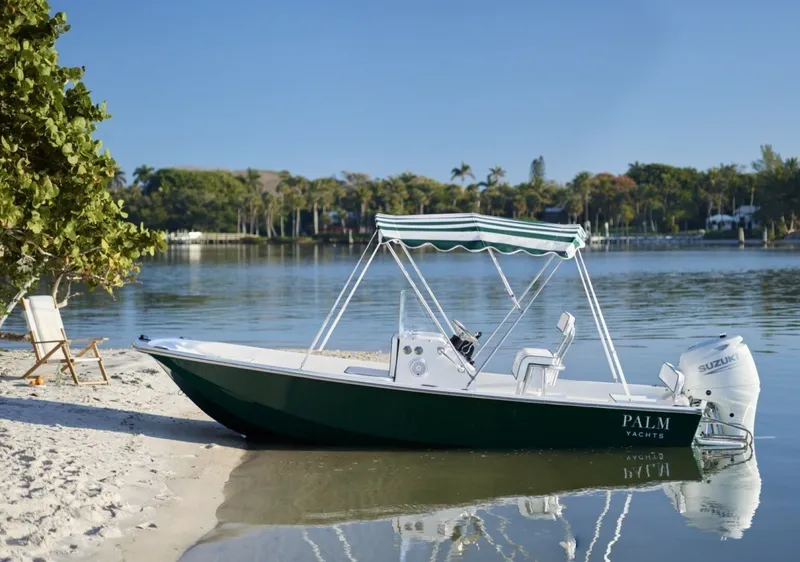
Skiff
Searching boats for you...
Boating · Buyer’s Guide
Is a Skiff Boat the Right Choice for You?
Written by: MarineSource Team | Estimated read time: 12 min read
There’s something uniquely charming about skiff boats that instantly connects you to the water’s surface. Picture yourself gliding effortlessly across calm bays, shallow inlets, or marshy estuaries, the gentle ripple of water lapping against the hull, the sun warming your face, and the fresh scent of salt or freshwater around you. Skiffs offer an intimate boating experience, where every turn and splash feels personal and immediate.
Skiff boats have earned a beloved spot among anglers, casual boaters, and coastal explorers alike. Their simplicity and versatility make them a go-to choice for those who cherish a hands-on, no-fuss approach to boating. While they may not boast the speed or luxury of larger vessels, their charm lies in their accessibility and the connection they foster with the water.
As popular as skiffs are, they come with trade-offs. Their size and design, optimized for shallow waters and ease of use, mean they might not be the best fit for rough seas or large groups. Understanding these nuances is key to deciding if a skiff boat suits your boating lifestyle.
What is a Skiff Boat?
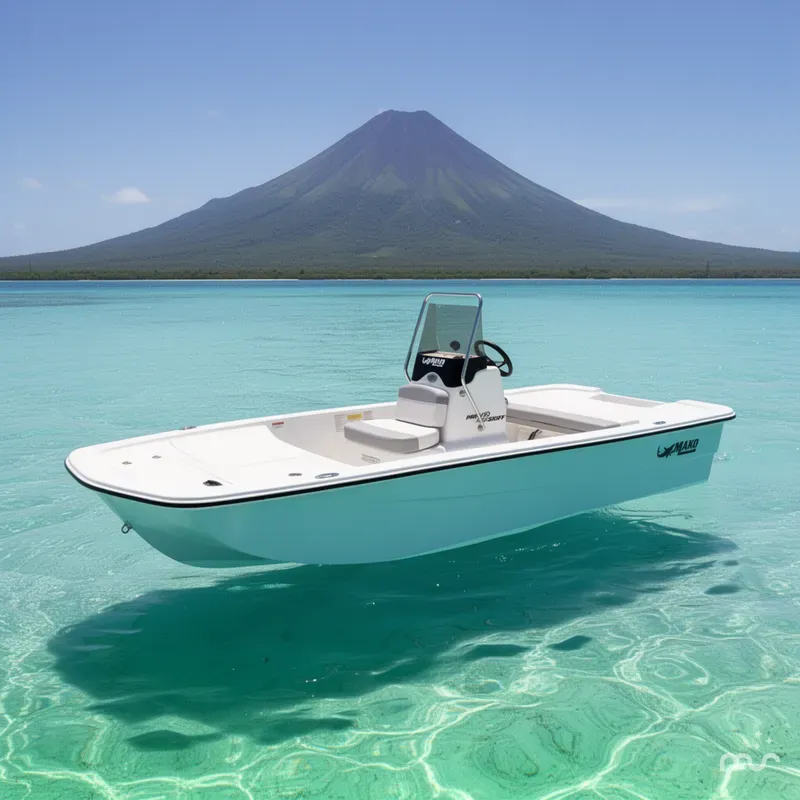
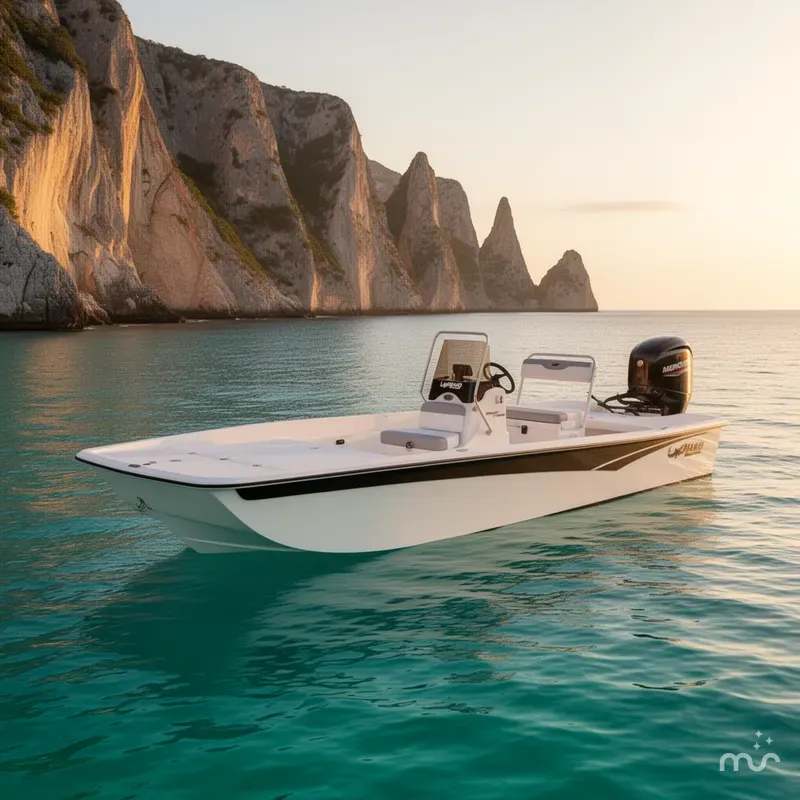
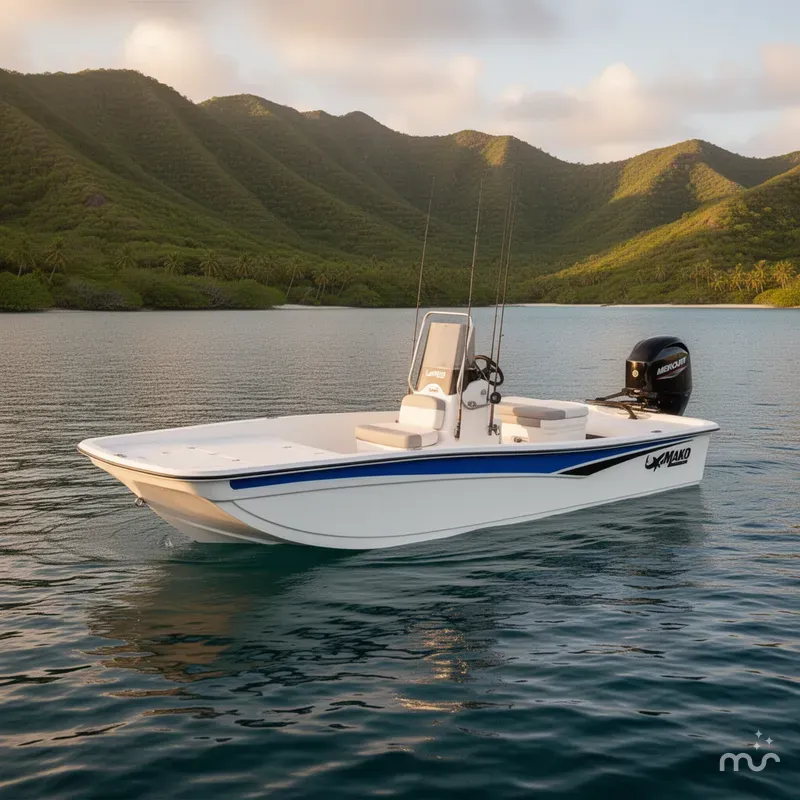
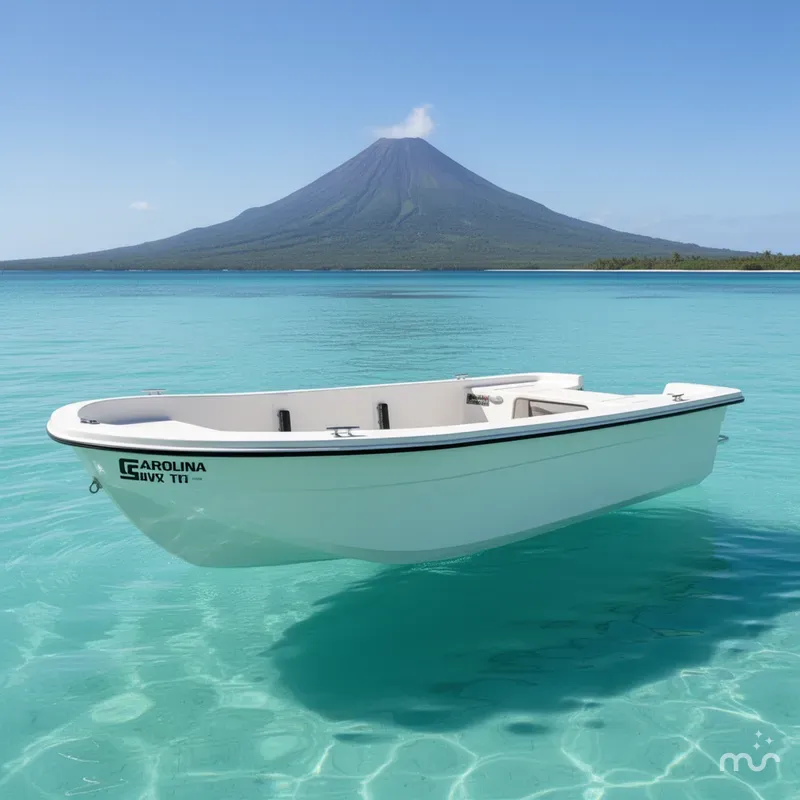
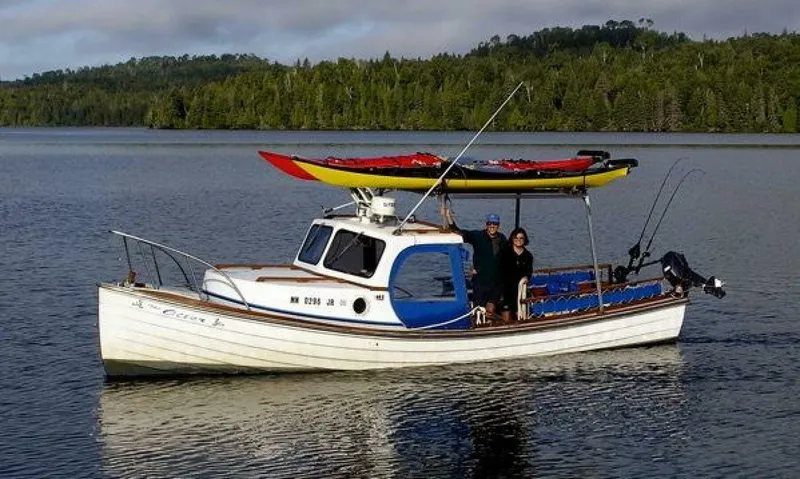
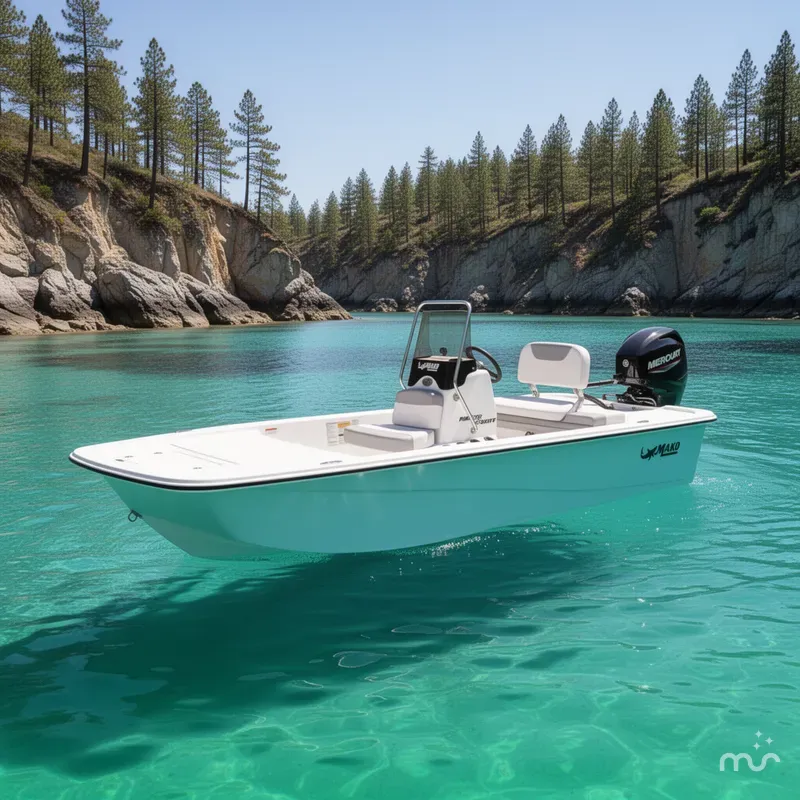
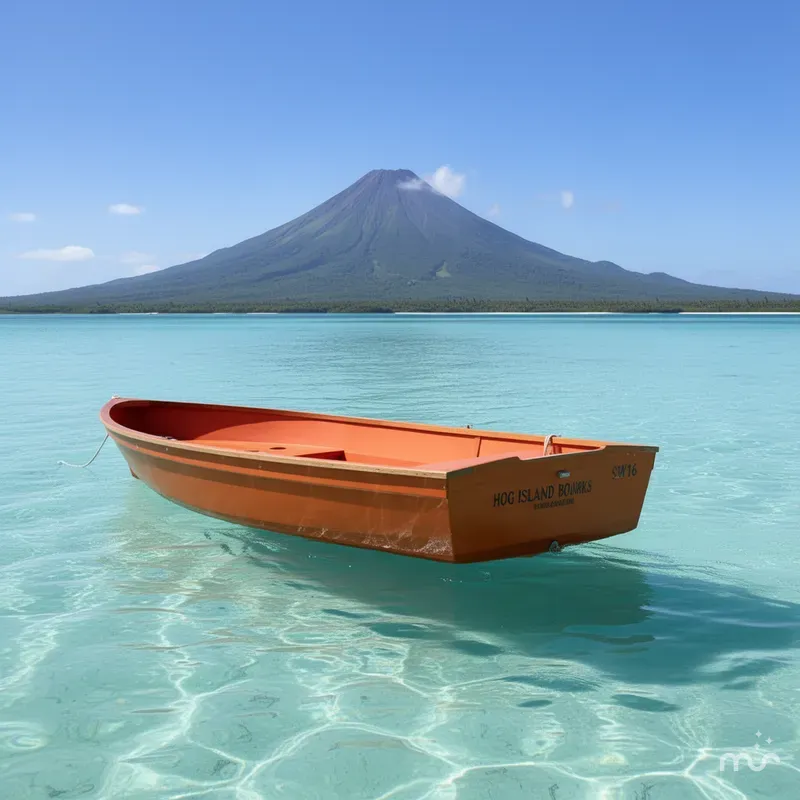
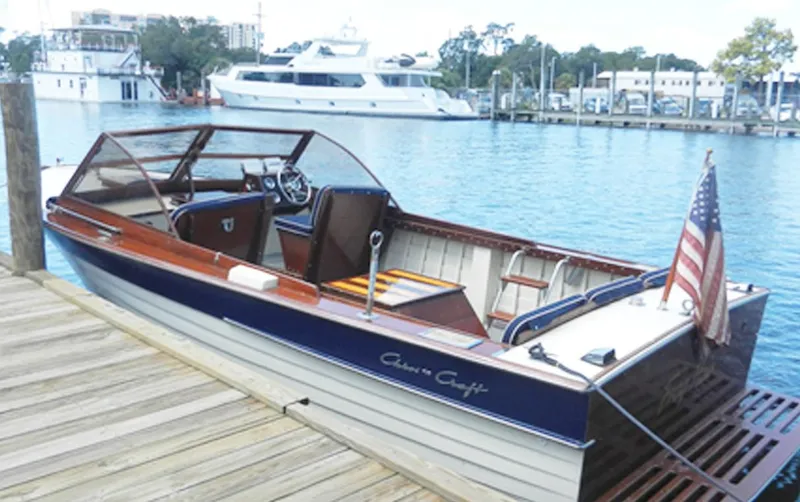
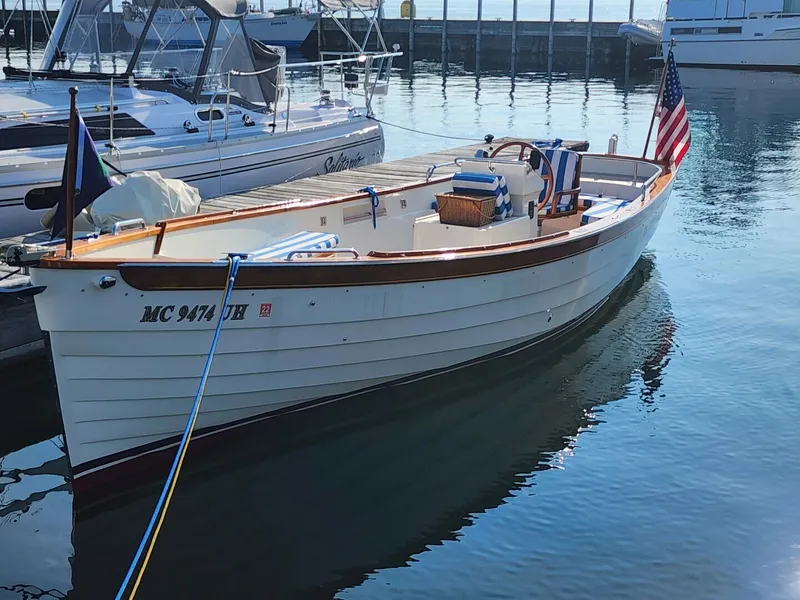
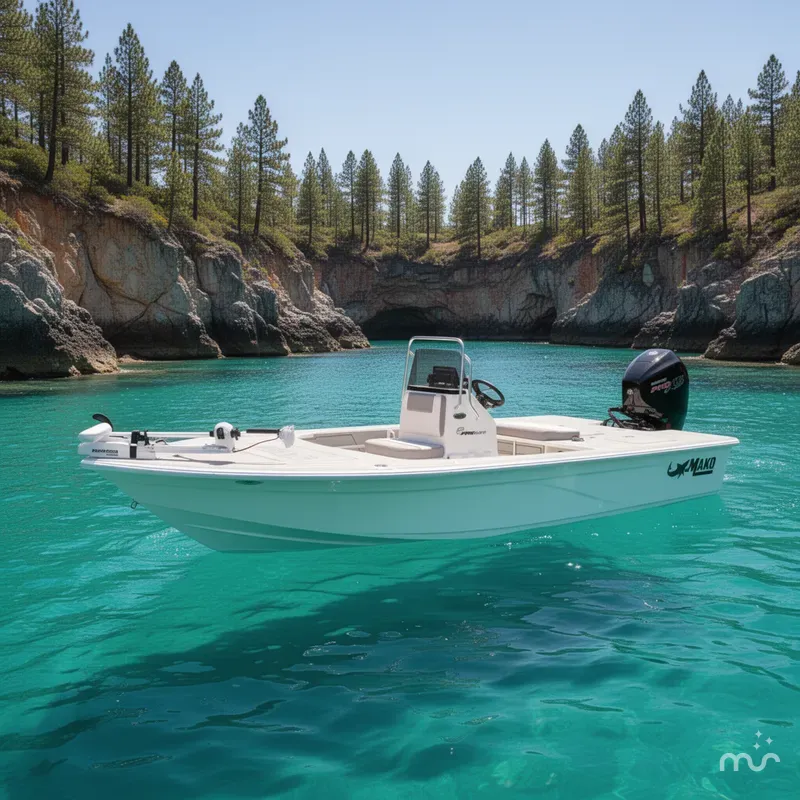
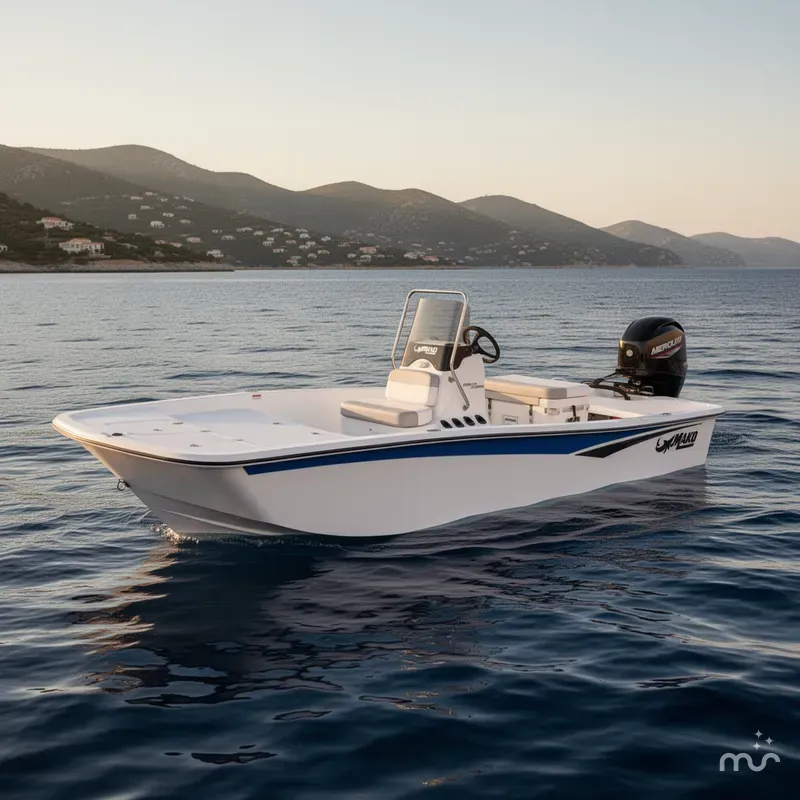
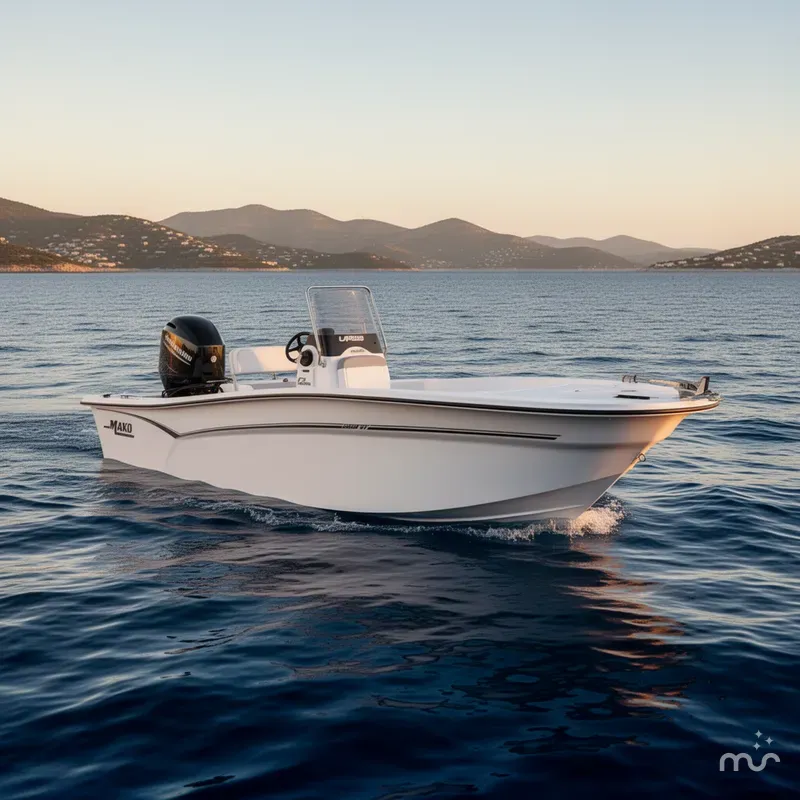
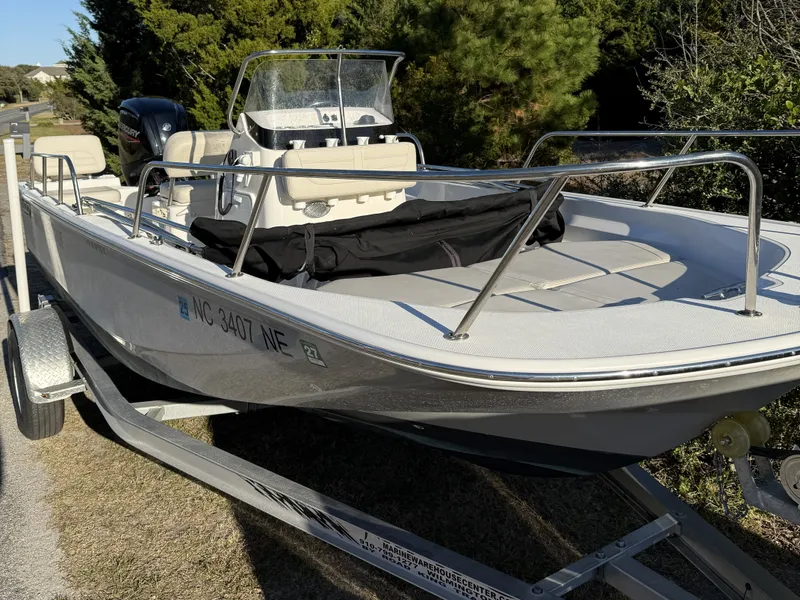
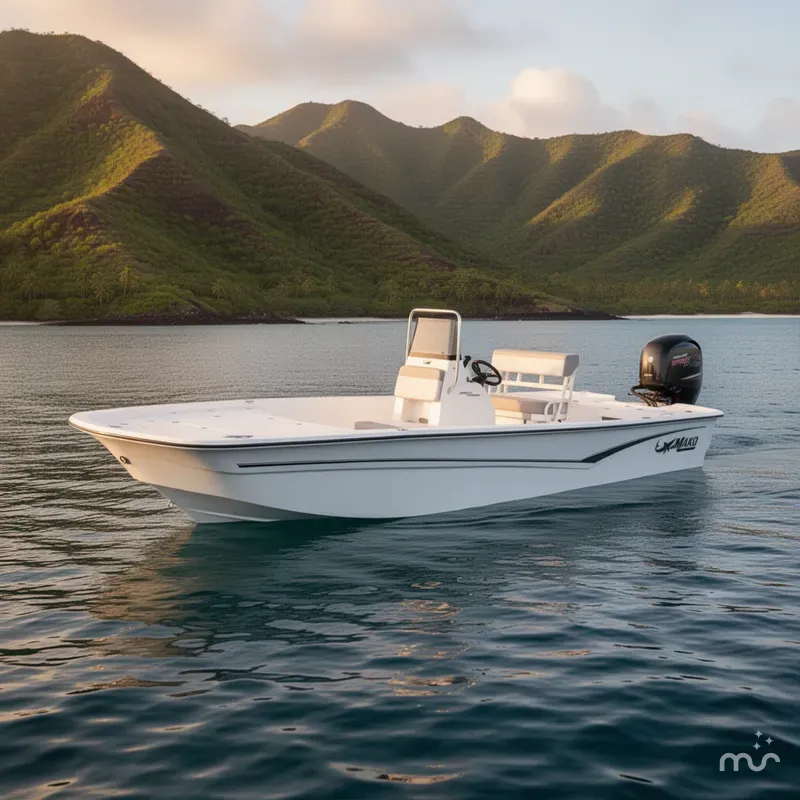
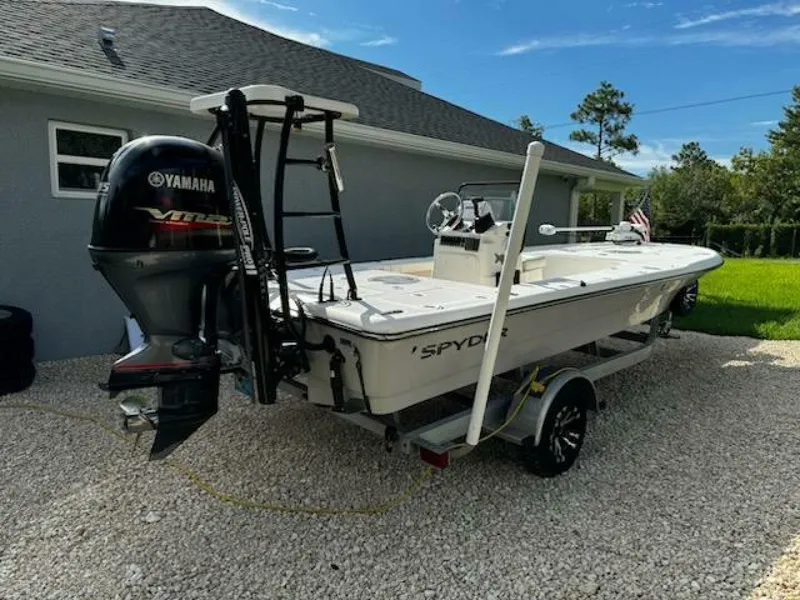
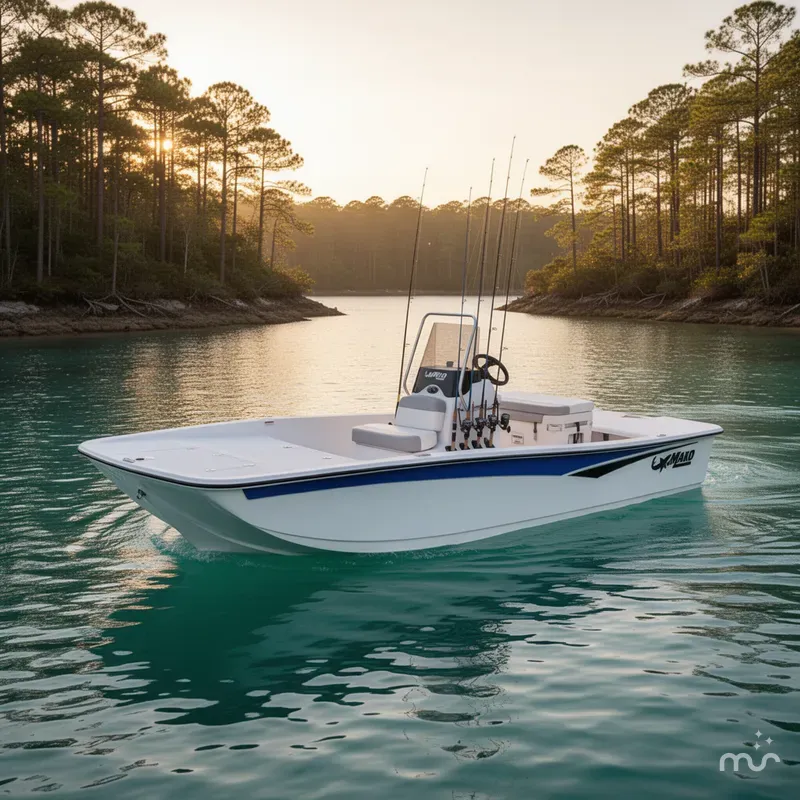
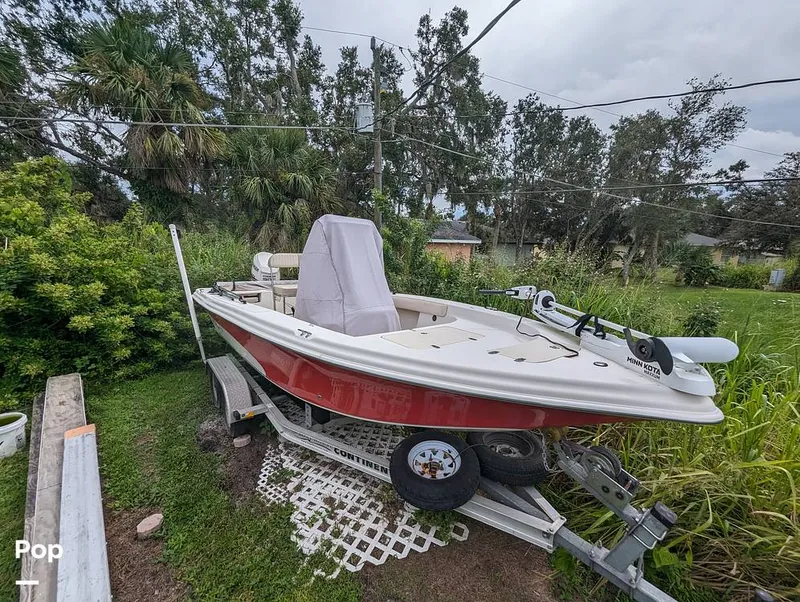
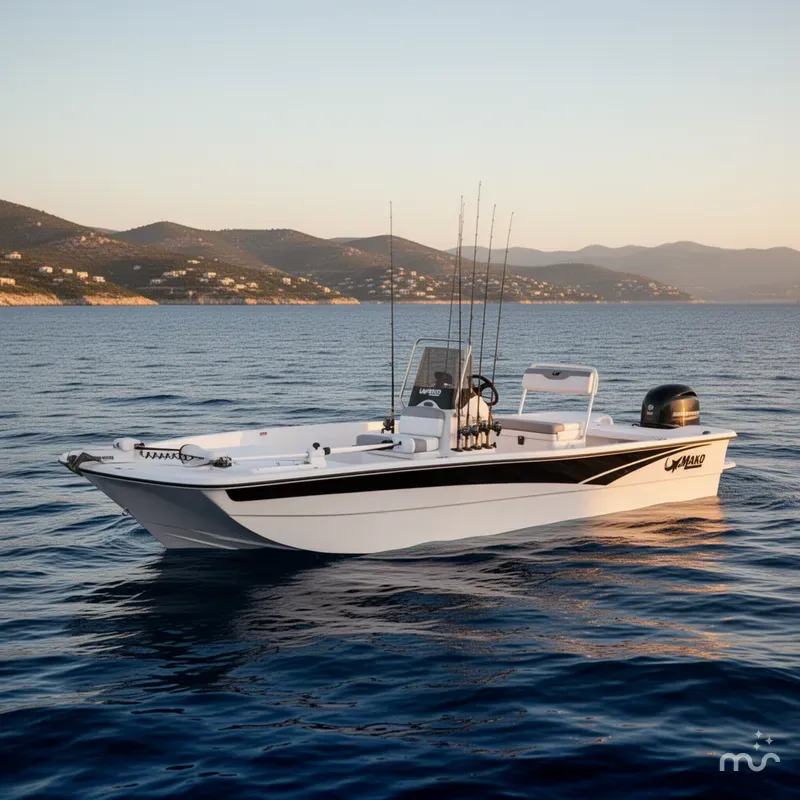
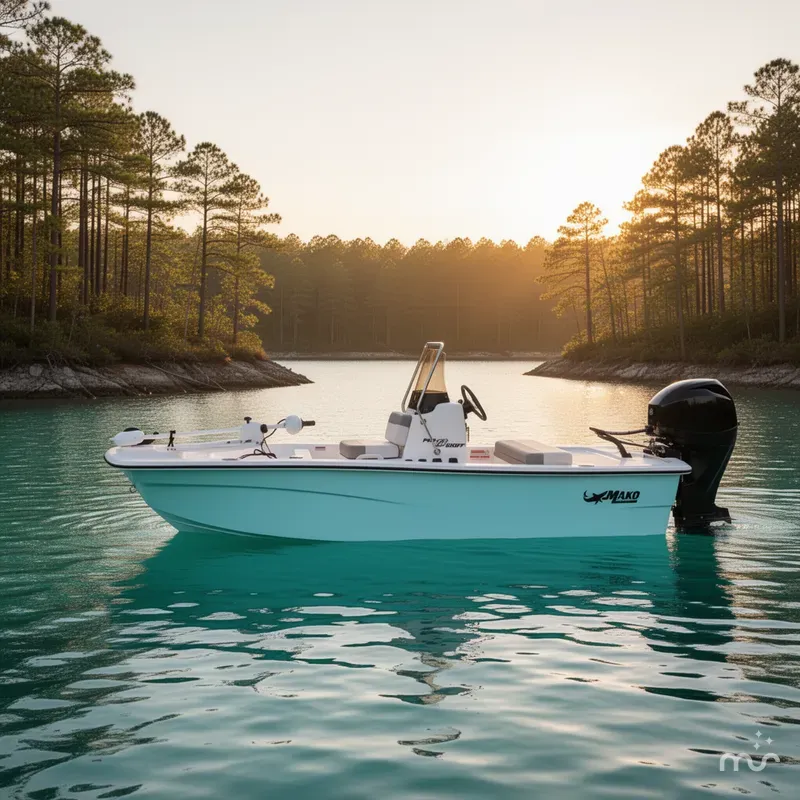
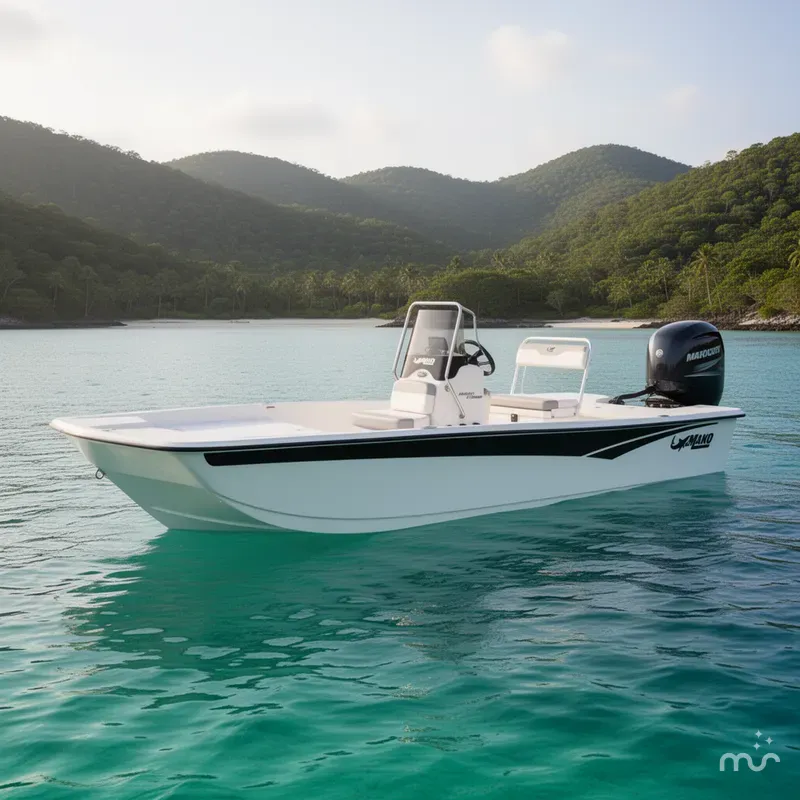
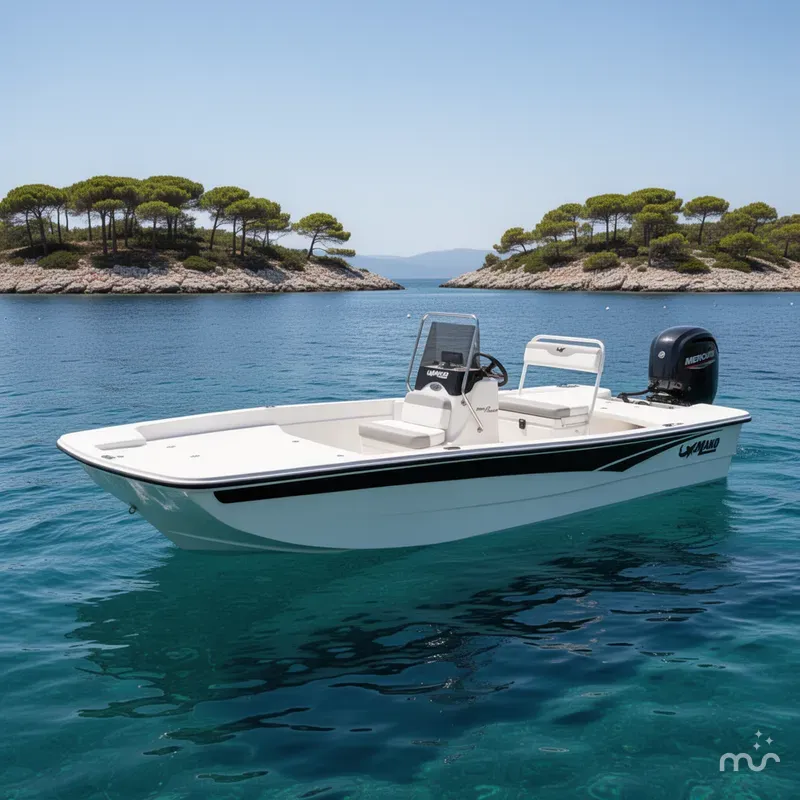
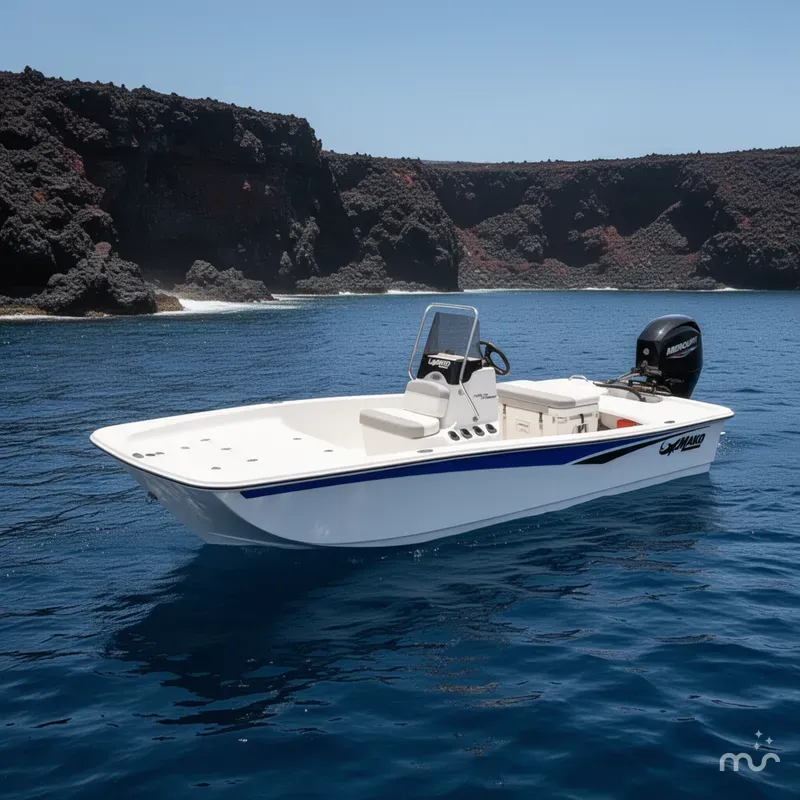
A skiff boat is traditionally a small, flat-bottomed or shallow V-hull boat designed for navigating shallow waters with ease. Historically, skiffs were used as workboats for fishing, transporting goods, or ferrying people in coastal and inland waterways. Their simple, open design made them practical and easy to handle.
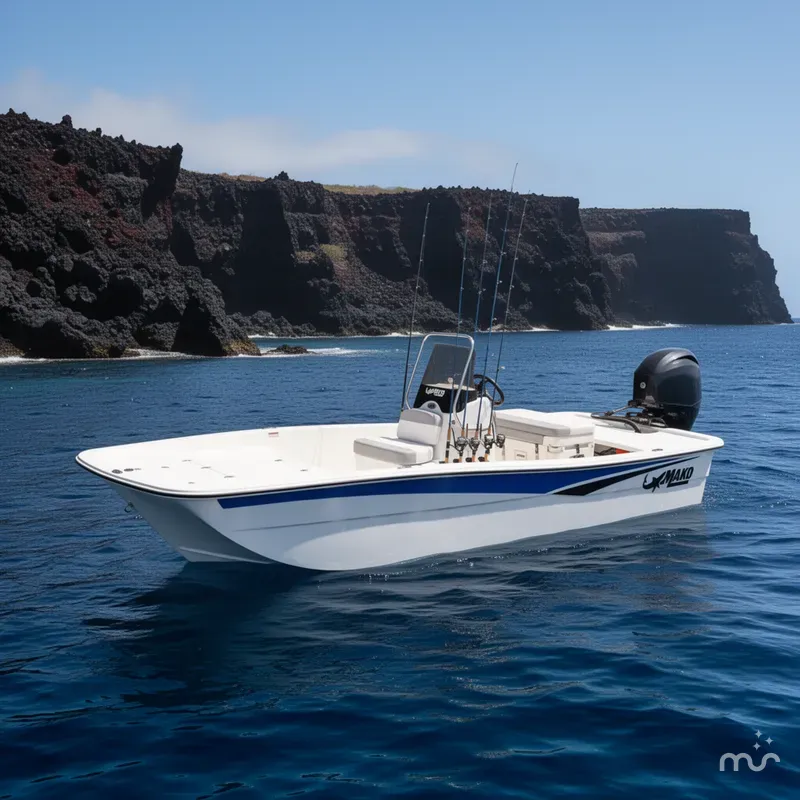
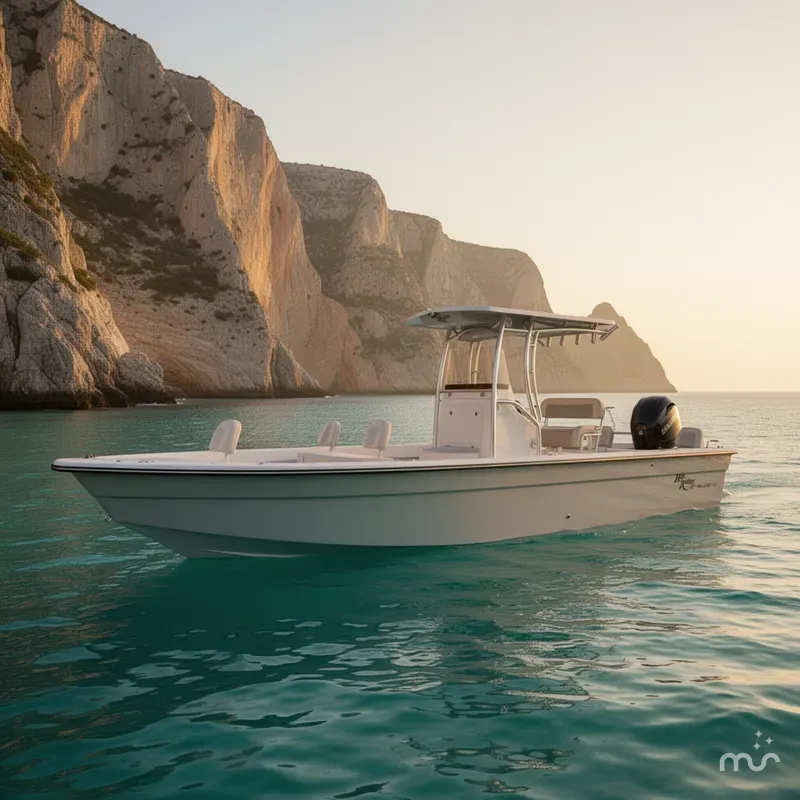
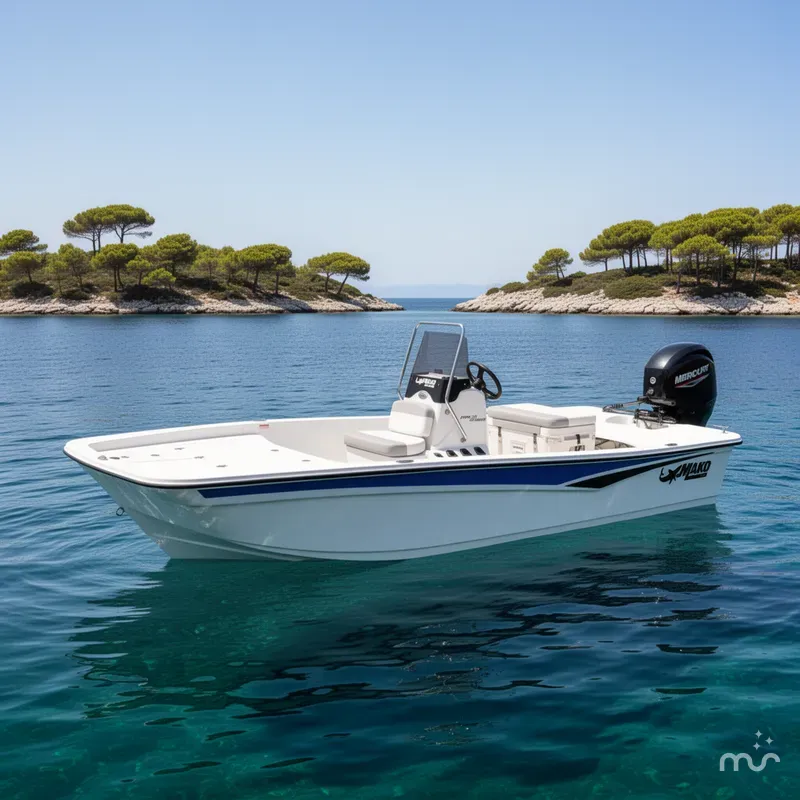
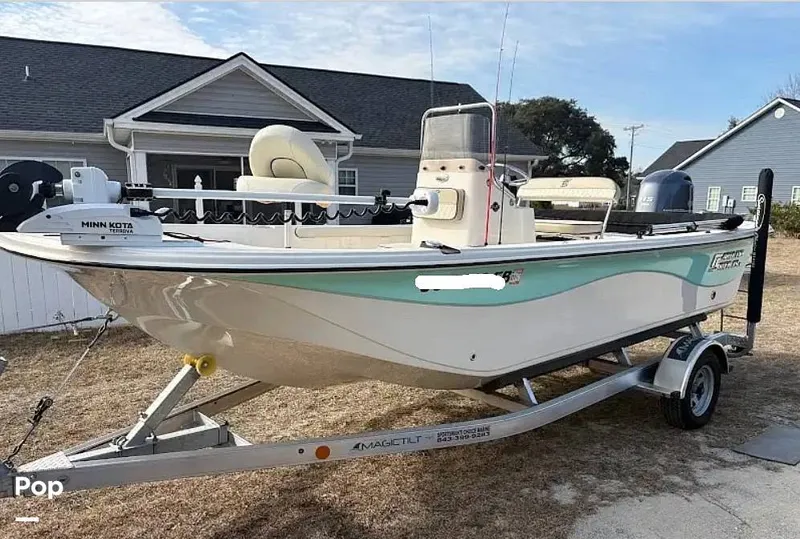
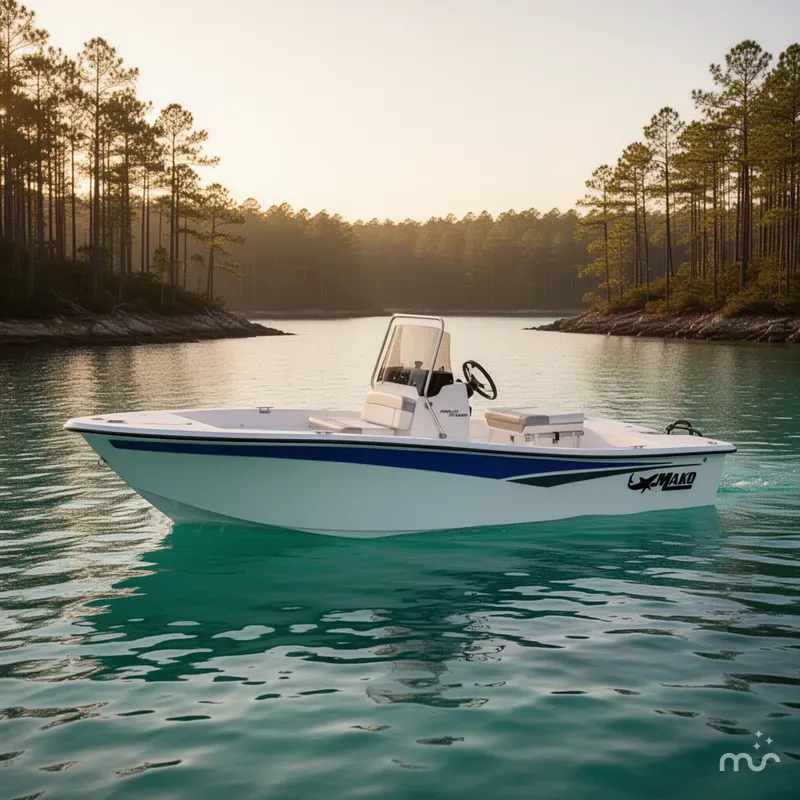
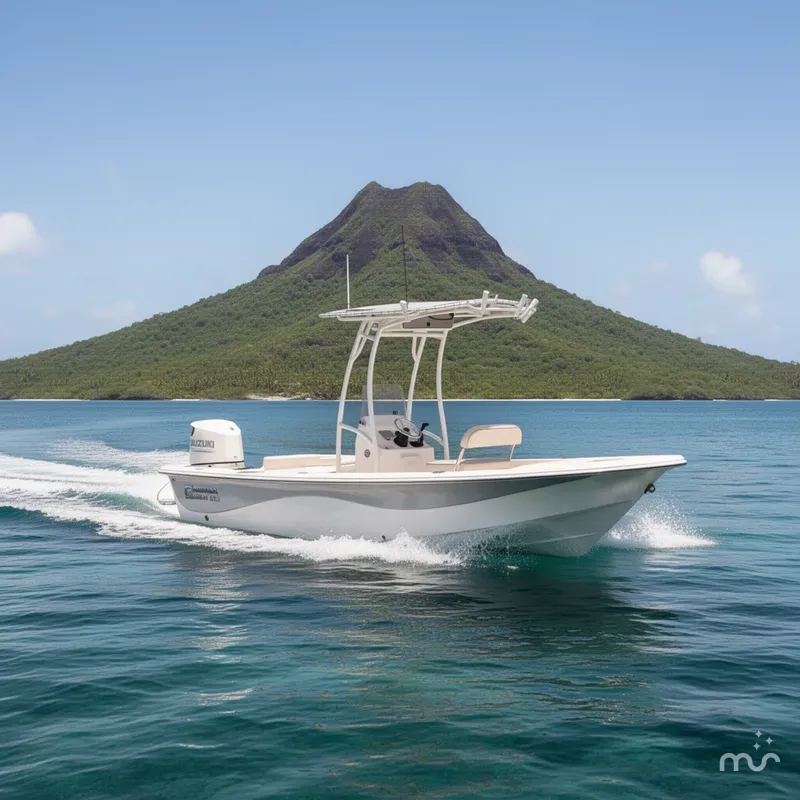
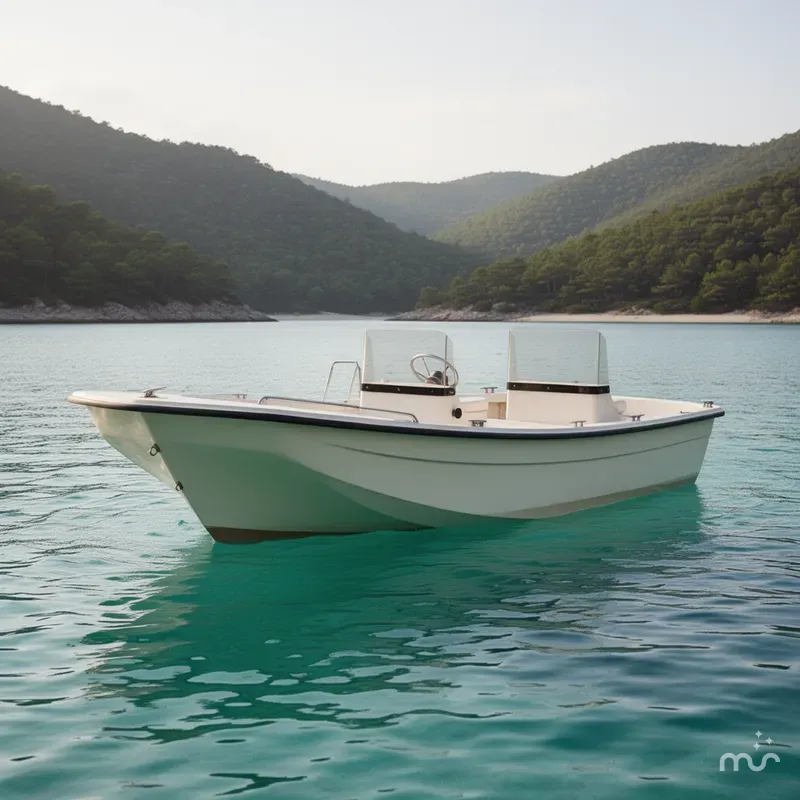
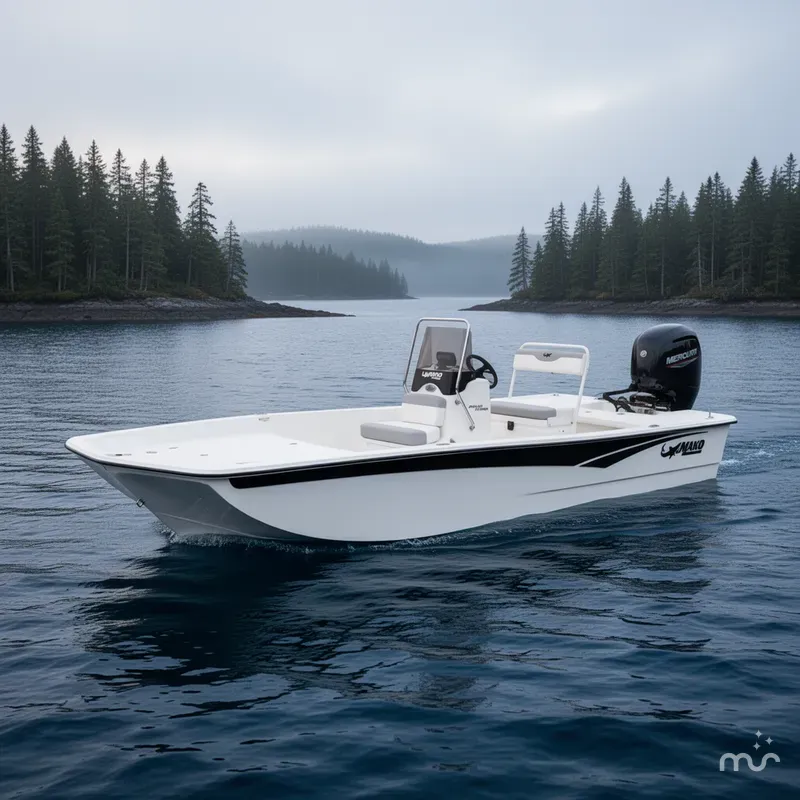
Modern skiffs have evolved to include various styles, from flat-bottomed to slightly rounded or shallow V-hulls, often constructed with lightweight materials like fiberglass or aluminum. They typically feature open decks with minimal superstructure, prioritizing stability and ease of access to the water, making them popular for fishing, crabbing, and small-scale recreational boating.
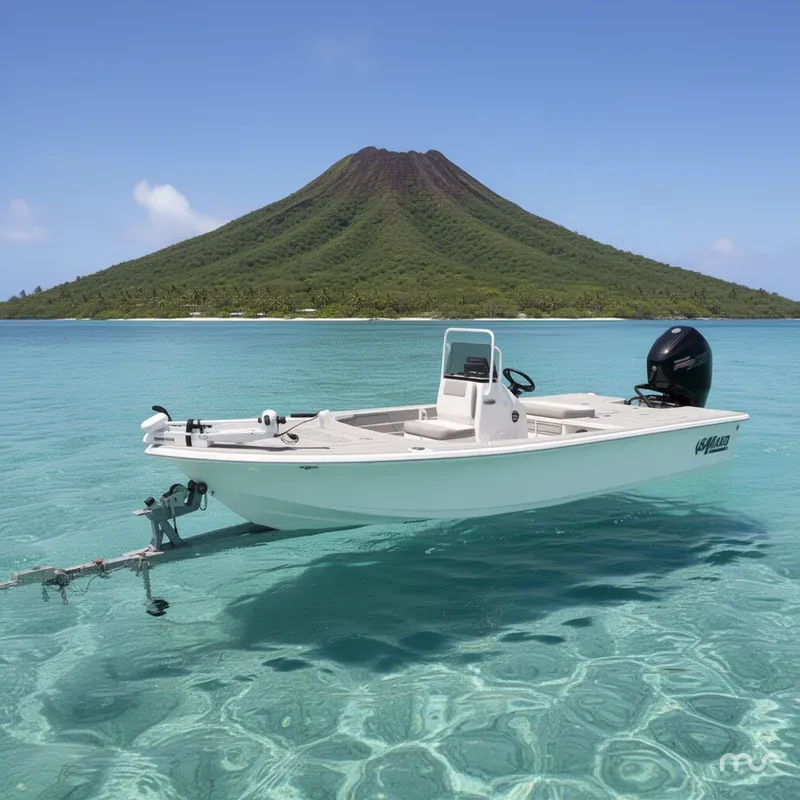
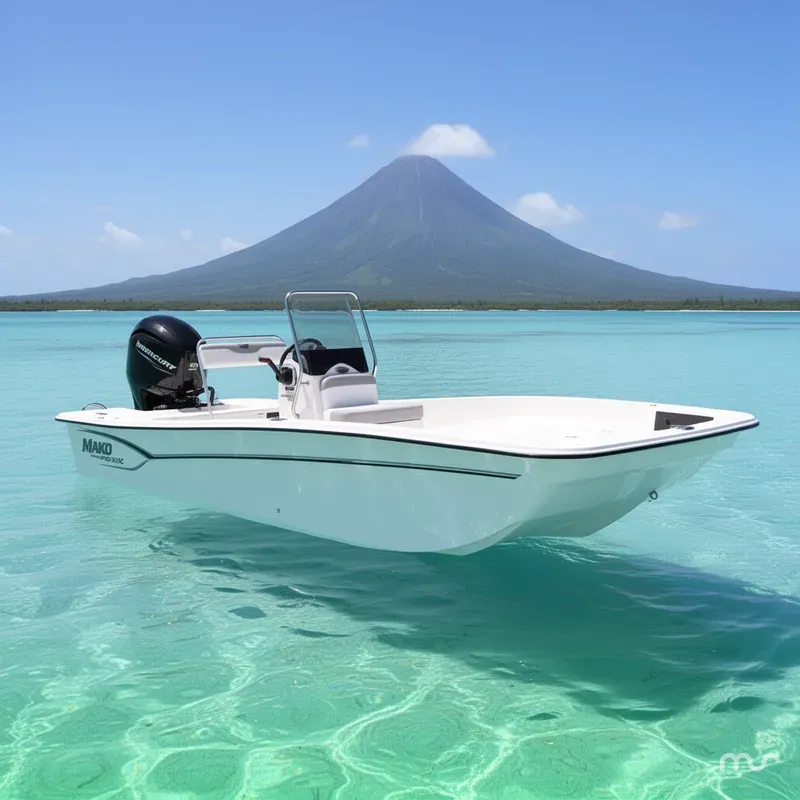
The hallmark of a skiff is its ability to operate in very shallow water thanks to a shallow draft—the vertical distance between the waterline and the bottom of the hull. This makes skiffs ideal for exploring tidal flats, marshes, and other areas inaccessible to deeper-hulled boats.
Today’s skiffs balance traditional simplicity with modern enhancements like improved hull shapes for better handling and outboard motors for efficient propulsion, making them versatile companions for both work and leisure on the water.
Pros of Owning a Skiff Boat
1. Social, Open Layout
Skiffs often have open, spacious decks that encourage social interaction. Without bulky cabins or high sides, everyone on board can easily communicate and move around, making it a great boat for small groups and family outings.
2. Ease of Use for New Boaters
Their straightforward design means skiffs are simple to operate, even for beginners. The controls are minimal, and their lightweight nature makes launching and docking less stressful compared to larger boats.
3. Stable Platform in Calm Water
Despite their small size, skiffs are surprisingly stable in calm and shallow waters. Their flat or shallow V-shaped hull provides a steady platform for fishing or relaxing without excessive rocking, which is reassuring for kids and first-time passengers.
4. Versatile for Different Activities
Skiffs are incredibly versatile. They can be used for fishing, crabbing, sightseeing, wildlife photography, or even light transport. Their shallow draft allows access to areas other boats can’t reach, expanding your boating adventures into backcountry creeks and flats.
5. Lower Maintenance and Operating Costs
With fewer complex systems and simpler construction, skiffs generally require less maintenance and lower upkeep costs. Their smaller, efficient outboards burn less fuel than high-horsepower engines, and the boats themselves are easy to rinse, clean, and store.
Cons of Owning a Skiff Boat
1. Limited Passenger and Gear Capacity
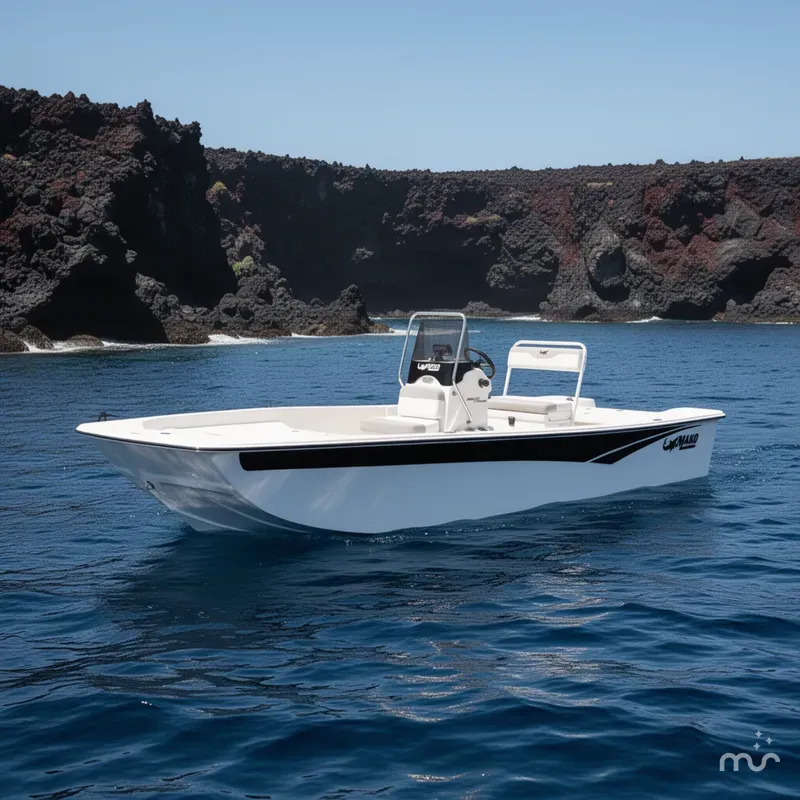
Skiffs typically hold fewer passengers and less gear than larger boats. Most models are optimized for one to four people, which can restrict group outings and the amount of equipment you bring along for extended trips.
- The Silver Lining: For solo or duo adventures, a skiff’s smaller size keeps the experience intimate, easier to manage, and more economical to run.
2. Exposure to Sun, Wind, and Rain
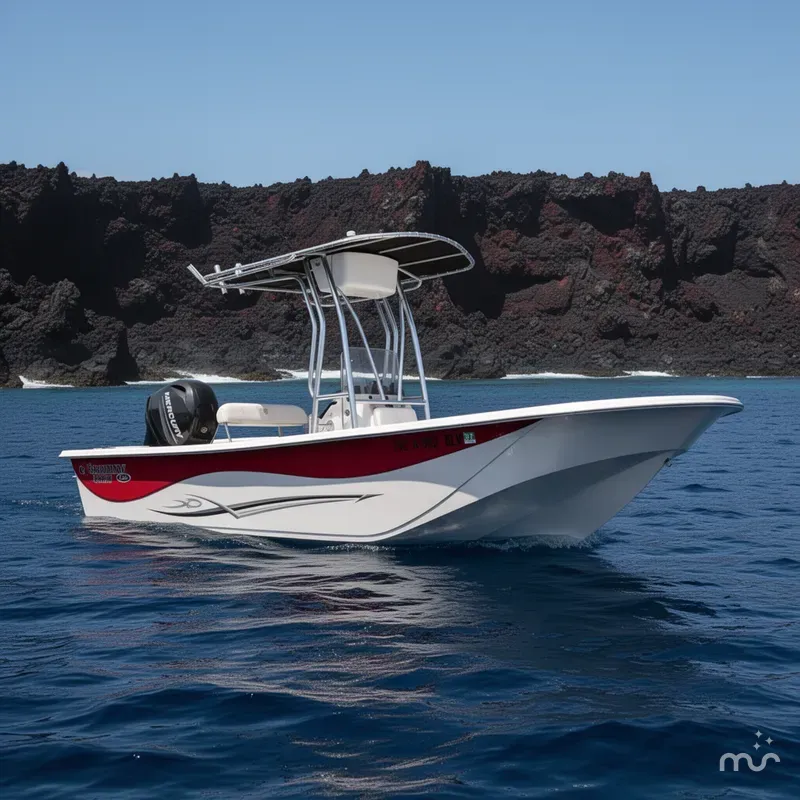
Most skiffs have open decks with little to no built-in shelter. Passengers are exposed directly to the elements, including harsh sun, wind, spray, and unexpected showers, which can be uncomfortable on longer days.
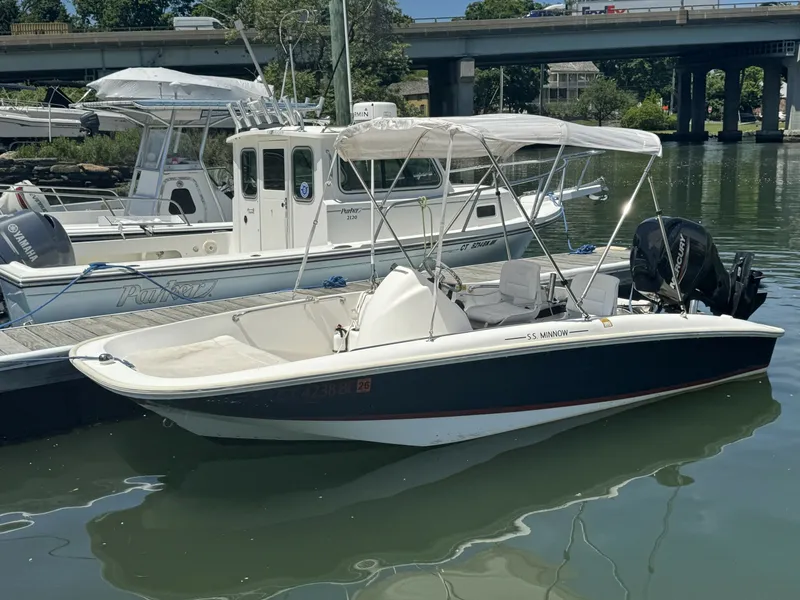
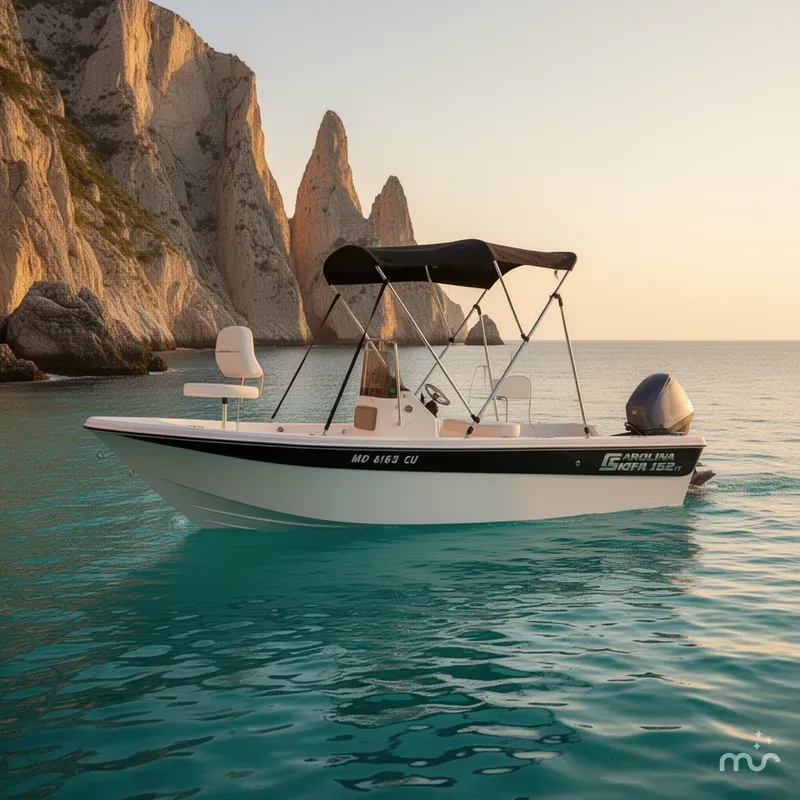
- The Silver Lining: Adding a simple Bimini top, sunshade, or carrying quality foul-weather gear can significantly improve comfort while preserving the skiff’s open, uncluttered feel.
3. Not Ideal for Rough or Open Water
Skiffs are best suited for calm, protected waters and may struggle in choppy bays or open coastal conditions. Their shallow or flat hulls can pound in steep chop, leading to a wet and uncomfortable ride, and in severe conditions they can become unsafe.
- The Silver Lining: By planning trips around weather windows and staying inside protected estuaries, rivers, and flats, you can enjoy the skiff’s strengths while avoiding its rough-water weaknesses.
4. Limited Storage and Amenities
Because of their open design and compact size, skiffs provide minimal enclosed storage and few built-in amenities. There is usually limited space for coolers, tackle, safety gear, and personal items, and you won’t find enclosed heads or cabins on typical models.
- The Silver Lining: Modular storage solutions such as deck boxes, under-seat containers, and soft bags let you customize how you carry gear without permanently altering the boat.
5. Moderate Speed and Comfort Compared to Larger Boats
Skiffs usually run smaller engines and are not designed for high-speed offshore runs. While many are quick enough for efficient travel, they generally can’t match the speed, ride comfort, or long-range capability of larger bay boats or offshore center consoles.
- The Silver Lining: Their focus on efficiency, shallow draft, and maneuverability keeps operating costs lower and encourages a slower, more relaxed style of boating that many owners come to prefer.
Handling and Performance
Skiffs are intentionally sized for small crews, and most handle best with two to four people on board. The open deck layout allows passengers to move freely, but weight distribution becomes more critical as you add people and gear. Too many passengers at one end can affect trim and ride quality.
For typical days of inshore fishing or exploring, a skiff provides ample room for a couple of anglers and their tackle. Families with young children can also be comfortable, provided everyone is seated securely when underway. If you routinely host large groups or want multiple seating zones, you may outgrow a skiff quickly.
Due to their shallow draft and relatively low freeboard, skiffs are more affected by wind and surface chop than deeper, heavier hulls. In strong winds, the boat can drift quickly when you are off plane, making precise positioning more demanding for the operator.
In moderate chop, skiffs can deliver a tolerable ride if speeds are adjusted and the operator works the throttle and trim to minimize pounding. In heavy chop or steep wave sets, the ride can become wet, bouncy, and fatiguing, and it may be prudent to turn back or seek sheltered routes.
Most owners find that by respecting local weather forecasts, knowing their limits, and staying within protected bays, creeks, and rivers, a skiff’s performance is more than adequate for its intended inshore role.
Ownership and Logistics
Compared with larger boats, skiffs are generally economical to own. Smaller outboards use less fuel and require less-expensive routine service, such as oil changes, impeller replacements, and seasonal tune-ups. Insurance premiums are often lower as well, especially for modestly powered models.
Storage costs can also be kept down. Many skiffs are light enough to be stored on a trailer at home, eliminating marina slip or high-and-dry fees. However, you should still budget for periodic hull care, trailer maintenance, safety equipment upgrades, and electronics overhauls over the life of the boat.
If you maintain the engine on schedule, rinse the boat thoroughly after saltwater use, and address minor issues promptly, the annual costs of skiff ownership remain manageable for many households.
Skiffs from reputable builders tend to hold their value reasonably well, particularly in coastal regions where shallow-water boats are always in demand. Simpler layouts and durable construction materials, like fiberglass or aluminum, can age gracefully with proper care.
Resale prices depend heavily on engine hours, cosmetic condition, and up-to-date safety and navigation gear. Well-maintained skiffs with clean titles and service records often sell quickly in active fishing and inshore markets.
While any boat will depreciate, skiffs benefit from having a broad target audience—from first-time boaters to seasoned anglers—helping support resale value if you decide to upgrade later.
Most skiffs are relatively light, and many 14–18 foot models can be towed by a mid-size SUV, crossover, or half-ton pickup, provided the vehicle has the appropriate towing package and is rated for the combined weight of boat, trailer, fuel, and gear.
The lighter weight and smaller footprint also make launching and retrieving at the ramp more forgiving for less-experienced trailer boaters. You typically won’t need a heavy-duty diesel truck unless you step up to a larger, wide-beam skiff with extensive add-ons.
Always confirm your vehicle’s tow rating, factor in all equipment and passengers, and ensure that the trailer brakes, tires, and lights are in good working order before hitting the road.
Is a Skiff Boat the Right Choice for You?
Skiff boats excel as simple, capable platforms for shallow-water exploration, inshore fishing, and relaxed day trips. Their open layouts, shallow draft, and modest operating costs make them appealing to boaters who value practicality and a close connection to the water over luxury amenities.
At the same time, their limitations in rough-water performance, passenger capacity, storage, and weather protection mean they are not an all-purpose solution. If your plans include offshore runs, big groups, or long-distance cruising, a larger and more substantial hull form may better suit your needs.
Ultimately, a skiff is a strong fit for boaters who spend most of their time in protected waters, prefer hands-on simplicity, and are comfortable trading some comfort and speed for access, efficiency, and ease of ownership.
You'll love it if:
- You primarily boat in shallow bays, rivers, marshes, or tidal flats and want to reach skinny water that larger boats can’t access.
- You enjoy fishing, crabbing, or simple day cruising more than high-speed runs or offshore adventures.
- You prefer an open, social deck layout over enclosed cabins and built-in furniture.
- You want a boat that is relatively easy to tow, launch, retrieve, and store at home.
- You are looking for lower ongoing costs for fuel, storage, and maintenance compared with larger, more complex boats.
It might be challenging if:
- You often carry large groups of friends or family and need multiple distinct seating areas.
- You expect to run regularly in exposed coastal waters, heavy chop, or offshore conditions where a deeper V-hull is safer and more comfortable.
- You place a high priority on speed, long-range cruising, and onboard amenities such as cabins, galleys, or enclosed heads.
- You require abundant dry storage for gear, dive equipment, or extended overnight provisions.
- You dislike being exposed to sun, wind, and spray, and would rather have a fully sheltered helm and seating area.
A skiff boat can be an excellent choice if your boating life centers on protected, shallow waters and you value simplicity, access, and low running costs more than luxury and rough-water capability. By understanding its strengths and limitations, you can decide whether a skiff matches the way you truly want to use the water.