Dinghy (Power)

Filters

Filters

Condition

Sort by

Searching boats for you...

Boating · Buyer’s Guide

Is a Dinghy the Right Choice for You?

Written by: MarineSource Team | Estimated read time: 12 min read

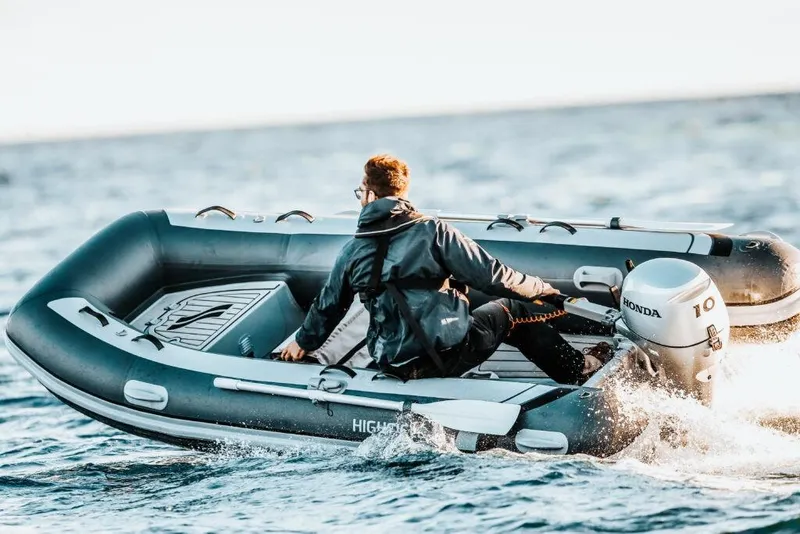
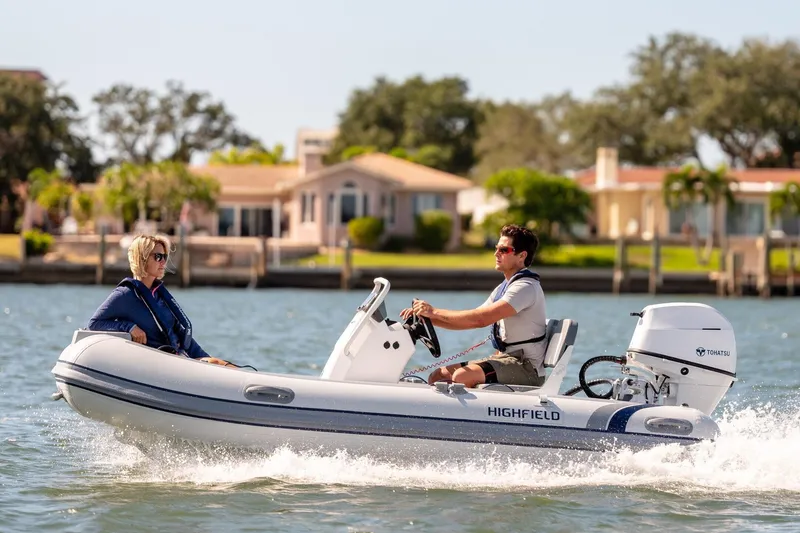
There’s something uniquely charming about a dinghy that immediately connects you with the water. Whether you’re skimming across a calm lake or exploring a quiet marina, the nimble, compact nature of a dinghy offers a sense of freedom and intimacy with your surroundings. The gentle hum of the outboard engine, the splash of water against the hull, and the open-air exposure make every outing feel refreshingly simple and engaging.

Dinghies have earned their popularity as versatile, easy-to-handle powerboats that serve a variety of roles—from tendering to larger vessels to solo fishing trips or short recreational cruises. Their small size and straightforward design make them accessible to beginners and seasoned boaters alike, though this convenience comes with some trade-offs in comfort and capability.

Owning a dinghy means embracing a lifestyle of spontaneity and adventure, but it also requires understanding the limitations inherent to these boats. They excel in close-to-shore environments and protected waters but are not intended for rough seas or extended voyages. This buyer’s guide will help you weigh the pros and cons of dinghy ownership and determine if one fits your boating needs.

What is a Dinghy boat?

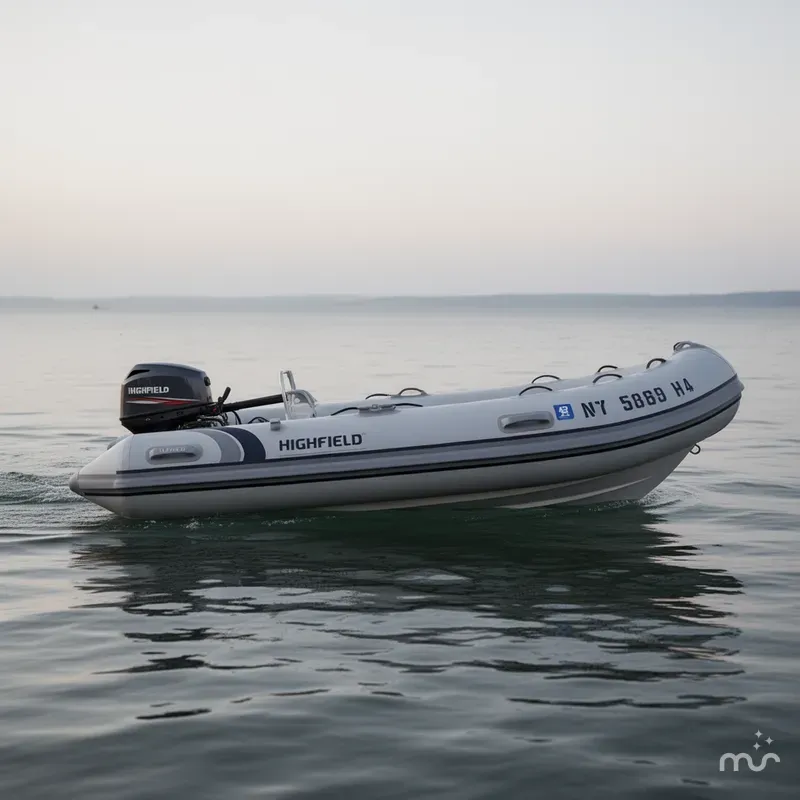
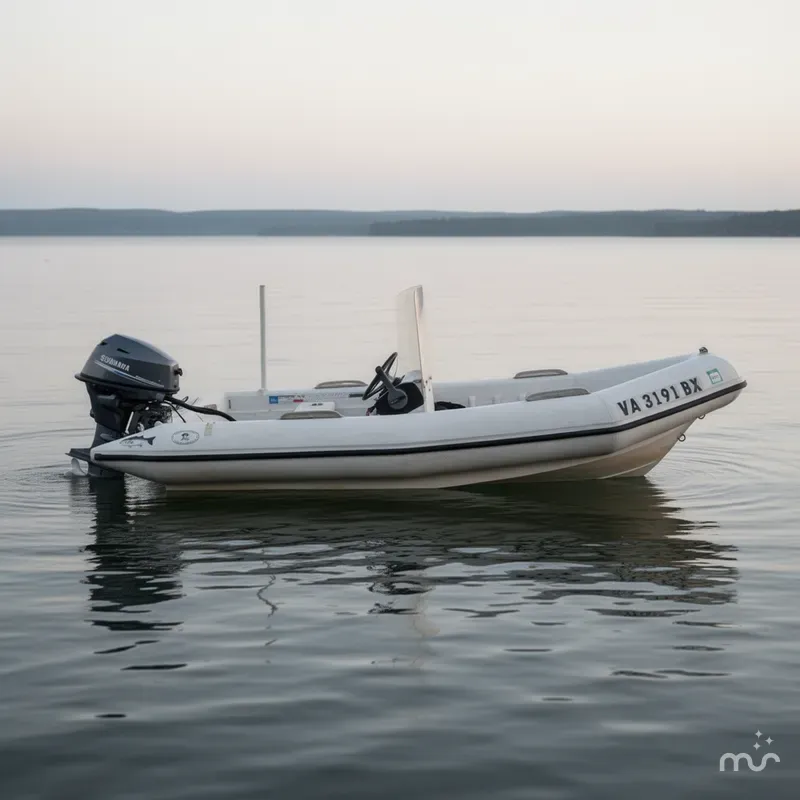
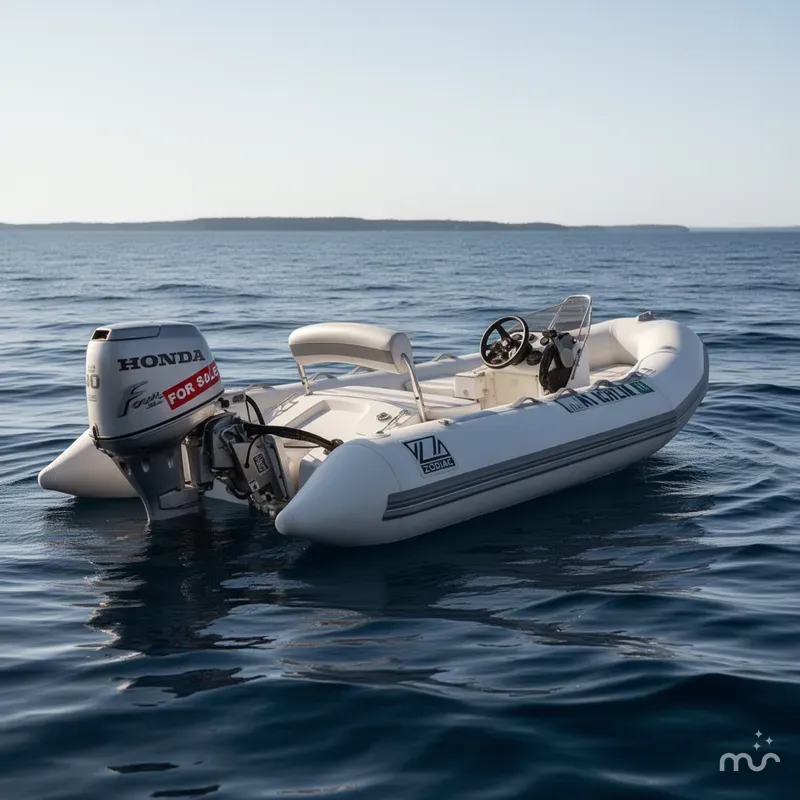
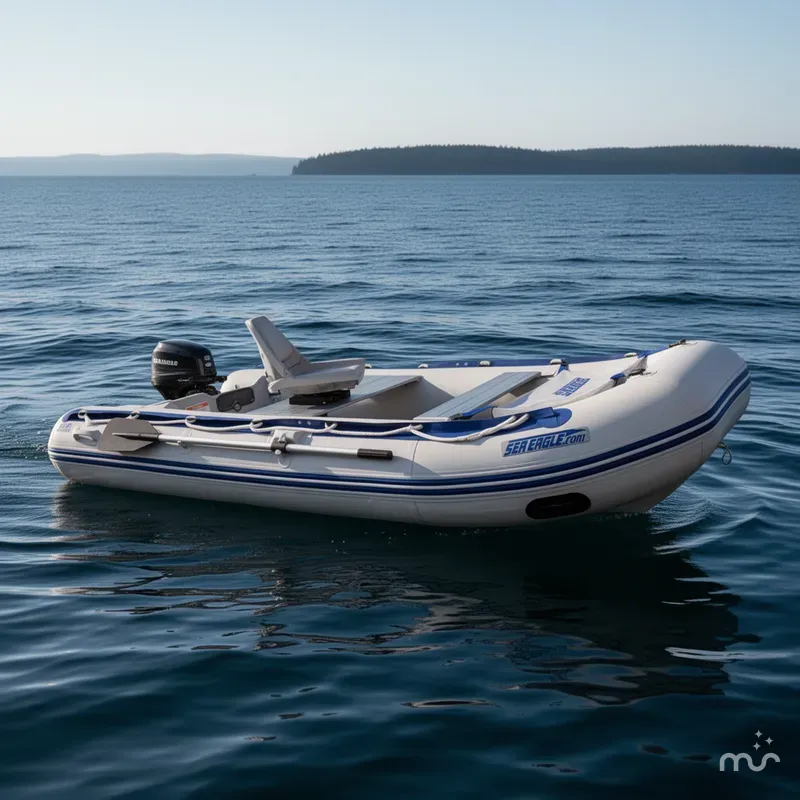
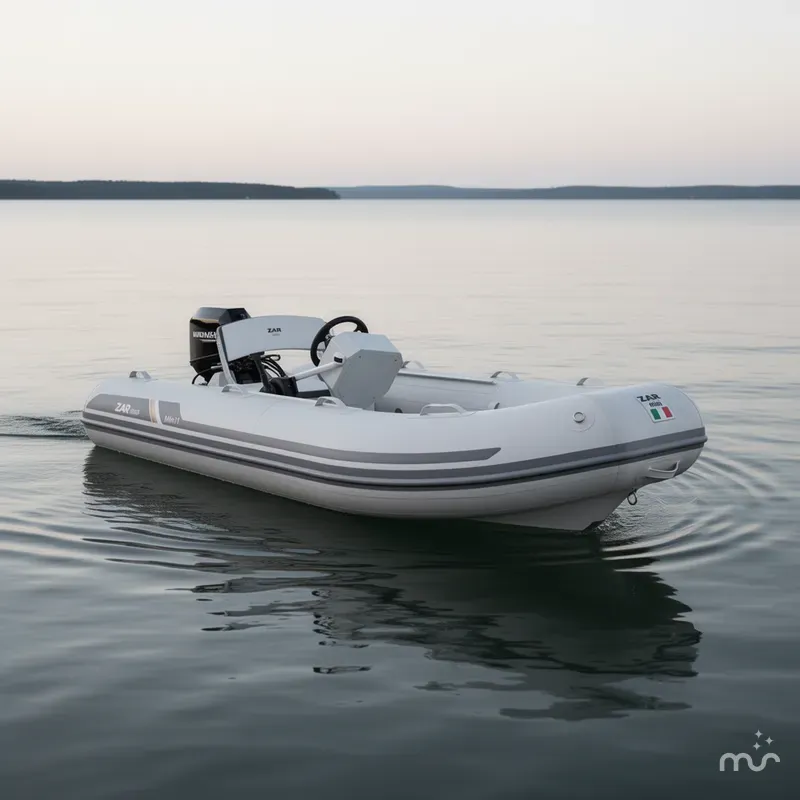
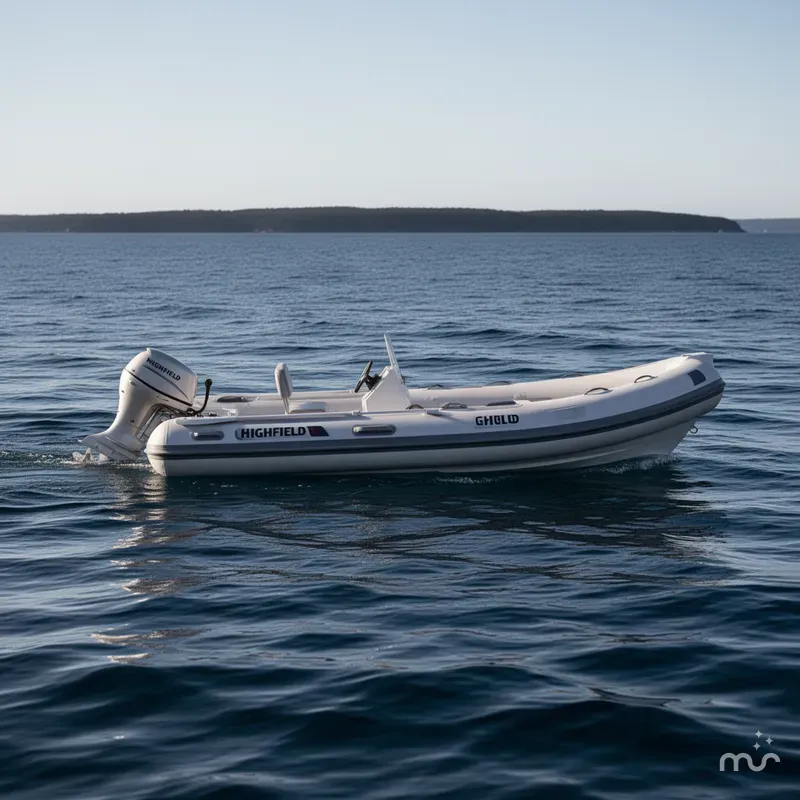
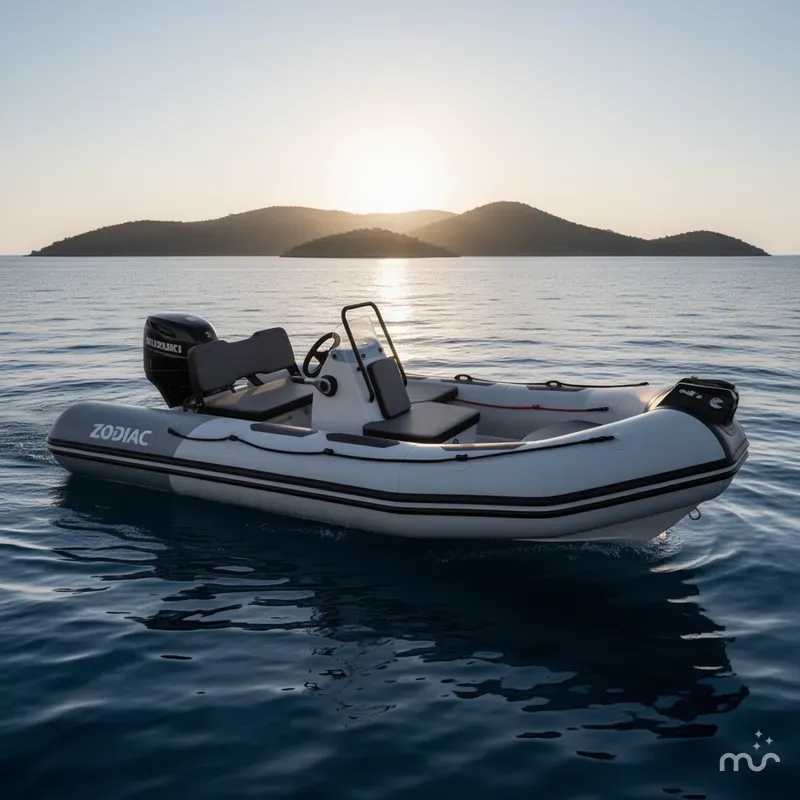
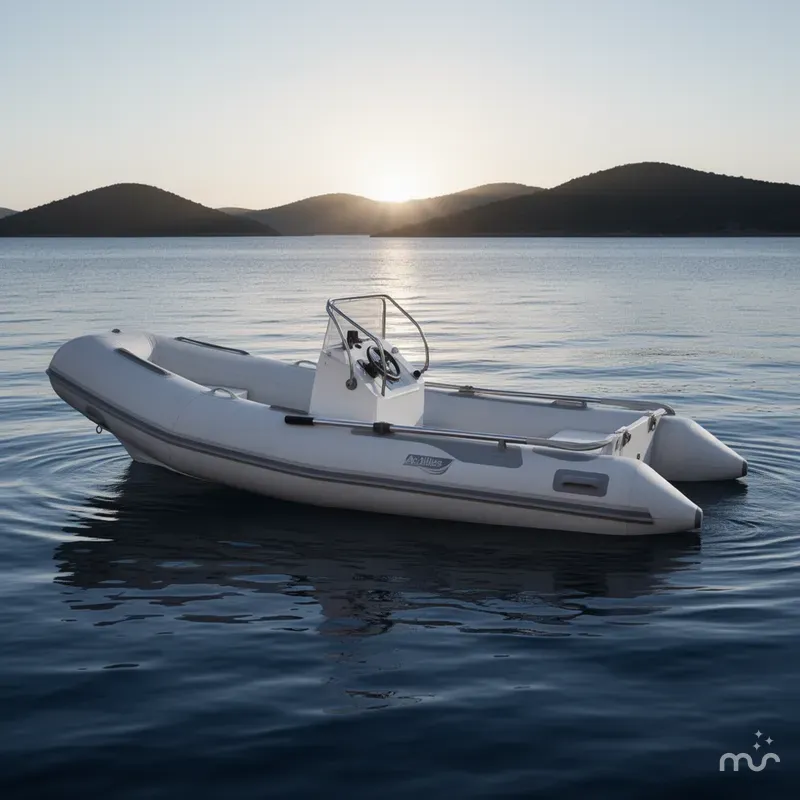
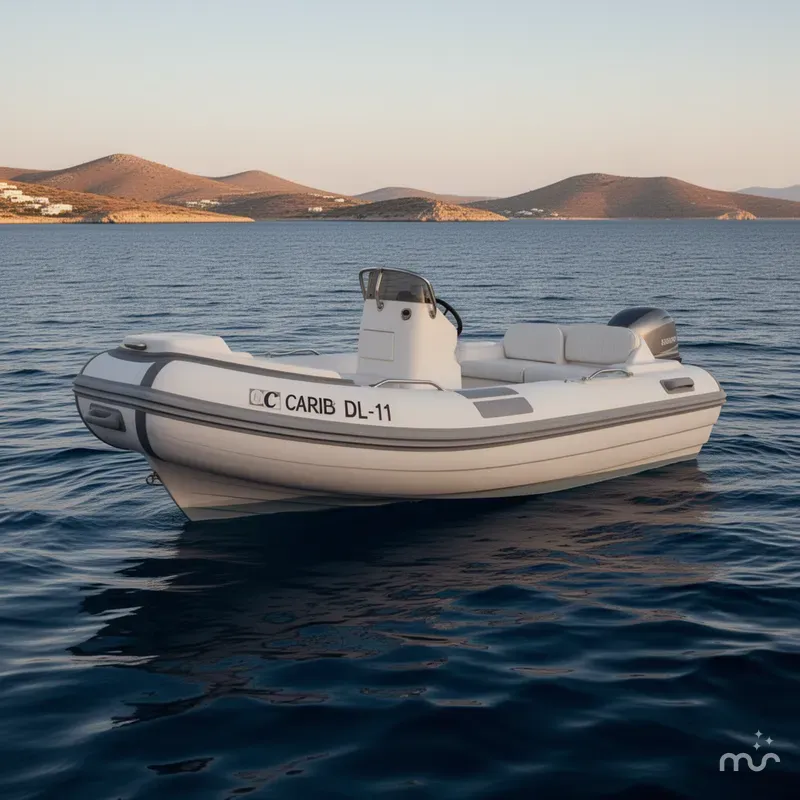
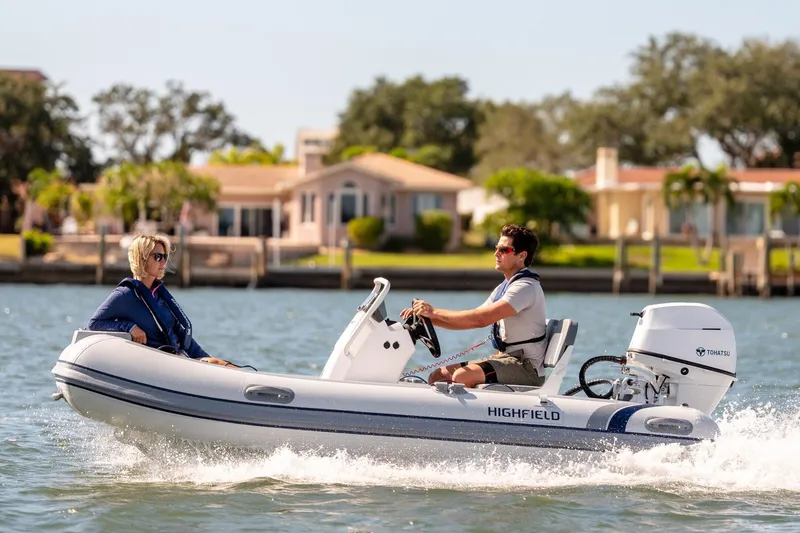
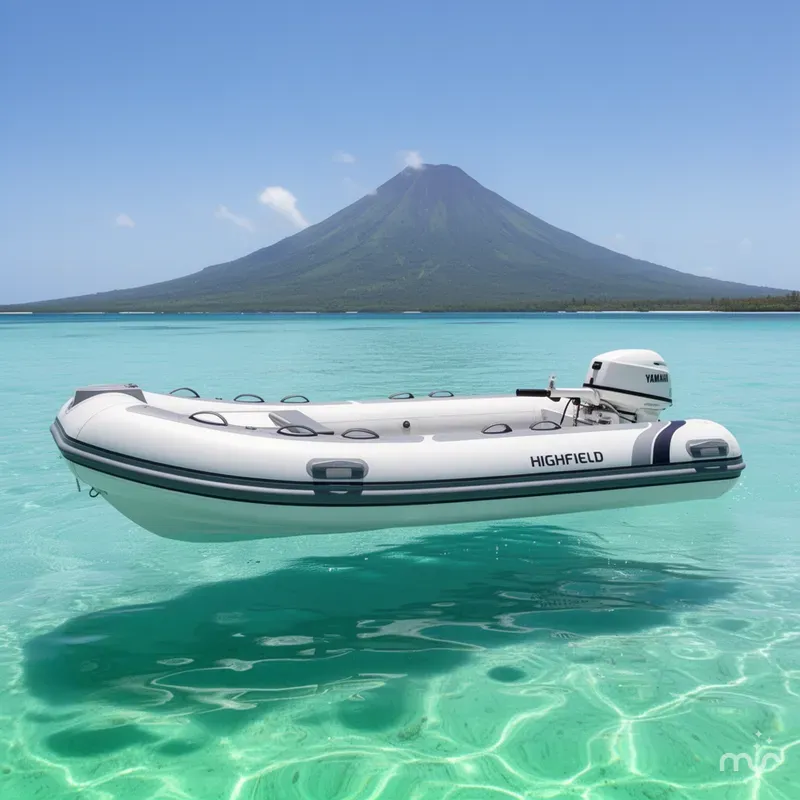
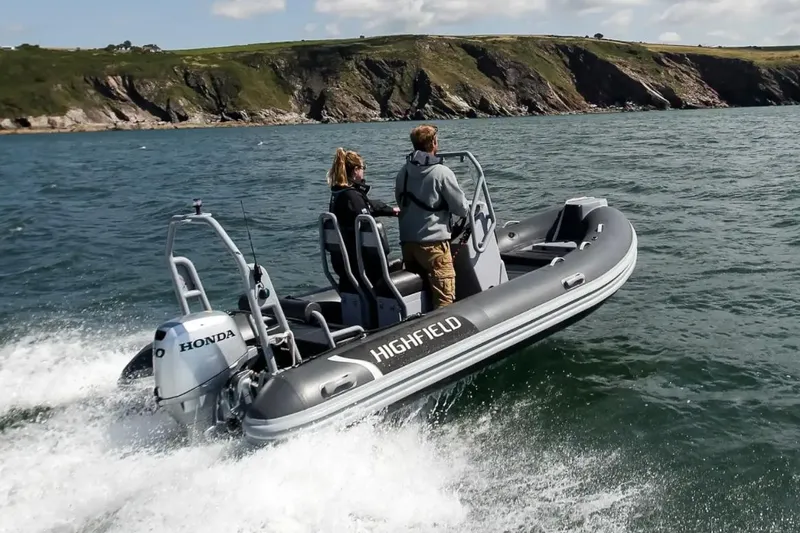
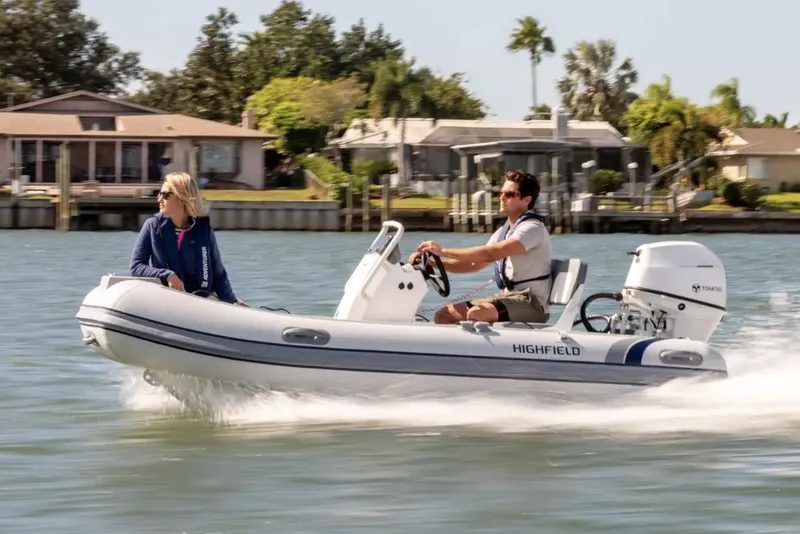
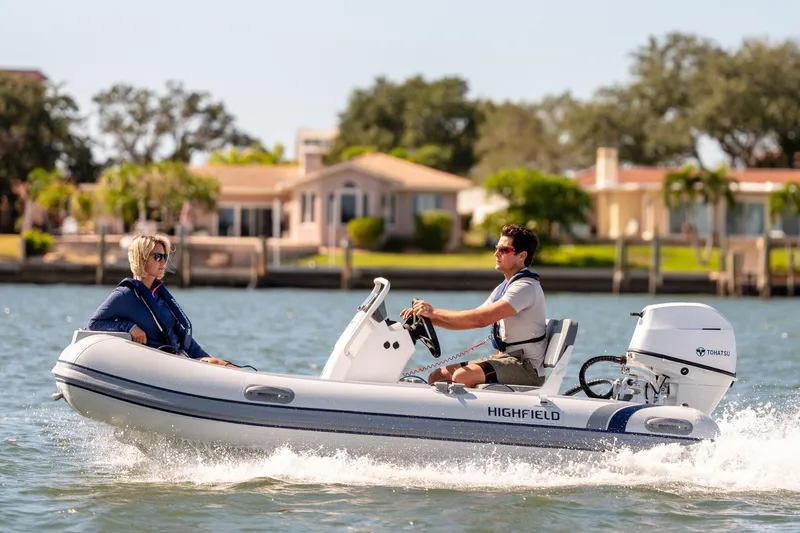
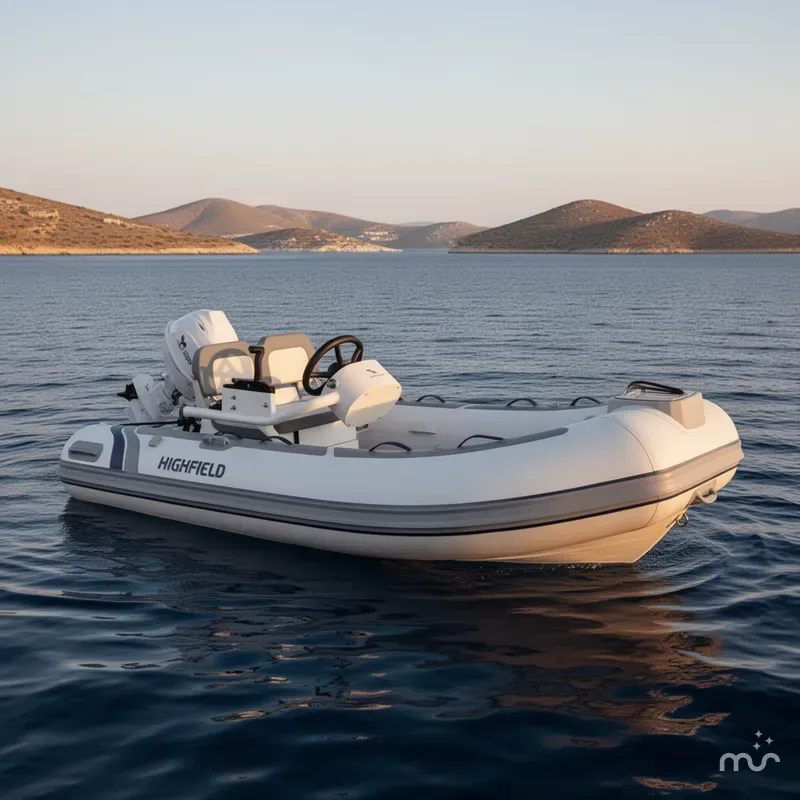
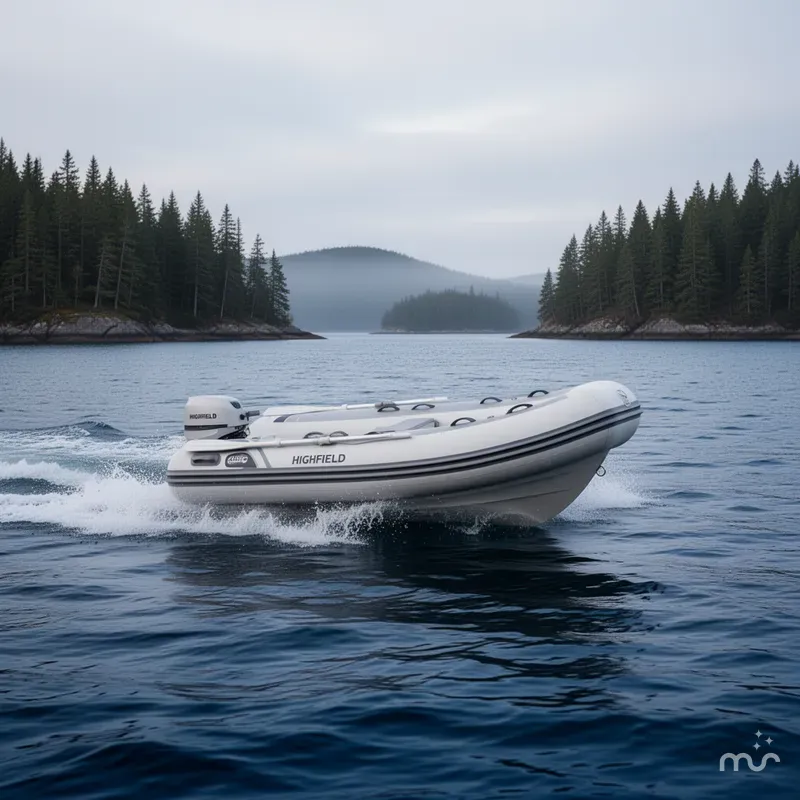
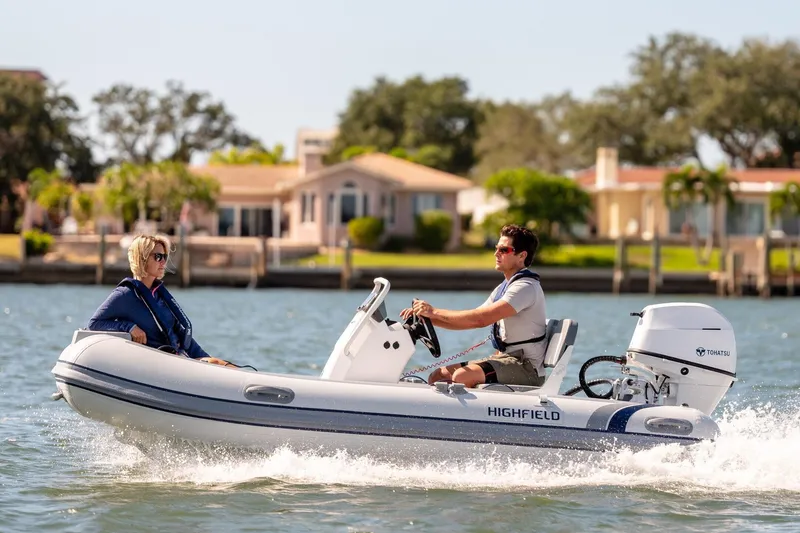
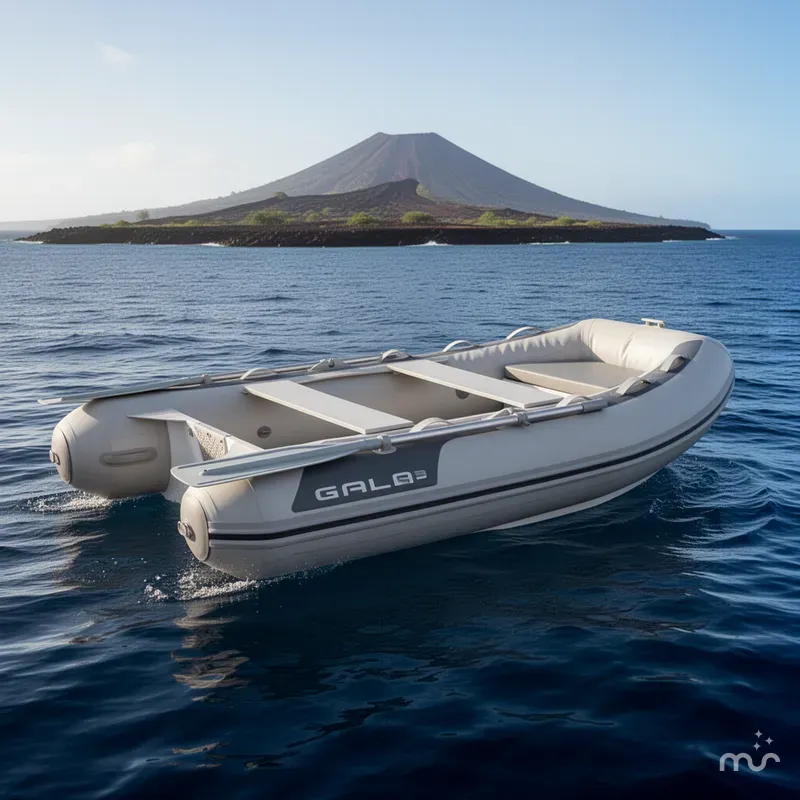
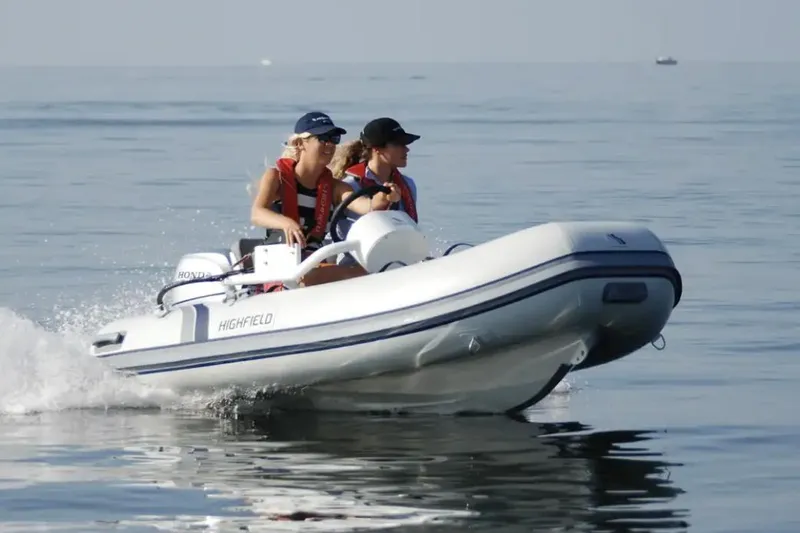
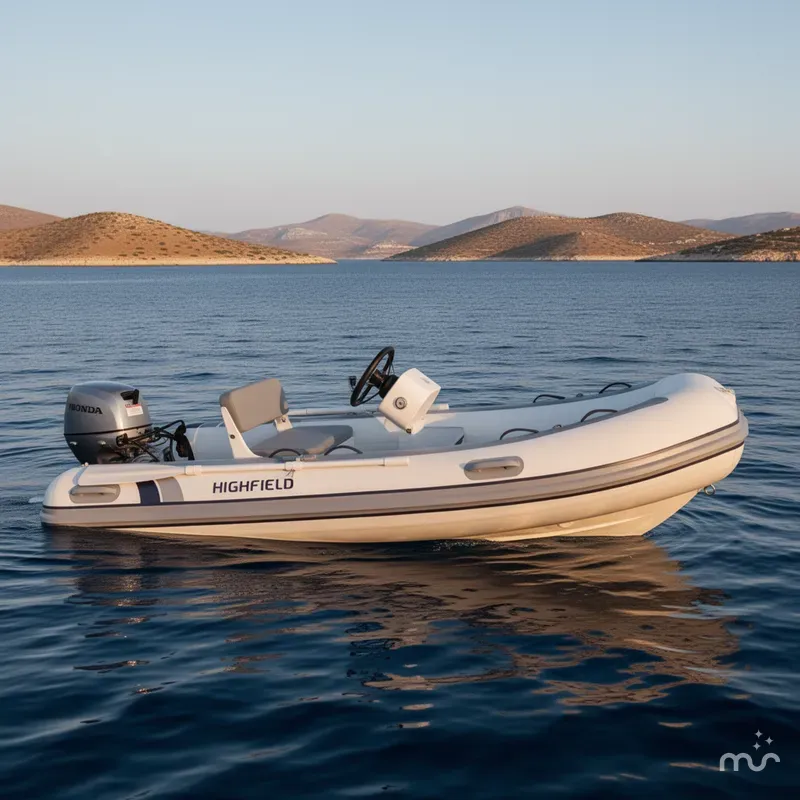
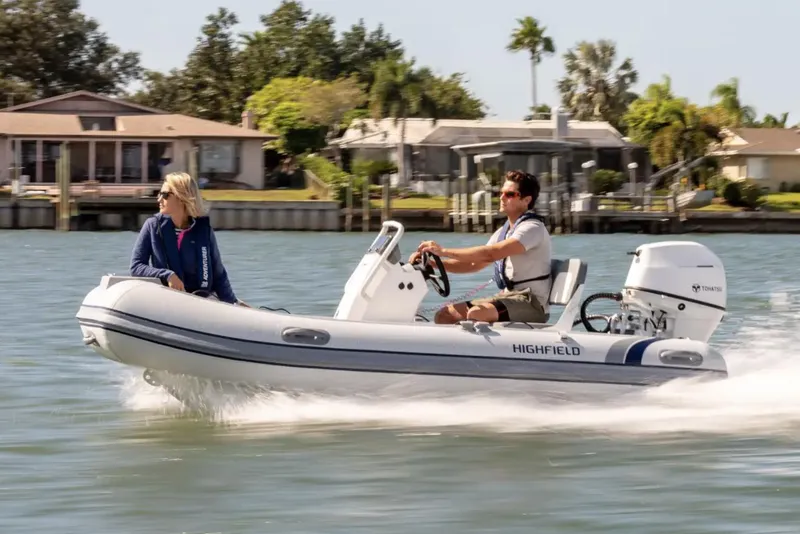
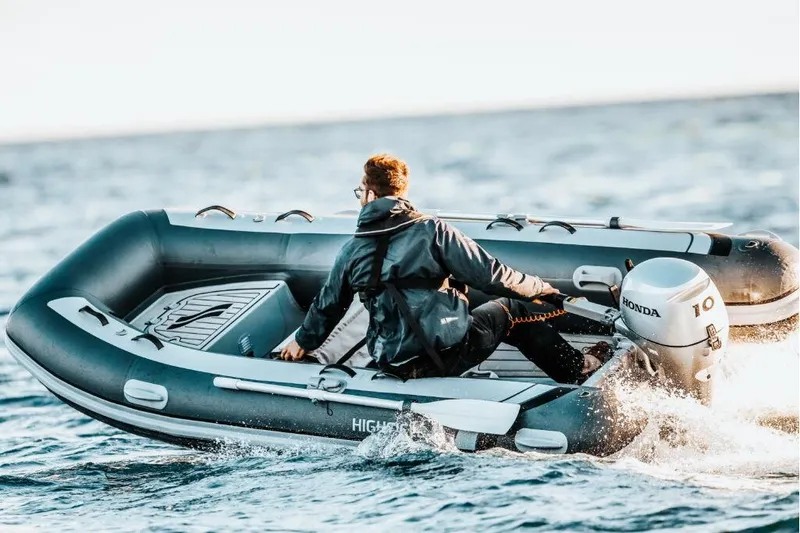
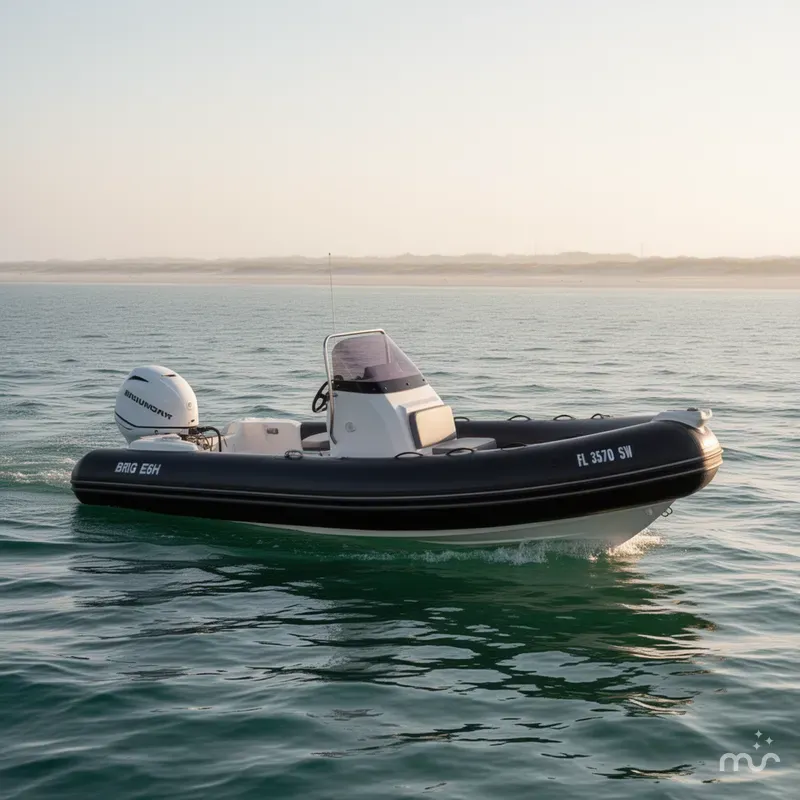
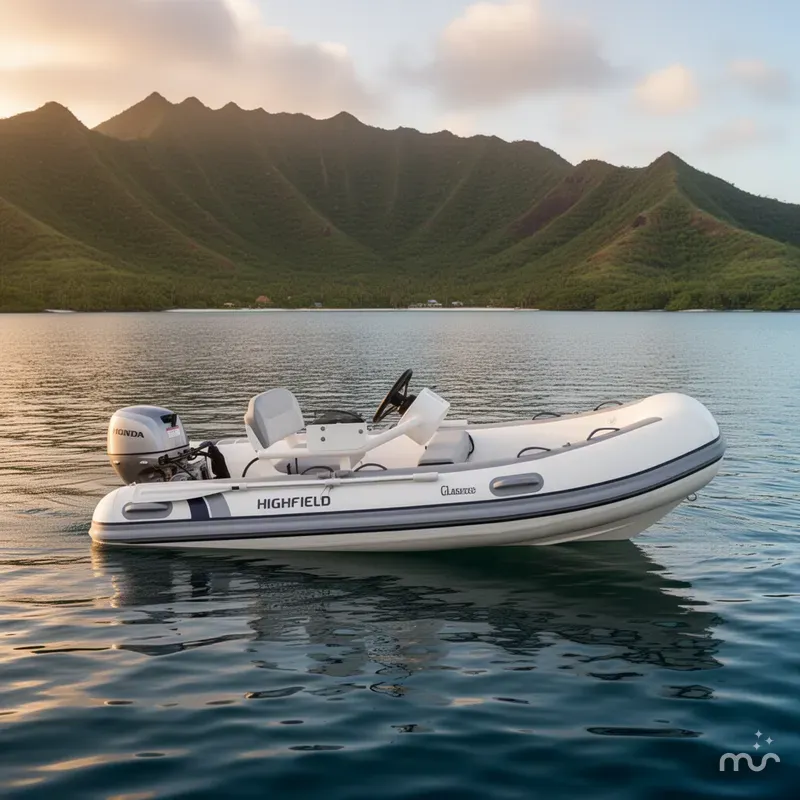
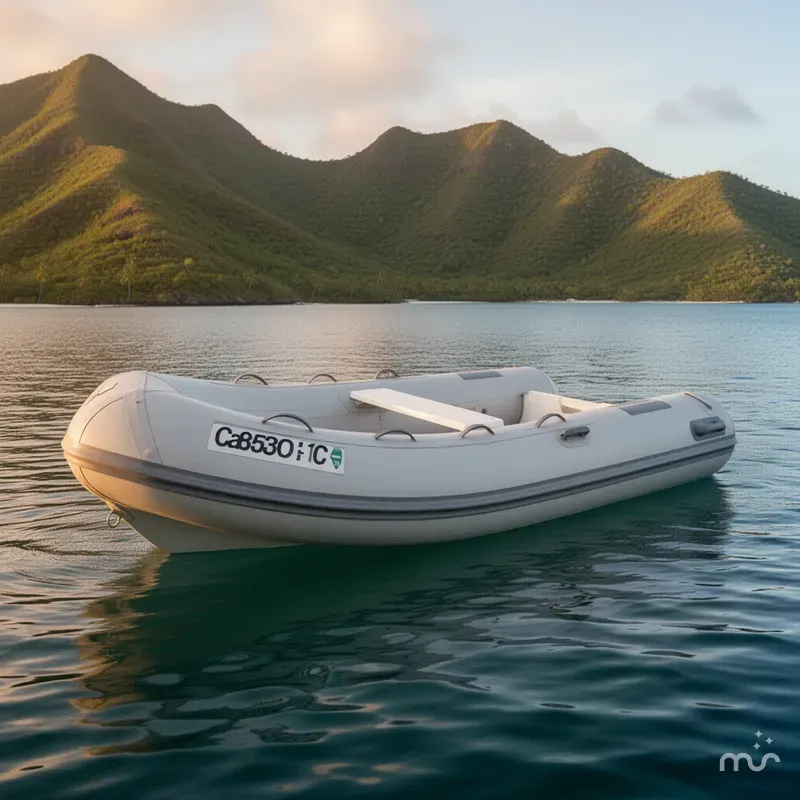
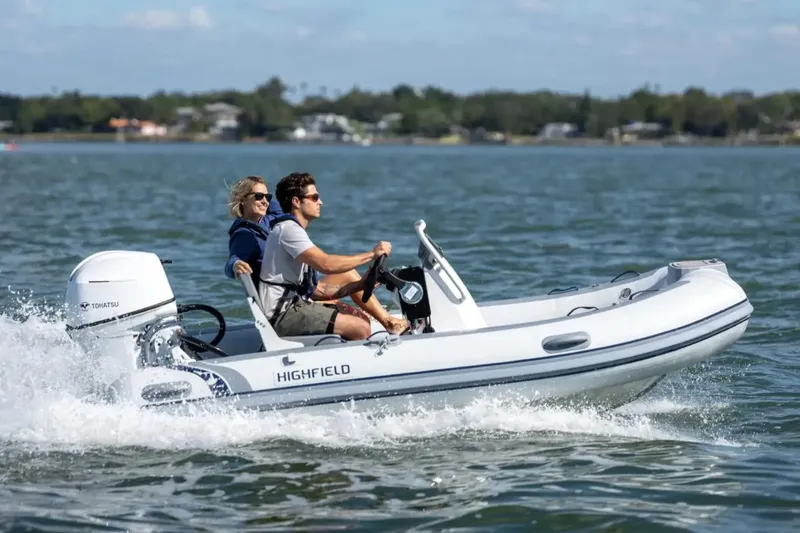
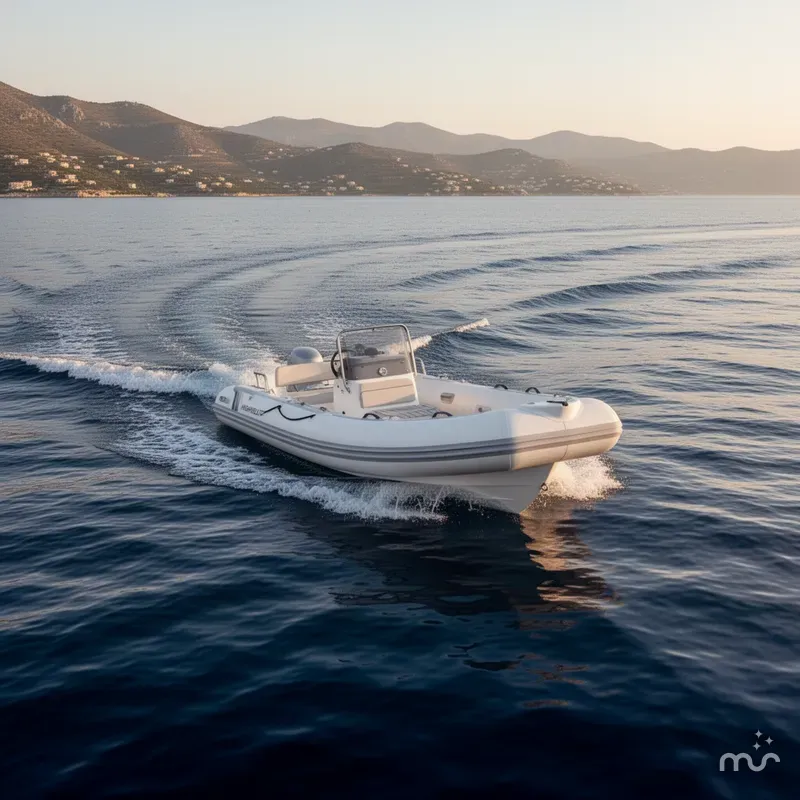
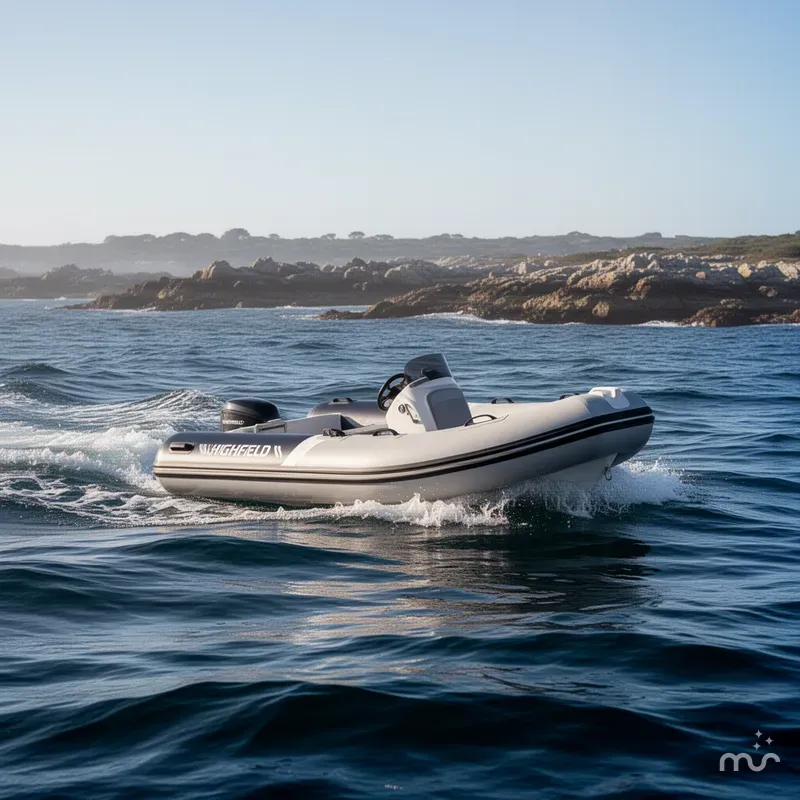
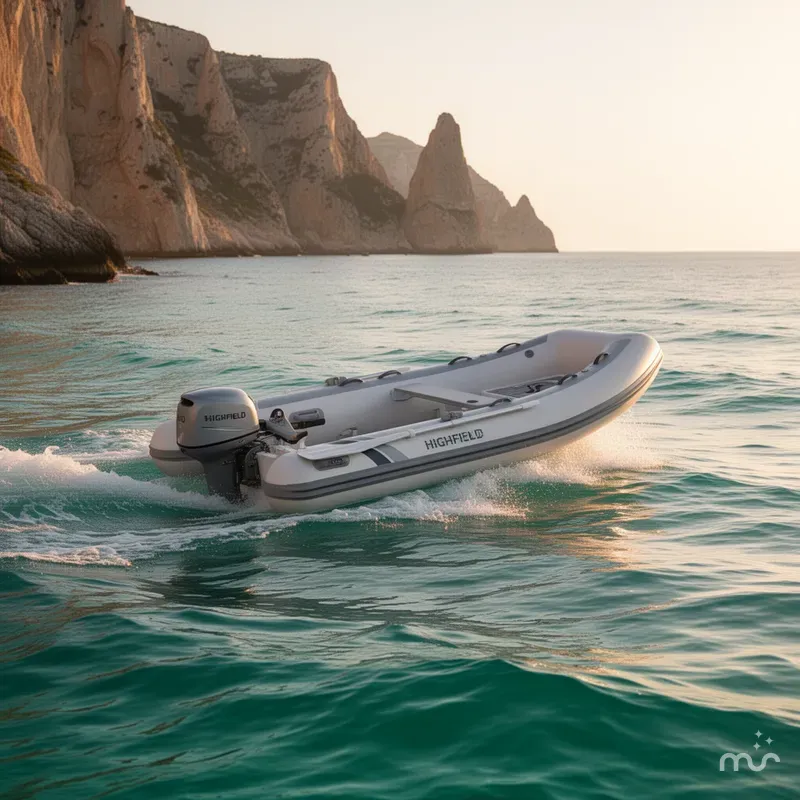
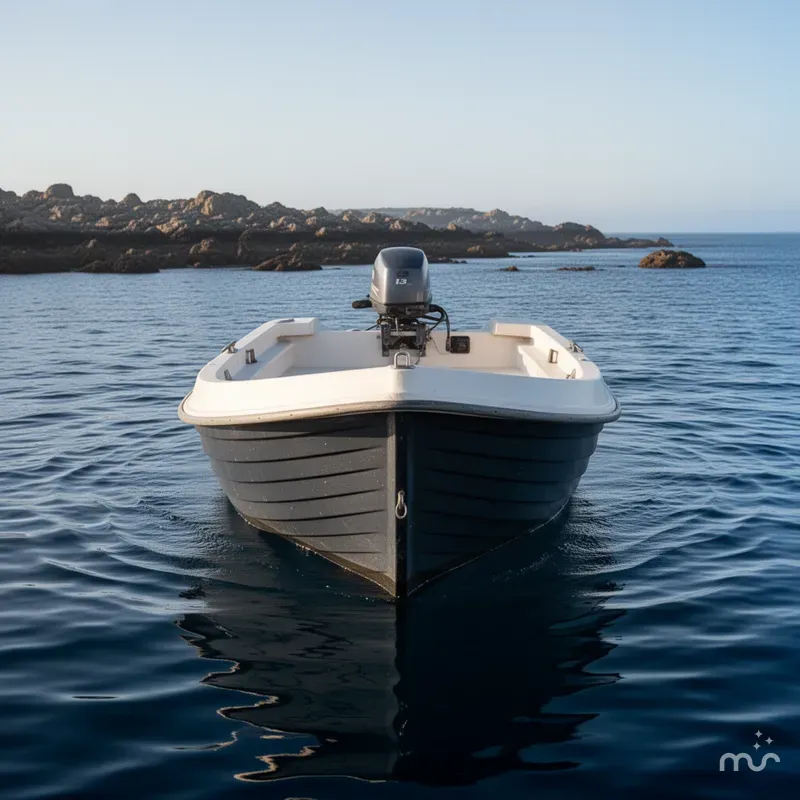
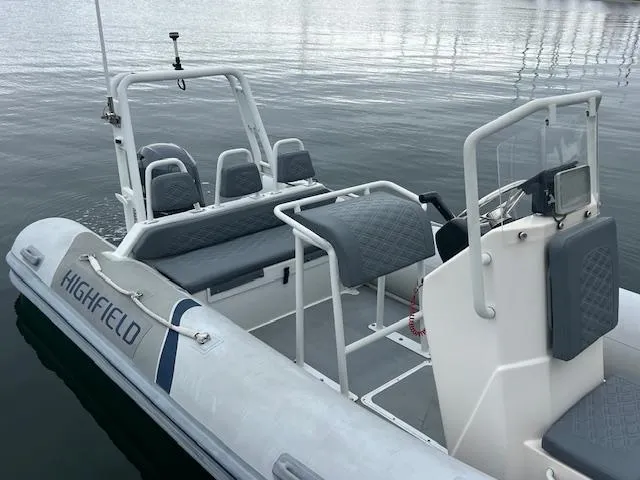
A dinghy is a small, lightweight powerboat typically ranging from 8 to 15 feet in length. It usually features a simple hull design, often a flat or shallow V-shaped hull, optimized for stability and ease of use in calm waters. Historically, dinghies were used as tenders—small boats carried by larger vessels to ferry people and supplies to shore.

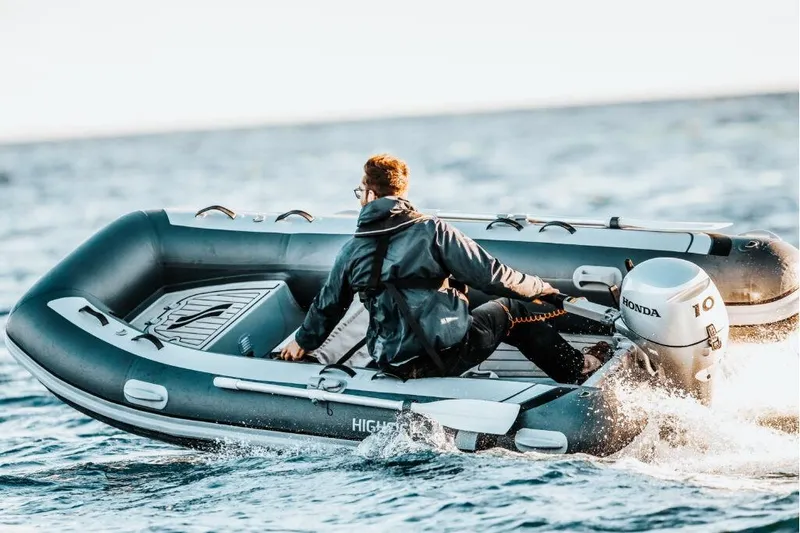
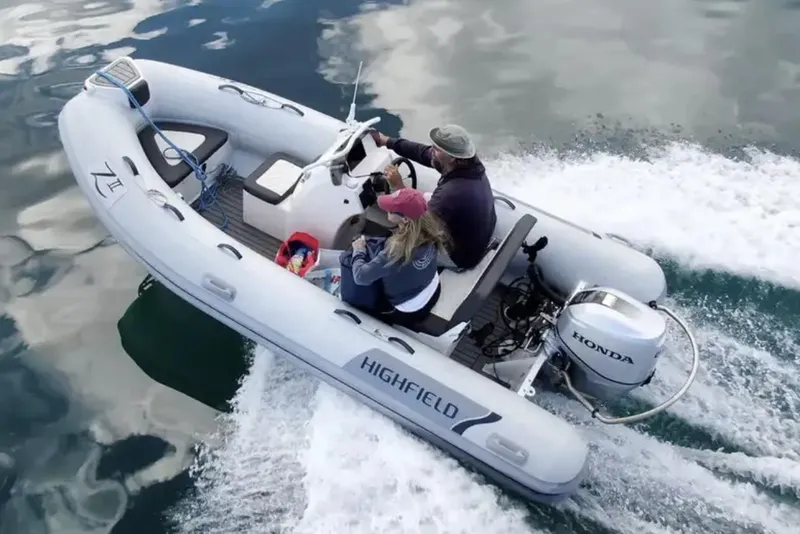
Modern dinghies have evolved to include a variety of hull styles and materials, from inflatable versions to rigid fiberglass models. Their primary appeal lies in their portability, ease of launching, and versatility. Many are equipped with outboard motors ranging from small electric units to gasoline engines, making them suitable for short trips, fishing, or as auxiliary boats.

Despite their small size, dinghies are designed to be surprisingly stable and maneuverable, ideal for navigating tight spaces such as marinas, coves, and shallow bays. Their compact footprint makes them easy to store and transport, which adds to their popularity among boaters who want a secondary vessel or a simple, no-fuss craft.

Pros of owning a Dinghy boat

1. Compact and Easy to Store

Dinghies are small and lightweight, which makes them easy to store in a garage, on a trailer, or even on a larger boat. This compact size also simplifies transport, allowing owners to tow them with smaller vehicles and launch them at a wide variety of ramps and beaches.

2. Versatile Usage

Dinghies serve multiple purposes, from acting as tenders to larger yachts to being standalone boats for fishing, exploring, or casual cruising. Their versatility makes them a practical choice for many boating enthusiasts.

3. Simple Operation

With straightforward controls and minimal onboard systems, dinghies are beginner-friendly and require little maintenance. This simplicity lowers the learning curve and reduces the time and cost associated with upkeep.

4. Stable and Maneuverable

Despite their small size, dinghies often feature hull designs that provide good stability and excellent maneuverability, especially in calm waters. This makes them ideal for navigating tight spaces and docking with precision.

5. Affordable Entry Point

Compared to larger boats, dinghies are generally more affordable to purchase, insure, and maintain. This makes them an attractive option for new boaters or those looking for a budget-friendly addition to their boating arsenal.

Cons of owning a Dinghy boat

1. Limited Space and Comfort

Dinghies offer minimal seating and shelter, which can limit comfort on longer outings or in adverse weather. This makes them less suitable for extended trips or for carrying multiple passengers comfortably.

  • The Silver Lining: Adding simple accessories like a bimini top or portable seating can enhance comfort without compromising portability.

2. Limited Range and Speed

Due to their small engines and fuel capacity, dinghies are best suited for short trips near shore. They lack the power and fuel reserves for high-speed travel or long-distance cruising.
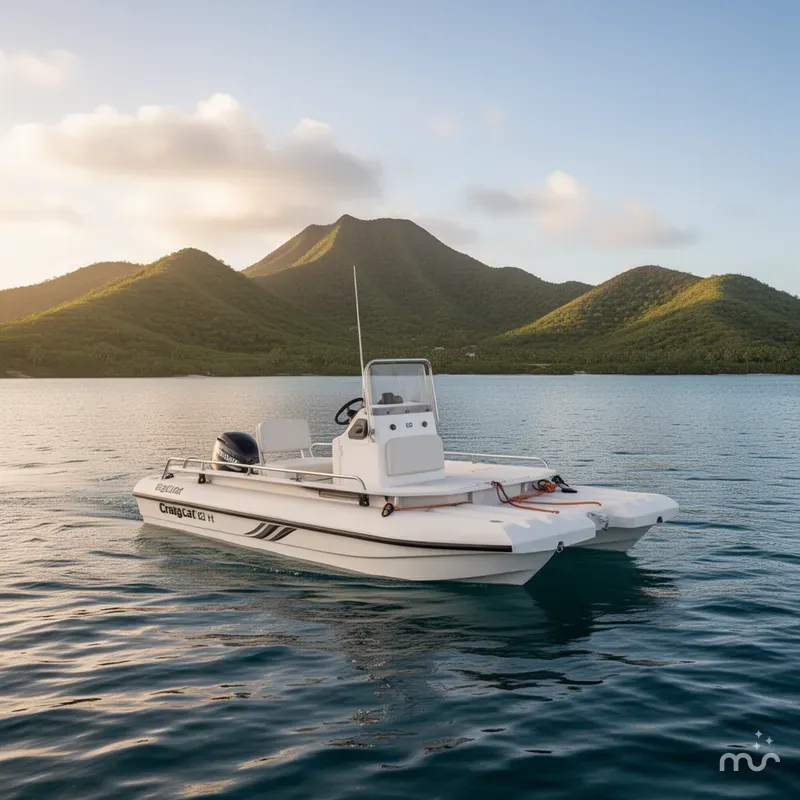
  • The Silver Lining: Use your dinghy for short, purposeful outings where its size and agility shine.

3. Vulnerability to Rough Water

Dinghies are not designed for rough seas or heavy chop. Their small hulls and low freeboard make them susceptible to taking on water and less stable in challenging conditions.

  • The Silver Lining: Stick to protected waters and check weather conditions carefully before heading out.

4. Limited Storage Capacity

Storage space on dinghies is minimal, restricting the amount of gear, supplies, or catch you can bring along. This can be a drawback for fishing trips or day excursions requiring equipment.

  • The Silver Lining: Pack light and use waterproof bags to maximize the space you have.

5. Exposure to Elements

With little to no cabin or enclosure, dinghy occupants are exposed to sun, wind, and rain. This exposure can make outings uncomfortable or limit usage during inclement weather.

  • The Silver Lining: Invest in weather-appropriate clothing and portable shade solutions to stay comfortable.
Handling and Performance

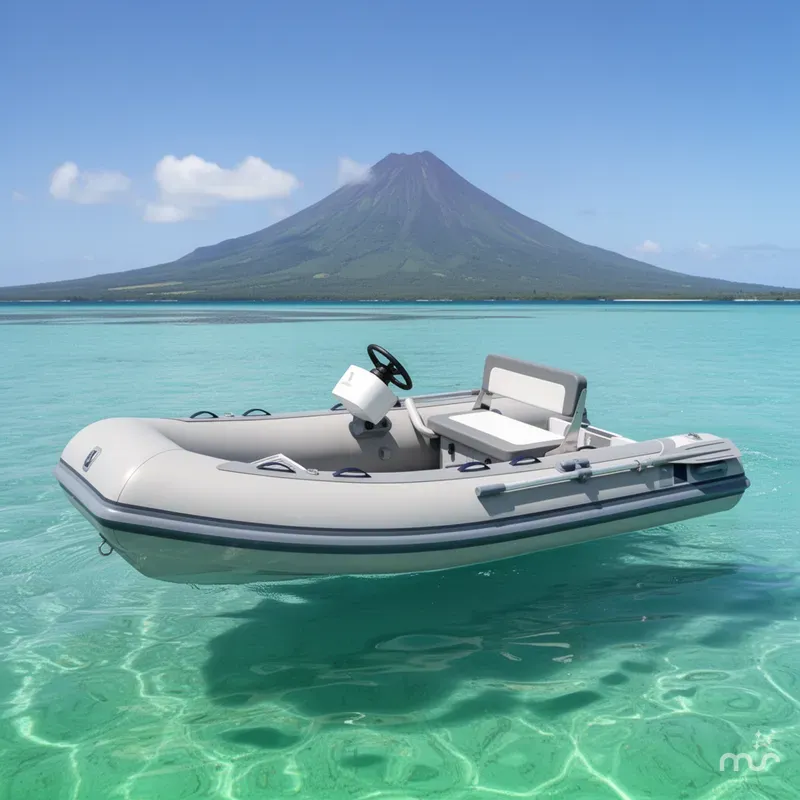
Dinghies typically have limited seating, often accommodating 2 to 6 people depending on size. Their open layout allows for flexible movement but can feel cramped with a full load. Weight distribution is crucial; uneven loading can affect handling and stability. Because of their small size, they are best suited for small groups or solo outings rather than large crowds.
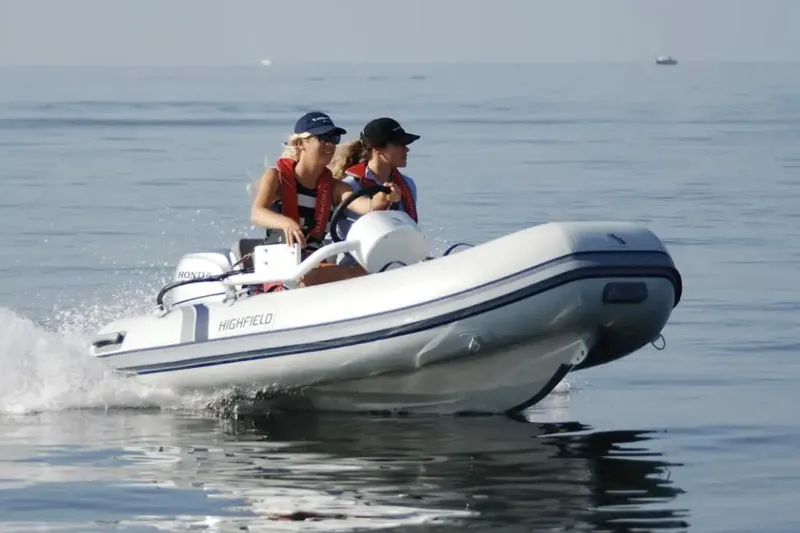
Dinghies are generally not built for high winds or heavy chop. Their low freeboard and lightweight hulls make them more vulnerable to waves and wind gusts. In rough conditions, stability decreases and the ride can become uncomfortable or unsafe. Operators should avoid venturing into rough water and always monitor weather forecasts before use.

Ownership and Logistics

Dinghies are economical in terms of fuel consumption due to their small engines, but specialized maintenance like outboard motor servicing is necessary. Storage costs can vary depending on whether you keep the dinghy at home, in a marina, or on a larger vessel. Insurance costs are generally lower than for larger boats, but all these factors contribute to the total cost of ownership (TCO).

Dinghies tend to hold their value reasonably well due to steady demand for small, versatile boats. However, depreciation is inevitable, especially for older models or those with extensive wear. Market demand for certain types, such as inflatable dinghies, can fluctuate seasonally.

Most dinghies are lightweight enough to be towed by mid-sized SUVs or trucks. The trailer requirements are modest, often involving simple single-axle trailers. This makes dinghies accessible to owners without heavy-duty towing vehicles, enhancing their appeal for casual boaters.

Is a Dinghy the right choice for you?

Dinghies offer a unique blend of simplicity, versatility, and affordability that makes them appealing for a wide range of boating activities. They excel as tenders, fishing boats, or casual day cruisers in calm, protected waters. However, their limited space, exposure to the elements, and performance constraints in rough water mean they are not suited for everyone or every boating scenario.

If you value ease of use, portability, and a low-cost entry into boating, a dinghy could be the perfect companion. But if you need a boat for longer trips, rough conditions, or large groups, you might find a dinghy limiting.

You'll love it if:

  • You want a compact, easy-to-store boat for quick outings and short trips.
  • You prefer a simple, low-maintenance boat with straightforward controls.
  • You need a versatile tender or a small boat for fishing and exploring.
  • You are new to boating and want an affordable entry point.
  • You enjoy boating in calm, protected waters.

It might be challenging if:

  • You need ample seating and shelter for multiple passengers.
  • You plan to venture into rough or open waters regularly.
  • You require significant storage for gear or supplies.
  • You want a high-speed or long-range vessel.
  • You prefer a boat with more comfort and protection from the elements.

Choosing a dinghy invites you into a world of simple, joyful boating—ready to explore the water on your terms with freedom and ease.

Be the First to Know

Get notified when new boats become available.

Logo