Charleston
484 Results
Boating · Destinations
Is Charleston, SC a Good Place for Boating?
Written by: MarineSource.com | Estimated read time: 7 min read
Where the Ashley and Cooper Rivers meet to form a broad, blue harbor before spilling into the Atlantic, Charleston offers a waterfront that feels both historic and alive. From the Battery seawall you can watch shrimp boats and sailboats slide past Fort Sumter, while pods of dolphins surface in the channel and pelicans glide just above the chop. Marsh grasses glow gold at low tide, and barrier islands like Sullivan’s Island and Morris Island help shelter the harbor from the open ocean.
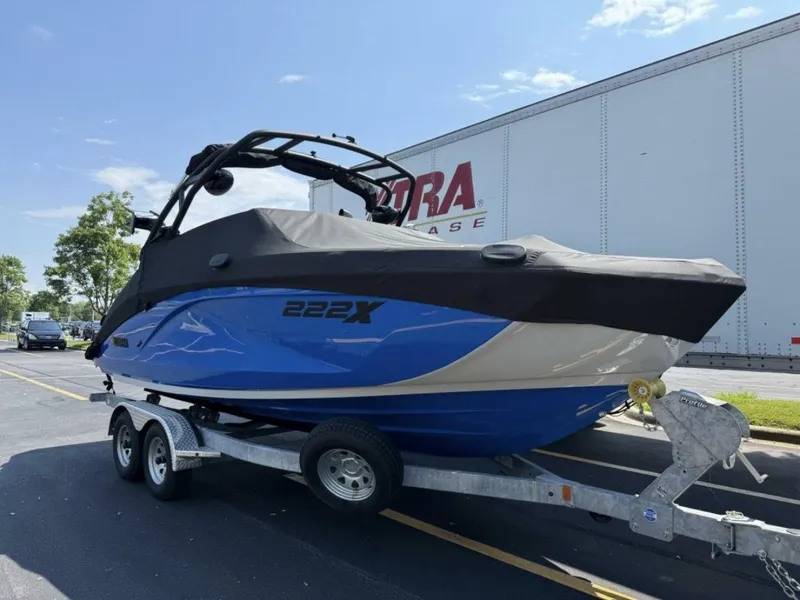
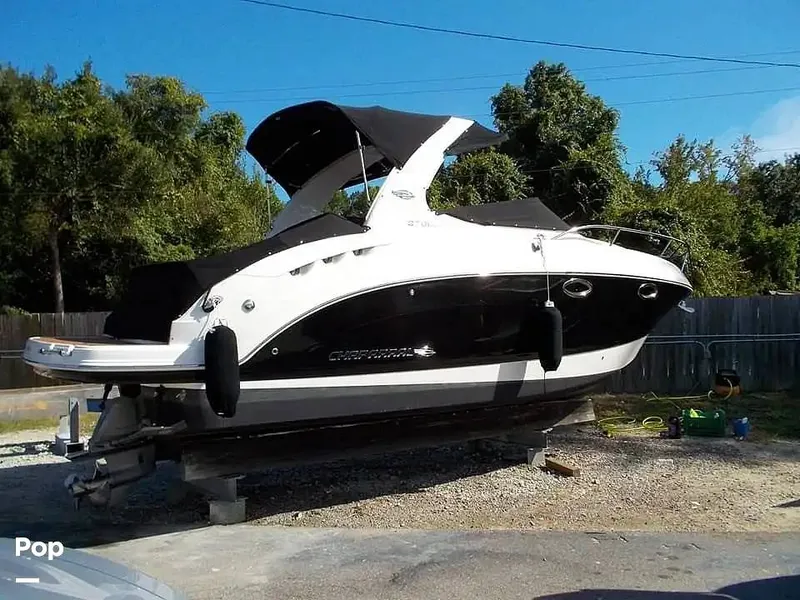
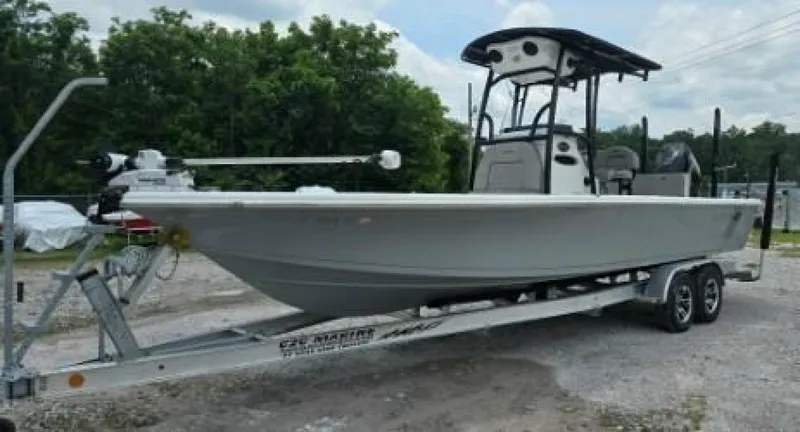
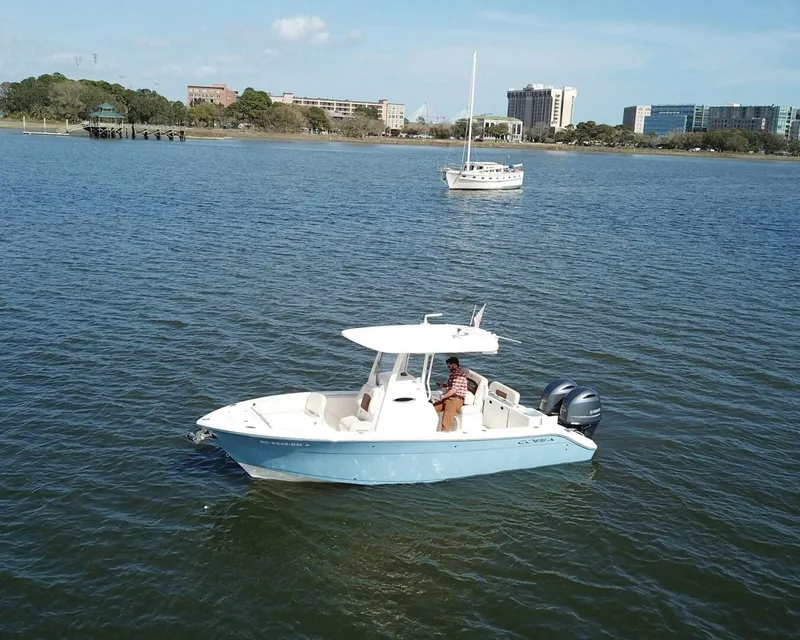
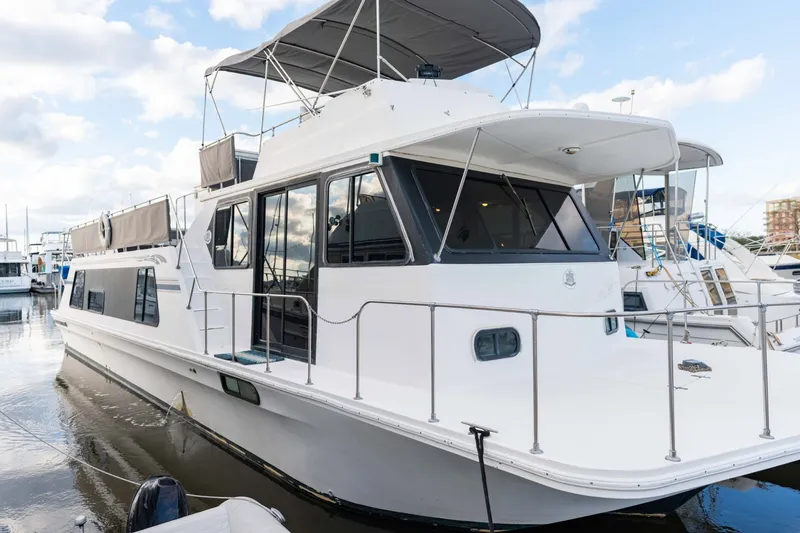
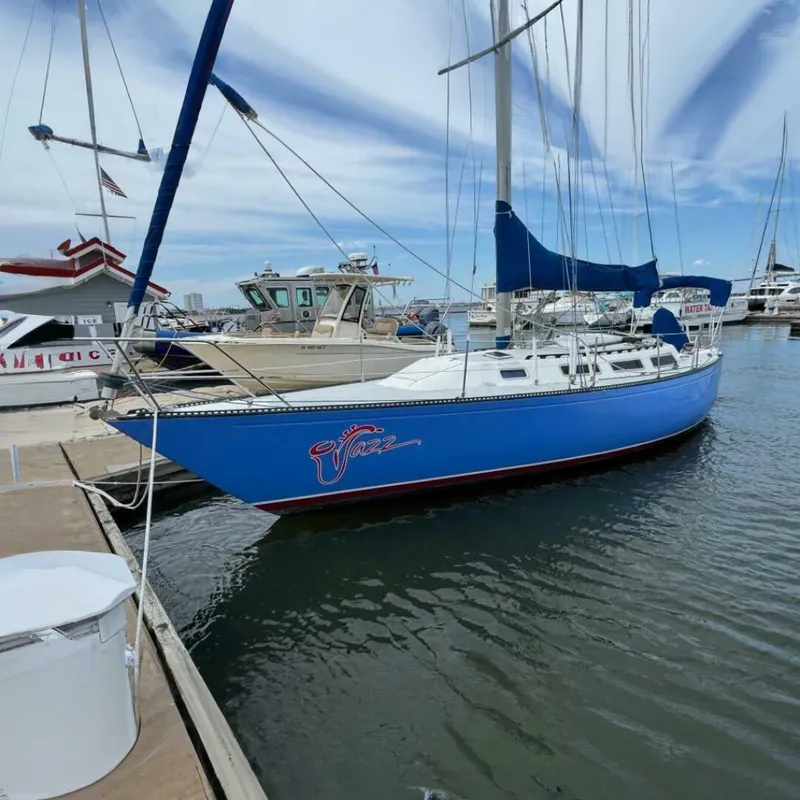
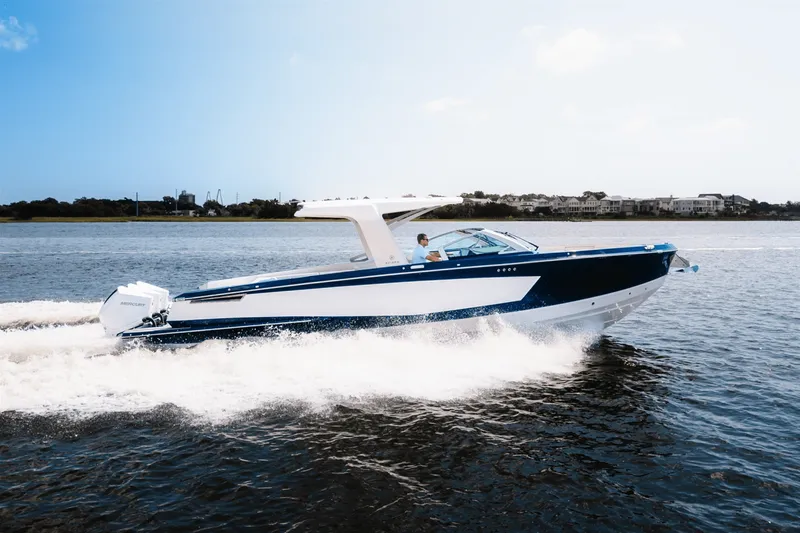
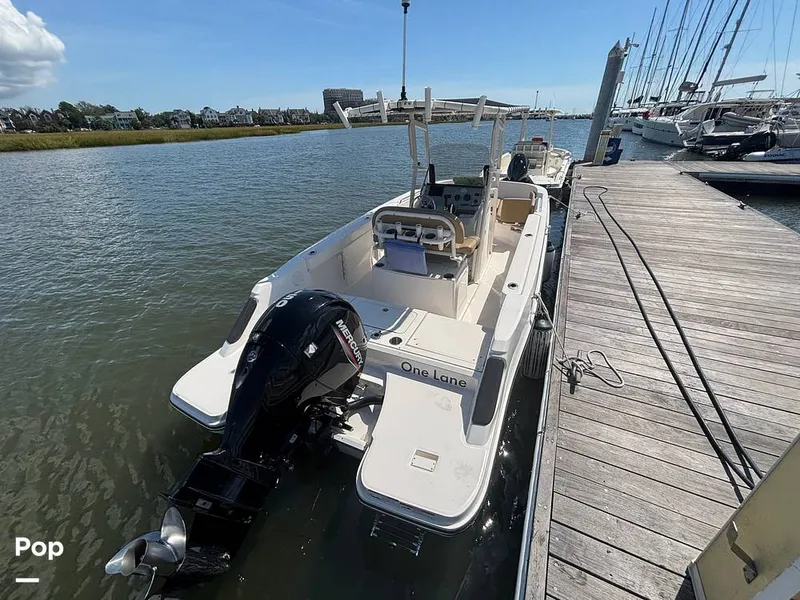
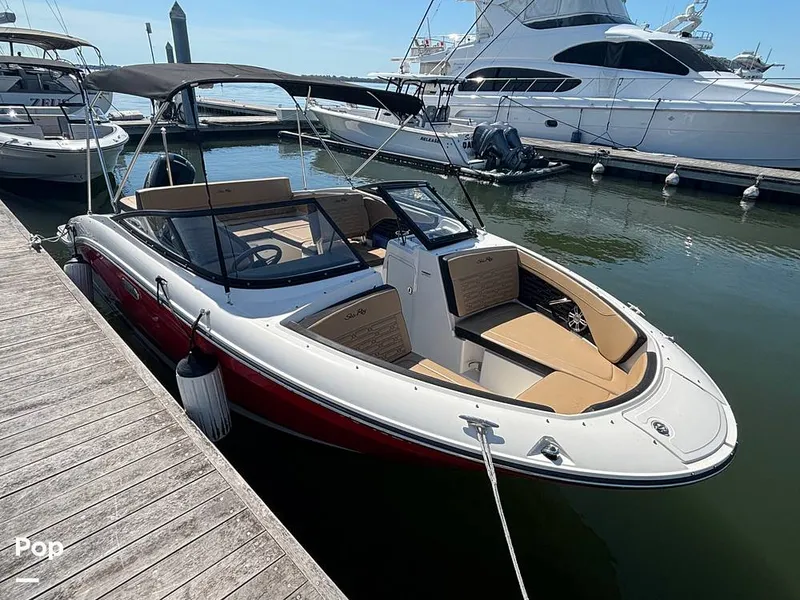
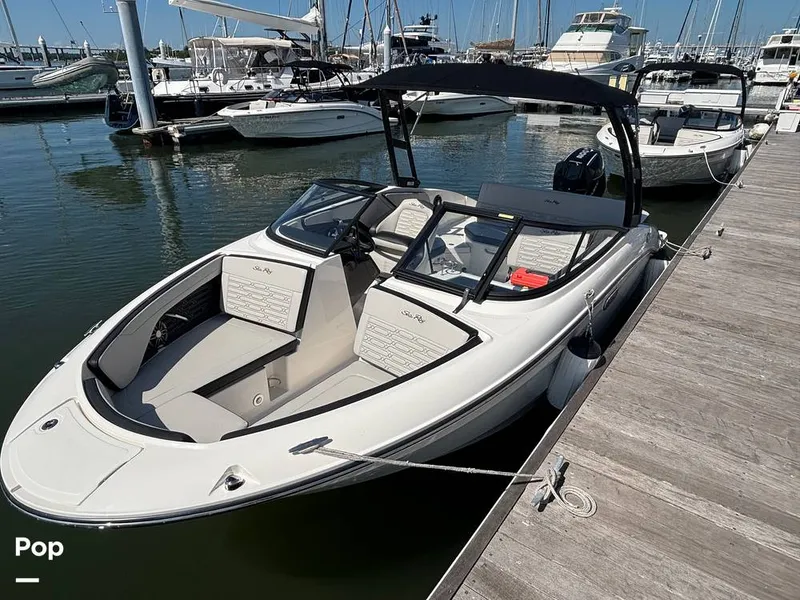
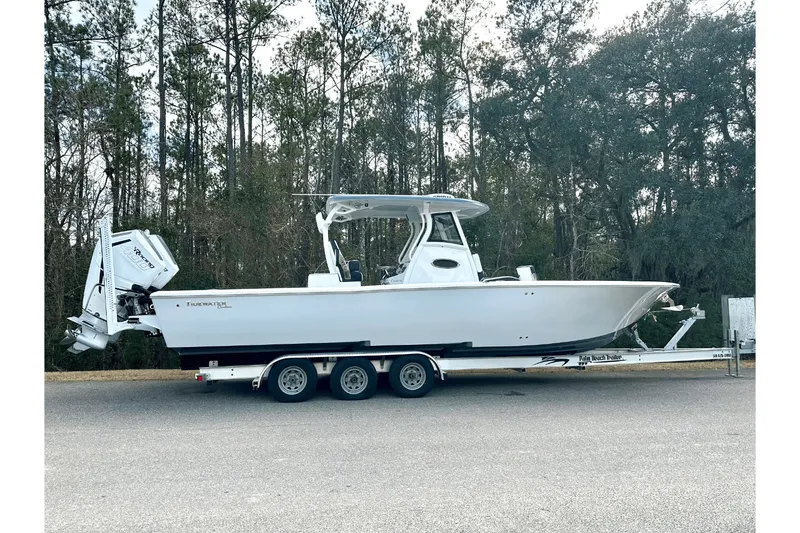
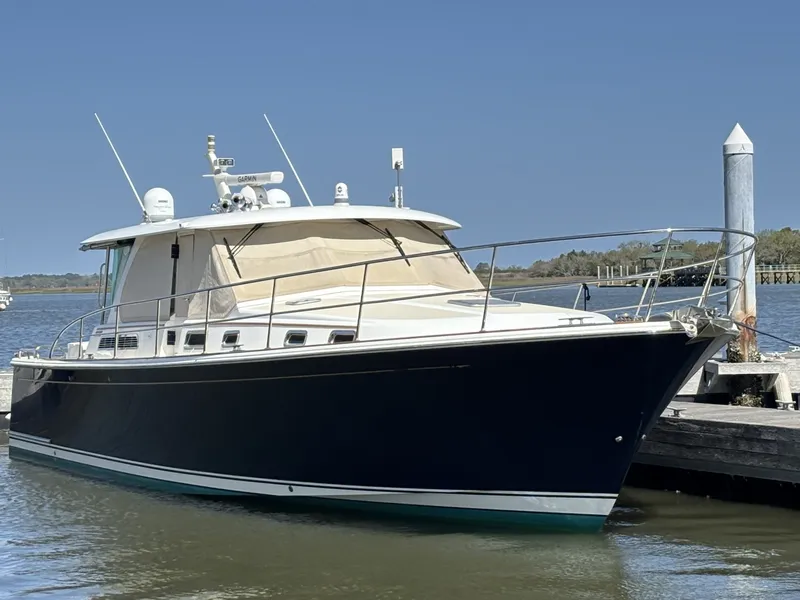
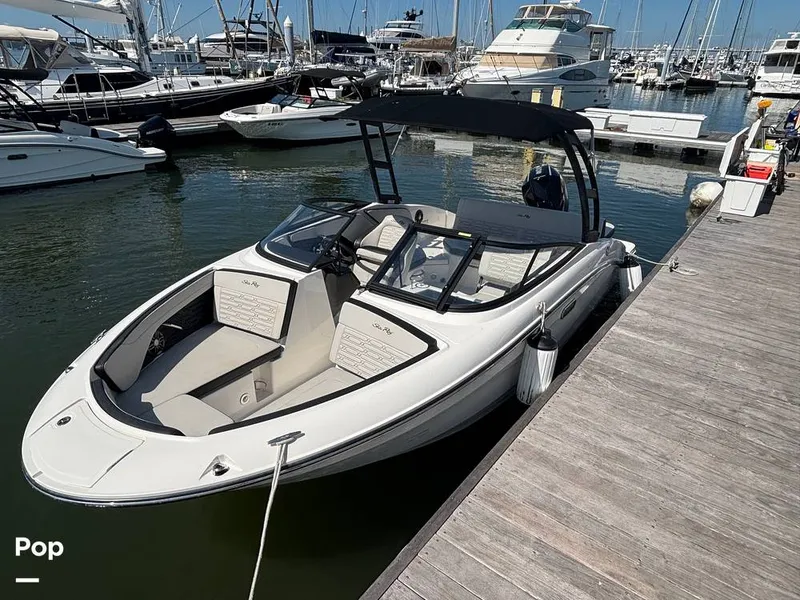
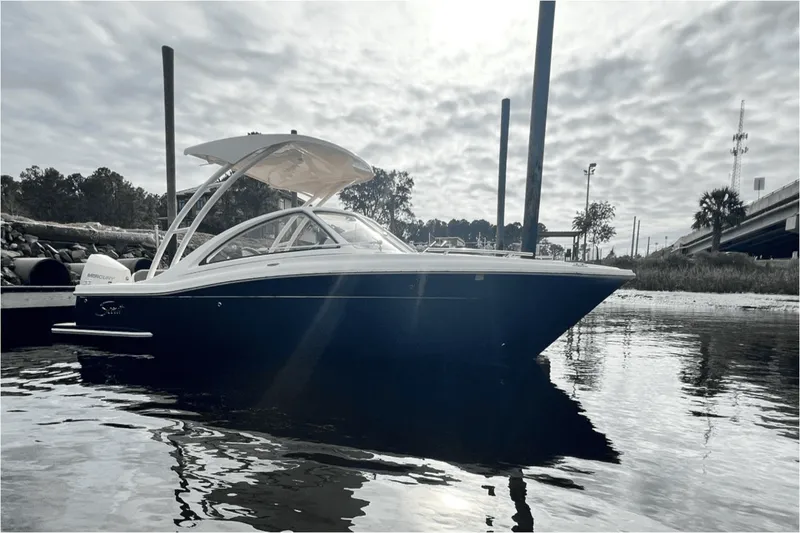
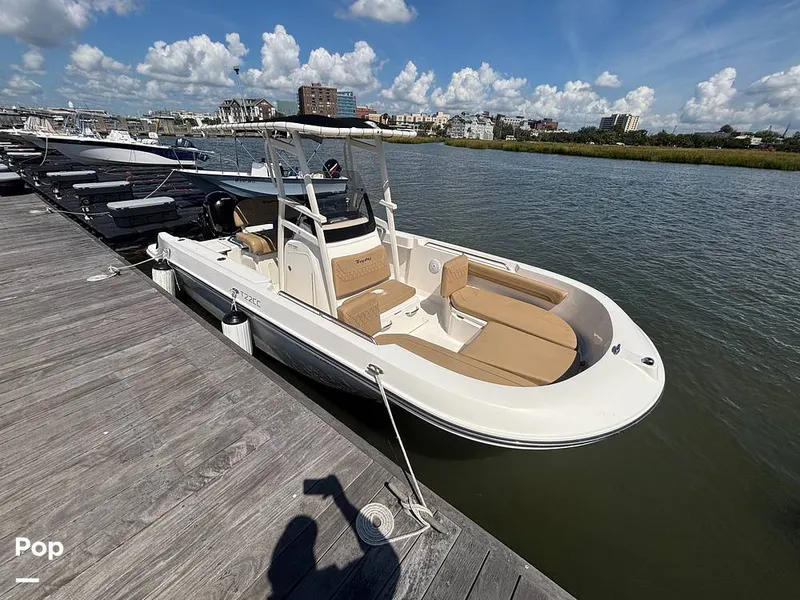
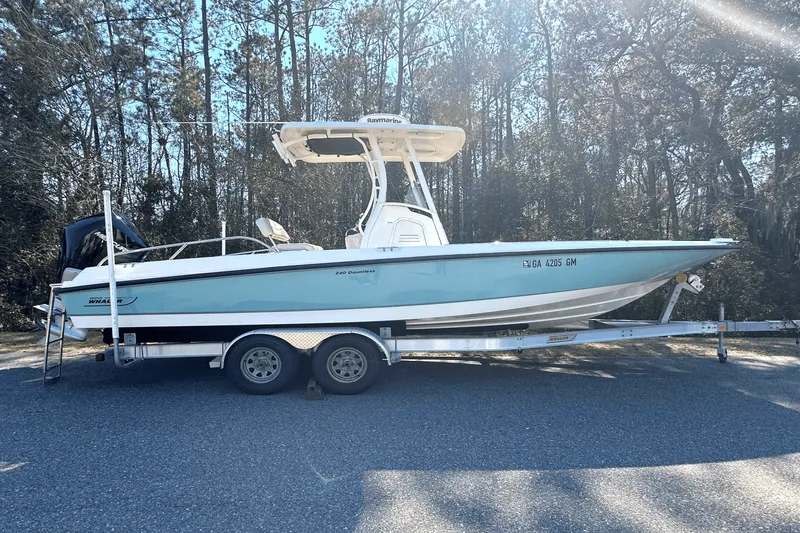
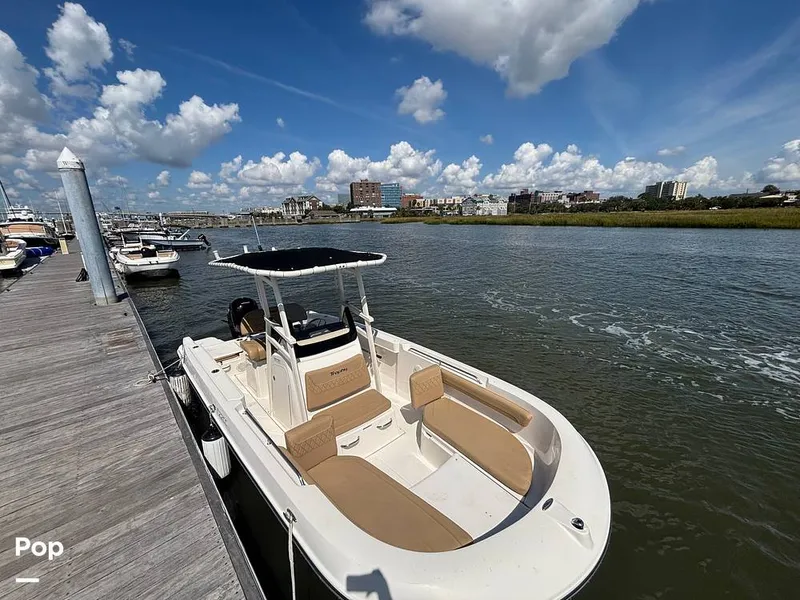
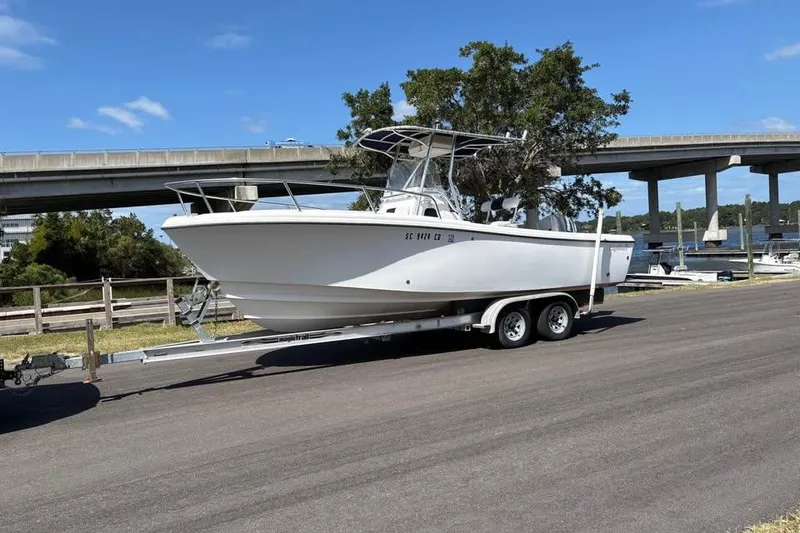
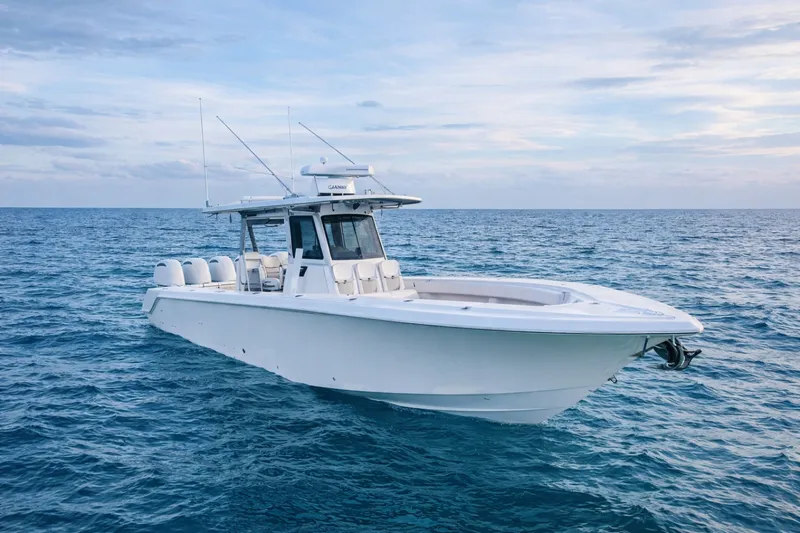
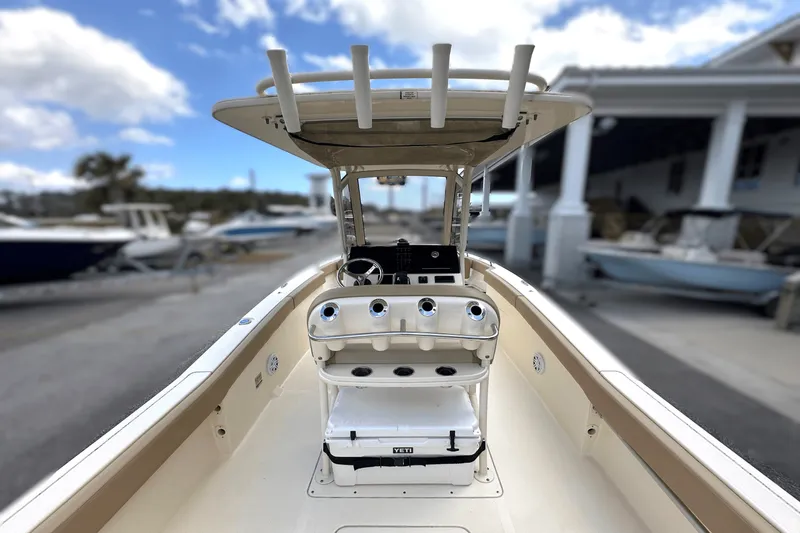
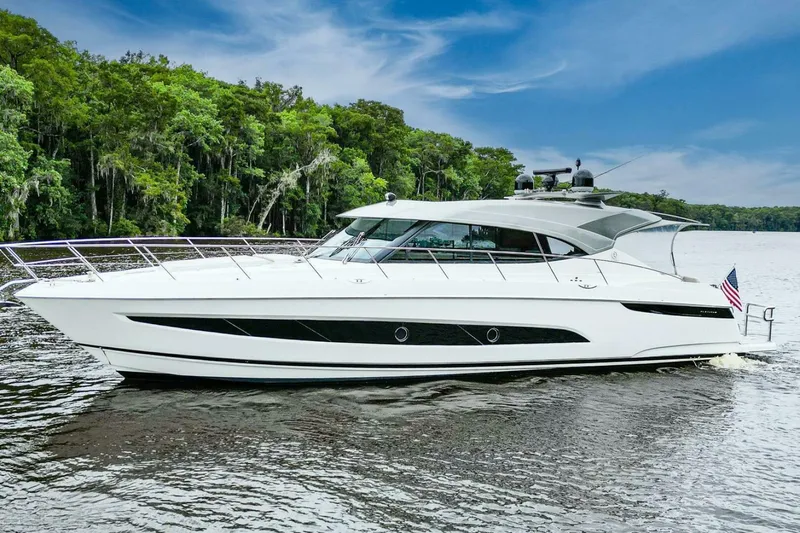
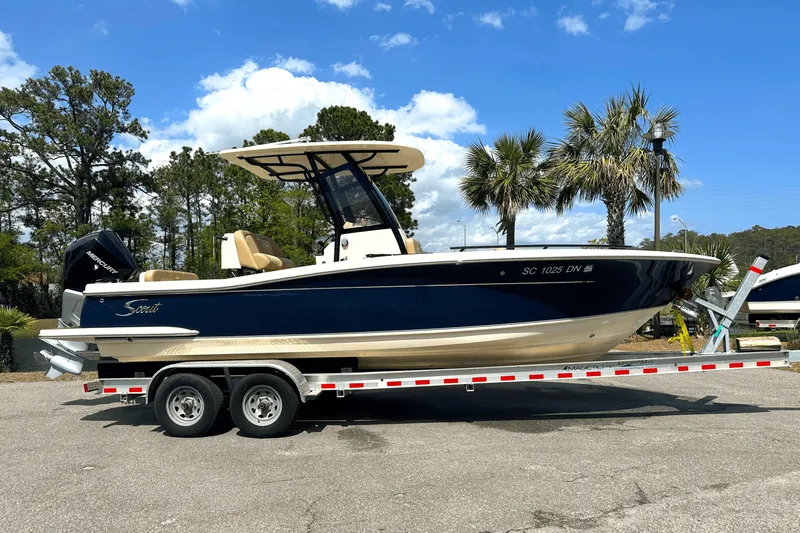
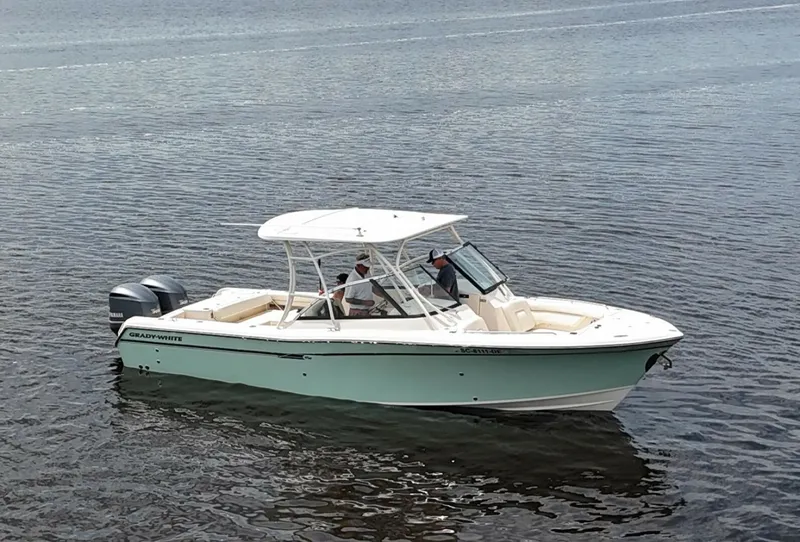
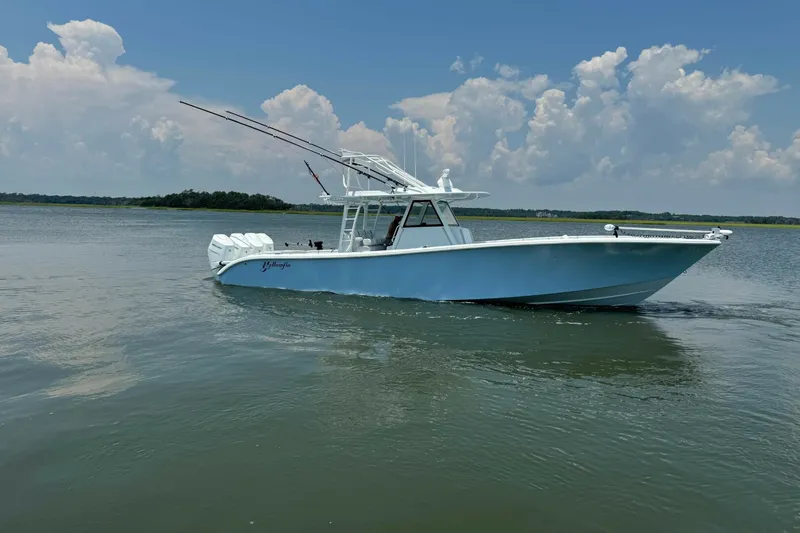
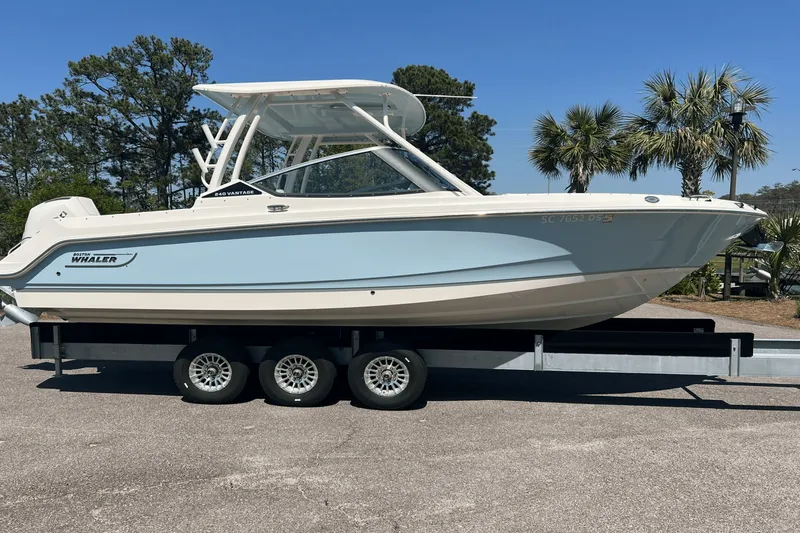
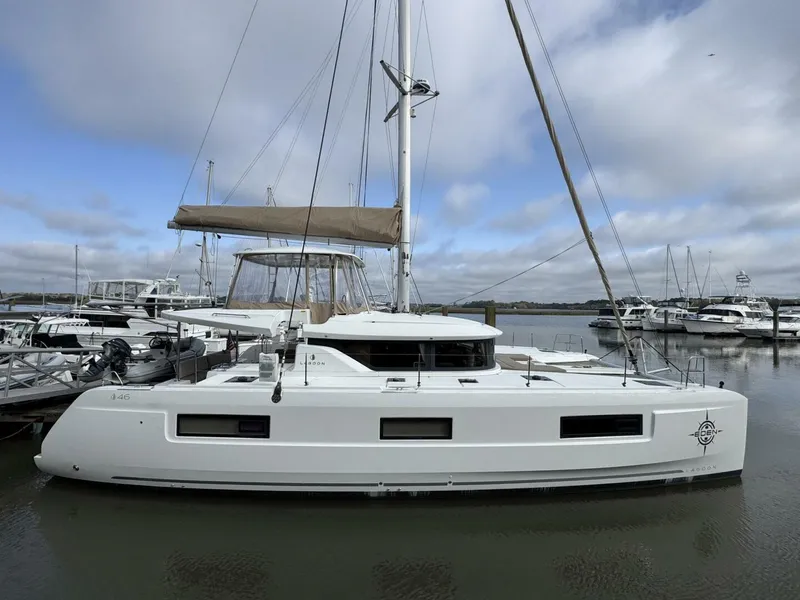
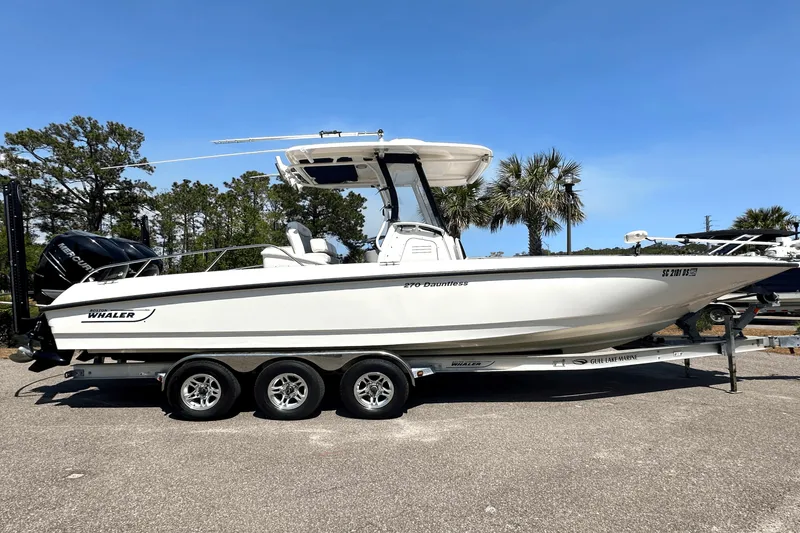
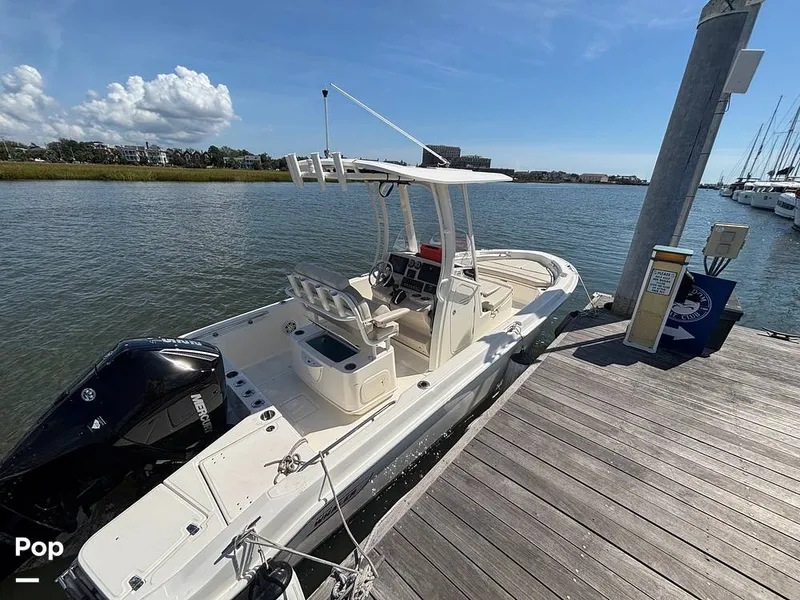
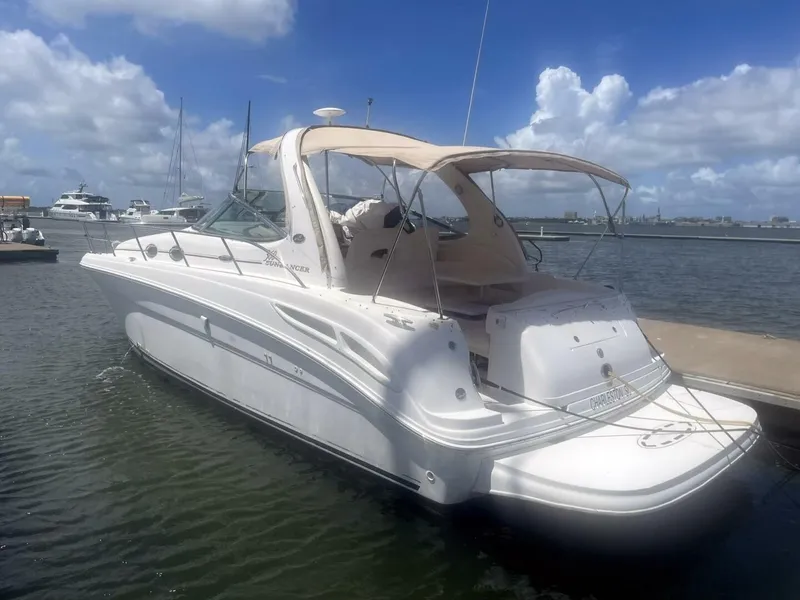
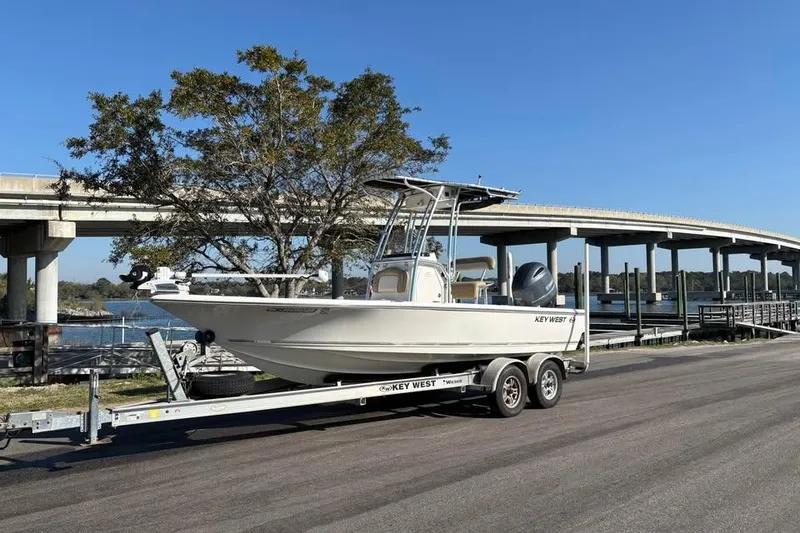
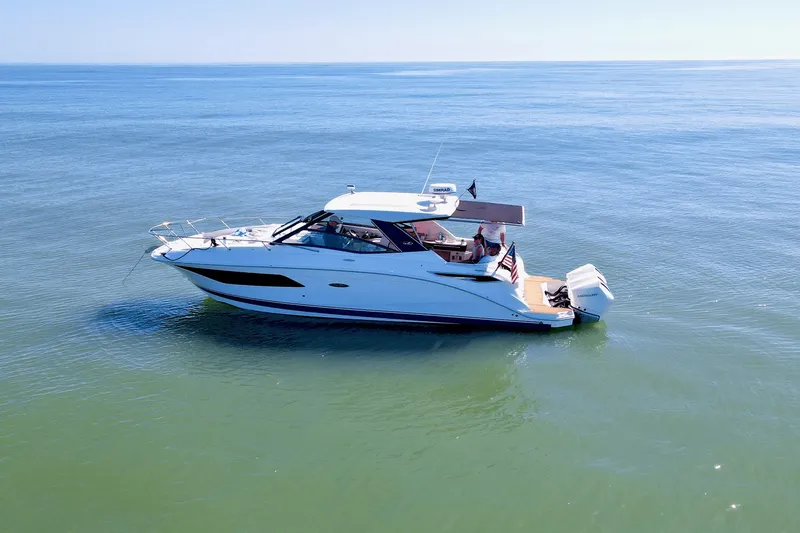
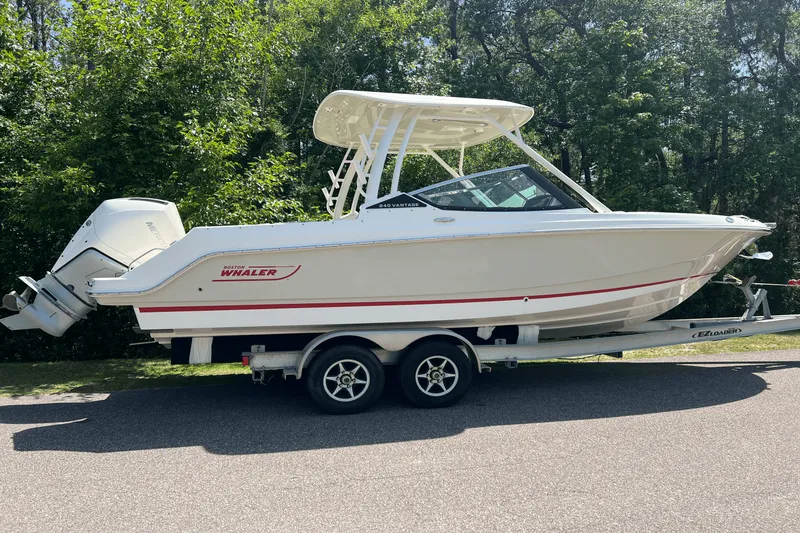
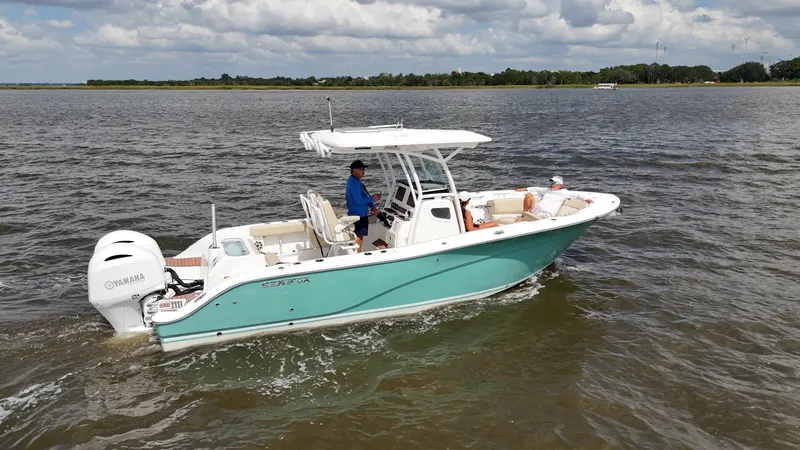
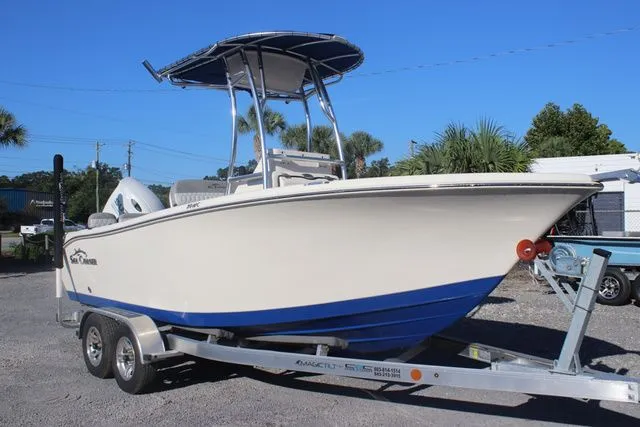
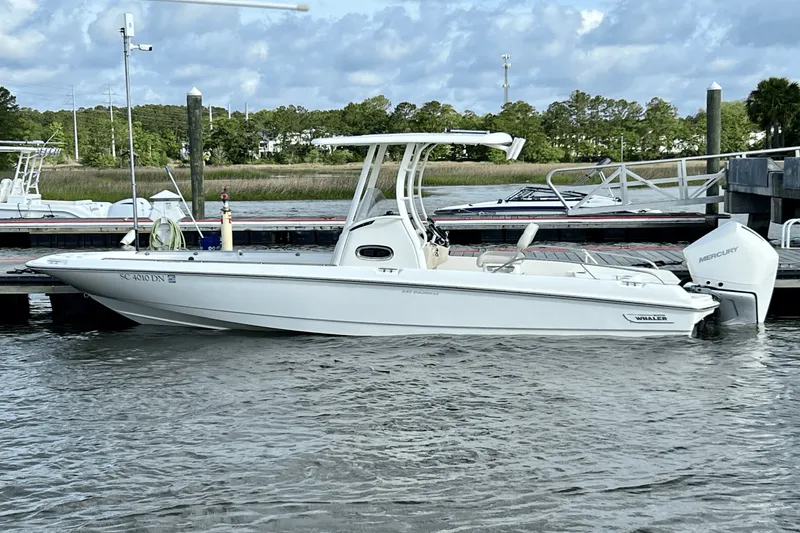
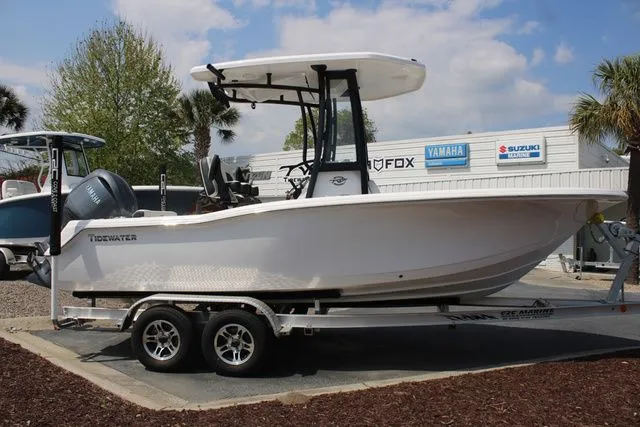
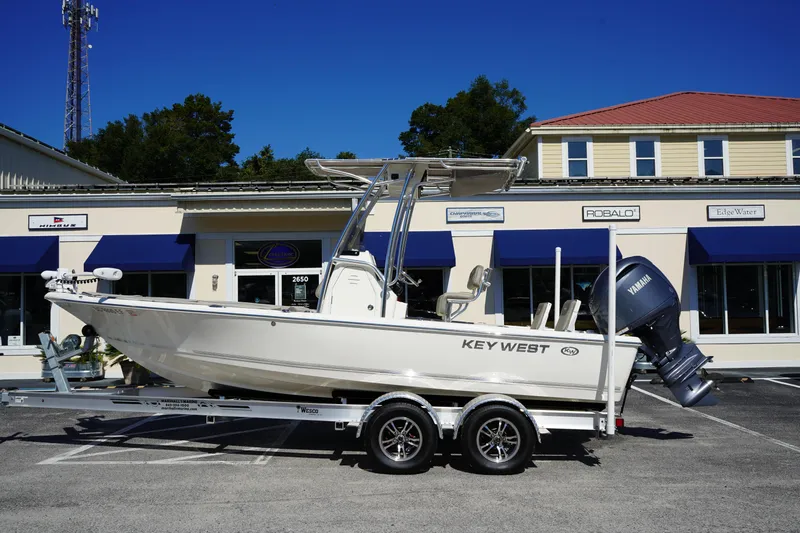
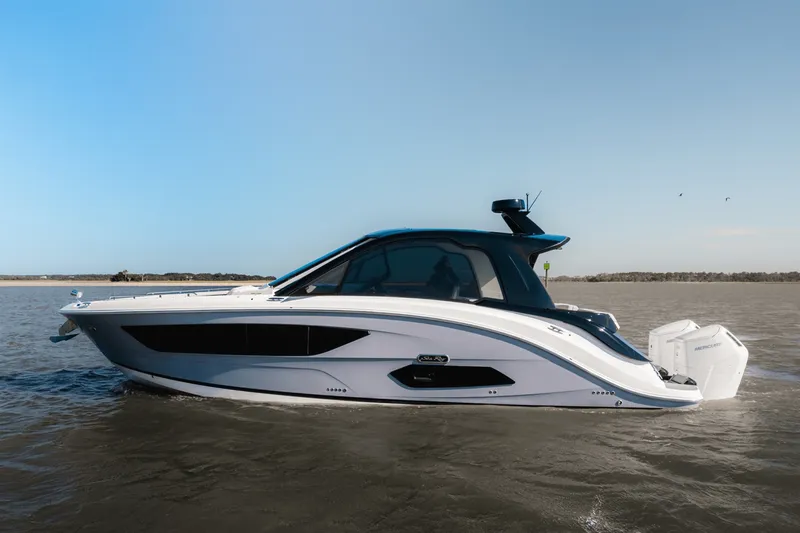
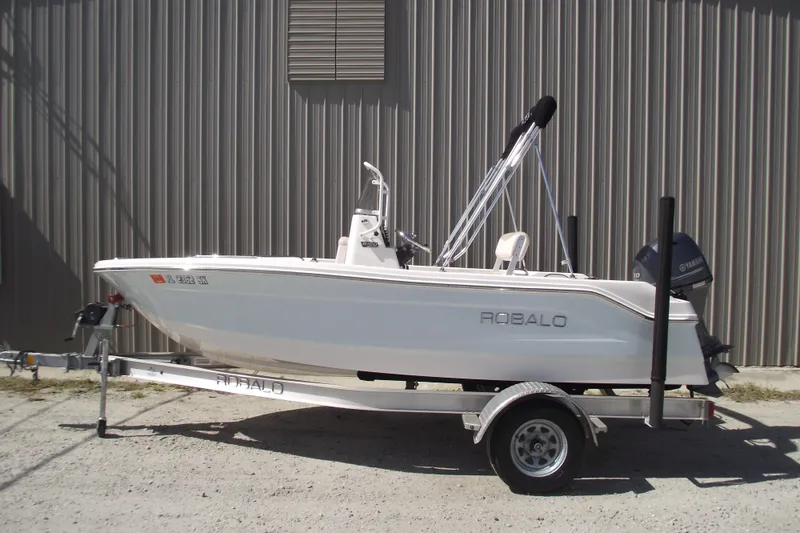
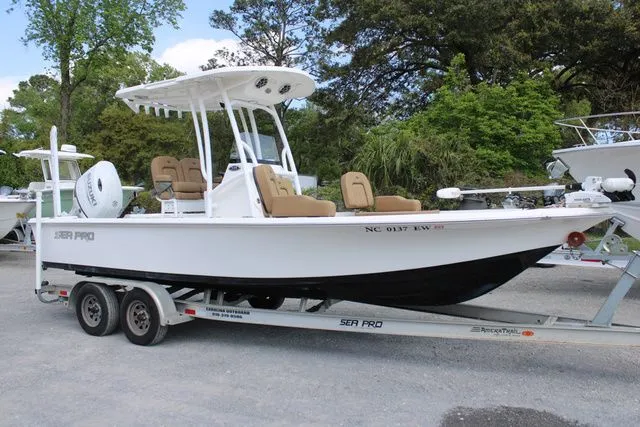
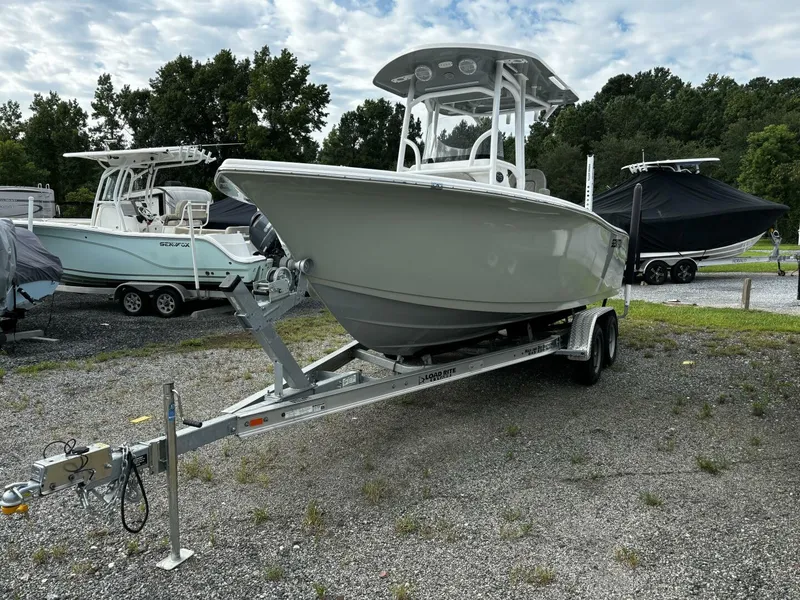
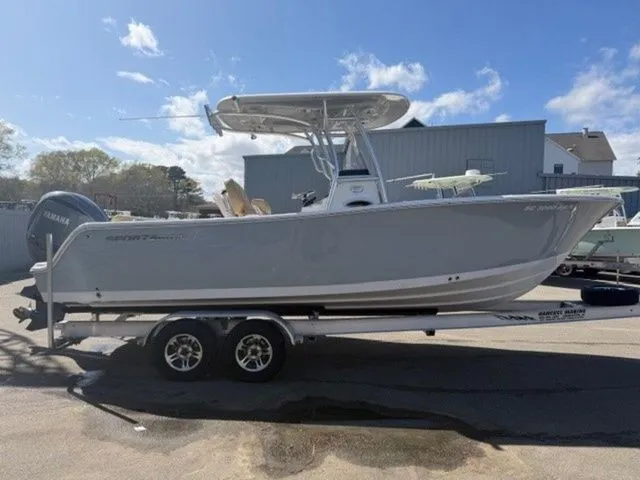
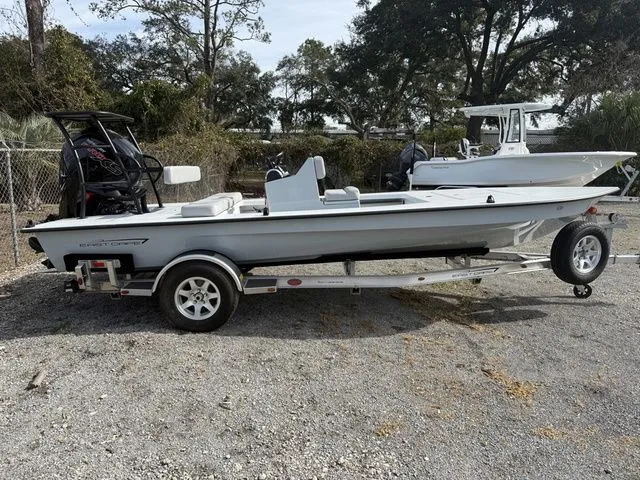
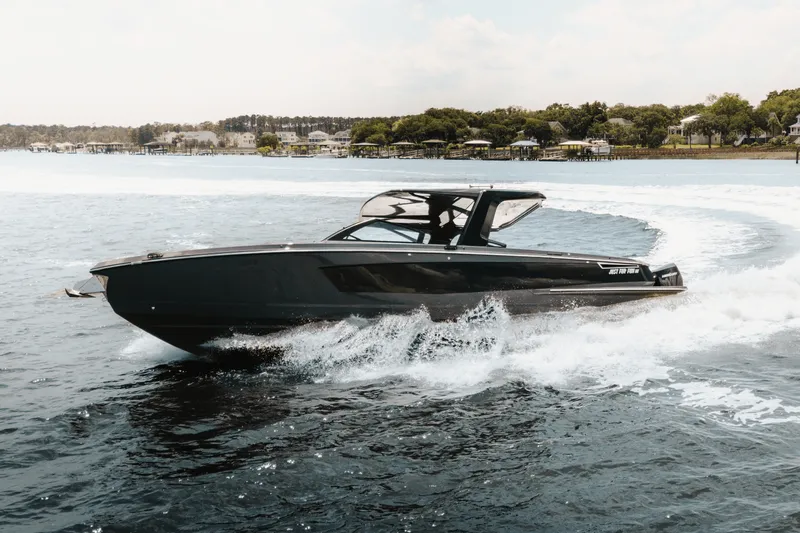
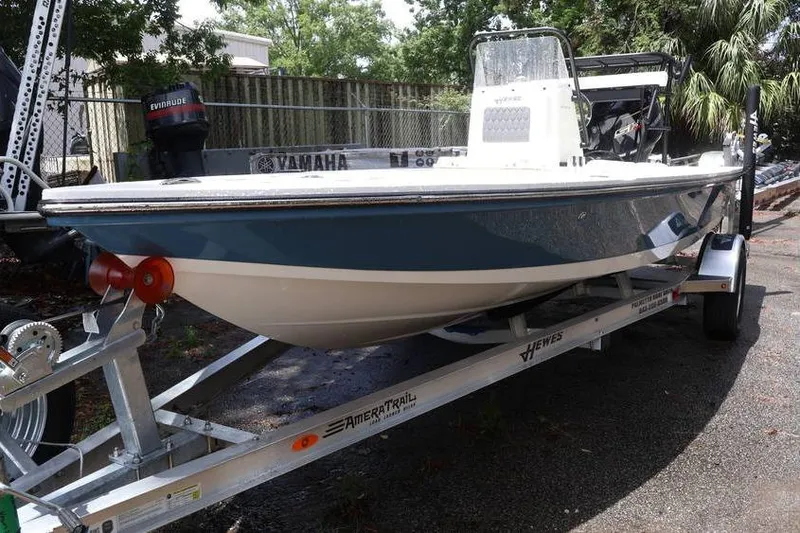
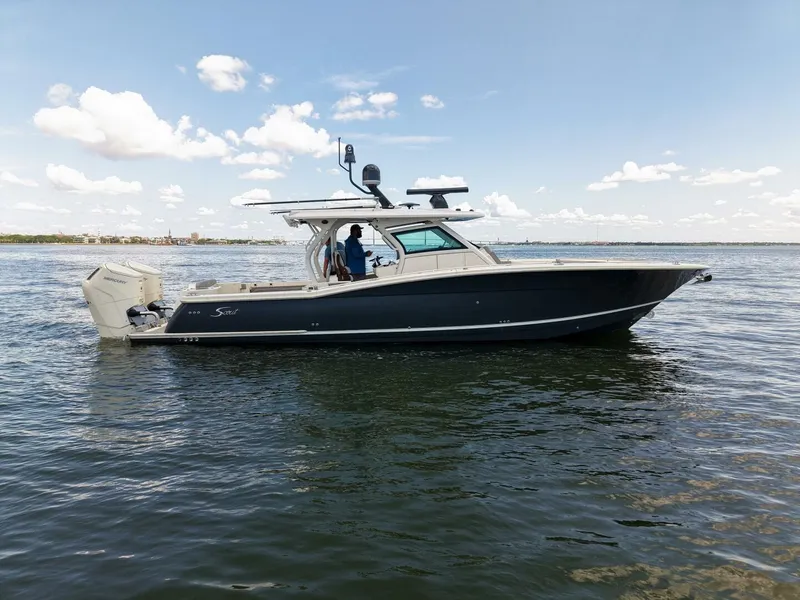
For anyone who loves boats in Charleston, the city delivers an impressive mix of options. Shallow-draft skiffs sneak into tidal creeks for redfish, center consoles and bay boats hop between sandbars and beach landings, and larger cruisers and sailboats take advantage of deepwater channels that rival much bigger ports. A network of marinas, public boat ramps, and dock-and-dine spots make it easy to turn a free afternoon into a harbor cruise or a full-day run along the Intracoastal Waterway.
At the same time, boating here comes with real trade-offs. Slip fees add up quickly, currents and tides can be unforgiving, and peak-season traffic means popular landings and harbor routes can feel crowded. Summer storms and the occasional hurricane demand that boat owners stay prepared and pay attention to forecasts.
So is Charleston a good place for boating, and is it worth joining the active community of people who keep their boats in Charleston year-round? Below, we’ll walk through the key pros and cons so you can decide whether this Lowcountry harbor fits the way you like to boat.
Pros of boating in Charleston, SC
1. Access to a deep, well-protected harbor
Charleston sits where the Ashley and Cooper Rivers merge into Charleston Harbor, a naturally protected inlet framed by Sullivan’s Island and Morris Island. Federal channels are authorized to around 45 feet, with some sections deepened to roughly 52 feet, which means everything from small bay boats to sizable cruising sailboats and trawlers can comfortably navigate the main harbor.
For recreational boaters, that depth also translates into reliable access even at lower tides and plenty of safe room for commercial traffic and pleasure craft to coexist. If you’re considering keeping larger boats in Charleston, the harbor’s deepwater infrastructure is a major plus compared with many shallower coastal towns.
2. Varied waterways for almost every style of boating
Within a short run you can move from calm, winding rivers to open harbor vistas to nearshore Atlantic waters. The Ashley River and Cooper River offer scenic, mostly protected cruising with typical depths of 6 to 8 feet in the tidal stretches near downtown, ideal for smaller powerboats, bay boats, and inshore fishing setups.
Head out into Charleston Harbor for bigger views and landmarks like Fort Sumter, or continue through the jetties toward offshore fishing grounds on suitable weather days. The Intracoastal Waterway (ICW) threads behind the barrier islands, giving boats in Charleston a convenient north–south highway for longer trips to places like Georgetown or Beaufort without fully exposing you to the open ocean.
3. Strong marina network and public access points
Few Southern coastal cities offer as many options to actually get on the water. Downtown, Seabreeze Marina on Immigration Street combines wet slips, dry storage, a fuel dock, and concierge-style amenities, while Charleston Maritime Center and Charleston Harbor Resort & Marina in nearby Mount Pleasant cater to a wide range of vessel sizes, from 15-foot runabouts to yachts over 60 feet and even up to 250 feet at some facilities.
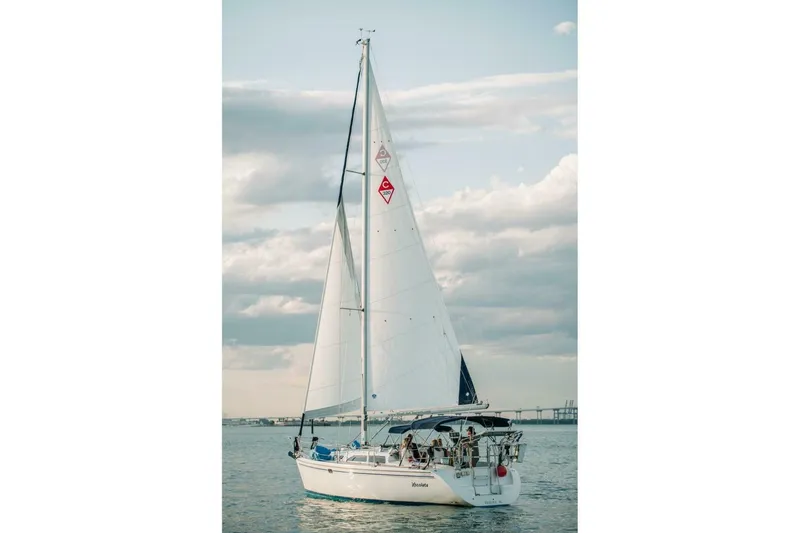
Beyond private marinas, Charleston County operates 19 public boat landings like Remley’s Point, Wappoo Cut, W.O. Thomas Jr., Sol Legare, Folly Beach, and Riverland Terrace. Many have multiple launching lanes, generous trailer parking, and courtesy docks, making it realistic to trailer your boat instead of paying for full-time moorage. This combination of marinas, ramps, fuel docks, and repair yards—plus major facilities like Detyens Shipyard—means it’s relatively easy to find a home and support services for boats in Charleston.
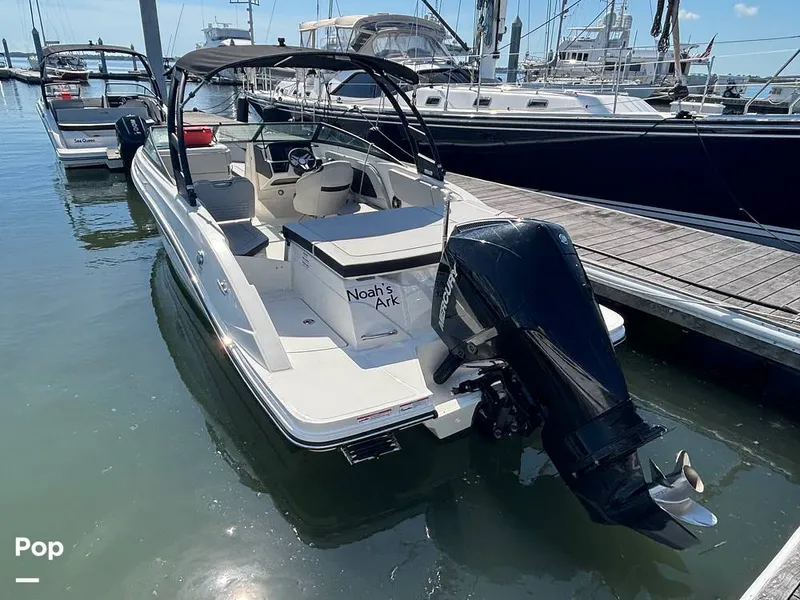
4. Lively boating culture and on-the-water lifestyle
Boating is woven into Charleston’s lifestyle. Warm weather from roughly April through October keeps the harbor busy with center consoles anchored off sandbars, sailing regattas tacking past Castle Pinckney, and anglers working marsh edges for inshore species. Dockside restaurants and bars around Charleston Harbor Resort & Marina, Seabreeze Marina, and Shem Creek make it simple to pull up, grab a meal, and head back out.
There’s also an active network of yacht clubs, fishing tournaments, sailing races, and informal social groups that organize raft-ups and harbor cruises. If you’re looking for a place where people talk tides and tackle as easily as traffic and restaurants, keeping your boat in Charleston will plug you into a year-round community of fellow boaters.
5. Picture-perfect scenery and wildlife
Charleston’s Lowcountry backdrop is a major part of the appeal. Cruising up the Ashley or Wando Rivers takes you past sweeping marshlands, historic plantations tucked behind oaks and Spanish moss, and quiet creeks where you’re more likely to see a dolphin or heron than another boat on a weekday.
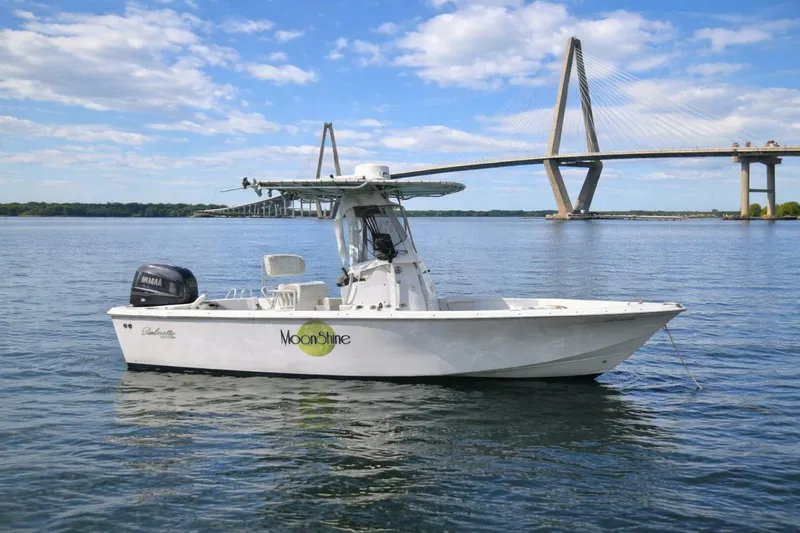
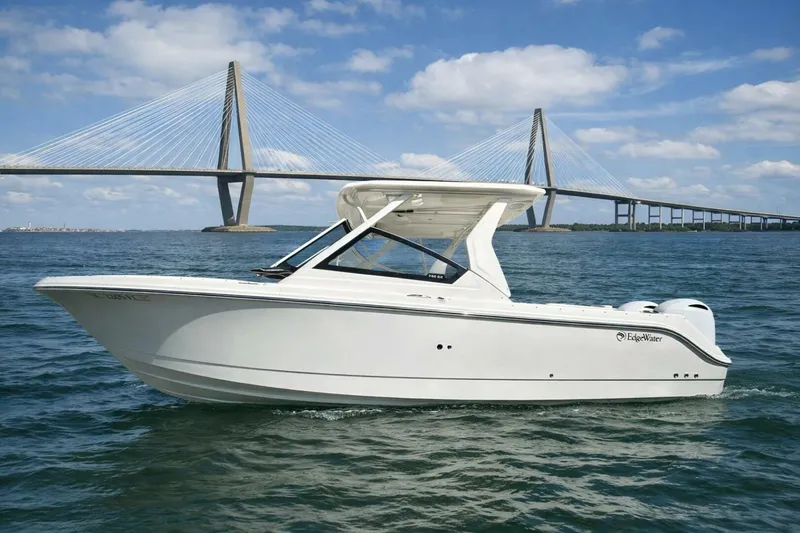
In the harbor, views back toward the city skyline include church steeples, Rainbow Row, and the Ravenel Bridge arching over the Cooper River. Barrier islands like Folly Beach and Isle of Palms offer sandy shoreline, surf, and beach-town energy just a short ride away. For many owners of boats in Charleston, those everyday sunset runs and wildlife encounters are what make the maintenance and moorage bills feel worthwhile.
Cons of boating in Charleston, SC
1. Dockage, storage, and overall costs add up
While Charleston offers plenty of places to keep your boat, it isn’t always cheap. At Cooper River Marina, long-term monthly dockage for boats up to 42 feet is around $15.50 per foot per month, while more centrally located spots like Seabreeze Marina can run closer to $29–$30 per foot per month for wet slips and dry storage, with minimum lengths that can push smaller-boat owners into bigger commitments. Transient rates at popular marinas typically range from about $3.30 to $4.00 per foot per night, plus power.
Layer in fuel, insurance, maintenance, and the occasional haul-out or repair, and owning boats in Charleston can be a serious line item in your budget, especially if you prefer a prime downtown location.
- The Silver Lining: Many local boaters save by trailering from Charleston County’s public landings, sharing slip space through partnerships, or choosing marinas a bit farther from downtown. Smaller, fuel-efficient boats and regular upkeep can also help keep operating costs under control.
2. Tides, currents, and tricky passes demand attention
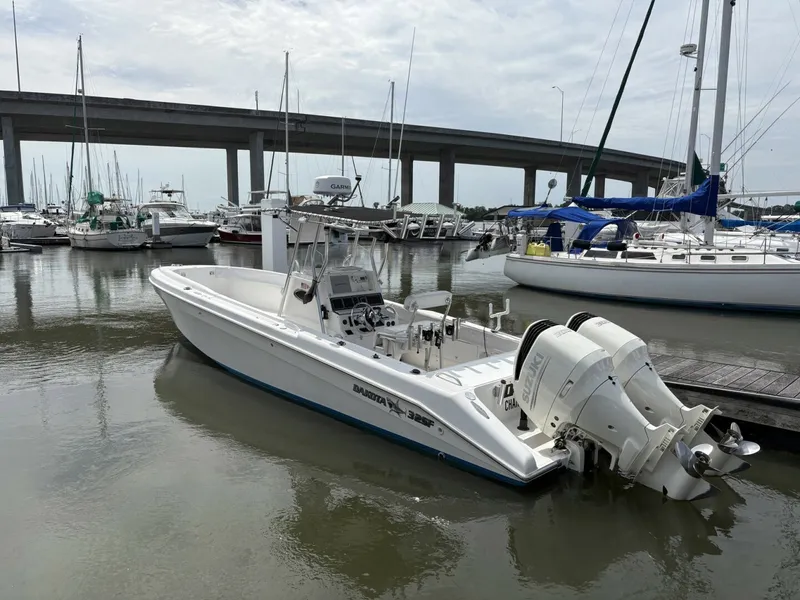
Charleston’s beauty comes with strong tidal influences. While exact tidal ranges vary, fast-moving currents are common in constricted areas like Wappoo Cut and Elliot Cut, and at the mouths of smaller creeks. Launching or retrieving at low tide can be hazardous at some ramps, where steep drop-offs at the end of the concrete can catch trailers or hulls by surprise.
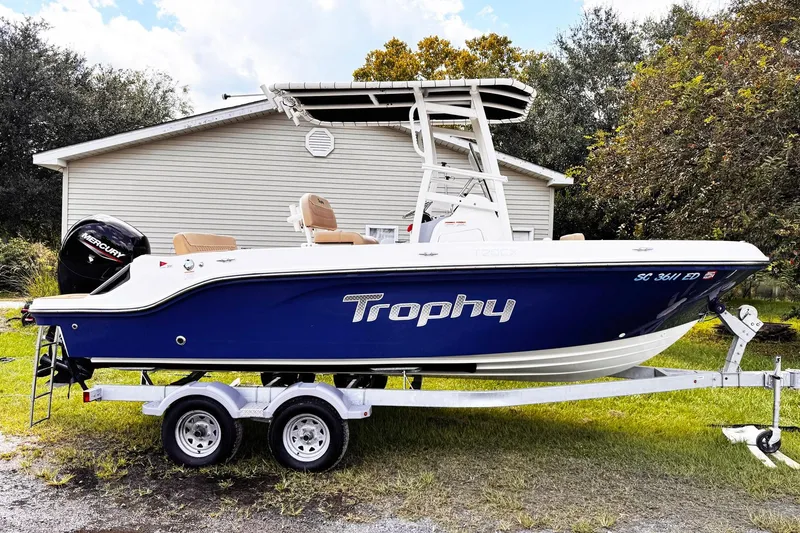
In the harbor itself, the combination of tide, wind, and commercial ship traffic can create steep chop and confused seas, especially in narrow channels or when wind opposes current.
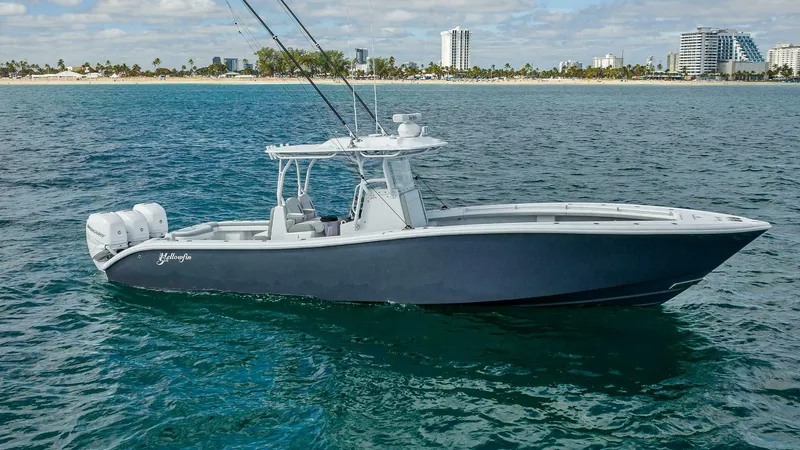
- The Silver Lining: Most of these challenges are manageable with planning: learn local tide tables, talk with experienced boaters or marina staff about trouble spots, and schedule ramp trips around mid-to-high tides. Taking a local boating course or joining experienced friends for your first few runs through tight cuts can quickly build your confidence.
3. Seasonal storms, heat, and weather swings
Charleston’s boating season is long, but not always gentle. Spring through fall brings warm temperatures and generally pleasant conditions, yet summer also overlaps with hurricane and tropical storm season. Strong afternoon thunderstorms, sudden squalls, and intense heat and humidity are common, and winter cold fronts can make the water feel significantly less inviting, with harbor temperatures in the low 60s°F in late fall.
- The Silver Lining: The flip side is that Charleston often supports near year-round boating if you’re flexible. By watching forecasts closely during hurricane season, investing in solid dock lines and storm plans, and shifting to shorter or more protected river trips in extreme heat or chilly spells, many locals use their boats in Charleston across all four seasons.
4. Crowds at popular ramps and on peak weekends
With 19 public landings and a strong boating culture, busy days can feel intense. Weekends in peak season see long queues at popular ramps like Folly Beach, Remley’s Point, Shem Creek, and W.O. Thomas Jr., not to mention tight trailer parking. On the water, sandbars, harbor channels near Fort Sumter, and favorite fishing spots can feel crowded, increasing the need to watch for inexperienced operators and unpredictable wakes.
- The Silver Lining: If you can launch early, go on weekdays, or explore lesser-known ramps and creeks, you’ll find a much more relaxed side of Charleston’s waterways. Being well-prepared at the ramp—loading gear and removing tie-downs before you get to the launch—also reduces stress and helps everything flow more smoothly for everyone.
5. Layered regulations and sensitive environments
Boating in Charleston means navigating not just channels, but also a patchwork of rules meant to protect people and the Lowcountry ecosystem. There are no-wake or idle-speed zones near docks and marinas, within 50 feet of structures and anchored boats, and within about 100 yards of the Atlantic shoreline in many areas. South Carolina also prohibits wake surfing within 200 feet of docks, people in the water, or anchored vessels, and law enforcement from SCDNR regularly patrols busy waterways.
At the same time, much of the region consists of delicate marshes and estuaries, with state and federal regulations limiting pollution and discharges, and promoting habitat protection.
- The Silver Lining: Once you’re familiar with the basic state rules and local no-wake zones, compliance becomes second nature, and many boaters appreciate that these protections help keep the very scenery and wildlife that make boats in Charleston so enjoyable. A quick review of charts, posted signs, and SCDNR guidance before you head out will go a long way toward smooth, worry-free days on the water.
What boating in Charleston, SC is really like
Boating in Charleston feels like having an entire spectrum of water experiences in one compact area. On a calm morning, boats in Charleston slip quietly out of marinas on the Ashley and Cooper Rivers, gliding past marsh grass, church steeples, and the Ravenel Bridge as the sun comes up. Center-console fishing boats head toward the jetties, while a few sailors ease out into Charleston Harbor, mainsails just filling in the steady breeze. The water is busy but not chaotic—locals know the tides and timing, and there’s a clear rhythm to when people move.
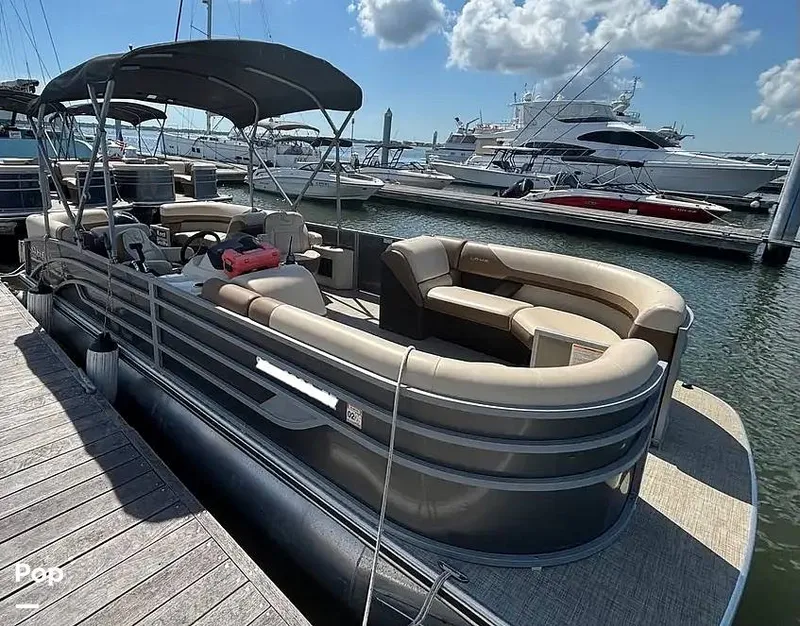
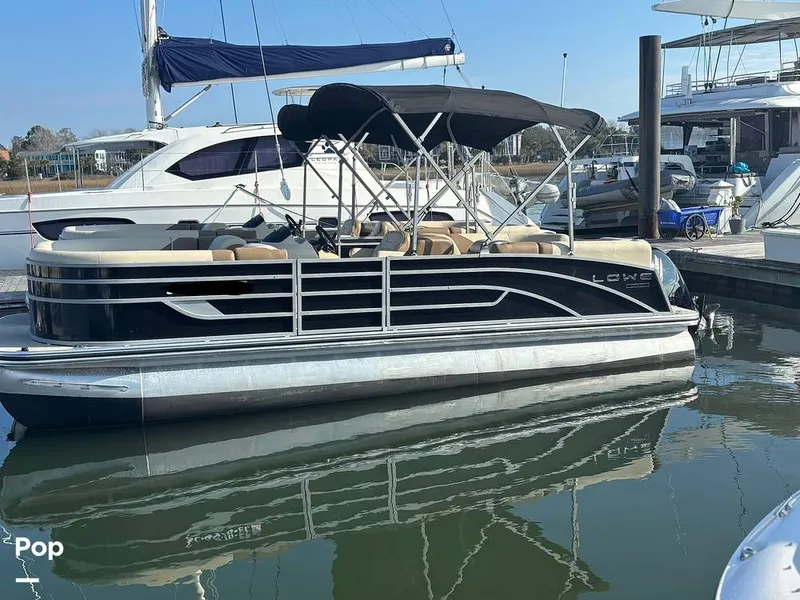
By mid-day on a warm Saturday, the tone shifts. Sandbars in the rivers and creeks start to gather small flotillas of boats in Charleston—bay boats, pontoons, and outboard runabouts anchoring in waist-deep water. Music drifts across the water, kids hop off swim platforms, and dogs balance on bow rails watching dolphins surface nearby. Around Shem Creek, Charleston Harbor Resort, and the Maritime Center, you see a mix of sleek cruising yachts and working charter boats loading up for harbor tours, dolphin cruises, and inshore fishing charters.
Weekdays and shoulder seasons bring a more relaxed pace. After work, you’ll see couples on small cruisers taking a sunset loop past Fort Sumter, or a group of friends on a 22-foot bay boat running up the Wando to find a quiet creek and watch the sky go orange over the marsh. In spring and fall, regattas and yacht-club races add splashes of color to the harbor, with lines of sailboats beating upwind toward the harbor entrance. Even on event days when the waterfront feels festive and busy, it’s never far to a calm back creek where you can drop anchor, hear only gulls and distant church bells, and be reminded just how scenic boats in Charleston really are.
Costs, logistics, and practical details
From a practical standpoint, Charleston is well set up for boaters, but it isn’t the cheapest harbor on the East Coast. Full-service marinas like Seabreeze Marina and Charleston Harbor Resort & Marina cater to a wide range of boats in Charleston, from mid-size center consoles to larger cruising yachts. Monthly wet slip rates can range widely—Cooper River Marina is around $15.50 per foot per month for smaller vessels, while premium downtown or resort locations can be closer to $29 per foot per month. Transient (nightly) dockage in popular spots typically falls in the $3–$4+ per foot per night range, especially at higher-end facilities with resort-style amenities.
Storage options are reasonably diverse. Seabreeze Marina, for example, offers dry storage around $30 per foot per month with a length minimum, which appeals to owners of center consoles and bay boats who want their hulls out of the brackish water and protected from growth. Smaller trailerable boats have a big advantage here: Charleston County maintains 19 public boat landings, distributed across the Ashley, Cooper, Wando, Folly, and nearby waterways. Many are free or low-cost, but they can get extremely busy on fair-weather weekends, and ramps can be tricky at very low tide due to steep drop-offs and strong currents.
The marina ecosystem in Charleston feels like a blend of working waterfront and upscale leisure. Around the commercial areas you’ll find repair yards and ship services, including larger facilities like Detyens Shipyard for serious work, while many marinas have on-site mechanics, bottom painting, detailing, and marine supply shops. Fuel docks with gas and diesel are available at most larger marinas, and pump-out stations are common in the harbor area. It’s wise to book slips and long-term contracts well ahead of time—especially downtown and Mt Pleasant—since popular facilities often have waitlists, particularly for larger boats or prime locations.
Is Charleston, SC a good place for boating?
Charleston is a strong all-around boating destination, especially for people who want both scenic cruising and practical access. Its mix of rivers, marshes, and an iconic harbor gives boats in Charleston a wide playground—everything from quiet creek exploring to harbor sailing and nearshore ocean runs. The infrastructure is solid, with marinas, fuel, repairs, and a large network of public landings supporting both bigger cruisers and everyday trailerable boats. The community on the water feels vibrant and diverse without being overwhelming: anglers, sailors, families, and social sandbar boaters all have their niches.
You will love boating here if:
- You want a destination where you can use a boat nearly year-round, with a long, warm primary season from roughly April through October and usable winter days.
- You enjoy variety: calm rivers and marsh creeks, a scenic harbor with historic backdrops, sandbars and social spots, plus the ability to run offshore on the right days.
- You own (or plan to own) a shallow-draft center console, bay boat, or similar versatile boat that can handle both creeks and harbor conditions common for boats in Charleston.
You might find it challenging if:
- You’re extremely budget-sensitive on slip or storage costs and need rock-bottom prices in a high-demand waterfront city.
- You dislike dealing with tides, currents, and occasionally challenging ramps, preferring lakes or very simple navigation environments.
- You want consistently calm, clear, lake-like water and aren’t interested in learning coastal and tidal boating skills.
Overall, Charleston is an excellent place to keep or regularly launch a boat if you’re comfortable with coastal conditions and mid-to-upper-level costs. It shines for versatile powerboats and cruising sailboats, and for boaters who want history, scenery, and social options wrapped into one harbor. Those on tight budgets or who strongly prefer simple, non-tidal lakes may find some trade-offs, but for many, the Lowcountry landscape and lively boating culture make it well worth it. If you’re planning where to explore next—or where to base your boat—put Charleston high on your boating bucket list and consider experiencing firsthand what makes boats in Charleston such a staple of Lowcountry life.