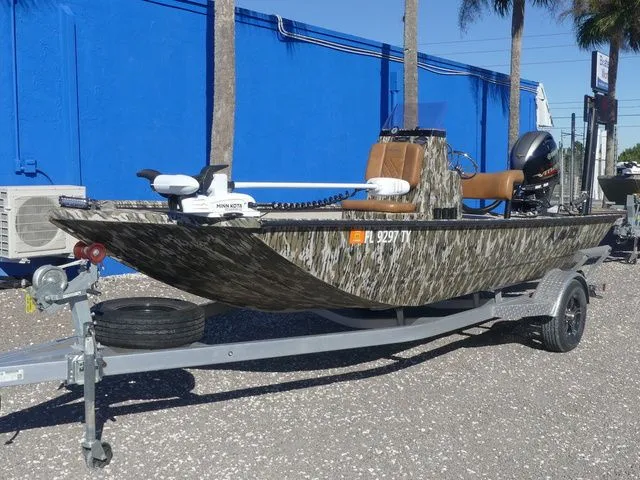
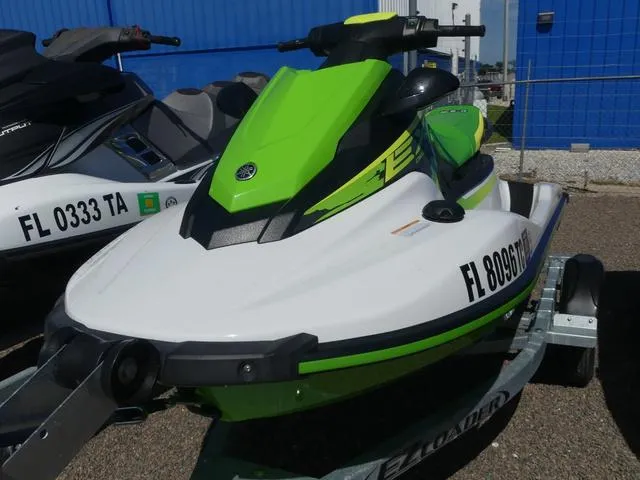
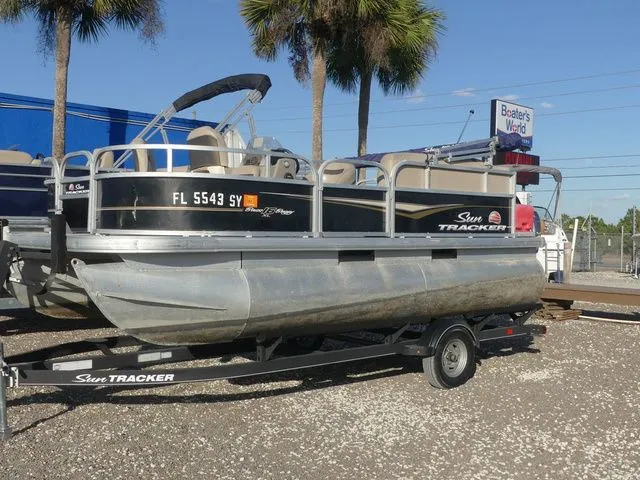
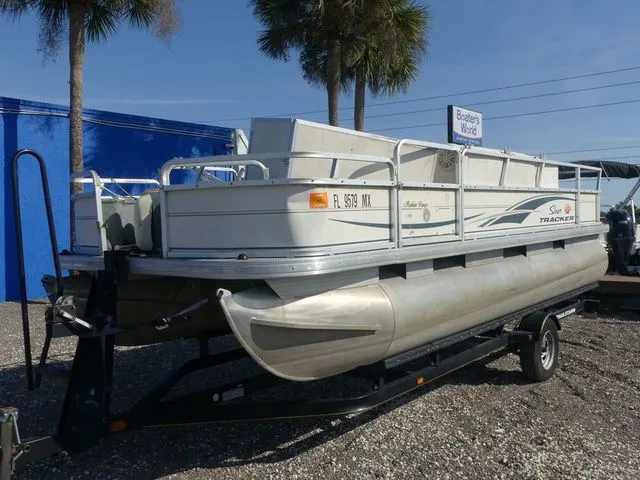
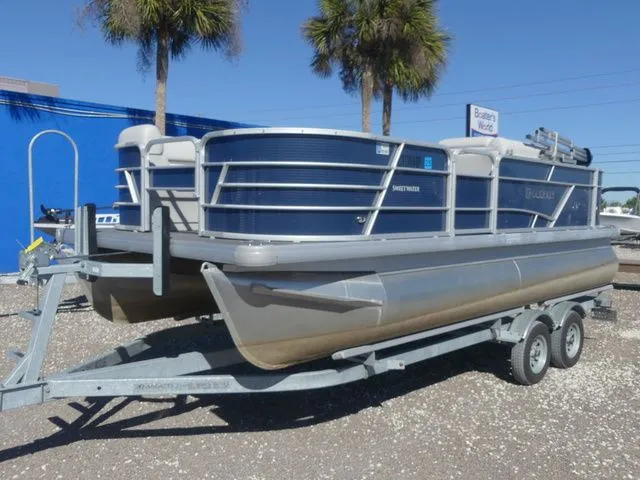
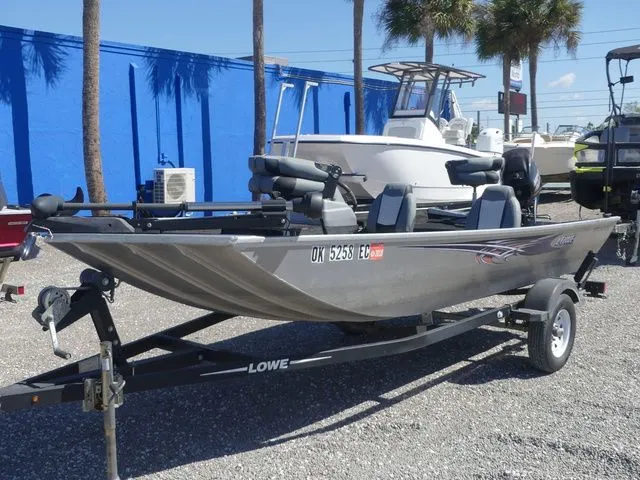
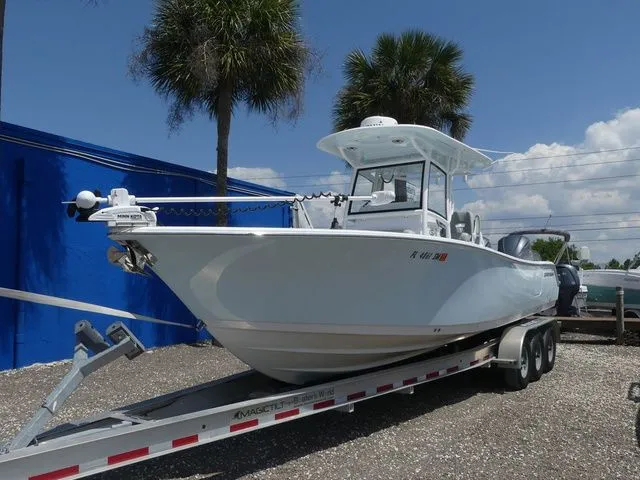
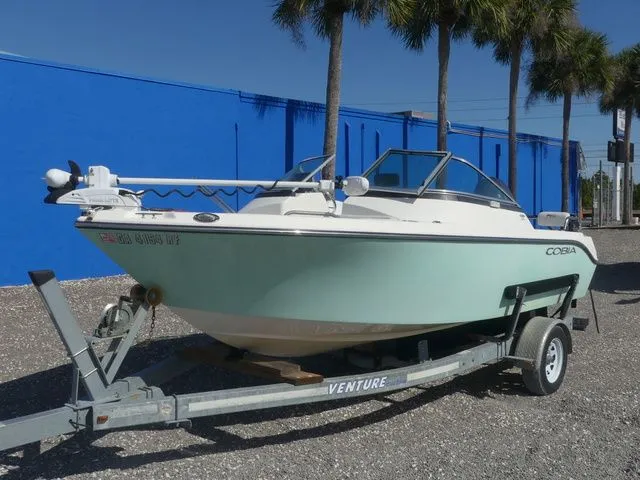
Lake Placid

Filters

Filters

Boat Type

Condition

Searching boats for you...

Boating · Destinations 

Is Lake Placid, FL a Good Place for Boating?


Written by:
MarineSource.com Team | Estimated read time: 7 min read


In Central Florida’s Highlands County, Lake Placid sits like a bright blue jewel amid rolling citrus groves and quiet, small-town streets. The lake itself spans more than 3,300 acres, with long, open reaches of freshwater framed by modest docks, cypress trees, and homes tucked along parts of the shoreline. On a calm morning, the surface often looks like glass, broken only by the ripples from an early angler easing away from the ramp.

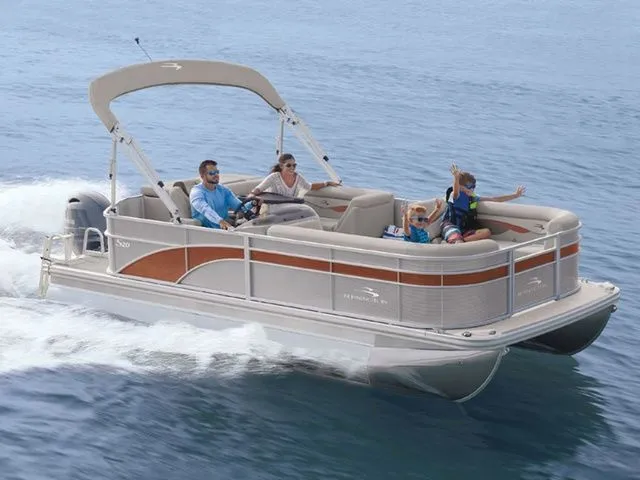
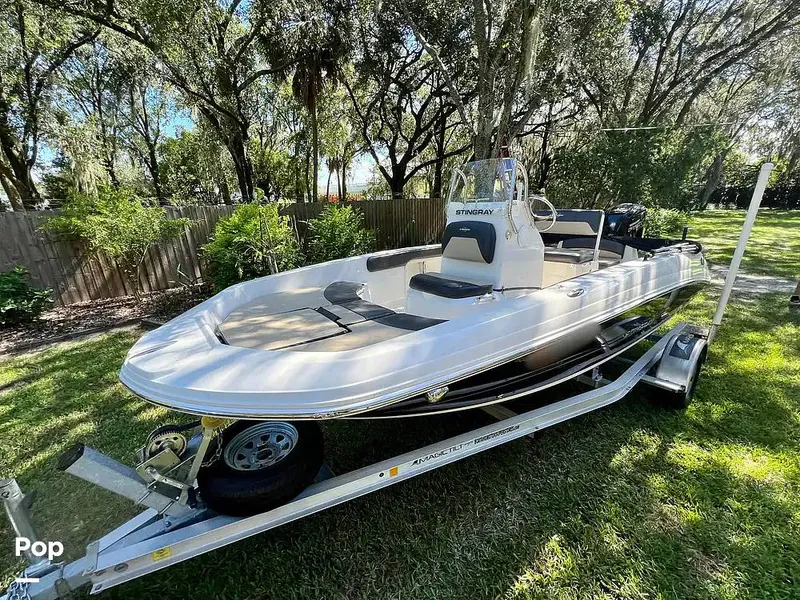
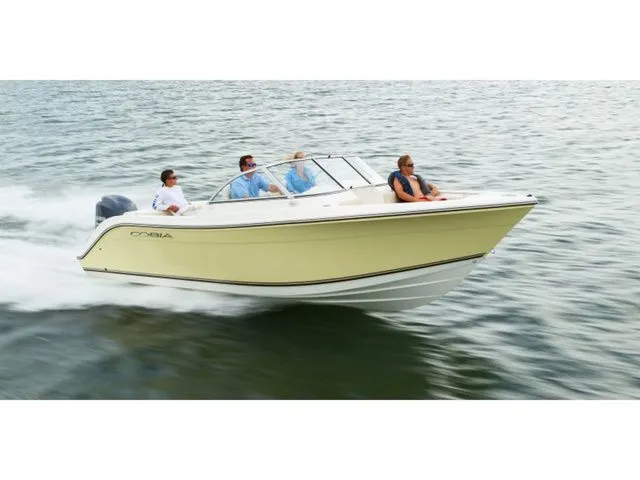
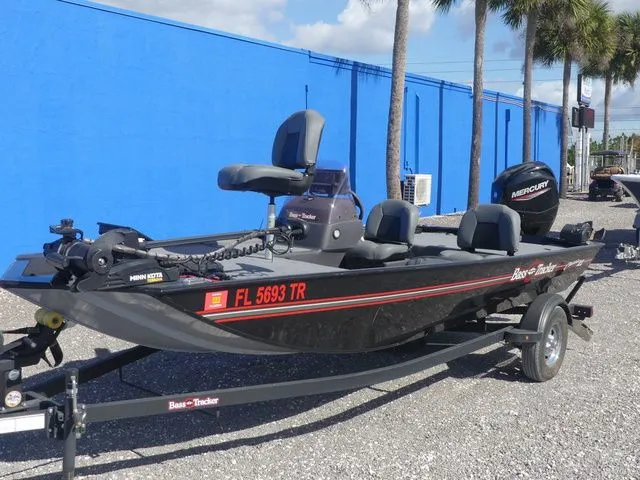
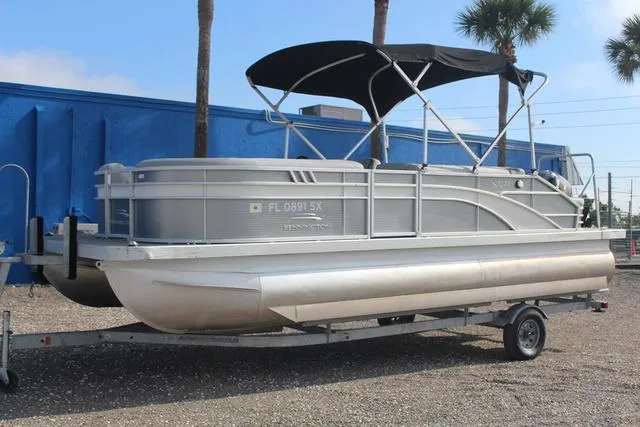
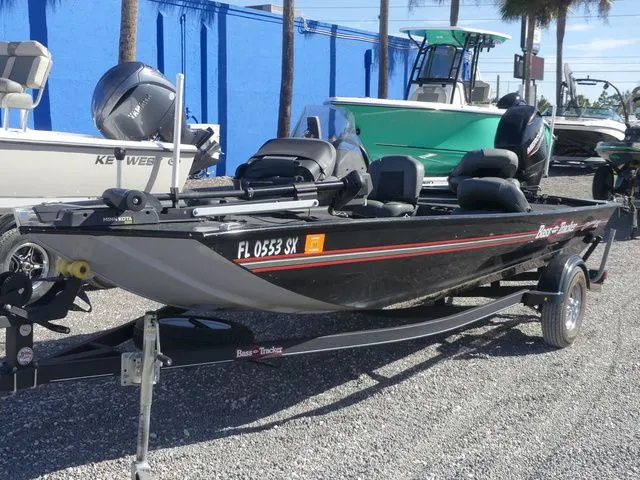
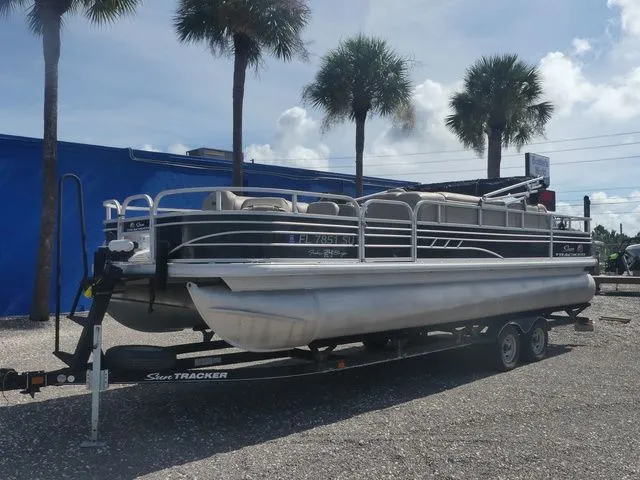
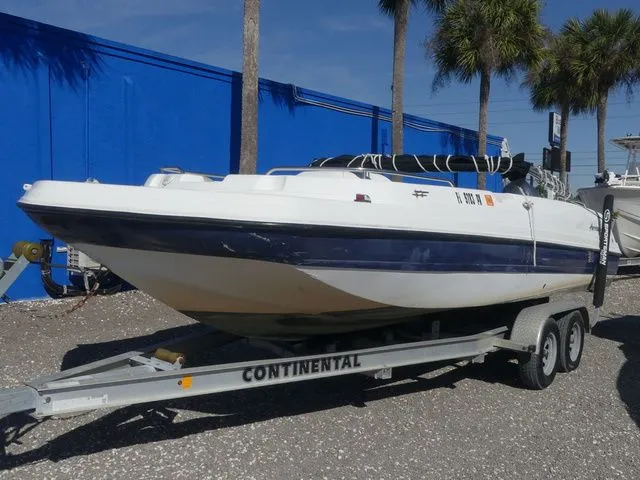
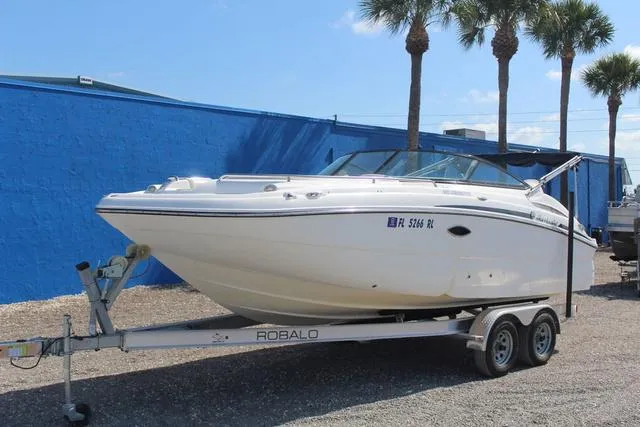
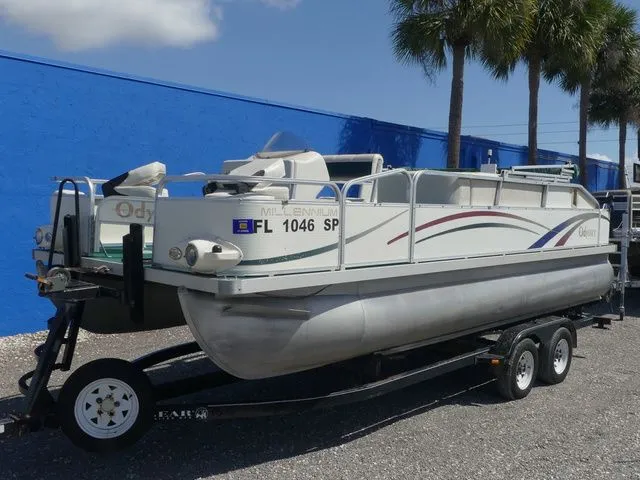
For people who love being on the water, Lake Placid offers the classic Florida inland-lake experience: warm weather most of the year, plenty of room to cruise, and a laid-back pace that feels a world away from the coasts. Powerboats, pontoons, and fishing rigs are the norm here, with kayaks and canoes slipping into the quieter corners. Nearby lakes like Huntley, Carrie, and June expand your options even further if you enjoy exploring different bodies of water by trailer or rental.

There’s a lot to like: generally excellent freshwater quality, a lake that’s much deeper than many of its neighbors, and easy public access via boat ramps on the northeast and west shores. Boating, fishing, and low-key watersports all fit into the rhythm of life here, whether you live on the lake, in town, or are visiting for a weekend. The vibe is more about relaxed cruising and fishing than high-end marinas or big waterfront nightlife.

At the same time, Lake Placid is not a full-service boating hub. There are no large marinas with fuel docks and pump-outs, limited documented repair and supply services right on the water, and little in the way of formal boating events or clubs. Many boaters rely on trailering, planning ahead for fuel and maintenance, and keeping an eye on Florida’s stormy summer weather. If you’re wondering whether Lake Placid is a good place for boating—and specifically how boats in Lake Placid fit into local life—it helps to weigh both the advantages and the challenges before you commit a boat, a budget, or a lifestyle to this lake.

Pros of boating in Lake Placid, FL

1. Spacious, Deep Freshwater Well-Suited to a Range of Boats

For an inland Florida lake, Lake Placid is impressively deep and roomy, covering roughly 3,320 acres with a mean depth of about 22.7 feet and a maximum depth around 57 feet. Compared with nearby shallow lakes like Lake Istokpoga, this depth makes Lake Placid friendlier to a wider variety of boats, including larger pontoons and deeper‑draft fishing boats.

The generous open water gives you space to stretch out at speed, run tubing lines, or simply cruise without feeling boxed in. Drop-offs and deeper basins can also improve fishing opportunities, especially for species like largemouth bass and catfish that relate to structure and depth changes.

2. Good Public Access with Multiple Boat Ramps

Despite the lack of big marinas, it’s relatively easy to get boats in Lake Placid thanks to two public boat ramps on the shoreline. One sits at 150 Harris Drive on the northeast side of the lake, and another at 3349 Placid View Drive on the west. Both provide straightforward launch points for trailered boats.

Because the ramps are public, you don’t need a slip lease or private dock to enjoy the water. Many locals simply trailer from home or a storage lot, launch for the day, and pull out in the evening. If you like hopping between lakes, nearby ramps on Lake Carrie, Lake Huntley, and others give you even more variety within a short drive.

3. Excellent Freshwater Quality and Productive Fishing

Local tourism and lake organizations report that water quality in Lake Placid is generally excellent, which appeals to both casual cruisers and serious anglers. Clearer, healthier water often means better experiences for swimming off the boat, paddling, and simply enjoying the views.

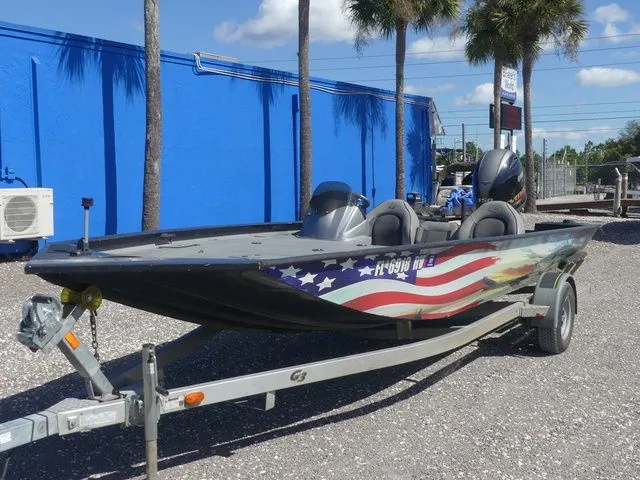
Fishing is a major draw. Boats in Lake Placid frequently target largemouth bass, crappie, bluegill, redear sunfish, blue catfish, and other bream. The lake’s depth variations and structure can hold fish year-round, giving you a local “home lake” that rewards learning its patterns over time.

4. Relaxed, Low-Crowd Atmosphere Compared with Coastal Hotspots

Lake Placid, Florida, is a small town with a mellow pace, famous for its murals and caladium fields rather than crowded boardwalks or party coves. On the water, that translates into a quieter scene: fewer boats than you’d encounter on coastal bays or big tourist lakes, and more room to enjoy a peaceful cruise, sunset float, or early morning fishing trip.

If you prefer conversation-level engine noise and glassy coves over loud raft-ups and congested channels, the low-key character of boats in Lake Placid can be a big plus. It’s especially appealing for families, retirees, and anyone new to boating who wants simpler conditions while they build confidence.

5. Accessible Boating via Pontoon Rentals and Trailer-Friendly Setup

Even if you don’t own a boat, it’s still possible to join the community of boats in Lake Placid. Local outfits like Lake Placid Pontoon Rental offer pontoon rentals on Lake Placid itself and on nearby lakes such as Lake Huntley and Lake Grassy, making it easy to test out the lifestyle or entertain visiting friends without a major investment.

For owners, the area’s trailering culture can keep costs down. Many boaters store their rigs at home or in off-water storage and launch as needed, taking advantage of the public ramps. This setup reduces dependence on marina slips and can make it more affordable to own and use a boat here than in many major coastal markets.

Cons of boating in Lake Placid, FL

1. Limited Marina, Fuel, and On-Water Services

One of the biggest trade-offs with boats in Lake Placid is the lack of full-service marinas. Public information does not show major marinas on the lake that offer fuel docks, pump-out stations, or comprehensive repair services right on the water. You’ll likely be trailering to a gas station for fuel, and arranging maintenance with off-lake shops or mobile mechanics.

For boaters accustomed to pulling into a marina for everything from snacks to service, this leaner infrastructure can feel inconvenient, especially on longer or more frequent outings.

  • The Silver Lining: Planning ahead goes a long way. Topping off fuel at land-based stations, carrying basic tools and spares, and building a relationship with a trusted local mechanic can keep you on the water with minimal disruption. The upside is fewer marina fees and a simpler, more DIY boating rhythm.

2. Fewer Dock-and-Dine or Waterfront Entertainment Options

Unlike some Florida lakes and coastal towns, Lake Placid doesn’t currently feature a lineup of waterfront restaurants with dedicated docks or clear dock-and-dine setups. There are also no widely-publicized regattas, poker runs, or boat shows specific to the lake, and no large yacht or sailing clubs listed in available data.

If your ideal boating day centers on tying up for lunch at a lively waterfront bar or joining regular club races, the social and entertainment scene around boats in Lake Placid may feel subdued.

  • The Silver Lining: A quieter scene can be a plus if you value privacy and calm. You can still use your boat to meet up with friends at lakeside homes, plan picnics at nearby parks, or trailer to busier lakes and coastal areas for an occasional change of pace.

3. Weather Risks and Hurricane Season Considerations

Florida’s climate makes year-round boating possible, but it also comes with weather risks. Summer in Highlands County often brings intense afternoon thunderstorms, heavy rain, and the broader risk of tropical storms or hurricanes from June through November. Sudden wind shifts and lightning can turn a pleasant outing into a safety concern if you’re not paying attention.

Lake Placid’s inland position doesn’t eliminate these hazards, and boaters still need to plan around forecasts, especially during the peak of hurricane season.

  • The Silver Lining: The flip side is a long overall boating season, with many warm, calm days in fall, winter, and spring. By checking the forecast, setting conservative go/no-go rules, and having a secure storage plan for your boat during storm threats, you can enjoy the best conditions while minimizing exposure to bad weather.

4. Trailer Dependence and Potential Ramp Crowding

Because there are no major slip-based marinas, most powerboats and pontoons in Lake Placid rely on trailering to access the water. While the two public ramps are a strength, they can become pinch points on peak weekends or holidays, especially during busy spring and summer periods.

Ramp lines, limited parking, and the need to launch and retrieve in tight windows may add some stress to your day, particularly if you’re new to backing a trailer or launching in crowds.

  • The Silver Lining: With a bit of practice and timing, many boaters find this manageable. Launching early in the morning, going out on weekdays, and learning efficient ramp etiquette can dramatically improve the experience. The bonus is flexibility—you can also tow your boat to other Highland County lakes when you want a change of scenery.

5. Navigation Nuances and Limited Formal Guidance

Lake Placid’s depth is a big advantage, but like most Florida lakes, it includes shallower fringes near shore, potential underwater obstructions, and areas where dropping the throttle without local knowledge could risk a prop strike or grounding. Public data doesn’t highlight detailed hazard charts, formal anchorages, or marked mooring fields, so you may be relying more on your own observation and local word-of-mouth than on buoy lines and channel markers.

New boaters, or those used to clearly marked coastal channels, might find the lack of detailed navigation aids a bit unnerving at first.

  • The Silver Lining: The relatively contained size of Lake Placid makes it easier to learn quickly. Start by running at idle or moderate speed, watch your depth finder if you have one, and talk with local anglers or rental operators about any known trouble spots. Over time, that local knowledge becomes one of the best parts of having a regular lake you truly know well.
What boating in Lake Placid, FL is really like

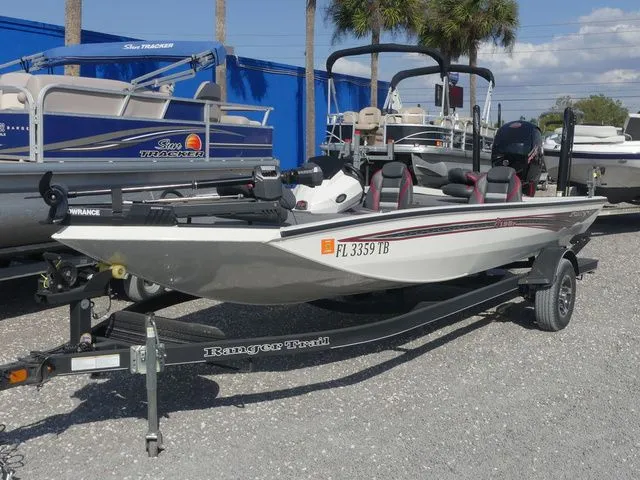
Boating on Lake Placid in Highlands County, Florida, feels very different from the coast or big tourist lakes. Out on the water, you’re surrounded by a wide, deep freshwater bowl edged with quiet neighborhoods, scattered docks, and long stretches of undeveloped shoreline. On a calm morning, you’ll mostly see anglers easing along the drop‑offs, pontoon boats gliding slowly as people sip coffee, and maybe a few kayaks hugging the shoreline. The lake is big enough—over 3,300 acres and nearly 3 miles long—that you can get some space to yourself, especially on weekdays, and the soundscape is more birds and soft wake than booming stereo systems.
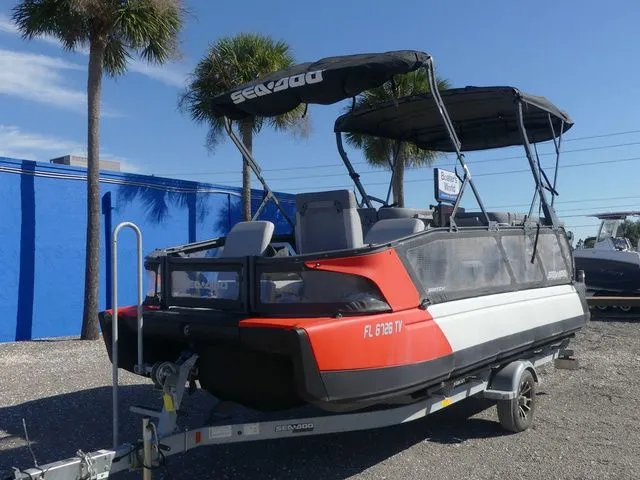
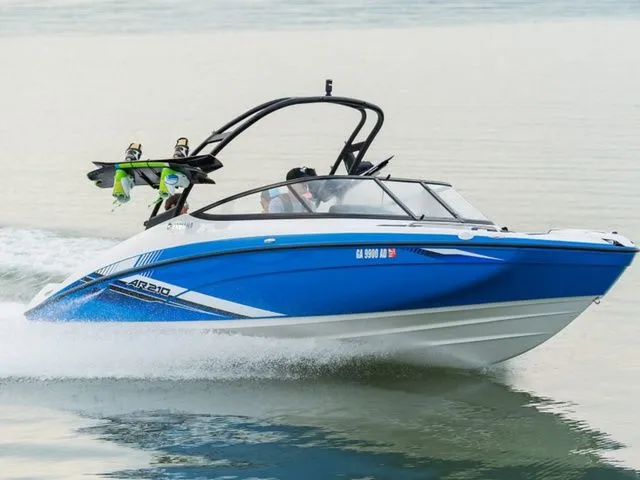
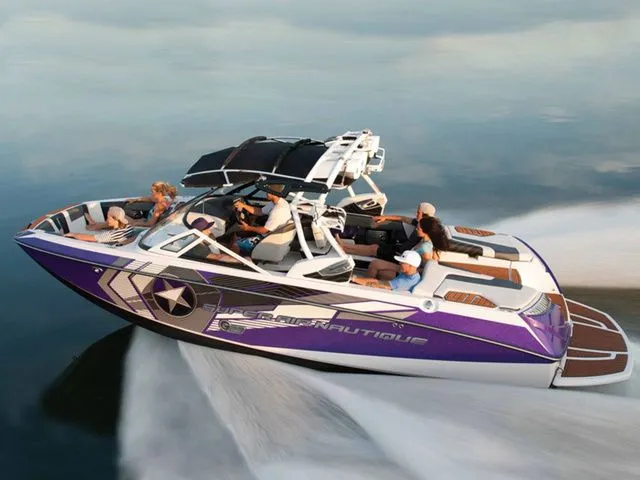
Weekends and holidays pick up, but it still feels like a local’s lake rather than a party destination. Families launch ski and wakeboard boats from the public ramps for tubing sessions down the middle of the lake, while pontoon crews drift and swim off the stern in the deeper, clearer water. With no big waterfront bar scene or marina strip, the social life tends to happen on the boats themselves or at lakefront homes—barbecues on the lawn, kids running down to the dock, and people waving as they idle by. It’s friendly and low‑key more than wild and crowded.

A typical day might start with a dawn fishing run for largemouth bass and crappie while the water is glassy, then a midday cruise with family or friends, anchoring in a comfortable depth to swim and float. In the late afternoon, locals often come out for an easy after‑work loop, watching the sky change over the central Florida ridge. There aren’t organized regattas, poker runs, or big boating festivals here, so boating culture is defined by regular, everyday use: anglers, retirees, weekend families, and rental pontoons exploring the lake at their own pace.
Costs, logistics, and practical details

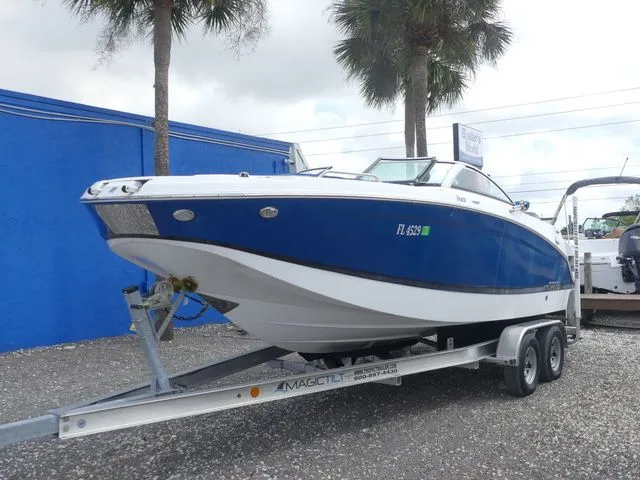
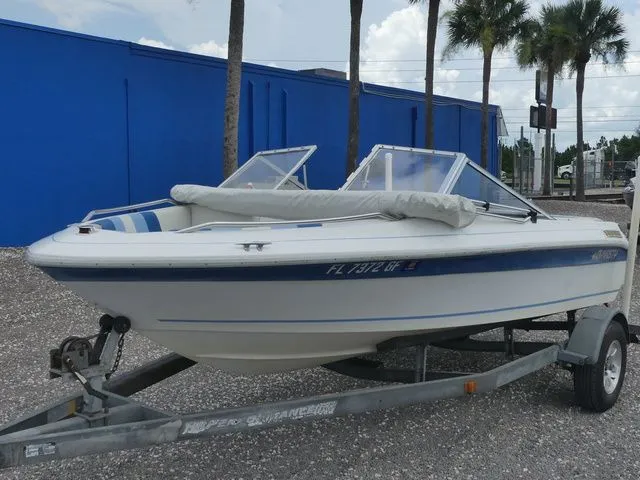
Logistics on Lake Placid revolve around trailer boating, home docks, and casual local services rather than full‑service marinas. The two public boat ramps—on Harris Drive on the northeast shore and Placid View Drive on the west shore—are your primary gateways if you’re bringing your own boat. They’re standard concrete ramps with parking for tow vehicles and are intended as general public access; published ramp fees, if any, aren’t widely advertised online, so visitors should be prepared with small bills or check with Highlands County ahead of time.

Because there are no major marinas with rows of slips, fuel docks, or pump‑out facilities listed for Lake Placid, most long‑term storage is either at private waterfront homes or off the water. Many owners keep boats on trailers in driveways or in local storage lots, then launch as needed. This keeps ongoing moorage costs lower than in coastal areas, but it does mean planning around ramp traffic on busy weekends and handling your own launching, retrieval, and basic maintenance. Dry stack (indoor rack) options are not prominently documented, suggesting that storage is mostly conventional outdoor trailer or yard storage.

Practical services for boaters are spread through the surrounding town rather than clustered on the shoreline. You’ll buy fuel at road gas stations and carry it down in approved containers, and you’ll likely rely on local mechanics or mobile marine techs rather than a dedicated repair marina. There are pontoon rentals available through operators like Lake Placid Pontoon Rental, which is ideal if you’re visiting without your own boat or want to test the waters without committing to ownership. Overall, logistics are straightforward and relatively inexpensive by Florida standards, but they assume that you’re comfortable with DIY launching, fueling, and planning, rather than expecting a resort‑style marina experience.

Is Lake Placid, FL a good place for boating?

As a place to keep and use a boat, Lake Placid in Highlands County, Florida, shines for people who want relaxed, low‑stress freshwater boating. The lake is large and deeper than many nearby central Florida lakes, which makes it friendlier to a wide range of small‑ to mid‑size boats—from fishing rigs and pontoons to wake and ski boats. Water quality is generally excellent, and the atmosphere on the water is quiet, neighborly, and unpretentious, centered on everyday activities like fishing, cruising, and swimming. For local residents, part‑time Floridians, and visitors renting pontoon boats, it’s an easy, enjoyable place to get on the water frequently without the crowds and costs of Florida’s coasts. The trade‑offs are equally clear. There’s no true marina infrastructure, no waterfront dining with docks, and little in the way of formal boating events or clubs; you’ll be trailering, fueling from the road, and handling most logistics yourself. There’s also no connection to larger waterways, so Lake Placid is a self‑contained destination rather than a jumping‑off point for extended cruising. If your ideal boating life is built around full‑service marinas, big‑water passages, and active yacht‑club social calendars, this lake will feel limited.

You will love boating here if:

  • You like a quieter, more local‑feeling freshwater lake where boating culture is centered on fishing, family cruising, and simple water fun rather than big events or nightlife.
  • You prefer trailer boating or already live on the lake, so you don’t depend on full‑service marinas, fuel docks, or transient slips.
  • You value a deeper freshwater lake (average depth around 22 feet) that comfortably supports pontoons, ski boats, and moderate‑size runabouts without constant worry about extreme shallows.

You might find it challenging if:

  • You want a destination marina scene with on‑site fuel docks, pump‑outs, repair yards, and a choice of restaurants you can dock at for lunch or dinner.
  • You’re a sailor or long‑range cruiser looking for big‑water passages, interconnecting waterways, or a network of yacht clubs and organized regattas.
  • You dislike trailering, handling your own fuel runs, or doing basic boating logistics yourself, and you expect concierge‑style services.

If “boats in Lake Placid” to you means quiet mornings casting for bass, easy afternoon pontoon cruises, and family tubing sessions on a clean, uncrowded freshwater lake, then Lake Placid, FL is absolutely worth putting on your radar—either as a home base for a trailerable boat, or as a relaxed weekend rental destination. If you’re considering where to keep a boat in central Florida, add Lake Placid to your shortlist for simple, affordable, low‑key lake boating—and if you’re dreaming up a future Florida lake trip, this is a spot to circle on the map for a peaceful, down‑to‑earth day on the water.

Be the First to Know

Get notified when new boats become available.

Logo