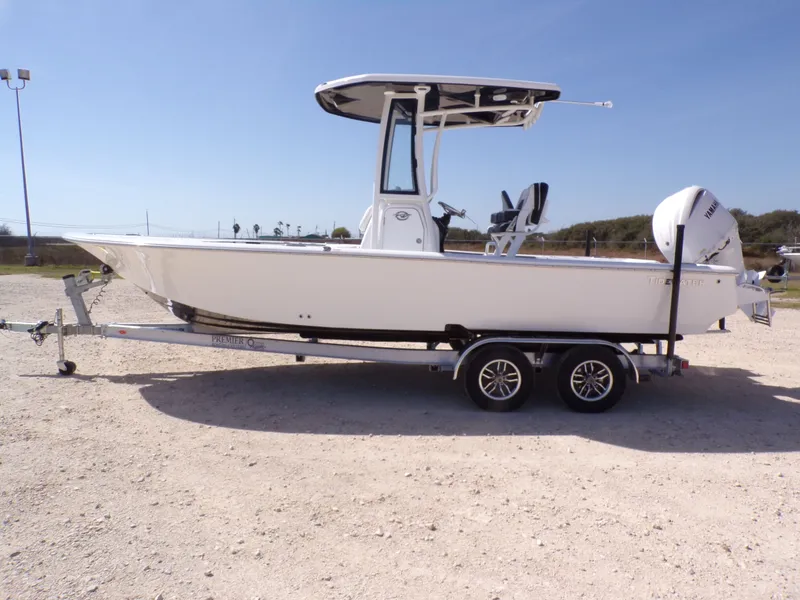
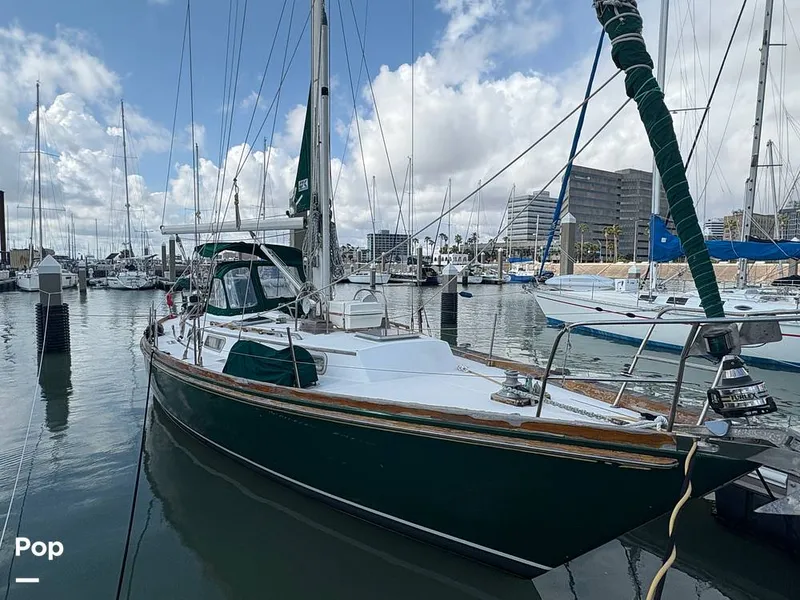
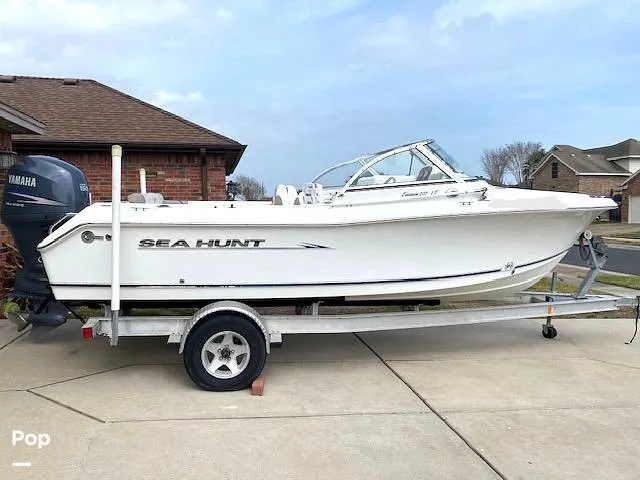
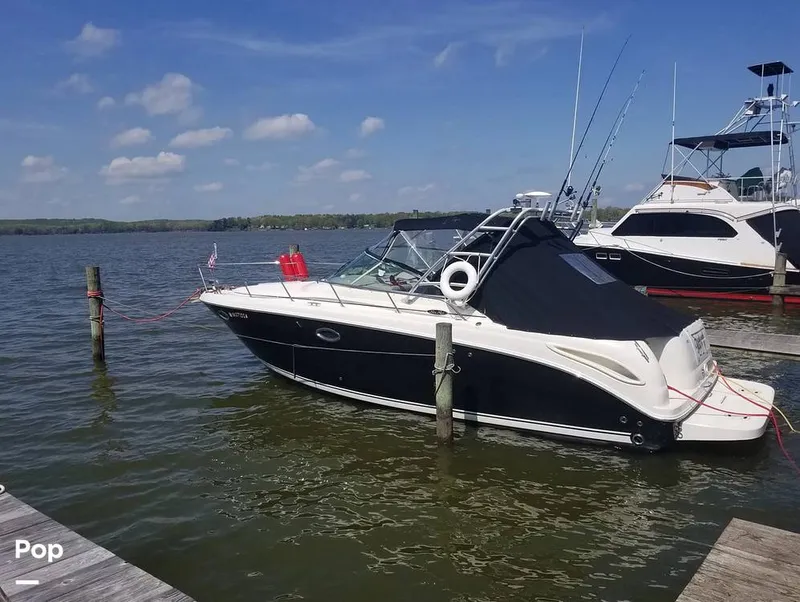
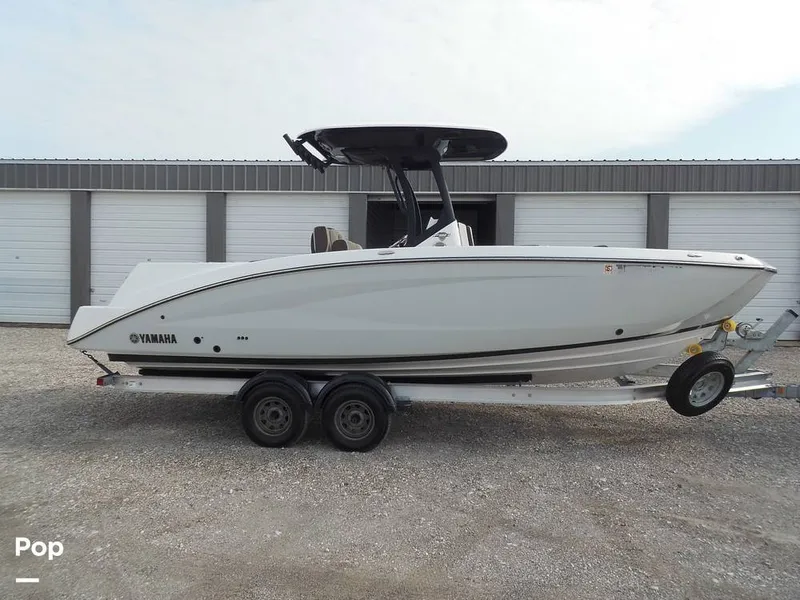
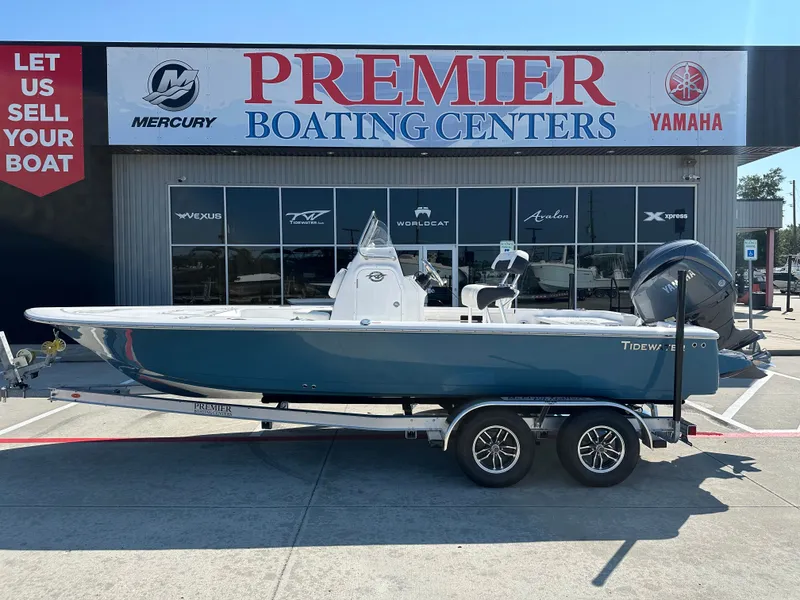
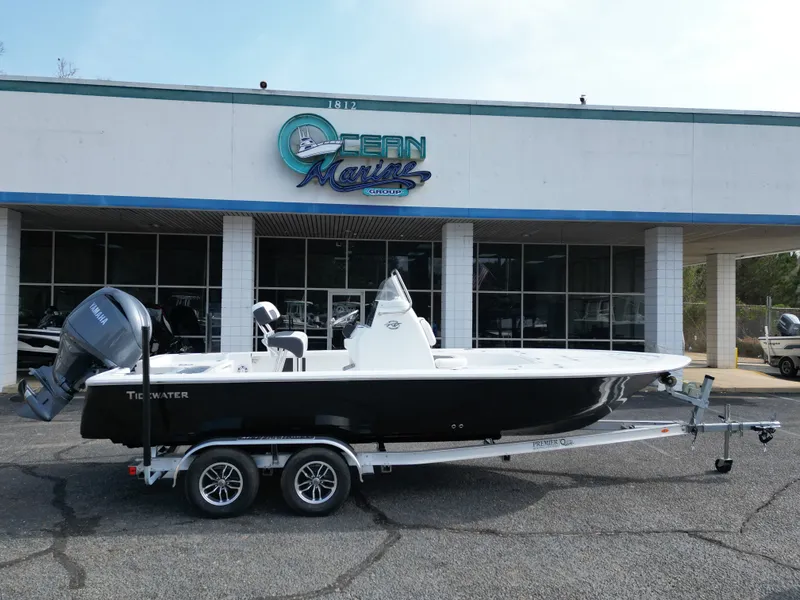
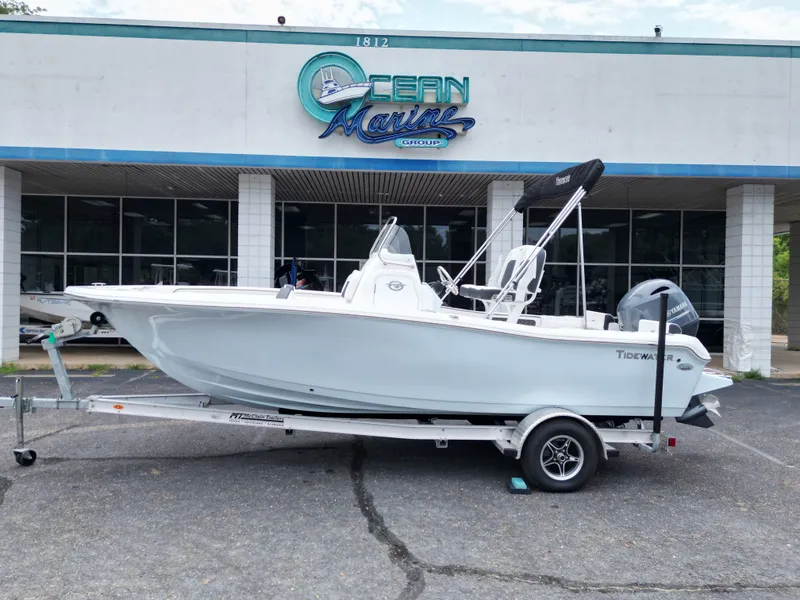
Corpus Christi
Searching boats for you...
Boating · Destinations
Is Corpus Christi, TX a Good Place for Boating?
Written by: MarineSource.com Team | Estimated read time: 8 min read
On the South Texas Gulf Coast, Corpus Christi spreads along a wide, semi-tropical bay framed by barrier islands and working ship channels. Out on the water, the skyline gives way to open horizons, shrimp boats, and the constant hum of sea breeze stirring small whitecaps across the bay’s shallow, greenish water.
For boaters, this setting offers an easy blend of city convenience and coastal adventure. You can launch near downtown, cruise past the Seawall, or head toward Padre Island and Mustang Island for bigger Gulf swells and long, sandy beaches. In between are quiet corners like Oso Bay and wildlife-rich estuaries where pelicans and herons are as common as passing center consoles.
The appeal of boats in Corpus Christi comes from variety as much as from atmosphere: year-round fishing, room to sail, spots to explore by skiff or kayak, and a municipal marina with hundreds of slips in the heart of the city. At the same time, shallow areas, shipping traffic, storm risk, and the costs of slip space and maintenance add some complexity to owning or keeping a boat here.
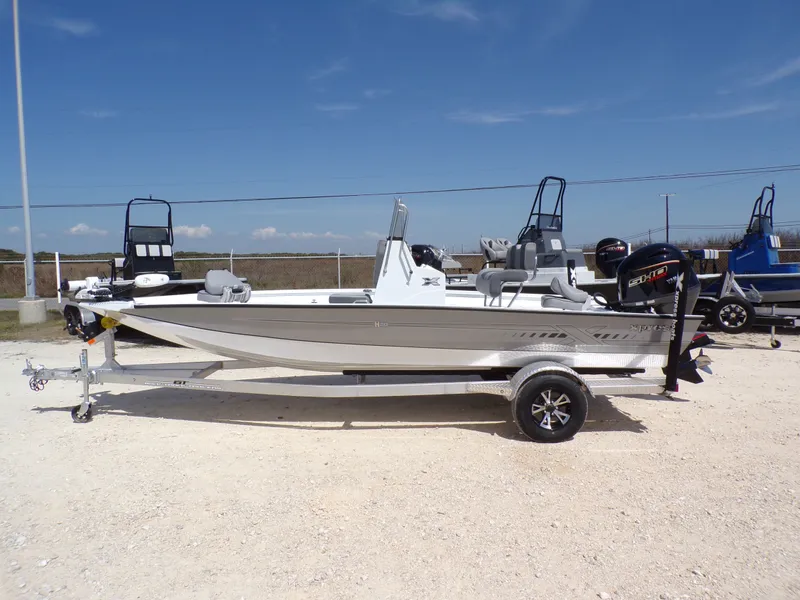
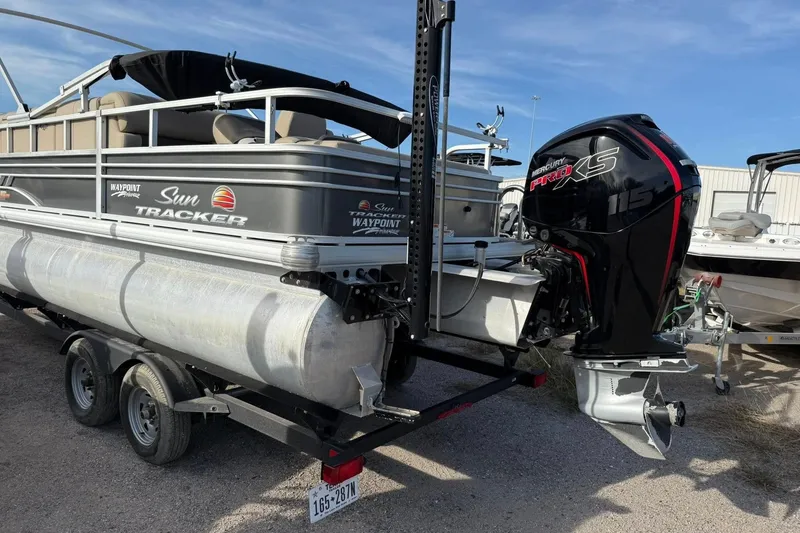
So is Corpus Christi a good place for boating, whether you’re thinking about buying a boat, bringing one for the season, or planning regular trips with a trailerable rig? Below, we’ll walk through the key pros and cons of boating in Corpus Christi to help you decide how it fits your on-the-water lifestyle.
Pros of boating in Corpus Christi, TX
1. Prime semi-tropical bay with access to Gulf waters
Corpus Christi Bay is part of the larger Nueces Estuary, a semi-tropical bay system covering nearly 500 square kilometers. Its average depth of around 10 feet makes much of the water relatively protected, especially compared with open Gulf conditions. For many boaters, this means plenty of space to cruise, fish, and sail in choppy-but-manageable seas most days, rather than committing to full offshore conditions.
From Corpus Christi Bay you can reach the Gulf of Mexico through nearby passes around Mustang Island, and run along the Texas coast via the Intracoastal Waterway. That connectivity gives owners of larger boats the option to plan longer coastal trips, while smaller bay boats and skiffs can stay inside the estuary and still feel like they’re out in the wild.
2. Strong, convenient marina and launch infrastructure
For a mid-sized coastal city, Corpus Christi offers a robust mix of slips, storage, and launch ramps. The centerpiece is the Corpus Christi Municipal Marina along Shoreline Boulevard downtown, with more than 560 wet slips for pleasure craft and liveaboards. Amenities like restrooms, showers, laundry, free sanitary pump-outs, 24-hour patrols, and an on-site service yard with a 25-ton travel lift make it easy to base a boat right in the city.
Trailering boaters and those focused on day trips also have options. Public ramps like Bayfront Peninsula Park’s concrete launch into Corpus Christi Bay and facilities in nearby communities such as Cove Park in Ingleside on the Bay provide free or low-cost access with parking, restrooms, and picnic areas. Private marinas, including Boat Stop Marina, add deep concrete ramps, secure parking, and member-focused services for people who want a more controlled, gated environment.
3. Year-round boating climate with peak spring–fall season
Mild winters and hot, sunny summers mean the boating season in Corpus Christi can effectively run all year. While many coastal regions shut down for months at a time, locals here can often launch in January or February with only a light jacket, then enjoy long, warm days on the water from spring through late fall.
For owners of sailboats, center consoles, and smaller skiffs alike, that extended season can make the costs of slips or storage feel more worthwhile. Instead of squeezing all of your boating into three or four months, you can mix quick winter fishing runs with longer summer cruising and beach days.
4. A playground for fishing, sailing, and wind sports
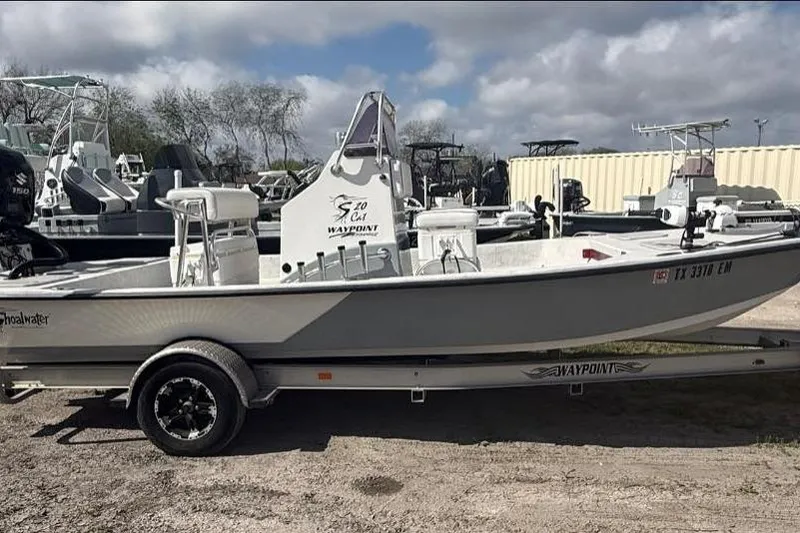
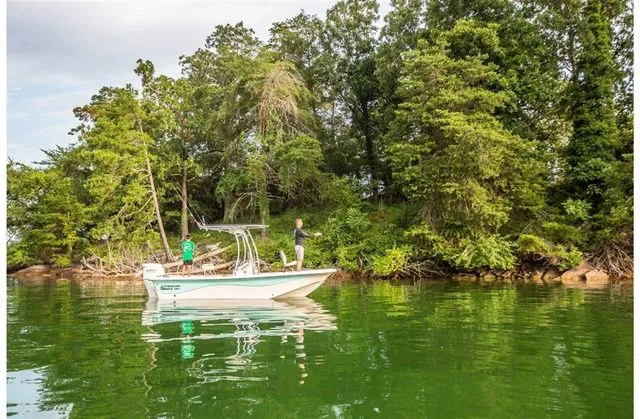
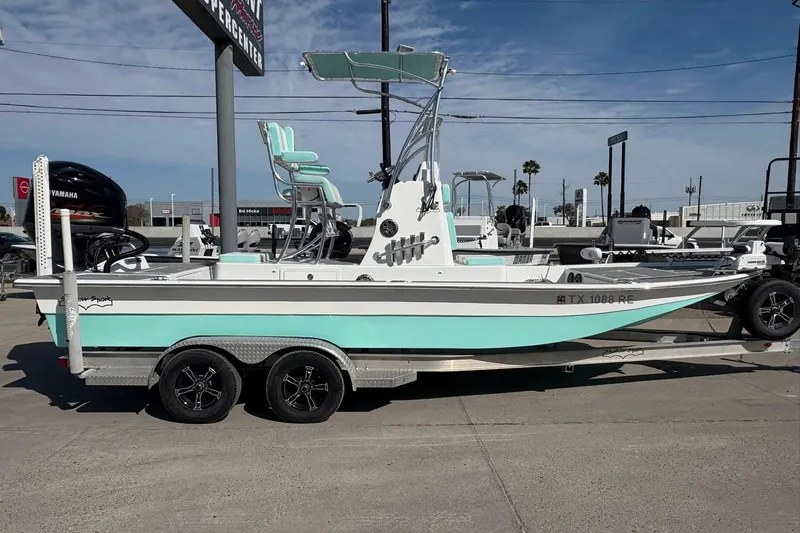
If your picture of boats in Corpus Christi includes more than just cruising, you’ll find plenty to do. The estuary supports popular inshore species such as red drum, black drum, spotted seatrout, flounder, sheepshead, and more, making the area a favorite for anglers running shallow-draft bay boats, kayaks, or skiffs into Oso Bay, Nueces Bay, and the edges of the ship channel.
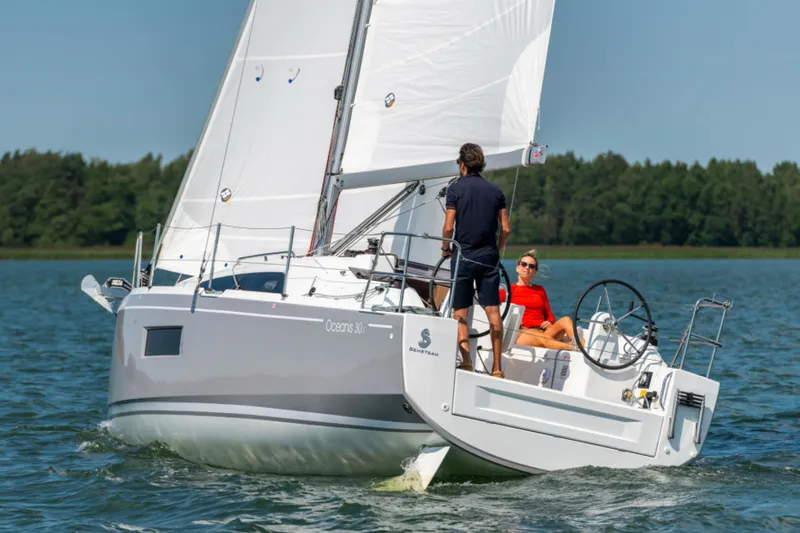
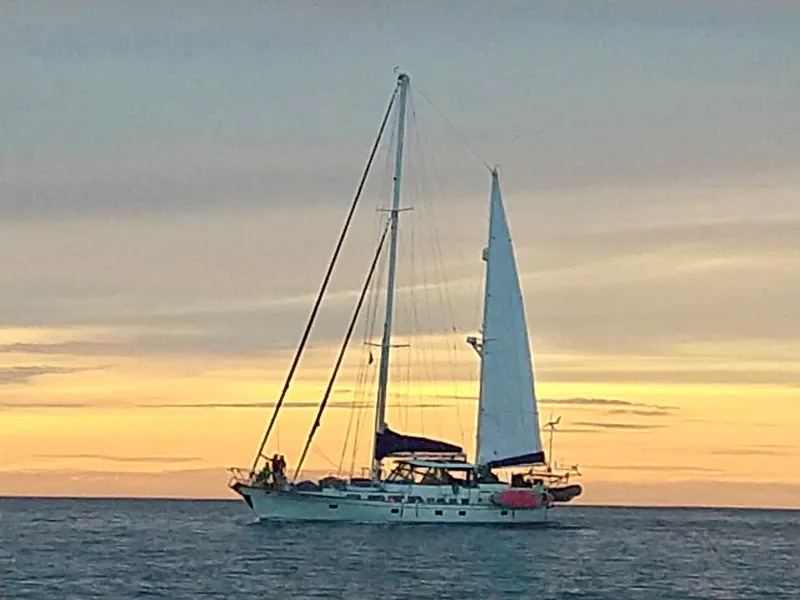
Consistent coastal winds also create strong conditions for sailing and wind-driven watersports. On many days you’ll see a mix of monohulls and catamarans tacking across the bay alongside kiteboarders, windsurfers, and increasingly, wing foilers. This diversity of activity adds a lively feel to the water and makes it easier to find a niche community—whether you’re into regatta-style sailing, casual sunset cruises, or dawn patrol fishing missions.
5. Active boating culture with environmental focus
While Corpus Christi may not have the mega-yacht scene of some larger coastal cities, it does have a down-to-earth boating culture centered on fishing, family outings, and community events. The city’s Marina Advisory Committee and regional programs like the Clean Texas Marina initiative show that local leaders and boaters are invested in keeping the waterfront active and accessible.
The Corpus Christi Municipal Marina’s Clean Marina designation reflects an environmental emphasis too, with free bilge pump-outs and pollution-prevention practices encouraged in the harbor. For boaters who care about healthy fisheries, clean water, and wildlife—from the birds at Hans and Pat Suter Wildlife Refuge to dolphins following the ship channel—this focus can make the area especially appealing as a long-term boating home base.
Cons of boating in Corpus Christi, TX
1. Shallow water, oyster reefs, and navigation quirks
Much of the Corpus Christi system is relatively shallow, especially in places like Oso Bay and parts of Nueces Bay. Oyster beds, mud flats, and submerged reefs are common, and the bottom can come up quickly away from marked channels. For deeper-draft sailboats or cruisers, that means you’ll often be limited to staying in the main bay, following the ship channel, and planning carefully before exploring side bays.
Even for small flats boats and skiffs, running unfamiliar routes at speed can be risky without solid local knowledge or good electronic charts. A few wrong turns in skinny water can lead to prop damage, stuck hulls, or scraped-up gelcoat around oyster bars.
- The Silver Lining: The same shallow, structured water that complicates navigation also helps produce excellent fishing and bird habitat—and many locals see that as a fair trade. With some study of charts, attention to markers, and a habit of idling through new areas, most boaters quickly learn where they can safely run their typical routes.
2. Hurricane and tropical storm exposure
Corpus Christi sits on the Gulf Coast, so tropical storms and hurricanes are a fact of life. Late summer and early fall, especially August and September, bring the greatest risk of heavy rain, strong winds, and storm surge. For boat owners, that means planning ahead each season for haul-outs, extra lines, and sometimes evacuating vessels to safer inland storage.
Insurance premiums can also be higher in hurricane-exposed regions, and some underwriters may require named-storm plans or specific tie-down procedures for boats stored outdoors.
- The Silver Lining: Modern forecasting and storm-tracking tools give boaters more lead time than ever to prepare, and local marinas have well-developed hurricane plans. Many owners choose dry storage at facilities like Coopers Alley L-Head or trailer their boats inland when storms threaten, which helps protect both the vessel and the marina infrastructure.
3. Balancing costs of slips, storage, and upkeep
While Corpus Christi is often less expensive than some larger Gulf Coast cities, the costs of keeping a boat here still add up. At the municipal marina, floating slips for pleasure craft run roughly $11 to $11.25 per foot per month for many sizes, with catamaran rates closer to $20 per foot. Fixed docks and L-Dock slips with lifts come in a bit lower per foot but still represent a significant ongoing expense.
Dry storage for trailerable boats at Coopers Alley L-Head is more affordable—around $160 per month for tenants with 6-month leases—but the size limit of 30 feet including trailer means bigger vessels need wet slips or private yards. Factor in haul-out and service yard costs (over $300 for a haul-and-hold on many boats) plus routine maintenance, and the budget impact is something most boaters need to plan carefully.
- The Silver Lining: Compared with many other coastal markets, especially in Florida or more developed Texas hubs, some boaters find Corpus Christi’s slip and storage rates relatively manageable—especially given the long boating season. Trailering, sharing a boat with family, or opting for smaller, simpler boats can stretch your budget while still giving you frequent time on the water.
4. Commercial ship traffic and busy corridors
The Corpus Christi Ship Channel is a major industrial artery, with traffic from large cargo ships, tankers, and tugs. Recreational boaters share certain stretches of water with commercial vessels that have limited maneuverability and long stopping distances. That can create stress for newer boaters or those used to purely recreational lakes and rivers.
On popular weekends and holidays, areas near downtown, launch ramps, and narrow passages can also feel crowded with everything from jet skis to larger cruisers vying for space.
- The Silver Lining: The heavily used shipping channel is generally well-marked and maintained to deep-draft standards, which makes navigation more predictable once you understand the rules of the road. Giving big ships wide berth, monitoring VHF where appropriate, and timing outings to early mornings or weekdays all help recreational boaters enjoy the same waters with less congestion.
5. Regulations, no-wake zones, and environmental limits
Corpus Christi’s status as a protected estuary and working port means you’ll encounter a patchwork of no-wake zones, speed limits, and environmental rules. The municipal marina and nearby waters have designated NO WAKE areas, and you’re expected to follow a posted watercraft safety map and respect no-discharge regulations in sensitive zones. Those restrictions can lengthen your travel time to open water and require more attention to signage.
Some boaters also find the combination of dockside power metering, stay limits for transient vessels (up to 90 days a year at the municipal marina), and size caps for certain storage options to be limiting, especially if they’re used to more flexible setups.
- The Silver Lining: The upside is a calmer, safer waterfront near shore, along with cleaner water and better habitat for fish and birds. Once you learn the local speed zones and storage rules, most of them fade into the background of your normal routines—and many boaters appreciate the more orderly, family-friendly environment they help create.
What boating in Corpus Christi, TX is really like
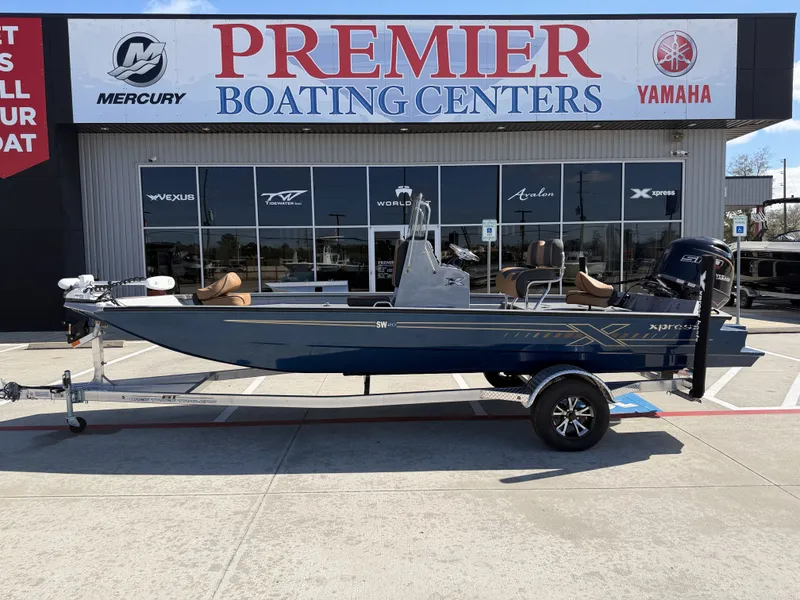
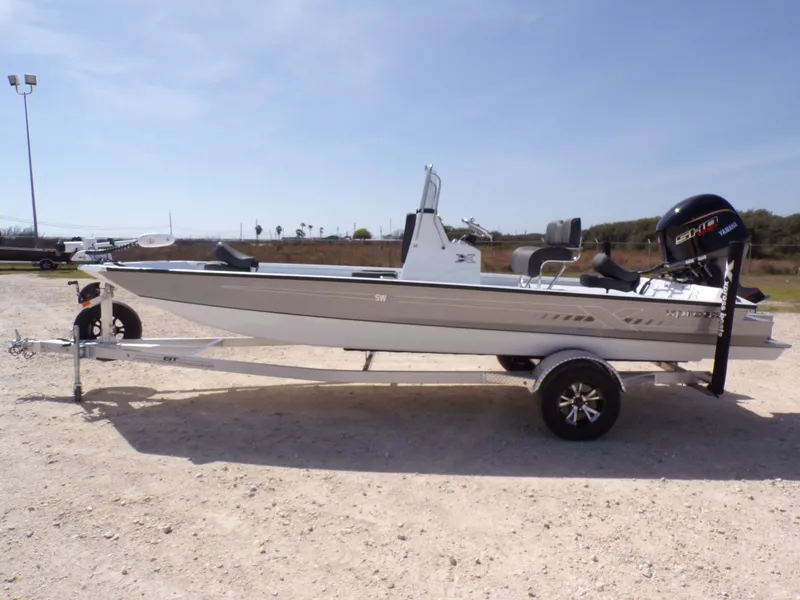
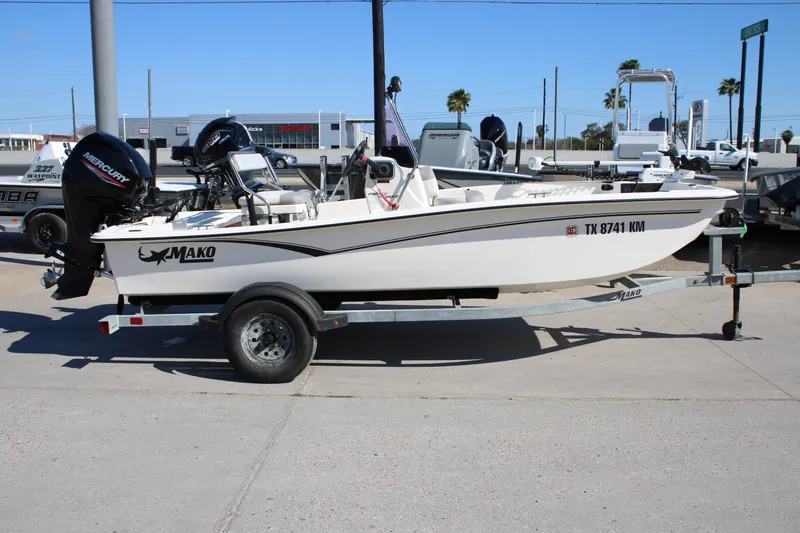
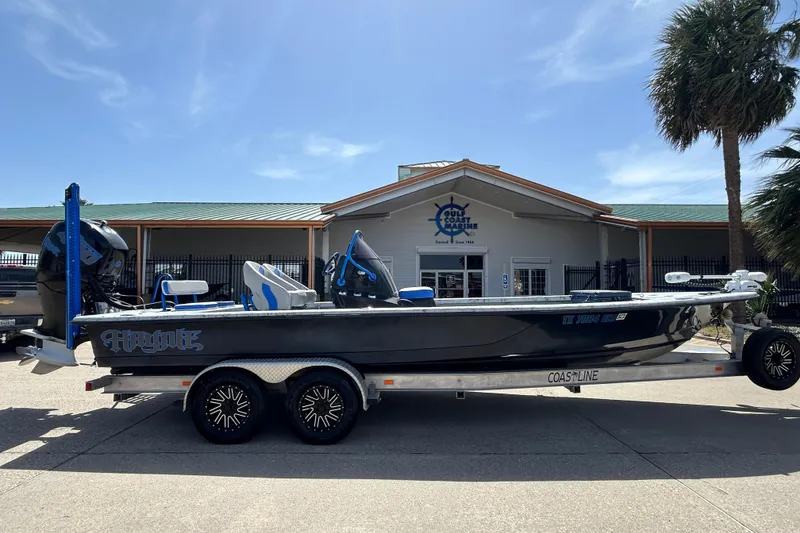
Boating in Corpus Christi feels laid‑back, salty, and blue‑collar in the best way. The skyline and Harbor Bridge frame Corpus Christi Bay, but the vibe on the water is more “local bay town” than polished resort. On a typical weekend, you’ll see center‑console fishing boats easing out at first light toward Nueces Bay and the Intracoastal Waterway, while keelboats and small catamarans start to dot the horizon once the sea breeze fills in. The bay is shallow overall, so traffic tends to follow the marked channels, leaving plenty of open space between routes where kayakers and small skiffs poke into quieter corners around Oso Bay and the shoreline parks.
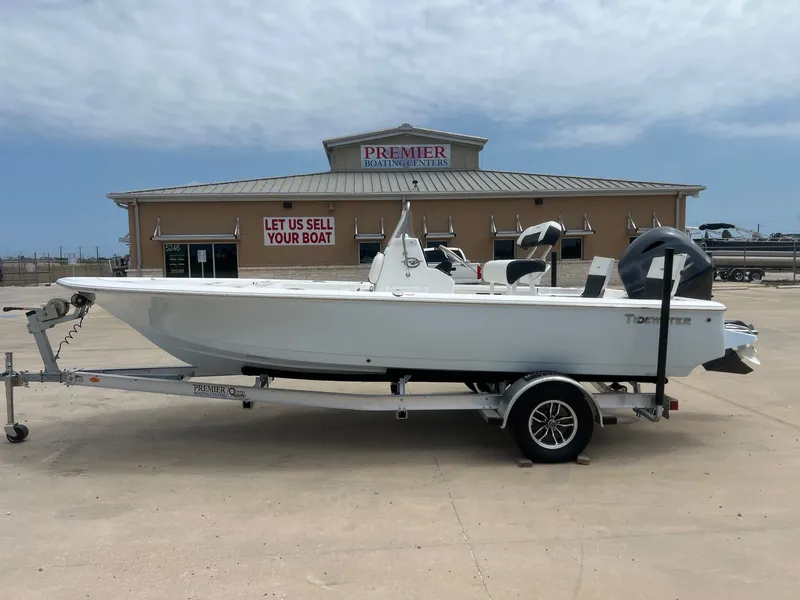
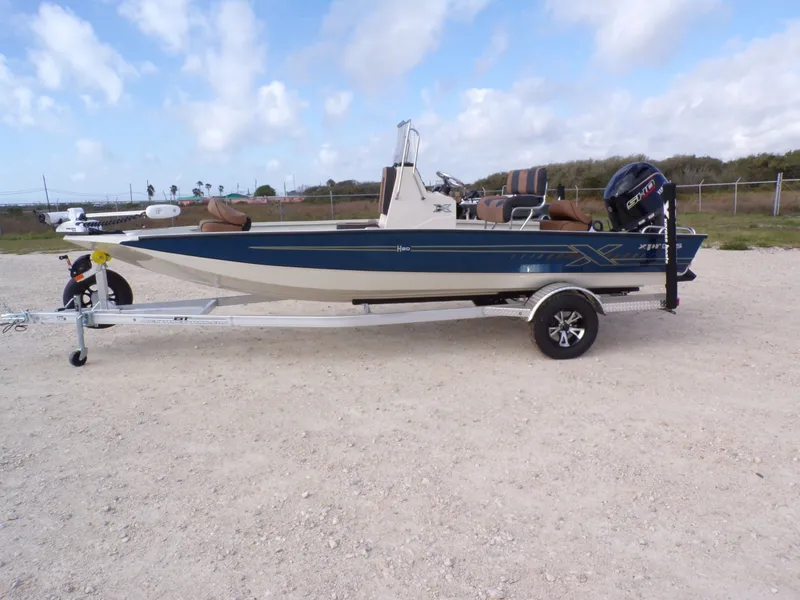
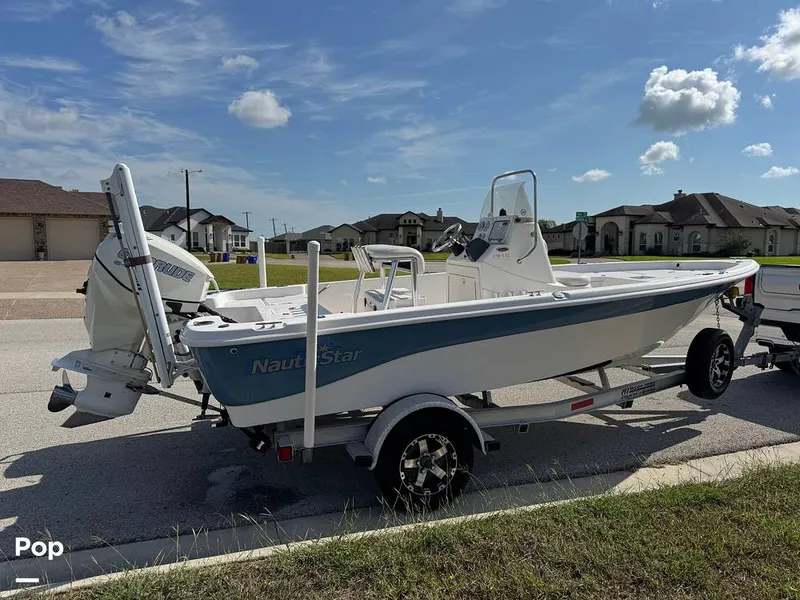
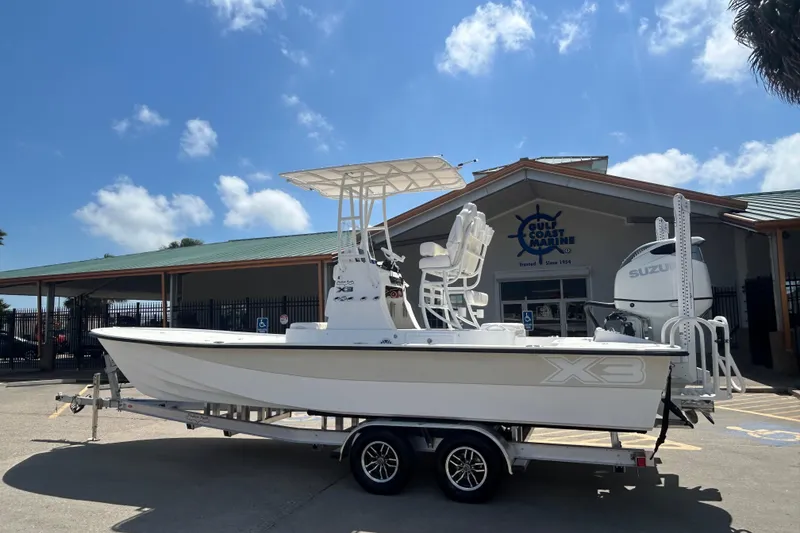
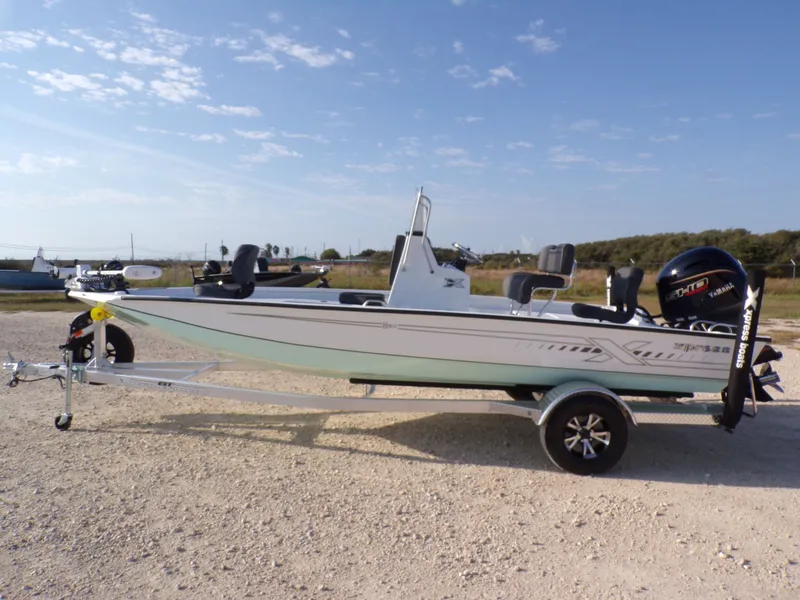
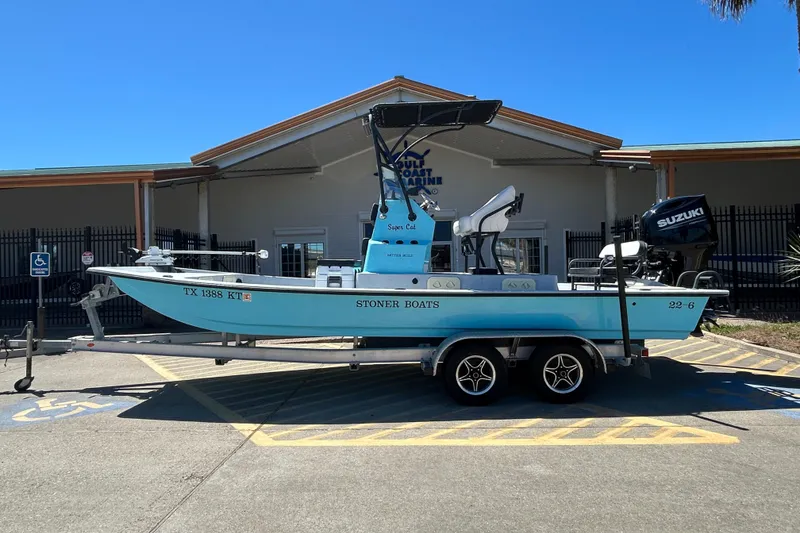
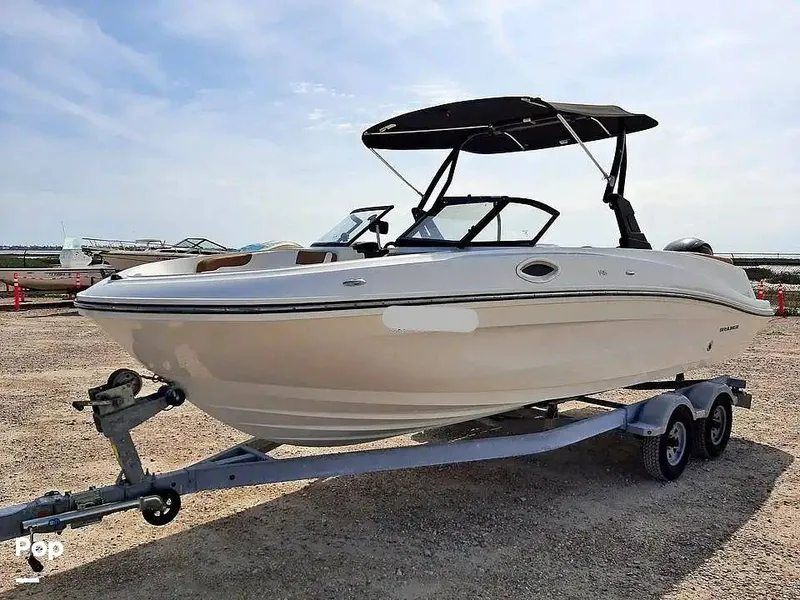
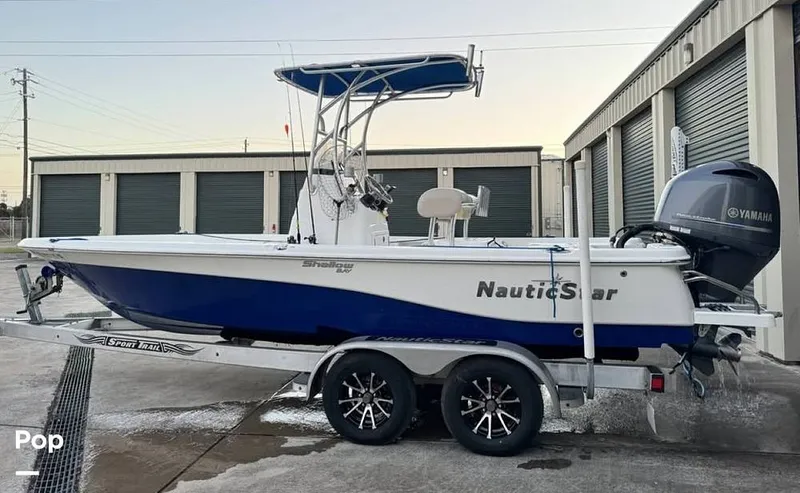
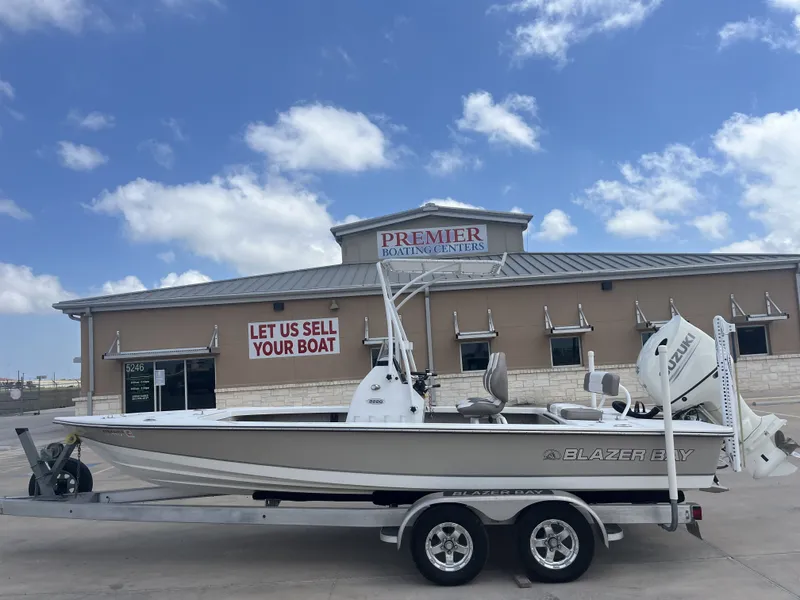
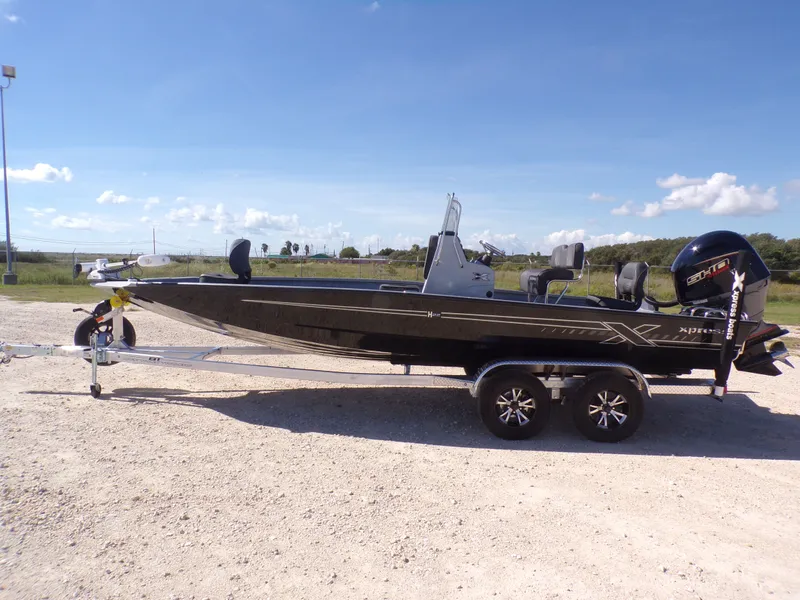
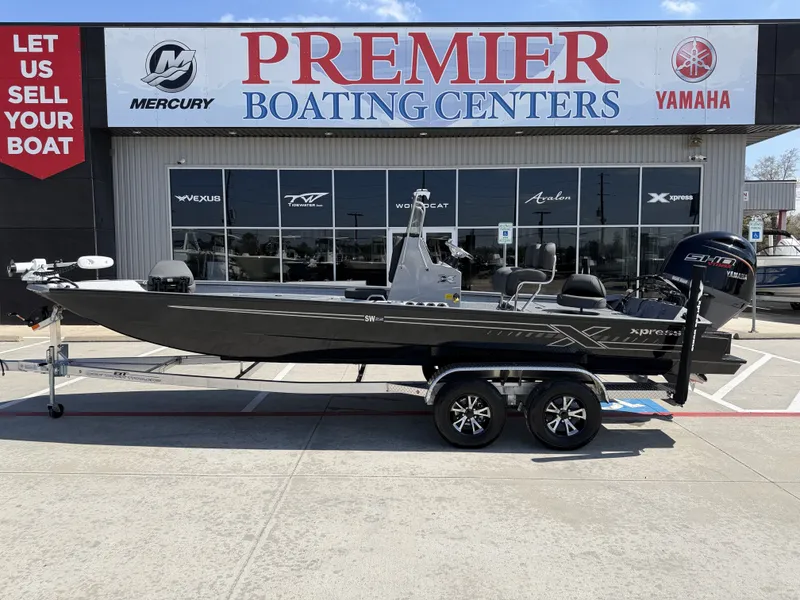
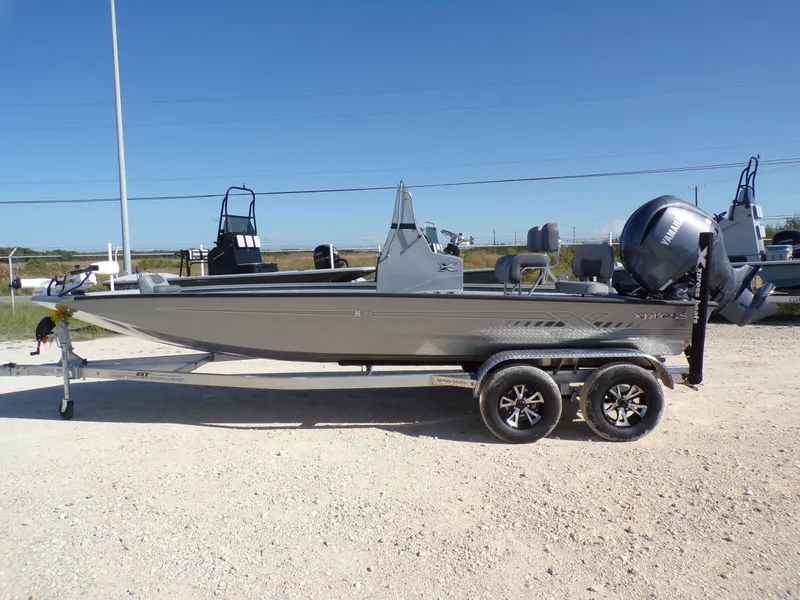
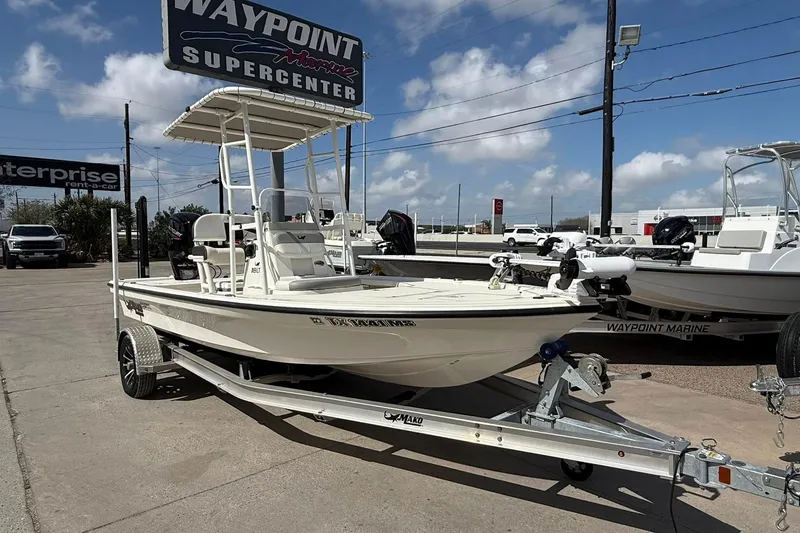
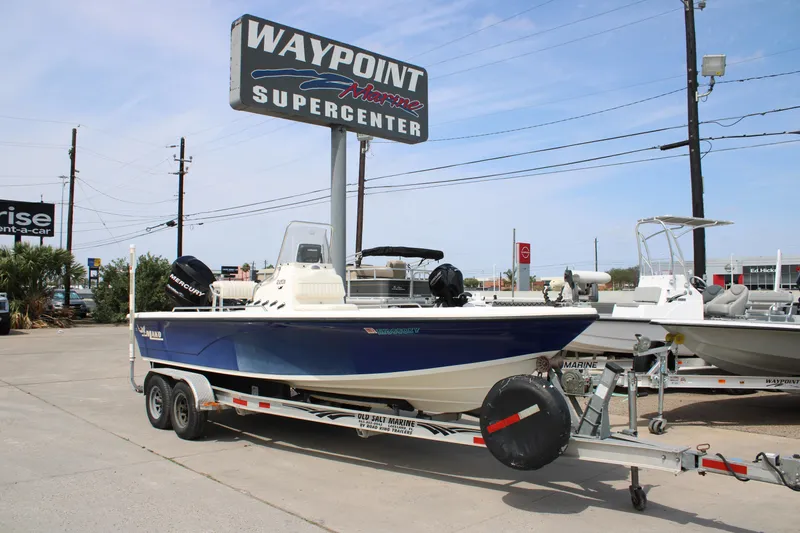
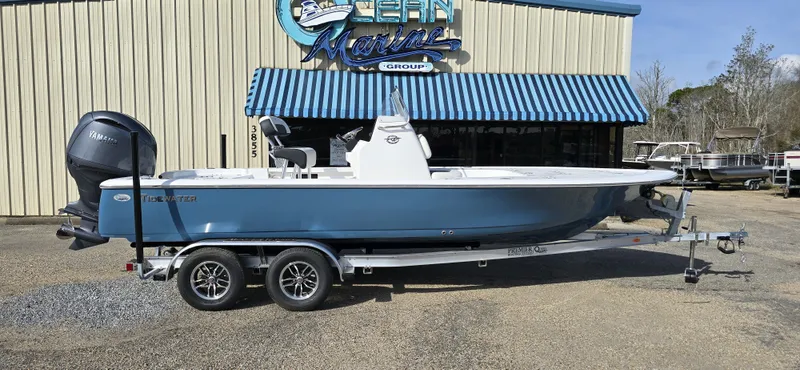
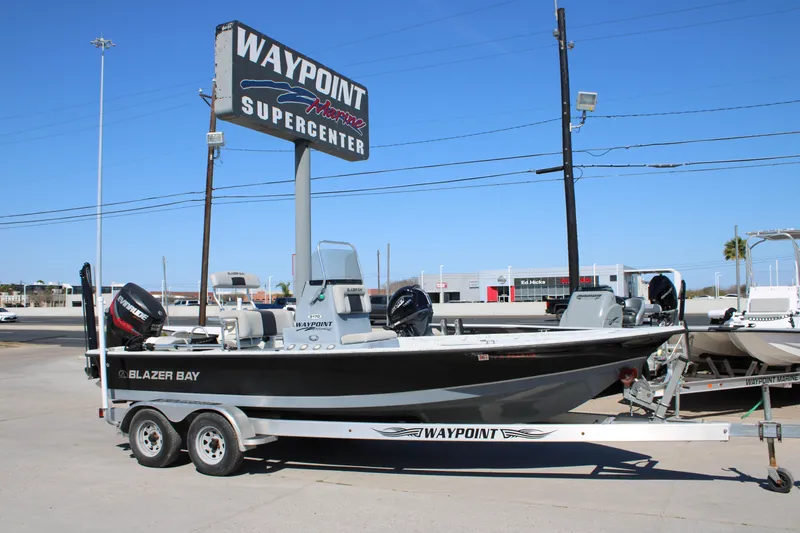
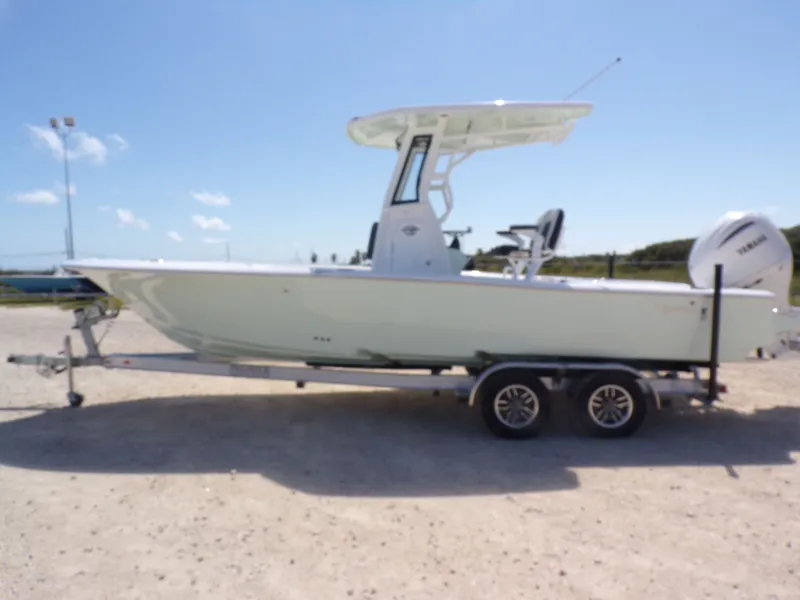
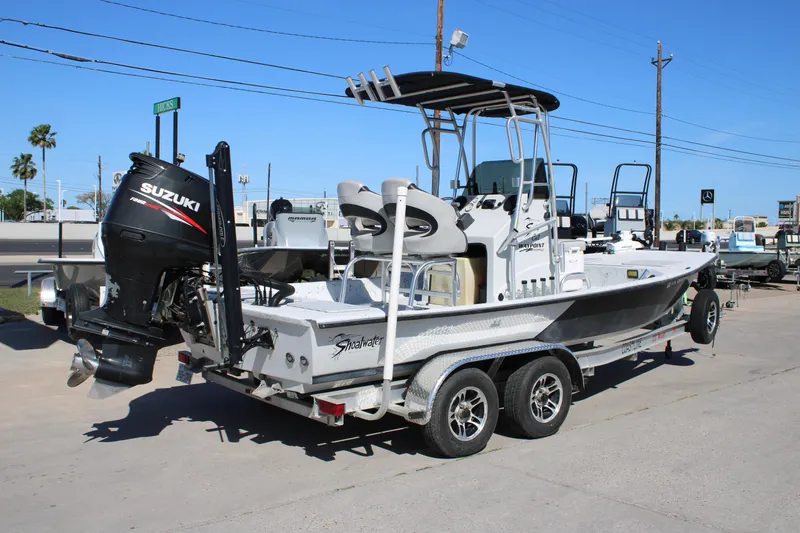
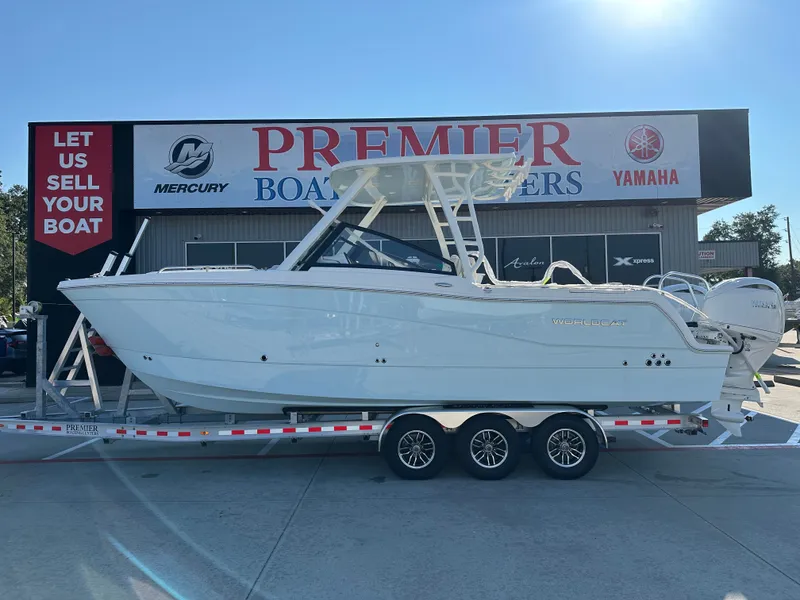
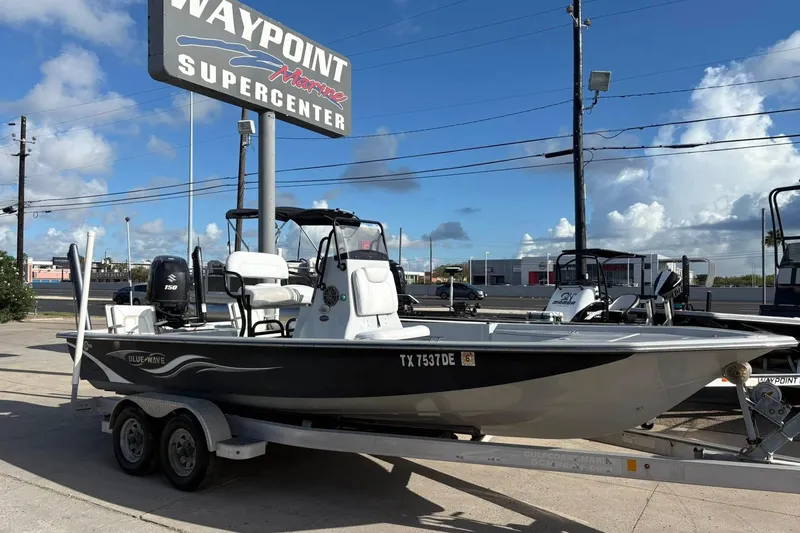
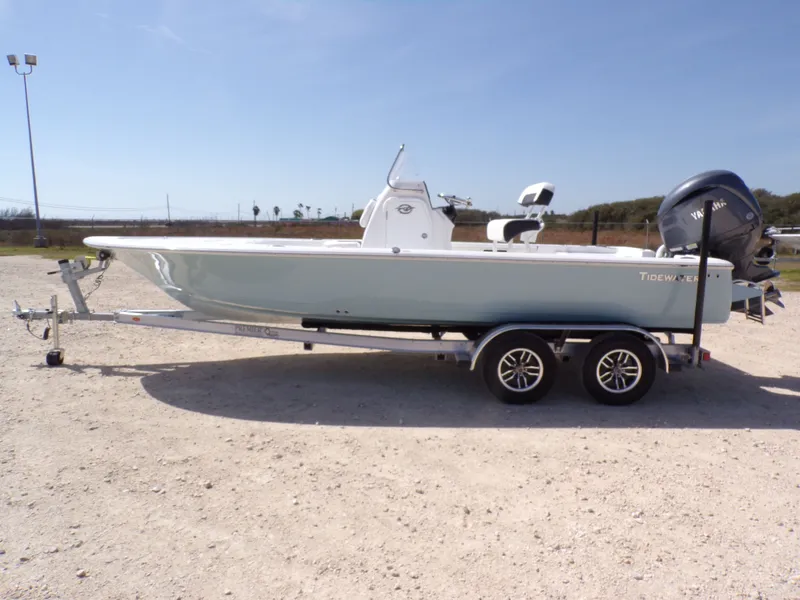
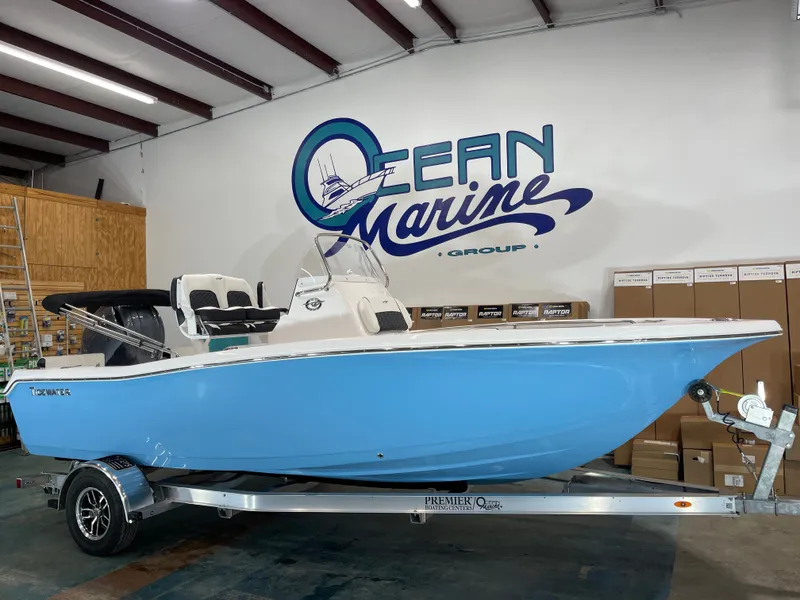
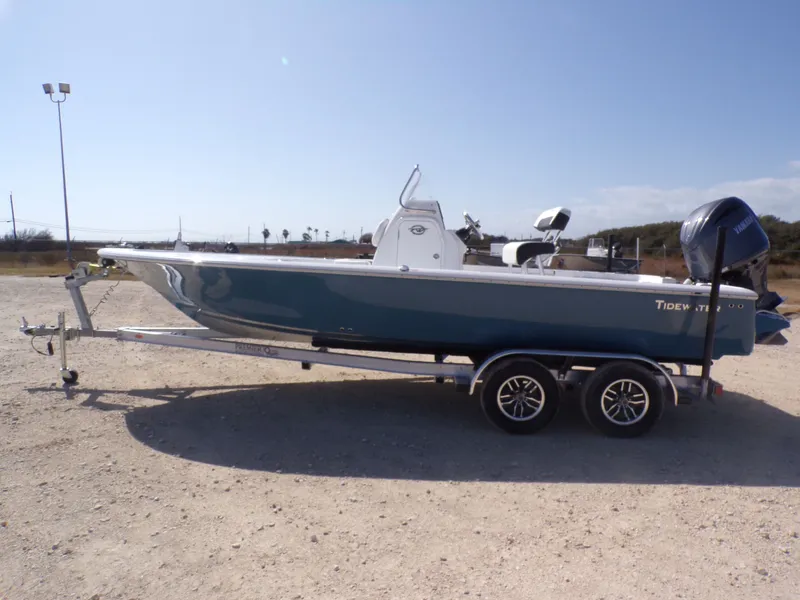
Family boaters are a major presence here. In warmer months, it’s common to see 18–24 foot bay boats and runabouts launched from public ramps early, then anchored off beachy shorelines or sand patches later in the day for swimming. Wake and surf boats are less concentrated than on inland lakes, but you will find them in more protected stretches when the wind lays down. Sailors range from casual day‑sailors making loops in front of the downtown seawall to cruisers traveling the Texas coast via the Intracoastal Waterway. The steady wind that draws kiteboarders and windsurfers also keeps the sail crowd happy, so masts and colorful sails are a regular part of the skyline when you’re looking at boats in Corpus Christi.
Socially, the scene is more about small clusters than one massive party sandbar. You’ll find informal flotillas of friends rafting up in leeward coves, or a few boats anchored near one another off Padre Island and Mustang Island for beach time. On event days—like local fishing tournaments hosted out of places such as Boat Stop Marina—the mood turns more energetic as anglers crowd the ramps before dawn and weigh‑in becomes the social focus in the afternoon. After work on a breezy weekday, by contrast, you might share the bay with just a handful of sailboats and a couple of anglers, with downtown lights coming on as you idle back into the marina at sunset.
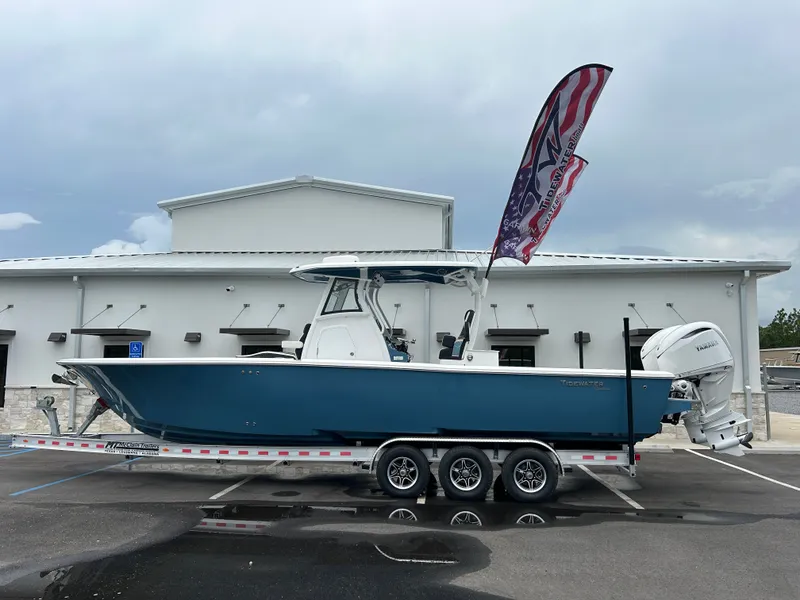
Costs, logistics, and practical details
From a practical standpoint, Corpus Christi is relatively friendly on costs and logistics compared with many Gulf and Atlantic coastal cities. The hub is Corpus Christi Municipal Marina on the downtown bayfront, offering over 560 wet slips plus a service yard and dry storage. Typical long‑term slip rates for pleasure craft floating slips run around $11–$11.25 per foot per month (for six‑month leases), which puts a 30‑foot boat in the mid‑$200s monthly—noticeably lower than the slips in many higher‑profile coastal markets. Fixed‑dock options and lift slips are priced a bit lower or higher per foot, and catamaran slips carry a premium around $20/ft, reflecting their extra beam.
If you want to keep a smaller boat out of the water, the city‑run dry storage at Coopers Alley L‑Head covers vessels up to 30 feet including trailer for roughly $160/month on a six‑month lease, with very reasonable transient rates for short stays. Private facilities like Boat Stop Marina operate on a membership model (advertised tiers roughly from $99 to $149/month) and are geared toward quick, convenient launching with secure parking, deep concrete ramps, and access straight to the Intracoastal Waterway. Trailer boaters who prefer public access have multiple ramps in the area, including free options like Bayfront Peninsula Park and Cove Park in Ingleside on the Bay; you’ll pay mainly in parking and in how early you’re willing to arrive on busy weekends.
The marina ecosystem feels functional and working‑waterfront rather than ultra‑luxury. Corpus Christi Marina’s service yard has a 25‑ton travel lift with haul‑out and “haul and hold” pricing published by length (for example, around the mid‑$200s for a one‑way haul for boats under 35 feet). On‑site or nearby you’ll find basic repair services, pump‑out stations, showers, laundry, and other essentials. The facility participates in Texas’s Clean Marina program, so environmental services like free bilge pump‑outs are emphasized. Fuel docks, boat detailing, and marine supply stores are present around the bay and ship channel, though you may not have the dense, walkable cluster of chandlers you’d find in a larger yachting center. Slip availability can fluctuate, but the overall impression is that diligent planners can find space without multi‑year waitlists, especially for average‑size pleasure craft.
Is Corpus Christi, TX a good place for boating?
Corpus Christi is a genuinely good place for boating, especially if your priorities line up with what the bay naturally offers. As a shallow, semi‑tropical estuary, it shines for anglers, sailors, and practical cruisers who want lots of usable days on the water at a reasonable cost. Municipal slip and dry‑storage rates are budget‑friendlier than many better‑known Gulf Coast cities, yet you still get a sizable downtown marina, Clean Marina environmental services, and handy access to the Intracoastal Waterway, Padre Island, and Mustang Island. The prevailing winds that draw kiteboarders and windsurfers also make the skyline come alive with sails, and inshore species like red drum and speckled trout keep fishing‑oriented boaters engaged year‑round.
You will love boating here if:
- Year‑round boating climate with mild winters and a long, warm season makes Corpus Christi attractive if you want to use a boat in nearly every month of the year.
- Slip and dry‑storage rates at Corpus Christi Municipal Marina and comparable local facilities tend to be relatively affordable, especially for 25–40 foot boats, compared with many other Gulf Coast cities.
- The area offers a strong mix of activities—excellent inshore fishing for species like red drum and speckled trout, reliable sailing and wind‑sports conditions, casual cruising to Padre Island and Mustang Island, and easy Intracoastal Waterway access.
You might find it challenging if:
- The bay system is relatively shallow overall, with especially skinny water and oyster reefs in areas like Oso Bay and Nueces Bay, which can be stressful for deeper‑draft boats and requires careful navigation.
- Corpus Christi is exposed to tropical storms and hurricanes, so owners must plan for haul‑outs or storm‑hardening, and insurance costs and storm preparation efforts can be significant.
- Water clarity and aesthetics are more “productive estuary” than postcard‑clear tropics; boaters seeking crystal‑clear turquoise water may be disappointed by the bay’s often murky conditions.
Overall, boats in Corpus Christi will appeal most to year‑round anglers, everyday family boaters, and serious sailors who don’t mind a little chop and working‑waterfront grit in exchange for access, affordability, and authentic South Texas coastal character. It’s less ideal if you insist on gin‑clear water, resort‑style marinas, or if you’re wary of shallow estuaries and tropical storm risk. If you’re weighing where to keep a trailer boat, a mid‑size cruiser, or a capable bay boat on the Texas coast, it’s well worth putting Corpus Christi on your shortlist—and, for many, on the boating bucket list as a place to explore a big, fish‑rich bay with a relaxed local vibe and plenty of room to roam.