Tampa
Searching boats for you...
Boating · Destinations
Is Tampa, FL a Good Place for Boating?
Written by: MarineSource.com Team | Estimated read time: 8 min read
On Florida’s Gulf Coast, Tampa wraps around a broad, shimmering estuary where river water meets the sea. Tampa Bay stretches for miles in every direction, with a mix of open water, mangrove-lined shorelines, and views of the downtown skyline and distant barrier islands. From the Hillsborough River winding past urban parks to the wide, breezy channels near Picnic Island and the Courtney Campbell Causeway, life here is deeply connected to the water.
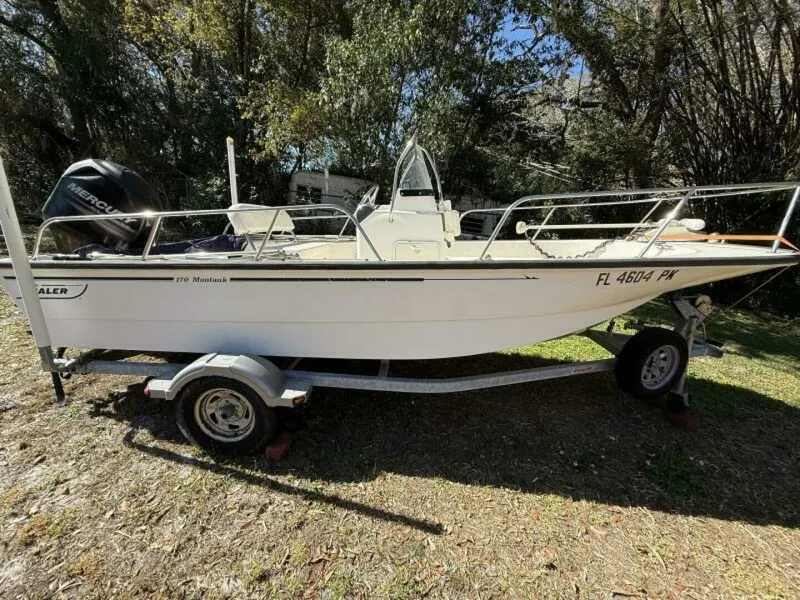
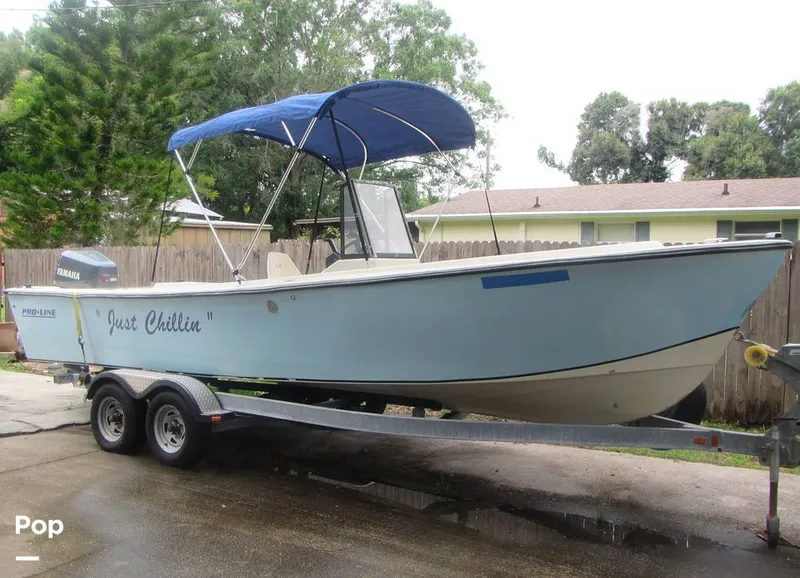
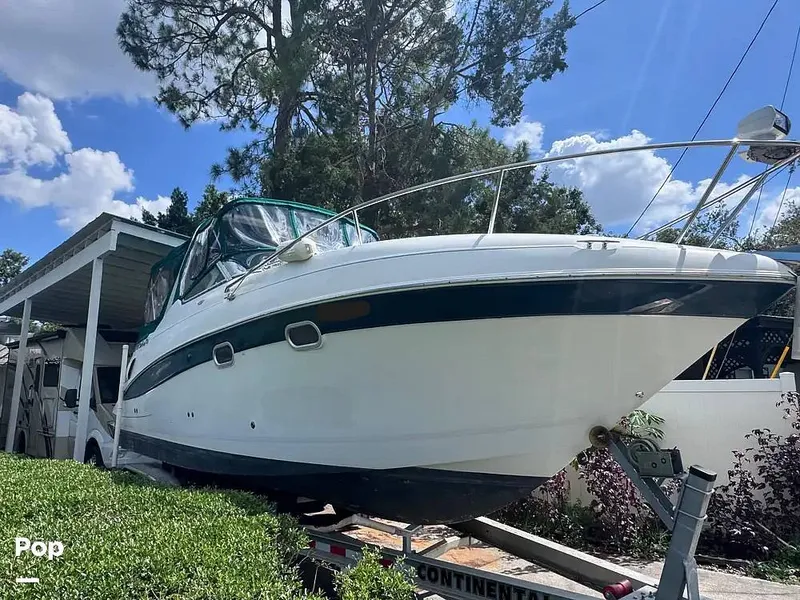
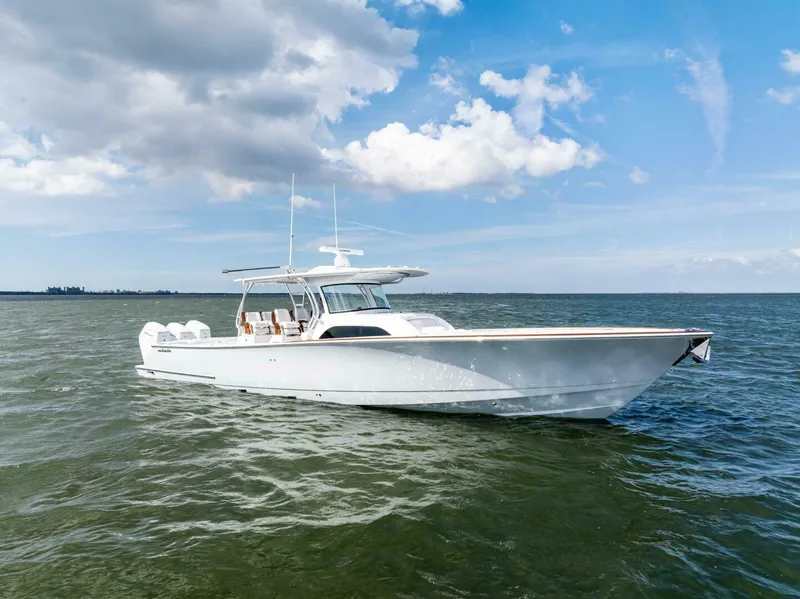
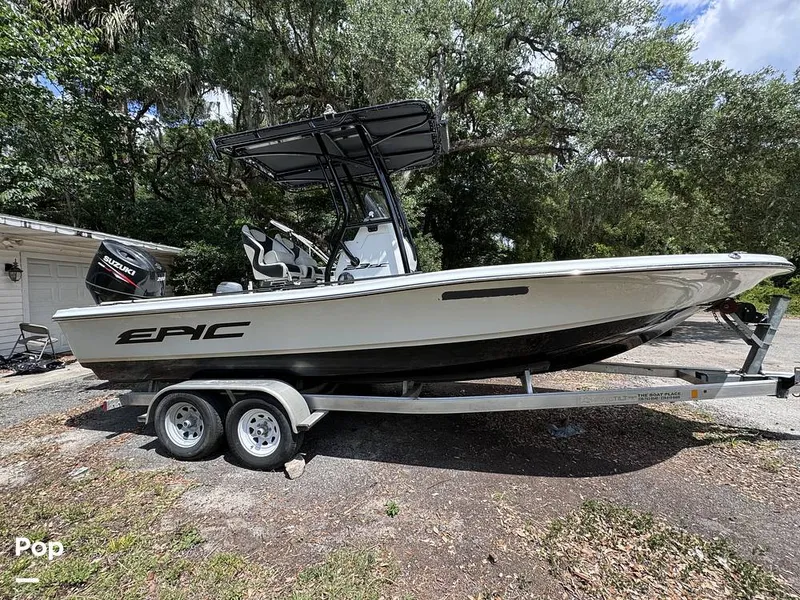
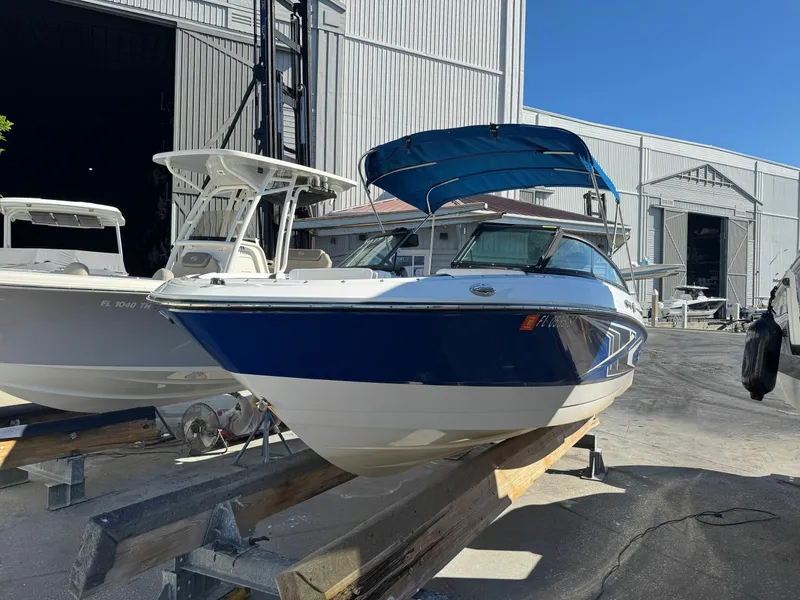
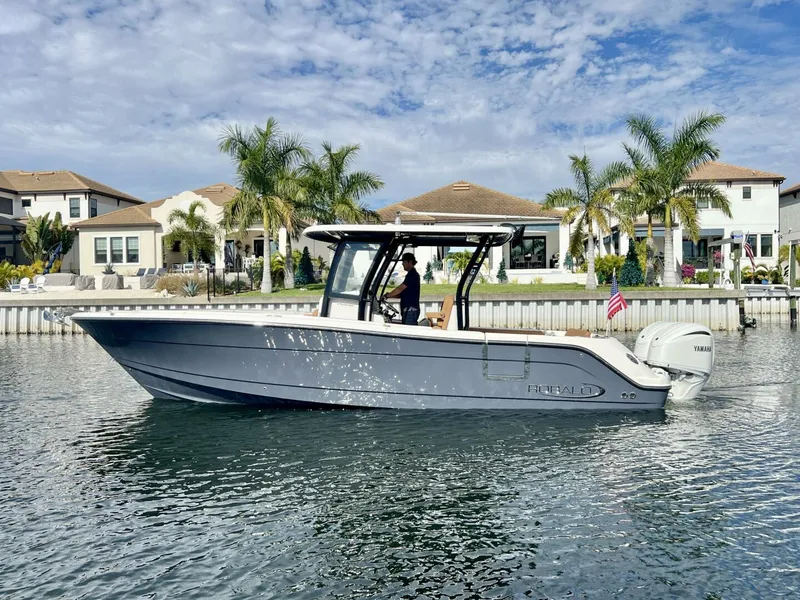
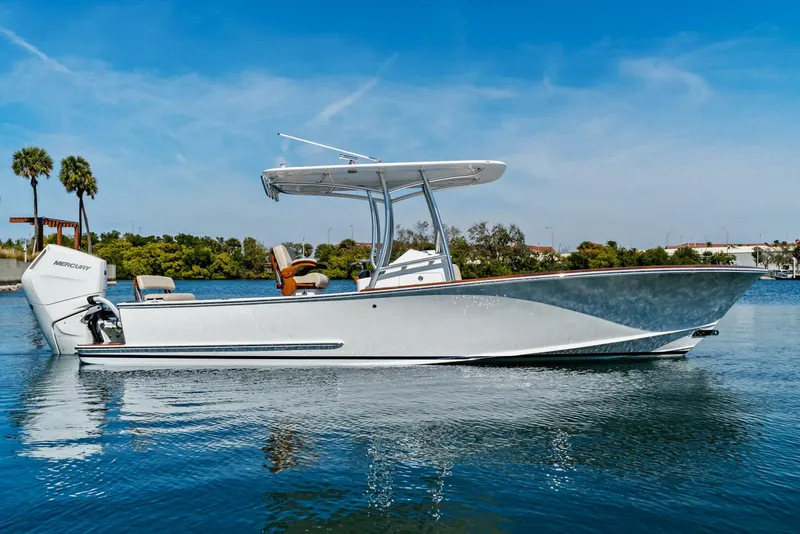
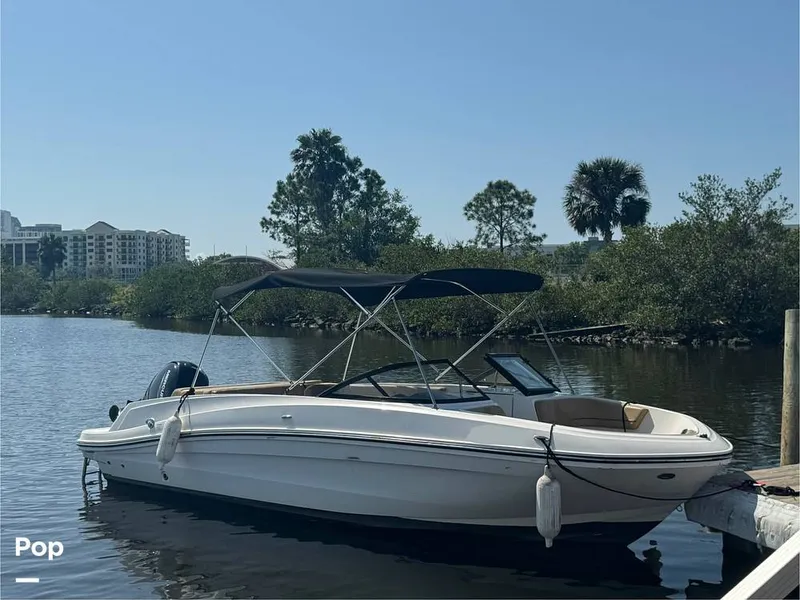
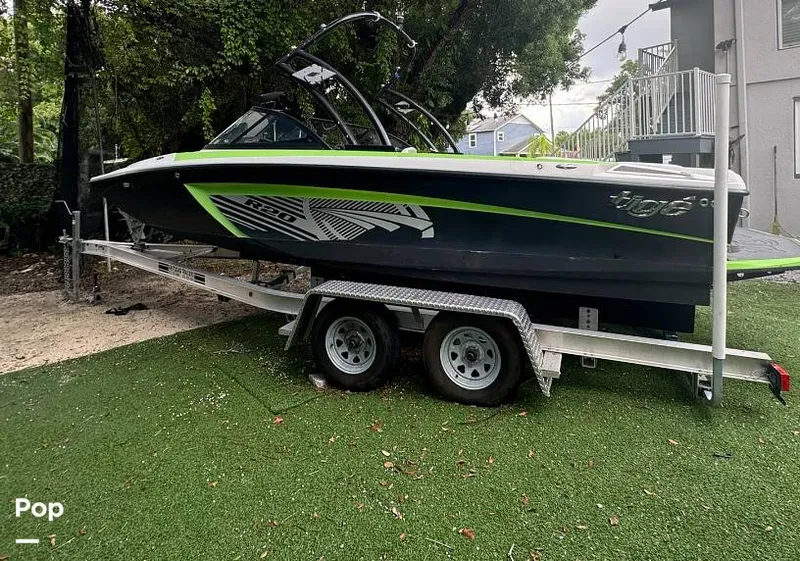
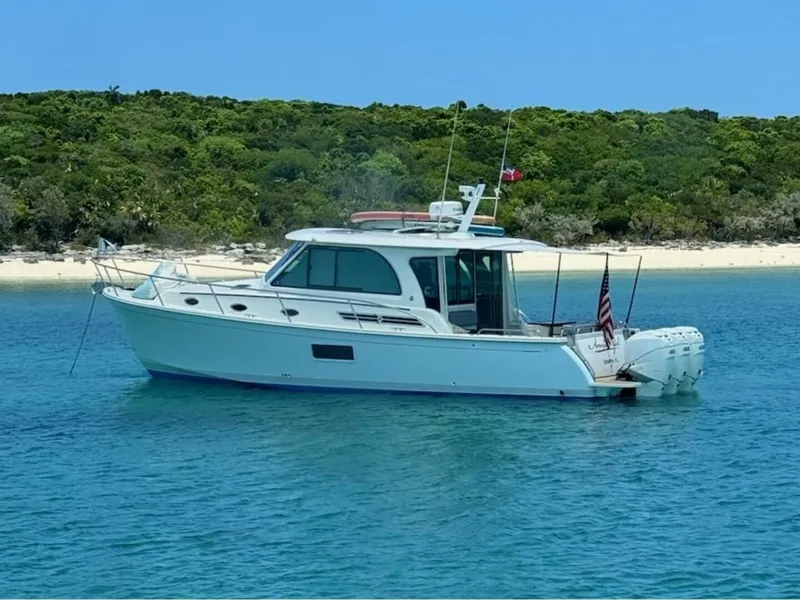
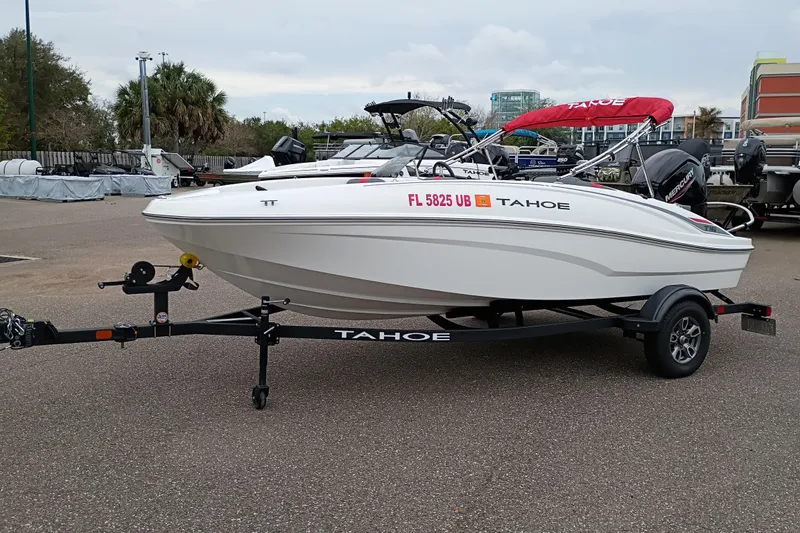
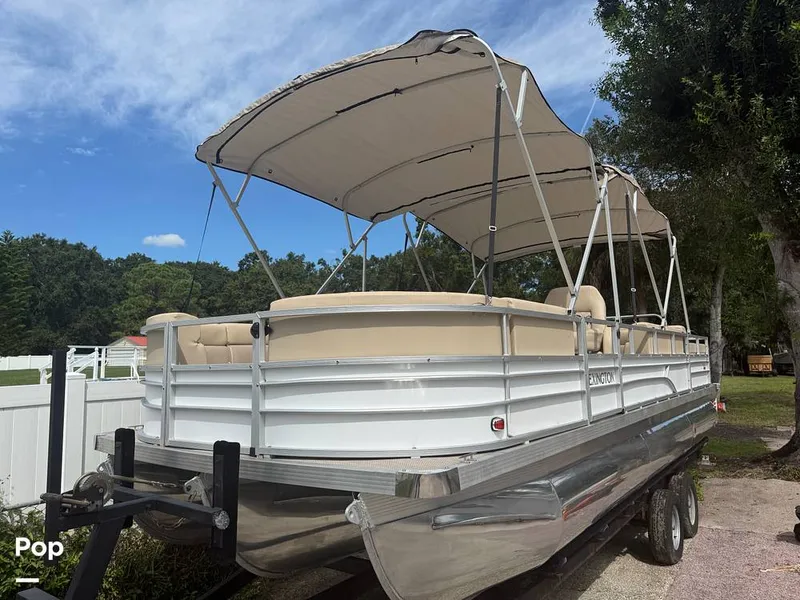
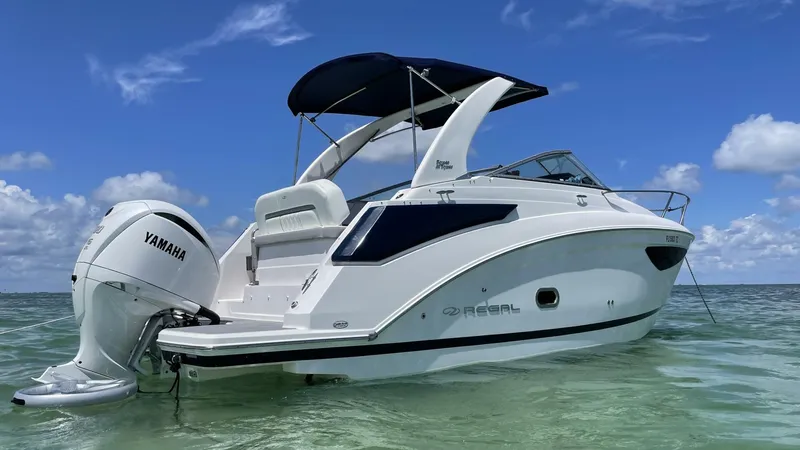
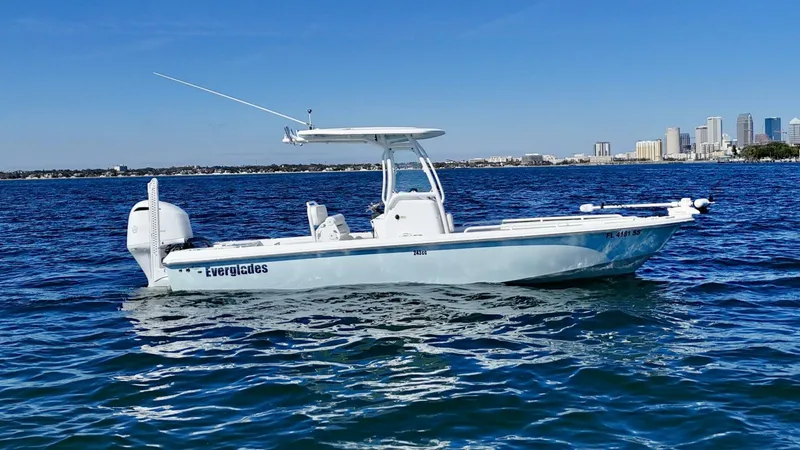
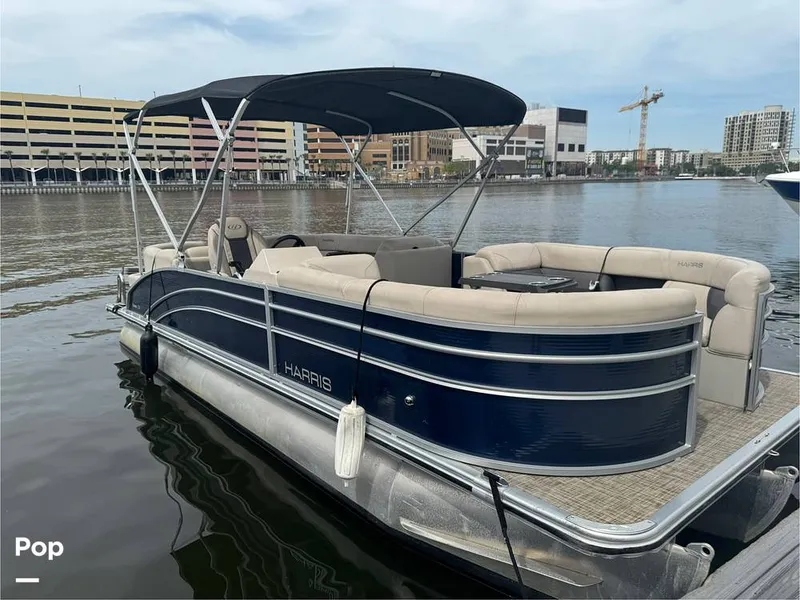
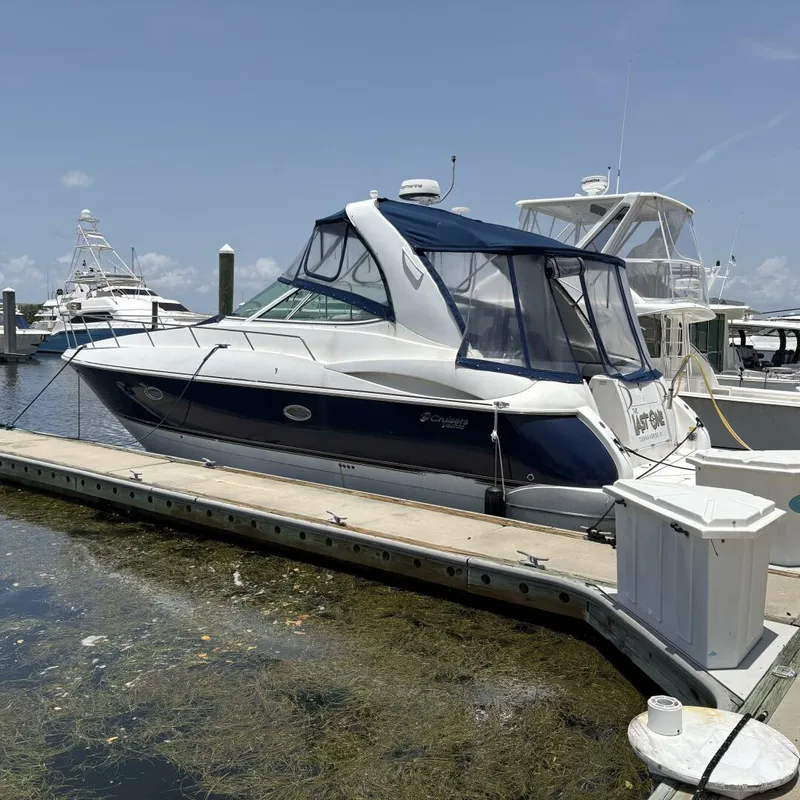
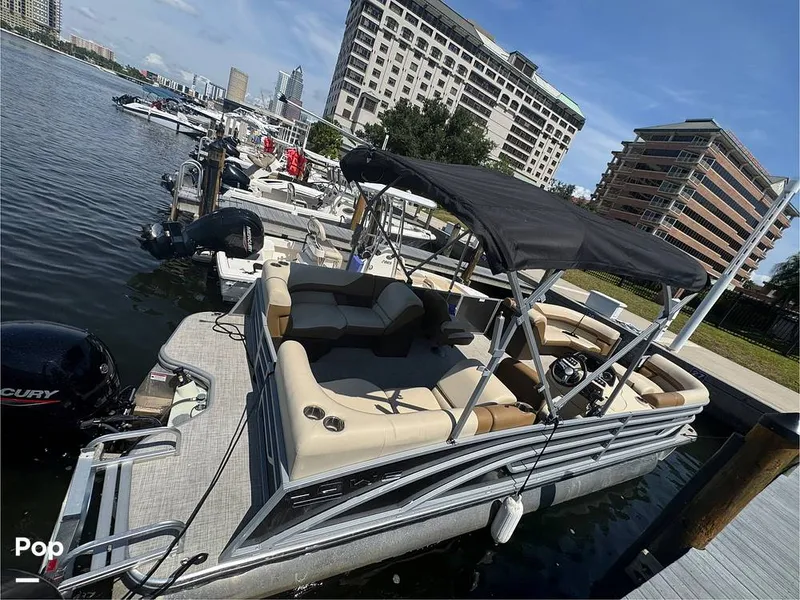
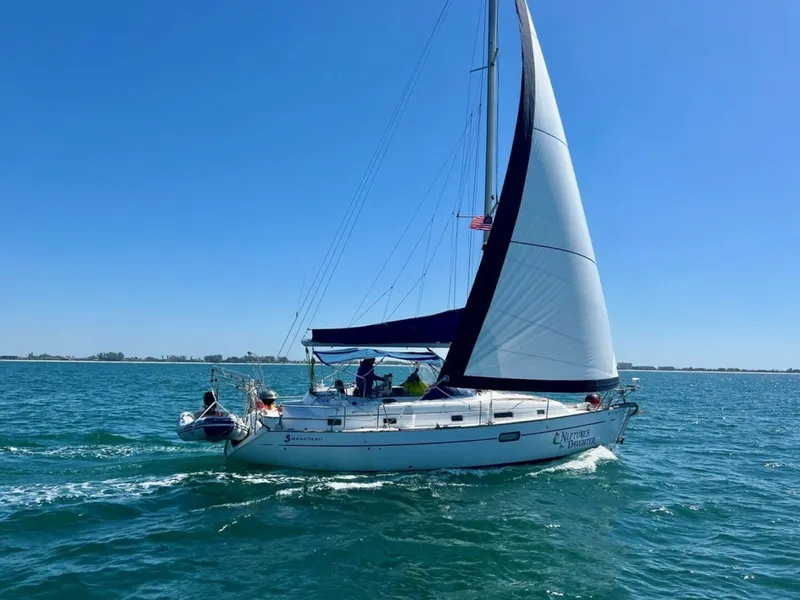
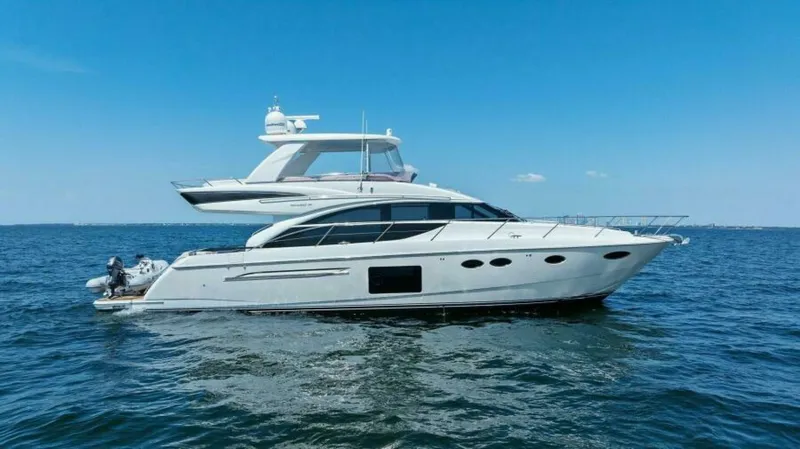
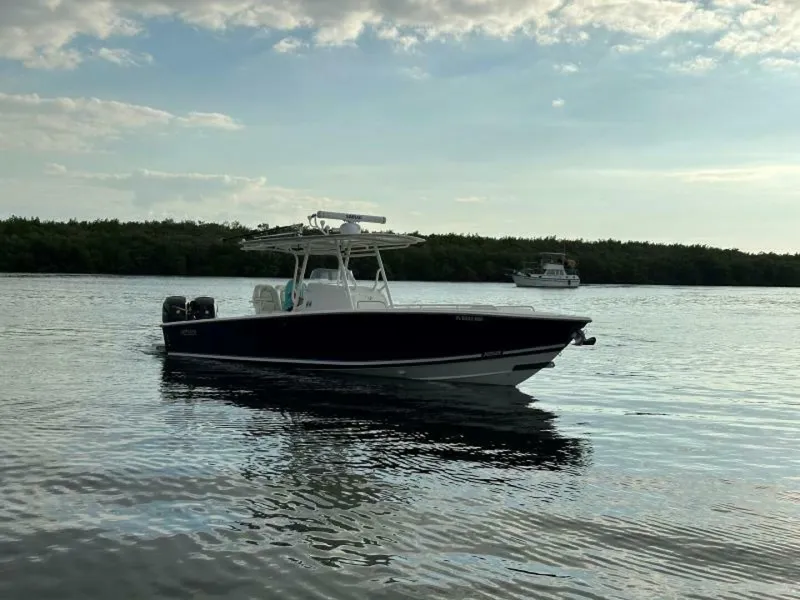
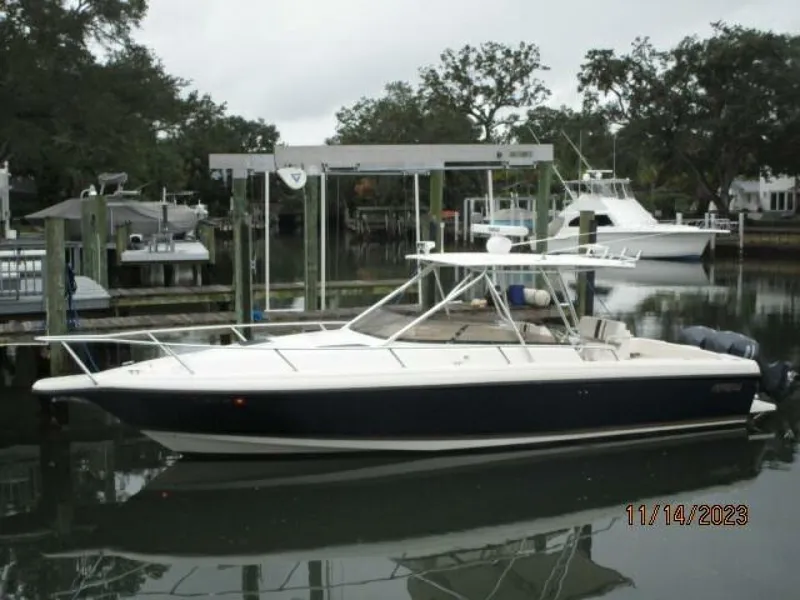
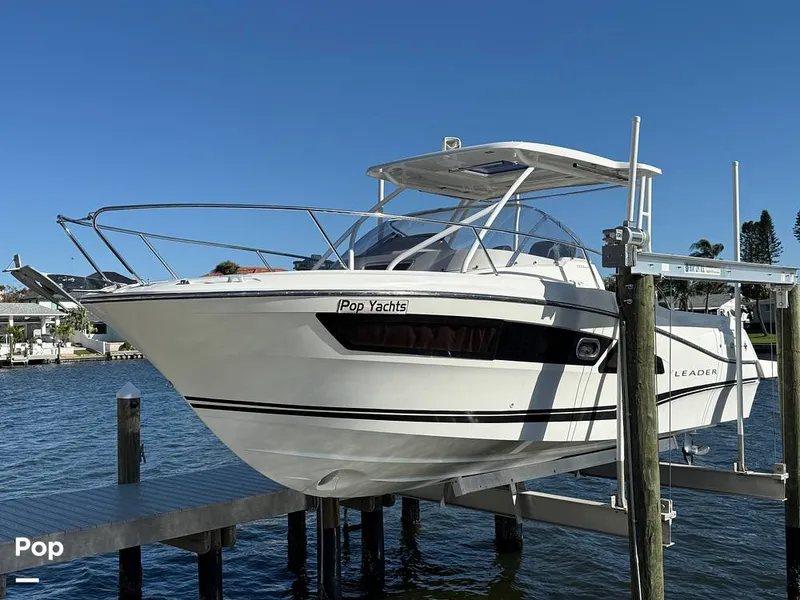
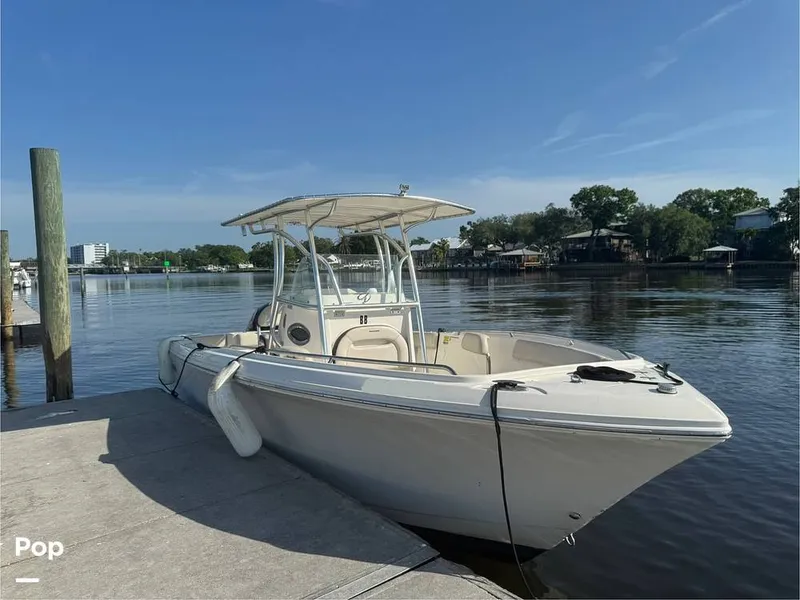
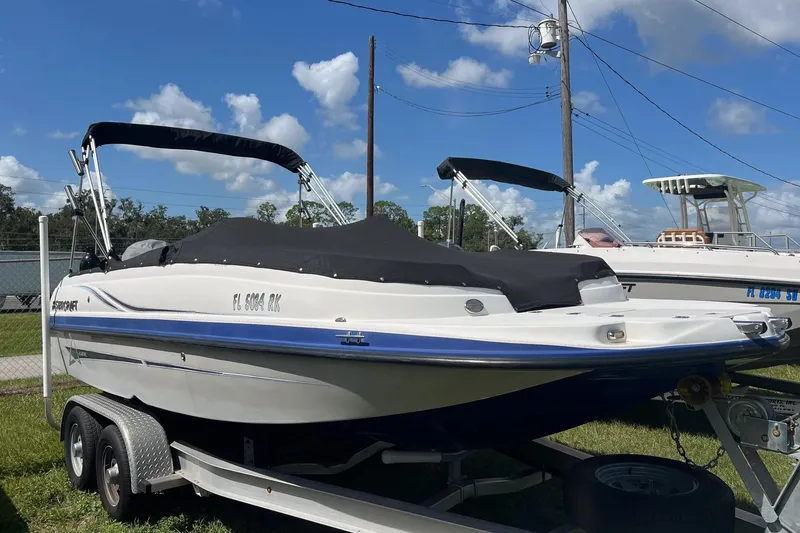
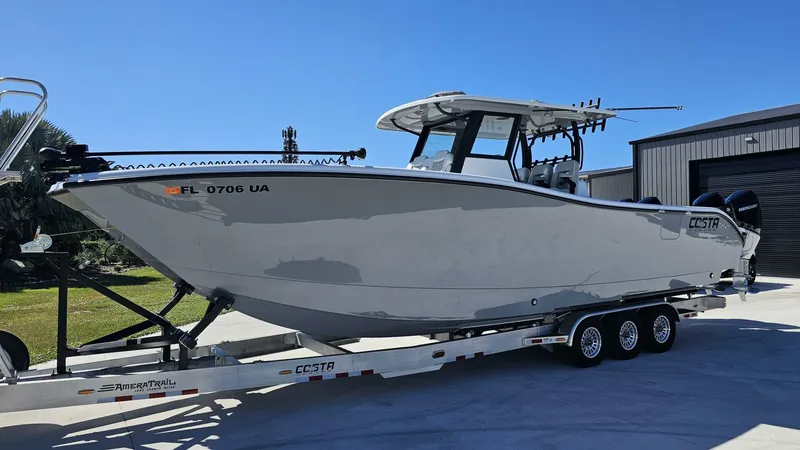
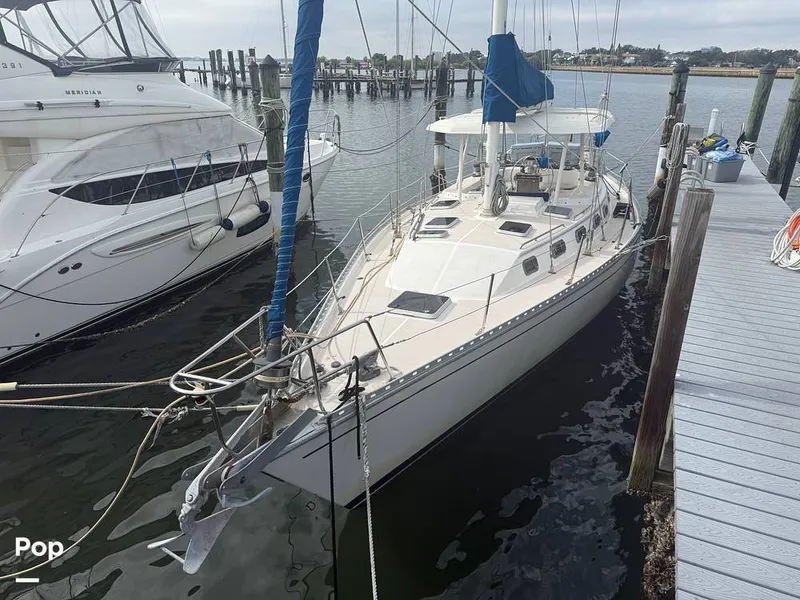
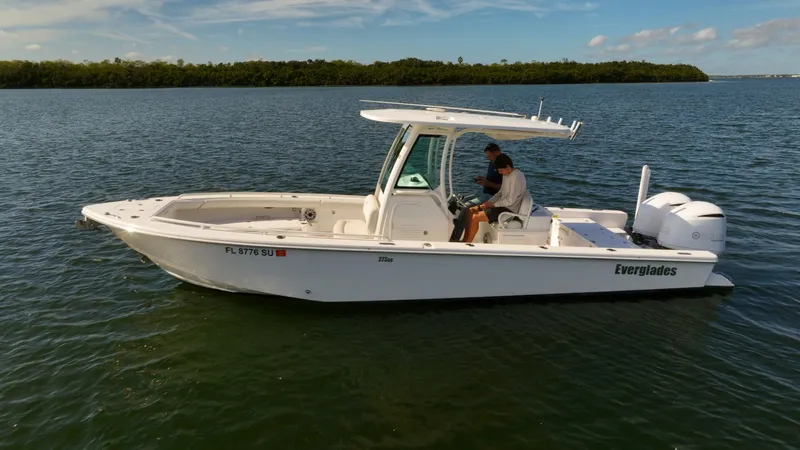
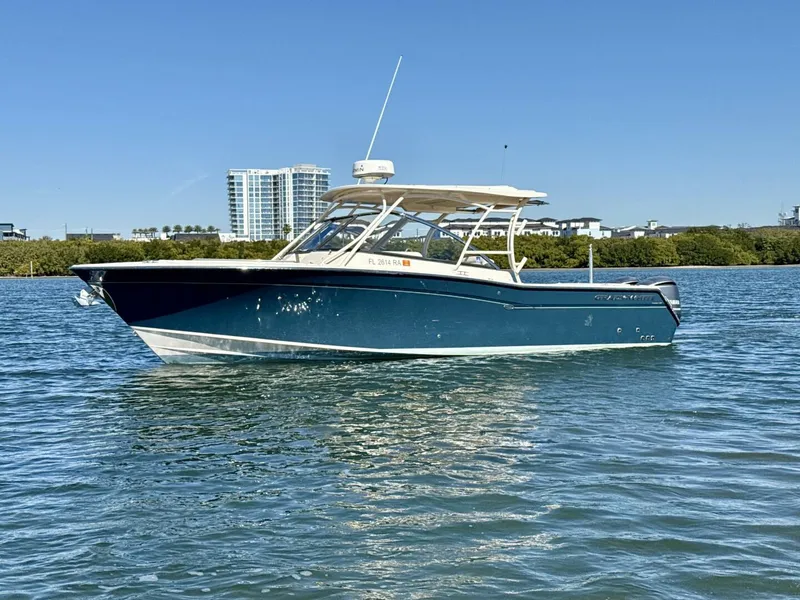
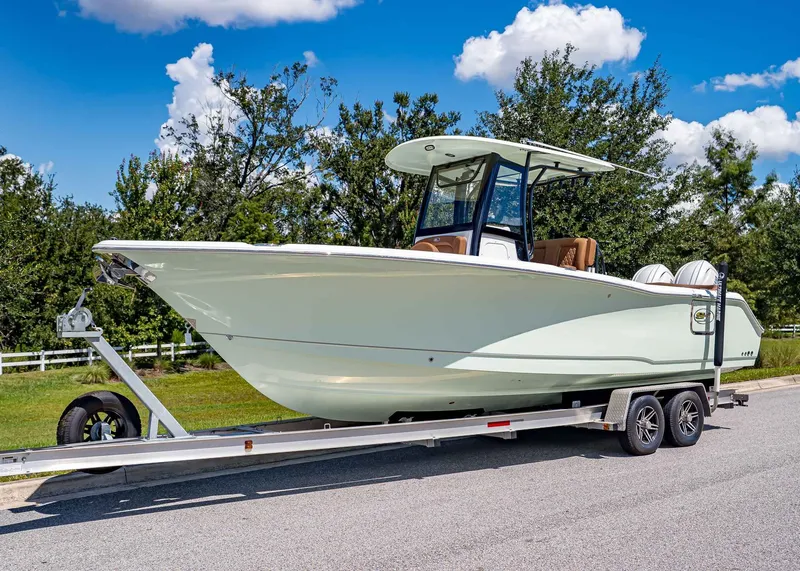
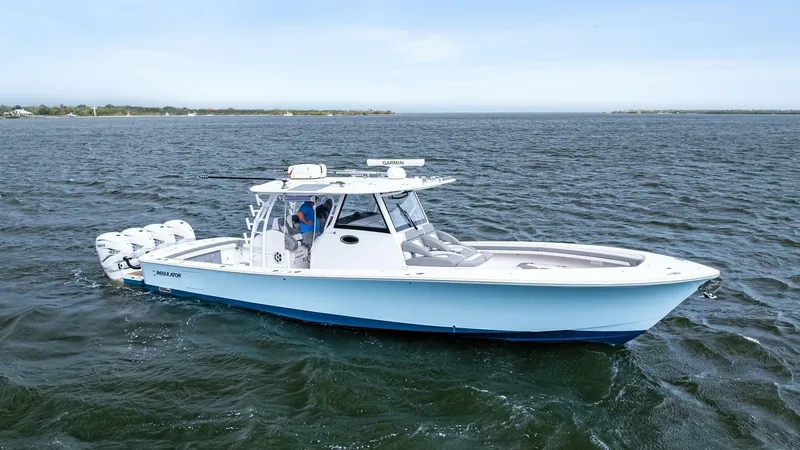
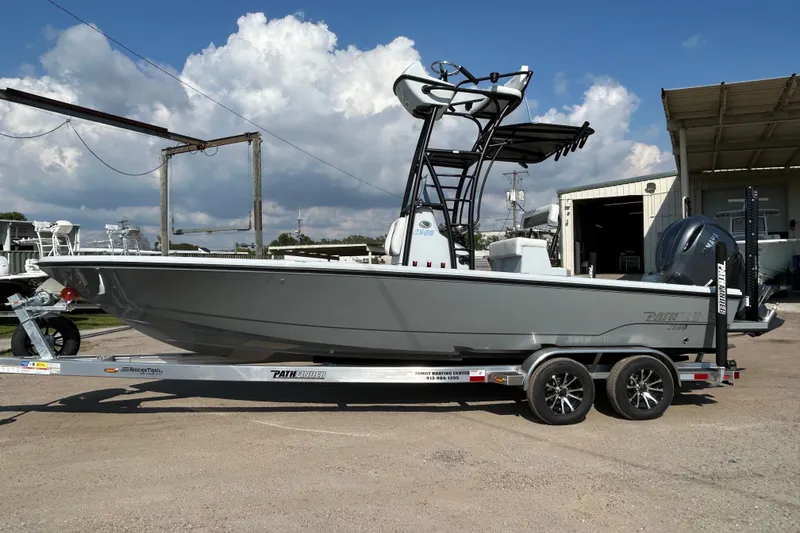
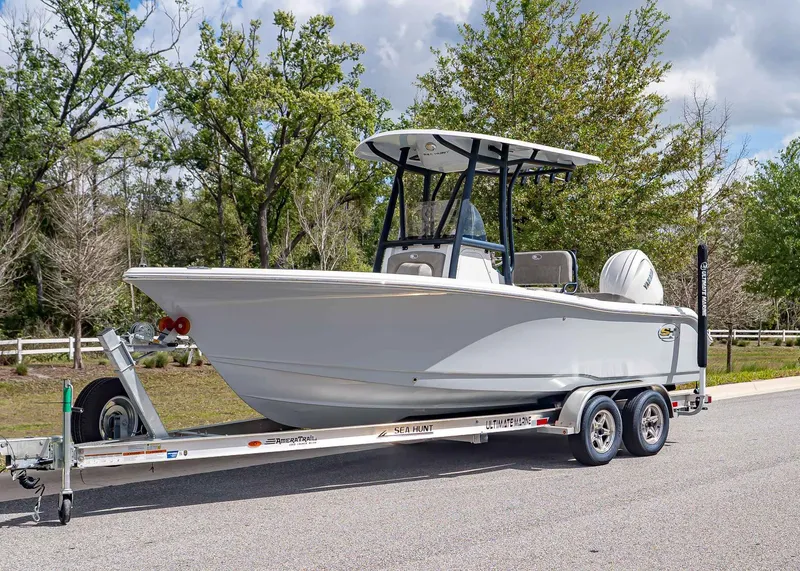
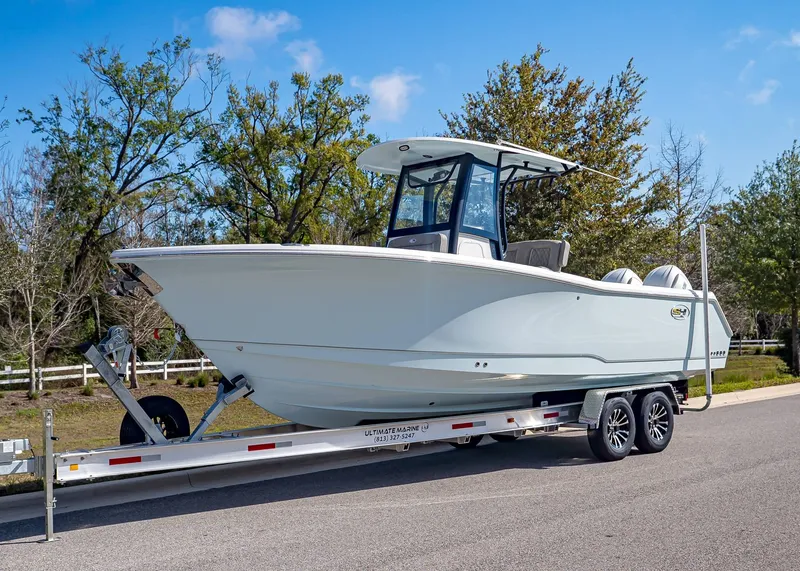
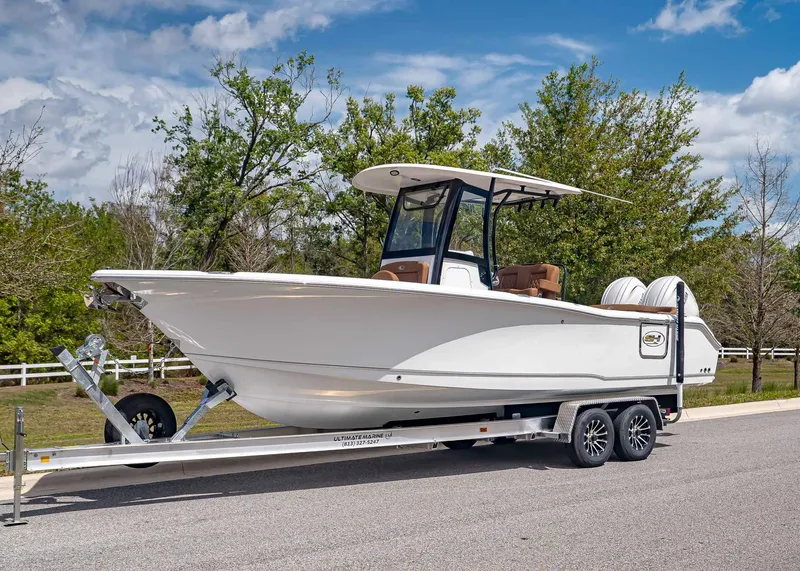
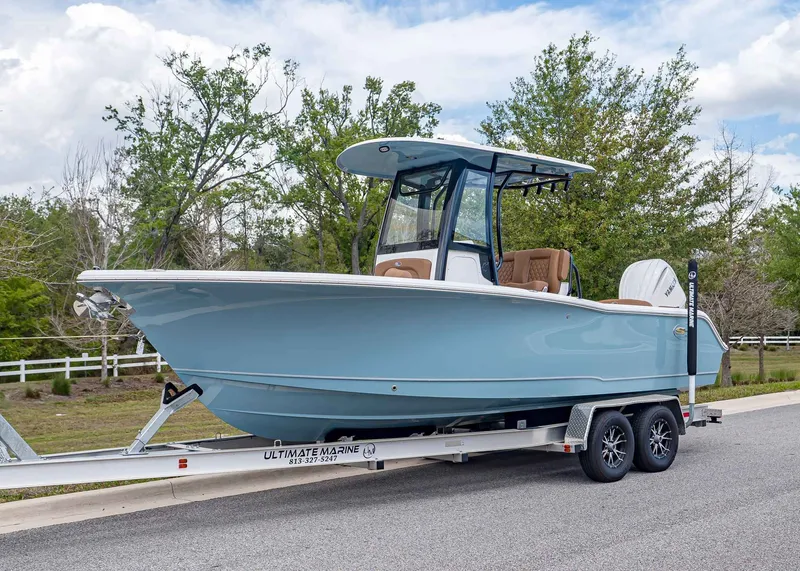
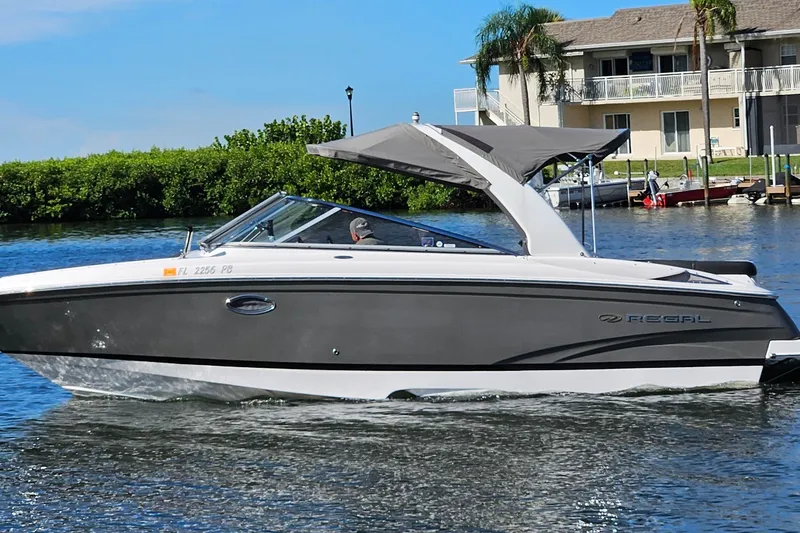
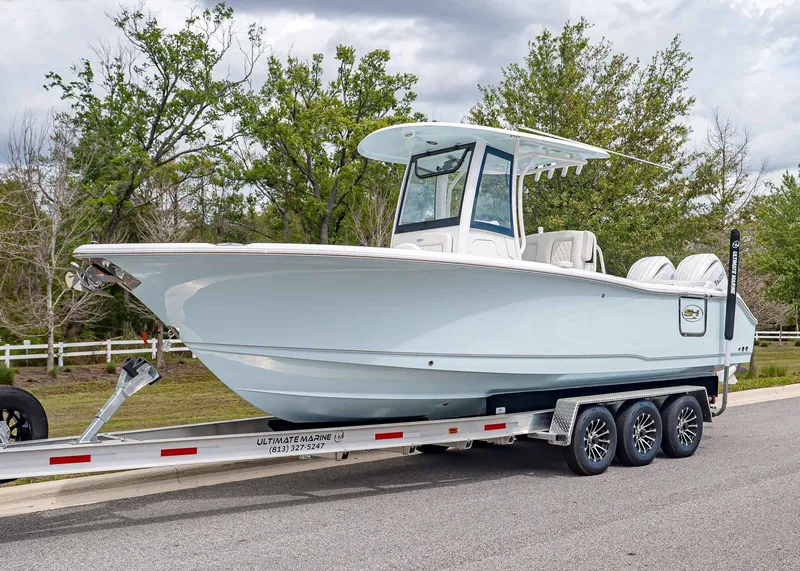
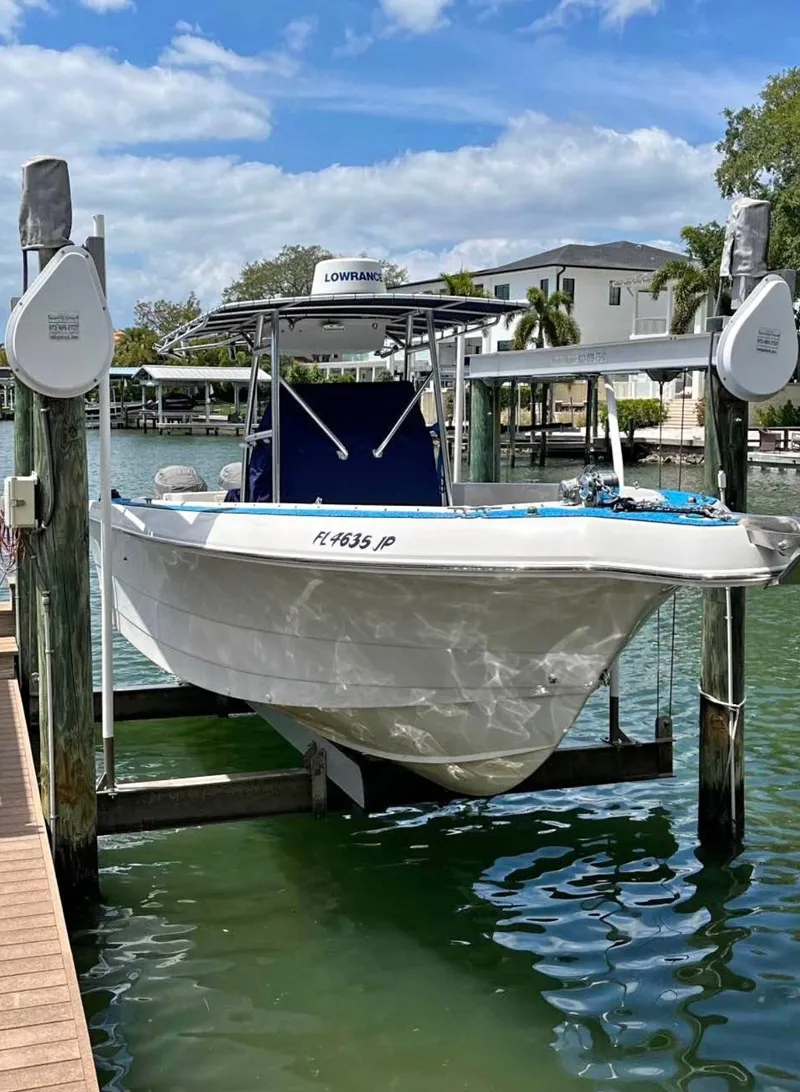
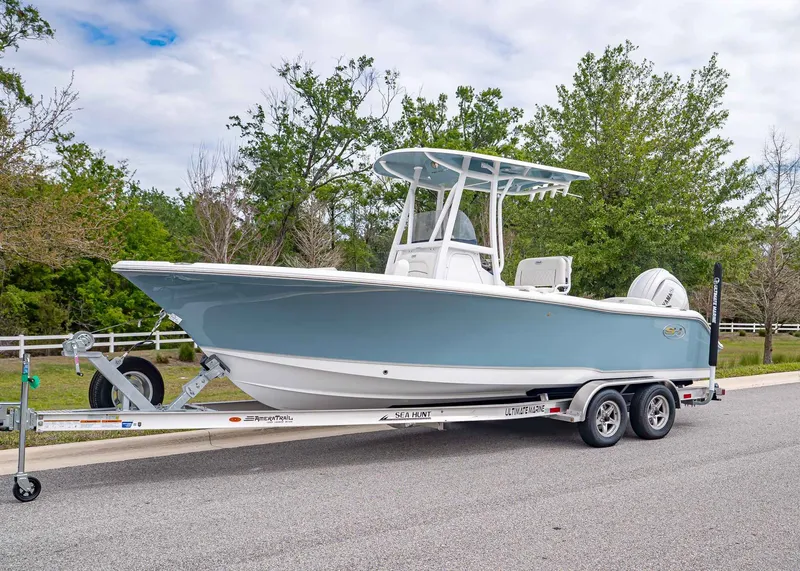
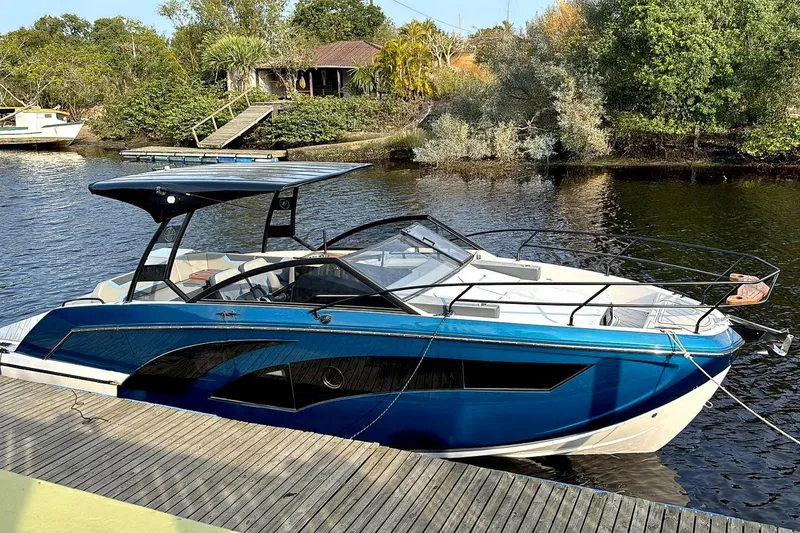
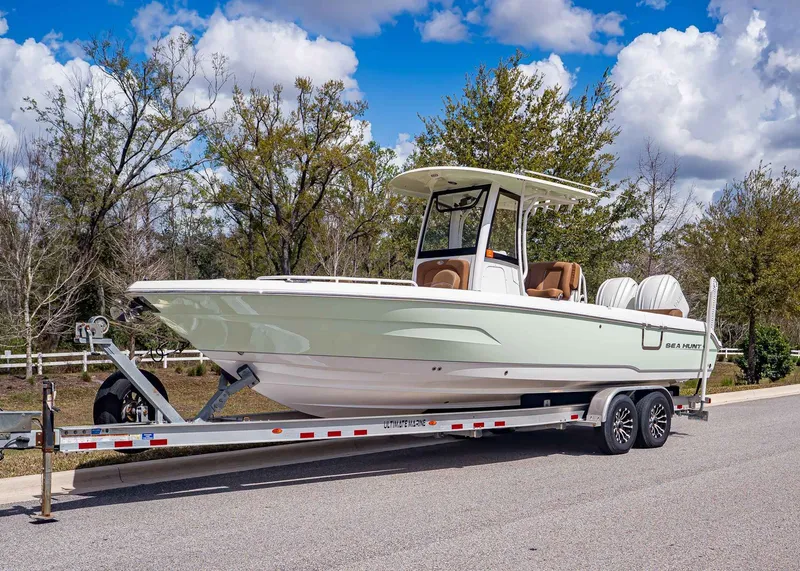
For anyone who loves boats in Tampa, the city can feel like a giant aquatic playground. There are public ramps tucked into neighborhood parks, marinas that look out toward the shipping lanes, and sandy strips where locals beach their boats for an afternoon swim. On any warm weekend—which is most of them—you’ll see center consoles chasing trout and snapper, pontoons cruising to dock-and-dine spots, and sailboats ghosting along in the afternoon sea breeze.
But as inviting as it looks, boating in Tampa comes with a learning curve. Shallow flats, no‑wake zones, afternoon thunderstorms, and the realities of slip fees and storm prep all shape how and when locals get out on the water. It’s a place where local knowledge really matters, and where planning ahead can make the difference between a carefree day and a stressful one.
So is Tampa truly a good place for boating, especially if you’re thinking about keeping a boat here or visiting regularly? Below, we’ll break down the main pros and cons of boating in Tampa so you can decide how well the area fits your style, budget, and comfort level on the water.
Pros of boating in Tampa, FL
1. Access to a vast, varied bay system
Tampa sits on the shores of Tampa Bay, one of Florida’s largest estuaries, covering roughly 400 square miles. The bay’s average depth is about 12 feet, with deep-dredged shipping channels reaching closer to 47 feet, which means everything from shallow-draft skiffs to larger cruisers can find room to roam.
Different corners of the bay offer different experiences. Up the Hillsborough River, you’ll find calmer, more protected water that winds past city parks and neighborhoods. Out toward McKay Bay, the shipping channel, and the Gulf-facing passes, the water opens up and feels more coastal, with longer fetch and a saltier feel. This variety gives boaters in Tampa a lot of flexibility, whether you prefer exploring quiet backwaters or stretching your legs in open water.
2. Year-round boating climate
Tampa’s warm, humid subtropical climate supports an almost year‑round boating season. Spring and fall bring especially comfortable temperatures and relatively settled weather, ideal for long days at anchor, cruising, or fishing.
Even in winter, daytime highs are often mild enough for a light jacket on the water, so locals rarely winterize in the way northern boaters must. While summer heat and humidity can be intense, morning outings before the afternoon thunderstorms roll through let you enjoy smooth water and warm sea temperatures in the upper 70s to 80s°F.
3. Strong boating access and infrastructure
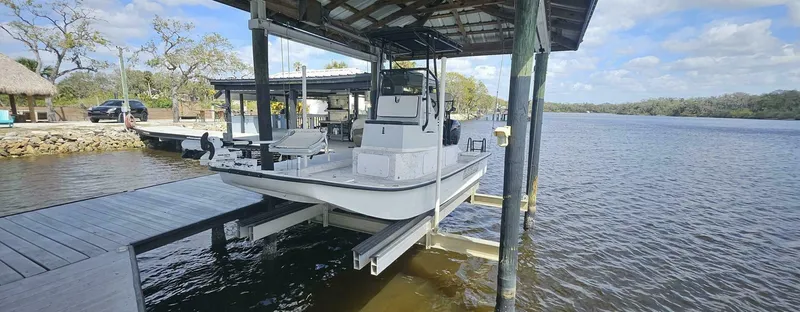
For a major metro area, Tampa offers a solid mix of marinas, public ramps, and in‑town dockage that make it easy to get on the water. Around downtown, the Marjorie Park Yacht Basin on Davis Islands and the Tampa Convention Center Marina provide wet slips, fuel (diesel and mid‑grade gasoline), pump‑out services, showers, laundry, and a ship store, catering both to locals and visiting cruisers.
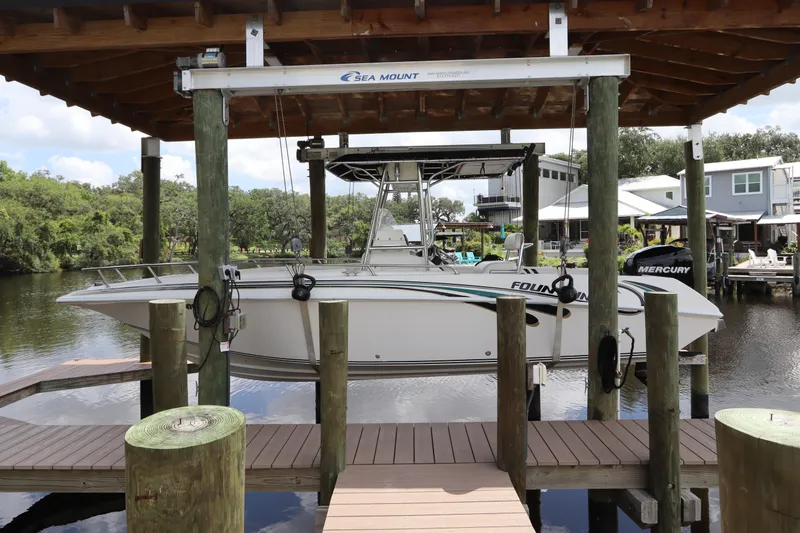
Public ramps are scattered throughout the city, including Ballast Point Park on the bay, Lowry Park on the Hillsborough River, the Davis Island Seaplane Basin, and Picnic Island Park. Many are open 24/7, offer trailer and standard parking, and some have nearby bait shops or restaurants. This network of facilities means that whether you store your boat on a trailer, in a wet slip, or in dry storage, you can usually find a convenient launch point without driving far.
4. Plenty of destinations for day trips and weekends
Boaters in Tampa enjoy a wide range of close‑by destinations. Shell Key Preserve, a barrier island accessible only by water, is a popular spot for beaching the boat, swimming, and camping in designated public‑use areas. Closer in, Picnic Island Park offers a low‑key sand and picnic scene that’s easy to reach from many ramps.
Within the bay’s many coves and river arms, there are quiet stretches suitable for dropping anchor or drifting, while anglers can target over 200 species of fish—from trout and snapper to sheepshead—along flats, channels, and nearshore structure. You can build whole weekends around short runs: one day beach‑hopping, another exploring the Hillsborough River, and another fishing channels and deeper holes.
5. Vibrant on-the-water lifestyle and dock-and-dine options
Tampa’s waterfront feels social and active, especially around downtown and Davis Islands. At the Tampa Convention Center Marina, you can tie up in a transient slip (with overnight rates generally by the foot or hourly for day visits) and walk to spots like Big Ray’s Fish Camp or The Sail for a casual meal and drinks overlooking the water.
Marjorie Park Yacht Basin on Davis Islands sits within walking distance of local restaurants and shops, which makes it easy to combine a cruise with errands or a night out. Across the region, yacht clubs and marinas support a boating‑centric culture with informal raft‑ups, casual regattas, and social events, so it’s not hard to find a community of fellow boaters who love spending weekends out on the bay.
Cons of boating in Tampa, FL
1. Shallow water, seagrass, and navigation quirks
Although Tampa Bay looks wide‑open, its average depth is only about 12 feet, and large areas are much shallower. Outside the maintained shipping channels, it’s easy for deeper‑draft boats to bump bottom on mudflats or seagrass beds, especially at lower tides or when wandering off marked routes.
There are also bridges, such as the Courtney Campbell Causeway and others, that can present clearance issues depending on your vessel’s height. Between shallow zones, protected seagrass, manatee areas, and no‑wake restrictions near marinas and ramps, efficiency‑minded skippers may find they need to slow down and stick closely to charts and markers.
- The Silver Lining: With good charts, a depth sounder, and attention to channel markers, most boaters quickly learn the safe routes and rhythms of Tampa Bay. Many local marinas, fellow boaters, and online resources share detailed route advice, so new captains can shorten the learning curve.
2. Heat, thunderstorms, and hurricane season
Tampa’s warm climate is a major perk, but it comes with weather challenges. Summer heat and humidity can be oppressive by mid‑day, and fast‑developing afternoon thunderstorms—often with lightning, gusty winds, and choppy water—are common. From June through November, the region is also vulnerable to tropical storms and hurricanes, which can threaten boats and marinas.
These conditions mean you can’t just head out without checking radar and forecasts, especially in the hotter months. Owning a boat here also means having a hurricane plan, whether that’s haul‑out arrangements, storm lines in your contract, or a safe inland berth.
- The Silver Lining: Many locals simply shift their boating schedule: early‑morning or evening runs avoid peak heat and thunderstorm timing, and modern forecasting tools make it easier to dodge bad weather. Hurricane preparedness has become a standard part of marina operations, so you can often build storm planning right into your slip or storage agreement.
3. Costs of slips, storage, and fuel
Compared with some smaller Gulf Coast towns, keeping boats in Tampa can be pricey, especially near downtown or in full‑service marinas. Wet slips at places like Shell Point Marina or Blenker Boatworks & Marina often start around $20 per foot per month on a month‑to‑month basis, with discounts for longer contracts, and many marinas have minimum lengths.
Transient slips can also add up—some marinas charge nightly by the foot, and premium transient docks near city attractions often have higher rates. Fuel is available at marinas like Marjorie Park Yacht Basin, and while exact pricing fluctuates, it’s typically set at wholesale cost plus a markup for services and delivery, which can feel steep if you run long distances regularly.
- The Silver Lining: You can control costs by trailering your boat and using public ramps, choosing a more modest facility away from downtown, or opting for dry storage where rates can be competitive with wet slips. Joining a boat club or renting occasionally instead of owning can also let you enjoy boats in Tampa without full‑time ownership expenses.
4. Crowds at ramps and on the water
Tampa’s popularity means that on peak weekends and holidays, especially in spring and summer, ramps like Davis Island Seaplane Basin, Ballast Point, and Picnic Island can fill quickly. Trailer parking may be limited by mid‑morning, and launch lines can be long as new boaters work through the process.
On the water, busy days bring traffic around popular sandbars, fishing hotspots, and downtown channels. More boats can mean more wakes, tighter quarters near bridges and marinas, and occasional friction when people ignore no‑wake or manatee zones.
- The Silver Lining: Arriving early—often at or just after sunrise—or boating on weekdays can dramatically reduce congestion. As you get to know the area, you’ll also find less‑traveled ramps and quieter corners of the bay that remain peaceful even on busy weekends.
5. Layered regulations and protected areas
Boating in Tampa means paying attention to both state and local regulations. Florida Fish & Wildlife Conservation Commission rules require registration, safety equipment, and, for many operators, a boating safety education card. Within city limits, additional ordinances define idle‑speed and slow‑speed minimum wake zones around ramps, marinas, the Seddon Channel, parts of the Hillsborough River, and more.
Environmental protections add another layer: manatee protection zones, seagrass beds, and no‑discharge rules are strictly enforced, and harassing marine mammals is illegal. Failing to follow these regulations can lead to fines and, more importantly, harm sensitive habitats and wildlife.
- The Silver Lining: The rules may feel complex at first, but they’re clearly published online and often posted on‑site at ramps and along the waterfront. A short boater safety course (required for many operators anyway) doubles as a crash course in local regulations, and abiding by them helps keep Tampa’s waters healthier and more enjoyable for everyone over the long term.
What boating in Tampa, FL is really like
Boating in Tampa centers around the broad, sparkling expanse of Tampa Bay, with a real mix of scenes depending on where you point the bow. Close to downtown, the Riverwalk and the area around the Tampa Convention Center feel almost urban-European: joggers onshore, hotel towers reflecting in the water, and a steady flow of center consoles, pontoons, and small cruisers sliding past for lunch stops and evening drinks. Out toward Picnic Island and the mouth of the bay, the vibe loosens up into sandbar raft‑ups, families swimming off the stern, music drifting from Bluetooth speakers, and people tossing cast nets for bait between wakeboard sets.
Different types of boaters naturally sort themselves into their preferred corners of the bay. Anglers head early toward bridge pilings, grass flats, and channel edges, chasing trout, snook, and snapper at first light before the mid‑day chop and traffic build. Day‑cruisers and pontoon families frequent easy destinations like Davis Islands, Picnic Island Park, and nearby waterfront restaurants where you can tie up for grouper sandwiches and head back out before sunset. Sailors and trawler owners prefer the mid‑bay stretches and deeper channels, trimming sails in the afternoon sea breeze while high‑riding freighters move along dredged lanes toward Port Tampa Bay.
A typical weekday afternoon with boats in Tampa might mean launching at Ballast Point after work, idling through a no‑wake zone, then opening up the throttle for a short run to a quiet pocket where you can watch the sun drop behind the Gandy or Howard Frankland Bridge. On weekends, things scale up: trailers queue at ramps at dawn, waterfront bars get busy with transient slips filling by lunch, and sandbars near the barrier islands turn into pop‑up social hubs. Around holidays and big event days downtown, expect a true spectacle on the water—lines of boats tied off in front of the Convention Center, music from every direction, and a constant shuffle of arrivals and departures well into the evening.
Costs, logistics, and practical details
From a logistics standpoint, Tampa offers a solid, if sometimes competitive, infrastructure for boaters. Wet slips at marinas such as Shell Point Marina and Blenker Boatworks commonly run in the $18–$20 per foot per month range for longer‑term contracts, with month‑to‑month pricing usually at the higher end and prime downtown‑adjacent locations often at or above that. Facilities like Tampa Bay Marina, Marjorie Park Yacht Basin, and the Tampa Convention Center Marina focus on boats in the roughly 30–60 foot range, with power, dock boxes, and gated access standard. Long‑term slip demand can be high near downtown and popular neighborhoods, so planning ahead and joining waitlists is wise if you want a permanent home for your boat.
Trailer boaters have several good public ramps, but they’re a shared secret—busy days mean early arrivals. Ballast Point Park, Lowry Park on the Hillsborough River, Davis Islands Seaplane Basin, and Picnic Island all give direct access to either the river or the bay, typically with minimal or modest launch and parking fees. Many ramps are open 24/7, but amenities vary: some have restrooms and bait, others are more bare‑bones. It’s common practice in Tampa for weekend boaters to trailer in early, run a full day on the water, then haul out by late afternoon to avoid the heaviest ramp congestion and thunderstorm window.
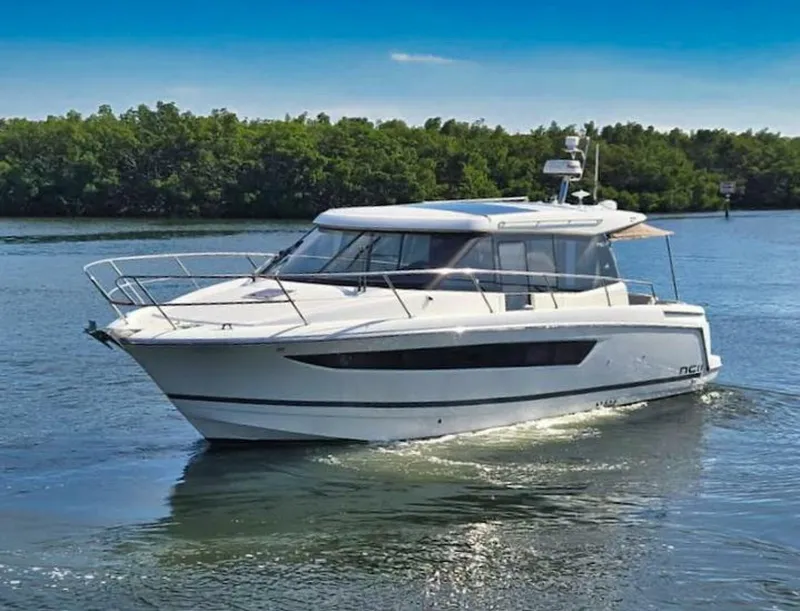
Support services for boats in Tampa are strong and generally easy to tap into. Fuel docks at places like Marjorie Park Yacht Basin (diesel and mid‑grade gasoline) and marinas around the bay keep most cruisers and fishing boats topped off, though fuel is typically sold at a markup over wholesale. Repair yards, bottom‑painting services, detailing, and marine supply shops are plentiful thanks to the region’s broad boating culture and commercial port. Year‑round boating means there’s no hard winter layup, but owners still pay attention to hurricane season—securing extra lines, checking insurance, and sometimes arranging haul‑outs or safer storage when storms threaten. Between marina slips, dry storage options, and strong trailer access, most boaters can find a workable setup, though those seeking the most convenient downtown slips or full‑service yacht facilities should budget accordingly.
Is Tampa, FL a good place for boating?
As a boating destination, Tampa scores high for versatility, access, and atmosphere. The combination of a large protected bay, nearby rivers, and quick runs toward the Gulf gives owners of many different boat types—center consoles, pontoons, sailboats, and cruisers—plenty of ways to use their boats in Tampa without long transits. Year‑round usability is a major strength, with mild winters and warm water inviting everything from weekday sunset cruises to full‑day beach and fishing trips almost any month of the year. Public ramps, city‑run marinas like Marjorie Park and the Tampa Convention Center Marina, and a broad network of private marinas mean that most people can find a workable way onto the water, whether they trailer or keep a boat in a slip.
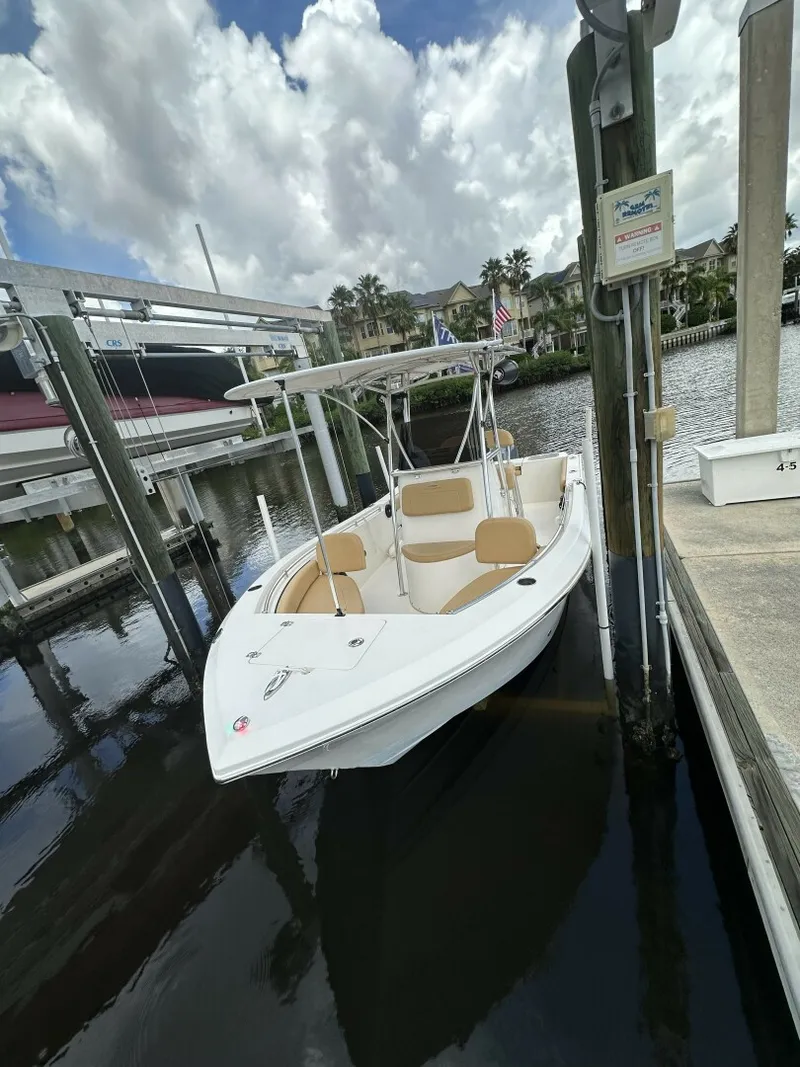
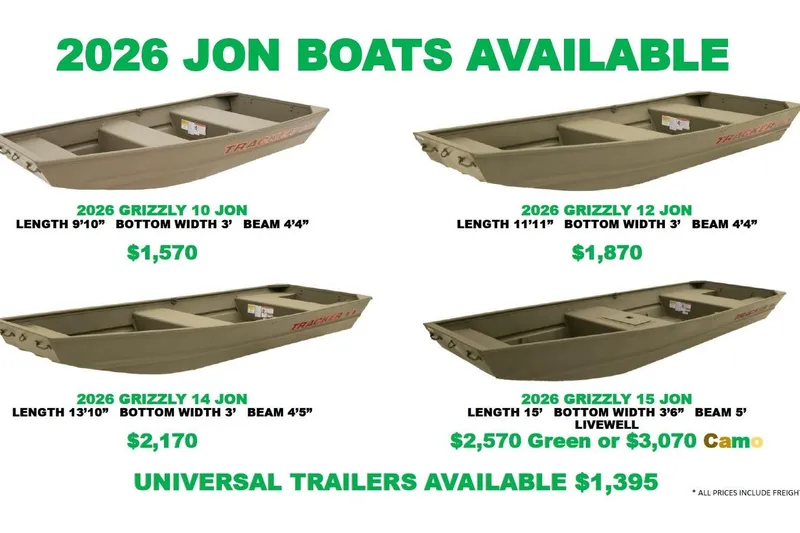
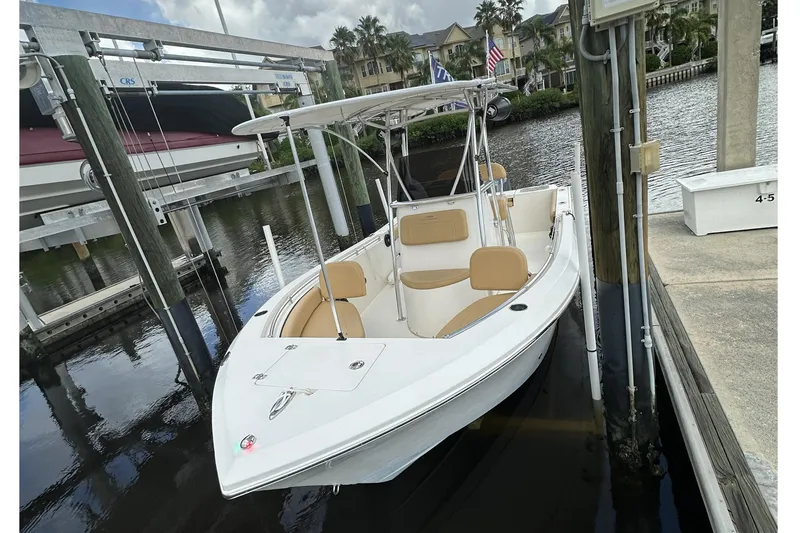
On the trade‑off side, this is a big, busy boating metro, not a sleepy lake town. Popular ramps and sandbars get crowded on prime weekends, and downtown‑adjacent slips or resort‑style marinas come with big‑city price tags and, at times, waitlists. The shallow, estuarine nature of Tampa Bay demands attention to channels, tides, and no‑wake zones, and summer’s heat, humidity, and storms require some weather savvy. Hurricane season adds an extra planning layer for storage, insurance, and storm prep. For many, though, those are accepted costs of living in a thriving Florida boating hub.
If you love the idea of stepping onto your boat in Tampa and choosing between a waterfront lunch downtown, a chill afternoon anchored off a barrier island, or an early‑morning fishing run, this area is an excellent place to own or regularly use a boat. Social boaters, active families, and anglers will feel right at home, and cruisers will appreciate the services and year‑round access. Those who demand ultra‑quiet, uncrowded waters or rock‑bottom slip prices may find the market challenging, but for most Floridian‑style boaters, Tampa deserves a spot high on the list of places to keep or visit with a boat.
You will love boating here if:
- You want nearly year‑round boating with warm water, mild winters, and a long season for fishing, cruising, and sandbar days.
- You enjoy variety—urban waterfront cruising one day, quiet mangrove backwaters or barrier‑island beaches like Shell Key the next.
- You’re an angler who values easy access to flats, bridge structure, and channels that hold a wide range of inshore and nearshore species.
You might find it challenging if:
- You strongly dislike heat, humidity, and frequent summer thunderstorms, or you prefer a short, defined boating season.
- You’re very budget‑sensitive and want cheap, always‑available slips in prime downtown or waterfront locations.
- You prefer extremely clear, deep, lake‑style water with minimal current, no tides, and very few navigation hazards.
For many owners, adding Tampa to your boating plans—whether that means booking a transient slip downtown, trailering in for a long weekend, or securing a full‑time slip around the bay—makes a lot of sense. If the idea of warm evenings, skyline sunsets, and easy runs to islands and sandbars appeals to you, put Tampa near the top of your boating bucket list and start planning how you want to experience the bay.