South Carolina
2953 Results
Boating · Destinations
Is South Carolina a Good Place for Boating?
Written by: MarineSource.com Team | Estimated read time: 12 min read
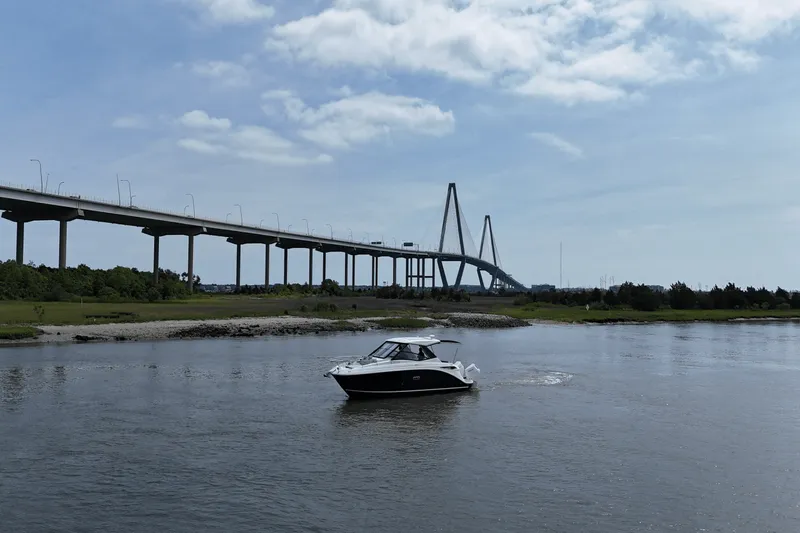
A calm spring morning on Charleston Harbor is the kind of scene that sells people on boating in South Carolina. The air smells like pluff mud and salt, pelicans skim low over the water, and you can hear halyards clinking at the docks around Shem Creek while the sun comes up behind the Ravenel Bridge. If you’ve got a trailer behind the truck, you’ll also hear the soundtrack of ramp life—coolers thumping, winches clicking, and the first outboards of the day firing up.
South Carolina boating isn’t one single thing. You’ve got barrier-island cruising in the Intracoastal Waterway (ICW), redfish and speckled trout missions in the creeks around Beaufort, big-water days on Lake Murray and Lake Hartwell, and family sandbar hangs near Hilton Head. The mix of boats in South Carolina reflects that: center consoles and bay boats on the coast, pontoons and wake boats inland, plus a steady population of sailboats around Charleston and Beaufort. The infrastructure is solid too—South Carolina marinas range from full-service resort docks to simple fuel-and-ice stops.
But it’s not all postcard boating. Tides can humble new captains, summer thunderstorms build fast, and the best ramps get crowded when the weather is perfect. This guide is meant to help you decide if the day-to-day reality fits your style—where to go, what to buy, what it costs, and what locals quietly plan around.
Pros of boating in South Carolina
1. Coast + big lakes means you can change your whole boating style
One of the biggest wins for boating in South Carolina is how different your weekends can look without leaving the state. On the coast you can run the ICW, poke into tidal creeks off the Ashley River or Cooper River, or spend a day in Port Royal Sound chasing tailing reds. Inland, Lake Murray near Columbia is a full-on recreational lake with long open stretches for cruising, while Lake Hartwell up near Clemson/Anderson feels like a different world—clearer water, more coves, and a big fishing culture. If you’re the kind of person who gets bored doing the same loop every Saturday, South Carolina keeps you busy.
2. Fishing is legit: inshore flats, nearshore reefs, and freshwater giants
South Carolina boating is built around fishing in a way some states just aren’t. Inshore, the grass edges and oyster points around the ACE Basin, the creeks near Edisto, and the Beaufort/Port Royal area are classic for redfish, trout, and flounder. Nearshore, you’ve got artificial reefs and live-bottom spots out of Charleston and Murrells Inlet when the weather cooperates. Inland, Lake Marion and Lake Moultrie (the Santee Cooper lakes) are famous for catfish and striped bass, and Lake Hartwell is a tournament scene for largemouth and spotted bass. The unexpected part: even if you’re “not a fishing person,” you’ll still benefit because the state has a deep bench of tackle shops, mechanics, and boat rigging talent that comes with a fishing-heavy culture.
3. Strong marina network in the places boaters actually use
For boats in South Carolina, the service ecosystem is one of the quiet advantages—especially around Charleston, Beaufort, Hilton Head, and Myrtle Beach. In Charleston, marinas like Charleston City Marina (the “MegaDock”), Safe Harbor Charleston City, and the docks around Shem Creek make it easy to find fuel, pump-out, transient slips, and repair help. Around Hilton Head, Shelter Cove Marina and Skull Creek Marina are common staging points for day trips. Inland, Lake Murray has multiple full-service marinas (like Lake Murray Marina) that cater to pontoons and wake boats with storage, service, and easy access to open water. You don’t have to be a yacht owner to benefit; even a 19-foot bay boat owner appreciates being able to get parts and labor without a two-week wait every time something breaks.
4. Scenery that changes every few miles—marsh, live oaks, and barrier islands
Boating in South Carolina has a distinct look and feel: spartina marsh, winding creeks, and live oaks leaning over the water like they own the place. The stretch of ICW around the Ashepoo-Combahee-Edisto (ACE) Basin is the kind of run where you’ll slow down just to watch the birds work. Charleston Harbor gives you big-ship drama—tugs, container ships, and sailboats all sharing the same water. Upstate lakes bring a different vibe: Lake Jocassee is clear and steep-sided, with waterfall coves that feel more like the mountains than the Lowcountry. If you want “pretty,” you’ll get it—but it’s not always the turquoise-water postcard; sometimes it’s muddy, wild, and exactly the point.
5. Long season and easy day-trip boating (with smart timing)
Compared with northern states, the boating season in South Carolina is generous. Coastal boating can run most of the year if you can handle cool mornings and dress right, and inland lakes stay active well into fall. The convenience factor is real: you can do a half-day run out of Charleston Harbor, grab lunch at a dockside spot, and be back before the afternoon storm cycle. The contrarian tip: the best “season” isn’t July—it’s often April–June and late September–November, when the water is still warm enough, the ramps aren’t a zoo, and the weather is less punishing.
Cons of boating in South Carolina
1. South Carolina marina slip rates and storage can sting in prime coastal areas
The cost of boating in South Carolina depends heavily on where you keep the boat. Coastal slips around Charleston, Hilton Head, and parts of Myrtle Beach can run like a premium product, especially for monthly liveaboard-style access or high-demand transient docks. Even if you trailer, you’ll feel it in parking fees, ramp congestion, and the temptation to pay for dry storage just to skip the chaos. Insurance can also be higher for coastal boats because of storm exposure, and some owners get surprised by hurricane haul-out costs and “named storm” deductibles.
- The Silver Lining: If you’re cost-sensitive, look at dry-stack storage (often cheaper than wet slips for smaller boats) and consider keeping the boat slightly off the tourist core—then run to the same water on your schedule. Also budget a dedicated hurricane/haul-out fund each season so it’s not a crisis expense.
2. Summer heat + pop-up thunderstorms change how you plan a day on the water
South Carolina boating in July and August can feel like boating inside a wet towel. Heat stress is real, especially for kids and older passengers, and the afternoon thunderstorm pattern can turn a calm day into a lightning show fast. On lakes like Murray and Hartwell, wind can stack up chop when storms push through, and on the coast you’re balancing wind against tide and current. People who don’t watch radar end up doing the “fast idle back to the ramp” routine more than they’d like.
- The Silver Lining: Plan earlier starts—launch at first light, be off open water by mid-afternoon, and treat shade (T-top, Bimini) as a must-have feature, not an accessory. Keep a weather app running and learn the NOAA marine forecast zones if you run coastal.
3. Ramp crowding is real on perfect weekends (and locals have a pecking order)
Public access is good overall, but the best-known ramps get packed on bluebird Saturdays. Lake Murray ramps near Columbia and popular coastal launches near Charleston can turn into a slow-moving line of trailers, and the social pressure is high—people expect you to be ready when you hit the ramp. If you’re new, the stress of backing down with a crowd watching can be the worst part of owning a boat. And yes, some ramps have a “regulars” vibe that can feel unfriendly.
- The Silver Lining: Do a practice launch on a weekday evening or a cool-season weekend when traffic is light. Rig the boat in the staging area (plug in, straps off, lines ready) and treat the ramp like a pit stop—launch, clear, and sort it out away from the lanes.
4. Rules and enforcement can surprise newcomers (no-wake zones, safety checks, and local ordinances)
South Carolina has the usual mix of state boating laws plus local rules in busy areas. No-wake zones around marinas and narrow creeks are common, and enforcement tends to show up when traffic is heavy. If you’re used to “anything goes” lakes, the coastal side can feel more regulated—especially around Charleston Harbor where commercial traffic and security zones are part of the picture. Registration and required equipment are straightforward, but you don’t want to learn what you’re missing during a stop.
- The Silver Lining: Before your first season, do a quick compliance check: registration current, PFDs sized for everyone, throwable on board, working lights, and a VHF radio if you run coastal. Save local no-wake maps/screenshots on your phone so you’re not guessing.
5. Tides, shoals, and skinny-water traps will humble you on the coast
This is the big one for boating in South Carolina: water that looks deep can turn into mud fast. The ICW is marked, but side creeks, flats, and cuts shift, and low tide exposes oyster bars that don’t care about your prop. Areas around Charleston, the Stono River, and the creeks near Beaufort can be unforgiving if you wander off the line without local knowledge. Add in current at inlets and you’ve got a learning curve that’s steeper than most lake-only boaters expect.
- The Silver Lining: Run with updated charts (plotter + phone backup), watch the tide tables like you watch fuel, and take your first few trips with conservative routes. A bay boat with a jack plate or a skeg/prop plan can save you money, but the real savings is patience at low tide.
What boating in South Carolina is really like
A typical good-weather weekend starts early. Coastal boaters often launch around sunrise to beat heat and afternoon storms, then run the ICW to a sandbar or a creek spot where the water is moving and the bugs aren’t as bad. On inland lakes, the first wave is anglers and retirees at daybreak, then the family traffic shows up late morning—pontoons, wake boats, and rental fleets. By mid-afternoon, you’ll see a steady migration back toward ramps and marinas as people try to get off open water before storms or before the “ramp rush” hits.
On the water, the vibe depends on where you are. Charleston Harbor can feel busy and serious because of ship traffic, currents, and the mix of sailboats and powerboats. The ICW sections are more relaxed but require attention—markers, shoals, and slow zones near docks. Lakes like Murray can feel like a floating neighborhood party in peak summer, with coves full of tied-up boats and music carrying across the water; it’s fun, but it’s not the place to expect quiet. If you want solitude, you can still find it—weekday mornings in the shoulder seasons are the cheat code.
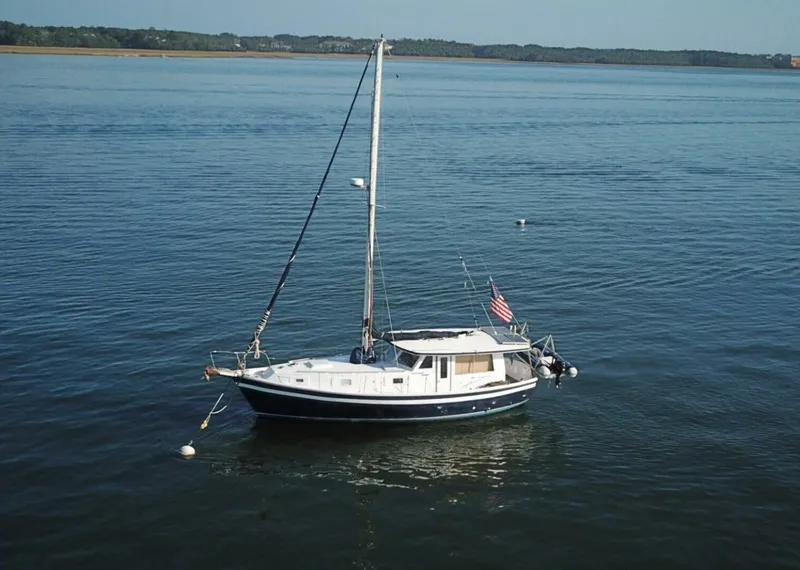
The community is a mix of locals who boat year-round, seasonal residents, and visitors who rent for a weekend. Charleston and Beaufort have strong sailing and cruising pockets, plus fishing clubs and tournament circuits inland on Hartwell and the Santee Cooper lakes. Newcomers fit in fastest when they respect the unspoken rules: don’t block the ramp, don’t blast through a no-wake, and don’t cut close behind a boat that’s fishing a bank. Talk to people at the fuel dock—half the best local knowledge comes from two minutes of small talk while the pump clicks.
Best boat types for South Carolina
The best boats in South Carolina depend on whether you’re mostly coastal, mostly lake, or trying to do both without owning two rigs. These three types cover the widest range of real-world use here.
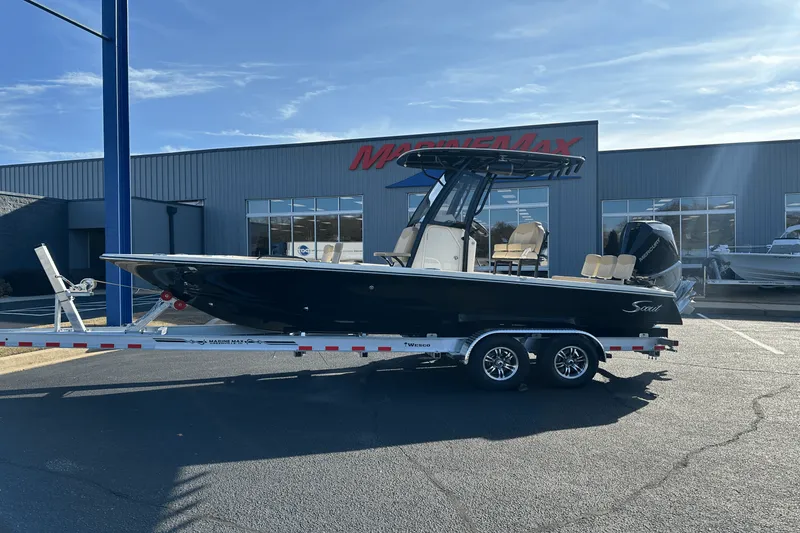
Bay Boat (18–24 ft)
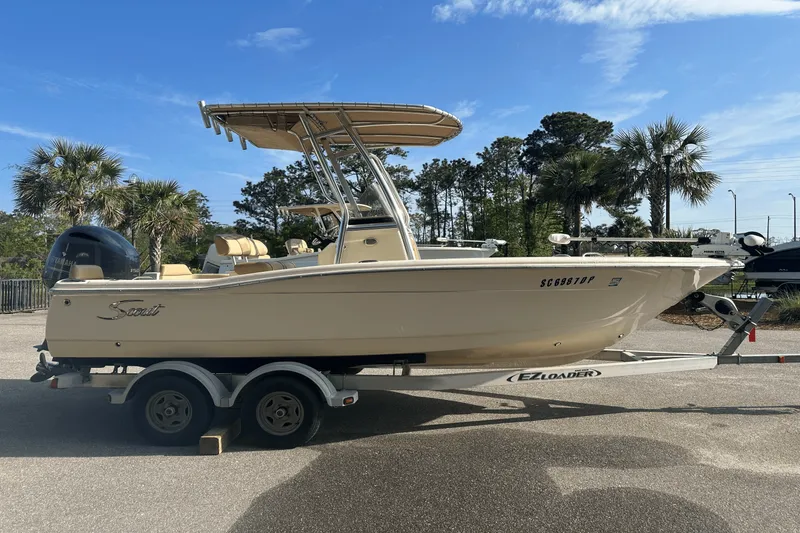
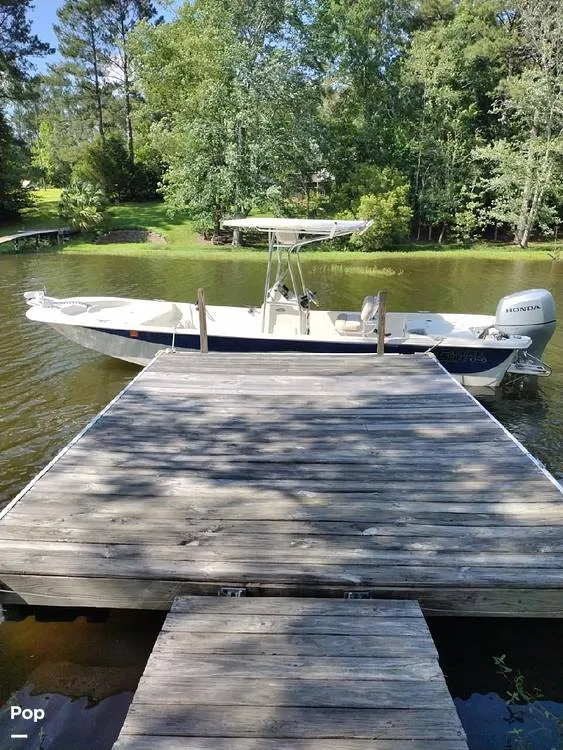
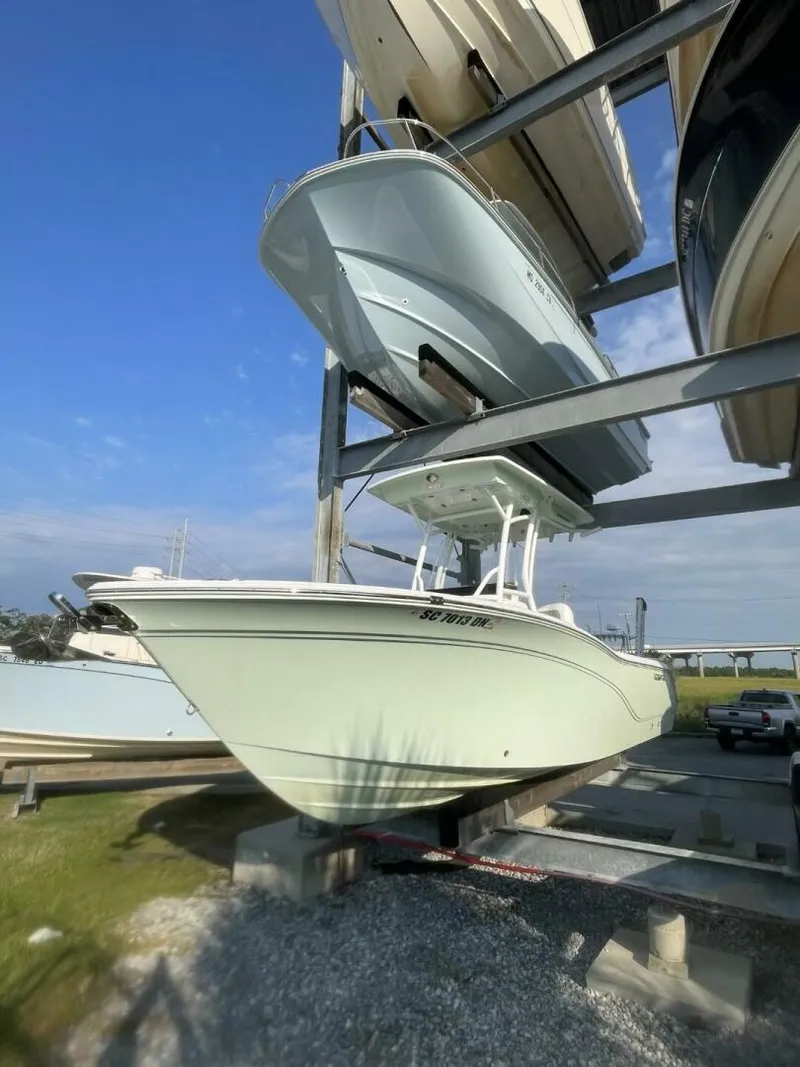
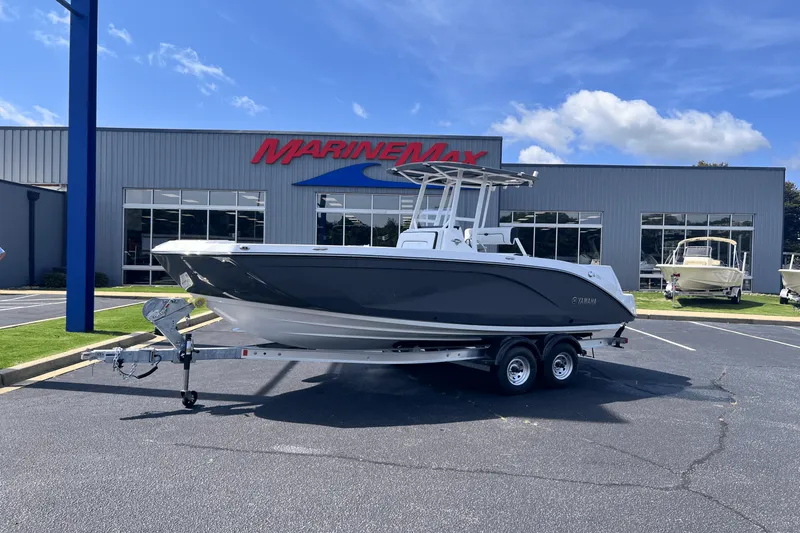
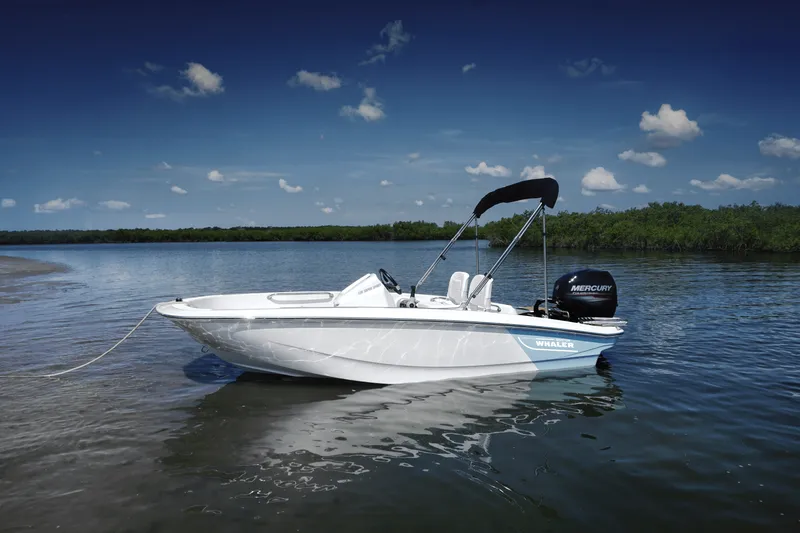
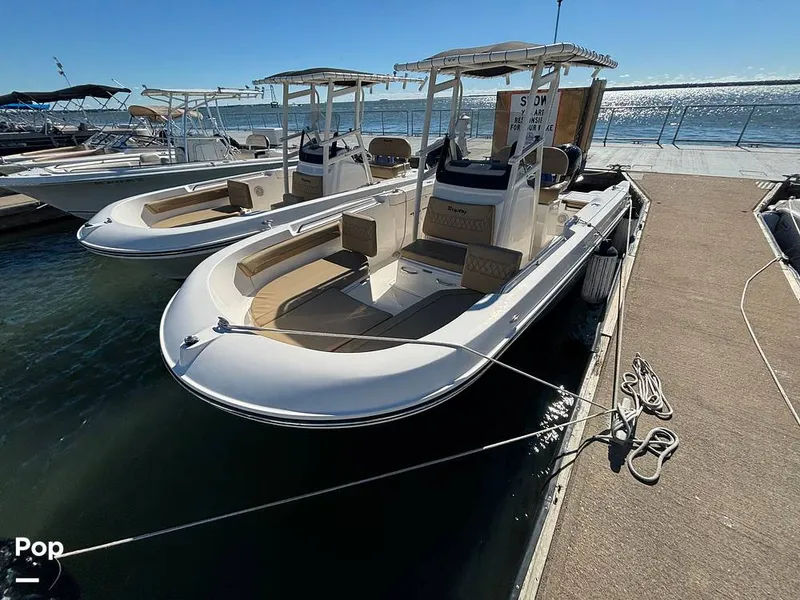
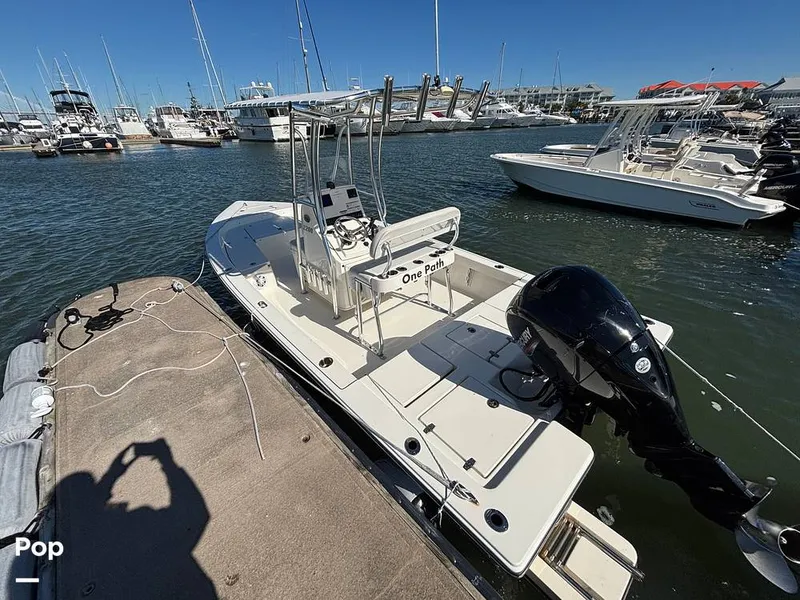
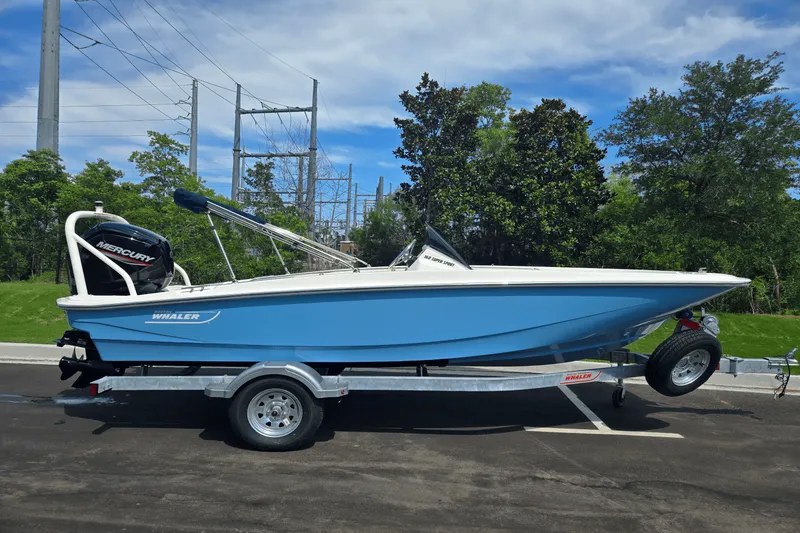
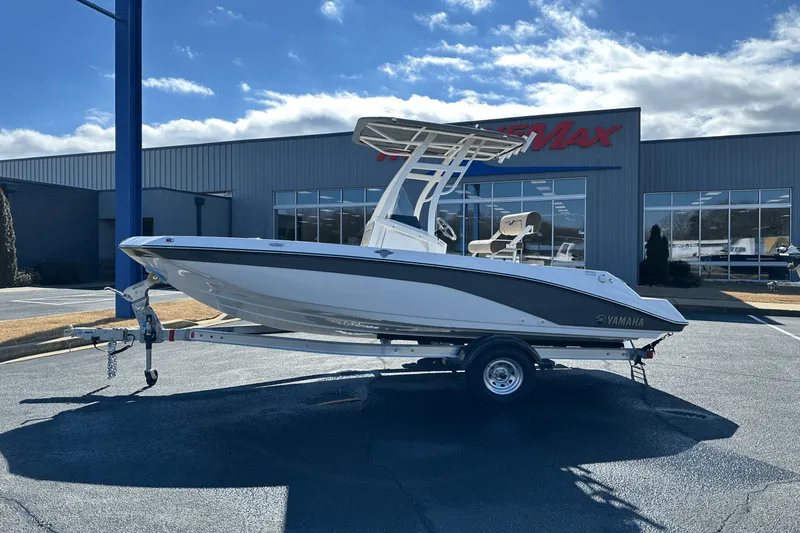
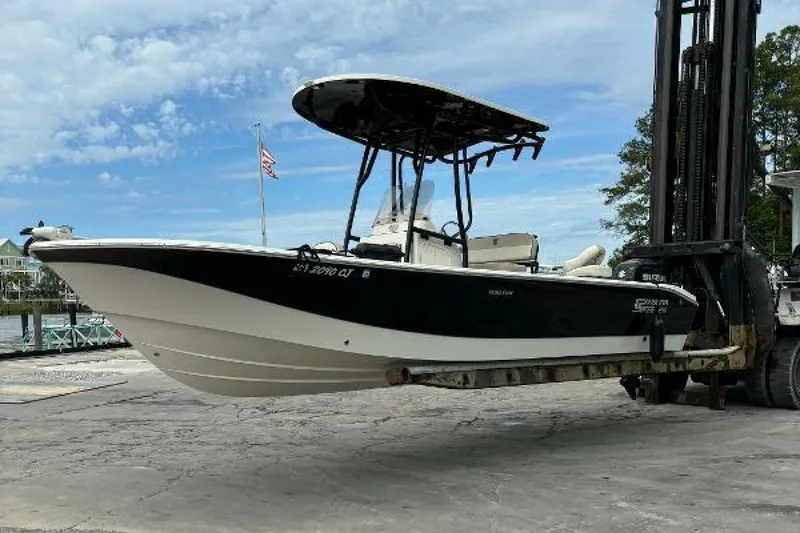
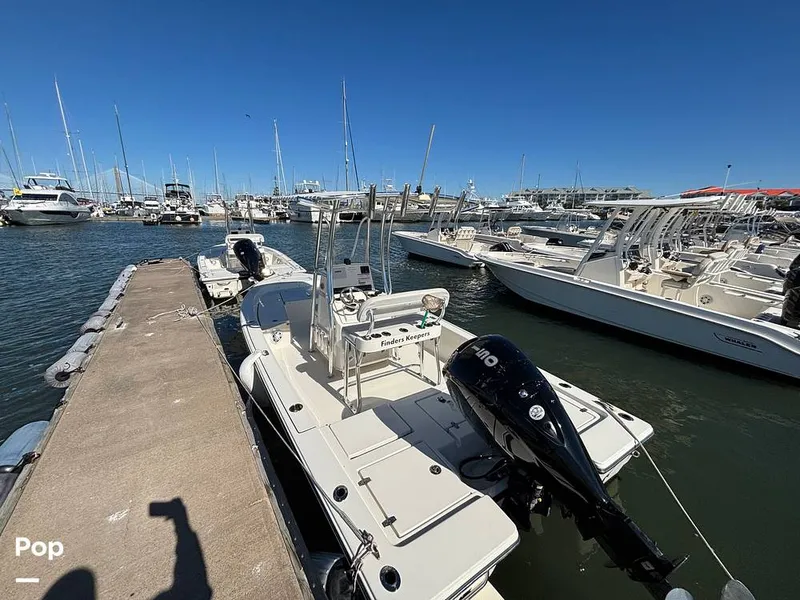
- If you want one boat that makes sense for a lot of South Carolina boating, a bay boat is hard to beat. It runs shallow enough for the creeks and flats around Beaufort, the Stono River, and the ACE Basin, but it can still handle a reasonable nearshore day when the forecast is friendly. The elevated casting deck and storage layout fit the inshore fishing culture, and most bay boats trailer easily—important when you’re bouncing between ramps and don’t want to pay premium coastal slip rates. Add a trolling motor and a good chartplotter and you’ve got a setup that matches how locals actually use the water.
Center Console (20–28 ft)
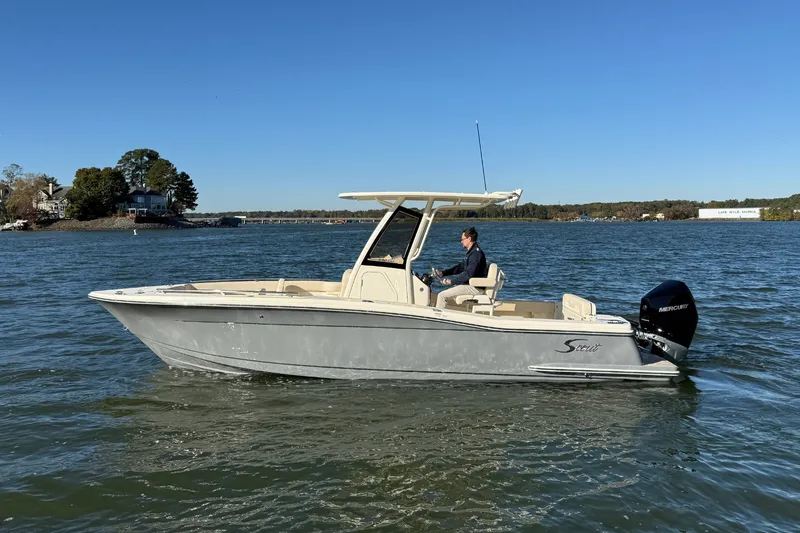
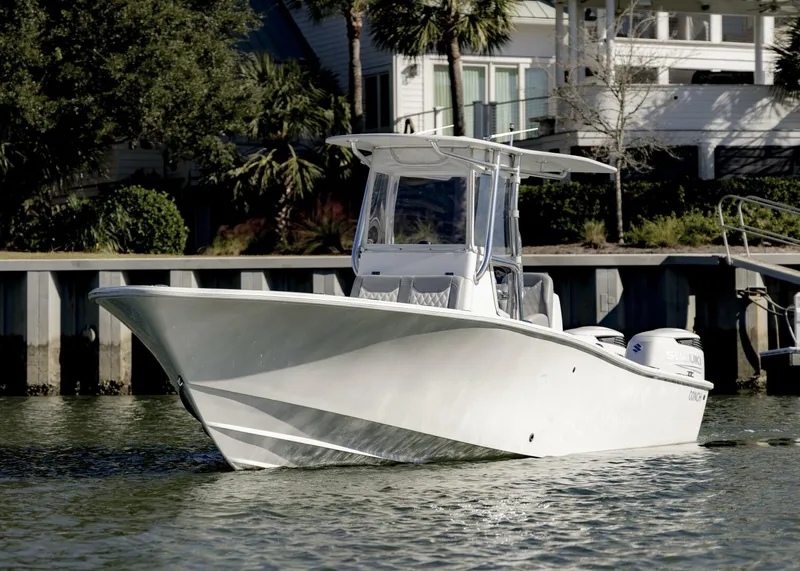
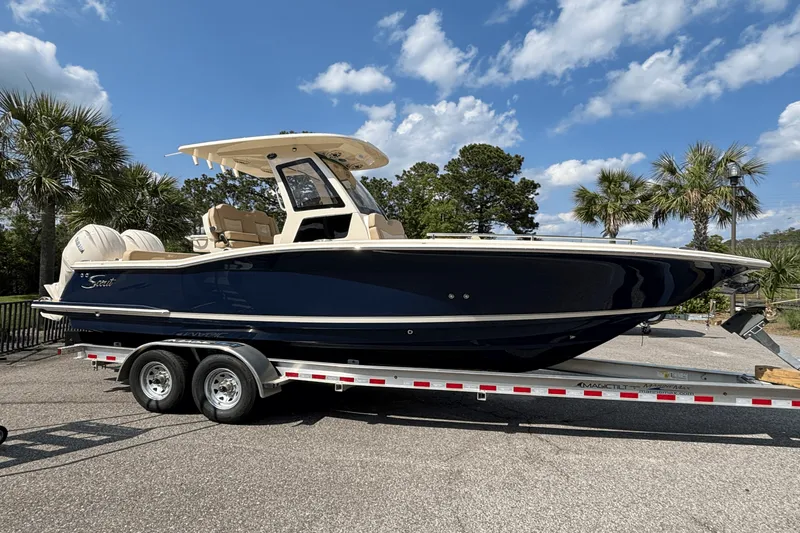
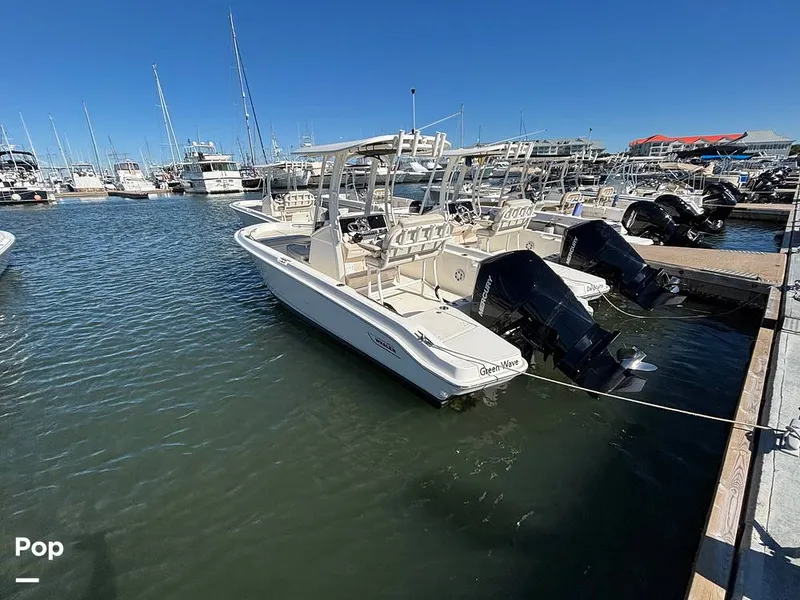
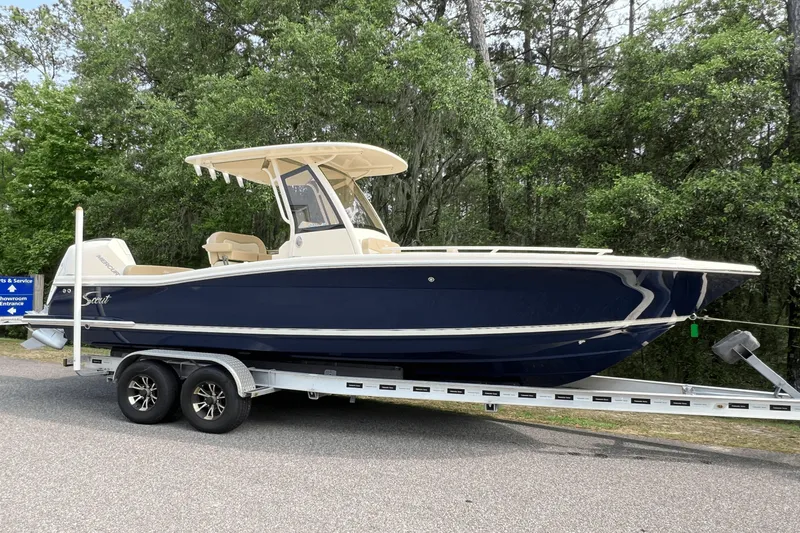
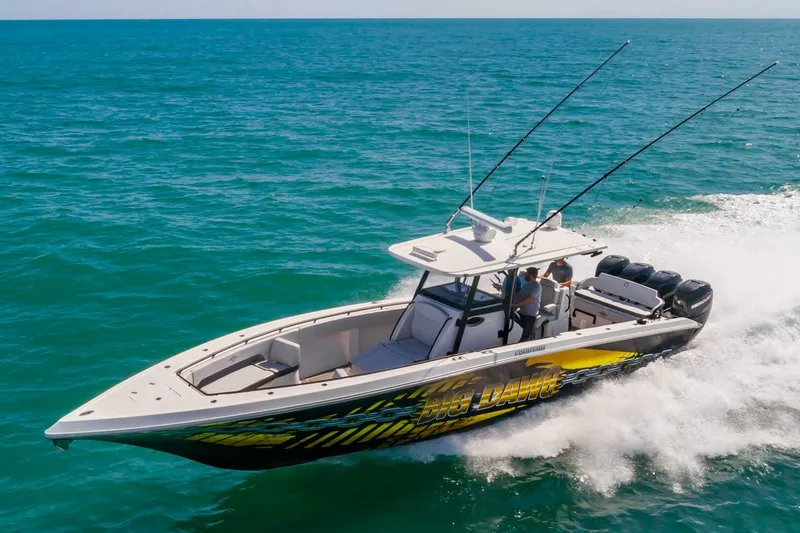
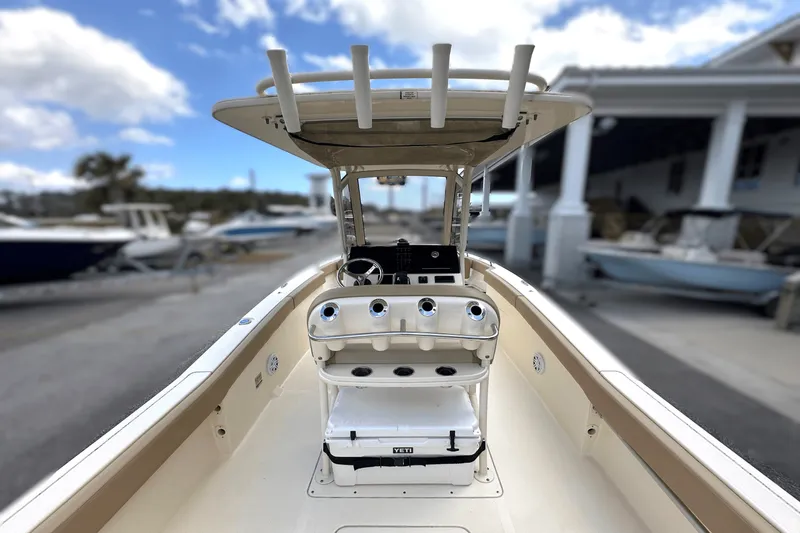
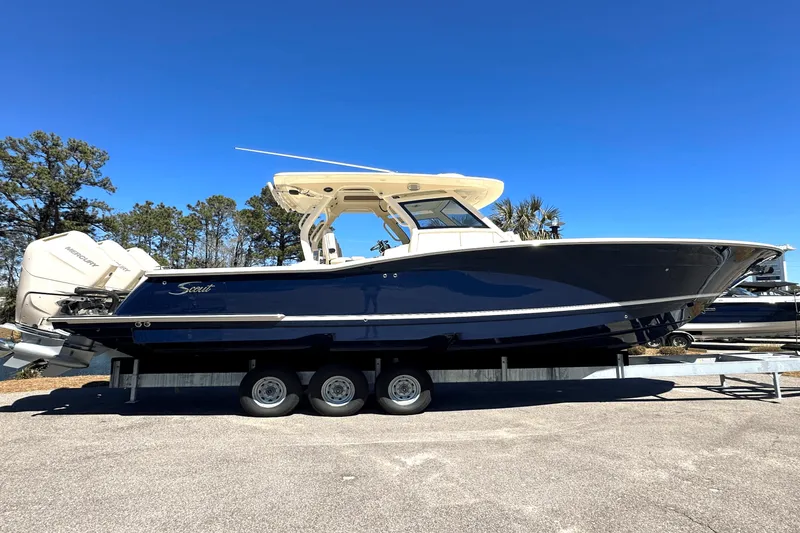
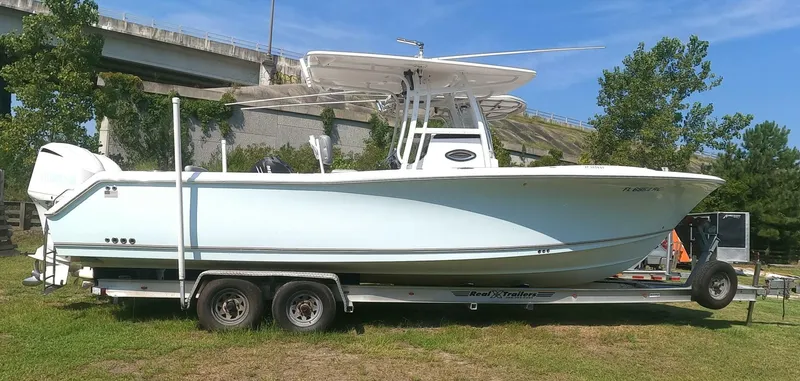
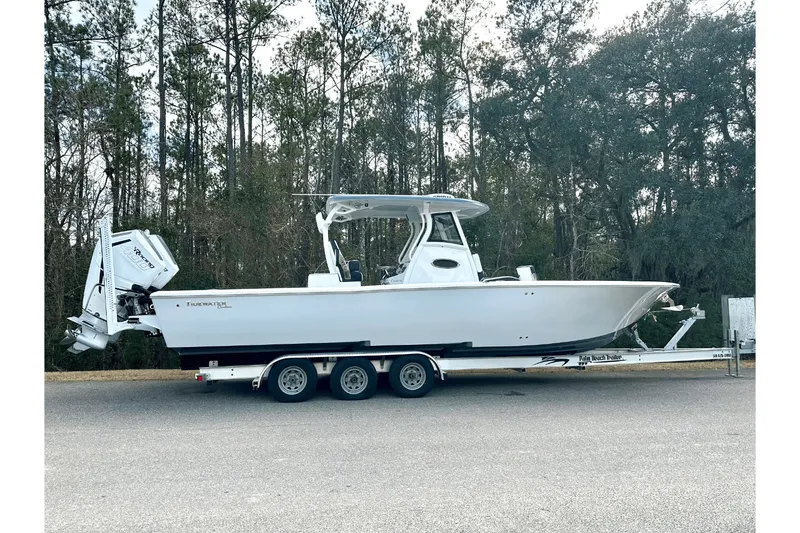
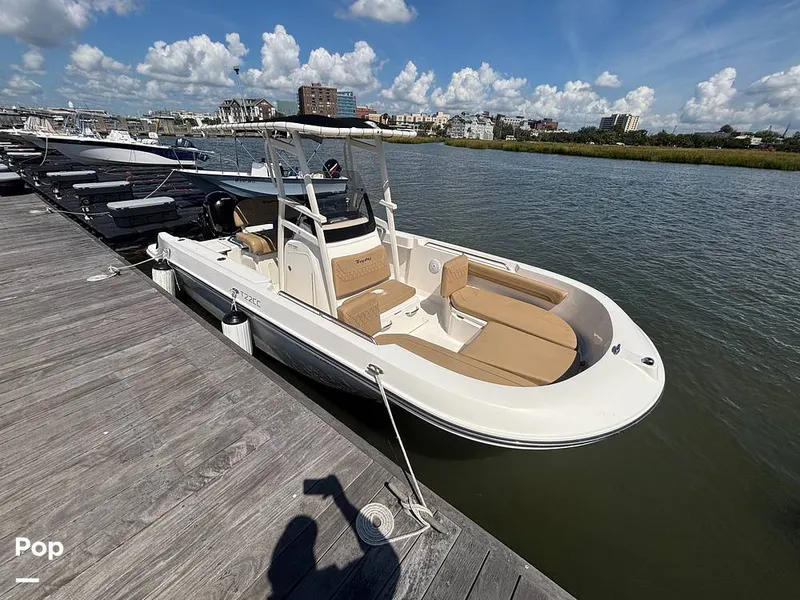
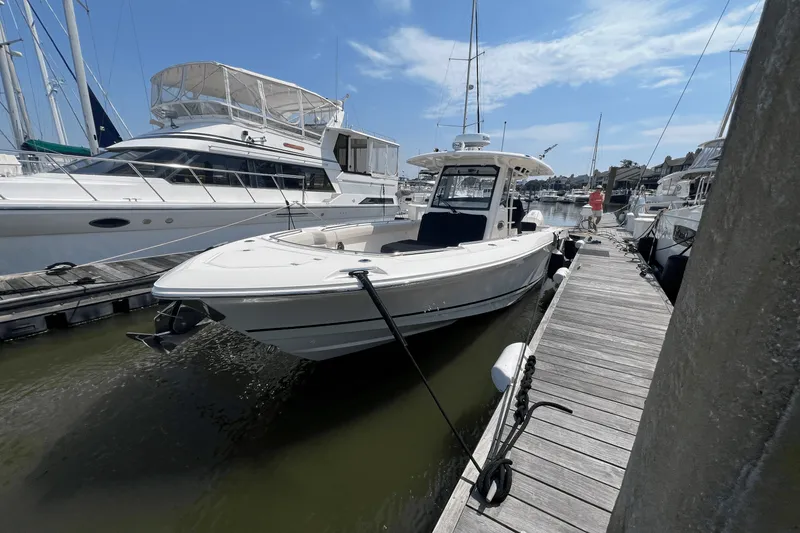
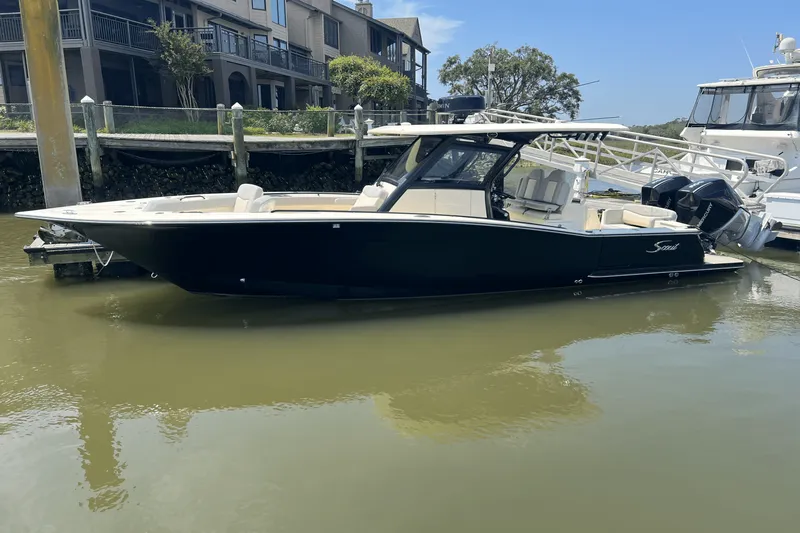
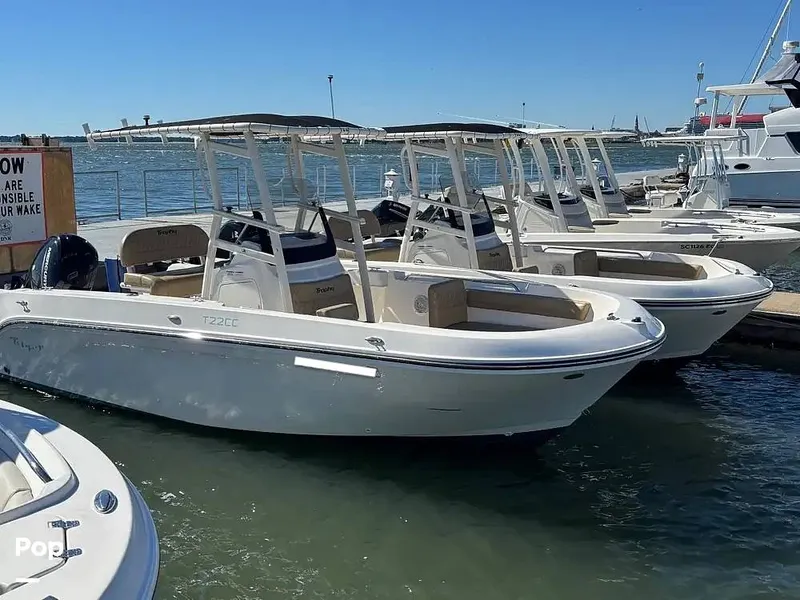
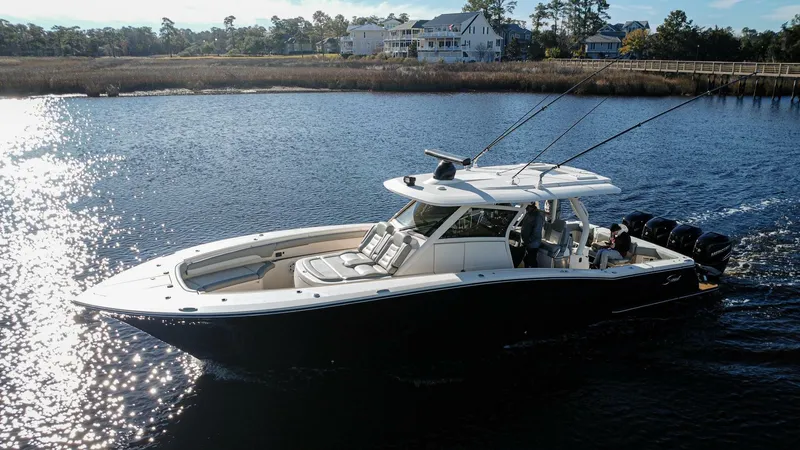
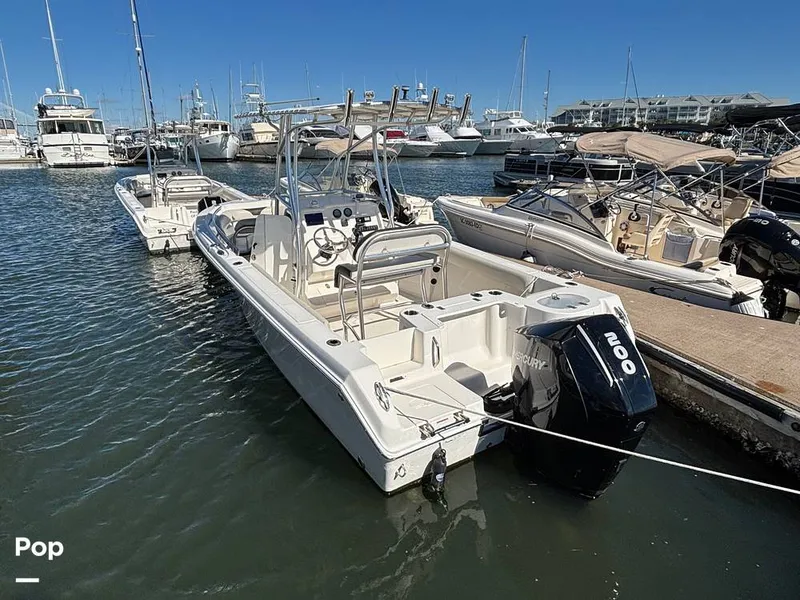
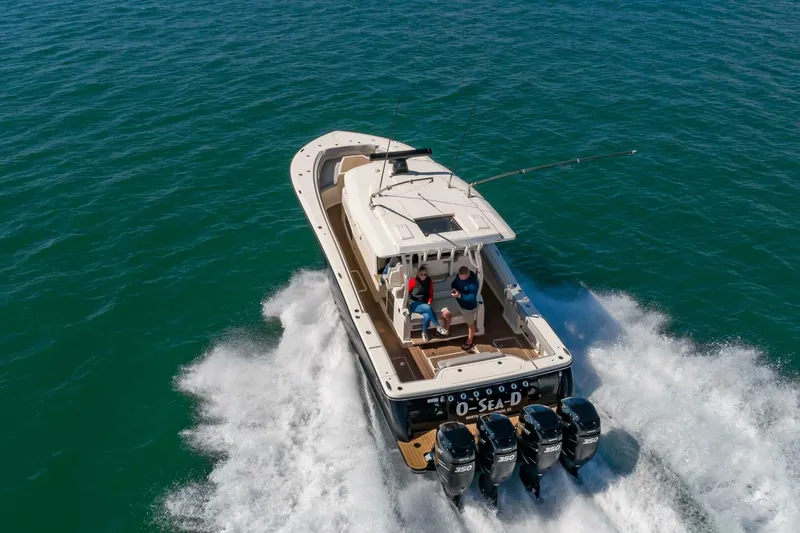
- For coastal-forward boating in South Carolina—Charleston Harbor runs, inlet hopping near Hilton Head, and occasional offshore days—a center console is the workhorse. You get 360-degree fishability, self-bailing decks for summer storms, and the ability to run in chop when the sea breeze kicks up. It’s also the boat type you’ll see lined up at marinas like Charleston City Marina because it fits the local mix of fishing, cruising, and sandbar social time. The trade-off is draft and windage; you’ll need to be more disciplined about tides in skinny creeks and more patient at the dock on windy days.
Pontoon or Tri-toon (20–26 ft)
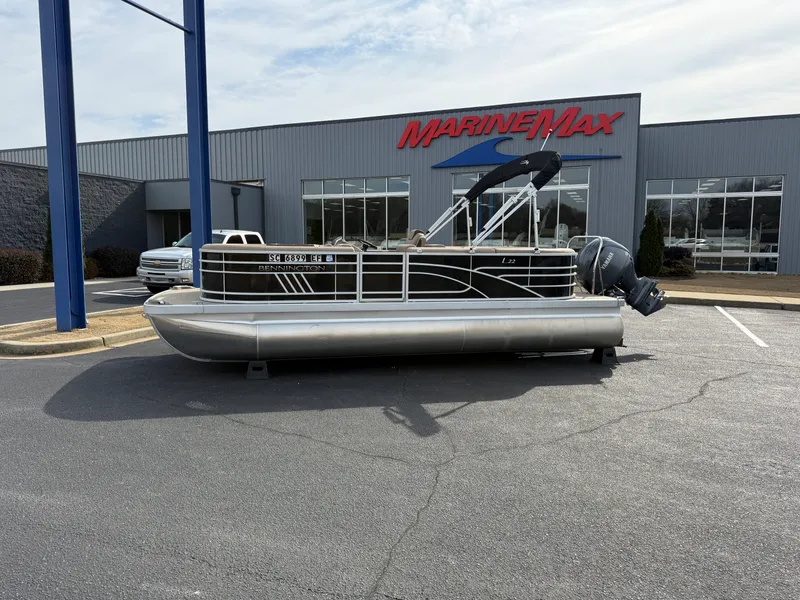
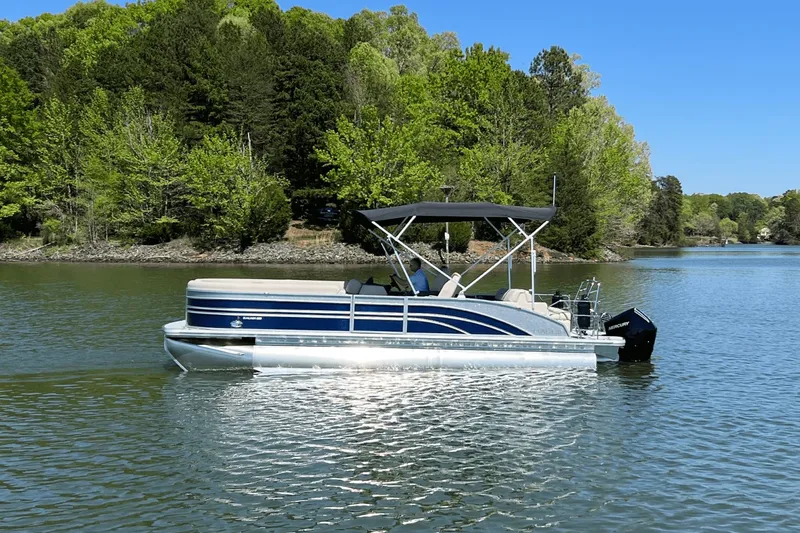
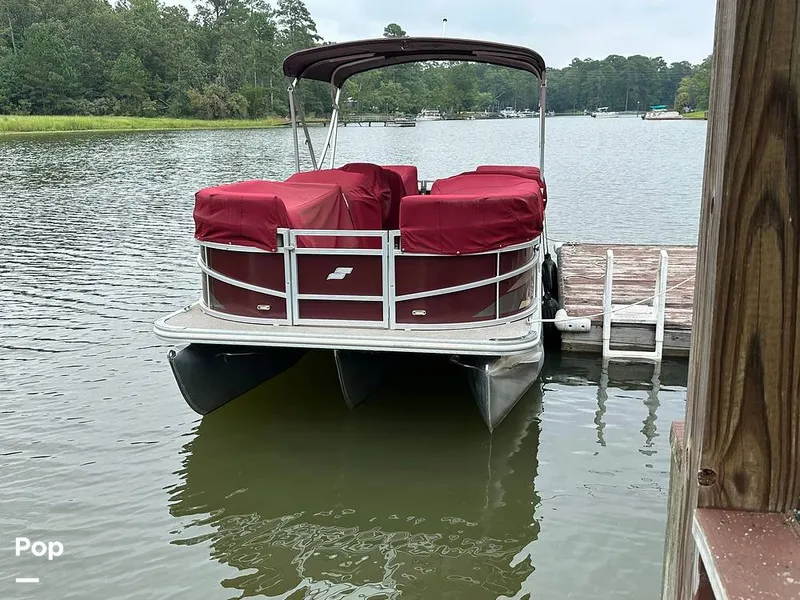
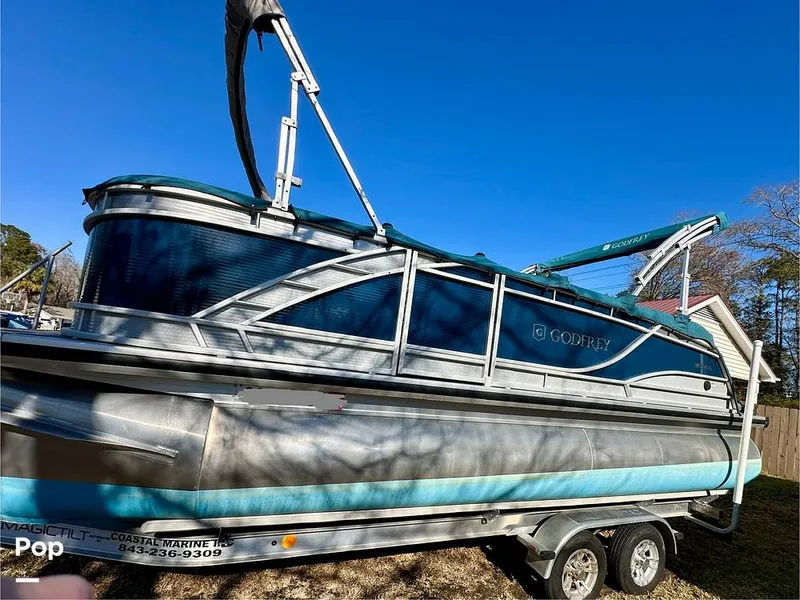
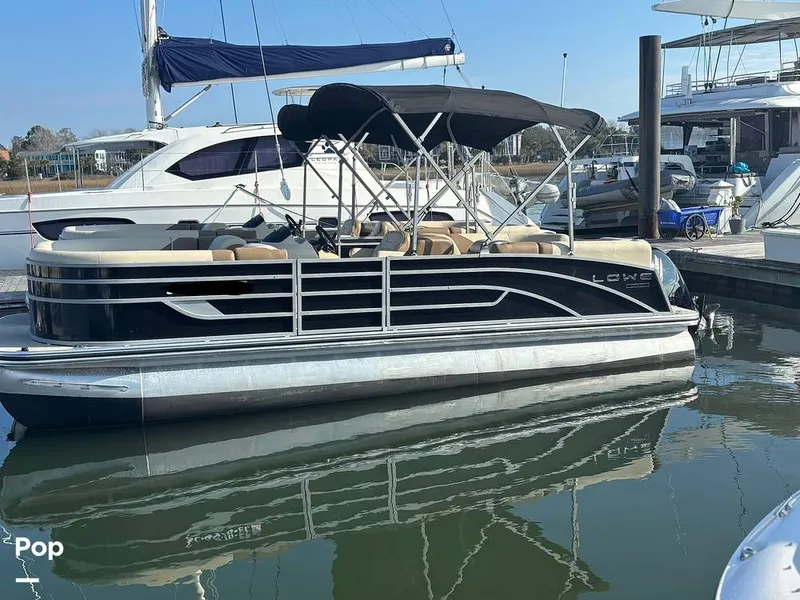
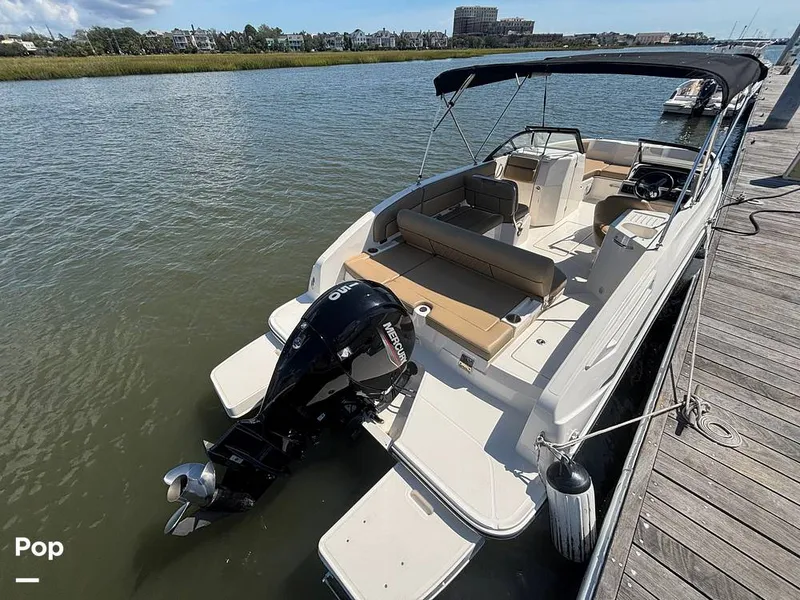
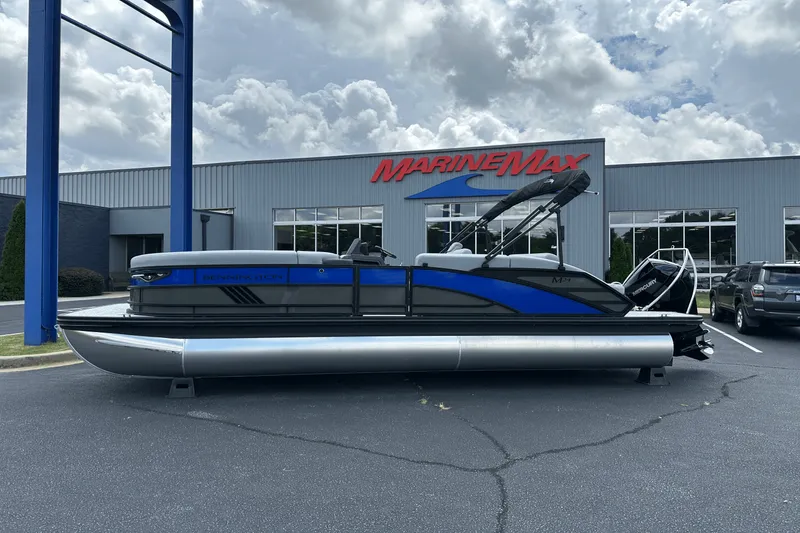
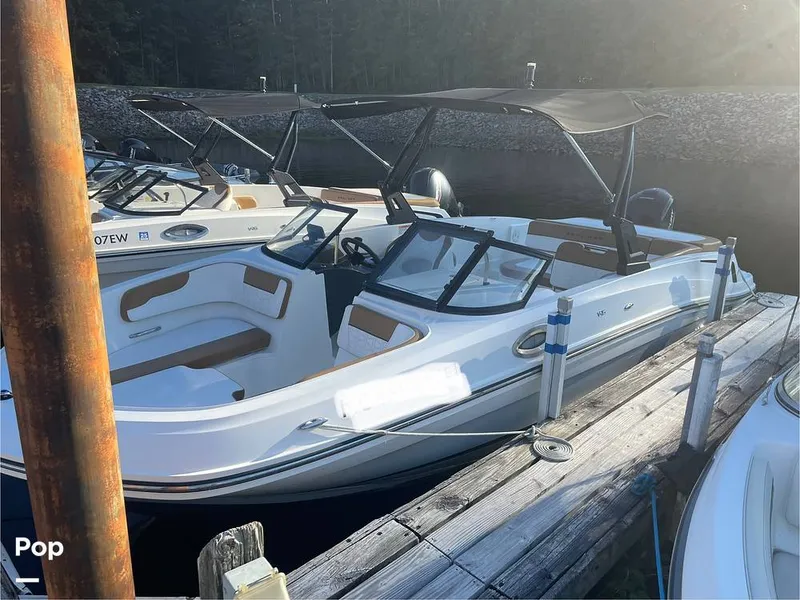
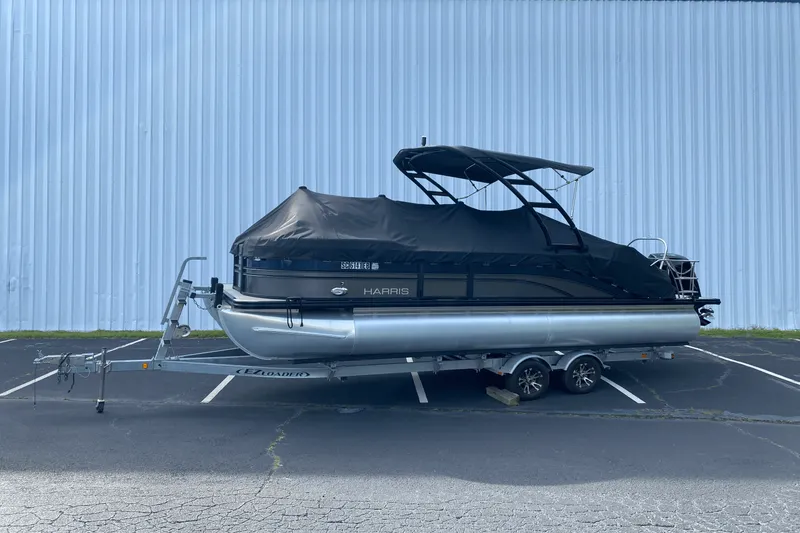
- On inland water like Lake Murray, Lake Hartwell, Lake Marion, and Lake Moultrie, a pontoon is the family MVP. It’s stable, easy to board, and forgiving for new captains—plus it’s the best platform for swimming days and sunset cruises. A tri-toon with a bigger motor can handle the main-lake chop better and keep up with the pace of summer traffic. The contrarian note: pontoons can also work on protected coastal water (calm ICW stretches), but you need to be honest about wind, current, and afternoon storms—this is a “pick your days” setup on the coast.
Costs, logistics, and practical details
Slip and storage costs are where the budget gets real. South Carolina marina slip rates on the coast commonly land around $12–$25 per foot per month for wet slips in high-demand areas (Charleston and Hilton Head tend to be at the top end), with electricity metered or billed as an add-on. Inland lakes are often cheaper, commonly around $6–$14 per foot per month depending on marina amenities and whether you’re paying for a covered slip. Dry-stack storage for smaller boats (typically under ~26 feet and within weight limits) often runs roughly $250–$600 per month, while trailer storage lots can be $50–$200 per month depending on security and location. If you’re pricing boats in South Carolina, remember to budget for bottom paint (wet slips), routine detailing (coastal sun and salt), and a hurricane haul-out plan if you keep the boat on the coast.
Fuel and service availability is generally good where people boat the most. Charleston Harbor and the ICW corridor have plenty of fuel docks, but you’ll still pay a premium for convenience—plan for marina fuel prices to run above roadside gas, and don’t assume every small dock has ethanol-free options. Pump-outs are common at larger marinas, and you’ll find strong service networks around Charleston, Myrtle Beach, and Hilton Head, plus inland hubs around Lake Murray and the Upstate lakes. The practical tip: in peak season, schedule service like you schedule a vacation—if you wait until the week you want to go out, you’ll be staring at a dead battery on the driveway while the shop is booked out.
For rules and paperwork, you’re dealing with South Carolina registration through SCDNR for titled/registered vessels, plus standard safety equipment requirements. Boater education requirements depend on age and circumstances, so check the current SCDNR rules before you assume you’re exempt. On the water, expect lots of no-wake zones near marinas, residential docks, and narrow creeks, and be prepared for safety checks on busy weekends. Coastal planning also includes tide tables, current, and storm-season thinking—if you keep a boat in the water during hurricane season, your plan should include where it goes, who hauls it, and how fast you can act when a named storm is in the forecast.
Frequently Asked Questions
Is South Carolina good for boating?
Yes—South Carolina is a strong boating state because you get both a long coastal season and big inland lakes with solid ramp and marina infrastructure. The main downsides are coastal tide/shoal learning curves and peak-weekend crowding at popular ramps.
How much does a boat slip cost in South Carolina?
Most South Carolina marina slip rates fall around $6–$14 per foot per month on inland lakes and roughly $12–$25 per foot per month in prime coastal markets like Charleston and Hilton Head. Covered slips and high-amenity marinas cost more, and electricity is often extra.
What is the boating season in South Carolina?
On the coast, boating can be year-round, with the most comfortable stretch typically April through June and late September through November. Inland lakes stay active spring through fall, with peak traffic in June through August and quieter water in the shoulder seasons.
Do you need a boating license in South Carolina?
South Carolina doesn’t use a single “license” for everyone, but it does have boater education requirements for certain operators based on age and other factors. Check the current SCDNR boating education rules before your first season, especially if you’re new to the state or renting.
Where are the best places to boat in South Carolina?
Top picks include Charleston Harbor and the ICW (great for cruising and dock-and-dine), the Beaufort/Port Royal Sound area (inshore fishing and scenery), and Lake Murray (family boating close to Columbia). For more options, add the Santee Cooper lakes (Marion/Moultrie) for fishing and Lake Hartwell for Upstate coves and bass culture.
Is South Carolina a good place for boating?
Boating in South Carolina is a strong fit if you want variety and a long season without needing a second home on the water. You can run tidal creeks and barrier-island stretches one weekend, then spend the next weekend on a big inland lake—often with better marina support than you’d expect for the size of the state.
The best match is a boater who plans around weather and tides instead of fighting them. If you’re shopping boats in South Carolina, prioritize shade, reliable electronics, and a storage plan that keeps you boating more and wrenching less. If you want quiet water on perfect summer Saturdays, you’ll need to work for it—but the shoulder seasons pay you back.
You will love boating here if:
- You like mixing coastal runs on the ICW with inland lake days on places like Lake Murray and Lake Hartwell.
- You want a fishing-forward state where inshore redfish and freshwater bass culture both have real support.
- You prefer day trips with dockside lunch options around Charleston Harbor, Hilton Head, and Myrtle Beach.
- You’re comfortable trailering and using public ramps, which keeps your cost of boating in South Carolina under control.
- You enjoy a long boating season and don’t mind starting early to beat heat and storms.
You might find it challenging if:
- You want set-it-and-forget-it boating without learning tides, currents, and shifting shoals on the coast.
- You hate crowded ramps and don’t have flexibility to boat on weekdays or shoulder-season weekends.
- You’re budgeting tightly but expect a premium coastal slip, high insurance coverage, and hurricane-season haul-out without trade-offs.
- You run a deep-draft boat and plan to roam shallow creeks without local knowledge or updated charts.
- You’re sensitive to heat and humidity and don’t have shade, hydration, and storm planning dialed in.
If you’re on the fence, rent for a day in Charleston or on Lake Murray first, then pick a home base and boat type that matches how you’ll actually spend your Saturdays.

 Login with Google