Arkansas
1272 Results
Boating · Destinations
Is Arkansas a Good Place for Boating?
Written by: MarineSource.com Team | Estimated read time: 12 min read
A calm June morning on Lake Ouachita feels like someone turned the volume down on the world—pine smell in the air, glassy water in the coves, and the first bass boats already idling out before the sun gets high. This is the vibe that sells people on boating in Arkansas: big water, lots of shoreline, and enough quiet pockets that you can still find your own space if you time it right.
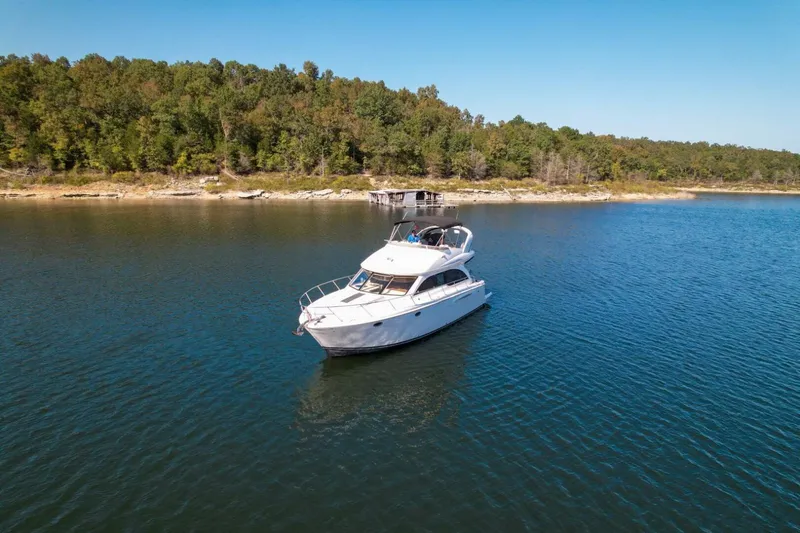
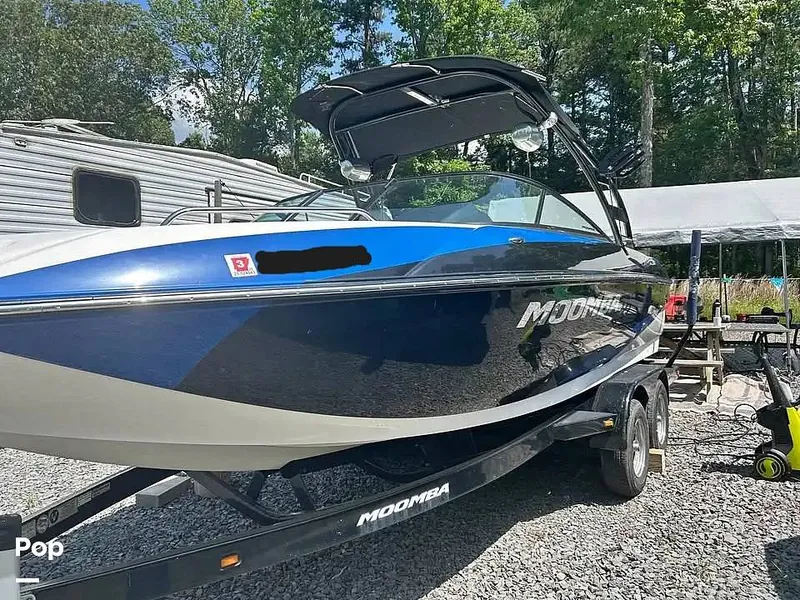
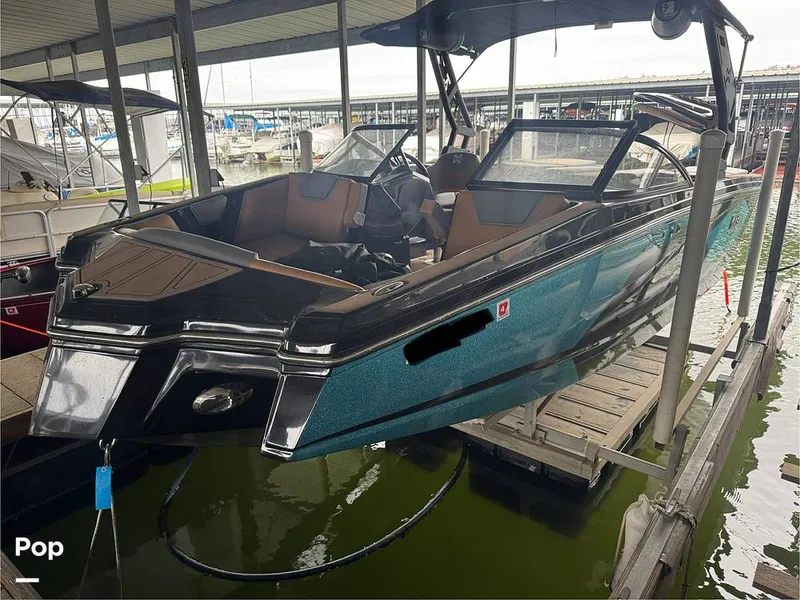
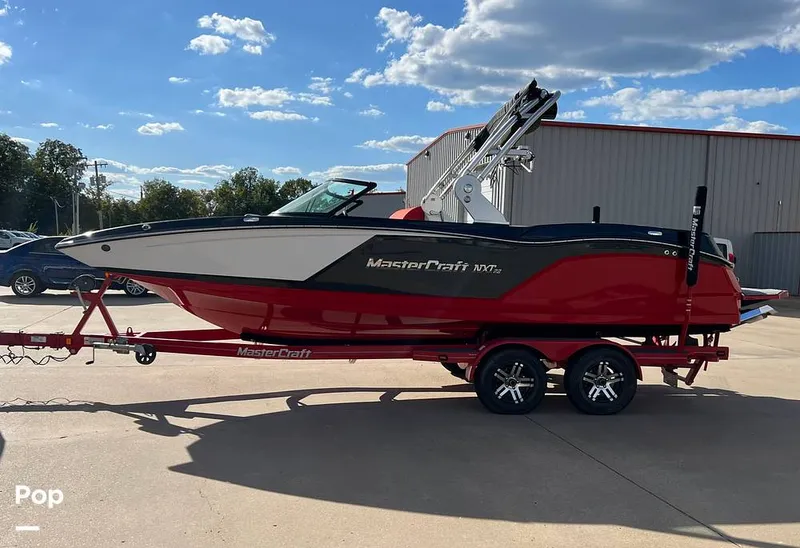
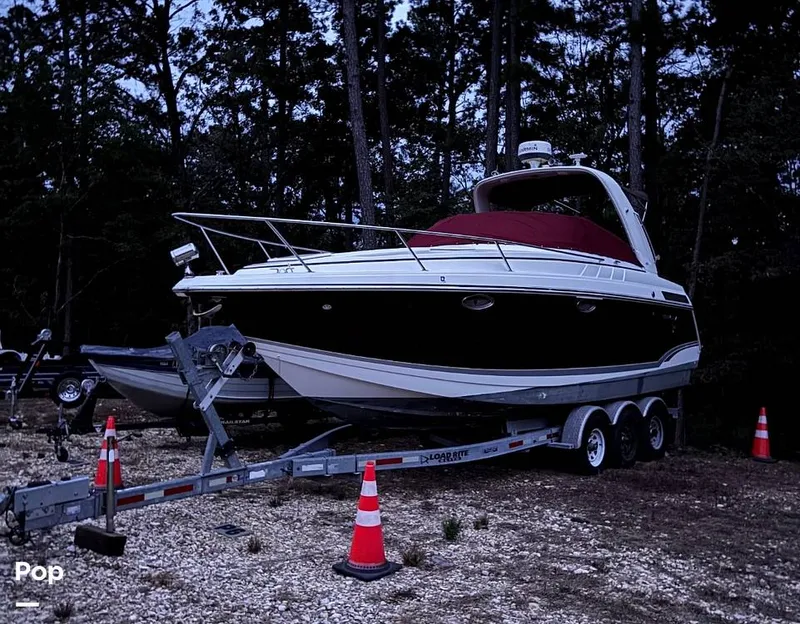
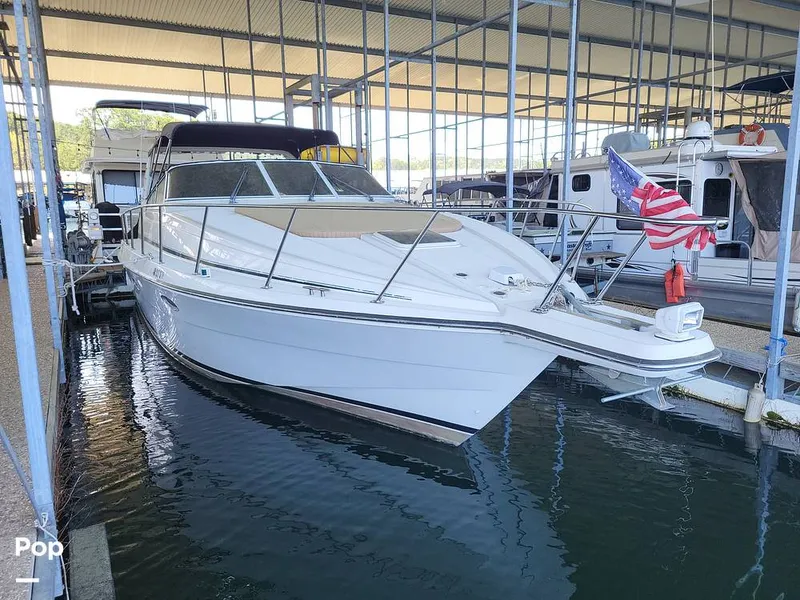
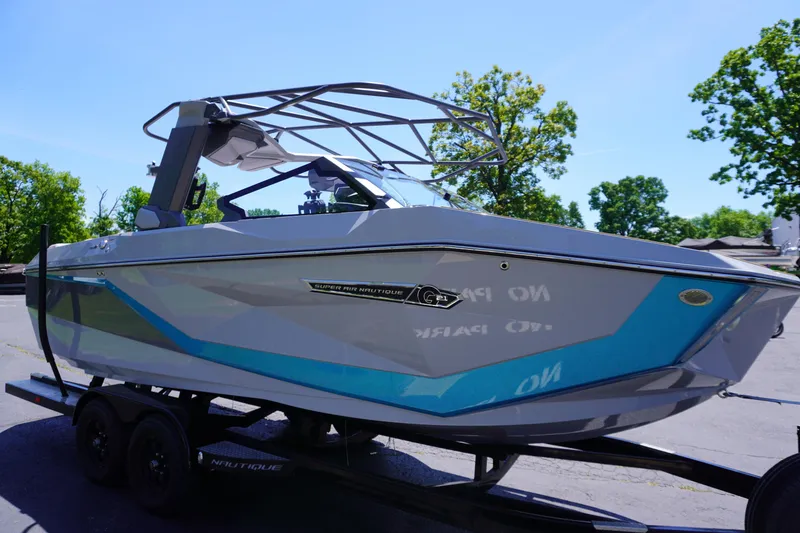
Arkansas boating is mostly inland-lake life—pontoons tied up at covered docks, bass rigs on trailers headed to the next tournament, and the occasional wake boat carving a main channel when the afternoon breeze kicks up. You’ll run into everything from houseboats on Bull Shoals to ski boats on Lake Hamilton, and the marina scene is a mix of state-park operations and private outfits (think Hot Springs Marina on Hamilton and the big Beaver Lake marinas up north). If you’re shopping for boats in Arkansas, you’re shopping for lakes—because the lake you choose will shape your whole routine.
Arkansas is a strong boating state, but it’s not effortless. Summer weekends can get crowded, some lakes have stump fields and skinny water that punish a careless throttle hand, and slip availability can be a waiting-list game in the popular pockets. This guide breaks down what boating in Arkansas actually looks like—where to go, what it costs, what’s annoying, and what makes it worth it.
Pros of boating in Arkansas
1. Big-lake variety without coastal chaos
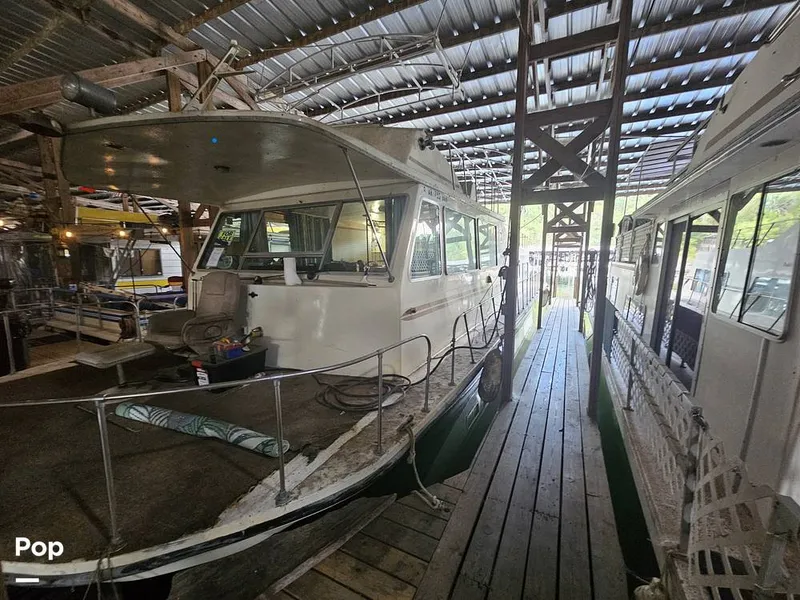
One of the best parts of boating in Arkansas is how many “different” Arkansas you can boat in without leaving the state. Lake Ouachita gives you clear water and long pine-lined runs; Beaver Lake up by Rogers/Eureka Springs has bluff walls and a more Ozarks feel; Greers Ferry Lake is a clean, deep reservoir that’s friendly to both fishing and family cruising; Bull Shoals Lake is houseboat country with huge water; and Lake Hamilton in Hot Springs is more of a social, dock-and-dine scene. You can pick your lake based on your personality, not just your ZIP code.
2. Fishing culture is baked into the ramp parking lot
If you like to fish, Arkansas boating makes sense fast. You’ll see bass boats at daylight on Ouachita, Greers Ferry, and Beaver; crappie rigs working brush; and plenty of folks trolling or drifting for whatever’s biting that week. The contrarian part: even if you’re not a hardcore angler, the fishing culture helps you—because it keeps a lot of boaters on an early schedule. Get on the water early and you’ll often have the best conditions before the “floating patio” crowd shows up.
3. Arkansas marinas are practical (and often full-service)
You’re not stuck with “a dock and a vending machine” in many places. Hot Springs Marina on Lake Hamilton is a full-service operation with rentals and storage options, and Beaver Lake has established marinas like Starkey Marina and Lost Bridge Marina that cater to day renters and slip holders. On Greers Ferry, places like Furgerson’s Choctaw Marina run year-round slip programs with security gates and fuel options. The upside is convenience; the trade-off is that the best marinas fill up early for peak season.
4. Scenery that still feels like the outdoors, not just shoreline development
A lot of states have lakes, but not all lakes feel like you escaped. Lake Ouachita is the poster child for this—long stretches of forested shoreline and coves that don’t feel like a subdivision. Beaver Lake’s limestone bluffs and long shoreline runs give you that “Ozarks postcard” look. Even on busier lakes, you can usually tuck into a cove, kill the engine, and hear something besides stereos for a few minutes.
5. Long shoulder seasons if you’re willing to dress for it
Peak boating is late spring through early fall, but boating in Arkansas doesn’t shut down the moment Labor Day ends. You’ll still see fishermen and hardy cruisers out in March/April and again in October—especially on the bigger reservoirs where water temps and patterns stay workable. The unexpected win is fall: fewer rentals, less ramp drama, and calmer water on many lakes. If you can handle cool mornings and keep an eye on weather swings, the shoulder season is where Arkansas shines.
Cons of boating in Arkansas
1. Cost of boating in Arkansas can spike fast if you want a slip
Trailering is affordable; keeping a boat in the water is where budgets get tested. Annual covered slips on popular lakes can run a couple thousand dollars and up depending on size and location. For example, Starkey Marina on Beaver Lake lists annual slip pricing in the roughly $2,220–$4,015+ range for common sizes, and Greers Ferry’s Choctaw Marina posts annual slip prices that climb into the $2,400–$3,800+ range for covered slips. If you’re thinking “I’ll just grab a slip later,” that’s how you end up on a waitlist.
- The Silver Lining: If you’re price-sensitive, trailer the boat and pick a lake with strong public ramp infrastructure (Beaver’s Prairie Creek ramp is the classic example). Or split the difference: rent a slip only for peak months, then store on the trailer in the off-season.
2. Summer heat and pop-up storms change the day plan
Arkansas summers are hot, and the weather can turn on you. You’ll have stretches where the best move is an early launch, a long mid-day break, and a second session in the evening. Thunderstorms can build fast, and on big water like Bull Shoals or Ouachita, a strong wind can stack up a chop that’s no fun in a small bowrider. Arkansas State Parks even calls out that roughly half the year can be “very hot,” which tracks with what you feel at the helm in July and August.
- The Silver Lining: Run a “heat plan”: launch at first light, anchor in a shaded cove or pull into a marina for lunch, and keep radar on your phone. If you’re shopping boats in Arkansas, prioritize shade (Bimini) and a hull that doesn’t beat you up when the wind comes up.
3. Crowding is real on the social lakes (and the ramps show it)
Lake Hamilton is the obvious one—Hot Springs brings a lot of boats, a lot of rentals, and a lot of weekend traffic. Beaver Lake ramps can also get busy, especially Prairie Creek, because it’s an easy, multi-lane launch with big parking. The contrarian observation: the “best” ramp isn’t always the best experience. A smaller ramp with less parking can be faster if you’re launching early and you don’t need eight lanes of concrete.
- The Silver Lining: Beat the crowd with timing, not attitude. Launch before 9 a.m. on summer weekends, or go after 4 p.m. for a calmer session. If you must go mid-day, pick a ramp near where you plan to boat so you’re not burning fuel just to reposition.
4. Rules and paperwork: education cards, registration, and insurance triggers
Arkansas isn’t complicated, but it’s not “anything goes.” If you were born on or after January 1, 1986, you generally need an AGFC-approved Boater Education Card to operate a motorboat (10 hp+) or sailboat, and you need to carry proof while operating. Arkansas also requires registration for any vessel powered by machinery (including trolling motors), and AGFC notes that insurance is required if your boat is over 50 hp or if it’s a personal watercraft.
- The Silver Lining: Handle it once and you’re done. The boater education card is good for life, and keeping a digital copy plus a laminated card in your glovebox saves you hassle at the ramp. If you’re buying used boats in Arkansas, verify the HIN and paperwork before money changes hands.
5. Navigation hazards: stump fields, skinny coves, and lake-level surprises
A lot of Arkansas reservoirs have standing timber, shallow flats, and coves that get skinny when water levels drop. That’s great habitat for fish and a headache for lower units. It’s also why locals idle in places that look “wide open” to newcomers. On busy days, you’ll see the other hazard: wakes bouncing off seawalls and docks, especially on developed lakes like Hamilton.
- The Silver Lining: Use a real chart app (not just your memory), learn the marked channels, and don’t run on plane into unfamiliar coves. If you’re new to boating in Arkansas, spend your first few outings doing slow recon and saving waypoints.
What boating in Arkansas is really like
A typical good day starts early. The bass guys are backing down the ramp at daylight, pontoons start showing up mid-morning, and by early afternoon the main channels on the popular lakes can get bouncy—especially on weekends. If you’re on Beaver Lake, you might launch at Prairie Creek, run up-lake for a quieter cove, then come back late afternoon when the ramp traffic thins. If you’re on Lake Hamilton, the rhythm often includes a stop at a dock-friendly restaurant and a slow cruise past the busier stretches before you tuck into a calmer pocket.
The on-water scene depends on the lake. Lake Hamilton is social and sometimes loud; it’s where you see more wake boats, rental pontoons, and “let’s go eat by boat” traffic. Ouachita and parts of Bull Shoals feel more spread out—more room to run, more coves to hide in, and more people who are there for the lake itself, not the scene. Greers Ferry sits in the middle: plenty of family boating, but also serious fishing and enough open water to stretch out.
The community is friendly, but it’s practical. Ramp culture is “be ready when you hit the concrete”—straps off, plug in, gear staged—because nobody wants a 10-minute rigging session on the ramp. You’ll also see a lot of seasonal patterns: locals who trailer every weekend, slip-holders who treat the dock like a second porch, and out-of-staters who rent for a long weekend. If you’re new, the fastest way to fit in is simple: launch efficiently, idle through no-wake zones, and don’t throw a wake at someone’s docked boat.
Best boat types for Arkansas
Boat choice in Arkansas comes down to your lake and your routine: trailer-and-go fishing, slip life with family cruising, or a little of both. These three types show up over and over because they match Arkansas water and Arkansas weekends.
Pontoon / Tritoon
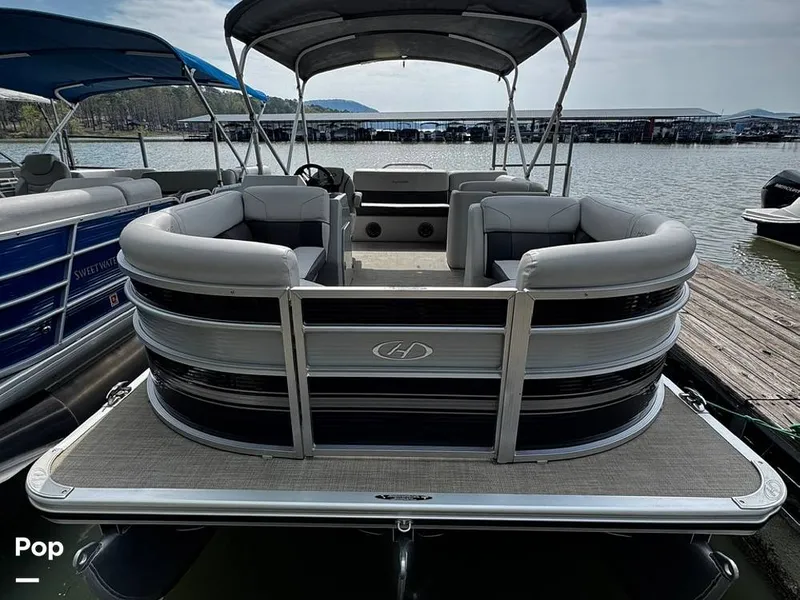
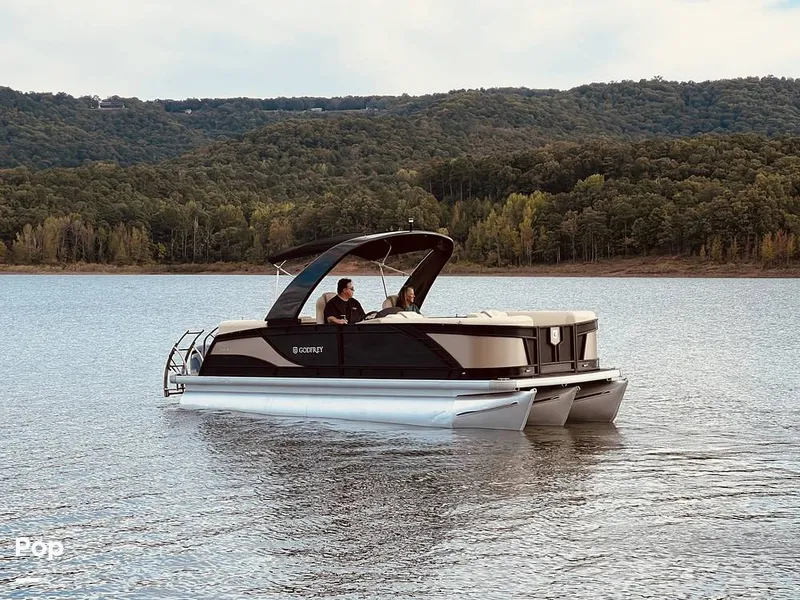
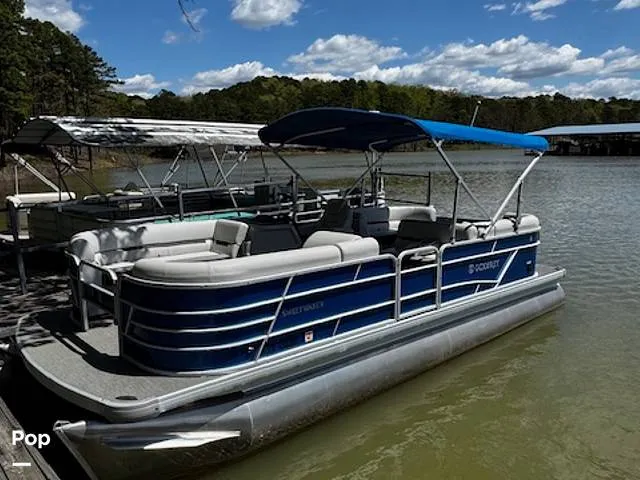
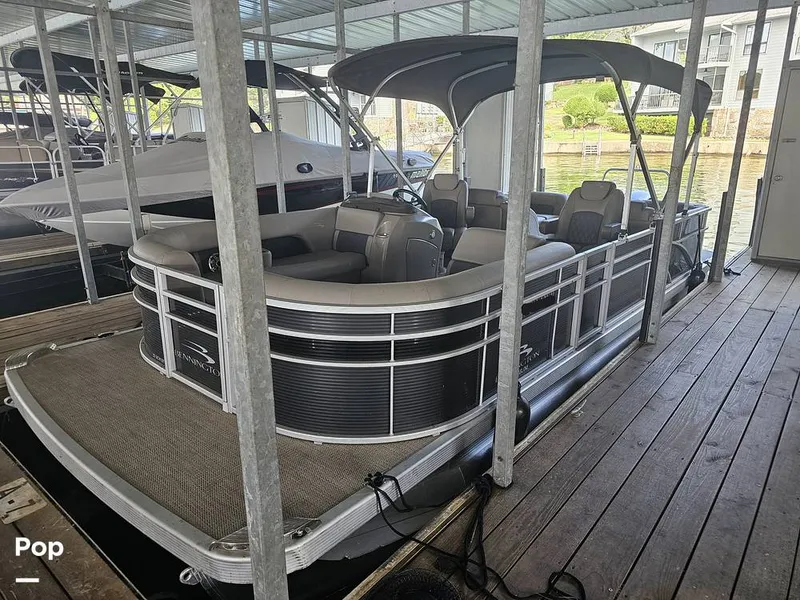
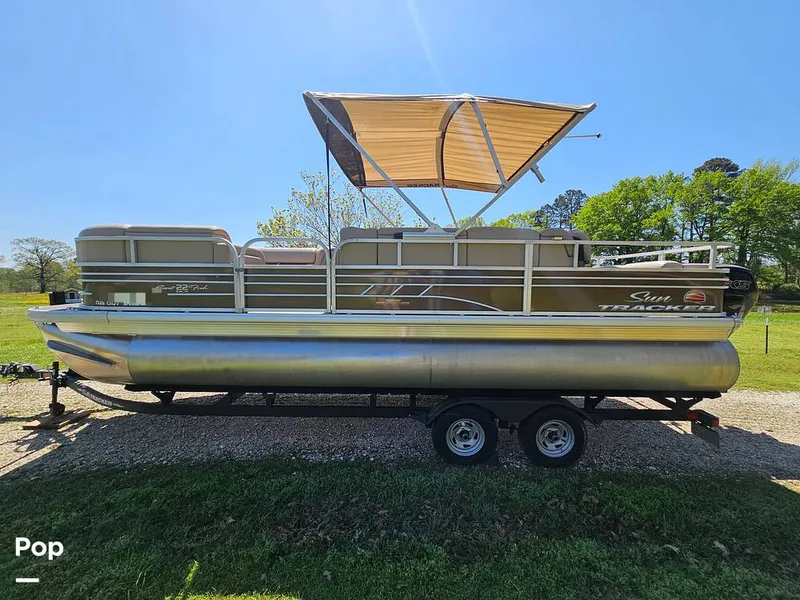
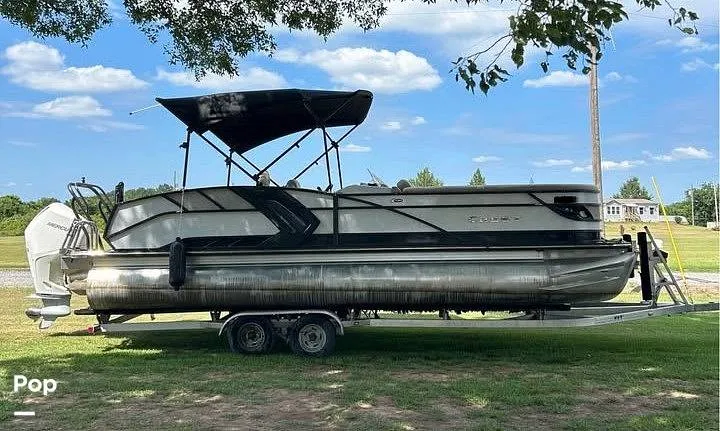
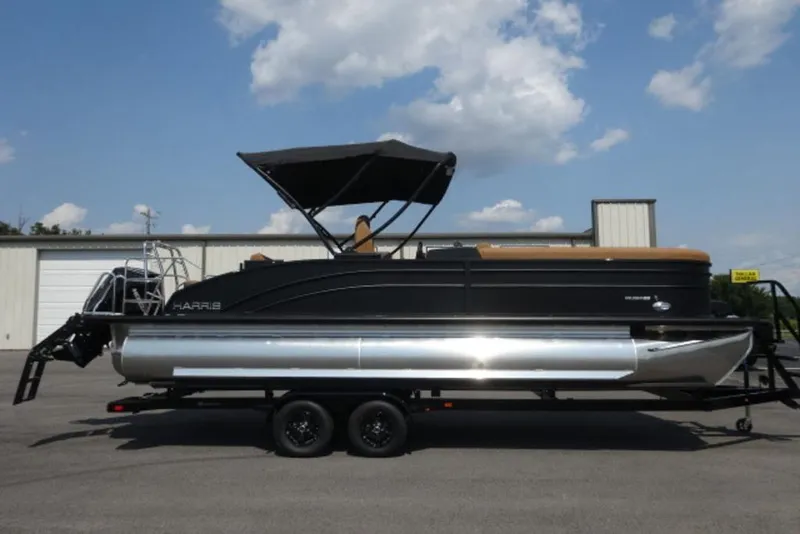
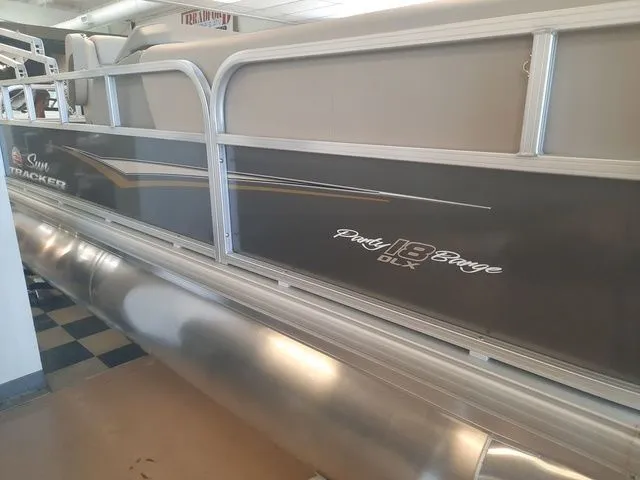
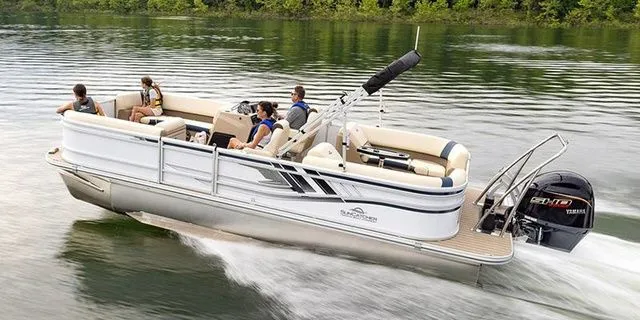
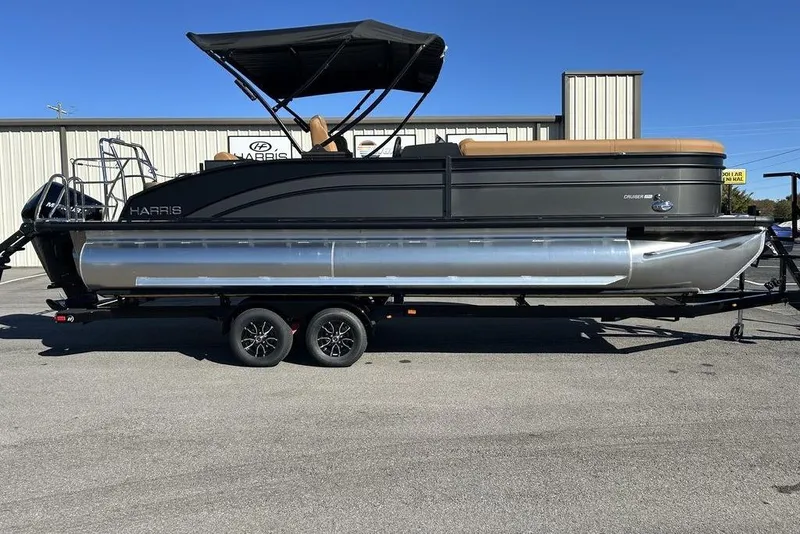
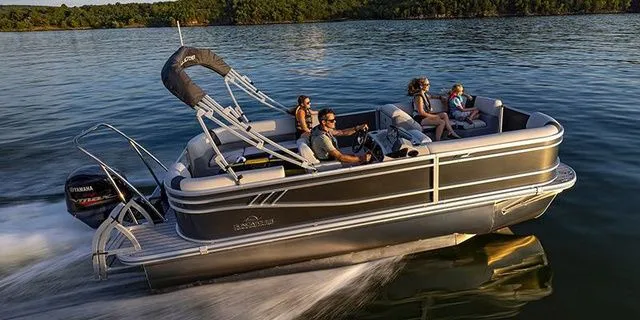
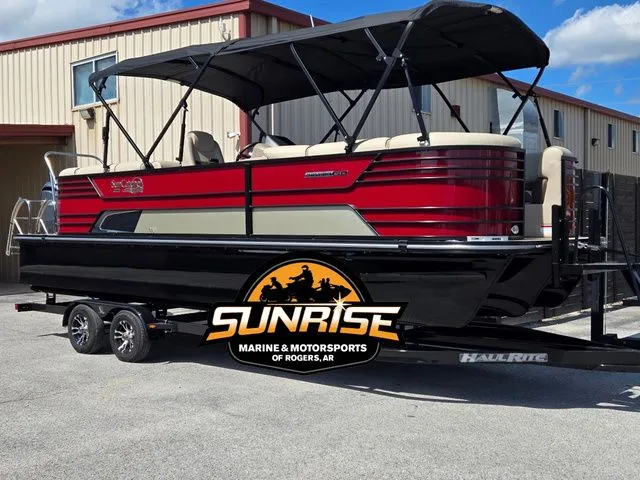
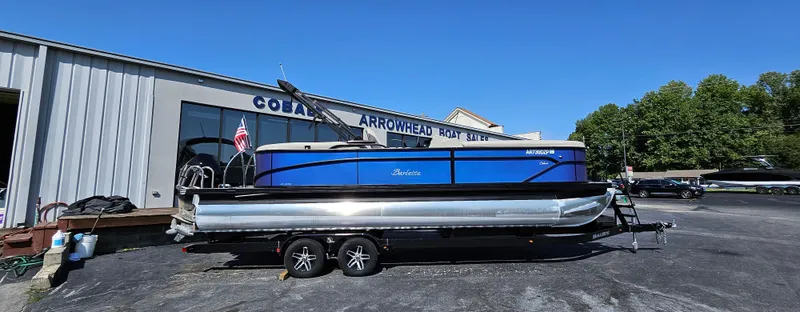
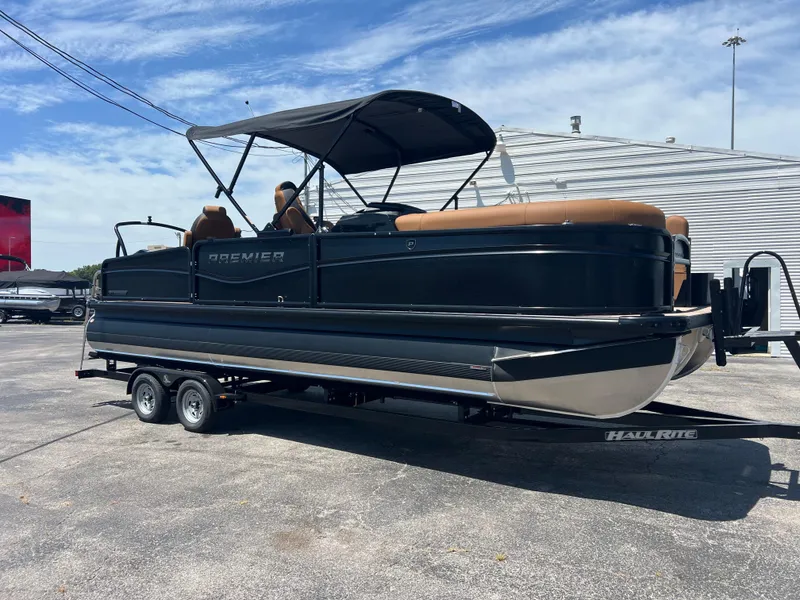
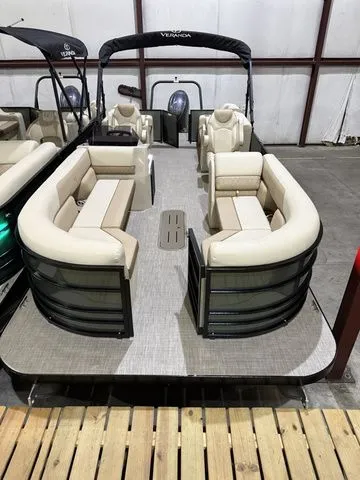
- If you’re picturing family days, swimming coves, and pulling into marinas, a pontoon (or tritoon if you want more speed and rough-water comfort) is the Arkansas default. They’re common on Lake Hamilton’s social circuit and make sense on Greers Ferry and Beaver for big-water cruising without the stress of balancing a deep-V ski boat at the dock. If you’re shopping boats in Arkansas for a mixed crew—kids, grandparents, friends—this is usually the least drama per dollar.
Bass boat (fiberglass or aluminum)
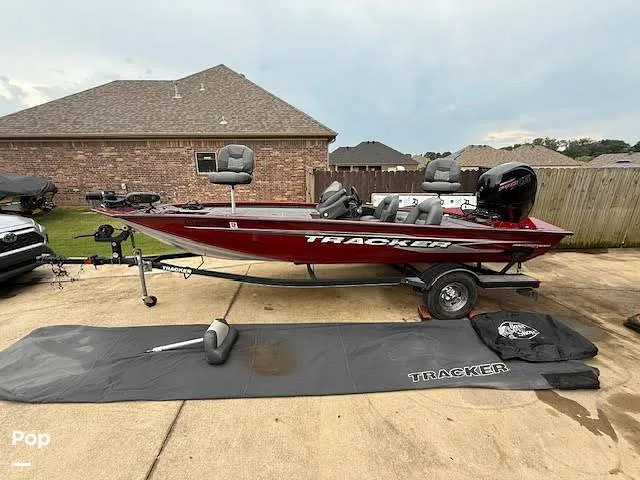
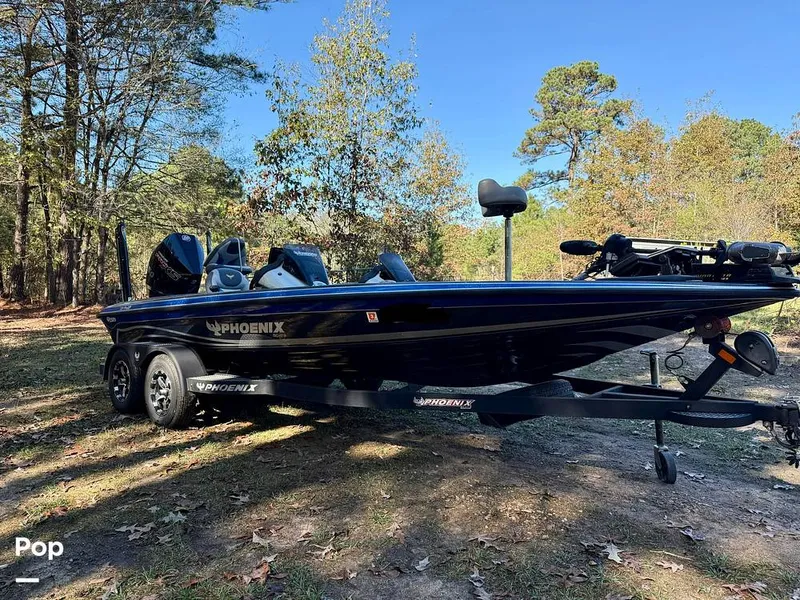
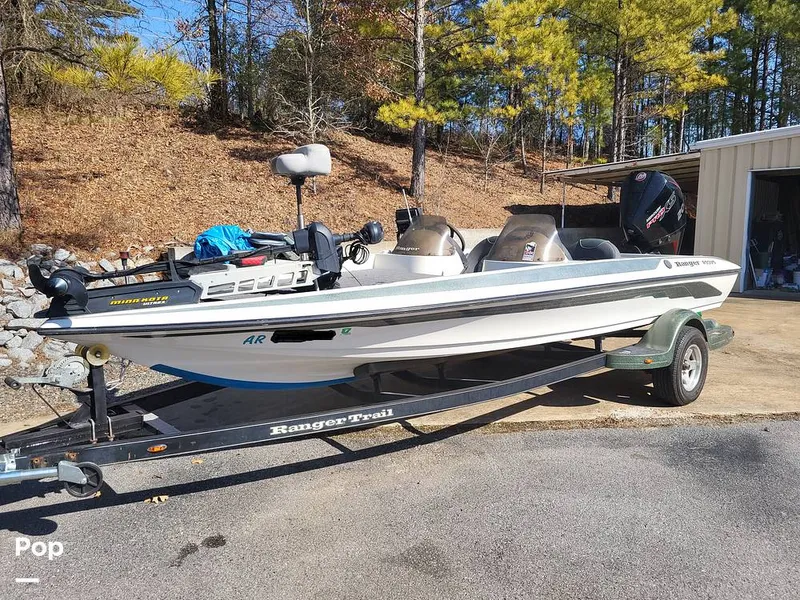
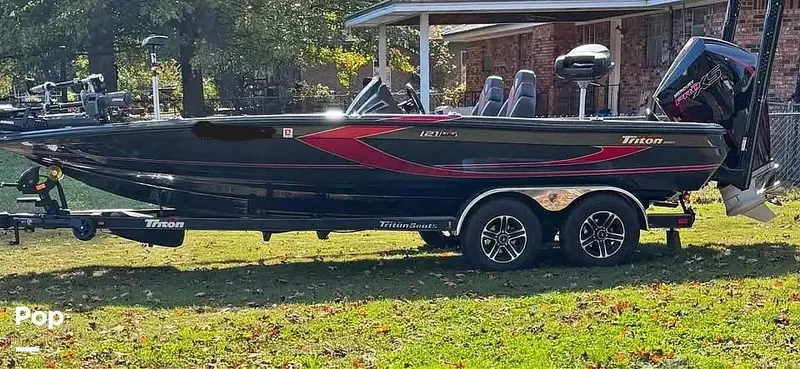
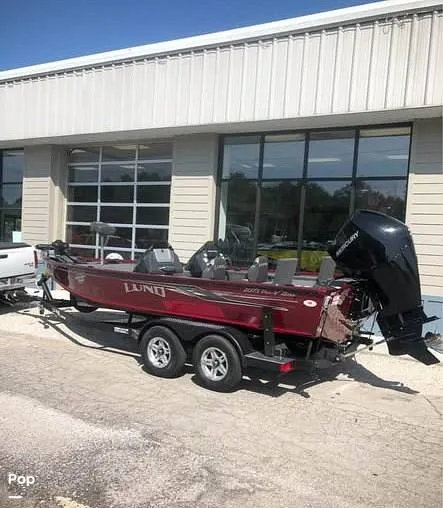
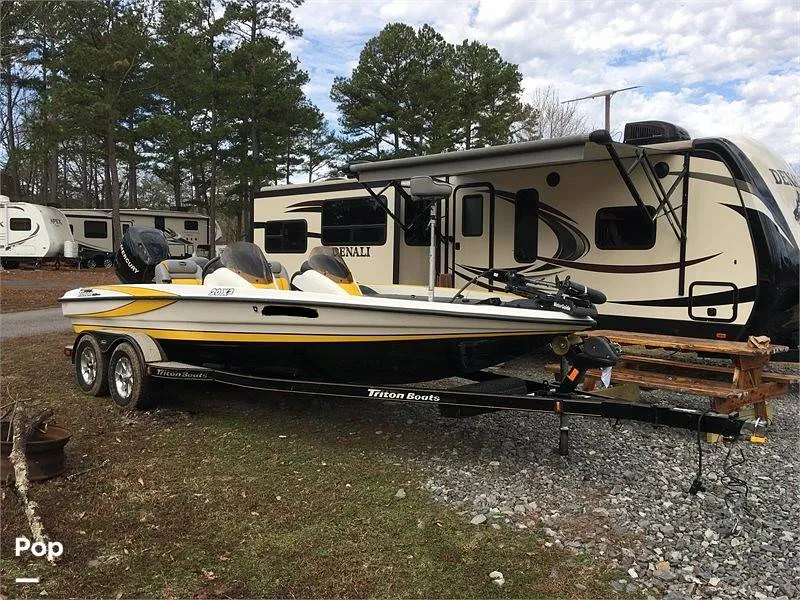
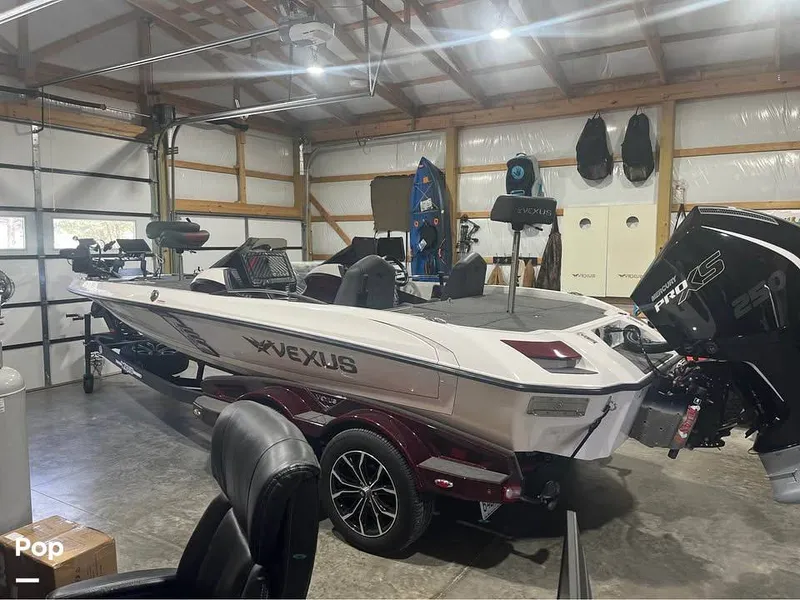
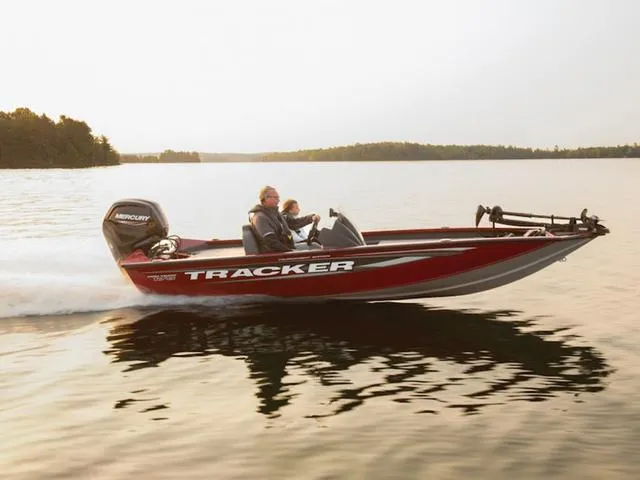
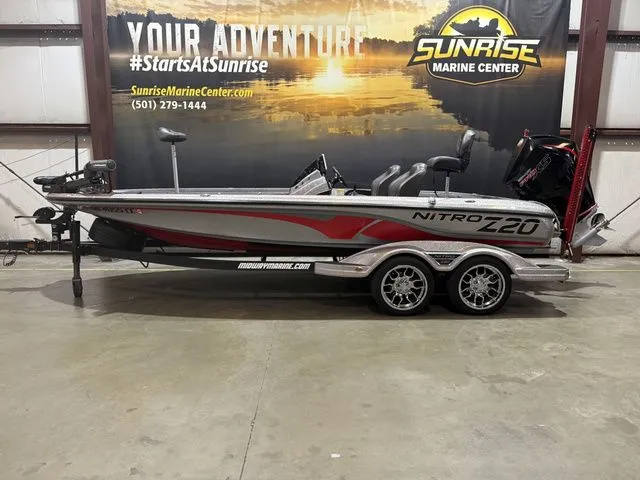
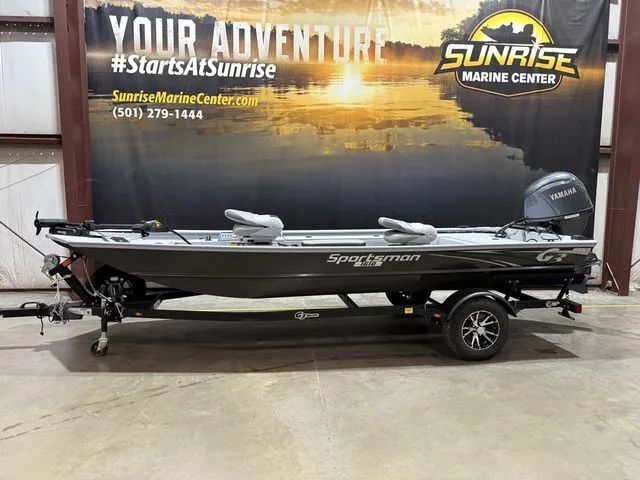
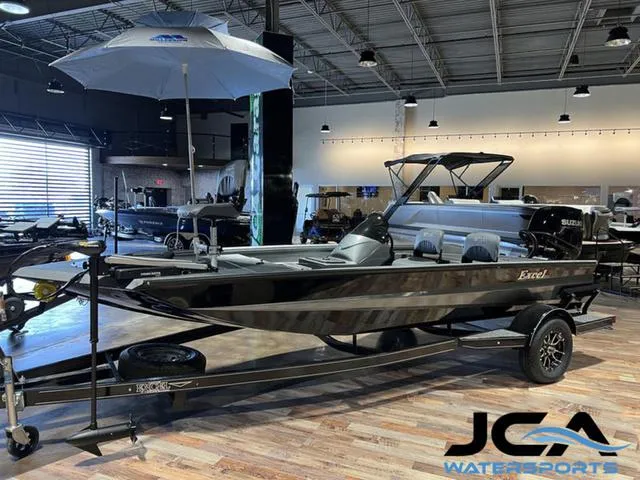
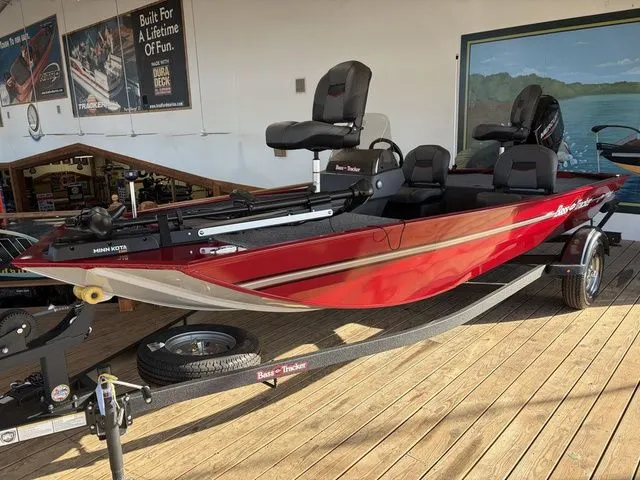
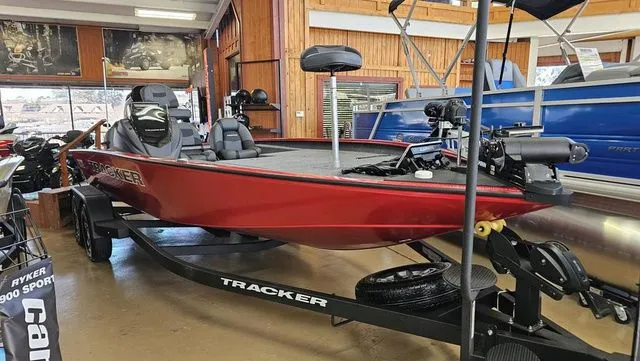
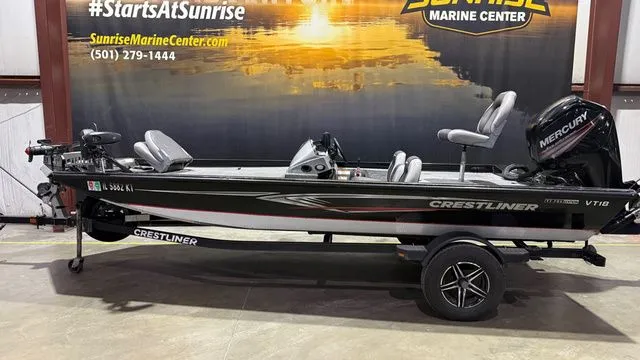
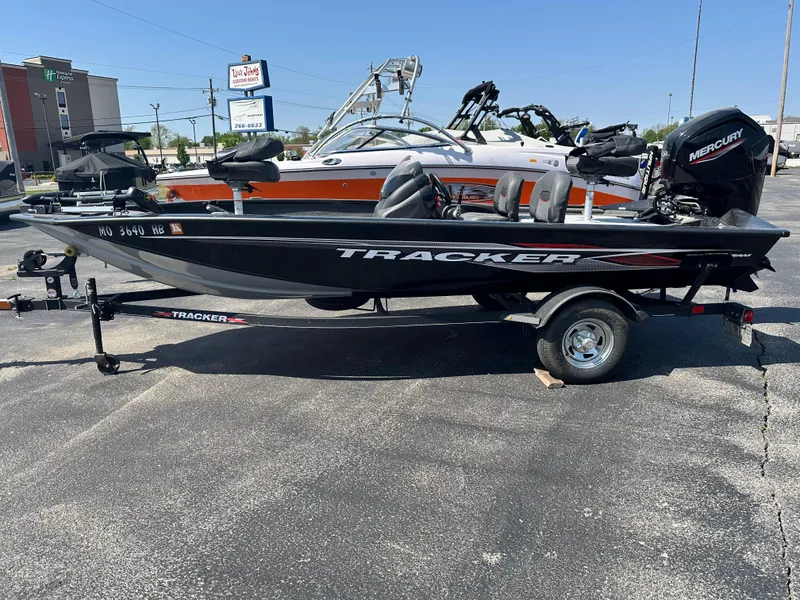
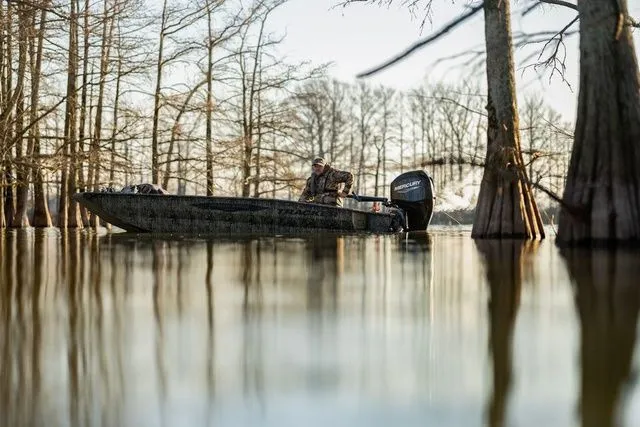
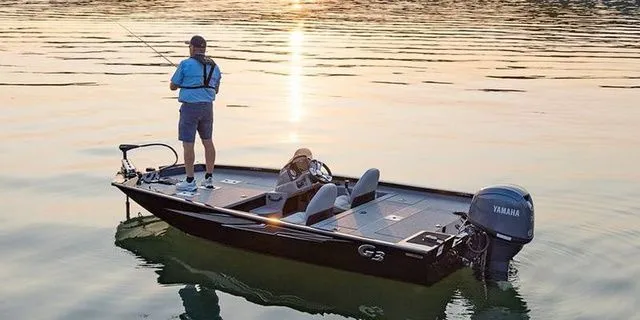
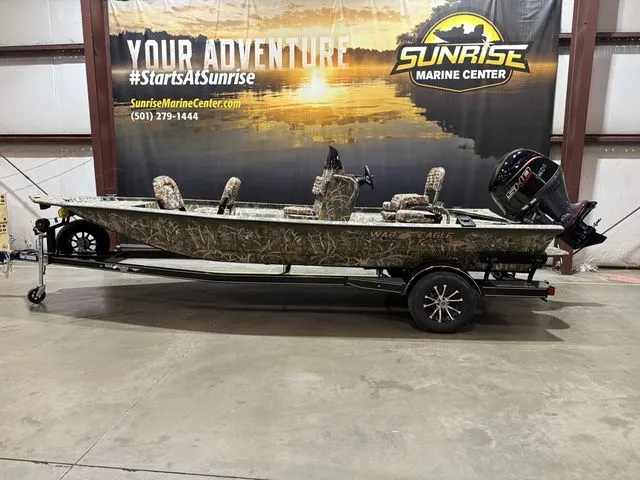
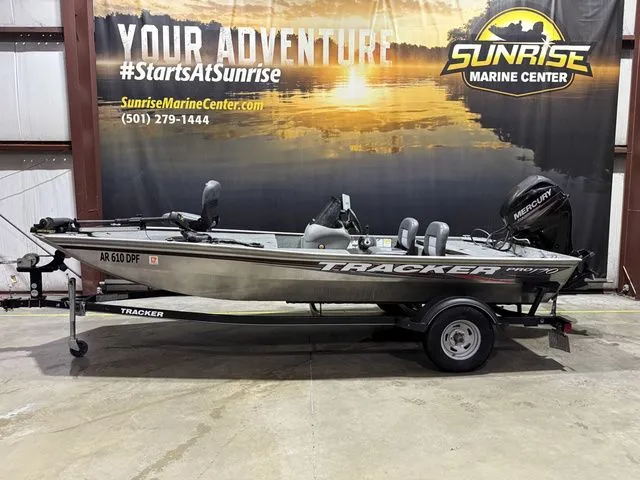
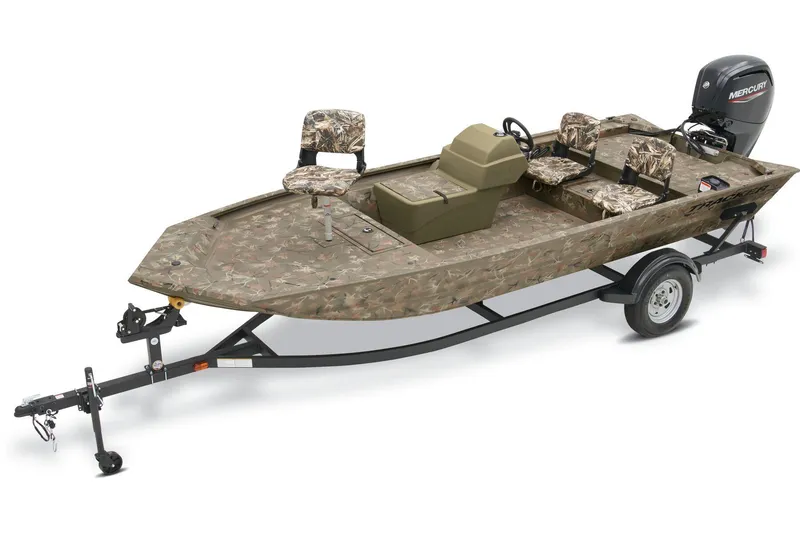
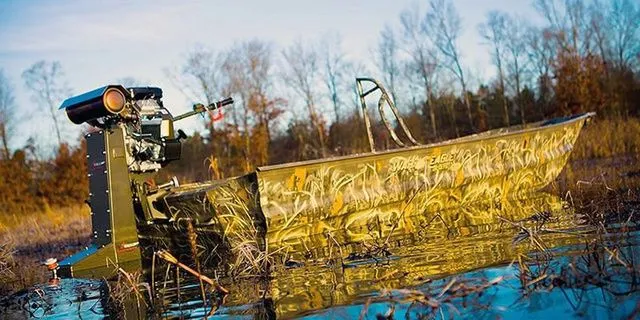
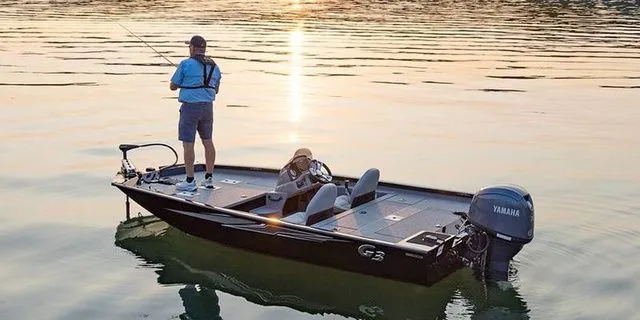
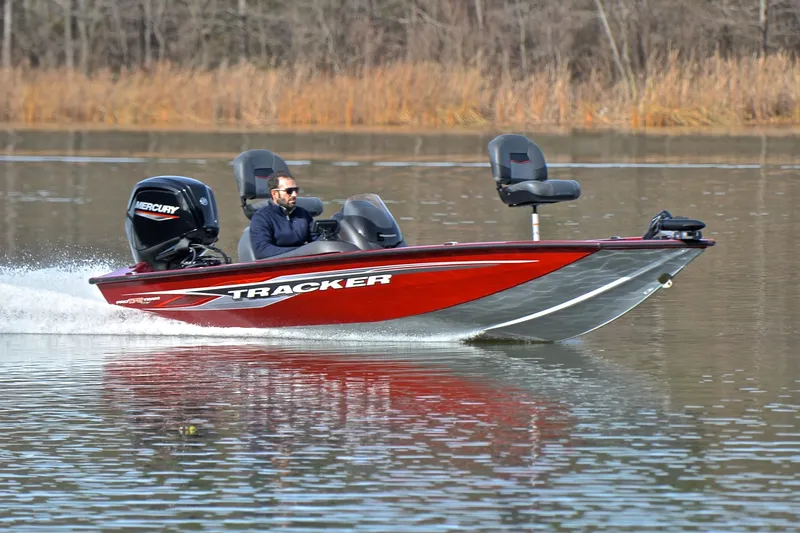
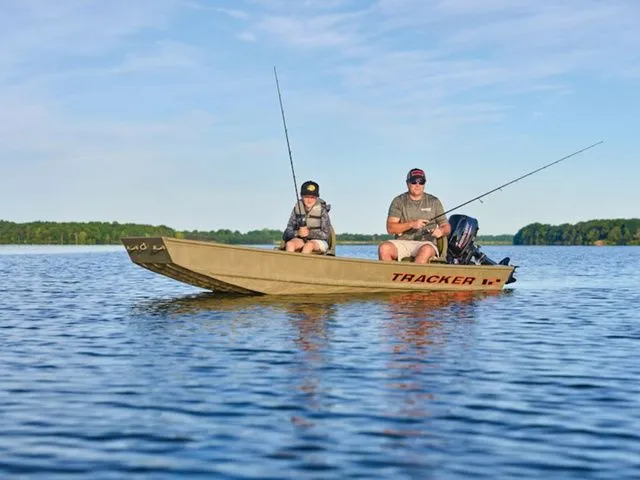
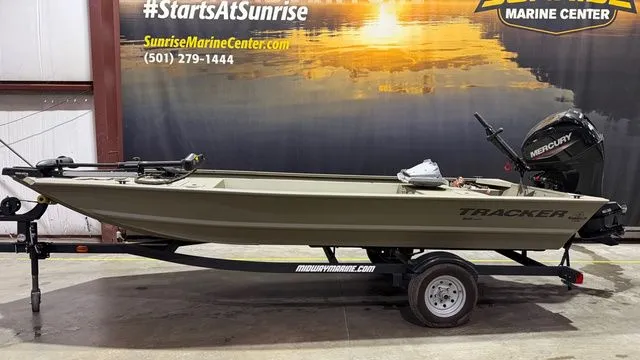
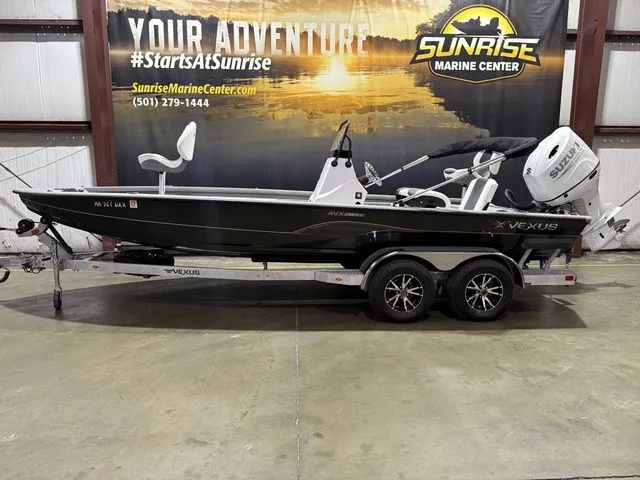
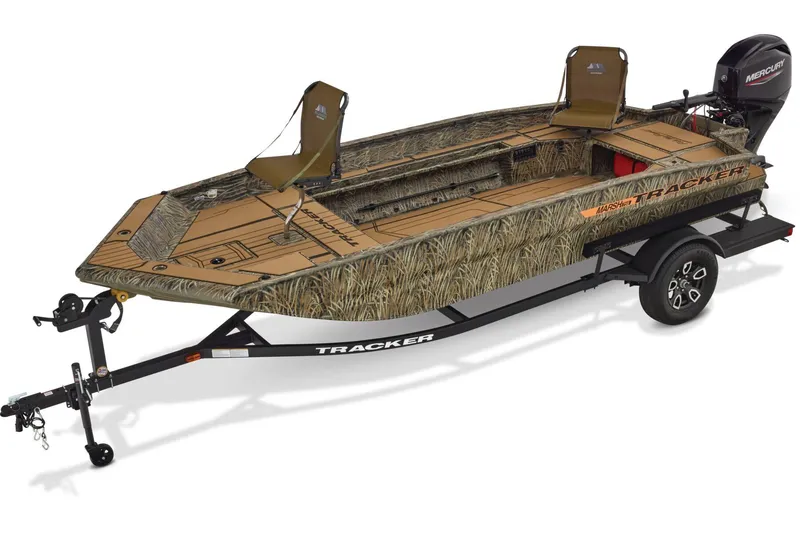
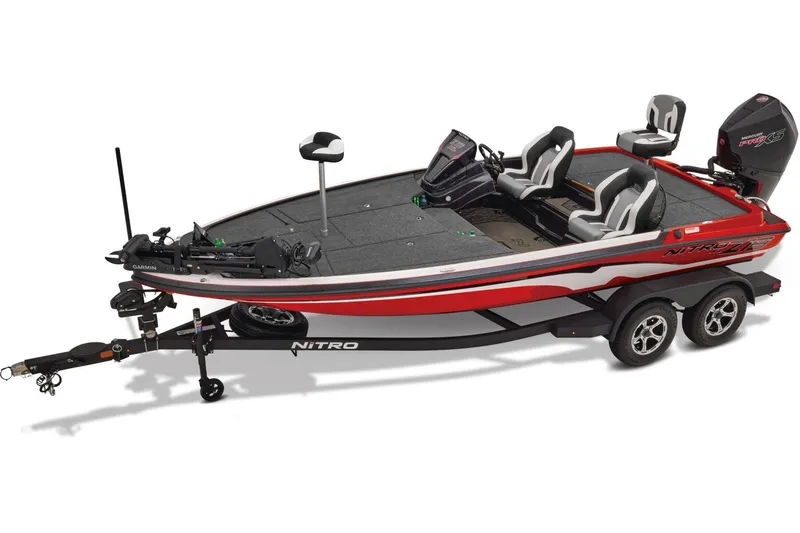
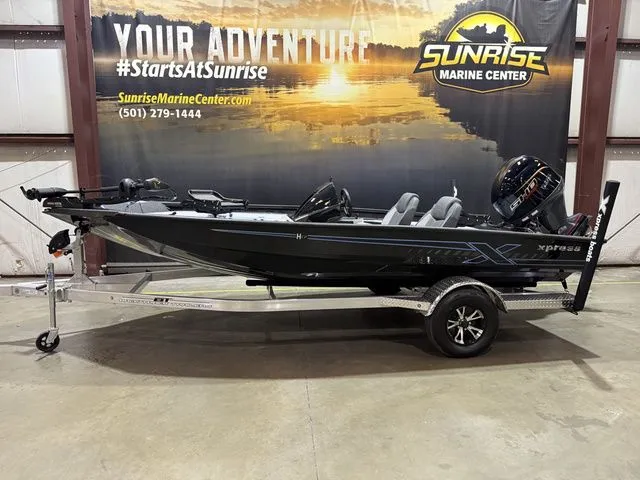
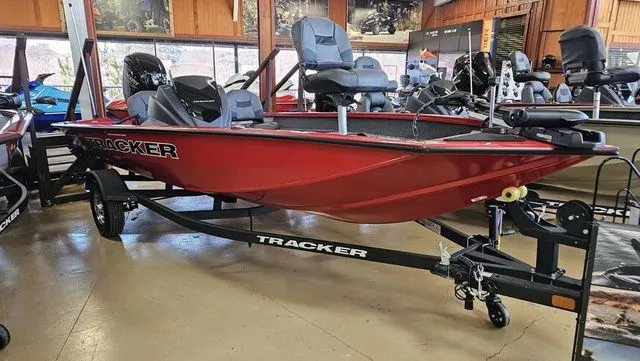
- For anglers, a bass boat is still the most efficient way to cover water on Ouachita, Greers Ferry, Bull Shoals, and Beaver. You’ll appreciate the shallow-water capability in stumpier areas and the ability to fish early and be off the water before the afternoon traffic. The contrarian point: if you only fish a handful of times a year, a multi-species aluminum rig or a deck boat might be a better “Arkansas compromise” than a tournament-style setup.
Deck boat / Bowrider (lake-friendly runabout)
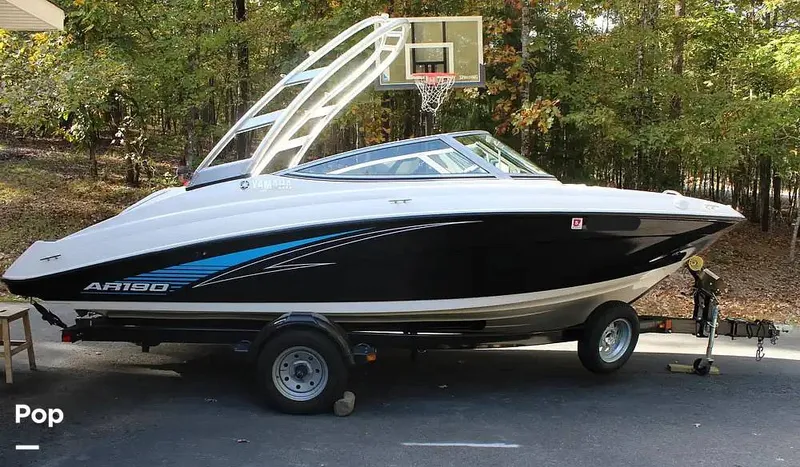
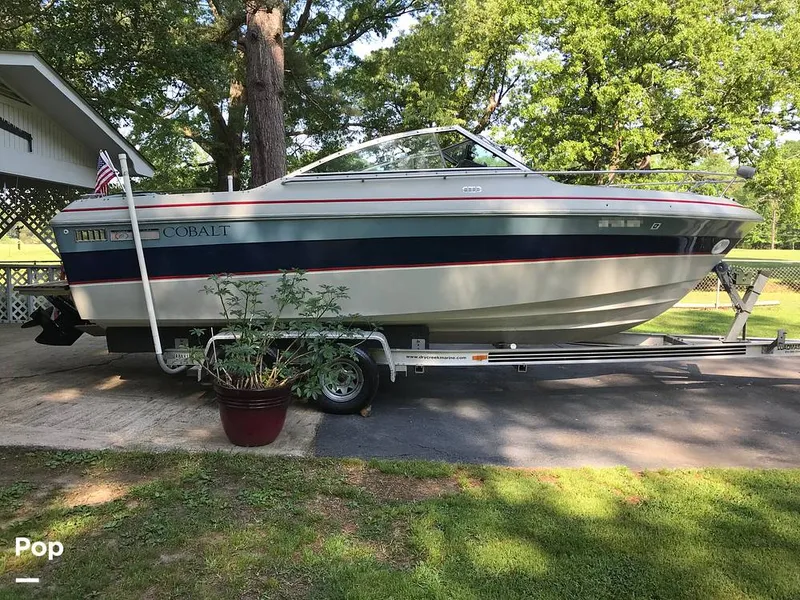
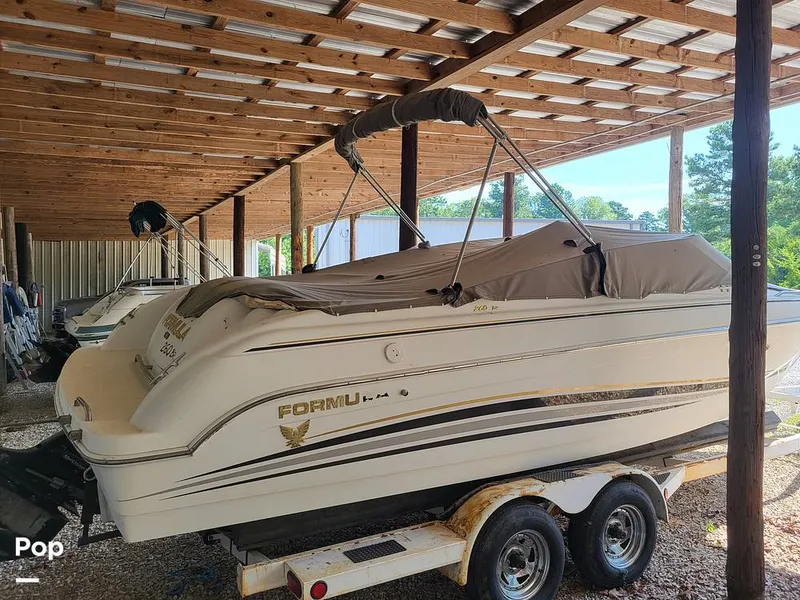
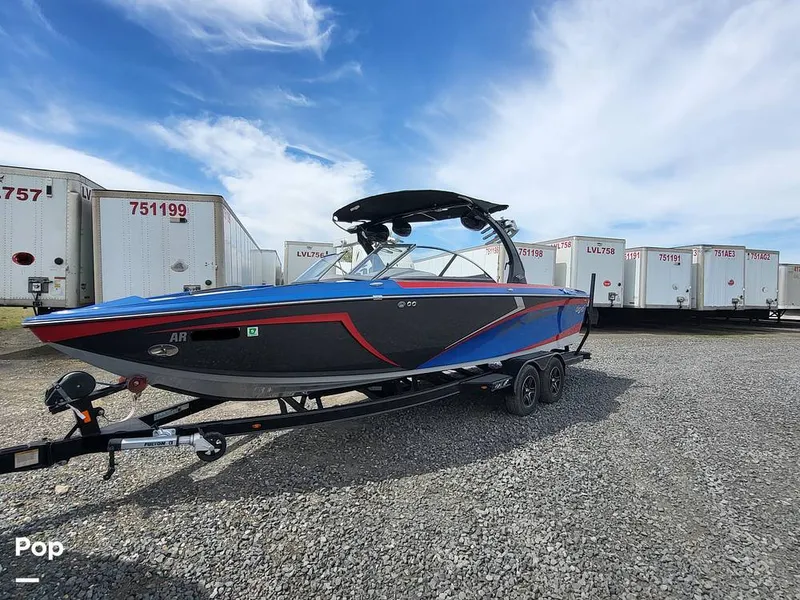
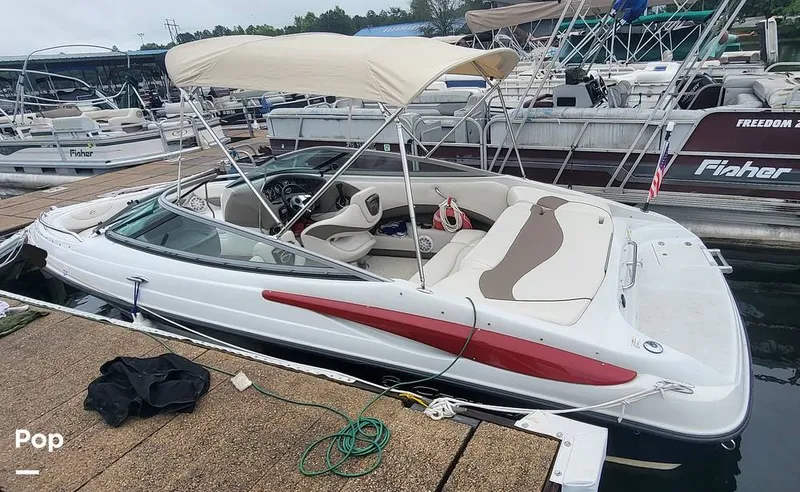
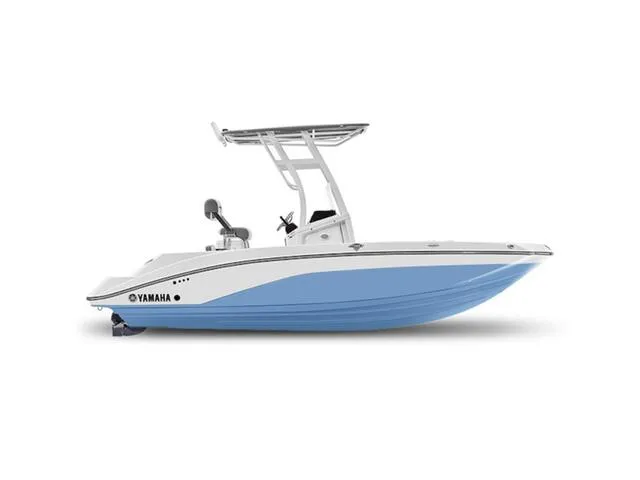
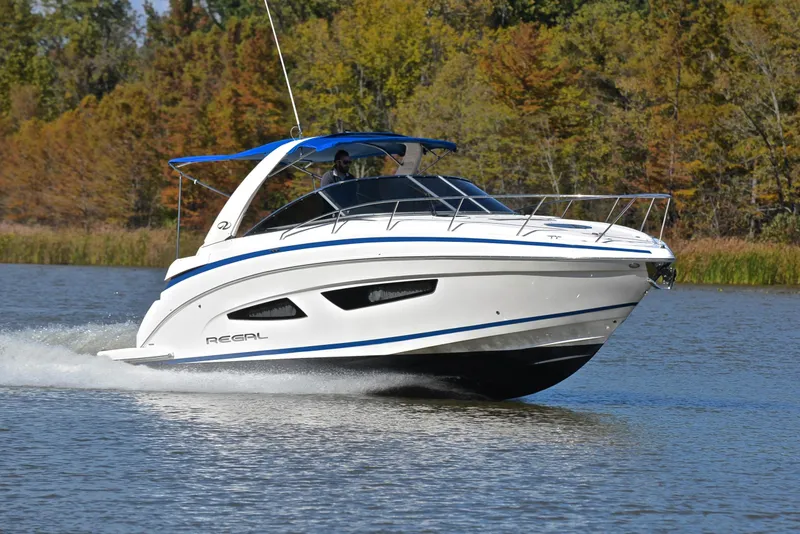
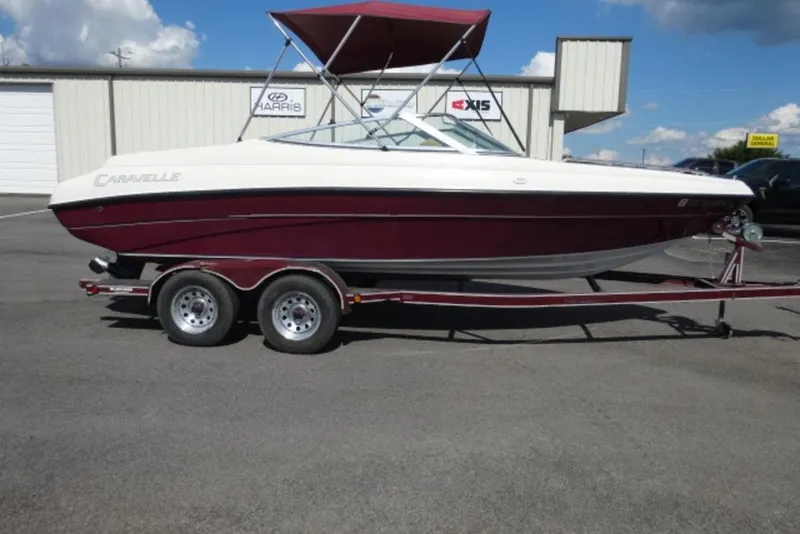
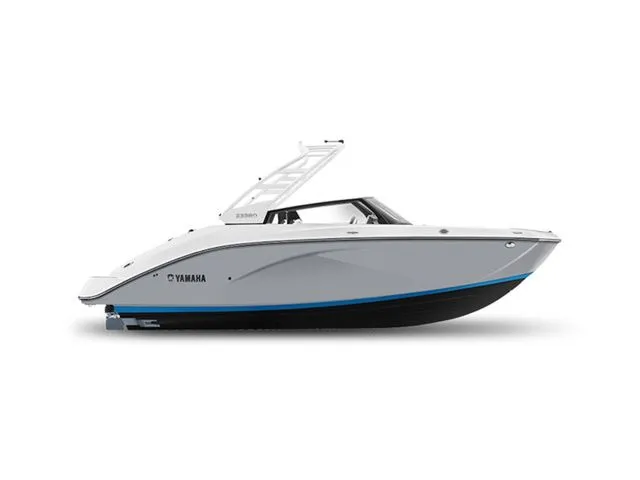
- A deck boat or bowrider is the “do a little of everything” option for Arkansas boating—tubing, cruising, and quick ramp launches. They work well on lakes where you’ll mix open-water runs with cove time, like Beaver and Greers Ferry. Just be honest about your lake: if you’re on a big, windy reservoir and you’ll be out on busy weekends, a heavier hull and enough freeboard matter more than a flashy stereo package.
Costs, logistics, and practical details
Slip and storage costs vary by lake and by how “in-demand” the shoreline is. For annual covered slips, real posted examples include Starkey Marina on Beaver Lake at about $2,220/year for an uncovered 20 ft slip and around $2,420–$4,015/year for common covered sizes; and Furgerson’s Choctaw Marina on Greers Ferry listing covered slips around $2,475–$3,875/year depending on size (prices updated January 2026). Arkansas State Parks also posts slip pricing at DeGray Lake Resort State Park, with annual rates like $1,375 for an uncovered 16' x 20' slip and $2,375 for an 11' x 34' covered small craft slip, plus a $2,750 annual covered houseboat slip. That gives you a realistic baseline for Arkansas marina slip rates even before you factor in electricity, lift rental, and location premiums.
Fuel and services are generally easy on the bigger lakes: marinas that cater to rentals and slip holders tend to have fuel docks, ice, basic parts, and someone who can point you to a mechanic. Hot Springs Marina on Lake Hamilton is a good example of a full-service setup with rentals, covered slips, and dry storage options. On the northern lakes, marinas like Lost Bridge and Starkey support the rental-and-day-use crowd, which usually means you can get what you need without hauling back to town.
Paperwork in Arkansas is manageable, but don’t ignore it. AGFC says anyone born on or after Jan. 1, 1986 needs a Boater Education Card to operate a motorboat (10 hp+) or sailboat, and the card must be carried while operating. Registration is required for any vessel powered by machinery (including trolling motors), and Arkansas’s registration fees are length-based (e.g., under 16 ft is $7.50; 16–26 ft is $15) with registration valid for three years per commonly state guidance. Also note the insurance trigger AGFC highlights: required if your boat is over 50 hp or if it’s a personal watercraft.
Frequently Asked Questions
Is Arkansas good for boating?
Yes—boating in Arkansas is excellent if you like lake boating and you’re willing to plan around summer crowds and weather. The state has multiple large, destination-level reservoirs (Ouachita, Beaver, Greers Ferry, Bull Shoals, Hamilton) with established marinas, ramps, and rental options.
How much does a boat slip cost in Arkansas?
Expect roughly $1,300–$4,000+ per year for many common slips, depending on lake, size, and whether it’s covered. Examples include DeGray Lake Resort State Park annual slips around $1,375–$2,375 and Beaver Lake’s Starkey Marina listing annual slips around $2,220–$4,015 for common sizes.
What is the boating season in Arkansas?
Most people consider May through September the main season, with strong shoulder-season boating in March–April and October if the weather cooperates. Summer is the busiest and hottest period, and storms can change plans fast.
Do you need a boating license in Arkansas?
Arkansas doesn’t use a traditional “boating license,” but it does require boater education for many operators. If you were born on or after January 1, 1986, you generally must have an approved Boater Education Card to operate a motorboat (10 hp+) or sailboat and carry proof while operating.
Where are the best places to boat in Arkansas?
Top picks depend on your style: Lake Ouachita for clear water and big coves, Beaver Lake for Ozarks scenery and long shoreline runs, Greers Ferry Lake for a balanced family-and-fishing setup, Bull Shoals Lake for huge water and houseboat vibes, and Lake Hamilton for a social scene and dock-and-dine convenience.
Is Arkansas a good place for boating?
For most lake boaters, yes—boating in Arkansas is a strong fit because you get multiple big-water options, a deep boating culture, and enough marinas and ramps to support everything from bass tournaments to family pontoon days. The best part is choice: you can chase quiet water on Ouachita or Bull Shoals, or lean into the social side of Hamilton.
Arkansas suits boat owners who like to trailer, explore different lakes, and take advantage of shoulder seasons. If your plan depends on a prime covered slip at a popular marina, start that conversation early and budget realistically—because the “easy button” (slip life) is where costs and availability tighten up. If you’re shopping boats in Arkansas, pick the lake first, then buy the boat that matches that lake’s reality.
You will love boating here if:
- You like big reservoirs with long runs and lots of coves, especially on lakes like Ouachita and Bull Shoals.
- You want a pontoon-friendly lifestyle with marinas, rentals, and easy family cruising on places like Hamilton, Beaver, and Greers Ferry.
- You’re a fisherman who wants early-morning ramp access and a strong local angling culture.
- You prefer having multiple weekend options within the state instead of being locked into one body of water.
- You’re comfortable trailering and launching efficiently, which makes Arkansas boating cheaper and more flexible.
You might find it challenging if:
- You need uncrowded water on summer weekends but only boat mid-day on the most popular lakes.
- You want a guaranteed covered slip without joining a waitlist or paying premium pricing.
- You dislike heat and humidity, because July and August can turn boating into a short, early-morning window.
- You’re not willing to learn local navigation quirks like stump fields, shallow coves, and marked channels.
- You expect coastal-style marina amenities everywhere, because some areas are still more ramp-and-go than resort-service.
Before you commit, rent for a day on the lake you’re targeting and do a full “launch–cruise–dock–retrieve” loop—Arkansas will tell you fast whether it matches your boating style.

 Login with Google