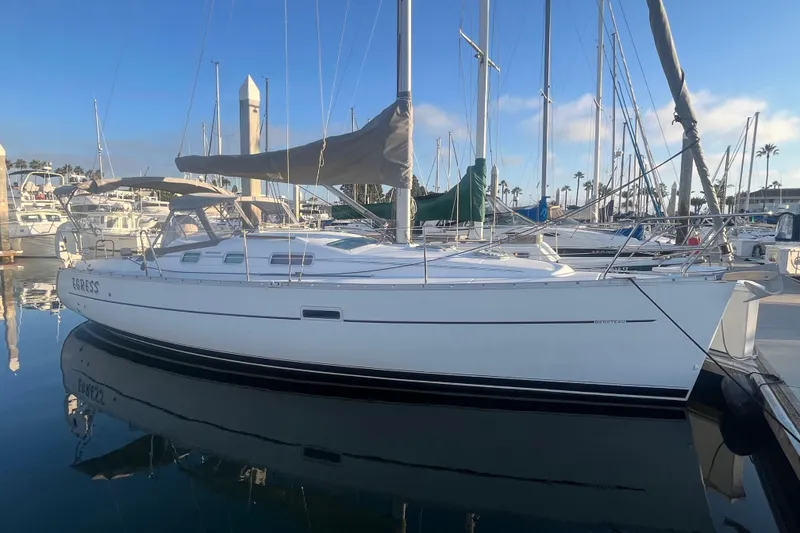
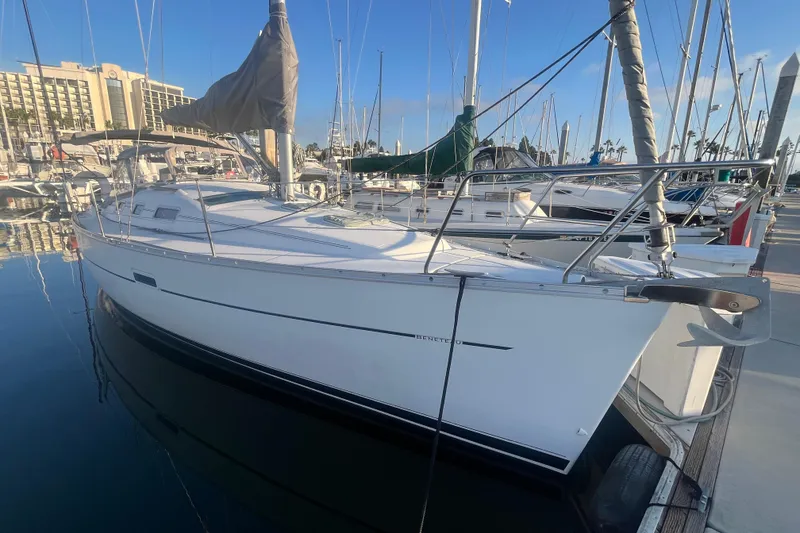
2005 Beneteau 323Sold
$64,600
Boat in San Diego, CA 92101 US
 Built in 2005
323

1 Engine (Yanmar)

32 feet

Diesel

Fiberglass/Reinforced
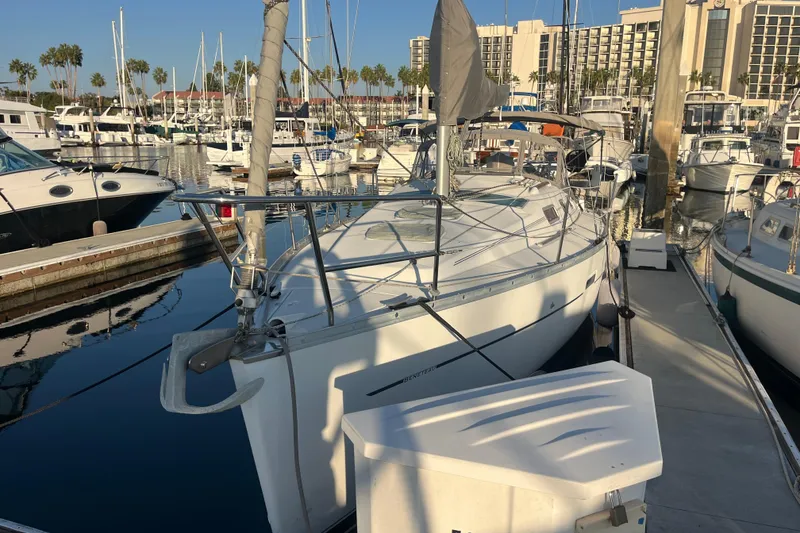
"Seas The Day " is a very clean Third owner 2005 Beneteau 323. The 323 is a great starter boat to get the family out on the water and create a lifetime of memories. Or the perfect platform for a couple looking for a nice manageable size boat to enjoy time together on.
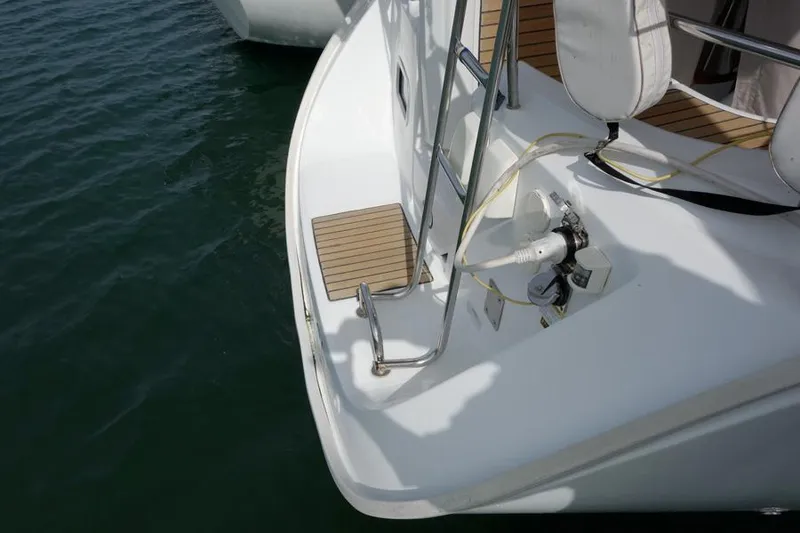
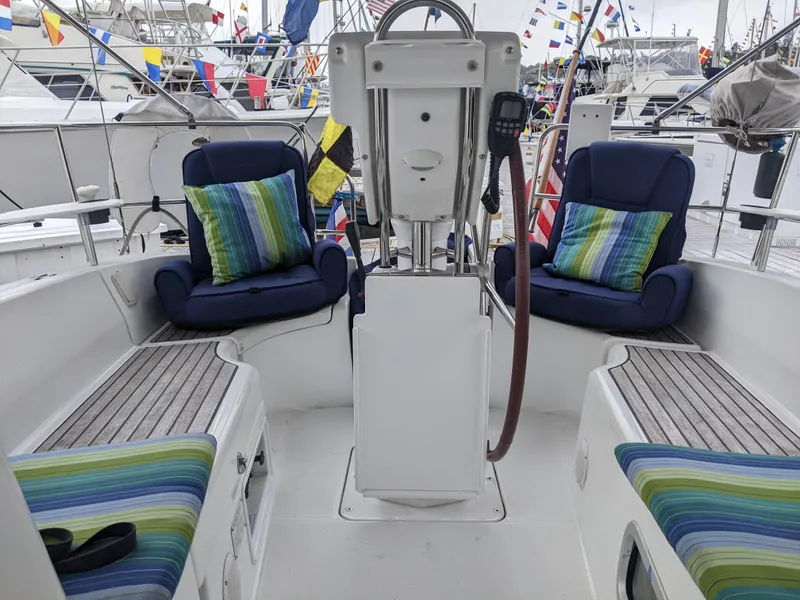
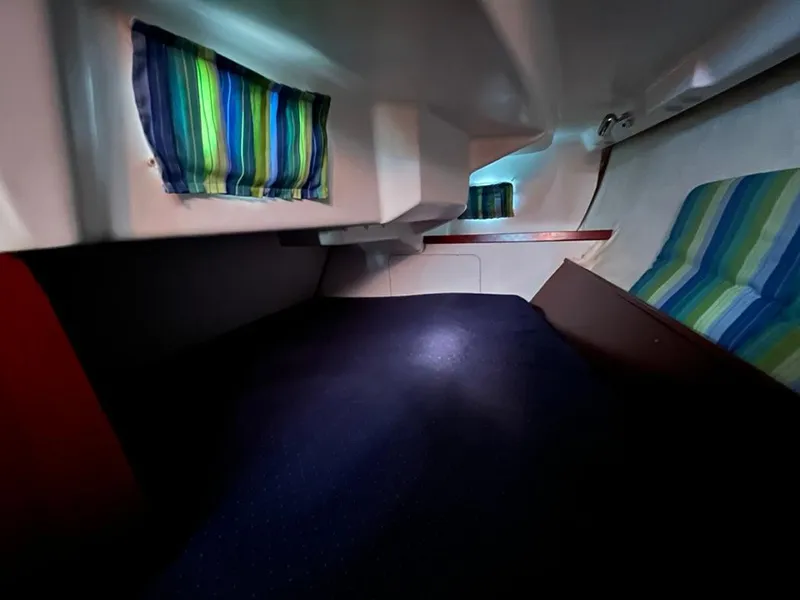
The Beneteau 323 was first introduced in 2004 and is equipe'd to appeal to buyers looking for a mid sized boat with a big boat feel, with generous interior volume and a large aft stateroom, combined with a roomier cockpit that incorporates a swing away Helm wheel for ease of access while at the dock or out on the Hook, this along with the a helm seat that is attached in a way that allows it to be tilted out of the way for simple and easy access to the transom boarding platform.
Bottom Antifoul Paint - April 2024
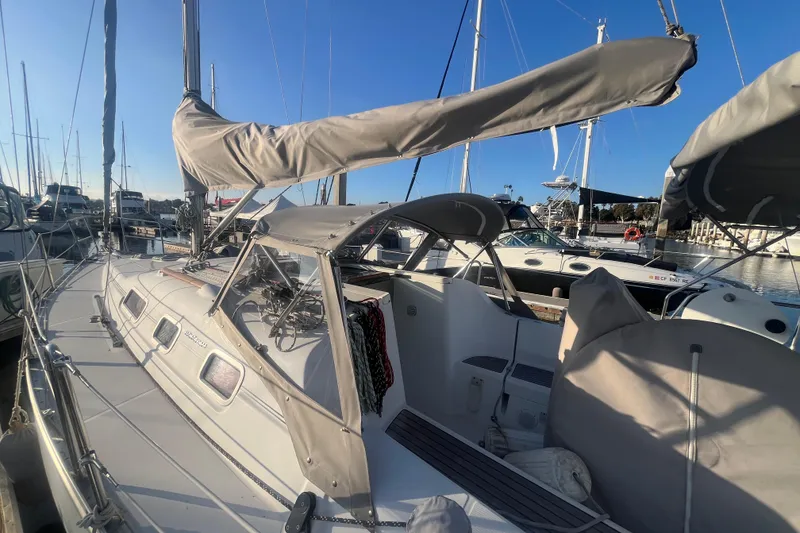
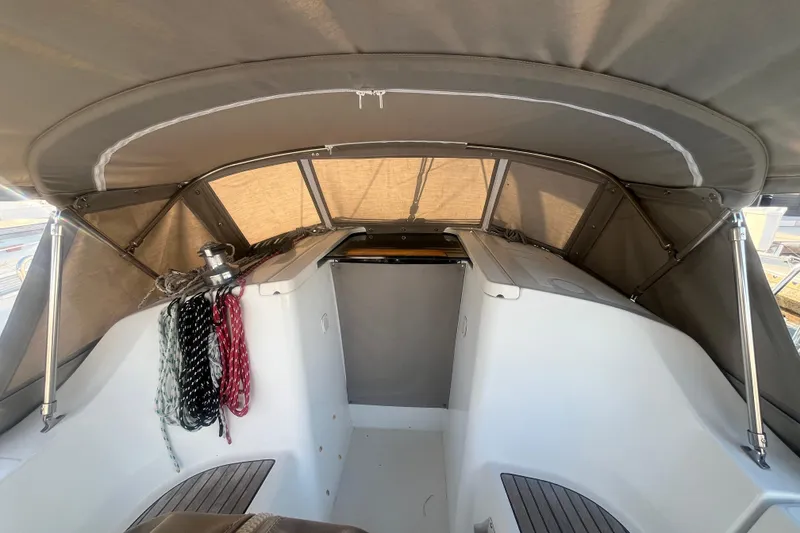
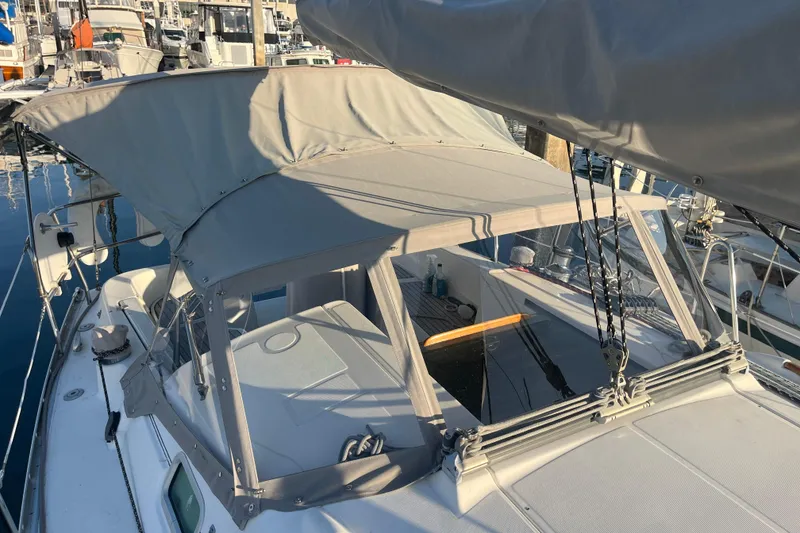
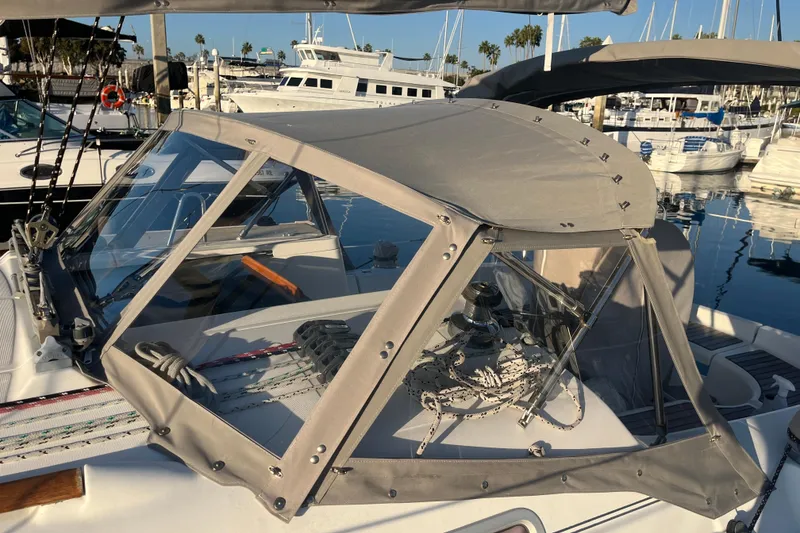
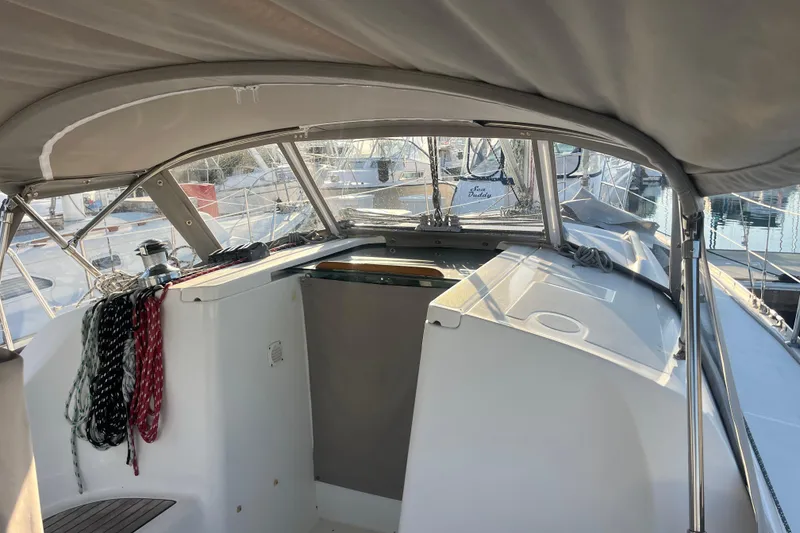
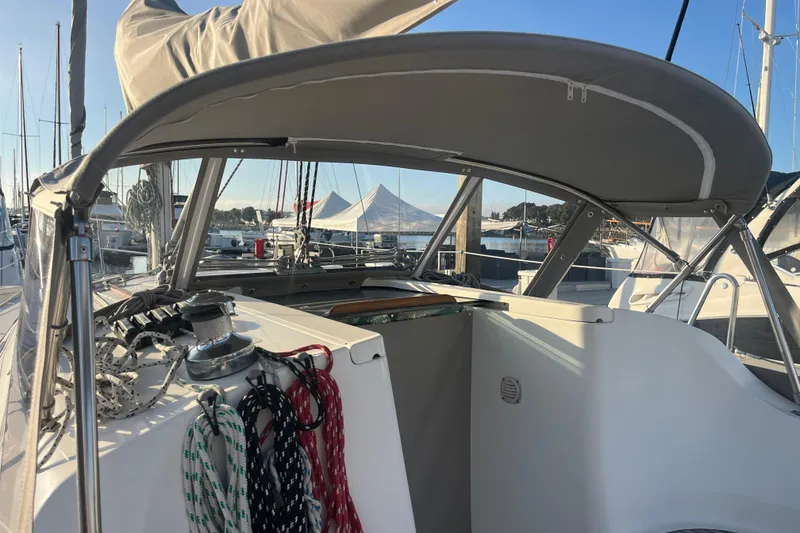
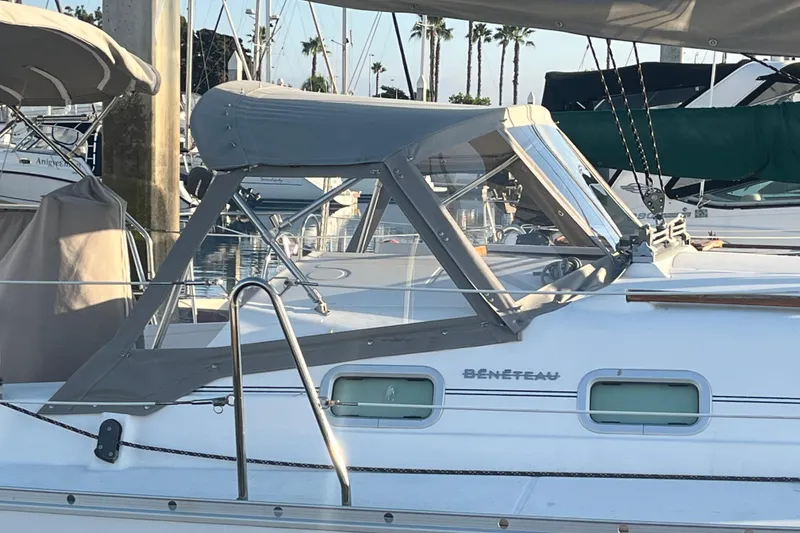
New Dodger Canvas / Isenglass / Isenglass Covers - Sept 2025
New Main Sail Canvas - Sept 2025
New Start Battery - Sept 2025
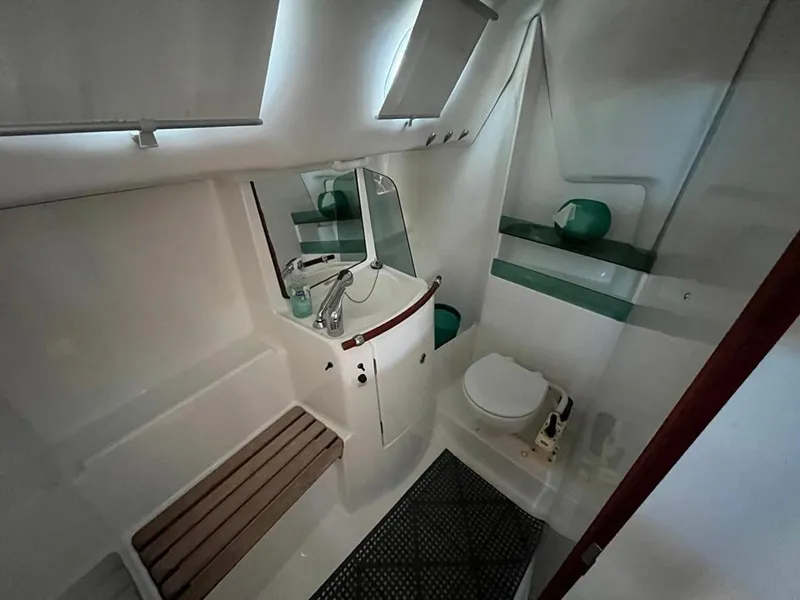
New Toilet - Sept 2025
New Dock Lines - Sept 2025
LWL: 29.17 feet
LOA: 32.83 feet
BEAM: 10.90 feet
DRAFT: 5' 11" DEEP
BALLAST ON DEEP DRAFT KEEL: 2,258 lbs
DISPLACMENT: 9,235 lbs
BRIDGE HEIGHT CLEARANCE: XXX
TANKAGE
WATER TANK: 42 us gal
DIESEL FUEL TANK: 17 us gal
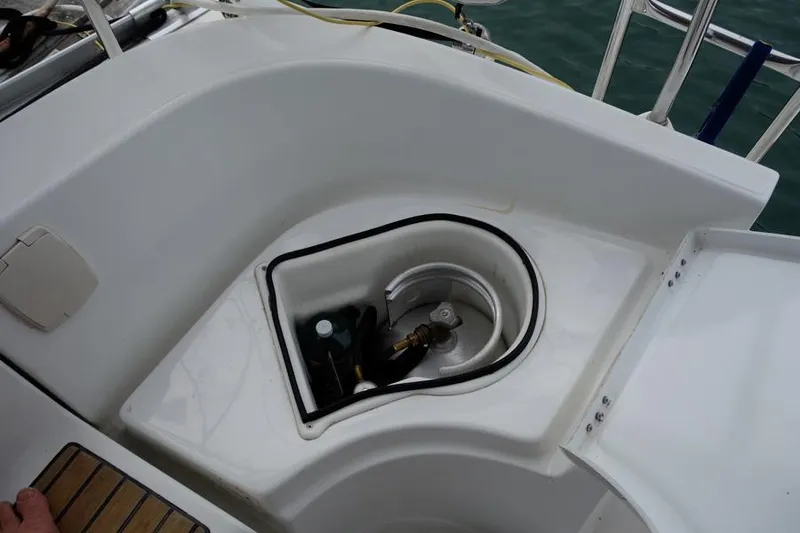
PROPANE TANK:
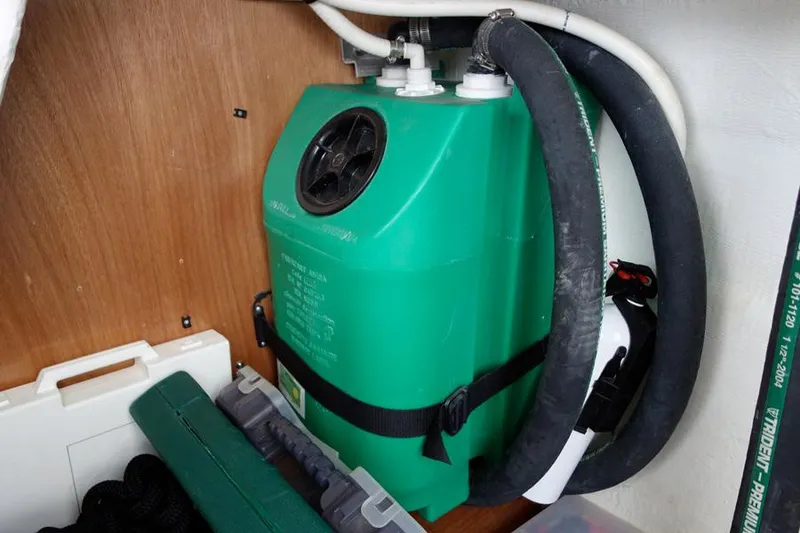
HOLDING TANK: 13 us gal
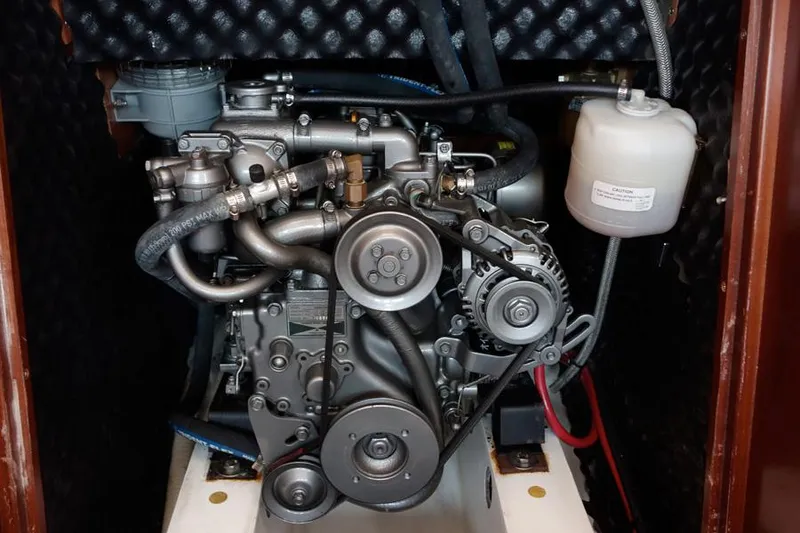
• DIESEL Yanmar 20GM20R
• Prop - Folding 2 blade bronze
• Shaft Drive
• Engine Hours Approx = 464
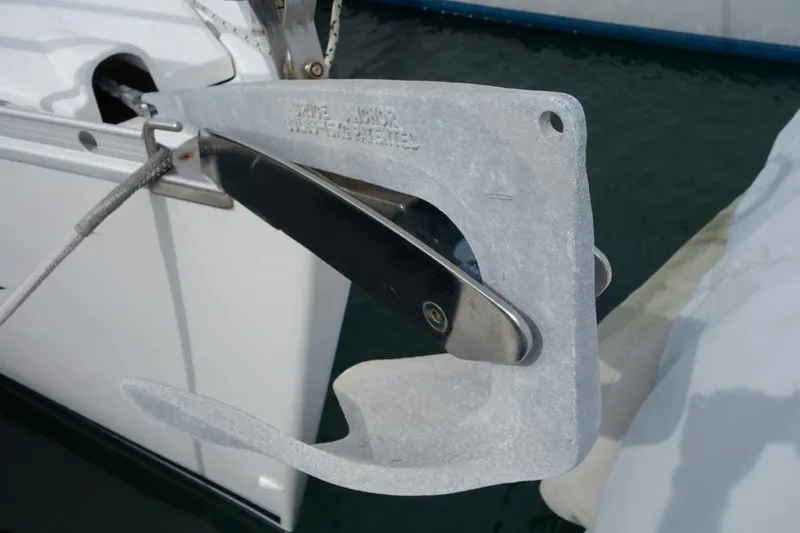
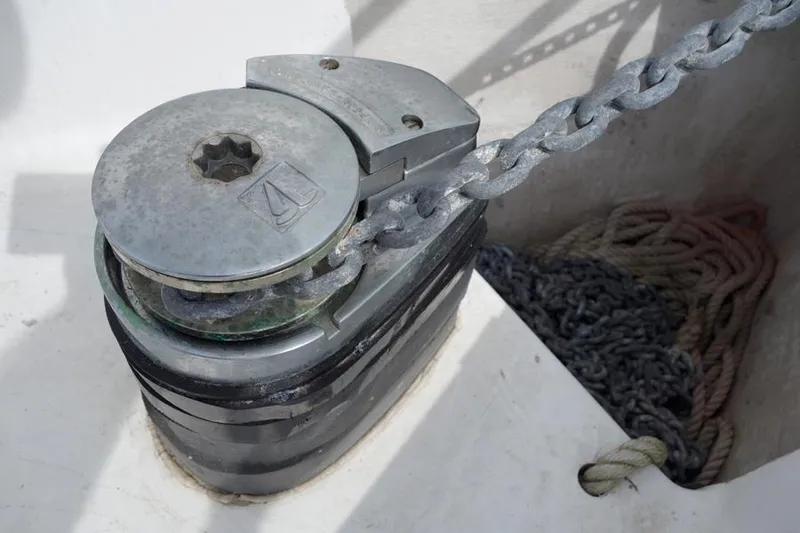
• 33 lb Bruce Anchor with XXX feet rode and XXX feet Chain
• Electric WIndlass
• Horseshoe Lifesaver
• 4 Pack Life Jackets, And Throwable
• First Aid Kit
• Safety Flares, Air Horn
• Fire Extinguishers
• Dock lines / Fenders
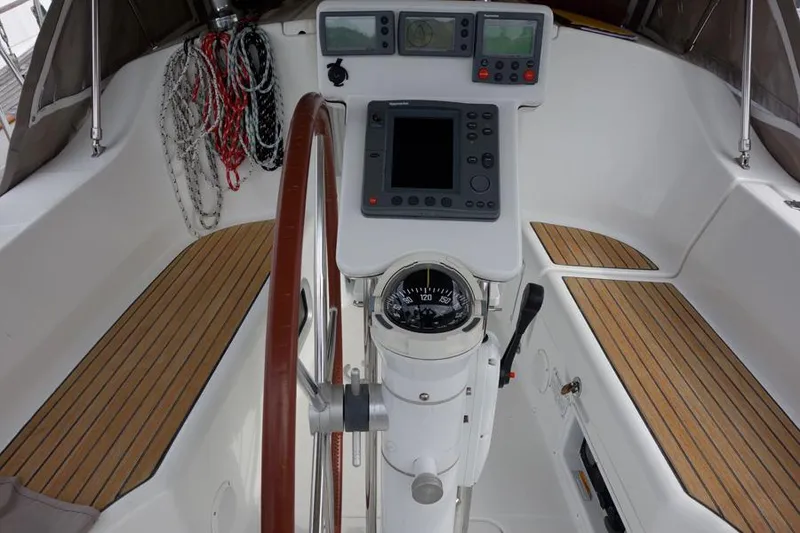
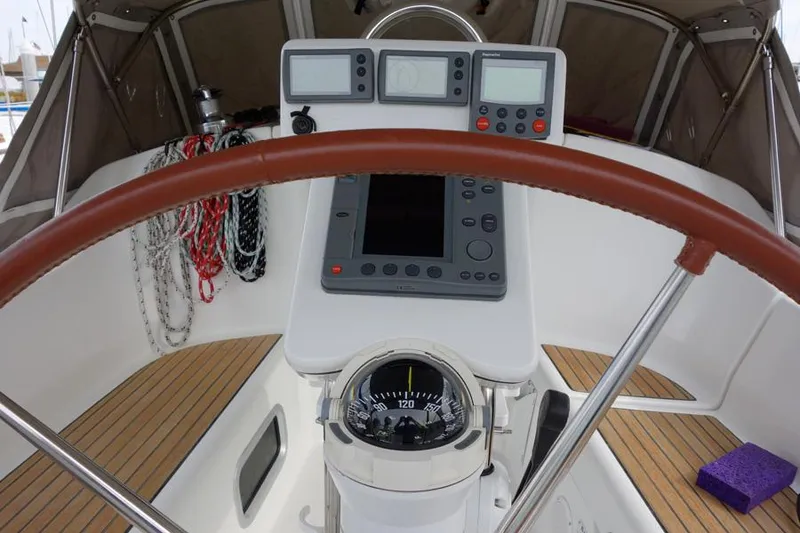
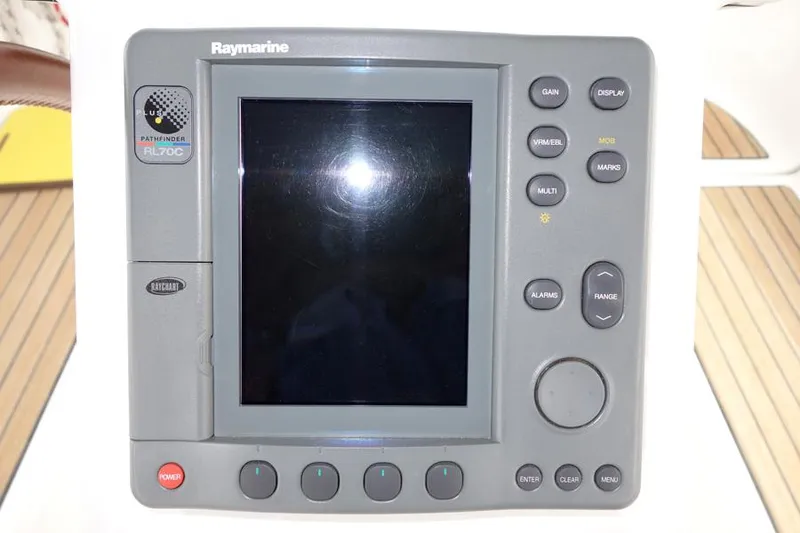
• Raymarine Chartplotter RC70C
• Raymarine Autopilot ST6001
• Raymarine ST40 WInd
• Raymarine ST40 Multi Data
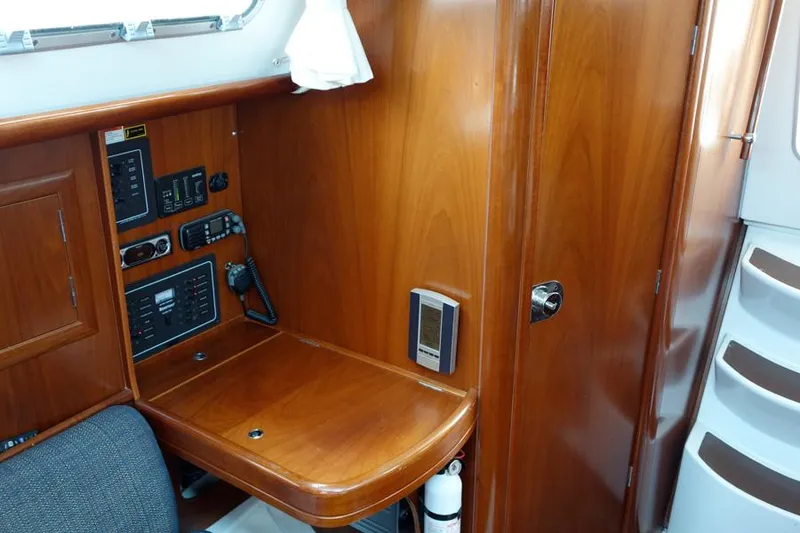
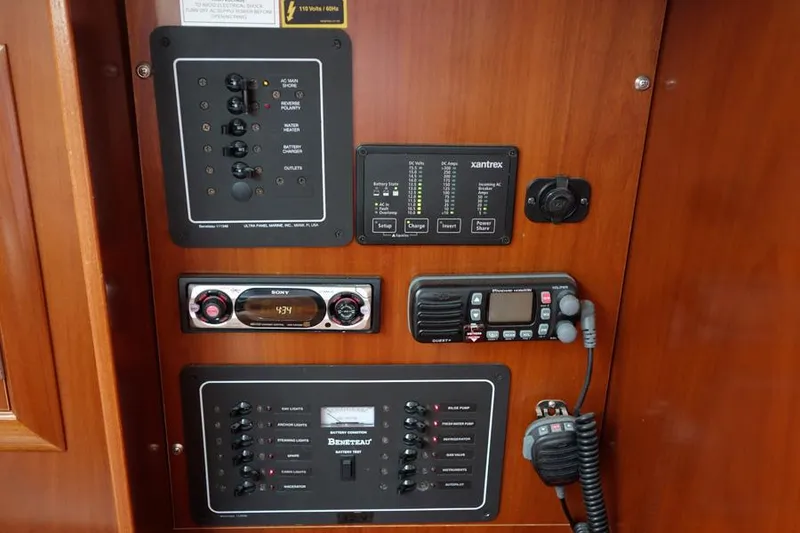
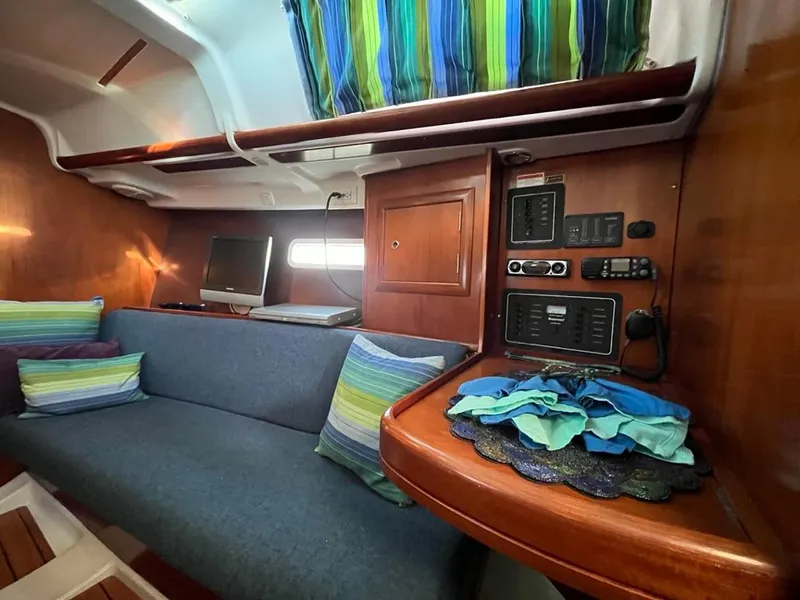
• Standard Horizon VHF Radio at Nav Station with RAM Mic at Helm - Olympic BV0062 Magnetic Compass
• Sony Stereo
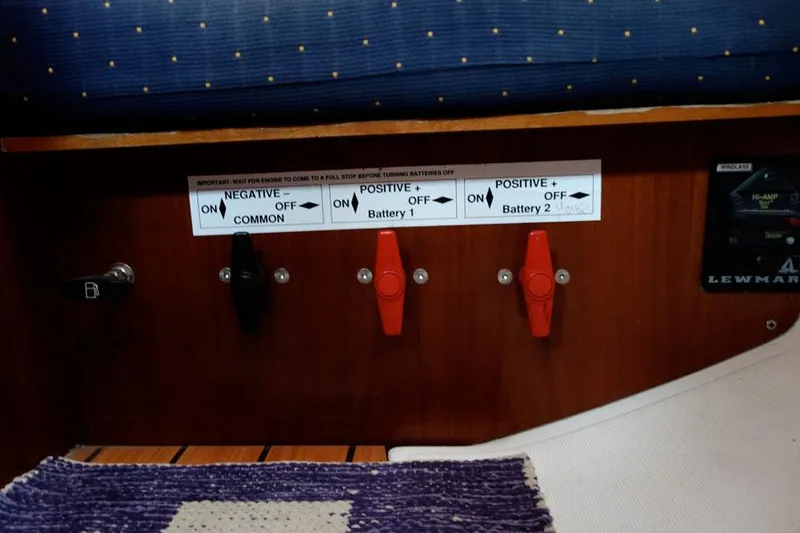
• 2 8A4D AGM House Battery Banks
• 1 Dedicated Engine Start Battery NEW SEPT 2025
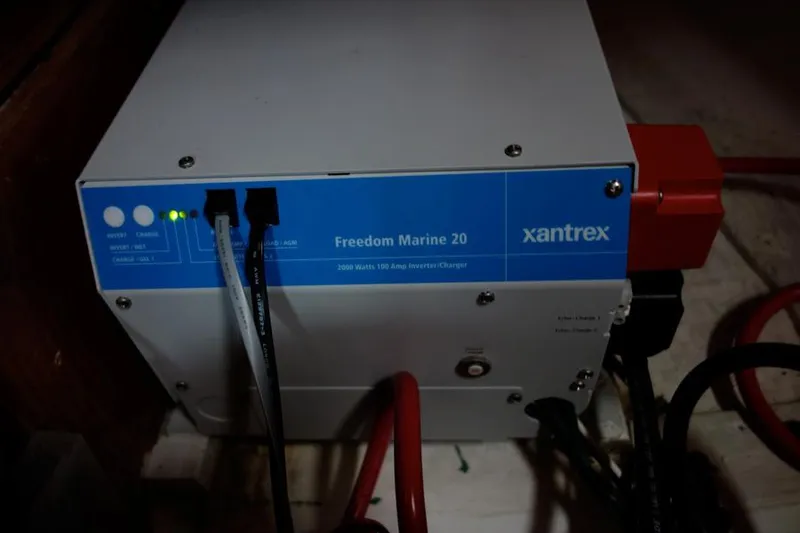
• Xantrex Battery Charger / Inverter 2000watt 100AMP Freedom Marine 20
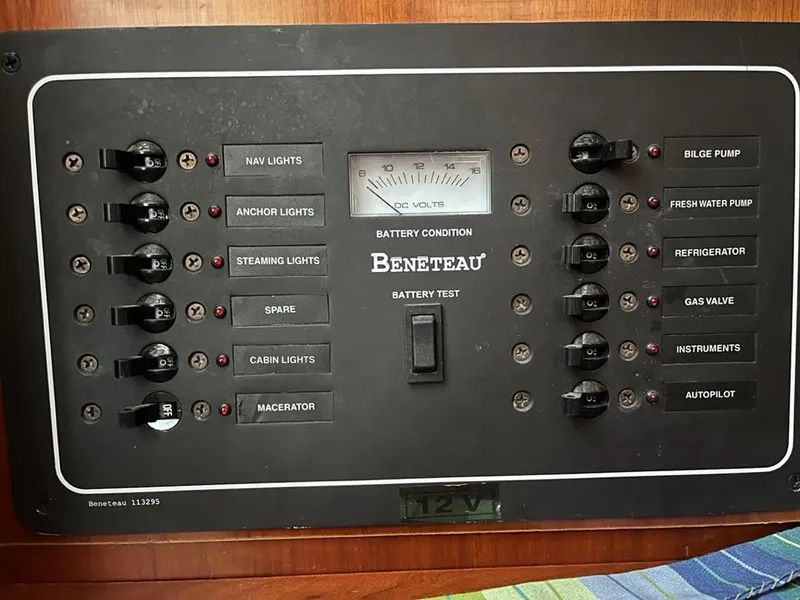
• AC & DC Circuit breakers at Nav table
• 115 volt standard plug receptacle in main salon
• 12V Plug at Nav Table
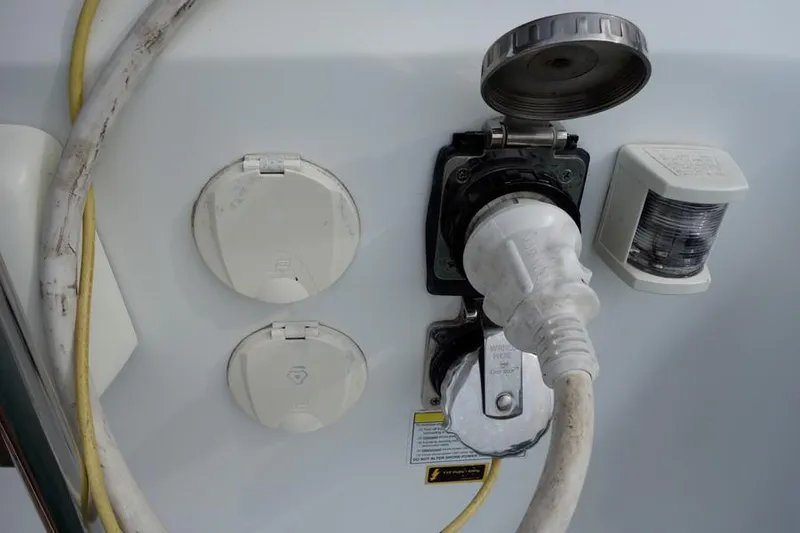
• 30amp shore power inlet and power cord
• Cabin lights
• Nav lights
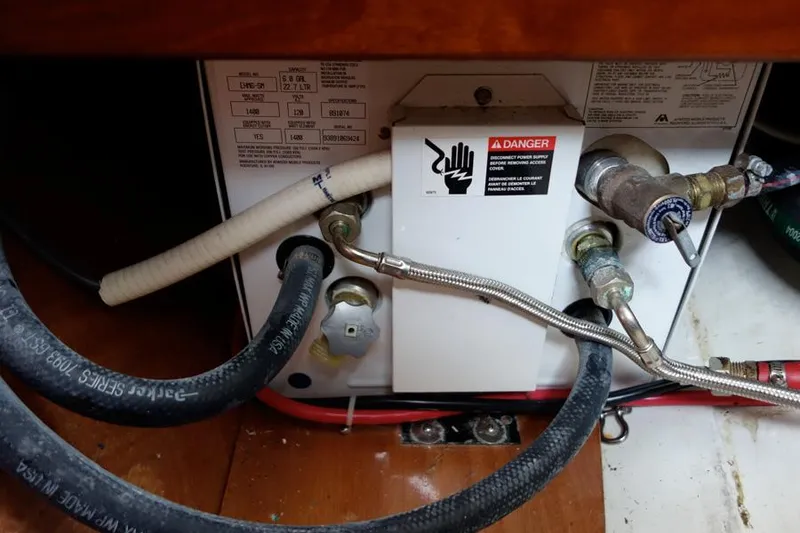
• SS Hot Water Heater
• Marine Head (toilet) NEW Sept 2025
• Macerator
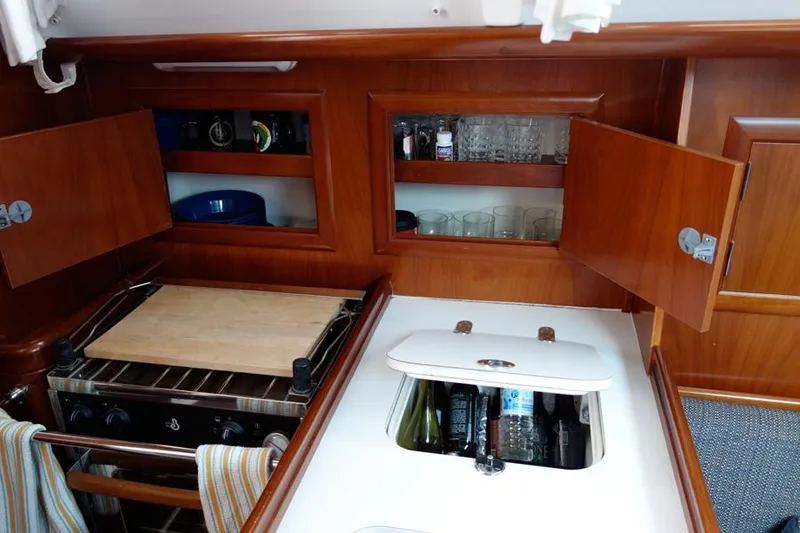
• 12v Frigeboat Refrigeration unit
• Sump Pump Out on Refrigerator
• Shower at transom
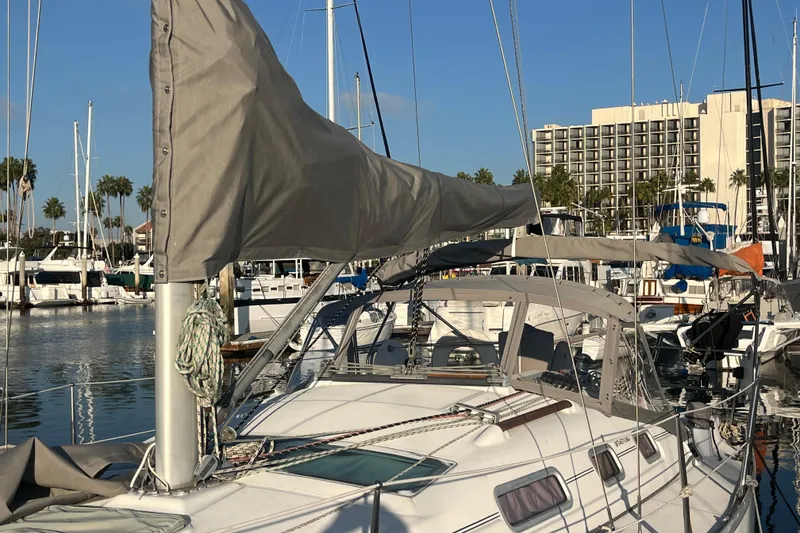
• Dodger (NEW fabric / isenglass Sept 2025) / Sunshade Canvas Connector / Bimini - Lt Grey
• Mainsail cover NEW Sept 2025
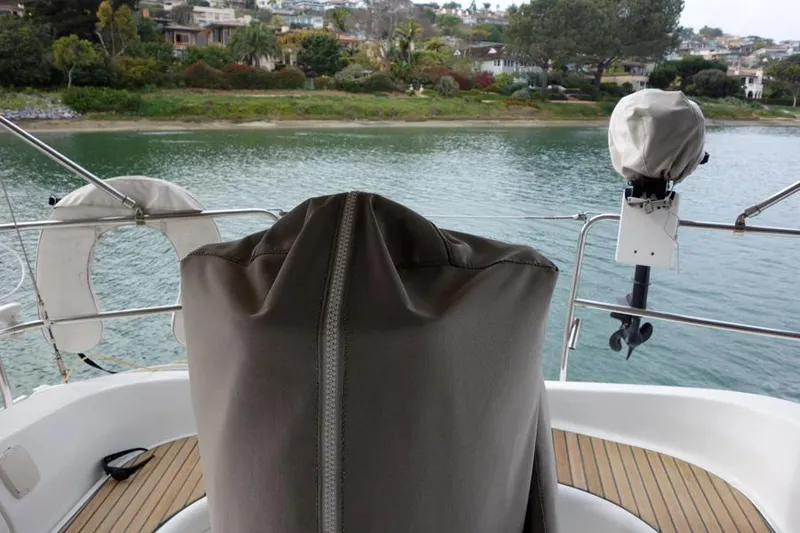
• Helm / Wheel cover
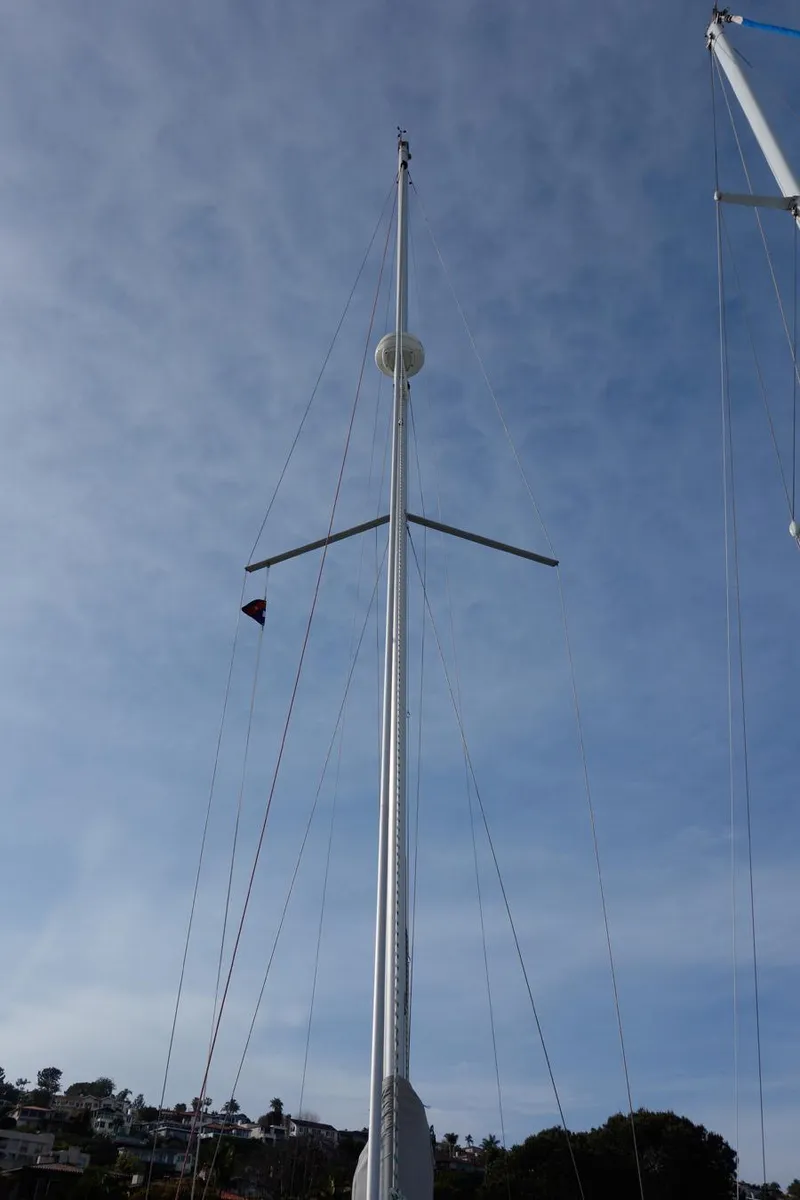
• Aluminum Mast with single swept spreaders and Boom by US Spars / Deck Stepped
• Mast with Slot for Main Sail Slugs (NO in Mast or in Boom Furling)
• Boom Configured with Stack Pack and Lazy Jacks
• Radar mounted on front of Mast
• Cabin top mainsail traveler
• Pin stop adjustable jib cars
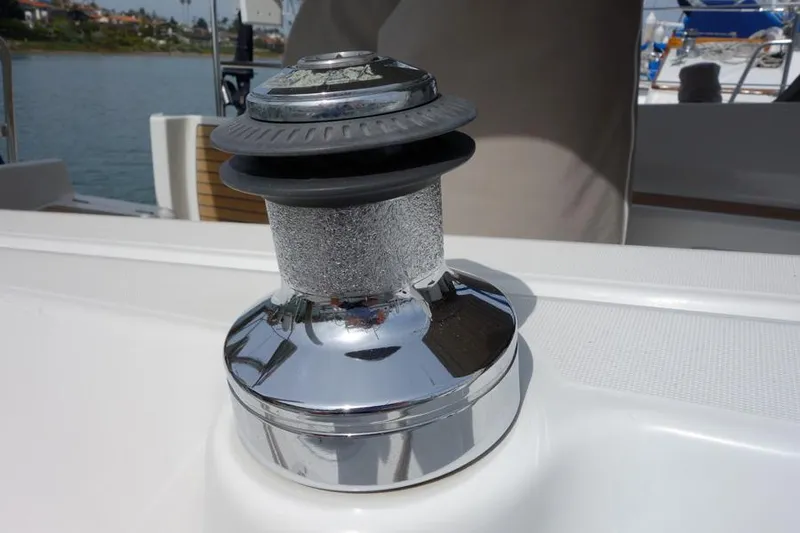
• Harken coaming mounted ST30 chrome winches
• Harken port cabin top mounted ST30 chrome winch
• Traveler
• Boom Vang
• Rope/Line stoppers /jammers on port cabin top
• Split backstay
• Facnor Roller Furler for headsail
• Dacron Main Sails - 2005
• Dacron Jib on Facnor Roller Furler - 2005
• Assymetrical Spinnaker - like new only flown a couple of times
With a sail area-displacement ratio of almost 21 and a displacement-length number of 152, you would expect this boat to be quite sprightly for a cruising boat—and you would be right. We took a sail on the Chesapeake, and found the 323 to be a very good light-air performer albeit a bit tender in stiffer breezes. Initially sailing in 5 knots of wind, we saw 4-4.5 knots of speed on the GPS. This was, of course, speed over the ground, but there was little current.
When true windspeed increased to 10 knots, we close-reached at 5.8-6.2 knots (SOG). The boat was well-mannered and dry, but was slightly overpowered in the gusts at that point with the full mainsail and 116% genoa. We’d guess that a single reef in the main and/or a working jib would provide a more comfortable combination when windspeed reaches 15 knots—but we’d like to hear from any 323 owners on this topic. Please go to the
Given 30-plus developmental years, Beneteau’s system appears to have reached maturity. Hulls are solid fiberglass with vinylester resins in the outer skin to prevent osmotic blistering. Behind the skin coat are computer-cut sections of fabric wetted with polyester laminating resin.
The company is now using zone-specific stitchmat in the layup, varying the weight of the fabric to meet calculated stress loads in specific areas. In theory, this method avoids overbuilding in certain areas, and we suspect it may also reduce the cost of the lamination, while slightly reducing the weight of the final product.
The hull liner consists of a pre-formed grid system of fiberglass stringers, beams, engine and tank supports, and cutouts into which tanks are installed. Chainplates are attached to stainless steel rod bedded in solid fiberglass. The lamination schedule employs non-woven stitchmat fiberglass, and unidirectional rovings. Hull and deck liners are bonded with a polyester adhesive compound.
Bulkheads are bonded to both hull and deck to produce a monocoque structure; they are bedded in a two-part polyurethane adhesive, an alternative to the traditional method of tabbing with fiberglass strips.
The deck is a sandwich cored with Trivera, a polyester cloth that provides some structural support while preventing print-through during the lamination process.
Areas where deck gear and stanchions are installed are solid fiberglass. Deck gear is secured with nuts, bolts, and backing plates. This can almost be considered a “traditional” method of construction these days.
In the hull-deck joint, the deck rests on an inward-turning hull flange, and the two are married by a combination of stainless steel fasteners, polyurethane glue, and a toerail secured with through-bolts and nuts.
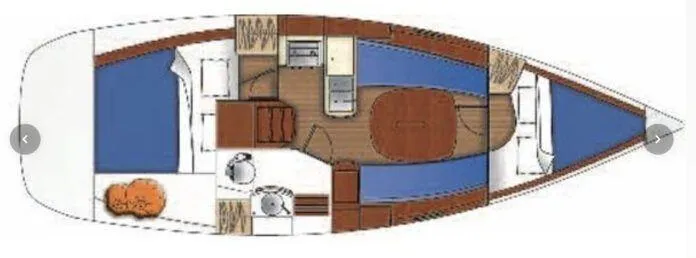
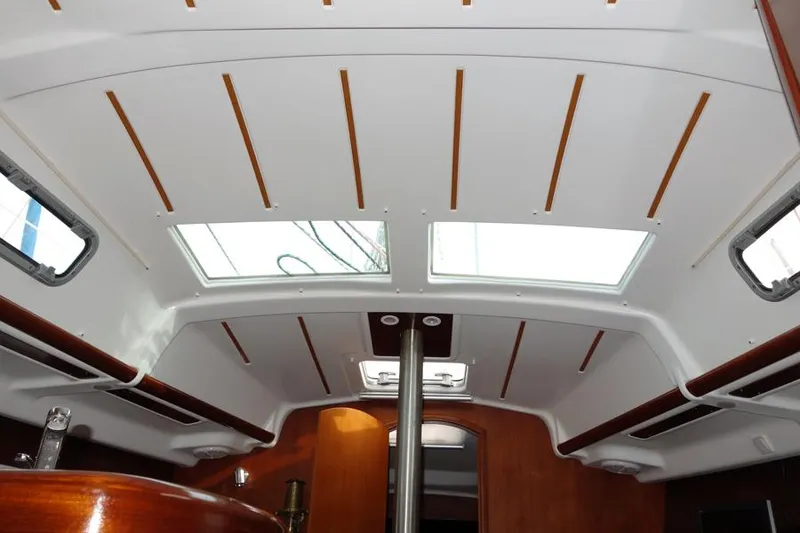
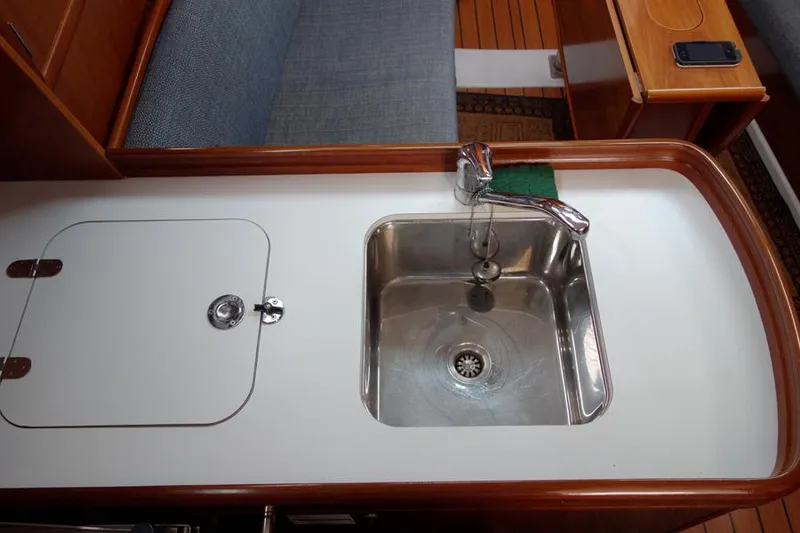
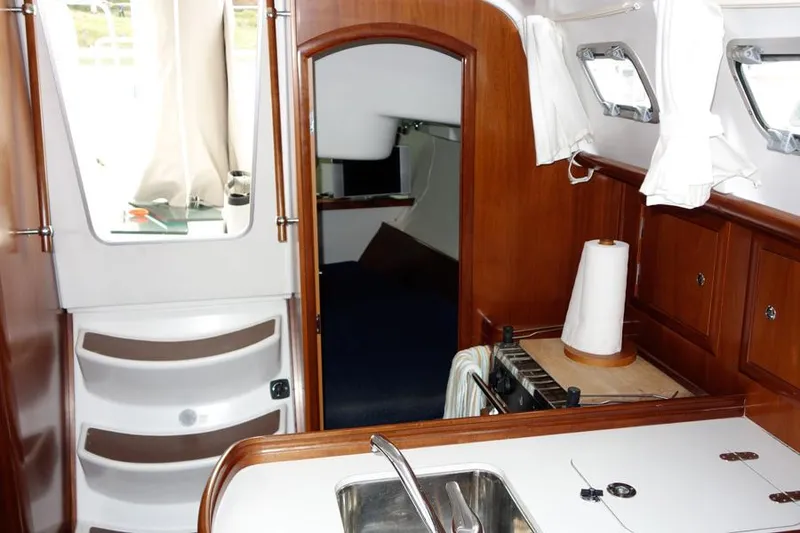
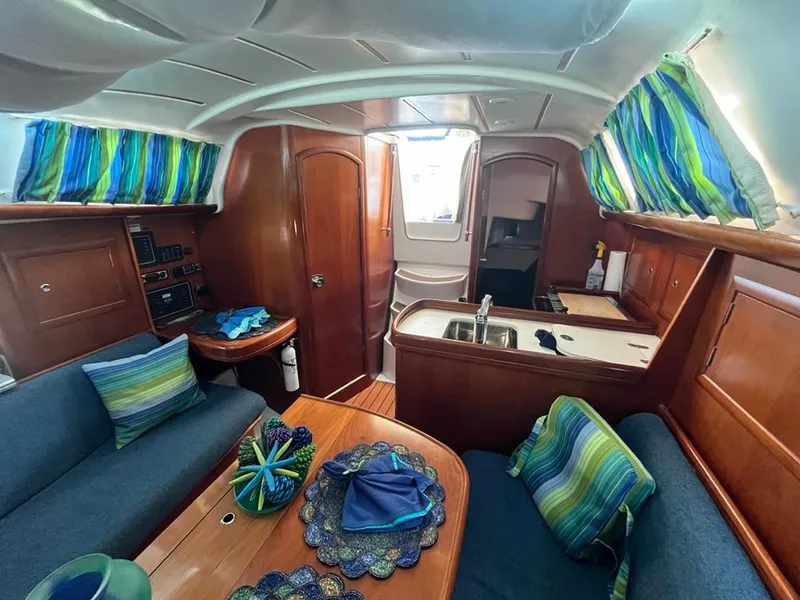
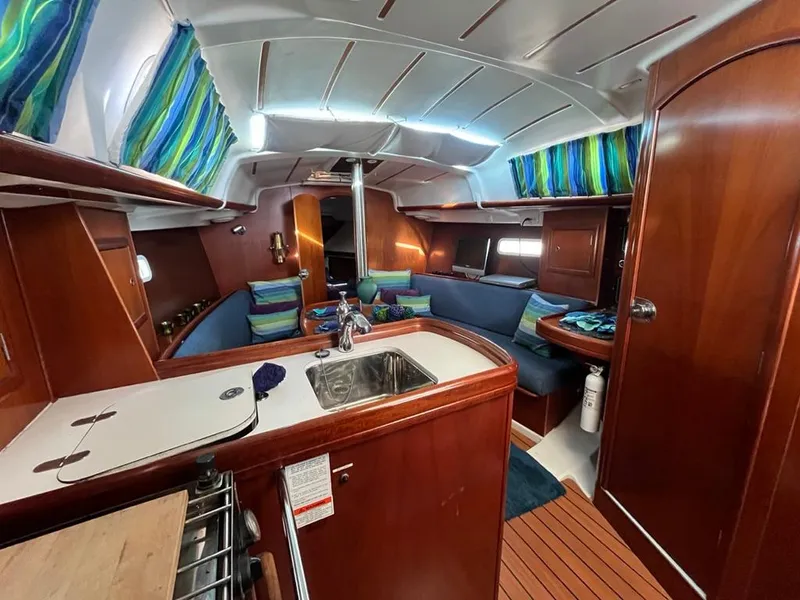
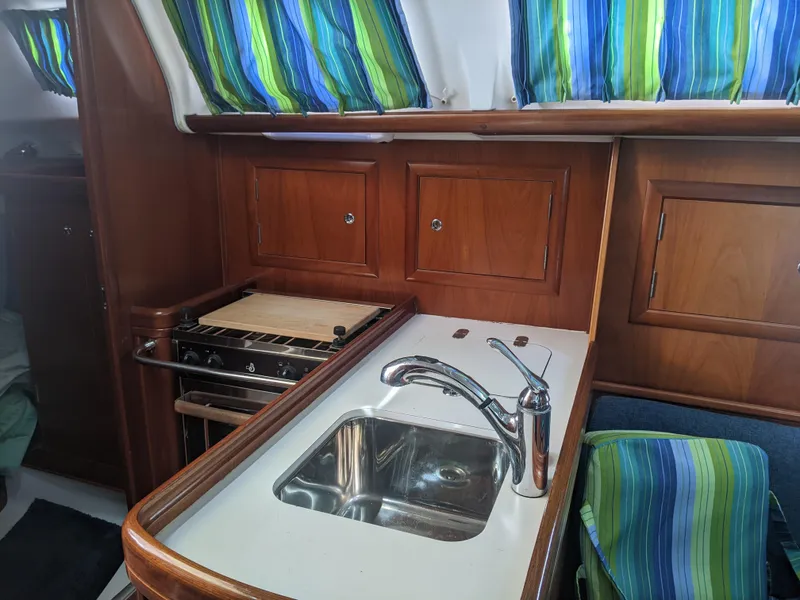
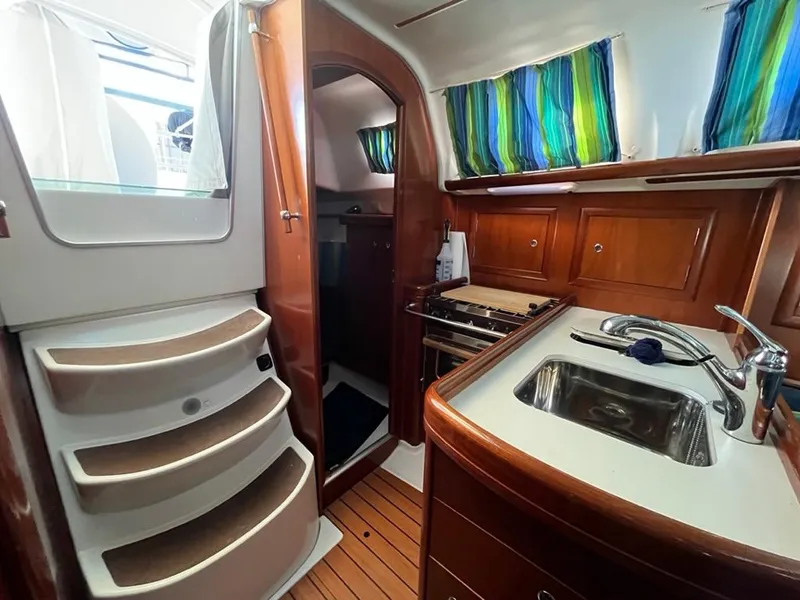
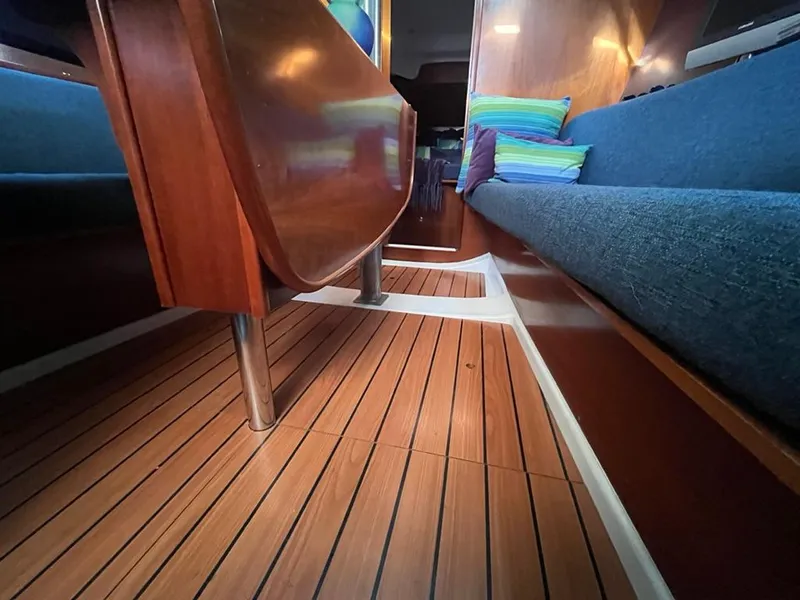
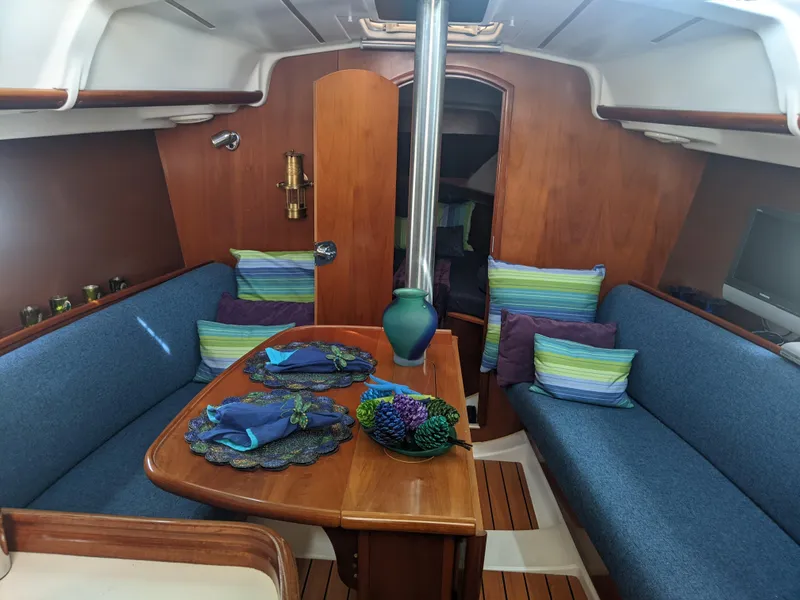
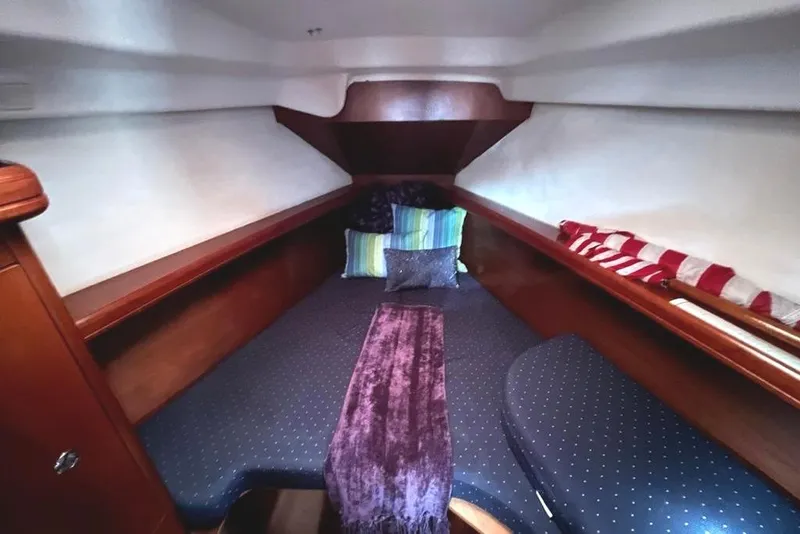
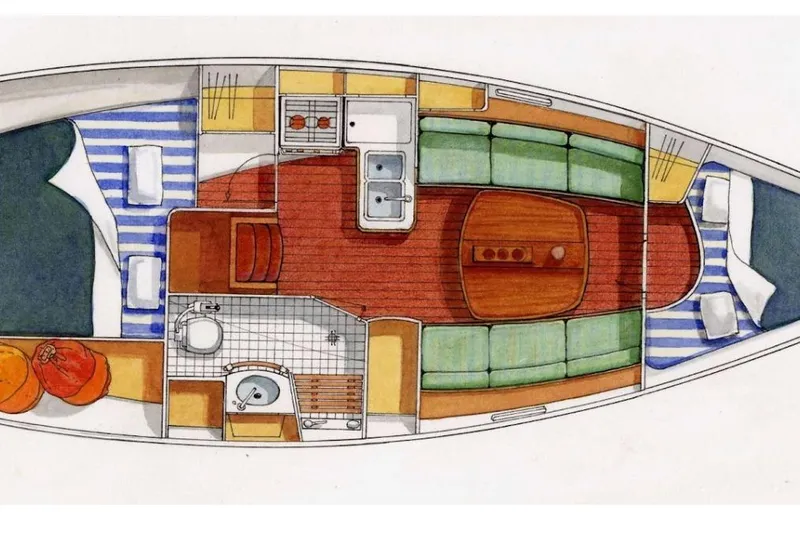
Given the constraints of operating within the space available in a 32-footer, Groupe Finot managed to locate things in a way that allows four adults to have adequate elbow room in the living quarters. The saloon is fitted with an L-shaped galley to port at the foot of the companionway, settees port and starboard that will seat six comfortably, a functional nav station, and generous-sized head that could even serve as a wet locker. Forward and aft cabins will each sleep two adults comfortably.
Beneteau’s system appears to have reached maturity. Hulls are solid fiberglass with vinylester resins in the outer skin to prevent osmotic blistering. Behind the skin coat are computer-cut sections of fabric wetted with polyester laminating resin.
The company is now using zone-specific stitchmat in the layup, varying the weight of the fabric to meet calculated stress loads in specific areas. In theory, this method avoids overbuilding in certain areas, and we suspect it may also reduce the cost of the lamination, while slightly reducing the weight of the final product.
The hull liner consists of a pre-formed grid system of fiberglass stringers, beams, engine and tank supports, and cutouts into which tanks are installed. Chainplates are attached to stainless steel rod bedded in solid fiberglass. The lamination schedule employs non-woven stitchmat fiberglass, and unidirectional rovings. Hull and deck liners are bonded with a polyester adhesive compound.
Bulkheads are bonded to both hull and deck to produce a monocoque structure; they are bedded in a two-part polyurethane adhesive, an alternative to the traditional method of tabbing with fiberglass strips.
The deck is a sandwich cored with Trivera, a polyester cloth that provides some structural support while preventing print-through during the lamination process. (Larger boats are cored with end-grain balsa.)
Areas where deck gear and stanchions are installed are solid fiberglass. Deck gear is secured with nuts, bolts, and backing plates. This can almost be considered a “traditional” method of construction these days, since some builders are now bedding aluminum plates into the fiberglass and tapping them to receive mounting bolts for deck hardware. The advantages of that method include the elimination of protruding washers and nuts belowdecks, and of the leaks that often come through these mounts. The big disadvantage would be in stripping the threads in any of the tapped holes.
In the hull-deck joint, the deck rests on an inward-turning hull flange, and the two are married by a combination of stainless steel fasteners, polyurethane glue, and a toerail secured with through-bolts and nuts.
The Company offers the details of this vessel in good faith but cannot guarantee or warrant the accuracy of this information nor warrant the condition of the vessel. A buyer should instruct his agents, or his surveyors, to investigate such details as the buyer desires validated. This vessel is offered subject to prior sale, price change, or withdrawal without notice.
Price History
| Date | Event | Price |
|---|---|---|
| 11/18/25 | Initial price | $64,600 |
2005 Beneteau 323 Video Tours
Overview from around the web 2005 Beneteau 323
Customers praise the 2005 Beneteau 323 for its excellent blend of performance and comfort, making it a popular choice for both cruising and club racing
Many highlight its spacious and well-designed interior, which offers ample natural light and practical storage solutions, enhancing onboard livability. The boat’s responsive handling and reliable sailing characteristics receive frequent commendations, particularly noting its ease of maneuvering for sailors of varying experience levels. Owners also appreciate the solid build quality and thoughtful layout, which contribute to a smooth and enjoyable sailing experience. Overall, the 2005 Beneteau 323 is valued for its versatility, making it a favored option for those seeking a dependable and comfortable sailboat.
The Biggest Pros and Cons
The 2005 Beneteau 323 is a popular cruiser known for its blend of performance, comfort, and style. Here are some of the key pros and cons to consider:
Pros
Spacious Interior: The 323 features a well-designed layout with ample headroom and comfortable accommodations for up to six people, making it ideal for family cruising or weekend getaways.
Modern Styling: Sleek exterior lines and a contemporary interior design give the boat an attractive, timeless appeal.
Good Performance: With a balanced hull and efficient sail plan, the 323 offers responsive handling and solid sailing performance, suitable for both coastal cruising and club racing.
Easy Handling: The sail controls are well-organized and manageable, making it a good choice for short-handed sailing or less experienced crews.
Quality Construction: Built by Beneteau, the 323 benefits from reliable construction standards and durable materials.
Versatile Layout: Multiple cabin and storage configurations allow customization to fit different cruising needs.
Cons
Limited Storage: While accommodations are comfortable, storage space can be somewhat limited for extended cruising or liveaboard use.
Engine Power: The standard inboard engine may feel underpowered for some users, especially in adverse conditions or when docking.
Cockpit Size: The cockpit, though functional, may feel a bit tight for larger groups or when entertaining guests.
Maintenance Costs: As with many fiberglass production boats, maintenance and upkeep can become costly as the boat ages.
Shallow Draft Option: The shoal draft version compromises some upwind performance compared to the deeper keel.
Made For
The 2005 Beneteau 323 is ideal for sailors seeking a versatile and comfortable cruiser that combines performance with ease of handling. Perfect for couples or small families, it offers spacious accommodations and practical features for both weekend getaways and extended coastal cruising. Whether you’re a seasoned sailor or new to sailing, the Beneteau 323 provides a reliable and enjoyable experience on the water.
Finance your dream boat!
Finance your dream boat!
Be the first to know when similar boats hit the market
Get notified when new boats become available
Meet the Broker

Address
Boat Location
Contact Seattle Yachts - San Diego about 2005 Beneteau 323
5060 North Harbor Drive, Suite 155, San Diego, CA, 92106
Contact Seattle Yachts - San Diego
5060 North Harbor Drive, Suite 155, San Diego, CA, 92106
 Login with Google